Part of the line Chronographs before the Daytona, where it is set beside the others of its kind.
Chronograph, the 'Pre-Daytona'
The 6238 is a 36 mm Oyster chronograph with pump pushers, a smooth metal bezel and the tachymeter scale printed on the dial. It was made from the early 1960s to about 1968, in steel, 14 ct and 18 ct yellow gold; some accounts end it a year earlier, in 1967. It began shortly before the first Daytona, the 6239, and was then made alongside it. It followed the 6234 and shares its Valjoux movement and much of its dial design with the Daytona, which differs mainly in its engraved tachymeter bezel and contrasting subdials. The dials changed from a leaf-hand transitional style to a modern one with baton hands and a single scale, and there are said to be fourteen dial variants. Collectors look first at the dial series, the colour, the metal and whether hands and dial are original.
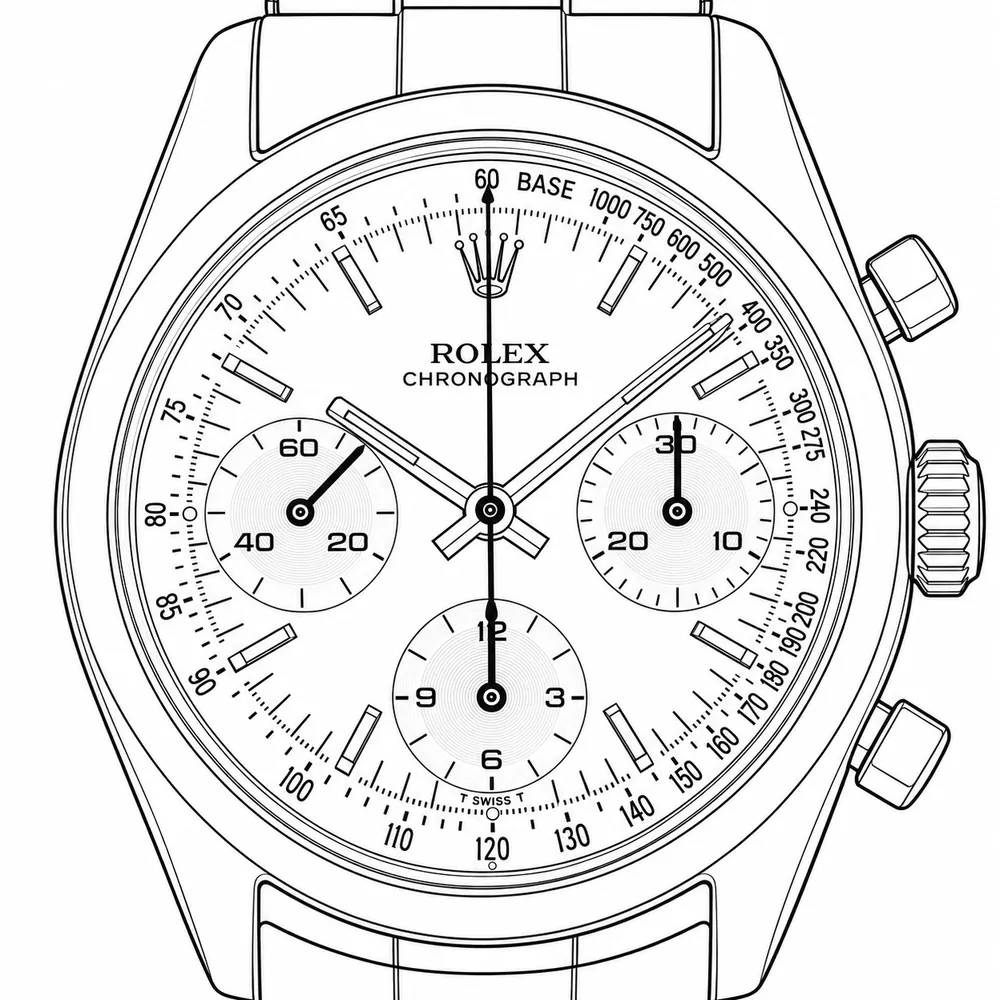
- Made
- 1962–1968dates approximate
- Seen in the library
- 1962–1968nine in ten in 1962–1967 · by case numbers
- Case
- 36 mm · steel (75%), gold (21%)as sellers state
- Movement
- Calibre 72B, 722hand-wound
- On record
- 241 listings601 photographs · 31 holders
Components
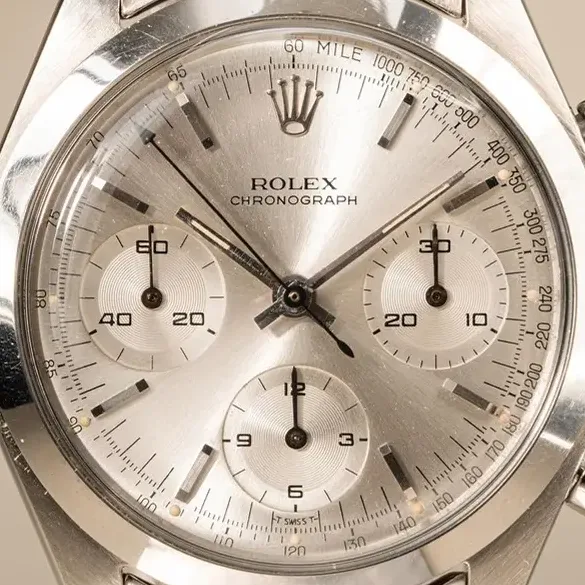
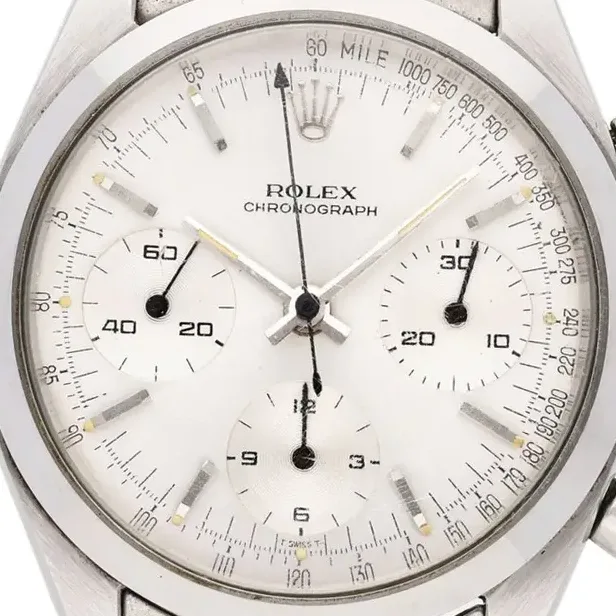
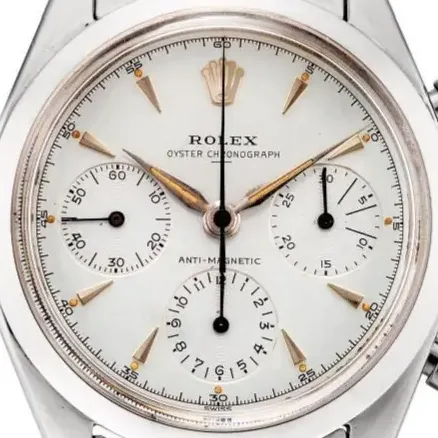
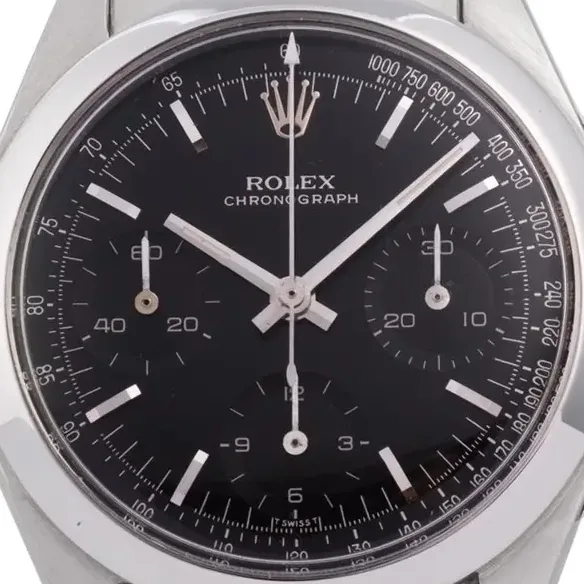
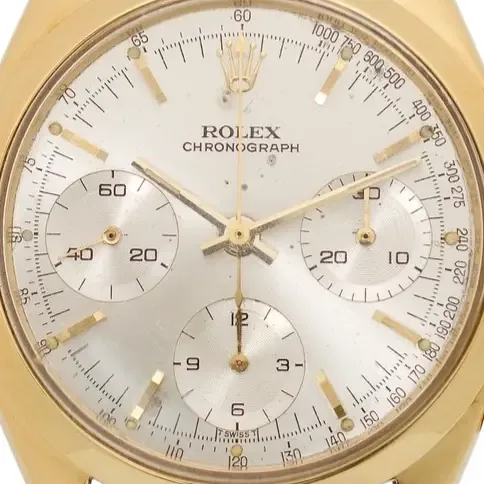
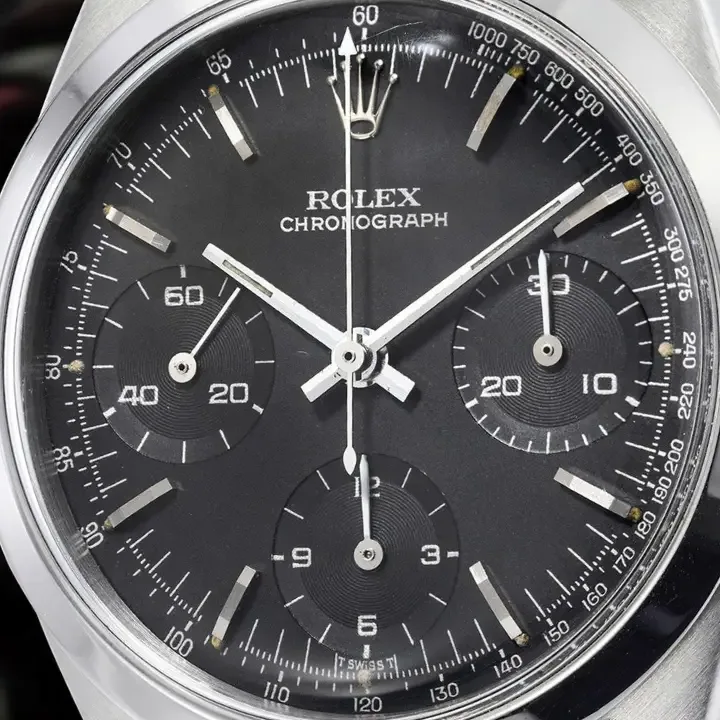
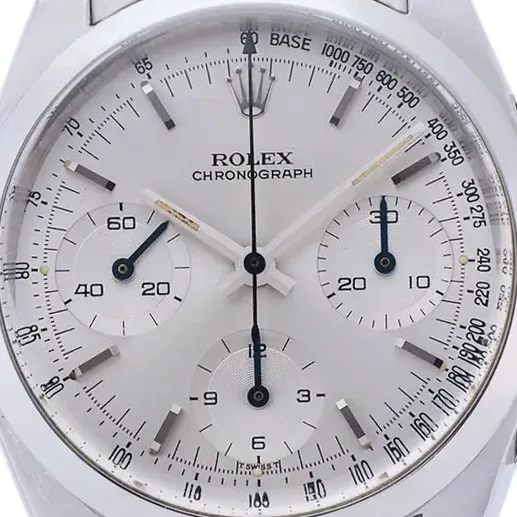
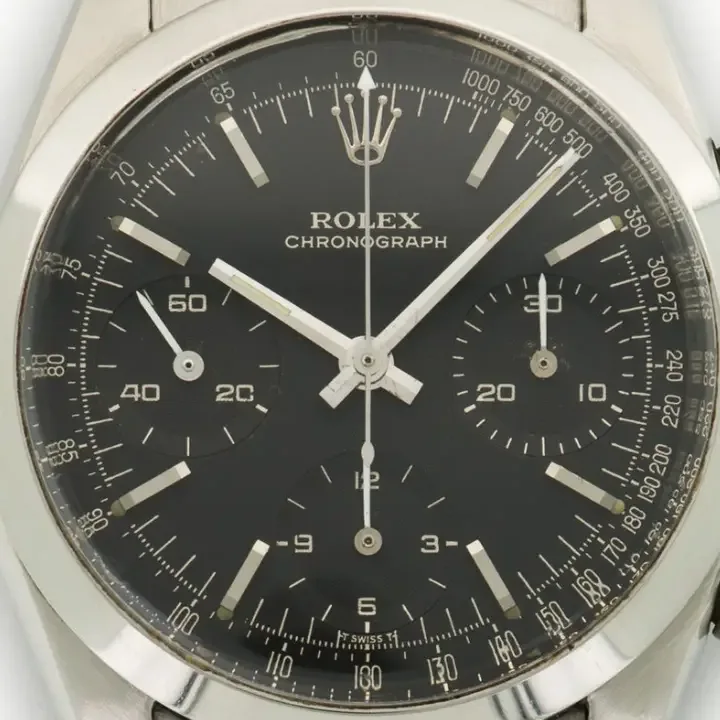
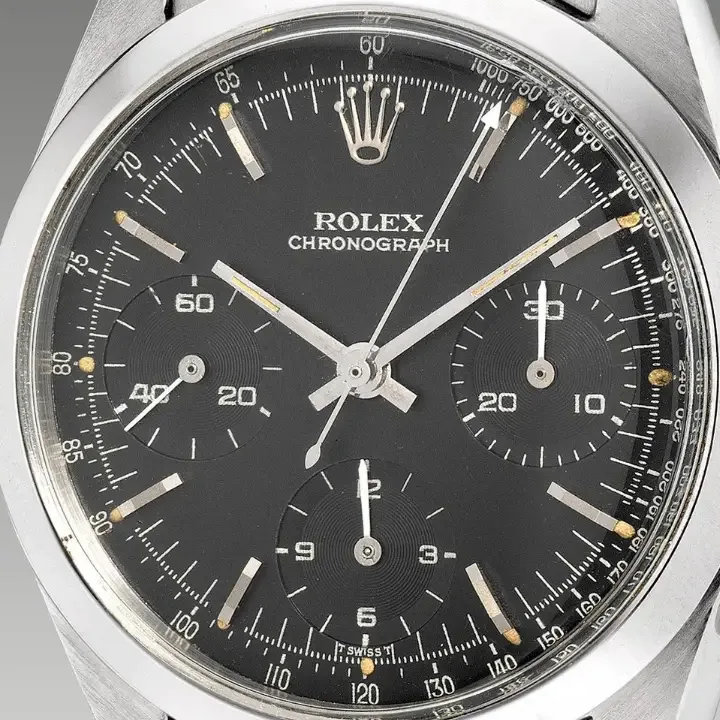
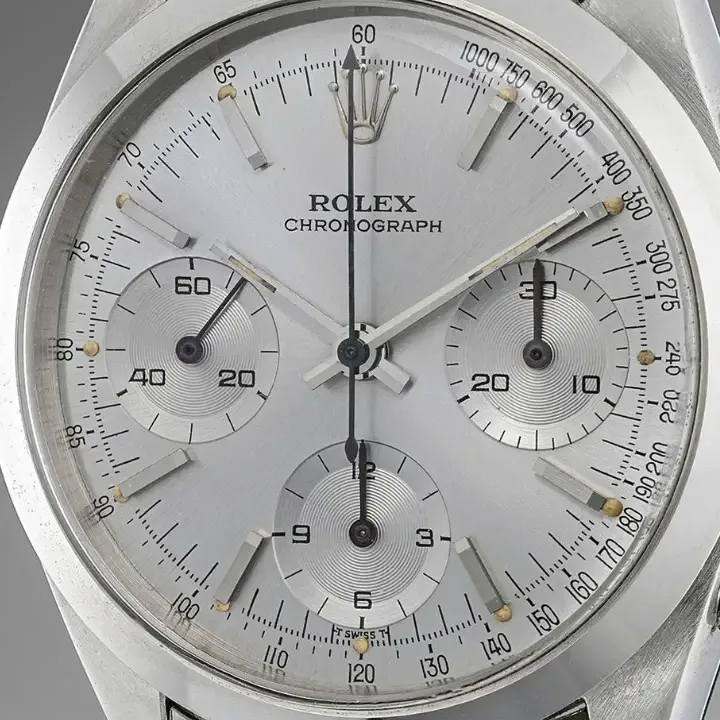
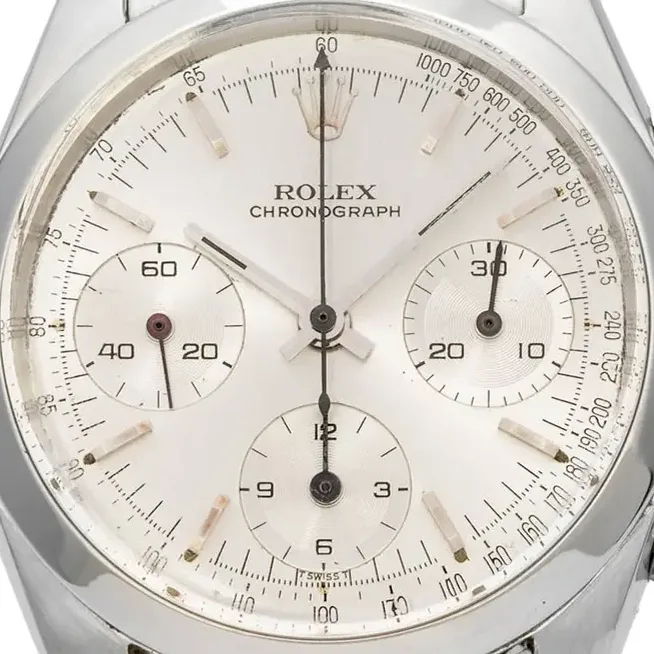
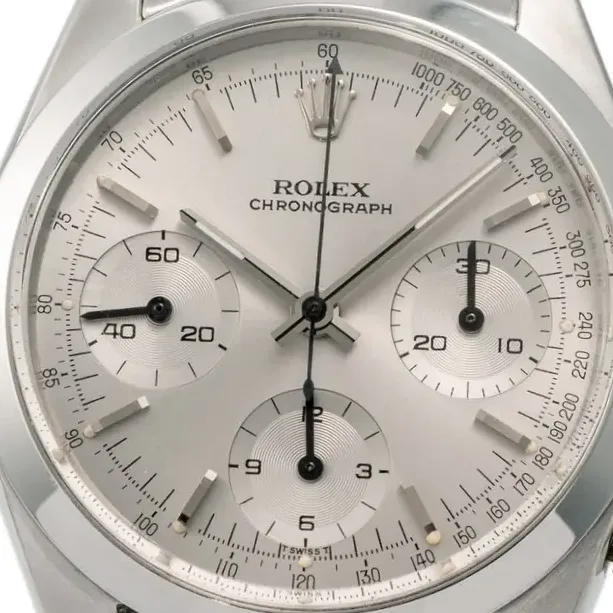
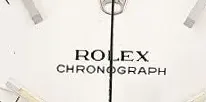
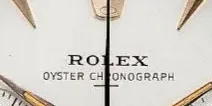
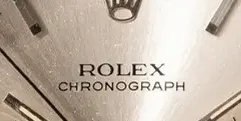
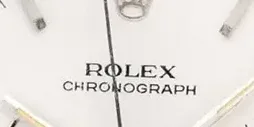
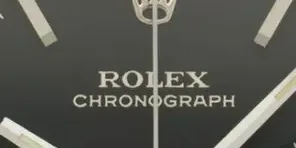
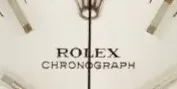
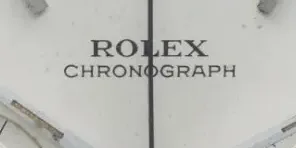
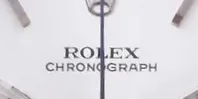
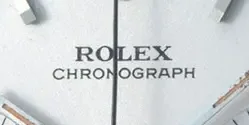
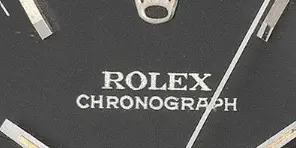
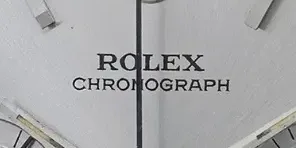
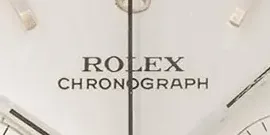
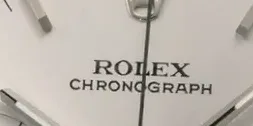
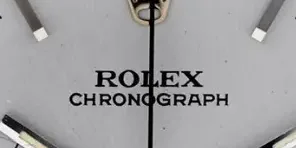
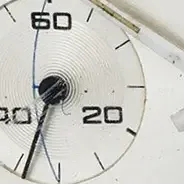
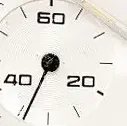
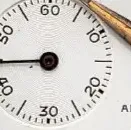
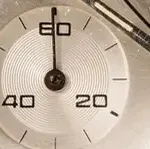
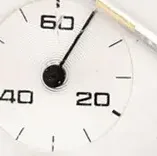
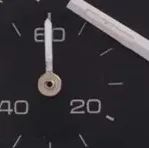
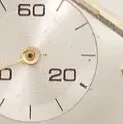
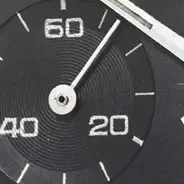
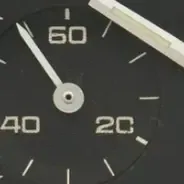
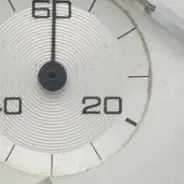
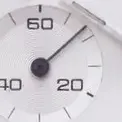
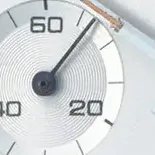
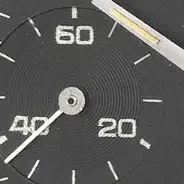
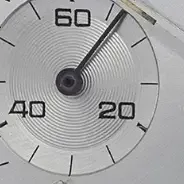
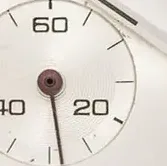
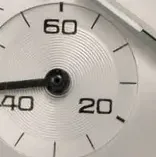
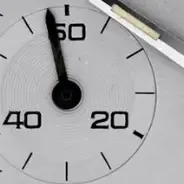
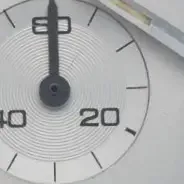
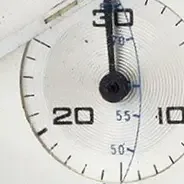
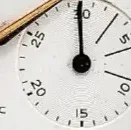
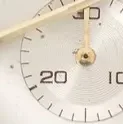
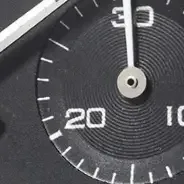
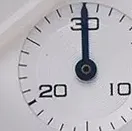
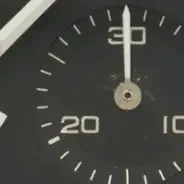
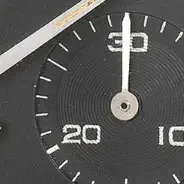
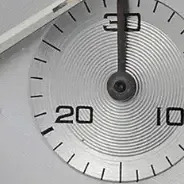
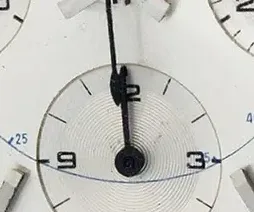
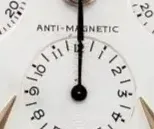
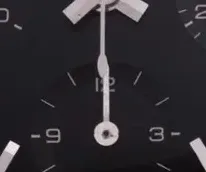
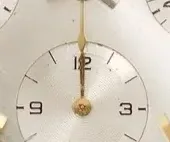
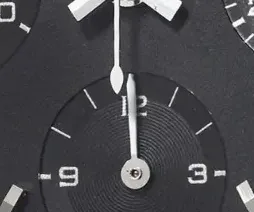
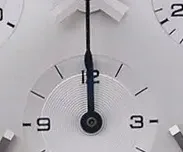
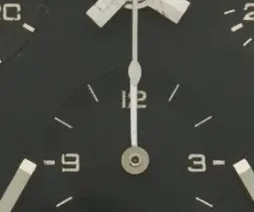
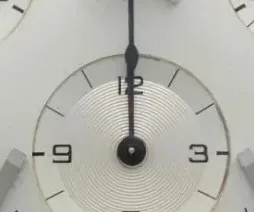
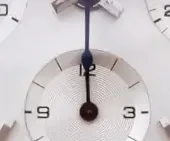
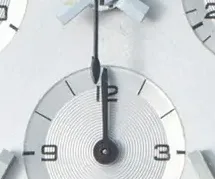
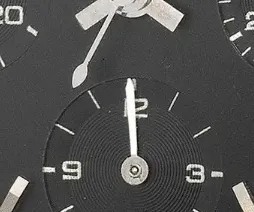
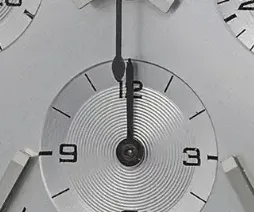
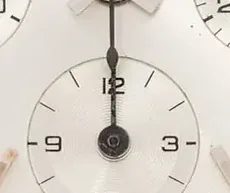
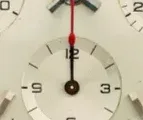
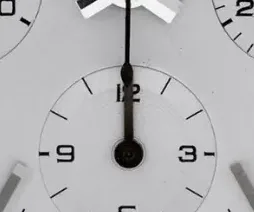
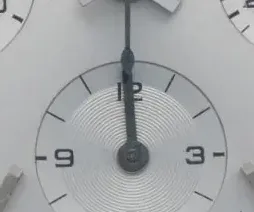
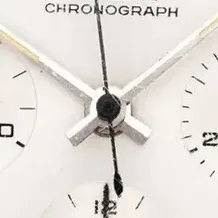
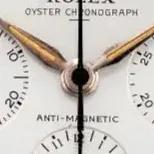
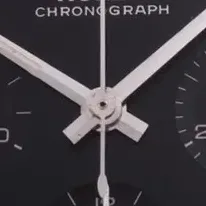
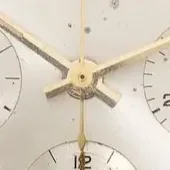
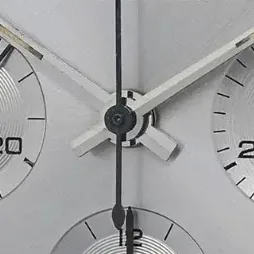
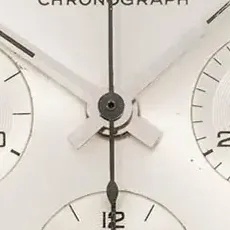
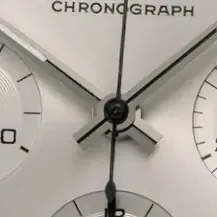
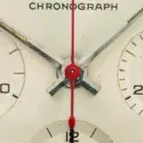
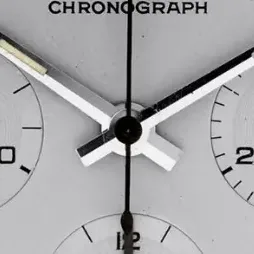
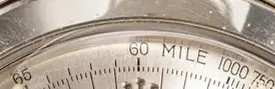
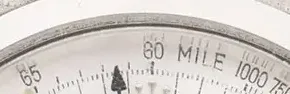
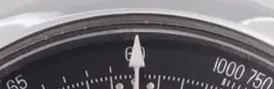
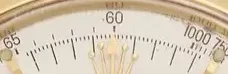
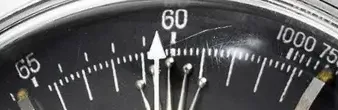
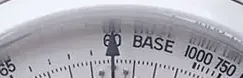
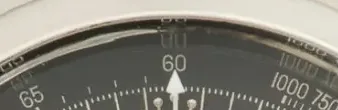
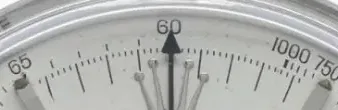
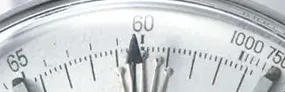
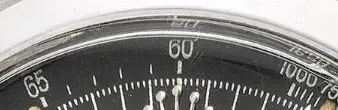
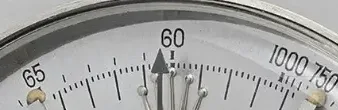
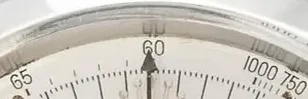
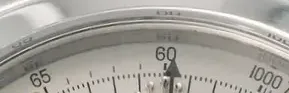
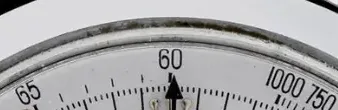
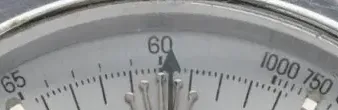
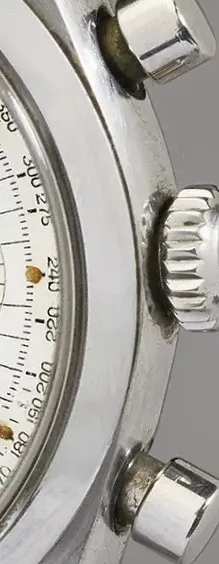
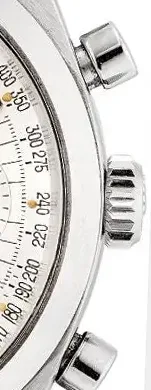
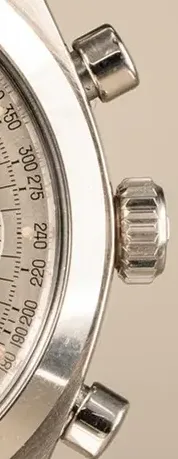
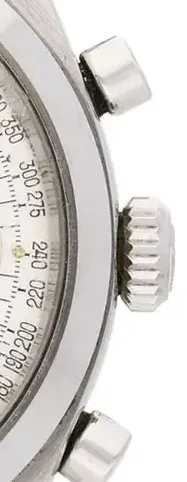
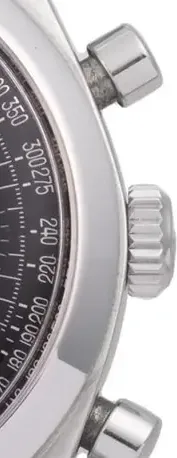
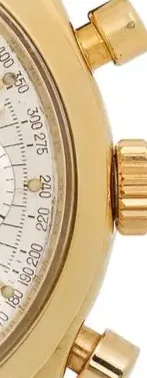
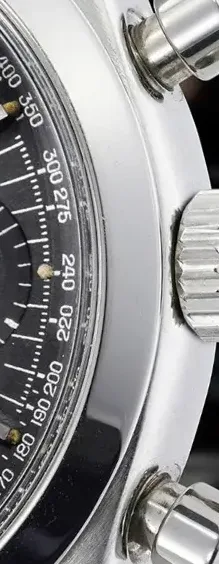
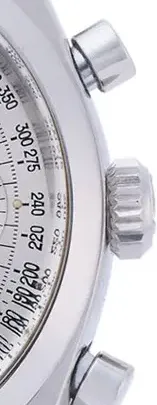
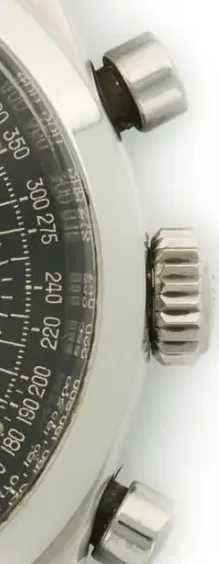
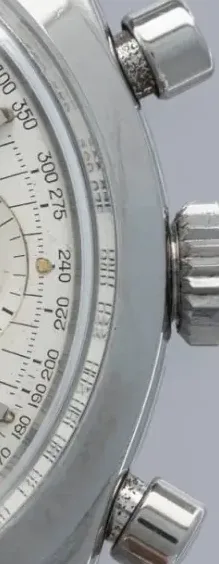
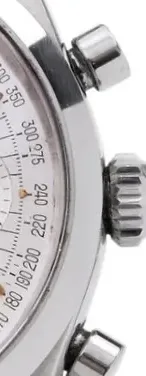
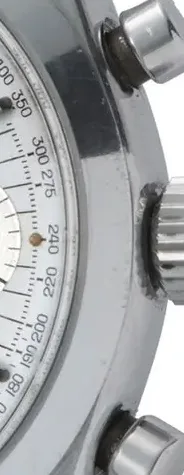
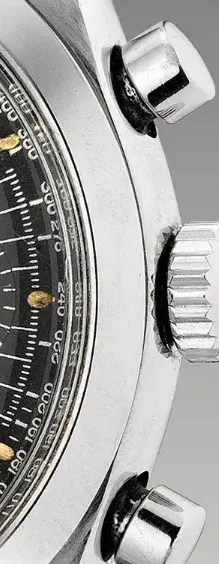
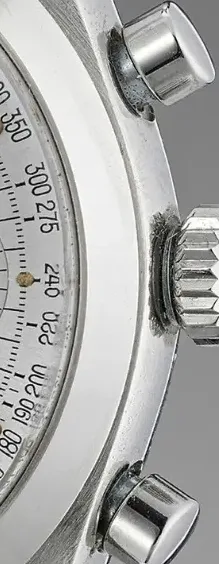
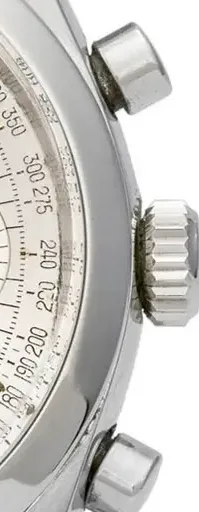
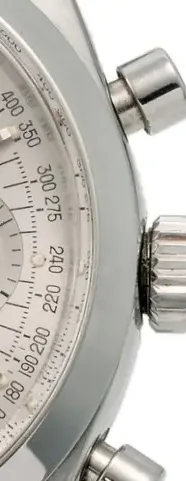
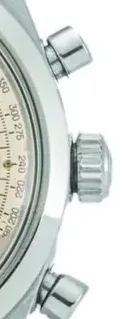
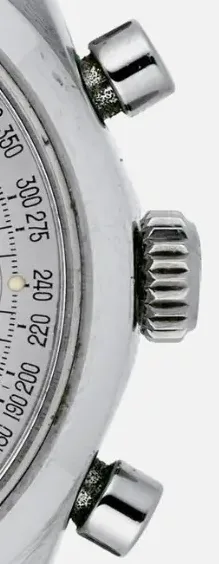
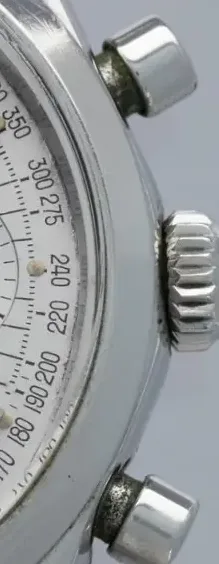
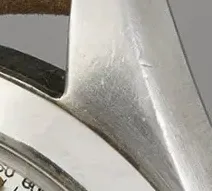
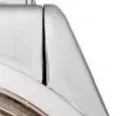
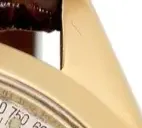
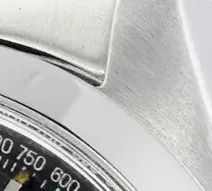
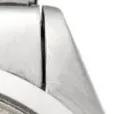
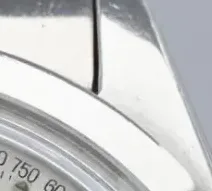
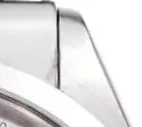
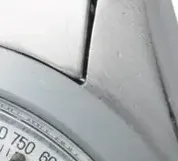
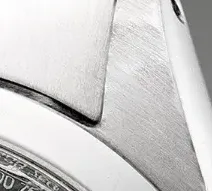
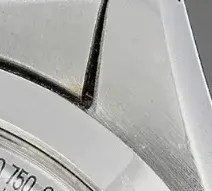
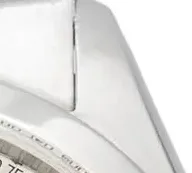
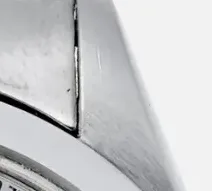
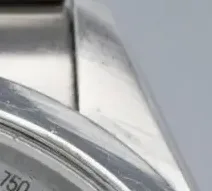
22 watches, oldest first, each straightened and cut the same way so that one row shows one component across them all. Chosen from 601 photographs on file for sharpness and for a face typical of the reference. A year marked c. is one its holder gives only roughly. Each picture is a detail cut from a listing photograph. Select the small mark in its corner for its year, its holder, a link to the listing it came from, and a way to report it.
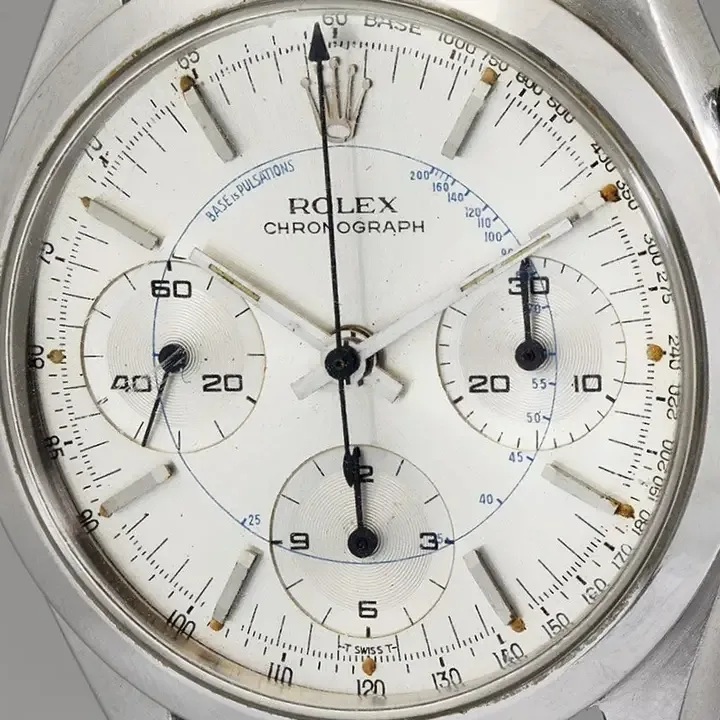
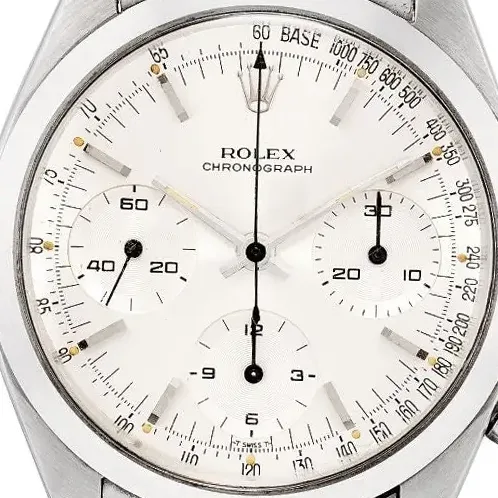
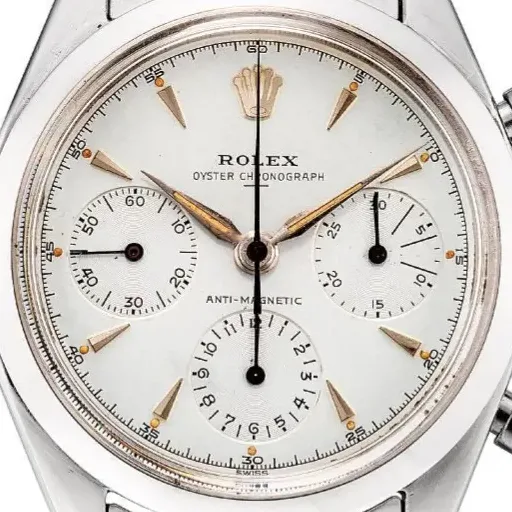
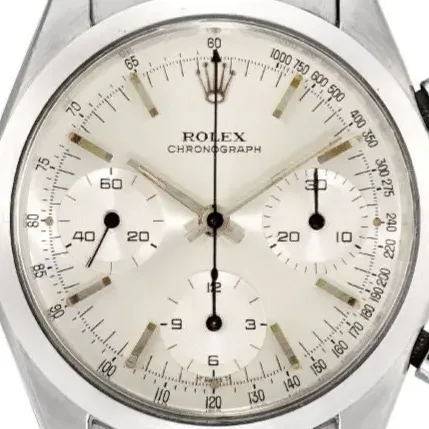
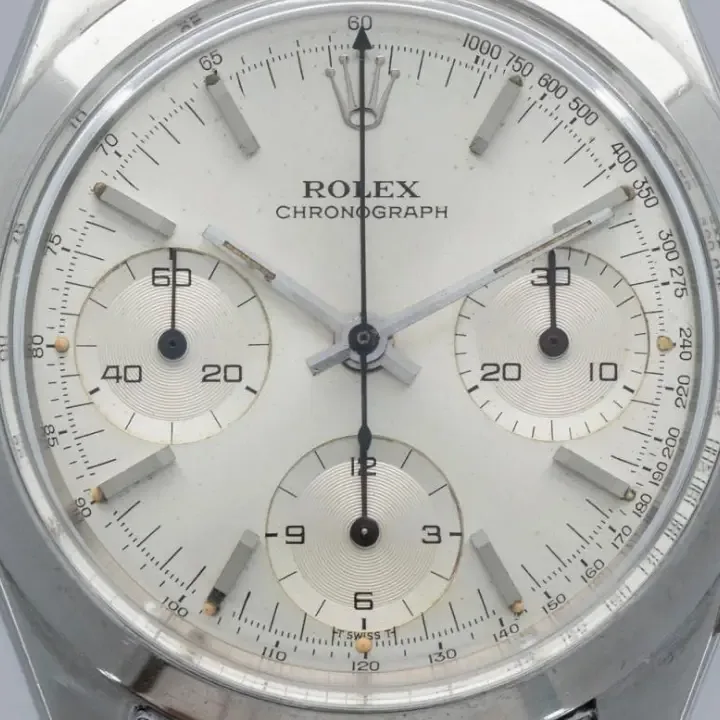
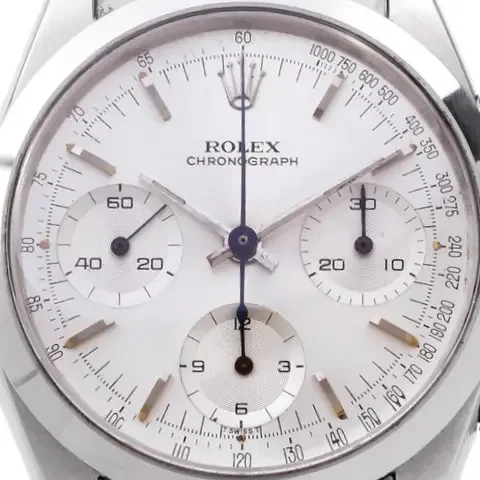
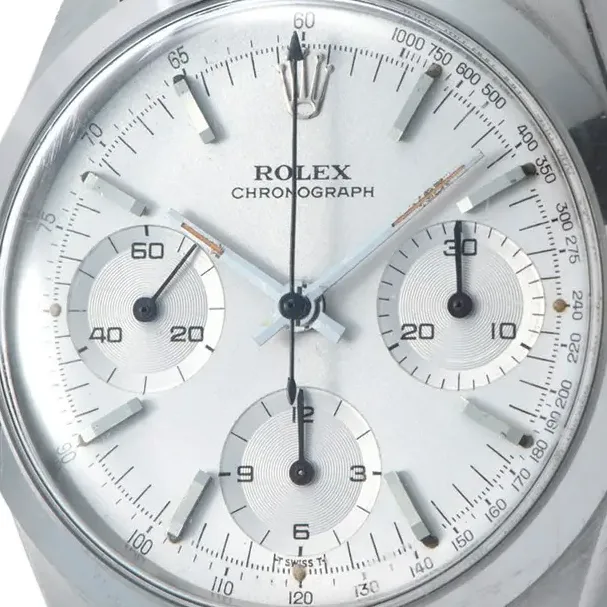

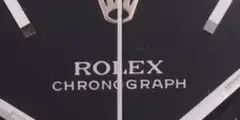
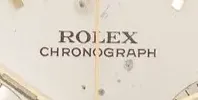
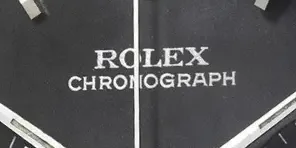
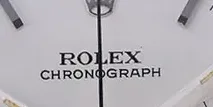

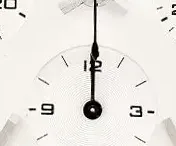
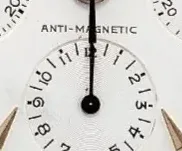
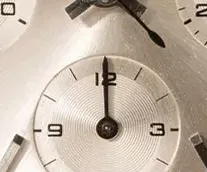
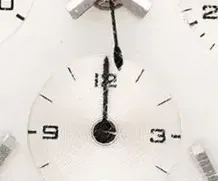

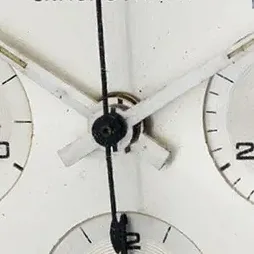
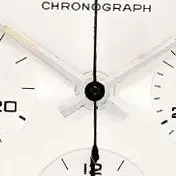
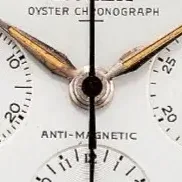
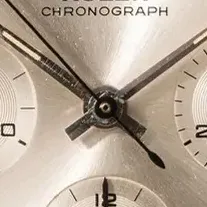
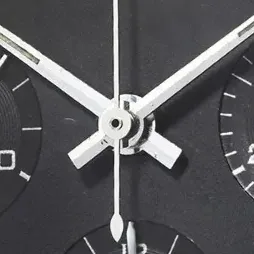
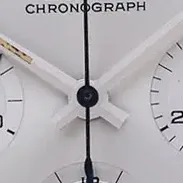
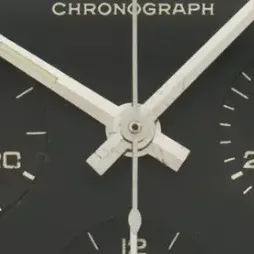
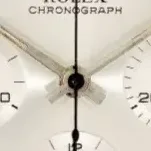
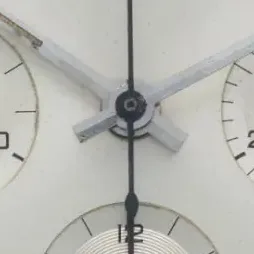
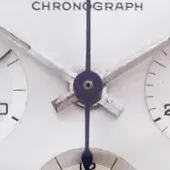
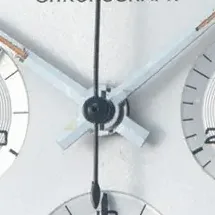
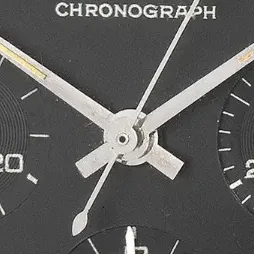
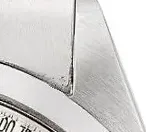
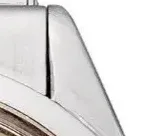
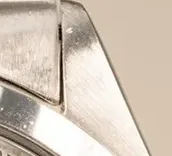
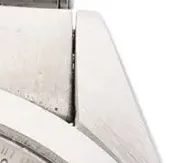





Chronology
Start dates given run from 1960 to 1962; the end is usually put at 1968, with some accounts giving 1967. Case numbers in the library records run from 1962 to 1968.
Every dated variant: what is written, and what the records show
For the reference the marks are every dated watch; for a variant, the watches a seller names as that variant, so a variant sellers do not name has none.
The reference's own marks are dated by case number. A variant's marks use the year each seller states, so a variant can show watches in a year where the row for the reference shows fewer, or none. 6 dated listings fall outside this scale and are not drawn.
Specification
| Case | 36 mm Oyster case without shoulders, in steel, 14 ct yellow gold or 18 ct yellow gold; 19 mm lug width |
| Crown | Oyster Twinlock crown |
| Pushers | Round pump pushers, series 600 |
| Bezel | Smooth bezel in the metal of the case; a dial-printed tachymeter scale; the Daytona later moved the scale to the bezel |
| Crystal | Domed plexiglass |
| Dial | Silver, grey or black in steel; black or silver in gold; three registers; early dials with leaf markers and hands, later dials with baton hands and faceted indexes |
| Movement | Hand-wound Valjoux 72B, later the 722, 17 jewels, 18,000 vibrations per hour, 48 hours of reserve |
| Bracelet | Riveted Oyster (ref. 7205 recorded) or Jubilee, or leather strap |
Dial 11 described
Collectors divide the dials into three series by case number. The first resembles the 6234 and 6034, the second has baton markers and bicolour dials, and the third has a single colour. There are said to be fourteen dial variants across steel and gold, and the black dials are by far the rarest. How neatly the changes fell by year is not settled.
First series, transitional dial
case numbers up to about 800,000
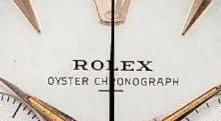
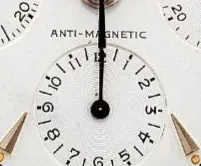
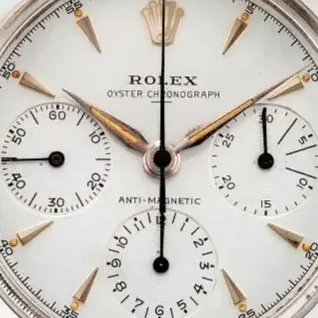
The earliest dials follow the 6234 and 6034: leaf hour markers, 'Oyster Chronograph' under 'Rolex' and an 'anti-magnetic' line above 6 o'clock. They are found with or without a tachymeter scale and with or without 'Oyster', and some carry a second telemeter scale. The case numbers run to about 800,000.


- leaf markers
- some with telemeter scale

Rolex solo
A rare bicolour dial signed only 'Rolex', without the 'Chronograph' line and in some cases without the scale.
- only 'Rolex' printed
- no scale
Second series, bicolour dial
case numbers to about 950,000
Straight hands, faceted baton markers that carry on into the Daytona, and one tachymeter scale. The dial is bicolour, close in style to the 6239. This is the rarest of the three series and runs to about case number 950,000.
- baton markers
- bicolour dial
- single scale
Third series, silver dial
case numbers from about 1,000,000
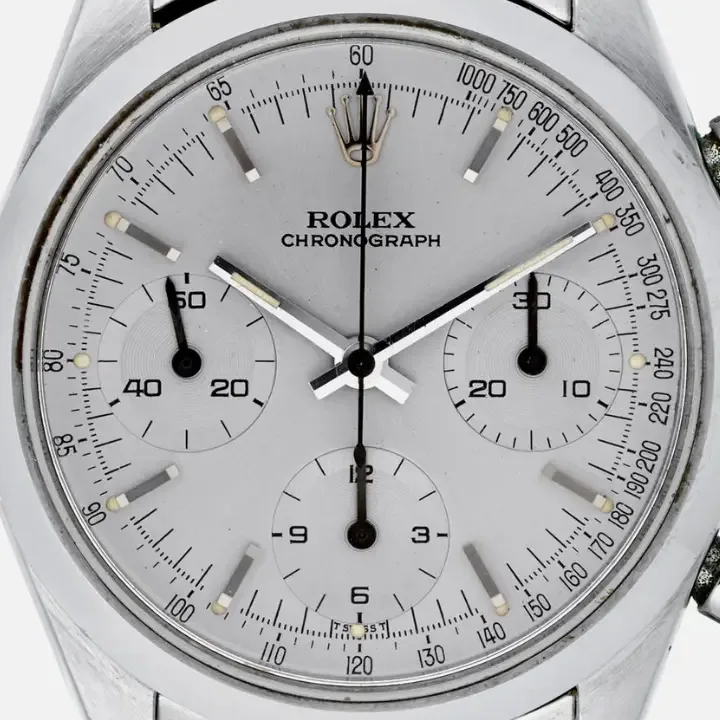
The standard steel dial: silver sunburst with black print, in a light or a darker grey-leaning shade; the darker shade is scarcer. The third series begins at about case number 1,000,000. The first dials in the modern typeface had soldered indexes, later ones riveted ones, as on the gold watches. Early examples have a wide 'R' in the Rolex signature.
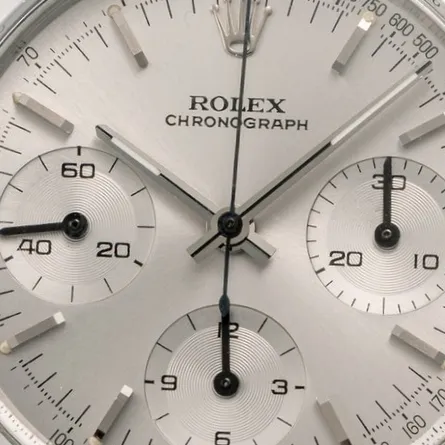

- sunburst silver
- wide 'R' on early dials
- soldered then riveted indexes
27 listings on record under the name.
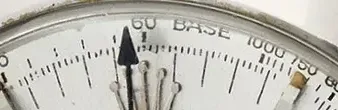
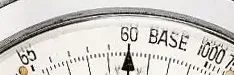
Mile and Base marks
Early dials of the Singer period carry a small 'Mile' to the right and above the coronet, which may also read 'Base'. Both disappear in the next production run.
- small 'Mile' near the coronet
Third series, black dial
Black dials come matte (the more common) or glossy, with white or silver print. A glossy black dial with gold print is rarer still. Black dials in steel and gold are the rarest.
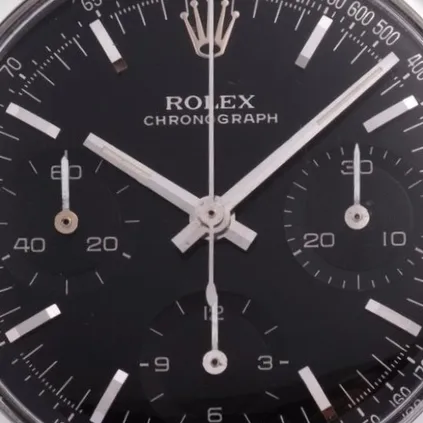

- matte or gloss black
41 listings on record under the name.
Black dial in yellow gold
The 14 ct or 18 ct case with a black dial is among the scarcest combinations; an 18 ct example with a black galvanic dial in a relief technique usually found on steel has been recorded.
- gold case with black dial
T SWISS T
A 'T SWISS MADE T' line at 6 o'clock shows tritium lume on the indexes. Dials without the T can have radium or strontium.
- T on each side of SWISS
- tritium
Tiffany & Co. signature
A Tiffany & Co. retailer's name printed on the dial. Such double-signed dials are counted among the rare versions of the reference, and one is recorded on an early Singer dial of about 1964.
- Tiffany name on dial
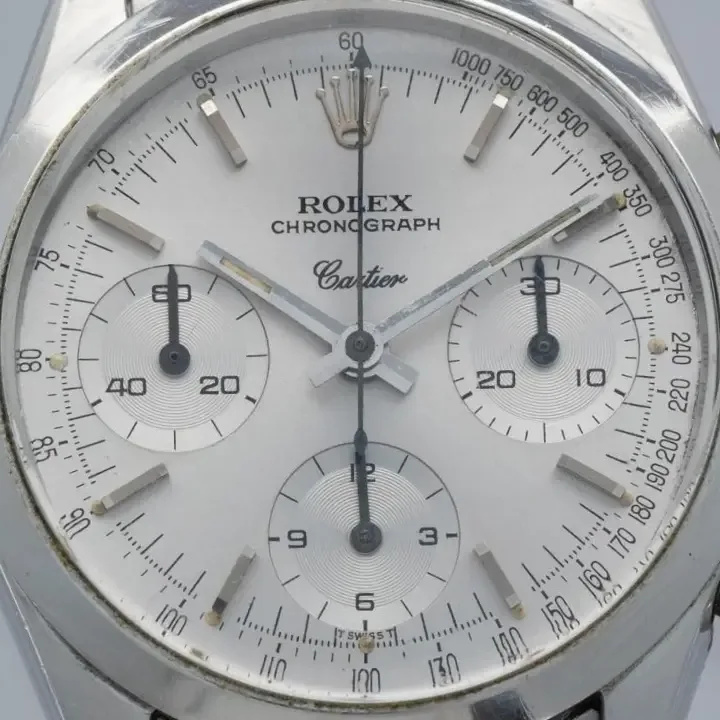
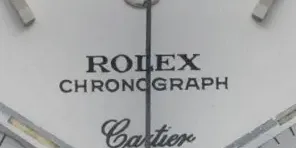
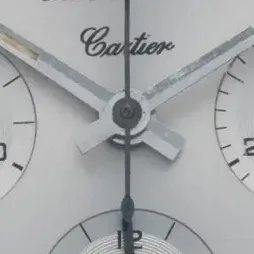
Cartier signature
Sellers describe a few watches with a Cartier retailer's name on the dial; the literature does not mention it.
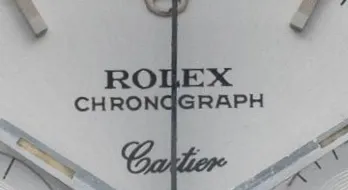

3 listings on record under the name.
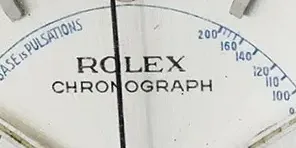
Pulsometer scale
A very rare 6238 has a medical pulse scale inside the tachymeter scale.
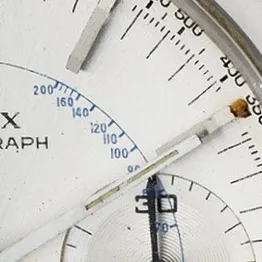

2 listings on record under the name.
Luminous material 2 described
Early watches carry radium, with strontium suggested for dials lacking the T marking; tritium is marked by the T SWISS T line.
Radium
Sellers describe some watches with radium lume; the literature links dials without the T marking to radium or strontium.
Tritium
Tritium is marked by the T SWISS T line at 6 o'clock.
- T SWISS T
Hands 3 described
Hands changed with the dial series.
Leaf hands
Used on first-series transitional dials.
- leaf hour and minute hands
Straight baton hands
Used from the second series. The minute hand is thought to have been shorter at first, stopping inside the outer scale. Longer minute hands like those of the 6239 appear on some; they are explained either as late factory fitting or as later service parts. Subdial hands are thinner than on the 6239.
- short or long minute hand
- thin subdial hands
Red chronograph seconds hand
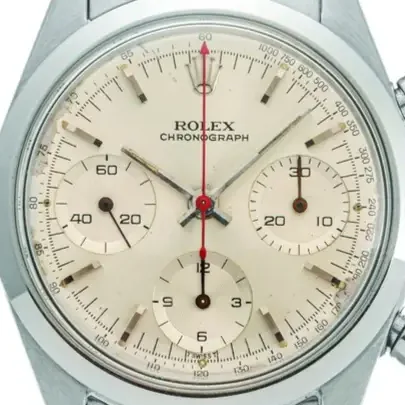
The watch used in the 1969 Bond film has its black chronograph seconds hand replaced by a red one at the production's request.
- red centre seconds
Subregisters 1 described
Three registers; the 6238 has no contrasting subdial colours except on the bicolour dials. Auction descriptions often call the sunken subsidiary dials engine-turned.
Three registers
Three registers with slimmer hands than on the 6239. The 6239 changed the subdials to contrasting colours.
- three registers
Bezel 1 described
The bezel is smooth, with the tachymeter on the dial.
Smooth metal bezel
A polished bezel in the metal of the case.
- smooth bezel
Case 5 described
A 36 mm Oyster case, three materials.
Steel
About 3,500 watches are put in steel.
- steel case, no shoulders
14 ct yellow gold
About 220 to 225 were made, including a version made for the American market, where a lower gold content avoided import duty.
- 14k
18 ct yellow gold
About 150 were made.
- 18k
Peruvian Air Force caseback
A rare, discreet variant has a caseback engraved for the Peruvian air force, FAP.
- FAP engraving inside back
Engraved case
A 14 ct watch of 1967 is engraved over case, bezel, sides, back, end links and clasp by an Italian engraver, with a woman and a tiger on the back and clasp.
- engraving all over
Crown and pushers 1 described
Crown and pushers belong to the Oyster case.
Twinlock crown, pump pushers
An Oyster Twinlock crown, which screws down, and round series-600 pump pushers, which do not.
- pump pushers
- Twinlock crown
Crystal 1 described
Domed plexiglass.
Domed plexiglass
A domed acrylic crystal, as on the 6239.
- domed acrylic
Movement 2 described
Two Valjoux 72 family movements.
Valjoux 72B
Hand-wound column-wheel chronograph, 17 jewels, 18,000 vph, 48 hours, used up to about 1965.
Valjoux 722
The follow-on calibre, used afterwards on the 6239, 6240 and 6242. Some listings name 722-1 or 727, which the literature does not give for this reference.
Bracelet 2 described
Oyster, Jubilee or leather.
Riveted Oyster, ref. 7205
Sellers describe many watches on a riveted Oyster bracelet, some with the reference 7205 and end links numbered 57, 60 or 71.
- riveted links
- 19 mm
Jubilee
Sellers describe a number of watches on a Jubilee bracelet, some with end links numbered 49 or 55, and the reference is shown on Oyster and Jubilee bracelets as well as leather straps.
- five-piece links
Originality
- Sellers describe some dials as refinished. A dial without a scale is not on its own a sign of refinishing, since some original dials were made without the tachymeter.
- Service dials were often fitted by the maker, and a silver 'Rolex Oyster Cosmograph' service dial changes the character of the watch.
- Sellers describe some watches with service replacement hands. A long minute hand like the 6239's may be a later service part, though it may also have been fitted at the factory late in production.
- The bezel may be missing or polished; a smooth bezel was the original type.
- The all-silver 'Albino' dials are believed to have been 6238 service dials; the 6263 Daytonas that carry them were assembled later and are not factory originals, though one dealer now says the dial was designed for the 6263.
Names
- Pre-Daytona. It comes immediately before the first Daytona in style, though made alongside it; some use the name for all earlier Oyster chronographs.
- Singer dial. A name used for the silver dial of about 1964.
Where accounts differ
Points on which the published literature and the library's own records do not agree, or on which the literature contradicts itself.
- Years of production. Accounts give 1962 to 1968, 1960 to 1968, or the early 1960s to 1967, one of them placing the launch three years before the 6239. Case numbers in the library records run from 1962 to 1968.
- Number made. Estimates range from about 1,500 in one account and 2,000 to 2,500 in another, through 3,600 in a book and about 3,870 from one account's figures by metal, to about 3,965 from another's.
- Whether the name Pre-Daytona belongs only to the 6238. One published account argues only the 6238 deserves the name; a prominent auction specialist is quoted that, as it was made alongside the first Daytona, it cannot claim it alone.
Back and movement
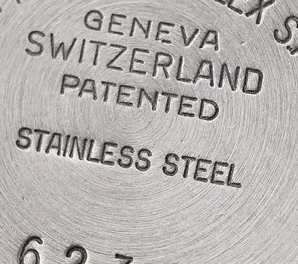
From listings of this reference, each confirmed by eye to show what it is filed under. A picture on which a person's name or a personal engraving can be read is not shown. From most holders a detail from the middle of the photograph is shown; the mark in its corner gives its holder and a link to the listing.
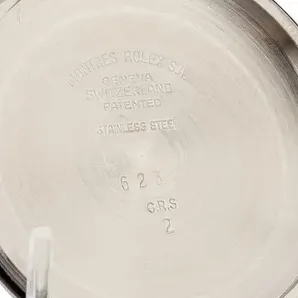
Caseback
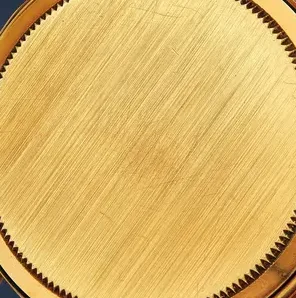

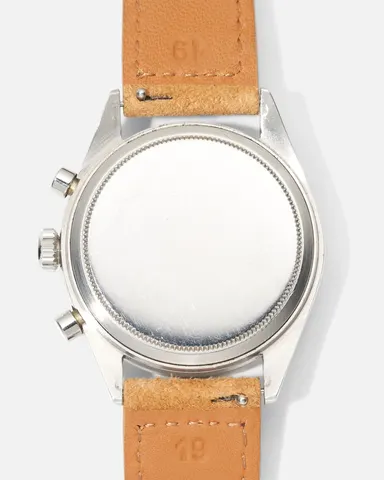

Inside the caseback


Movement
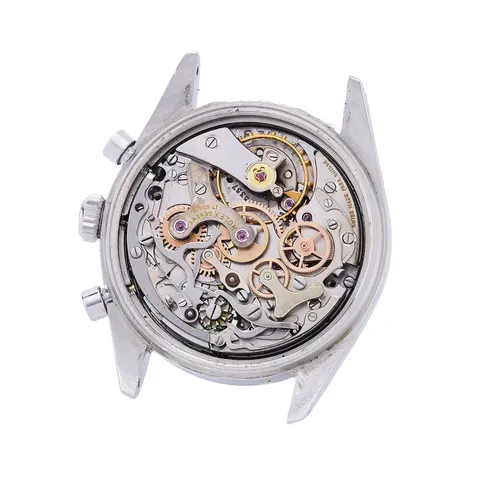

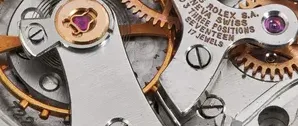

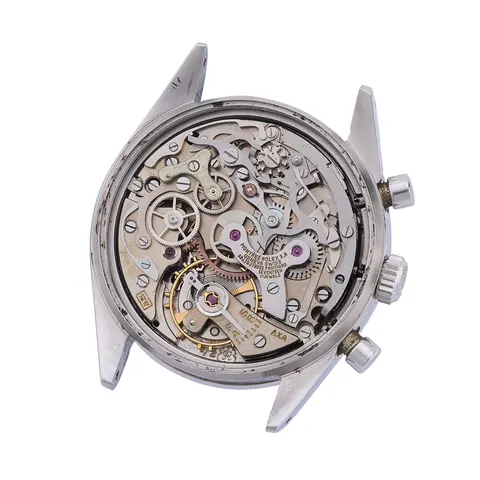

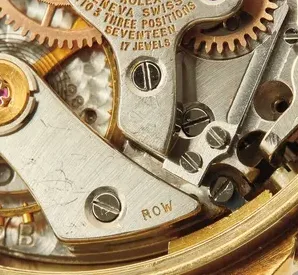

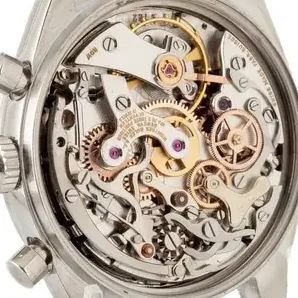

In the records
Counted from 241 listings at 31 holders between 16 October 2005 and 14 November 2026. These are what sellers and auction houses state, not measurements.
Fainter bars are the 4 outside the main run of 1962–1967 (the middle nine-tenths): the latest is 1968. They are early and late examples, and now and then a number misread.
Case metal
| Steel | 153 | |
| Gold, any colour | 43 | |
| Yellow | 30 | |
| Colour not stated | 13 | |
| Silver | 6 | |
| Bronze | 1 |
A listing that says "gold" or "18K gold" names no colour: it is counted under "colour not stated", not as yellow gold.
Dial colour
| Silver | 58 | |
| Black | 31 | |
| Grey | 4 | |
| White | 2 | |
| Red | 1 |
Case size
| 36 mm | 110 | |
| 37 mm | 16 | |
| 35 mm | 8 |
Calibre named
| 72B | 65 | |
| 722 | 44 | |
| 727 | 4 |
Bracelet or strap
| Oyster bracelet | 75 | |
| Metal bracelet, kind not stated | 29 | |
| Leather strap | 26 | |
| Jubilee bracelet | 21 |
Each table counts the listings that state the thing, in the seller's own terms. A size, metal, colour or calibre that cannot belong to this reference is a seller's slip or a listing filed under the wrong number.