Cosmograph Daytona (Zenith Daytona)
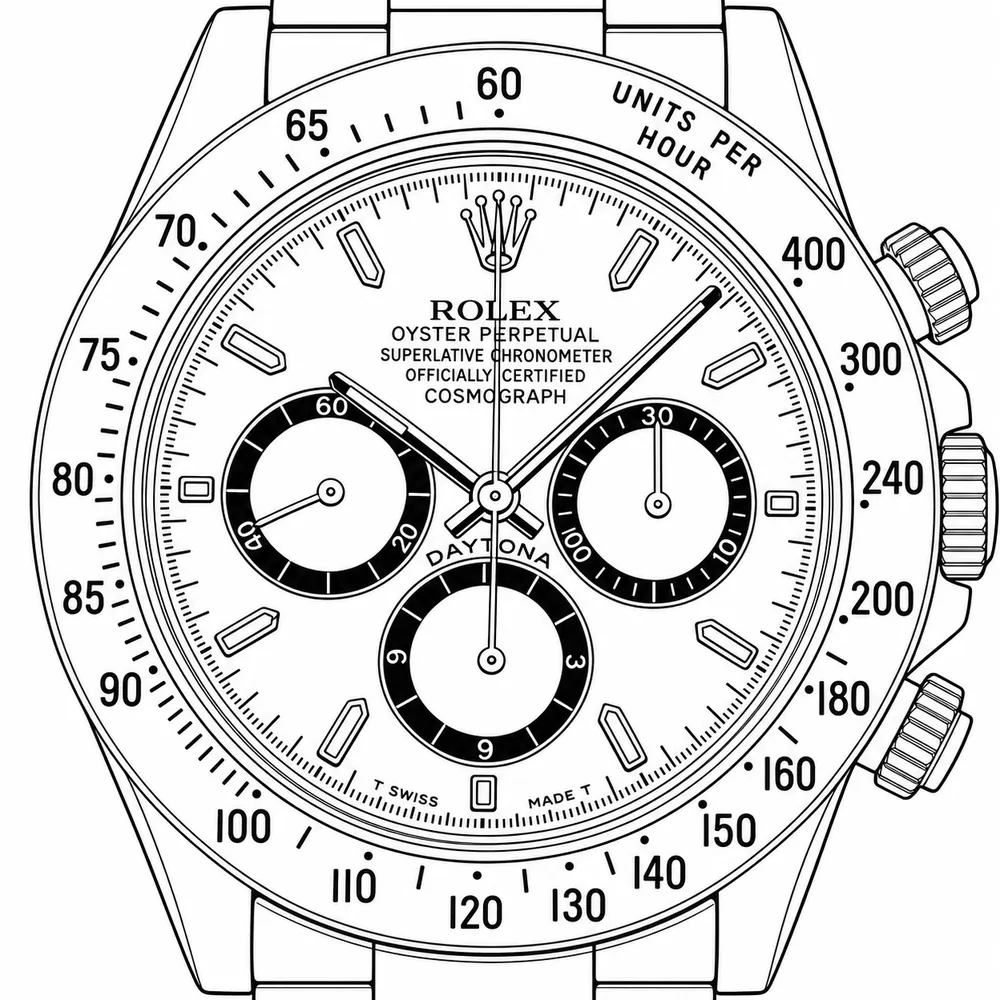
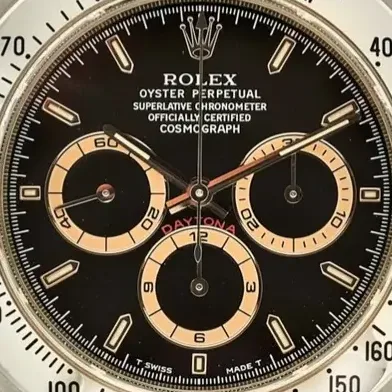
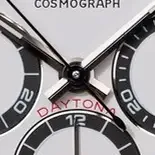
The steel Daytona introduced in 1988 and made until 2000, the first self-winding Daytona. It replaced the 37 mm manual-wind Daytona with a 40 mm Oyster case, crown guards, a flat sapphire crystal and the calibre 4030, a heavily reworked Zenith El Primero, which gives the family its 'Zenith Daytona' name. Dials came in black or white and were altered in small steps over twelve years, giving the dial 'Marks' collectors use to date a watch. The 116520 with Rolex's own calibre 4130 followed in 2000. Collectors look first at the dial: the position of the Cosmograph line, the printed six in the lower register, the lume signature and any brown shift in the black dial's registers.
- Made
- 1988–2000
- Seen in the library
- 1987–2000nine in ten in 1988–2000 · by case numbers
- Case
- 40 mm · steelas sellers state
- Movement
- Calibre 4030automatic
- On record
- 1,211 listings3,998 photographs · 60 holders
Components
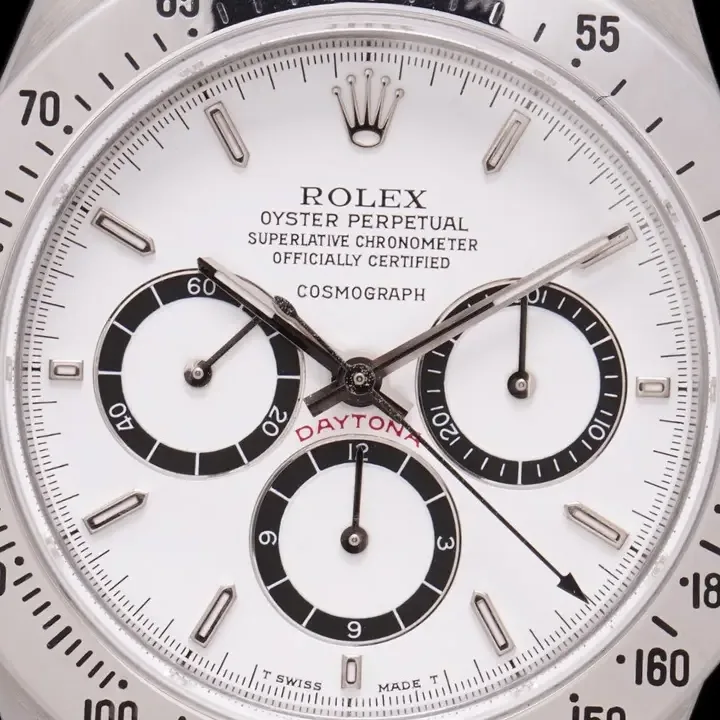
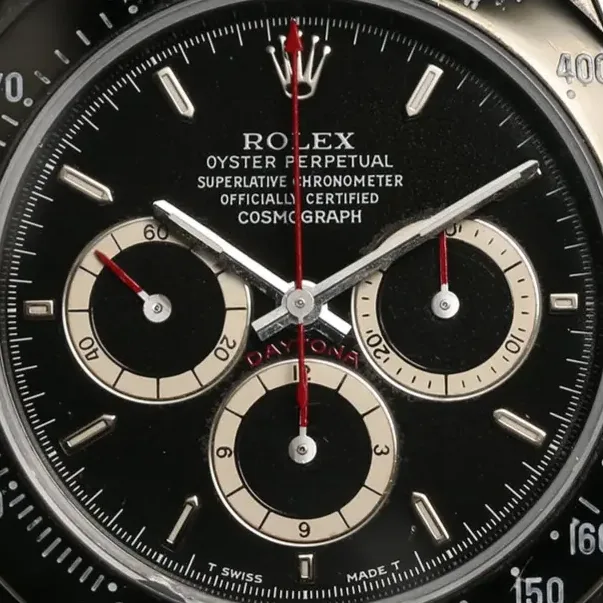
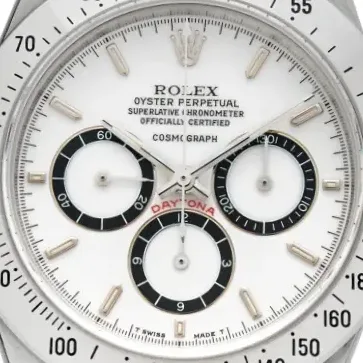
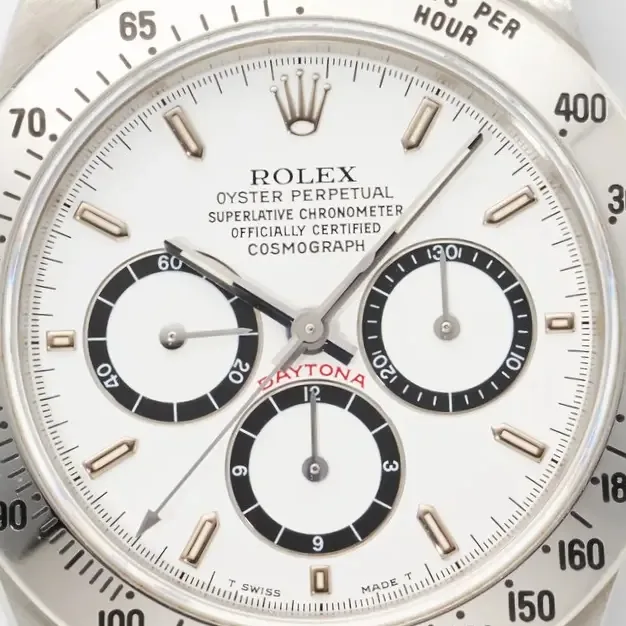
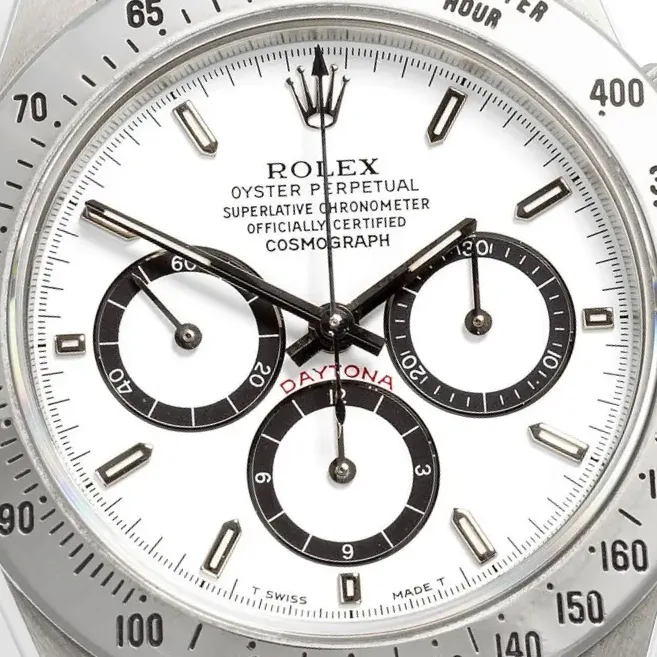
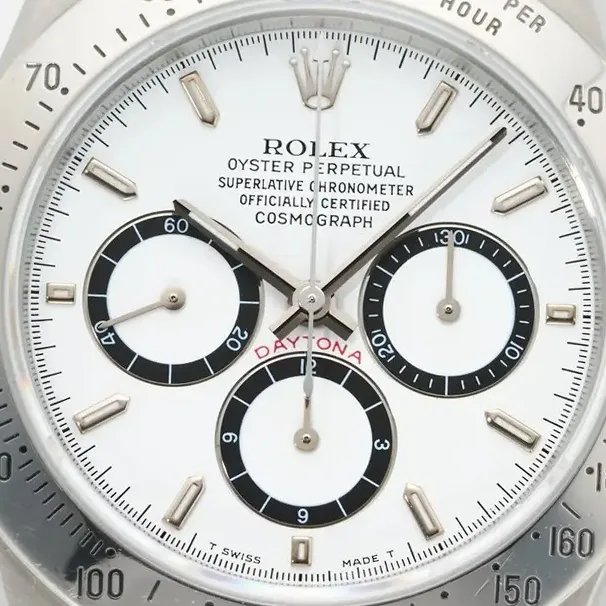
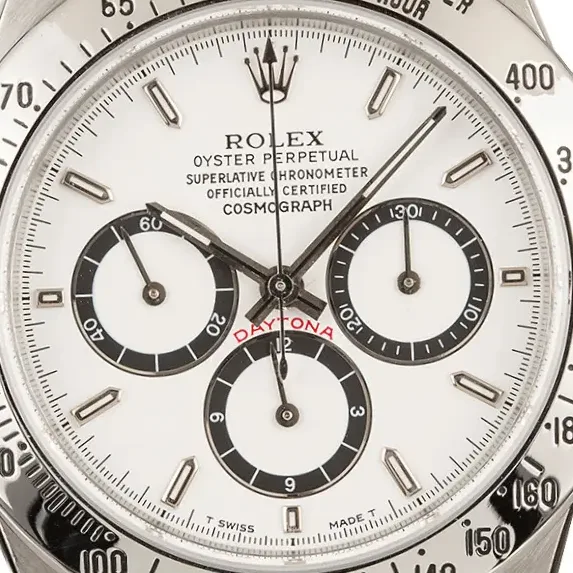
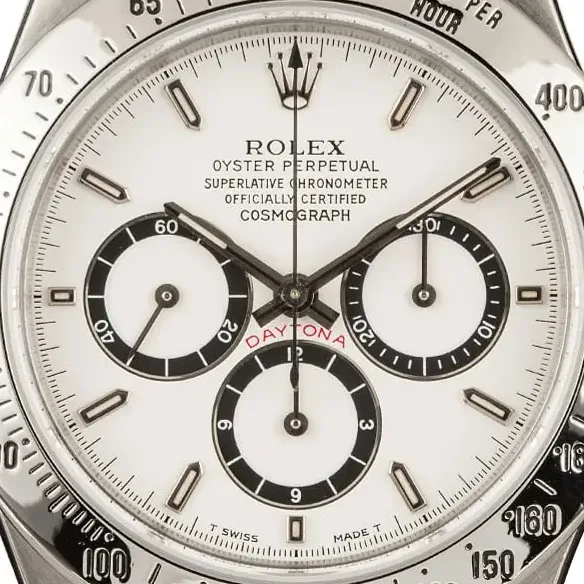
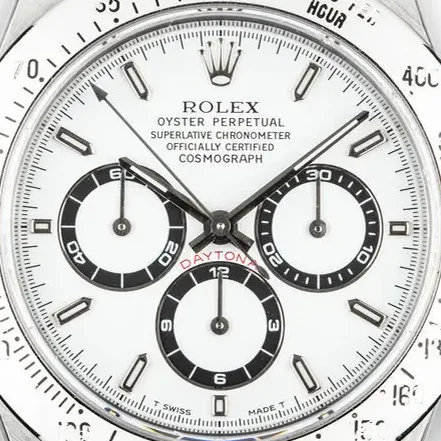
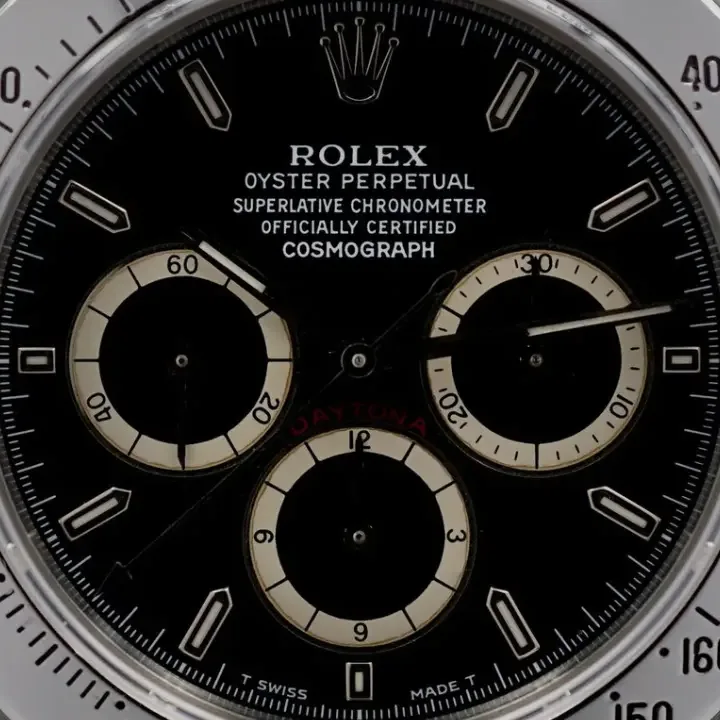
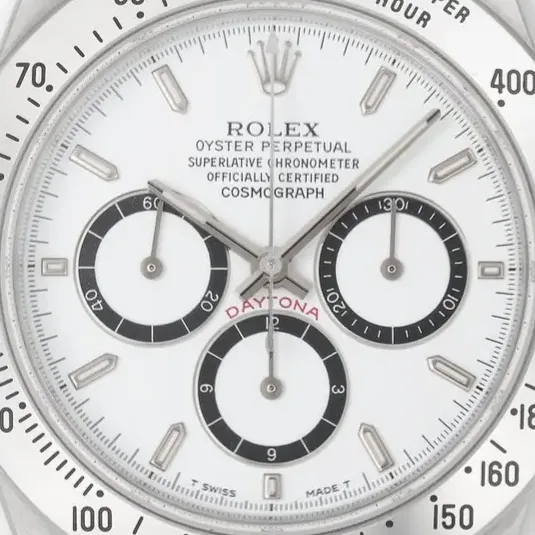
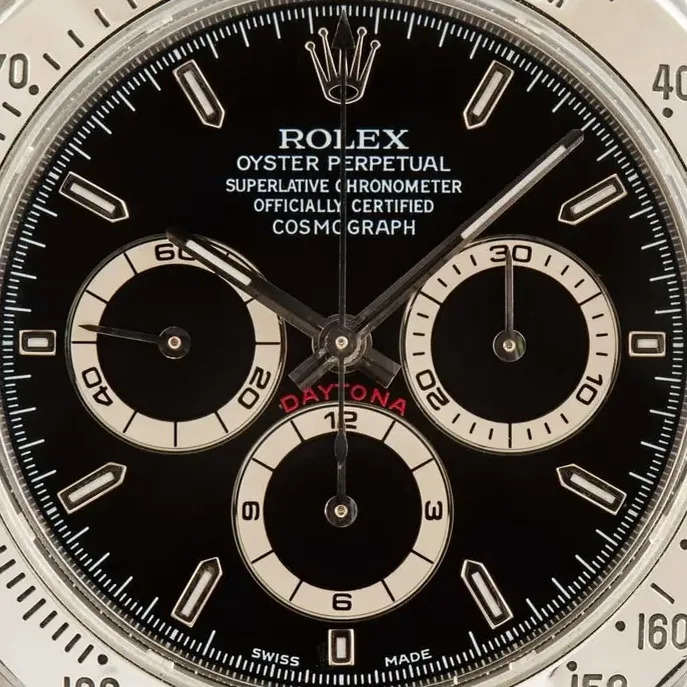
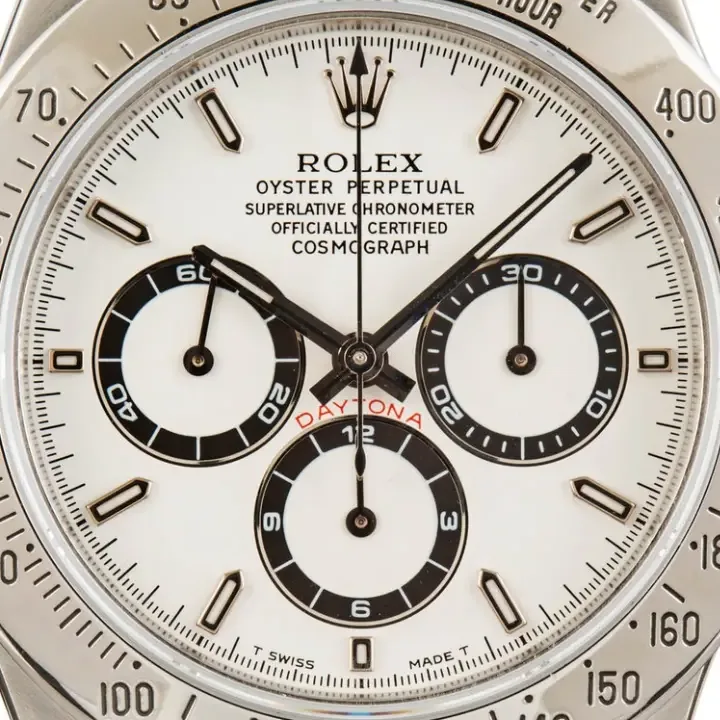
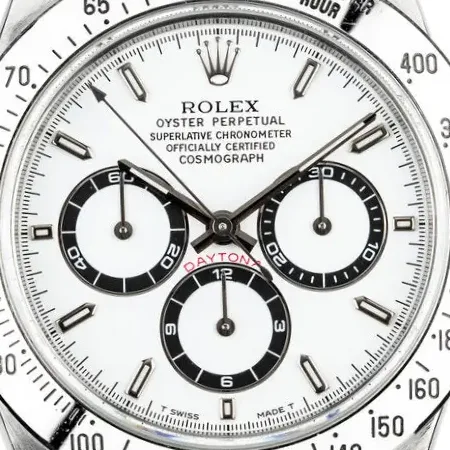
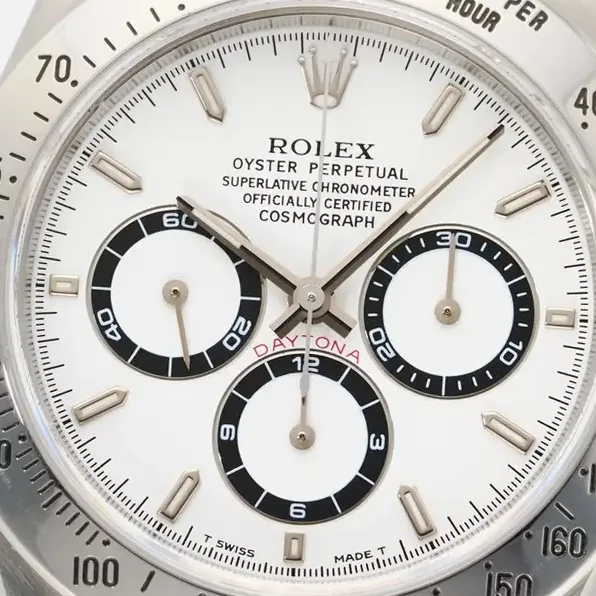
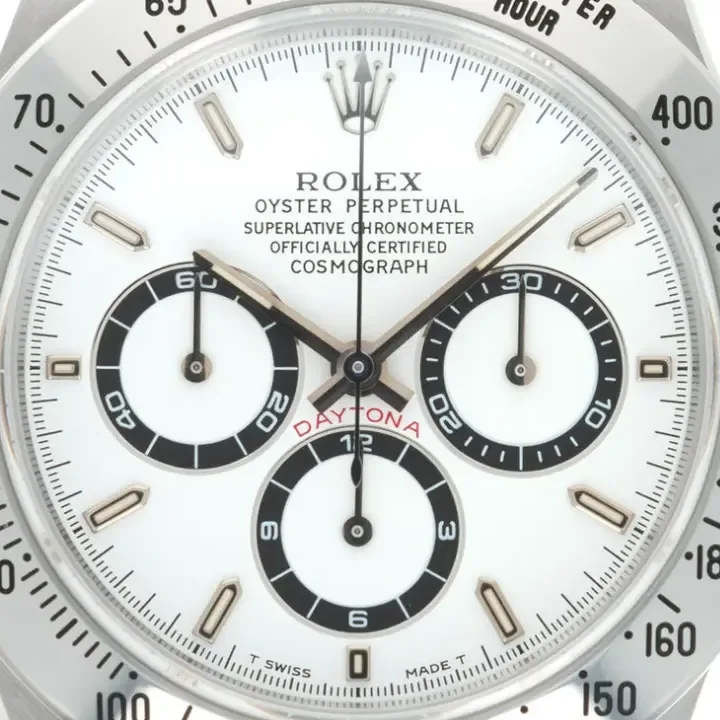
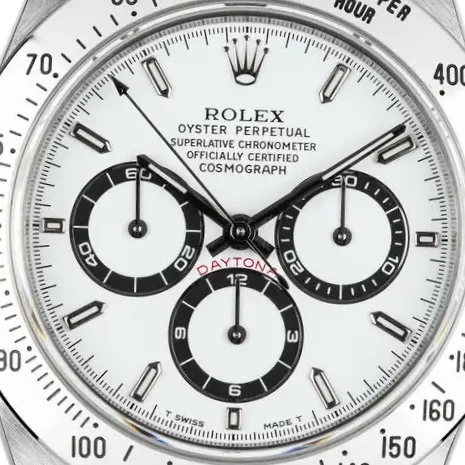
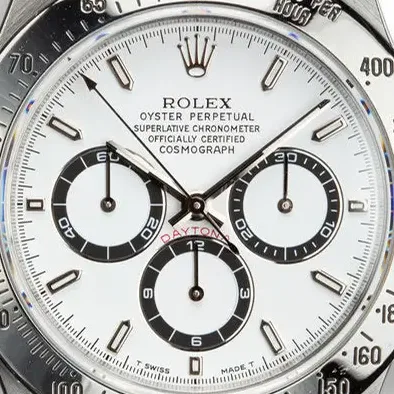
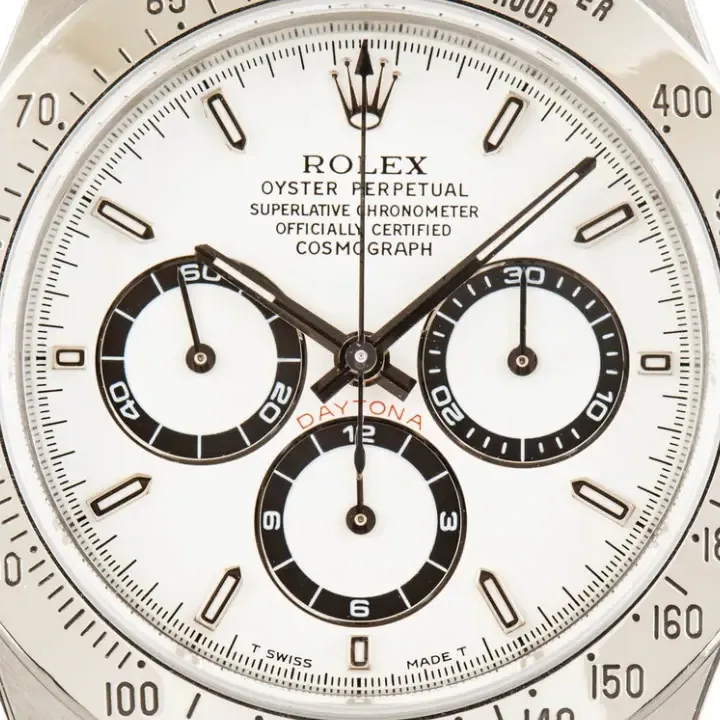
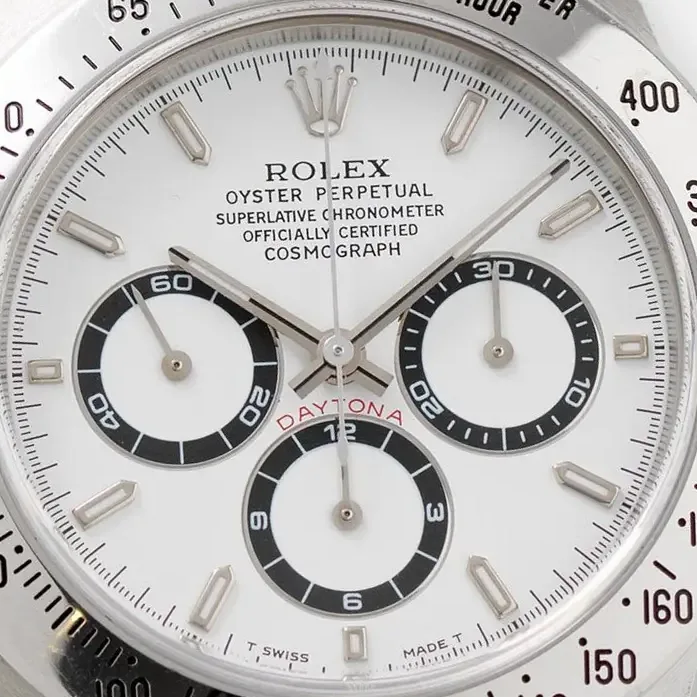
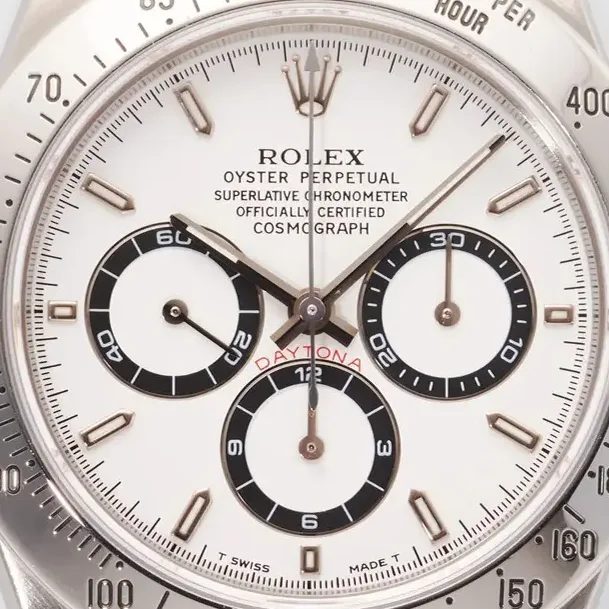
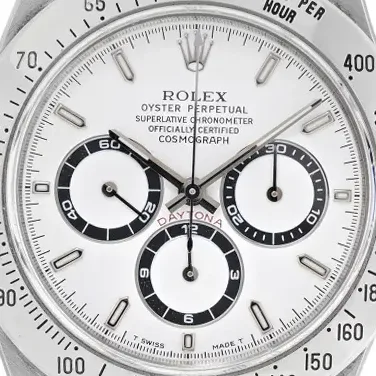
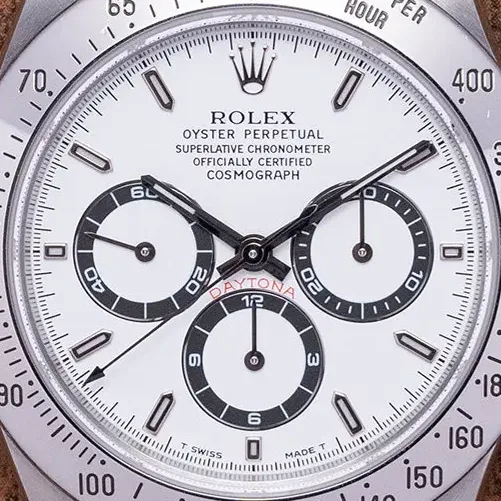
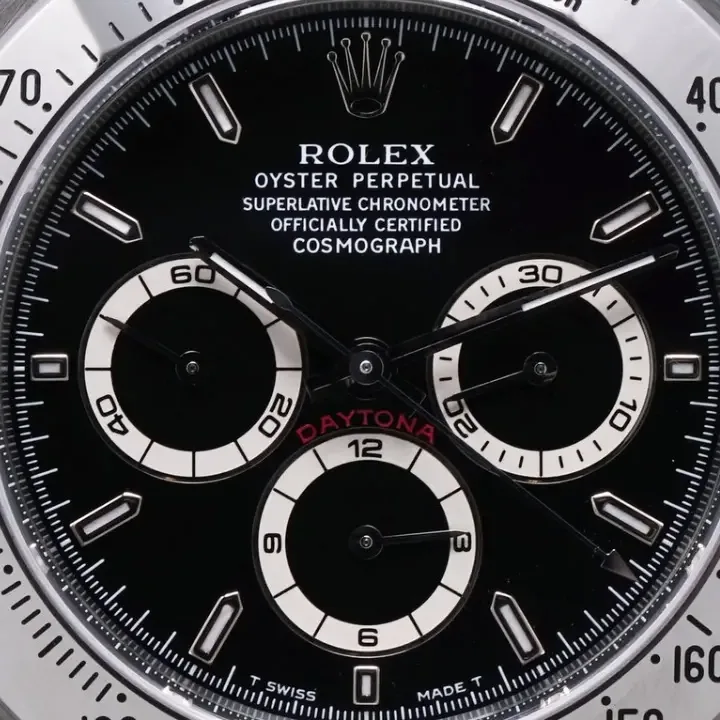
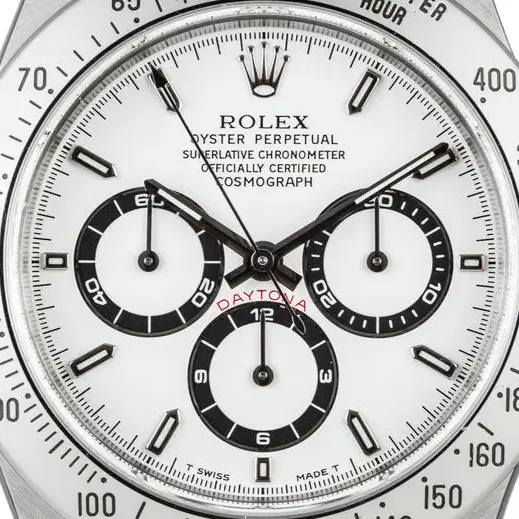
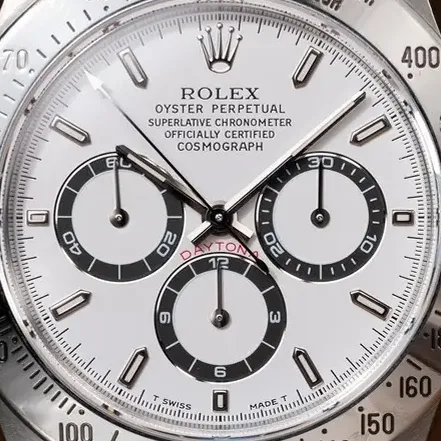
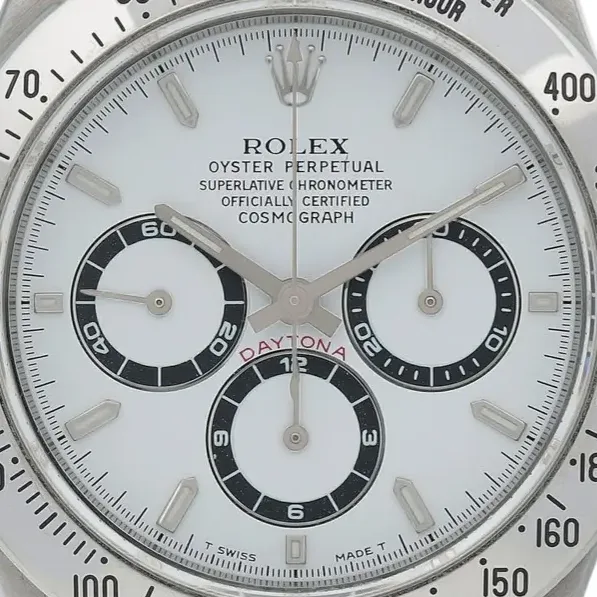
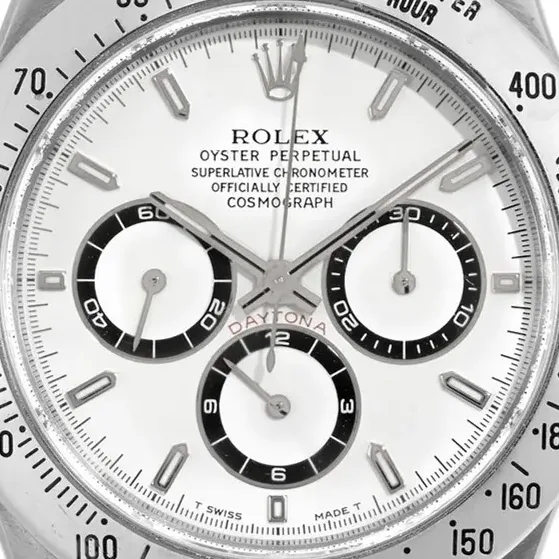
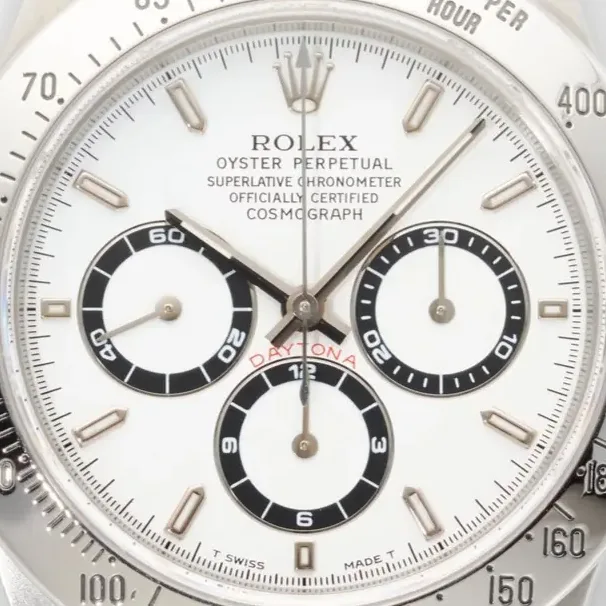
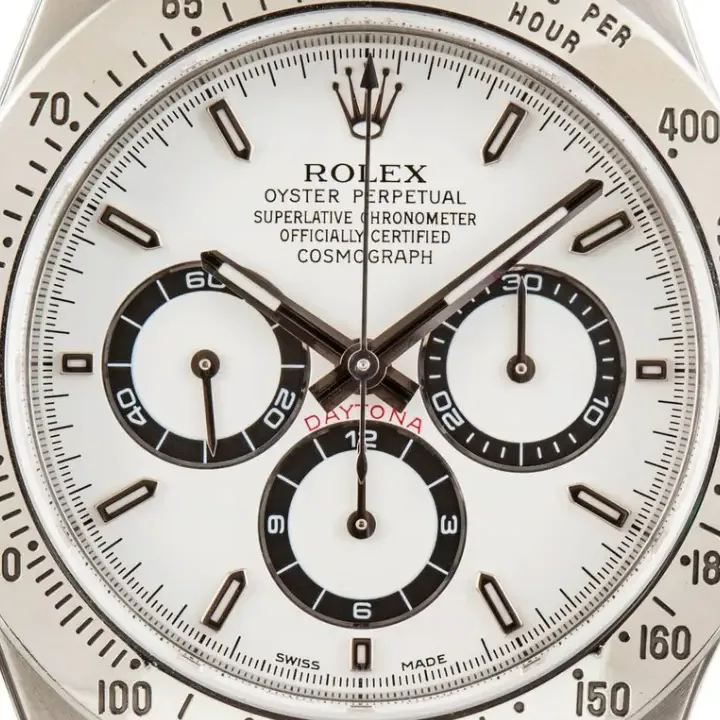
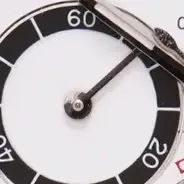
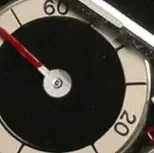
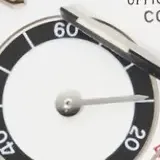
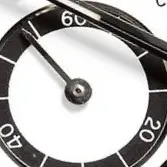
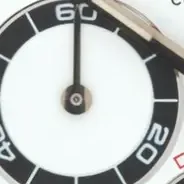
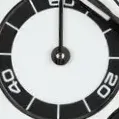
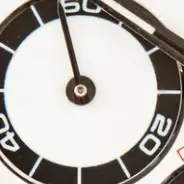
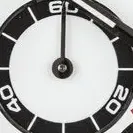
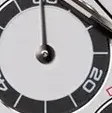
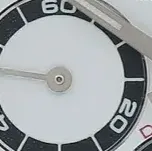
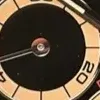
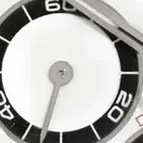
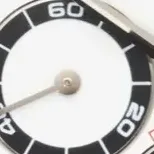
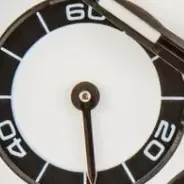
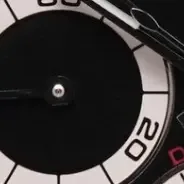
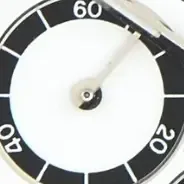
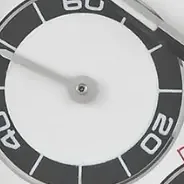
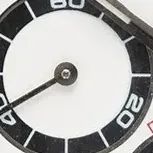
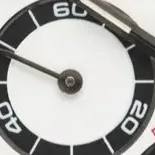
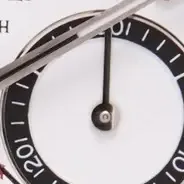
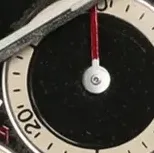
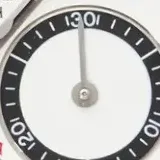
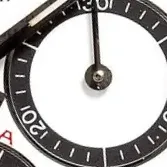
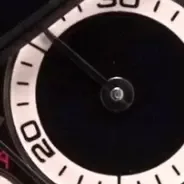
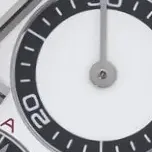
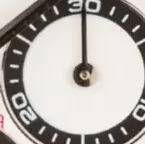
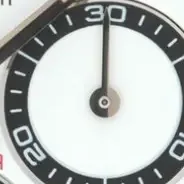
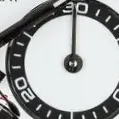
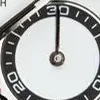
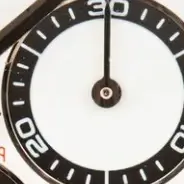
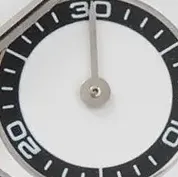
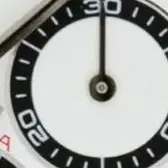
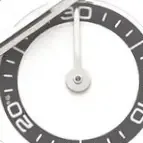
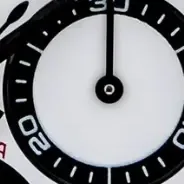
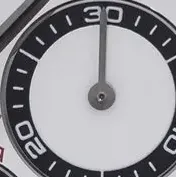
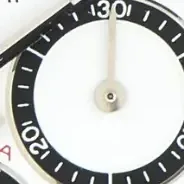
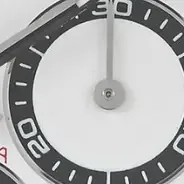
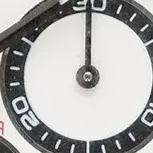
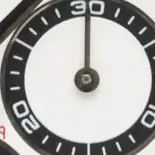
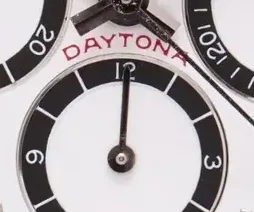
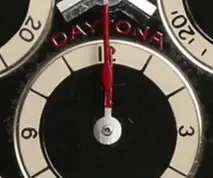
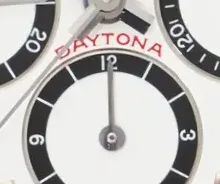
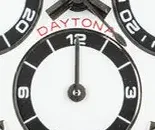
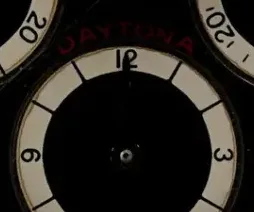
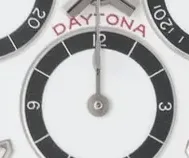
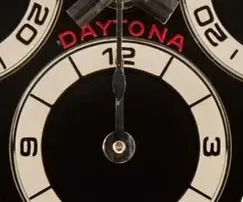
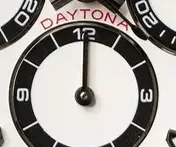
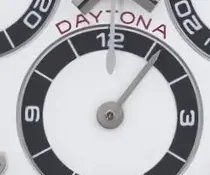
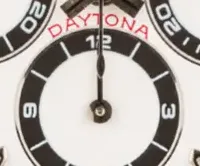
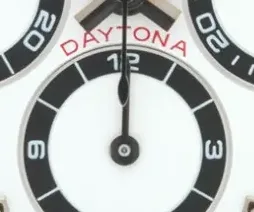
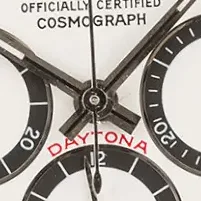
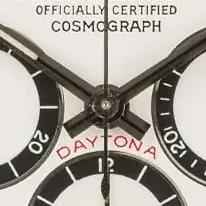
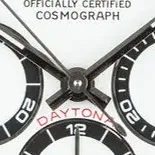
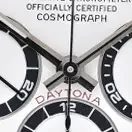
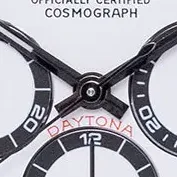
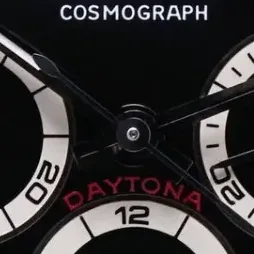
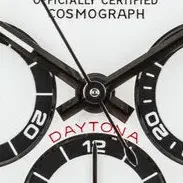
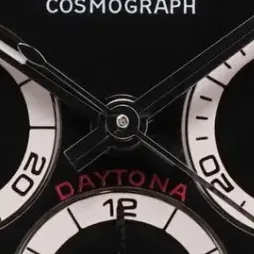
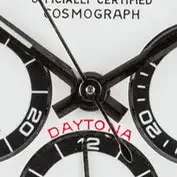
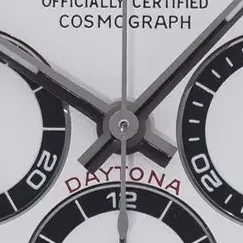
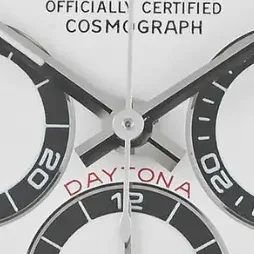
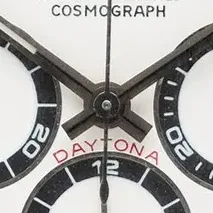
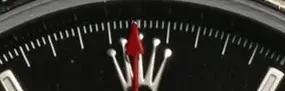
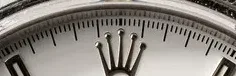
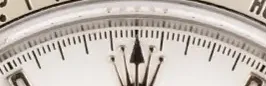
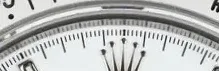
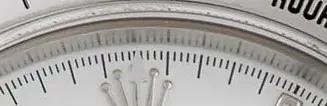
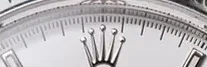
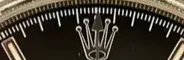
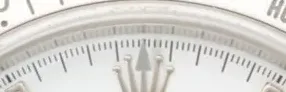
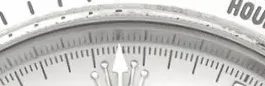
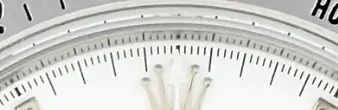
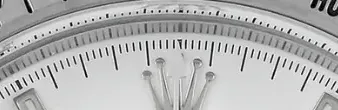
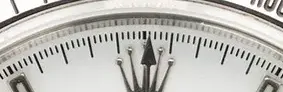
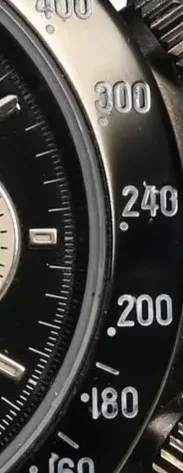
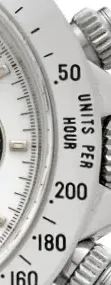
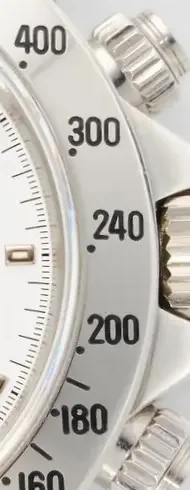
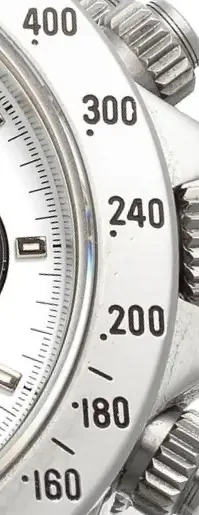
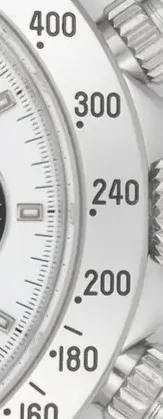
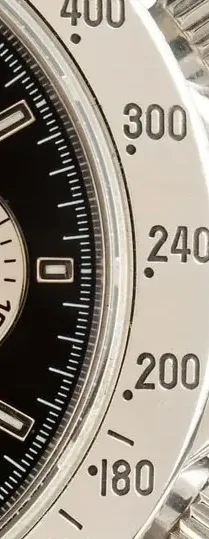
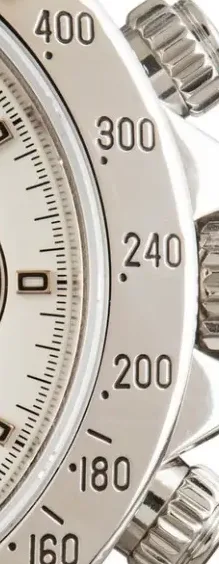
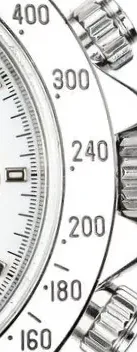
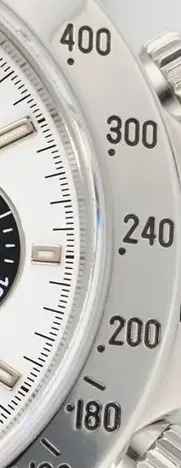
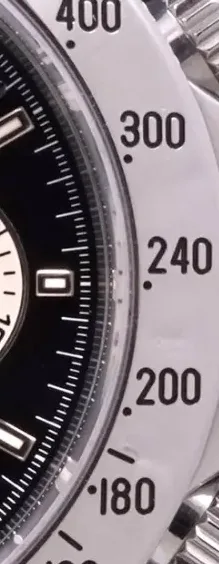
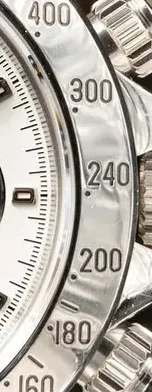
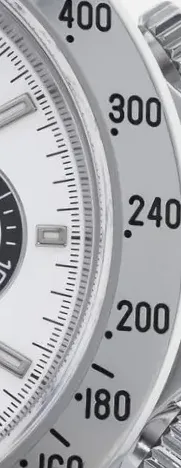
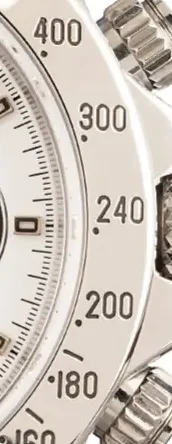
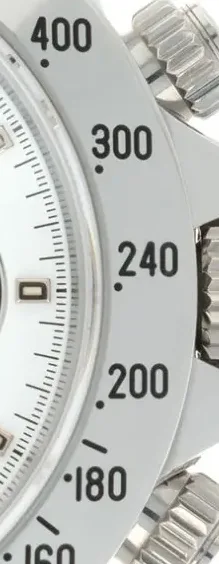
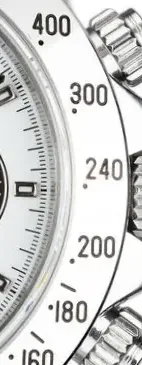
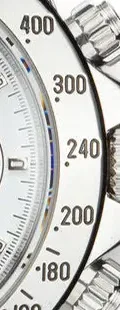
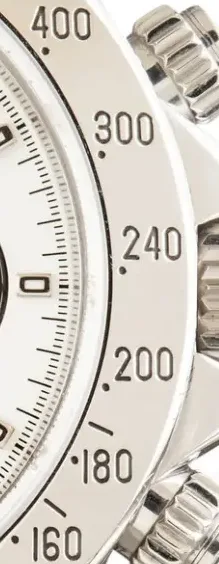
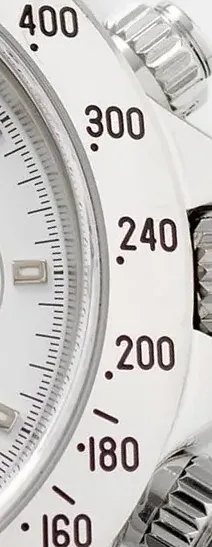
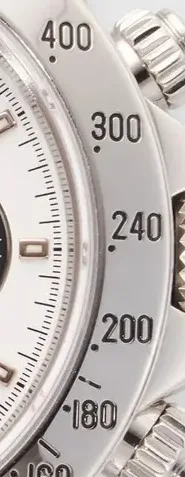
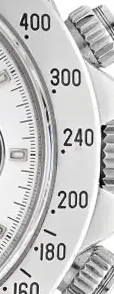
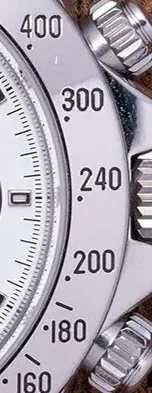
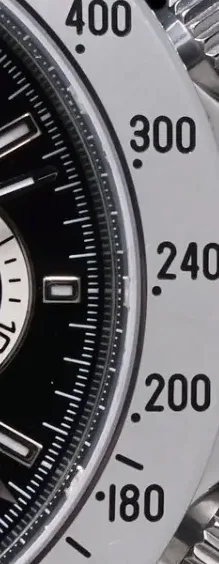
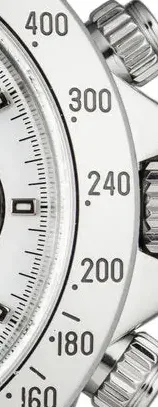
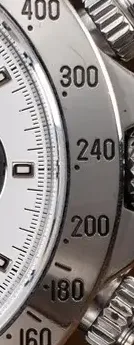
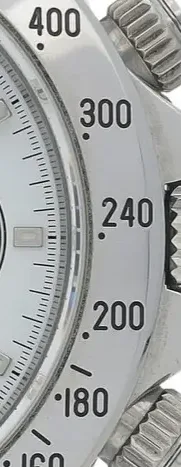
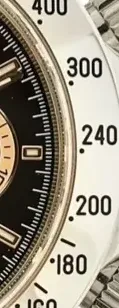
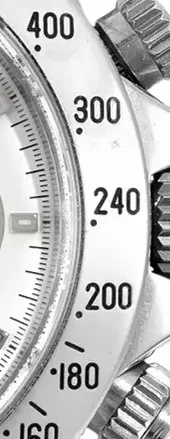
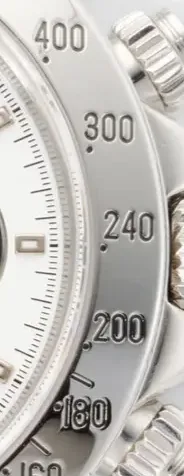
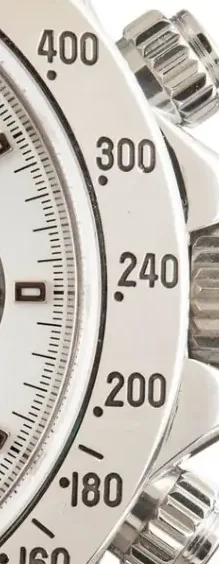
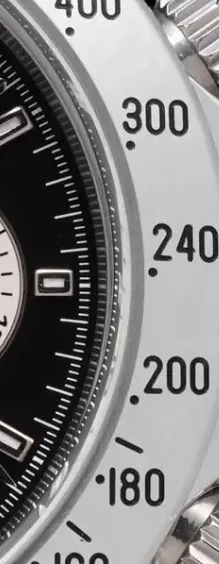
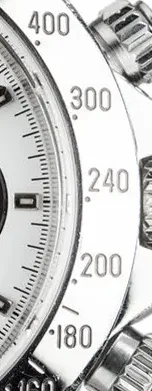
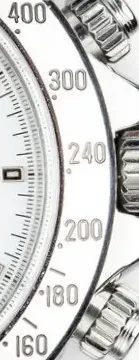
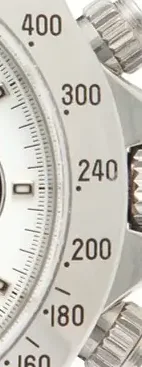
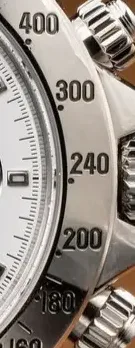
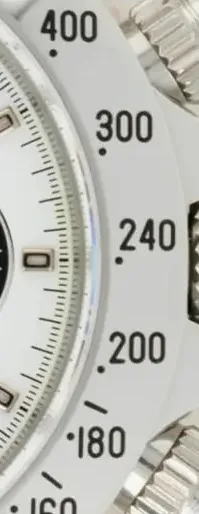
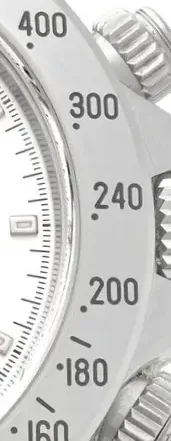
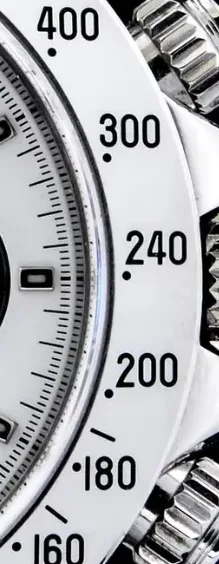
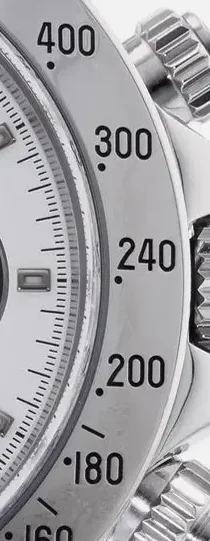
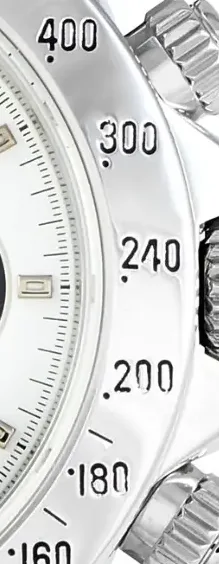
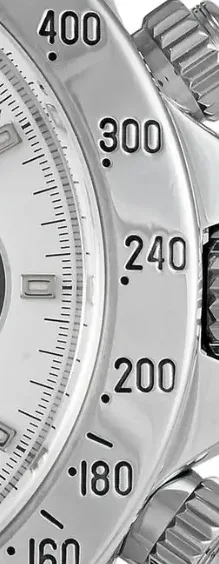
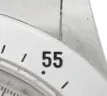
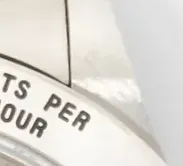
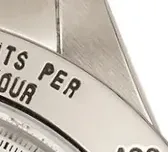
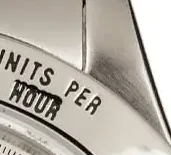
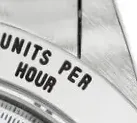
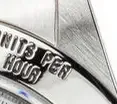
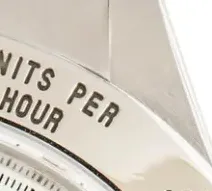
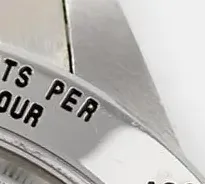
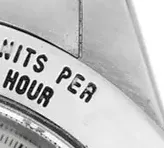
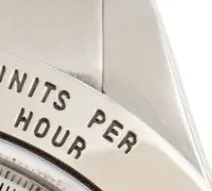
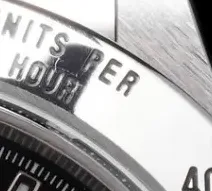
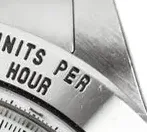
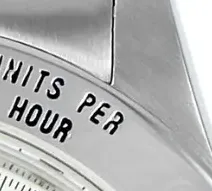
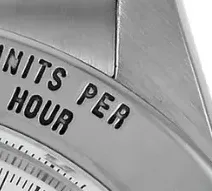
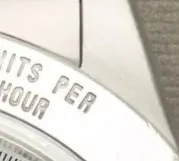
48 watches, oldest first, each straightened and cut the same way so that one row shows one component across them all. Chosen from 3,998 photographs on file for sharpness and for a face typical of the reference. A year marked c. is one its holder gives only roughly. Each picture is a detail cut from a listing photograph. Select the small mark in its corner for its year, its holder, a link to the listing it came from, and a way to report it.
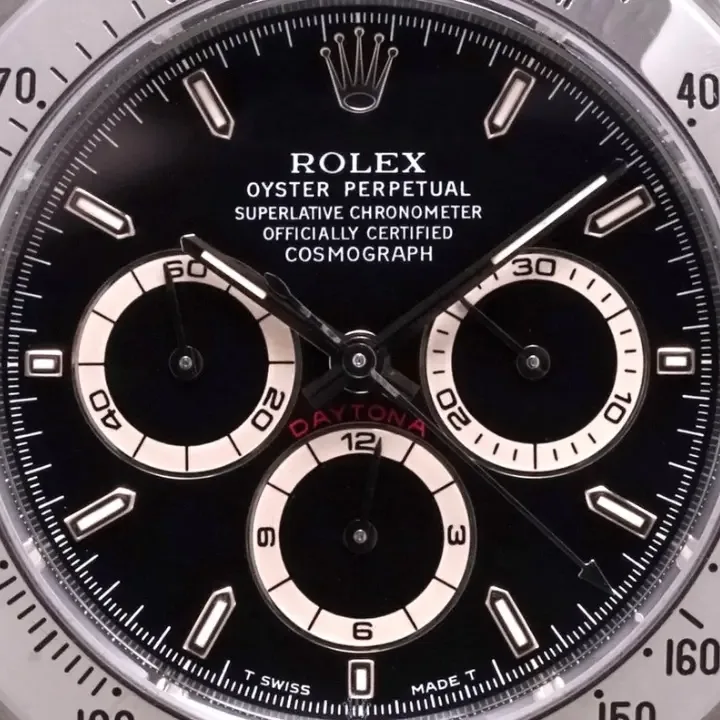
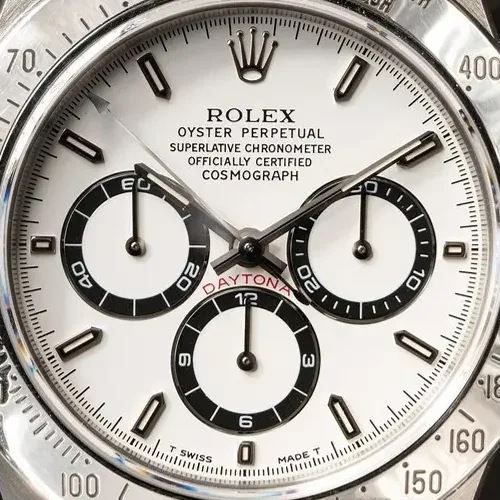
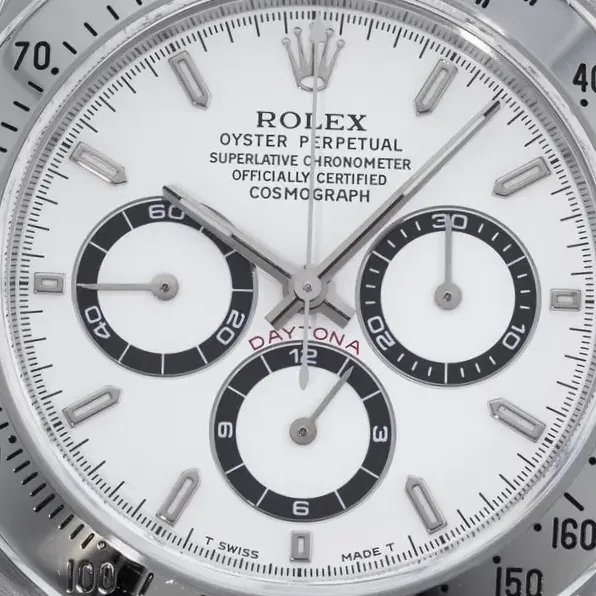
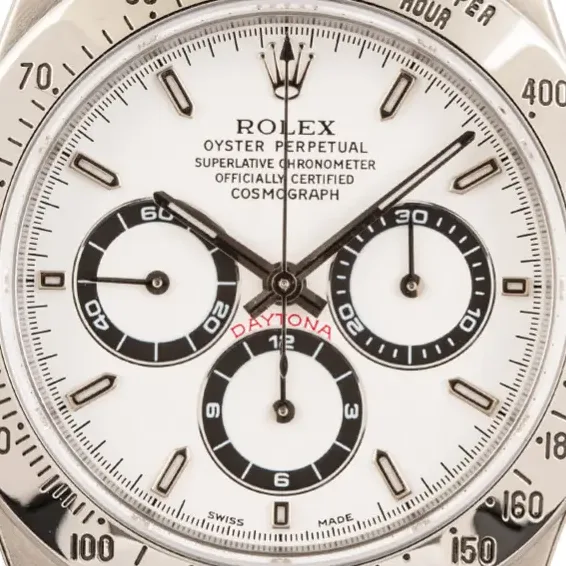
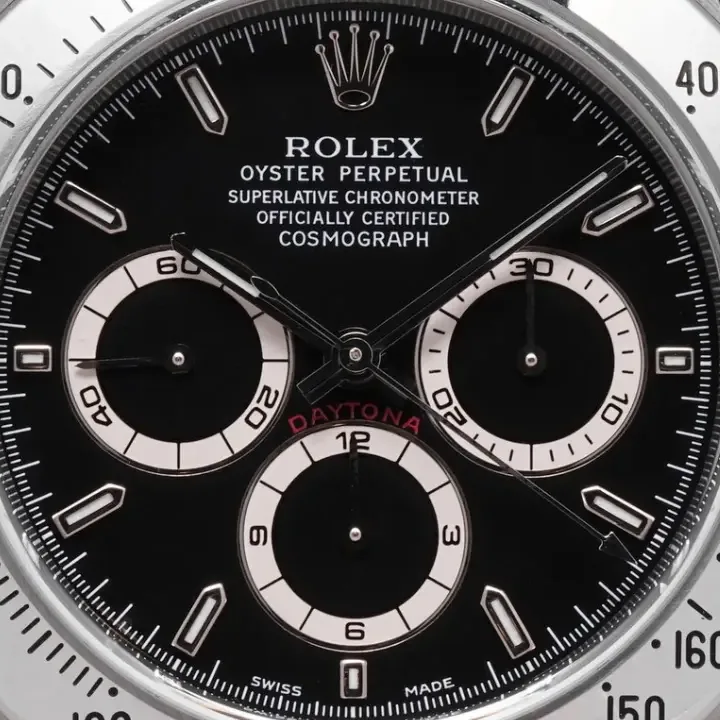
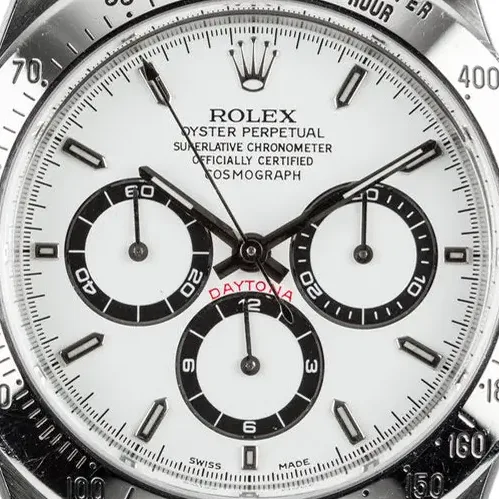
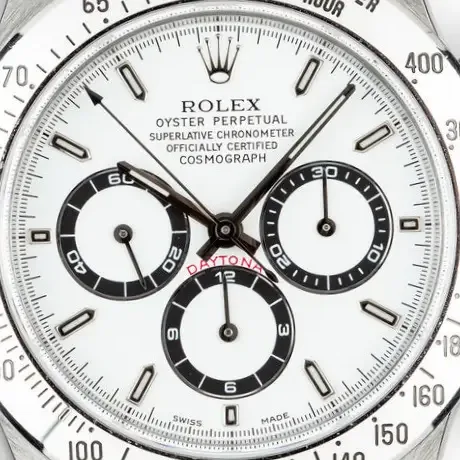
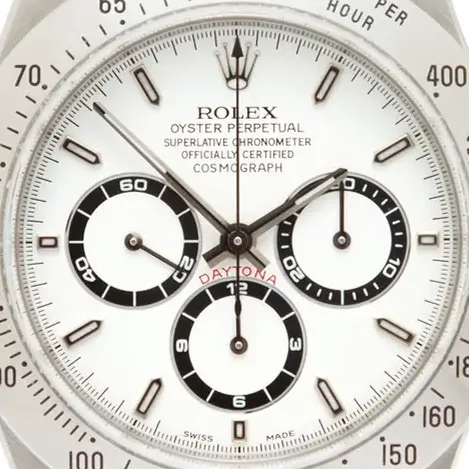
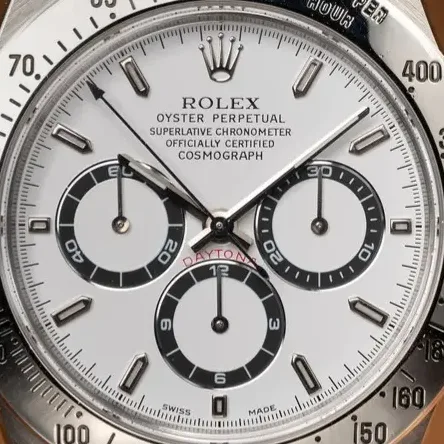
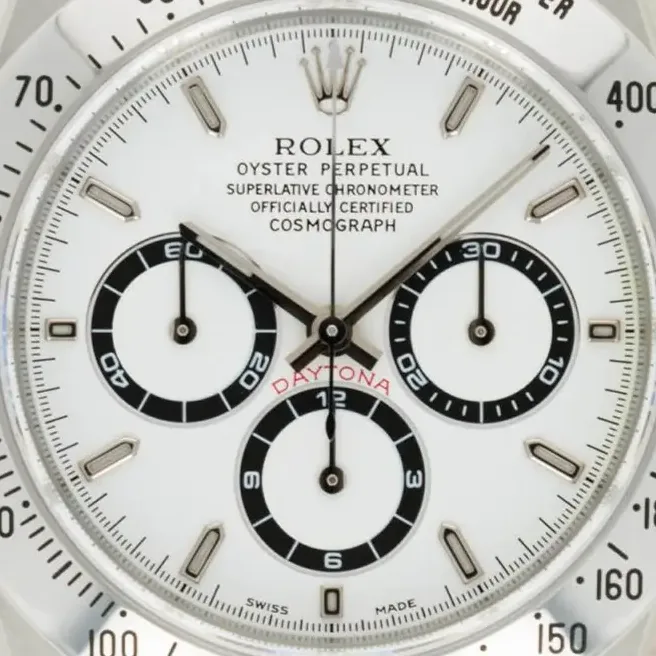
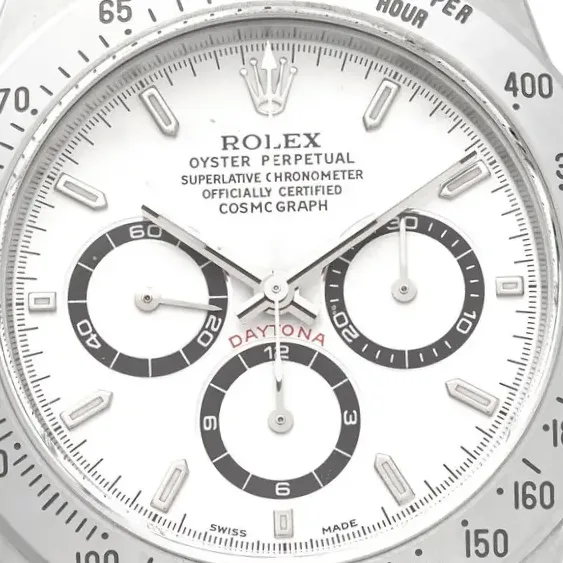
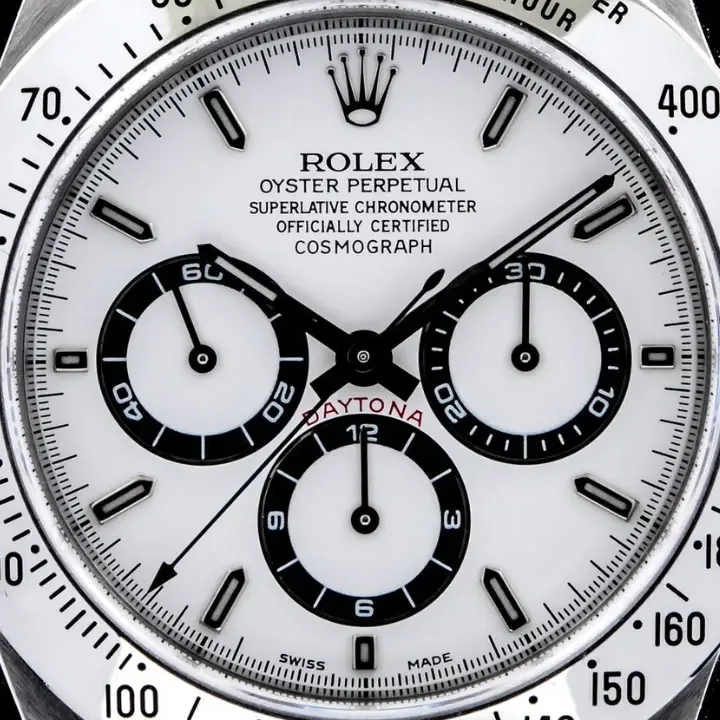
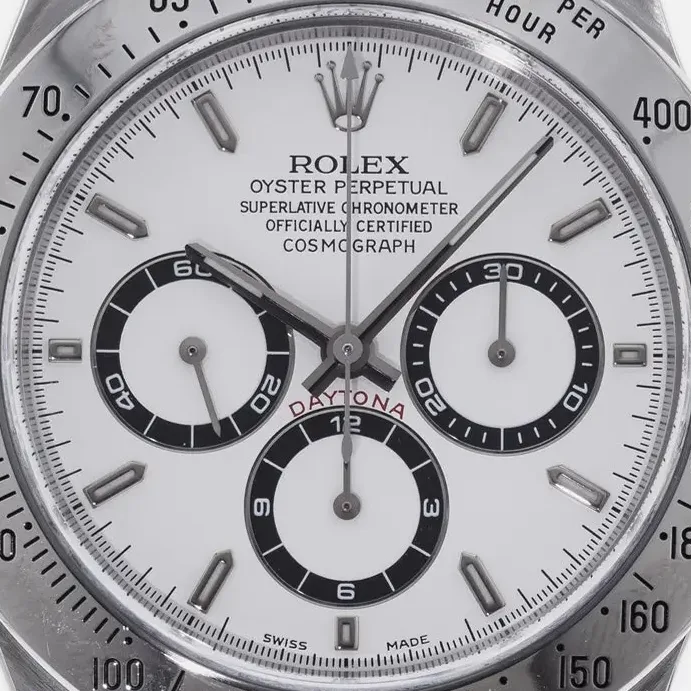
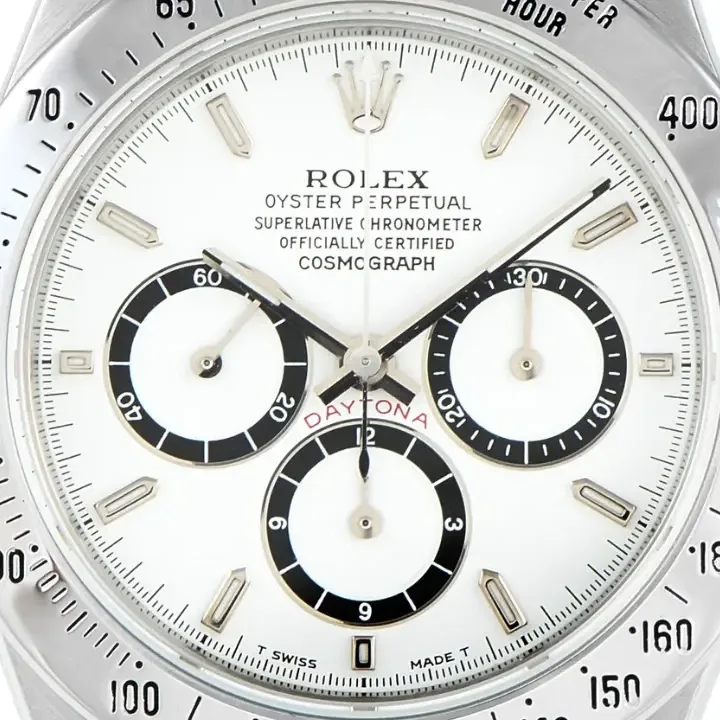
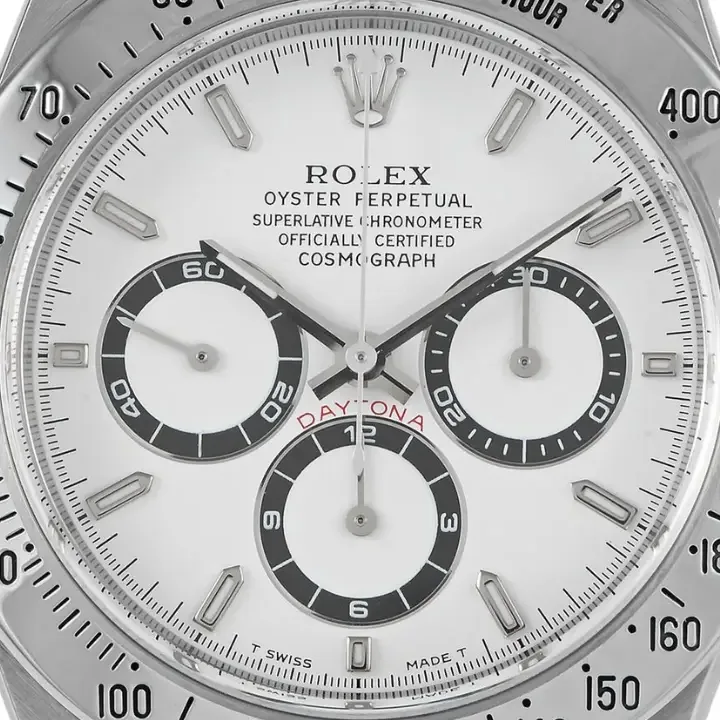
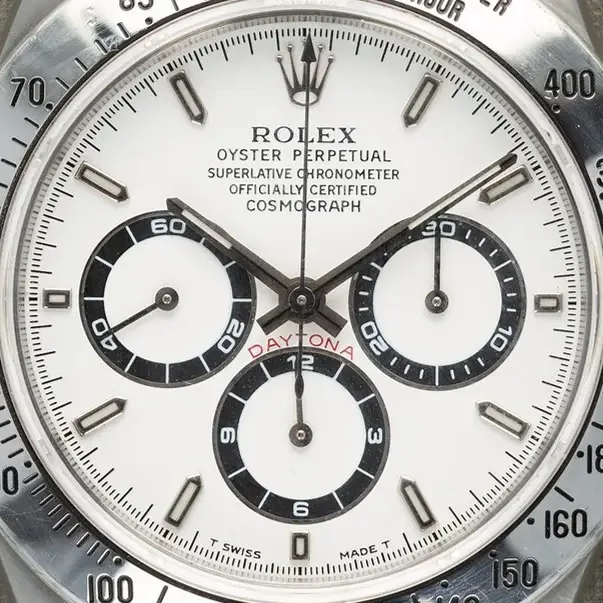
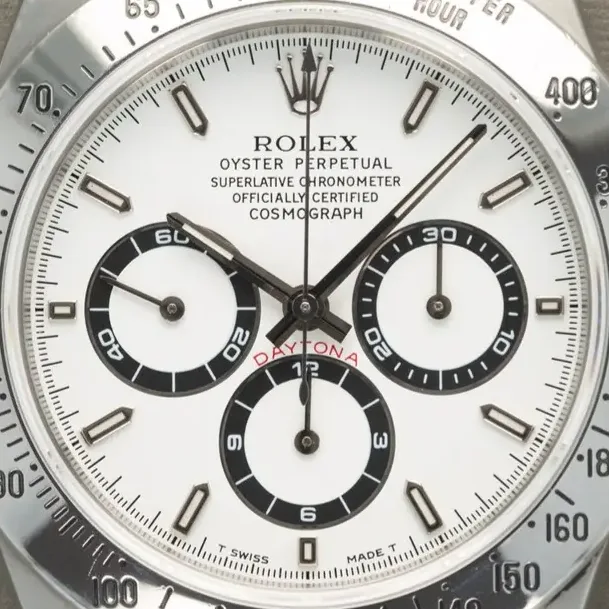



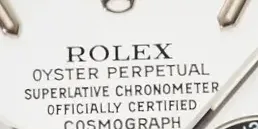

















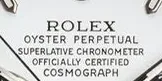






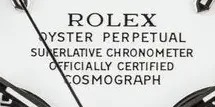





















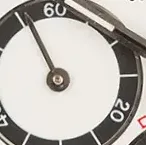
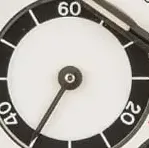
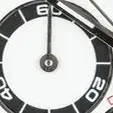
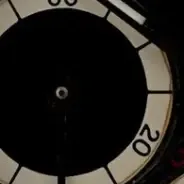
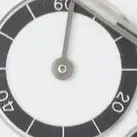
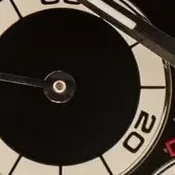
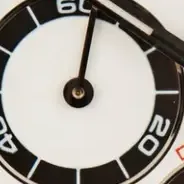
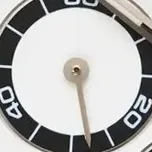
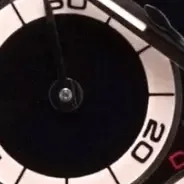

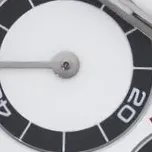
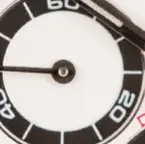
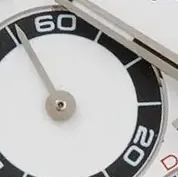
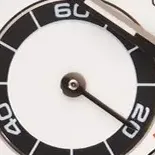

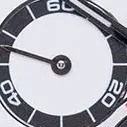
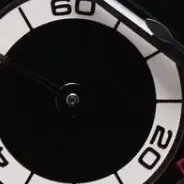
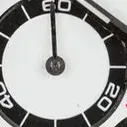
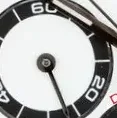
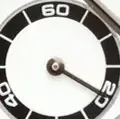
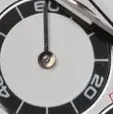
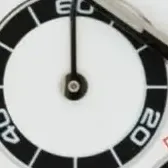
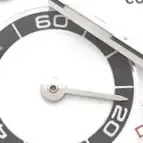
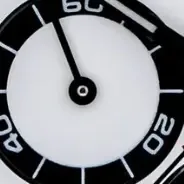
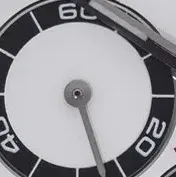

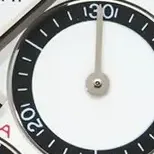
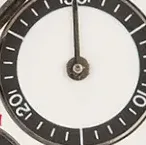
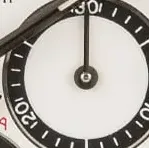
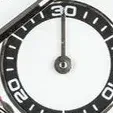

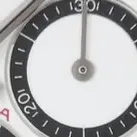
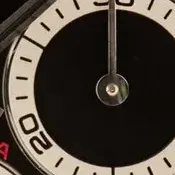
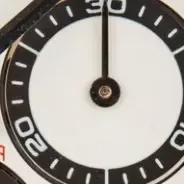


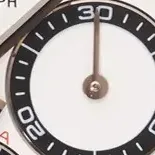

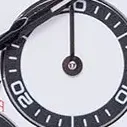
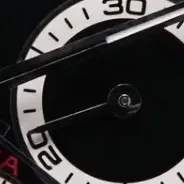
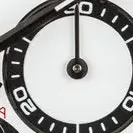


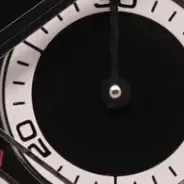
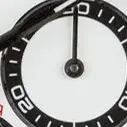
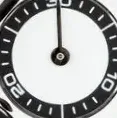

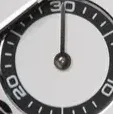
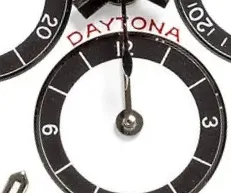
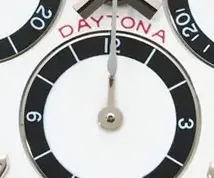
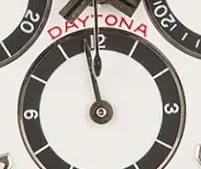
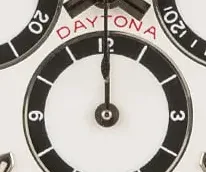
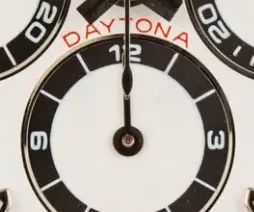
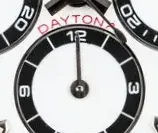
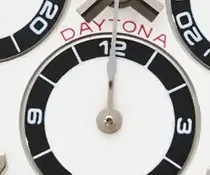
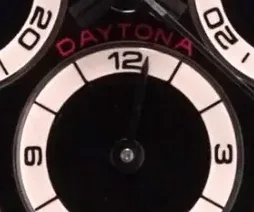
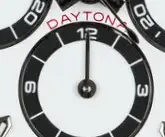
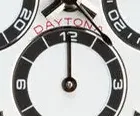
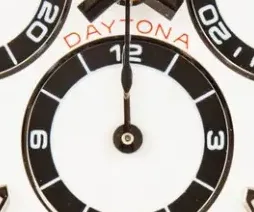
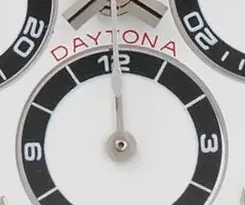
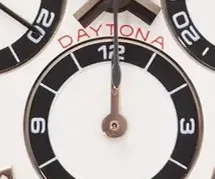
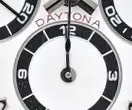
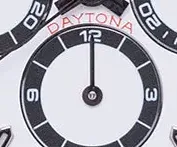
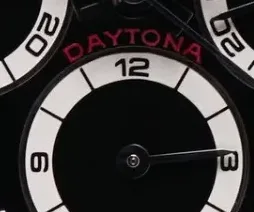
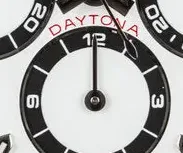
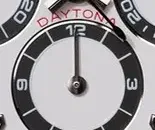
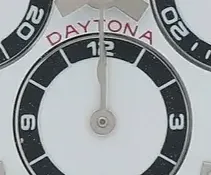
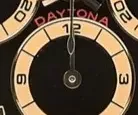
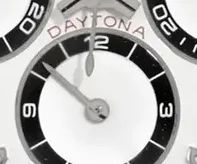
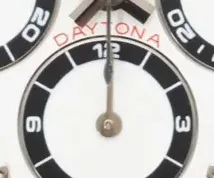
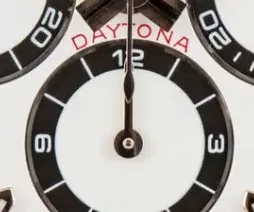
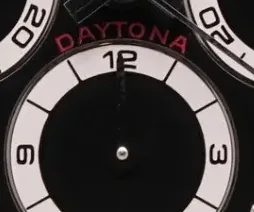
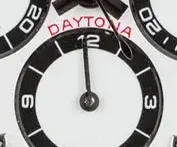

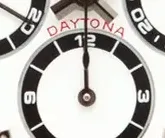
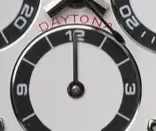
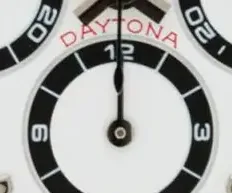
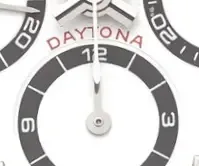
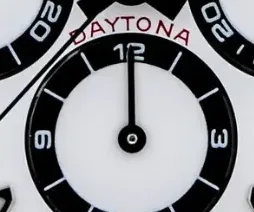
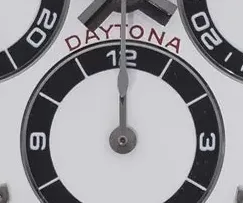
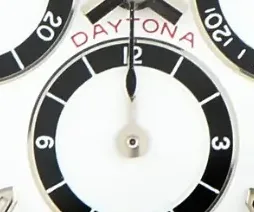
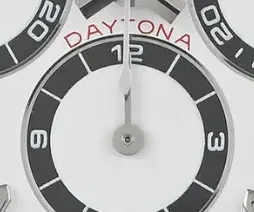
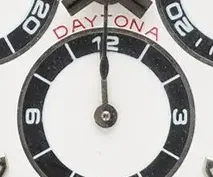
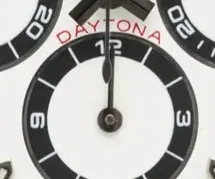
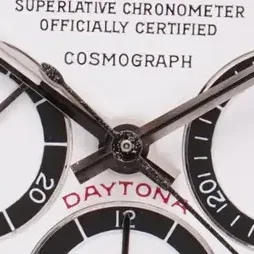
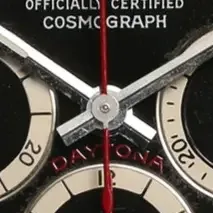

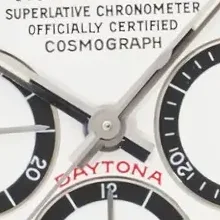
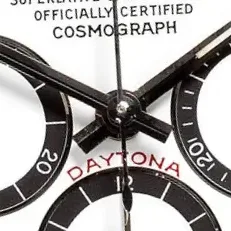
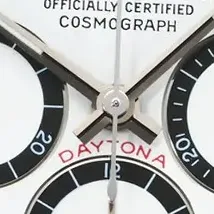

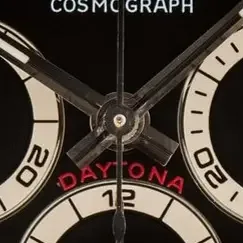
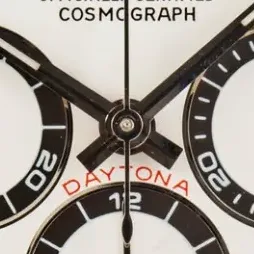


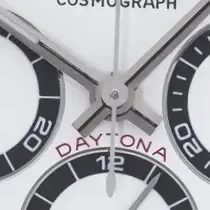
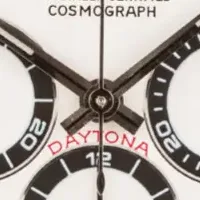



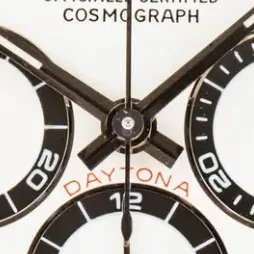
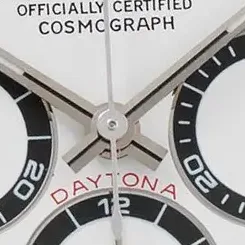





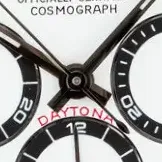
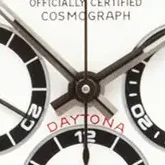

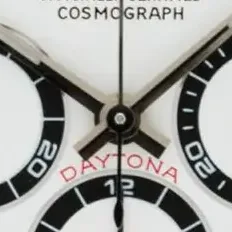

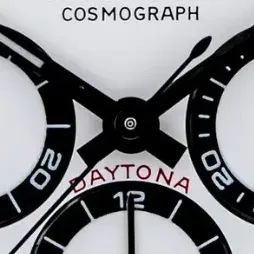



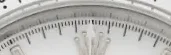
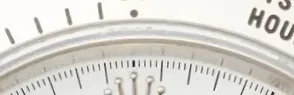
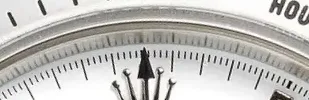

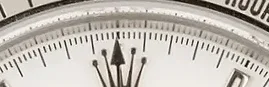
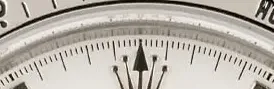



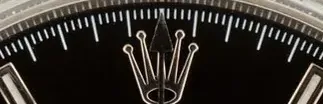

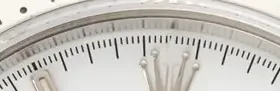














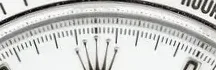
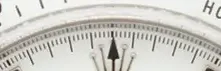
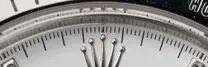
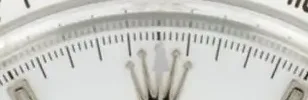




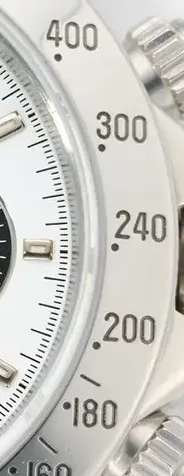
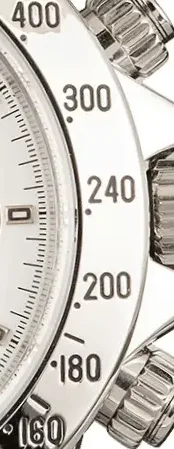
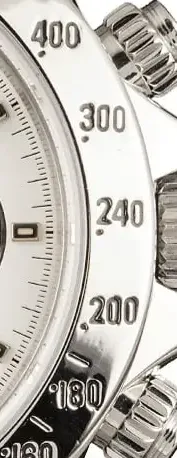

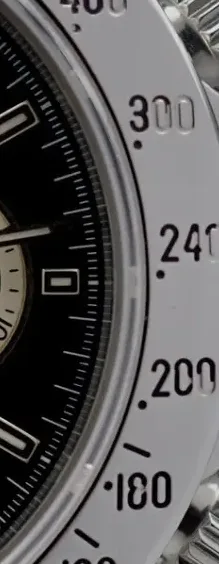



















Chronology
Case numbers in the library's records run from 1988 to 2000, matching the stated launch in 1988 and replacement by the 116520 in 2000.
Every dated variant: what is written, and what the records show
For the reference the marks are every dated watch; for a variant, the watches a seller names as that variant, so a variant sellers do not name has none.
The reference's own marks are dated by case number. A variant's marks use the year each seller states, so a variant can show watches in a year where the row for the reference shows fewer, or none.
Specification
| Case | 40 mm stainless steel Oyster case with 20 mm lugs, crown guards and a solid screw-down back |
| Crystal | Flat sapphire |
| Bezel | Fixed steel bezel engraved with a tachymeter scale; no black bezel was offered |
| Dial | Black or white, lacquered, applied metal indices filled with lume, contrasting rings round the three registers |
| Movement | Rolex calibre 4030, self-winding chronograph based on the Zenith El Primero, reduced from 36,000 to 28,800 vibrations an hour, about 52 hours of power reserve |
| Registers | Running seconds at 9, 30-minute counter at 3, 12-hour counter at 6 |
| Crown and pushers | Triplock screw-down crown (700 series); screw-down chronograph pushers |
| Bracelet | Steel Oyster, first the solid-link 78360, then from 1993 the 78390 with short flip-lock clasp |
| Water resistance | 100 metres |
Dial 8 described
The dial is where the 16520 is dated. Rolex changed text position, register lettering, register markings and lume signature in small steps, and collectors group the results as Marks. Five basic types are the usual count; other counts divide them further, to as many as nine, and the library's seller labels include a Mark 6. All dials are lacquered with applied lume-filled indices and contrasting rings round the registers.
Mark I, Floating Cosmograph
R and L serials; accepted up to L6
The first dial has COSMOGRAPH set low and detached from the four lines above it, with the whole text block sitting lower than on later dials. The registers use a smaller, rounder typeface; the six in the 6 o'clock register is printed upside down and reads as a 9, and the 3 o'clock minute counter has four dashes between five-minute marks. It is a tritium dial signed T SWISS T. It was made for about a year, though the inverted six is found on dials as late as 1994 to 1995. Dated watches that sellers describe this way fall mostly between 1988 and 1989; those are the years of the watches so described, which is not a stated span of production.
- Cosmograph set well below the other text
- inverted six reading as a nine
- four dashes between minute counter numerals
- T SWISS T at six o'clock
- round small register numerals
Porcelain floating dial
case numbers R to L6
A subset of the floating dials has a milky, glossy finish in which the printing seems to stand above the surface and can throw a faint shadow. The red-lettered Daytona text shows the same effect. The serifs are strong, most visibly the tails on the Es of OYSTER PERPETUAL. These watches should have the first 200 bezel.
- milky glossy surface
- shadow under the printing
- heavy serifs on the E of OYSTER PERPETUAL
- 200 bezel
Mark II
Made for about a year, this dial leaves out OFFICIALLY CERTIFIED although the watch is a chronometer. COSMOGRAPH is no longer floating but joins the rest of the top text, which sits slightly higher than before. The registers are as on the Mark I, including the inverted six. One account of this dial without OFFICIALLY CERTIFIED has Cosmograph still floating.
- no OFFICIALLY CERTIFIED line
- Cosmograph in the main text block
- inverted six
Mark III
Close to the Mark II but with OFFICIALLY CERTIFIED restored. The register typeface still has the inverted six, so it sits between the early and the late dials.
- OFFICIALLY CERTIFIED present
- inverted six still printed
Mark IV
The commonest dial, and the one most people picture. The text block is together and slightly higher than on the first dials, the register numerals are squarer and bolder, the minute counter has three dashes instead of four and the six in the lower register is the right way up. It is still a tritium dial through the 1990s.
- bold square register numerals
- three dashes between minute counter numerals
- upright six
- text block high on the dial
Patrizzi dial
A fault on black Mark IV dials made roughly in 1994 to 1995. The organic varnish gave too little cover, and the silver rings round the registers have oxidised to brown under UV, a change that keeps going. Published accounts call the affected watches a relative handful of the whole run, and each is different. In the library's records sellers name it on several dozen watches, most of them dated between 1994 and 1997. The name comes from the auction-house founder who noticed the shift in a watch of his own sold in 2006.
- black dial with brown register rings
- tone differs from watch to watch
- Mark IV lettering
Mark V, Luminova
case numbers A (1999) to P (2000); some late U (1998)
The Mark IV layout again, but with Luminova in markers and hands, so the lowest edge reads SWISS only instead of T SWISS T. Some U-serial watches from late 1998 have these dials with SEL bracelets and are correct.
- SWISS alone at six o'clock
- Luminova markers
- Luminova hands
Retailer-signed dials
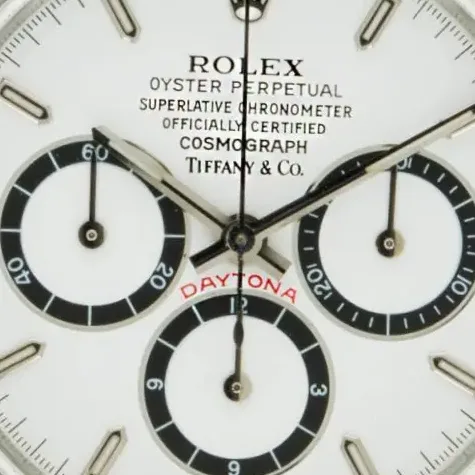
A Tiffany & Co. signed dial exists on a porcelain floating 16520. A 'Beyer' double-signed dial on an N-series watch (N470188) was sold at auction as one of about eight, but the Zurich retailer replied that it had sold the watch without its signature on the dial and that the print had been added elsewhere. Treat Beyer signatures on late Rolex dials with great caution.
- retailer name under the Rolex signature
Luminous material 2 described
Tritium lume was used on the dials and hands up to the late 1990s, then replaced by Luminova.
Tritium
Dials are signed T SWISS T at the foot, and the form SWISS T<25 is also given. The hour markers are applied metal indices filled with lume.
- T SWISS T
- SWISS T<25
Luminova
case numbers late U, then A to P
Markers and hands are Luminova and the foot of the dial reads SWISS alone. Rolex made the change in the closing years of the reference.
- SWISS at foot
Hands 1 described
The literature says little about the hands beyond their lume.
Luminova hands
case numbers A to P
Hands change from tritium to Luminova together with the Mark V dial.
Subregisters 3 described
Layout is fixed for the whole run, with details of printing that change by Mark.
Registers at 9, 3 and 6
Running seconds at 9, the 30-minute counter at 3 and the 12-hour counter at 6, each with a contrasting ring. The 116520 that followed puts the seconds at 6 and the hour counter at 9, and its side registers sit slightly higher.
- seconds at nine
- hour counter at six
Early register print
Smaller round numerals, an inverted six in the hour counter and four dashes in the minute counter. The inverted six persists on some dials to 1994 to 1995.
- round small numerals
- upside-down six
- four dashes
Later register print
Squarer, bolder numerals with an upright six and three dashes in the minute counter, easier to read.
- square bold numerals
- three dashes
Bezel 2 described
The bezel is always steel, with an engraved tachymeter scale. It changed in graduation and lettering position early in the run and is often swapped at service.
200 bezel
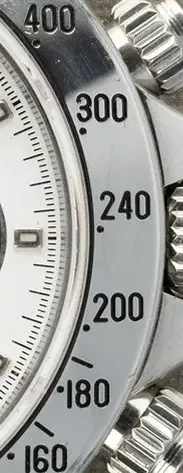
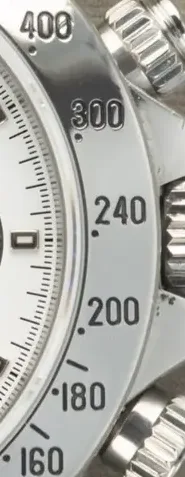
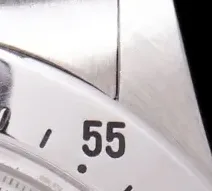
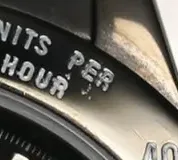
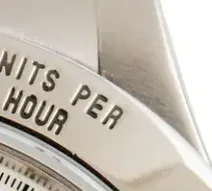
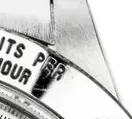
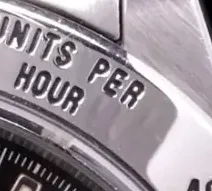
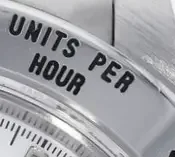
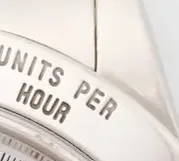
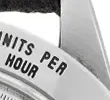
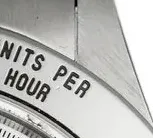
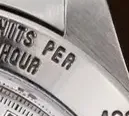
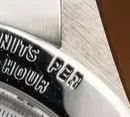
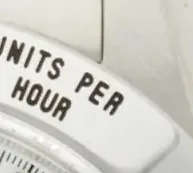
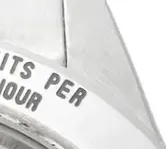
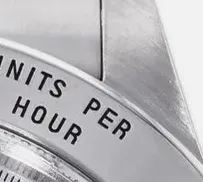
Graduated from 50 to 200, like the bezels of the manual-wind Daytonas, with UNITS PER HOUR placed at the side of the bezel: usually at three o'clock, though one early four-line dial is shown with it at nine. It belongs on the earliest dials, including the porcelain floating dials. Dated watches that sellers describe this way fall mostly between 1988 and 1989; those are the years of the watches so described, which is not a stated span of production.
- scale ending at 200
- UNITS PER HOUR at three or nine o'clock
400 bezel
Graduated up to 400, with UNITS PER HOUR moved to one o'clock. It replaces the 200 bezel, one account placing it on L-serial watches of 1989 already, and is the bezel most watches carry.
- scale ending at 400
- UNITS PER HOUR near one o'clock
Case 3 described
The case is 40 mm with 20 mm lugs and crown guards, against 37 mm and 19 mm lugs on the earlier Daytona. It is the same steel middle case as in the two-tone 16523.
Case, lugs and pushers
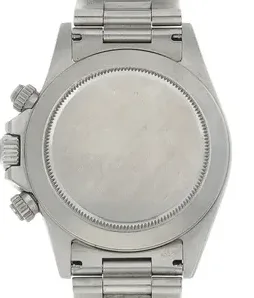
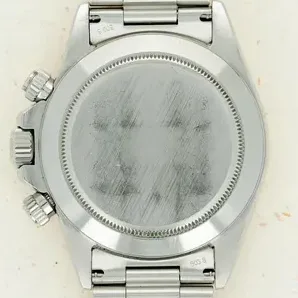
Prominent crown guards flank the crown. The pushers sit slightly angled in the case rather than at a right angle to the line from pusher to centre, a result of the El Primero layout; the 116520 sets them straight. The solid caseback screws down.
- angled pusher axes
- crown guards
Engraving between the lugs
At 6 o'clock the case carries STAINLESS STEEL and the case number; at 12 o'clock ORIG. ROLEX DESIGN and the reference. Early R-series engraving has characteristic letters, notably the R and the 9. A full stop after ORIG came in later. Fresh, differently shaped numerals at 12 o'clock on an early watch suggest re-engraving, possibly to pass off a converted 16523.
- shape of the 5 and 2 in the reference
- full stop after ORIG on later watches
- unworn engraving
Inside caseback stamped 16500
Some watches have 16500 stamped inside the caseback although the reference is 16520, and sellers describe a few of them as early or prototype pieces.
- 16500 inside the back
Crown and pushers 1 described
A screw-down crown set between guards.
700-series Triplock
Triplock screw-down winding crown, flanked by the new crown guards.
- three-dot Triplock crown
Crystal 1 described
Flat sapphire from the start.
Flat sapphire
A flat sapphire crystal replaced the domed acrylic of the earlier Daytonas, which also lowers the profile of the watch.
Movement 1 described
One calibre throughout, built on the Zenith El Primero.
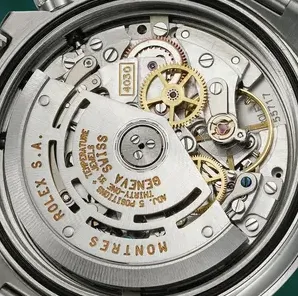
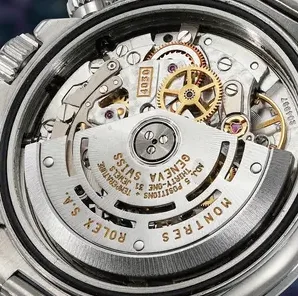
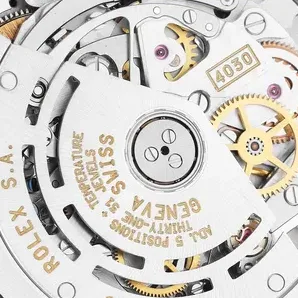
Calibre 4030
The El Primero was reworked over about two years from an agreement of 1986. The date was removed, a free-sprung balance and new escapement fitted, the rotor and lower plate replaced and the Micro-Stella regulating system and shock protection added. More than 200 changes were made. Frequency came down from 36,000 to 28,800 vibrations an hour and power reserve rose from 42 to 52 hours. The movement passed chronometer testing, which allowed the Superlative Chronometer text on the dial.
- Micro-Stella balance
Bracelet 2 described
Two Oyster bracelets with different clasps.
78360
Solid-link steel Oyster bracelet on the early watches.
- solid links
78390
Oyster with polished centre links and a short flip-lock clasp of folded sheet steel, unlike the solid clasp of the later 116520.
- polished centre links
- flip-lock clasp
Originality
- Bezels are often replaced at service with a later type, so an early dial with a 400 bezel is common and should be noted.
- Hands and dials are sometimes replaced; a service dial can be told by its text position and register print not matching the serial letter.
- Case-number engraving can be redone; compare the numerals and the full stop after ORIG with a known original from the same series.
- A retailer signature on a 1990s dial needs checking, as at least one has been shown to be added later.
Names
- Zenith Daytona. The movement is based on the Zenith El Primero.
- Floating Cosmograph. The word Cosmograph sits detached below the other dial text.
- Inverted 6. The six in the lower register is printed upside down and looks like a nine.
- Porcelain. The glossy milky dial finish of the earliest watches.
- Patrizzi. Black dials whose register rings have turned brown, named after the man who first noticed it.
Where accounts differ
Points on which the published literature and the library's own records do not agree, or on which the literature contradicts itself.
- Number of dial types. Most accounts give five dial types, but one states that nine are now accepted and another counts eight in the steel watches. The library's seller labels use Mark 1 to Mark 6 only.
- Register layout. One review places the 12-hour counter at 9 and the constant seconds at 6. Other pages, and the layout of the 116520 comparison, put seconds at 9 and the hour counter at 6, which is the arrangement the comparison with the 116520 describes.
- Years of the 200 bezel. One account gives the 200 bezel as used in 1988 and early 1999, which is probably a slip for 1989; sellers place it in 1988 and 1989. Another account has the 400 bezel already fitted to L-serial watches of 1989, some of them with floating dials.
- Second dial (four-line). Accounts split on the second dial, the one without OFFICIALLY CERTIFIED. Two have Cosmograph moved up to join the rest of the text on it. Another calls this four-line dial of about 1988 to 1989 floating throughout, and has Cosmograph rejoin the main block only on the next dial.
Back and movement
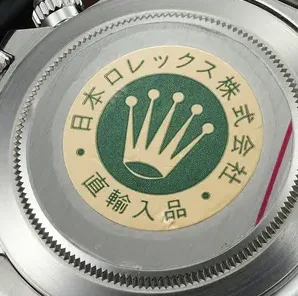
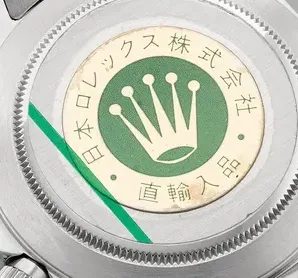
From listings of this reference, each confirmed by eye to show what it is filed under. A picture on which a person's name or a personal engraving can be read is not shown. From most holders a detail from the middle of the photograph is shown; the mark in its corner gives its holder and a link to the listing.
Caseback
Movement


In the records
Counted from 1,211 listings at 60 holders between 26 April 2007 and 14 November 2026. These are what sellers and auction houses state, not measurements.
The fainter bar is the one watch outside the main run of 1988–2000 (the middle nine-tenths): the earliest is 1987. It is an early or late example, or a number misread.
At the holders that record papers on every watch, 41% of their 115 listings of this reference come with papers; at those that record the box on every watch, 66% of 137 come with a box. "Papers" is whatever the holder counts as papers, and can include service papers.
1 listing dated long after the reference ended is set aside and not counted here: a year that late belongs to a later watch sold under the old number, or to a listing filed under the wrong one.
Case metal
| Steel | 702 | |
| Gold, any colour | 2 | |
| Pink | 1 | |
| Colour not stated | 1 |
A listing that says "gold" or "18K gold" names no colour: it is counted under "colour not stated", not as yellow gold.
Dial colour
| Black | 326 | |
| White | 317 | |
| Brown | 10 | |
| Cream | 1 | |
| Salmon | 1 |
Case size
| 40 mm | 441 | |
| 39 mm | 72 | |
| 38 mm | 30 |
Calibre named
| 4030 | 414 | |
| 4130 | 13 | |
| 400 | 13 | |
| 3040 | 2 |
Bracelet or strap
| Oyster bracelet | 655 | |
| Metal bracelet, kind not stated | 101 |
Each table counts the listings that state the thing, in the seller's own terms. A size, metal, colour or calibre that cannot belong to this reference is a seller's slip or a listing filed under the wrong number.