Cosmograph Daytona (screw-down pushers, steel or gold bezel)
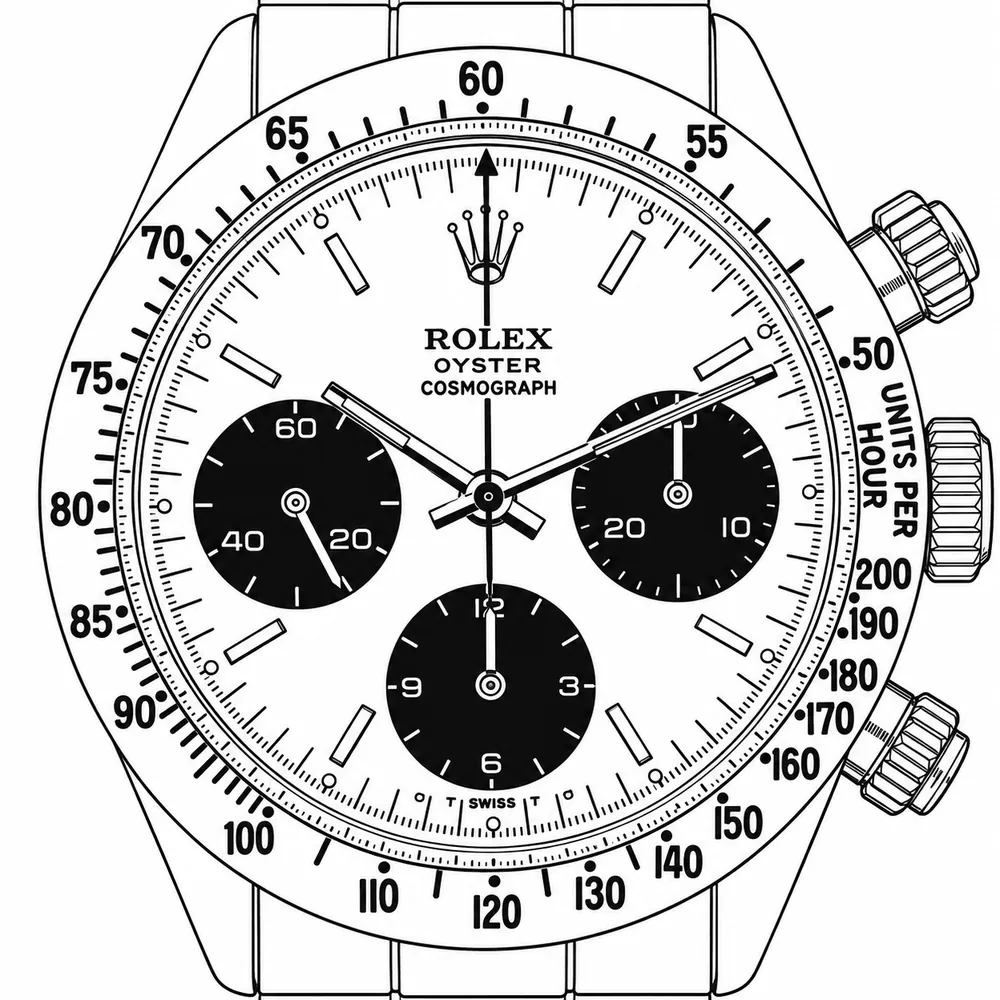
The 6265 is the hand-wound Rolex Daytona with screw-down pushers and the Valjoux 727, and it is the twin of the 6263 apart from its metal bezel engraved with a tachymeter scale to 200 units per hour. It was made from about 1970 or 1971 until 1987 or 1988 in steel and in 14k and 18k yellow gold, and was among the last manual-wind Daytonas before the automatic 40 mm series. Its dials run from early Cosmograph and exotic types through Sigma to Big Red, and its gold watches have their own dial layout. Collectors check bezel, pushers, dial text and case number together.
- Made
- 1970–1988dates approximate
- Seen in the library
- 1970–1988nine in ten in 1971–1987 · by case numbers
- Case
- 37 mm · steel (68%), gold (31%)as sellers state
- Movement
- Calibre 727hand-wound
- On record
- 597 listings1,580 photographs · 46 holders
Components
46 watches, oldest first, each straightened and cut the same way so that one row shows one component across them all. Chosen from 1,580 photographs on file for sharpness and for a face typical of the reference. A year marked c. is one its holder gives only roughly. Each picture is a detail cut from a listing photograph. Select the small mark in its corner for its year, its holder, a link to the listing it came from, and a way to report it.
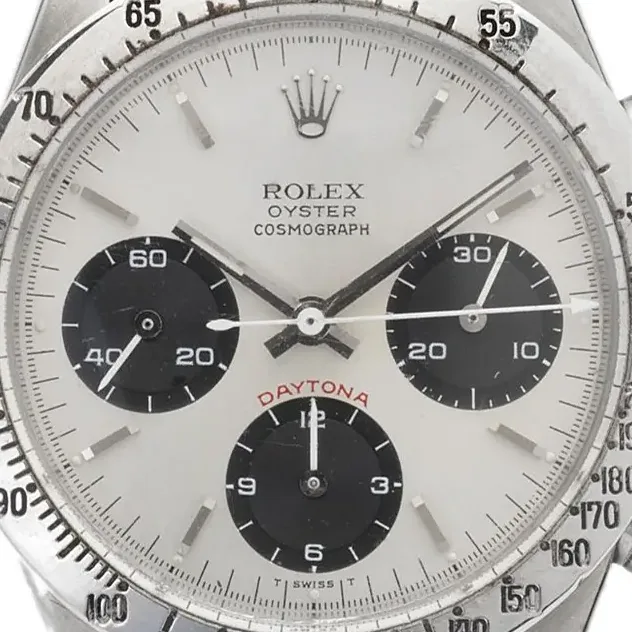
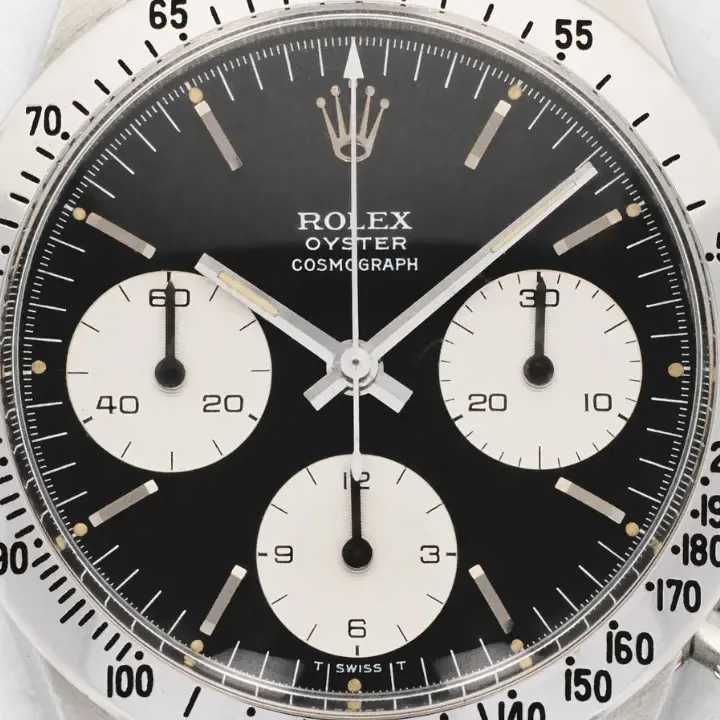
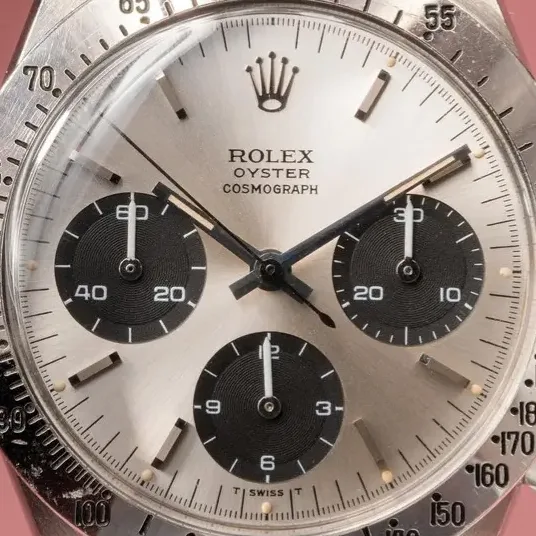
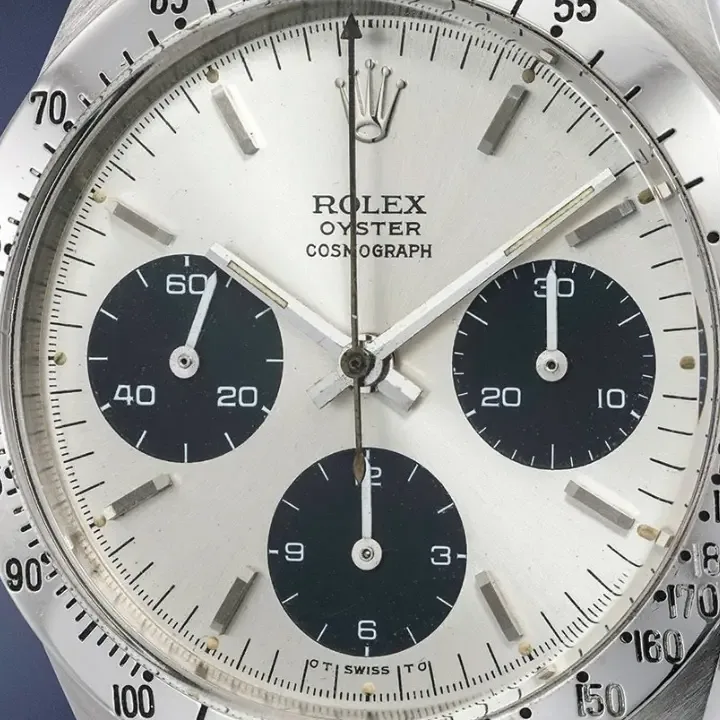
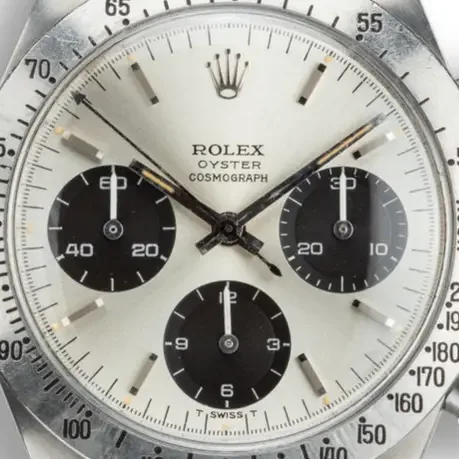
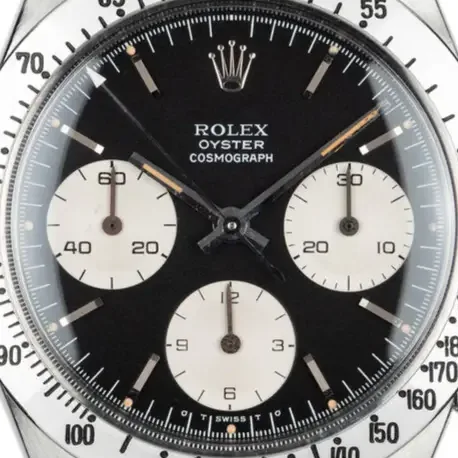
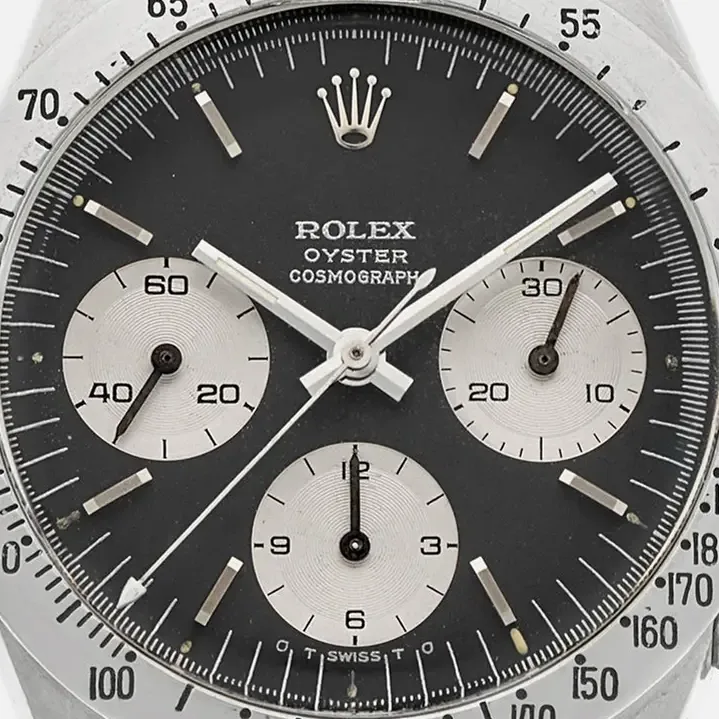
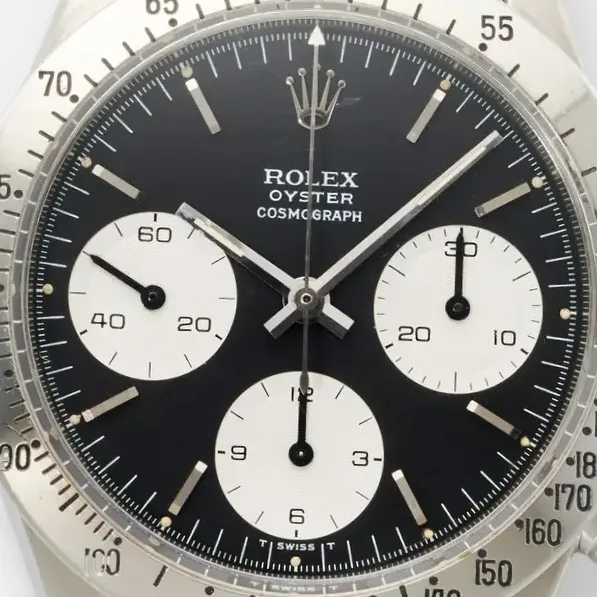
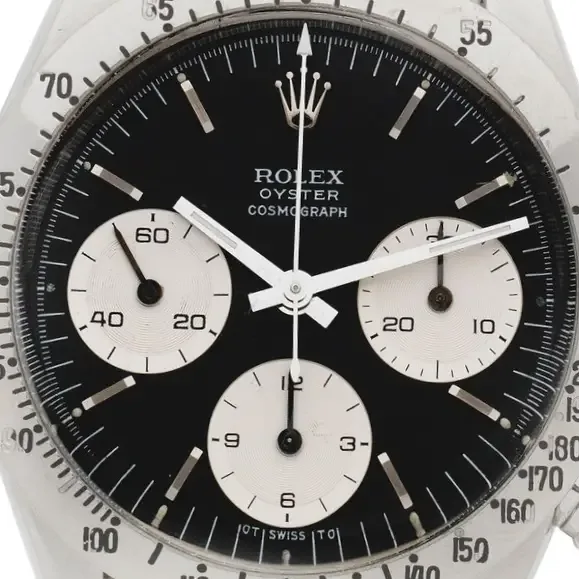
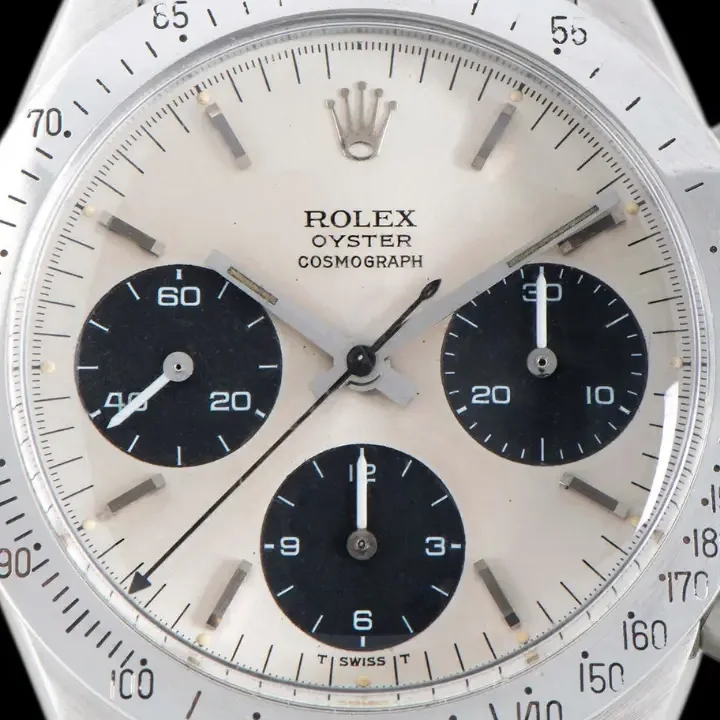
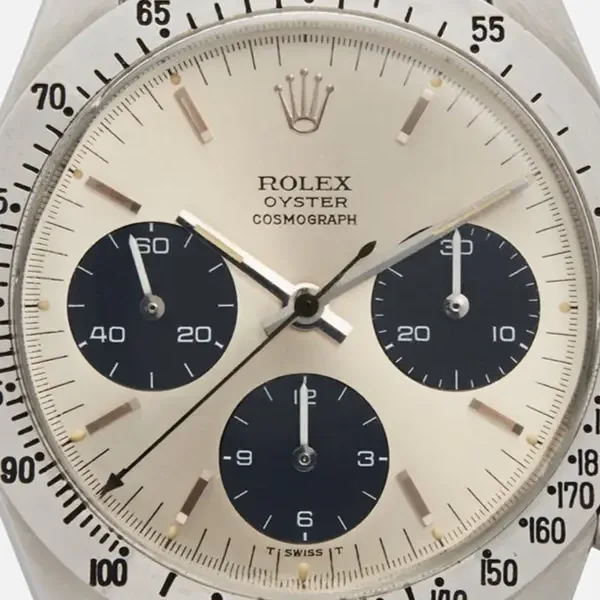
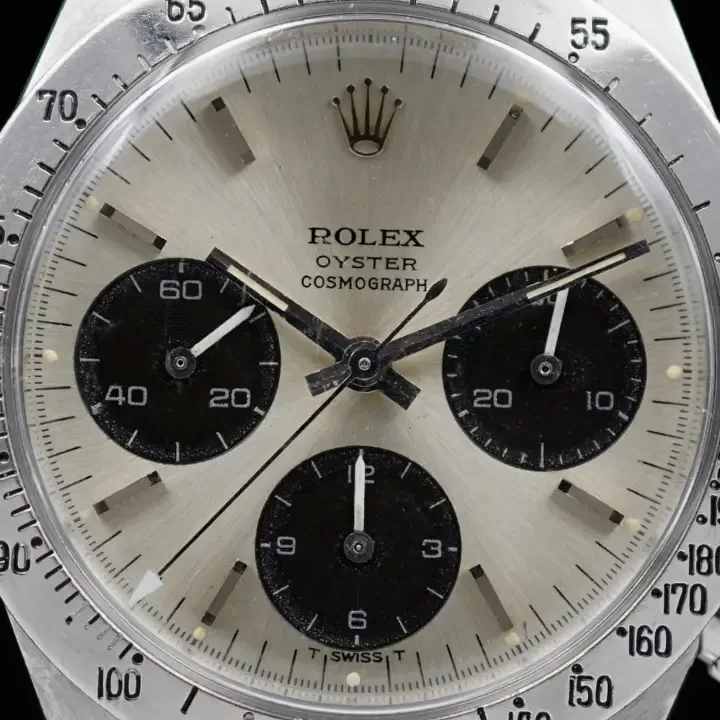
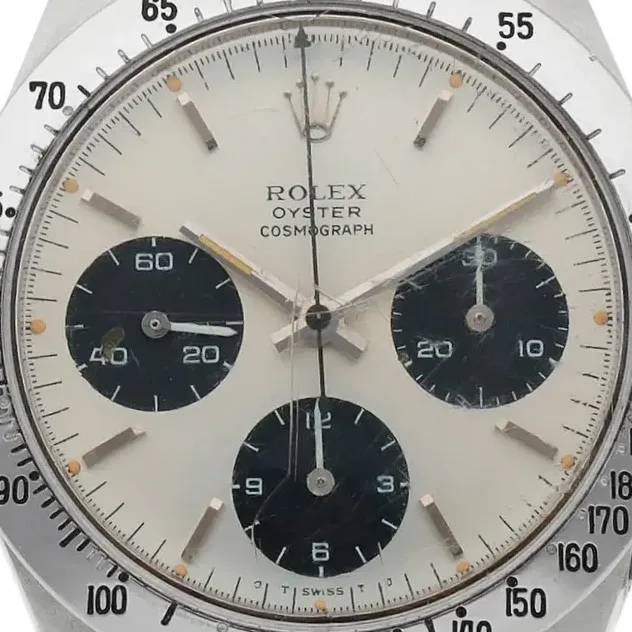
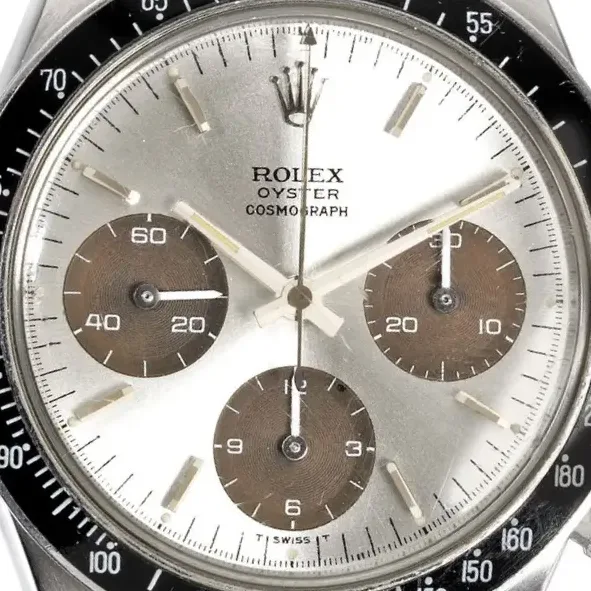
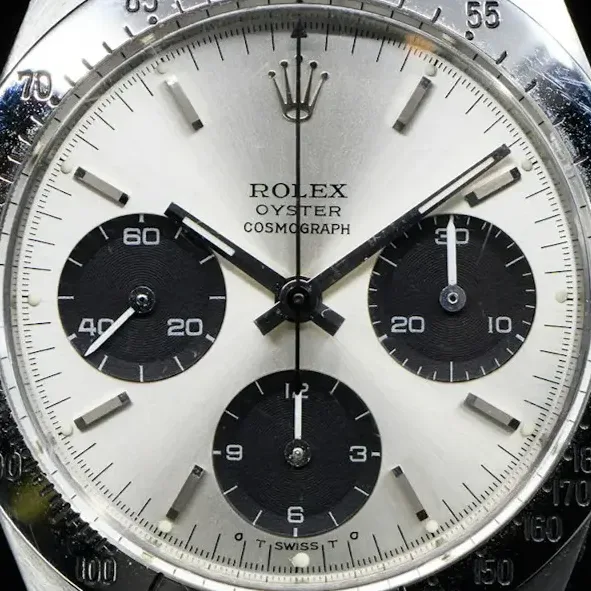
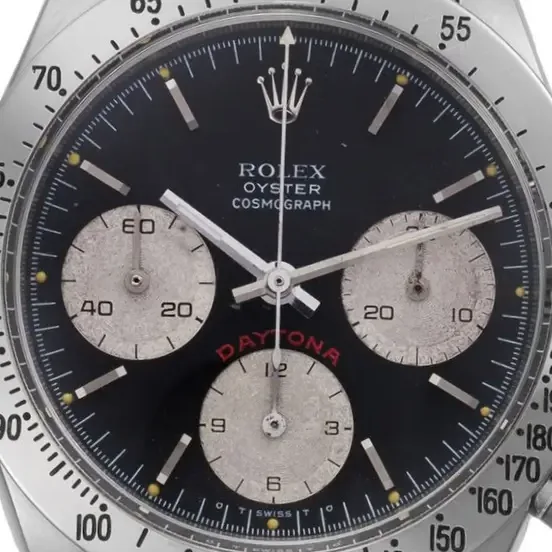
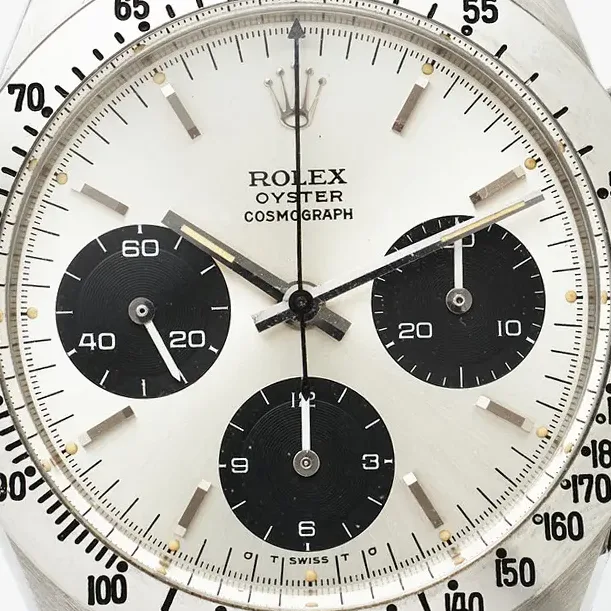
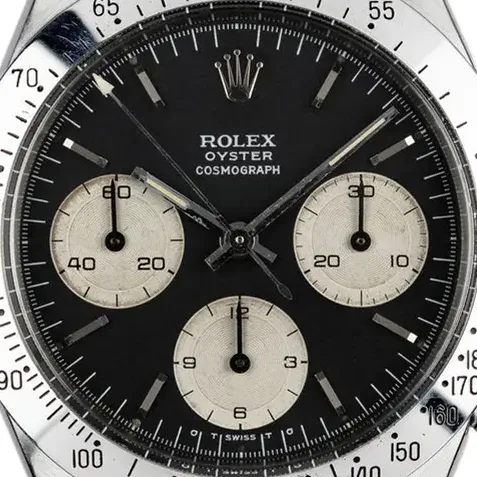
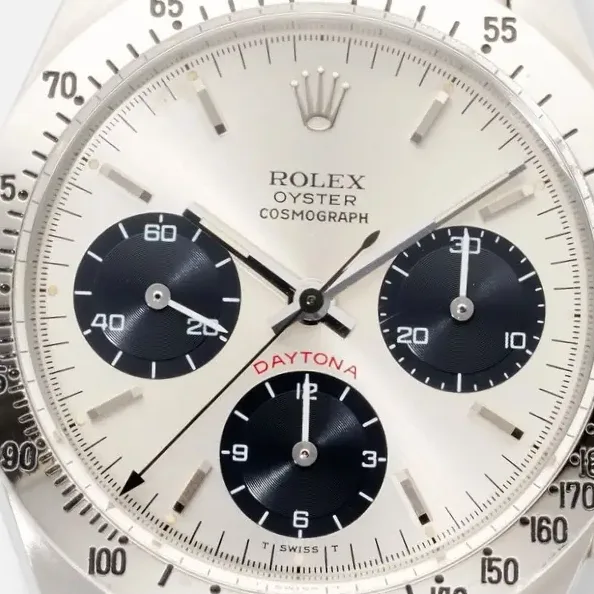
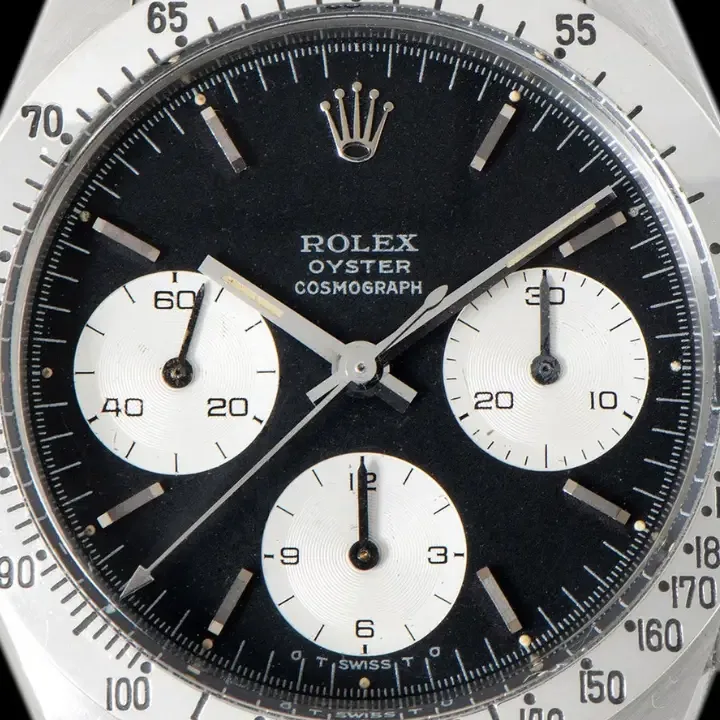
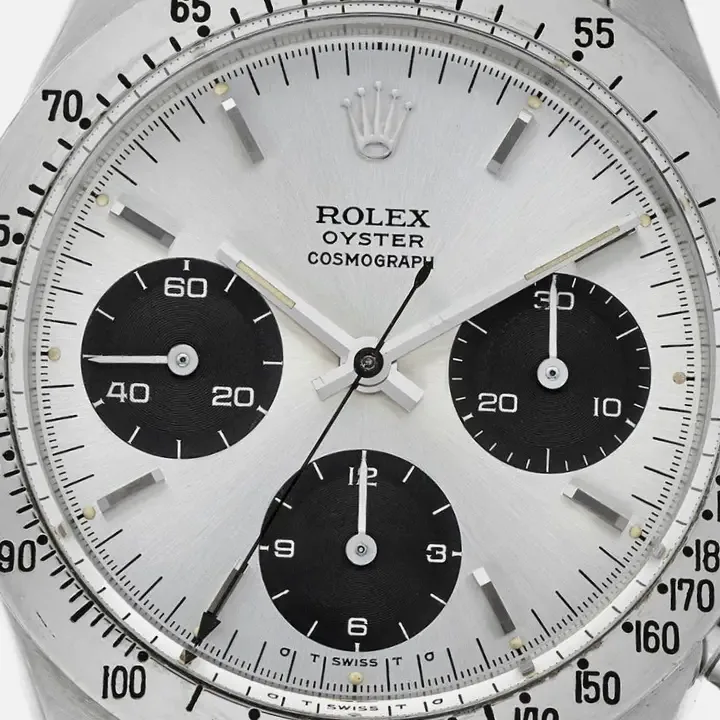
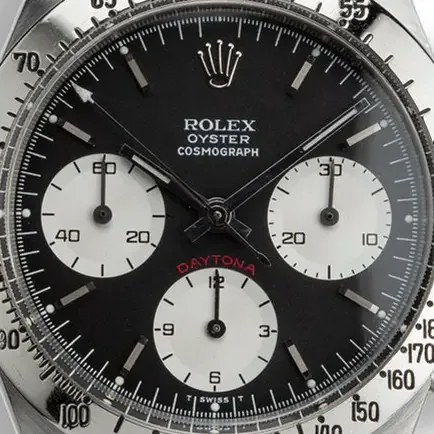
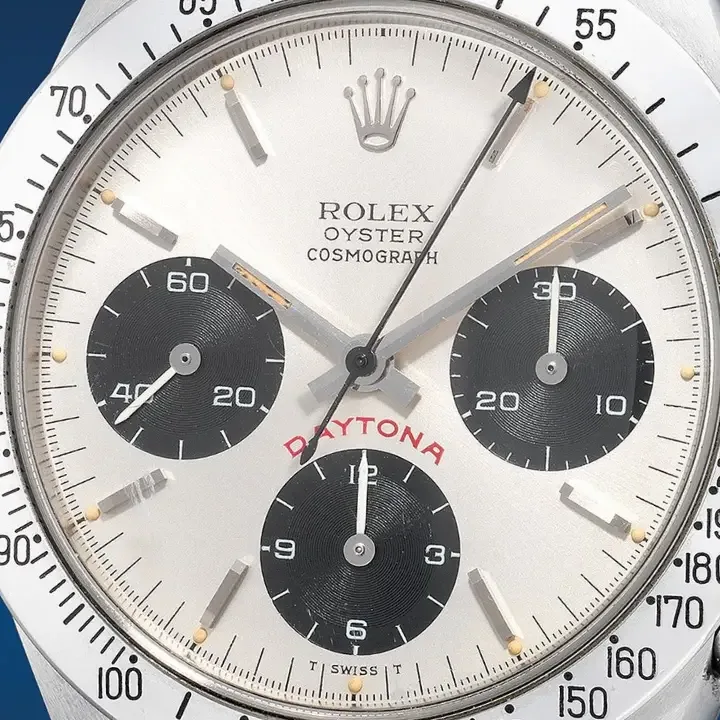
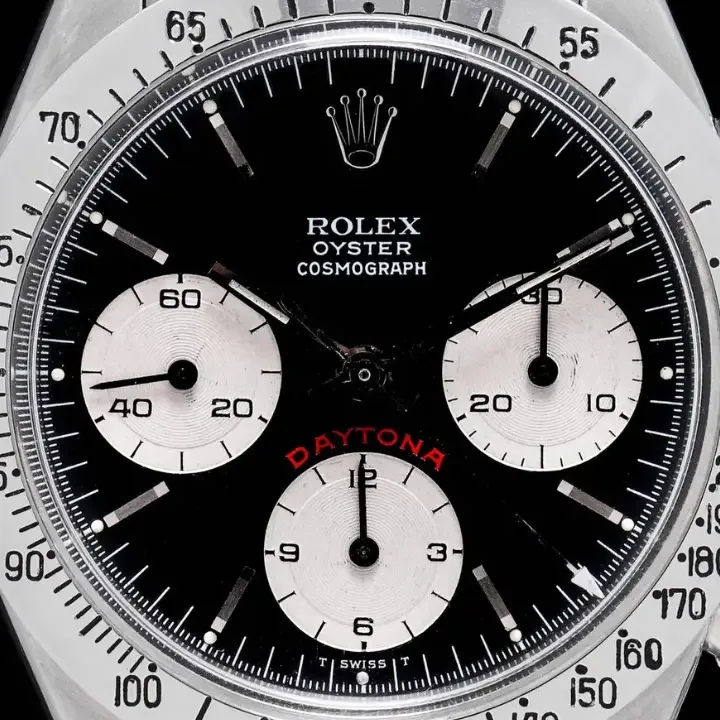
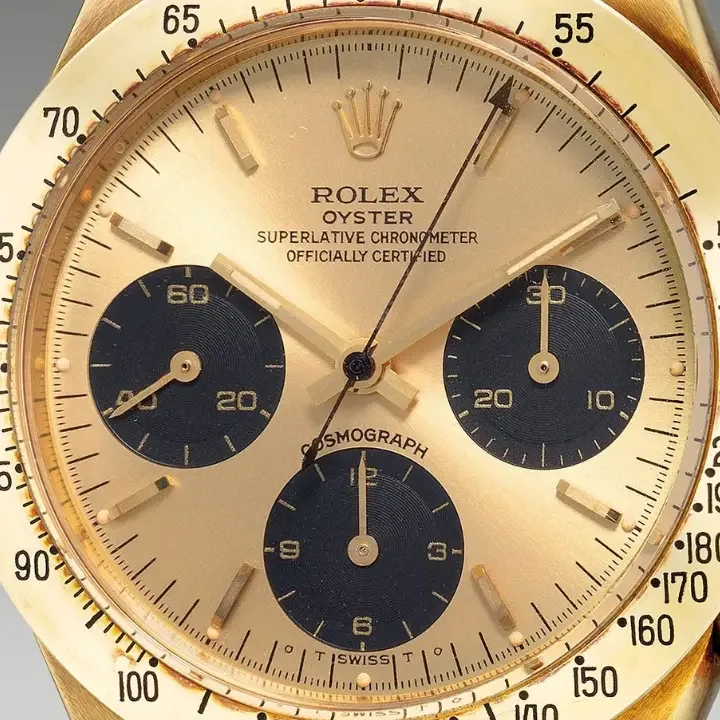
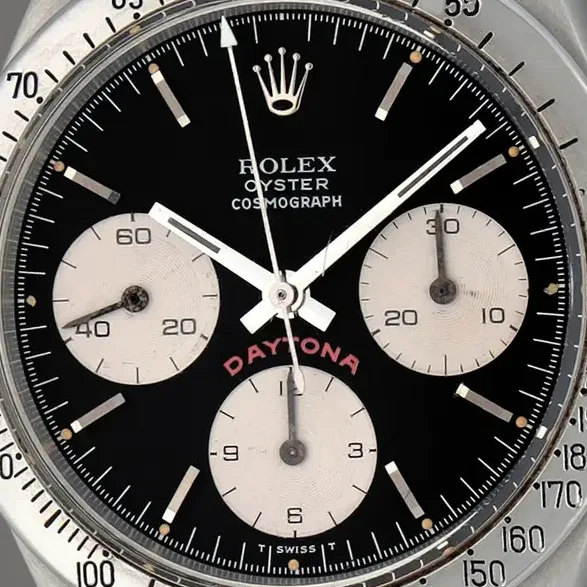
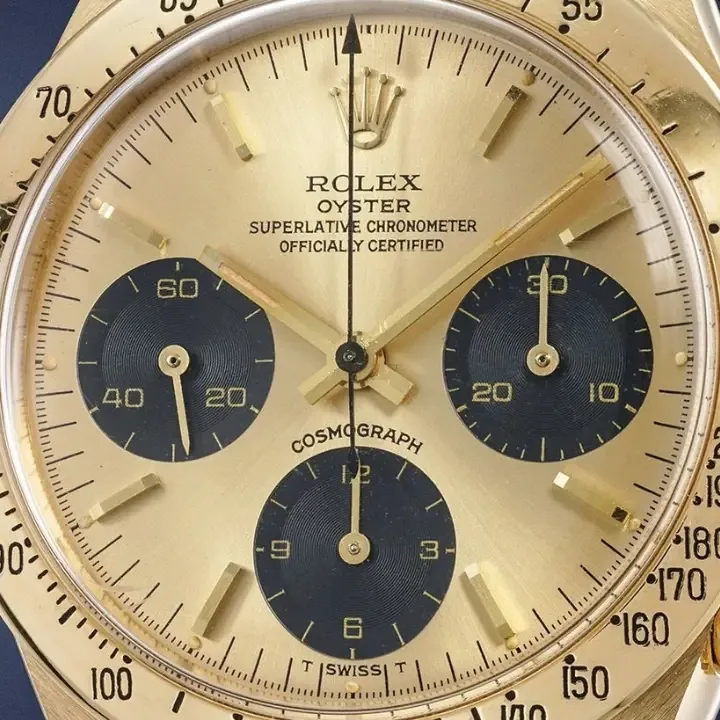
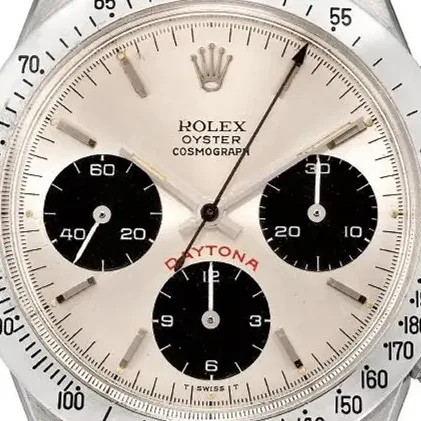
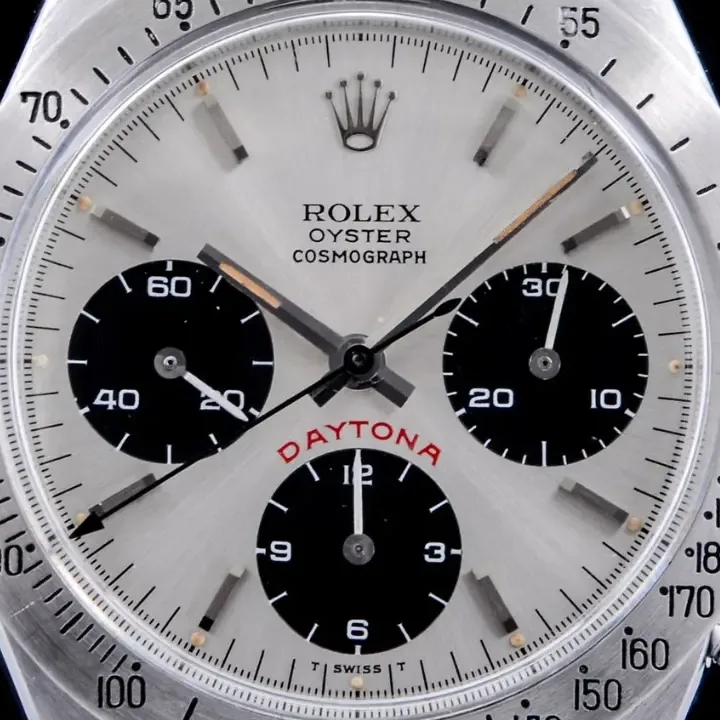
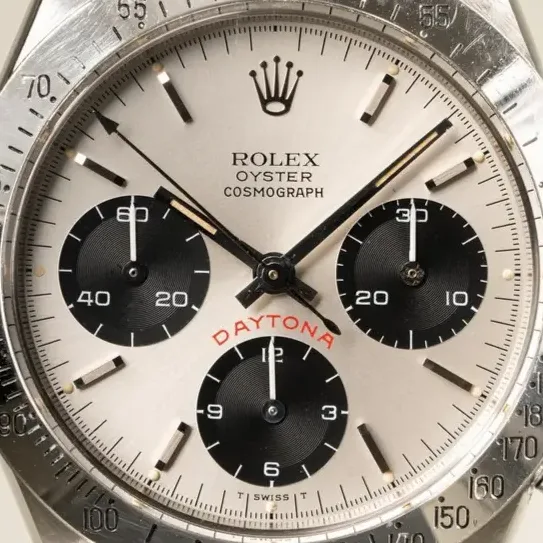
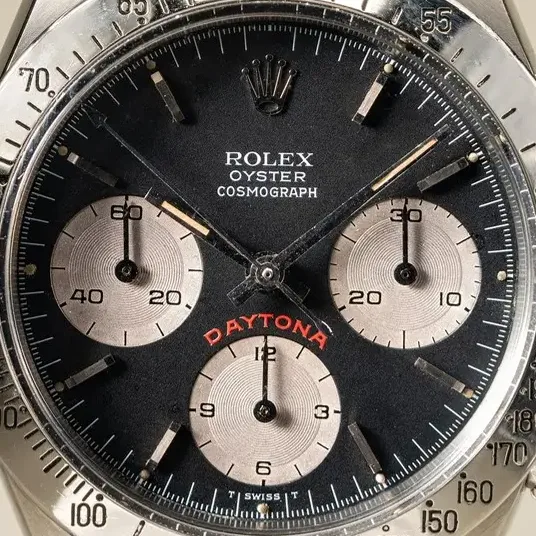
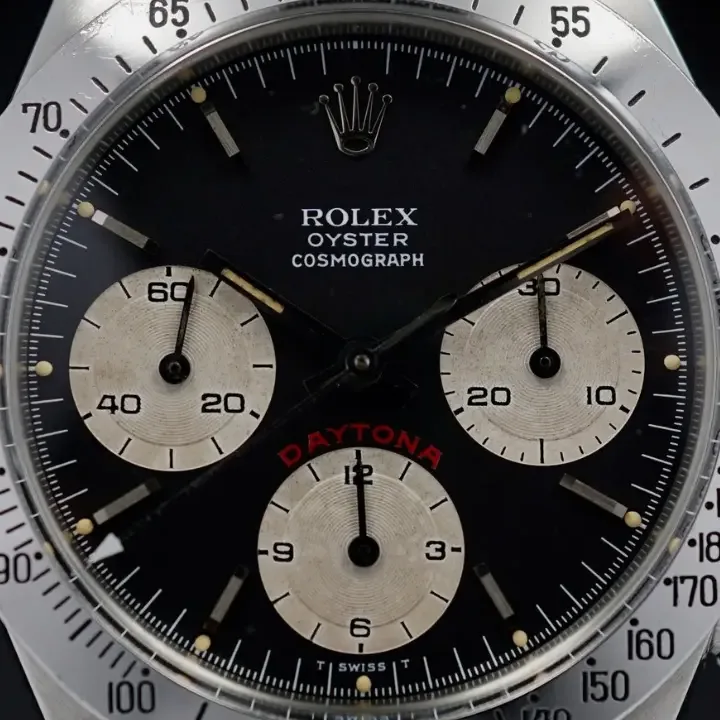
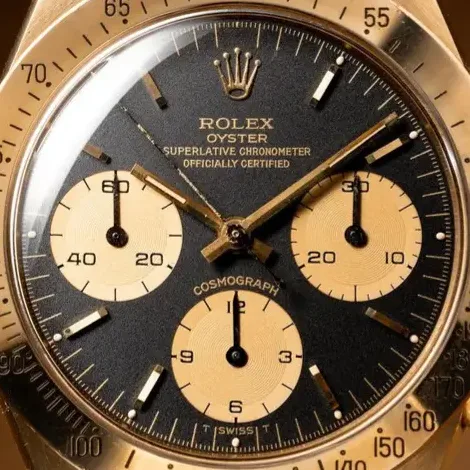
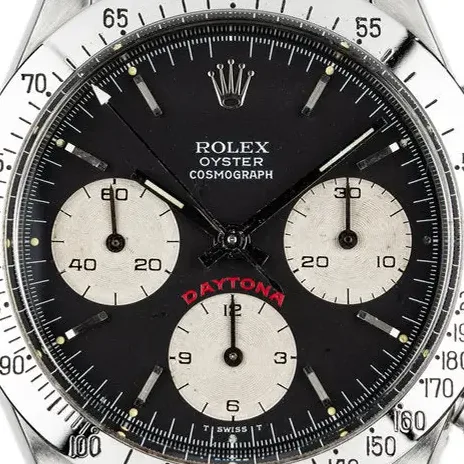
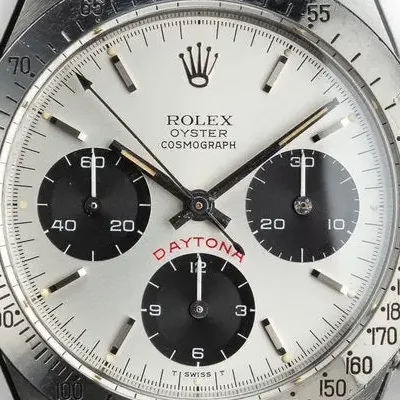
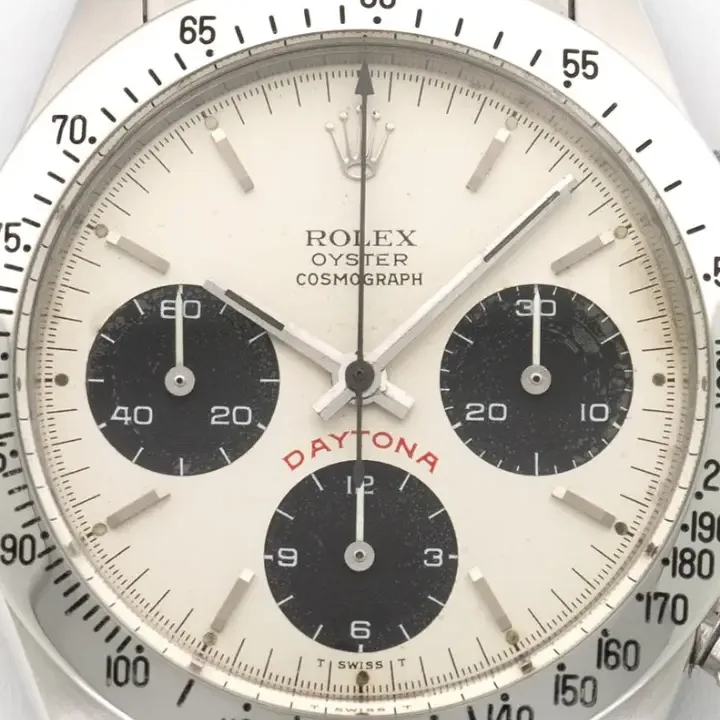
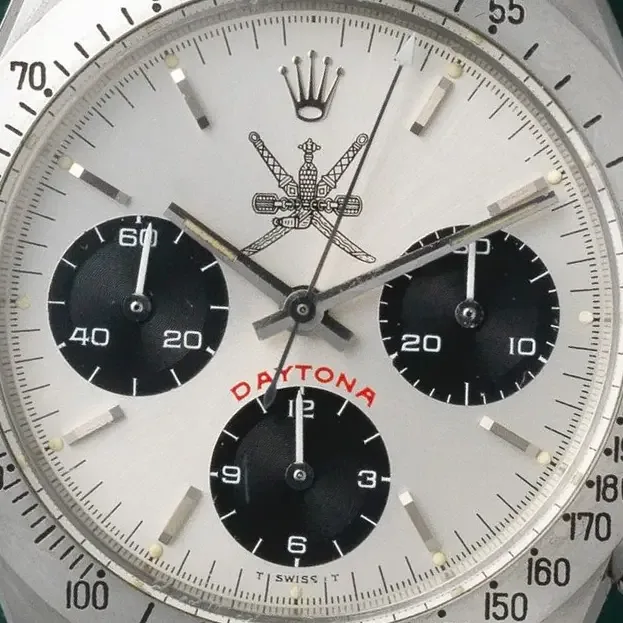
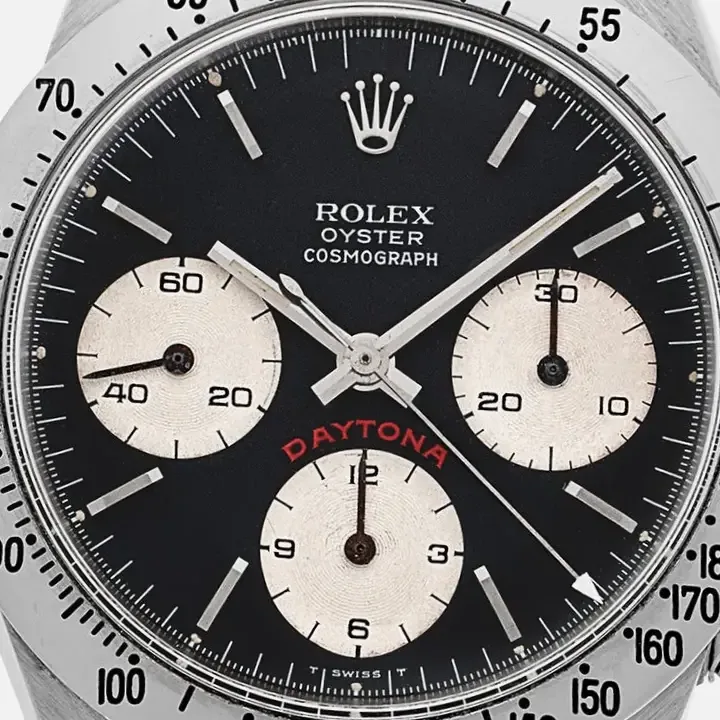
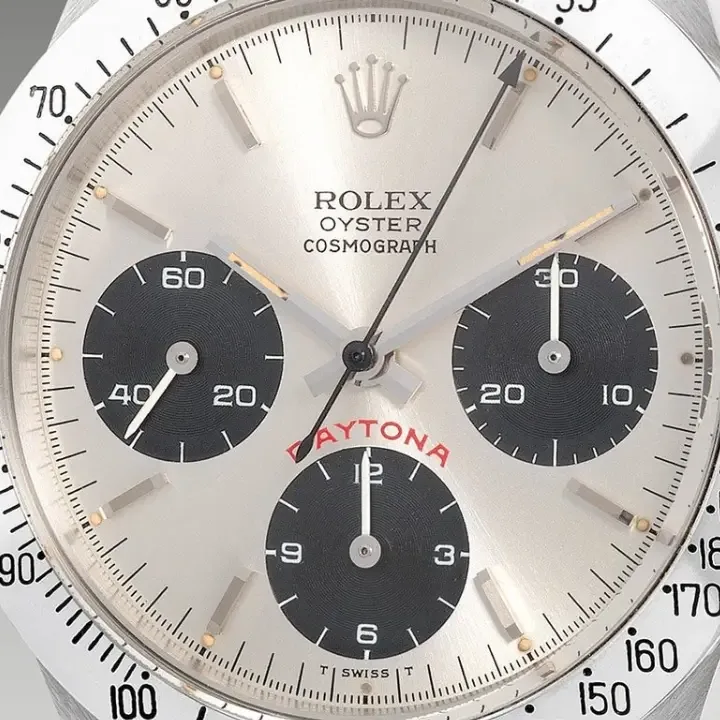
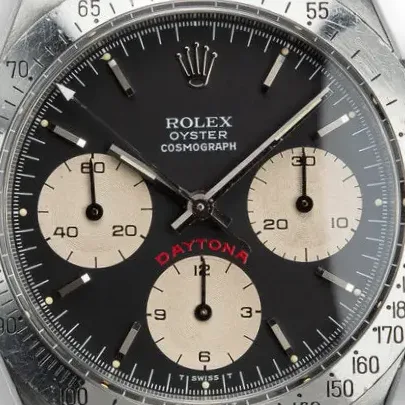
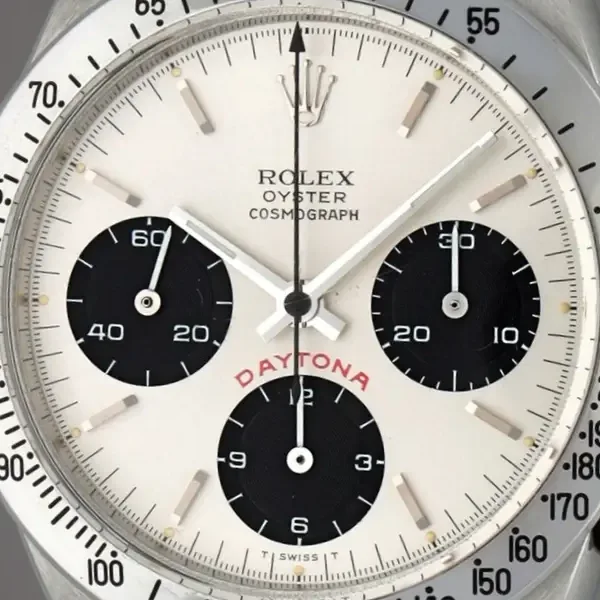
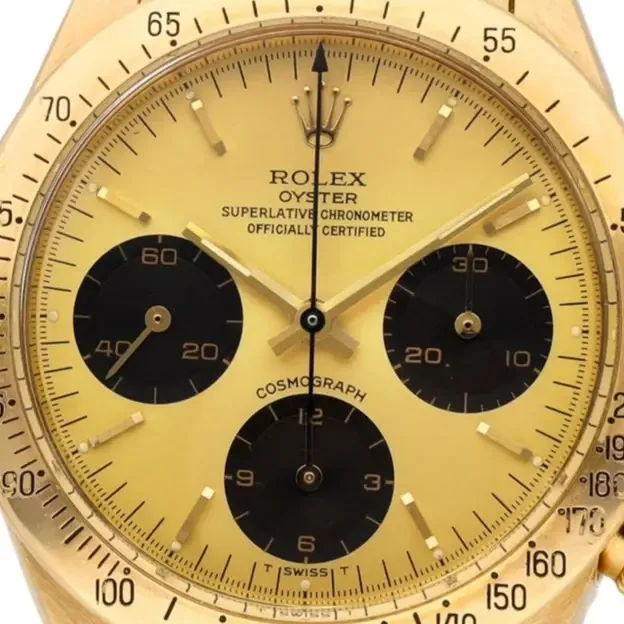
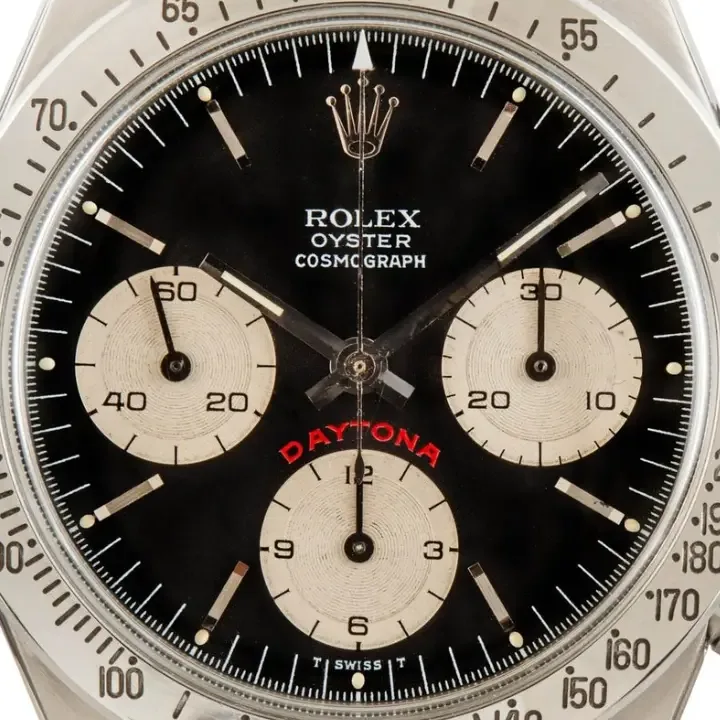
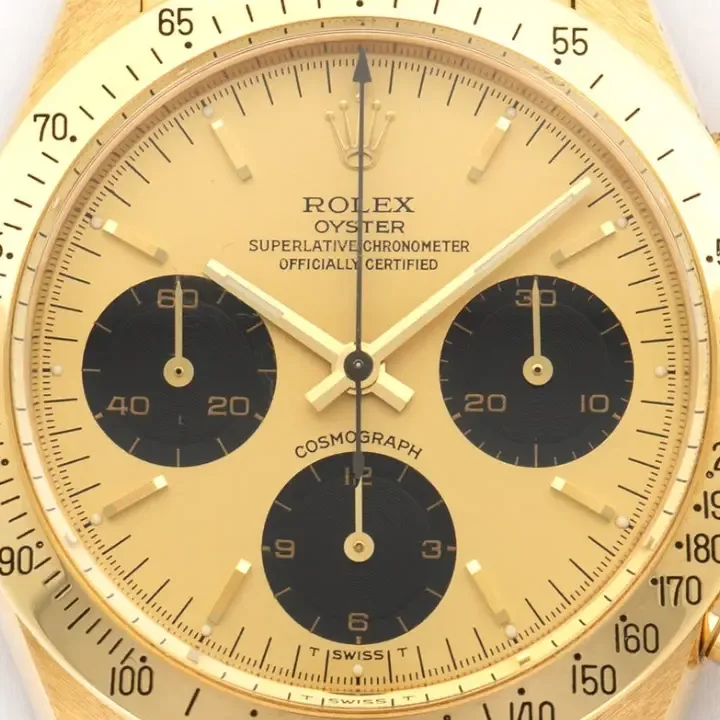
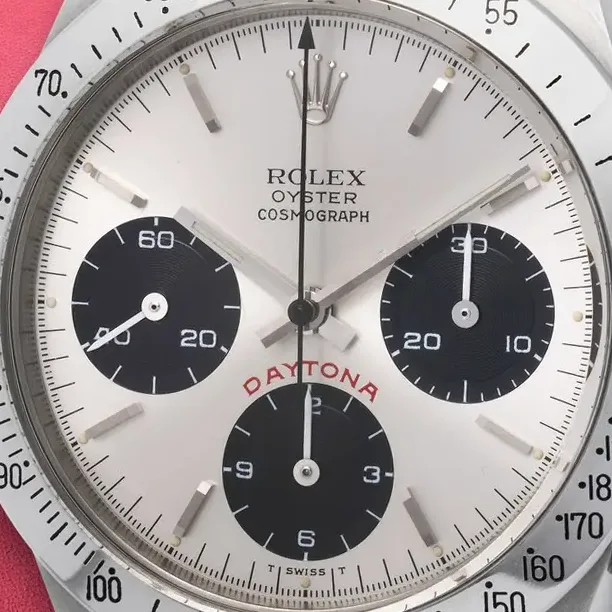
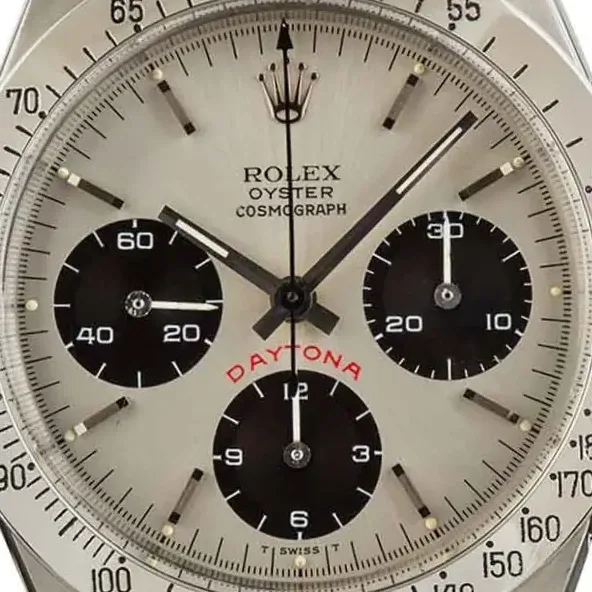



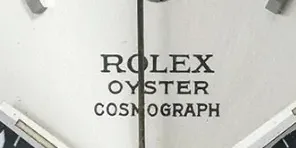
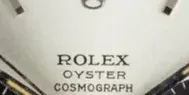
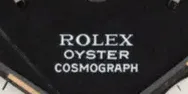
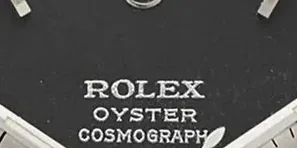





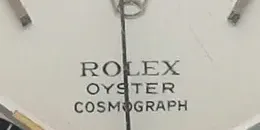
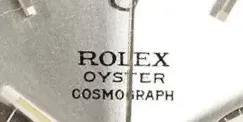
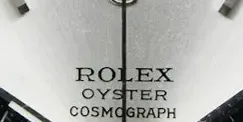
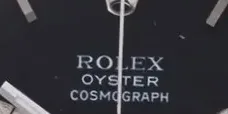
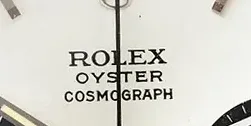


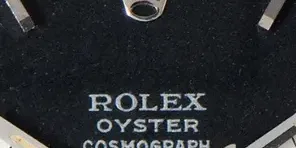

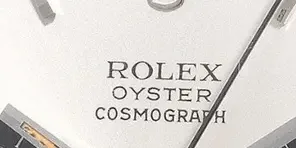
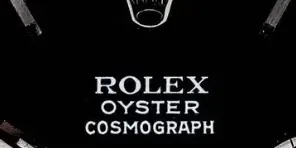
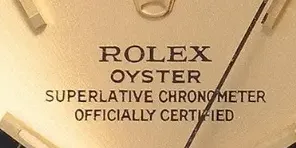
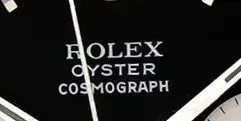
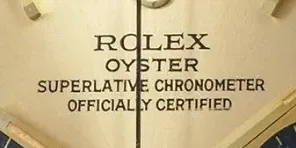

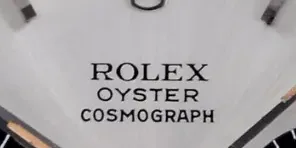
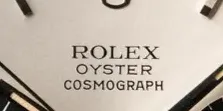
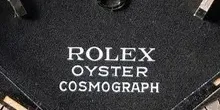
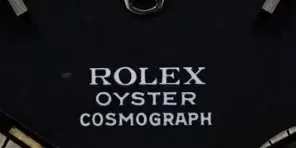
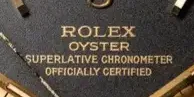
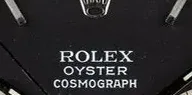
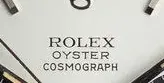
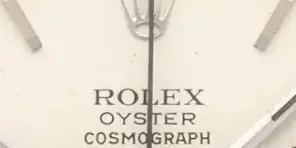
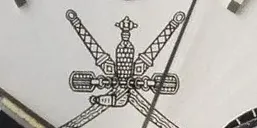
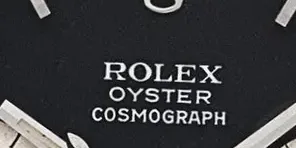

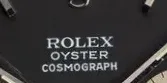

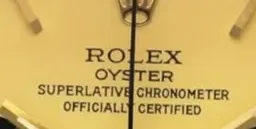
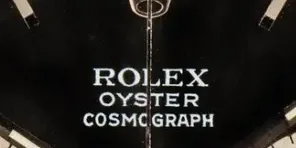
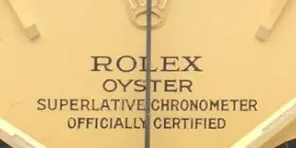

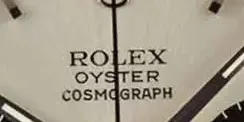


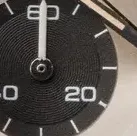
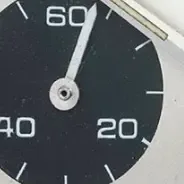
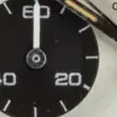
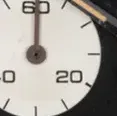
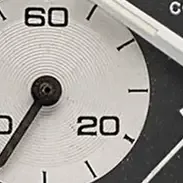
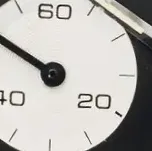

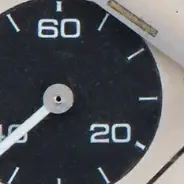
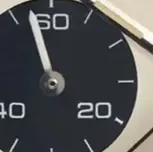
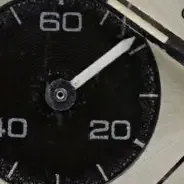
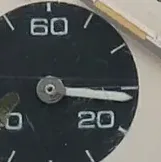
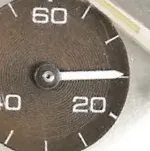
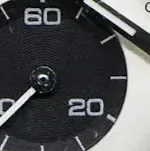
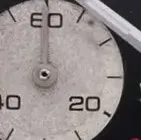
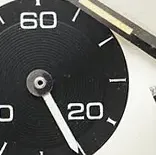
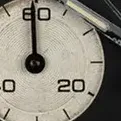
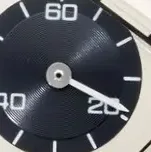
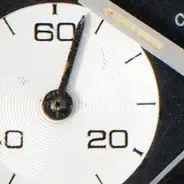
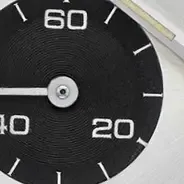
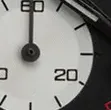
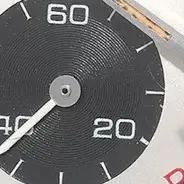
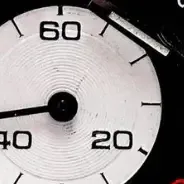
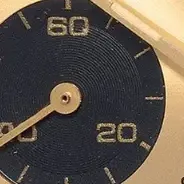
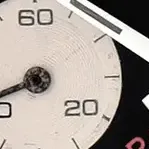
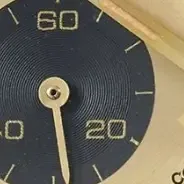

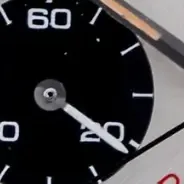
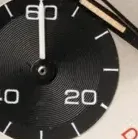
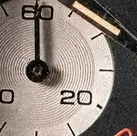
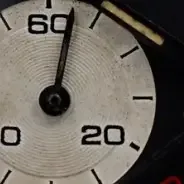
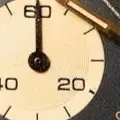
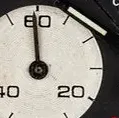
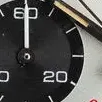
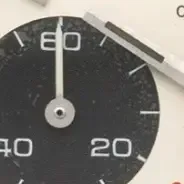
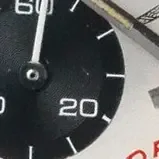
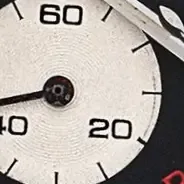
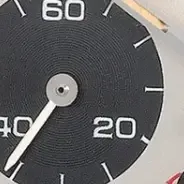

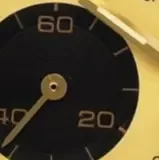
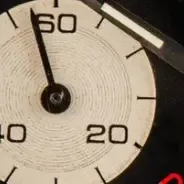
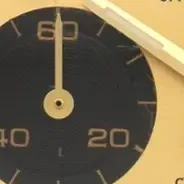
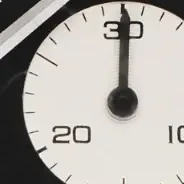
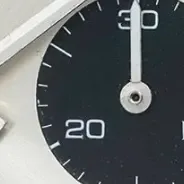
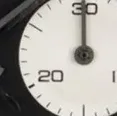
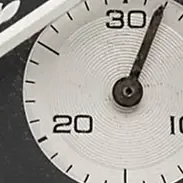
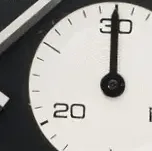


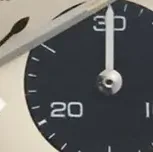
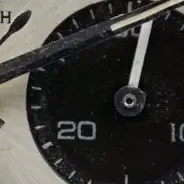
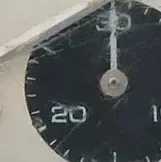
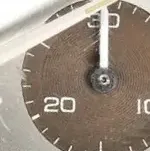
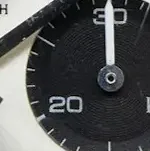

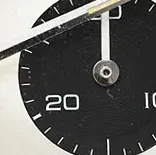
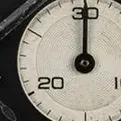
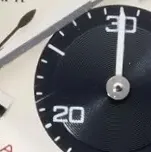
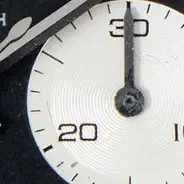

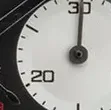
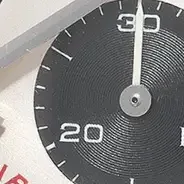
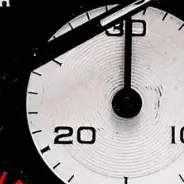
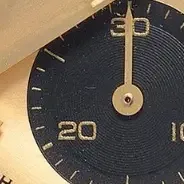
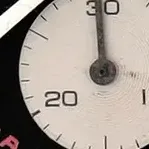
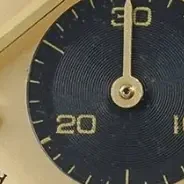
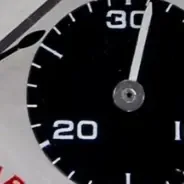
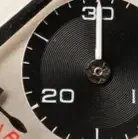
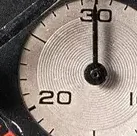
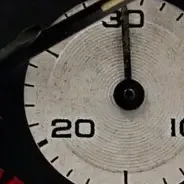
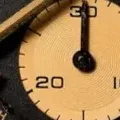
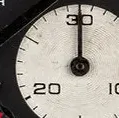
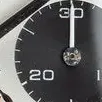
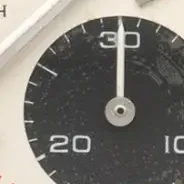
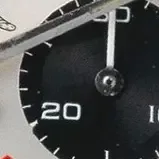
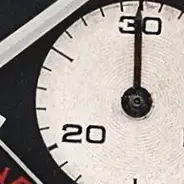
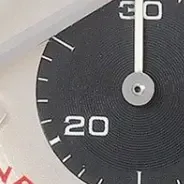
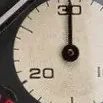
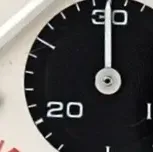
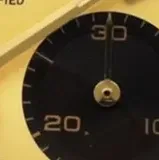
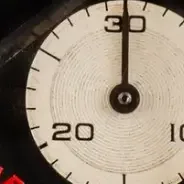
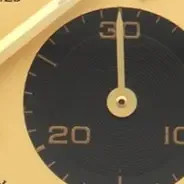

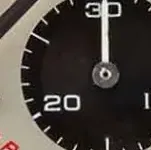
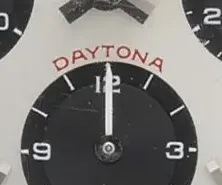
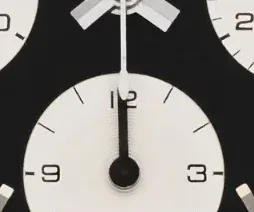
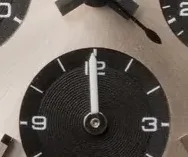
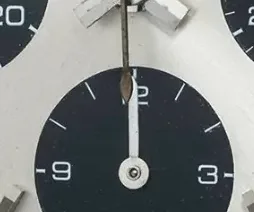
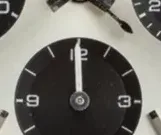
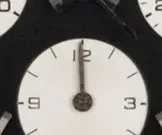
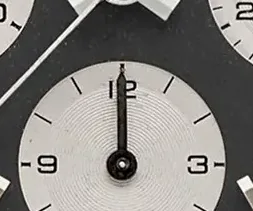


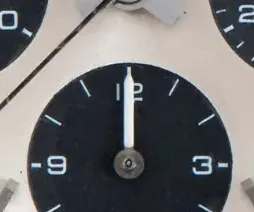

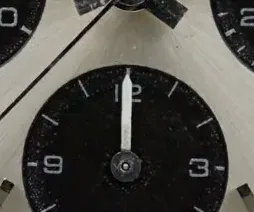
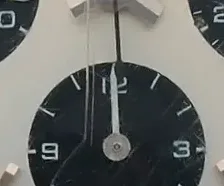
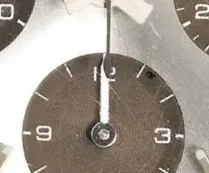
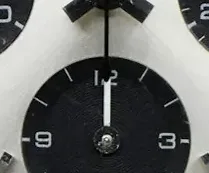
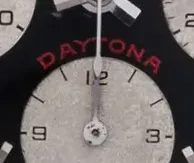
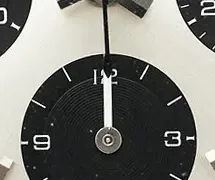
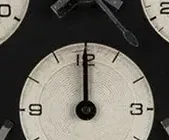
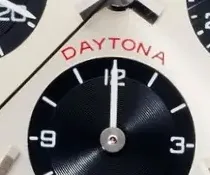
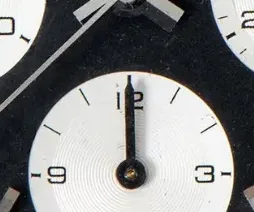

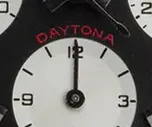
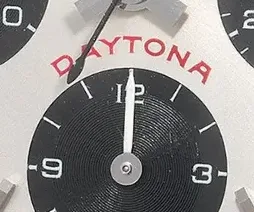
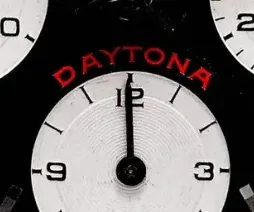
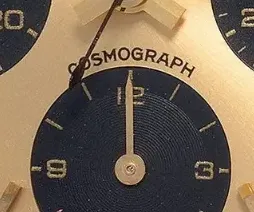
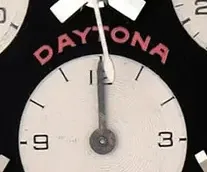
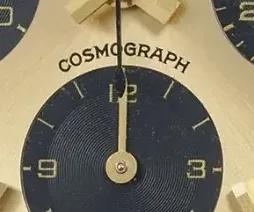
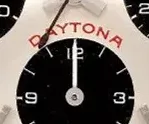
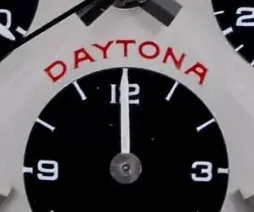
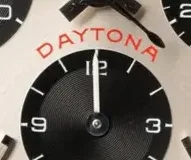
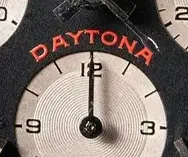

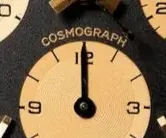
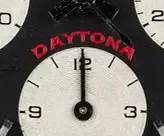
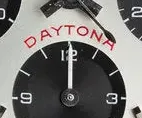
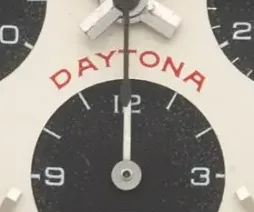
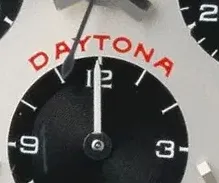
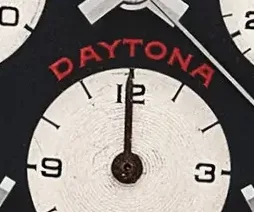
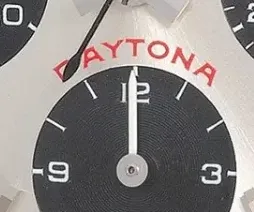
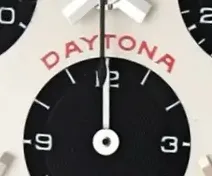
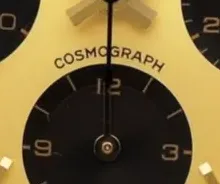
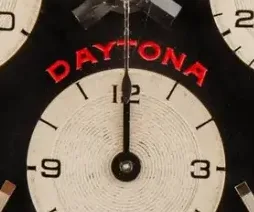
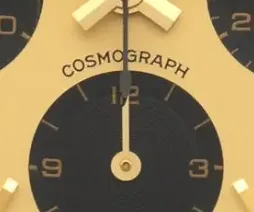
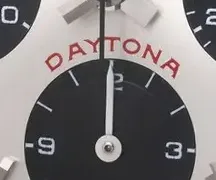
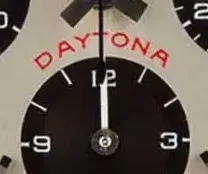
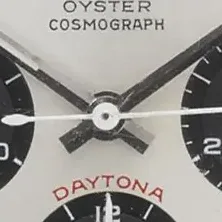
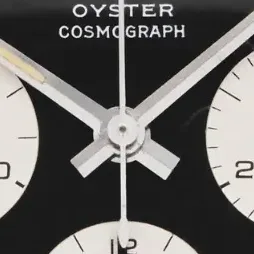
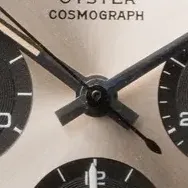
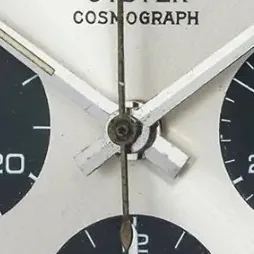
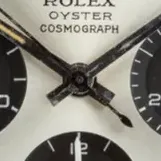
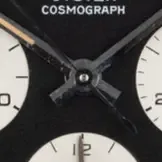
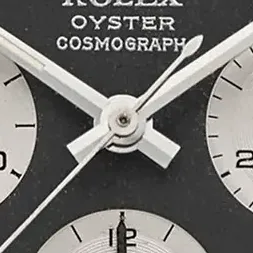
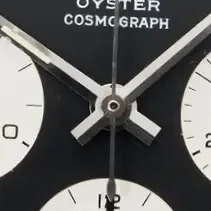
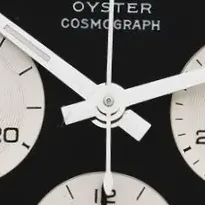
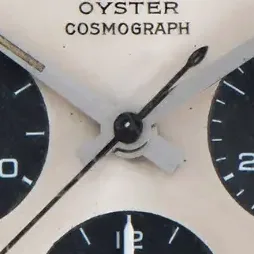
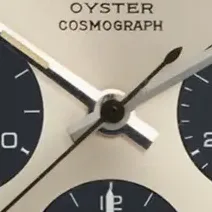
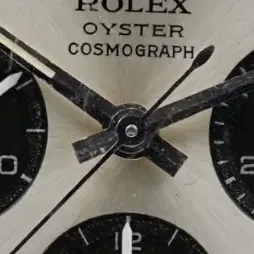
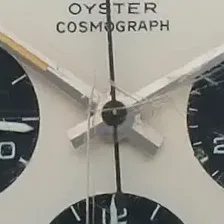
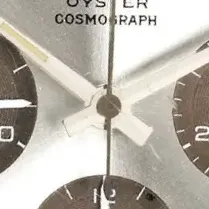
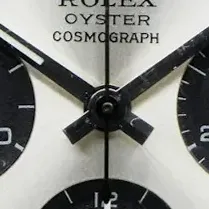
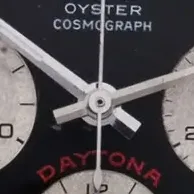
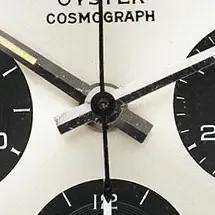
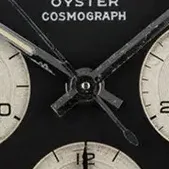
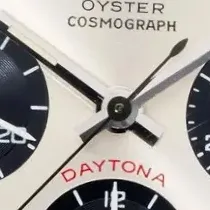
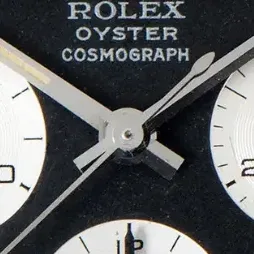
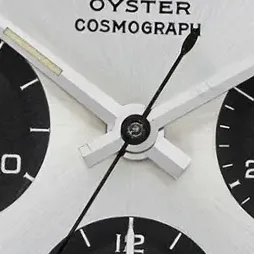
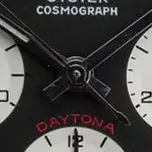
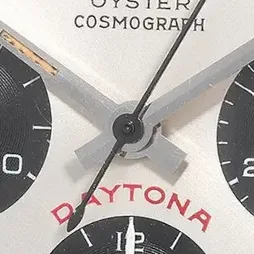
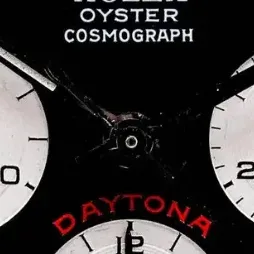
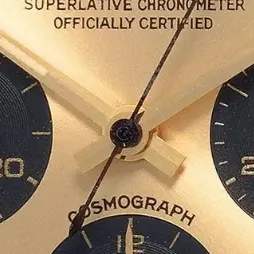
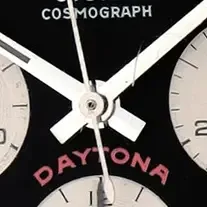
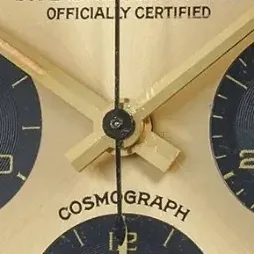
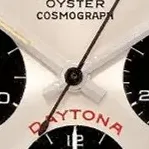
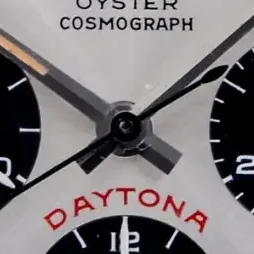
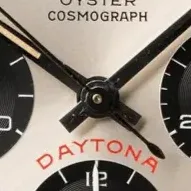
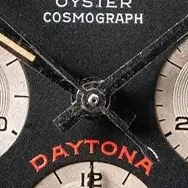
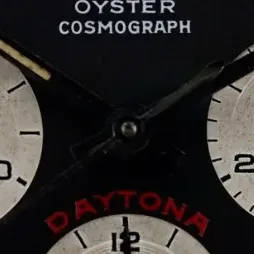
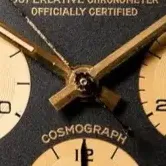
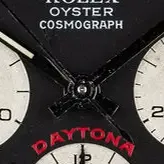
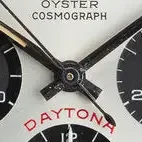
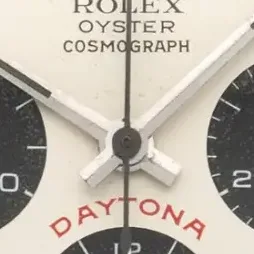
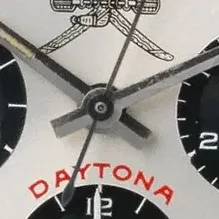
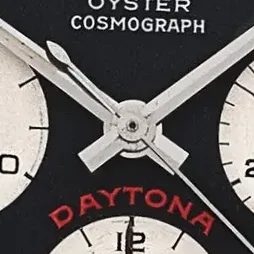
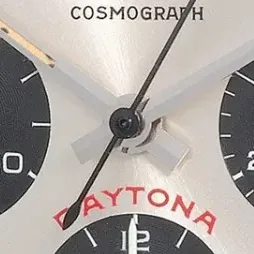
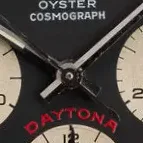
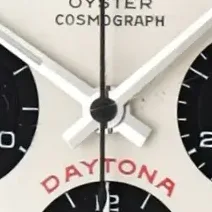
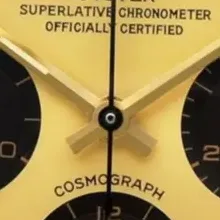
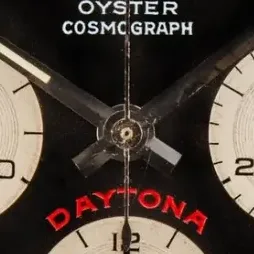
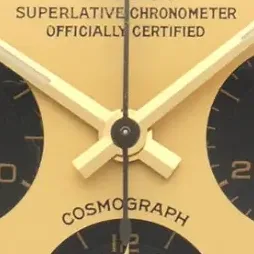
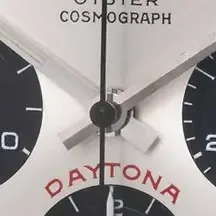
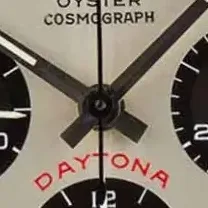

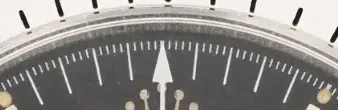
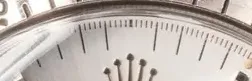
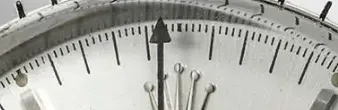
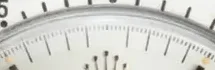
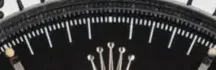
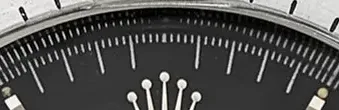
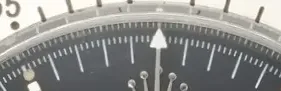
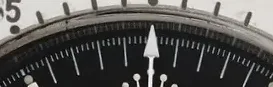
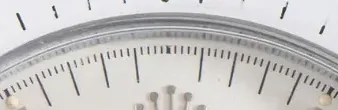
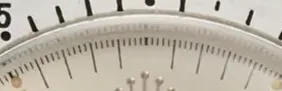
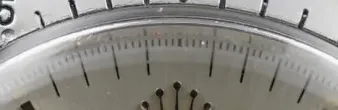
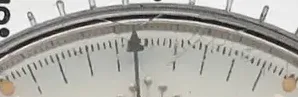
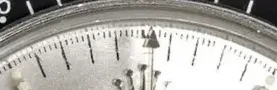
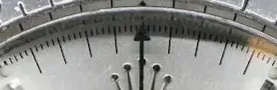
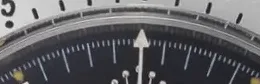
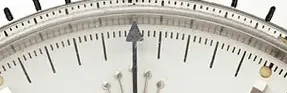
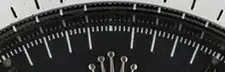
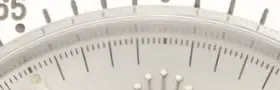
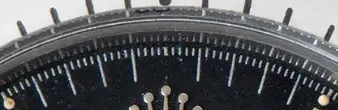
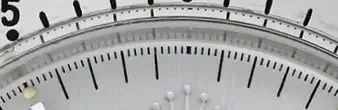
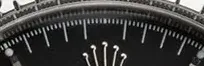
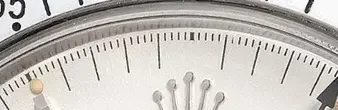
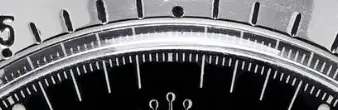
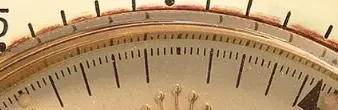
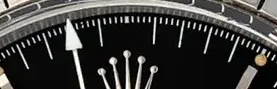
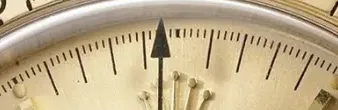

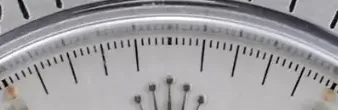
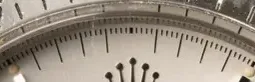
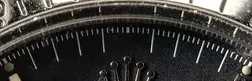

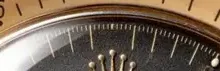
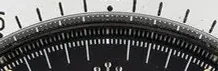
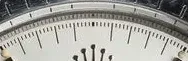
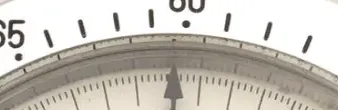

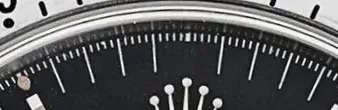
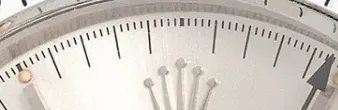
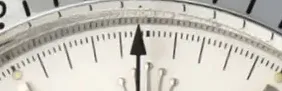
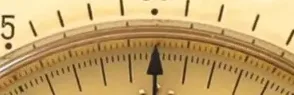
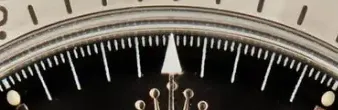
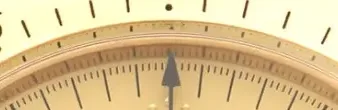
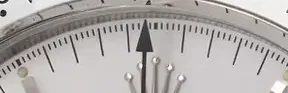
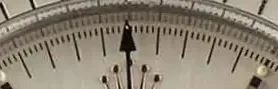
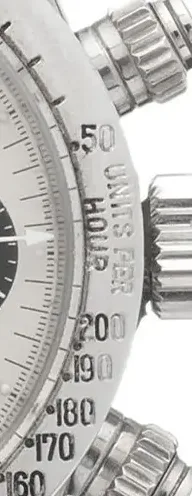
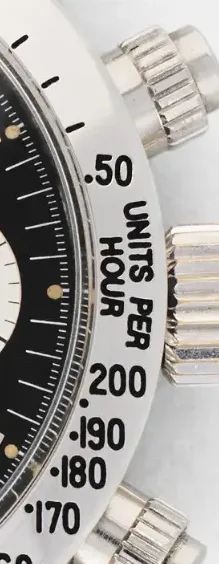
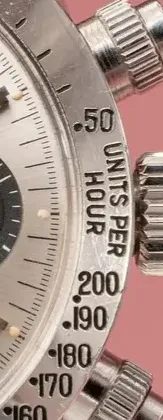
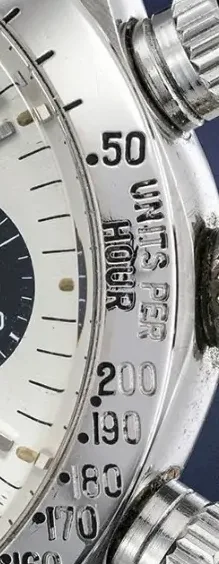
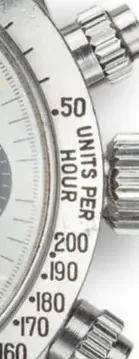
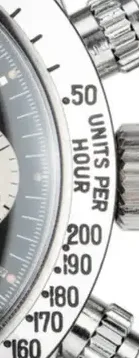
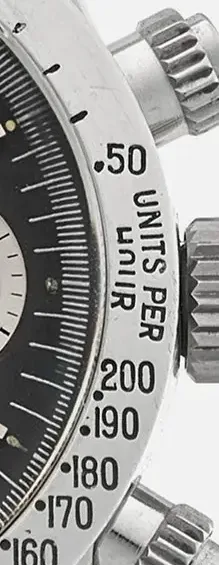
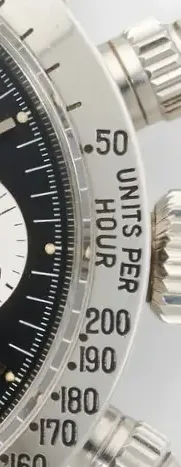
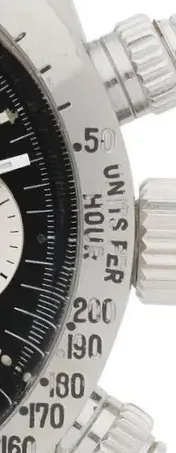
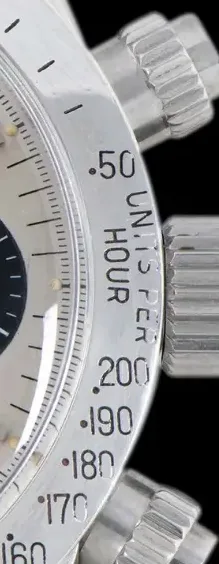
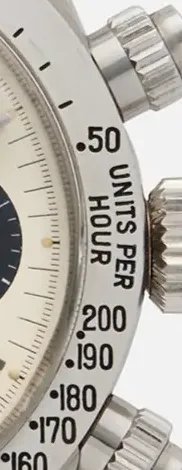
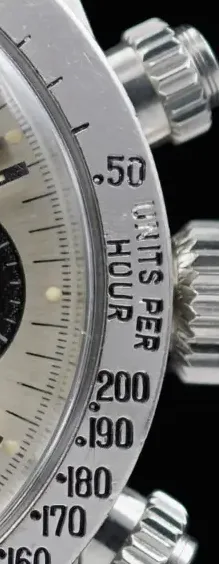
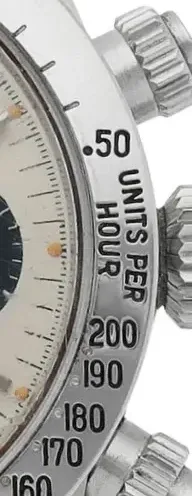
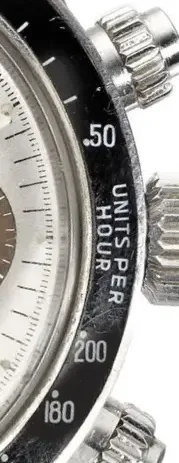
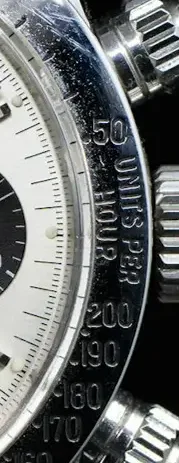
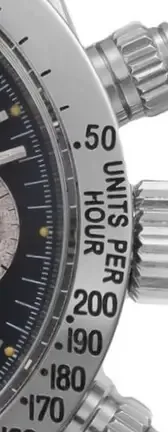
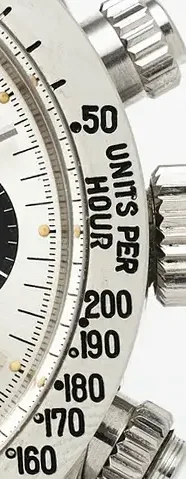
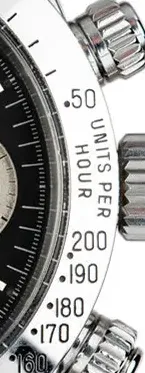
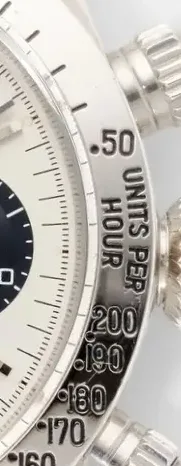
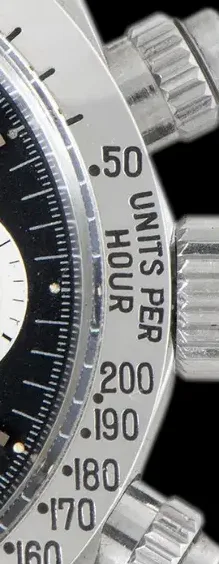
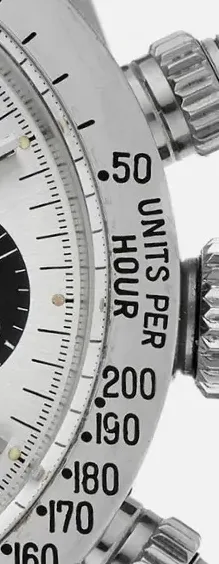
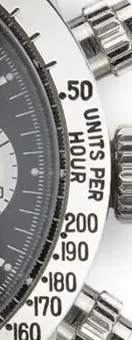
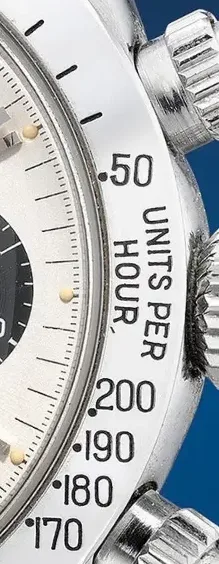
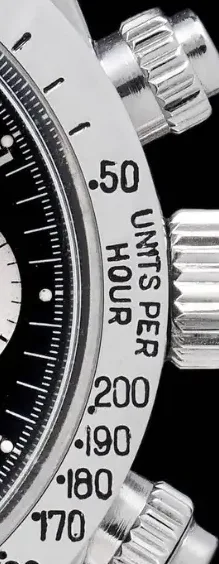
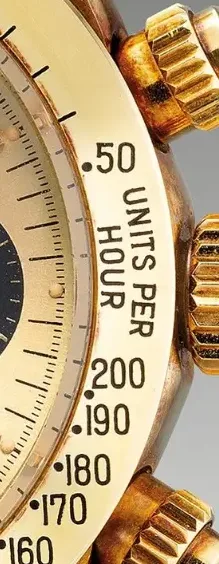
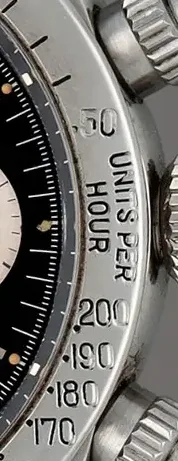
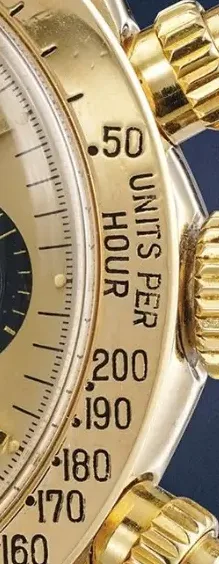
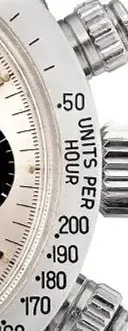
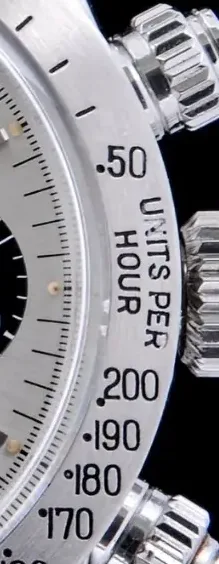
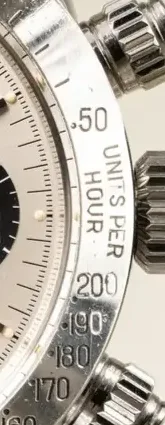
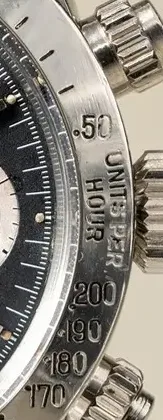
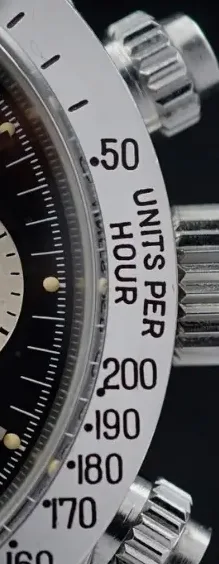
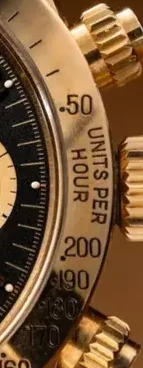
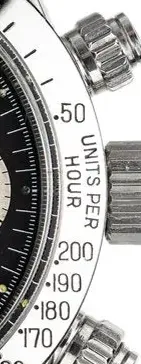
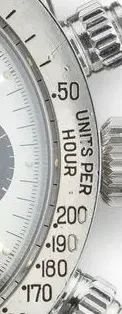
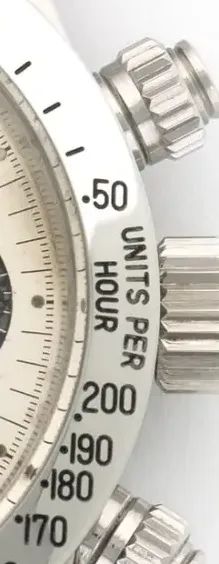
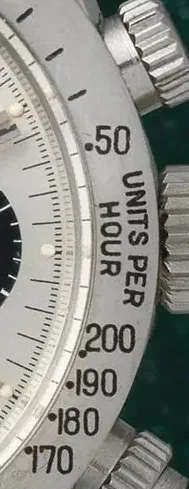
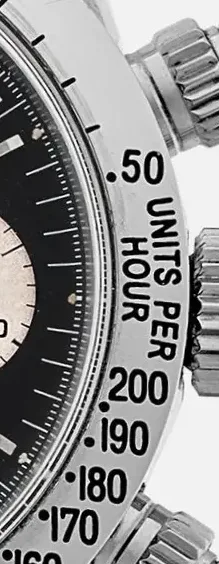
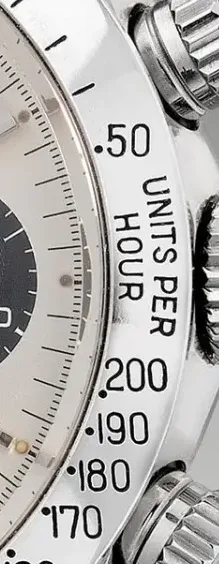
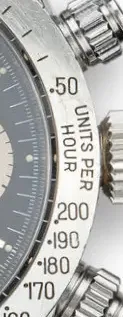
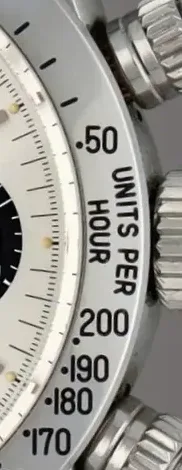
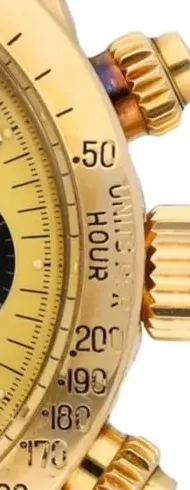
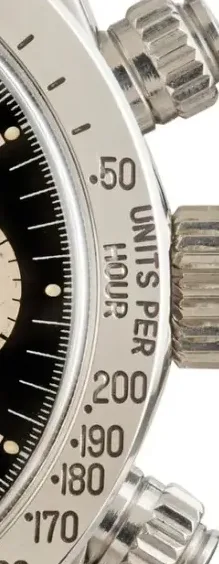
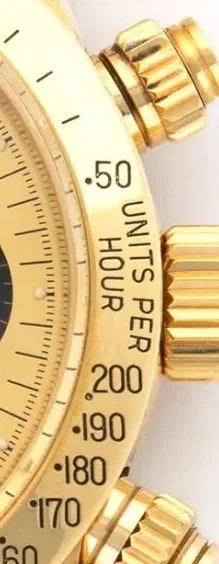
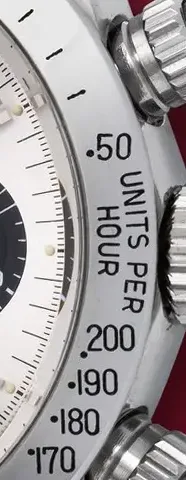
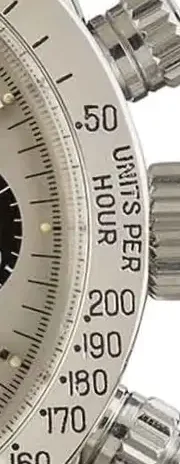
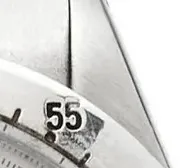
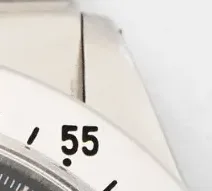
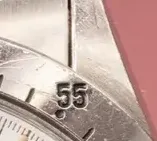
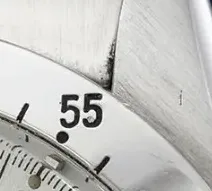
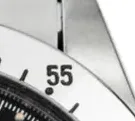
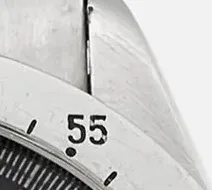
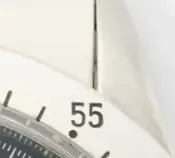
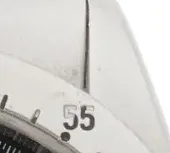
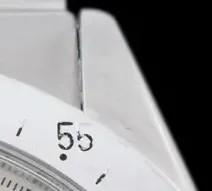
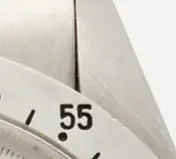
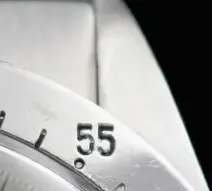
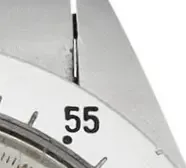
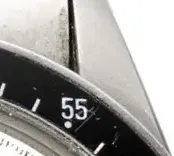
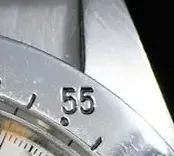
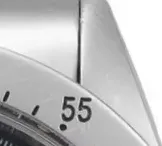
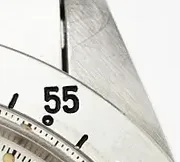
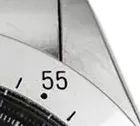
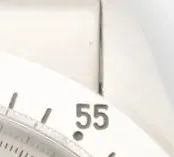
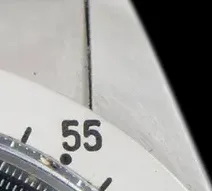
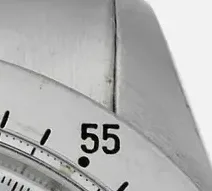
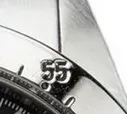
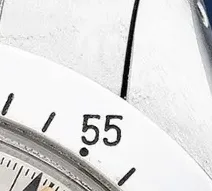
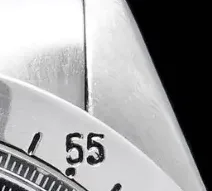
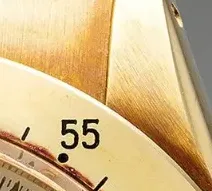
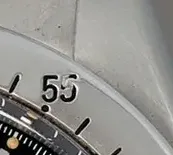
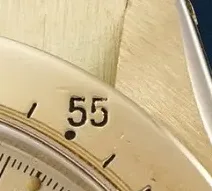
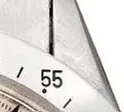
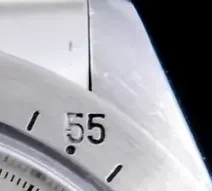
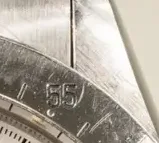
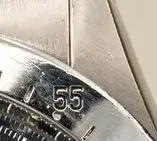
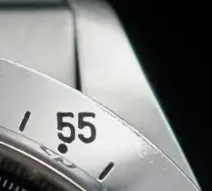
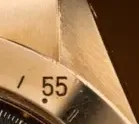
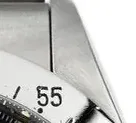
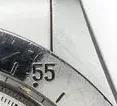
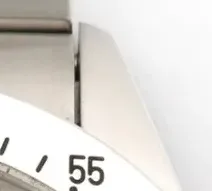
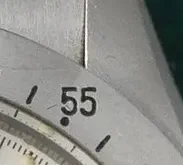
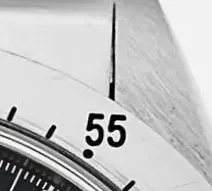
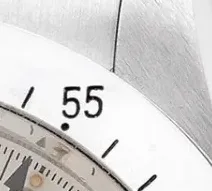
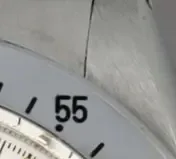
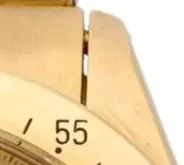
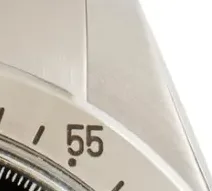
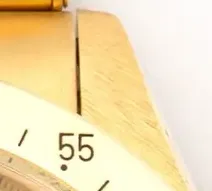
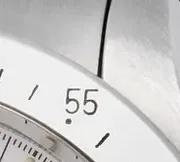
Illustrated history of the 6265: every change set out with close-up photographs of dated watches.
Chronology
Guides give starts from 1969 to 1971 and ends from 1985 to 1989; case numbers in the library's records run from 1970 to 1988, with most watches from 1971 to 1987.
Every dated variant: what is written, and what the records show
For the reference the marks are every dated watch; for a variant, the watches a seller names as that variant, so a variant sellers do not name has none.
The reference's own marks are dated by case number. A variant's marks use the year each seller states, so a variant can show watches in a year where the row for the reference shows fewer, or none. 1 dated listing falls outside this scale and is not drawn.
Specification
| Case | About 37 mm (sellers write 37 or 38 mm; guides give 37, 37.5 or just under 38), 19 mm lugs, no crown guards, screw-down back; steel, 18k and 14k yellow gold |
| Crystal | Acrylic |
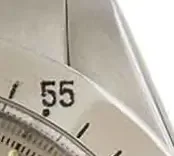
| Bezel | Metal, steel or gold, engraved with a tachymeter scale to 200 units per hour; the gold watch has a fixed yellow gold bezel |
| Pushers and crown | Screw-down pushers; Oyster Twinlock 700 crown on early watches, later the larger Triplock 700 with three dots; the 700-series crown is 7 mm against 6 mm on the pump-pusher models |
| Movement | Hand-wound Valjoux-based Rolex Cal. 727, 17 jewels, column wheel, 21,600 vibrations per hour |
| Bracelet | Oyster 78350 with solid links and 571 end links on later steel watches; 7835 folded links with 271 end links early; riveted 7205 on some, in gold on gold watches |
| Water resistance | Early watches 50 m, later ones 100 m, with the screw-down pushers and larger crown |
Dial 14 described
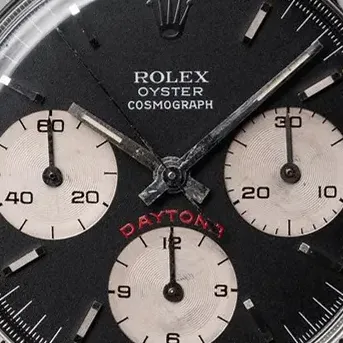
Steel watches have Rolex Oyster Cosmograph at 12 and, on later dials, red Daytona below, while gold watches carry a Superlative Chronometer line. Steel dials are silver or black; gold watches most often champagne. Daytona text, sigma marks and register size sort the types.
Steel layout
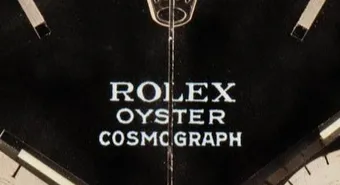
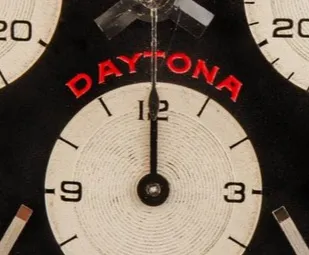
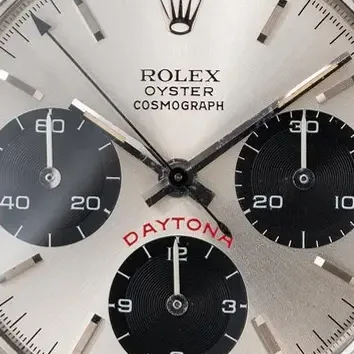
Steel dials read ROLEX OYSTER COSMOGRAPH at 12, with red DAYTONA below on the second series. Combinations seen are silver with black registers and black with white registers, and some steel dials are black with cream registers or cream with black.
Gold layout
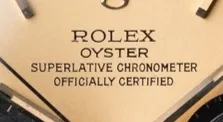
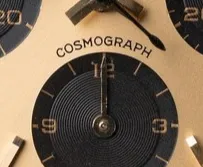
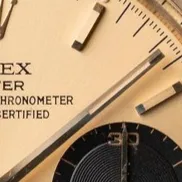
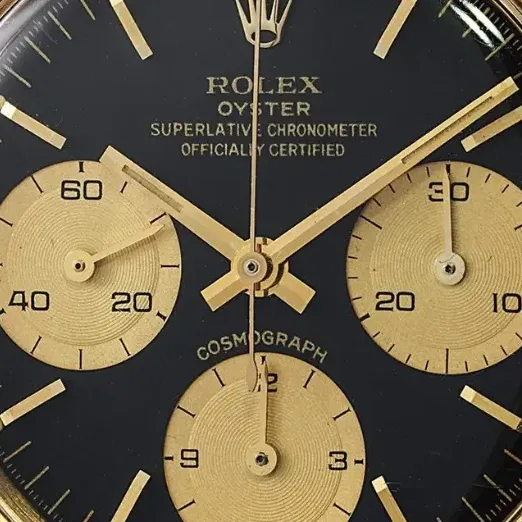
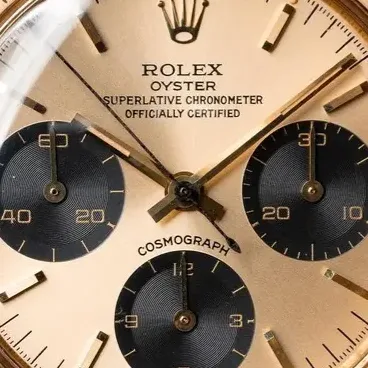
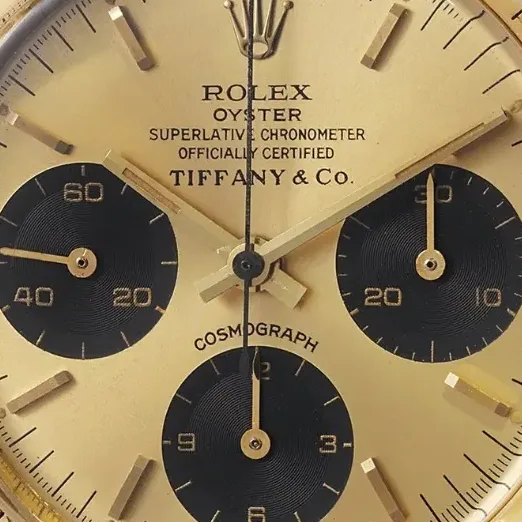
Gold 6265 dials carry ROLEX OYSTER SUPERLATIVE CHRONOMETER OFFICIALLY CERTIFIED at 12 with COSMOGRAPH on the curve of the lower register or above the 6 o'clock register. Three black engine-turned registers, gold baton indexes applied with lume dots, and gold hands complete the layout. Colours are champagne with black registers, black with champagne registers, or white with black registers. Champagne is the commonest, so a black dial on a gold case is less usual.
Oyster-Split
On gold dials the Superlative Chronometer lines can sit higher or lower; a lower position, split from Rolex Oyster, is called Oyster-Split.
- chronometer lines set low
No Daytona, Cosmograph only
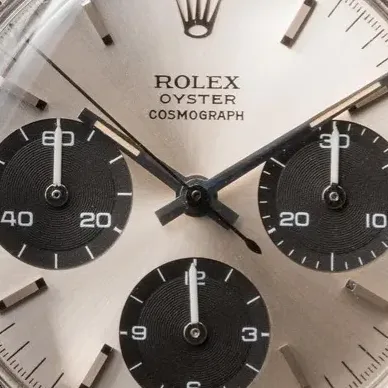
Dials with no Daytona wording are called T Swiss T dials and are valued for their plain two-colour look. A 1972 steel watch is a reverse panda with no Daytona text.
- no DAYTONA text
First series
case numbers 2.8M
Watches of the first series, in the 2.8M range, have casebacks stamped 6262; every known Mystery Cross is one of them.
- 6262 stamp inside caseback
Paul Newman exotic
The exotic dials on the 6265 are few; sellers state them mostly for 1971 and 1972. One 1971 Mk2 Newman panda has a white centre, a black outer track and nearly complete lume plots. Panda Newman dials read OYSTER with no red Daytona. Dated watches that sellers describe this way fall mostly between 1971 and 1972; those are the years of the watches so described, which is not a stated span of production.
- Art Deco registers
- white dial, black registers
ROC Big Eyes
The ROC dial prints Rolex Oyster Cosmograph alone, leaving out the red Daytona over the lower register, and has noticeably larger counters; seen as a silver dial with black matte registers, dated 1974 in one example.
- no red Daytona
- larger registers
Big Red
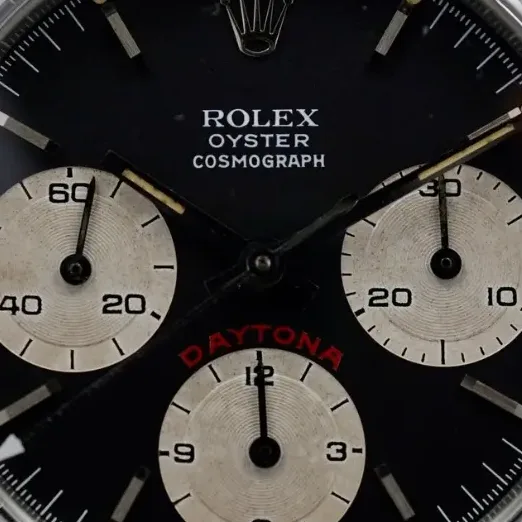
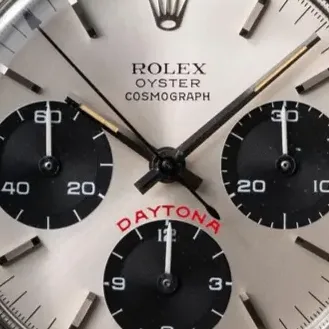
The red DAYTONA arches over the 6 o'clock register in oversized letters; only the big lettering earns the name, and smaller red Daytona labels appear on other dials. Silver, with black registers, white register hands and serifed red lettering on a sunray finish, and black versions exist. Sellers name it mostly on watches of 1978 to 1983; those are the years of the watches so described, not a span of production. A red DAYTONA arched along the register appears only on the second series.
- oversized red DAYTONA
- serifs on the red lettering


Sigma
case numbers 3.0M to 5.5M
A lowercase Greek sigma either side of the T Swiss T line below 6 o'clock marks solid gold indexes (white gold on steel watches). Published accounts place it in the 1970s; in the library's records the window opens at 3.0M and closes by about 5.5M, which by case number is 1972 to 1978. The first generation of ROC Sigma dials is put at about 3.0M (1972), with the sigmas close to the Ts, and a second at about 3.5M, given as 1975 although by case number 3.5M falls in 1973 to 1974; three types are recorded in all. A sigma dial on a 1972 case number is correct for its date.
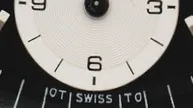

- sigma letters beside T SWISS T
65 listings on record under the name.
Tropical
case numbers 2.75M to 3.50M
Brown dials sit mostly in one stretch of case numbers, 2.75M to 3.50M, where sellers call far more of the watches tropical than elsewhere. Dated watches that sellers describe this way fall mostly between 1972 and 1975; those are the years of the watches so described, which is not a stated span of production.
- brown dial
Tiffany, Khanjar, UAE
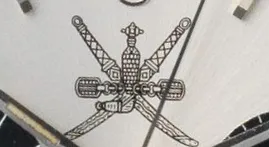
Sellers state Tiffany & Co. signatures, Omani Khanjar dials and UAE dials on a few watches each. Khanjar dials replace the upper text with the khanjar emblem and keep the crown and DAYTONA; they appear on gifts from the Sultan of Oman. Dated watches that sellers describe this way fall mostly between 1974 and 1979; those are the years of the watches so described, which is not a stated span of production.


Fuerza Aerea del Peru
Peruvian air force watches are said to have dials without the Daytona word, FAP engraved on the outer caseback with faint delivery numbers, and matching numbers engraved inside.
- no DAYTONA
- FAP on caseback
Mystery Cross
case numbers 2.78M to 2.85M
Three different dials are recorded on watches with the cross emblem: ROC silver, ROC silver Sigma and ROC Paul Newman panda. Panda dials are linked to the foundation's management; one account says some used regular silver ROC dials.
- silver ROC
- Paul Newman panda
Replacement and fake dials
A fake Big Red dial shows thin register numerals in the wrong face and red lettering without serifs above 6 o'clock; such dials usually come in non-Rolex cases with converted Valjoux 72 movements. Some watches carry later Rolex service dials. Applied tritium pips should all be present.
- thin register numerals
- lettering without serifs
Luminous material 1 described
Tritium throughout, ageing to cream or honey.
Tritium
T SWISS T below 6 o'clock marks tritium, with plots at all twelve hours; it no longer glows and has aged to cream on a 1986 gold watch and honey on a 14k one. Where sellers mention Luminova, it is on later service hands.
- cream tritium plots
- T SWISS T
Hands 1 described
Hands are rarely discussed.
Register hands
White register hands on the Big Red; the gold watch has gold hands with luminous accents. Sellers note later service hands on some watches, some of them with Luminova.
- white register hands on Big Red
Bezel 2 described
The 6265 has a metal bezel against the 6263's black acrylic insert; this is the only difference between them.
Engraved metal bezel
A steel bezel engraved to 200 units per hour, unlike the 400 scale of later Daytonas. One steel watch has a metal bezel with a black scale on a silver dial, another a black plastic insert with white scale on a black dial.
- engraved tachymeter to 200
Gold bezel
On the gold watch the bezel is fixed and made of yellow gold, with the 200-unit tachymeter engraved.
- gold engraved bezel
Case 6 described
The case has big pushers set close to the crown and no crown guards.
Steel
The usual metal; about 2,000 gold across 6263 and 6265 against 24,000 steel by one count, though others say 1,500.
18k yellow gold
Most gold watches are 18k; sellers state them mostly for 1978 to 1984.
14k yellow gold
Made for the US market, roughly 10 to 20 per cent of gold watches. Gold in all is under 8 per cent of production by one count and under 10 by others.
Caseback stamps
First-series casebacks are stamped 6262; others are found stamped 6263 or 6239. Special-production watches repeat the final three digits of the case number inside the caseback, as do those made for Comex, the British MOD and Peru. A case replaced at Rolex Geneva in 1981 may keep the original number between the lugs.
- 6262, 6263 or 6239 stamped inside
- last three digits repeated inside
Mystery Cross
case numbers 2.78M to 2.85M
Some first-series cases carry a cross with equal arms inside a rope loop, the emblem of the Swiss Foundation for Alpine Research, engraved on the caseback. Five are publicly known in the 2.78M to 2.85M range by one count and three or four by others. They may mark twenty years since the Swiss Everest expedition of 1952, or the foundation's thirtieth anniversary in mid 1972. The foundation's logo changed around 1980. A story that they were made for the Pontifical Swiss Guard had no basis.
- cross in rope loop on caseback
Unicorn
case numbers 2877587
A white gold 6265 with case number 2877587, said to have been made in 1970 and sold in 1971, is presented as unique; one account considers it assembled, with replaced bezel, pushers and dial. Its white gold bracelet comes from a 1969 Oyster Date 1507.
- white gold case
Crown and pushers 4 described
Screw-down pushers on a larger 700-series crown.
Millerighe pushers
The earliest screw-down pushers, introduced on the 6240 in 1965, were very finely knurled and are called millerighe; sellers call them Mark 0 and put them at 1971 to 1972. Dated watches that sellers describe this way fall mostly between 1971 and 1972; those are the years of the watches so described, which is not a stated span of production.
- very fine knurling
Mk3 pushers (P302)
P302 pushers have a line on the end and are correct from about 1977, often found as service replacements on earlier watches.
- line on the end of the pusher
Twinlock 700
Early watches have the Oyster Twinlock 700 screw-down crown. The literature gives no year for the change to the Triplock.
Triplock 700
The larger crown with three dots, which replaced the Twinlock on later watches; the literature gives no year for the change. Sellers state it for 1975 to 1979, which is when they name it, not the date of the change.
- three dots on the crown
Crystal 1 described
Acrylic.
Acrylic
An acrylic crystal.
Movement 2 described
Cal. 727 throughout.
Cal. 727
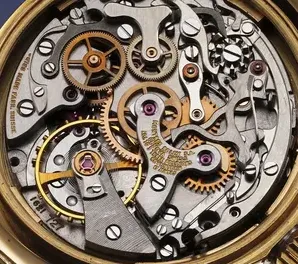
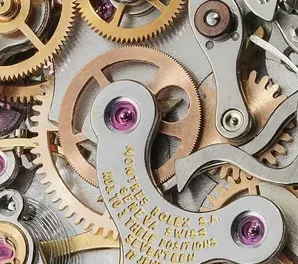
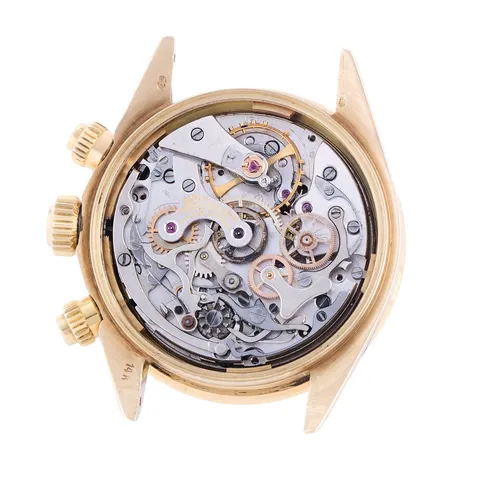
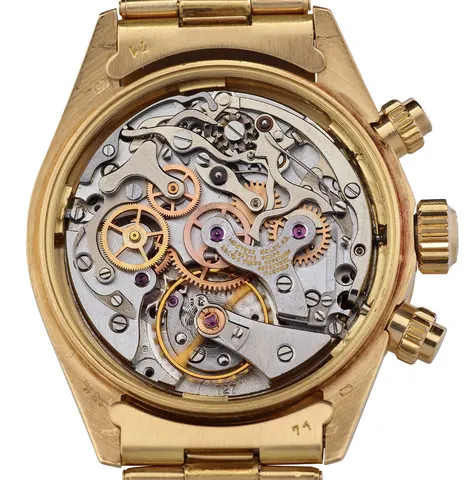
Valjoux-based, 17 jewels, column wheel, 21,600 vph (one account gives 21,000), replacing 15 components of the 722-1 and dropping the hairspring protection spring. The mainplate shows the number as separated digits 7-2-7 on early units and a plain 727 later. An early version of the calibre came with the 6262 and 6264 and some were modified for the first screw-down watches. Cal. 727 alone was used in the 2.849M batch of about 150 watches. The movement carries a five-line engraving naming Montres Rolex S.A., Geneva, the three-position adjustment and the seventeen jewels.
- five-line engraving
Movement numbers
Gold 6263 and 6265 were the first COSC-rated Daytonas, with movement numbers stamped on the plate behind the balance.
- number behind balance wheel
Bracelet 4 described
Steel watches move from folded to solid links on the second series.
7835 folded
Folded links with 271 end links; one with a clasp stamped 1-71 on a case numbered 2849293.
- folded links
- 271 end links
Oyster riveted
Riveted 7205 Oyster, in 18k on gold watches; sellers often state riveted bracelets. Dated watches that sellers describe this way fall mostly between 1975 and 1979; those are the years of the watches so described, which is not a stated span of production.
Oyster 78350
Solid links, 19 mm lug width; 571 end links most common on 1978 to 1983 watches. Dated watches that sellers describe this way fall mostly between 1975 and 1983; those are the years of the watches so described, which is not a stated span of production.
- solid links
Jubilee
Sellers record Jubilee bracelets on a few watches. Dated watches that sellers describe this way fall mostly between 1972 and 1978; those are the years of the watches so described, which is not a stated span of production.
Originality
- Original bezels and screw-down pushers matter and are costly to replace; P302 pushers on an earlier watch point to service.
- Check that all applied tritium pips are present on the dial.
- A second-generation sigma dial on a first-series case in the 2.8M range is thought not to belong, and sigma dials may not yet have existed when the earliest cases were made.
- Caseback stamps of 6262, 6263 or 6239 can be original, so they are not proof of a swapped case.
- Fake Big Red dials show thin register numerals and unserifed red lettering.
Names
- Big Red. Oversized red Daytona lettering over the 6 o'clock register.
- Mystery Cross. A cross-in-rope emblem on the caseback.
- Unicorn. The one-off white gold watch.
- Big Eyes. ROC dials with enlarged registers.
- Sigma. Greek sigma letters beside T SWISS T.
Where accounts differ
Points on which the published literature and the library's own records do not agree, or on which the literature contradicts itself.
- Years of production. Pages give 1969 to 1987, 1971 to 1988 and the early 1970s to 1987 or 1989. Case numbers in the library's records run from 1970 to 1988.
- Case size. One account gives 37.5 mm, another just under 38, others 37. Most sellers in the records say 37 mm, some 38 mm.
- Number of Mystery Cross watches. One account counts five publicly known, another three to four.
- Sigma dating. One account says Rolex used sigma dials from about 1970 to the close of the decade. Another puts the first generation at about case number 3.0M (1972) and a second at about 3.5M, which it dates 1975; by case number 3.5M is 1973 to 1974. The library's records place sigma dials at about 3.0M to 5.5M, which is 1972 to 1978.
- Water resistance. One account says 50 m early and 100 m later; another says 100 m for the pair.
Back, movement and papers
From listings of this reference, each confirmed by eye to show what it is filed under. A picture on which a person's name or a personal engraving can be read is not shown. From most holders a detail from the middle of the photograph is shown; the mark in its corner gives its holder and a link to the listing.
Caseback
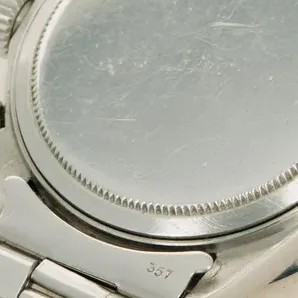

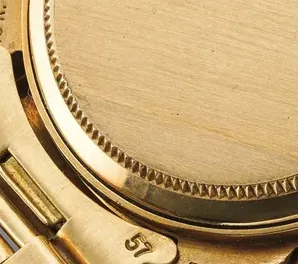

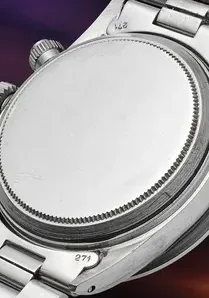

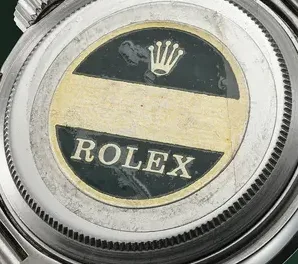

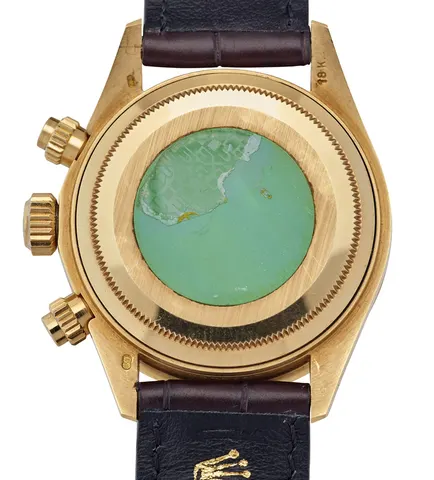

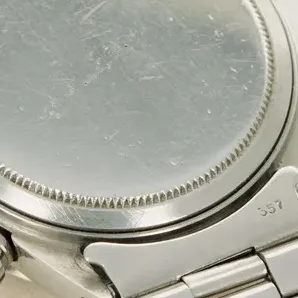

Inside the caseback


Movement
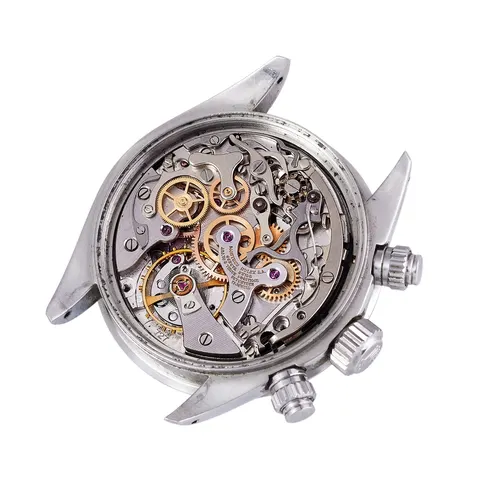

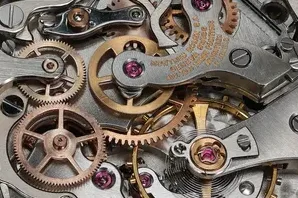





Papers
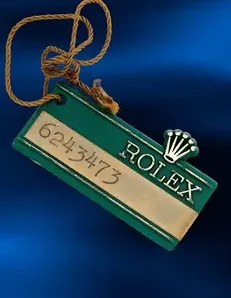

Catalogue versions 1 listed
The full numbers under which holders list this reference, with what their listings say of each. Each has a page of its own.
| Version | Metal | Dial | Years seen | Records |
|---|---|---|---|---|
| 6265/0 | Steel | 1970–1975 | 5 |
In the records
Counted from 597 listings at 46 holders between 16 October 2005 and 14 November 2026. These are what sellers and auction houses state, not measurements.
Fainter bars are the 10 outside the main run of 1971–1987 (the middle nine-tenths): the earliest is 1970 and the latest 1988. They are early and late examples, and now and then a number misread.
At the holders that record papers on every watch, 46% of their 11 listings of this reference come with papers; at those that record the box on every watch, 43% of 14 come with a box. "Papers" is whatever the holder counts as papers, and can include service papers.
Case metal
| Steel | 277 | |
| Gold, any colour | 125 | |
| Yellow | 84 | |
| White | 1 | |
| Colour not stated | 40 | |
| Silver | 2 | |
| Steel and gold | 1 |
A listing that says "gold" or "18K gold" names no colour: it is counted under "colour not stated", not as yellow gold.
Dial colour
| Silver | 89 | |
| Black | 89 | |
| Champagne | 47 | |
| Gold | 10 | |
| Brown | 7 | |
| Red | 5 | |
| Cream | 3 | |
| White | 2 |
Case size
| 37 mm | 265 | |
| 38 mm | 43 | |
| 36 mm | 17 |
Calibre named
| 727 | 294 |
Bracelet or strap
| Oyster bracelet | 262 | |
| Metal bracelet, kind not stated | 74 | |
| Leather strap | 21 | |
| Jubilee bracelet | 8 | |
| Mesh bracelet | 3 |
Each table counts the listings that state the thing, in the seller's own terms. A size, metal, colour or calibre that cannot belong to this reference is a seller's slip or a listing filed under the wrong number.