Cosmograph Daytona (Paul Newman exotic dial)
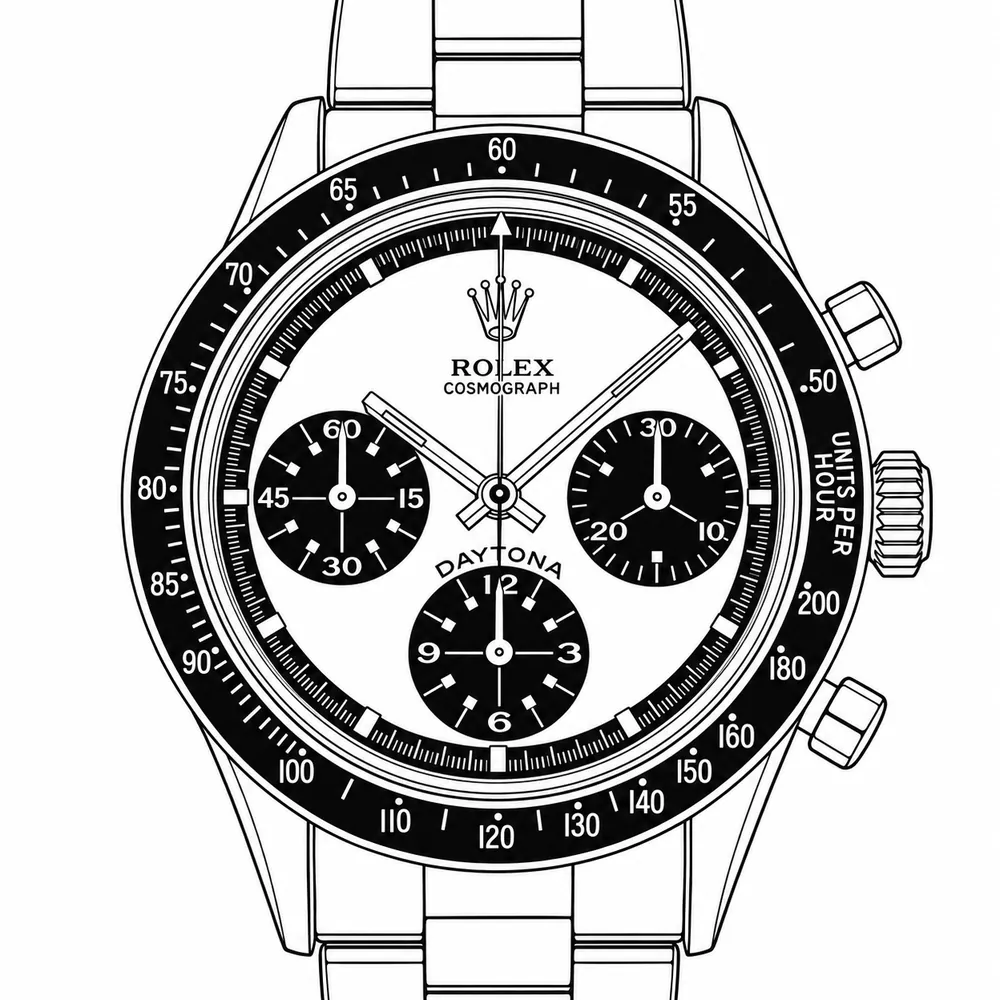
The 6241 is the hand-wound Rolex Daytona chronograph made from the mid-1960s to 1969, in steel and in 14k and 18k yellow gold. It is the 6239 with a black acrylic bezel carrying a printed tachymeter scale, and it kept the non-locking pump pushers, a Valjoux 722-based calibre and a domed acrylic crystal. It followed the screw-down 6240 and was replaced by the 6264 with the 727 movement. Collectors look first at the dial, since many 6241s carry the 'exotic' layout now called Paul Newman, and at whether that dial, the case number and the caseback agree.
- Made
- 1966–1969dates approximate
- Seen in the library
- 1966–1970by case numbers
- Case
- 37 mm · steel (59%), gold (41%)as sellers state
- Movement
- Calibre 722, 722-1hand-wound
- On record
- 202 listings539 photographs · 24 holders
Components
26 watches, oldest first, each straightened and cut the same way so that one row shows one component across them all. Chosen from 539 photographs on file for sharpness and for a face typical of the reference. A year marked c. is one its holder gives only roughly. Each picture is a detail cut from a listing photograph. Select the small mark in its corner for its year, its holder, a link to the listing it came from, and a way to report it.
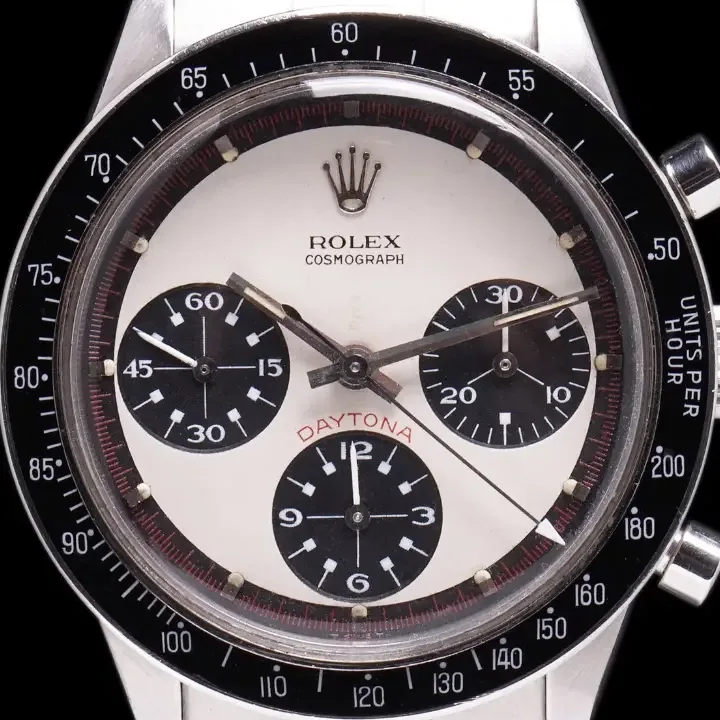
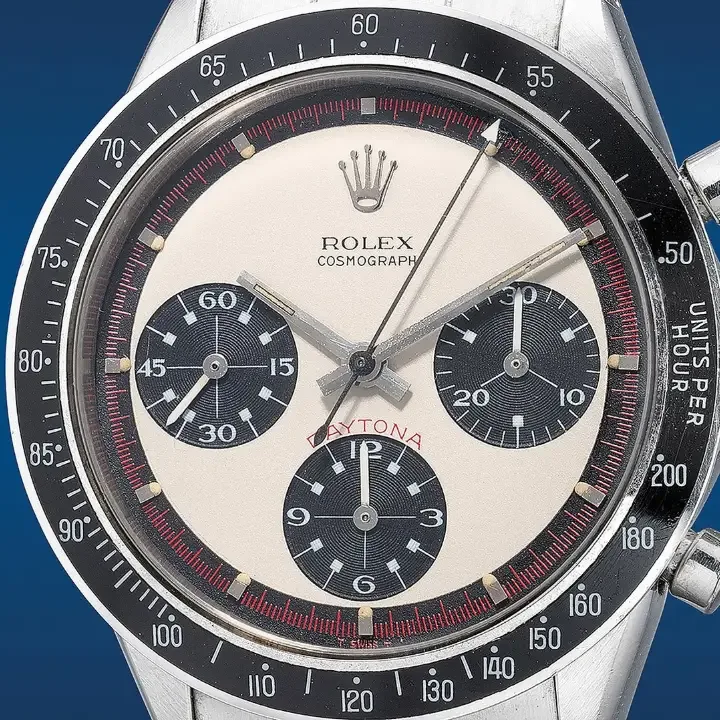
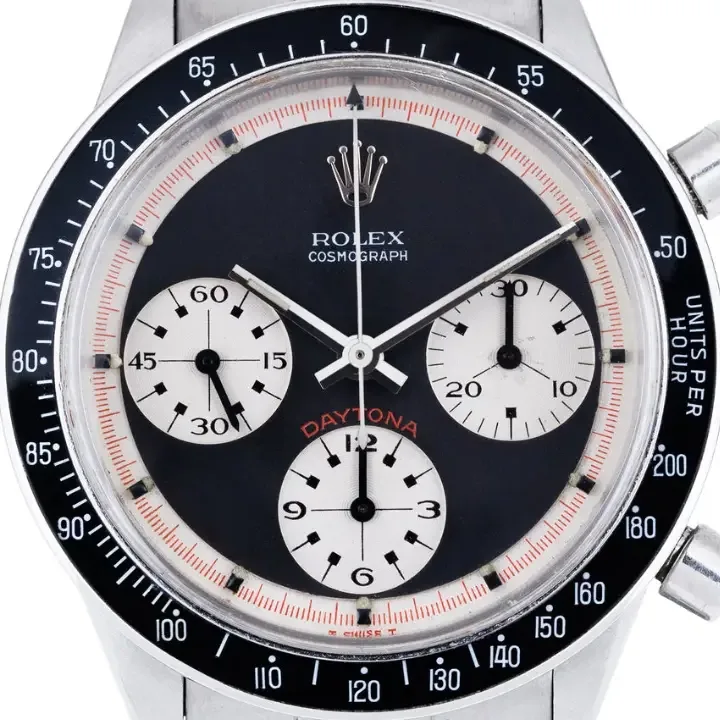
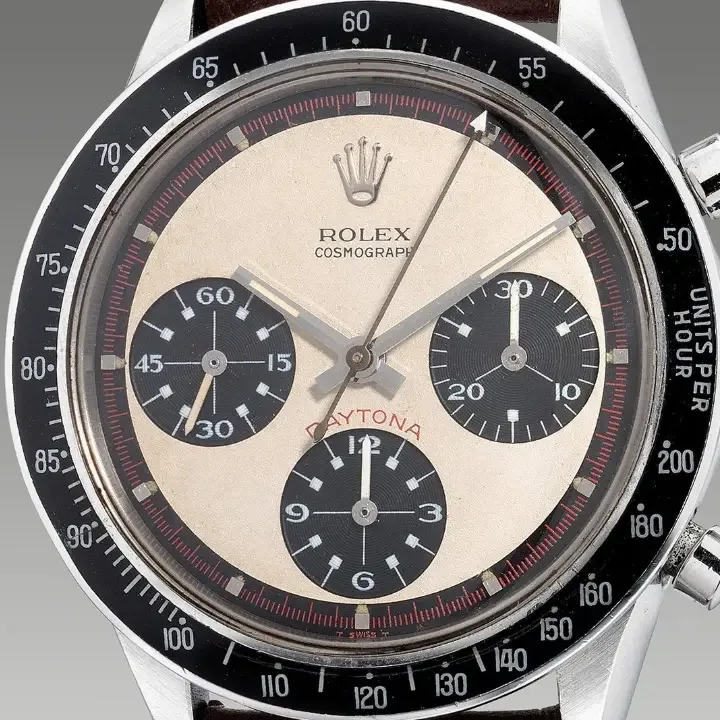
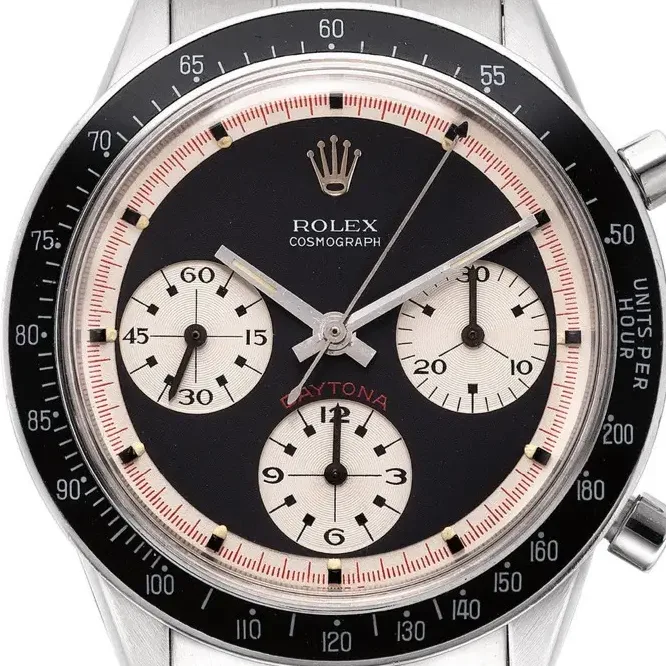
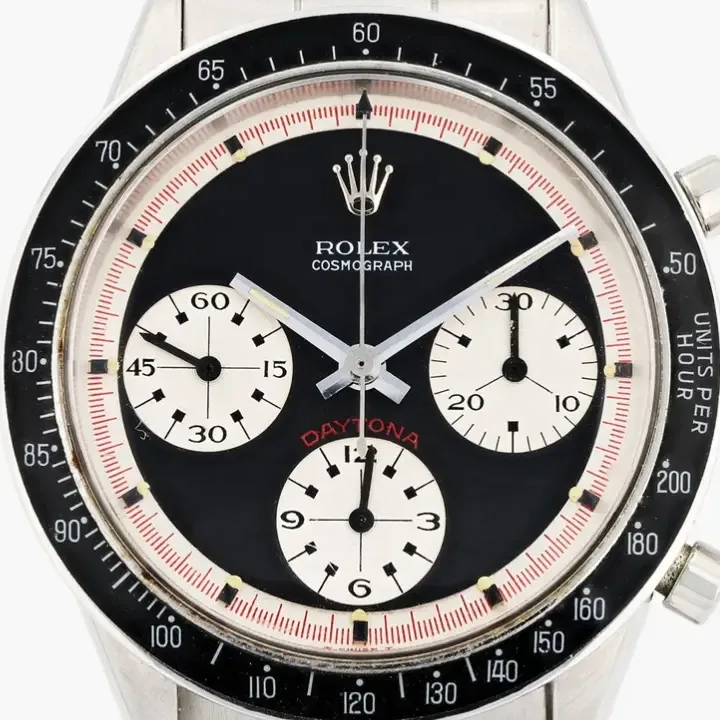
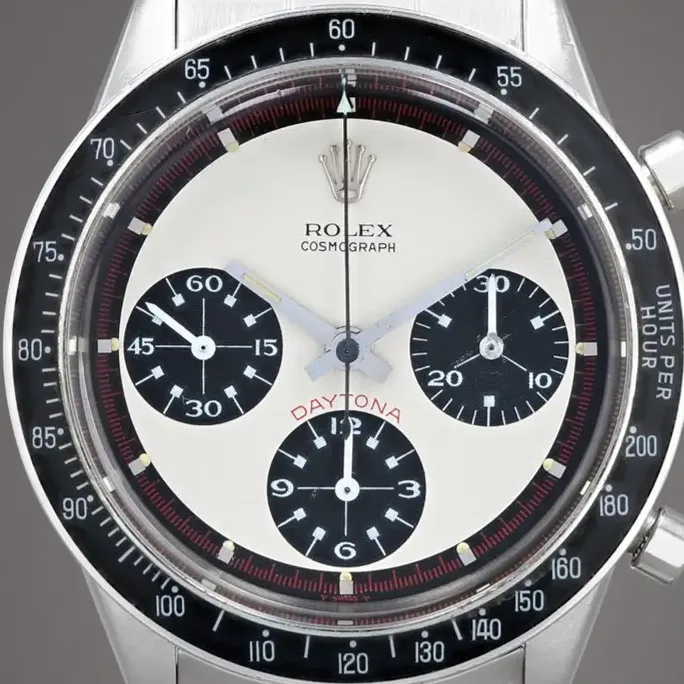
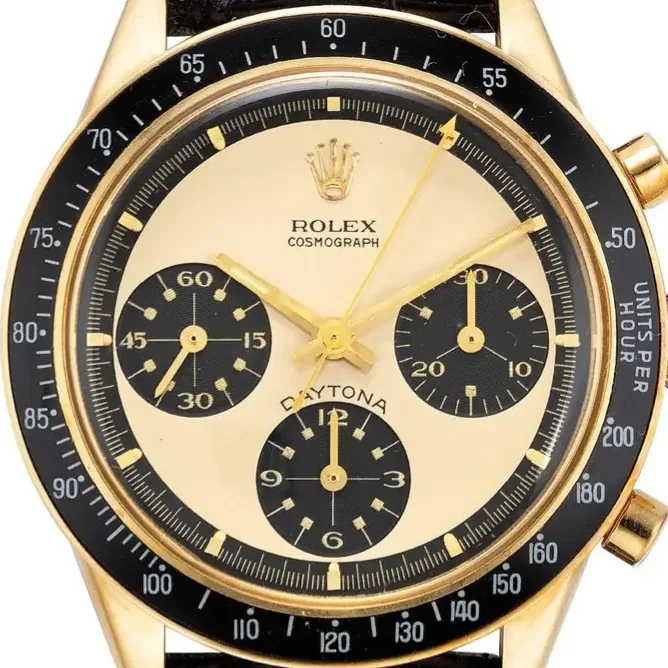
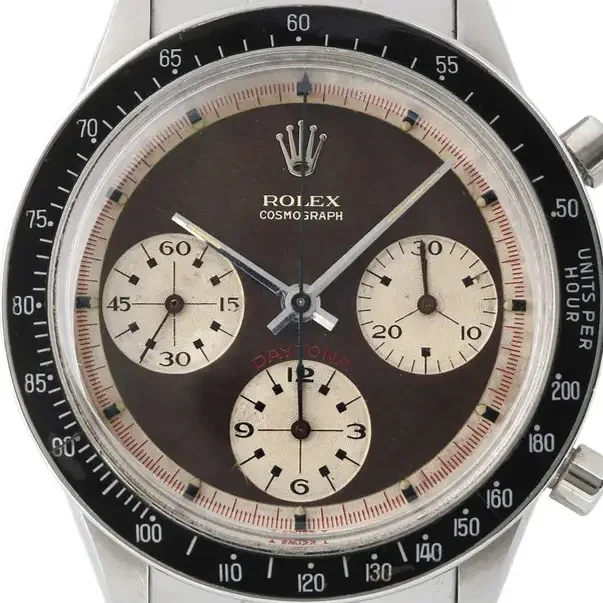
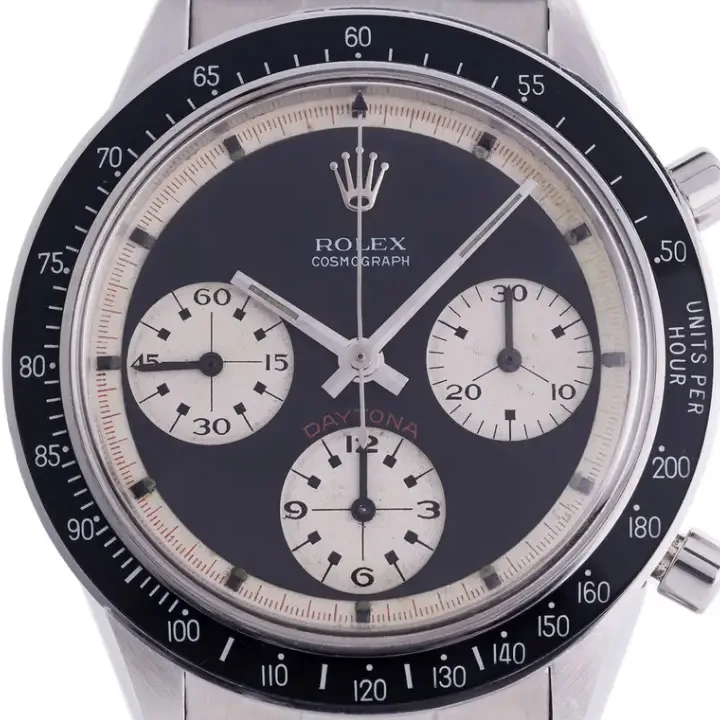
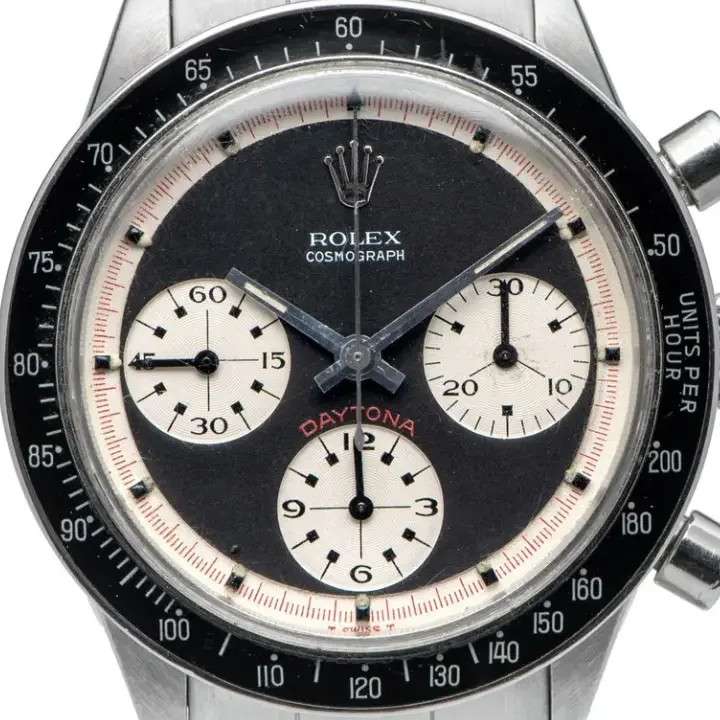
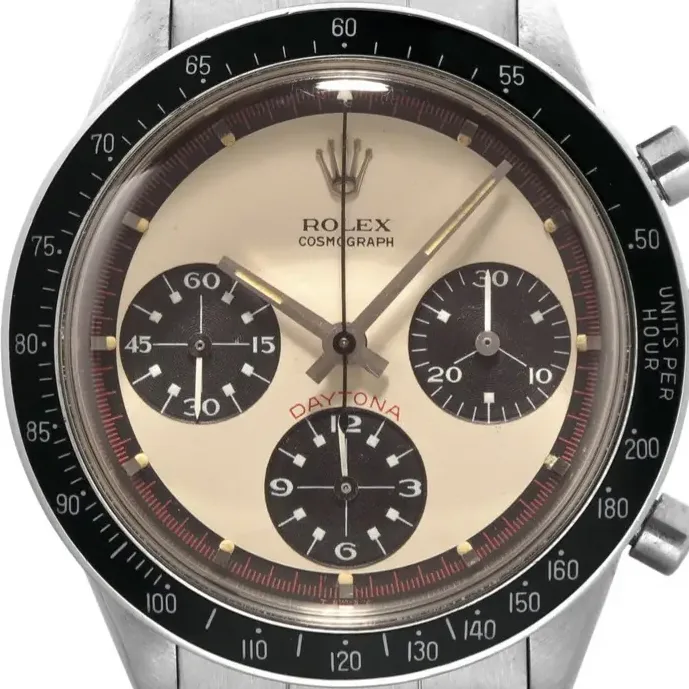
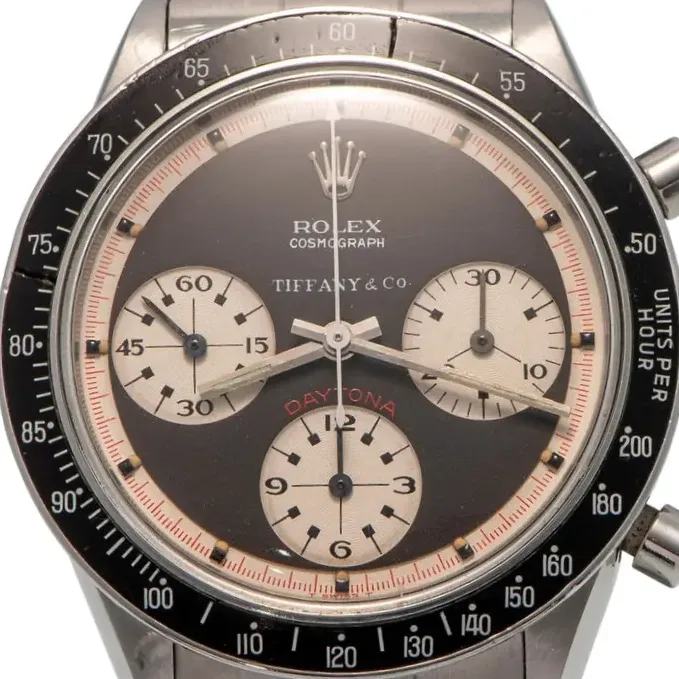
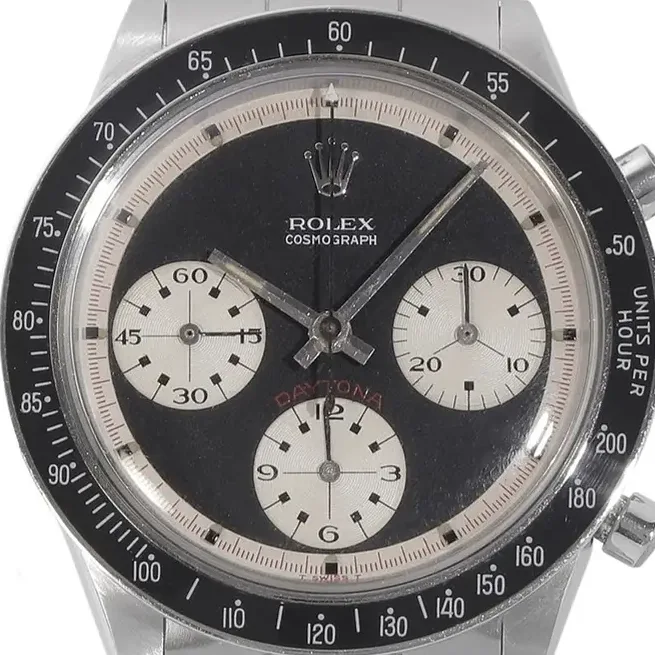
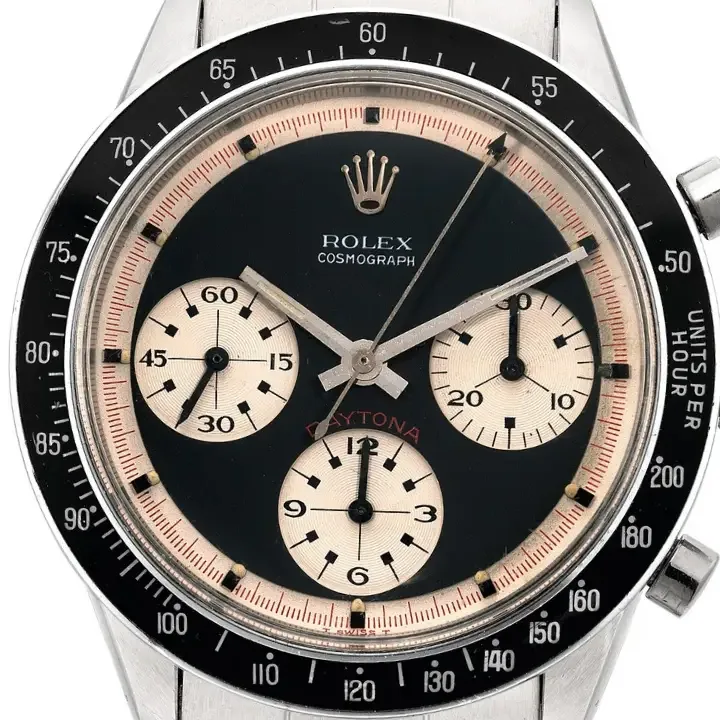
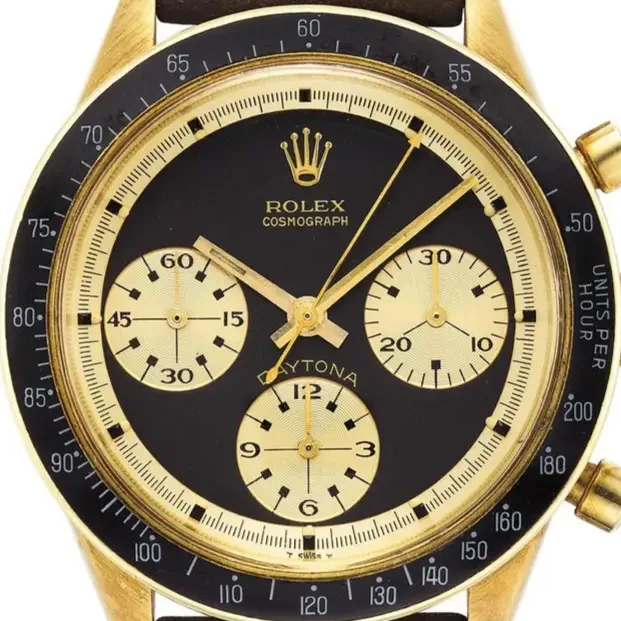
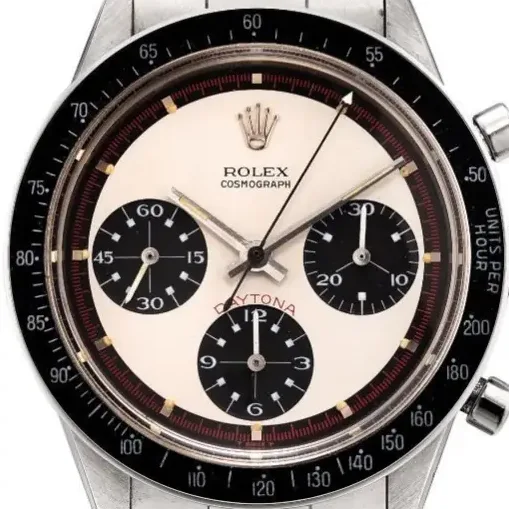
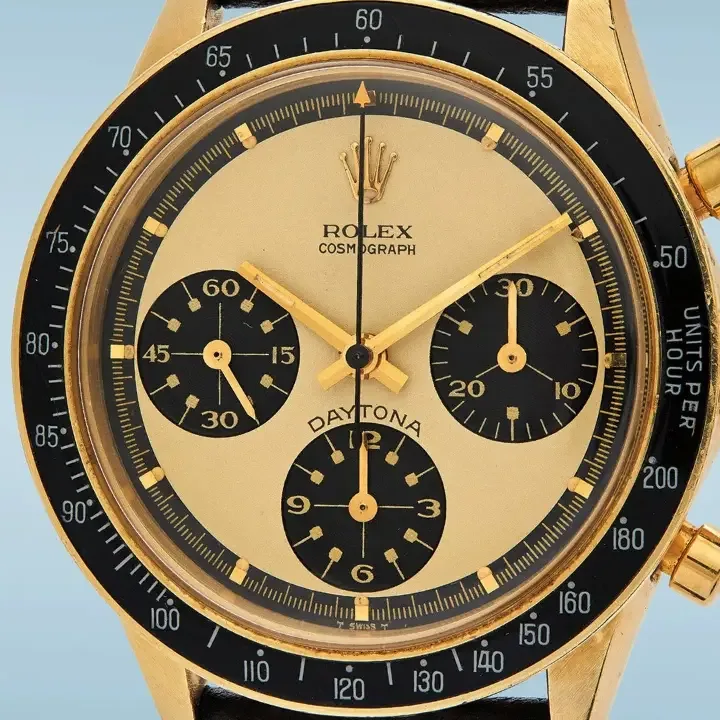
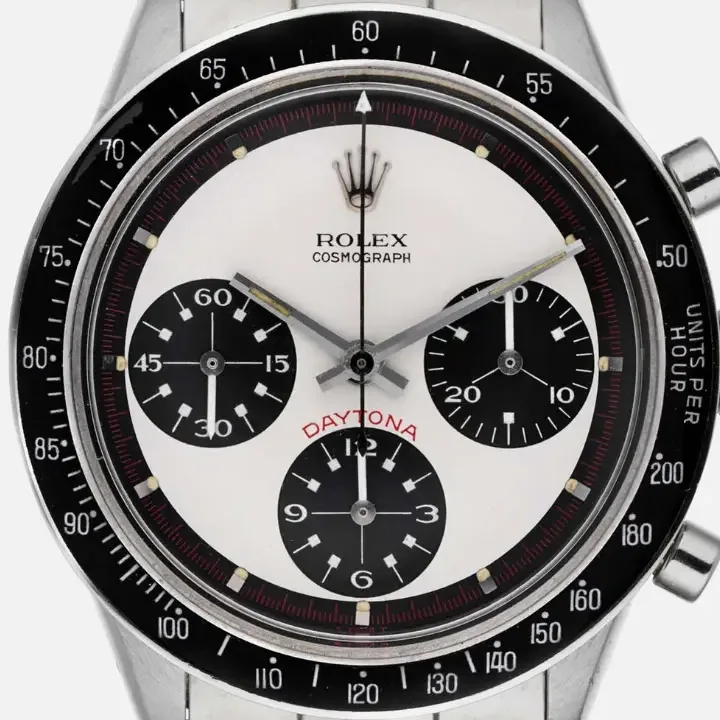
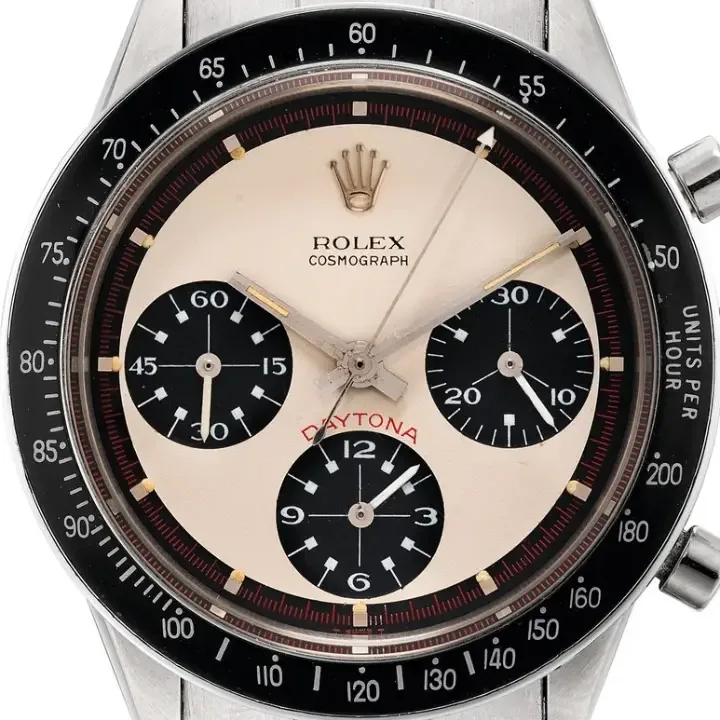
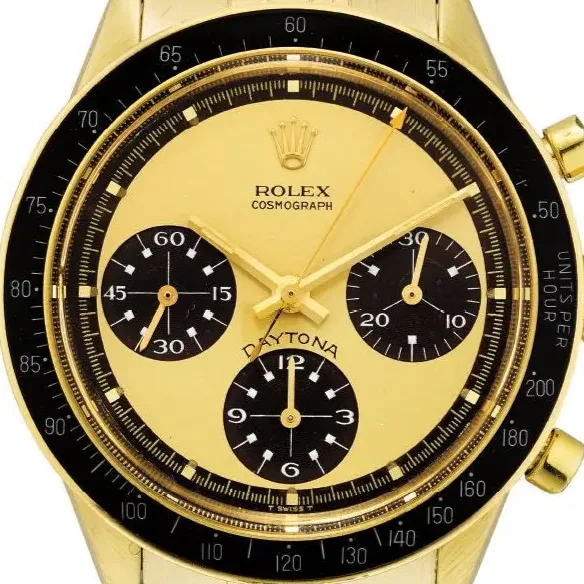
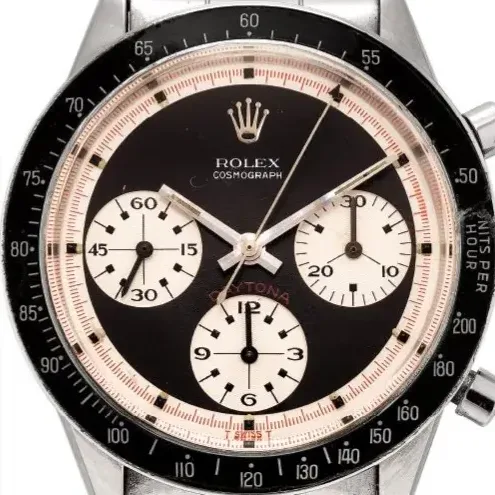
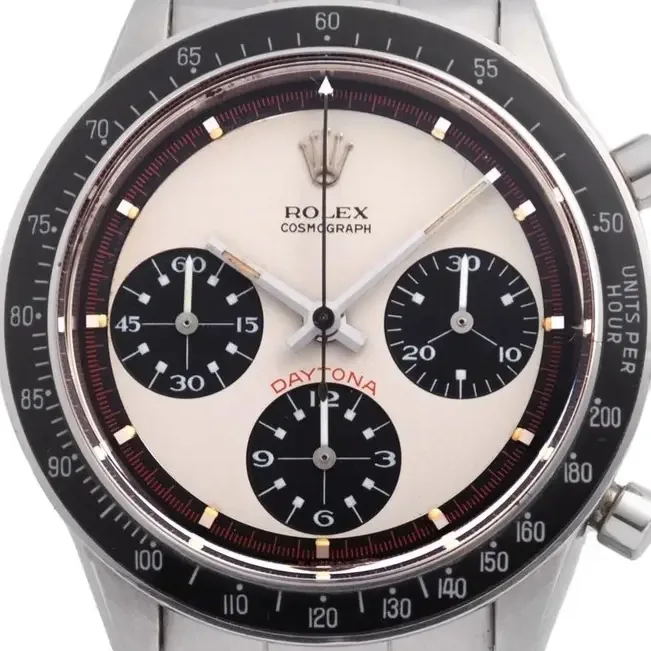
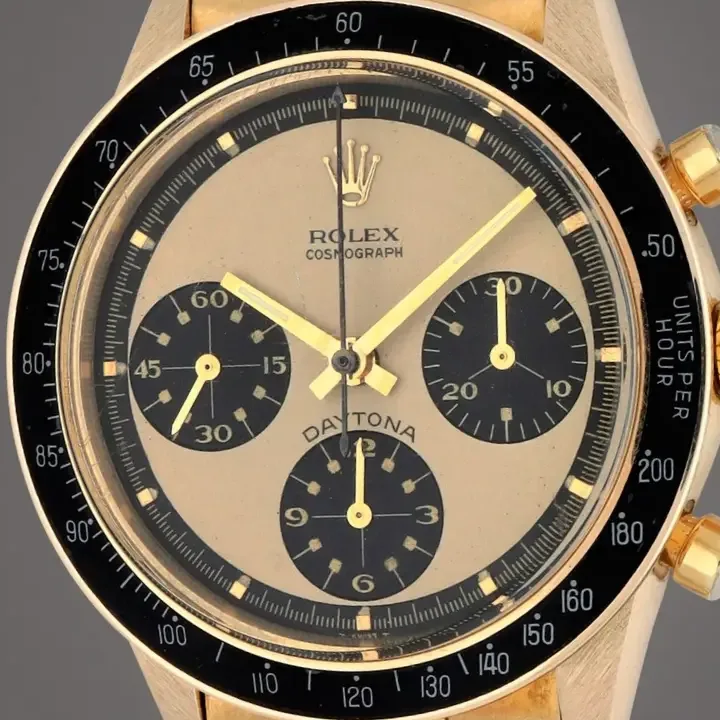
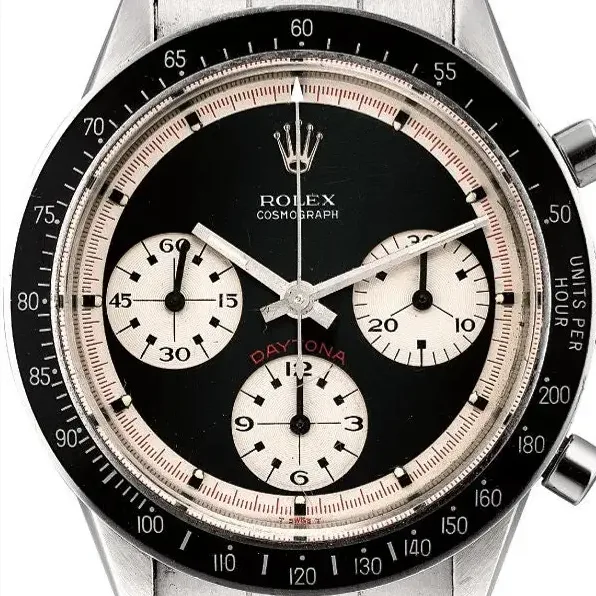
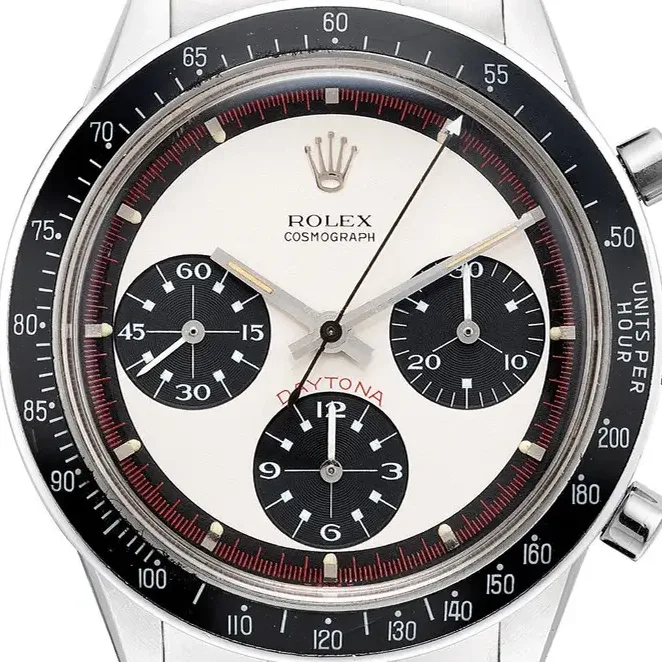
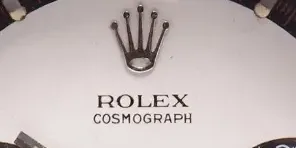
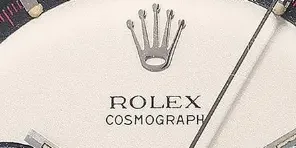
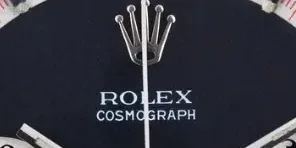
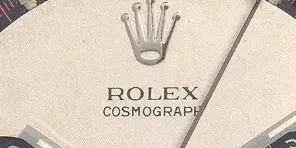
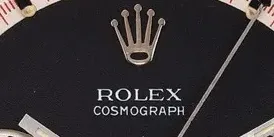
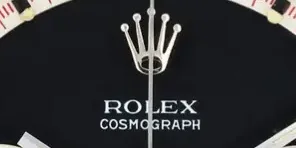
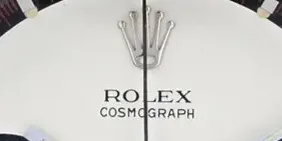
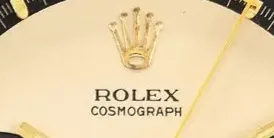
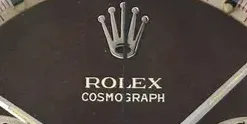
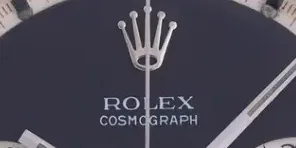
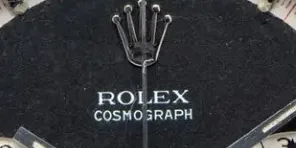
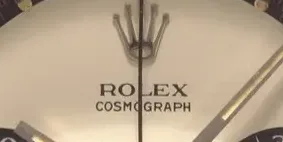

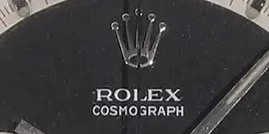
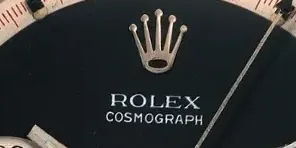
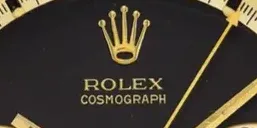
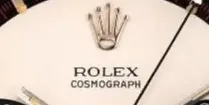
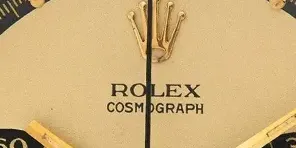
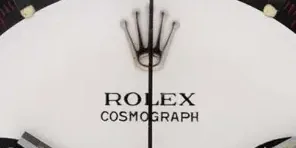
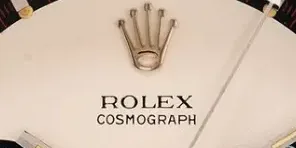
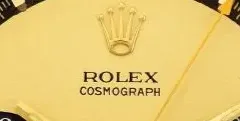
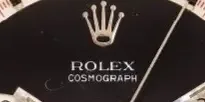
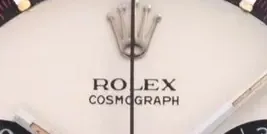
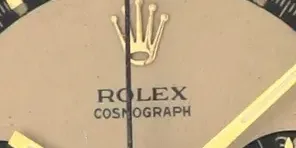
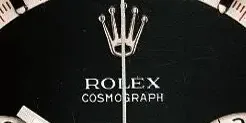
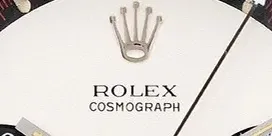
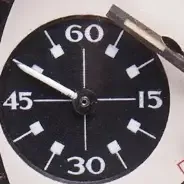
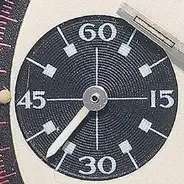
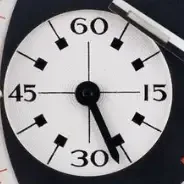
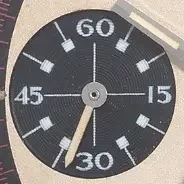
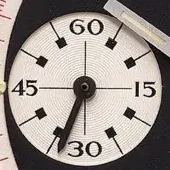
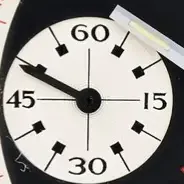
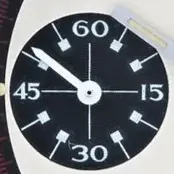
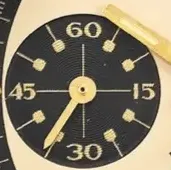
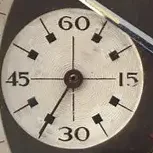
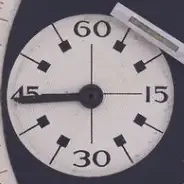
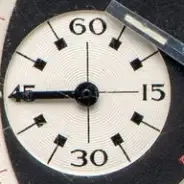
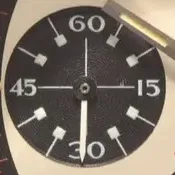
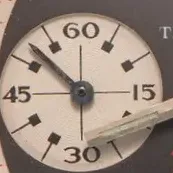
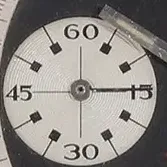
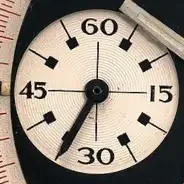
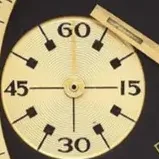
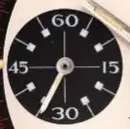
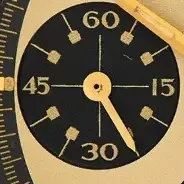
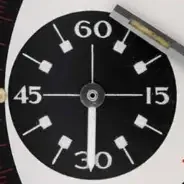
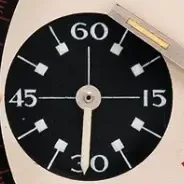
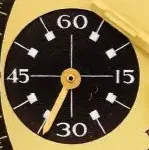
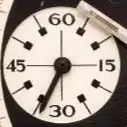
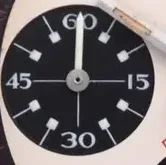
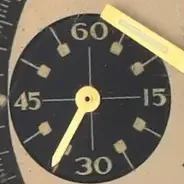
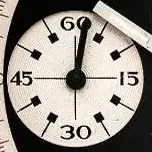
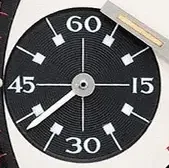
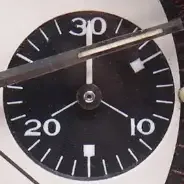
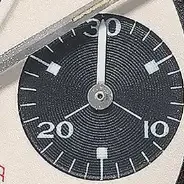
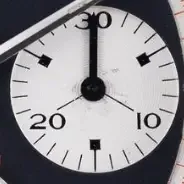
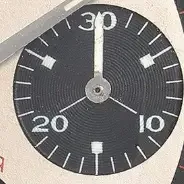
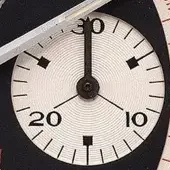
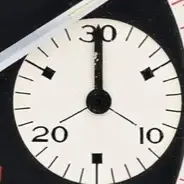
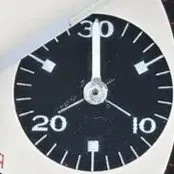
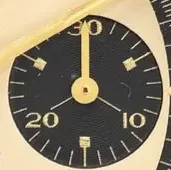
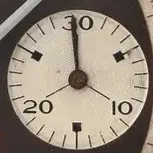
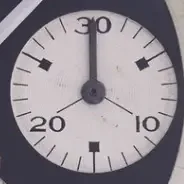
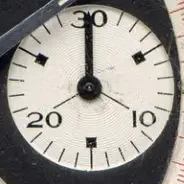
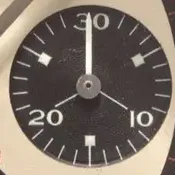
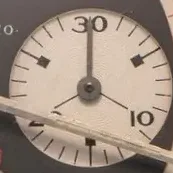
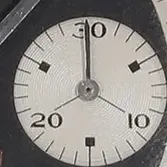
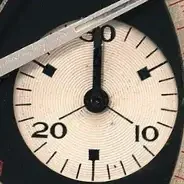
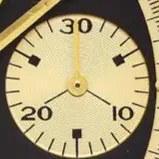
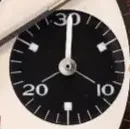
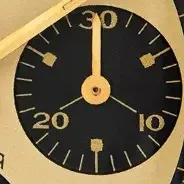
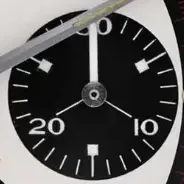
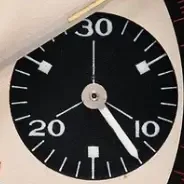
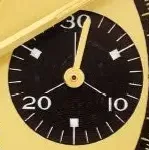
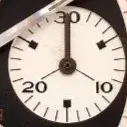
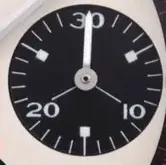
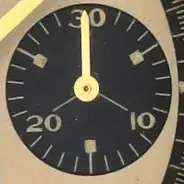
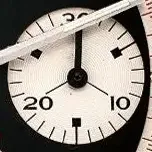
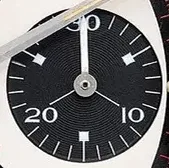
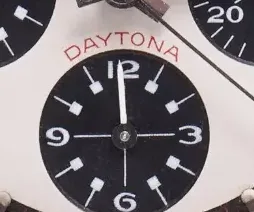
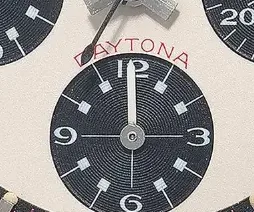
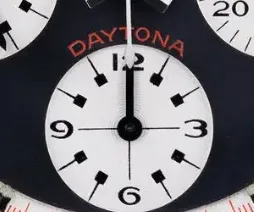
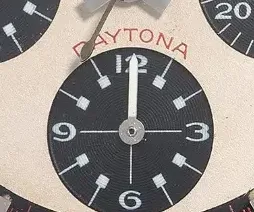
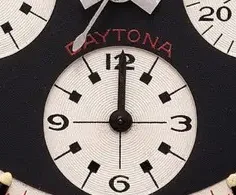
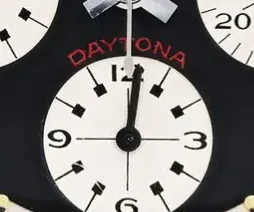
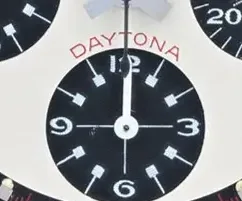
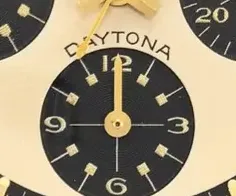
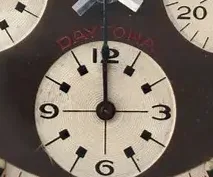
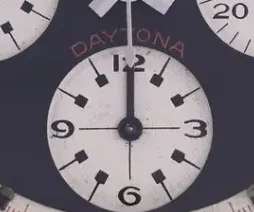
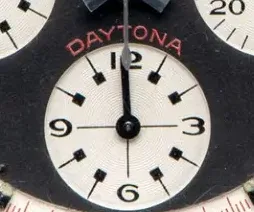
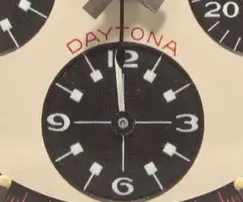
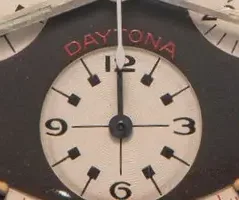
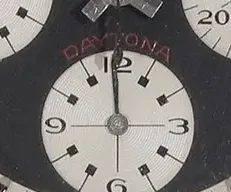
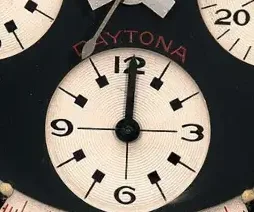
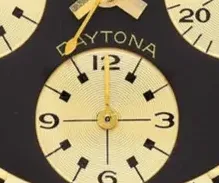
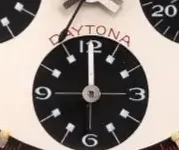
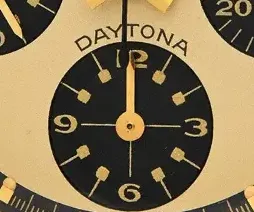
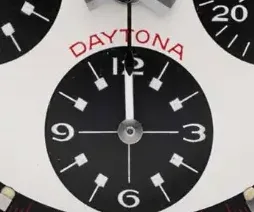
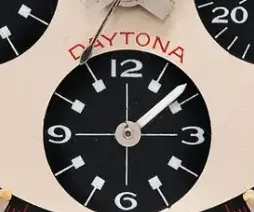
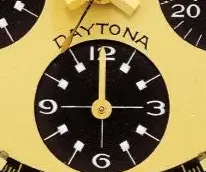
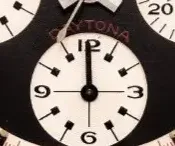
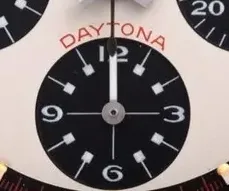
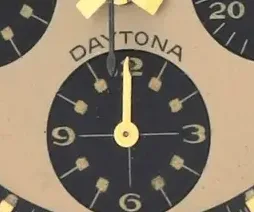
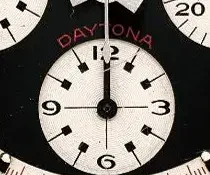
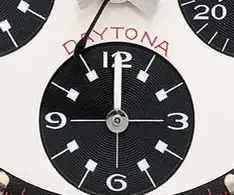
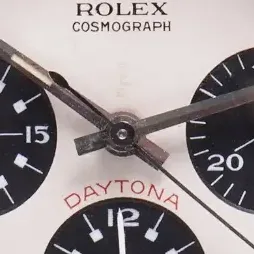
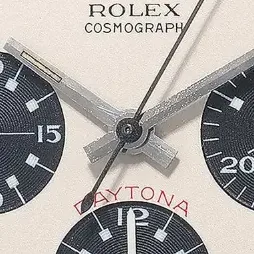
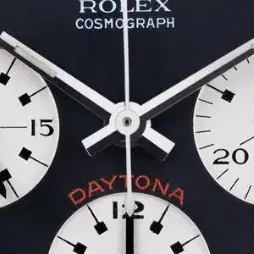
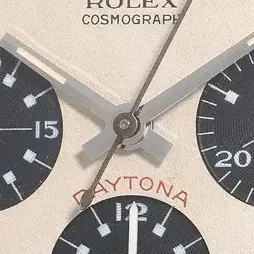
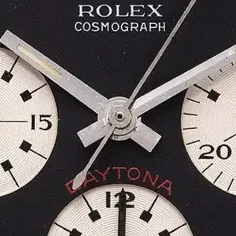
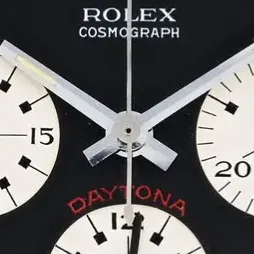
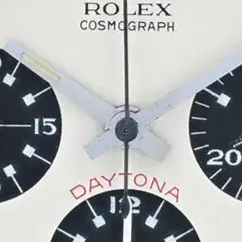
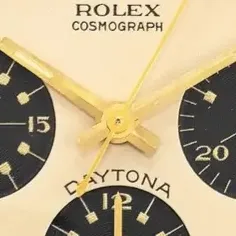
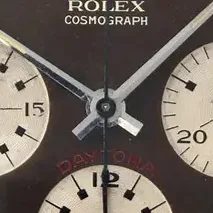
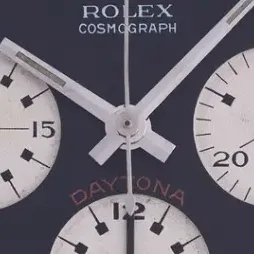
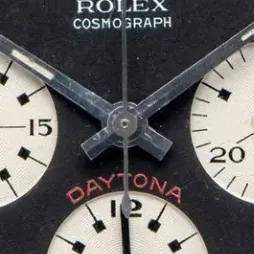
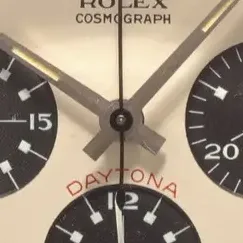
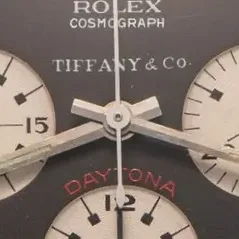
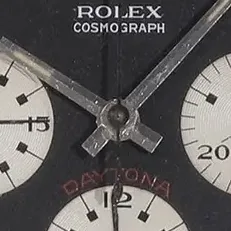
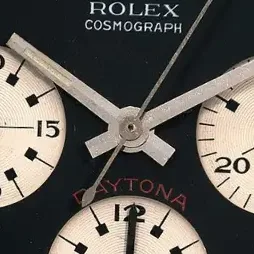
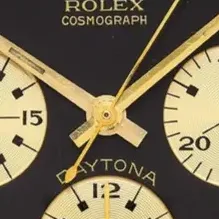
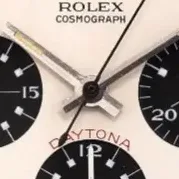
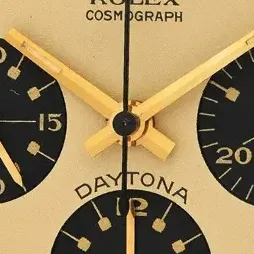
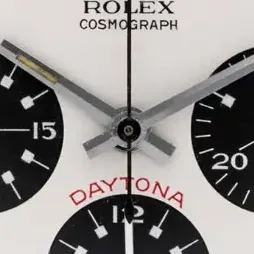
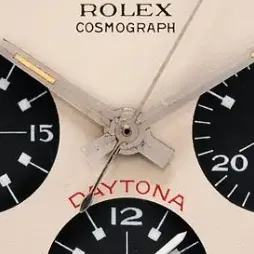
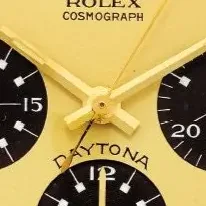
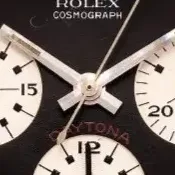
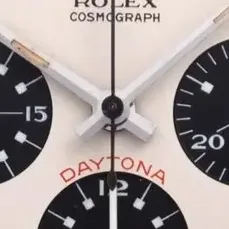
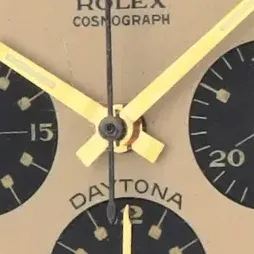
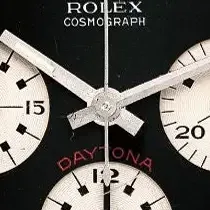
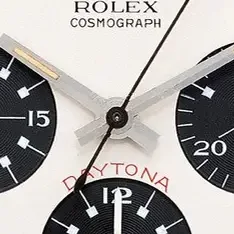
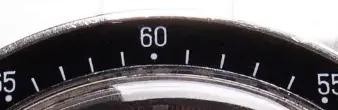
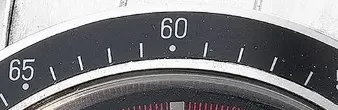
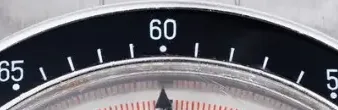
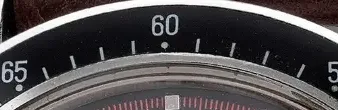
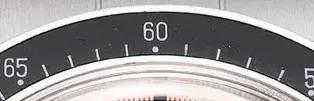
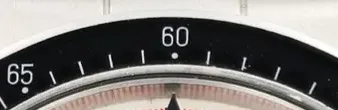
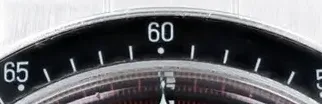
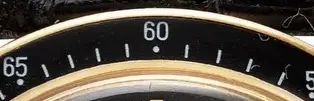
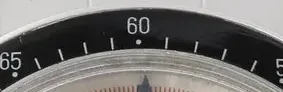
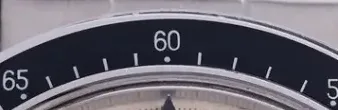
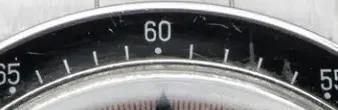
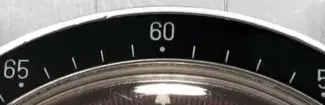
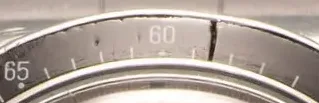

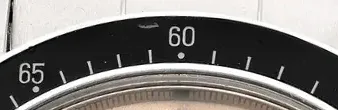
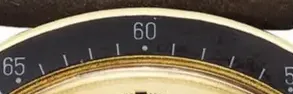
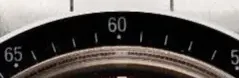
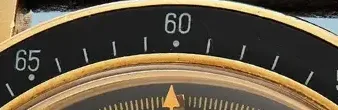
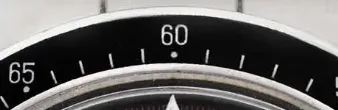
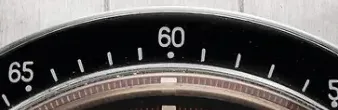
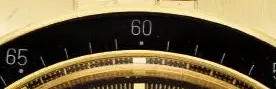
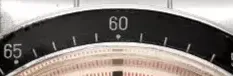
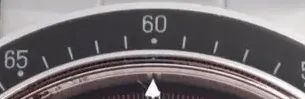
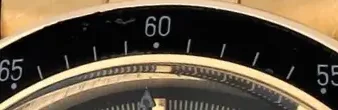
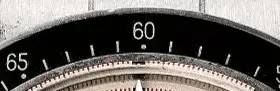
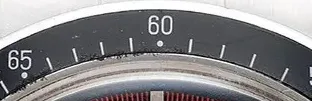
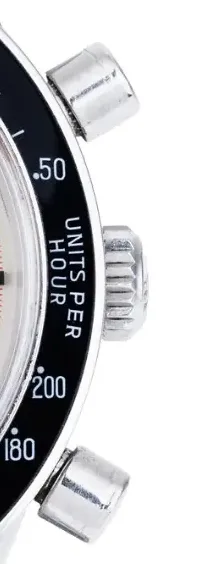
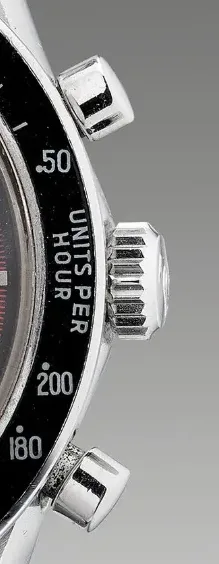
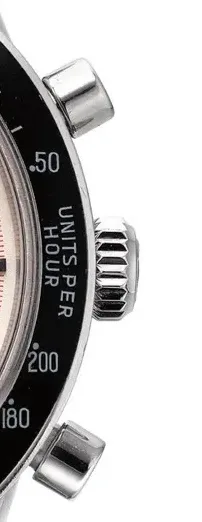
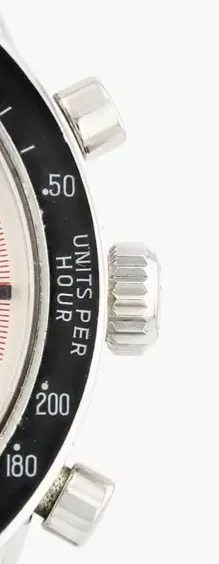
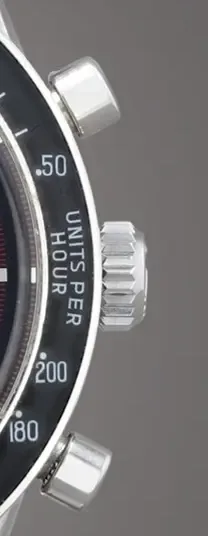
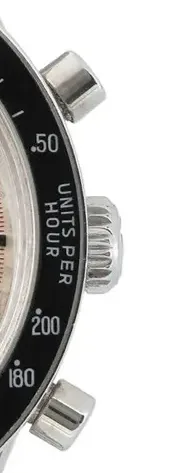
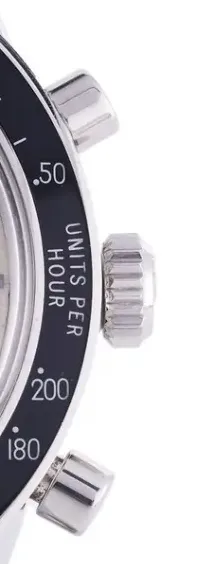
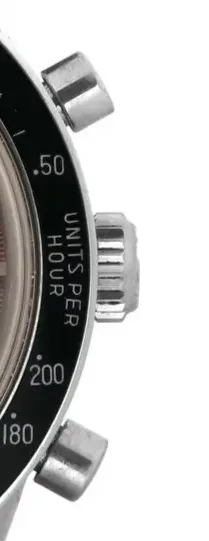
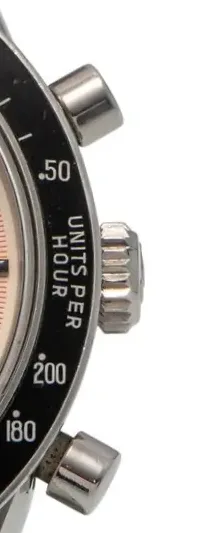
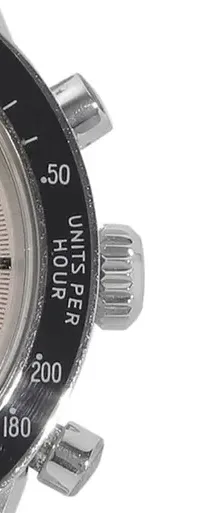
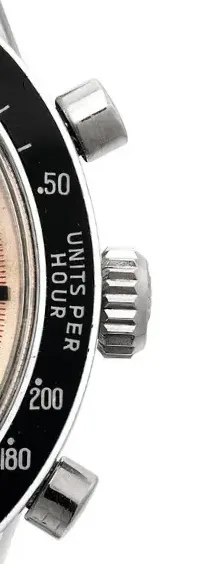
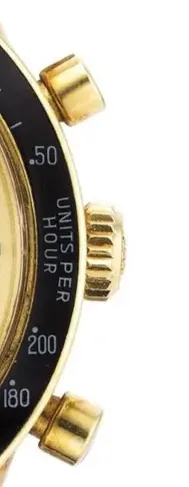
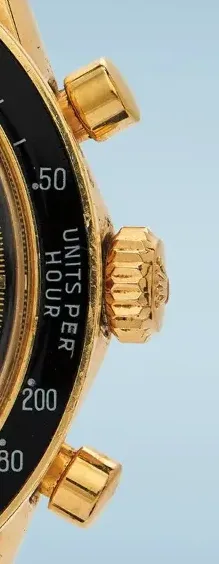
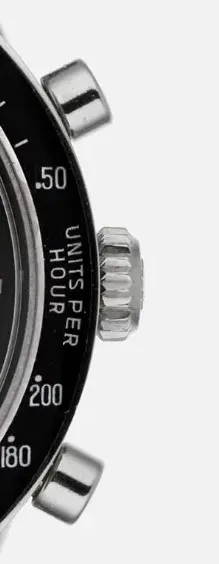
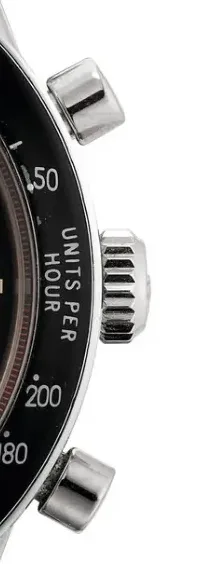
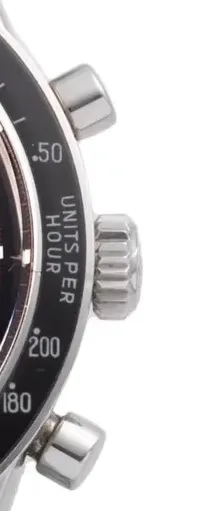
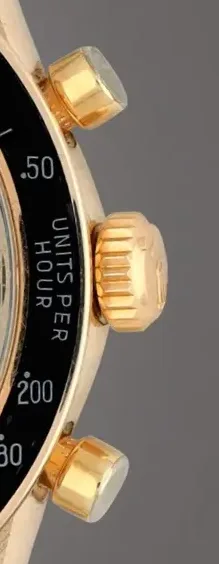
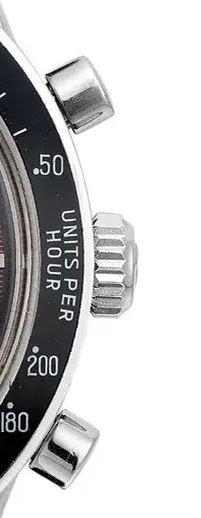
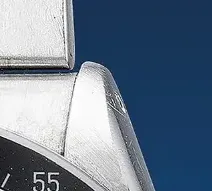
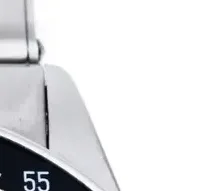
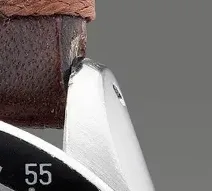
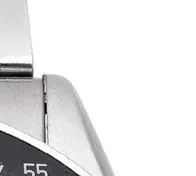
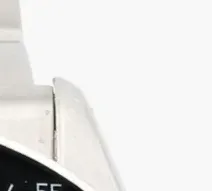
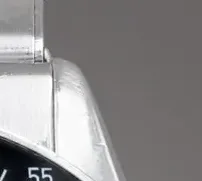
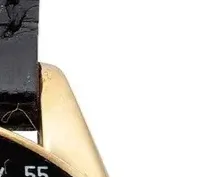
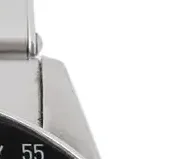
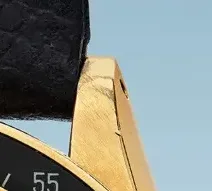
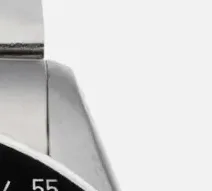
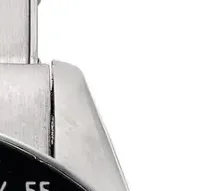
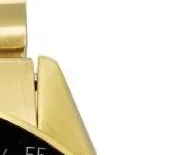
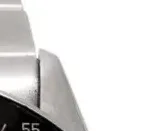
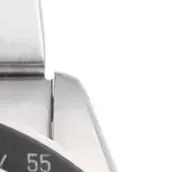
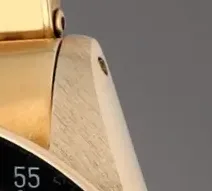
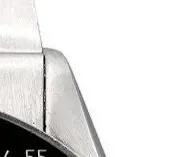
Illustrated history of the 6241: every change set out with close-up photographs of dated watches.
Chronology
Guides give 1965 or 1966 to 1969; case numbers in the library's records run from 1966 to 1970, with most watches in 1968 and 1969.
Every dated variant: what is written, and what the records show
For the reference the marks are every dated watch; for a variant, the watches a seller names as that variant, so a variant sellers do not name has none.
The reference's own marks are dated by case number. A variant's marks use the year each seller states, so a variant can show watches in a year where the row for the reference shows fewer, or none. 2 dated listings fall outside this scale and are not drawn.
Specification
| Case | Steel, with scarcer 18k and 14k yellow gold (14k mainly for the US market); about 37 mm, some give 37.5 mm, roughly 13 mm thick, short lugs |
| Crystal | Domed acrylic |
| Bezel | Black acrylic (bakelite) insert with printed tachymeter scale, in place of the engraved steel bezel of the 6239 |
| Pushers and crown | Non-locking pump pushers; early 700-series screw-down crown |
| Movement | Hand-wound Valjoux 722-based Rolex Cal. 722, with Cal. 722-1 later in the run; 18,000 vibrations per hour, column-wheel control |
| Bracelet | Oyster riveted (6635, 7205), later the 78360 (folded-link in the account of this reference, solid-link by most others); Jubilee on some gold watches |
| Water resistance | About 50 m (165 ft) when new, as for every Daytona of the period; screw-down pushers on other references only lock against accidental pressing |
Dial 8 described
6241 dials are almost unchanged from the 6239. They come in black, white and the 'exotic' layout in three-colour, two-colour, panda and champagne versions. The exotic dial, fully printed with contrasting registers, was never sold by Rolex as a Paul Newman model; that name came into use in the 1980s.
Regular dial
Black or white dial with a red seconds track on steel watches and a gold seconds track on yellow gold ones. Most 6241s are steel with dials of this kind, and ordinary dials are said to be scarce only because exotic dials from the 6239 were swapped into cases.
- red seconds track on steel
- gold seconds track on gold
Paul Newman exotic
Art Deco numerals in the registers, with small squares at the ends of the digits, square-tipped hash marks, a stepped minute track, sunken registers and block hour markers with lume dots. The registers contrast with the dial: black dial with white registers, white with black, champagne with black, or black with champagne, sometimes with red accents. Panda registers are black with white print and reverse pandas white with black print. A genuine dial has a seconds ring in the opposite colour that is stepped down from the main dial, is fully printed and never brushed metallic, and has half-cube hour markers (topped with glossy black paint on black dials, mirror polished on light ones) each riveted by a single foot with no cutter marks. The maker's name is impressed on the brass back. Dealers have swapped these dials between cases since the 1980s, so watches kept by their first owners follow the case-number rules more closely than dealer-circulated ones.
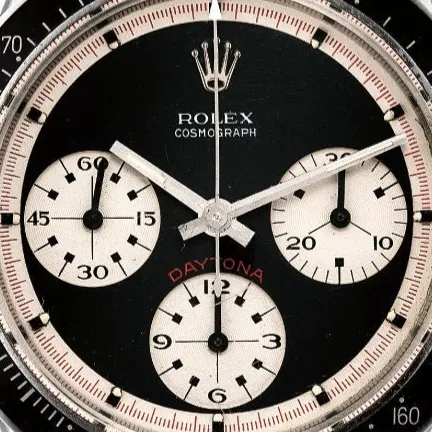
- Art Deco register numerals with square ends
- stepped seconds ring
- half-cube hour markers
- maker's stamp on the dial back
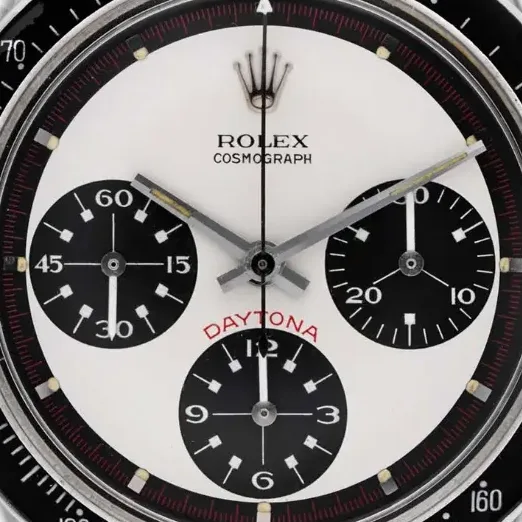
Singer-made dial
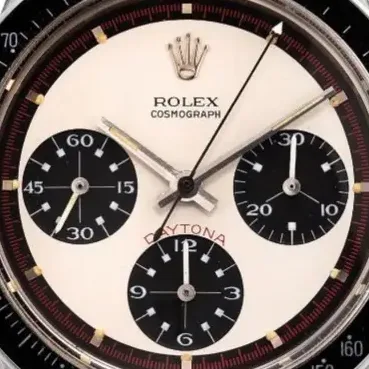
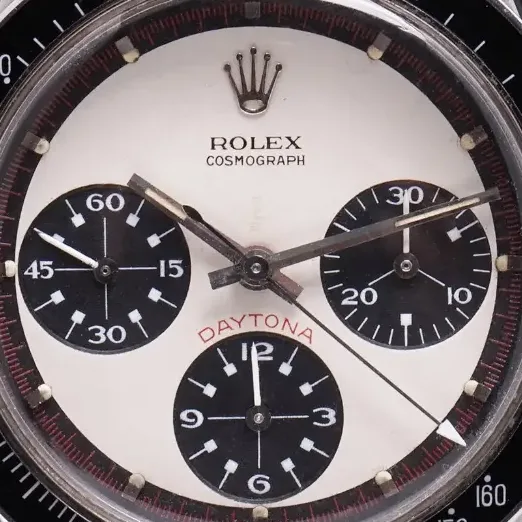
The exotic Daytona dials were made by Singer. Dials made by Singer for Rolex carry an embossed Singer logo on the back, impressed on the brass. One account places the introduction of the exotic dials in the early 1960s; accounts of the date differ.
- embossed Singer logo on dial back
John Player Special
A black dial with gold registers on an 18k or 14k yellow gold case, named for the black-and-gold livery of the Lotus Formula 1 cars sponsored by John Player; the livery dates from the 1970s, after the watch. It is a named variant of the Paul Newman 6241. Only a small share of the gold 6241s carry it; gold watches of both carats together are put at about 300 by most accounts and at about 750 by one.
- black dial
- gold registers
- yellow gold case
Champagne exotic
Yellow gold 6241s could take black or champagne exotic dials signed T Swiss T and Daytona. One account puts most champagne dials in a tight run of case numbers around 2,112,9xx, thought to be one batch; the library's records show champagne-dial gold watches in several batches. They are lighter in tone than the Lemon dials of the 6264 and have gilt register print.
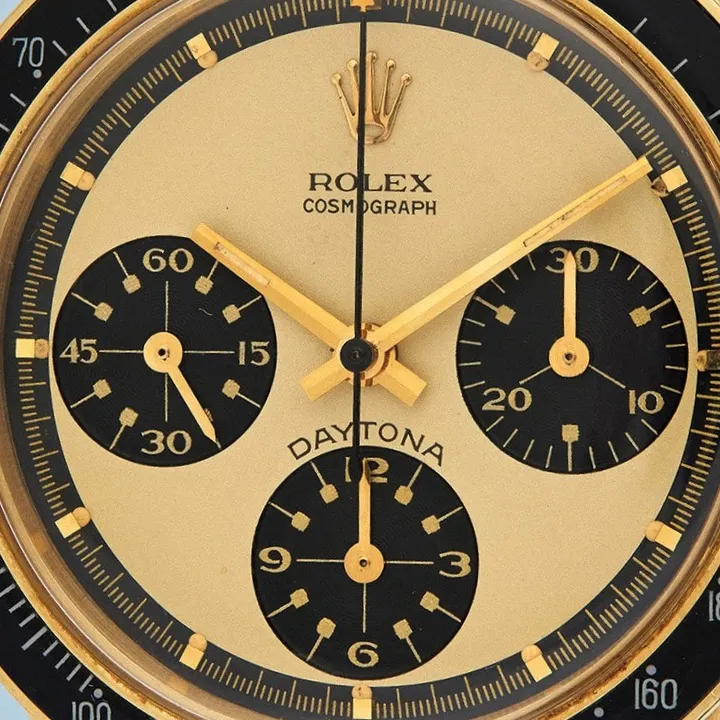
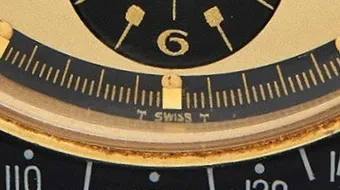
- lighter tone than Lemon
22 listings on record under the name.
Lemon dial misattribution
case numbers 1.94M and 2.35M
Lemon dials belong to the 6264, not the 6241: one in a 6241 from the 1.94 million range does not belong. Properly dialled Lemon 6264s in the 2.35 million range have casebacks stamped 6241, which suggests that earlier Lemons sold as 6241s were 6264s.
- 6241-stamped caseback on a 6264
Retailer: Tiffany
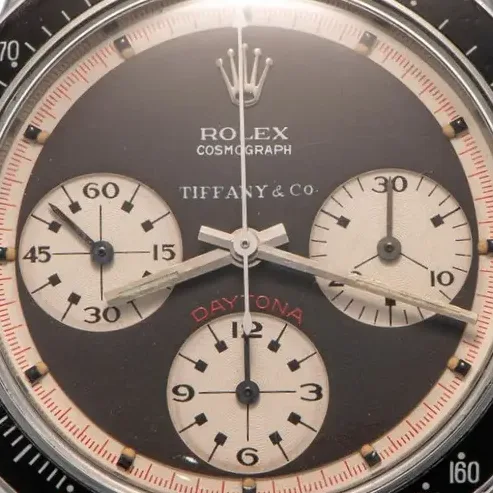
Some 6241s carry a Tiffany & Co. signature on the dial, in steel as well as in 14k gold. Dated watches that sellers describe this way fall mostly in 1969; those are the years of the watches so described, which is not a stated span of production.
- Tiffany & Co. on dial
T Swiss T lettering
The lower line T SWISS T marks tritium. On Paul Newman dials its style changed in three steps: wide and rising toward the centre on the earliest 6239 and 6241 dials, a narrower rising version next, and a narrow flat one on the 6262 and 6264. The same sequence is found on John Player Special dials. One account describes the Swiss on the 6239 and 6241 as peaked in the middle and flatter on the 6262 and 6264.
- wide rising T SWISS T
- peaked SWISS
- flat narrow T SWISS T on later references
Luminous material 1 described
Tritium is the only luminous material used on these dials, matching the T SWISS T line.
Tritium
Tritium was the only lume used on these dials, shown by the T SWISS T line. On a genuine Paul Newman dial the 12 o'clock chapter has no lume plot and the tritium elsewhere glows weakly.
- no lume at 12
- dim tritium
Subregisters 2 described
Genuine Paul Newman registers differ in several small ways from those of regular dials.
Paul Newman registers
Square-lollipop markers and stylised digits whose strokes vary in width; regular dials have plain blocky digits. Running seconds numerals are 15, 30, 45 and 60. The register grooves, usually about 26, run nearly to the edge, while regular Daytona grooves stop about three-quarters out. Registers are slightly pan-shaped, with radial lines climbing the rising edge, and sit slightly asymmetrically because of the movement's pinion layout.
- square-lollipop markers
- grooves running to the edge
- asymmetric register placement
Jimmy Five Bellies
On the running-seconds register the 15 has a longer shark-fin tail and a fatter belly than the 45, and the 3 in the 30 of the minute counter has a stretched lower limb.
- 15 with longer tail than 45
- stretched 3 in 30
Bezel 2 described
The black acrylic bezel is the one change from the 6239 and the usual way to tell the two apart.
Black acrylic tachymeter bezel
A black insert, called acrylic or bakelite, with a printed tachymeter scale, in place of the engraved all-metal bezel of the 6239. It sets the scale off against the case. The 6241 is said to be rarer than the 6239, with fewer made.
- black insert with printed scale
- 200 on the scale
Tachymeter 2 at 200
To tell a 6241 from a 6264, look at the 2 in 200: thicker and squared, especially at its lower left corner, on the 6241; thin and angular on the 6264.
- thick squared 2 at 200
Case 5 described
The case is steel or gold, with some engraved or stamped marks that identify retailers or the reference.
Steel
Most 6241s are steel. One estimate counts about 2,000 steel watches in a run of roughly 2,750; most others put the whole run at about 3,000, with gold about a tenth or less. Width is given as 37 to 38 mm.
14k yellow gold
Made mostly for the US market. One account puts the 14k watches at fewer than 300; another counts about 450 in 14k beside about 300 in 18k. Most accounts give only a figure for gold of both carats together, about 300. Dated watches that sellers describe this way fall mostly between 1967 and 1969; those are the years of the watches so described, which is not a stated span of production.
18k yellow gold
Scarcer than steel. The one account that counts 18k on its own gives about 300, beside about 450 in 14k; most accounts give about 300 for gold of both carats together.
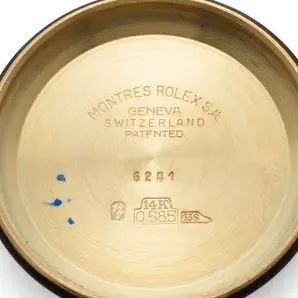
Caseback stamped 6241
case numbers 2.35M
Some 6264 cases in the 2.35 million range have casebacks stamped 6241. On 6241s themselves, sellers often describe the reference as repeated inside the caseback, and on some the inside is stamped 6239 instead. A final batch of 6241 case numbers in the 2.3 million range still has Cal. 722-1.
- 6241 repeated in inner caseback
Retailer: Hermes
A yellow gold 6241 with an exotic dial has HERMES engraved on the caseback together with French gold import hallmarks and a stamp of Rolex France. It is recorded as retailed through Hermes on 30 November 1971, which is a sale date some time after production ended, not a production date.
- HERMES on caseback
- French import marks
- Rolex France stamp
Crown and pushers 2 described
The 6241 returned to pump pushers after the screw-down 6240.
Pump pushers
Smooth, polished pushers that are not screwed down, in contrast with the knurled screw-down type. They came back a year after the 6240, reportedly because clients preferred them. The 6264 is the last pump-pusher reference. Screw-down pushers only lock against accidental pressing.
- smooth unscrewed pushers
700-series screw-down crown
An early 700-series screw-down winding crown.
Crystal 1 described
The crystal is domed acrylic throughout.
Domed acrylic
A domed acrylic crystal.
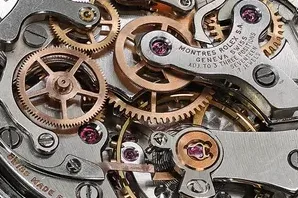
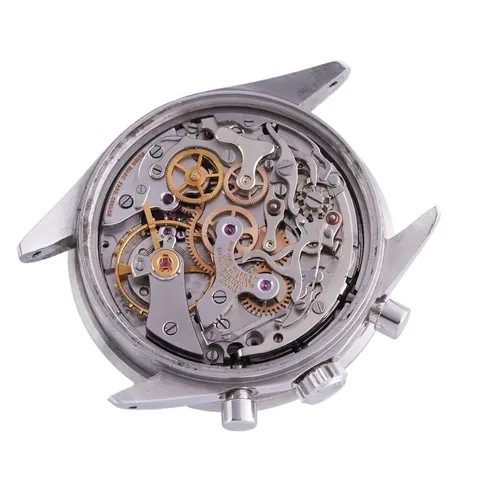
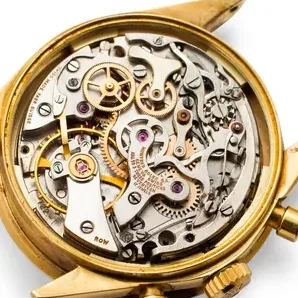
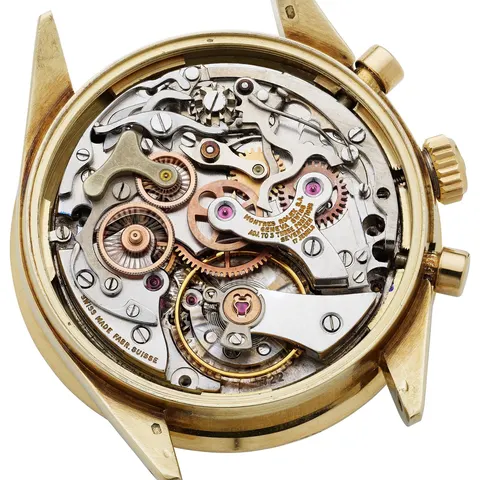
Movement 2 described
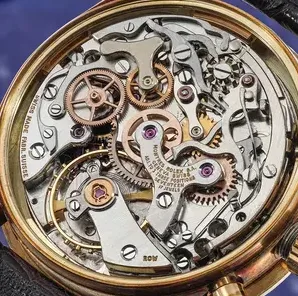
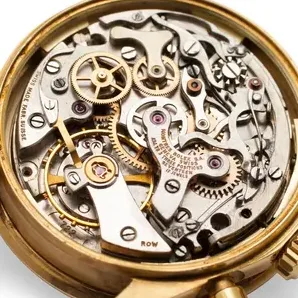
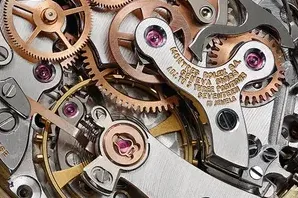
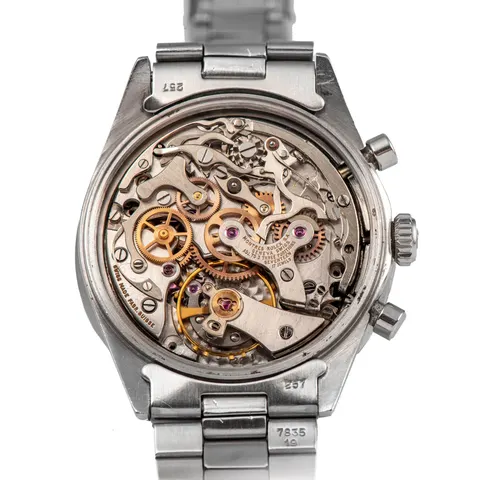
The 6241 holds a hand-wound Rolex calibre based on the Valjoux 72; the Valjoux 727 comes only with the 6262 and 6264.
Cal. 722
The Valjoux 72-based Rolex Cal. 722, hand-wound at 18,000 vibrations per hour with column-wheel chronograph control, as in the 6239.
Cal. 722-1
case numbers to 2.3M
A later version of the calibre, found in late-run 6241s; a final batch in the 2.3 million range of case numbers still has it. Of watches whose calibre is stated in the library's records, 722-1 is named more often than 722.
Bracelet 3 described
Period steel watches came on Oyster bracelets, with a Jubilee on some gold watches.
Oyster riveted
Riveted Oyster bracelets such as 6635 or 7205; one 1968 steel example has an expansion rivet bracelet of the same year. End links stated by sellers include 57, 71, 271 and 571.
Oyster folded
A later Oyster bracelet, the 78360, with stamped end links; the account of this reference calls it folded-link and most others call it solid-link.
- folded links
- stamped end links
Jubilee
A five-link Jubilee with solid links and polished centre rows; a 14k John Player Special example of 1969 has a gold Jubilee.
- five-link Jubilee
Originality
- Paul Newman dials have been swapped between cases since the 1980s, so a dial, case number and caseback that do not fit together deserve a second look.
- The stepped seconds ring and single-foot hour-marker rivets are what separate a genuine exotic dial from a fake or replacement dial.
- Hands from service are sometimes replaced; a few sellers state service replacement hands.
- A 6241-stamped caseback on a Lemon-dial watch can mean a 6264, not a 6241.
Names
- Paul Newman. The exotic dial took this name in the 1980s, after Italian dealers noticed the actor wearing one in publicity photographs.
- John Player Special. Black dial and gold registers recall the black-and-gold livery of John Player's Lotus Formula 1 cars.
- Jimmy Five Bellies. The fat belly on the 15 of the running-seconds register.
Where accounts differ
Points on which the published literature and the library's own records do not agree, or on which the literature contradicts itself.
- Pushers. One guide says the 6241 has screw-down pushers and an acrylic bezel, against most accounts that give it pump pushers. Sellers' wording in the library's records is mixed, some listings naming both, so it does not settle the matter.
- Years of production. Guides give 1965 to 1969 or 1966 to 1969 and say it was discontinued in 1969. Case numbers in the library's records give watches from 1966 to 1970.
- Number made. Estimates of the whole run go from fewer than 2,300 to about 3,000. For gold of both carats together, two accounts give about 300 and a third under a tenth of the run; one gives fewer than 300 for 14k alone; and one counts 750 in gold, 450 of them 14k and 300 18k, beside about 2,000 in steel. Another guide puts about 14,000 Paul Newman Daytonas across 1963 to 1972 and 420 in yellow gold, which does not agree with the others.
- Case size. One guide gives 37.5 mm and a 36 mm 6239; others give 37 mm or 37 to 38 mm.
- Arrival of the 6262 and 6264. One account has the 6262 and 6264 built from 1969 to 1972; two others, writing on the 6239, date the 6262 to 1970.
- First exotic dials. One account places the introduction of the exotic dials in the early 1960s; another, writing on the 6239, dates the new exotic dial to 1965, while a third has the 6239 carry it from its launch in 1963.
- Champagne dials. One account says most champagne 6241 dials sit around case number 2,112,9xx, thought to be one batch; the library's records show gold 6241s described with champagne dials at about 1.53, 1.76, 1.95, 2.08 and 2.11 million.
Back and movement
From listings of this reference, each confirmed by eye to show what it is filed under. A picture on which a person's name or a personal engraving can be read is not shown. From most holders a detail from the middle of the photograph is shown; the mark in its corner gives its holder and a link to the listing.
Caseback
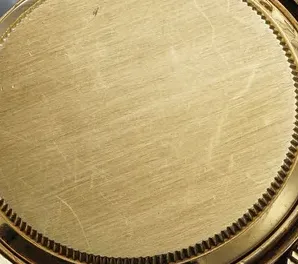
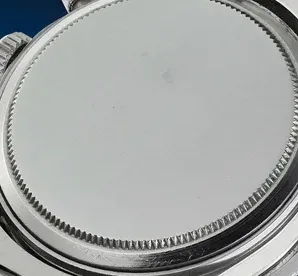
Inside the caseback
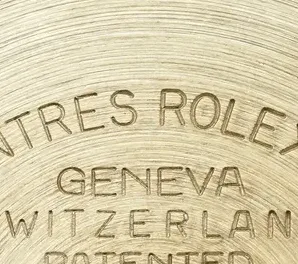
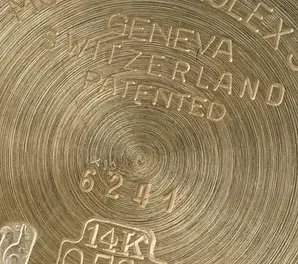


Movement








In the records
Counted from 202 listings at 24 holders between 17 October 2007 and 14 November 2026. These are what sellers and auction houses state, not measurements.
Case metal
| Steel | 105 | |
| Gold, any colour | 73 | |
| Yellow | 47 | |
| Colour not stated | 26 |
A listing that says "gold" or "18K gold" names no colour: it is counted under "colour not stated", not as yellow gold.
Dial colour
| Champagne | 13 | |
| Black | 13 | |
| White | 12 | |
| Silver | 5 | |
| Brown | 3 | |
| Copper | 2 | |
| Red | 2 | |
| Cream | 2 |
Case size
| 37 mm | 65 | |
| 38 mm | 56 | |
| 36 mm | 8 |
Calibre named
| 722-1 | 90 | |
| 722 | 43 |
Bracelet or strap
| Oyster bracelet | 84 | |
| Metal bracelet, kind not stated | 25 | |
| Leather strap | 24 | |
| Jubilee bracelet | 7 |
Each table counts the listings that state the thing, in the seller's own terms. A size, metal, colour or calibre that cannot belong to this reference is a seller's slip or a listing filed under the wrong number.