Cosmograph Daytona
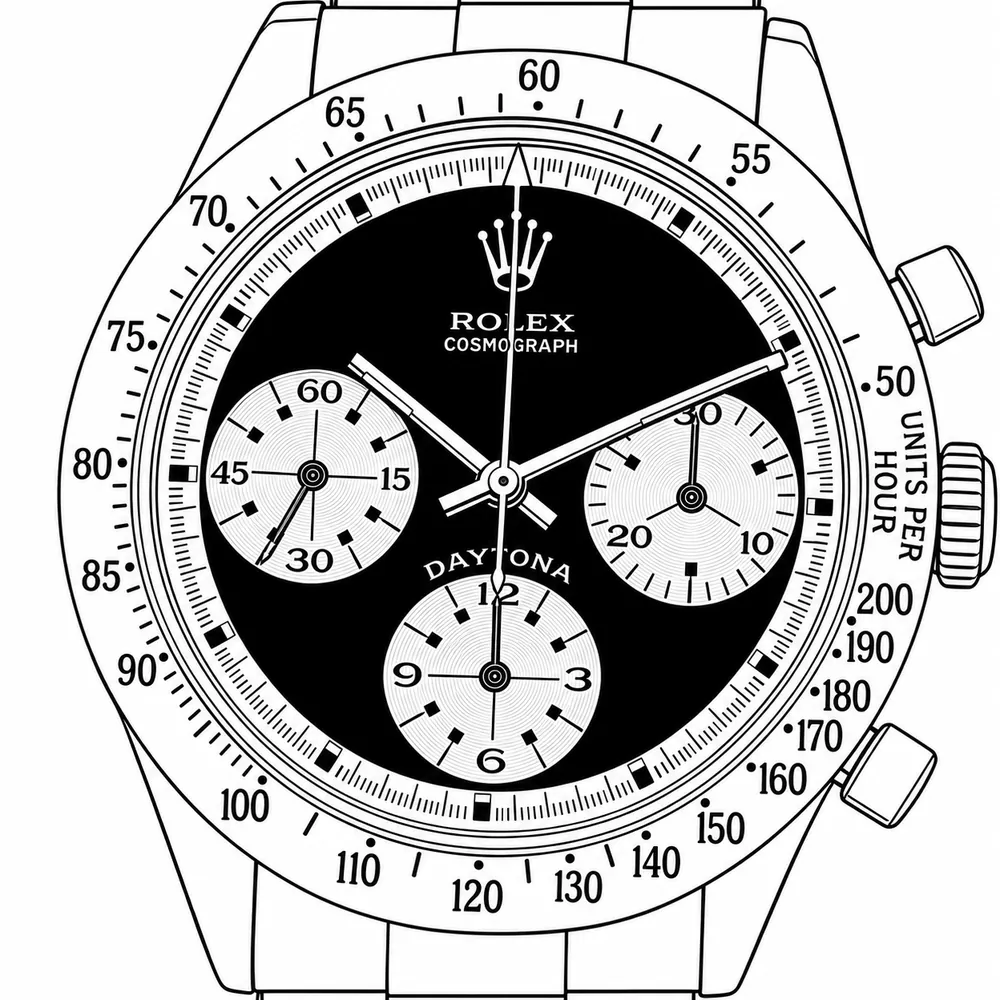
The 6239 is the first Rolex chronograph to carry the Cosmograph name, and the first to be sold as the Daytona. It was made from 1963 to about 1969 in steel and, in small numbers, 14k and 18k yellow gold, with a hand-wound Valjoux-based movement, pump pushers and, new for Rolex, a tachymeter scale engraved on a fixed metal bezel. It ran beside the 6238 Pre-Daytona and gave way to the 6262 about 1970. Collectors look first at the dial: the early Cosmograph-only and underline dials, the position and size of the Daytona text, and the exotic dials later nicknamed Paul Newman, which are a subset of the reference and widely imitated.
- Made
- 1963–1969dates approximate
- Seen in the library
- 1963–1971nine in ten in 1963–1969 · by case numbers
- Case
- 37 mm · steel (93%)as sellers state
- Movement
- Calibre 72B, 722hand-wound
- On record
- 513 listings1,298 photographs · 44 holders
Components
44 watches, oldest first, each straightened and cut the same way so that one row shows one component across them all. Chosen from 1,298 photographs on file for sharpness and for a face typical of the reference. A year marked c. is one its holder gives only roughly. Each picture is a detail cut from a listing photograph. Select the small mark in its corner for its year, its holder, a link to the listing it came from, and a way to report it.
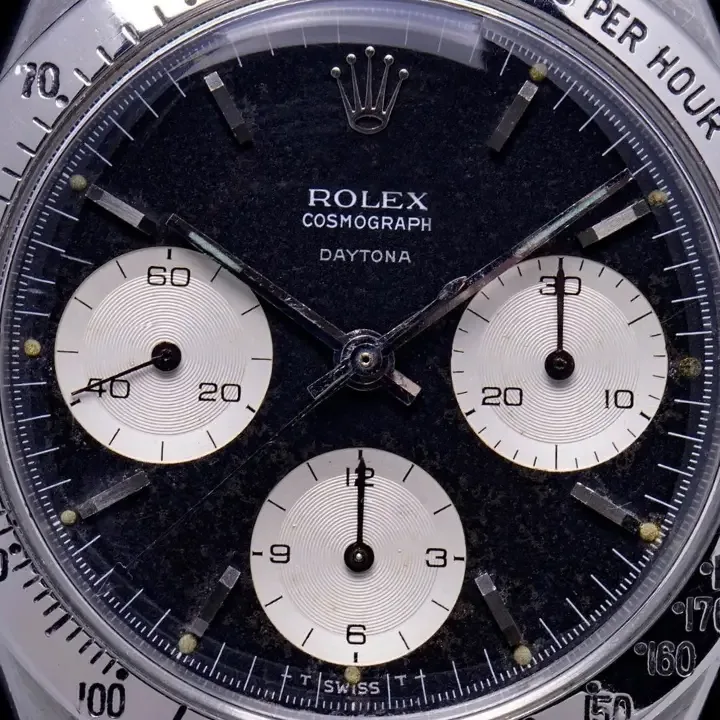
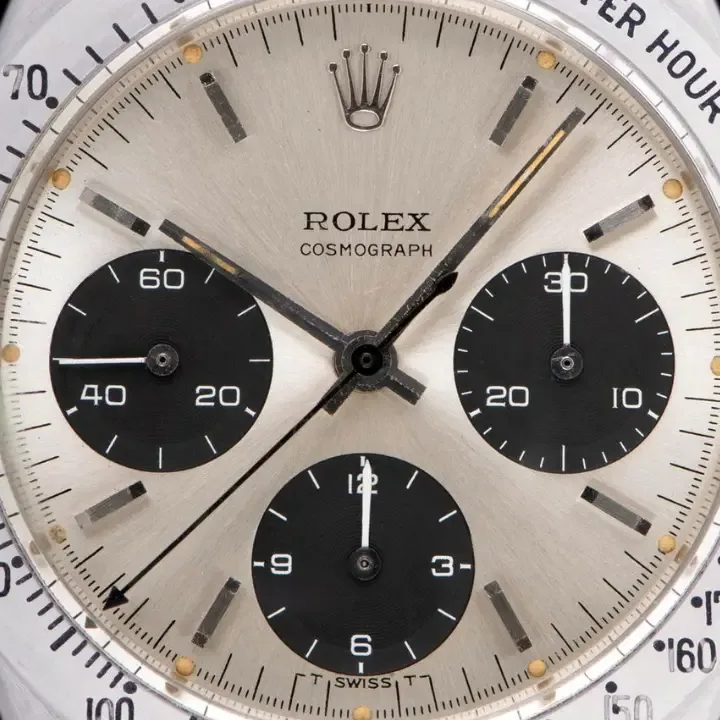
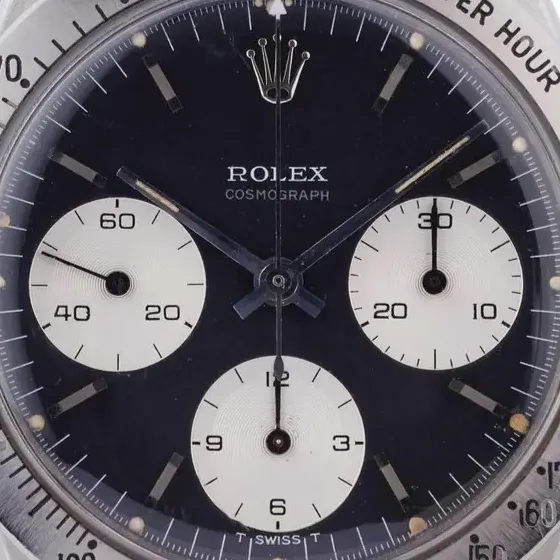
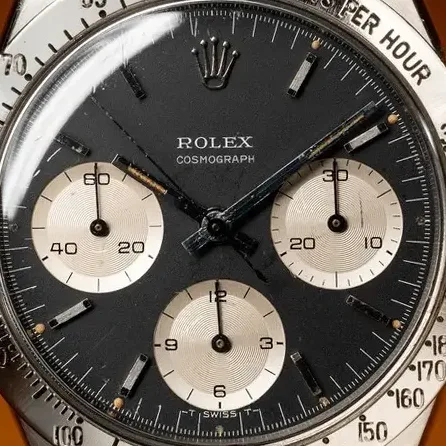
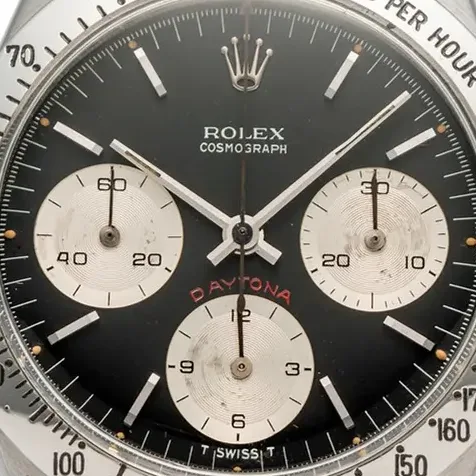
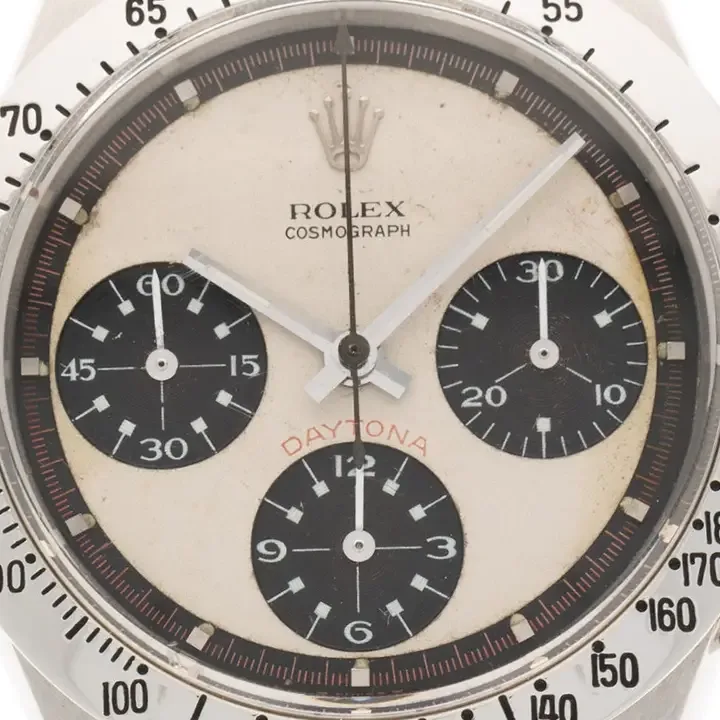
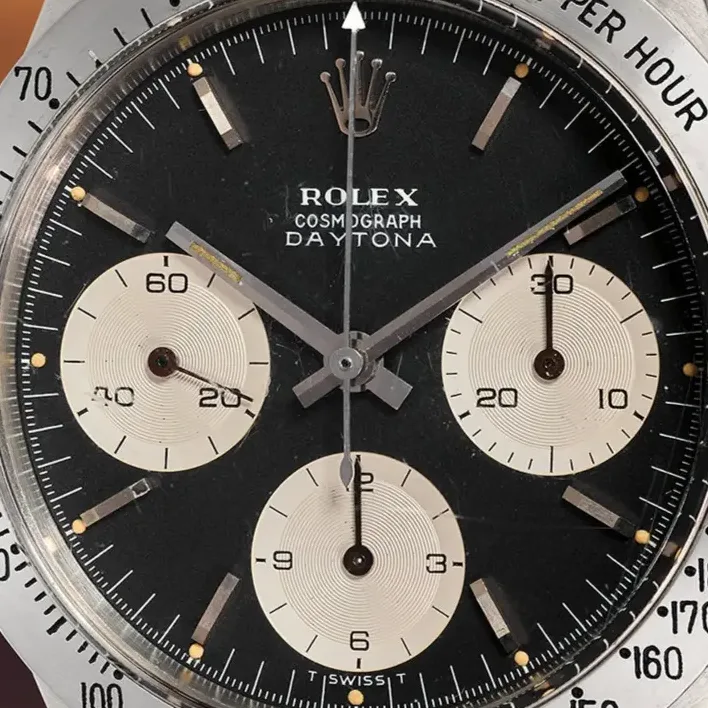
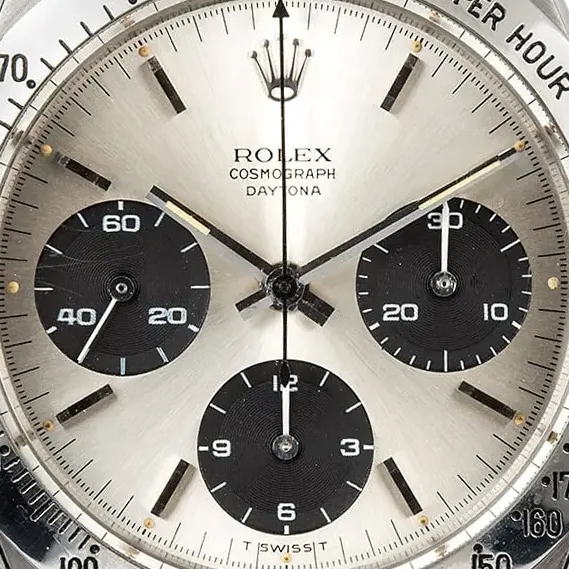
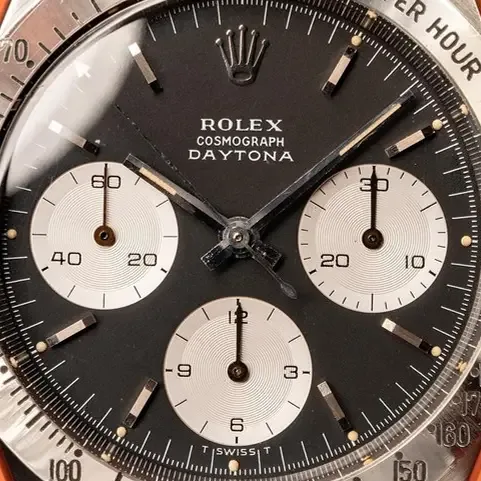
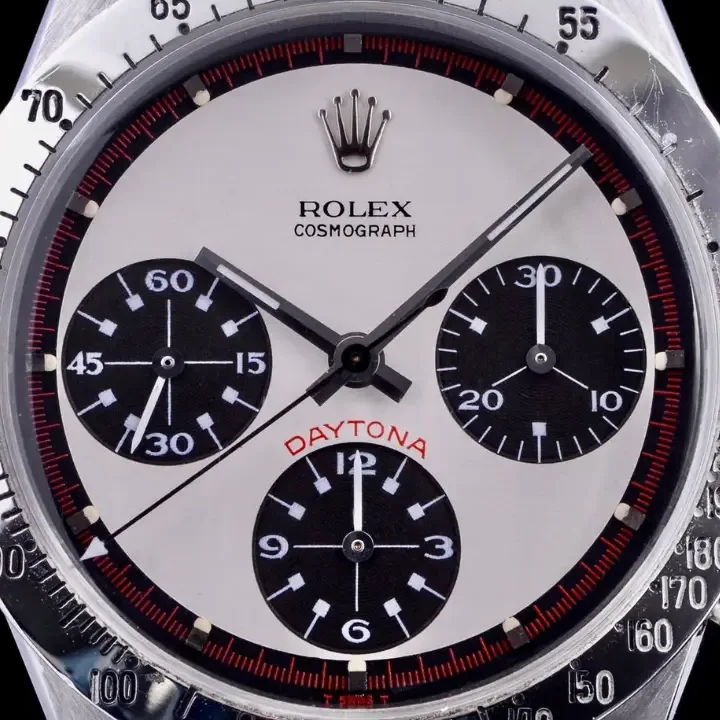
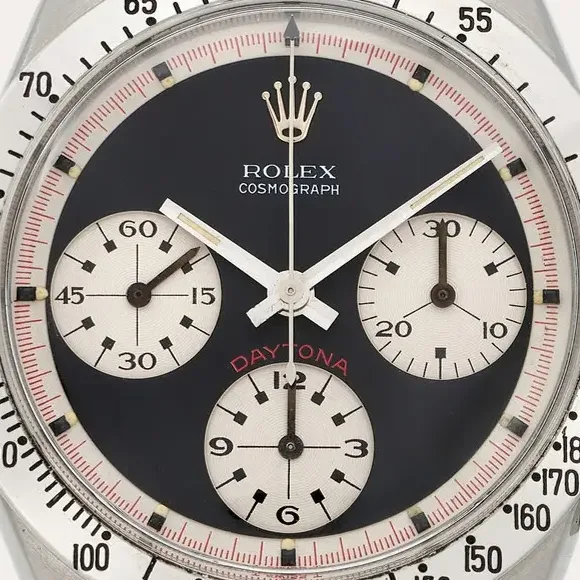
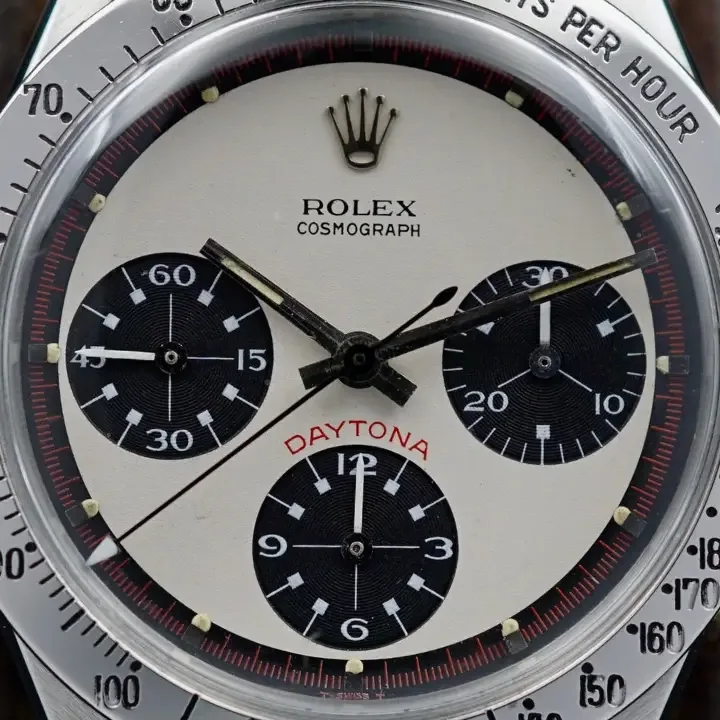
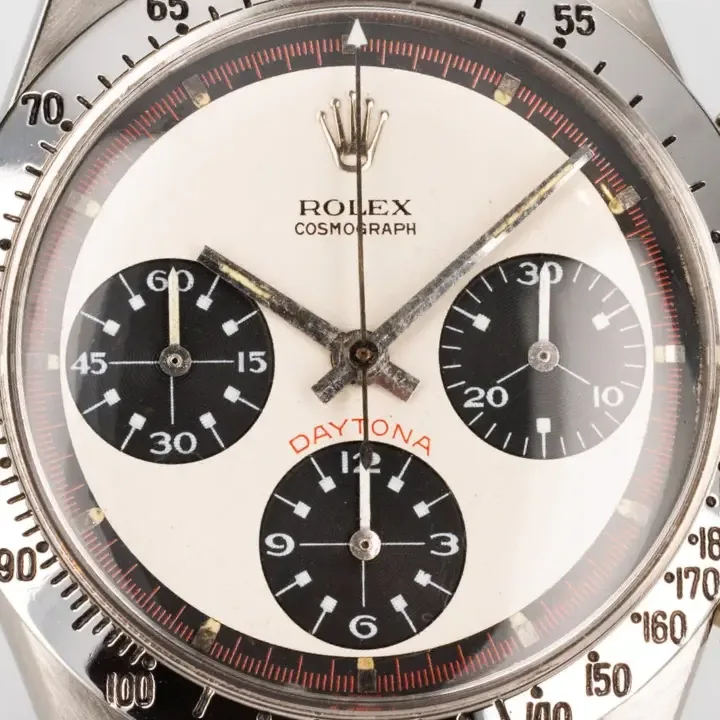
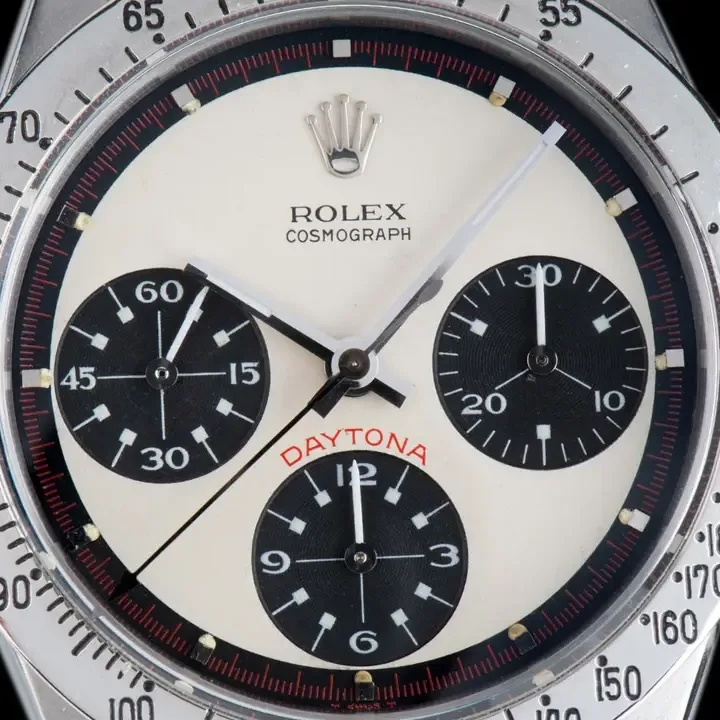
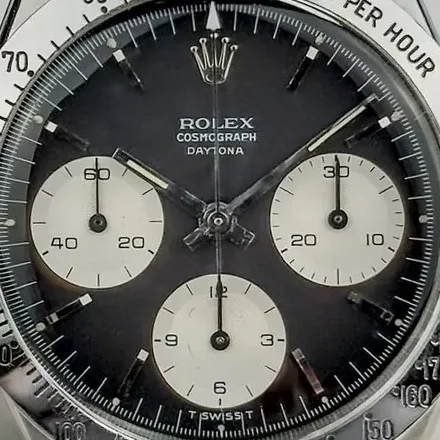
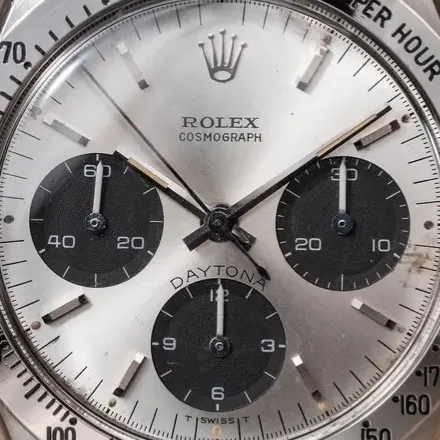
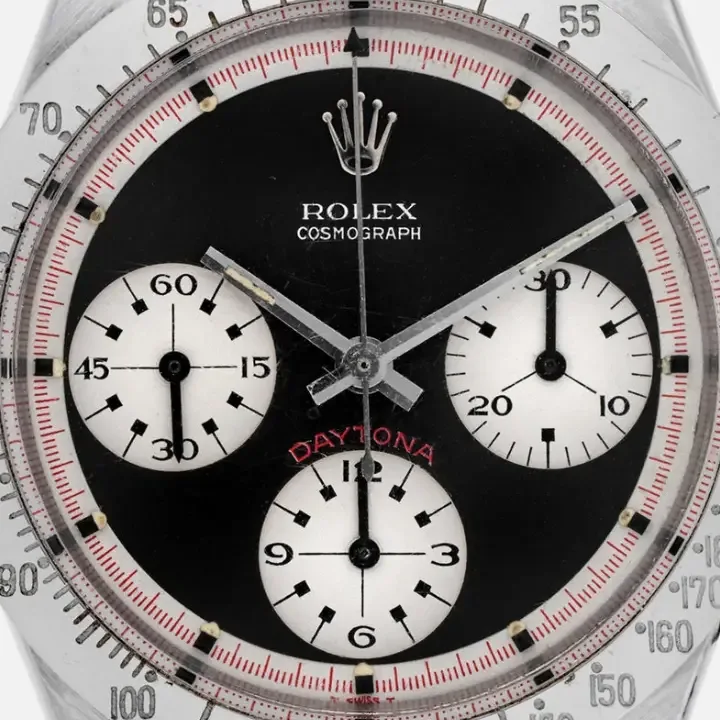
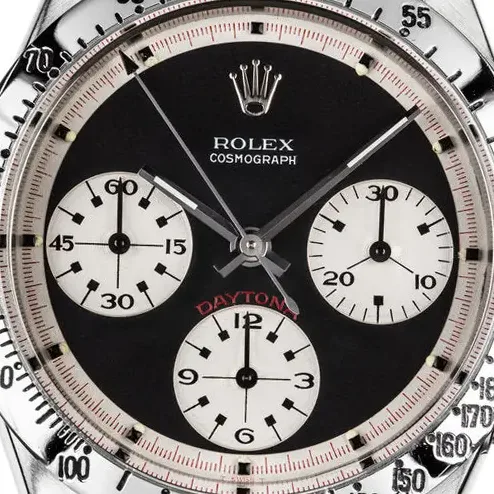
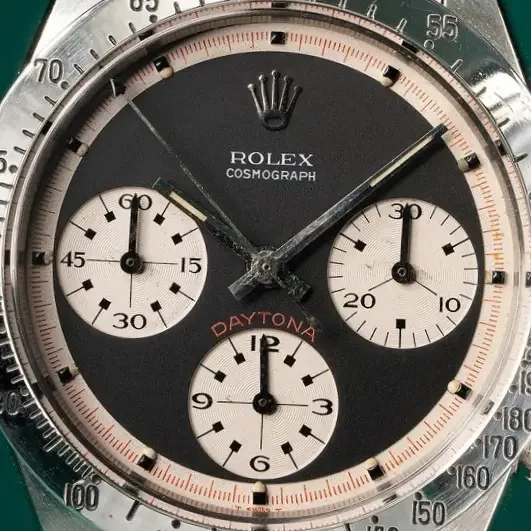
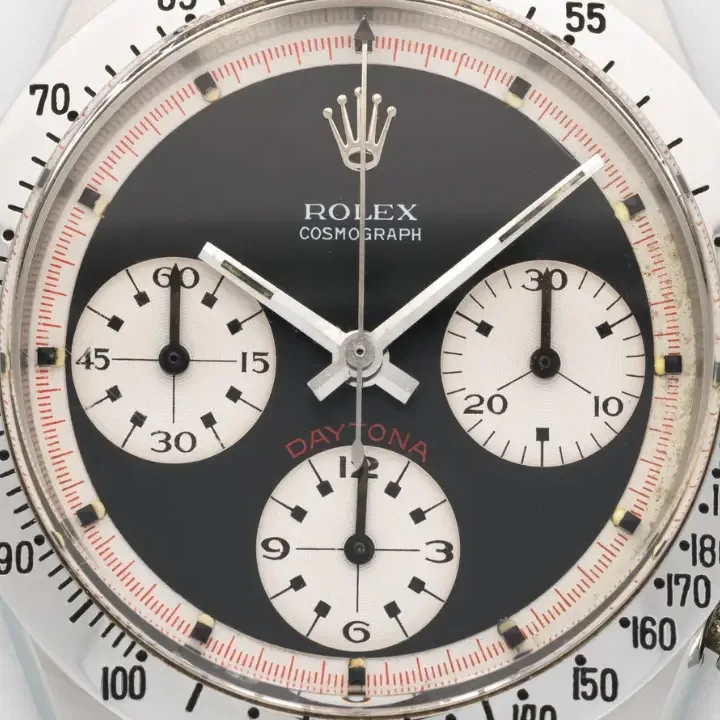
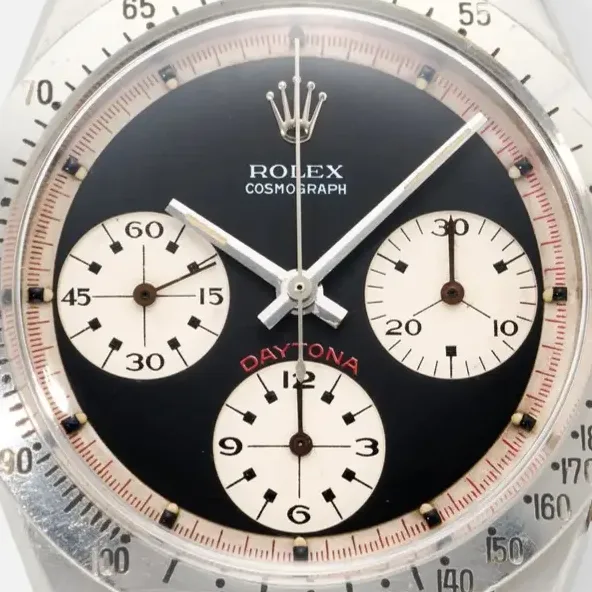
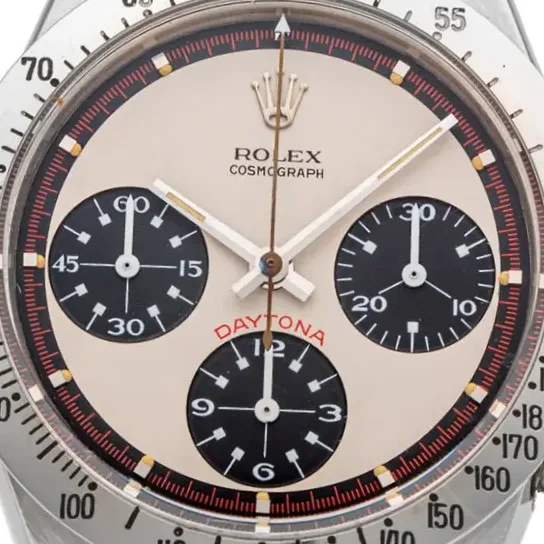
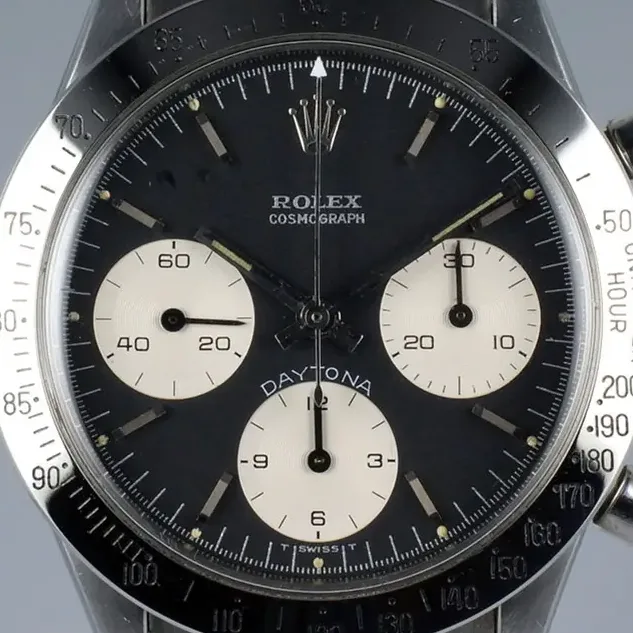
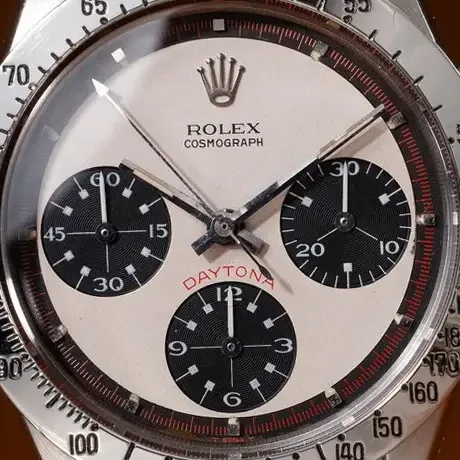
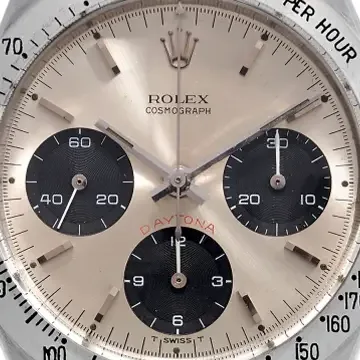
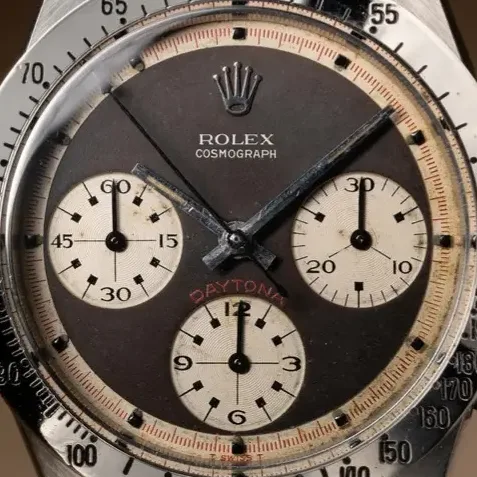
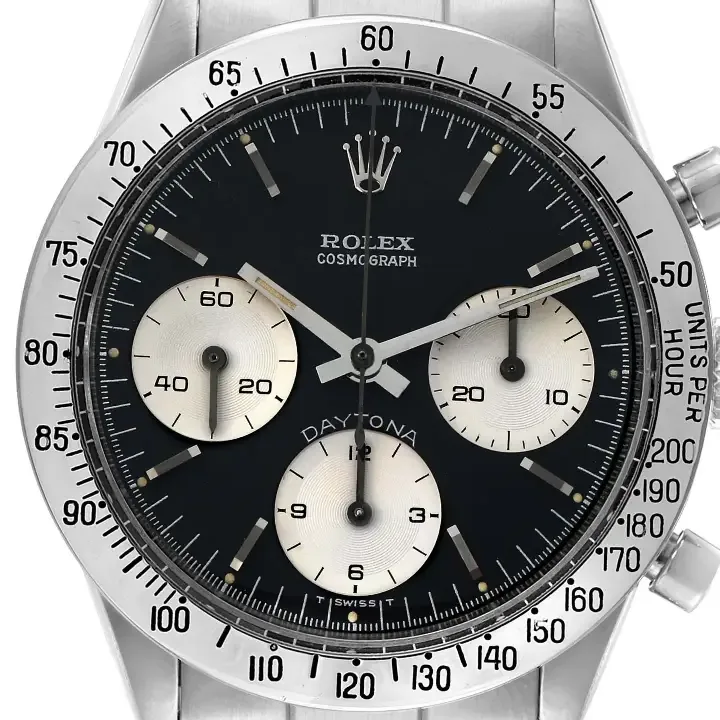
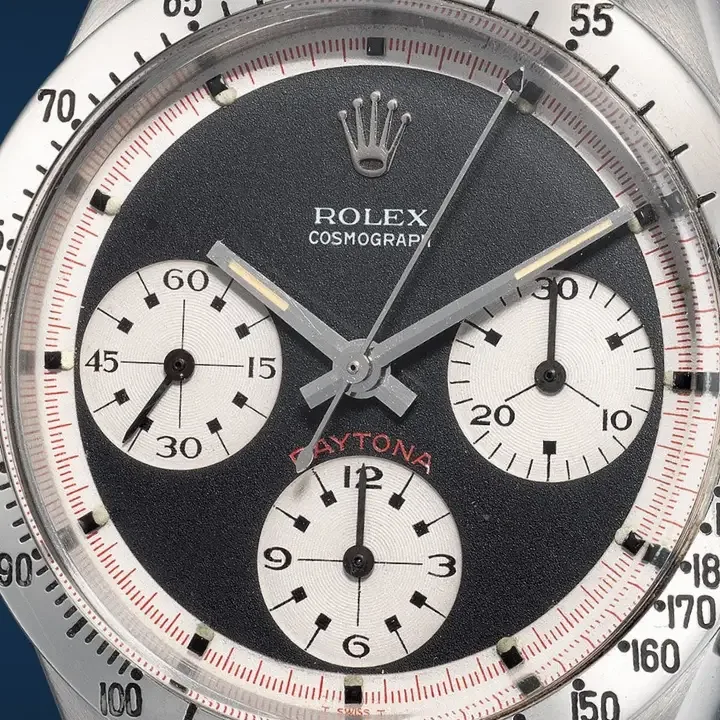
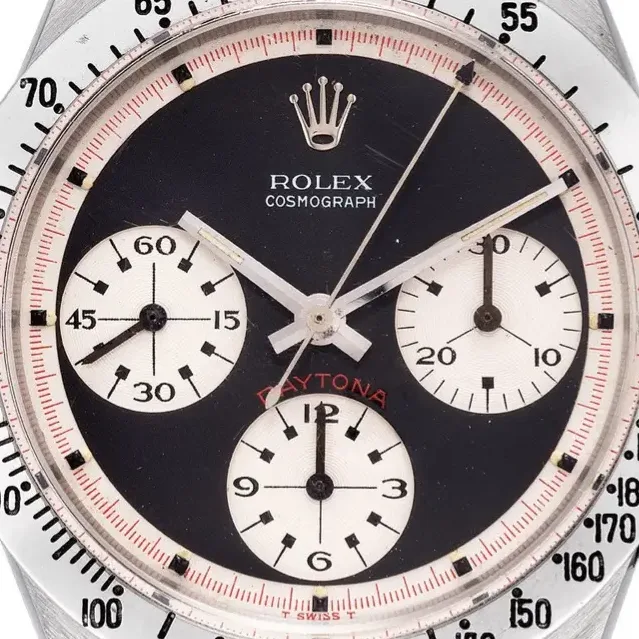
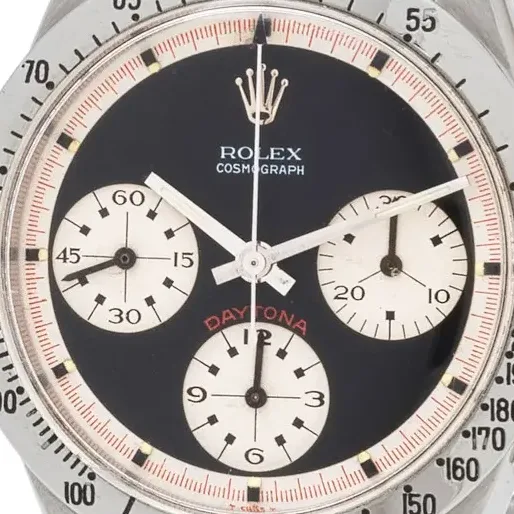
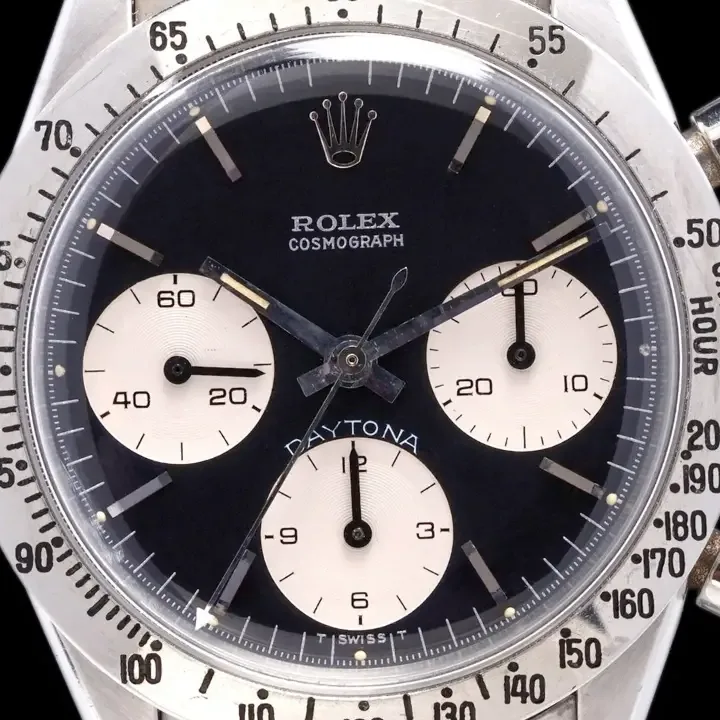
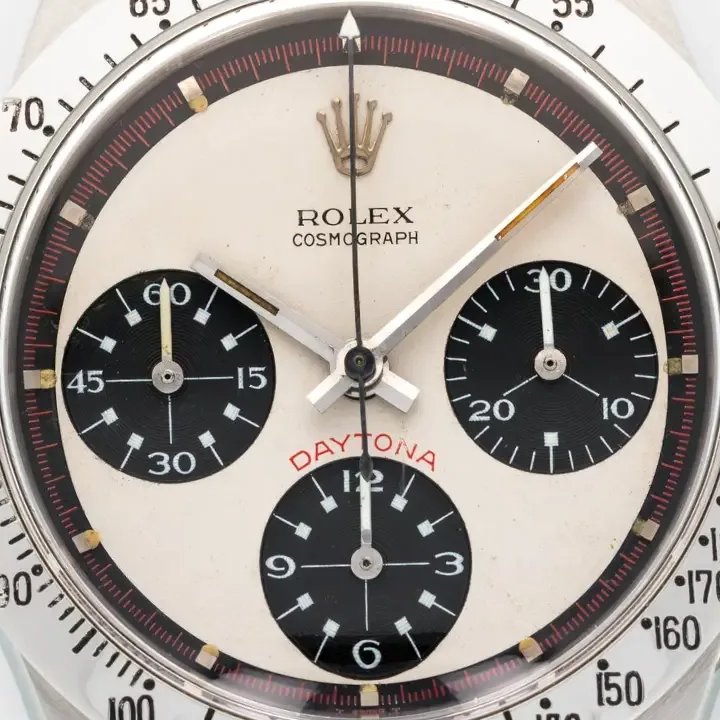
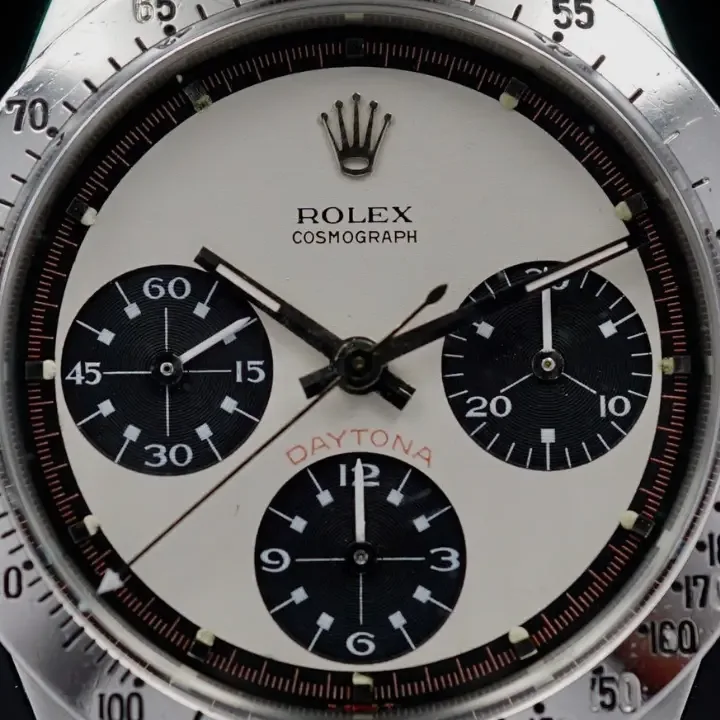
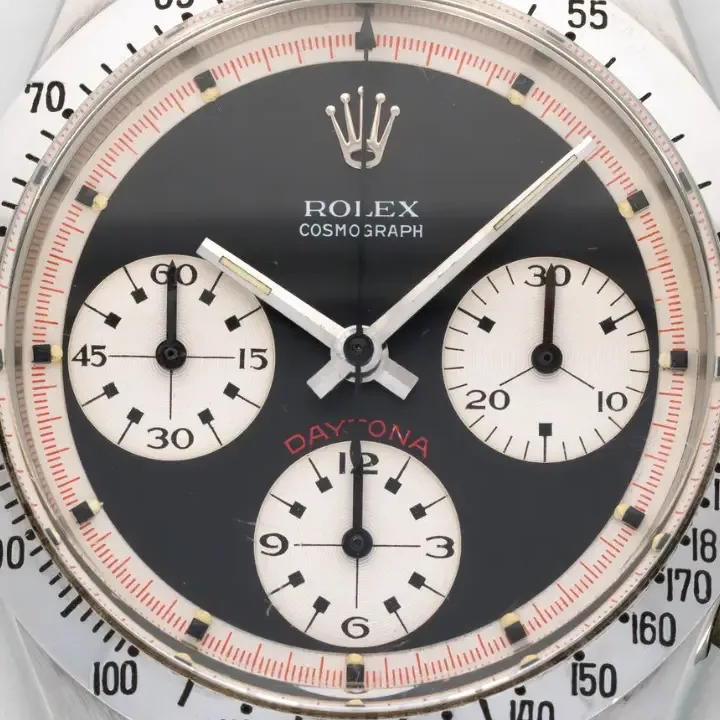
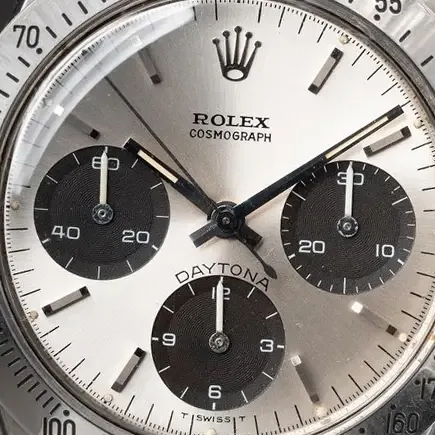
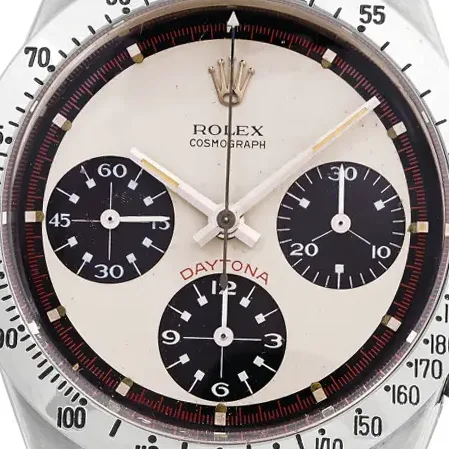
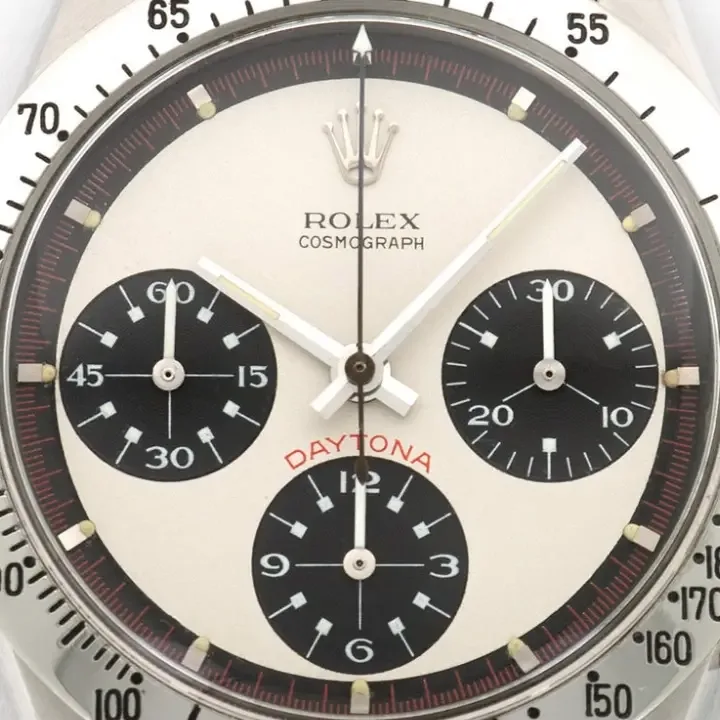
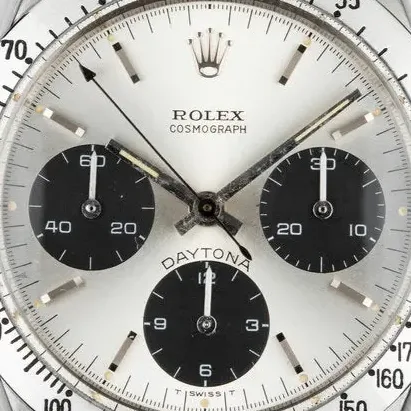
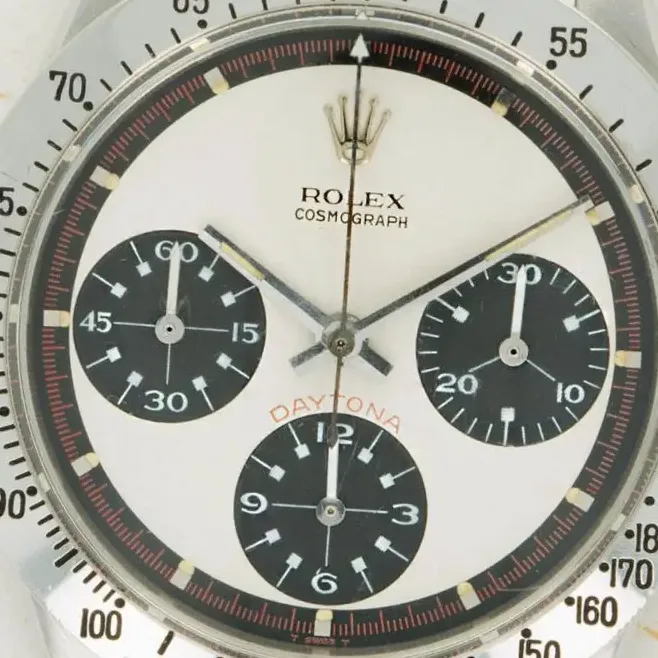
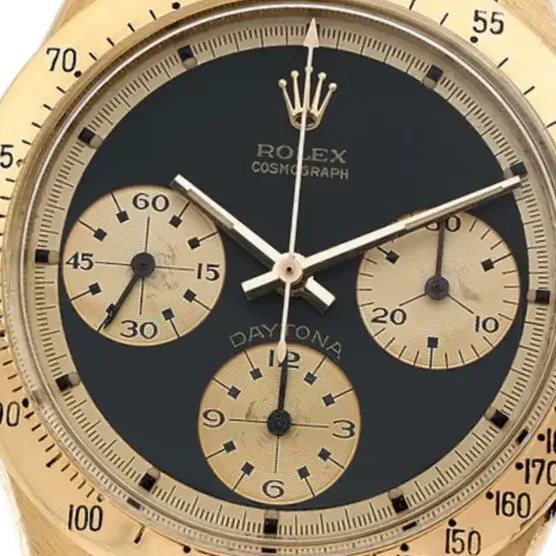
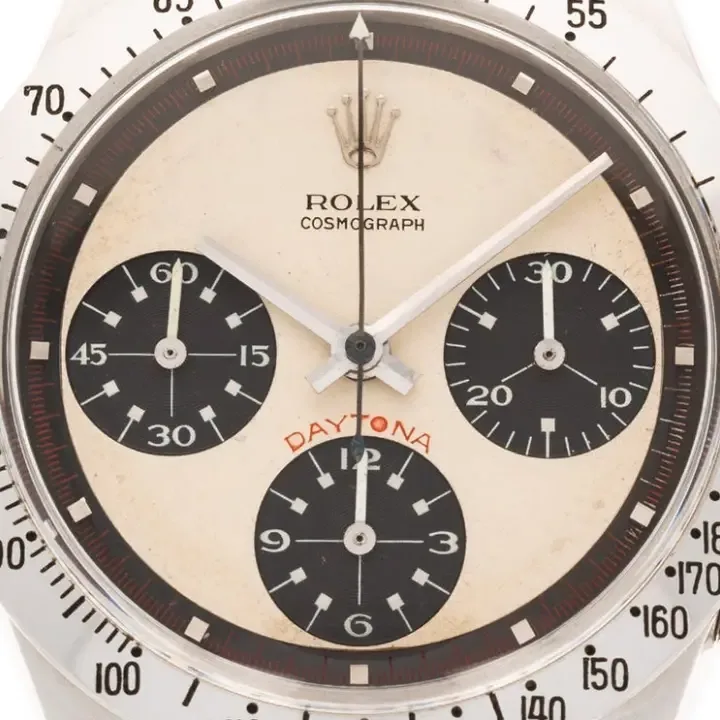
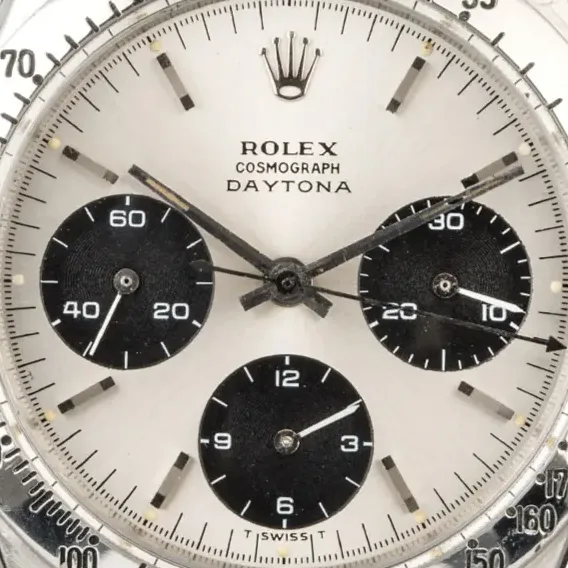
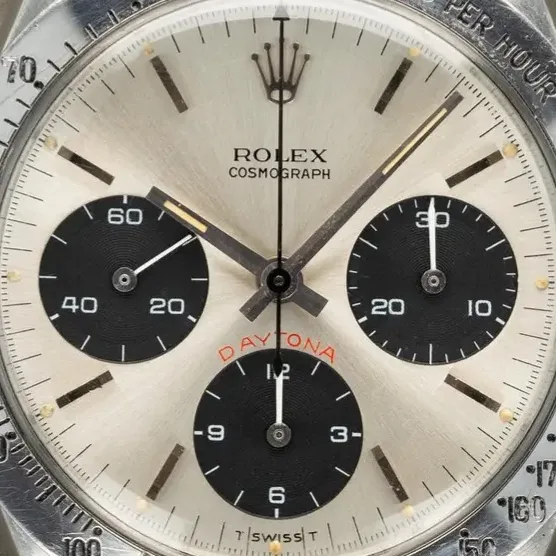
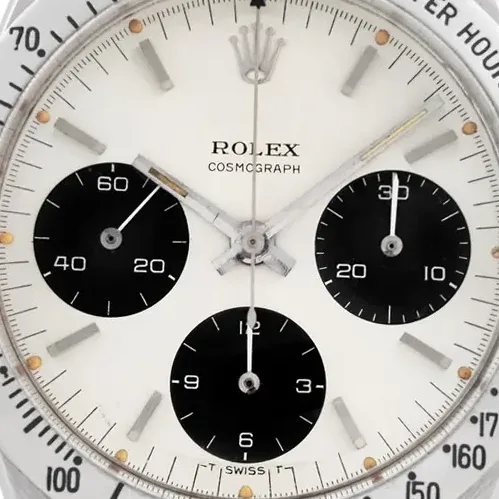
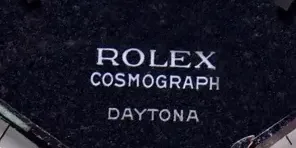
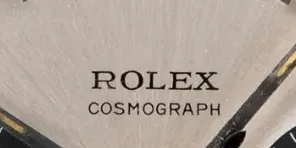
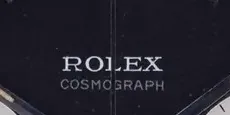
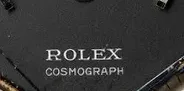
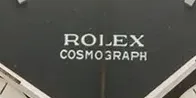
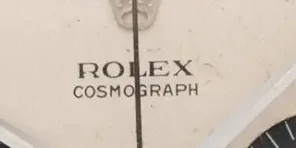
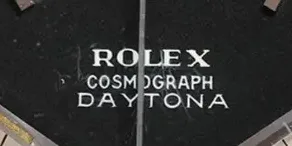
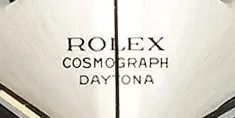
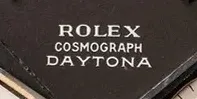
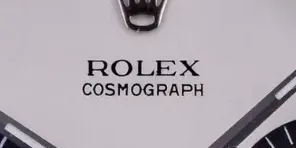
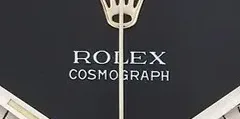
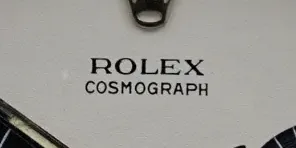
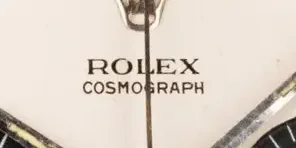
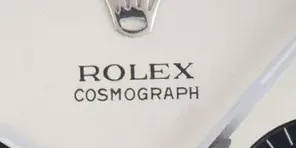
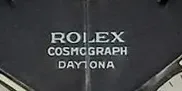
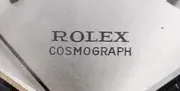
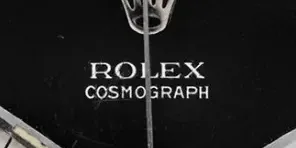
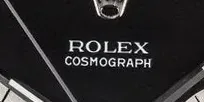
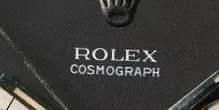
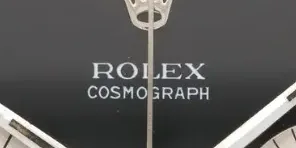
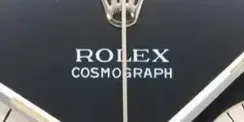
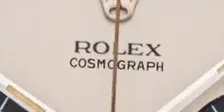
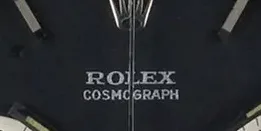
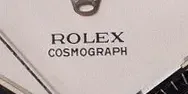
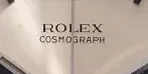
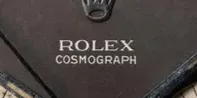
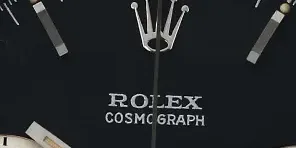
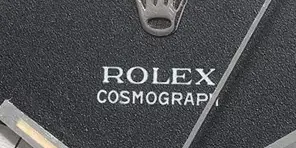
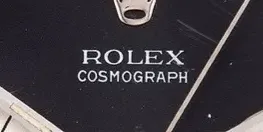
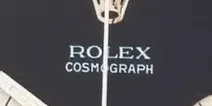
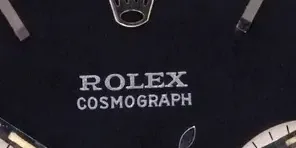
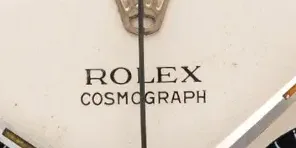
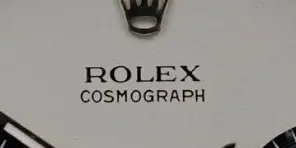
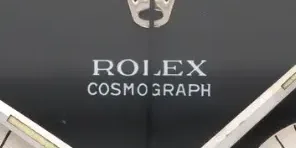
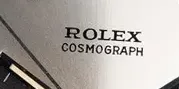
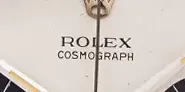
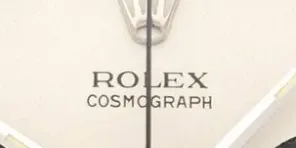
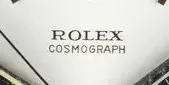
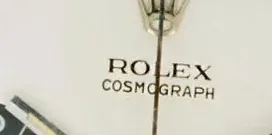
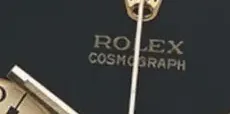
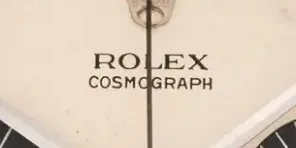
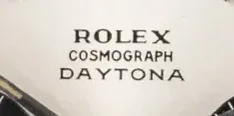
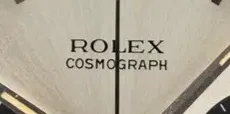
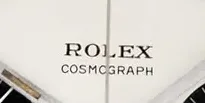
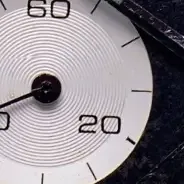
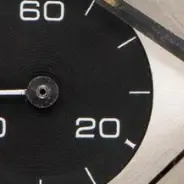
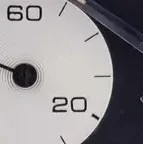
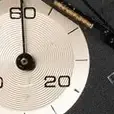
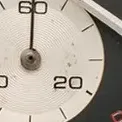
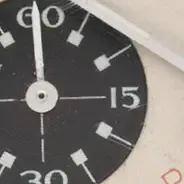
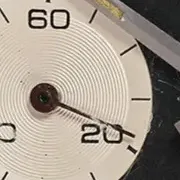
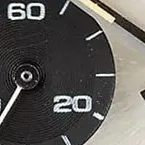
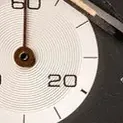
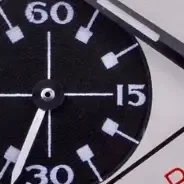
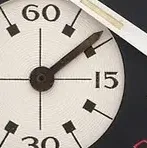
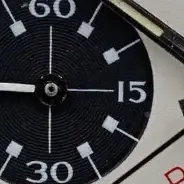
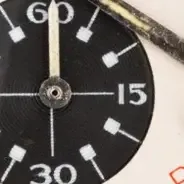
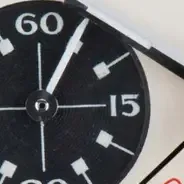
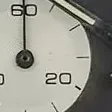
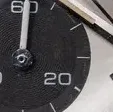
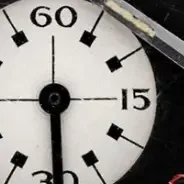
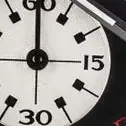
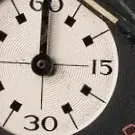
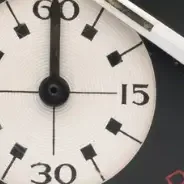
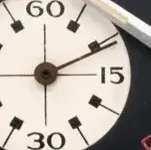
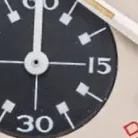
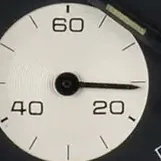
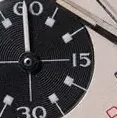

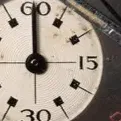
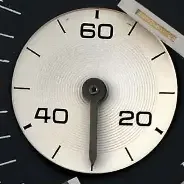
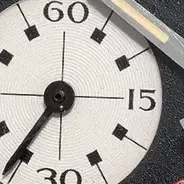
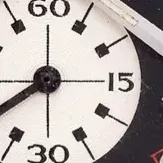
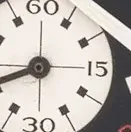
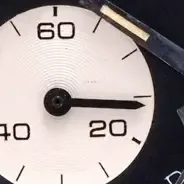
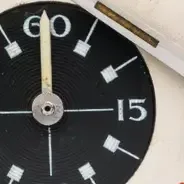
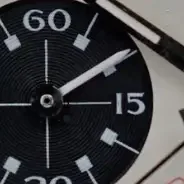
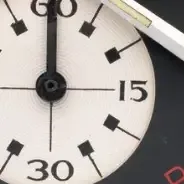
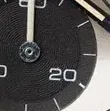
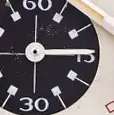
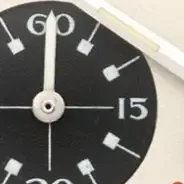
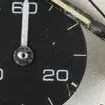
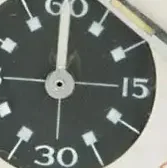
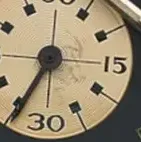
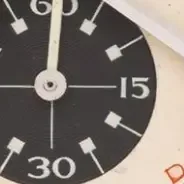
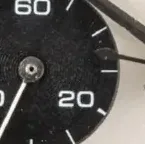
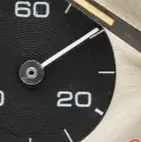
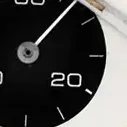
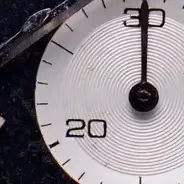
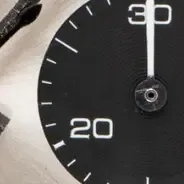
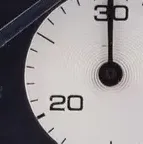
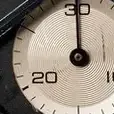
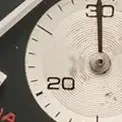
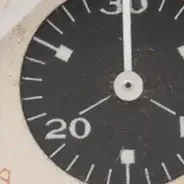
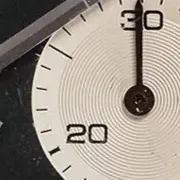
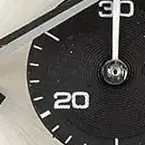
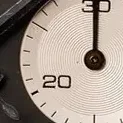
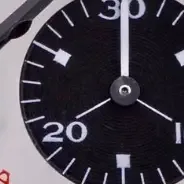
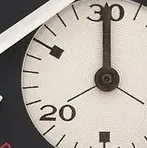
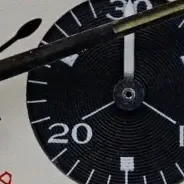
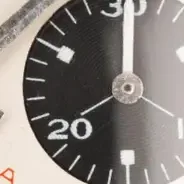
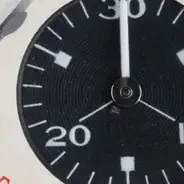
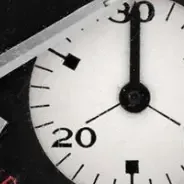
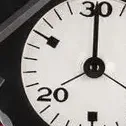
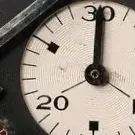
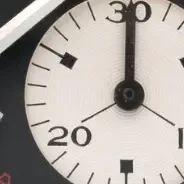
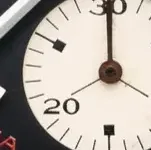
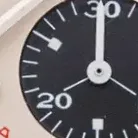
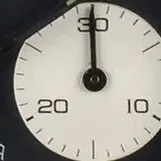
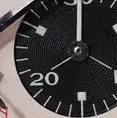

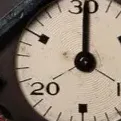
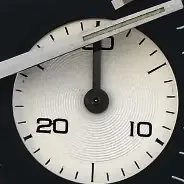
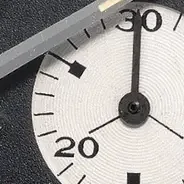
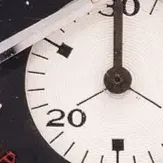
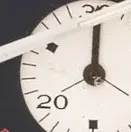
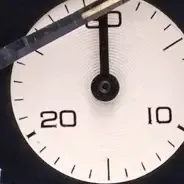
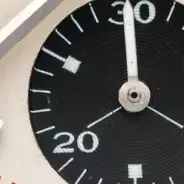
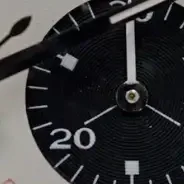
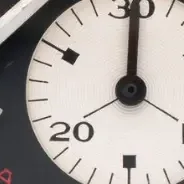
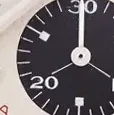
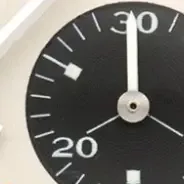
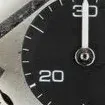
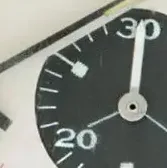
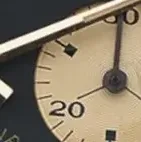
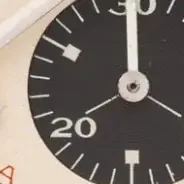
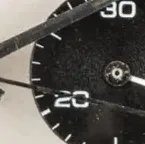
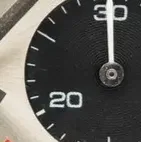
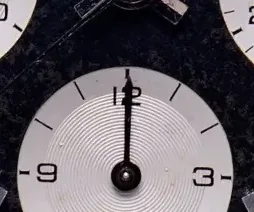
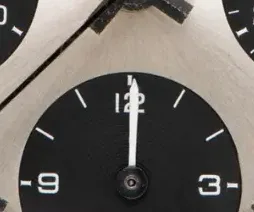
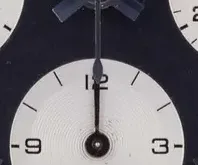
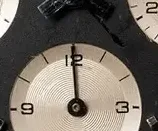
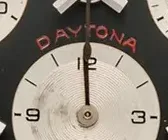
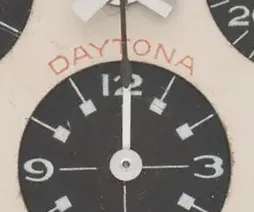
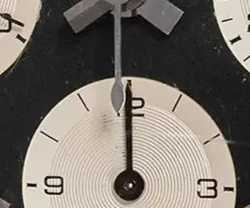
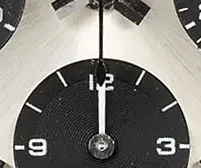
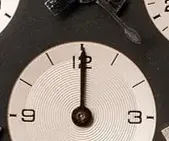
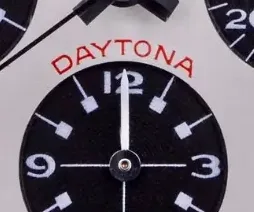
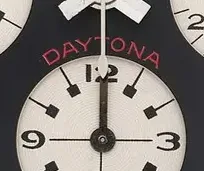
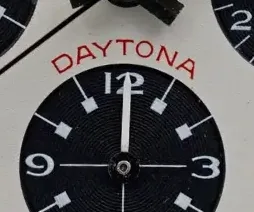
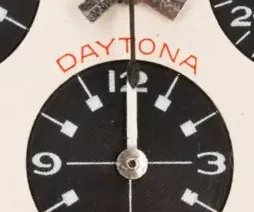
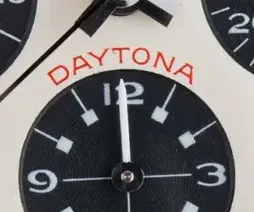
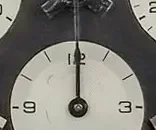
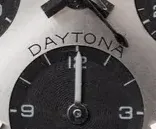
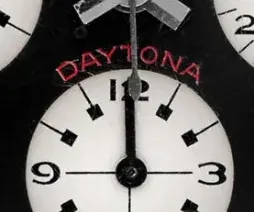
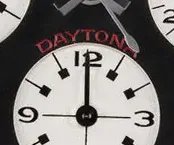
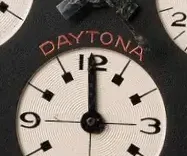
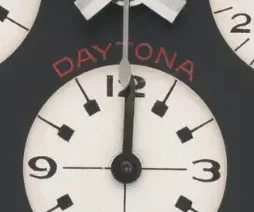
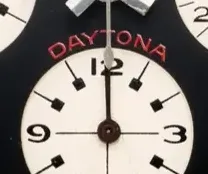
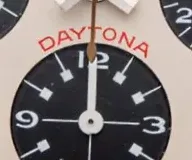
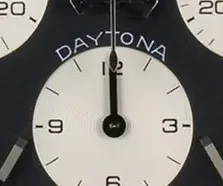
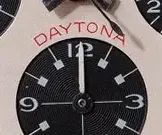
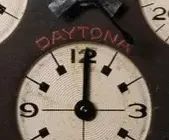
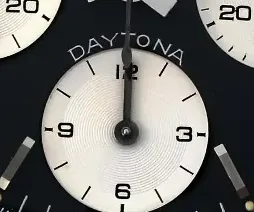
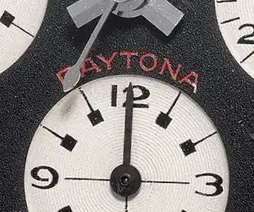
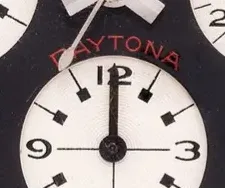
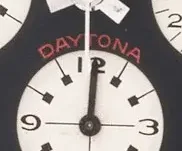
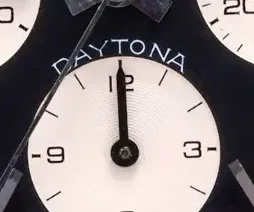
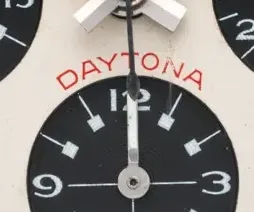
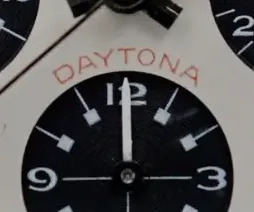
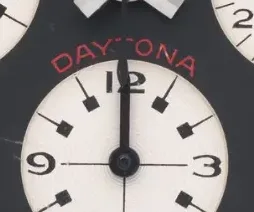
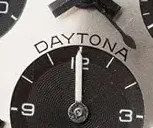
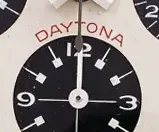
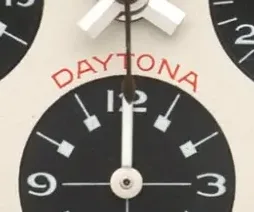
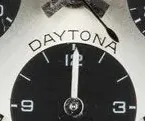
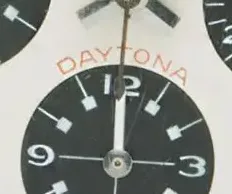
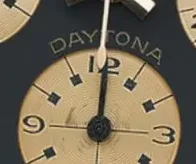
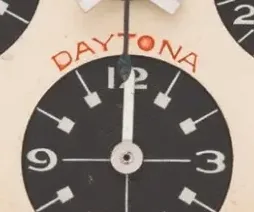
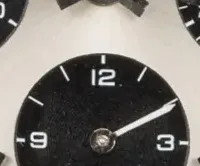
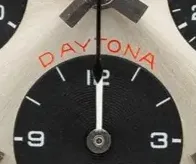
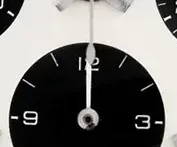
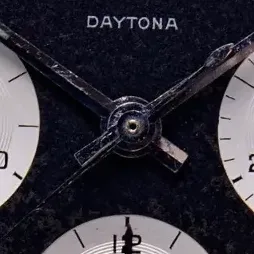
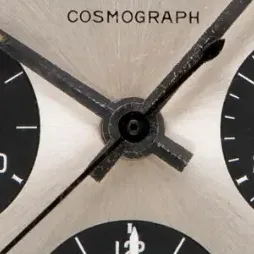
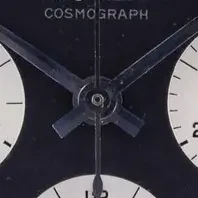
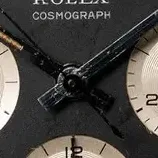
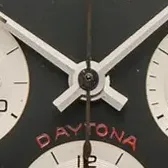
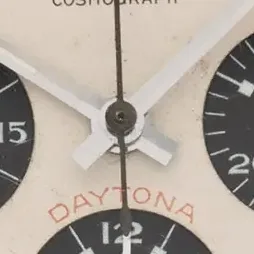
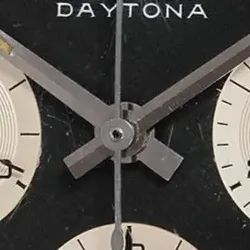
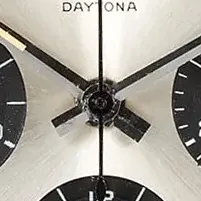
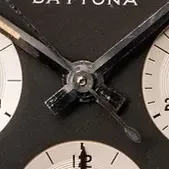
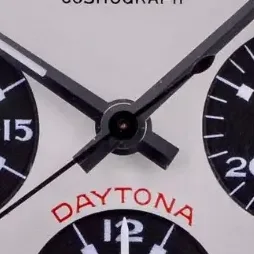
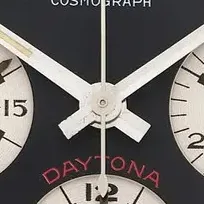
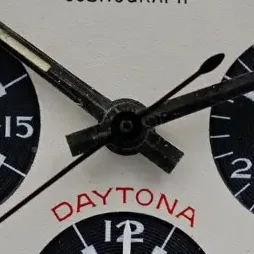
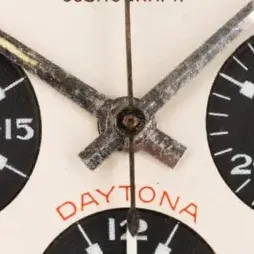
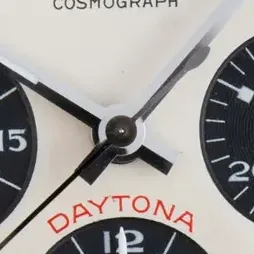
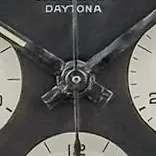
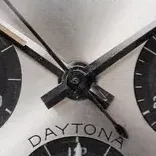
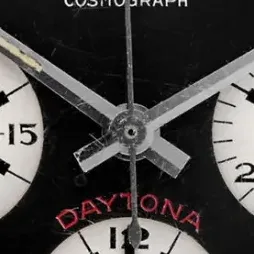
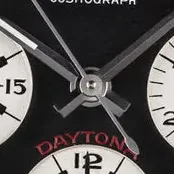
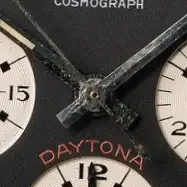
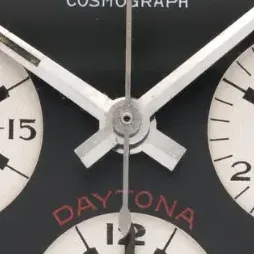
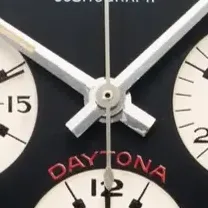
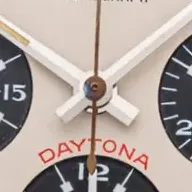
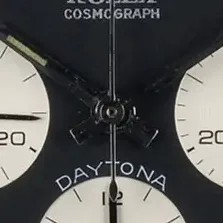
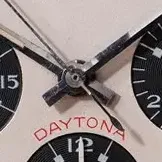
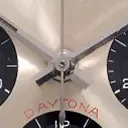
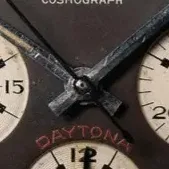
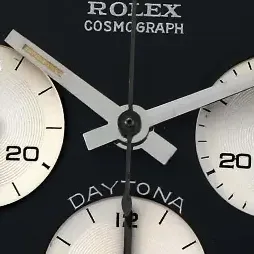
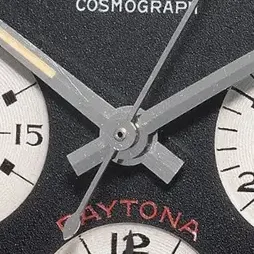
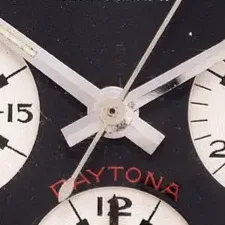
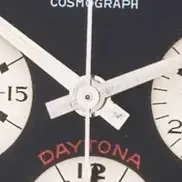
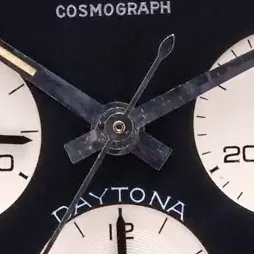
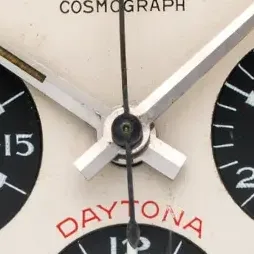
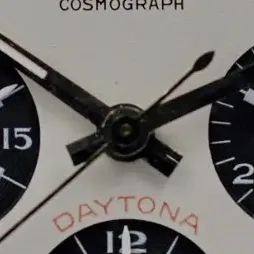
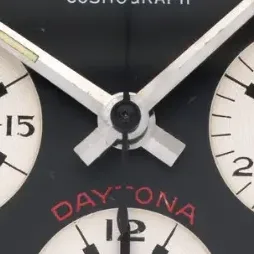
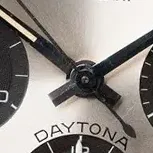
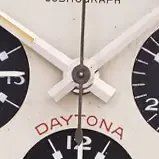
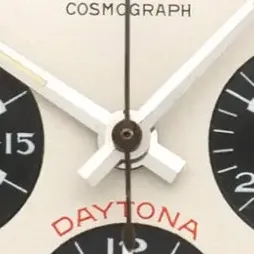
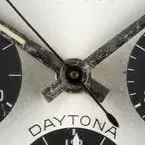
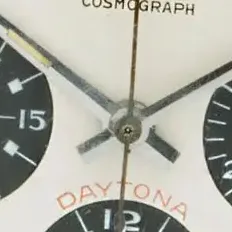
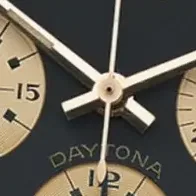
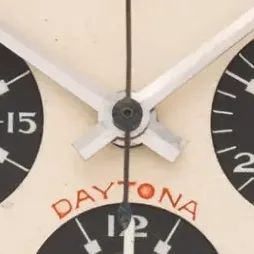
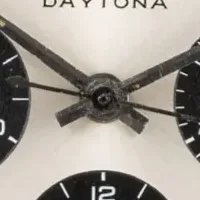
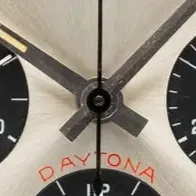
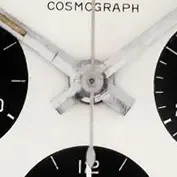

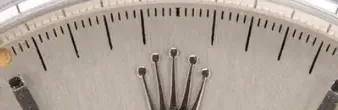
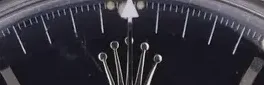
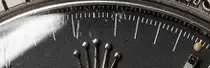
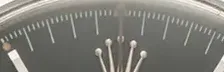
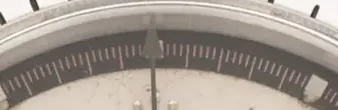
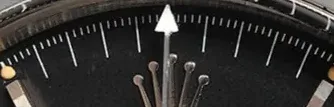
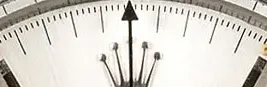
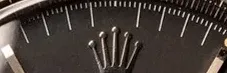
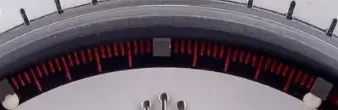
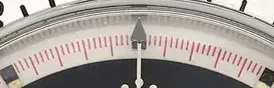
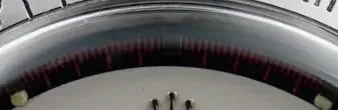
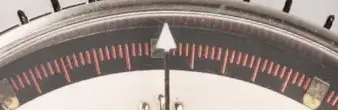
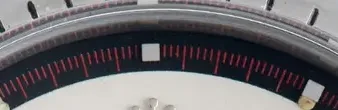
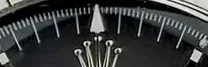

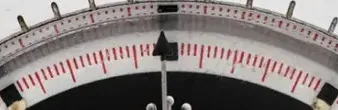
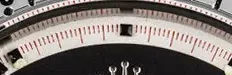
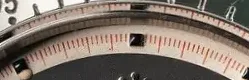
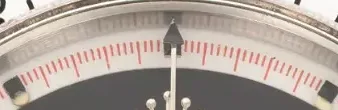

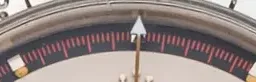
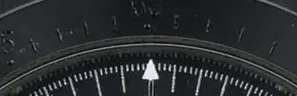
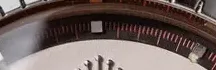
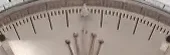
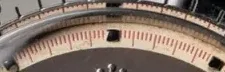
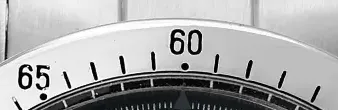
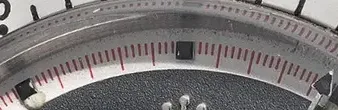
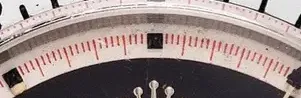
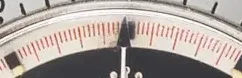

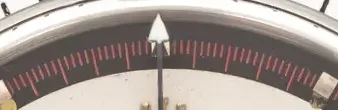
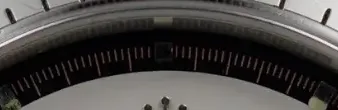
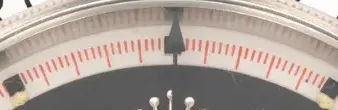
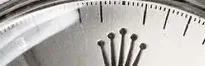
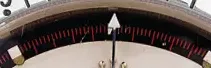
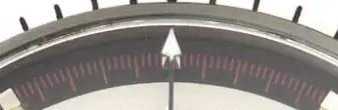
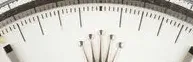
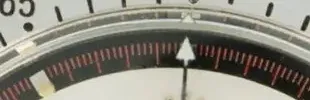
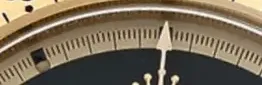
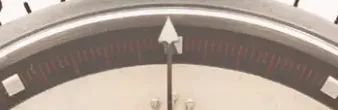
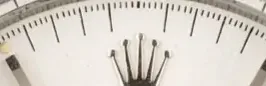
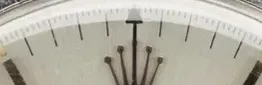
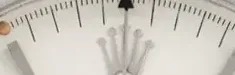
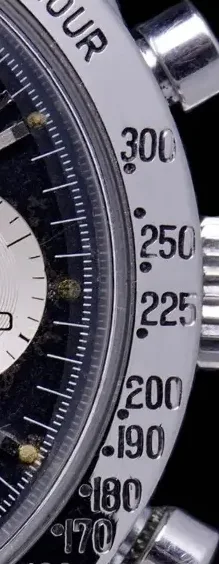
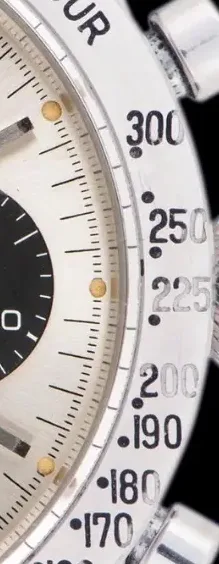
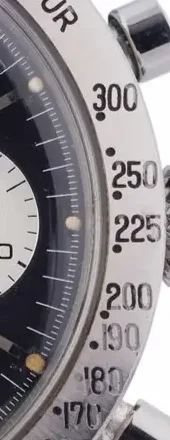
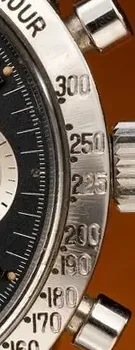
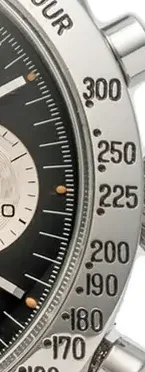
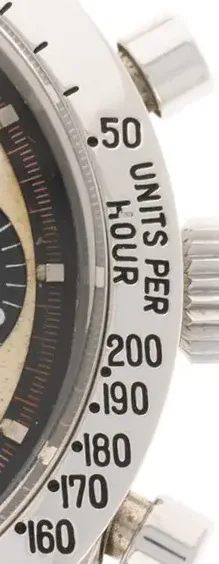
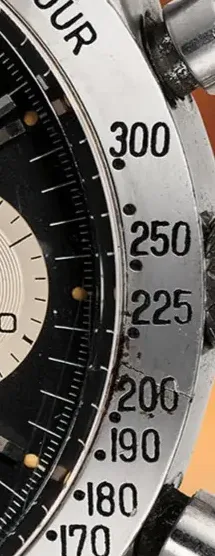
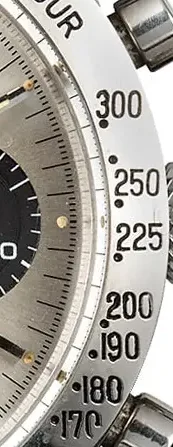
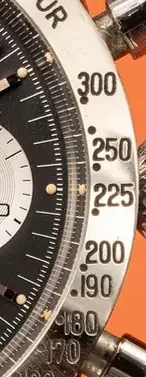
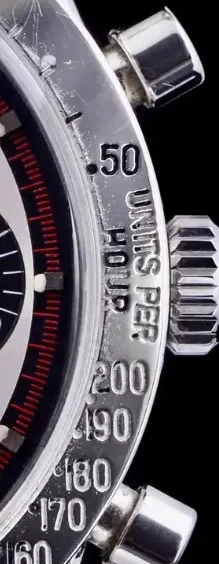
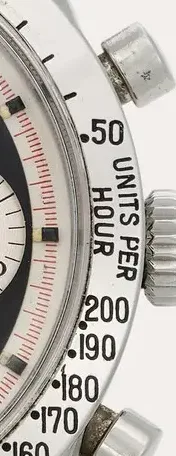
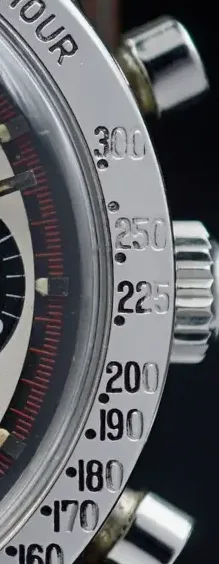
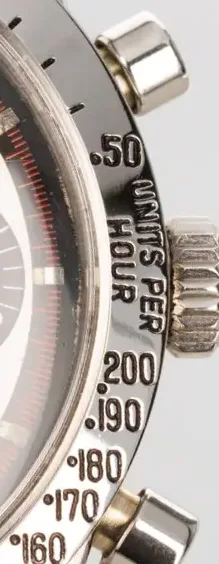
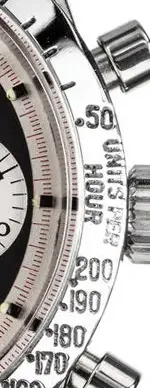
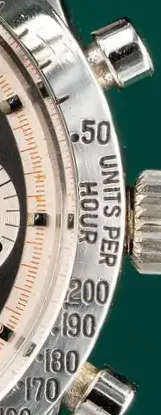
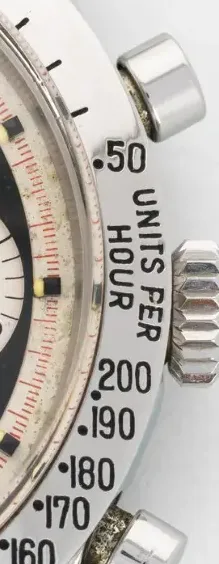
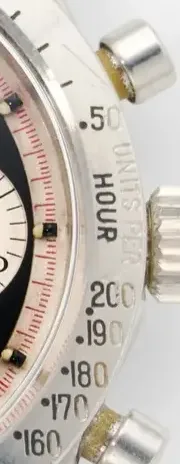
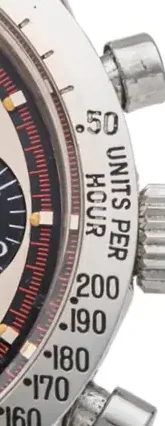
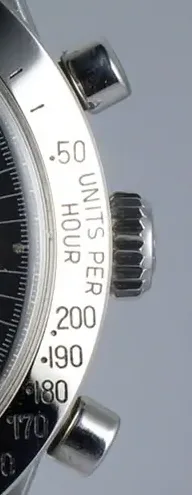
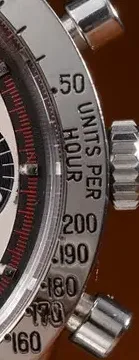
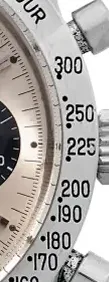
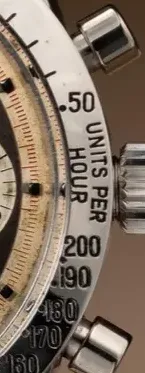
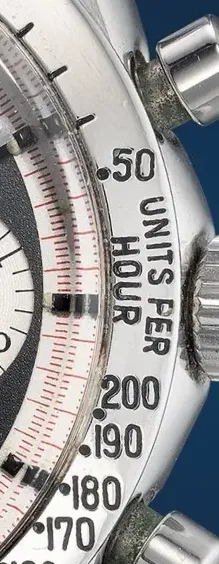
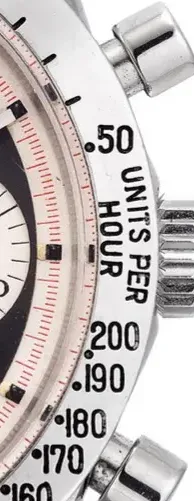
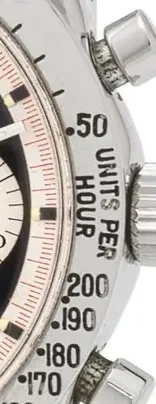
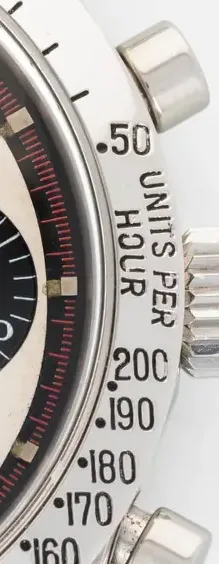
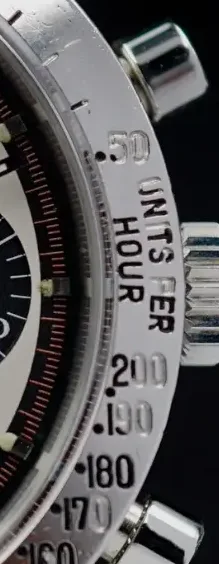
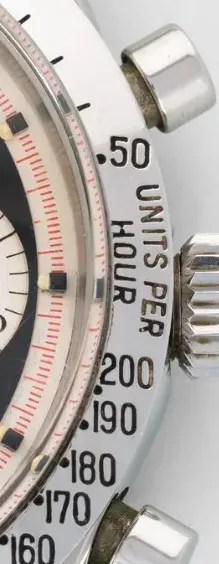
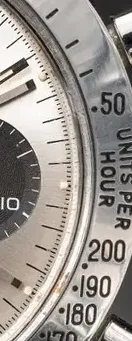
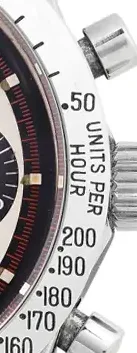
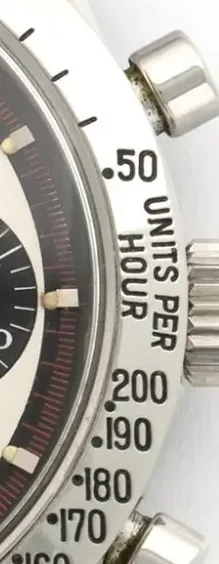
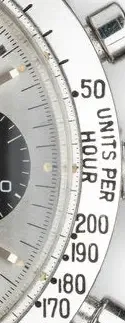
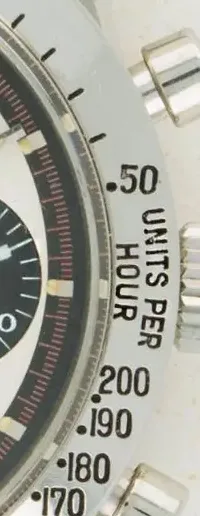
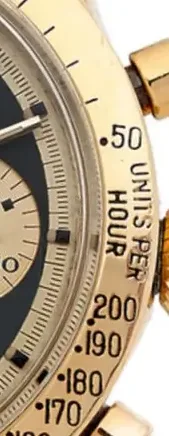
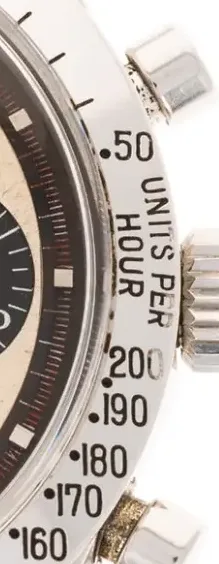
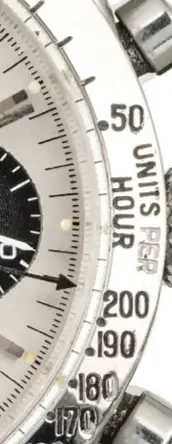
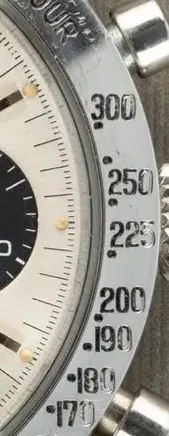
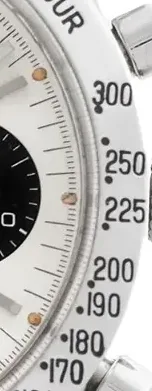
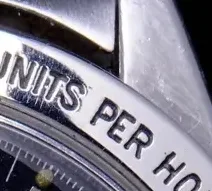
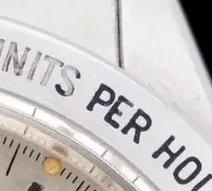
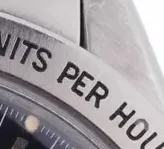
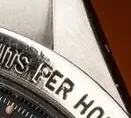
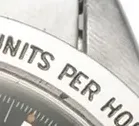
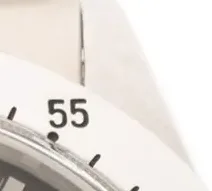
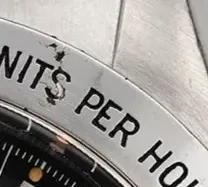
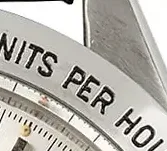
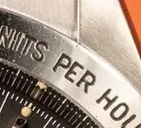
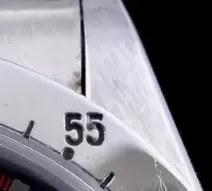
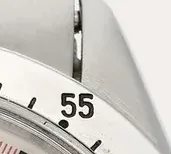
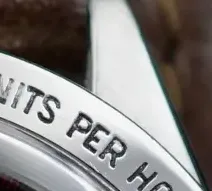
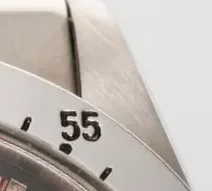
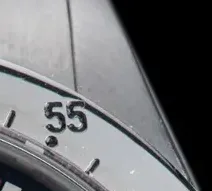
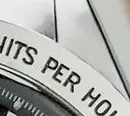
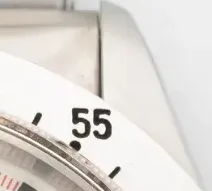
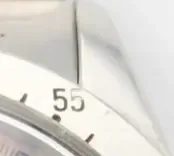
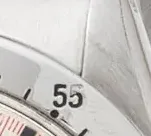
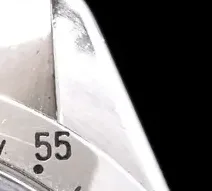
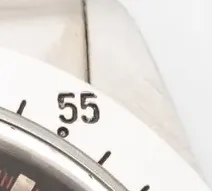
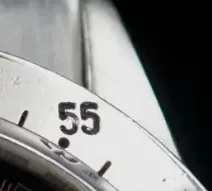
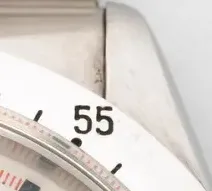
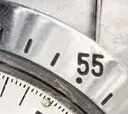
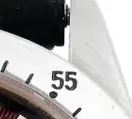
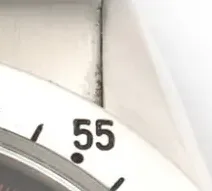
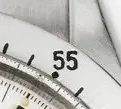
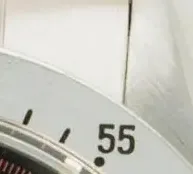
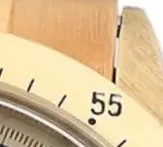
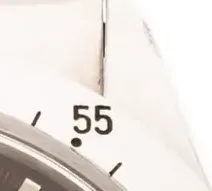
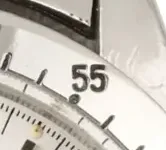
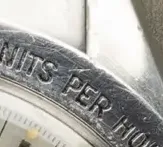
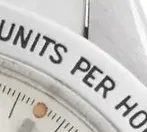
Illustrated history of the 6239: every change set out with close-up photographs of dated watches.
Chronology
Every account gives 1963 to 1969; case numbers in the records date some watches to 1970 and one to 1971, with the most in 1967 to 1969.
Every dated variant: what is written, and what the records show
For the reference the marks are every dated watch; for a variant, the watches a seller names as that variant, so a variant sellers do not name has none.
The reference's own marks are dated by case number. A variant's marks use the year each seller states, so a variant can show watches in a year where the row for the reference shows fewer, or none. 2 dated listings fall outside this scale and are not drawn.
Specification
| Case | 36 or 37 mm steel (also 14k and 18k yellow gold), about 47 mm lug to lug, 11 mm thick, 19 mm between the lugs, screw-down back; the smaller figure is the case alone, and sellers state 37 mm on about two thirds of watches |
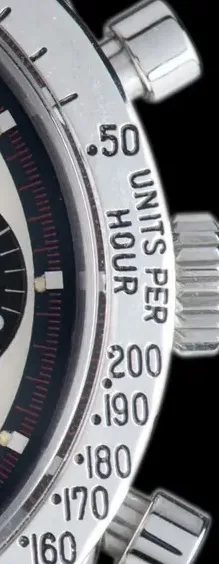
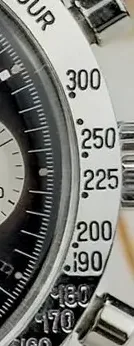
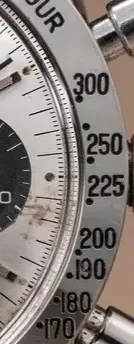
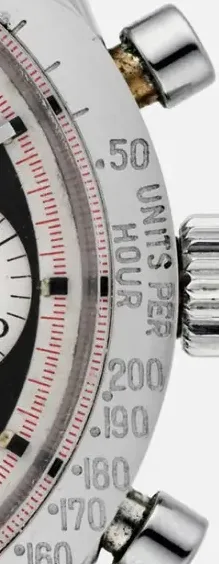
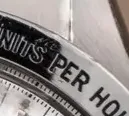
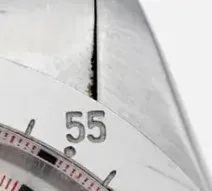
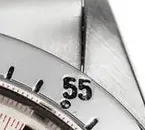
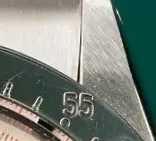
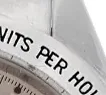
| Bezel | Fixed steel or gold bezel engraved with a tachymeter scale, 300 units an hour on early watches and 200 later |
| Dial | Black with silver registers, silver or cream with black registers, or the exotic dial; applied baton markers, outer seconds track, three engine-turned registers; no Oyster text |
| Crystal | Domed acrylic |
| Movement | Hand-wound Valjoux 72 base: 72B, then Rolex 722, then 722-1; 17 jewels, 18,000 vibrations an hour |
| Crown and pushers | Oyster Twinlock crown and pump pushers at 2 and 4 o'clock; no crown guards |
| Bracelet | Riveted or folded-link Oyster bracelet, or a leather strap |
| Water resistance | Not designed for diving; 50 m is quoted despite the screw-down crown and back |
Dial 12 described
The first dials read only Cosmograph; Daytona was added from 1964 or 1965 and then varied in size and position. Standard dials are black with silver registers, silver with black registers, or cream on early watches; the exotic dial follows a pattern of its own. No dial carries Oyster text. Replaced dials are common, and fake exotic dials are a known problem.
Double Swiss underline
The earliest dials of 1963, sometimes called Le Mans. A line under Cosmograph marks tritium in place of radium, though some radium may remain, and a second SWISS is printed at the foot, mostly hidden under the rehaut. There is no Daytona text. Early cream underline dials go with the 300 units an hour bezel. In the library's records, watches that sellers describe with an underline date almost all to 1963 by case number.
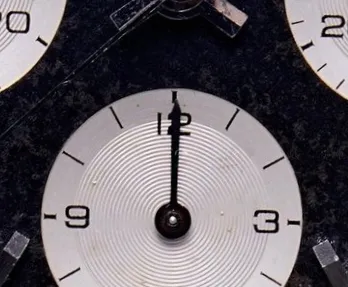
- line under Cosmograph
- second SWISS at the foot
25 listings on record under the name.
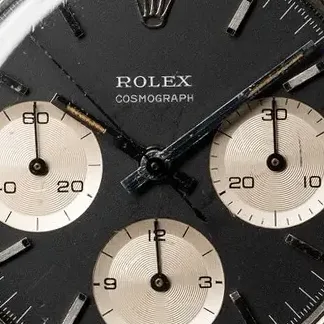
Cosmograph only
Dials with no Daytona text, as on the first watches of 1963 and later ones into 1965. A 1964 watch with a hand-wound Valjoux 72 slightly modified by Rolex is shown with this dial; some dials never received the Daytona wording.
- Cosmograph and no Daytona
Floating Daytona
Sellers' name for early dials on which a small Daytona is printed at 12 o'clock, set apart below Rolex Cosmograph rather than joined to it. In the library's records, watches so described date mostly to 1964 by case number, with a few to 1966.
- small Daytona set apart below Cosmograph
Small Daytona
Daytona added in small letters, first under Cosmograph at the top and later curved above the 6 o'clock register, from 1964 or 1965. It can also appear in red above the 6 o'clock register while Cosmograph stays larger under the crown. In the library's records, watches so described date mostly to 1966.
- small Daytona text under Cosmograph
- curved above the 6 o'clock register
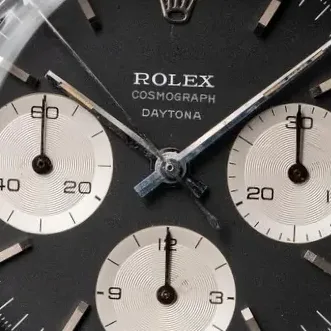


Big Daytona
Daytona lettering stretched to a larger size, and the position varies between 12 o'clock and above 6 o'clock. In the library's records, watches so described date mostly to 1966 and 1967.
- large Daytona lettering
Panda and reverse panda
The 6239 was the first Rolex chronograph with registers in a colour different from the dial: silver with black registers, or black with silver registers.
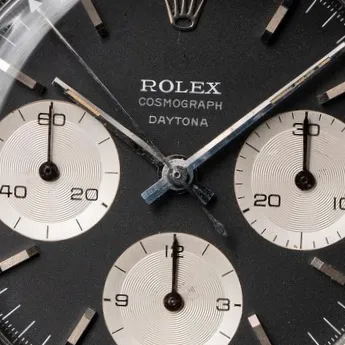
61 listings on record under the name.
Exotic (Paul Newman)
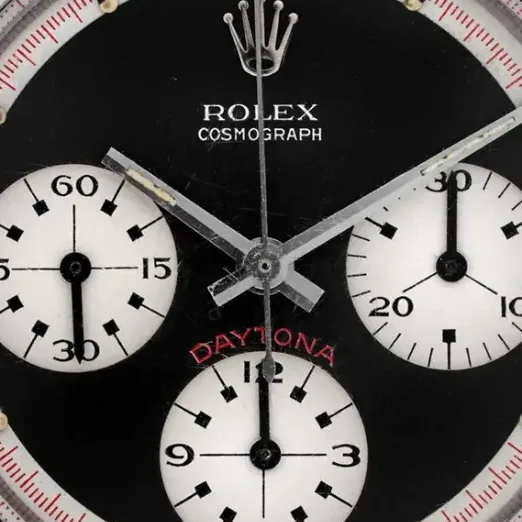
The exotic dial has Art Deco numerals in the registers, small square-tipped indexes, crosshairs, 15, 30, 45, 60 at 9 o'clock in place of 20, 40, 60, and an outer track in a contrasting colour, with block markers on it and red on the track or text. It comes as a white dial with black registers and red accents, or black with white registers and a red track, or in cream with black registers; some are two-colour, some three. A red DAYTONA sits above 6 o'clock. Published accounts say it was made in the smallest numbers and sold poorly when new, yet it is far from rare among the watches in the library's records, which by case number place almost all of them in 1967 to 1970. It is found on the 6239, 6241, 6262, 6263, 6264 and 6265. The dial was only tied to the actor in the 1980s, with the name settled by about 1988. A dial of this kind in a 6239 must be an original installation, and many exotic dials were replaced by plain ones at service.
- Art Deco register numerals
- square indexes
- crosshair registers
- contrasting outer track
- red Daytona above 6

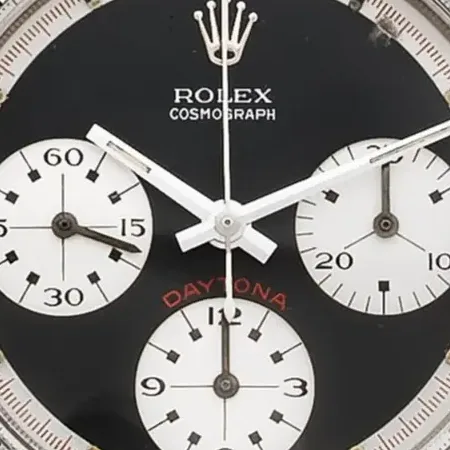

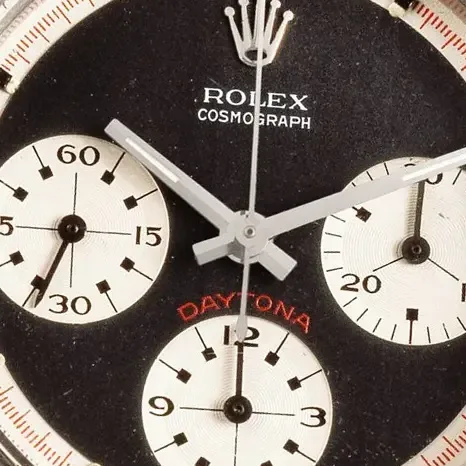

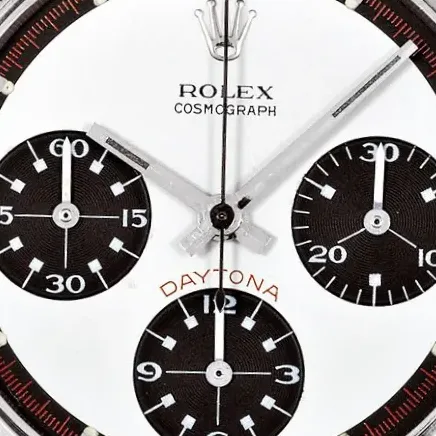

Baby Blue and Cherry Red
Rare dials with light blue or light red Daytona text on black or silver dials.
- pale blue or light red Daytona
Pulsation scale
A dial with a pulsation scale printed on it, almost unheard of on the 6239. One 1968 watch with this dial is nicknamed Crazy Doc.
- pulsation scale on the dial
Albino
case numbers 1.6M
Four all-silver dials are said to exist, three on 6263 and one on a 6239 in the 1.6M range. A questioned example shows the signs of a copy: an incorrect logo with Cosmograph missing, uneven finish, spiralling azurage on the registers, a misplaced ten-minute marker, and hands copied from a later model.
- all-silver dial
Retailer signatures
Some dials carry the name of Tiffany & Co. as retailer. One watch given as a gift in 1968 is thought, from an inventory number inside a lug, to have been bought at Tiffany.
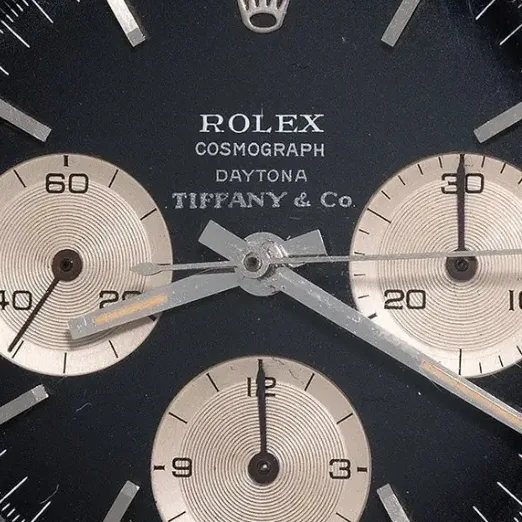

T SWISS T
Sellers name the T SWISS T marking on many watches. Dashes either side of it were a factory sign for steel markers, as a sigma was for precious metal; dashes set at an awkward angle and position, as on a faked dial with added Oyster text, are not known on originals of that layout and call for a closer look.
- T SWISS T at the foot
Luminous material 3 described
Radium on the first watches, then tritium; tritium is the lume most sellers name.
Radium
Sellers name radium on a few watches, most of them dated to 1963 by case number.
Tritium
In use from 1963, when the underline dials mark the change from radium, though some radium may remain on the first watches. Dial tritium is sometimes darkened artificially to look aged. Plots should match in colour and age with the hands, and relumed markers or service dials are a serious flaw.
- matching plots and hands
Luminova (service)
Sellers name Luminova on a few watches, mostly on hands fitted at service; on a 6239 it marks a later part.
Hands 1 described
Hands are slim and few accounts say more.
Baton hands
Slim baton hour and minute hands over applied markers. The layout, subdial size and hands are nearly the same on the 6238. The registers have thinner hands on the 6238 than the 6239.
Subregisters 2 described
Three engine-turned registers in the tri-compax layout. The exotic dials change the numerals and the minute scale.
Standard registers
Three engine-turned registers with black or silver surfaces, the same size as on the 6238.
- engine-turned registers
Exotic registers
Art Deco numerals, small squared indexes, crosshairs, and 15, 30, 45, 60 at 9 o'clock in place of 20, 40, 60.
- Art Deco numerals
- crosshairs
Bezel 2 described
A fixed bezel engraved with the tachymeter scale is what separates the 6239 from the 6238, whose scale is on the dial, and from the 6241, which has a black acrylic insert. One account describes the insert as acrylic with a printed scale, which does not match the others.
300 units per hour
The early engraved bezel, with a base-300 tachymeter, later replaced by a base-200 scale; the literature gives no year for the change. In the library's records, watches described with it date by case number mostly from 1963 to 1967.
- base 300 scale
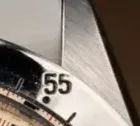
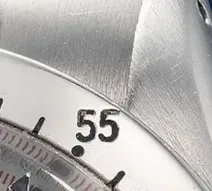
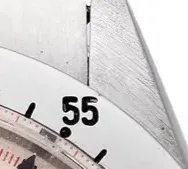
200 units per hour
The later engraved bezel, base 200. In the library's records, watches described with it date by case number mostly from 1967 to 1969.
- base 200 scale
Case 4 described
A 36 or 37 mm case with twin pump pushers and a screw-down back and crown. Steel, 14k yellow gold or 18k yellow gold.
Early case
The case of the first years, before the oval case of 1966. No 6239 case has crown guards.
Oval case
A different oval-shaped case shared with the 6241, from 1966.
- oval case shape
Gold cases
About 300 gold examples are cited, though an estimate of 14,000 watches with 3% in gold would give more. Gold watches have a black or gold dial; one is cited with a champagne dial. In the library's records, watches described as 18k yellow gold date by case number to 1968 to 1970.
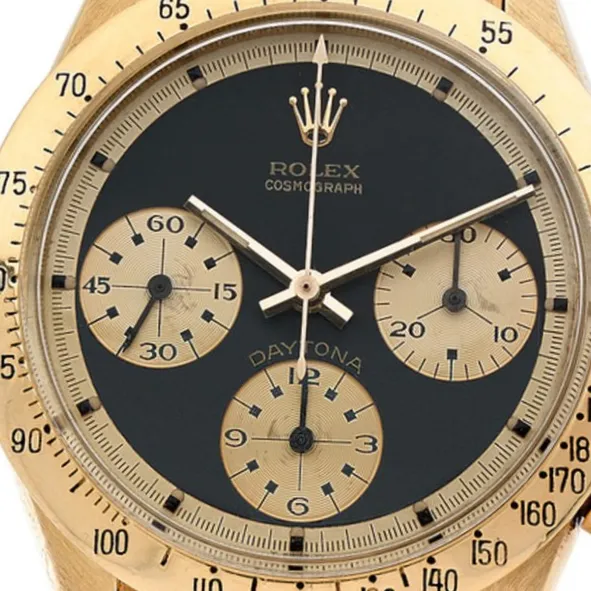
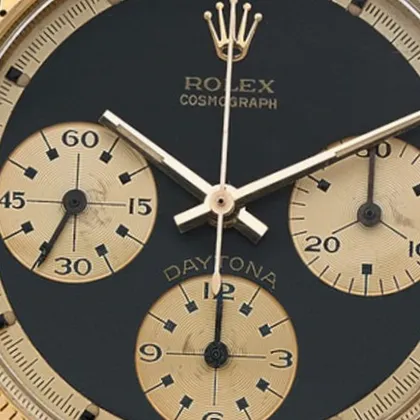

25 listings on record under the name.
Caseback inscription
One 1968 6239 with an exotic dial is engraved on the back with a personal message and was given as a gift. An inventory number inside a lug suggests purchase at Tiffany.
- engraved caseback
Crown and pushers 2 described
An Oyster Twinlock 600 crown with push-down pump pushers. Screw-down pushers belong to later references.
Pump pushers
Pump pushers at 2 and 4 o'clock. Listings that mention screw-down pushers are mostly comparing the 6239 with later references.
- pump pushers
Twinlock 600 crown
The screw-down crown.
Crystal 1 described
Domed acrylic.
Acrylic domed
Domed acrylic throughout.
- domed acrylic
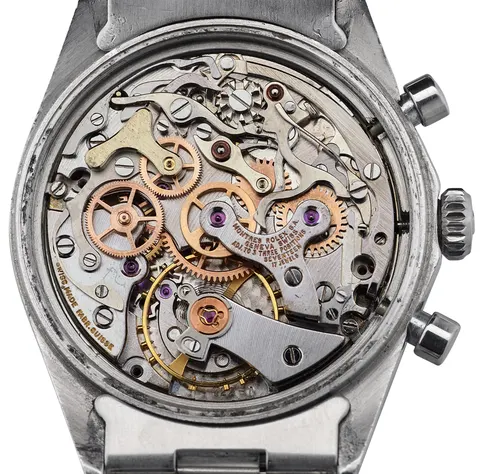
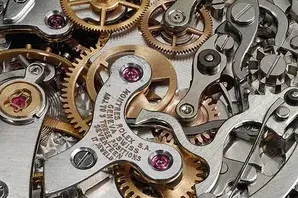
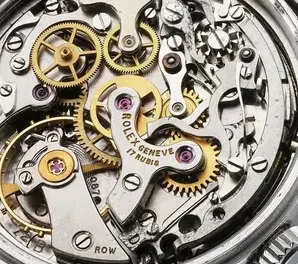
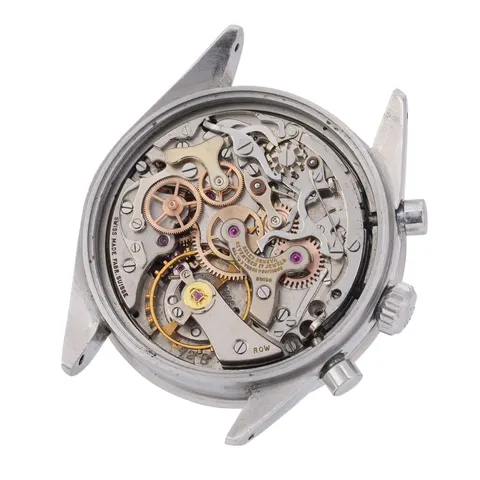
Movement 3 described
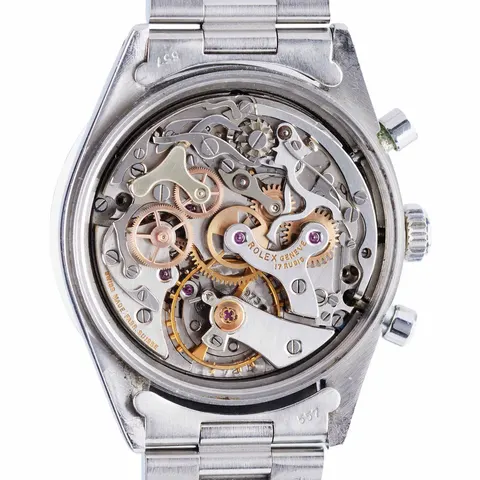
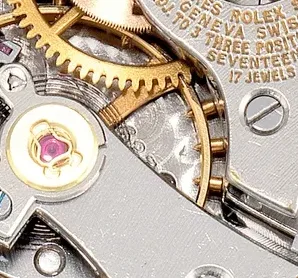
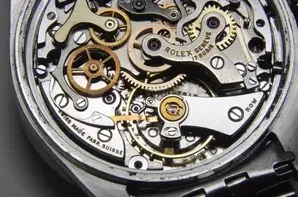
A Rolex-finished Valjoux 72, hand-wound, 17 jewels, 18,000 vibrations an hour. The calibre follows the date of the case number.
Valjoux 72B
The first calibre of 1963, with a Breguet hairspring and Microstella regulation. It is usually said to have been used to about 1965, and the change to the 722 is given as 1965 to 1967. Serial numbers appear on all 72B movements. In a case of around 1.6M a 72B is wrong, since the 722-1 is the correct calibre there.
- serial number on the movement
Rolex 722
Rolex's improved version of the Valjoux 72, with a Breguet overcoil hairspring and a free-sprung regulator, 48 hours' reserve, also in the 6238 and 6240. It took over from the 72B between 1965 and 1967 and was followed by the 722-1; the literature gives no year for that second change. In the library's records, sellers name the 722 on watches dated by case number from 1966 to 1969.
- free-sprung regulator
Rolex 722-1
case numbers from about 1.6M
The late 722, correct for cases around 1.6M and later. In the library's records, sellers name it mostly on watches dated by case number from 1967 to 1969.
Bracelet 3 described
The riveted Oyster bracelet is typical, with folded links later; leather straps were common.
7205 riveted
A riveted Oyster bracelet, which sellers often give as the 7205, with end links most often numbered 57 or 71.
- visible rivets
7835 folded
A folded-link Oyster bracelet, which sellers name as the 7835, mostly on watches of the later 1960s. Some sellers also name the 78350; that is a solid-link bracelet of the later 1970s, so on a 6239 it is a later fitting.
- folded links
Jubilee
Sellers describe some watches on a Jubilee bracelet.
Originality
- Exotic dials were often swapped for plain dials at service, and false exotic dials are common on watches sent for service, so the dial must be checked against the case number and the period.
- Daytona text, SWISS marking, the logo and the serifs on the numerals reveal later dials.
- Dials and hands replaced or relumed at service lower the value sharply; lume plots must match in age and colour.
- The movement should fit the case number: around 1.6M the 722-1 is correct and a 72B is not.
- The case-number engraving between the lugs can be compared with that of watches from the same batch; re-engraved cases show different digit shapes.
- Polished cases lose lug thickness and the engraved bevels.
Names
- Paul Newman. The exotic dial was linked to the actor, who owned one, in the 1980s.
- Le Mans. A name used in early advertising, and said to have been nearly adopted in place of Daytona.
- Albino. A very rare all-silver dial.
- Baby Blue. A dial with pale blue Daytona text.
- Cherry Red. A dial with light red Daytona text.
- Big Daytona. Stretched Daytona lettering.
- Crazy Doc. A 1968 watch with a pulsation scale on the dial.
Where accounts differ
Points on which the published literature and the library's own records do not agree, or on which the literature contradicts itself.
- End of production. Every account ends the 6239 in 1969. By case number the library's records date some watches to 1970 and one to 1971, and sellers state 1970 for some too.
- Case size. Some accounts give 36 mm and others 37 mm; one says the figure depends on whether the bezel is counted. Sellers state 37 mm on about two thirds of watches and 36 mm on about a quarter.
- Arrival of the Daytona text. Most accounts put the Daytona wording in 1965; others say late 1964. The library's records have Floating Daytona dials dated by case number to 1964.
- Bezel material. One account calls the bezel an acrylic insert with a printed scale. Every other page, and the records, describe it as engraved metal.
- Number made. One page estimates 14,000 watches with 3% in gold; another says about 300 6239s exist in all and that only a few were yellow gold. The two figures cannot both be right.
- First exotic dial. One account gives the first exotic dials as 1965, on the 6240 in white and on a black three-colour dial, and another also puts a new exotic dial at 1965; a third links the exotic dial to the 6239 at its launch. By case number the library's records place almost all exotic 6239s in 1967 to 1970, with only a handful earlier.
- End of the 6238. Two accounts have the 6238 made beside the 6239 until 1967; two others, writing on the 6238, end it in 1968.
- Arrival of the 6262. Two accounts date the 6262 to 1970 and another to 1970 or 1971; a third, writing on the 6241, has the 6262 and 6264 built from 1969.
- End of the 72B. One account has the 72B used until about 1965, and another gives the change to the 722 as 1965 to 1967. The library's records name the 72B on watches whose case numbers date to 1966 as well as 1965.
- Numbers of exotic dials. One account says the exotic 6239 was made in the lowest numbers and was the least popular, and another estimates only 2,000 to 3,000 exotic Daytona dials, which sold poorly at the time. In the library's records about two in five 6239s carry an exotic dial.
- Hand shape. One account calls the hour and minute hands slim dauphine; another calls them baton, and other published accounts describe the baton hands of the 6238 carrying over to the 6239.
Back and movement
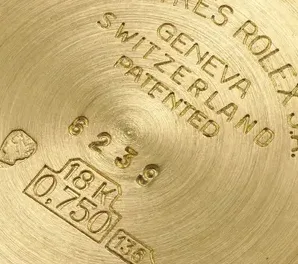
From listings of this reference, each confirmed by eye to show what it is filed under. A picture on which a person's name or a personal engraving can be read is not shown. From most holders a detail from the middle of the photograph is shown; the mark in its corner gives its holder and a link to the listing.
Caseback
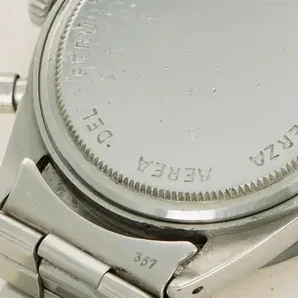

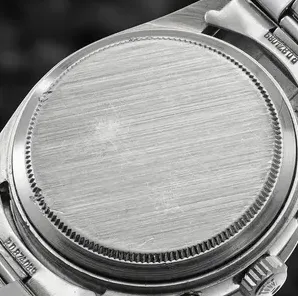

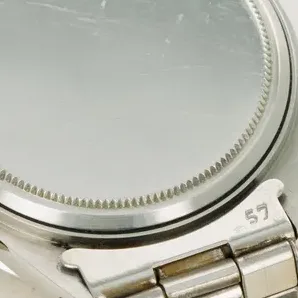

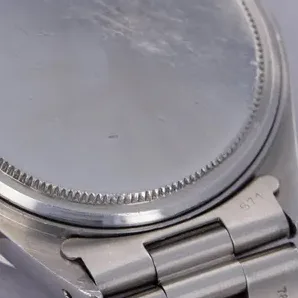

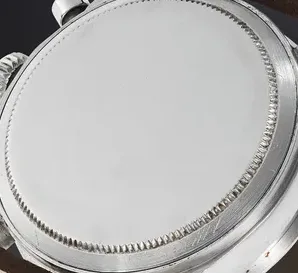

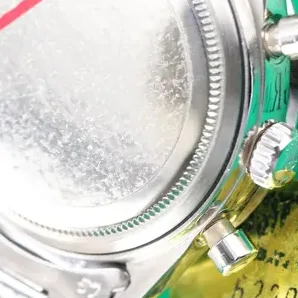

Inside the caseback

Movement







In the records
Counted from 513 listings at 44 holders between 16 October 2005 and 14 November 2026. These are what sellers and auction houses state, not measurements.
Fainter bars are the 14 outside the main run of 1963–1969 (the middle nine-tenths): the latest is 1971. They are early and late examples, and now and then a number misread.
At the holders that record papers on every watch, 0% of their 13 listings of this reference come with papers; at those that record the box on every watch, 20% of 20 come with a box. "Papers" is whatever the holder counts as papers, and can include service papers.
Case metal
| Steel | 368 | |
| Gold, any colour | 25 | |
| Yellow | 17 | |
| Colour not stated | 8 | |
| Silver | 3 |
A listing that says "gold" or "18K gold" names no colour: it is counted under "colour not stated", not as yellow gold.
Dial colour
| Black | 87 | |
| Silver | 71 | |
| White | 21 | |
| Cream | 11 | |
| Brown | 2 | |
| Gold | 1 | |
| Blue | 1 | |
| Red | 1 |
Case size
| 37 mm | 191 | |
| 36 mm | 79 | |
| 38 mm | 5 |
Calibre named
| 722-1 | 125 | |
| 722 | 89 | |
| 72B | 70 |
Bracelet or strap
| Oyster bracelet | 201 | |
| Metal bracelet, kind not stated | 61 | |
| Leather strap | 25 | |
| Jubilee bracelet | 16 |
Each table counts the listings that state the thing, in the seller's own terms. A size, metal, colour or calibre that cannot belong to this reference is a seller's slip or a listing filed under the wrong number.