Cosmograph Daytona in steel and gold (Zenith Daytona)
The two-tone Daytona, launched in 1988 with the steel 16520 and the yellow gold 16528 and made until about 2000. It was the first Daytona offered in Rolesor, with a steel case and outer bracelet links and a gold bezel, crown and inner links. The 40 mm case, flat sapphire crystal, crown guards and calibre 4030, a reworked Zenith El Primero, are those of the other Zenith Daytonas. Dials came in white, champagne, black and grey, with the same sequence of text and bezel changes as the steel watch. Collectors check the dial type against the serial, the stretch of the hollow-link bracelet and, because the steel middle case matches the 16520, the engraving between the lugs.
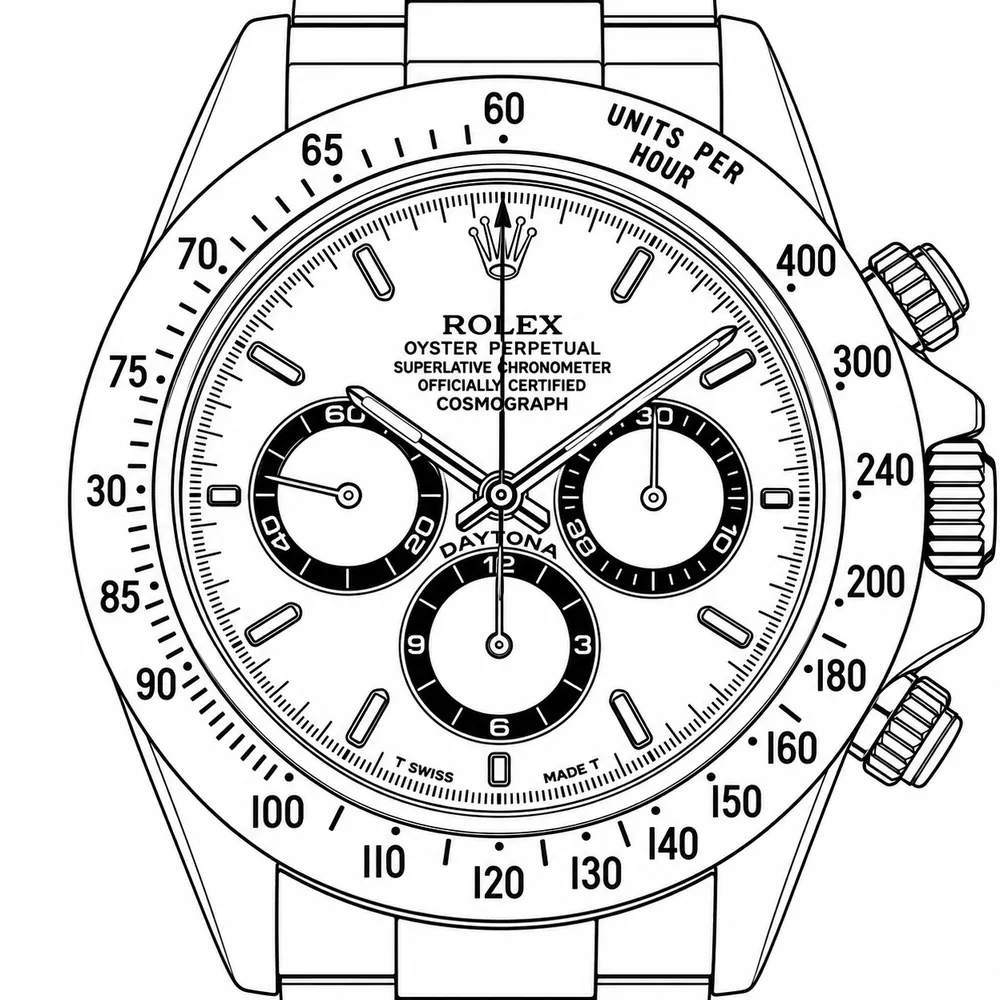
- Made
- 1988–2000dates approximate
- Seen in the library
- 1988–2000by case numbers
- Case
- 40 mm · steel and gold (69%), steel (25%)as sellers state
- Movement
- Calibre 4030automatic
- On record
- 478 listings1,197 photographs · 53 holders
Components
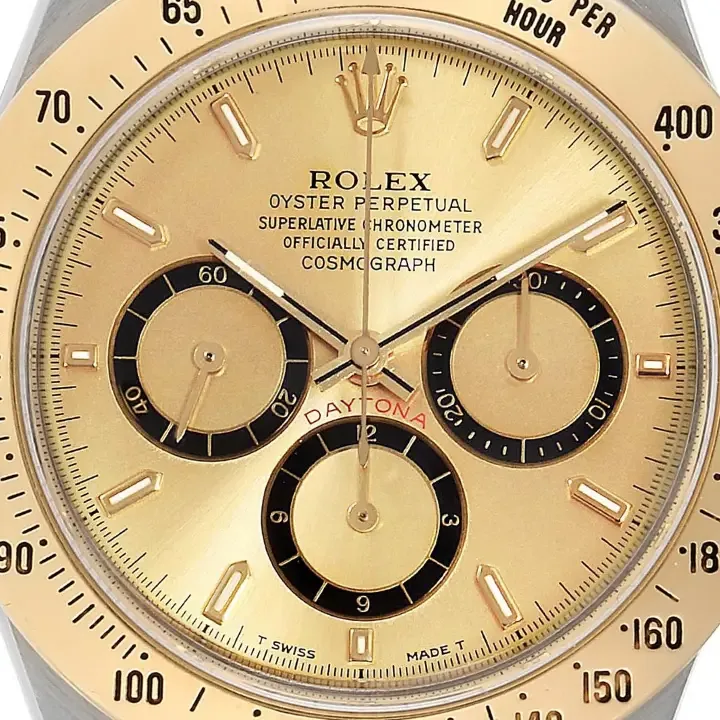
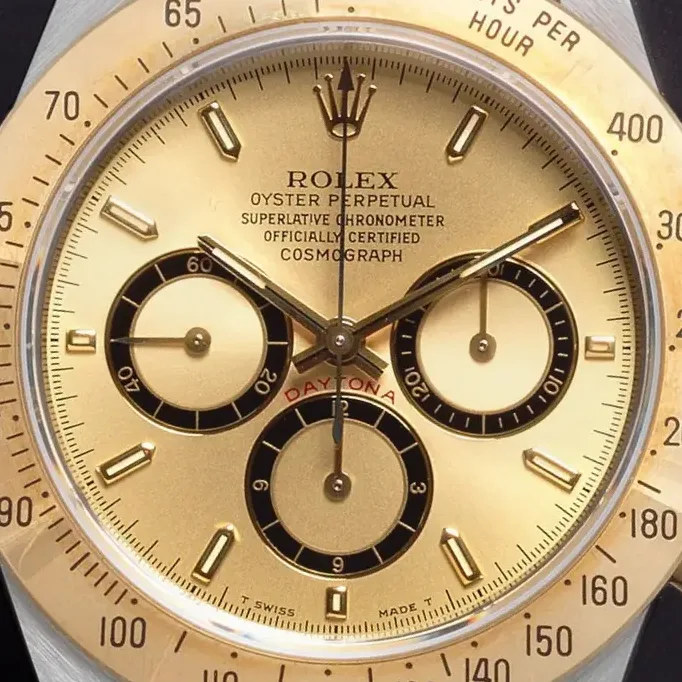
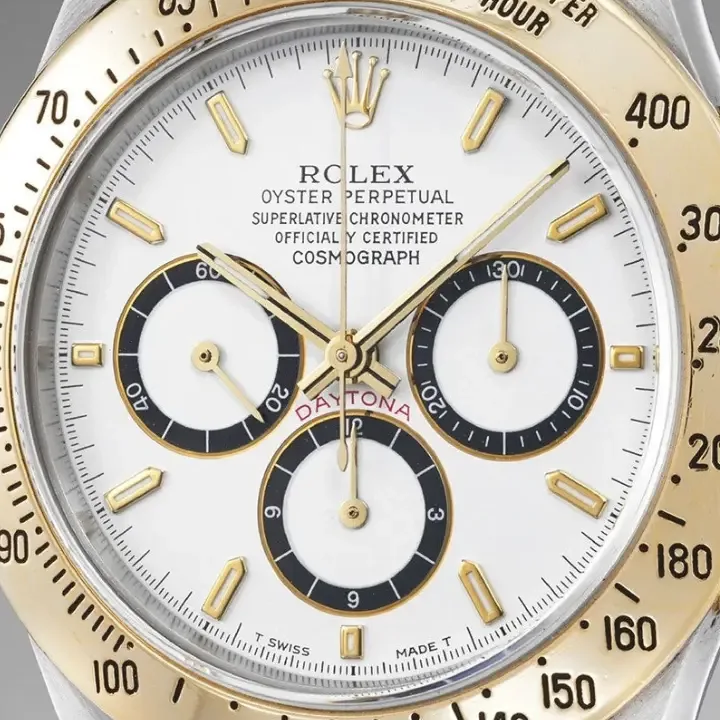
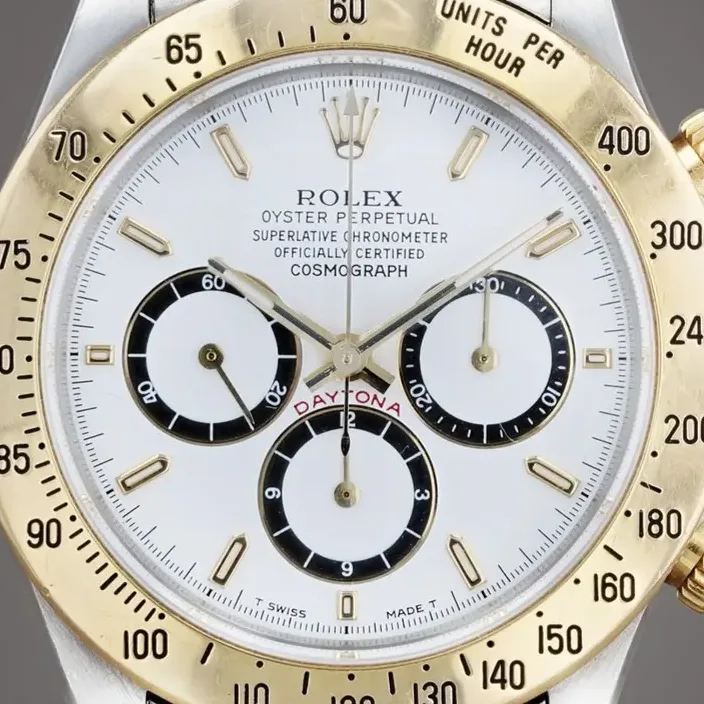
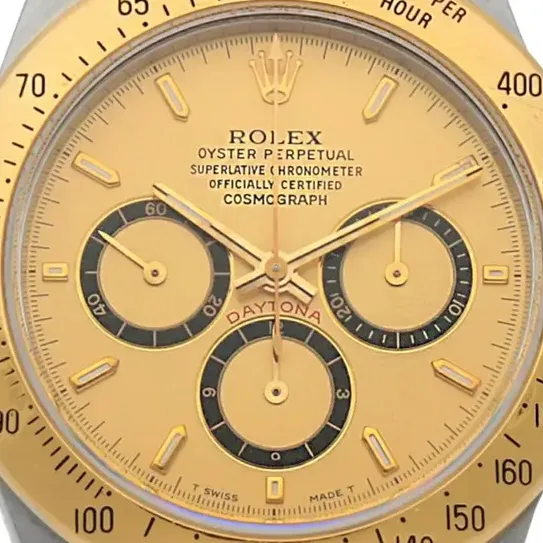
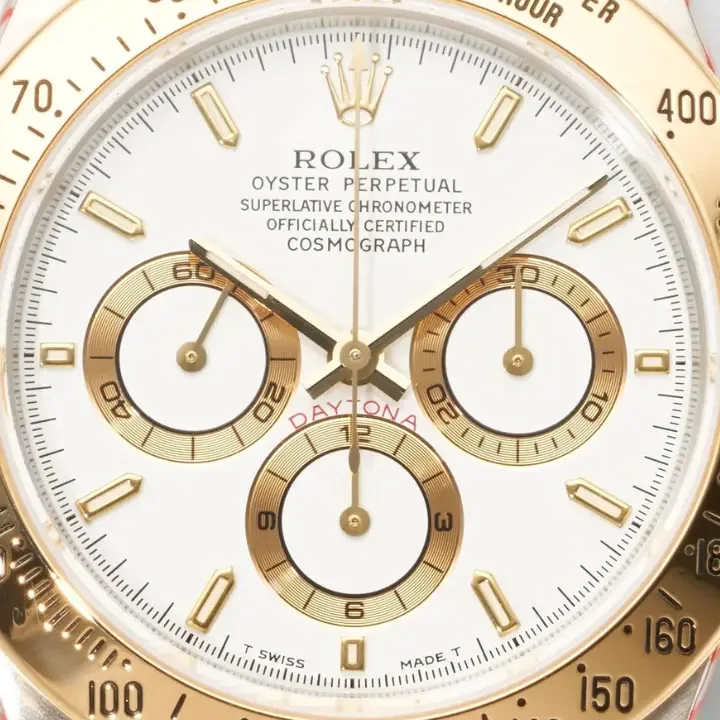
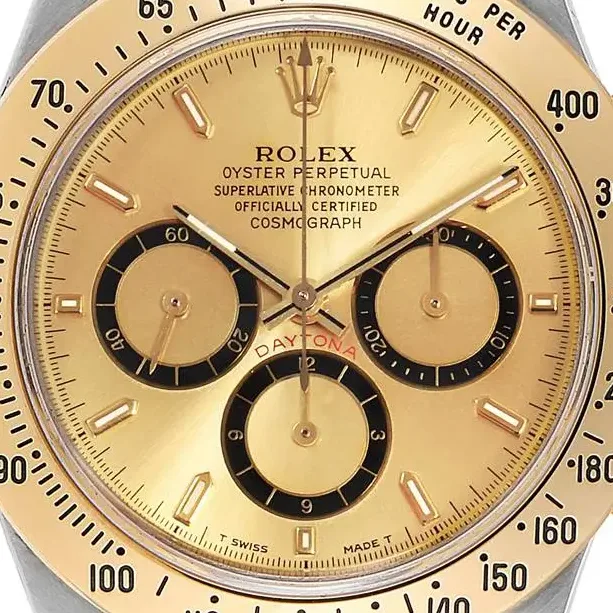
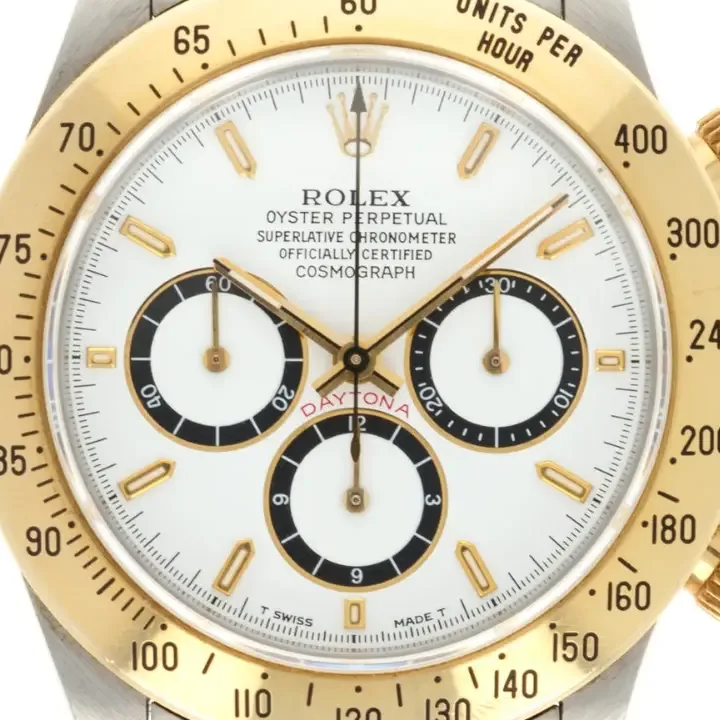
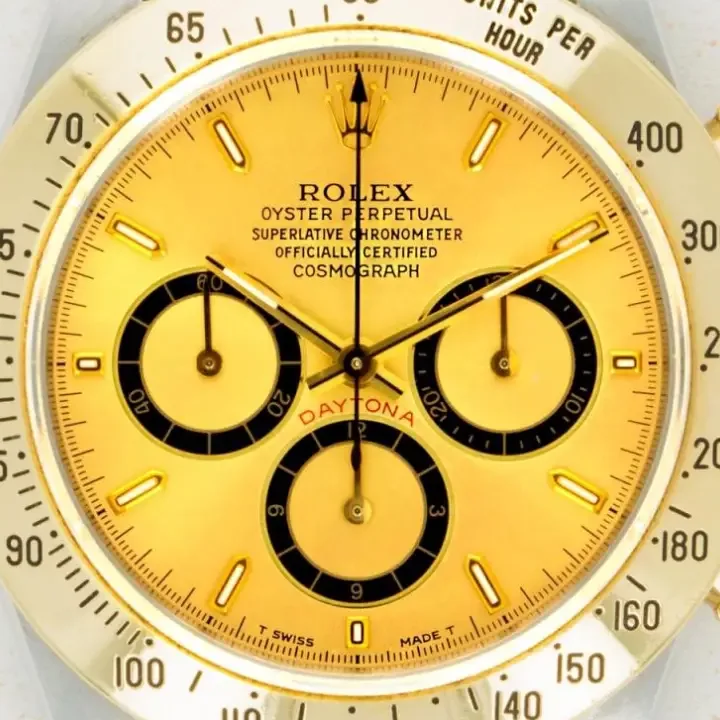
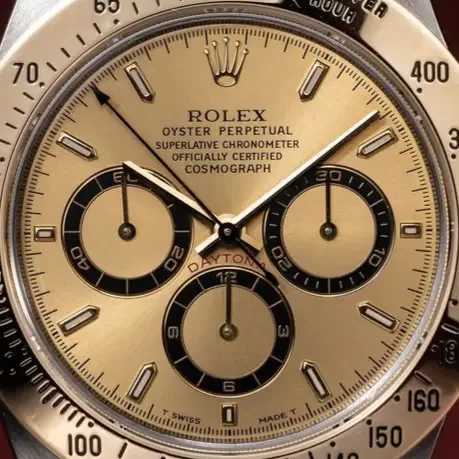
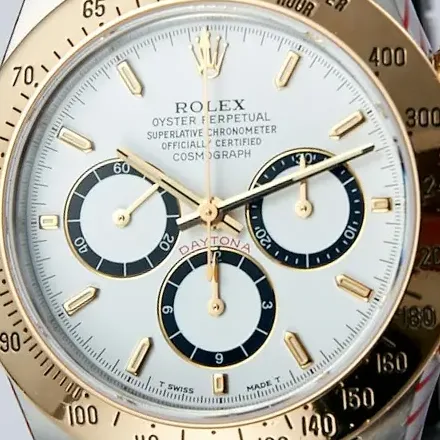
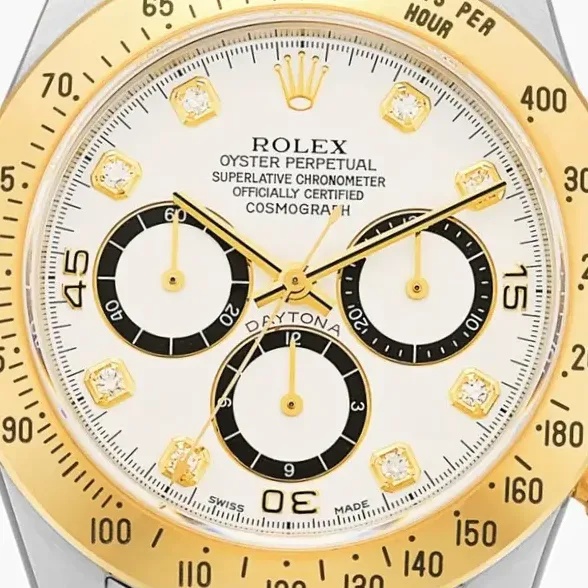
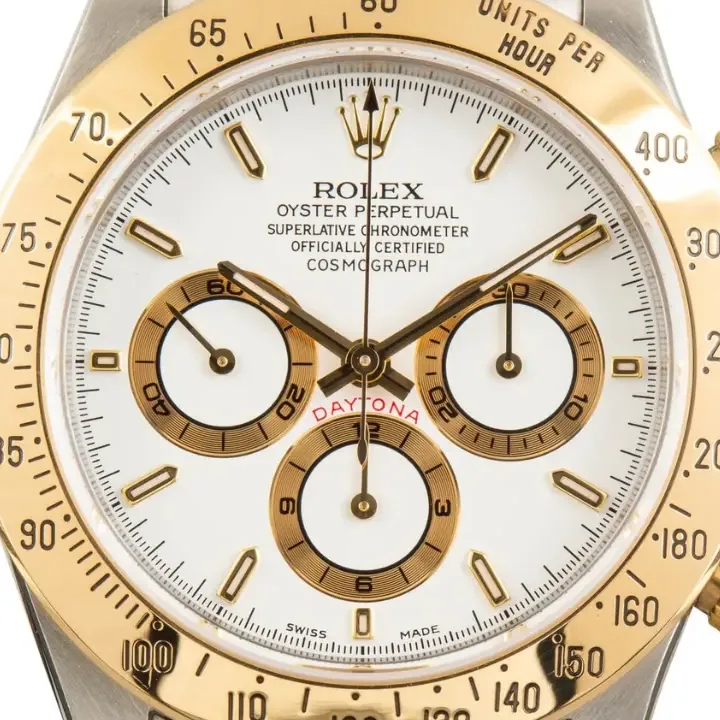
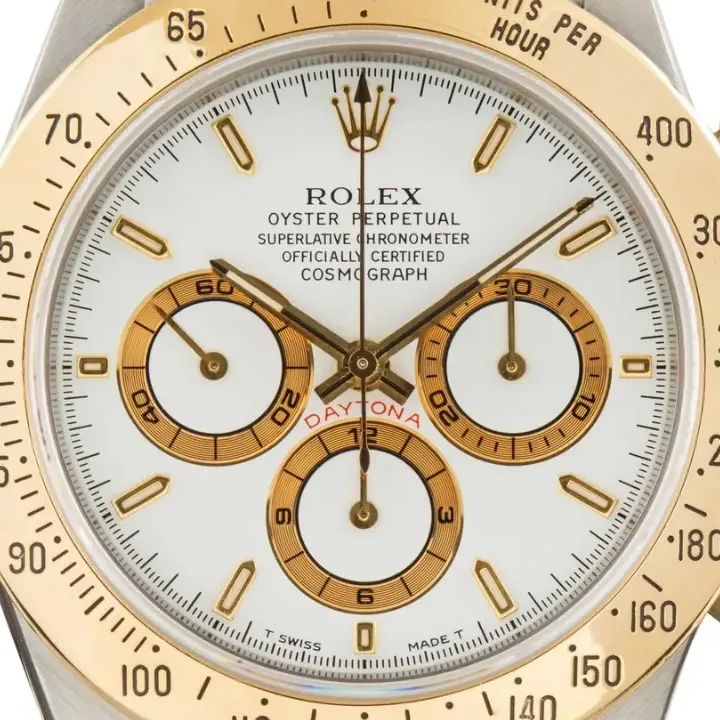
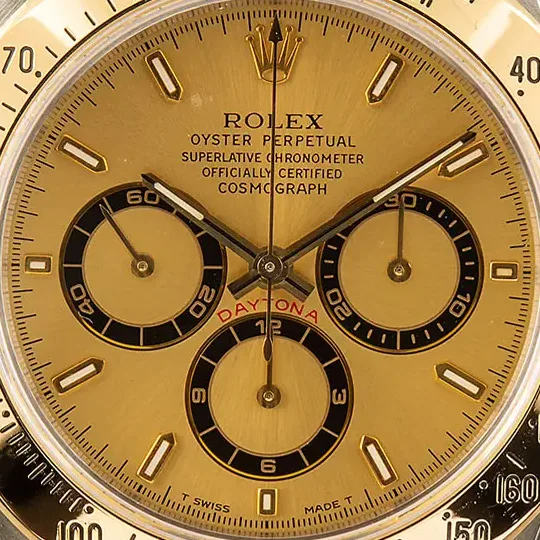
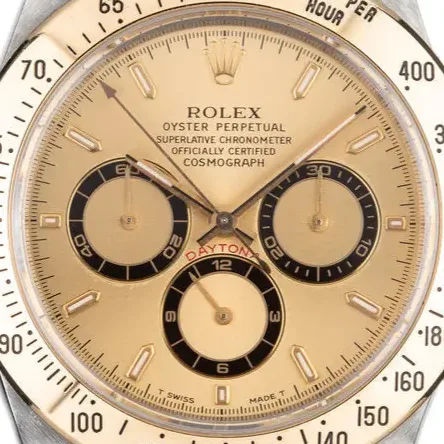
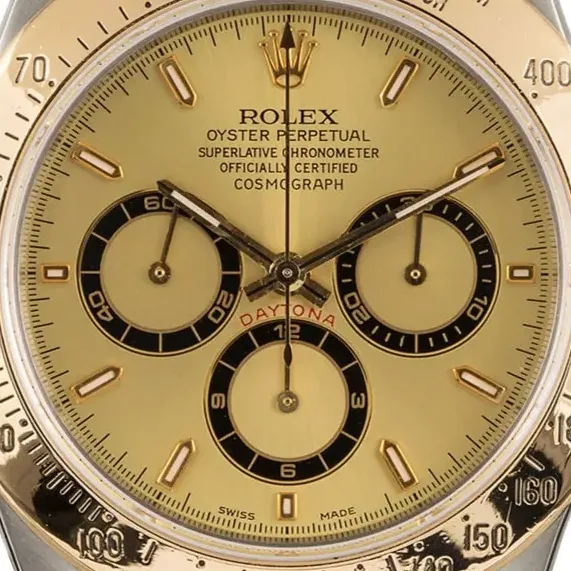
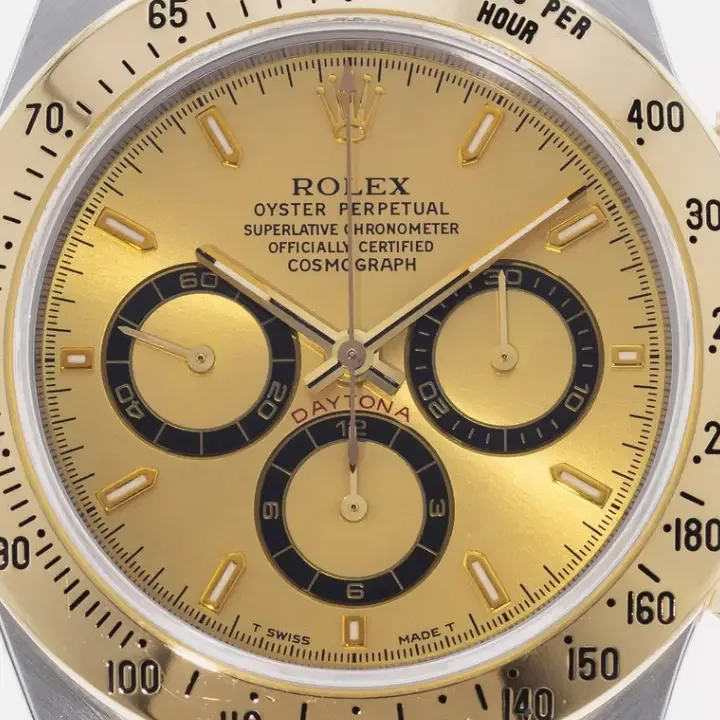
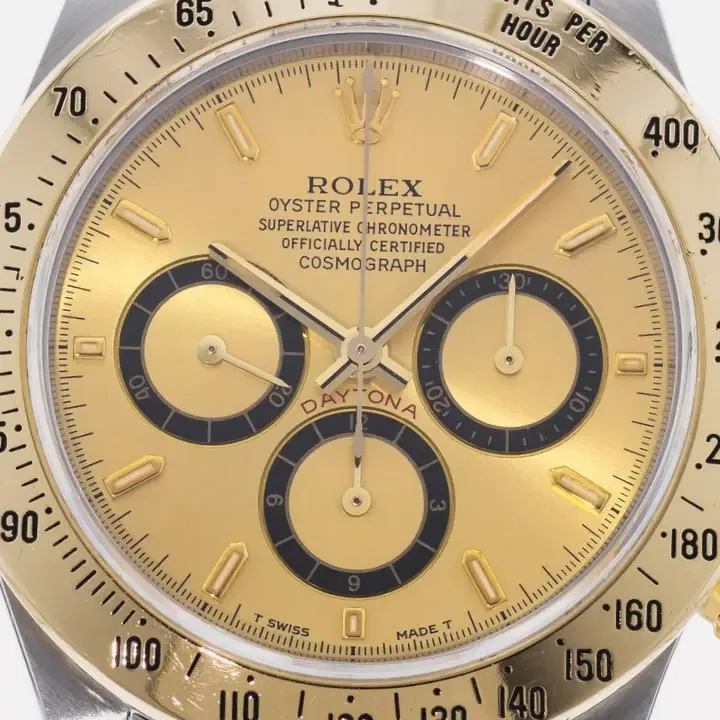
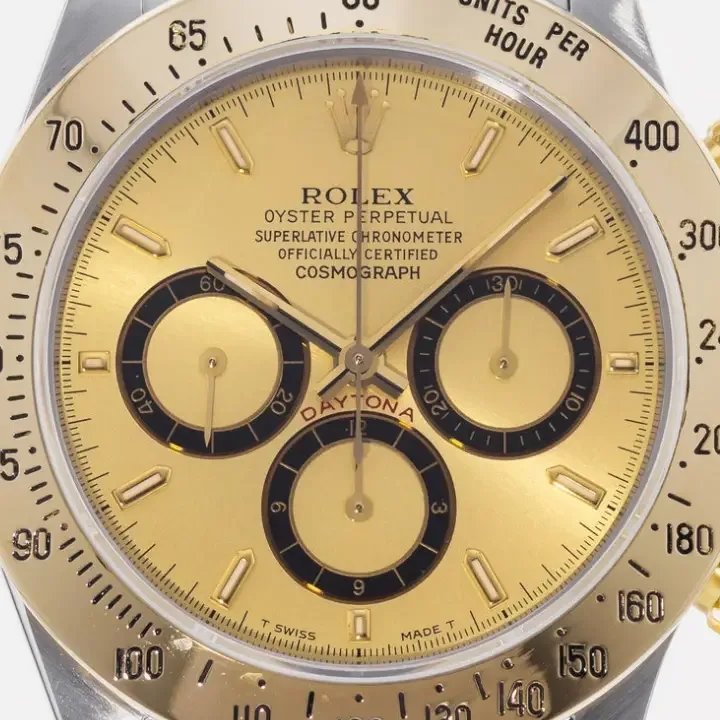
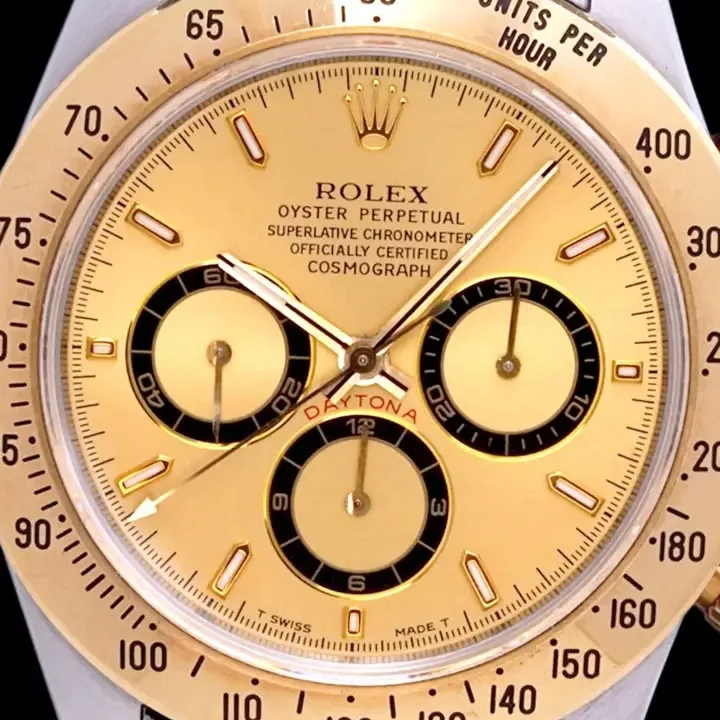
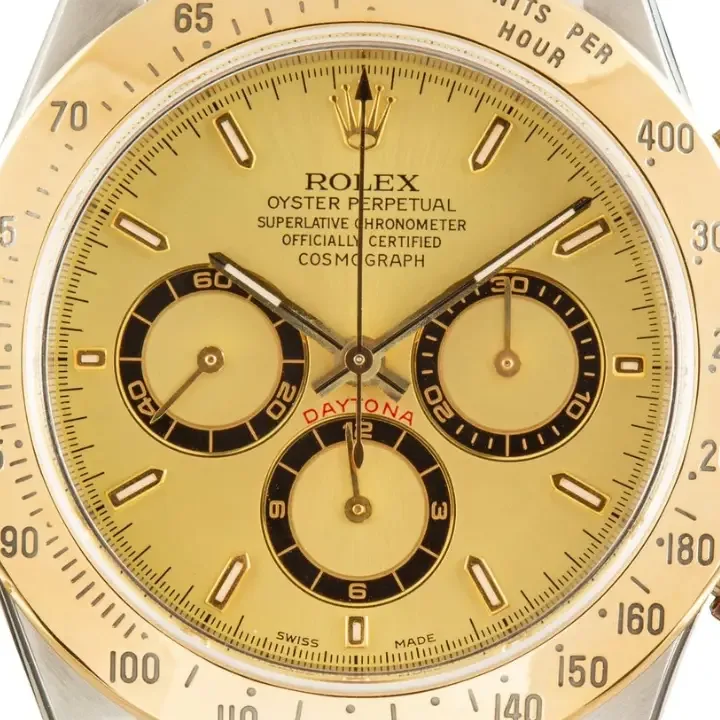
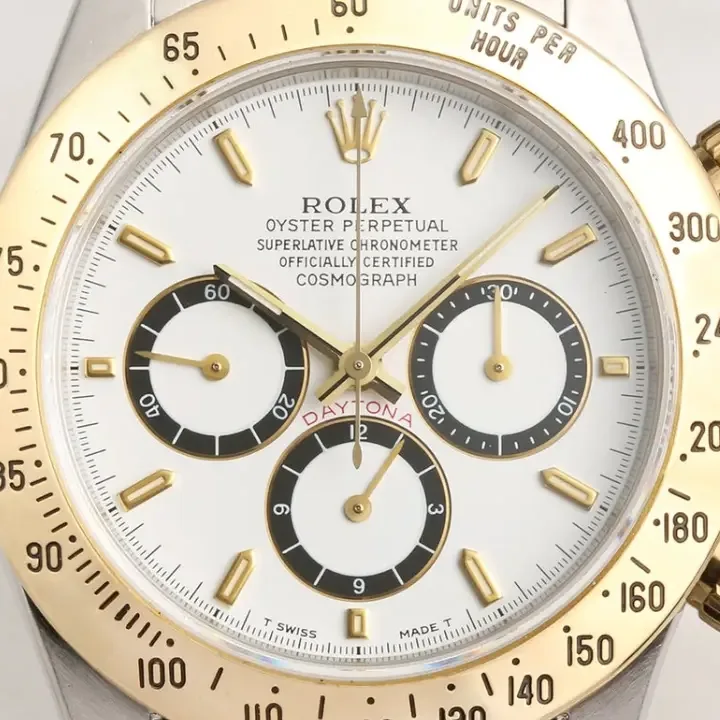
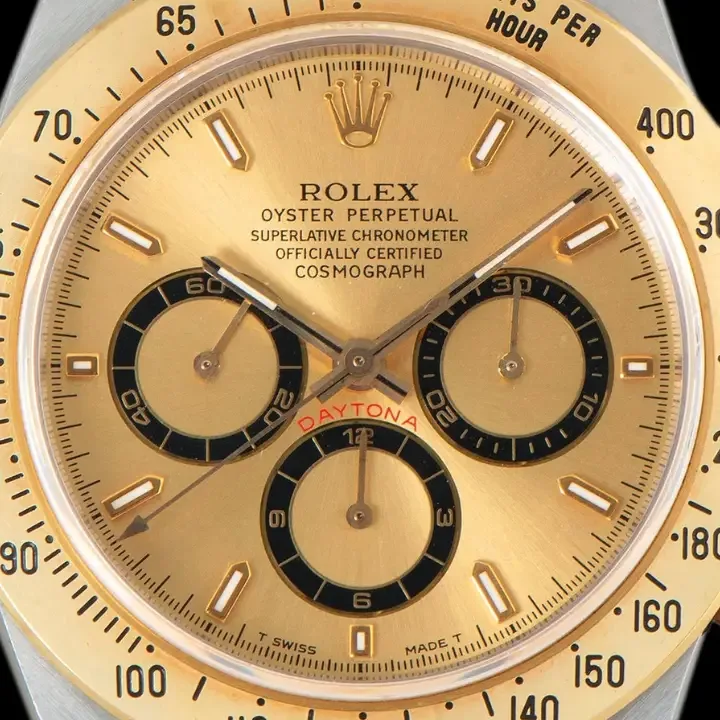
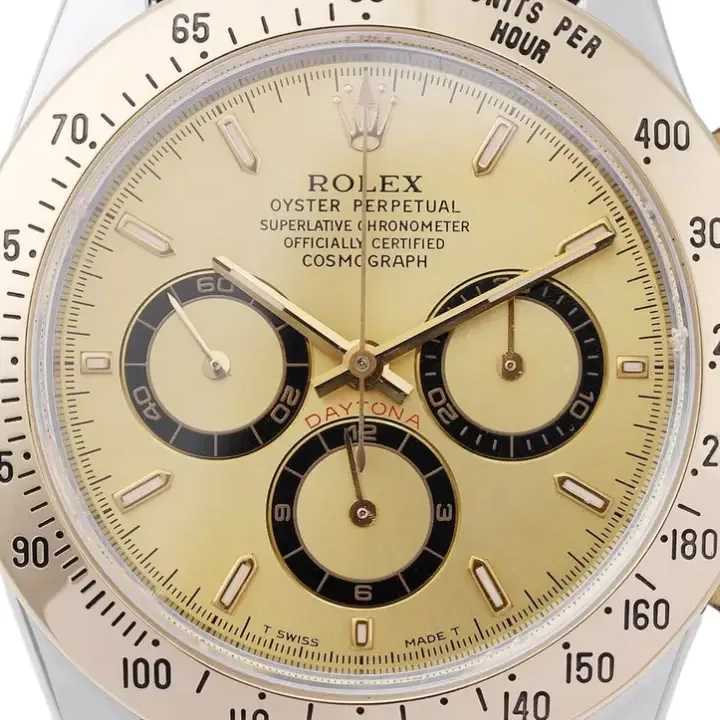
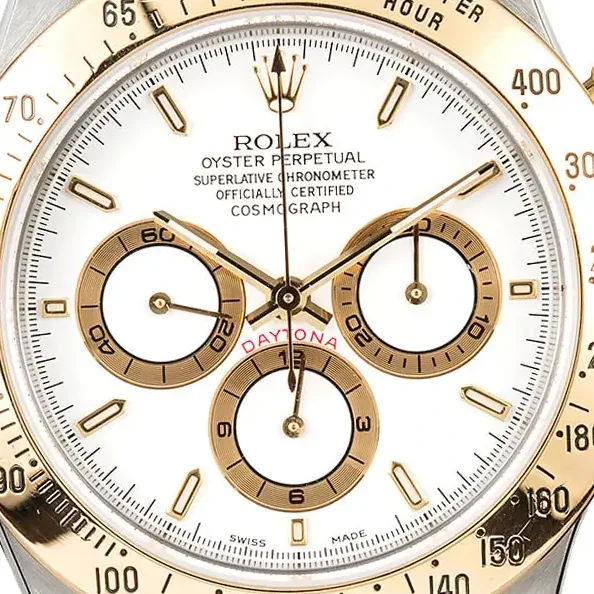
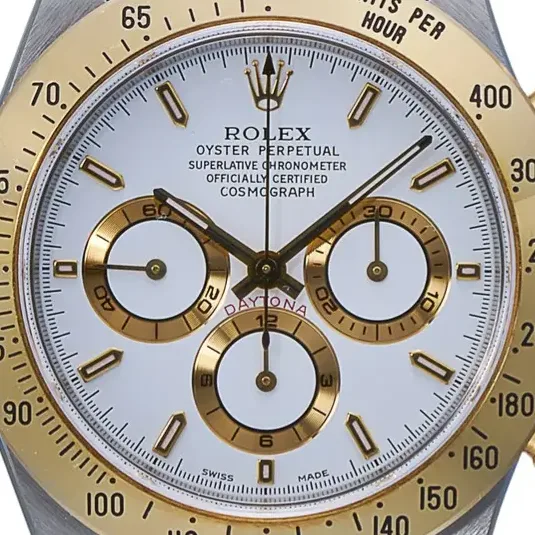
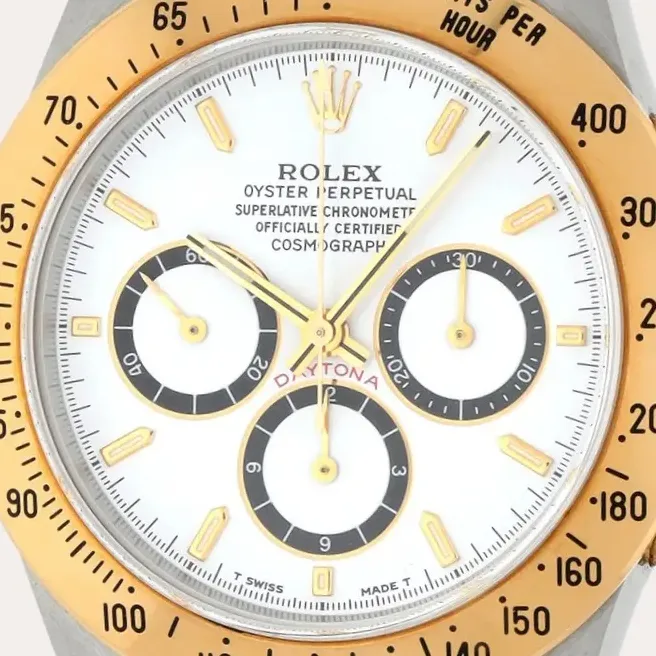
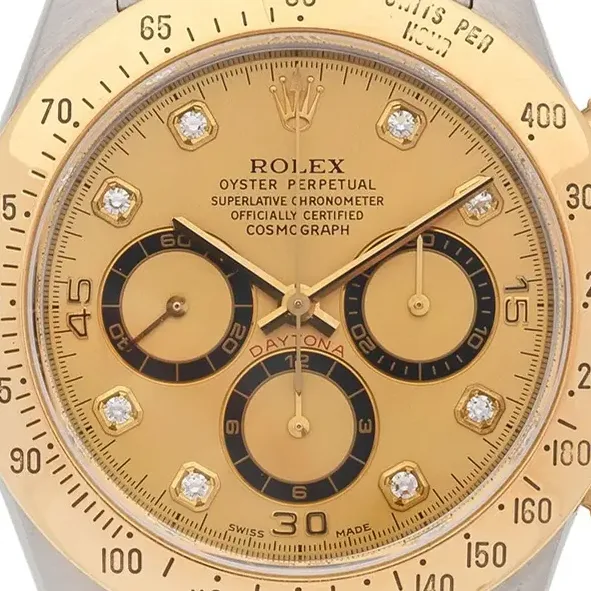
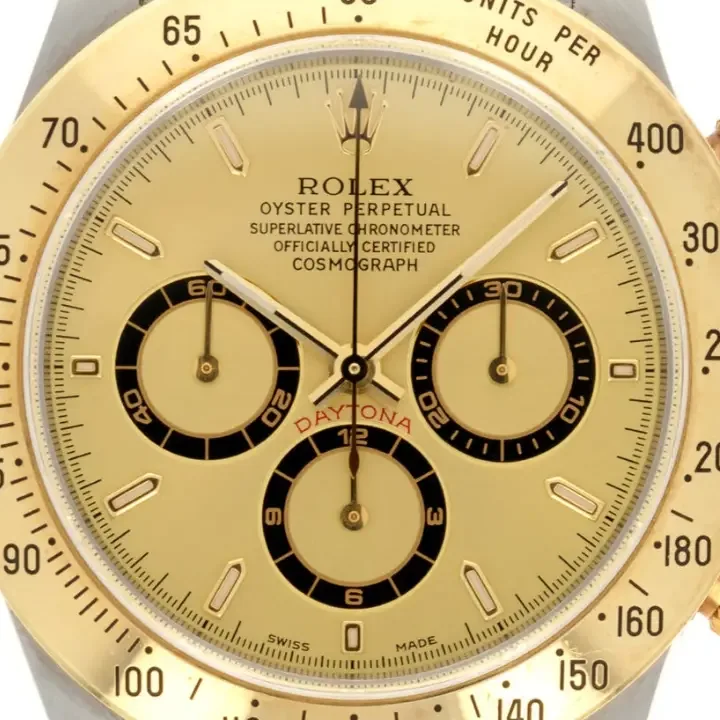
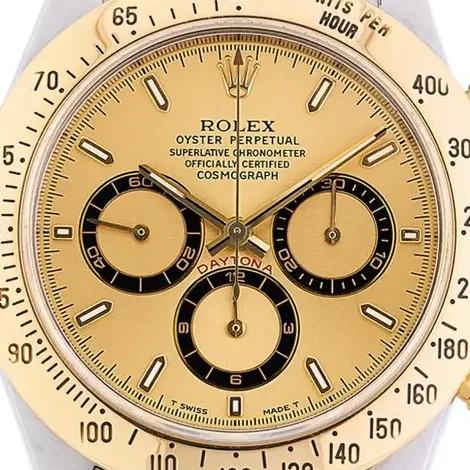
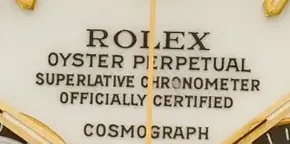
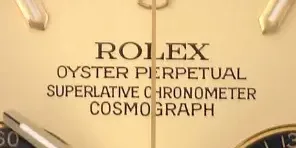
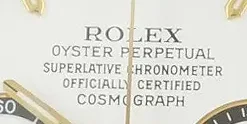
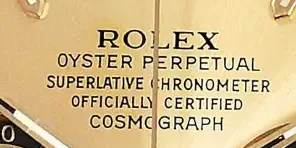
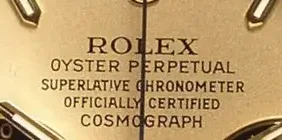
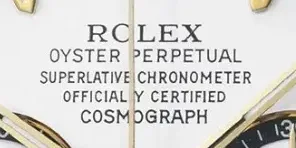
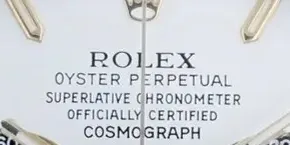
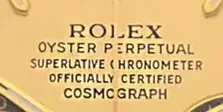
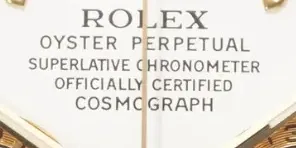
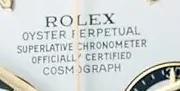
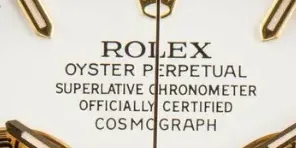
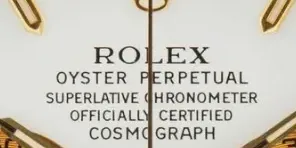
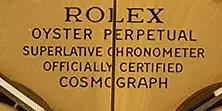
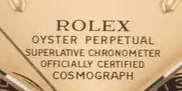
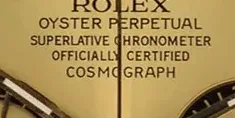
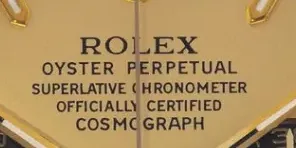
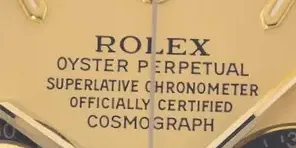
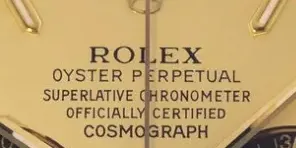
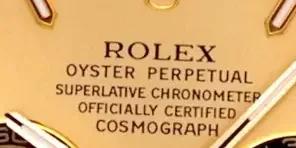
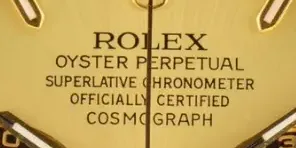
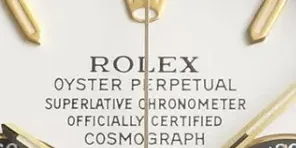
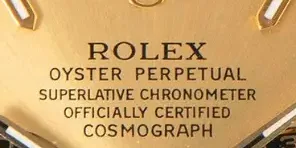
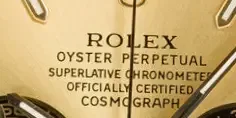
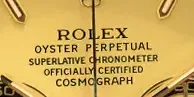
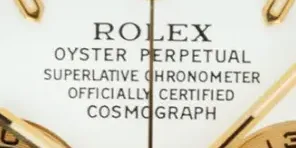
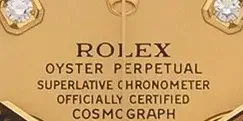
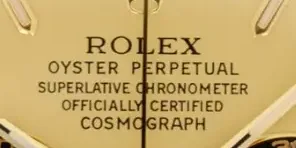
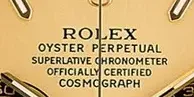
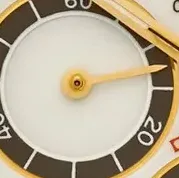
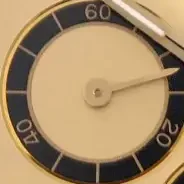
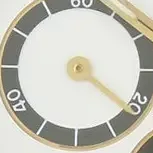
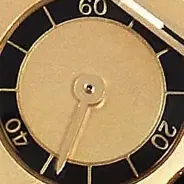
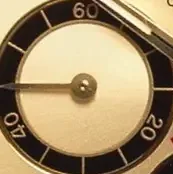
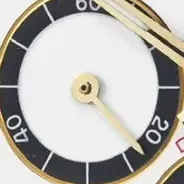
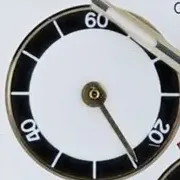
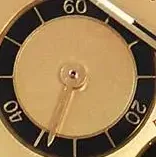
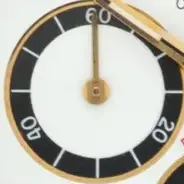
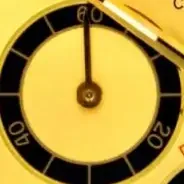
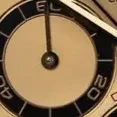
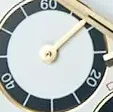
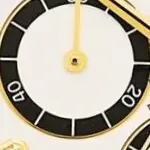
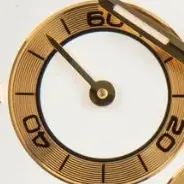
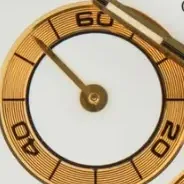
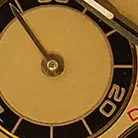
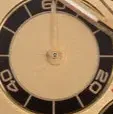
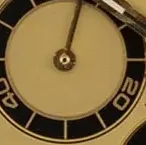
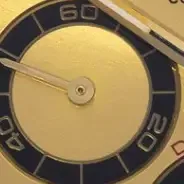
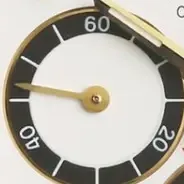
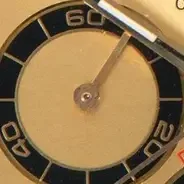
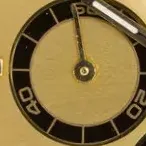
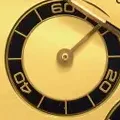
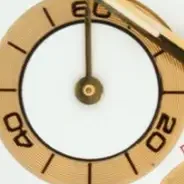
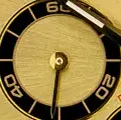
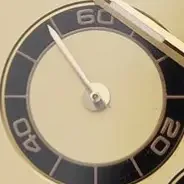
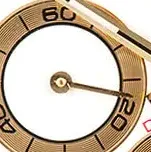
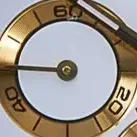
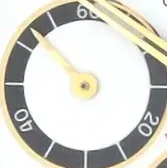
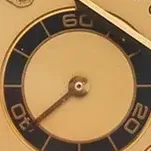
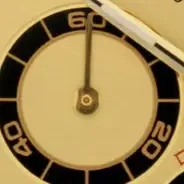
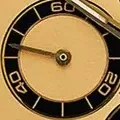
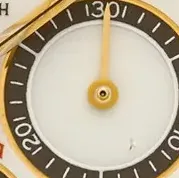
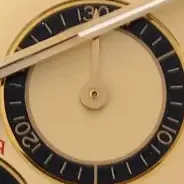
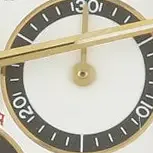
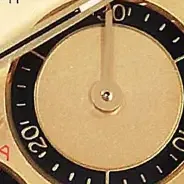
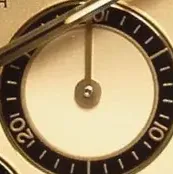
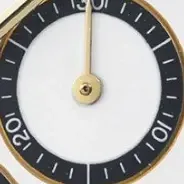
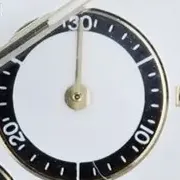
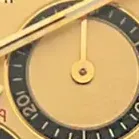
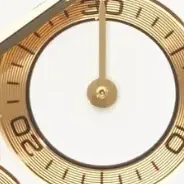
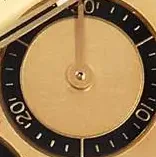
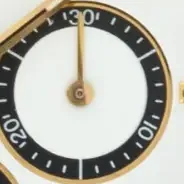
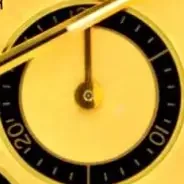
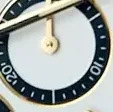
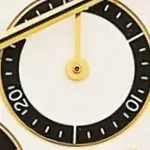
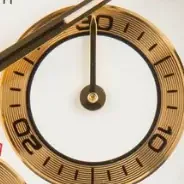
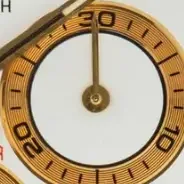
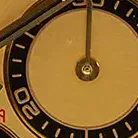
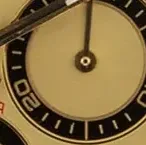
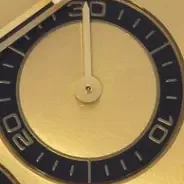
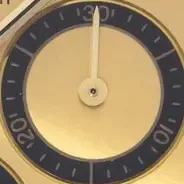
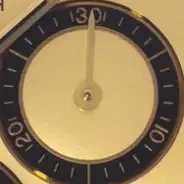
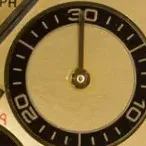
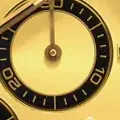
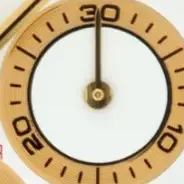
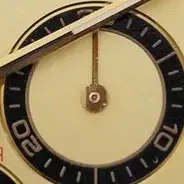
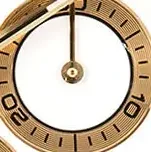
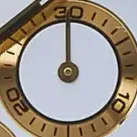
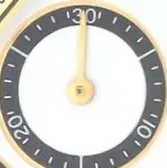
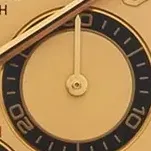
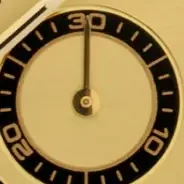
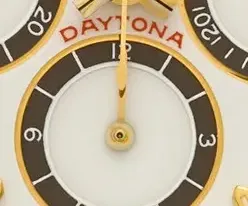
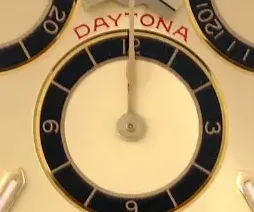
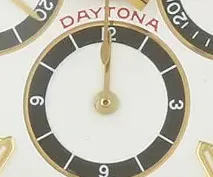
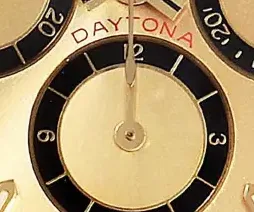
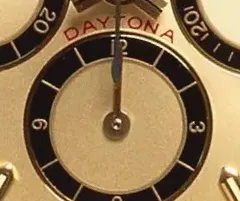
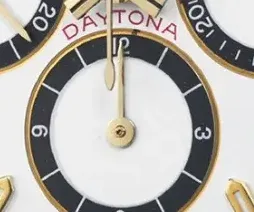
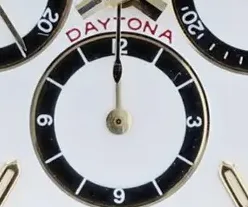
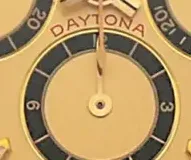
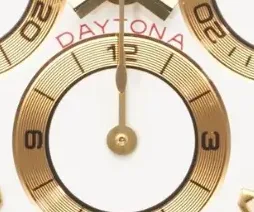
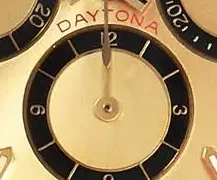
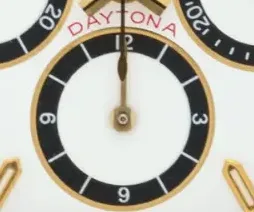
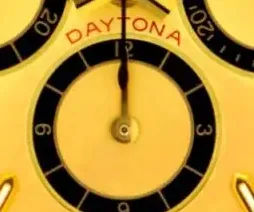
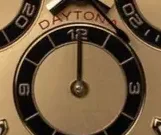
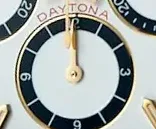
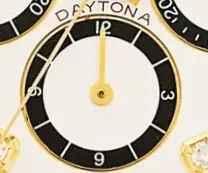
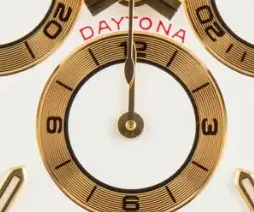
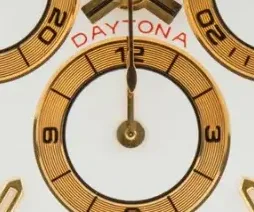
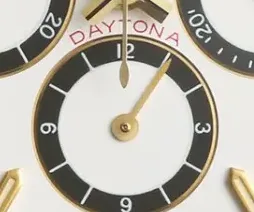
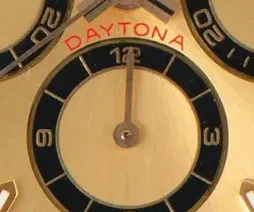
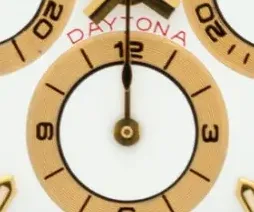
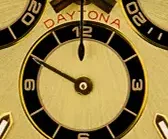
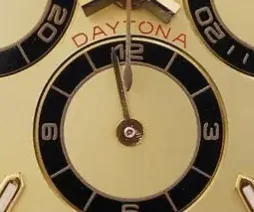
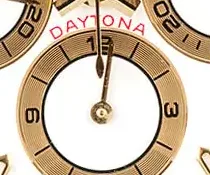
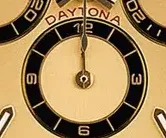
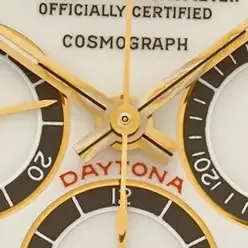
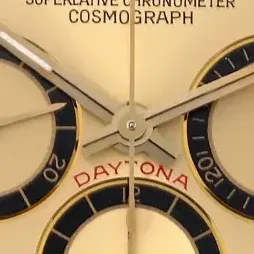
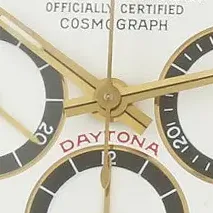
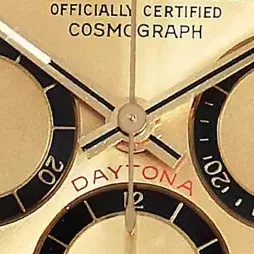
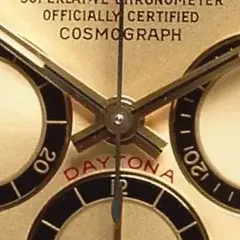
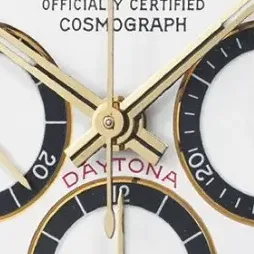
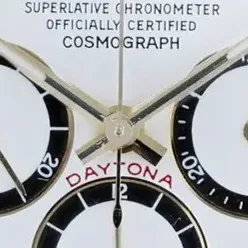
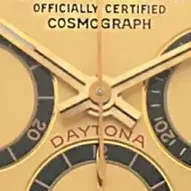
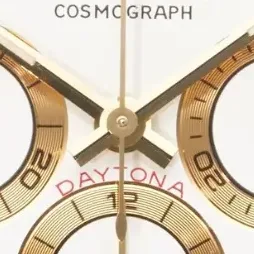
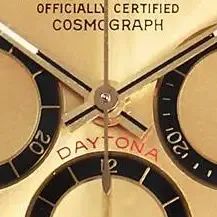
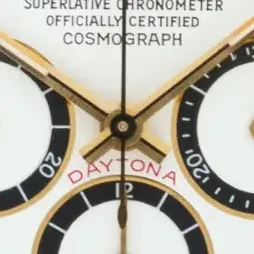
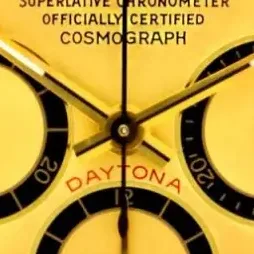
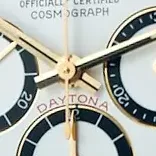
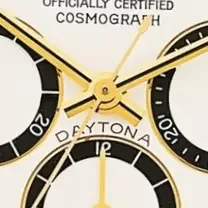
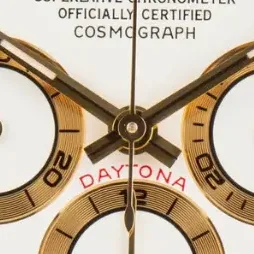
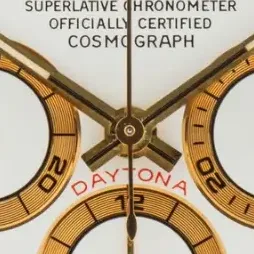
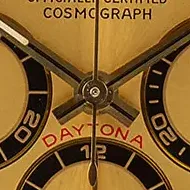
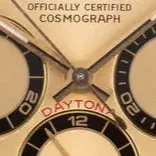
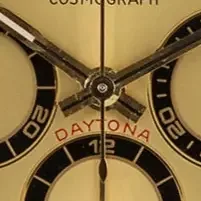
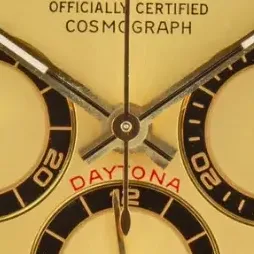
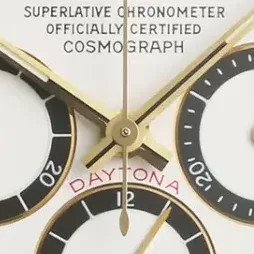
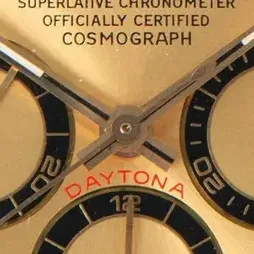
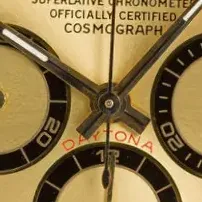
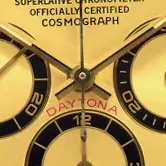
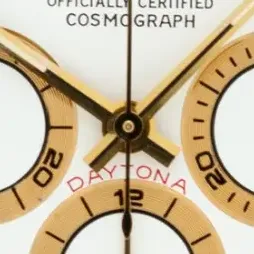
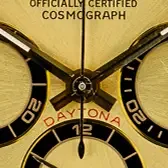
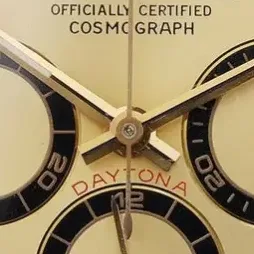
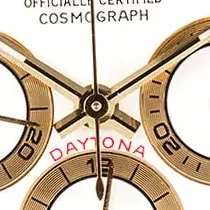
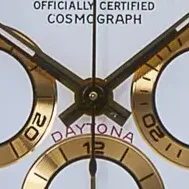
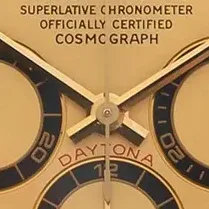
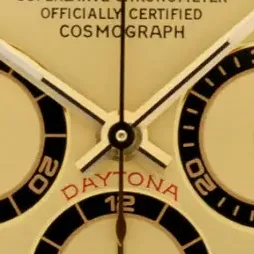
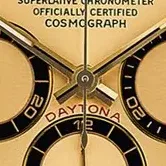
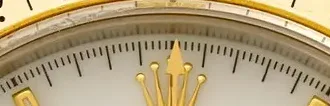
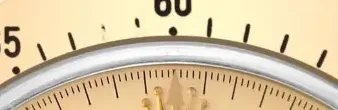
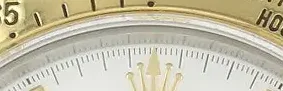
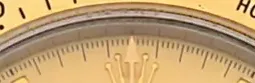
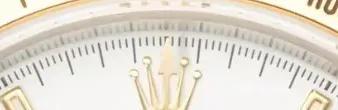
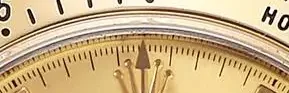
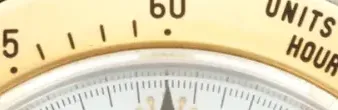
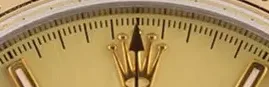
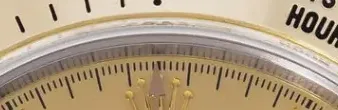
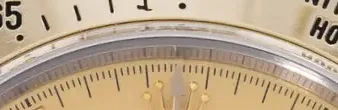
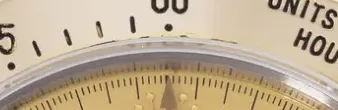
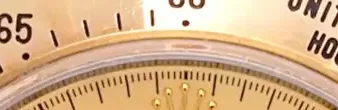
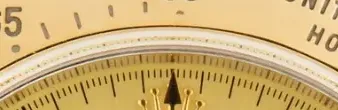
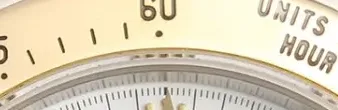
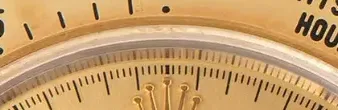
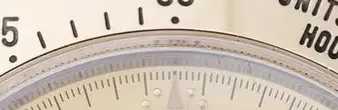
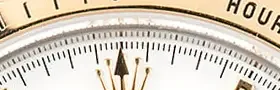
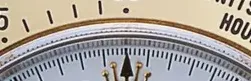
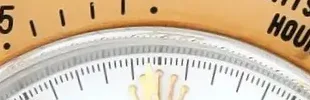
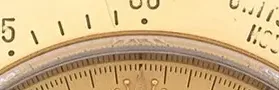
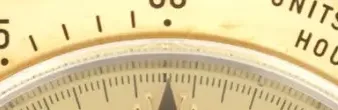
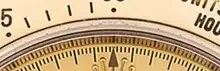
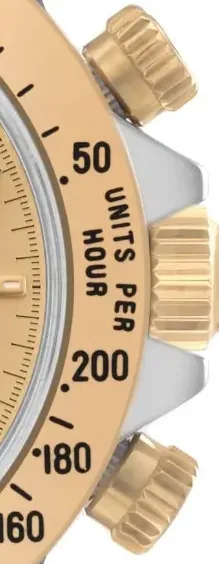
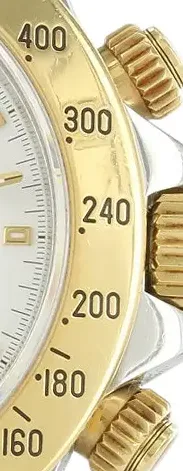
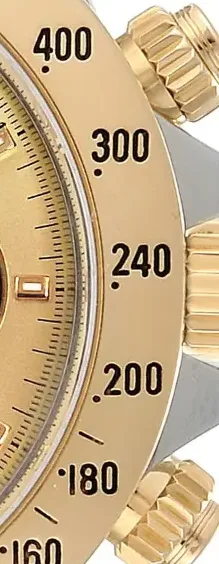
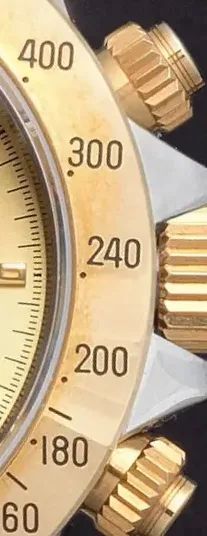
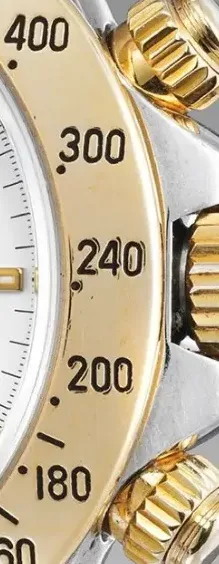
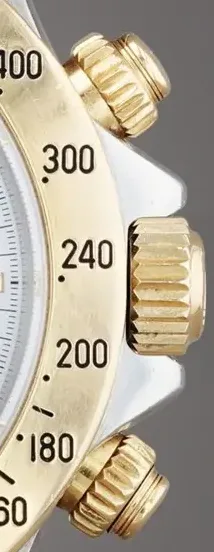
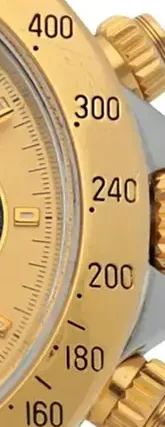
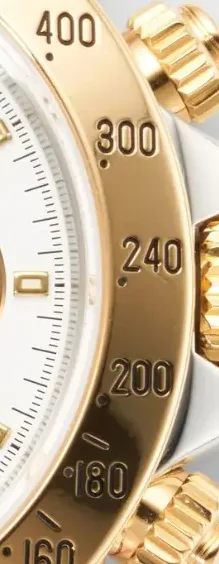
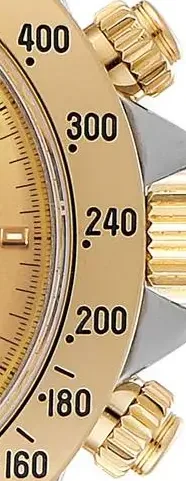
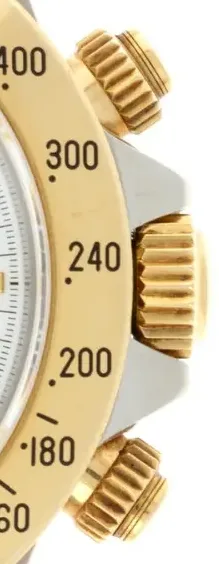
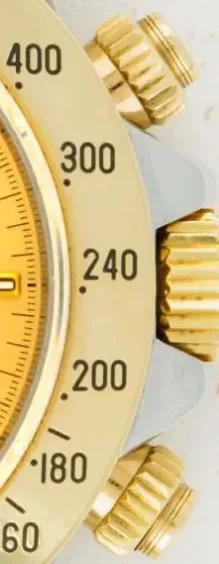
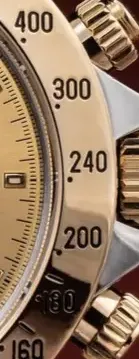
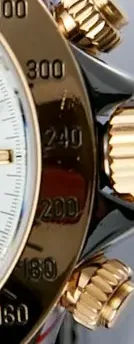
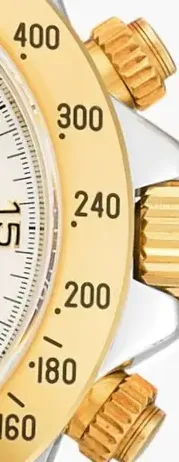
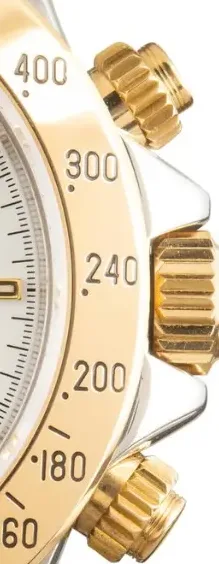
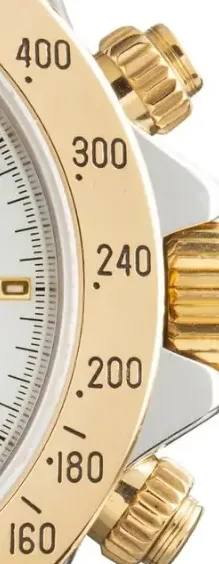
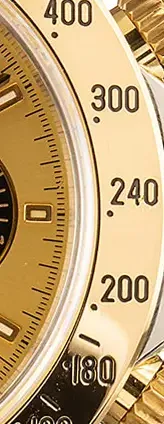
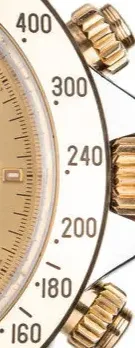
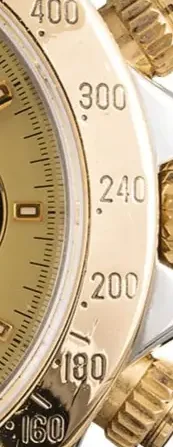
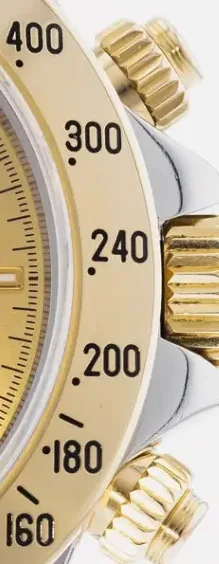
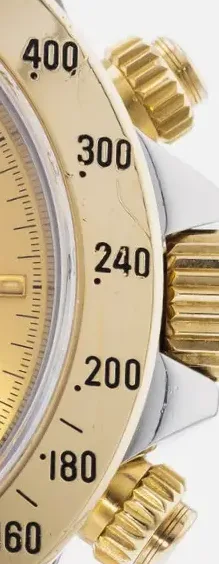
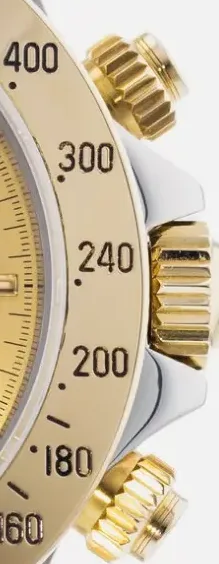
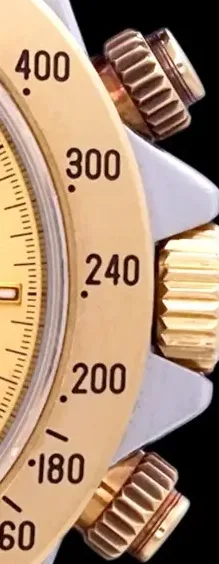
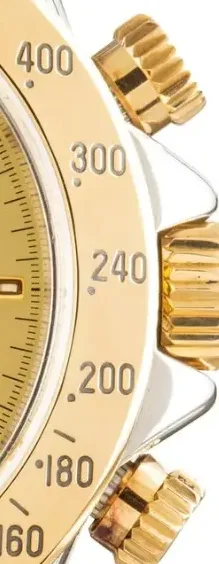
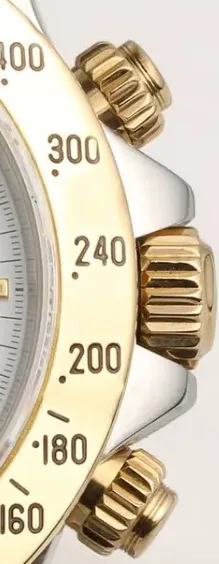
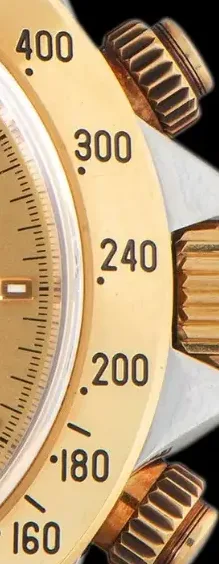
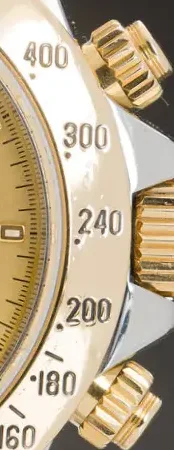
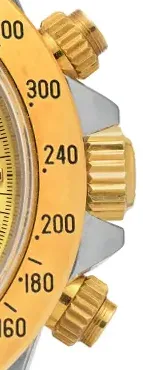
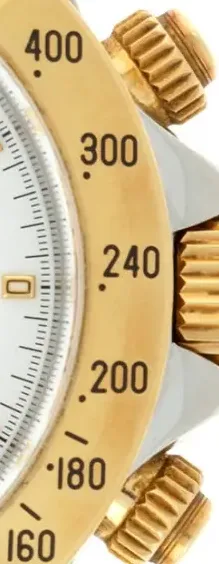
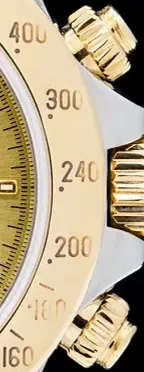
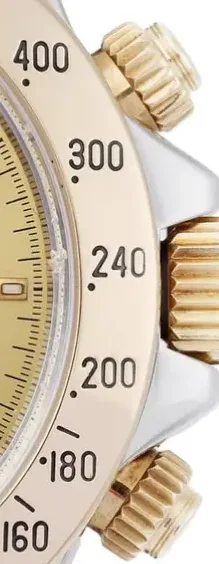
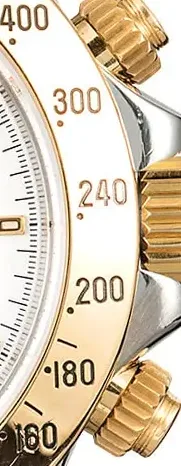
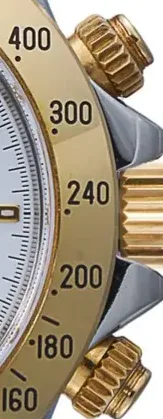
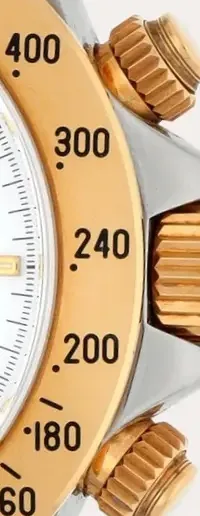
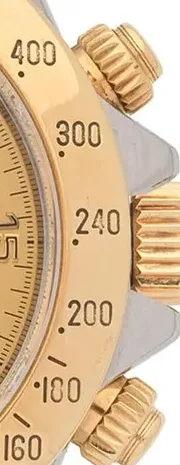
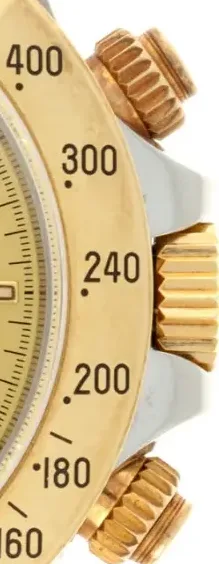
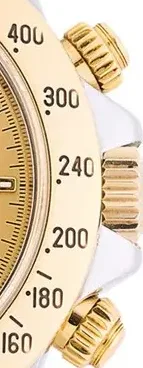
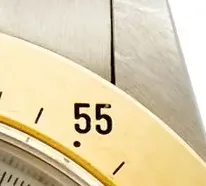
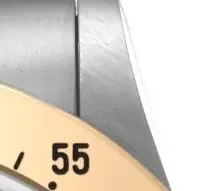
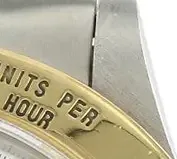
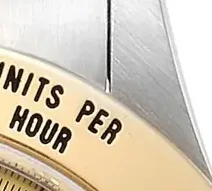
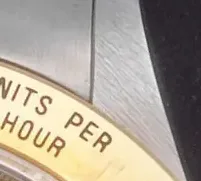
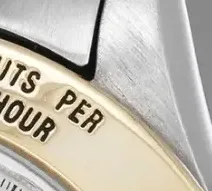
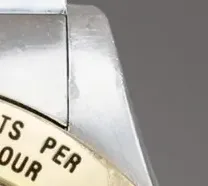
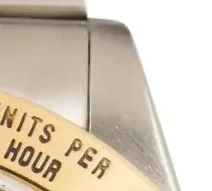
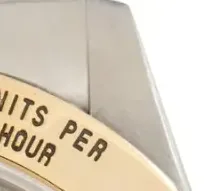
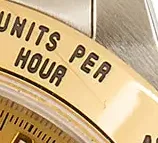
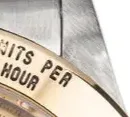
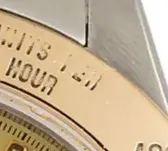
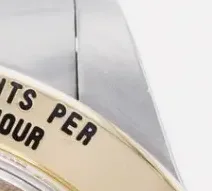
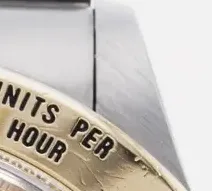
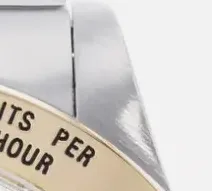
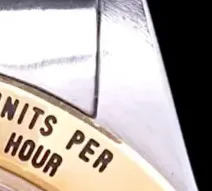
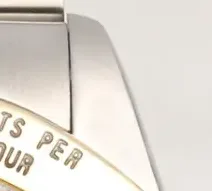
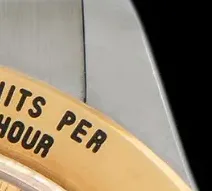
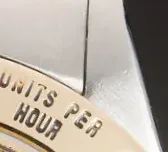
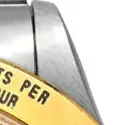
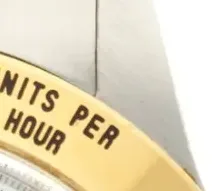
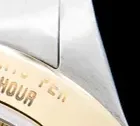
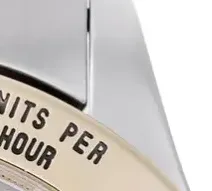
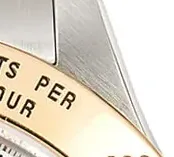
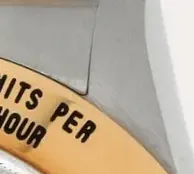
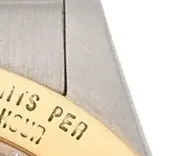
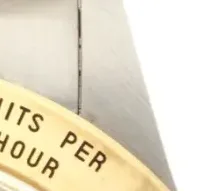
38 watches, oldest first, each straightened and cut the same way so that one row shows one component across them all. Chosen from 1,197 photographs on file for sharpness and for a face typical of the reference. A year marked c. is one its holder gives only roughly. Each picture is a detail cut from a listing photograph. Select the small mark in its corner for its year, its holder, a link to the listing it came from, and a way to report it.
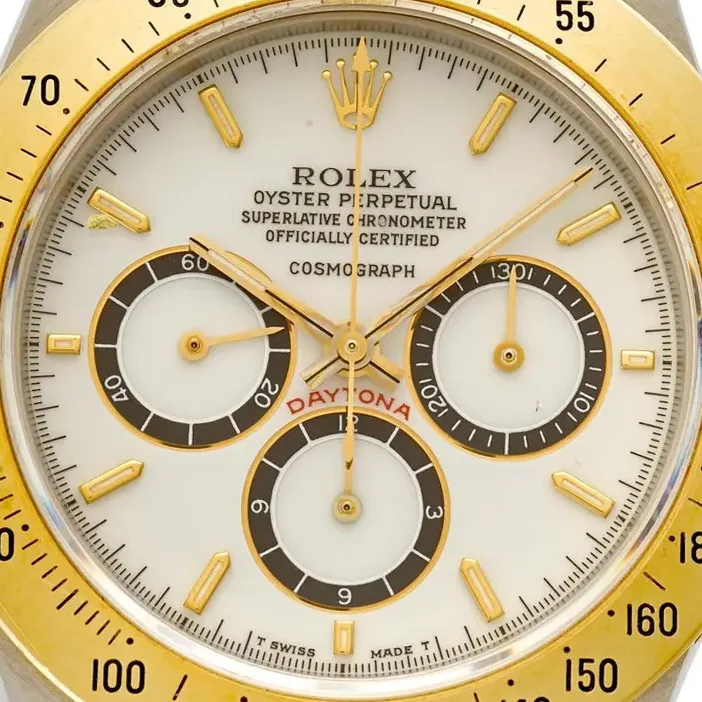
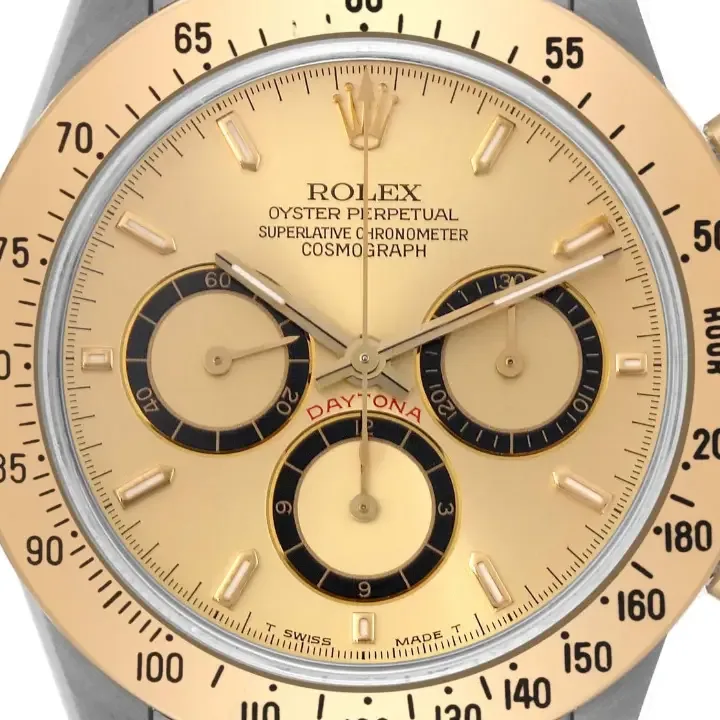
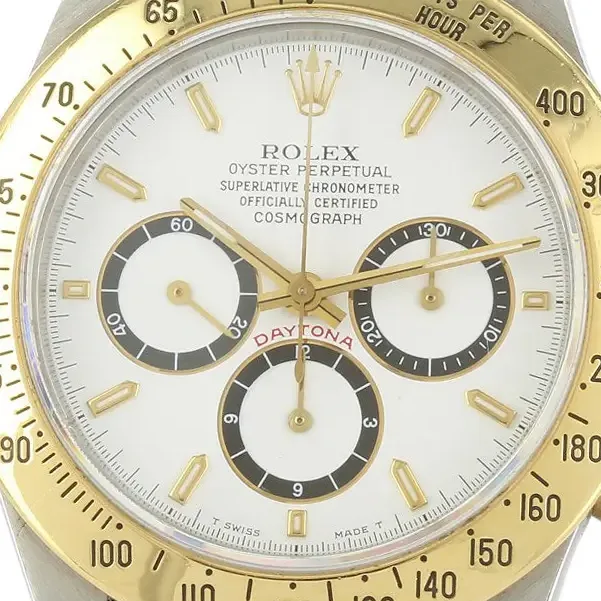
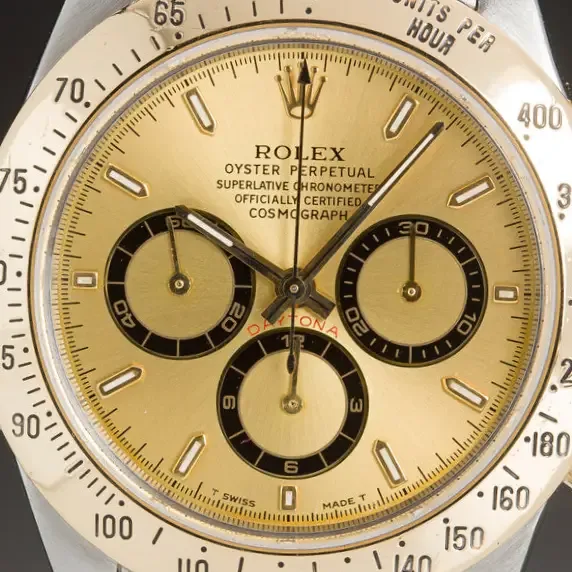
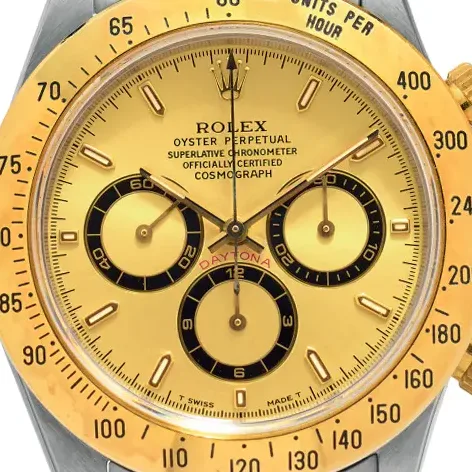
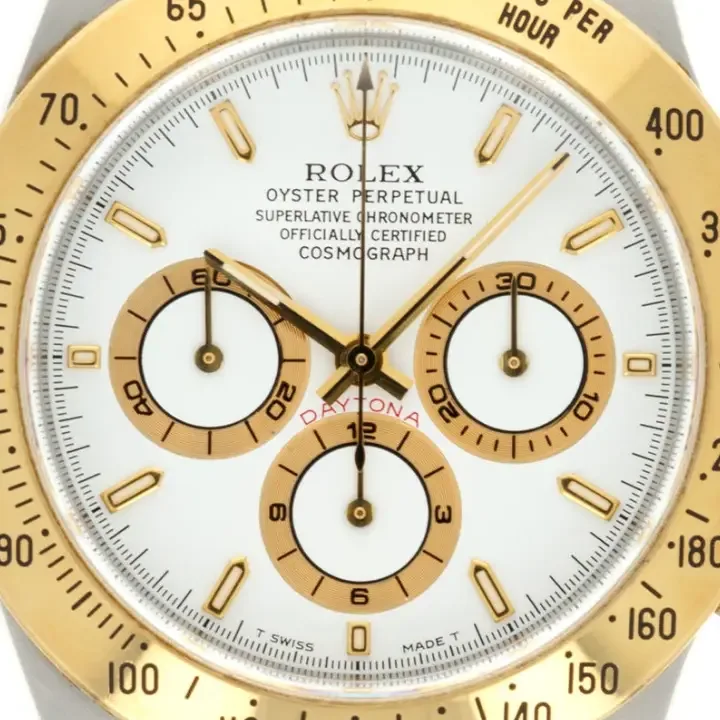
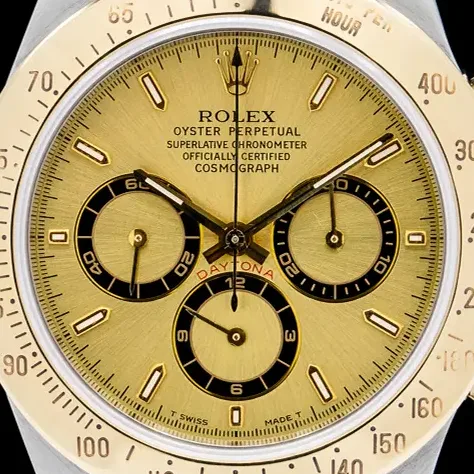
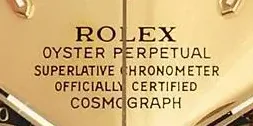
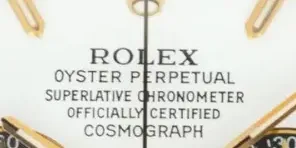
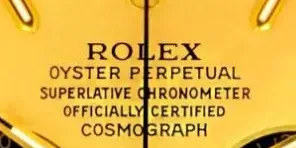
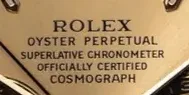

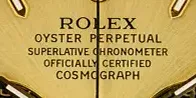
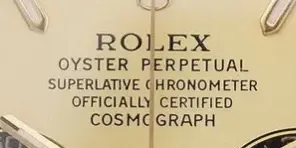
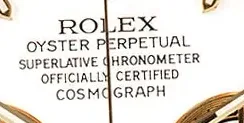
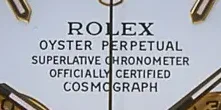

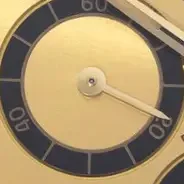
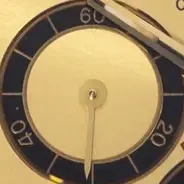
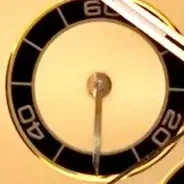
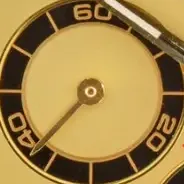
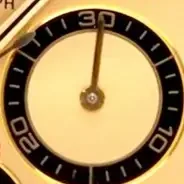
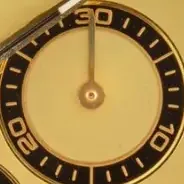
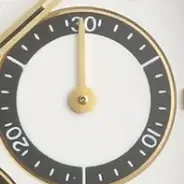
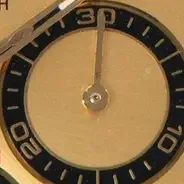
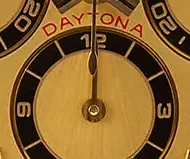
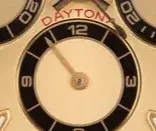
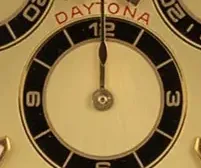
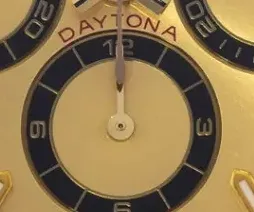
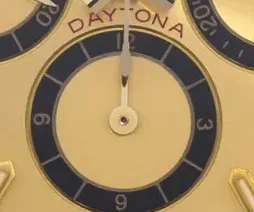
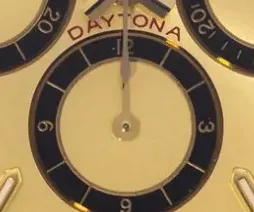
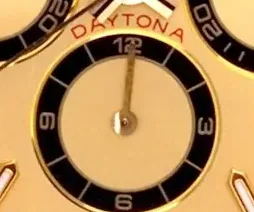
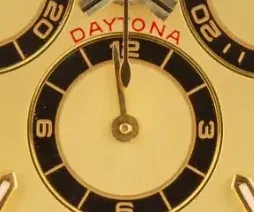
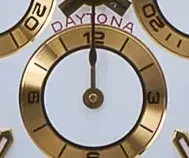
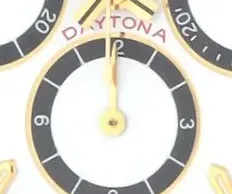
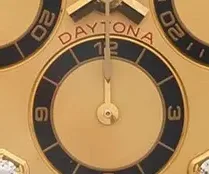
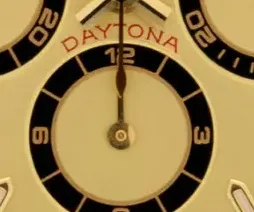

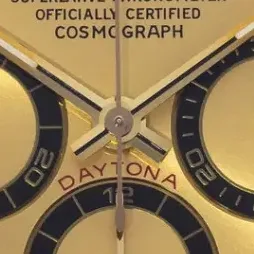
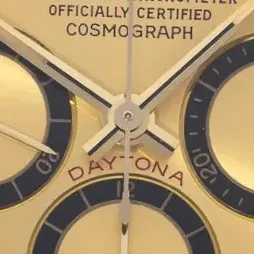
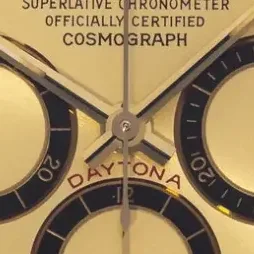
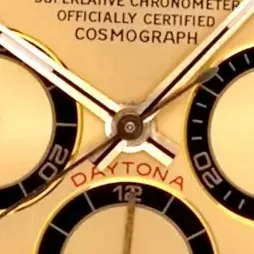

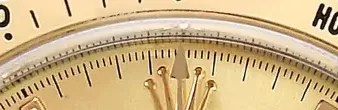
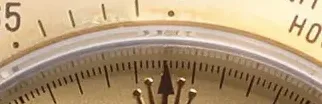
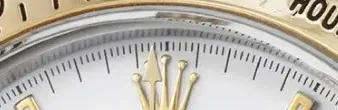
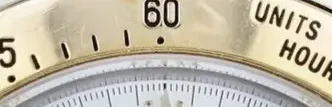
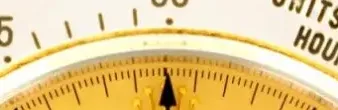
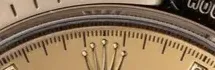
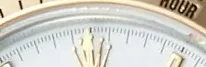
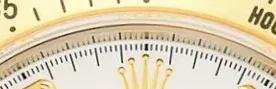
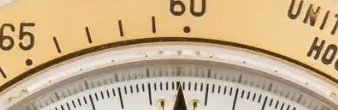
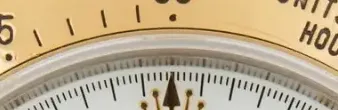
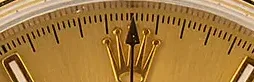
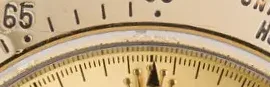
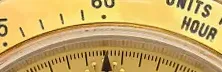
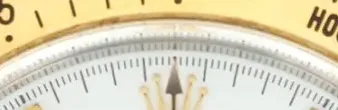
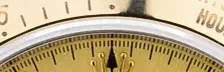
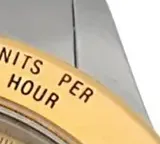
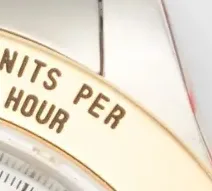
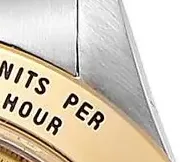
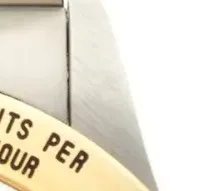


Chronology
The span is stated as 1988 to 2000, and case numbers in the library's records date watches over the same years.
Every dated variant: what is written, and what the records show
For the reference the marks are every dated watch; for a variant, the watches a seller names as that variant, so a variant sellers do not name has none.
The reference's own marks are dated by case number. A variant's marks use the year each seller states, so a variant can show watches in a year where the row for the reference shows fewer, or none.
Specification
| Case | 40 mm Oyster case of steel with an 18 ct yellow gold bezel and crown, crown guards, solid screw-down back; about 12.2 mm thick and 47 mm lug to lug |
| Crystal | Flat sapphire, no date |
| Bezel | Fixed engraved gold tachymeter bezel |
| Dial | White, champagne, black or grey, with applied gold markers, gold hands and contrasting registers |
| Movement | Rolex calibre 4030, self-winding chronograph derived from the Zenith El Primero, 28,800 vibrations an hour, about 52 hours of power reserve |
| Crown and pushers | Triplock screw-down crown, screw-down chronograph pushers |
| Bracelet | Two-tone Oyster with steel outer and gold inner links, commonly the 78363 with hollow links and a stamped clasp |
| Water resistance | 100 metres |
Dial 7 described
The two-tone dials follow the Marks of the steel and gold watches. The choice was made to match the metals: white, champagne, black or grey, with registers in contrasting colours.
Floating Cosmograph
case numbers R and early L
Cosmograph is set apart from the other text, below OFFICIALLY CERTIFIED, on the earliest watches. On R serials it comes with the 200 bezel; some L-serial watches of 1989 still have the floating dial with the newer 400 bezel. Floating champagne dials are known on two-tone watches. The six in the lower register is inverted and the minute counter has four dashes.
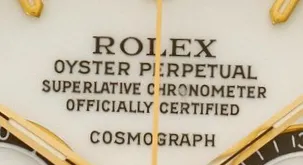
- inverted six
- 200 bezel on R-serial watches
17 listings on record under the name.
Four-line dial
Four lines of text rather than five, OFFICIALLY CERTIFIED being left out, found on two-tone watches of the first two years as on the other Zenith Daytonas. Most accounts have Cosmograph joined to the rest of the text on this dial; one describes it as floating.
- four lines of text
- no OFFICIALLY CERTIFIED line
Mark 3
Full text returns with OFFICIALLY CERTIFIED restored and Cosmograph in the main block; the inverted six and four dashes stay.
- OFFICIALLY CERTIFIED present
- inverted six
Mark 4
The six is upright, register numerals wider and bolder, the minute counter has three dashes and the main text has lost its serifs.
- upright six
- bold register numerals
Mark 5
case numbers U to P
Late dial with Luminova, signed SWISS alone at six o'clock. Black dials are known on P-serial watches.
- SWISS only at six o'clock
Colours
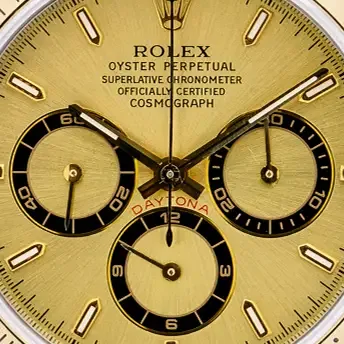
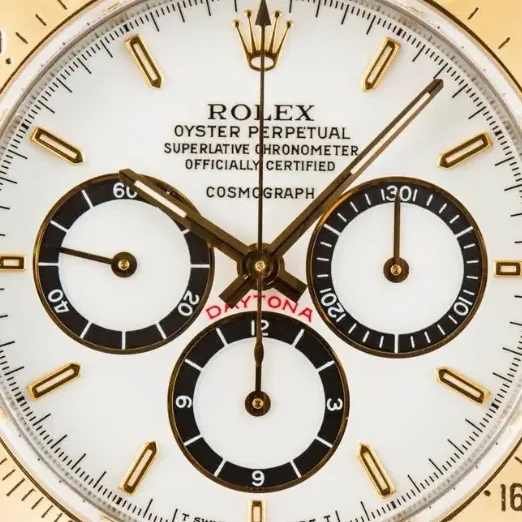
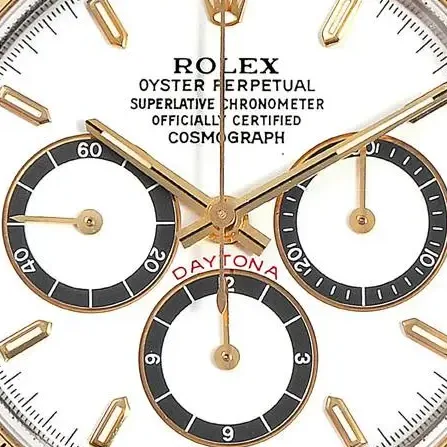
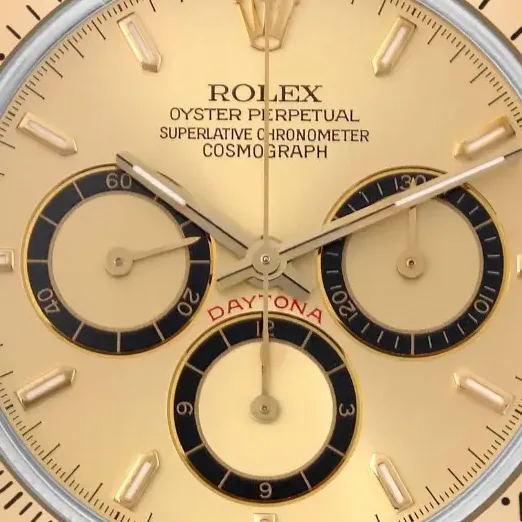
White with black or champagne registers, champagne or gold sunburst, black and grey or slate. Dials have applied gold markers and a red DAYTONA script is described above the six o'clock register. Tritium plots age to a warm cream on the older watches.
- champagne dial
- grey or slate dial
- sunburst finish


Diamond-set and mother-of-pearl
Factory diamond-set dials were available, and a mother-of-pearl dial is recorded.
- diamond hour markers
- mother-of-pearl dial
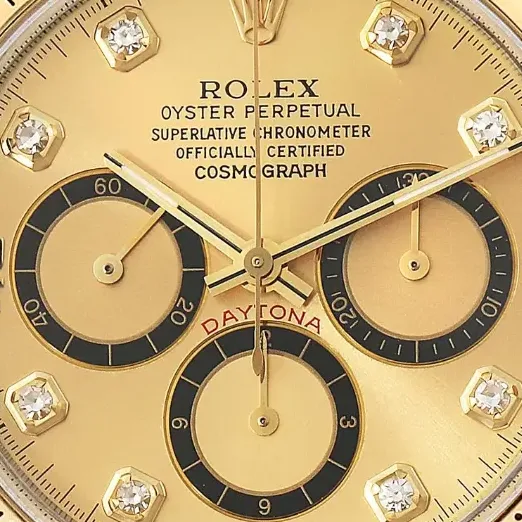

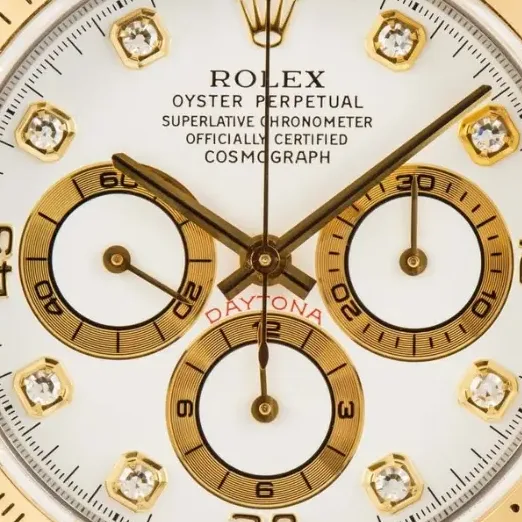

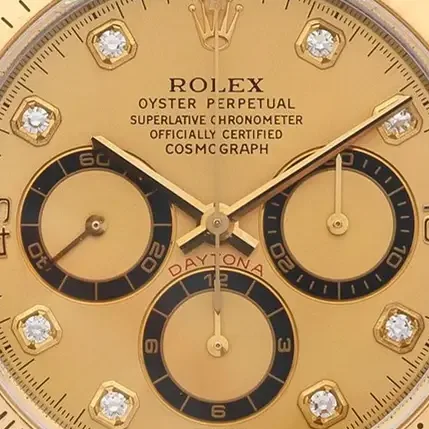

Also sold under this name and confirmed by eye, the photograph not shown here: 1999 · the listing at swisswatchexpo.com.
Luminous material 2 described
Tritium in the early and middle years, Luminova from about 1998.
Tritium
T SWISS T at the foot of the dial; the plots have often warmed to ecru and should match the age of the watch.
- T SWISS T
Luminova
SWISS alone at six o'clock on dials made for Luminova.
- SWISS only
Subregisters 1 described
Seconds at nine, with a 30-minute counter at three and a 12-hour counter at six.
Inverted six
The six in the lower register is printed upside down on the early dials, until about 1993.
- upside-down six
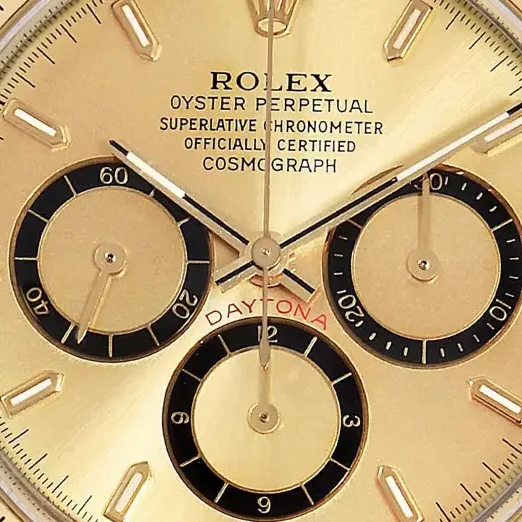


Also sold under this name and confirmed by eye, the photograph not shown here: 1991 · the listing at swisswatchexpo.com.
Bezel 2 described
Bezel marks follow the serial and match the steel and gold watches.
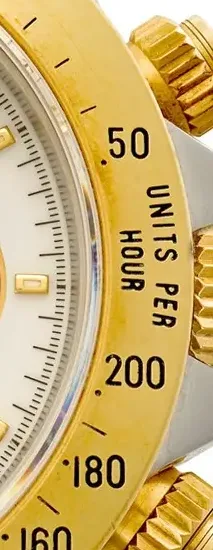
200 bezel
case numbers R
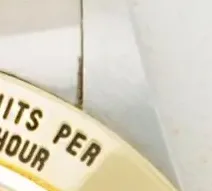
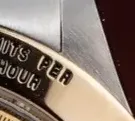
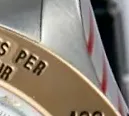
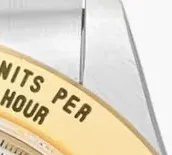
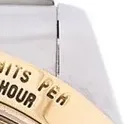
Graduated 50 to 200, with UNITS PER HOUR at three o'clock, fitted with the floating dials. Dated watches that sellers describe this way fall mostly between 1988 and 1989; those are the years of the watches so described, which is not a stated span of production.
- scale ends at 200
400 bezel
case numbers L onward
Graduated to 400 with the units text at one o'clock, and later with 200, 240 and 300 readings; the A and P serials of the gold models took a new lettering with underlining arrows and triangles, which applies only to precious metal bezels.
- scale to 400
- units at one o'clock
Case 1 described
A steel middle case, with gold bezel, crown and sometimes gold pushers. The middle case is the same as the steel 16520's.
Case and engraving
The steel middle case is shared with the 16520, so a two-tone watch can be altered to pass as a steel one if the engraving between the lugs at 12 o'clock is redone. Rolex gave certain case numbers to certain references, so the number shows which it was; at 12 o'clock the reference and ORIG ROLEX DESIGN are engraved and at 6 o'clock STAINLESS STEEL and the case number. Brushed lug tops with sharp steel-to-gold edges mark an unpolished case.
- engraved numerals at 12 o'clock
- case number fits a 16523 range
- sharp edges
Crown and pushers 1 described
Triplock crown and screw-down pushers.
Triplock
Triplock screw-down crown between guards, gold on this reference.
Crystal 1 described
Flat sapphire.
Flat sapphire
Flat sapphire without a date magnifier; the watch has no date.
Movement 1 described
Calibre 4030 from the start to the end.
Calibre 4030
A chronograph derived from the Zenith El Primero 400, stripped to the mainplate and altered by more than 200 changes. The date was removed, the beat dropped from 36,000 to 28,800, a free-sprung balance with a Breguet overcoil was fitted and the power reserve rose to about 52 hours. Service is dearer than for an in-house movement.
Bracelet 2 described
Two-tone Oyster bracelet with hollow links.
78363
Steel outer and gold centre links, a stamped Oyster clasp and hollow end links, giving a lighter and looser feel than a modern bracelet. Stretch is common. Sellers cite 403 end links on watches from 1988 to 1996.
- hollow gold centre links
- stamped clasp
Solid end links
Solid end links replace hollow ones.
- solid end links
Originality
- A two-tone watch altered to pass as steel keeps its case number; check that the number fits the reference and that the engraving at 12 o'clock is Rolex's.
- Dials and lume plots should match the serial; painted or mismatched tritium suggests a replacement.
- Bezels may have been changed at service, so check them against the serial.
- Hollow-link bracelets stretch and are often replaced or serviced.
Names
- Zenith Daytona. The movement derives from the Zenith El Primero.
- Floating Cosmograph. Cosmograph is printed apart from the other text.
- Four-Liner. The dial carries four lines of text.
- Rolesor. Rolex's term for the steel and gold combination.
Where accounts differ
Points on which the published literature and the library's own records do not agree, or on which the literature contradicts itself.
- Dial colours. One guide lists three dials (champagne, white, black); another adds grey and slate, which seller descriptions in the library also name, from about 1998.
- Four-line dial. Accounts split on the second dial, the one without OFFICIALLY CERTIFIED. One calls this four-line dial of about 1988 to 1989 floating throughout, and has Cosmograph rejoin the main block only on the next dial. Others have Cosmograph moved up to join the rest of the text on it.
Back and movement
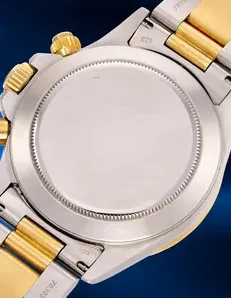
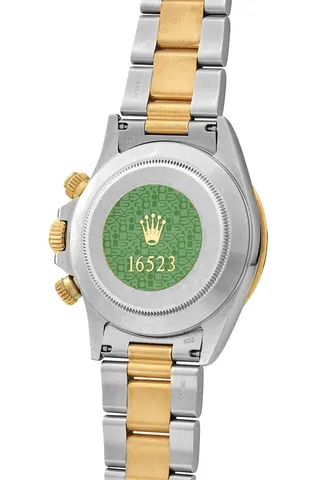
From listings of this reference, each confirmed by eye to show what it is filed under. A picture on which a person's name or a personal engraving can be read is not shown. From most holders a detail from the middle of the photograph is shown; the mark in its corner gives its holder and a link to the listing.
Caseback


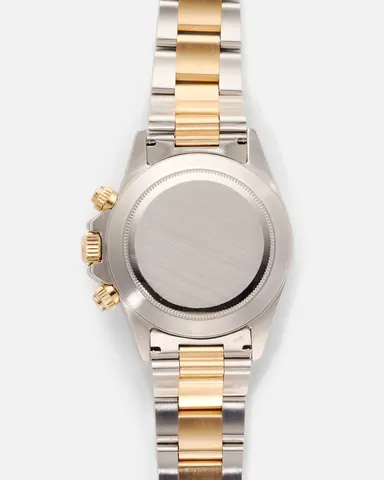

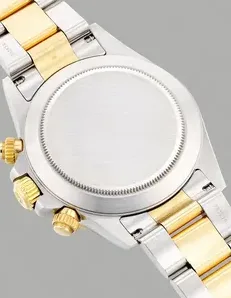

Inside the caseback
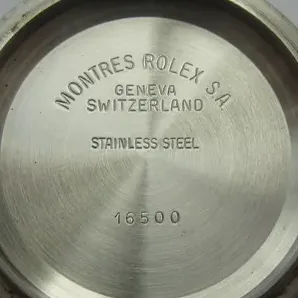

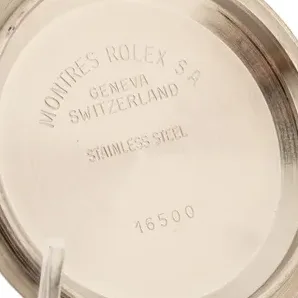

Movement
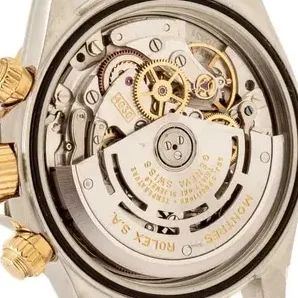

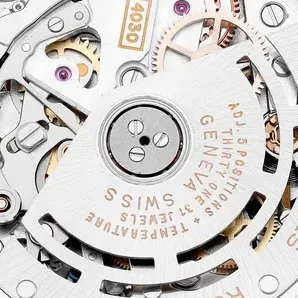

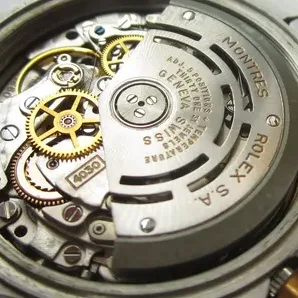

In the records
Counted from 478 listings at 53 holders between 17 October 2007 and 14 November 2026. These are what sellers and auction houses state, not measurements.
The fainter bar is the one watch outside the main run of 1988–2000 (the middle nine-tenths): the latest is 2002. It is an early or late example, or a number misread. The head of the page gives 1988–2000: the years that listings from two holders bear out.
At the holders that record papers on every watch, 35% of their 78 listings of this reference come with papers; at those that record the box on every watch, 82% of 107 come with a box. "Papers" is whatever the holder counts as papers, and can include service papers.
Case metal
| Steel and gold | 173 | |
| Steel | 63 | |
| Gold, any colour | 14 | |
| Yellow | 1 | |
| Colour not stated | 13 |
A listing that says "gold" or "18K gold" names no colour: it is counted under "colour not stated", not as yellow gold.
Dial colour
| White | 90 | |
| Champagne | 76 | |
| Black | 57 | |
| Grey | 10 | |
| Gold | 6 | |
| Silver | 5 | |
| Cream | 3 | |
| Mother of pearl | 2 |
Case size
| 40 mm | 204 | |
| 39 mm | 20 | |
| 38 mm | 10 |
Calibre named
| 4030 | 156 | |
| 4130 | 6 | |
| 400 | 4 |
Bracelet or strap
| Oyster bracelet | 212 | |
| Metal bracelet, kind not stated | 27 | |
| Leather strap | 1 |
Each table counts the listings that state the thing, in the seller's own terms. A size, metal, colour or calibre that cannot belong to this reference is a seller's slip or a listing filed under the wrong number.