Cosmograph Daytona
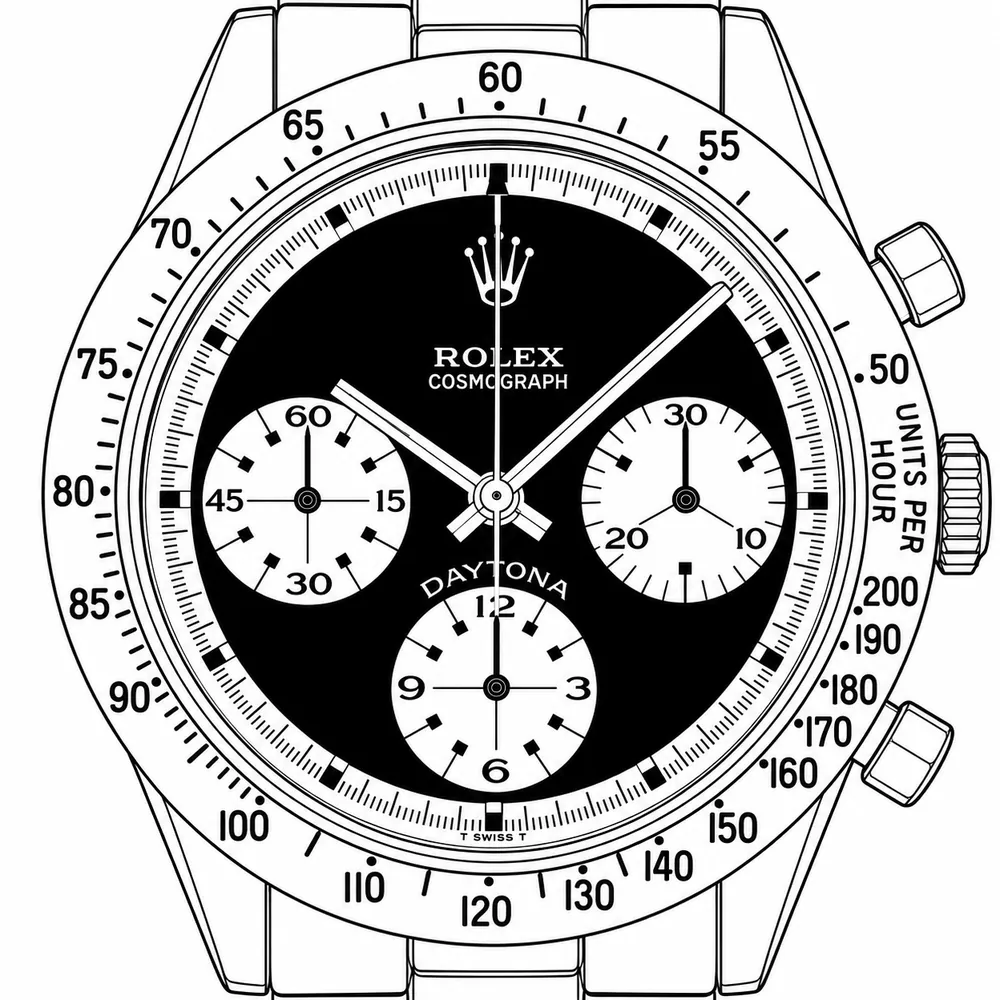
The 6262 is the last of the pump-pusher Cosmograph Daytonas to carry the plain metal tachymeter bezel. It pairs the 37 mm case and push-and-pull chronograph buttons of the 6239 with the higher-beat Valjoux 727, and it ran for roughly a year from about 1970 to 1971. It followed the 6239, and a black-bezel twin, the 6264, was made beside it; the screw-down-pusher 6265 and 6263 are usually said to have followed it, though the 6263 is also dated from 1969 and overlapped it. Most are steel; a few were made in yellow gold. Collectors look first at the dial: plain silver or black, 'Paul Newman' exotic, or one of the rarer printings. They then check the caseback stamp, the pushers and the subdial tone.
- Made
- 1970–1971dates approximate
- Seen in the library
- 1970–1971by case numbers
- Case
- 37 mm · steel (98%)as sellers state
- Movement
- Calibre 727hand-wound
- On record
- 176 listings344 photographs · 32 holders
Components
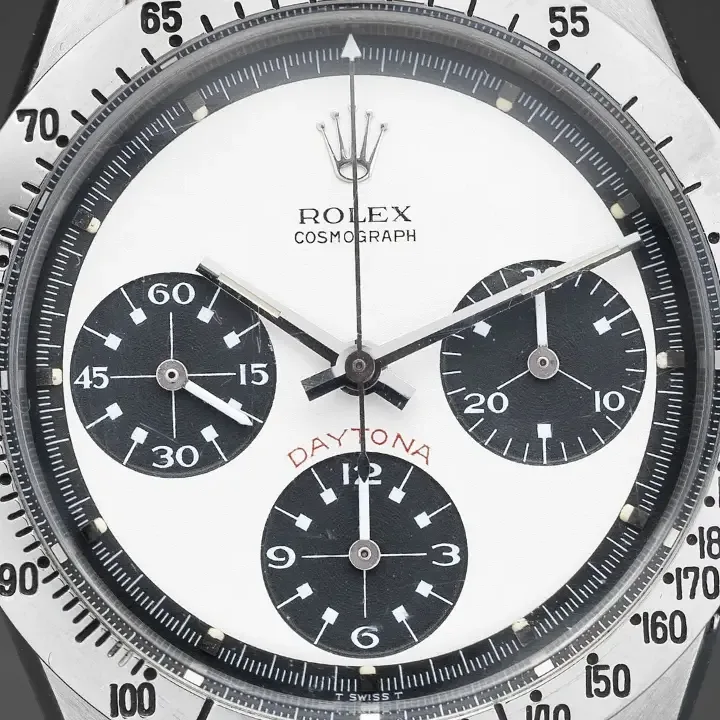
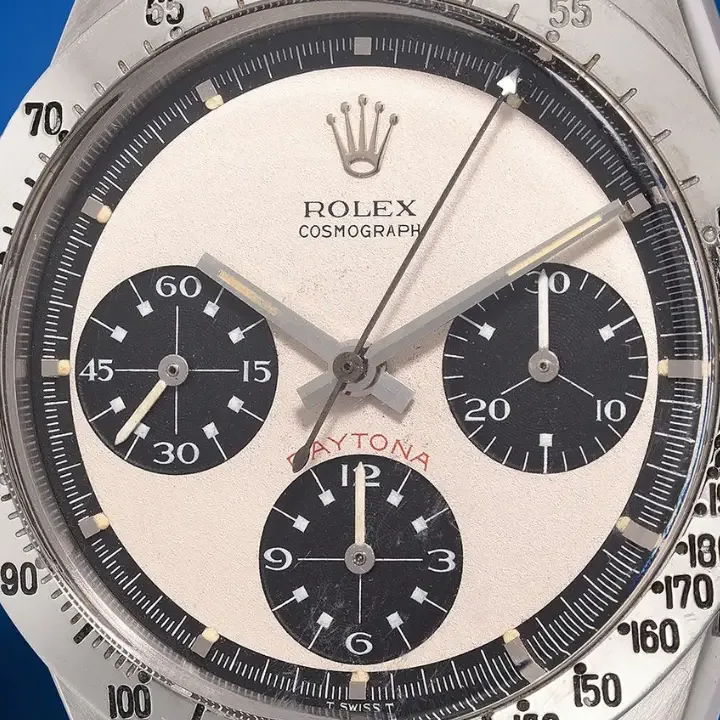
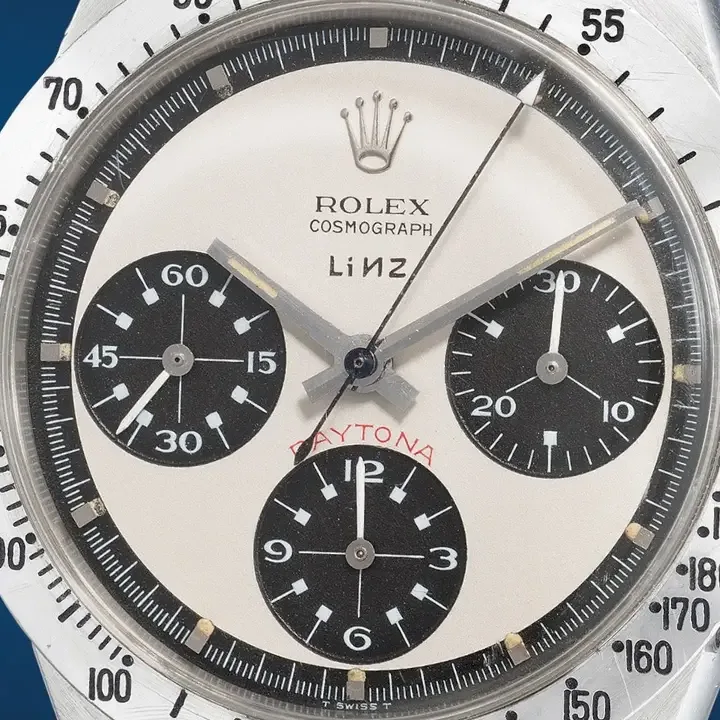
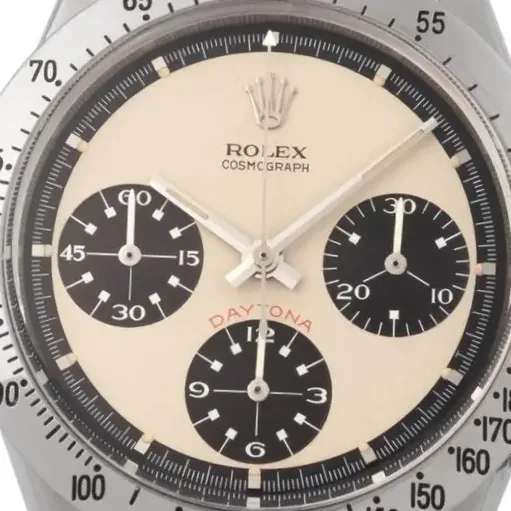
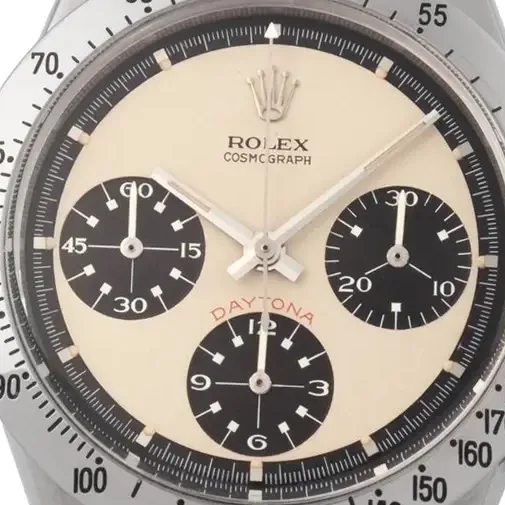
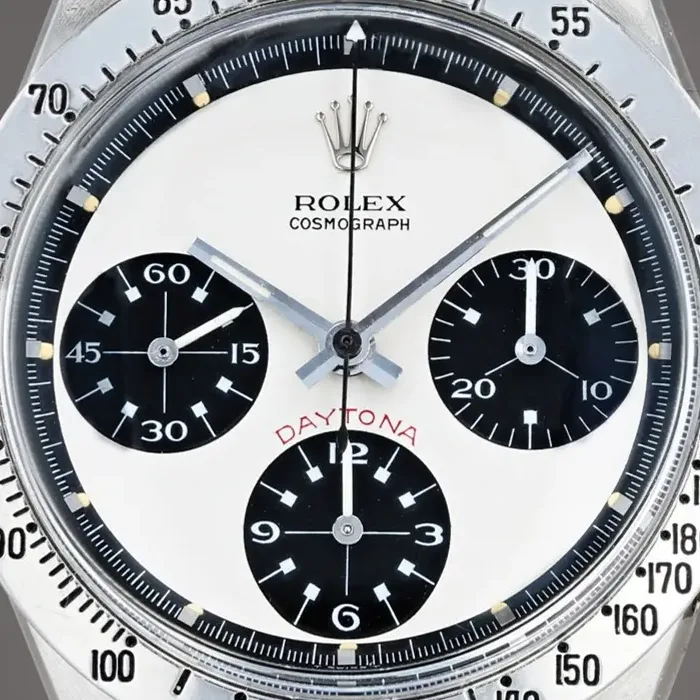
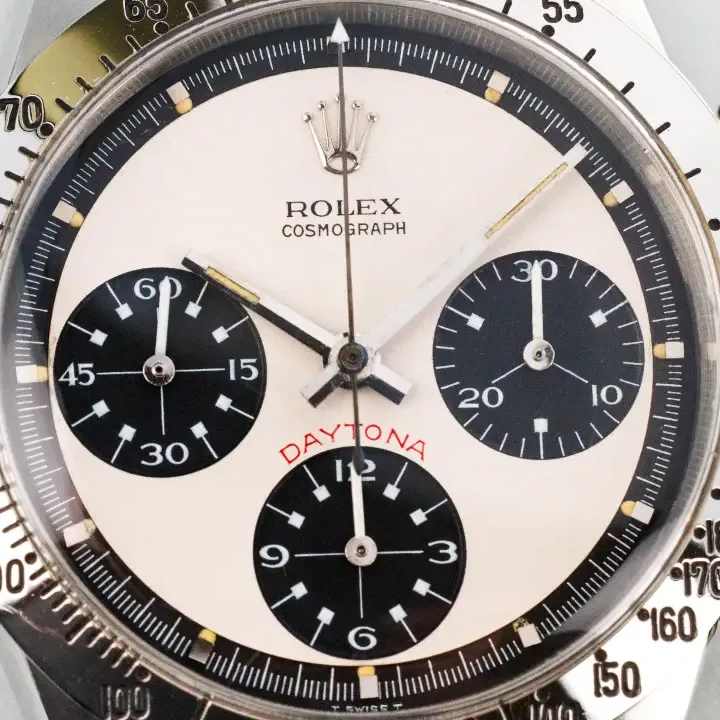
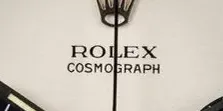
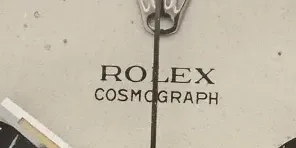
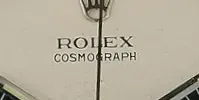
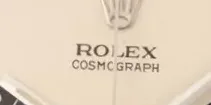
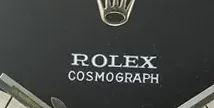
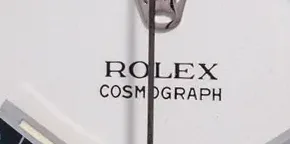
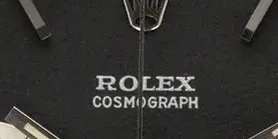
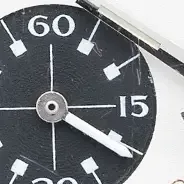
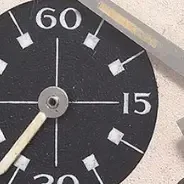
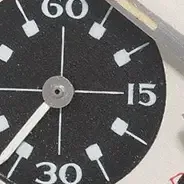
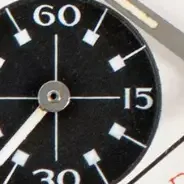
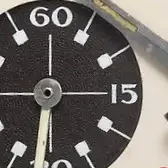
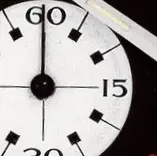
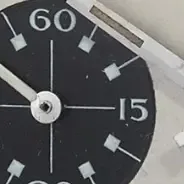
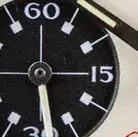
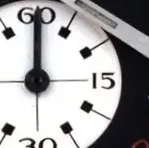
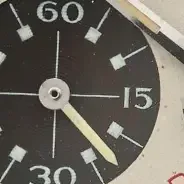
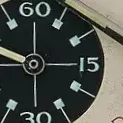
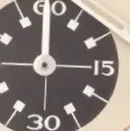
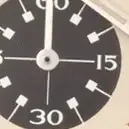
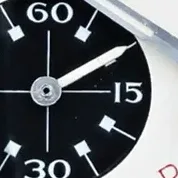
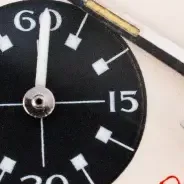
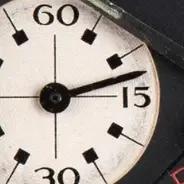
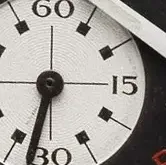
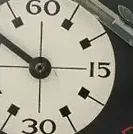
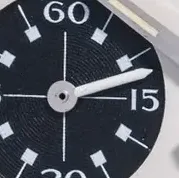
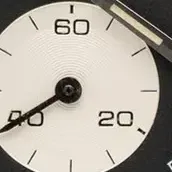
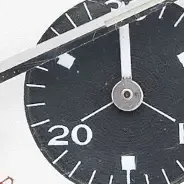
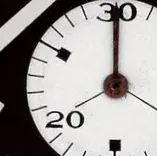
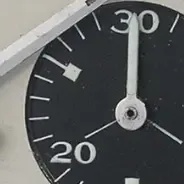
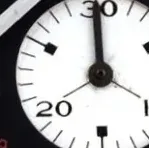
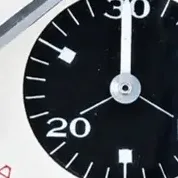
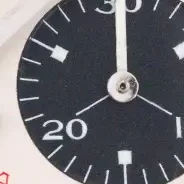
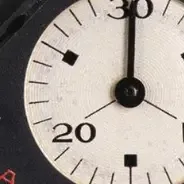
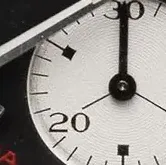
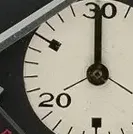
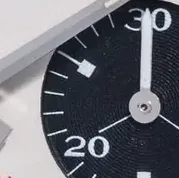
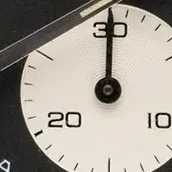
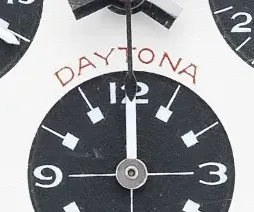
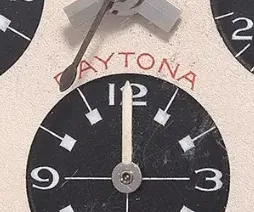
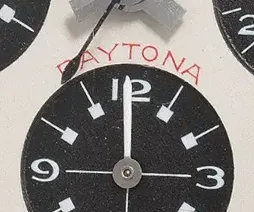
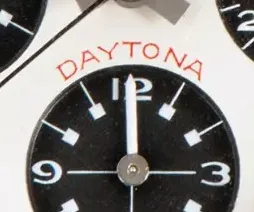
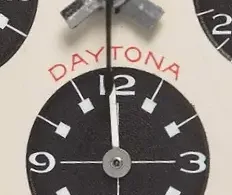
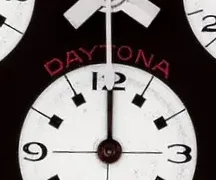
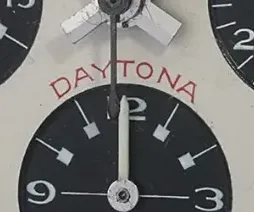
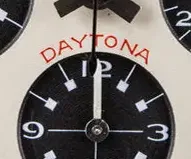
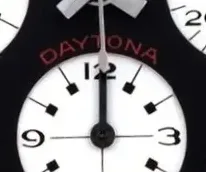
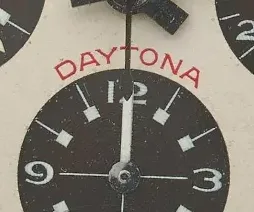
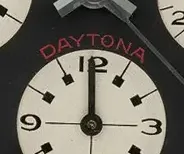
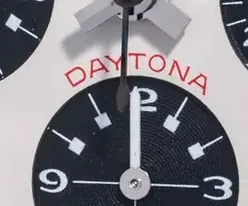
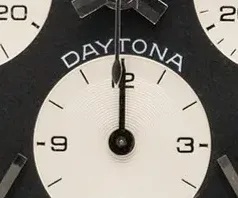
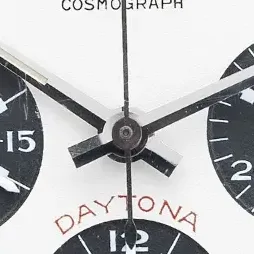
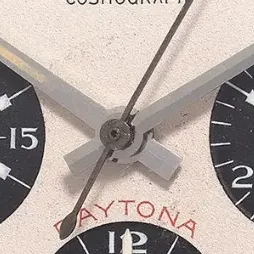
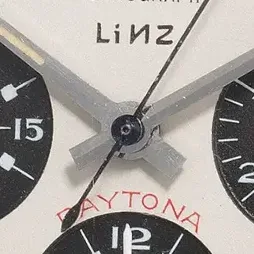
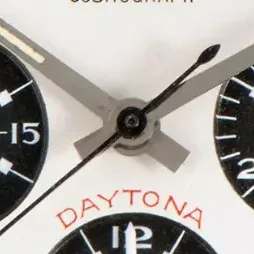
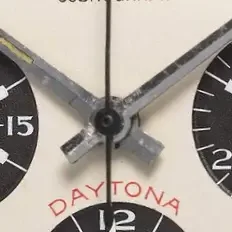
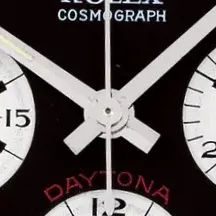
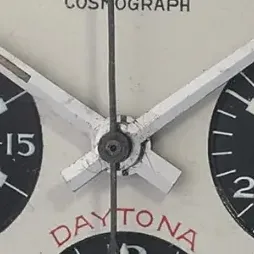
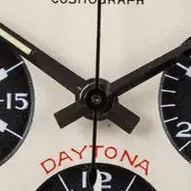
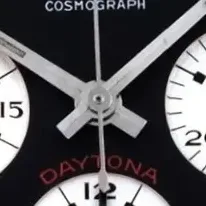
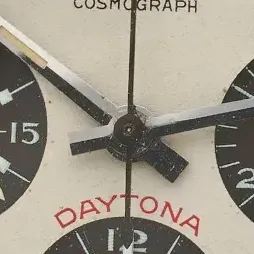
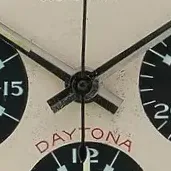
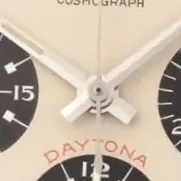
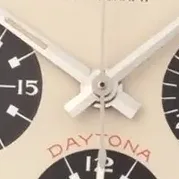
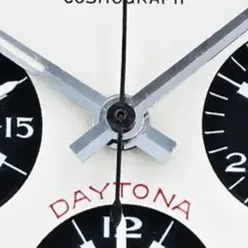
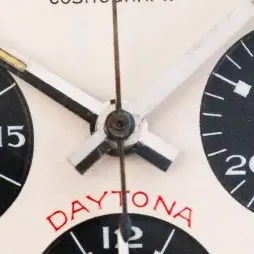
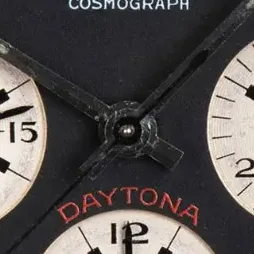
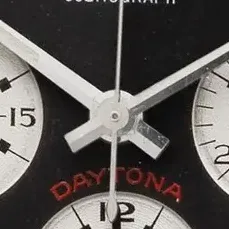
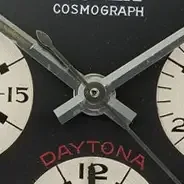
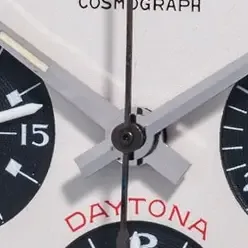
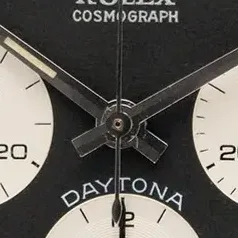
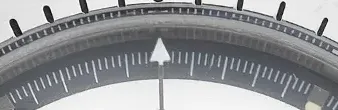
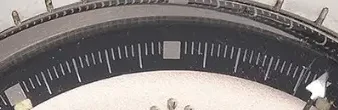
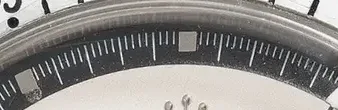
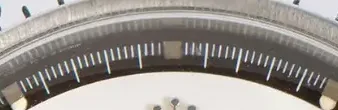
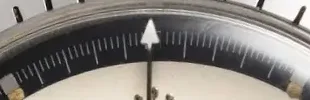
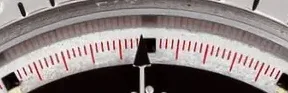
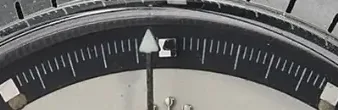
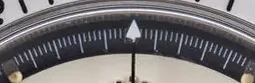
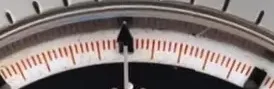
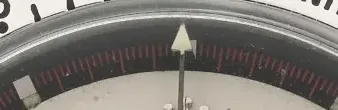
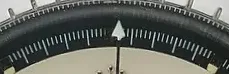
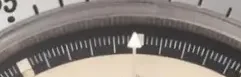
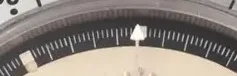
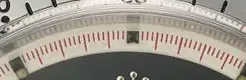
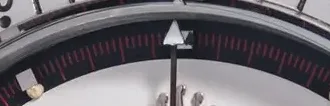
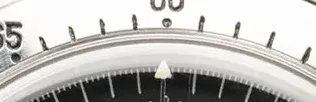
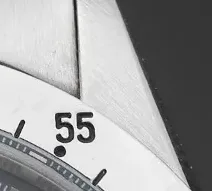
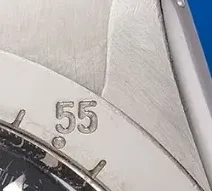
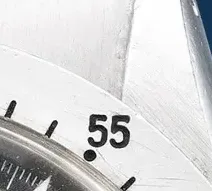
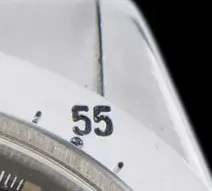
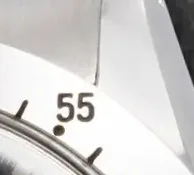
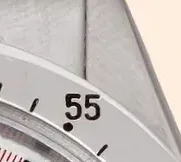
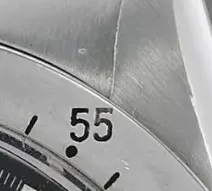
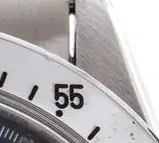
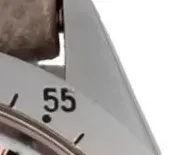
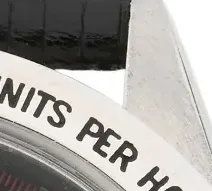
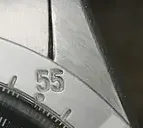
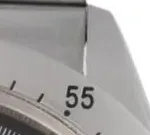
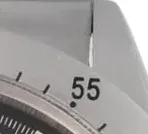
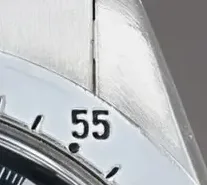
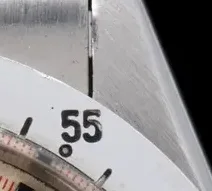
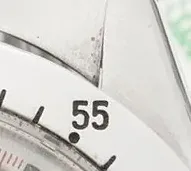
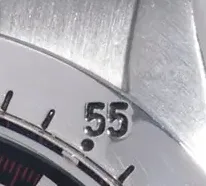
20 watches, oldest first, each straightened and cut the same way so that one row shows one component across them all. Chosen from 344 photographs on file for sharpness and for a face typical of the reference. A year marked c. is one its holder gives only roughly. Each picture is a detail cut from a listing photograph. Select the small mark in its corner for its year, its holder, a link to the listing it came from, and a way to report it.


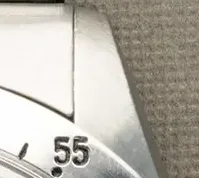


Chronology
Case numbers in the library's records fall in 1970 and 1971; written accounts give anything from 1969 to 1972.
Specification
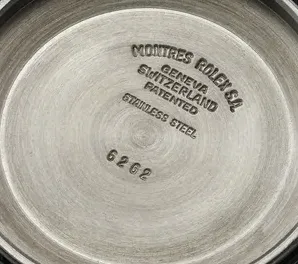
| Case | 37 mm; mostly stainless steel, a very few in yellow gold; caseback stamped 6239 inside |
| Crystal | Acrylic, box-shaped |
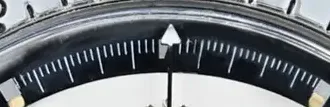
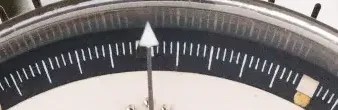
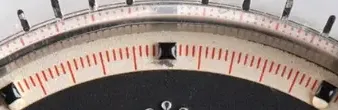
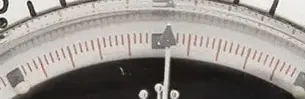
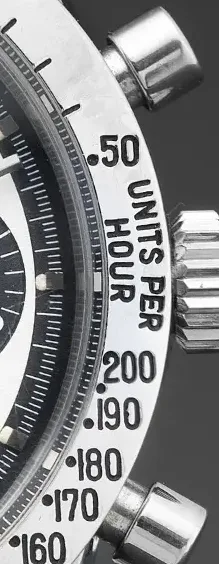
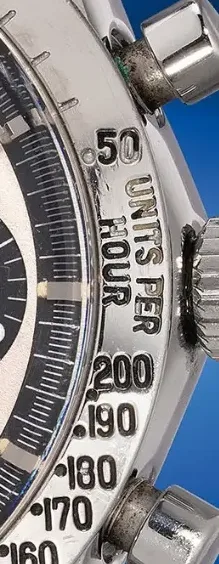
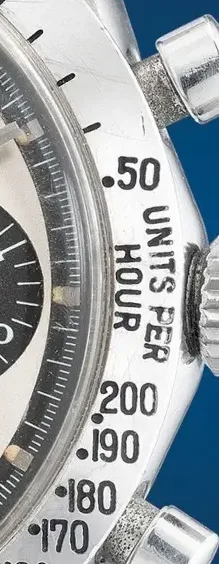
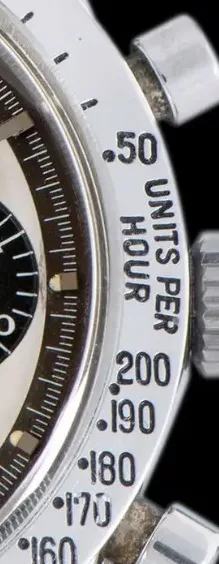
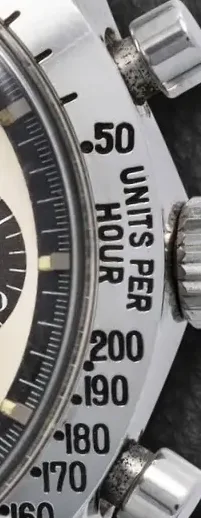
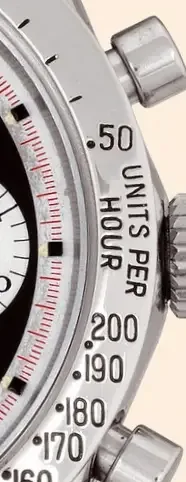
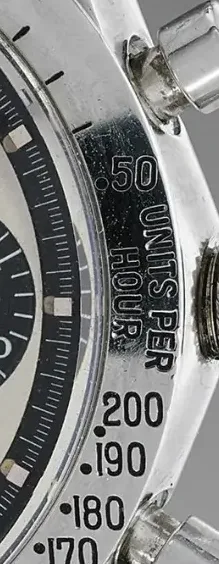
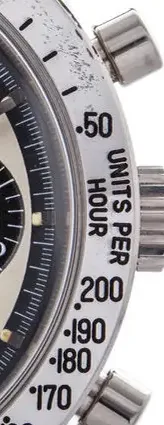
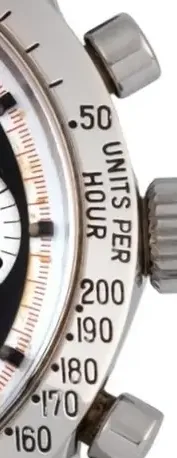
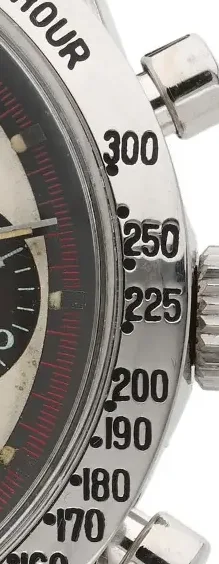
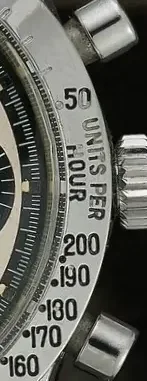
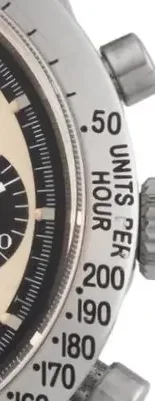
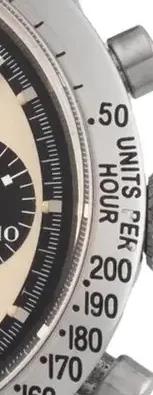
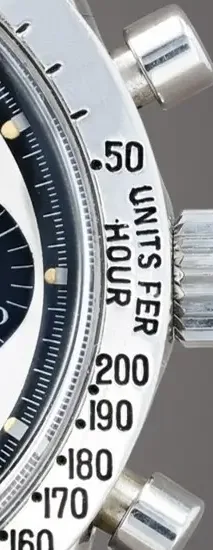
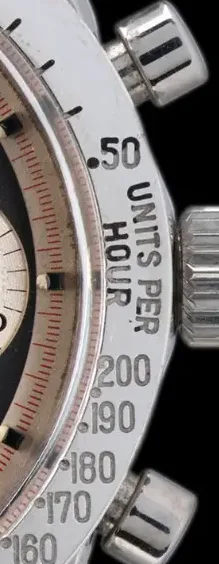
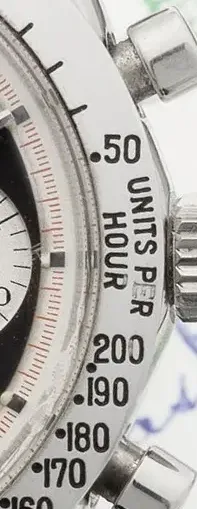
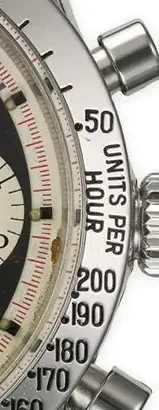
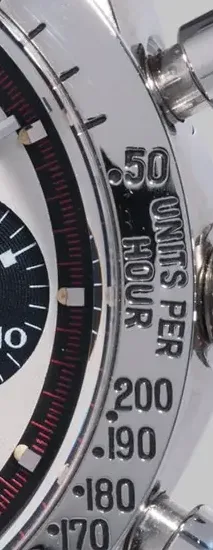
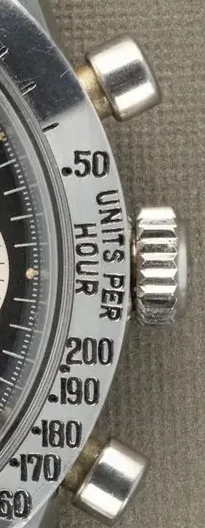
| Bezel | Fixed metal bezel engraved with a tachymeter scale reading to 200 units per hour |
| Pushers | Smooth pump (push-down) chronograph pushers at 2 and 4 o'clock |
| Crown | Screw-down crown; sellers also name a Twinlock crown |
| Dial layout | Central chronograph seconds hand; 30-minute counter at 3, 12-hour counter at 6, running seconds at 9, with sub-dials contrasting the dial colour |
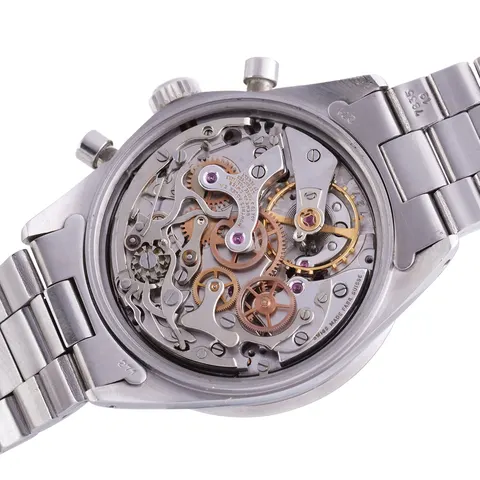
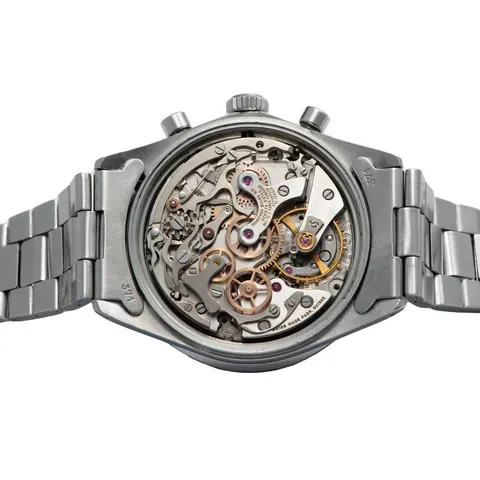
| Movement | Valjoux 727 hand-wound chronograph, 21,600 vibrations per hour |
| Bracelet | Three-link Oyster, commonly the 7835; Jubilee and leather straps also seen |
Dial 9 described
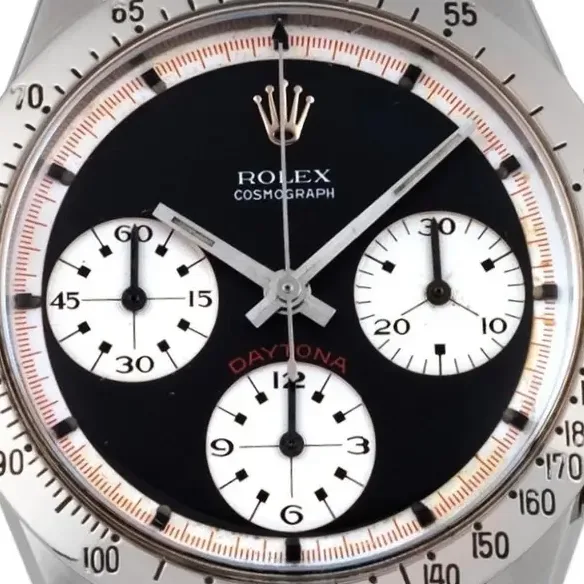
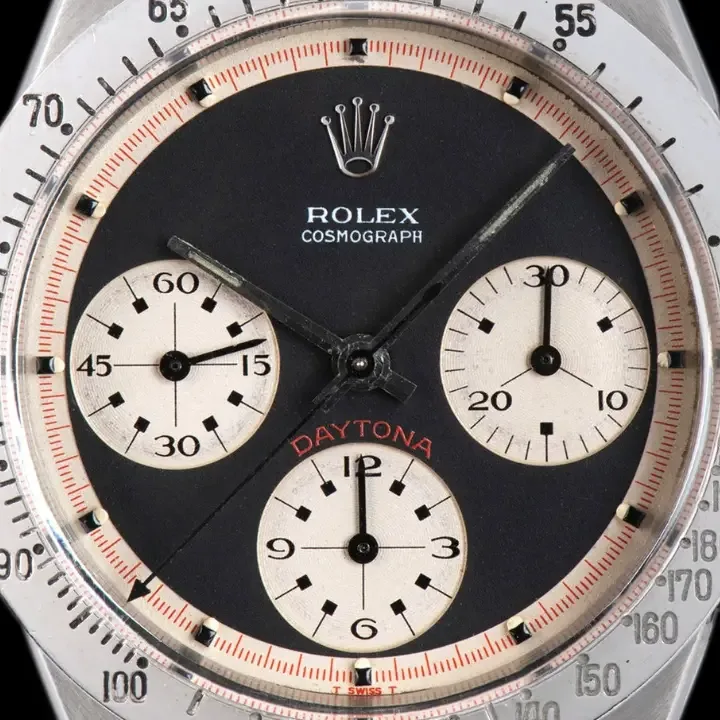
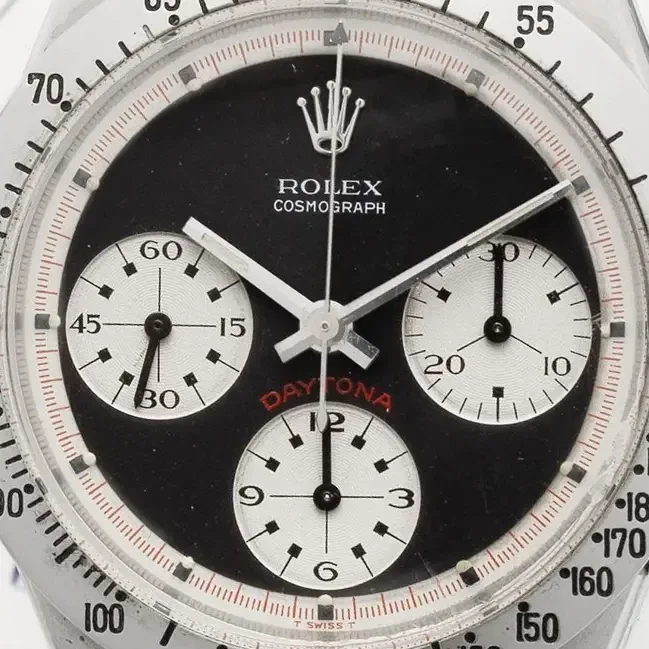
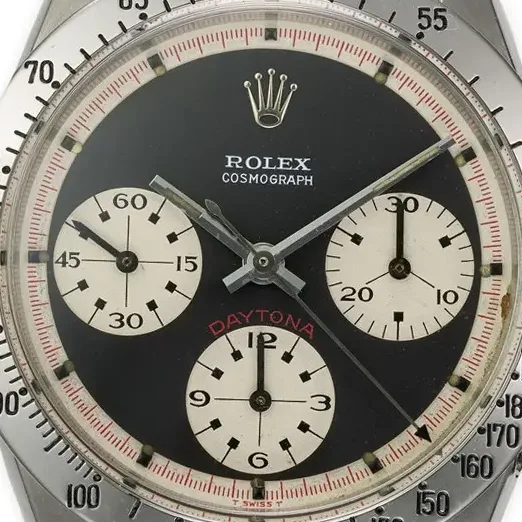
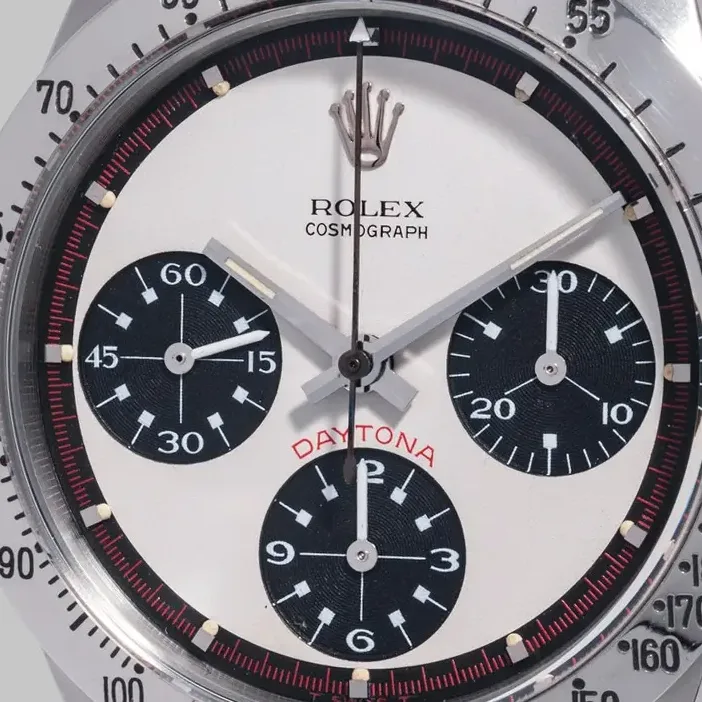
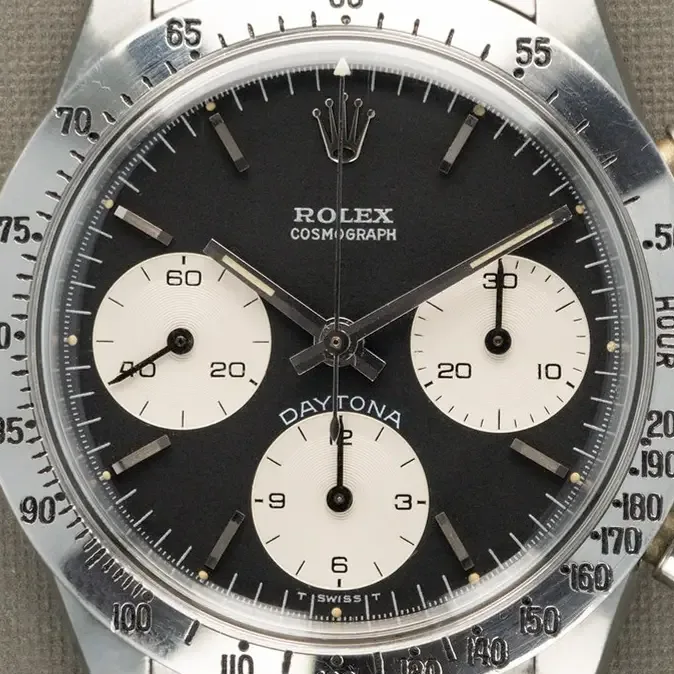
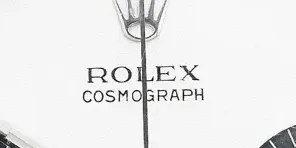
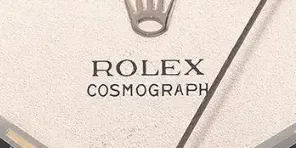
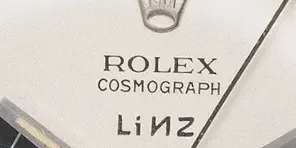
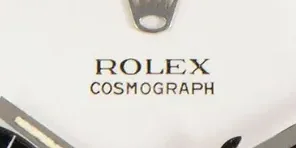
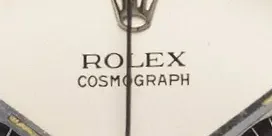
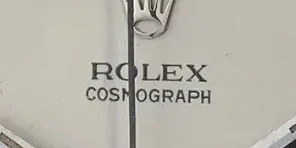
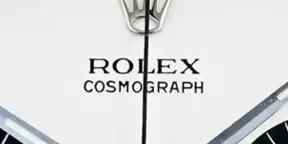
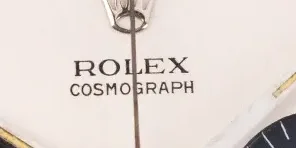
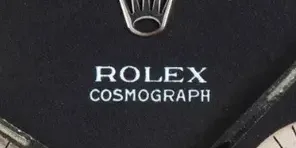
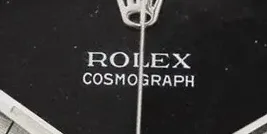
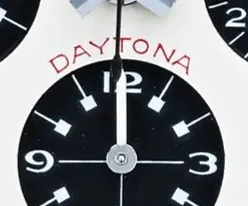
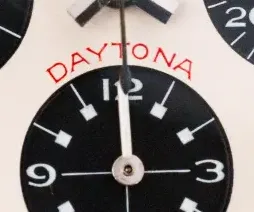
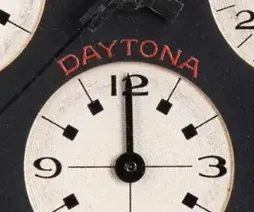
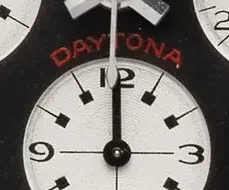
The 6262 dial follows the 6239 closely: black or silver bases with contrasting sub-dials, plus the exotic Art Deco dial that collectors call Paul Newman. Steel watches are found with silver dials with black sub-dials and black dials with silver sub-dials; gold watches with black or gold-toned dials. The printing of the name differs between dials and is the main way to tell the rarer ones.
Silver dial, black sub-dials
A restrained dial with a radially brushed silver base and black sub-dials, with the Daytona name printed above the six o'clock counter in a quiet single-tone print. Black sub-dials often age to a cappuccino brown.
- radial brushing on the silver base
- black sub-dials
- Daytona above the six o'clock counter
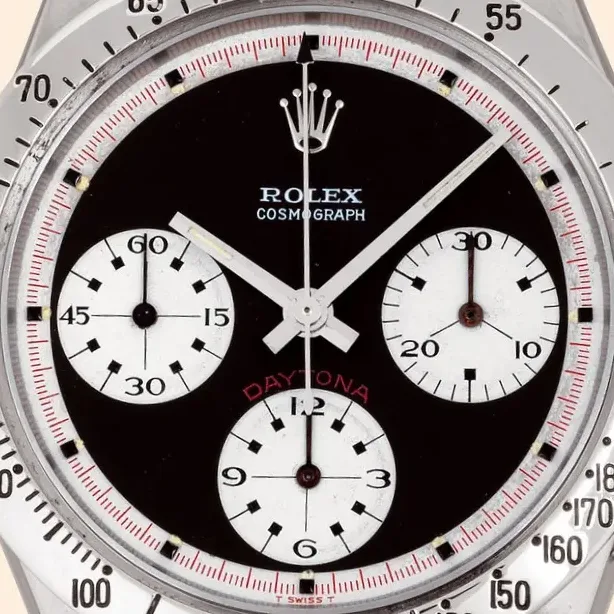
Black dial, silver sub-dials
The reverse of the silver dial. Sellers state black as the commonest dial colour.
- silver sub-dials on a black base
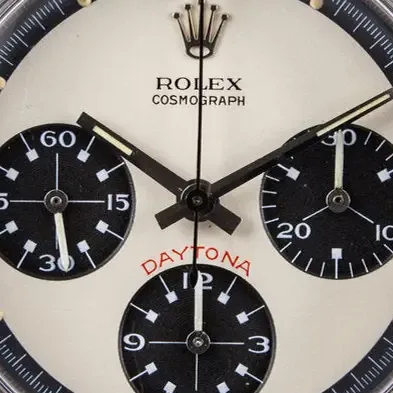
Paul Newman exotic dial
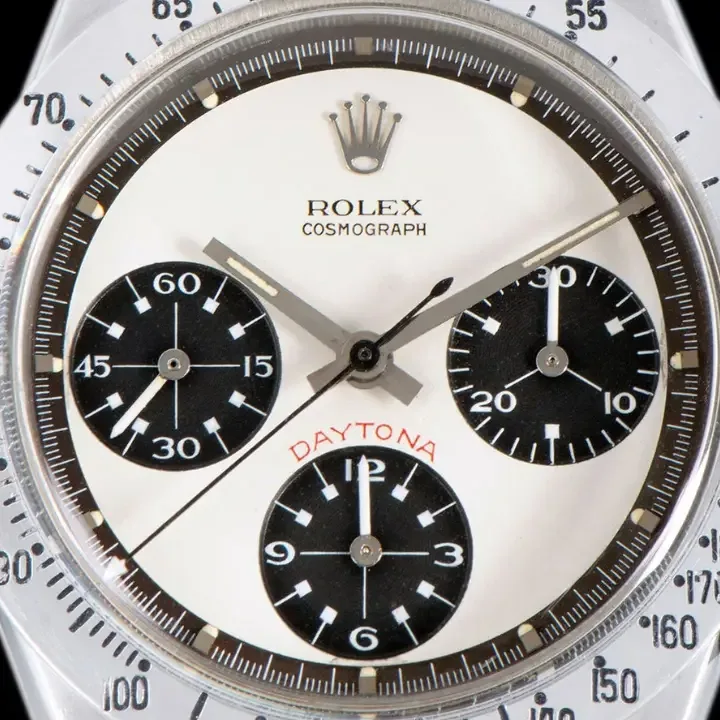
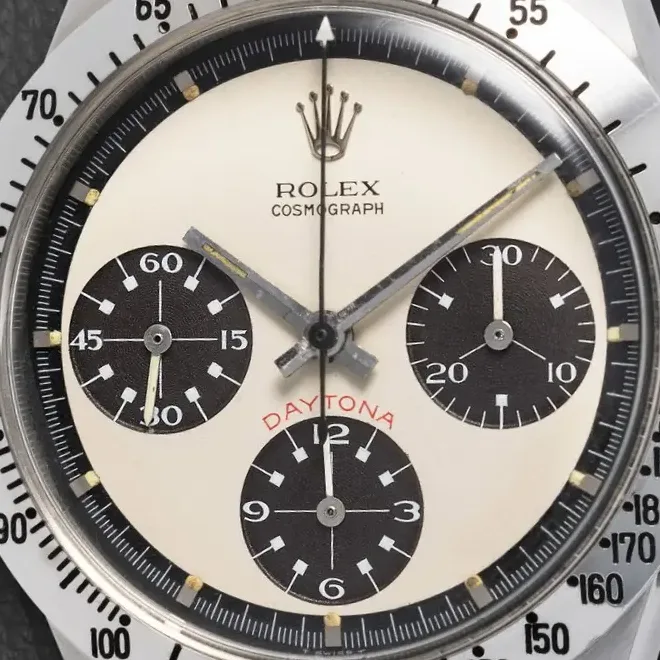
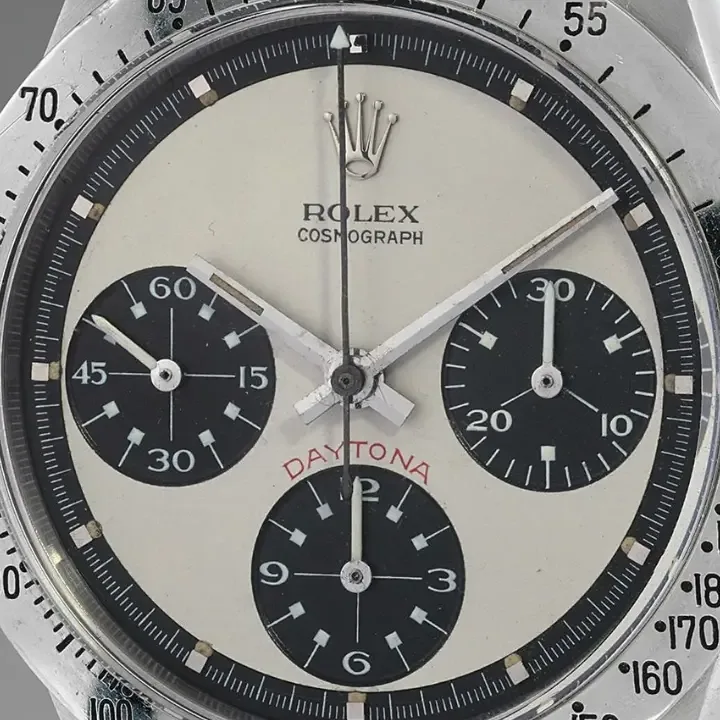
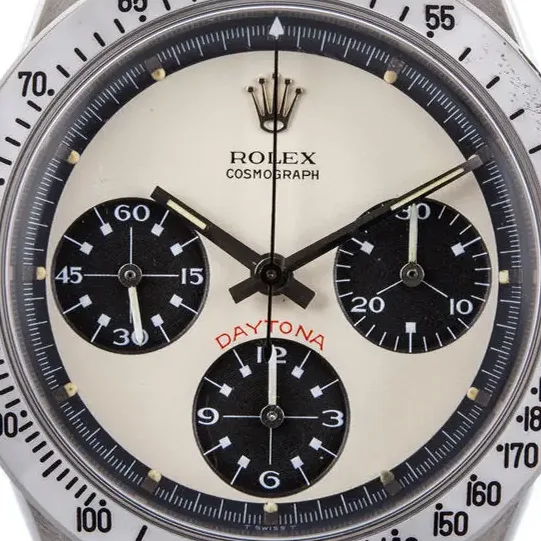
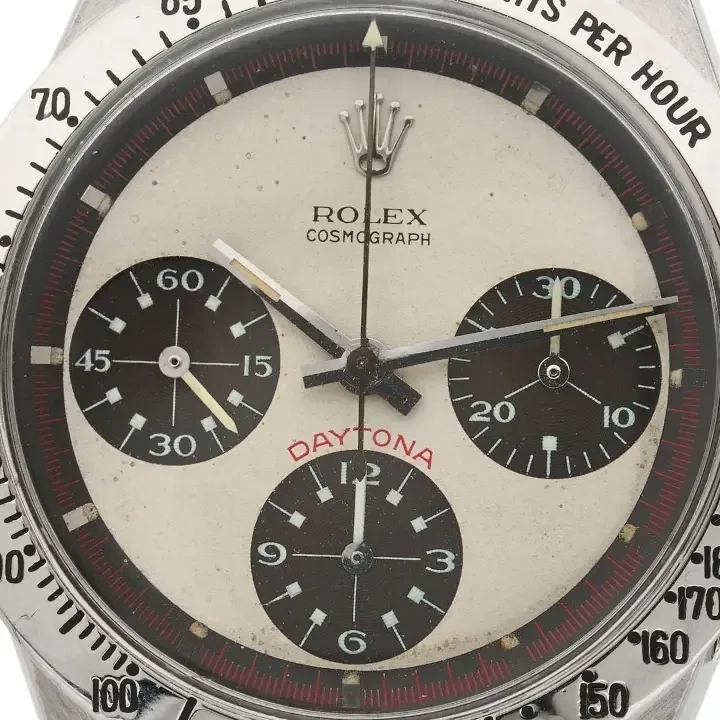
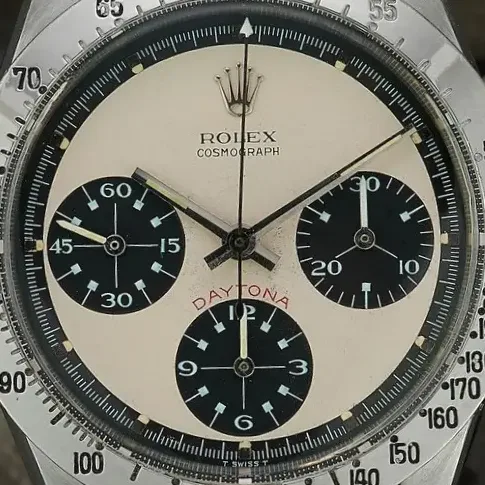
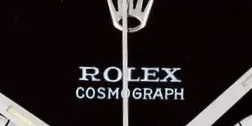
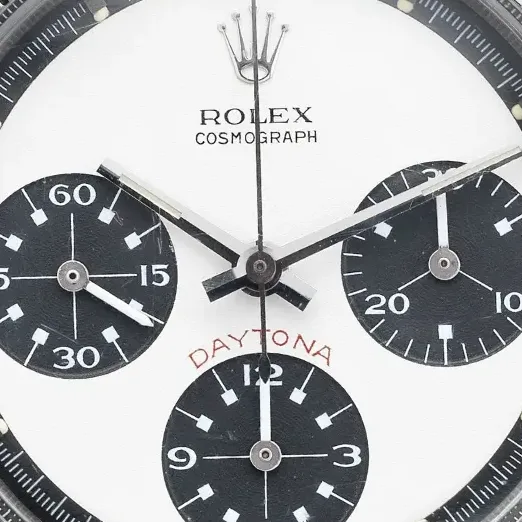
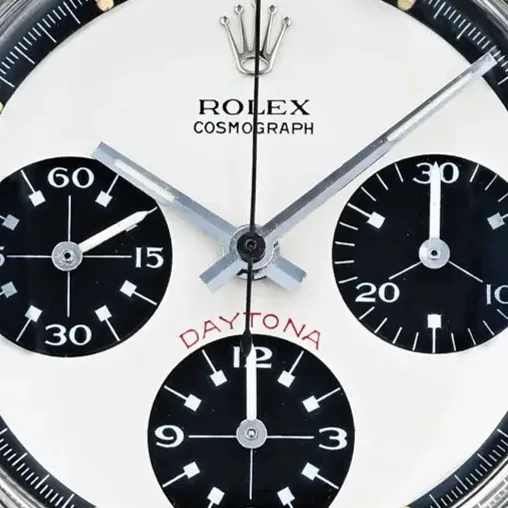
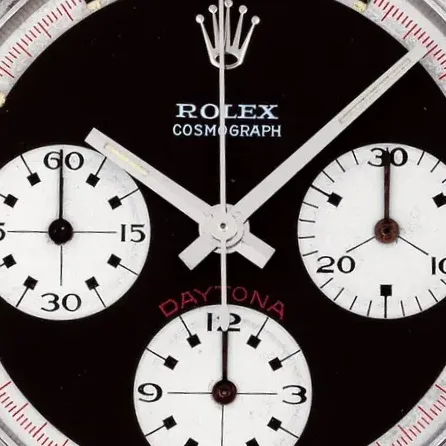
A black or white base with Art Deco style numerals and hash marks on the sub-dials, and a contrasting coloured minute track around the edge. On black exotic dials the ROLEX print is blockier and thicker than on the earlier black 6239 dials. Many watches in the library's records are described as exotic, though published accounts call a Paul Newman 6262 rarer than a plain one. The records show black, white and cream bases. Original dials of this kind are said to have a minute track that sits lower than the centre of the dial, a 'step'; a dial without one is treated as suspect.
- Art Deco numerals on the sub-dials
- contrasting minute track
- stepped minute track
- thicker, blockier ROLEX text on black dials




Champagne and gold-toned dials
Gold watches had champagne or gold-toned dials with black sub-dials, or black dials with gold-toned sub-dials.
- champagne base on a yellow gold case
Oyster Sotto
A Paul Newman dial on which the word Oyster is printed below Cosmograph instead of above it. Fewer than twenty have been seen at all, and the Italian name means Oyster below.
- Oyster printed under Cosmograph
Pulsation (doctor's) dial
A blue pulsation scale on the outer ring of the dial, read by counting a fixed number of heartbeats, for a physician to read a patient's pulse. A 6262 with this dial has been described as one that is almost never seen.
- blue pulsation scale on the outer ring
Tiffany double signature
A silver dial with black sub-dials that carries the Tiffany & Co name together with Rolex's, printed below the six. Fewer than five 6262 watches are believed to bear it.
- Tiffany & Co printed below the six o'clock numeral
Swiss T print
The foot of the dial is marked T Swiss T, showing that the markers and hands are lit with tritium.
- T Swiss T at the foot of the dial
Exotic dials reused on Oyster-case watches
case numbers about 2.92M and 3.048M
Unused exotic dials made for the 6262 and 6264 were later fitted to the last screw-down-pusher exotic watches, the dial maker adding the word Oyster. Those watches sit in two case-number batches, near 2.92 million and 3.048 million. The year is not given.
- Oyster added to a pump-pusher exotic dial
Luminous material 1 described
The lume on the 6262 is tritium. Where it has aged it turns warm and creamy, and where it has begun to break down the sub-dial tone often changes with it.
Tritium markers
Tritium plots in the hour markers and the hands, marked by T Swiss T on the dial. Good examples have all plots present and round, with the hand set matching.
- round, complete plots
- warm cream ageing
Hands 1 described
The literature says little about the hands. They are lume-filled to match the markers, and a set that matches the dial in colour and fill is part of a good example.
Tritium hand set
Hands filled with tritium that match the plots on the dial in tone and condition.
- hands matching the lume colour of the markers
Subregisters 2 described
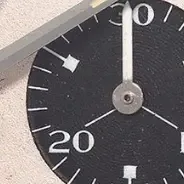
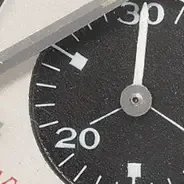
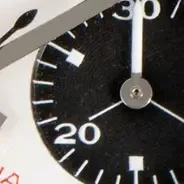
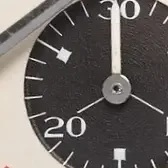
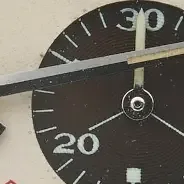
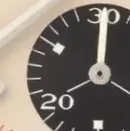
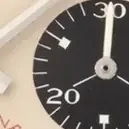
The three sub-dials sit at 3, 6 and 9 o'clock and contrast with the dial base. They are the reference's layout in the vintage run: 30-minute counter at 3, 12-hour counter at 6, running seconds at 9, which later Daytonas swapped.
Contrasting sub-dials
Black sub-dials on silver dials, silver on black, gold-toned on gold watches. The 30-minute counter is at 3, the 12-hour counter at 6 and the running seconds at 9.
- counter order 30-minute, 12-hour, seconds
Art Deco sub-dial numerals
On exotic dials the sub-dials carry Art Deco style numerals and hash marks, which marks them apart from the standard dial.
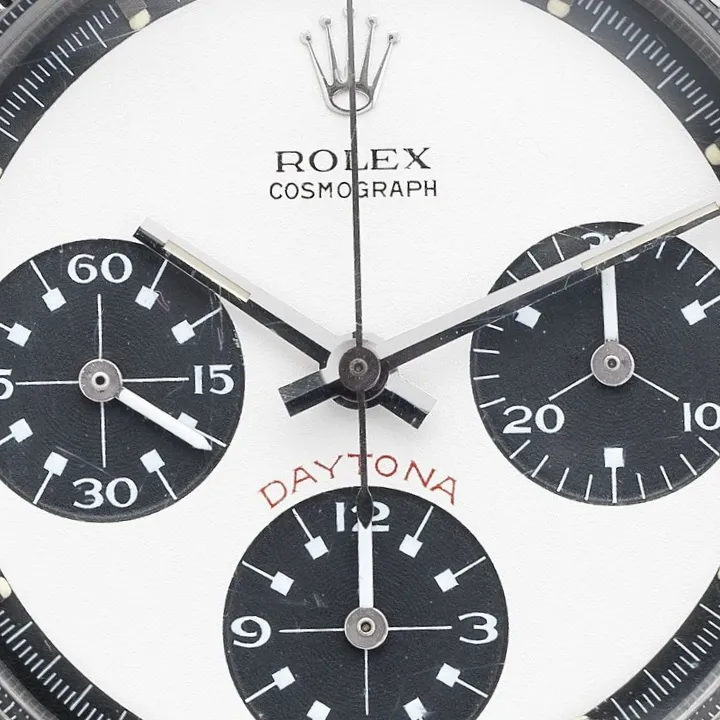
- hash marks
Bezel 1 described
The 6262 has a fixed metal bezel with an engraved tachymeter scale, unlike the black acrylic or Bakelite bezel of the 6264. Gold watches had a gold bezel.
Engraved metal tachymeter bezel
A steel bezel with the tachymeter scale cut into it and marked UNITS PER HOUR. On the 6262 the scale reads to 200, where the 6239 might run to 300 or stop at 200.
- scale ending at 200
- UNITS PER HOUR engraving
Case 3 described
The case is 37 mm, mostly steel, with the older style push-and-pull buttons rather than the screw-down pushers that followed. Condition of the lugs and polishing matters.
Pump pusher case, 37 mm
Smooth pushers at 2 and 4 o'clock that work at once without unscrewing, which gave little water resistance. The 6262 and 6264 are the last Daytonas to have them.
- smooth, un-knurled pushers
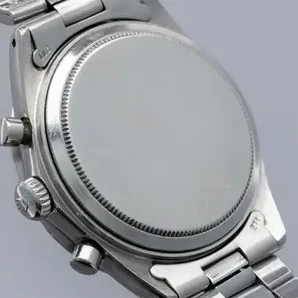
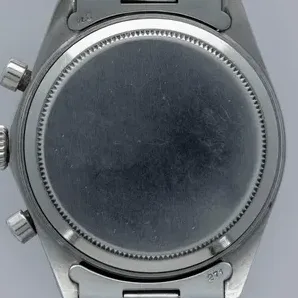
Caseback stamped 6239
The inside of the caseback is stamped 6239, the earlier reference, and this is correct for the 6262.
- 6239 stamped inside the caseback
Yellow gold case
A few watches were cased in yellow gold, put at around thirty. The library's records hold only a couple, both 18k with black dials.
- gold case and bezel
- champagne dial
Crown and pushers 1 described
The crown is a screw-down type on the case, and sellers also name a Twinlock crown.
Screw-down crown
A screw-down winding crown sits with the pump pushers. A few sellers name it as a Twinlock. The later 6263 moved to a 7.00 mm Twinlock crown, from 6.00 mm before.
Crystal 1 described
The crystal is acrylic, in a box shape.
Box acrylic crystal
A box-shaped acrylic crystal.
- box-shaped acrylic
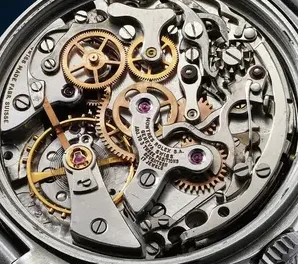
Movement 1 described
The 6262 uses the Valjoux 727 hand-wound chronograph, which replaced the 722 of the 6239 and raised the beat.
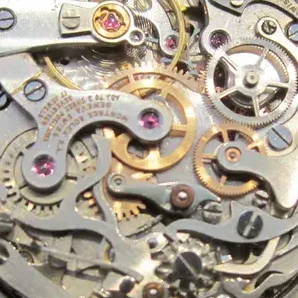
Valjoux 727
A hand-wound chronograph beating 21,600 vibrations per hour, up from 18,000 on the earlier 722, so it keeps time more finely. It arrived with the 6262 and continued in the 6263, 6264 and 6265. Sellers state 727 for nearly all watches; a handful of listings name an earlier calibre.
- 21,600 vph
- 727 on the movement
Bracelet 2 described
The usual bracelet is the three-link Oyster, with a Jubilee seen on a few. Sellers name the 7835 more than any other.
Oyster bracelet 7835
A three-link Oyster bracelet. Sellers name the 7835 most often and the 78350 less often, with end links 271, 357, 57 or 571, and a riveted 6635 with 57 end links is also recorded. Riveted links are named more often than folded ones.
- 7835 or 78350 clasp code
- end link 271 or 357
Jubilee bracelet
A five-link Jubilee with the middle rows polished and the outer rows brushed. It is the minority choice.
- five-link bracelet
Box and papers 1 described
Some watches come with their original papers or box, or engraving that shows who first owned them.
Peruvian Air Force engraving
A Paul Newman dial 6262 delivered to the Peruvian Air Force with the original engraving on the caseback.
- service engraving on the caseback
Originality
- Dials: a dial may be a replacement or a re-print, and a Paul Newman dial may have been swapped for a plain one at service.
- Sub-dial tone: black sub-dials that have turned brown have aged in the light, which is not a fault; a relumed dial is.
- Crystal and bezel: polishing blurs the tachymeter engraving and softens the lugs.
- Caseback: a 6239 stamp inside is correct, so it is not a sign of a swapped case.
Names
- Paul Newman. The exotic dial with Art Deco sub-dial numerals is named after the actor who wore one on an earlier Daytona.
- Oyster Sotto. Italian for Oyster below; the word Oyster is printed under Cosmograph.
- Doctor's dial. A blue pulsation scale on the dial lets a doctor count a patient's pulse.
- Blue Daytona. Sellers call a dial with a blue Daytona print this.
- Transitional Daytona. The 6262 sits between the lower-beat pump-pusher watches and the screw-down-pusher ones.
Where accounts differ
Points on which the published literature and the library's own records do not agree, or on which the literature contradicts itself.
- Production dates. One account gives 1969 to 1970 in one place and 1970 to 1971, or about one year in 1970, elsewhere; another gives 1969 to 1972 and a third 1970 to 1972; two others give 1970 to 1971. Case numbers in the library's records fall in 1970 and 1971 only.
- Number made. One guide estimates about 347,000 watches from the span of case numbers; another puts the total near 9,000. The 347,000 figure is the width of a case-number range and not a count, and the records do not contradict the lower figure.
- Gold watches. One guide says about 30 were made in yellow gold; the library's records hold only a couple of gold watches.
- The screw-down-pusher references. Three accounts have the 6265 and 6263 arriving in 1971, or after a single year of the 6262, to take its place. Published accounts of the 6263 date it from 1969, and in the library's records 6263 case numbers begin near 2.08M, below the first 6262.
- Arrival of the 6241. Two accounts date the 6241 from 1965. Its earliest case numbers in the library's records are of 1966, the year other published accounts give for it.
Back and movement
From listings of this reference, each confirmed by eye to show what it is filed under. A picture on which a person's name or a personal engraving can be read is not shown. From most holders a detail from the middle of the photograph is shown; the mark in its corner gives its holder and a link to the listing.
Caseback


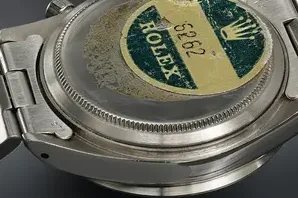

Inside the caseback

Movement




In the records
Counted from 176 listings at 32 holders between 16 October 2005 and 14 November 2026. These are what sellers and auction houses state, not measurements.
Case metal
| Steel | 127 | |
| Gold, colour not stated | 2 |
A listing that says "gold" or "18K gold" names no colour: it is counted under "colour not stated", not as yellow gold.
Dial colour
| Black | 27 | |
| Silver | 12 | |
| White | 6 | |
| Cream | 3 | |
| Brown | 2 |
Case size
| 37 mm | 57 | |
| 36 mm | 26 | |
| 40 mm | 1 |
Calibre named
| 727 | 104 | |
| 72B | 3 | |
| 722-1 | 2 |
Bracelet or strap
| Oyster bracelet | 59 | |
| Metal bracelet, kind not stated | 12 | |
| Leather strap | 6 | |
| Jubilee bracelet | 2 | |
| Strap, kind not stated | 1 |
Each table counts the listings that state the thing, in the seller's own terms. A size, metal, colour or calibre that cannot belong to this reference is a seller's slip or a listing filed under the wrong number.