Daytona (screw-down pushers, black acrylic bezel)
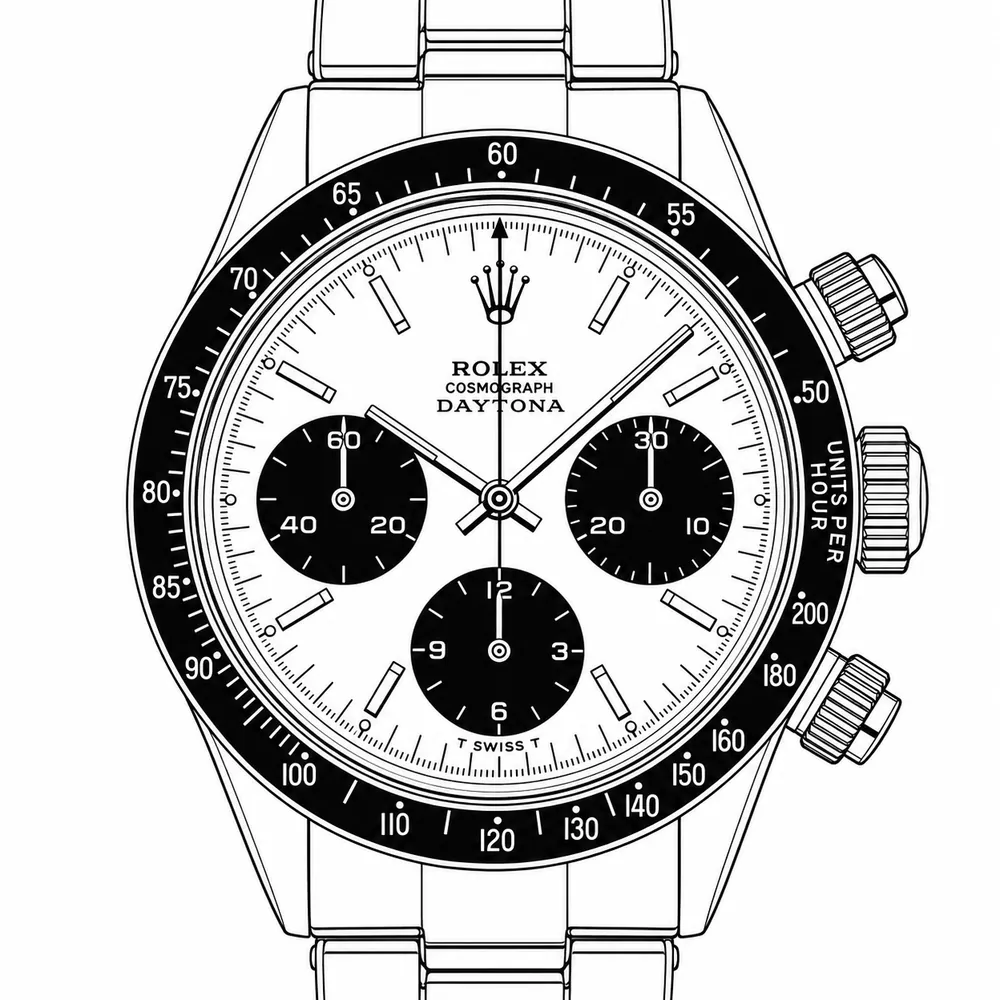
The 6240 is the first Daytona with screw-down pushers, which let Rolex put 'Oyster' on the dial of its chronograph, and with a black acrylic insert in a metal bezel. It was made in steel only, in a 37 to 38 mm case with a Valjoux 722 movement, from about 1965 to 1969, with about 1,700 thought to have been made. Its dials vary widely and many fall between types, so dial correctness is a matter of close study. It was followed a year or so on by the 6241, the same watch with pump pushers. Collectors look first at the dial text, the original brass Mark 0 pushers, the Mark 1 bezel and the dial maker's stamp.
- Made
- 1965–1969dates approximate
- Seen in the library
- 1965–1967by case numbers
- Case
- steel (98%)as sellers state
- Movement
- Calibre 722, 722-1hand-wound
- On record
- 88 listings240 photographs · 23 holders
Components
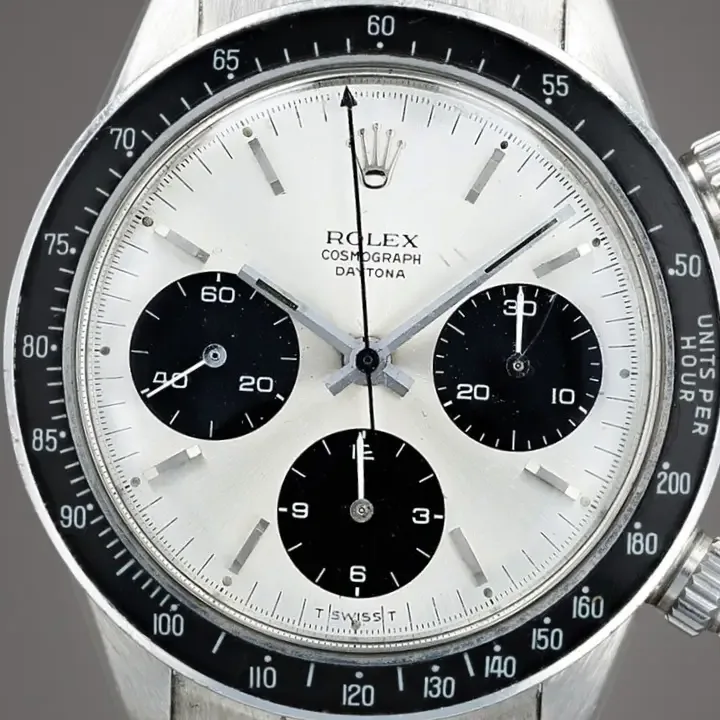
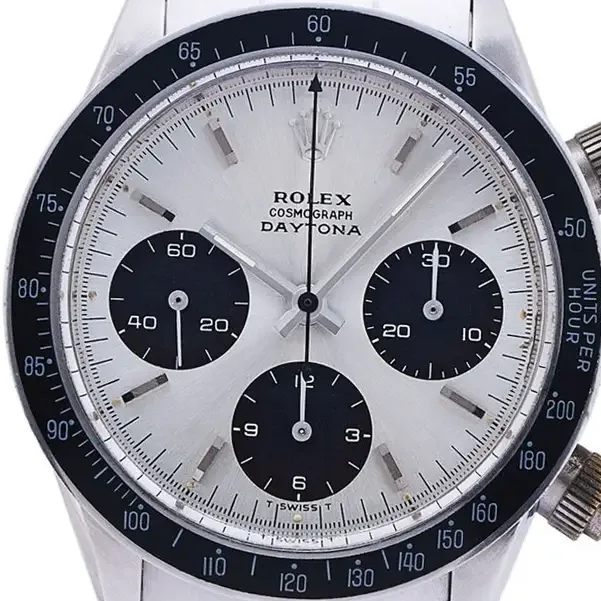
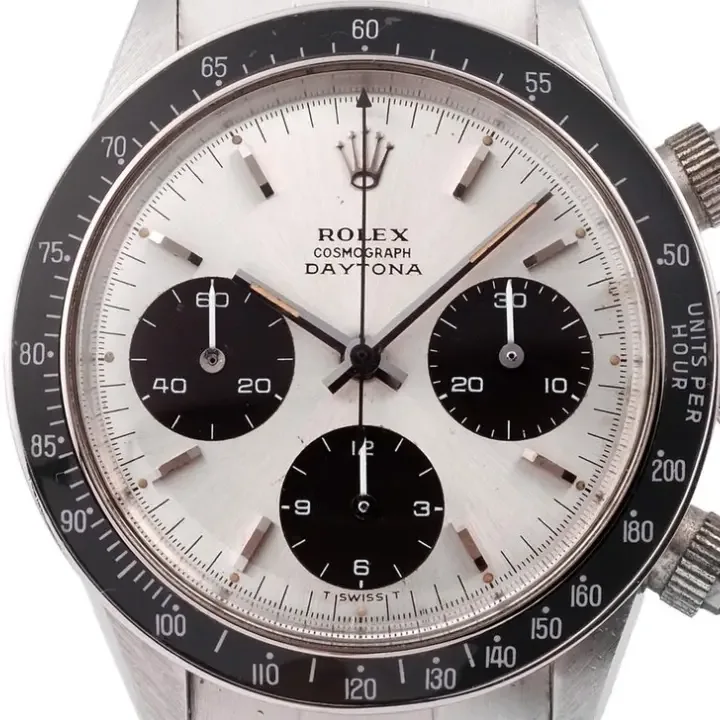
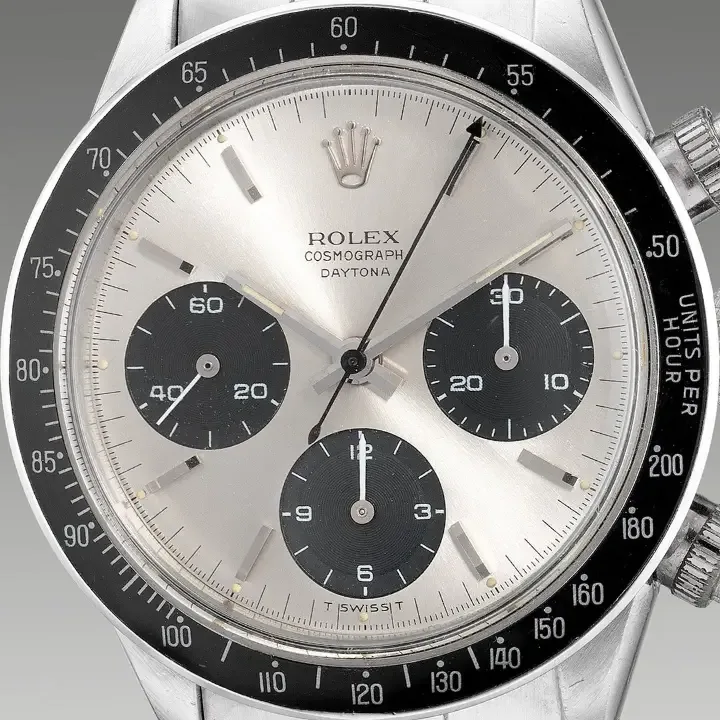
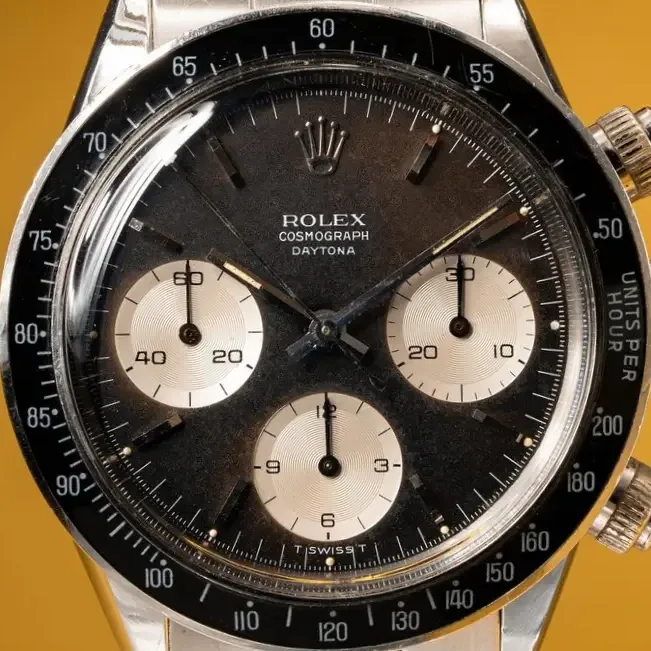
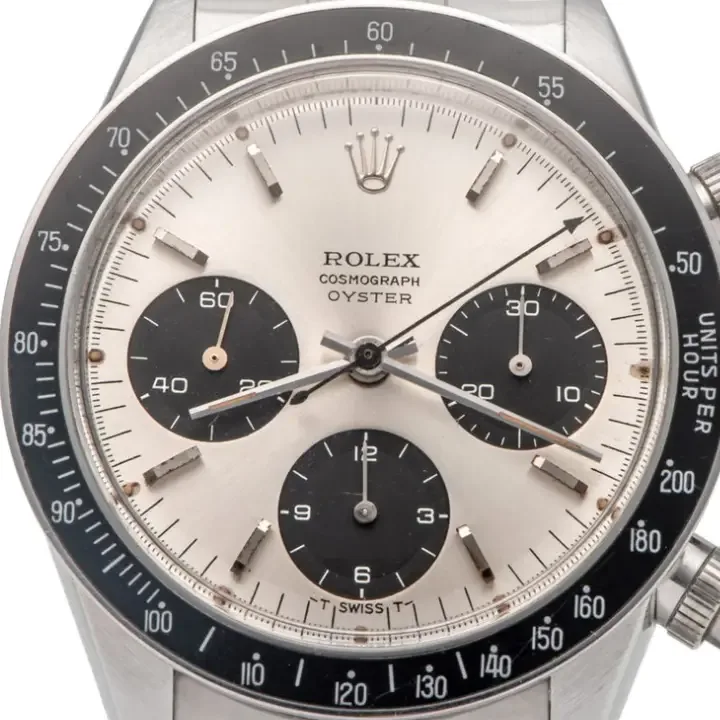
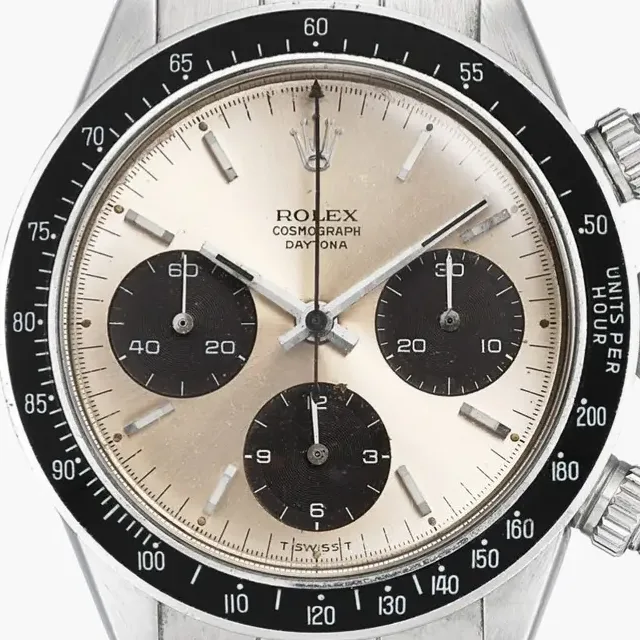
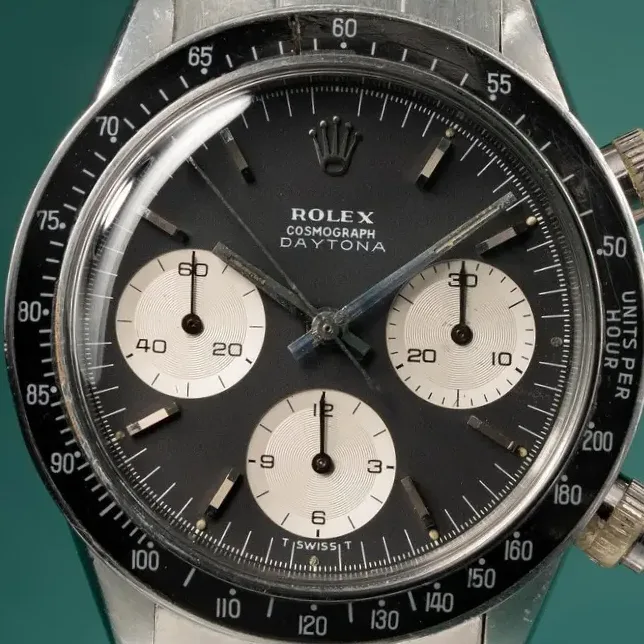
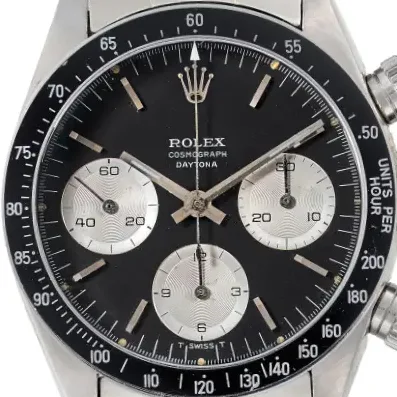
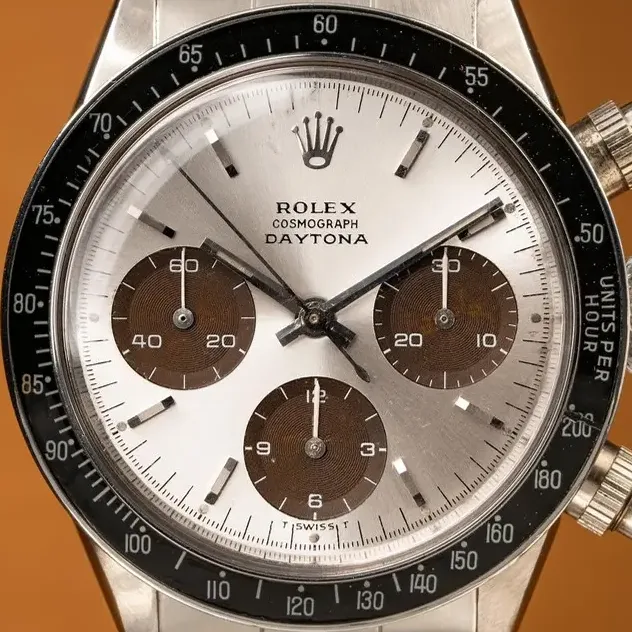
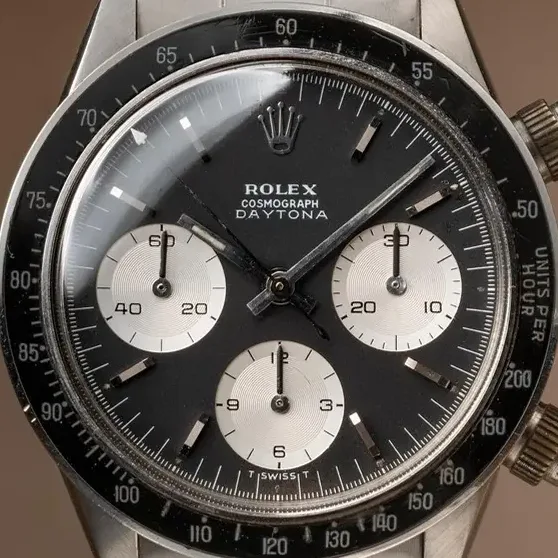
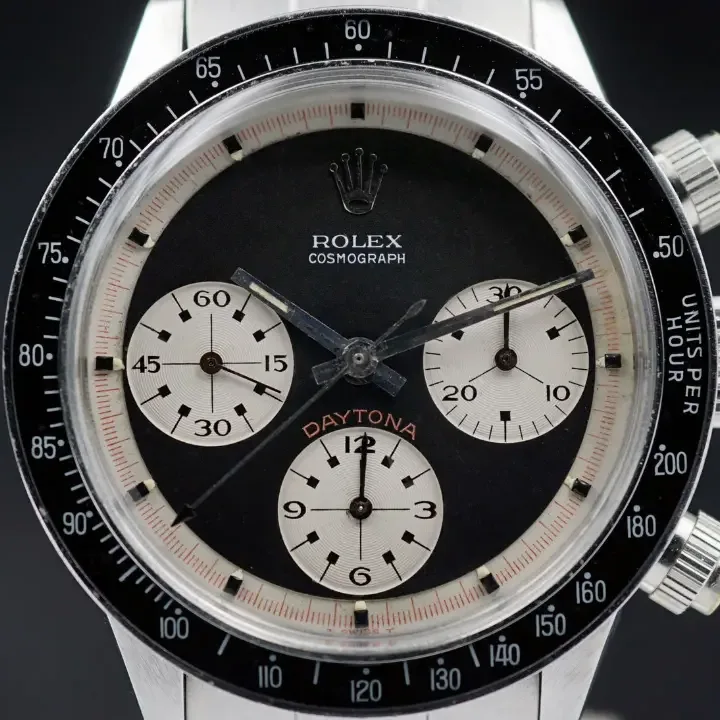
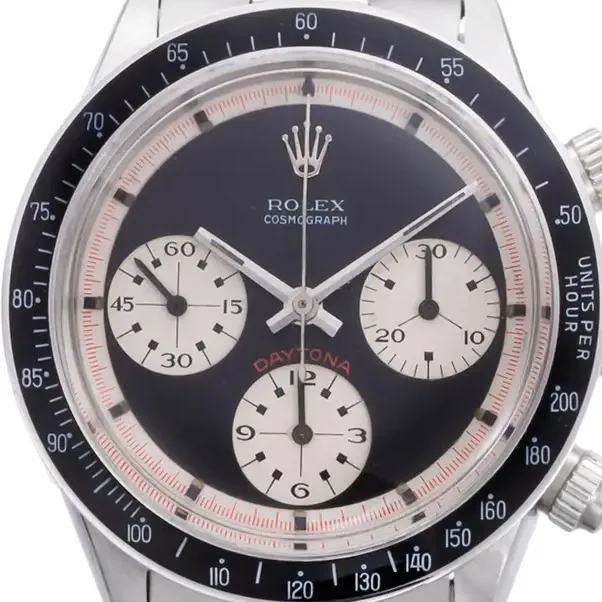
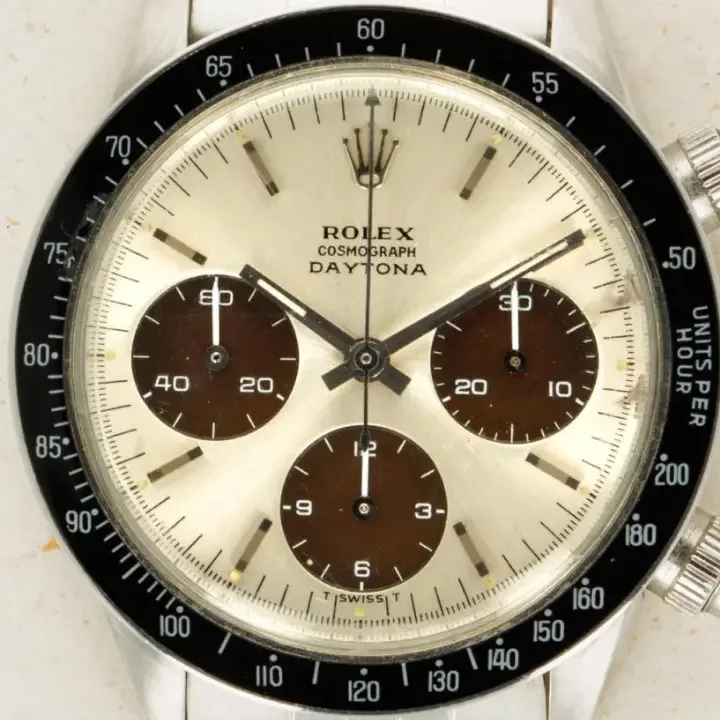
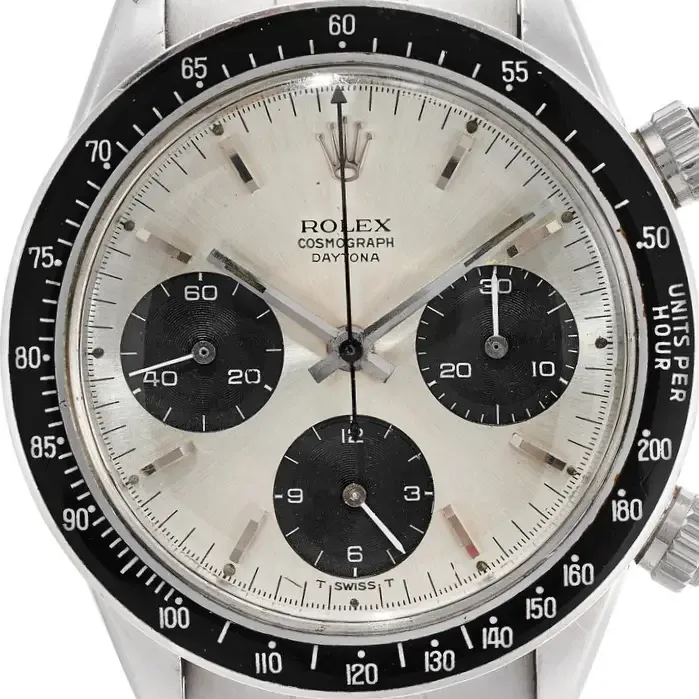
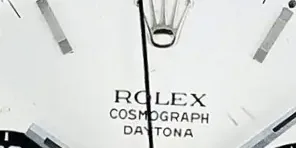
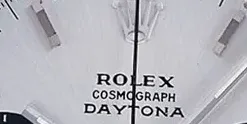
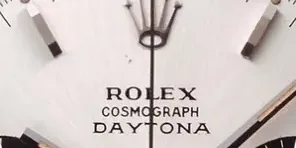
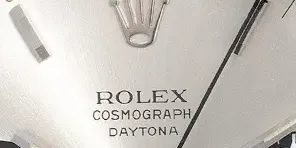
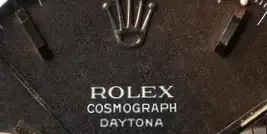
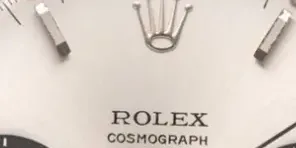
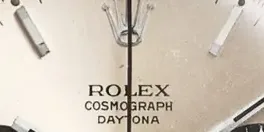
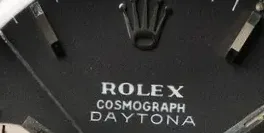
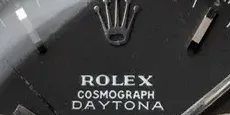
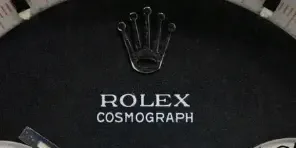
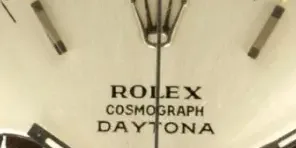
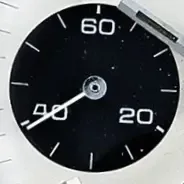
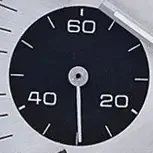
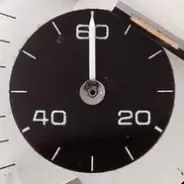
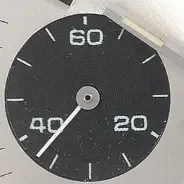
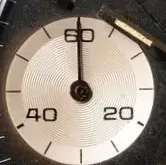
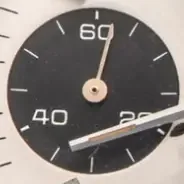
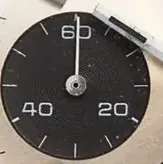
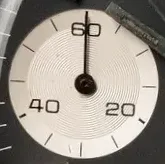
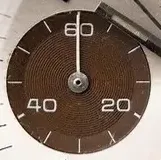
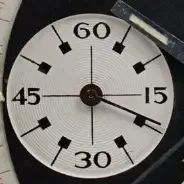
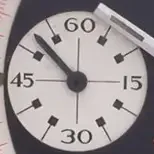
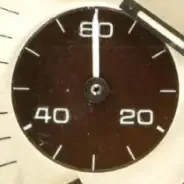
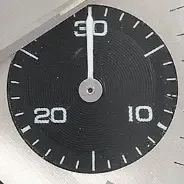
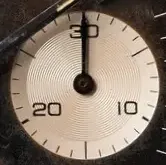
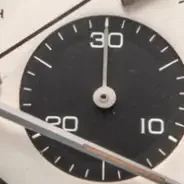
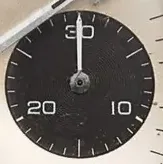
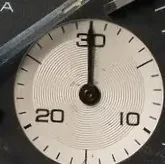
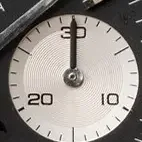
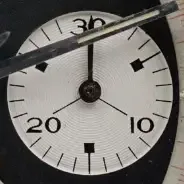
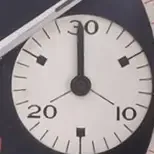
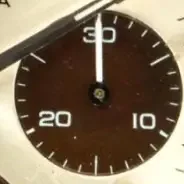
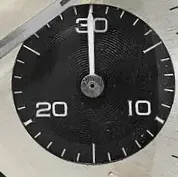
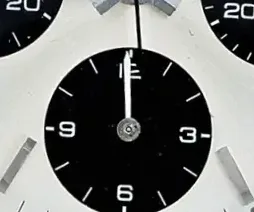
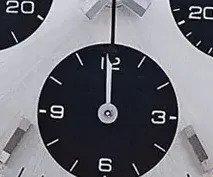
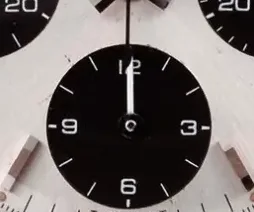
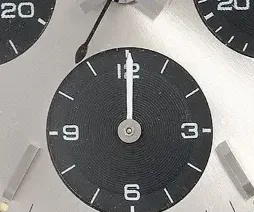
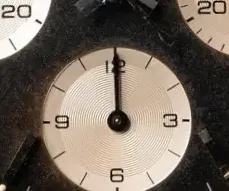
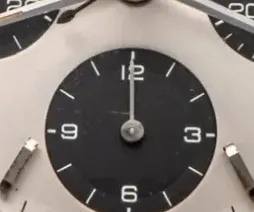
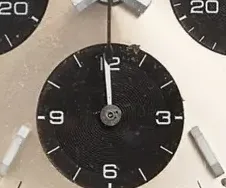
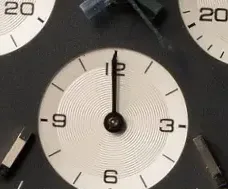
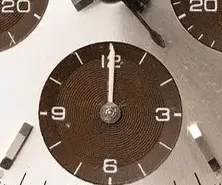
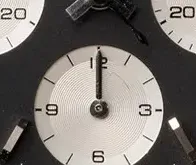
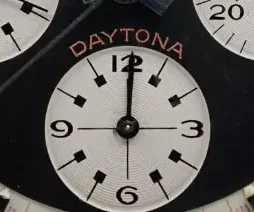
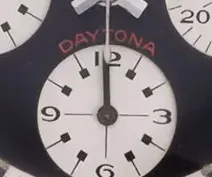
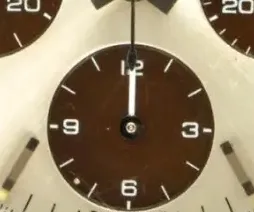
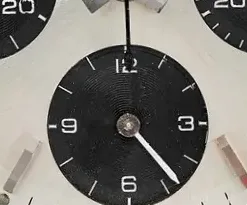
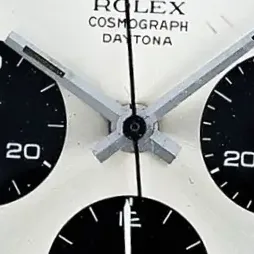
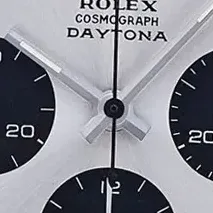
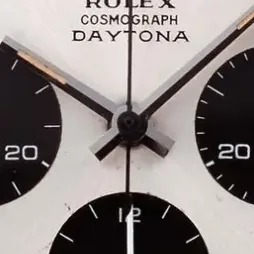
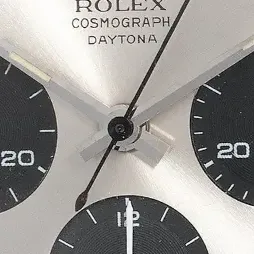
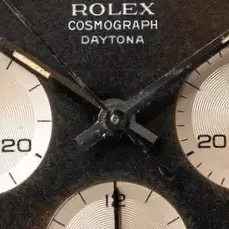
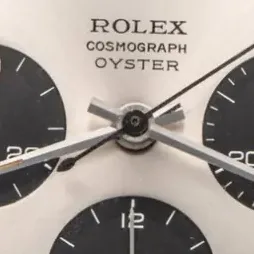
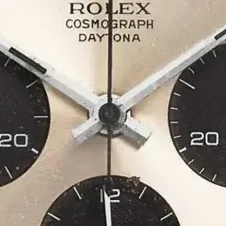
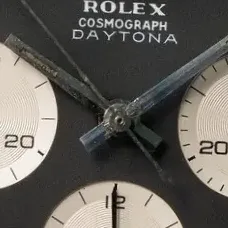
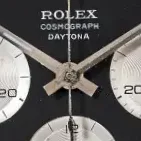
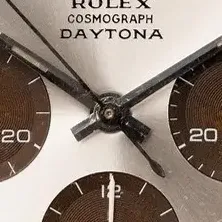
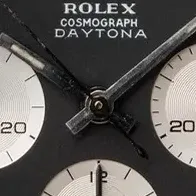
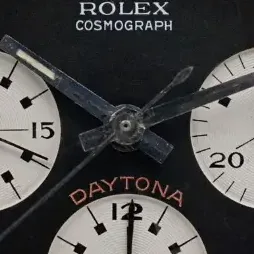
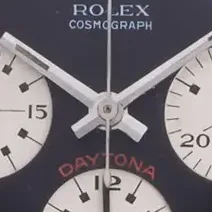
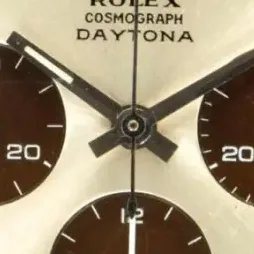
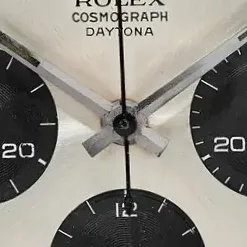
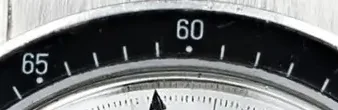
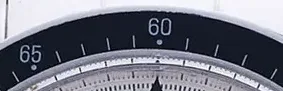
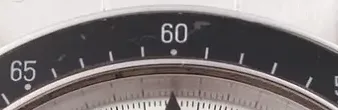
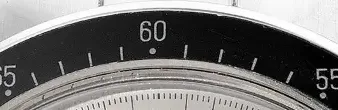
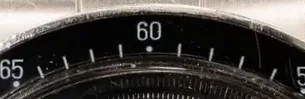
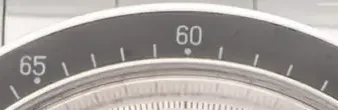
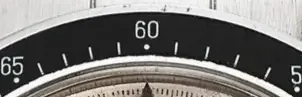
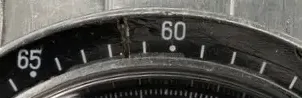
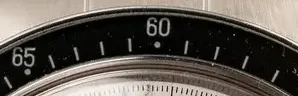
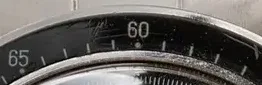
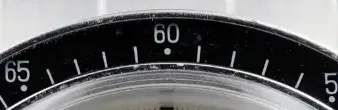
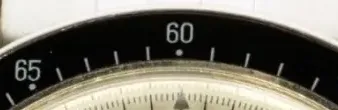
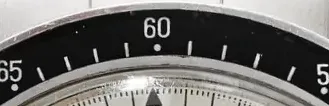
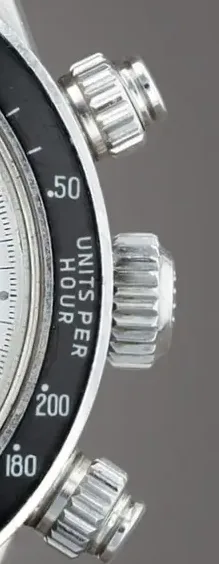
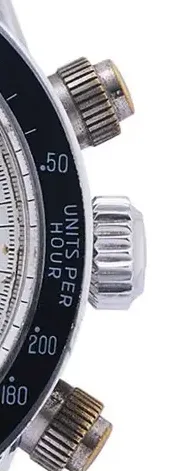
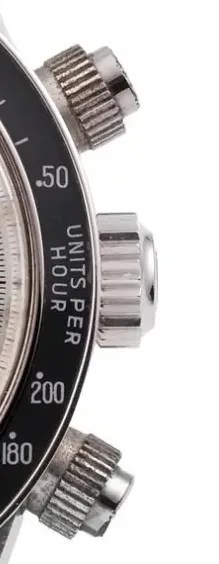
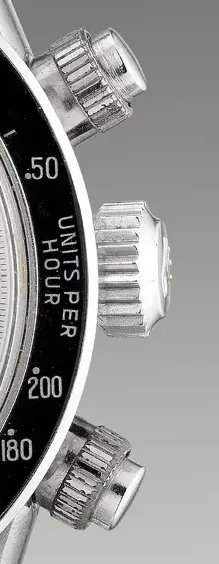
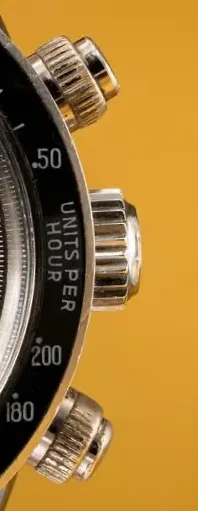
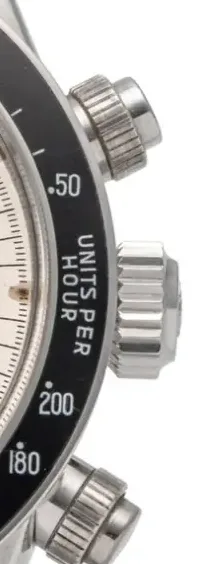
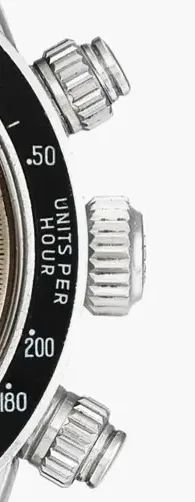
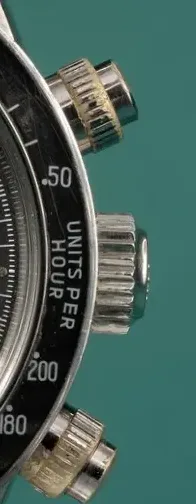
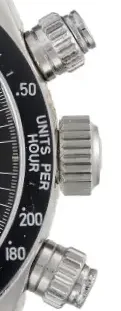
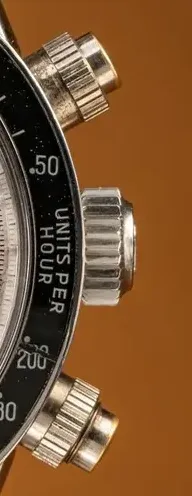
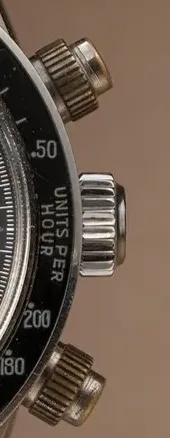
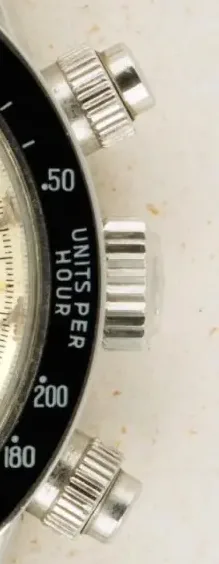
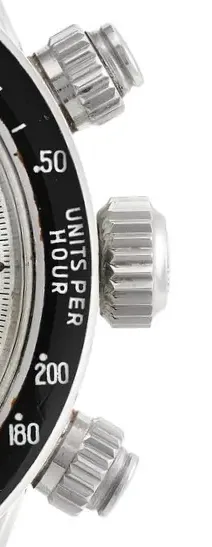
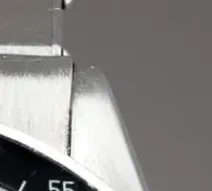
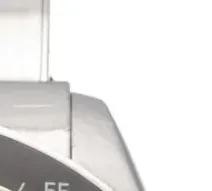
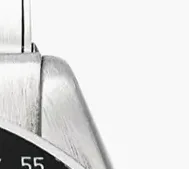
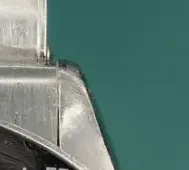
15 watches, oldest first, each straightened and cut the same way so that one row shows one component across them all. Chosen from 240 photographs on file for sharpness and for a face typical of the reference. A year marked c. is one its holder gives only roughly. Each picture is a detail cut from a listing photograph. Select the small mark in its corner for its year, its holder, a link to the listing it came from, and a way to report it.





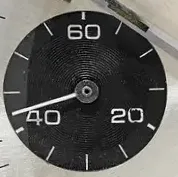
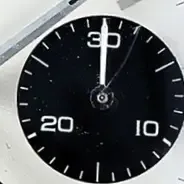
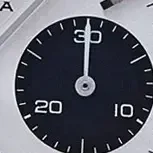
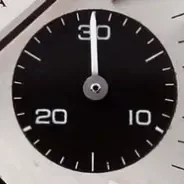



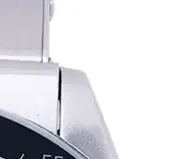
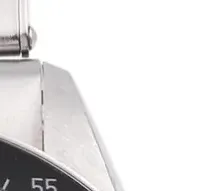
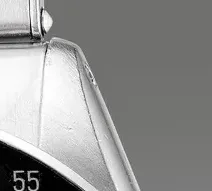
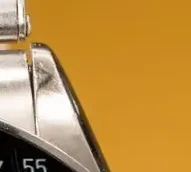
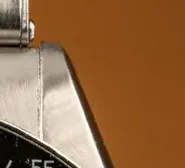
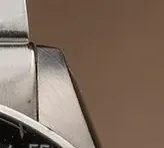

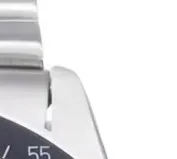
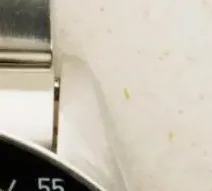


Chronology
Guides put the launch between 1965 and 1967 and the end in 1969; case numbers of dated watches in the records fall in 1965 to 1967.
Every dated variant: what is written, and what the records show
For the reference the marks are every dated watch; for a variant, the watches a seller names as that variant, so a variant sellers do not name has none.
The reference's own marks are dated by case number. A variant's marks use the year each seller states, so a variant can show watches in a year where the row for the reference shows fewer, or none.
Specification
| Case | 37 to 38 mm (37.5 mm usually quoted) Oyster case in steel only |
| Pushers | Screw-down chronograph pushers; early ones in brass, called Mark 0 |
| Crown | Twinlock crown |
| Bezel | Metal bezel with a black acrylic insert and white numerals; Mark 1 on full-specification watches |
| Dial | Black, white or silver, three registers, some aged to brown (tropical); commonly 'Rolex Cosmograph' with or without 'Oyster' and 'Daytona'; T SWISS T at 6 o'clock |
| Movement | Hand-wound Valjoux 722 or 722-1 (72B and 72 also stated by sellers) |
| Bracelet | Riveted Oyster, folded Oyster (ref. 7835 recorded) or Jubilee |
| Water resistance | Accounts differ: one gives 100 m against 50 m for the 6239 and 6238; another holds that every Daytona was rated 50 m and the screw-down pushers were only a lock |
Dial 10 described
Dial text on the 6240 changed within a few years and a number of intermediate forms exist, so there is no single correct dial. The common state is 'Rolex Cosmograph' with T SWISS T at 6 and no 'Oyster' or 'Daytona'. Variants are named by their print: Solo, Oyster, Daytona large or small, and the exotic types. The dial maker's stamp is a guide to age. Some dials and subdials have aged to brown and are sold as tropical, among them Oyster Sotto examples with brown subdials.
Solo
case numbers 1.2 to 1.4 million
A dial printed only 'Rolex'. The market accepts these on 6240s with case numbers 1.2 to 1.4 million, and a period advertisement shows a Solo dial on a 6239. They may have been born this way, but some are altered: a Solo has been shown to be made by removing the Cosmograph print, and a belief that Solo dials were service dials for the 6238 is not shared by everyone. No original-owner 6240 Solo is known.
- only the word Rolex
- check for removed print
Rolex Cosmograph without Oyster or Daytona
The commonest 6240 dial, with T SWISS T at 6 o'clock and neither 'Oyster' nor 'Daytona'. 6240s in general are seen with case numbers from about 1.2 to 1.6 million.
- Rolex / Cosmograph only
- T SWISS T Confirmed by eye on a watch of 1966; the photograph is not shown here. See the listing at swisswatchexpo.com
RCO, Oyster Sotto
'Oyster' is added below 'Rolex Cosmograph', usually on a silver dial with no 'Daytona'. Fewer than ten are said to be known. It is regarded as a probable first dial for the model, though it is also thought most did not leave the factory so. Sellers call it 'Oyster Sotto', 'Oyster Alpina' or 'Reverse Oyster'.
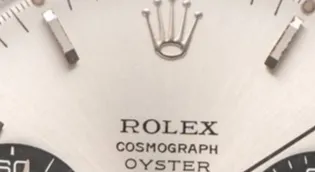

- no Daytona
7 listings on record under the name.
ROC dial
'Rolex Oyster Cosmograph' dials are found on 6240s with T SWISS T or with a sigma signature, but are regarded as slightly less accepted.
- Oyster above Cosmograph
- sigma at 6
Big Daytona
The word 'Daytona' is printed in large letters. Dated watches that sellers describe this way fall mostly in 1966; those are the years of the watches so described, which is not a stated span of production.
- large Daytona print
Small Daytona
The word 'Daytona' is printed in small letters. Dated watches that sellers describe this way fall mostly in 1966; those are the years of the watches so described, which is not a stated span of production.
- small Daytona print
Paul Newman, exotic dial
The exotic dial has fancier type, a lower minute track coloured like the subdials and square markers. Sellers describe a number of 6240s in the library's records this way, though this dial is thought by some to be unlikely on a 6240.
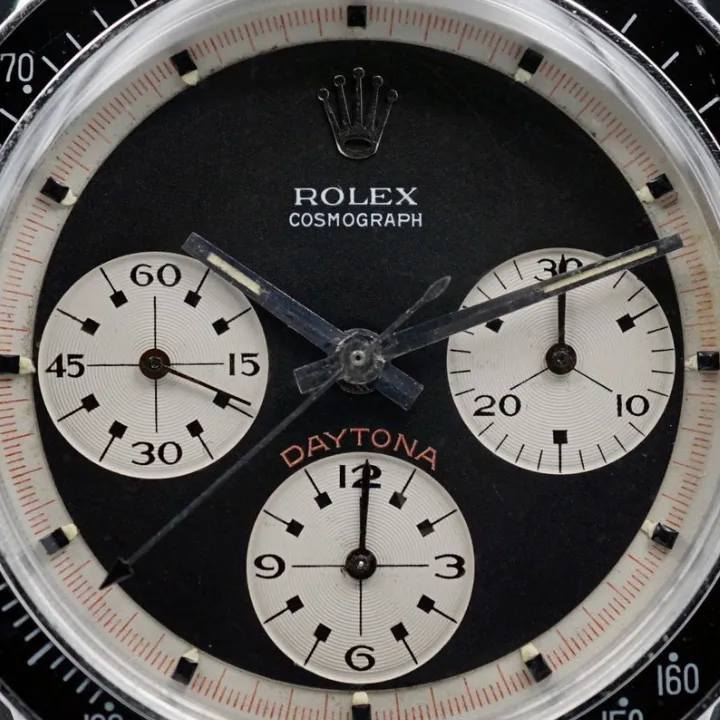

- square markers
14 listings on record under the name.
Three-colour ROC (Mayer dial)
A black dial with white subdials and a red outer minute track, associated with screw-down Daytonas. Well-known collectors endorse it, but it is contested and not proven.
- black, white subdials, red track
Tiffany & Co. signature
Tiffany & Co. signed 6240 dials are described in the literature; they are rare. The one Tiffany-signed watch in the library's records is a 6263 whose case back is stamped 6240.
- Tiffany name on dial
Singer stamp, early
The back of early dials carries a Singer stamp followed by 'Brevets AV'. Early 'Paul Newman' dials have a different stamp with rounded S, G and R. On early dials the T SWISS T is wide and oddly shaped, the letters growing taller towards the centre; a flat T SWISS T belongs to later dials of the 6262 to 6265.
- Singer stamp with Brevets AV
- wide T SWISS T
Luminous material 1 described
Tritium, marked by T SWISS T at 6 o'clock.
Tritium
Sellers who name the lume give tritium. Dated watches that sellers describe this way fall mostly between 1966 and 1967; those are the years of the watches so described, which is not a stated span of production.
- T SWISS T
Bezel 1 described
A black acrylic insert is set in a metal bezel; the tachymeter scale is on the insert. Sellers describe the insert as graduated to 200 units per hour.
Mark 1 bezel
The Mark 1 is the original on a full-specification 6240; most examples have lost it or the Mark 0 pushers. Sellers use the term for a number of watches in the library's records. Dated watches that sellers describe this way fall mostly in 1966; those are the years of the watches so described, which is not a stated span of production.
- Mark 1 insert
Case 1 described
A steel Oyster case, in the 37 to 38 mm range.
Steel Oyster case
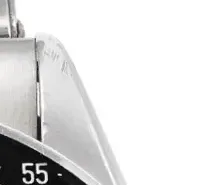
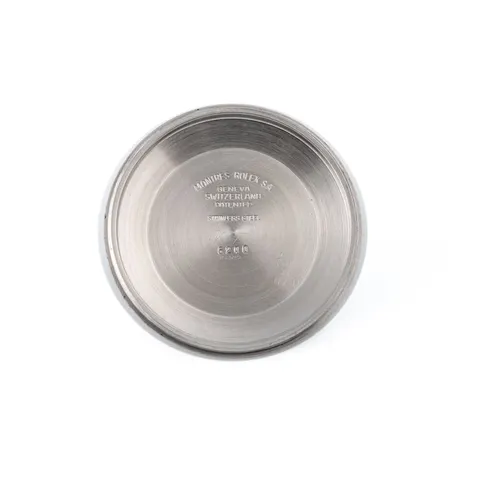
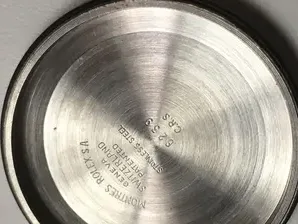
Steel only. Sellers give 38 mm or 37 mm, occasionally 36 mm. The caseback may be stamped 6239 inside, recorded on a few watches.
- steel
- 6239 stamped inside the back
Crown and pushers 2 described
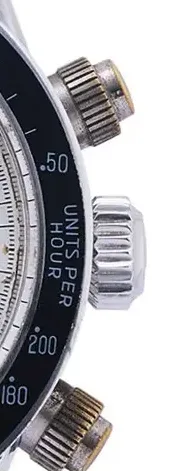
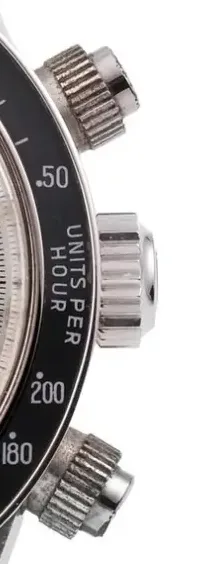
Screw-down pushers, which the 6239 did not have, define the 6240.
Mark 0 brass pushers
The first screw-down pushers, in brass, known as Mark 0 or 'millerighe'. A full-specification 6240 has them and the Mark 1 bezel. Dated watches that sellers describe this way fall mostly in 1966; those are the years of the watches so described, which is not a stated span of production.
- brass pushers
- knurled
Screw-down pushers
Screw-down pushers lock each pusher to stop the chronograph being operated under water, and they allowed 'Oyster' on the dial. A patent for them is dated 1964 in one account and 1966 in another. Sellers record a Twinlock crown on a number of watches.
- screw-down pushers
- Twinlock crown


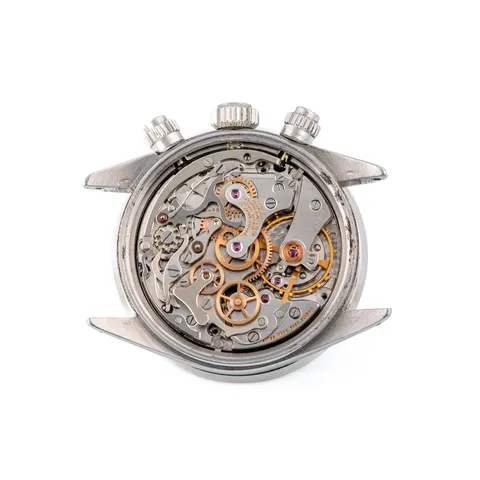
Movement 1 described
Valjoux 72 family.
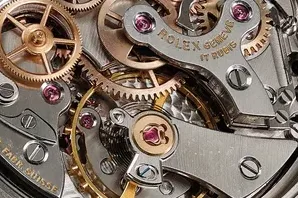
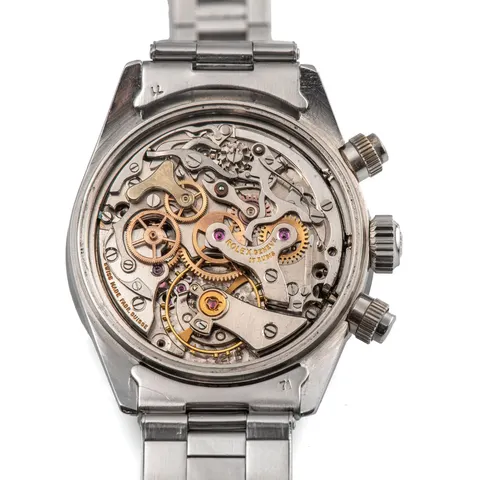
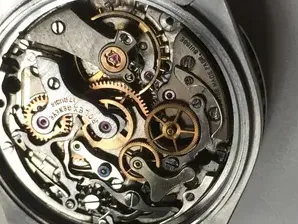
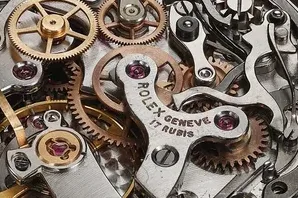
Valjoux 722 and 722-1
Hand-wound, 48 hours of reserve. The 722-1 is mentioned from 1967. Sellers also give 72B and 72.
- 722-1 on the movement
Bracelet 3 described
Riveted Oyster, folded Oyster and Jubilee are all recorded.
Riveted Oyster, 7205
Sellers describe riveted Oyster bracelets, some with reference 7205. Dated watches that sellers describe this way fall mostly between 1966 and 1967; those are the years of the watches so described, which is not a stated span of production.
- riveted links
Folded Oyster, 7835
Sellers describe folded Oyster bracelets, and 7835 is the reference they most often give. Dated watches that sellers describe this way fall mostly between 1966 and 1967; those are the years of the watches so described, which is not a stated span of production.
- folded links
Jubilee
Some watches are described on a Jubilee. Dated watches that sellers describe this way fall mostly between 1966 and 1967; those are the years of the watches so described, which is not a stated span of production.
Originality
- The Mark 0 brass pushers and Mark 1 bezel are often lost; a watch without them lacks the traits that define the reference.
- Dials are the least certain part of a 6240 and are often of a later or altered kind; a flat T SWISS T, a minute track in one colour or a later logo typeface point to a dial of the 6262 to 6265 period.
- A Solo dial may have had its print removed, at times so skilfully that no trace shows under a loupe; an 'Oyster' line may have been added later to imitate an RCO dial.
- Case numbers may have been re-engraved; in the 1.65 million range two batches of 6240 carry different engraving typefaces, so compare with the right batch.
- Lume plots can have fallen out or been removed, as on one much-discussed early-looking dial.
Names
- Oyster Sotto. 'Oyster' is printed below 'Rolex Cosmograph'.
- Oyster Alpina. The name given to the early silver RCO dial without 'Daytona'.
- Solo. The dial says only 'Rolex', and 'solo' is Italian for only.
- Neanderthal. The name given to one dial thought to be an early Paul Newman, since shown to be a later dial.
- Mayer dial. Named for a collector who owns one.
Where accounts differ
Points on which the published literature and the library's own records do not agree, or on which the literature contradicts itself.
- Start of production. Most guides date the 6240 to 1965; one dates the screw-down pusher launch to 1967. Dated watches in the records fall in 1965 to 1967 by case number.
- Date of the screw-down pusher patent. One article gives a Swiss patent of 1964; another says Rolex patented it in 1966.
- Paul Newman dials on the 6240. One guide states the Paul Newman dial is most likely not found on 6240s; another says many Tiffany-signed 6240s carry it. Sellers in the library's records call the dial Paul Newman or exotic on a number of 6240s.
- Water resistance. One account says the screw-down pushers raised the depth rating to 100 m, against 50 m for the 6239 and the Pre-Daytona; another says every Daytona was an Oyster rated 50 m and the screw-down pushers did not raise it, being only a mechanical lock.
Back and movement
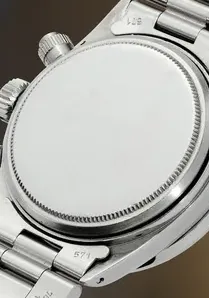
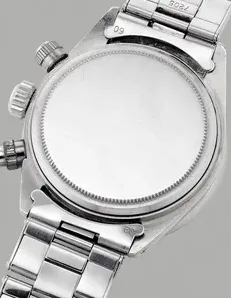
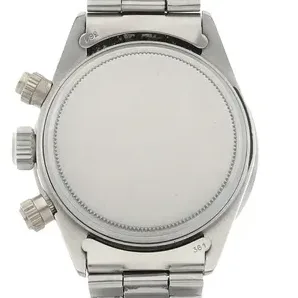
From listings of this reference, each confirmed by eye to show what it is filed under. A picture on which a person's name or a personal engraving can be read is not shown. From most holders a detail from the middle of the photograph is shown; the mark in its corner gives its holder and a link to the listing.
Caseback



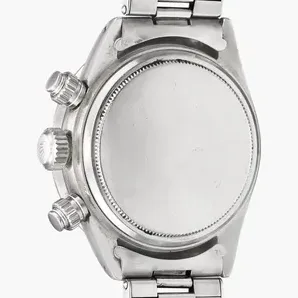

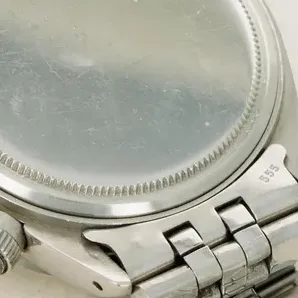

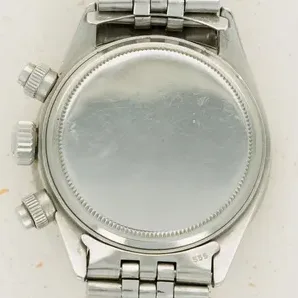

Inside the caseback


Movement





In the records
Counted from 88 listings at 23 holders between 14 November 2011 and 14 November 2026. These are what sellers and auction houses state, not measurements.
Case metal
| Steel | 65 | |
| Pink gold | 1 |
Dial colour
| Silver | 18 | |
| Black | 14 | |
| Brown | 2 | |
| Grey | 1 |
Case size
| 38 mm | 24 | |
| 37 mm | 21 | |
| 36 mm | 4 |
Calibre named
| 722 | 19 | |
| 722-1 | 11 | |
| 72B | 10 |
Bracelet or strap
| Oyster bracelet | 35 | |
| Metal bracelet, kind not stated | 14 | |
| Leather strap | 7 | |
| Jubilee bracelet | 3 |
Each table counts the listings that state the thing, in the seller's own terms. A size, metal, colour or calibre that cannot belong to this reference is a seller's slip or a listing filed under the wrong number.