Submariner (Big Crown)
The 6538 is the Submariner with the 8 mm Brevet winding crown and no crown guards, rated to 200 m (660 ft) and driven by the automatic calibre 1030. It was made from about 1955 or 1956 to 1959, in the same years as the small-crown 6536 and 6536/1 and ahead of the crown-guarded 5512. Dials come with two or four lines of text, and a few have 3-6-9 numerals, red depth print or a retailer's name. It is the reference seen on Sean Connery's wrist in the early Bond films. Collectors look first at the dial, then the crown, bezel insert and unpolished lugs.
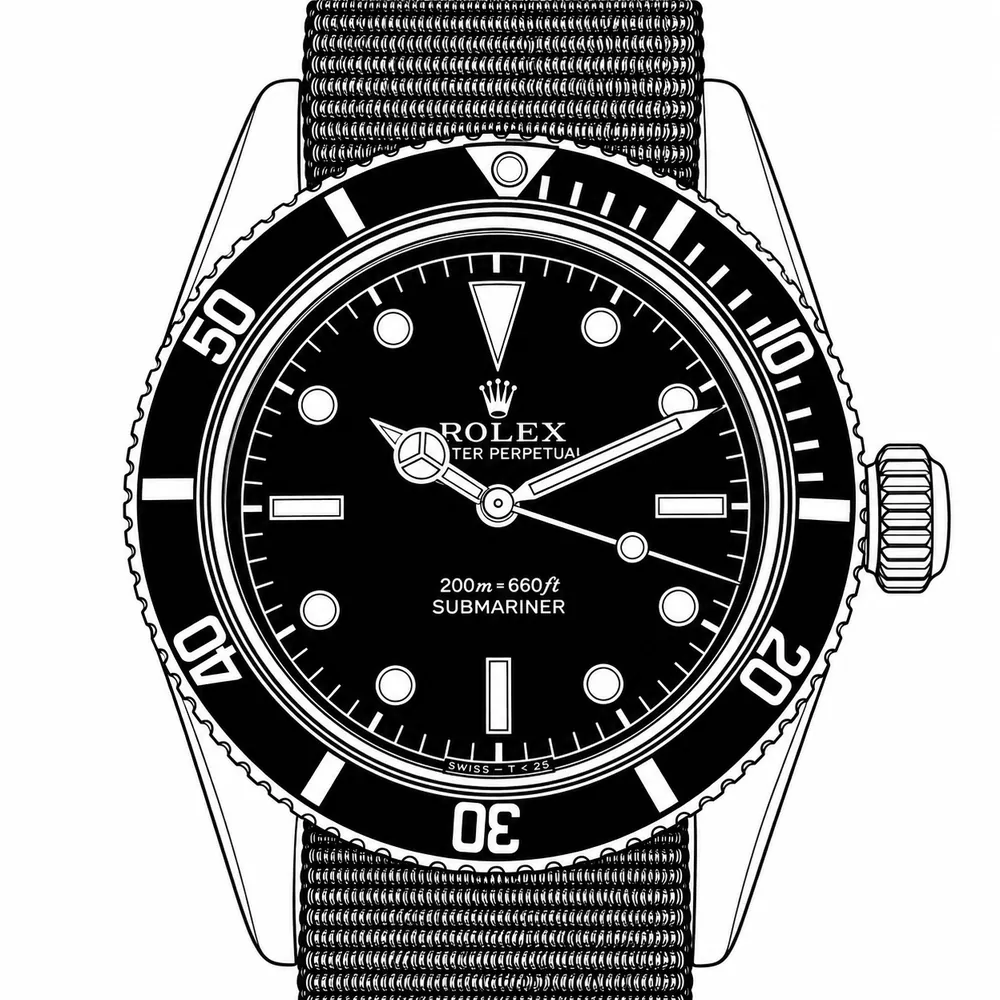
- Made
- 1956–1959dates approximate
- Seen in the library
- 1956–1959by case numbers
- Case
- 38 mm · steel (98%)as sellers state
- Movement
- Calibre 1030automatic
- On record
- 106 listings349 photographs · 24 holders
Components
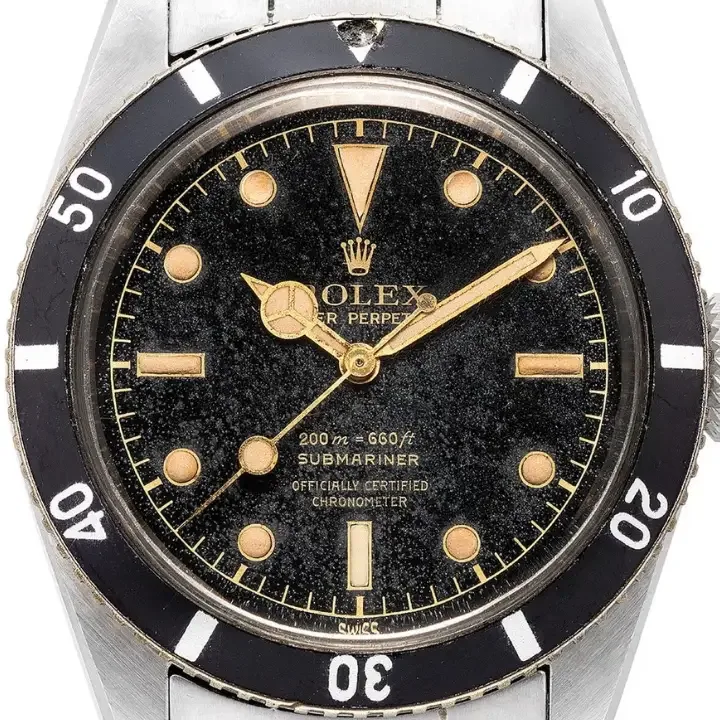
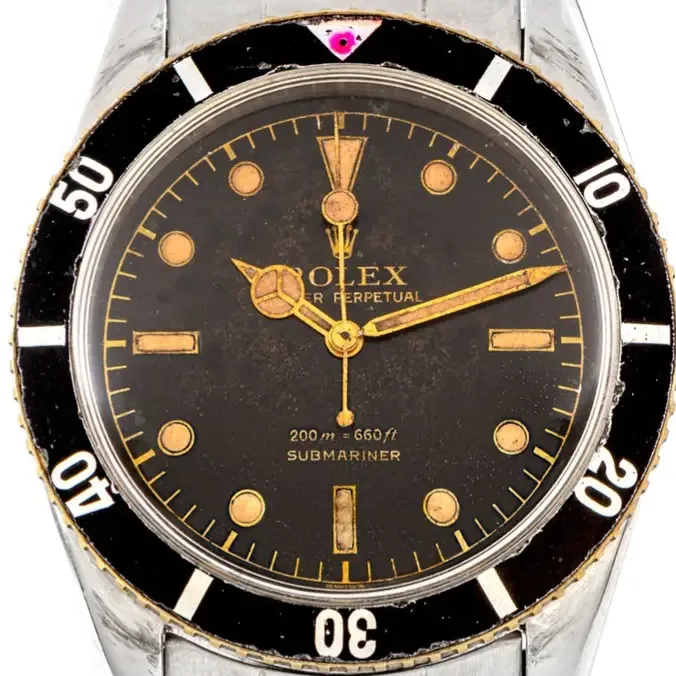
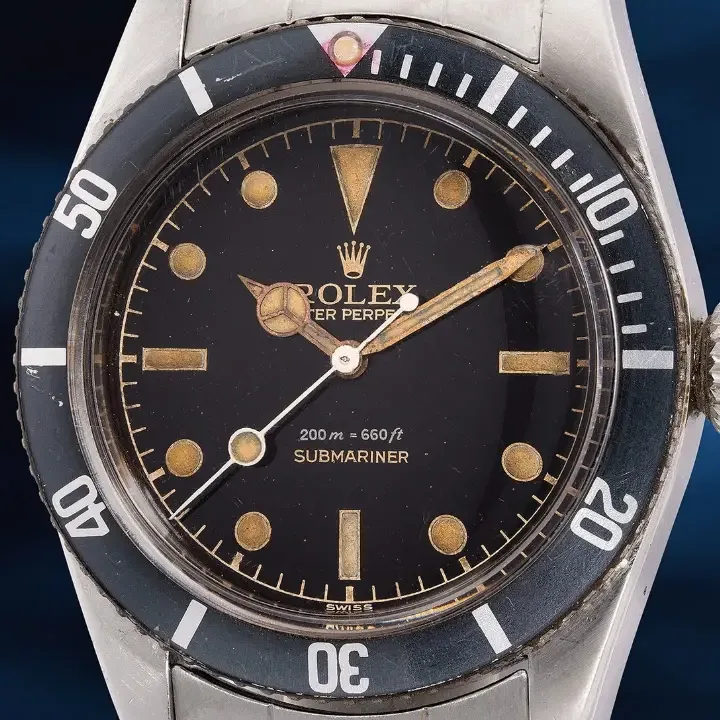
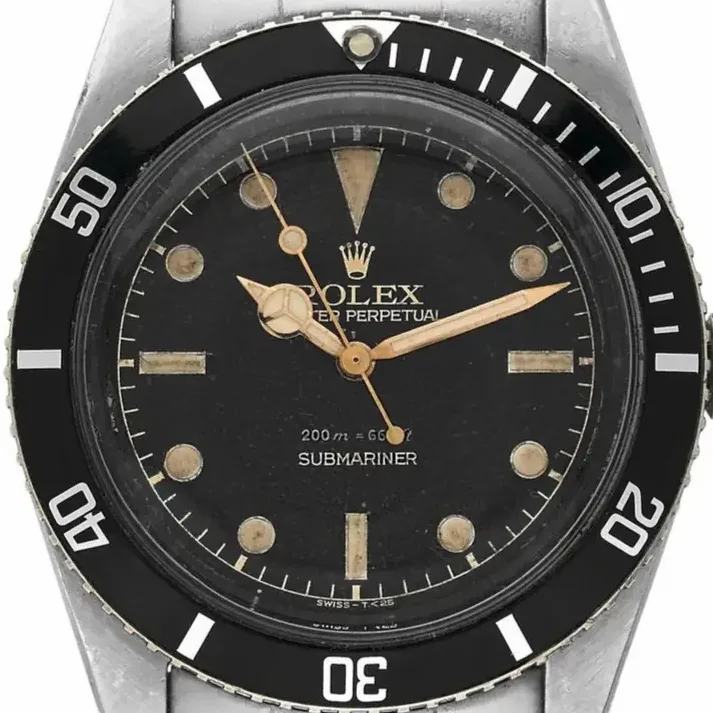
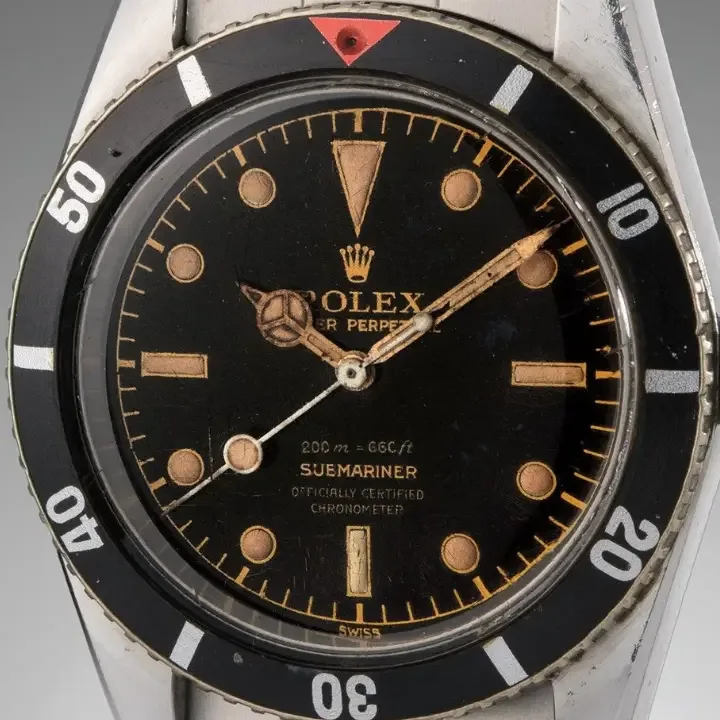
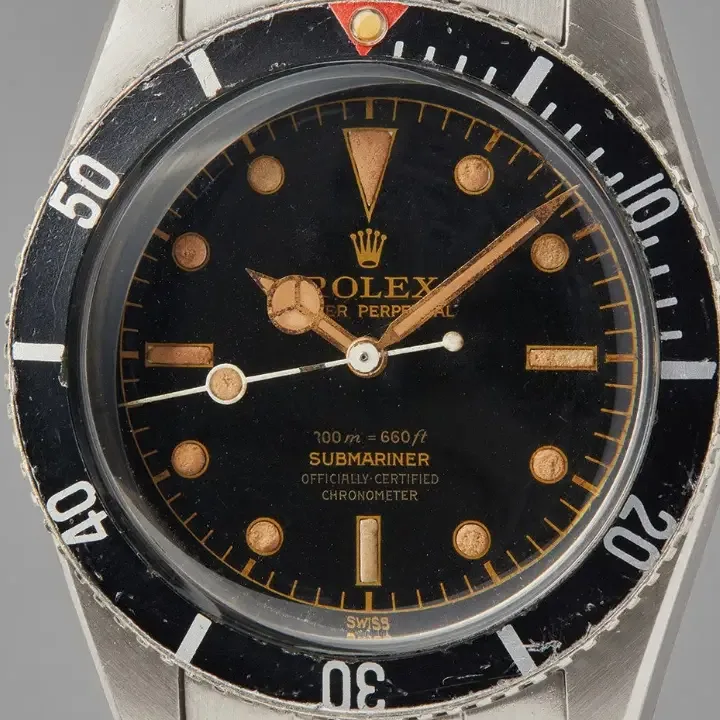
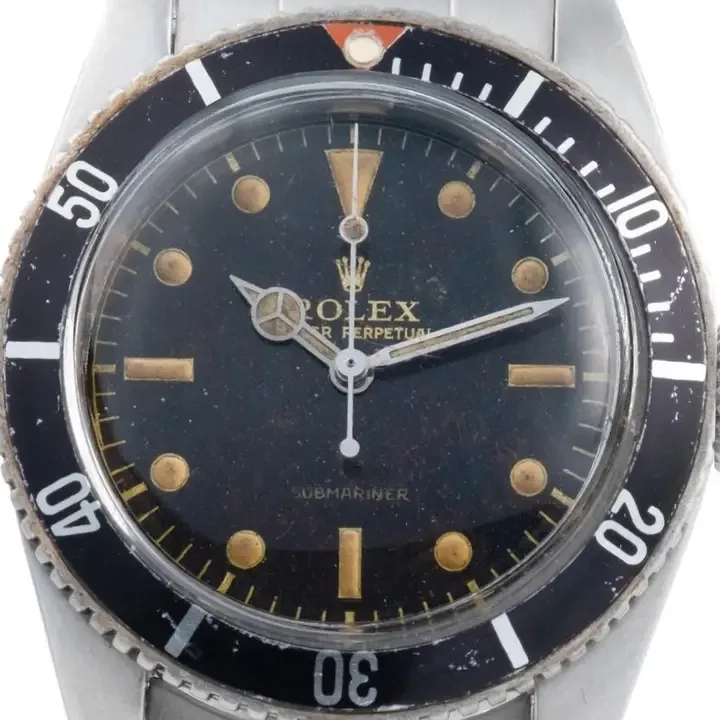
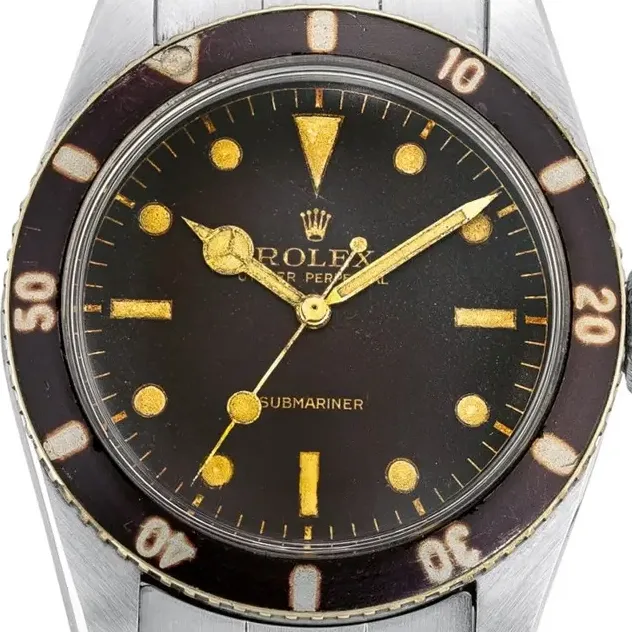
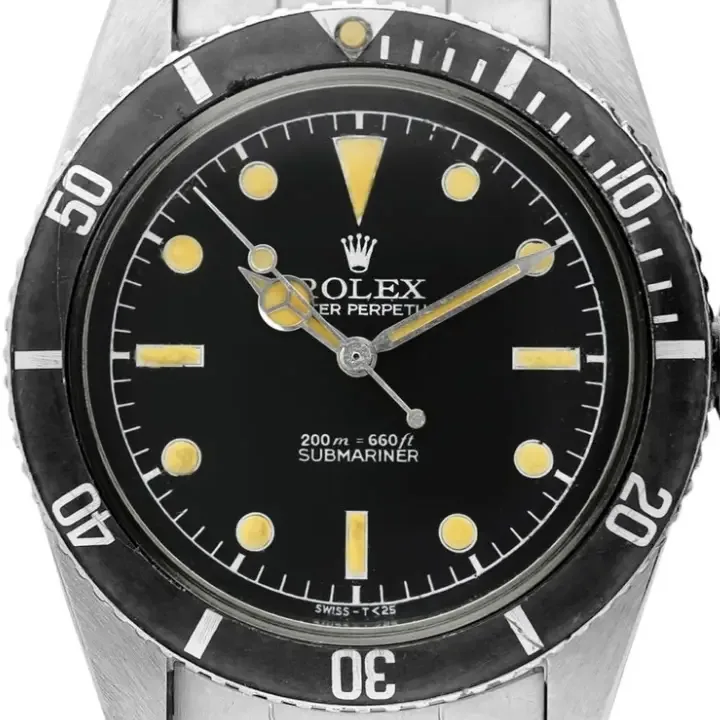
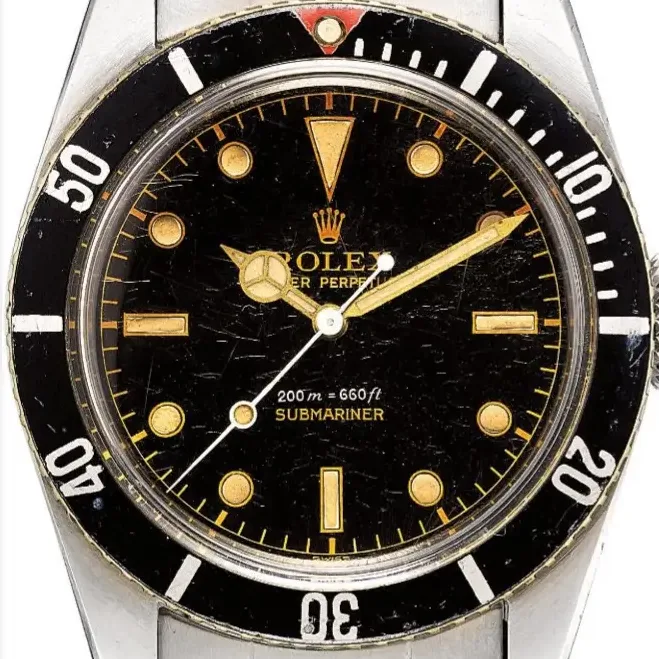
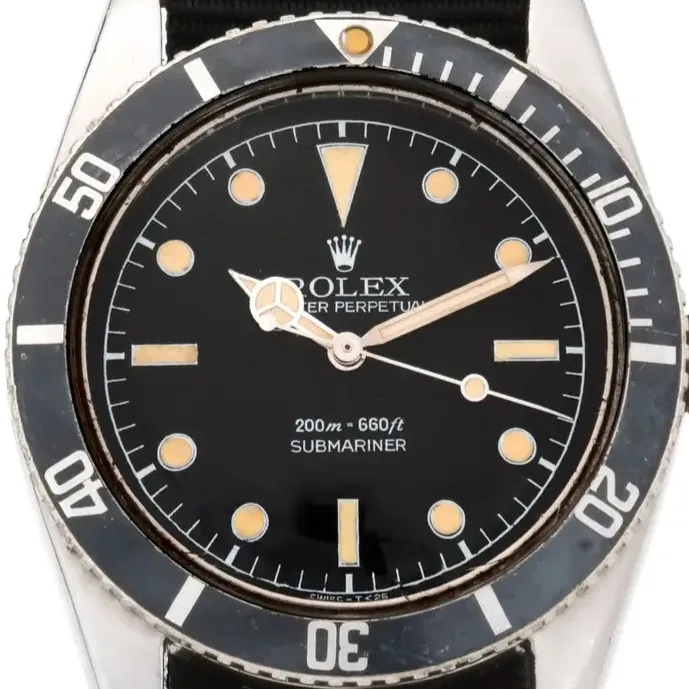
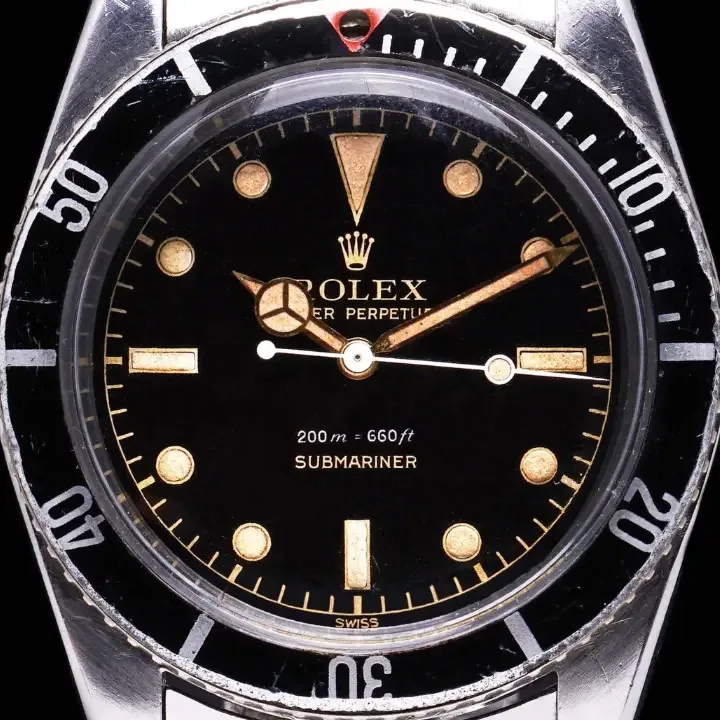
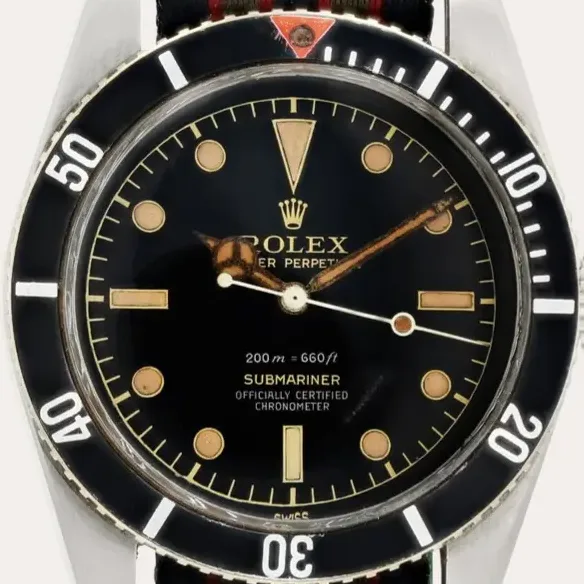
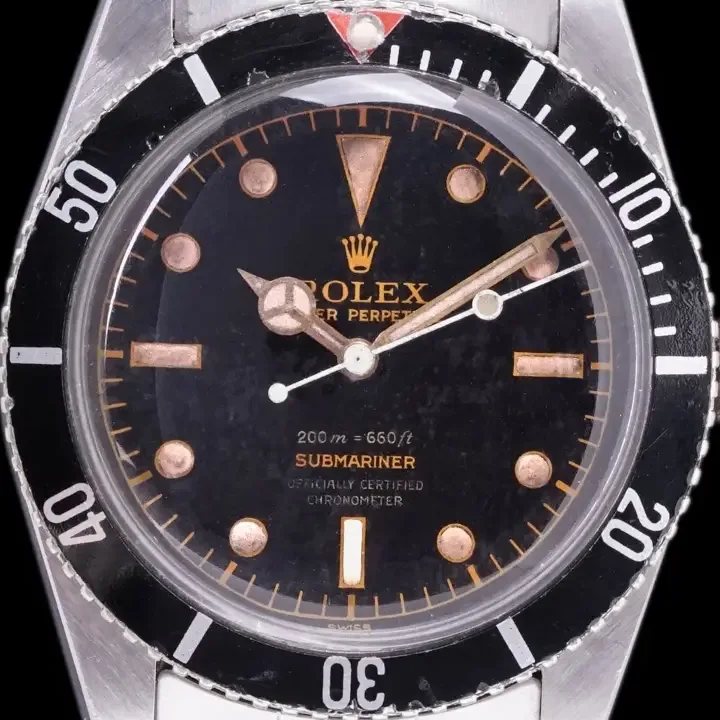
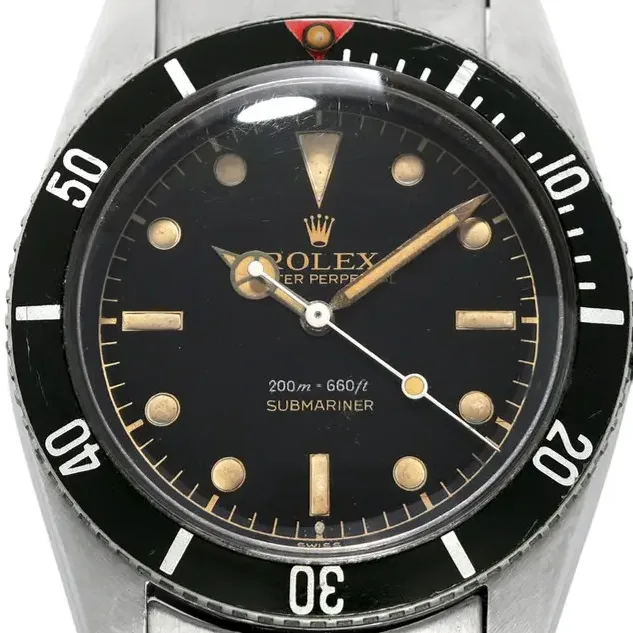
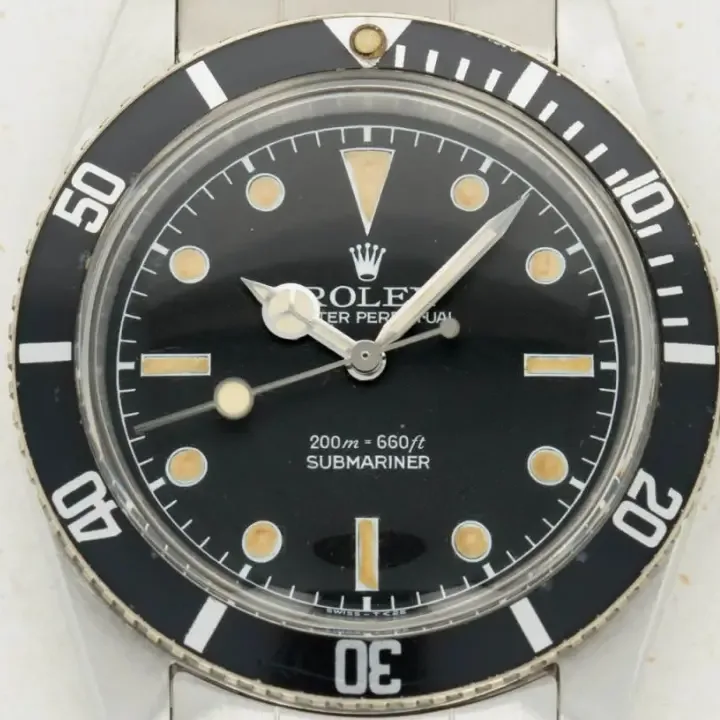
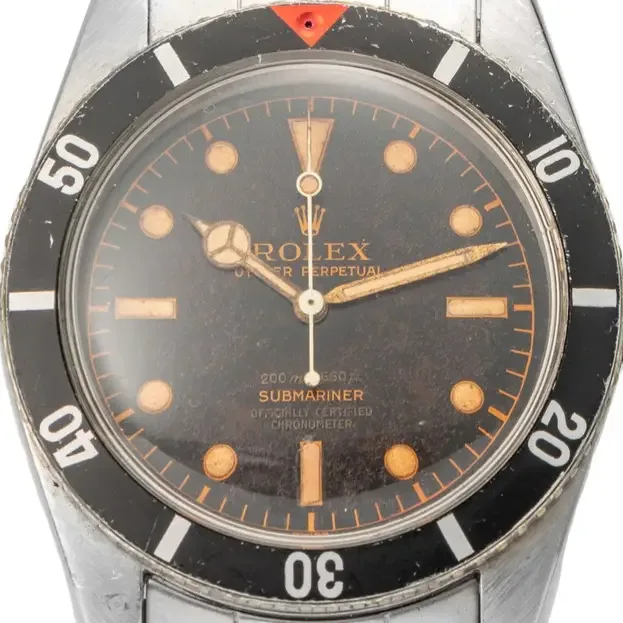
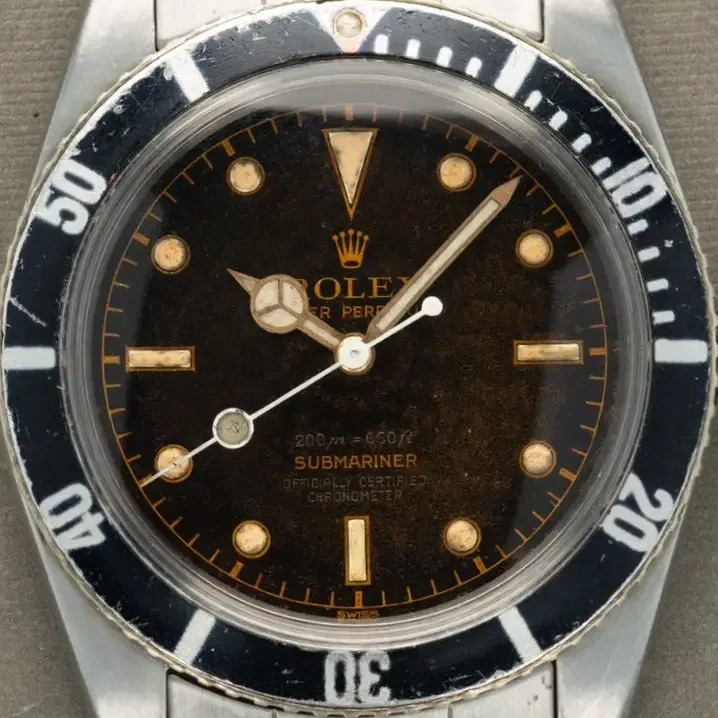
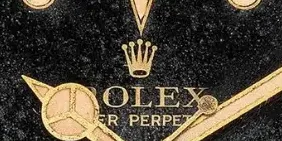
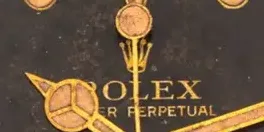
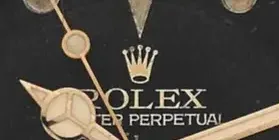
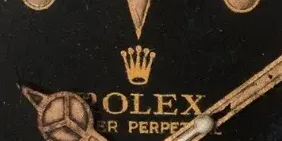
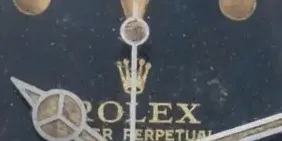
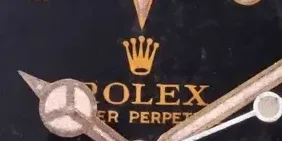
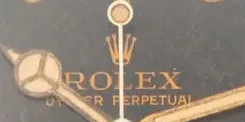
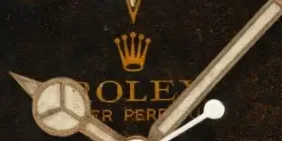
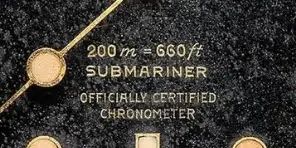
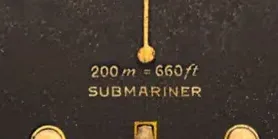
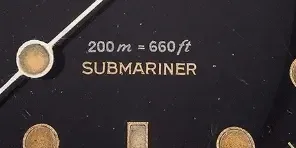
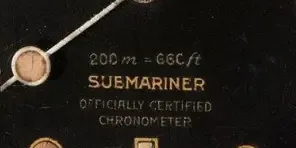
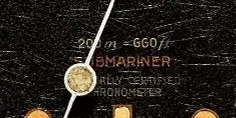
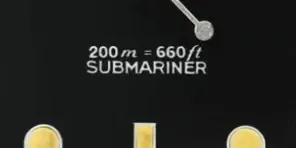
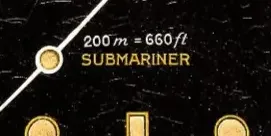
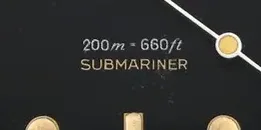
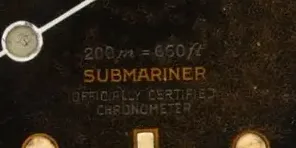
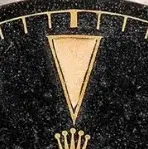
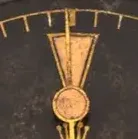
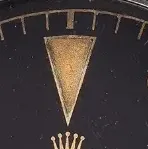
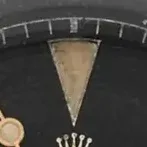
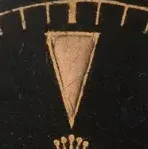
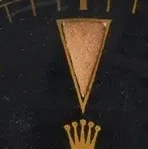
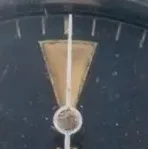
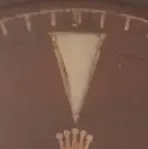
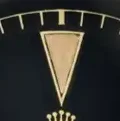
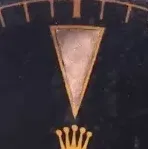
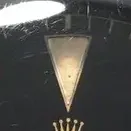
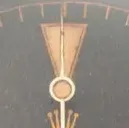
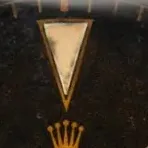
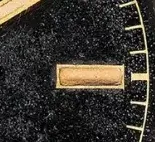
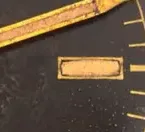
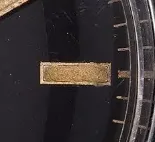
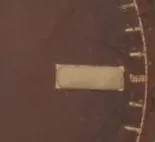
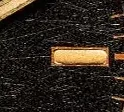
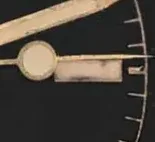
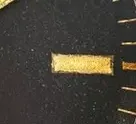
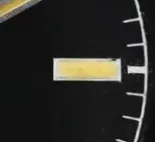
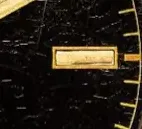
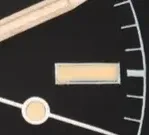
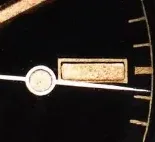
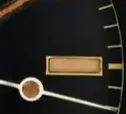
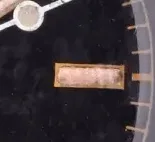
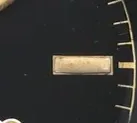
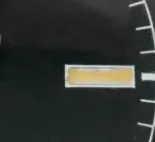
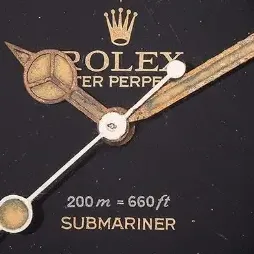
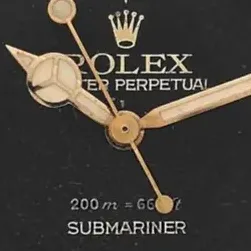
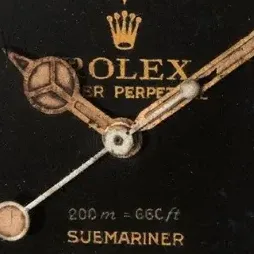
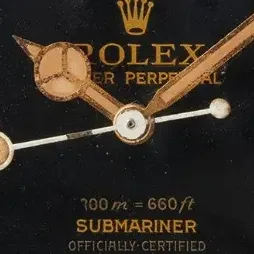
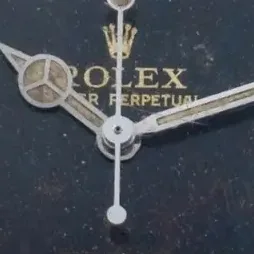
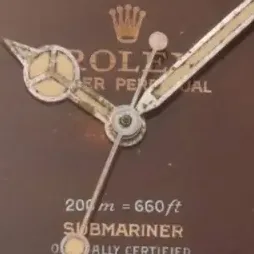
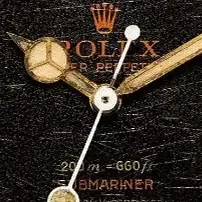
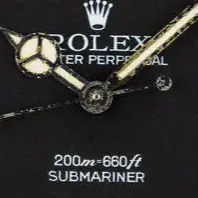
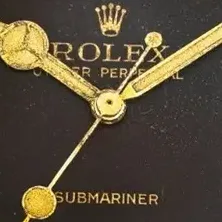
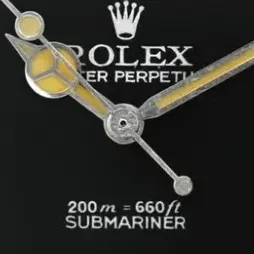
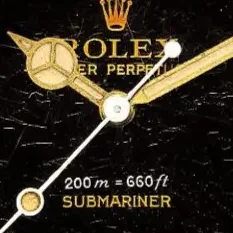
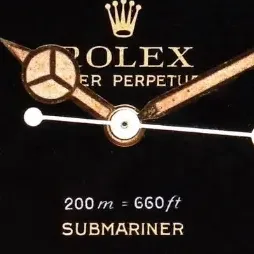
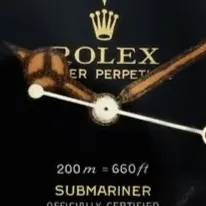
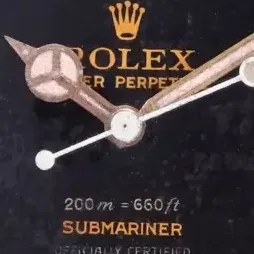
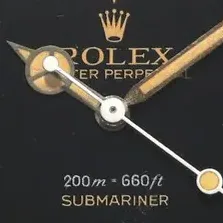
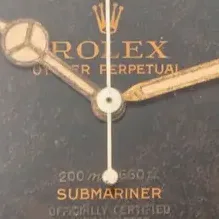
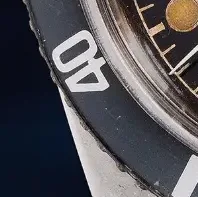
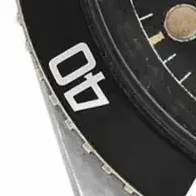
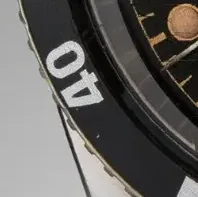
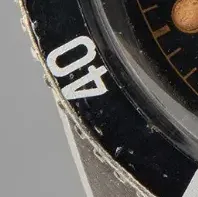
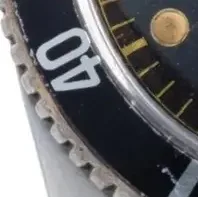
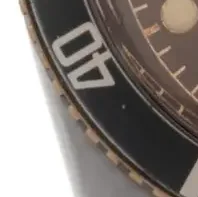
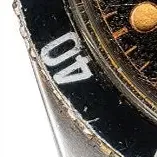
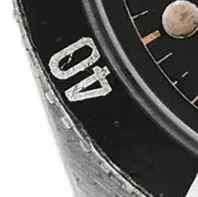
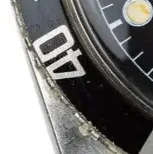
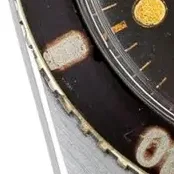
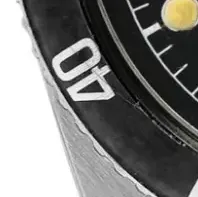
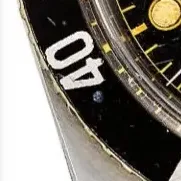
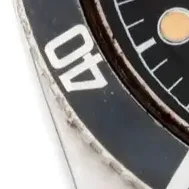
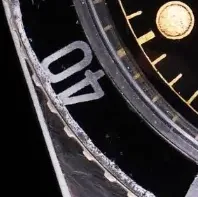
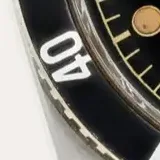
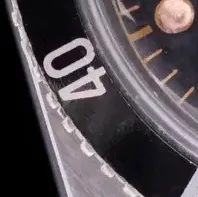
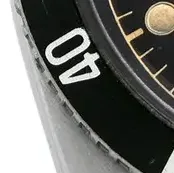
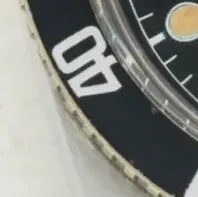
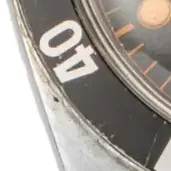
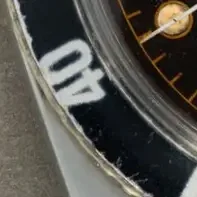
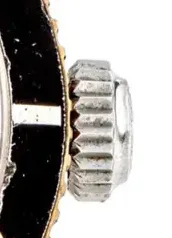
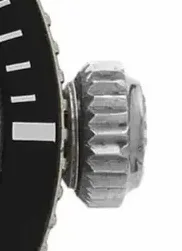
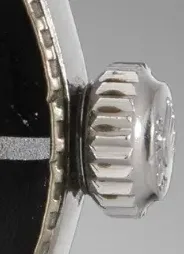
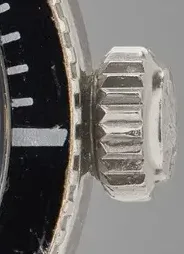
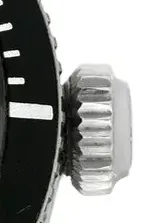
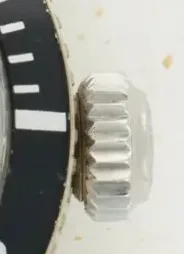
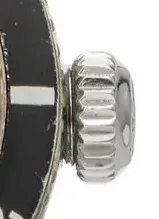
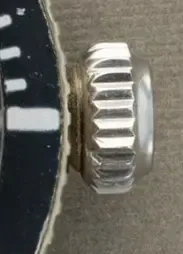
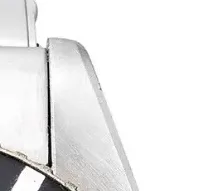
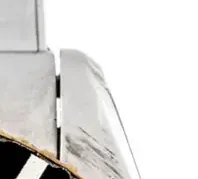
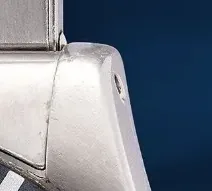
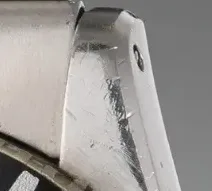
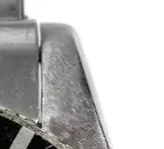
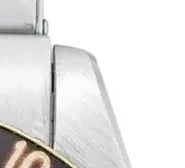
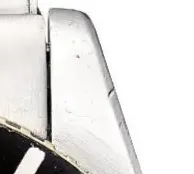
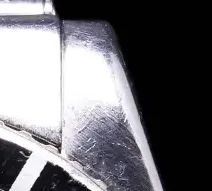
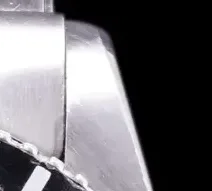
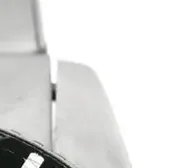
22 watches, oldest first, each straightened and cut the same way so that one row shows one component across them all. Chosen from 349 photographs on file for sharpness and for a face typical of the reference. A year marked c. is one its holder gives only roughly. Each picture is a detail cut from a listing photograph. Select the small mark in its corner for its year, its holder, a link to the listing it came from, and a way to report it.





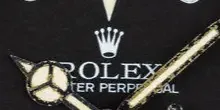
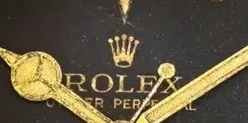
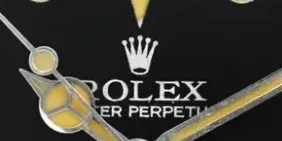
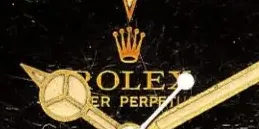


















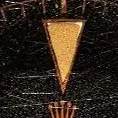
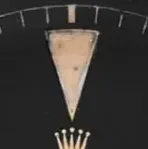
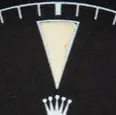
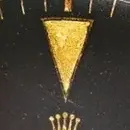
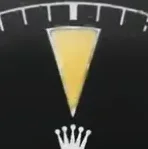
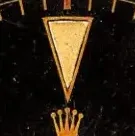
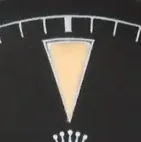
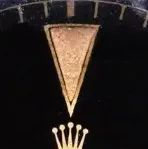

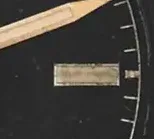
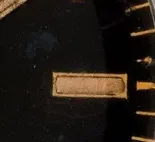
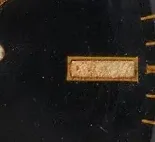
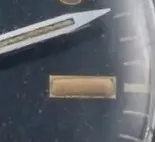

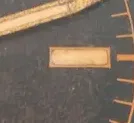
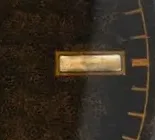
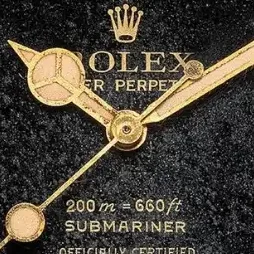
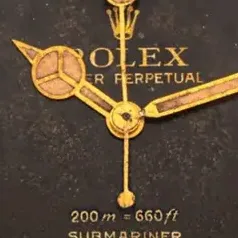
















Chronology
Written sources start production between 1954 and 1956 and end it in 1959, while case numbers in the library's records run only from 1956 to 1959.
Every dated variant: what is written, and what the records show
For the reference the marks are every dated watch; for a variant, the watches a seller names as that variant, so a variant sellers do not name has none.
The reference's own marks are dated by case number. A variant's marks use the year each seller states, so a variant can show watches in a year where the row for the reference shows fewer, or none.
Specification
| Case | Stainless steel Oyster case, no crown guards, bevelled lugs, 20 mm between the lugs; quoted between 37 and 38 mm, most often 38 mm; screw-down steel back |
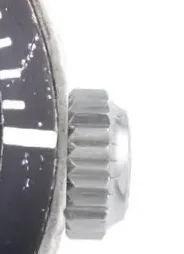
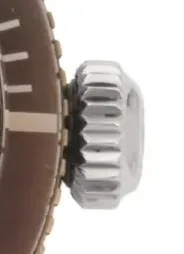
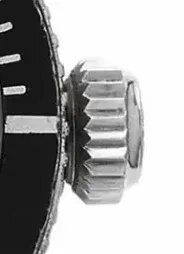
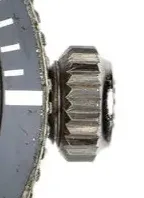
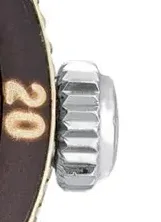
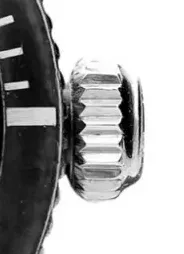
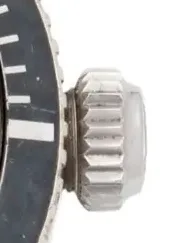
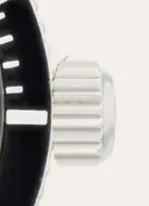
| Crown | 8 mm screw-down crown signed Brevet, deep fine knurling |
| Crystal | Domed acrylic |
| Bezel | Bidirectional steel bezel, black aluminium insert, 60-minute scale; most inserts mark the first fifteen minutes individually, the earliest do not; luminous pip at 12 |
| Dial | Black gloss with gilt print and a chapter ring; painted radium markers |
| Hands | Mercedes hour hand, white lollipop seconds hand, radium lume |
| Movement | Calibre 1030, automatic, 25 jewels, 18,000 vph, bidirectional winding, about 42 hours of reserve |
| Bracelet | Oyster riveted bracelet with folding clasp; sellers name reference 7206 on several, not all of them original to the watch |
| Water resistance | 200 m = 660 ft |
Dial 10 described
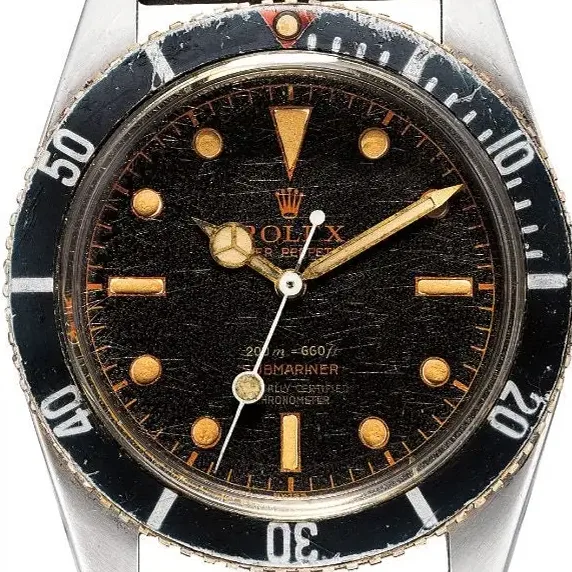
The 6538 was issued with many small dial differences, in colour, in the amount of text and in what was picked out in red. All carry gilt print and painted radium markers of dots and batons with an inverted triangle at 12, and most have a chapter ring. The main division is between two lines of text and four.
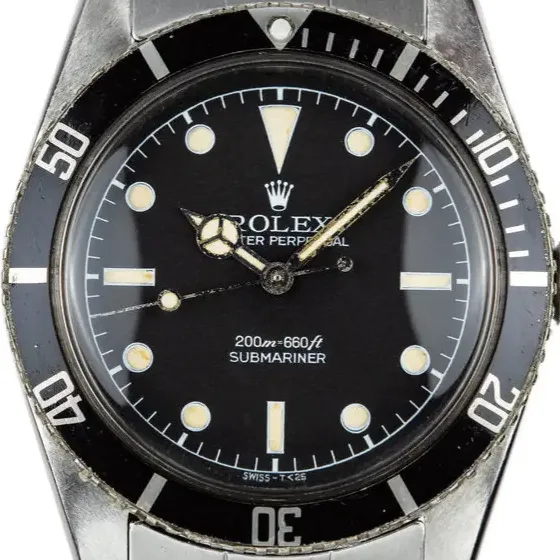
Two-line dial
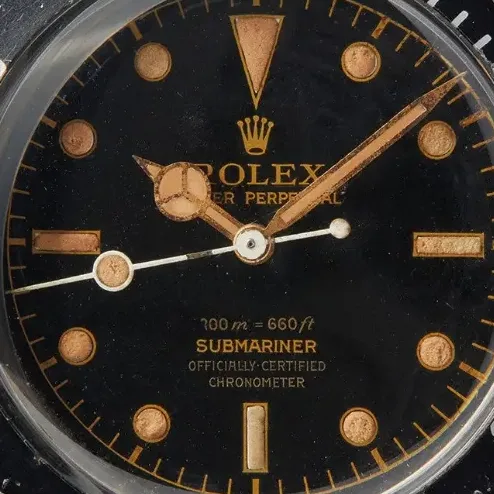
Gilt print gives SUBMARINER and 200m=660ft only. It is the non-chronometer dial and is described as the commoner one. It was made alongside the four-line type. The watch worn in Dr. No is described as a two-liner.
- two lines of text above 6
- no chronometer wording
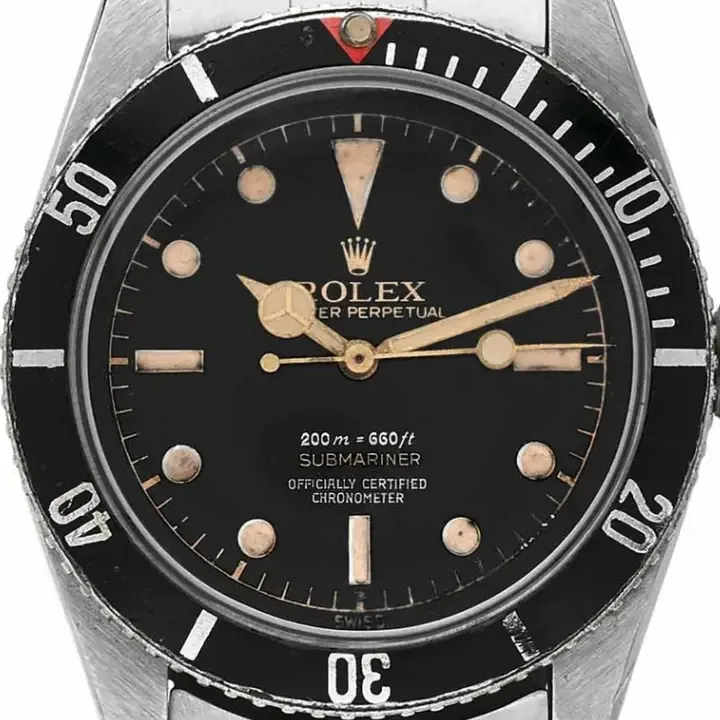
Four-line dial
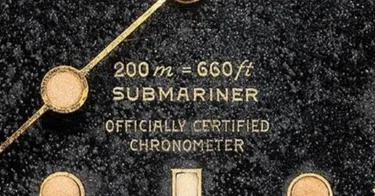
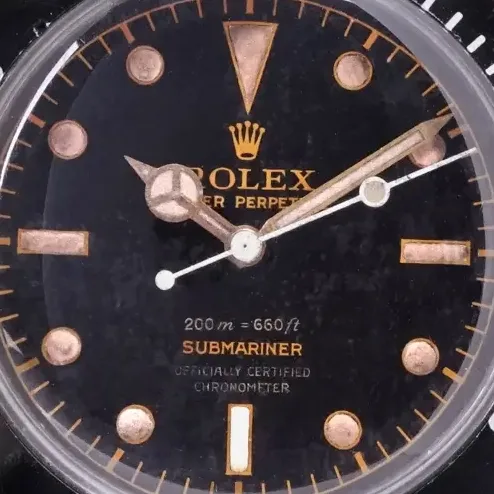
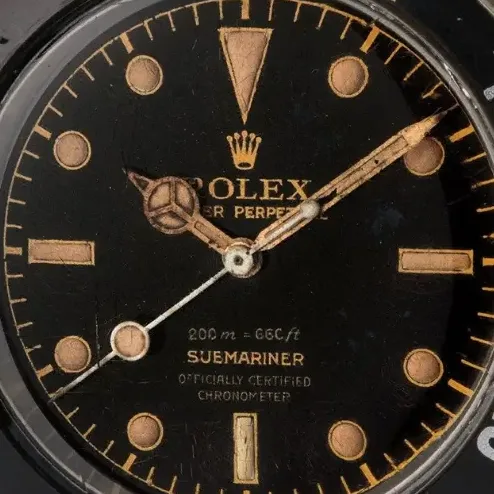
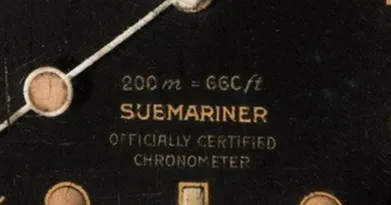
Adds Officially Certified and Chronometer under the depth rating, for watches with a certified calibre 1030. The printing varies, and later versions are said to put Superlative in front of Chronometer. Early four-liners are dated to 1956.
One-colour print
On the earliest dials the print is a single colour and the radium mixture is strong; on one 1956 example it has eaten into the dial surface.
- print in a single colour
Two-colour print
A later print in two colours, coming with a milder radium mixture.
Explorer dial (3-6-9)
Large numerals at 3, 6 and 9 as on the Explorer; the examples described have the depth rating printed in red, and one also has white OCC wording. It is dated to 1956 alone; sellers date such watches 1956 to 1958, which is when they come to market so described, not a production span. Surviving examples are very few.
- 3, 6 and 9 numerals
- red depth print
Red depth print
Some dials have the 200m=660ft depth line printed in red, a very rare variant.
- red 200/660 line
Depth rating without units
Some dials leave out the units on the depth line, and some pick out other lines in red; these are rare.
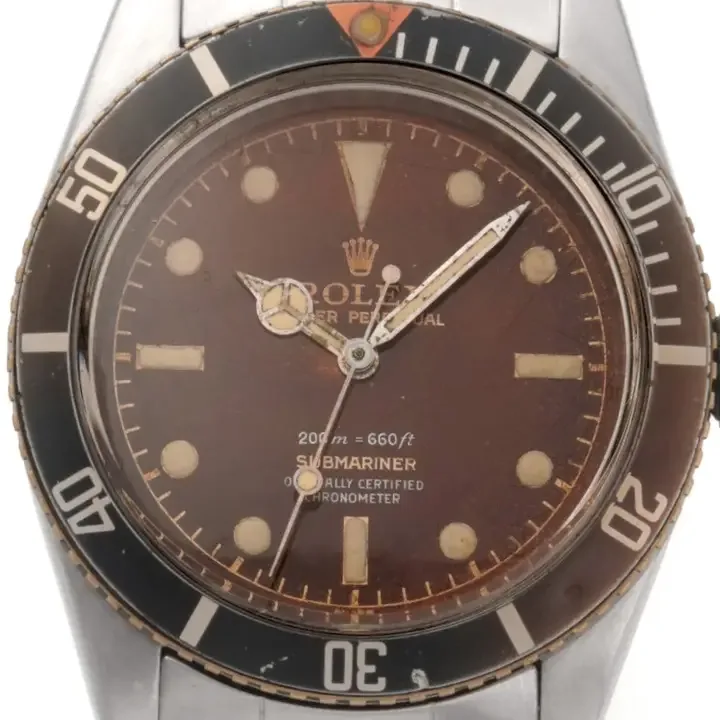
Tropical brown
Black lacquer that has aged to chocolate or brown, glossy or matt. It is a change of age, not a factory colour.
- brown gloss with gold print
Tiffany & Co. signed
A few dials are signed by the retailer; surviving examples barely reach double figures.
- Tiffany & Co. signature on the dial
Service dial
Replacement dials fitted at service, including later types with an open track instead of a minute track, white print, the 3-6-9 layout and T < 25 next to SWISS to show tritium.
- T beside SWISS
- open minute track
- white print
Luminous material 2 described
Original lume is radium, which ages from cream to tan and can bubble or darken. Tritium came in later and marks replacement parts.
Radium
Original material on dial, hands and bezel pip, matching in age on an untouched watch. The radium dust also frosts the inside of the crystal. Early heavy radium was changed for a milder mix about the time print went from one colour to two.
- cream or tan lume
- iced crystal
- hands that match the dial's patina
Tritium
Found on later service dials with a T beside SWISS, on 3-6-9 UK military dials with a T in a circle, and on tritium hands and bezel dots fitted at the Ministry of Defence.
- T < 25
- T in a circle
Hands 1 described
The hour hand is the Mercedes type and the seconds hand a lollipop; earlier references had pencil hands.
Mercedes and lollipop hands
Mercedes hour hand with a painted white lollipop seconds hand, filled with radium. Where the glue holding the radium has aged transparent the hands look empty (phantom hands). Original hands match the dial's ageing.
- white lollipop seconds hand
- aged hand lume matching the dial
Bezel 5 described
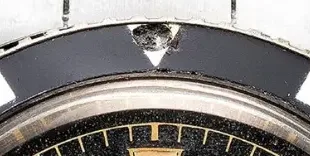
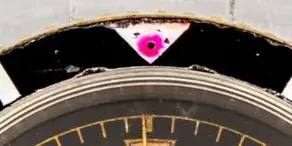
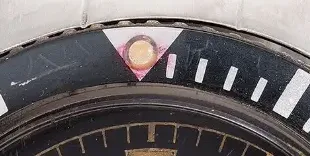
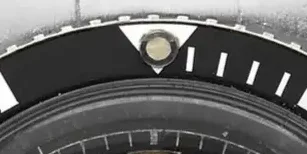
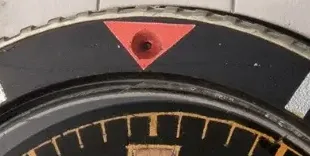
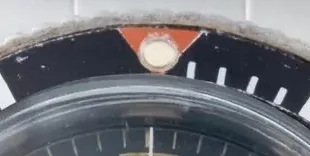
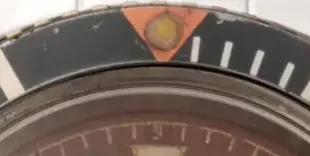
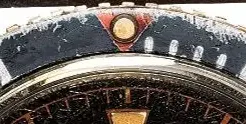
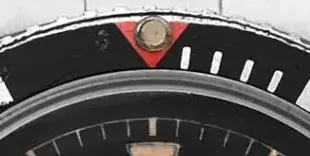
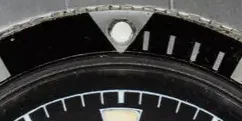
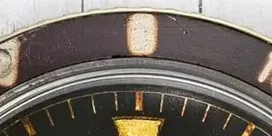
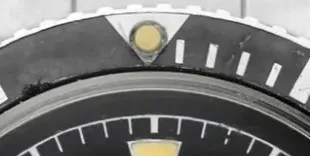
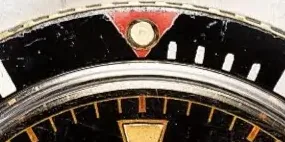
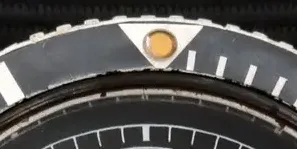
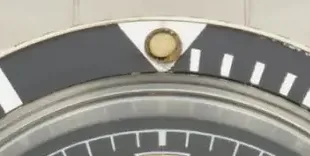
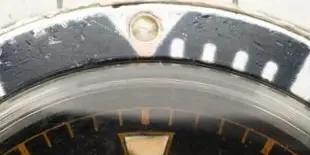
The bezel is a steel ring with a black aluminium insert, graduated to 60 minutes; most inserts mark the first fifteen singly, but early ones do not. A red triangle at 12 is the best-known feature but was not on every early watch.
Early insert without a red triangle
Early 6538s use an insert with no dash markers and no red triangle, like the first 6200s. The Dr. No watch is described with this type.
- plain insert, no triangle
Mk2 insert
An insert with a red triangle, no minute divisions up to the fifteen-minute mark, drilled and with no lume pearl, was called exceptionally rare by one auction cataloguer.
- no minute divisions to 15
- drilled pip
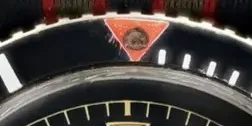
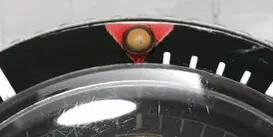
Red triangle insert
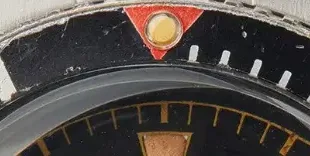
The triangle is a metallic red inverted shape painted on the aluminium. It is seen on watches from 1958. Inserts are commonly replaced.
- red inverted triangle at 12
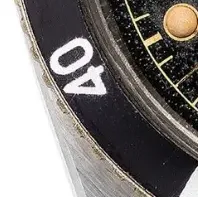
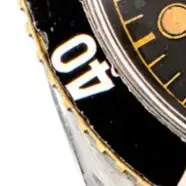
Long 5 insert
A red-triangle insert on which the 5 of the scale is long; sellers name it on a few watches.
- elongated 5 on the scale
A/6538 German silver bezel
On the UK military reference a taller bezel of German silver, with a double-height glass retaining ring, grips with less security and has often been lost.
- deep bezel
Case 2 described
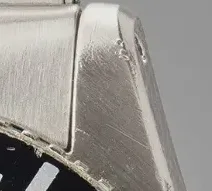
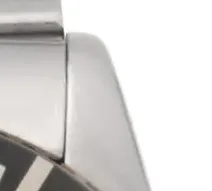
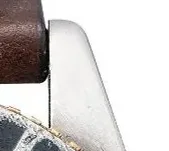
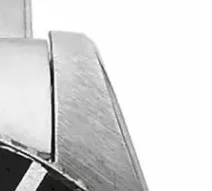
The case is steel and without crown guards, with thick bevelled lugs. It is 37 to 38 mm across and polishing quickly rounds off the bevels.
Unguarded Oyster case
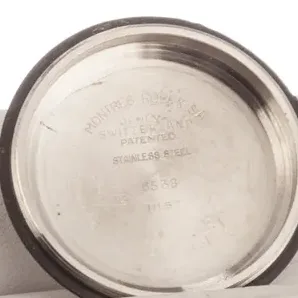
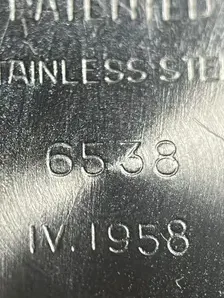
No crown guards, 20 mm lugs, thick with sharp bevels when unpolished. Sellers state 38 mm most often and 37 mm on about a third. A screw-down solid back shows the reference and a stamped quarter and year, for example I.1956, III.57 or IV.1958.
- thick bevelled lugs
- sharp chamfers
- dated caseback stamp
A/6538 for the UK military
Made as 6540 and later called A/6538, with UK Navy markings on the caseback, the serial on the back instead of between the lugs and fixed spring bars.
- serial on the caseback
- fixed bars
Crown 1 described
The 8 mm crown gives the watch its name; it is also often replaced.
Brevet big crown
An 8 mm crown with the coronet and Brevet, patent mark, deep fine knurling.
- signed Brevet
- 8 mm crown without guards
Crystal 1 described
The crystal is acrylic and domed.
Domed acrylic
A thick, strongly domed acrylic crystal, frosted by radium dust on unrestored watches.
- thick dome
- frosting from radium
Movement 2 described
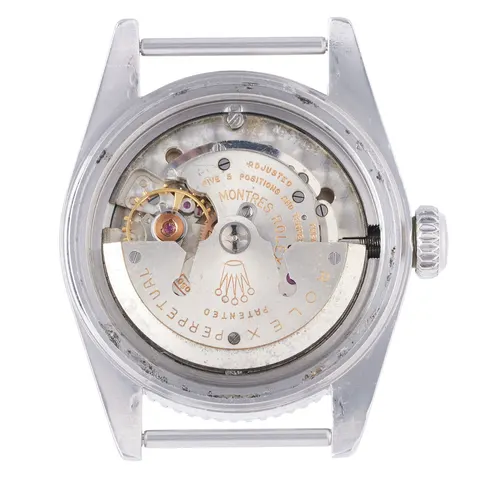
Calibre 1030 runs through the reference; what changes is whether it was certified. A few listings name calibre 1035, which the literature does not give for the 6538.
Calibre 1030 uncertified
Automatic, 25 jewels, 18,000 vph, with the first bidirectional winding. Watches with two-line dials have it without the chronometer certificate; they came before the certified calibre and went on being made beside it.
- two-line dial
Calibre 1030 certified
The same calibre with a chronometer certificate, announced on the four-line dial. Nearly all listings that state a calibre give 1030.
6 listings on record under the name.
Bracelet 2 described
Surviving watches mostly wear the riveted Oyster bracelet of the 1950s.
Riveted Oyster bracelet
Hollow rivet links, a folding clasp and stamped end pieces; stretch is common. Sellers name reference 7206 on several watches, some of them with later clasps or replacement bracelets. Date codes and end pieces should be those of the period.
- stamped end pieces
- rattly hollow links
Strap on screen
On screen the watch was worn on a strap, not the bracelet. Leather in Dr. No and From Russia with Love is the usual account, though a striped fabric strap is also reported for Dr. No; Goldfinger shows a striped fabric strap.
Box and papers 1 described
Some watches survive with the original paperwork and fittings.
Certificate, card and tag
Chronometer certificate, Submariner 200 card, Swimpruf Oyster tag, hangtag, warranty, receipt, box and first service papers.
- original box and papers
Originality
- Dials are often replaced; a service dial shows through open tracks, white print or a T beside SWISS, and lume that does not match the hands.
- Crowns are commonly swapped, so the Brevet crown should match the age and wear of the case.
- Bezel inserts are frequently replaced after damage; the triangle and scale should age with the rest.
- Hands were often replaced as radium hands were retired, so mismatched ageing is a warning.
- Bracelets were changed at service; end pieces and date codes should fit the period.
- Polishing removes the sharp chamfers and thick lugs that belong to an unpolished case.
Names
- Big Crown. The 8 mm Brevet crown is far larger than later Submariner crowns.
- James Bond. The reference is the one worn by Sean Connery in the early Bond films.
- Coroncione. Auction and seller usage for the large crown, Italian for big crown.
- Four-liner. The chronometer dial has four lines of text.
- Explorer. Applied to dials with 3-6-9 numerals, after the Explorer.
Where accounts differ
Points on which the published literature and the library's own records do not agree, or on which the literature contradicts itself.
- Start of production. One account begins production about 1955 and elsewhere 1956; another says 1954 to 1959. Case numbers in the records give 1956 to 1959 with none earlier.
- Which dial Bond wore. Three accounts say the Dr. No watch was a two-liner; one captions a Goldfinger still as showing an Explorer dial.
- Explorer dial dating. One account says the 3-6-9 dials were made in 1956 only; sellers in the library's records date such watches 1956 to 1958.
- Strap in Dr. No. One account puts the watch on a leather strap in Dr. No and From Russia with Love and on a striped fabric strap in Goldfinger; another says it was already on a striped NATO-style strap in Dr. No.
- Superlative on the four-line dial. One account says Rolex later added Superlative in front of Chronometer on the 6538 four-liner; another dates the Superlative wording from about 1960 and shows it on the small-crown 5508, earlier models reading Officially Certified Chronometer.
Back and movement
From listings of this reference, each confirmed by eye to show what it is filed under. A picture on which a person's name or a personal engraving can be read is not shown. From most holders a detail from the middle of the photograph is shown; the mark in its corner gives its holder and a link to the listing.
Caseback
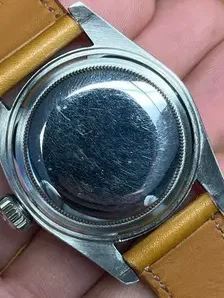
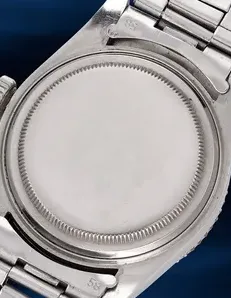
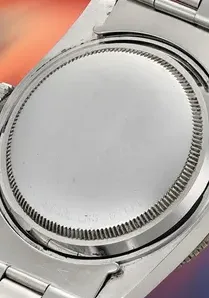
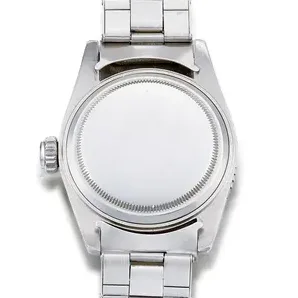
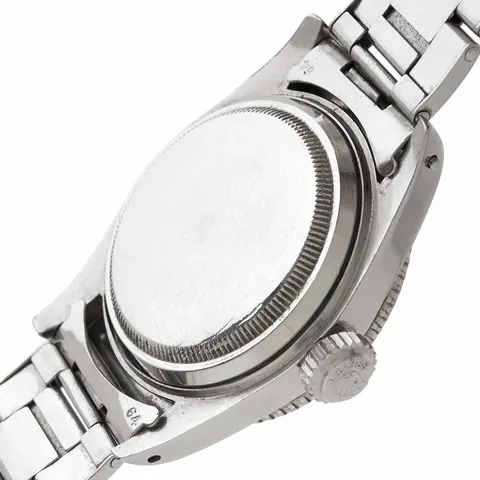
Inside the caseback


Movement

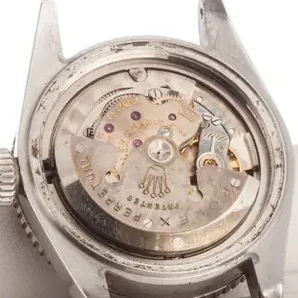

In the records
Counted from 106 listings at 24 holders between 17 October 2007 and 14 November 2026. These are what sellers and auction houses state, not measurements.
Case metal
| Steel | 81 | |
| Gold, colour not stated | 1 | |
| Silver | 1 |
A listing that says "gold" or "18K gold" names no colour: it is counted under "colour not stated", not as yellow gold.
Dial colour
| Black | 20 | |
| Brown | 6 |
Case size
| 38 mm | 32 | |
| 37 mm | 19 | |
| 36 mm | 1 |
Calibre named
| 1030 | 52 | |
| 1035 | 2 |
Bracelet or strap
| Oyster bracelet | 23 | |
| Metal bracelet, kind not stated | 15 | |
| Fabric strap | 4 | |
| Leather strap | 3 |
Each table counts the listings that state the thing, in the seller's own terms. A size, metal, colour or calibre that cannot belong to this reference is a seller's slip or a listing filed under the wrong number.