Submariner
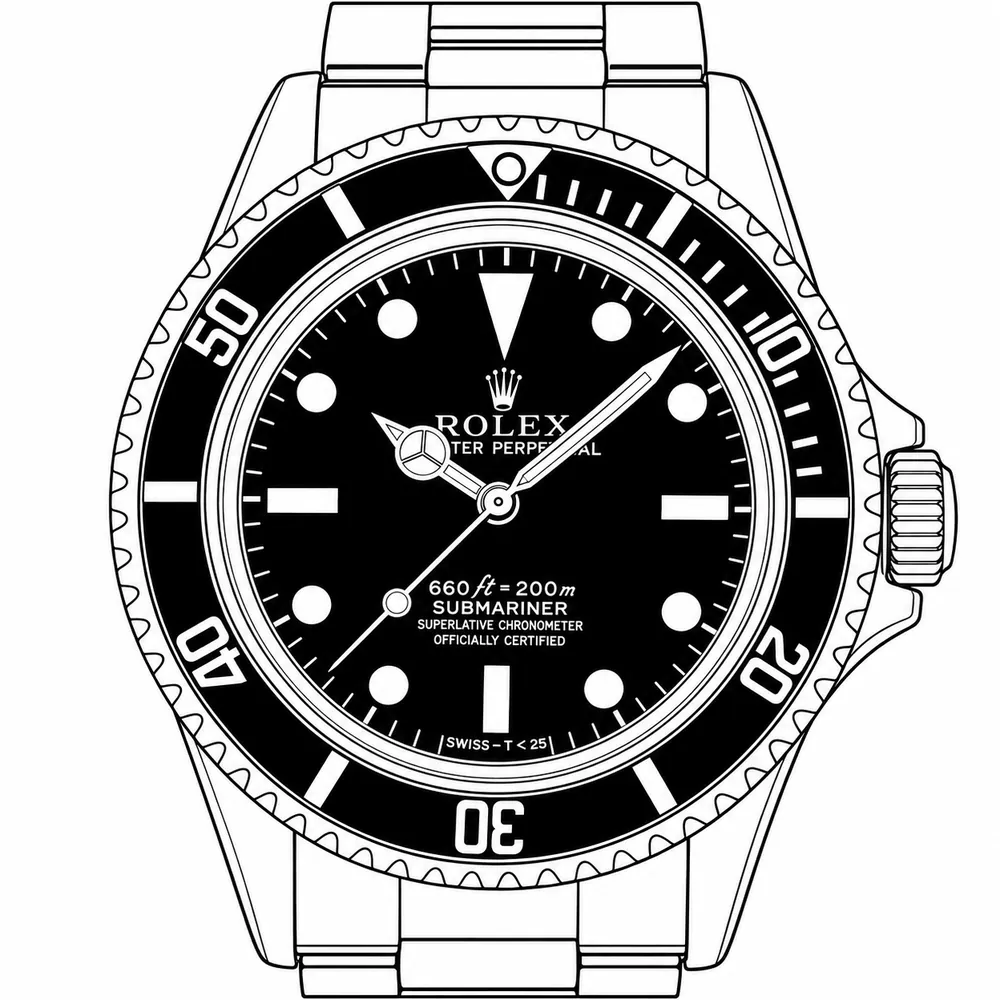
The 5512 is the no-date Submariner in a 40 mm steel case, made from 1959 to about 1979 and the first Submariner with crown guards. It grew from the 38 mm cases before it, was rated to 200 metres, and carries a chronometer-grade movement and the two extra dial lines that say so; the 5513, which ran beside it from 1962, is the same watch with a plainer movement and dial. Over twenty years the crown guards went from square to pointed to rounded, the dial from glossy gilt to matte, the depth line from metres first to feet first, and calibre 1530 gave way to 1560 and 1570. Collectors read the crown guards, dial print and coronet first, then check that dial, hands and bezel insert belong together.
- Made
- 1959–1979dates approximate
- Seen in the library
- 1959–1980nine in ten in 1960–1978 · by case numbers
- Case
- 40 mm · steelas sellers state
- Movement
- Calibre 1530, 1560automatic
- On record
- 527 listings1,759 photographs · 44 holders
Components
44 watches, oldest first, each straightened and cut the same way so that one row shows one component across them all. Chosen from 1,759 photographs on file for sharpness and for a face typical of the reference. A year marked c. is one its holder gives only roughly. Each picture is a detail cut from a listing photograph. Select the small mark in its corner for its year, its holder, a link to the listing it came from, and a way to report it.
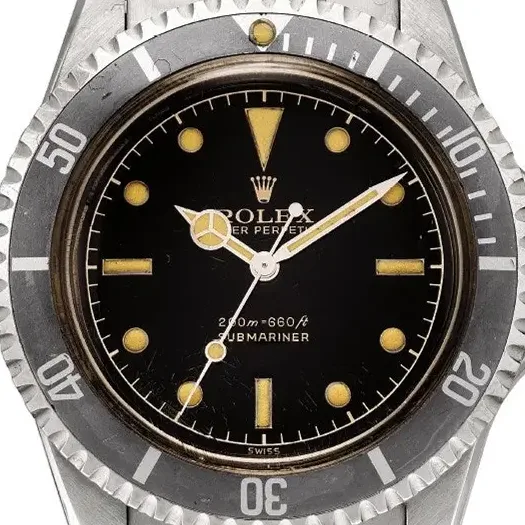
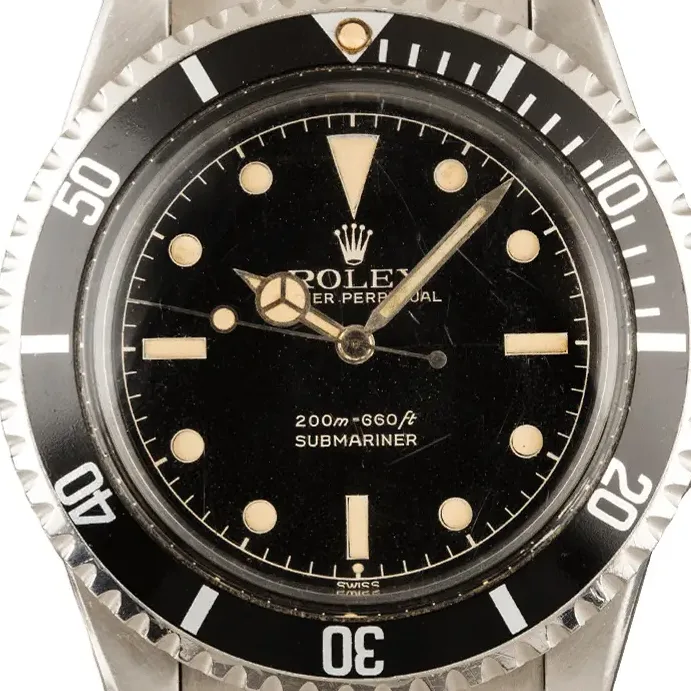
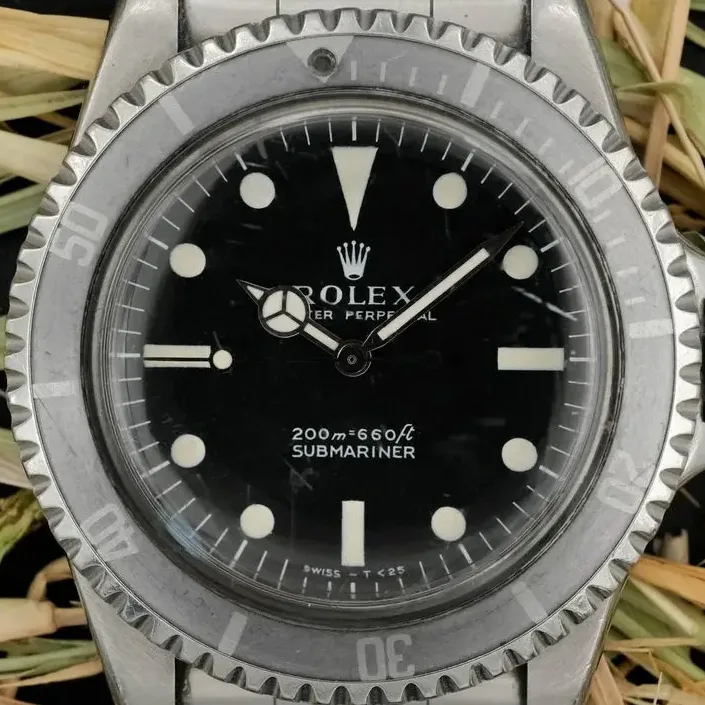
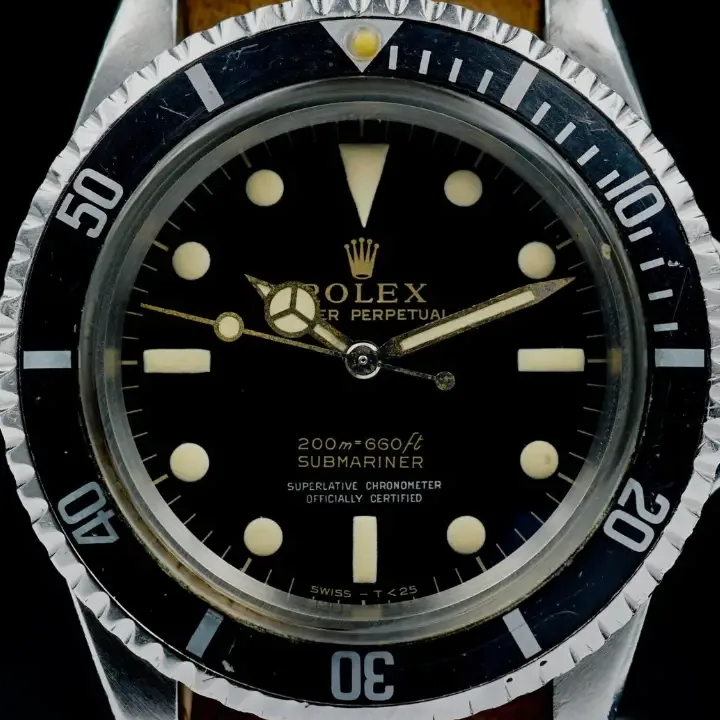
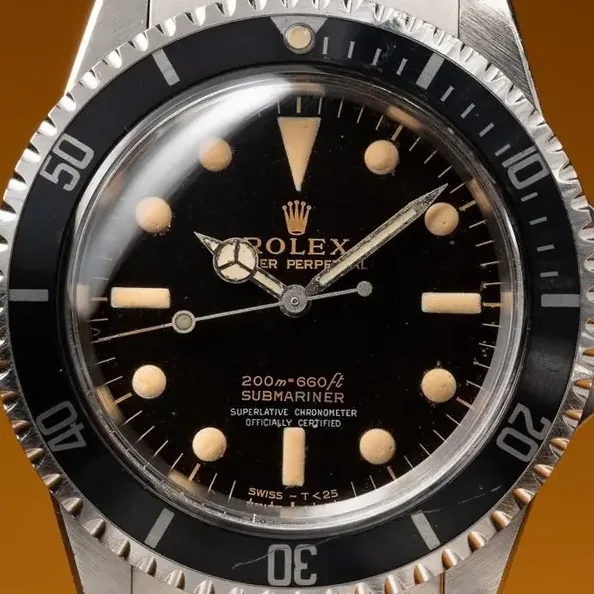
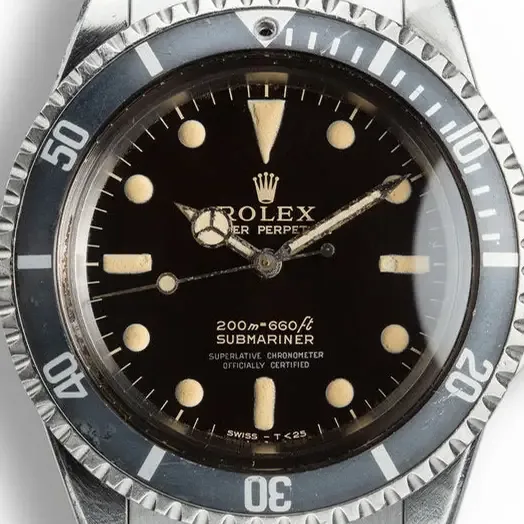
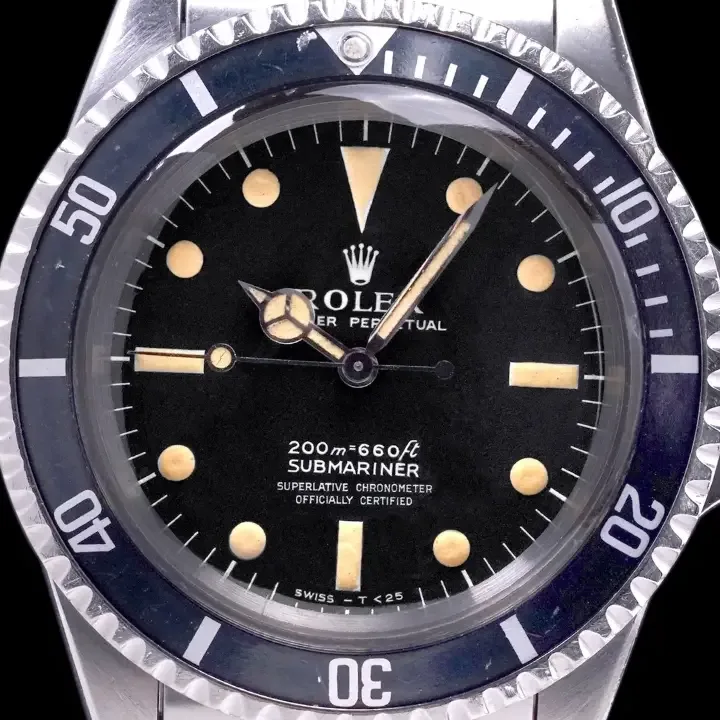
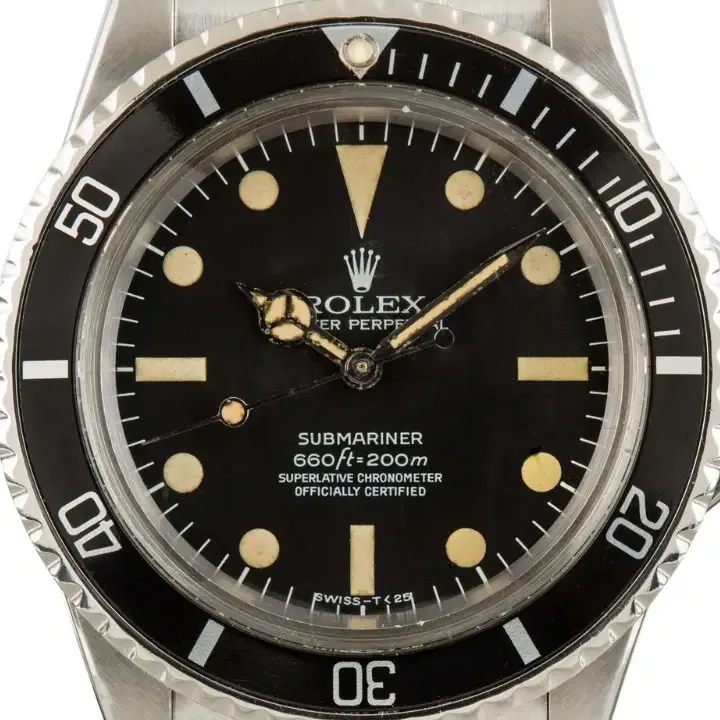
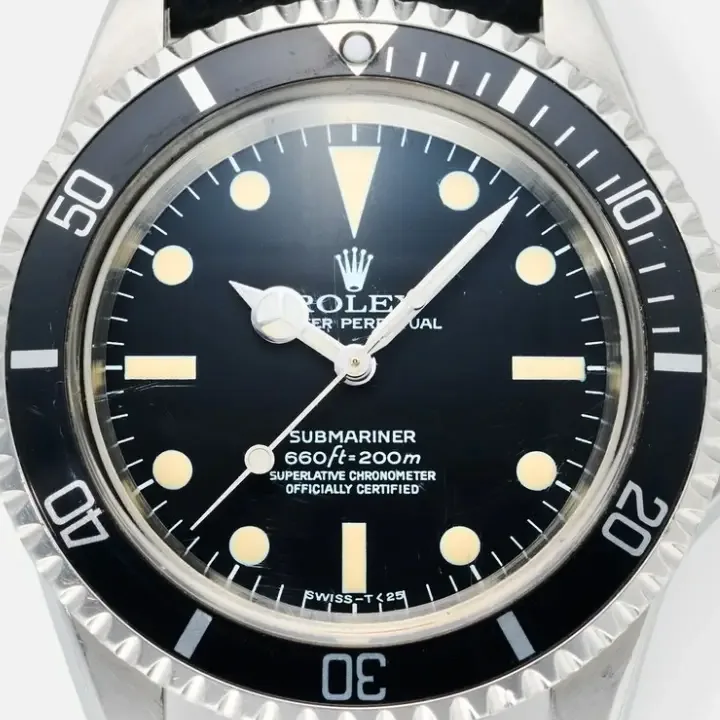
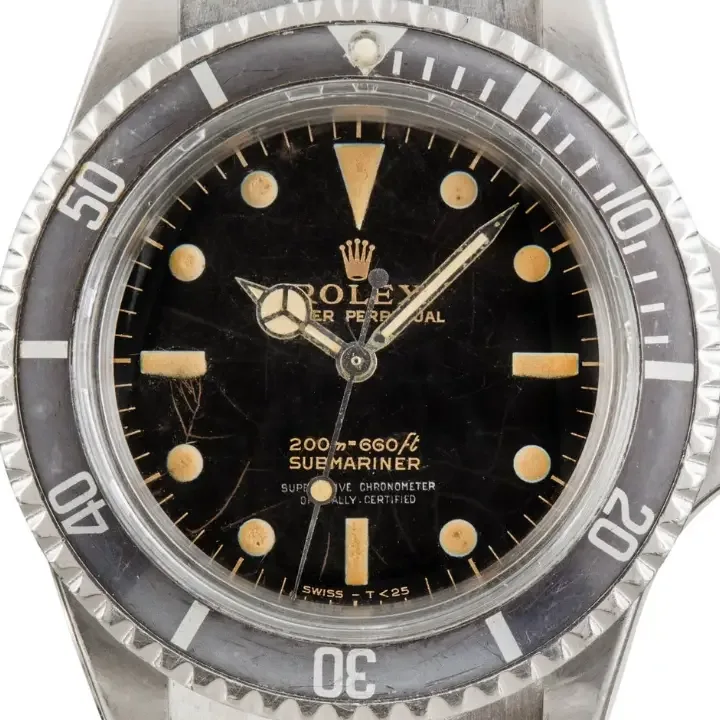
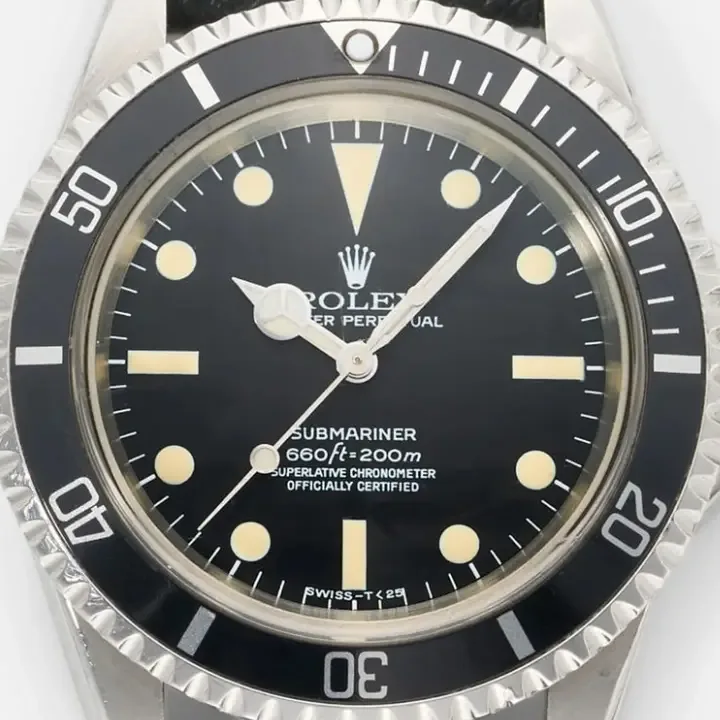
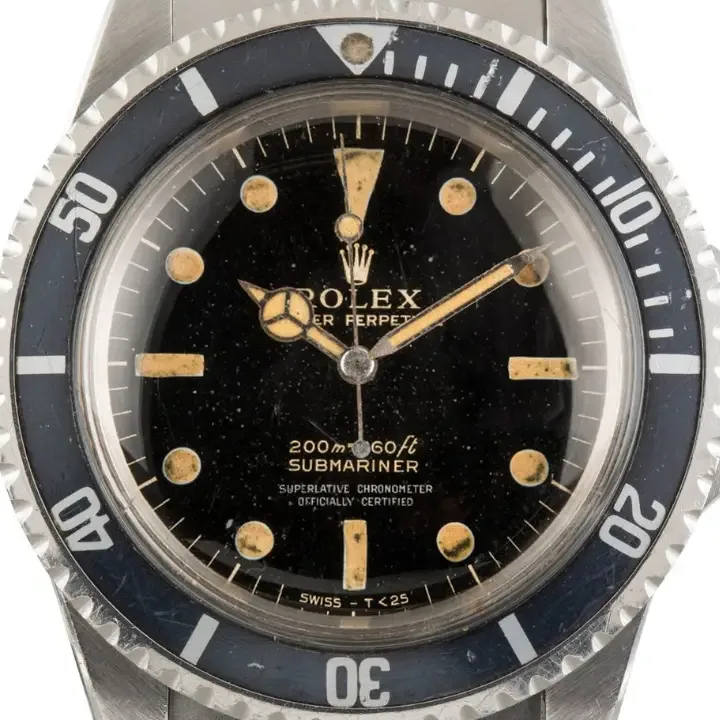
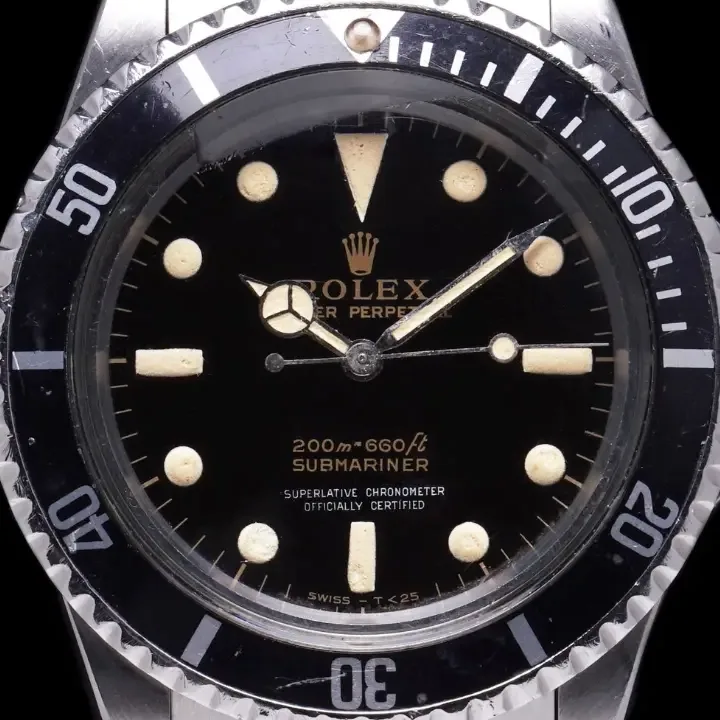
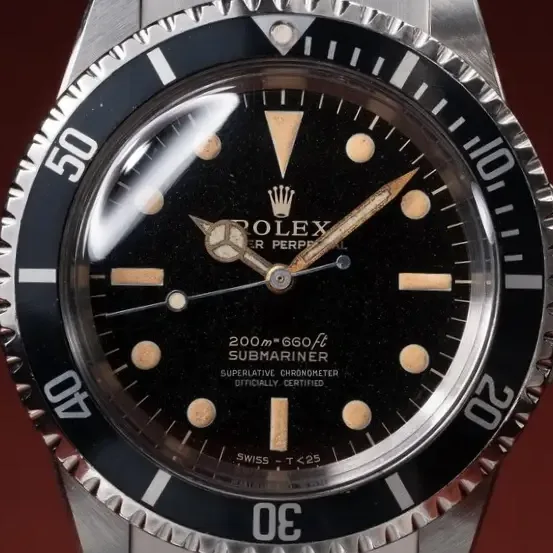
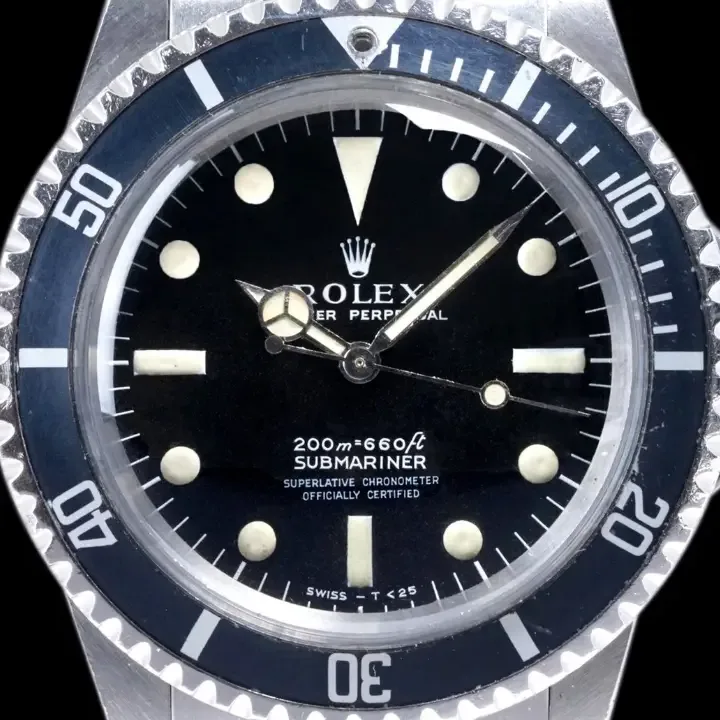
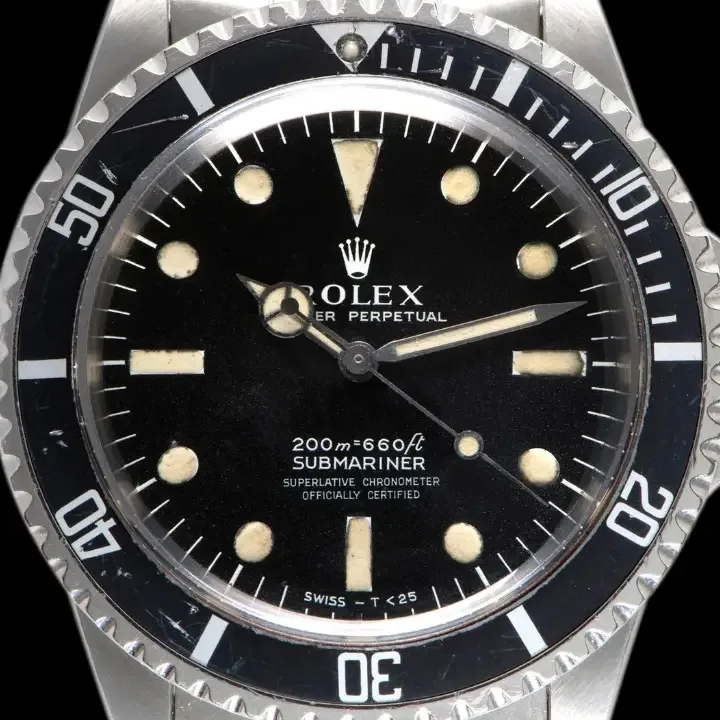
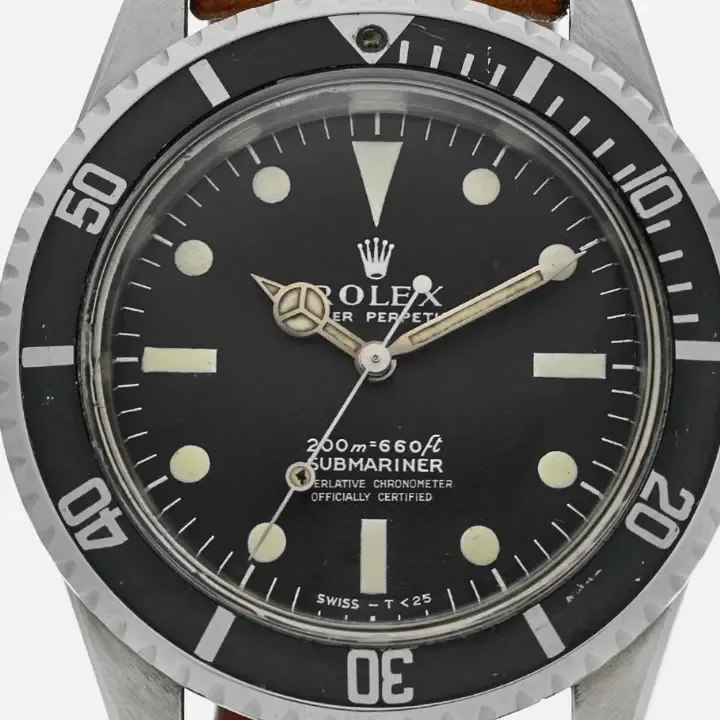
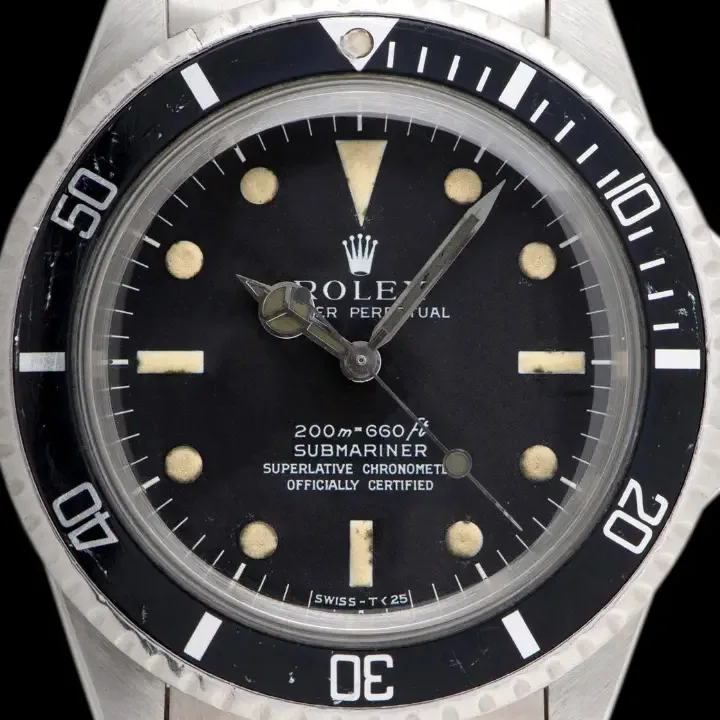
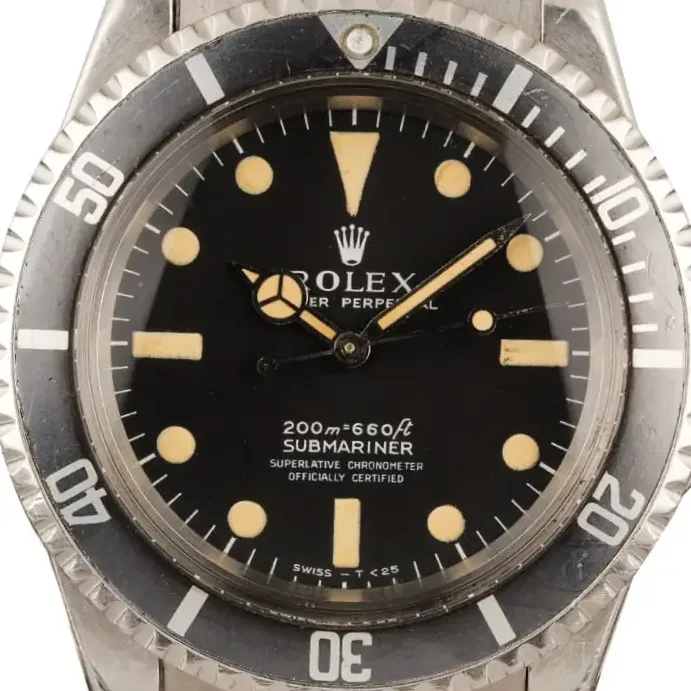
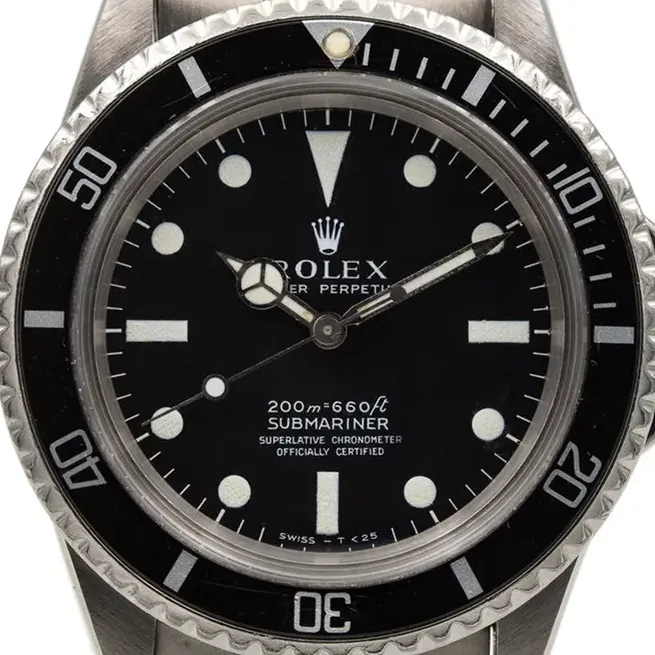
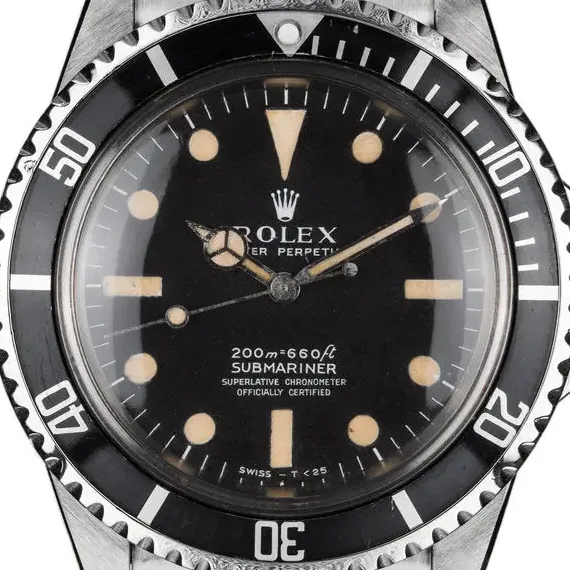
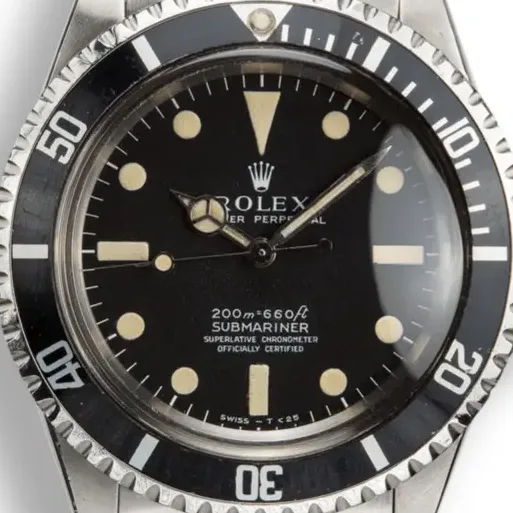
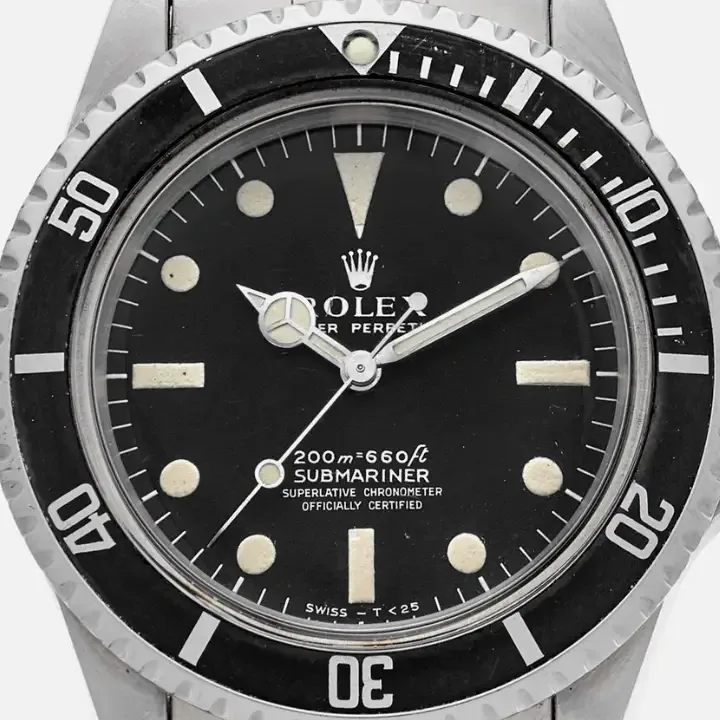
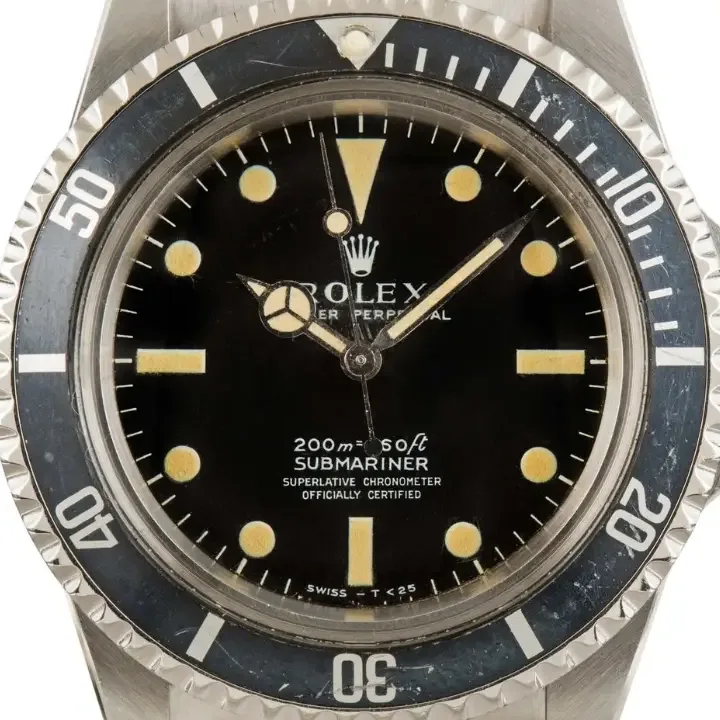
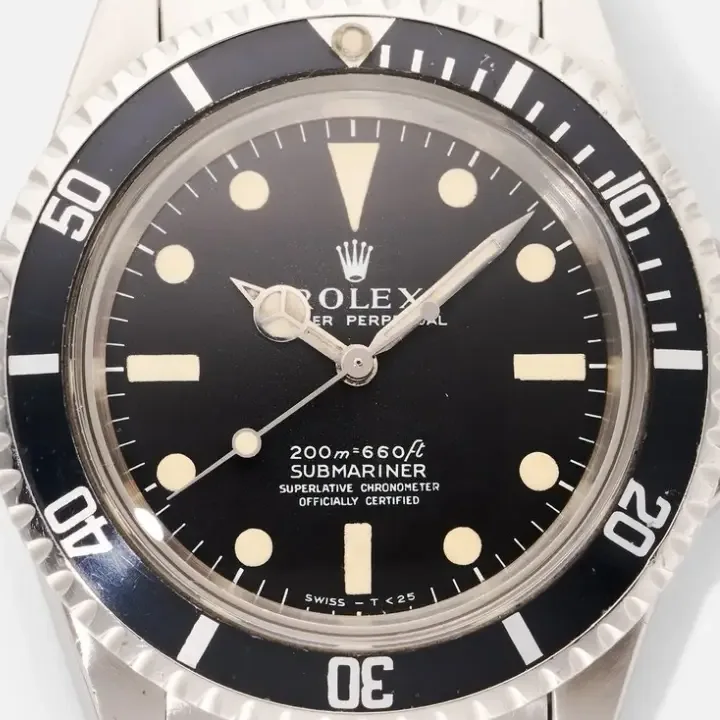
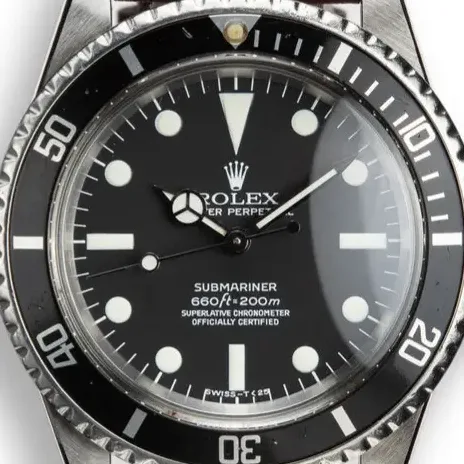
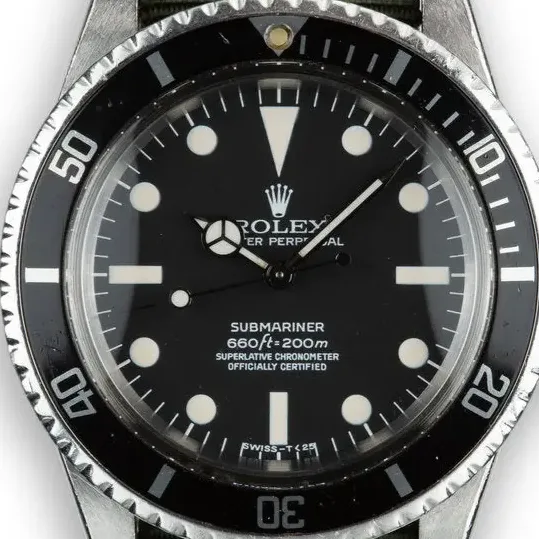
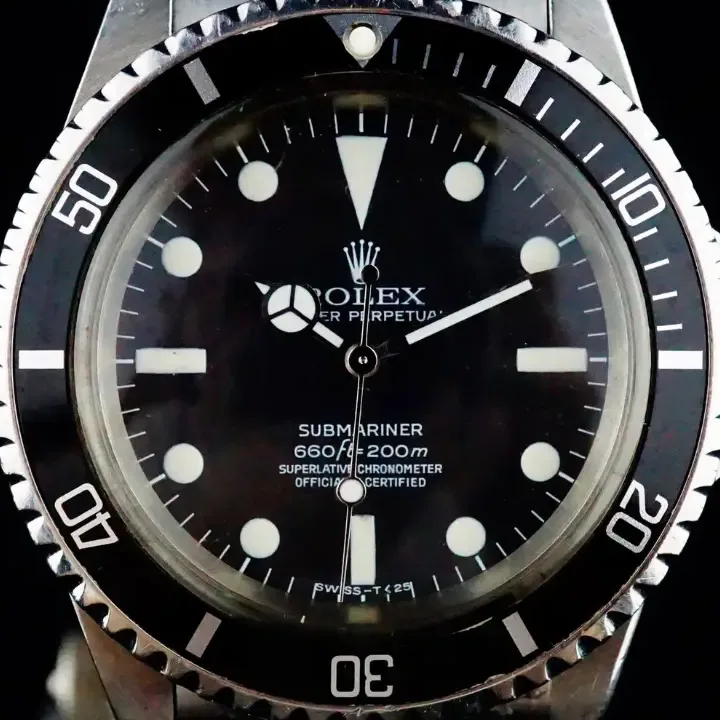
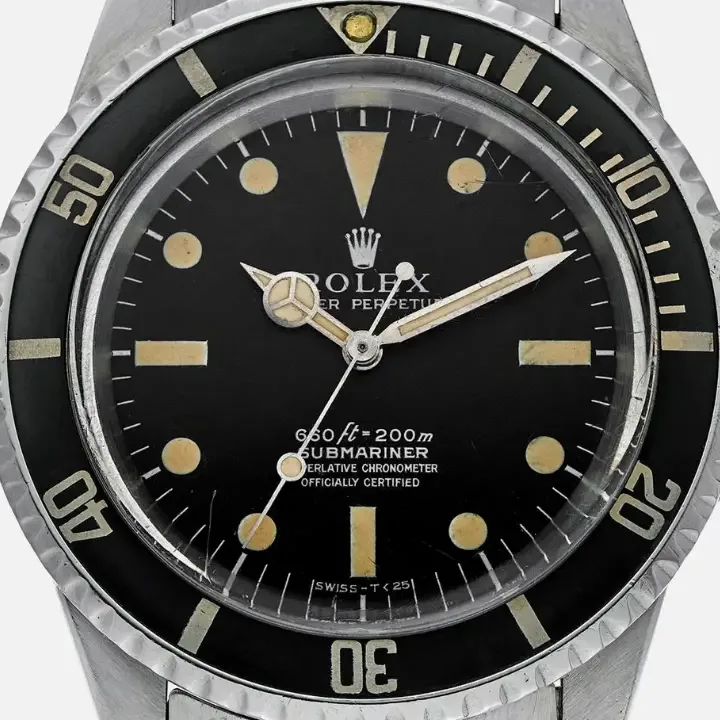
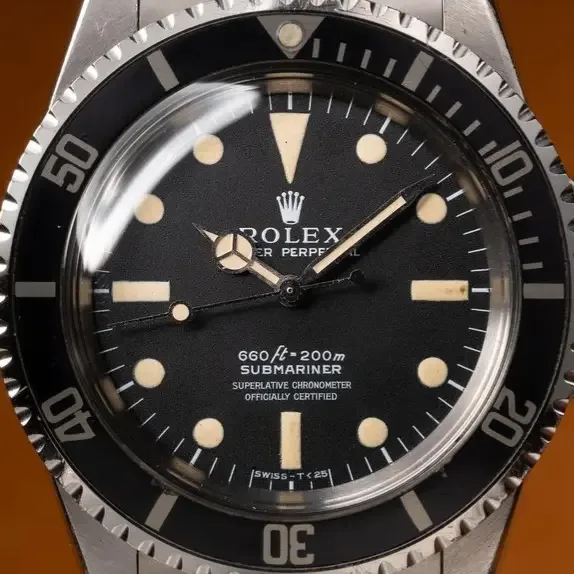
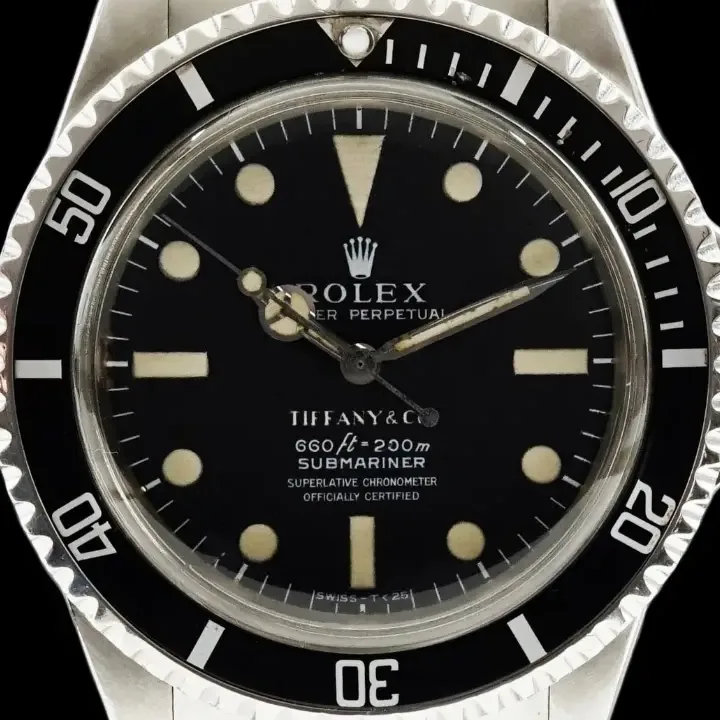
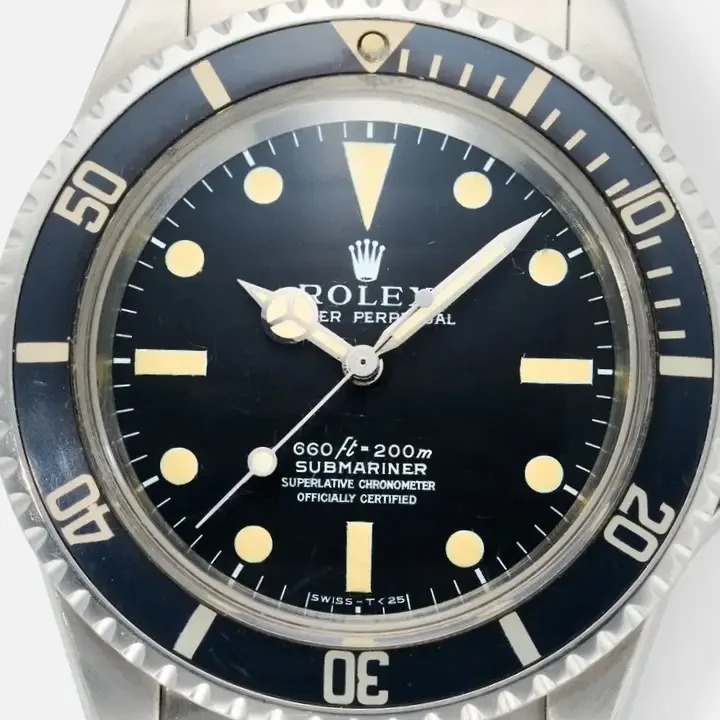
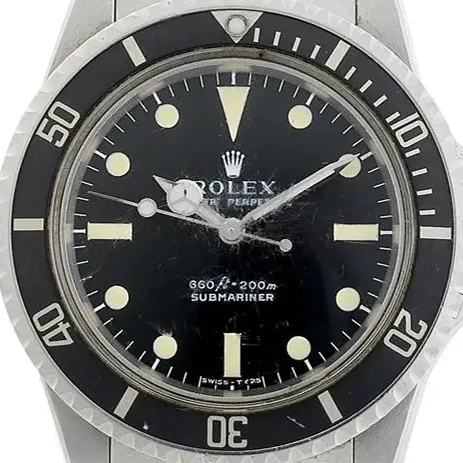
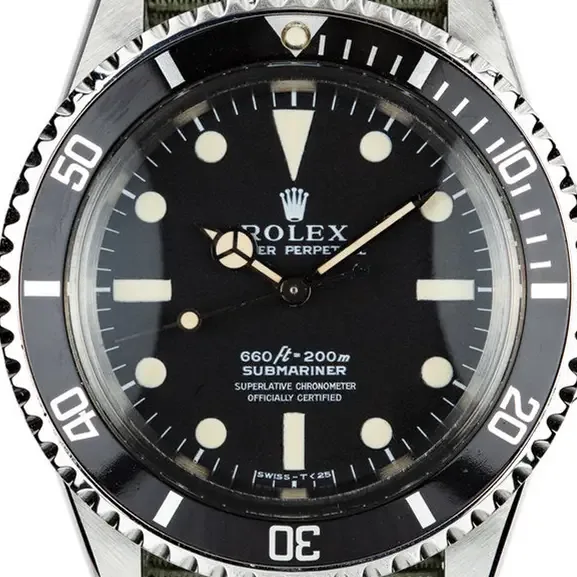
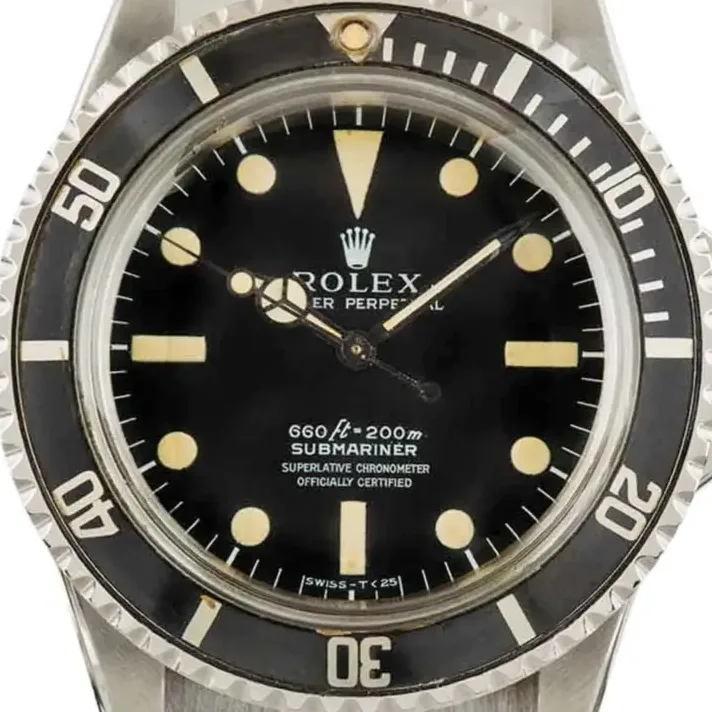
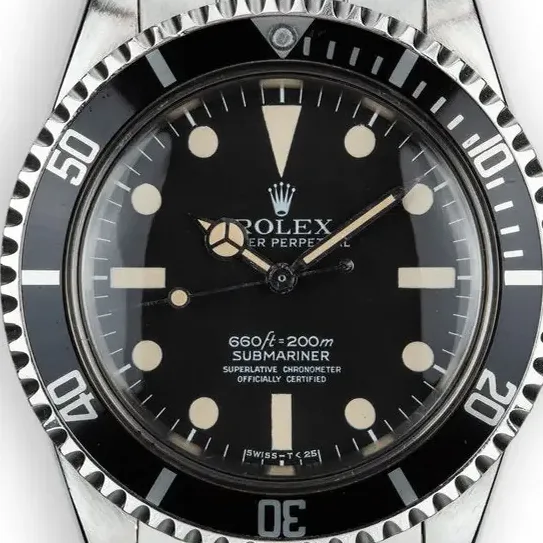
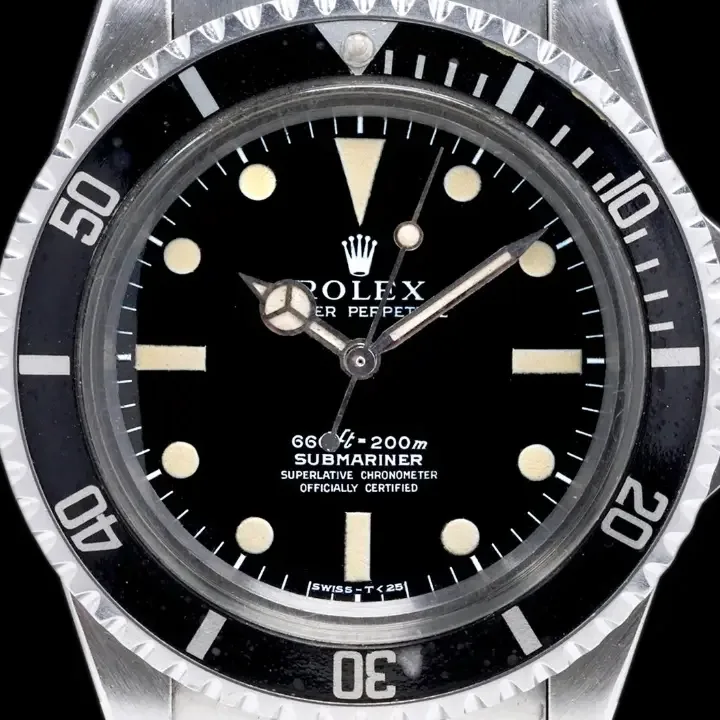
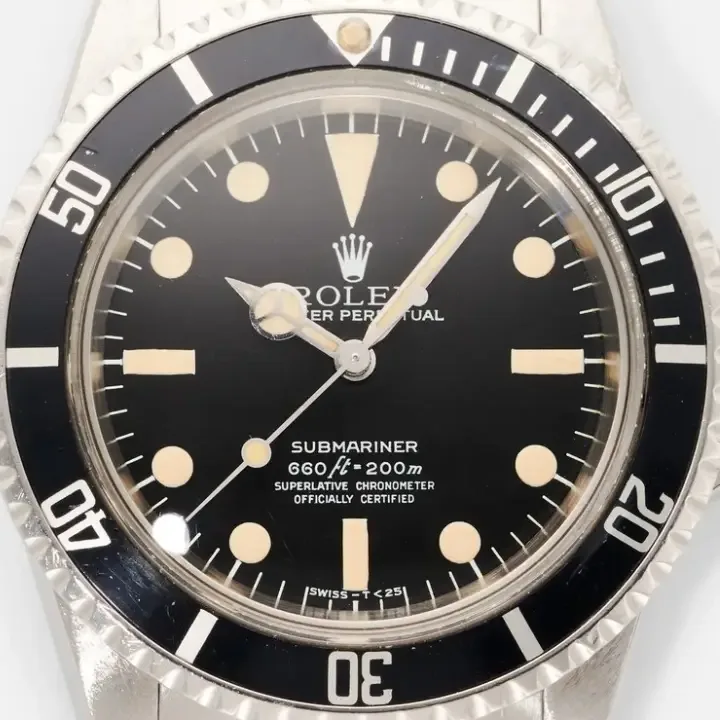
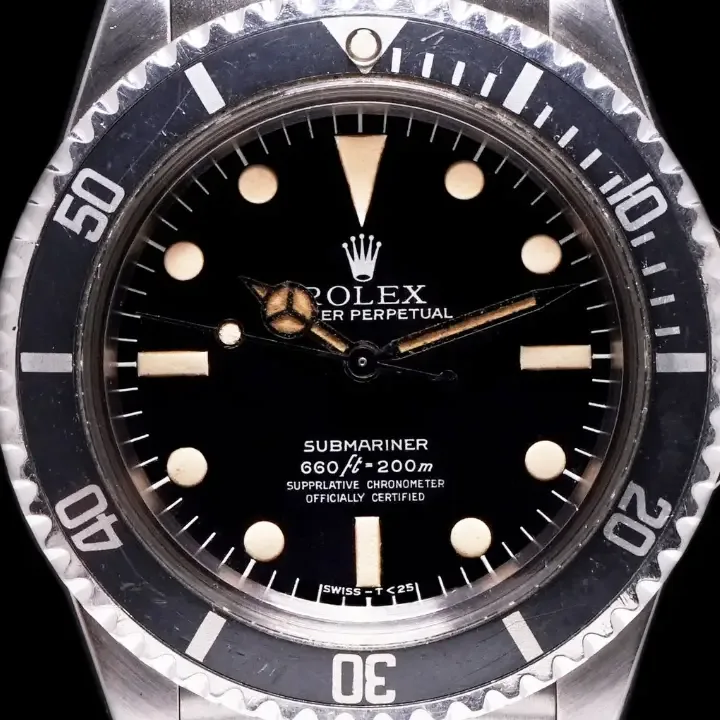
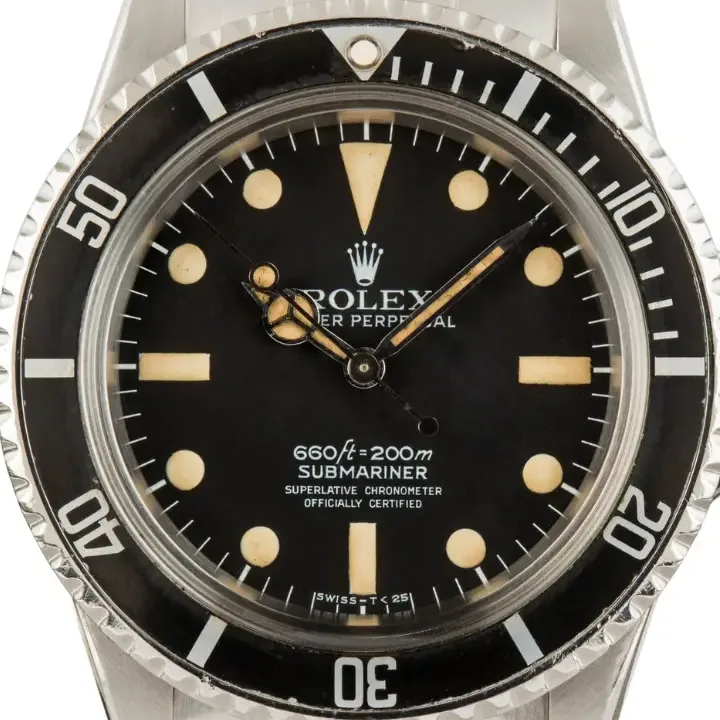
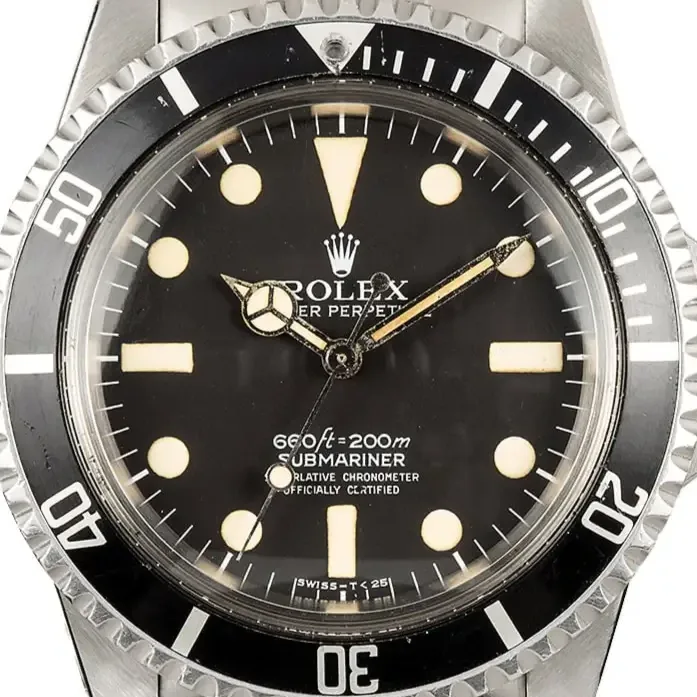
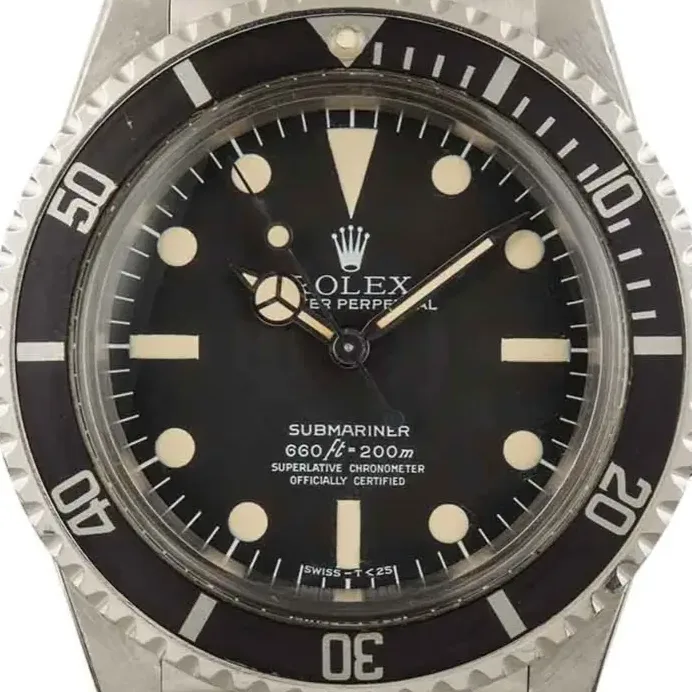
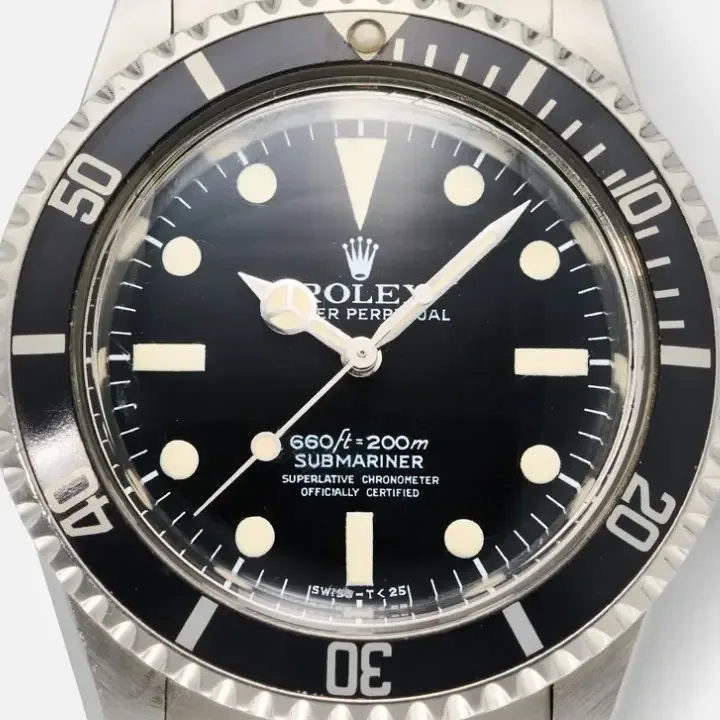
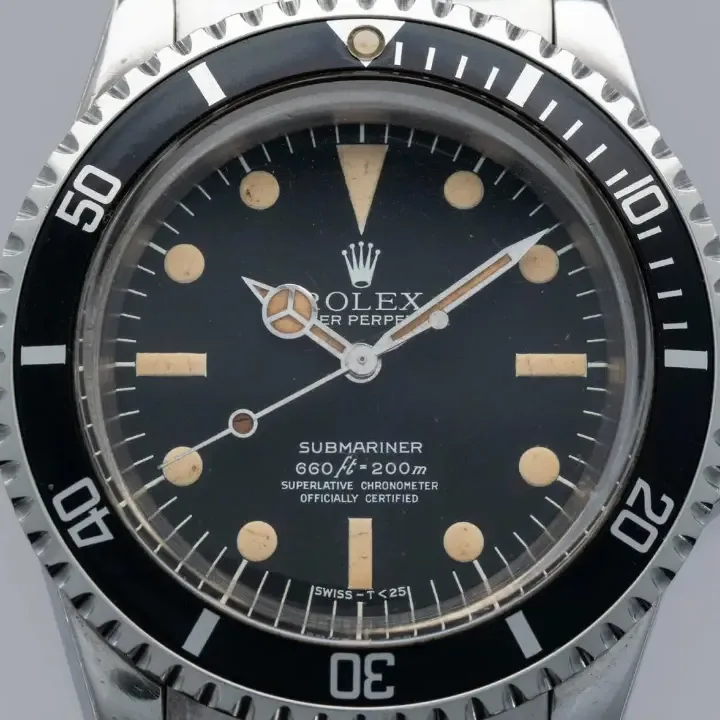






















































































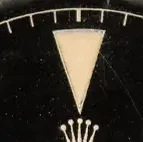
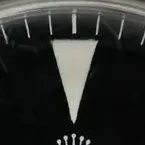
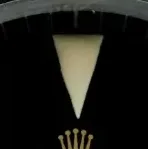
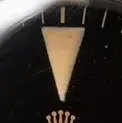
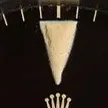
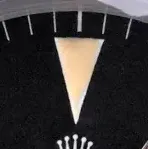
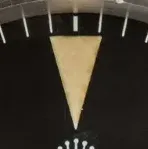

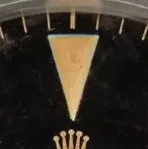

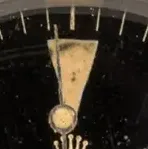

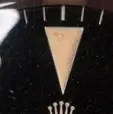
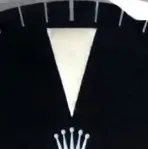
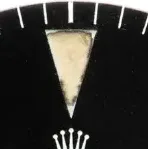
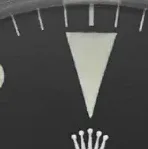
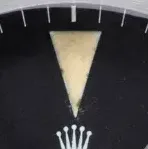
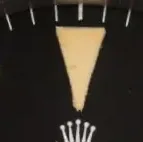
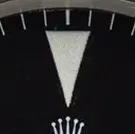
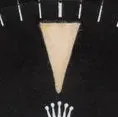
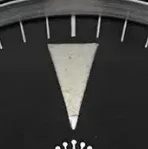
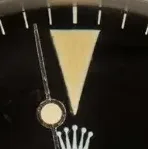
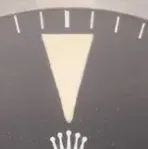

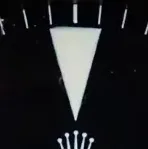
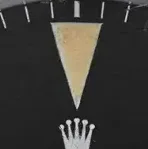
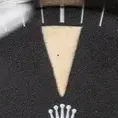
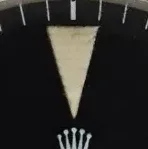


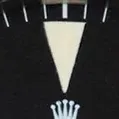
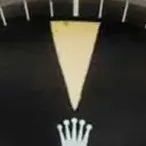
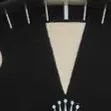
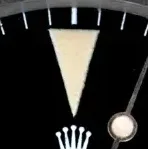
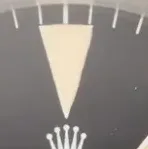
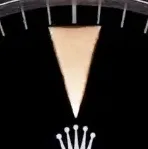
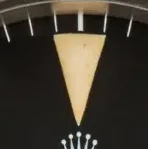
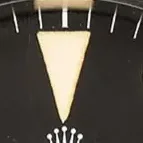
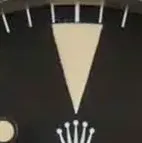

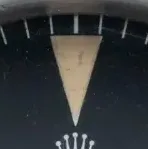
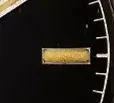
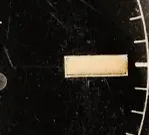

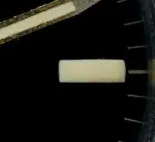


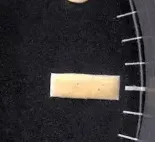
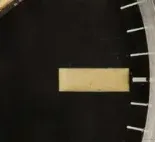
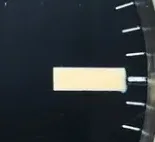
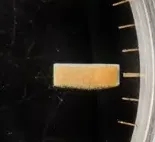



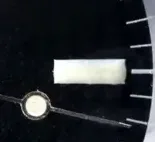
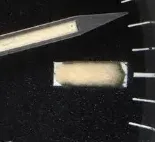

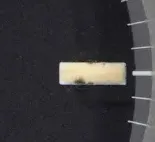
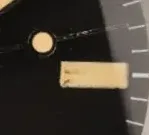



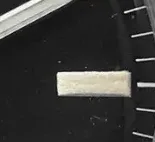
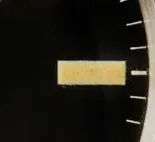




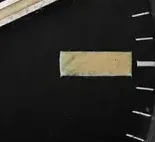


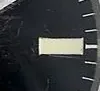
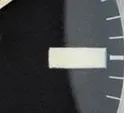
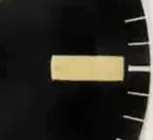

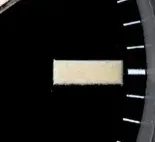


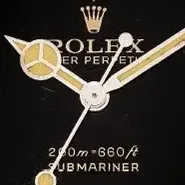
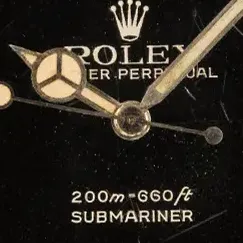
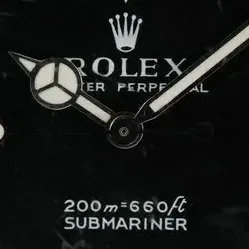



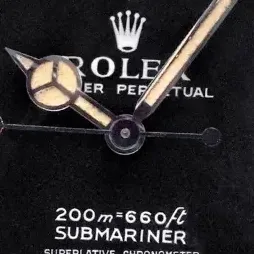
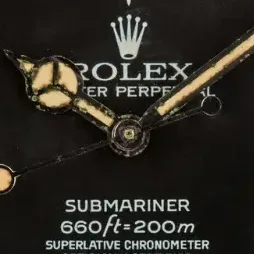
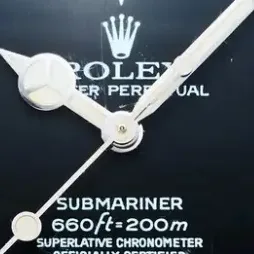

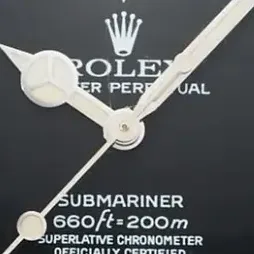



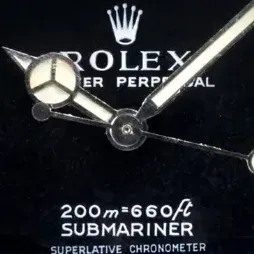

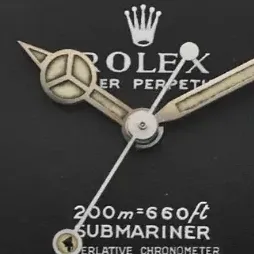
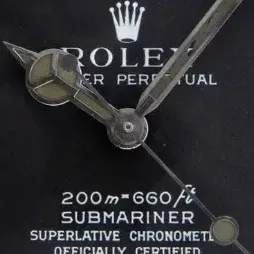


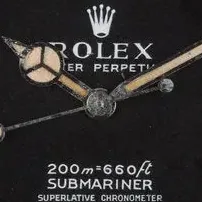
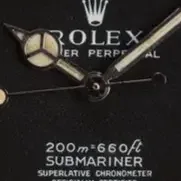
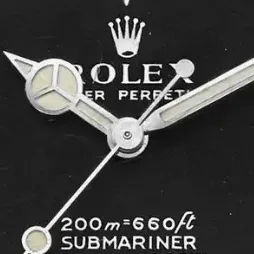
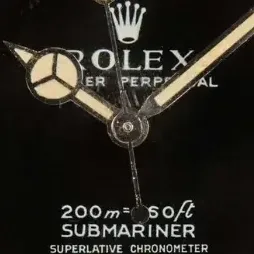
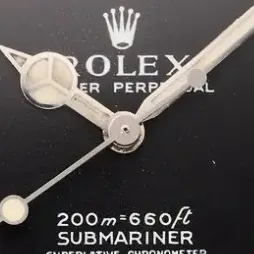
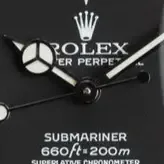
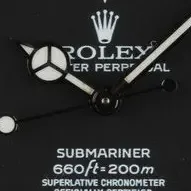
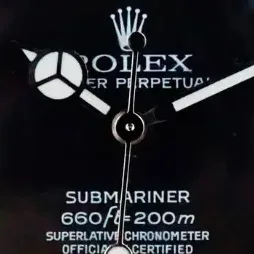
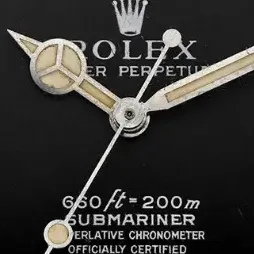
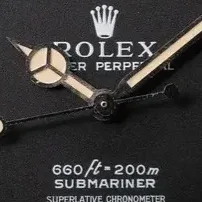

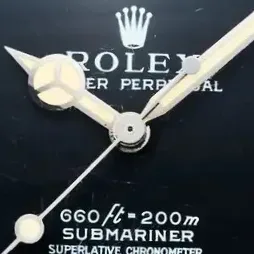

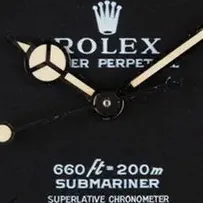
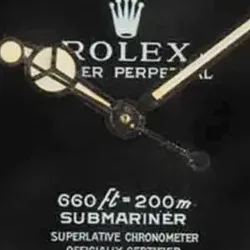
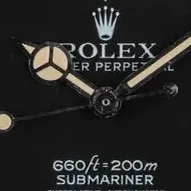



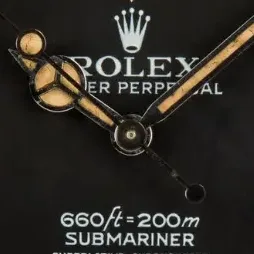
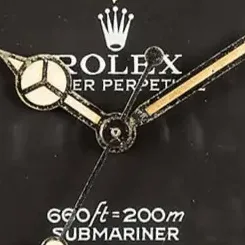


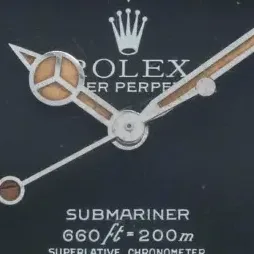
















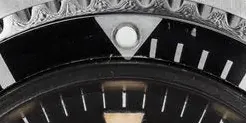







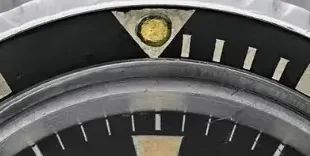




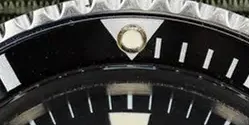

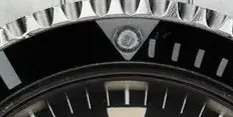
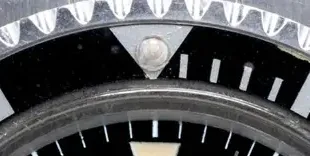







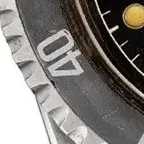
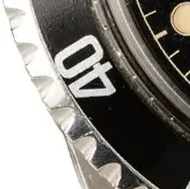
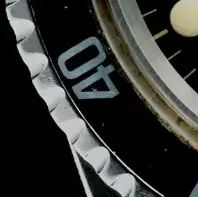

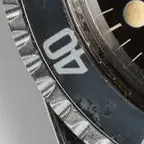
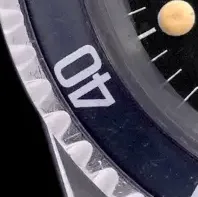
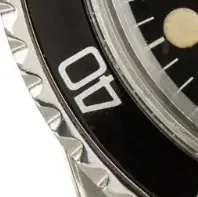
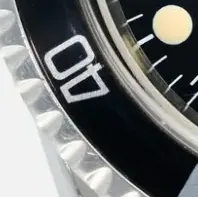
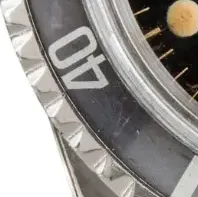
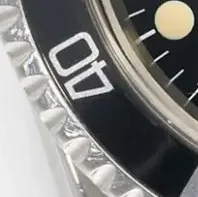
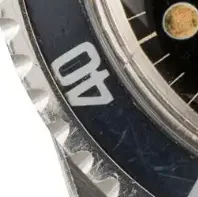
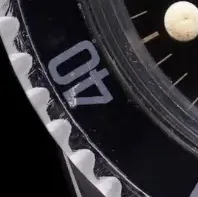
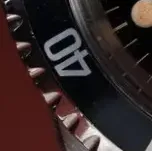
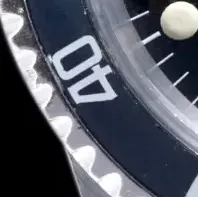
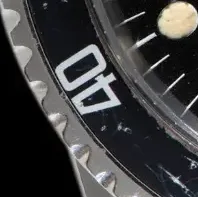
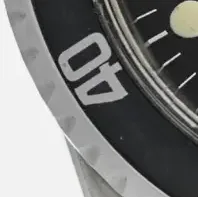
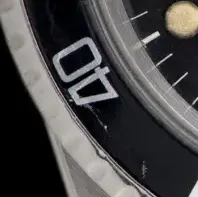
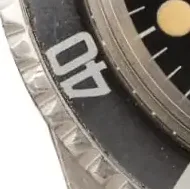
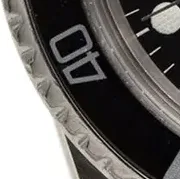
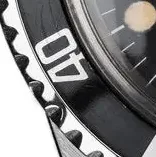
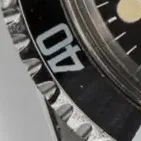
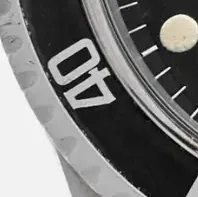
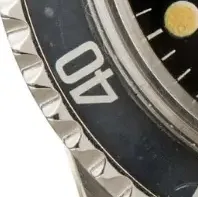
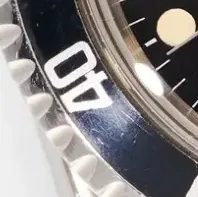
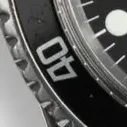
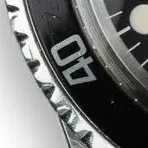

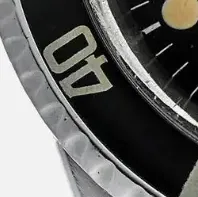
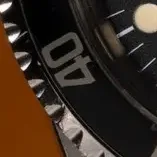
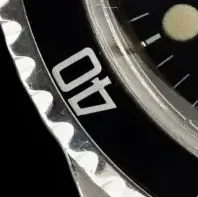
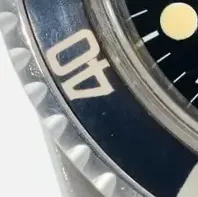
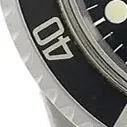
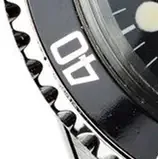
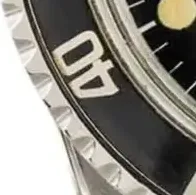
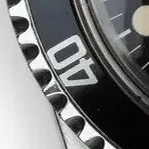
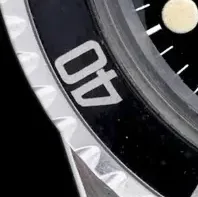
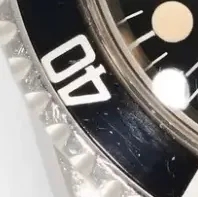
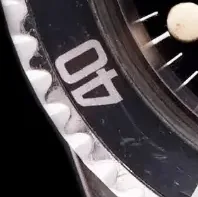
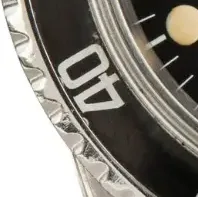
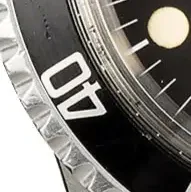

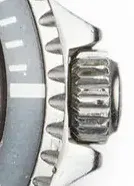
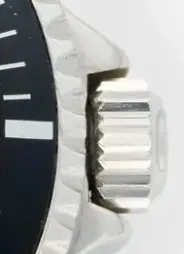
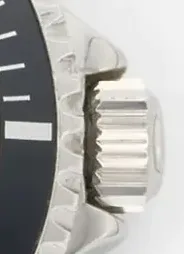
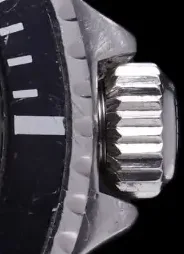
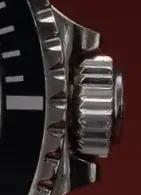
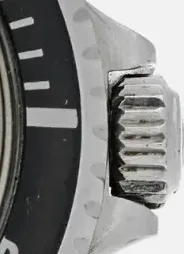
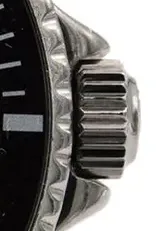
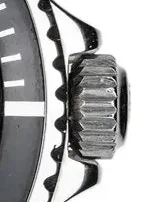
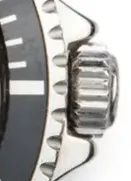
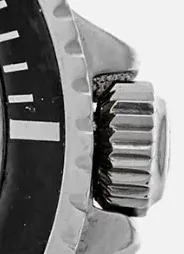
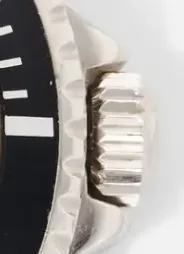
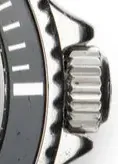

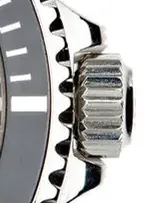
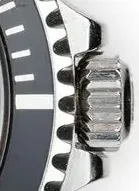
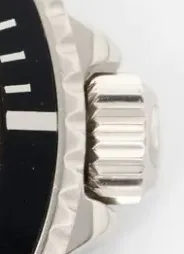
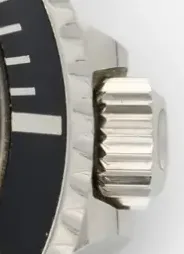



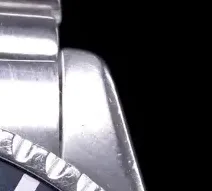









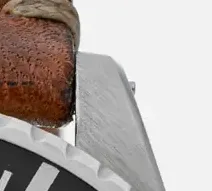


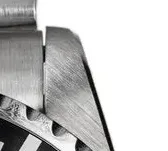
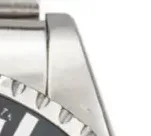



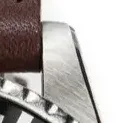
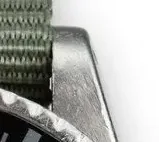


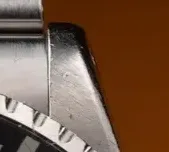


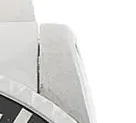






Illustrated history of the 5512: every change set out with close-up photographs of dated watches.
Chronology
Most accounts give 1959 to about 1979 or 1980; a few begin in 1958 or end in 1978, and dated case numbers run from 1959 to 1980.
Every dated variant: what is written, and what the records show
For the reference the marks are every dated watch; for a variant, the watches a seller names as that variant, so a variant sellers do not name has none.
The reference's own marks are dated by case number. A variant's marks use the year each seller states, so a variant can show watches in a year where the row for the reference shows fewer, or none. 3 dated listings fall outside this scale and are not drawn.
Specification
| Case | 40 mm steel Oyster case, about 47 mm lug to lug and about 13 mm thick, 20 mm lug width, bevelled lugs, crown guards |
| Crystal | Tall domed acrylic (superdome) on early watches; service crystals are flatter |
| Bezel | Black aluminium 60-minute insert on a steel bezel; the accounts differ on whether it turns one way or both |
| Dial | Black, gloss with gilt print to about 1966 and matte with white print after, in two-line and four-line forms |
| Movement | Calibre 1530 at first, then chronometer-certified 1560 and 1570; hacking seconds from about 1972 |
| Crown | Screw-down Twinlock crown with screw-down caseback |
| Bracelet | Steel Oyster bracelet, riveted and later folded, with flip-lock clasp |
| Water resistance | 200 metres |
Dial 15 described
The first 5512 dials are glossy black with gilt text, with a chapter ring and, at first, only two lines of text. Four-line dials add the chronometer wording once a chronometer calibre is fitted. Gilt gives way to matte black with white print in the mid-1960s, and the 5512 kept the matte dial to the end of its run, while the 5513 returned to gloss in 1982. Collectors also separate dials by coronet shape, chapter ring, serif, depth marking and the order of the text.
Gilt, glossy
Deep gloss black with gold graphics that are the brass plate showing in relief under the paint and a clear lacquer coat. Very early dials may have silver text added over the lacquer, and 1950s dials show darker orange text than later ones, which are lighter gold. Every square-guard 5512 would have had one.
- mirror-like black
- gold text in relief
Two-line
The earliest dials carry only two lines of text beyond Rolex and Oyster Perpetual: the depth rating and Submariner. They go with the non-chronometer calibre 1530 and are all gilt gloss. An early 5513 can look almost identical, so the reference engraved on the case should be checked.
- only depth rating and SUBMARINER
- no chronometer text
Four-line
The Superlative Chronometer Officially Certified wording is added below, and the dial comes in gilt gloss or matte with white print. It appeared with calibre 1560 and then 1570. The first two lines are gilt and the chronometer lines silver on gilt dials. In the years 1959 to 1960 the depth rating and chronometer lines can be silver over the lacquer with SUBMARINER in gold.

- silver chronometer lines under gilt Submariner
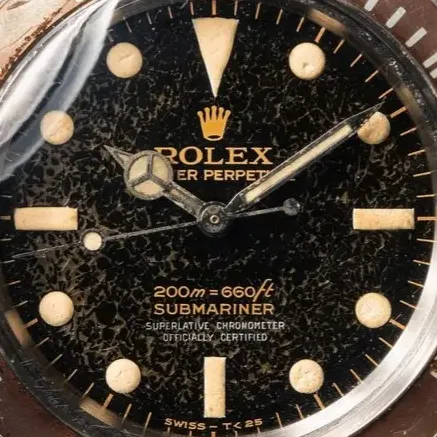
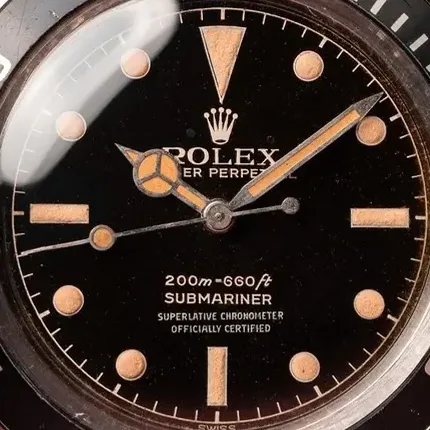
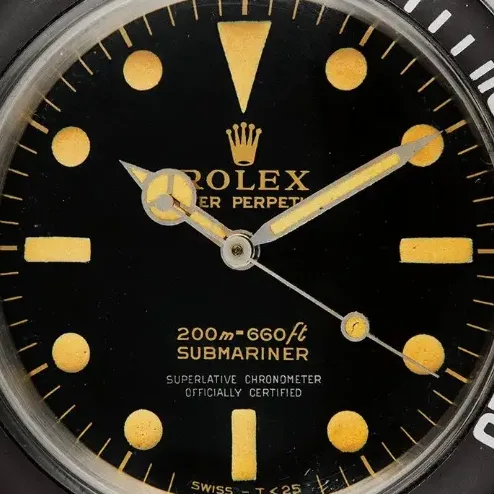
Mark 1 (old font) coronet
The earliest dials, called Mk1 or old font, have a coronet whose right-hand spike runs lower than the other four, in the manner of 1950s coronets.
- last right spike longer
Later coronet shapes
In 1961 and 1962 three further coronets appear: longer-spike, rounder with shorter spikes, and the tulip. From 1963 the classic coronet, broader and wider at the base, is the norm for the rest of gilt production, with a rarer broad-base one with very long spikes. A Bart dial, named for the coronet outline, comes at the very end of gilt production in 1966.
- tulip coronet
- wide-bottomed classic coronet
- Bart coronet outline
OCC
A very rare early dial reads Officially Certified Chronometer instead of Superlative Chronometer Officially Certified.
- OFFICIALLY CERTIFIED CHRONOMETER wording
Chapter ring
Early gilt dials have a gold-toned minute track joined to the edge, found 1959 to 1962; it disappears about 1963 to 1964, unless carried over. A gilt dial with chapter ring and an underline is very uncommon.
- connected minute track at the edge
SWISS, exclamation point and underline
The foot of the dial reads SWISS alone on early watches. An exclamation point, a lume dab under the six marker, appears on many 1961 to 1962 dials. Many 1963 dials have an underline under OYSTER PERPETUAL or SUBMARINER, which many take to mark radium becoming tritium; this is unproven. Dials from 1964 print SWISS T<25 to signal tritium.
- lume dab under 6
- line under text
- SWISS T<25 at foot
Metres first
The depth rating reads 200m = 660ft. Every gilt dial reads metres first, and so do some early matte dials. Collectors rank metres first higher.

83 listings on record under the name.
Feet first
The depth rating reads 660ft = 200m. It arrives around 1967, with other accounts placing it in 1969 or 1970, and runs to the end of the reference, so no gilt dial is feet first.
- 660ft = 200m
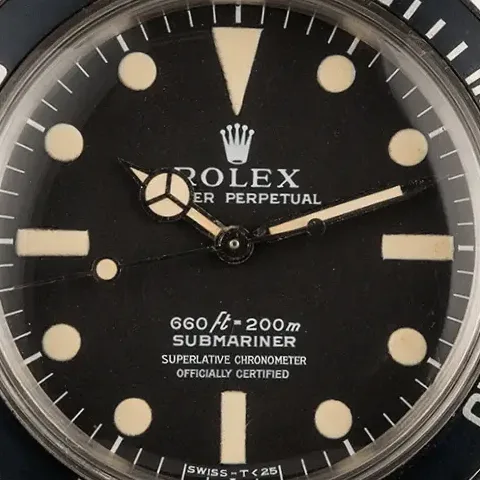
Matte, white print
Matte black with white print replaces gilt gloss around 1965 to 1967 and continues to the end. A few transitional dials have white text on gloss black.
- matte black
- white print
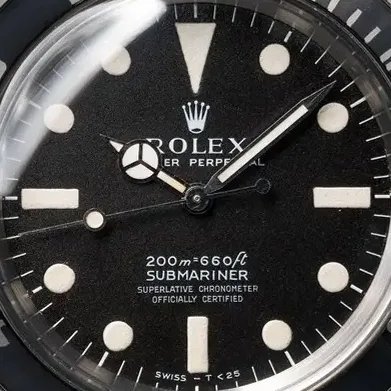
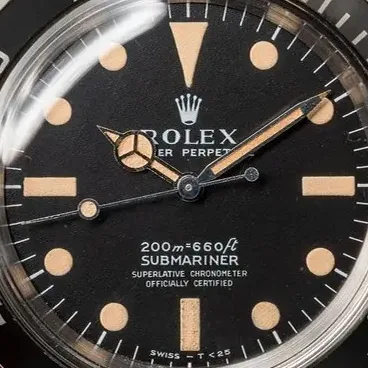
Submariner above the depth
Until the mid-1970s SUBMARINER sat below the depth rating; after that it moved above. An older 5512 with it on top suggests a service dial, as service dials already had it above.
- SUBMARINER above the depth rating
Maxi
Late watches from about 1977 can carry bolder Maxi dials with fatter lume plots.
- bold text
- large lume plots
Explorer-style
A very few 5512s have a 3-6-9 Explorer-style dial; an example from the early 1960s is noted.
- Arabic numerals at 3, 6 and 9
Retailer signatures
Sellers describe a few 5512 dials co-signed by a retailer: Tiffany & Co., and Serpico y Laino on some early gilt dials. A COMEX logo on the dial belongs to the 5514, essentially a 5513 with a helium escape valve and a Rolex Comex caseback; listings that name COMEX for a 5512 mostly do so in general wording about the Submariner.
- Tiffany & Co. on the dial
- Serpico y Laino on the dial
Luminous material 2 described
Lume changed from radium on the earliest watches to tritium in the early 1960s, and the dial foot text marks it. Lume on dial and hands should agree in colour and age.
Radium
Used on the very early watches; a number of dated examples are from 1961 and 1962. Dial text from this time can look darker orange.
- darker orange text on 1950s dials
Tritium
The later lume. Its half-life is twelve years, so it no longer glows strongly after 40 to 50 years; some 1967 watches still glow. Indices are yellowed hemispheres, and the lower two dial lines of one such watch are grey-blue rather than white.
- yellowed domed lume plots
- warm patina
Hands 1 described
Hands are flat nickel-plated brass, with Mercedes hands standard on the reference. Relumed or mismatched hands are the usual flaw.
Mercedes
Flat nickel-plated brass Mercedes hands. The nickel can lift and stain the lume with greenish haloes. Sellers note lollipop seconds hands on some watches.

- green haloes round lume

Bezel 2 described
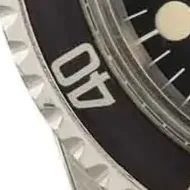
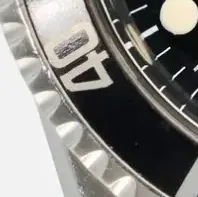
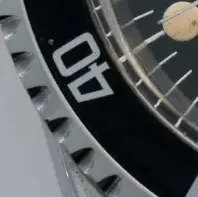
The insert is anodised aluminium, black, and usually faded; an insert bleached evenly to grey is known as a ghost bezel. Whether it turns both ways or one way is stated both ways in the accounts.
Long five
The anodised aluminium insert shows the so-called long five.
- long 5 numeral on insert
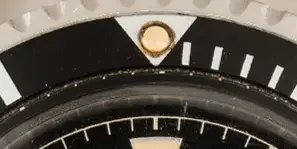
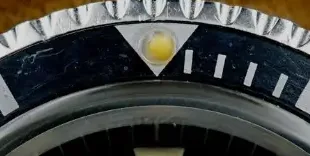
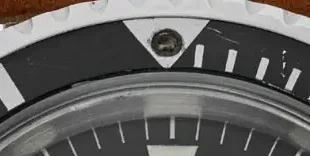
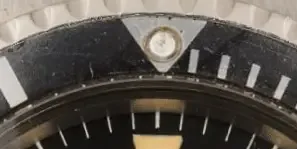
Red triangle insert
Few square-guard 5512s survive with the original insert showing a red triangle at 12 and an unpolished case.
- red triangle at 12
Case 5 described
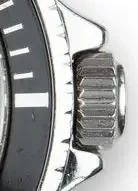
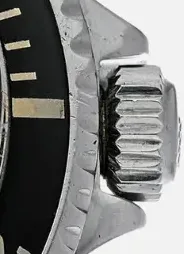
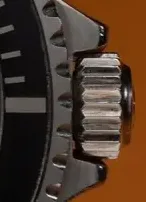
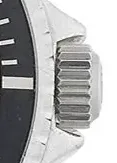
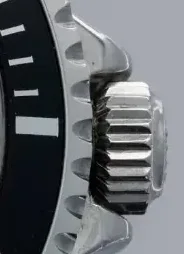
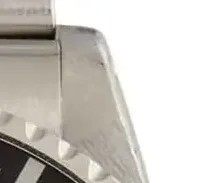
The 5512 brought a 40 mm case in place of 38 mm and with it crown guards, bevelled lugs and a recognisable bezel. The guards changed from square to pointed to rounded, and polished cases lose the sharp chamfers.
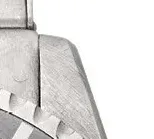
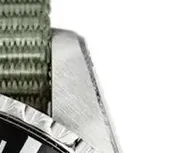
Square crown guards
Square-shouldered guards crowd the crown and made it hard to adjust. They were on the watch for under a year, with fewer than a hundred thought to exist, and Rolex is believed to have filed them down to the pointed form; surplus cases are said to have gone to Tudor for the 7928. Original unpolished examples with the first bezel are scarce.
- square shoulders on the guards
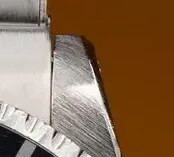
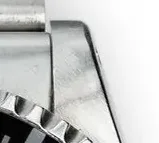
Eagle beak
The first guards were soon tapered to the pointed eagle-beak form.
- tapered eagle-beak guards
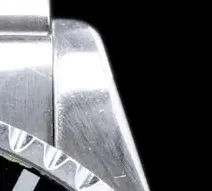
Pointed
Pointed guards, usually dated 1959 to 1963. About five years after they appeared Rolex moved to rounded guards.
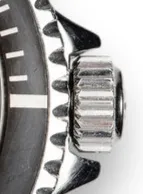
34 listings on record under the name.
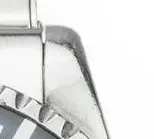
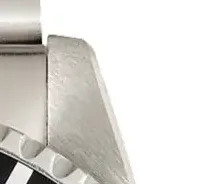
Rounded
Rounded guards, from about 1963 to 1964 or mid-1960s, and kept to the end of production.
- rounded shoulders
Large lug chamfers
Large chamfers or bevels on the lugs, shared with the 6538, and prized when unpolished.
- sharp bevelled lugs
Crown 1 described
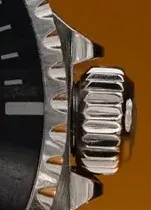
The crown is a screw-down 7 mm Twinlock, with the coronet alone on its face. The Triplock, with three dots under the coronet, dates from 1970, so on a 5512 of the 1960s it is a later service crown; sellers often note either a correct non-Triplock crown or a Triplock fitted at service.
Twinlock
Screw-down Twinlock crown with a screw-down caseback; one watch retains it with its original clasp.
- coronet alone on a 7 mm crown
Crystal 1 described
The crystal is domed acrylic.
Superdome
Tall domed acrylic that stretches the edge indices, as on the first watches. Service crystals are flatter. The original T19 Tropic crystal is recorded on one watch.
- tall dome
- edge indices stretched
Movement 4 described
The 5512 began on calibre 1530, then moved to chronometer-grade 1560 and 1570. The years given differ by one or two; hacking seconds was added in 1972.
Calibre 1530
Non-chronometer, with Breguet overcoil at five beats a second. Used in the earliest 5512s, from 1959 to about 1962 and loosely paired with two-line dials. Whether the first were certified is disputed.
- calibre 1530
- two-line dial
Calibre 1560
Chronometer-certified with a free-sprung Microstella balance, from about 1959 or 1960 to 1965 or the mid-1960s.
- calibre 1560
- four-line dial
Calibre 1570
Beats at 5.5 a second and follows 1560 from about 1965 until the end of the run.
- calibre 1570
1570 with hacking
Around 1972 hacking seconds was added across the line, so the seconds hand stops when the crown is pulled.
- seconds stop on crown pull
Bracelet 2 described
Hardly any 5512s retain their first bracelet. Period bracelets are riveted or folded Oyster with a flip-lock clasp.
7206 riveted
The example delivered on a steel Oyster 7206 bracelet is of 1967. A light riveted bracelet is also pictured.
- riveted links
9315 folded
A 1966 example wears a folded 9315 Oyster with wetsuit extension and 380 end links.
- folded links
- 380 end links
Box and papers
The Submariner worn by Steve McQueen is said to be a 5512, a personal watch sold in 2009, and photographs from 1970 are cited.
Originality
- Servicing often replaces the dial, hands or insert with brighter ones; a modern black insert or newer dial shows against faded originals.
- A dial that does not fit the case number is suspect: a matte dial on a watch numbered around 1.41M should be gilt, and an old 5512 with SUBMARINER above the depth rating suggests a service dial.
- Polishing blurs the chamfers on the case sides and crown guards, and replacement clasps and modern bracelets are common.
- Lume on dial and hands should match in colour and age; a relume or swapped hands lowers the watch.
Names
- Bart Simpson. Named for the outline of the coronet on the last gilt dials of 1966.
- Meters First. The depth line starts with the metre figure.
- Eagle beak. Tapered early crown guards.
- Ghost bezel. An evenly bleached grey insert.
Where accounts differ
Points on which the published literature and the library's own records do not agree, or on which the literature contradicts itself.
- Start and end of production. Most accounts give 1959 to about 1979 or 1980. Two give 1958 to 1978. Dated case numbers in the records run from 1959 to 1980, with a fair number in the last three years, so the later end is the better fit.
- Square crown guards. Pages state square guards lasted under one year. Sellers describe square guards on watches dated over several years, the middle half of them 1959 to 1962.
- Gilt to matte. Pages give the switch as 1965, 1966 or 1967. In the records, the middle half of watches described as gilt date to 1961 to 1966, and of those described as matte to 1967 to 1978.
- Metres first to feet first. The change is dated 1967 by some accounts, 1969 by one and around 1970 by another. In the records, the middle half of dials sellers call metres first date to 1967 and 1968, and of those called feet first to 1967 to 1972.
- Bezel action. One account calls the bezel bidirectional in its key features and unidirectional elsewhere.
- Movement. One account says the movement is not chronometer certified, another lists a 1967 5512 with a COSC calibre 1520, against the 1560 and 1570 given elsewhere. Few sellers name the 1520.
- Numbers made. One account gives about 17,338 5512s against about 151,449 5513s, another that there were five times as many 5513s as 5512s.
Back and movement
From listings of this reference, each confirmed by eye to show what it is filed under. A picture on which a person's name or a personal engraving can be read is not shown. From most holders a detail from the middle of the photograph is shown; the mark in its corner gives its holder and a link to the listing.
Caseback
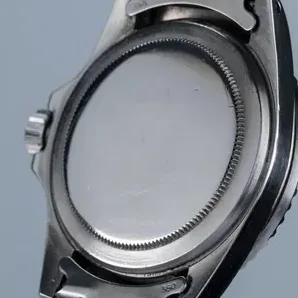
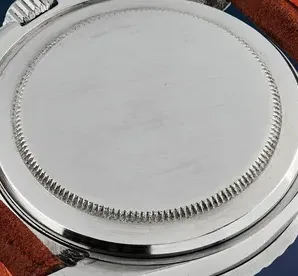
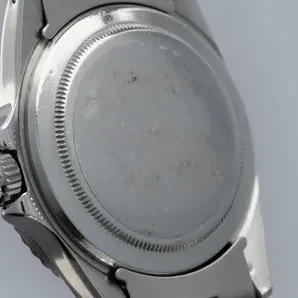
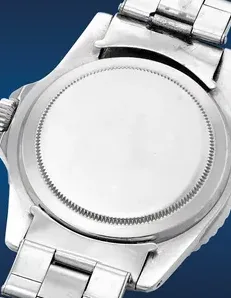
Inside the caseback
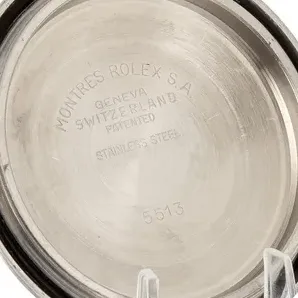
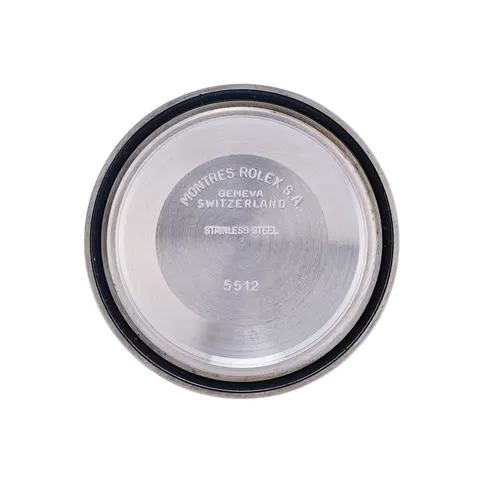
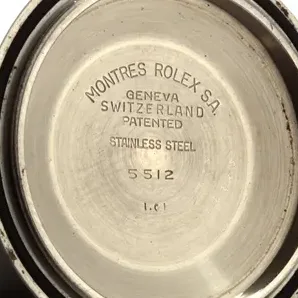

Movement
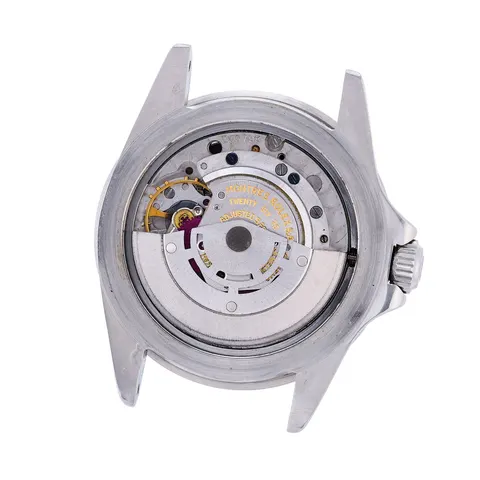
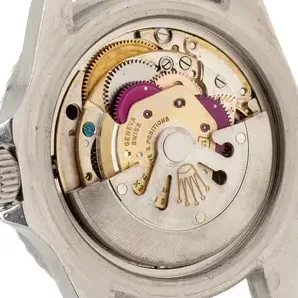
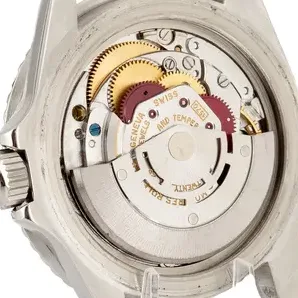
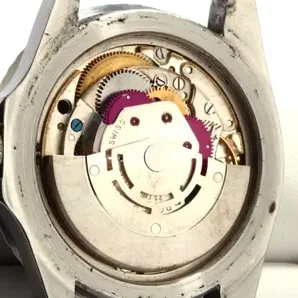
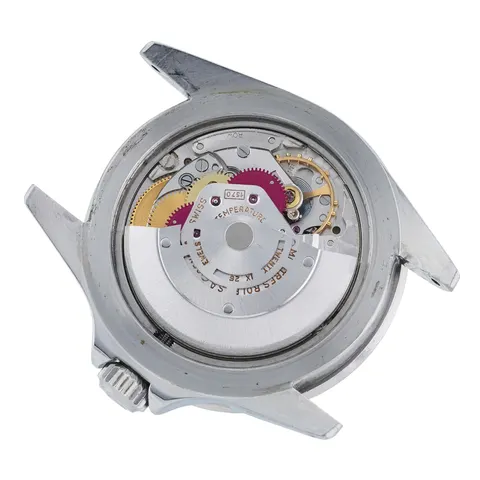
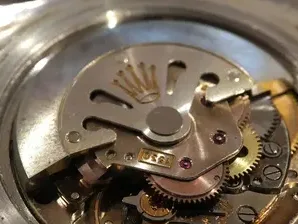
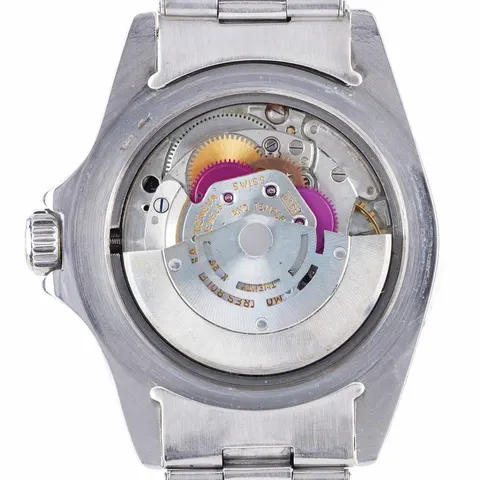


In the records
Counted from 527 listings at 44 holders between 15 December 2009 and 14 November 2026. These are what sellers and auction houses state, not measurements.
Fainter bars are the 14 outside the main run of 1960–1978 (the middle nine-tenths): the earliest is 1959 and the latest 1980. They are early and late examples, and now and then a number misread.
At the holders that record papers on every watch, 28% of their 29 listings of this reference come with papers; at those that record the box on every watch, 36% of 66 come with a box. "Papers" is whatever the holder counts as papers, and can include service papers.
1 listing dated long after the reference ended is set aside and not counted here: a year that late belongs to a later watch sold under the old number, or to a listing filed under the wrong one.
Case metal
| Steel | 247 |
Dial colour
| Black | 146 | |
| Brown | 15 | |
| Cream | 11 | |
| Gold | 4 | |
| Silver | 2 | |
| Orange | 1 |
Case size
| 40 mm | 156 | |
| 39 mm | 28 | |
| 42 mm | 6 |
Calibre named
| 1530 | 72 | |
| 1570 | 57 | |
| 1560 | 27 | |
| 1520 | 8 |
Bracelet or strap
| Oyster bracelet | 163 | |
| Metal bracelet, kind not stated | 69 | |
| Leather strap | 9 | |
| Jubilee bracelet | 4 | |
| Fabric strap | 2 |
Each table counts the listings that state the thing, in the seller's own terms. A size, metal, colour or calibre that cannot belong to this reference is a seller's slip or a listing filed under the wrong number.