Submariner (Small Crown)
The 6536 is the small-crown Submariner of the mid 1950s: a steel case with a 6 mm crown, no crown guards, a 100 m (330 ft) rating and the automatic calibre 1030. It is found as the 6536, the thicker transitional 6536/8 and the thinner 6536/1, and the dial, hands and bezel insert changed several times in a short run. It came after the 6204 and 6205 and ran beside the big-crown 6538, then gave way to the 5508. Collectors look first at the depth print, the length of the hour hand and the bezel insert.
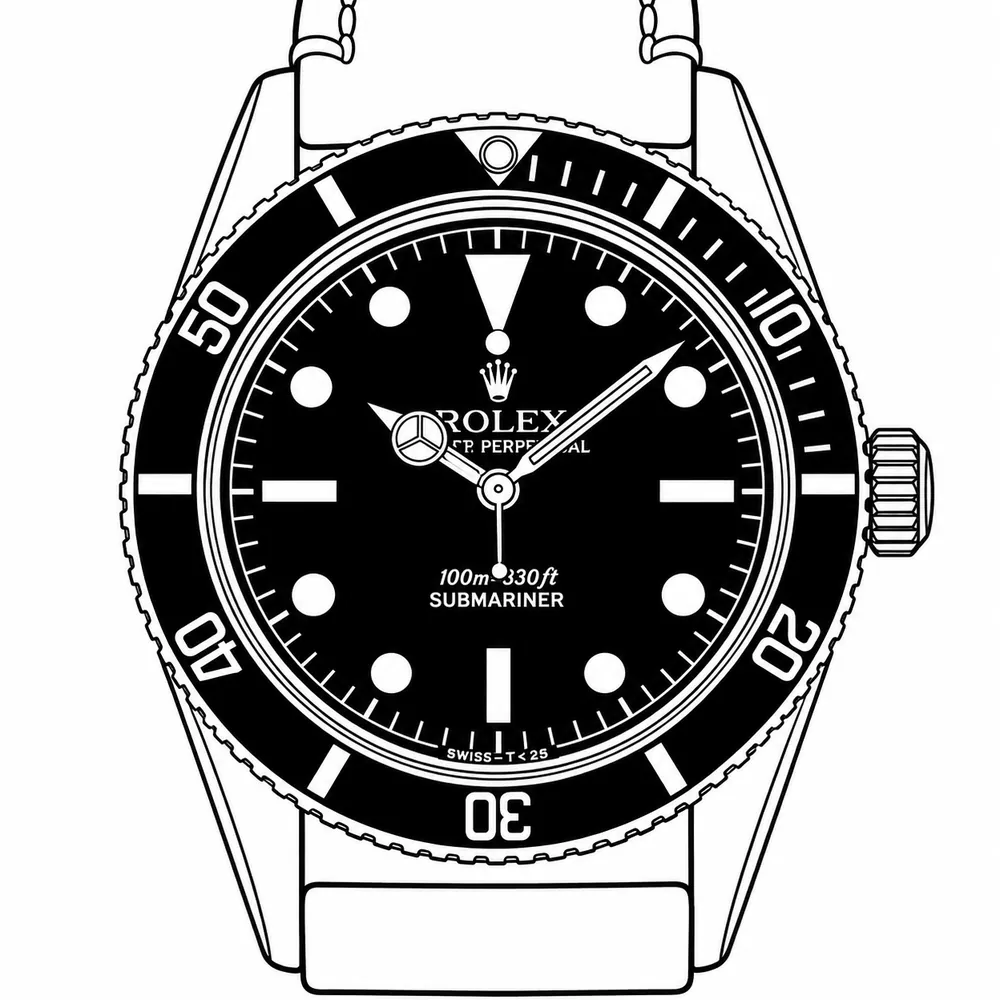
- Made
- 1955–1959dates approximate
- Seen in the library
- 1954–1959nine in ten in 1955–1958 · by case numbers
- Case
- 37 mm · steelas sellers state
- Movement
- Calibre 1030automatic
- On record
- 189 listings454 photographs · 29 holders
Components
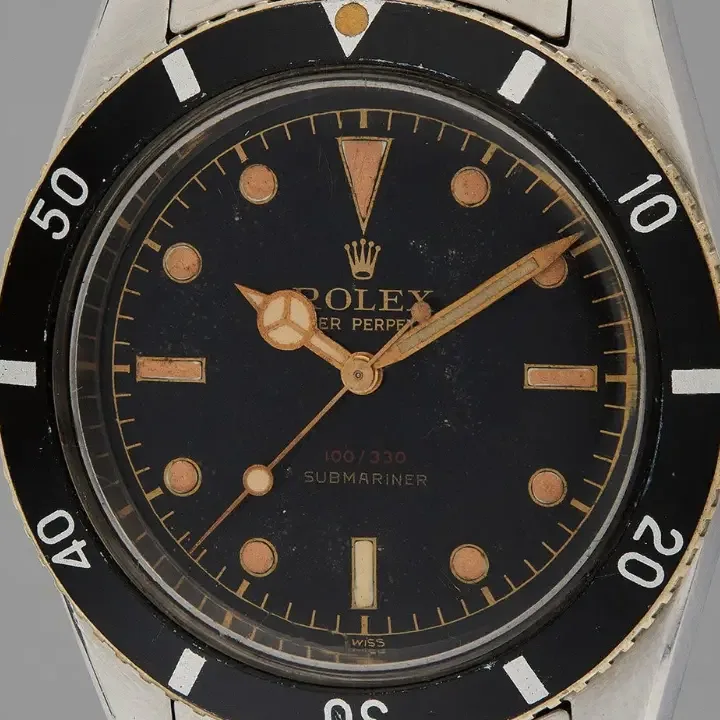
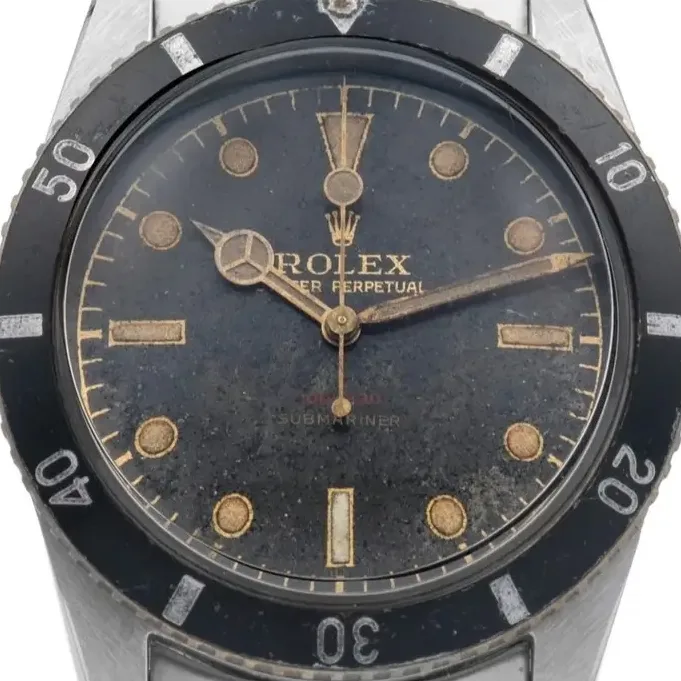
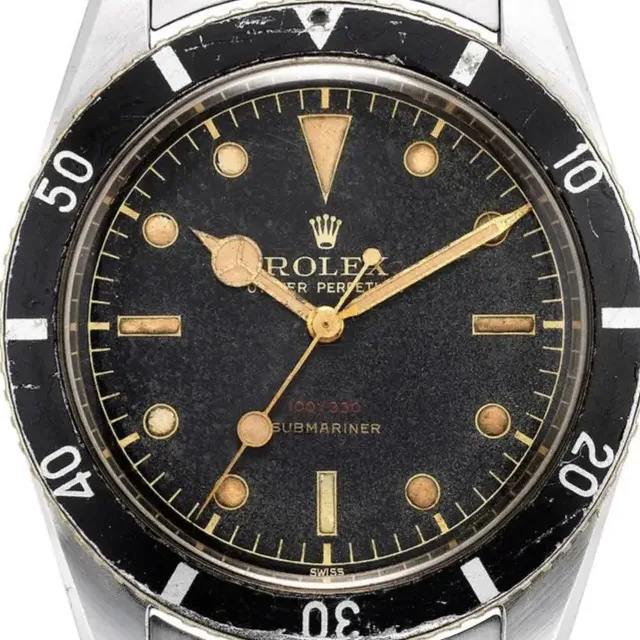
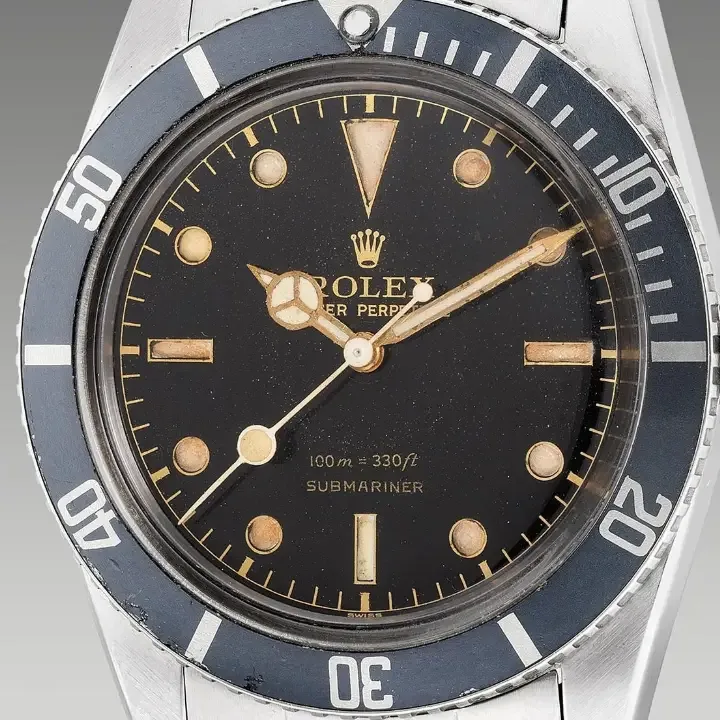
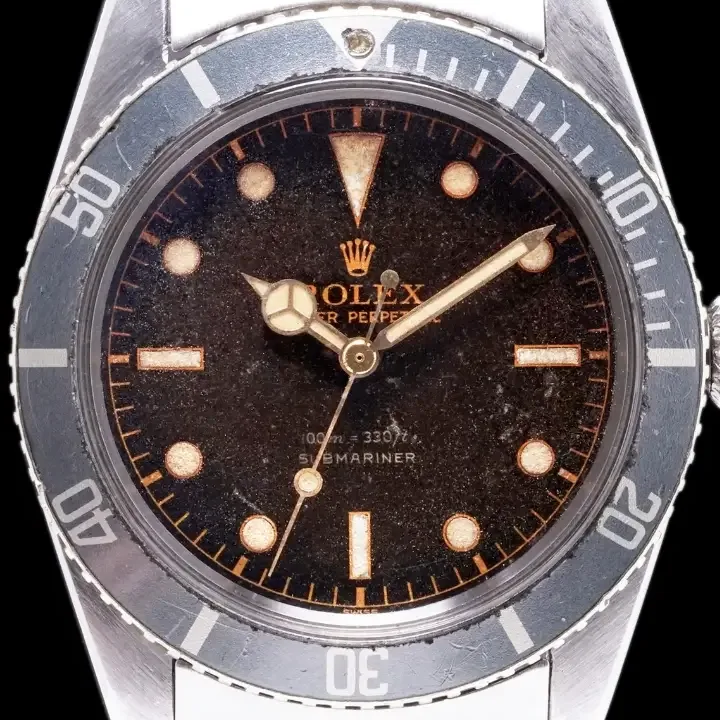
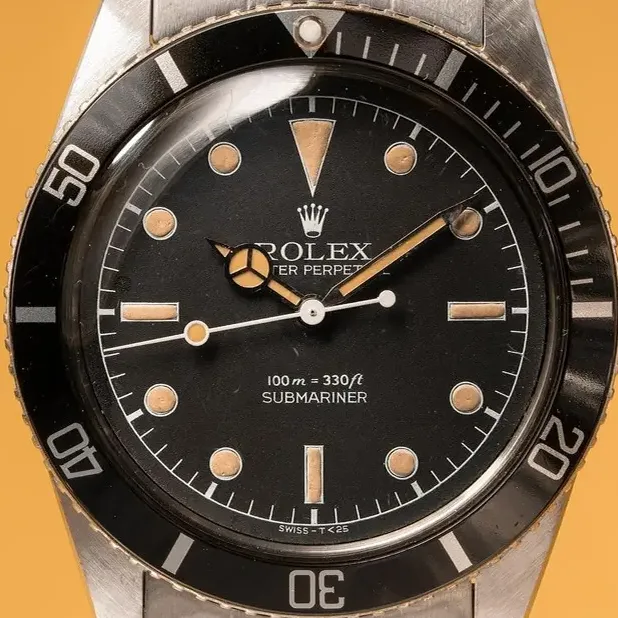
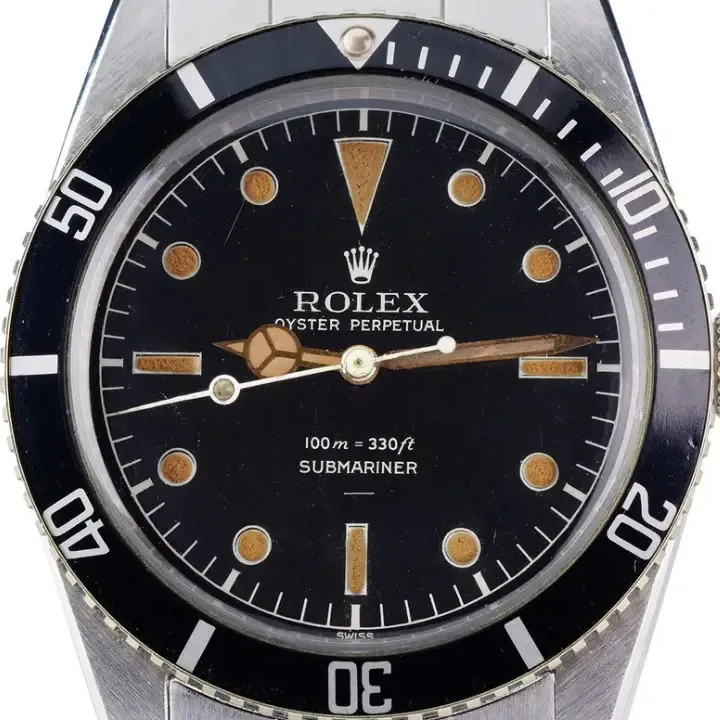
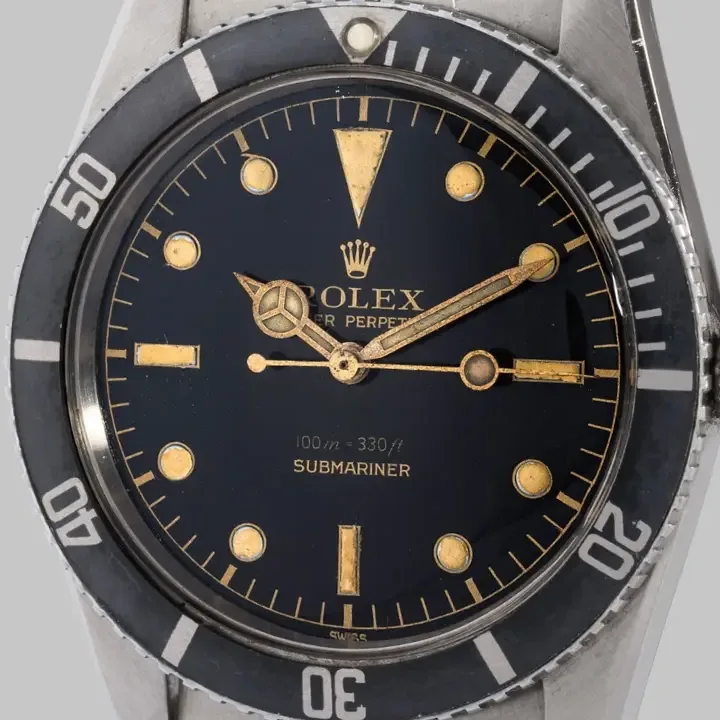
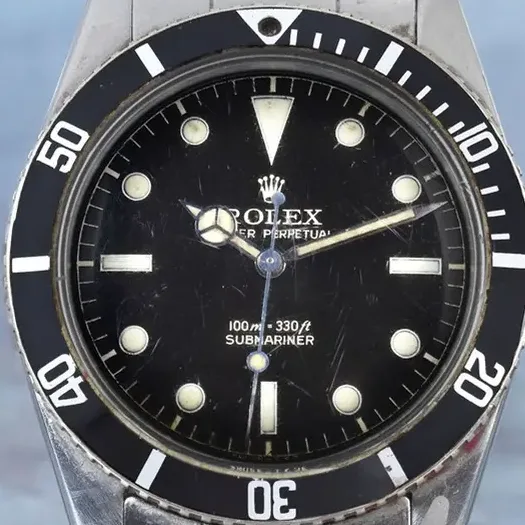
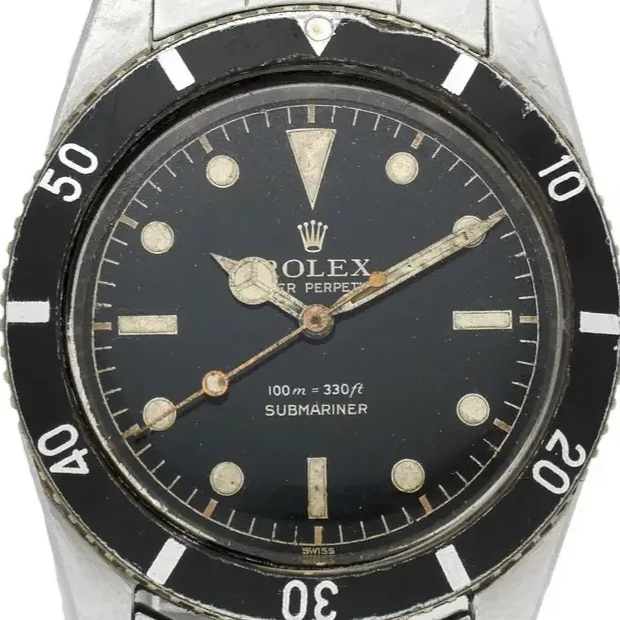
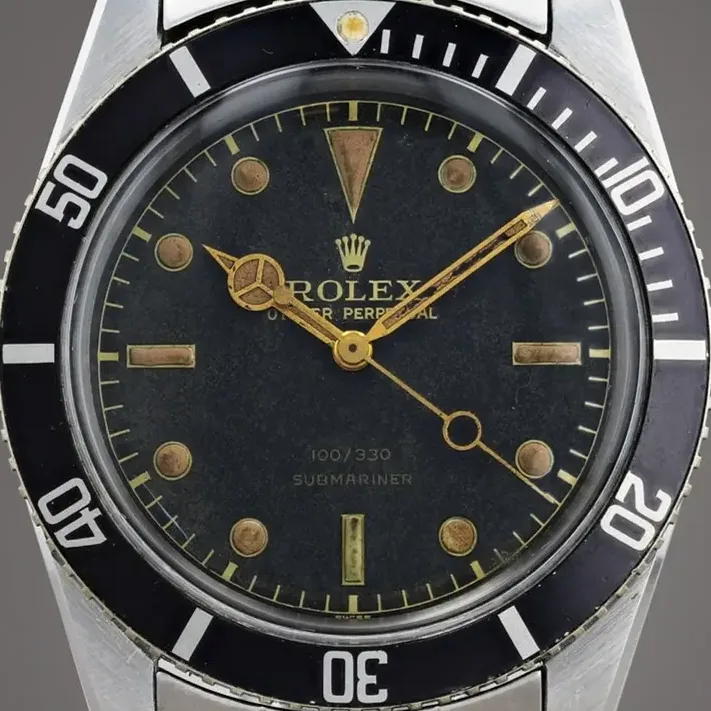
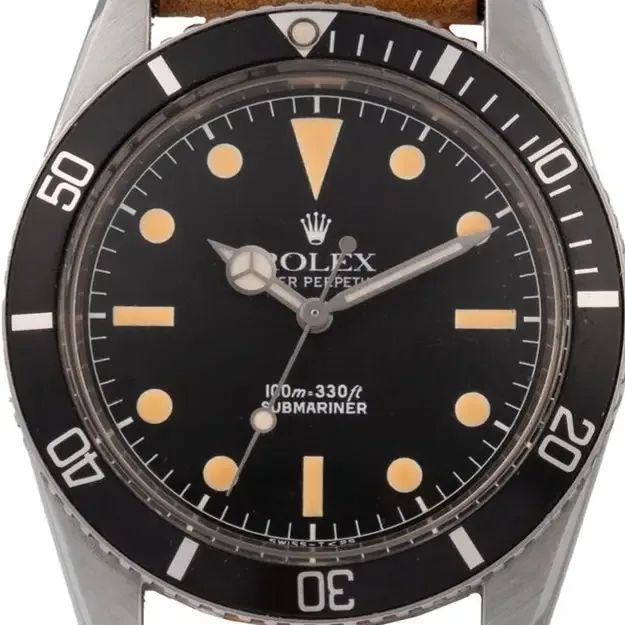
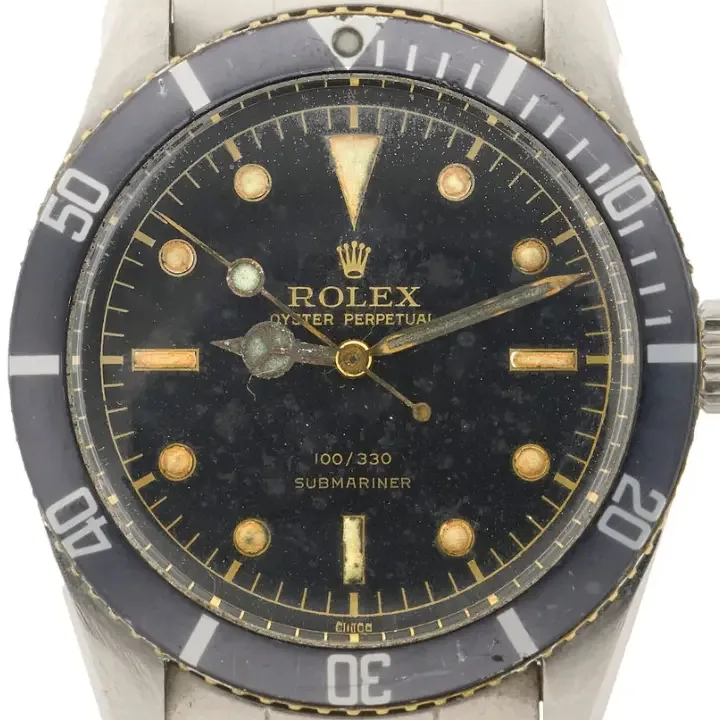
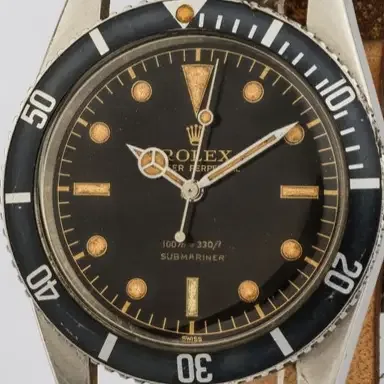
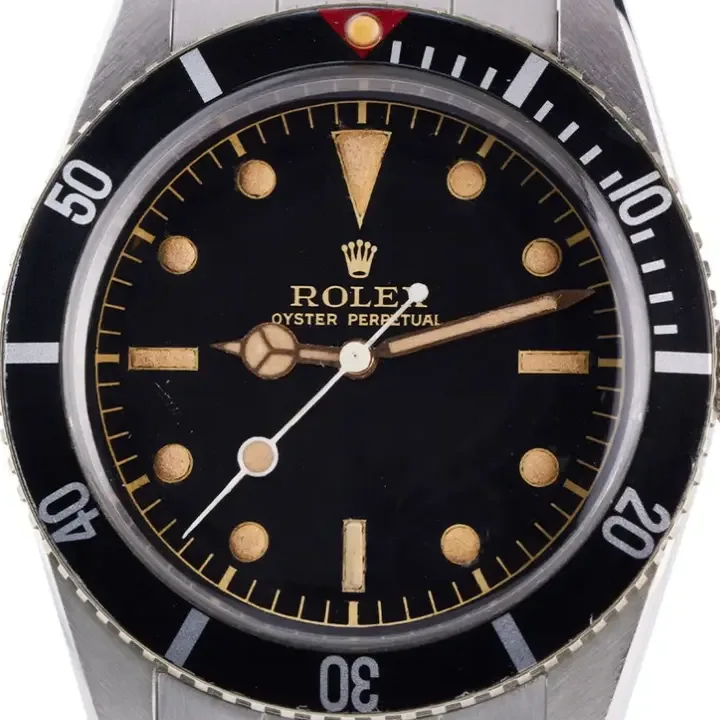
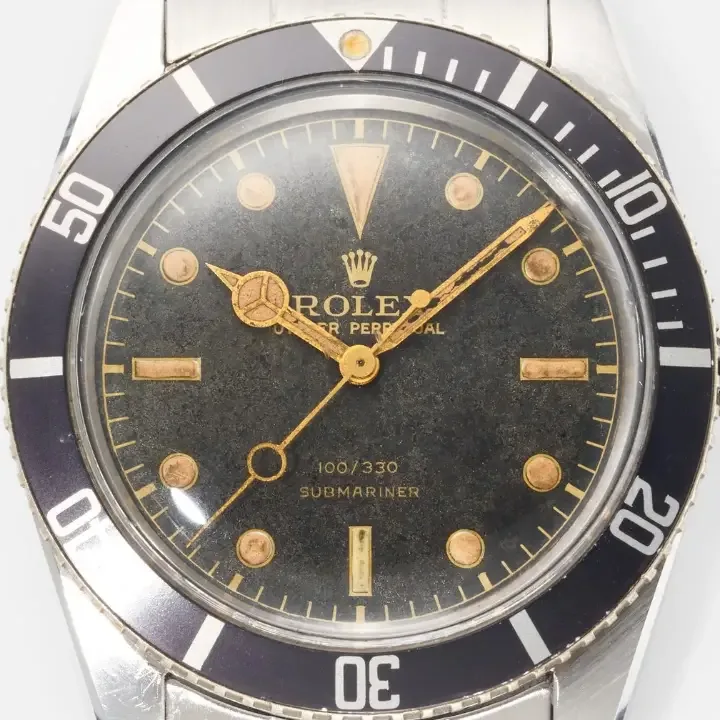
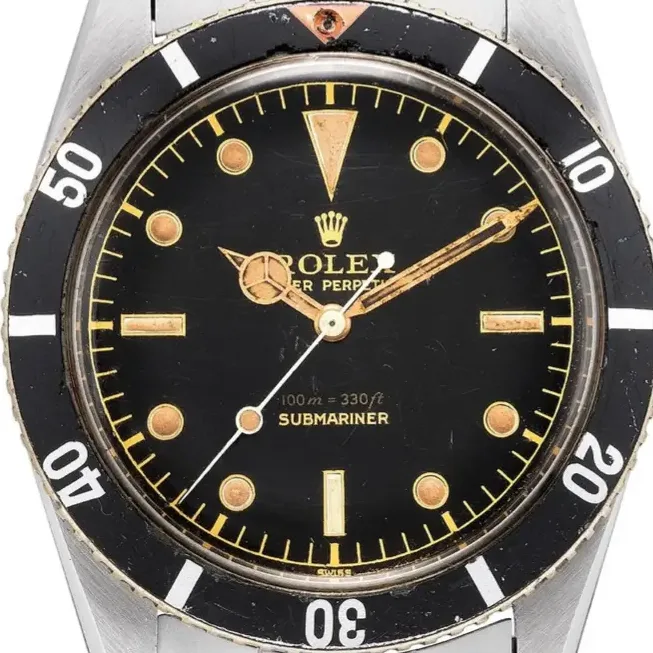
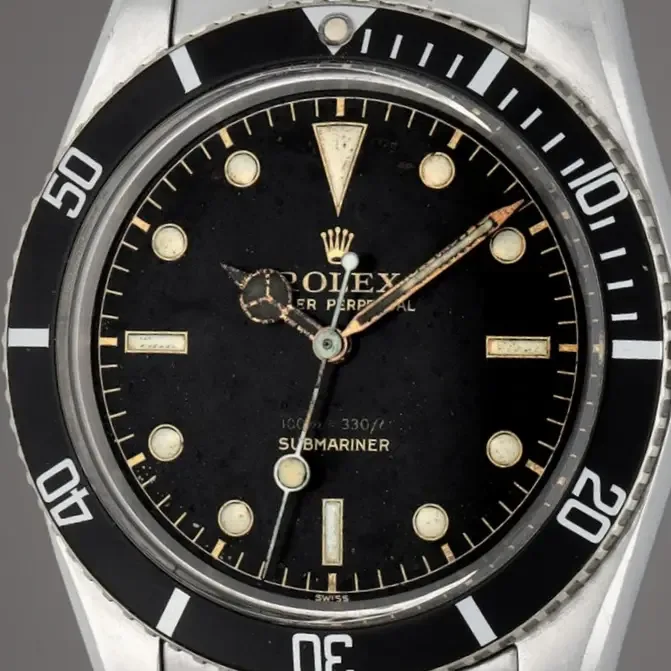
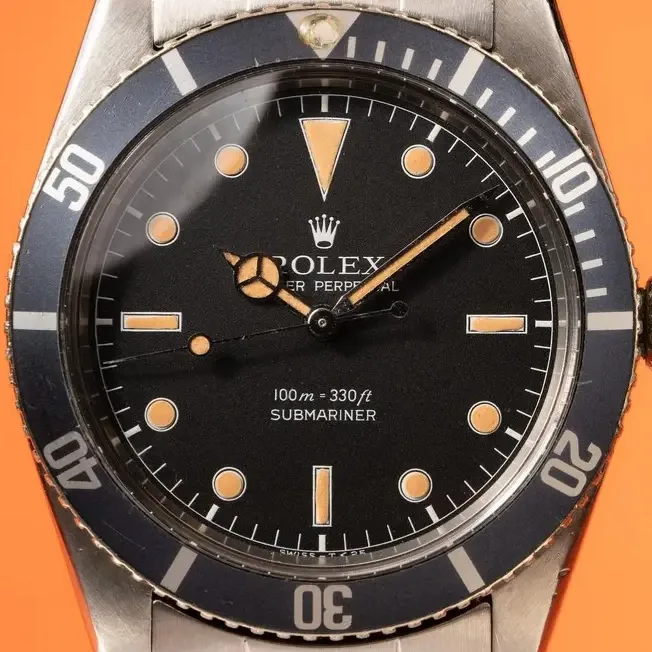
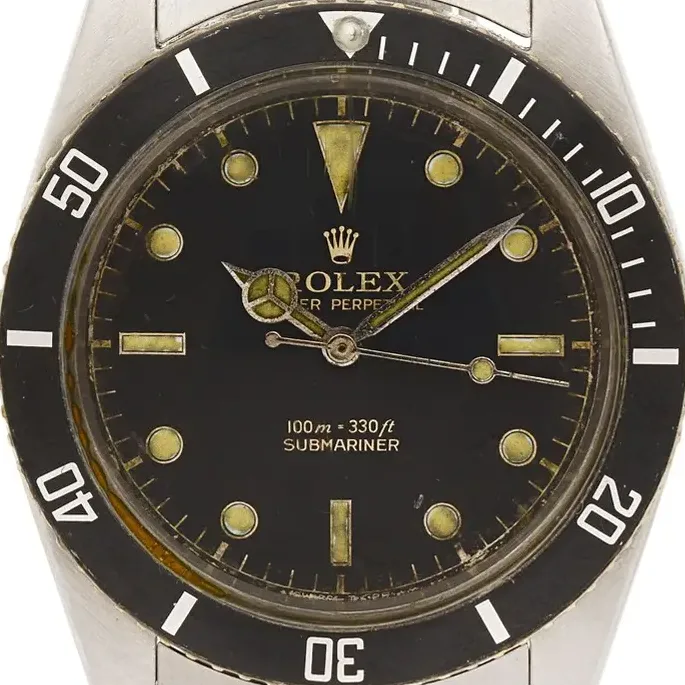
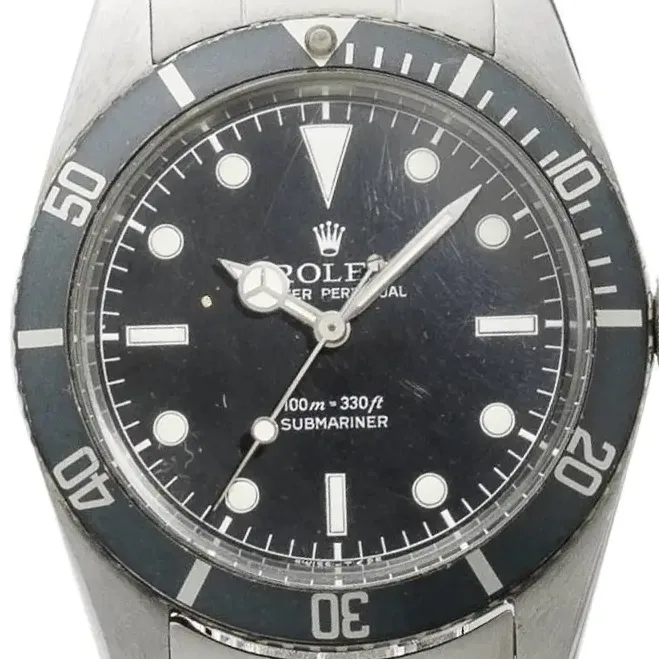
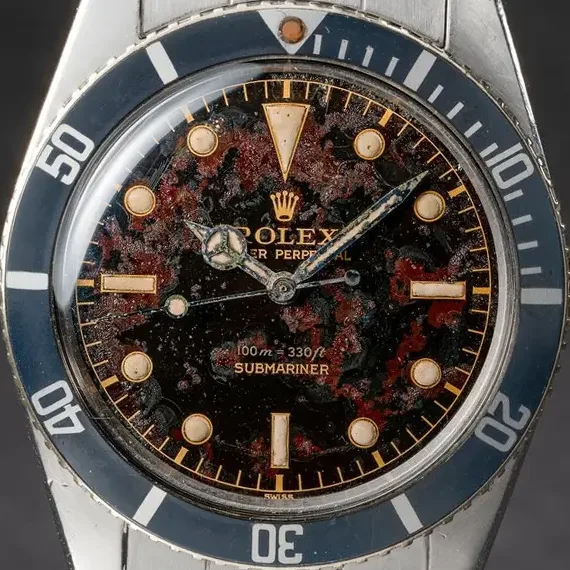
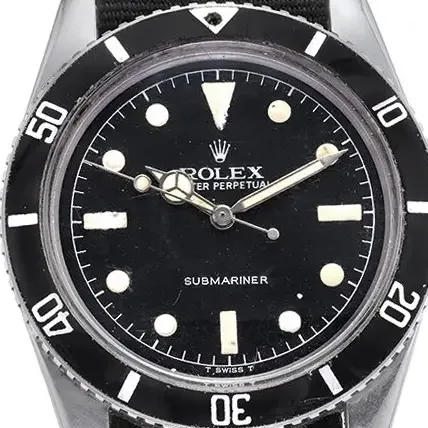
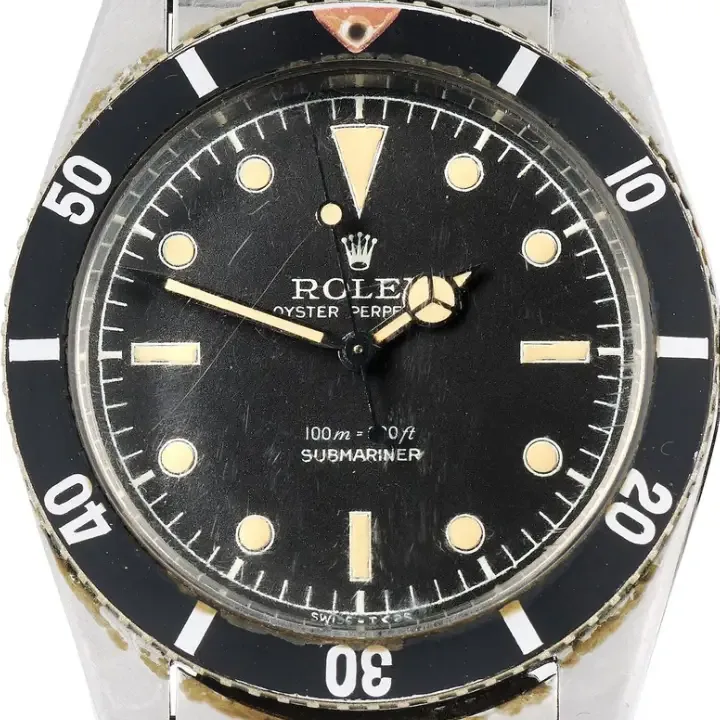
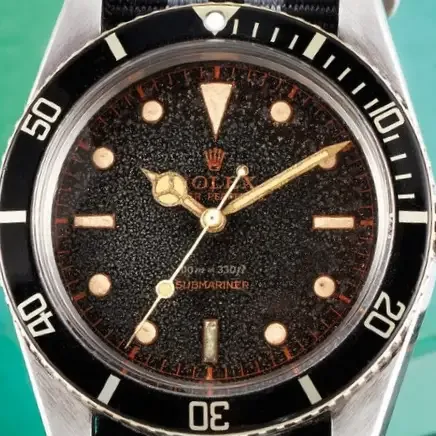
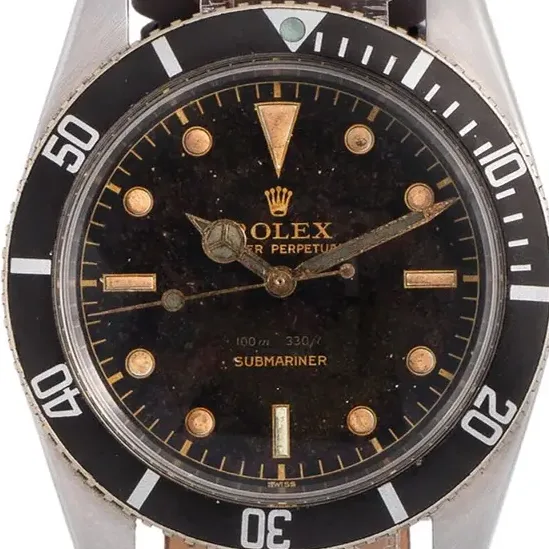
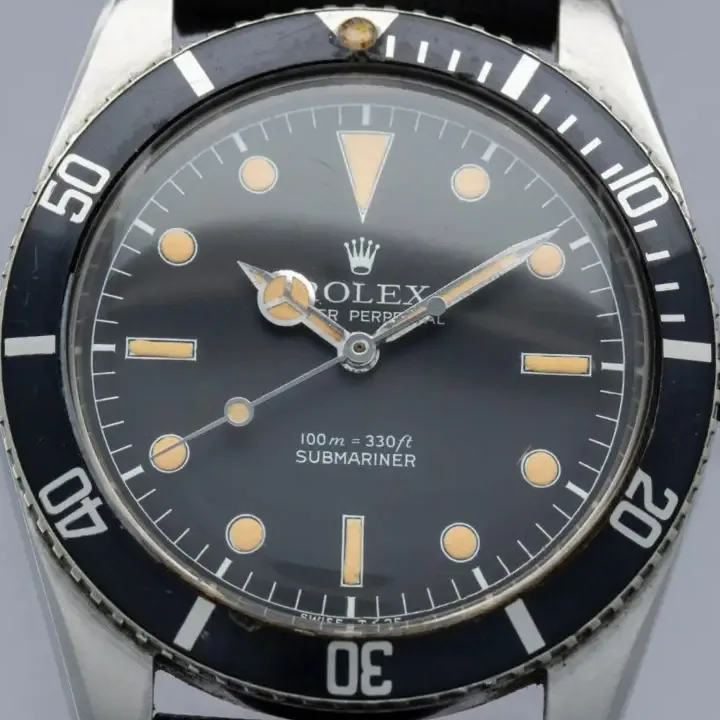
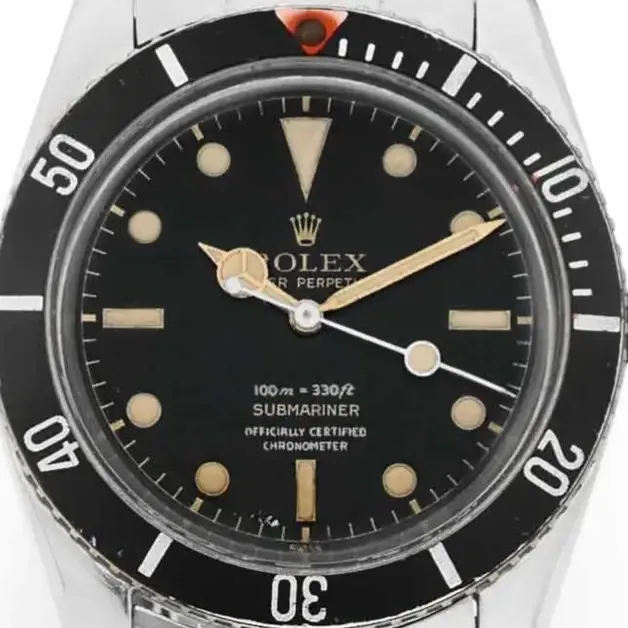
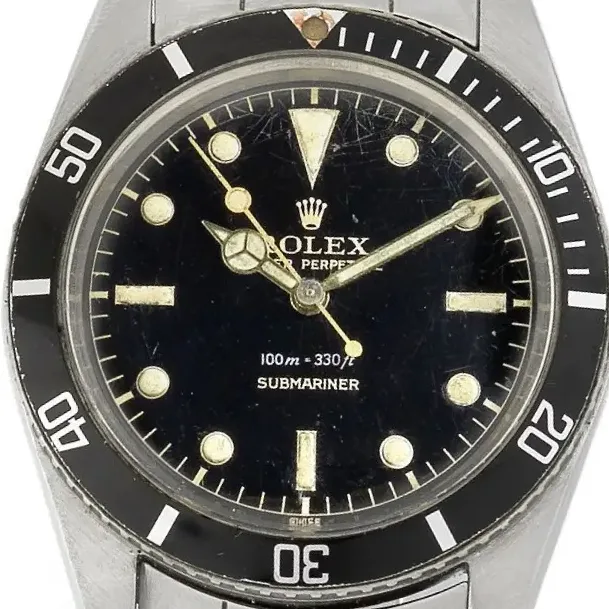
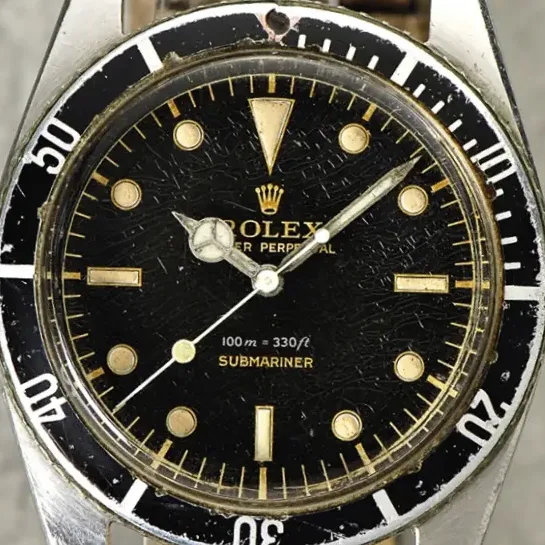
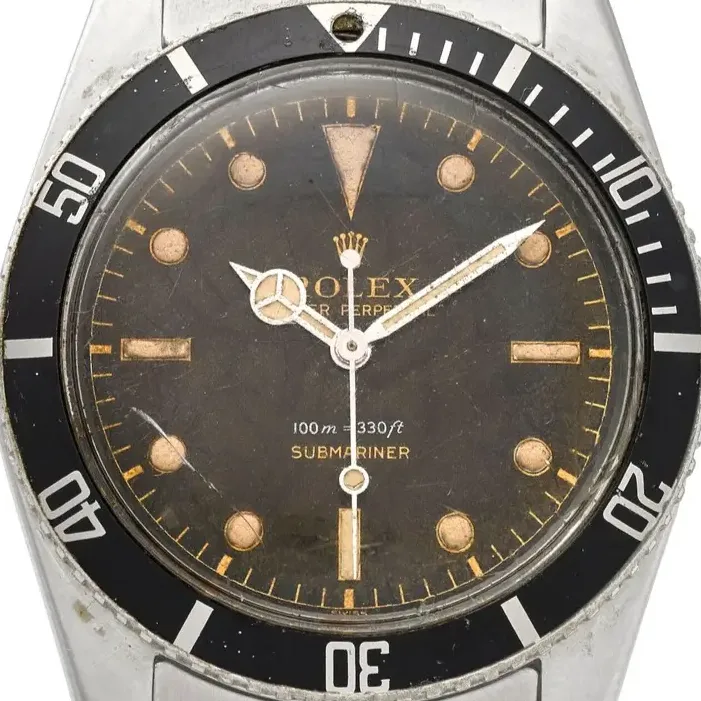
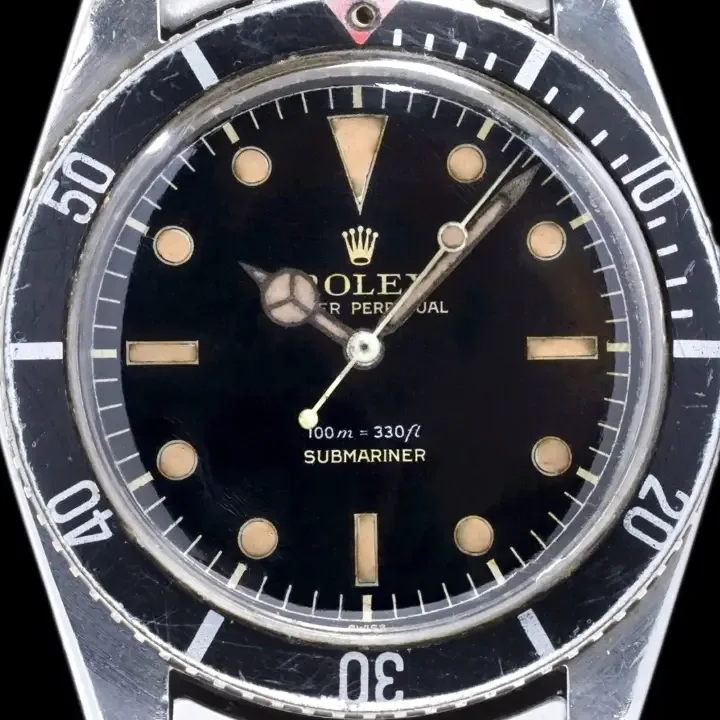
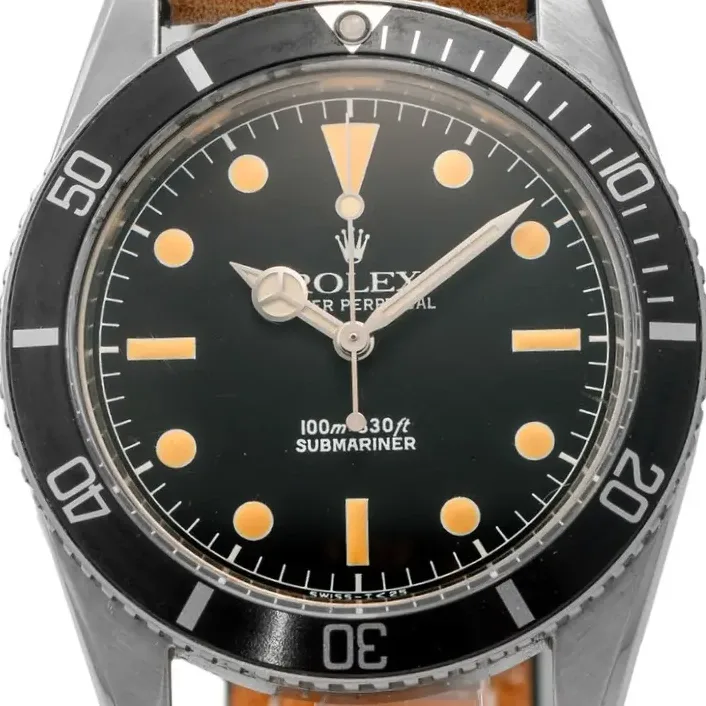
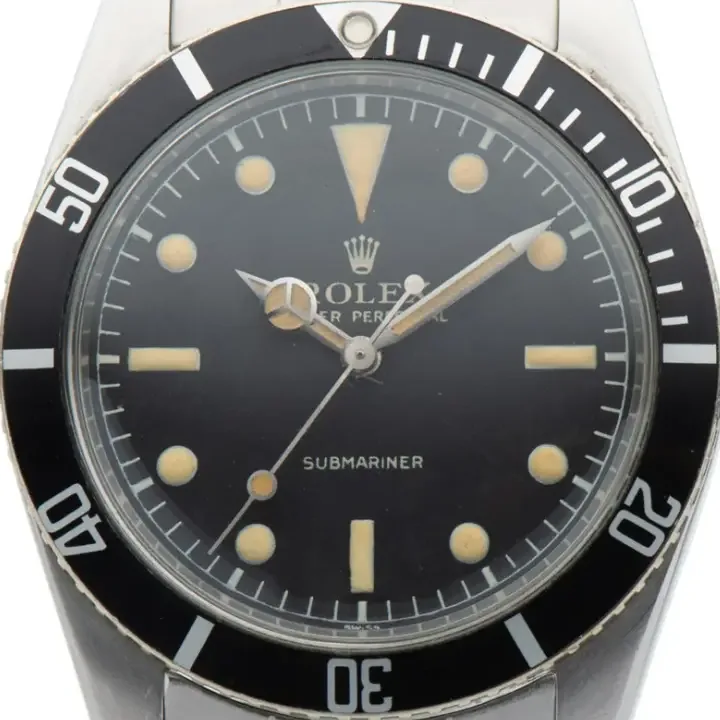
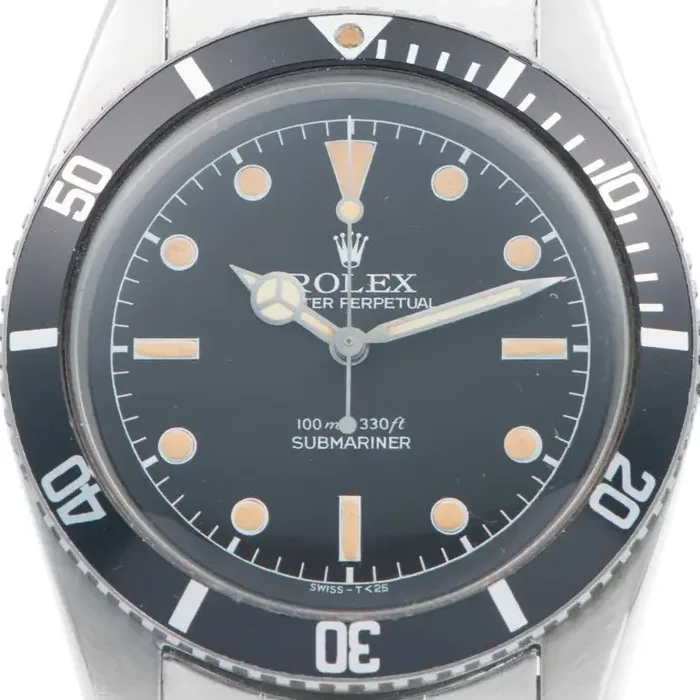
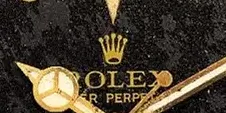
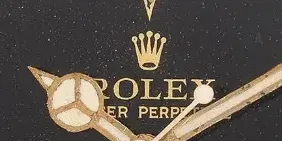
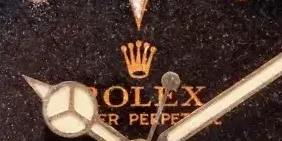
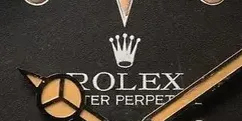
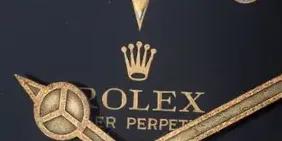
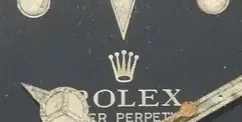
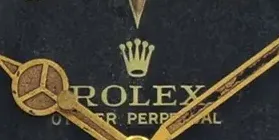
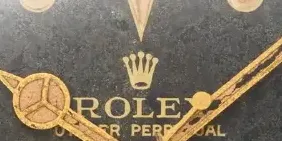
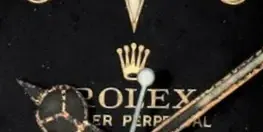
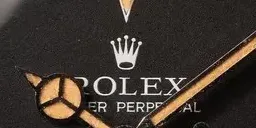
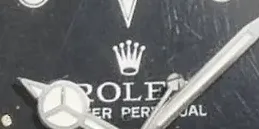
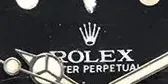
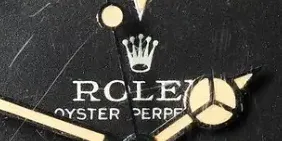
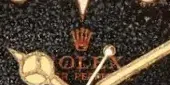
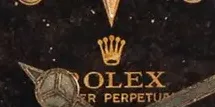
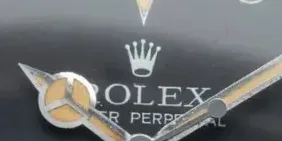
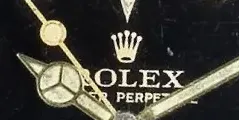
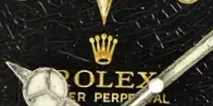
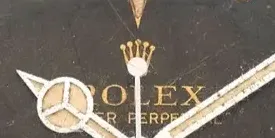
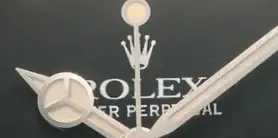
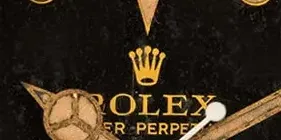
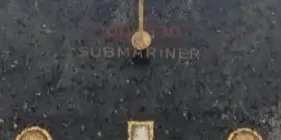
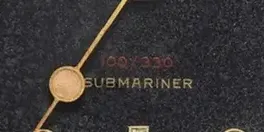
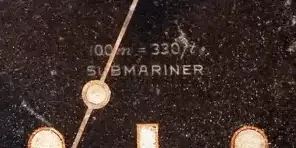
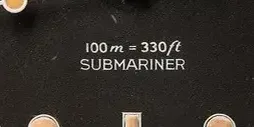
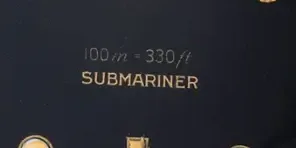
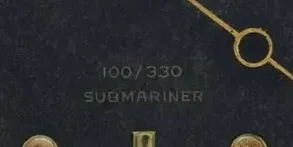
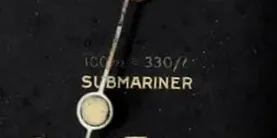
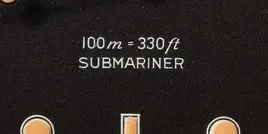
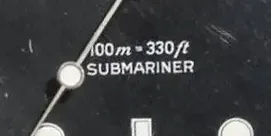
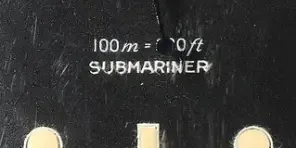
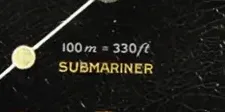
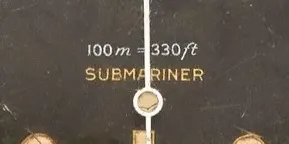
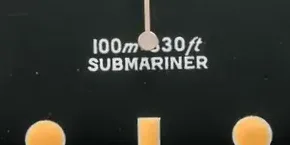
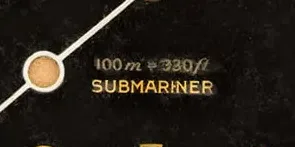
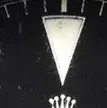
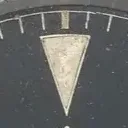
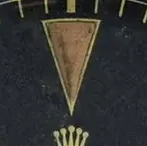
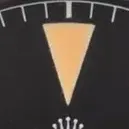
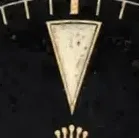
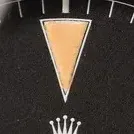
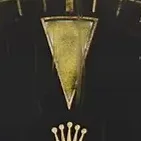
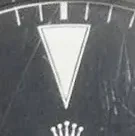
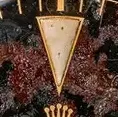
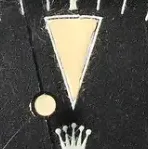
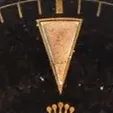
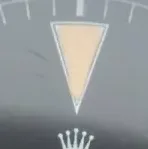
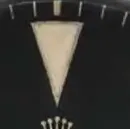
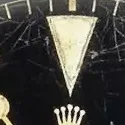
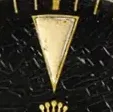
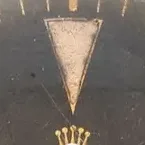
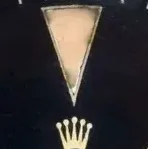
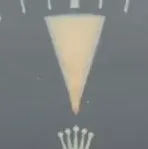
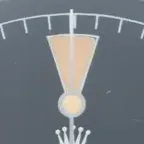
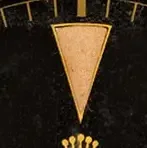
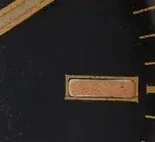
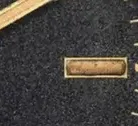
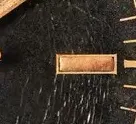
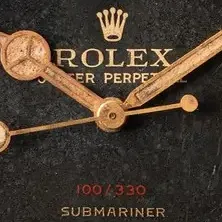
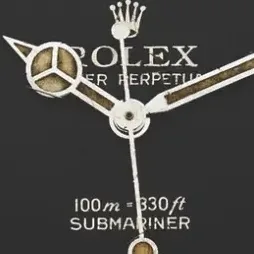
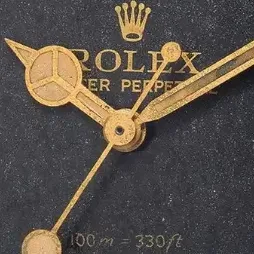
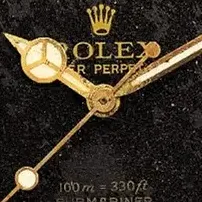
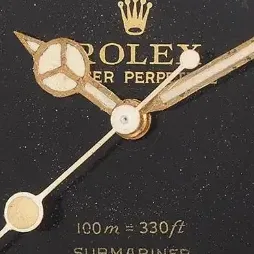
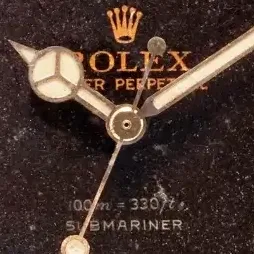
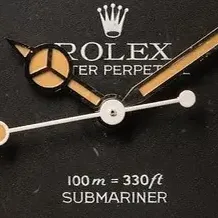
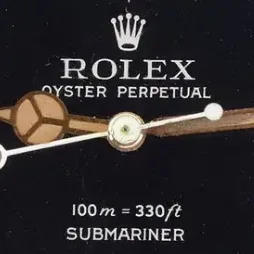
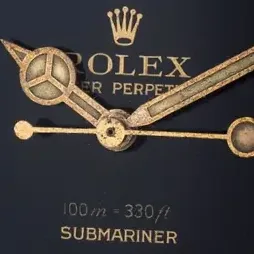
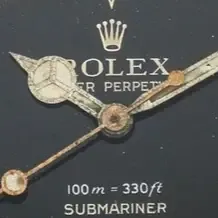
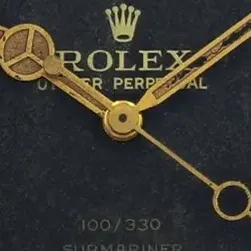
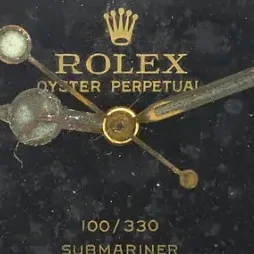
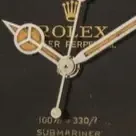
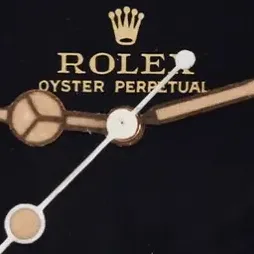
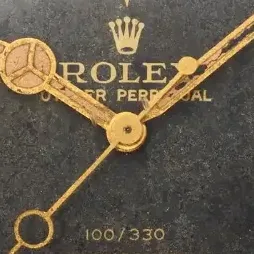
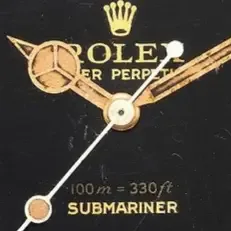
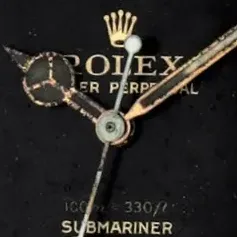
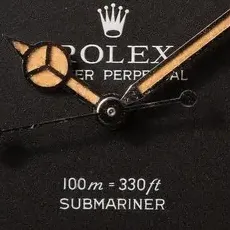
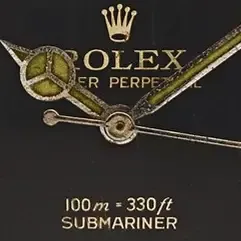
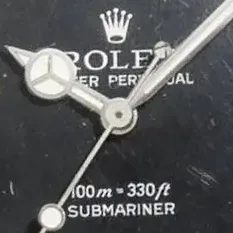
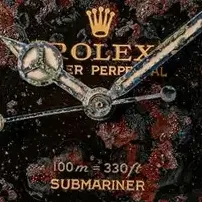
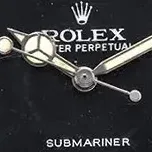
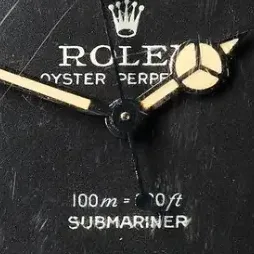
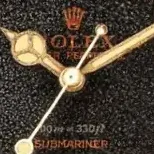
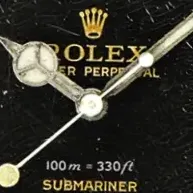
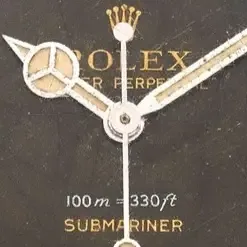
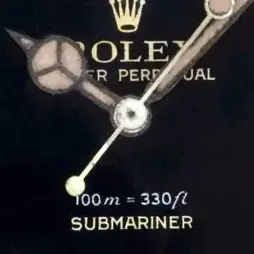
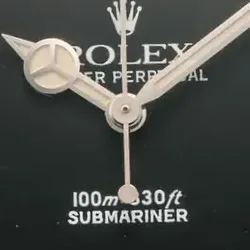
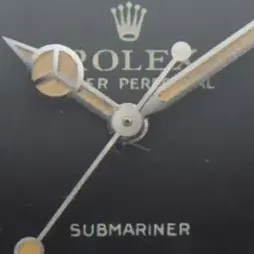
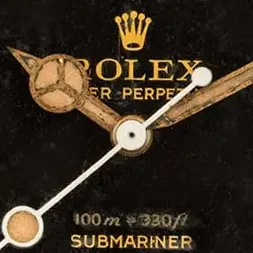
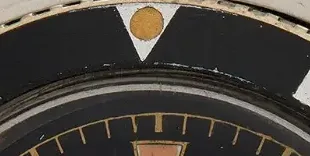
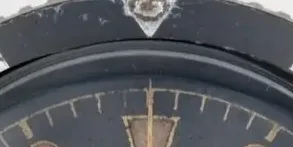
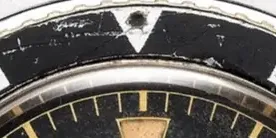
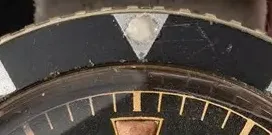
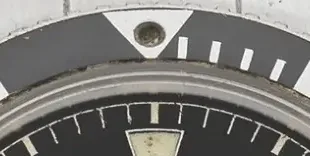
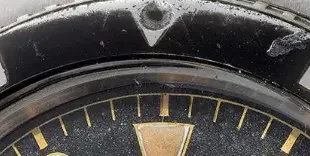
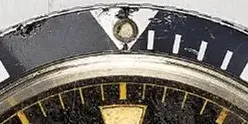
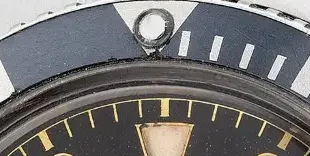
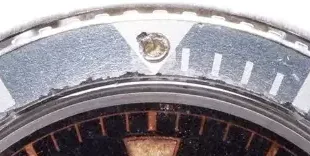
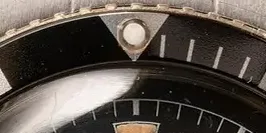
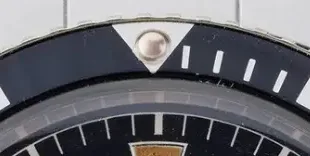
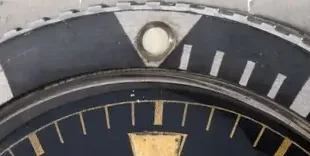
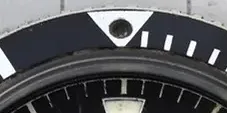
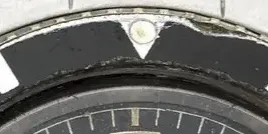
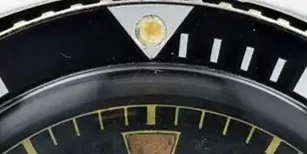
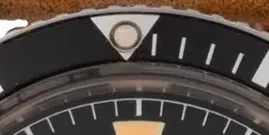
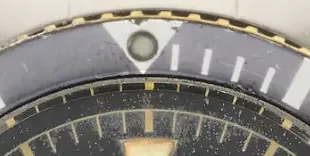
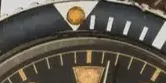
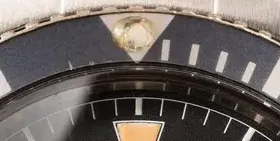
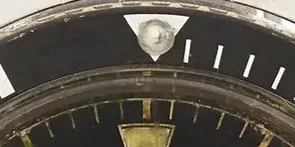
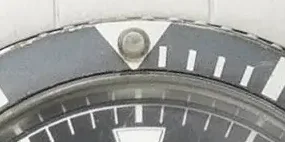
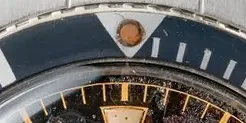
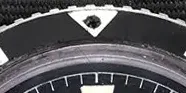
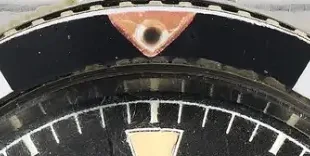
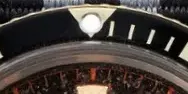
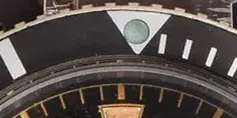
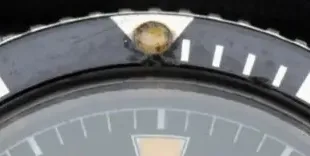
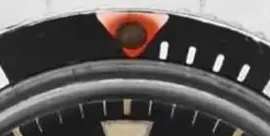
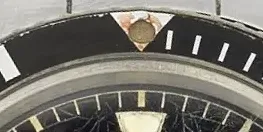
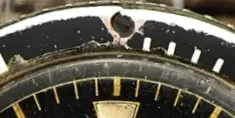
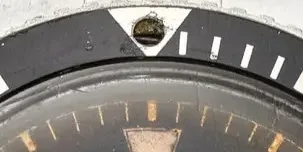
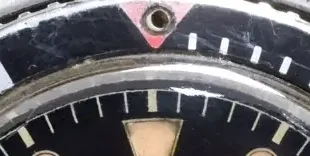
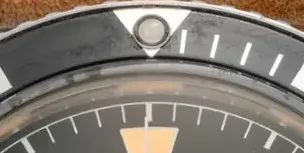
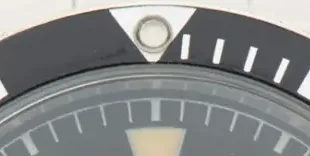
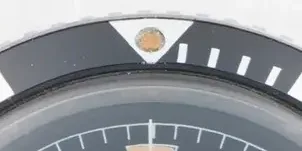
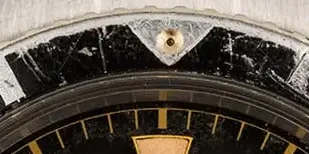
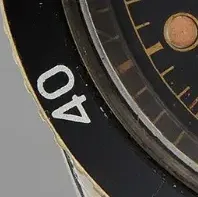
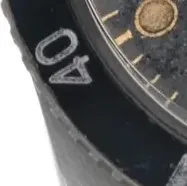
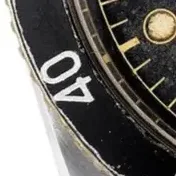
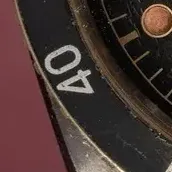
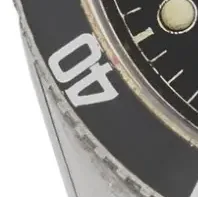
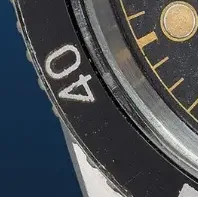
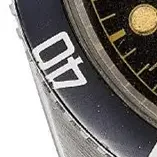
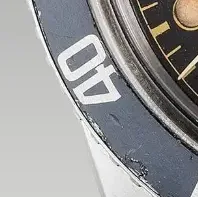
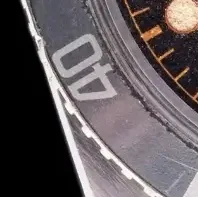
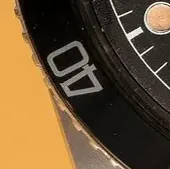
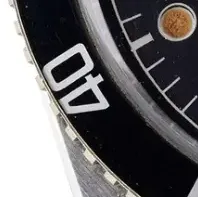
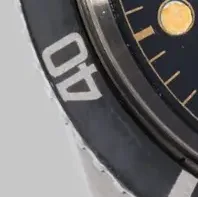
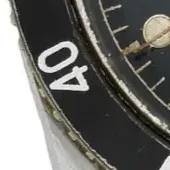
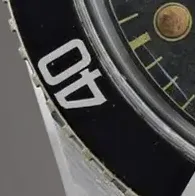
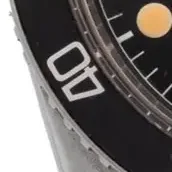
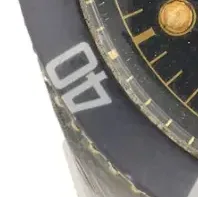
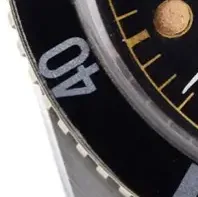
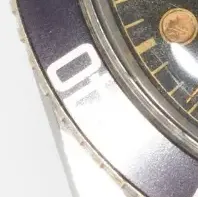
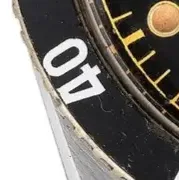
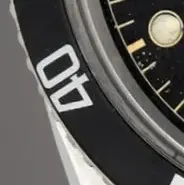
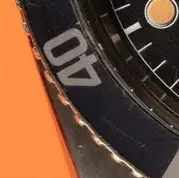
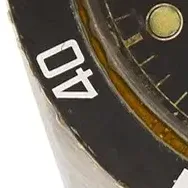
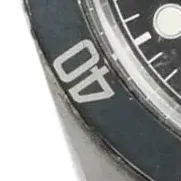
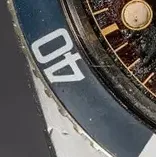
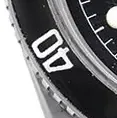
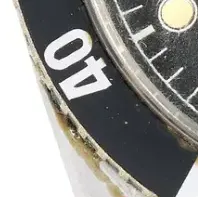
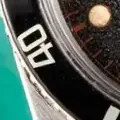
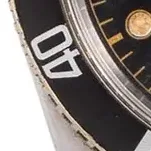
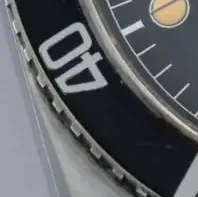
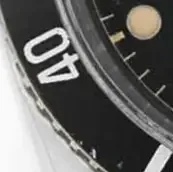
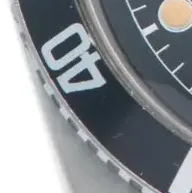
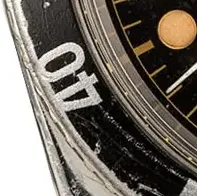
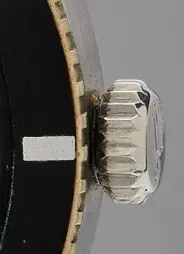
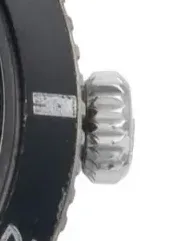
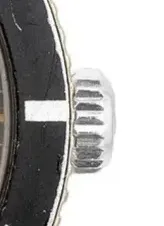
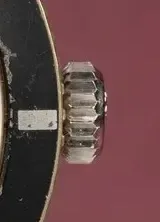
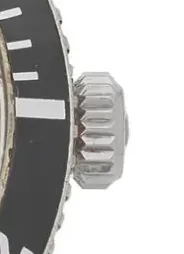
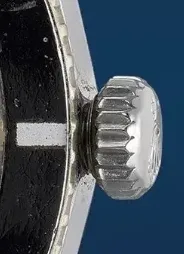
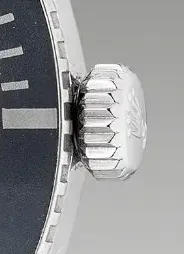
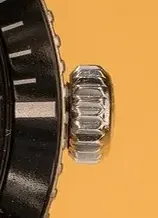
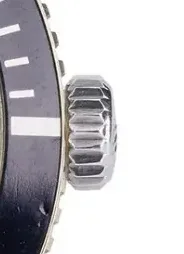
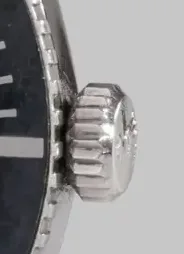
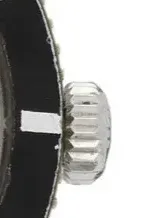
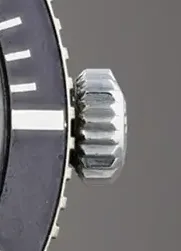
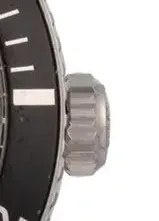
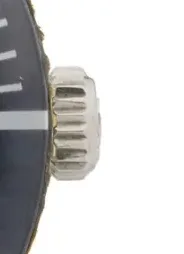
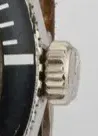
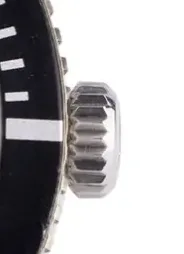
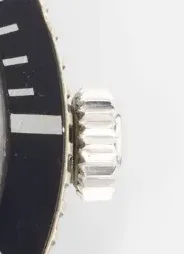
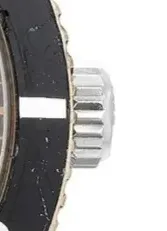
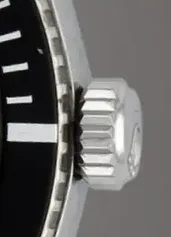
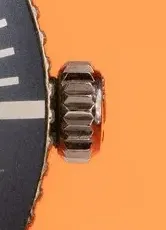
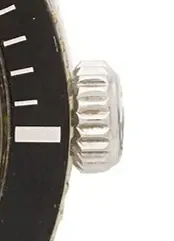
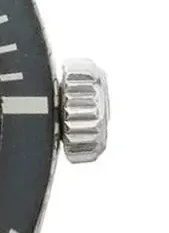
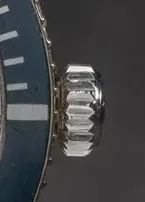
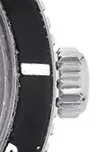
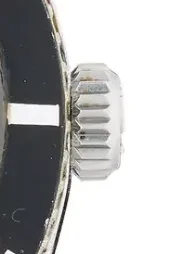
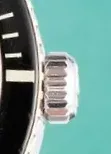
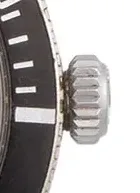
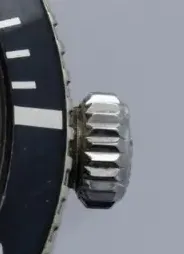
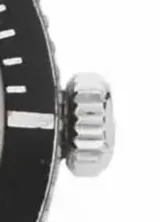
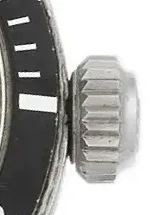
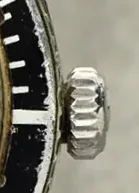
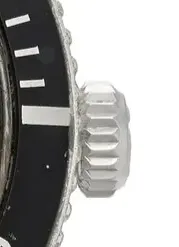
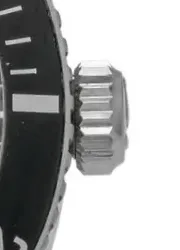
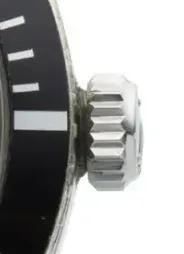
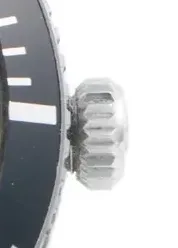
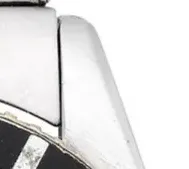
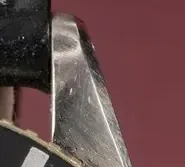
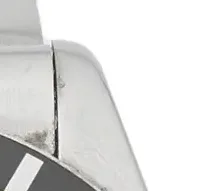
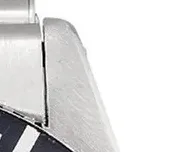
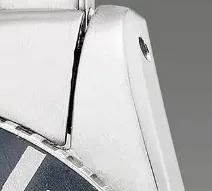
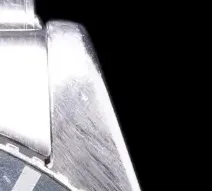
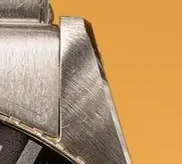
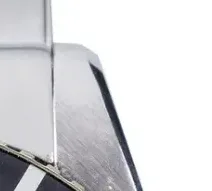
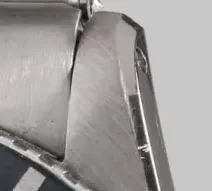
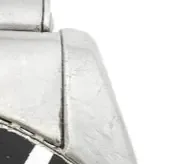
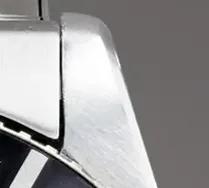
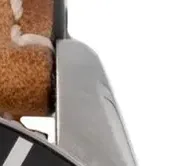
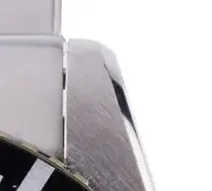
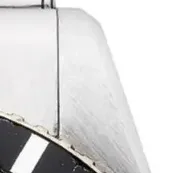
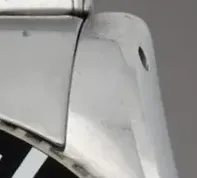
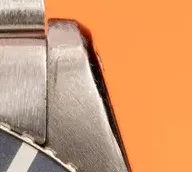
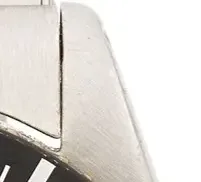
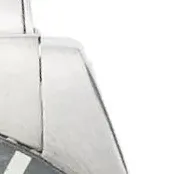
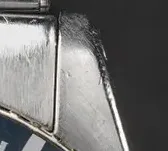
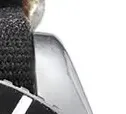
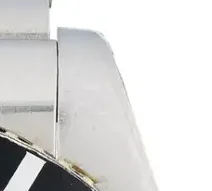
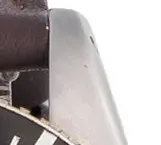
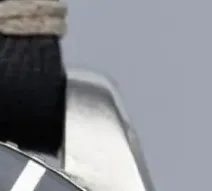
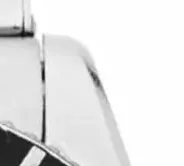
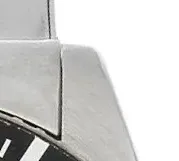
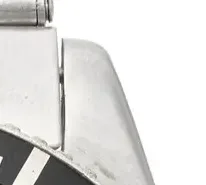
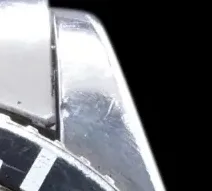
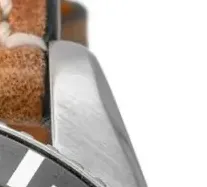
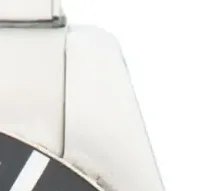
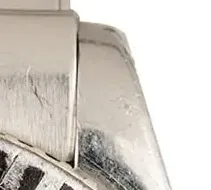
40 watches, oldest first, each straightened and cut the same way so that one row shows one component across them all. Chosen from 454 photographs on file for sharpness and for a face typical of the reference. A year marked c. is one its holder gives only roughly. Each picture is a detail cut from a listing photograph. Select the small mark in its corner for its year, its holder, a link to the listing it came from, and a way to report it.
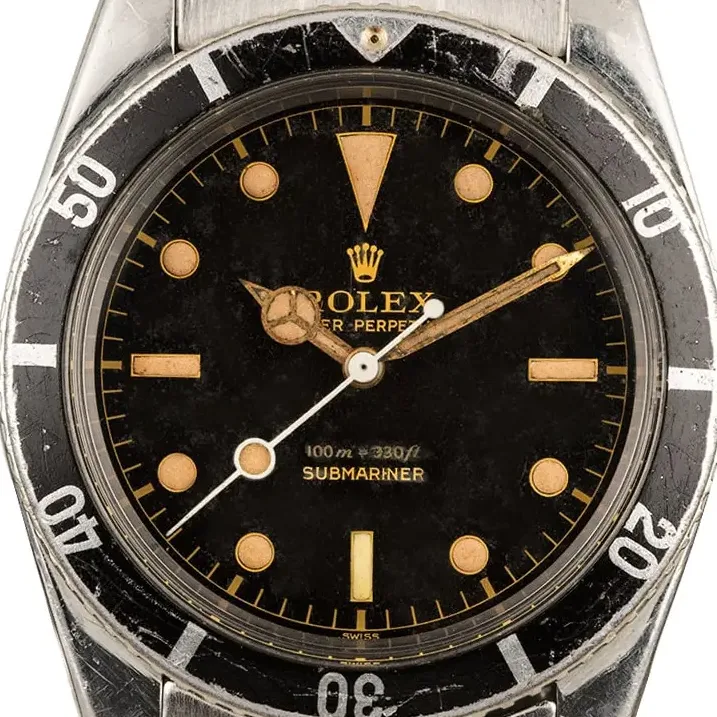

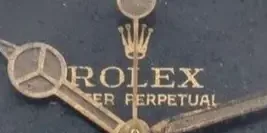
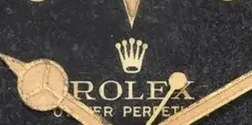
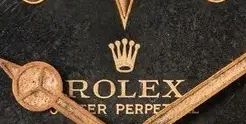




























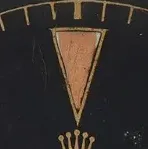
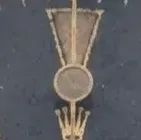
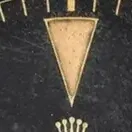
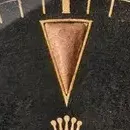
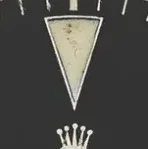
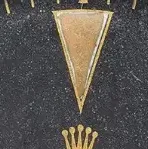
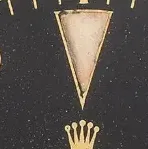
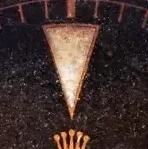
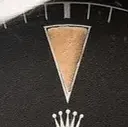
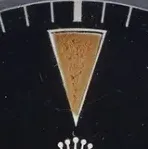
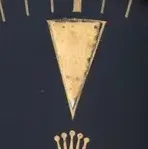
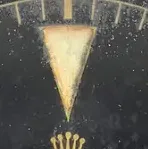

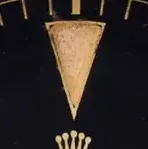
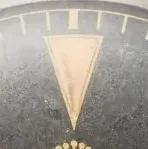
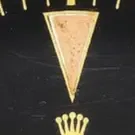




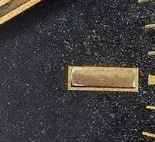
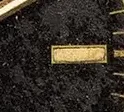
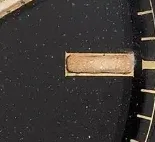
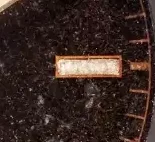
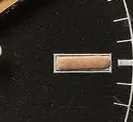
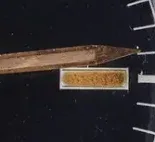
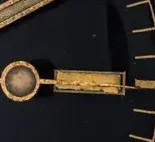


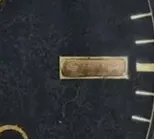
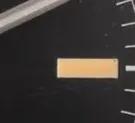
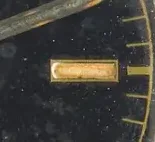

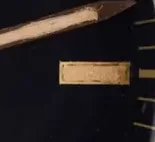
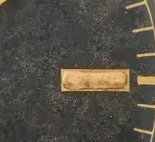
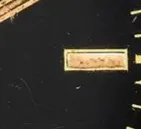
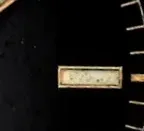
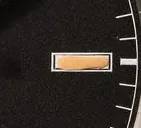
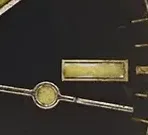
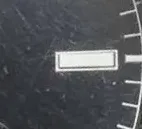
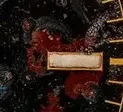

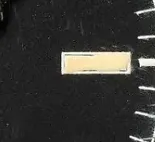

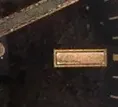

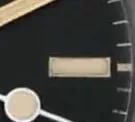
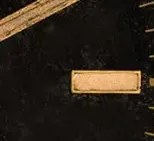
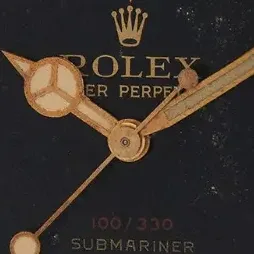
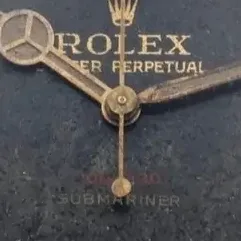
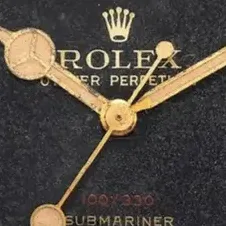


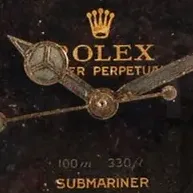
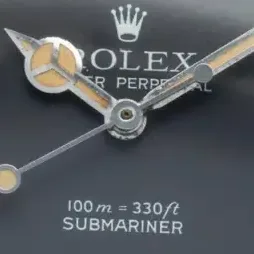
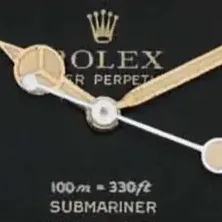
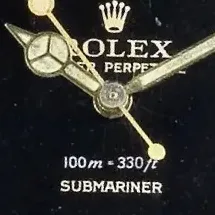












Chronology
Published accounts put the transitional 6536/8 at 1954 and the 6536/1 at about 1955 to 1959; some give 1956 to 1958.
Every dated variant: what is written, and what the records show
For the reference the marks are every dated watch; for a variant, the watches a seller names as that variant, so a variant sellers do not name has none.
The reference's own marks are dated by case number. A variant's marks use the year each seller states, so a variant can show watches in a year where the row for the reference shows fewer, or none. 5 dated listings fall outside this scale and are not drawn.
Specification
| Case | Stainless steel Oyster case, no crown guards, flat screw-down back; about 37 mm wide (37.5 mm for the 6536/8), bevelled lugs with 20 mm between them |
| Thickness | About 12 to 13 mm on the 6536/1; the 6536/8 uses the thicker big-crown case of about 15 mm |
| Crown | 6 mm screw-down crown with the coronet and a + (Swiss Made) mark beneath it |
| Crystal | Domed acrylic; number 16 on the 6536/1 and small-crown cases, number 17 or 18 on the 6536/8 |
| Bezel | Bidirectional brass bezel, once nickel plated, black aluminium insert with a 60-minute scale |
| Dial | Black gloss with gilt print and a chapter ring, radium lume |
| Hands | Gilt Mercedes hour hand, lollipop seconds hand, radium lume |
| Movement | Calibre 1030, automatic, 25 jewels, bidirectional winding |
| Bracelet | Riveted Oyster bracelet with 20 mm fixed end links, reference 7206 |
| Water resistance | 100 m = 330 ft |
Dial 9 described
All dials are black gloss with gilt print and a chapter ring. They change by the colour and wording of the depth line, the type and by the markers. The earliest carry a red depth and later ones a gold, silver or white print.
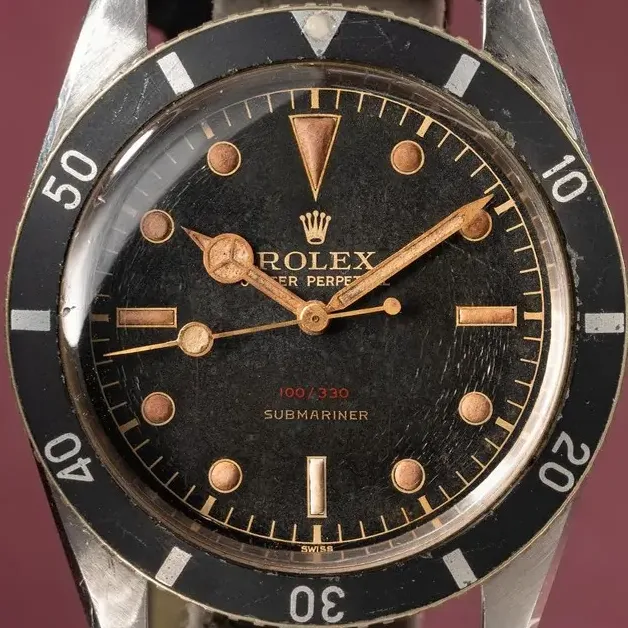
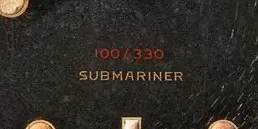
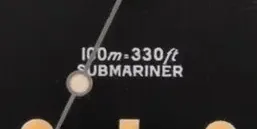
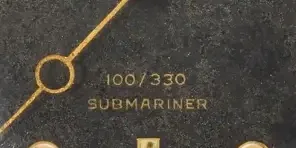
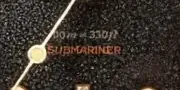
Red depth, 100/330
The first batches of the 6536/8 and 6536/1 have the depth rating printed in red above Submariner, without units, with Submariner in gold. Both are printed on top of the lacquer, not stencilled into the black paint. The red catches the light in relief. Published accounts confine the type to the first year of production, though one red-depth 6536/1 in the library's records has a case back stamped IV.56. It is the most desired dial.
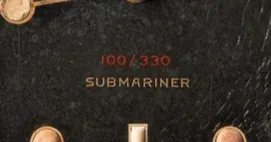
23 listings on record under the name.
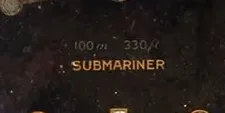
Gold depth, no units
A 1956 6536/1 dial prints the depth as figures with a slash and no units, in the same type as the red depth dial, but in gold.
- gold figures with a slash
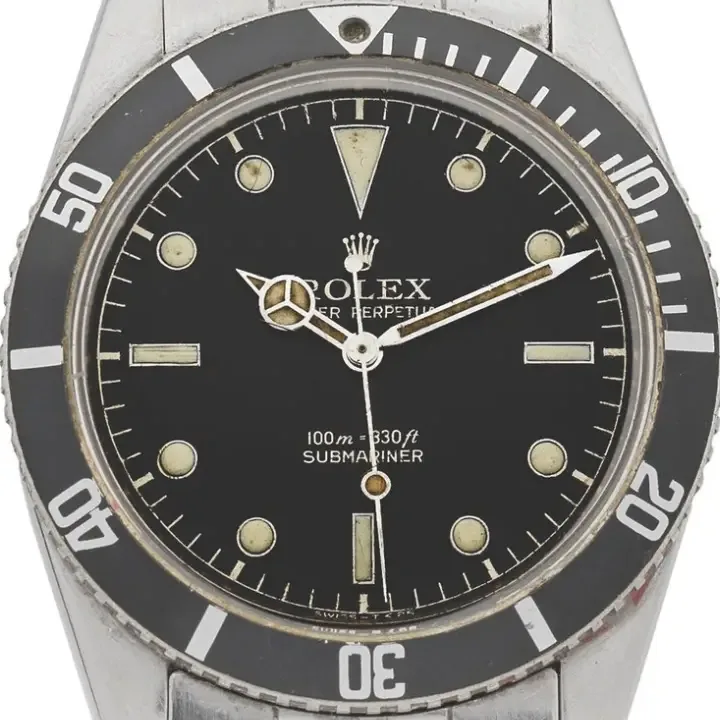
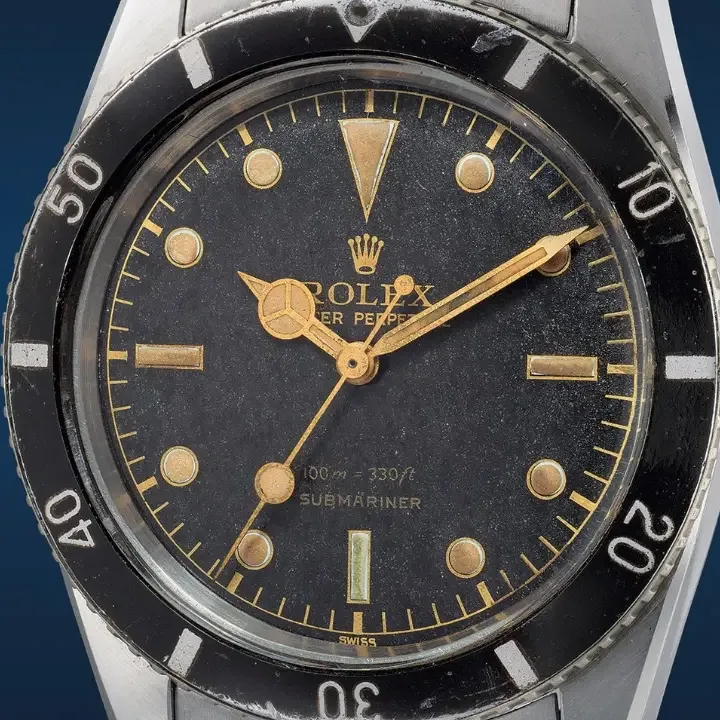
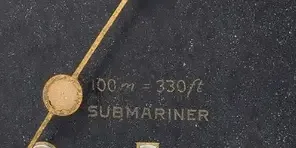
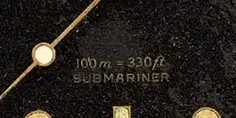
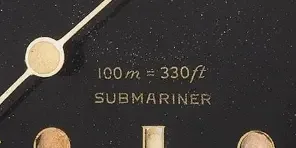
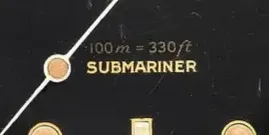
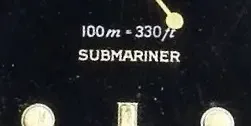
Gold depth, 100m = 330ft
The commoner 1956 type adds the units and an equals sign, in a slightly different typeface. The depth line fades from grey in earlier dials to whiter in later ones, and the gloss grows as well.
- m and ft in the depth line
- equals sign
Silver depth
Some 6536/1 dials, described with the chronometer calibre, have the depth line in silver and the rest of the print in gilt.
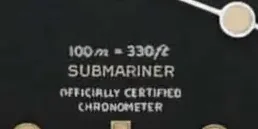
Four-line chronometer dial
Adds wording for the certified chronometer on later 6536/1 dials, reading Officially Certified Chronometer. The Superlative Chronometer wording belongs to the 5508 that followed. The name four-line is also given to dials without chronometer wording, counting the two lines at the top and the two for depth and name.
- four lines at 6
- Officially Certified Chronometer below Submariner
Lighter lume dot at 6
Many dials of the 6536/8 and 6536/1 have a stronger, whiter-ageing lume at the 6 o'clock dot to mark the bottom of the dial in the dark. It is original, though it can look like a bad restoration. It is gone by 1959.
- paler 6 o'clock marker
Tropical
Some dials have aged from black to brown, and sellers call them tropical. The brown is ageing of the black paint, not a colour Rolex made. Dated watches that sellers describe this way fall mostly between 1956 and 1958; those are the years of the watches so described, which is not a stated span of production.
- brown gloss dial
White dial
Reported very rare, with Mercedes hands and radium-coated markers on a white face. One example prints the waterproof rating and another, a 6536/1 of 1955, does not. An auction house catalogue of 2002 called the second a version without depth marking.
- white dial
- skeleton hands
Joyeria Riviera signed
A retailer in Havana had Rolex watches signed with its name on the dial, including the 6536.
- retailer name on the dial
Luminous material 1 described
Dial and hands are filled with radium that has stayed speckled under ultraviolet and gives a relatively high Geiger reading. A few sellers, and one published account, describe the lume as tritium, but the literature gives radium for every no-crown-guard Submariner of this period.
Radium
Hand-applied radium on the dial markers and hands. Full plots on an old gilt dial are unusual because the dial tends to chip.
Hands 5 described
The Mercedes hour hand is the established type, in gilt with flat tops. Its length and the seconds hand changed during the run.
Long-neck hour hand
The first 6536/8 and 6536/1 watches have a hour hand with a longer stem between the Mercedes symbol and the base, as on the 6200. It was used briefly in 1954 and 1955.
- long stem on the hour hand
Standard-length hour hand
The shorter hand that became the standard replaced it from 1956.
- shorter Mercedes hand
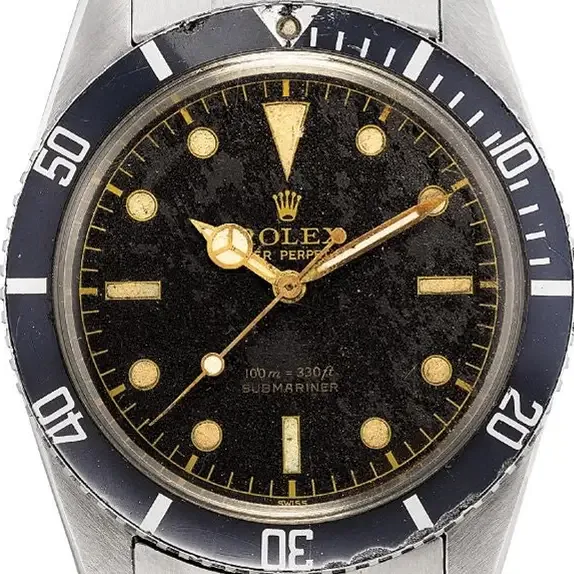
White lollipop seconds hand
The early big-bubble seconds hand is painted white; the round lume plot then shrinks, and the hand is finished in gilt late in the run. Dated watches that sellers describe this way fall mostly between 1955 and 1957; those are the years of the watches so described, which is not a stated span of production.
- white seconds hand with a large lume dot
Gilt seconds hand
Watches near the end of the run have a seconds hand in gilt to match the other hands.
- gilt seconds hand
Minute and seconds hand lengths
The 6536/1 hands are 0.5 mm longer than on the 6536/8 and the big-crown watches because its dial is 1 mm larger.
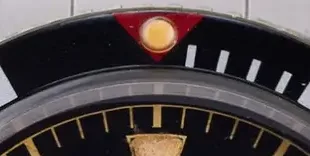
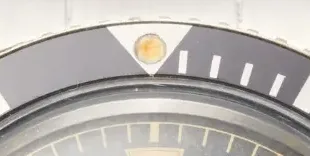
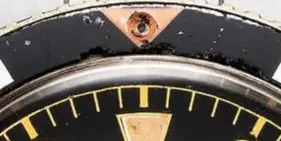
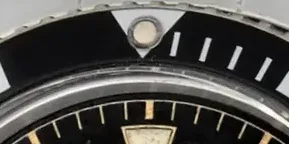
Bezel 3 described
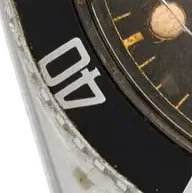
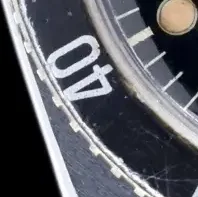
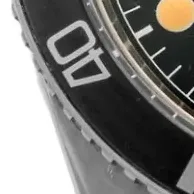
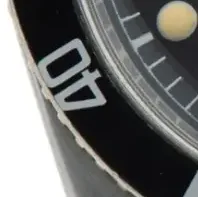
The insert is black anodised aluminium with a 60-minute scale and went through three stages. The bezel rim is blocky and gear-like, not scalloped. The 6536/8 bezel has slightly bigger knurling than earlier small-crown watches.
No-hash insert
All black with no individual marks for the first fifteen minutes and no triangle, like the first Submariner bezels. A small hollow holds a dot of lume that usually falls out.
- no markings between 0 and 15
Red triangle, no hash
The inverted red triangle is added at zero but the first fifteen minutes are still unmarked.
- red triangle without hash marks
Red triangle with hash marks
Hash marks for the first fifteen minutes arrive late, around 1958 and 1959, usually with the triangle and its pip. Some have hash marks without a triangle.
- hash marks 0 to 15 and a red triangle
Case 3 described
Three case forms exist. The case is thin, without crown guards, and the 6536/1 is thinner than the others.
6536/8 double reference
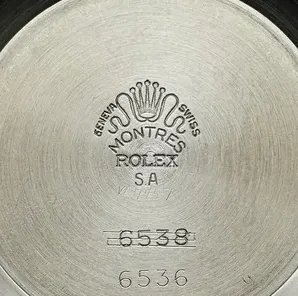
A transitional case thicker than the other small-crown ones and the same size as the big-crown case (about 37.5 mm and 15 mm). 6536 is engraved between the lugs while the back is stamped 6538, crossed out and re-stamped. Case number 89,348 is an example. It is usually put at 1954; some accounts place it a year later.
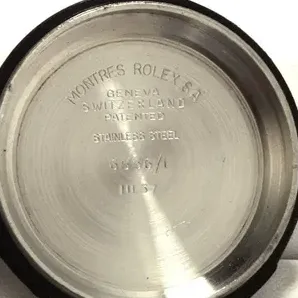
- 6538 crossed out inside the back
6536
The early small-crown case, about 13 mm thick. The later 6536/1 case is described as not as thick as this one.
6536/1
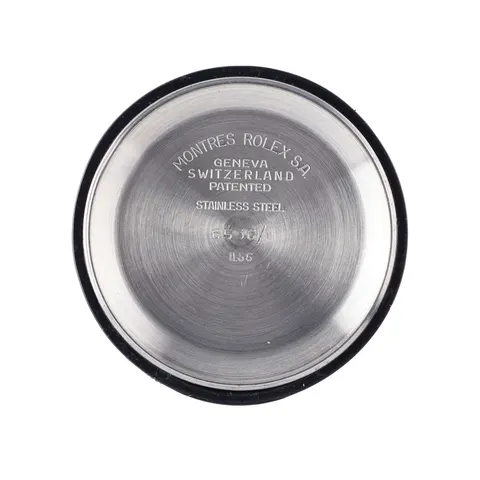
About 37 mm wide, thinner by about 3 mm than the 6536/8, with a flat back and the reference stamped inside with a date code and an 18 steel mark. Sides and lug tops have a light satin finish. Case numbers include 112,1xx in 1955 and 155,xxx in 1956. Other marks inside are service marks.
- flat caseback
- date code inside back such as IV.56
Crown 1 described
The crown is the 6 mm size used since the 6205.
6 mm small crown
Screw-down with the coronet and a + mark beneath it.
- small crown, no guards
Crystal 1 described
Crystal sizes differ between case forms.
Acrylic crystals
Domed acrylic. Number 16 fits the 6536/1 and the small-crown watches; the 6536/8 takes number 17 as on the 6538, with number 18 specific to its profile.
Movement 1 described
The calibre 1030 is used throughout.
Calibre 1030
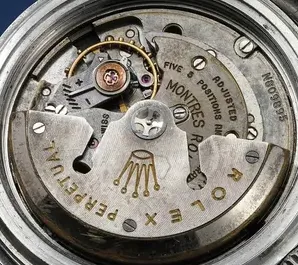
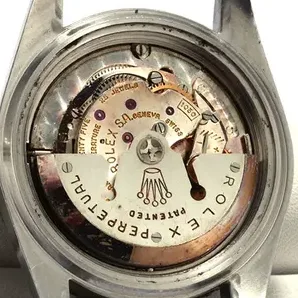
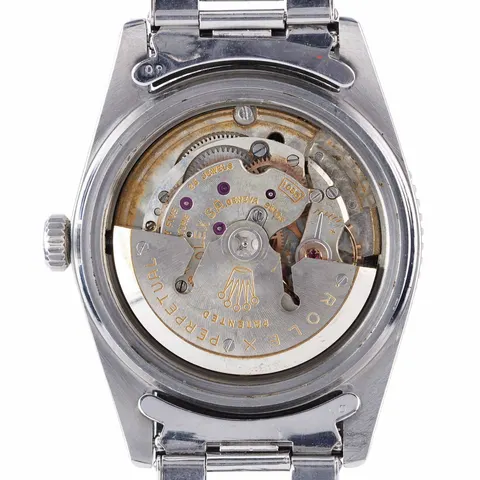
Automatic with a rotor that winds both ways, 25 jewels, rhodium plated, adjusted to temperature and five positions; it allows a flat back instead of the bubble back of the 6204 and 6205. Chronometer-rated watches came later in the run.
- flat back
Bracelet 1 described
Original bracelets are riveted Oyster bracelets made for Rolex by Gay Frères.
Riveted 7206
Spring-loaded rivet bracelet with 20 mm fixed end links typically marked 65 or 64, with 80 also recorded, and a stamped date code on the clasp, for example 4-56.
- end links 65 or 64
- date-coded clasp
Originality
- A lighter lume dot at 6 o'clock can look like restoration but is original on the early watches; sellers describe some dials as service replacements.
- Sellers describe some watches as having service replacement hands; well-kept examples are praised for hands that match the dial.
- Bezel inserts fade, and the insert should suit the year: no hash marks early, hash marks late in the run.
- The brass bezel loses its nickel plating with age.
- An original bracelet has a date code stamped on the clasp, and its end links are usually numbered 65 or 64.
Names
- Small Crown. The 6 mm crown is smaller than the 8 mm crown of the 6538.
- Red Depth. The earliest dials have the depth rating in red.
- Double reference. The 6536/8 shows both 6536 and 6538 in its case.
- No crown guard. The case has no crown guards.
- James Bond. Sellers apply the name to any no-guard Submariner, though the watch worn on screen was the 6538.
Where accounts differ
Points on which the published literature and the library's own records do not agree, or on which the literature contradicts itself.
- Dates of production. Two accounts give 1956 to 1958, the first calling it a model of about three years; another gives 1954 and 1955; the other sources 1955 to 1958 or 1959.
- Depth line. One account writes the earliest depth print as 100/300, another as 100/330. A hundred metres is about 330 feet, so 330 is the correct conversion.
Back and movement
From listings of this reference, each confirmed by eye to show what it is filed under. A picture on which a person's name or a personal engraving can be read is not shown. From most holders a detail from the middle of the photograph is shown; the mark in its corner gives its holder and a link to the listing.
Caseback
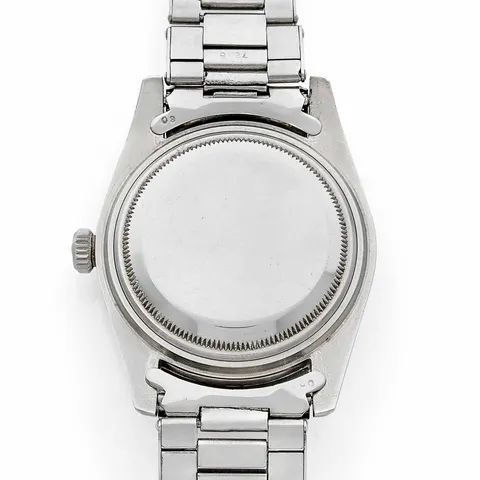
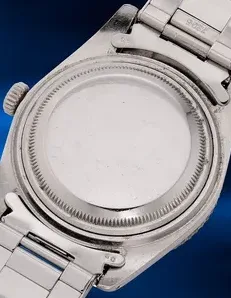
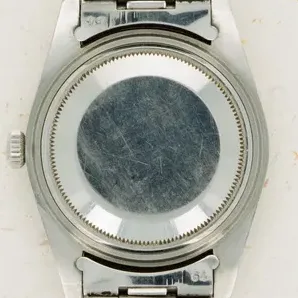
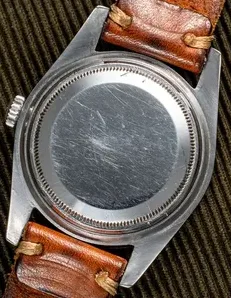
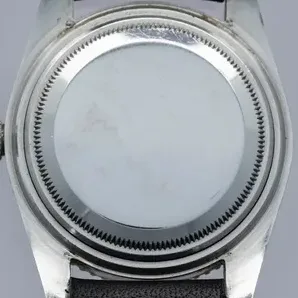
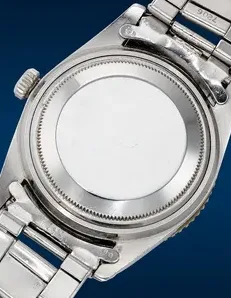
Inside the caseback
Movement
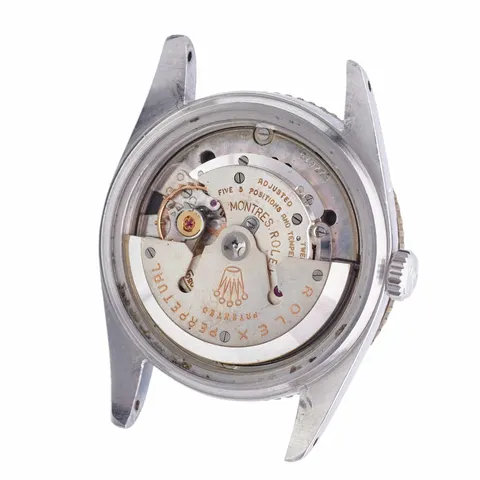


Catalogue versions 1 listed
The full numbers under which holders list this reference, with what their listings say of each. Each has a page of its own.
| Version | Metal | Dial | Years seen | Records |
|---|---|---|---|---|
| 6536/1 | Steel | Black | 1955–1959 | 64 |
In the records
Counted from 189 listings at 29 holders between 2 December 2009 and 14 November 2026. These are what sellers and auction houses state, not measurements.
Fainter bars are the 3 outside the main run of 1955–1958 (the middle nine-tenths): the earliest is 1954 and the latest 1962. They are early and late examples, and now and then a number misread. The head of the page gives 1954–1959: the years that listings from two holders bear out.
1 listing dated long after the reference ended is set aside and not counted here: a year that late belongs to a later watch sold under the old number, or to a listing filed under the wrong one.
Case metal
| Steel | 144 |
Dial colour
| Black | 45 | |
| Brown | 8 | |
| Red | 8 |
Case size
| 37 mm | 58 | |
| 38 mm | 38 | |
| 36 mm | 4 |
Calibre named
| 1030 | 111 |
Bracelet or strap
| Oyster bracelet | 51 | |
| Metal bracelet, kind not stated | 16 | |
| Leather strap | 10 | |
| Jubilee bracelet | 4 | |
| Fabric strap | 3 |
Each table counts the listings that state the thing, in the seller's own terms. A size, metal, colour or calibre that cannot belong to this reference is a seller's slip or a listing filed under the wrong number.