Submariner (no date)
The 14060 is the date-less steel Submariner that replaced the 5513 around 1990 and ran, as the 14060M from 1999, until about 2012, when the Super Case 114060 took over. It brought the sapphire crystal, Triplock crown, 300 metre rating and a 28,800 beats per hour movement to the no-date model, while keeping the slim pre-Super Case body, drilled lug holes, an aluminium bezel insert and a stamped clasp. The two-line 14060M is described as the last Rolex without an engraved rehaut. Collectors sort it by the dial text and lume (tritium 'T<25', 'SWISS', 'SWISS MADE'), by two-line against four-line dials, and by calibre 3000 against 3130.
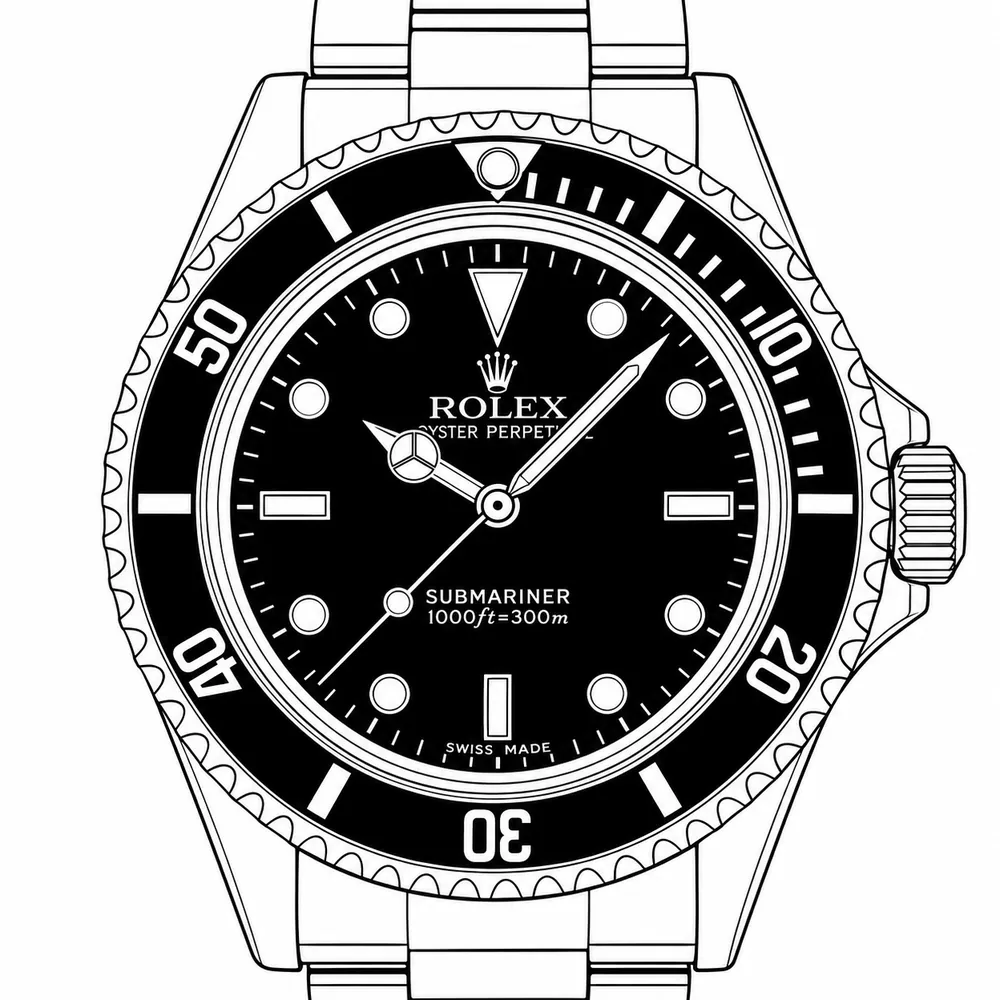
- Made
- 1990–2012dates approximate
- Seen in the library
- 1990–2012nine in ten in 1991–2010 · by case numbers
- Case
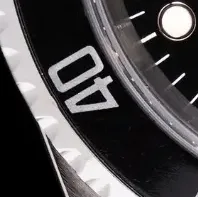
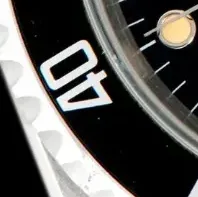
- 40 mm · steelas sellers state
- Movement
- Calibre 3000, 3130automatic
- On record
- 1,880 listings5,974 photographs · 62 holders
Components
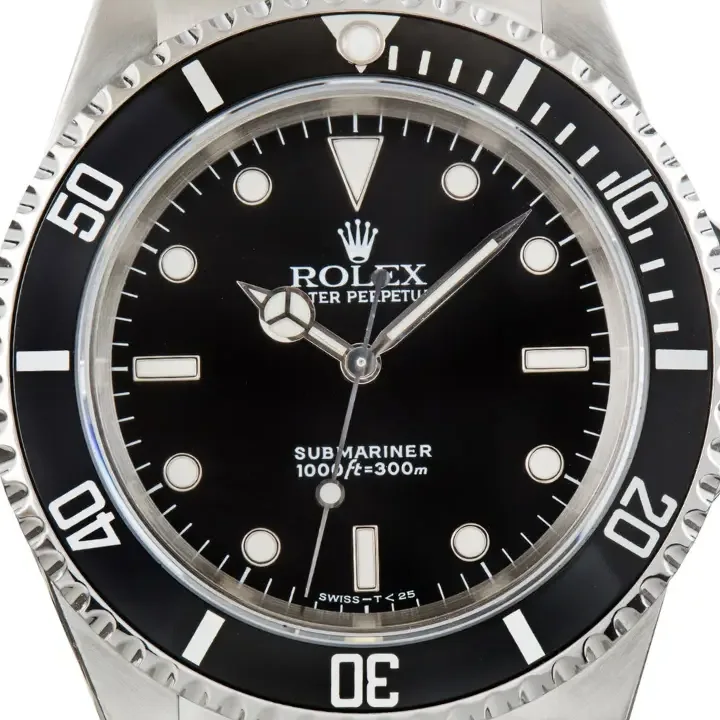
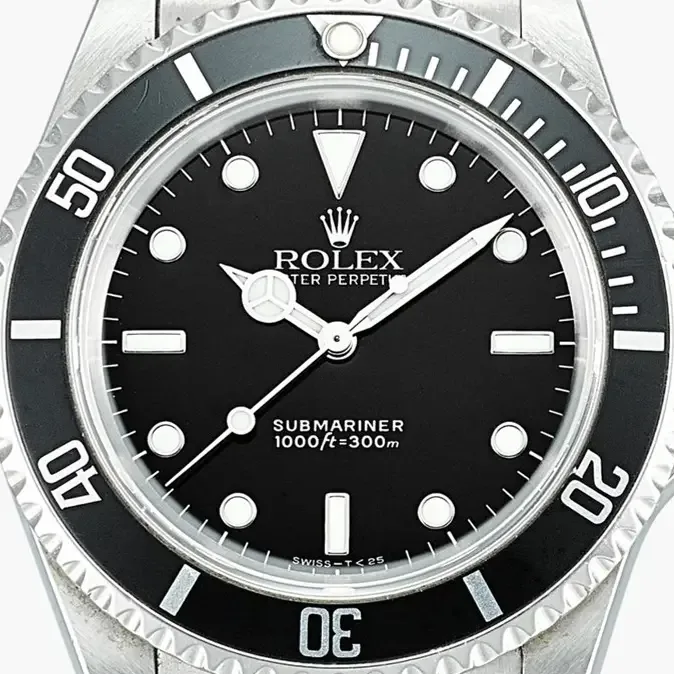
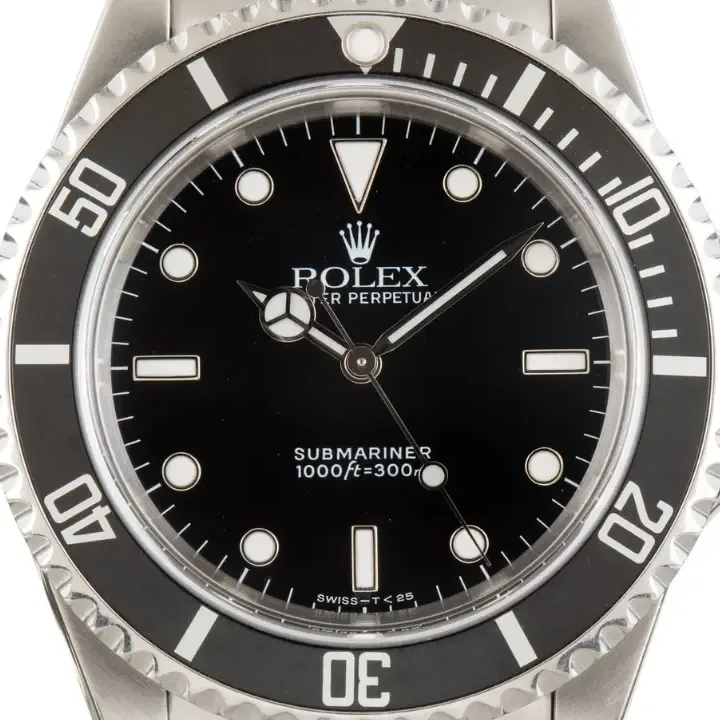
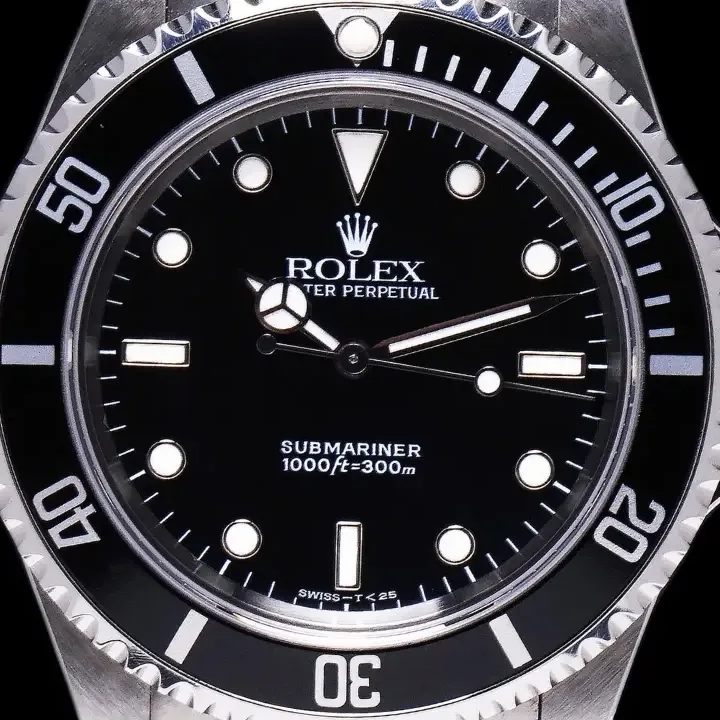
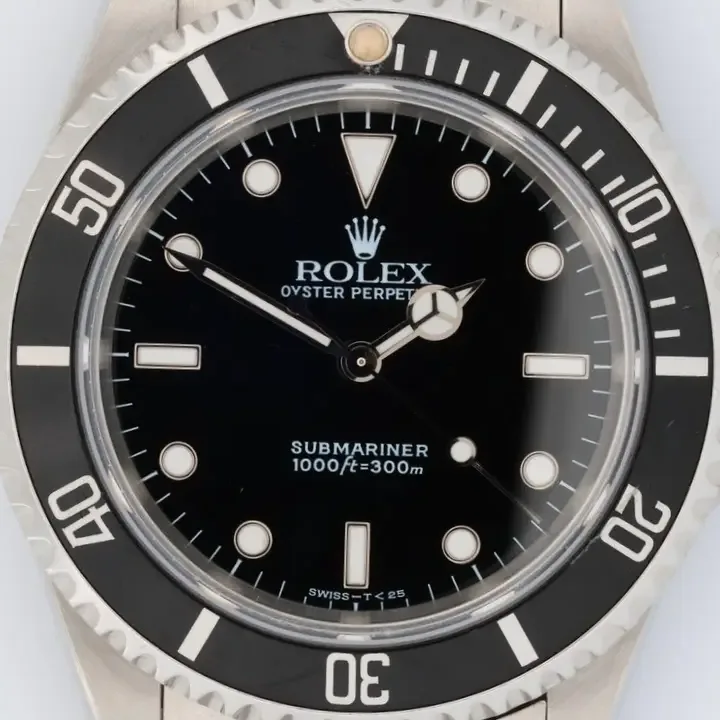
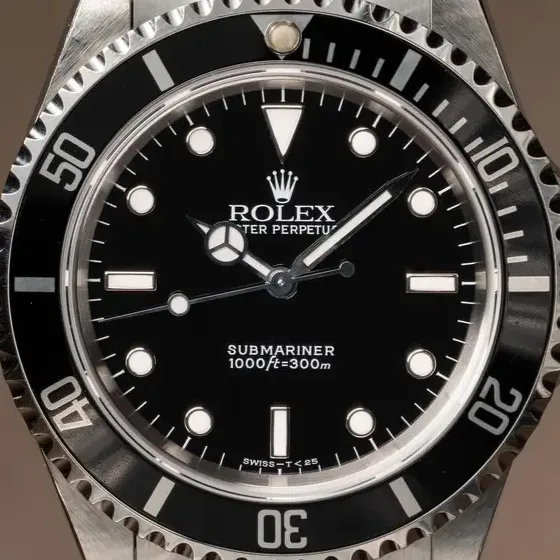
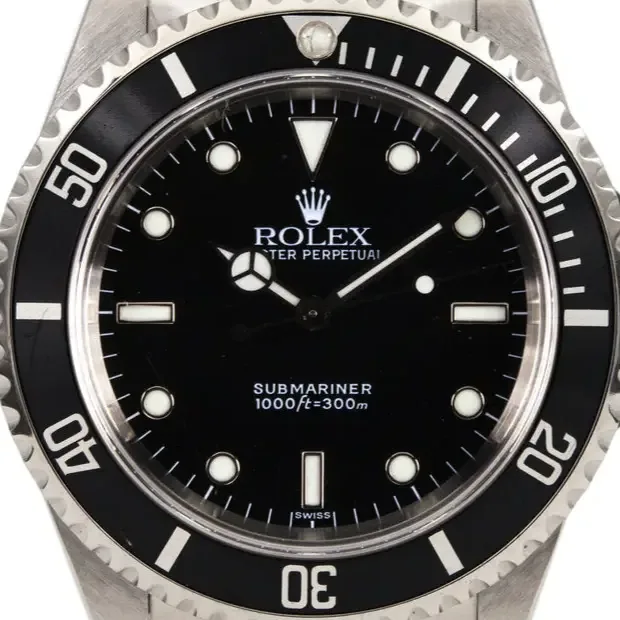
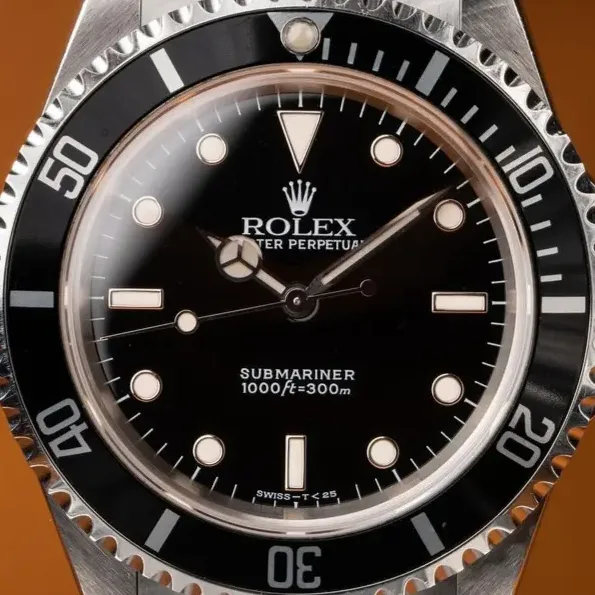
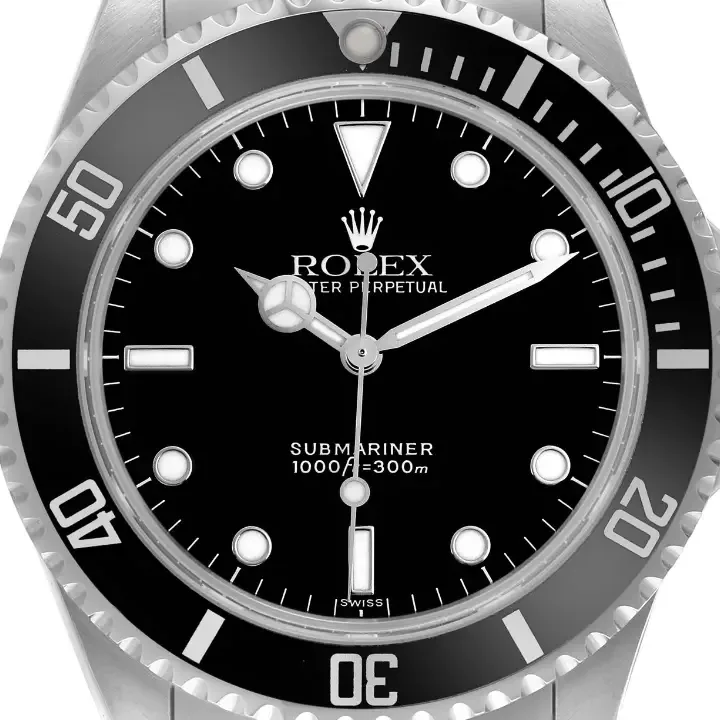
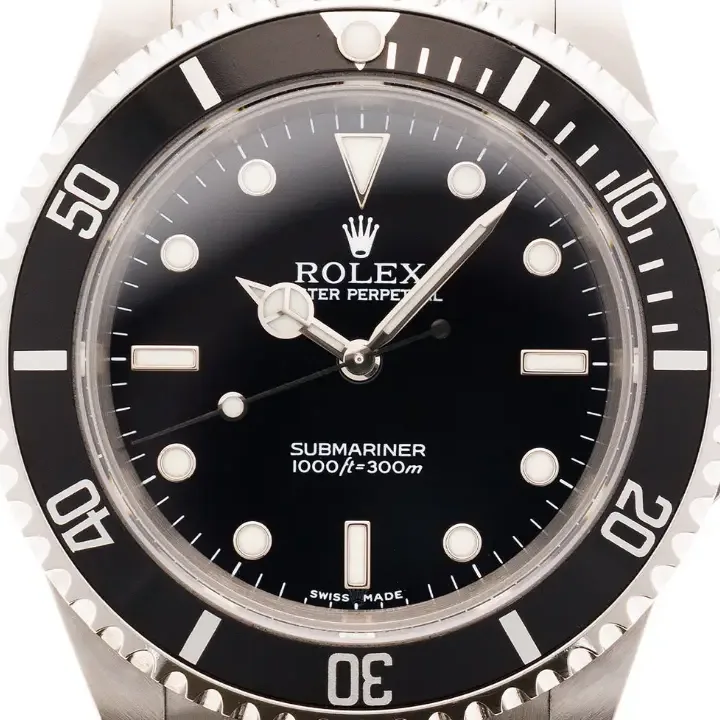
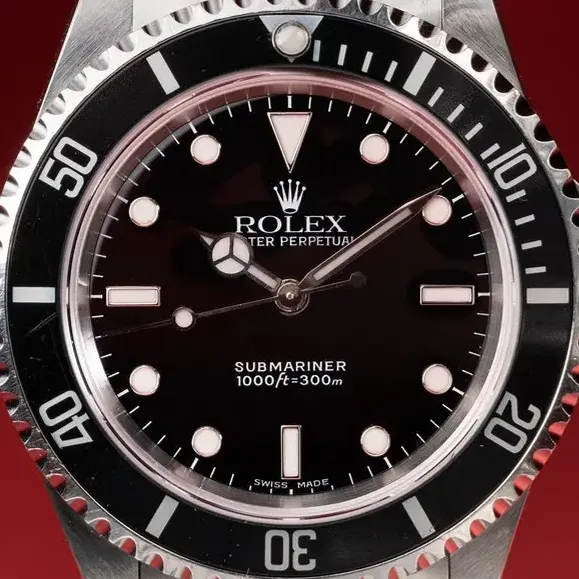
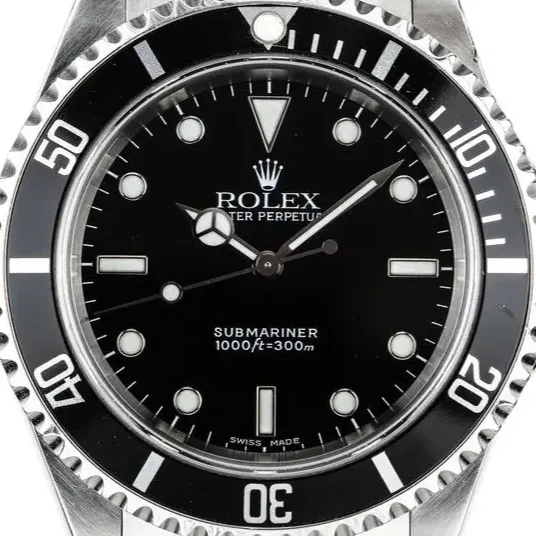
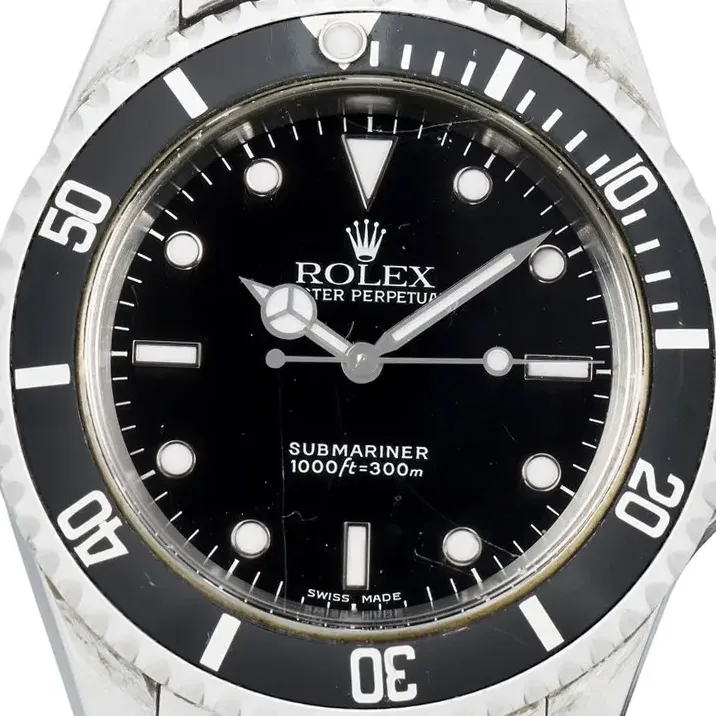
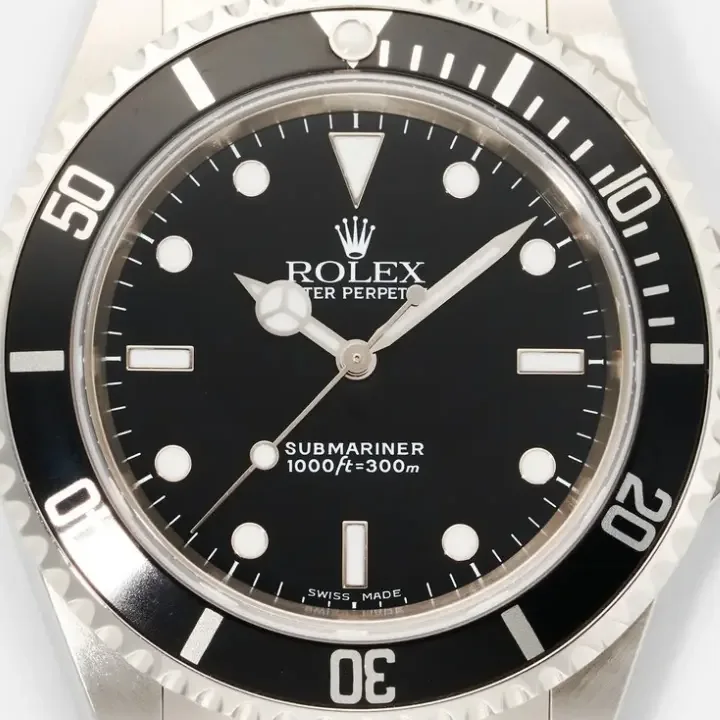
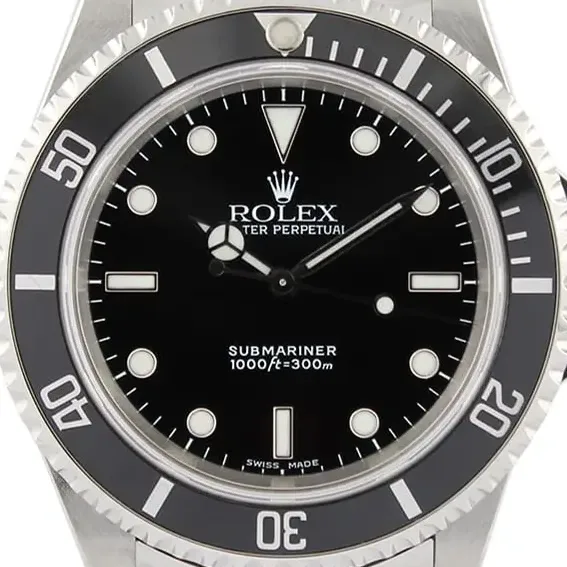
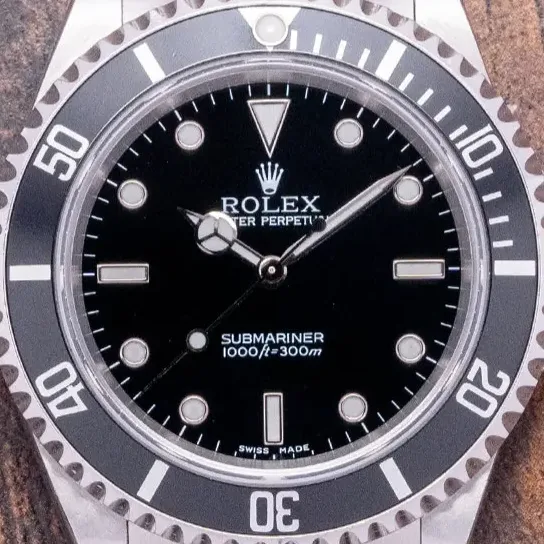
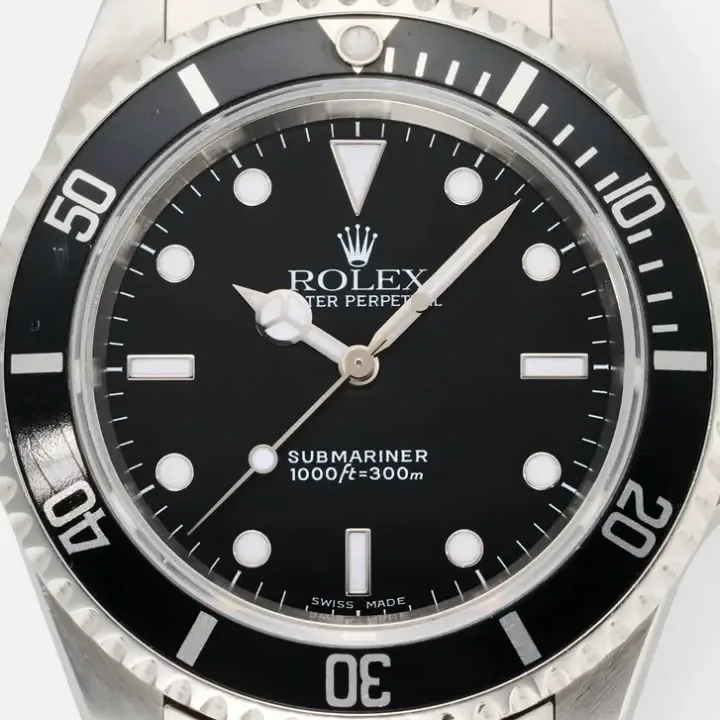
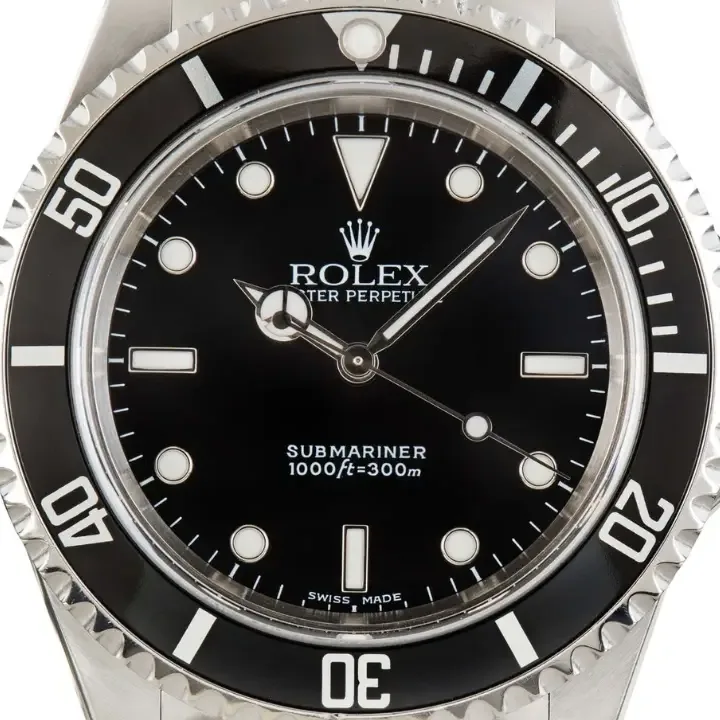
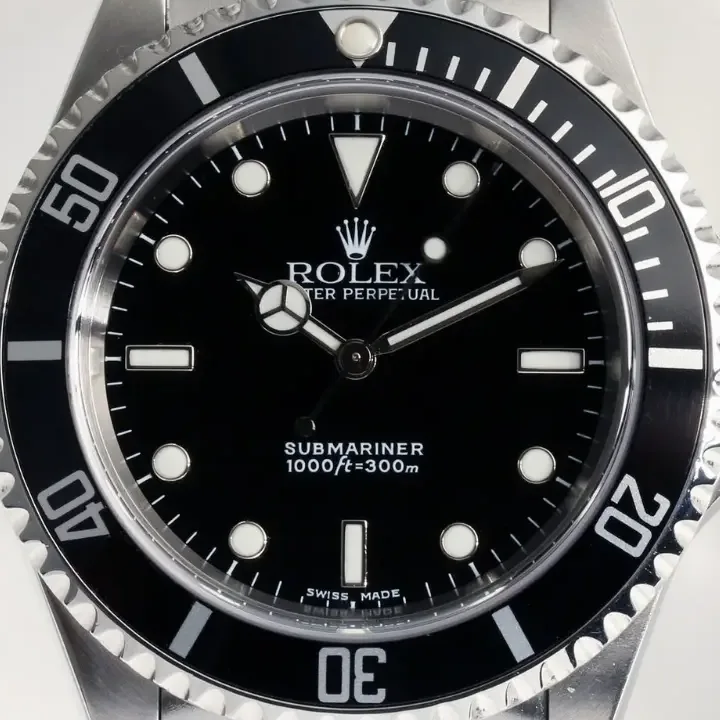
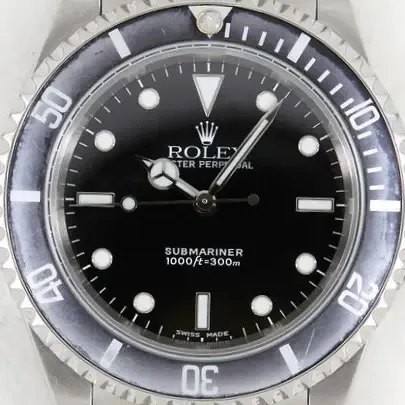
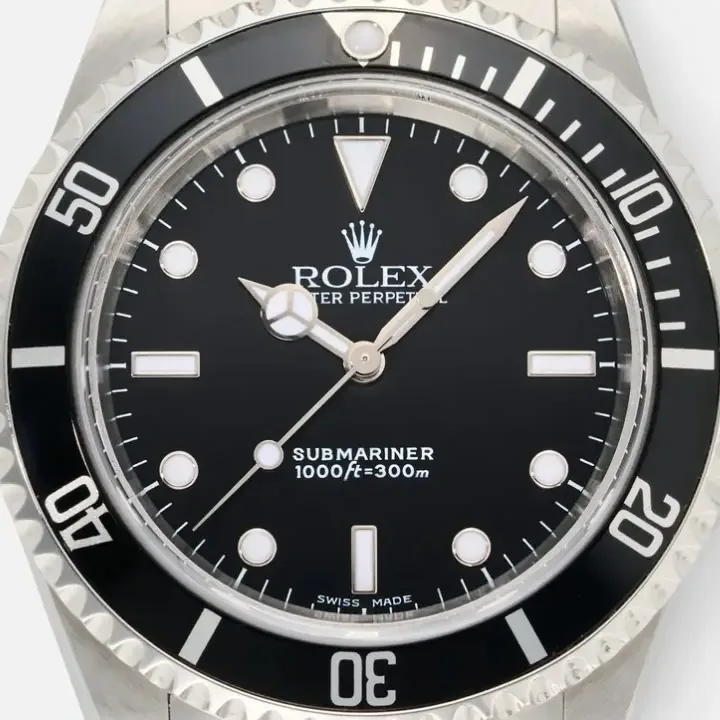
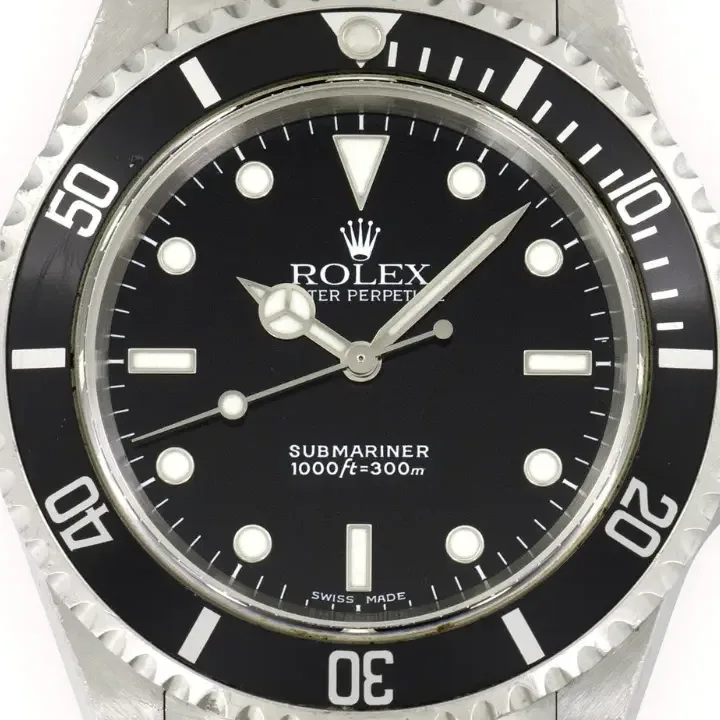
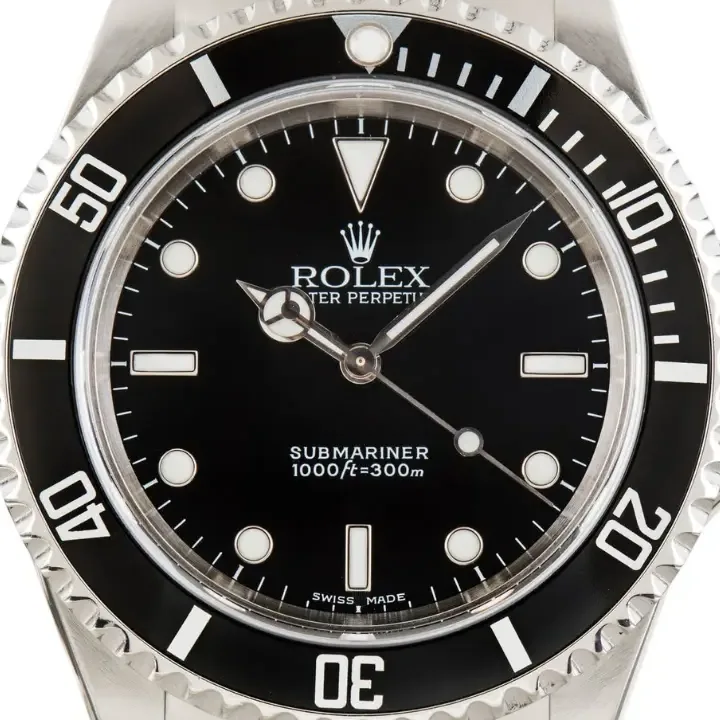
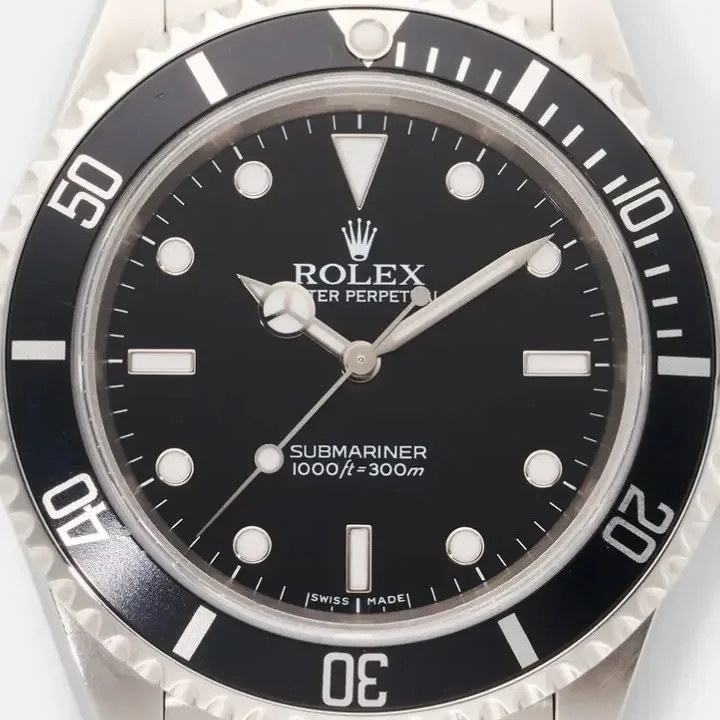
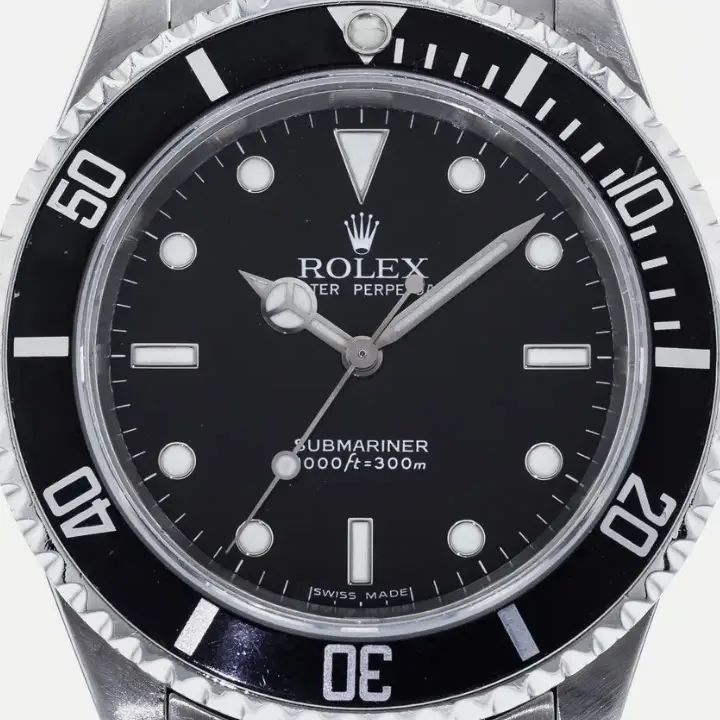
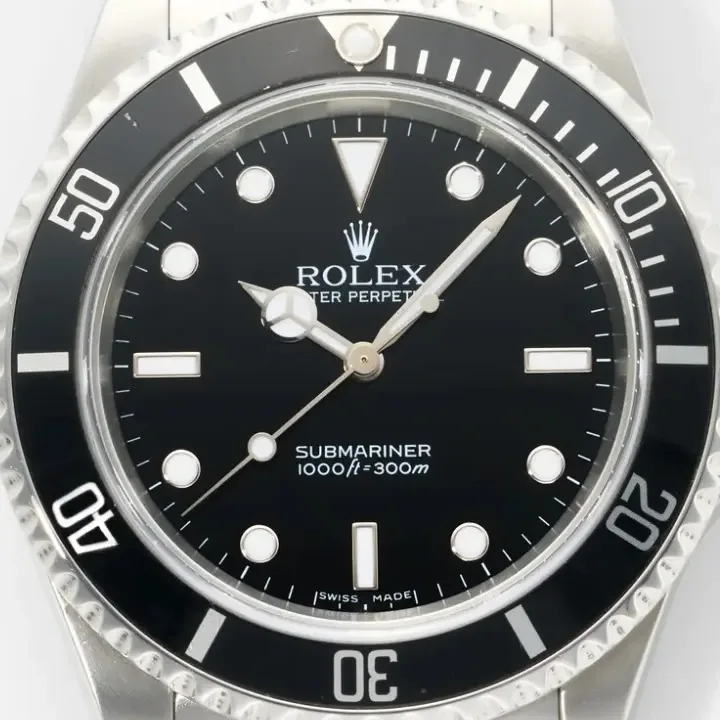
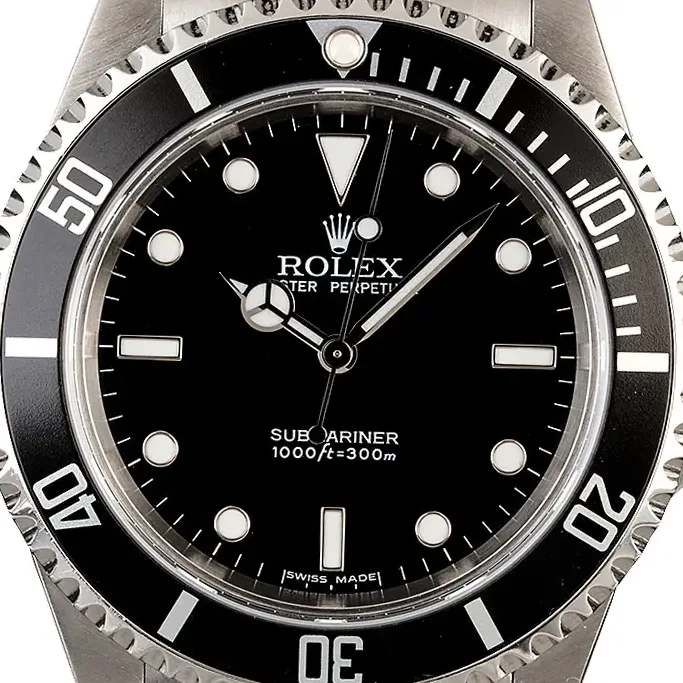
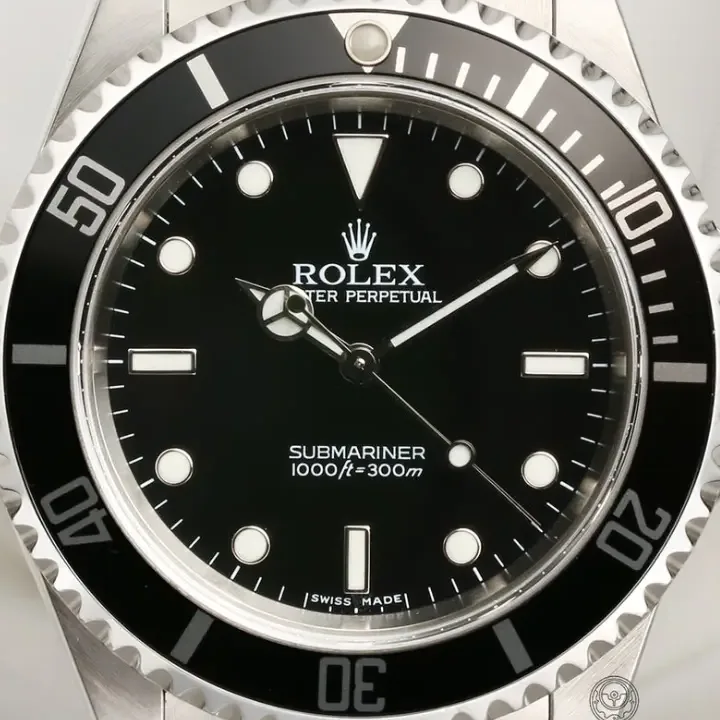
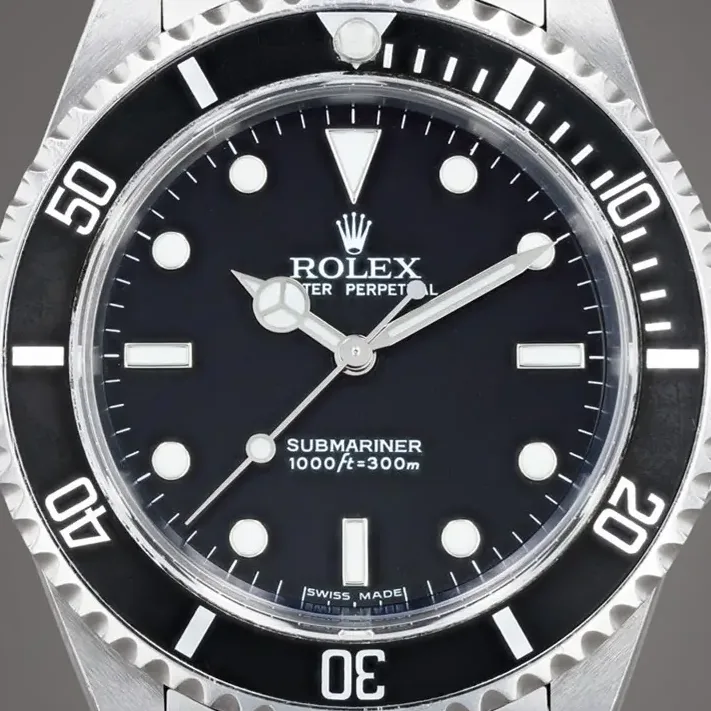
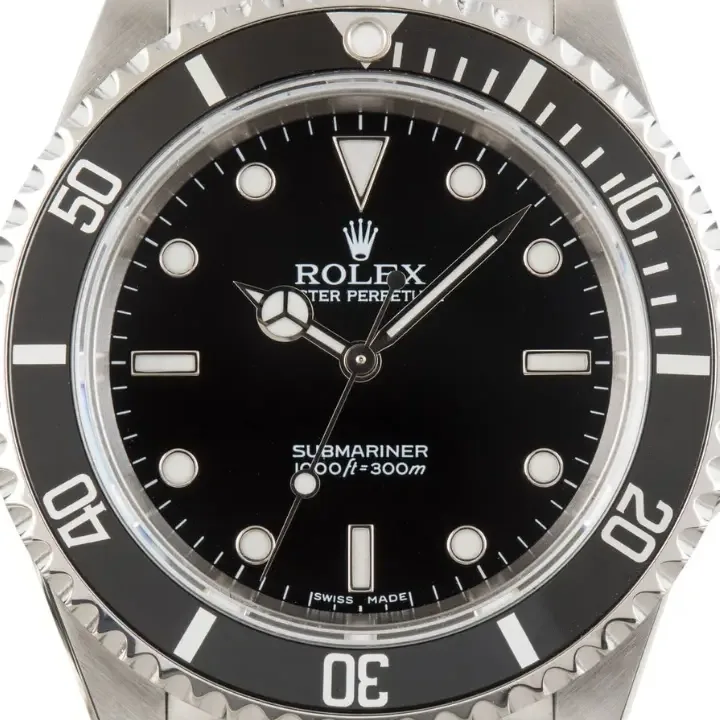
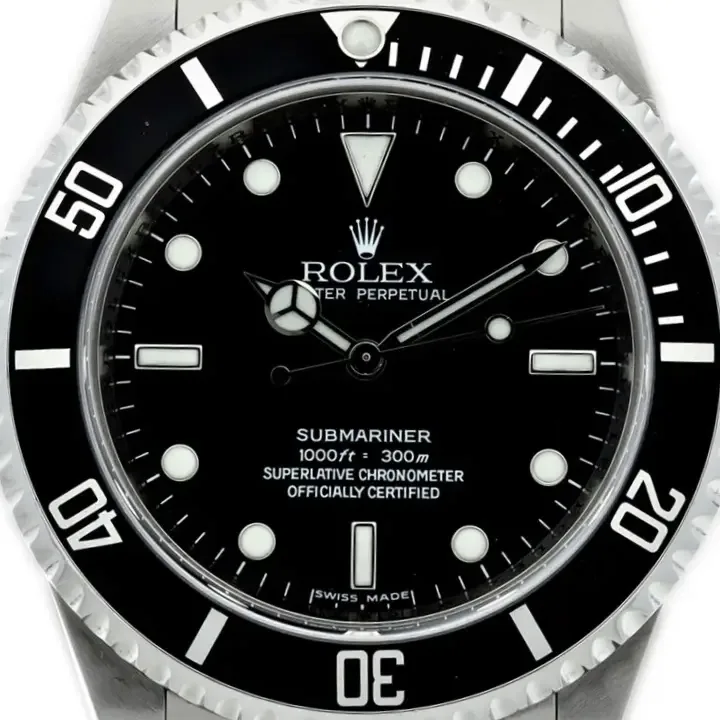
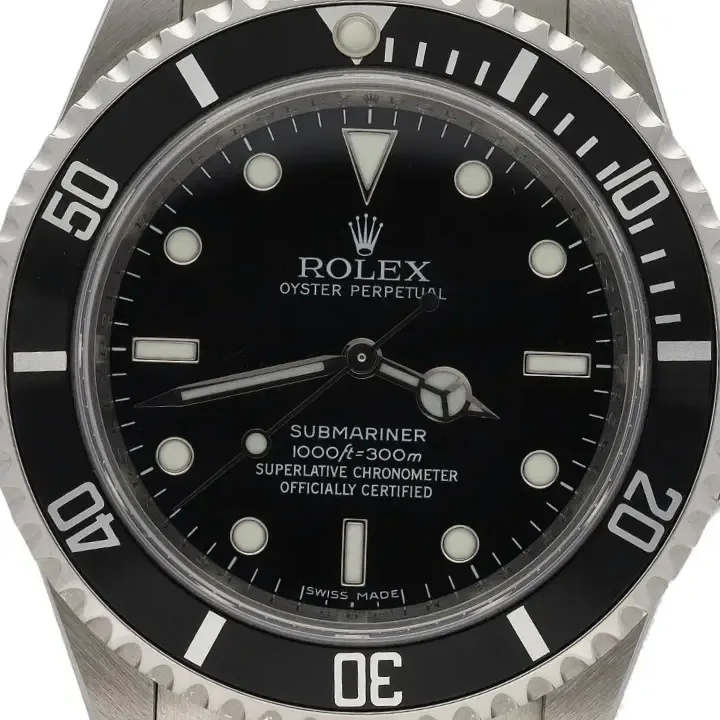
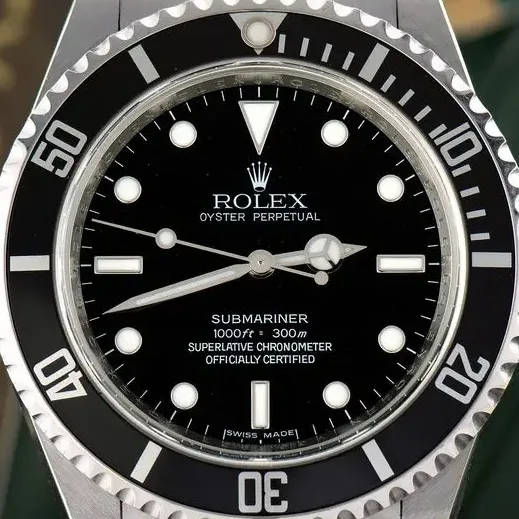
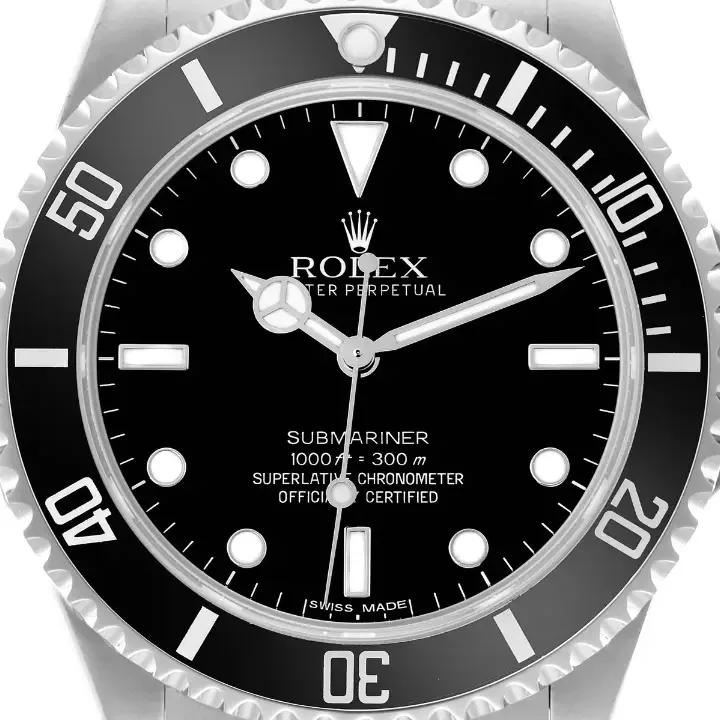
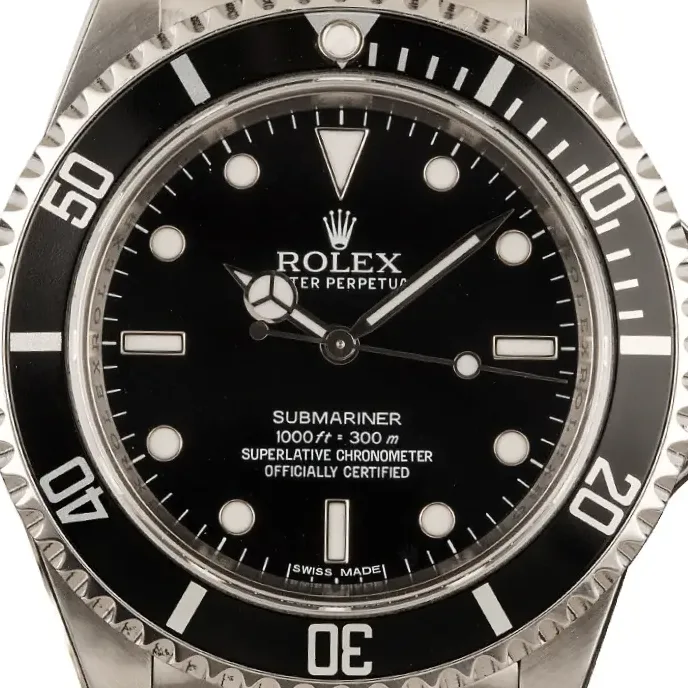
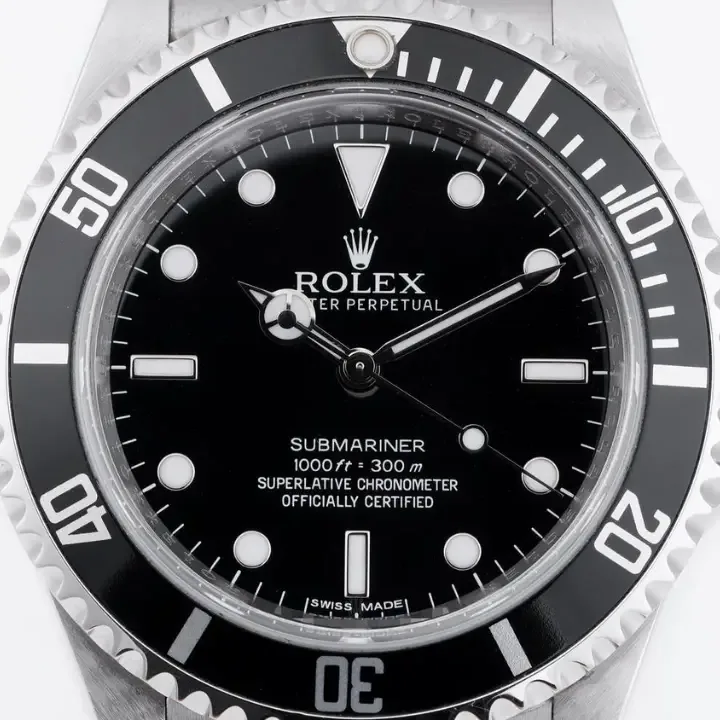
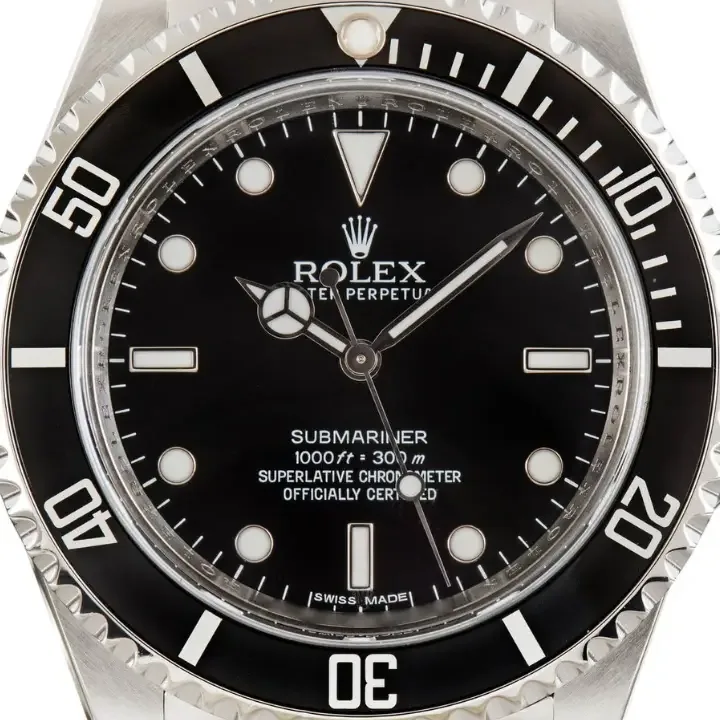
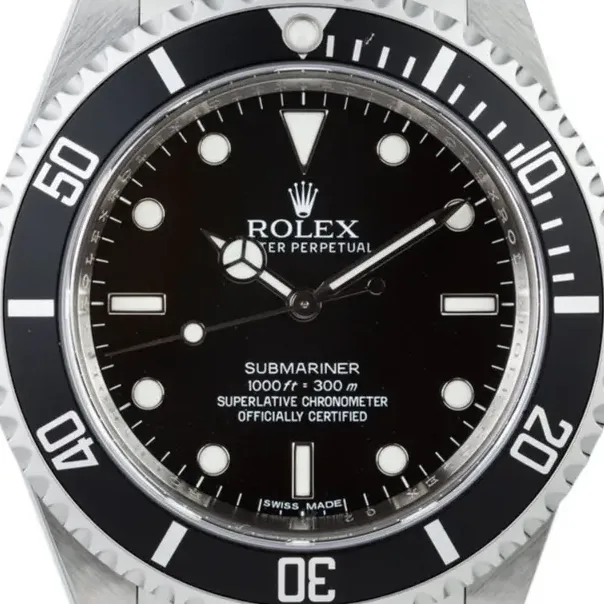
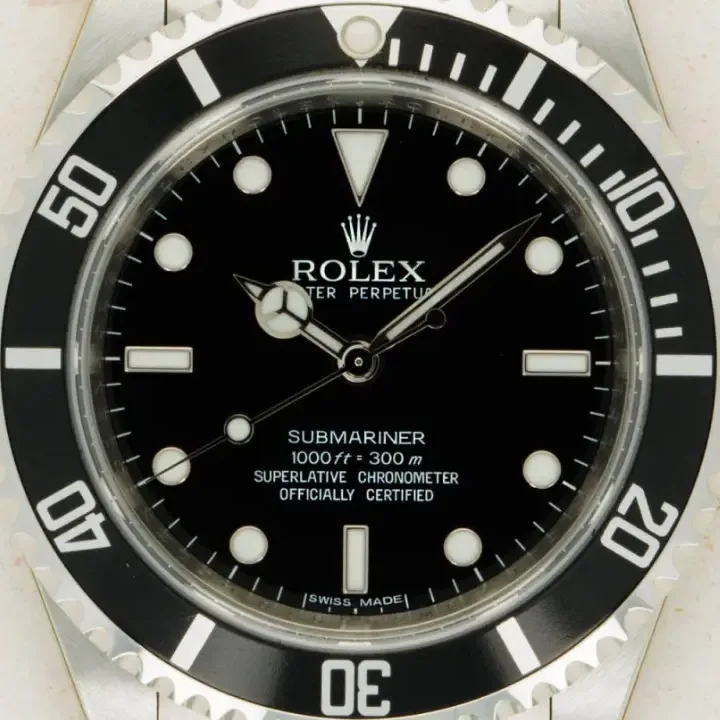
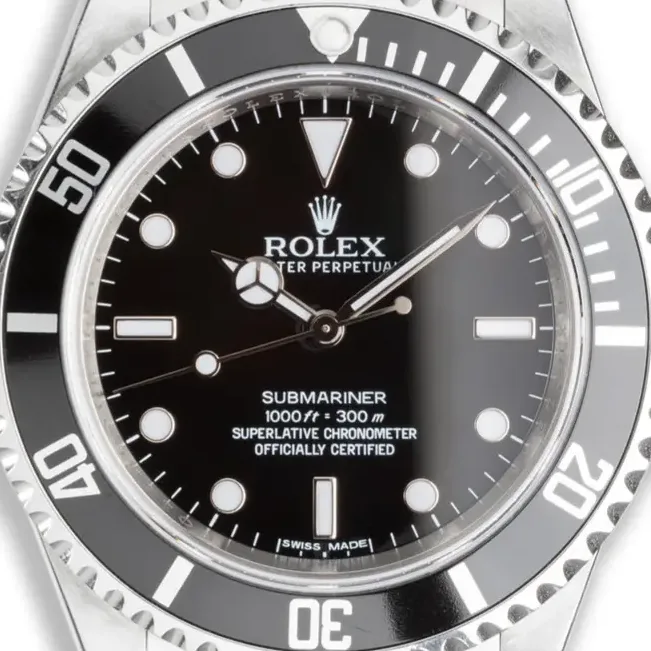
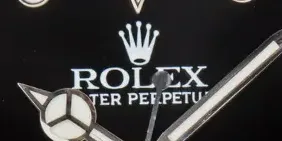
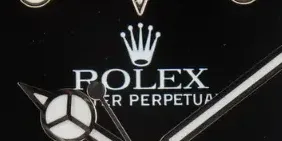
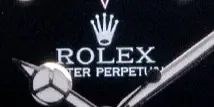
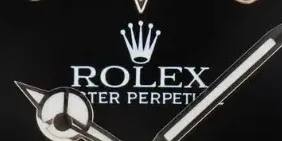
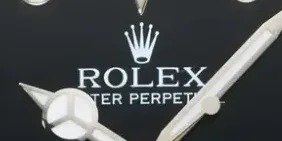
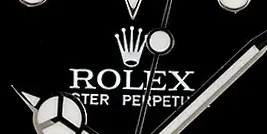
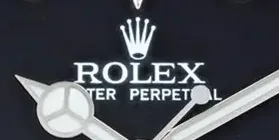
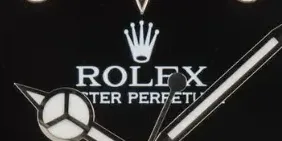
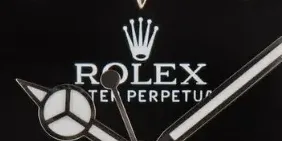
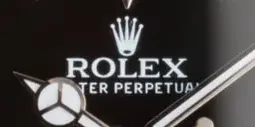
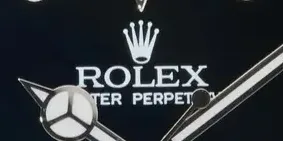
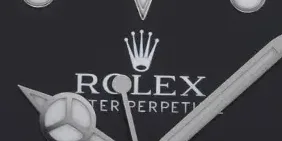
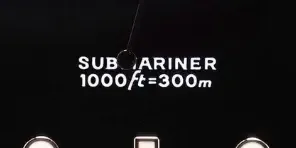
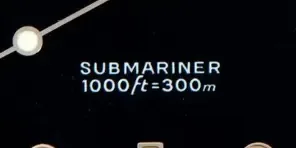
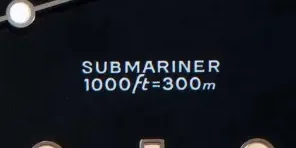
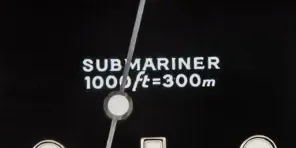
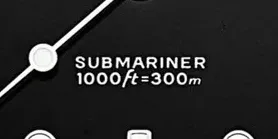
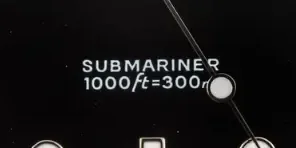
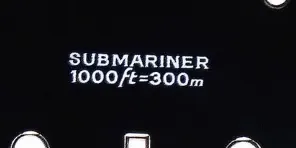
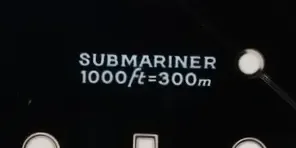
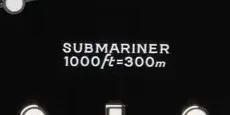
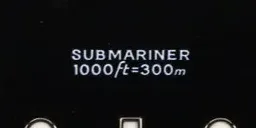
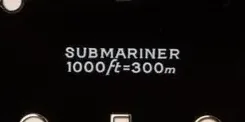
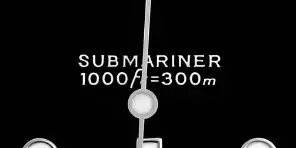
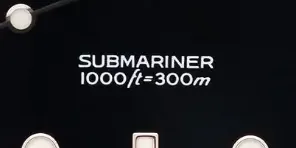
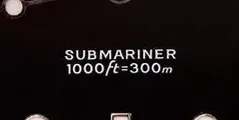
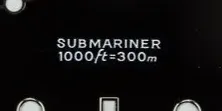
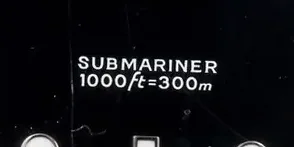
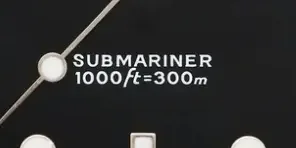
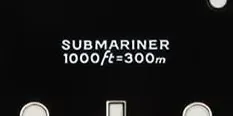
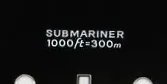
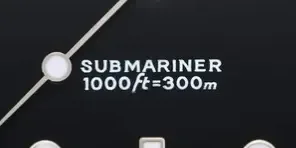
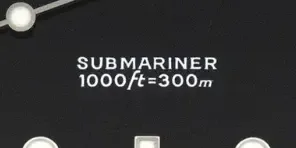
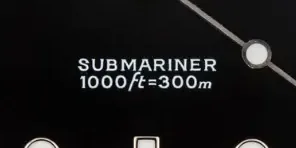
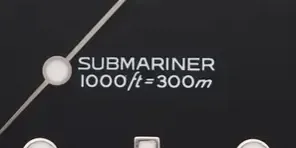
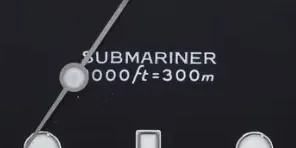
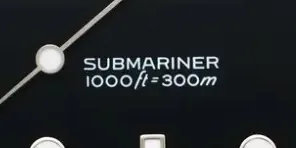
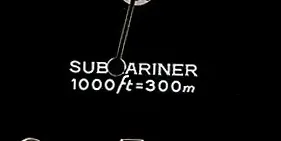
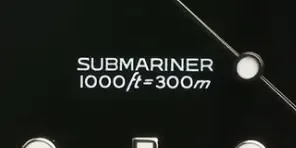
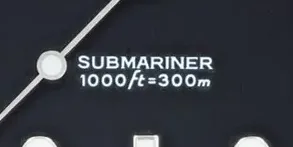
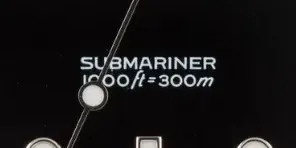
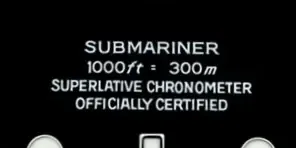
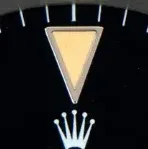
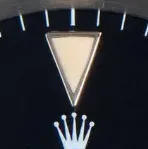
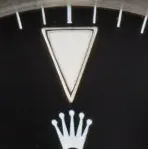
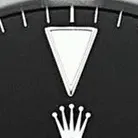
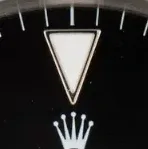
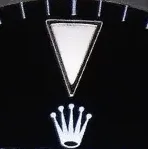
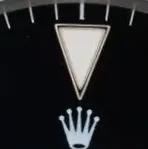
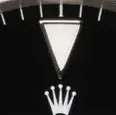
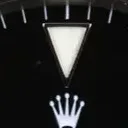
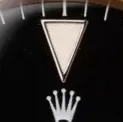
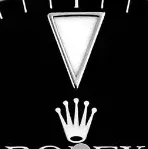
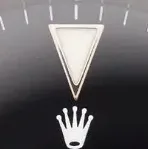
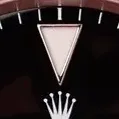
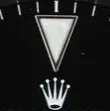
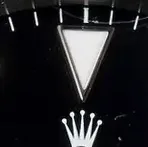
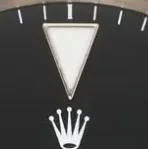
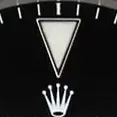
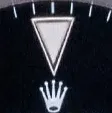
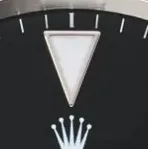
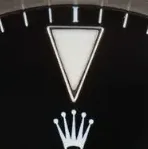
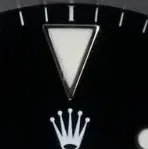
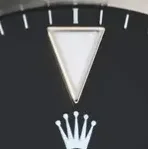
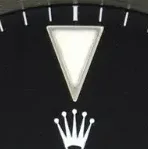
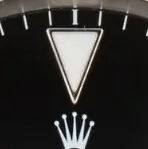
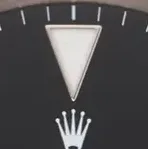
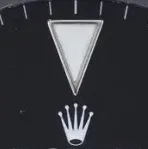
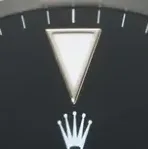
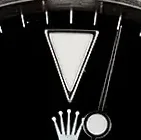
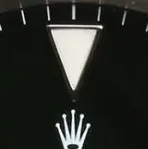
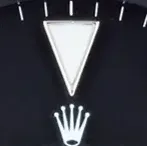
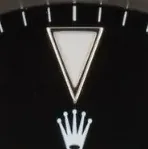
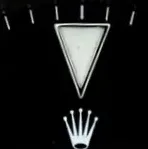
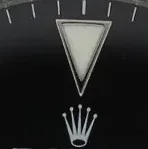
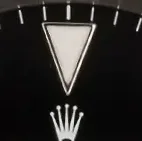
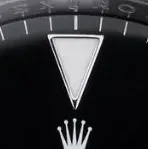
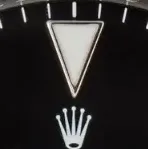
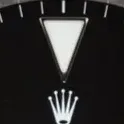
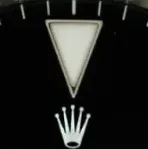
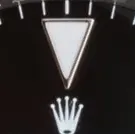
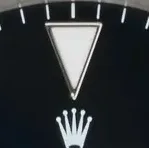
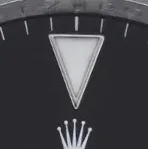
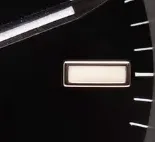
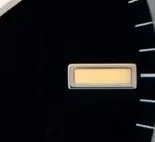
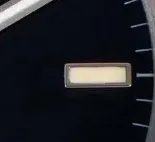
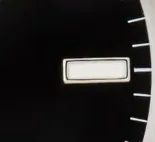
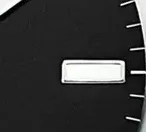
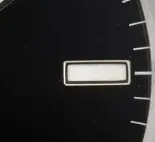
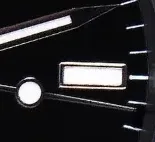
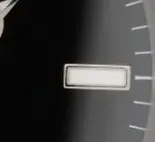
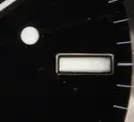
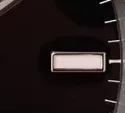
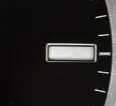
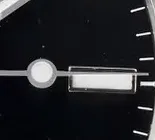
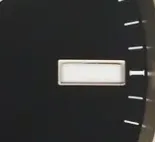
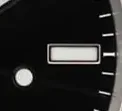
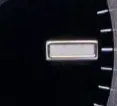
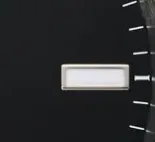
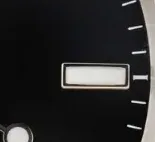
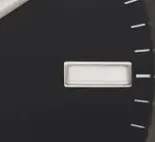
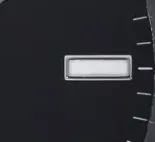
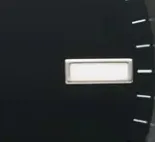
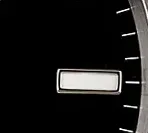
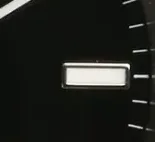
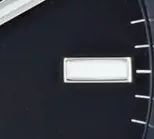
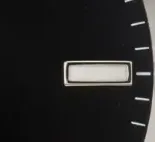
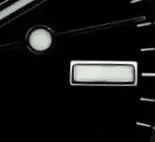
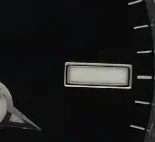
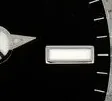
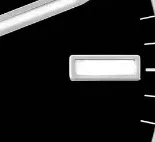
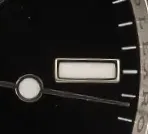
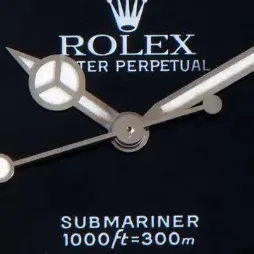
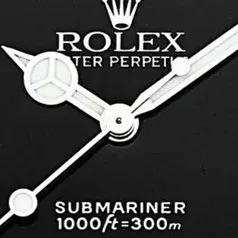
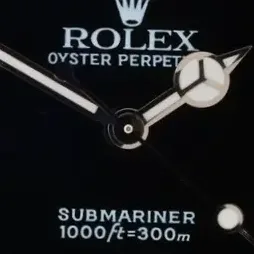
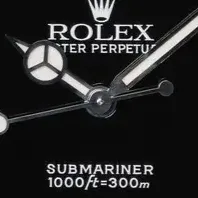
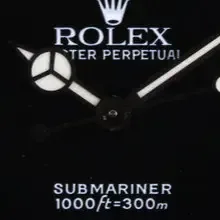
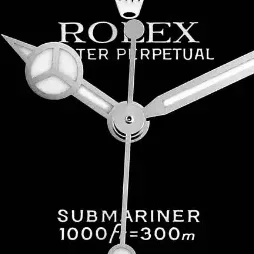
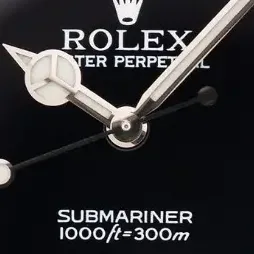
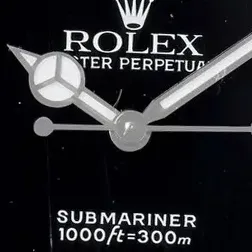
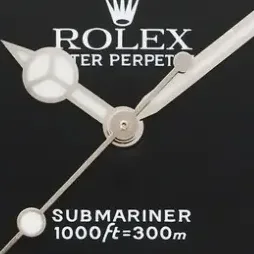
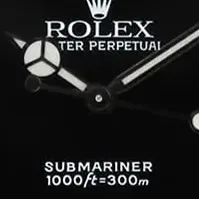
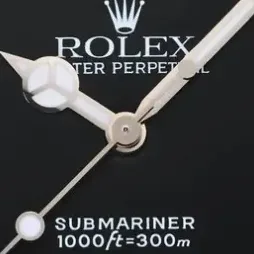
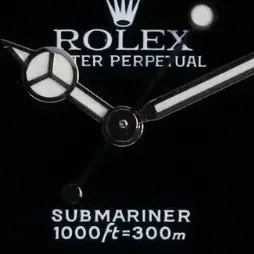
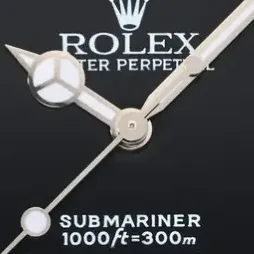
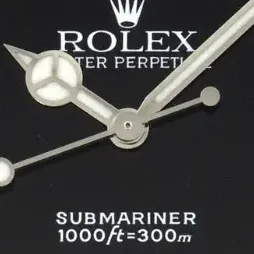
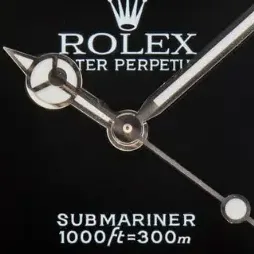
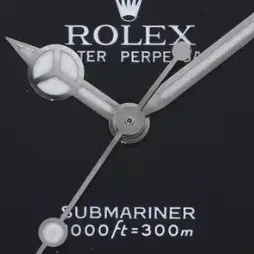
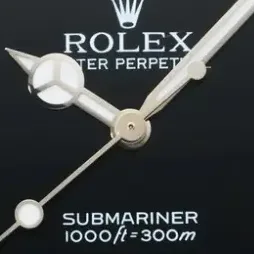
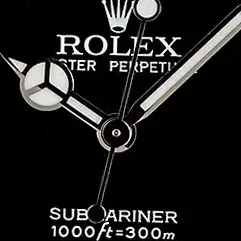
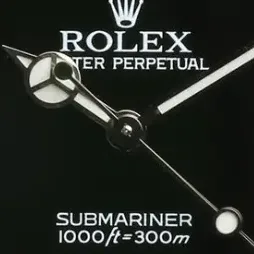
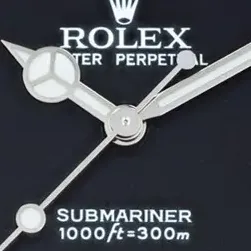
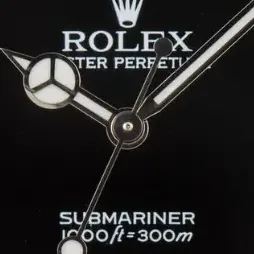
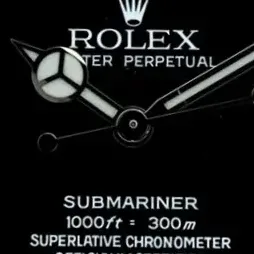
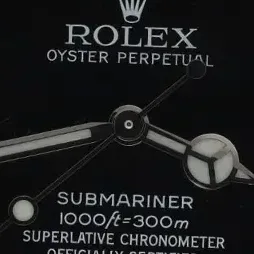
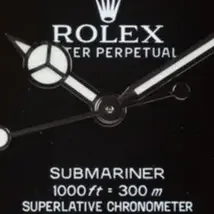
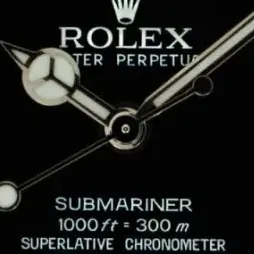
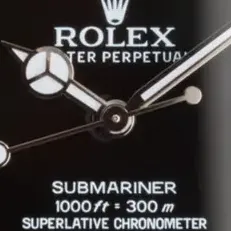
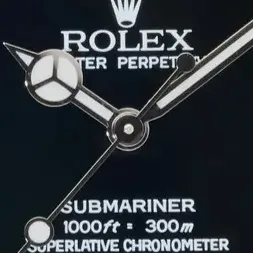
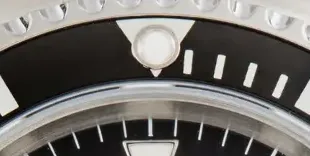
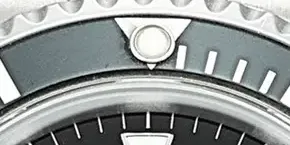
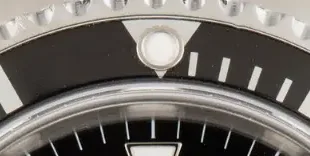
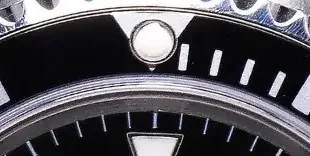
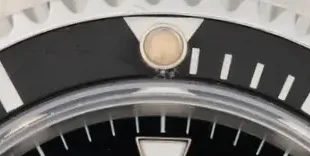
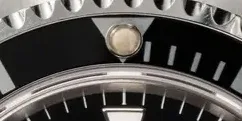
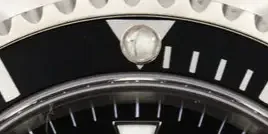
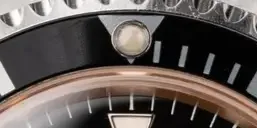
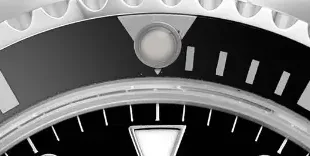
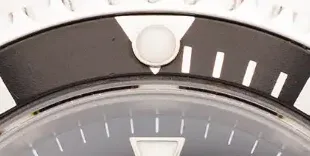
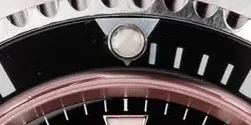
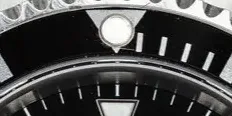
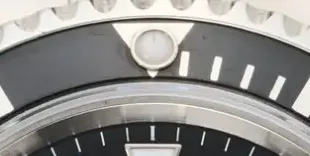
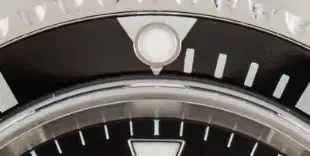
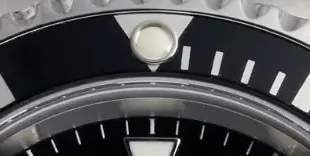
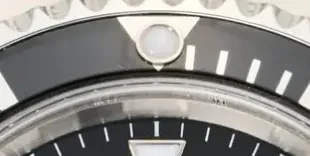
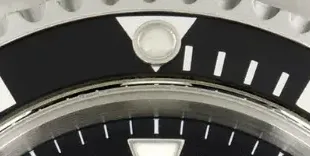
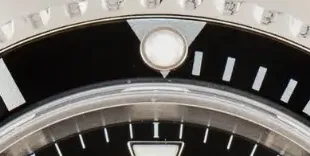
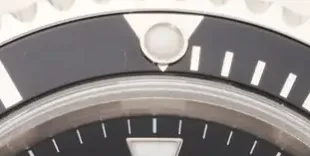
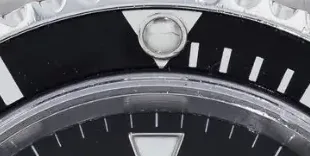
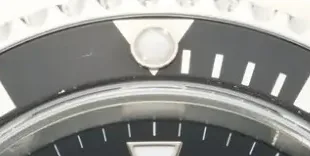
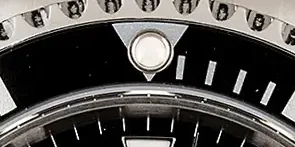
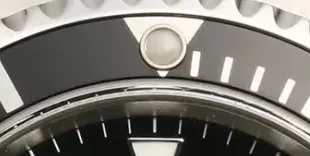
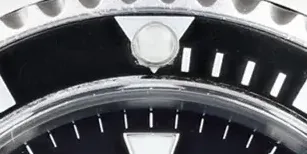
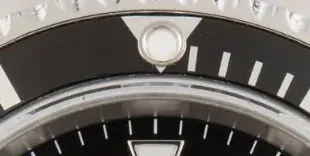
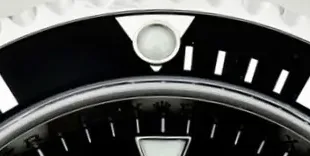
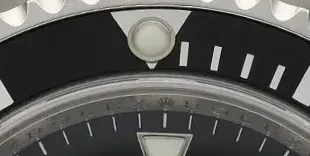
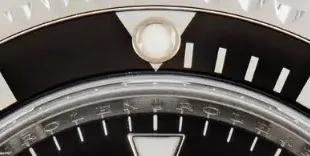
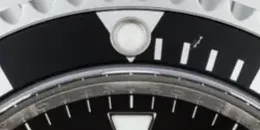
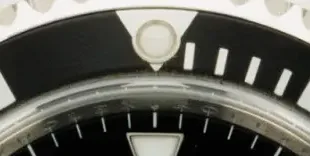
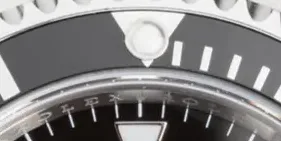
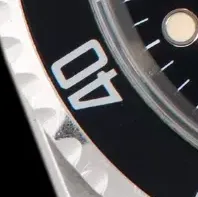
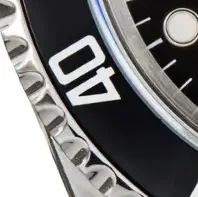
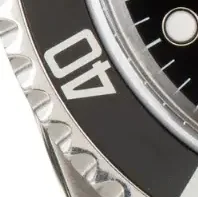
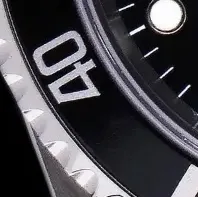
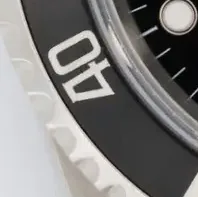
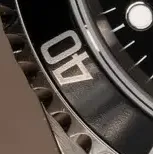
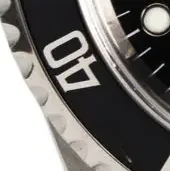
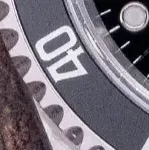
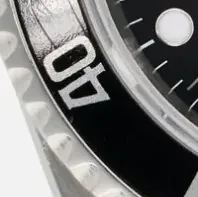
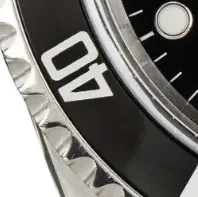
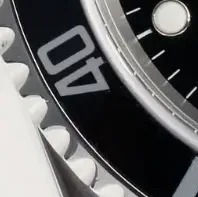
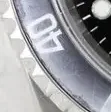
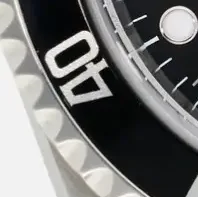
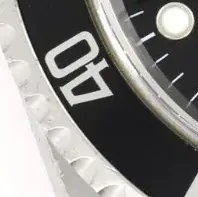
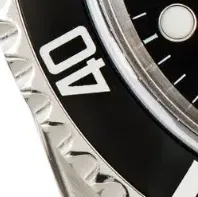
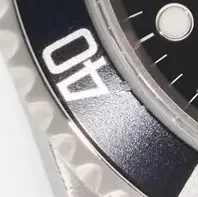
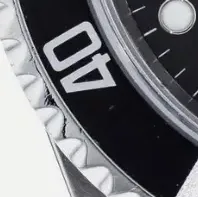
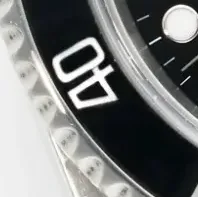
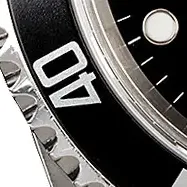
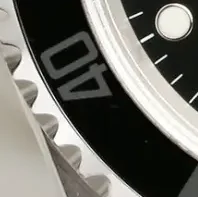
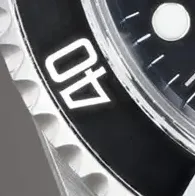
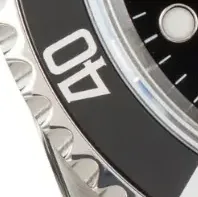
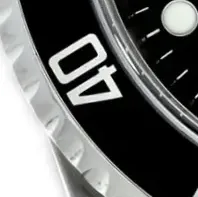
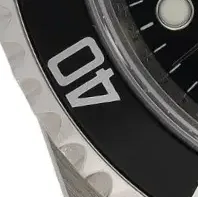
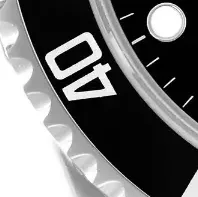
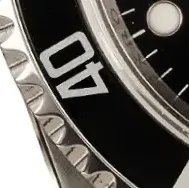
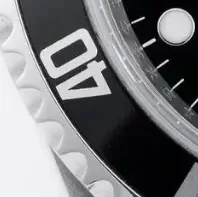
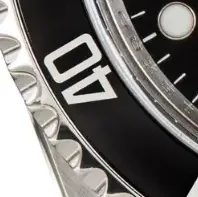
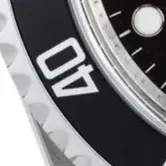
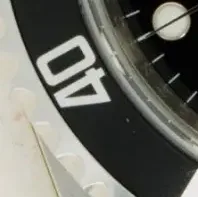
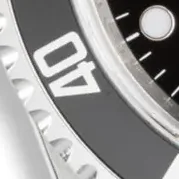
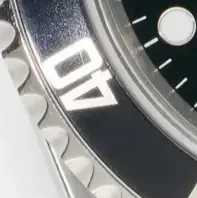
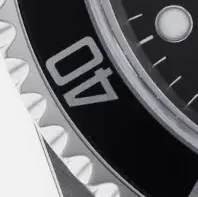
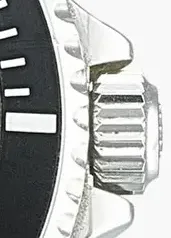
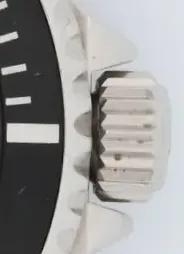
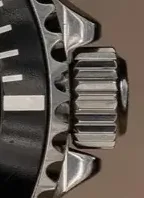
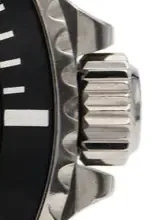
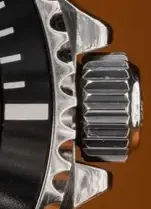
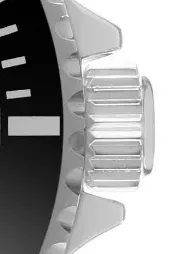
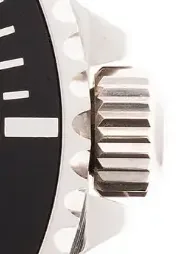
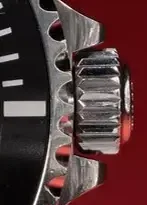
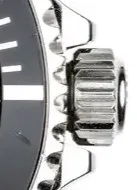
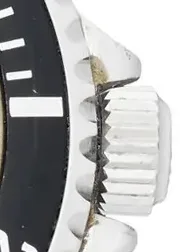
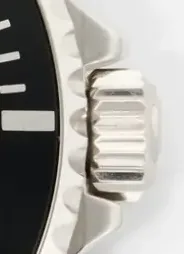
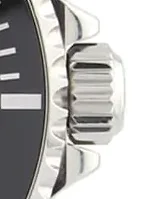
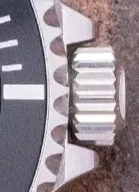
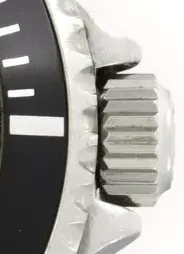
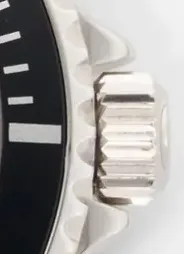
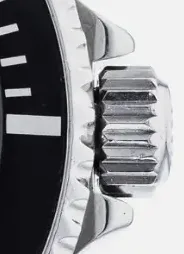
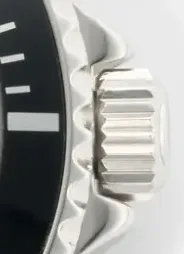
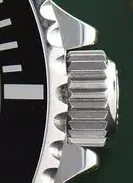
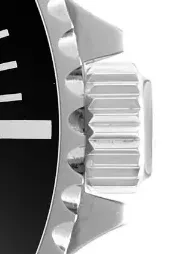
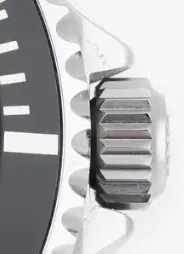
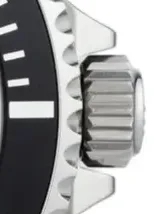
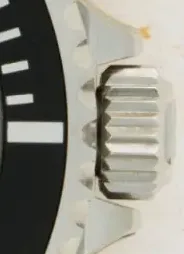
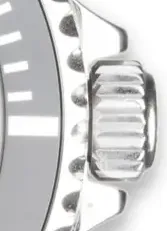
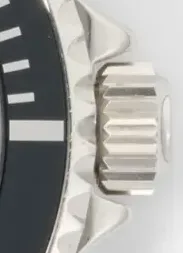
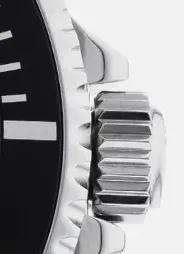
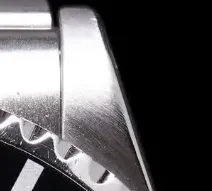
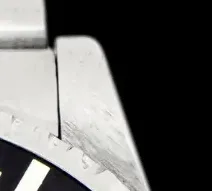
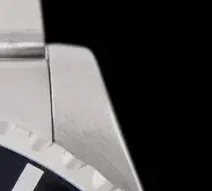
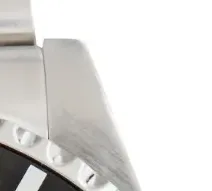
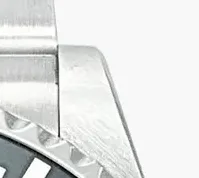
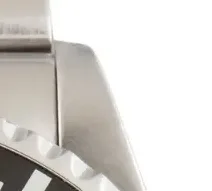
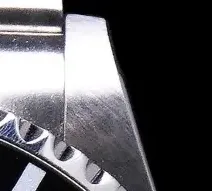
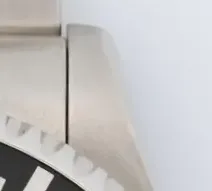
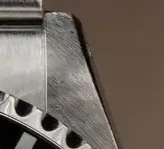
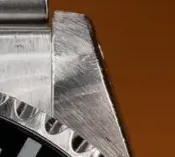
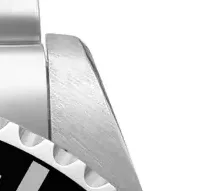
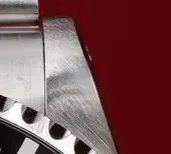
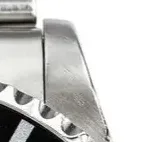
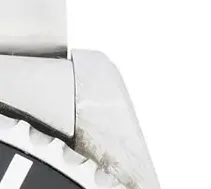
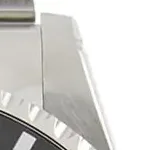
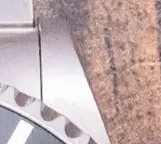
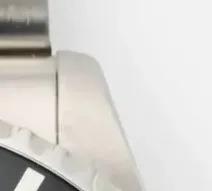
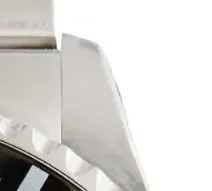
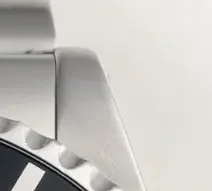
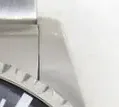
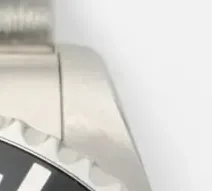
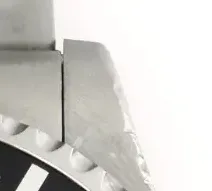
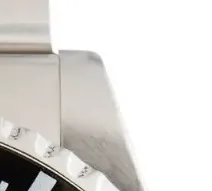
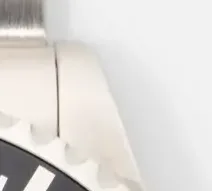
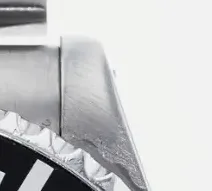
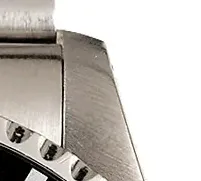
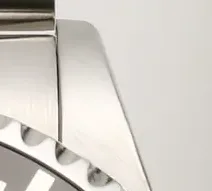
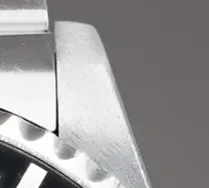
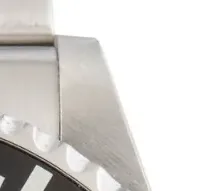
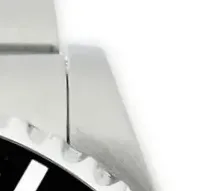
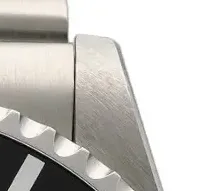
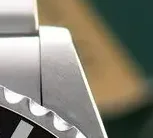
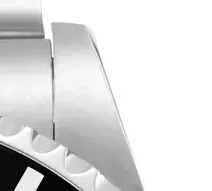
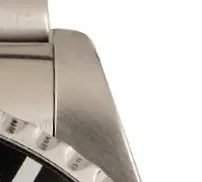
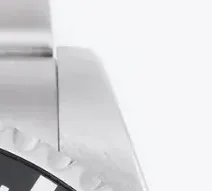
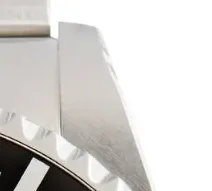
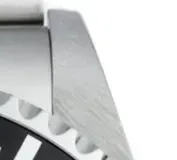
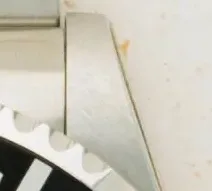
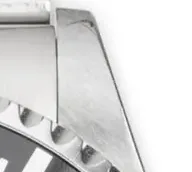
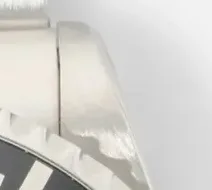
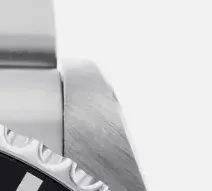
45 watches, oldest first, each straightened and cut the same way so that one row shows one component across them all. Chosen from 5,974 photographs on file for sharpness and for a face typical of the reference. A year marked c. is one its holder gives only roughly. Each picture is a detail cut from a listing photograph. Select the small mark in its corner for its year, its holder, a link to the listing it came from, and a way to report it.



































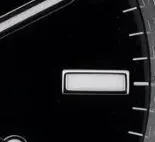
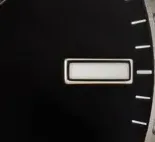
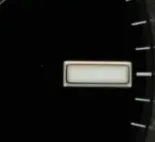
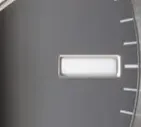
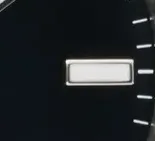
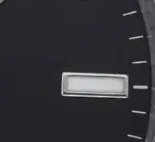

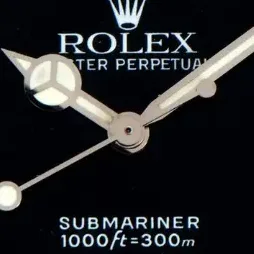










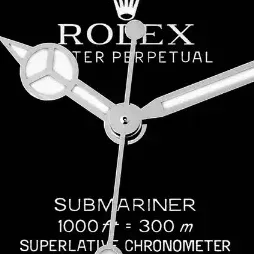
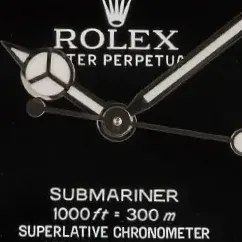
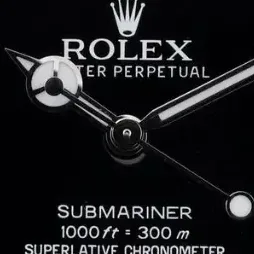
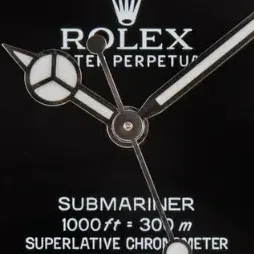


Chronology
Most accounts give about 1990 to 2012; starts of 1988 and 1989 and ends of 2009 and 2010 also appear.
Every dated variant: what is written, and what the records show
For the reference the marks are every dated watch; for a variant, the watches a seller names as that variant, so a variant sellers do not name has none.
The reference's own marks are dated by case number. A variant's marks use the year each seller states, so a variant can show watches in a year where the row for the reference shows fewer, or none.
Specification
| Case | Steel Oyster case, about 40 mm (39.5 mm is also quoted), about 12 mm thick, about 47.3 to 48 mm lug to lug; drilled lug holes; plain caseback with no engraving; crown guards |
| Case metal | Described as 904L by some accounts and as 316L by one; see Where accounts differ |
| Crystal | Flat sapphire, no date window or Cyclops |
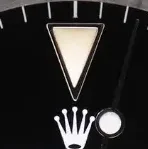
| Dial | Gloss black, white gold surrounds to dot, baton and inverted-triangle markers; text on the lower half in two lines or four |
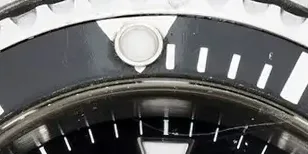
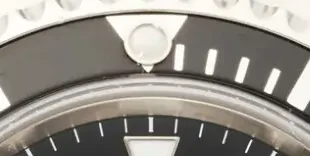
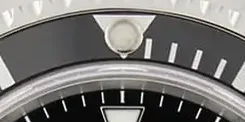
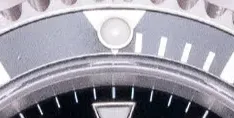
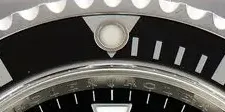
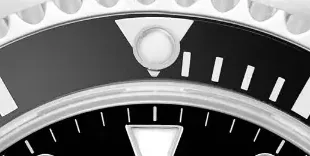
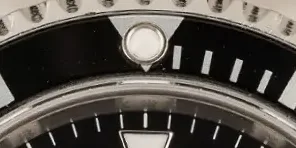
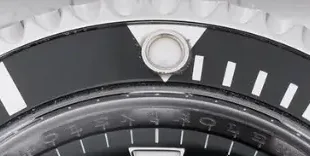
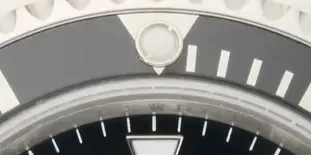
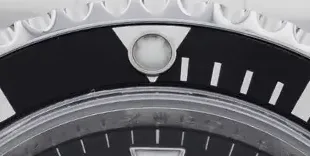
| Bezel | Unidirectional ratcheting 60-minute bezel, black aluminium insert, lume pip with a surround, fine serrated edge |
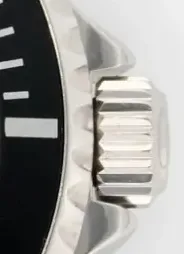
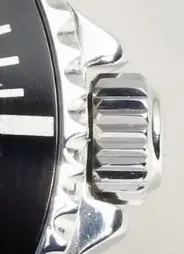
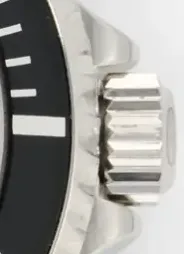
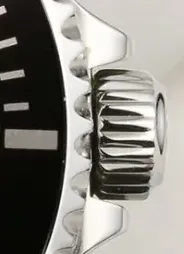
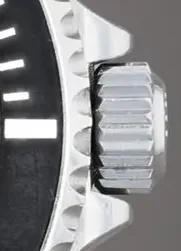
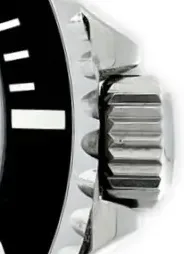
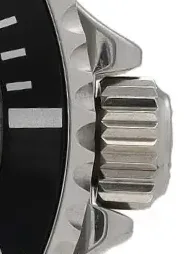
| Crown | Triplock screw-down crown |
| Movement | Calibre 3000 to 1999, then calibre 3130 (the 14060M); 28,800 beats per hour; hacking seconds and a 48-hour reserve are given for the 3130 |
| Bracelet | Three-link Oyster 93150, stamped folding clasp with wetsuit extension, stamped end links, hollow middle links |
| Water resistance | 300 metres (1,000 feet) |
Dial 5 described
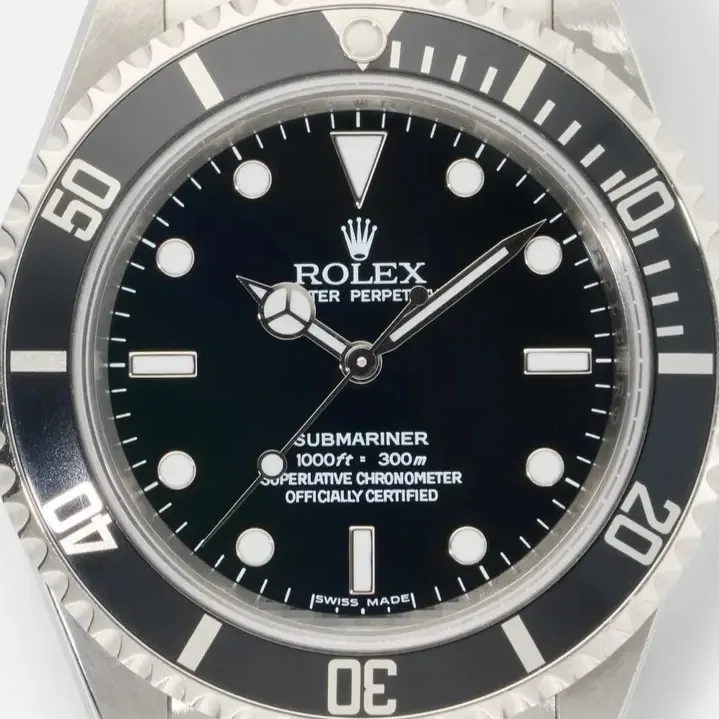
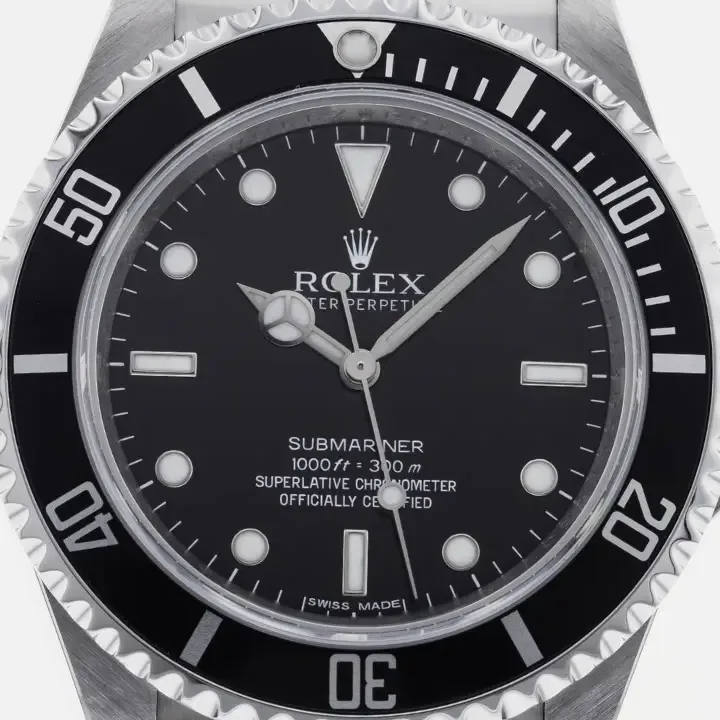
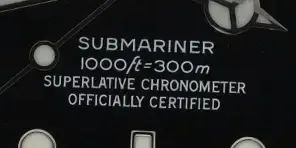
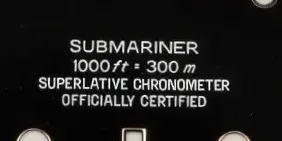
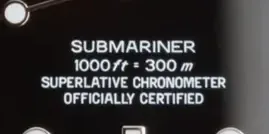
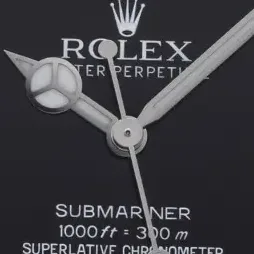
All dials are gloss black with white gold surrounds to the lume markers, and the proportions of markers and hands never changed during the run. The text under six o'clock is the main way to date a dial: two lines for the uncertified watches, four lines once chronometer certification was added. The pre-2007 dial is notable as the last Rolex dial with a plain rehaut.
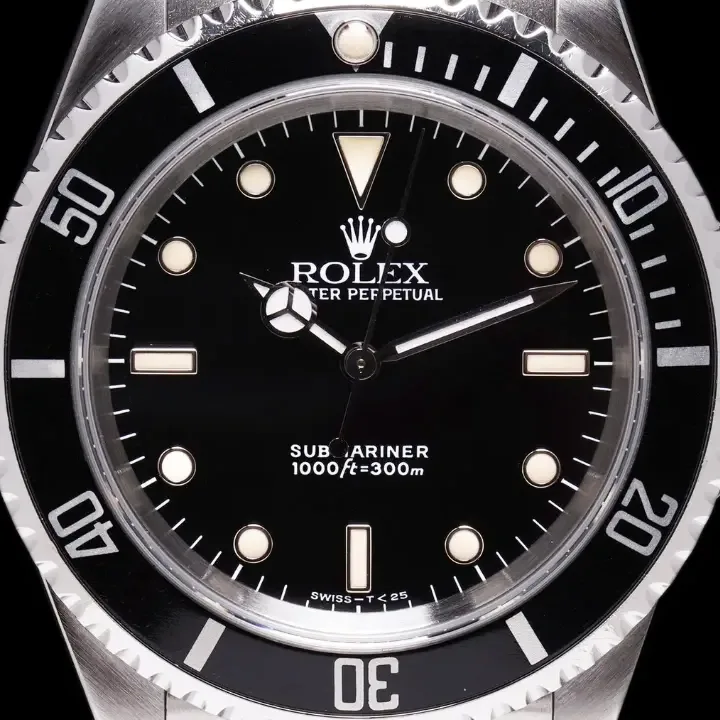
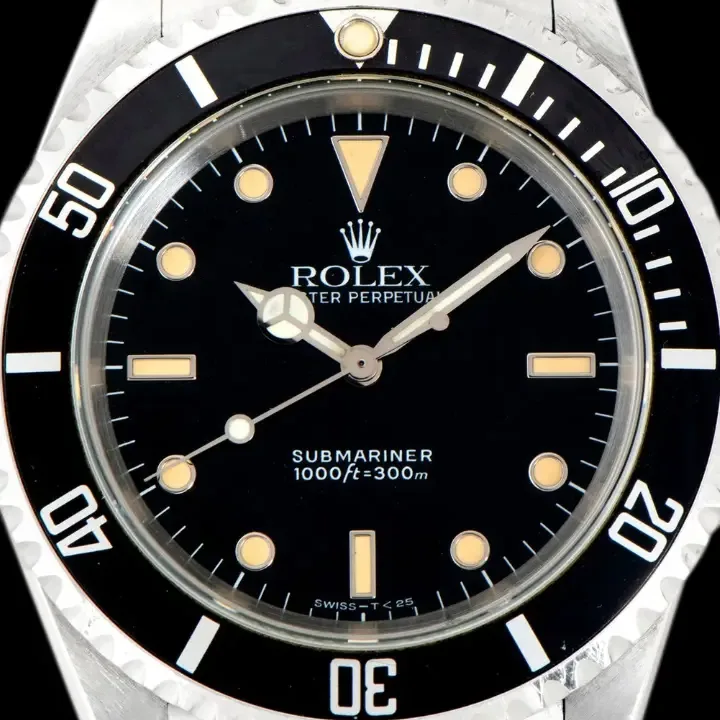
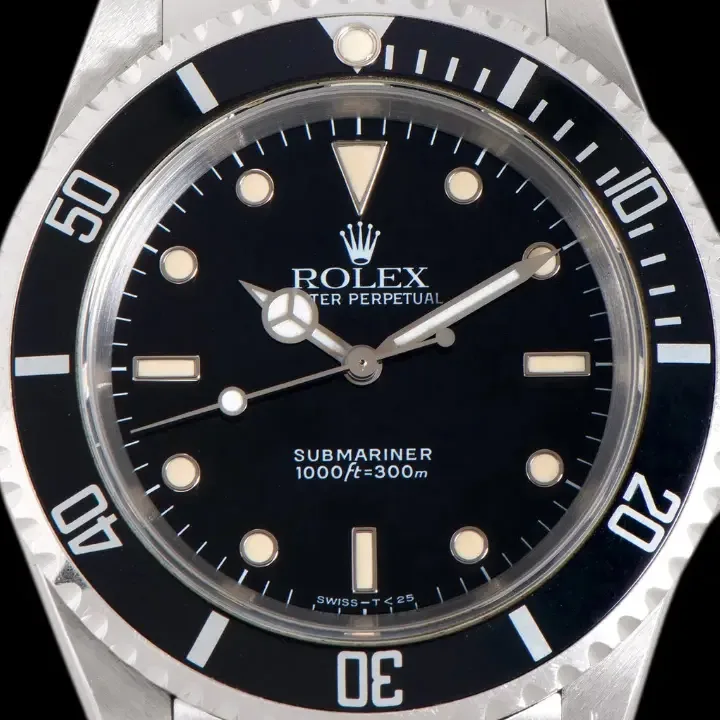
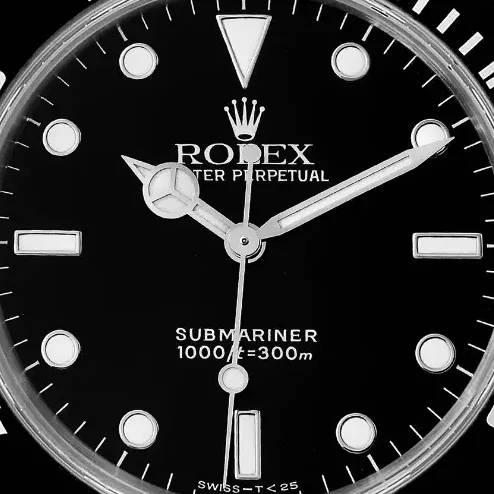
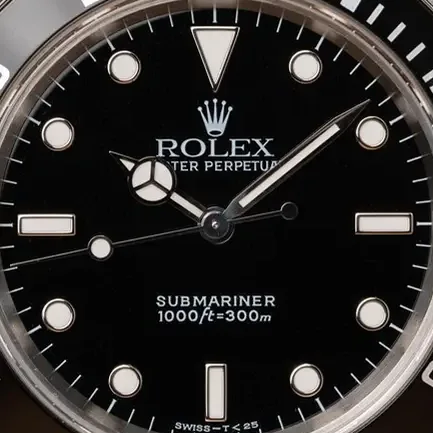
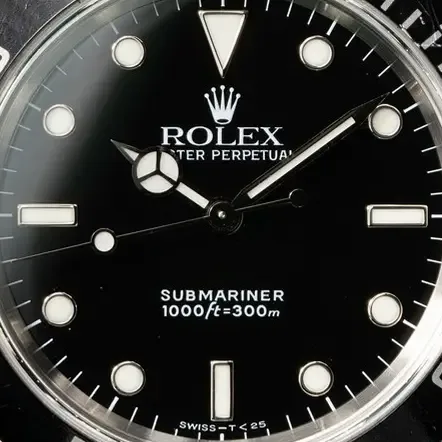
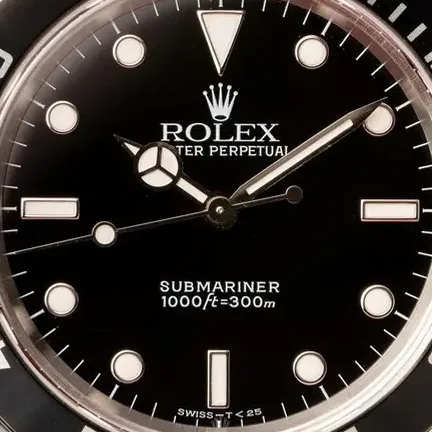
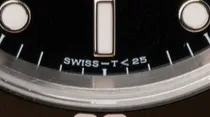
Two-line, SWISS T<25
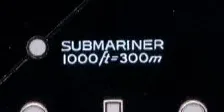
The first dials read 'Submariner' and '1000ft=300m' above the 6 o'clock marker, with 'SWISS T<25' at the lower edge for tritium. The rehaut is plain.
- two lines of text
- SWISS T<25 at the bottom edge
Two-line, SWISS
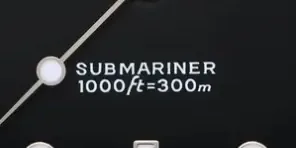
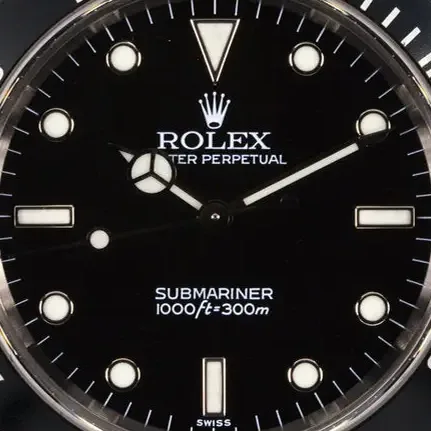
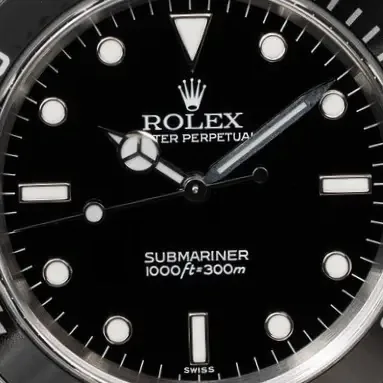
The last 14060 watches and the first 14060M watches read 'SWISS' alone, without 'T<25' or 'MADE'. Sellers call these 'Swiss only' dials. Their lume is usually given as Luminova; some accounts hold that it is already Super-LumiNova.
- SWISS alone at the bottom
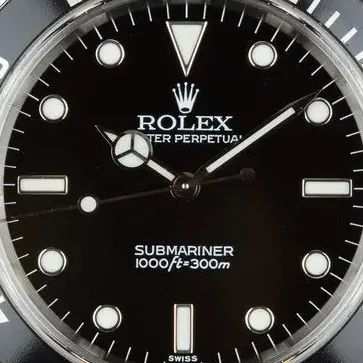
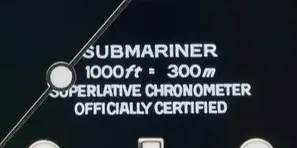
Two-line, SWISS MADE
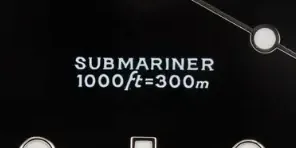
After the 'Swiss only' dials, the two-line 14060M dial reads 'SWISS MADE' and keeps the plain rehaut. Published accounts give no year for its arrival; it gave way to the four-line chronometer dial in 2007.
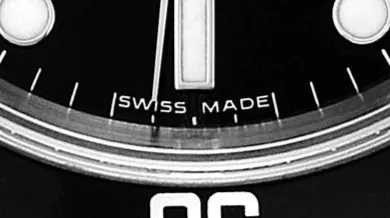
- plain rehaut
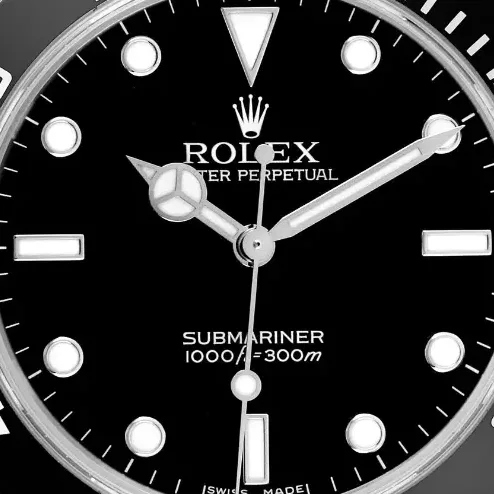
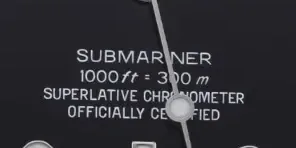
Four-line chronometer dial
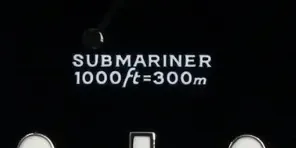
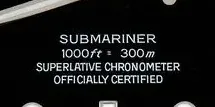
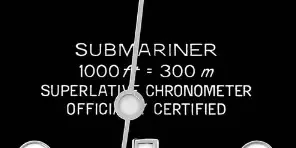
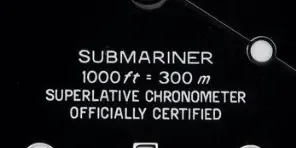
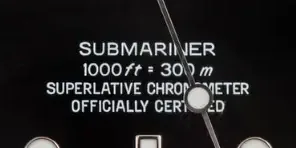
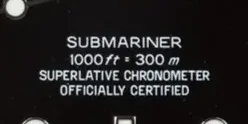
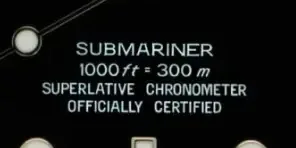
After chronometer certification in 2007, two more lines naming 'Superlative Chronometer Officially Certified' were added, and the rehaut became engraved. These are the 'four-liners'.
- four lines of text Confirmed by eye on a watch of 2010; the photograph is not shown here. See the listing at swisswatchexpo.com
- engraved rehaut
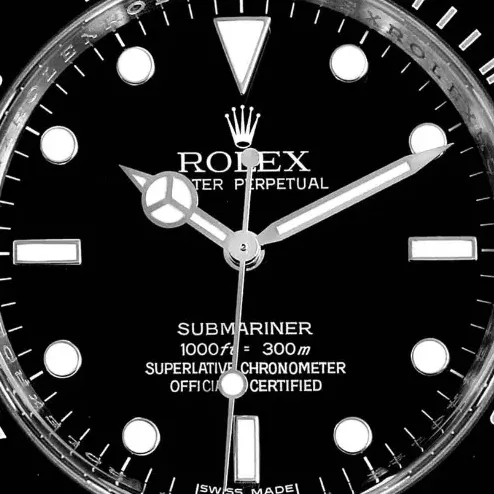
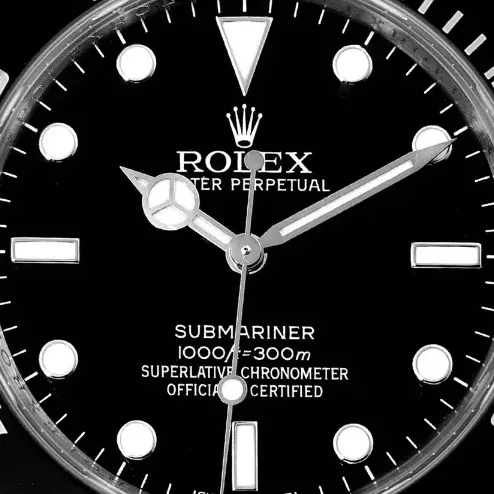
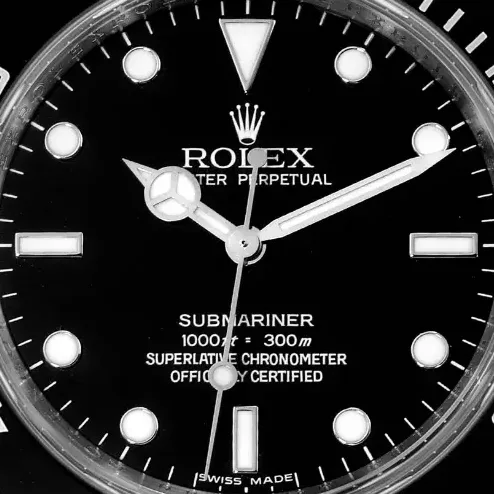
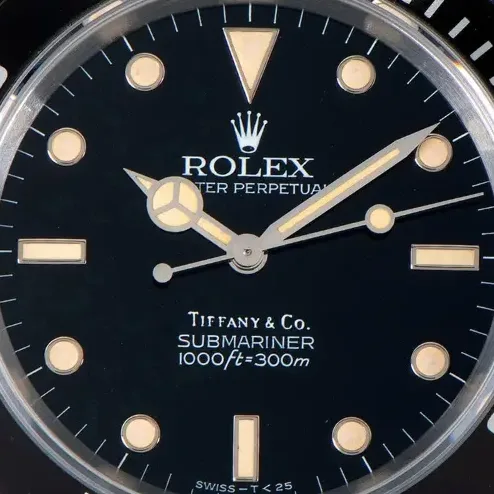
Tiffany & Co. dial
Sellers describe a few watches as double-signed, with the Tiffany & Co. retailer's name on the dial.
- Tiffany & Co. signature on the dial
Luminous material 3 described
The reference moved from tritium to a non-radioactive lume around 1998: by most accounts Luminova on the 'SWISS' dials, then Super-LumiNova on the 'SWISS MADE' dials that followed. Sellers also describe a 'Tritinova' dial on a watch of about 1997.
Tritium
Tritium lume with 'T<25' text; it ages to cream or yellow. A tritium run of about eight years is quoted.
- aged lume
73 listings on record under the name.
Luminova
The lume of the 'SWISS' dials of the last 14060 and first 14060M watches is usually given as Luminova, the light-charged material that replaced tritium. Some accounts say these dials already carry Super-LumiNova, which is a Swiss-made form of the same pigment.
- SWISS alone at the bottom of the dial
Super-LumiNova
The 'SWISS MADE' dials carry Super-LumiNova, which stays to the end of the run. Some accounts give it to every 14060M and to the last 14060 dials as well.
- SWISS MADE text
Hands 1 described
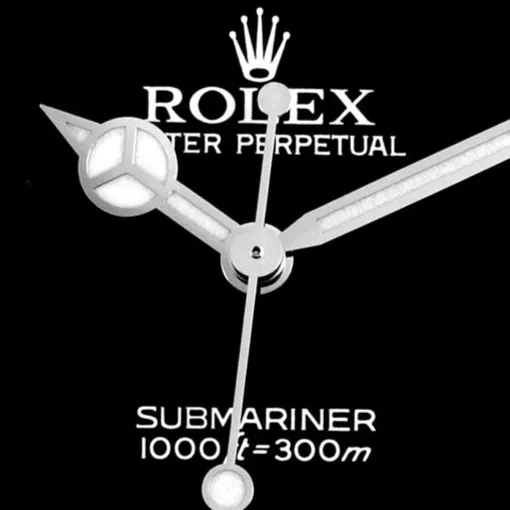
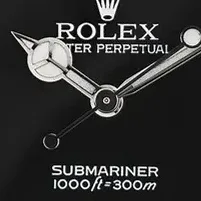
The hands are the white luminous Mercedes-style set, small in proportion to the dial. The seconds hand carries a round lume dot, which sellers call a lollipop.
Mercedes hands
Mercedes-style hour hand and slim minute and seconds hands, unchanged in proportion throughout.
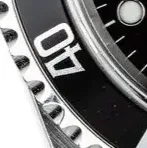
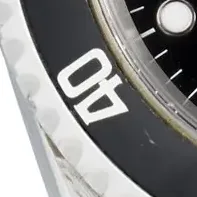
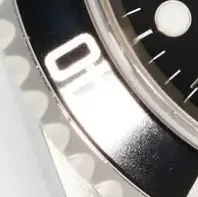
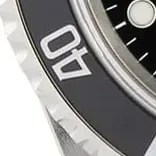
Bezel 1 described
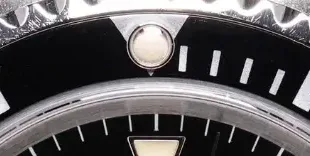
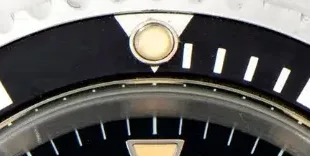
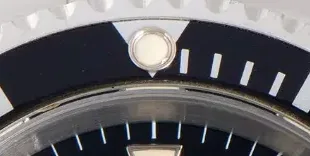
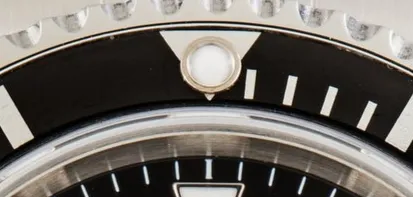
A unidirectional ratcheting bezel with a black aluminium insert and 60-minute scale; it fades and picks up patina. The 14060 case is slightly smaller than the 16610, so inserts do not interchange.
Black aluminium insert
Semi-matte black insert, lume pip with a surround at 12, and fine knife-like serrations on the bezel edge. It was the last no-date insert in aluminium.
- semi-matte insert
7 listings on record under the name.
Case 1 described
The last slim pre-Super Case, with drilled lug holes and a caseback with no engraving. The case is described as steel throughout; accounts differ on the grade.
Drilled lug holes
Holes through the lugs make strap changes easy, though the gap to the spring bar is narrow so thin straps are needed. The 14060M was the last Rolex sports watch with them.
- holes through the lugs
Crown 1 described
A Triplock crown was fitted from the start.
Triplock
Three sealed zones, which with the sapphire crystal give the 300 metre rating. The crown is large enough to use with gloves.
- Triplock crown
Crystal 1 described
Flat sapphire with no date lens.
Sapphire
The 14060 was the first no-date Submariner with a sapphire crystal.
- flat sapphire
Movement 2 described
Two calibres: 3000 and then 3130.
Calibre 3000
Replaced calibre 1520 and brought the beat to 28,800 beats per hour. It has a flat hairspring, no Breguet overcoil, and a glued balance stud. Watches with it were not chronometer certified.
- 3000 on movement
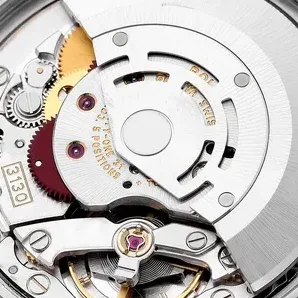
Calibre 3130
The no-date version of calibre 3135. It restores the Breguet overcoil, has a larger balance and a full balance bridge, and a laser-welded stud. Watches with it take the suffix M for modified. Certified as a chronometer only from 2007.
- 3130 on movement
- M after the reference
Bracelet 1 described
Three-link Oyster 93150 with a stamped clasp, hollow middle links and stamped end links. The rattle is a known trait.
Oyster 93150, stamped clasp
Solid outer links, hollow middle links and stamped end links (501B is common); the fold-out wetsuit extension is stamped. Hollow end links stayed on the 14060M after other sports models changed to solid ones around 2000. Sellers most often cite the 93150 bracelet with 501B end links.
- stamped fold-over clasp
- hollow end links
Originality
- Dials were replaced at service, and sellers flag some watches this way; a service dial's lume or text will not fit the period of the case.
- The aluminium bezel insert is often replaced after fading.
- Bracelets are often changed or stretched; the stamped clasp and end links are part of the original character.
Names
- 2-liner. The dial has two lines of text at the bottom.
- 4-liner. The chronometer dial has four lines of text.
- Swiss only. The dial printed 'SWISS' alone.
Where accounts differ
Points on which the published literature and the library's own records do not agree, or on which the literature contradicts itself.
- Case steel grade. One guide says the case is 316L steel; two others say 904L, and another says the switch to 904L came about 1985, which would put the 14060 in 904L. The records do not state a grade.
- End of production. Two guides end the reference about 2010 and one in 2009; others give 2012, when the 114060 replaced it.
- Start of production. Most guides start the reference in 1990; one puts the debut in 1988 and another in 1989. The earliest case numbers in the records are 1990.
- Start of the 14060M. Most guides date the 14060M from 1999; one says 1998.
- Lume of the 'SWISS' dials. One account says the last 14060 dials marked 'SWISS' alone, and every 14060M, carry Super-LumiNova, and doubts that Rolex used any other Luminova. Others give Luminova from 1998 and Super-LumiNova from the 2000s, with 'SWISS MADE' marking Super-LumiNova; sellers name Luminova on many watches.
Back and movement
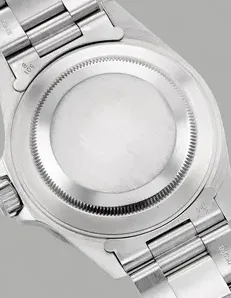
From listings of this reference, each confirmed by eye to show what it is filed under. A picture on which a person's name or a personal engraving can be read is not shown. From most holders a detail from the middle of the photograph is shown; the mark in its corner gives its holder and a link to the listing.
Caseback
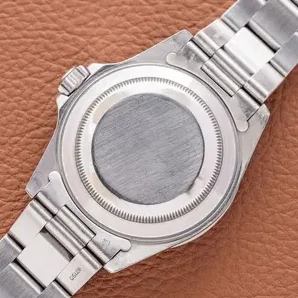
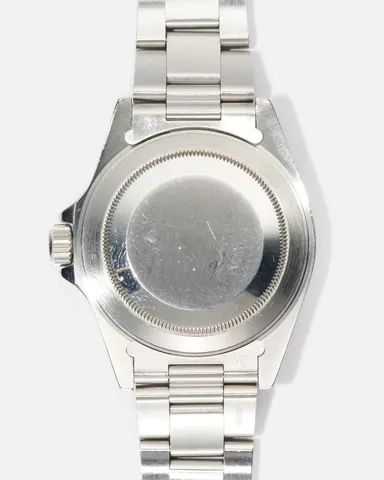
Movement
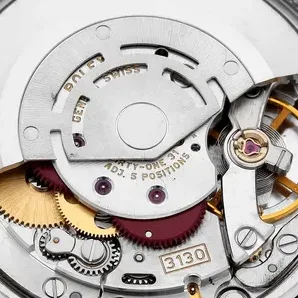
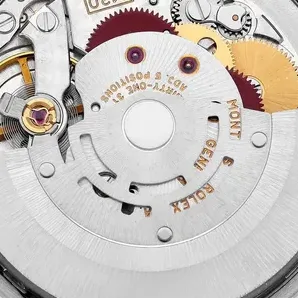


Catalogue versions 1 listed
The full numbers under which holders list this reference, with what their listings say of each. Each has a page of its own.
| Version | Metal | Dial | Years seen | Records |
|---|---|---|---|---|
| 14060M | Steel | Black | 2000–2011 | 602 |
In the records
Counted from 1,880 listings at 62 holders between 15 November 2010 and 14 November 2026. These are what sellers and auction houses state, not measurements.
Fainter bars are the 47 outside the main run of 1991–2010 (the middle nine-tenths): the earliest is 1990 and the latest 2019. They are early and late examples, and now and then a number misread. The head of the page gives 1990–2012: the years that listings from two holders bear out.
At the holders that record papers on every watch, 53% of their 412 listings of this reference come with papers; at those that record the box on every watch, 84% of 567 come with a box. "Papers" is whatever the holder counts as papers, and can include service papers.
Case metal
| Steel | 818 |
Dial colour
| Black | 1,025 | |
| Red | 1 |
Case size
| 40 mm | 827 | |
| 39 mm | 21 | |
| 42 mm | 4 |
Calibre named
| 3130 | 152 | |
| 3000 | 137 | |
| 3135 | 25 | |
| 3030 | 2 |
Bracelet or strap
| Oyster bracelet | 899 | |
| Metal bracelet, kind not stated | 113 | |
| Fabric strap | 6 | |
| Leather strap | 1 | |
| Strap, kind not stated | 1 |
Each table counts the listings that state the thing, in the seller's own terms. A size, metal, colour or calibre that cannot belong to this reference is a seller's slip or a listing filed under the wrong number.