Submariner (no date)
The 5513 is the Rolex Submariner without a date window, made from about 1962 to about 1989 in a 40 mm steel Oyster case with a bi-directional bezel, an acrylic crystal and a two-line dial. It is the version of the 5512 without chronometer certification, and it carried the non-certified calibres 1530 and then 1520. Over some twenty-seven years it changed mainly in the dial: gilt gloss, matte Meters First, Feet First with and without serifs, the Maxi series, and a final gloss dial with white-gold surrounds. Collectors look first at the dial type, the lume, the bezel insert, the crown guards and the bracelet, since service replacements are common.
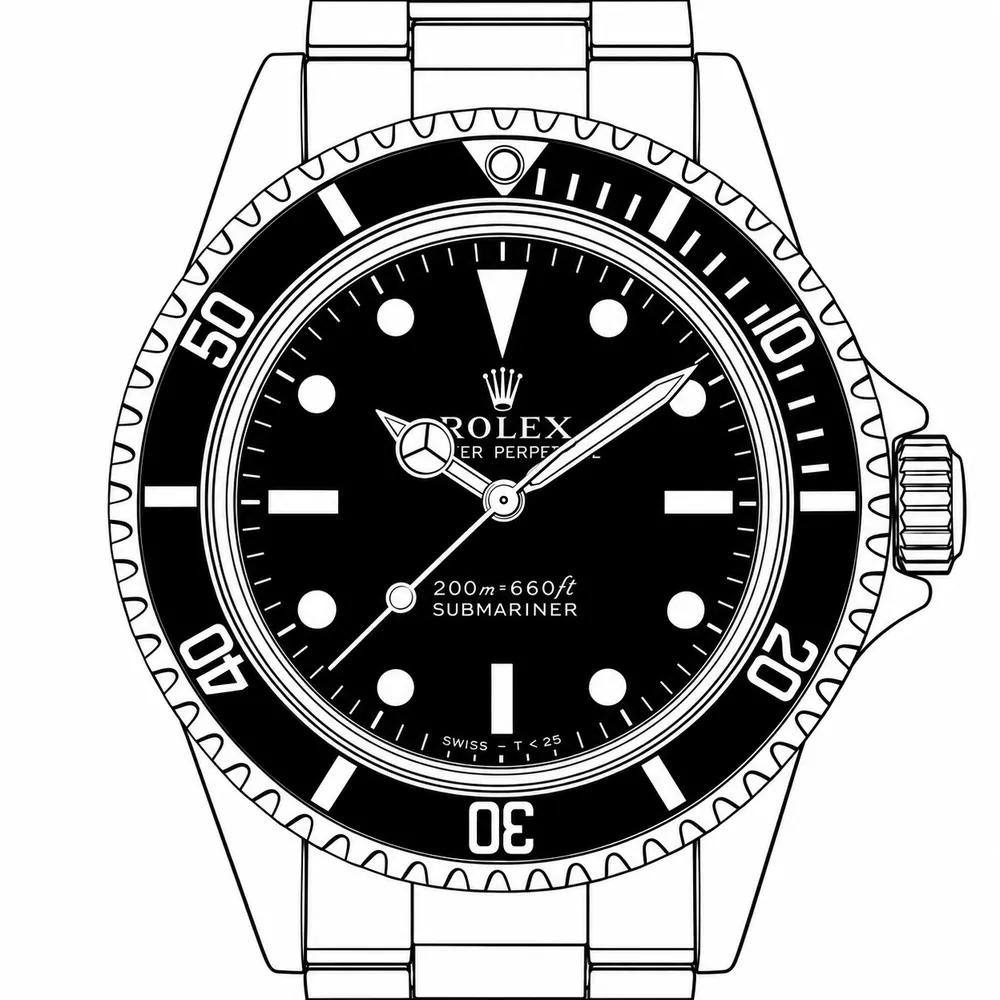
- Made
- 1962–1989dates approximate
- Seen in the library
- 1961–1991nine in ten in 1964–1988 · by case numbers
- Case
- 40 mm · steelas sellers state
- Movement
- Calibre 1530, 1520automatic
- On record
- 2,376 listings7,058 photographs · 72 holders
Components
50 watches, oldest first, each straightened and cut the same way so that one row shows one component across them all. Chosen from 7,058 photographs on file for sharpness and for a face typical of the reference. A year marked c. is one its holder gives only roughly. Each picture is a detail cut from a listing photograph. Select the small mark in its corner for its year, its holder, a link to the listing it came from, and a way to report it.
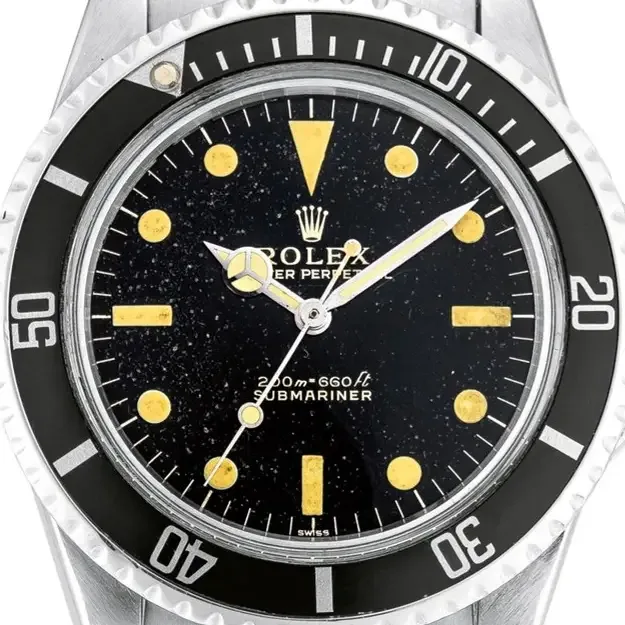
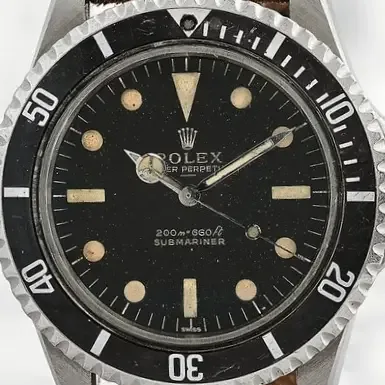
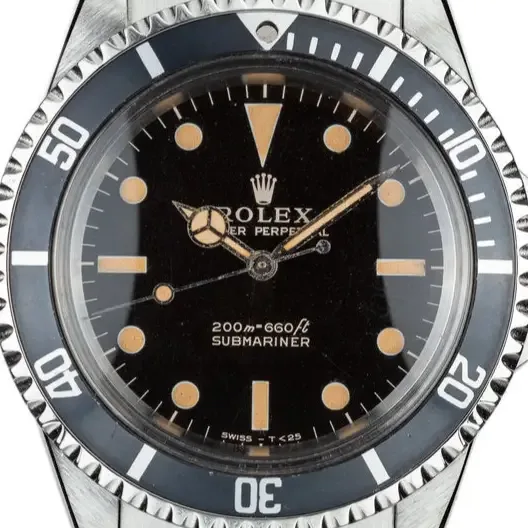
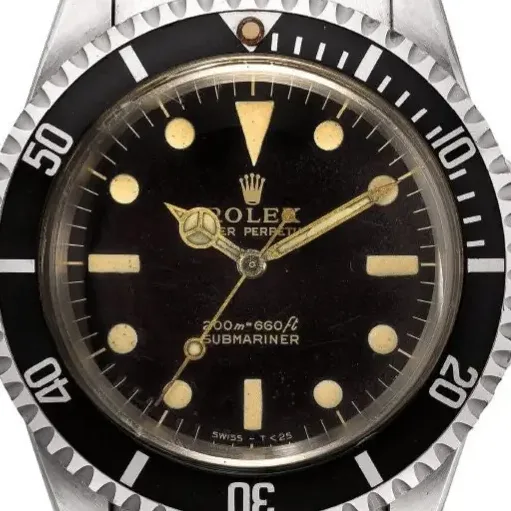
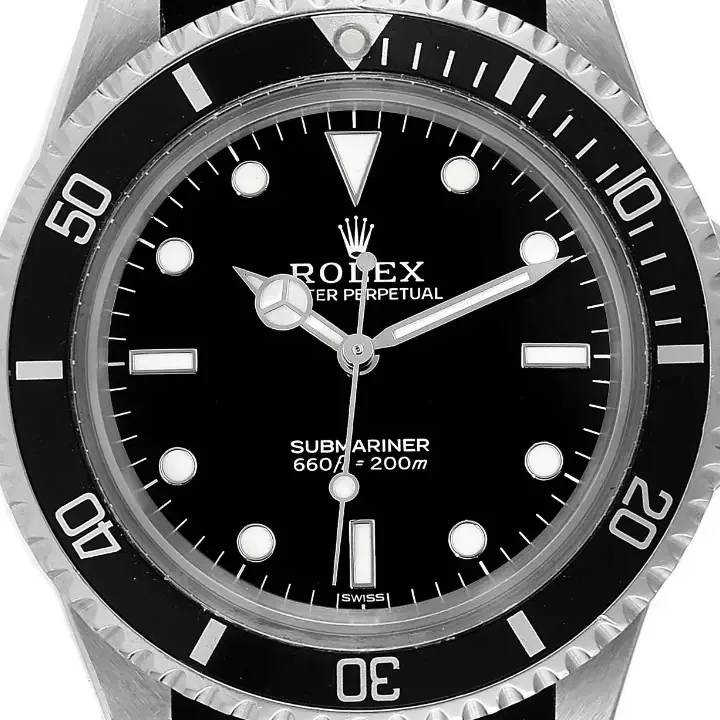
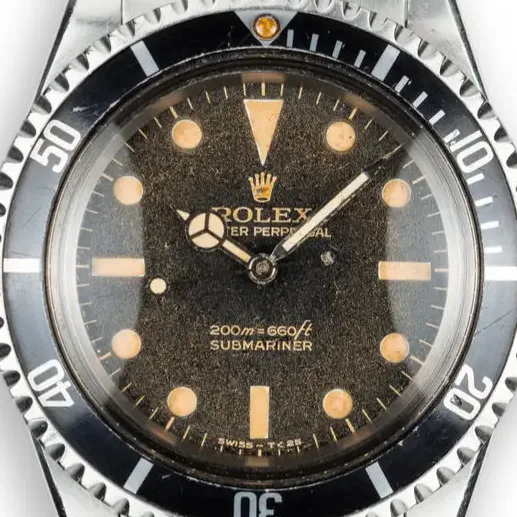
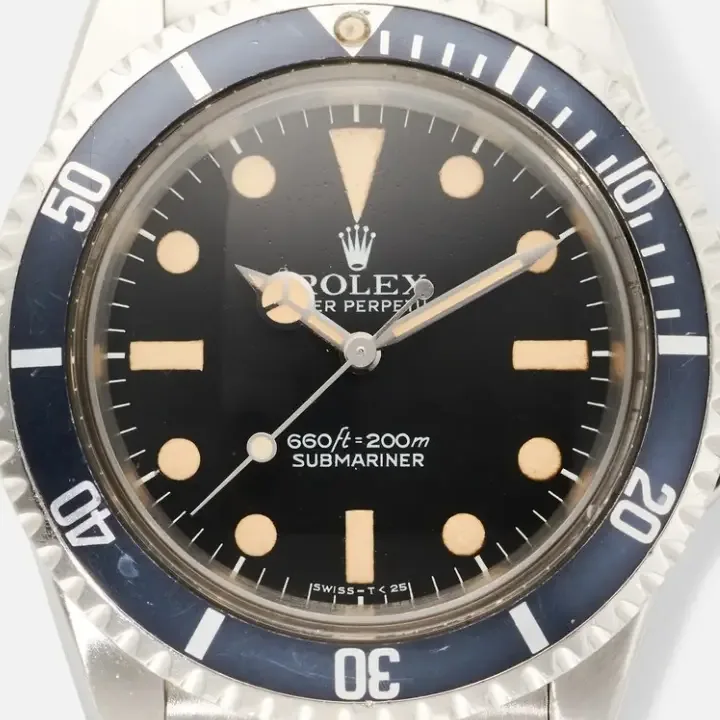
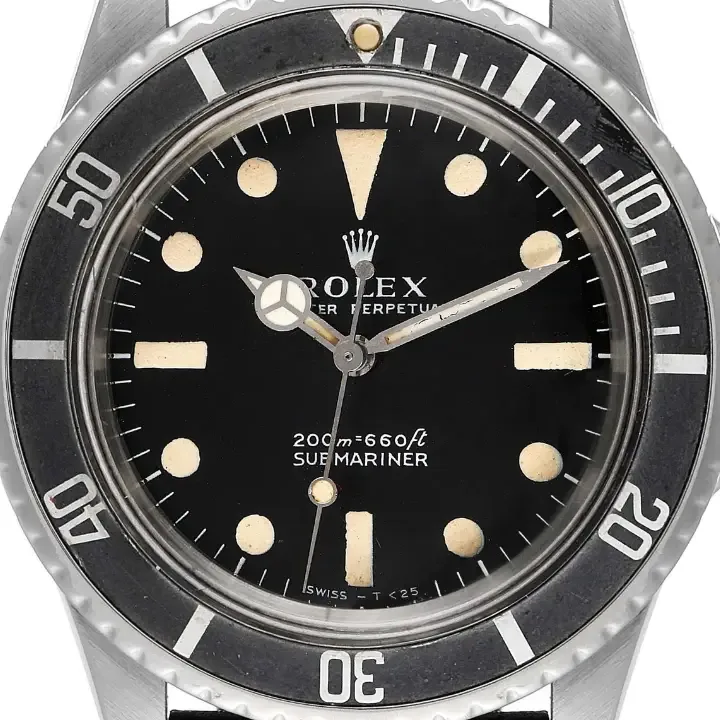
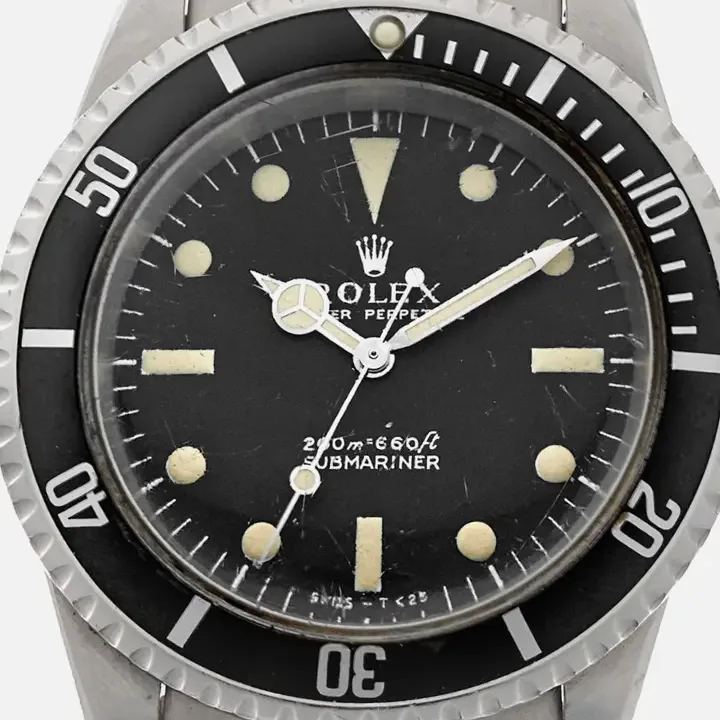
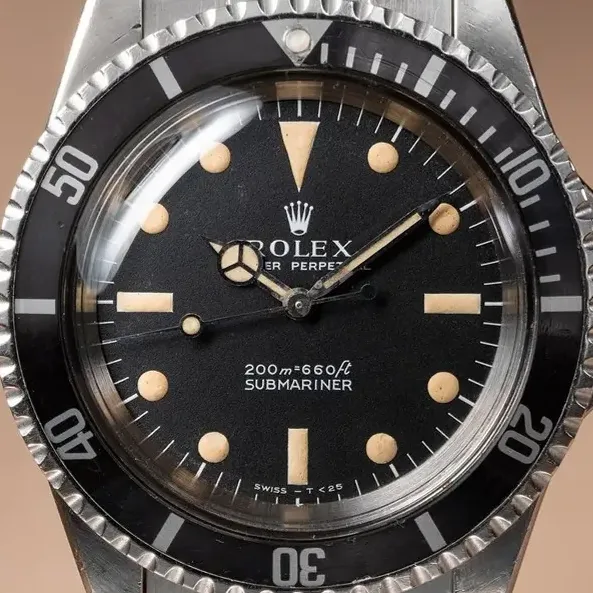
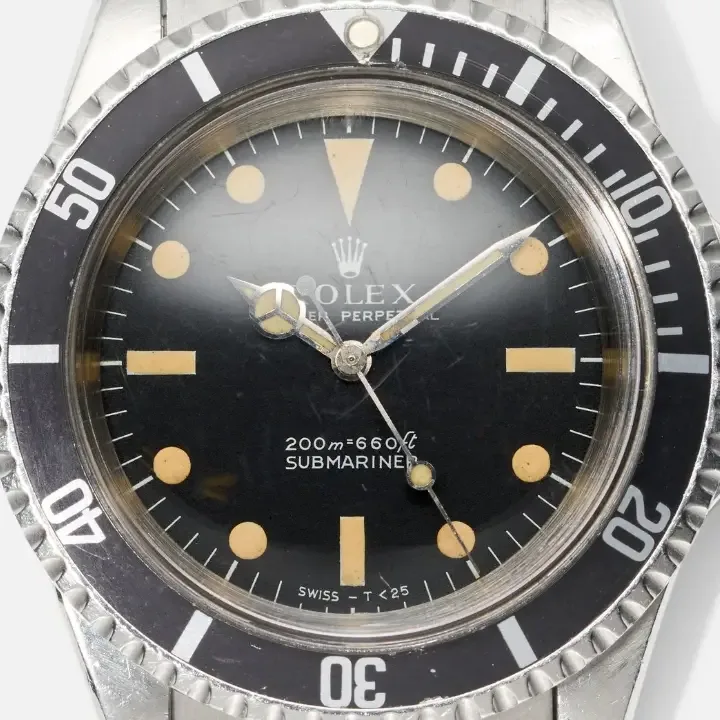
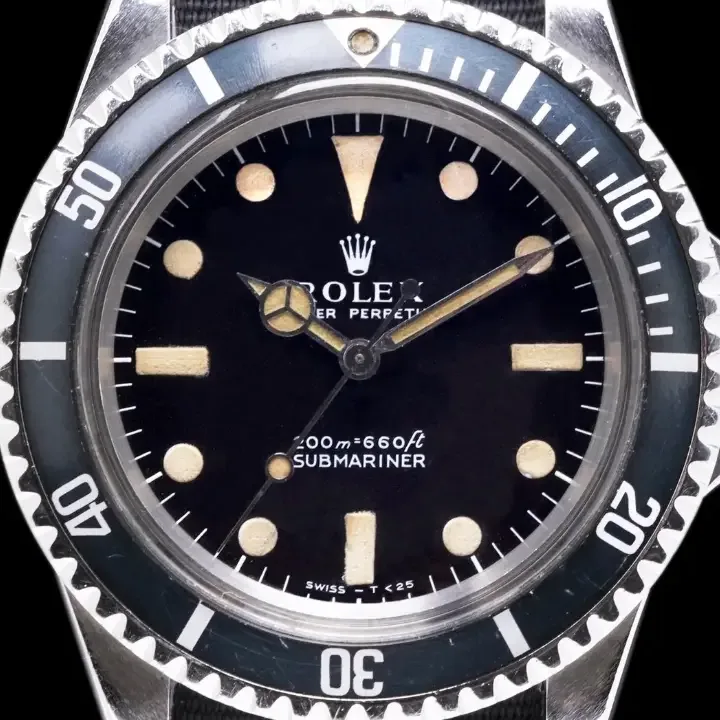
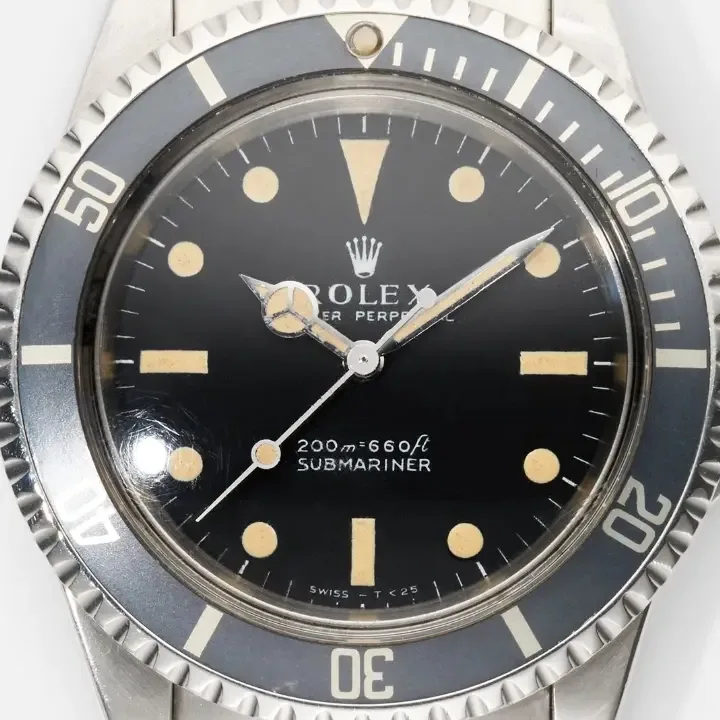
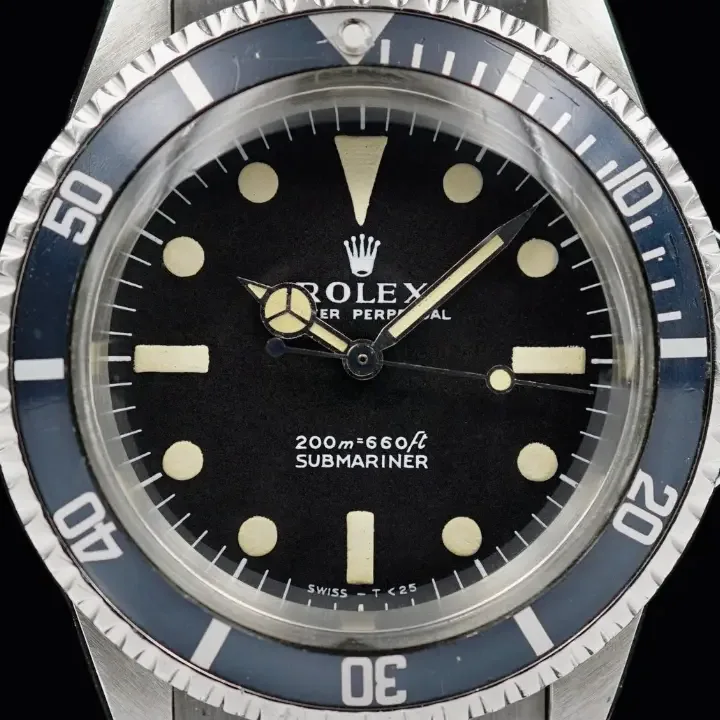
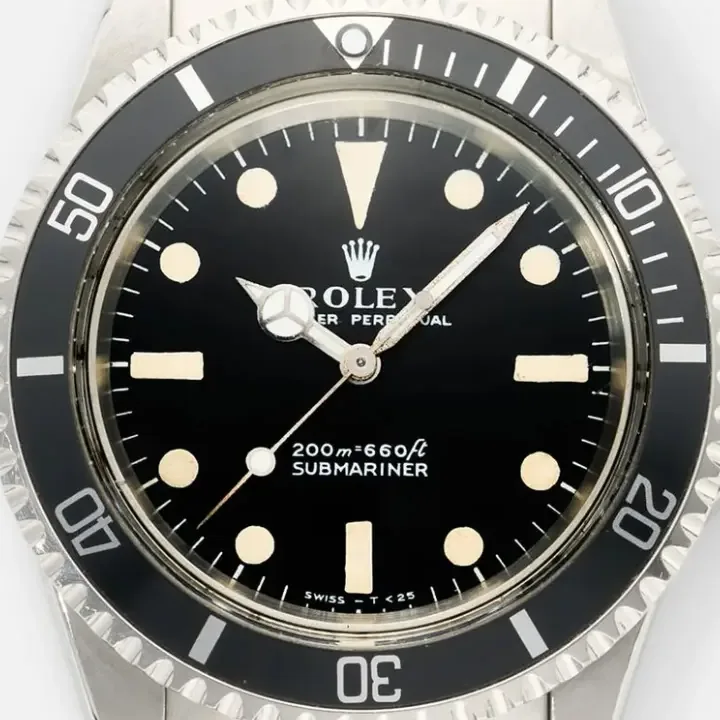
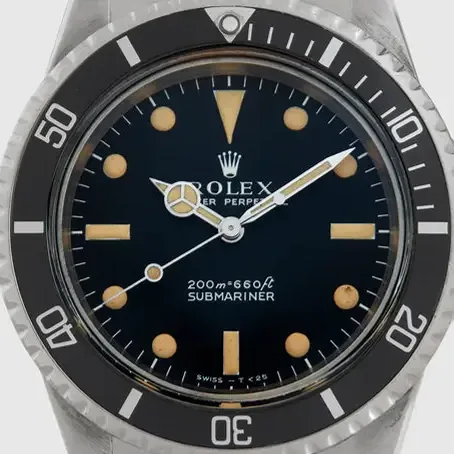
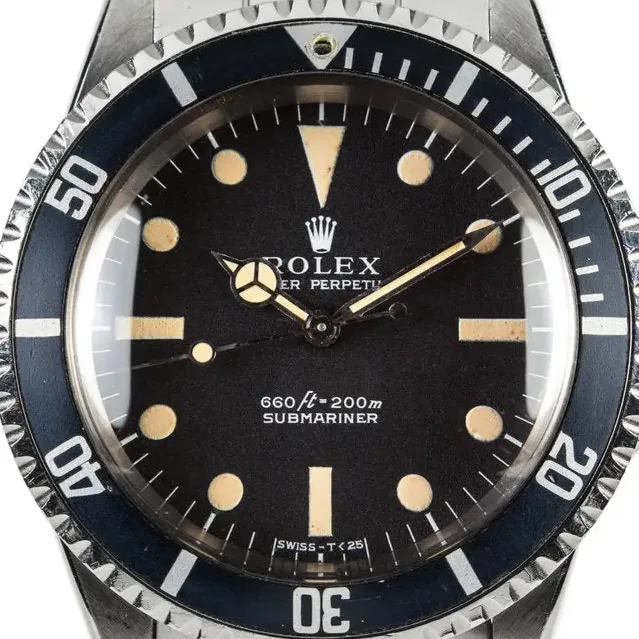
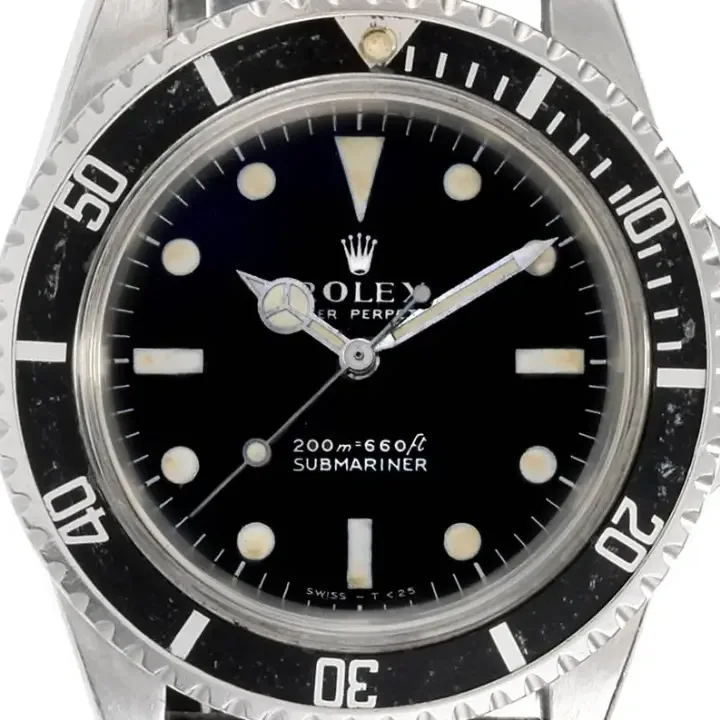
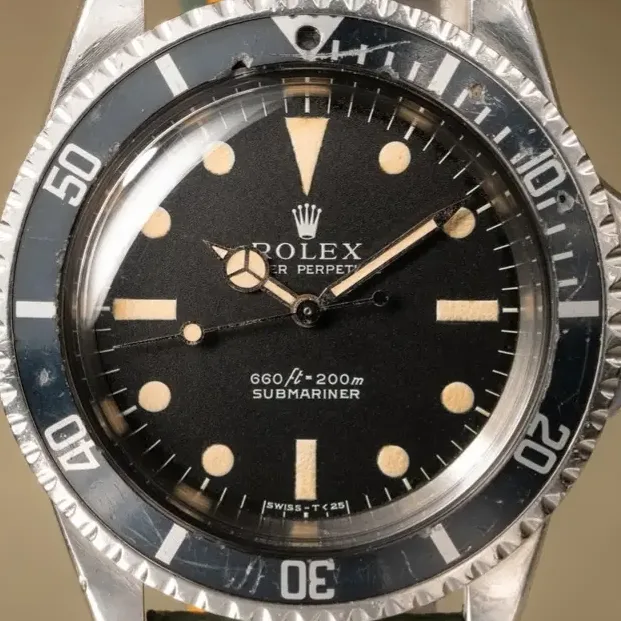
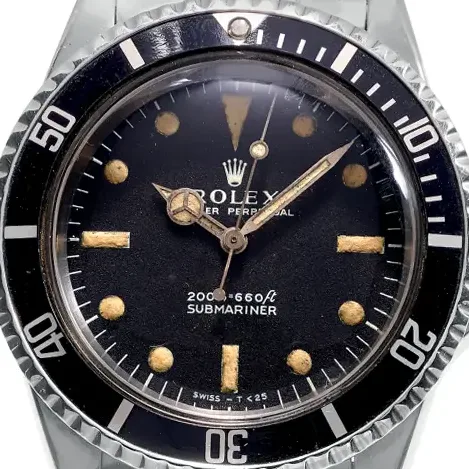
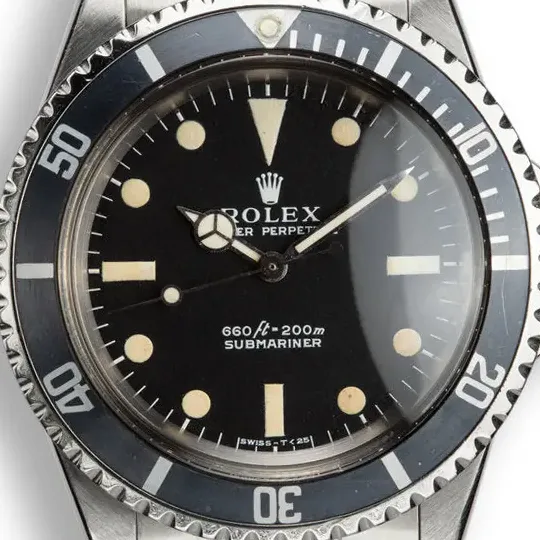
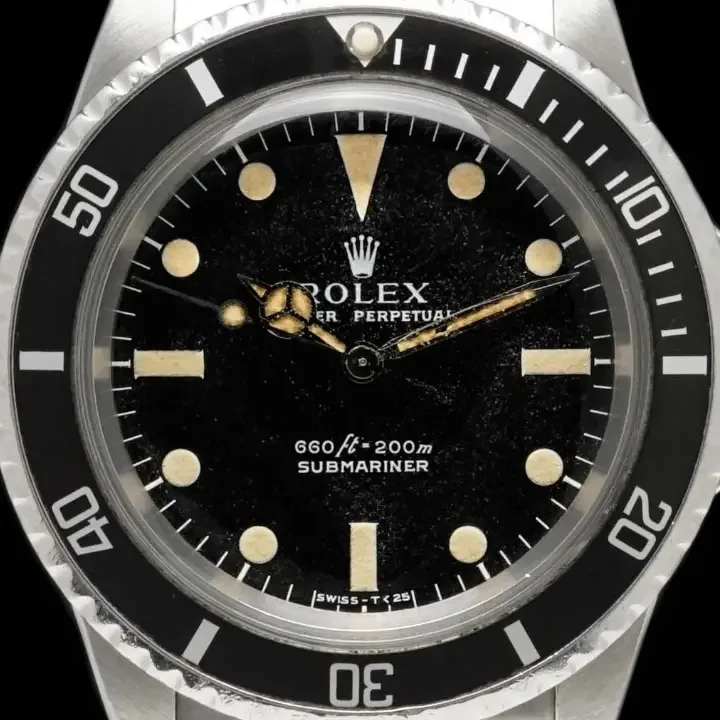
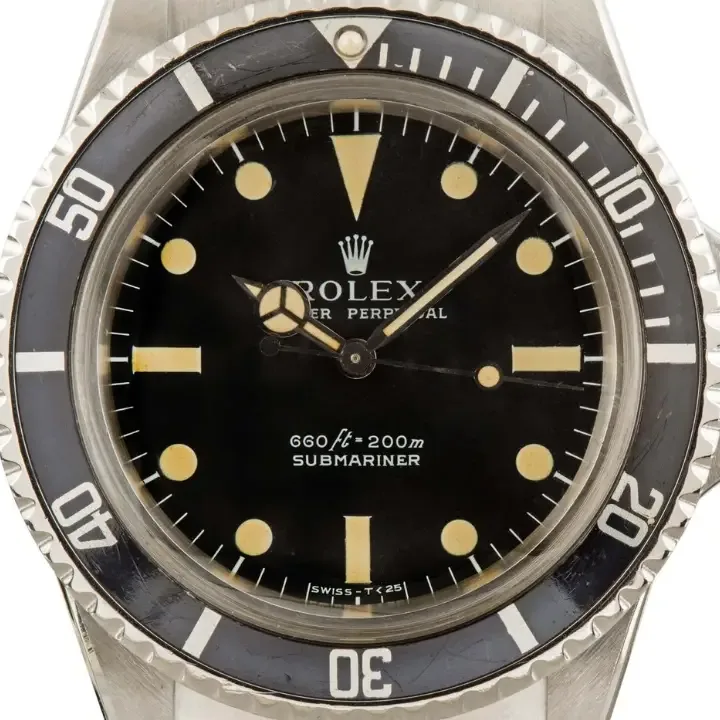
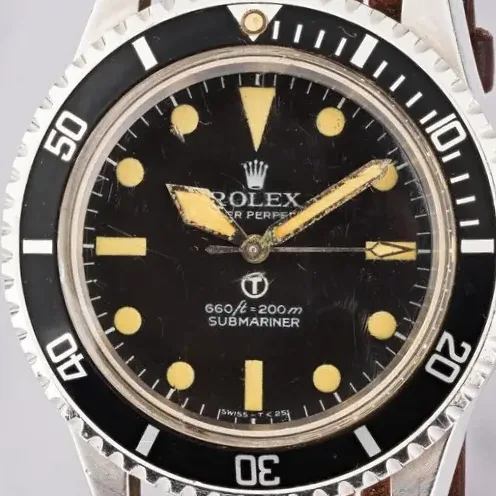
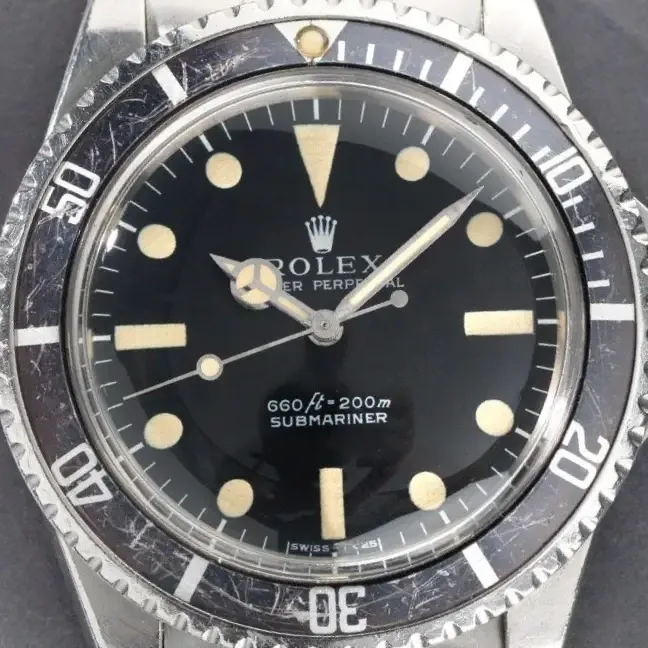
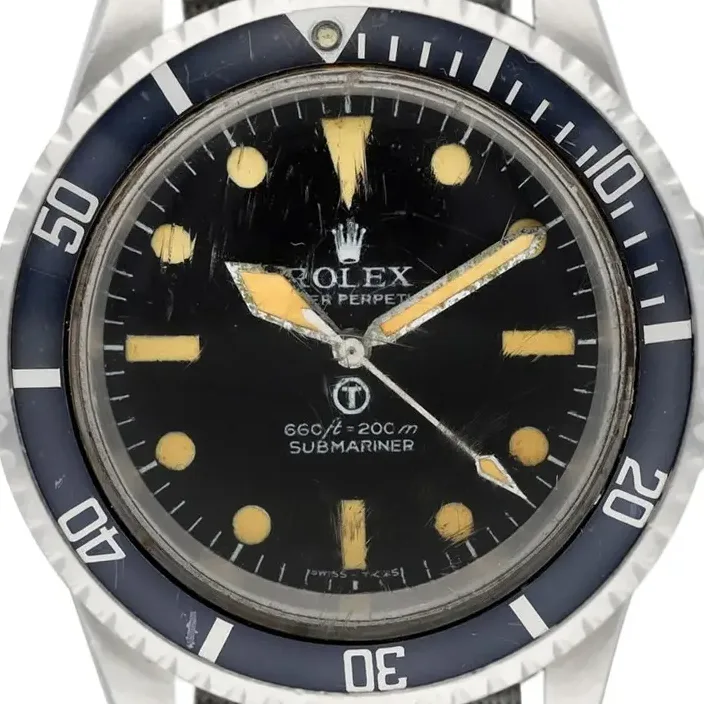
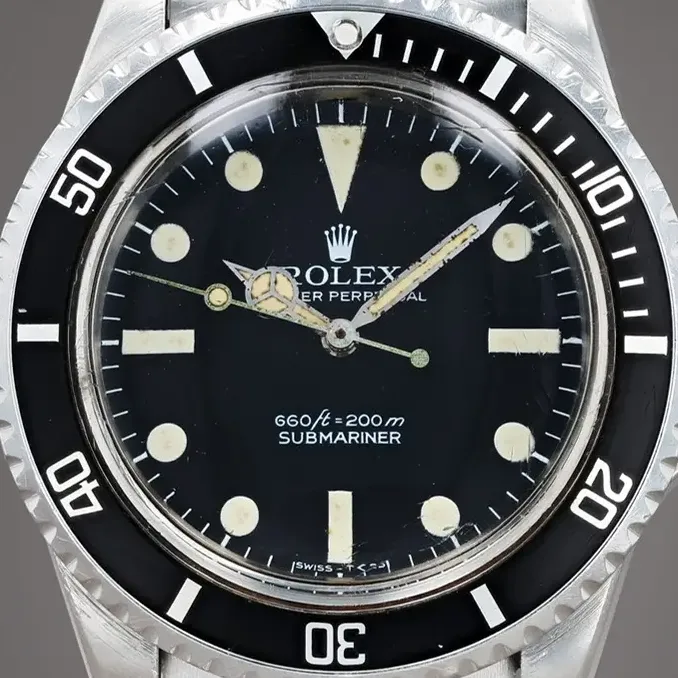
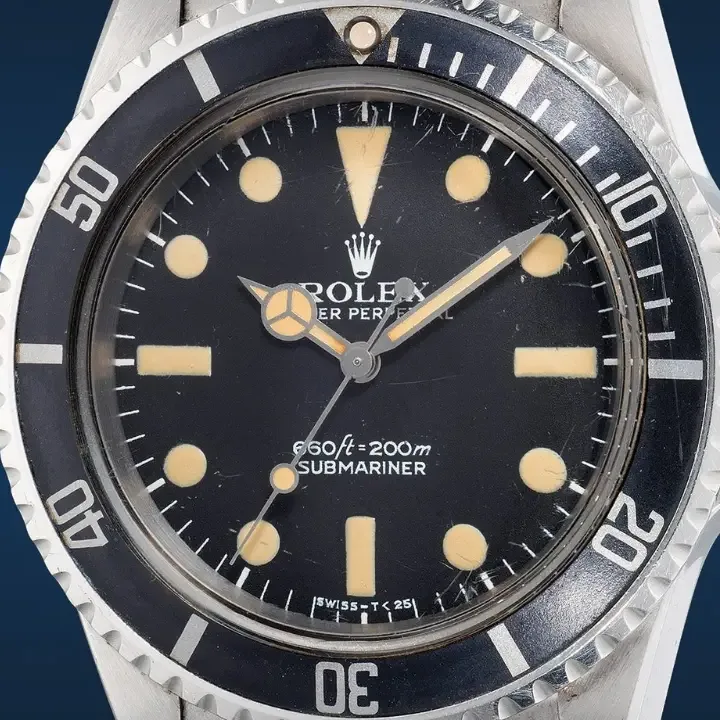
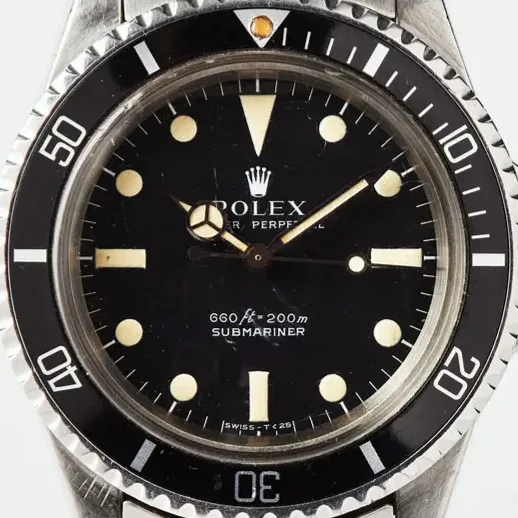
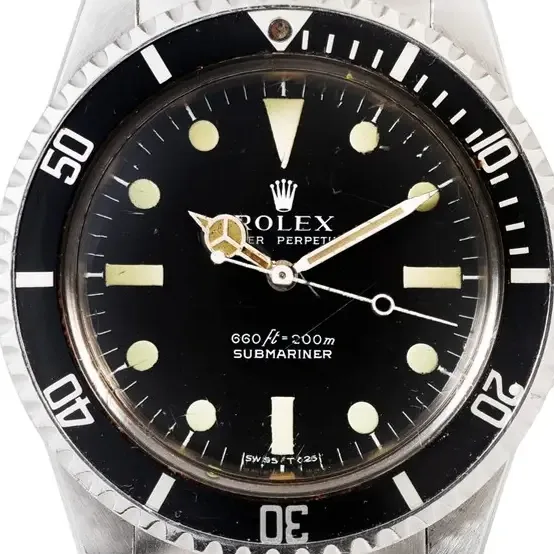
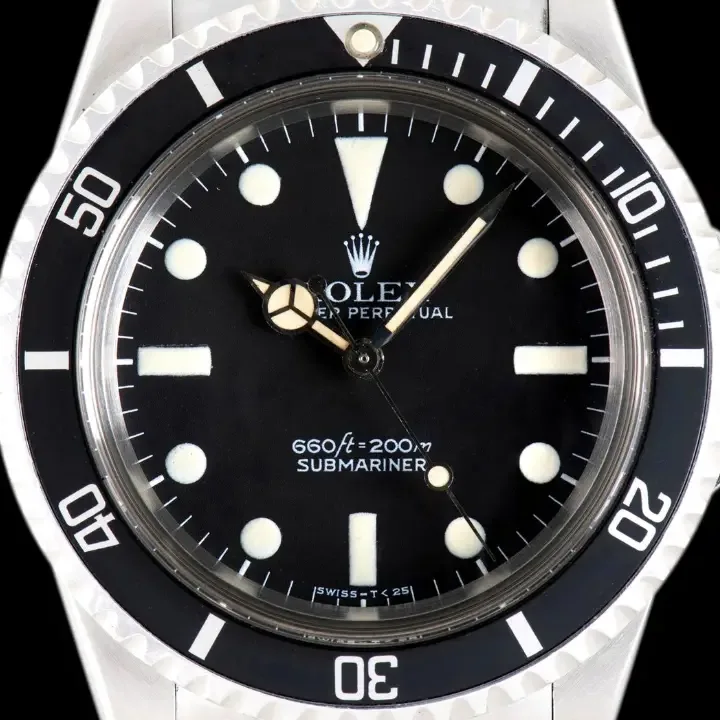
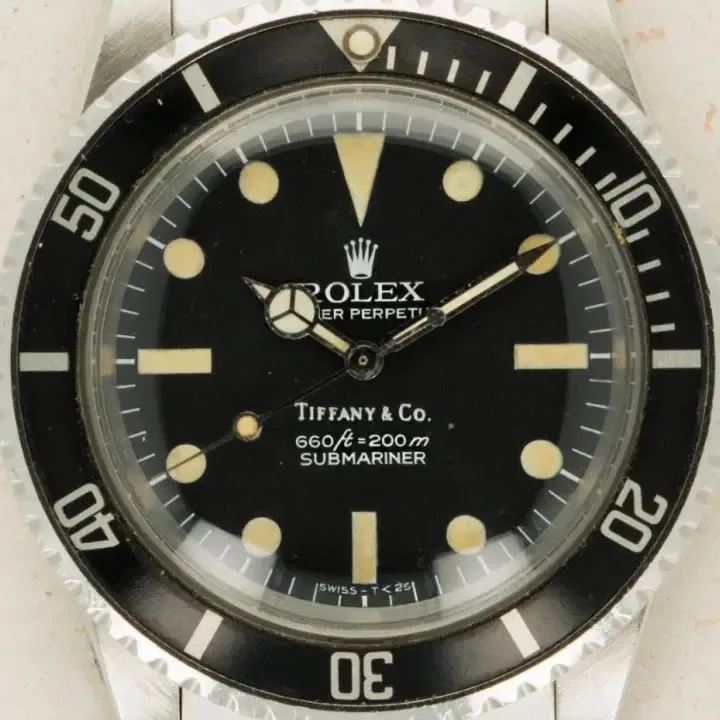
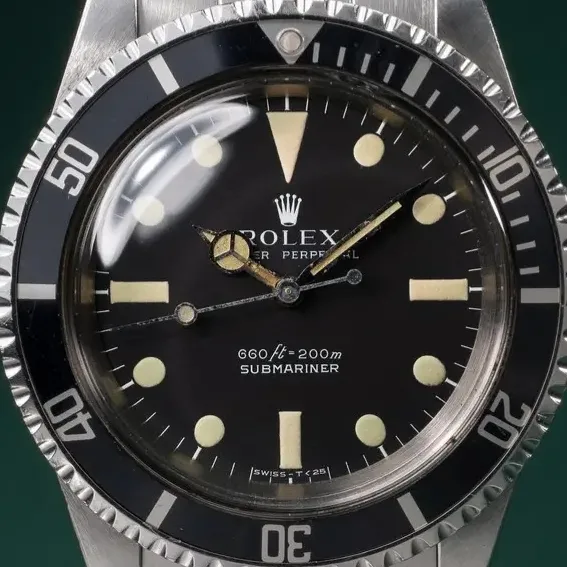
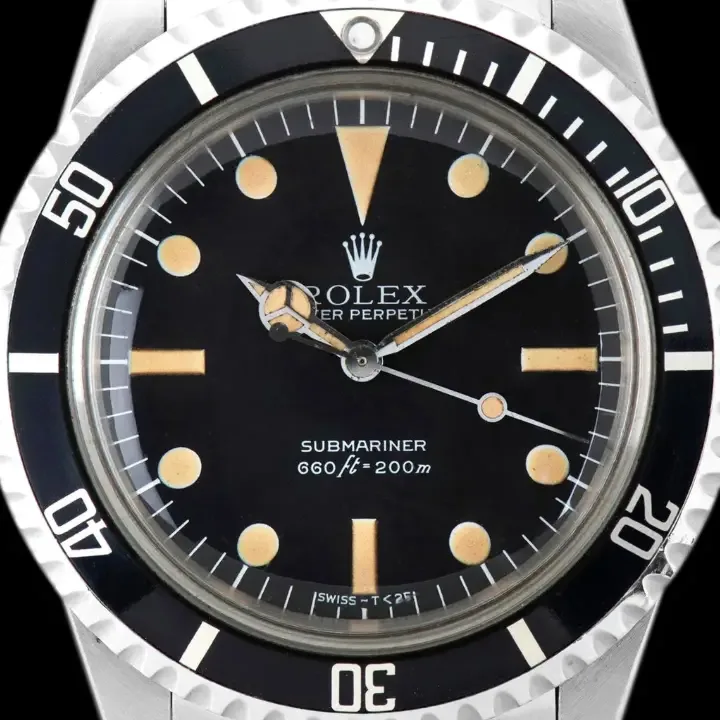
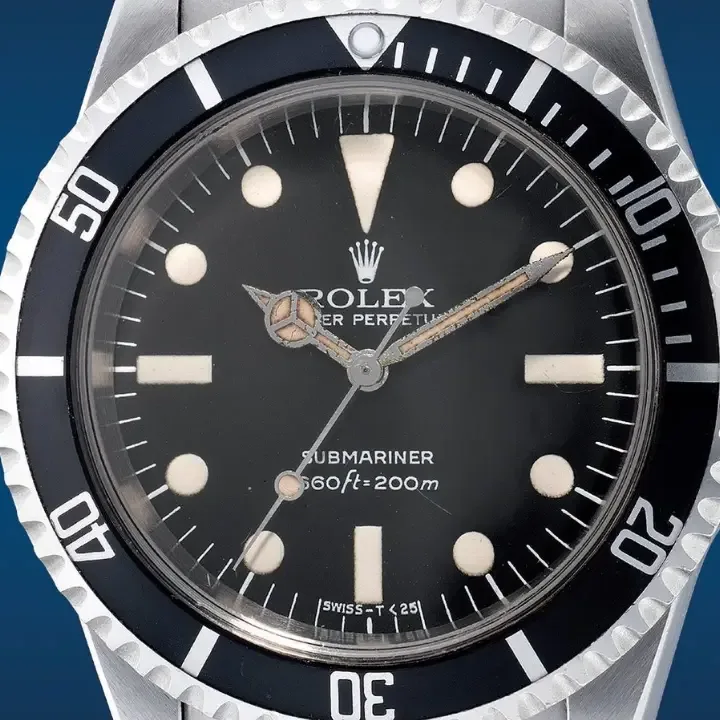
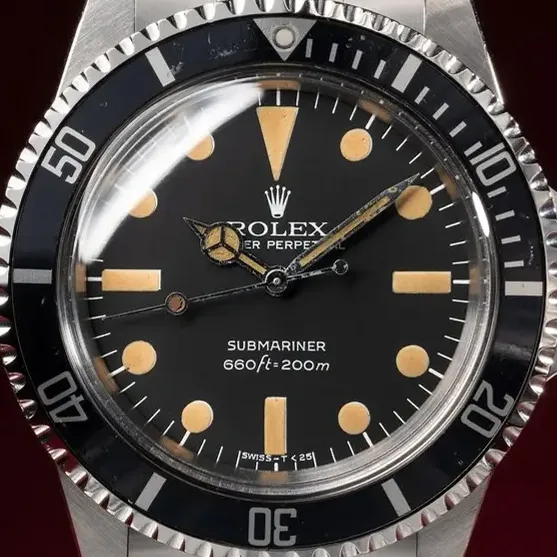
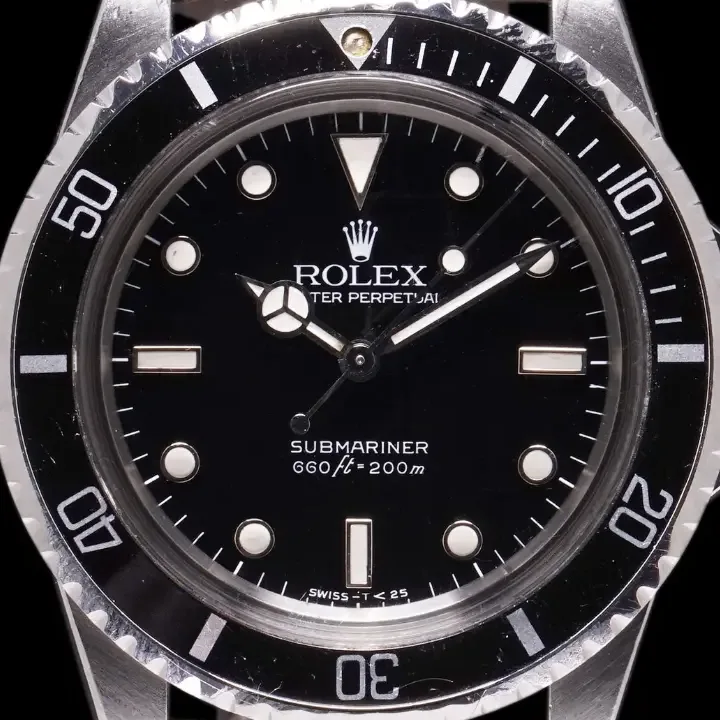
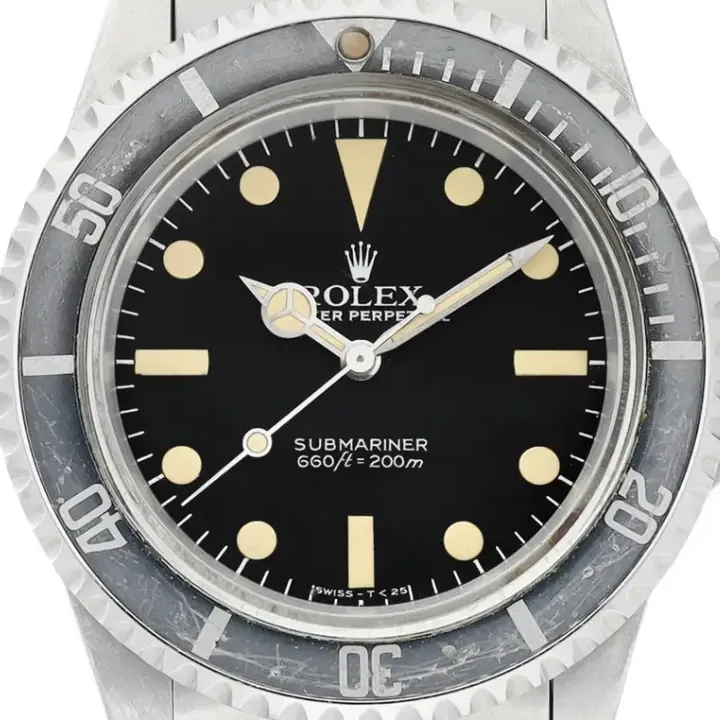
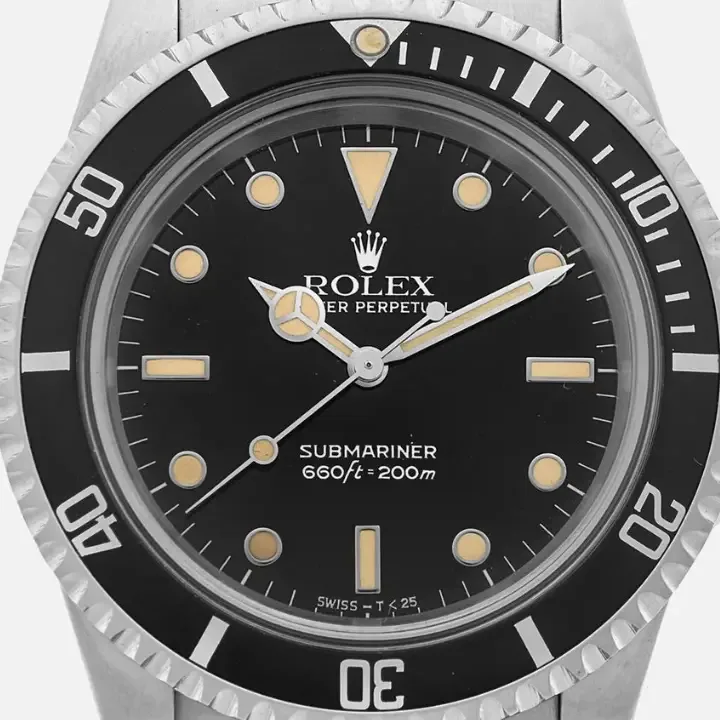
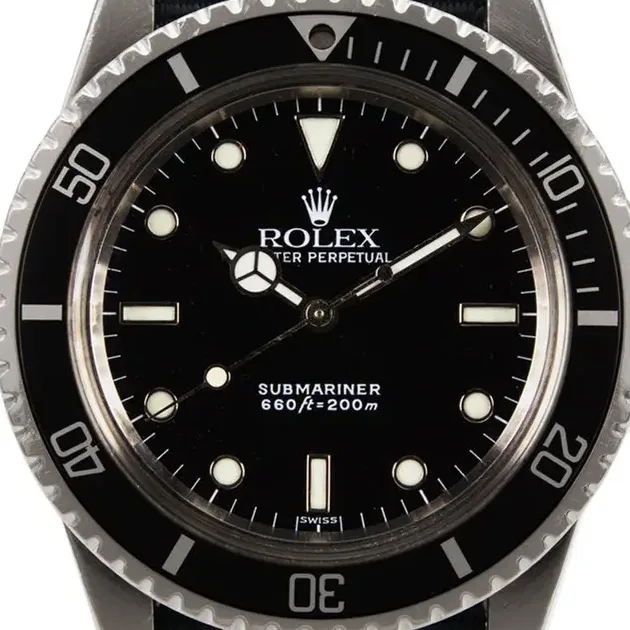
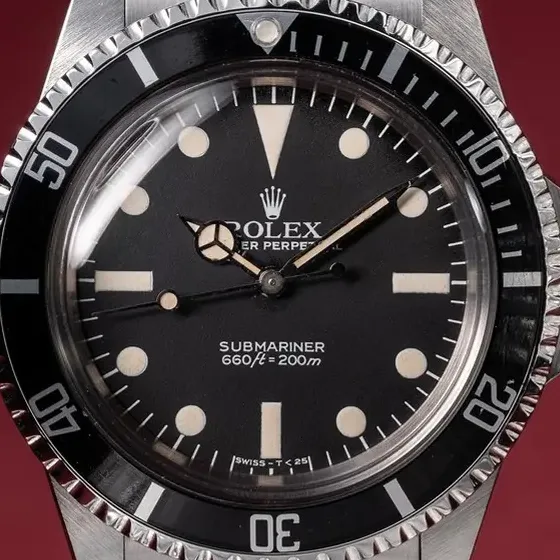
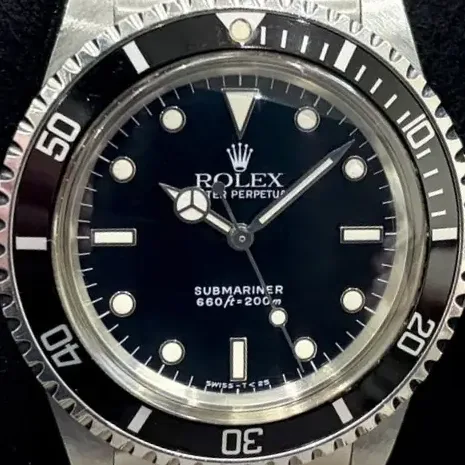
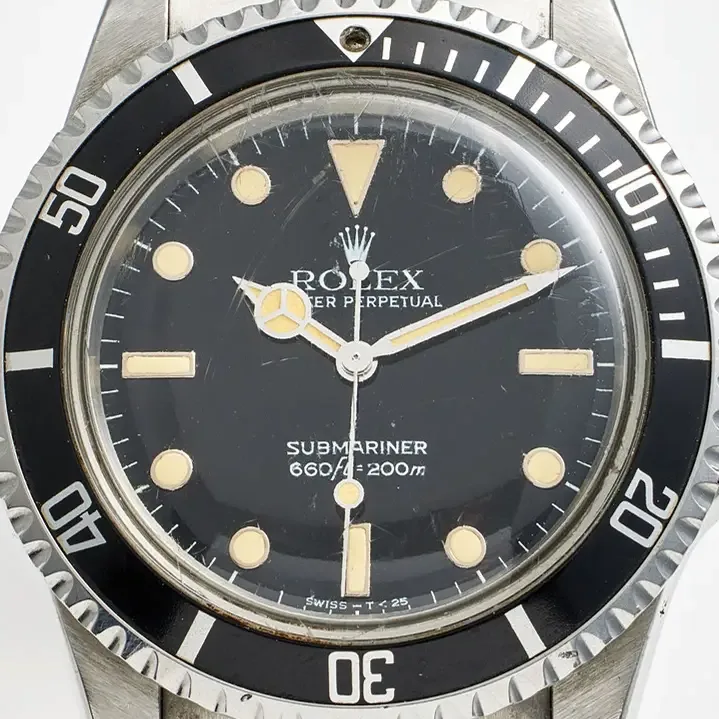
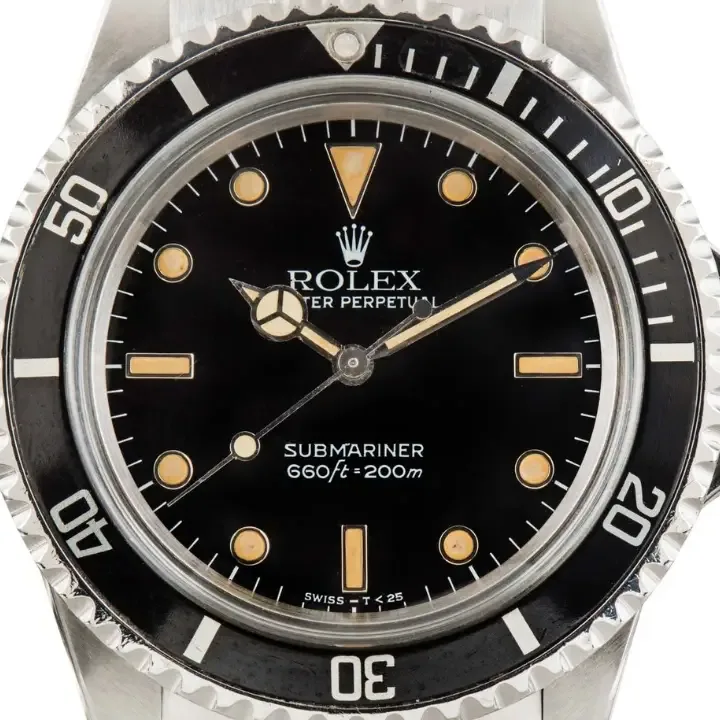
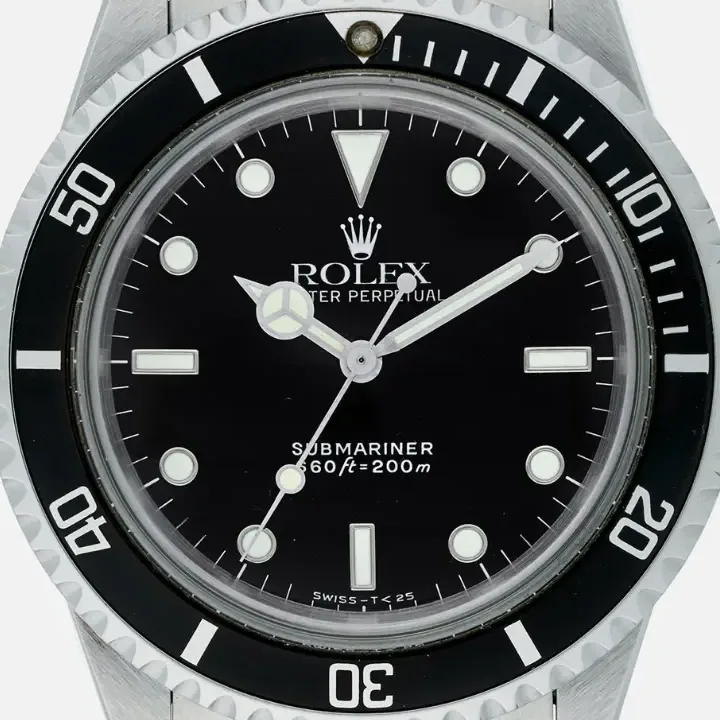
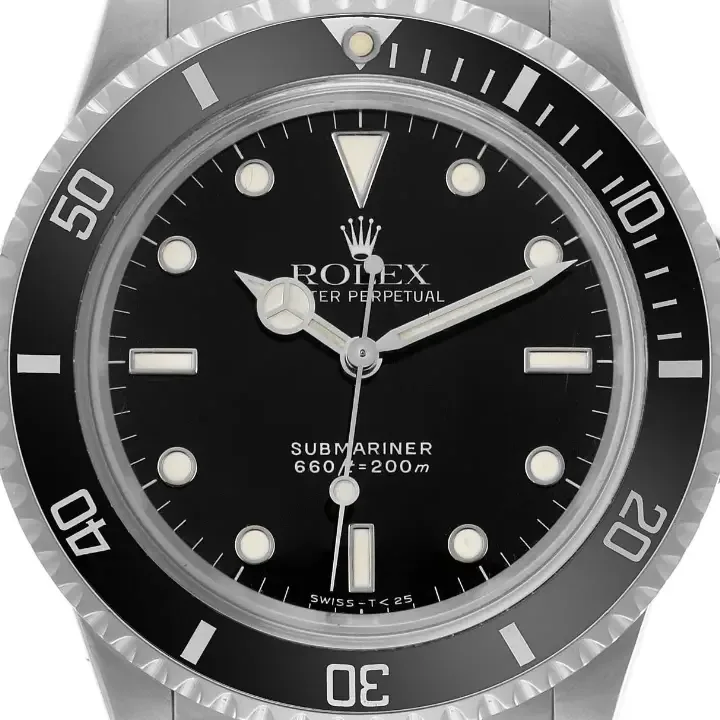
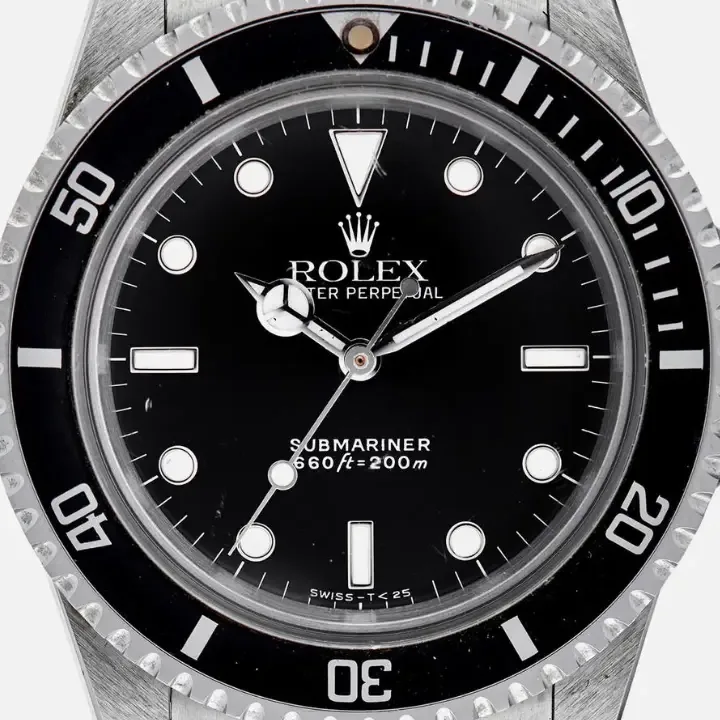
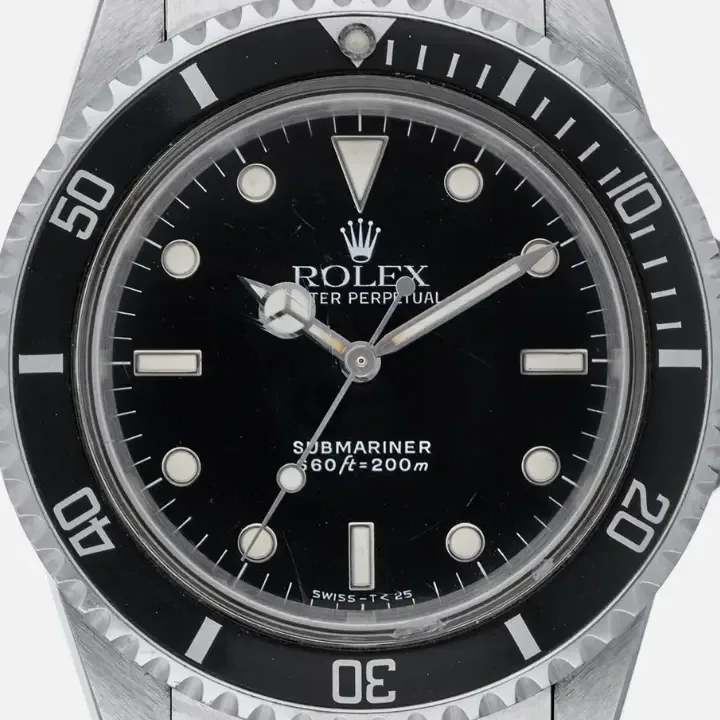
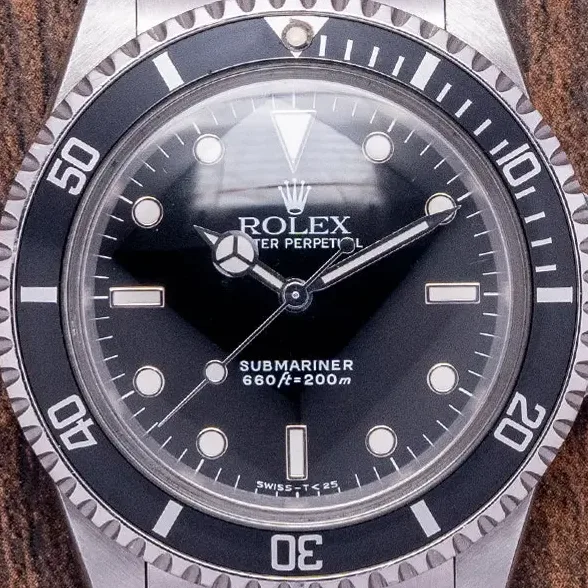
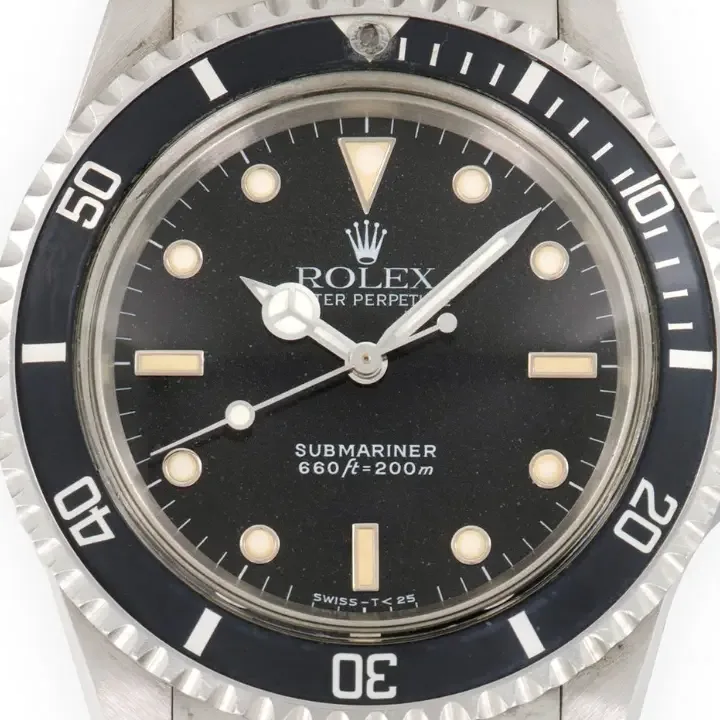




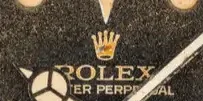


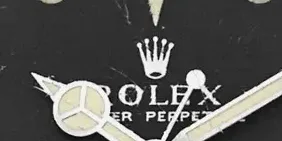
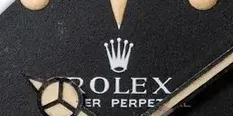








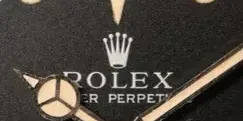








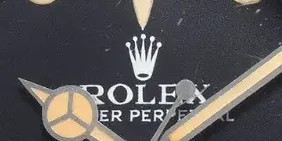



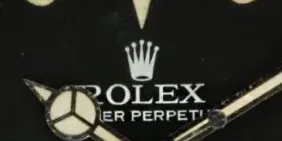



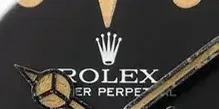














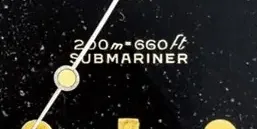

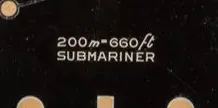
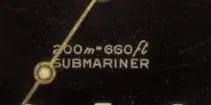
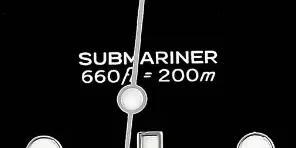
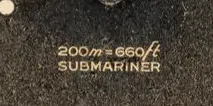
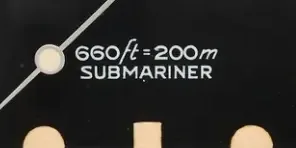
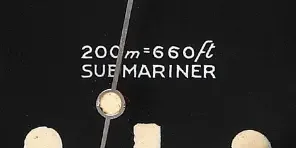
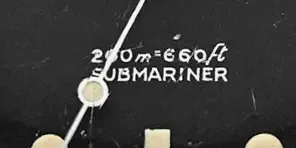
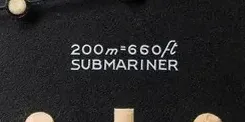

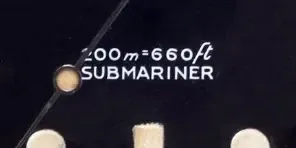
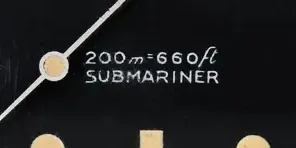



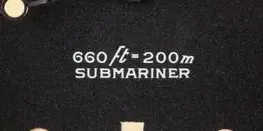

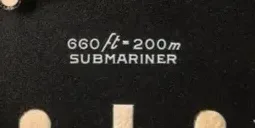
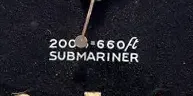


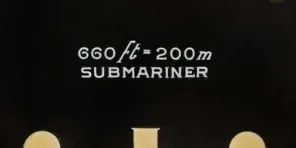




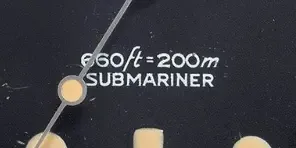



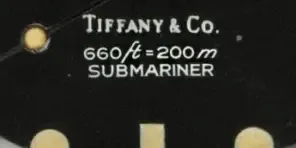

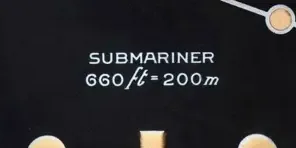
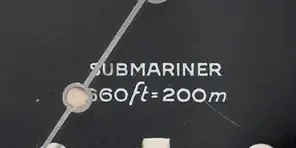
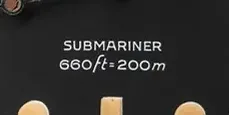
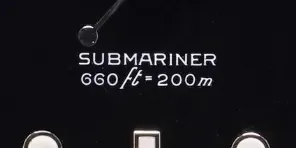
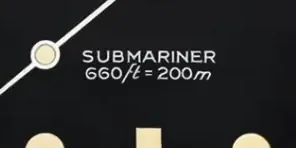
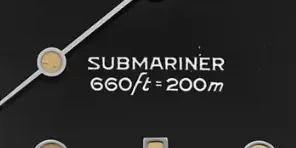

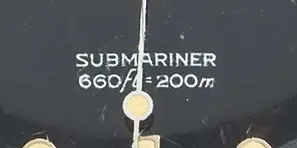
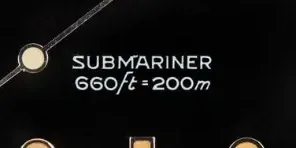

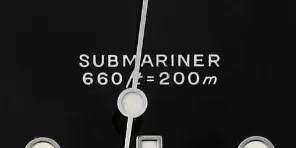
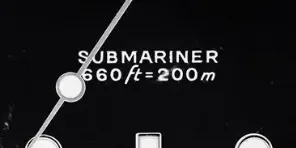

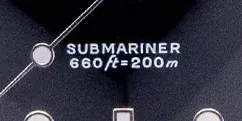
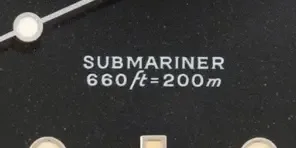
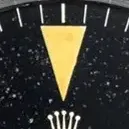

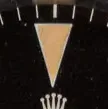
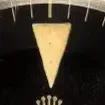
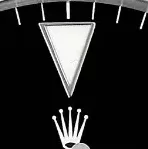
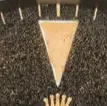
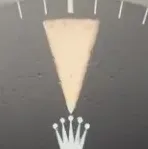
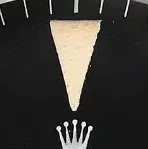
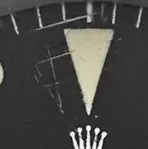
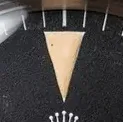

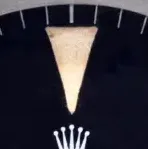
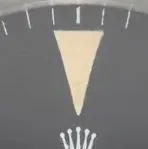
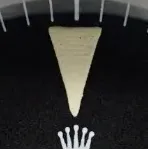
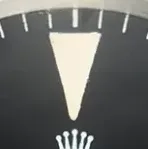

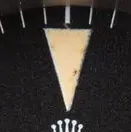
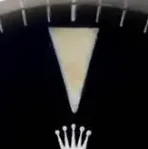
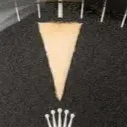

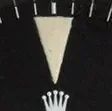
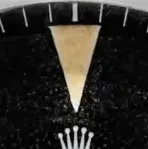
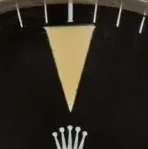
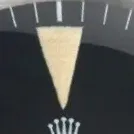

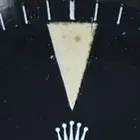
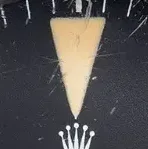
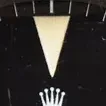
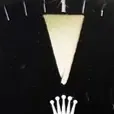
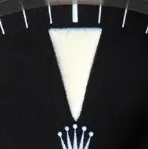
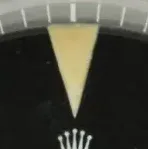
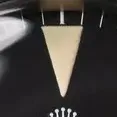
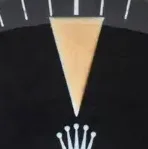
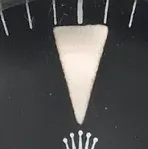
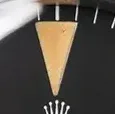
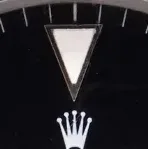
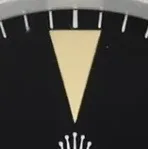
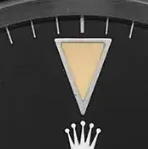
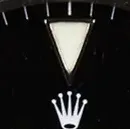
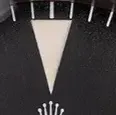

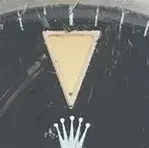
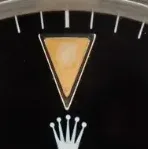
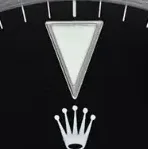
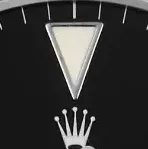
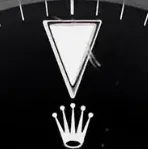
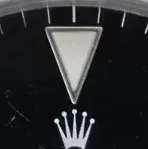
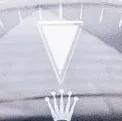
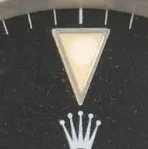
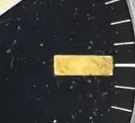

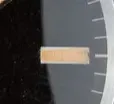
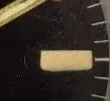
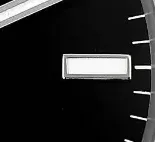

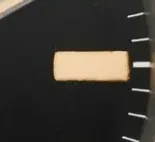
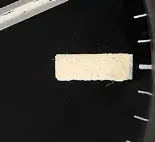

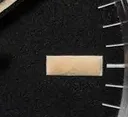
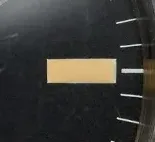
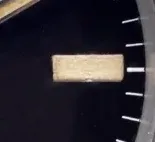
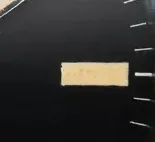
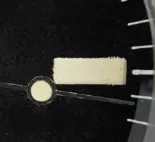
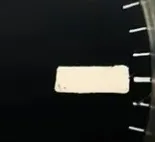

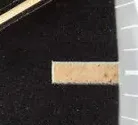
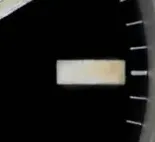
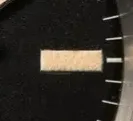

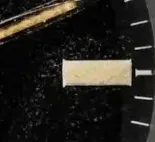
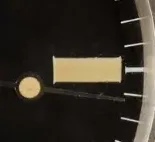
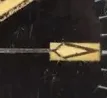
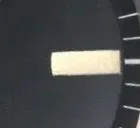
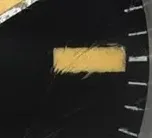

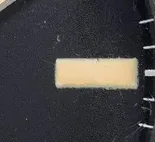
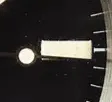
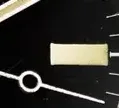
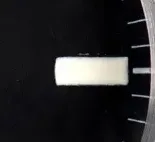
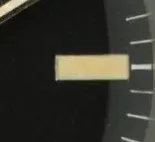
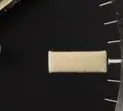
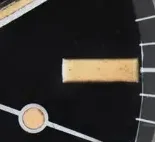
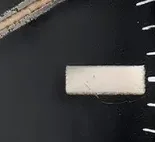
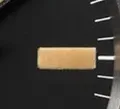
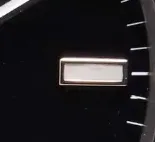
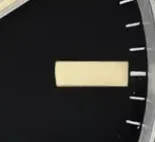
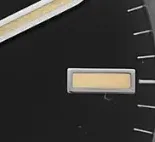
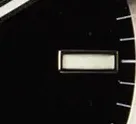
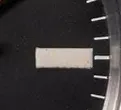
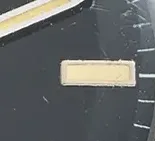
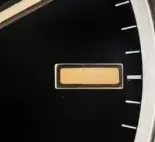

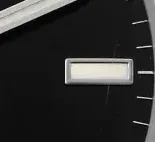
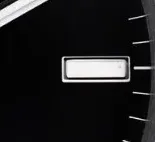
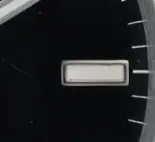
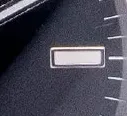
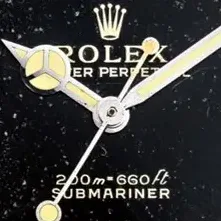

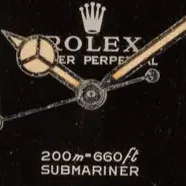
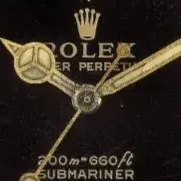
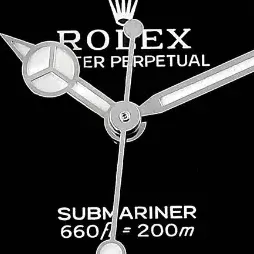
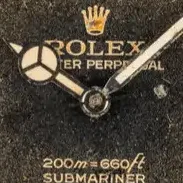

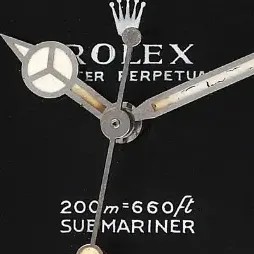
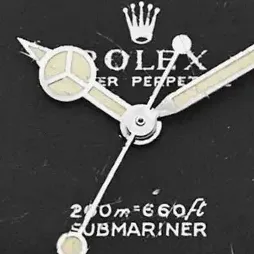
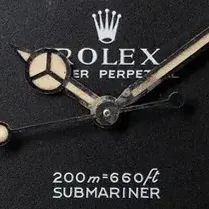
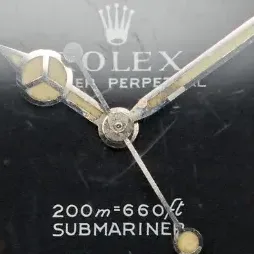
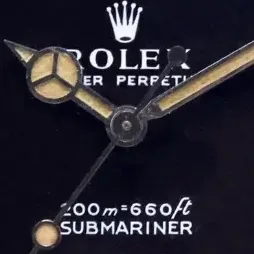

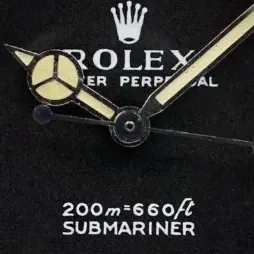
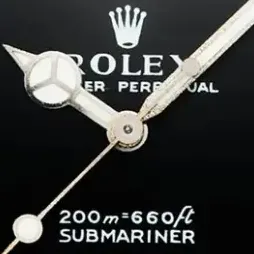
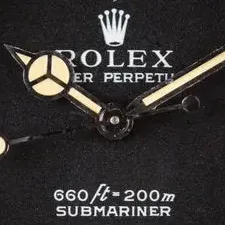
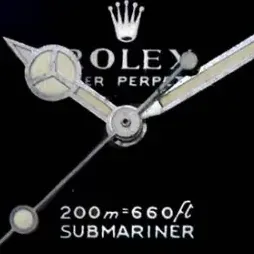
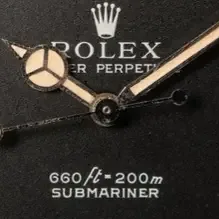
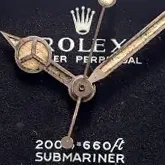
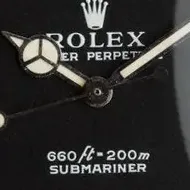

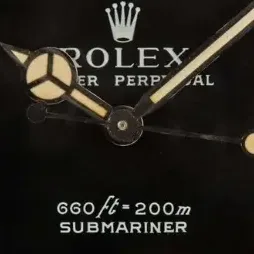

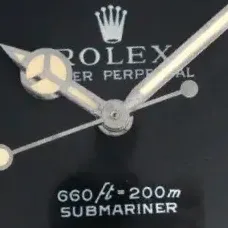


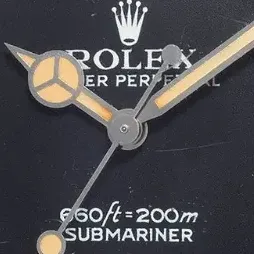
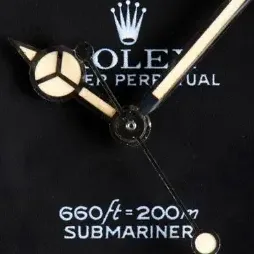
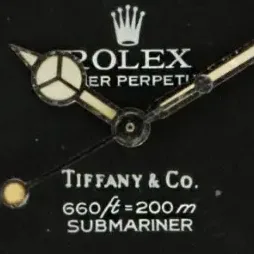
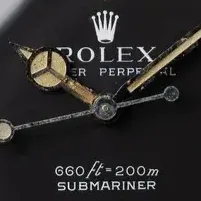
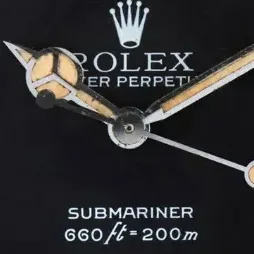
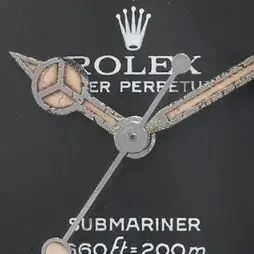
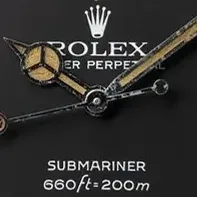

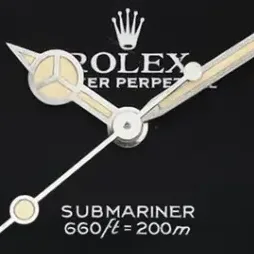
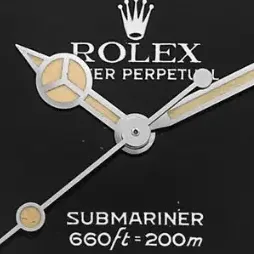
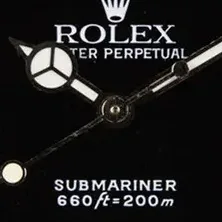
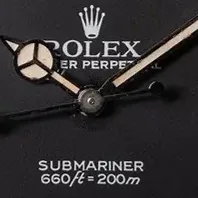
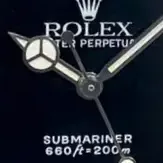
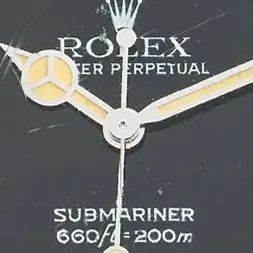

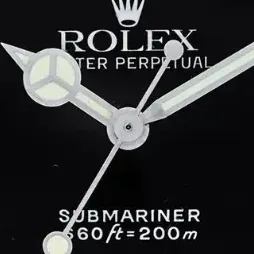
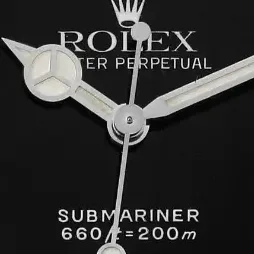
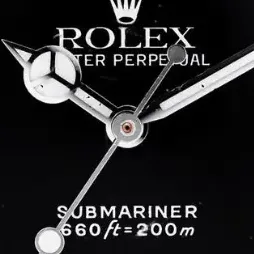

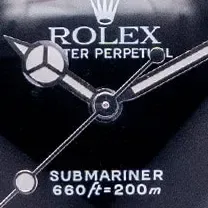
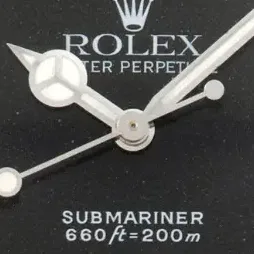
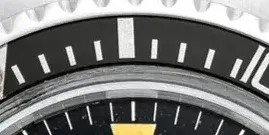
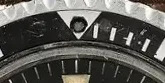


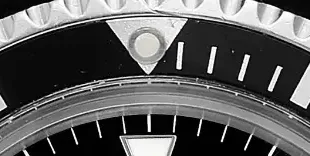


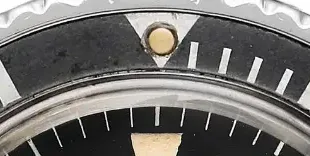
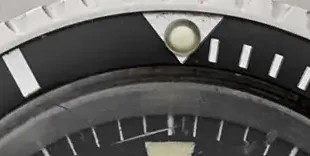
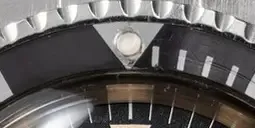
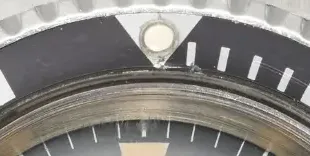
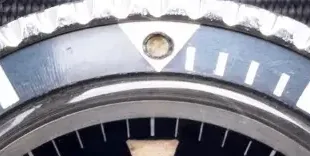
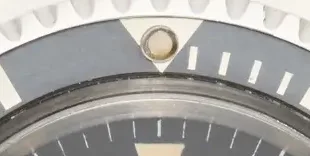


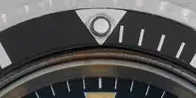
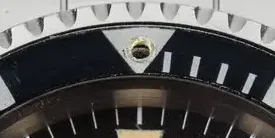
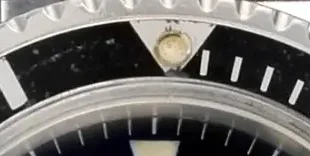
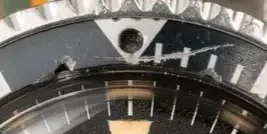
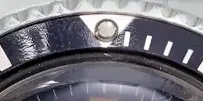
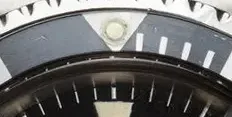

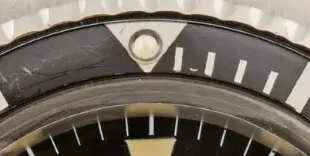
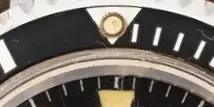
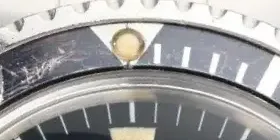
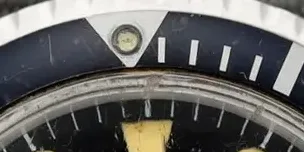
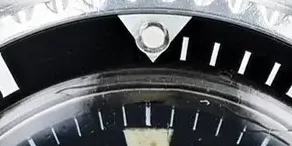
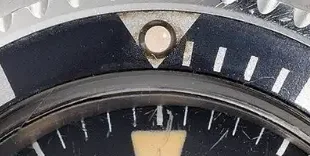
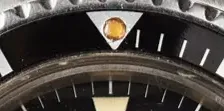

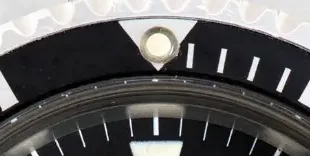


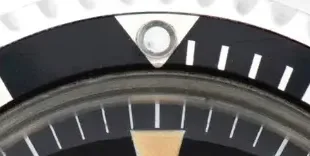

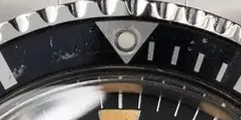
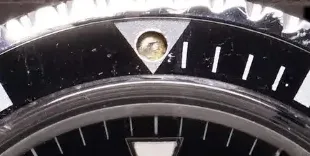
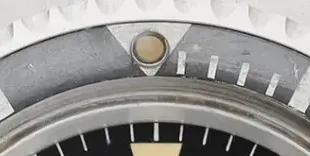
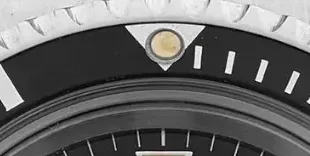

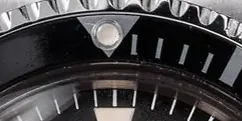
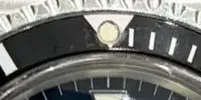
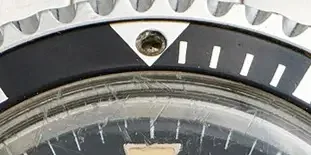
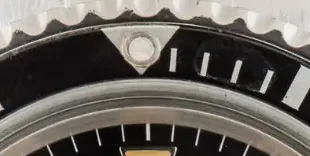
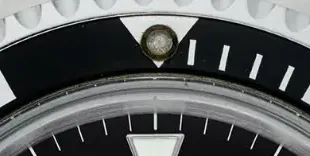
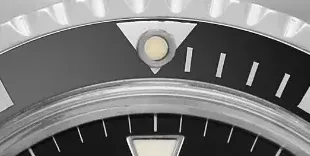
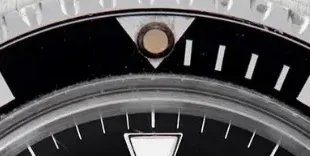
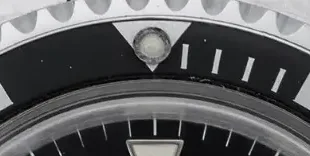
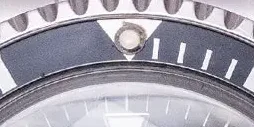

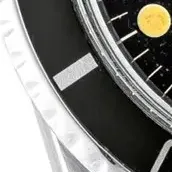
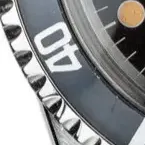
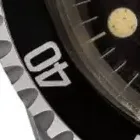
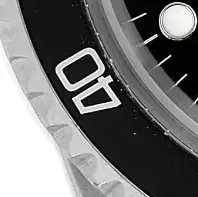
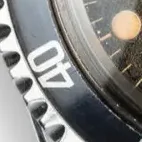
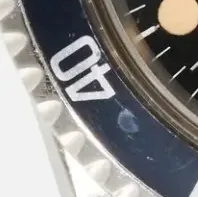
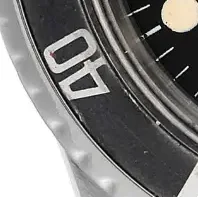
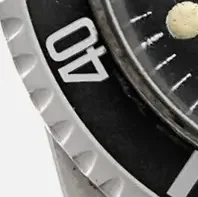
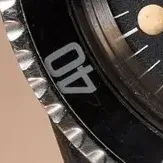
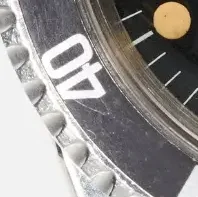
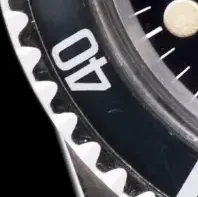
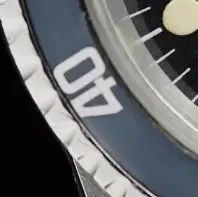
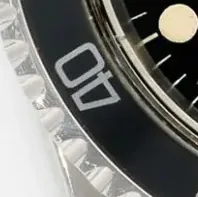
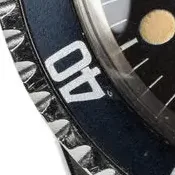
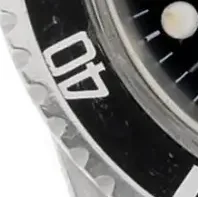
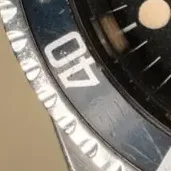
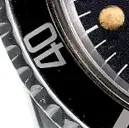
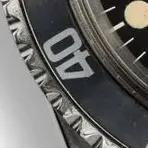
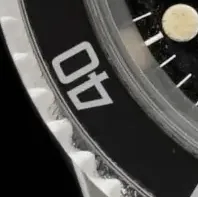
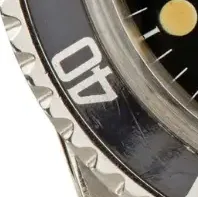
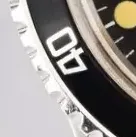
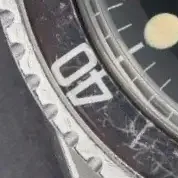
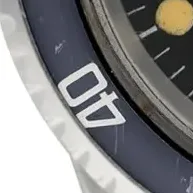
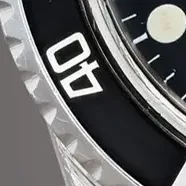
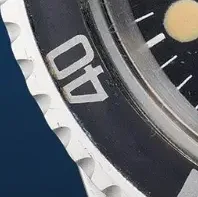
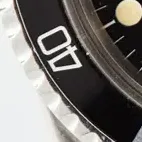
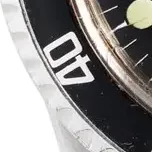
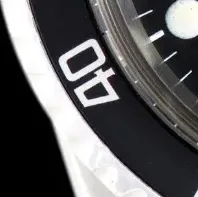
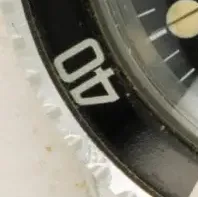
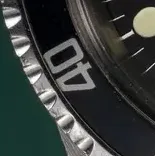
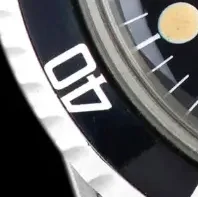
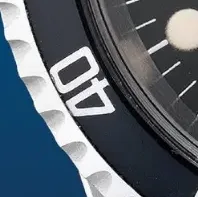
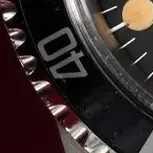
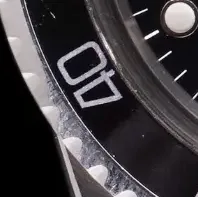
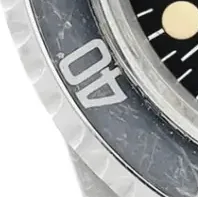
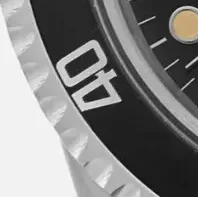
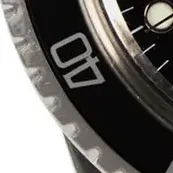
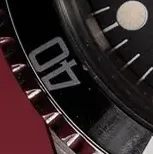
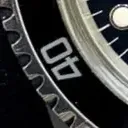
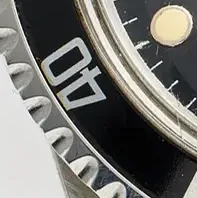
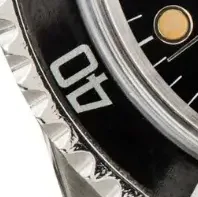
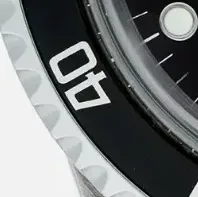
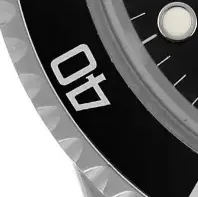
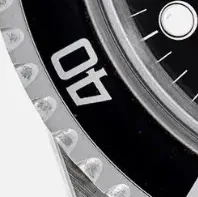
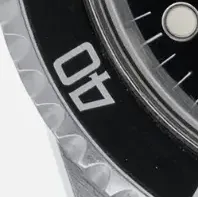
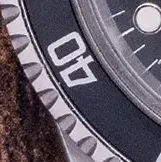
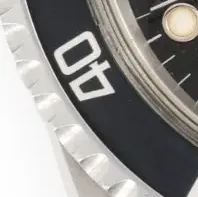
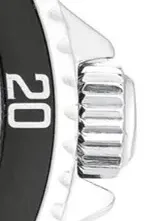
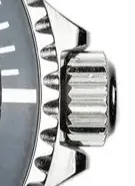
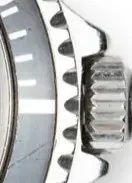
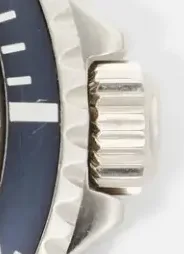
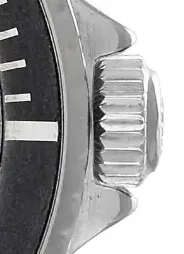
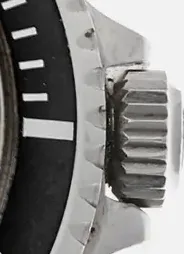
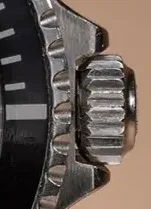
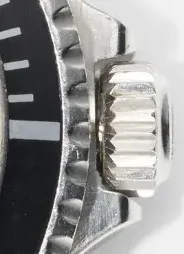
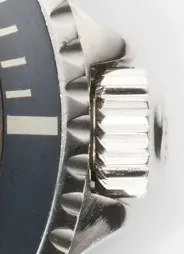
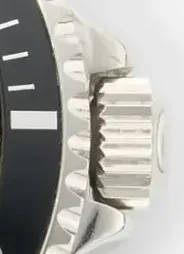
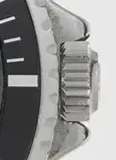
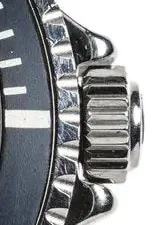
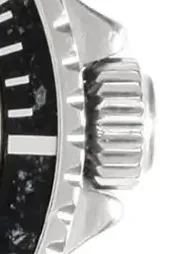
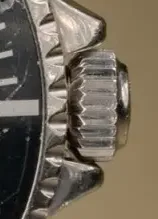
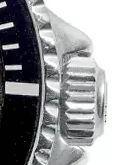
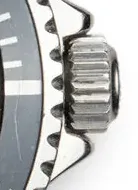
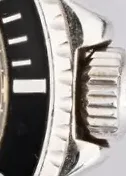
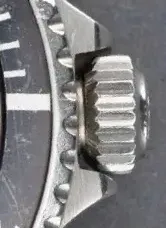
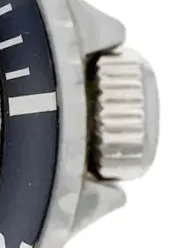
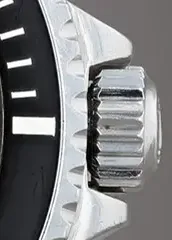
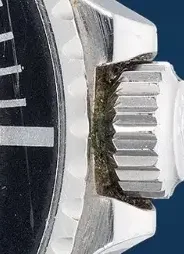
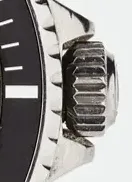
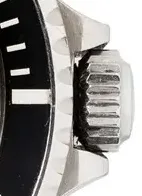
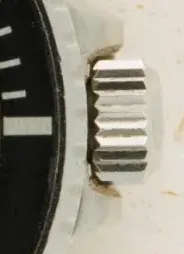
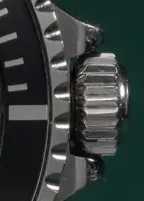
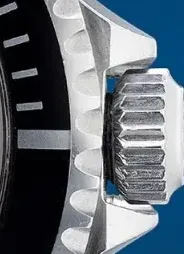
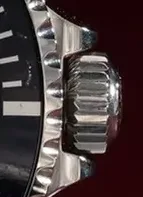
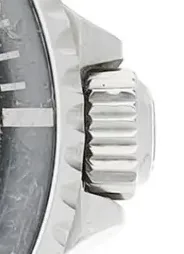
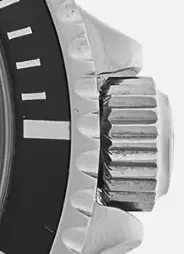
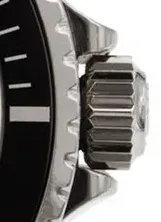
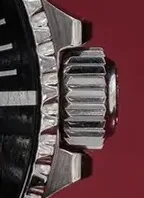
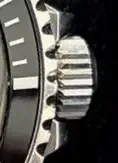
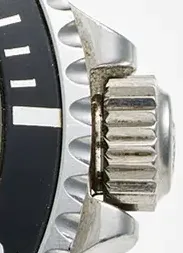
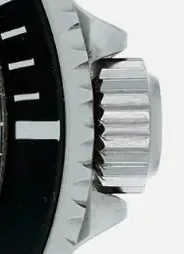
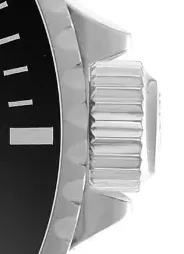
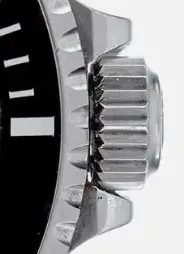
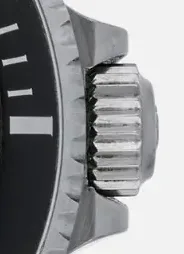
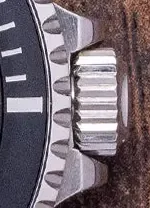
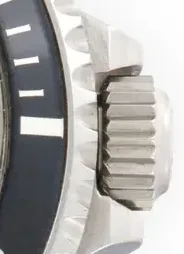
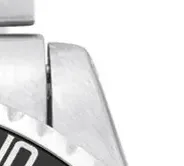

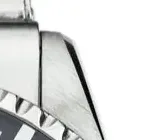
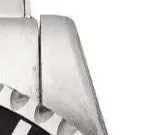
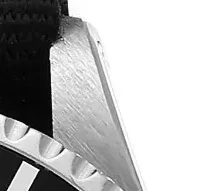
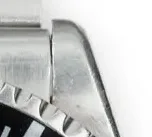

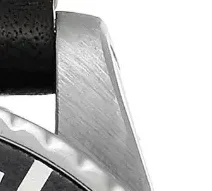
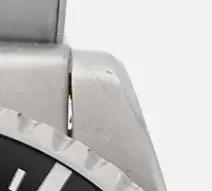
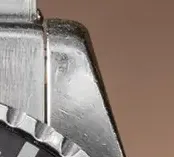

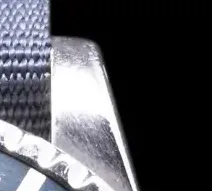

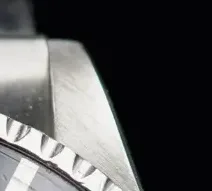


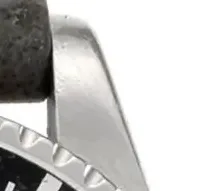
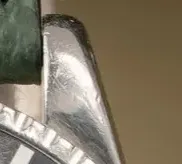
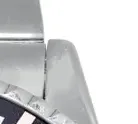
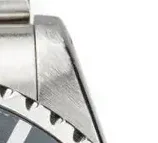

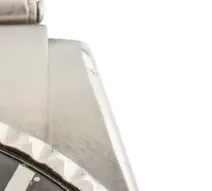
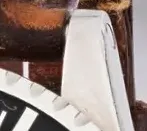
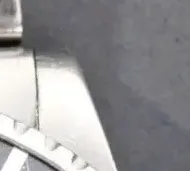


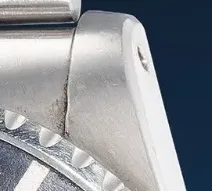
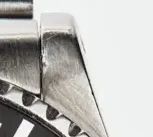
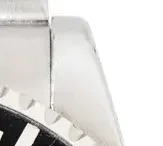

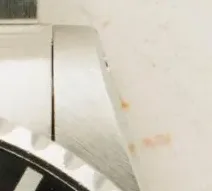
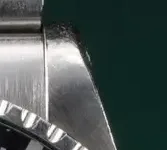
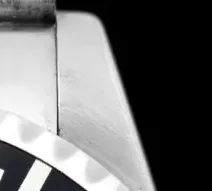

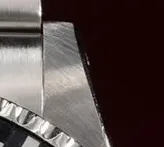
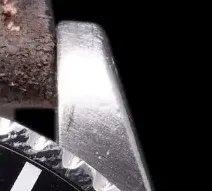


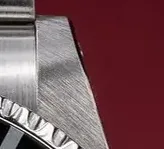
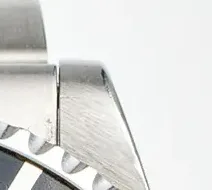

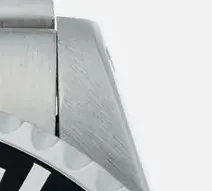
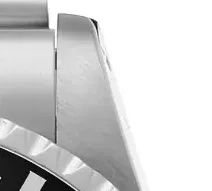
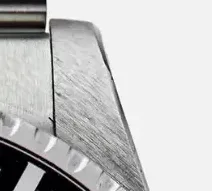
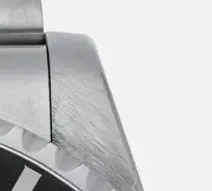

Illustrated history of the 5513: every change set out with close-up photographs of dated watches.
Chronology
Most accounts give 1962 to 1989 and a few end it in 1990; in the records the case numbers of a handful of watches fall just after 1989.
Every dated variant: what is written, and what the records show
For the reference the marks are every dated watch; for a variant, the watches a seller names as that variant, so a variant sellers do not name has none.
The reference's own marks are dated by case number. A variant's marks use the year each seller states, so a variant can show watches in a year where the row for the reference shows fewer, or none. 11 dated listings fall outside this scale and are not drawn.
Specification
| Case | 40 mm stainless steel Oyster case, 20 mm between the lugs, about 15 mm thick, plain screw-down back; sellers give a good many as 39 mm |
| Crystal | Domed acrylic, catalogued as Tropic 19, without a cyclops; tall on early watches and shallower on later or service-fitted ones |
| Bezel | Bi-directional rotating bezel with a black aluminium insert marked 0 to 60 minutes; the last Submariner to turn both ways |
| Dial | Two lines of text above 6 o'clock (Submariner and the depth rating) and no chronometer wording; glossy gilt, then matte, then glossy again |
| Lume | Radium on the very first watches, then tritium; later service dials may carry Luminova |
| Movement | Self-winding calibre 1530 at first, then 1520; neither is chronometer certified |
| Crown | Screw-down crown signed with the Rolex crown; Twinlock and Triplock are both named by sellers |
| Bracelet | Steel Oyster bracelet with a thin folding clasp: riveted 7206, folded-link 9315, then solid-link 93150 |
| Water resistance | 200 m, which is 660 ft on the dial |
Dial 24 described
The dial is where the 5513 changed most. Gilt gloss dials give way to matte dials in the mid-1960s, the depth rating turns from metres first to feet first at the end of the decade, serifs come and go on the corner plots, the Maxi series enlarges the lume plots, and the last dials return to gloss with white-gold surrounds. Throughout, the text stays at two lines above 6 o'clock with no Superlative Chronometer wording, and the depth rating reads 200 m = 660 ft or the reverse.
Gilt gloss
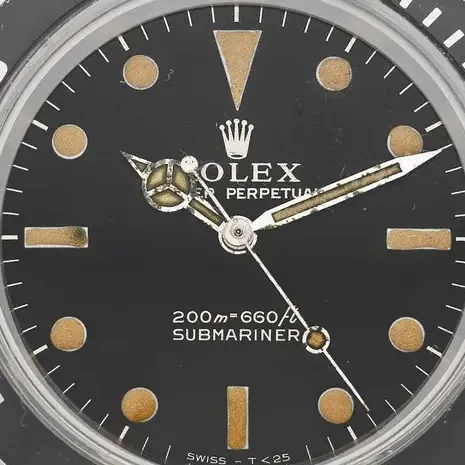
Deep glossy black dial with gold-coloured print, including the outer minute track, where the brass base shows through the relief printing. Gilt dials were used for roughly the first four or five years and can age unpredictably to brown, the effect called tropical. Within the gilt run there were three layouts: SWISS alone at the foot, then SWISS - T<25, then the Bart Simpson dial.
- gold print and gold SWISS
- brass showing under the print
- brown ageing in some
Exclamation point
case numbers 765,000s
Sellers apply this name to some of the earliest gilt dials, for the dot below the marker at 6 o'clock. The records place nearly all of them in a single block of low case numbers. Dated watches that sellers describe this way fall mostly in 1962; those are the years of the watches so described, which is not a stated span of production.
Explorer dial
Arabic numerals at 3, 6 and 9 replace the rectangular plots, with baton markers elsewhere. Made for about three years from 1962 and described as the last batch of Submariners with this layout. The quantity is unknown, and some say it could still be ordered into the early 1970s. Dated watches that sellers describe this way fall mostly between 1962 and 1965; those are the years of the watches so described, which is not a stated span of production.
- Arabic numerals at 3, 6 and 9
- baton markers elsewhere
Underline
A line printed beneath the word Submariner. It is said to mark a change of luminous material, though that is reported rather than confirmed by the maker. The very rare Double Swiss Underline of 1963 has two lines under the Oyster Perpetual text and two SWISS marks at the foot.

- two lines and two SWISS marks on the double
63 listings on record under the name.
Gilt, SWISS - T<25
The second gilt layout, with SWISS - T<25 at the foot, found on watches of about 1964 to 1965.
- SWISS - T<25 under 6
Gilt, open chapter ring
Gilt dials with gold text and no ring outside the minute markers, put at about 1964 to 1966; the ring is closed on the dials that follow.
- no ring outside the minute markers
- gold text
Bart Simpson
The last gilt dial, named for the flattened, squared-off points of the coronet in the signature. Also found on the 5512. Dated watches that sellers describe this way fall mostly in 1966; those are the years of the watches so described, which is not a stated span of production.
- flat, squared coronet
Meters First
case numbers from about 1.4M to 2.2M
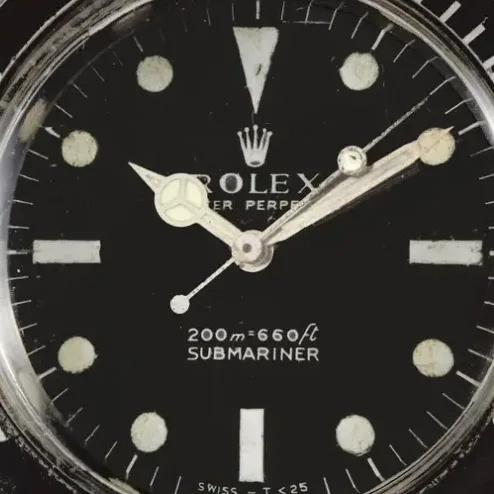
The first matte dials: matte black with white print and tritium plots, and the metre figure before the feet figure in the depth rating (200 m = 660 ft). The L of ROLEX has almost no top serif and sits centred under the coronet; the S of SUBMARINER has a flat top and a high middle bar; the sixes in the depth rating are semi-open, and a 10x loupe may be needed to see this; the SWISS - T<25 line spans five minute marks. The tritium on these dials runs from a thin white layer early to a domed one mid-run and a flat one near the end. The literature puts the start of the change from gilt at about 1.6M; in the library's records it begins around 1.4M and is largely complete by 1.6M. Meters First was in full production by 1.7M, and some read the switch to feet first as a move to suit the American market.
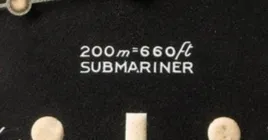
- semi-open 6s
- SWISS - T<25 over five marks
- flat-topped S
Feet First
case numbers from about 2.0M
The depth rating is reversed to 660 ft = 200 m at the end of the 1960s, and feet first stays to the end of production. The matte Feet First run is put at 1969 to 1982. Both orders appear together from late 1969 to early 1970, on cases around 2.2M.
- 660 ft before 200 m
Non Serif
case numbers 2.0M; again late 3.0M to mid 5.0M
The first Feet First type, from the very early 2.0M cases at the turn of 1969 to 1970. The corners of the 3, 6 and 9 plots are clean right angles, the middle bar of the E in ROLEX carries a pronounced serif, the P of PERPETUAL sits left of the L of ROLEX above it, and the SWISS - T<25 line spans three minute marks. It returns after the Serif run, on cases from the late 3.0M range to the early or mid 5.0M, until Pre-COMEX dials. Ranges overlap because Rolex changed dials over a short span.
- square corners on 3, 6 and 9
- serif on the middle bar of the E
- P of PERPETUAL shifted left
Serif
case numbers 2.0M to 4.0M
Small flared points on the corners of the 3, 6 and 9 plots, and no serif on the middle bar of the E. Feet first, with an equals sign above and a little right of the A in SUBMARINER and SUBMARINER under the depth line. It ran after the first Non Serif dials, on cases from the early to mid 2.0M range to about 1973 (late 3.0M to early 4.0M), after which Non Serif returned. Whether the paint under the plots shows is another way dealers tell the two apart. Dates are approximate; some place Serif as late as 1975 or 1976. Dated watches that sellers describe this way fall mostly between 1970 and 1975; those are the years of the watches so described, which is not a stated span of production.
- flared points on 3, 6 and 9 corners
- plain E middle bar
Pre-COMEX
case numbers 5M range
A name made up on a collector forum in 2008 for matte dials like some of those on the COMEX 5514, and not a reason to expect a premium. A smudgy coronet, very fat at the bottom, a heavy serif on the L of ROLEX sitting left of centre, open sixes, an equals sign above and left of the A in SUBMARINER and the depth rating above SUBMARINER. It is the last matte type before the Maxi dials, usually found on 5M-range cases and overlapping the Maxi I numbers. Dated watches that sellers describe this way fall mostly between 1977 and 1978; those are the years of the watches so described, which is not a stated span of production.
- fat smudged coronet
- L with heavy serif left of centre
Maxi (series)
Matte dials with markedly larger tritium plots and bolder printing, made in five types from the late 1970s, usually put at 1977 though some accounts say 1976, to about 1984. Rolex itself first used the word Maxi in 2003 for another model, and collectors borrowed it. Maxi dials were also the default service replacement for seven or eight years, so they turn up on 5513s of any period, and Luminova versions are still used as replacements.
- large lume plots
- narrow-based coronet
- open sixes
Maxi I
case numbers early or mid 5M to early 6M
Transitional and short-lived, usually put at 1977 to 1978 on cases from the early or mid 5M range to the early 6M; one account places it a year earlier, around 1976 to 1977, on mid-4M to low-5M cases. Also found on a few Royal Navy watches. The last 5513 dial with SUBMARINER printed beneath the depth rating, with large plots that do not touch the minute marks, a slim tapering coronet, an equals sign directly above the A and a zig-zag S like a backwards Z. Compare Pre-COMEX, whose coronet is fat and whose S is normal.
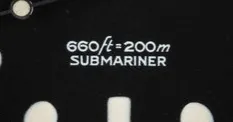
- zig-zag S
- tapered coronet
63 listings on record under the name.
Maxi II
case numbers 5M to early 6M
The first matte dial with SUBMARINER above and shorter than the depth rating, which then stays on top to the end of the 5513. Normal S, no serif on the f of the depth rating, equals sign centred below the A, sans-serif lettering and a narrow-based coronet. From about 1978 on cases in the 5M and early 6M range.
- SUBMARINER above the depth line
- equals sign centred under the A
Maxi III (lollipop)
case numbers 5M to mid 6M
Proportionally the largest plots, often touching the five-minute marks, although the author of one account warns that they do not always touch. Large open sixes, a serif on the f of the depth rating, slightly smaller print and the two zeros of 200 m under the N and E of SUBMARINER. Ran alongside Maxi II on cases from 5M to perhaps mid 6M, probably from about 1978.
- plots reaching the five-minute marks
- serif on the f
Maxi IV
case numbers late 6M to late 7M
Introduced about 1981; the case numbers run from the late 6M to the late 7M. It has the zig-zag S of Maxi I with SUBMARINER above a longer depth line and the equals sign below the A, nudged right. Dated watches that sellers describe this way fall mostly between 1981 and 1982; those are the years of the watches so described, which is not a stated span of production.
- zig-zag S
- SUBMARINER above a longer depth line
Maxi V
case numbers 7M to 8M+
The last matte dial, on cases from about 7M to 8M and beyond until the gloss dials came in around 1984. SUBMARINER is printed wider than the depth rating for the first time, the sixes are open, the depth rating has no serif and the equals sign is centred under the A. The run may be as short as 500,000 to 700,000 case numbers. Dated watches that sellers describe this way fall mostly between 1983 and 1984; those are the years of the watches so described, which is not a stated span of production.
- SUBMARINER wider than the depth line
Gloss with white-gold surrounds
The matte dial gives way to a glossy black dial with white print and applied markers in white-gold surrounds filled with lume, with white-gold hands. Dated 1982, 1983, 1984 or 1980 by different accounts, and lasting to the end of the reference. Fine cracking of the lacquer, called spider dials, is seen only on this final type, and whether it counts as patina or damage is disputed. A 1984 watch is recorded with a white-gold outline dial in place of the Maxi V.
- applied markers with white-gold frames
- gloss lacquer
- hairline cracks on some
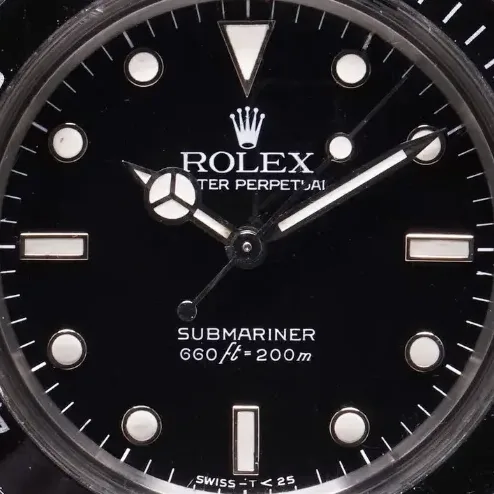
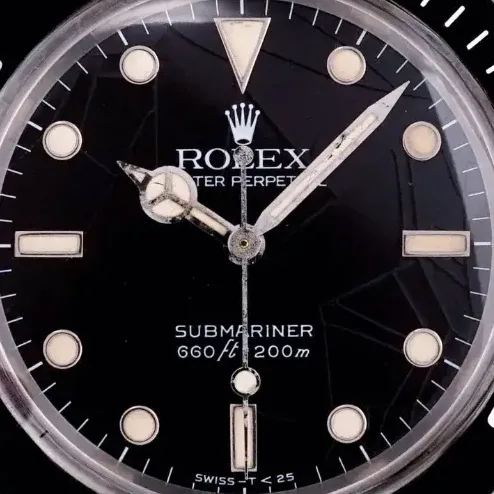


MilSub
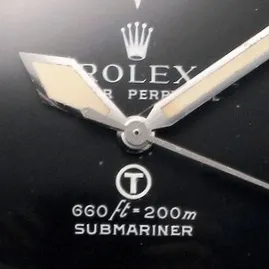
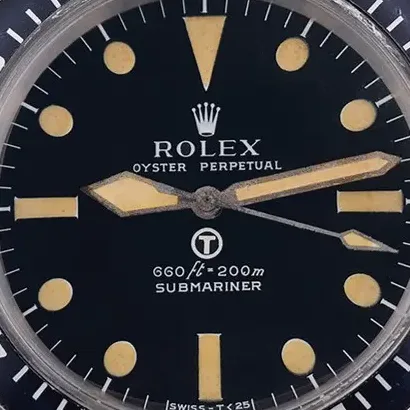
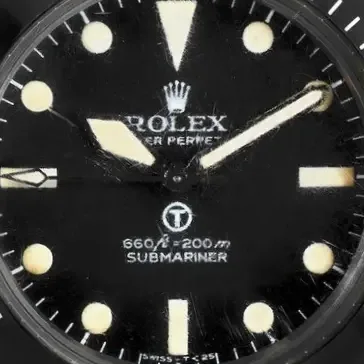
Made for the British Royal Navy, with a matte dial that is metres first on earlier examples and feet first on later ones, a circled T at 6 o'clock marking tritium, and on some a T SWISS T underprint. Some small batches have larger markers and slightly different coronets. The period is given as about 1972 to 1976 by some accounts and mid-1970s to early 1980s by another. Numbers are put at about 1,200 for the 5513 and 5517 together, of which only several hundred survive unmodified, or at a few hundred issued. See also the case, hands and bezel.
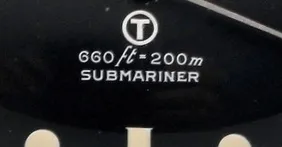


- fixed bars


COMEX
The COMEX logo appears on the dial of some 5513s ordered by the diving company, which also ordered its own 5514, and these were often worn on a steel Oyster bracelet. Some have helium escape valves and other changes.
- COMEX logo on the dial
Retailer signatures
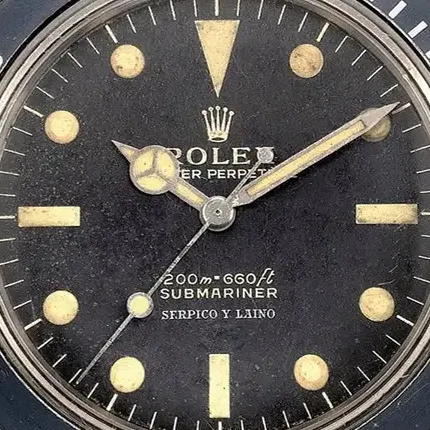
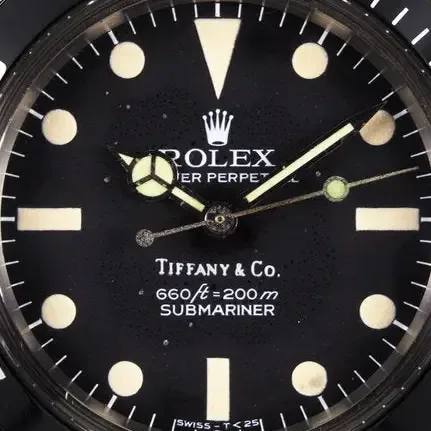
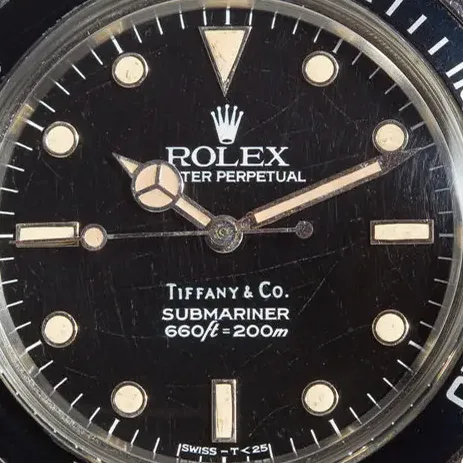
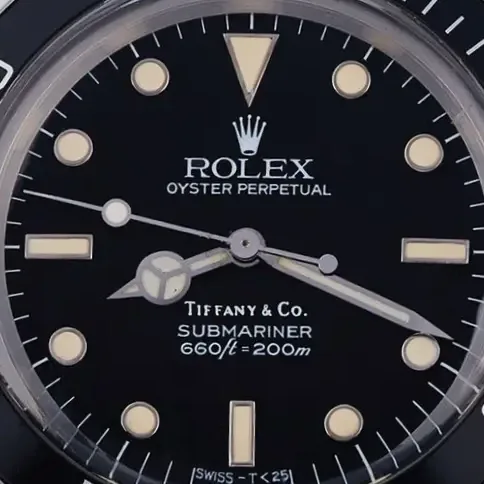
Some 5513s carry a retailer's name on the dial. Tiffany & Co. is named, and the records show Tiffany at the end of the 1970s into the 1980s; Serpico y Laino appears on a handful of watches of the early to mid 1960s.
- retailer name under the Rolex signature




The Shadow
case numbers about 4.093M
A factory blacked-out 5513 made in 1975 for the South African army, with a teflon-coated gunmetal case and a bezel that sits lower than usual. It has a Serif dial, and the engraving between the lugs is in a different typeface from that of neighbouring 5512, 5513 and COMEX 5514 cases; its case number, about 4.093M, lies between two known COMEX 5514 batches.
- gunmetal case
- bezel set low
South Pacific issue
One documented 5513 of 1965 was supplied by the French government to divers whom COMEX had trained, for placing seismometers on the sea floor in French Polynesia.
Luminous material 3 described
The first watches had radium, then tritium, and the lume on dials and hands matters as much as the dial itself, since service dials are relumed with Luminova.
Radium
On the very first watches and dated by sellers to 1963 and 1964. Goes with the gilt dial and pointed crown guards. Those are the years of the watches so described, not the year radium ended.
Tritium
Standard from the mid-1960s to the end. It took over from radium during the gilt years: the gilt dials marked SWISS - T<25, of about 1964 to 1965, carry it, and the underline dials of 1963 are said to mark the change. It ages to cream or beige. On Meters First dials the plots run from thin and whitish early, to domed, to flat near the end of the run, as on the dials of the 1970s; the Maxi plots are the largest. The lume on the hands should match the dial in colour and wear.
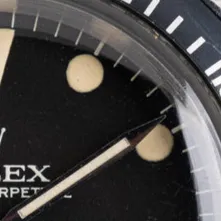

- patina that matches the hands
43 listings on record under the name.
Luminova (service)
Found on dials and hands fitted at service. It glows bright under ultraviolet light, whereas original tritium no longer glows. One 1967 watch came back from the maker's 2003 service with a later dial of this kind: small applied markers with white-gold surrounds and a plain SWISS at the foot.
- bright glow under UV
- dial and hands of different tone
Hands 3 described
The civilian 5513 has a Mercedes hour hand and a sword-shaped minute hand from first to last; most military watches have sword hands on both; on the last gloss dials the hands are in white gold. Auction descriptions often call the seconds hand a lollipop, for the round luminous dot near its tip.
Mercedes hands
The hour hand with the Mercedes ring and a sword-shaped minute hand, as on the gilt watches. It is the hand set of the civilian 5513 throughout production: the library's dated watches carry it in every period from the 1960s to 1989, the military batches with sword hands apart. Sellers remark on Mercedes hands mostly for watches of 1966 to 1975; that is when the hands are named in listings, not a span of production. Correct also on some military batches.
- ring in the hour hand
- sword-shaped minute hand
Sword hands (MilSub)
Sword hands on both hour and minute, with an arrow-tipped seconds hand. They are easily mistaken for later Omega Seamaster replacements and the lume flakes. The 5517 version of the military watch is correct only with sword hands.
- arrow-tipped seconds hand
- flaking lume
White-gold hands
The same Mercedes pattern with white-gold edges, fitted with the final gloss dial.
- white-gold edge
Bezel 5 described
The 5513 has a bi-directional bezel with a black aluminium insert, and is the last Submariner to turn both ways, with one-way bezels following after 1983. The insert fonts changed in small steps, so the insert is one of the first places to look for replacements.
Long 5
Sellers use this for inserts on watches of 1966 and 1967. Dated watches that sellers describe this way fall mostly between 1966 and 1967; those are the years of the watches so described, which is not a stated span of production.
Fat font
The numerals have a heavier face; sellers give it to watches of 1967 to 1973. Dated watches that sellers describe this way fall mostly between 1967 and 1973; those are the years of the watches so described, which is not a stated span of production.
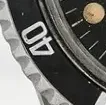
Kissing 40
The 4 and the 0 of the 40 touch. Seen on watches of 1967 to 1970 and prized as a sign that the insert is original. Dated watches that sellers describe this way fall mostly between 1967 and 1970; those are the years of the watches so described, which is not a stated span of production.
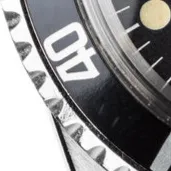

6 listings on record under the name.
Mark 3 insert
Named by sellers on watches of 1978 to 1984. Dated watches that sellers describe this way fall mostly between 1978 and 1984; those are the years of the watches so described, which is not a stated span of production.
Full 60-minute insert (MilSub)
The military insert marks every minute round the whole 60. No other 5513 has it, although some batches are also correct with an ordinary 15-minute insert. The 5517 takes only the 60-minute insert.
- every minute marked
Case 3 described
The case is a 40 mm steel Oyster with a plain screw-down back. Most surviving examples have been polished at service, so the bevels and sharp chamfers are usually gone; a 1960s case that has escaped polishing keeps its drilled lug holes, crisp chamfers, bevels and thick crown guards.
Pointed crown guards
Pointed shoulders at the crown on the earliest watches, carried over from the 5512. Dated 1962 to 1963 by one account and to the gilt era, to about 1966, by another. Rounded guards follow.
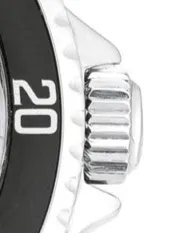

33 listings on record under the name.
MilSub case
Fixed wire lug bars in place of spring bars, so a strap cannot come off, to carry a single-pass strap; the crown guards are also said to be altered. The case back carries a broad arrow with a hat above it and below that the issue number and year, with an MOD part number beginning 0552 or W10. Numbers differ by delivery batch. Because these markings can be added later, check them under magnification and look for signs that a standard case has been converted.
- fixed bars
- engraved broad arrow
- issue number
Friction disc
A friction disc under the bezel is listed among the old features the 5513 kept.
Crown 2 described
A screw-down crown signed with the Rolex crown, on the right of the case.
Twinlock
Named by sellers on watches of 1966 to 1969. Dated watches that sellers describe this way fall mostly between 1966 and 1969; those are the years of the watches so described, which is not a stated span of production.
Triplock
Named by sellers on watches of 1966 to 1970. Dated watches that sellers describe this way fall mostly between 1966 and 1970; those are the years of the watches so described, which is not a stated span of production.
Crystal 1 described
An acrylic domed crystal throughout, without a cyclops.
Tropic 19 acrylic
Catalogued as T19. Early crystals are tall and are called super domes, and they distort the dial at sharp angles; later or service crystals are shallower. Rolex kept domed acrylic across the range until 1981. A new-old-stock T19 fitted at service is described on one watch. Sellers name sapphire on a small number of watches, which will be later fittings.
- tall dome
- no cyclops
Movement 2 described
Both calibres are self-winding and non-certified. In the library's records the move from 1530 to 1520 comes at about case number 1.2M, which the dates stamped inside case backs put in late 1964 and 1965.
Calibre 1530
The first calibre, with a Breguet overcoil hairspring and KIF shock protection. Described as 28.5 mm across, 5.8 mm high, 17 jewels and 18,000 vibrations an hour, though another account gives 19,800 and about 42 hours' reserve. It is not chronometer rated.
- Breguet overcoil
Calibre 1520
A cheaper movement with a flat hairspring in place of the overcoil, 19,800 vibrations an hour and hacking seconds, used for most of the run. Accounts put the change at 1963 or 1964. In the library's records sellers name the 1530 up to about case number 1.2M and only now and then above it, and the dates stamped inside the case backs of those watches run from late 1964 into 1965. Jewel count is 17 or 26 depending on the market.
- flat hairspring
Bracelet 4 described
Three Oyster bracelets date a 5513 by build: riveted, folded-link and solid-link, with end-link numbers that also change.
7206 riveted
Hollow rivets and visible rivets on early watches; sellers date it 1965 to 1968. End links 80 are stated on watches of 1963 to 1966 and 380 on 1967 to 1975. Dated watches that sellers describe this way fall mostly between 1965 and 1968; those are the years of the watches so described, which is not a stated span of production.
- visible rivets
9315 folded
The transitional folded-link bracelet. Sellers date it 1968 to 1973. Dated watches that sellers describe this way fall mostly between 1968 and 1973; those are the years of the watches so described, which is not a stated span of production.
- folded links
93150 solid
Solid links with loose-fitting end links. Sellers date it 1975 to 1985 and one account to the 1980s; end links 580 are stated on watches of 1978 to 1985. A thin folding clasp. Those are the years of the watches so described, not the year the bracelet was introduced.
- solid links
- rattling end links
Jubilee
Sellers name a Jubilee bracelet on some early watches of 1966 to 1971. Dated watches that sellers describe this way fall mostly between 1966 and 1971; those are the years of the watches so described, which is not a stated span of production.
Box and papers 3 described
Papers, boxes and service cards are frequently recorded with the watch.
Service papers
Sellers state service papers with some watches.
Punched guarantee
A guarantee with the number punched in. Dated watches that sellers describe this way fall mostly between 1974 and 1981; those are the years of the watches so described, which is not a stated span of production.
Military issue papers
Paperwork from the issue raises confidence in a MilSub.
Originality
- Dials are the part most often replaced; Maxi dials were the standard service replacement for seven or eight years, so a Maxi on an older watch is a warning.
- Hands relumed or replaced at service rarely match the dial in colour or UV glow; compare the lume on both.
- Bezel inserts are commonly replaced with aftermarket pieces; a faded original, or a Kissing 40, is preferred.
- Bracelets and clasps are often replaced, and matter less than the dial and hands.
- Polished cases lose their bevels and chamfers, and the lugs thin.
- MilSub markings such as the broad arrow, issue number or fixed bars can be added to an ordinary case.
Names
- Bart Simpson. The coronet on the last gilt dial has flattened, squared points like the cartoon character's hair.
- Meters First. The metre figure comes before the feet figure in the depth rating.
- Maxi. Larger lume plots on late matte dials.
- Lollipop. Maxi III plots are large and round and reach the minute marks.
- Pre-COMEX. A collector-forum name for matte dials like some on the COMEX 5514.
- MilSub. The Royal Navy version, with fixed bars and a circled T.
- Tropical. A gilt dial gone brown with age.
- Spider dial. The gloss lacquer has crazed into fine cracks.
- Kissing 40. The 4 and 0 on the bezel insert touch.
- The Shadow. A factory blacked-out 5513 made for the South African army.
Where accounts differ
Points on which the published literature and the library's own records do not agree, or on which the literature contradicts itself.
- End of production. Most guides end the 5513 in 1989, one in 1990, and one page that gives 1962 to 1989 also calls it a 17-year run. In the library's records the case numbers of a handful of watches fall just after 1989, and sellers' stated years also run to 1989 with very few later.
- Gilt to matte. A guide places the start of the change at about case number 1.6M. In the records matte dials are already 54% of the dials read between 1.4M and 1.5M and 86% between 1.5M and 1.6M.
- Calibre 1530 to 1520. Two guides give 1963 or 1964 for the move. In the library's records sellers name the 1530 on many watches and the 1520 on almost none between 1.0M and 1.2M, and watches numbered near 1.2M have case backs stamped from late 1964 into 1965, so the change came at the end of 1964 or in 1965.
- First Meters First. One account says the first 1962 watches were Meters First on gloss dials. The other accounts give gilt gloss to 1966 and Meters First as the matte dial of 1966 or 1967.
- Meters First to Feet First. Most give 1969 for the change; one account says Feet First took over for good in 1970.
- Gloss dial start. The return to gloss is given as 1980, 1982, 1983 or 1984 by different pages.
- Start of the Maxi dials. The Maxi series is dated from 1976 by one page, from after 1976 by another and from about 1977 by others, and one puts it in the mid-1970s. For Maxi I, one account gives about 1976 to 1977 on cases from the mid 4M to the low 5M; another gives 1977 to 1978 on cases from the early or mid 5M to the early 6M. In the library's records watches sold as Maxi Mark 1 have case numbers from about 5.0M to 6.3M and date from 1977, and almost no 5513 carries a number between 4.54M and 5.00M.
Back and movement
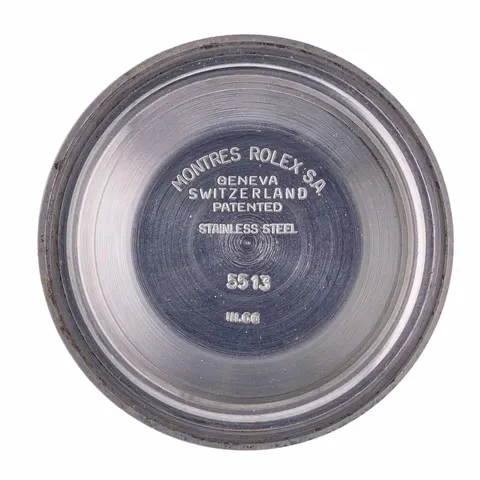
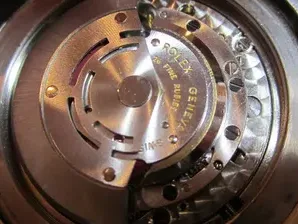
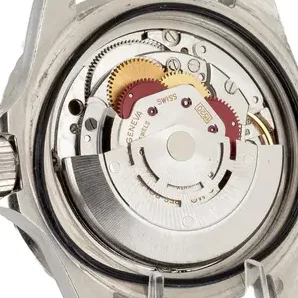
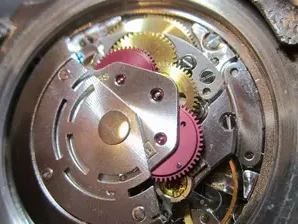
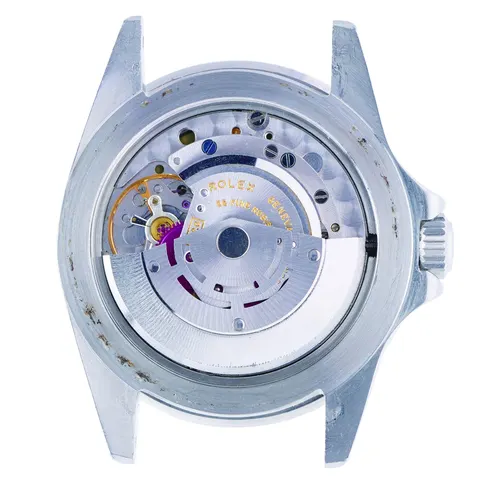
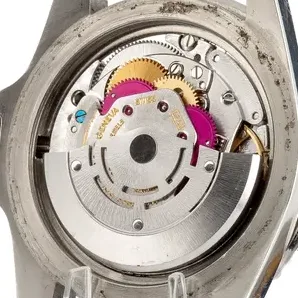
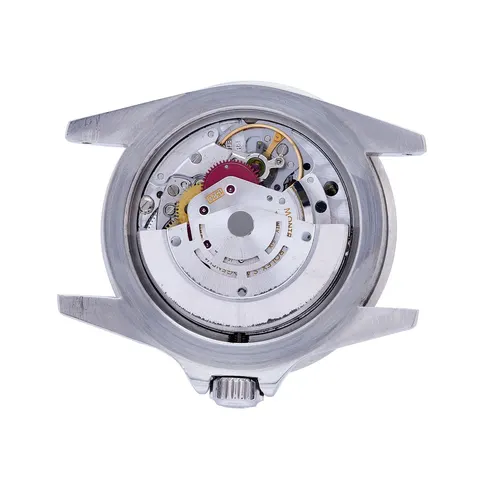
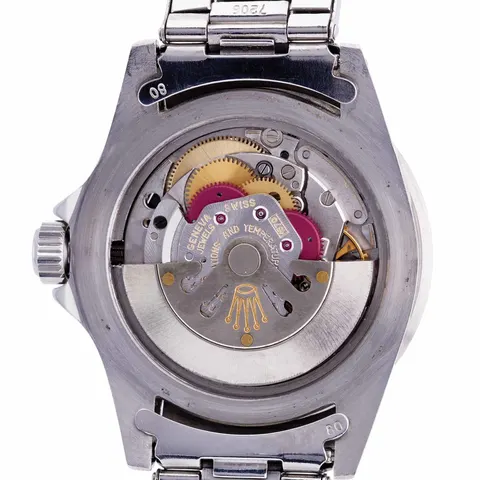
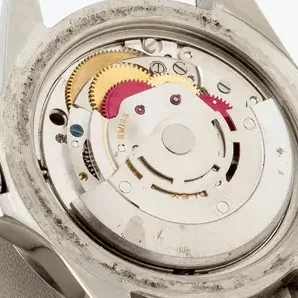
From listings of this reference, each confirmed by eye to show what it is filed under. A picture on which a person's name or a personal engraving can be read is not shown. From most holders a detail from the middle of the photograph is shown; the mark in its corner gives its holder and a link to the listing.
Caseback
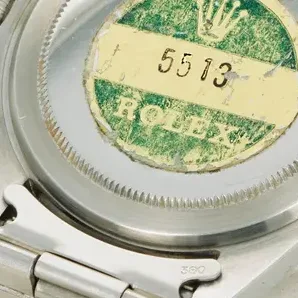

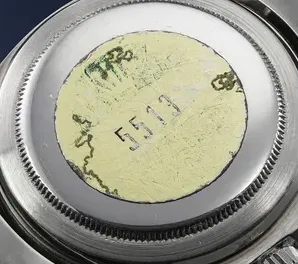

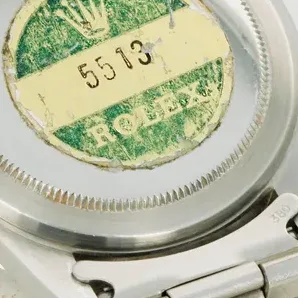

Inside the caseback

Movement








Catalogue versions 1 listed
The full numbers under which holders list this reference, with what their listings say of each. Each has a page of its own.
| Version | Metal | Dial | Years seen | Records |
|---|---|---|---|---|
| 5513/0 | Steel | Black | 1978–1983 | 4 |
In the records
Counted from 2,376 listings at 72 holders between 16 October 2005 and 14 November 2026. These are what sellers and auction houses state, not measurements.
Fainter bars are the 94 outside the main run of 1964–1988 (the middle nine-tenths): the earliest is 1961 and the latest 1991. They are early and late examples, and now and then a number misread.
At the holders that record papers on every watch, 13% of their 134 listings of this reference come with papers; at those that record the box on every watch, 39% of 207 come with a box. "Papers" is whatever the holder counts as papers, and can include service papers.
3 listings dated long after the reference ended are set aside and not counted here: a year that late belongs to a later watch sold under the old number, or to a listing filed under the wrong one.
Case metal
| Steel | 948 | |
| Other | 1 |
Dial colour
| Black | 679 | |
| Brown | 26 | |
| Cream | 24 | |
| White | 6 | |
| Gold | 4 | |
| Red | 2 | |
| Yellow | 2 |
Case size
| 40 mm | 596 | |
| 39 mm | 214 | |
| 42 mm | 23 |
Calibre named
| 1520 | 551 | |
| 1530 | 102 | |
| 1570 | 10 | |
| 1560 | 4 |
Bracelet or strap
| Oyster bracelet | 589 | |
| Metal bracelet, kind not stated | 156 | |
| Fabric strap | 48 | |
| Leather strap | 31 | |
| Jubilee bracelet | 18 |
Each table counts the listings that state the thing, in the seller's own terms. A size, metal, colour or calibre that cannot belong to this reference is a seller's slip or a listing filed under the wrong number.