Submariner Date
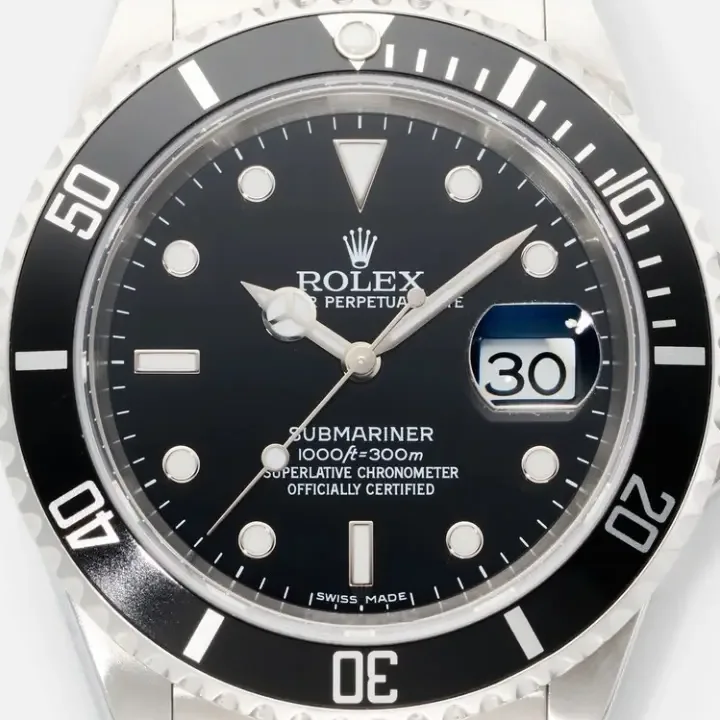
The 16610 is the steel Submariner Date made from 1988 to 2010, with the calibre 3135, a flat sapphire crystal, an anodised aluminium bezel insert and a 40 mm case. It replaced the short-lived 168000 and was followed by the ceramic-bezel 116610. Across more than twenty years it changed in small steps: tritium gave way to a non-radioactive lume, hollow end links to solid ones, the drilled lug holes disappeared around 2003 and an engraved rehaut came in during the last years. In 2003 a green-bezel version, the 16610LV, was added with enlarged hour markers and broader hands. Collectors look first at the text at the foot of the dial, the lume, the end links, the lug holes and whether the bezel insert and dial are original to the watch.
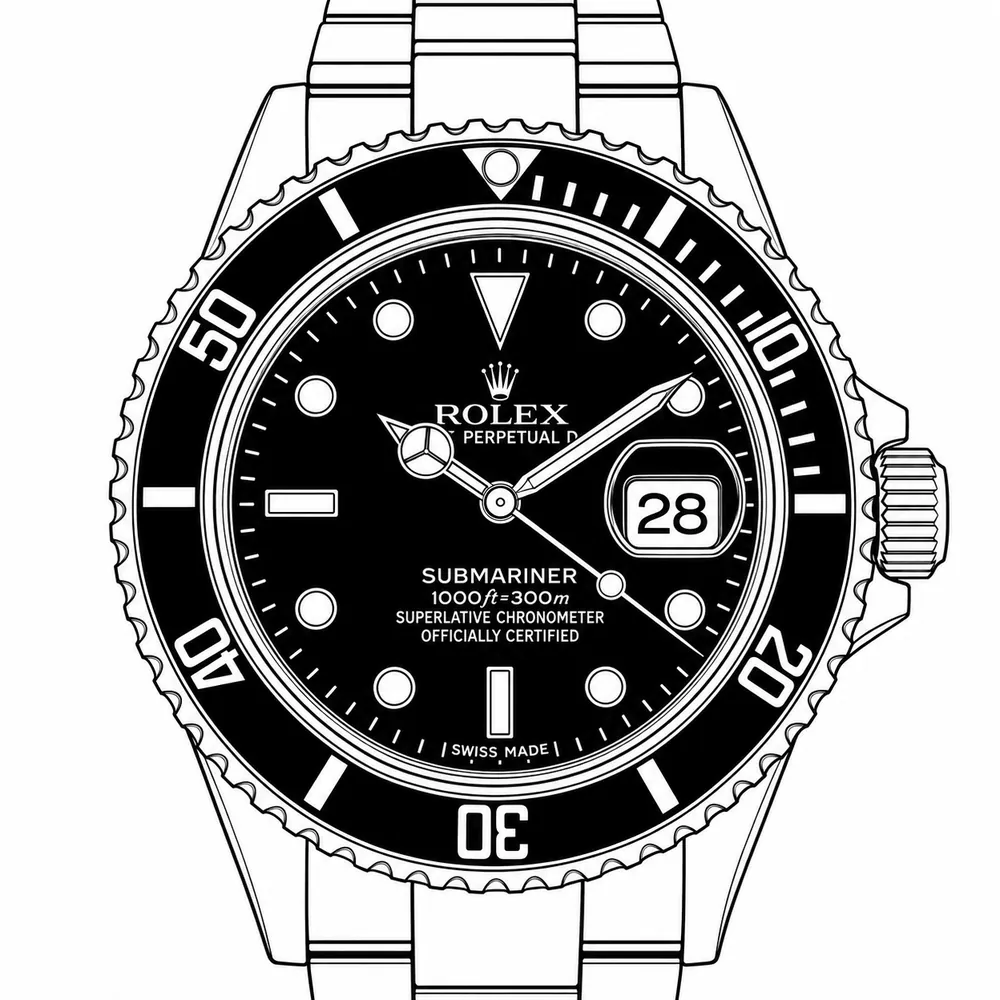
- Made
- 1988–2010dates approximate
- Seen in the library
- 1988–2011nine in ten in 1991–2009 · by case numbers
- Case
- 40 mm · steelas sellers state
- Movement
- Calibre 3135, 3035automatic
- On record
- 3,152 listings8,598 photographs · 73 holders
Components
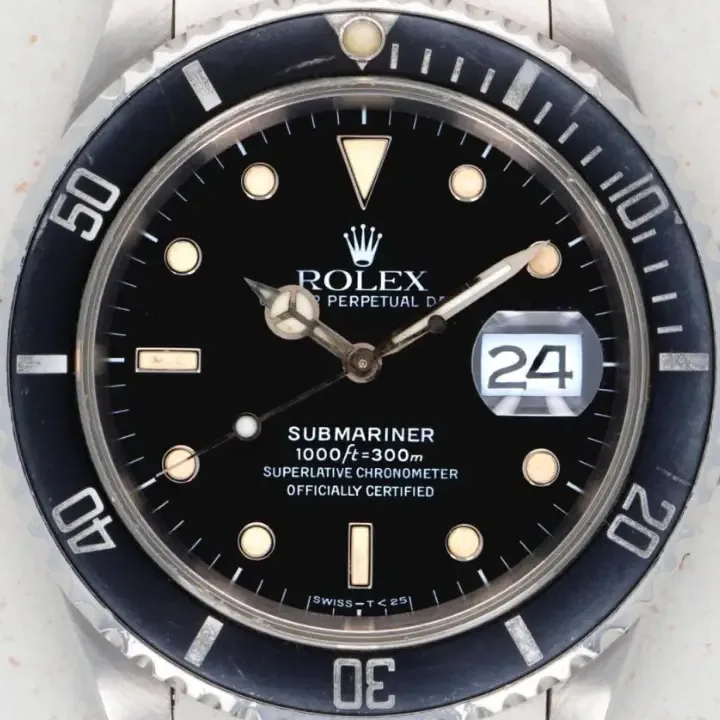
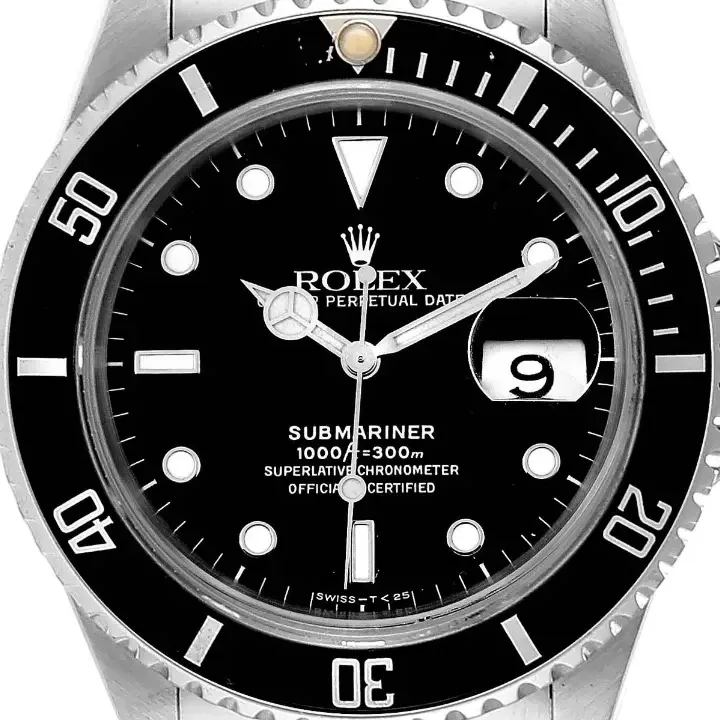
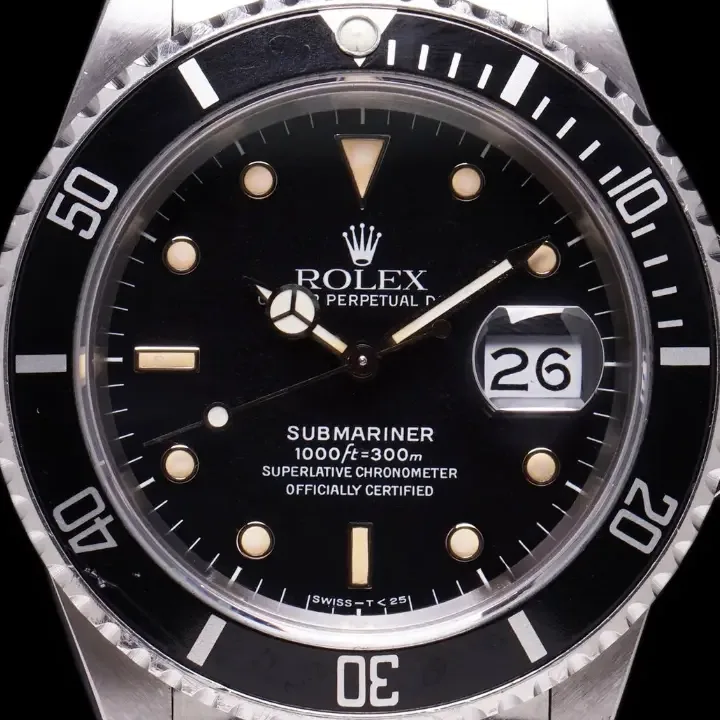
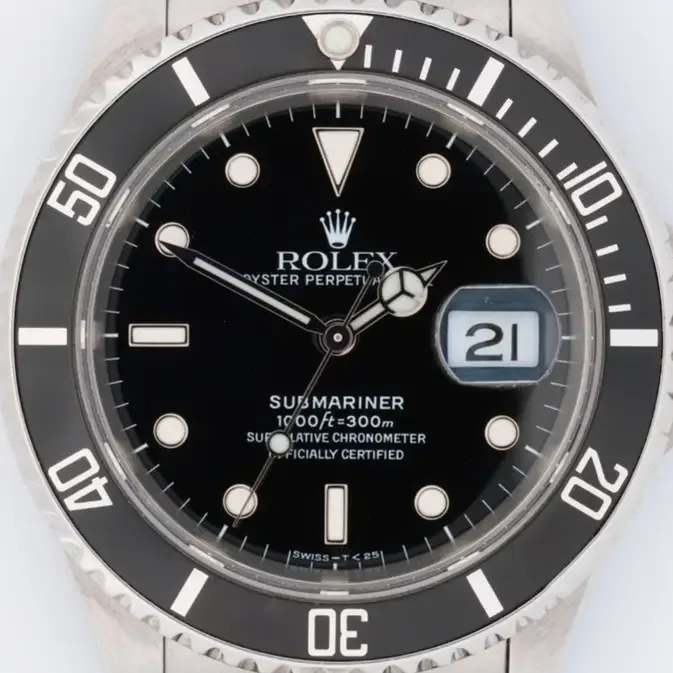
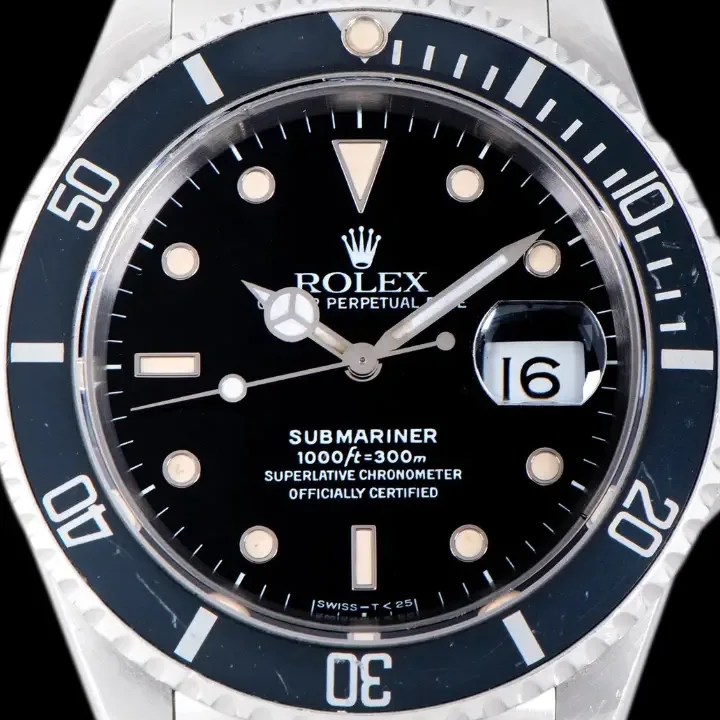
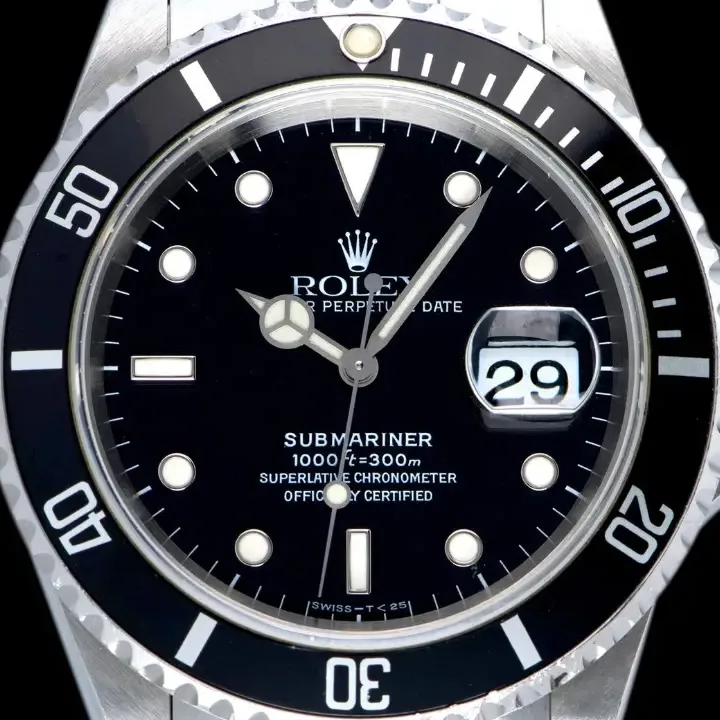
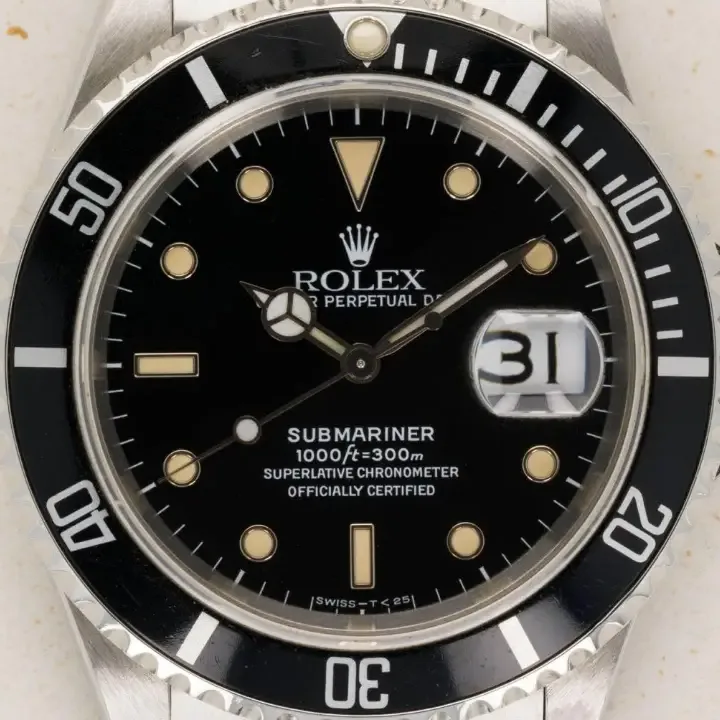
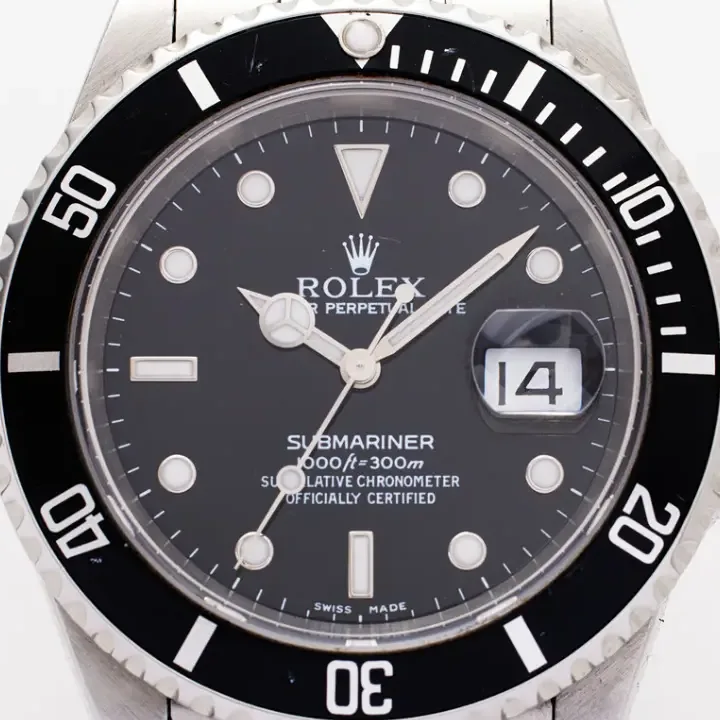
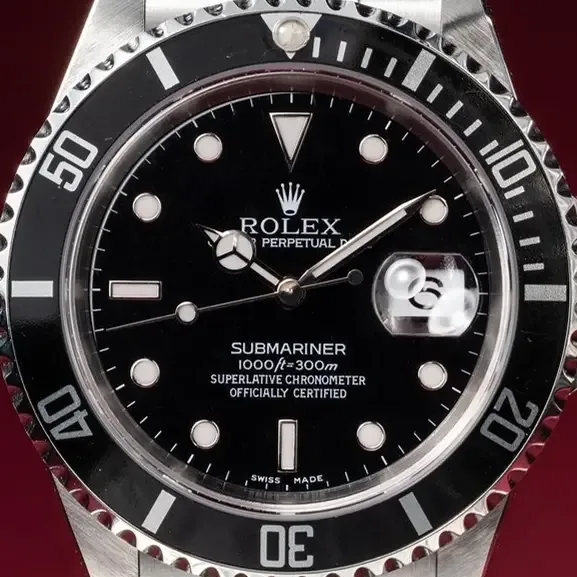
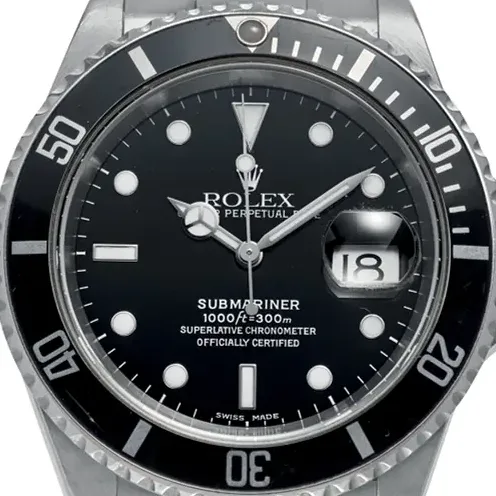
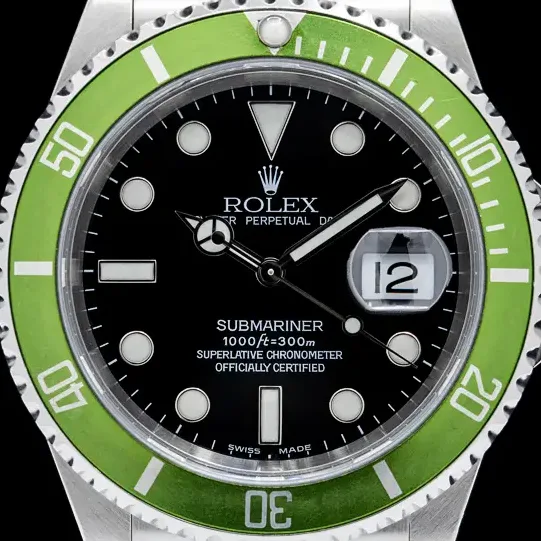
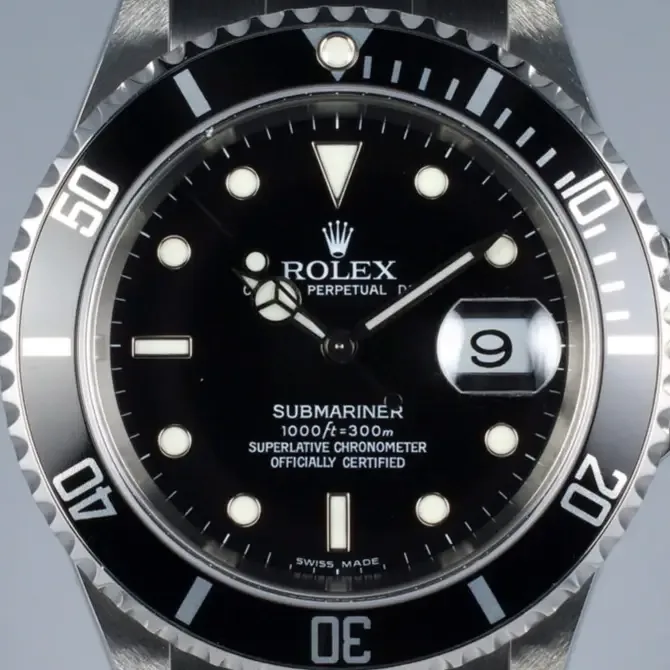
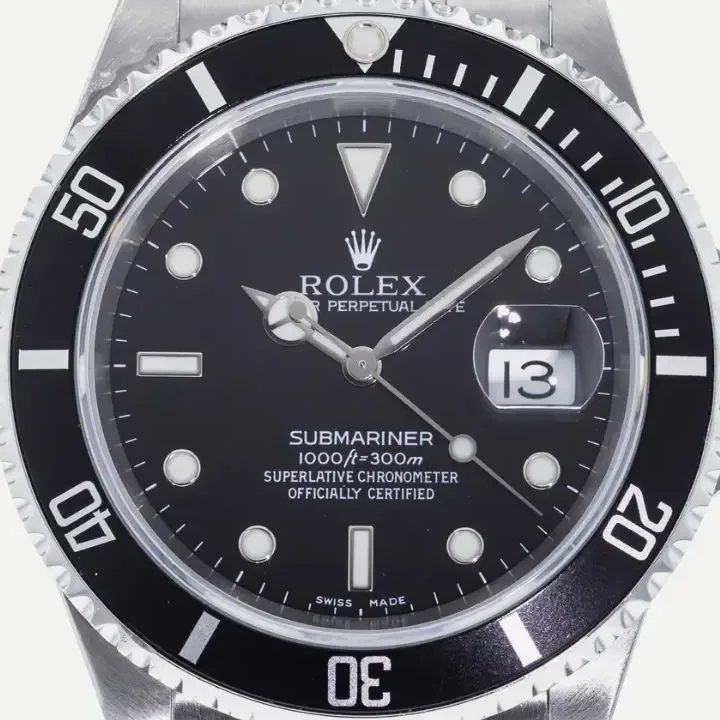
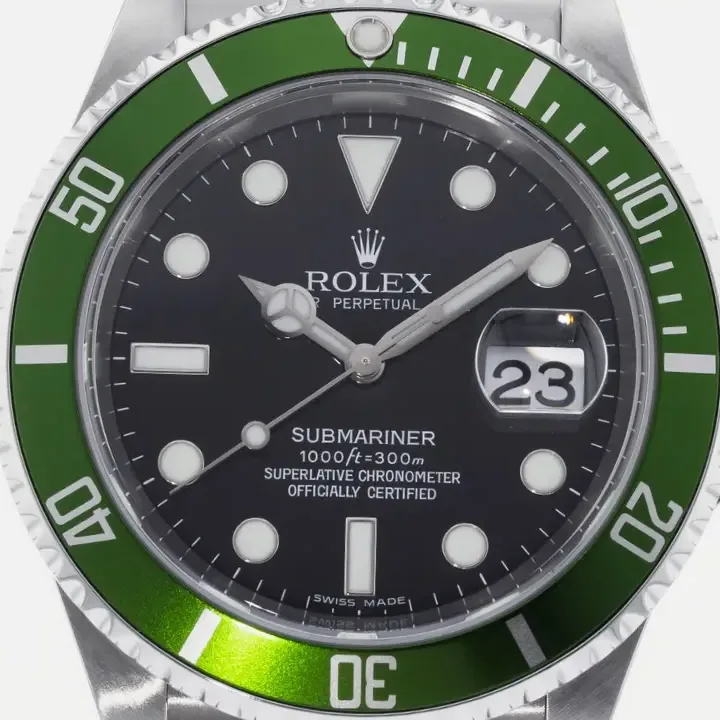
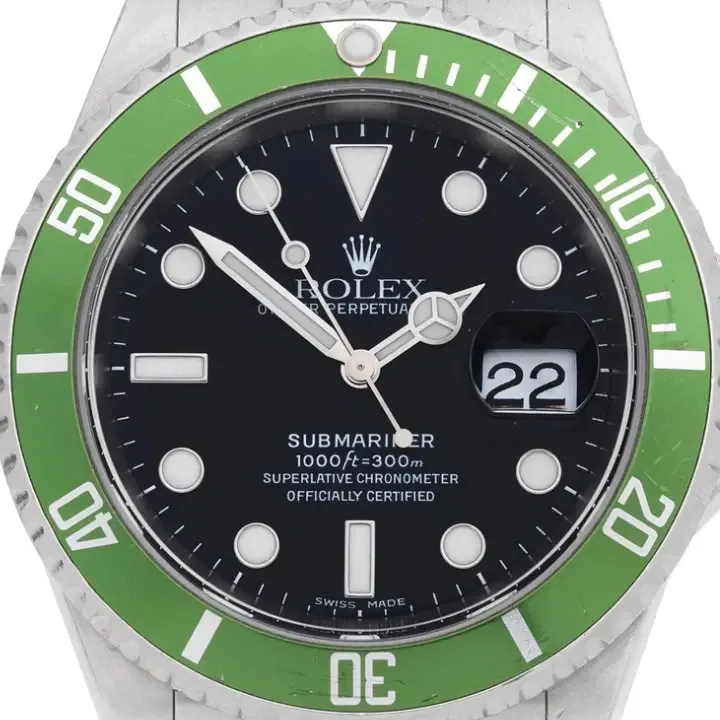
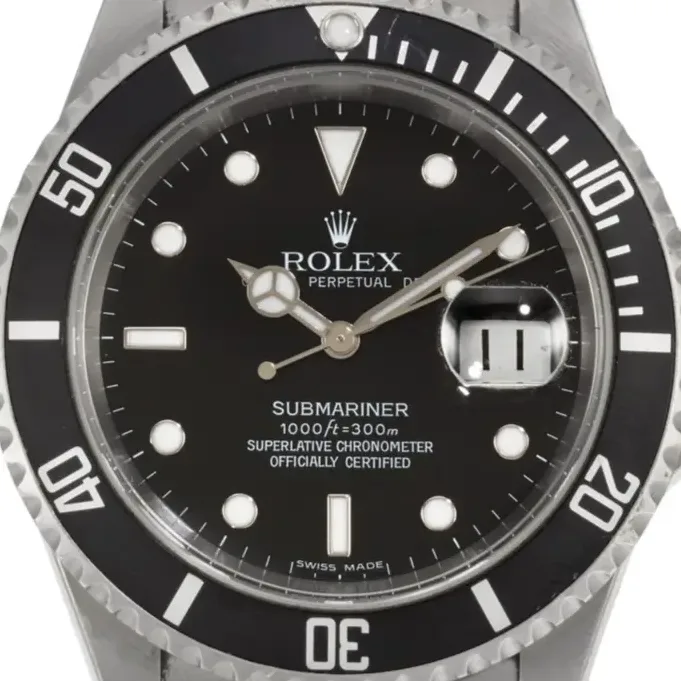
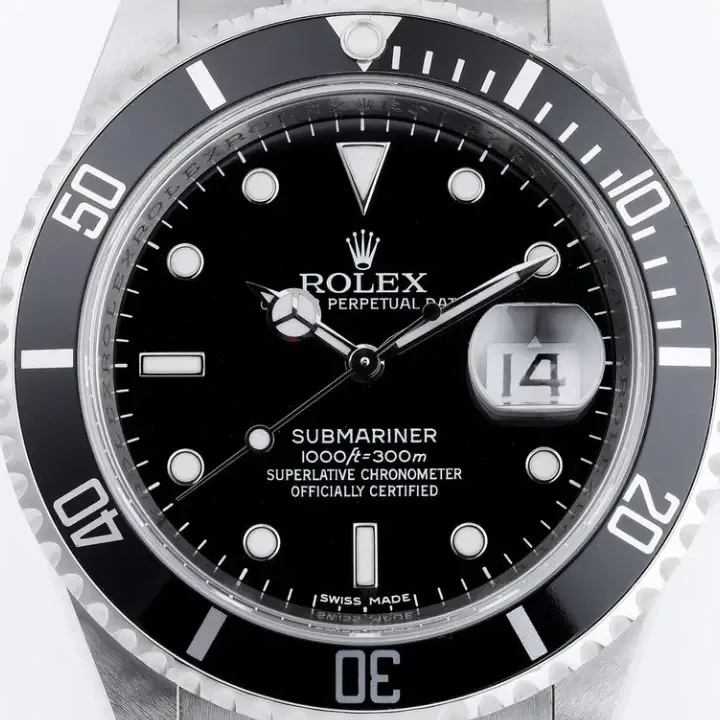
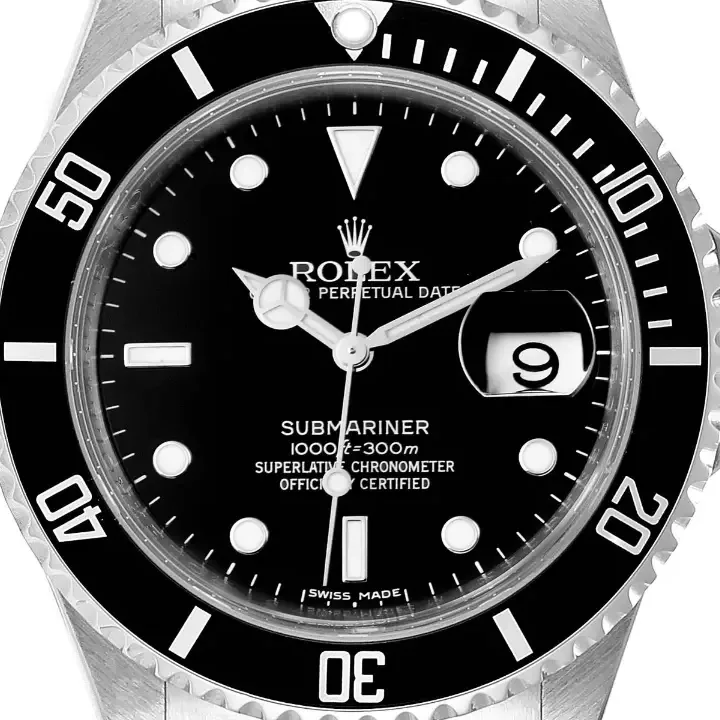
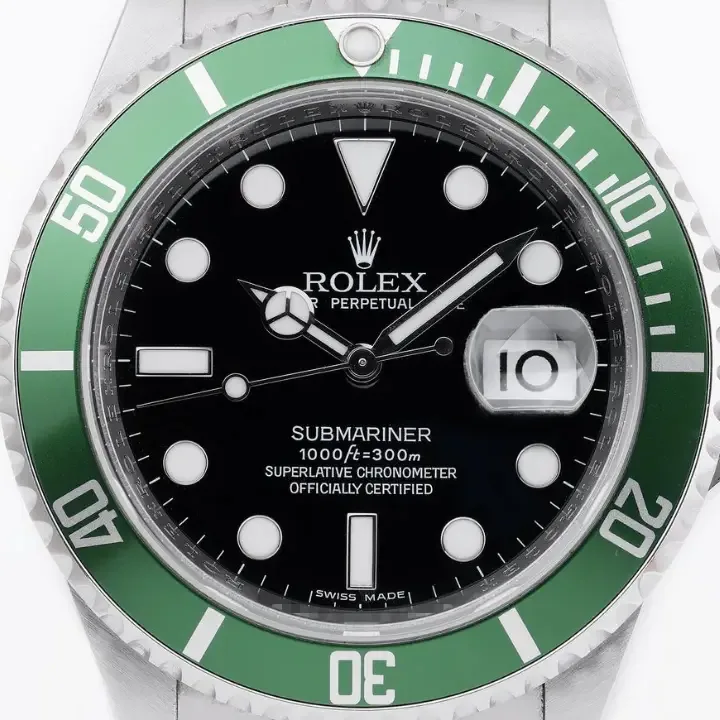
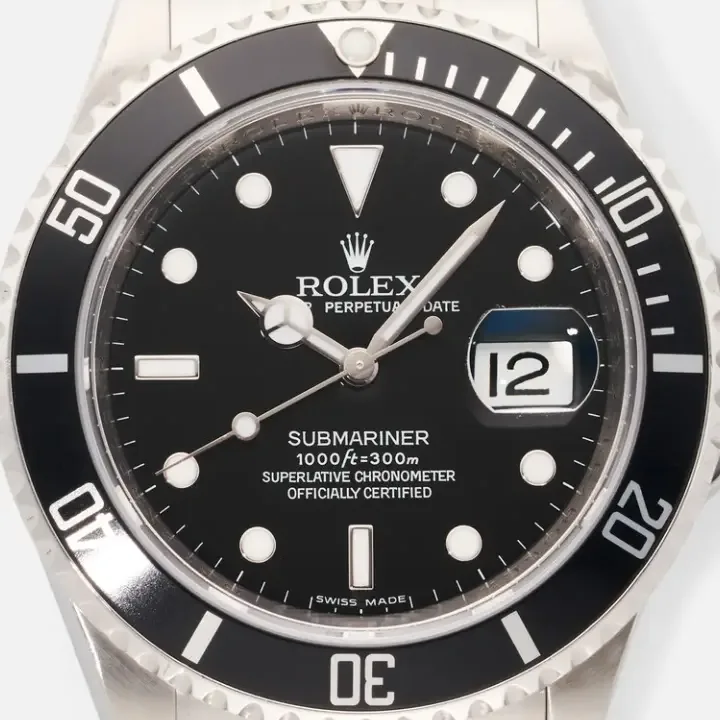
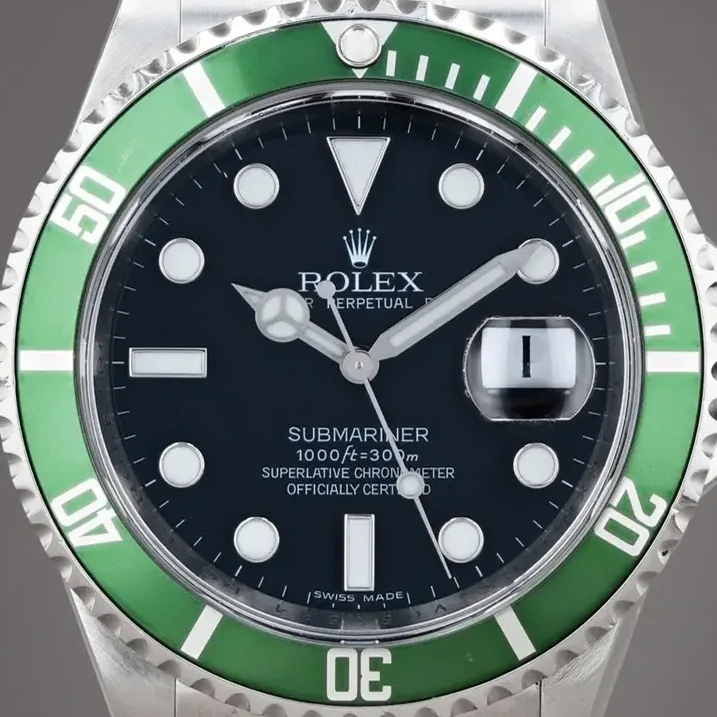
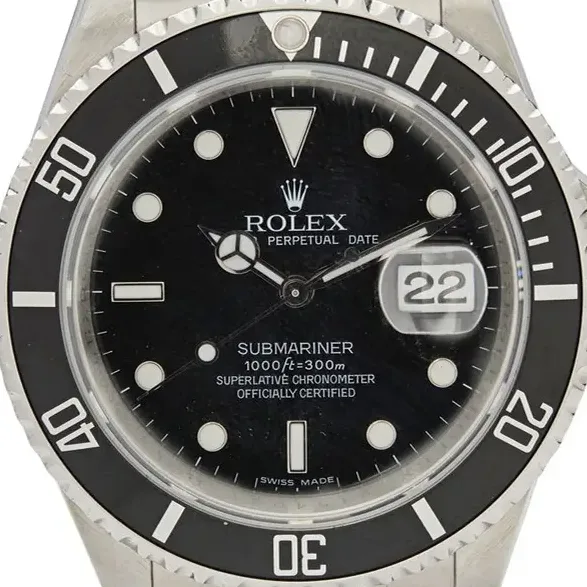
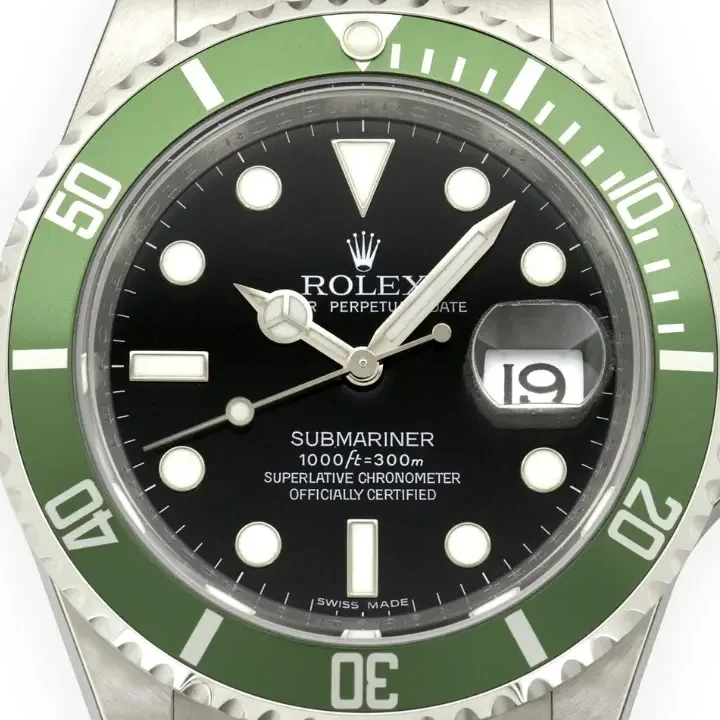
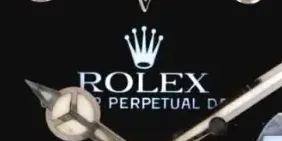
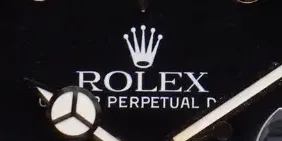
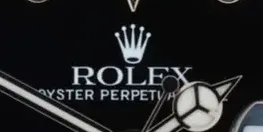
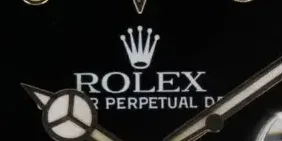
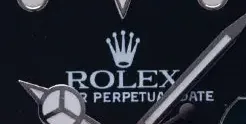
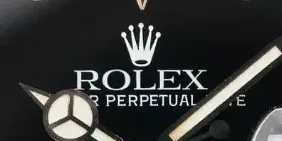
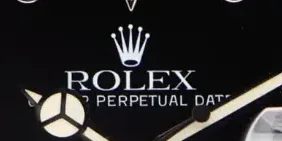
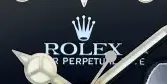
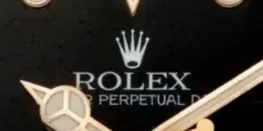
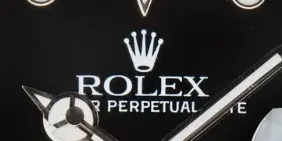
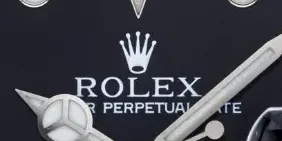
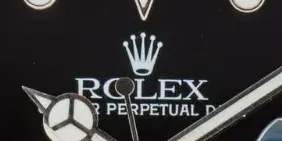
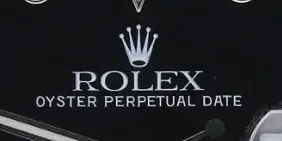
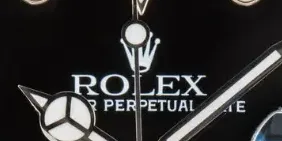
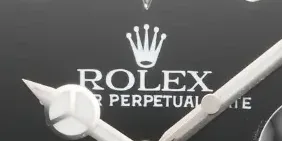
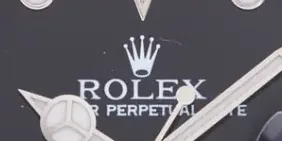
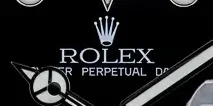
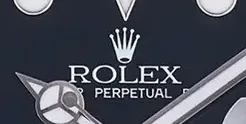
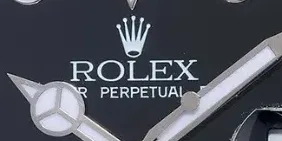
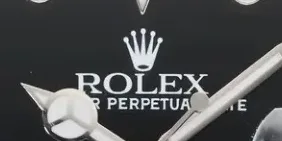
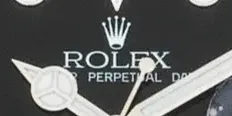
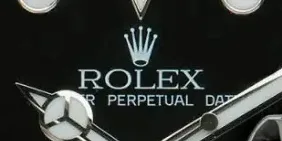
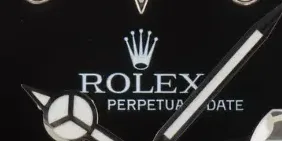
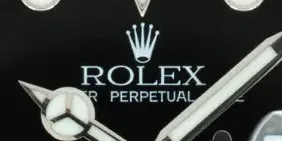
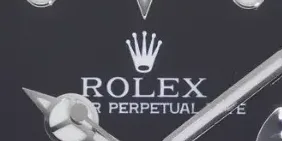
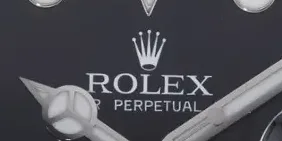
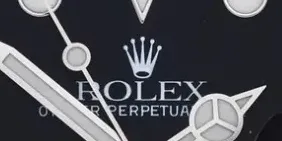
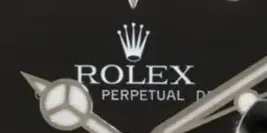
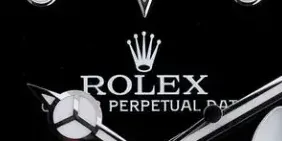
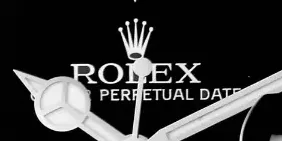
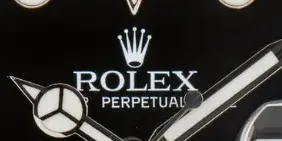
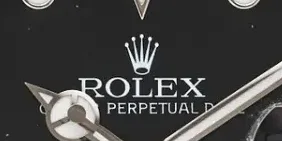
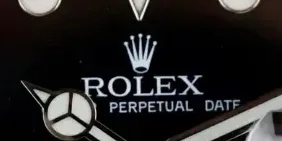
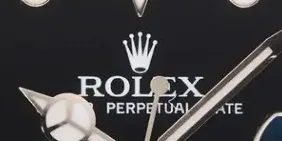
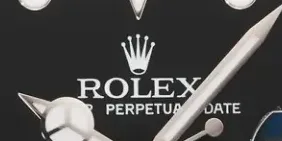
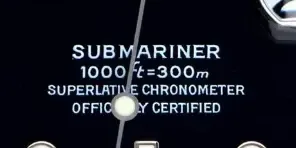
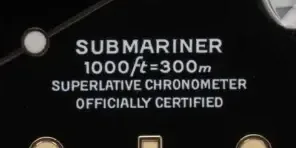
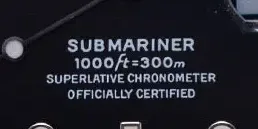
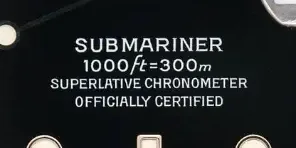
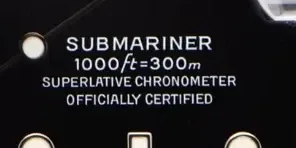
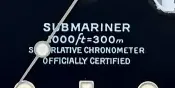
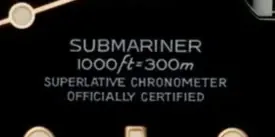
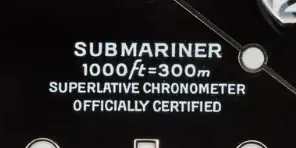
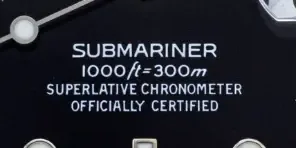
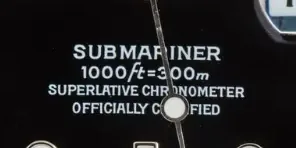
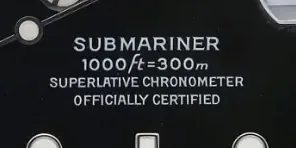
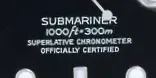
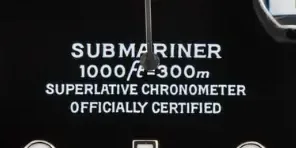
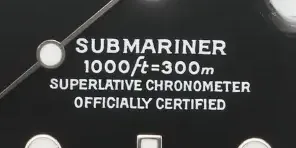
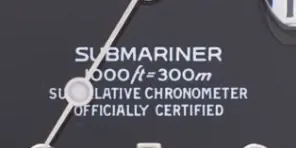
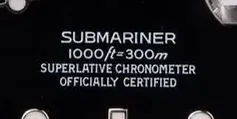
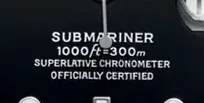
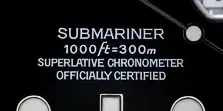
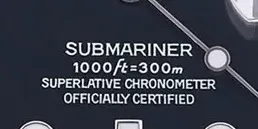
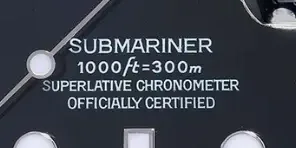
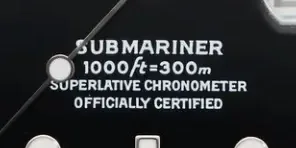
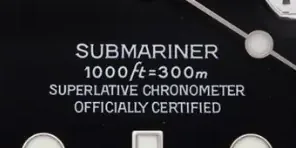
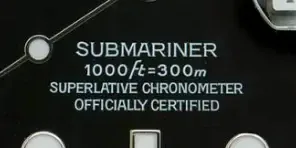
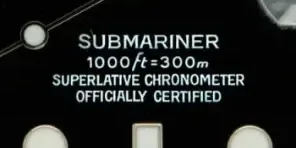
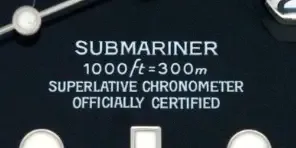
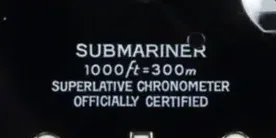
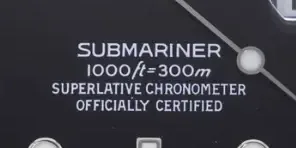
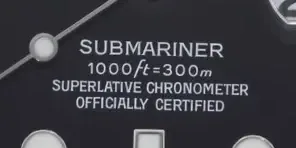
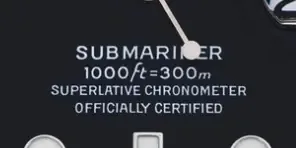
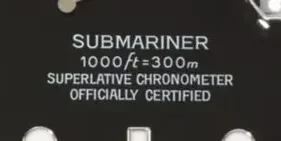
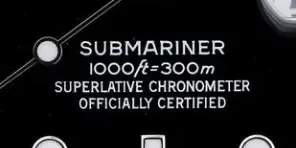
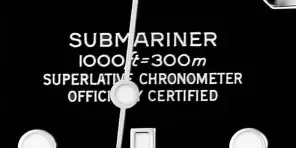
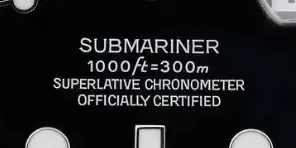
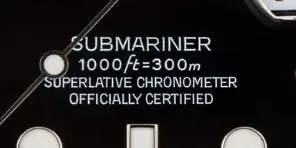
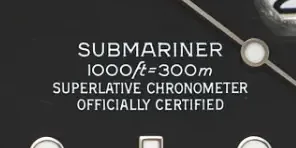
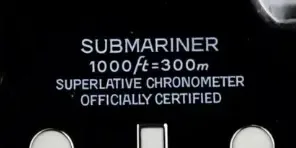
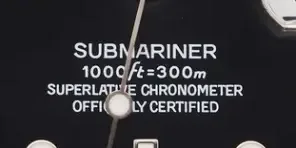
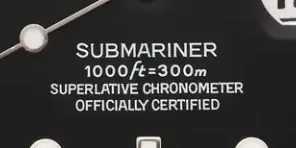
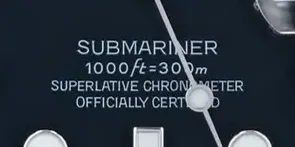
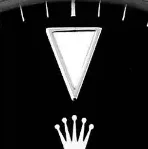
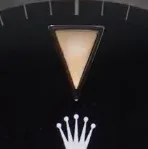
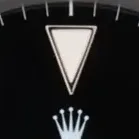
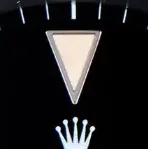
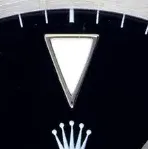
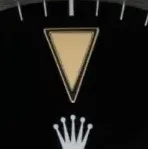
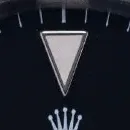
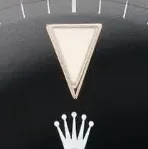
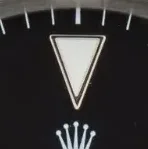
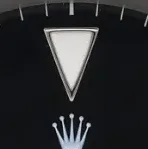
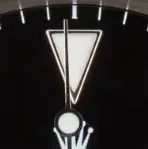
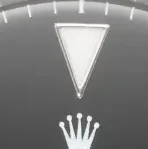
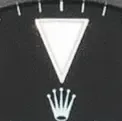
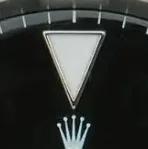
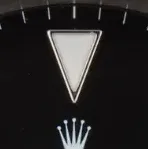
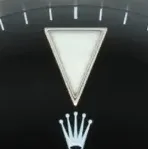
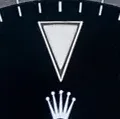
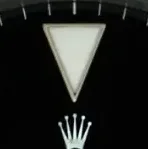
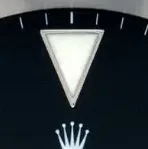
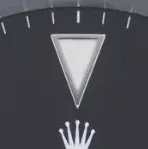
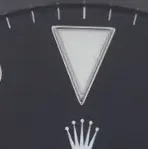
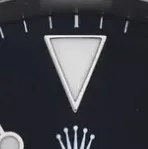
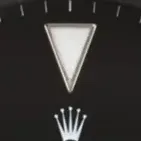
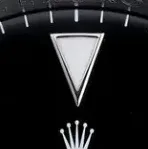
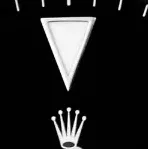
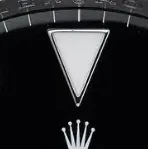
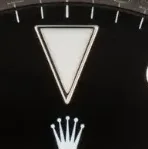
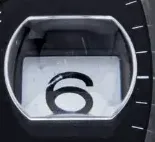
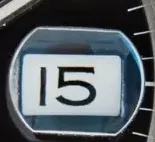
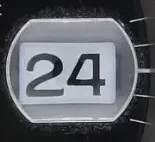
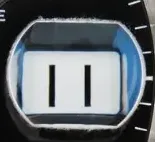
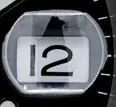
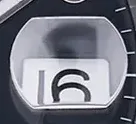
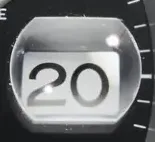
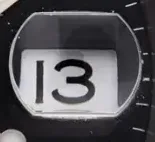
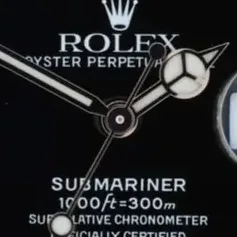
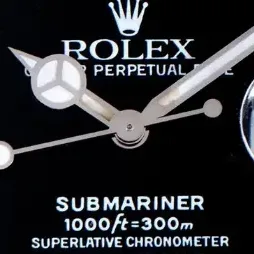
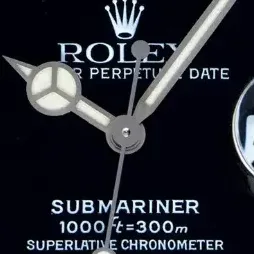
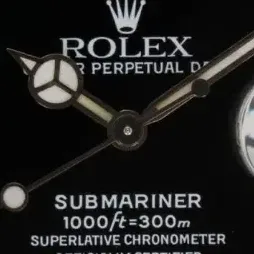
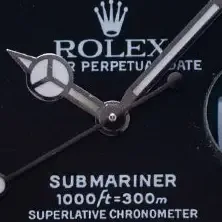
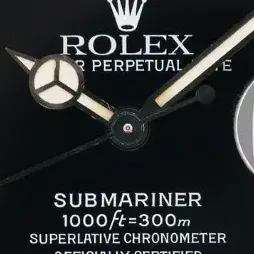
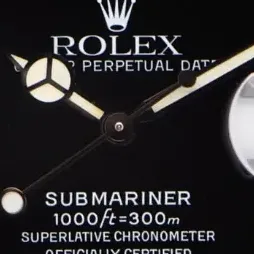
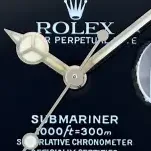
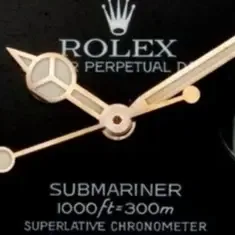
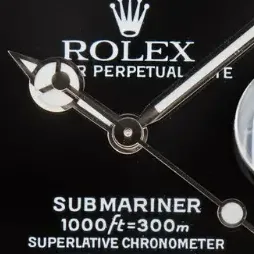
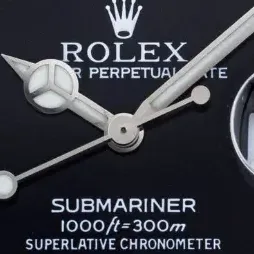
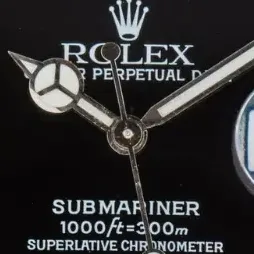
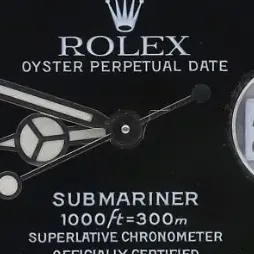
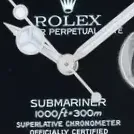
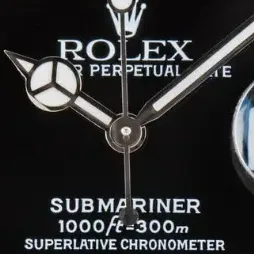
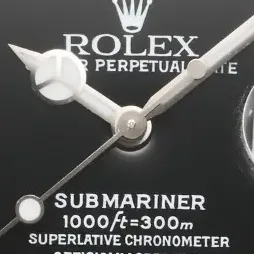
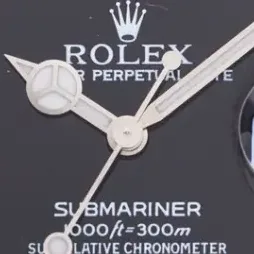
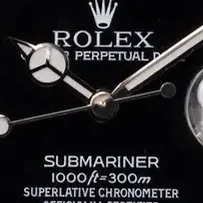
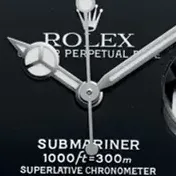
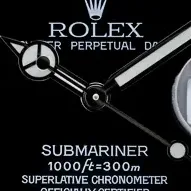
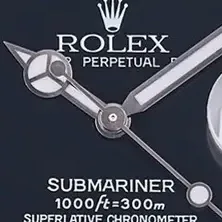
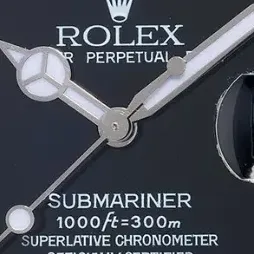
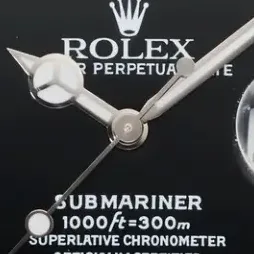
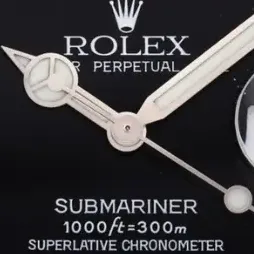
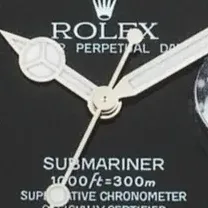
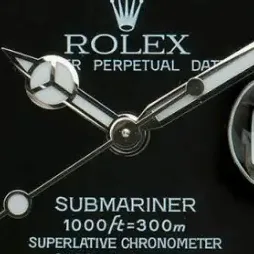
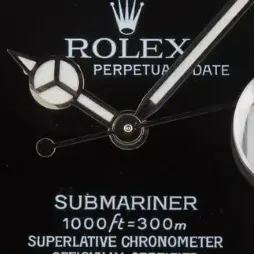
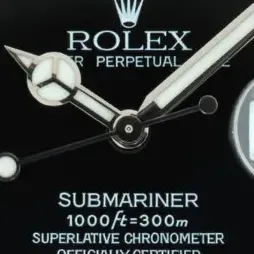
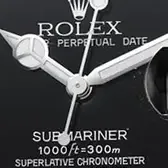
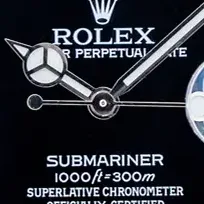
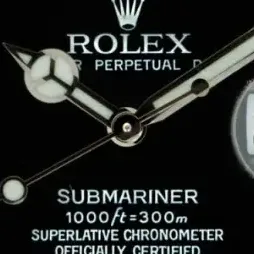
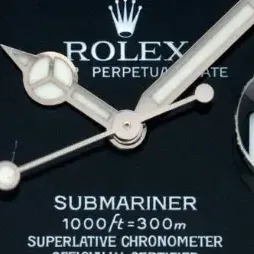
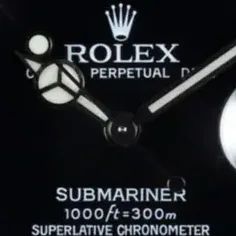
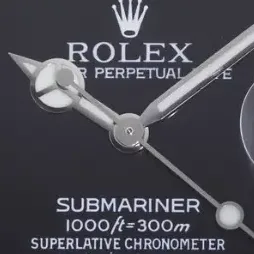
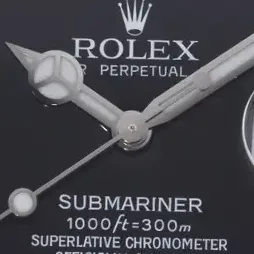
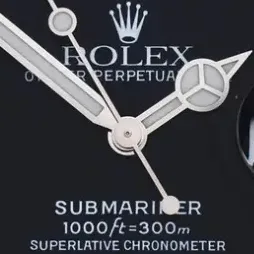
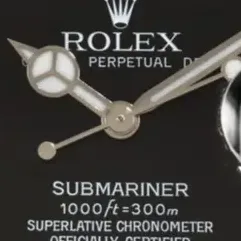
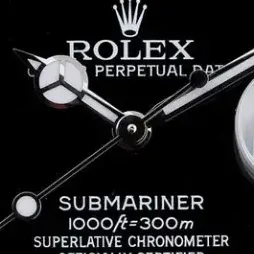
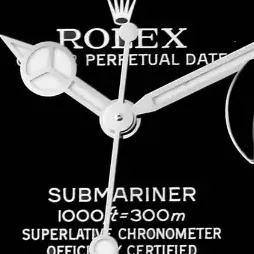
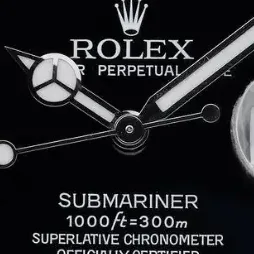
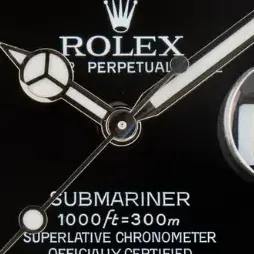
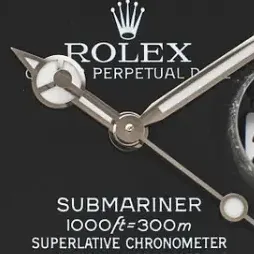
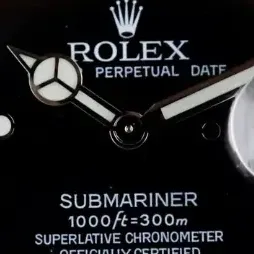
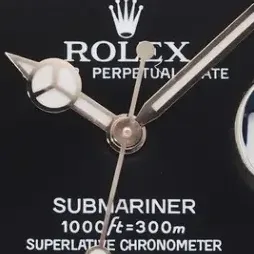
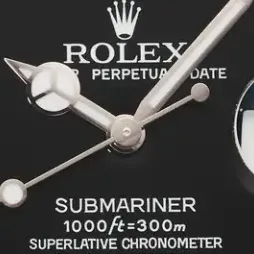
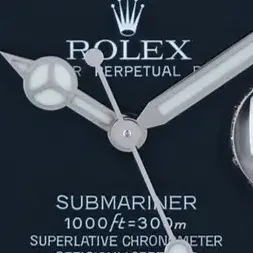
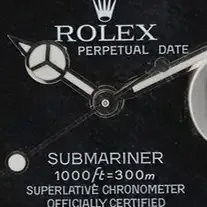
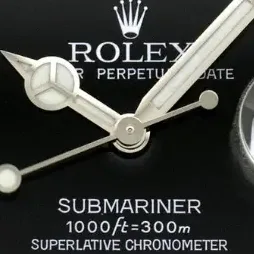
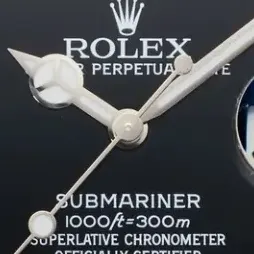
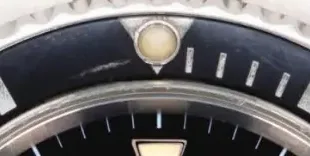
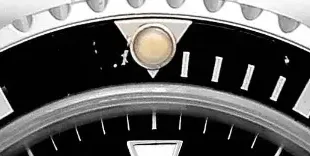
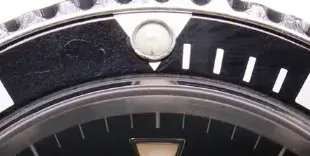
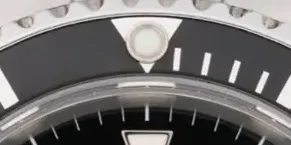
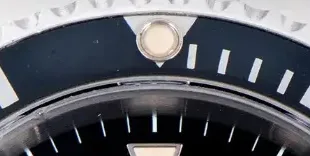
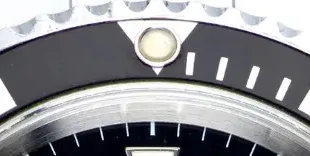
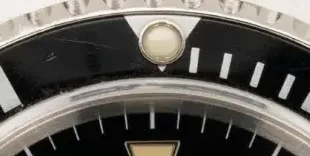
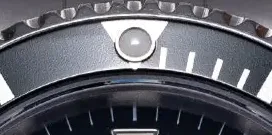
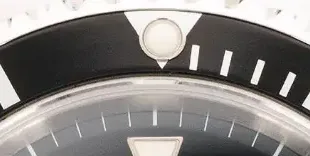
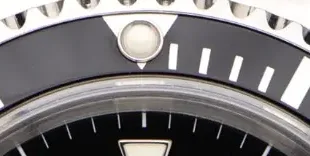
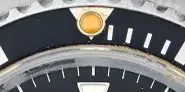
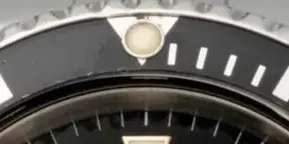
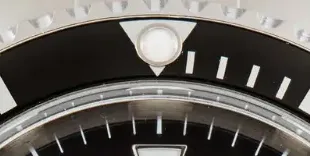
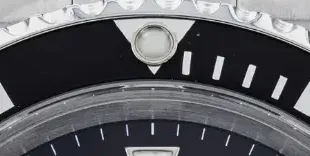
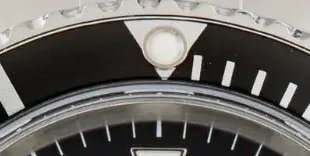
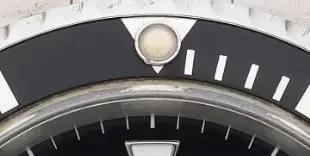
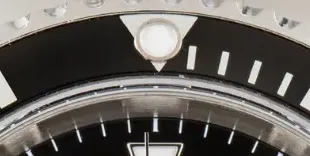
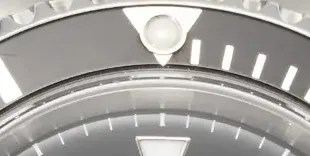
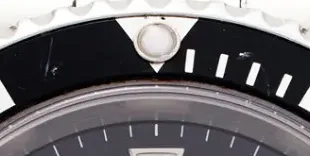
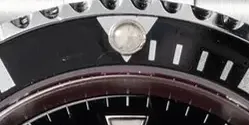
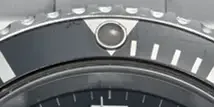
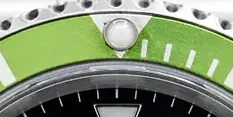
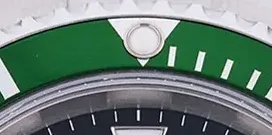
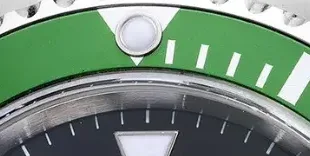
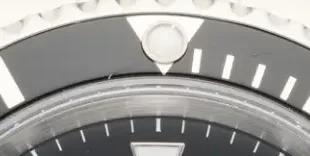
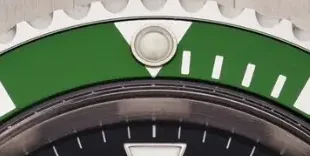
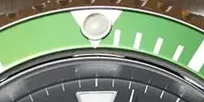
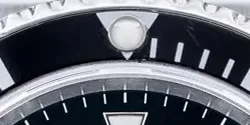
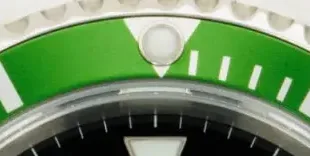
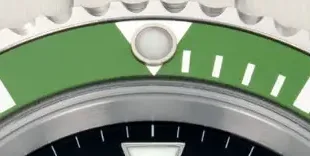
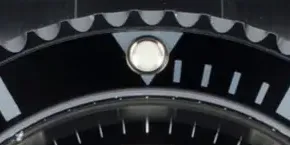
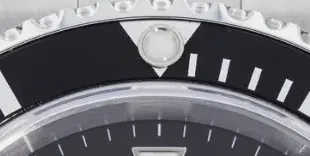
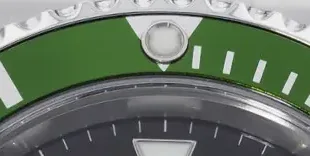
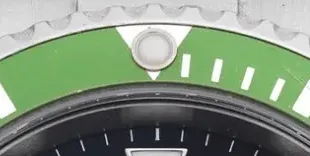
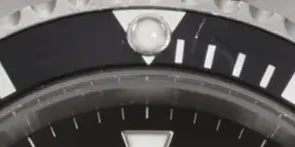
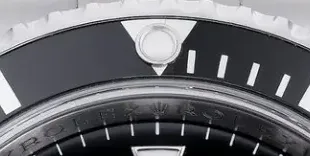
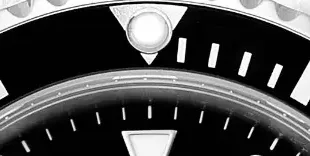
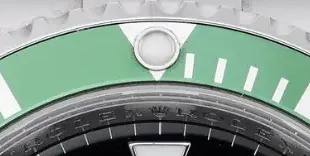
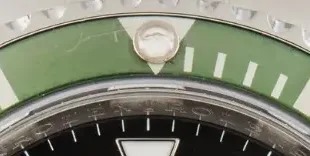
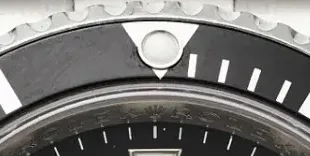
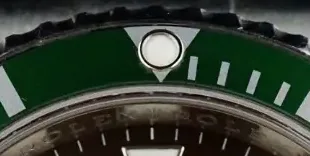
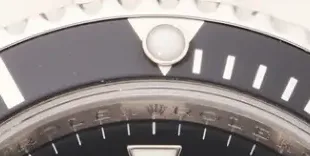
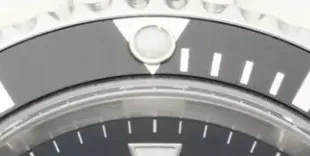
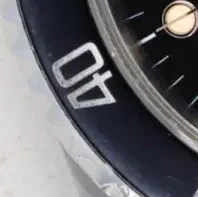
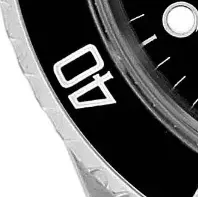
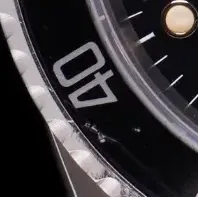
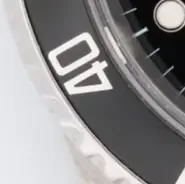
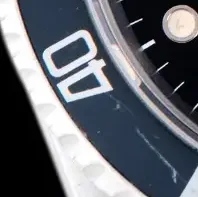
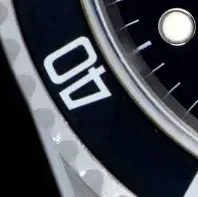
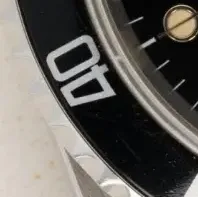
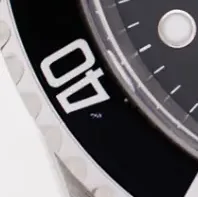
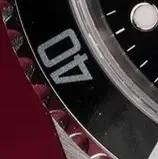
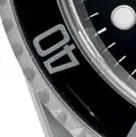
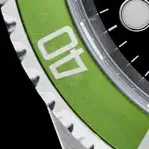
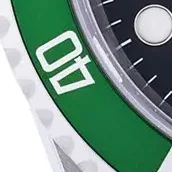
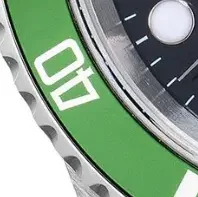
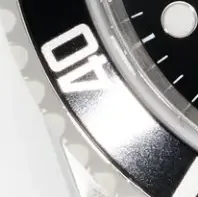
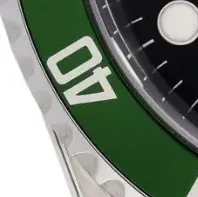
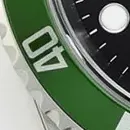
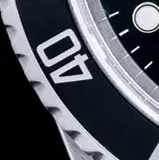
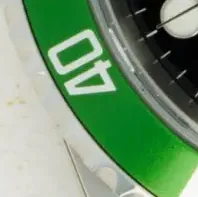
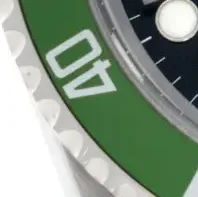
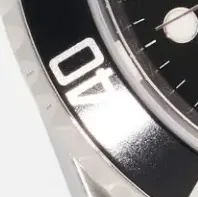
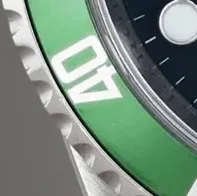
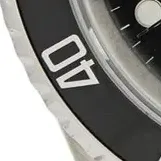
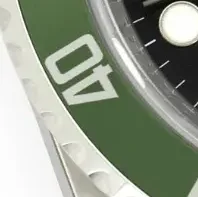
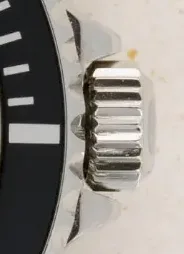
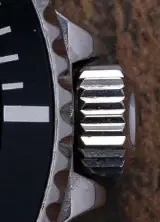
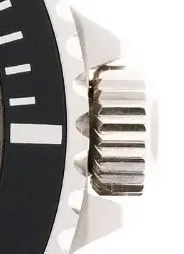
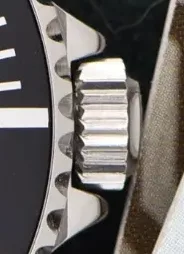
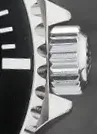
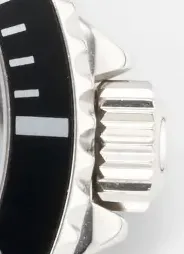
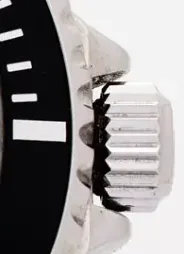
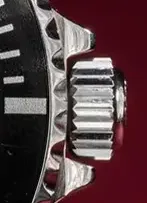
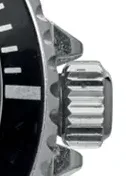
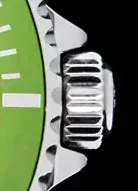
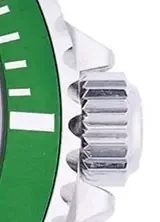
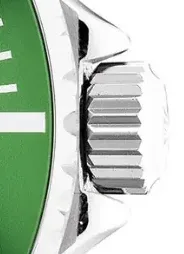
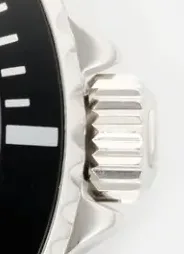
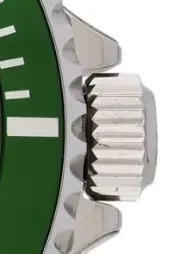
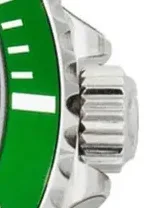
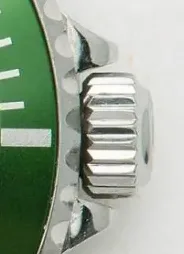
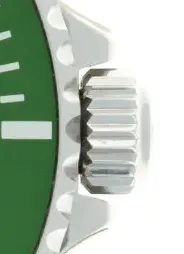
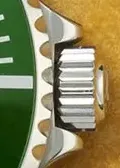
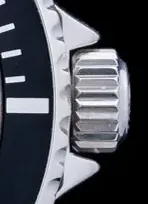
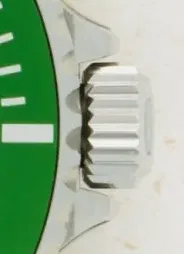
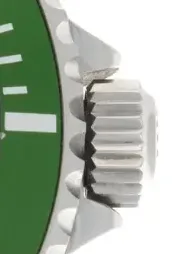
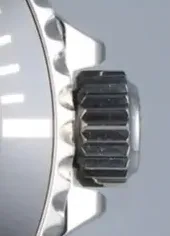
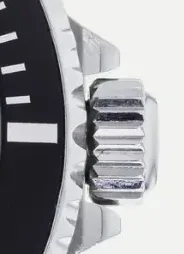
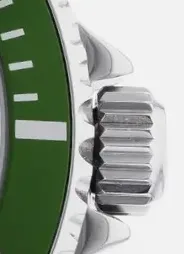
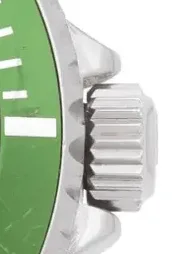
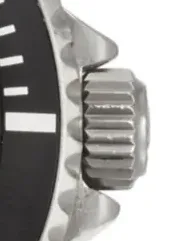
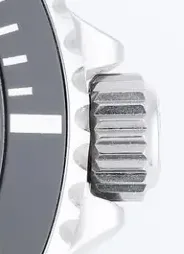
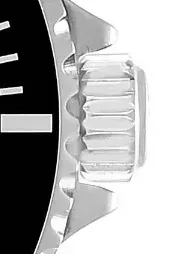
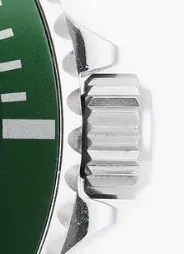
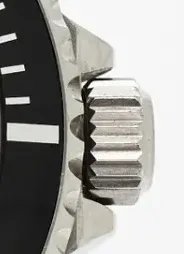
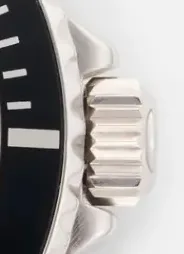
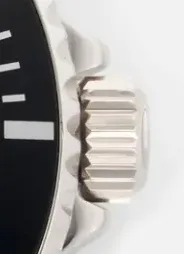
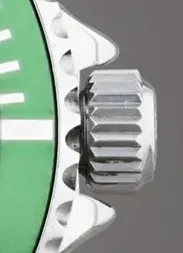
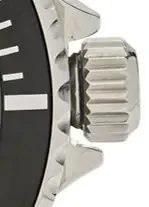
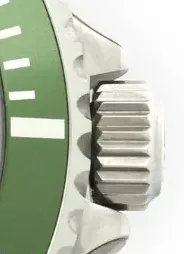
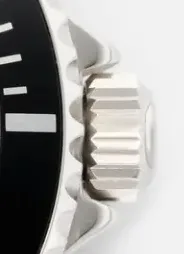
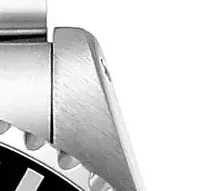
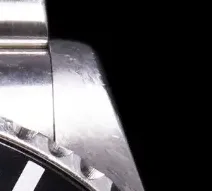
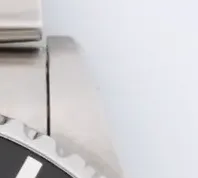
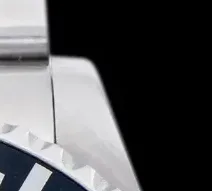
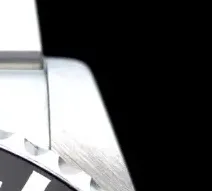
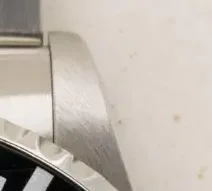
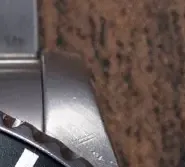
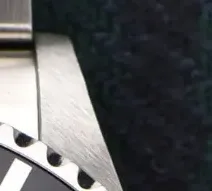
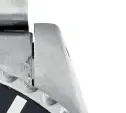
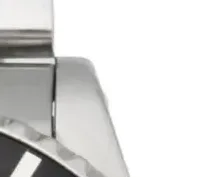
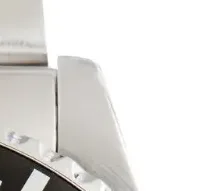
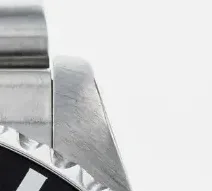
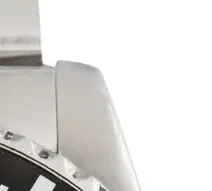
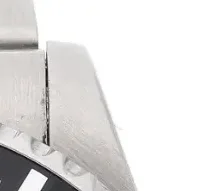
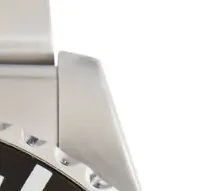
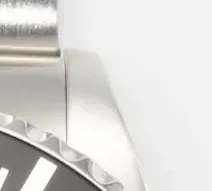
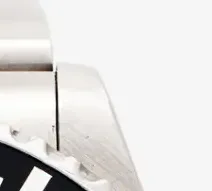
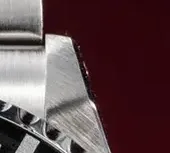
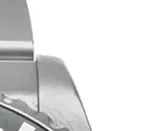
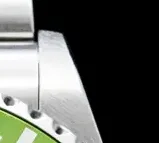
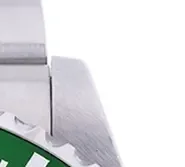
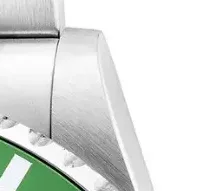
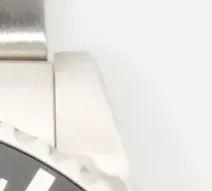
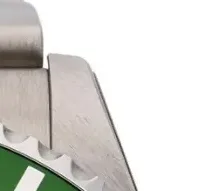
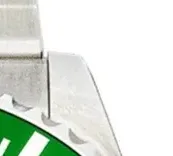
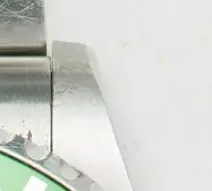
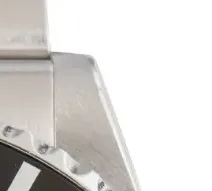
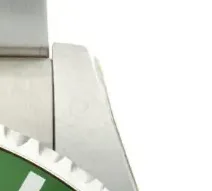
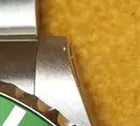
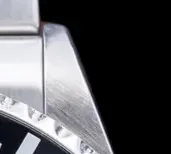
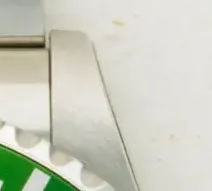
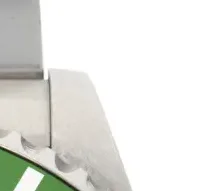
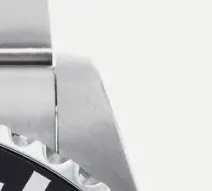
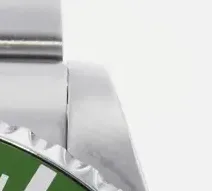
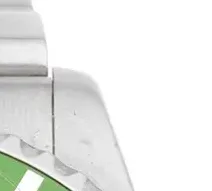
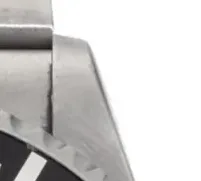
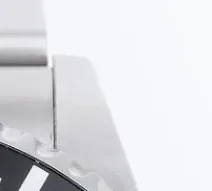
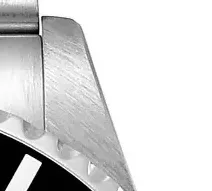
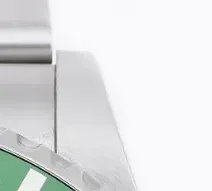
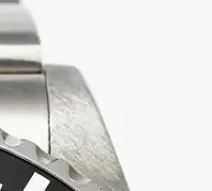
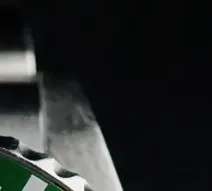
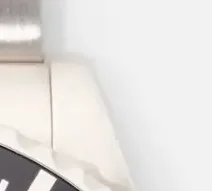
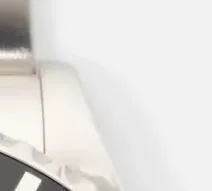
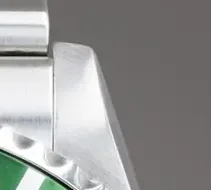
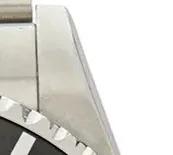
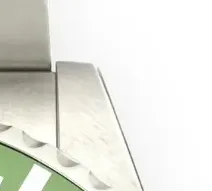
52 watches, oldest first, each straightened and cut the same way so that one row shows one component across them all. Chosen from 8,598 photographs on file for sharpness and for a face typical of the reference. A year marked c. is one its holder gives only roughly. Each picture is a detail cut from a listing photograph. Select the small mark in its corner for its year, its holder, a link to the listing it came from, and a way to report it.
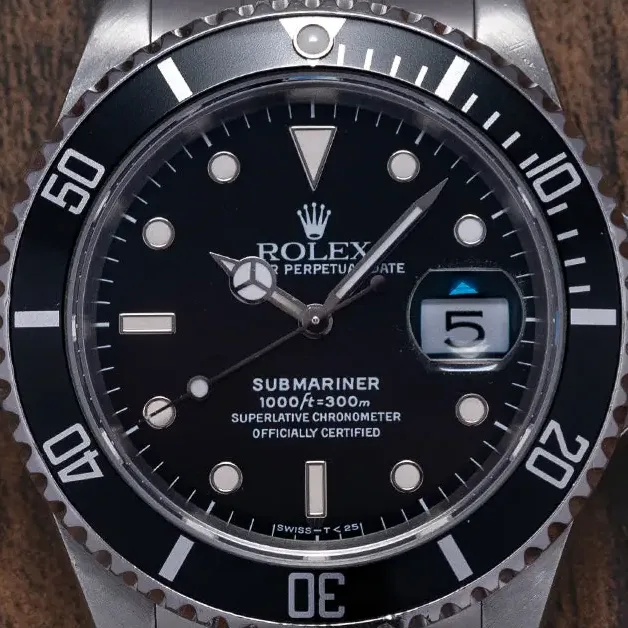
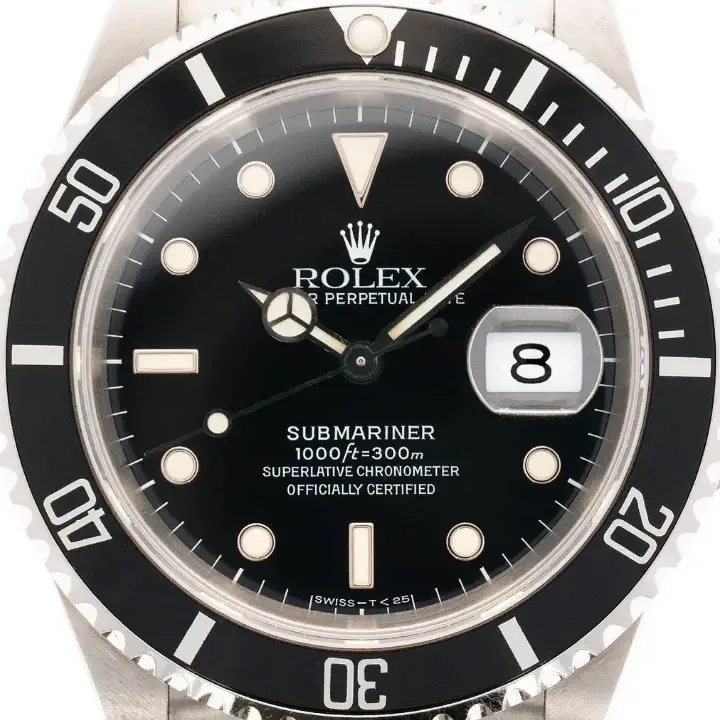
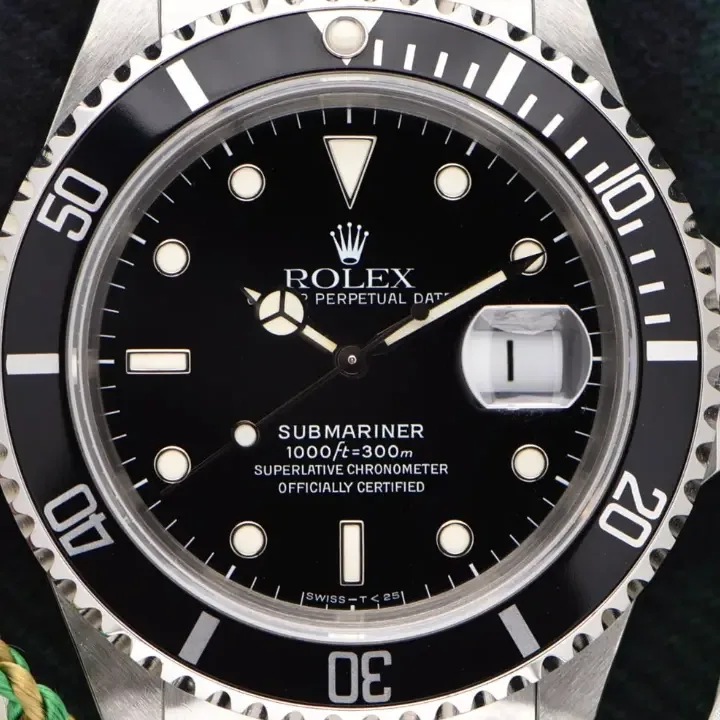
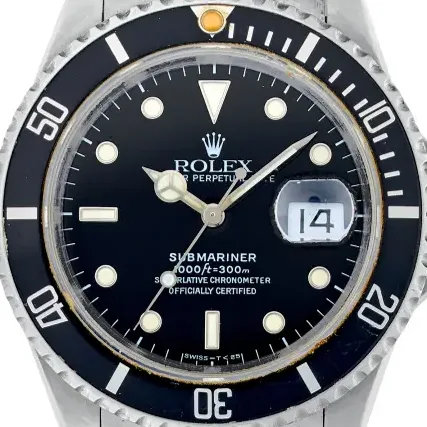
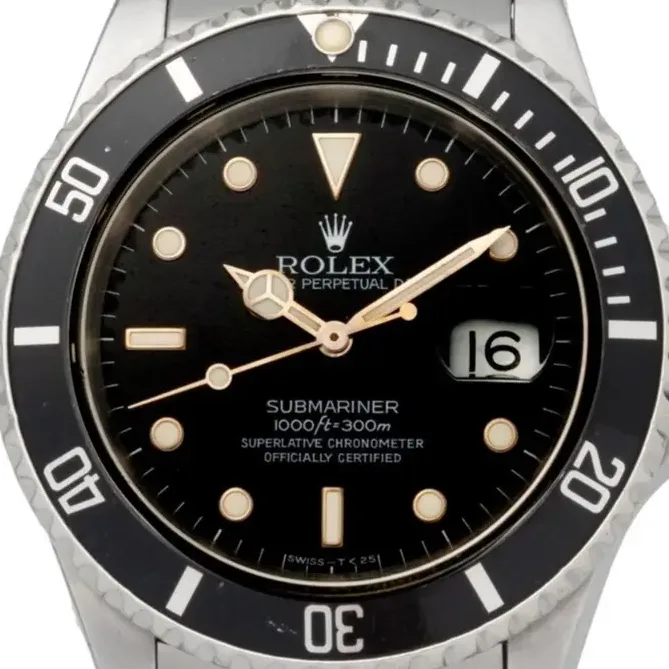
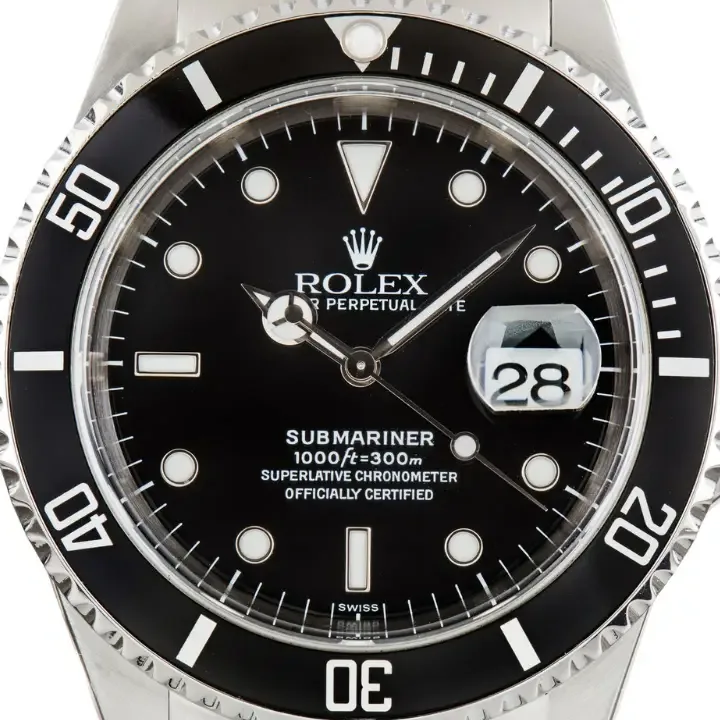
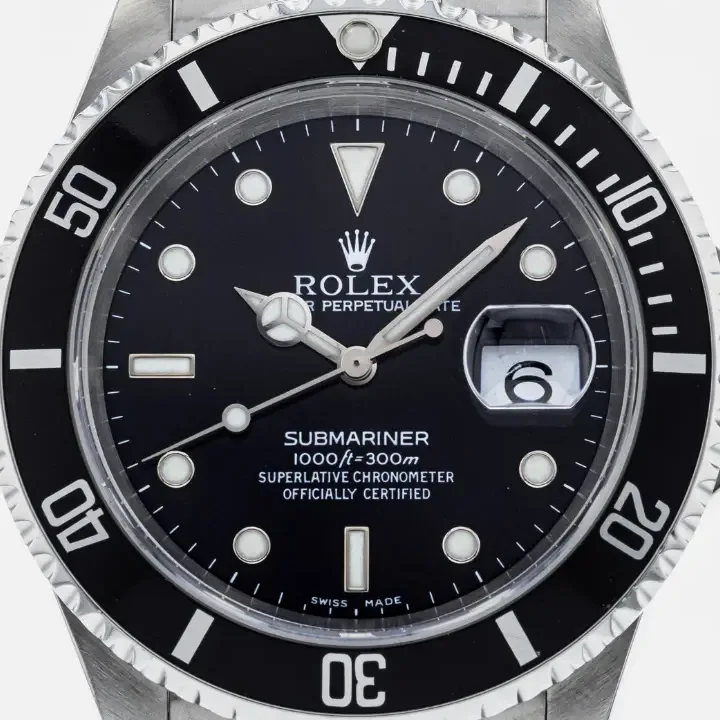
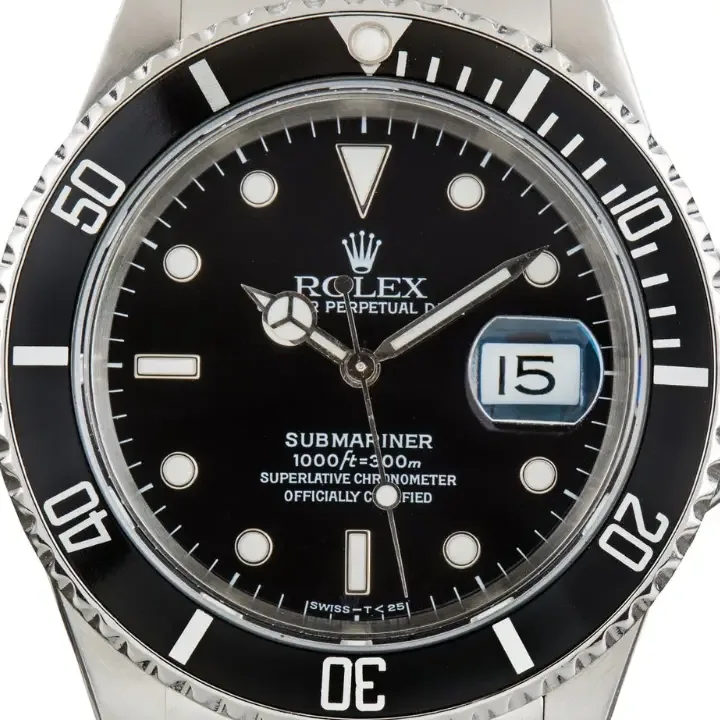
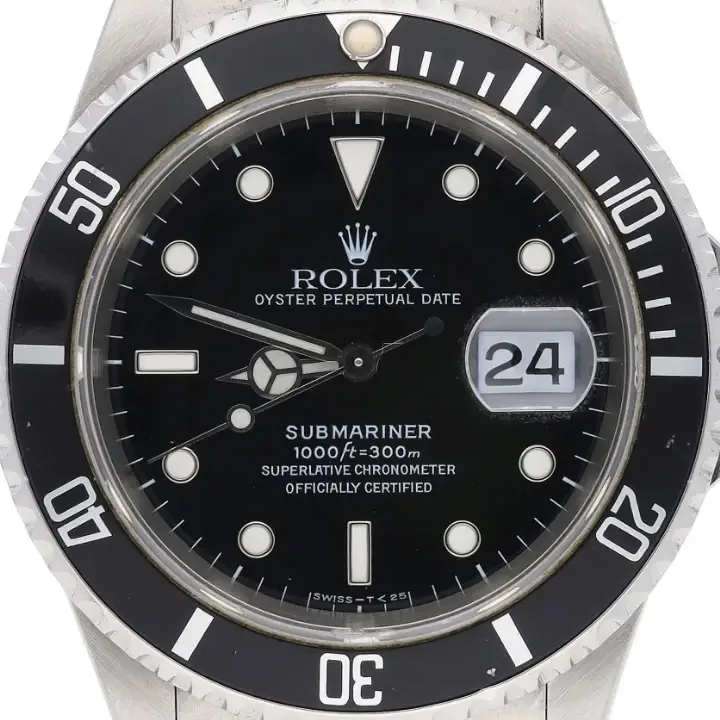
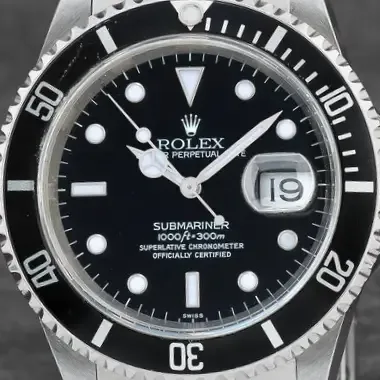
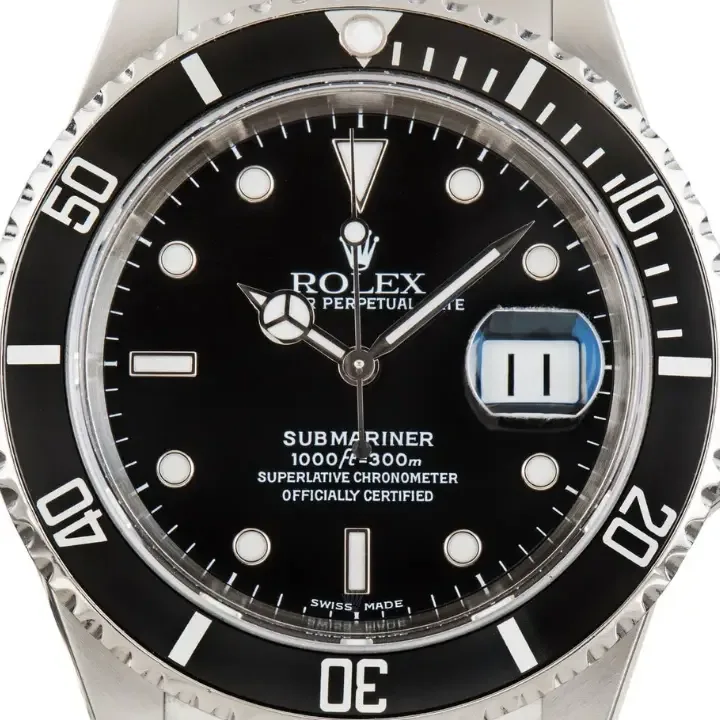
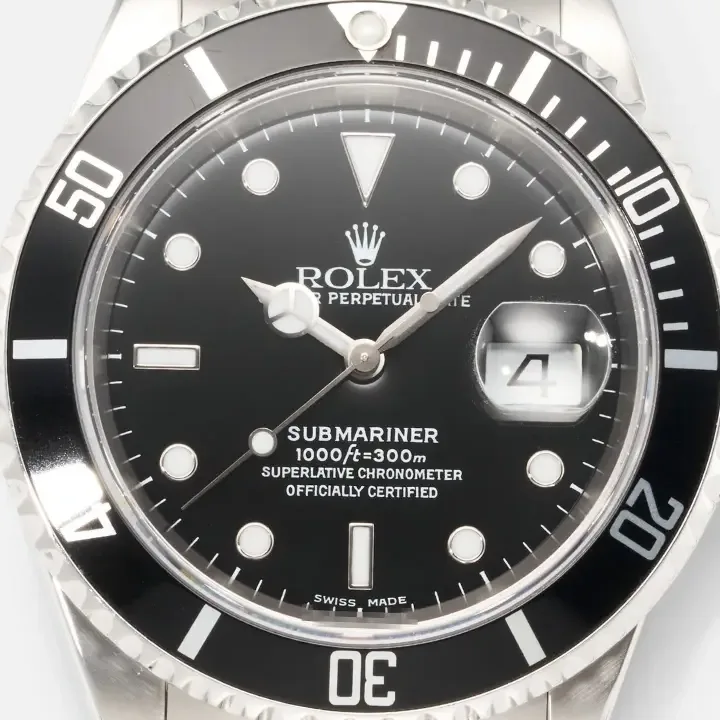
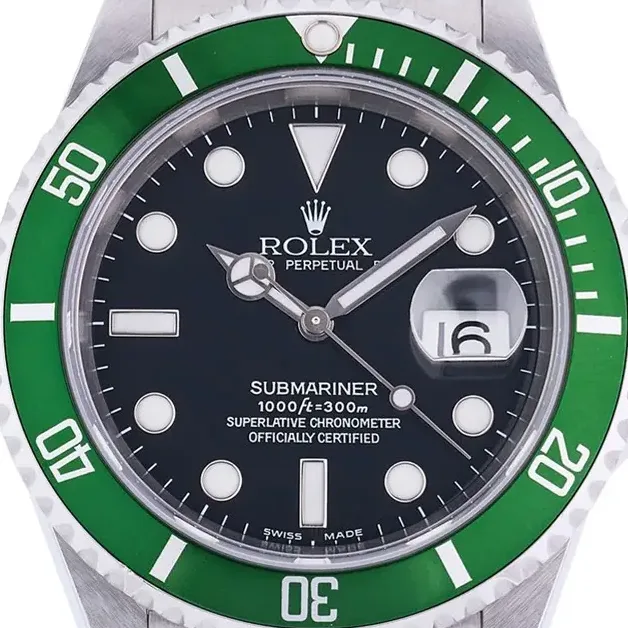
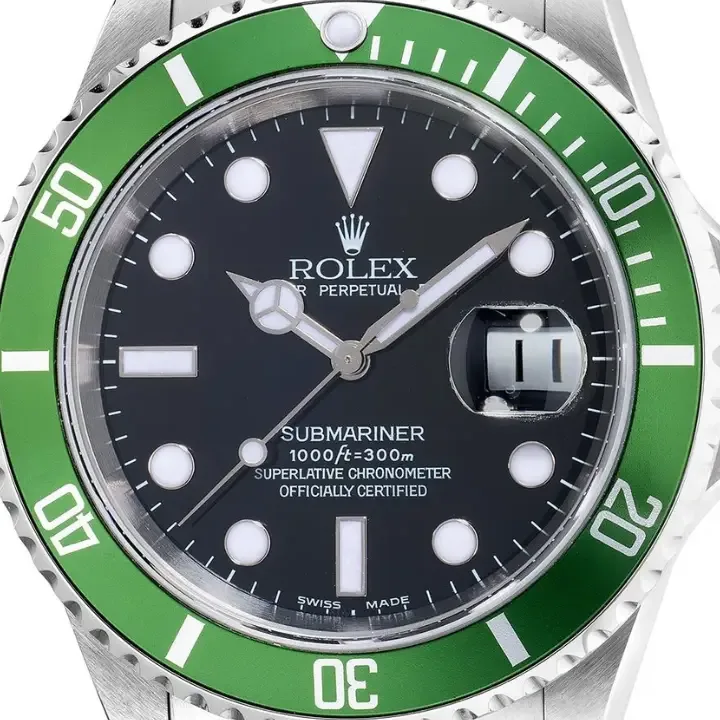
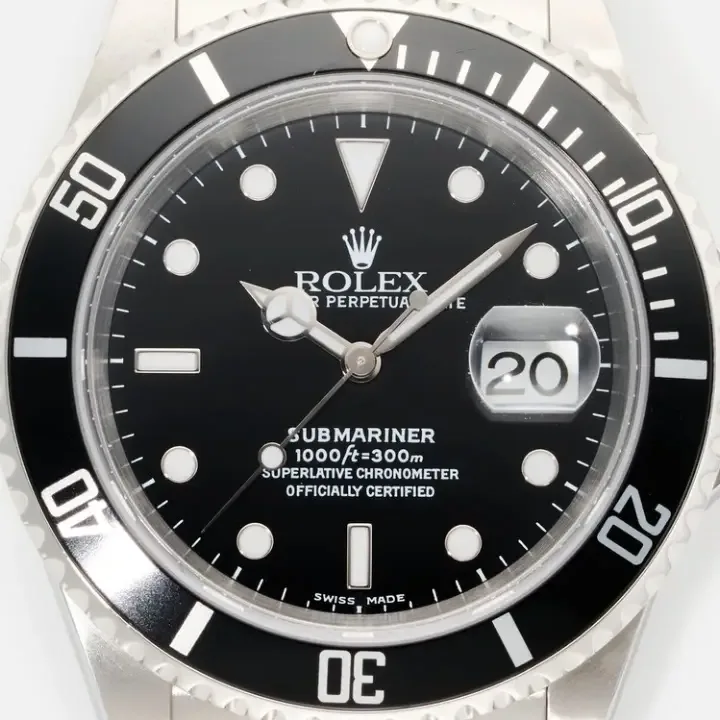
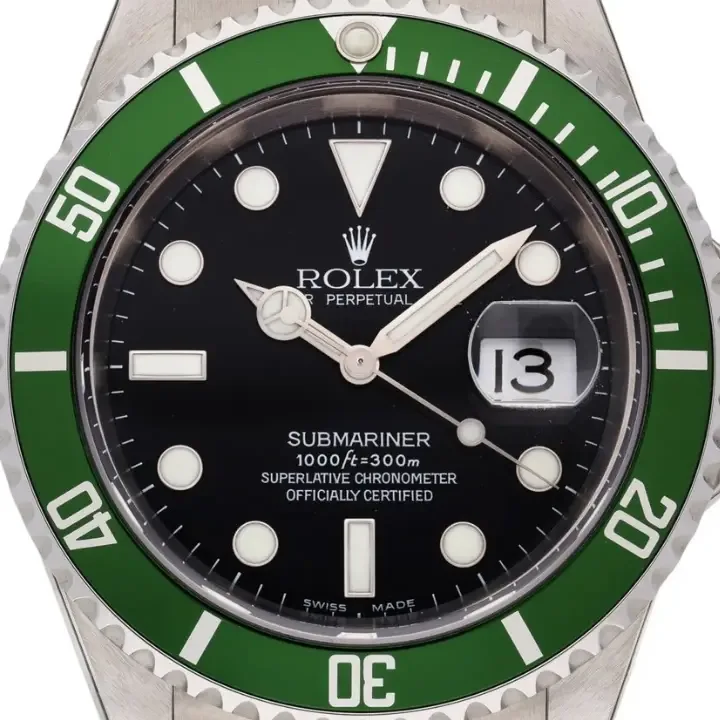
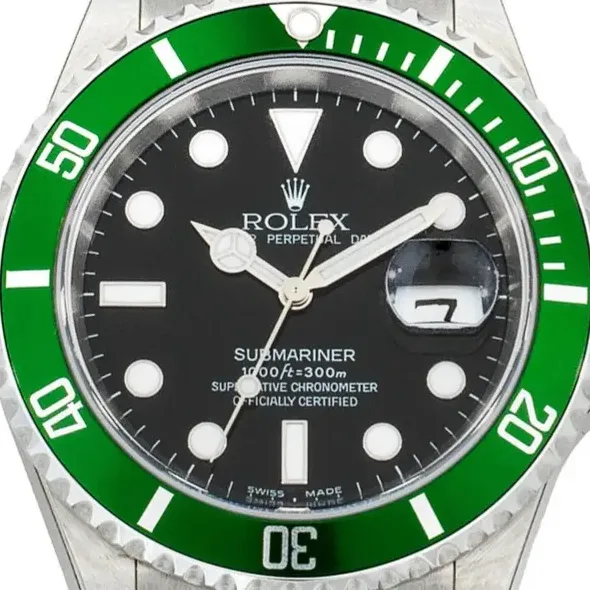
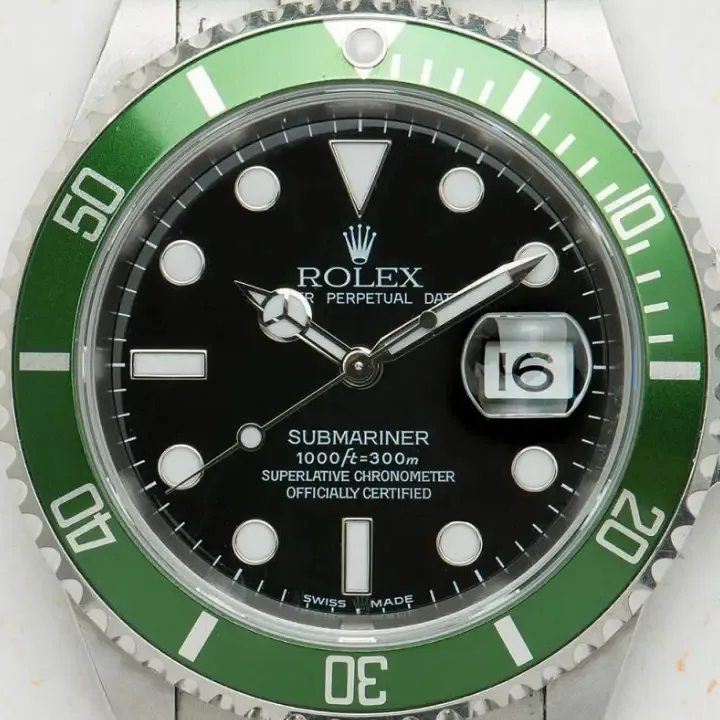
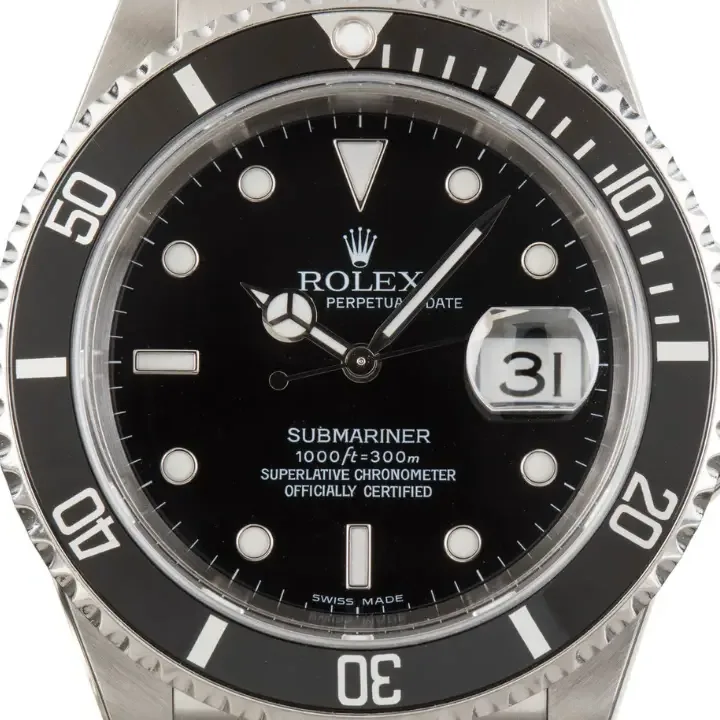
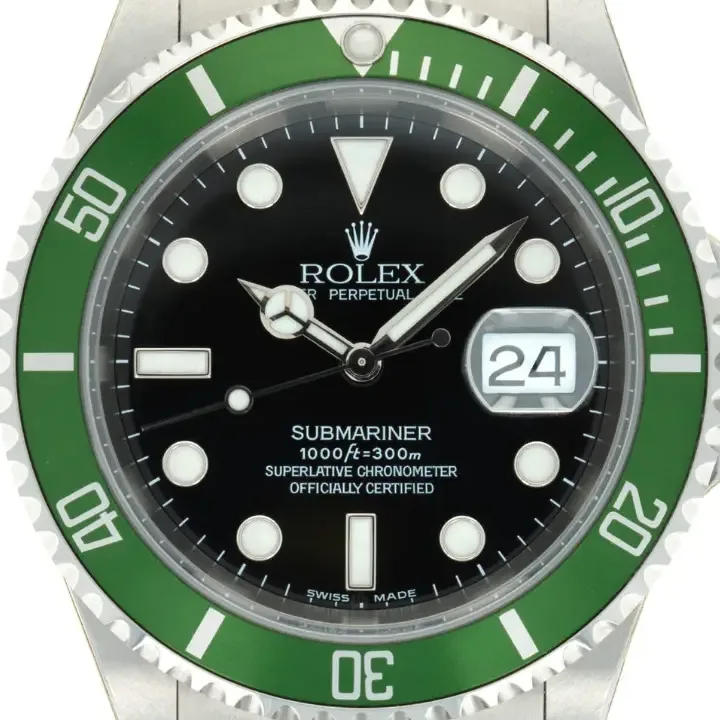
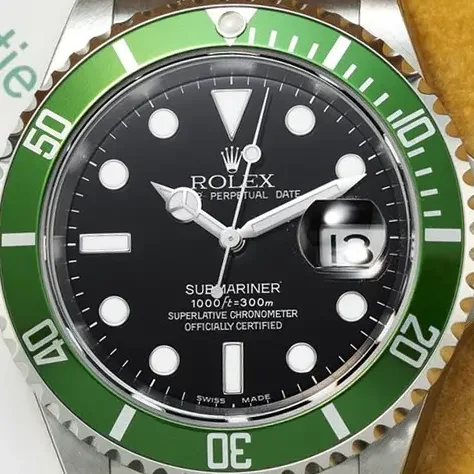
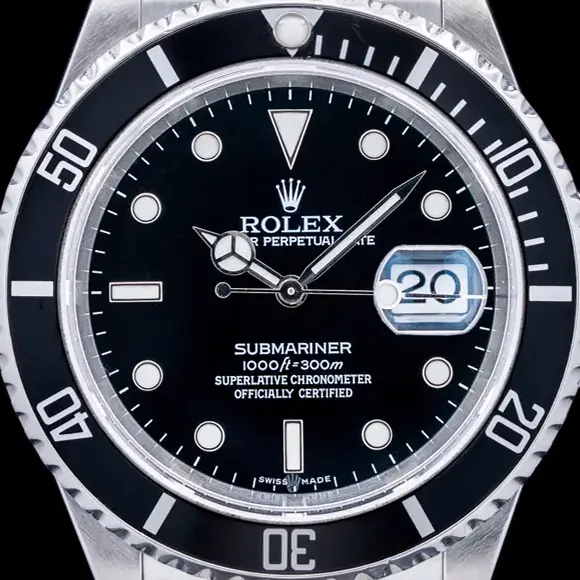
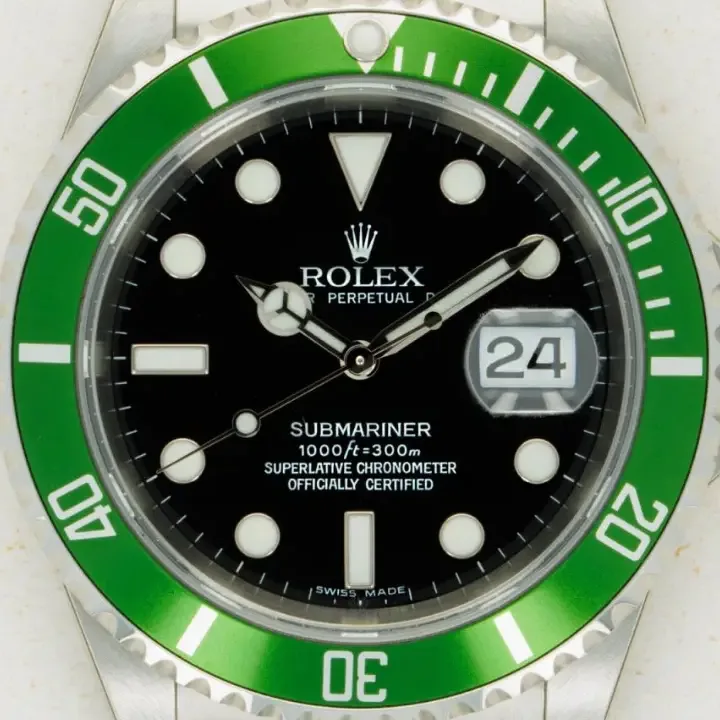
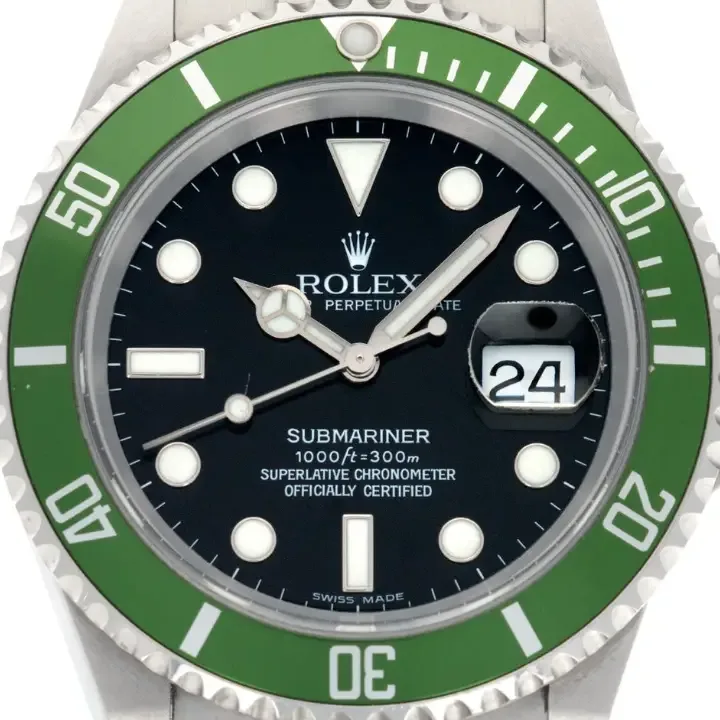
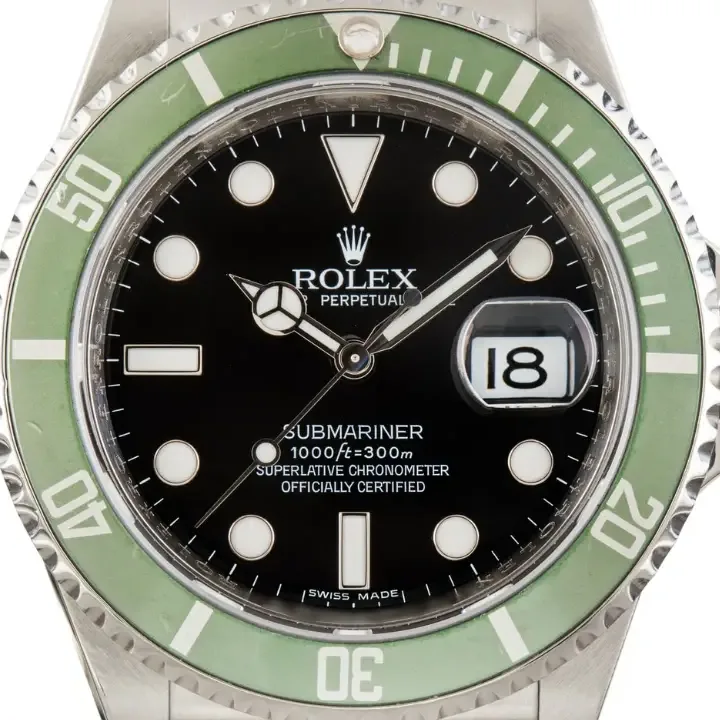
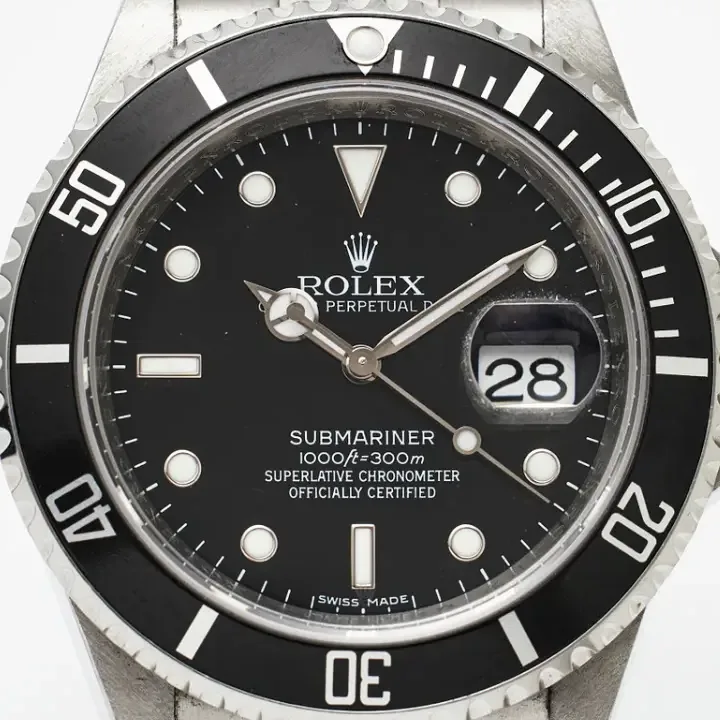
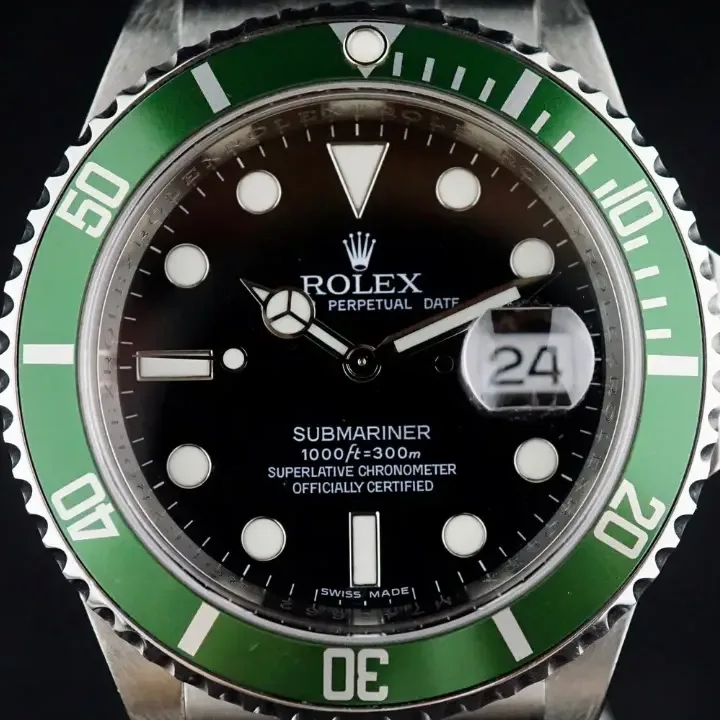
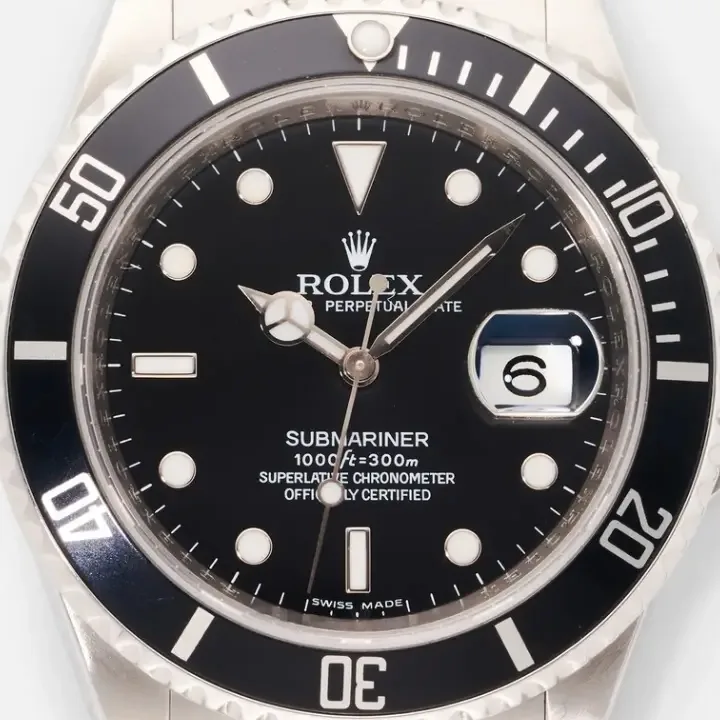




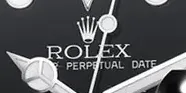
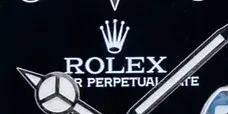


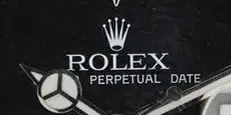
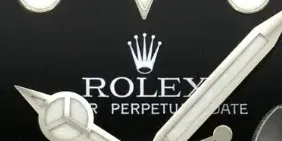
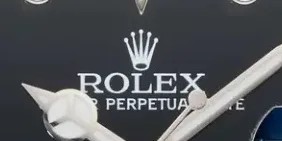
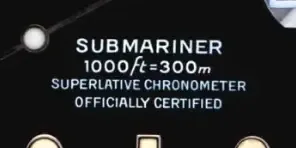
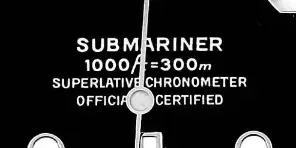
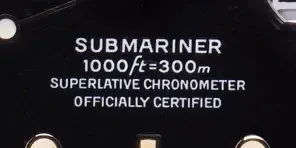
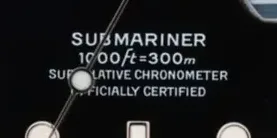
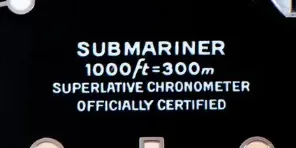
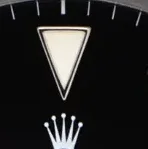

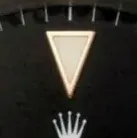
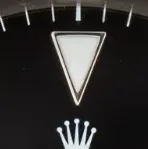
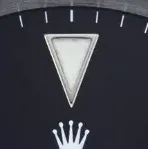

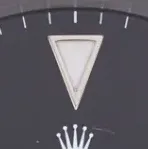
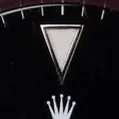
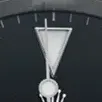
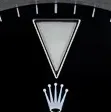
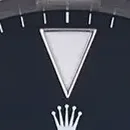
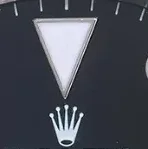
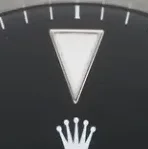
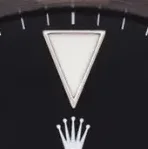

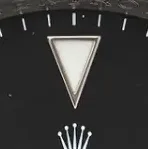
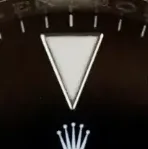
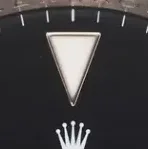
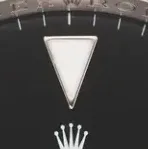
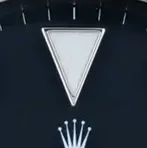
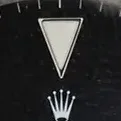
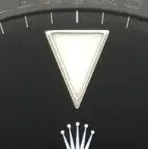
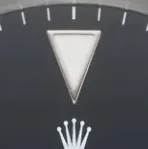
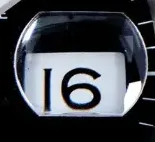
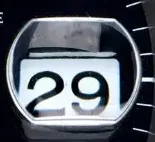
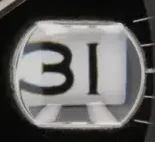
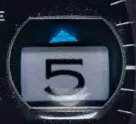
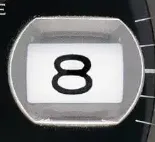
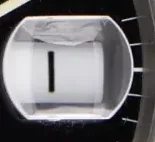

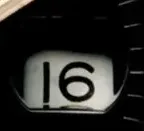
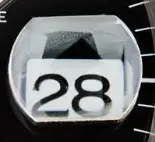


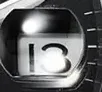
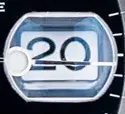
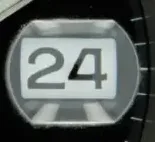
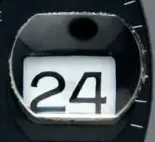
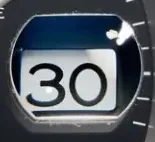
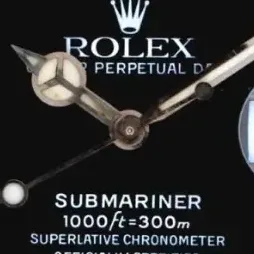
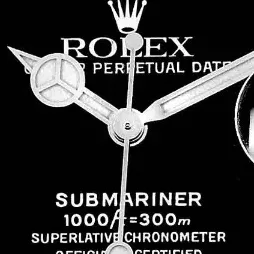
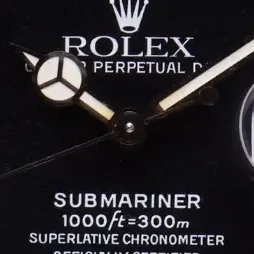
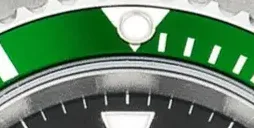
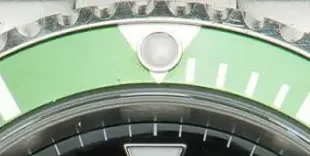
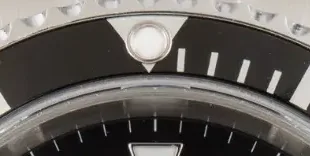
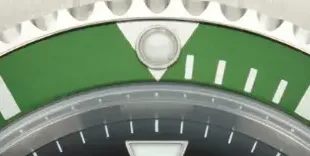
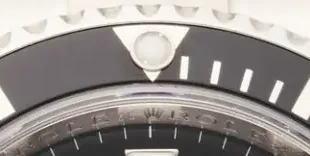
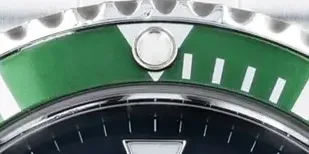
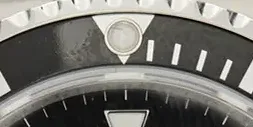
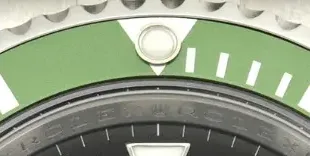
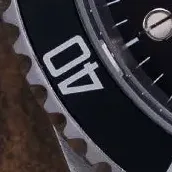
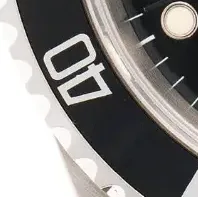
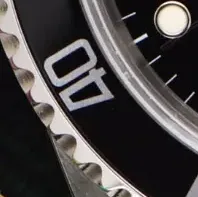
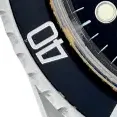
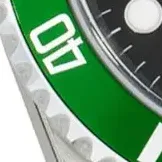
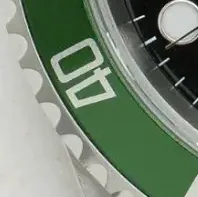
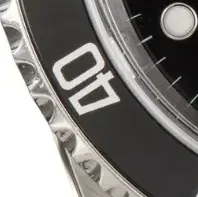
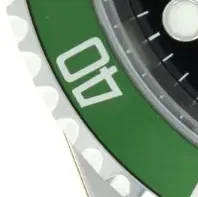




Chronology
Production is usually put at 1988 to 2010, though the first appearance is also dated 1987 and 1989, and the library's case numbers fall mostly between 1989 and 2008.
Every dated variant: what is written, and what the records show
For the reference the marks are every dated watch; for a variant, the watches a seller names as that variant, so a variant sellers do not name has none.
The reference's own marks are dated by case number. A variant's marks use the year each seller states, so a variant can show watches in a year where the row for the reference shows fewer, or none. 2 dated listings fall outside this scale and are not drawn.
Specification
| Case | 40 mm steel Oyster case, about 12.7 to 12.8 mm thick and 48 mm lug to lug, screw-down back; steel is generally given as 904L, though 316L is also stated |
| Crystal | Flat sapphire with a cyclops lens over the date; the cyclops is the only part with anti-reflective coating |
| Bezel | Unidirectional, 120 clicks, anodised aluminium insert with a 60-minute scale, a triangle at zero and a luminous pearl at 12; black (LN) or, from 2003, green (LV) |
| Dial | Gloss black, white printing, applied white-gold-surround hour markers; 16610LV has enlarged markers and hands |
| Movement | Calibre 3135, automatic, 31 jewels, 28.5 mm, 4 Hz, about 48 hours' reserve, quickset date, chronometer-certified; succeeded the 3035 |
| Crown | Screw-down Triplock crown |
| Bracelet | Oyster, three-link: 93150 with hollow end links to about 1999; 93250 with solid end links from about 2000; folded-steel clasp with a four-hole adjustment and a wetsuit extension |
| Water resistance | 300 m / 1,000 ft |
Reference 3 described
The reference number carries a suffix on some watches. The suffixes mark the bezel colour or the case style and are the same reference in every other respect.
16610 and 16610LN
The plain reference, with a black insert, is the watch as made from 1988. The LN suffix stands for lunette noire, black bezel, and is added to tell it from the green LV. The earliest cases have drilled lug holes.
- black aluminium insert
16610T
The T suffix is used by some for the cases without lug holes, from about 2003 to the end of production. It describes the case, not a different watch.
- solid lug walls
16610LV and 16610V
The green-bezel anniversary watch, shown with the suffix LV for lunette verte, green bezel. The form 16610V means the same thing. It has the enlarged hour markers and broader hands of the maxi dial and a case without lug holes.
- green insert on a maxi dial
Dial 11 described
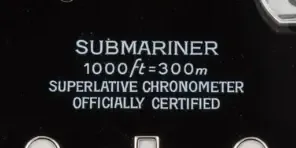
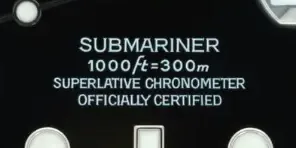
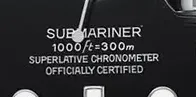
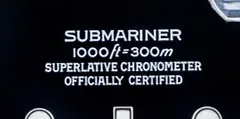
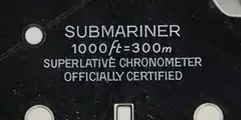
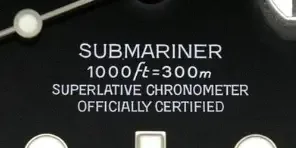
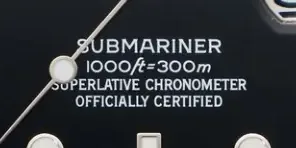
The dial is gloss black with white printing and applied hour markers outlined in white gold. Coronet, Rolex and Oyster Perpetual Date sit at twelve, and the model name, depth rating and chronometer line at six. The small text at the foot changed with the lume, from SWISS - T<25 to SWISS to SWISS MADE, and the dates of those changes are given a little differently from one account to the next. The green-bezel LV has its own dial with larger markers, which collectors divide into numbered marks. Some gloss dials have cracked with age into a fine web, sold as a spider dial; that is a matter of condition, not a factory variant.
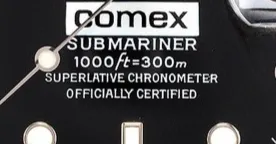
COMEX dial
1986 to 1997 engraved numbers, plus a small batch around 2003 or 2004
Watches issued to the French diving company COMEX carry its logo on the dial and an engraving on the caseback; in every other respect they are standard 16610s. Engraved numbers on these watches fall between 1986 and 1997, which is earlier than the reference's public launch, and a further small batch is placed around 2003 or 2004. Only a couple of hundred are thought to have been made, they were not sold through shops, and in these years they were mostly given to company staff and officers rather than used for diving. The 16610 and the Sea-Dweller 16600 were the last Rolex references to carry the COMEX logo.
- COMEX engraving on the caseback
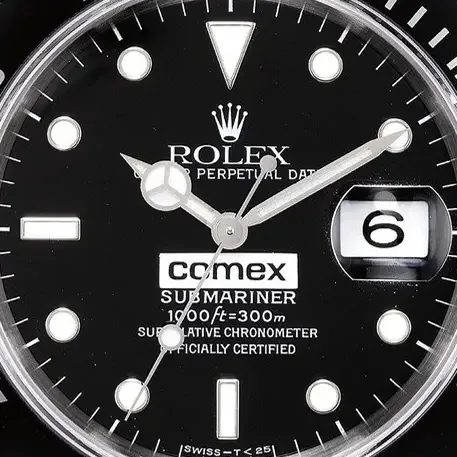
Tritium dial, SWISS - T<25
The earliest dials read SWISS - T<25 below the six o'clock marker, which shows tritium lume. The tritium plots age to a cream or pumpkin colour and the lume stops glowing as the years pass. It runs from the start of the reference to about 1998; one account puts the change in 1999.
- SWISS - T<25 at the foot
- cream or pumpkin plots
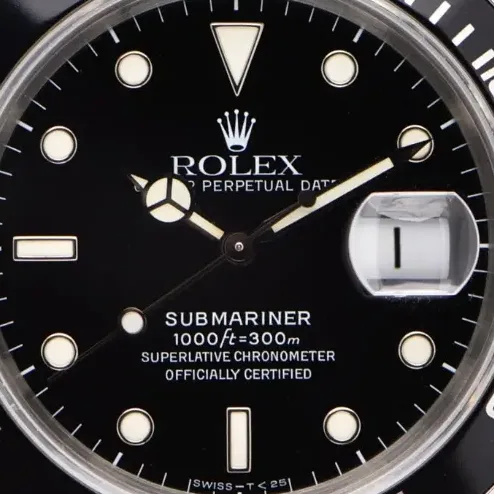
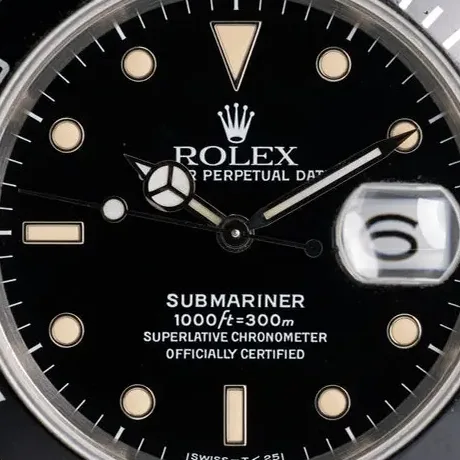
SWISS only dial
For a short time the foot of the dial carries the single word SWISS in place of SWISS MADE. It is placed at 1998 to 2000 by some and 1999 to 2000 or 2001 by others. The lume on these dials is disputed: one view ties them to Luminova and the later dials to Super-LumiNova, another holds that all of them are Super-LumiNova and that the Luminova idea has no basis.
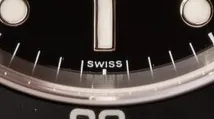
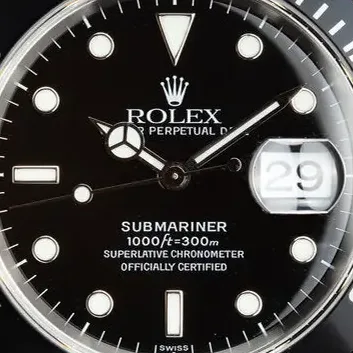
SWISS MADE dial
The foot of the dial reads SWISS MADE in full. Most accounts put the change in 2000 or 2001, and the text then continues to the end of the reference. It goes with Super-LumiNova, which stays white with age.
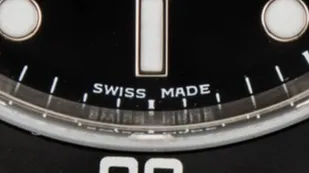
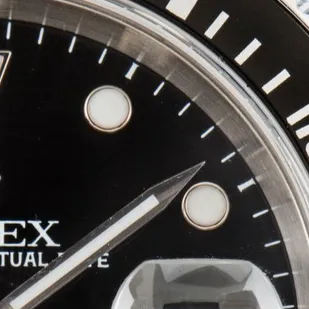
5 listings on record under the name.
Flat S (Zorro) dial
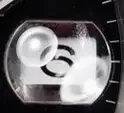
The typeface of the model name gives the S a flat, backwards-Z look. A flatter form appeared on the 168000 in 1988, and milder ones turn up from about 2001 to 2005 on some 14060 and 16610 watches. Only black-bezel watches are reported with it, it is fairly rare, and it is not reported to carry a large premium.
- S in SUBMARINER flattened like a reversed Z
16610LV maxi dial
The green-bezel watch has larger applied hour markers and a heavier minute hand and hour hand than the black 16610; this became the standard dial of the six-digit Submariners. A standard 16610 dial in a watch with a green insert is not a genuine LV. The lume on these dials is green-emitting Super-LumiNova.
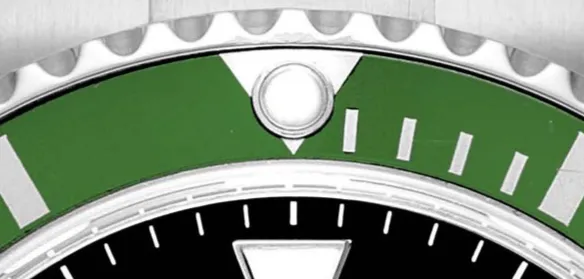
- large hour plots
- heavier hands
248 listings on record under the name.
LV Mark I, oval O
The first maxi dials have a wide, elliptical O in the Rolex name at twelve, and are called Mark I. Collectors tell the marks apart by the spacing of the SWISS MADE text, the weight of the type and the shape of the O. The Mark I belongs to the first years of the LV. Dated watches that sellers describe this way fall mostly between 2003 and 2004; those are the years of the watches so described, which is not a stated span of production.
- wide elliptical O in ROLEX
LV later marks, round O
After the Mark I the O in ROLEX becomes round, and further marks follow that differ in text spacing and type weight. The number of marks is not agreed: five dial variations are given in one account, seven marks are listed in a reference database and eight in another account. Marks IV, V and VII are named in listings, the last as a dial of 2008.
- round O in ROLEX at twelve
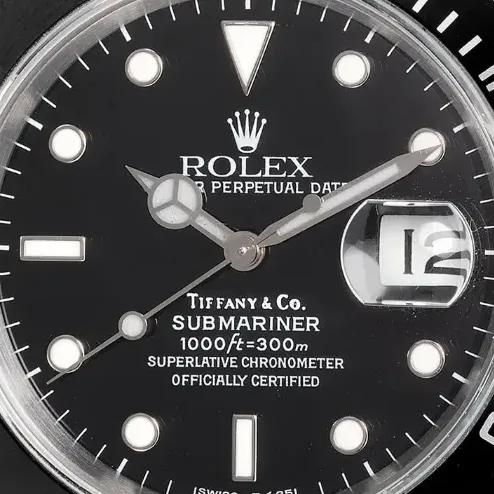
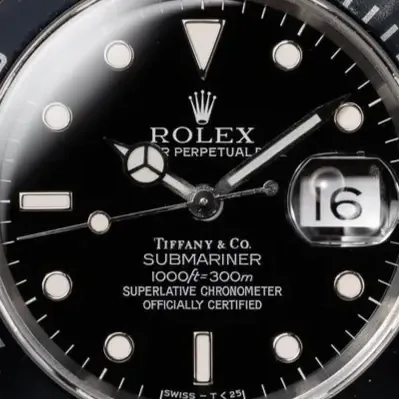
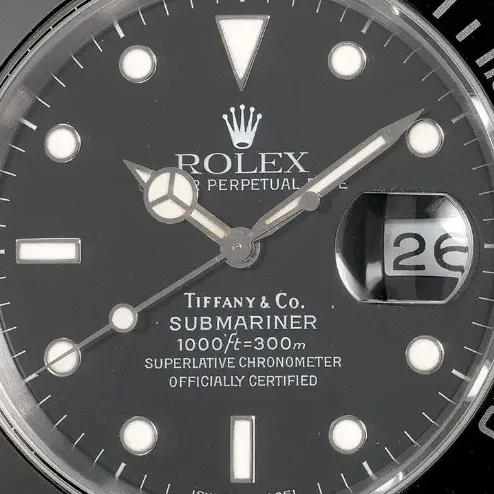
Tiffany & Co. dial
Retailer-signed dials are recorded on tritium watches, with the Tiffany & Co. name printed on the dial. The library's records place most of the watches sellers describe this way in the early 1990s. Dated watches that sellers describe this way fall mostly between 1990 and 1992; those are the years of the watches so described, which is not a stated span of production.
- Tiffany & Co. printed on the dial
Panama Canal dial
A numbered limited edition made to mark the handing over of the Panama Canal to Panama, with the canal's name on the dial. The literature gives only the name; the library's records hold auction lots that describe it so and date the watches to 1999.
- Panama Canal wording on the dial
Long F dial
On some dials the f of ft in the depth rating has a longer crossbar. It is named as a variation collectors hunt for, with no dates given.
- long crossbar on the f of ft
Luminous material 3 described
The lume moved from tritium to a non-radioactive material at the end of the 1990s. The material is read from the small text at the foot of the dial; the exact years and the question of whether Luminova was ever used are not agreed.
Tritium
Used on the early dials, marked SWISS - T<25. It glows steadily but weakens over the years, and the plots usually age to cream or pumpkin. It is dated from 1988 to about 1998.
- SWISS - T<25 marking
- cream or pumpkin plots
Luminova
A non-radioactive lume that needs light to charge. It is tied by some to the SWISS only dials of about 1998 to 2000, but another account holds that Rolex used Super-LumiNova throughout and that the idea of a separate Luminova period has no basis.
Super-LumiNova
Standard on the SWISS MADE dials and on the green-bezel LV, where it glows green. It keeps its white colour and does not discolour, though it needs light to charge. One account calls it brighter at first than the later Chromalight but quicker to fade.
5 listings on record under the name.
Hands 2 described
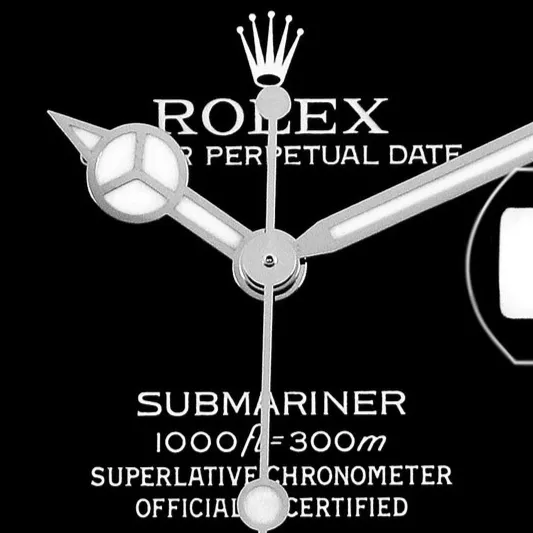
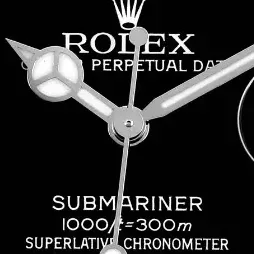
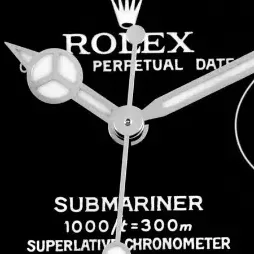
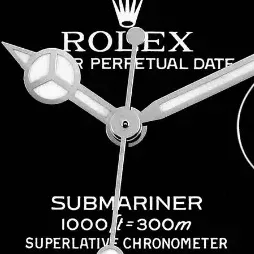
The hands are the Mercedes style with lume fill. The green-bezel LV has a heavier set to match its larger hour markers.
Mercedes hands
The hands are filled with lume that matches the dial, and the set is the same on the black 16610 for the whole run. A replaced or relumed set shows against an original dial.


Maxi hands (LV)
The LV has a broader, more prominent set than the black 16610, matched to its large plots. It was first seen on the 16610LV and later became the standard on the six-digit Submariners.
- broad hour and minute hands
- large plots
Bezel 5 described
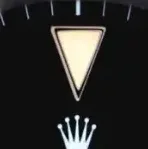
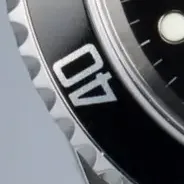
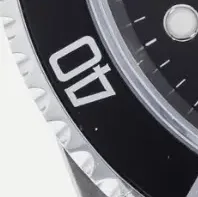
The insert is anodised aluminium throughout and never ceramic. The bezel has a steel edge with a serrated grip and turns one way only in 120 clicks, each a half minute. The scale is divided to the minute for the first fifteen, with a triangle at zero and a luminous pearl at twelve. Black inserts run the whole life; the green LV insert exists in several forms.
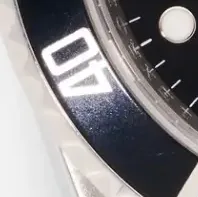
Black aluminium insert
A 60-minute scale with a triangle and luminous pearl at twelve. The insert fades to grey, called a ghost insert, and scratches. Aftermarket inserts show wrong fonts or pips that sit poorly in their holes.
- faded grey insert
- wrong fonts on a replacement
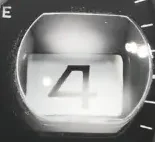
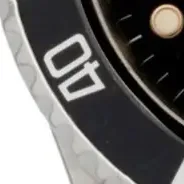
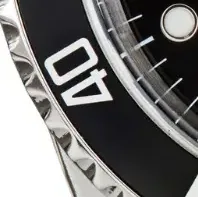
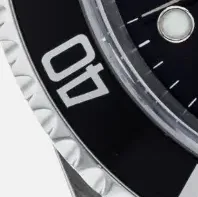
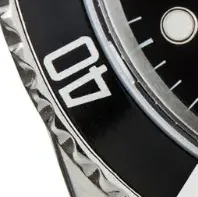
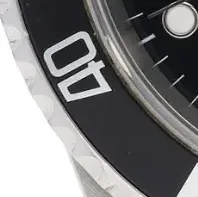
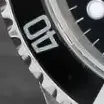
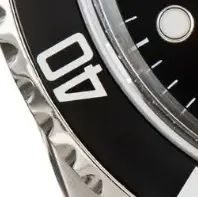
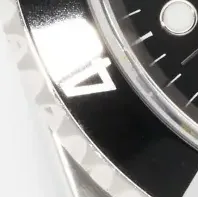
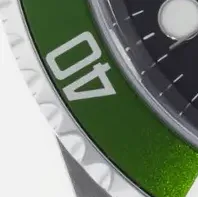
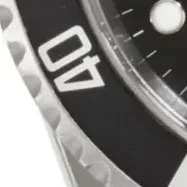
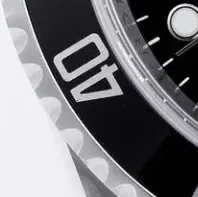
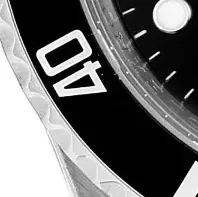
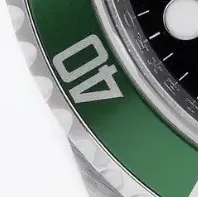
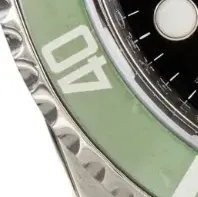
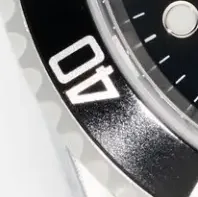
Green insert with flat 4
On the first green inserts the top of the 4 in 40 is flat, giving it a squared, trapezoid look. It is found on the earliest serials, Y and early F, which is 2003 and 2004. A service replacement insert almost always has the sharp 4, so an original flat 4 is taken as a sign of an unreplaced bezel.
- flat top to the 4 in 40
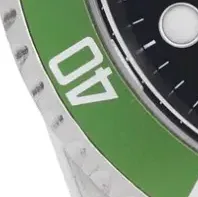
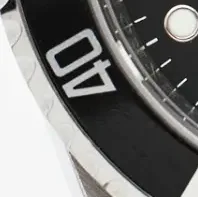
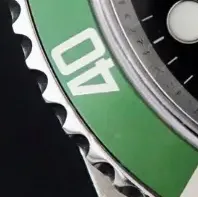
Green insert with sharp 4
The later 4 has a pointed, triangular top. It is on the later serials and on service replacements. Inserts with a slim 4 are also listed, and inserts with or without serifs on the numerals; in all five insert types are counted.
- pointed top to the 4
- serifed or plain numerals
Serif and sans-serif green inserts
Some green inserts have small feet on the numerals and others have clean, plain ones. The literature treats this as one of the small differences that distinguish LV watches and gives no dates.
- small feet on the numerals, or none
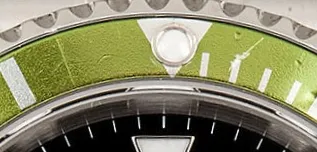
Faded green insert
Green fades more than black. Shades seen run from forest and grass green through shamrock and emerald to a faded olive, the last called a Bertolli insert by collectors.

3 listings on record under the name.
Case 5 described
The case is the slender Oyster shape, 40 mm across, about 12.7 to 12.8 mm thick and 48 mm lug to lug, with thin lugs, small pointed crown guards and a domed caseback. The lugs were drilled until about 2002 and solid from about 2003. The rehaut, the ring between dial and crystal, was plain at first and engraved in the later years. The serial and reference numbers are engraved between the lugs.
Drilled lug holes
Holes pass through the lugs, which makes strap and bracelet changes easier. These cases run from the start of the reference to about 2002 or 2003 and are the ones written 16610 by those who distinguish the 16610T.
- holes through the lug sides
No lug holes
The lug walls are solid, a cleaner profile that arrives around 2003. The green-bezel LV was launched after this change and has this case. Seen from the side, lugs that have been polished heavily lose their chamfers and the holes of an older case can look as though they sit on a rounded surface.
- solid lug walls
Plain rehaut
The ring around the dial carries no engraving on the earlier watches.
Engraved rehaut
ROLEX is engraved repeatedly round the rehaut. The date is not agreed: most accounts put it at about 2007 across the Submariner range, one at 2005 and one at 2008 to 2010, tied to the M and V serials. It appeared on the Datejust first, in 2004. The LV is reported with two case types, with and without the engraved flange.
- ROLEX repeated on the inner ring
Chamfered lugs
Unpolished cases keep a sharp bevel where the brushed top of the lug meets the polished side. Rounded or missing chamfers show heavy polishing, as does a flattened coronet on the clasp.
- sharp bevel along the lug edge
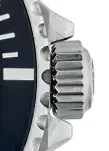
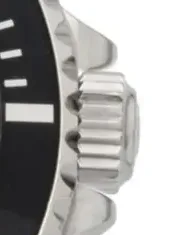
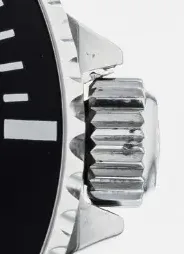
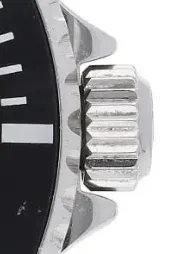
Crown 1 described
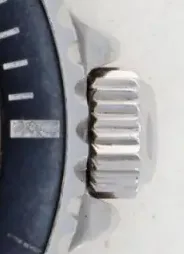
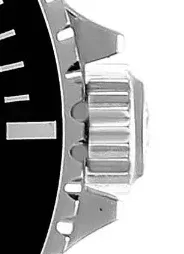
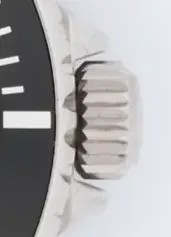
The crown is the screw-down Triplock type throughout, with the coronet on its face.
Triplock crown
A screw-down crown, used on all watches of the reference.
Crystal 1 described
The crystal is flat sapphire with a cyclops lens over the date, and the cyclops is the only part that carries an anti-reflective coating.
Laser-etched crown at six
A tiny coronet etched into the crystal near six o'clock. Rolex phased it in from about 2001 or 2002 (one account starts it in 1999 and completes it by early 2004), and it is expected on the LV. On an earlier 16610 it marks a crystal fitted later, usually at service.
- tiny crown etched near six o'clock
Movement 2 described
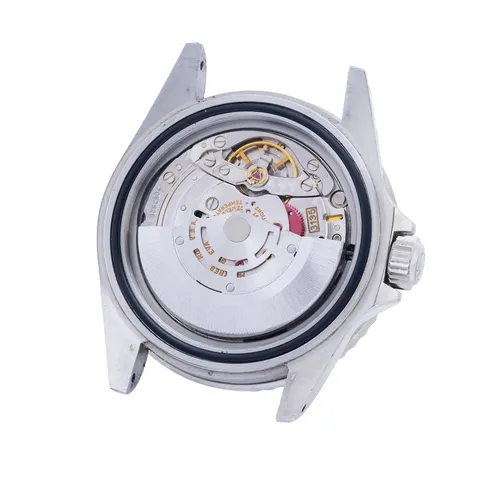
The calibre 3135 was introduced with the reference in 1988 and stayed in it to the end. It replaced the 3035, which had been in use from 1977. The one change of note is the hairspring: later watches have a blue Parachrom spring, but when it arrived is not agreed.
Calibre 3135 with Nivarox hairspring
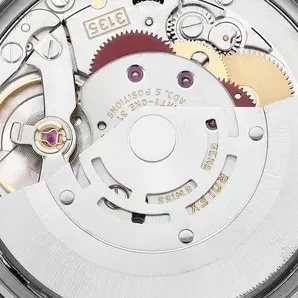
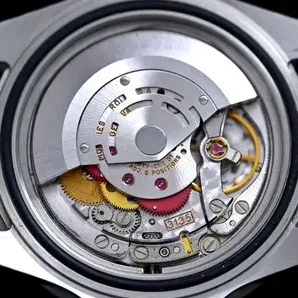
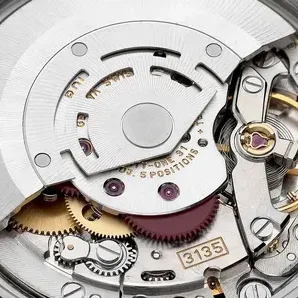
Automatic, 31 jewels, 28.5 mm, 4 Hz, about 48 hours' reserve, quickset date, chronometer-certified. It has a full balance bridge and a Glucydur balance with Microstella nuts, and it winds in both directions. Before 2004 the movement is said to have been made by a supplier outside Rolex.
- 3135 on the movement
Calibre 3135 with blue Parachrom hairspring
A blue Parachrom hairspring came to the movement late in the run. One account has it brought in gradually over 2008 and 2009, others give 2000 or the mid 2000s, and several describe the 3135 as having it without a date. The spring is also fitted at service, so its presence does not date a watch.
- blue hairspring
Bracelet 3 described
The Oyster bracelet is three-link with a folded-steel clasp. Its end links changed from hollow to solid around 2000, and the reference number changed with them. The centre links stayed hollow, which gives the bracelet its light, rattly feel.
93150, hollow end links
The end of the bracelet looks as though it goes into the end link. It is the standard bracelet from 1988 to about 1999 and feels looser than the later one.
- bracelet end seems to enter the end link
93250, solid end links
The first centre link seems to run right up to the lip of the case. All Submariners got solid end links around 2000, and the 16610LV was fitted with this bracelet throughout.
- first centre link reaches the case edge
Folded-steel clasp
A stamped clasp with a four-position hole adjustment and a wetsuit extension, about 16.7 mm wide, with the coronet raised on the face. Clasp date codes such as AD for 2003 and CL for 2004 place the bracelet. An early fold-out extension piece was later replaced by a link-based one. The clasp has been called outdated even in 2003.
- crisp raised coronet on the clasp
- date code stamped on the clasp
Box and papers 1 described
Early LV sets are described with green hang tags and the plastic anchor. The papers are the punched guarantee or the warranty card.
Full set
Box, punched guarantee or warranty card, booklets and tags. Early production sets are described with the green hang tags and the plastic anchor, which are valued by collectors.
Originality
- Bezel inserts are the part most often replaced: a sharp 4 on an early LV, a wrong font, or a pip that sits badly shows a service or aftermarket insert.
- A green insert on a dial with small markers is not a genuine LV; the maxi markers and hands have to be present.
- Service dials and bezels are genuine Rolex parts but not of the watch's own year, and a service bezel on an early LV tends to lower how a collector rates it.
- Over-polished cases lose the sharp bevel on the lugs, the depth of the engraved serial and reference between the lugs, and the raised coronet on the clasp.
- Clasp date codes and the end-link type should fit the watch's year: hollow end links with 93150 to about 1999, solid with 93250 after.
- The movement serial range should agree with the case's age, which shows whether parts have been mixed from donors.
Names
- Kermit. The green bezel of the 16610LV sits against a black dial.
- Anniversary. The LV was issued for the fiftieth year of the Submariner, with no marking on the watch itself.
- Maxi dial. The enlarged hour markers and hands first seen on the LV.
- Zorro or Zubmariner. The S of the model name is flattened to a backwards-Z shape on certain dials.
- Bertolli. A green insert that has faded to olive.
- 16610LN and 16610LV. LN is lunette noire and LV is lunette verte, French for black and green bezel.
- Tuna can clasp. A name for the stamped folded-steel clasp of these watches.
Where accounts differ
Points on which the published literature and the library's own records do not agree, or on which the literature contradicts itself.
- Case steel. One guide gives 316L for the case and bracelet, while the guides that give a steel say 904L from 1988; the library's records have no steel grade.
- Engraved rehaut. One guide puts the engraved rehaut at 2005; two put it at about 2007, and one at 2008 to 2010 with the M and V serials. The library's records give no date for it.
- Luminova. Two guides separate a Luminova period from Super-LumiNova and tie it to the SWISS only dials. A third states that all the dials are Super-LumiNova and that the Luminova idea has no evidence. Sellers in the library's records use both words, and write Luminova on many watches of the 2000s, so the words are in use whatever the facts.
- Start of production. Most guides put the start at 1988; one gives 1987.
- Bezel material. One guide describes the bezel as Cerachrom ceramic; the other guides, and the library's records of aluminium inserts, say the insert is anodised aluminium and that ceramic arrived with the 116610. The same account also describes a Glidelock clasp, which the other guides give only to later models.
- COMEX dates. One guide gives numbers engraved on COMEX watches from 1986 to 1997, with a small batch in 2003 or 2004, though it also says the 16610 only appeared in 1988. Watches in the library's records described as made for COMEX carry stated years from about 1991 to 2004, and some are offered as the last batch.
- Number of LV dial marks. One guide counts five dial variations on the LV, another eight marks, and a reference database lists seven. Sellers in the library's records name Mark 1 far more often than any later mark, and only a few name Marks 4, 5 or 7.
- Parachrom hairspring in the calibre 3135. One account says the blue Parachrom hairspring was fitted to the 3135 gradually from 2008 to 2009; others describe the 3135 as having it without a date. Other published accounts put it in the 3135 by 2000, in the mid 2000s with retrofitting at service, or from 2008.
- Year the 16610 followed the 168000. Accounts of the 168000 date the handover later than accounts of the 16610 do. One introduces the 16610 in 1989, and another has the 168000 made from the middle of 1988 into 1989 before the 16610 replaced it. The accounts of the 16610 itself give 1988, and one 1987.
Back and movement
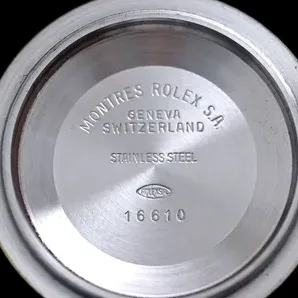
From listings of this reference, each confirmed by eye to show what it is filed under. A picture on which a person's name or a personal engraving can be read is not shown. From most holders a detail from the middle of the photograph is shown; the mark in its corner gives its holder and a link to the listing.
Caseback
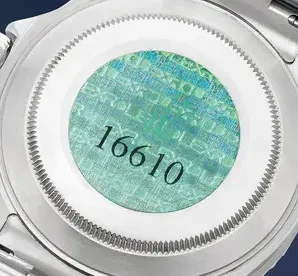

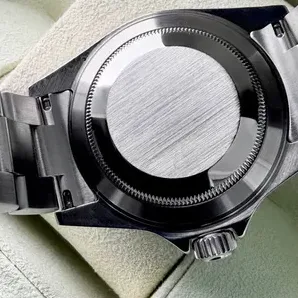

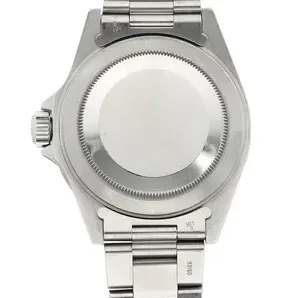

Inside the caseback

Movement




Catalogue versions 5 listed
The full numbers under which holders list this reference, with what their listings say of each. Each has a page of its own.
| Version | Metal | Dial | Years seen | Records |
|---|---|---|---|---|
| 16610LV | Steel | Black | 2003–2009 | 637 |
| 16610T | Steel | Black | 2003–2010 | 108 |
| 16610V | Steel | Black | 2002–2008 | 62 |
| 16610LN | Steel | Black | 1988–2010 | 19 |
| 16610BKSO | Steel | Black | 1989–2010 | 7 |
In the records
Counted from 3,152 listings at 73 holders between 31 January 2007 and 14 November 2026. These are what sellers and auction houses state, not measurements.
Fainter bars are the 116 outside the main run of 1991–2009 (the middle nine-tenths): the earliest is 1988 and the latest 2021. They are early and late examples, and now and then a number misread. The head of the page gives 1988–2011: the years that listings from two holders bear out.
At the holders that record papers on every watch, 43% of their 812 listings of this reference come with papers; at those that record the box on every watch, 88% of 1,038 come with a box. "Papers" is whatever the holder counts as papers, and can include service papers.
Case metal
| Steel | 1,711 | |
| Steel and gold | 2 |
Dial colour
| Black | 1,645 | |
| Green | 24 | |
| Cream | 4 | |
| Blue | 3 | |
| Purple | 1 | |
| Silver | 1 | |
| Meteorite | 1 |
Case size
| 40 mm | 1,707 | |
| 39 mm | 27 | |
| 42 mm | 18 |
Calibre named
| 3135 | 592 | |
| 3035 | 6 |
Bracelet or strap
| Oyster bracelet | 1,507 | |
| Metal bracelet, kind not stated | 201 | |
| Leather strap | 3 | |
| Fabric strap | 2 | |
| Rubber strap | 2 |
Each table counts the listings that state the thing, in the seller's own terms. A size, metal, colour or calibre that cannot belong to this reference is a seller's slip or a listing filed under the wrong number.