Submariner Date
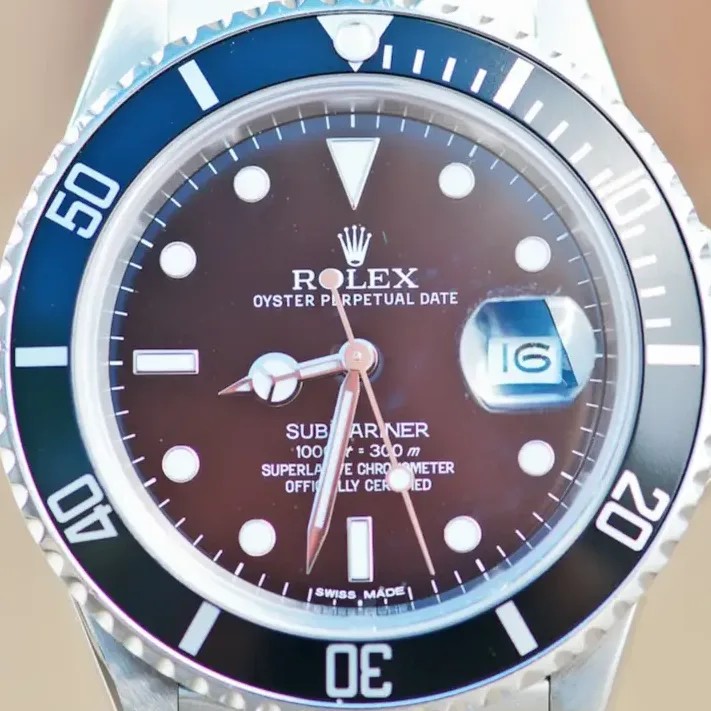
The 16800 is the first five-digit Submariner Date, a steel watch made from about 1979 to 1988 that replaced the 1680. It brought a flat sapphire crystal in place of the tall acrylic, calibre 3035 with a higher beat and a quickset date, a 300 metre rating with a Triplock crown, and a ratcheting unidirectional bezel; one account has the bezel and the 3035 arriving only on a revised watch of about 1981. It kept the 1680 case at first and began with a matte dial and painted tritium markers; the dial became gloss with white gold surrounds in the mid-1980s. It is therefore called a transitional reference. The 168000, in 904L steel, followed briefly before the 16610. Collectors look first at the dial type, the insert and the lugs.
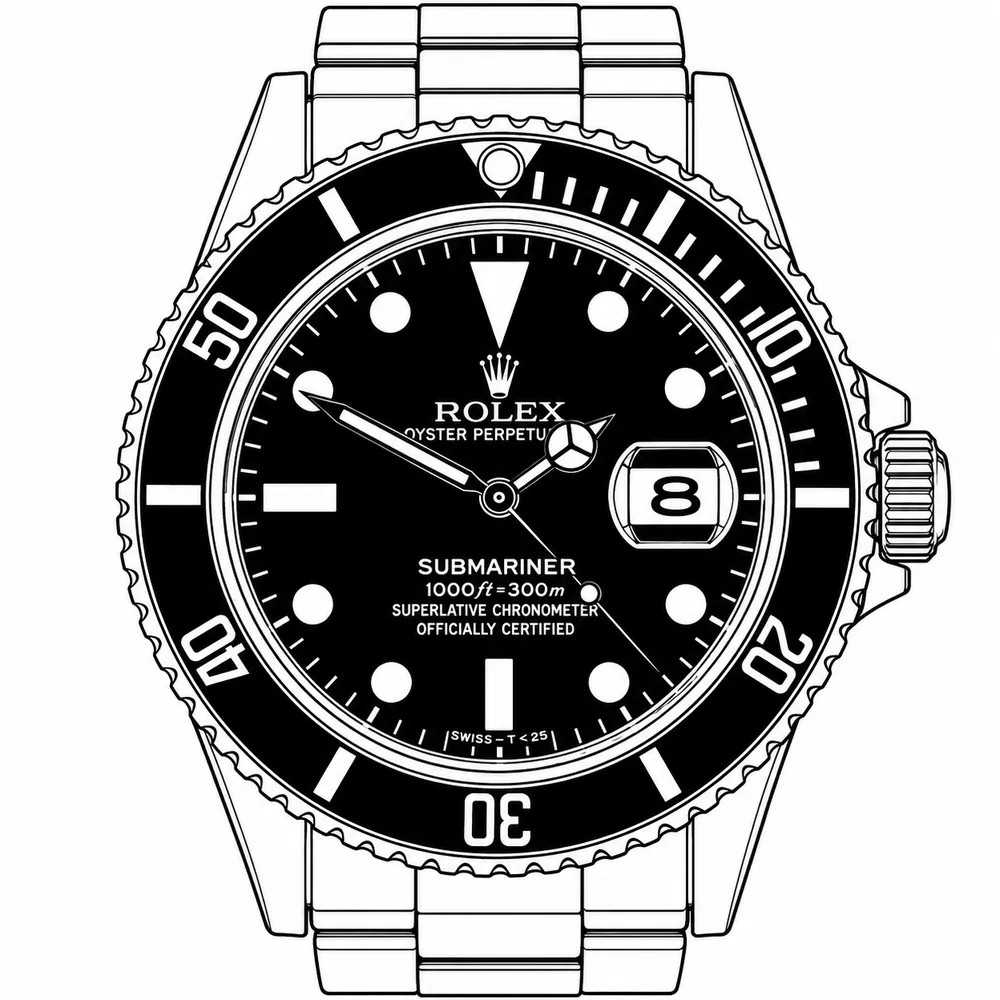
- Made
- 1979–1988dates approximate
- Seen in the library
- 1980–1988nine in ten in 1981–1987 · by case numbers
- Case
- 40 mm · steelas sellers state
- Movement
- Calibre 3035automatic
- On record
- 815 listings2,365 photographs · 52 holders
Components
48 watches, oldest first, each straightened and cut the same way so that one row shows one component across them all. Chosen from 2,365 photographs on file for sharpness and for a face typical of the reference. A year marked c. is one its holder gives only roughly. Each picture is a detail cut from a listing photograph. Select the small mark in its corner for its year, its holder, a link to the listing it came from, and a way to report it.
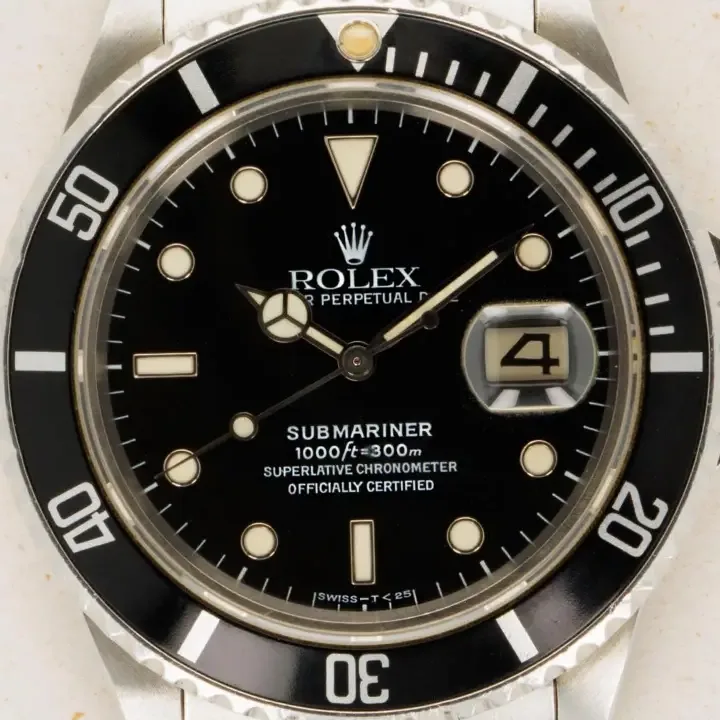
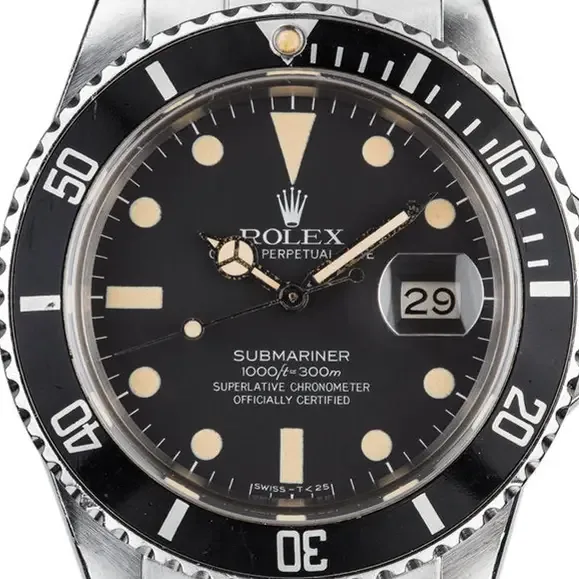
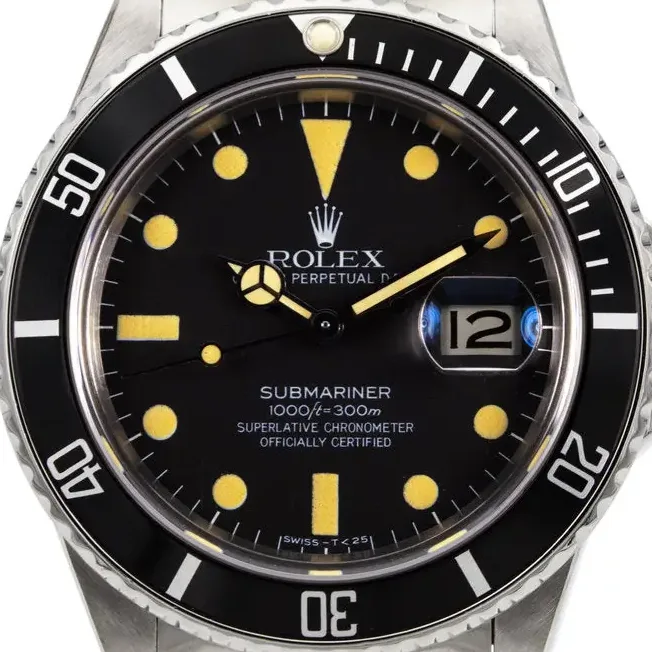
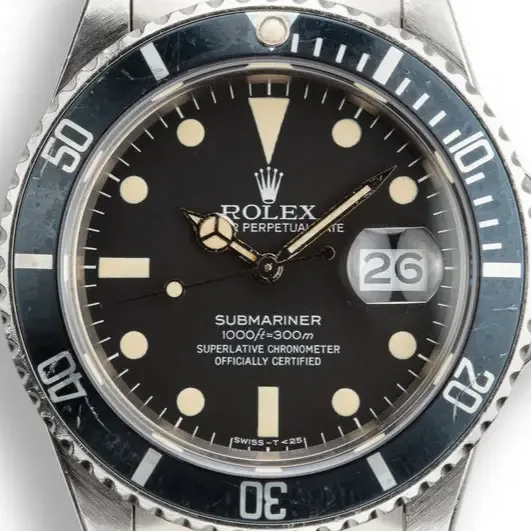
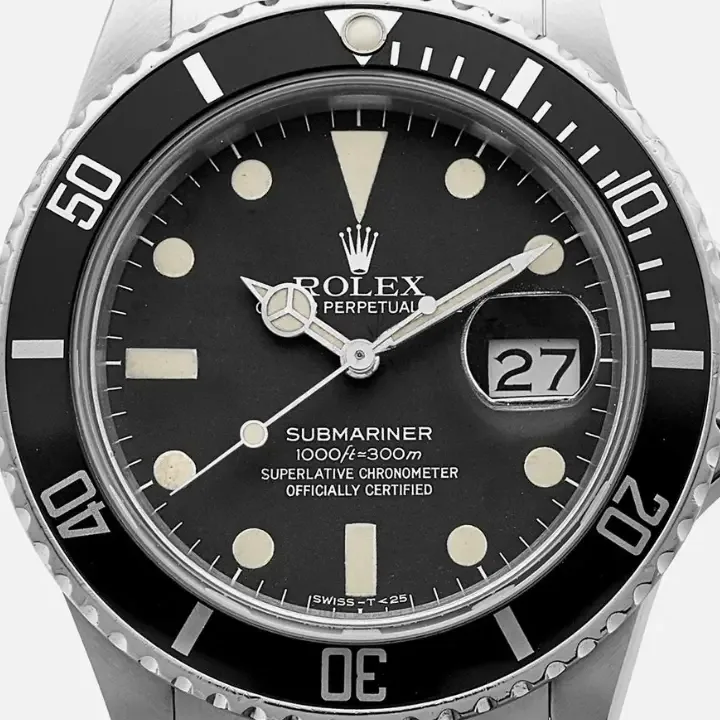
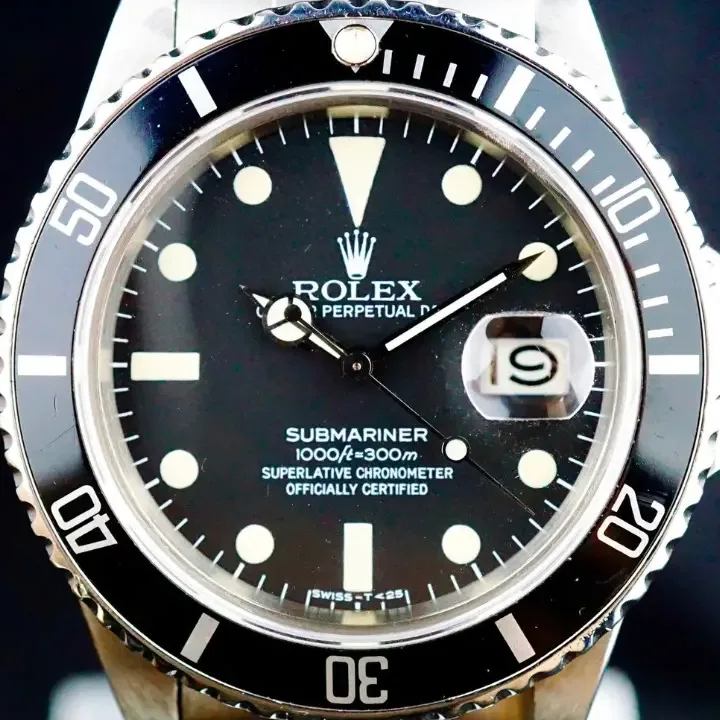
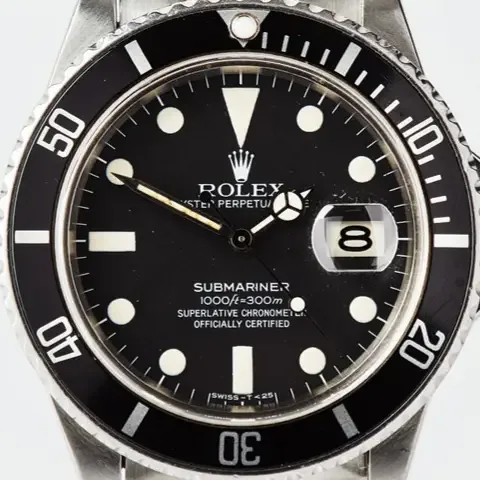
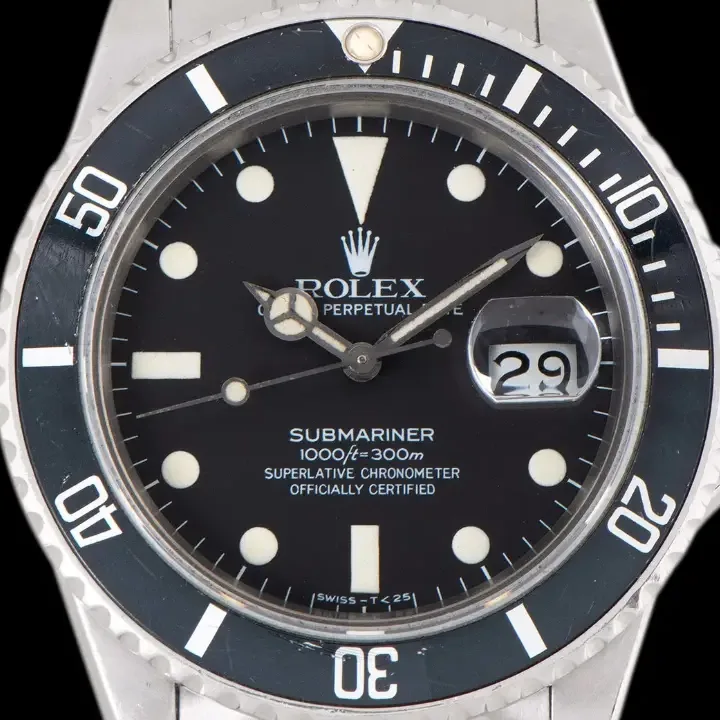
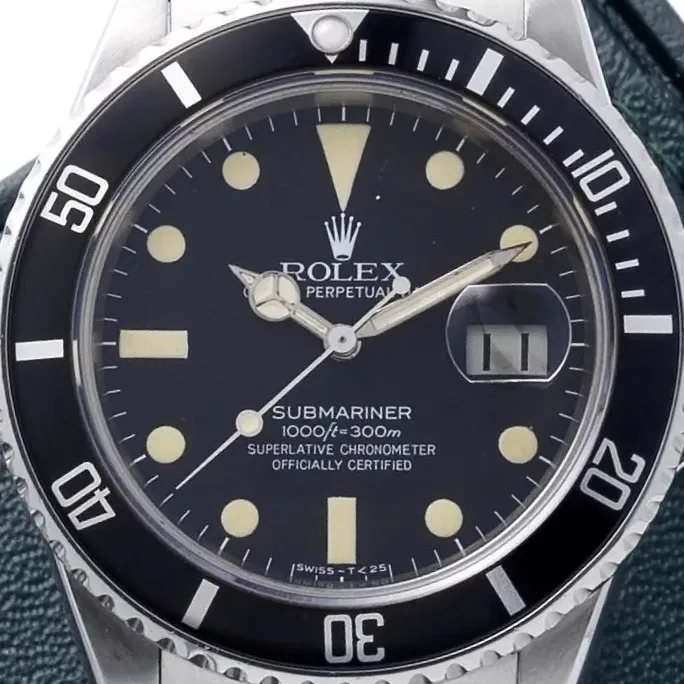
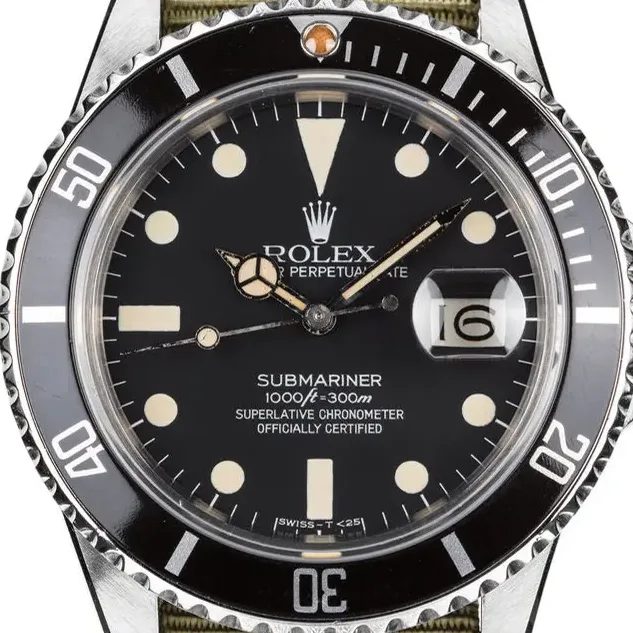
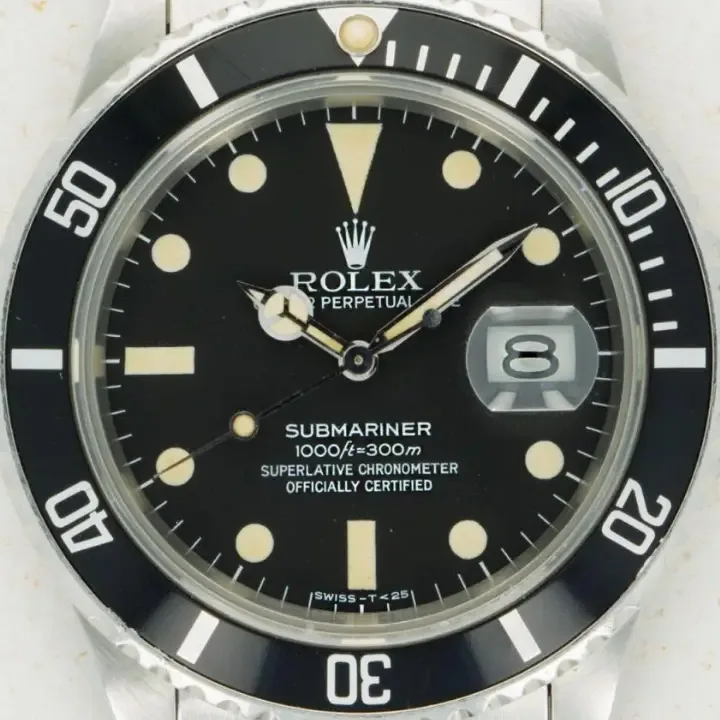
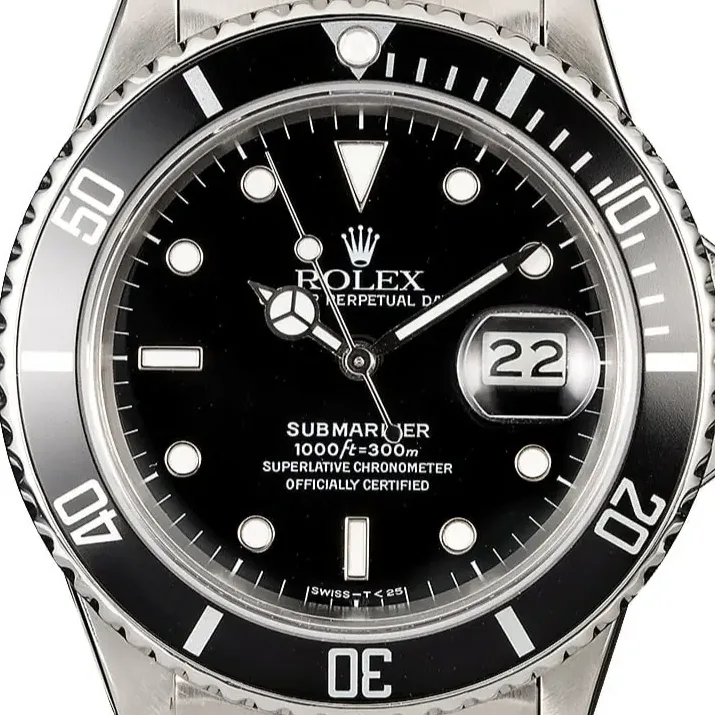
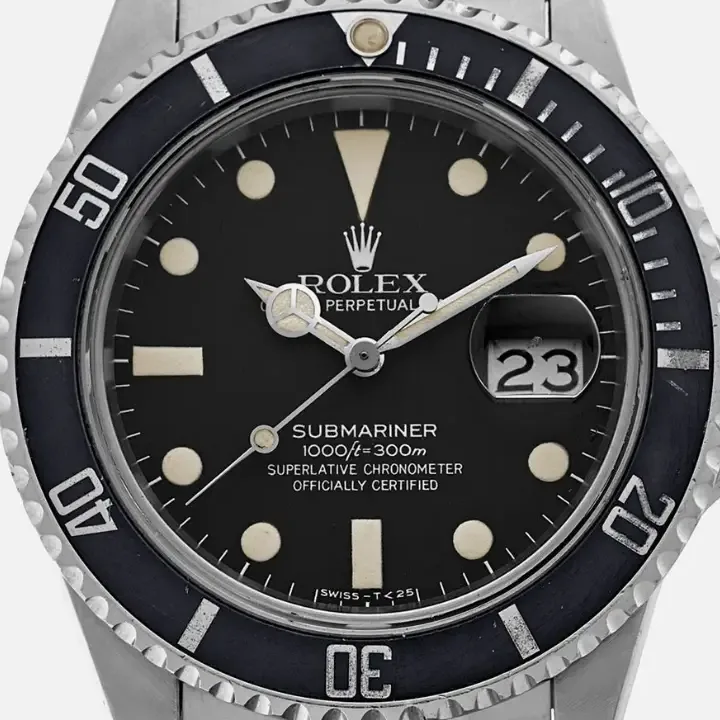
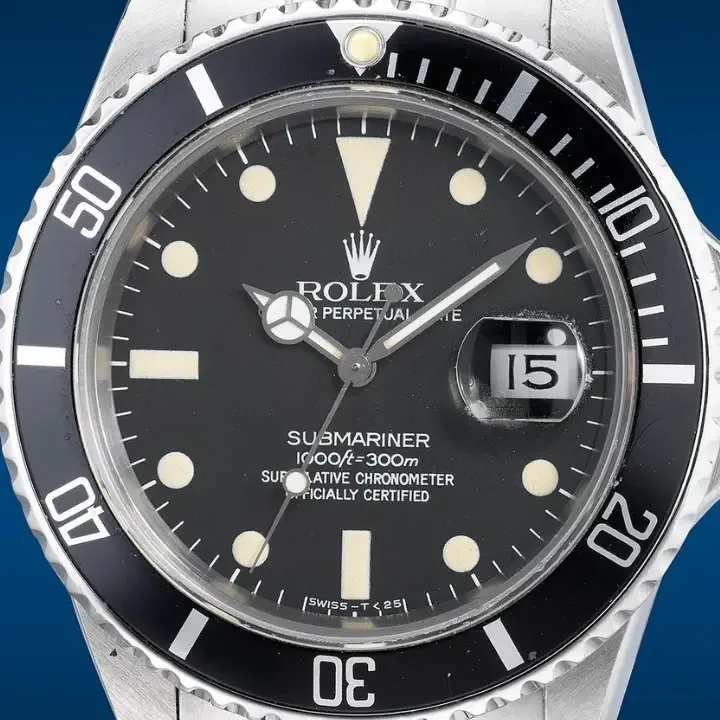
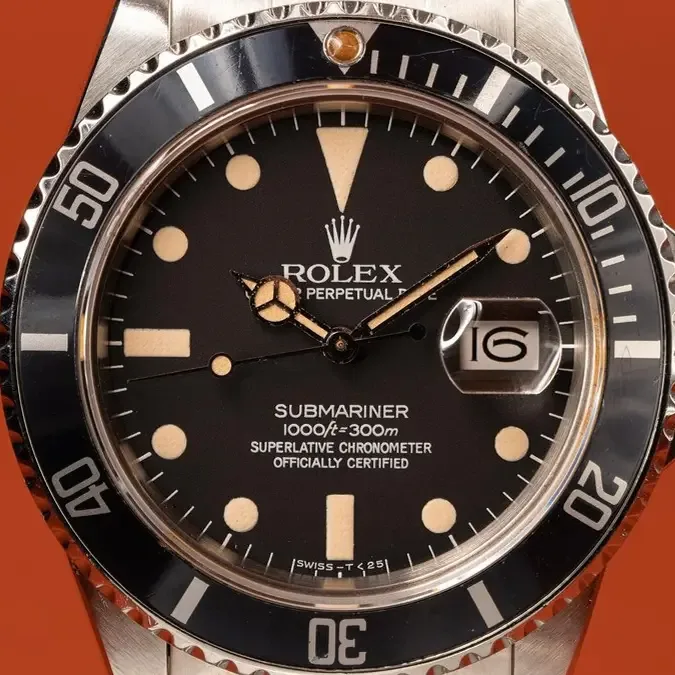
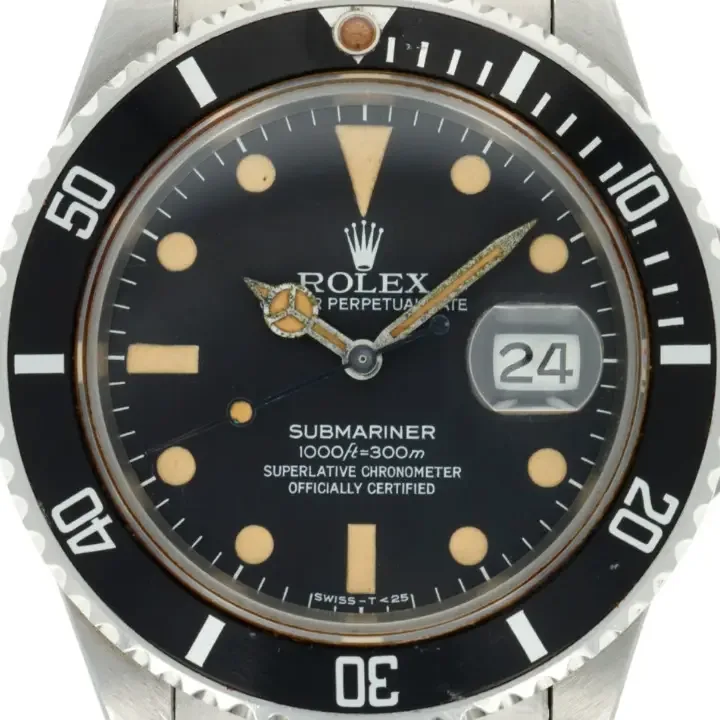
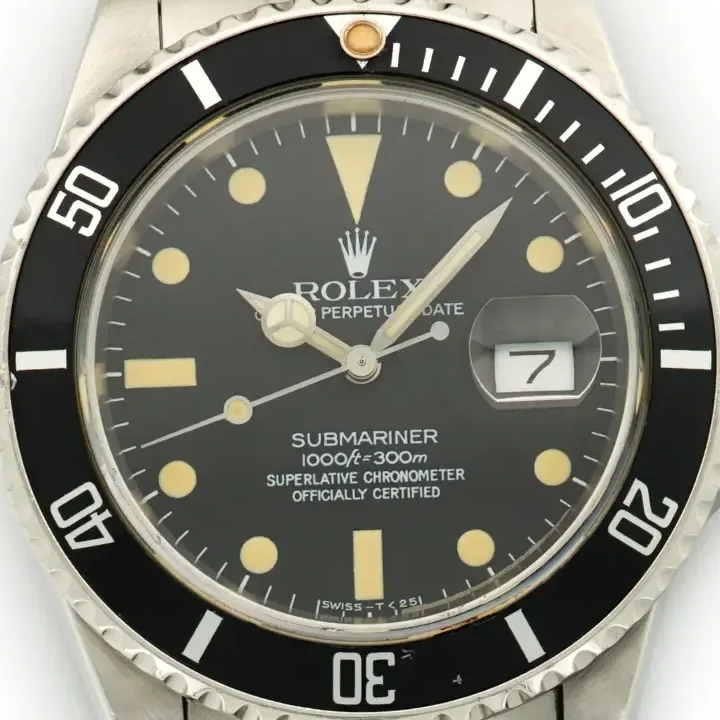
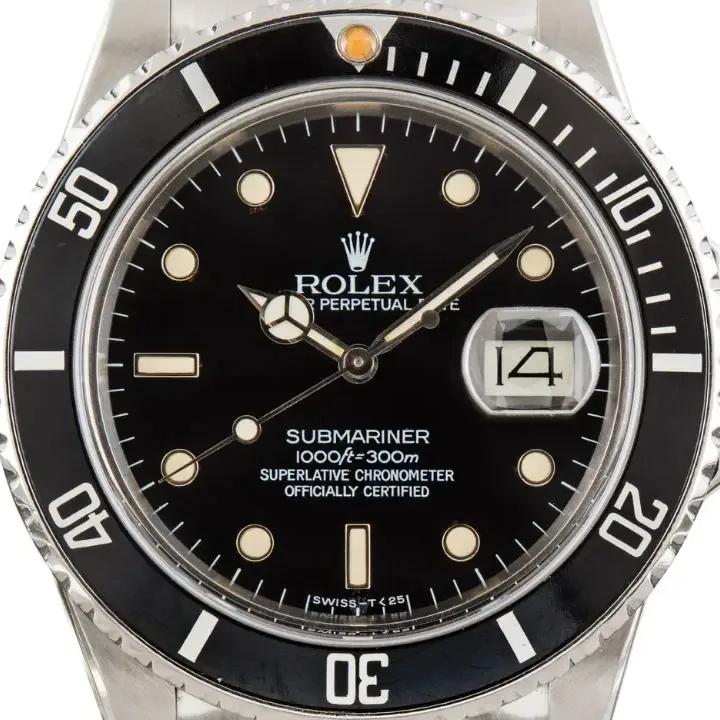
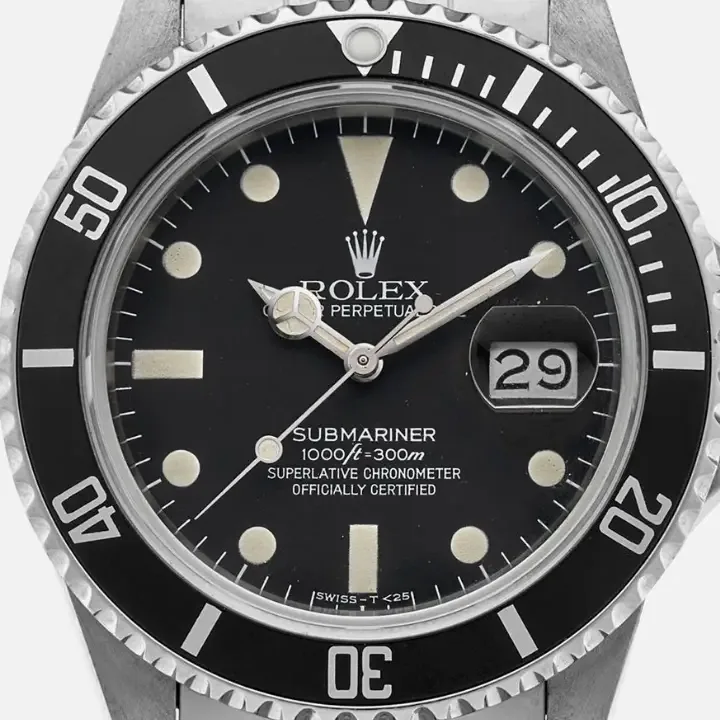
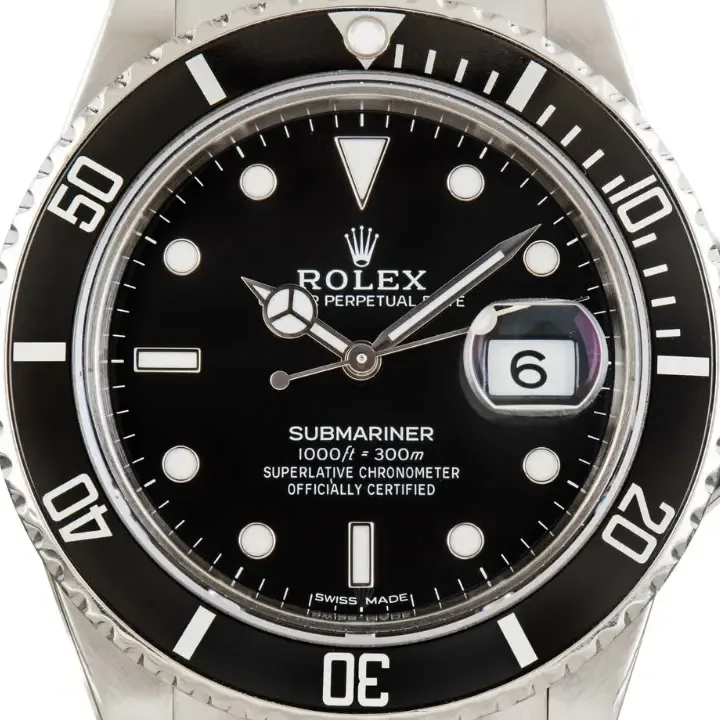
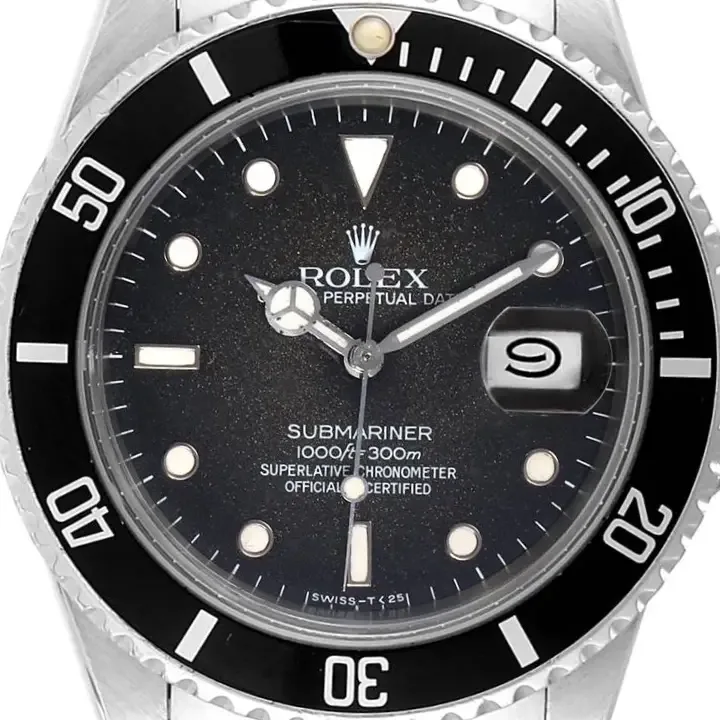
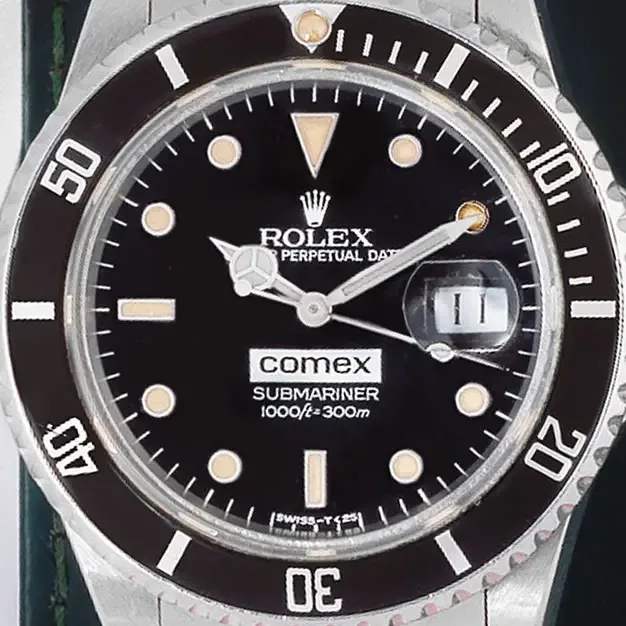
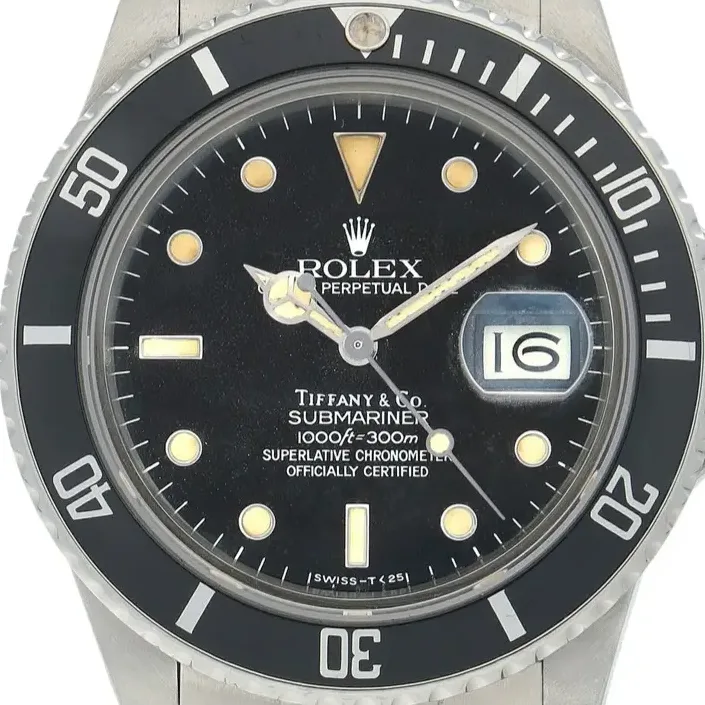
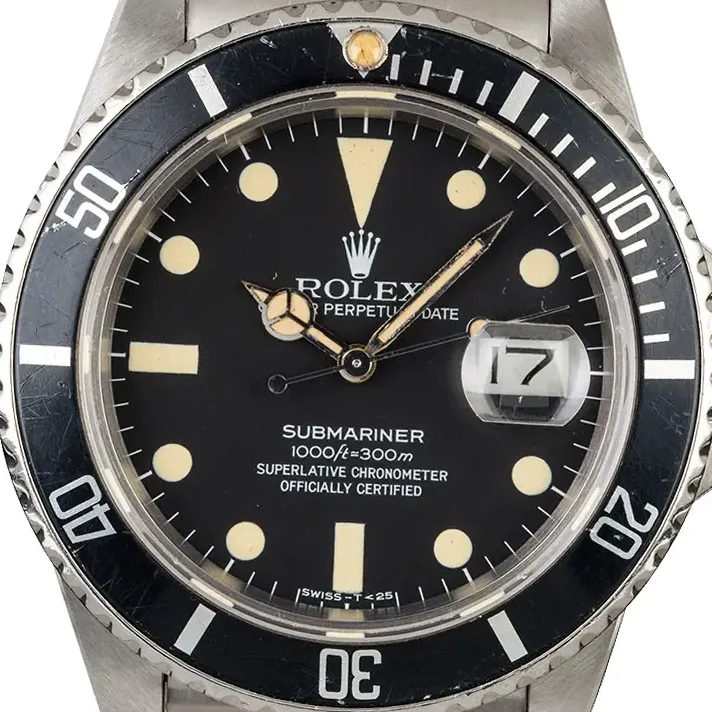
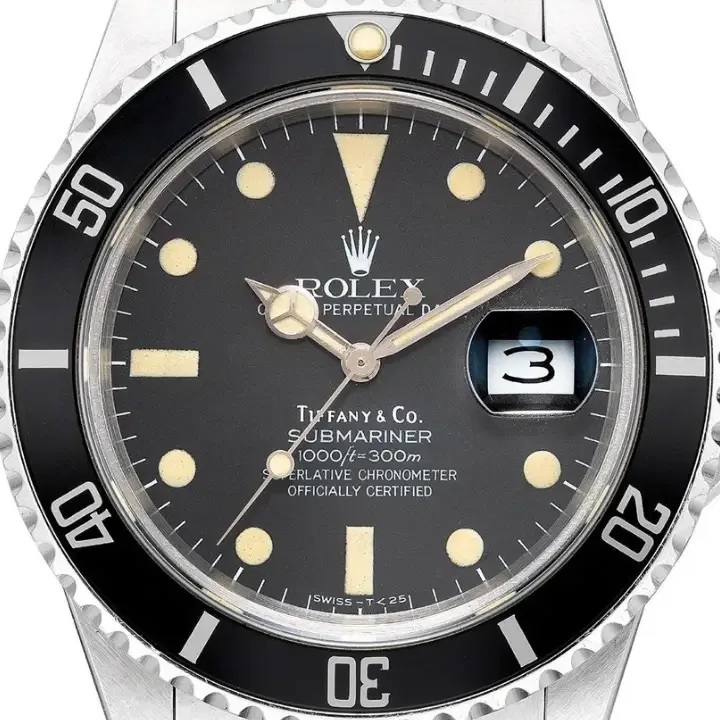
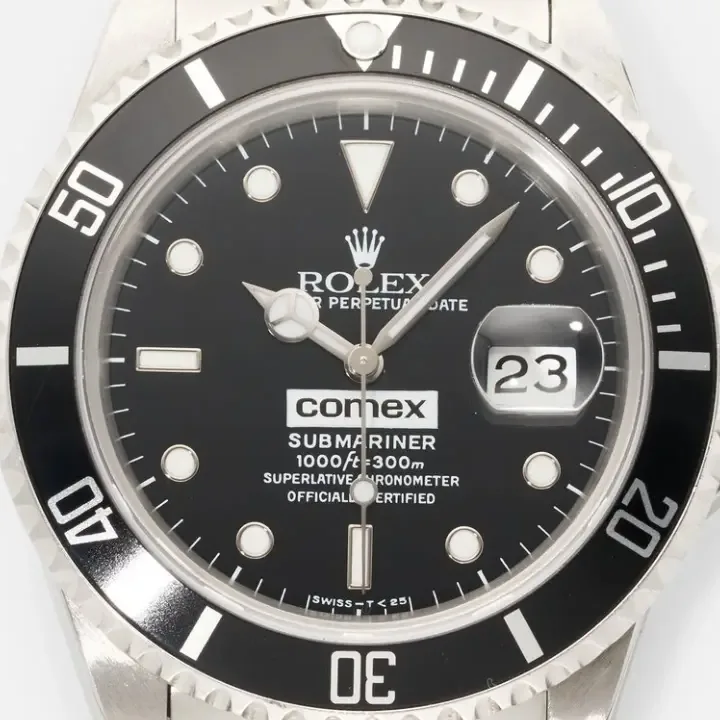
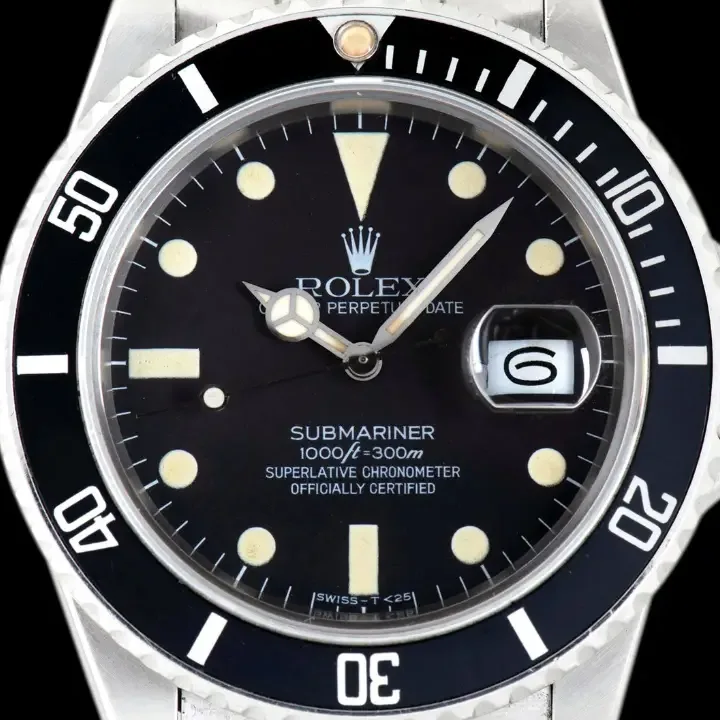
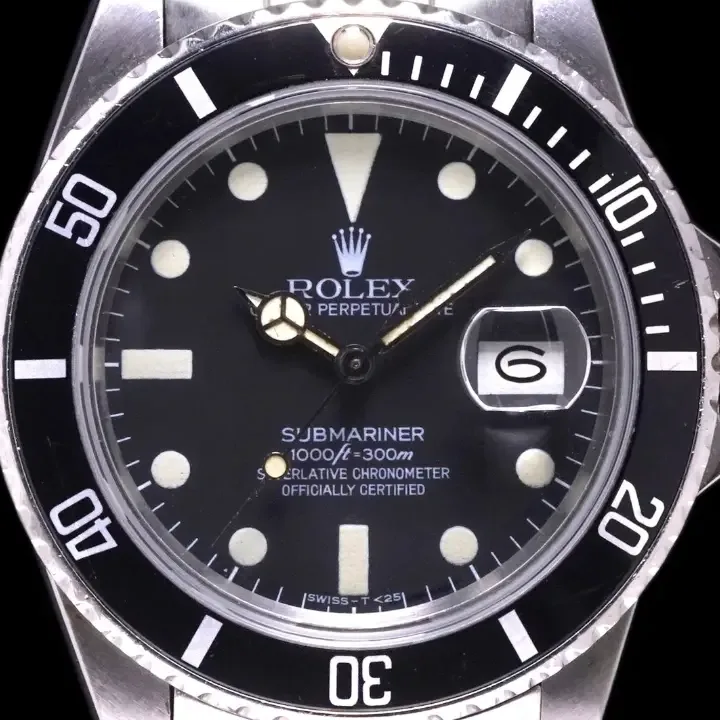
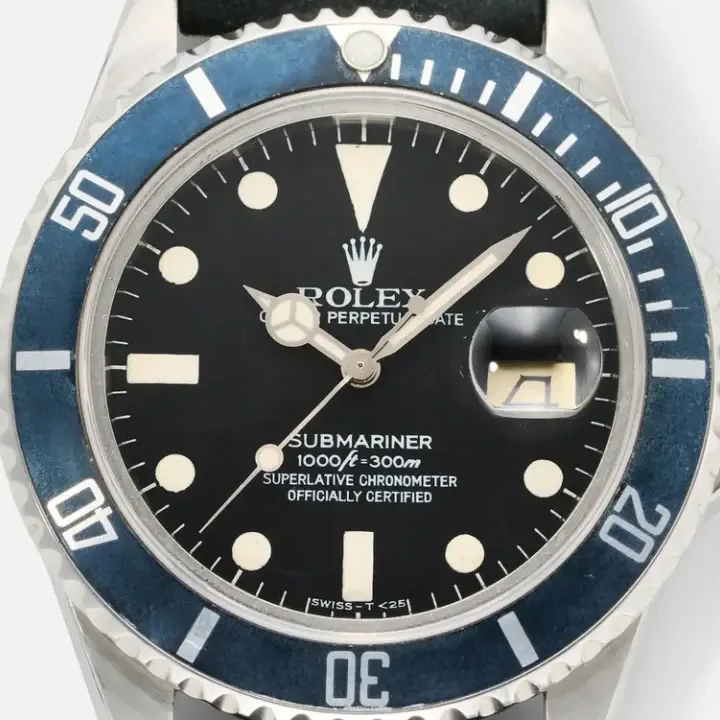
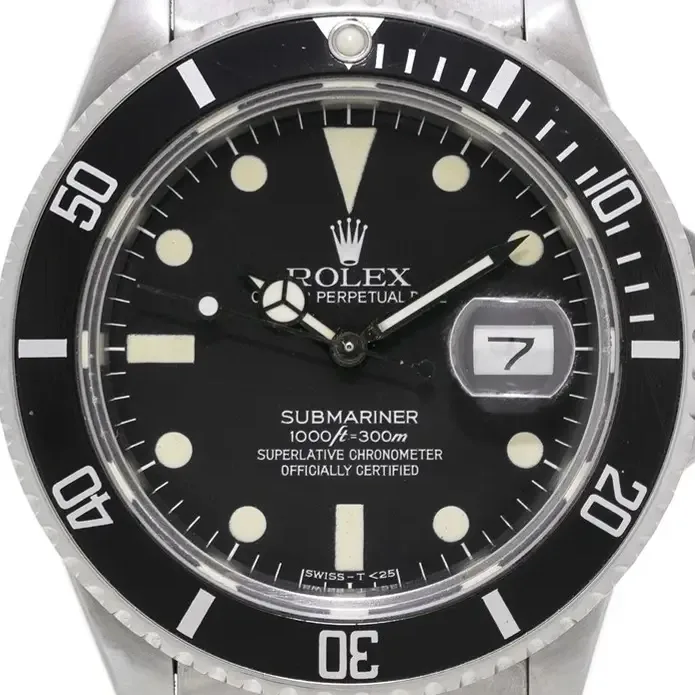
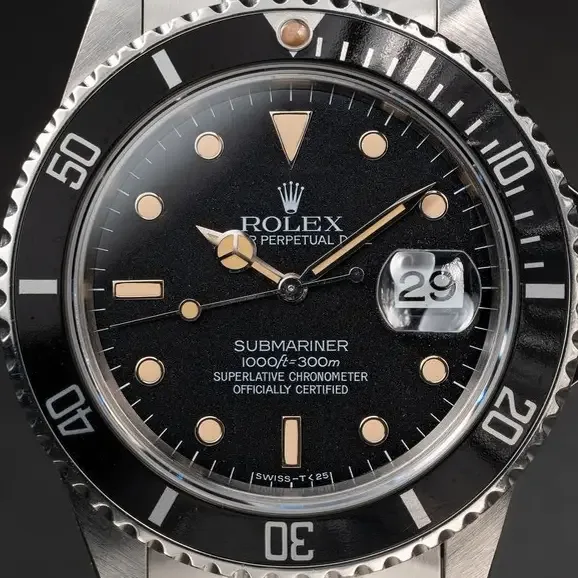
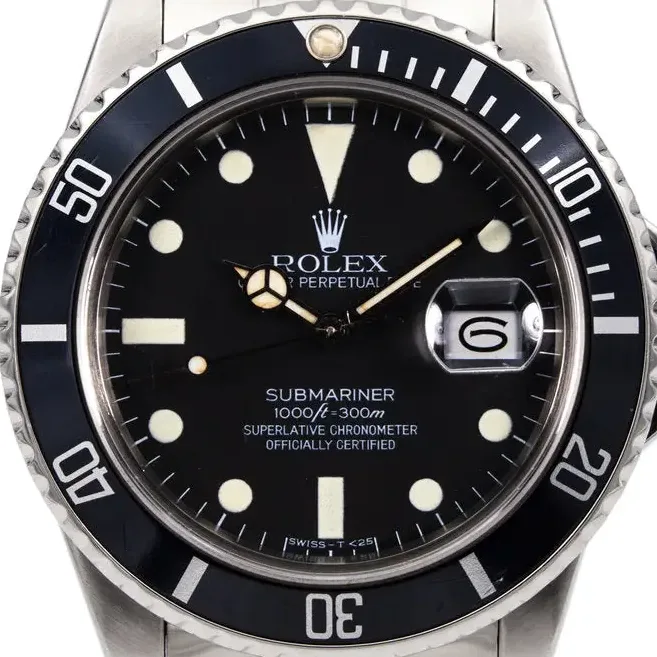
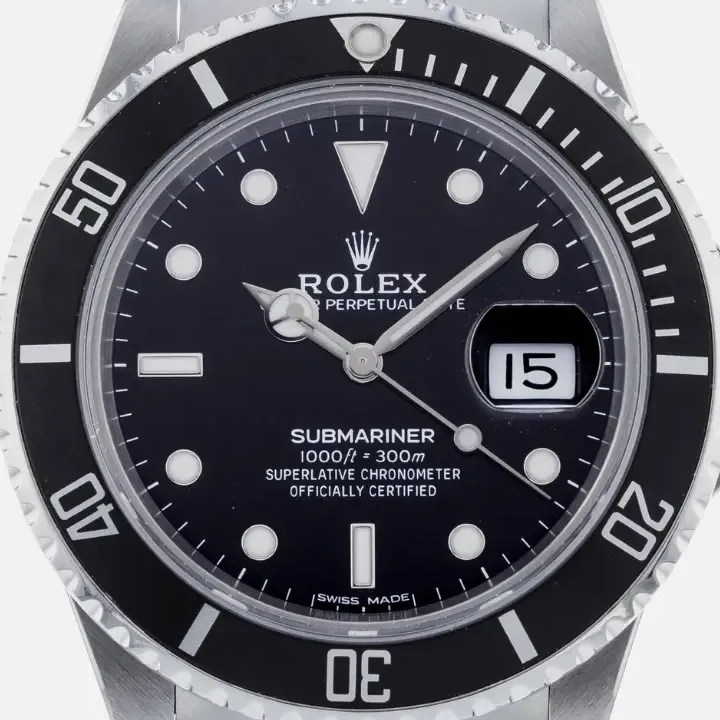
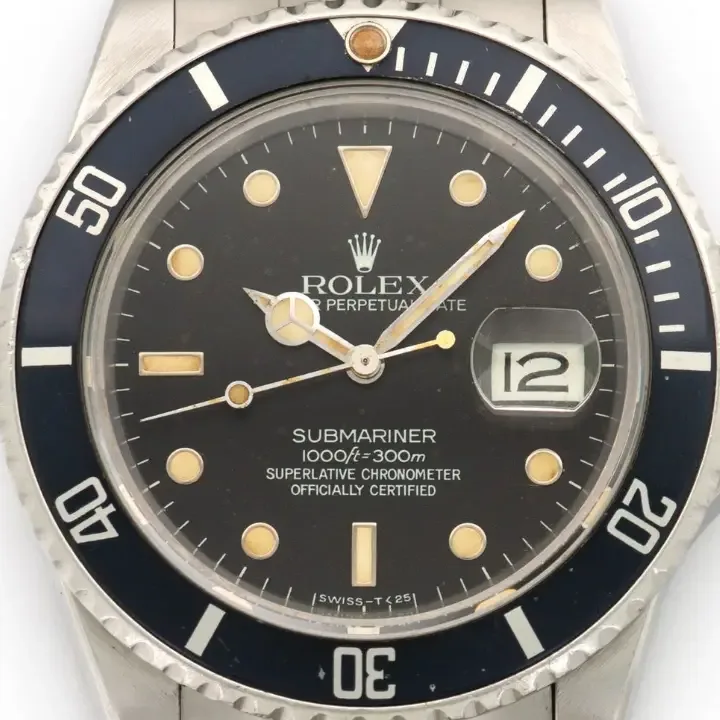
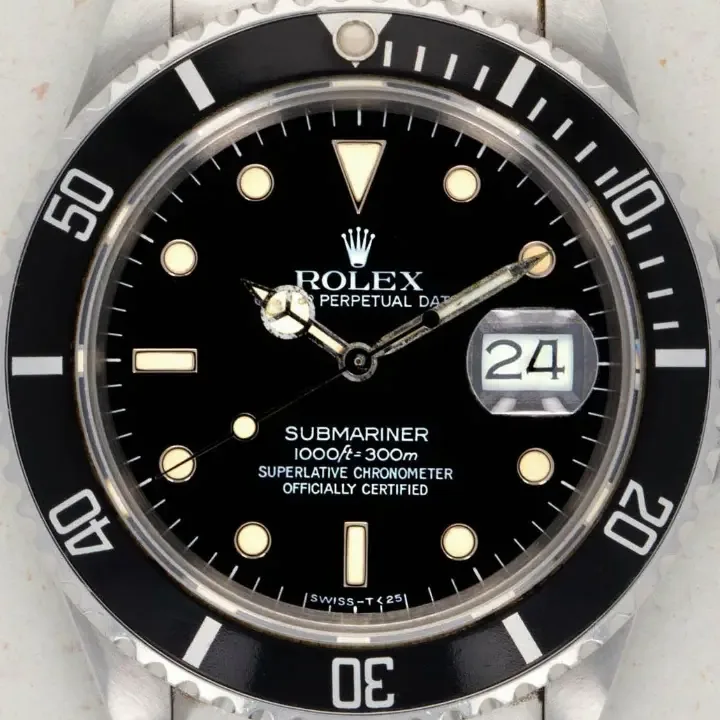
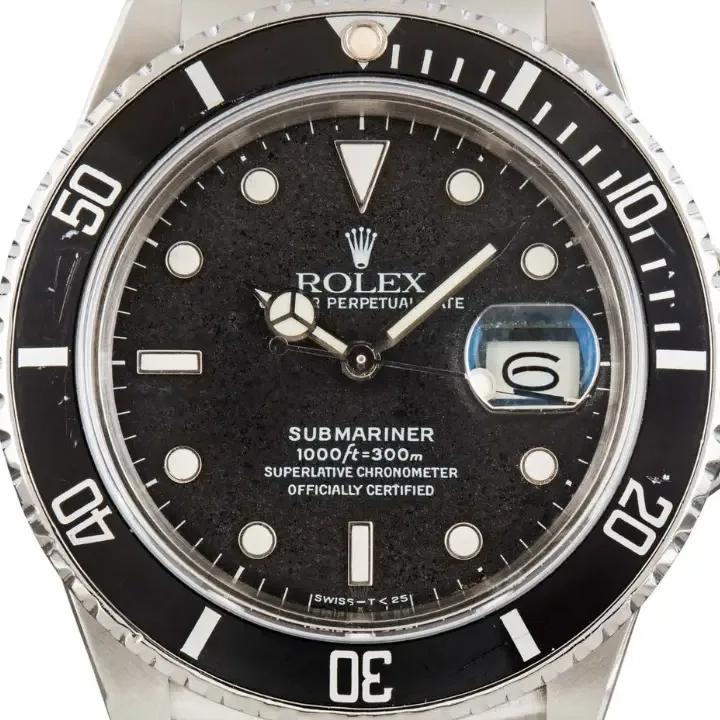
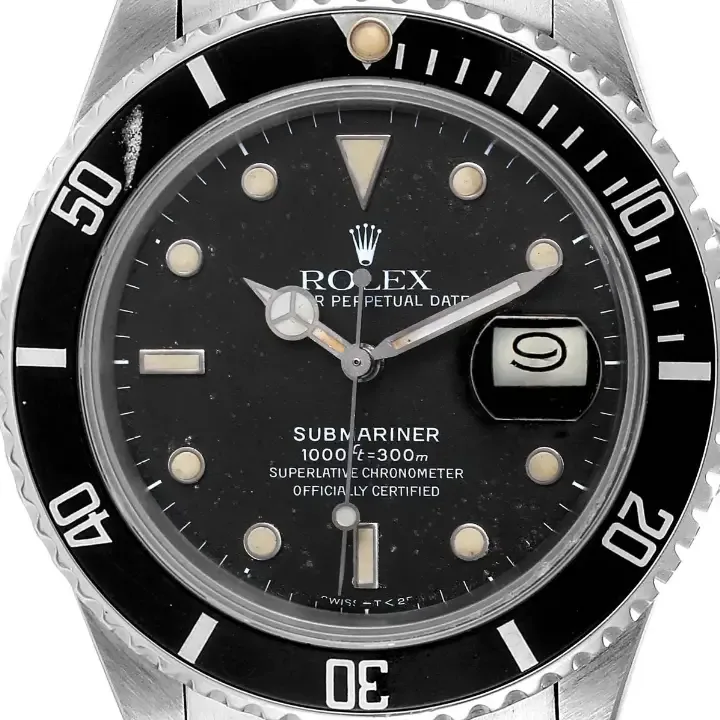
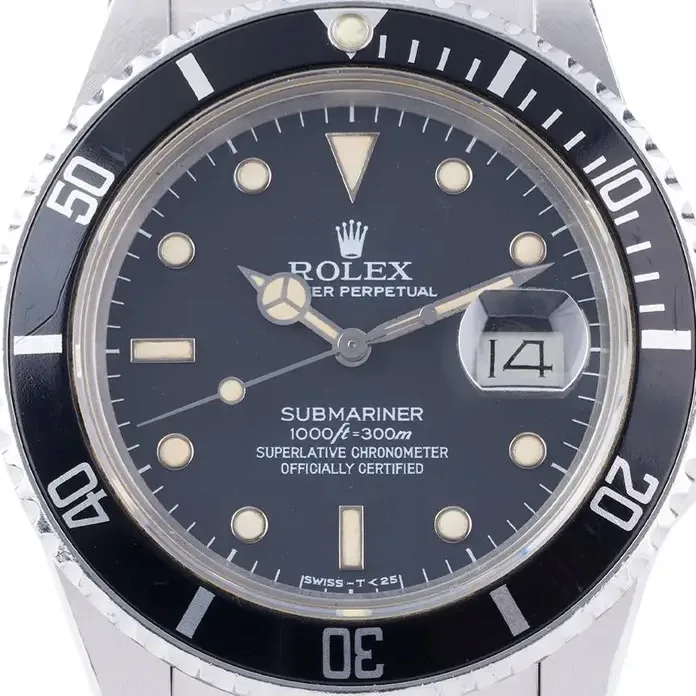
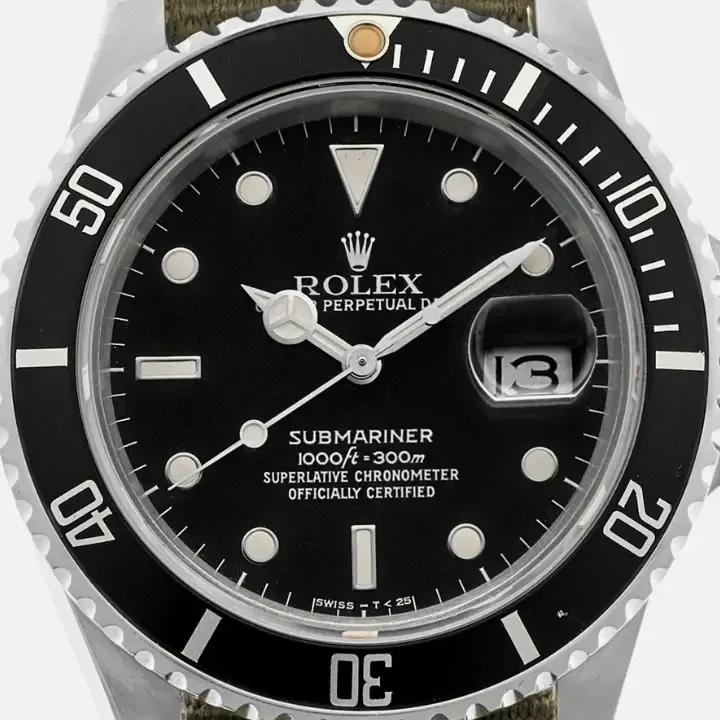
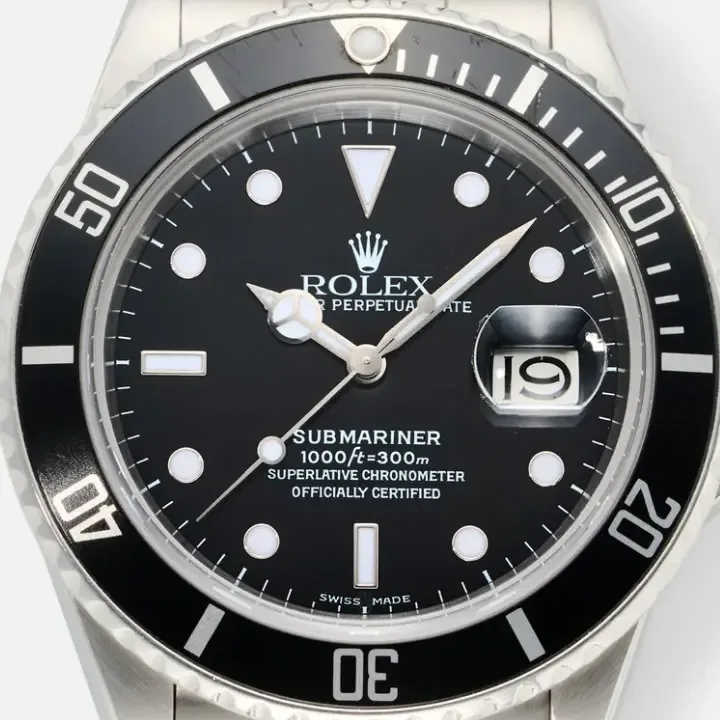
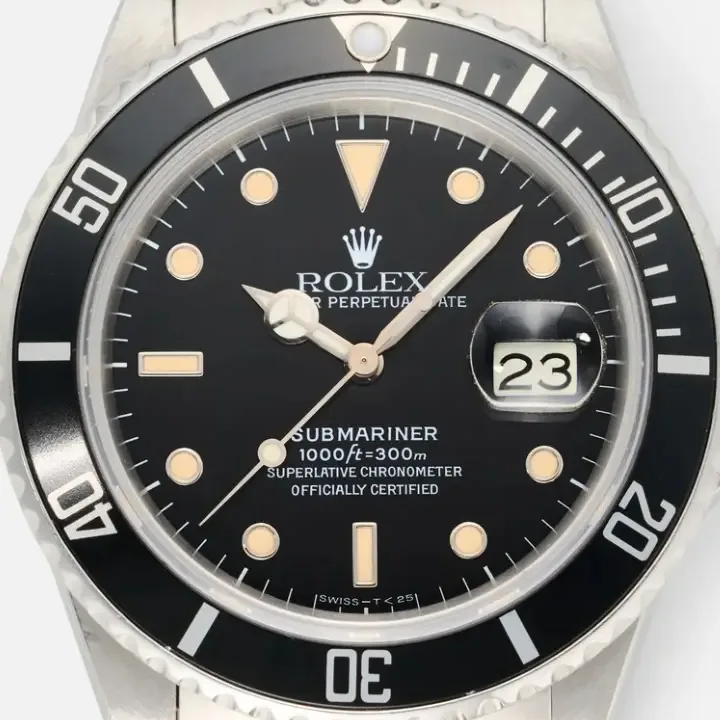
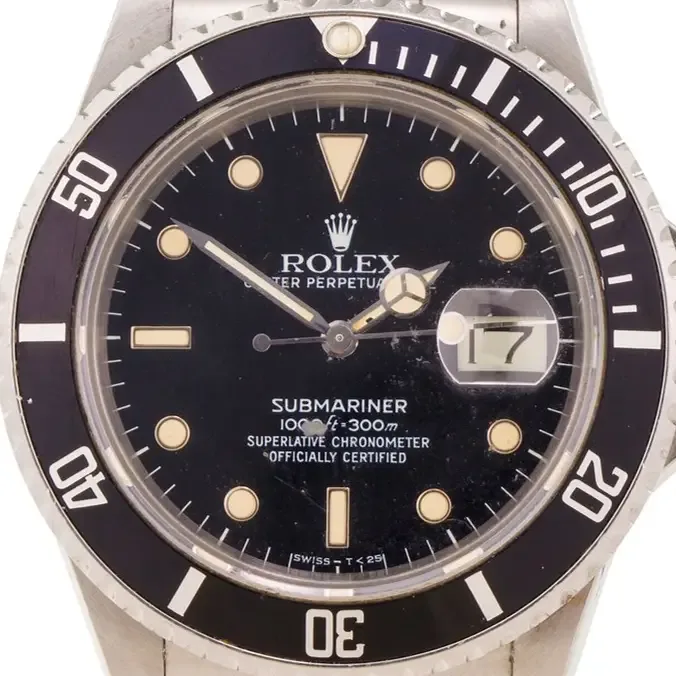
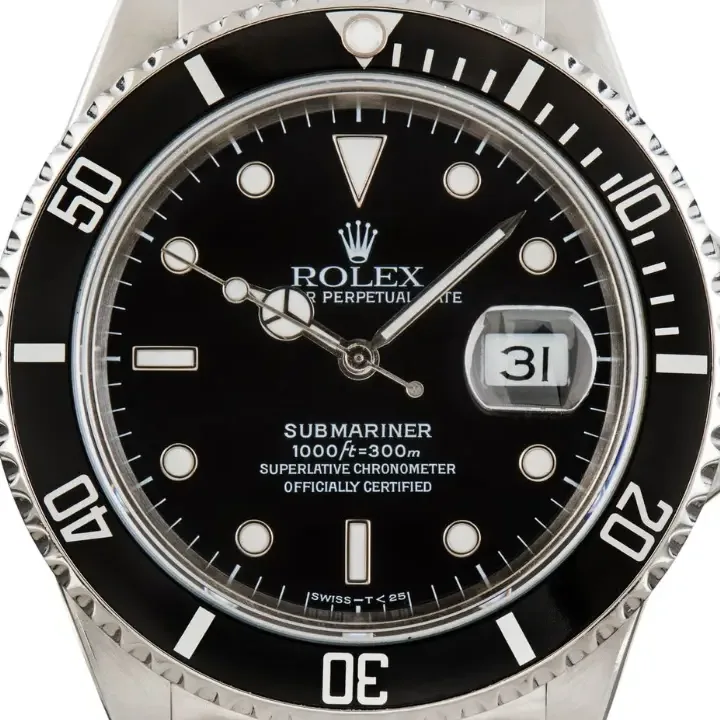
































































































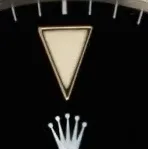
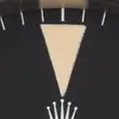
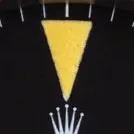
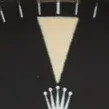
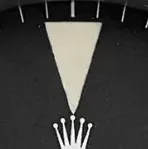
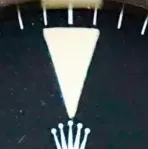

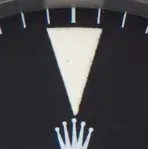

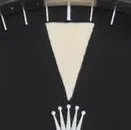
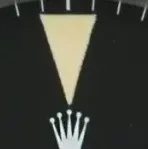
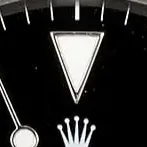
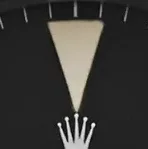

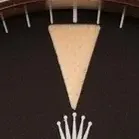
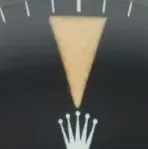

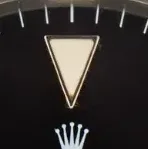
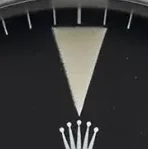

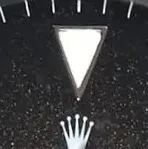

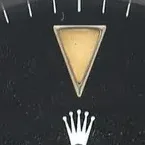
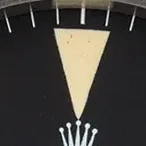
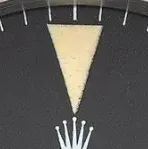



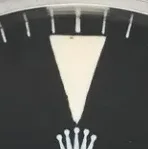
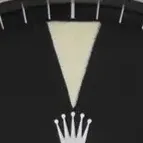
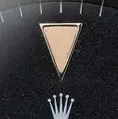
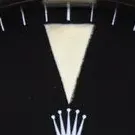
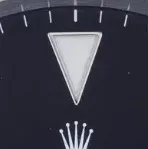


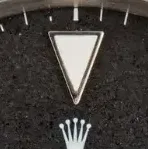


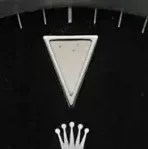
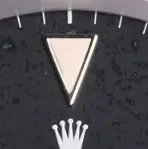








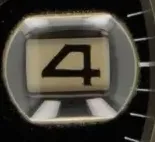
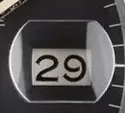

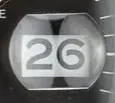
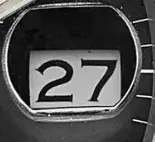



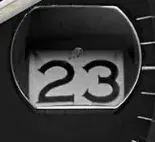
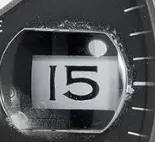



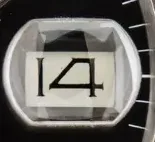
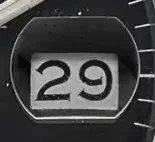















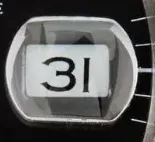





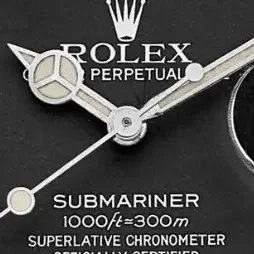





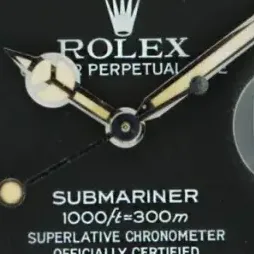


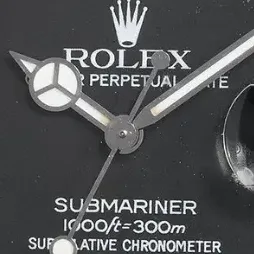






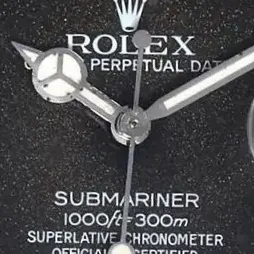

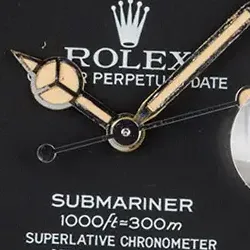











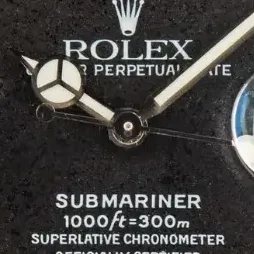


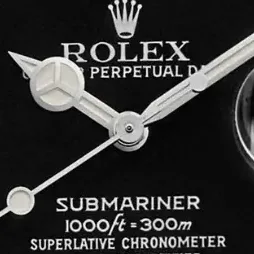
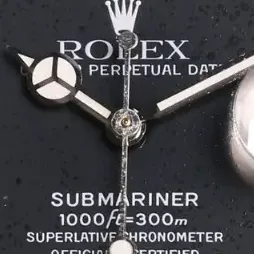









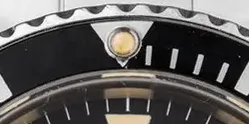


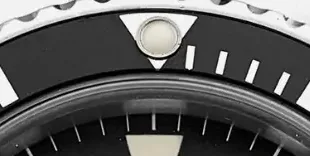
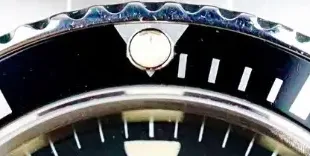


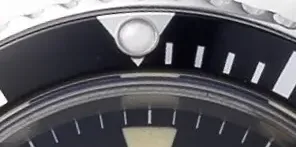
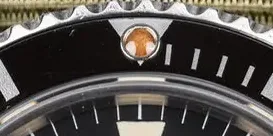


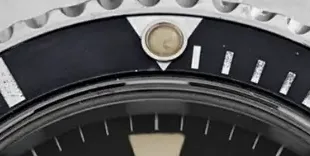

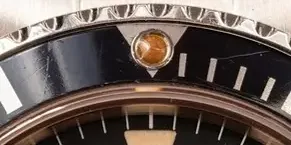
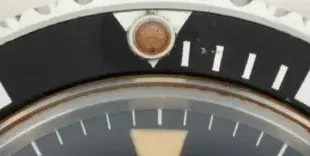

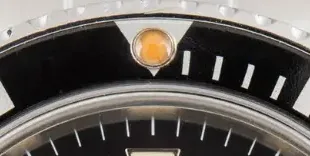


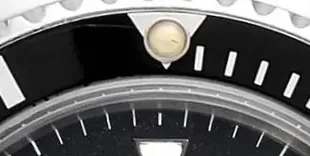


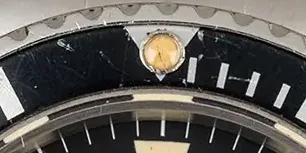
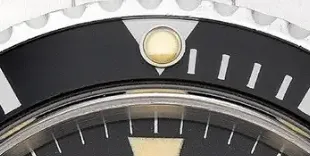





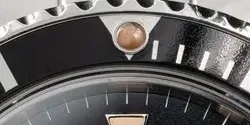
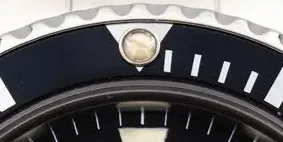
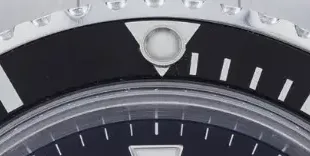


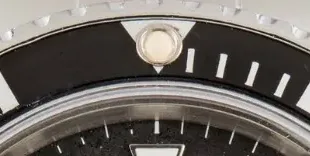
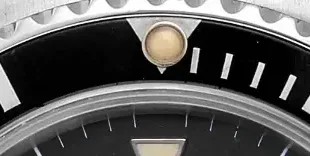

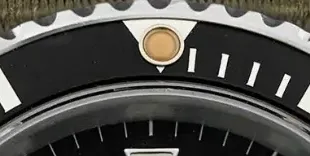


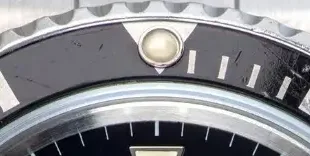






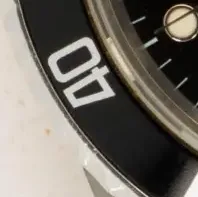
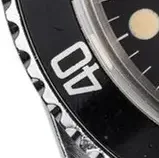
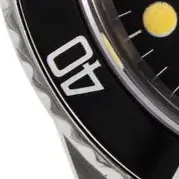
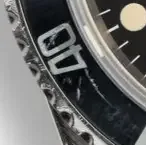
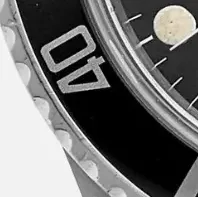
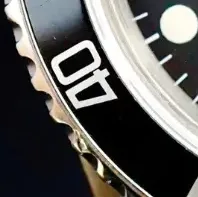

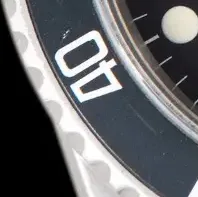
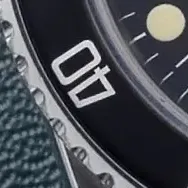
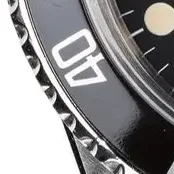

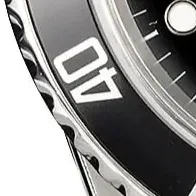
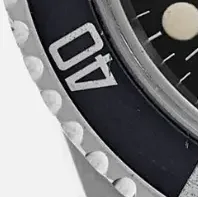


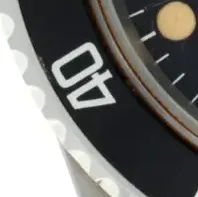
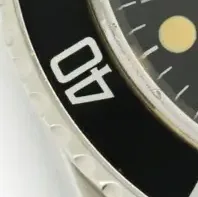
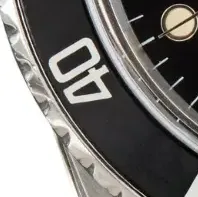
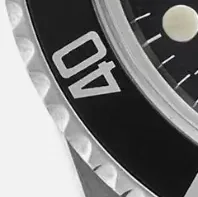
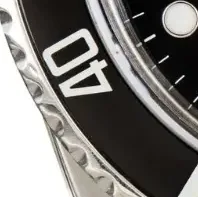
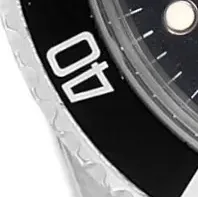
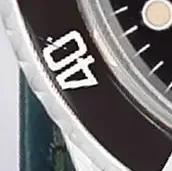

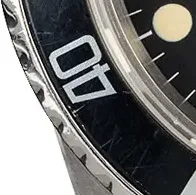
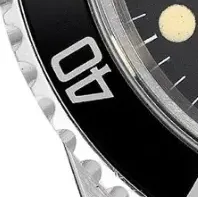
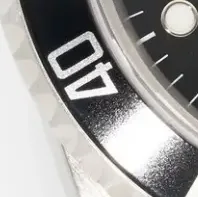

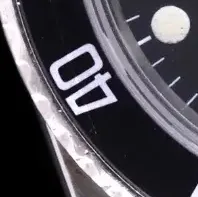
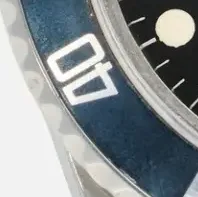
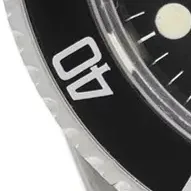
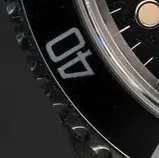
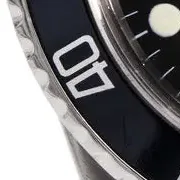
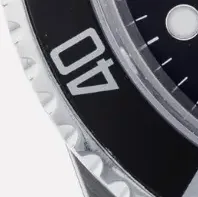

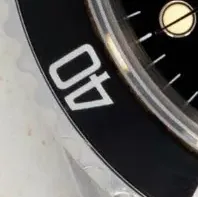
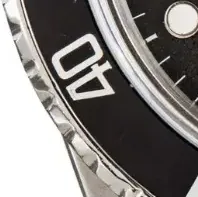
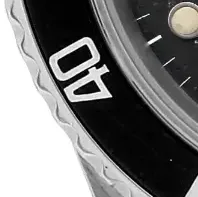
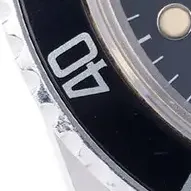
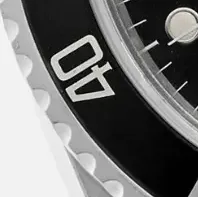
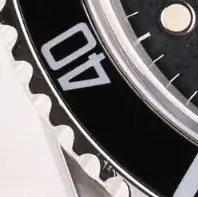
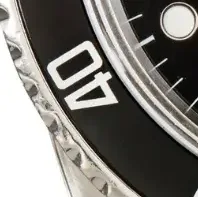
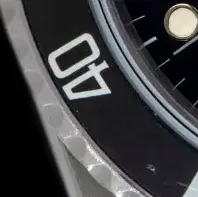
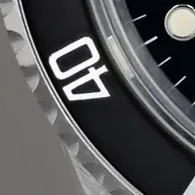
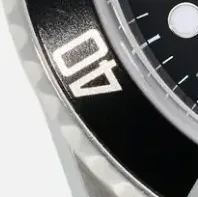
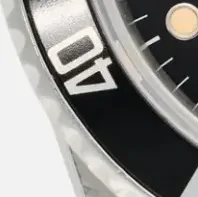
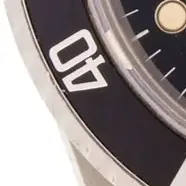
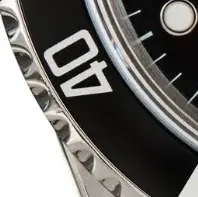
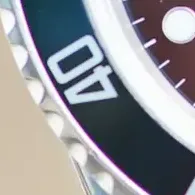
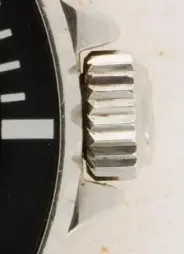
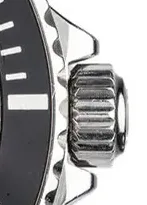
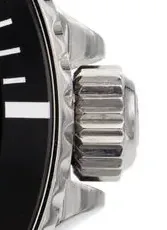

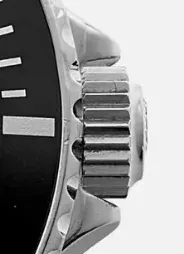
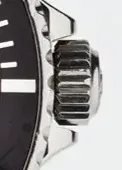
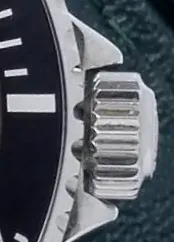
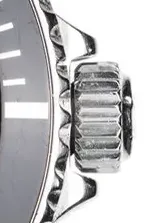
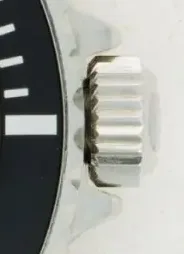
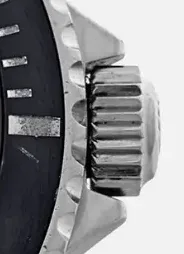

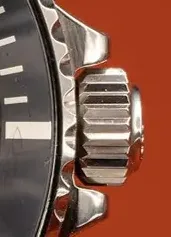


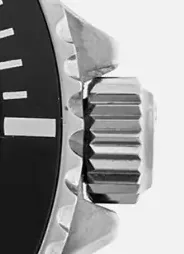
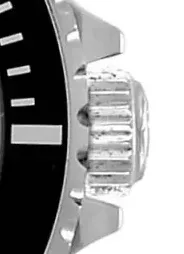

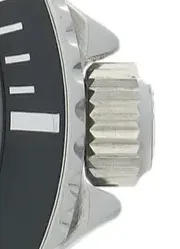
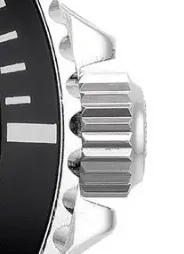


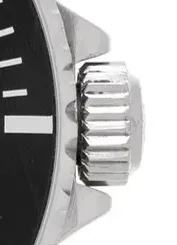
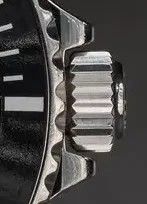
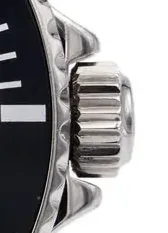
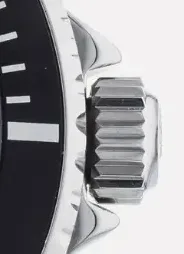


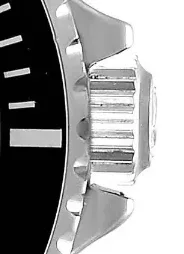
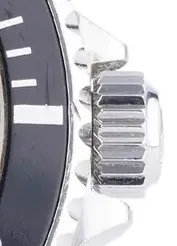

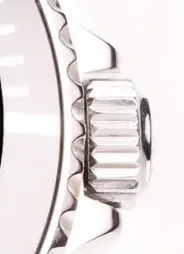
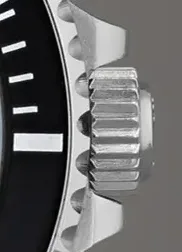
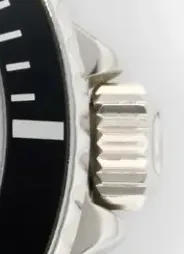















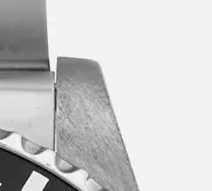

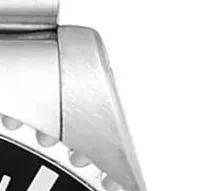
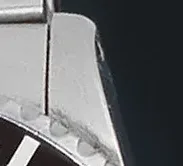

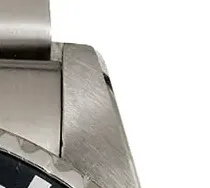




















Illustrated history of the 16800: every change set out with close-up photographs of dated watches.
Chronology
Published starts run from 1978 to 1980 and ends from 1987 to 1989; case numbers in the library's records run mostly from 1981 to 1988.
Every dated variant: what is written, and what the records show
For the reference the marks are every dated watch; for a variant, the watches a seller names as that variant, so a variant sellers do not name has none.
The reference's own marks are dated by case number. A variant's marks use the year each seller states, so a variant can show watches in a year where the row for the reference shows fewer, or none.
Specification
| Case | 40 mm 316L steel Oyster case, about 12.5 to 13 mm thick, about 47.5 mm lug to lug; Triplock crown and crown guards |
| Crystal | Flat sapphire with cyclops |
| Bezel | 60-minute unidirectional ratcheting bezel with aluminium insert, with the first fifteen minutes marked and five-minute hashes after |
| Dial | Black, matte with painted tritium markers early, gloss with white gold surrounds later; Mercedes hands |
| Movement | Calibre 3035, automatic, 28,800 vph, quickset date, reserve given as 42 hours in most accounts, 48 or 50 in others |
| Bracelet | Hollow folded 93150 Oyster with 593 end links |
| Water resistance | 300 metres / 1,000 feet |
Dial 8 described
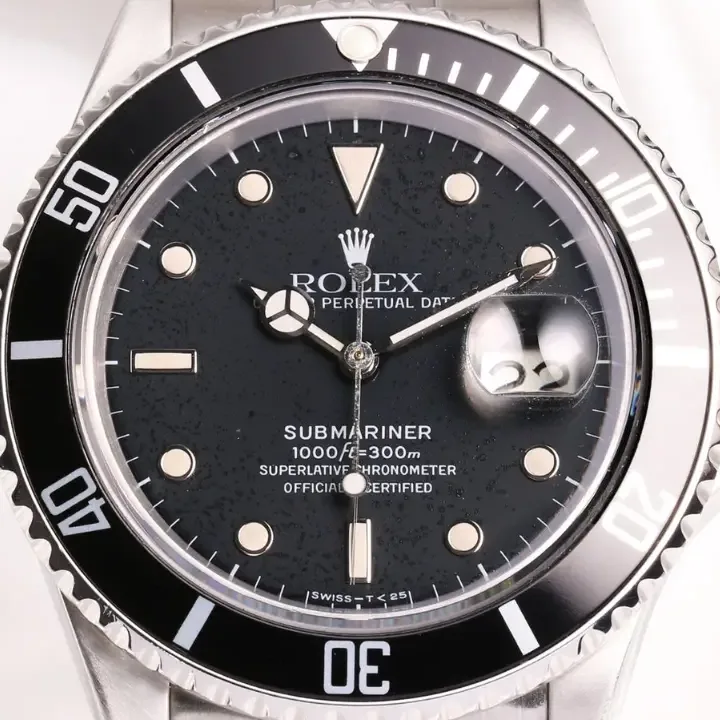
The 16800 dial changes from matte with painted markers to gloss with white gold surrounds. Early dials look like those of the 1680; late ones look like the 16610. In the library's records the change comes within a short stretch of case numbers, and original matte dials are prized because many were replaced at service.
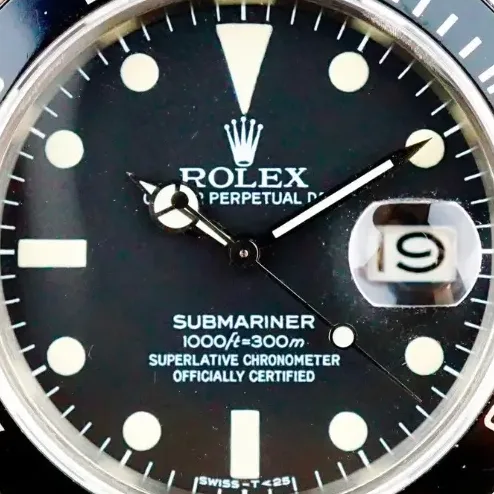
Matte dial
Black matte dial with painted tritium markers carried over from the 1680, no metal surrounds. It is the last matte date Submariner. One recorded example has a SWISS - T<25 dial with chronometer text.
- matte black
- painted markers
- no white gold surrounds

Mark 1 transitional
The earliest watches are called Mark 1 and are told by case number together with the dial: matte, without surrounds. The literature does not say what sets the Mark 1 dial apart from later matte dials; one example shows tritium aged to pumpkin.
- early case number
- matte dial without surrounds
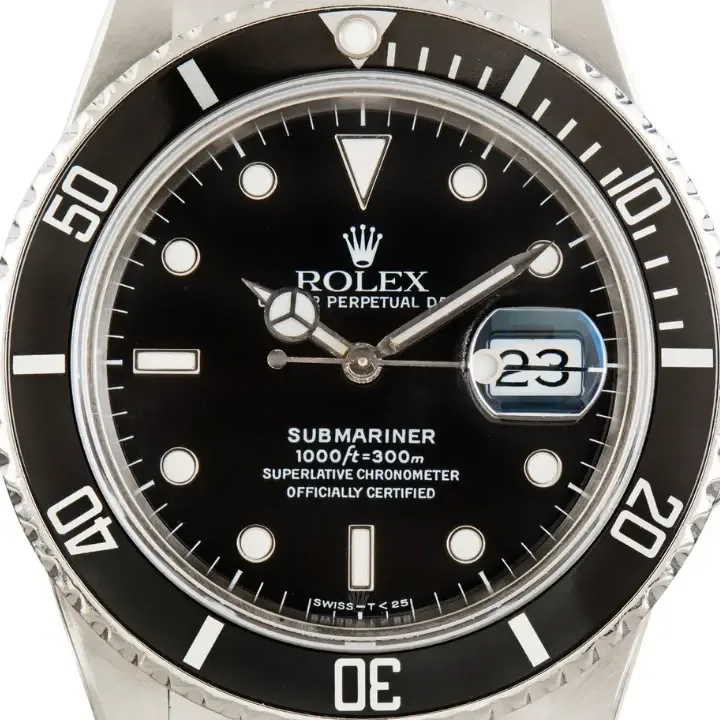
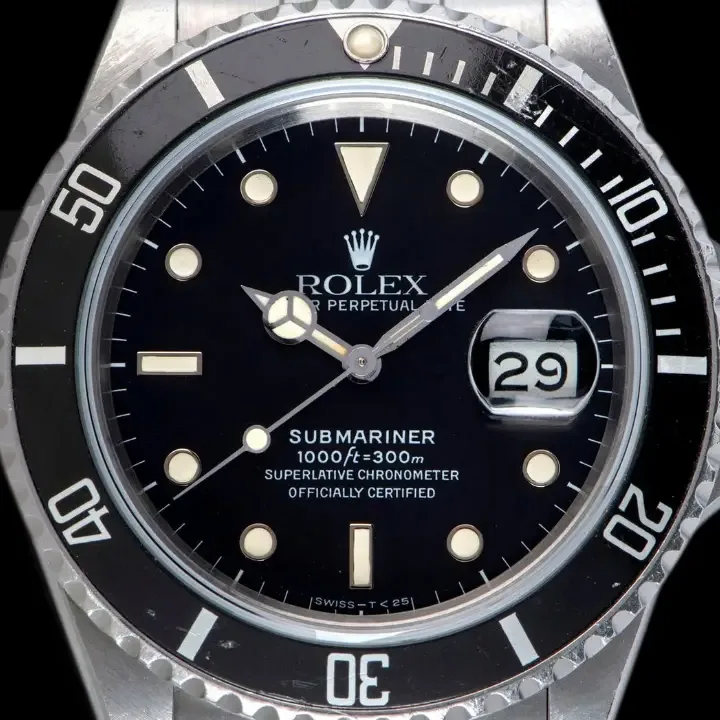
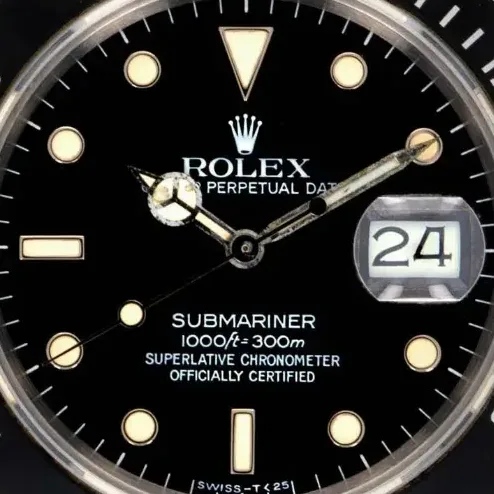
Gloss dial with white gold surrounds
Gloss black with white text and applied white gold ringed markers filled with tritium, almost identical to the 16610. In the library's photographs ringed markers are absent below 8.2M, appear between 8.2M and 8.3M and are the majority between 8.3M and 8.5M.
- gloss black
- white gold surrounds
Spider dial
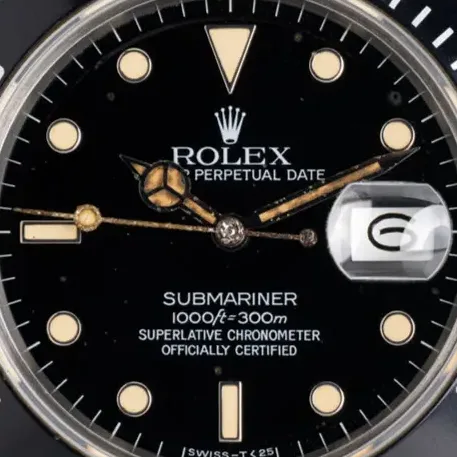
Fine cracks in gloss dials from a paint defect, seen only on gloss-dial 16800s.
- cracked paint on gloss dial

Also sold under this name and confirmed by eye, the photograph not shown here: 1985 · the listing at swisswatchexpo.com.
Service gloss dial
Damaged matte dials were routinely replaced at service by later gloss ones, so a factory-matte watch may now carry gloss.
- gloss dial on early watch
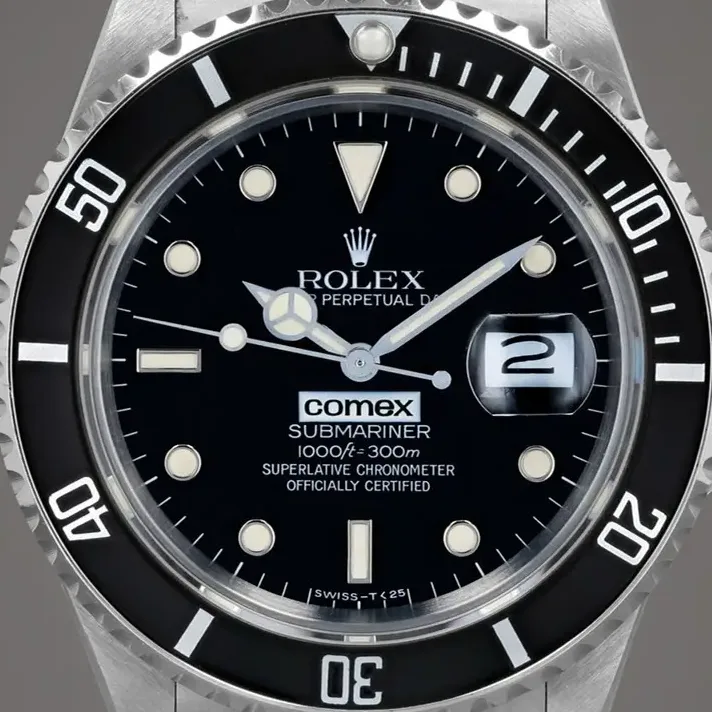
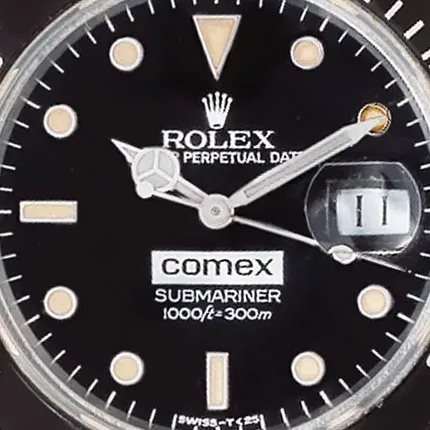
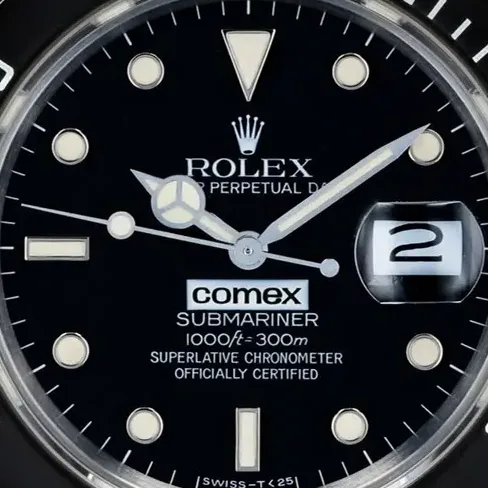
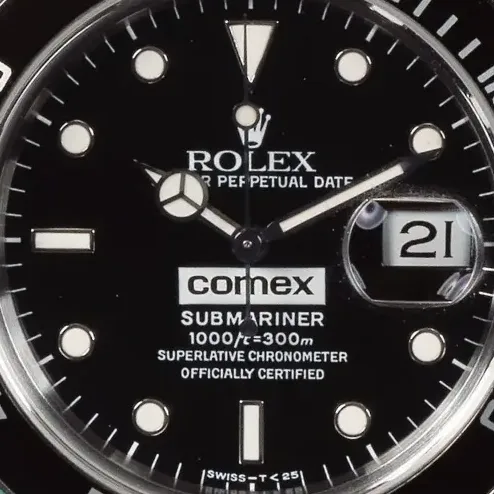
COMEX
Comes in two types: matte, printed with a larger COMEX bar; and gloss, with white gold surrounds and a smaller COMEX signature. The matte is the more collected.



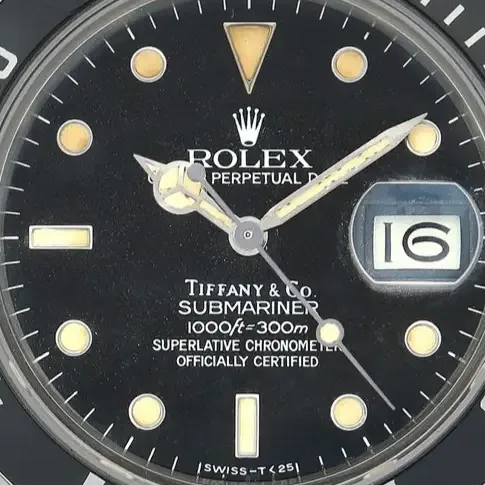
Tiffany and other signatures
A gloss double-signed Tiffany dial with tritium is recorded, and sellers describe a few more Tiffany dials.
- Tiffany & Co. signature

Maxi and feet first
Some sellers describe dials as maxi or feet first; the literature does not describe either on the 16800.
Luminous material 1 described
Tritium, creamy with age, then replacement lume in service.
Tritium
Lume is tritium, off-white heading to cream; sellers also describe Luminova, Super-LumiNova and relumed watches from service.
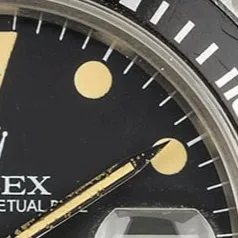

19 listings on record under the name.
Hands 1 described
Mercedes hands with luminous paint.
Mercedes hands
Mercedes style with luminous paint; NOS replacement hands are easy to find at the cost of originality.





Bezel 2 described
The bezel is a 60-minute aluminium insert, marking the first fifteen minutes with five-minute hashes after. Most accounts give a ratcheting unidirectional bezel from the start; one says the first watches turned both ways until about 1981. Faded ghost inserts are sought.
Unidirectional ratcheting bezel
Turns counterclockwise only, replacing the friction-fit bidirectional bezel of earlier Submariners. Most accounts give it from the launch; one dates it to a revised watch of about 1981.
- counterclockwise only
- ratcheting
Faded and ghost insert
Inserts fade to grey, charcoal or purple tones; sellers describe many as faded.
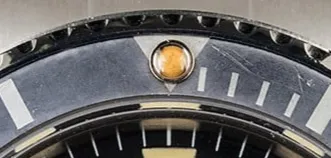

10 listings on record under the name.
Case 1 described
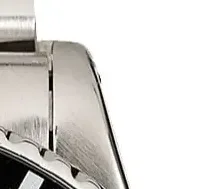
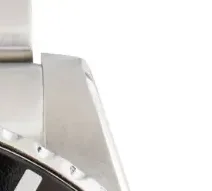
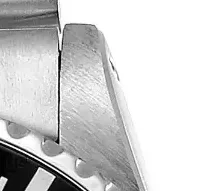
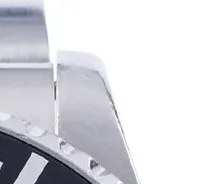
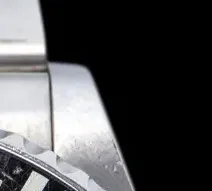
The first 16800s reuse the 1680 case. Many cases are now polished, so thick lugs with crisp bevels are looked for. 316L steel throughout, the 904L of the 168000 following. The 18k gold 16808 and the two-tone 16803 are sister references; the 16808 is engraved 16800 inside its caseback.
316L case
316L steel, 40 mm, about 12.5 mm high; the 168000 changes to 904L.
- thick lugs with bevels
Crown 1 described
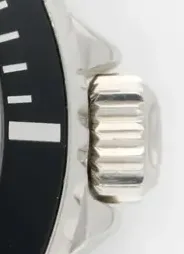
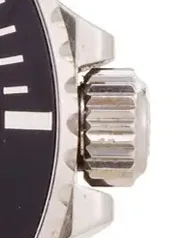
Triplock.
Triplock crown
Triplock with three sealed zones, already used on the Sea-Dweller, with crown guards.
- three dots under coronet
Crystal 1 described
Flat sapphire.
Flat sapphire with cyclops
Replaces the taller plastic crystal and cuts height to about 12.5 mm; the first Submariner with sapphire. Edges can chip. Some sellers list a domed acrylic crystal, most likely a replacement.
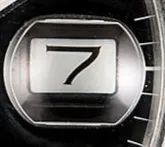

- flat sapphire
3 listings on record under the name.
Date 1 described
Quickset.
Quickset date
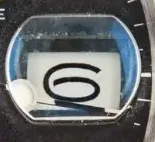
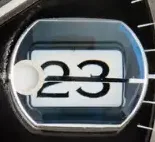
The date can be set quickly from the crown. Sellers describe open 6 and 9 date wheels on some watches.
Movement 2 described
The 3035 replaces the 1575.
Calibre 3035
28,800 vph against 19,800, quickset, 27 jewels, Breguet spring, free-sprung balance and a superlative chronometer rating. Reserve is given as 42 hours in most accounts, 48 or 50 in others.
- 28,800 vph
Calibre 1575
Most accounts give the 3035 from the launch; one says it came only with a revised watch of about 1981, which would leave the first 16800s with the 1575 of the 1680. Some sellers name the 1575 on watches dated well after that, more likely in error.
Bracelet 1 described
The 93150 with 593 end links is correct.
93150 with 593 ends
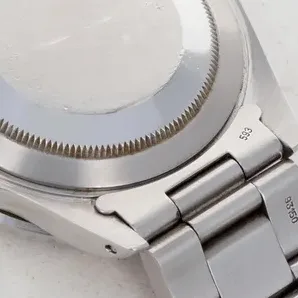
Hollow folded Oyster with 593 end links; sellers also cite 580, 501 and 501b ends.
- 593 end links
Box and papers 1 described
Full sets are sought.
Papers
Service papers and punched guarantees appear on a minority of sets.
Originality
- Matte dials were replaced by gloss service dials, so a matte-era watch with a gloss dial is common.
- Bezel inserts fade or are replaced.
- Hands are replaced by service or NOS hands.
- Polished cases lose their bevels.
- Sapphire chips at the edge.
- An acrylic crystal is most likely a replacement, though one account claims rare original plexiglass examples.
Names
- Transitional. It combines the 1680 case and matte dial with sapphire and the 3035.
- Spider dial. Cracked paint on gloss dials.
- WGS. White gold surround markers.
Where accounts differ
Points on which the published literature and the library's own records do not agree, or on which the literature contradicts itself.
- Start of production. Starts are given as 1978, 1979 and 1980. The library's case numbers place few watches before 1981.
- End of production. Ends are given as 1987, 1988 and 1989. Dated case numbers run to 1988.
- Case metal. One account says the reviewed watch has a 904L case; the reference is 316L, with 904L arriving on the 168000.
- Gloss dial date. Gloss is dated 1984, by the early 1980s, or only at the very end. Case numbers show a change between 8.2M and 8.5M.
- Bezel and calibre at launch. Most accounts give the 16800 its ratcheting unidirectional bezel and calibre 3035 from the start. One says both came with a revised watch about two years after launch, around 1981, and that earlier watches had a bezel turning both ways.
- Power reserve of the 3035. Most accounts give the calibre 3035 a reserve of about 42 hours. One gives about 48 hours when writing of this reference and 42 elsewhere, another gives roughly 48, and a third says a fast-rotating barrel raised the reserve to 50.
Back and movement
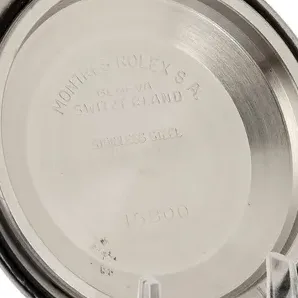
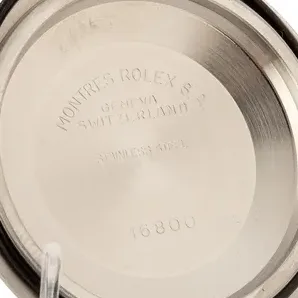
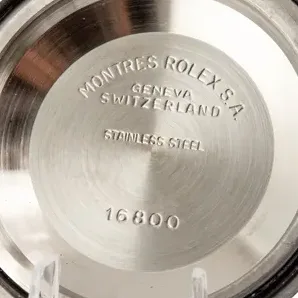
From listings of this reference, each confirmed by eye to show what it is filed under. A picture on which a person's name or a personal engraving can be read is not shown. From most holders a detail from the middle of the photograph is shown; the mark in its corner gives its holder and a link to the listing.
Caseback
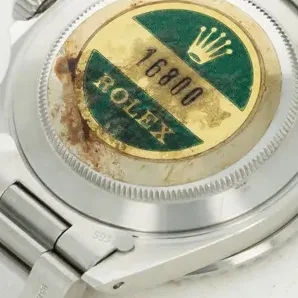

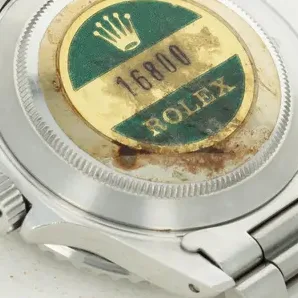

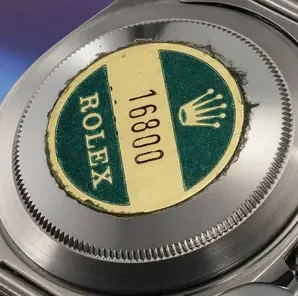


Inside the caseback





In the records
Counted from 815 listings at 52 holders between 28 October 2009 and 14 November 2026. These are what sellers and auction houses state, not measurements.
Fainter bars are the 11 outside the main run of 1981–1987 (the middle nine-tenths): the earliest is 1976 and the latest 1988. They are early and late examples, and now and then a number misread. The head of the page gives 1980–1988: the years that listings from two holders bear out.
At the holders that record papers on every watch, 24% of their 63 listings of this reference come with papers; at those that record the box on every watch, 49% of 159 come with a box. "Papers" is whatever the holder counts as papers, and can include service papers.
2 listings dated long after the reference ended are set aside and not counted here: a year that late belongs to a later watch sold under the old number, or to a listing filed under the wrong one.
Case metal
| Steel | 349 |
Dial colour
| Black | 288 | |
| White | 7 | |
| Brown | 4 | |
| Red | 2 | |
| Gold | 2 | |
| Green | 1 |
Case size
| 40 mm | 322 | |
| 42 mm | 9 | |
| 39 mm | 8 |
Calibre named
| 3035 | 245 | |
| 1575 | 8 | |
| 3135 | 3 | |
| 3085 | 3 |
Bracelet or strap
| Oyster bracelet | 278 | |
| Metal bracelet, kind not stated | 47 | |
| Leather strap | 3 | |
| Fabric strap | 3 | |
| Jubilee bracelet | 1 |
Each table counts the listings that state the thing, in the seller's own terms. A size, metal, colour or calibre that cannot belong to this reference is a seller's slip or a listing filed under the wrong number.