Submariner (first reference)
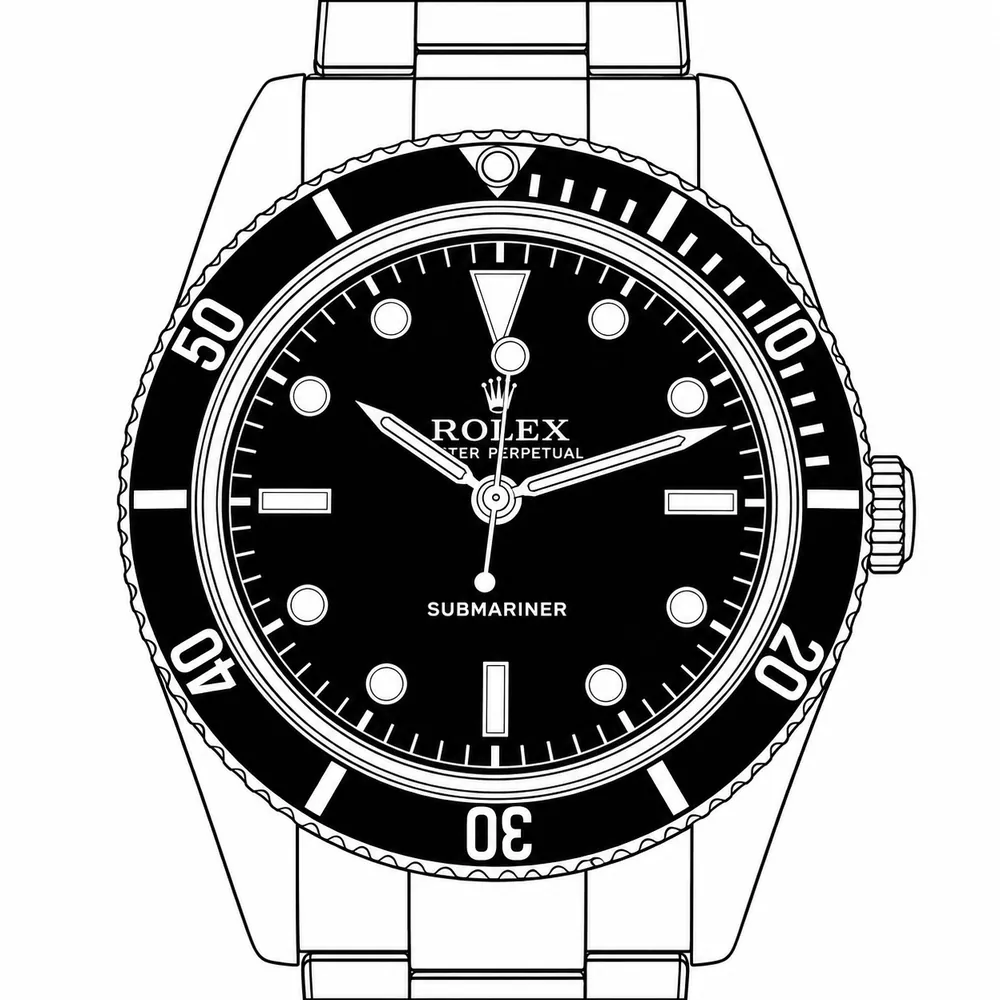
The 6204 is generally accepted as the first Submariner, introduced in 1953 and shown at the 1954 Basel fair. It has a slim bubble-back Oyster case of about 37 mm, a small crown of about 5.3 mm without guards, a 100 metre rating, a black gilt dial, pencil hands with a lollipop seconds, and the Aeger A260 automatic. It was made for about a year and was followed within months by the 6205. The dial is the most varied part: split-logo, honeycomb, blackout, Sub-Aqua and Submariner-less versions are all recorded. Collectors check the lug stamps, the bezel insert and the originality of the dial and hands.
- Made
- 1953–1954dates approximate
- Seen in the library
- 1953–1955nine in ten in 1953–1954 · by case numbers
- Case
- 37 mm · steelas sellers state
- Movement
- Calibre A260automatic
- On record
- 27 listings84 photographs · 10 holders
Components
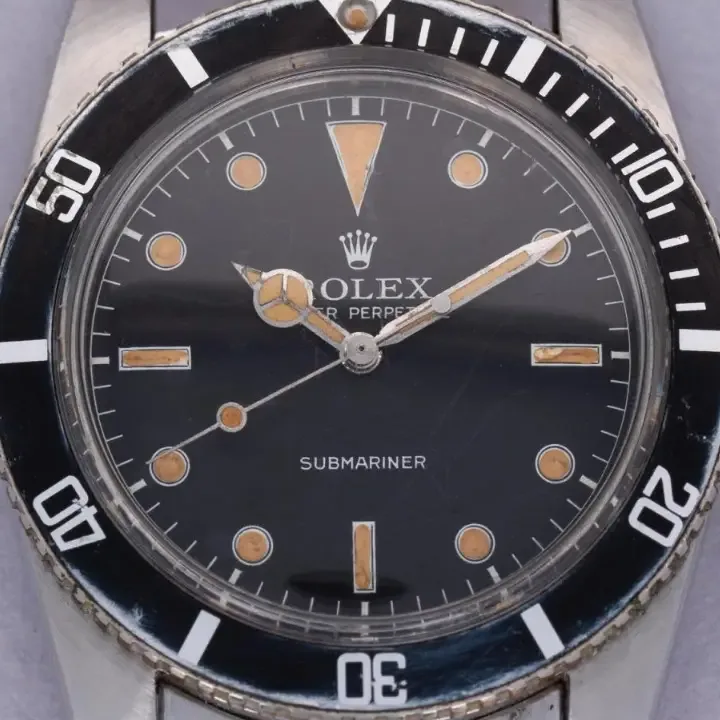
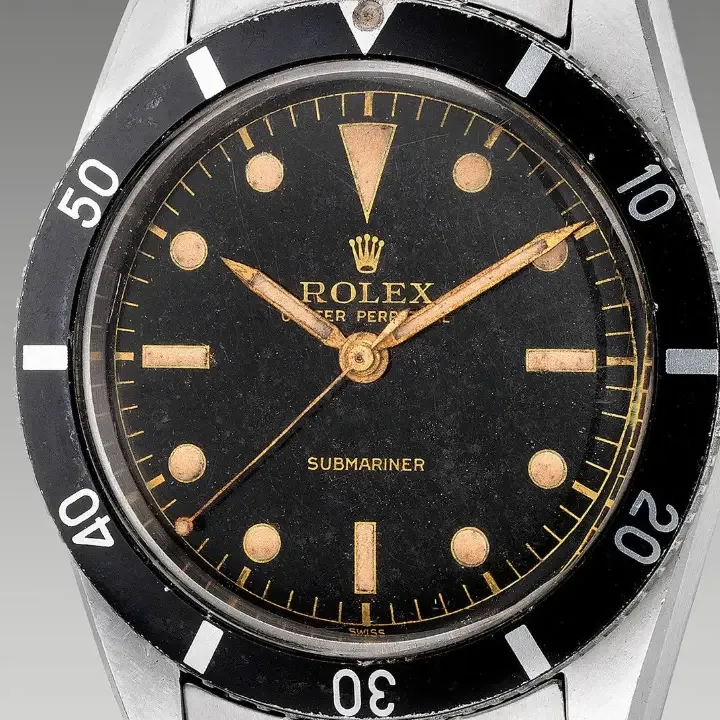
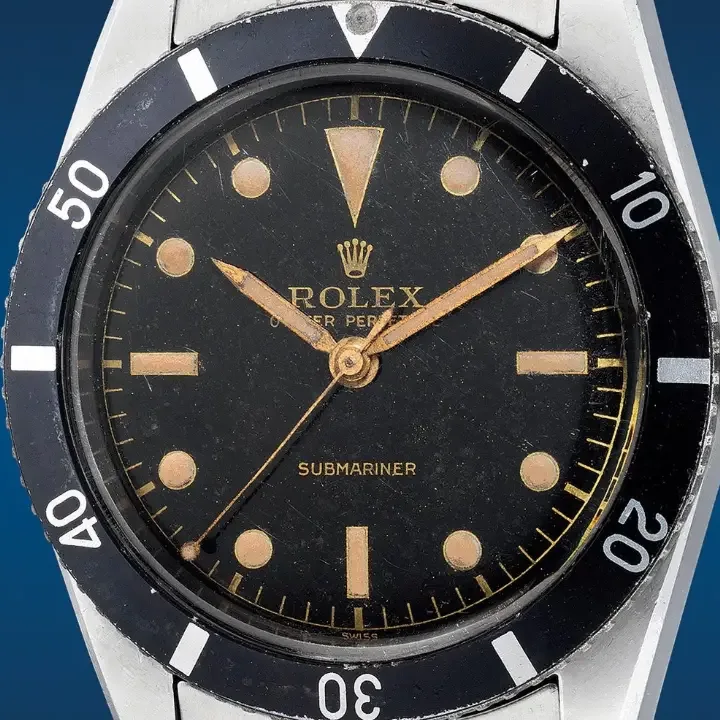
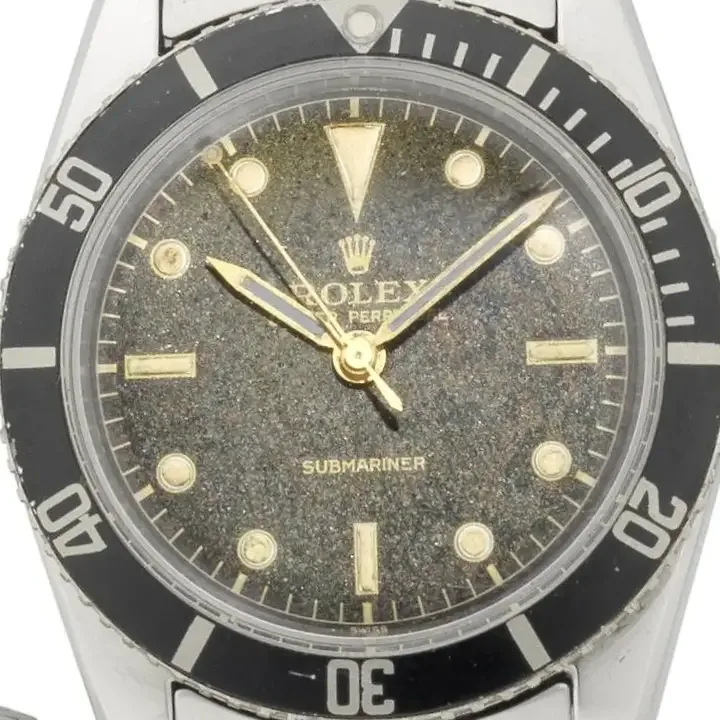
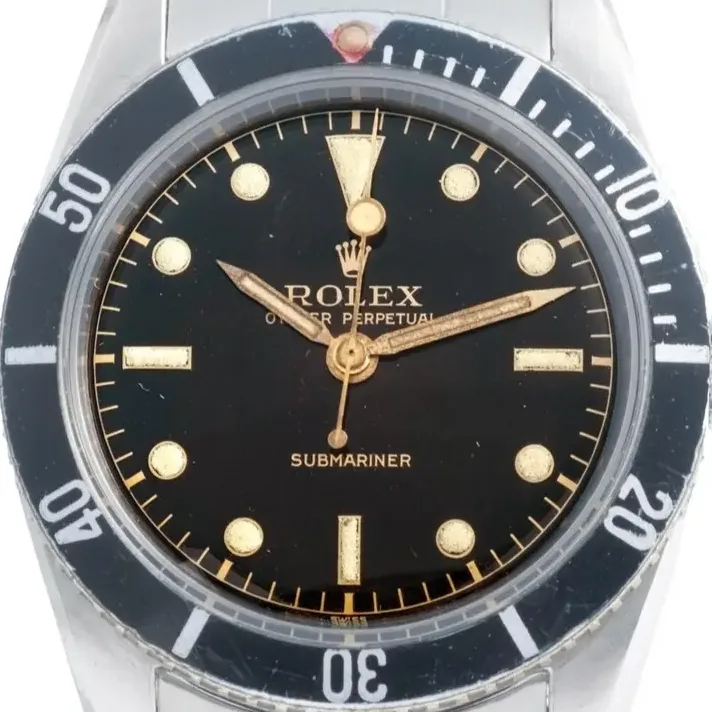
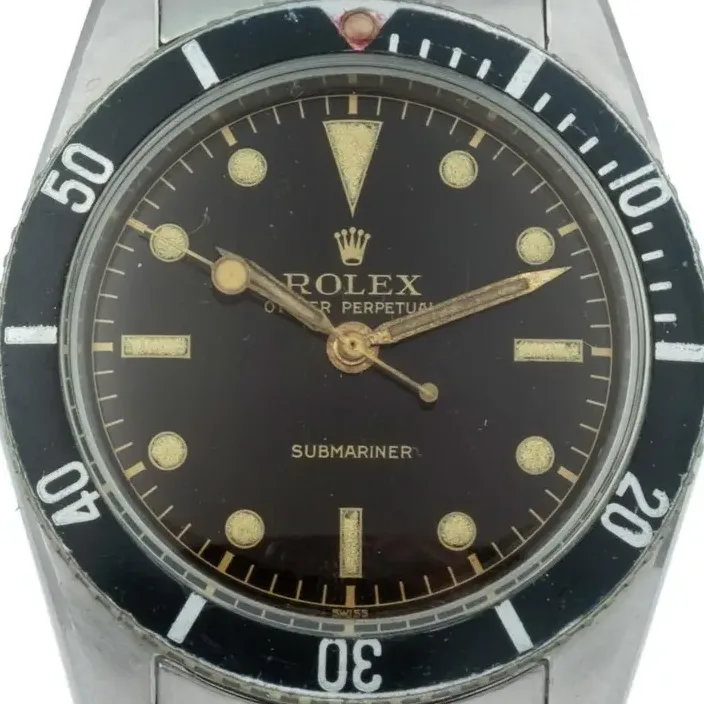
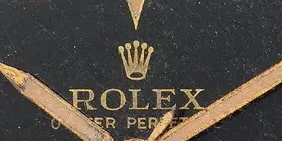
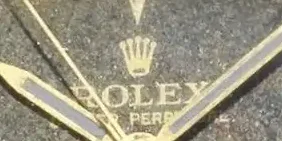
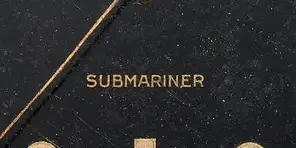
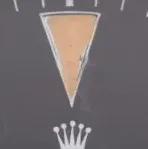
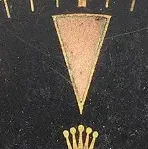
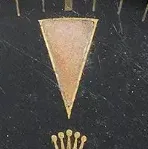
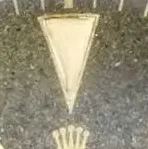
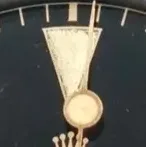
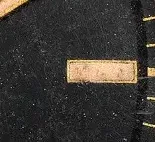
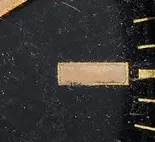
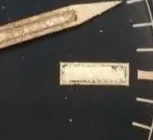
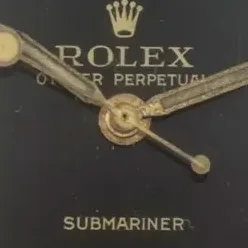
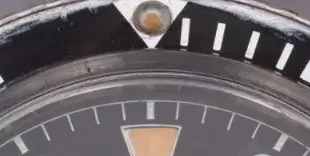
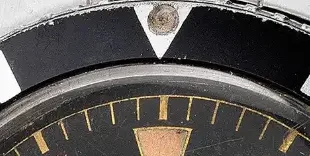
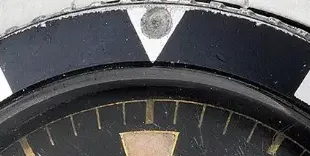
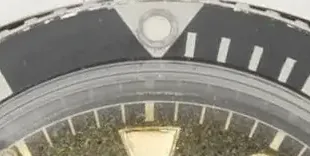
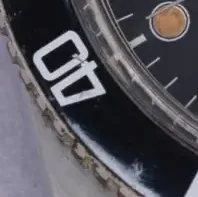
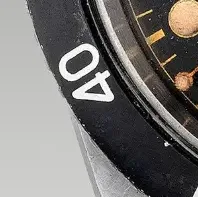
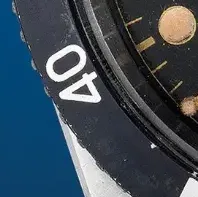
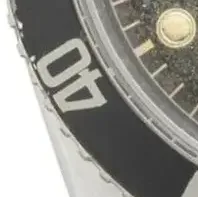
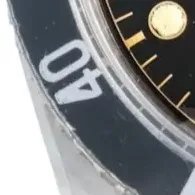
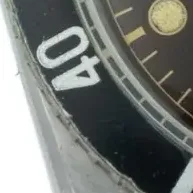
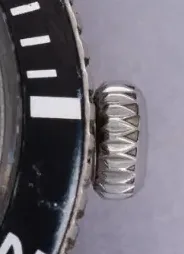
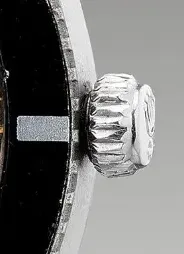
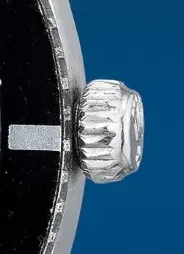
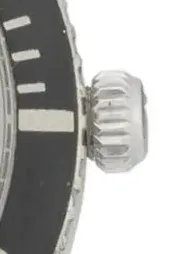
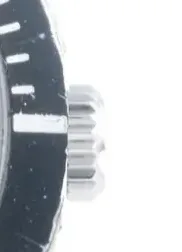
6 watches, oldest first, each straightened and cut the same way so that one row shows one component across them all. Chosen from 84 photographs on file for sharpness and for a face typical of the reference. A year marked c. is one its holder gives only roughly. Each picture is a detail cut from a listing photograph. Select the small mark in its corner for its year, its holder, a link to the listing it came from, and a way to report it.











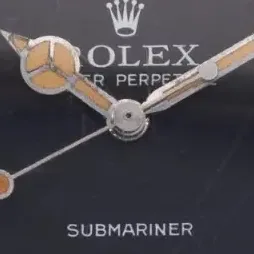
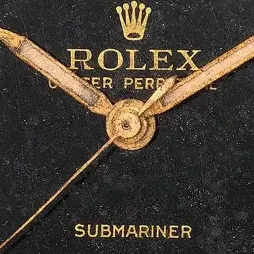
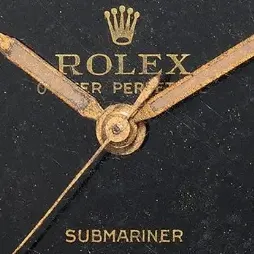
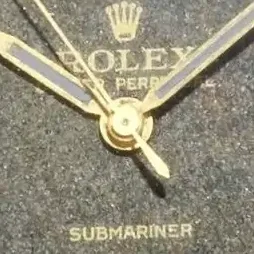









Chronology
Guides give 1953, 1953 to 1954 or 1953 to 1955; case numbers in the records fall in 1953 to 1955, nearly all in 1953 and 1954.
Specification
| Case | Steel Oyster case, about 37 to 37.5 mm without the crown; 38 mm is also quoted, tonneau shape, bubble back, no crown guards |
| Crown | Small, 5.3 mm (5.2 mm on one measured example), screw-down; parts-catalogue number 530 for tube and crown |
| Crystal | Domed acrylic, the number 16 (Tropic 16) crystal |
| Bezel | Black insert in a plated brass bezel, rotating both ways, five-minute marks, early inserts without minute hashes |
| Movement | Aeger A260 automatic, 9 3/4 lignes, 18,000 vibrations an hour |
| Bracelet | Riveted Oyster bracelet by Gay Freres, reference 7206 (fixed) or 6636 (extendable), 20 mm end links |
| Water resistance | 100 metres (330 feet); 180 metres (600 feet) is also quoted |
Dial 8 described
The dials are gilt, printed in gold under a black gloss layer, with a continuous minute track and a slightly domed rim. The layout is the Submariner pattern of an inverted triangle, batons and dots. Text varies a great deal from batch to batch, and it is often unclear which are original. Most have lost their gloss and turned matte.
Split logo, waffle / honeycomb
In the usual account the Rolex logo is split above and either side of the hands. The dial is smooth or textured in a honeycomb or waffle pattern. Some carry Officially Certified Chronometer at the foot and others do not. Another account uses the name for the spaced Oyster Perpetual print instead.
- logo split either side of centre
- textured waffle surface
Spaced Oyster Perpetual and Submariner
Oyster Perpetual with a space in the middle, and Submariner on the line below.
- spaced text
Close-set print
The print is set closer together and a word is left out.
Blackout
The word Submariner is painted over in black. The extra paint has aged at a different rate and looks darker, which is how an original is told. It is thought Rolex had not secured the name or had not settled it.
- painted-out line of text
- darker patch of paint
Flat dial, enlarged Submariner
case numbers 988,9xx
Seen on a case around 988,9xx, about 50,000 numbers after the waffle dial. The waffle pattern is gone, Oyster Perpetual runs below the crown, and Submariner sits below the centre post in larger type. The plate has a rounded bull-nose rim.
- Submariner under the centre post
- no waffle texture
Sub-Aqua
case numbers 42,4xx (example)
Sub-Aqua is printed in place of Submariner, on top of the lacquer, apparently for the UK market and the British Sub-Aqua Club. One example, numbered 42,4xx, was made after the 6205 appeared. In every other respect its dial matches the blank dial of the 6205.
- Sub-Aqua in place of Submariner
Other names or none
Some carry Submariner Perpetual, others no model name at all.
Tropical
Auction listings describe a tropical dial and a brown dial among the 6204s.
- brown shift of the black
Luminous material 1 described
Radium throughout, hand-applied. It no longer glows but shows a speckled UV glow that stops at once, and it reads very high on a Geiger counter.
Radium
Hour markers are outlined in gold print around the lume. Sellers also list tritium service dials and hands.
- speckled UV glow
Hands 2 described
The first Submariner has pencil hands and a lollipop seconds hand, as the Turn-O-Graph did. The size and position of the lollipop varies.
Pencil hands, lollipop seconds
Thin straight gold-plated alloy hands, flat on top. The lume dot on the seconds may be at the tip or lower. Some have a larger Big Bubble disc.
- thin straight hands
- lollipop seconds
Mercedes hands
A few 6204s are recorded with Mercedes hands, often with a Big Bubble seconds, but guides disagree on whether any are original.
- Mercedes hands
Bezel 3 described
A brass alloy bezel, nickel plated, with smaller knurling than later bezels. Originals sit lower than service replacements and may show brass at worn edges. Inserts differ by date.
No hash
The earliest and rarest insert, with five-minute marks and no minute hashes between 0 and 15, alternating a bar and an Arabic numeral. A small divot at 12 holds a dollop of lume that usually falls out.
- no minute hashes
- small divot at 12
Enlarged divot
Identical insert but the divot at 12 is bigger, to hold more lume.
- larger divot at 12
Red triangle
Some bezels have a red triangle at zero. It was dropped because red cannot be seen a few metres down.
- red triangle
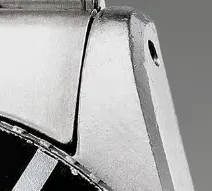
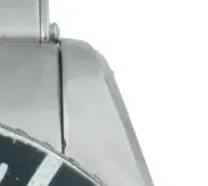
Case 1 described
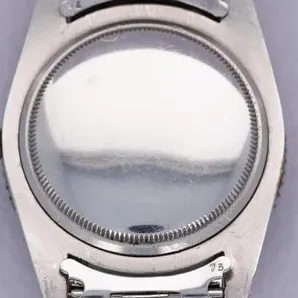
A bubble-back Oyster case, near tonneau in profile, with stamps on the lugs. One published example shows no date code inside the back; backs on case numbers in the same range on other references carry quarter-year stamps such as II.54, so a dated back need not be wrong.
BREVET and MODELE DEPOSE
The reference number sits between the lugs at 12 with BREVET above it; the serial number is at 6, set a little up the lug, with MODELE DEPOSE below. The reference is also stamped inside the back, which has a concentric finish and an Oyster Case engraving around the edge.
- BREVET stamp above reference
- MODELE DEPOSE
- reference inside the back
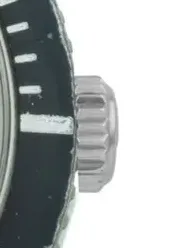
Crown 1 described
A small unguarded crown, smaller than that of the 6205.
5.3 mm crown
At 5.3 mm (5.2 mm measured on one case) it is the smallest fitted to a Submariner, inherited from the Turn-O-Graph 6202. The 6205 has the 6 mm Twinlock, though one account credits the 6204 itself with the first Twinlock crown. A plus below the coronet stands for Swiss Made.
- small crown
- no shoulders
Crystal 1 described
A thick domed acrylic crystal.
Tropic 16
Number 16, shared with the other small-crown references apart from the 6536/8; the dial rim is domed to match.
- thick dome
Movement 1 described
A bubble-back self-winder from the Aeger line, which also drove the 6205.
A260
Aeger calibre of 9 3/4 lignes, 18,000 alternations an hour, with shock protection. The 6200 used the larger A296, and the next references moved to Rolex 1030. Some sellers name a different calibre, which the literature does not mention.
- bubble-back rotor
Bracelet 2 described
A spring-loaded Swiss rivet bracelet by Gay Freres.
7206 fixed or 6636 extendable
Twenty mm fixed end links, typically marked 65 or 64, and a clasp with a stamped quality control code.
- end links marked 64 or 65
- date code on clasp
English-made Sub-Aqua bracelet
Sub-Aqua watches carry an English bracelet, with Rolex Made in England Stainless Steel on the clasp blades, and group 80 end links.
- Made in England on clasp
Originality
- Dials were commonly replaced at service in the late 1950s and early 1960s; a replacement may have a different surface finish.
- Service replacement bezels sit higher than originals, and original bezels show brass at worn edges.
- Tritium service dials and hands are sometimes found on watches that were made with radium.
- A redialled watch may keep its original caseback and period hands, so the caseback alone does not show the dial is original.
- A heavy original blackout patch ages darker than its surroundings; an even patch is suspect.
Names
- Blackout. The model name is painted out in black on some dials.
- Sub-Aqua. The dial reads Sub-Aqua instead of Submariner.
- Waffle. A textured dial surface.
- Bubble Back. The caseback is domed to fit a thick automatic movement.
Where accounts differ
Points on which the published literature and the library's own records do not agree, or on which the literature contradicts itself.
- Hands. One guide says every 6204 has pencil hands and the Mercedes hands came later, while another notes some 6204s with Mercedes hands. In the library's records most sellers who describe the hands name pencil hands, and a few describe Mercedes hands.
- Water resistance. Most guides give 100 metres; one gives 180 metres (600 feet).
- Launch and run. Guides date the launch to 1953 or to the 1954 Basel fair and the run to 1953 alone, 1953 to 1954 or 1953 to 1955. Case numbers in the records are of 1953 and 1954, with one of 1955.
- Meaning of split logo. One account applies the name to a dial whose logo is printed above and either side of the hands, smooth or in honeycomb or waffle texture. Another applies it to the dials on which Oyster and Perpetual are set well apart, the closer-set text coming later.
- Twinlock crown. One account gives the 6204 a standard 5.3 mm crown and makes the 6 mm crown of the 6205 the first Twinlock; another says the 6204 brought the Twinlock, and a third ties the Twinlock to the Submariner's 100 metre rating without naming a reference.
Back and movement
From listings of this reference, each confirmed by eye to show what it is filed under. A picture on which a person's name or a personal engraving can be read is not shown. From most holders a detail from the middle of the photograph is shown; the mark in its corner gives its holder and a link to the listing.
Caseback

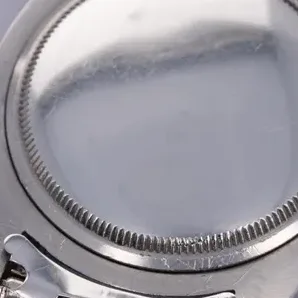

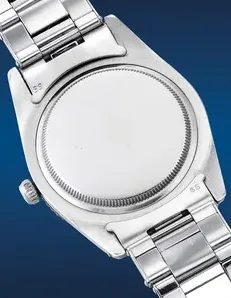

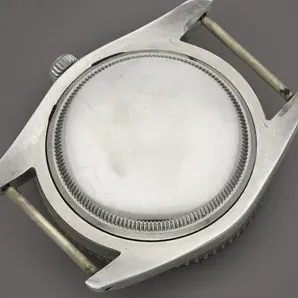

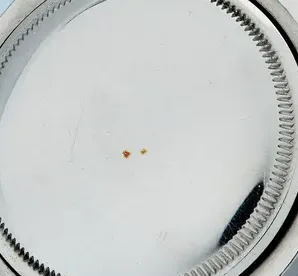

In the records
Counted from 27 listings at 10 holders between 11 November 2013 and 14 November 2026. These are what sellers and auction houses state, not measurements.
The fainter bar is the one watch outside the main run of 1953–1954 (the middle nine-tenths): the latest is 1955. It is an early or late example, or a number misread.
Case metal
| Steel | 22 |
Dial colour
| Black | 3 | |
| Brown | 1 |
Case size
| 37 mm | 10 | |
| 36 mm | 2 | |
| 38 mm | 2 |
Calibre named
| A260 | 14 | |
| 645 | 2 | |
| F3887 | 2 |
Bracelet or strap
| Oyster bracelet | 13 | |
| Metal bracelet, kind not stated | 1 | |
| Fabric strap | 1 |
Each table counts the listings that state the thing, in the seller's own terms. A size, metal, colour or calibre that cannot belong to this reference is a seller's slip or a listing filed under the wrong number.