Part of the line Bubbleback, where it is set beside the others of its kind.
Oyster Perpetual Ovettone
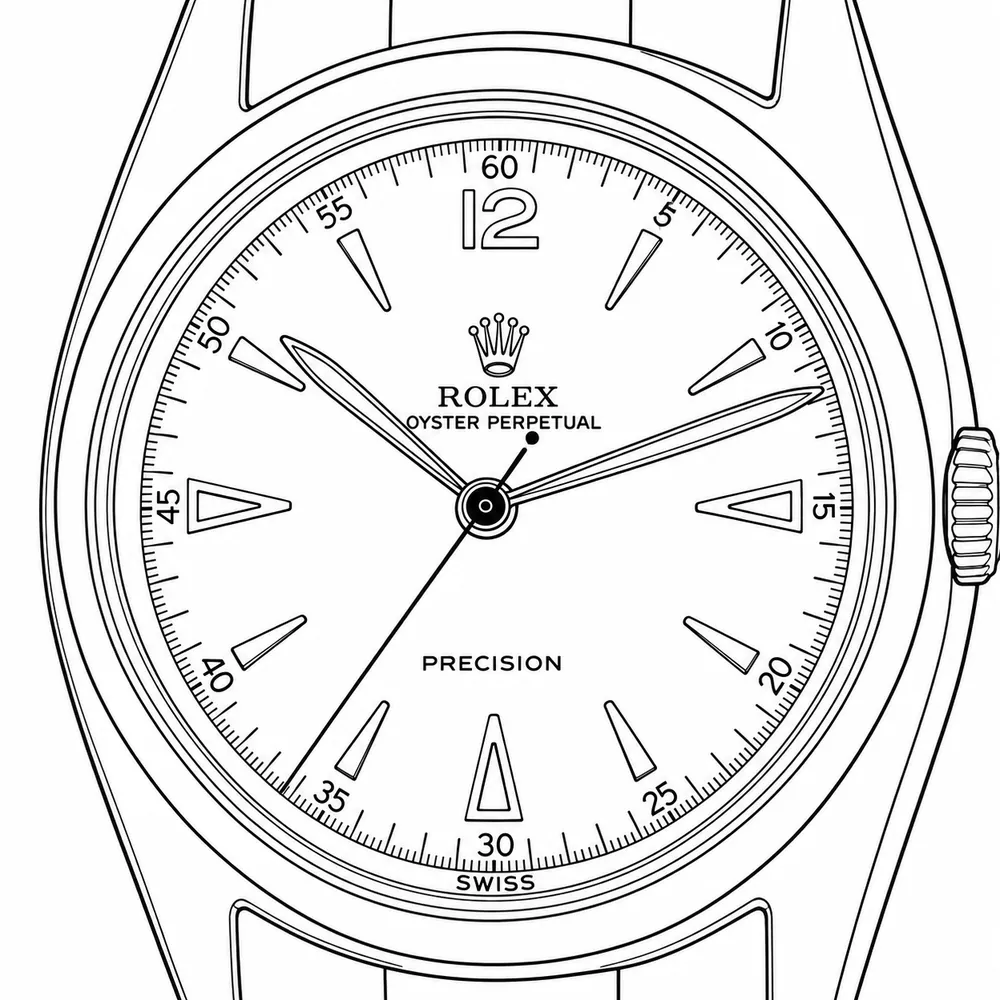
The 6098 is a large automatic Oyster Perpetual with a deep domed caseback, the second series of the big bubblebacks the Italians call Ovettone, or big egg. It is a centre-seconds watch made in steel and in gold, in a one-piece case with a push-in Super Oyster crown. Rolex supplied it in 1952 to British Everest climbers and to an Italian underwater expedition, and collectors call it the Pre-Explorer. The 6298 followed it in 1953 with a three-piece case and a screw-down crown. Collectors look first at the dial, the gold watches with honeycomb star dials, and whether a dial has been replaced.
- Made
- 1952–1953dates approximate
- Seen in the library
- 1951–1953by case numbers
- Case
- 36 mm · steel (70%), gold (30%)as sellers state
- Movement
- Calibre A296, A260automatic
- On record
- 85 listings250 photographs · 24 holders
Components
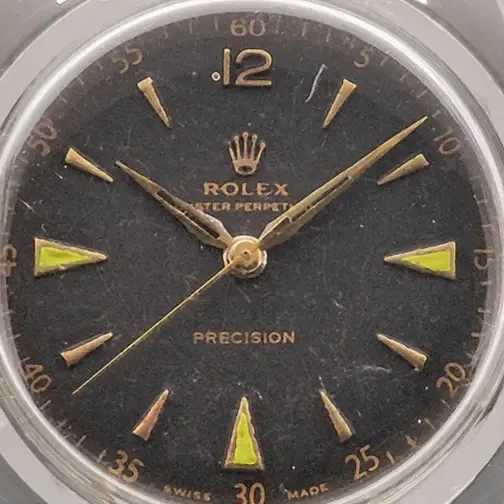
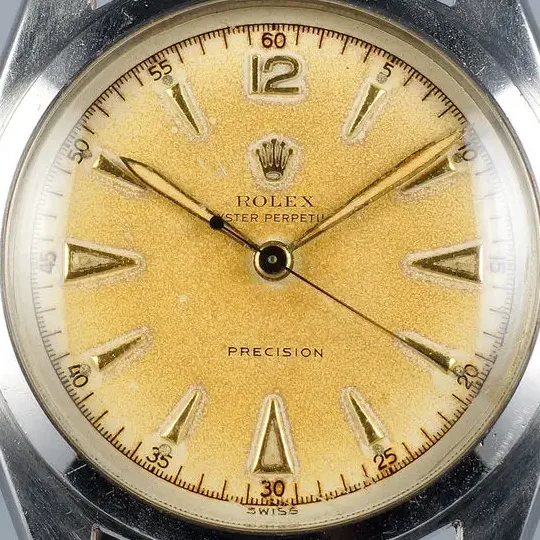
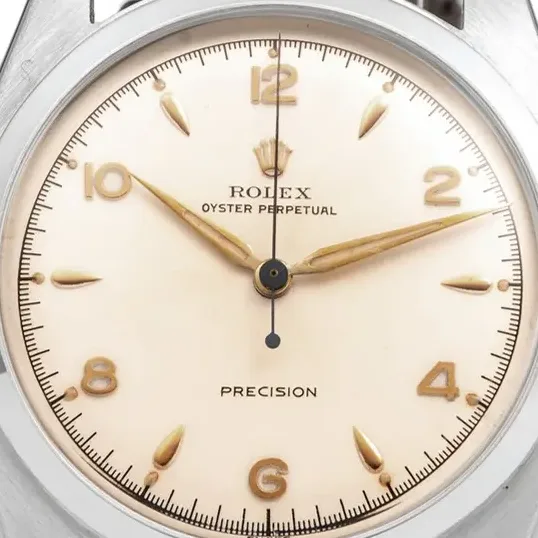
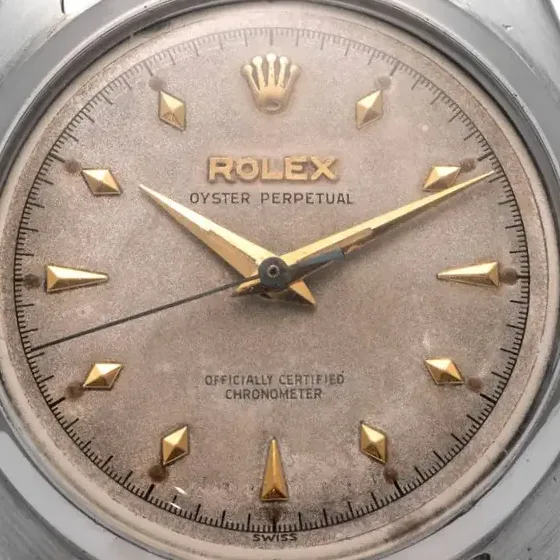
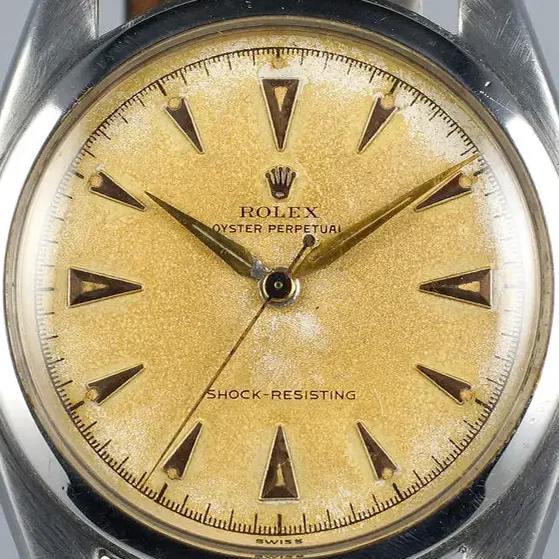
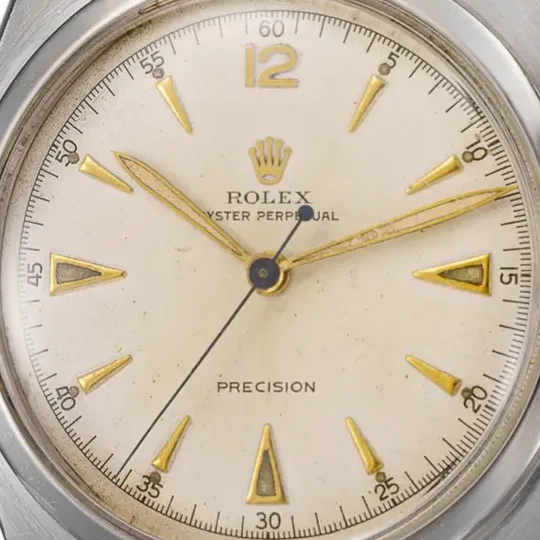
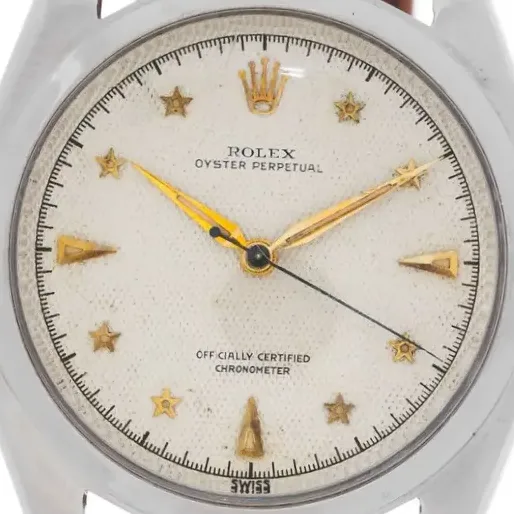
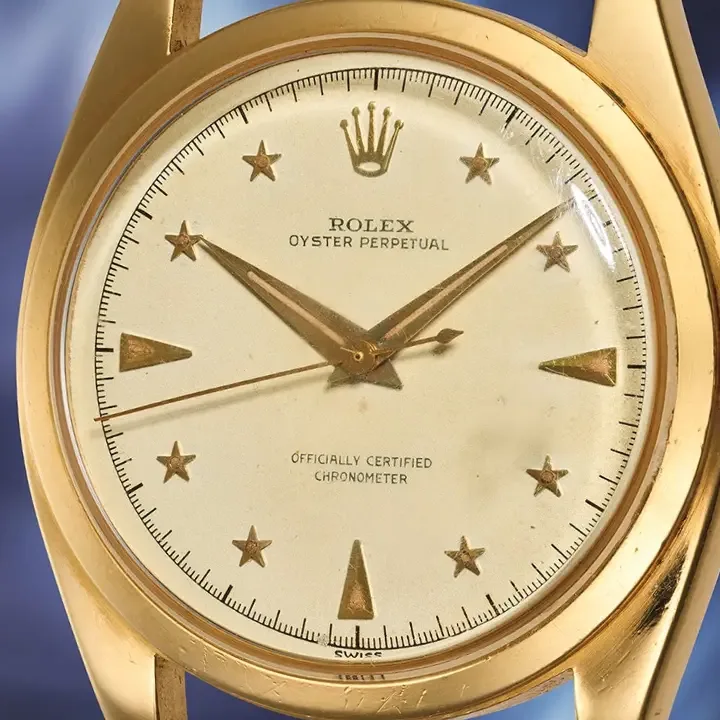
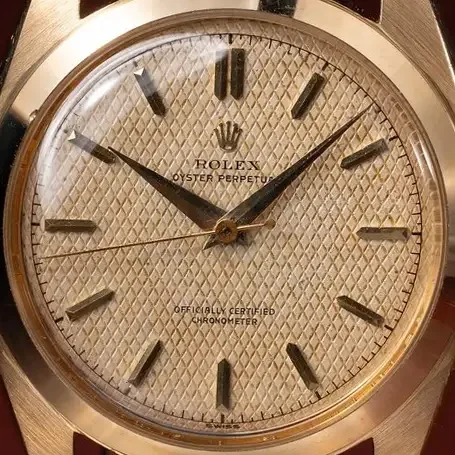
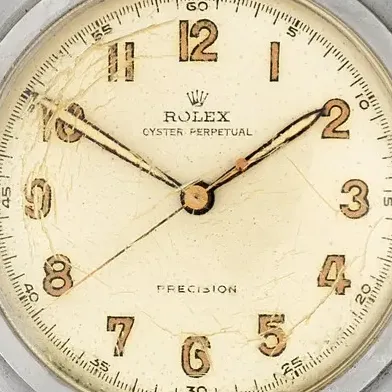
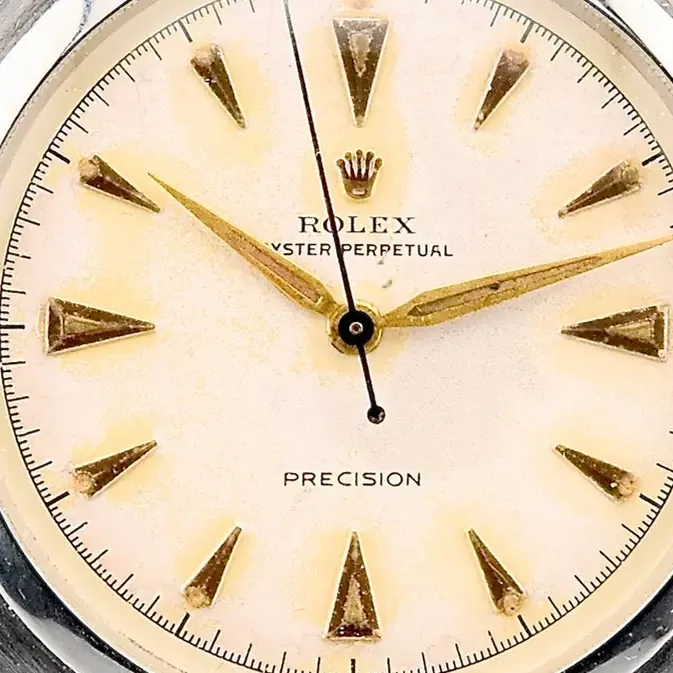
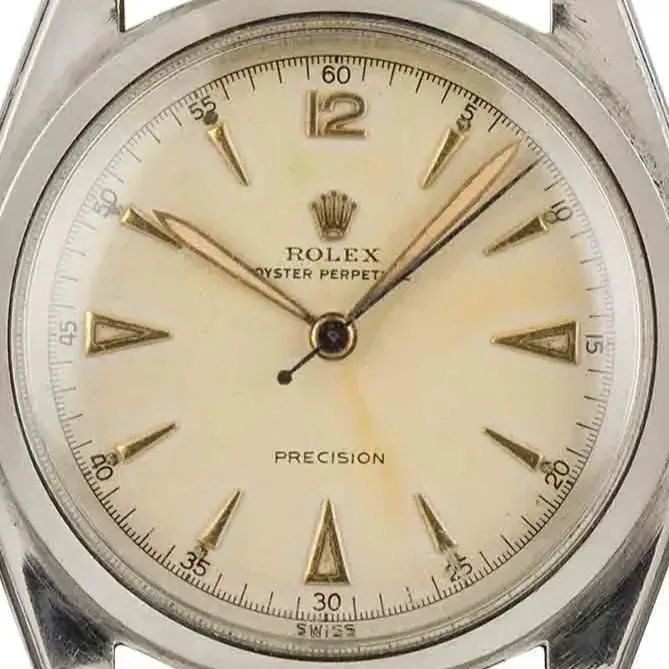
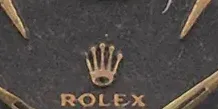
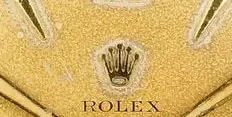
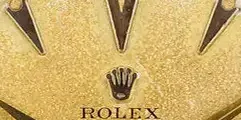
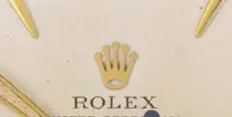
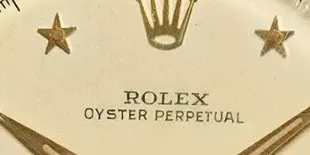
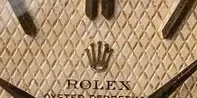
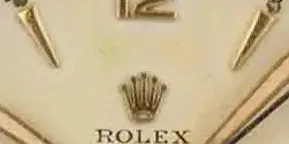
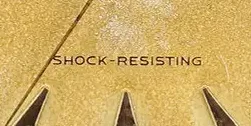
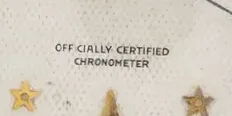
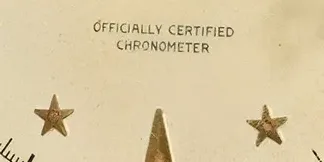
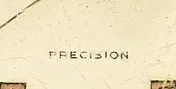
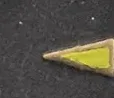
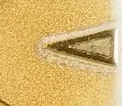
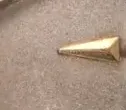
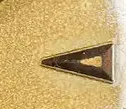
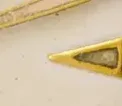
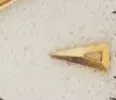
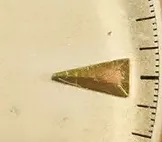
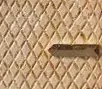
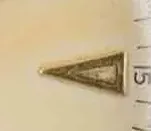
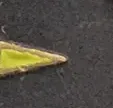
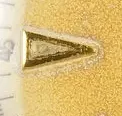
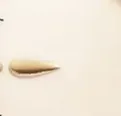
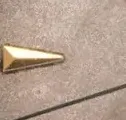
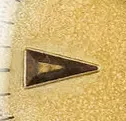
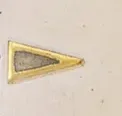
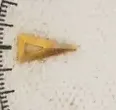
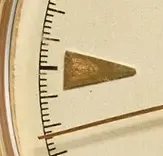
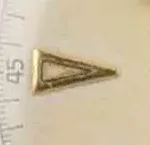
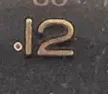
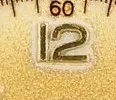
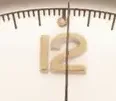
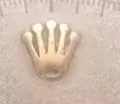
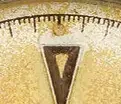
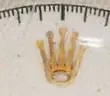
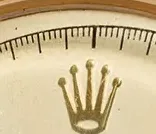
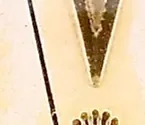
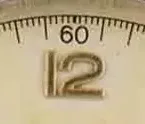
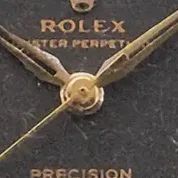
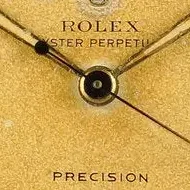
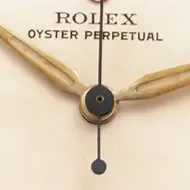
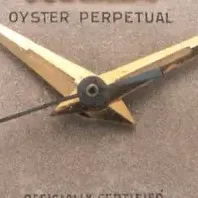
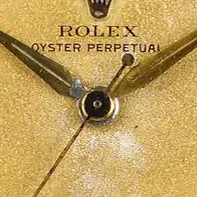
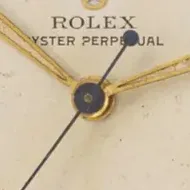
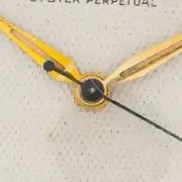
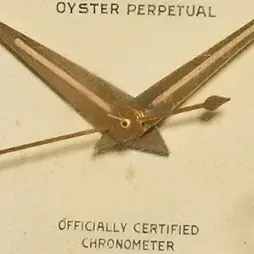
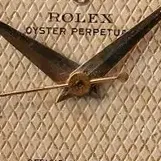
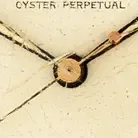
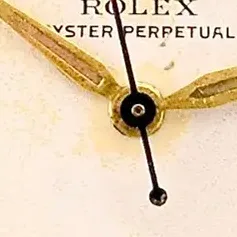
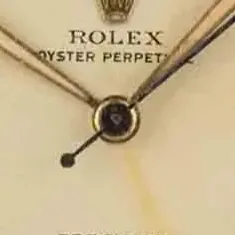
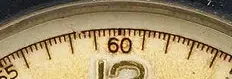
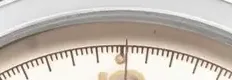
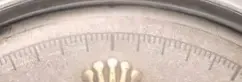
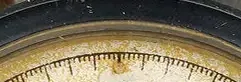
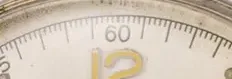
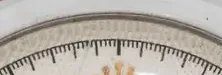
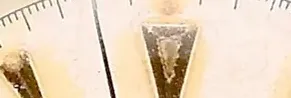
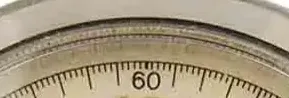
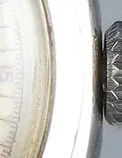
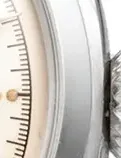
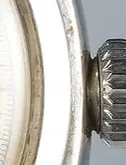
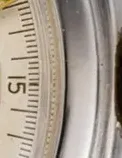
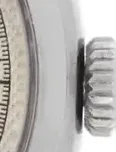
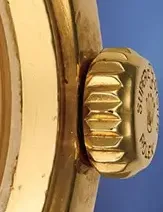
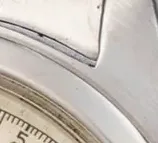
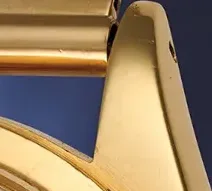
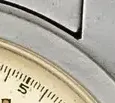
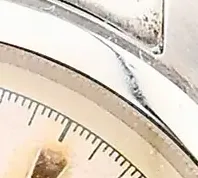
12 watches, oldest first, each straightened and cut the same way so that one row shows one component across them all. Chosen from 250 photographs on file for sharpness and for a face typical of the reference. A year marked c. is one its holder gives only roughly. Each picture is a detail cut from a listing photograph. Select the small mark in its corner for its year, its holder, a link to the listing it came from, and a way to report it.























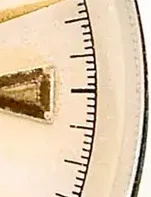

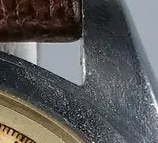
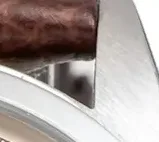

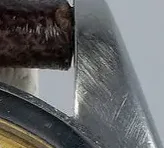




Chronology
The literature gives no start or end for the reference; 1952 is the earliest year it gives for a watch, and 1953 the year the 6298 followed.
Specification
| Case | Large Oyster case of about 36 mm with a deep domed caseback, in steel or gold; the mid-case and bezel are one piece |
| Crystal | Domed |
| Crown | Super Oyster crown, pushed in and not screwed down |
| Dial | Applied arrow hour markers, closed minute track and applied coronet; honeycomb star dials on some gold watches |
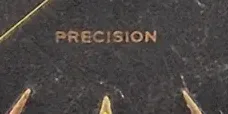
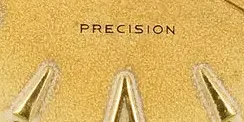
| Movement | Automatic, chronometer-rated in published accounts, though many dials read Precision; given as calibre A296 and also as A260 |
| Bracelet | Riveted Oyster or Jubilee; many are found on leather |
| Water resistance | Not stated for the reference |
Reference 2 described
The 6098 is best known through two groups of watches issued by Rolex in 1952 and 1953. The reference is a time-only dress-sized Oyster of the Ovettone type, made in steel and in gold.
Everest expedition issue
Twenty 6098 watches were supplied to the British Everest effort: the first seven in 1952 to the advance research party at Cho Oyu, and thirteen more to the rest of the expedition. Another account gives thirteen in all. The cases were engraved by Rolex for the climbers as souvenirs. Collectors use the name Pre-Explorer for the reference because of this.
- engraved caseback
- Everest dial without the word Explorer
Red Sea expedition watches
Seven Rolex Super Oyster watches were supplied to the Italian national underwater expedition, worn from December 1952 to June 1953. A watch worn by the expedition leader is described as a 6098 with a white dial and a caseback stamped IV.52; a second is described with a later tritium service dial.
- white dial
- engraved caseback
Dial 3 described
The dial the literature describes is the one collectors call the Everest dial; sellers also describe many silvered dials with luminous Arabic numerals. A small group of gold watches carry honeycomb star dials, and white dials are reported on the underwater expedition watches. The black three-six-nine dial was rolled out officially on the 6150 and 6350 that followed, though it had been used before, and sellers offer some 6098 watches with it.
Everest dial
A dial of the usual 1950s Rolex Oyster type, with a closed minute track, applied arrow hour markers and an applied Rolex coronet. It does not bear the word Explorer. The same dial is used on the 6298.
- closed minute track
- applied arrow markers
- applied coronet
- no Explorer text
Honeycomb star dial
On some gold watches the dial has a honeycomb texture, usually silvered, with star-shaped hour markers, and sellers describe a few steel watches with it as well. Eight yellow-gold watches with the silvered honeycomb star dial were said to be known in 2017; later auction descriptions give nine and then ten. A black lacquered star dial is also known. Star markers are otherwise associated with the 6062.
- honeycomb texture
- star or dagger hour markers
White dial
White dials are reported on the Red Sea expedition watches; one such watch later surfaced with a replacement silver dial and a period-correct dial was then sourced for it.
- white dial
Luminous material 1 described
The luminous material is radium.
Radium
Radium markers and hands. A later tritium dial on one expedition watch is a replacement from service.
- radium markers
Hands 1 described
The literature says little about the hands. A replacement set was fitted to one expedition watch.
Feuille hands
Leaf-shaped hands of the period, fitted as a correct replacement to one expedition watch. The seconds hand comes from the centre.
- leaf-shaped hour and minute hands
Case 2 described
The case is a large Oyster in steel or gold with a deep caseback. Sizes run from 35 to 36 mm.
Monoblocco Ovettone case
The mid-case and bezel are made from a single block, and the thick A296 movement needs a prominently domed caseback and a domed crystal. The case is described as 36 mm, or 35 mm in one account. It is found in steel and in 18 ct yellow gold, and sellers describe one watch in pink gold.
- smooth domed bezel
- deep domed caseback
Engraved and stamped casebacks
Expedition watches were engraved by Rolex, probably when they were returned for overhaul. Casebacks can also carry a quarter-year stamp, such as IV.52, and a gold watch has a double-signed back.
- engraving inside or outside the back
- quarter-year stamp
Crown 1 described
The 6098 has the push-in crown, which was replaced on the 6298.
Super Oyster crown
A newly designed crown that pushes in like those of dress watches and does not screw down. It proved prone to leakage and gave way in 1953 to the Brevet plus screw-down crown of 6 mm on the 6298.
- push-in crown
Movement 2 described
The movement is an automatic calibre. Published accounts call it chronometer-rated, but many watches have dials that read Precision rather than a chronometer wording. Accounts also differ on its name.
A296
A thick automatic movement, chronometer-rated, which requires the prominently domed caseback. The 6298, 6150 and 6350 use the same calibre.
- thick movement under a domed back
A260
The calibre given for a yellow-gold watch with a honeycomb star dial, a ten-and-a-half-ligne automatic with 25 jewels and a copper-coloured finish. Auction cataloguers give A260 for many 6098 watches.
- copper-coloured movement finish
Bracelet 2 described
Watches are found on riveted Oyster bracelets and on Jubilee bracelets; an Oyster bracelet appears in footage from the Red Sea expedition.
Riveted Oyster
Sellers describe riveted, expanding Oyster bracelets on several steel watches. Footage of a diver of the Red Sea expedition shows what is very probably an Oyster Perpetual on an Oyster bracelet.
- riveted links
Gold Jubilee
A Jubilee bracelet in 18 ct gold with a deployant clasp stamped 4/51 on one yellow-gold watch.
- Jubilee links
- stamped clasp
Originality
- Dials are often replaced; one expedition watch was found with a silver dial and hands, another has a later tritium service dial.
- Hands are often replaced, so a handset that matches the dial is worth checking.
- The dial is the most important element on the gold watches, and honeycomb star dials need close checking.
- Expedition casebacks are thought to have been engraved by Rolex after the expeditions, when the watches were returned for overhaul.
Names
- Pre-Explorer. The reference was issued to the British Everest expedition before the Explorer name existed.
- Ovettone. Italian for big egg, for the large domed caseback and crystal.
- Big Bubbleback. A large version of the earlier bubbleback Oyster Perpetual.
- Everest dial. Collectors use the name for the dial without the word Explorer.
- Stelline. Italian for little stars, for the star hour markers on some gold dials.
- Galaxy. Used by dealers and auction houses for the star-dial watches, in gold and in steel.
Where accounts differ
Points on which the published literature and the library's own records do not agree, or on which the literature contradicts itself.
- Calibre. One account names calibre A296 for the 6098, and another names A260 for a gold example. Sellers in the library's records give A260 most often, and also 775 and A296.
- How few gold star-dial watches exist. One account said in 2017 that only eight yellow-gold watches with the silvered honeycomb star dial were known. Later auction descriptions in the library's records give nine and then ten known publicly.
- Which reference followed which. One account makes the 6150 and 6350 the successors of the 6098 and 6298; two others have the 6150 made with the 6098 in 1952 and the 6298 following in 1953.
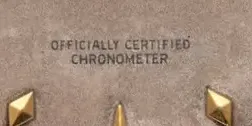
- Chronometer rating. One account calls the 6098 chronometer-rated; two others describe 6098 watches with Precision on the dial, and many sellers in the library's records describe Precision dials, while gold star-dial watches are described with Officially Certified Chronometer.
- How many watches went to Everest. One account gives twenty, seven in 1952 for the Cho Oyu party and thirteen for the rest of the team; another gives thirteen in all, six for Cho Oyu in 1952 and seven for the new members of 1953.
In the records
Counted from 85 listings at 24 holders between 16 June 2010 and 14 November 2026. These are what sellers and auction houses state, not measurements.
Case metal
| Steel | 46 | |
| Gold, any colour | 20 | |
| Yellow | 11 | |
| Pink | 1 | |
| Colour not stated | 8 |
A listing that says "gold" or "18K gold" names no colour: it is counted under "colour not stated", not as yellow gold.
Dial colour
| Silver | 12 | |
| Black | 5 | |
| Cream | 4 | |
| Champagne | 1 |
Case size
| 36 mm | 37 | |
| 35 mm | 8 | |
| 34 mm | 5 |
Calibre named
| A260 | 11 | |
| 775 | 8 | |
| A296 | 6 |
Bracelet or strap
| Leather strap | 11 | |
| Metal bracelet, kind not stated | 4 | |
| Oyster bracelet | 3 | |
| Jubilee bracelet | 3 | |
| Fabric strap | 2 |
Each table counts the listings that state the thing, in the seller's own terms. A size, metal, colour or calibre that cannot belong to this reference is a seller's slip or a listing filed under the wrong number.