Oyster Perpetual
The 1002 is the plain, no-date Oyster Perpetual in a 34 mm screw-down Oyster case, made in steel, two-tone and 14 or 18 carat gold. It came in around 1959 and was made for longer than most accounts allow: dated case numbers run into the late 1980s. It carries a sweep-seconds automatic movement, first the 1560 and from the mid-1960s mostly the 1570, under an acrylic crystal. It belongs to the no-date Oyster Perpetual generation that runs from the 1002 to the 1038. Collectors look at the dial, since some have been replaced at service, at whether the movement is the original calibre, because the 1570 was so liked that many watches were fitted with it, and at whether the watch is a 1002 at all, since Air-Kings often carry case backs stamped 1002.
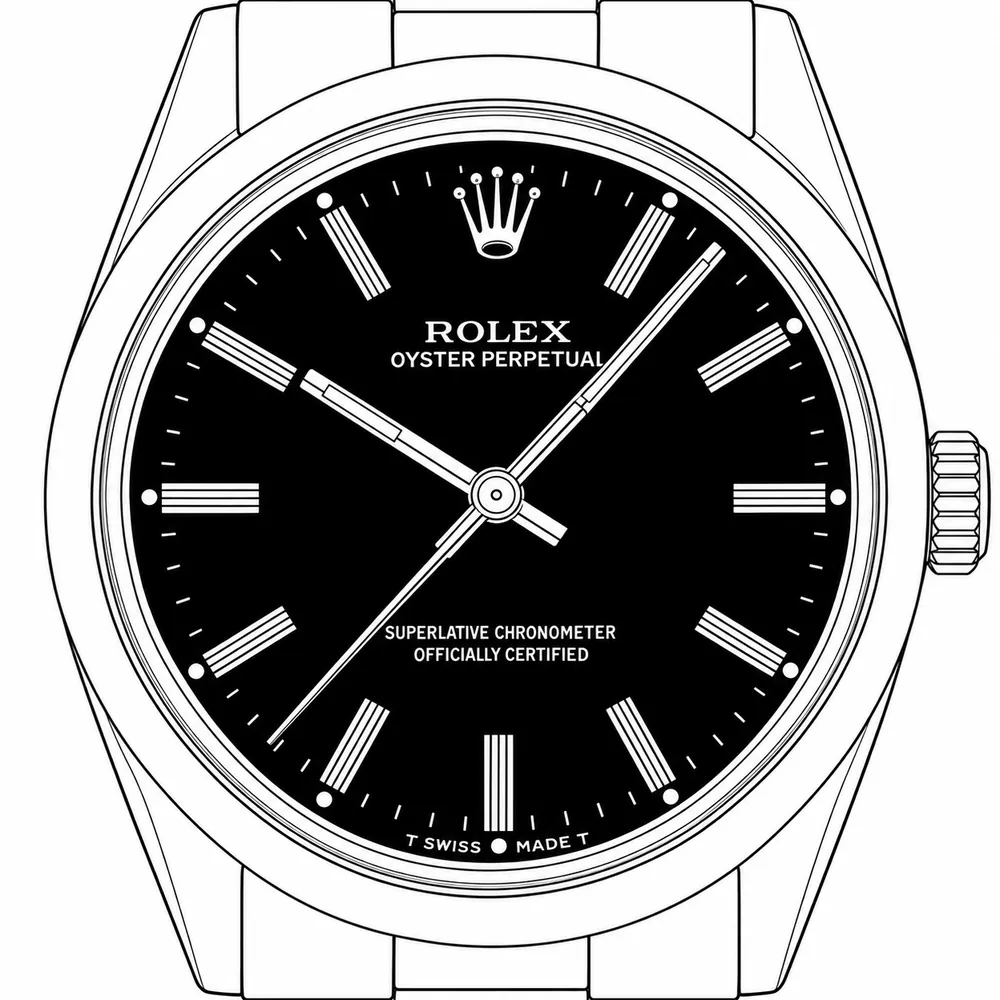
- Made
- 1959–1989dates approximate
- Seen in the library
- 1960–1990nine in ten in 1961–1988 · by case numbers
- Case
- 34 mm · steel (79%), gold (19%)as sellers state
- Movement
- Calibre 1560, 1570automatic
- On record
- 422 listings842 photographs · 49 holders
Components
44 watches, oldest first, each straightened and cut the same way so that one row shows one component across them all. Chosen from 842 photographs on file for sharpness and for a face typical of the reference. A year marked c. is one its holder gives only roughly. Each picture is a detail cut from a listing photograph. Select the small mark in its corner for its year, its holder, a link to the listing it came from, and a way to report it.
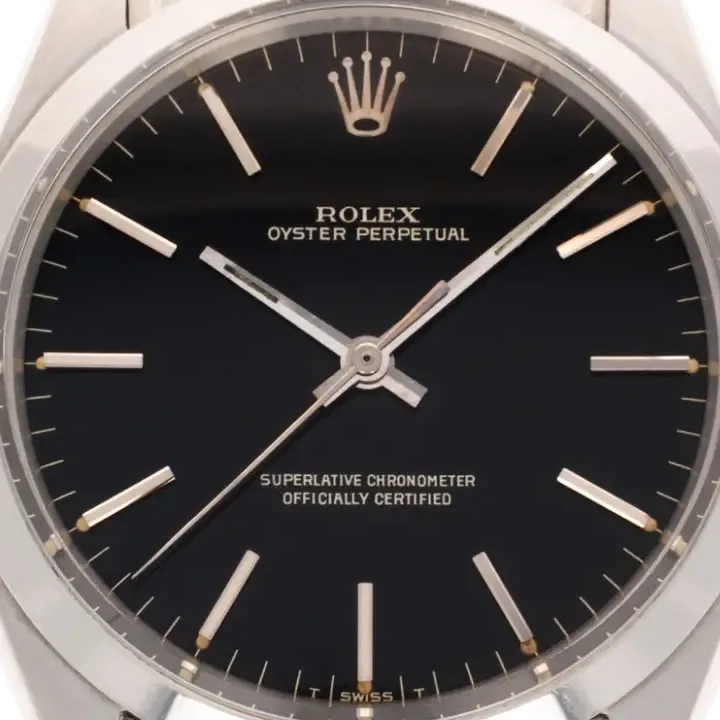
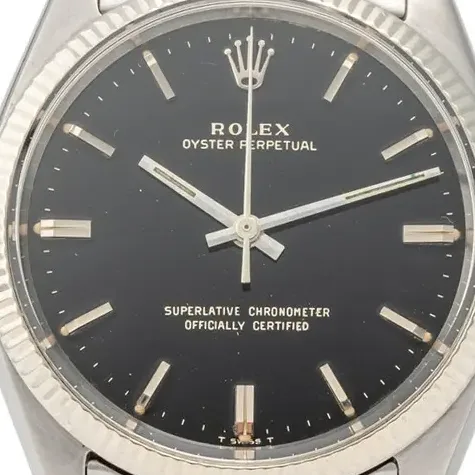
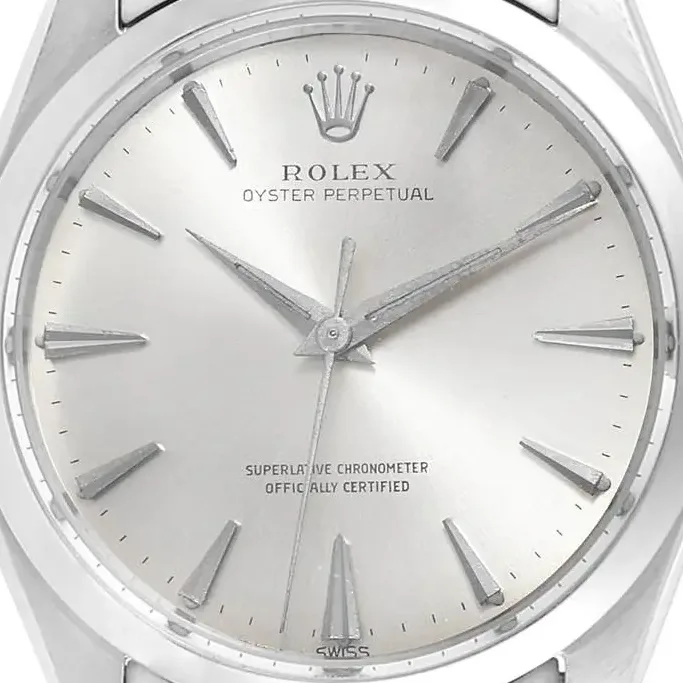
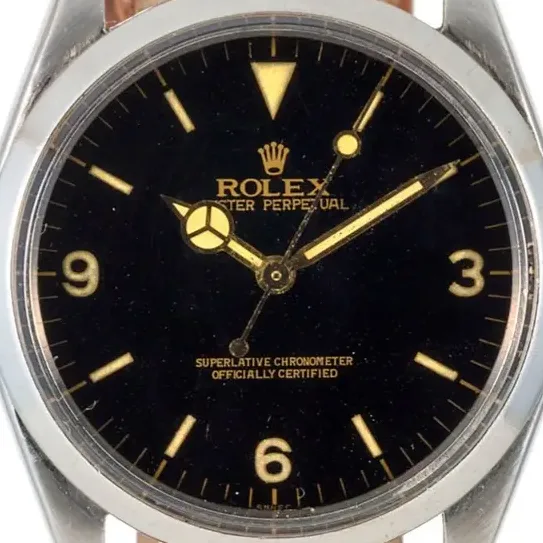
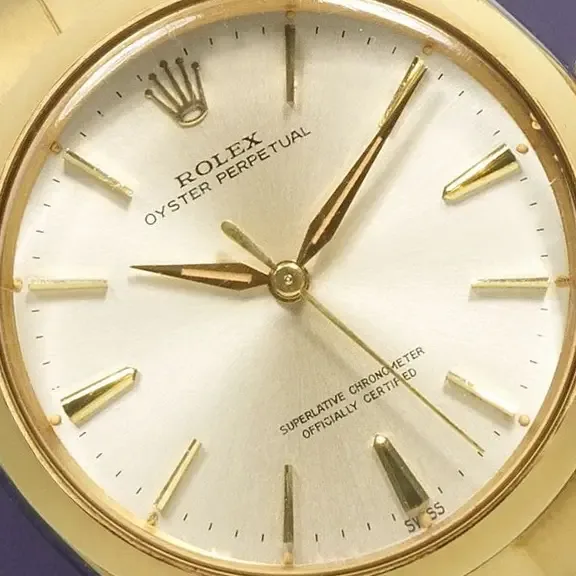
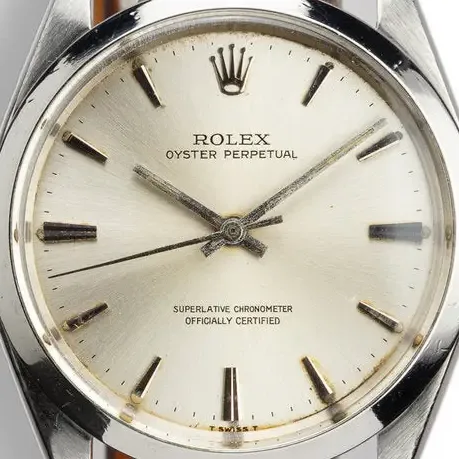
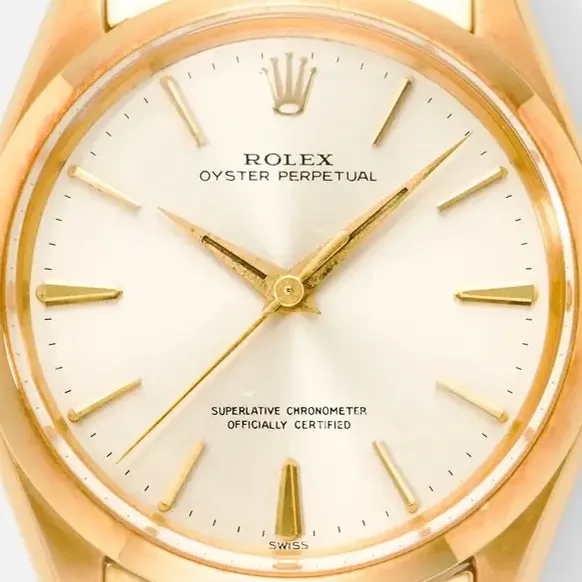
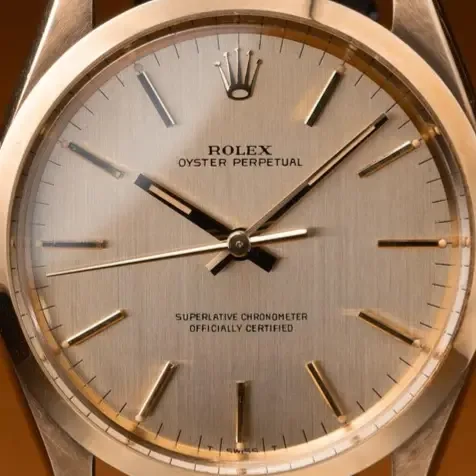
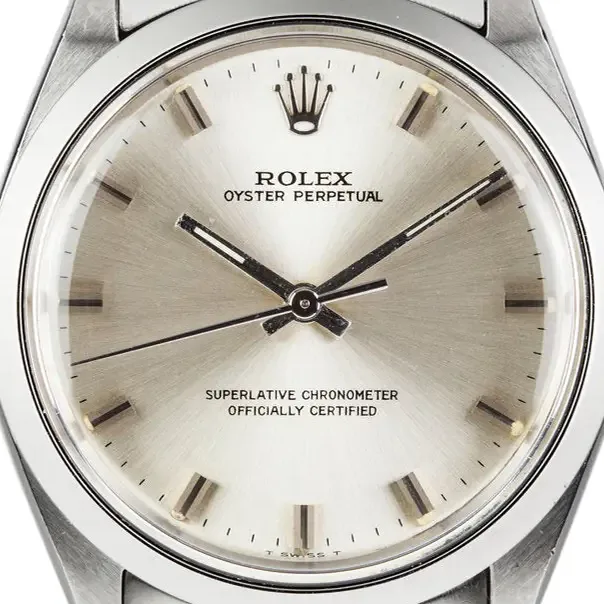
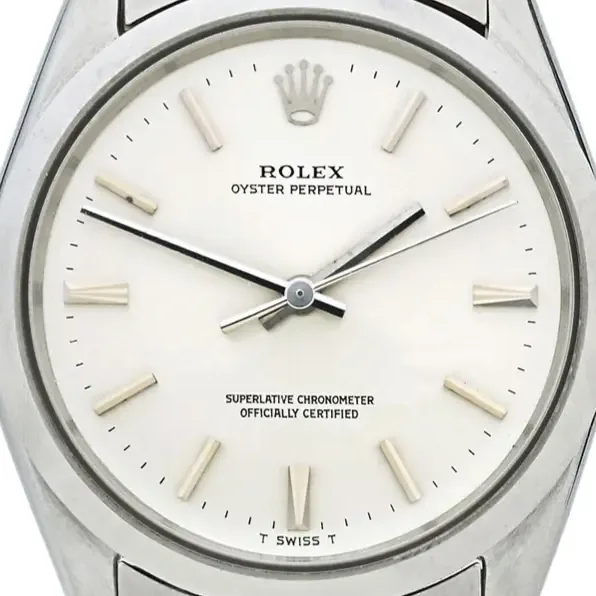
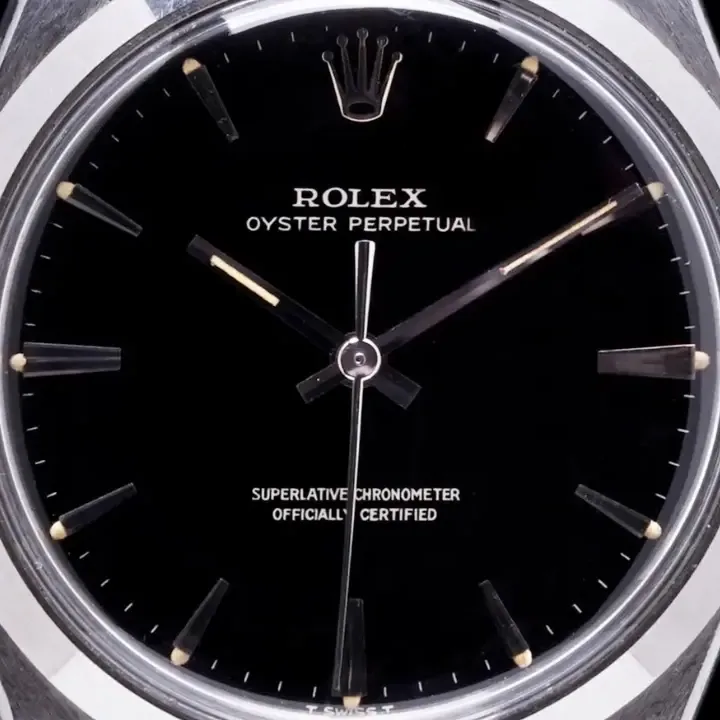
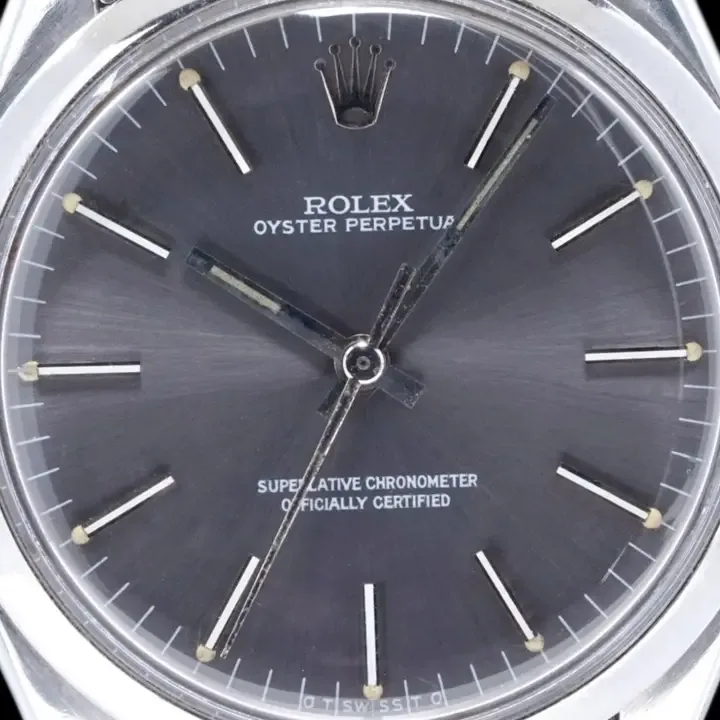
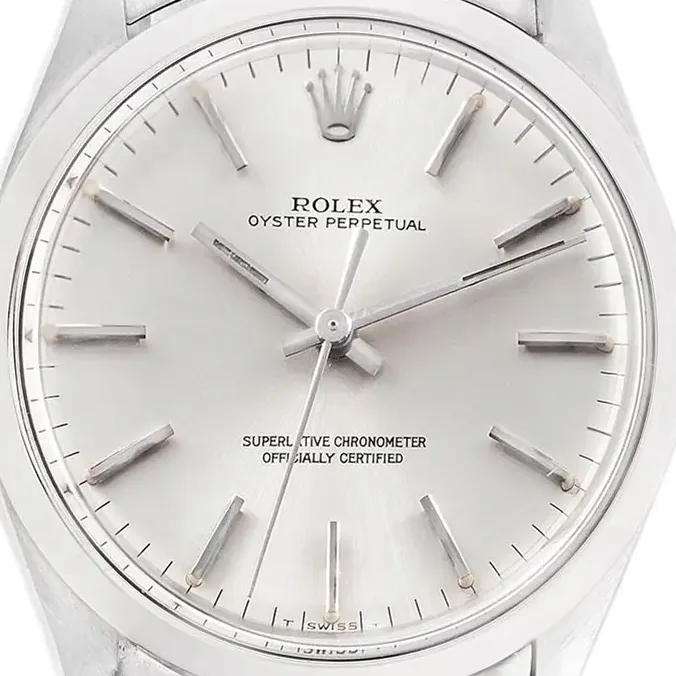
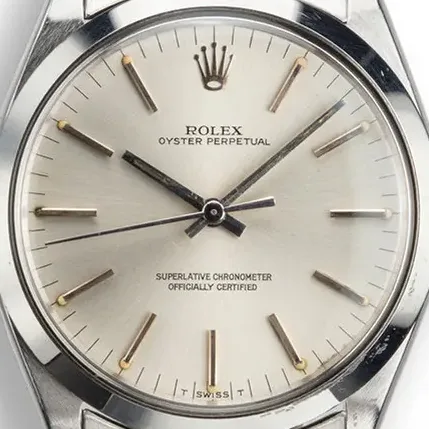
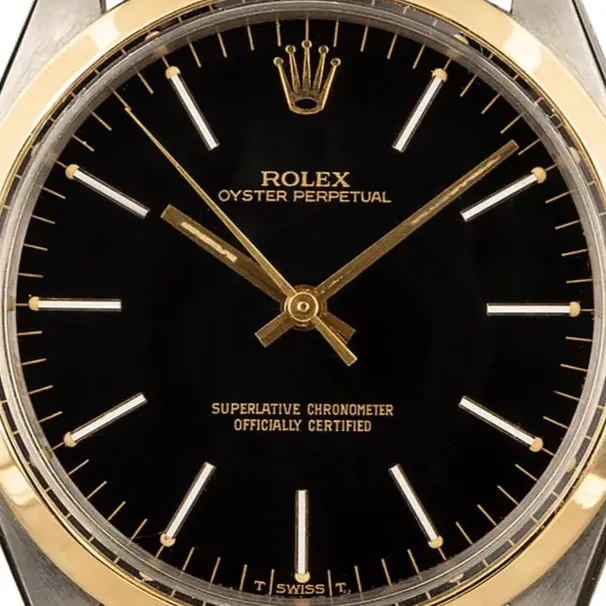
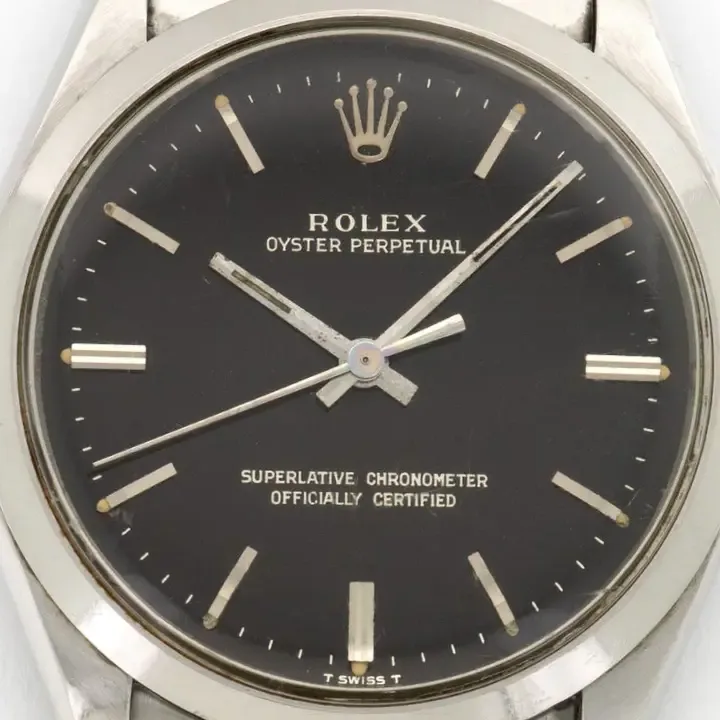
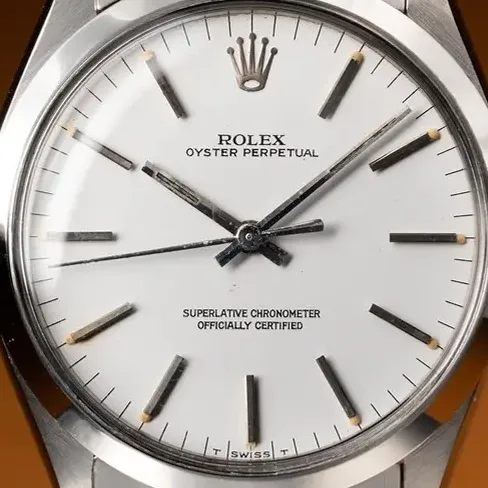
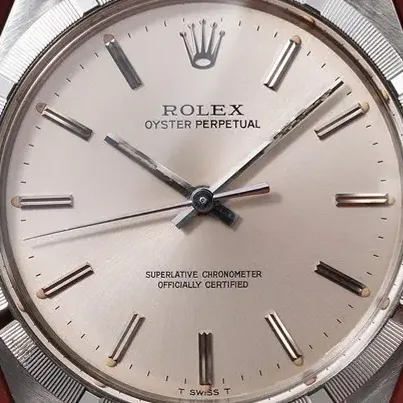
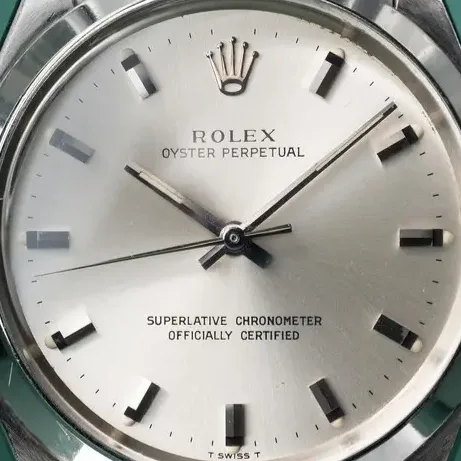
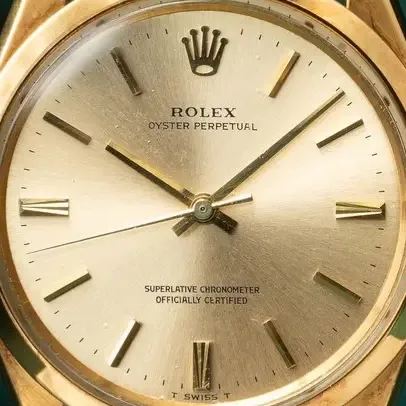
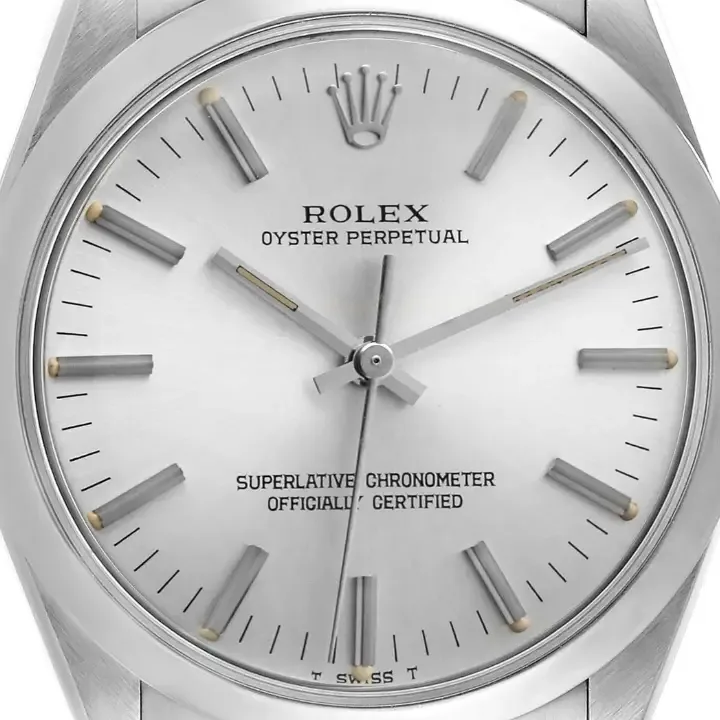
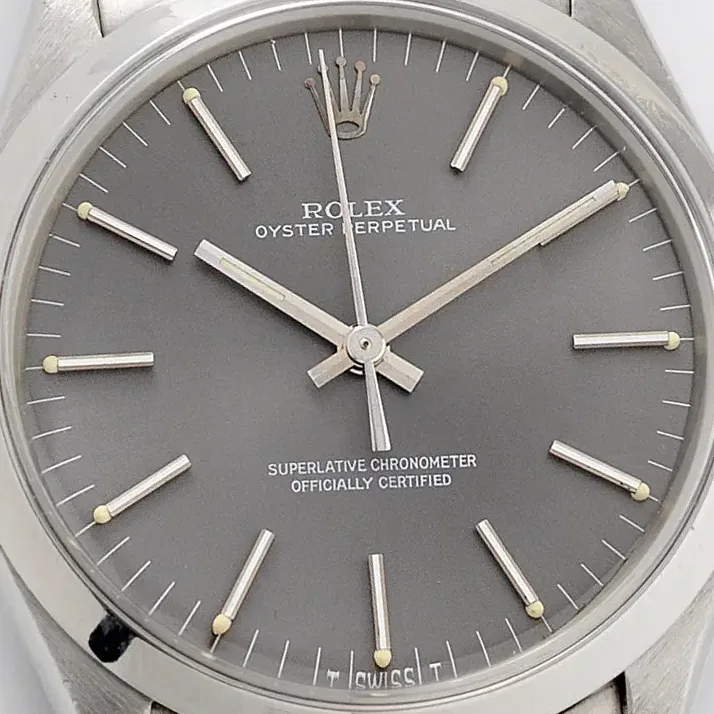
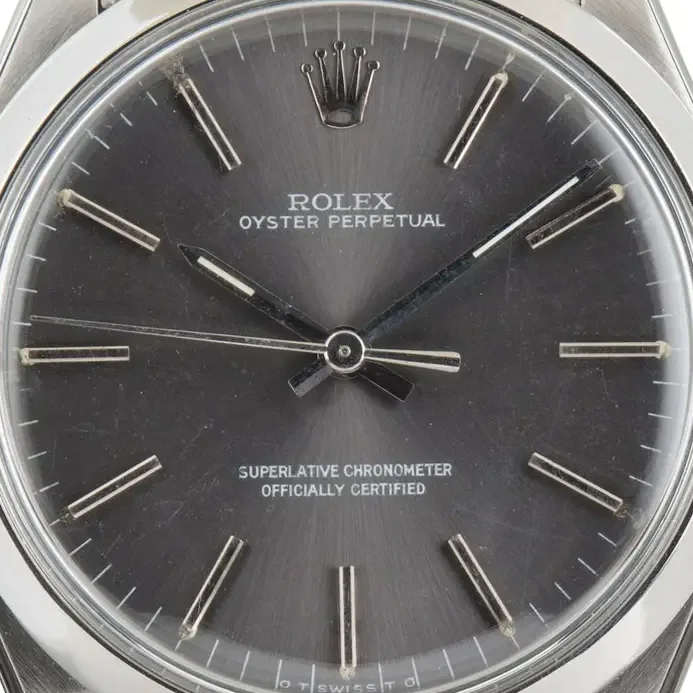
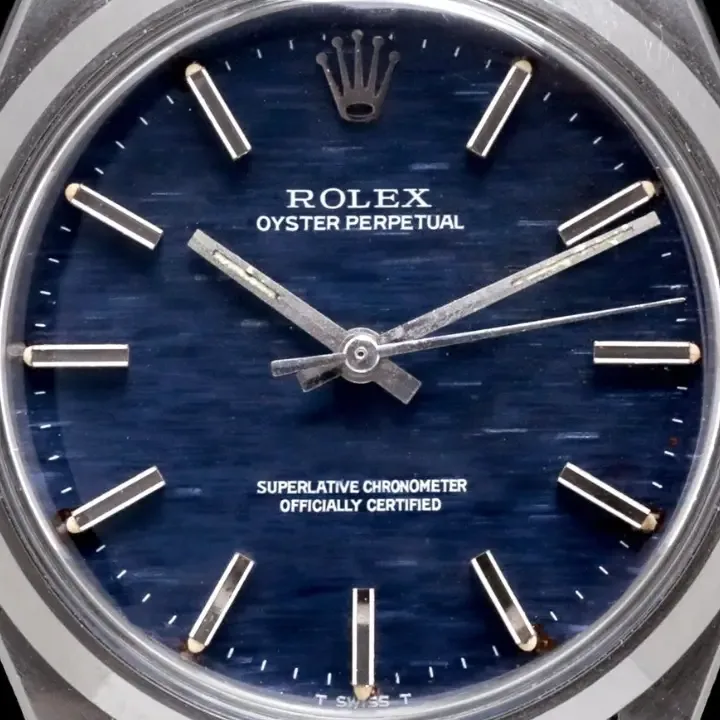
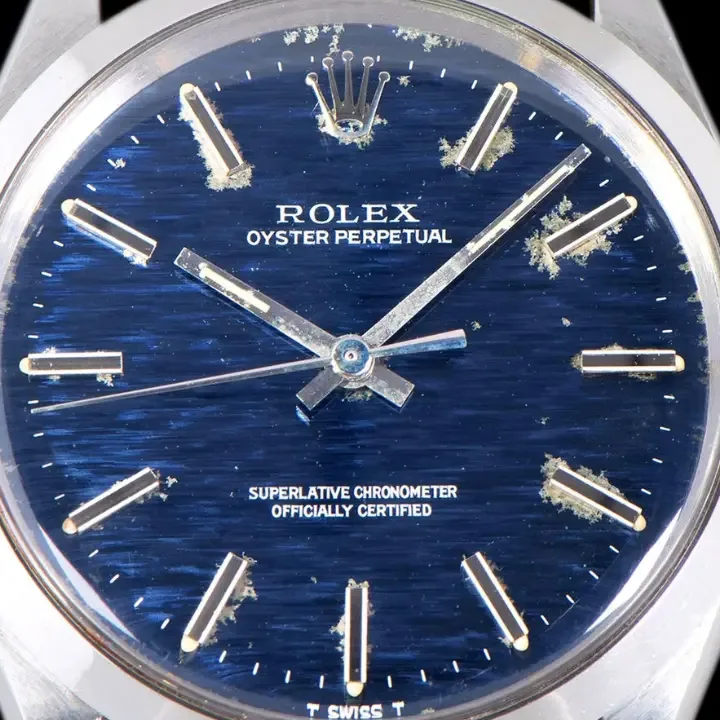
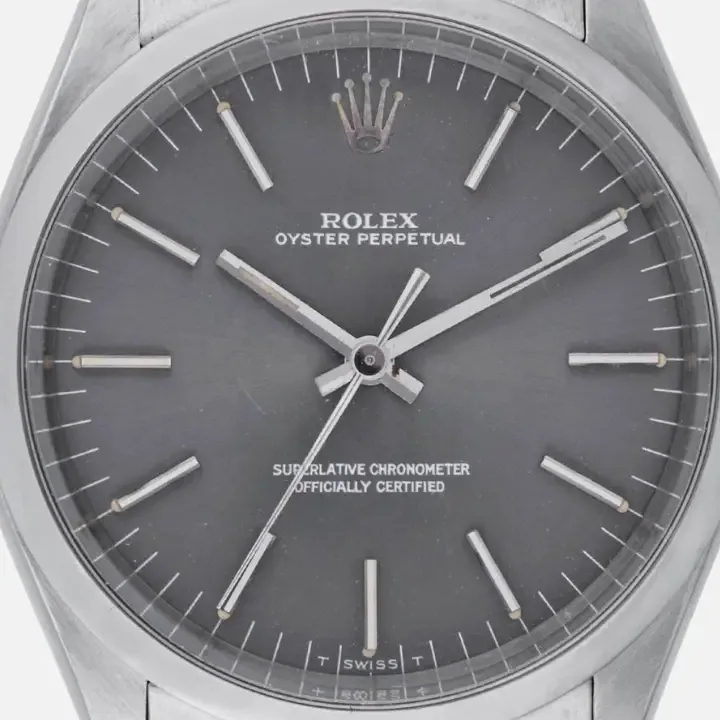
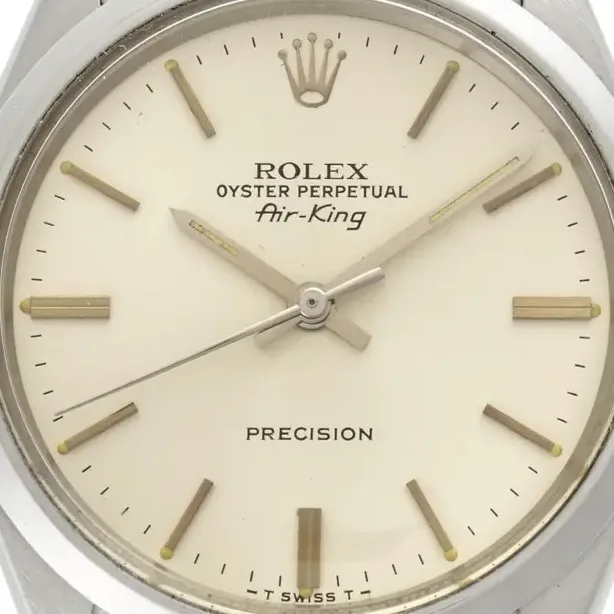
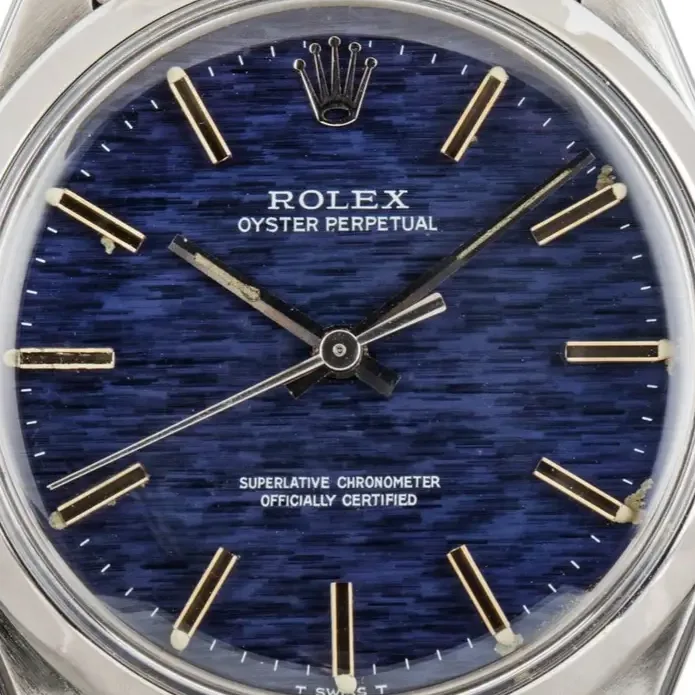
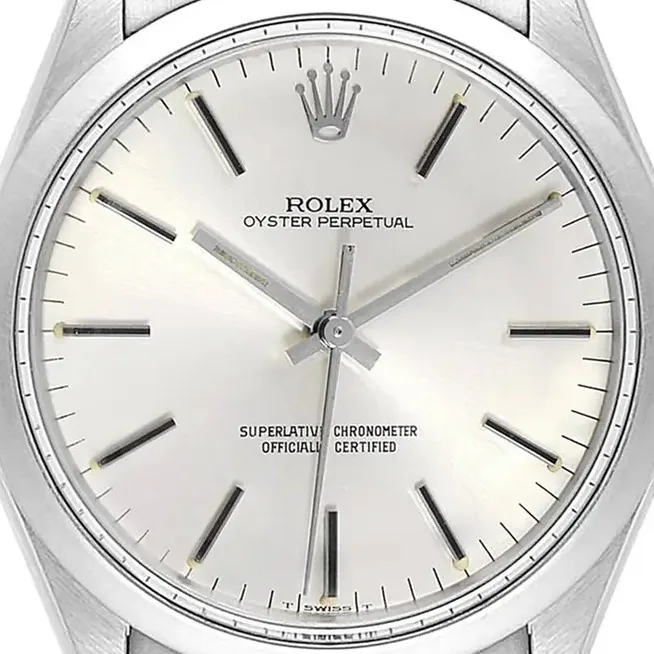
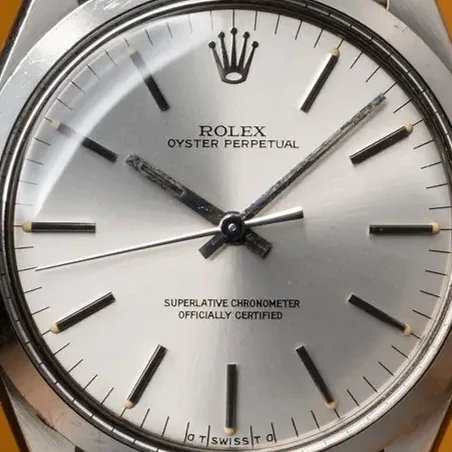
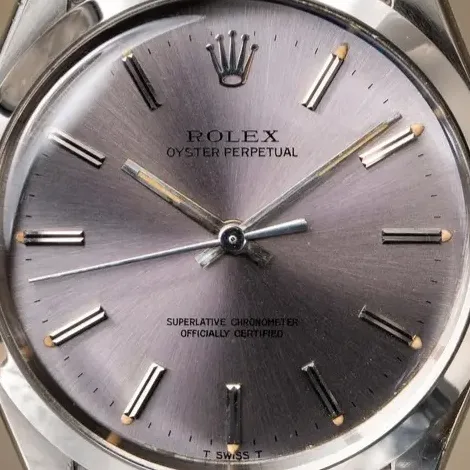
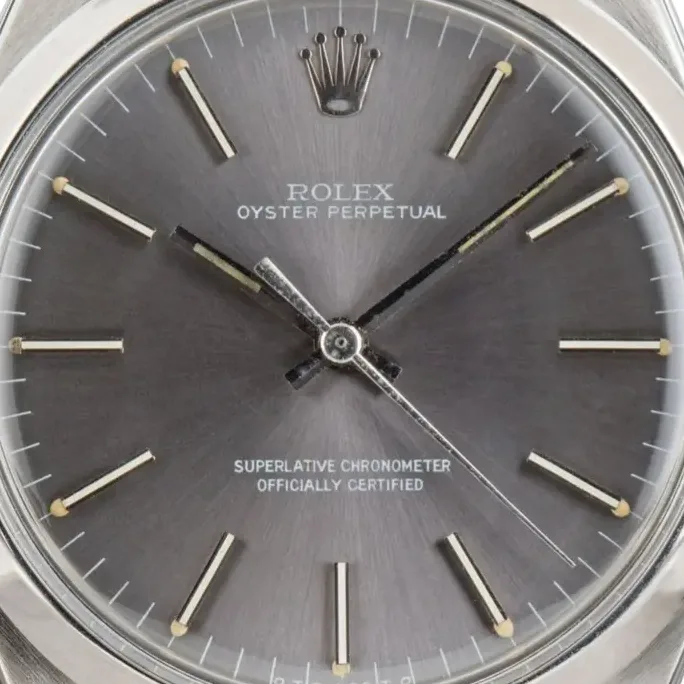
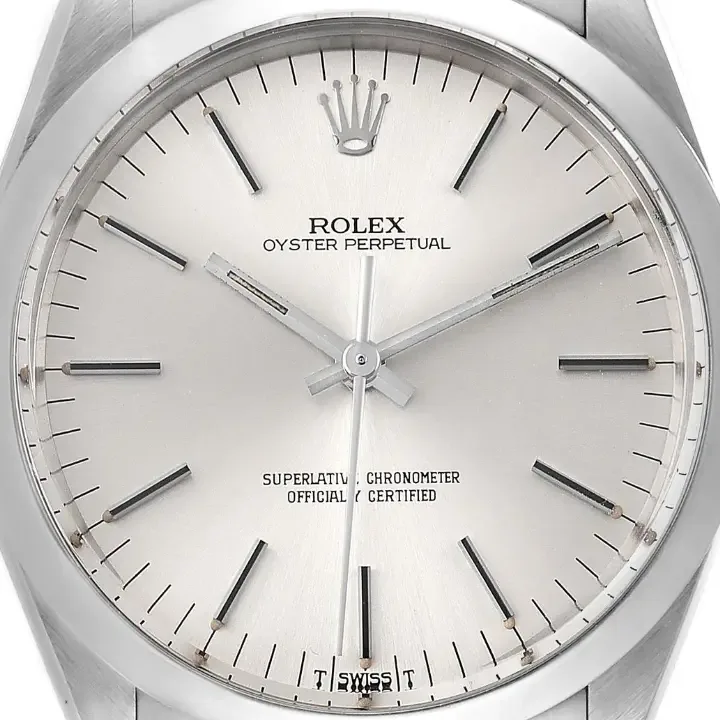
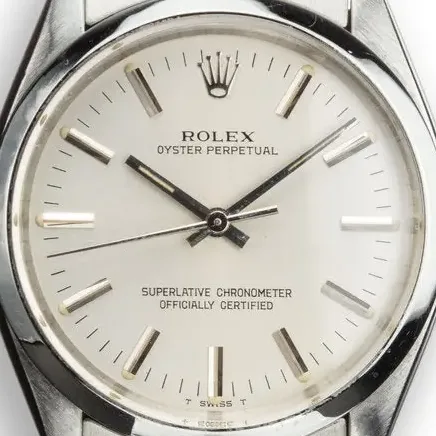
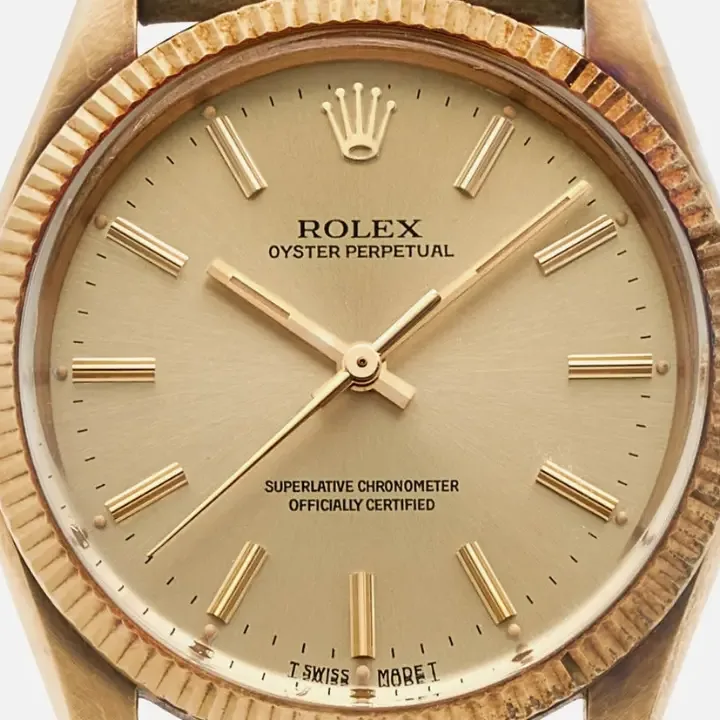
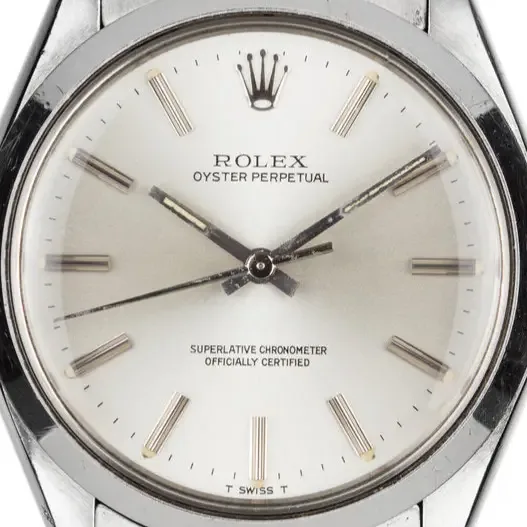
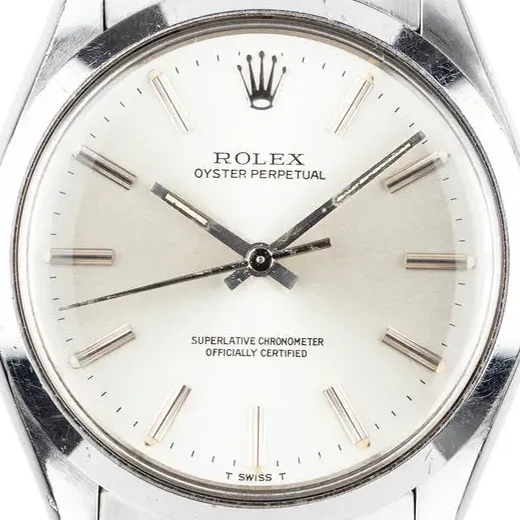
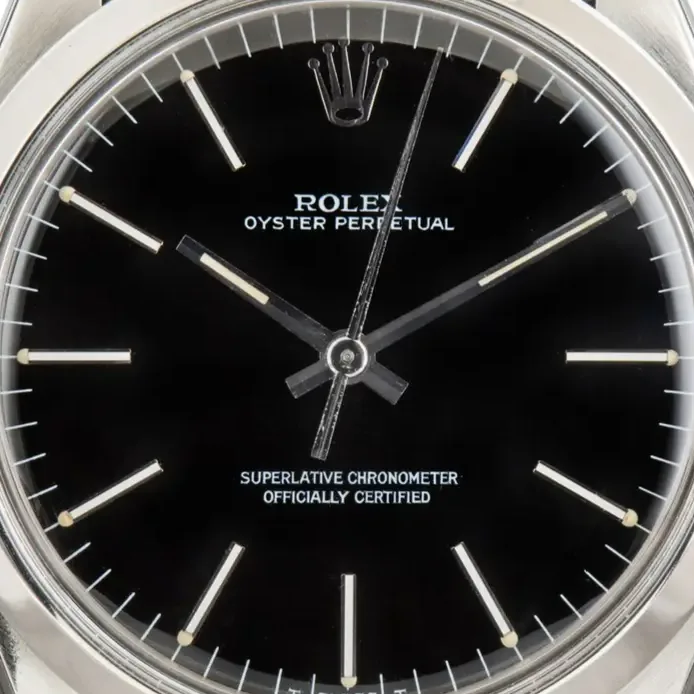
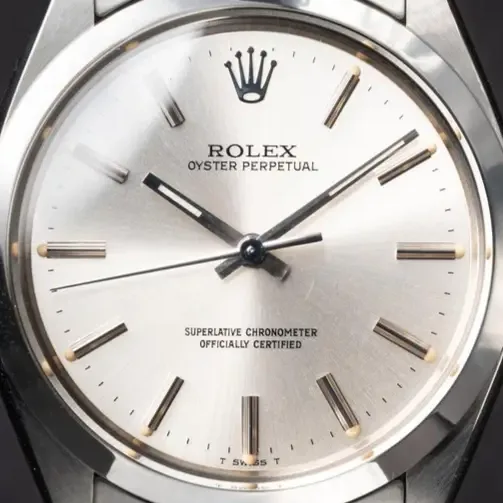
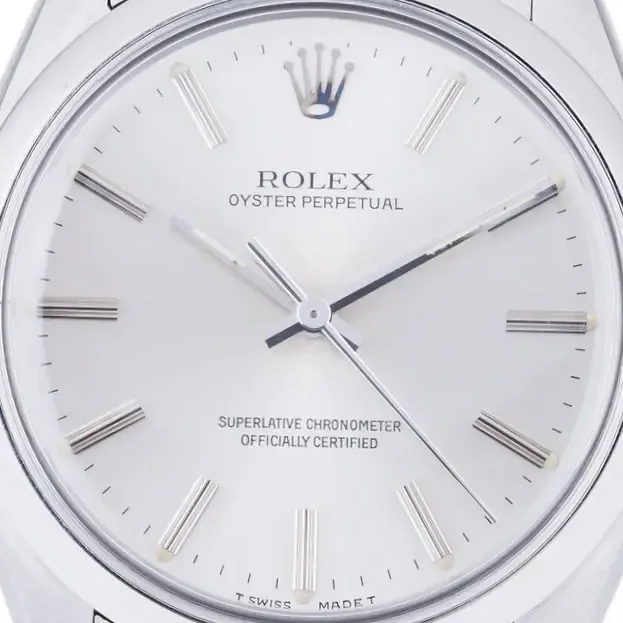
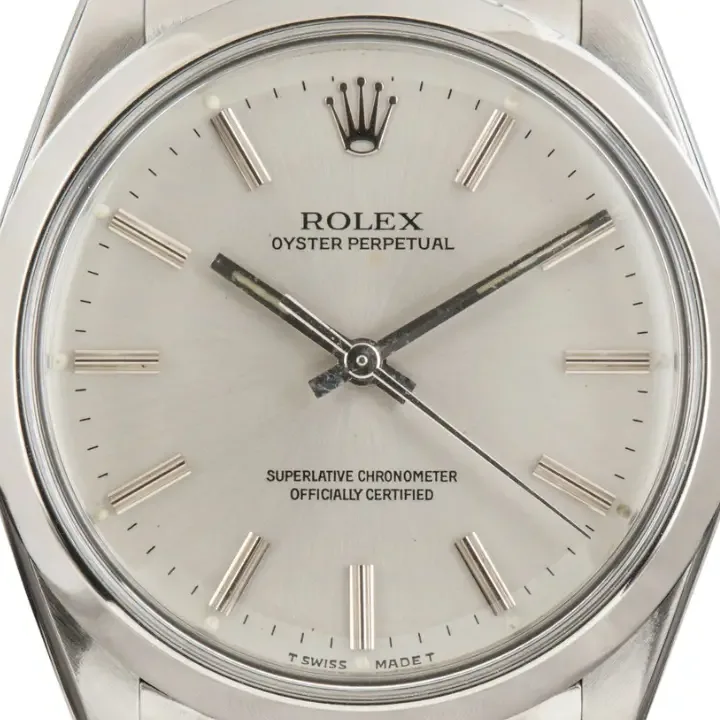
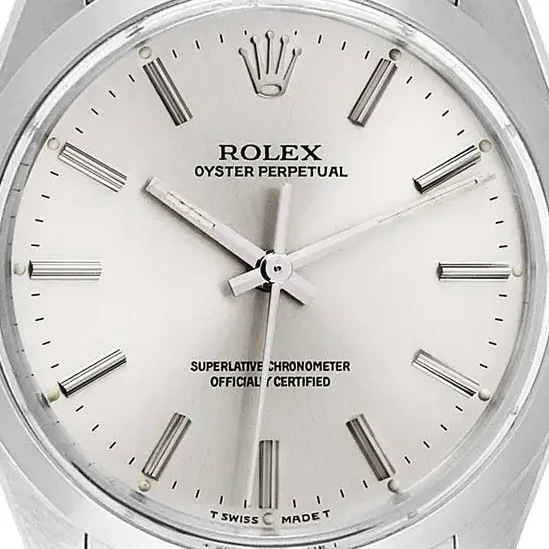
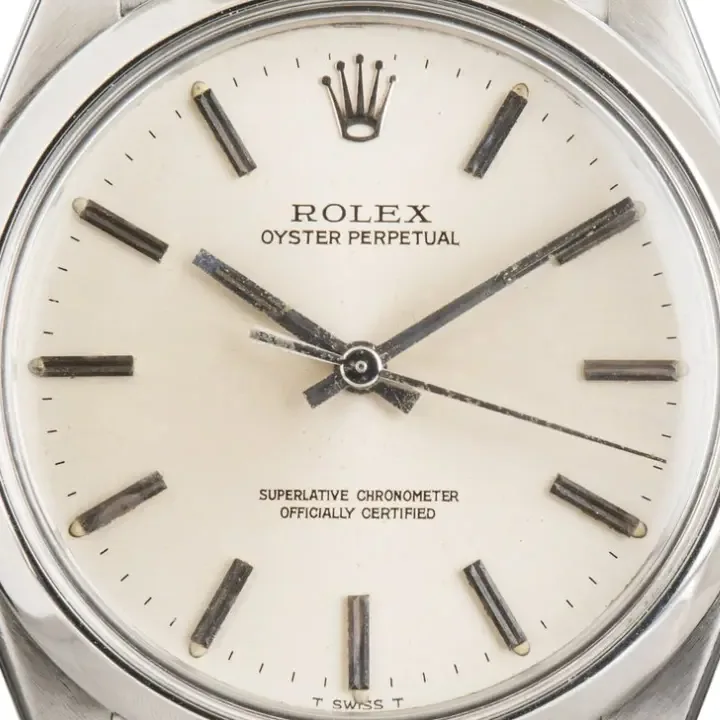
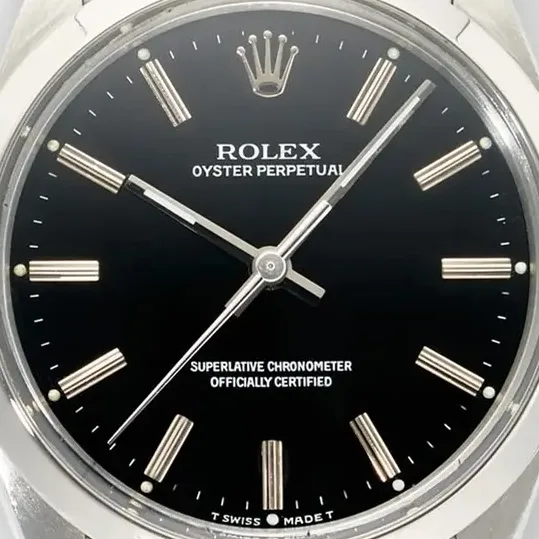


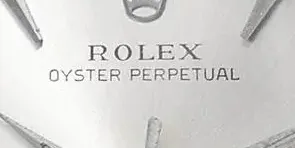
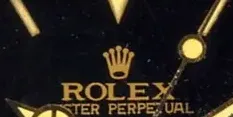
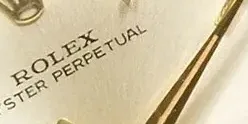
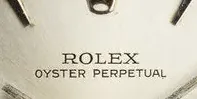

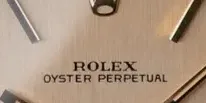



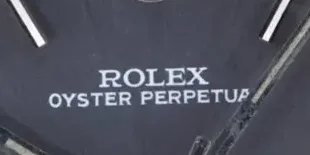



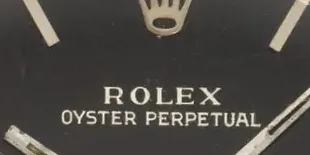





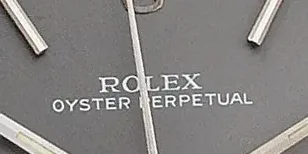
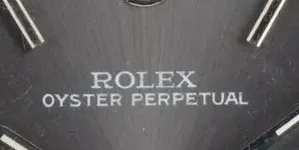


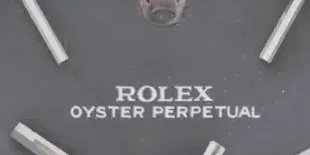



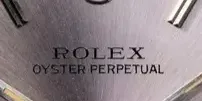











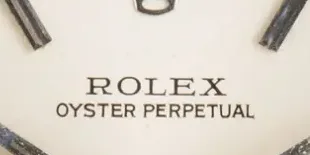








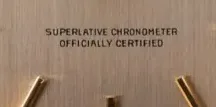






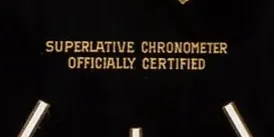






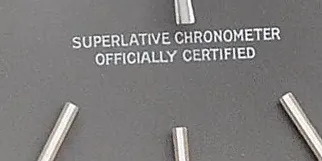
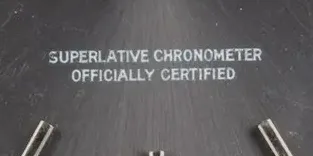









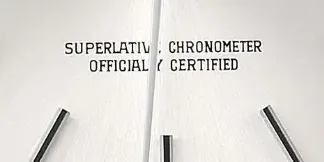














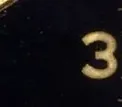
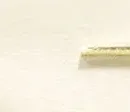
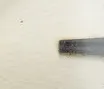
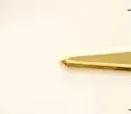
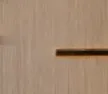

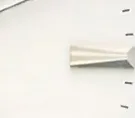



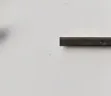



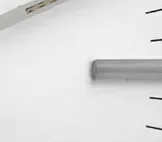
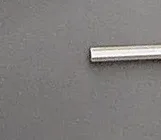

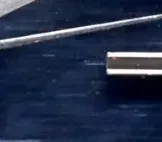






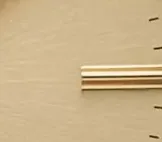
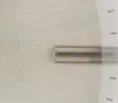
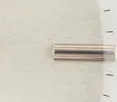

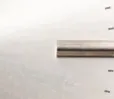

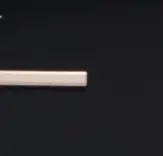
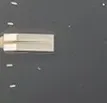

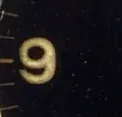
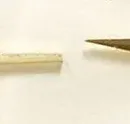
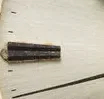
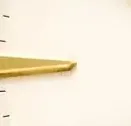

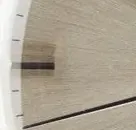
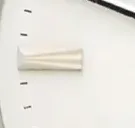
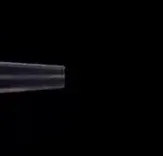

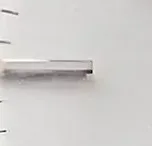

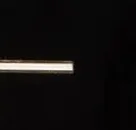
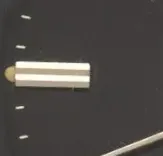




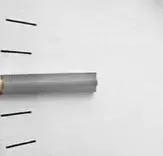
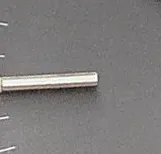
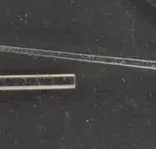
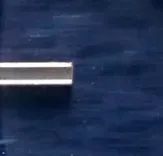
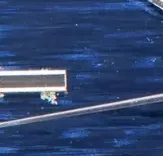
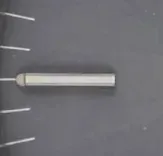

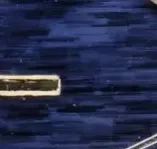
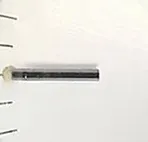



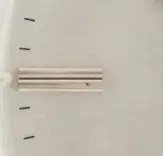

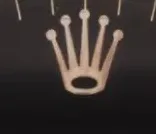
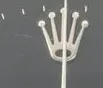
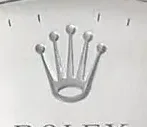



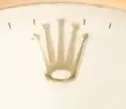

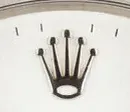










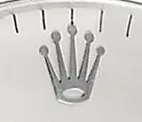


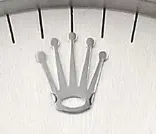

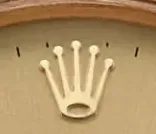


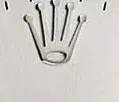
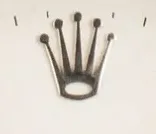


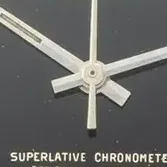


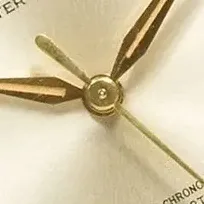
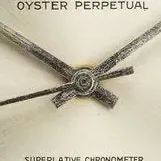
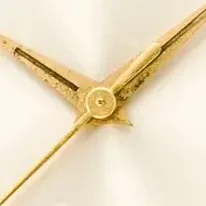
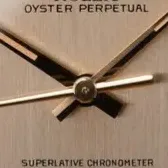





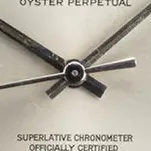

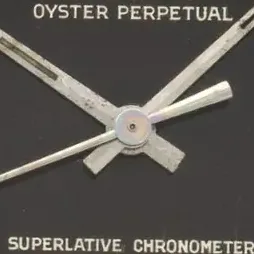



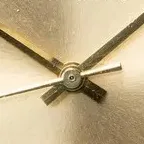

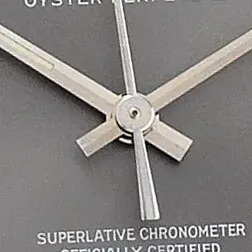









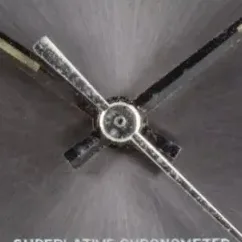

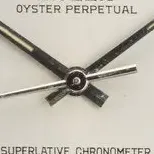
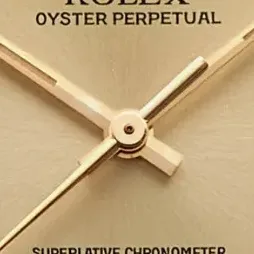

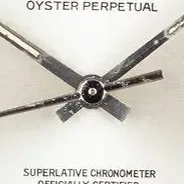

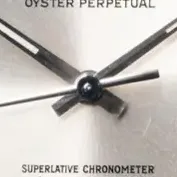

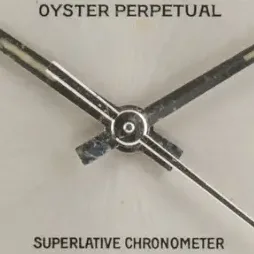








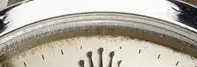


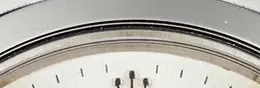



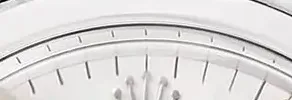



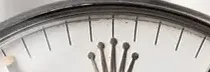
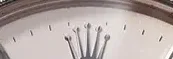

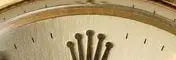
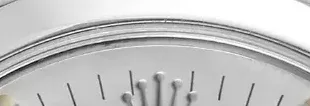
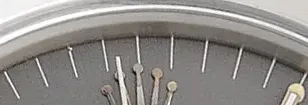






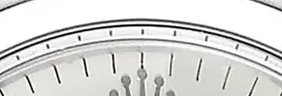



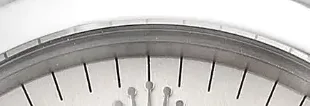
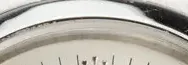
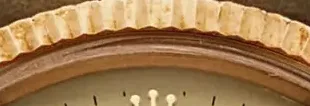
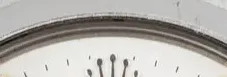
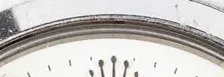

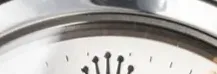
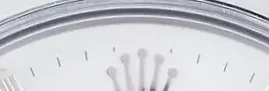

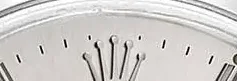
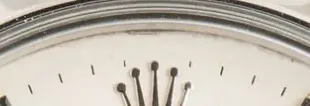



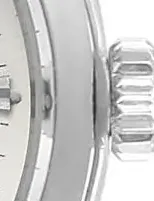

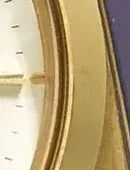
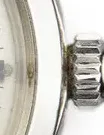
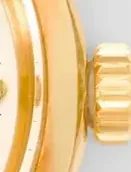
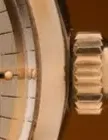
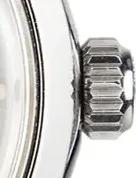
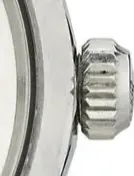

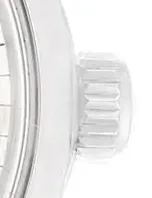
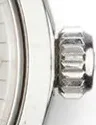
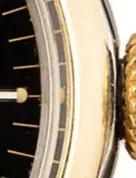
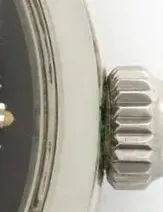
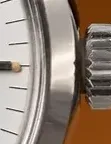
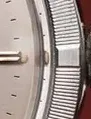

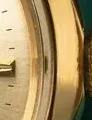
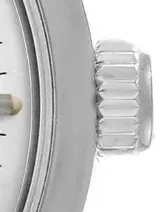
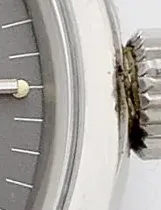
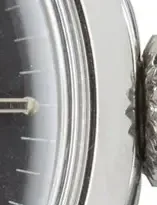
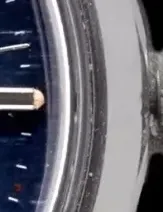
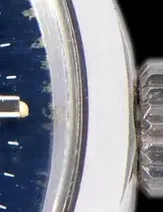
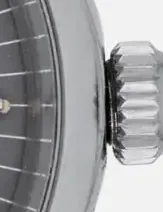

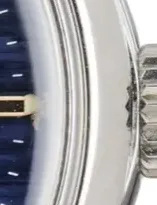
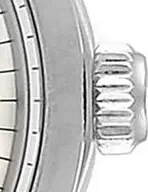
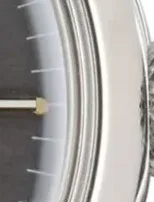
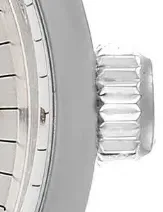
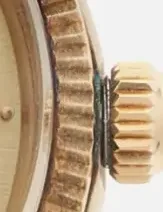
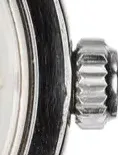
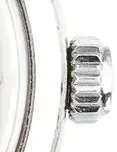
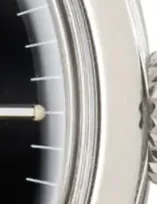
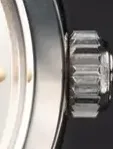
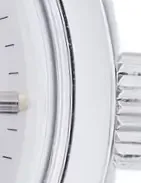
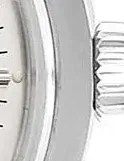
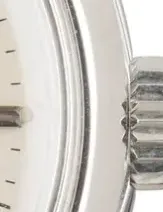
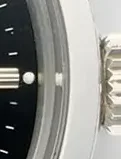




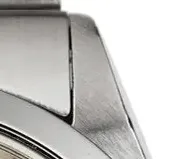
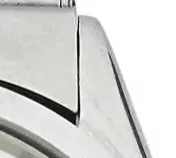
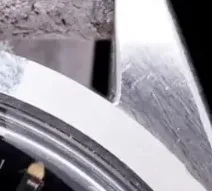
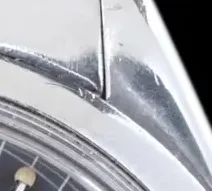
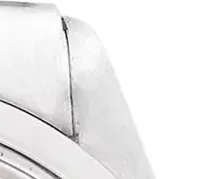
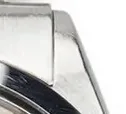
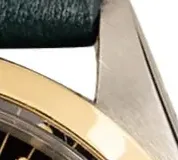

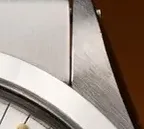



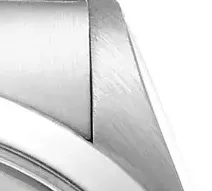
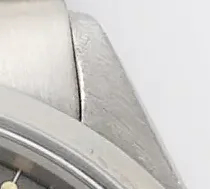


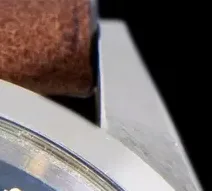
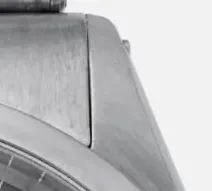


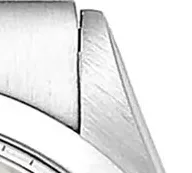



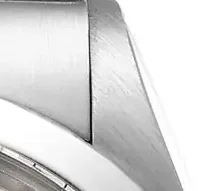
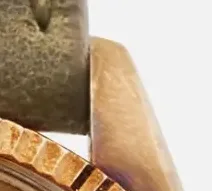
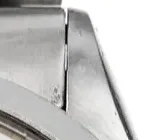
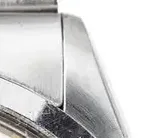

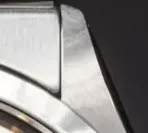
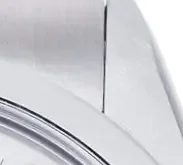
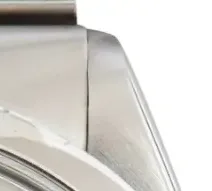
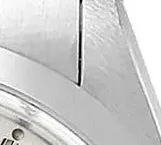
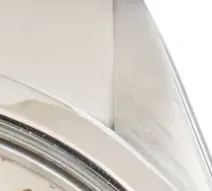

Illustrated history of the 1002: every change set out with close-up photographs of dated watches.
Chronology
Start is put around 1959; ends are put anywhere from 1969 to the mid-1980s, while dated case numbers run to the end of the 1980s.
Specification
| Case | 34 mm Oyster case with screw-down crown; steel, two-tone, or 14 or 18 carat gold; it looks larger than its size, sometimes read as 35 or 36 mm |
| Crystal | Acrylic |
| Bezel | Smooth domed; fluted bezels belong to the 1005 and engine-turned ones to the 1003, 1006, 1007 and 1008 |
| Movement | Automatic, no date: calibre 1560 (26 jewels, 18,000 bph, 42-hour reserve), later calibre 1570 (19,800 bph, 48-hour reserve, hacking seconds from about 1972); chronometer certified |
| Dial text | Rolex Oyster Perpetual, with Superlative Chronometer Officially Certified at six |
| Bracelet | Oyster or Jubilee in the case metal; some on leather straps |
Dial 7 described
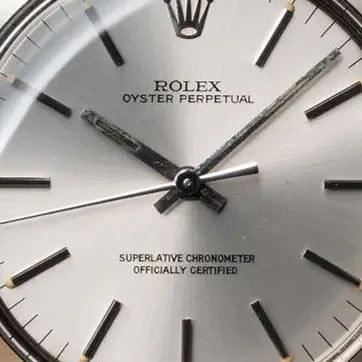
Dials began as silver or gilt, the choice usually following the case finish, and more colours were added later. Silver sunburst is the commonest. The text reads Rolex Oyster Perpetual with the chronometer line at six. Some 1002s carry company logos printed on the dial.
Silver sunburst
The commonest dial, silver with a sunburst finish. Silver and champagne are the usual colours.
- silver surface with radiating finish
Gilt
A gilt dial was one of the two original finishes, the choice usually following the finish of the case. Sellers also use the word for black dials with gilt printing, which they describe on steel watches as well as gold.
Linen, slate, underline and other finishes
Linen, slate grey and underline dials are listed among the variants, alongside blue, grey, champagne and black.
- textured linen surface
- line under the text
Tropical
A 1002 of about 1967 is described in one account as a tropical example; sellers use the word for a few others.
- brown shift in a black dial
Tiffany & Co.
Dials stamped for the retailer Tiffany are listed among the variants.
- Tiffany name on dial
Company logo dials
Dials carry the logo of a company that gave the watch as an award. Examples recorded are American Heritage (a life insurer, including a version with a $5000 line), McNeil Akron, Pearl Lager Beer and a 10-year Halliburton Oilfield Services service award.
- company logo on the dial
- service-award wording
Service dial
A dial fitted by Rolex when the watch was serviced. Some collectors dislike them.
Hands 3 described
Accounts differ on the earliest hands: alpha-style in some, dauphine in others, and sellers describe dauphine hands on many early watches. Plain stick hands followed. Hands are straight or tapered, with applied stick indices topped with small tritium plots.
Alpha hands
Some accounts give alpha-style hands for the earliest 1002s, before standard stick hands arrived.
- alpha-shaped hands
Dauphine hands
Dauphine hands are given for the 1002 before about the mid-1960s in published comparisons with the Air-King, and sellers describe them on many early watches.
- dauphine hands on an early watch
Stick hands
Straight or tapered stick hands with applied stick indices are the most common arrangement.
- straight or tapered sticks
Bezel 1 described
The 1002 is the smooth-bezel reference of its series: the fluted bezel was given to the 1005 and engine-turned bezels to the 1003, 1006, 1007 and 1008. Some listings, and one published account, give a 1002 a fluted or engine-turned bezel; such a watch is more likely mis-numbered or fitted with another bezel.
Smooth
The usual bezel on steel and gold cases.
- plain domed ring
Case
A 34 mm screw-down Oyster case in steel, yellow gold or two-tone, in 14 or 18 carat gold.
Crystal
The crystal is acrylic throughout.
Movement 2 described
The 1560 was replaced by the 1570 in the mid-1960s. Many watches were later fitted with a 1570, so an original 1560 in an early watch is worth checking.
Calibre 1560
Automatic, 26 jewels, 18,000 bph, 42-hour reserve, Breguet hairspring, chronometer certified.
- 1560 on the movement
Calibre 1570
Automatic, 26 jewels, 19,800 bph, 48-hour reserve, introduced about 1965; hacking seconds were added about 1972.
- 1570 on the movement
Bracelet 2 described
Bracelets follow the case metal, in Oyster or Jubilee style; leather straps also appear.
Oyster
Oyster bracelet in steel, two-tone, or 14 or 18 carat gold.
Jubilee
Jubilee bracelet is also listed.
Originality
- Some dials were replaced when Rolex serviced the watch; some collectors mark down a service dial.
- Movements were often swapped for the 1570, so a 1960s watch with that movement may not be original.
- Air-Kings of reference 5500, especially from the 1970s, often carry case backs stamped 1002; a watch read as a 1002 from its case back should have the chronometer text at six and a 1560 or 1570, not the 1520 or 1530 of the Air-King.
Where accounts differ
Points on which the published literature and the library's own records do not agree, or on which the literature contradicts itself.
- End of production. The accounts end the 1002 between 1969 and the early to mid 1980s. Case numbers in the library's records run to the end of the 1980s, including numbers with the R and L prefixes of 1987 to 1990. Because Air-Kings often carry 1002 case backs, some watches in the records may be mis-numbered.
- Case size. Most accounts give the case as 34 mm; one gives 34 to 36 mm and another calls the 1002 to 1038 generation 36 mm. Most sellers state 34 mm.
- Earliest hands. One account gives alpha-style hands for the earliest 1002s; another, comparing the 1002 with the Air-King, gives the 1002 dauphine hands before about 1965, and sellers describe dauphine hands on many early watches.
Back and movement
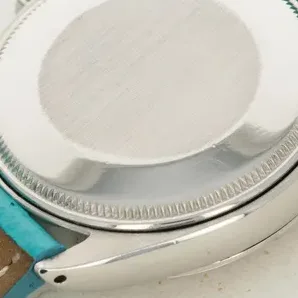
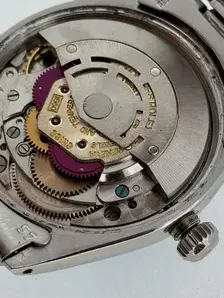
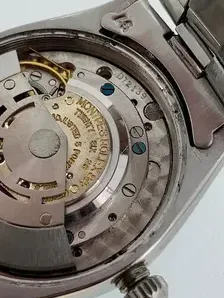
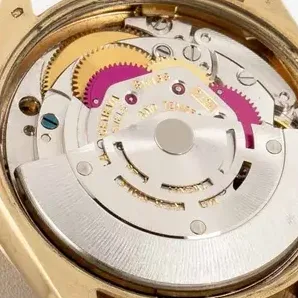
From listings of this reference, each confirmed by eye to show what it is filed under. A picture on which a person's name or a personal engraving can be read is not shown. From most holders a detail from the middle of the photograph is shown; the mark in its corner gives its holder and a link to the listing.
Caseback
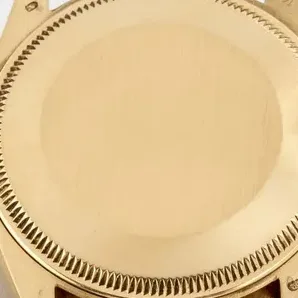
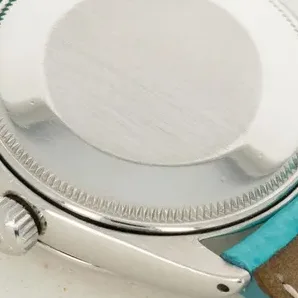
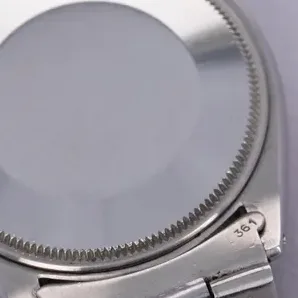
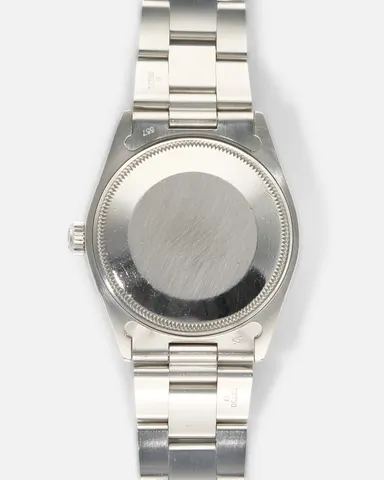
Movement


In the records
Counted from 422 listings at 49 holders between 2 December 2009 and 14 November 2026. These are what sellers and auction houses state, not measurements.
Fainter bars are the 11 outside the main run of 1961–1988 (the middle nine-tenths): the earliest is 1958 and the latest 1990. They are early and late examples, and now and then a number misread. The head of the page gives 1960–1990: the years that listings from two holders bear out.
At the holders that record papers on every watch, 14% of their 43 listings of this reference come with papers; at those that record the box on every watch, 33% of 98 come with a box. "Papers" is whatever the holder counts as papers, and can include service papers.
3 listings dated long after the reference ended are set aside and not counted here: a year that late belongs to a later watch sold under the old number, or to a listing filed under the wrong one.
Case metal
| Steel | 188 | |
| Gold, any colour | 44 | |
| Yellow | 21 | |
| Colour not stated | 23 | |
| Steel and gold | 3 | |
| Silver | 2 |
A listing that says "gold" or "18K gold" names no colour: it is counted under "colour not stated", not as yellow gold.
Dial colour
| Silver | 109 | |
| Champagne | 18 | |
| Grey | 14 | |
| Blue | 14 | |
| Black | 14 | |
| White | 9 | |
| Brown | 2 | |
| Red | 1 |
Case size
| 34 mm | 223 | |
| 33 mm | 7 | |
| 35 mm | 5 |
Calibre named
| 1570 | 92 | |
| 1560 | 45 | |
| 1520 | 9 | |
| 1530 | 6 |
Bracelet or strap
| Oyster bracelet | 86 | |
| Leather strap | 26 | |
| Metal bracelet, kind not stated | 16 | |
| Jubilee bracelet | 12 | |
| Rubber strap | 1 |
Each table counts the listings that state the thing, in the seller's own terms. A size, metal, colour or calibre that cannot belong to this reference is a seller's slip or a listing filed under the wrong number.