Oyster Perpetual Date
The 1501 is the Oyster Perpetual Date with an engine-turned bezel, a 34 mm automatic from the 15XX family that began in 1962 with the smooth-bezel 1500; the 1501 followed in 1963. It succeeded the 6534 and was cased in steel, gold and steel-and-gold, and fitted with a Jubilee or an Oyster bracelet. Its acrylic crystal, engine-turned bezel and the date wheel without a quick-set make it a period piece of the early date watch. Collectors look at the dial finish and whether the Sigma mark is present, at the bezel and the bracelet, and at the movement, which changed in 1965 and again in 1972.
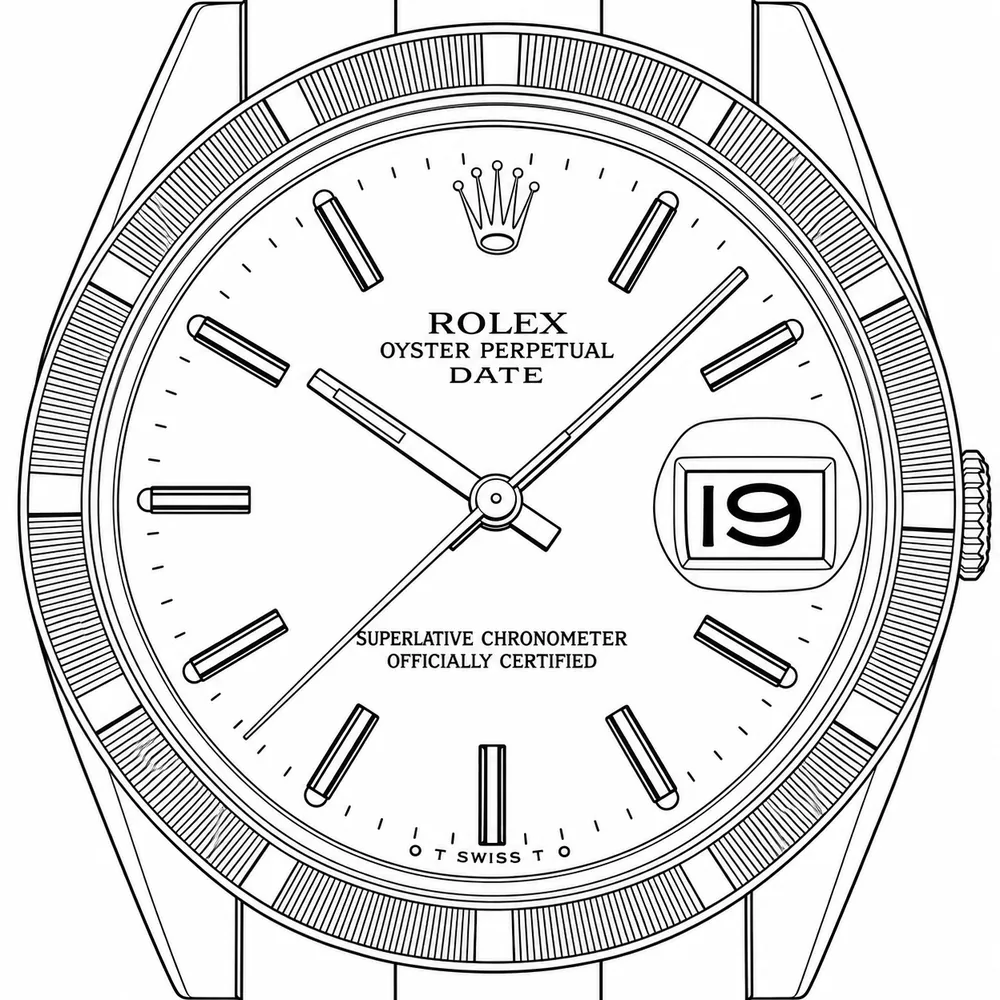
- Made
- from 1963dates approximate
- Seen in the library
- 1962–1980nine in ten in 1964–1979 · by case numbers
- Case
- 34 mm · steel (85%), gold (14%)as sellers state
- Movement
- Calibre 1575automatic
- On record
- 348 listings747 photographs · 46 holders
Components
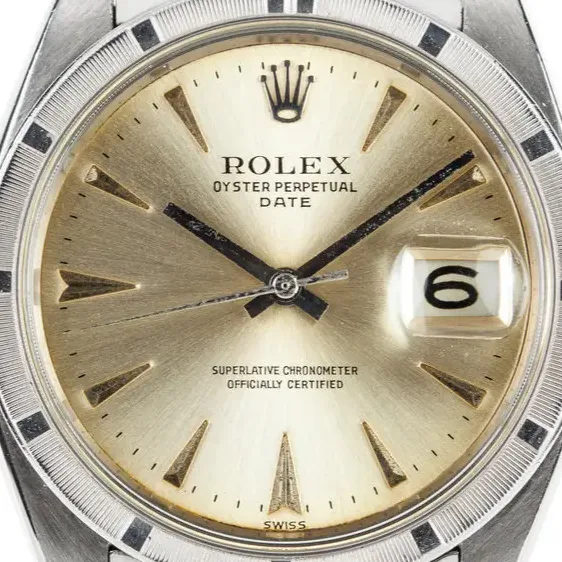
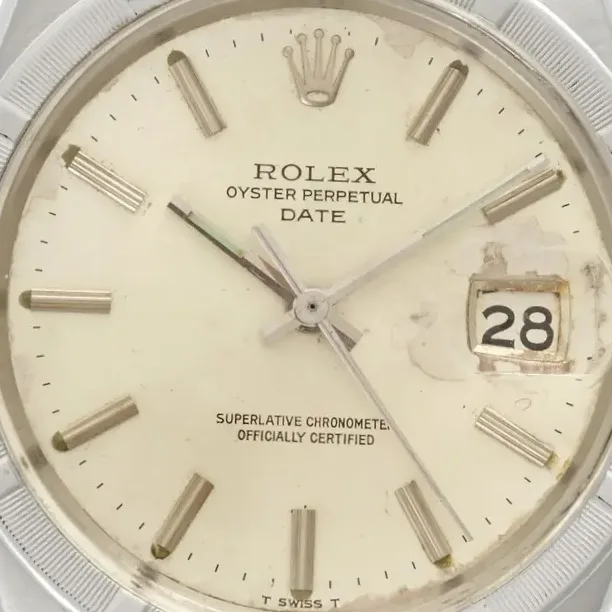
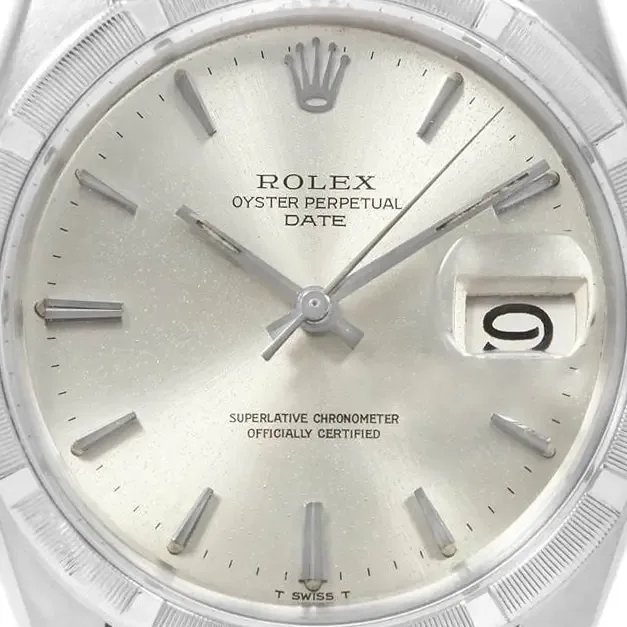
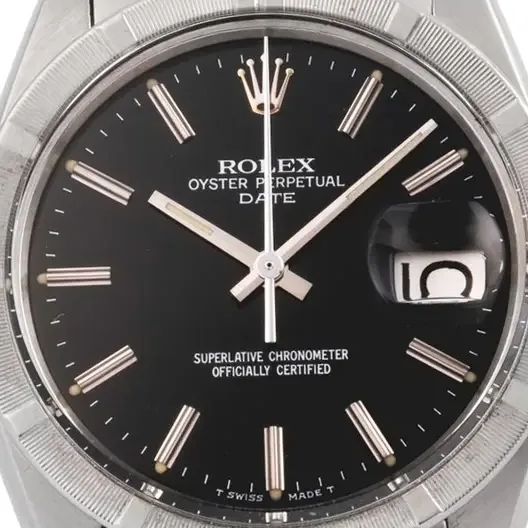
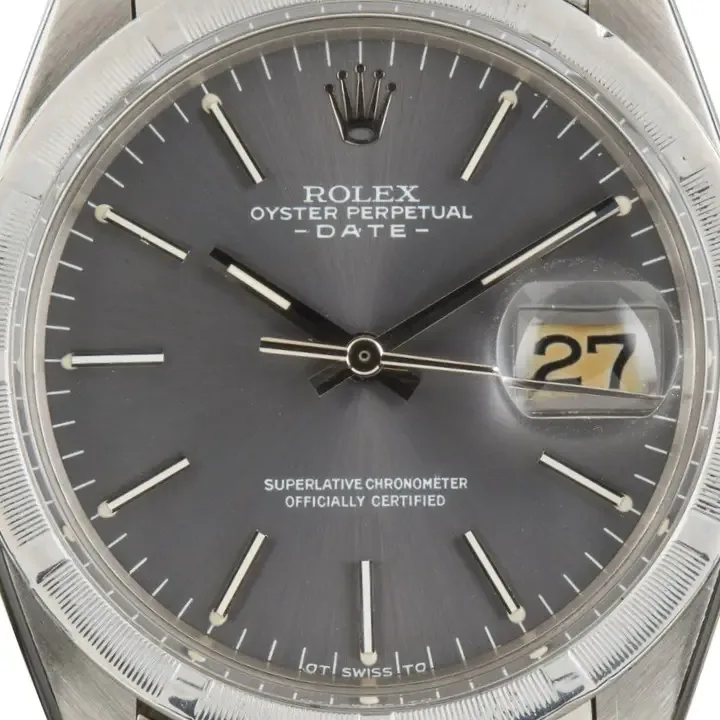
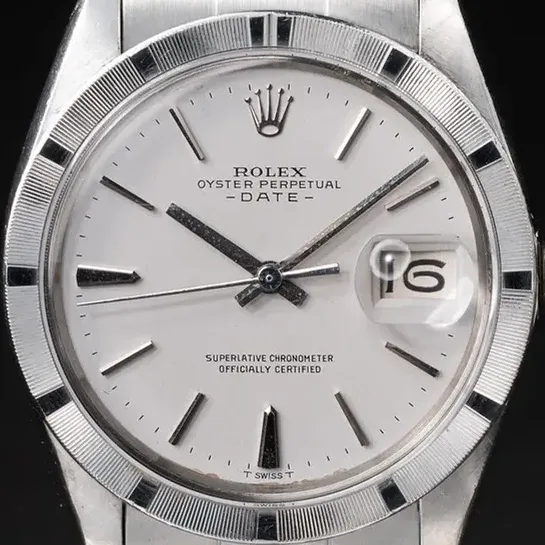
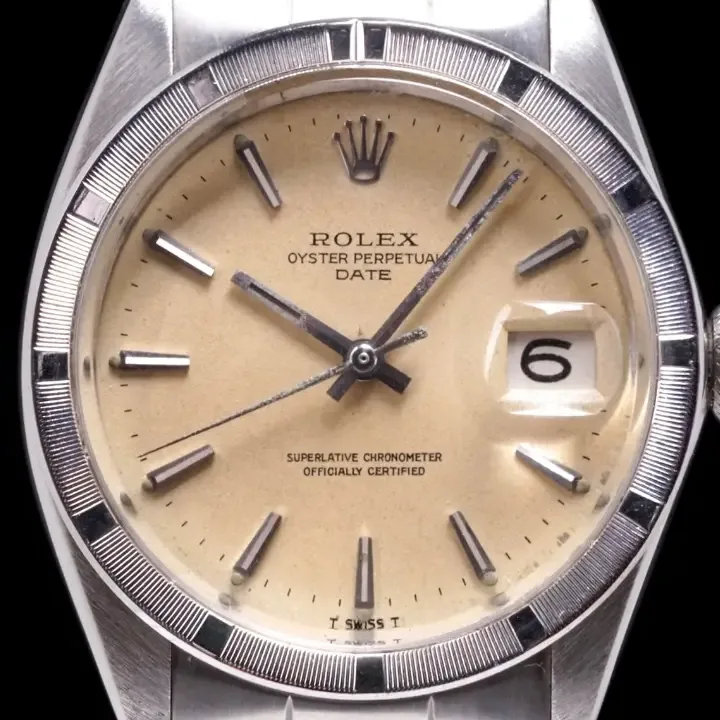
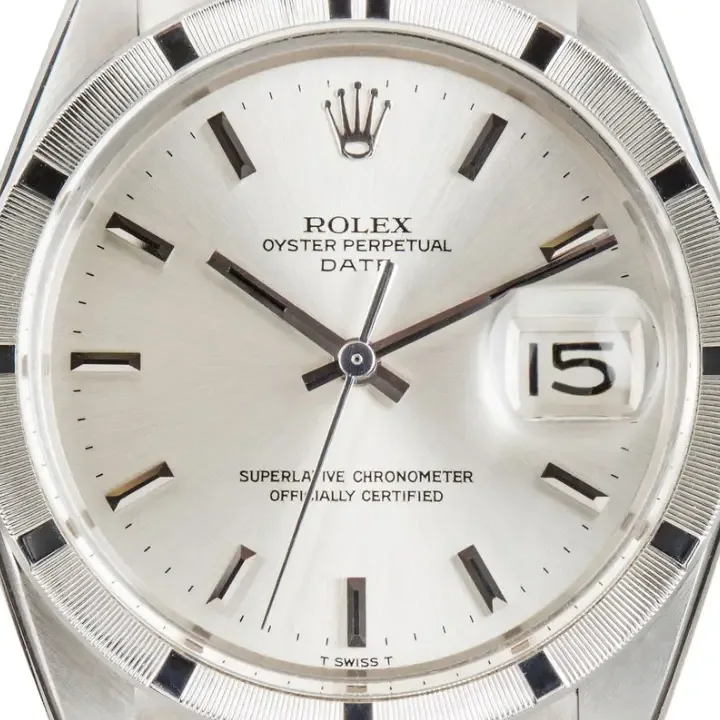
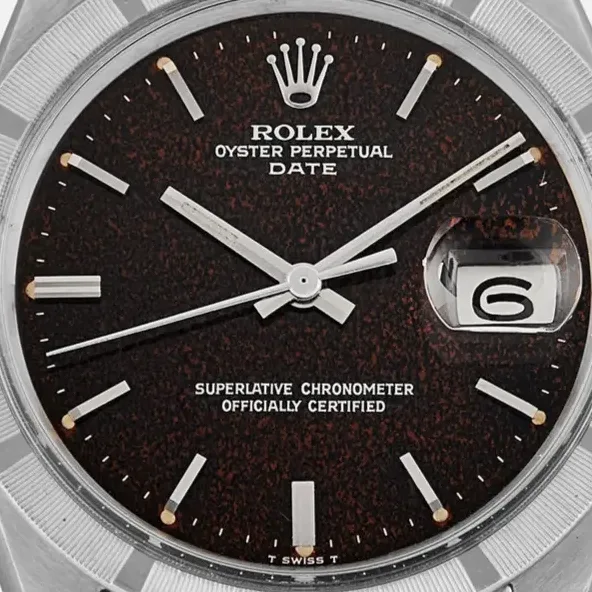
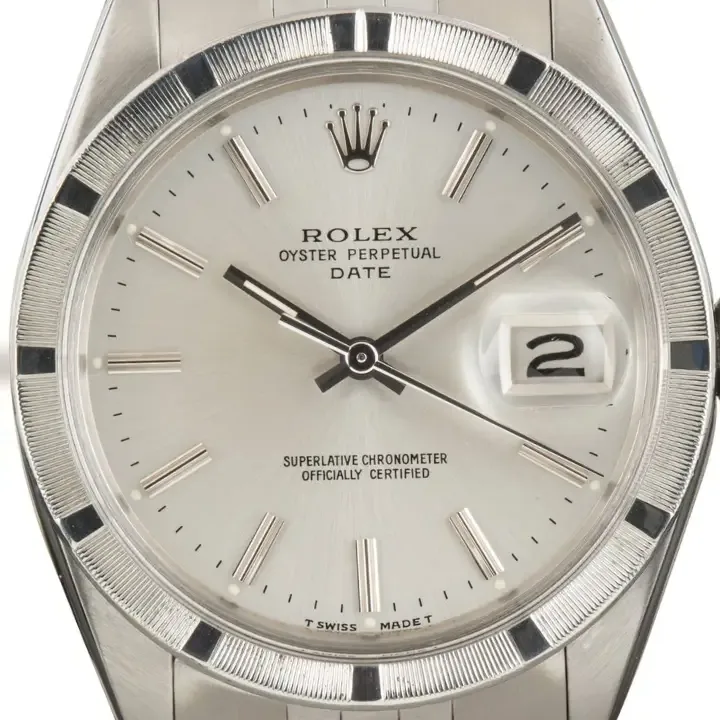
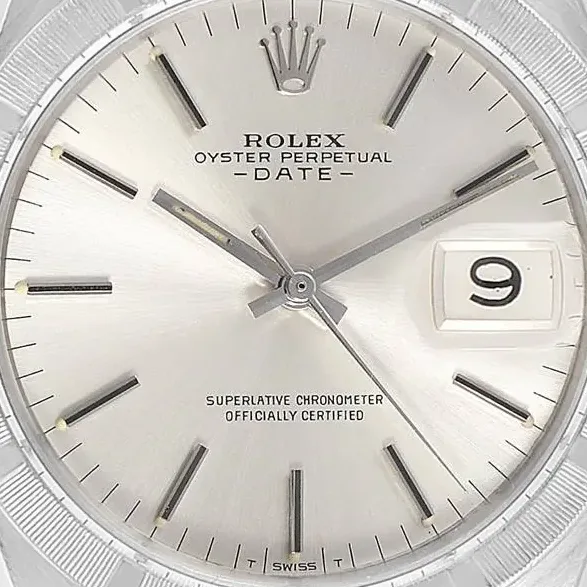
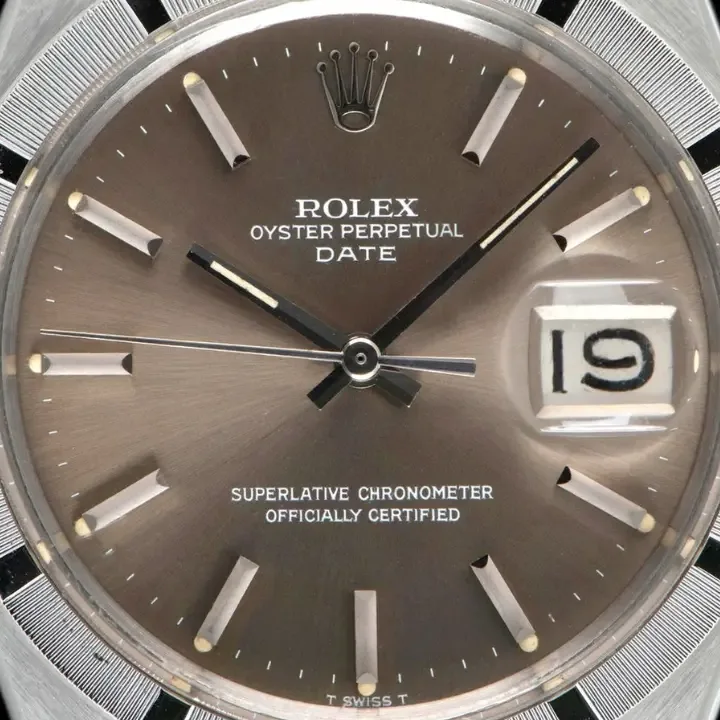
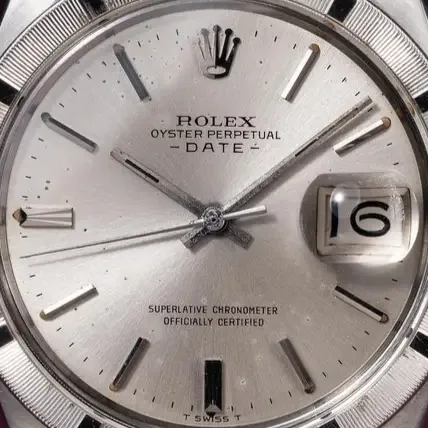
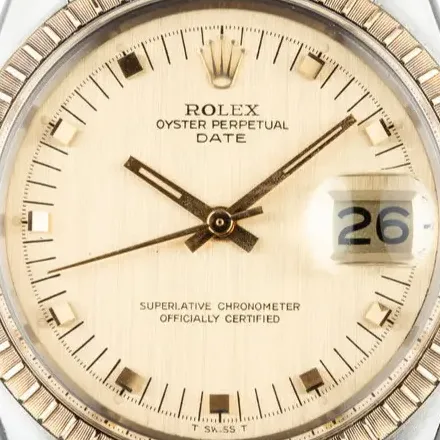
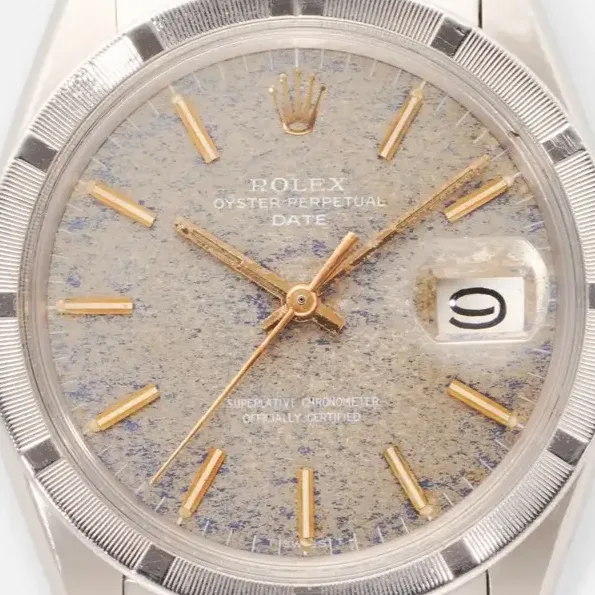
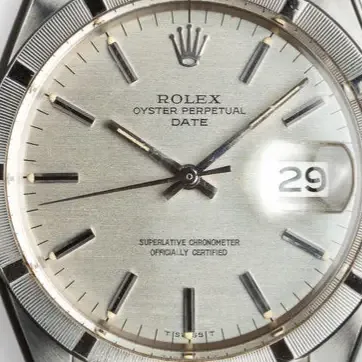
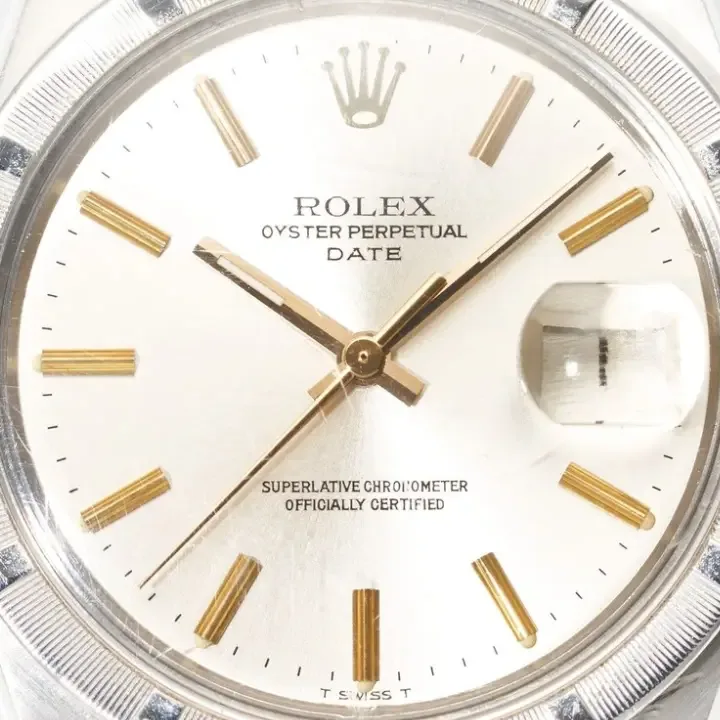
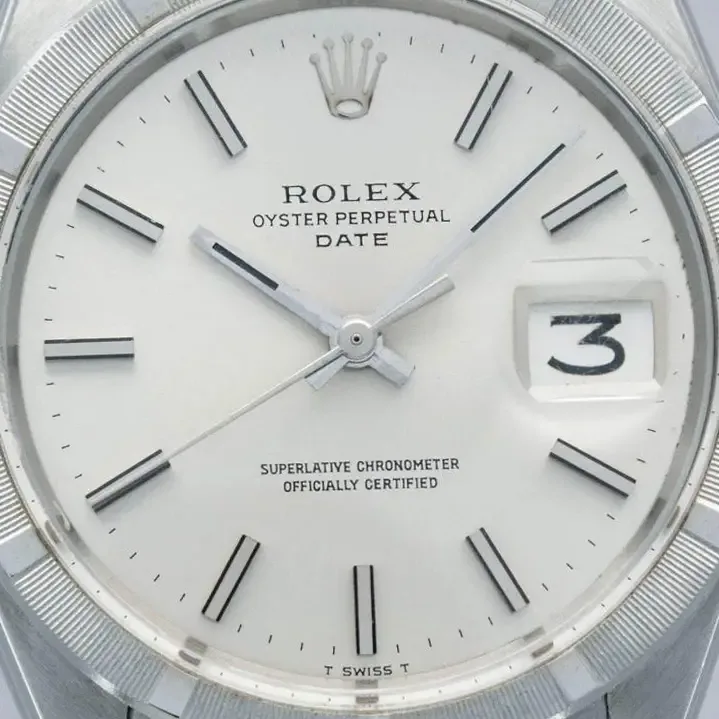
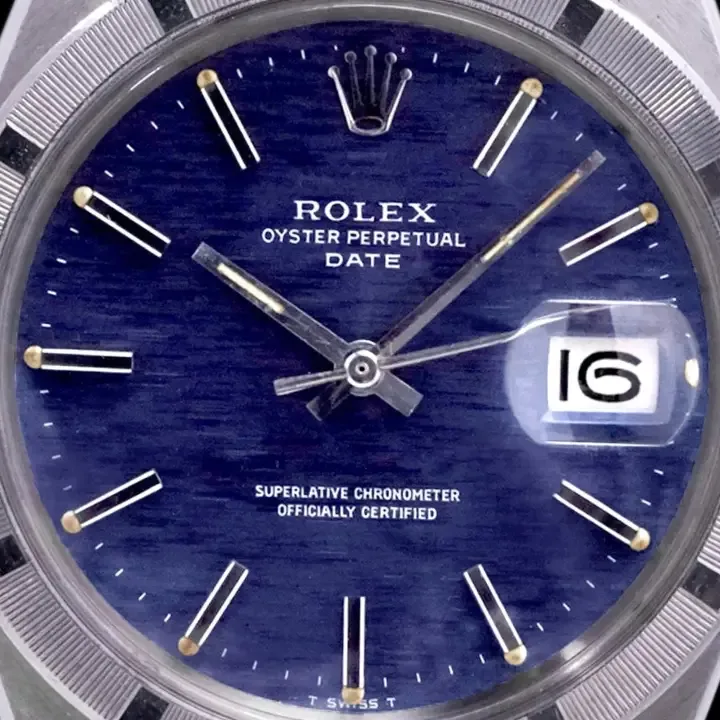
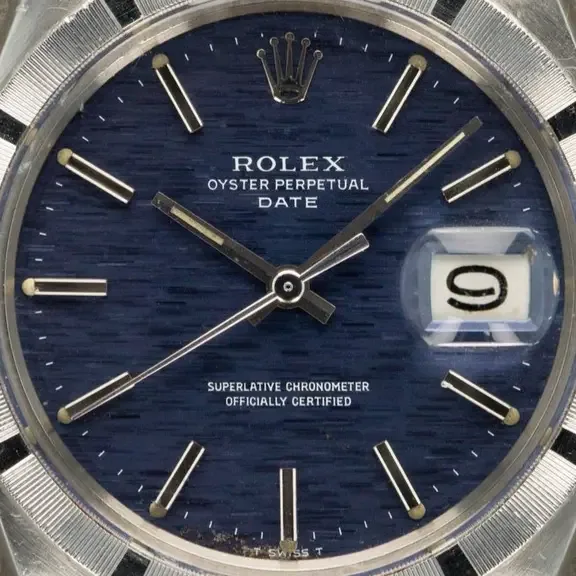
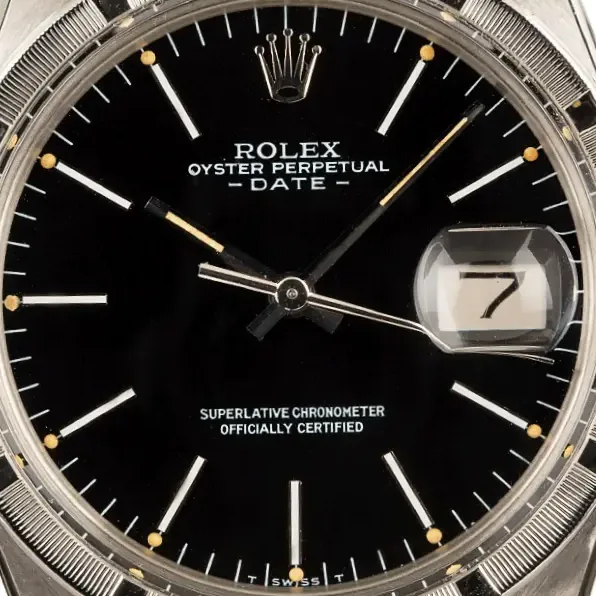
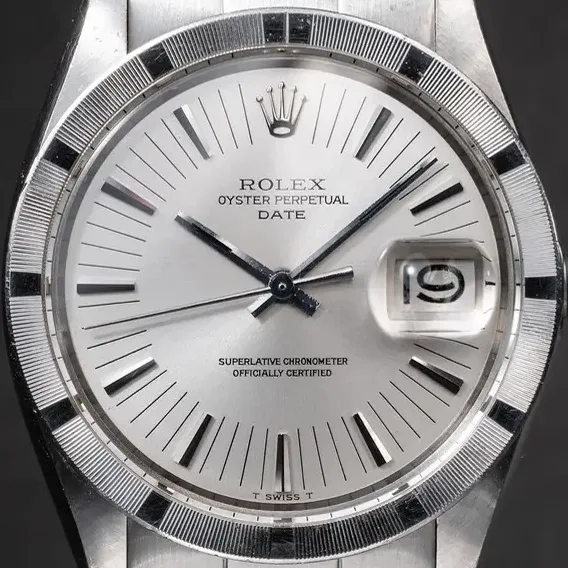
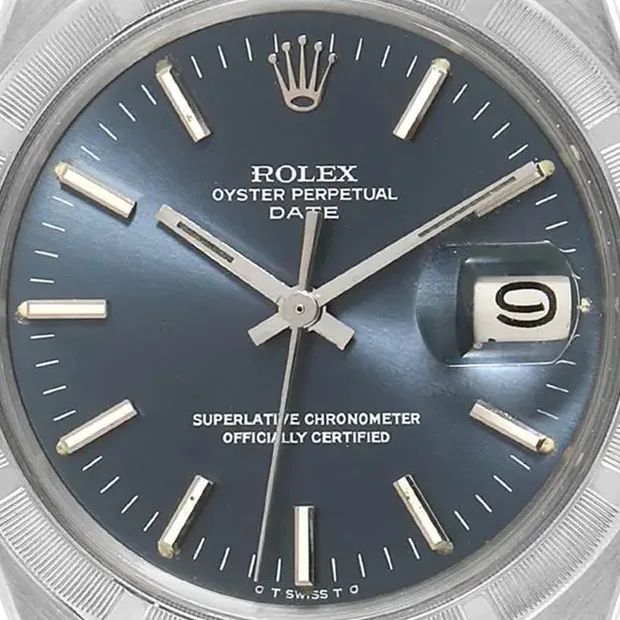
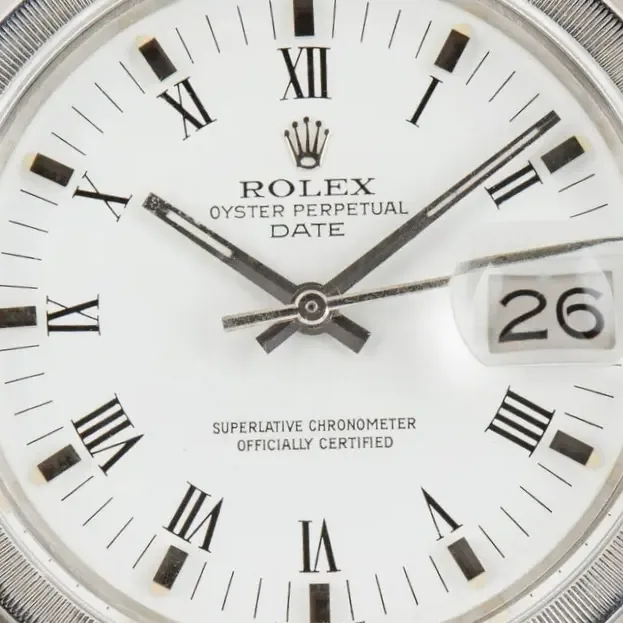
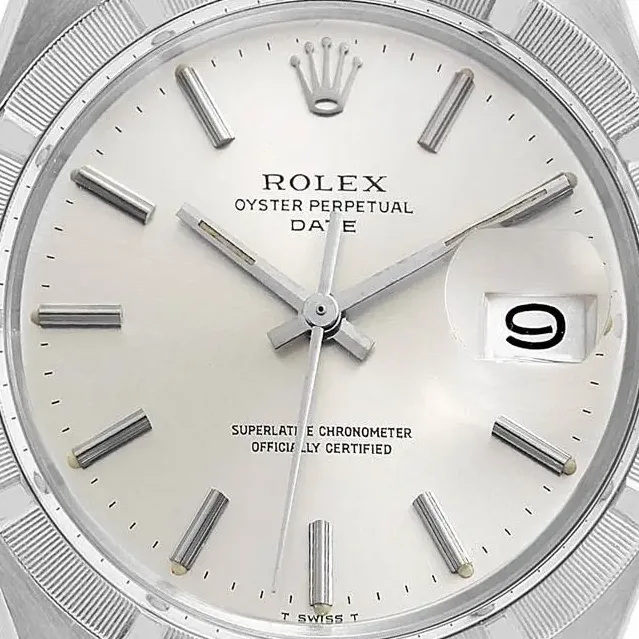
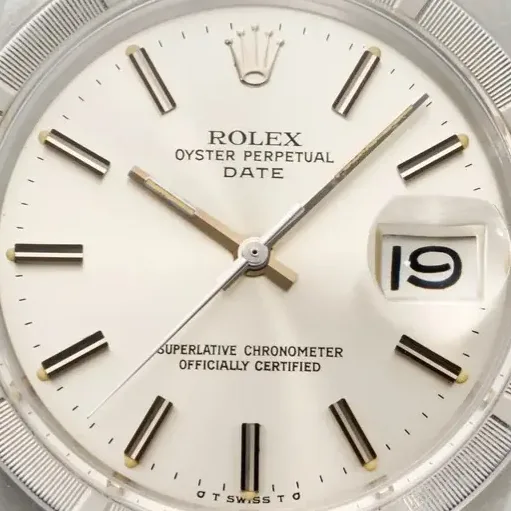
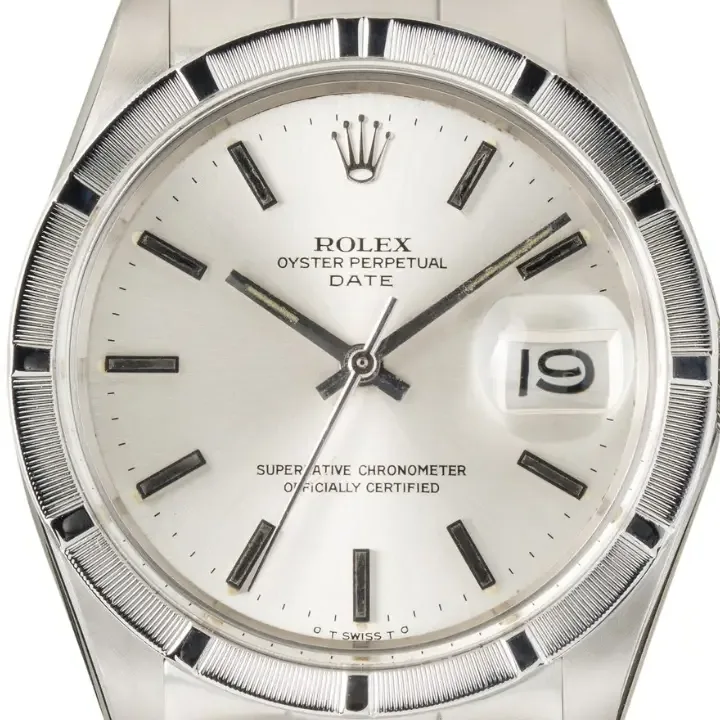
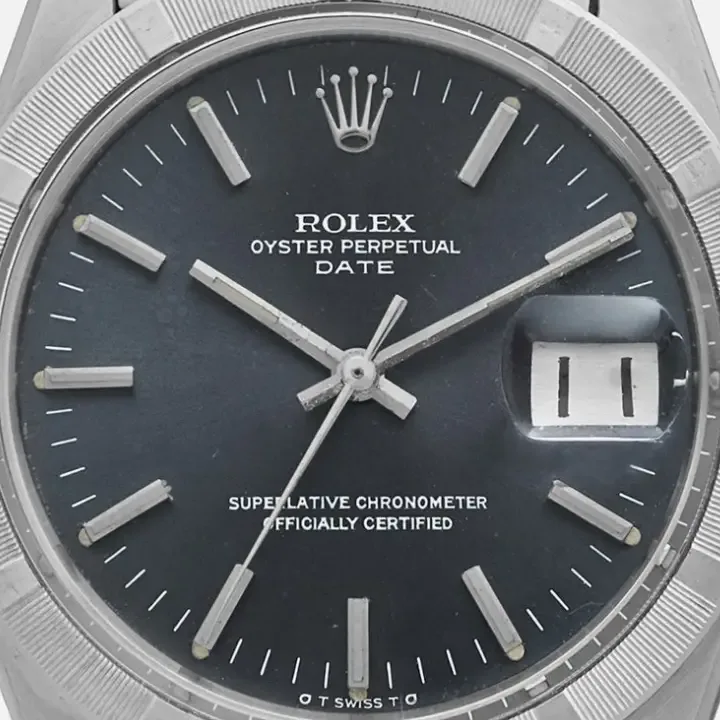
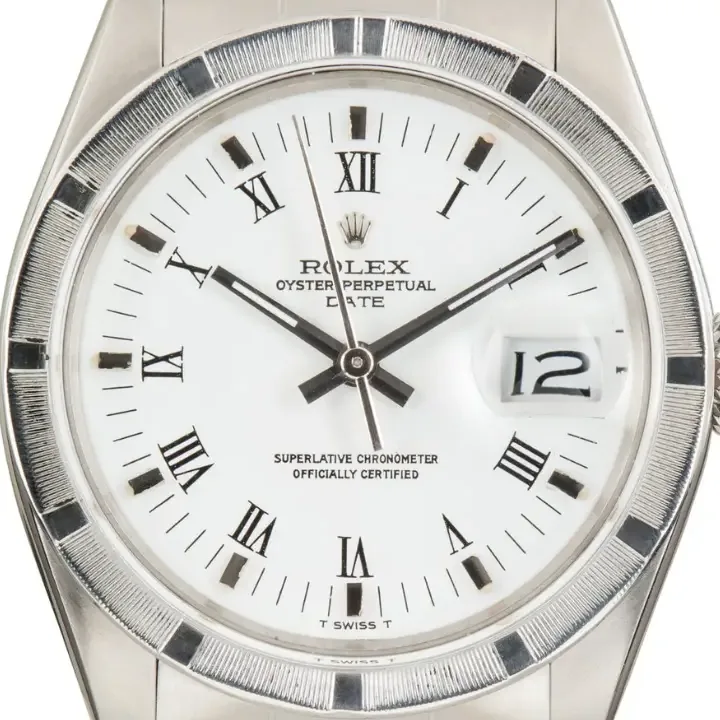
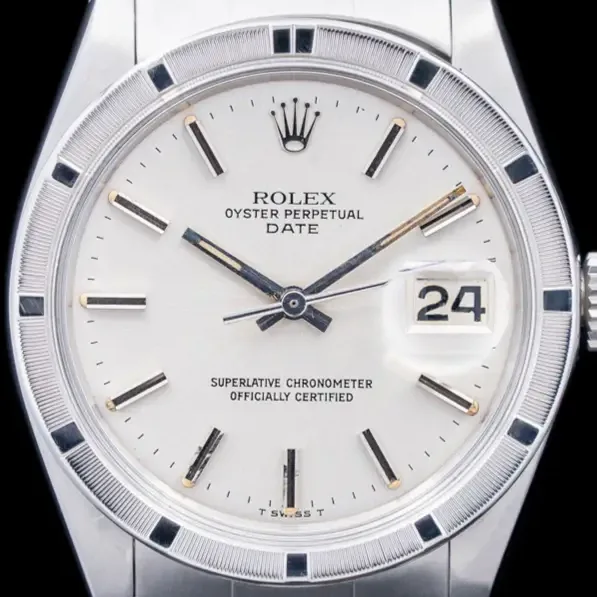
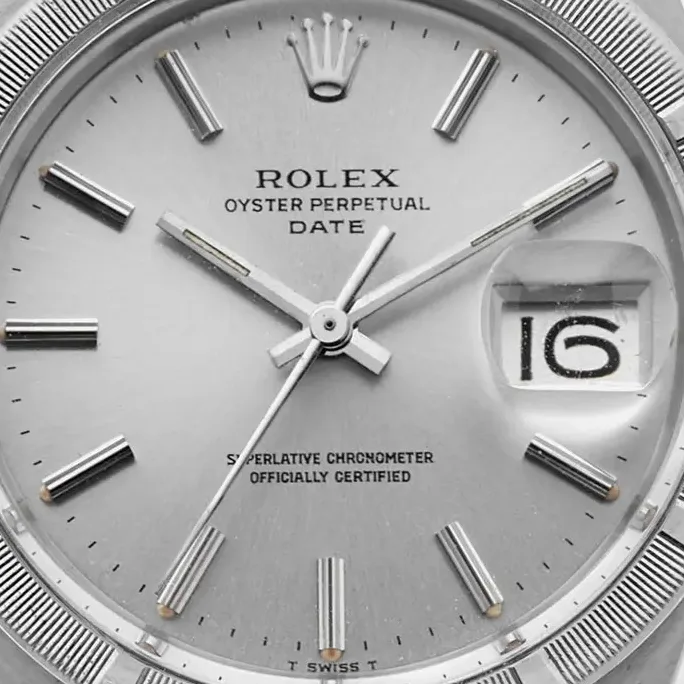
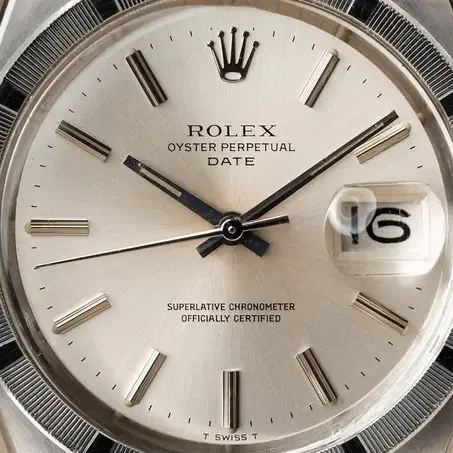
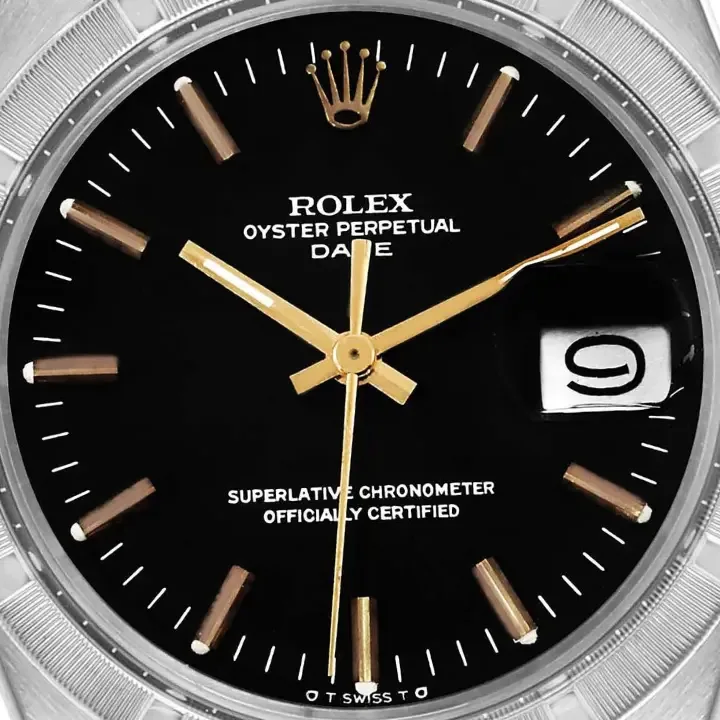
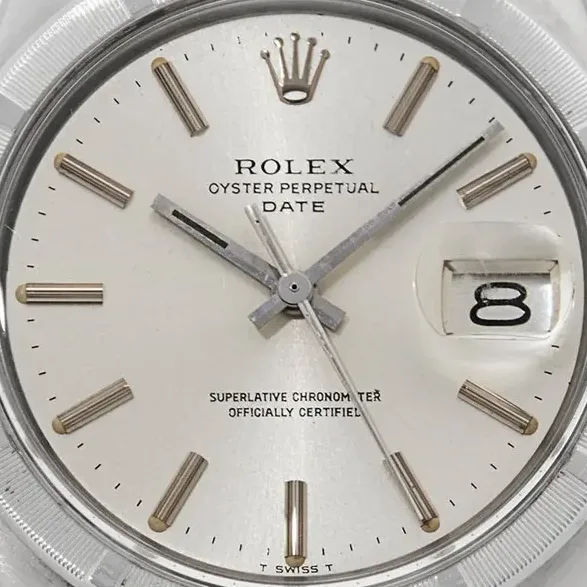
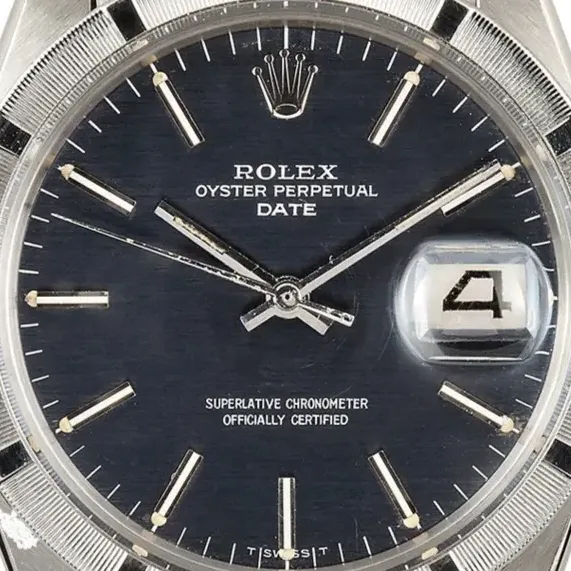
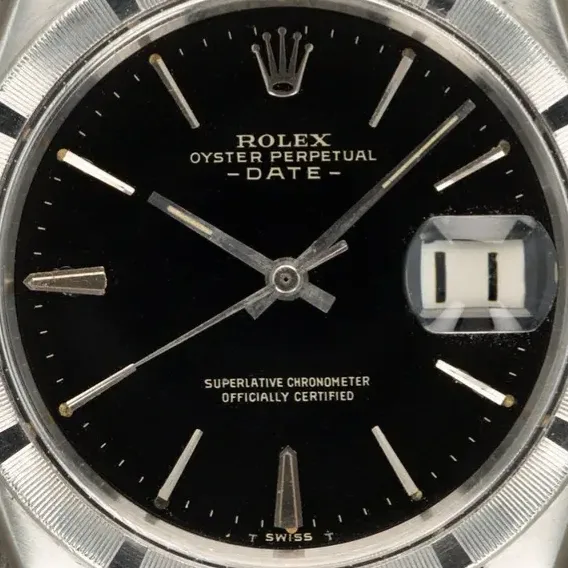
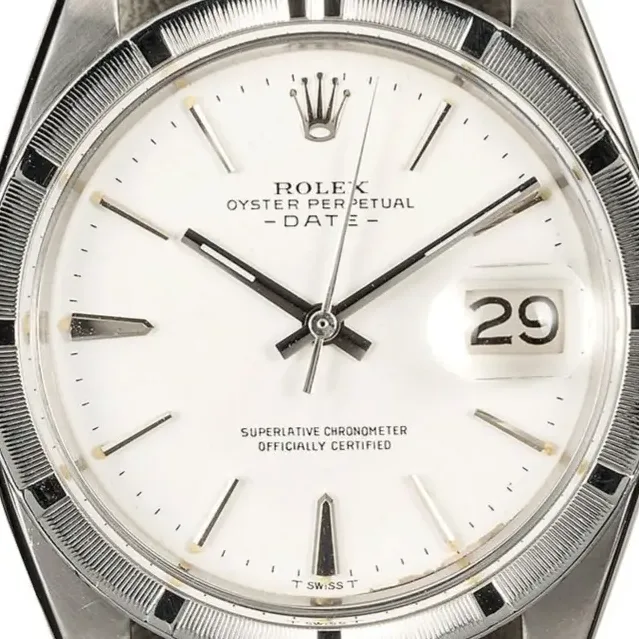
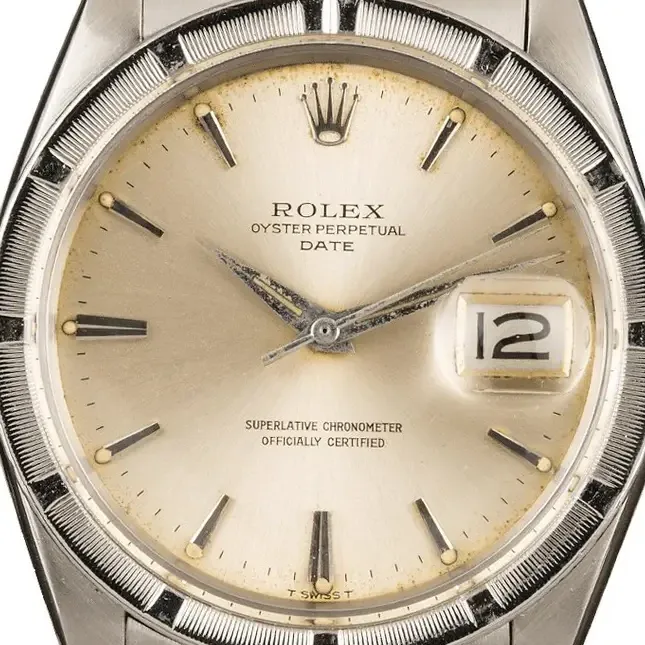
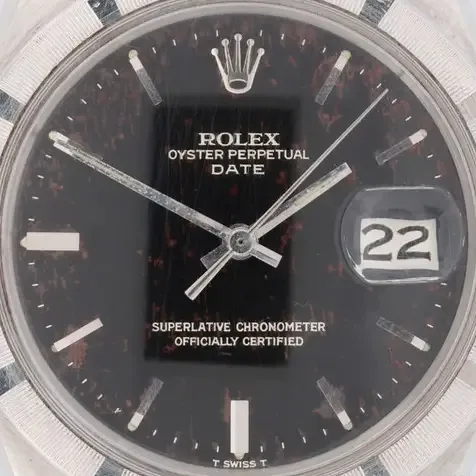
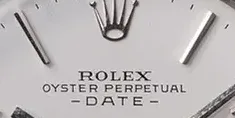
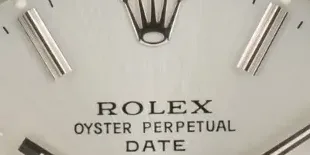
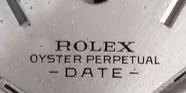
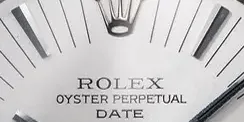
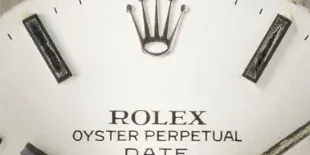
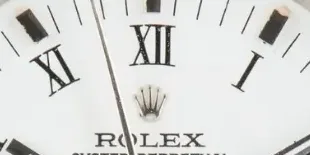
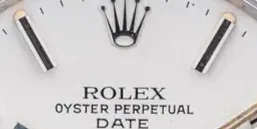
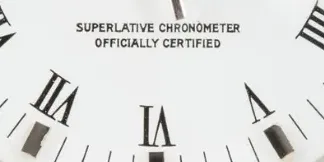
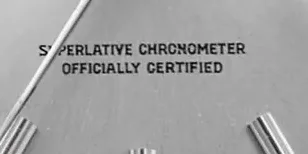
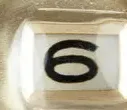
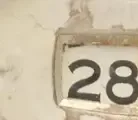
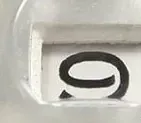
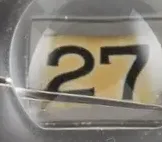
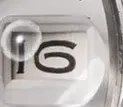
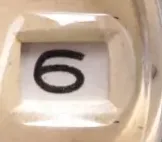
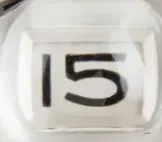
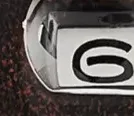
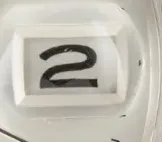
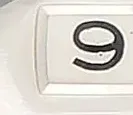
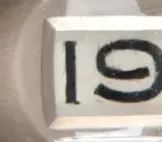
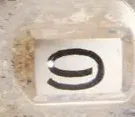
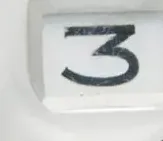
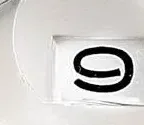
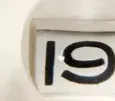
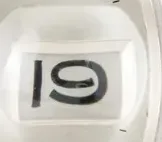
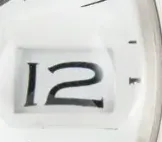
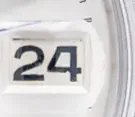
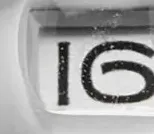
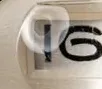
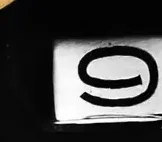
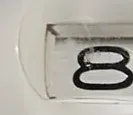
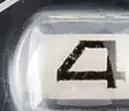
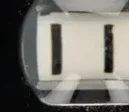
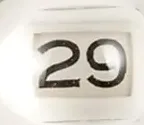
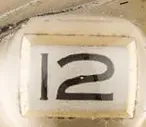
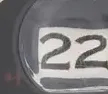
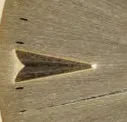
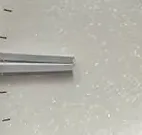
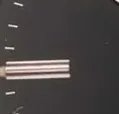
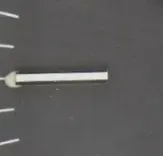
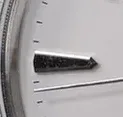
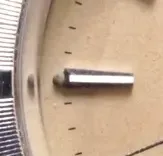
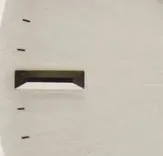
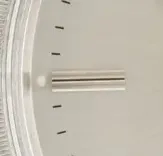
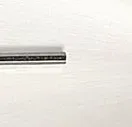
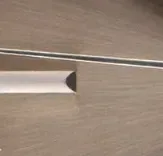
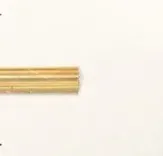
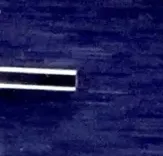
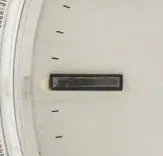
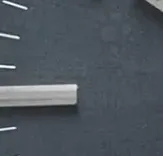
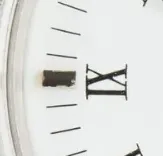
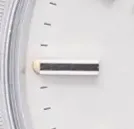
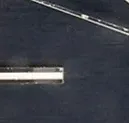
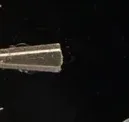
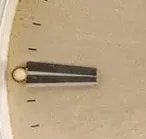
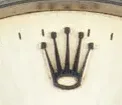
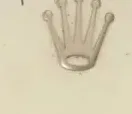
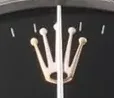
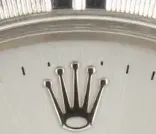
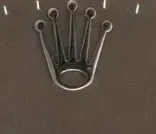
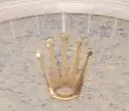
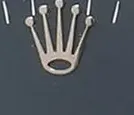
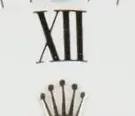
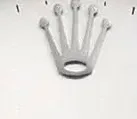
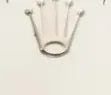
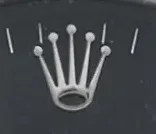
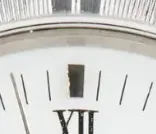
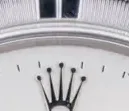
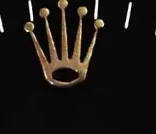
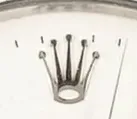
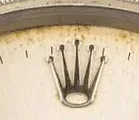
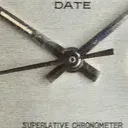
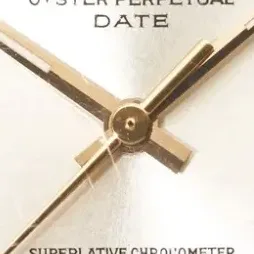
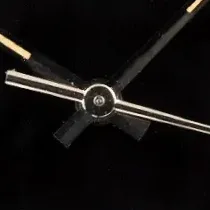
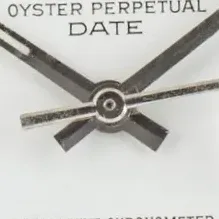
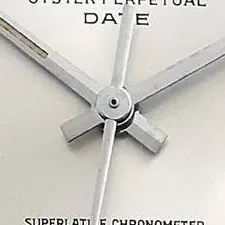
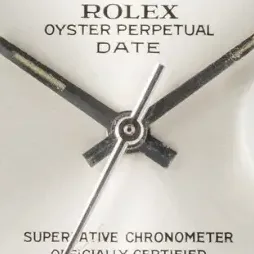
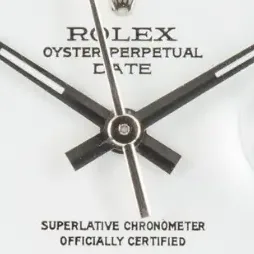
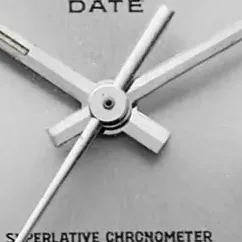
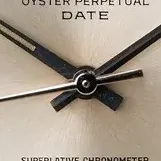
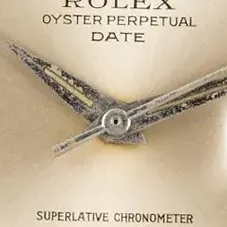
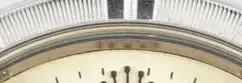
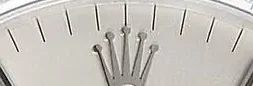
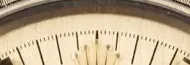
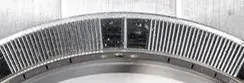
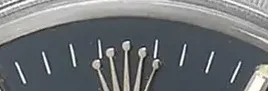
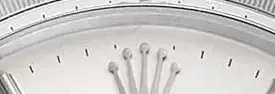
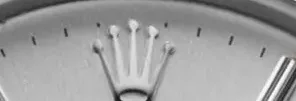
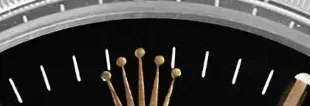
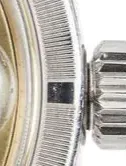
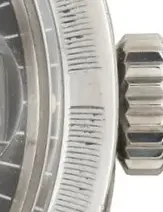
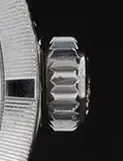
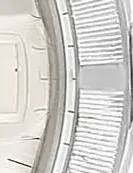
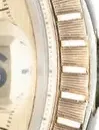
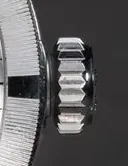
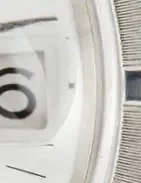
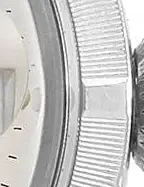
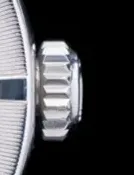
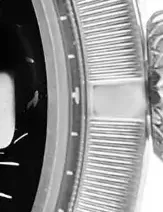
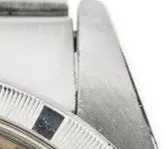
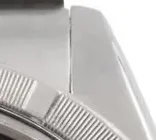
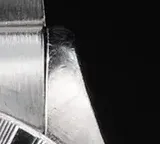
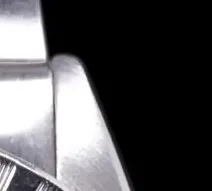
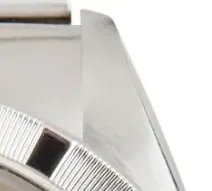
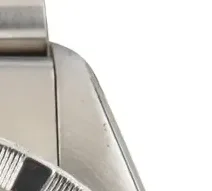
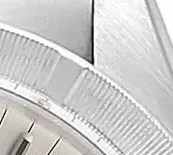
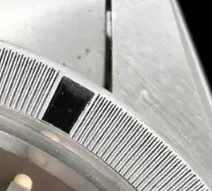
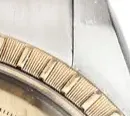
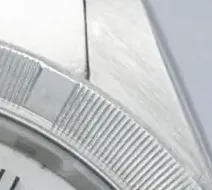
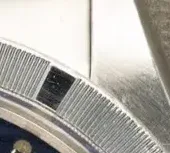
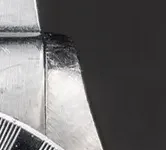
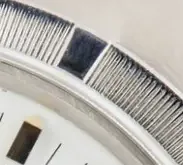
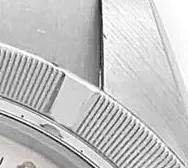
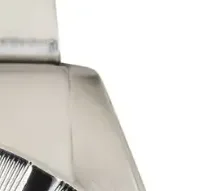
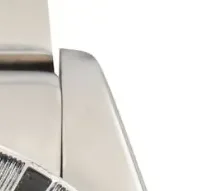
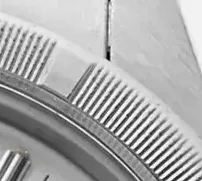
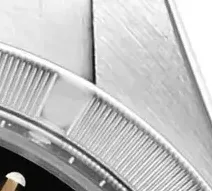
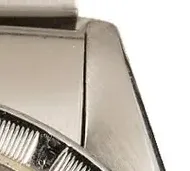
39 watches, oldest first, each straightened and cut the same way so that one row shows one component across them all. Chosen from 747 photographs on file for sharpness and for a face typical of the reference. A year marked c. is one its holder gives only roughly. Each picture is a detail cut from a listing photograph. Select the small mark in its corner for its year, its holder, a link to the listing it came from, and a way to report it.












































































































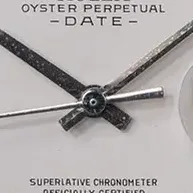
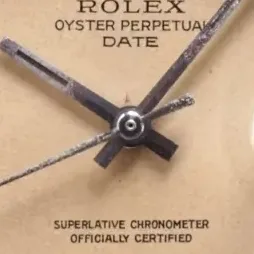
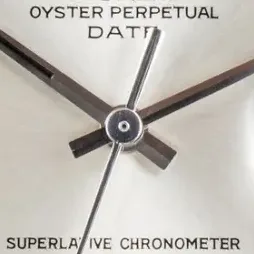





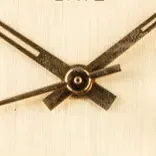


























































































Chronology
The literature dates the start to 1963 and puts the end only in the 1970s, with no year.
Every dated variant: what is written, and what the records show
For the reference the marks are every dated watch; for a variant, the watches a seller names as that variant, so a variant sellers do not name has none.
The reference's own marks are dated by case number. A variant's marks use the year each seller states, so a variant can show watches in a year where the row for the reference shows fewer, or none.
Specification
| Case | 34 mm Oyster case with screw-down crown; lug holes; stainless steel, 14k or 18k yellow gold, or steel and gold |
| Crystal | Acrylic, domed |
| Bezel | Engine-turned, with raised tabs at the hour positions and hash marks between |
| Dial | Silver, grey, black, white, blue or brown on steel; champagne on gold; stick, Roman or Arabic markers; date window at 3 o'clock |
| Movement | Automatic, chronometer-rated, no quick-set date; calibre 1565 at first, then 1575 from 1965; hacking from 1972 |
| Bracelet | Five-link Jubilee or three-link Oyster, hollow centre links |
Dial 5 described
The dials follow the metal: champagne on the gold and two-tone cases, and silver, grey, black or white on steel. Markers are sticks, Roman or Arabic numerals. Retirement-gift and military dials are known on the sister reference 1500 and are rare on the 1501.
Plain dial in silver, grey, black, white or blue
The usual run on steel watches. Silver is by far the most common colour in sellers' listings, at more than half. Sellers also describe radial and sunburst finishes, and dials with an aged or tropical look; dated watches so described fall mostly between about 1966 and 1975.
Champagne dial
The usual dial on the yellow gold and two-tone watches, with colour that matches the case.
Sigma dial
From the 1970s the hands and hour markers were made of 18k gold rather than steel, and a small Greek letter sigma at the bottom of the dial signals it, mainly on steel watches. The mark had been dropped by the 1980s, so these are scarce. Sellers' watches carrying it are dated mostly between 1973 and 1975.
- small sigma at the foot of the dial
- gold markers and hands on a steel watch
Gilt dial
Sellers describe gilt print on a handful of early watches.
Retirement-gift and military dials
Dials bearing the logos of organisations, or the emblems of military forces, were mostly put on the smooth-bezel 1500, because the engine-turned bezel was judged too unusual. An example on a 1501 is a real rarity.
Bezel 1 described
The bezel is the main recognition point of the 1501 against the 1500. A few sellers describe a smooth domed bezel, which is the pattern of the 1500; the literature gives the 1501 only the engine-turned bezel.
Engine-turned bezel
Raised tabs sit at the hour markers with hash marks between them, and the pattern catches the light with a radial effect. It is a different pattern from the one on the contemporary Datejust 1603, which resembles the fluted style, and Rolex probably varied the two so the series would not be confused. Engine-turned bezels were gone from Rolex by 2005, the modern Date being the last.
- raised tabs at the hours with hash marks between
Case 4 described
The 1501 was cased in many metals under one reference number, since Rolex's referencing was less strict then. Sizes in listings are 34 mm for most and 35 mm for about two in five.
Steel
The usual case. Sellers state steel on more than four in five of the watches whose case metal they give.
Yellow gold, 14k and 18k
Solid yellow gold cases in both carats, with the champagne dial. Pink gold is also mentioned.
Steel and gold (Rolesor)
The two-tone case, rare in the records.
Lug holes
The 1501 is the last generation of the Date in which all cases have lug holes; Rolex scaled them back with the next reference.
- holes through the lugs
Crystal 1 described
The crystal is acrylic and domed, with a Cyclops lens over the date.
Acrylic crystal
A plastic crystal covers the dial, with the sapphire still some way off. Sellers describe a domed acrylic crystal on most watches whose crystal they mention.
Date 2 described
The date wheel has no quick-set, so the date moves only by winding the hands round.
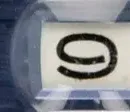
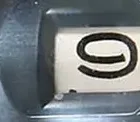
Open 6 and 9 date wheel
Sellers describe a date wheel with the 6 and 9 not fully closed on a handful of watches. The literature does not mention it.
No quick-set date
Neither the 1565 nor the 1575 has a quick-set, which first arrived with the calibre 3035, so to advance the date it is necessary to wind the hands through 24 hours.
Movement 4 described
The movement changed once early and again with a hacking feature in 1972. Unlike several contemporary Rolex models, the Date was only ever fitted with chronometer-rated movements.
Calibre 1565
The movement of the first watches and of the four-digit Datejust since 1959, replacing the 1035 of the 6534. It has the cam and jewel arrangement that gives an instant date change at midnight, and Microstella regulating screws, at 18,000 vibrations an hour.
Calibre 1575
Introduced in 1965, near the start of the run and similar in every way except for a faster balance at 19,800 vibrations an hour, which improved precision. It remained in the range until the high-beat calibre 3035.
Calibre 1570
Sellers state calibre 1570 on most of the watches giving a calibre, with 1560 and 1575 on a few. Two retailer pages also give 1570 for the reference without describing it. The bridges of the date calibres are engraved 1560 or 1570, since they share that part with the no-date calibres, which accounts for these numbers.
Hacking seconds
From 1972 pulling the crown stops the seconds hand so the time can be set more exactly.
Bracelet 3 described
Either a five-link Jubilee or a three-link Oyster, each with hollow centre links, so they are lighter than later bracelets and may have stretched.
Oyster bracelet
The three-link bracelet, as common as the Jubilee. Sellers describe riveted Oyster bracelets mostly on watches dated 1966 to 1970 and folded ones on watches dated 1971 to 1974. A bracelet dated 01/1966 is one example of a period-correct riveted bracelet.
- three links
- riveted early, folded later
Jubilee bracelet
The five-link bracelet made for the Datejust in 1945, which gives the watch a more formal look. Seen on fewer watches in the records than the Oyster.
- five narrow links
Bracelet and end-link references
Sellers cite bracelet references 7205, 7835 and 78350, and end links numbered 357 and 557. The literature says nothing about them.
Originality
- Bracelets are the part most likely to be replaced or stretched, since the centre links are hollow; a bracelet should match the period of the watch.
- Hands and dial markers carry the metal used at the time, and a replacement dial or refinished dial changes the look of a Sigma or gilt example.
- The crystal should be acrylic; a sapphire crystal is a later fitting.
Names
- Sigma dial. A small Greek sigma printed at the foot of the dial.
Where accounts differ
Points on which the published literature and the library's own records do not agree, or on which the literature contradicts itself.
- Crystal and date of introduction. One retailer page describes a sapphire crystal with a cyclops lens and a release in the 1970s. The other account, and the records, show an acrylic domed crystal and case numbers from 1962, with the 1501 joining the 1500 in 1963.
- Calibre. One account names the 1565 and the 1575; two retailer pages name the 1570. Sellers state the 1570 on most watches, with the 1560 and 1575 on a few, and only one states the 1565.
Back and movement
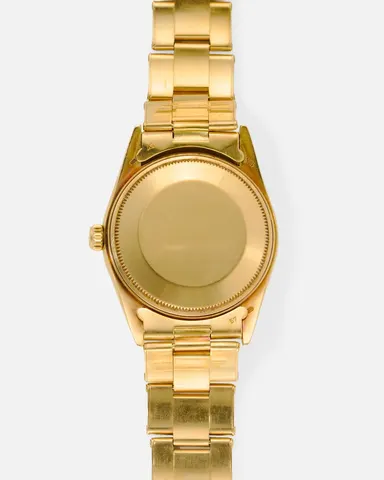
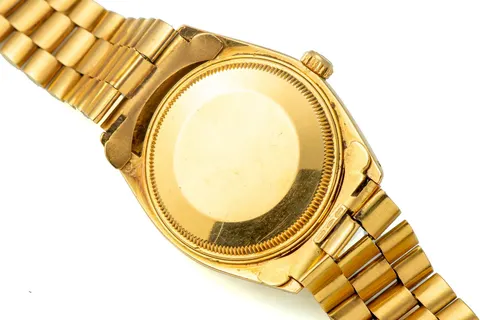
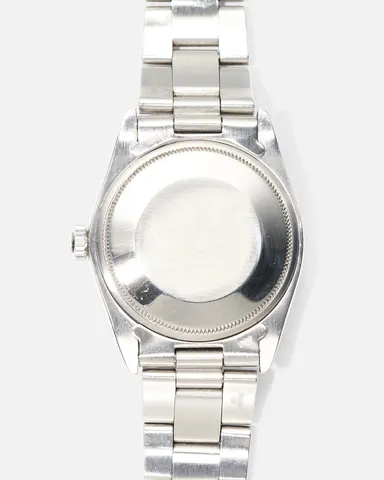
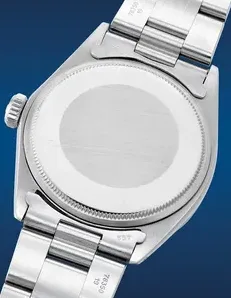
From listings of this reference, each confirmed by eye to show what it is filed under. A picture on which a person's name or a personal engraving can be read is not shown. From most holders a detail from the middle of the photograph is shown; the mark in its corner gives its holder and a link to the listing.
Caseback




In the records
Counted from 348 listings at 46 holders between 10 November 2014 and 14 November 2026. These are what sellers and auction houses state, not measurements.
Fainter bars are the 9 outside the main run of 1964–1979 (the middle nine-tenths): the earliest is 1962 and the latest 1980. They are early and late examples, and now and then a number misread.
At the holders that record papers on every watch, 7% of their 73 listings of this reference come with papers; at those that record the box on every watch, 46% of 87 come with a box. "Papers" is whatever the holder counts as papers, and can include service papers.
Case metal
| Steel | 137 | |
| Gold, any colour | 22 | |
| Yellow | 16 | |
| Pink | 2 | |
| Colour not stated | 4 | |
| Steel and gold | 2 | |
| Silver | 1 |
A listing that says "gold" or "18K gold" names no colour: it is counted under "colour not stated", not as yellow gold.
Dial colour
| Silver | 76 | |
| Blue | 17 | |
| Black | 16 | |
| Grey | 12 | |
| White | 8 | |
| Brown | 7 | |
| Champagne | 4 | |
| Cream | 2 |
Case size
| 34 mm | 102 | |
| 35 mm | 74 | |
| 36 mm | 5 |
Calibre named
| 1570 | 45 | |
| 1560 | 12 | |
| 1670 | 3 | |
| 1575 | 2 |
Bracelet or strap
| Oyster bracelet | 98 | |
| Metal bracelet, kind not stated | 23 | |
| Leather strap | 12 | |
| Jubilee bracelet | 7 | |
| Strap, kind not stated | 4 |
Each table counts the listings that state the thing, in the seller's own terms. A size, metal, colour or calibre that cannot belong to this reference is a seller's slip or a listing filed under the wrong number.