Oyster Perpetual Date
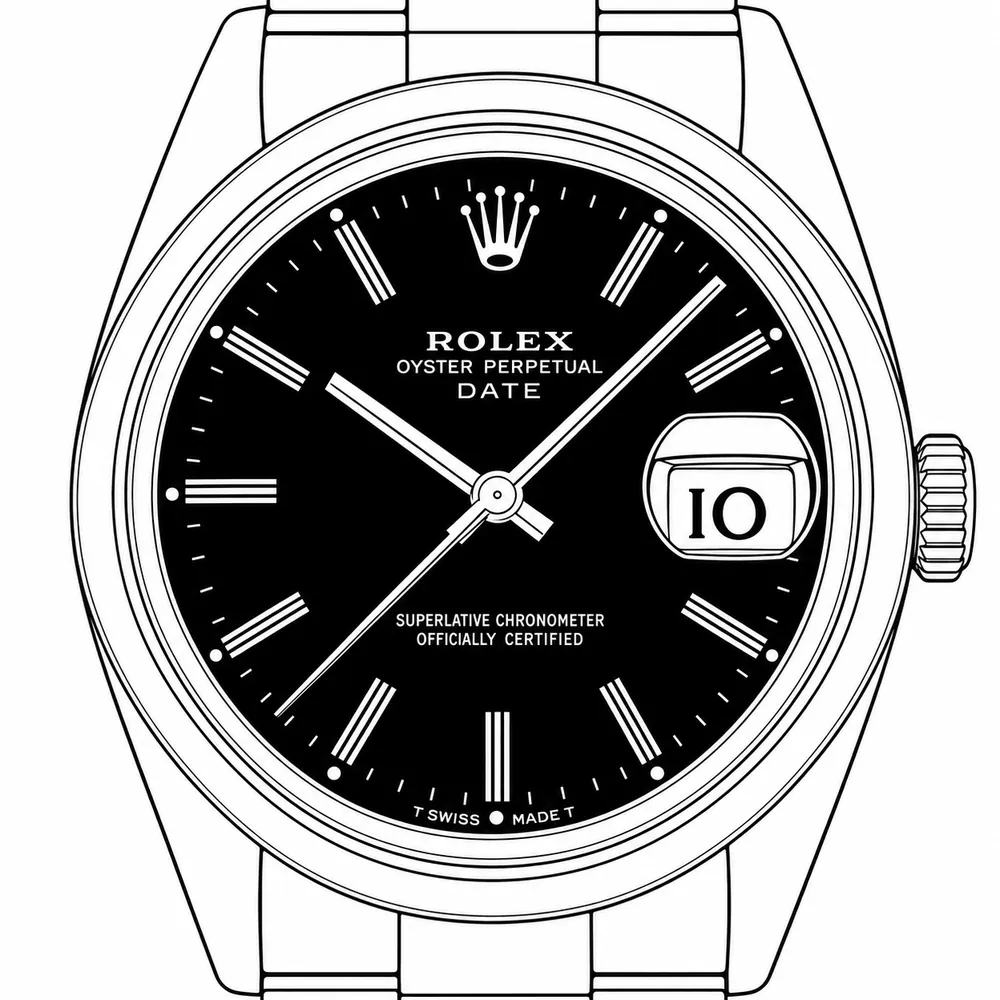
The 15200 is the steel Oyster Perpetual Date, a 34 mm watch with a smooth polished bezel, introduced in 1988 and made into the early 2000s. It replaced the 150xx series and brought the Caliber 3135 to the Date, with a sapphire crystal and Cyclops lens in place of the acrylic of earlier references. It was made with black, white, silver, blue, salmon and other dials, with baton, Arabic or Roman markers, on an Oyster or, less often, a Jubilee bracelet. Its sibling the 15210 has an engine-turned bezel. Collectors look at the lume and the text beneath the six o'clock marker to date a watch, then at the dial, the bracelet stretch and the originality of the crystal.
- Made
- from 1988dates approximate
- Seen in the library
- 1989–2006nine in ten in 1990–2005 · by case numbers
- Case
- 34 mm · steelas sellers state
- Movement
- Calibre 3135automatic
- On record
- 723 listings1,557 photographs · 47 holders
Components
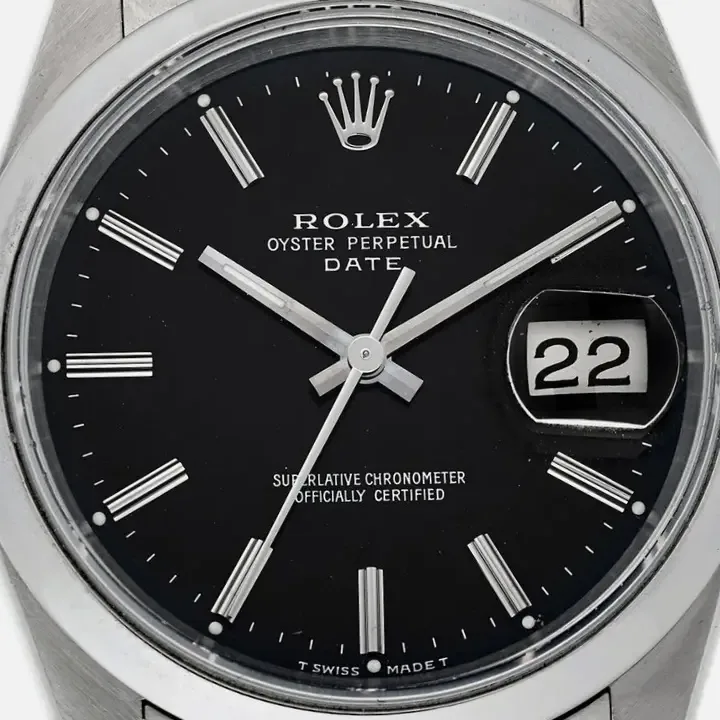
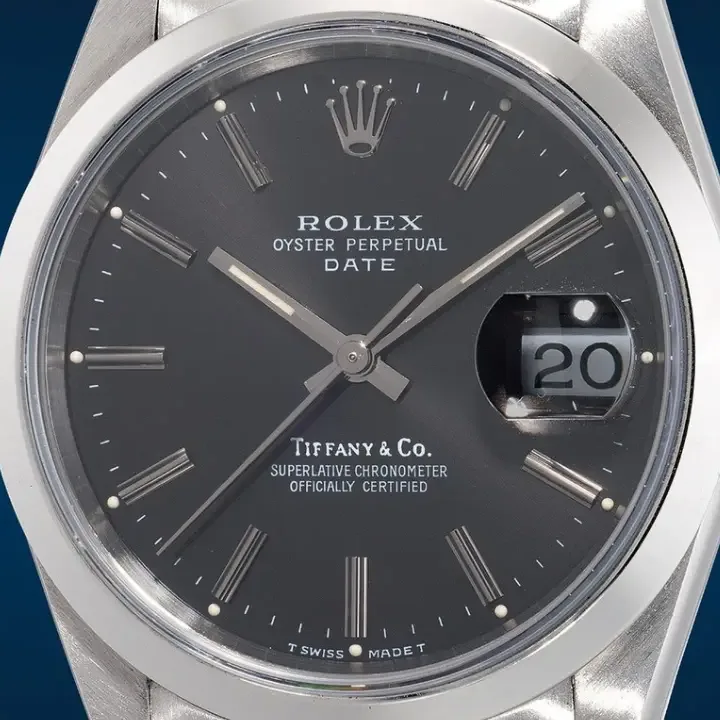
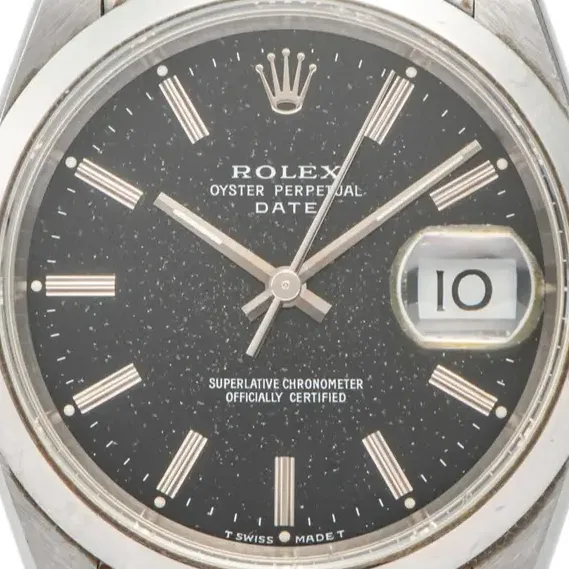
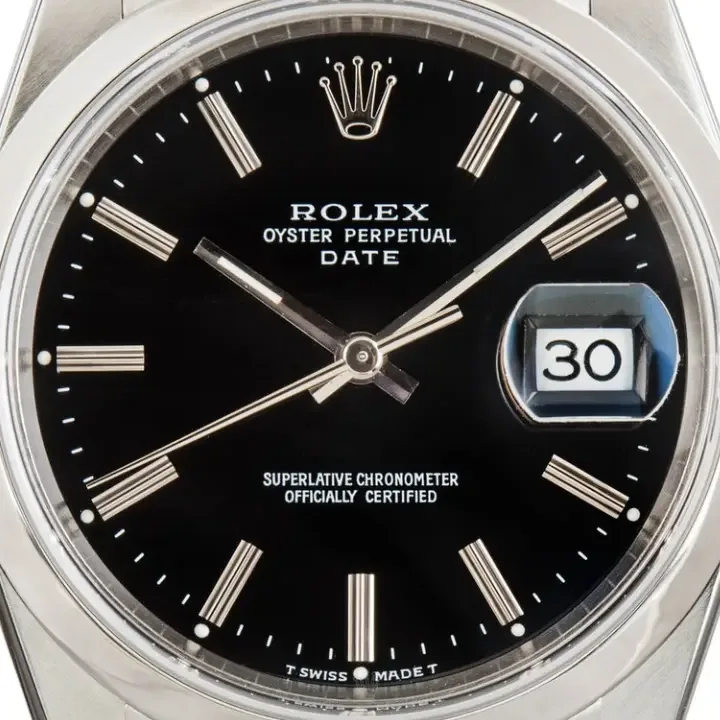
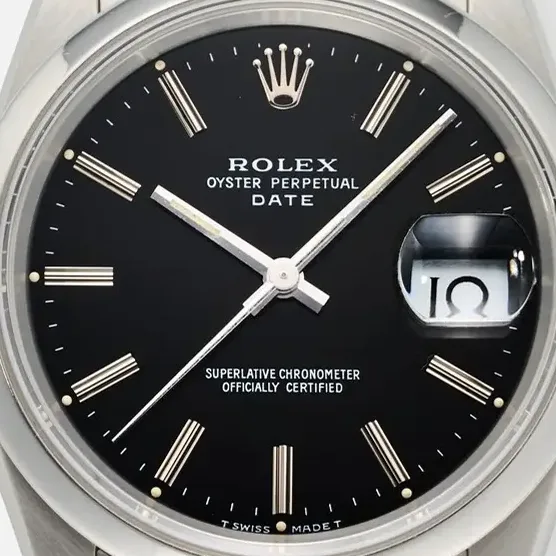
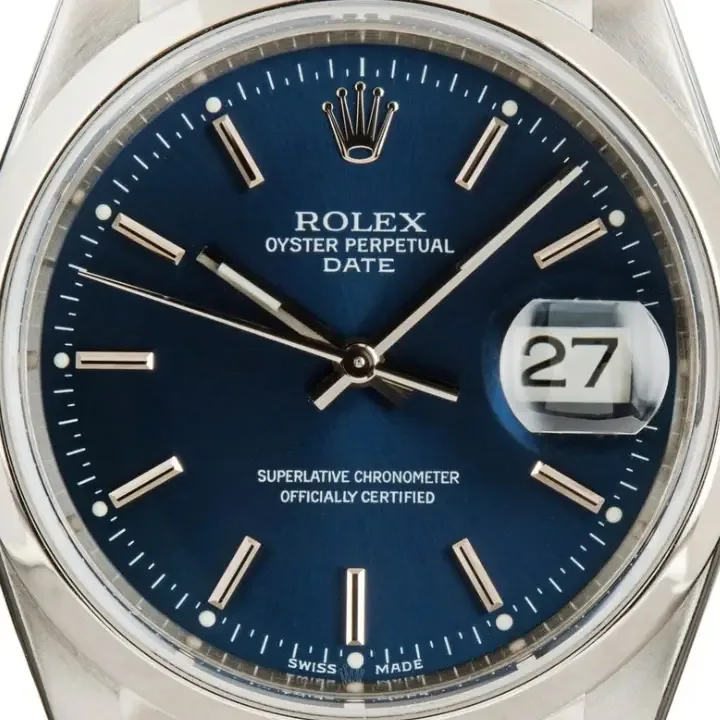
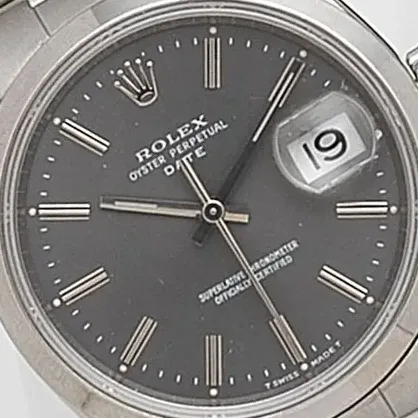
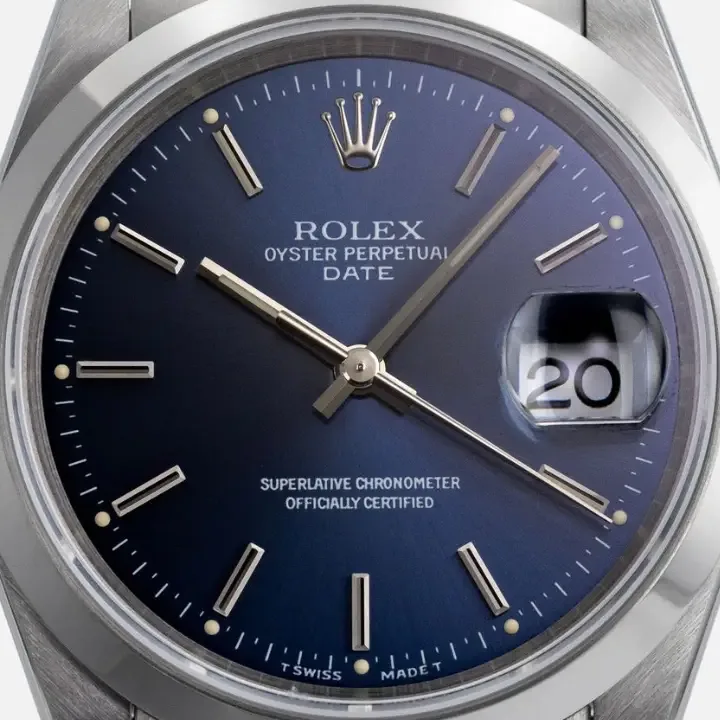
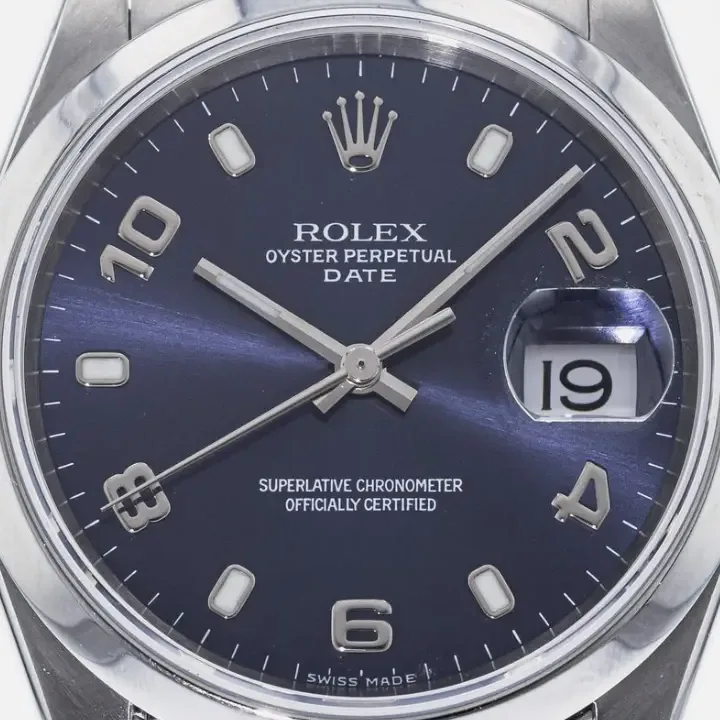
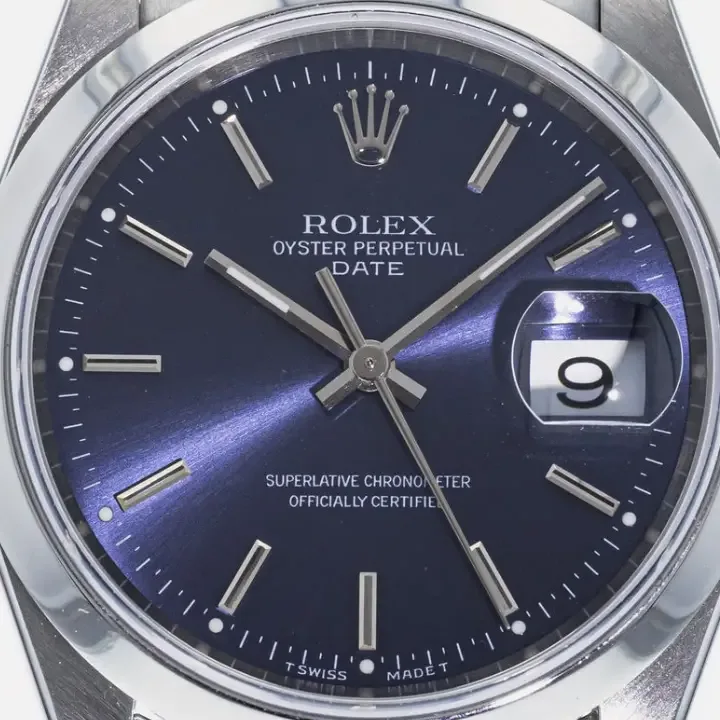
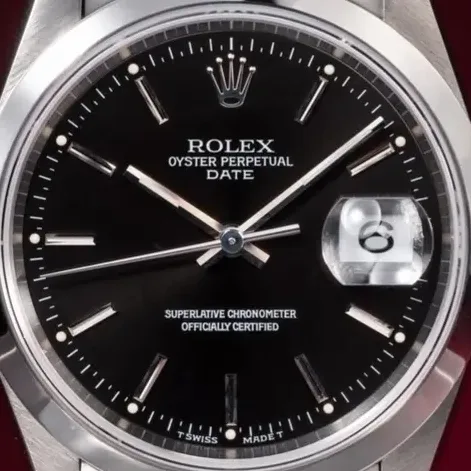
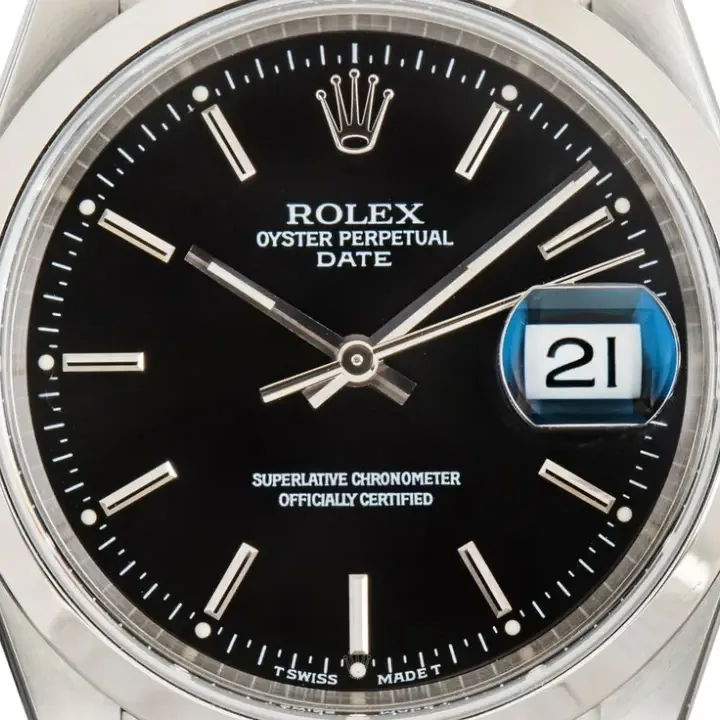
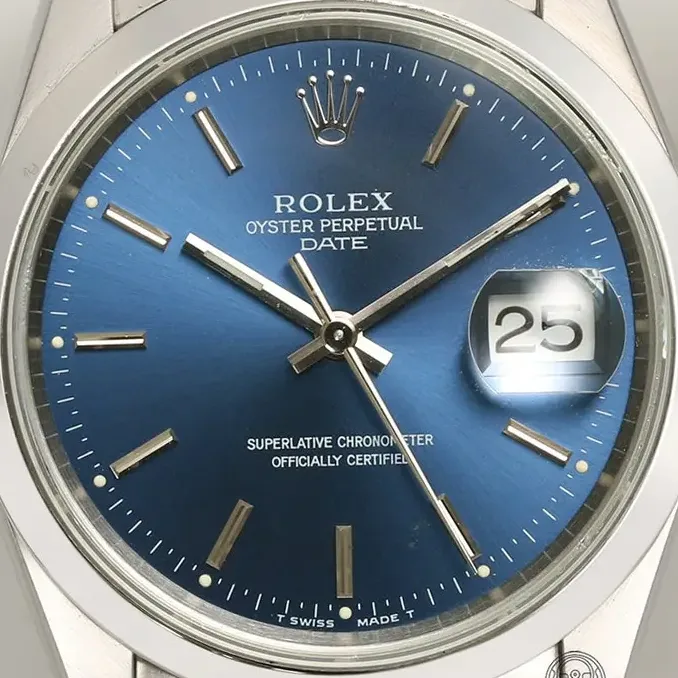
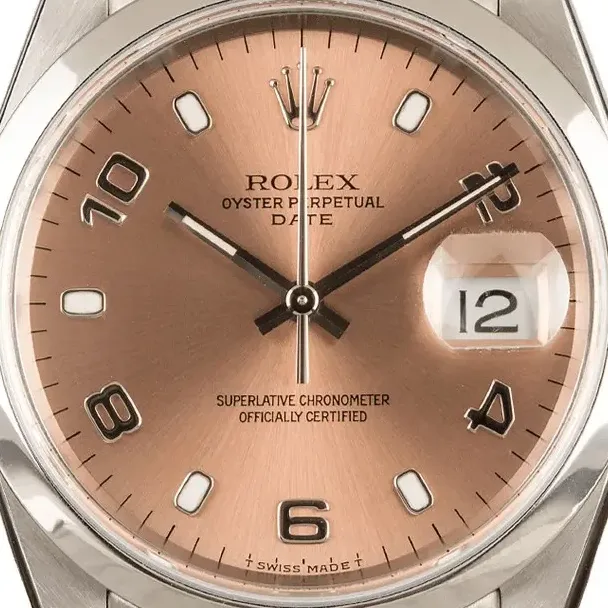
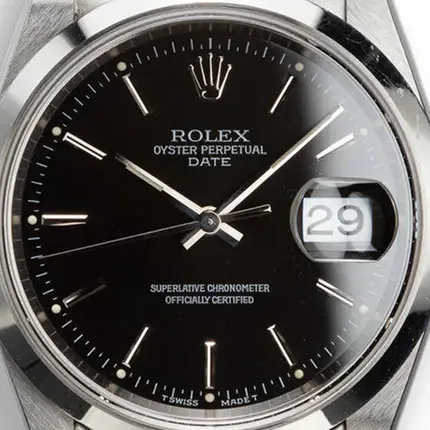
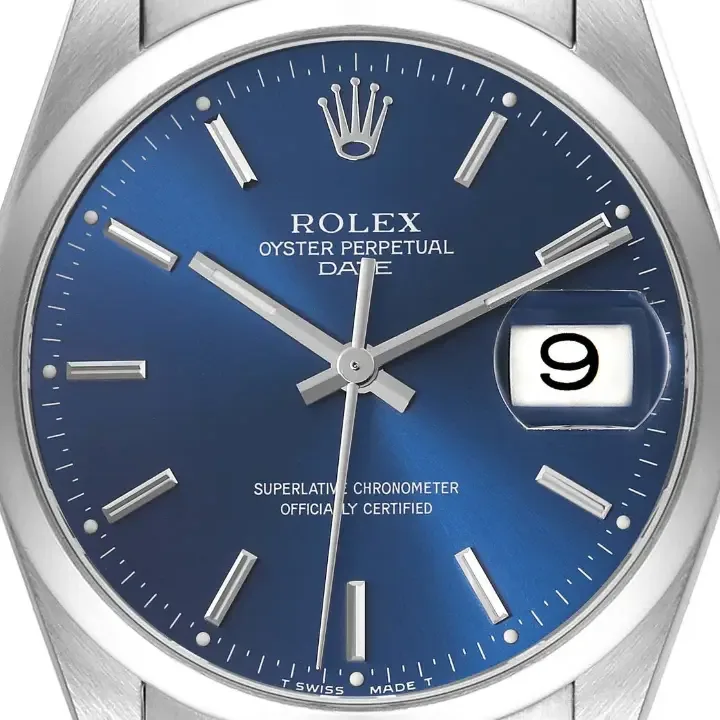
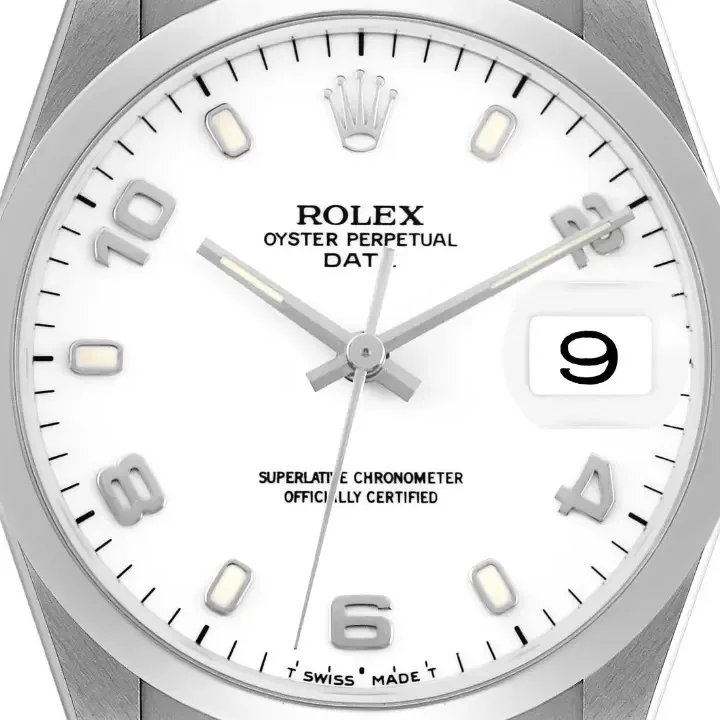
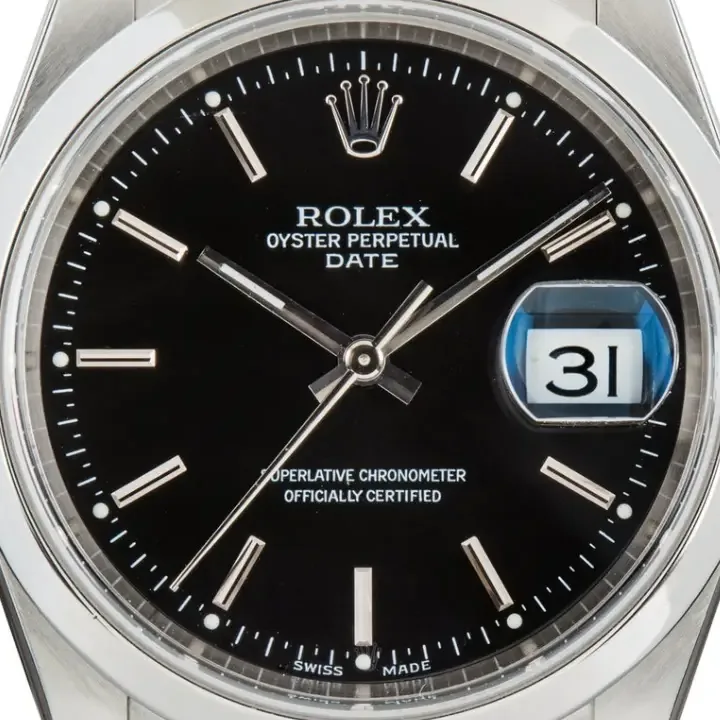
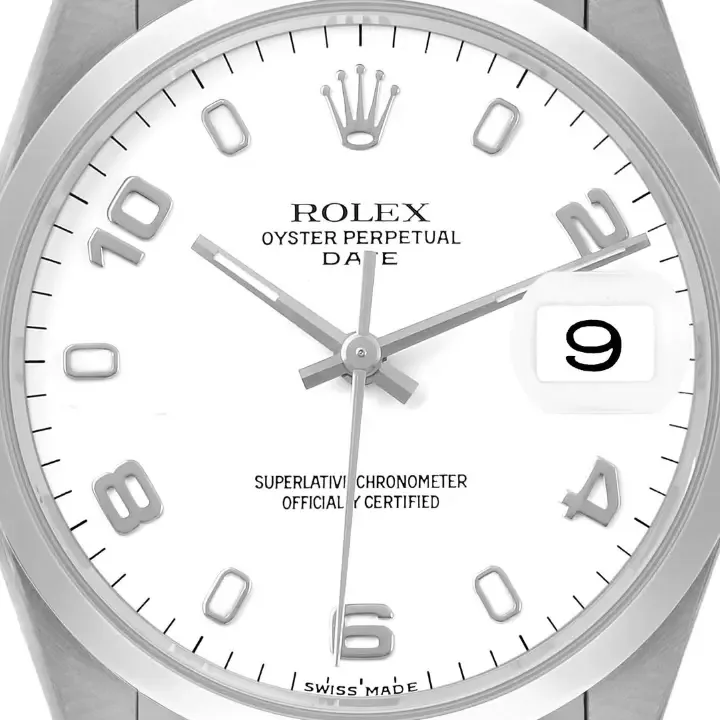
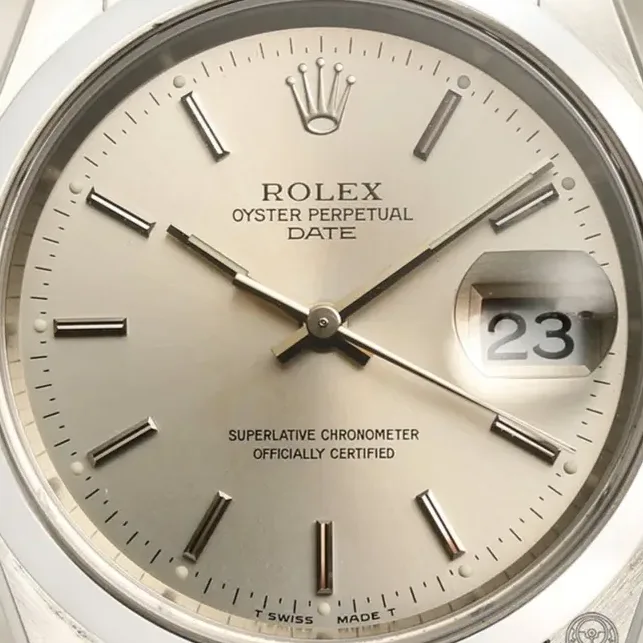
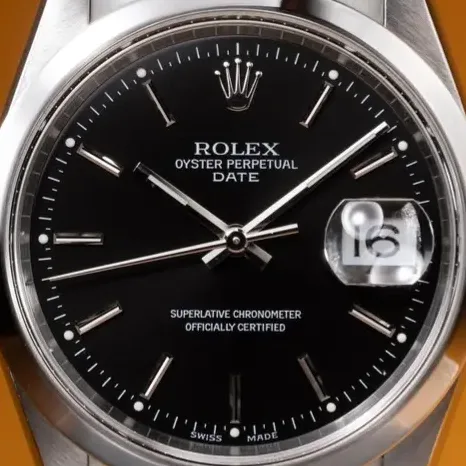
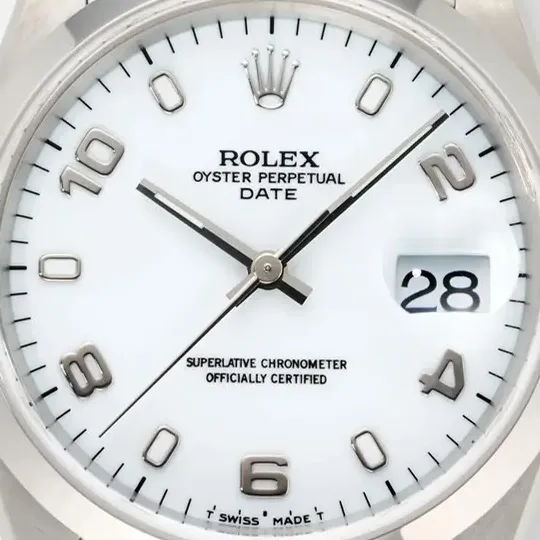
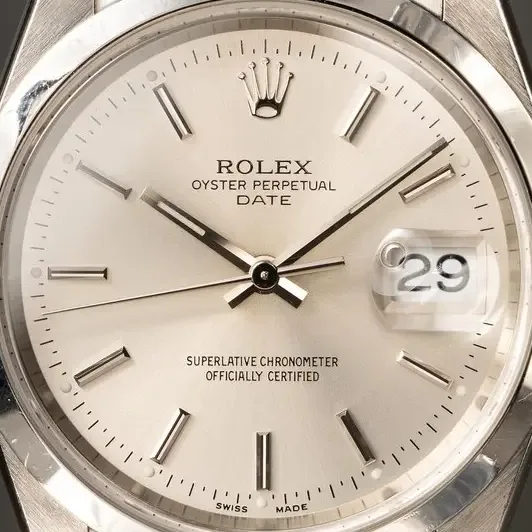
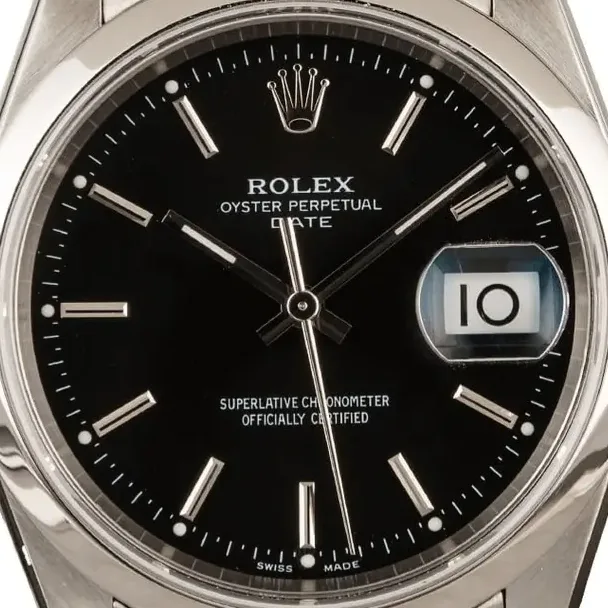
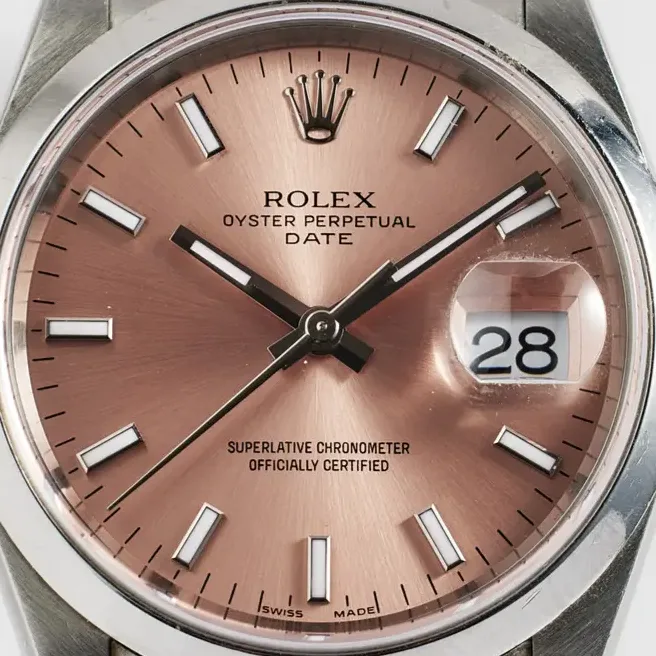
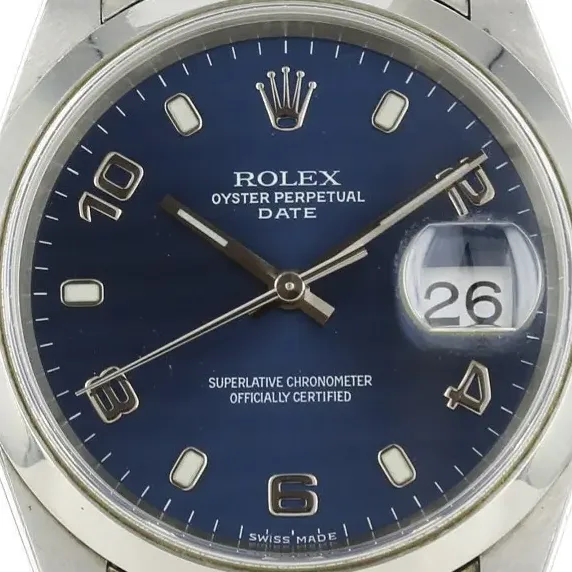
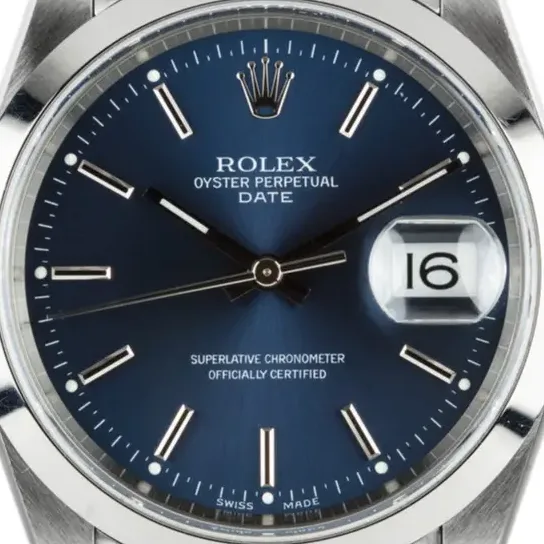
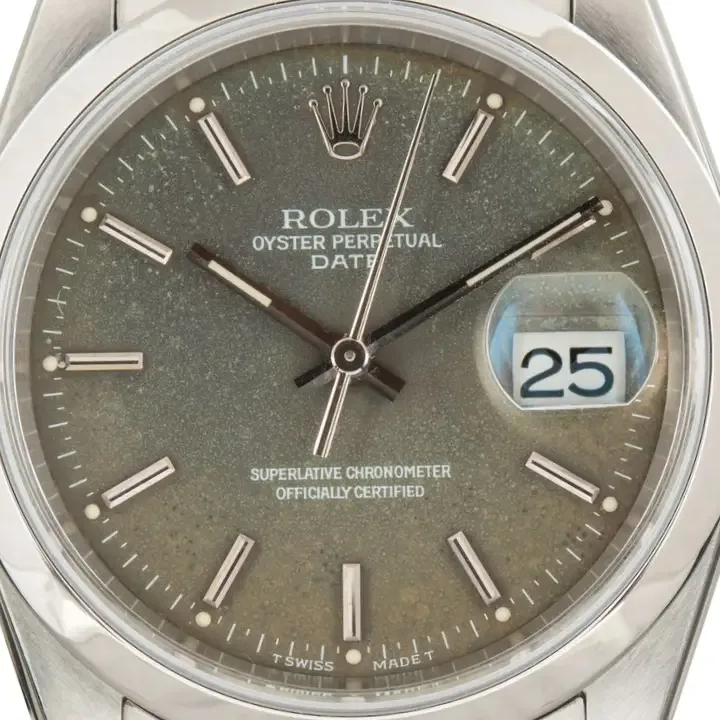
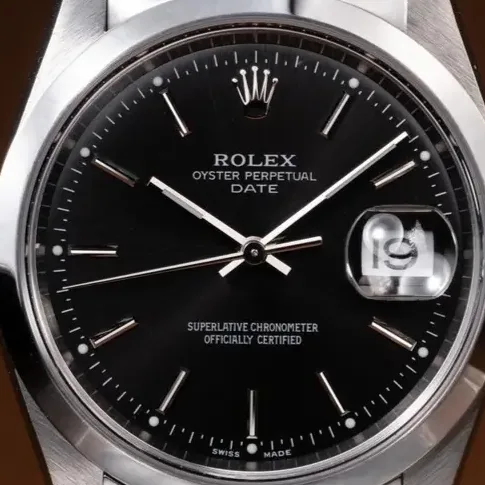
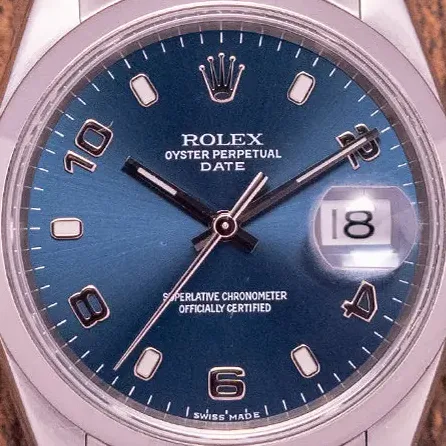
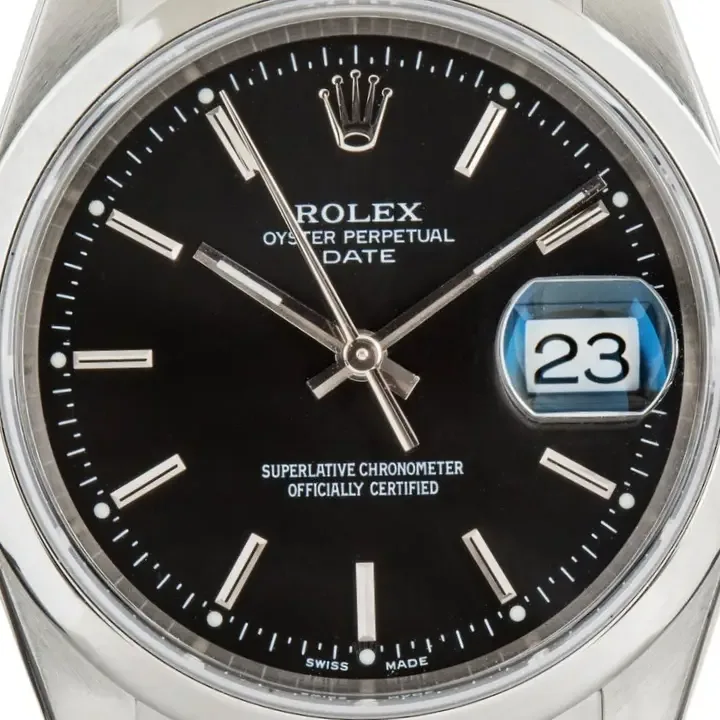
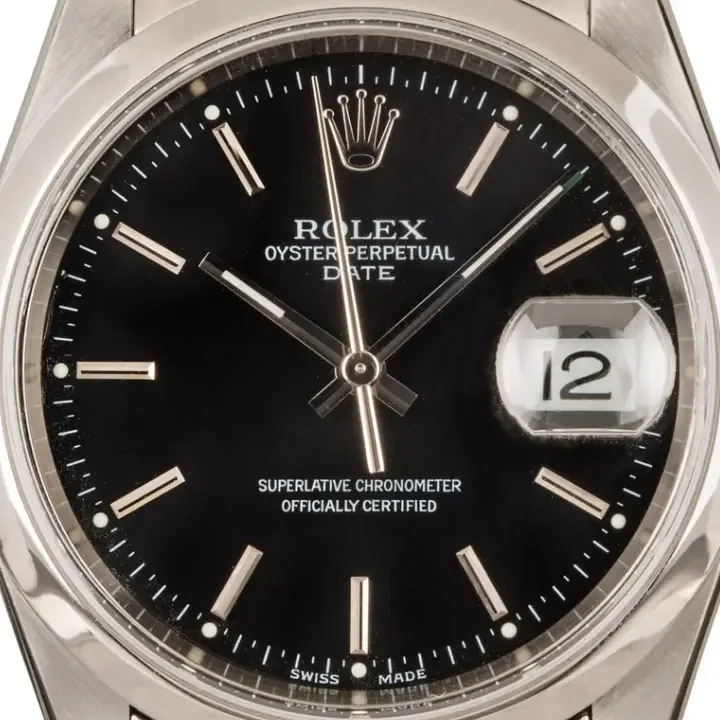
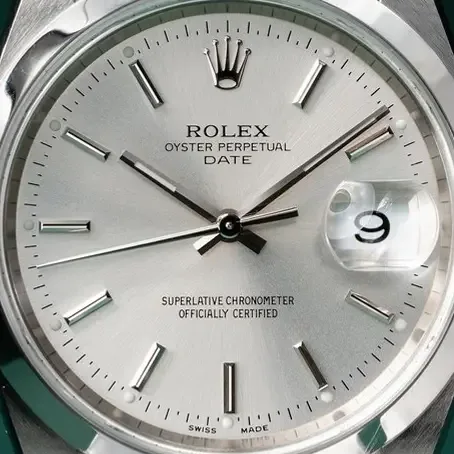
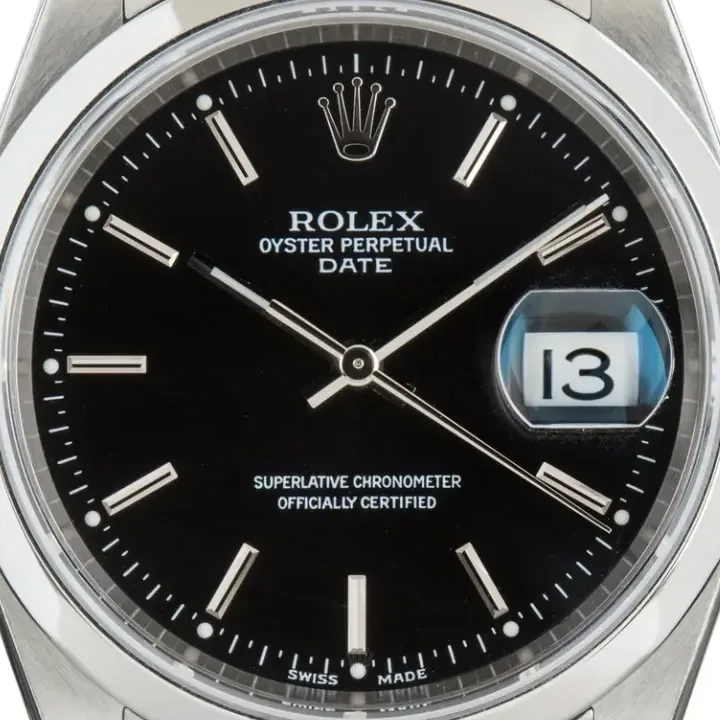
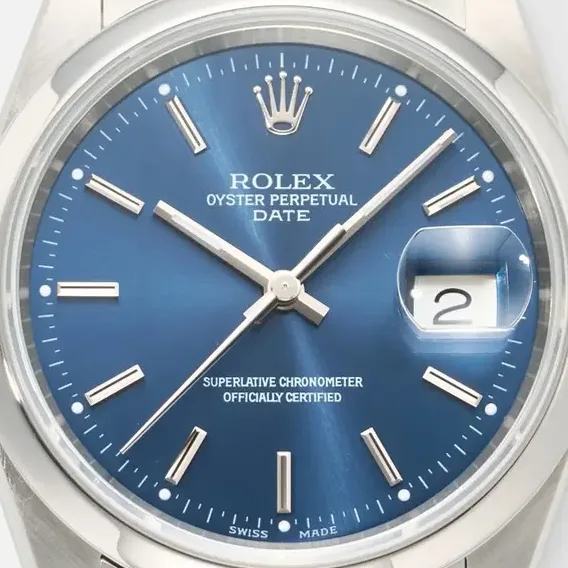
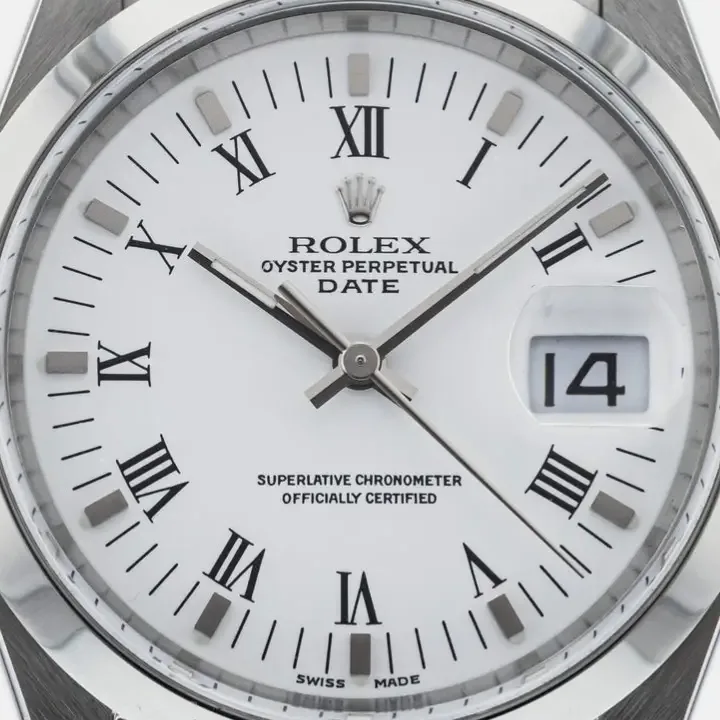
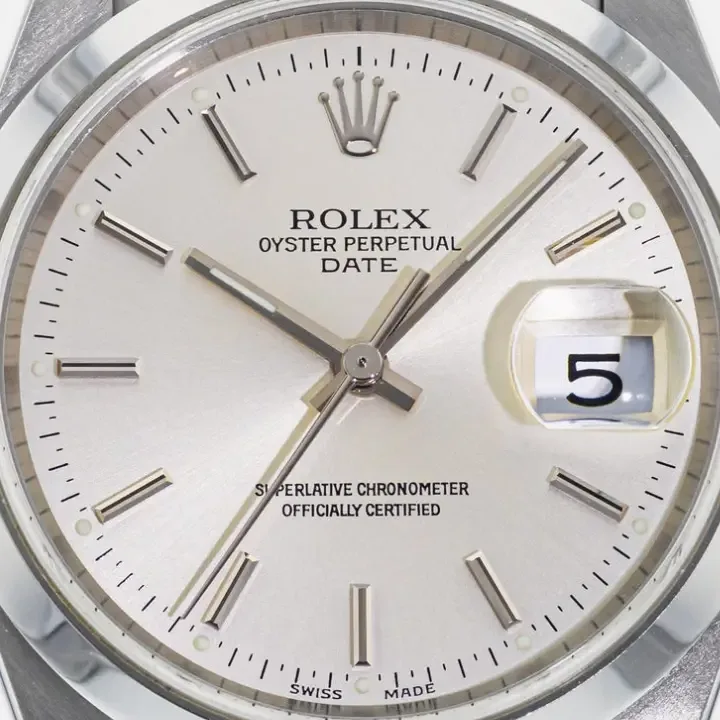
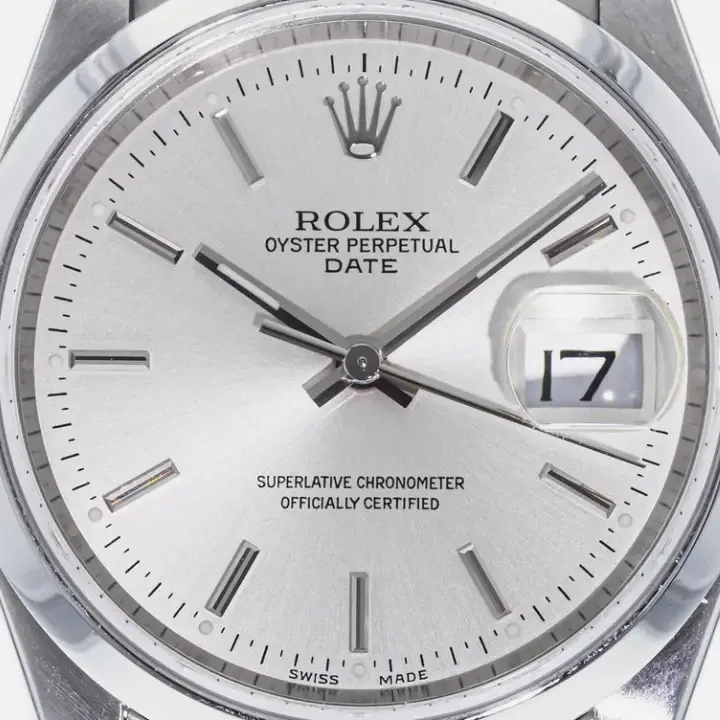
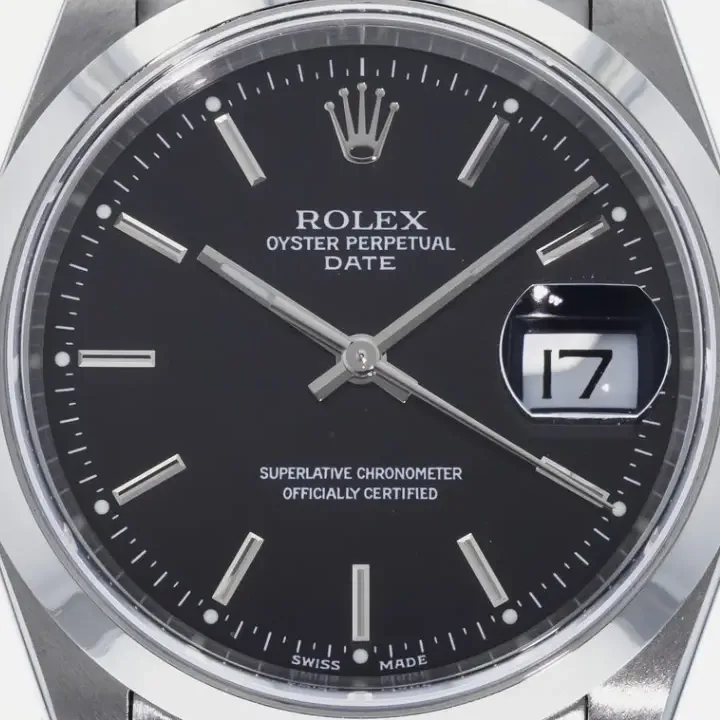
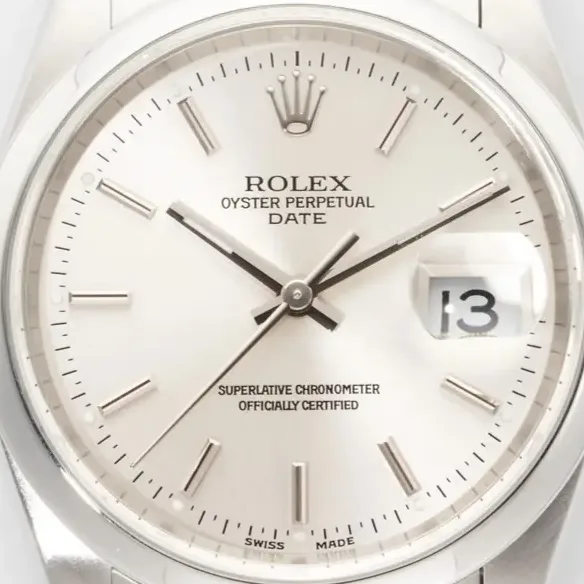
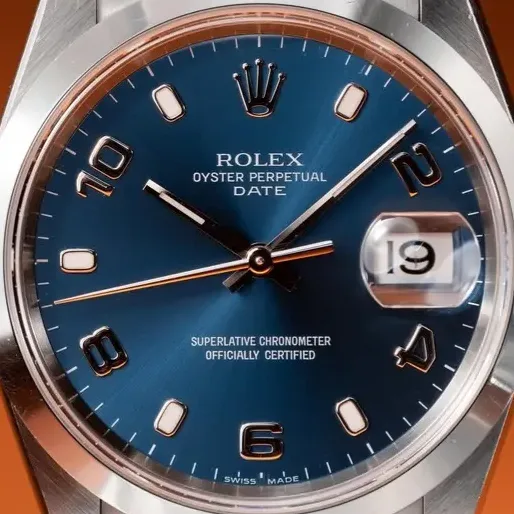
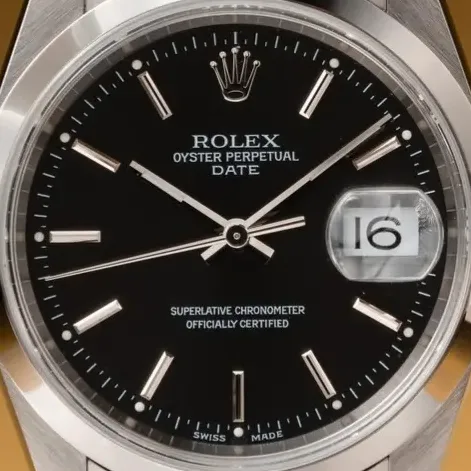
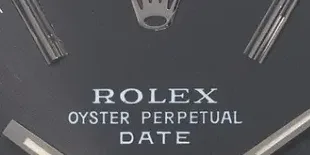
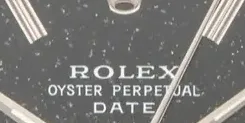
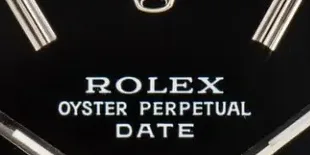
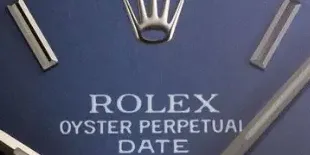
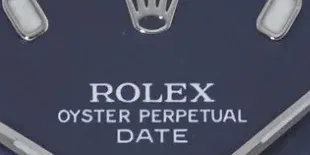
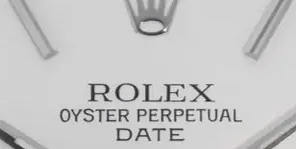
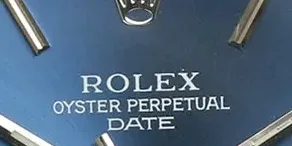
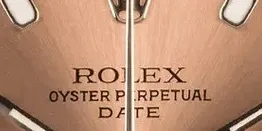
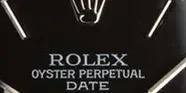
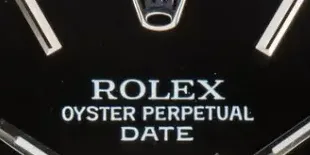
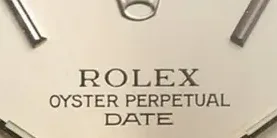
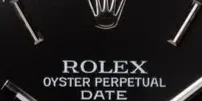
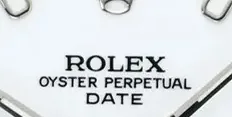
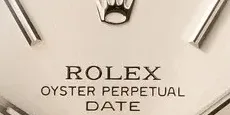
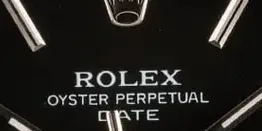
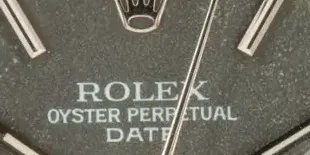
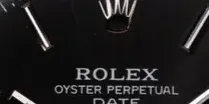
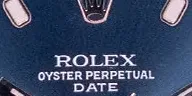
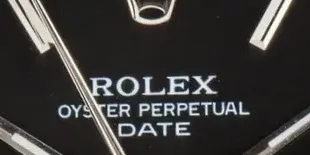
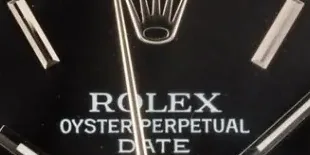
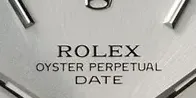
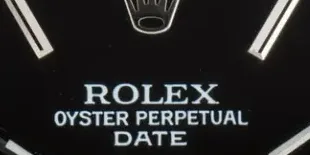
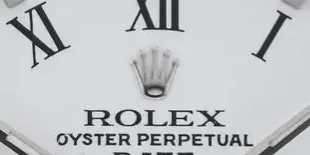
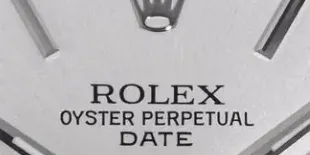
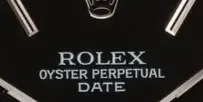
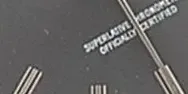
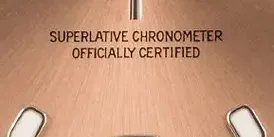
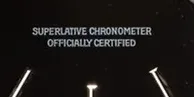
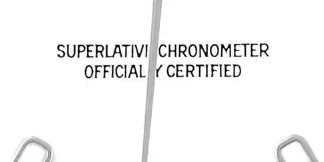
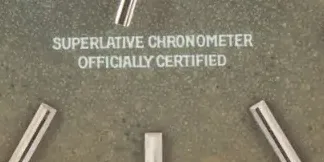
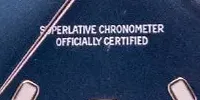
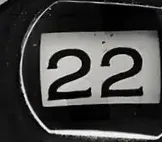
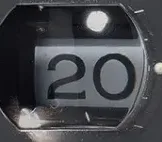
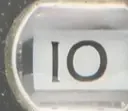
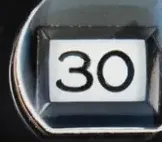
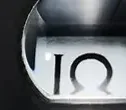
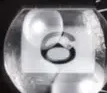
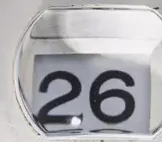
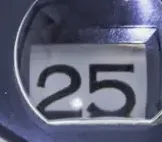
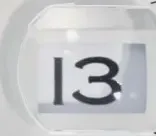
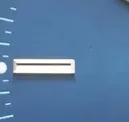
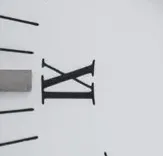
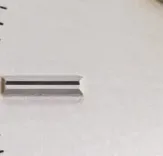
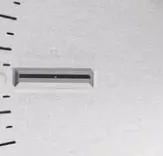
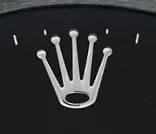
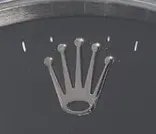
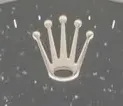
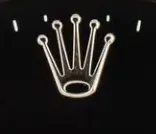
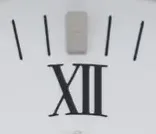
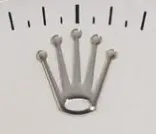
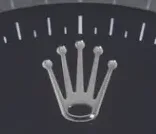
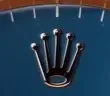
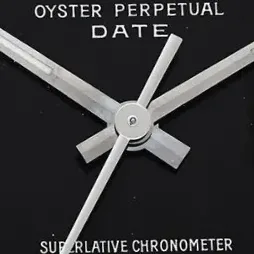
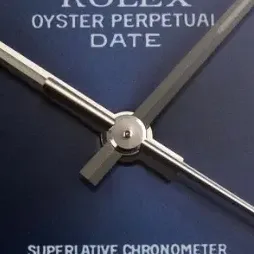
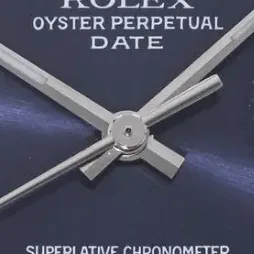
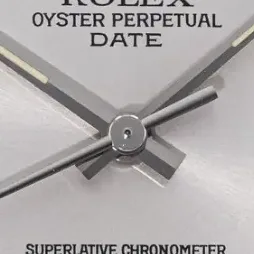
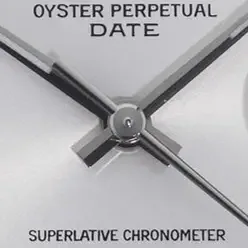
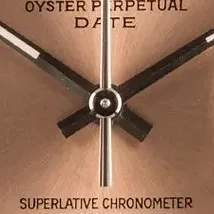
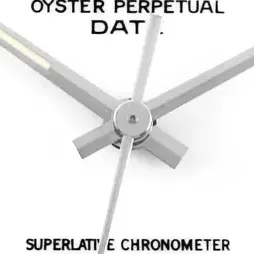
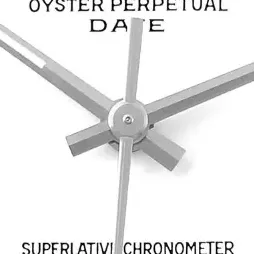
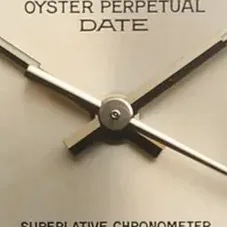
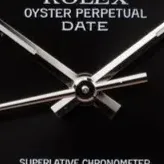
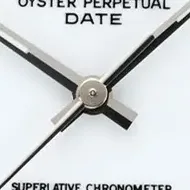
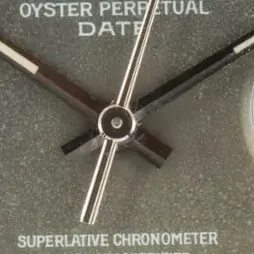
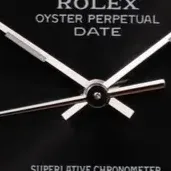
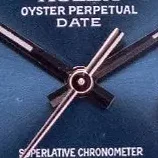
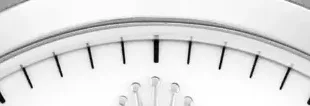
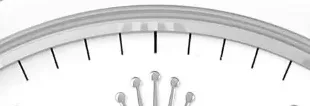
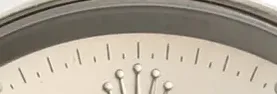
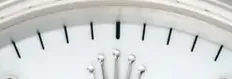
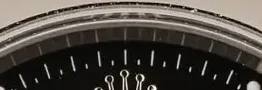
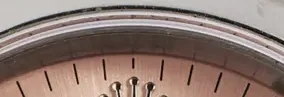
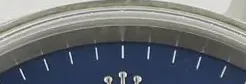
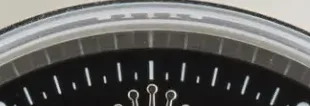
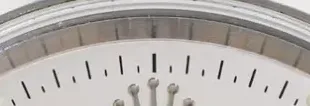
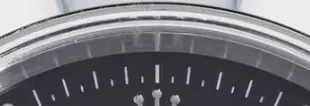
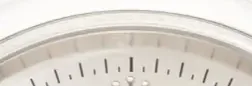
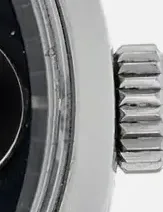
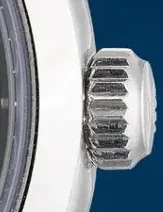
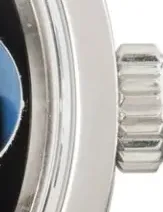
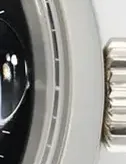
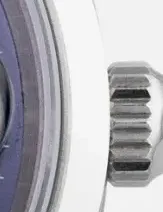
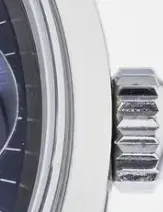
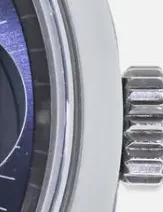
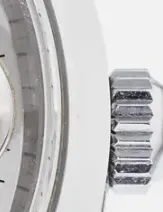
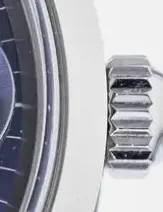
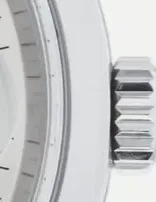
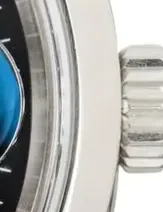
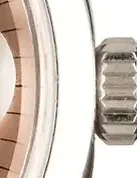
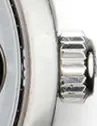
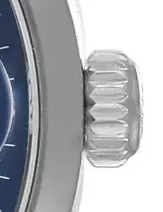
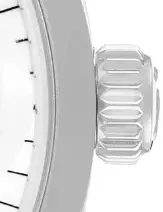
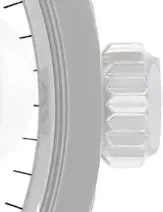
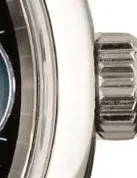
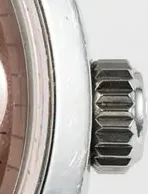
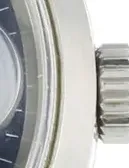
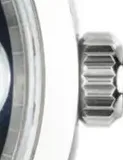
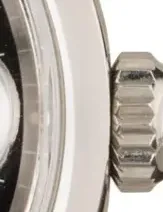
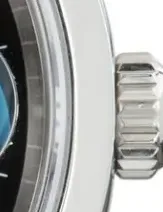
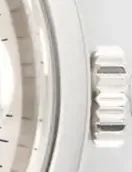
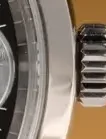
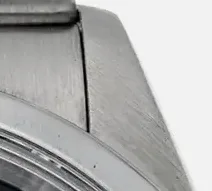
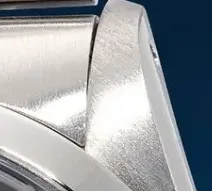
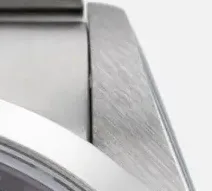
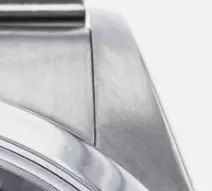
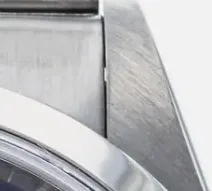
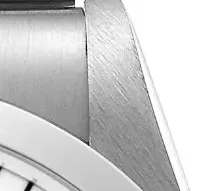
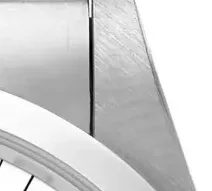
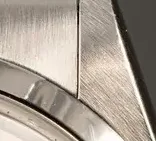
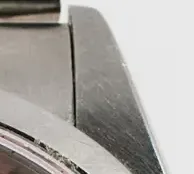
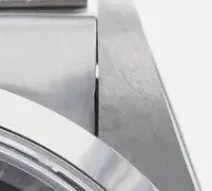
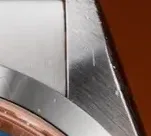
46 watches, oldest first, each straightened and cut the same way so that one row shows one component across them all. Chosen from 1,557 photographs on file for sharpness and for a face typical of the reference. A year marked c. is one its holder gives only roughly. Each picture is a detail cut from a listing photograph. Select the small mark in its corner for its year, its holder, a link to the listing it came from, and a way to report it.
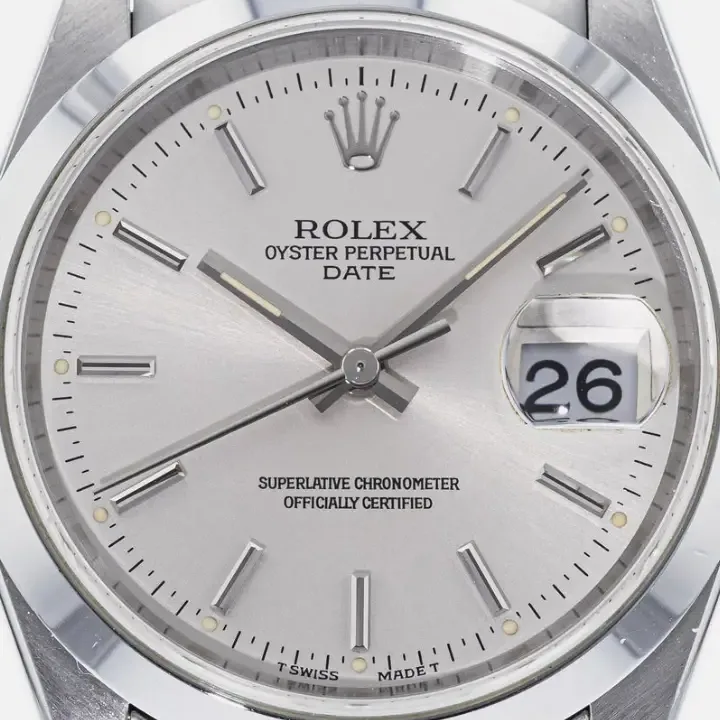
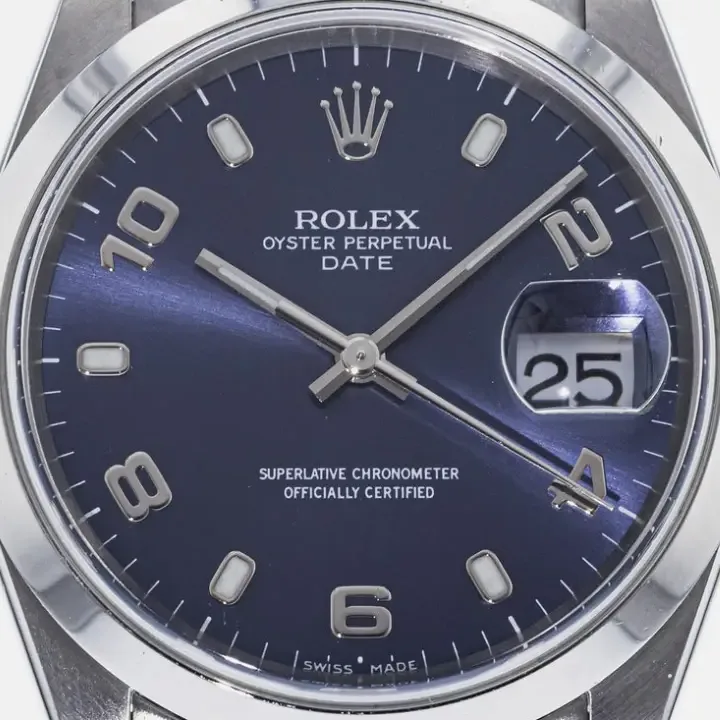
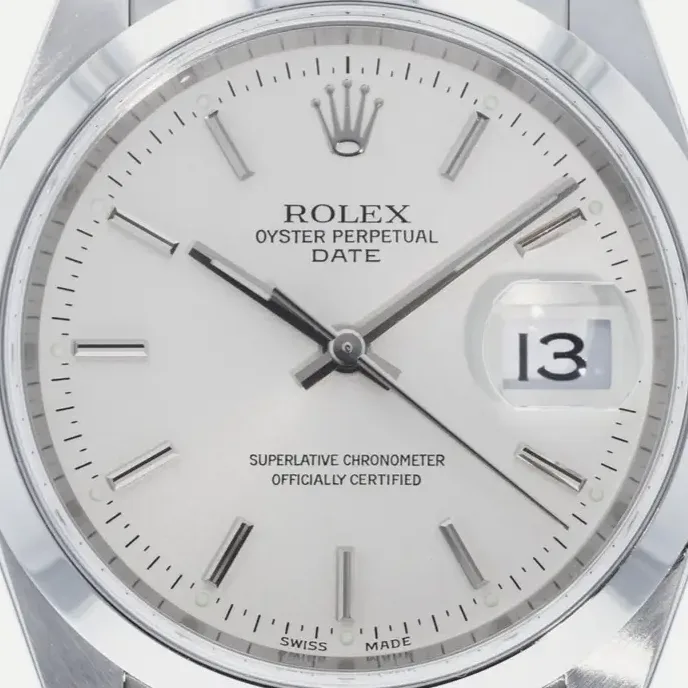
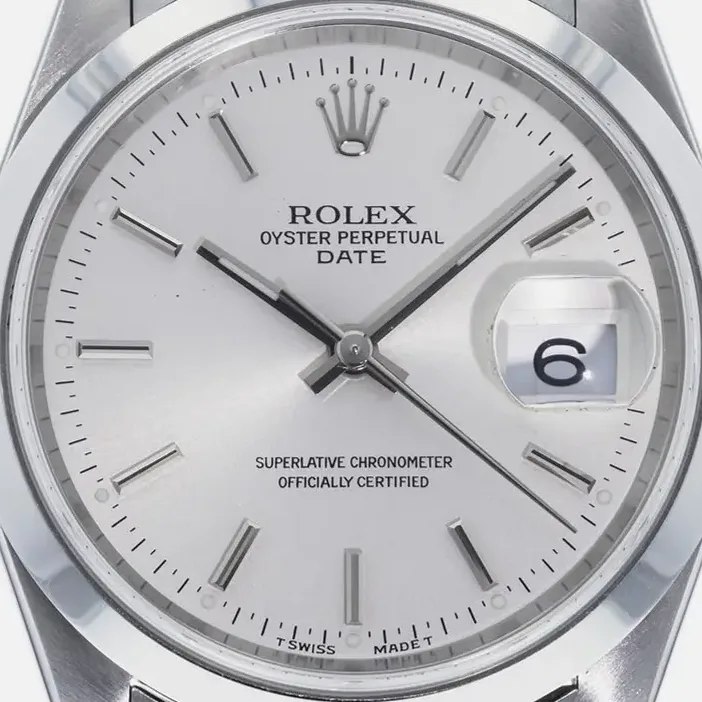



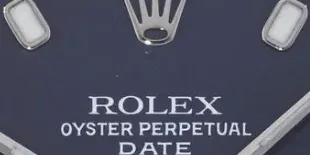
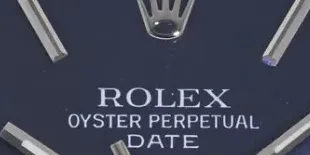
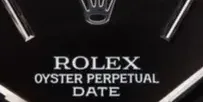
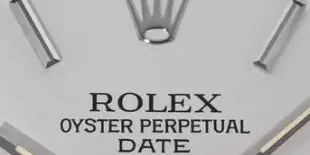


























































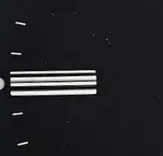
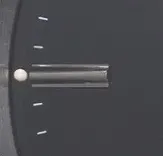
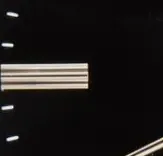
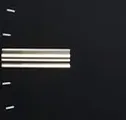
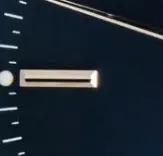

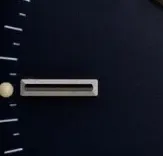
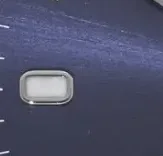
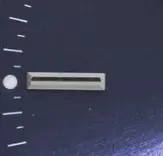
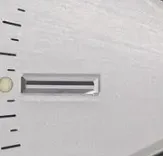
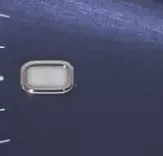
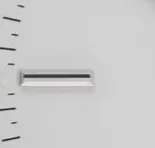
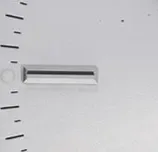
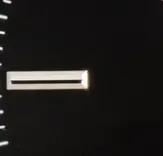
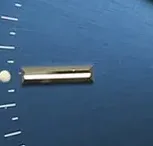
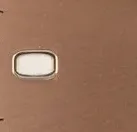

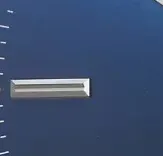
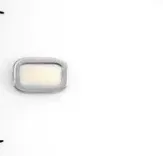
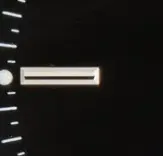
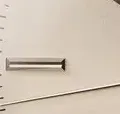
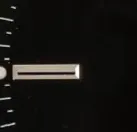
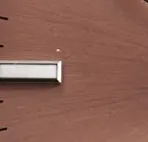
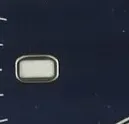
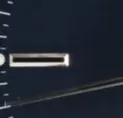
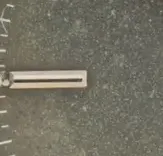
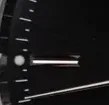
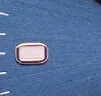
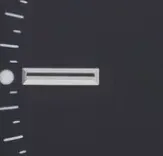
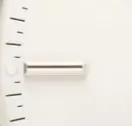
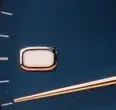
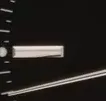

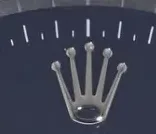

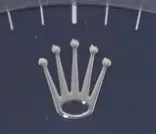


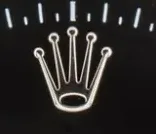
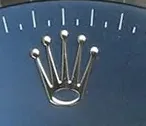
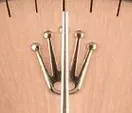

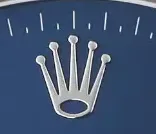
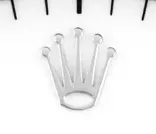
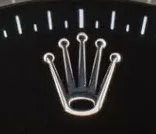
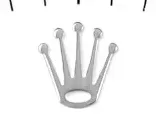
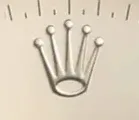
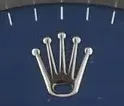
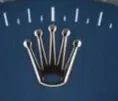
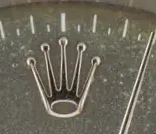
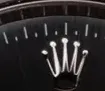

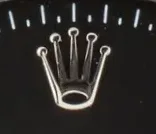
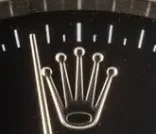

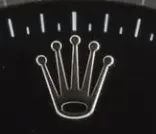
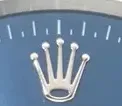























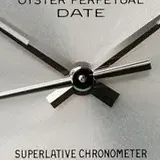


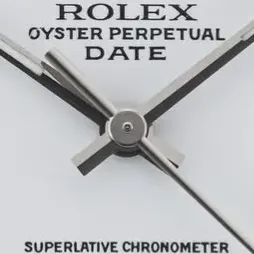
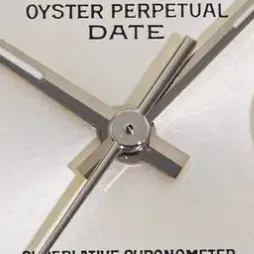
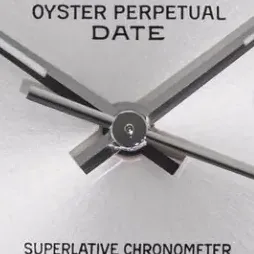




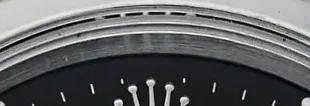

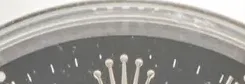

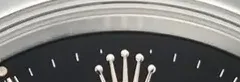

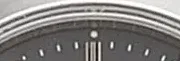

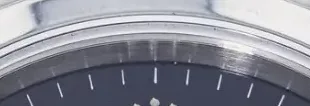
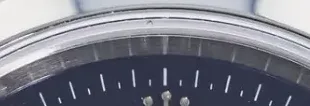


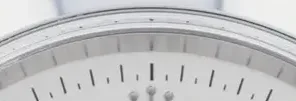

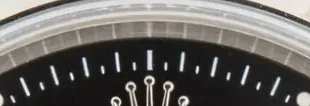

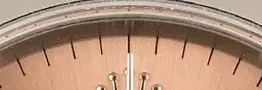
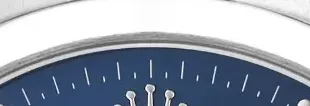


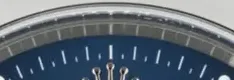

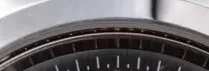
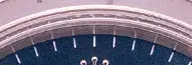
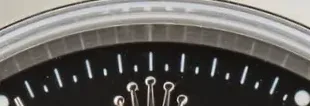


















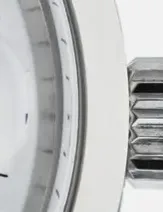
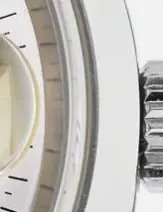
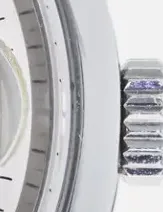
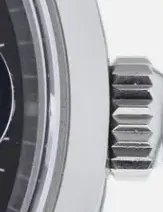






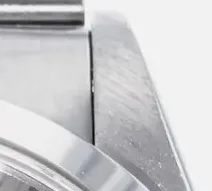
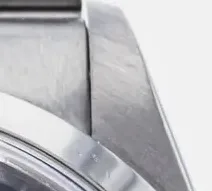





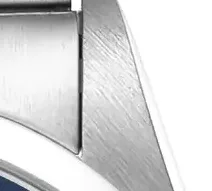




















Chronology
The literature gives 1988 as the start and the early 2000s as the end, with no end year; case numbers in the library's records run from the late 1980s to 2006, with most watches made between 1994 and 2002.
Every dated variant: what is written, and what the records show
For the reference the marks are every dated watch; for a variant, the watches a seller names as that variant, so a variant sellers do not name has none.
The reference's own marks are dated by case number. A variant's marks use the year each seller states, so a variant can show watches in a year where the row for the reference shows fewer, or none.
Specification
| Case | 34 mm stainless steel Oyster case (316L), about 11 mm thick, screw-down back, Twinlock screw-down crown, lug width 19 mm |
| Crystal | Sapphire with Cyclops lens |
| Bezel | Smooth polished steel, with the records describing it as domed |
| Dial | Black, white, silver, grey, sunburst blue, salmon, champagne and floral dials; baton, Arabic or Roman markers |
| Movement | Caliber 3135, automatic, 31 jewels, 28,800 vibrations per hour, quickset date, about 48 hours of power reserve |
| Bracelet | Three-link Oyster bracelet with folding clasp, tapering from 19 mm to 14 mm; a five-link Jubilee was also offered |
| Water resistance | 100 metres |
Dial 7 described
The 15200 dial range is narrower than the Datejust's but wide for a steel Date. Black, white and silver dials predominate, with sunburst blue popular; salmon and other softer colours were also made. Markers are batons, Arabic numerals or Roman numerals. Diamond markers were never an official option.
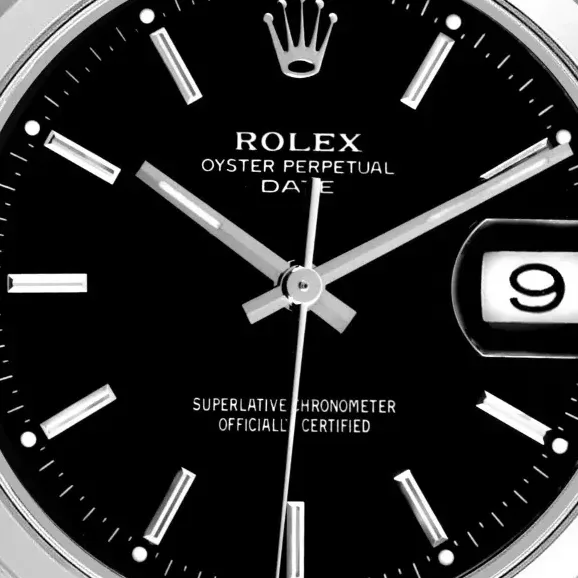
Black dial
One of the commonest colours, with baton or other markers in applied indices.
- applied indices on black Confirmed by eye on a watch of 2000; the photograph is not shown here. See the listing at swisswatchexpo.com
- high contrast for the size
Silver dial
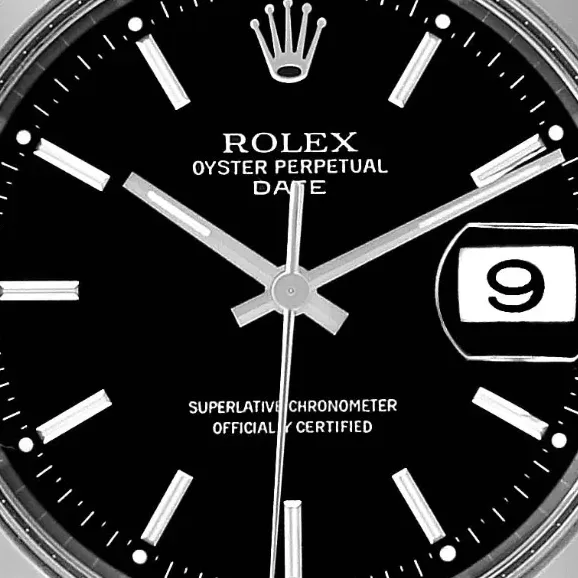
A restrained colour, among the two most frequently stated in the records.
- silver ground Confirmed by eye on a watch of 1999; the photograph is not shown here. See the listing at swisswatchexpo.com
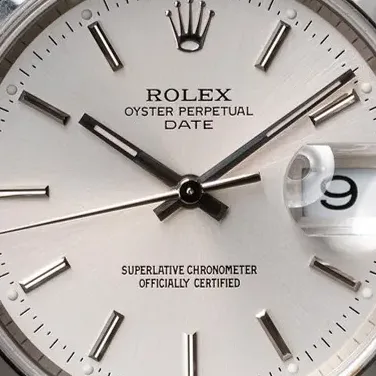
White dial
White dials were made with batons or with Roman numerals. A white Roman-numeral dial on a smooth bezel is the form most often shown.
- Roman numerals on white
Sunburst blue dial
An attractive blue with sunburst finish, said to be especially popular. Some watches in the records are described as sunburst; a blue dial can carry Arabic numerals.
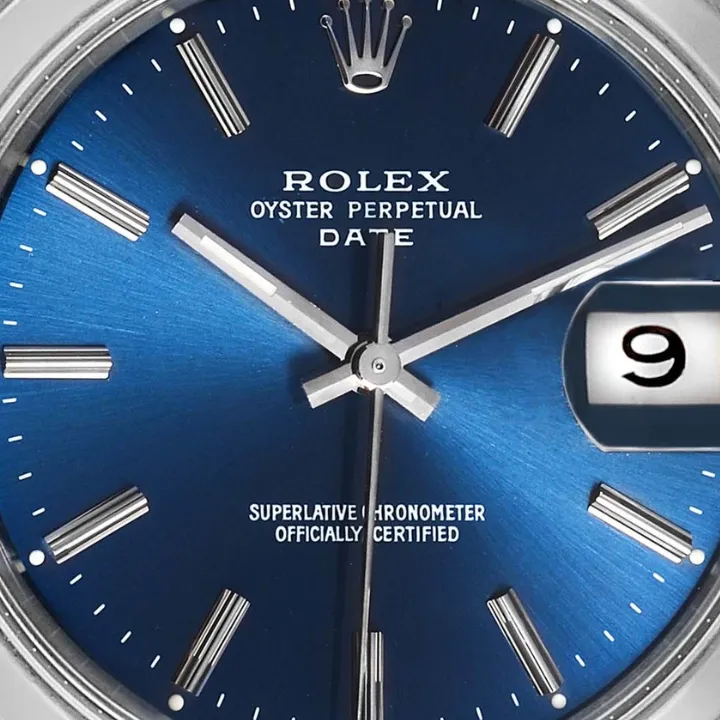
- Arabic numerals on some
81 listings on record under the name.
Also sold under this name and confirmed by eye, the photograph not shown here: 2000 · the listing at swisswatchexpo.com.
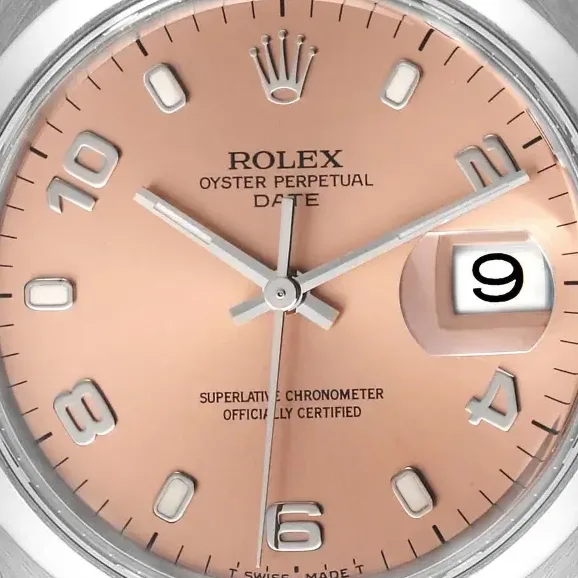
Salmon dial
One of the feminine shades in the range from the reference's launch, when 34 mm watches were as popular with women as with men. Sellers state salmon on a small share of the watches in the records; the years of those watches are not a span of production.
- salmon pink ground Confirmed by eye on a watch of 1999; the photograph is not shown here. See the listing at swisswatchexpo.com
Other colours and patterns
Grey, champagne and cream dials appear in small numbers, and floral-pattern dials are noted among the feminine options. A few watches are described as tropical, patinated or refinished.
- floral dial pattern
Gem-set dial and bezel (aftermarket)
Diamond markers were not offered by Rolex on this reference. Watches with stones on dial and bezel are third-party work, and Rolex will not service them.
- stones on dial or bezel
Luminous material 3 described
Two lume types are named, and the text at the foot of the dial goes with them, which makes them the first dating clue. A third, Super-LumiNova, appears in seller descriptions of the later watches.
Tritium
Earliest watches have tritium on hands and markers. Beneath the six o'clock index the dial is printed T SWISS T, T Swiss Made T or, in the third form, Swiss T<25. The lume is mostly spent and toned to a warm patina.
- T SWISS T at six o'clock
- Swiss T<25 at six o'clock
- warm toned lume
Luminova
From about 1998 Rolex used Luminova, a photoluminescent material that must be charged by light; one account places the change in the early 1990s. Dials are marked simply SWISS on the lower edge.
- SWISS alone at six o'clock
Super-LumiNova
Later watches have Luminova and then Super-LumiNova in place of tritium; the literature gives no year for the second change. Sellers state Super-LumiNova for watches dated 1999 to 2002, which is when they describe it so, not the date of the change.
Bezel 1 described
The bezel is the plain feature that sets the reference apart from its relatives.
Smooth polished bezel
A smooth, polished bezel gives the watch a clean frame and a slightly dressier look than the engine-turned 15210. Sellers describe it as domed on most watches.
- smooth domed bezel
Also sold under this name and confirmed by eye, the photograph not shown here: 1999 · the listing at swisswatchexpo.com, 2000 · the listing at swisswatchexpo.com, 2000 · the listing at swisswatchexpo.com.
Case 1 described
The case is a plain steel Oyster, brushed on top with polished flanks.
34 mm steel Oyster case
The case is 316L steel, the grade Rolex used until the new century, 34 mm across and about 11 mm thick. Lug width is 19 mm. It rates to 100 metres and has a screw-down back. It stands a light polish, though polished and unpolished examples are both recorded.
- short lugs
- brushed top, polished flanks
Crown 1 described
The crown is screw-down with the Twinlock system.
Twinlock screw-down crown
The 100 metre rating rests on a Twinlock crown, which is not the Triplock of the dive watches.
- Twinlock crown
Crystal 1 described
The crystal marks the change from vintage Date references.
Sapphire with Cyclops
Scratch-resistant sapphire with a Cyclops lens over the date, in place of the acrylic of earlier references. A replacement crystal that is not original is one of the items to check.
- Cyclops over the date at 3
Date 1 described
The date is quickset on every watch.
Quickset date
The date changes independently of the hands with the crown at the middle position.
Movement 1 described
The Caliber 3135 runs the whole reference and is its main point. It replaced the Caliber 3035 of the 150xx series.
Caliber 3135
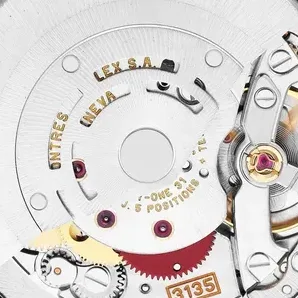
A chronometer-certified automatic, 31 jewels, 28,800 vibrations per hour, with Microstella regulation, Breguet overcoil hairspring, quickset date and a full balance bridge. Over the Caliber 3035 it has a larger balance wheel, 31 jewels in place of 27 and a power reserve of about 48 hours (one account gives 50) in place of the 42 usually given for the 3035. It measures 28.5 mm across and 6 mm high. Many watches have not been serviced recently.
- Caliber 3135 on the movement
Bracelet 2 described
The Oyster is the usual fitting and the bracelet is the part that most shows the watch's age.
Oyster bracelet
Three-link Oyster, 19 mm at the lugs and tapering to 14 mm at the clasp, with folding clasp. The centre links and end links are hollow; solid end links had not yet arrived. One account describes the links of early watches as folded and later ones as more solid, without a year. Sellers give the bracelet reference 78350, which other published accounts describe as a solid-link bracelet, with end-link codes 557 and 557B. Stretch is the commonest wear.
- hollow end links
- stretch with gaps between links
Jubilee bracelet
A five-link Jubilee was also offered on this reference, a dressier alternative to the Oyster. Only a few watches in the records are on a Jubilee.
- five-link bracelet
Originality
- Bracelets stretch with wear, and worn ones show gaps between the links; a stretched bracelet should be checked and costed.
- The crystal should be the original sapphire with Cyclops and free of scratches; whether it is original is one of the points to check.
- The Caliber 3135 often has not been serviced for many years; sellers state service papers on a small number of watches.
- Dials stated as refinished by sellers are a few; stones on dial or bezel are non-Rolex additions.
- Lume and the dial marking at six o'clock should agree: tritium text with a lume that has toned, and SWISS alone with Luminova.
Names
- Date. The steel 34 mm model is called the Date to set it apart from the 36 mm Datejust.
Where accounts differ
Points on which the published literature and the library's own records do not agree, or on which the literature contradicts itself.
- When tritium ended. One guide to this reference says Rolex moved from tritium to Luminova from the early 1990s. Accounts of the sister Datejust references and of the Air-King of the same years give 1998 or the late 1990s, and in the library's records sellers describe tritium on watches dated to the late 1990s and Luminova on watches dated 1999 and 2000, though the dates sellers give are often guesses.
- End of production. One account puts the reference's end in the early 2000s without a year. Case numbers in the library's records run to 2006.
- Bracelet links. One review of the 15200 says early watches have folded links with hollow end links and later ones a more solid build; another says only that the centre and end links are still hollow. Accounts of the 78350, the bracelet reference sellers give, describe it as a solid-link Oyster in use from about 1977, though a review of the Air-King 14000 calls the same 78350 folded-link.
Back and movement
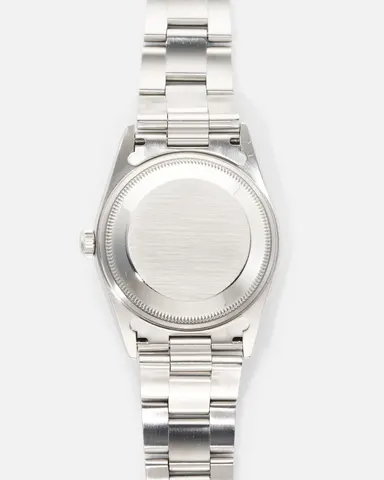
From listings of this reference, each confirmed by eye to show what it is filed under. A picture on which a person's name or a personal engraving can be read is not shown. From most holders a detail from the middle of the photograph is shown; the mark in its corner gives its holder and a link to the listing.
Caseback
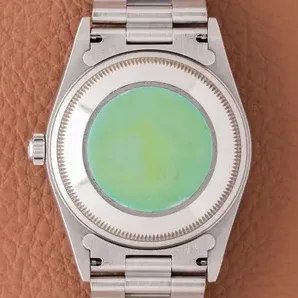
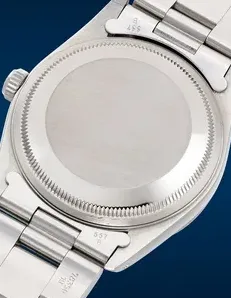
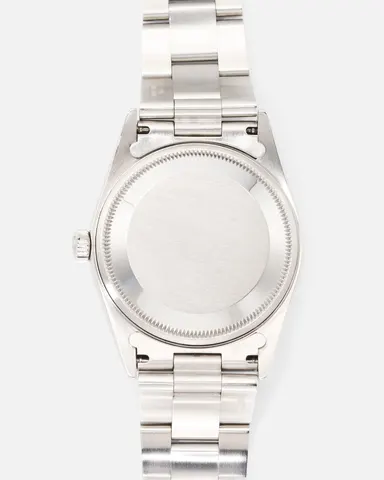
Movement
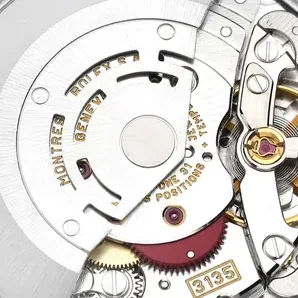


In the records
Counted from 723 listings at 47 holders between 10 June 2009 and 14 November 2026. These are what sellers and auction houses state, not measurements.
Fainter bars are the 17 outside the main run of 1990–2005 (the middle nine-tenths): the earliest is 1987 and the latest 2006. They are early and late examples, and now and then a number misread. The head of the page gives 1989–2006: the years that listings from two holders bear out.
At the holders that record papers on every watch, 21% of their 310 listings of this reference come with papers; at those that record the box on every watch, 79% of 332 come with a box. "Papers" is whatever the holder counts as papers, and can include service papers.
Case metal
| Steel | 460 | |
| Silver | 2 |
Dial colour
| Silver | 127 | |
| Black | 124 | |
| Blue | 100 | |
| White | 93 | |
| Salmon | 26 | |
| Brown | 3 | |
| Pink | 3 | |
| Grey | 2 |
Case size
| 34 mm | 490 | |
| 35 mm | 4 | |
| 33 mm | 2 |
Calibre named
| 3135 | 98 |
Bracelet or strap
| Oyster bracelet | 360 | |
| Metal bracelet, kind not stated | 60 | |
| Jubilee bracelet | 6 | |
| Leather strap | 3 |
Each table counts the listings that state the thing, in the seller's own terms. A size, metal, colour or calibre that cannot belong to this reference is a seller's slip or a listing filed under the wrong number.