Part of the line Bubbleback, where it is set beside the others of its kind.
Oyster Perpetual Ovettone (Pre-Explorer)
Reference 6298 is a large steel Oyster Perpetual of 36 mm with a strongly domed back, usually called the Ovettone or big bubbleback. It was launched in 1953 as the improved successor to the 6098 that the Everest team had used. It has the self-winding A296, a three-piece case and a six-millimetre screw-down crown. Dials vary widely: matte silver or cream with arrow markers, black, and textured honeycomb, waffle or tapestry types, some with numerals at 3, 6 and 9 like the later Explorer. One account gives fewer than a thousand made. Collectors look first at whether the dial is original, then at the hands, crown and case back.
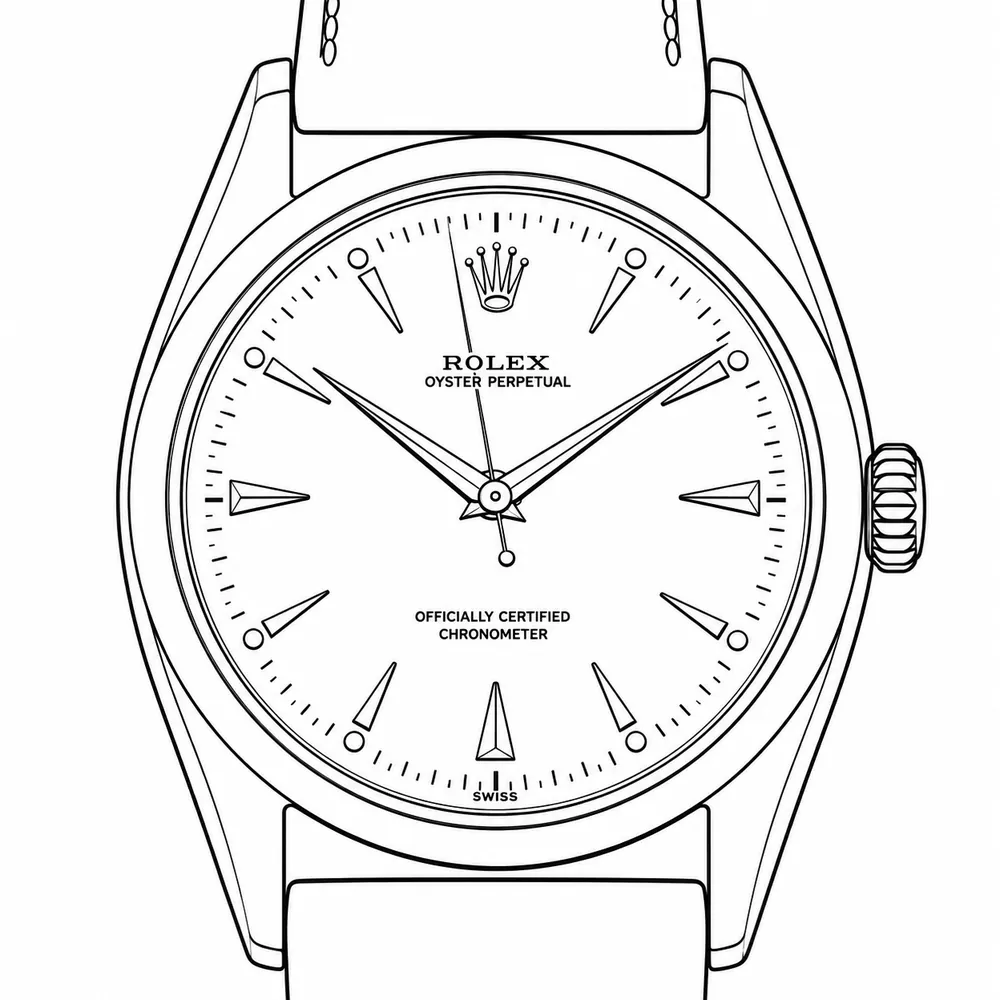
- Made
- 1953–1957dates approximate
- Seen in the library
- 1953–1956by case numbers
- Case
- 36 mm · steel (83%)as sellers state
- Movement
- Calibre A296automatic
- On record
- 43 listings136 photographs · 18 holders
Components
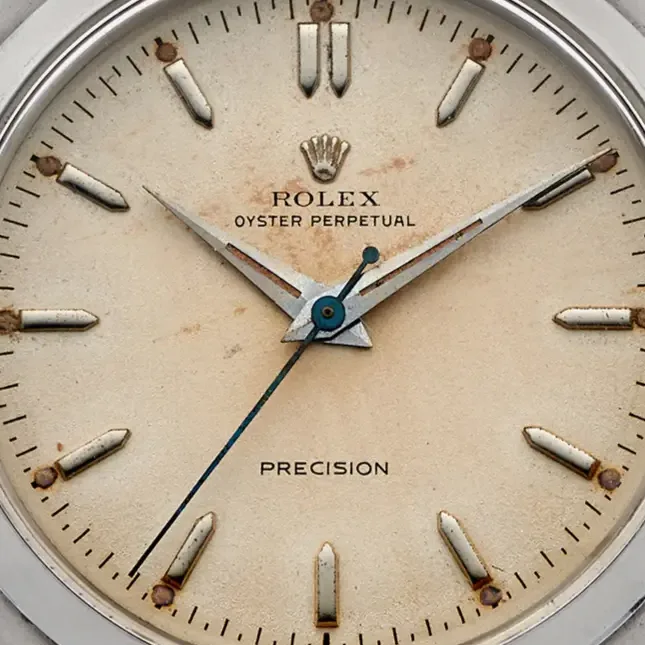
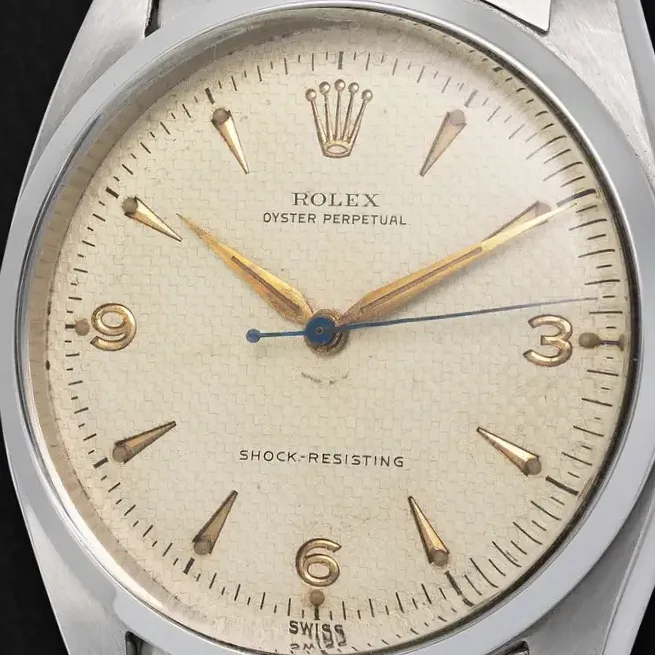
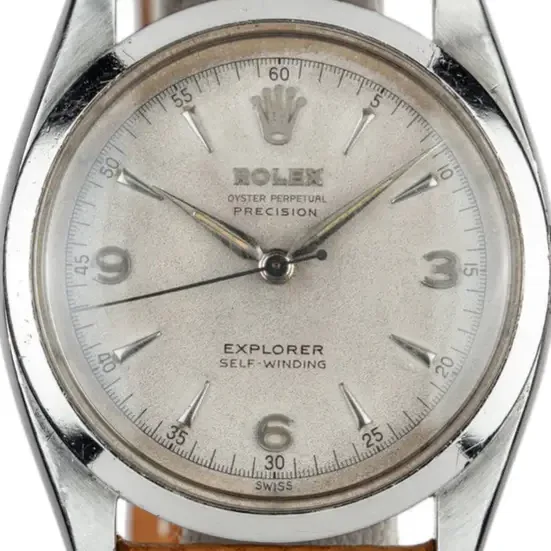
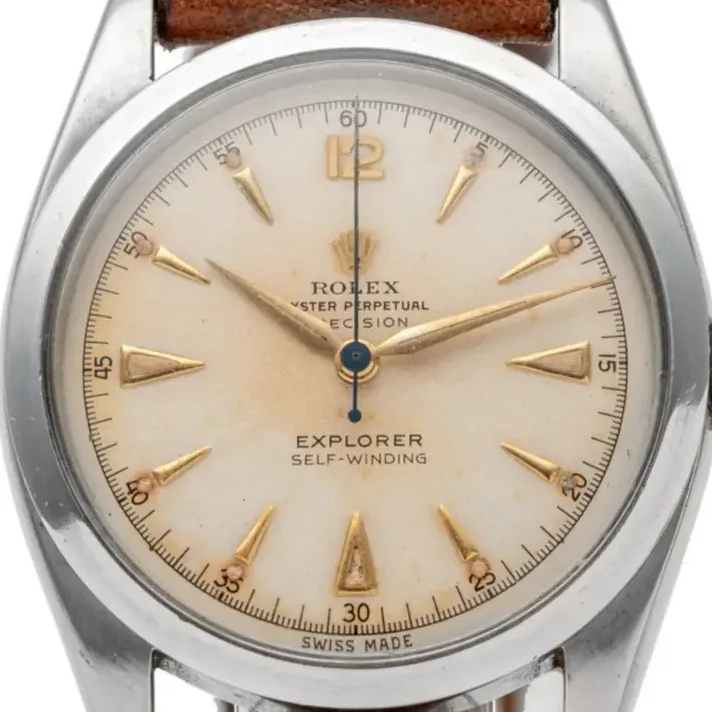
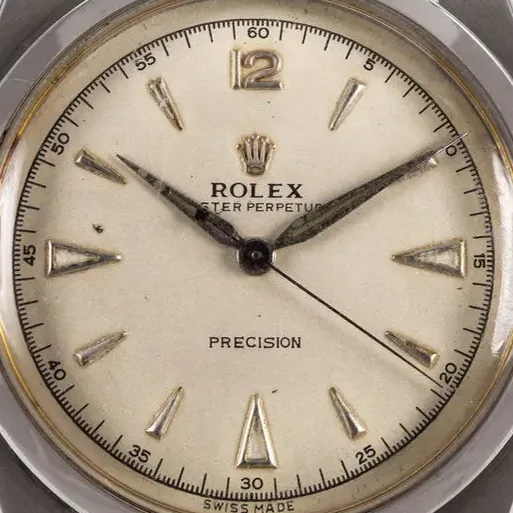
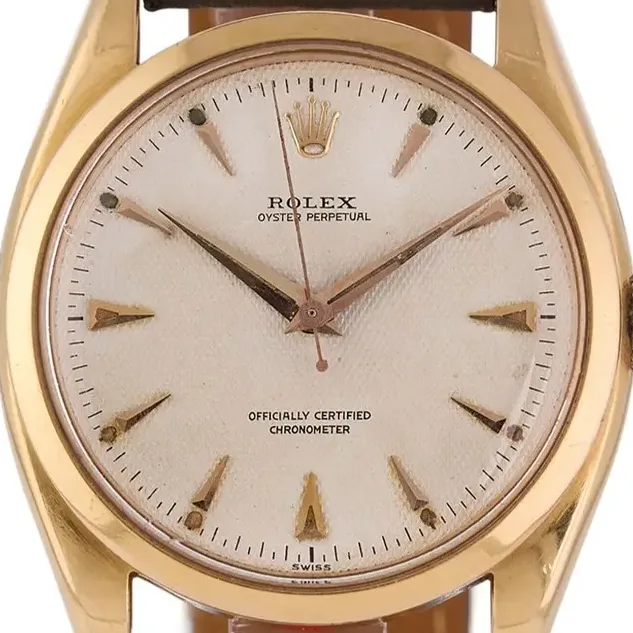
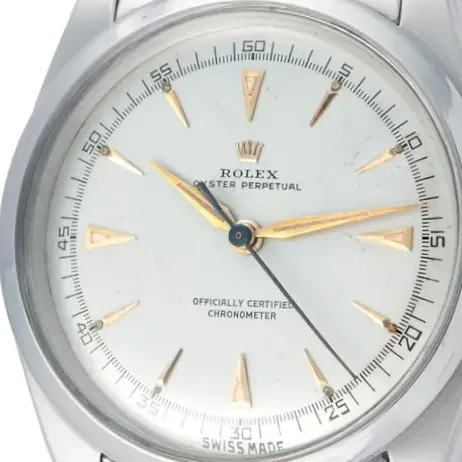
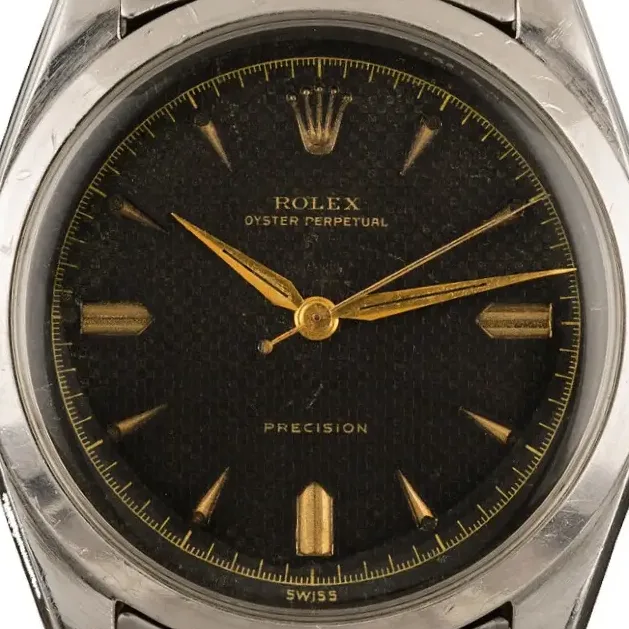
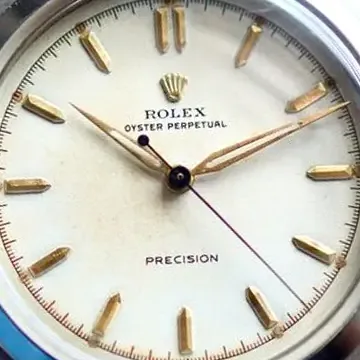
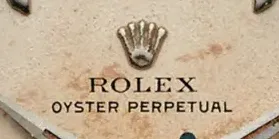
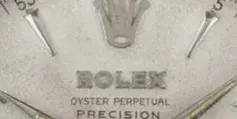
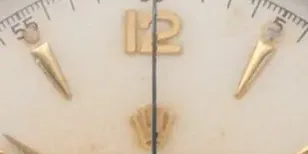
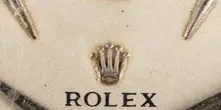
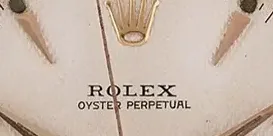
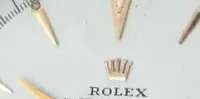
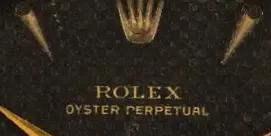
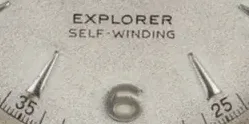
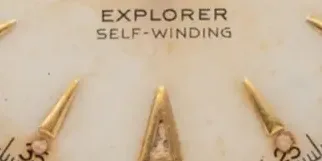
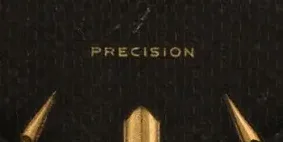
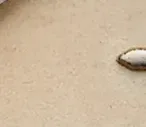
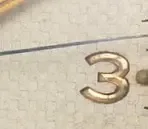
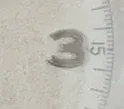
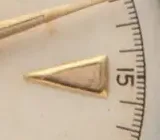
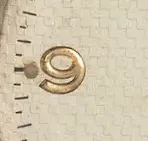
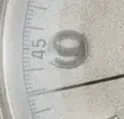
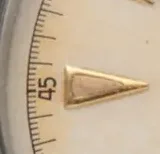
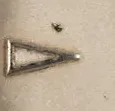
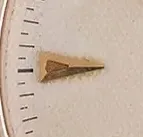
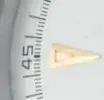
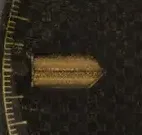
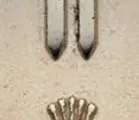
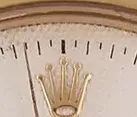
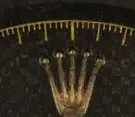
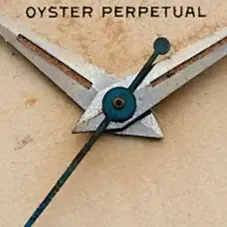
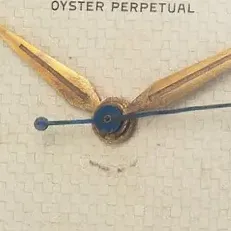
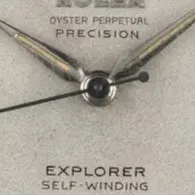
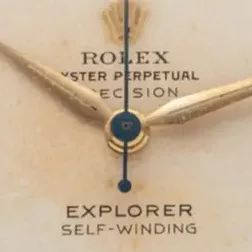
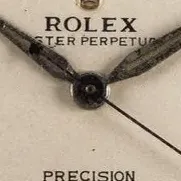
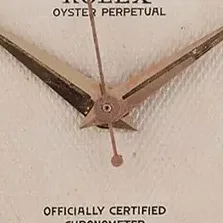
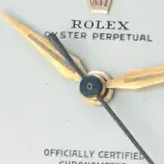
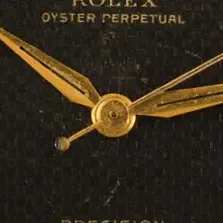
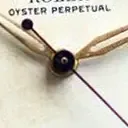
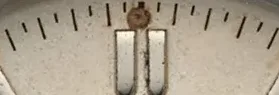
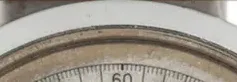
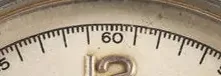
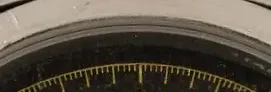
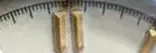
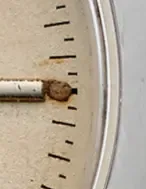
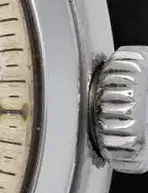
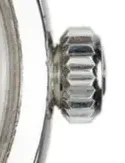
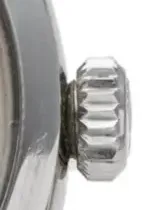
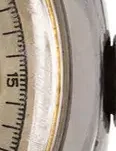
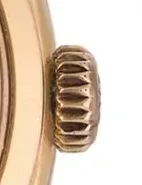
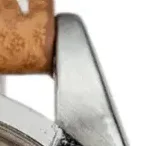
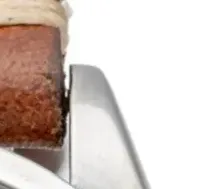
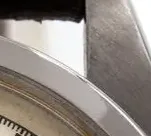
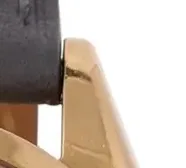
9 watches, oldest first, each straightened and cut the same way so that one row shows one component across them all. Chosen from 136 photographs on file for sharpness and for a face typical of the reference. A year marked c. is one its holder gives only roughly. Each picture is a detail cut from a listing photograph. Select the small mark in its corner for its year, its holder, a link to the listing it came from, and a way to report it.
























Chronology
Accounts agree on a launch in the course of 1953 but give no end date; one watch described is dated about 1957, and the library's case numbers run from 1953 to 1956.
Every dated variant: what is written, and what the records show
For the reference the marks are every dated watch; for a variant, the watches a seller names as that variant, so a variant sellers do not name has none.
The reference's own marks are dated by case number. A variant's marks use the year each seller states, so a variant can show watches in a year where the row for the reference shows fewer, or none. 2 dated listings fall outside this scale and are not drawn.
Specification
| Case | 36 mm steel Oyster case in three pieces, 20 mm lugs, domed back |
| Crystal | Tropic crystal secured by the bezel |
| Crown | 6 mm screw-down crown signed Brevet |
| Movement | Self-winding calibre A296, 18 jewels |
| Bracelet | Riveted Oyster bracelet, early ones without end links; Jubilee bracelets also stated in listings |
Dial 4 described
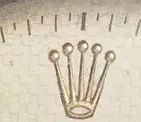
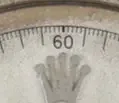
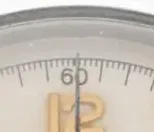
The 6298 has no single dial. The early type is matte silver or cream with applied arrow markers, a closed minute track and an applied crown logo. Numerals at 3, 6 and 9 were added in 1953; black and textured dials also occur. Original dials are not the rule: repainted ones are more common.
Arrow-marker dial
The early dial is silvered or creamy, with raised gilt arrow-head hour markers, a closed minute track and an applied coronet over the Rolex name. It prints Rolex Oyster Perpetual Precision above the centre. Collectors call this the Everest dial. A watch of this type is stamped as made in the fourth quarter of 1953. Sellers state SWISS only for some.
- applied arrow-head markers
- closed minute track
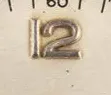
- applied coronet at 12
- Precision above the centre
3-6-9 dial
In 1953 or soon after, the dial gained Arabic numerals at 3, 6 and 9, the layout later carried by the Explorer, with dagger markers between them and luminous plots. It appears in matte black and in light colours. One account says the black 3-6-9 dial was only officially introduced on the 6150 and 6350.
- Arabic 3, 6 and 9
- dagger-shaped indexes
- luminous plots beside the markers
- SHOCK RESISTING text on some
Textured dial
Dials with a printed surface texture exist in several patterns, among them nobnail waffle, honeycomb, square waffle and tapestry. They are recorded on this reference in silver and in black.
- fine printed texture across the whole dial surface
Explorer on the dial
Some 6298 dials have the word Explorer printed on them, one with Self-winding below it and Precision above the centre. One account calls these later versions, though one such dial is on a watch stamped for the fourth quarter of 1953. Many sellers use the name Explorer in their titles, but the literature treats the reference as a Pre-Explorer.
- Explorer printed on the dial
Luminous material 1 described
The lume is radium, set as plots beside the markers.
Radium plots
Small luminous plots sit beside the hour markers and fill the hands. With age the lume turns a dark cream. A few sellers state radium.
- cream-coloured plots
Hands 2 described
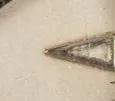
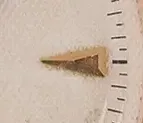
The hands are sword-shaped, with a blued centre seconds hand. One account says Mercedes hands were added later.
Sword hands with blued seconds
Luminous sword-shaped hands go with a blued steel sweep seconds hand, whose heat treatment gives mixed shades of blue.
- sword-shaped luminous hands
- multi-hued blued seconds hand
Mercedes hands
One account says Mercedes hands were added later, without a date; another ties their arrival to the 6150 and 6350 rather than to this reference.
- Mercedes hour hand
Case 2 described
The case is a large three-piece Oyster with a domed back, 36 mm across with 20 mm lugs.
Three-piece big bubbleback
The bezel holds the tropic crystal onto a separate middle case. The thick A296 requires the domed back. The 6098 before it was a monobloc, its bezel and middle case made in one piece. The inside of the back is signed Montres Rolex SA with the reference and a stamp for quarter and year, for example IV.53; a III.53 stamp is also reported.
- strongly domed back
- reference and quarter-year stamp inside the back
- separate bezel and middle case
Gold and two-tone cases
Sellers describe a few watches in pink gold or in steel and gold, some with waffle or honeycomb dials; the literature does not discuss them.
Crown 1 described
The crown changed from the 6098 to the 6298.
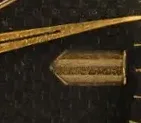
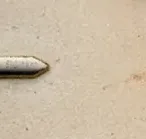
Brevet screw-down crown
A 6 mm screw-down crown signed Brevet replaced the push-in Super Oyster crown of the 6098, which had proved prone to leaking. Some sellers state a Brevet crown.
- Brevet signature
- screw-down 6 mm crown
Crystal 1 described
The crystal is held by the bezel.
Tropic crystal under the bezel
The bezel presses the tropic crystal down onto the middle case to make a watertight seal.
- separate bezel over the crystal
Movement 1 described
The movement is the A296, as in the 6098.
A296
The self-winding A296 has 18 jewels and is signed Rolex Perpetual Swiss Made Patented. It is a thick movement, which explains the domed back. Some listings give the calibre as 775, a number also used in published accounts for the A296.
- Rolex Perpetual Swiss Made Patented signature on the movement
Bracelet 2 described
The usual bracelet is the riveted Oyster, without end links on early watches.
Riveted Oyster bracelet, straight ends
A riveted bracelet with straight ends and no end links is correct for the early watches, since end links were patented only in 1954 and not adopted at once. A bracelet clasp can post-date the watch: one is engraved 1956 on a watch made in 1953.
- rivet links
- straight ends without end links
Jubilee bracelet
Sellers state a Jubilee bracelet for a few watches, mostly dated 1953 to 1956. The literature does not mention it.
Originality
- Repainted dials are more common than intact ones on this reference, so an unrestored textured dial is notable.
- A dial may be a later replacement: a reconditioned dial is sometimes swapped for a new-old-stock one, which is scarce and not the watch's own.
- The bracelet or clasp may be a later addition: end links were patented in 1954 and a clasp engraved 1956 has turned up on a watch made in 1953.
- Radium lume turns a dark cream with age.
Names
- Ovettone. Italian for big egg, for the large domed case back and crystal.
- Big bubbleback. The back is domed to clear the thick A296, in the manner of the earlier bubblebacks.
- Pre-Explorer. It has the 36 mm size and, on some dials, the 3-6-9 layout of the Explorer, but most dials do not carry the Explorer name.
- Everest Explorer. It came from the Everest-era watches that led to the Explorer.
- Dress Explorer. Its light dials and arrow markers give a smarter look than the later black Explorer.
Where accounts differ
Points on which the published literature and the library's own records do not agree, or on which the literature contradicts itself.
- Years of making. No account gives an end date. One account describes a 6298 whose serial puts it about 1957 and says that is four years after the Explorer appeared, while another dates another watch to 1953. The library's case numbers run from 1953 to 1956, and sellers state years from 1950 to 1963.
- Which reference pairs with which. Two accounts have the 6150 as a 1952 prototype beside the 6098, with the 6298 and the 3-6-9 dial following in 1953. Another has the 6150 and 6350 as the successors of the 6098 and 6298 and says the black 3-6-9 dial was only officially introduced with them, though it shows a black 3-6-9 6298.
- Whether it is an Explorer. One account says the difference between these Oyster Perpetuals and the Explorer is the Explorer text on the dial, and that this one is not a Pre-Explorer because of its date. Many sellers' titles in the library's records use the word Explorer for the 6298, and some dials carry it.
In the records
Counted from 43 listings at 18 holders between 12 April 2006 and 14 November 2026. These are what sellers and auction houses state, not measurements.
Case metal
| Steel | 24 | |
| Pink gold | 2 | |
| Steel and gold | 2 | |
| Silver | 1 |
Dial colour
| Black | 2 | |
| Silver | 2 | |
| Champagne | 1 | |
| Red | 1 | |
| White | 1 | |
| Cream | 1 |
Case size
| 36 mm | 15 | |
| 35 mm | 8 |
Calibre named
| A296 | 7 | |
| 775 | 2 |
Bracelet or strap
| Metal bracelet, kind not stated | 4 | |
| Oyster bracelet | 3 | |
| Jubilee bracelet | 2 | |
| Leather strap | 2 |
Each table counts the listings that state the thing, in the seller's own terms. A size, metal, colour or calibre that cannot belong to this reference is a seller's slip or a listing filed under the wrong number.