Part of the line Bubbleback, where it is set beside the others of its kind.
Explorer
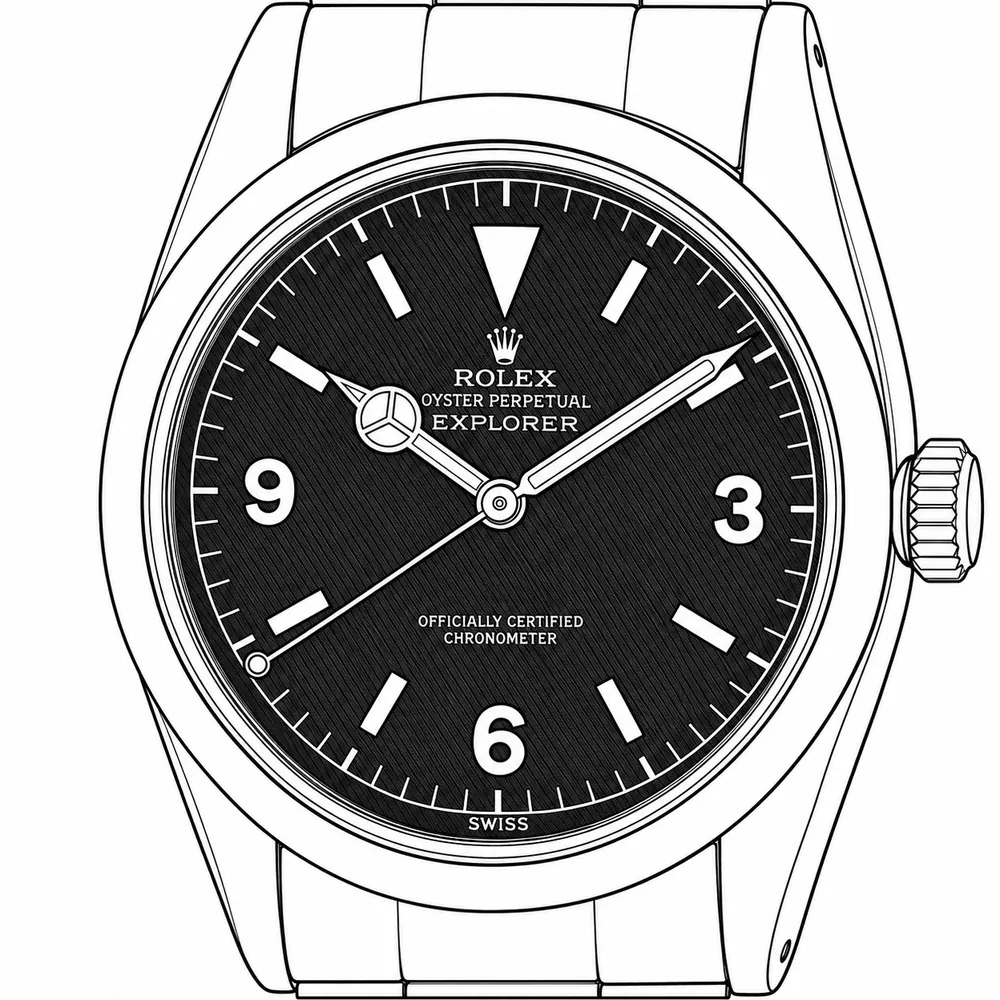
Reference 6350 is the first Oyster Perpetual with the name Explorer on the dial, a 36 mm steel watch with a domed back, black 3-6-9 dial and the self-winding A296. It was launched in 1953, within months of the Everest ascent, and was made alongside the 6150, whose dial says Precision. Its movements were tuned and certified as chronometers, which the lower half of the dial states. Some have a rare honeycomb dial, and the hands may be Mercedes or pencil. Production was short: one account ends it in 1954. The 6610 followed. Collectors look first at the dial, then the hands, the radium and the crown.
- Made
- 1953–1954dates approximate
- Seen in the library
- 1953–1954by case numbers
- Case
- 36 mm · steelas sellers state
- Movement
- Calibre A296automatic
- On record
- 30 listings80 photographs · 10 holders
Components
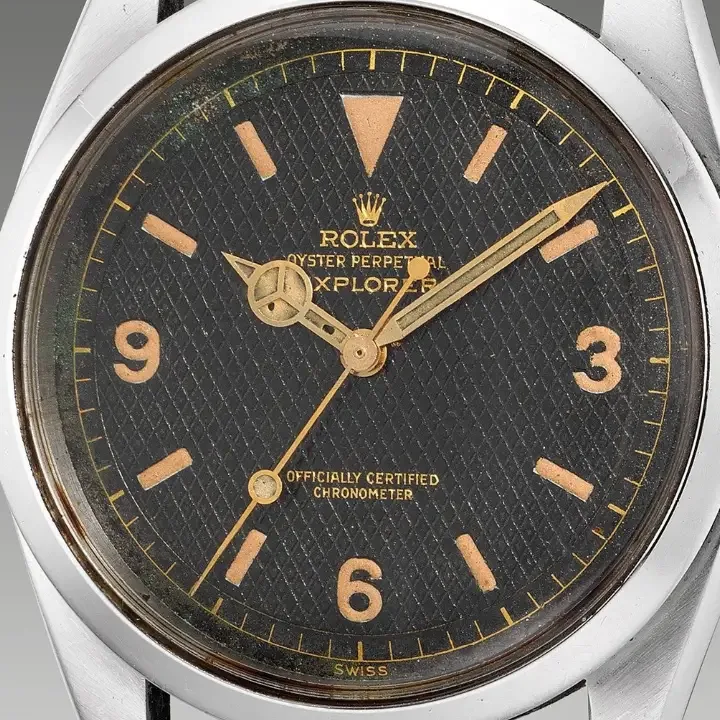
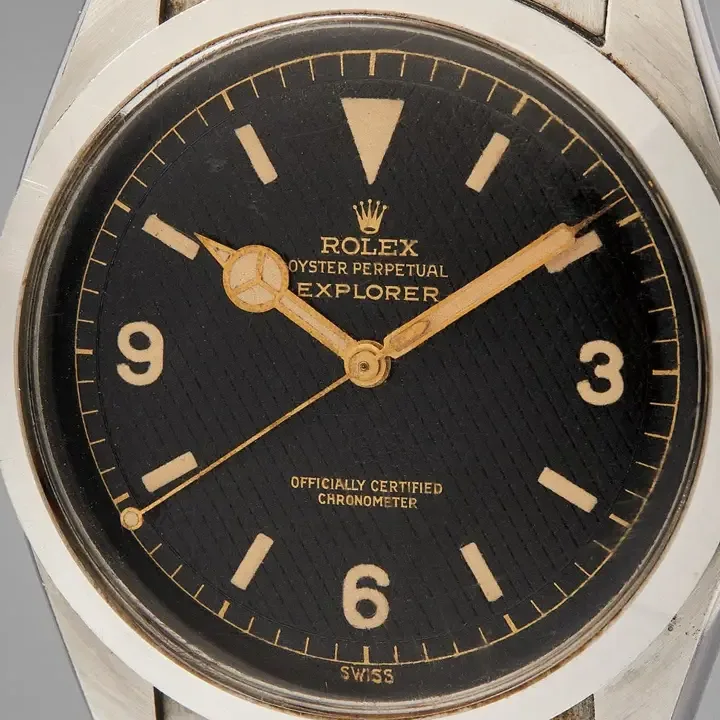
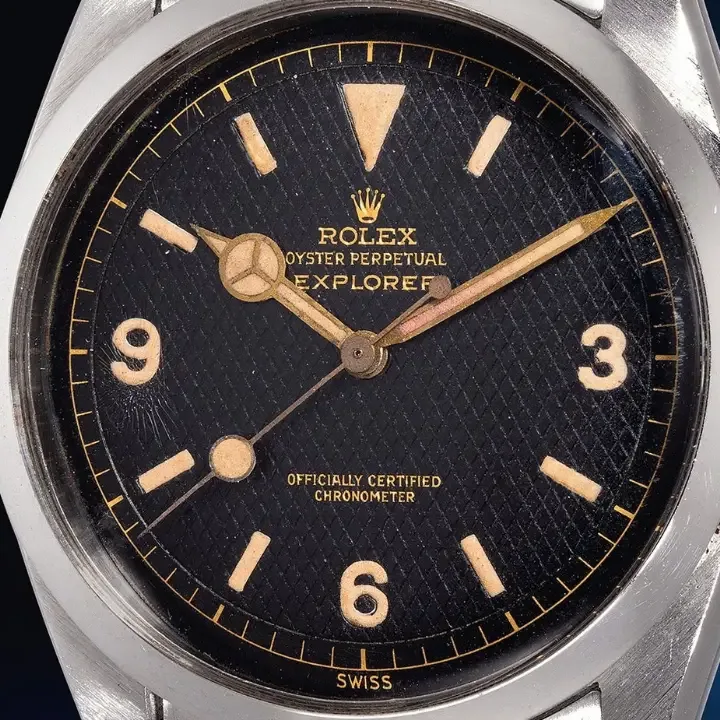
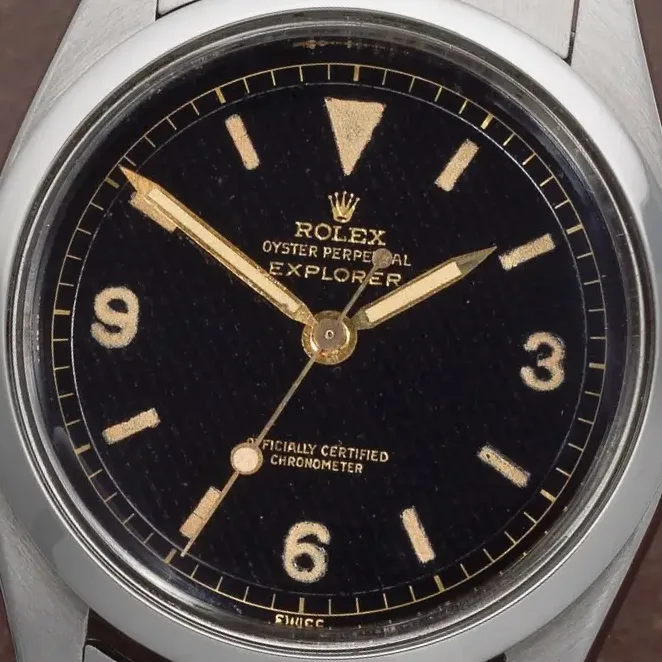
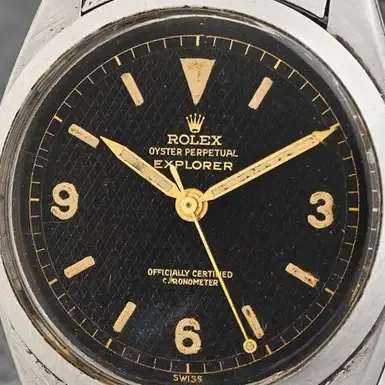
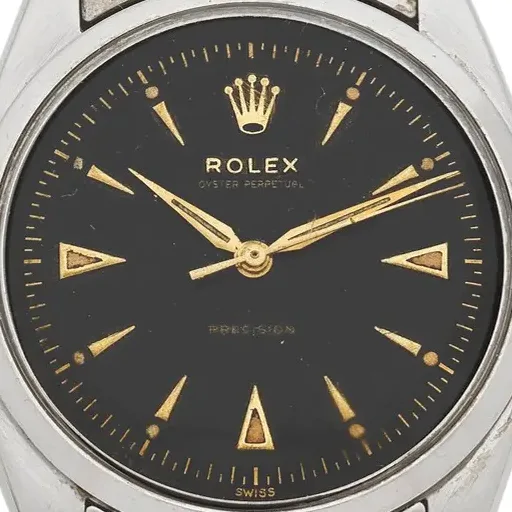
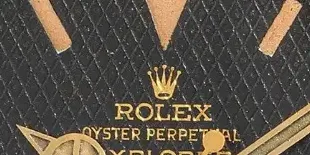
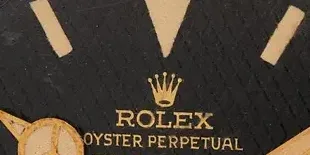
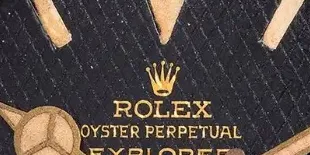
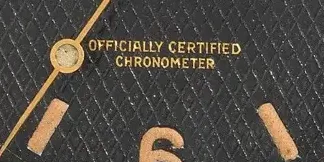
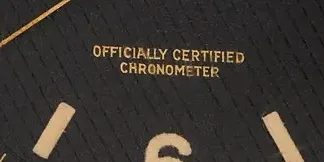
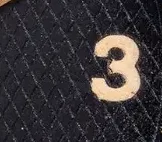
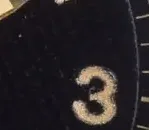
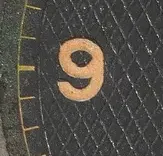
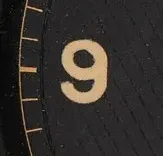
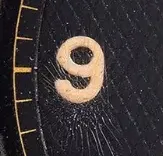
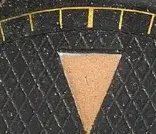
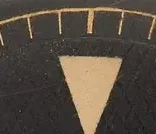
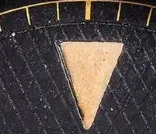
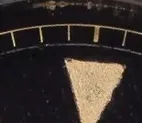
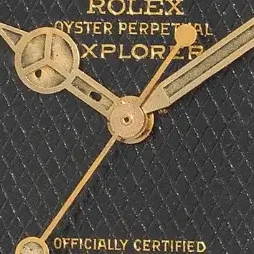
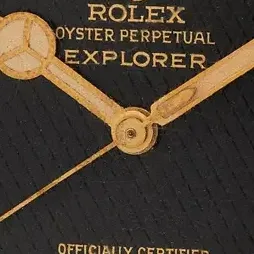
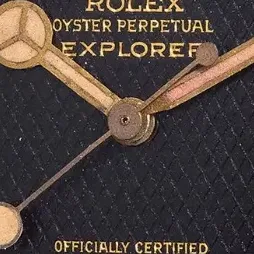
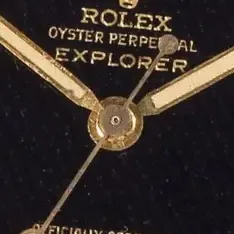
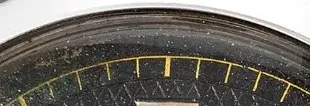
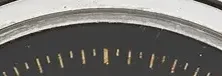
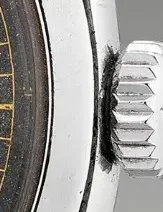
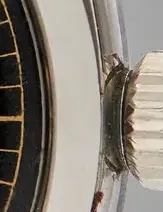
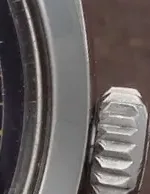
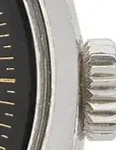
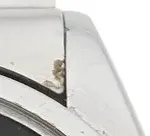
6 watches, oldest first, each straightened and cut the same way so that one row shows one component across them all. Chosen from 80 photographs on file for sharpness and for a face typical of the reference. A year marked c. is one its holder gives only roughly. Each picture is a detail cut from a listing photograph. Select the small mark in its corner for its year, its holder, a link to the listing it came from, and a way to report it.



























Chronology
Accounts agree on a launch in 1953 and one ends it in 1954.
Specification
| Case | 36 mm steel Oyster case with a domed back to clear the rotor |
| Dial | Black, numerals at 3, 6 and 9; Rolex Oyster Perpetual Explorer above, Officially Certified Chronometer below |
| Crown | Brevet-signed screw-down crown |
| Movement | Self-winding calibre A296, tuned and chronometer-certified |
| Bracelet | Oyster bracelet, sometimes riveted; often of unknown originality |
| Water resistance | 50 metres |
Dial 2 described
The 6350 dial is black with numerals at 3, 6 and 9 and the word Explorer. Nearly all are the smooth gloss type with gilt print; a few have a honeycomb texture.
Gloss gilt dial
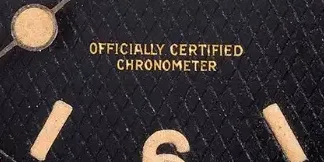
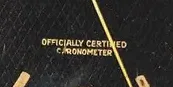
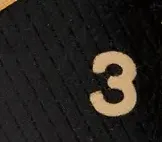
The standard dial is glossy black with gilt print. Rolex Oyster Perpetual Explorer sits just under the crown at 12 and Officially Certified Chronometer low, over the 3-6-9 numerals. Sellers commonly state gilt print, and some a gloss finish and a chapter-ring minute track.
- smooth gloss black surface without texture
- Explorer under the Rolex crown
- Officially Certified Chronometer above 6
Honeycomb dial
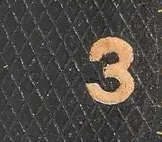
A black dial with a hexagonal honeycomb texture is a rare variant, and collectors single it out above the gloss dial. One honeycomb 6350 described in the literature dates to 1953. Honeycomb dials are prominent among the watches that reach auction.
- hexagonal texture over the black surface
Luminous material 1 described
The lume is radium, on the numerals and the hands.
Radium
Radium fills the 3-6-9 numerals and the hands. On a well-kept honeycomb watch it is still full and a honey colour. Some sellers state radium.
- radium on the 3-6-9 numerals and the hands
Hands 3 described
The 6350 is found with more than one style of hand, all considered correct.
Mercedes hands
Mercedes hands go with the standard gloss dial and are the style sellers most often state.
- Mercedes hour hand
Pencil hands
Some 6350s, including honeycomb ones, have plain pencil hands, which are described as correct.
- plain tapered hands
Syringe hands
A syringe style is also named as a correct fitting, without detail.
- syringe-style hands
Case 1 described
The case is a 36 mm steel Oyster with a domed back, as the A296 is thick.
Domed back
The back is domed to make room for the rotor; the 6610 replaced it with a flatter back. Several auction listings report IV.53 stamped inside the back. An unpolished case keeps sharp edges.
- domed case back
- IV.53 stamp inside the back on some
Crown 1 described
The crown is a screw-down type signed Brevet.
Brevet crown
An original Brevet crown is noted on a well-preserved honeycomb watch.
- Brevet signature on the crown
Movement 1 described
The movement is the A296, shared with the 6150.
A296, chronometer-certified
The A296 was fine-tuned for the 6350 to meet chronometer standards, which is why the dial says so; the 6150 has the same calibre without certification. A version with special oils for a working range from minus 20 to 40 degrees Celsius was offered. Most sellers name the A296; some give calibre 775.
- Officially Certified Chronometer on the dial
Bracelet 1 described
Many 6350s are offered on Oyster bracelets, some of them riveted, and others on leather or Jubilee; whether a bracelet is original is often unknown.
Riveted Oyster bracelet
Some sellers state a riveted Oyster bracelet. On one honeycomb watch it is not known whether the bracelet belongs to it.
- rivet links
Originality
- A bracelet on a vintage 6350 may be a later fitting, and its originality is often not known.
- Original pencil, Mercedes or syringe hands can all be correct, so style alone does not show a replacement.
- A well-kept watch has full, evenly toned radium, an original Brevet crown and case edges that have not been polished away.
Names
- Honeycomb. Some dials carry a hexagonal texture, also called waffle.
- First Explorer. It is the first reference with the Explorer name on all dials, though accounts disagree over whether the 6150 came first.
Where accounts differ
Points on which the published literature and the library's own records do not agree, or on which the literature contradicts itself.
- End of production. One account says the 6350 was discontinued in 1954 and the 6610 appeared in 1955, while another has the 6610 replacing the 6350 and running 1955 to 1959, a third puts the 6610 in 1956 and another in 1959.
- Which dial is the first Explorer. Two accounts treat the 6150 against the 6350 as an open question, since a few 6150s say Explorer, while two others call the 6350 the first real Explorer because all its dials carry the name.
- Honeycomb dials. One account says the honeycomb dial is limited to the 6350, but another finds the same texture on early Datejusts, Submariners, Milgauss and Turn-O-Graph watches.
In the records
Counted from 30 listings at 10 holders between 16 May 2016 and 14 November 2026. These are what sellers and auction houses state, not measurements.
The head of the page gives 1953–1954: the years that listings from two holders bear out.
Case metal
| Steel | 24 |
Dial colour
| Black | 6 |
Case size
| 36 mm | 15 | |
| 35 mm | 8 |
Calibre named
| A296 | 10 | |
| 775 | 5 | |
| H443 | 2 |
Bracelet or strap
| Oyster bracelet | 8 | |
| Leather strap | 5 | |
| Jubilee bracelet | 4 |
Each table counts the listings that state the thing, in the seller's own terms. A size, metal, colour or calibre that cannot belong to this reference is a seller's slip or a listing filed under the wrong number.