Explorer
The 1016 is the 36 mm steel Explorer, a time-only Oyster with oversized 3-6-9 numerals, an inverted triangle at twelve and a 100 metre water resistance. It followed the 6610 and was replaced by the 14270 in 1989. Its start is given as 1960 or 1963; case numbers show it being cased by 1960. It changed little: the dial went from glossy gilt to matte and through five matte marks, the movement from the non-hacking 1560 to the hacking 1570, and the bracelet from riveted to folded to solid links. Collectors look first at the dial and hands, which are often refinished or relumed, then at the crystal and the lugs.
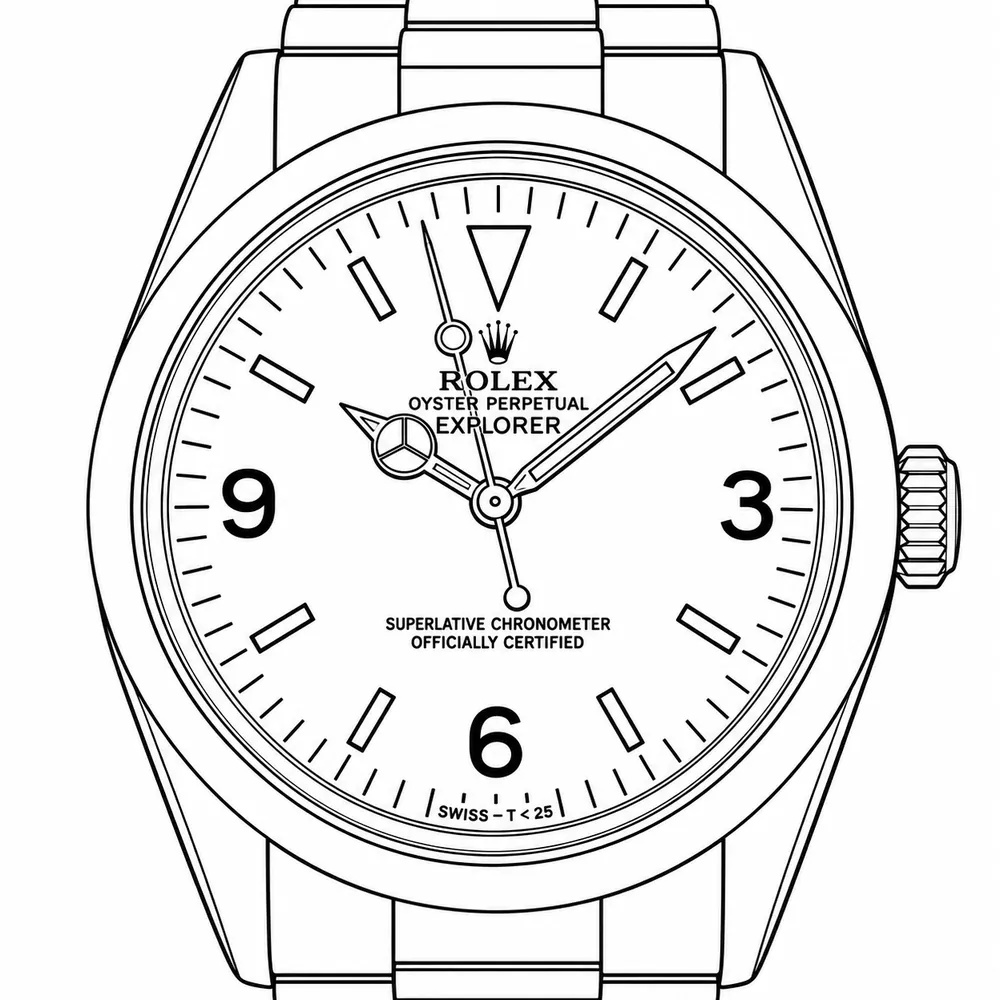
- Made
- 1960–1989dates approximate
- Seen in the library
- 1960–1991nine in ten in 1960–1988 · by case numbers
- Case
- 36 mm · steelas sellers state
- Movement
- Calibre 1560, 1570automatic
- On record
- 742 listings2,136 photographs · 56 holders
Components
45 watches, oldest first, each straightened and cut the same way so that one row shows one component across them all. Chosen from 2,136 photographs on file for sharpness and for a face typical of the reference. A year marked c. is one its holder gives only roughly. Each picture is a detail cut from a listing photograph. Select the small mark in its corner for its year, its holder, a link to the listing it came from, and a way to report it.
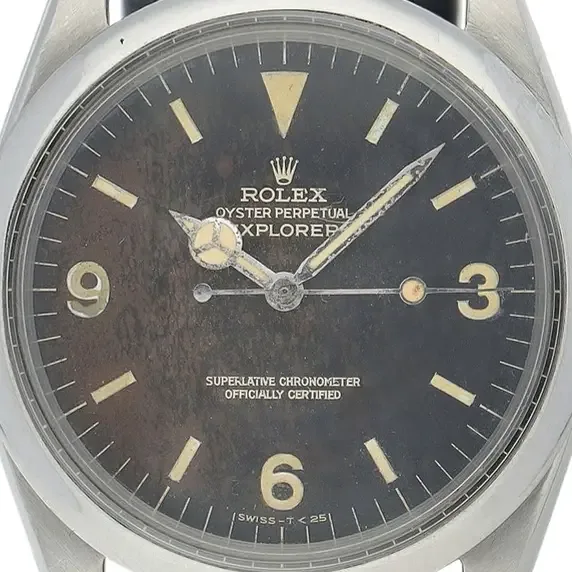
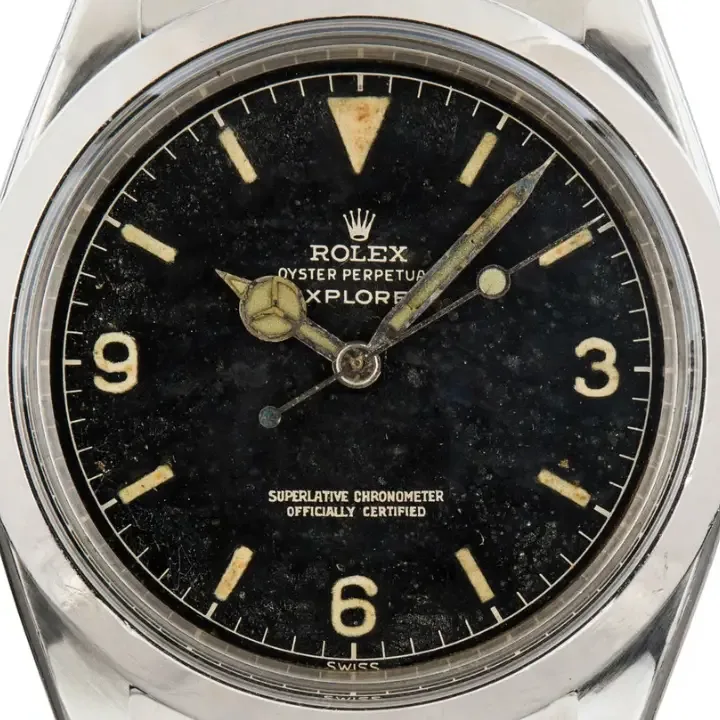
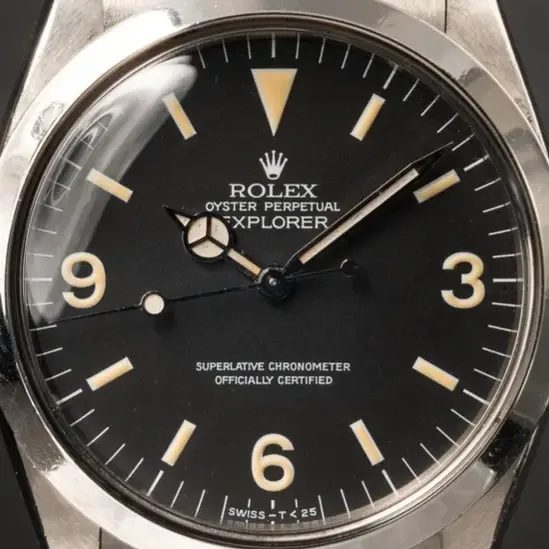
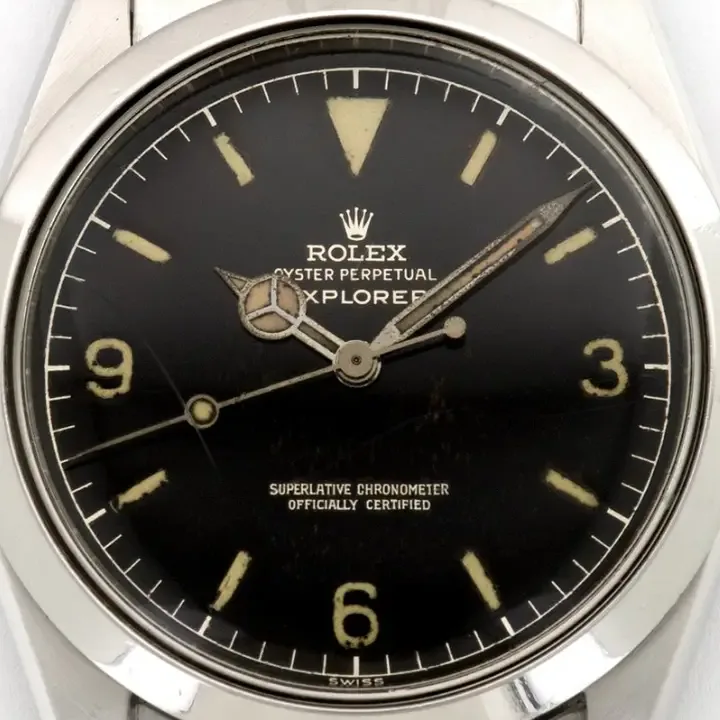
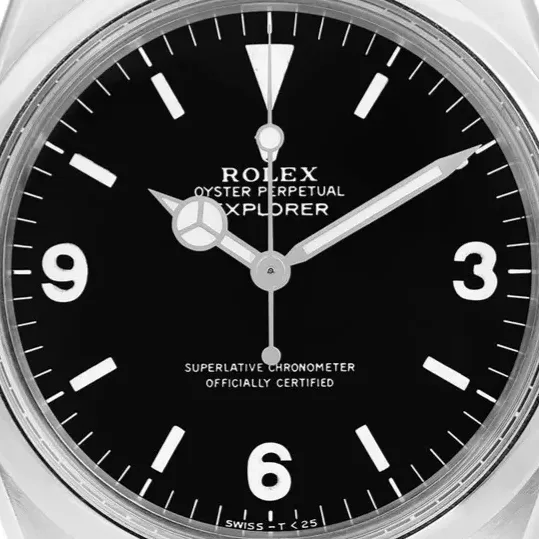
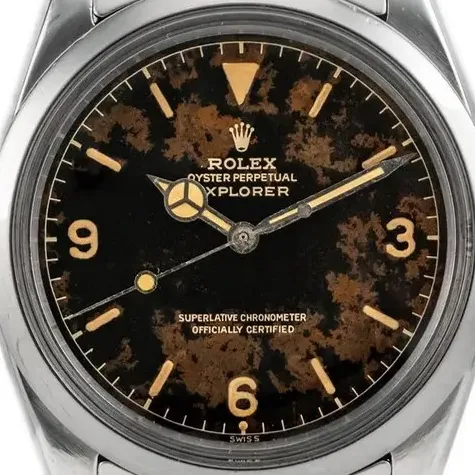
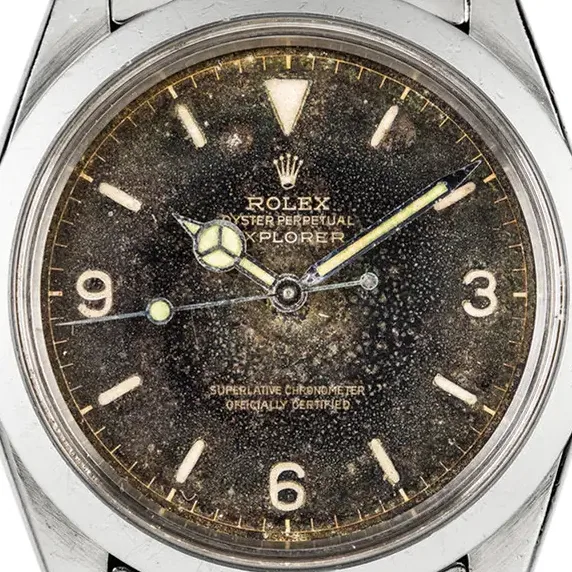
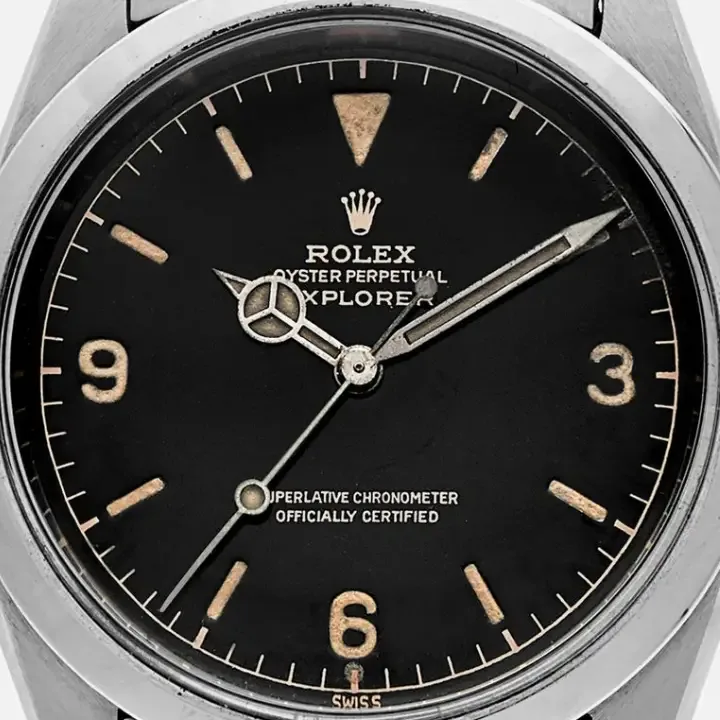
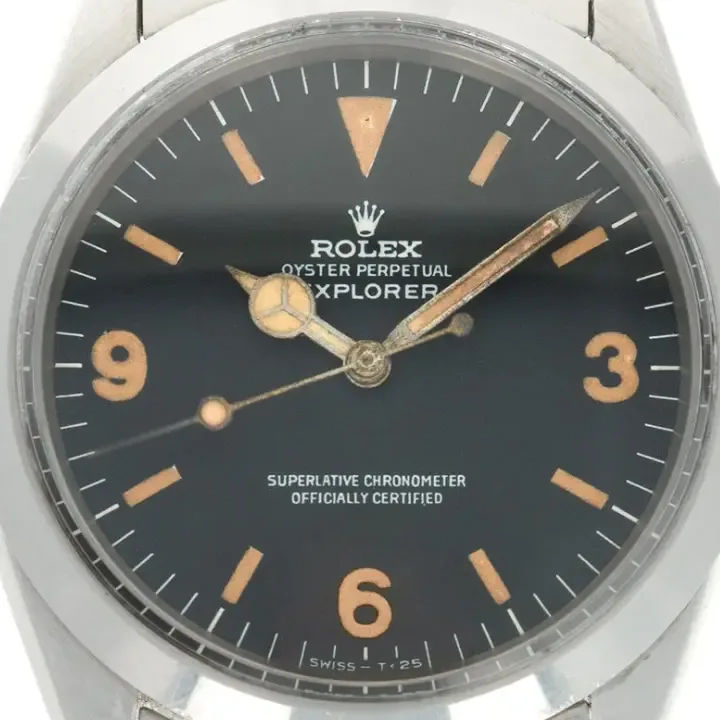
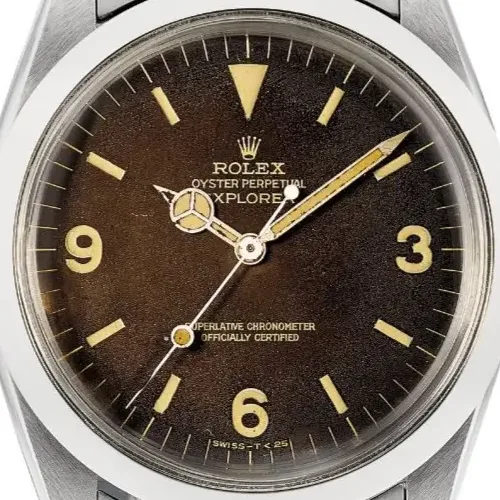
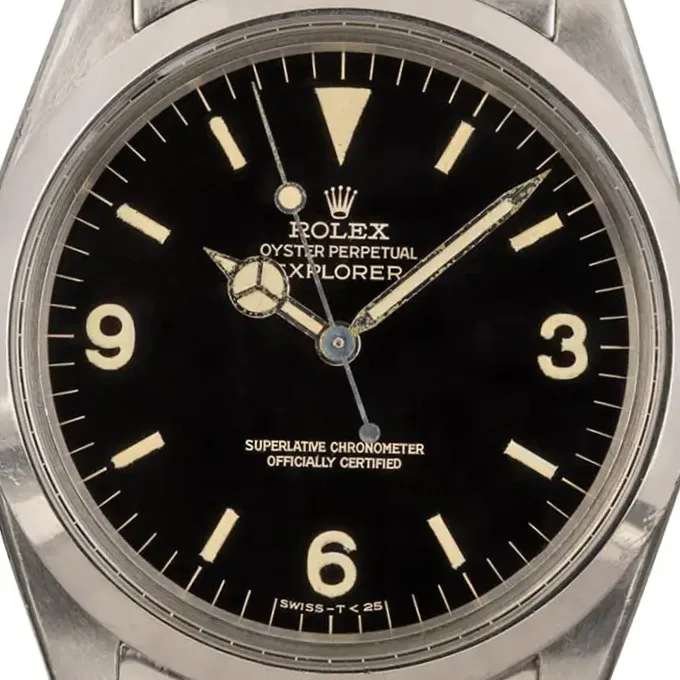
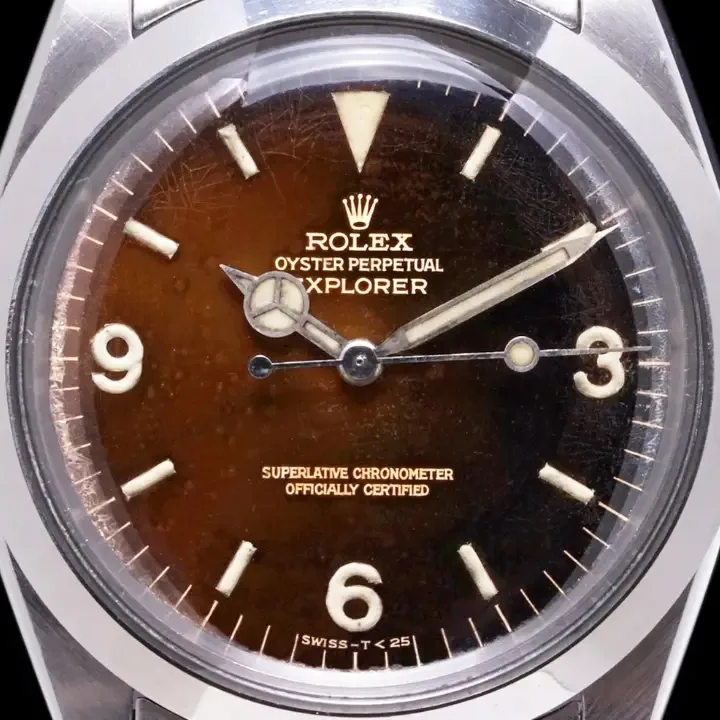
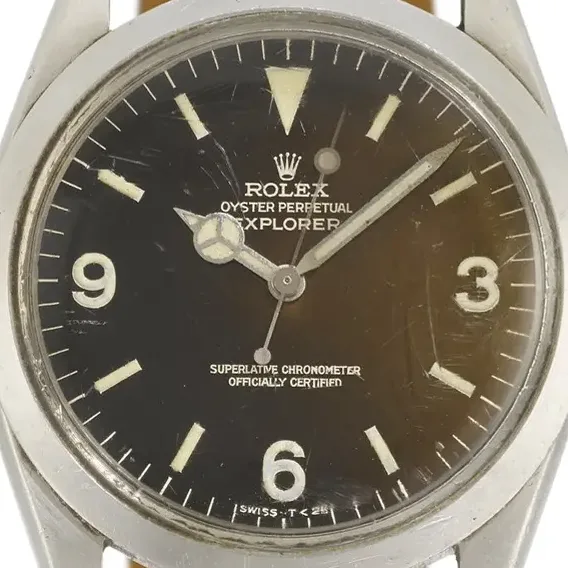
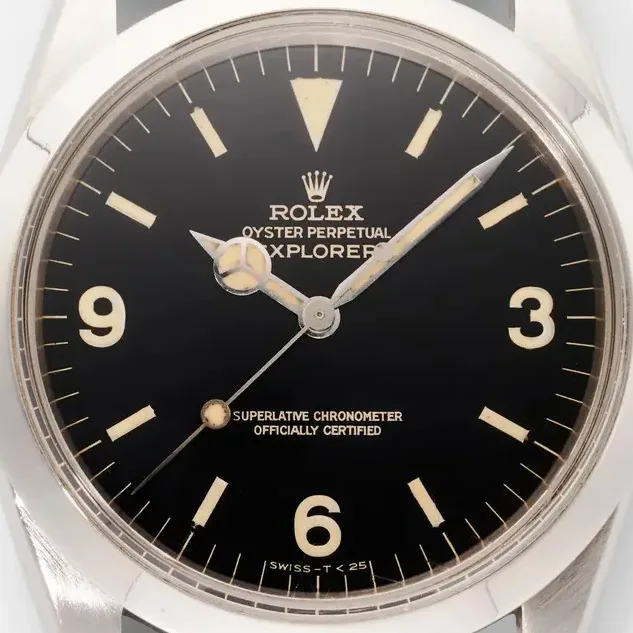
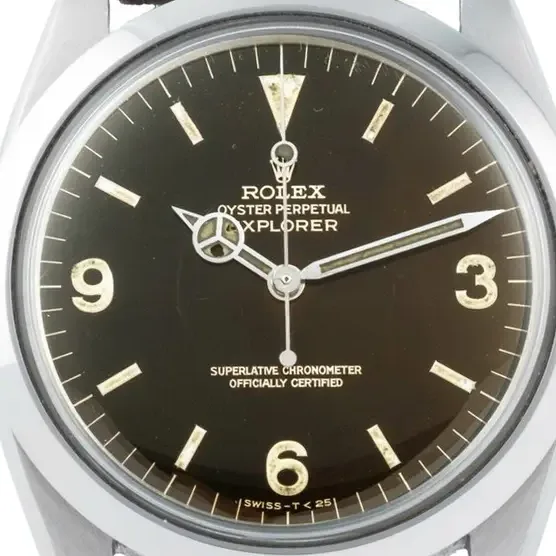
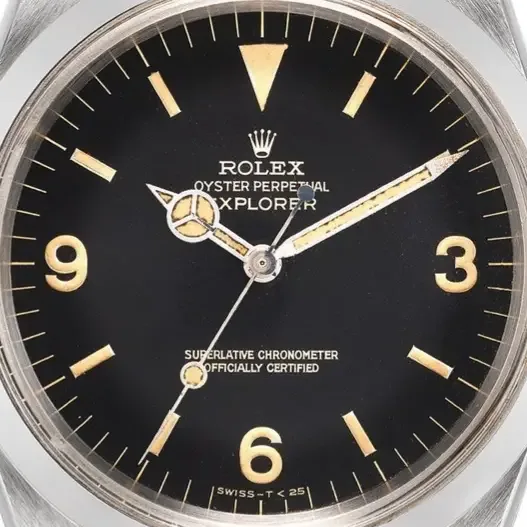
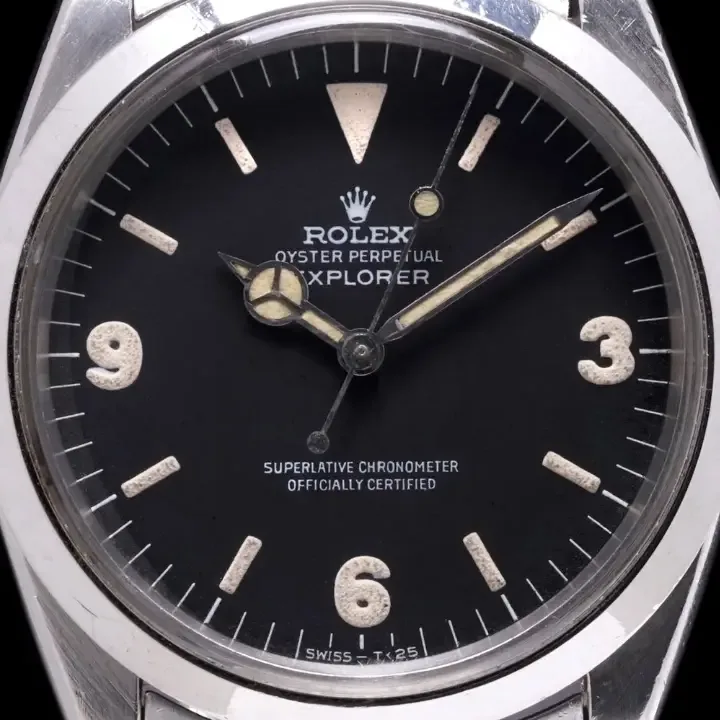
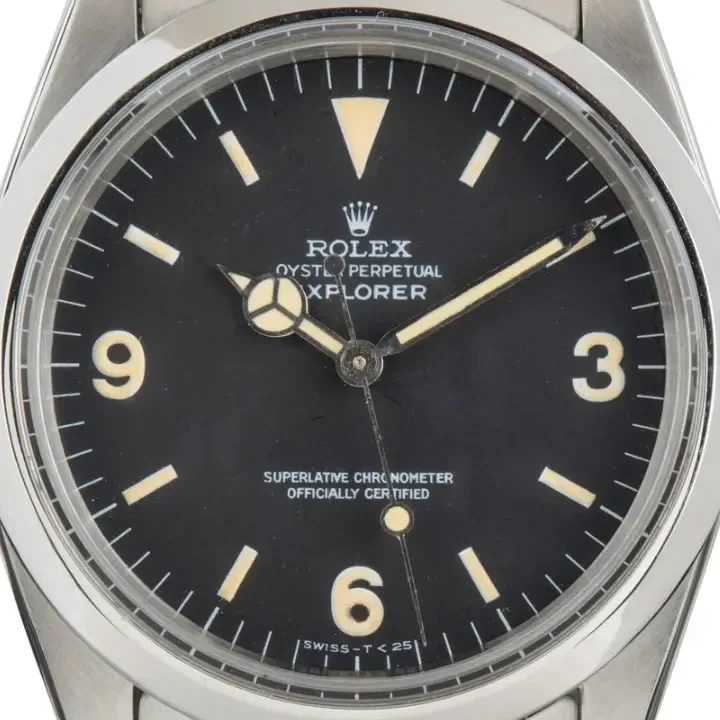
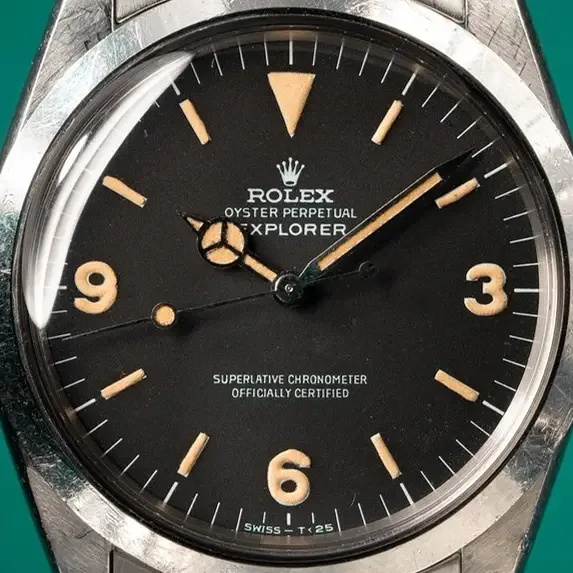
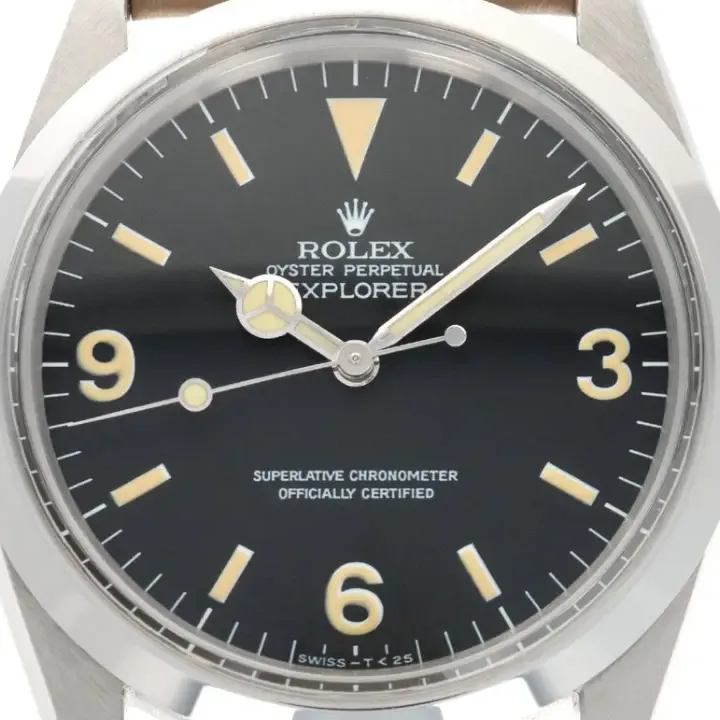
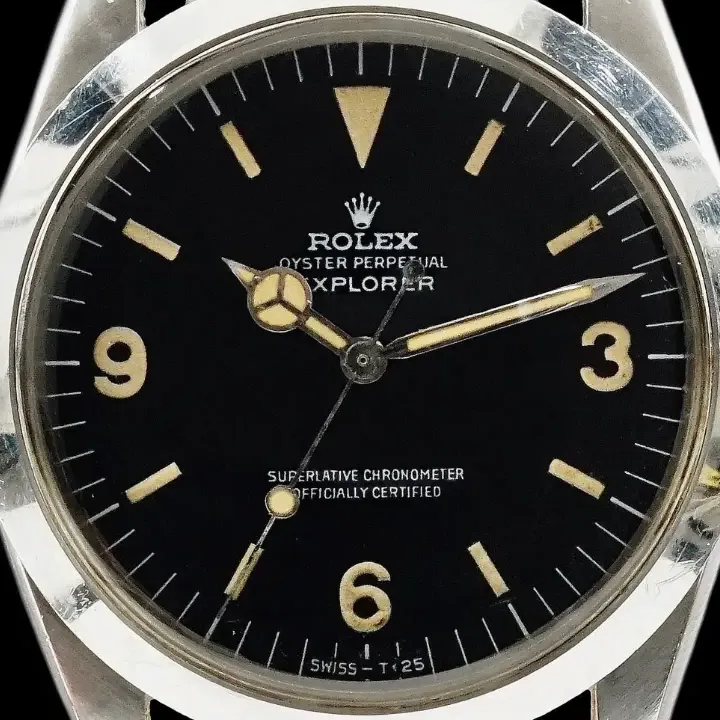
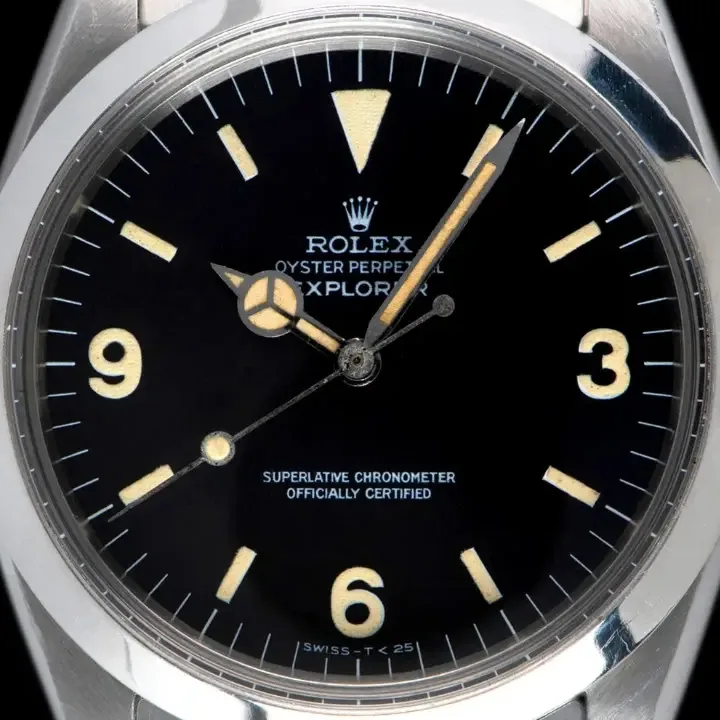
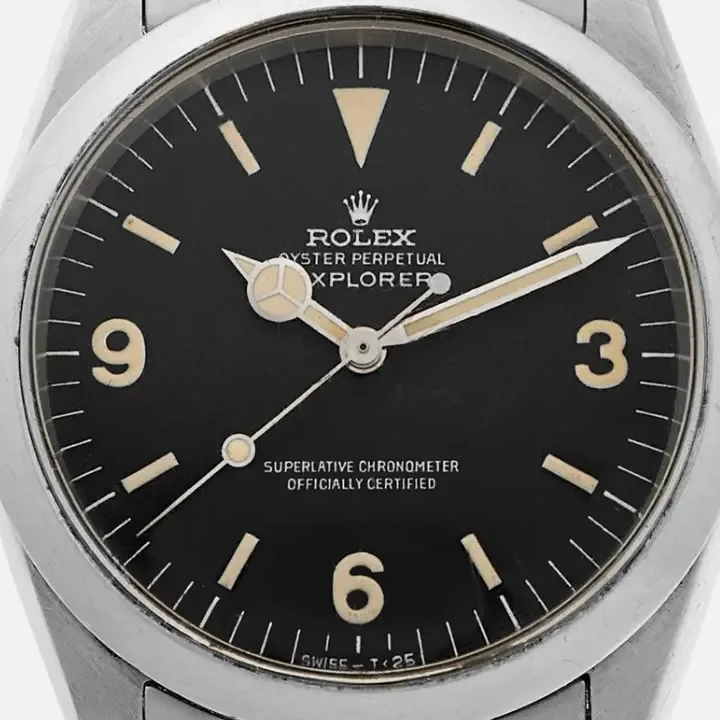
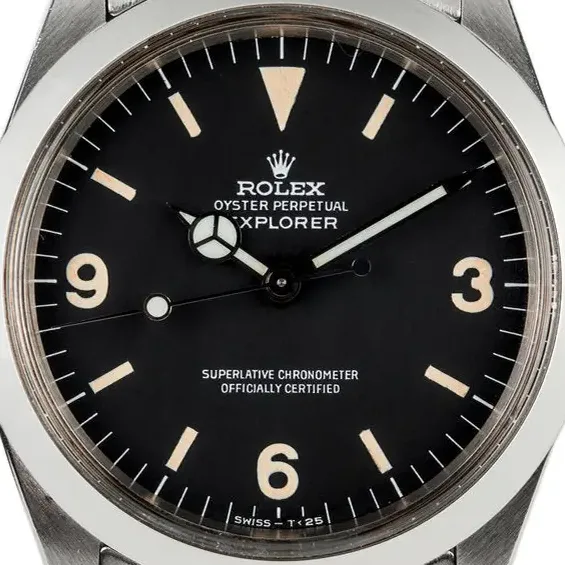
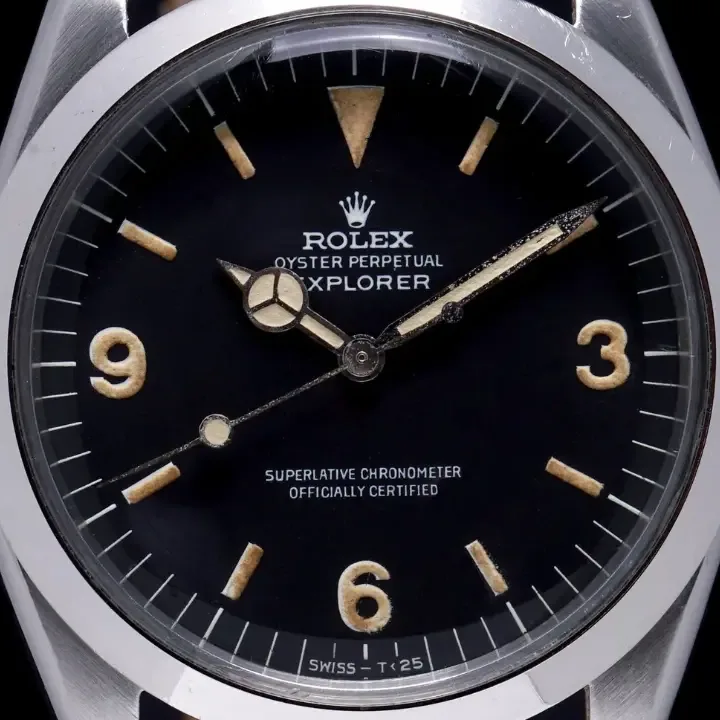
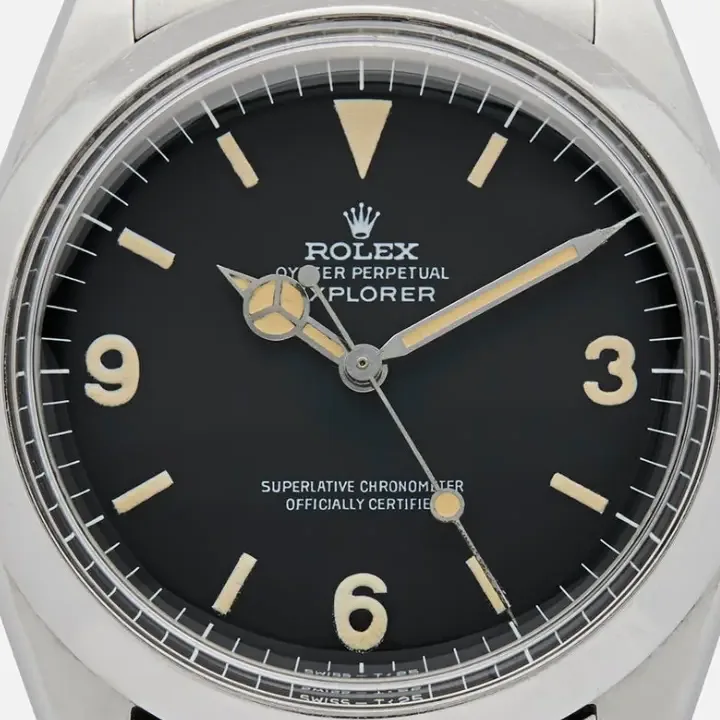
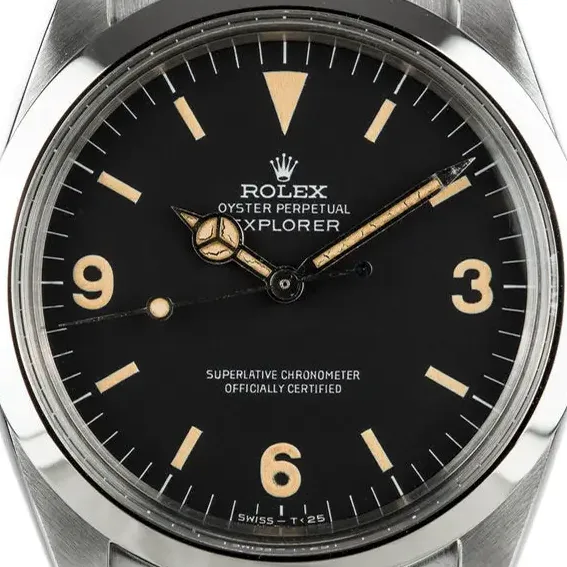
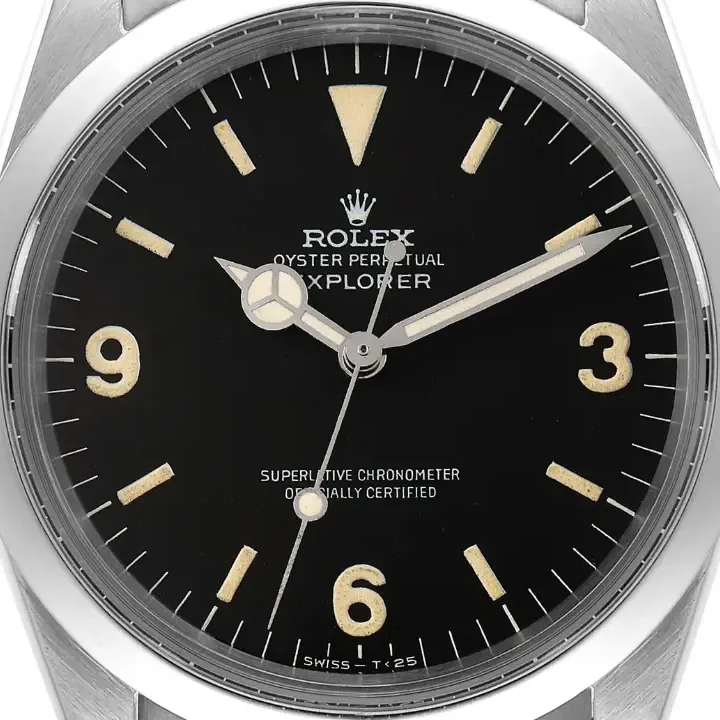
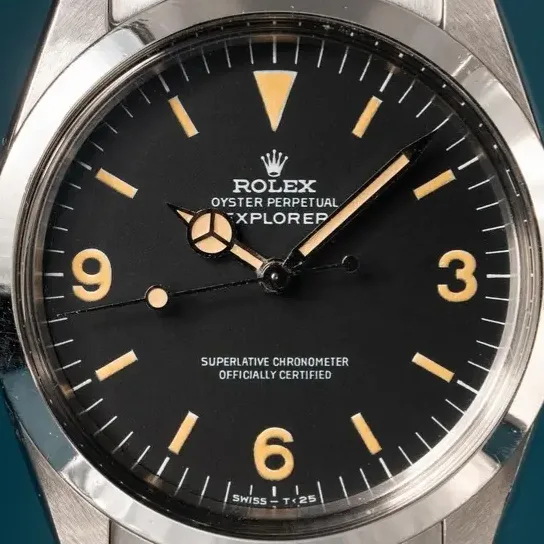
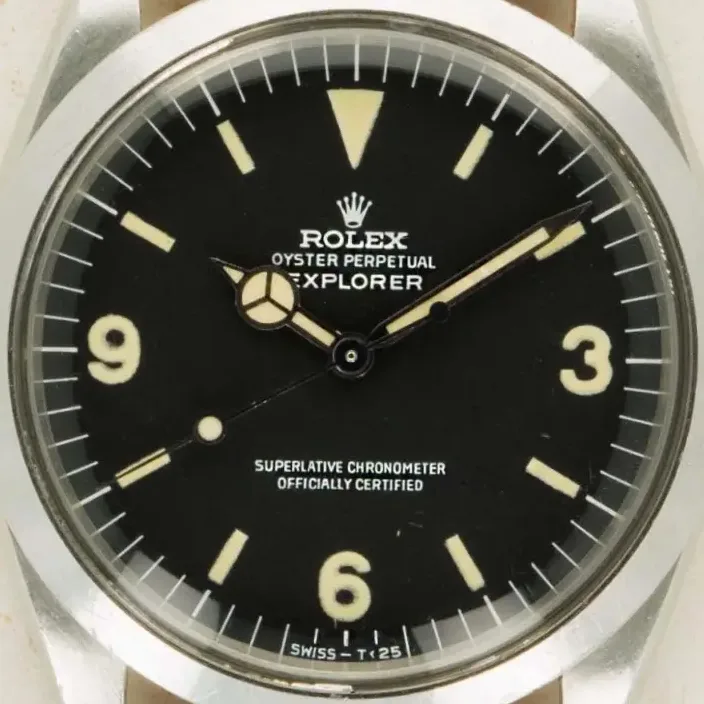
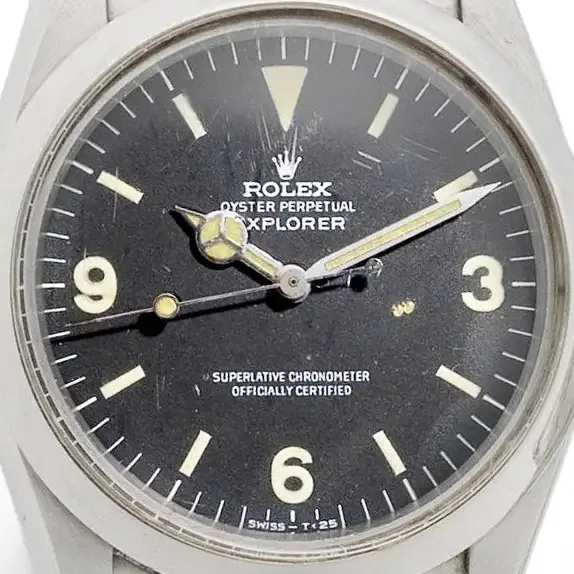
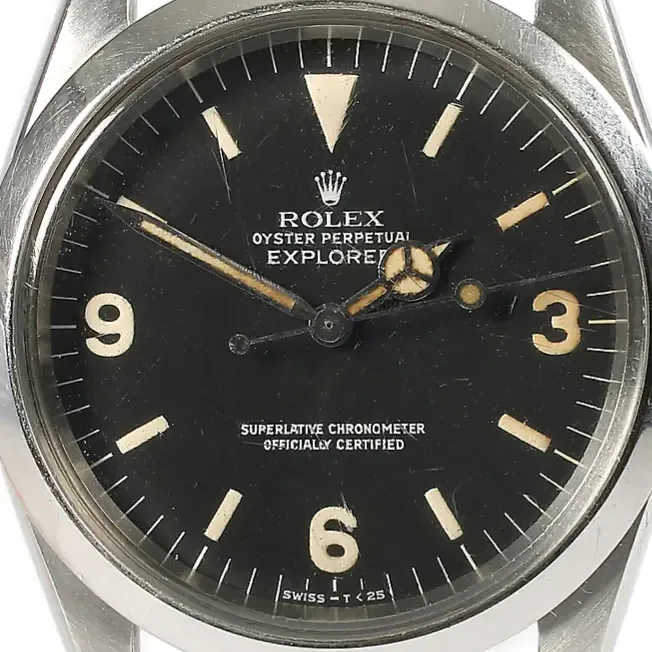
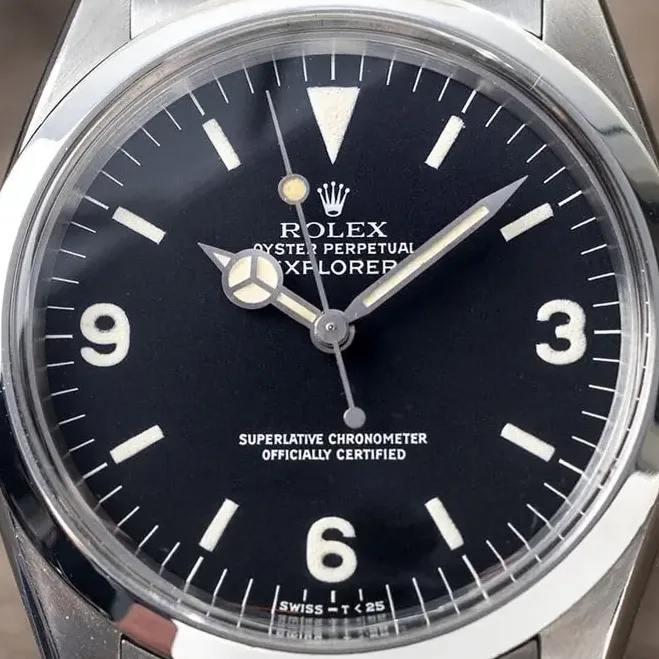
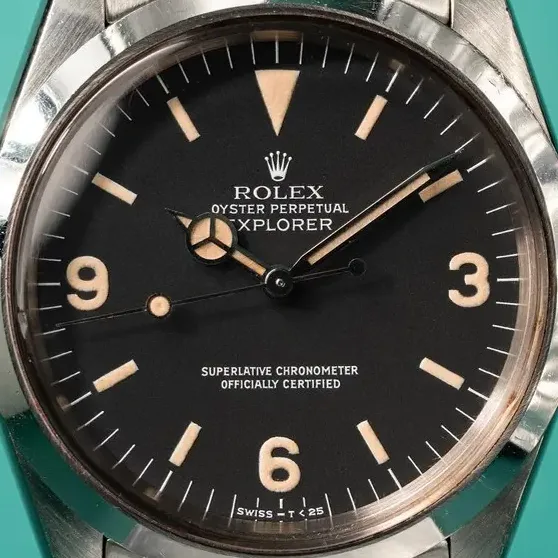
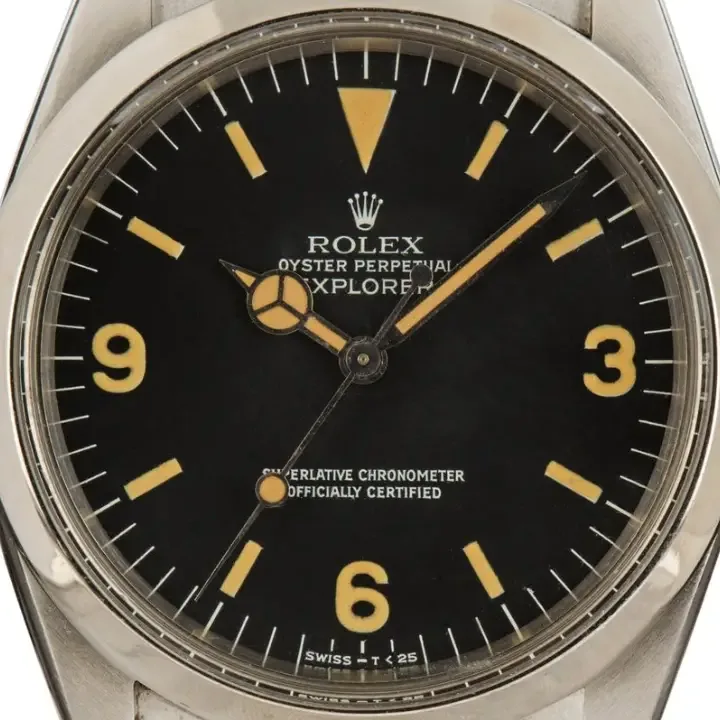
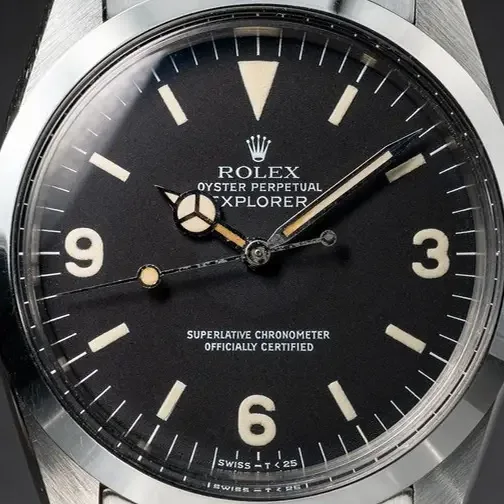
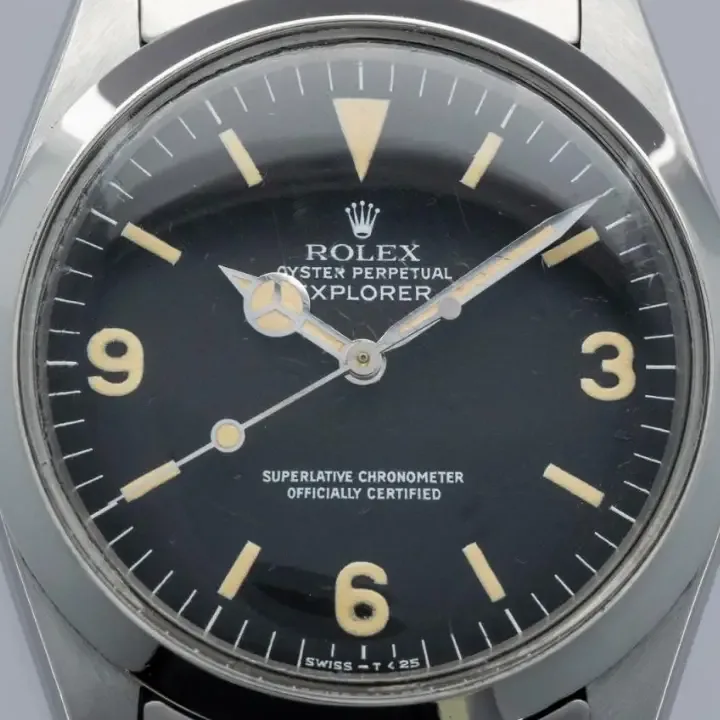
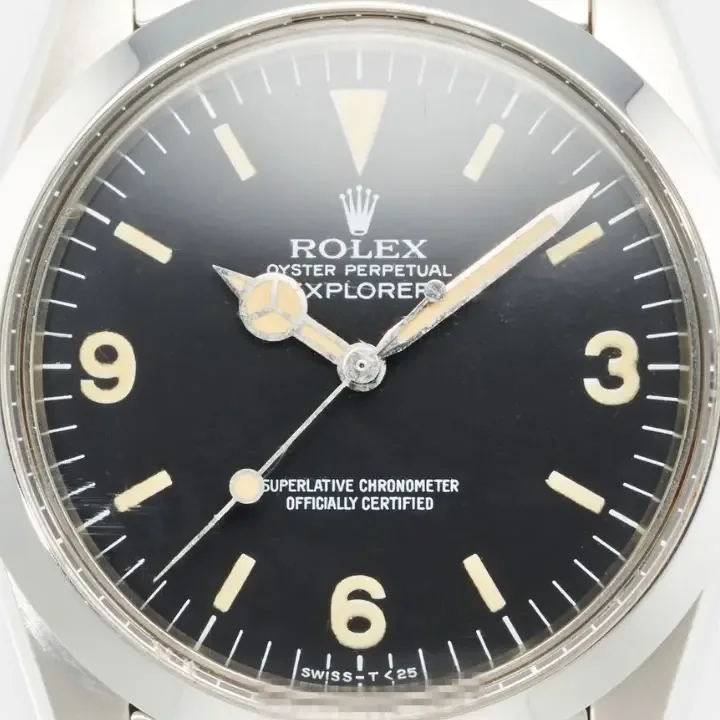
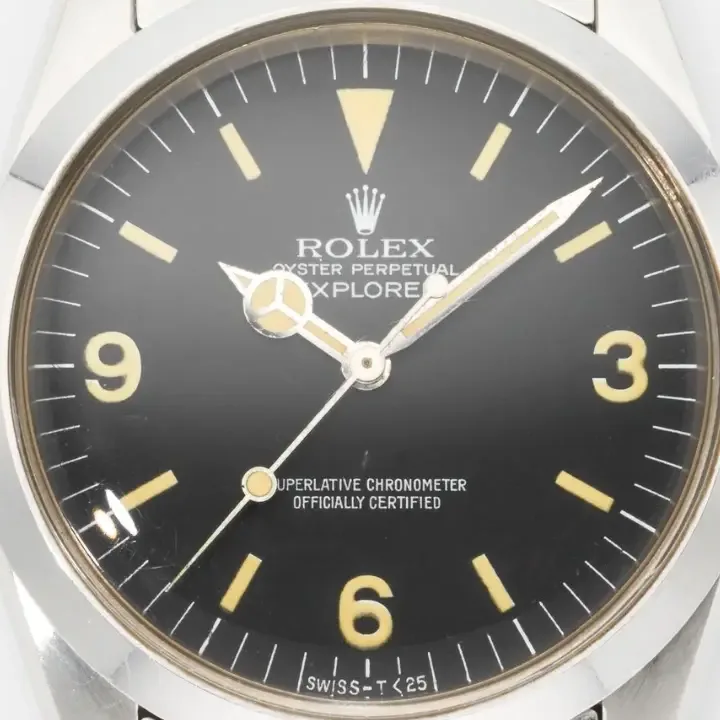
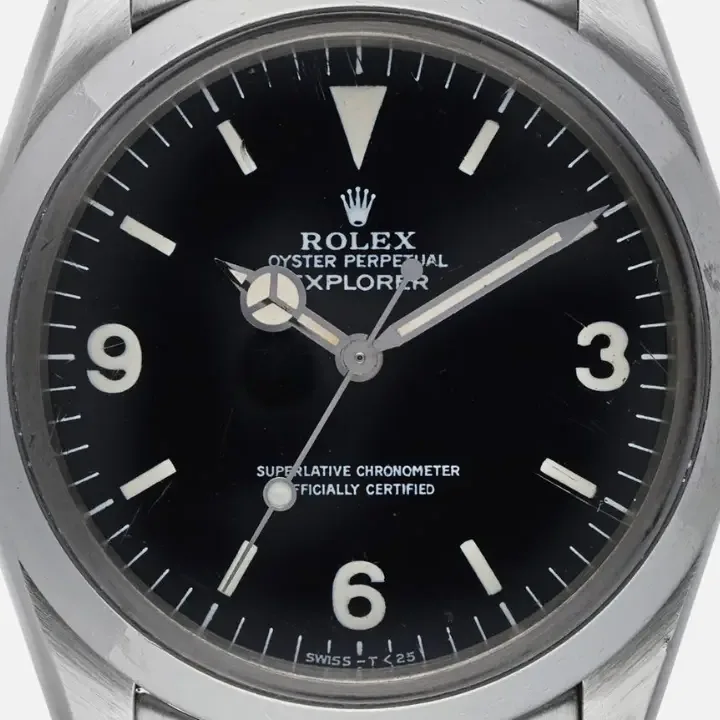
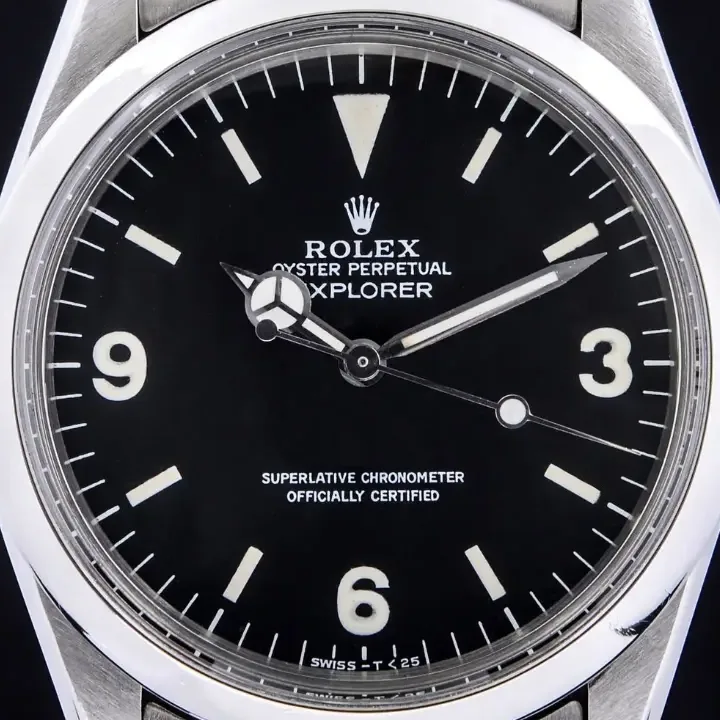
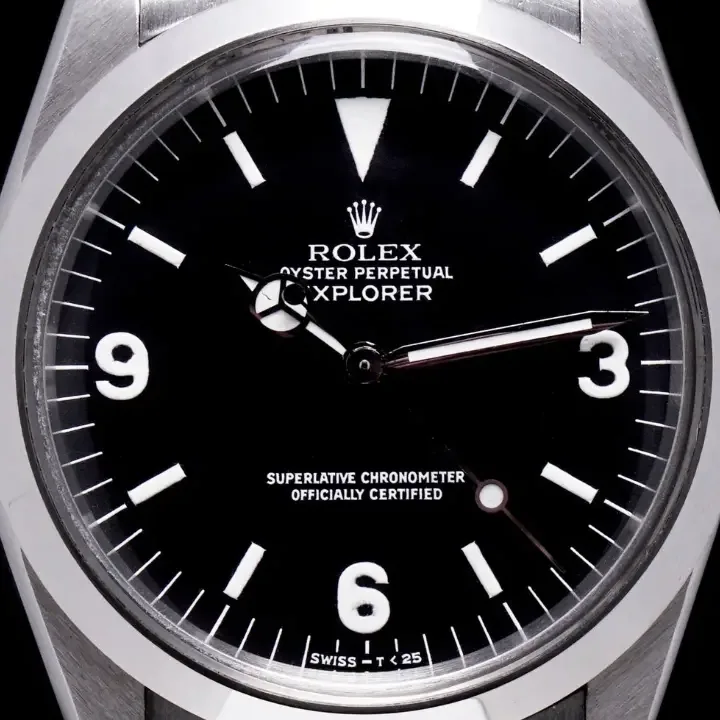
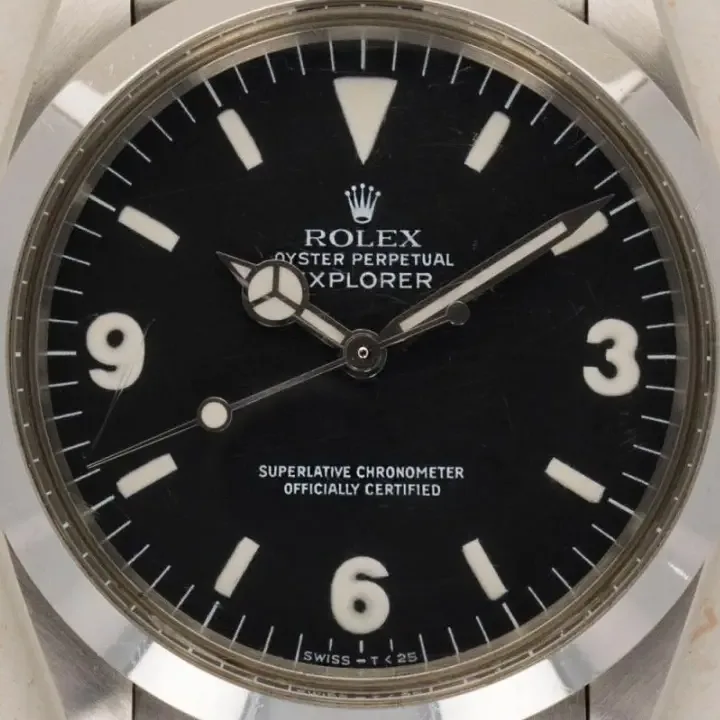
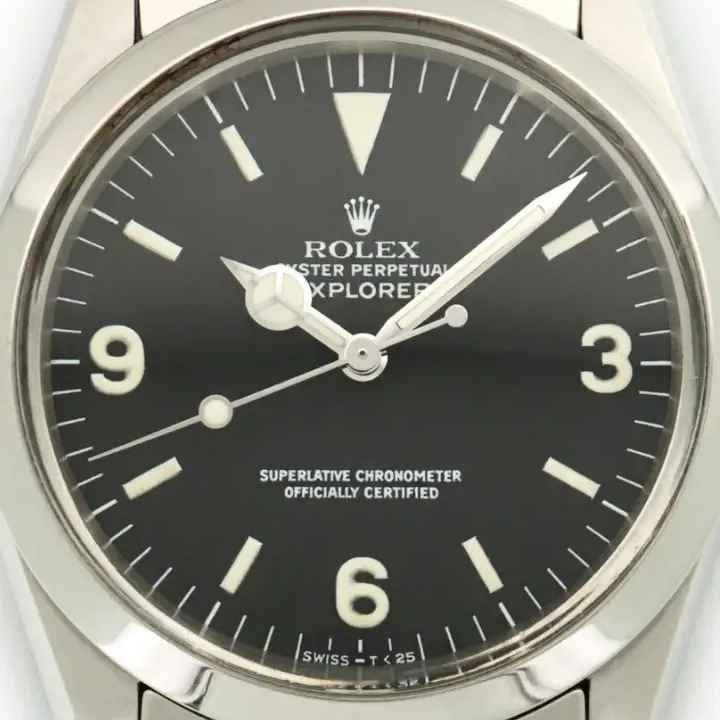
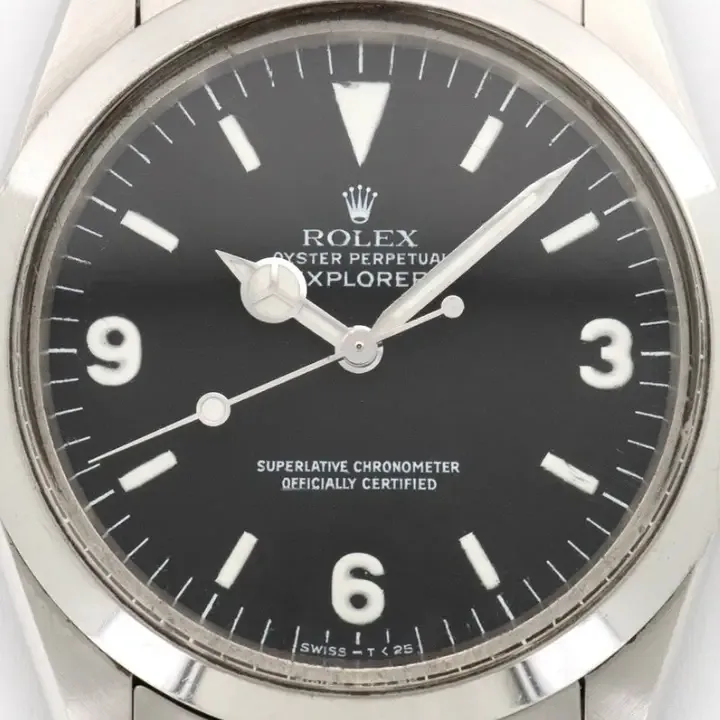

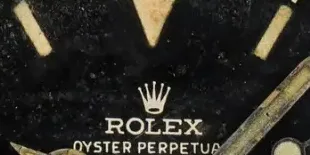




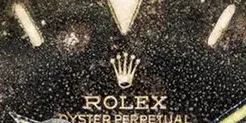


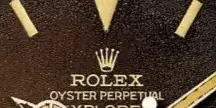





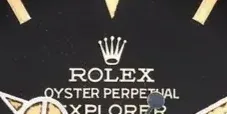


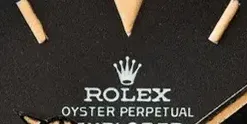







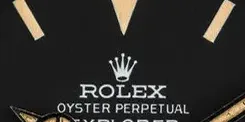





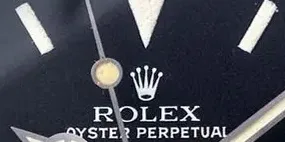






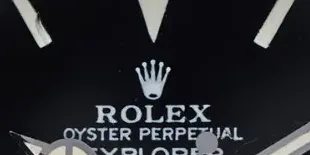


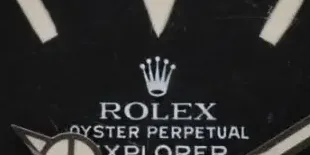











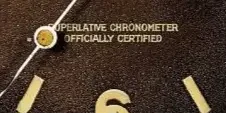



































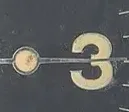
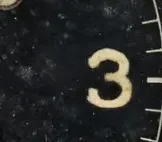
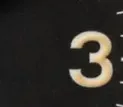
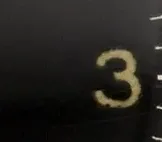

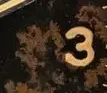
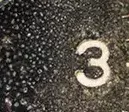
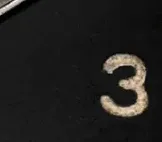
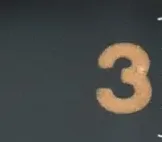
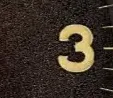
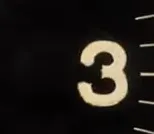
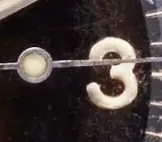
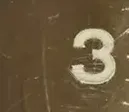
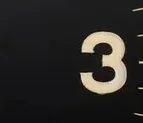
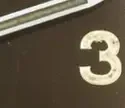
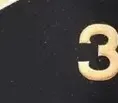
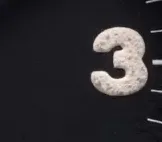
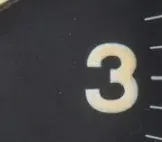
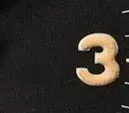

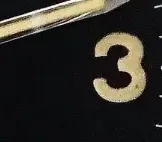
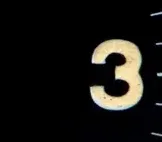
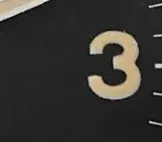
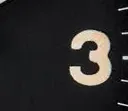
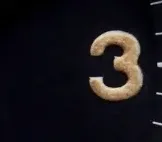
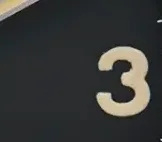
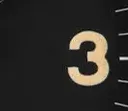
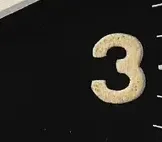
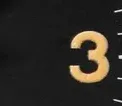
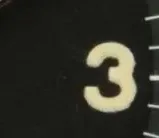
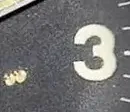
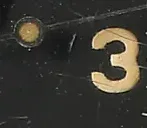
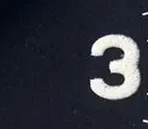
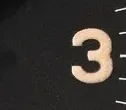
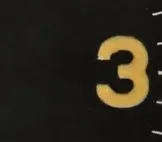
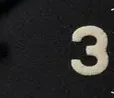
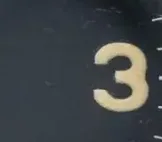
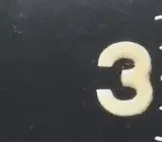

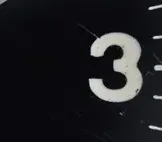
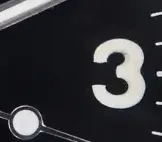
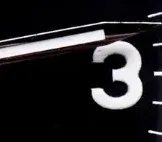
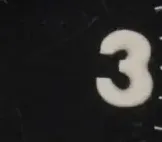

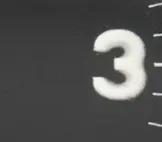
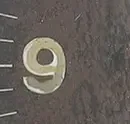
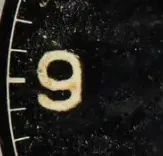
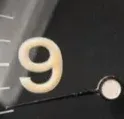
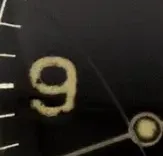

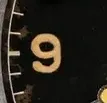
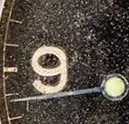
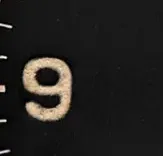

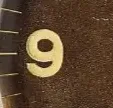
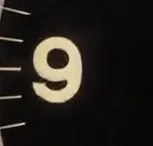
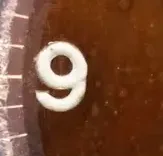
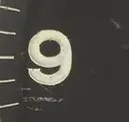

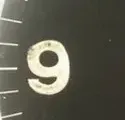
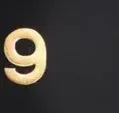
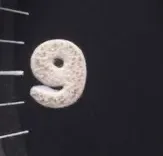
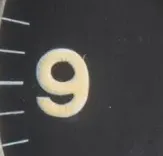
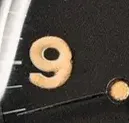

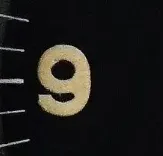
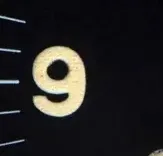
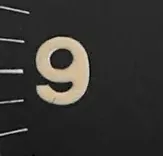
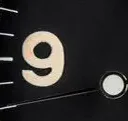
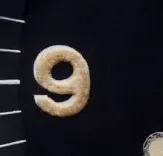
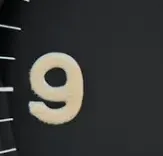
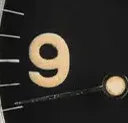
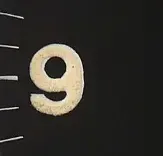
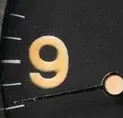
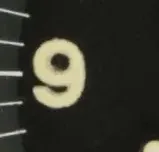
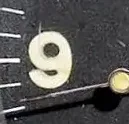
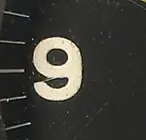
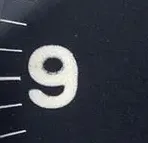
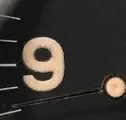
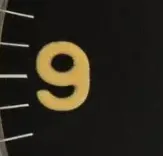
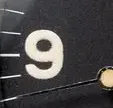
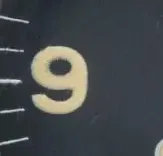
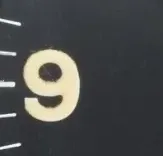

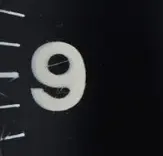
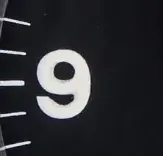
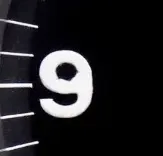
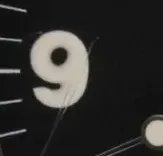


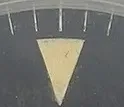
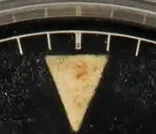
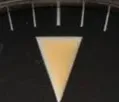

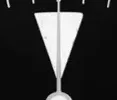

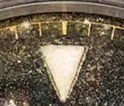
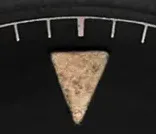

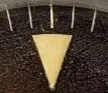





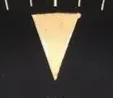

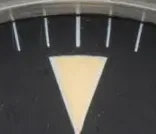
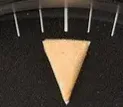

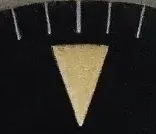
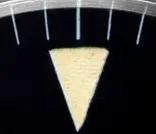
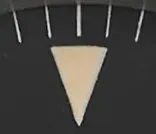



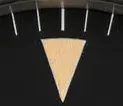
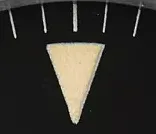
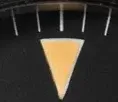


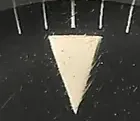

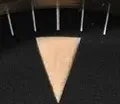
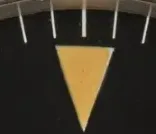
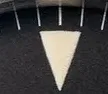




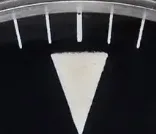

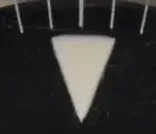

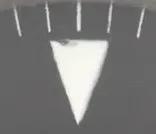

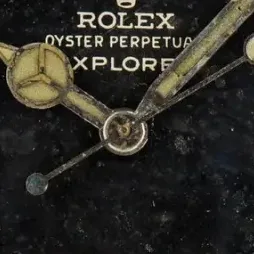












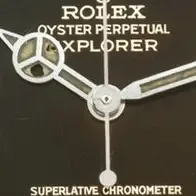


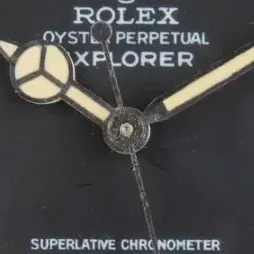



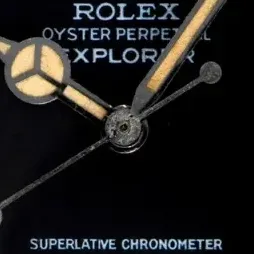








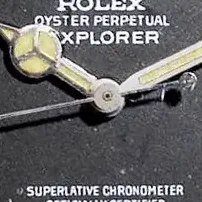
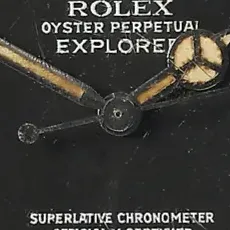
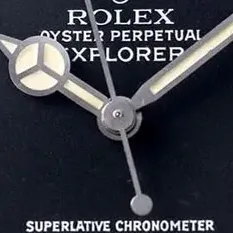
















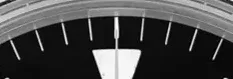


















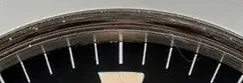



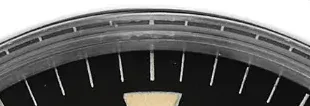
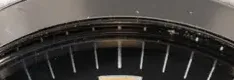
















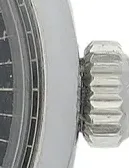
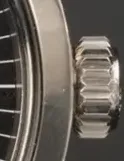

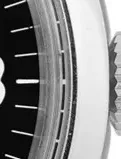
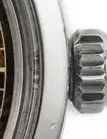
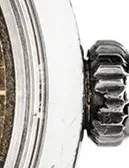
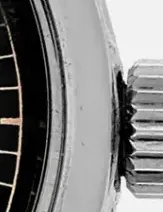

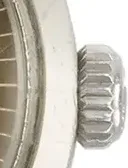

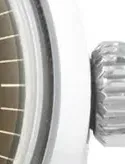
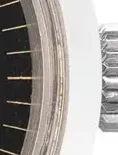
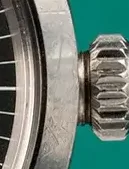

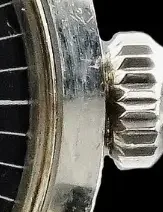

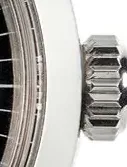
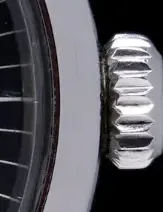

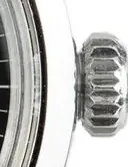
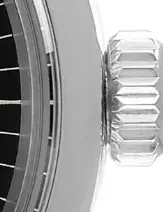


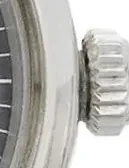
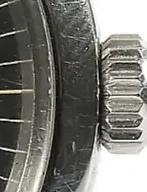
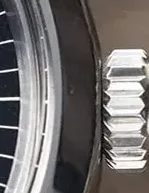
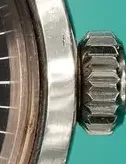

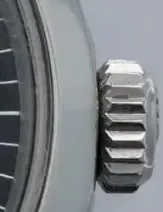










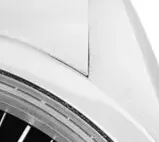

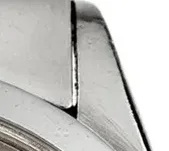
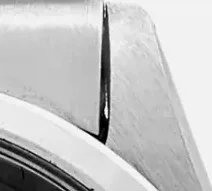


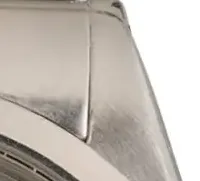

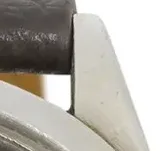







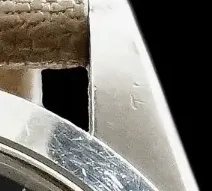


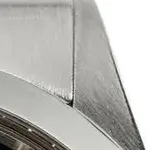


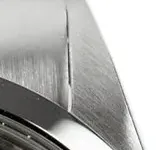
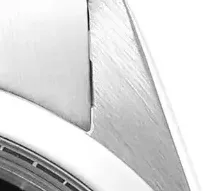





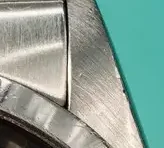






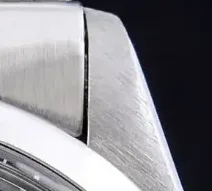






Illustrated history of the 1016: every change set out with close-up photographs of dated watches.
Chronology
End in 1989 is stated consistently; the start is given as 1960 or 1963, and case numbers support 1960 or earlier.
Every dated variant: what is written, and what the records show
For the reference the marks are every dated watch; for a variant, the watches a seller names as that variant, so a variant sellers do not name has none.
The reference's own marks are dated by case number. A variant's marks use the year each seller states, so a variant can show watches in a year where the row for the reference shows fewer, or none.
Specification
| Case | 36 mm steel Oyster case with screw-down caseback, drilled lug holes, polished sides and a coarse brushed top; reference and serial engraved between the lugs; about 43 mm lug to lug, 12.5 mm thick, 20 mm lug width |
| Crystal | Thick domed acrylic, with a round-section caseback gasket; shared case with the Datejust 1603 but with a different crystal and gasket |
| Bezel | Fixed, smooth, steel |
| Crown | Twinlock screw-down crown marked by an underlined coronet; no crown guards |
| Movement | Automatic, no date: calibre 1560 (18,000 bph, up to 42-hour reserve), later hacking calibre 1570 (19,800 bph, 26 jewels, up to 48-hour reserve); both chronometer certified |
| Dial | Matte or glossy black with oversized Arabic 3, 6 and 9, baton markers and an inverted triangle at 12; Superlative Chronometer Officially Certified above six |
| Bracelet | Three-link Oyster, riveted, then folded, then solid links; 78360 the usual reference |
| Water resistance | 100 metres, not certified as a dive watch |
Dial 15 described
The 1016 dial carries oversized Arabic 3, 6 and 9, baton markers, an inverted triangle at 12, a minute track and the Superlative Chronometer Officially Certified line above six. Early dials are glossy black with gilt print, with or without a chapter ring. Around 1967 these gave way to matte black with white print, which collectors divide into Marks 1 to 5 by coronet, font and lume. Many dials have been replaced at service.
Gilt, glossy
Glossy black with gold-toned print and indices, made with or without a chapter ring: four glossy variations with a chapter ring and three without. A true gilt dial has lettering applied in lacquer and then galvanised, so the brass print sits slightly deeper than the black surface, with a shimmering sheen. Dated to about 1960 to 1967.
- gold-toned print on glossy black
- print slightly recessed below the black
Gilt with chapter ring
A gilt dial with a printed chapter ring around the minute track. Sellers describe it on early watches, mostly of the early 1960s.
- chapter ring
Underline
A small subset of early dials carries an underline beneath the word Explorer, and is considered rare. Sellers also describe underline dials on gilt watches of about 1963 and 1964.
- line under Explorer text
Radium SWISS
Radium dials read SWISS alone at the bottom.
- SWISS only at six
Tritium T SWISS T
Tritium dials read T SWISS T or SWISS T<25 at the foot. The change began in 1963 and was gradual.
- T SWISS T
- SWISS T<25
Dot under six
A few early dials have a tiny dot below the 6, read by collectors as a sign of a less radioactive paint. Rolex has not confirmed this and the idea is treated with some doubt. Sellers call these exclamation-point dials and describe them on gilt dials of the early 1960s.
- small dot under 6
Line above six
A fine horizontal line over the 6, found soon after the dot, is taken to mark tritium. Collectors accept it, though Rolex has not confirmed it.
- thin horizontal line above 6
Mark 1 matte, frog foot
The first matte dials, from 1967, have the frog foot coronet, a squat coronet resembling a frog's foot, and billowy tritium that later became flatter and wider.
- frog foot coronet
- billowy lume plots
Fat font
An early frog foot matte variant with notably larger, thicker 3, 6 and 9 numerals. An example is dated 1967.
- oversized thick 3-6-9
- frog foot coronet
Mark 2
Matte dials return to the standard coronet of the earlier gilt dials.
- standard coronet, matte dial
Marks 3 and 4
Sellers name Marks 3 and 4 as well; the accounts give no features for them beyond the changes in hands and font.
Mark 5
White print and white lume instead of the earlier golden hue, closest to modern Explorers; the final dials.
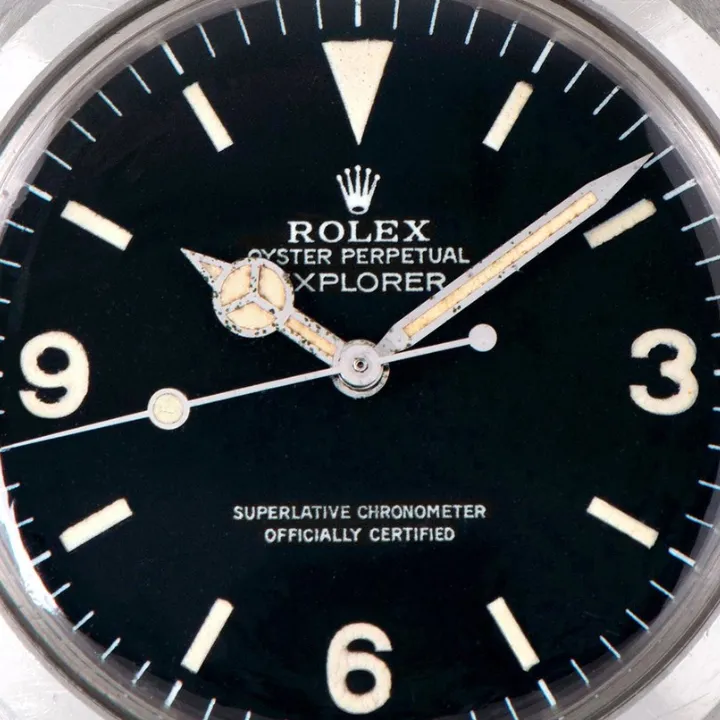

- white lume
8 listings on record under the name.
Tropical
Gilt dials can turn brown. Sellers use the word far more for watches numbered between 1.00M and 1.50M, of the mid-1960s, than for any others.
- brown gilt dial
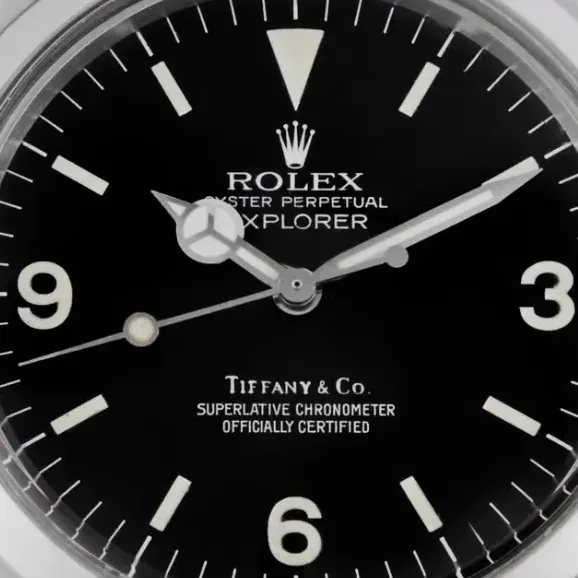
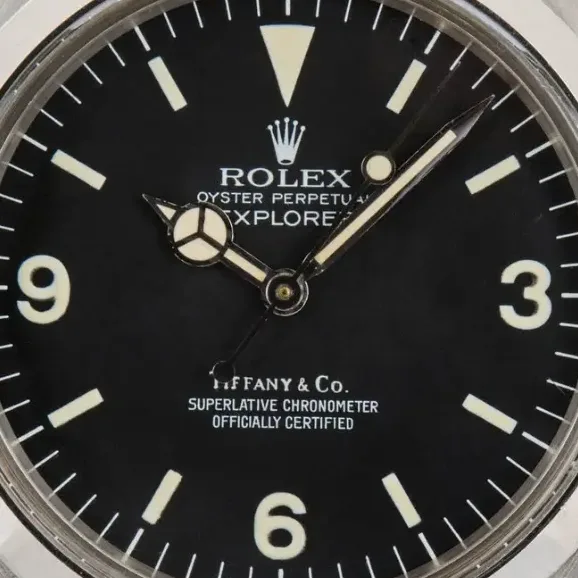
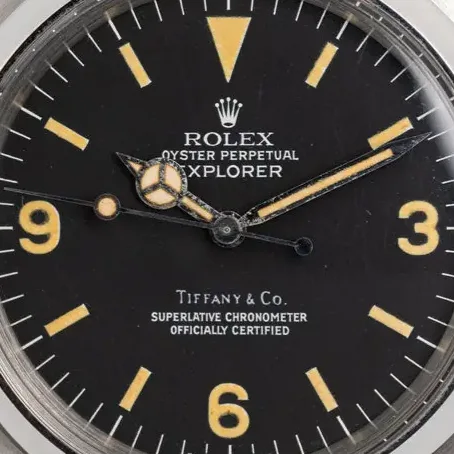
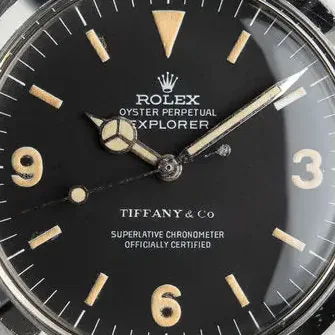
Tiffany & Co.
Tiffany-signed dials appear in sellers' descriptions for 1975 to 1981. Dated watches that sellers describe this way fall mostly between 1975 and 1981; those are the years of the watches so described, which is not a stated span of production.
- Tiffany name on dial




Service replacement
Rolex service centres commonly swapped early glossy gilt dials for the matte style, so a matte dial on an early-numbered watch may not be original.
- matte dial on early case number
Luminous material 2 described
Lume was radium for the first years and tritium from 1963. Original tritium has almost always aged to cream and no longer glows, and the hands may age a little darker than the numerals.
Radium
Used in the first three years, to about 1963, shown by SWISS alone at the dial foot.
- SWISS only
Tritium
From about 1963; genuine tritium ages to cream with crisp white at the edges and uneven ageing.
- cream lume with white edges
- hands darker than numerals
Hands 2 described
Two types of hands were used, flat or curved. The earliest watches had a lollipop seconds hand and no Mercedes hand; the broad Mercedes hands came in later.
Lollipop seconds
The earliest watches, 1960 to 1963, carry a lollipop seconds hand and lack Mercedes hands.
- lollipop seconds hand
Mercedes
Broad Mercedes-style hands, a later addition that helped low-light reading with the tritium 3-6-9.

34 listings on record under the name.
Bezel
The bezel is fixed, smooth and steel, with no engraving.
Case 2 described
The case is 36 mm steel with long slender lugs and drilled lug holes, shared with the Datejust 1603 but without a date or cyclops. It has slightly thicker spring bars than the Datejust. Earlier cases have sharper lugs, and many examples are heavily polished. An unpolished case is preferred.
Drilled lug holes
Most cases have drilled lug holes, polished flanks and a coarse directional brushed top.
- holes drilled through lugs
Case number engravings
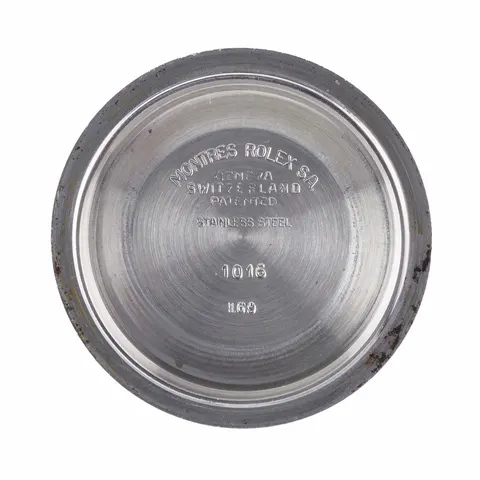
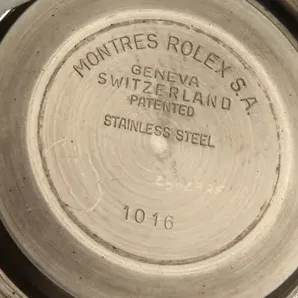
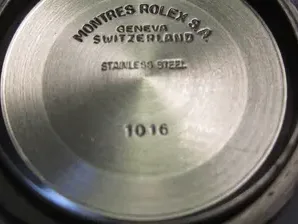
The reference and serial are engraved between the lugs. Full case numbers engraved inside the caseback belong to special-production pieces, such as COMEX or British MoD watches, which use a different typeface inside than between the lugs.
- numbers between lugs
Crown 1 described
The crown is a Twinlock screw-down, marked by a coronet with an underline, and there are no crown guards.
Twinlock
Underlined coronet shows two gaskets, giving 100 m water resistance.
- underline beneath coronet
Crystal 2 described
The crystal is a thick domed acrylic. Many watches carry flatter service crystals, and original spare domed crystals are hard to find. Sellers state a sapphire crystal on a few; sapphire came with the 14270, so on a 1016 it is not the original fitting.
Domed acrylic
Extra-thick domed acrylic with a round caseback gasket doubled water resistance.
- high dome
Flat service crystal
A replacement acrylic flatter than the original dome.
- flat crystal
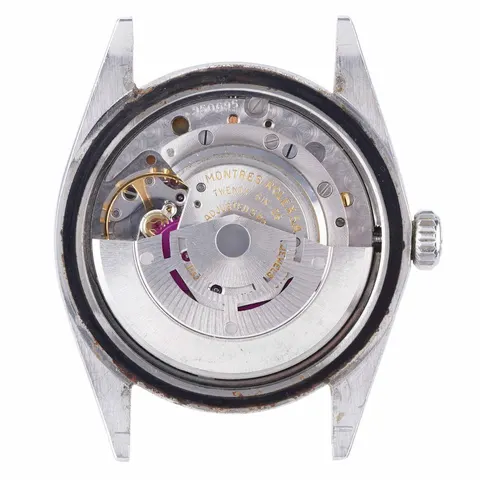
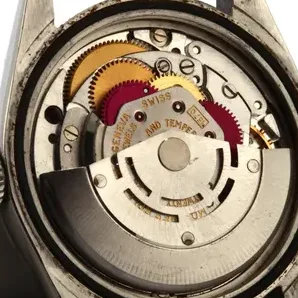
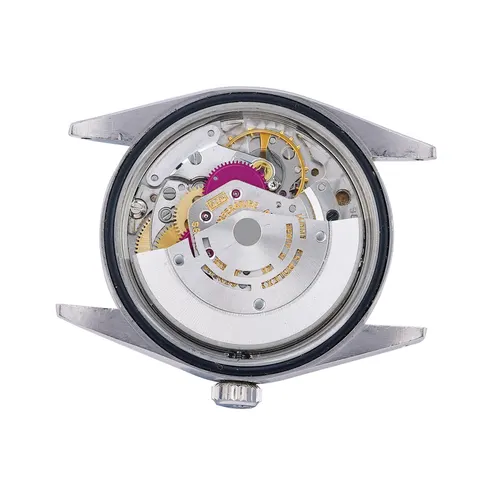
Movement 2 described
The 1016 began on the calibre 1560, built on the 1530 architecture and chronometer certified, and moved to the 1570, which brought hacking seconds, though one account adds hacking only in 1971. Case numbers place the change about 1966 and the earliest published date is about 1967; some accounts put it in the early or mid-1970s, which the case numbers do not bear out.
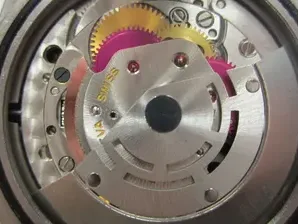
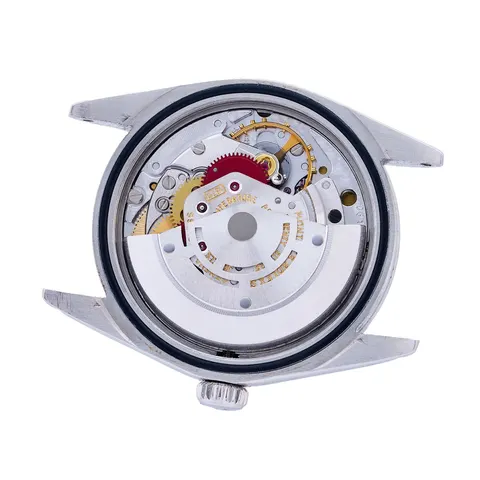
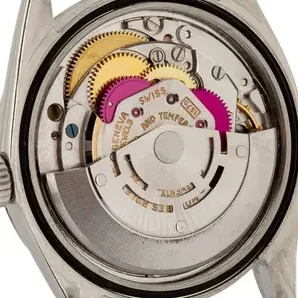
Calibre 1560
Automatic, 18,000 bph, up to 42 hours; non-hacking. One source gives 25 jewels. Sellers name it mostly on watches numbered below about 1.3M.
- 1560 on movement
Calibre 1570
Automatic, 19,800 bph, 26 jewels, up to 48 hours. It arrived about 1966 or 1967, though some accounts place it as late as the mid-1970s, and it stayed to the end of production. Most accounts give it hacking seconds; one dates the hacking 1570 to 1971, and an account of the sister 1005 to 1972, so an early 1570 may not stop when the crown is pulled.
- 1570 on movement
Bracelet 4 described
The bracelet is a three-link Oyster with a folding Oysterclasp. Riveted links came first, then folded, then solid. A five-piece Jubilee is also seen, though whether it was factory or dealer fitted is unclear.
Riveted Oyster
The early bracelet, riveted links; sellers record it chiefly from 1964 to 1967, with references such as 7206 and 6251H and end links 55, 58 and 80. Those are the years of the watches so described, not a span of production.
- visible rivets
Folded Oyster
Folded links, 7836 and later, with sellers recording them from 1967 to 1973. Dated watches that sellers describe this way fall mostly between 1967 and 1973; those are the years of the watches so described, which is not a stated span of production.
- folded links
78360 solid link
The usual later bracelet, solid links, with 558 or 580 end links; sellers record 78360 across 1972 to 1986 and 580 ends from 1975. An example with 580 ends is described as sitting slightly proud of the case and rattling. Those are the years of the watches so described, not a span of production.
- solid links
- 580 end links
Jubilee
Jubilee bracelets are seen with 50 or 550 end links; whether they were fitted at the factory or by dealers is unclear.
- five-piece links
Originality
- Refinished dials are the main risk and are hard to spot in photographs; a matte dial on an early-numbered watch is a warning sign.
- Hands are often relumed or replaced. Genuine aged tritium is creamy and uneven, often with crisp white at the edges and hands a little darker than the numerals; artificially aged relume tends to look uniform.
- Service crystals are flatter than the original dome.
- Over-polished cases lose the sharp edges of the lugs.
- A solid-link bracelet on an early watch is a later fitting.
- A Foreign Legion caseback engraving on a 1016 of 1978 has been judged a later fabrication: the numbers between the lugs had been re-cut, taller and of a different shape from genuine ones, in the same typeface as inside the back.
Names
- Frog Foot. The coronet on the earliest matte dials looks like a frog's foot.
- Fat Font. A matte variant with larger, thicker 3, 6 and 9.
- Pumpkin. Sellers' name for tritium lume aged to a deep orange, on matte dials of the 1970s.
- Space-Dweller. A name for a supposed 1963 trial issue, said to have been sold only in Japan and linked to the Mercury astronauts; it is reported never to have entered production, and the account is unsure.
Where accounts differ
Points on which the published literature and the library's own records do not agree, or on which the literature contradicts itself.
- Start of production. Some sources date the 1016 from 1963, as the third Explorer; others from 1960. Case numbers in the library's records show watches cased in 1960 and earlier, so 1963 cannot be the start.
- Change to calibre 1570. The changeover is put at about 1967, in the late 1960s, in the early 1970s, about a decade after 1963, and in the mid-1970s. In the library's records sellers name the 1560 mostly on watches numbered below about 1.3M and the 1570 above it, which places the change about 1966, so the 1970s dates are too late.
- Gilt to matte. Dates for the change from gilt to matte run from the mid-1960s to the late 1960s; most place it at about 1967.
- Hacking on the 1570. Most accounts give the 1570 hacking seconds from the start. One dates hacking on the 1570 to 1971; an account of the 1005 dates it to 1972.
Back and movement
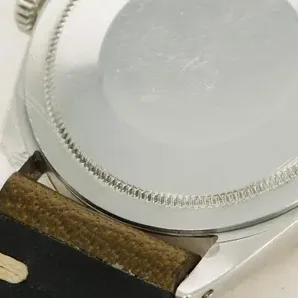
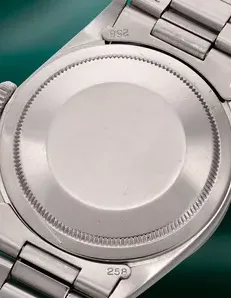
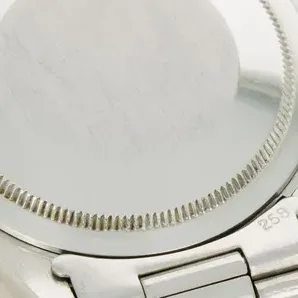
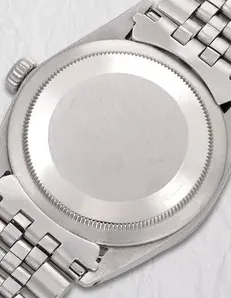
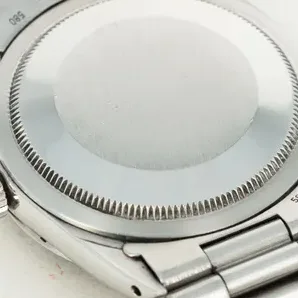
From listings of this reference, each confirmed by eye to show what it is filed under. A picture on which a person's name or a personal engraving can be read is not shown. From most holders a detail from the middle of the photograph is shown; the mark in its corner gives its holder and a link to the listing.
Caseback





Inside the caseback



Movement






In the records
Counted from 742 listings at 56 holders between 12 April 2006 and 14 November 2026. These are what sellers and auction houses state, not measurements.
Fainter bars are the 13 outside the main run of 1960–1988 (the middle nine-tenths): the earliest is 1957 and the latest 1991. They are early and late examples, and now and then a number misread. The head of the page gives 1960–1991: the years that listings from two holders bear out.
At the holders that record papers on every watch, 44% of their 36 listings of this reference come with papers; at those that record the box on every watch, 44% of 78 come with a box. "Papers" is whatever the holder counts as papers, and can include service papers.
1 listing dated long after the reference ended is set aside and not counted here: a year that late belongs to a later watch sold under the old number, or to a listing filed under the wrong one.
Case metal
| Steel | 332 | |
| Silver | 1 |
Dial colour
| Black | 204 | |
| Brown | 28 | |
| Cream | 5 | |
| White | 2 | |
| Copper | 1 |
Case size
| 36 mm | 269 | |
| 35 mm | 12 | |
| 37 mm | 3 |
Calibre named
| 1570 | 167 | |
| 1560 | 70 | |
| 1575 | 2 | |
| 1030 | 2 |
Bracelet or strap
| Oyster bracelet | 174 | |
| Metal bracelet, kind not stated | 49 | |
| Jubilee bracelet | 24 | |
| Leather strap | 10 | |
| Strap, kind not stated | 6 |
Each table counts the listings that state the thing, in the seller's own terms. A size, metal, colour or calibre that cannot belong to this reference is a seller's slip or a listing filed under the wrong number.