Explorer
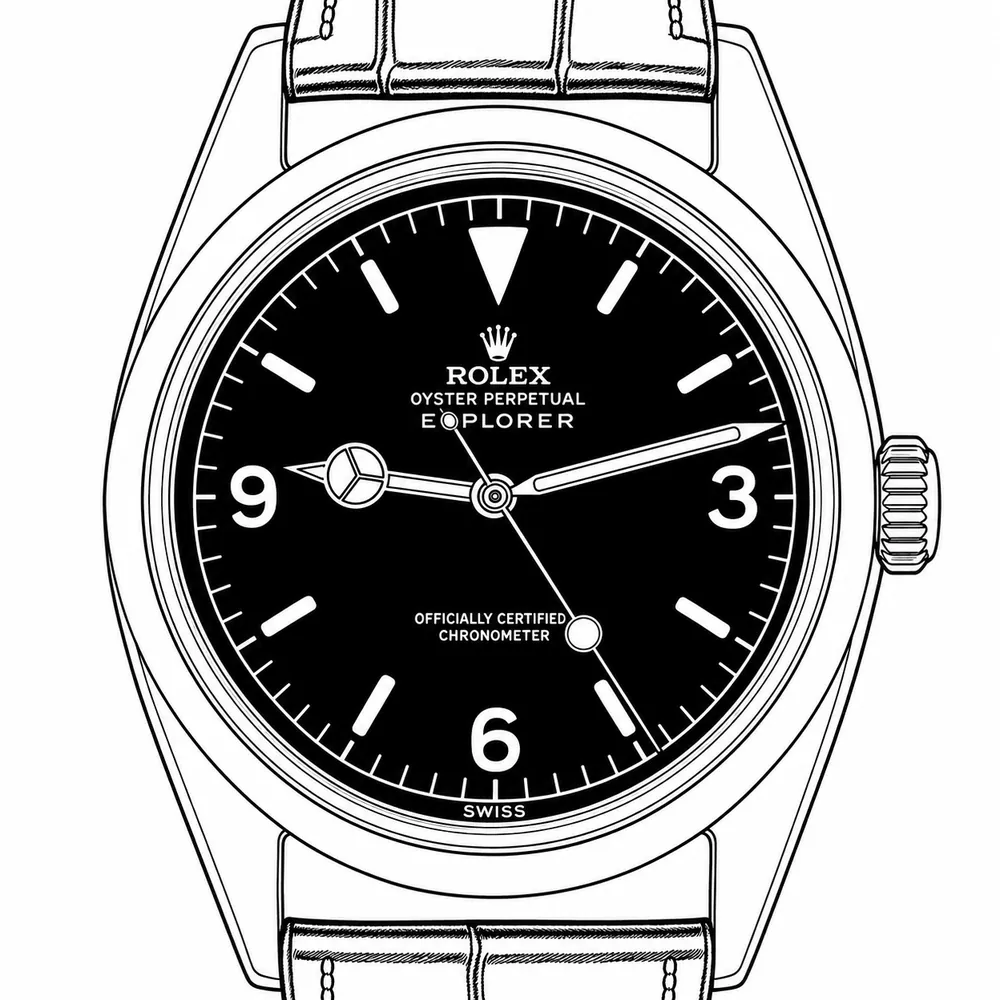
The 6610 is a time-only steel Explorer in a 36 mm Oyster case with a black gilt dial, the inverted triangle at twelve and Arabic numerals at three, six and nine. It replaced the 6150 and the 6350, which were housed in bubbleback cases, and was the first Explorer to use the slimmer calibre 1030, which allowed a flatter caseback. Published accounts date it to the middle and late 1950s, in some cases to 1959, and the 1016 followed it. A small group of dials carry a red depth rating, and a very few are white. Collectors look first at the dial print, the lume and the hands.
- Made
- 1956–1959dates approximate
- Seen in the library
- 1955–1960nine in ten in 1955–1958 · by case numbers
- Case
- 36 mm · steelas sellers state
- Movement
- Calibre 1030automatic
- On record
- 93 listings260 photographs · 23 holders
Components
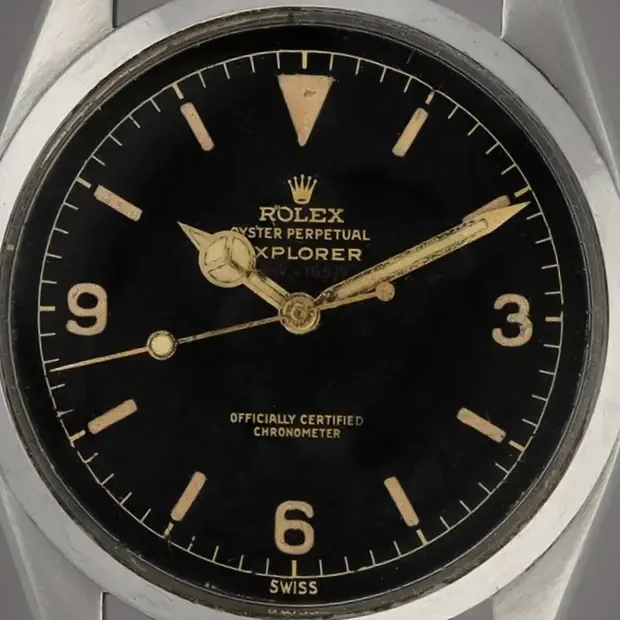
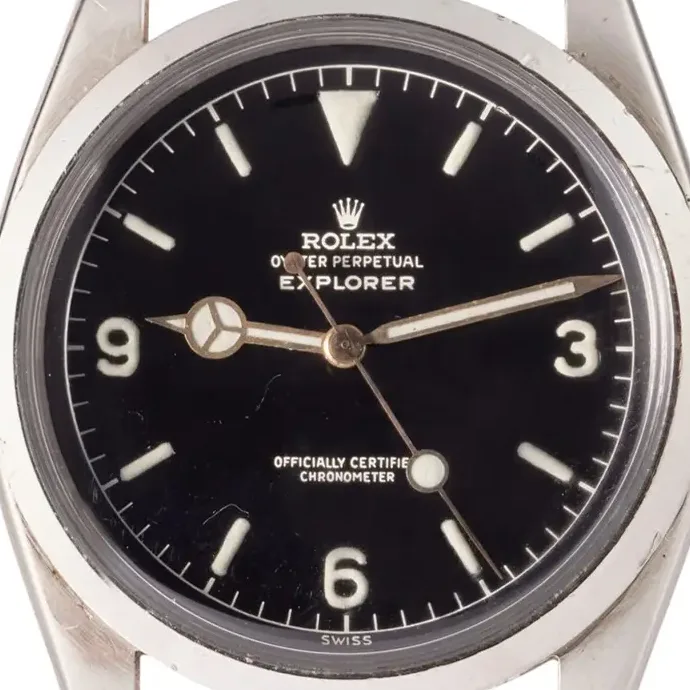
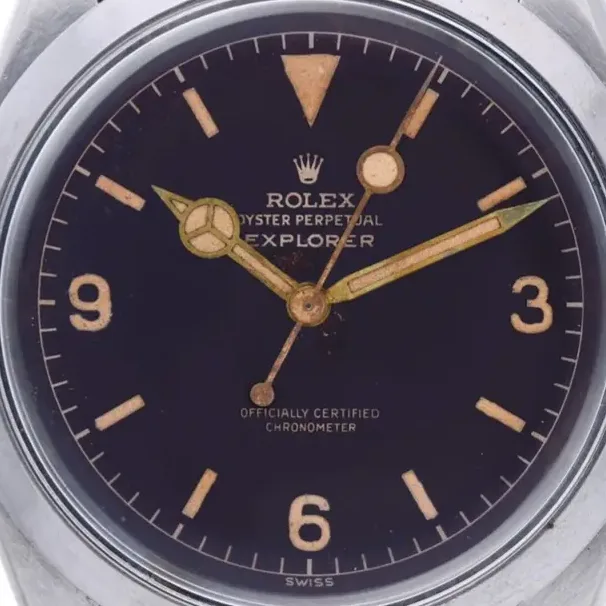
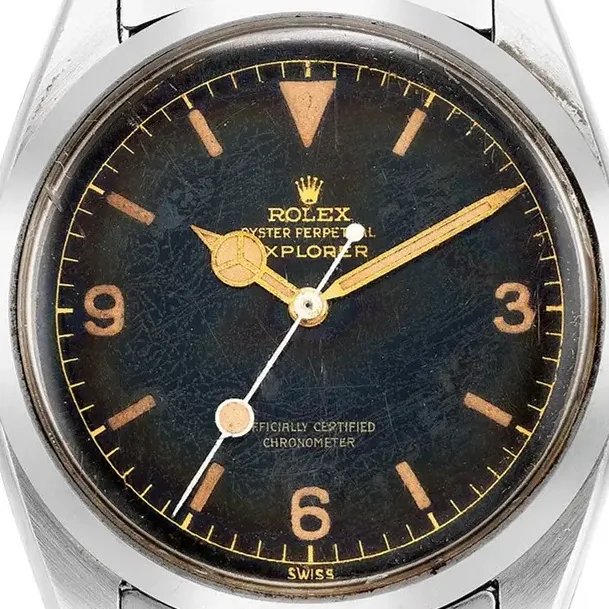
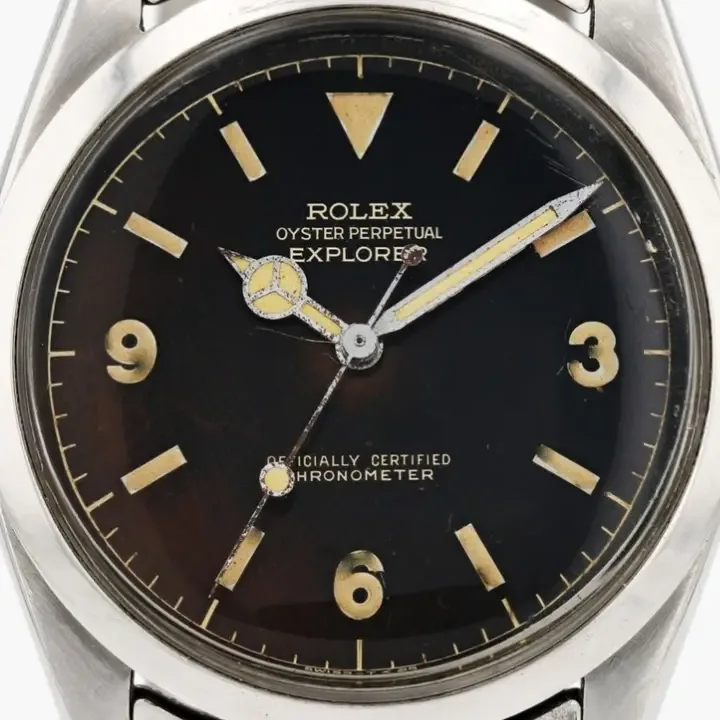
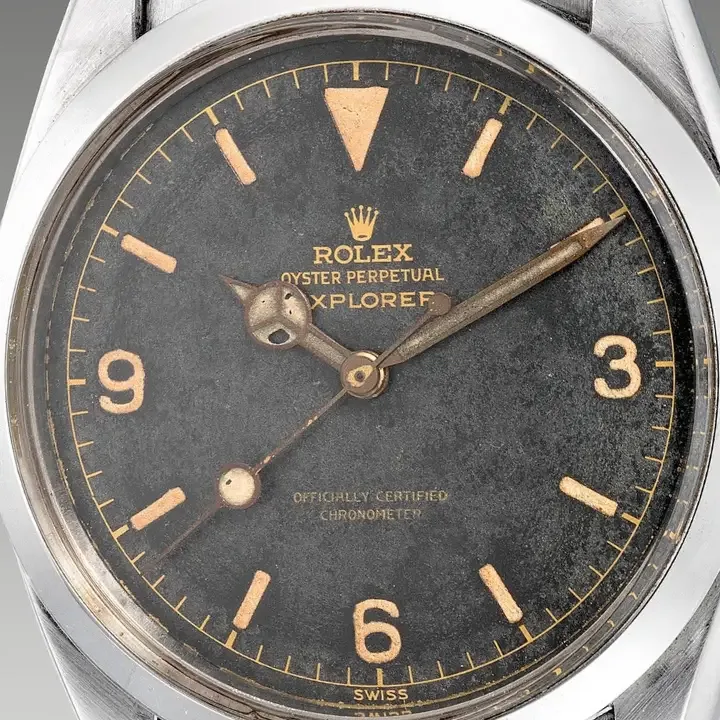
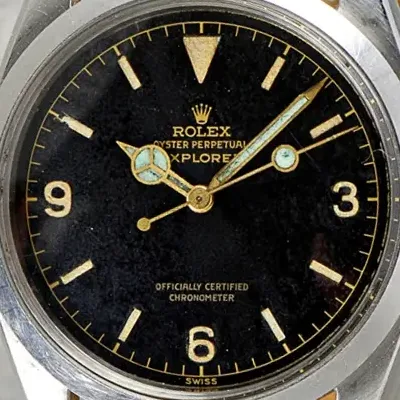
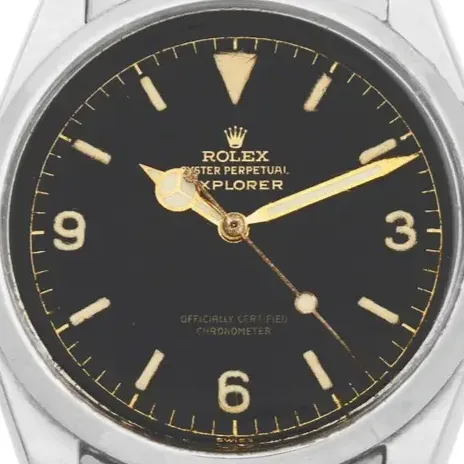
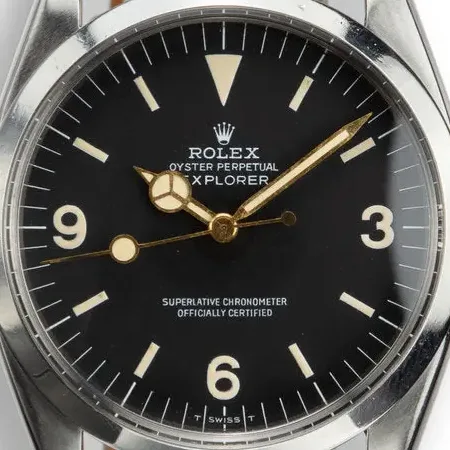
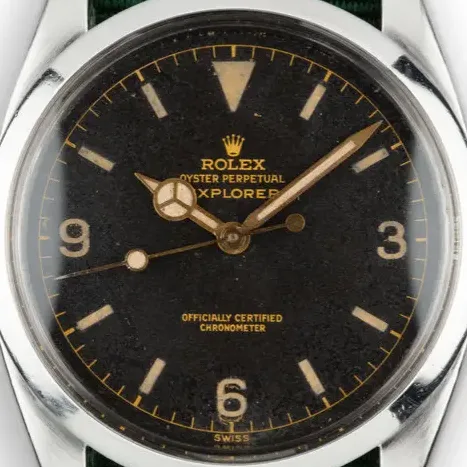
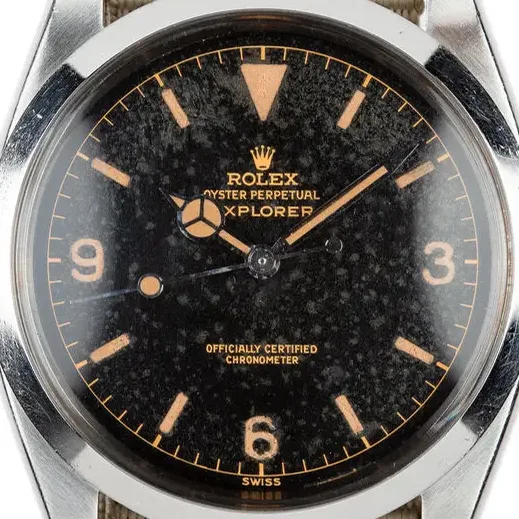
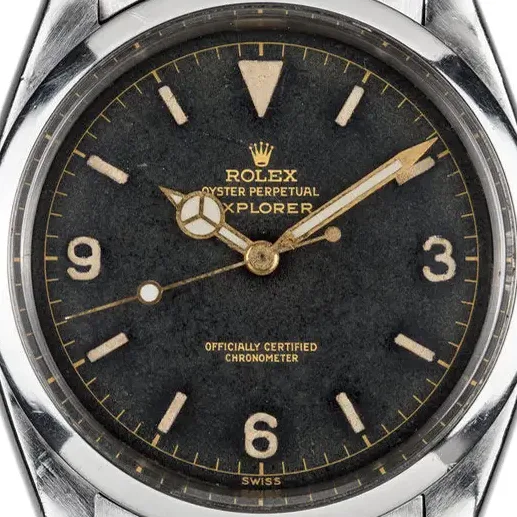
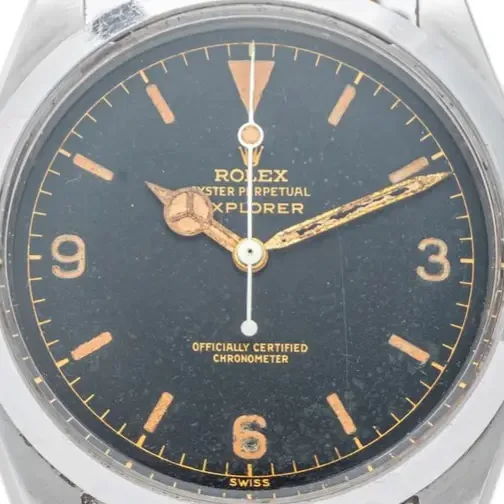
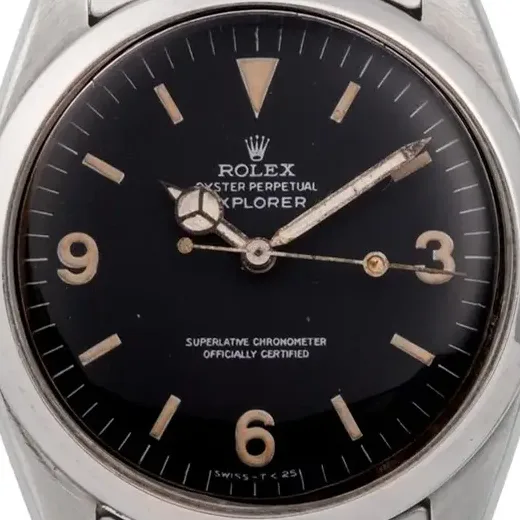
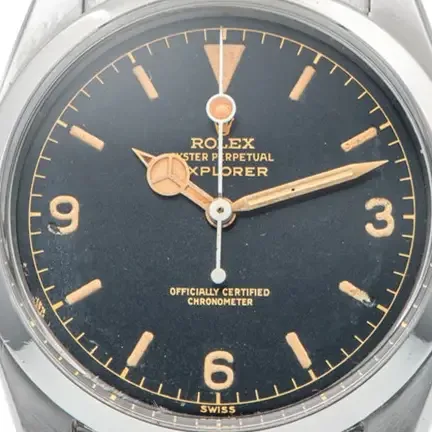
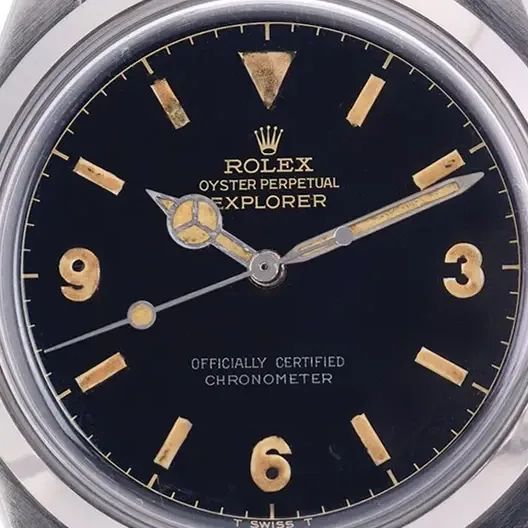
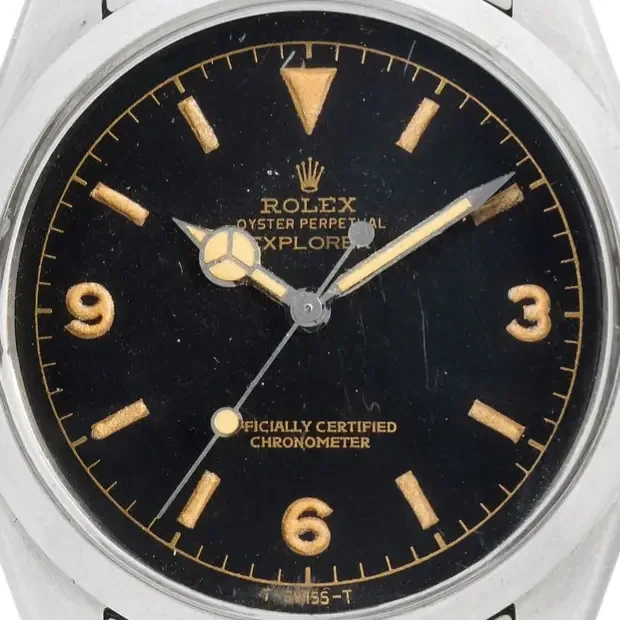
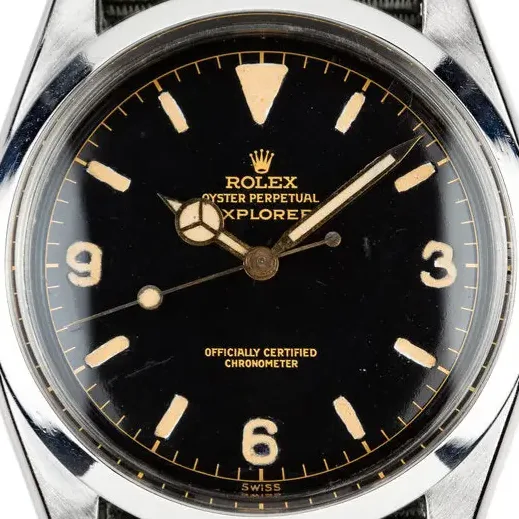
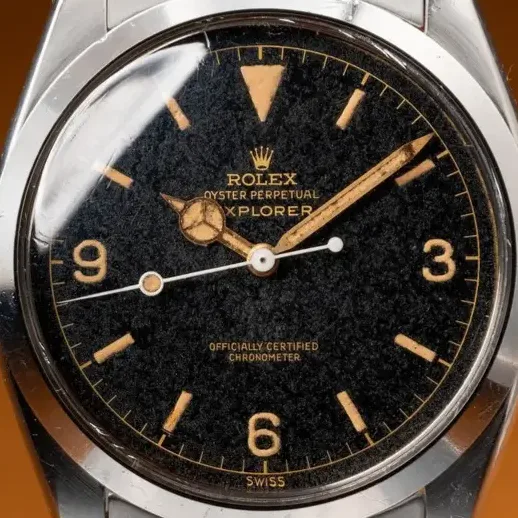
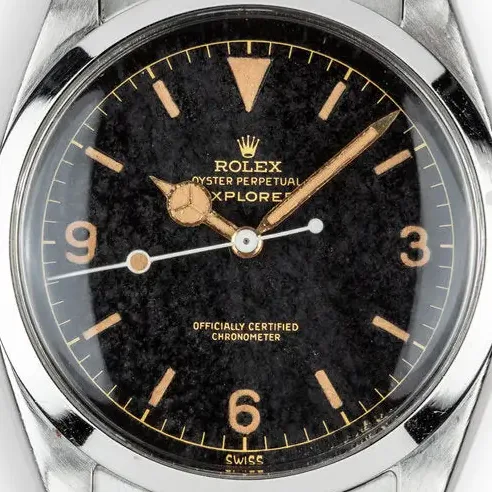
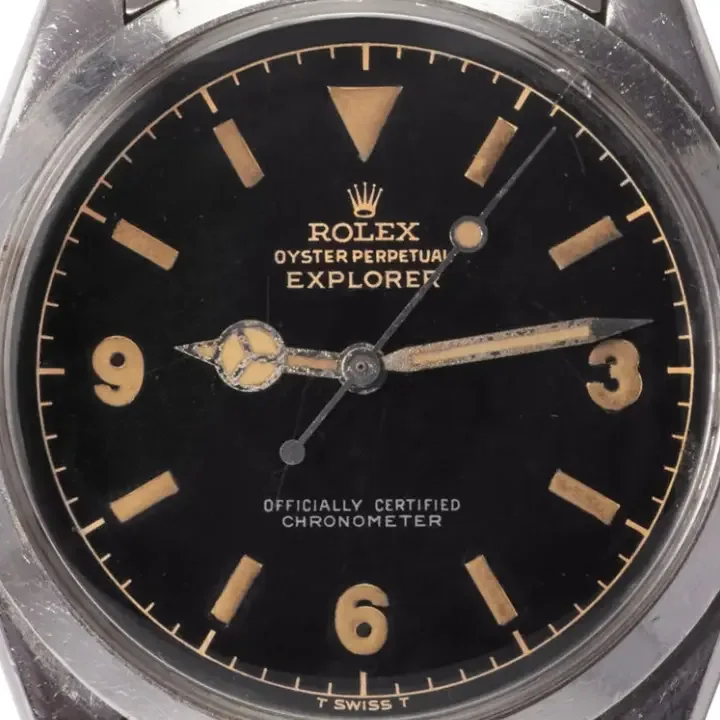
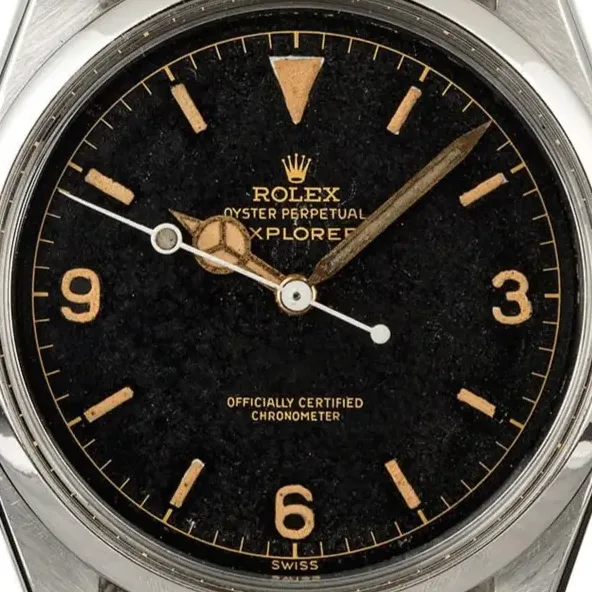
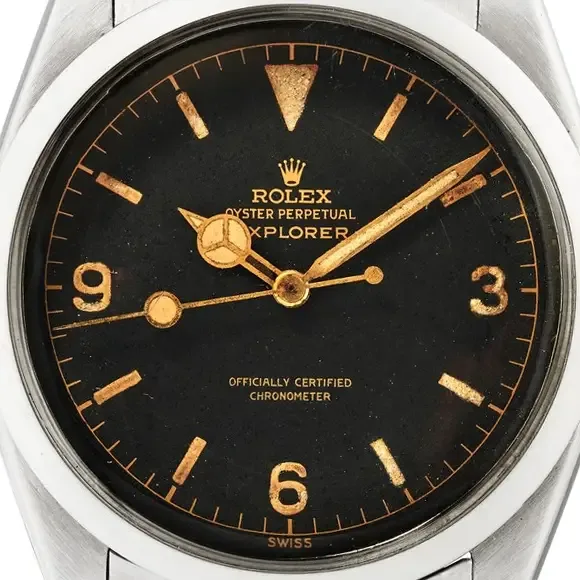
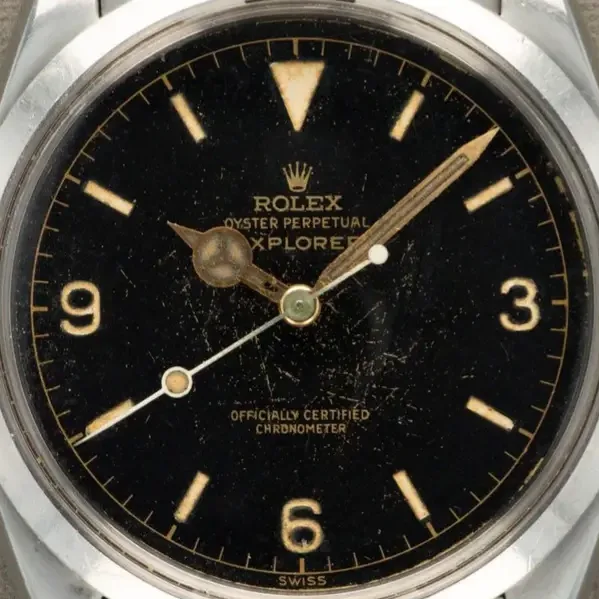
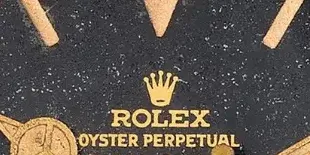
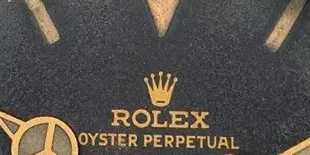
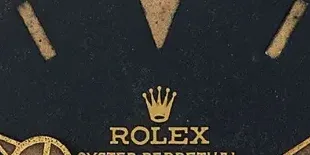
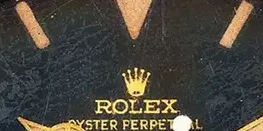
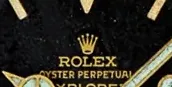
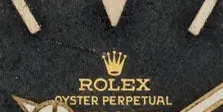
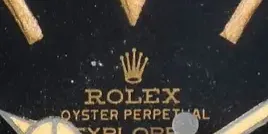
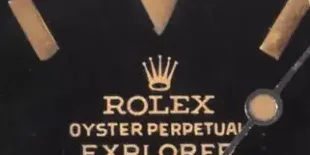
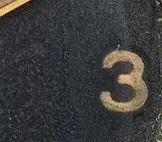
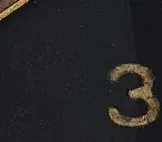
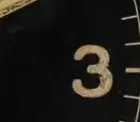
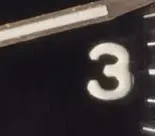
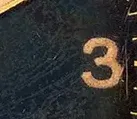
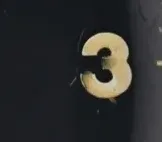
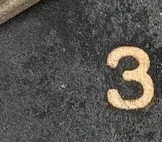
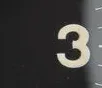
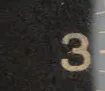
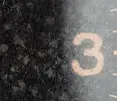
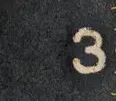
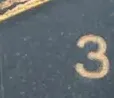
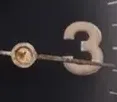
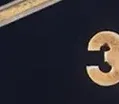
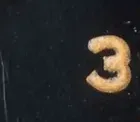
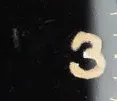
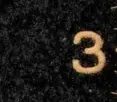
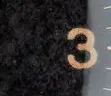
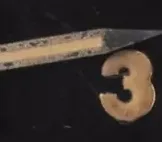
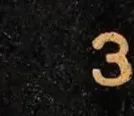
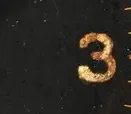
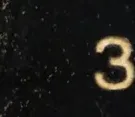
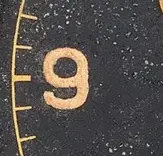
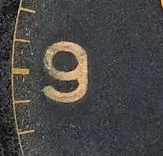
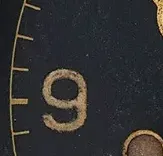
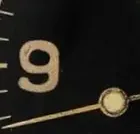
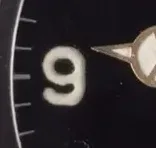
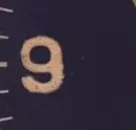
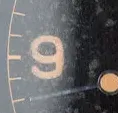
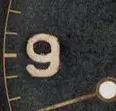
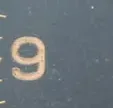
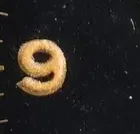
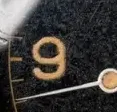
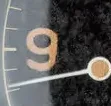
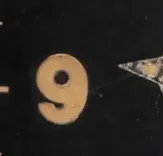
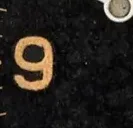
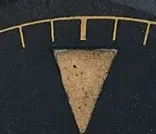
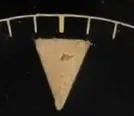
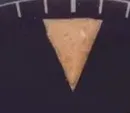
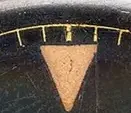
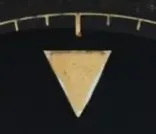
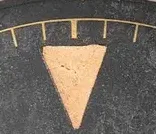
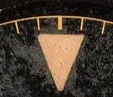
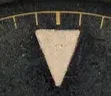
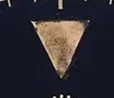
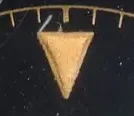
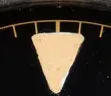
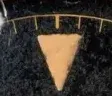
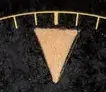
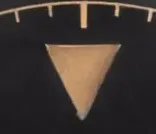
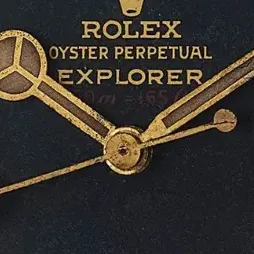
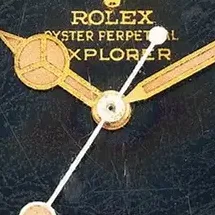
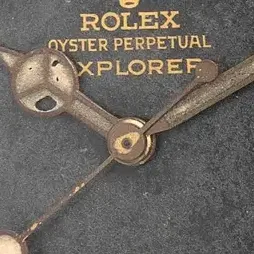
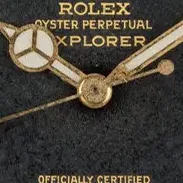
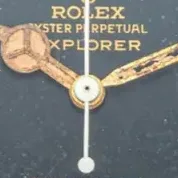
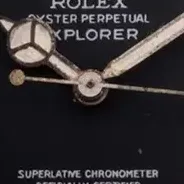
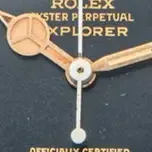
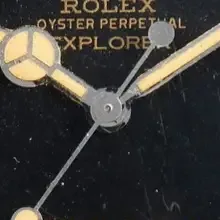
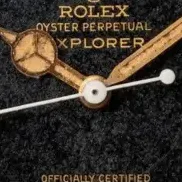
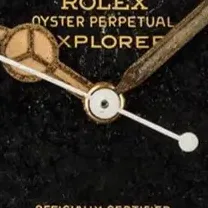
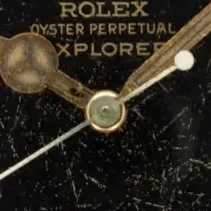
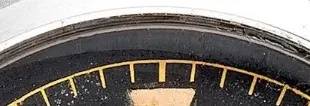
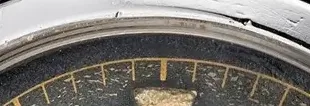
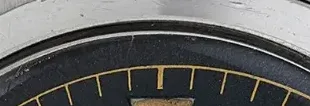
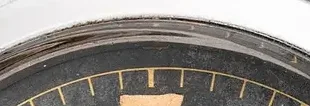
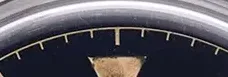
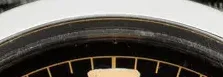
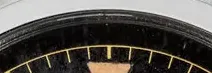
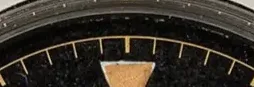
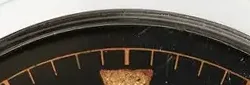
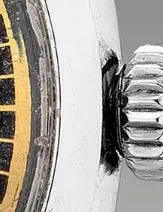
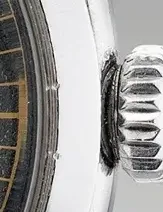
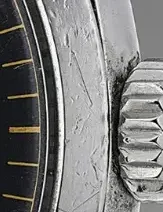
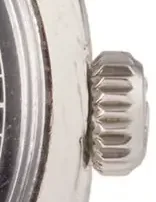
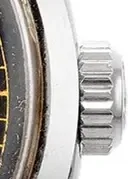
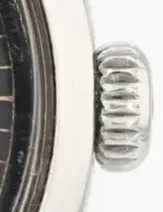
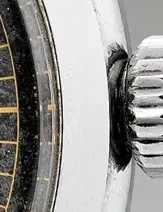
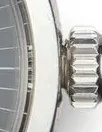
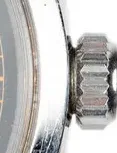
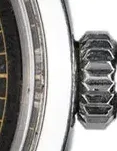
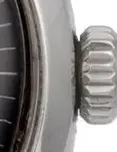
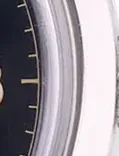
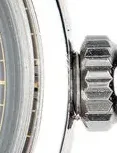
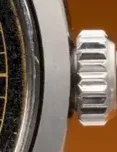
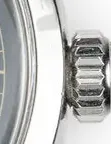
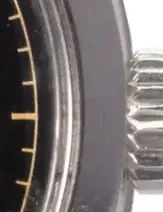
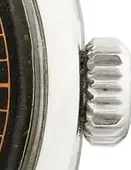
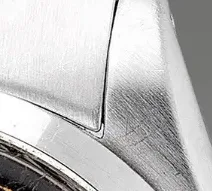
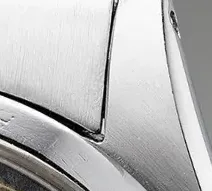
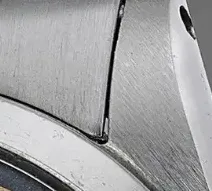
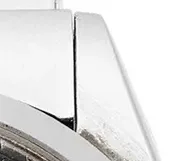
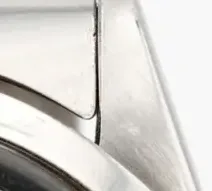
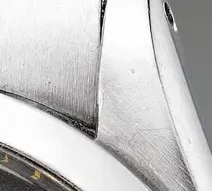
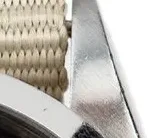
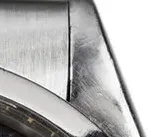
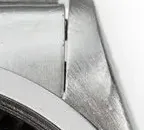
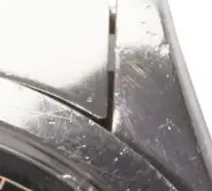
27 watches, oldest first, each straightened and cut the same way so that one row shows one component across them all. Chosen from 260 photographs on file for sharpness and for a face typical of the reference. A year marked c. is one its holder gives only roughly. Each picture is a detail cut from a listing photograph. Select the small mark in its corner for its year, its holder, a link to the listing it came from, and a way to report it.


















































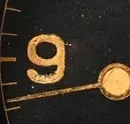
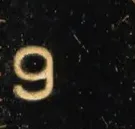
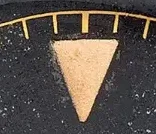
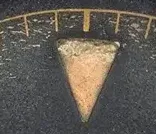





























































Chronology
The literature gives starting years of 1955, c. 1956 and 1959 and an end of 1959 or 1963; the library's case numbers run to 1960, and the earliest, placed in 1955 by serial charts, carry backs stamped I.56.
Specification
| Case | 36 mm steel Oyster case, 20 mm between the lugs, flat caseback, no crown guards |
| Dial | Black gilt dial with inverted triangle at twelve, baton markers and Arabic numerals at 3, 6 and 9; radium lume |
| Hands | Mercedes-pattern hour hand, with a seconds hand from the centre |
| Movement | Automatic calibre 1030, chronometer-rated, slimmer than the A296 of the earlier Explorers |
| Bracelet | Riveted Oyster bracelet; Jubilee bracelets are also found |
| Water resistance | 50 m, printed in red on the dials of a few watches |
Dial 5 described
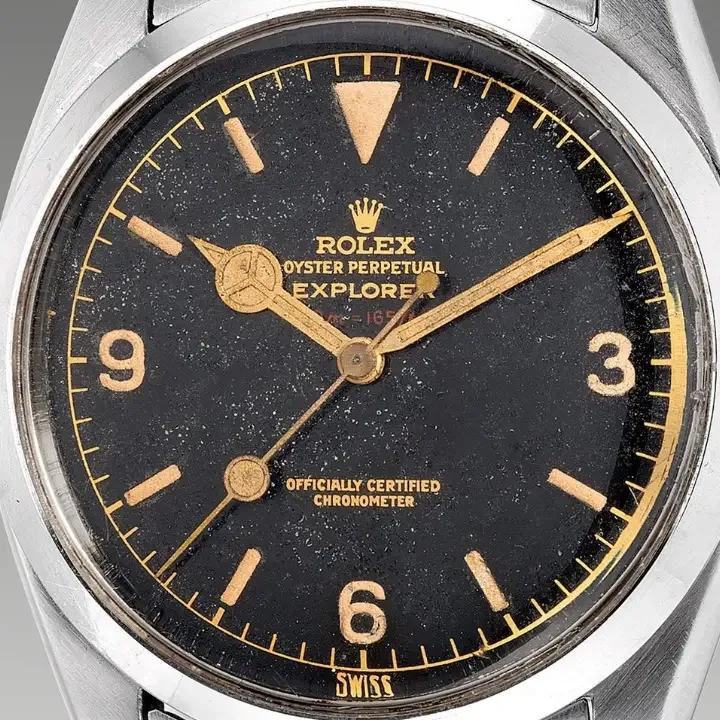
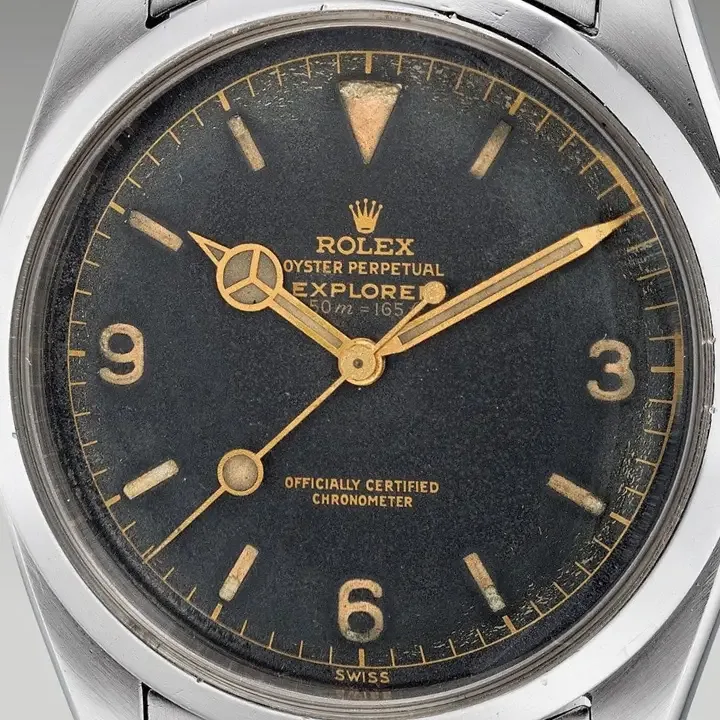
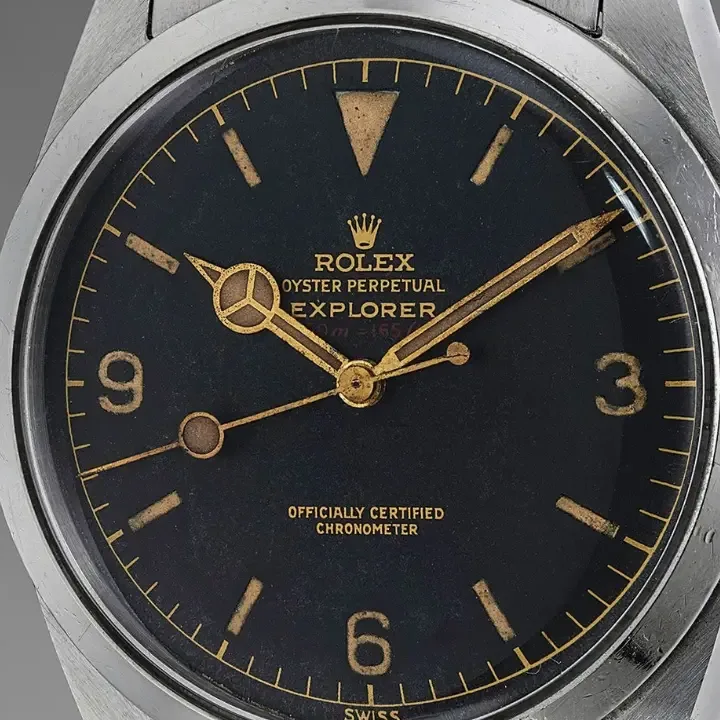
The dial is a glossy black gilt dial with the inverted triangle at twelve, baton markers and numerals at three, six and nine. The main differences between watches lie in the print: a red or silver depth line, the signature text and the finish. A very few are white. Many gilt dials have faded or turned brown with age, which sellers call tropical or chocolate; that is ageing, not a factory variant.
Gilt Explorer dial
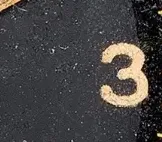
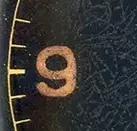
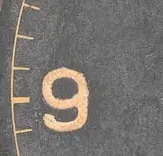
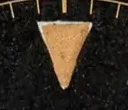
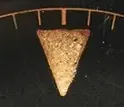
The standard dial: glossy black, with a gold-coloured chapter ring and gold text. The text is a relief print that shows the brass of the base plate, and a lacquer is applied over it. The triangle, baton markers and numerals at three, six and nine carry radium lume, and the dial is signed SWISS at the foot.
- gold text and chapter ring
- inverted triangle at twelve
- numerals at 3, 6 and 9
- SWISS at six
Red depth rating
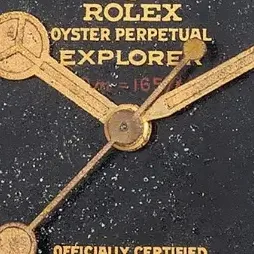
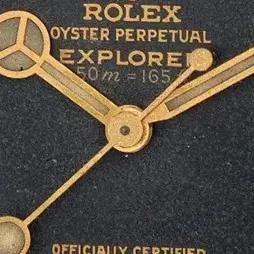
Rare dials print a depth line, 50m = 165 ft, above the signature in red; silver is also reported. Some watches with this dial are described with a white seconds hand, and caseback stamps are from the first and second quarters of 1956.
- red 50m = 165 ft line
Albino
A white dial found in the 6610 series. Writers call it rare and the most prized of the reference's dials.
- white dial
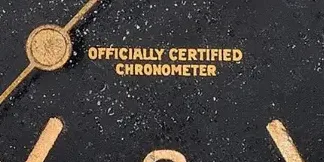
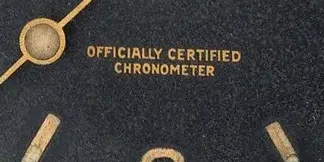
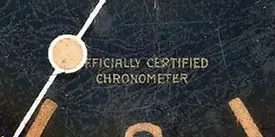
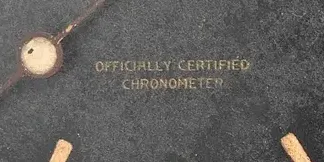
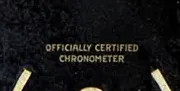
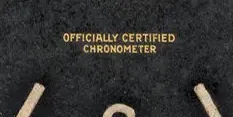
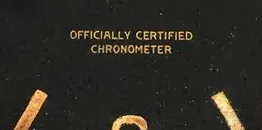
Officially Certified Chronometer text
The dials carry the Officially Certified Chronometer wording but not the Superlative Chronometer wording that appears on the 1016. A few very early 1016 dials also lack Superlative, a trait inherited from the 6610.
- Officially Certified Chronometer without Superlative
Matte or gloss finish
Sellers describe some dials as matte and others as gloss. The literature does not date this difference.
Luminous material 1 described
The lume is radium on the markers, numerals and hands.
Radium
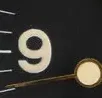
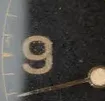
Radium on markers and hands, which has aged to a warm tone that matches the gilt text on many watches. The radium is also blamed for the fading of the black paint around it.
- warm cream lume matching the text
Hands 2 described
The hour hand is the Mercedes pattern, and the seconds hand runs from the centre.
Mercedes hands
Mercedes-pattern hour hand, said to be always present on the 6610. Another account describes Submariner-style hands on the reference. Sellers also describe lollipop seconds hands.
- three-pointed Mercedes hour hand
- lollipop seconds hand
White seconds hand
Some red-depth watches are described with a white seconds hand.
- white seconds hand with red depth dial
Case 1 described
The 6610 has a 36 mm steel Oyster case. The slimmer movement allowed a flatter caseback, and this became the usual shape for many years.
Flat-back Oyster case
36 mm across, 20 mm between the lugs, with a screw-down crown and caseback and no crown guards. Sellers report a quarter-year stamp inside the caseback, such as I.56 or II.56.
- flat caseback
- no crown guards
- quarter-year stamp inside the back
Movement 1 described
The 6610 uses calibre 1030, which replaced the A296 of the earlier Explorers.
Calibre 1030
An automatic, chronometer-rated movement described as Rolex's first made entirely in-house. It is slimmer than the A296 and found in early Submariners. It was replaced on the 1016 by the 1560.
- 1030 on the movement
Bracelet 2 described
The bracelet is the riveted Oyster. A Jubilee is also reported.
Riveted Oyster
The riveted bracelet. Sellers cite the reference 7206 with 80 end links. Several listings, of early and later watches alike, name a 78360, a bracelet of much later references (solid-link by most accounts, folded-link by some).
- riveted links
- stamped bracelet reference
Jubilee
Some watches are described on a Jubilee bracelet. The literature does not say whether it was original.
Originality
- The case has often been polished, which softens the lugs and wears the markings.
- The original bracelet is often missing, and bracelets of other types are fitted.
Names
- Red Depth. A red 50m = 165 ft line is printed on the dial.
- Albino. The dial is white.
- Explorer 1. The single-name Explorer, written this way to tell it from the later Explorer II.
Where accounts differ
Points on which the published literature and the library's own records do not agree, or on which the literature contradicts itself.
- Start and end of production. Published accounts split on both ends. One dates the 6610 to 1955 to 1959 and starts the 1016 in 1960; another gives about 1956; others give 1959 as the start, and several put the end and the change to the 1016 in 1963. In the library's records the latest case numbers are of 1960, the year from which the 1016's case numbers run in number, and the earliest, in the 113,000s and 114,000s, are placed in 1955 by serial charts but carry backs stamped I.56, so neither a 1959 start nor a 1963 end is borne out.
- First use of Mercedes hands. One account says the 6610 introduced the Mercedes hands. Another says they came with the 6150 and 6350 before it.
In the records
Counted from 93 listings at 23 holders between 17 October 2007 and 14 November 2026. These are what sellers and auction houses state, not measurements.
Fainter bars are the 2 outside the main run of 1955–1958 (the middle nine-tenths): the latest is 1960. They are early and late examples, and now and then a number misread.
Case metal
| Steel | 66 |
Dial colour
| Black | 24 | |
| Brown | 2 | |
| Silver | 1 | |
| Gold | 1 | |
| White | 1 |
Case size
| 36 mm | 42 | |
| 35 mm | 9 | |
| 40 mm | 1 |
Calibre named
| 1030 | 49 |
Bracelet or strap
| Oyster bracelet | 18 | |
| Metal bracelet, kind not stated | 11 | |
| Leather strap | 7 | |
| Jubilee bracelet | 4 |
Each table counts the listings that state the thing, in the seller's own terms. A size, metal, colour or calibre that cannot belong to this reference is a seller's slip or a listing filed under the wrong number.