Early Breguet, 1775 to 1970
Early Breguet covers the firm from the founder's workshop on the Quai de l'Horloge in Paris, opened in 1775, to the sale of the house to new owners in 1970. It runs through the founder's lifetime to 1823, the long period under his son, grandson and later owners, and the aviation and wrist chronograph work of the twentieth century. The era is collected for the founder's inventions, for the single-handed souscription watch, the tact watch, repeaters, perpétuelles and tourbillons, and for the Type 20 and Type XX chronographs of the 1950s and 1960s. A newcomer should know first that the maker's name was widely imitated, that the firm's own archive is the test, and that dates and figures in the literature often differ.
The founder and the Quai de l'Horloge
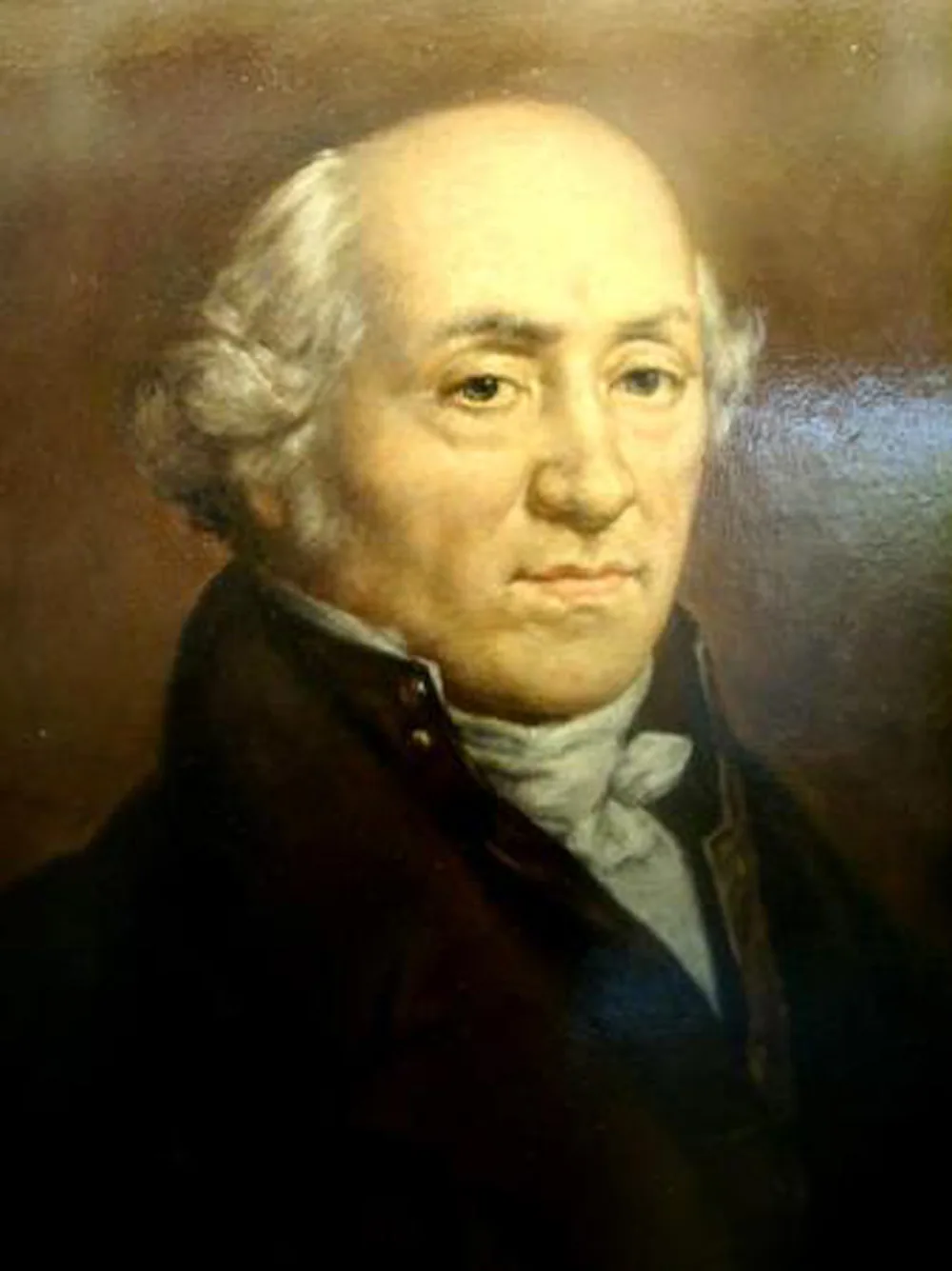
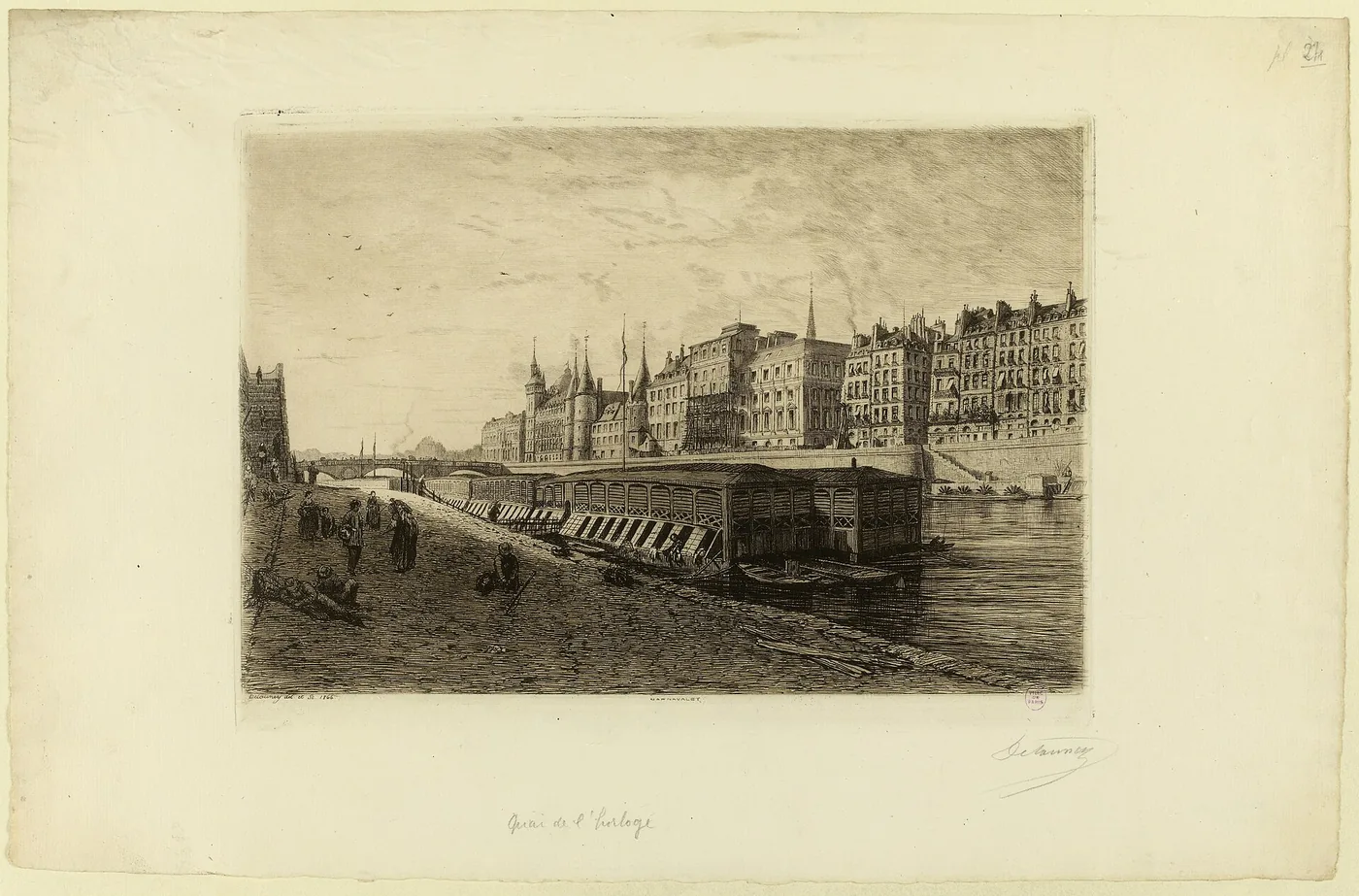
Abraham-Louis Breguet was born at Neuchâtel on 10 January 1747, when the town was a principality under the King of Prussia; it joined the Swiss Confederation only in 1814. His father died when he was ten or eleven, and his mother married into a family of watchmakers who kept a showroom in Paris. At fifteen, in 1762, he was sent to France as an apprentice at Versailles; the master's name is not known, and one account has him first apprenticed for a year at Les Verrières. He also took evening classes in mathematics and physics at the Collège Mazarin. His teacher there, an abbé, kept up the friendship for decades and brought him into the circle round the court, and by another account the king's younger brother noticed his work while he was still an apprentice. In 1775 he set up for himself on the Quai de l'Horloge on the Île de la Cité, a district of silversmiths, dial makers and case makers. He married that year into a prosperous Parisian family, whose dowry probably supplied part of the capital. His wife died in 1780, leaving their son Antoine-Louis, born in 1776, who would carry on the firm. The business grew on commissions from wealthy and influential patrons, among them Louis XVI and Marie Antoinette. In 1787 he took a partner, a watch dealer and financier; the partnership was dissolved in 1791 on terms that required a cash payment of 50,000 livres, which a friend, a nobleman later made a duke, advanced. The Revolution was dangerous for a man so close to the court, and as the Terror gathered force he left for Switzerland, in 1793 by most accounts (one has him away from 1789), living at Geneva, Neuchâtel and Le Locle. His Paris house and workshop were confiscated, and a loyal associate kept the firm alive under threat of closure while several workmen were called up for the army. He came back to Paris in 1795, recovered his house, rebuilt the workshop (one account has him find it intact) and found that his old aristocratic buyers had been replaced by the wealthy middle class and the new Napoleonic nobility. By one account the firm signed 'Breguet et fils' from the early 1800s. Writers give the number of the house on the quay differently.


What he invented or perfected
The literature credits Breguet with a long list, and several items are shared with others. Accounts differ on the self-winding perpétuelle of the 1780s: some call it the first automatic watch, while others hold that the idea was not wholly his, since two other makers have claims to the principle, and credit him with making it dependable enough to sell. The gong spring for repeating watches replaced the bell with a wire coiled round the movement, and is dated to the 1780s, or to 1783 in one account. The pare-chute shock protection dates from about 1790, and the overcoil balance spring and a perpetual calendar are put at 1795. The souscription watch followed in 1796, the tact watch and the sympathetic clock in the next few years, and the tourbillon was patented in 1801. A two-barrel marine chronometer is dated 1815 and a split-second chronograph 1820.
Two inventions concern appearance as much as mechanism. Around 1783 he gave his hands a hollowed, off-centre tip, in gold or blued steel, in place of the short, broad and heavily decorated hands then usual, and the slanted Arabic figures that go with them are called Breguet numerals. From 1786 he used engine-turned guilloché on dials, which also cut down reflection on metal. Published accounts of the style stress legibility and the removal of ornament from dial and case.
He also devised a natural escapement, a double-wheel form meant to run without lubrication, and a form of constant-force escapement; the natural escapement was more precise over long periods but could stop in a knock and would not restart on its own. His son, around 1830, is named as one of those who prepared the way for winding by the crown.
The kinds of watch
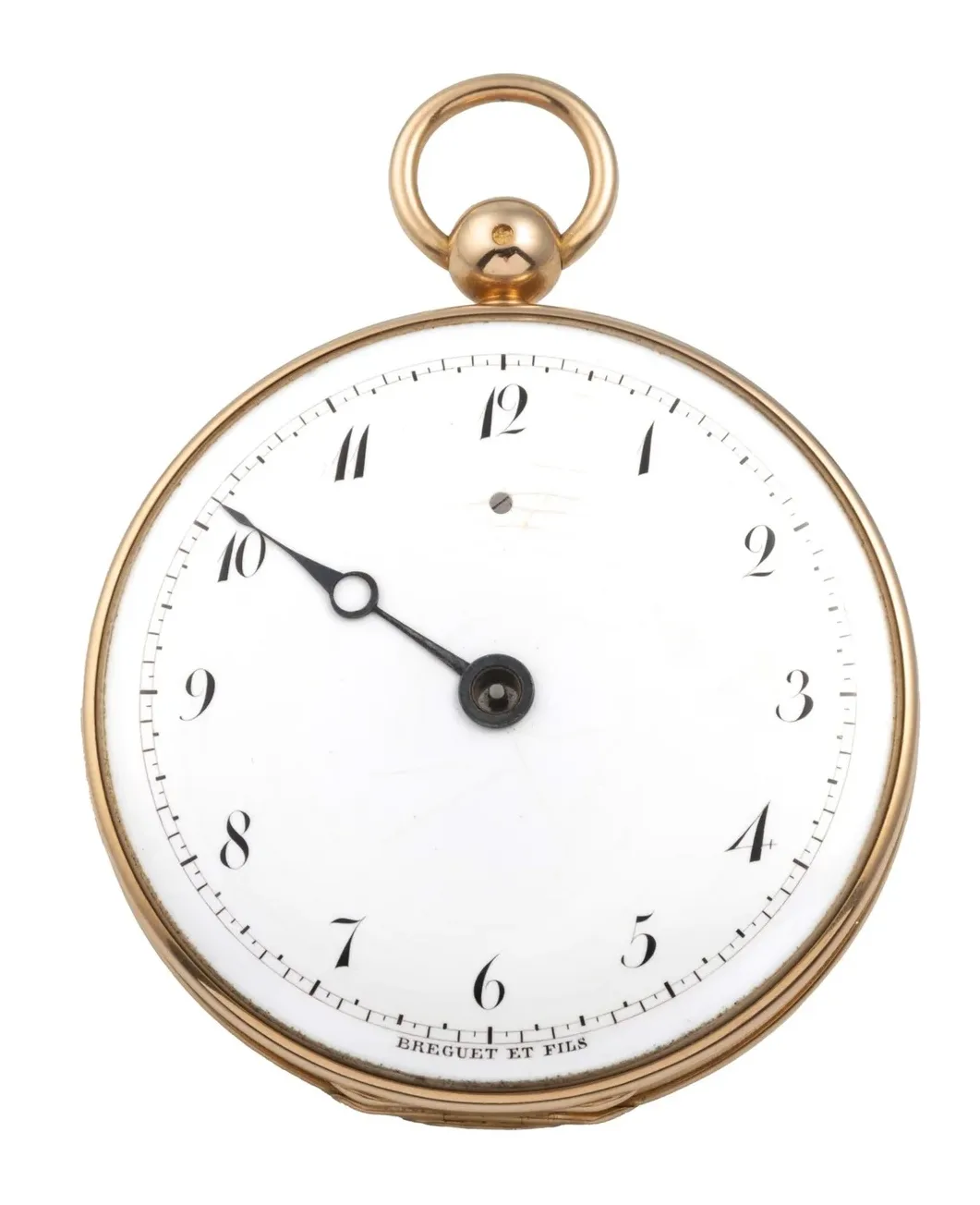
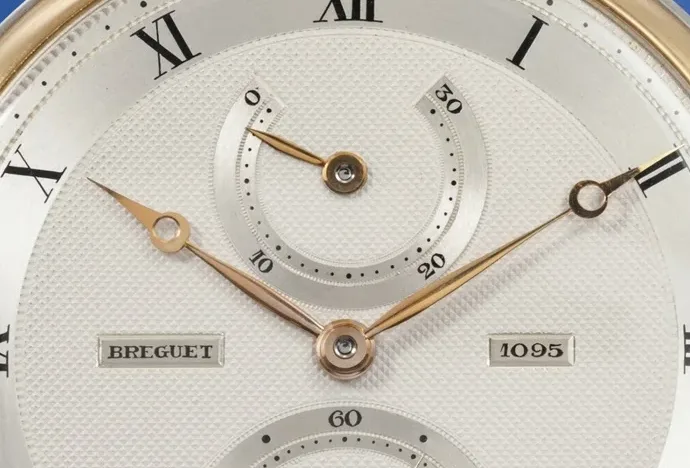
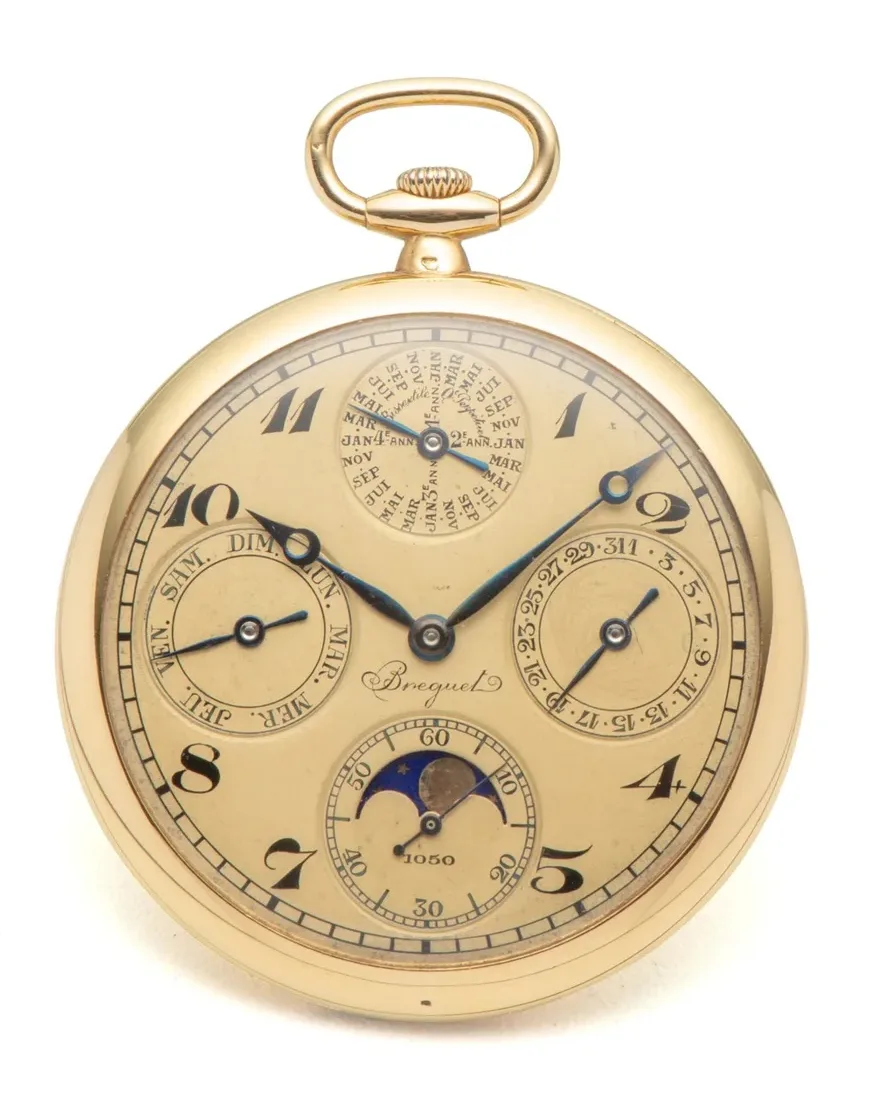
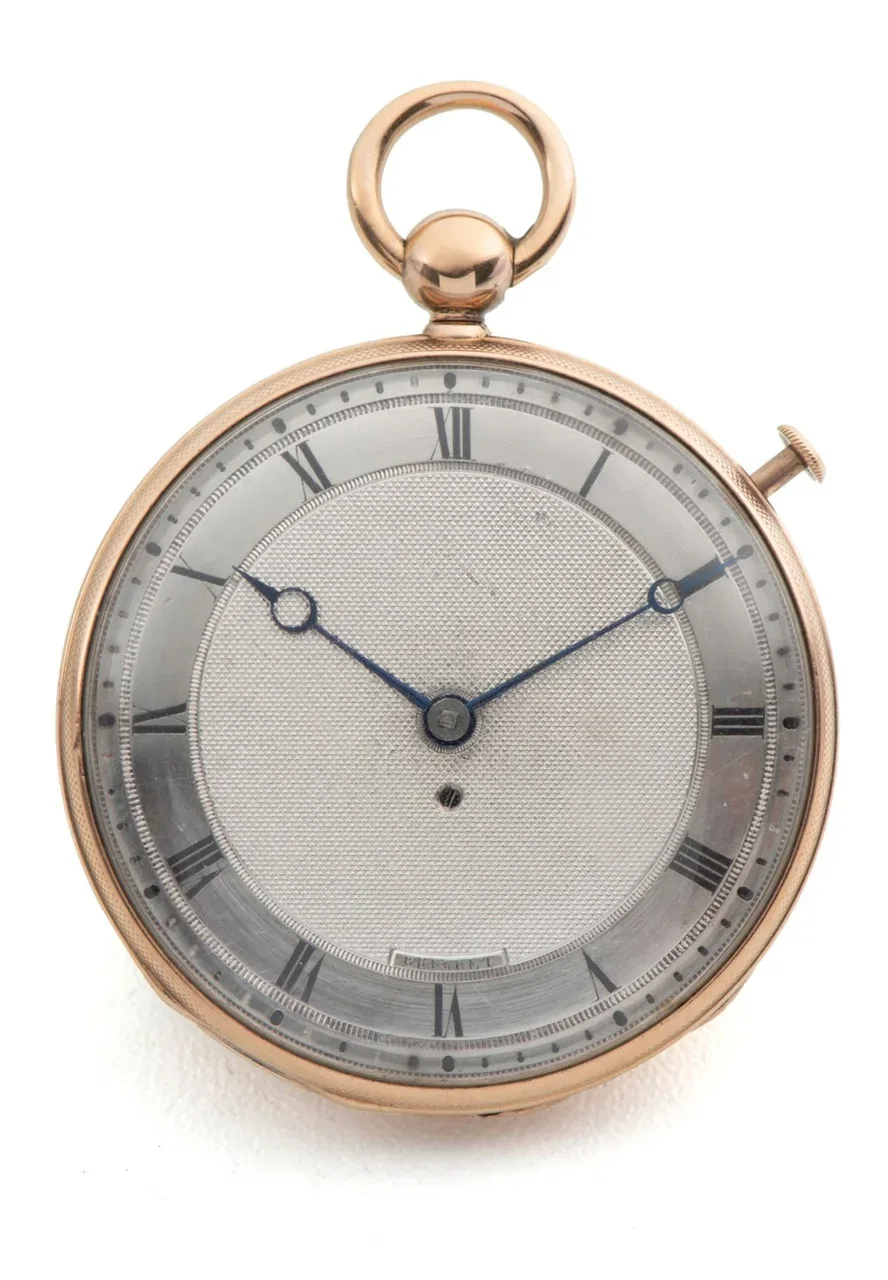
The perpétuelle was the first success. An oscillating platinum weight swung against springs at the edge of the back plate and wound two barrels; the reserve was up to about sixty hours, and the weight locked when the springs were full. Most early examples had a lever escapement, a white enamel dial with italic numerals, blued 'moon' hands, a power-reserve sector, and regulation placed under the bezel so the watch need not be opened. Most were also repeaters, and they were among the most expensive watches the firm sold. Estimates of how many were made are about eighty to about ninety before 1823. Two early examples are cited as 'No. 47, 6/87' and 'No. 2, 10/82'; the second figure in each matches the year the watch is dated to (1787 and 1782), though the literature does not explain the figures. Earlier repeaters struck a bell, or by one account struck the case directly with a hammer (à toc). In the example numbered 47 the hours and quarters are struck à toc, by a hammer on a block inside the caseband, and the minutes on a short gong at the movement's edge; his coiled gong spring allowed thinner cases. The souscription watch was made to be affordable and easy to repair. It had a single blued steel hand over a large white enamel dial, a track divided for hours and five-minute steps, and Breguet numerals. The case was about 60 to 61 mm across, most often in gold with a finely guilloched band, though the firm's museum also holds silver ones and several sizes; the firm itself says the bands of the originals were not fluted. The movement was gilt, with a large central barrel, triangular stepped bridges, a ruby cylinder escapement and a pare-chute; the early movements were plainer and were refined over time. A secret signature was usually engraved on the enamel. Buyers paid a quarter of the price when ordering by most accounts (one says half), and a printed prospectus advertised the watch. About seven hundred were made, over a span one reckoning puts at more than thirty years. The tact watch kept the souscription movement layout. In one description an arrow on the outside of the case repeats the position of the hour hand, and twelve marks on the caseband, as gold dots, pearls or diamonds, let the owner read the hour by touch. The firm's museum holds No. 611, bought in 1800 by the future empress Joséphine and later, by one account, inherited by her daughter, who had a jewelled H added. Number 92, sold in 1805 to the friend who had advanced the money for the partnership, has two dials, a lever escapement, independent centre seconds, a minute repeater, a perpetual calendar, equation of time, a thermometer, a state-of-wind indicator and moon phases, and a British collector rated it close to No. 160. The literature stresses that the complicated watches were made singly and that no two were alike.
- a single hand, white enamel dial and no complications on a souscription watch
- a large central barrel and triangular stepped bridges, gilt throughout, on the movement
- an arrow on the case and touch marks on the band on a tact watch
- a second figure beside the number on some early perpétuelles, as 47, 6/87
The tourbillon
Breguet wrote to the Minister of the Interior in 1801 to present a 'tourbillon regulator', and the patent of 26 June (7 Messidor, year IX) gave him ten years. The balance, spring and escapement sit in a cage that turns, so that errors from the watch's position average out. The idea took shape during his Swiss stay, then six years passed to the patent and about six more before the first sale. Accounts differ on which was the first: a watch numbered 282 was finished in 1800 but sold by his son much later, and the first to leave the workshop in the ordinary way is put at about 1805 or 1806. The mechanism was shown at the national exhibitions of industrial products in Paris, including that of 1806. The firm's records give about forty tourbillons between 1796 and 1829, besides nine pieces never finished. They are thirty-five watches and five other works: a sympathetic clock, a clock paired with a watch on a rotating tray, a large demonstration model, a marine chronometer and a travelling clock. By one count more than half of the cages turn in four or six minutes, not the single minute the patent describes. Cases are gold or silver, and dials gold, silver or enamel, with the escapement lever, detent or natural. Six were begun in 1802 and each took five to ten years, and fifteen more were begun in 1809. A quarter are certain to have been used at sea. Buyers included George III, who obtained No. 1297 on 29 June 1808, George IV and Ferdinand VII of Spain. About thirty of the forty survive. After the founder the firm kept up a few. A tourbillon numbered 986 is recorded as sold in 1926, and new pocket tourbillons were sold between the 1920s and the 1950s, a fact known to very few at the time. The flying form, with the cage held only from below, was first made by others in the early twentieth century; the firm made none in this era.
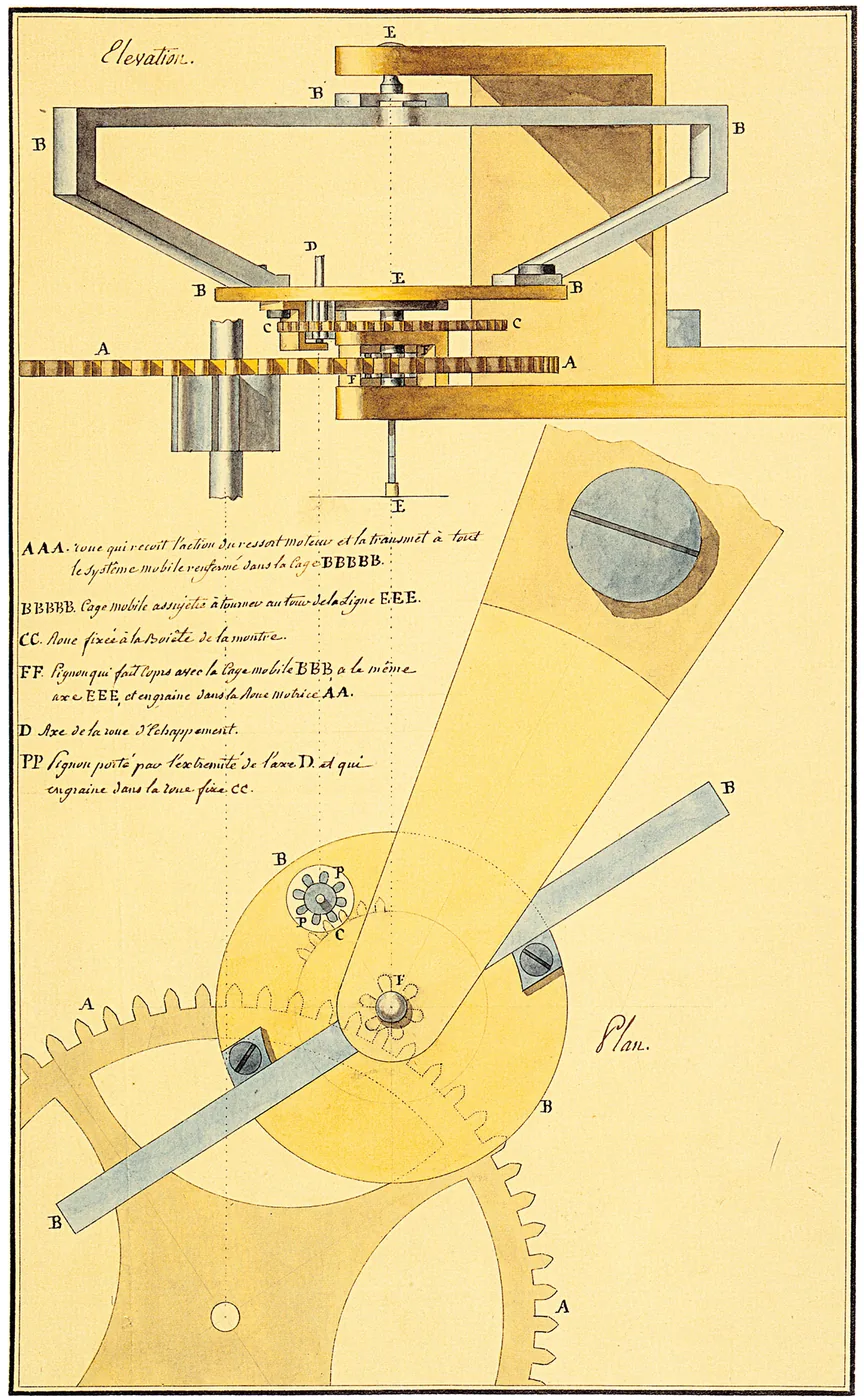

- a cage at the balance, often turning in four or six minutes, not one
- gold or silver case; gold, silver or enamel dial
The famous commissions
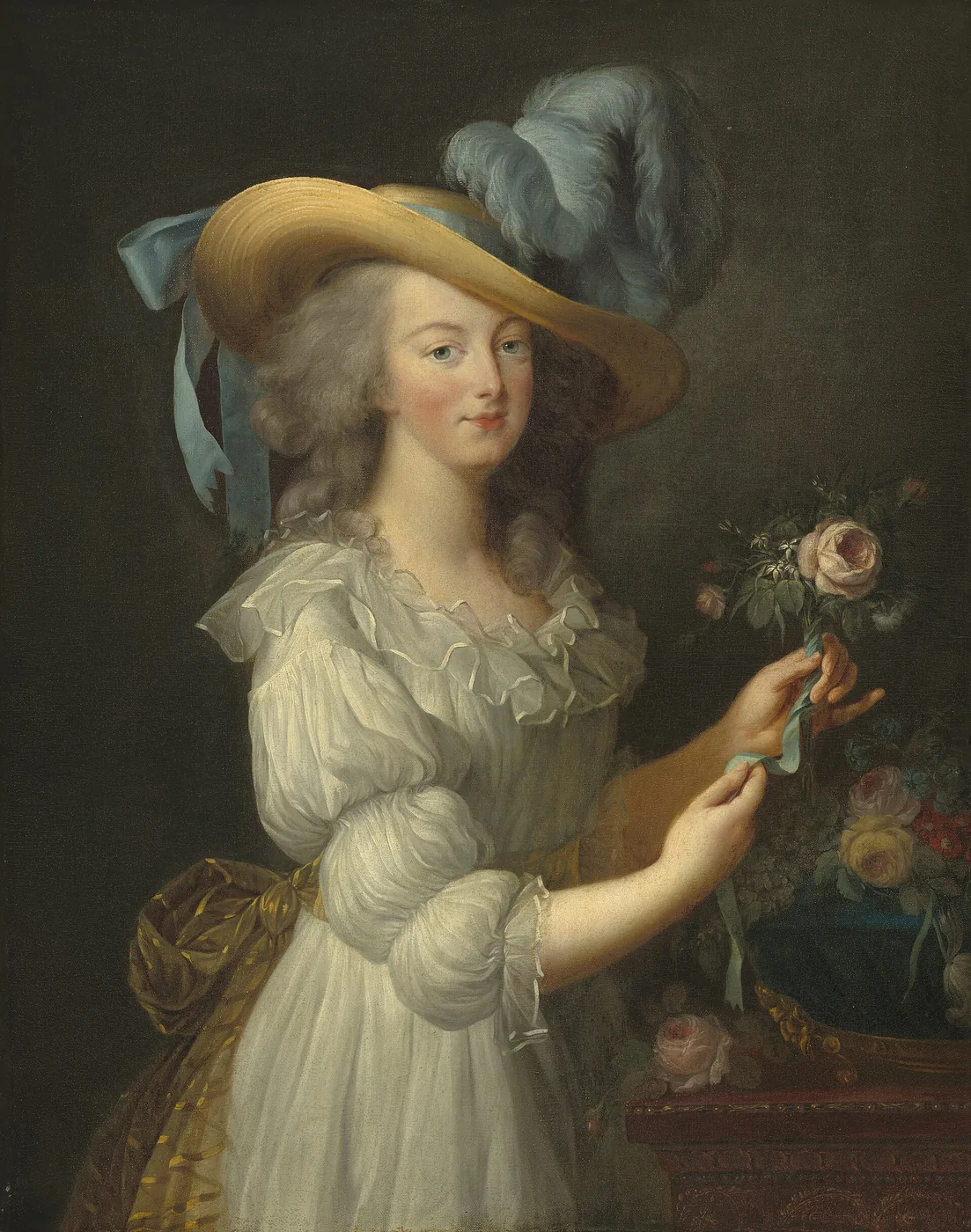
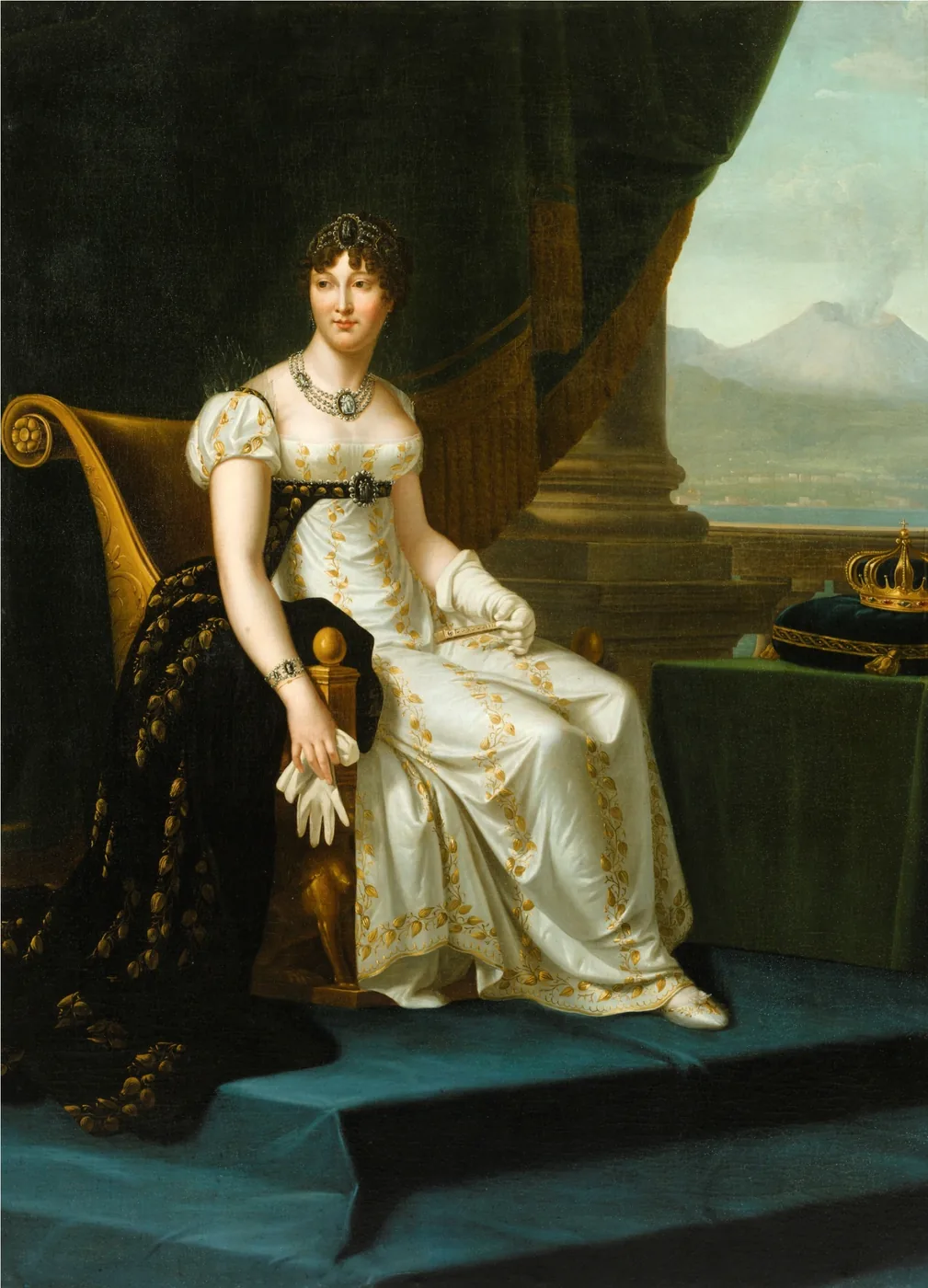
Marie Antoinette's first commission, in 1782, was for a self-winding watch with calendar and repeater. In 1783 an officer of her guard asked for a watch with every complication then known, with gold replacing other metals wherever possible, and with no limit of time or cost. The buyer's name was withheld; a Swedish count who was a friend of the queen is the usual guess, and one writer proposes a naval minister. The watch, No. 160, is self-winding by a platinum weight, with a minute repeater, perpetual calendar, equation of time, power reserve, metal thermometer, independent centre seconds and small seconds, a gold balance spring and sapphire bearings, and two dials, one enamel and one rock crystal. Its case is about 63 mm. A simple watch is recorded for her in September 1792, and she never saw No. 160. Work on it ran through the Revolution and the founder's exile, and it was finished in 1827 under the founder's son. There is no record of a sale. In 1838 a marquis sent it to the workshop for service and never collected it, and it stayed with the house until 1887, when it went to a British collector; it then passed through British collections to a museum in Jerusalem, from which it was stolen in 1983; the stolen watches were returned from 2007. A recreation by the modern firm, shown in 2008, carries the number 1160. Other named commissions in the literature include three timepieces bought by Napoleon on one visit in April 1798; the 34 pieces bought by his sister Caroline Murat, between 1808 and 1814 by one count, among them the first wristwatch the firm made, often called the first known wristwatch, begun in 1810, delivered in 1812 and repaired in 1849 and 1855 (oblong, with a silver engine-turned dial, a repeater, moon phase and thermometer, on a wristlet of hair and gold thread, now of unknown whereabouts); a perpétuelle completed in 1787 for an English earl and politician, returned for repair in December 1802; and eleven watches for the friend who later became a duke. The wide spread of buyers included the tsar, the kings of Britain and Spain, and a French royal duke.


How the watches are numbered, signed and recorded
From the 1780s Breguet watches were numbered in a way that allows precise dating, and in 1787 a new series began at No. 1; the numbering in that series is said to have been broken off at about No. 300. Numbers sometimes appear with a second figure, as in 'No. 47, 6/87' or No. 20–148 (sold in 1791). A number does not date the sale: Nos. 160 and 282 both left the firm long after the work on them was begun. The firm's sales registers, kept in its museum on the Place Vendôme in Paris, name buyers and dates. By one account a large part of the archive was destroyed during the Revolution, and nothing survives for watches made before 1787, which is why the first perpétuelles cannot be documented. A watch was delivered in a small box with the invoice and a precise written description and operating instructions, and for complicated watches notes for the watchmaker who might service it abroad twenty years on.
The secret signature is the most discussed mark. A name and serial number, around three millimetres wide, was engraved into the enamel with a diamond-pointed pantograph, a machine built for him by a friend who made automata. One account dates it to 1795, and it was generalised on the souscription watch. It can be seen only by raking light or a magnifier, just off the centre of the dial; one description puts it below the twelve. For a long time a watch without it was held to be false; it is now accepted that genuine watches exist without it.
- secret signature and number on the enamel, seen only under raking light or a loupe
- a number that matches a record in the firm's archive
Imitations and forgeries
Breguet's style was copied in his own lifetime and his name was forged. The fine guilloché was in part meant as a defence, since only a skilled engraver could do it, and the secret signature was the second. One estimate puts the imitations in the thousands, and one account says that some sales are reported in which more than half of the watches offered as Breguets had nothing of his work beyond a false signature. The hands, numerals and coin-edge case were taken up by other makers and passed into the common style of the trade, so a watch that merely looks like a Breguet proves nothing. The firm's archive, which records the firm's production in detail, is the test: a watch whose number and description are in it can be separated from one that is not. One account adds that enamel-dial watches call for particular caution.
- a number that does not appear in the firm's archive
- a signature on the dial with no secret signature beneath it, to be judged with caution
- style alone (moon hands, slanted numerals, coin-edge band) with no further proof
The firm after 1823
The founder died on 17 September 1823. His son Antoine-Louis ran the firm, from that date on the usual account, and Antoine-Louis's son Louis-François-Clément later became manager; he was also a physicist known for work in telegraphy. By one account he was the last of the family to run the business and his widow sold No. 160 in 1887. In the later nineteenth century series production began, though the house continued to make unique watches in the founder's manner. A mathematics professor studied balance-spring curves from about 1860 at the family's request.
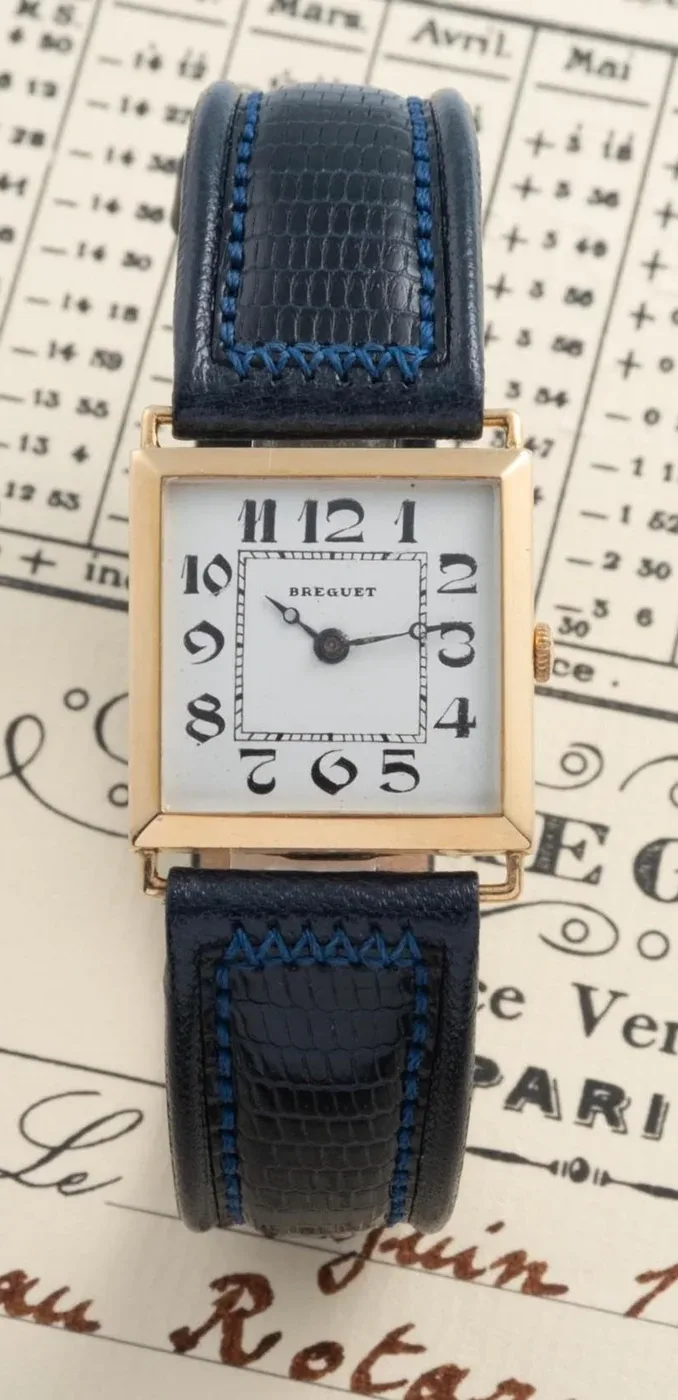
A British family, the Browns, appears as the firm's owners, from the later nineteenth century by one description and the middle of the twentieth by another; the literature credits them with developing the travelling clock, which was popular from the 1880s to the First World War, with continuing a few tourbillons, and with Art Deco work: dials that turn, watches without hands, jumping hours, in pocket watches and some wristwatches, one hand-less jumping-hour wristwatch being dated about 1926. The family also made aviation products, which led to the orders for the Type 20 after the Second World War. The Chaumet brothers acquired the house in 1970, the year generally given; one account puts its move to the Vallée de Joux in Switzerland in 1976.
Clocks and marine chronometers
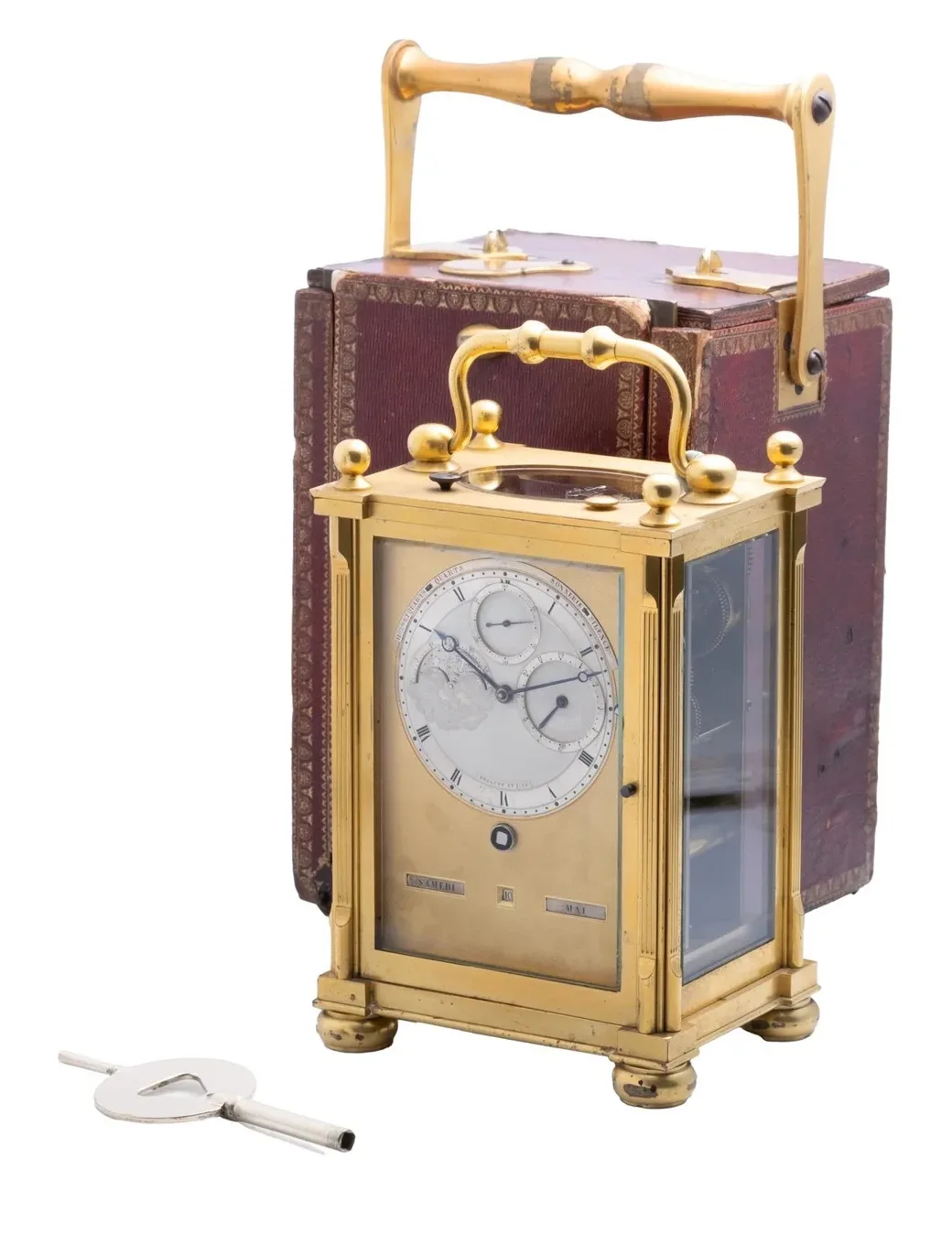
Breguet made travelling clocks, which one account calls the first carriage clocks, and sold one to Napoleon; he is also credited with several timepieces for Napoleon, among them travelling clocks and watches built for campaigns. The pendule sympathique was a clock into which a pocket watch could be placed at night to be set to time and, depending on the clock, wound or regulated. A marine chronometer with two barrels is dated 1815, the year Breguet was named watchmaker to the navy, and a single marine chronometer with a tourbillon was made. The firm also supplied instruments to observatories, including those of Naples and Florence, and to a Russian university.
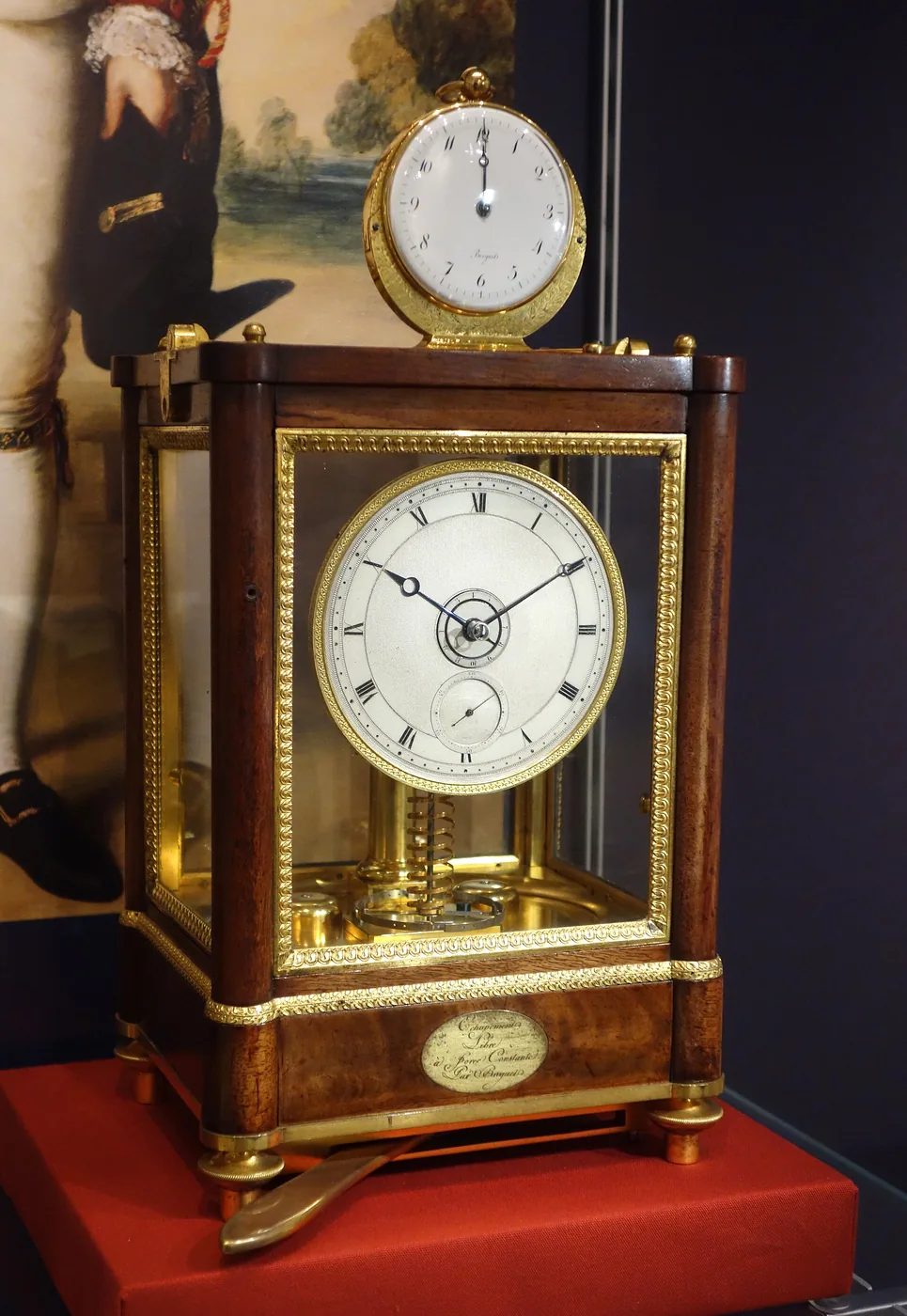

After the founder, the travelling clock with five glass sides was made in numbers under the Brown family and was very popular from the 1880s until the First World War. The sympathique clock is not made in quantity today.
The twentieth century
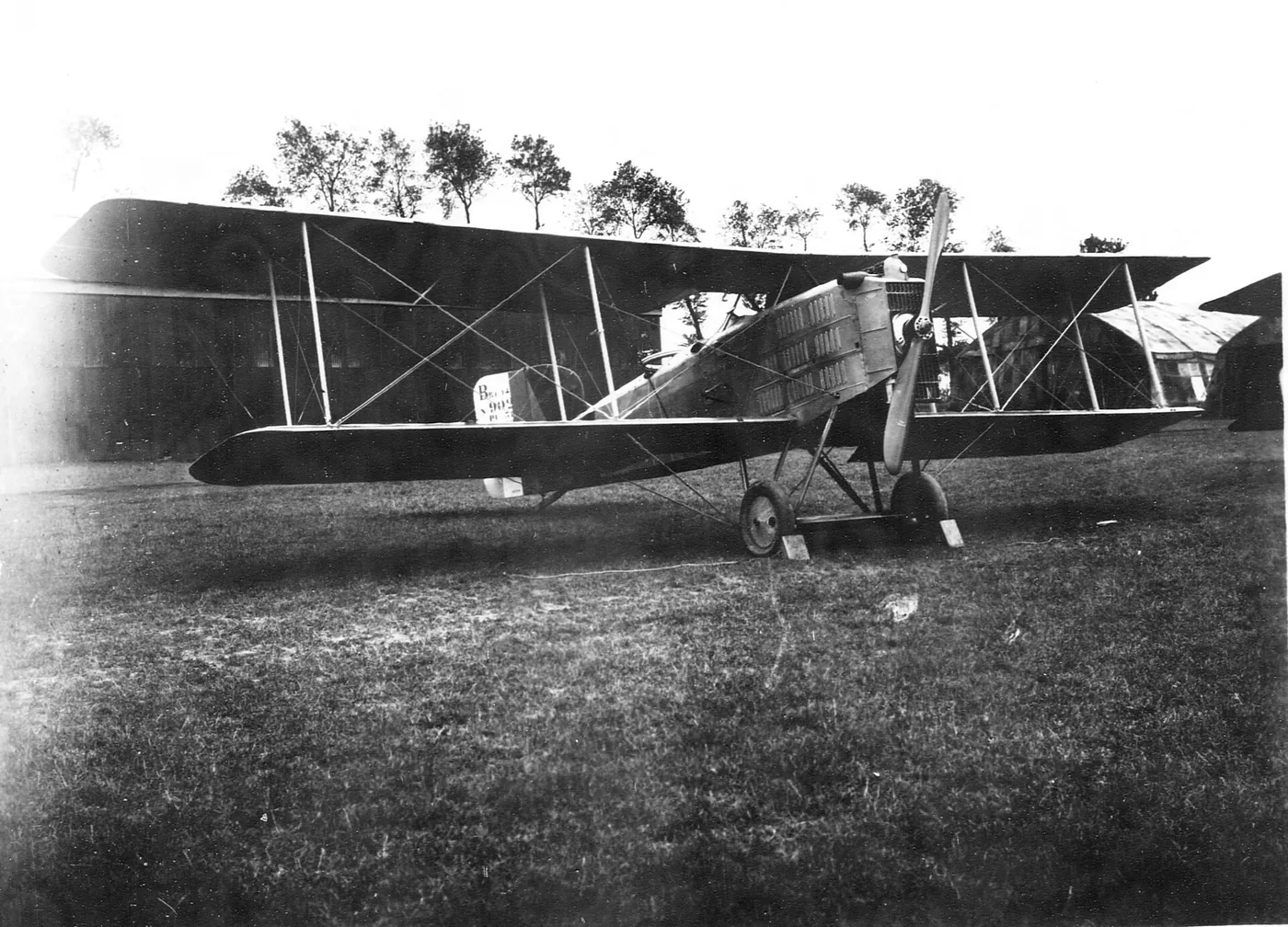
Louis-Charles Breguet, a descendant of the founder, created Breguet Aviation in 1911. When he gave himself wholly to aircraft, the watch business was managed, by one account, by a British watchmaker, later a partner and, after Louis-Charles's death, its owner; the family's step away from watchmaking opened the way for the name to be used on aviation timepieces. In 1929 a perpetual calendar mechanism, long shrunk by the later generations, was made small enough for a wristwatch, with moon phases. In the 1930s the firm made airfield and on-board chronometers and its first wrist chronographs with a split-seconds hand, also in steel from 1935.

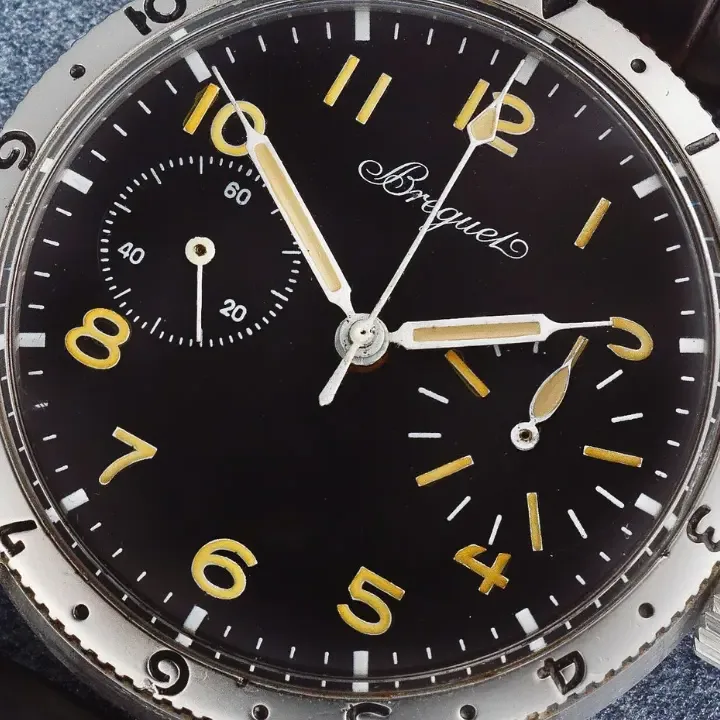
In the early 1950s the French armed forces drew up a specification for a wrist chronograph for pilots and navigators, with a black luminous dial, a high-grade movement, a rotating bezel, a sealed screw-back case, shock and magnetism resistance, an onion crown and a flyback function. The watch was the Type 20; the firm supplied it alongside four other makers. The Air Force order of 1,100 watches, all with unsigned 'sterile' dials, was delivered between 1955 and 1959 by most accounts; one account dates those deliveries from 1950 to 1959. The same account adds that the firm continued to supply Type 20 watches after that order, well into the 1980s. The case was round and 38 mm across, with thin lugs carrying an extra facet, a fluted two-way bezel, large pushers, a large knurled crown and, in this account, a Valjoux 22 movement. Two registers sit on the dial, continuous seconds on the left and a minute counter on the right; the navy had a fifteen-minute counter. The military bezel carried no scale, and the civilian version was called Type XX, a name used, by one account, for every variant since 1957. By one account three models were made in yellow gold in 1955, unusual for a pilot's watch, among them one numbered 1780 with a silver dial later replaced by black.
Some civilian watches of the late 1960s are three-register chronographs, with a 12-hour counter at six o'clock, a luminous star pattern formed by every third minute on the fifteen-minute counter, alpha hands and a leaf-shaped luminous hand on the minute counter, a flat large crown and a bezel with twelve markers. The second generation, with a larger polished steel case, heavier lugs, a black bezel and a fifteen-minute counter, came out in 1971, ended in 1986 and was revived in 1995. A later owner, the Swatch Group, bought the house in 1999.
- a sterile black dial with luminous Arabic numerals and no maker's name on a Type 20
- a 38 mm round case with an extra facet on each lug and a fluted bezel
- three registers and a star-pattern minute counter on a civilian Type XX of the late 1960s
What to look at on an early watch
Start with the signature and number, then the hidden mark: raking light or a loupe on the enamel near the centre, and a number that is in the firm's records. Look at the hands, which should be hollow and off-centre at the tip, and at the numerals, whose slant is characteristic. Look at the case band, often finely fluted or coin-edged, and at engine-turned dials. Look inside for the pare-chute on the balance (from about 1790), the overcoil on the spring (from 1795) and a finely frosted gilt finish. On a souscription watch look for a single hand and the large central barrel; on a perpétuelle look for the weight and twin barrels; on a repeater see whether the strike is a bell, a hammer on the case or a coiled gong. For the Type 20 look for the unsigned dial, the 38 mm case and the facet on the lugs. Remember that style is no proof, that some watches were sold years or decades after work on them began, and that a number such as 1160 belongs to the 2008 recreation of No. 160.
- signature, number and the secret signature on the dial
- hollow, off-centre hands and slanted numerals
- gilt, frosted finish; pare-chute from about 1790 and overcoil from 1795
The watches of these years
One entry for each kind of watch of this era. Each sets it out production by production, with what to look for.
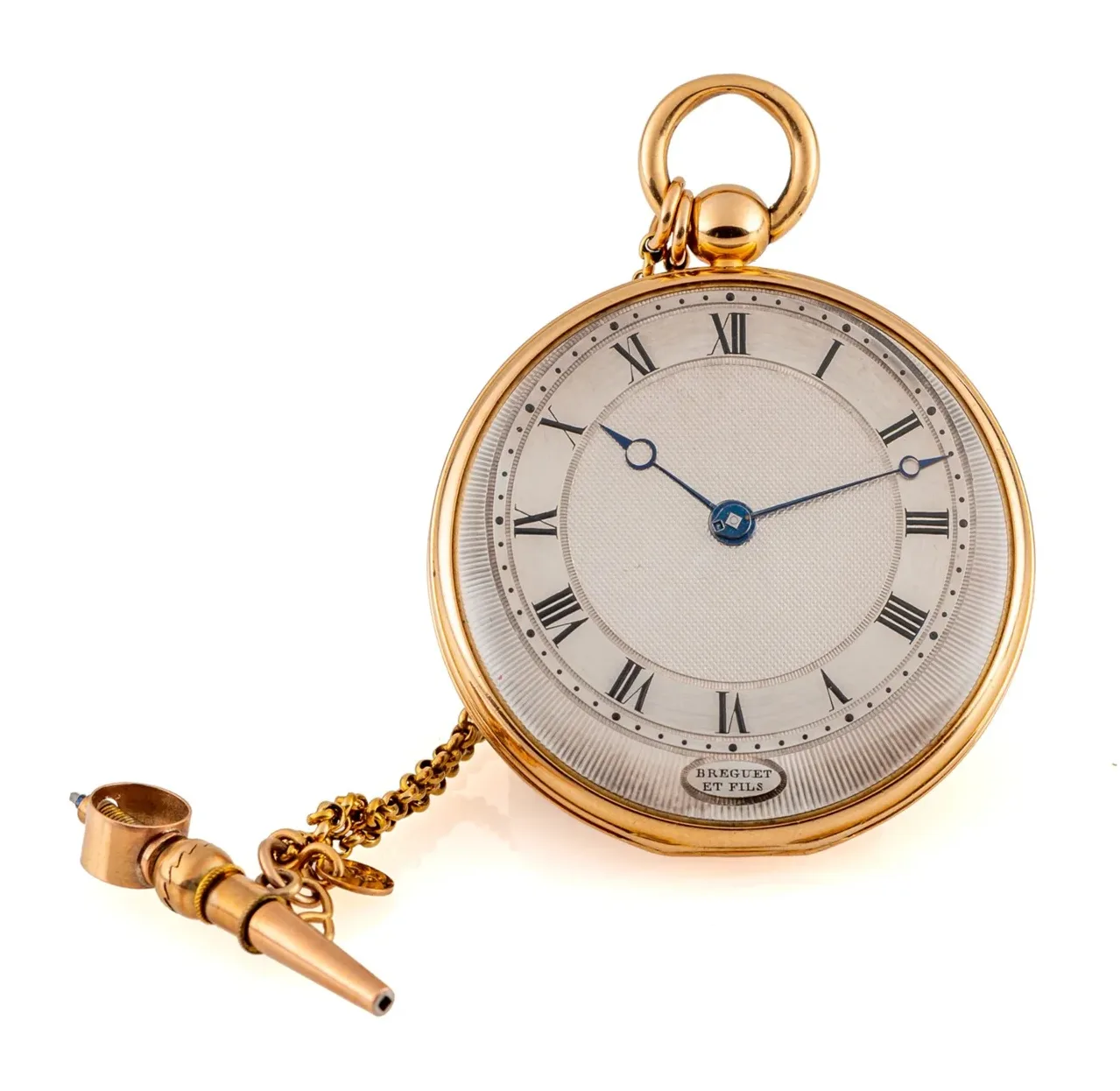









Also: Perpétuelles (5 listings).
Chronology
Where accounts differ
- Number of the house on the quay. One article gives the founder's first workshop as 51 Quai de l'Horloge. Another gives No. 39 from 1775. The other accounts say only 'Quai de l'Horloge'. The literature does not settle it.
- The Swiss years. Most accounts put the departure in 1793 and the return in 1795, living in Switzerland. One account has him away from 1789 to 1795, in Switzerland and England; another has two years in England working for George III.
- Watch No. 160: completion, cost and sale. Most accounts say it was finished in 1827. One cites the firm's workbook as showing it finished by 1820 at a cost of 16,864 francs, and says the family kept it until 1887; another gives 17,070 francs and says 30,000 is wrong. The pages also differ on how it reached its British collector: from the firm's stock after a marquis failed to collect it in 1838, or from the widow of the family's last manager; and on when the later great collector got it, at a sale of 1896 or soon after, in 1917 from a London shop, or in the 1920s.
- The first perpétuelle. Several accounts date the sale of the first perpétuelle, to a cousin of the king, to 1780. Another notes that no records survive for watches made before 1787, so the date rests on the maker's own statement. A third dates the queen's first commission to 1782 and gives a number, 2, with 10/82. The number made is put at about 90 in one place and about 80 in another.
- How many tourbillons and when the first was sold. The records are cited as forty tourbillons made between 1796 and 1829, of which thirty-five watches. One account says about forty pocket watches; an interview says only thirty to thirty-five were sold in the first twenty or twenty-five years. The first sale is put at 1805, at about 1805 to 1806, and at six years after the patent. The watch given to a chronometer maker's son is dated 1809 in one place and 1808 in another, and the first experimental piece is said, citing a leading authority, to have found a buyer only in 1832.
- Souscription terms and size. Most accounts say a quarter of the price was paid on ordering. One German page says half. One account says the balance was paid in instalments over months or years, another that it was paid on delivery. The diameter is given as about 61 mm in some places and 60 mm in others, and the first sale as 1796 but the main marketing as 1797.
- The secret signature. The date is given as 1795 on one page, while another says the signature was generalised on the souscription watch. The place is put just off the centre on one page and below the twelve on another. One account says a watch without it was long held to be false, with genuine exceptions now known.
- The Brown family and the move to Switzerland. One interview places the Brown family's work on travelling clocks from the 1880s. Another account has a British watchmaker taking over management when Louis-Charles Breguet turned to aviation, and becoming owner after his death, and calls the Brown era the mid-twentieth century; a third has a Brown signing the firm's sale of No. 160 in 1887. The Chaumet brothers' acquisition is dated 1970 on one page, while another puts their move to Switzerland in 1976. The death year of Louis Breguet is given as 1955 and 1975.
- Type 20 and Type XX: dates and names. One account says 1,100 Type 20 watches were delivered between 1950 and 1959 and treats Type XX as the civilian name; fuller accounts place the order in 1954 and the deliveries from 1955 to 1959. Another says the flyback was in every Type XX since 1954 (the first account, almost every Type 20) and that the name Type XX has applied to all versions since 1957. The library's records show a reference 5101 with sellers' stated years of 1954 to 1960.
- Wristwatches before the twentieth century in the library's records. The literature dates the first Breguet wristwatch to 1810 to 1812, for the queen of Naples, and gives its next wrist dates in the twentieth century (about 1926, 1929, 1935). The library's records carry listings whose kind does not match the object: among seventy listing titles drawn from the records, none typed 'wristwatch' is stated before 1900, but one typed 'wristwatch' is a siderometer in an aluminium case and one typed 'clock' is a steel wristwatch. The type label in the records is not reliable.
- Whether the perpétuelle was the first self-winding watch. One account calls the perpétuelle the world's first automatic watch, and another the world's first self-winding watch. A third says the idea was not wholly Breguet's, two other makers having claims to the principle, though he made it reliable and saleable; a fourth says self-winding watches had just appeared when he set up, and that he developed his own version.
In the records
Counted from 669 listings at dealers and auction houses. Only listings a seller dates to 1970 or before are counted here; a line's own page, and its card above, also count its undated listings, so their figures are larger. These are what sellers state, not measurements, a stated year is often an estimate, and a count of listings is not a count of watches made.
Kind of object
| Kind | Listings |
|---|---|
| Pocket watches | 333 |
| Wristwatches | 285 |
| Clocks | 51 |
Case metal
| Metal | Listings | Share |
|---|---|---|
| Gold, any colour | 251 | 64% |
| Yellow | 64 | 16% |
| Pink | 21 | 5% |
| White | 19 | 5% |
| More than one colour | 5 | 1% |
| Colour not stated | 142 | 36% |
| Steel | 99 | 25% |
| Silver | 24 | 6% |
| Gold plated | 7 | 2% |
| Platinum | 6 | 2% |
| Bronze | 4 | 1% |
| Silver and gold | 4 | 1% |
As sellers state it. Shares are of the 395 listings that name a metal. 5 more name a stone, a wood or the shape of the case instead. A listing that says "gold" or "18K gold" names no colour: it is counted under "colour not stated", not as yellow gold. Carat, where a listing of gold gives one: 18k 184 · 20k 7 · 14k 4 · 9k 2.
Case size
| Size | Listings | Share |
|---|---|---|
| 38 mm | 64 | 15% |
| 35 mm | 23 | 5% |
| 54 mm | 20 | 5% |
| 55 mm | 20 | 5% |
| 38.5 mm | 19 | 4% |
| 50 mm | 16 | 4% |
| 53 mm | 14 | 3% |
| 46 mm | 13 | 3% |
| Other sizes | 248 | 57% |
As sellers state it. Shares are of the 437 listings that give a size.
Listings by decade the seller gives
| Decade | Listings |
|---|---|
| 1800s | 66 |
| 1810s | 58 |
| 1820s | 59 |
| 1830s | 31 |
| 1840s | 14 |
| 1850s | 7 |
| 1860s | 8 |
| 1870s | 12 |
| 1880s | 17 |
| 1890s | 19 |
| 1900s | 28 |
| 1910s | 18 |
| 1920s | 56 |
| 1930s | 41 |
| 1940s | 26 |
| 1950s | 110 |
| 1960s | 84 |
| 1970s | 15 |