Speedmaster (CK 2915)
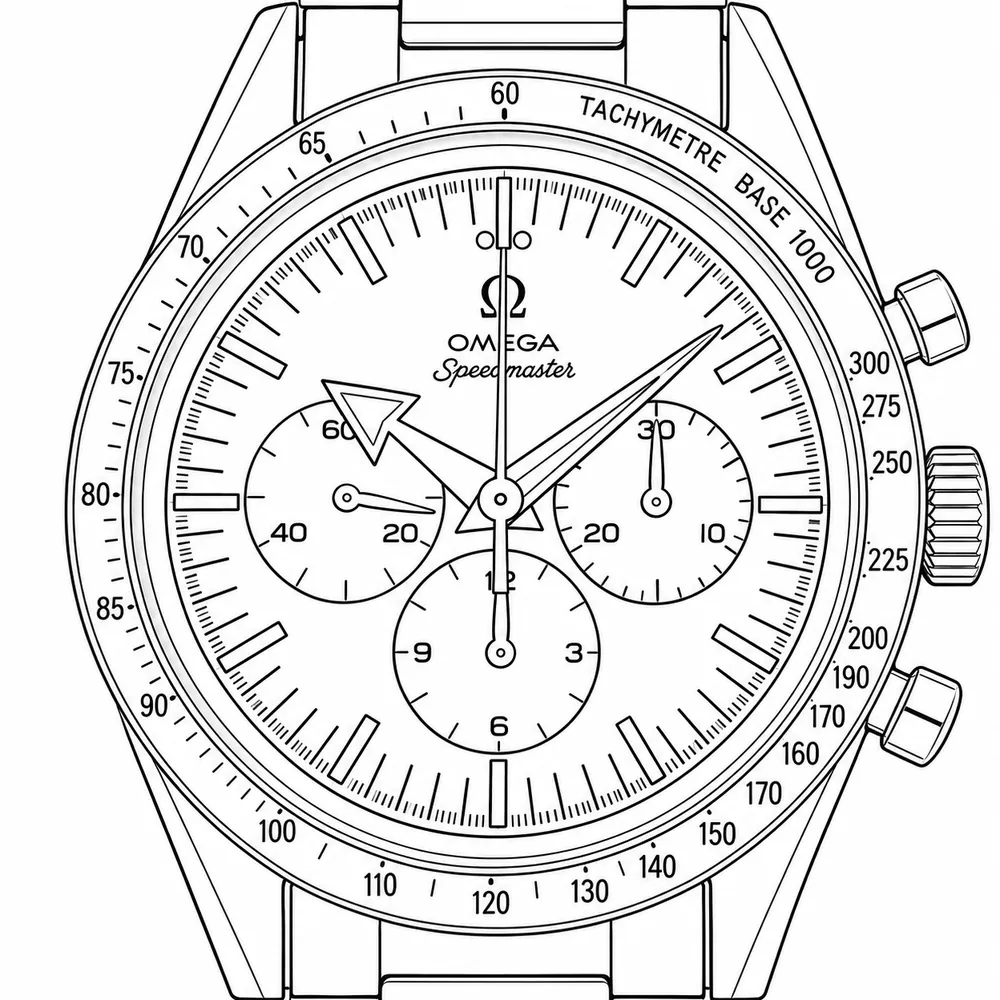
The first Omega Speedmaster, a hand-wound three-register chronograph in a 38 mm steel case with a tachymeter scale on the bezel rather than the dial. It was launched in 1957 beside the Seamaster 300 (2913) and Railmaster (2914) and made for about two to three years, in three sub-references: -1, -2 and -3. The -1 and -2 are almost identical, with broad arrow hour and minute hands and a steel bezel; the -3 is a transitional watch that may carry either those parts or the black aluminium bezel insert and alpha hands of the 2998 that replaced it in 1959. Collectors look first at the bezel, hands, dial lettering and caseback.
- Made
- 1957–1959dates approximate
- Seen in the library
- 1957–1960nine in ten in 1957–1959 · by years sellers state
- Case
- 39 mm · steelas sellers state
- Movement
- Calibre 321hand-wound
- On record
- 50 listings132 photographs · 8 holders
Components
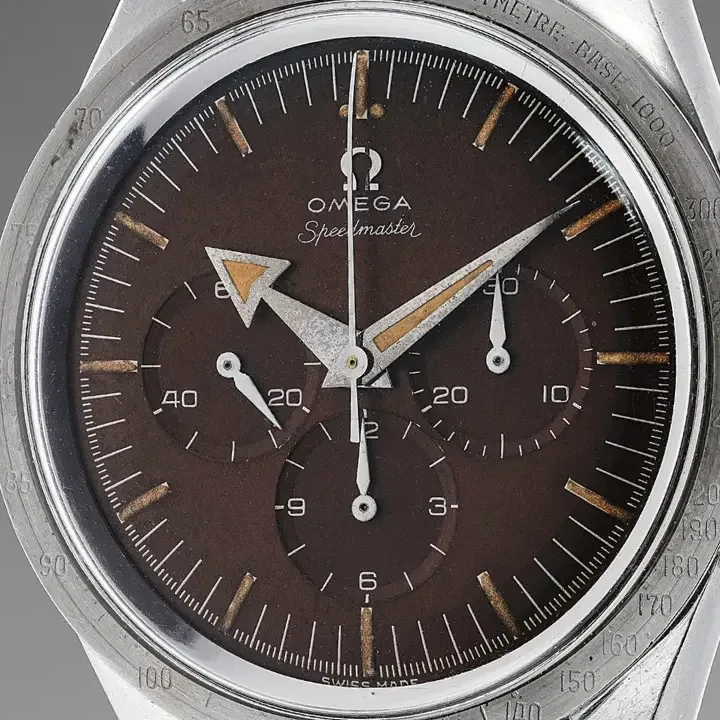
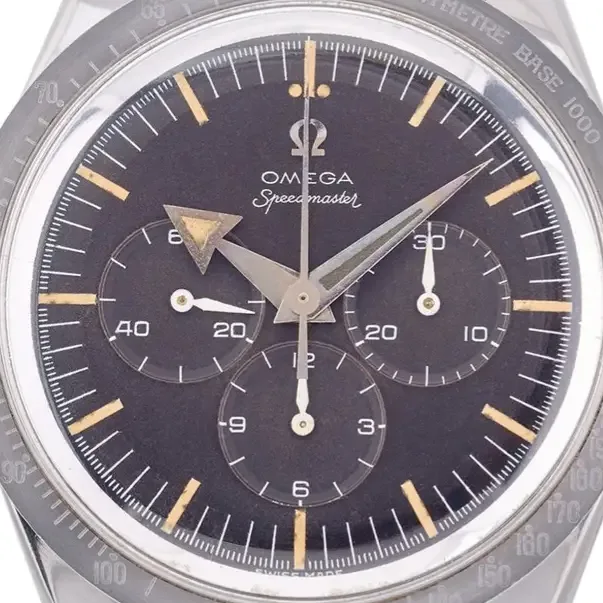
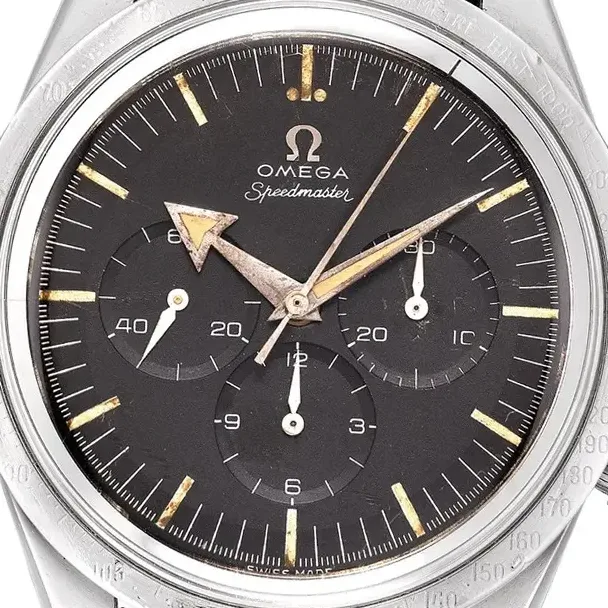
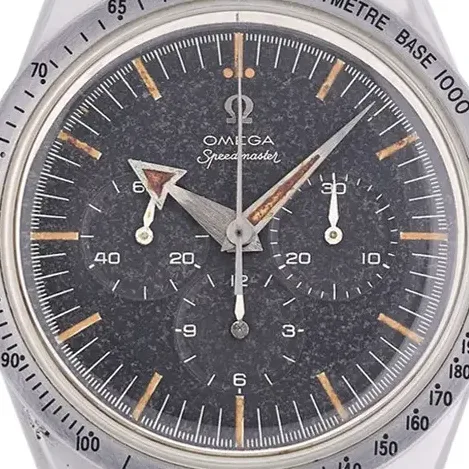
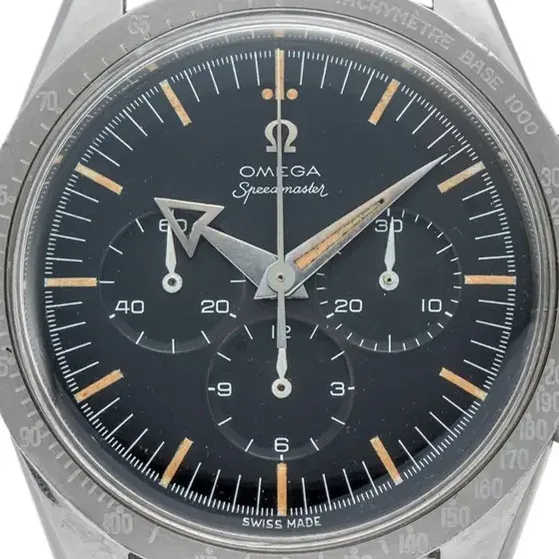
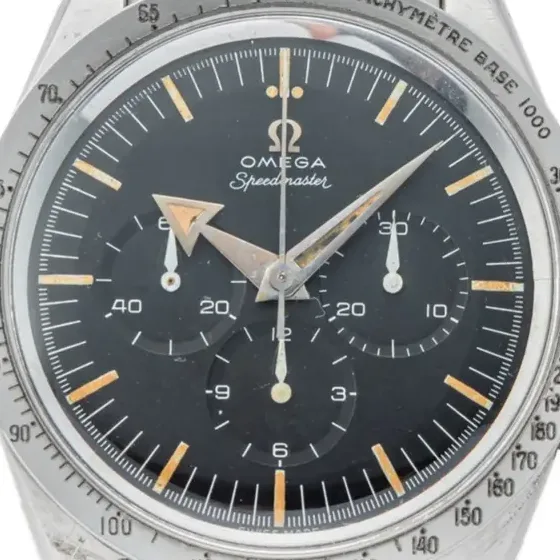
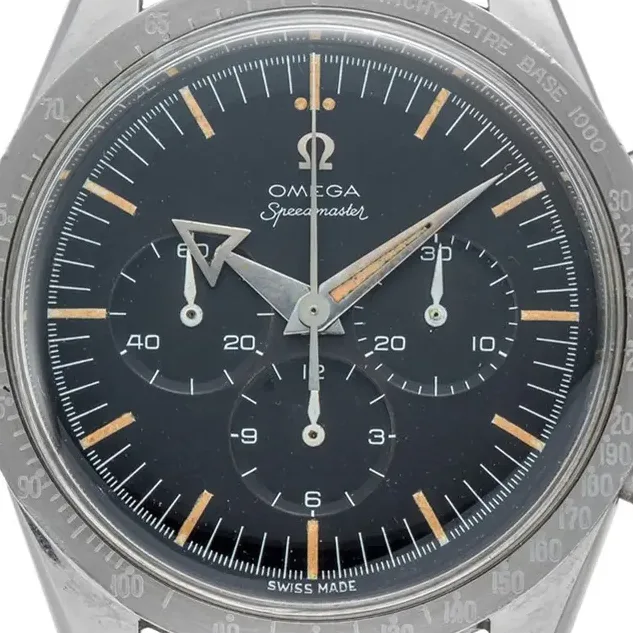
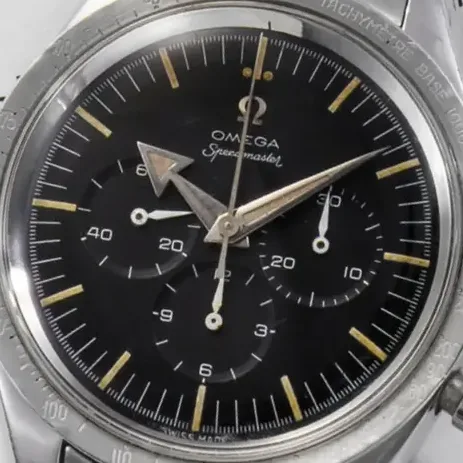
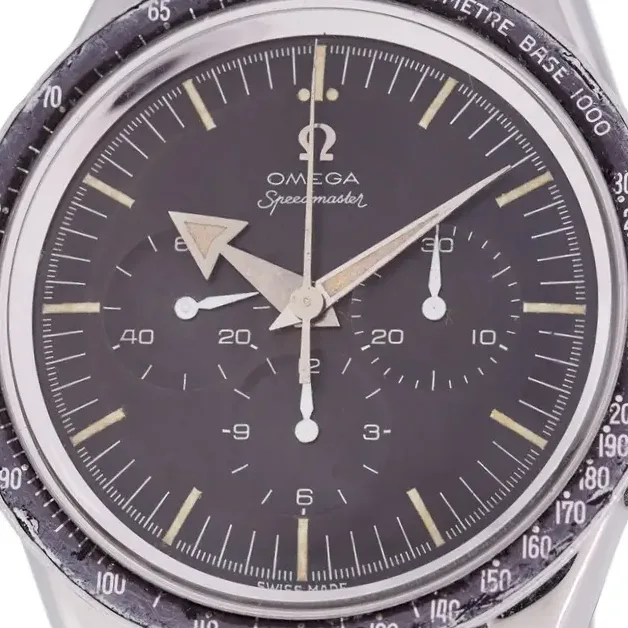
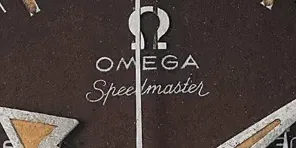
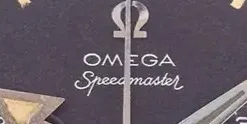
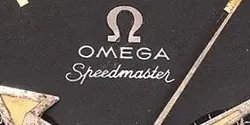
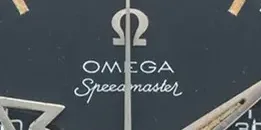
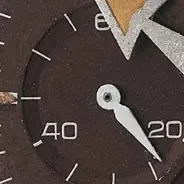
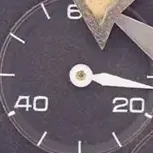
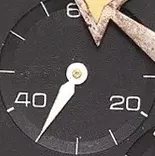
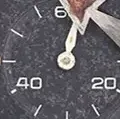
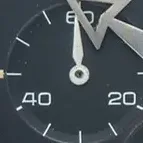
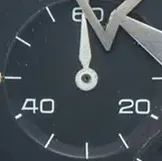
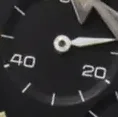
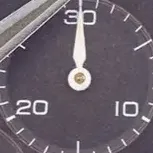
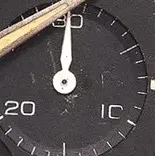
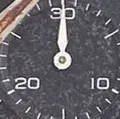
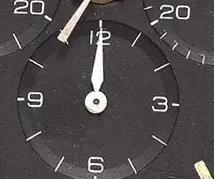
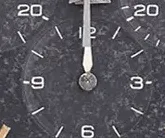
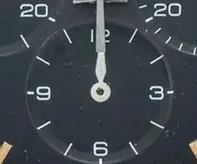
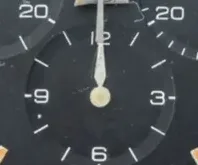
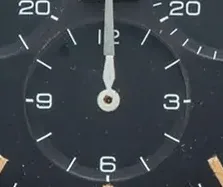
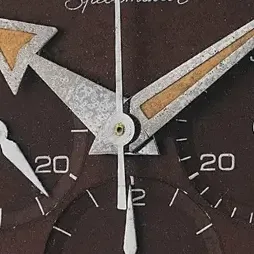
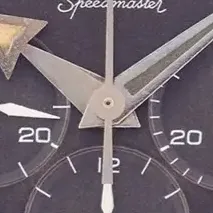
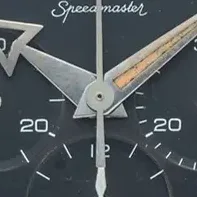
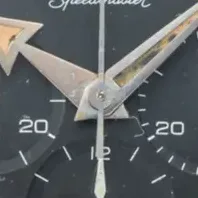
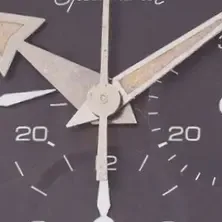
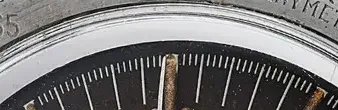
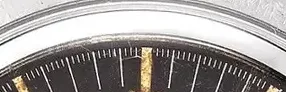
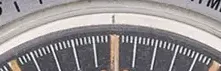
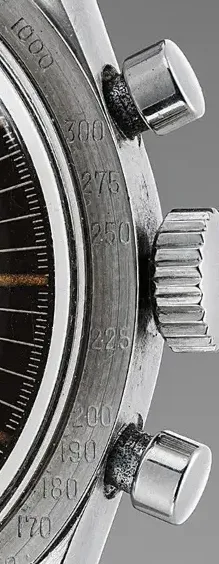
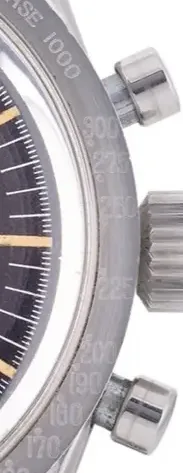
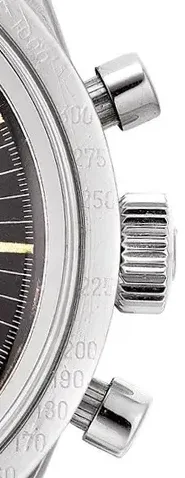
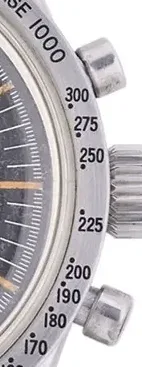
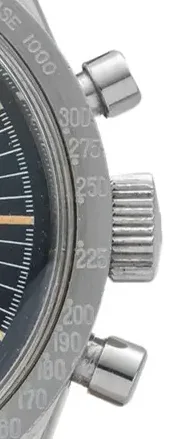
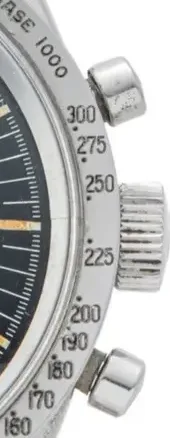
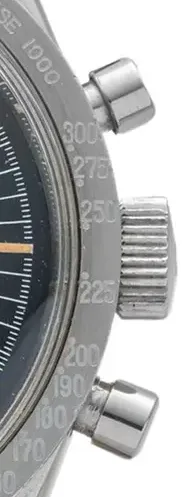
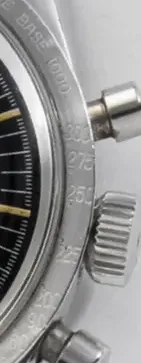
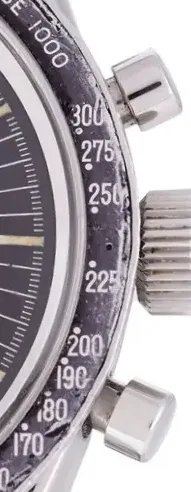
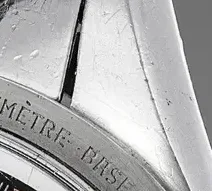
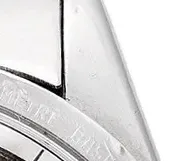
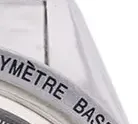
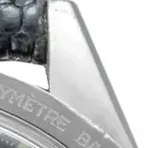
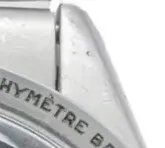
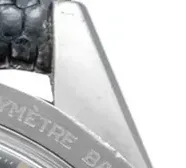
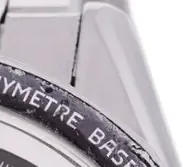
9 watches, oldest first, each straightened and cut the same way so that one row shows one component across them all. Chosen from 132 photographs on file for sharpness and for a face typical of the reference. A year marked c. is one its holder gives only roughly. Each picture is a detail cut from a listing photograph. Select the small mark in its corner for its year, its holder, a link to the listing it came from, and a way to report it.








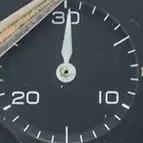

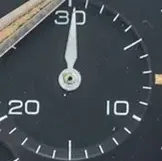


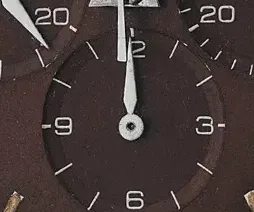
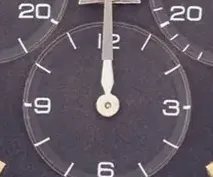

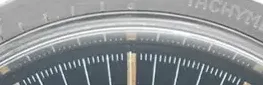
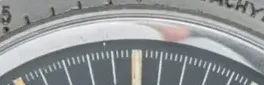
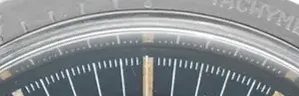

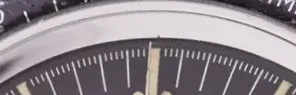



Chronology
The literature gives 1957 to 1959, with the -1 running from 1957 into 1958 and the -3 usually put in 1959, although some -3 watches carry movements dated to 1958.
Every dated variant: what is written, and what the records show
For the reference the marks are every dated watch; for a variant, the watches a seller names as that variant, so a variant sellers do not name has none.
Specification
| Case | 38 mm steel case with straight lugs; about 38 mm with the steel bezel and just over 39 mm with the black insert bezel |
| Crystal | Domed Hesalite |
| Bezel | Steel bezel engraved with a BASE 1000 tachymeter scale on the -1 and -2; steel or black aluminium insert in a steel ring on the -3 |
| Movement | Calibre 321 (Lemania 2310 / CH27 C12), hand-wound, with a symmetrical clutch bridge |
| Bracelet | Steel Omega bracelets, reference 7077 among them, on many listed examples; leather straps also seen |
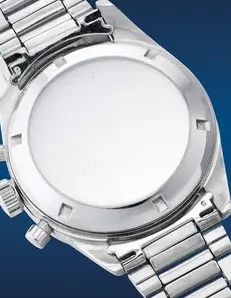
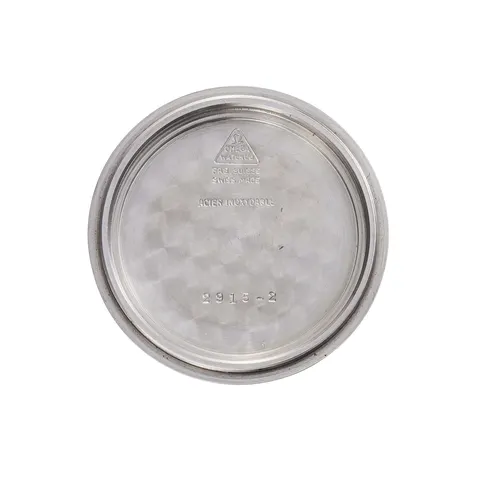
| Case back | Screw-in back engraved SPEEDMASTER on the edge, with the reference stamped inside the outer back and an inner case back over the movement |
| Water resistance | Advertised in 1957 as water resistant to 200 feet in a triple-sealed, anti-magnetic, shock-proof case |
Reference 3 described
The three sub-references differ chiefly in bezel, hands, case back and the reference stamped inside.
2915-1
The first Speedmaster, made 1957 into 1958, in full specification with broad arrow hands, steel bezel and oval-O dial. The reference is stamped inside the outer back. It is the most sought version, rare in correct condition.
- 2915-1 inside the case back
- steel bezel
16 listings on record under the name.
2915-2
Virtually identical to the -1 apart from the reference engraved inside the case back, with broad arrow hands, steel bezel and often a tropical dial. Dated examples run from 1958 into 1959, though one is recorded as made in November 1957, before many -1 watches.
- 2915-2 inside the case back
2915-3
The transitional reference, usually put in 1959 alone, although some examples carry movements dated to 1958. The black aluminium insert and alpha hands appear as options, broad arrow hands are also accepted, and the back has the seahorse with a double bevel. Combinations of steel or black bezel with broad arrow or alpha hands have all been seen, and any may be correct.
- 2915-3 inside the case back
- mixed first and second generation parts
Dial 3 described
All three sub-references share a black dial with an applied Omega logo and an oval-shaped O in Omega, flatter than the O on the 2998 that followed. Early dials also have a long tail on the R of Speedmaster. Dials that have aged to brown are called tropical. The Omega name is printed either higher or lower relative to the applied logo; a difference in that alone is not a sign of a replaced dial.
Oval O, black
The standard dial for the whole reference: black, with a squat oval O in Omega and, on early watches, a long tail to the R in Speedmaster. Some 2998-1 watches that followed still have an oval O, a little less flat, before the O becomes round on later 2998s, so the flat O is a sign of the early reference rather than proof of it.
- oval O in Omega
- long tail on the R of Speedmaster
- flat O
Tropical (aged brown)
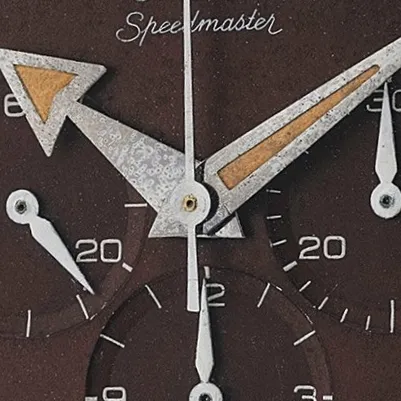
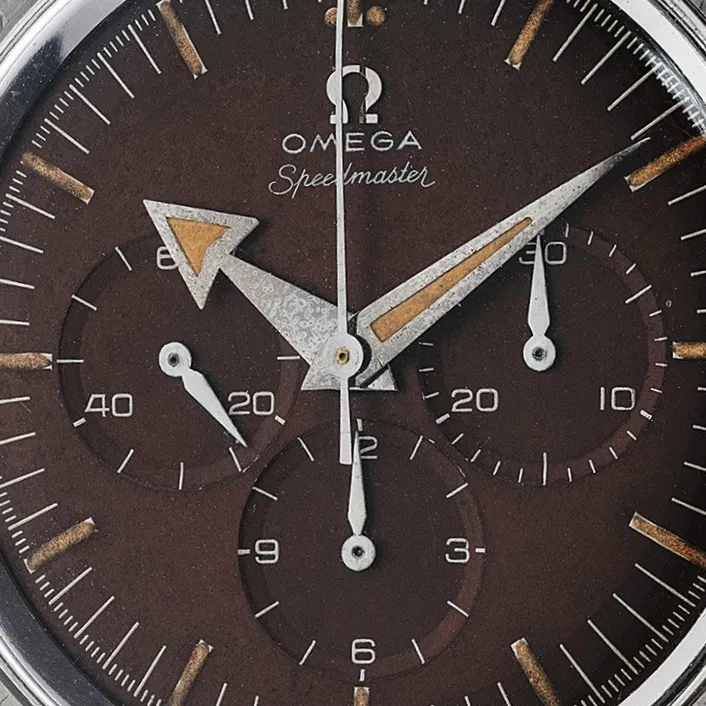
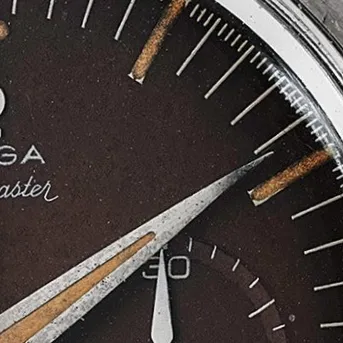
Dials that began jet black and have turned brown, in some watches to a very even chocolate or milk-chocolate shade and in others with freckled, uneven ageing. An unusually even brown is treated with suspicion by some students of the reference, who expect natural patina to show freckles. The lume on tropical dials usually ages to a gold or brown tone.


- freckled patina on natural examples
12 listings on record under the name.
High Omega / low Omega
Two print positions of the Omega name on the dial, higher or lower relative to the applied logo. Both have been seen on 2915 dials generally, and the literature describes the pair on the -3 as well. A difference in this one respect is not by itself a sign of tampering.
- Omega text higher or lower relative to the applied logo
Luminous material 1 described
Lume is mentioned mainly as a condition and originality issue. Early watches all carry radium, and a Geiger counter reading is one check, though a dab of radium is said to have been placed under replacement dials to deceive it.
Radium lume
Dial and hands of the period are radioactive, and examples inspected in one day all registered on a Geiger counter somewhere in the watch. Aged lume appears gold, cream or brown, and relumed hands look grainy, bright, greenish or too fresh against an aged dial.
- Geiger counter reading
- gold or creamy aged lume
- hand lume that looks new or grainy
Hands 2 described
The broad arrow hour hand, with its oversized arrow head, is the quickest way to recognise the reference, but the -3 may instead have the alpha hands of the 2998. The seconds hand and register hands vary and the literature says archive evidence is thin.
Broad arrow hands
Hour and minute hands with a broad arrow head, identical across all three sub-references when fitted. They are required on a 2915-1 and 2915-2 and are accepted on the -3. The small register hands are alpha-shaped on watches that have them, and the centre chronograph seconds hand is steel and not painted.
- steel chronograph seconds hand
- alpha-shaped register hands
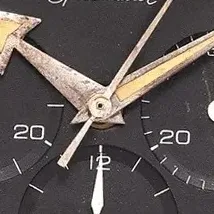
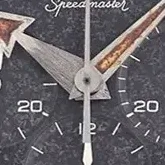
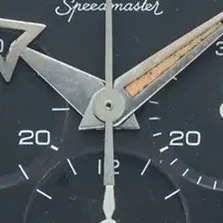
Alpha hands (2915-3)
Alpha-shaped hour and minute hands found on some -3 watches, as on the 2998. The hour hand is slightly longer than on the 2998, so a tip that reaches the same distance from the hour marker as on a 2998 suggests replaced hands. The centre seconds hand on this type is said to be painted white rather than steel. A lollipop seconds hand on a -3 is reported but has not been verified.
- alpha hour and minute hands
- hour hand slightly longer than 2998
- painted white seconds hand
Subregisters 1 described
The literature says little about the registers. Three registers in the standard Speedmaster layout, with alpha-shaped small hands, are described, and painted register hands are said to occur on some watches.
Alpha register hands
Small hands in the registers are alpha-shaped, as on the whole -1, -2 and -3 range. Both painted and unpainted register hands are seen on surviving watches, and nothing in the archive settles which is correct. Stick register hands came only with later 2998 sub-references; accounts differ on whether from the -4 or the -5.
- alpha-shaped small hands
- painted or unpainted register hands
Bezel 3 described
The bezel is the most debated part of the reference. The -1 and -2 have a steel bezel with the scale engraved in it, while the -3 may have either that or a black aluminium insert. The 2915 is described as the first chronograph to carry its tachymeter scale on the bezel rather than on the outer edge of the dial. Original bezels are valued, because the steel ones have often been polished or replaced: surviving steel bezels often show concentric lathe marks or flat hand polishing, and on some the paint in the numerals and graduations has almost entirely worn away.
Steel bezel, flat 3 (Mark I)
The first bezel: steel, engraved with a tachymeter scale graduated to 300 on a base of 1000, with a flat 3. Omega's own name for the scale was Tacho-Productometer. It is correct for the -1 and -2. Bezels vary between those with and without serifs, and the engraving method is disputed, with etching and pantograph both proposed.
- engraved steel bezel
- flat-topped 3
- BASE 1000 scale
- serifs on some numerals
Steel bezel, rounded 3 (Mark II)
A later steel bezel with a rounded 3 in place of the flat one. It is dated to about mid-1958, when the production run of the -1 was half over, and is described as a transitional configuration.
- rounded 3 on the scale
Black aluminium BASE 1000 insert
A black aluminium insert set in a steel ring, introduced on the -3 and later used on the 2998. Two versions exist, differing only in the shape of the 4, and both are correct. Because the insert is as wide as the old steel bezel, the ring around it adds about 1 mm, so the watch measures a hair over 39 mm against about 38 mm for the steel-bezel watches. These inserts often look grey or tired.
- black insert in steel ring
- two shapes of 4
- grey or worn insert
Case 4 described
The case is 38 mm with straight lugs and a screw-down back. What changes over the run is chiefly the back, which moves from blank-with-engraved-edge to a seahorse emblem, and the bevel on its edge. One -1 sold to Singapore has a far more pronounced bevel on the case edge than any other known -1; it matches the watch in the launch advertisement, and the maker's museum confirmed it left the factory that way.
Plain back, SPEEDMASTER on the edge
On the -1 and -2 the back is largely blank, with SPEEDMASTER engraved on one edge, and there is no seahorse. The edge is described as single-bevelled in one account and as a double step in another. The reference number is stamped inside the outer back. The literature says only that most hand-wound Speedmaster cases of the period came from one case maker, Huguenin Freres. A watch made in 1958 and sold that December had no seahorse.
- SPEEDMASTER engraved on the edge
- no seahorse
- reference stamped inside
Seahorse back
A seahorse on the flat of the back, with SPEEDMASTER still engraved on the edge. One account says it began only with movement numbers around 16.6 million and that a seahorse with an earlier number cannot be right, but sellers describe seahorse backs on watches made in 1958 with numbers just under 16 million, among them a -1 whose archive extract gives production in December 1958, so the movement number alone does not settle a back. A seahorse on a -1 or -2 is possible, and its absence is acceptable.
- seahorse in the centre
- SPEEDMASTER on the edge
2915-3 back
The back carries SPEEDMASTER directly above the seahorse, for the first time, and has a double bevel. An earlier-style back on a -3 would not be challenged.
- SPEEDMASTER above the seahorse
- double bevel
Peruvian Air Force FAP engraving
Watches delivered to the Peruvian Air Force carry FAP engraved on the case back, backed by an archive extract. One 2915-2 of 1959 with a tropical dial is recorded this way.
- FAP engraved on the back
Crystal
The crystal is domed Hesalite throughout.
Movement 1 described
All three sub-references use the hand-wound calibre 321, a Lemania-based chronograph.
Calibre 321
Lemania 2310 base (CH27 C12), hand-wound. A symmetrical clutch bridge is correct for the 2915, and an asymmetrical one points to a later movement or many replacement parts. Movement numbers of the reference run from the 15 million range into the 16.6 million range.
- symmetrical clutch bridge
- movement number in the 15 or 16 million range
Bracelet 1 described
Many listed examples are on a steel Omega bracelet, often reference 7077, though some have been strapped.
Reference 7077
Steel Omega bracelet of the period, reference 7077 among them, listed on -1, -2 and -3 watches.
Originality
- Steel bezels are the part most often replaced or polished; the literature describes collectors paying heavily for original bezels and a replacement showing as a wrong inner bezel gap or concentric lathe marks.
- Hands are often relumed, and a relume shows as grainy, bright or greenish lume that does not match the dial.
- An asymmetrical clutch bridge in the movement means a later movement or many replaced parts.
- Dials can be swapped between watches, and matching marks on a dial have been used to show that one dial moved to a different assembled watch.
- The archive extract documents only the movement number, not the authenticity of the case, dial or other parts, so a correct number does not prove a correct watch.
- A 2915-1 sold in 2021 was shown to be assembled from parts: its movement was a much later one, fitted with a bridge bearing a faked 15500066, the number of a movement sold in November 1957.
Names
- Broad Arrow. The hour hand has an oversized arrow head.
- Tropical. A black dial that has aged to brown.
- CK 2915. The case reference as prefixed in the period.
Where accounts differ
Points on which the published literature and the library's own records do not agree, or on which the literature contradicts itself.
- Edge of the case back. One guide describes all -1 and -2 backs as single-bevelled, while another calls the back a double step with SPEEDMASTER on the edge; the -3 is described by the first as double-bevelled.
- How long it was made. One guide gives the 2915 two years, another about three years.
- Years of the 2915-3. One account says the -3 was made only in 1959. Another saved account puts it at about 1958 to 1959, and the library's records hold -3 watches whose movements sellers date to 1958, one of them by an archive extract.
- When the seahorse back began. One account says the seahorse was introduced only with movement numbers around 16.6 million, so a seahorse back with an earlier number cannot be original. The library's records hold auction descriptions of seahorse backs on watches with movements just under 16 million, including a -1 whose archive extract gives production in December 1958 and a -1 produced in August 1958 that was catalogued as correct for a late -1.
Back and movement
From listings of this reference, each confirmed by eye to show what it is filed under. A picture on which a person's name or a personal engraving can be read is not shown. From most holders a detail from the middle of the photograph is shown; the mark in its corner gives its holder and a link to the listing.
Caseback

Inside the caseback

Catalogue versions 3 listed
The full numbers under which holders list this reference, with what their listings say of each. Each has a page of its own.
| Version | Metal | Dial | Years seen | Records |
|---|---|---|---|---|
| 2915-2 | Steel | Brown | 1958–1959 | 16 |
| 2915-1 | Steel | Black | 1957–1959 | 14 |
| 2915-3 | Steel | Brown | 1958–1960 | 9 |
In the records
Counted from 50 listings at 8 holders between 10 November 2014 and 14 November 2026. These are what sellers and auction houses state, not measurements.
Fainter bars are the 2 outside the main run of 1957–1959 (the middle nine-tenths): the latest is 1960. They are early and late examples, and now and then a seller's slip.
Case metal
| Steel | 44 |
Dial colour
| Brown | 8 | |
| Black | 6 |
Case size
| 39 mm | 15 | |
| 38 mm | 13 | |
| 40 mm | 2 |
Calibre named
| 321 | 23 |
Bracelet or strap
| Metal bracelet, kind not stated | 27 | |
| Leather strap | 6 |
Each table counts the listings that state the thing, in the seller's own terms. A size, metal, colour or calibre that cannot belong to this reference is a seller's slip or a listing filed under the wrong number.