Speedmaster Professional
The 145.012 is the last Speedmaster Professional with the column-wheel calibre 321. It followed the 105.012 in 1967 and was replaced by the calibre 861 145.022 in 1968, although some watches were delivered in early 1969. It has a 42 mm steel asymmetric lyre-lug case with crown guards, a stepped black dial with applied logo and the word Professional, a Dot Over Ninety bezel and a single-step case back. Its pushers are taller than the 105.012's. Of the 321 Speedmasters it was made in the greatest number, about 27,000 to 28,000. Collectors look first at the chronograph hand, the bezel, the dial print and the bracelet.
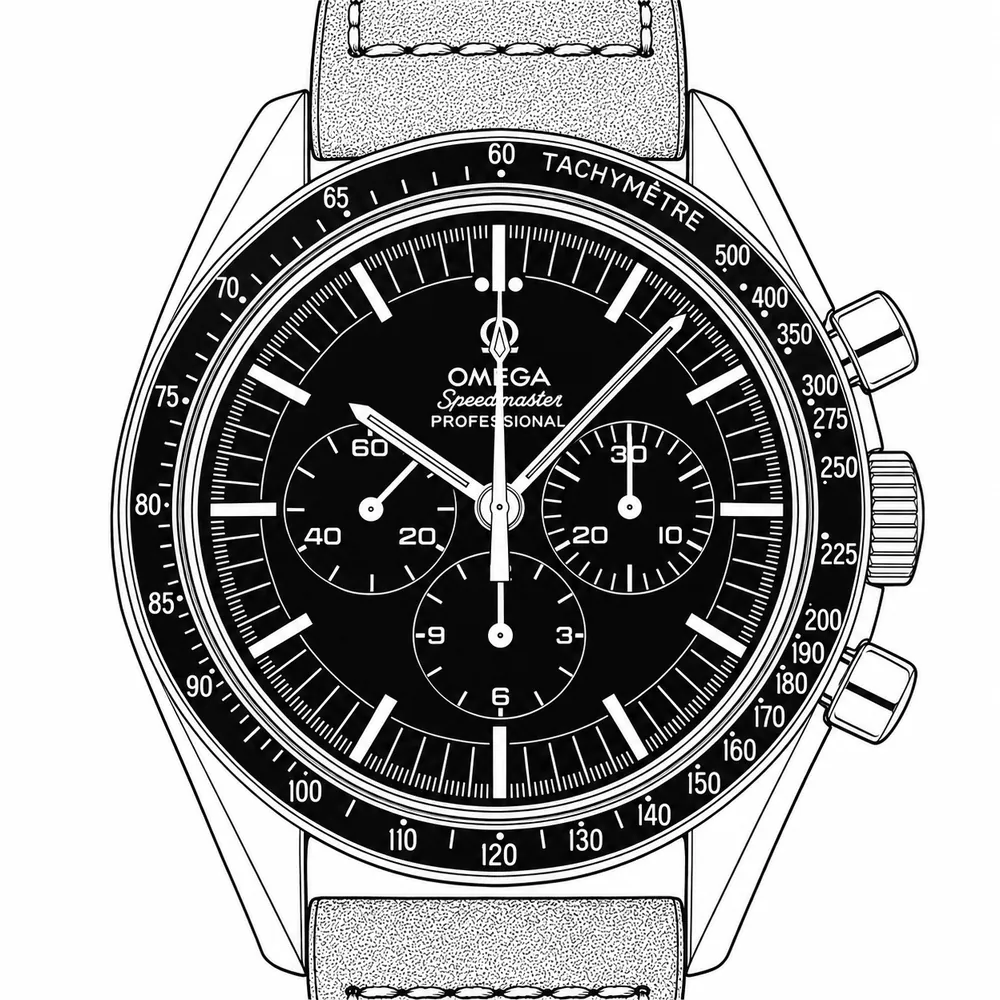
- Made
- 1967–1968dates approximate
- Seen in the library
- 1966–1969nine in ten in 1967–1969 · by years sellers state
- Case
- 42 mm · steelas sellers state
- Movement
- Calibre 321hand-wound
- On record
- 212 listings455 photographs · 39 holders
Components
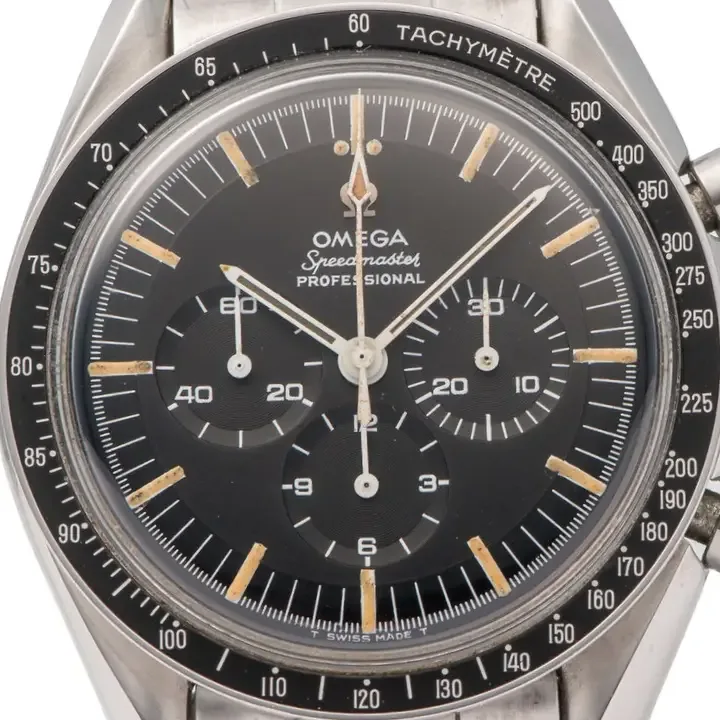
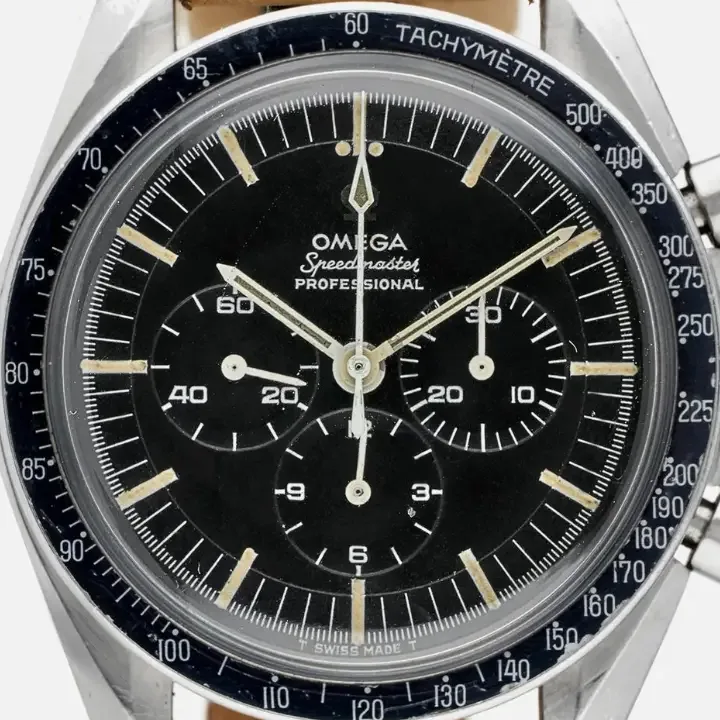
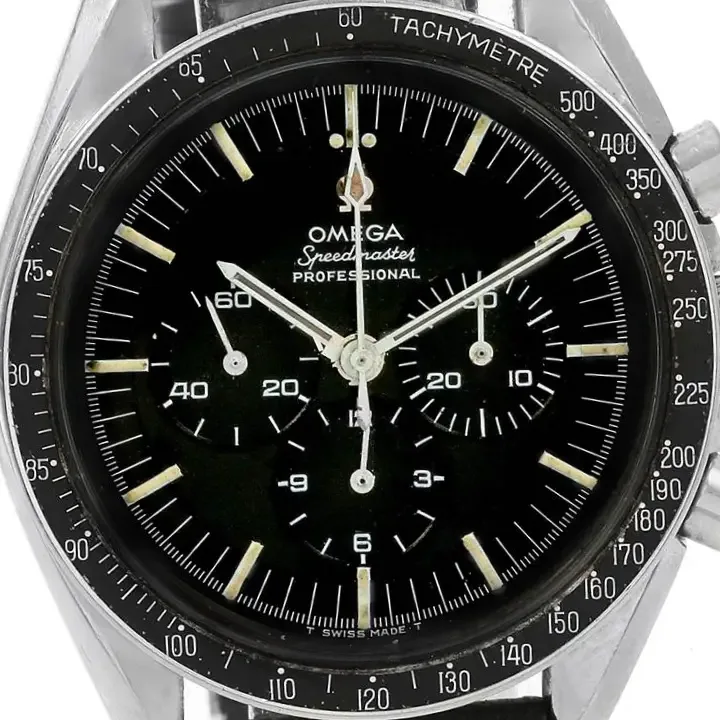
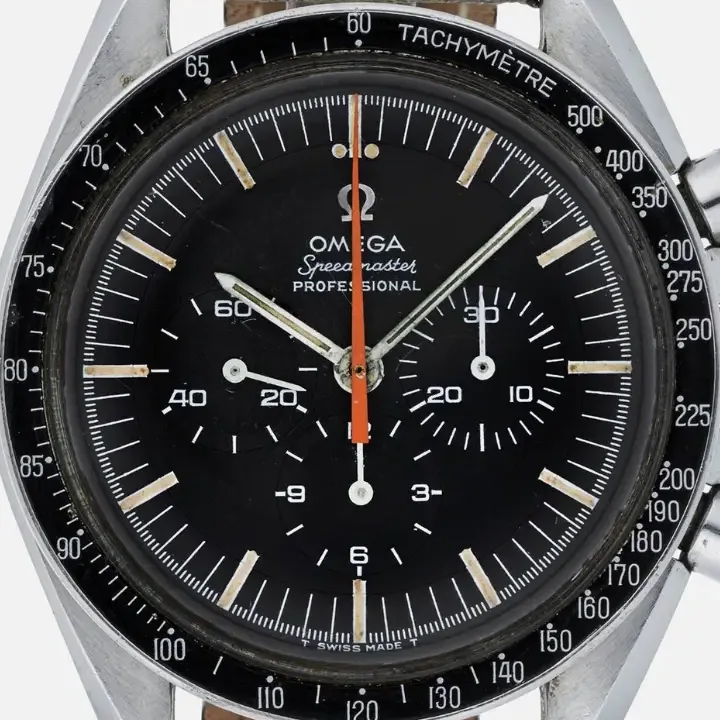
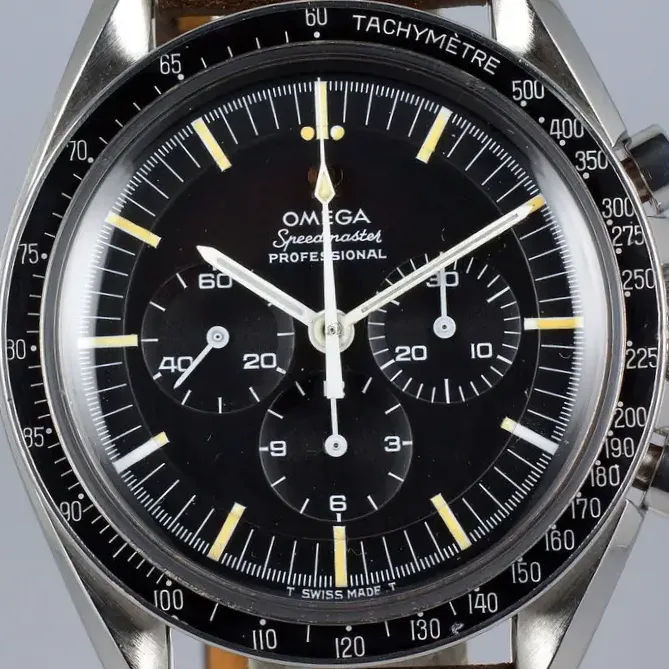
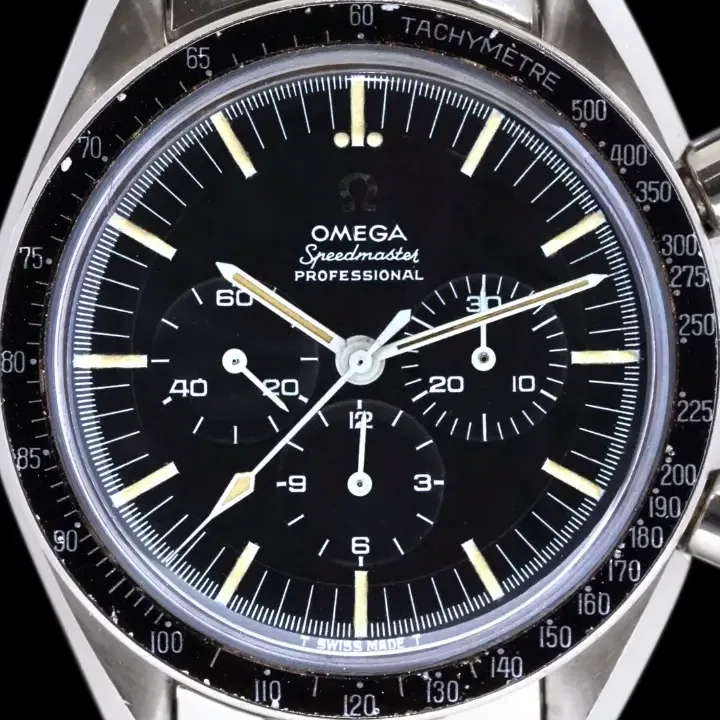
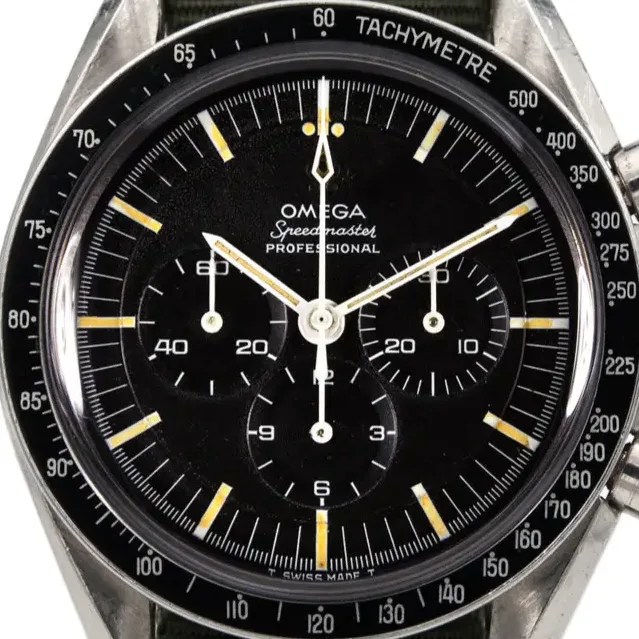
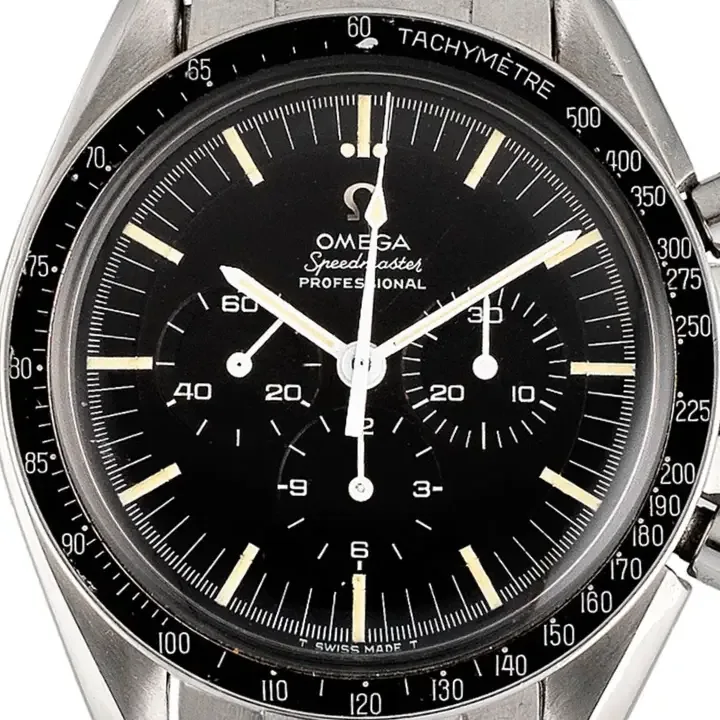
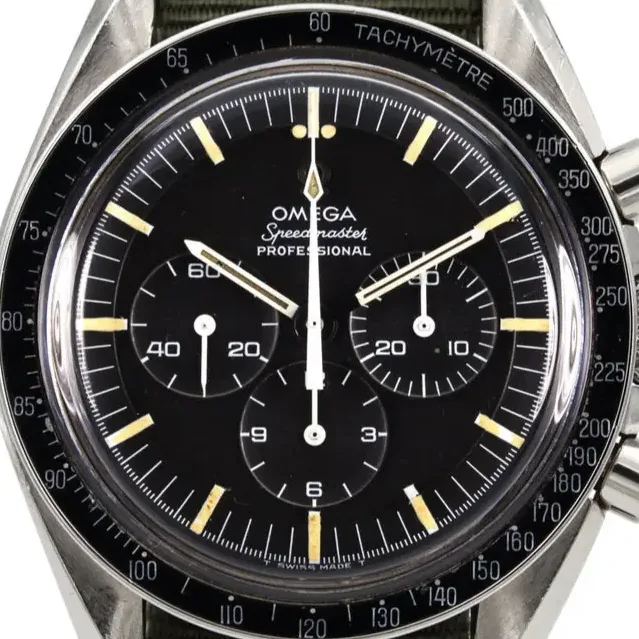
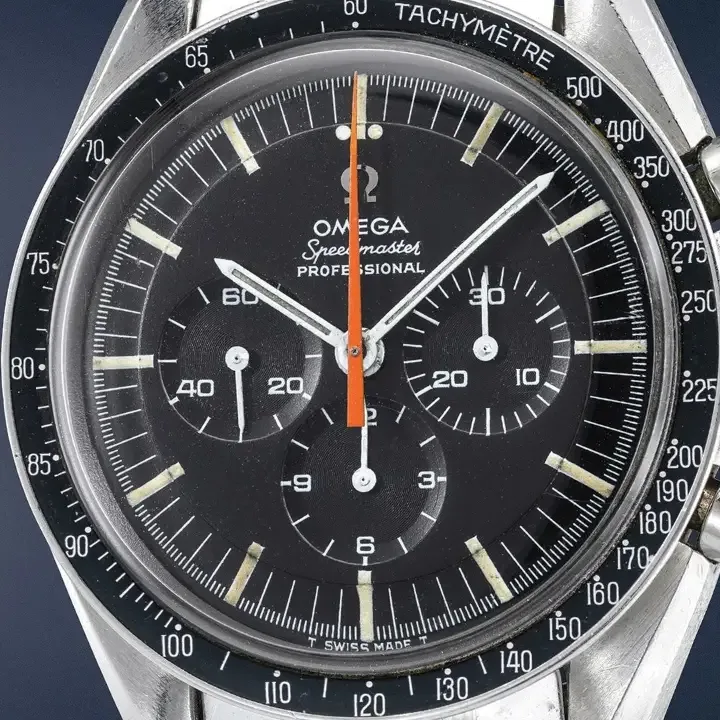
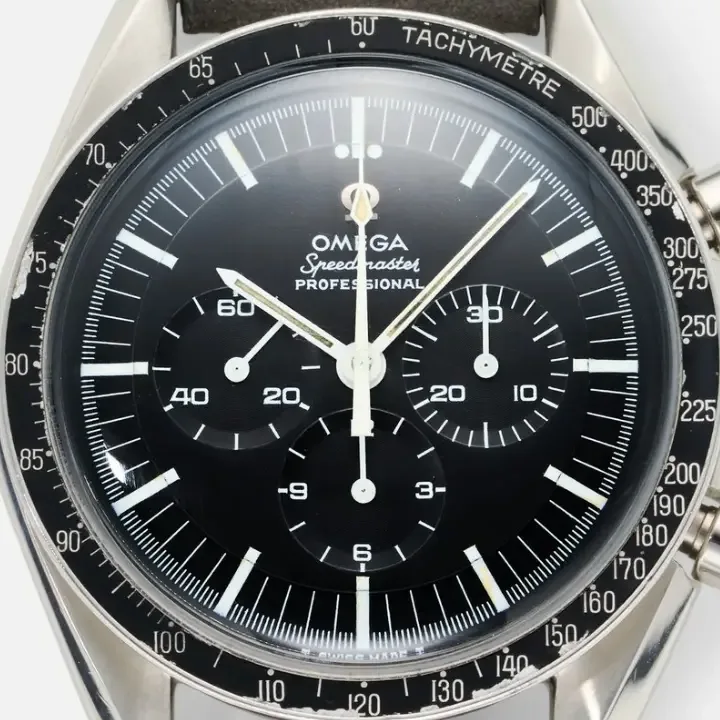
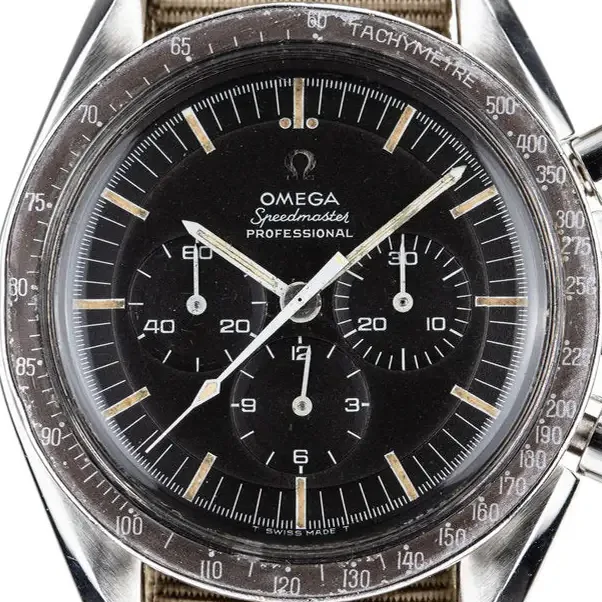
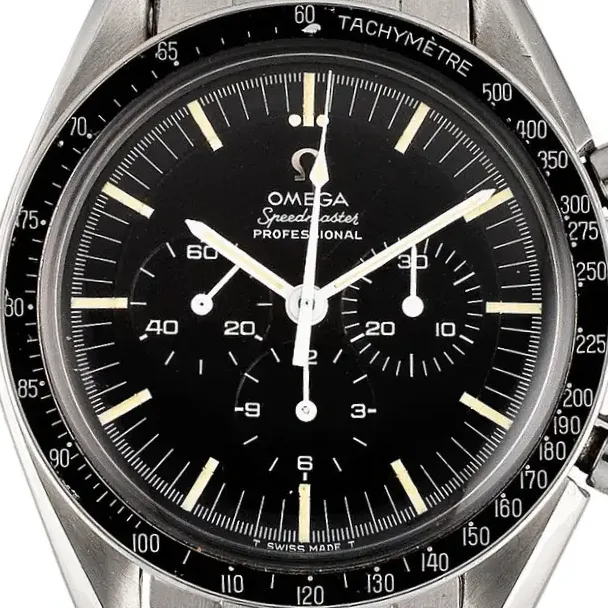
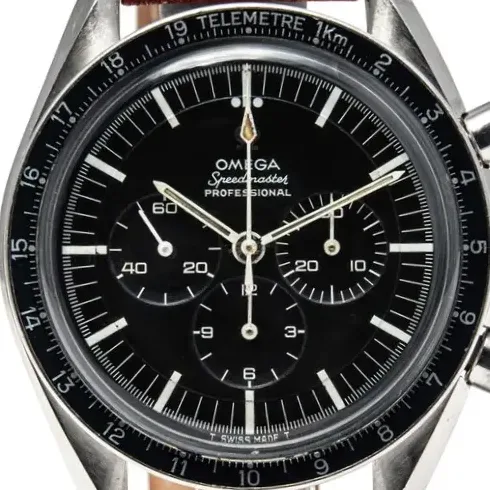
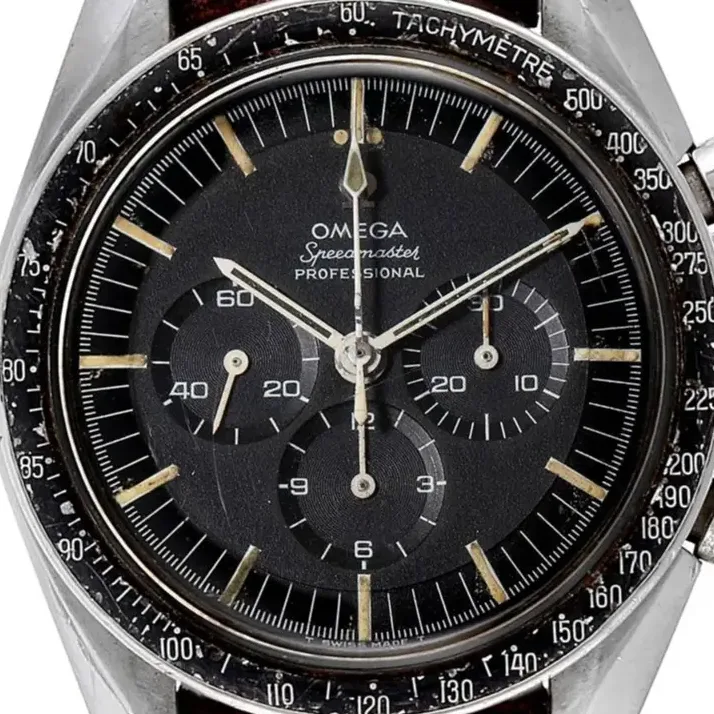
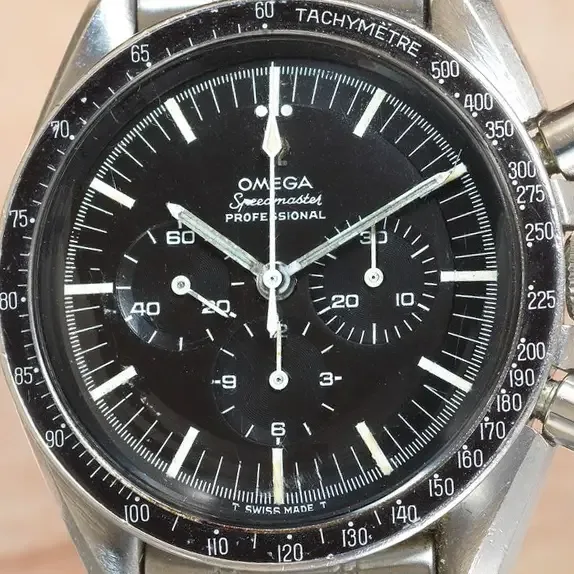
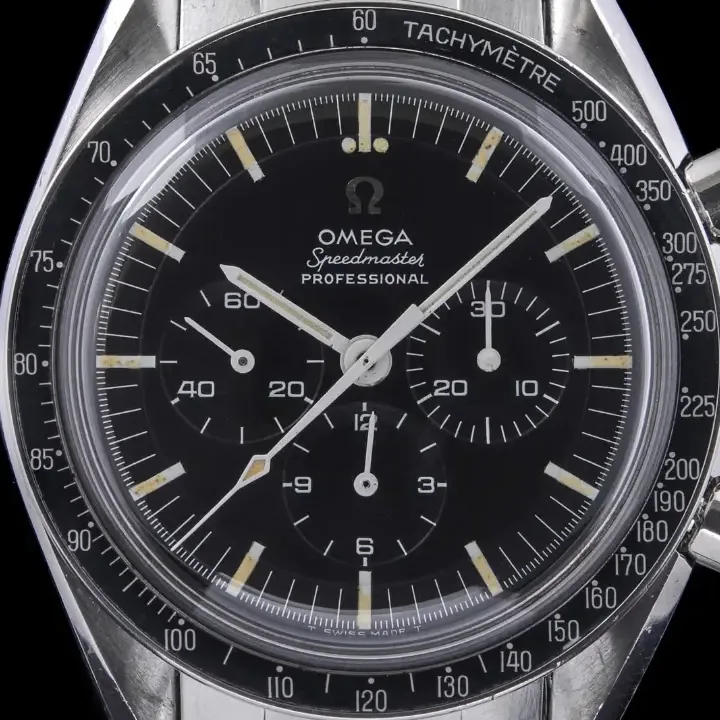
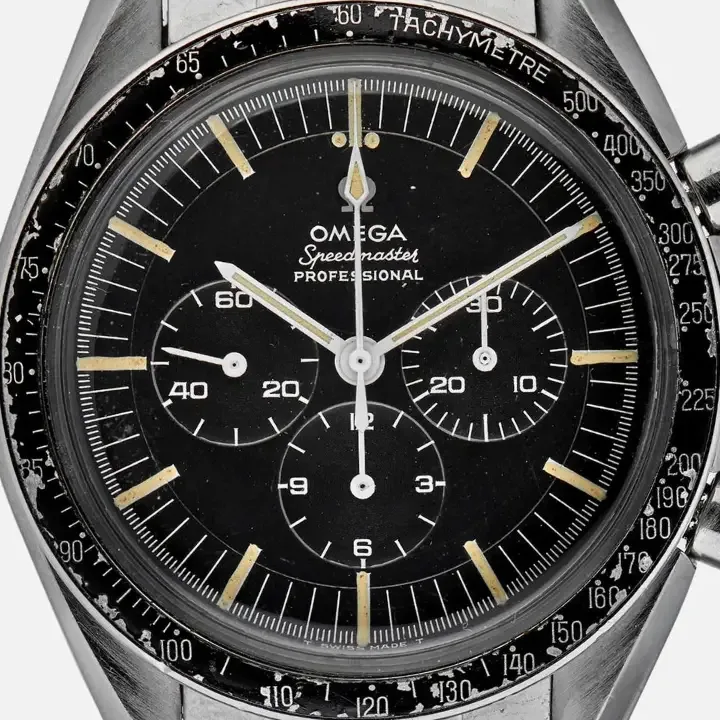
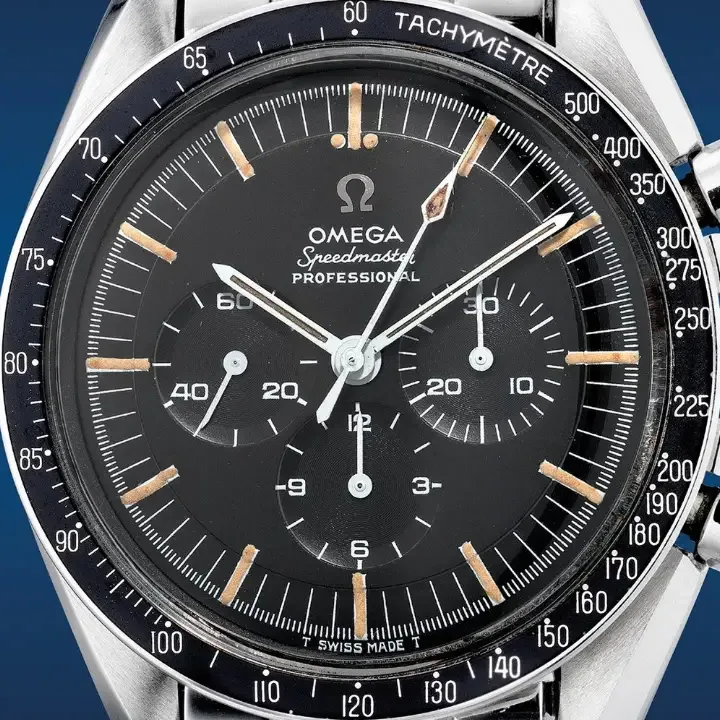
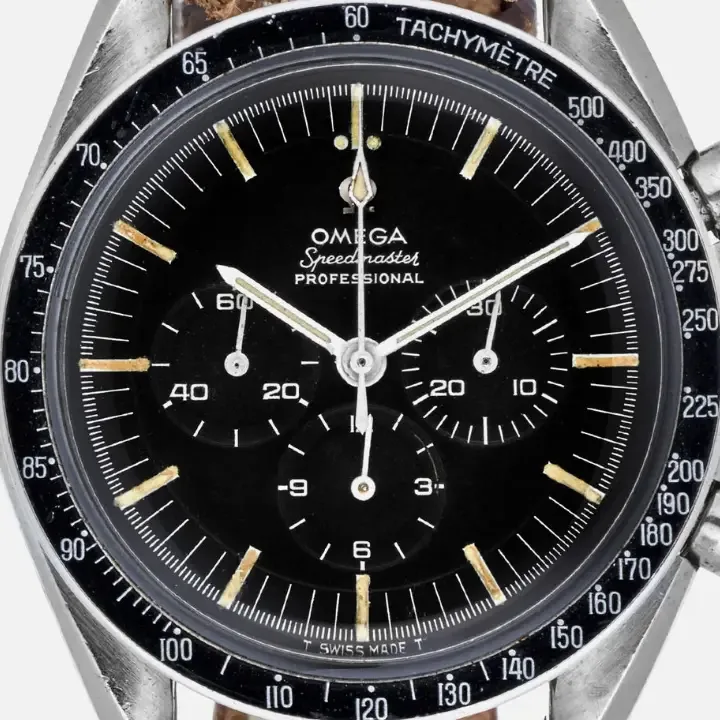
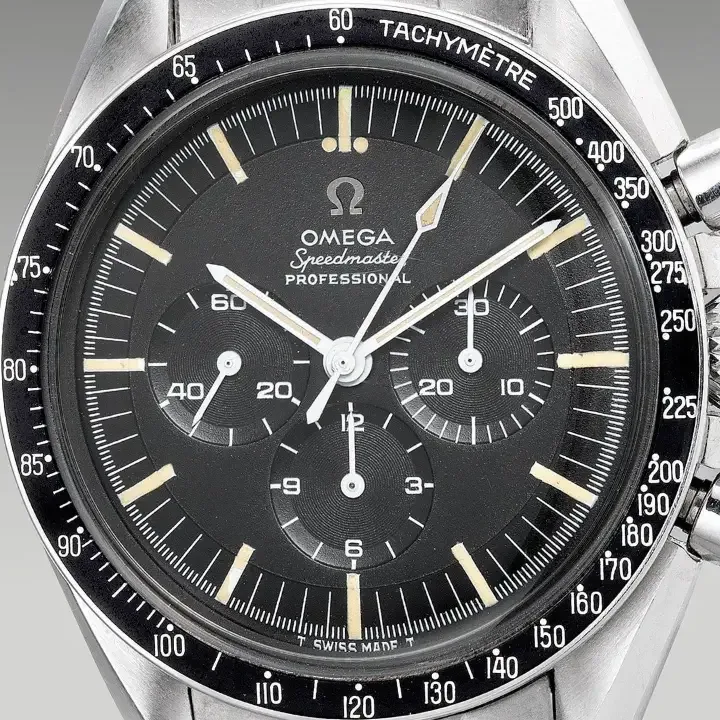
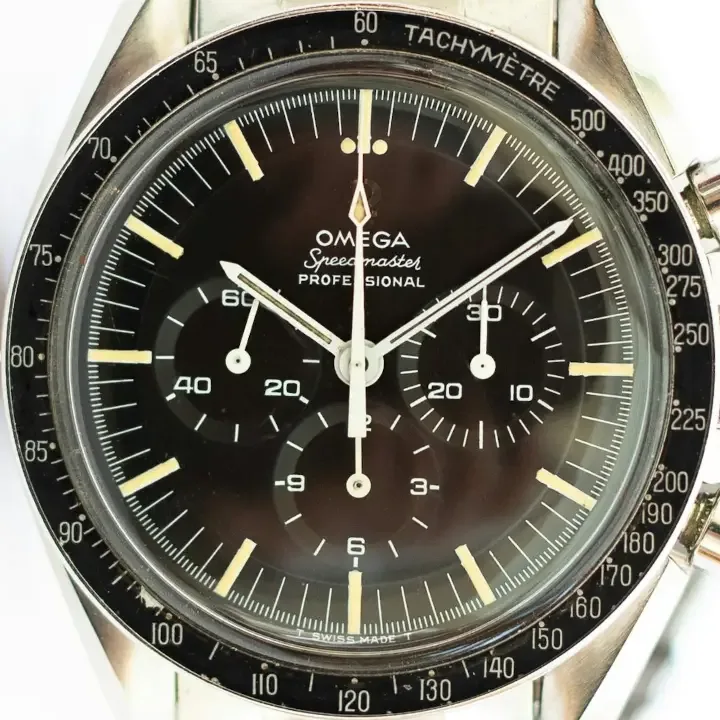
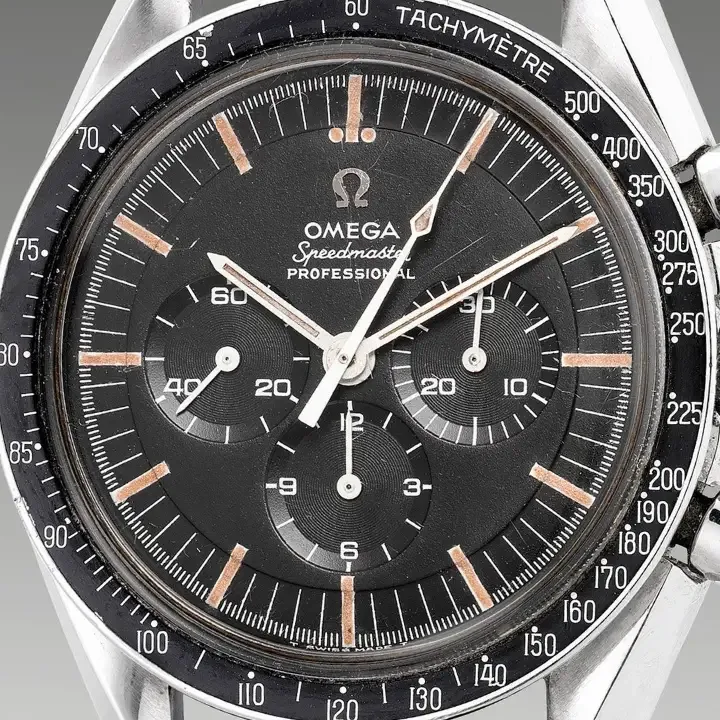
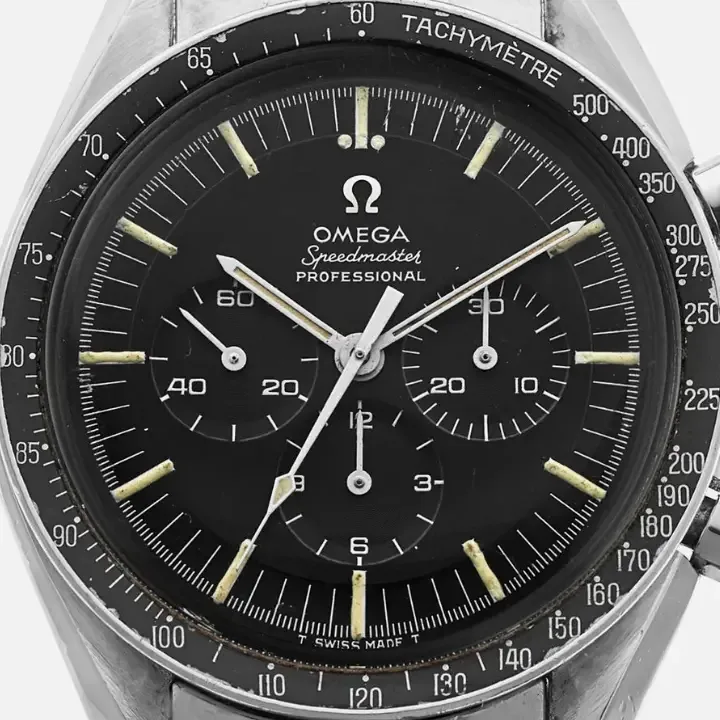
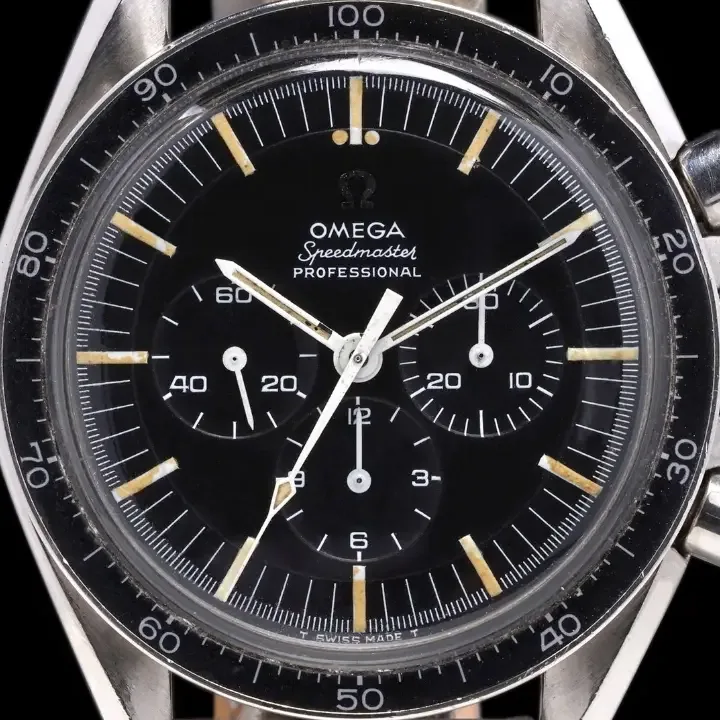
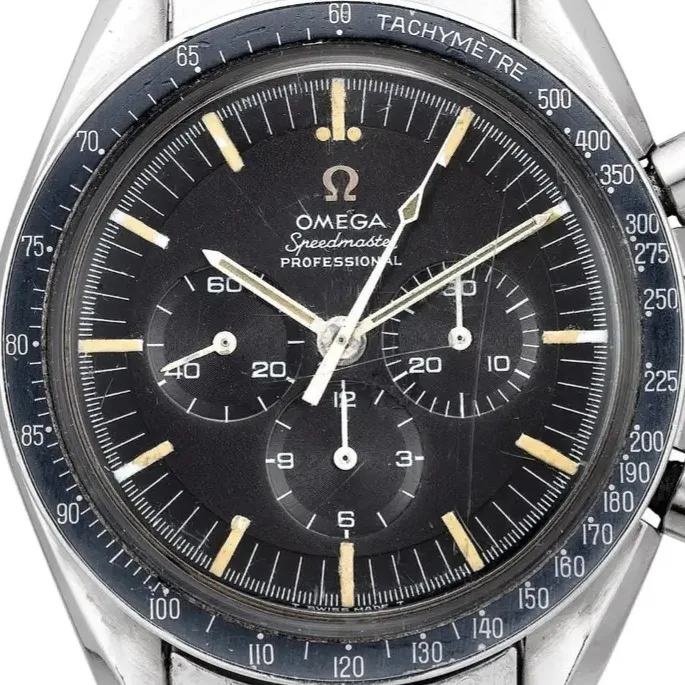
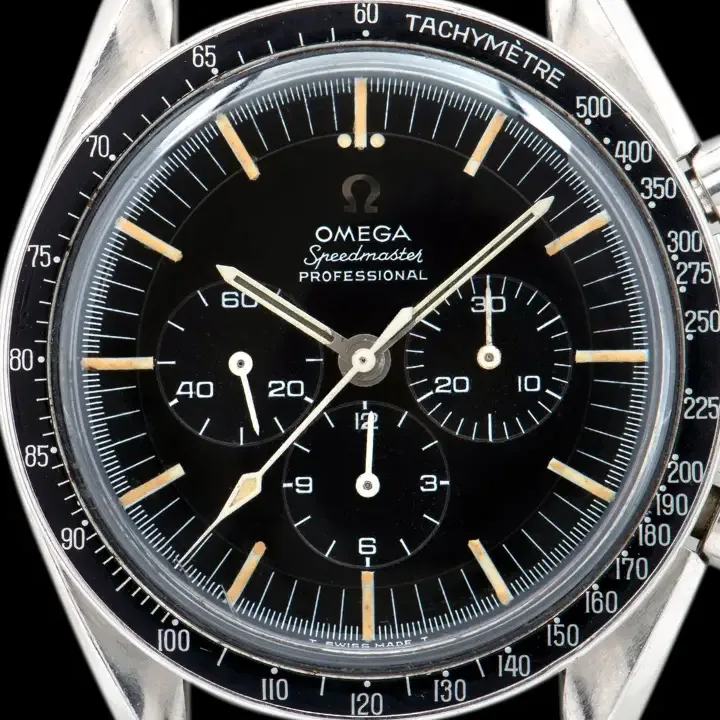
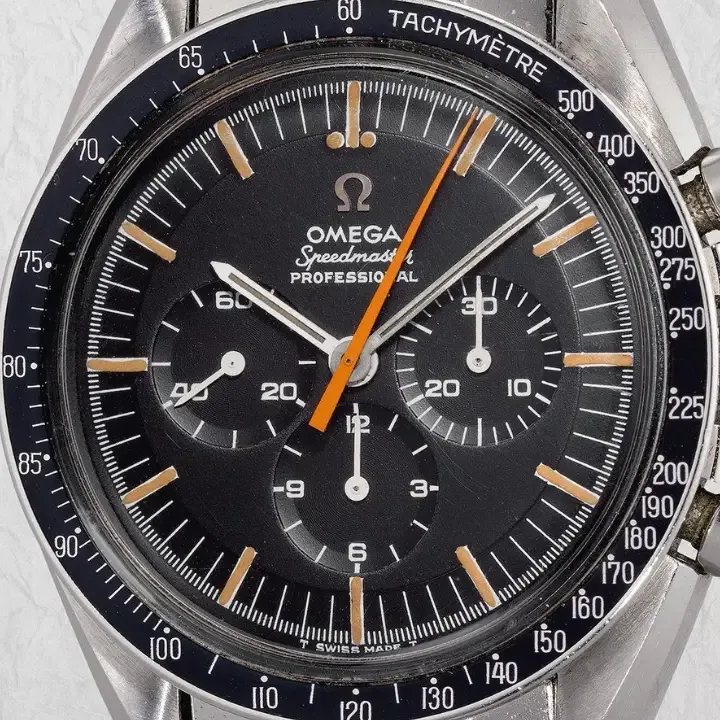
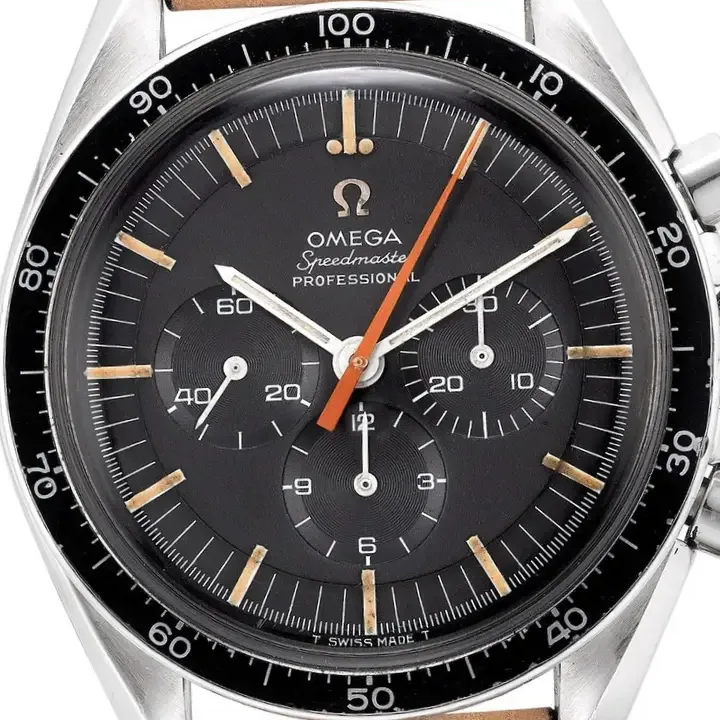
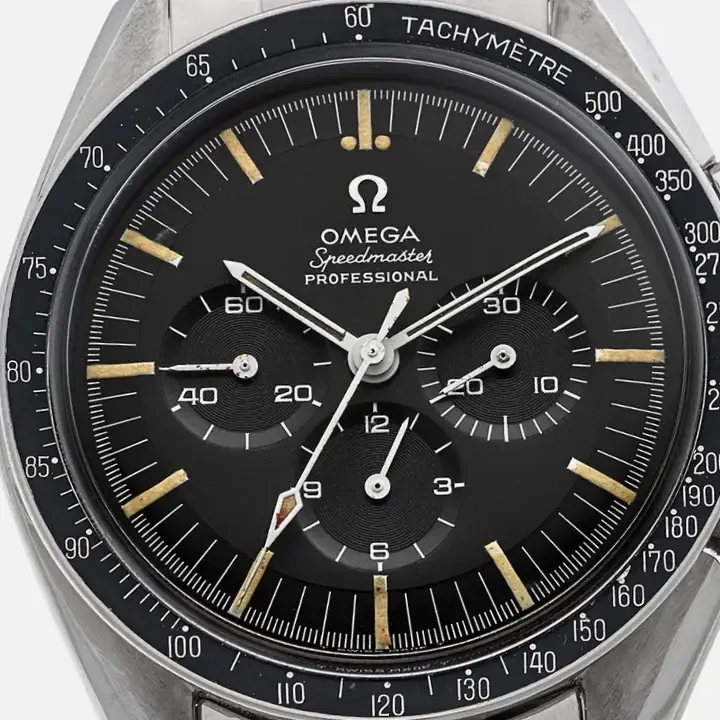
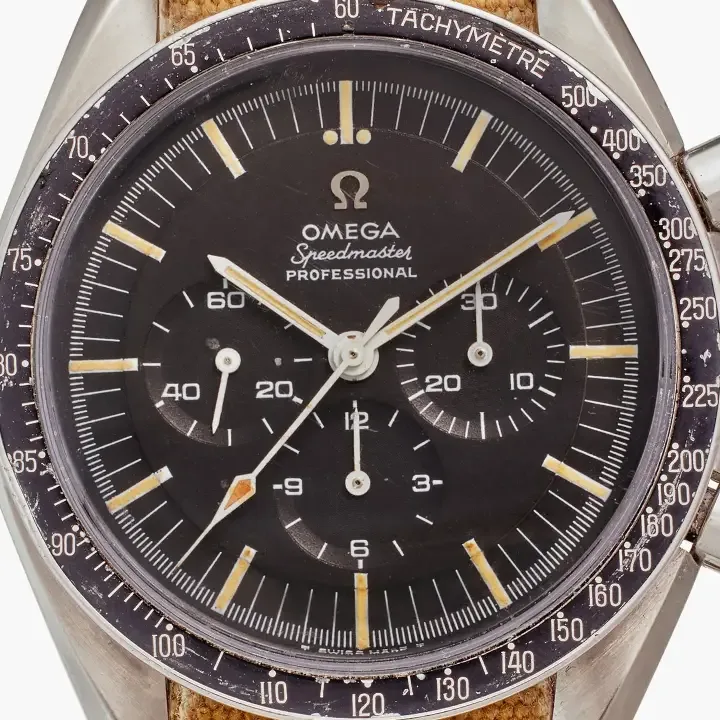
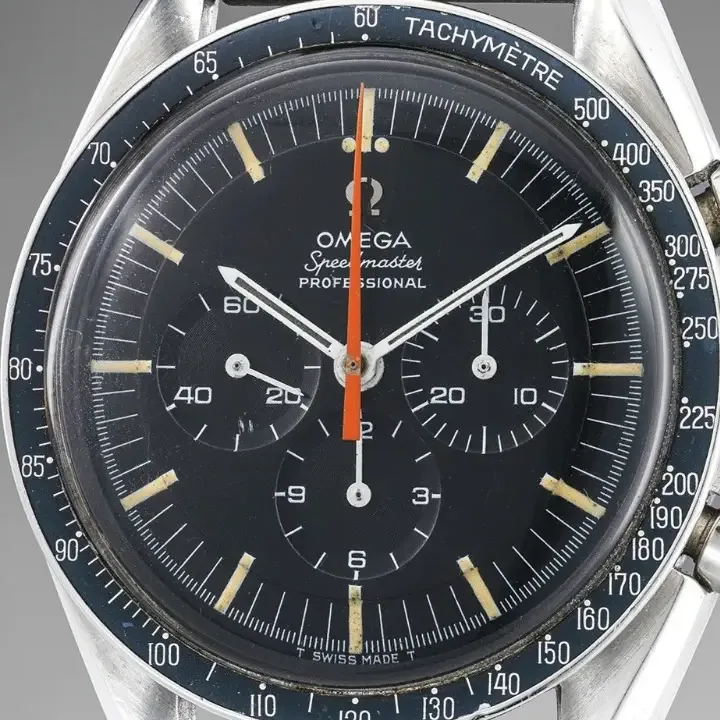
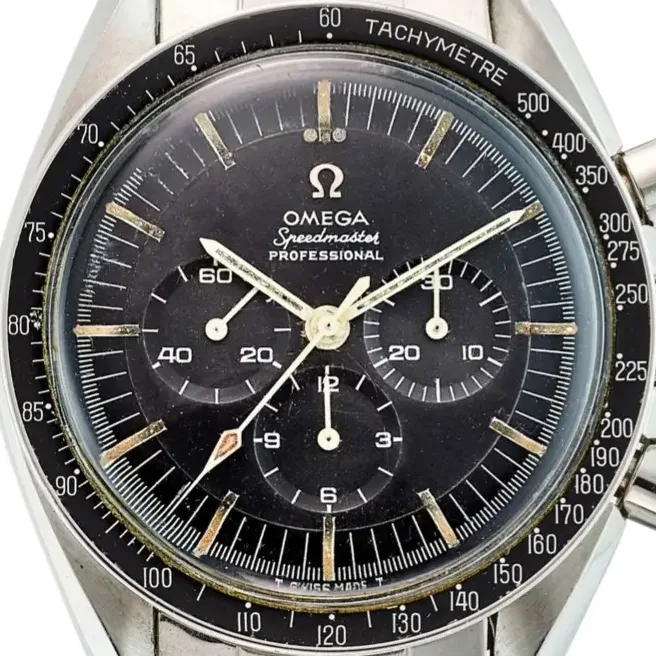
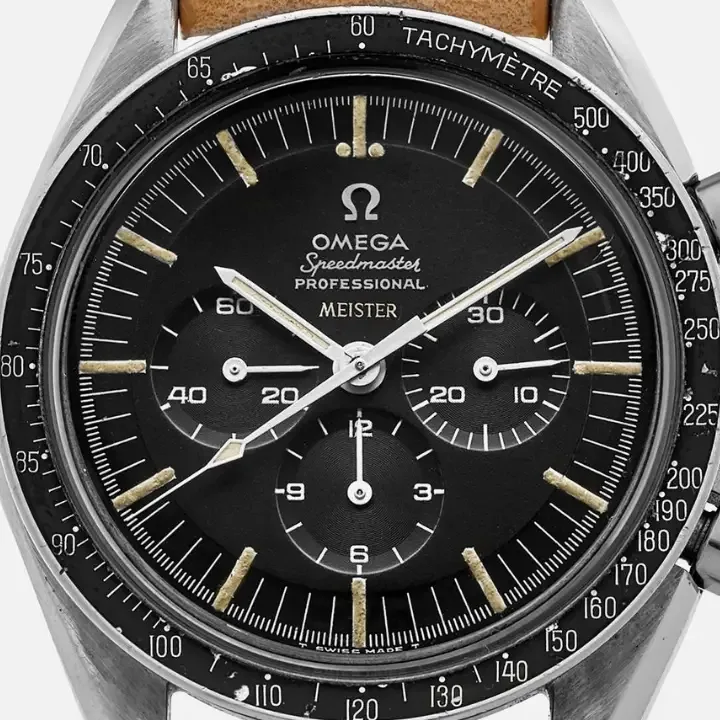
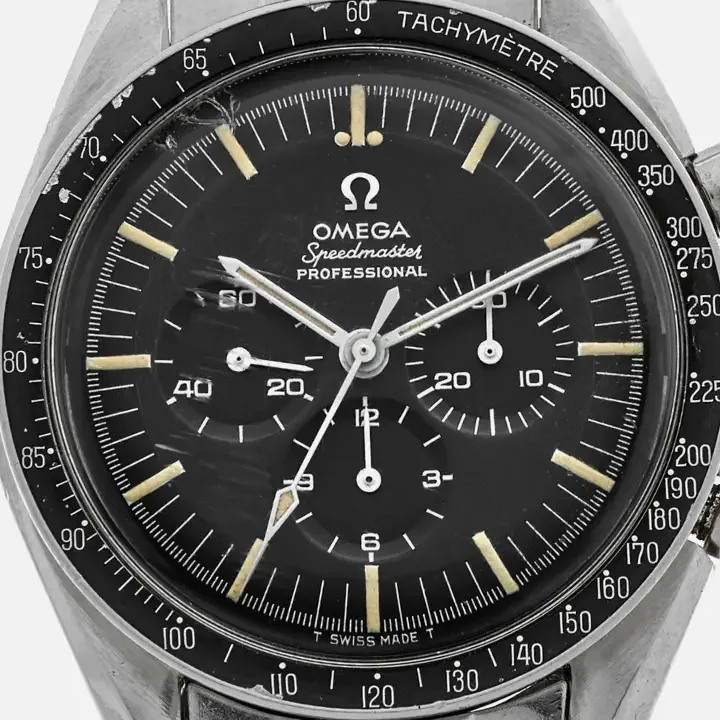
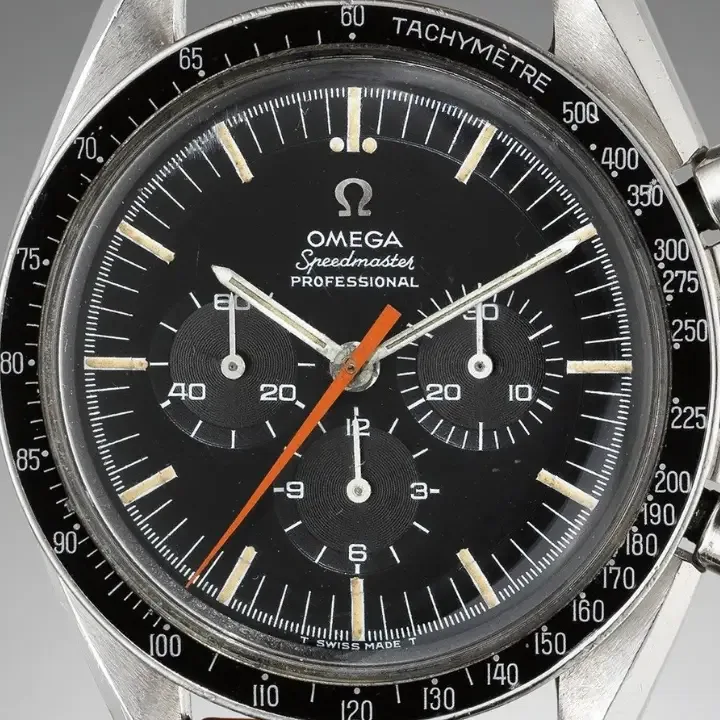
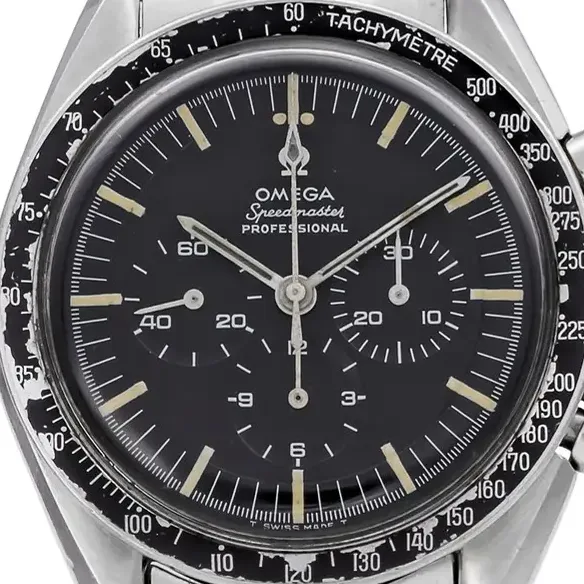
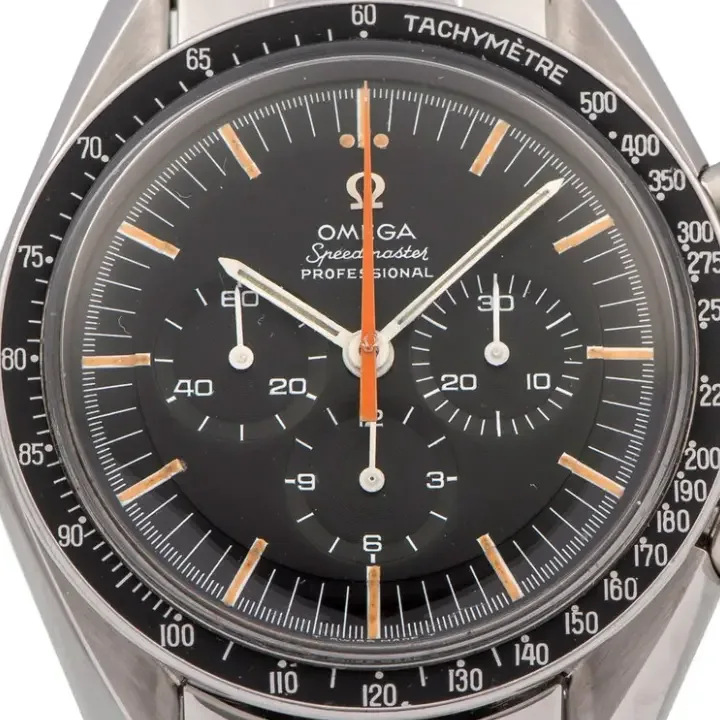
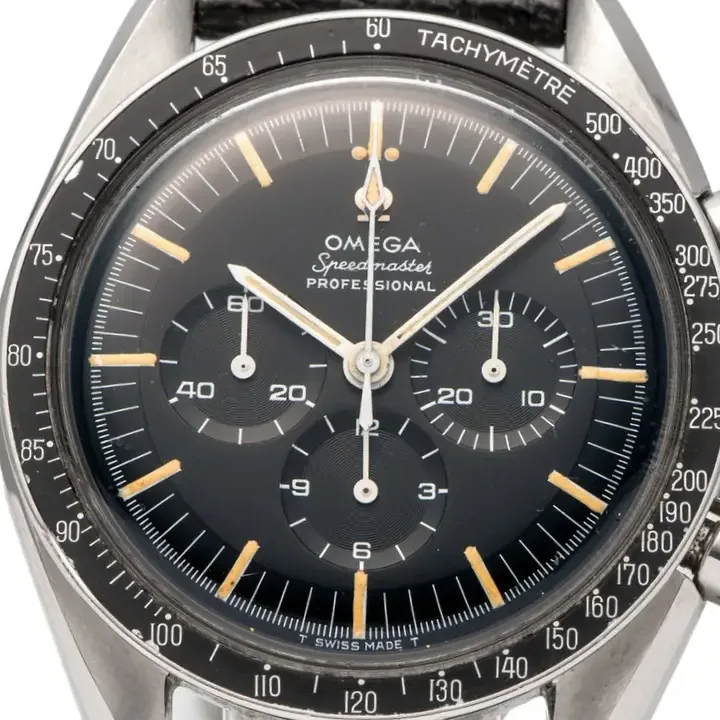
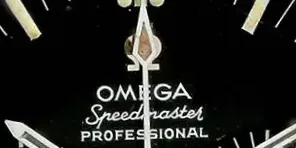
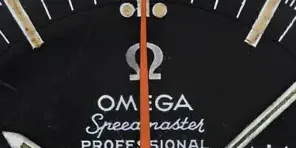
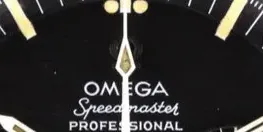
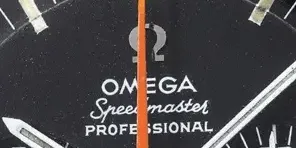
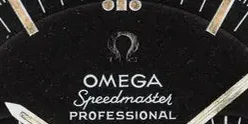
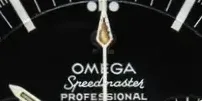
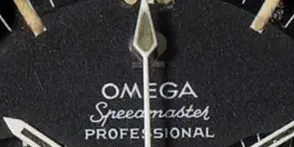
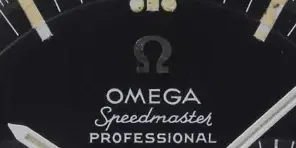
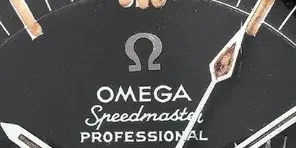
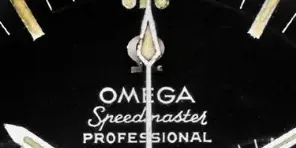
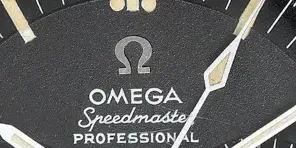
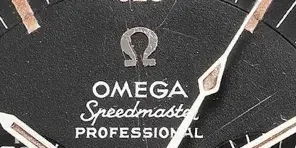
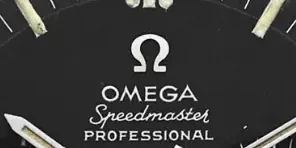
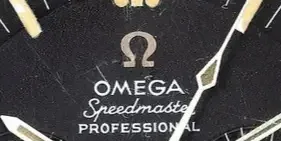
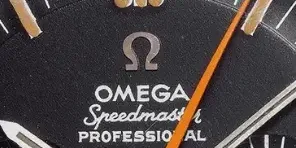
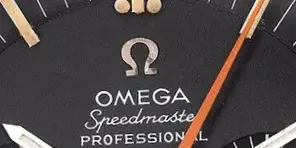
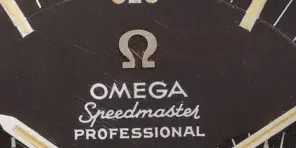
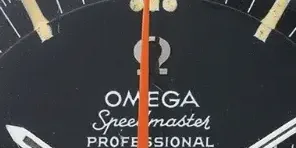
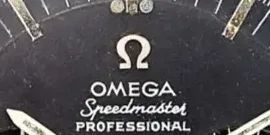
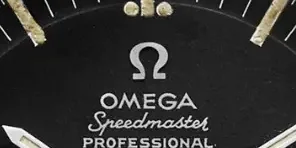
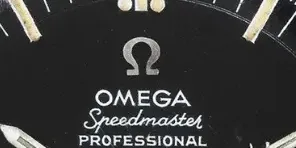
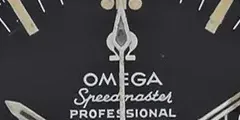
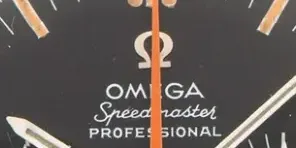
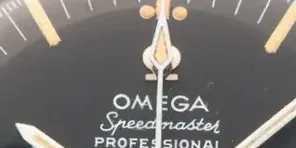
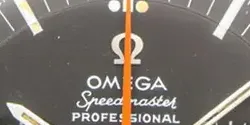
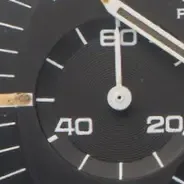
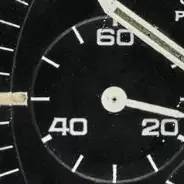
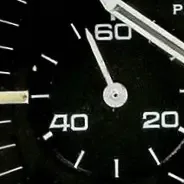
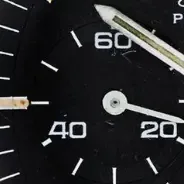
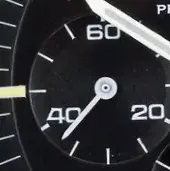
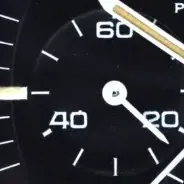
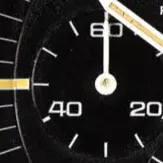
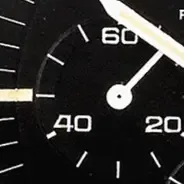
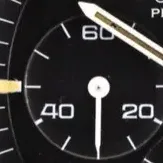
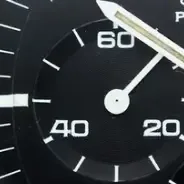
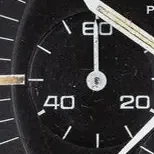
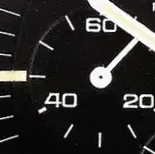
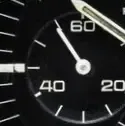
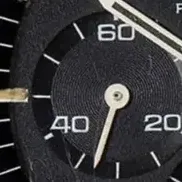
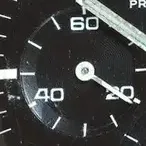
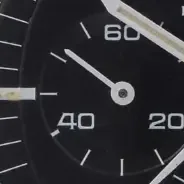
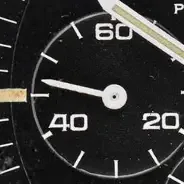
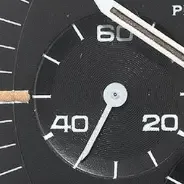
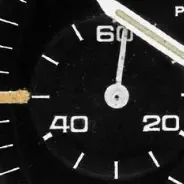
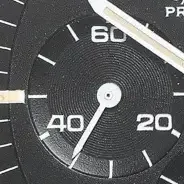
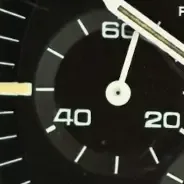
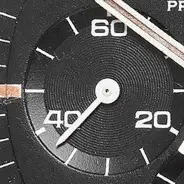
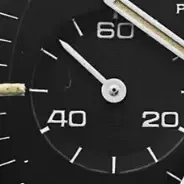
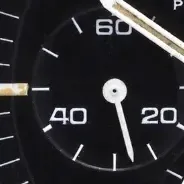
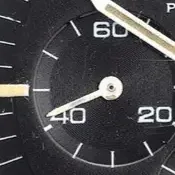
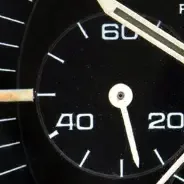
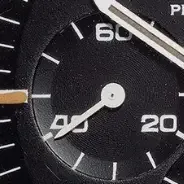
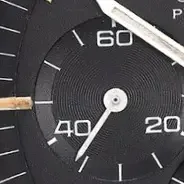
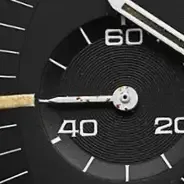
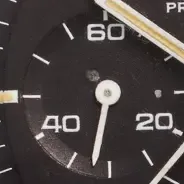
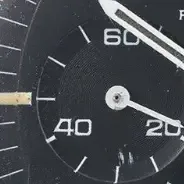
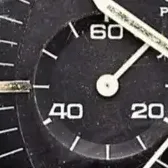
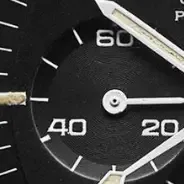
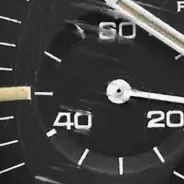
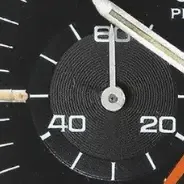
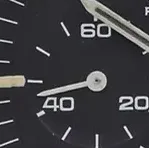
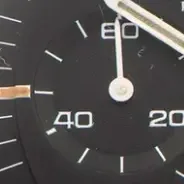
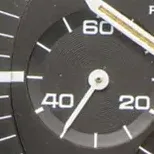
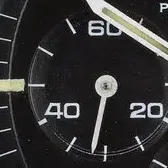
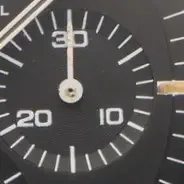
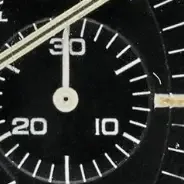
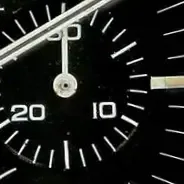
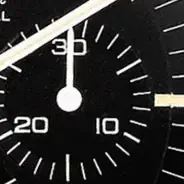
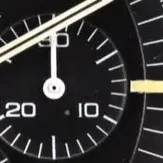
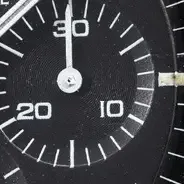
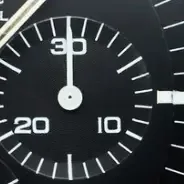
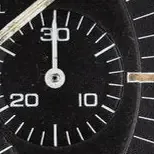
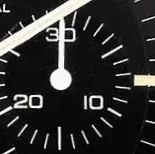
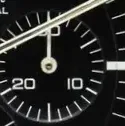
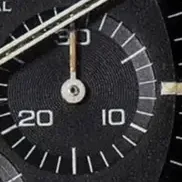
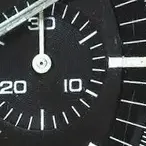
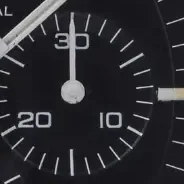
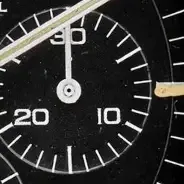
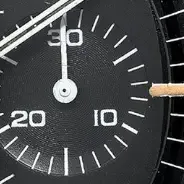
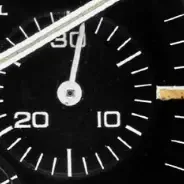
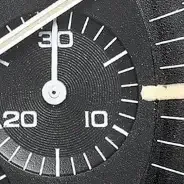
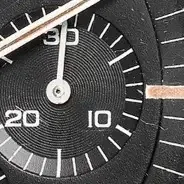
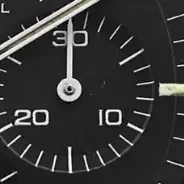
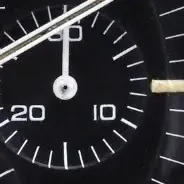
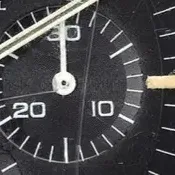
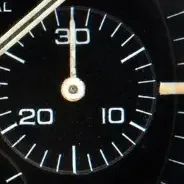
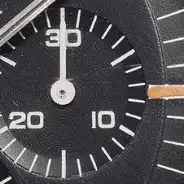
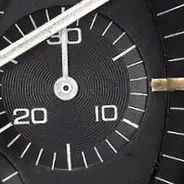
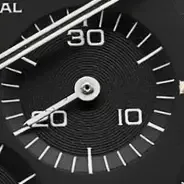
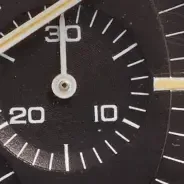
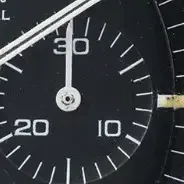
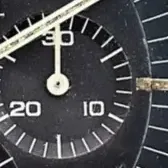
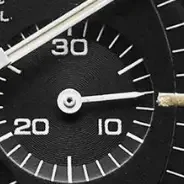
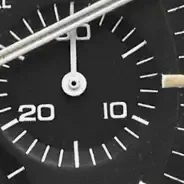
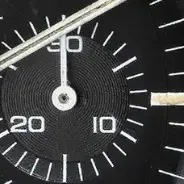
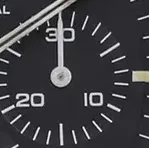
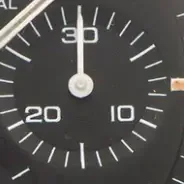
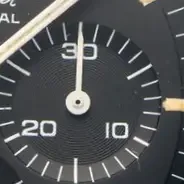
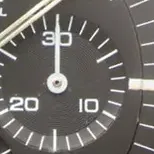
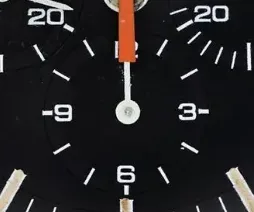
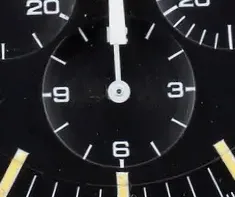
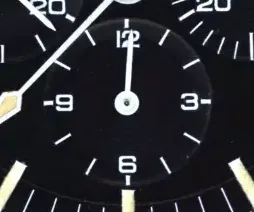
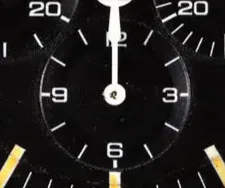
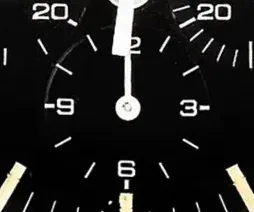
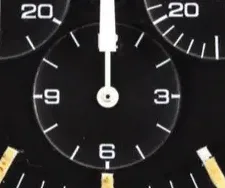
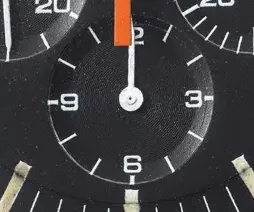
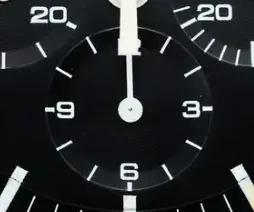
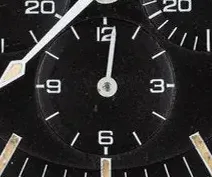
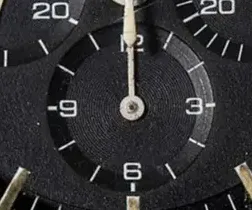
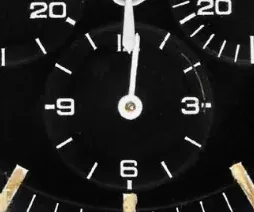
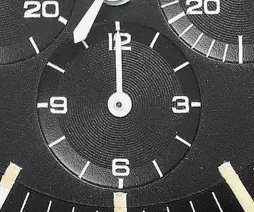
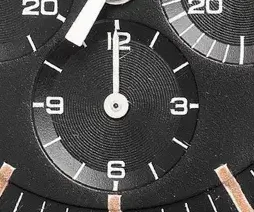
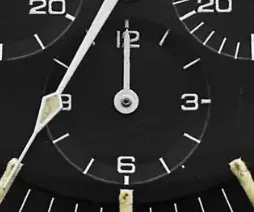
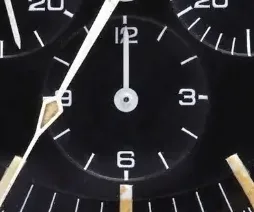
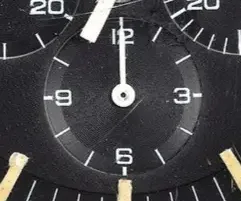
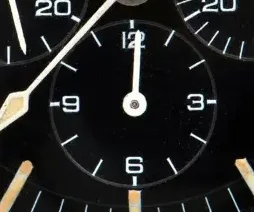
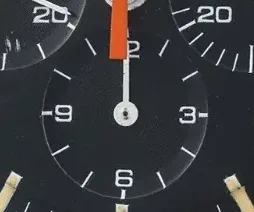
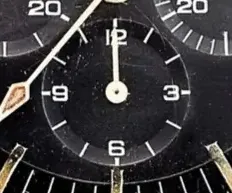
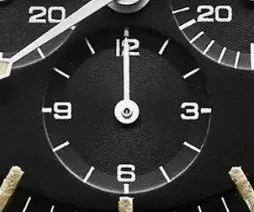
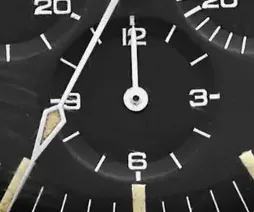
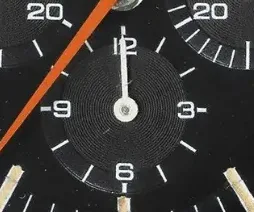
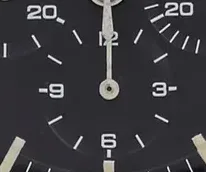
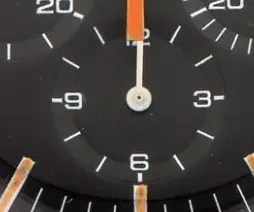
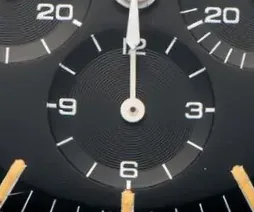
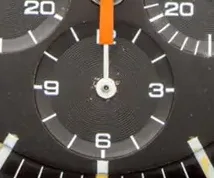
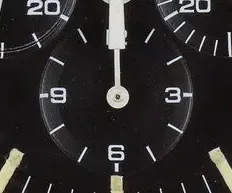
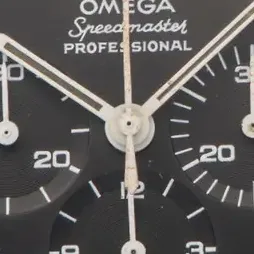
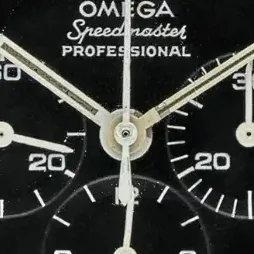
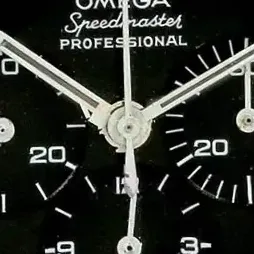
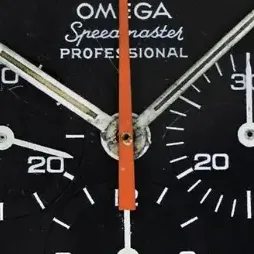
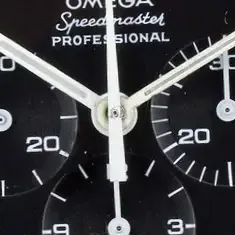
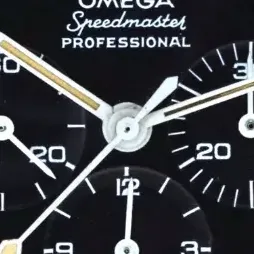
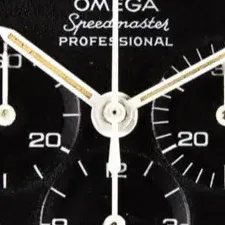
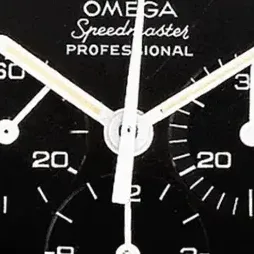
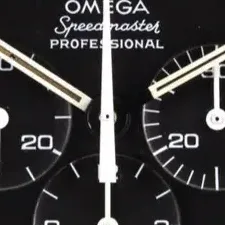
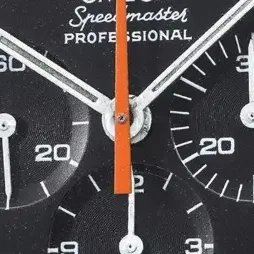
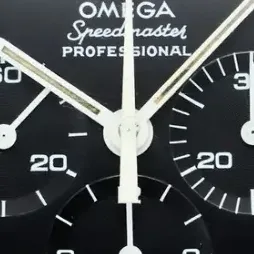
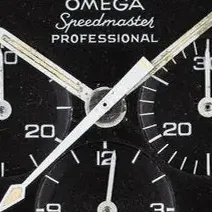
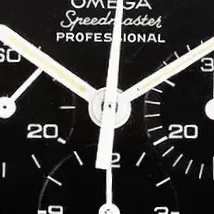
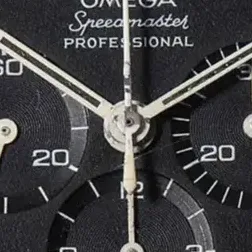
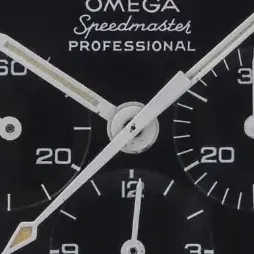
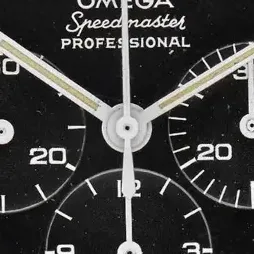
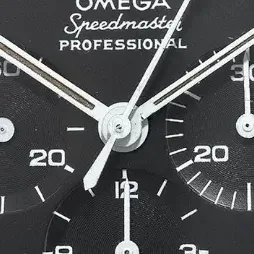
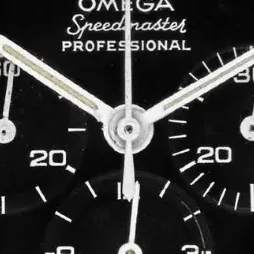
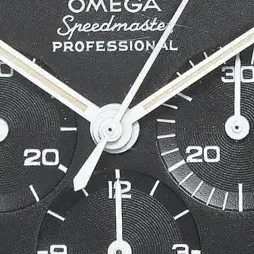
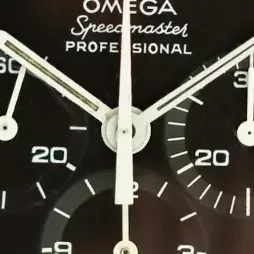
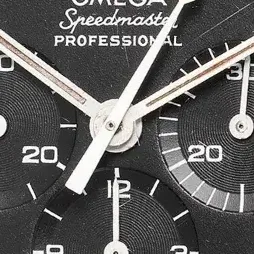
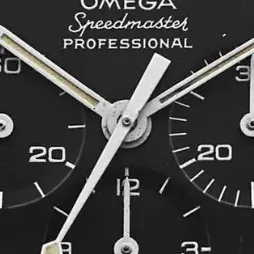
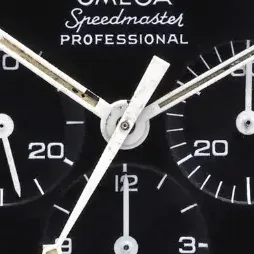
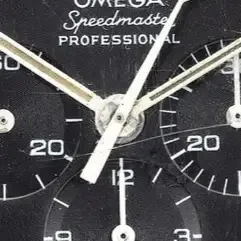
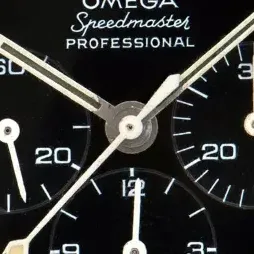
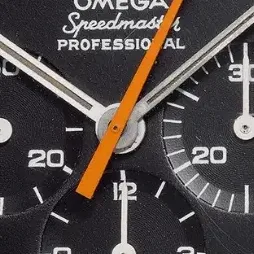
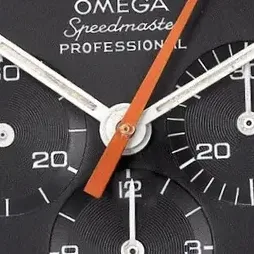
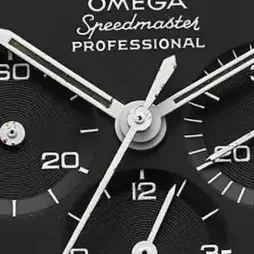
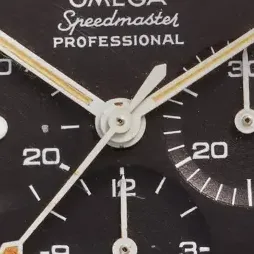
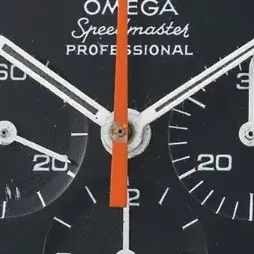
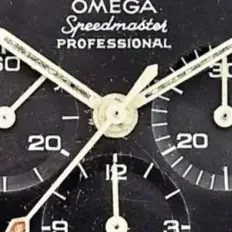
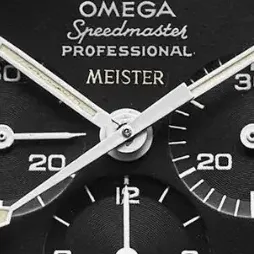
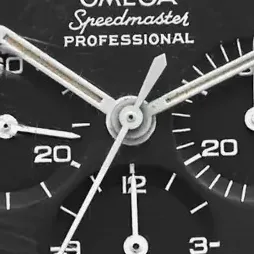
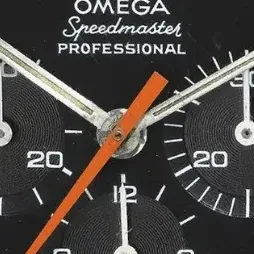
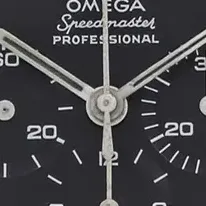
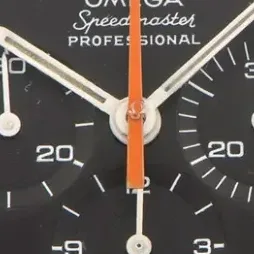
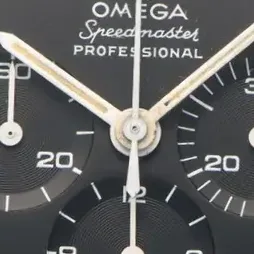
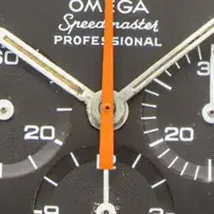
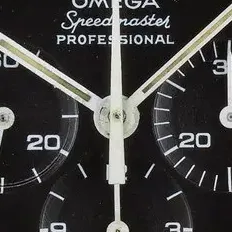
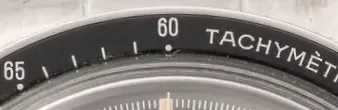
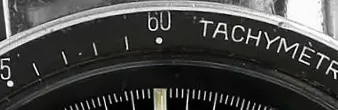
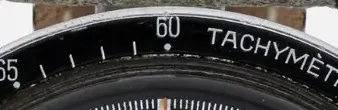
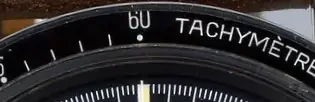
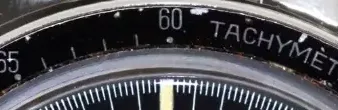
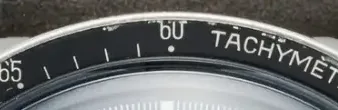
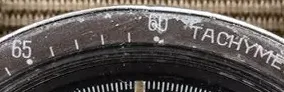
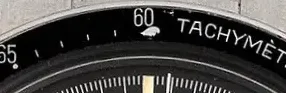
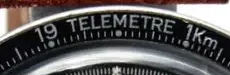
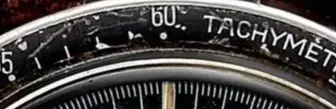
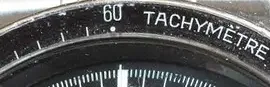
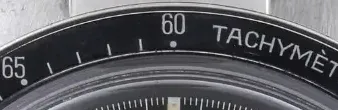
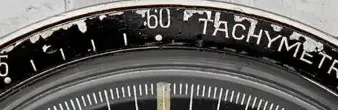
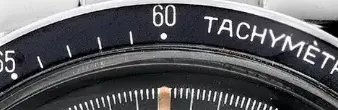
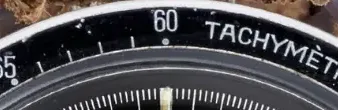
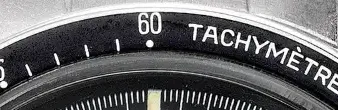
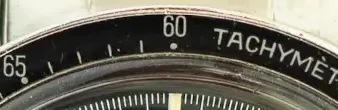
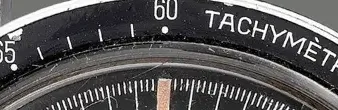
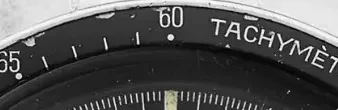
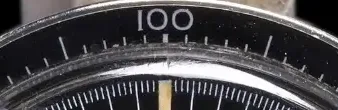
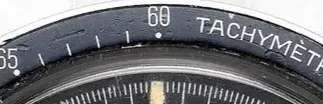
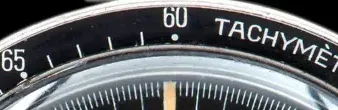
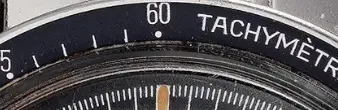
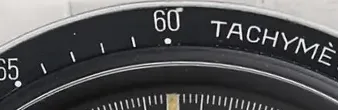
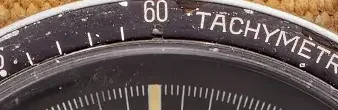
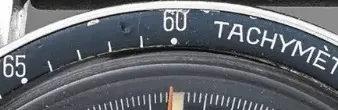
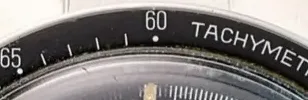
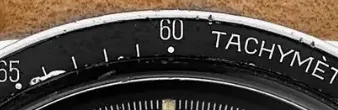
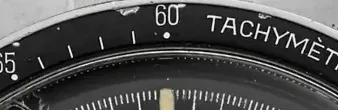
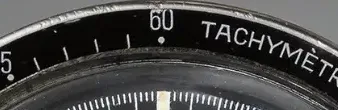
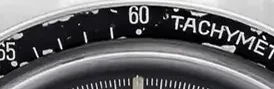
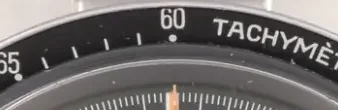
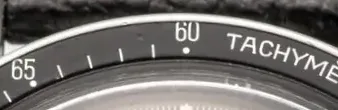
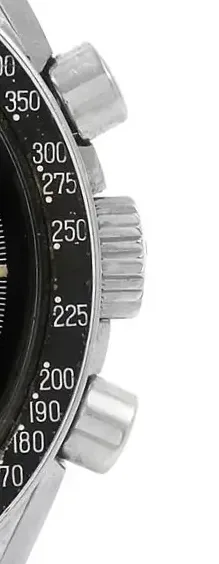
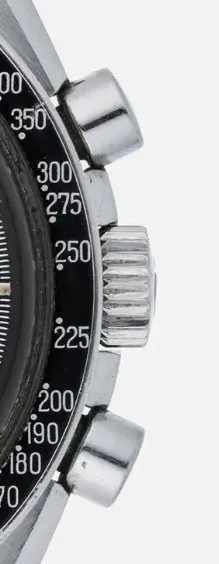
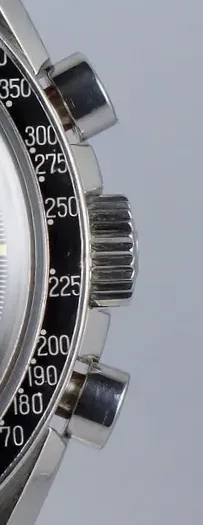
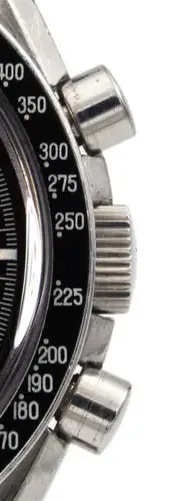
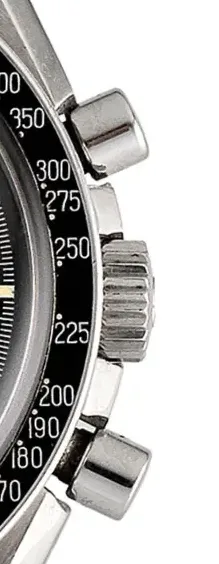
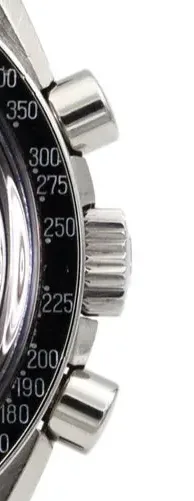
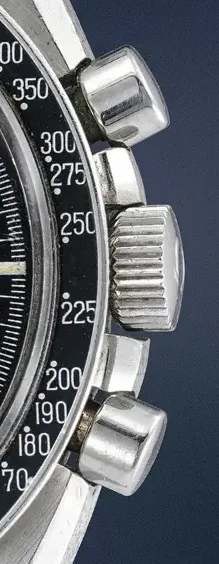
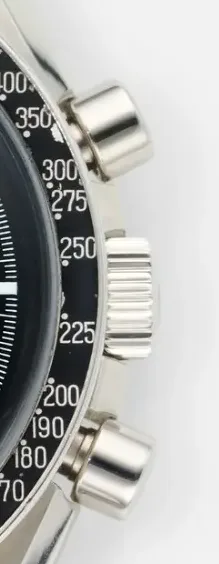
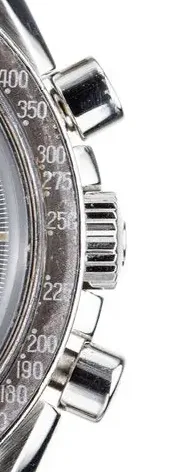
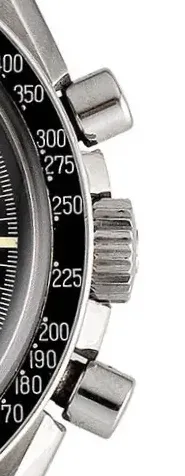
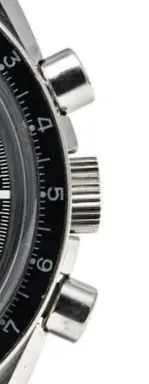
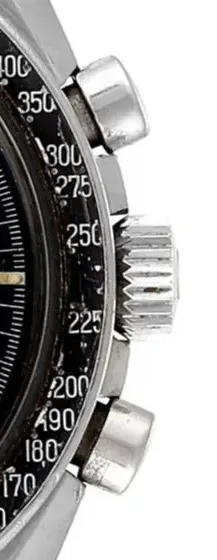
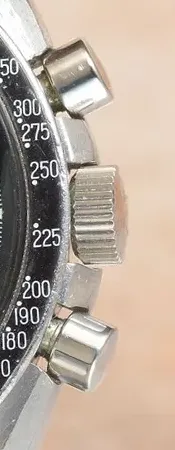
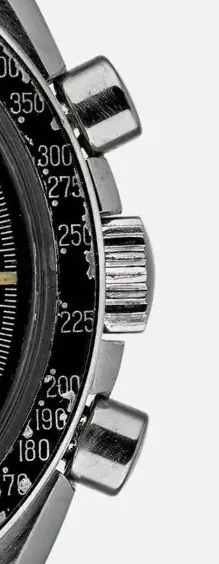
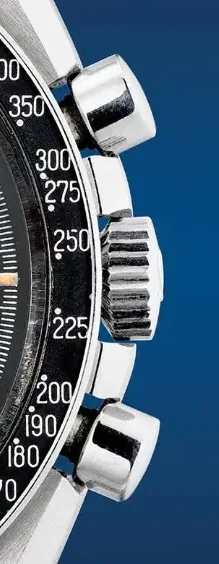
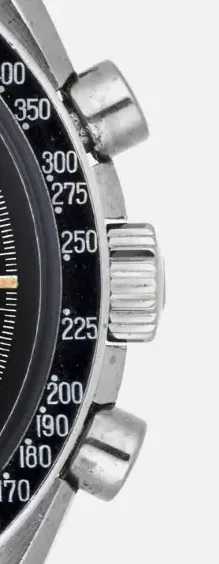
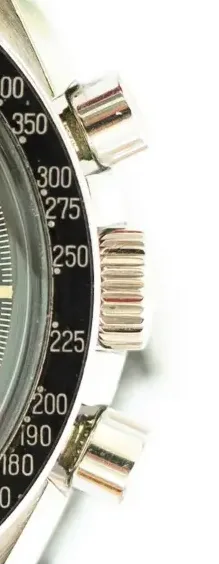
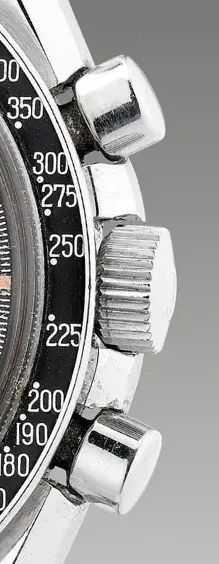
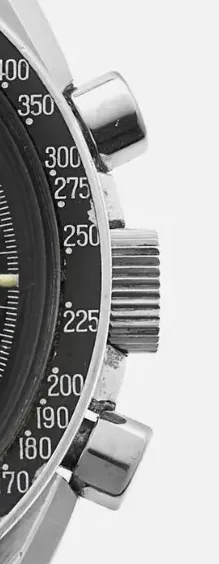
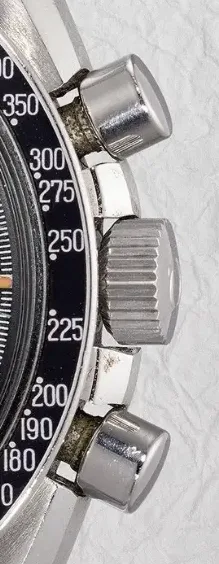
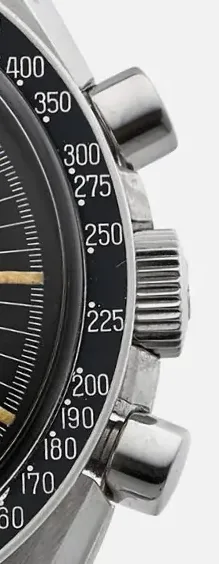
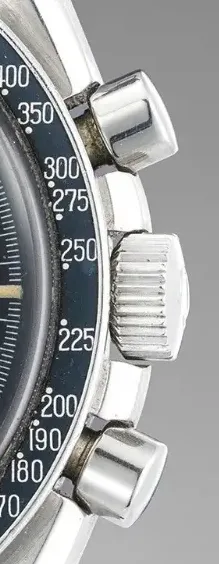
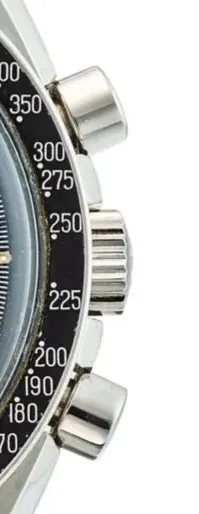
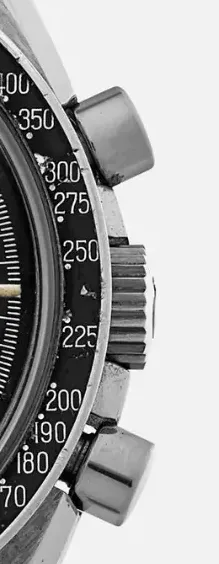
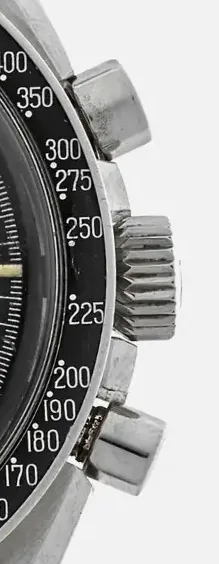
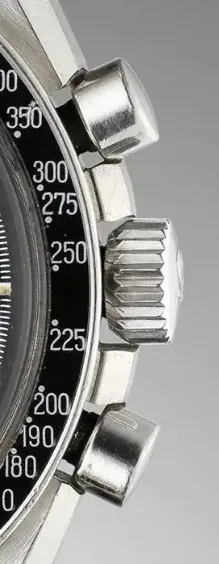
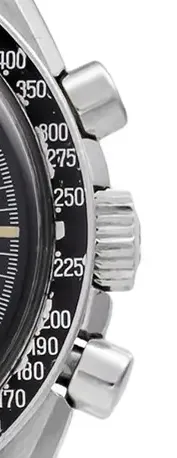
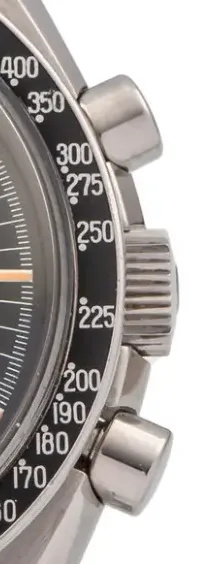
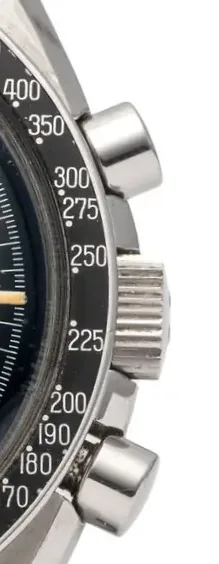
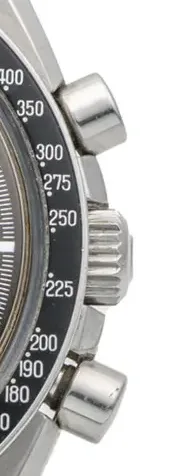
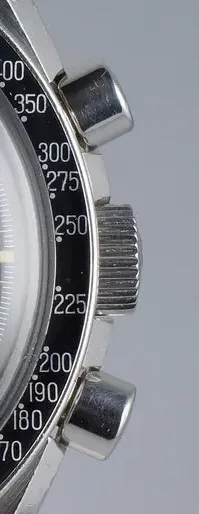
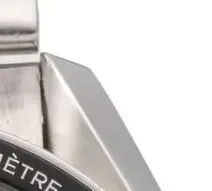
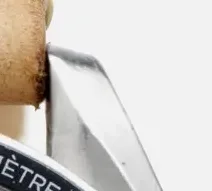
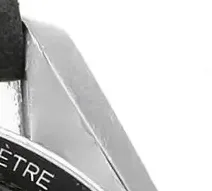
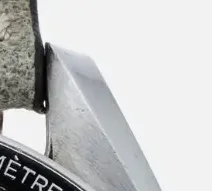
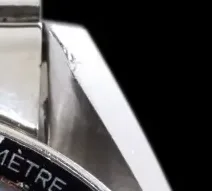
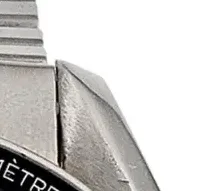
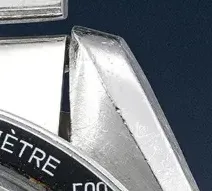
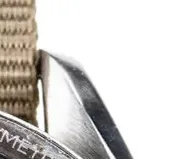
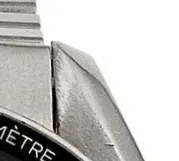
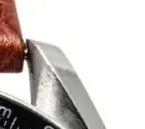
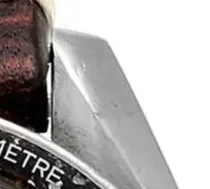
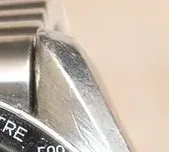
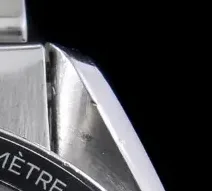
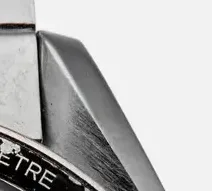
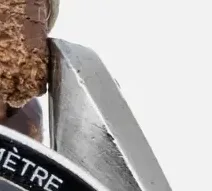
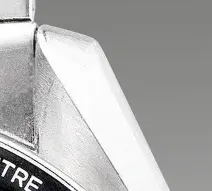
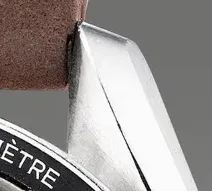
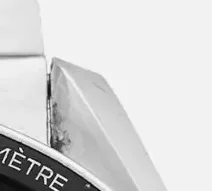
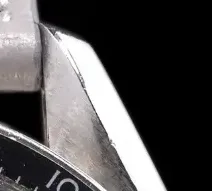
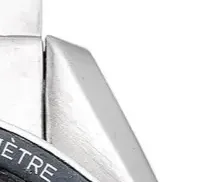
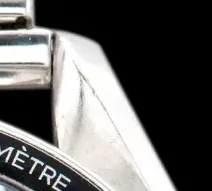
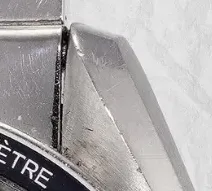
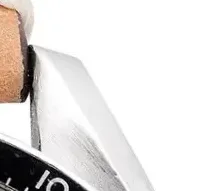
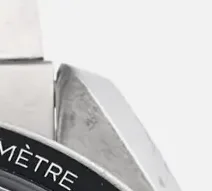
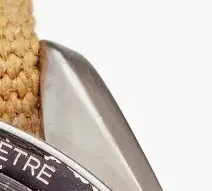
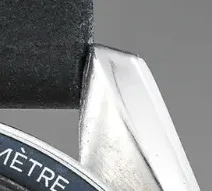
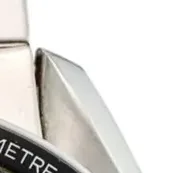
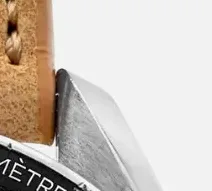
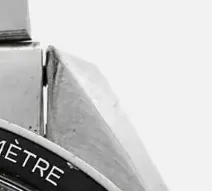
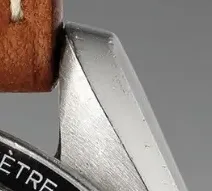
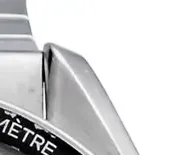
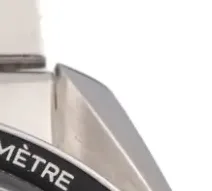
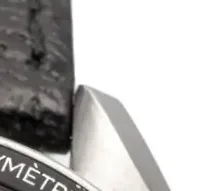
41 watches, oldest first, each straightened and cut the same way so that one row shows one component across them all. Chosen from 455 photographs on file for sharpness and for a face typical of the reference. A year marked c. is one its holder gives only roughly. Each picture is a detail cut from a listing photograph. Select the small mark in its corner for its year, its holder, a link to the listing it came from, and a way to report it.















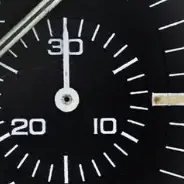
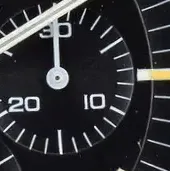
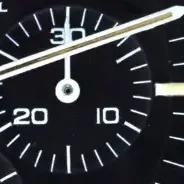
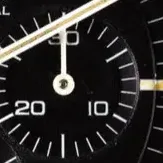

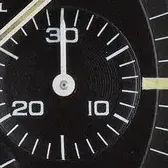
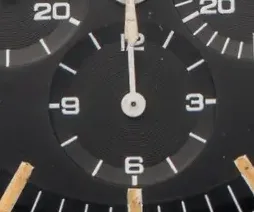
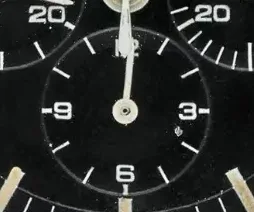
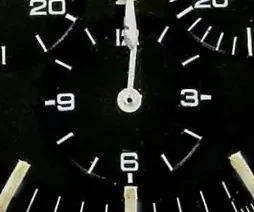
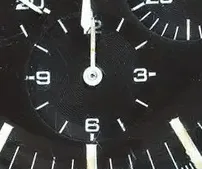
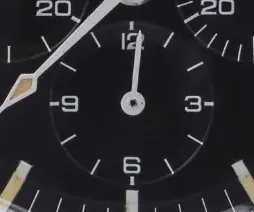
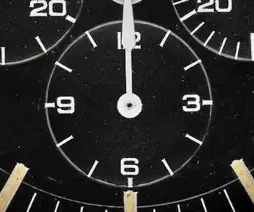
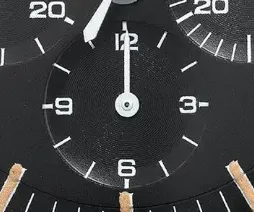
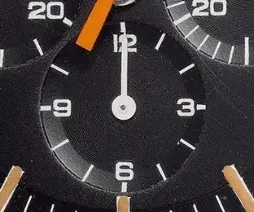
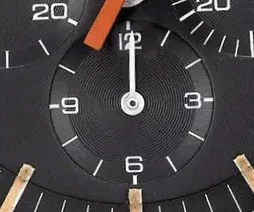
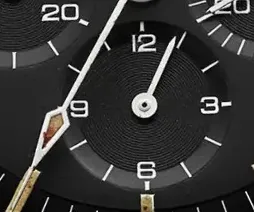
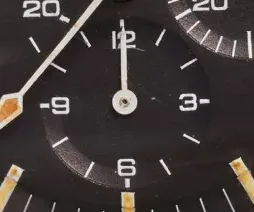




Chronology
Production is given as 1967 to 1968 with some deliveries in early 1969.
Every dated variant: what is written, and what the records show
For the reference the marks are every dated watch; for a variant, the watches a seller names as that variant, so a variant sellers do not name has none.
Specification
| Case | 42 mm stainless steel, asymmetric, twisted lyre lugs with crown guards, single-step screw-down case back |
| Pushers | 5 x 3.5 mm, taller than the 5 x 3 mm of the 105.012 |
| Crystal | Plexiglass (Hesalite), signed with the Omega logo |
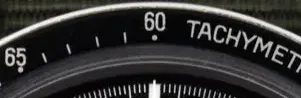
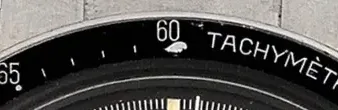
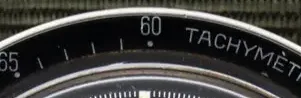
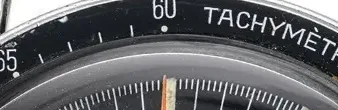
| Bezel | Black aluminium Dot Over Ninety tachymeter insert |
| Dial | Black stepped dial, applied Omega logo, Professional under Speedmaster, long tritium hour markers |
| Movement | Calibre 321, Lemania 2310 based, manually wound, column wheel, horizontal clutch, 17 jewels, 18,000 vph, 44 hours |
| Bracelet | Reference 1039 (also 1116 seen) |
| Case back | Steel, seahorse with SPEEDMASTER |
Dial 3 described
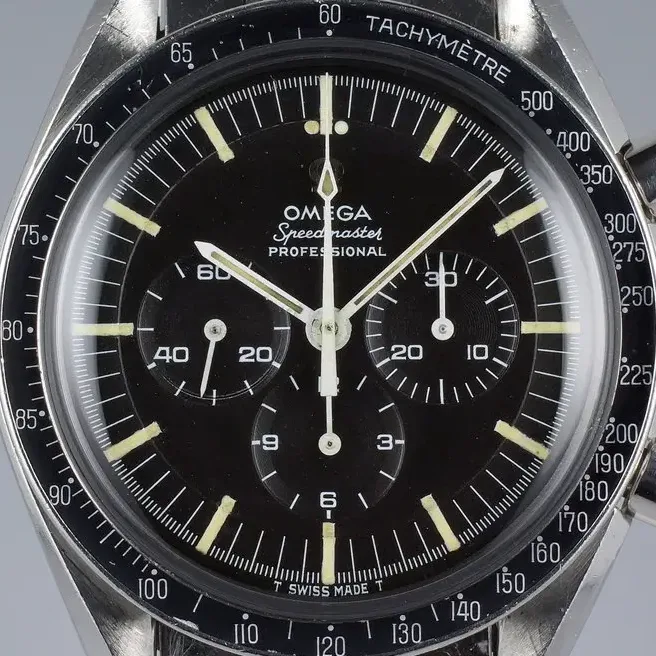
The dial is a step dial with long tritium hour markers, an applied logo and Professional printed under Speedmaster, and it stayed almost unchanged from the 105.012. Variation in how white or yellow the lume looks comes from different suppliers. A rare Racing dial is recorded.
Standard step dial
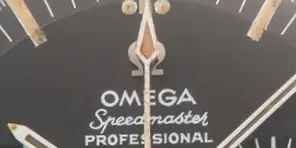
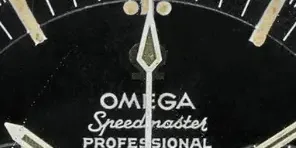
Black stepped dial with long tritium markers running through the minute track, an applied Omega logo and Professional in a three-line text block. The dial should always say Professional and carry an applied logo; a few watches seen with printed logo or no Professional are taken to be later swaps. Lume ranges from very white to yellowish, which comes from different suppliers.
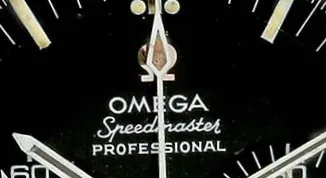
- applied logo
- step to the minute track
- long hour markers
135 listings on record under the name.
Racing dial
A very rare dial similar to the Racing dial of the Mark II. It has short lume markers with red rectangular markers from the step to the outer minute track, a printed logo like the 145.022-69, red hour, minute and small seconds hands, a white spear chronograph hand and white batons in the counters. Only a few have surfaced.
- red rectangular markers
- printed logo
- red hands
Brown and tropical dials
Some sellers describe watches with brown or tropical dials. The literature does not record them as a made variant, and they may be dials that have aged.
Hands 3 described
Hour and minute hands are batons. The chronograph hand changed during the run, and both forms are accepted as original.
Drop-end chronograph hand
A lumed spear or teardrop seconds hand; the earlier form and the one most associated with the reference.
- teardrop end
- lume plot
Square-end chronograph hand
A flat-end spear hand, the form later used on the 145.022 and still used. It appears on late 145.012 watches; two near-new watches with close serial numbers show the earlier with drop end and the later with square end.
- flat end
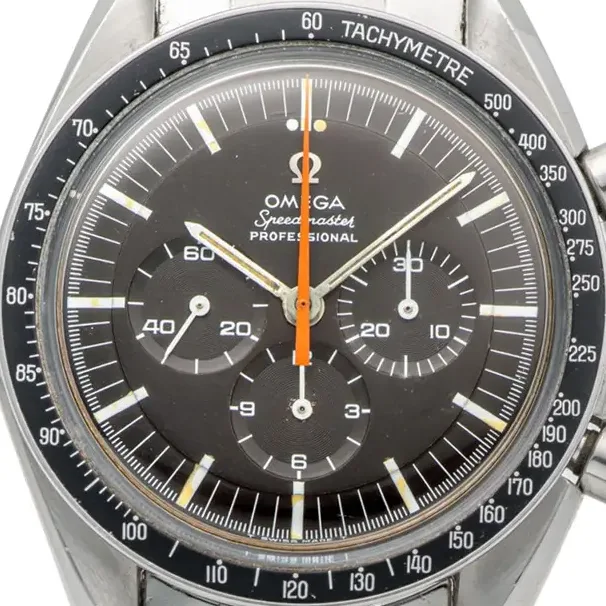
Ultraman orange hand
numbers 26 million
A square-end orange chronograph hand with no lume plot, named after a Japanese television series. Watches with an orange hand have serial numbers starting with 26 million, with the surviving examples bunched between about 26077200 and 26078860. An archive extract should confirm it, because the hand is easy to swap in.
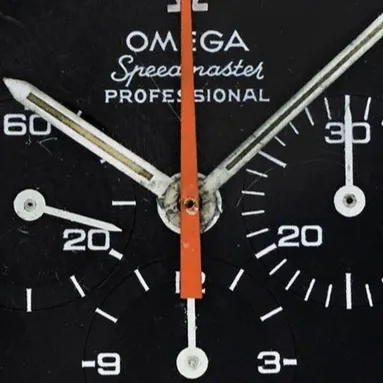
- square end
22 listings on record under the name.
Bezel 2 described
The standard insert is the Dot Over Ninety. Telemeter and pulsometer inserts were also fitted to a few watches.
Dot Over Ninety
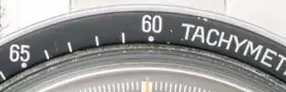
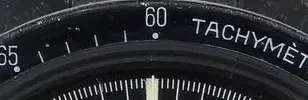
The dot sits above the 90 on the tachymeter scale. It is the usual insert for the reference and later bezels moved the dot beside the 90 after 1969. Original aluminium inserts scratch easily, and good ones are scarce.
- dot over 90
Telemeter or pulsometer
Some pre-Moon Speedmasters were fitted with a telemeter or pulsometer insert in place of the tachymeter. A seller should supply proof that the insert belongs to the watch, as loose inserts, modern ones among them, are easy to find.
- pulsometer scale
- telemeter scale
Case 3 described
The case is the 105.012 pattern with changes to pushers and case back. Cases were supplied by Huguenin Freres and Centrale Boites, with finishing differences between them.
Case and pushers
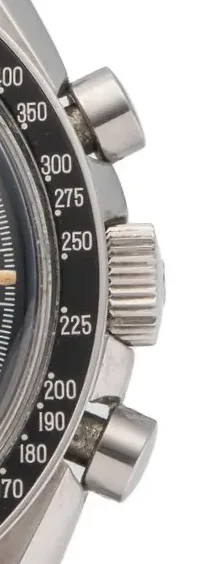
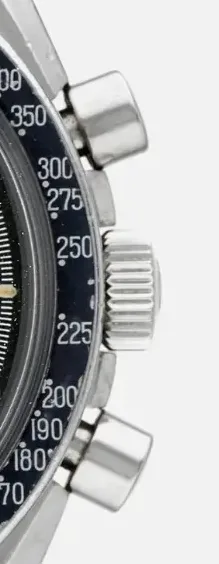
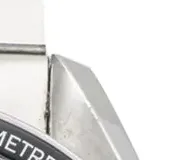
Asymmetric case with crown guards and lyre lugs. Pushers measure 5 x 3.5 mm, taller than before. The two makers' cases differ in finish.
- taller pushers
Single-step case back
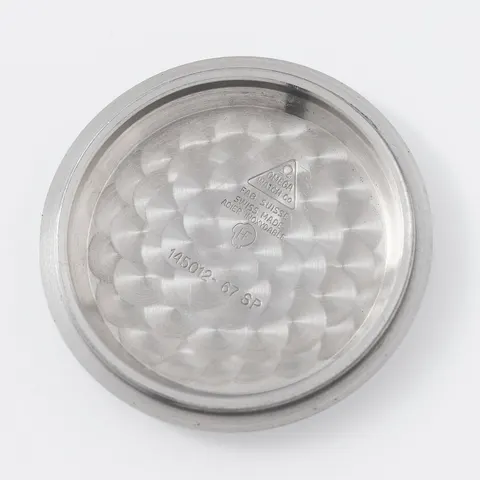
A steel case back engraved with the seahorse and SPEEDMASTER, with one step, where the 105.012-65 had two. A -68 is far less common than a -67, and a service replacement back can make a -67 look like a -68.
- single step
- seahorse
145.012-67 SP and -68
numbers about 24,06x,xxx to 27,xxx,xxx (as published)
Two sub-references, identical in appearance. The SP suffix means special and refers to the improved water resistance from the crown, pushers and crystal. Published accounts give the movement numbers as running from about 24,06x,xxx into the 27 millions, though the library's records suggest the run ends lower.
Crown and pushers 1 described
Accounts differ on which crown is correct: one watch is described with a correct 24-tooth crown, while another account gives the 145.012 a 32-tooth crown.
Crown
One watch described in the literature keeps a 24-tooth crown called correct; other accounts give 32 teeth for the 145.012 and 24 for the earlier 105.012. Crown and pushers often show wear or replacement, and a new set can mean good servicing.
Crystal 1 described
The crystal is plastic.
Signed Plexiglass
A plexiglass crystal with the Omega logo and thin-legged lettering.
- logo in crystal
Movement 1 described
The calibre 321 is the Lemania 2310 based column-wheel chronograph.
Calibre 321
Lemania 2310 based, manually wound, with a column wheel and horizontal clutch, 17 jewels, 18,000 vph and 44 hours of power reserve. A common ailment is a creeping hour register. The current Omega display back fits a 321 case, sometimes with a spacer or extra gasket.
- column wheel
- hour counter may creep
Bracelet 2 described
The bracelet should be time-correct.
1039
The standard bracelet with flexible links, nicknamed hair-puller, with spring links near the clasp that allow stretch.
- flexible links
1116
A steel bracelet also used on Seamasters and accepted as correct for the reference.
Box and papers 1 described
Boxes are red.
Red box 1501
One original red box has the number 1501 on the bottom. An Extract of the Archives confirms the dispatch date.
- number 1501 under the box
Originality
- Chronograph hands are often replaced; check the lume ages evenly with the rest of the hands and dial.
- Dot Over Ninety bezels are often replaced and an original is scarce.
- A -67 may carry a service replacement case back that makes it look like a -68.
- Dials without Professional or with a printed logo are probably swaps.
- Orange Ultraman hands are easily swapped in, so require an extract.
- Hands with new lume instead of tritium, or movements not matching the year, are signs of replacement.
Names
- Ultraman. The orange chronograph hand is linked to a Japanese television series.
- DON. The bezel has the dot over the 90.
- Pre-Moon. The watch was made before the 1969 landing.
- Hair-puller. The 1039 bracelet is said to catch arm hair.
Where accounts differ
Points on which the published literature and the library's own records do not agree, or on which the literature contradicts itself.
- Which watch Aldrin wore. One article says Aldrin wore a 145.012 on the Moon; the other guides give him the 105.012 and say Collins wore the 145.012.
- Chronograph hand. One buyer's guide says the reference had no iterations, while others record both drop-end and square-end hands.
- Crown. One account calls a 24-tooth crown correct on a 145.012-67. Another says the 145.012 has a 32-tooth crown and that a 24-tooth crown belongs to the 105.012; a crown guide dates the 24-tooth Speedmaster crown to 1957-1973 and the 32-tooth to 1967-1985, so both overlap this reference.
- Meaning of SP. One account reads the SP of the 145.012-67 SP as special, for the better water resistance of crown, pushers and crystal; another reads it as special pushers.
Back and movement
From listings of this reference, each confirmed by eye to show what it is filed under. A picture on which a person's name or a personal engraving can be read is not shown. From most holders a detail from the middle of the photograph is shown; the mark in its corner gives its holder and a link to the listing.
Caseback
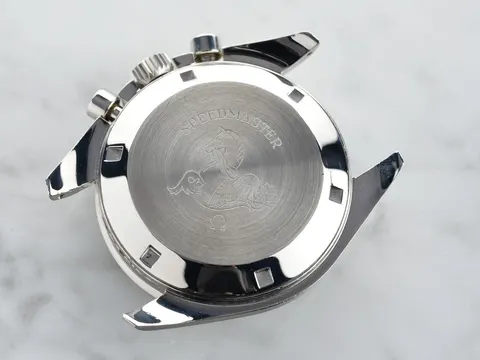
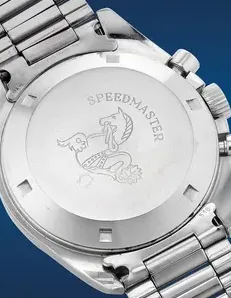
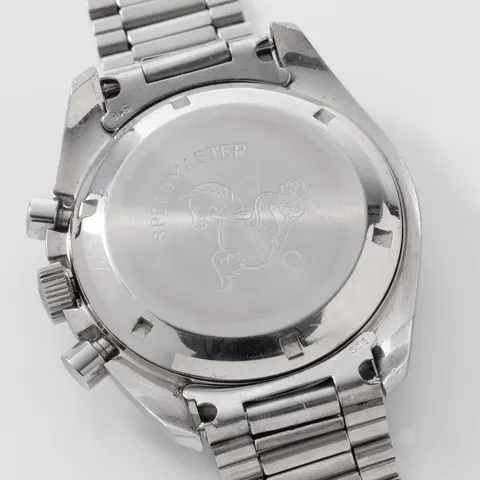
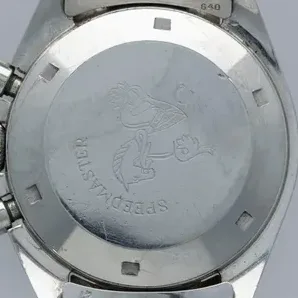
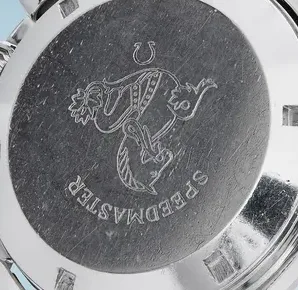
Inside the caseback
Movement
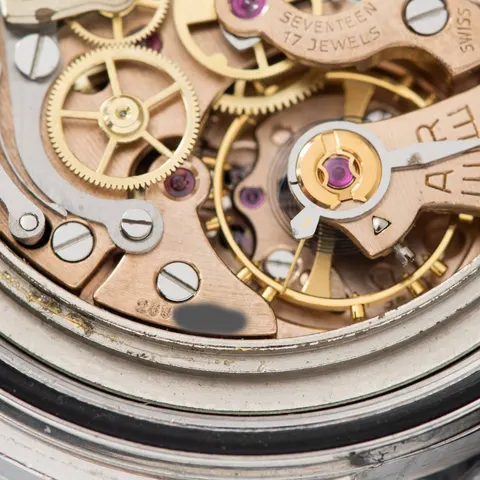
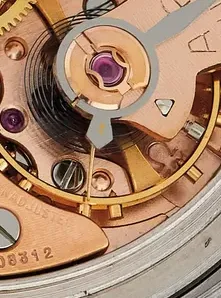
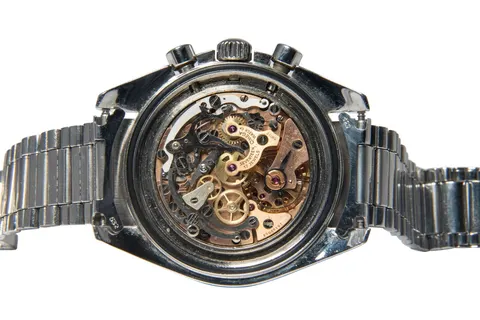


Catalogue versions 4 listed
The full numbers under which holders list this reference, with what their listings say of each. Each has a page of its own.
| Version | Metal | Dial | Years seen | Records |
|---|---|---|---|---|
| 145012-67-SP | Steel | 1968 | 3 | |
| 145012-68SP thin | Steel | 1968 | 2 | |
| 145012-66 thin | Steel | 1966 | 1 | |
| 145012-97 thin | Steel | 1 |
In the records
Counted from 212 listings at 39 holders between 27 November 2013 and 14 November 2026. These are what sellers and auction houses state, not measurements.
Fainter bars are the 6 outside the main run of 1967–1969 (the middle nine-tenths): the earliest is 1965 and the latest 1975. They are early and late examples, and now and then a seller's slip. The head of the page gives 1966–1969: the years that listings from two holders bear out.
At the holders that record papers on every watch, 7% of their 14 listings of this reference come with papers; at those that record the box on every watch, 14% of 14 come with a box. "Papers" is whatever the holder counts as papers, and can include service papers.
Case metal
| Steel | 101 |
Dial colour
| Black | 34 | |
| Brown | 2 | |
| Cream | 1 |
Case size
| 42 mm | 70 | |
| 40 mm | 25 | |
| 41 mm | 7 |
Calibre named
| 321 | 142 | |
| 861 | 3 |
Bracelet or strap
| Metal bracelet, kind not stated | 50 | |
| Leather strap | 26 | |
| Fabric strap | 2 |
Each table counts the listings that state the thing, in the seller's own terms. A size, metal, colour or calibre that cannot belong to this reference is a seller's slip or a listing filed under the wrong number.