Speedmaster Professional Mark II
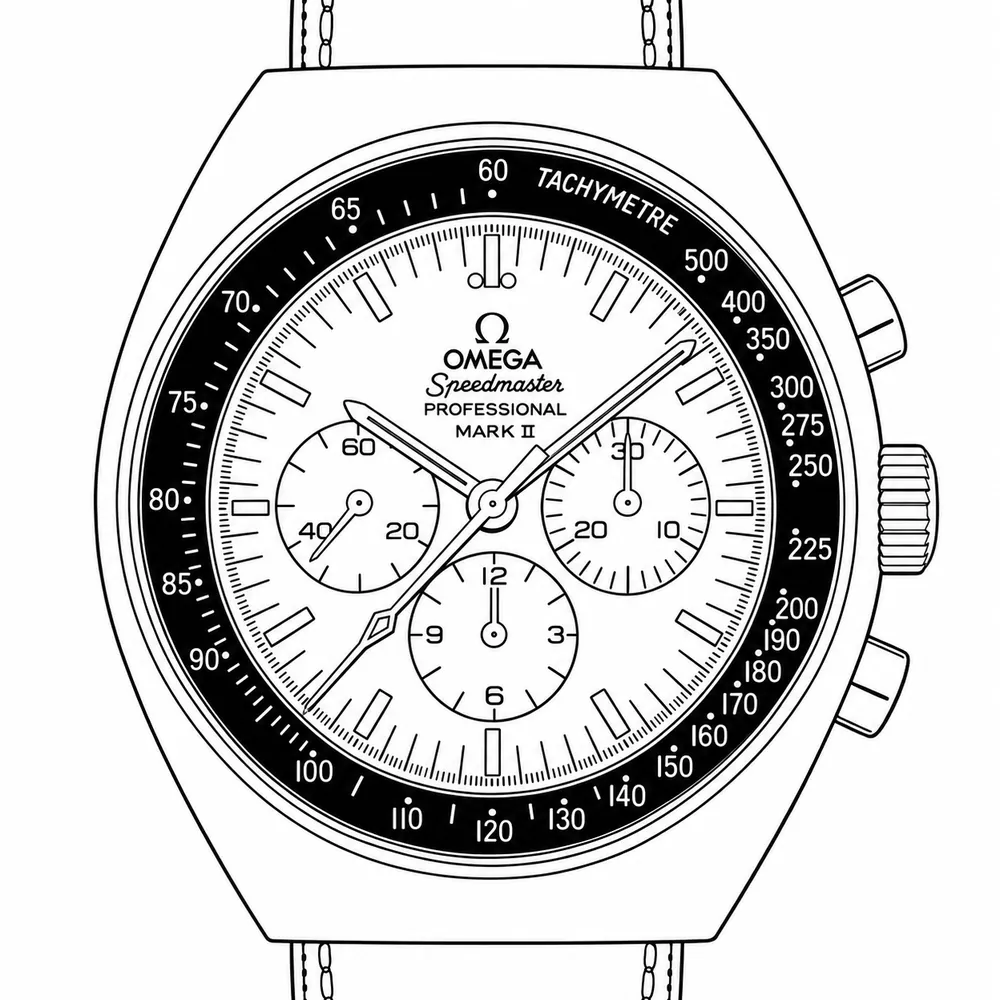
The Speedmaster Professional Mark II was introduced in 1969 as the first of the Mark series and the first Speedmaster to leave the lyre-lug Moonwatch case. It has a smooth tonneau case with hooded lugs, a flat mineral crystal with the tachymeter scale printed on its underside, and the hand-wound calibre 861 shared with the Moonwatch of the same years. The dial is the Moonwatch layout with 'Mark II' added below 'Professional'. A black dial in a steel case is the usual form; a grey racing dial with orange accents was also made under the same reference 145.014, and a gold version with a maroon tachymeter ring is listed under its own reference, MD145.034. Production is generally put at 1969 to 1975. The Mark II was offered to NASA but was not tested by it.
- Made
- 1969–1975dates approximate
- Seen in the library
- 1969–1976nine in ten in 1969–1975 · by years sellers state
- Case
- 42 mm · steelas sellers state
- Movement
- Calibre 861hand-wound
- On record
- 152 listings241 photographs · 36 holders
Components
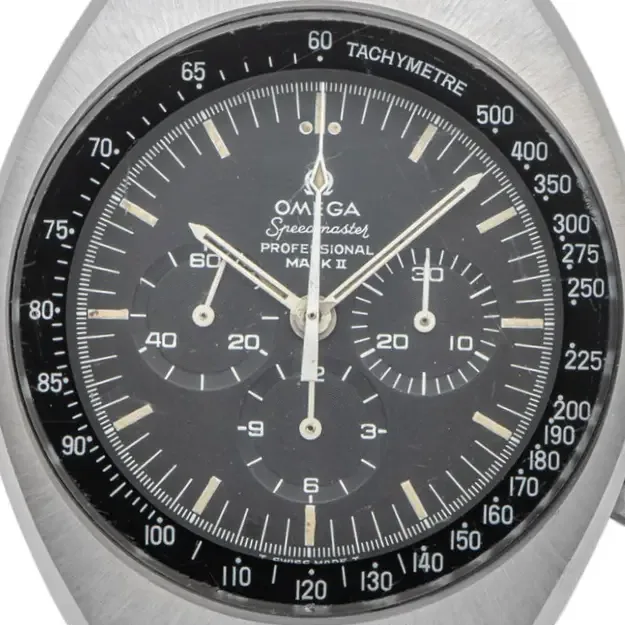
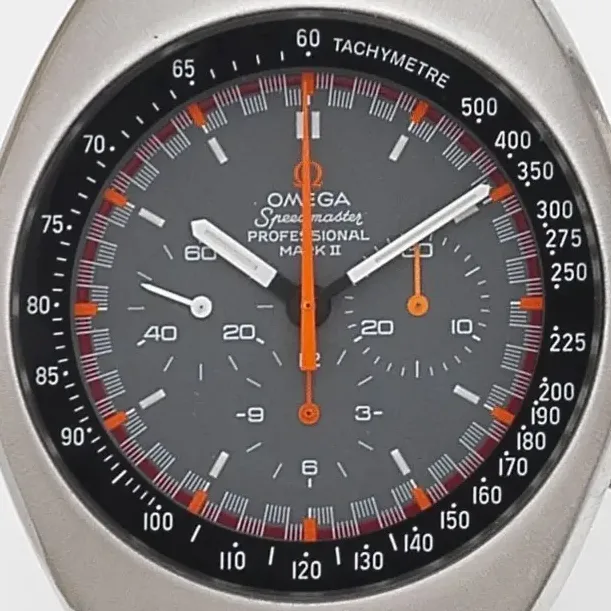
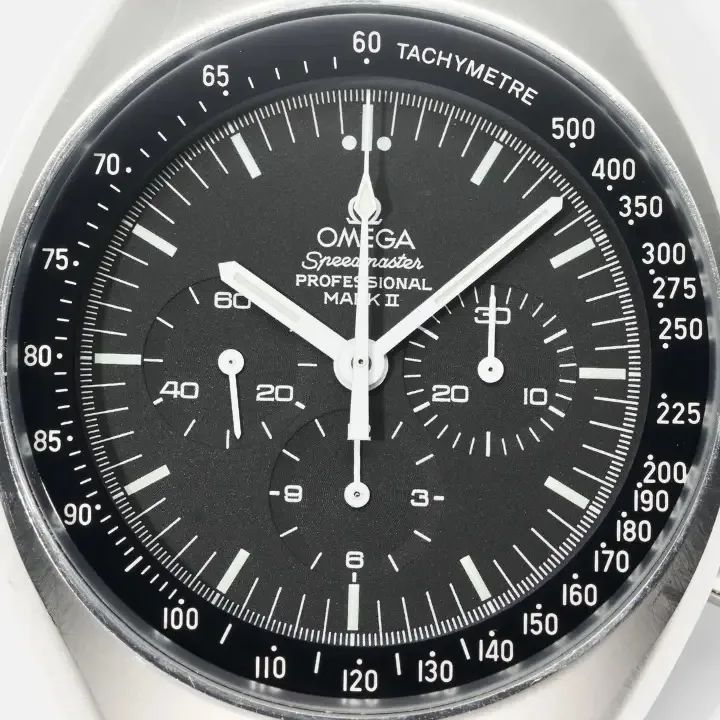
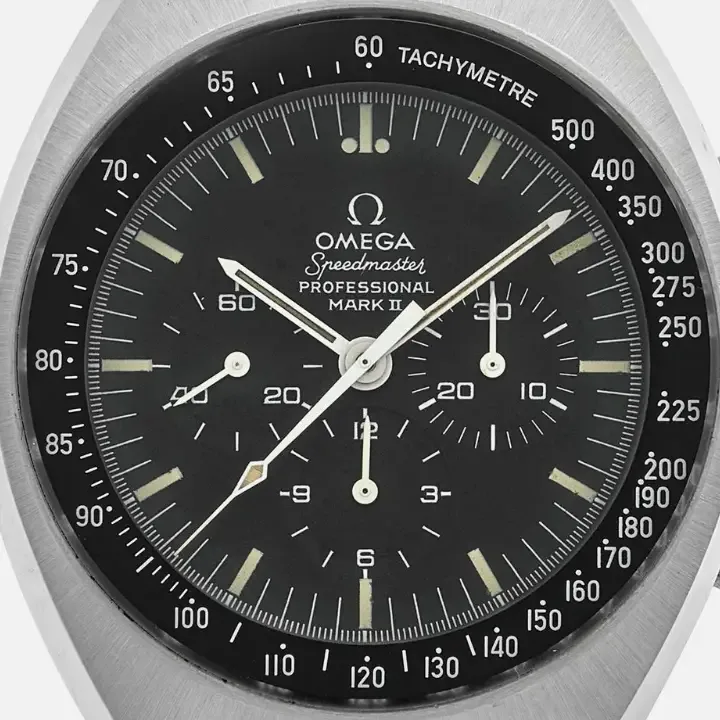
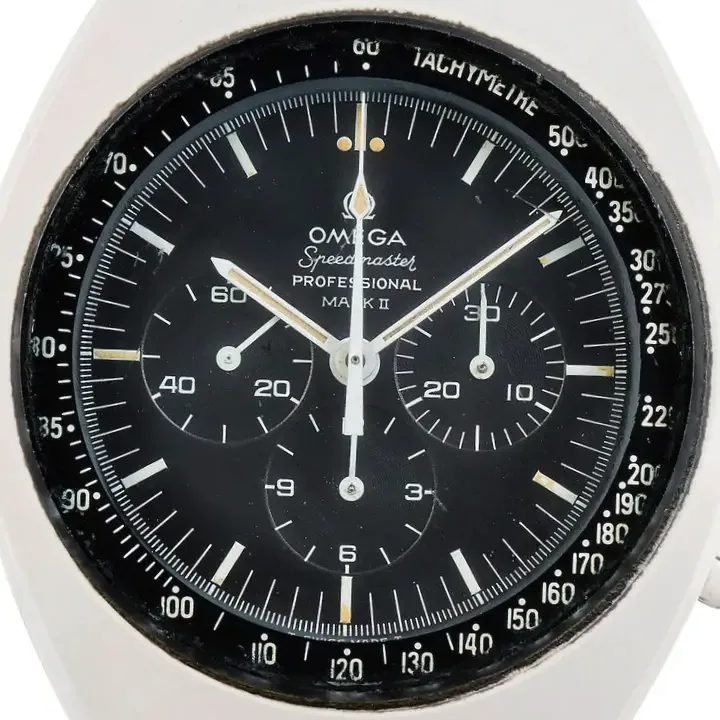
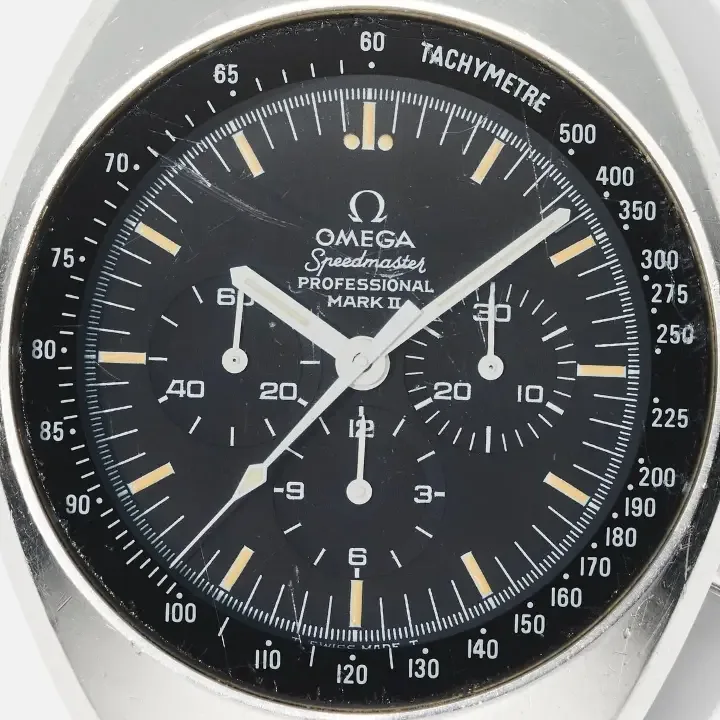
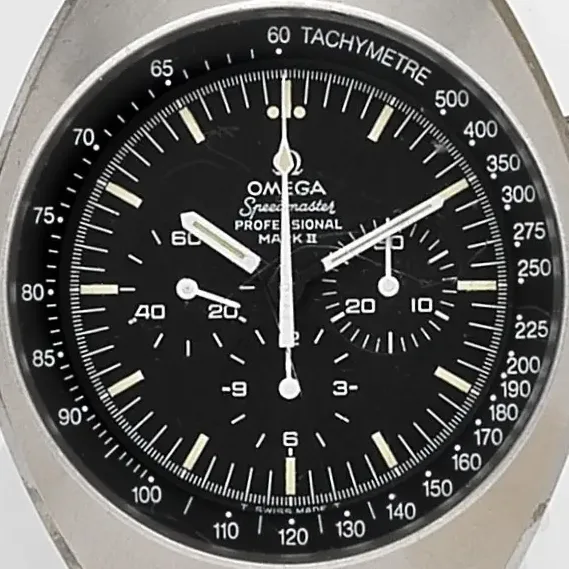
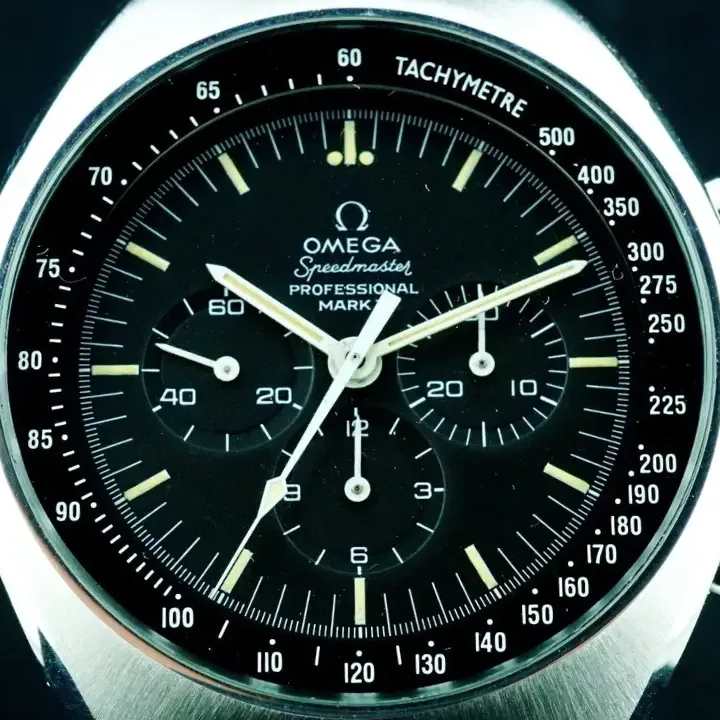
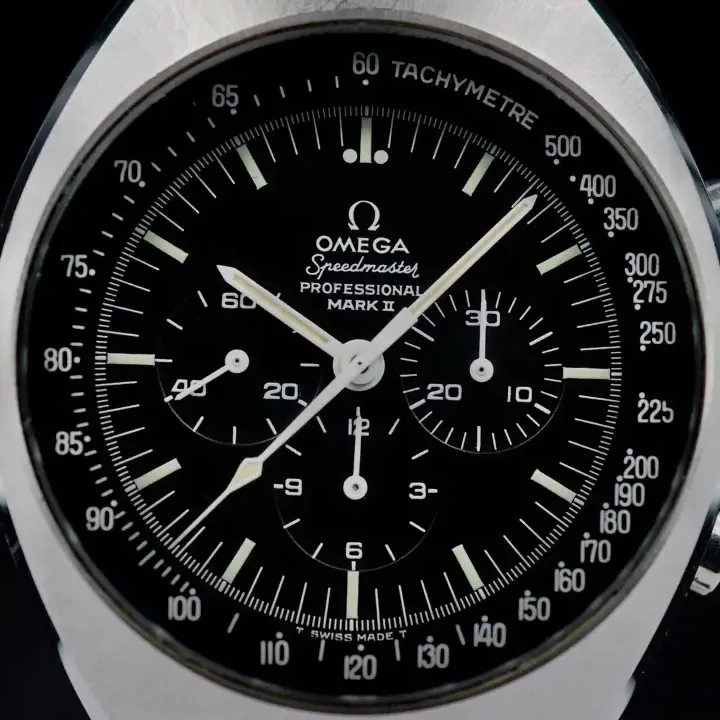
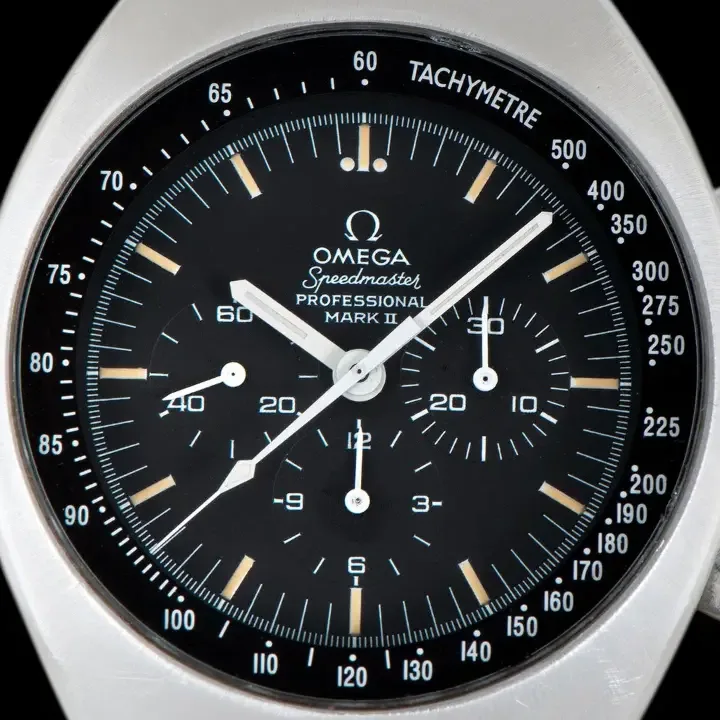
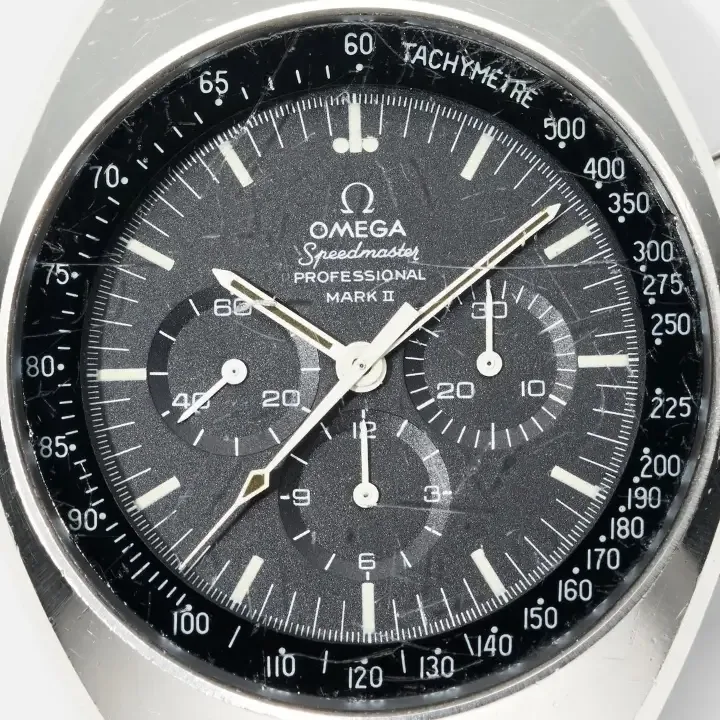
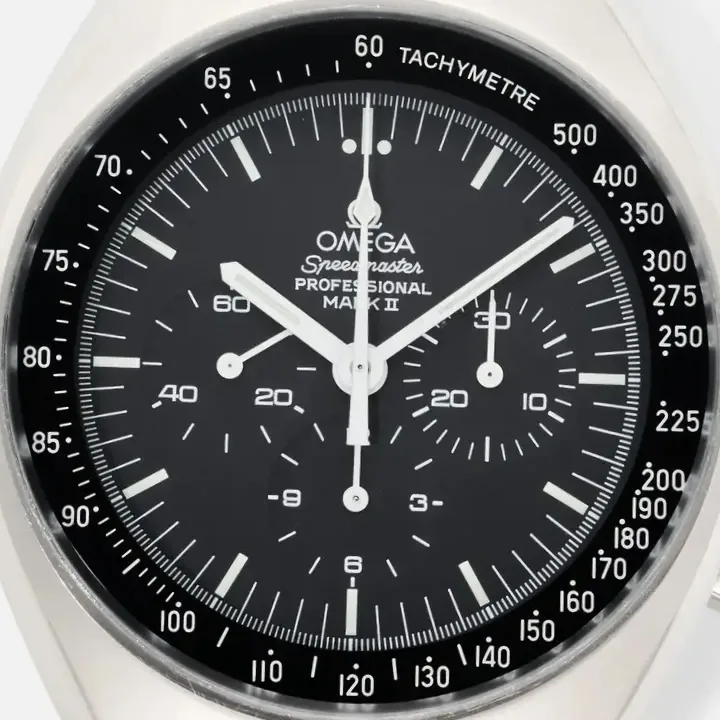
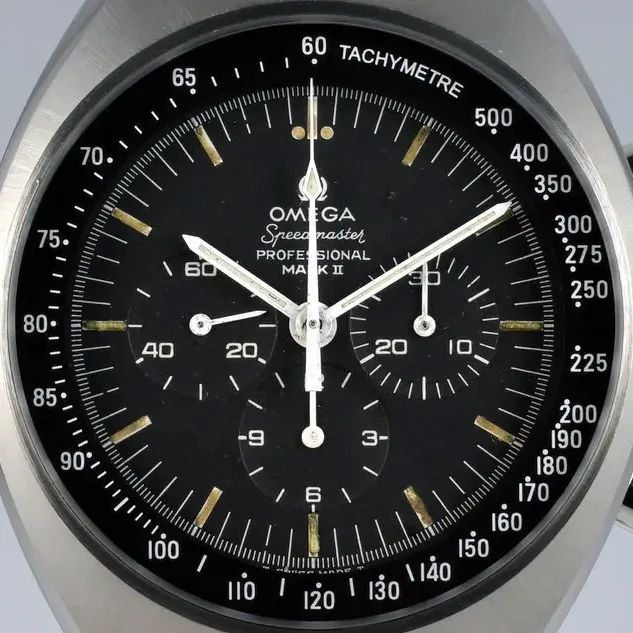
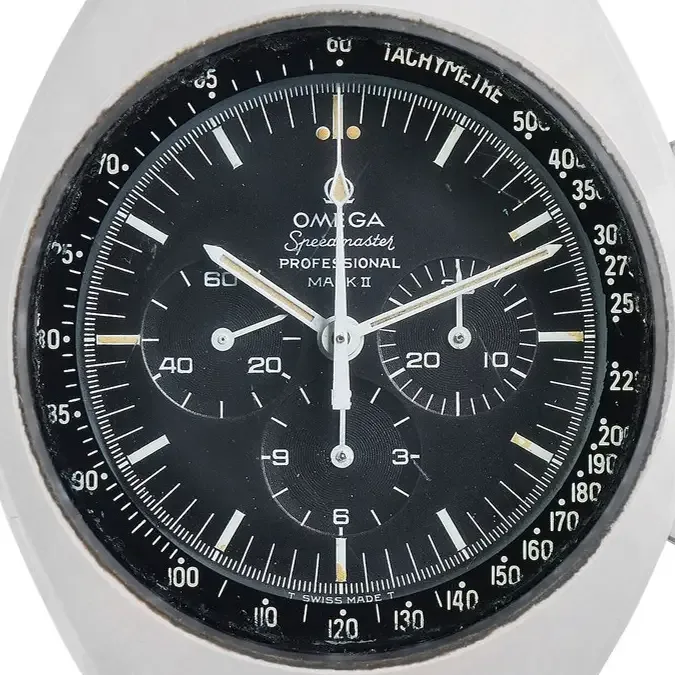
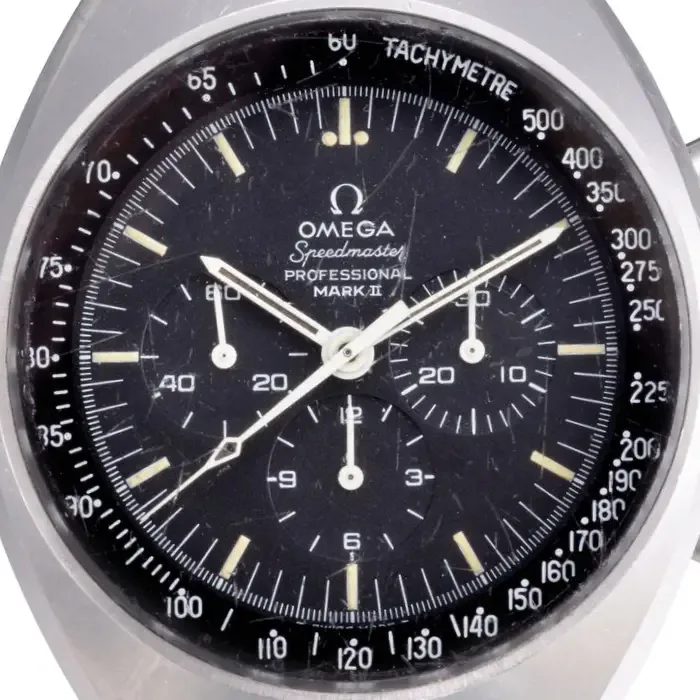
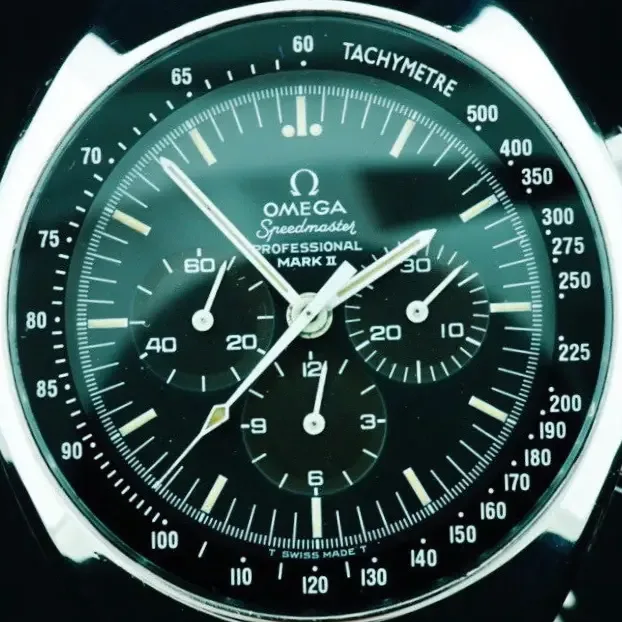
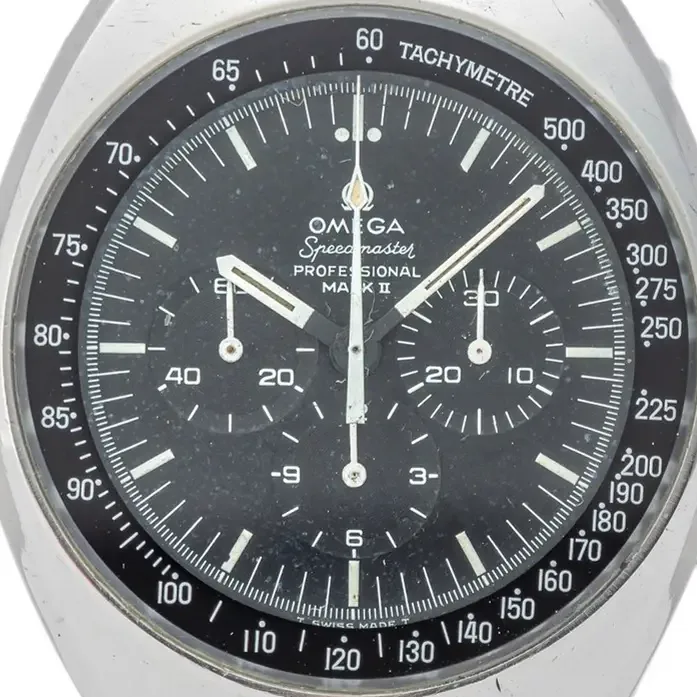
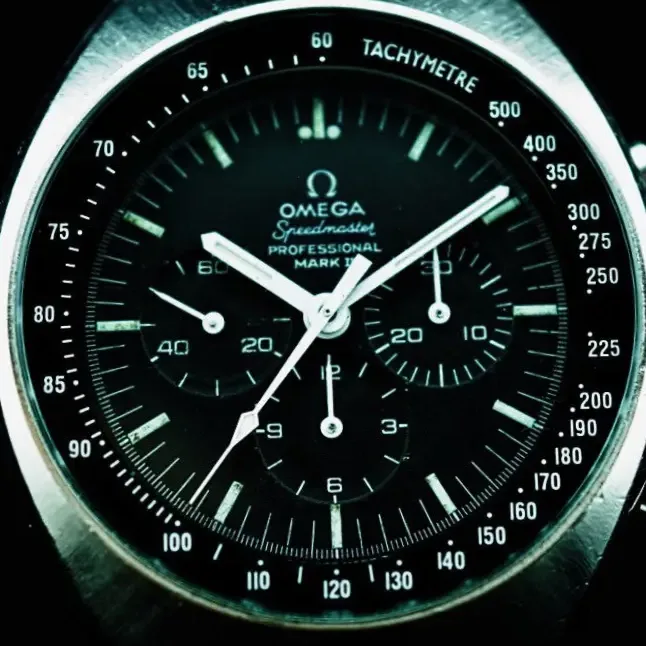
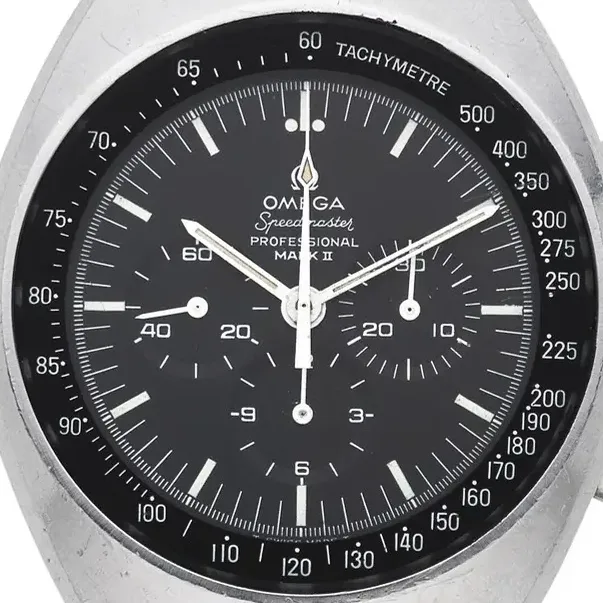
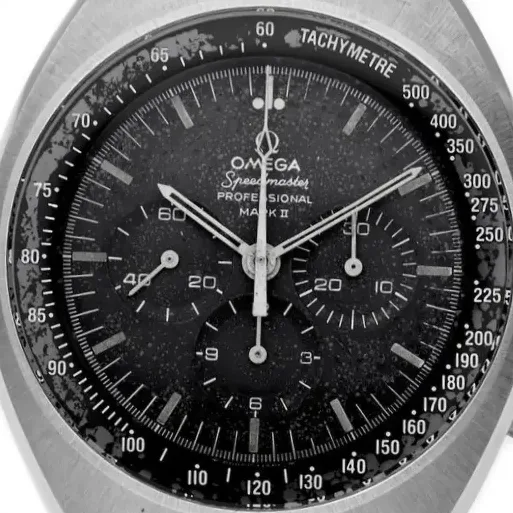
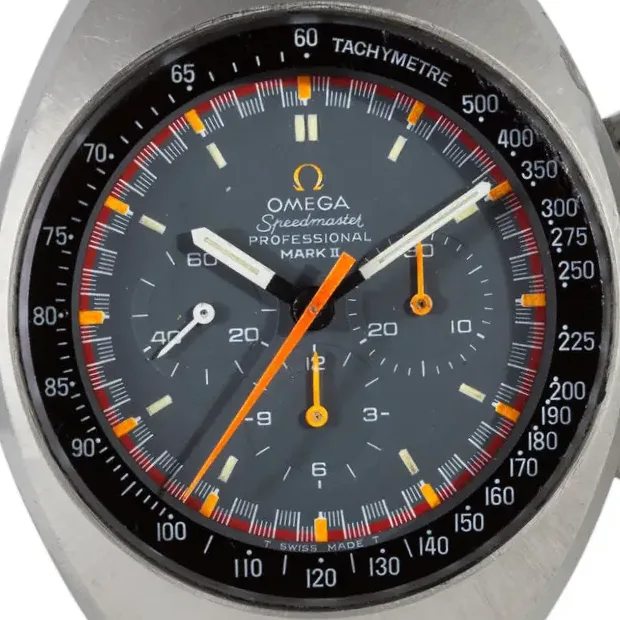
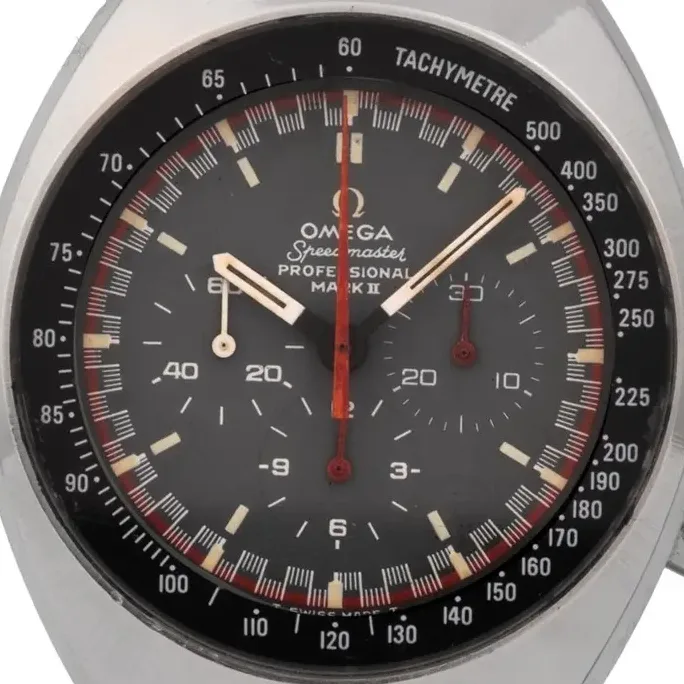
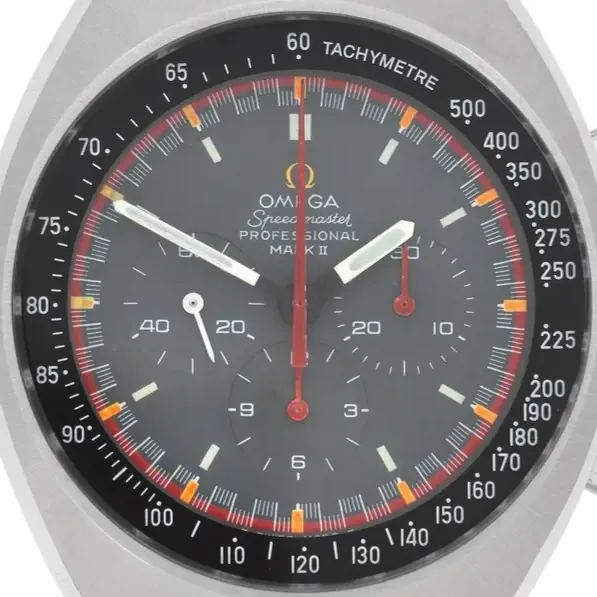
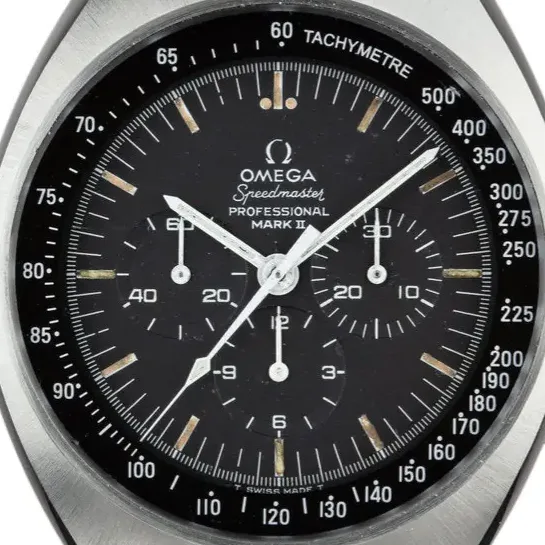
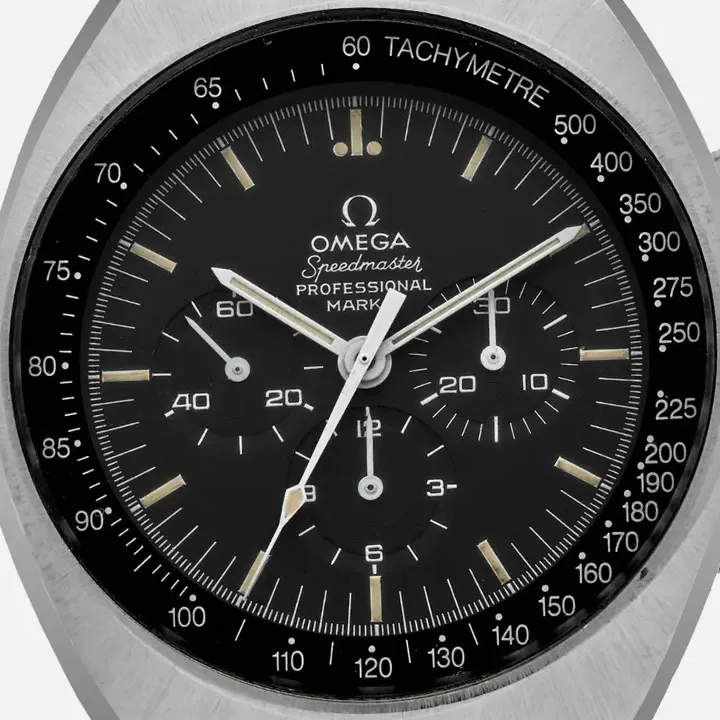
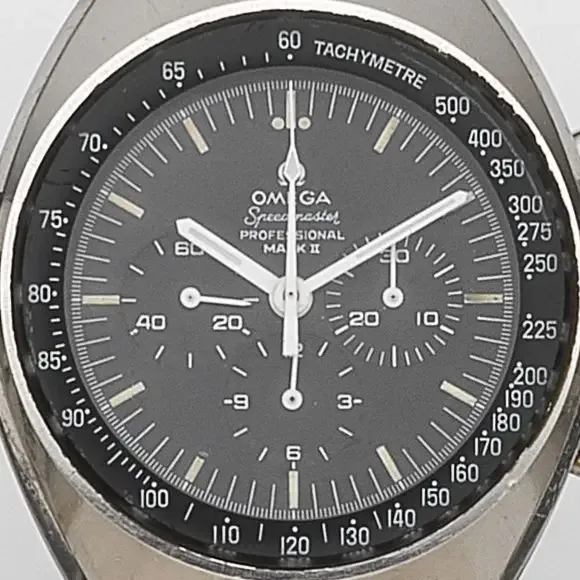
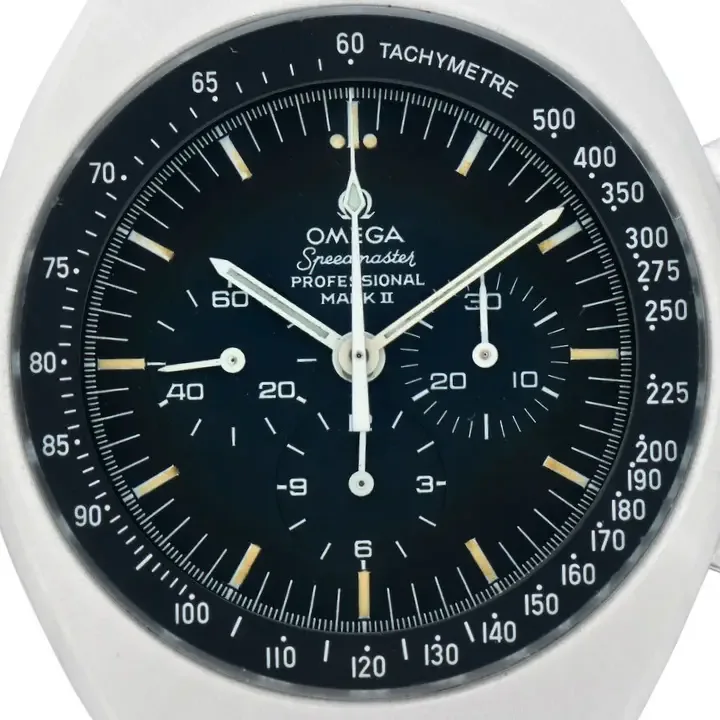
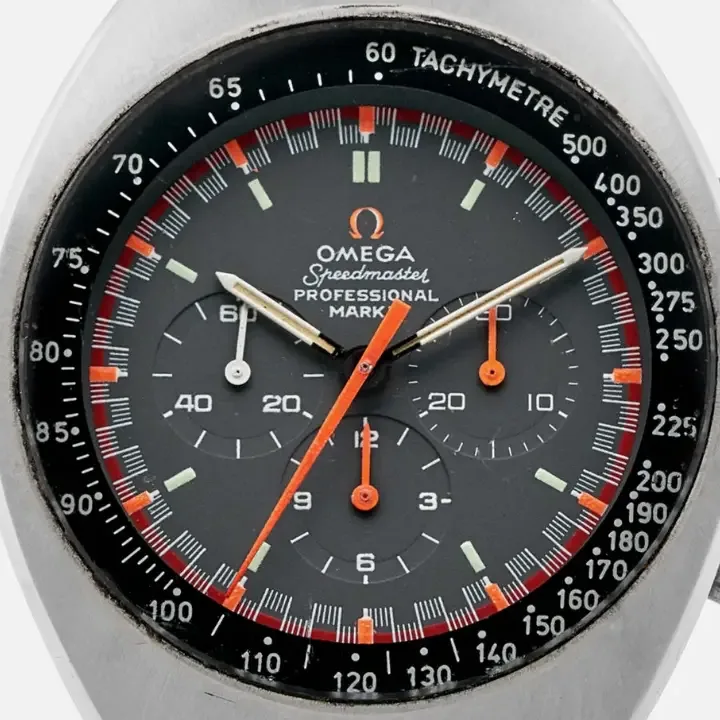
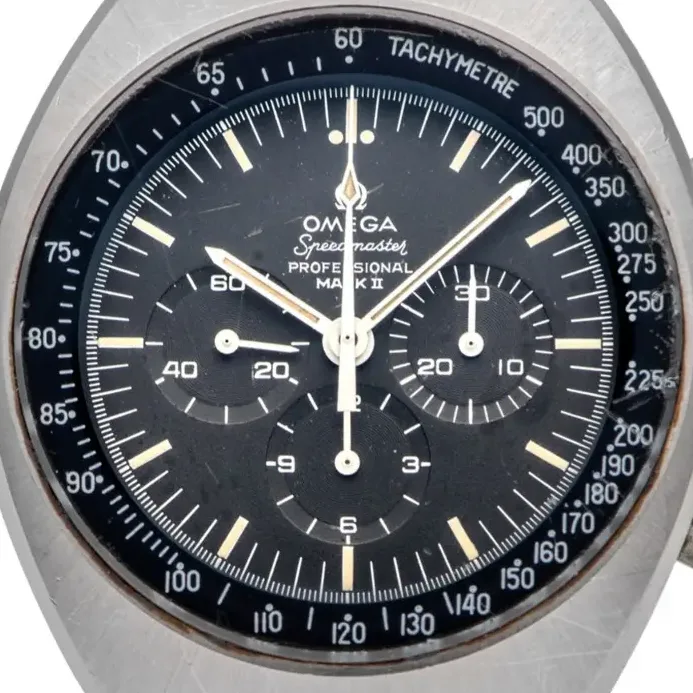
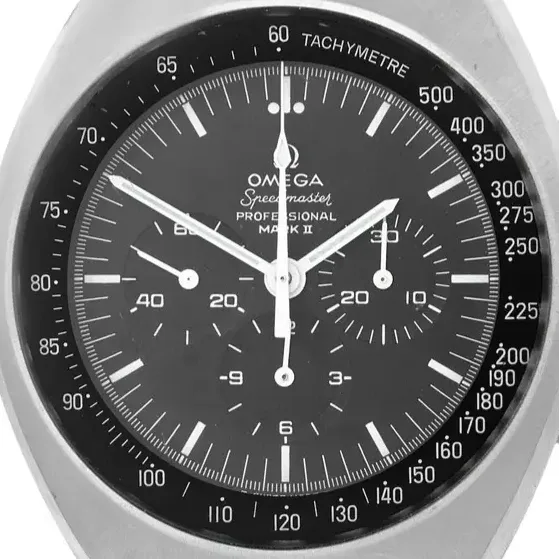
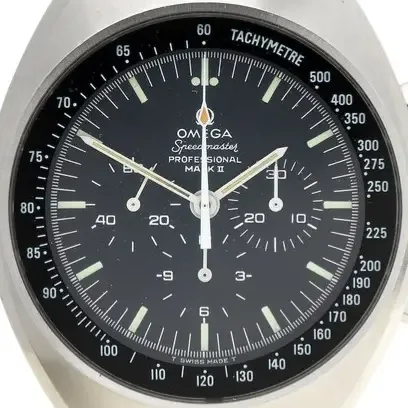
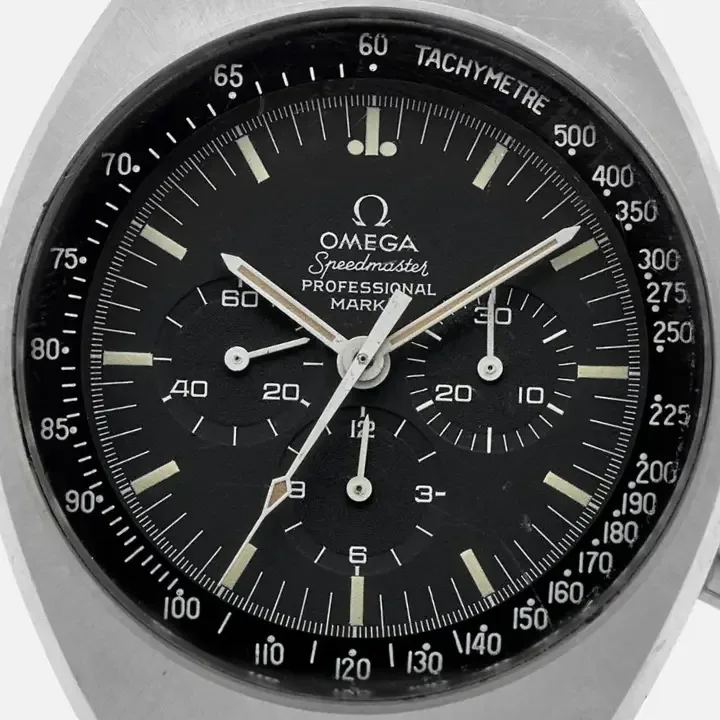
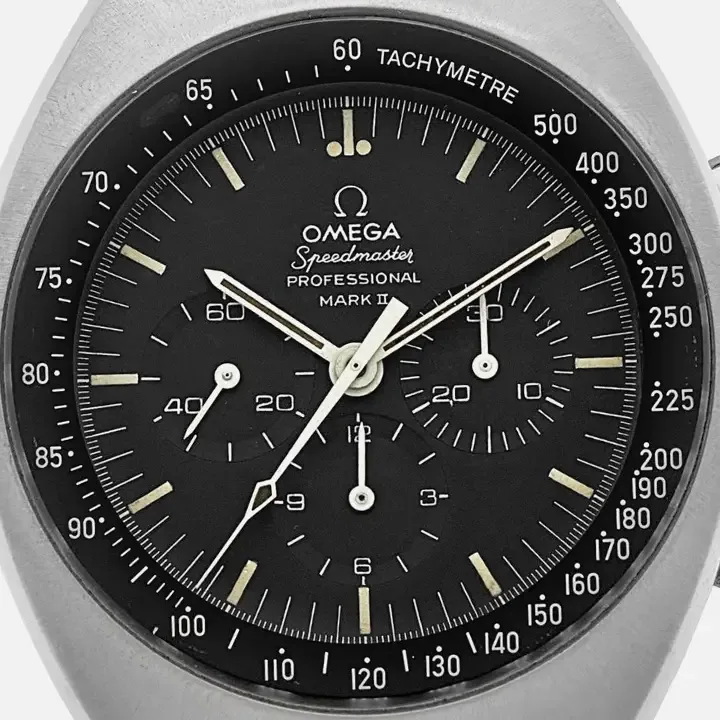
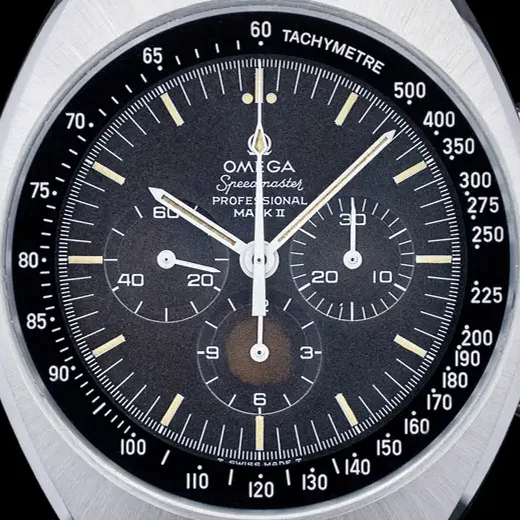
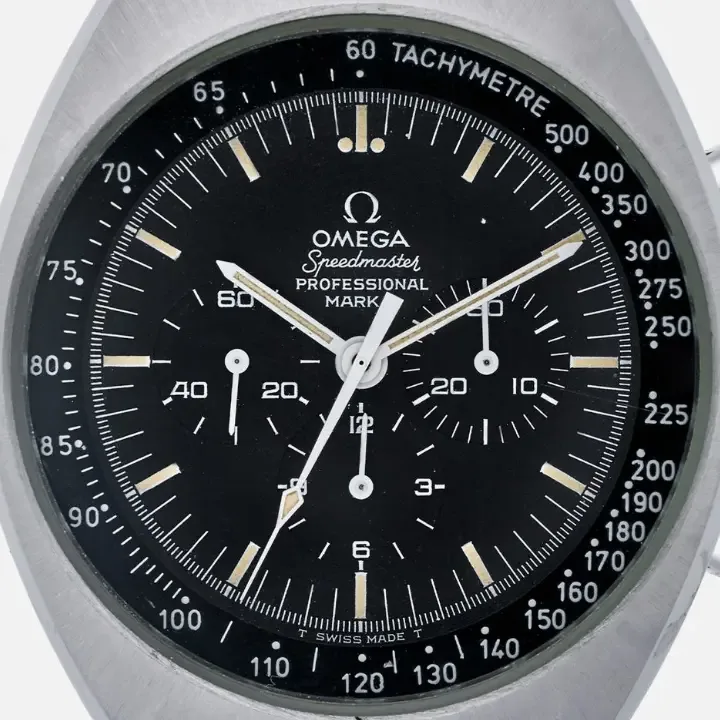
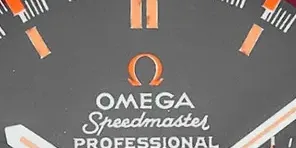
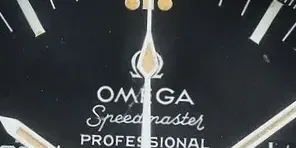
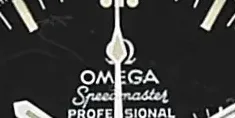
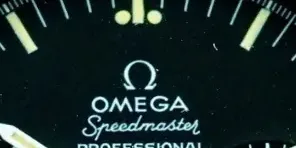
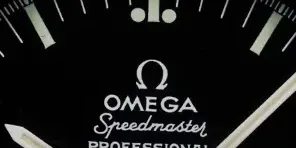
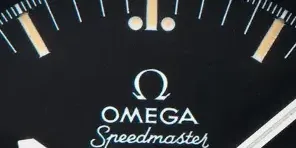
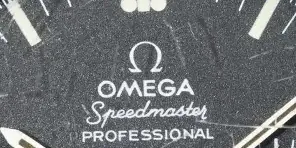
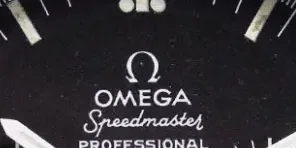
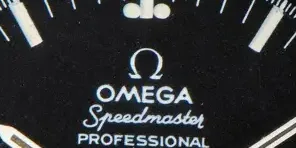
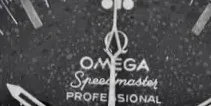
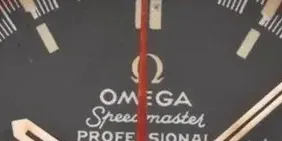
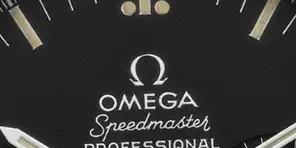
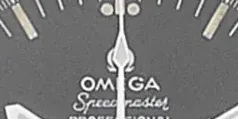
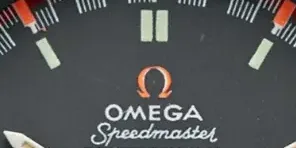
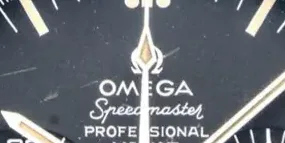
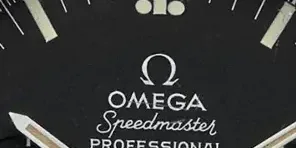
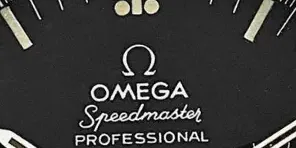
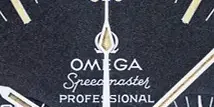
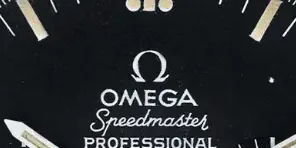
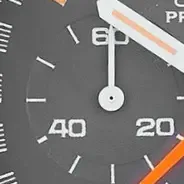
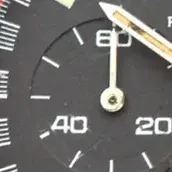
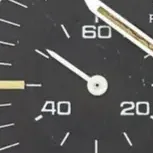
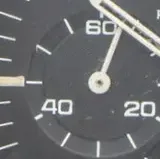
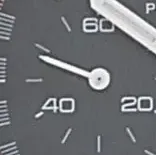
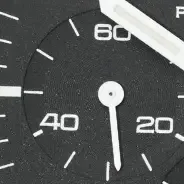
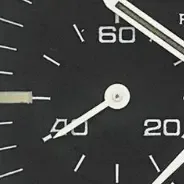
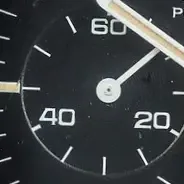
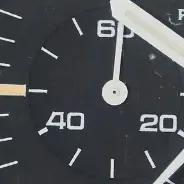
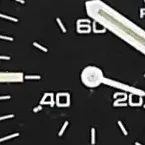
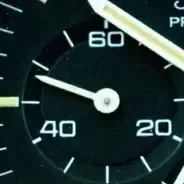
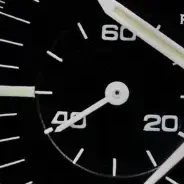
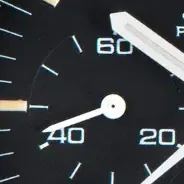
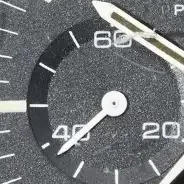
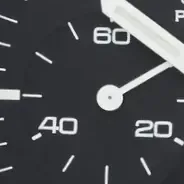
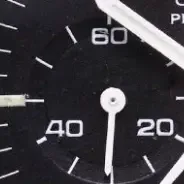
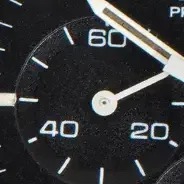
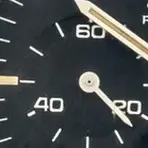
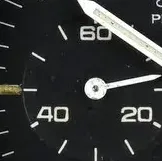
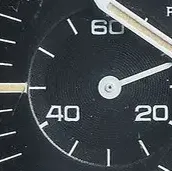
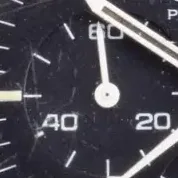
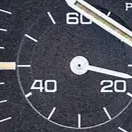
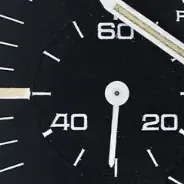
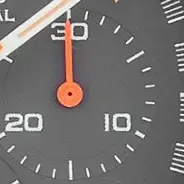
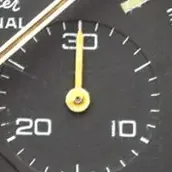
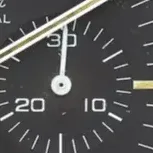
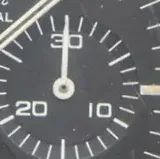
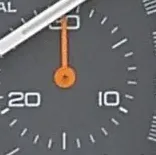
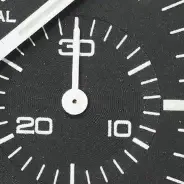
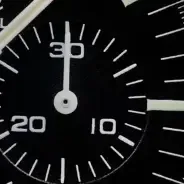
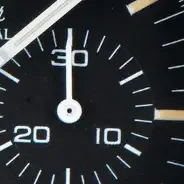
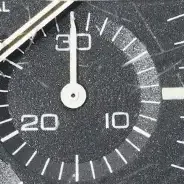
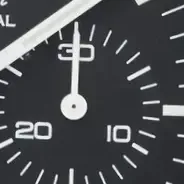
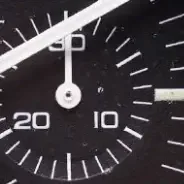
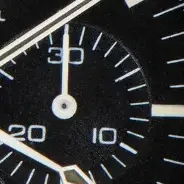
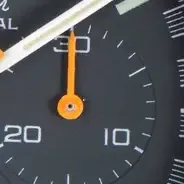
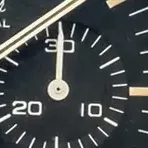
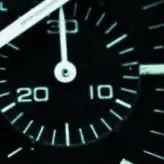
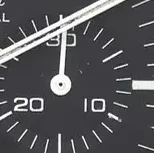
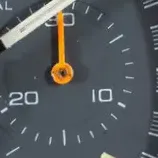
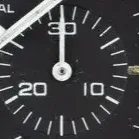
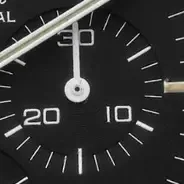
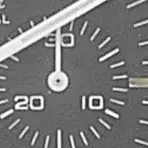
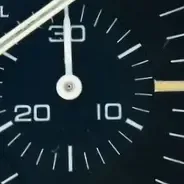
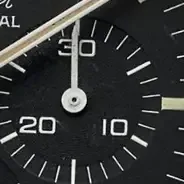
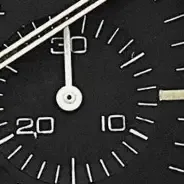
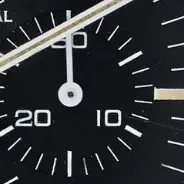
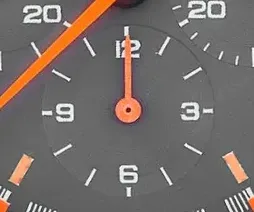
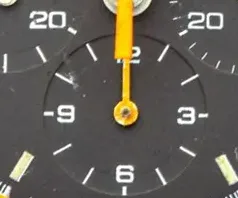
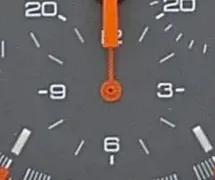
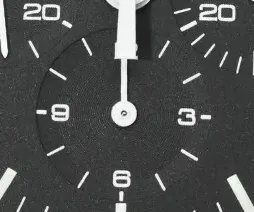
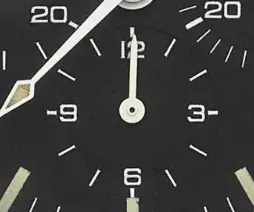
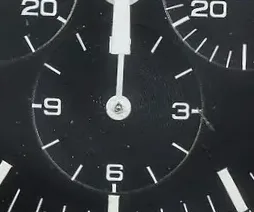
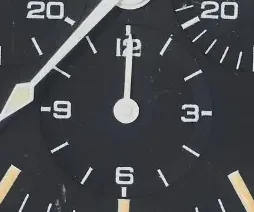
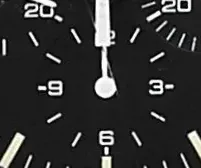
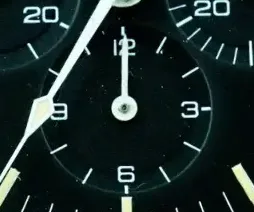
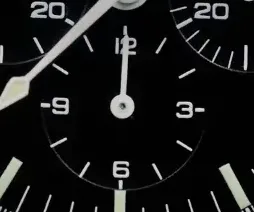
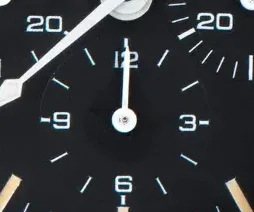
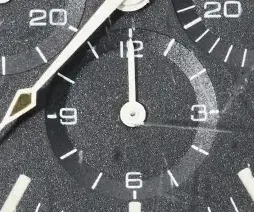
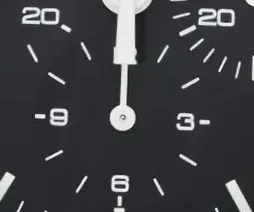
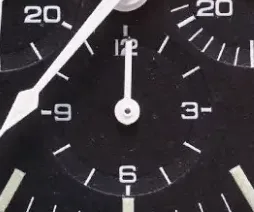
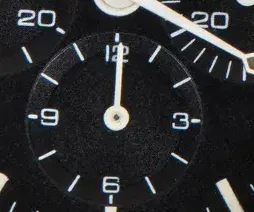
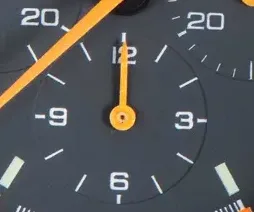
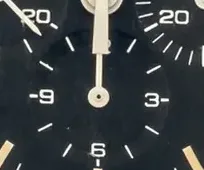
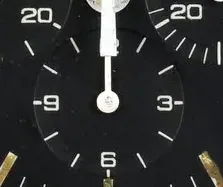
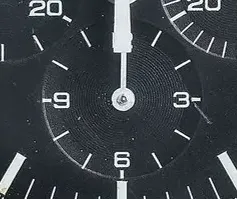
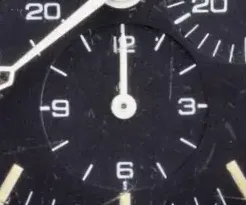
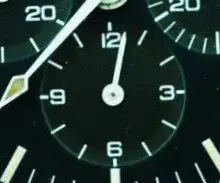
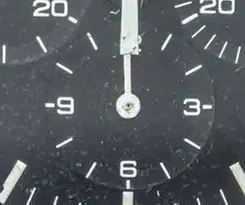
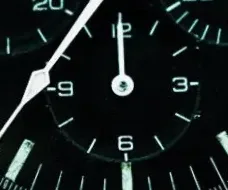
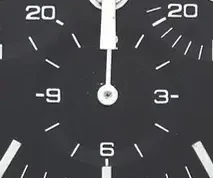
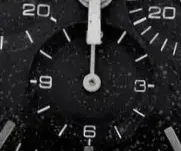
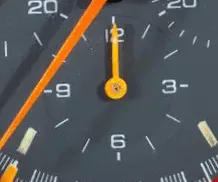
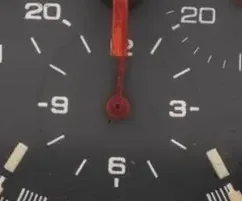
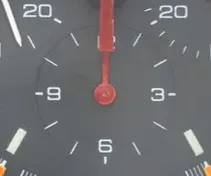
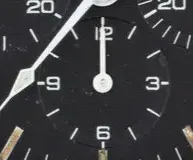
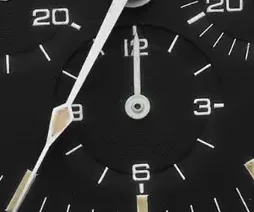
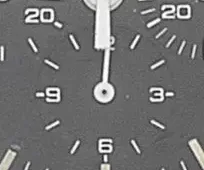
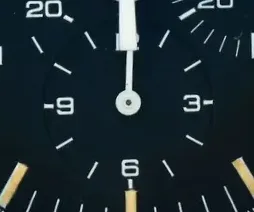
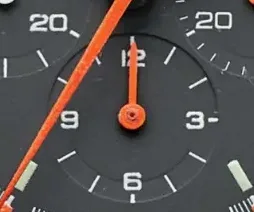
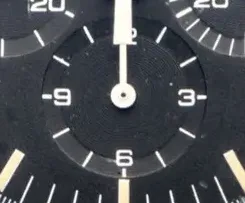
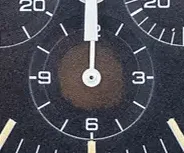
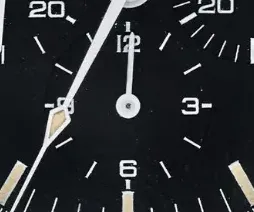
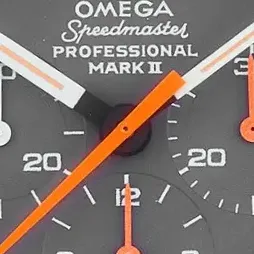
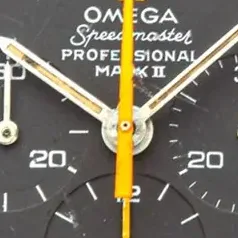
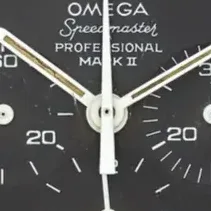
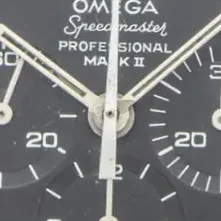
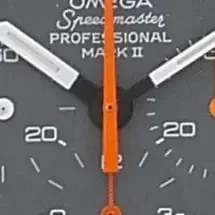
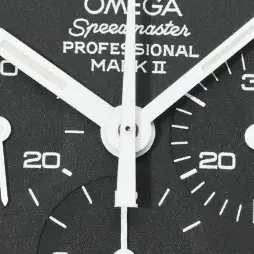
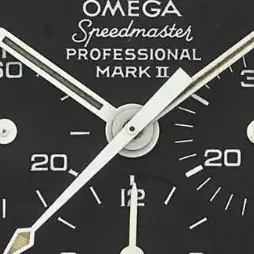
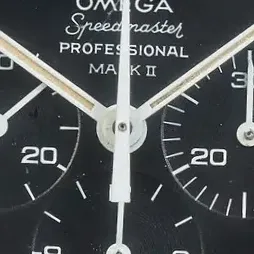
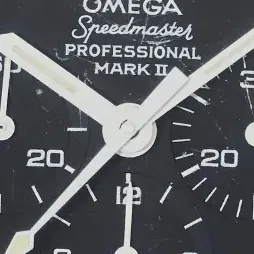
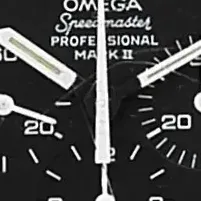
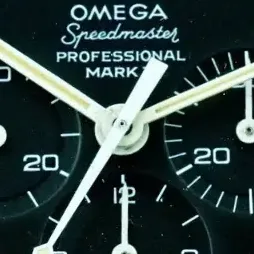
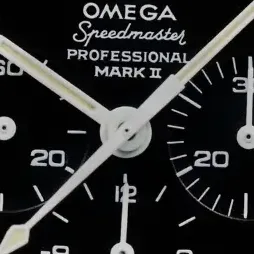
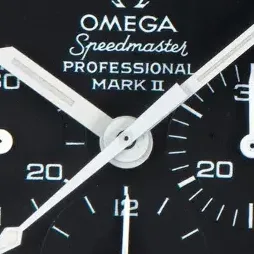
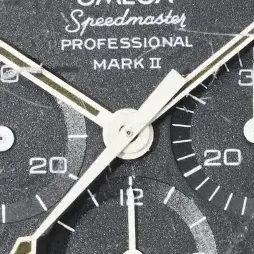
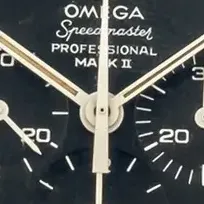
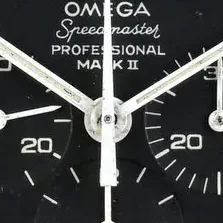
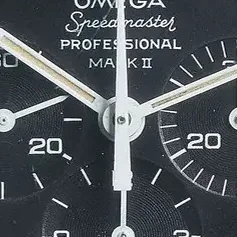
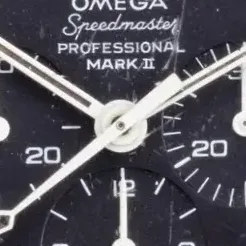
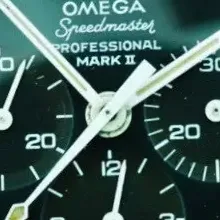
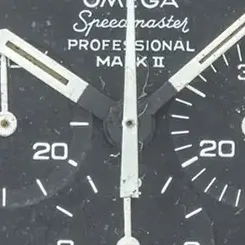
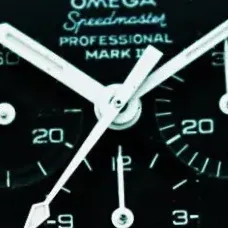
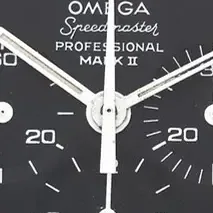
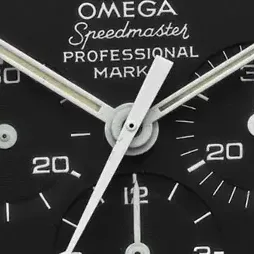
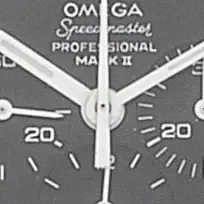
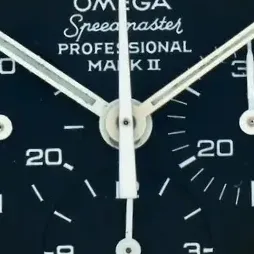
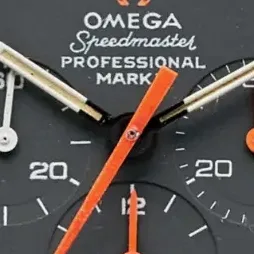
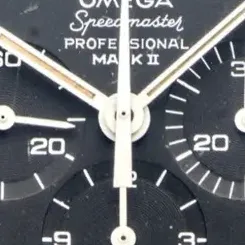
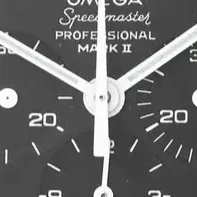
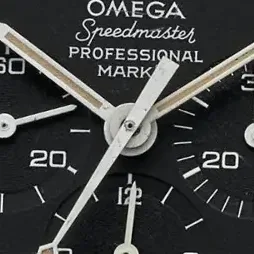
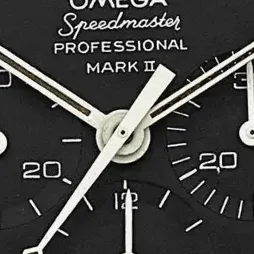
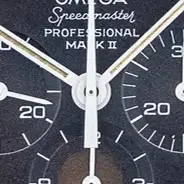
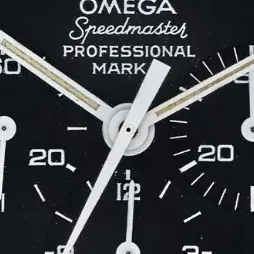
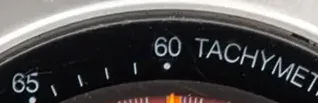
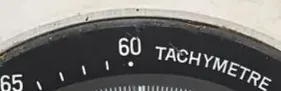
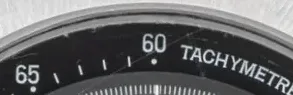
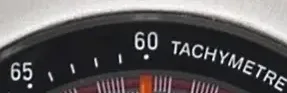
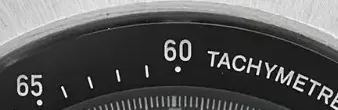
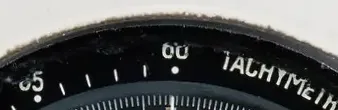
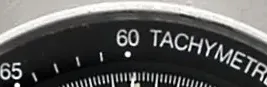
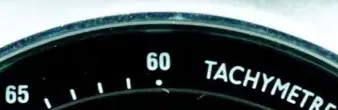
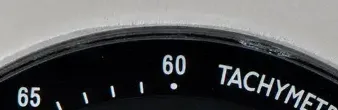
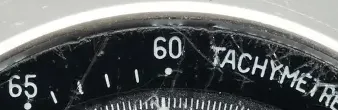
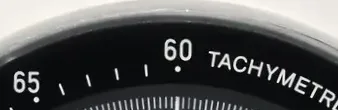
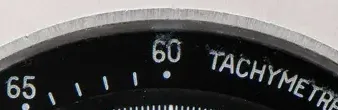
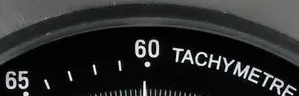
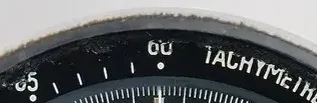
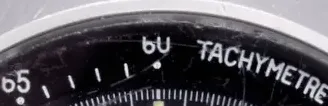
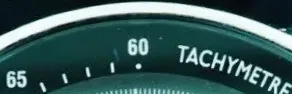
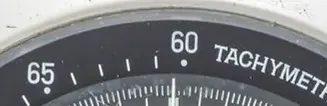
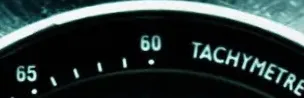
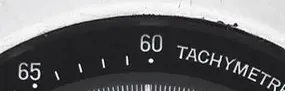
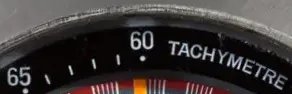
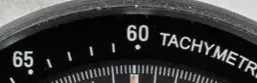
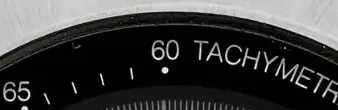
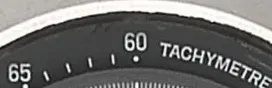
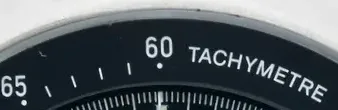
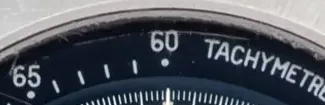
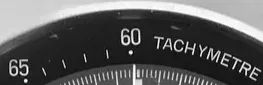
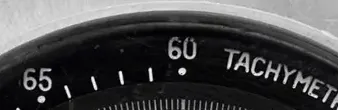
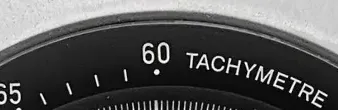
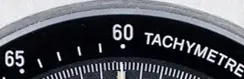
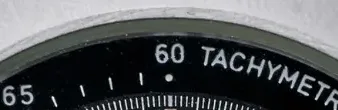
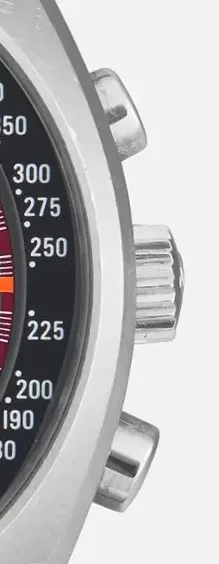
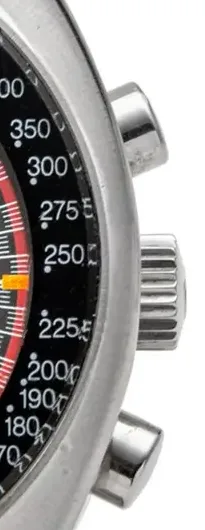
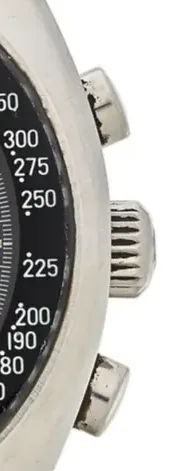
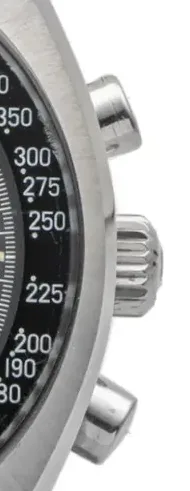
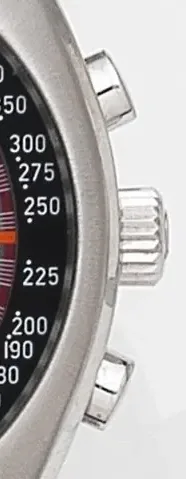
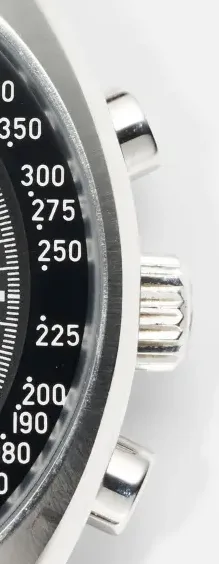
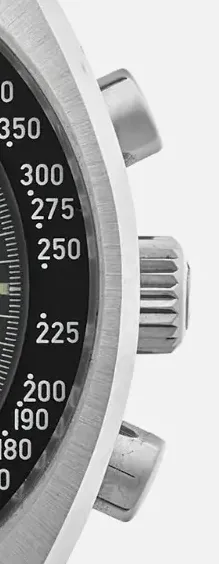
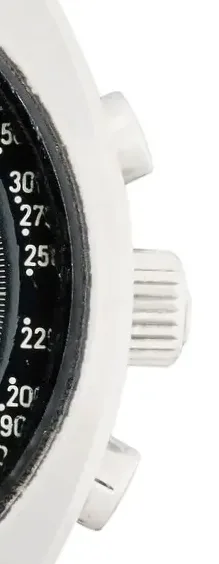
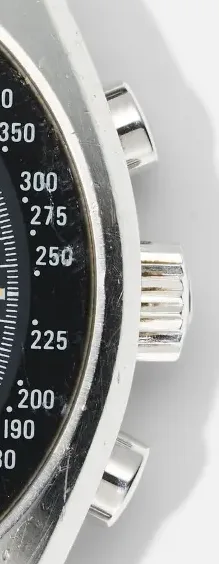
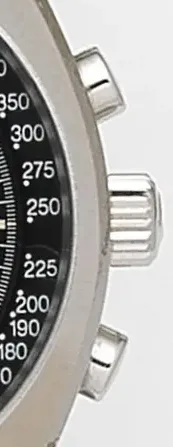
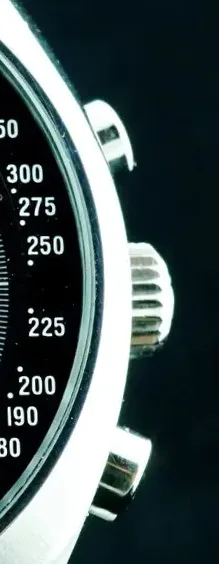
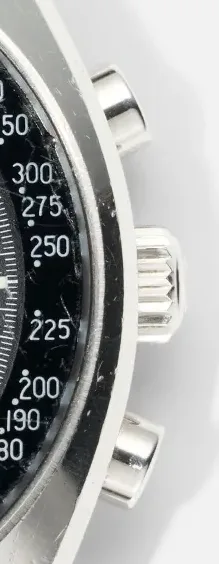
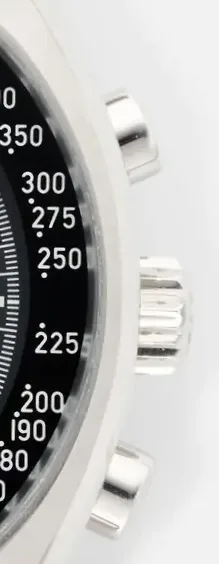
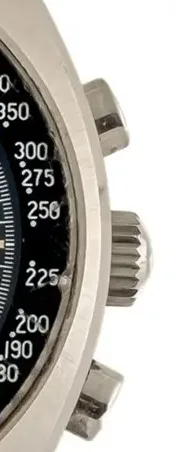
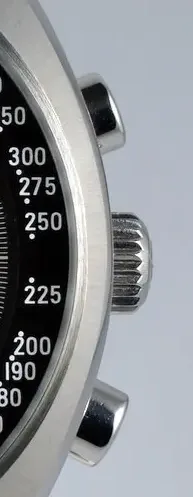
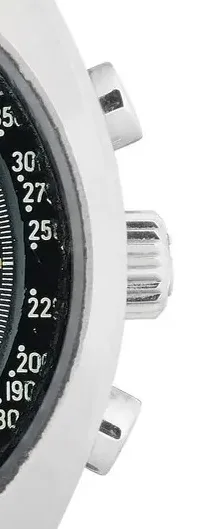
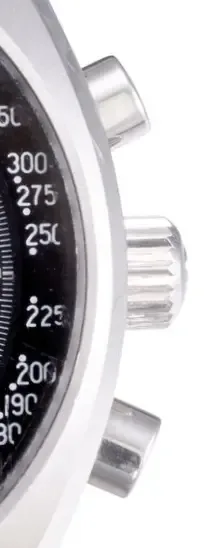
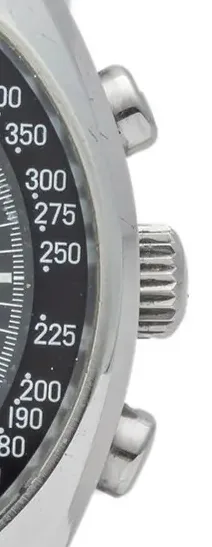
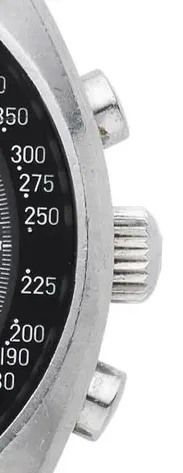
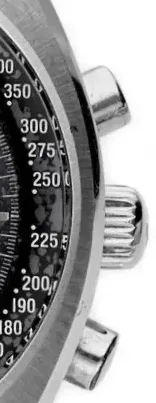
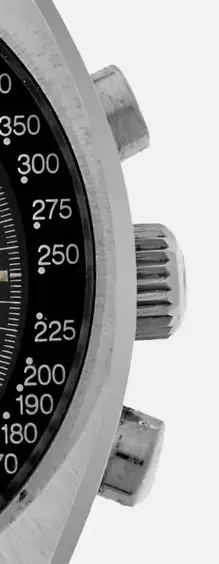
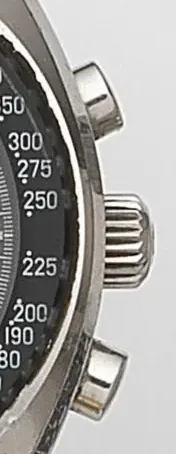
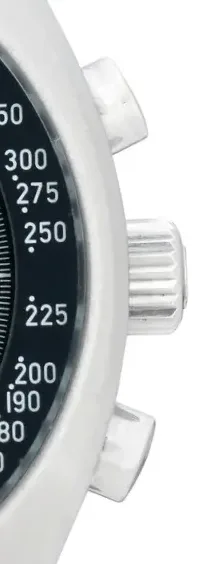
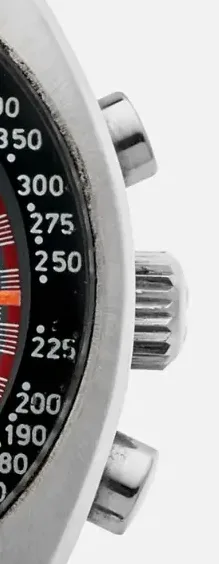
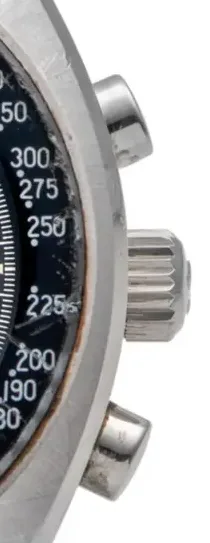
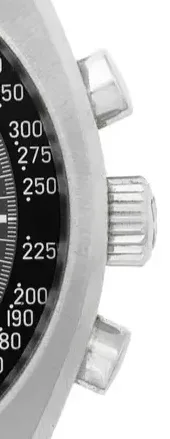
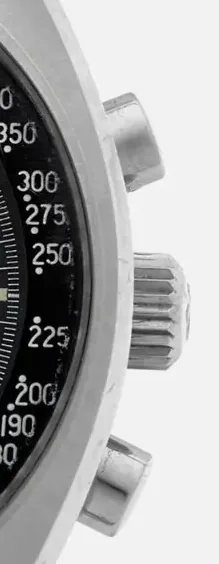
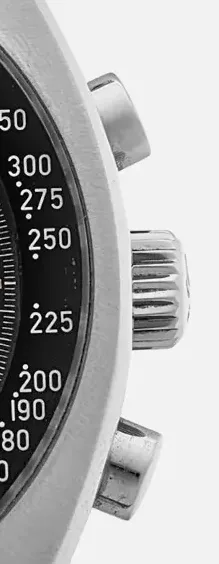
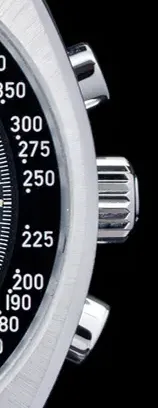
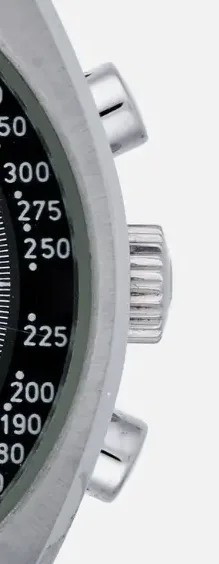
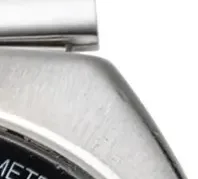
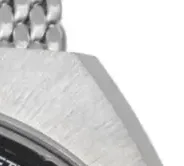
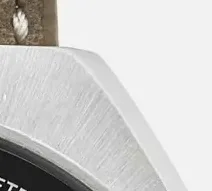
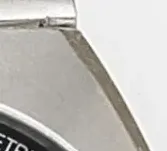
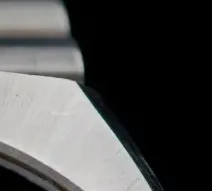
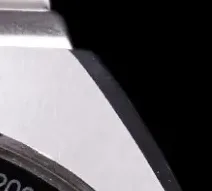
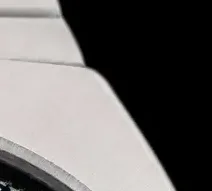
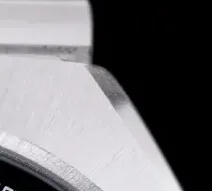
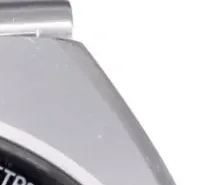
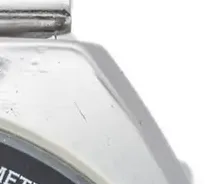
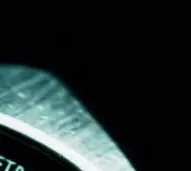
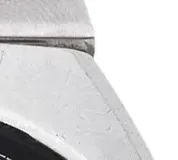
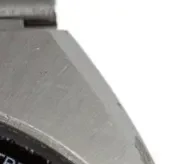
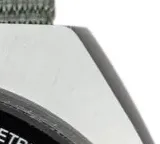
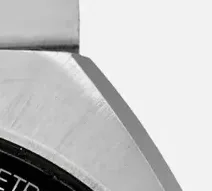
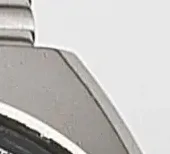
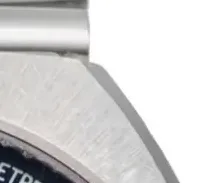
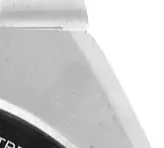
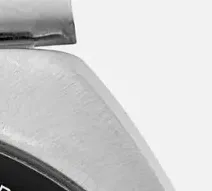
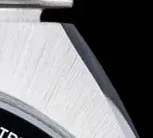
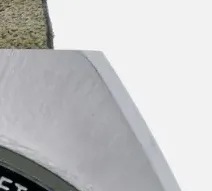
42 watches, oldest first, each straightened and cut the same way so that one row shows one component across them all. Chosen from 241 photographs on file for sharpness and for a face typical of the reference. A year marked c. is one its holder gives only roughly. Each picture is a detail cut from a listing photograph. Select the small mark in its corner for its year, its holder, a link to the listing it came from, and a way to report it.
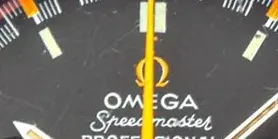
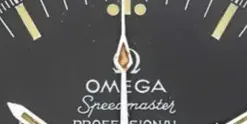
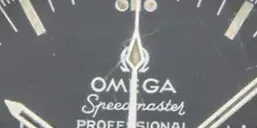
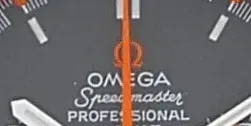





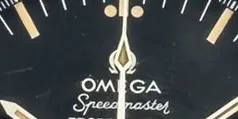
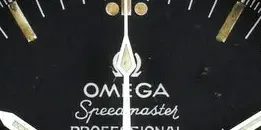
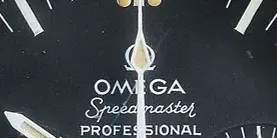
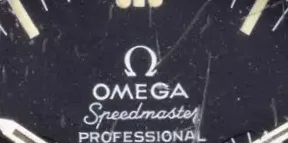











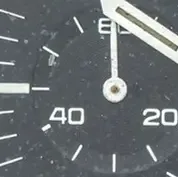
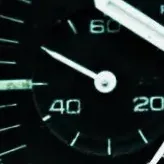
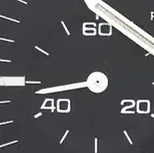

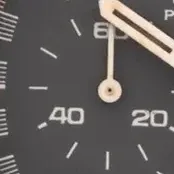
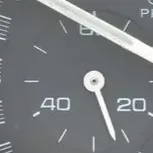
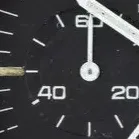
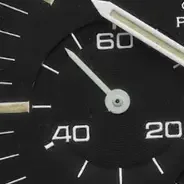
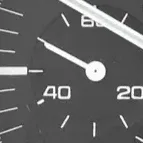
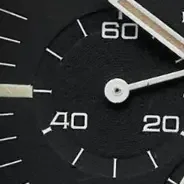
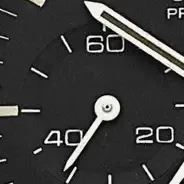
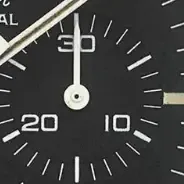
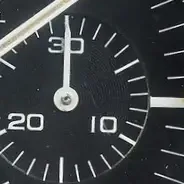
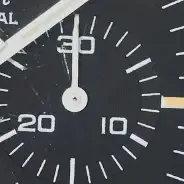

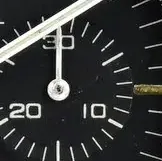
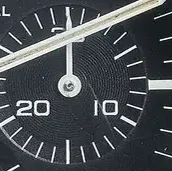

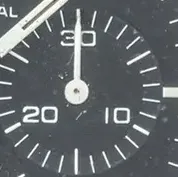


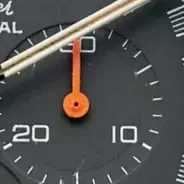
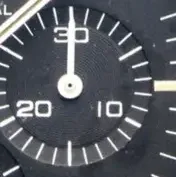
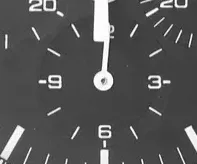
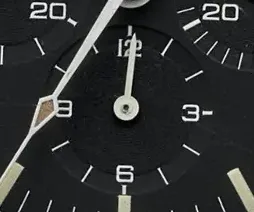
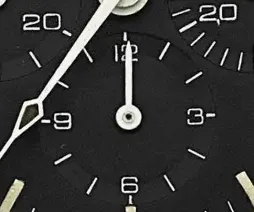
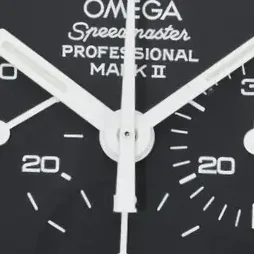
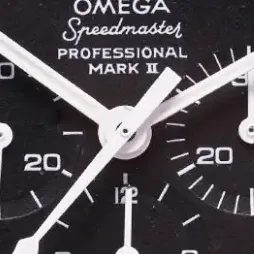
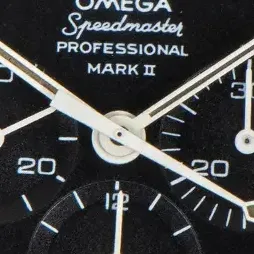
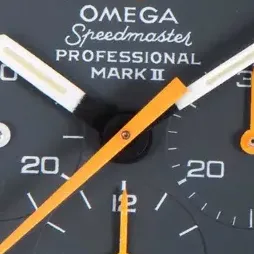
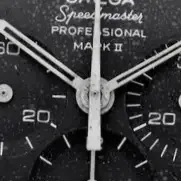

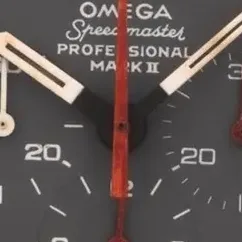
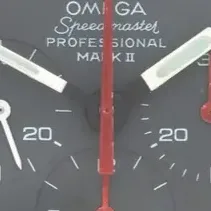
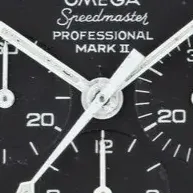









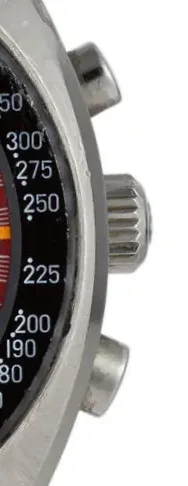
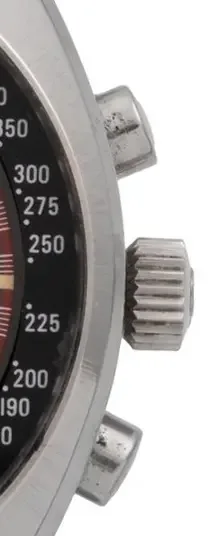
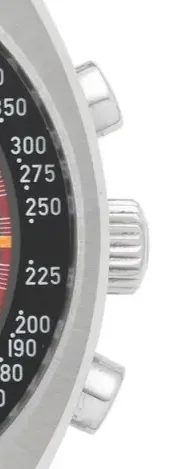
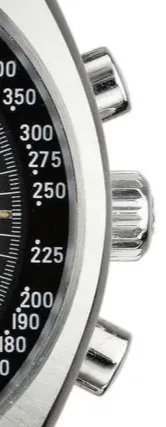




















Chronology
The literature gives 1969 as the launch and the mid-1970s as the end, usually 1975; individual watches are dated only by sellers and by one extract of the maker's records.
Specification
| Case | Stainless steel tonneau ('C' or egg-shaped) case with integrated, hooded lugs; roughly 41 to 42 mm wide, 45 to 45.5 mm lug to lug and about 15 mm thick, the figures varying slightly from one measurement to another |
| Case finish | Sunray (fine radial) brushing on the top surface ending sharply at a polished chamfer, linear-brushed sides |
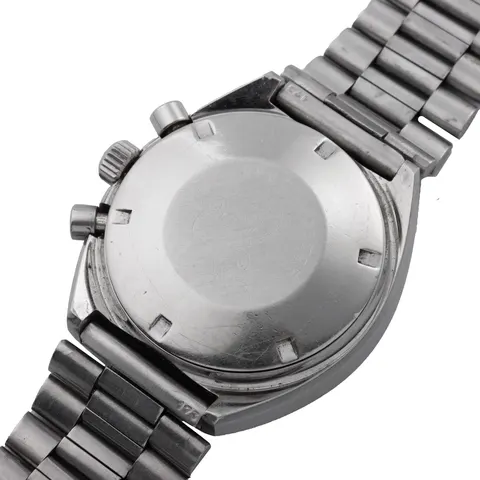
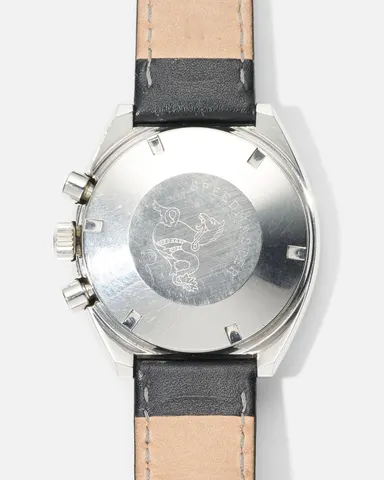
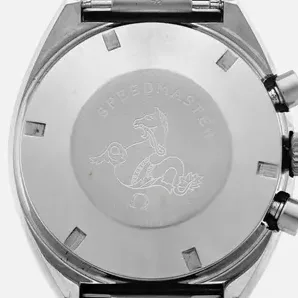
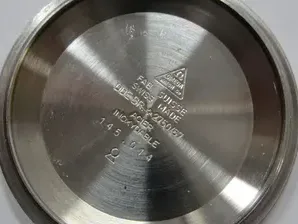
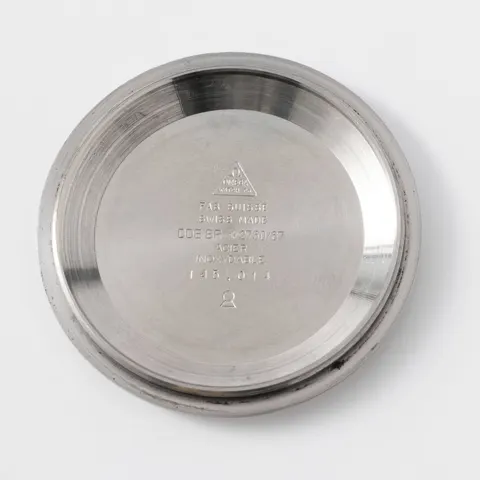
| Caseback | Screw-down, with the hippocampus medallion |
| Crystal | Flat mineral crystal with the tachymeter scale printed on its underside, forming an integrated bezel |
| Crown and pushers | Stubby signed crown; short cylindrical pushers that barely project from the case |
| Dial | Moonwatch layout (tri-compax, flat rather than domed) with 'Mark II' added under 'Professional' at 12 |
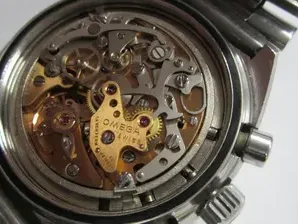
| Movement | Calibre 861, hand-wound cam-operated chronograph, the same as the Speedmaster Professional of the period |
| Bracelet | Steel bracelet ref. 1162 or ref. 1159; a five-link bracelet made in Mexico was also used |
Dial 5 described
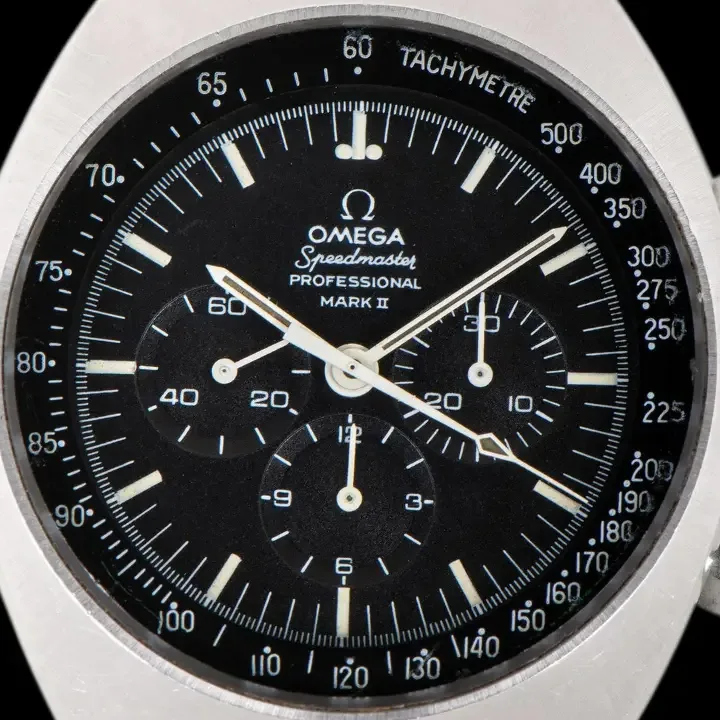
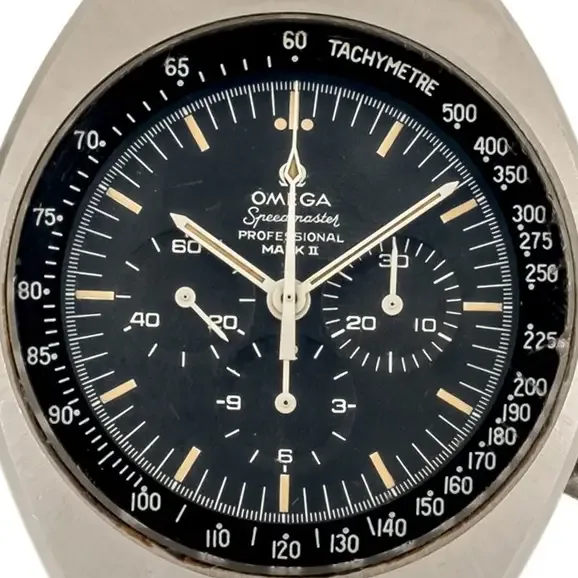
The Mark II dial is the Moonwatch dial in the Mark II case: the same layout and hands, with the addition of 'Mark II' beneath 'Professional' at 12, and flat instead of domed. The tachymeter scale is not on the dial but under the crystal. Three or four dial states are recorded, of which the black dial is by far the most common.
Black dial
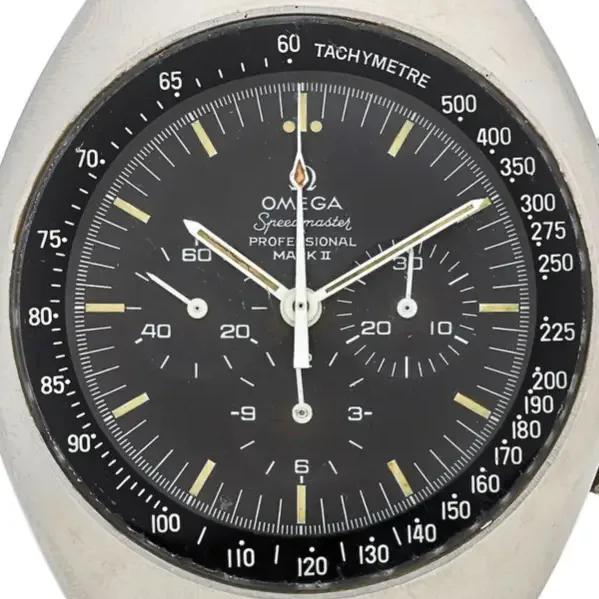
The standard dial, closely like the contemporary Moonwatch, with white markers, text and hands on black. It is the most common form by a good margin. Dials that have been replaced are frequent and often lack the small 'T' for tritium at the foot of the dial. Dated watches so described fall mostly in 1969 to 1975.
- 'Mark II' under 'Professional' at 12
- small 'T' (tritium) at the bottom of the dial
- flat, not domed, dial
Racing dial
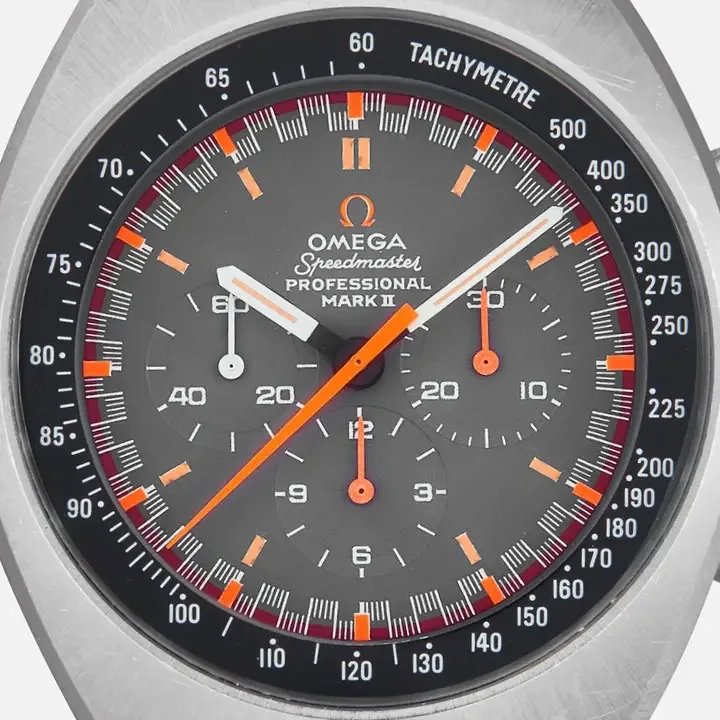
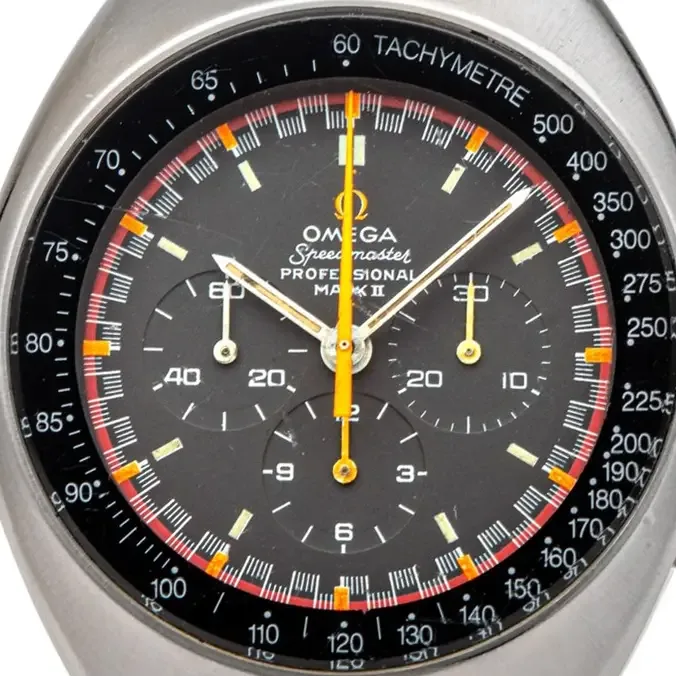
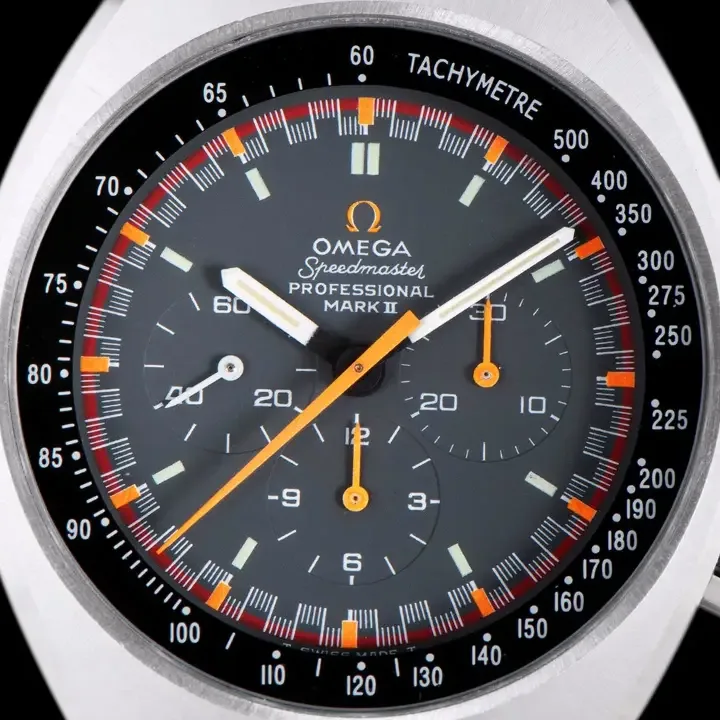
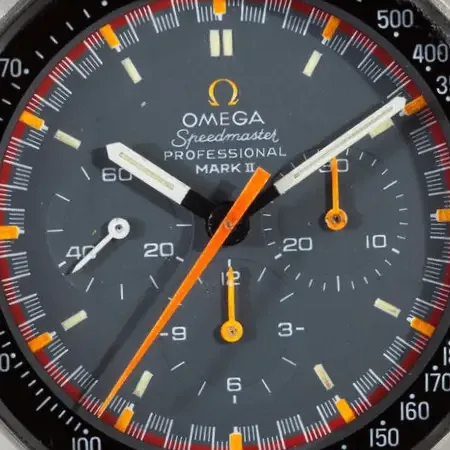
A dark grey dial with orange, red and magenta colouring along the minute track and orange chronograph hands. The large white hour and minute hands have grey portions towards the centre, giving a floating look. It is the same reference as the black-dial watch, so listings must be checked from photographs. It is less common than the black dial. An example is dated to 1970, and the racing-dial Moonwatch 145.022-69 has the same hands.
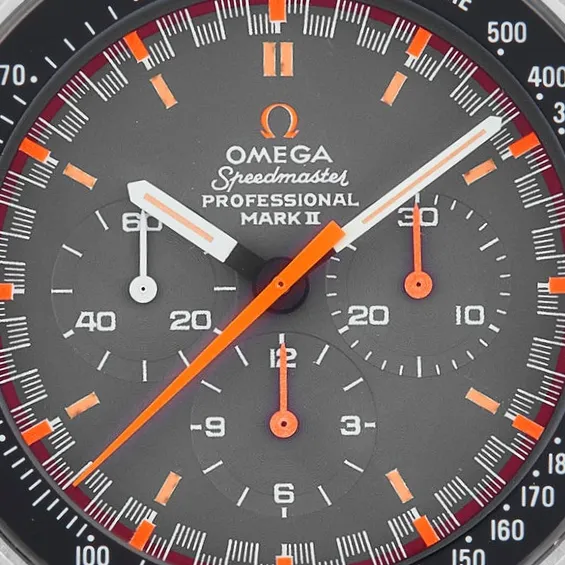
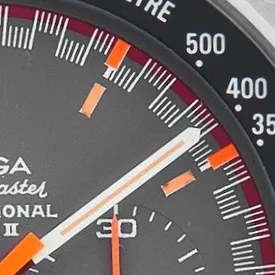
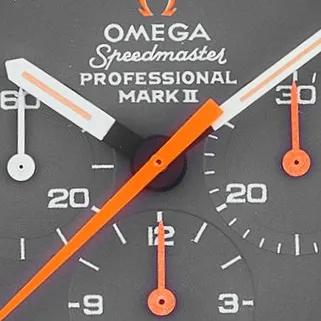
- white hour and minute hands with grey section
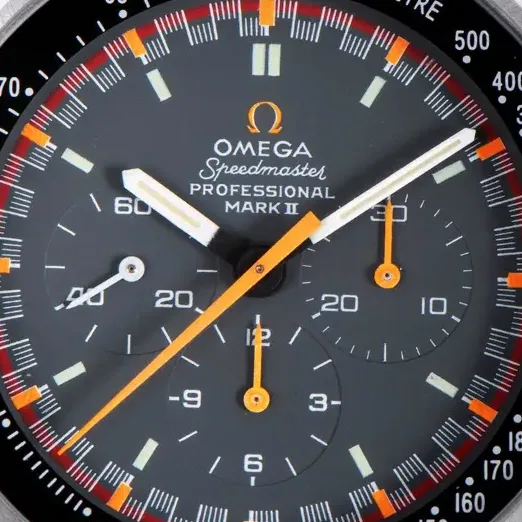
Tropical dial
Not a factory type but an aged state: a black dial that has turned two-tone brown in mottled patches. One example described has retained crisp white markings, hands and text despite heavy ageing. Sellers' labels list a brown dial on a few of the watches.
- mottled medium and dark brown patches
- white markings still bright
Gold dial, gold-plated case
A gold-coloured dial in a gold case with a maroon or burgundy tachymeter ring under the crystal. One account calls the case gold plated; another cannot say whether it is plate, gold-filled or solid. The caseback is steel. It is the least common of the recorded forms. It uses the same calibre 861.
- gold dial
- maroon or burgundy tachymeter ring
- steel caseback
- reference MD145.034
Multicolour minute ring
A fourth form, recorded once: an unusual multicoloured minute ring in place of the usual tachymeter ring. It is known from a single example and its status is uncertain.
Hands 1 described
The hour and minute hands are white and the chronograph hands follow the dial type. The racing dial has its own colours, and replaced hands are a common sign of an altered watch.
Racing-dial hands
Large white hour and minute hands with grey portions from the centre, orange chronograph hands, orange hour and minute subdial hands and a white running-seconds hand. They differ slightly from the all-white hands of the 2004 Japan Racing and match those of the racing-dial Moonwatch 145.022-69. Orange hour and minute hands from a Seamaster chronograph of the period are not correct.
- grey section on white main hands
31 listings on record under the name.
Subregisters 1 described
The tri-compax layout is the Moonwatch's, since the movement is the same.
Moonwatch layout, slightly recessed
Three subdials spaced as on the Moonwatch, because calibre 861 is used. They are slightly recessed. The literature gives no variation in them other than the subdial hand colours of the racing dial.
Bezel 2 described
There is no separate bezel ring: the tachymeter scale is printed on the underside of the crystal. A factory alternative scale is possible.
Integrated tachymeter scale
The tachymeter scale is printed on the inner face of a flat mineral crystal that sits barely above the case, so the bezel and crystal read as one surface. The ring is black on the steel watches; the gold-cased version, which is listed under its own reference MD145.034, has a maroon ring. The clean look of the arrangement was praised by a NASA engineer during the Alaska Project.
- tachymeter numerals under the crystal
- black ring on the steel versions
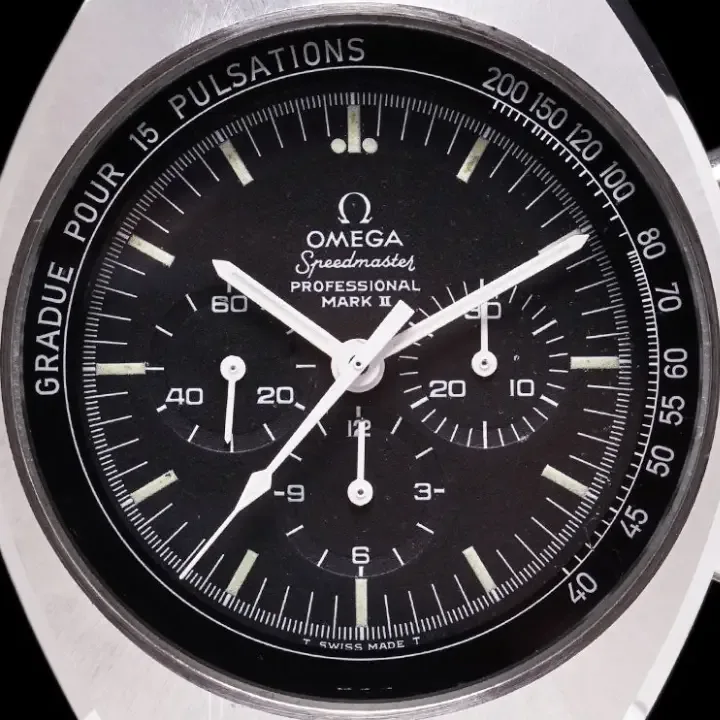
Pulsations bezel
Factory-made alternative scales, such as a pulseometer scale, could be fitted, so an alternative scale is not in itself a sign of a non-original watch. Sellers describe a few Mark IIs with a pulsations scale and one with a telemeter scale.
- pulsation scale in place of tachymeter
Case 2 described
The case is a tonneau or 'C' shape with integrated lugs and no obvious facets, a departure from the lyre lugs of the Moonwatch. It is slightly narrower and shorter than the Moonwatch case but wears larger because its form is carried high up to the flat crystal. All Mark II cases are the same, whatever the dial.
Original sunray finish
The top surface has fine radial (sunray) brushing which ends sharply at a polished chamfer, with linear brushing on the sides. It is easily damaged, and many watches have been polished or radially finished wrongly. A lapping machine can restore the finish but removes metal and can soften the shape.
- sharp brushed-to-polished transition
- wide polished chamfers
- no heavy overall polish
Caseback
A screw-down caseback bearing the hippocampus medallion. The gold version has a steel caseback.
- hippocampus medallion
Crown and pushers 1 described
The crown and pushers are shorter than the Moonwatch's.
Stubby signed crown
A shorter signed crown, with wide cylindrical pushers that barely extend beyond the case and are reasonably protected.
- short crown
- short pushers
Crystal 1 described
The crystal is flat mineral, not domed hesalite.
Flat mineral crystal
A flat mineral crystal with the tachymeter scale printed under it. Replacement crystals are available and there is no known difference between service and original ones.
Movement 1 described
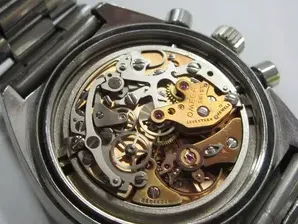
Calibre 861 is the only movement the literature gives for the reference.
Calibre 861
A hand-wound chronograph, the cam-operated successor to the calibre 321, as used in the Moonwatch from 1969. It was made from 1968 to 1997 and is regarded as reliable and easily serviced, with parts available. A few listings are labelled calibre 1340; the number comes from a dealer's stock sentence about the later Mark III, not from the watch.
Bracelet 3 described
Two Swiss bracelets are described as original. A five-link bracelet by an Omega licensee in Mexico was also used for the Mark II.
Ref. 1162
A variant of the Moonwatch ref. 1171 bracelet, with a link pattern similar to it. It is correct for the Mark II.
Ref. 1159
A bracelet with two polished intermediate links either side of the centre link, also correct for the Mark II. After about 1968 Omega bracelets taper more sharply near the clasp, so a bracelet cut to fit may not close properly.
- polished links either side of the centre link
Five-link bracelet made in Mexico
A broad, faintly tapered, brushed five-link steel bracelet, made under licence for the American market, with 'Hecho en Mexico' on the clasp. It is lighter than the Swiss bracelets and fits more tightly.
- five brushed links
- Hecho en Mexico clasp stamp
Originality
- Dials are often replaced, and a replacement commonly lacks the 'T' for tritium at the bottom of the dial.
- Racing-dial watches may be put together from a black-dial watch with a new dial; check that the hands, including the orange hour and minute and white seconds subdial hands, are correct.
- Orange hour and minute hands taken from a Seamaster chronograph of the period are not original.
- Cases are often polished or radially finished wrongly, losing the sunray and linear brushing; a lapping machine can restore the finish but removes metal.
- Bracelets are often changed, and a correct-looking bracelet may be cut so its links no longer fit the clasp.
Names
- Mark II. The reference is the first of the Mark series; there was no Mark I, although the Moonwatch is sometimes so called.
- Racing. The grey dial with orange accents and orange chronograph hands.
- Tropical. Seller's term for a dial that has aged to brown.
Where accounts differ
Points on which the published literature and the library's own records do not agree, or on which the literature contradicts itself.
- The Alaska Project and the Mark II case. One account says the Mark II came out of the Alaska Project, introduced to recover its costs. Two others say the Mark II case was already in production or pre-production and that later Alaska prototypes borrowed it. A reply from the maker's museum says the Mark II's improvements were made to several watches of the period and were not aimed at the space programme.
- Length of production. One account, published twice, gives 1969 to 1975 and another a discontinuation in the mid-1970s; one speaks of a production run of roughly four years, and some other published accounts end it as early as 1972, when the Mark III arrived. A watch documented by the maker's archive as made in October 1974 is later than both a four-year run from 1969 and a 1972 end.
- Racing dial colour. Most accounts describe the racing dial as grey or dark grey; one lists it as a black dial with orange, red and grey colouring along the minute track.
- Gold version. One account calls the gold Mark II gold plated; another does not know whether its case is plated, gold-filled or solid gold.
Back and movement
From listings of this reference, each confirmed by eye to show what it is filed under. A picture on which a person's name or a personal engraving can be read is not shown. From most holders a detail from the middle of the photograph is shown; the mark in its corner gives its holder and a link to the listing.
Caseback
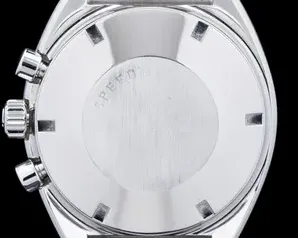
Inside the caseback


Movement


In the records
Counted from 152 listings at 36 holders between 22 May 2012 and 14 November 2026. These are what sellers and auction houses state, not measurements.
Fainter bars are the 2 outside the main run of 1969–1975 (the middle nine-tenths): the latest is 1980. They are early and late examples, and now and then a seller's slip. The head of the page gives 1969–1976: the years that listings from two holders bear out.
Case metal
| Steel | 53 |
Dial colour
| Black | 33 | |
| Brown | 6 | |
| Grey | 4 | |
| White | 1 |
Case size
| 42 mm | 36 | |
| 41 mm | 30 | |
| 46 mm | 1 |
Calibre named
| 861 | 89 | |
| 1340 | 4 |
Bracelet or strap
| Metal bracelet, kind not stated | 28 | |
| Leather strap | 5 | |
| Strap, kind not stated | 1 | |
| Mesh bracelet | 1 |
Each table counts the listings that state the thing, in the seller's own terms. A size, metal, colour or calibre that cannot belong to this reference is a seller's slip or a listing filed under the wrong number.