Speedmaster Reduced
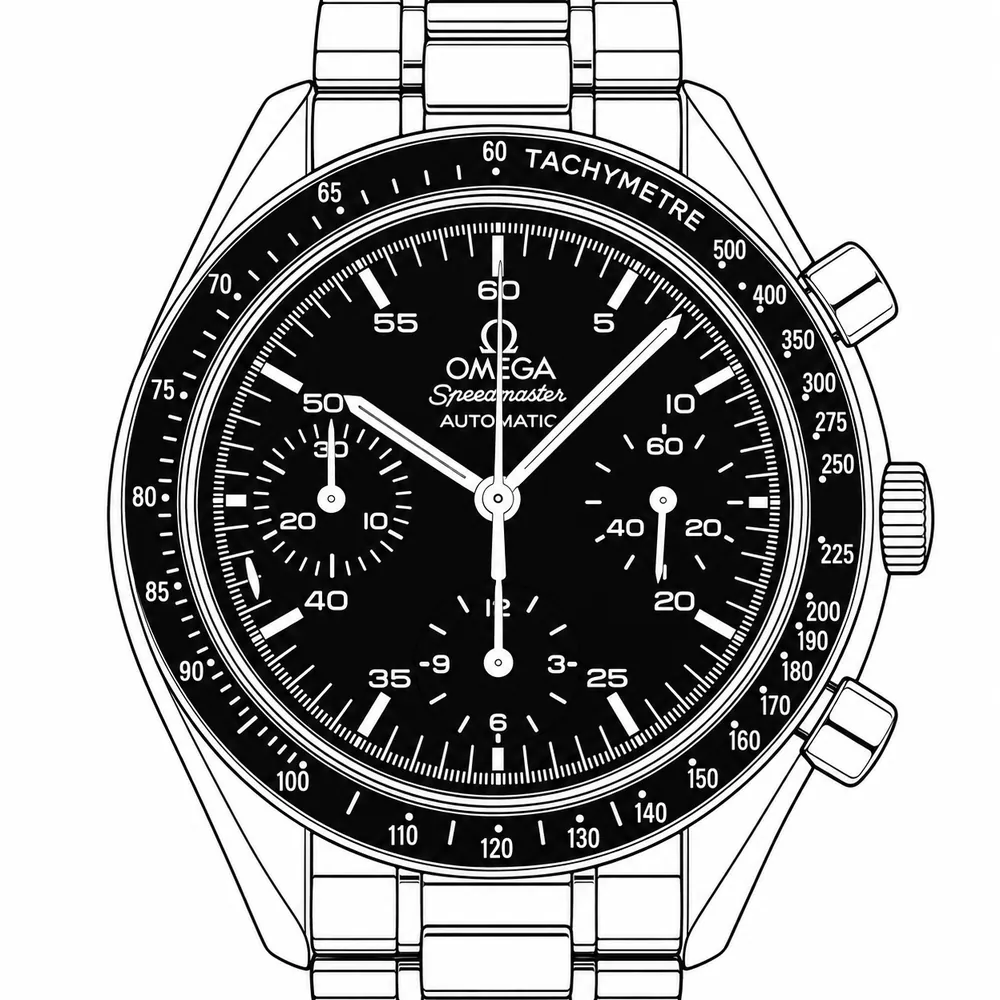
The Speedmaster Reduced, reference 3510.50 (full number 3510.50.00), is the automatic, smaller and cheaper counterpart to the Speedmaster Professional, made from 1988 until 2009 or 2010. It has a black no-date tri-compax dial, a domed Hesalite crystal and a steel case of about 39 mm (38.5 mm measured without crown), but the movement is a modular chronograph, an ETA base with a Dubois-Dépraz 2020 module, numbered calibre 1140 at first, 1141 and 1143 in the later 1990s and 3220 from about 2000. Its subdials are set wider and 'Automatic' is printed on the dial where the Moonwatch says 'Professional'. It is often confused with the Moonwatch, and many special editions share its case.
- Made
- 1988–2010dates approximate
- Seen in the library
- 1990–2005nine in ten in 1991–2005 · by years sellers state
- Case
- 39 mm · steelas sellers state
- Movement
- Calibre 1140, 1143automatic
- On record
- 488 listings656 photographs · 27 holders
Components
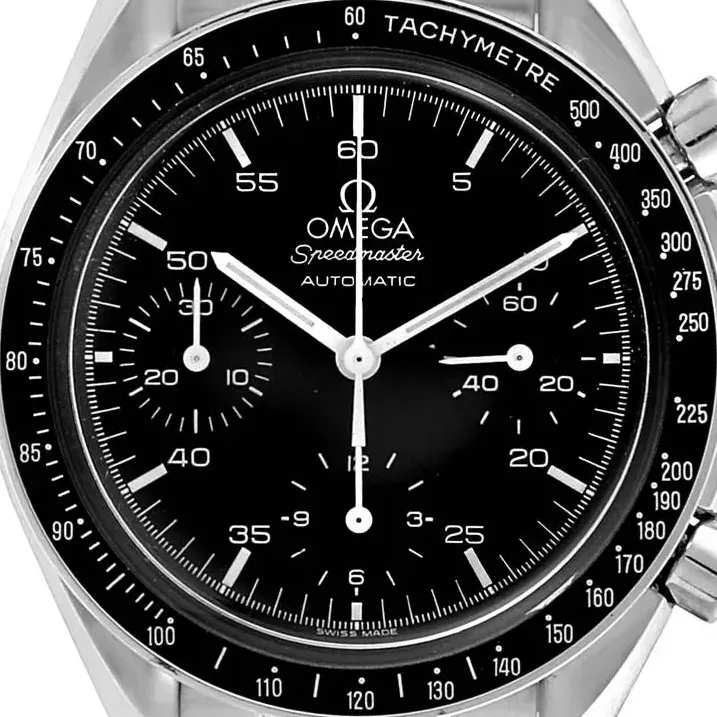
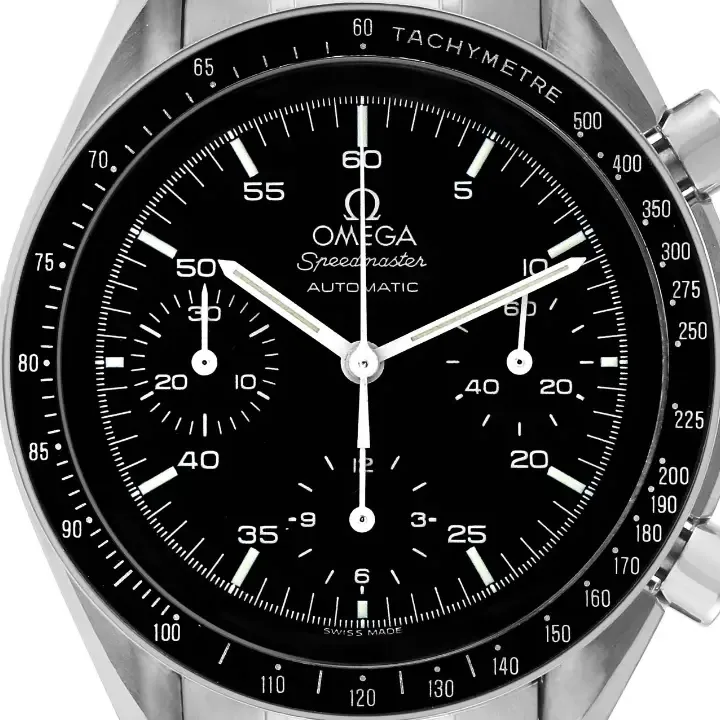
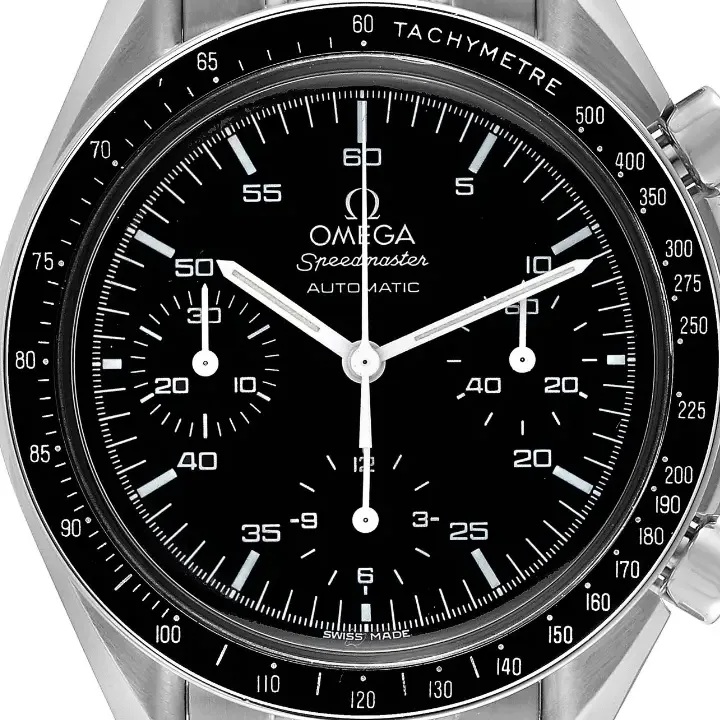
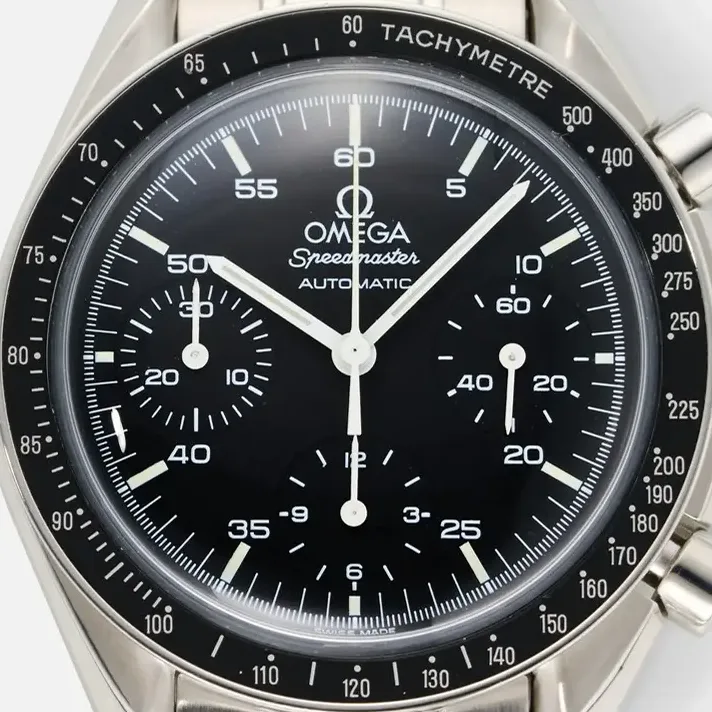
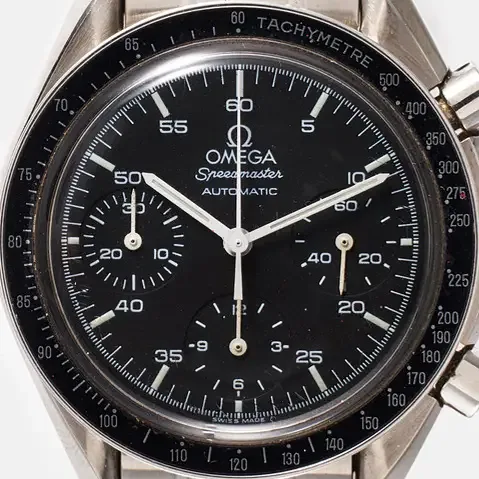
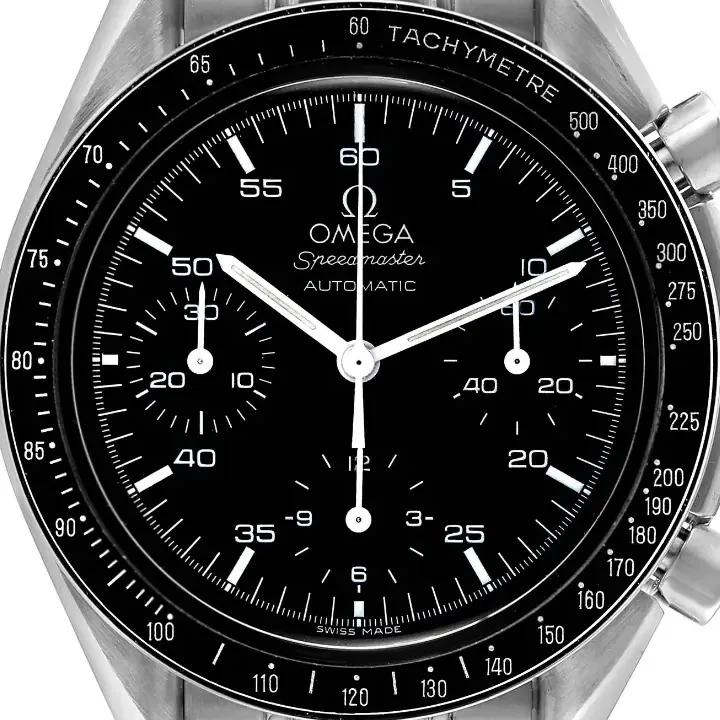
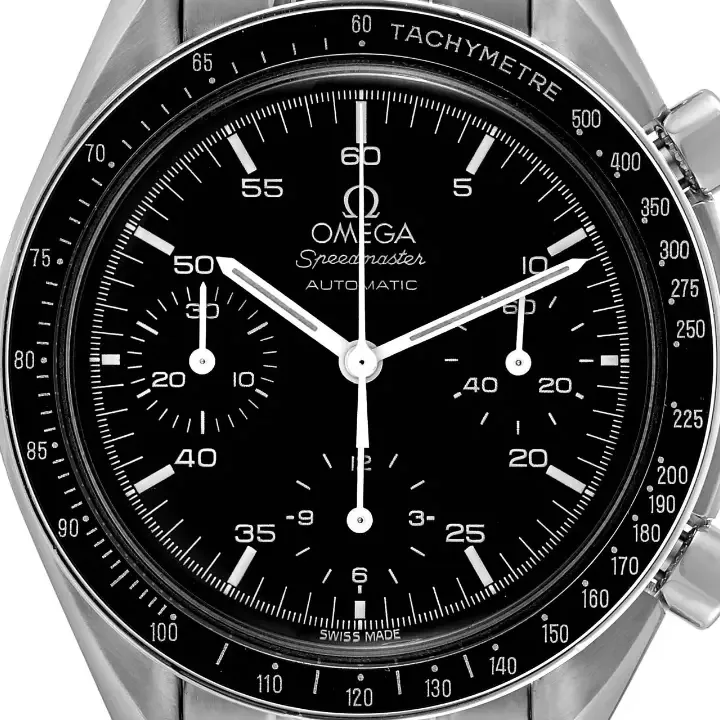
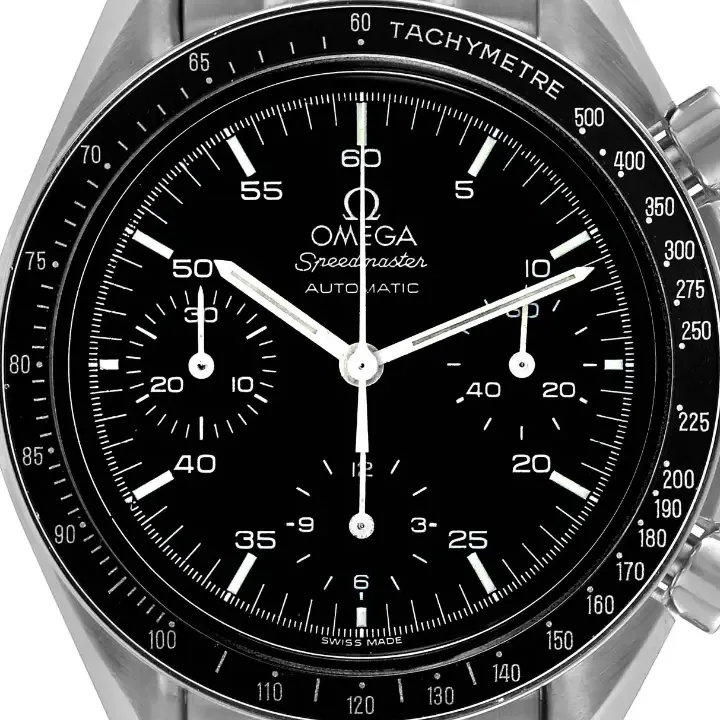
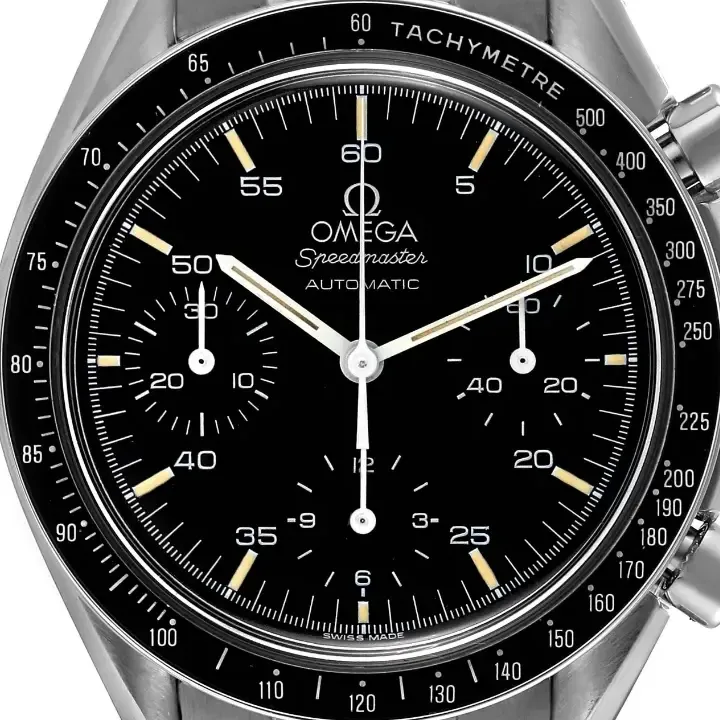
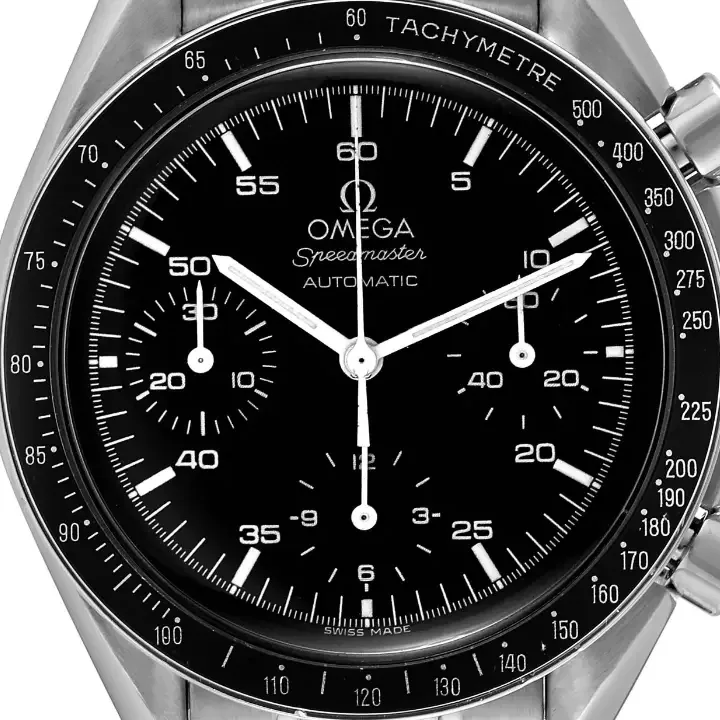
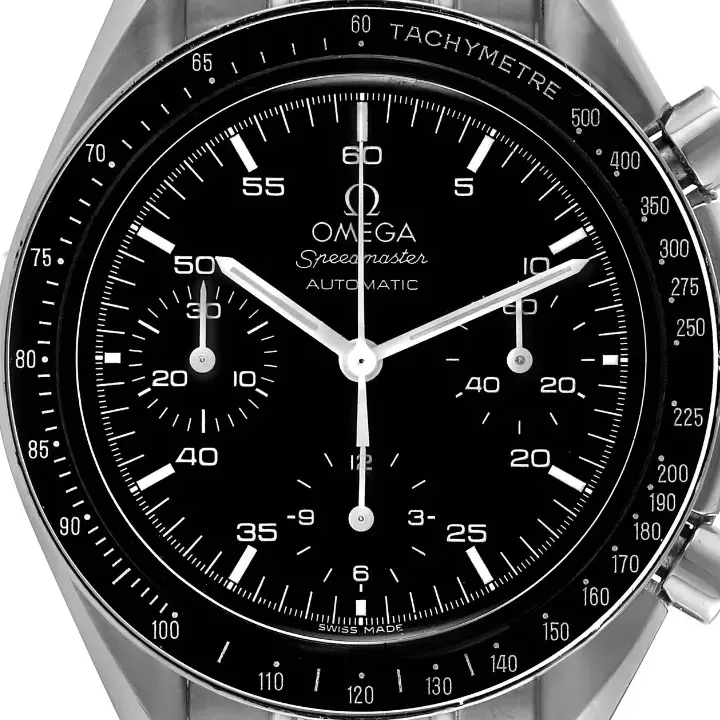
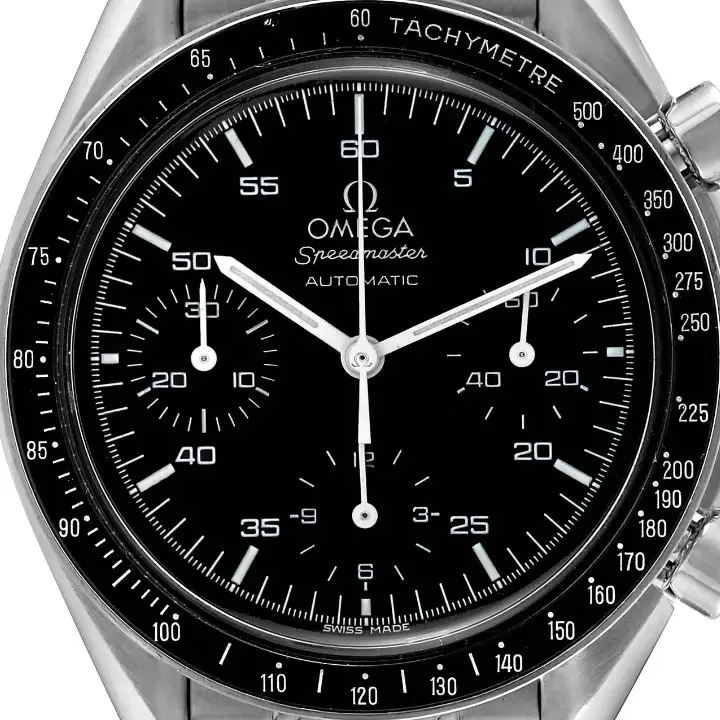
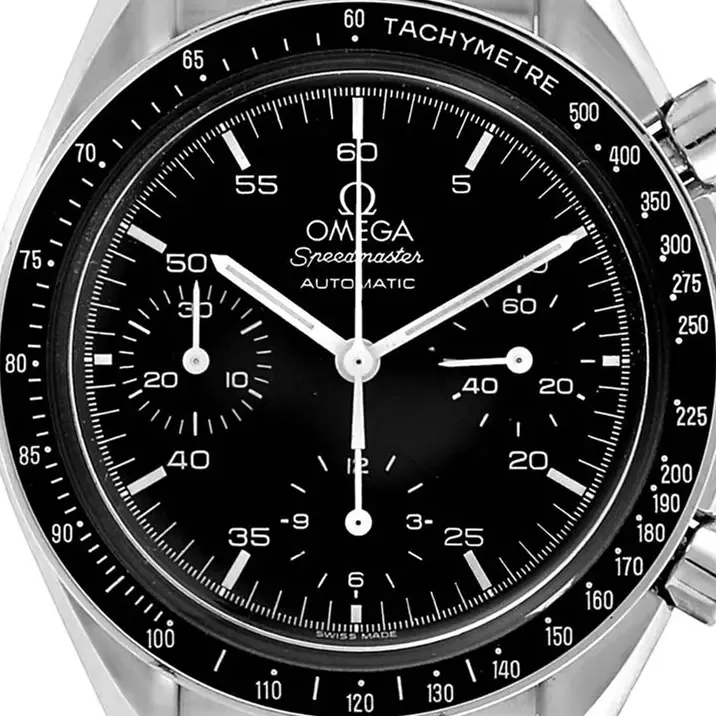
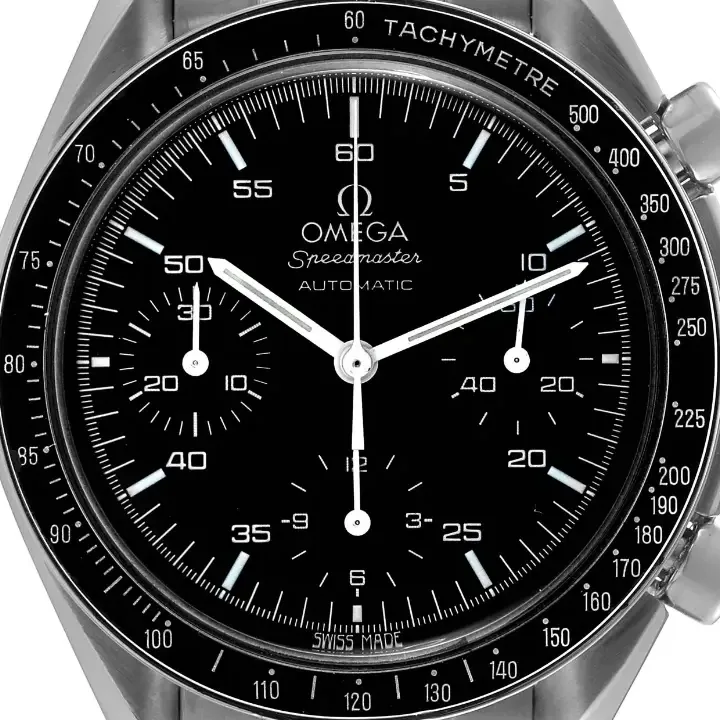
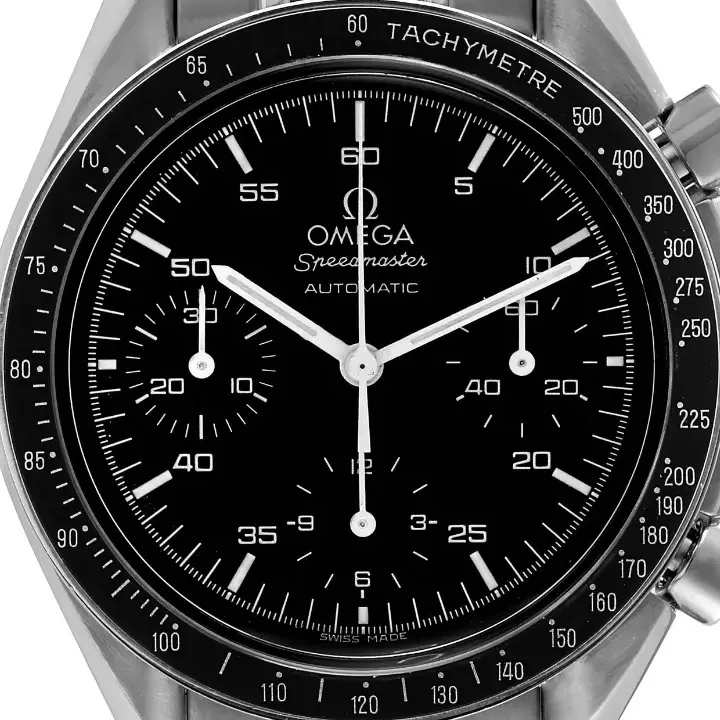
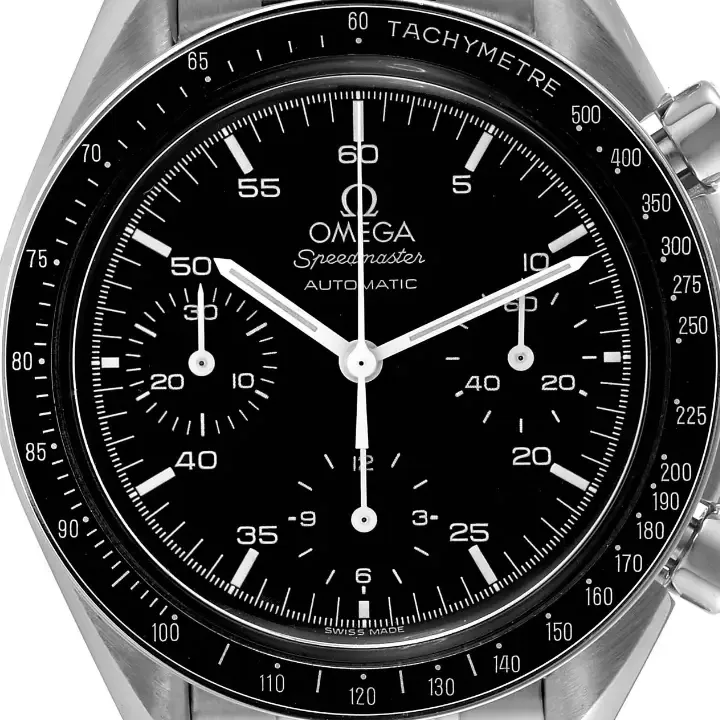
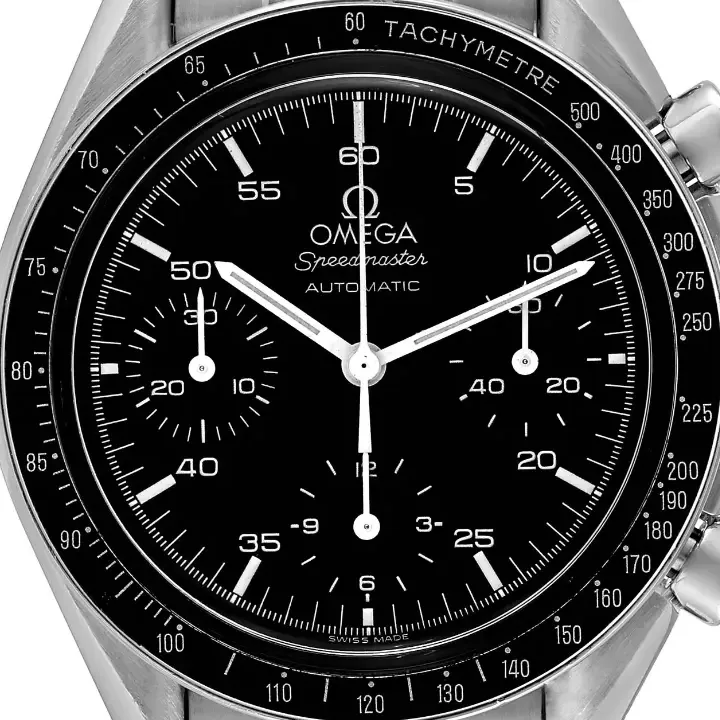
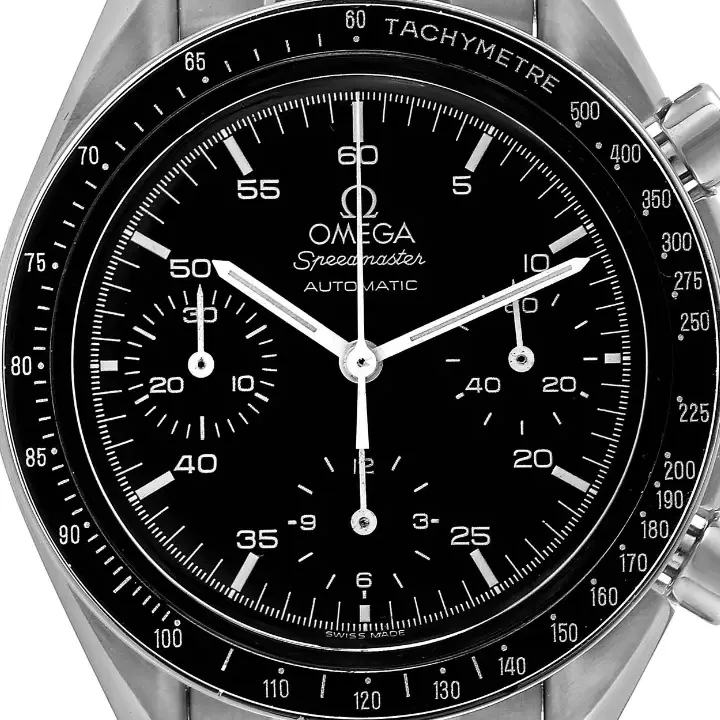
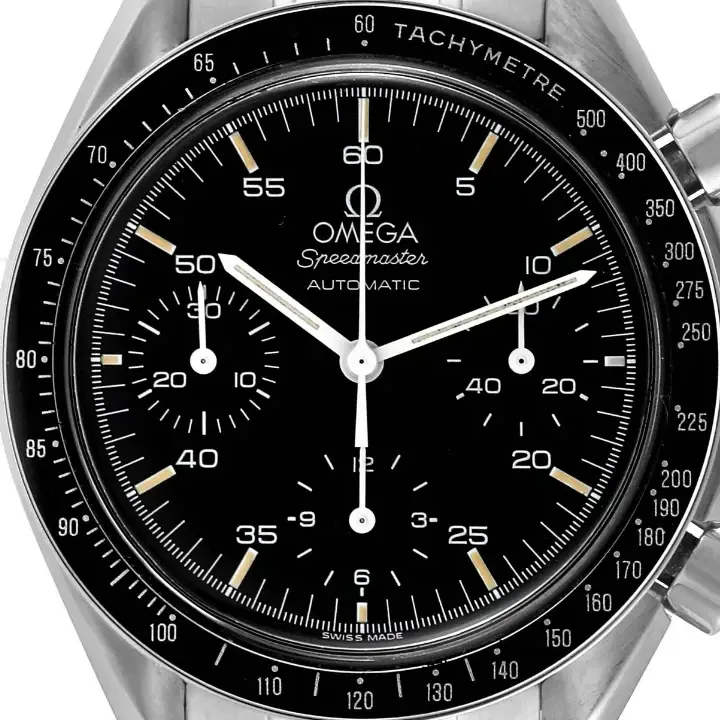
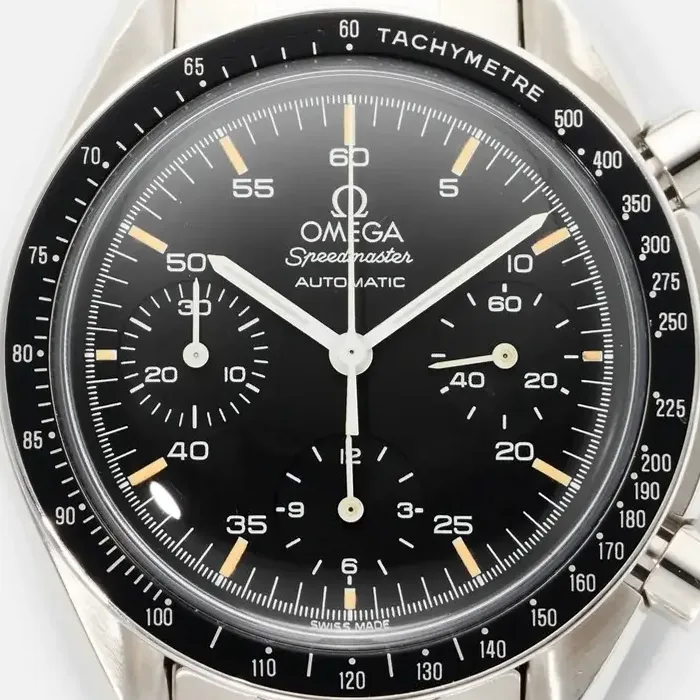
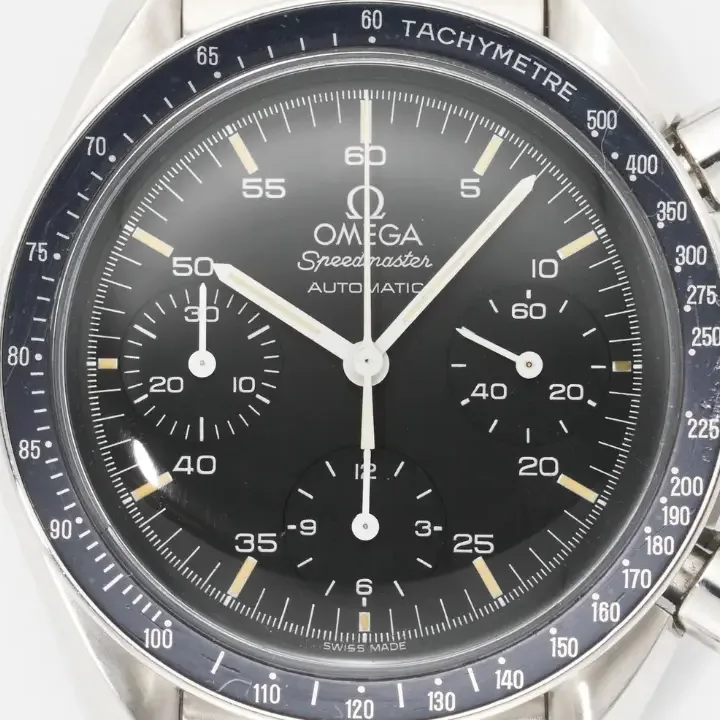
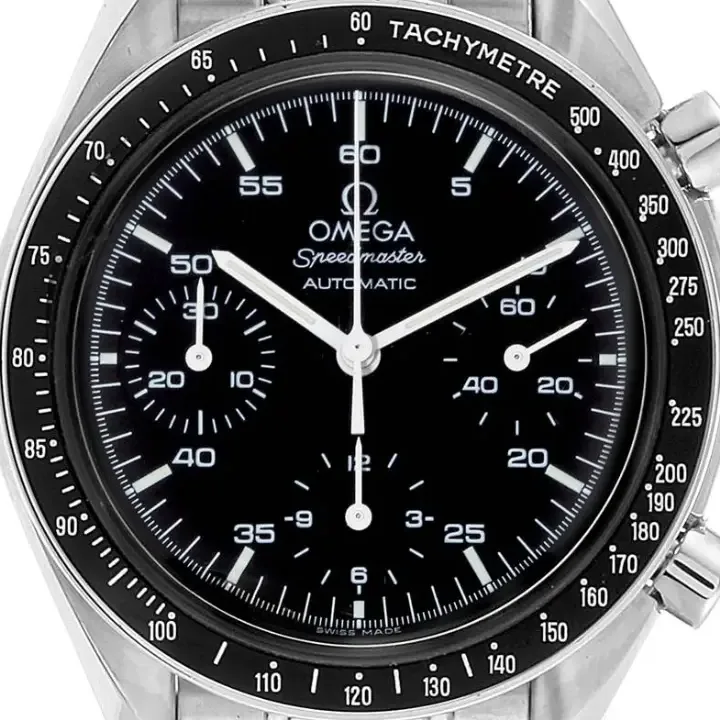
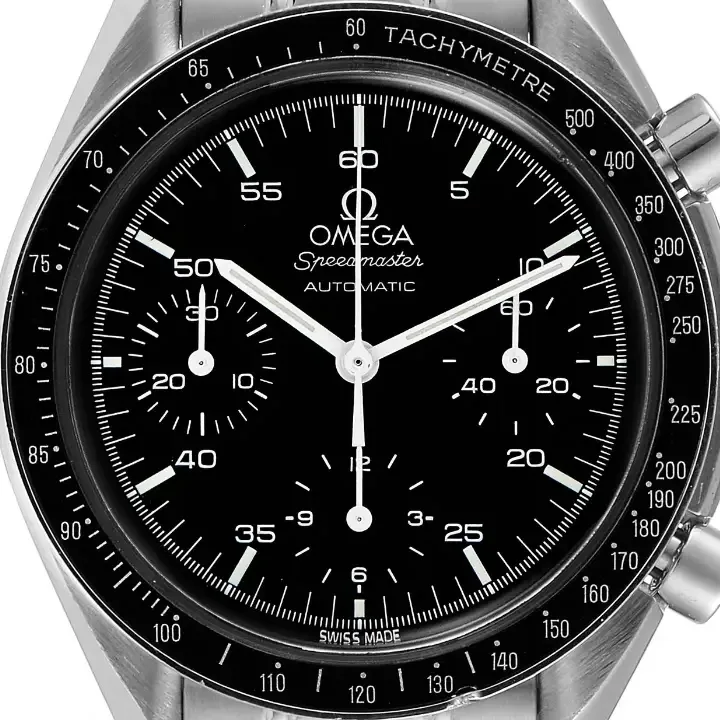
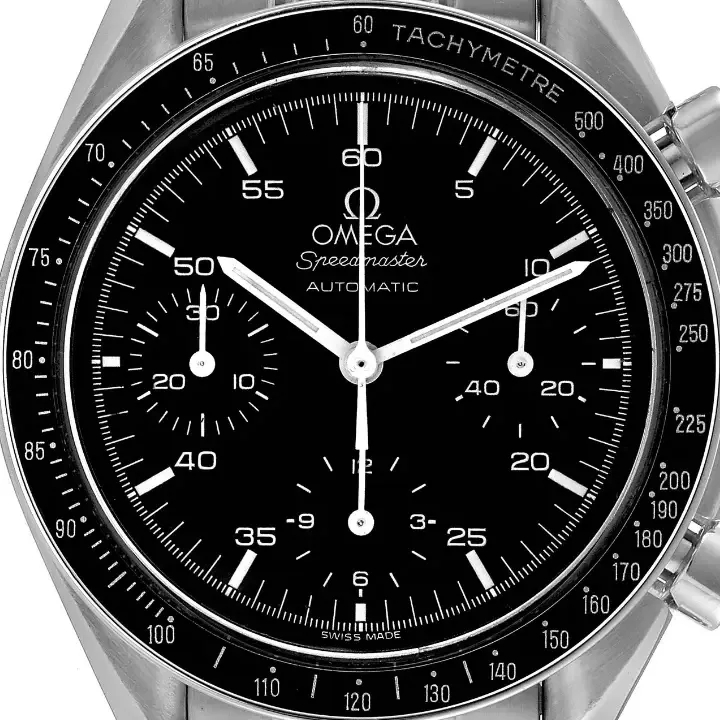
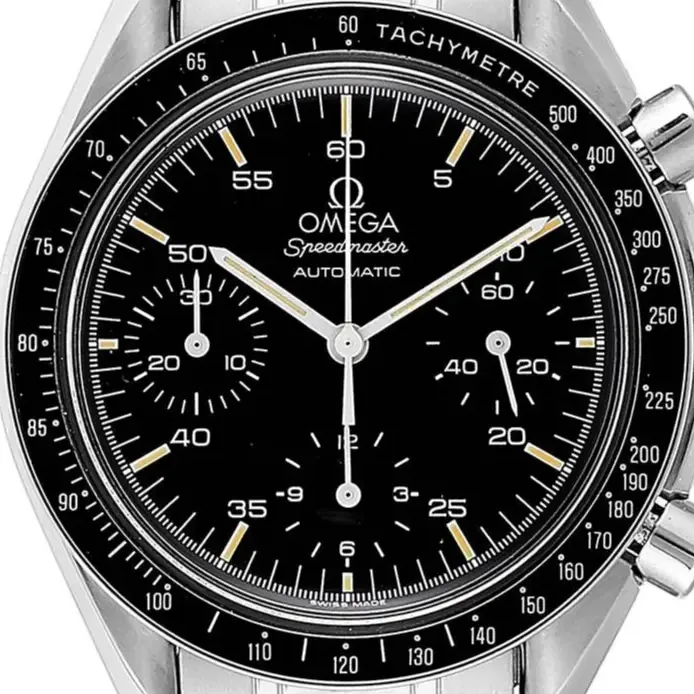
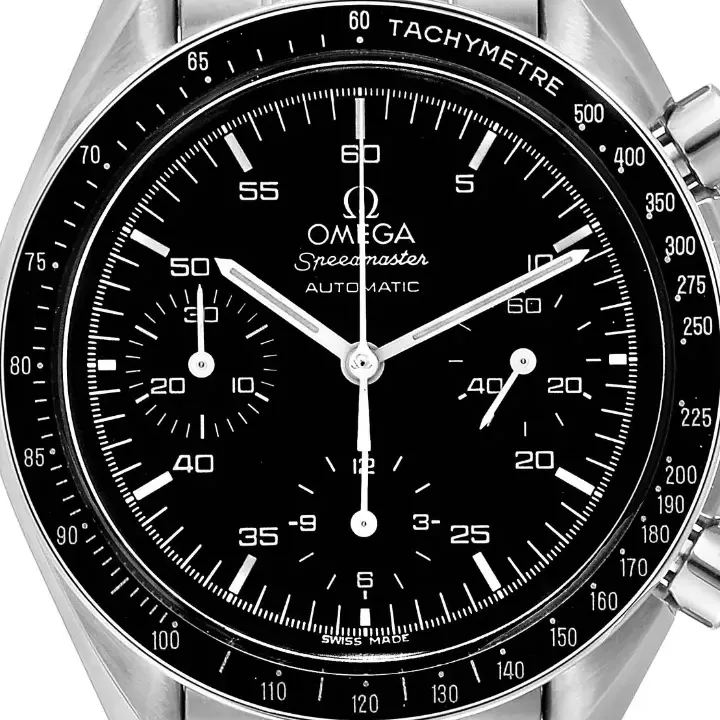
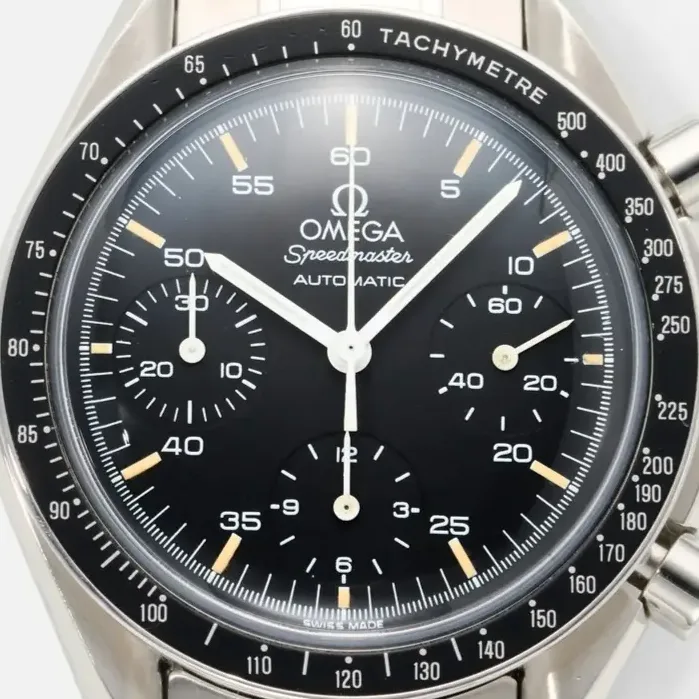
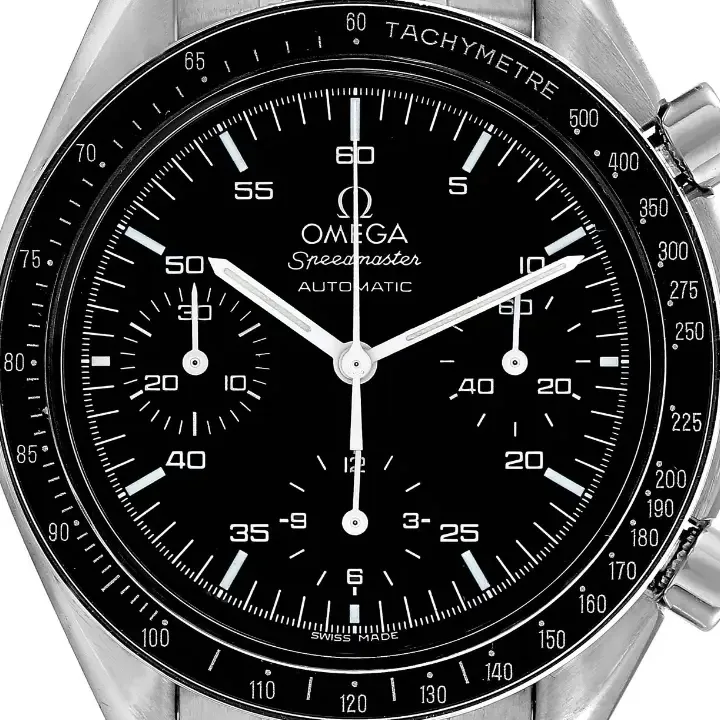
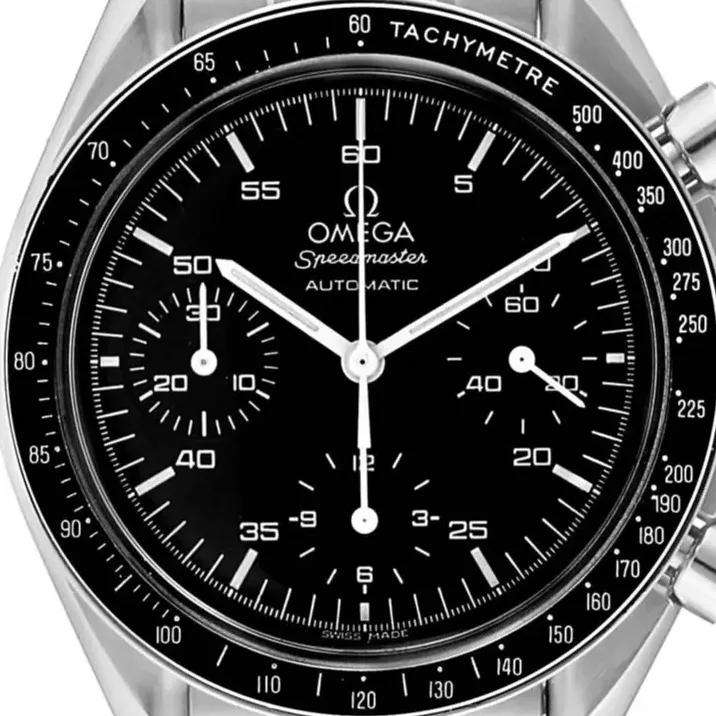
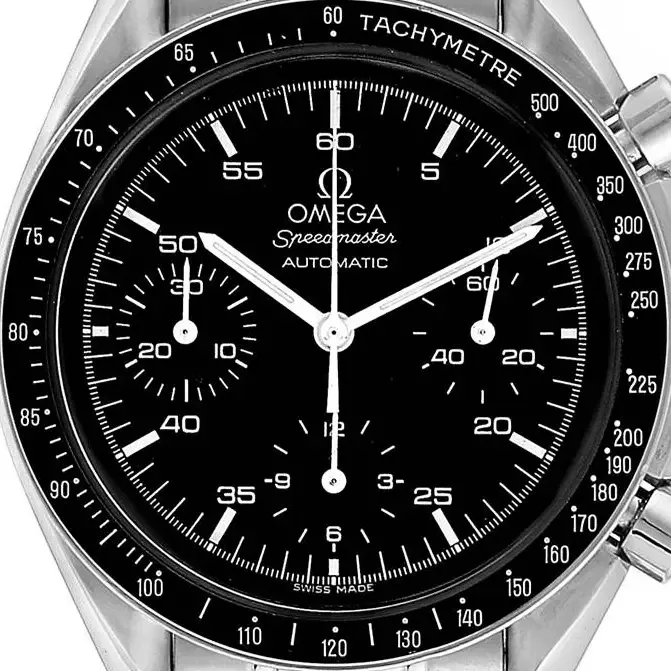
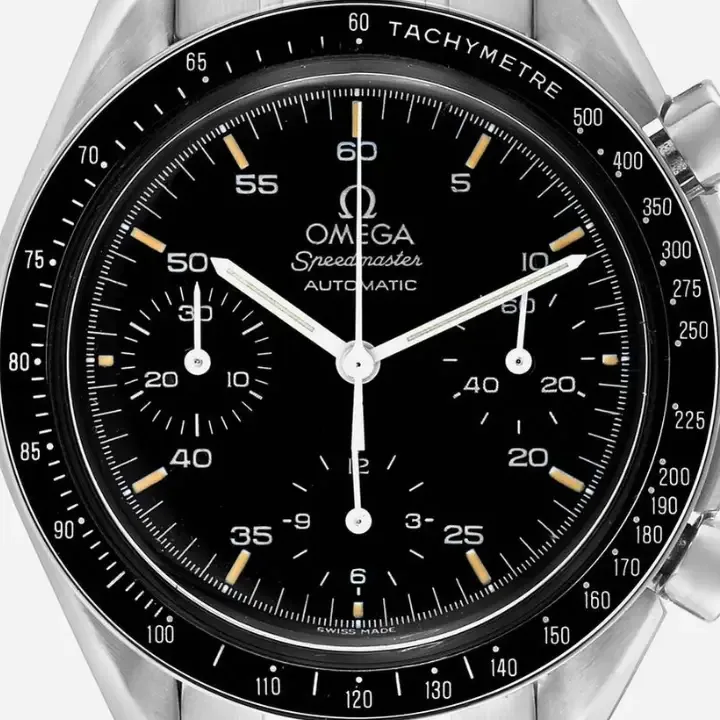
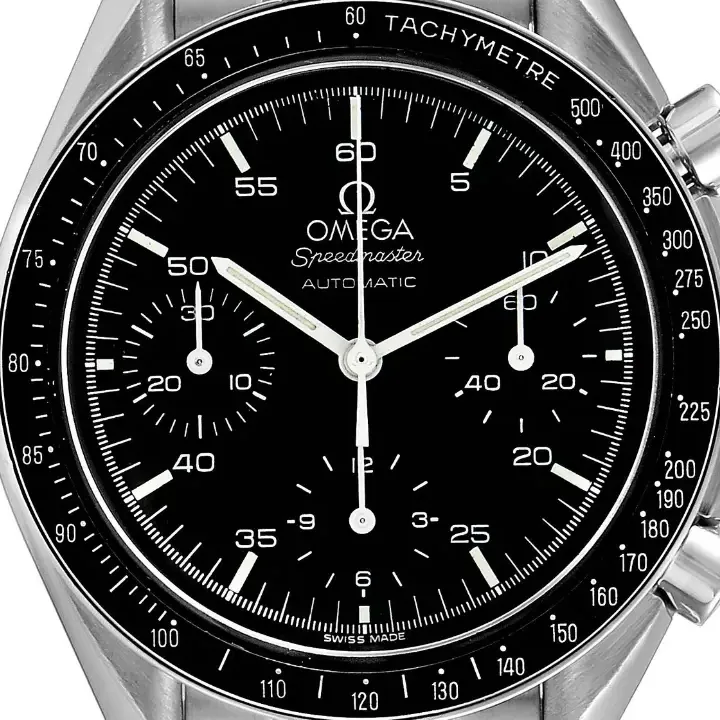
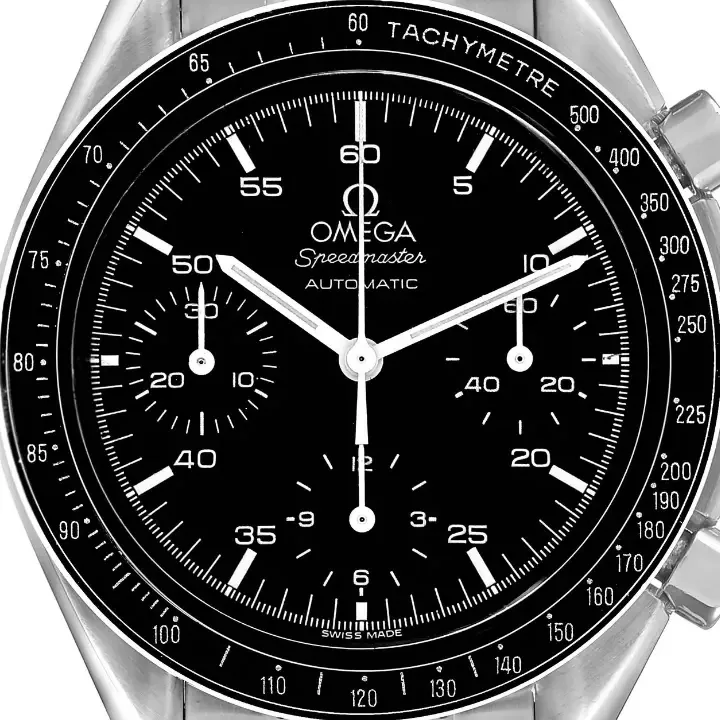
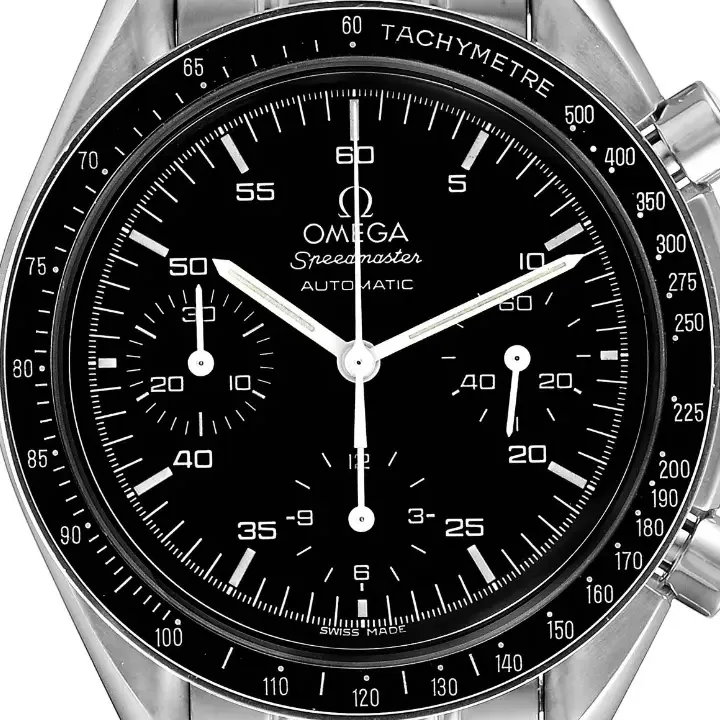
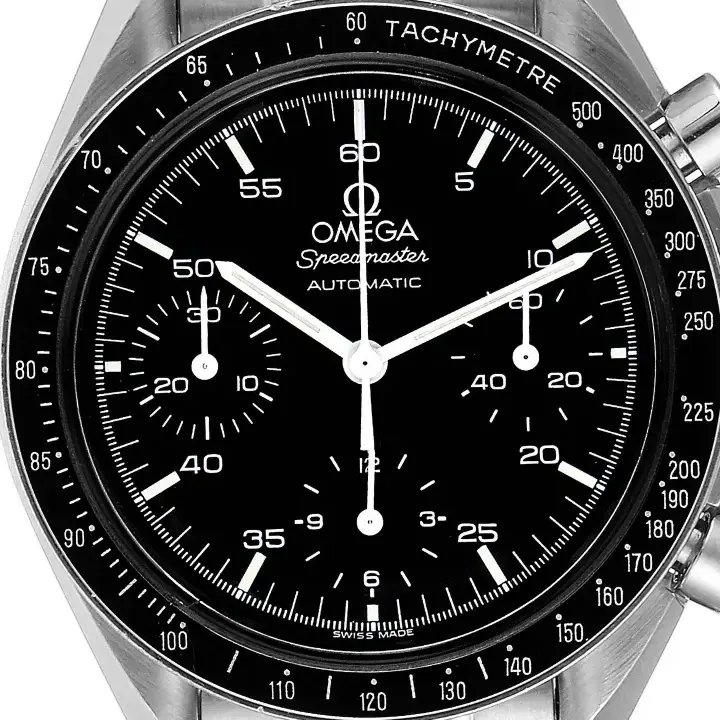
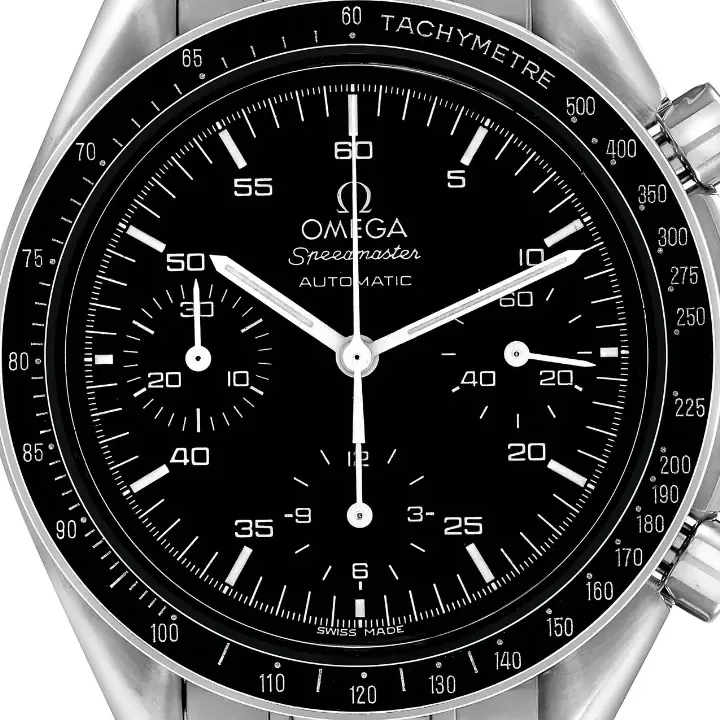
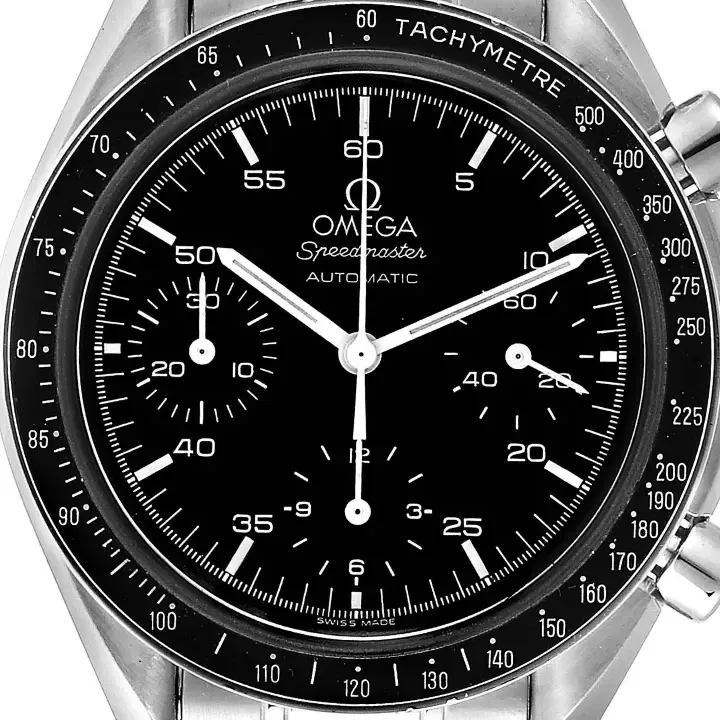
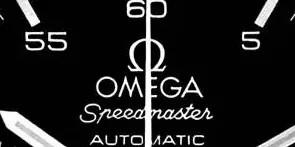
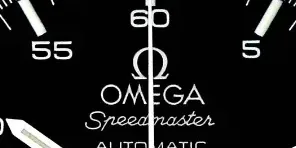
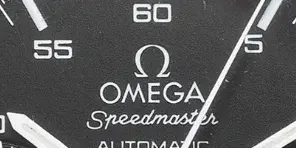
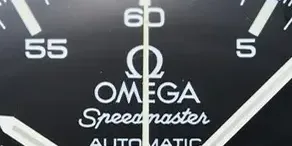
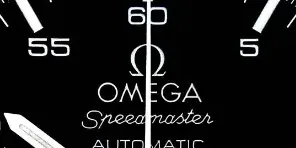
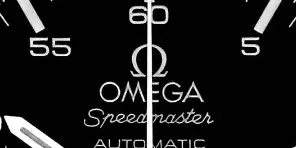
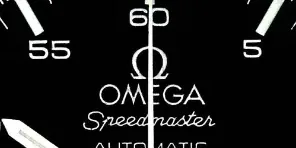
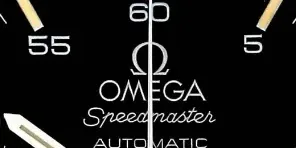
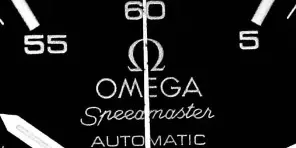
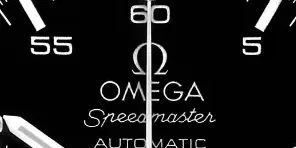
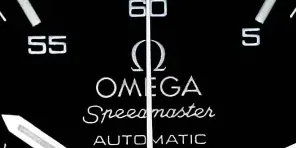
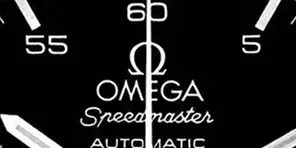
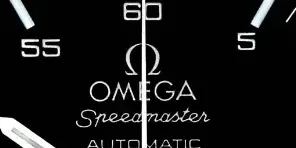
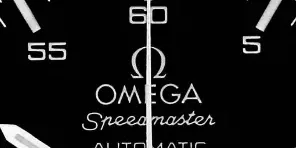
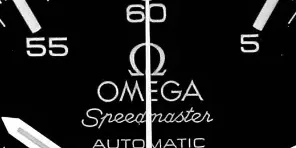
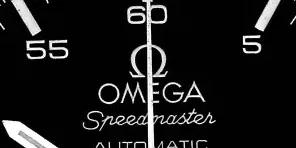
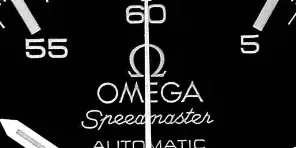
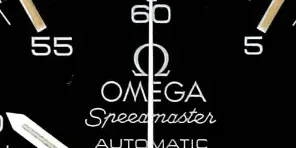
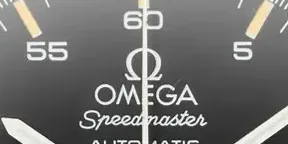
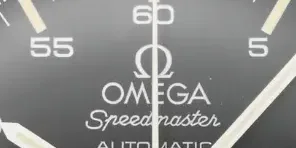
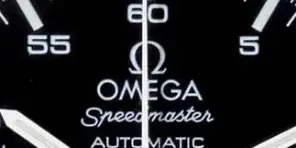
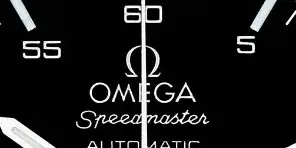
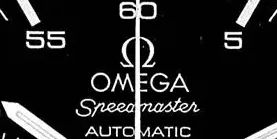
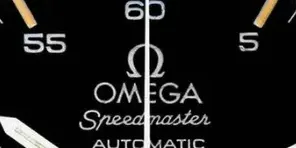
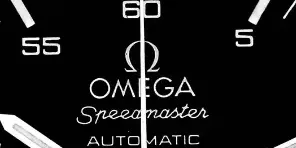
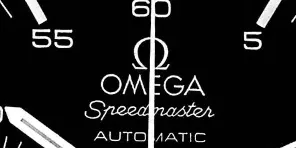
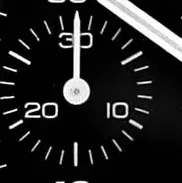
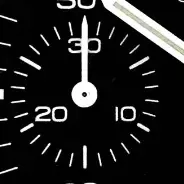
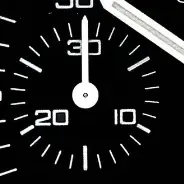
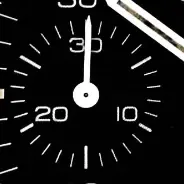
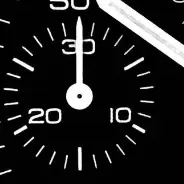
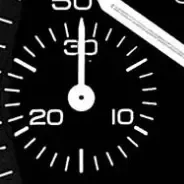
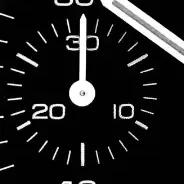
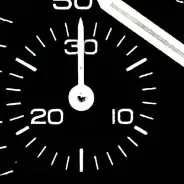
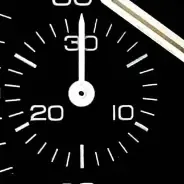
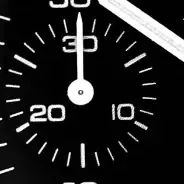
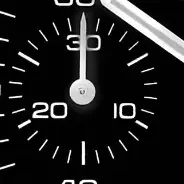
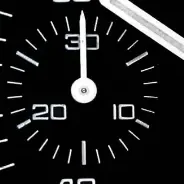
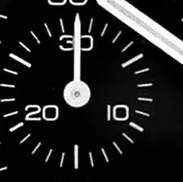
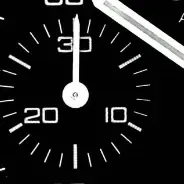
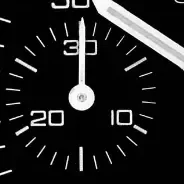
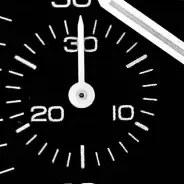
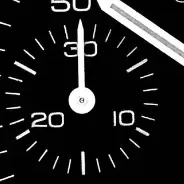
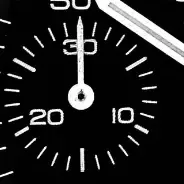
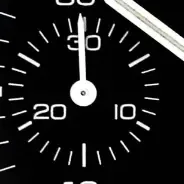
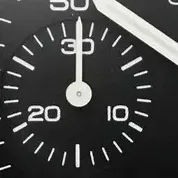
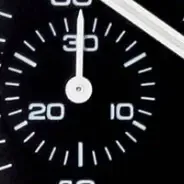
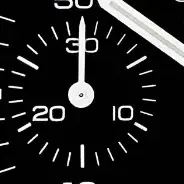
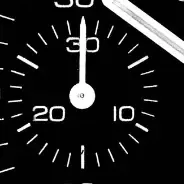
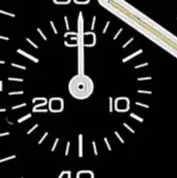
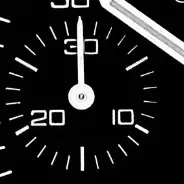
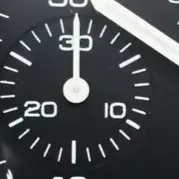
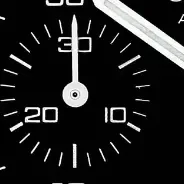
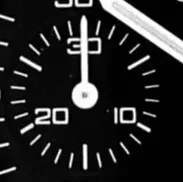
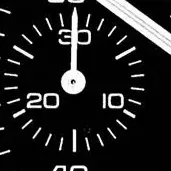
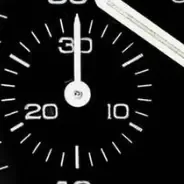
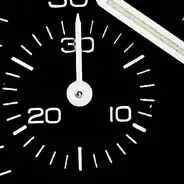
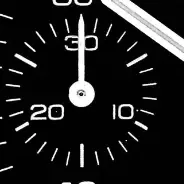
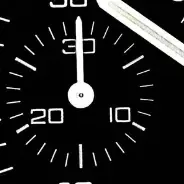
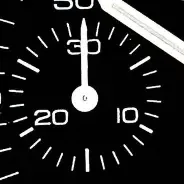
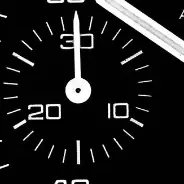
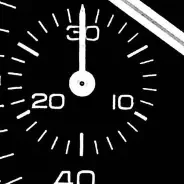
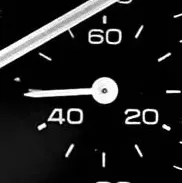
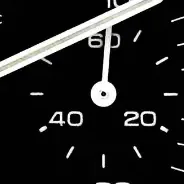
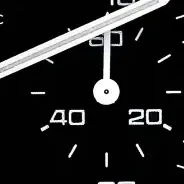
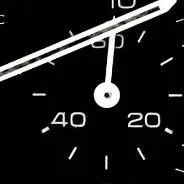
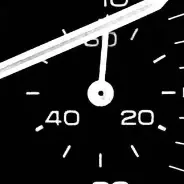
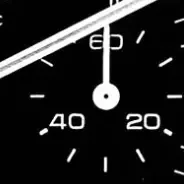
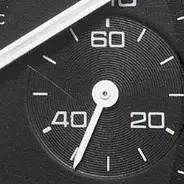
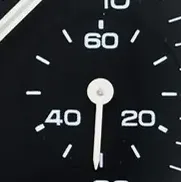
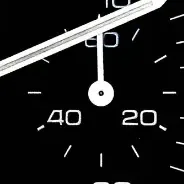
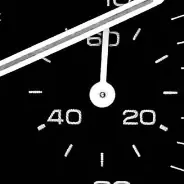
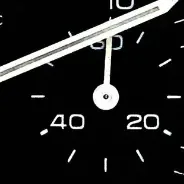
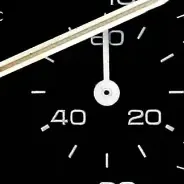
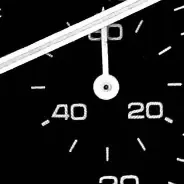
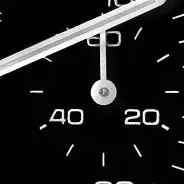
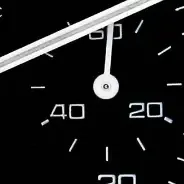
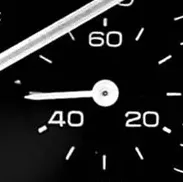
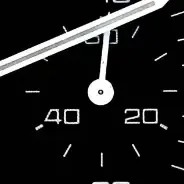
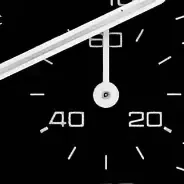
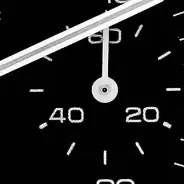
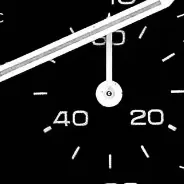
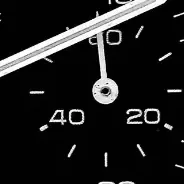
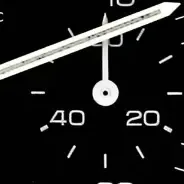
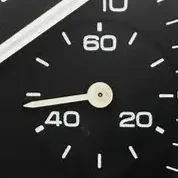
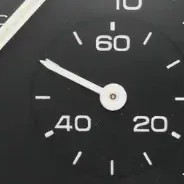
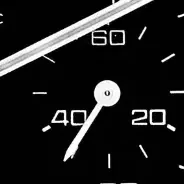
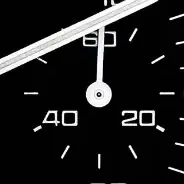
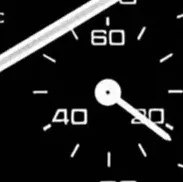
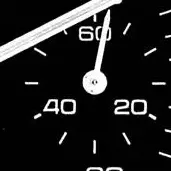
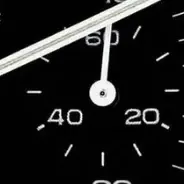
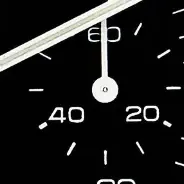
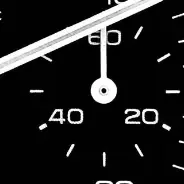
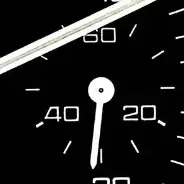
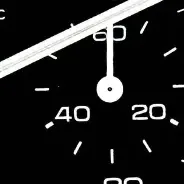
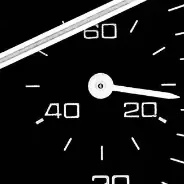
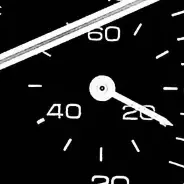
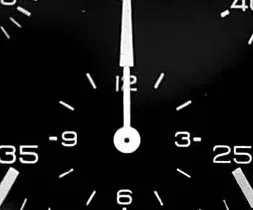
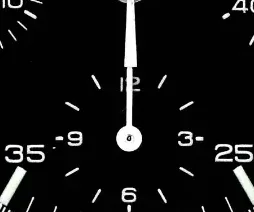
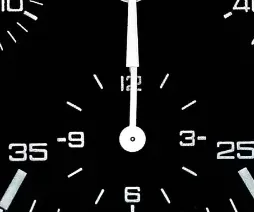
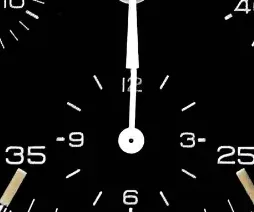
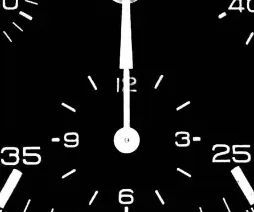
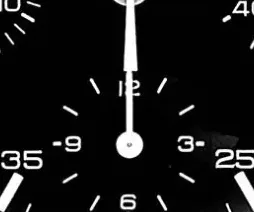
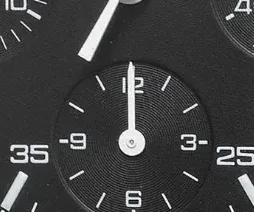
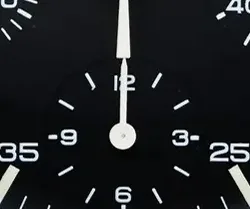
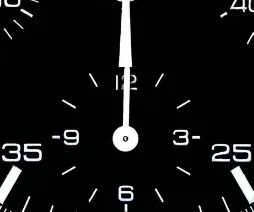
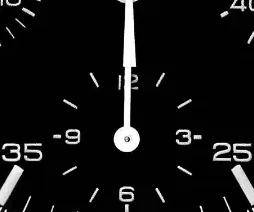
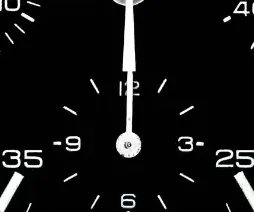
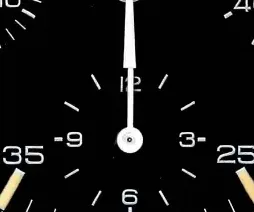
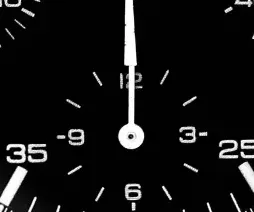
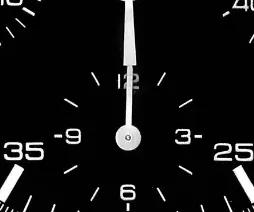
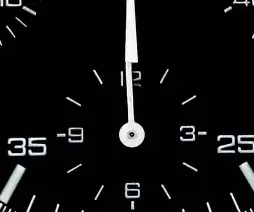
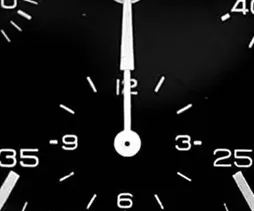
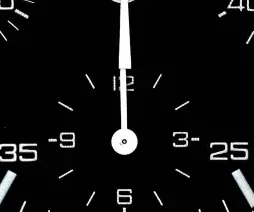
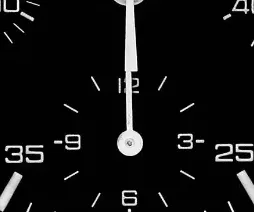
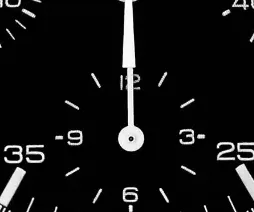
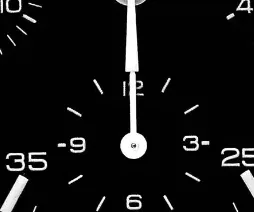
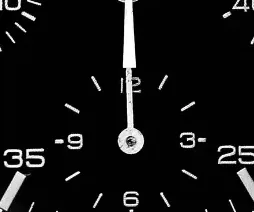
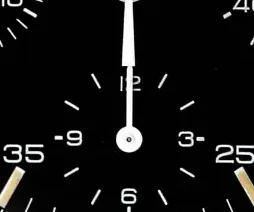
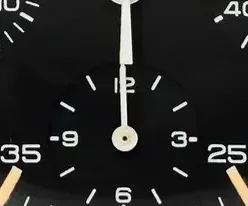
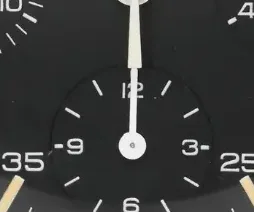
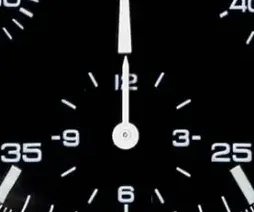
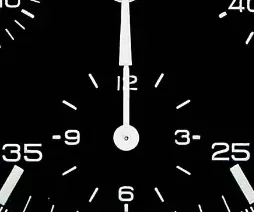
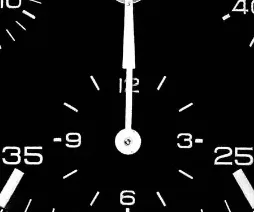
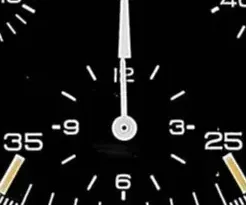
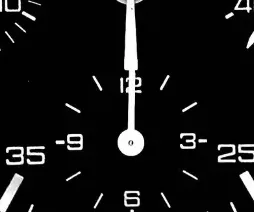
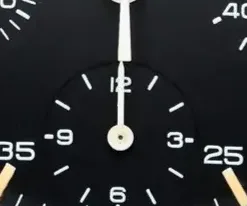
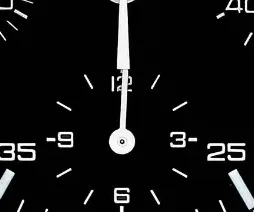
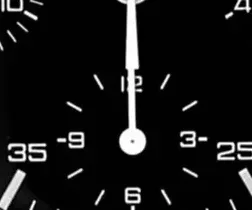
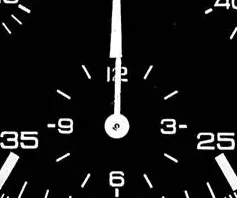
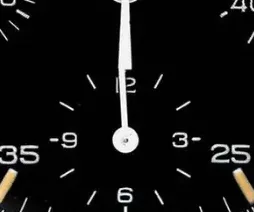
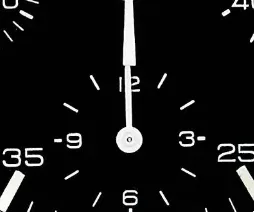
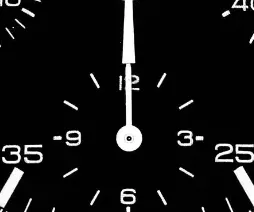
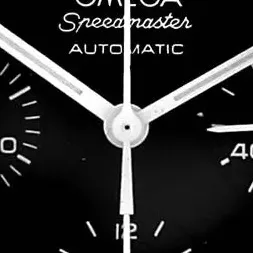
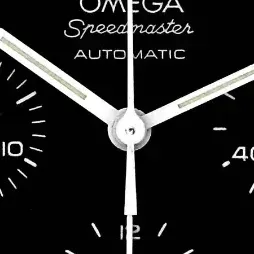
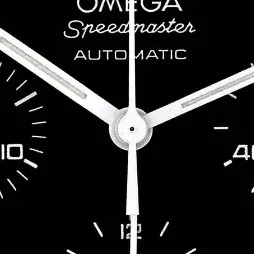
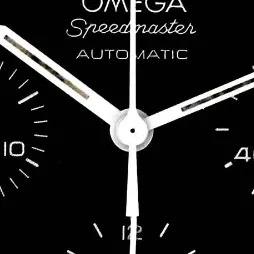
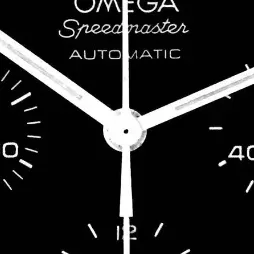
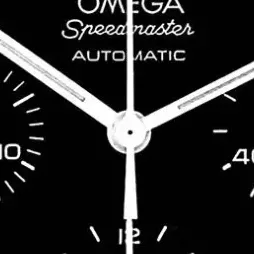
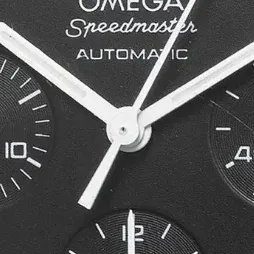
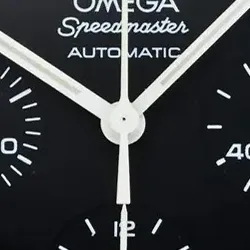
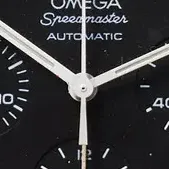
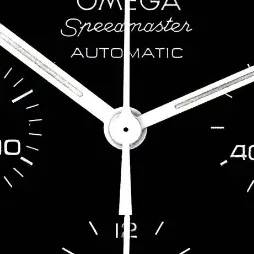
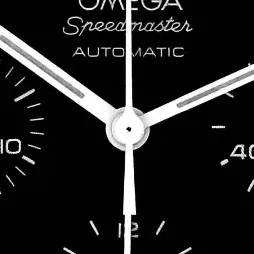
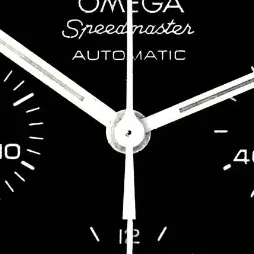
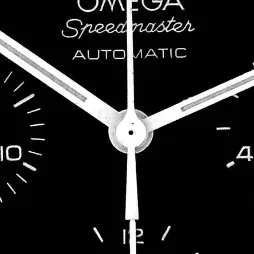
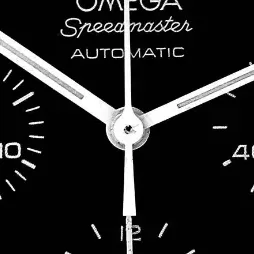
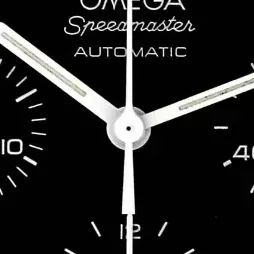
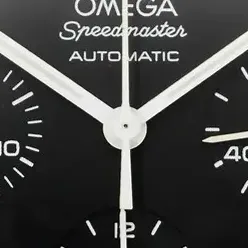
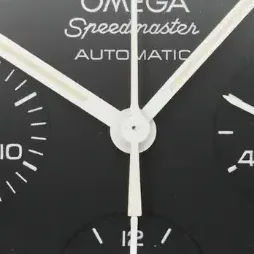
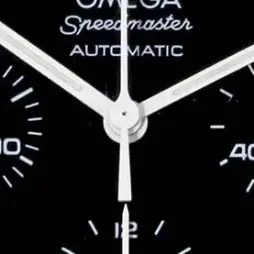
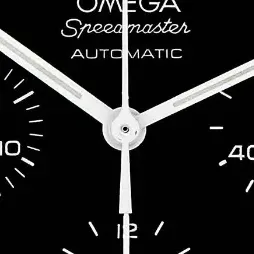
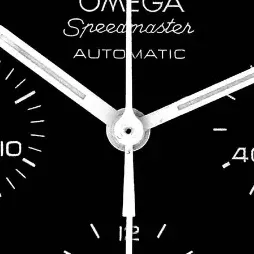
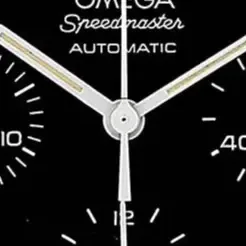
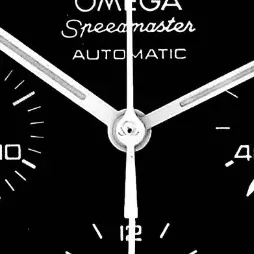
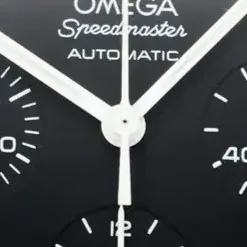
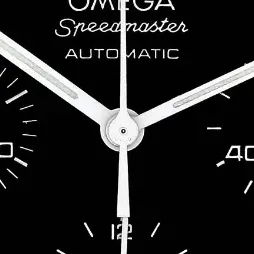
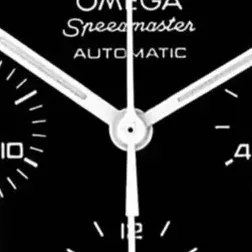
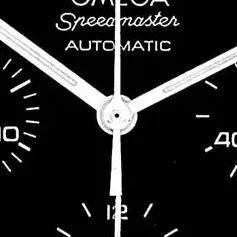
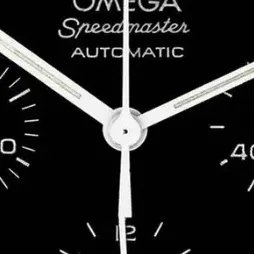
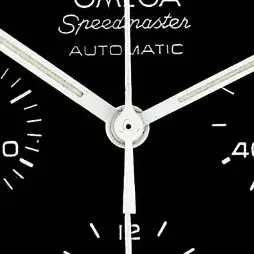
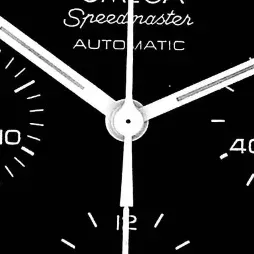
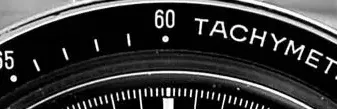
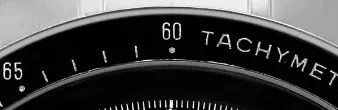
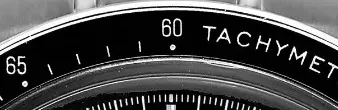
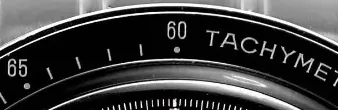
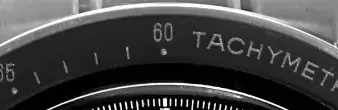
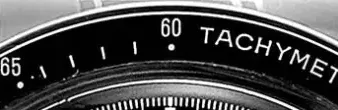
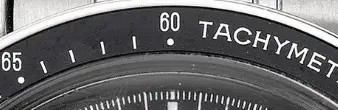
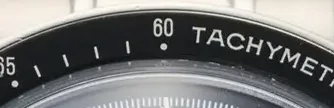
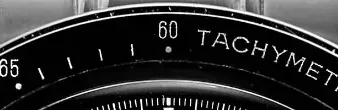
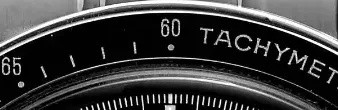
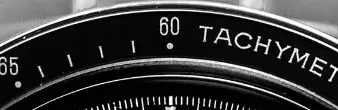
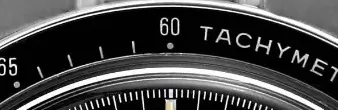
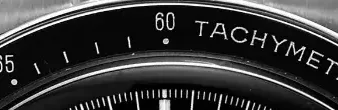
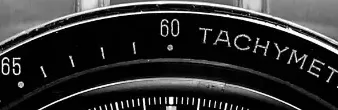
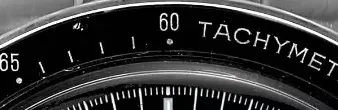
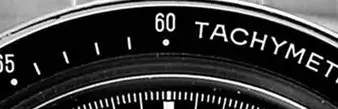
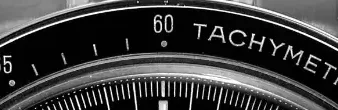
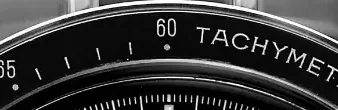
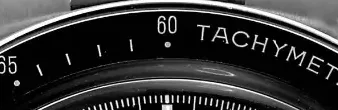
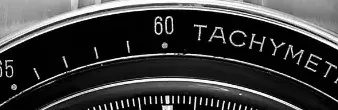
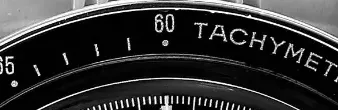
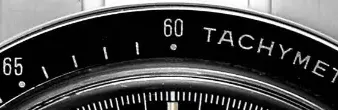
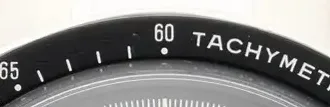
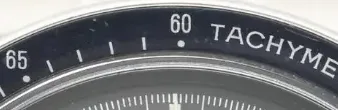
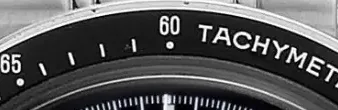
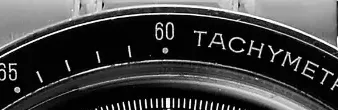
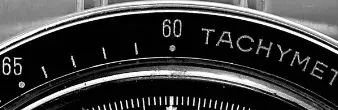
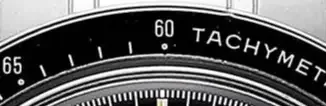
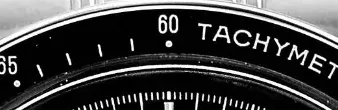
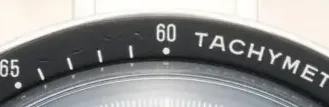
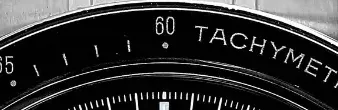
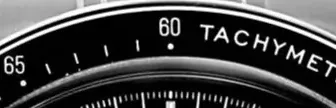
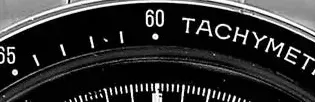
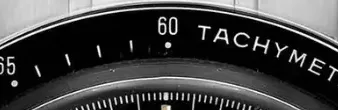
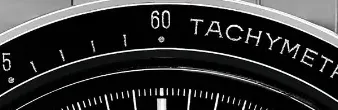
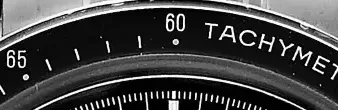
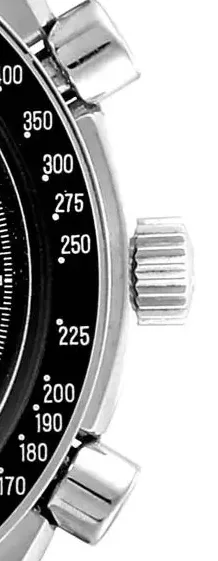
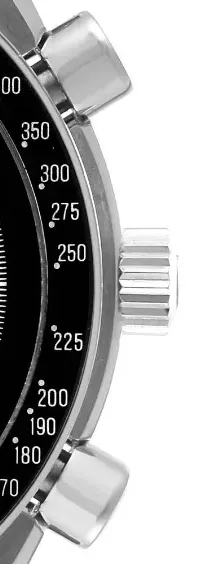
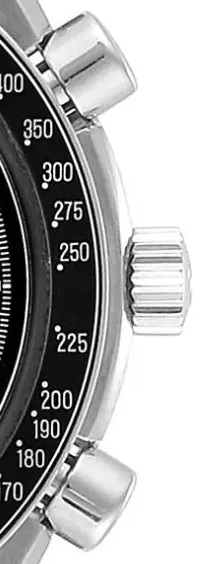
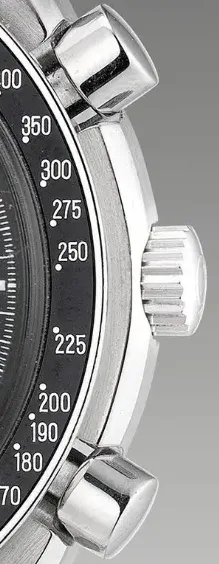
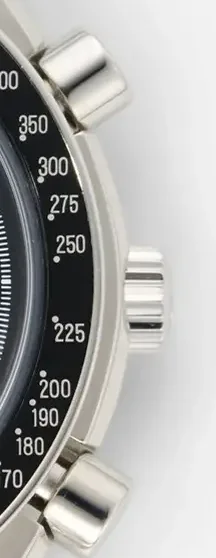
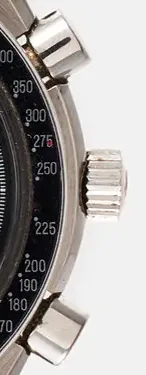
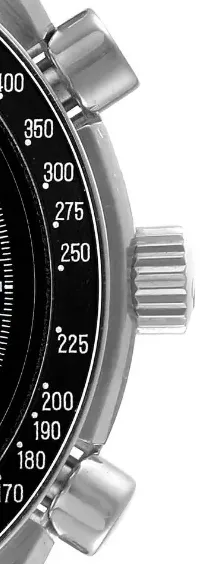
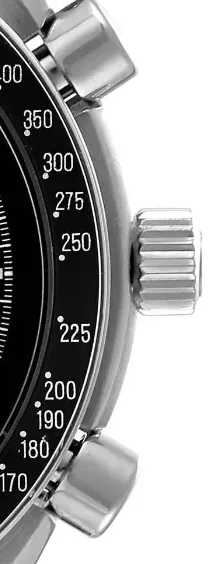
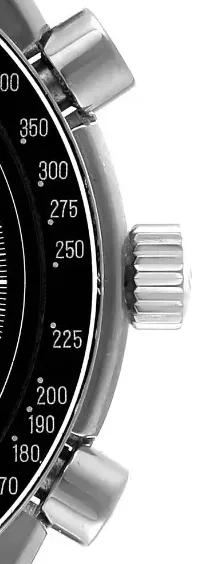
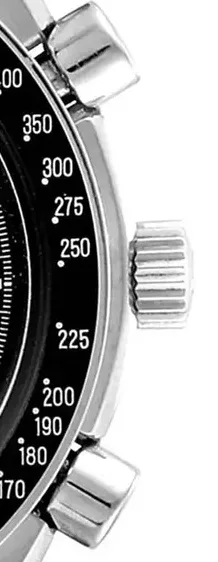
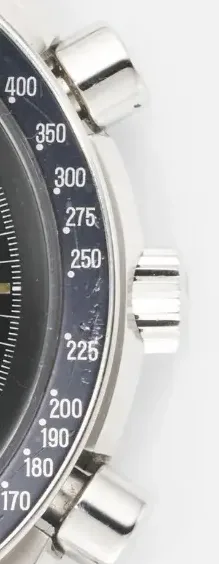
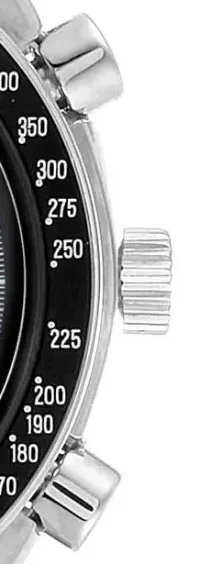
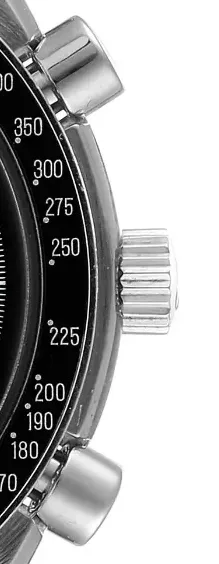
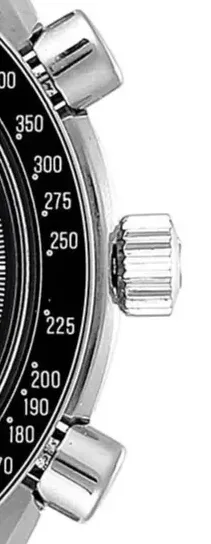
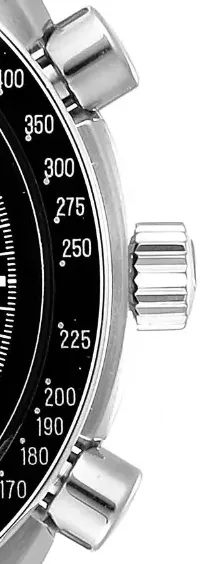
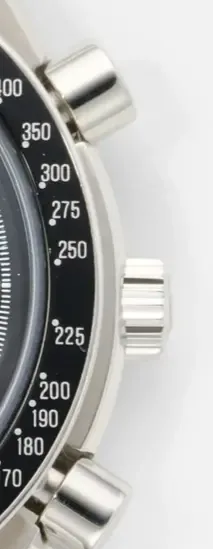
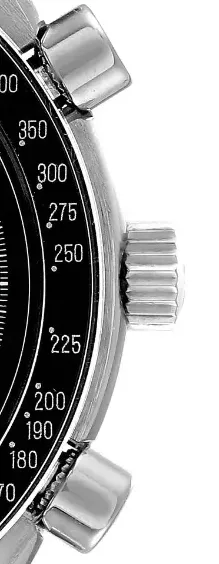
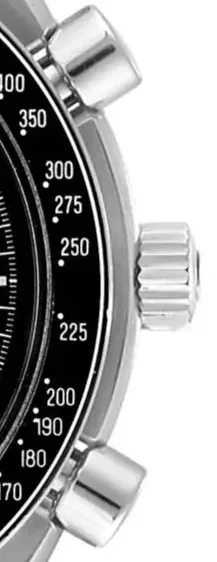
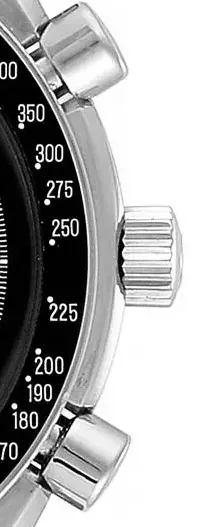
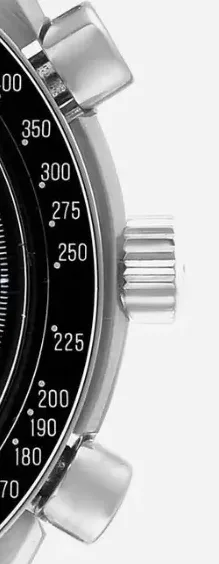
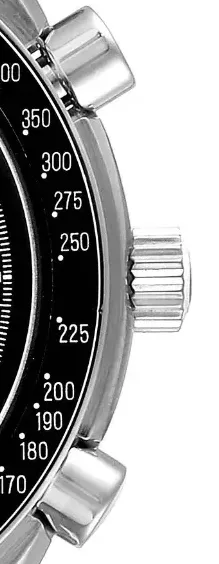
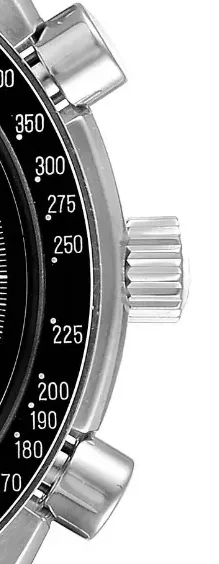
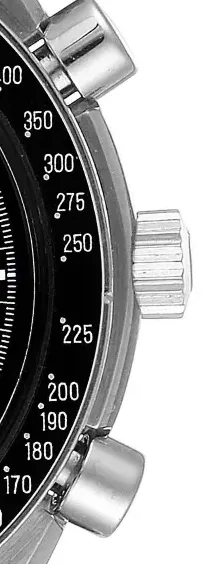
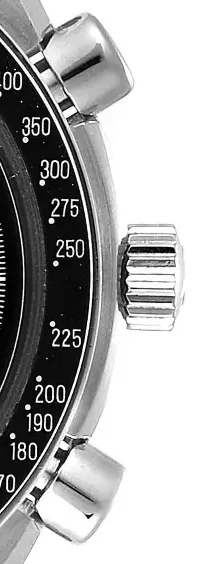
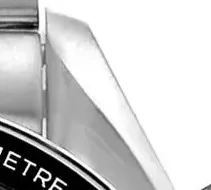
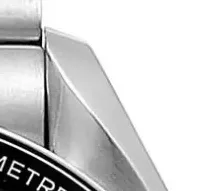
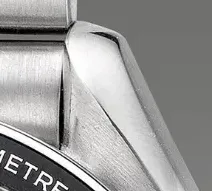
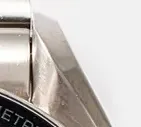
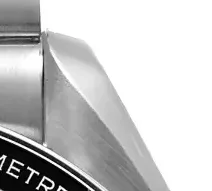
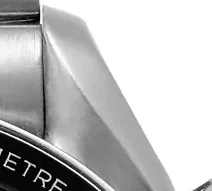
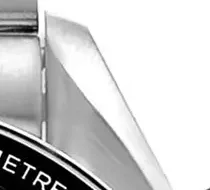
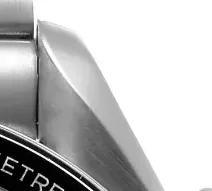
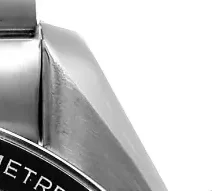
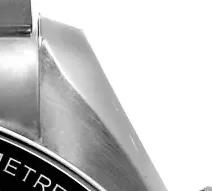
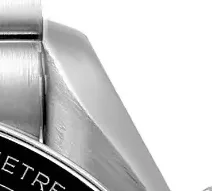
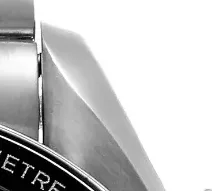
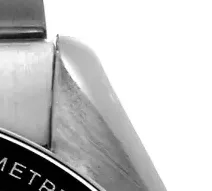
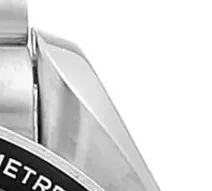
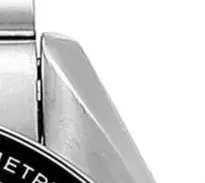
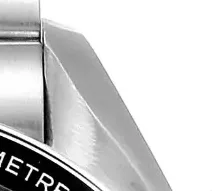
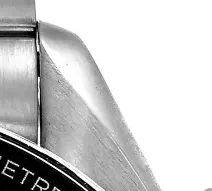
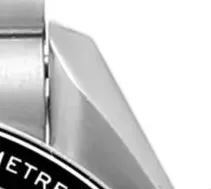
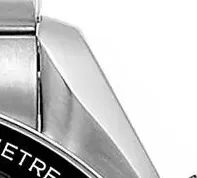
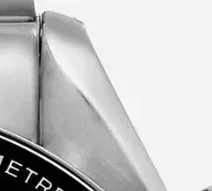
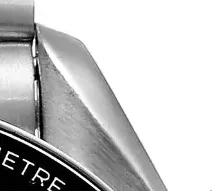
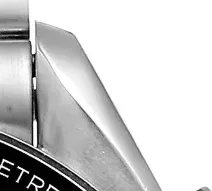
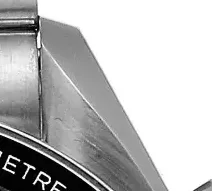
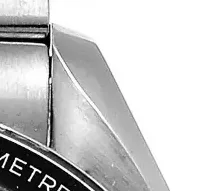
41 watches, oldest first, each straightened and cut the same way so that one row shows one component across them all. Chosen from 656 photographs on file for sharpness and for a face typical of the reference. A year marked c. is one its holder gives only roughly. Each picture is a detail cut from a listing photograph. Select the small mark in its corner for its year, its holder, a link to the listing it came from, and a way to report it.
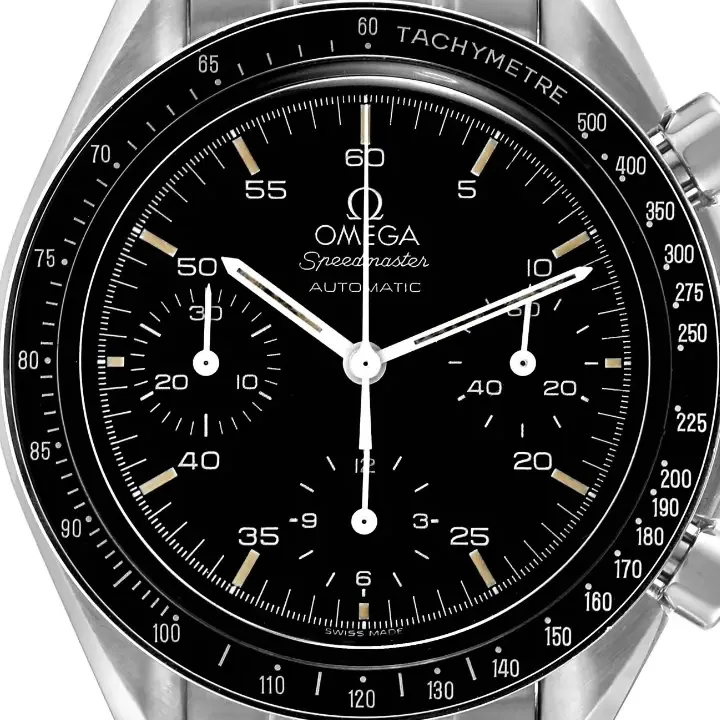
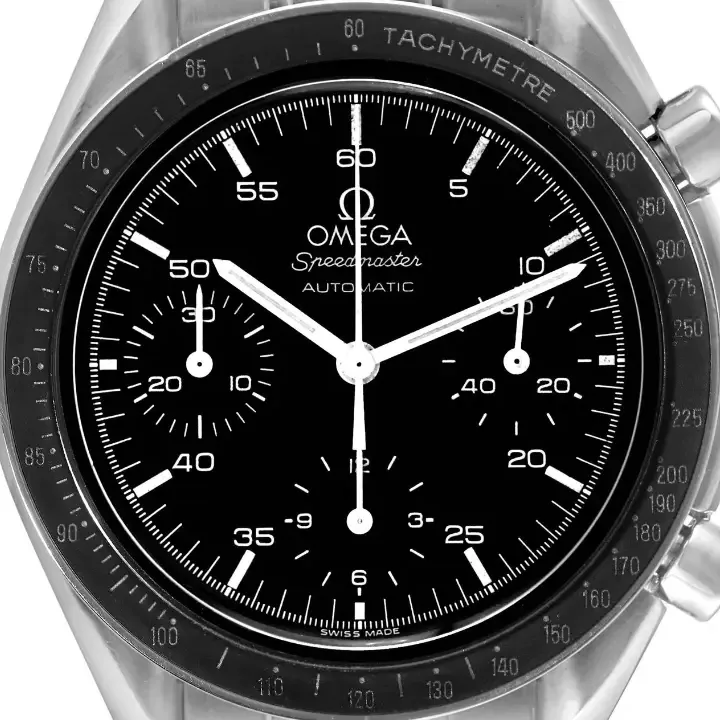
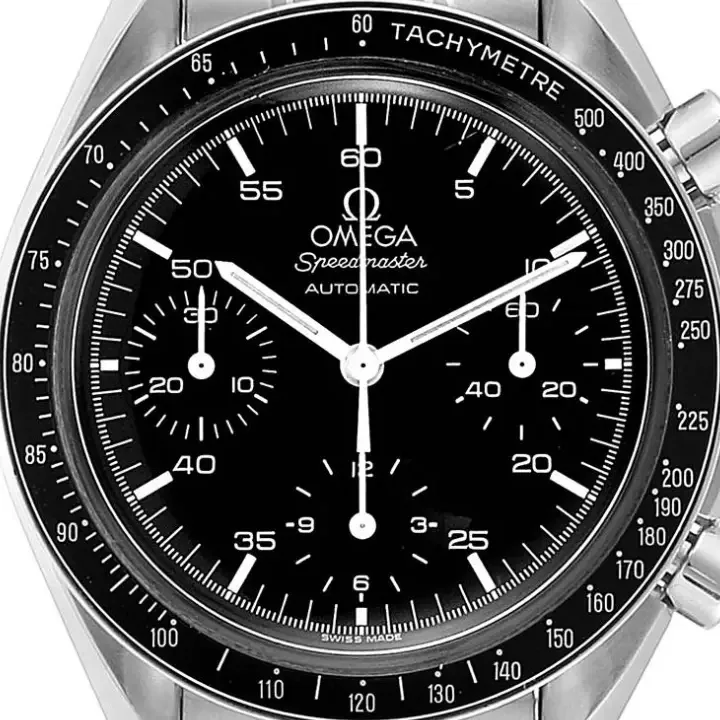
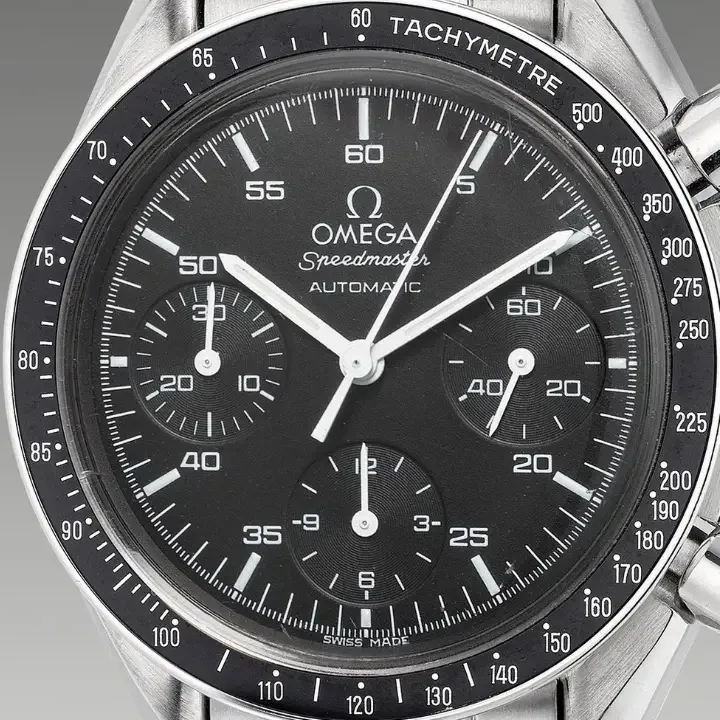
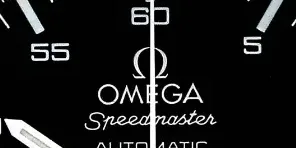
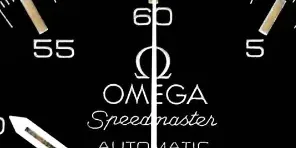
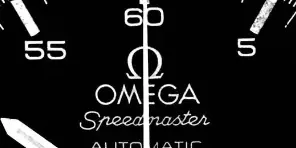
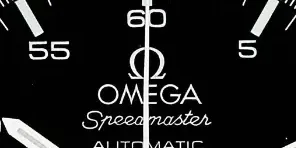
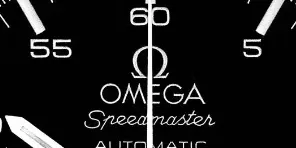
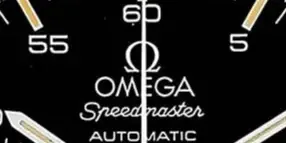
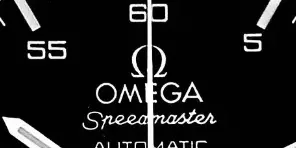

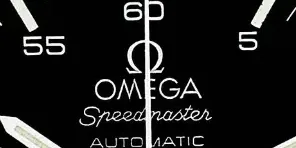
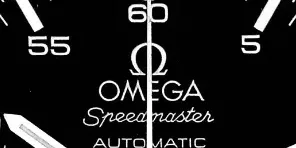
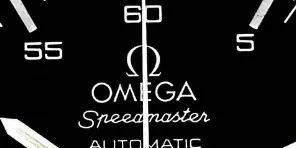
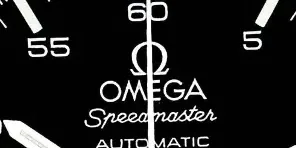
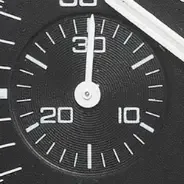
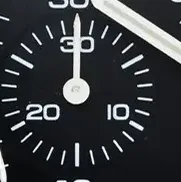
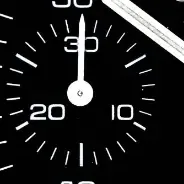

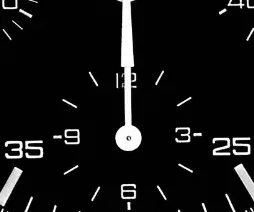
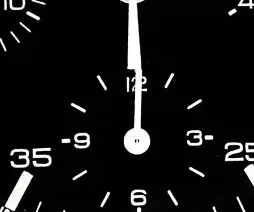
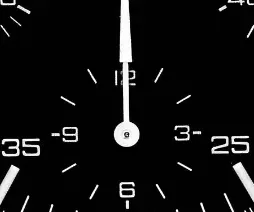
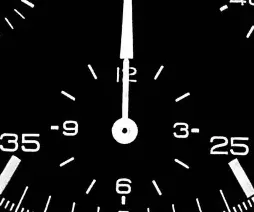
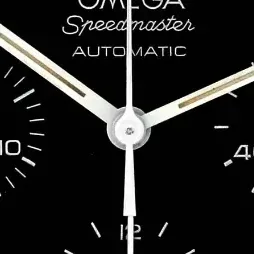
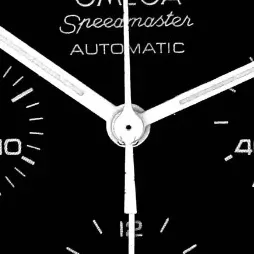
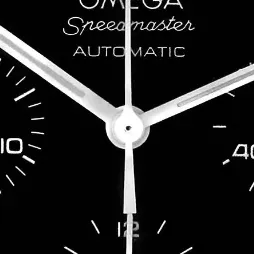
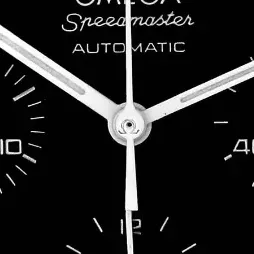
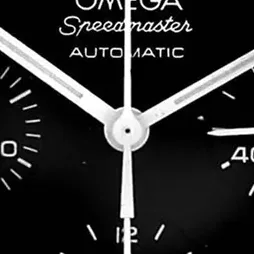
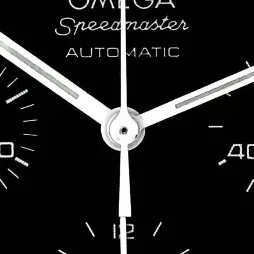
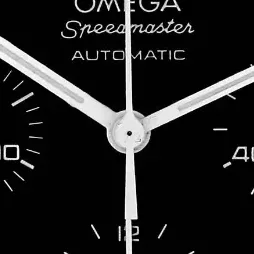
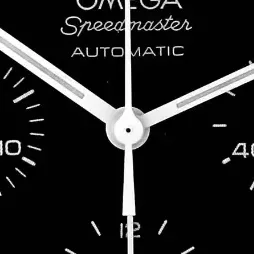
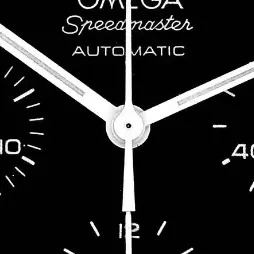
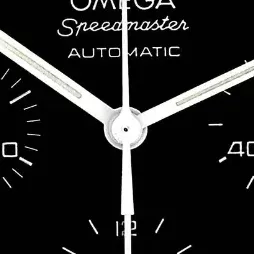
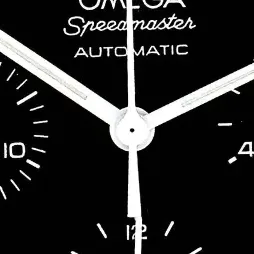
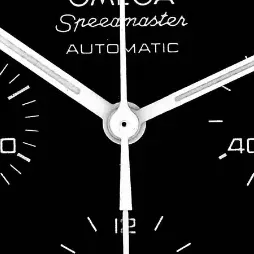
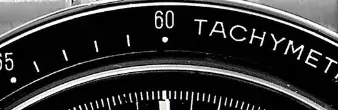
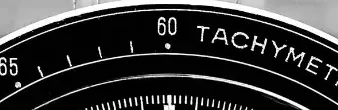
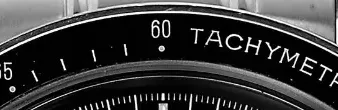
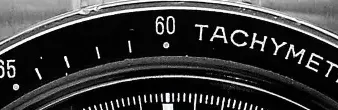
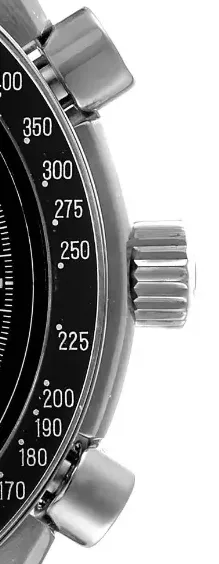
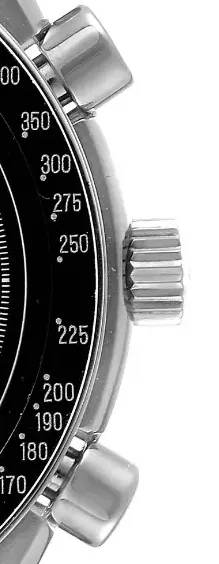
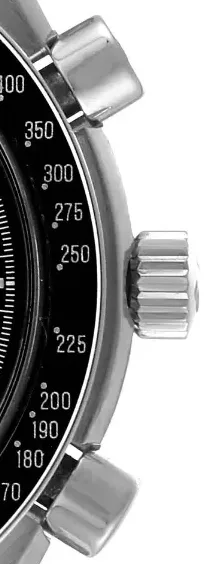
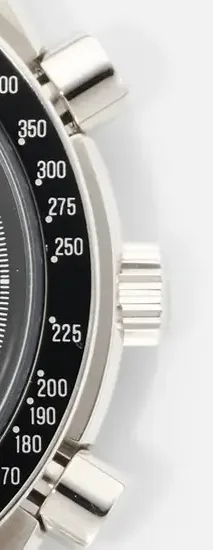




Chronology
The start is given as 1988 and the end as 2009 or 2010.
Every dated variant: what is written, and what the records show
For the reference the marks are every dated watch; for a variant, the watches a seller names as that variant, so a variant sellers do not name has none.
Specification
| Case | Stainless steel, about 39 mm as stated by the maker and about 38.5 mm without crown and pushers; about 12 mm thick; lug to lug about 44 to 45 mm; polished and brushed finish; polished caseback with the hippocampus medallion, slightly bulging because of the chronograph module |
| Crystal | Domed Hesalite (acrylic) |
| Bezel | Black aluminium tachymeter scale reading 'TACHYMETRE' without an accent |
| Dial | Black, matt, with white print; three subdials at 3, 6 and 9; no date; 'Automatic' under 'Speedmaster' |
| Movement | Automatic modular chronograph, an ETA base with a Dubois-Dépraz 2020 module: calibre 1140 at first, 1141 and 1143 from about 1996-97, 3220 from about 2000. The 3220 is given as an ETA 2890-A2 base; 28,800 vibrations per hour; about 40 hours of power reserve; 46 or 47 jewels |
| Bracelet | Steel bracelet ref. 1469 tapering from 18 mm to 16 mm, brushed outer and polished centre links, stamped clasp |
| Water resistance | 30 metres |
Dial 2 described
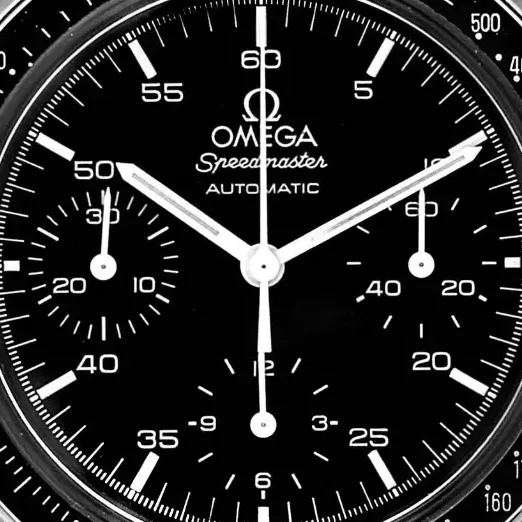
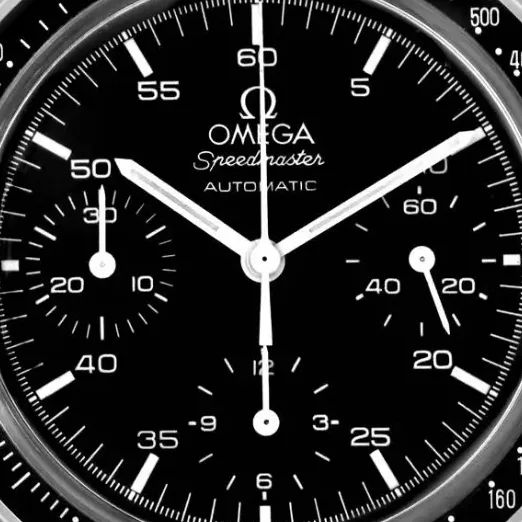
The dial is a black no-date tri-compax with white print, intended to look as much like the Speedmaster Professional as possible. It differs from the Moonwatch dial in its text and in its layout.
Black dial, standard
Matt black with white markers and text, and a separate minute scale (5 to 60) printed beneath the hour markers. 'Automatic' appears below 'Speedmaster' and there is no 'Professional'. The subdials, which are snailed, sit near the edge of the dial and cut off the markers at 3, 6 and 9, and those markers are slightly shorter than the rest. The numerals in the subdials share a typeface with the minute scale and with the 'Automatic' text. Nearly all sellers describe a black dial.
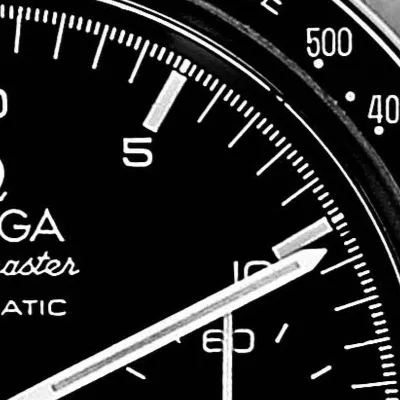
- 'Automatic' under 'Speedmaster'
- subdials near the dial edge
- no date


Special-edition dials
On the same case Omega made many dial colours, including red, blue, yellow, off-white checkered and black with an orange and red outer ring, as limited editions and country-specific models. They carry different reference numbers and are not the 3510.50.
Luminous material 1 described
The literature says little about lume beyond the type, and describes only tritium. It does not date a change on this reference; the Moonwatch moved from tritium to Luminova in about 1997, so later watches of this long run may not have tritium.
Tritium lume
Tritium paint on the markers and on the hour and minute hands; it ages to a warm yellow.
- lume on markers and hands
Hands 1 described
Hands are white and sword or baton shaped, with a stick seconds hand.
Sword hour and minute hands
White sword- or baton-shaped hour and minute hands with lume, and a simple stick seconds hand running to the end of the scale. Accounts differ on whether the chronograph seconds hand is lumed.
- white baton or sword hands
Subregisters 1 described
The subdial layout is not that of the Moonwatch: the registers are in different places and are set wider.
Reversed tri-compax layout
A minute counter at 9, a running seconds at 3 and an hour counter at 6, so that the minute and seconds registers are swapped relative to the Moonwatch. The registers are placed far apart and near the outer edge of the dial, with snailed finish. This follows from the modular chronograph.
- minutes at 9, seconds at 3, hours at 6
- registers near the edge
Bezel 1 described
A black aluminium tachymeter bezel.
Aluminium tachymeter bezel
Black aluminium with a tachymeter scale reading 'TACHYMETRE', without the accent on the first E, where most Moonwatch bezels read 'TACHYMÈTRE'. It marks easily.
- TACHYMETRE without accent
Case 1 described
The case is compact, about 39 mm by roughly 12 mm, noticeably shorter lug to lug than the Moonwatch. It is steel with brushed top surfaces and polished sides. The 3510.50 shares this case with many special editions.
Steel case
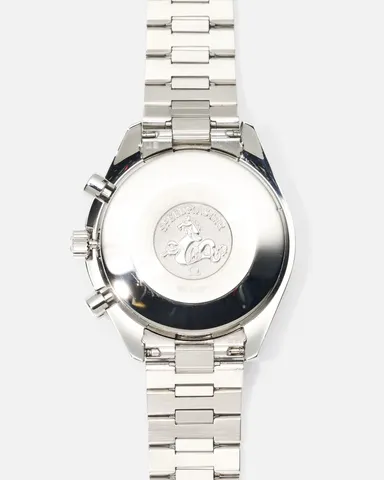
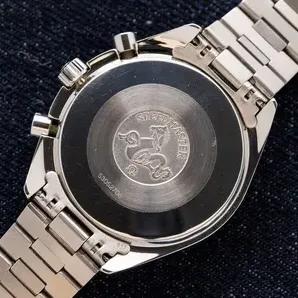
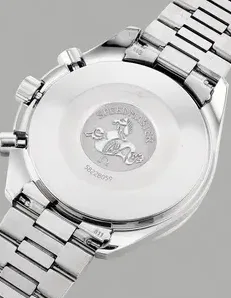
About 38.5 mm without crown and pushers (stated as 39 mm), about 12 mm thick against about 14 mm for the Moonwatch, with a lug to lug of 44 to 45 mm against about 47 mm. The caseback is polished steel with the hippocampus, and bulges slightly to hold the module.
- compact case with 18 mm lug width
- hippocampus on the caseback
Crown and pushers 1 described
The crown and pushers are not aligned.
Raised pushers
The chronograph pushers sit slightly higher than the crown when the watch is viewed from the side, because the chronograph is a module mounted above the base movement. This is a quick check against a Moonwatch.
- pushers higher than the crown
Crystal 1 described
Hesalite crystal.
Domed Hesalite
A domed acrylic crystal, which scratches easily. A short-lived successor with a sapphire crystal followed the 1988 to 2010 model.
- domed crystal
Movement 2 described
The movement is the point at which this watch differs most from the Moonwatch. It is an automatic with a module, not a hand-wound cam chronograph.
Calibre 3220
The calibre of the later watches, from about 2000: an ETA base, given in most of the literature as the no-date 2890-A2, with a Dubois-Dépraz 2020 chronograph module on the dial side. The module explains the high jewel count, the raised pushers and the added height. Watchmakers find the module slower to work on, and service can cost more than for the Moonwatch's hand-wound movement. The changes of calibre number during the run left the appearance of the watch the same.
- 46 or 47 jewels
Calibres 1140, 1141 and 1143
The earlier watches carry the same modular construction under older numbers. Calibre 1140, from 1988, pairs an ETA 2890-2 with the Dubois-Dépraz 2020 module and has gold-plated parts; the 1141 of 1996 was a rhodium-plated revision; and the 1143, from 1996 or 1997, moved to the newer ETA 2892-A2 base. The changes were mainly cosmetic, and the 3220 replaced the 1143 in about 2000, though one account places the change on this reference in 2003.
- gold-plated movement on the 1140
Bracelet 1 described
A bracelet like the Moonwatch's but narrower.
Ref. 1469
A steel bracelet tapering from 18 mm to 16 mm, with brushed outer links and polished centre links; it resembles the Moonwatch bracelet ref. 1479 but has a polished centre link. The stamped clasp bears the Omega logo and the word Speedmaster, and the bracelet feels loose or 'jingly'.
- polished centre link
- stamped clasp with Speedmaster
Originality
- Bezels are aluminium, mark easily and may have been replaced; the original reads 'TACHYMETRE' without the accent.
- Where the lume on the dial has aged, new hands in fresh white look wrong, and a watch with aged lume on the hands as well is the more consistent.
- Hesalite crystals scratch and may have been replaced.
- The 3510.50 is regularly advertised as a Moonwatch; the 'Automatic' text, the layout and the raised pushers separate them.
- Servicing of the modular movement is more demanding than on the Moonwatch, so recent service history is worth asking about.
Names
- Speedy Reduced. Short form of the name given because it is smaller than the Professional.
- Speedmaster Automatic. The name Omega also used, taken from the word on the dial.
Where accounts differ
Points on which the published literature and the library's own records do not agree, or on which the literature contradicts itself.
- Years of production. Published accounts put production at 1988 to 2009 in some places and 1988 to 2010 in others, and one gives 2009 or 2010.
- Whether the chronograph hand is lumed. Accounts differ on the hands: one says the indexes and hands carry tritium lume, another says the hour and minute hands are lumed but the chronograph seconds hand is not.
- Calibre numbers and base movement. Most accounts of the 3220 give it an ETA 2890-A2 base; others give the 2892-A2, the base they also give the 1143. The 1143 is dated to 1996 in some accounts and 1997 in others, and the change to the 3220 to 2000 in most and to 2003 in one.
Back and movement
From listings of this reference, each confirmed by eye to show what it is filed under. A picture on which a person's name or a personal engraving can be read is not shown. From most holders a detail from the middle of the photograph is shown; the mark in its corner gives its holder and a link to the listing.
Caseback



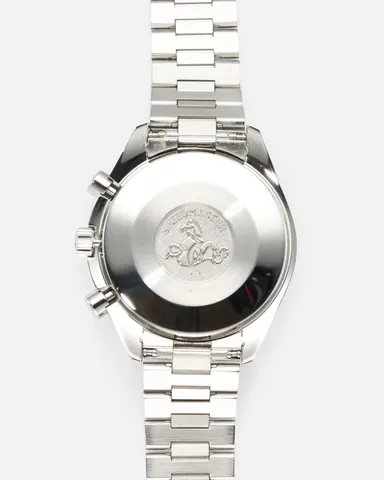

In the records
Counted from 488 listings at 27 holders between 16 January 2018 and 14 November 2026. These are what sellers and auction houses state, not measurements.
Fainter bars are the 6 outside the main run of 1991–2005 (the middle nine-tenths): the earliest is 1990 and the latest 2013. They are early and late examples, and now and then a seller's slip. The head of the page gives 1990–2005: the years that listings from two holders bear out. Not on the scale: 1966 (1), 2023 (1), 2024 (1), 2026 (2). A year more than ten from all the rest is usually a model name or a founding date, not the year of the watch.
At the holders that record papers on every watch, 24% of their 131 listings of this reference come with papers; at those that record the box on every watch, 14% of 131 come with a box. "Papers" is whatever the holder counts as papers, and can include service papers.
Case metal
| Steel | 239 | |
| Steel and gold | 1 |
Dial colour
| Black | 233 | |
| White | 1 |
Case size
| 39 mm | 280 |
Calibre named
| 3220 | 38 | |
| 1140 | 10 | |
| 1143 | 4 |
Bracelet or strap
| Metal bracelet, kind not stated | 223 | |
| Leather strap | 1 |
Each table counts the listings that state the thing, in the seller's own terms. A size, metal, colour or calibre that cannot belong to this reference is a seller's slip or a listing filed under the wrong number.