Speedmaster Professional
The 145.022 is the Speedmaster Professional that introduced the cam-operated calibre 861 in 1968, replacing the calibre 321 of the 145.012. It is a 42 mm steel chronograph with a Hesalite crystal and tritium lume, and it is the longest-running Speedmaster Professional reference, made in its steel form until about 1988. Its sub-references are named by the year stamped inside the case back: -68, -69, -71, -74, -76 and -78. From 1981 the catalogue number became 145.0022 while the case back kept 145.022. Collectors look first at the dial (applied or printed logo, stepped or flat), the bezel (dot position, the 220 misprint), the case back engraving and the bracelet.
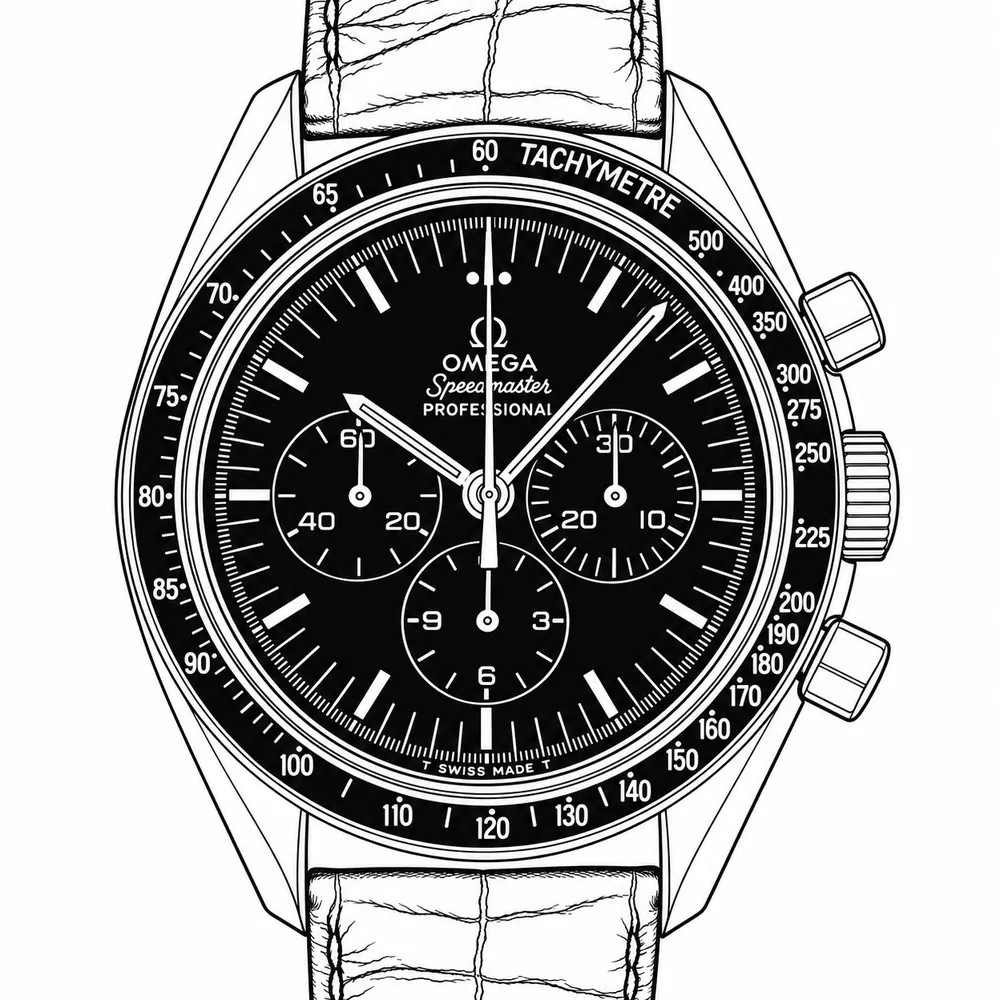
- Made
- 1968–1988dates approximate
- Seen in the library
- 1968–1995nine in ten in 1969–1991 · by years sellers state
- Case
- 42 mm · steel (84%), gold (15%)as sellers state
- Movement
- Calibre 861hand-wound
- On record
- 708 listings1,404 photographs · 59 holders
Components
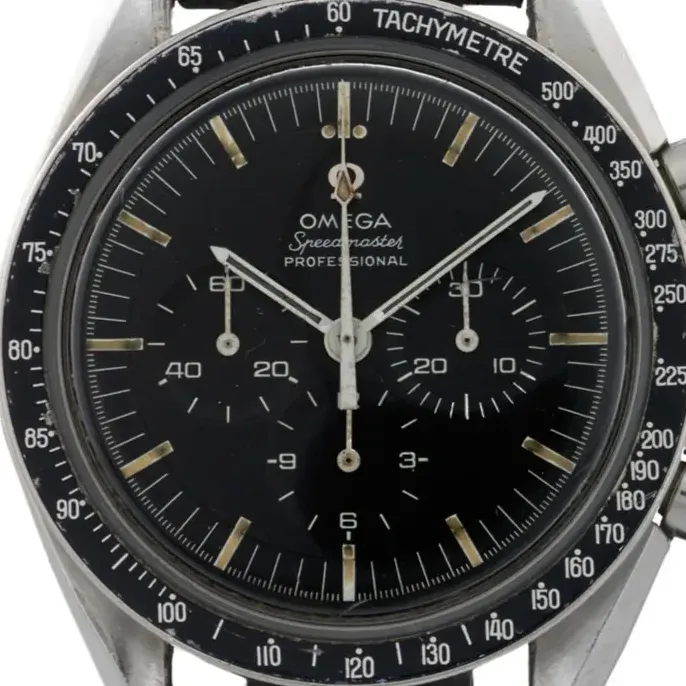
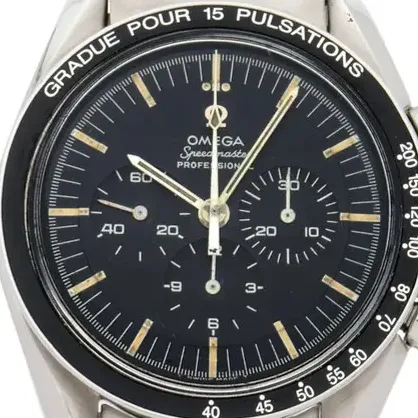
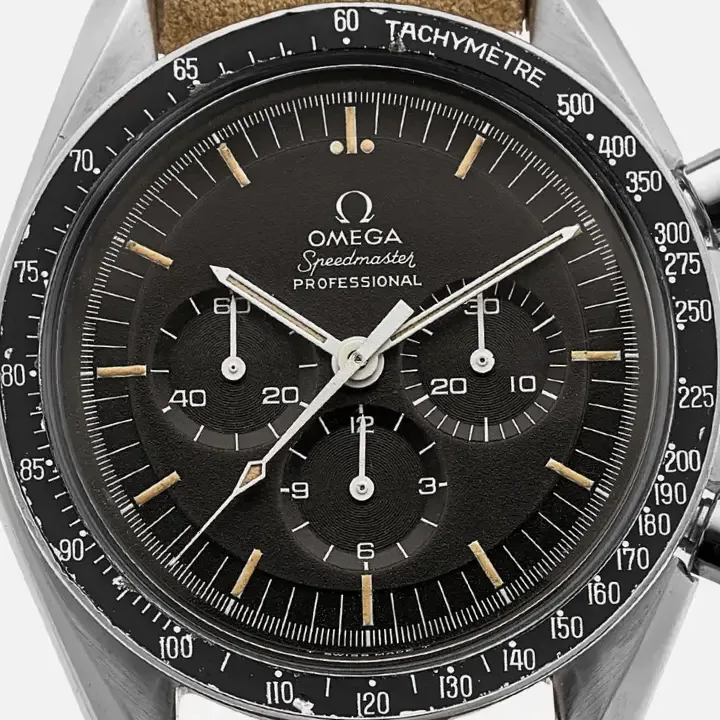
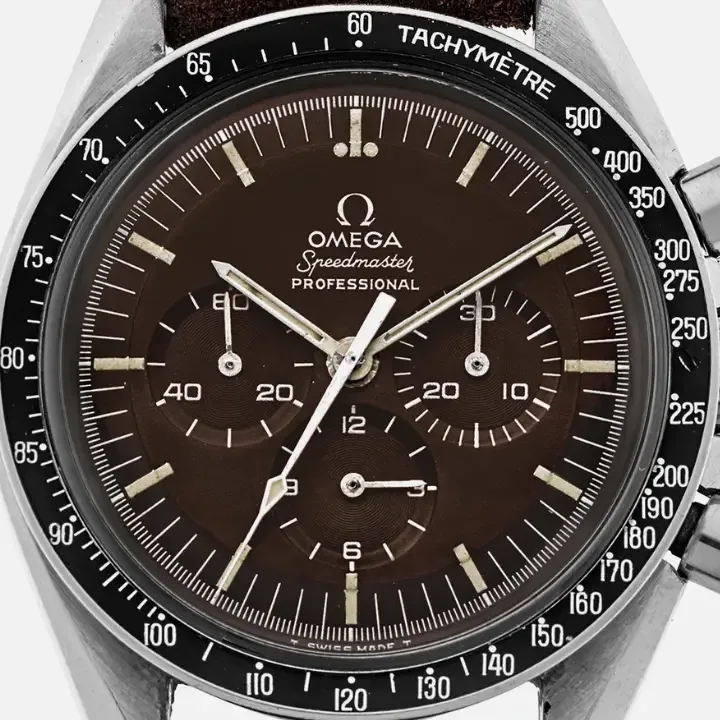
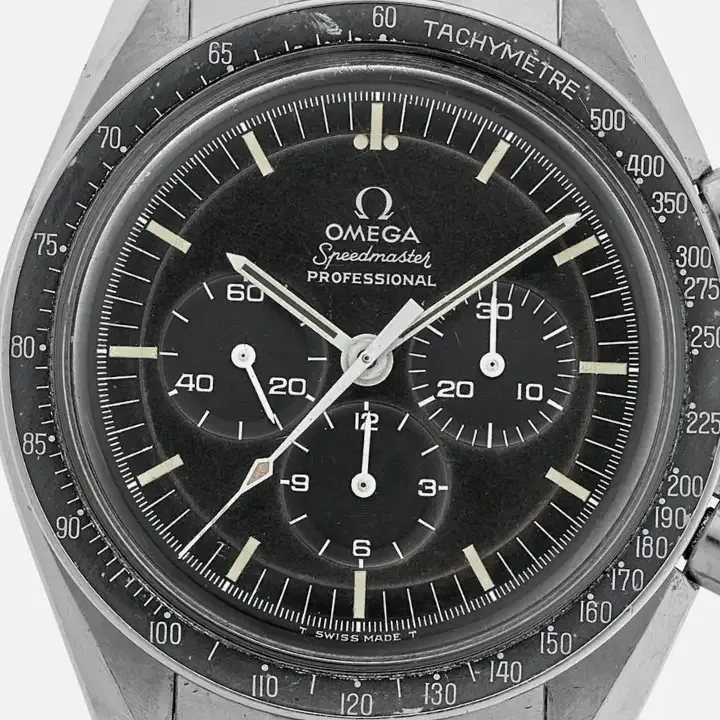
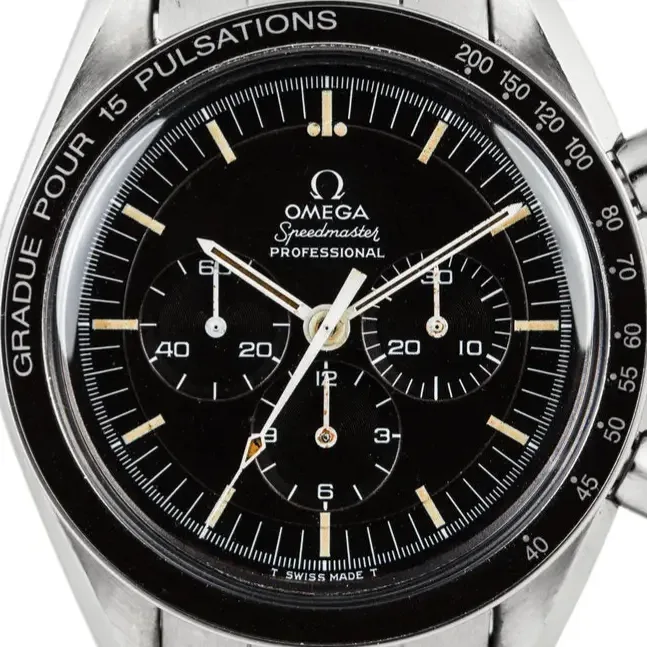
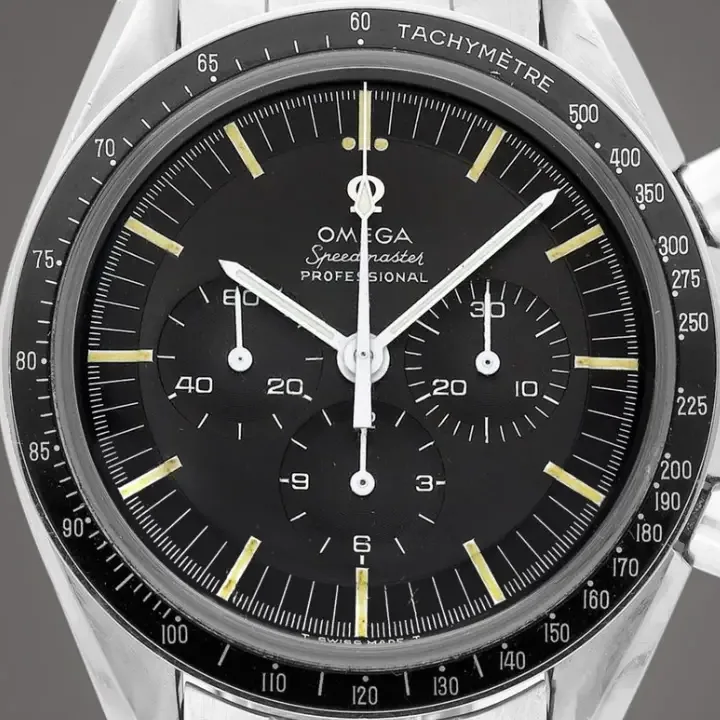
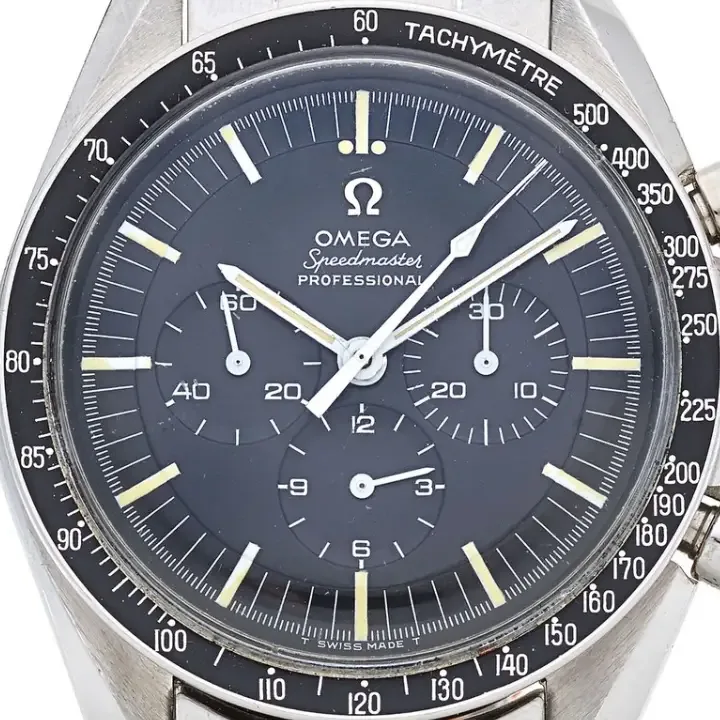
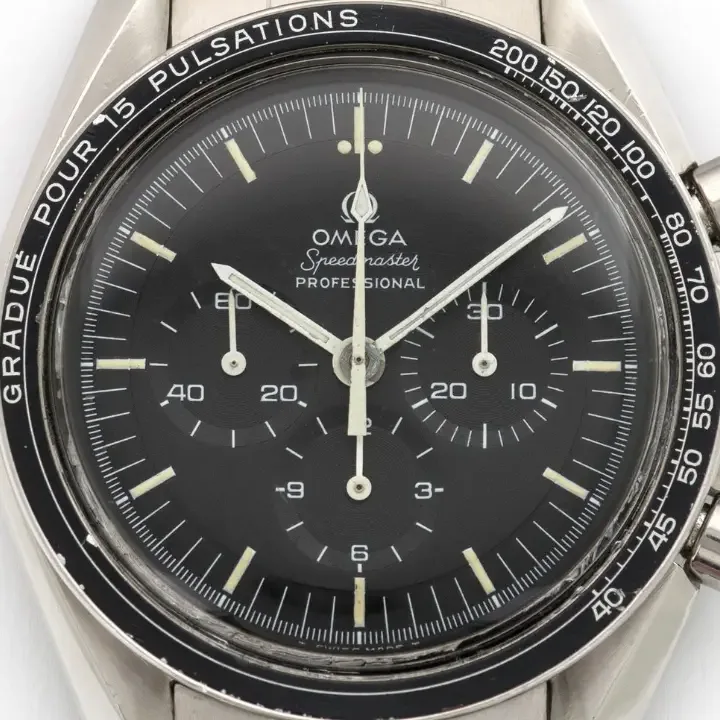
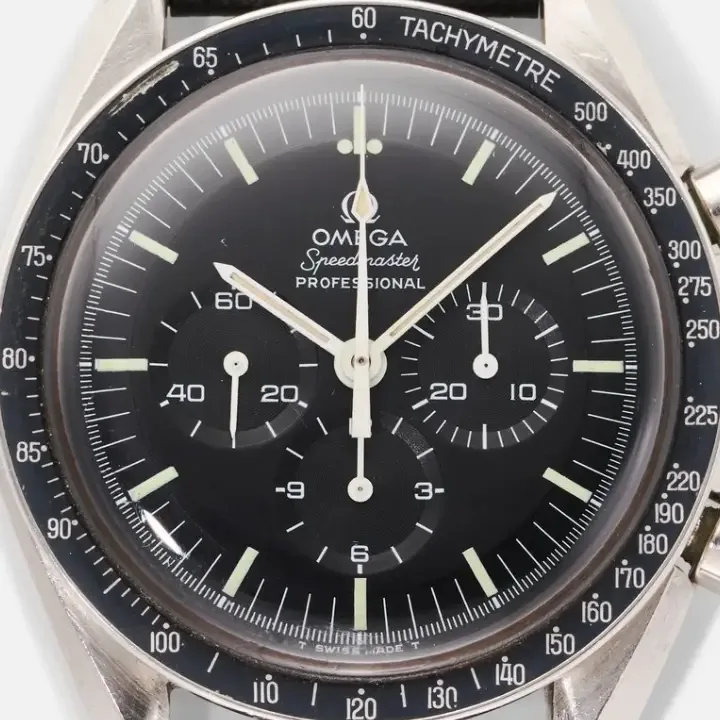
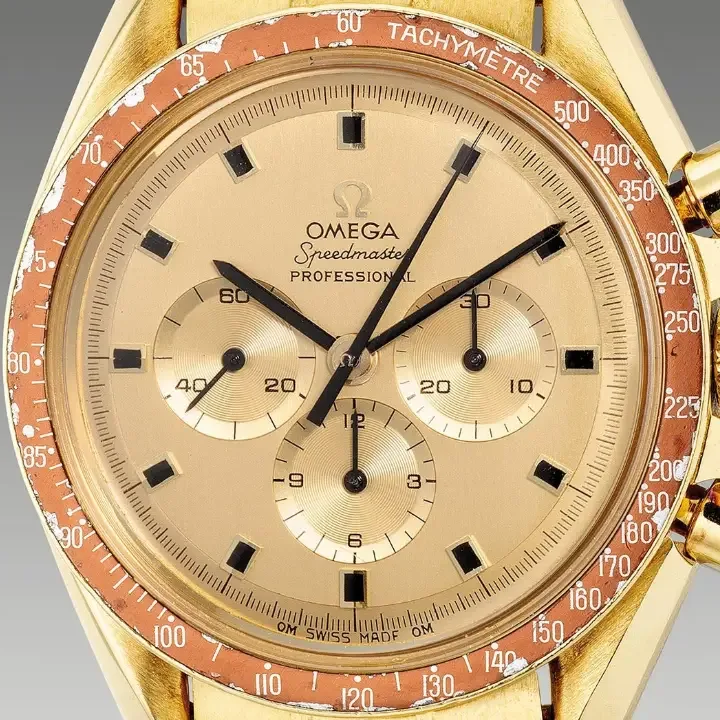
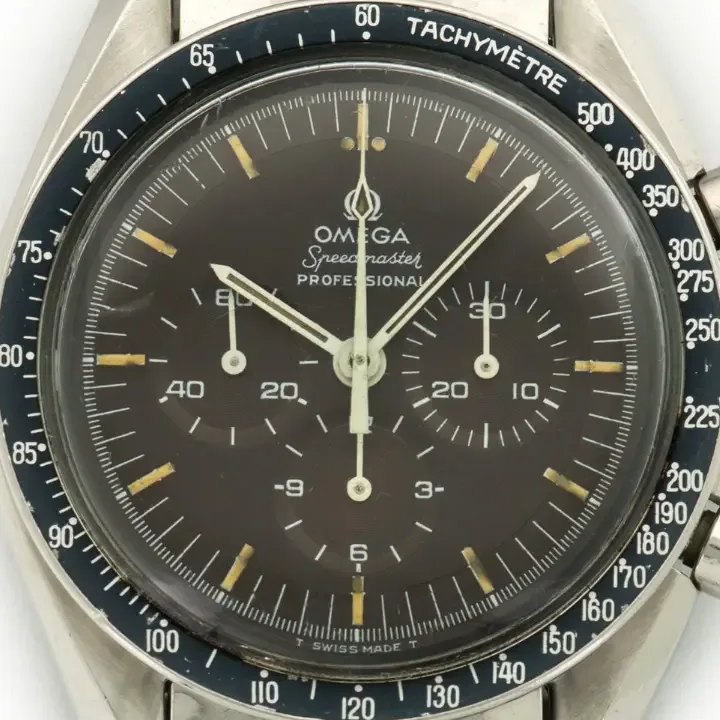
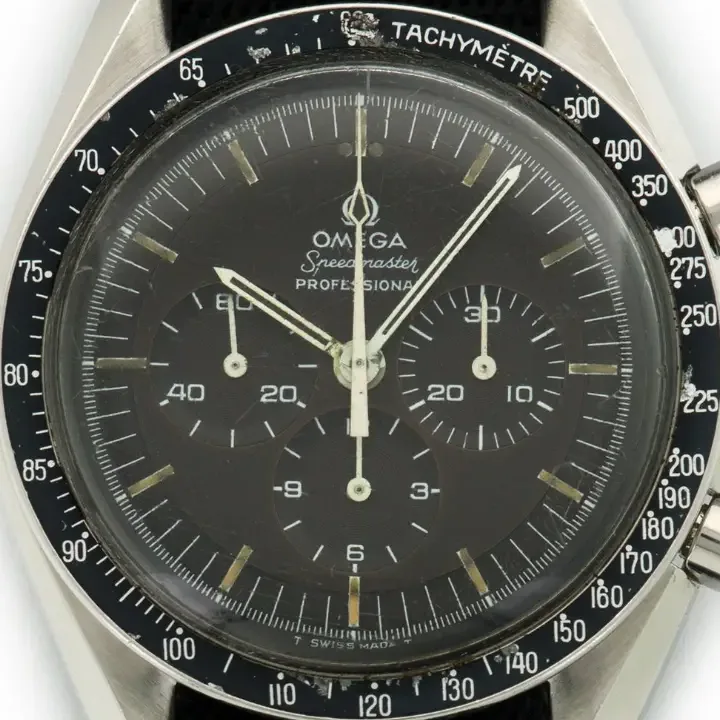
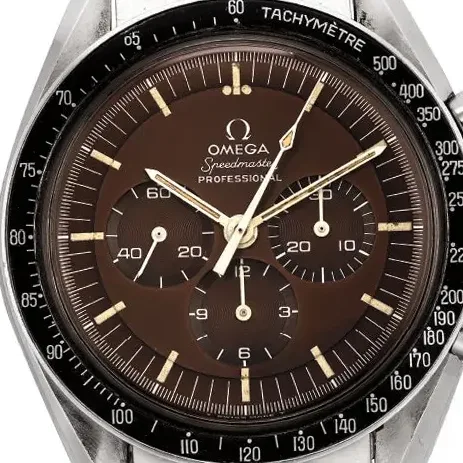
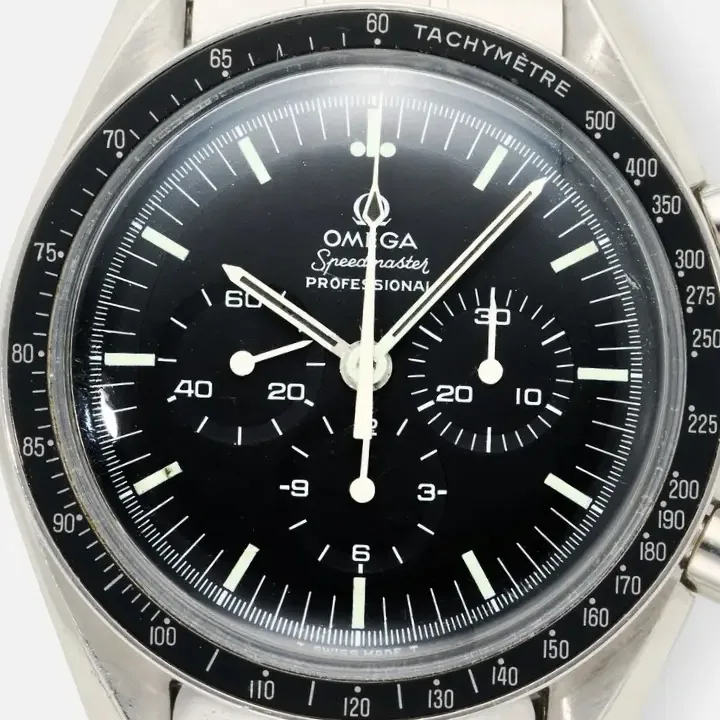
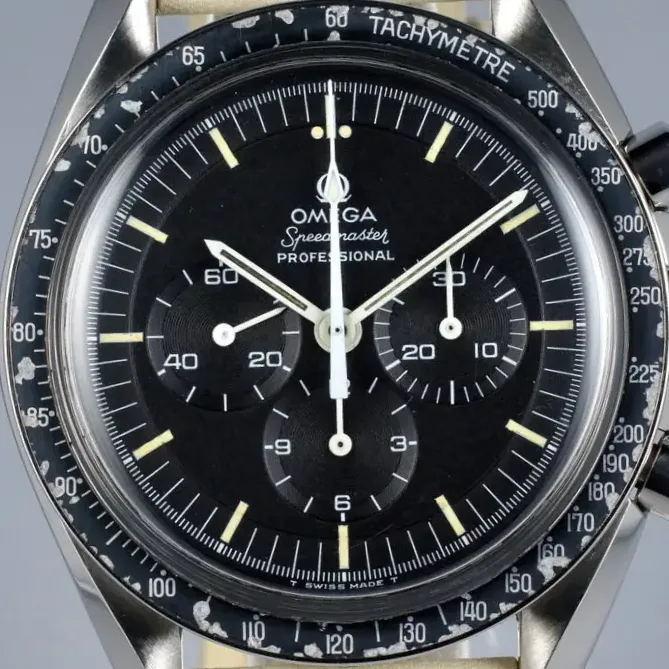
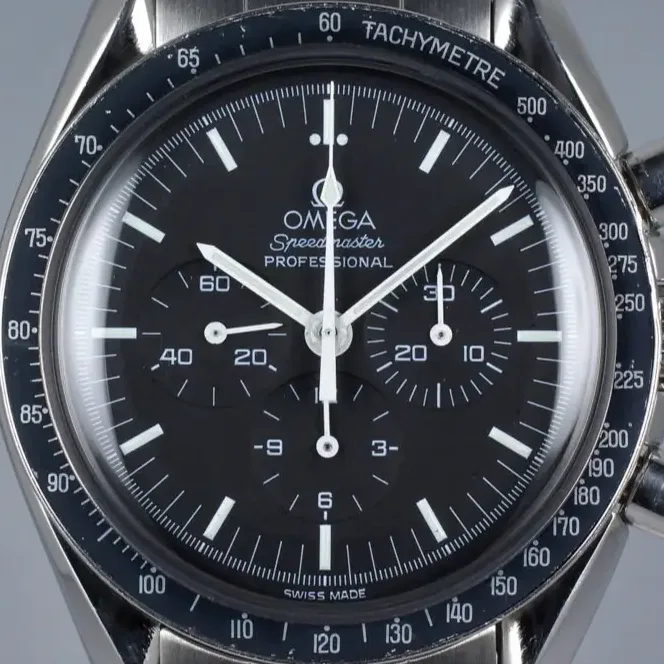
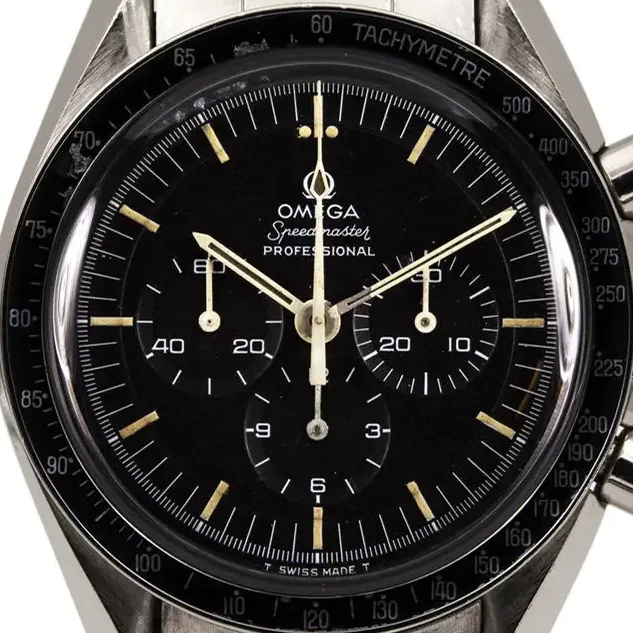
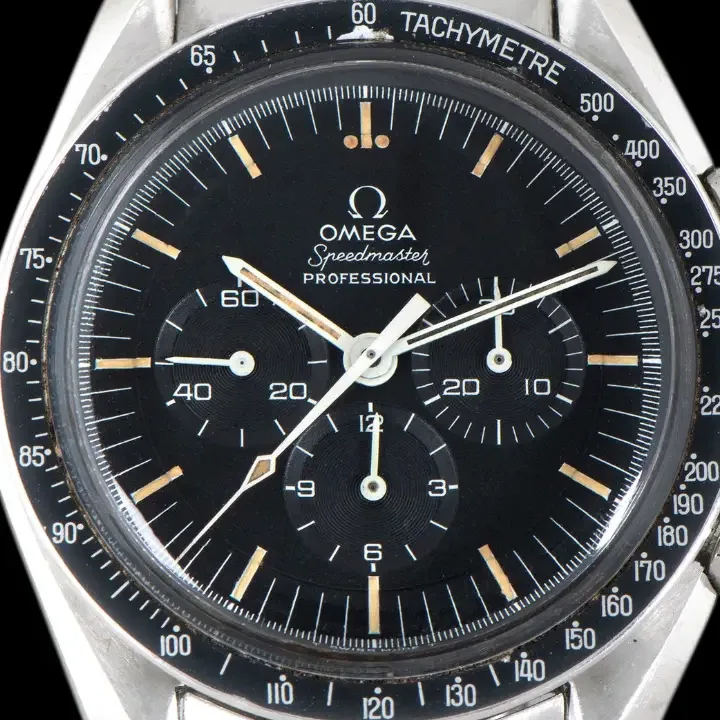
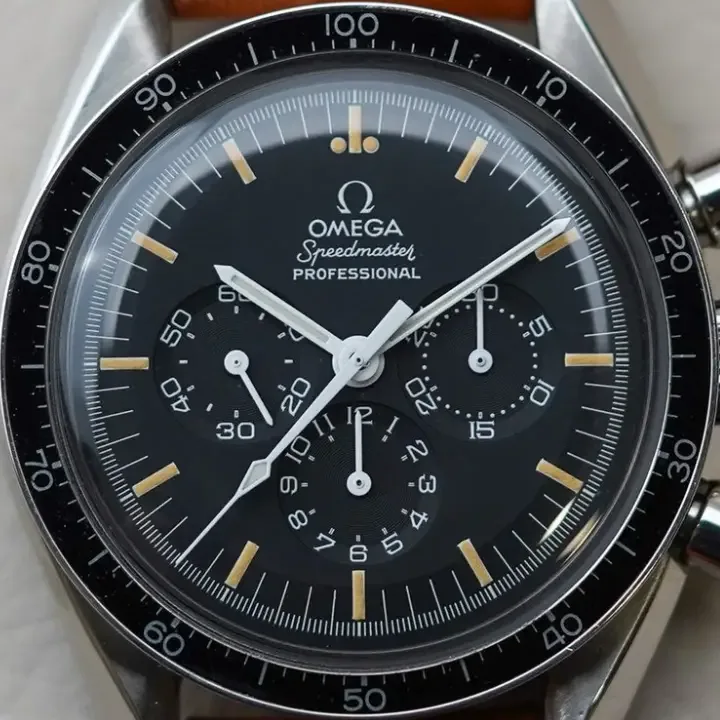
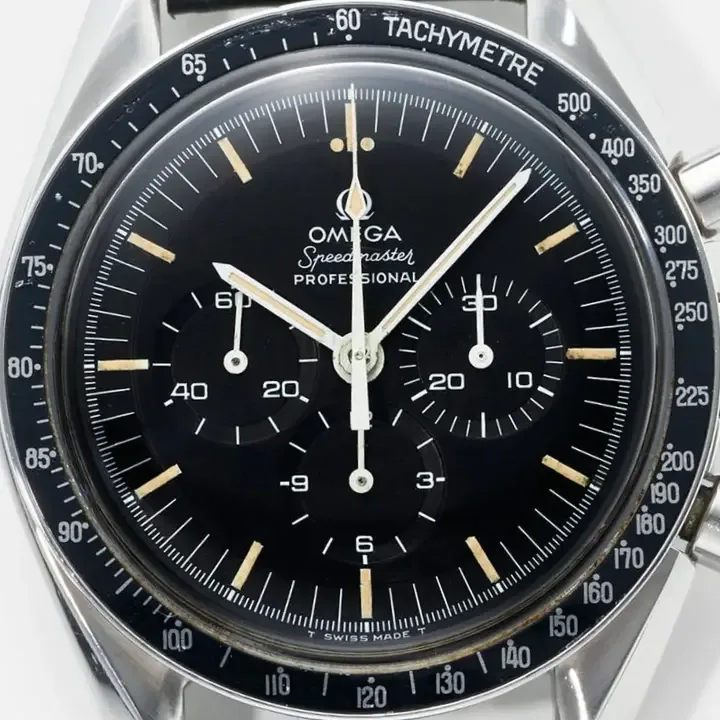
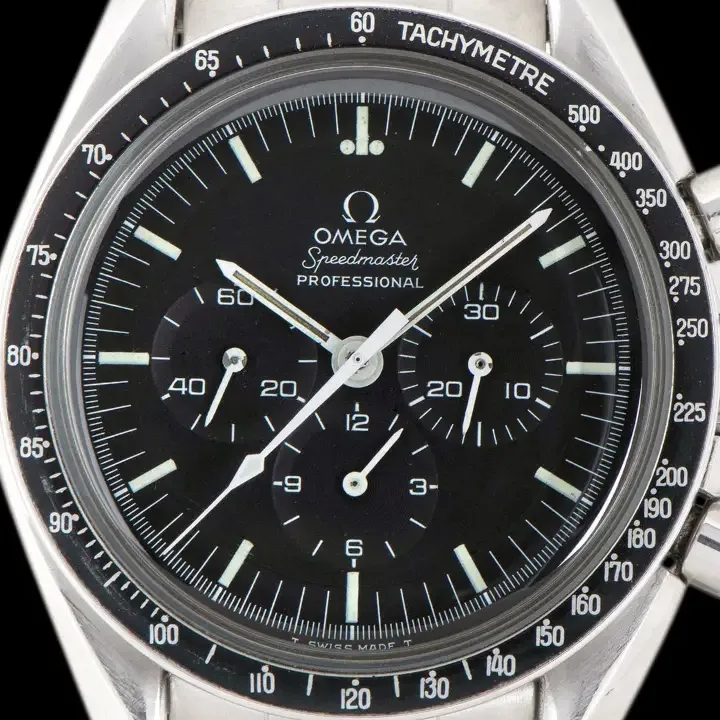
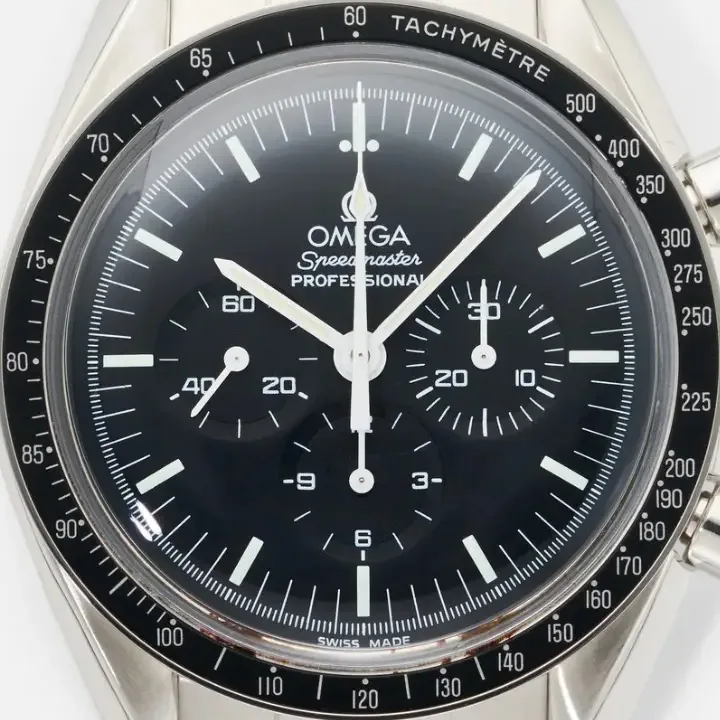
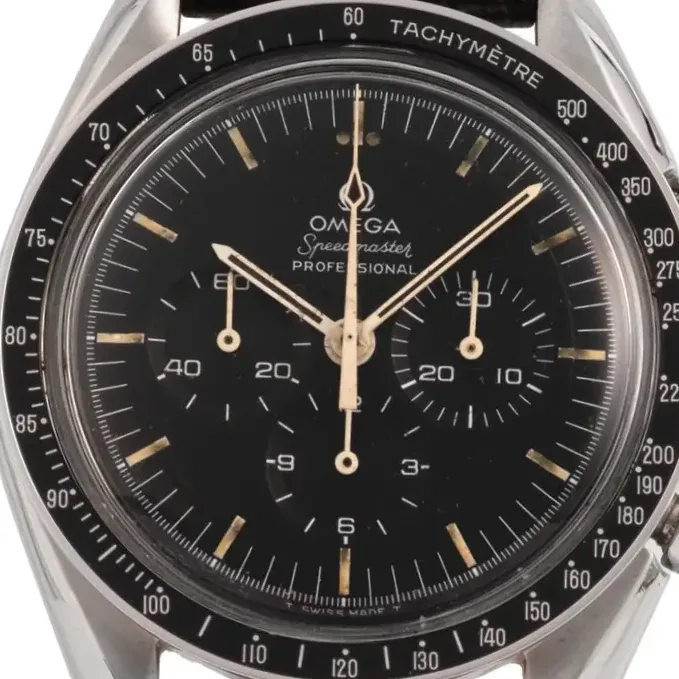
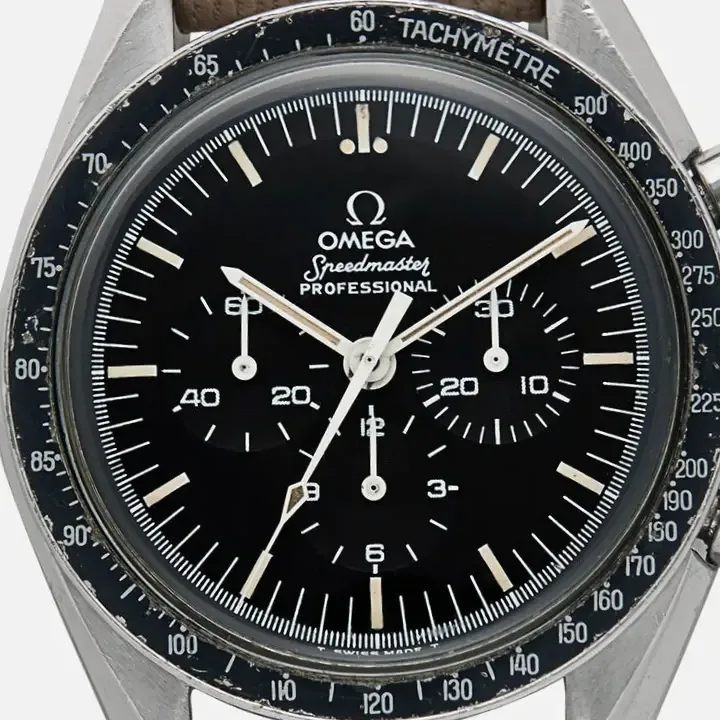
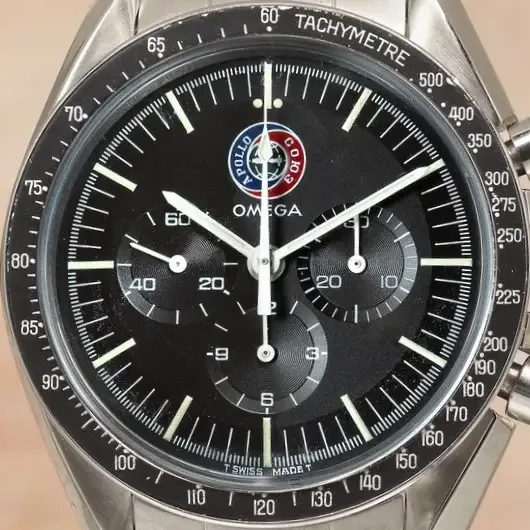
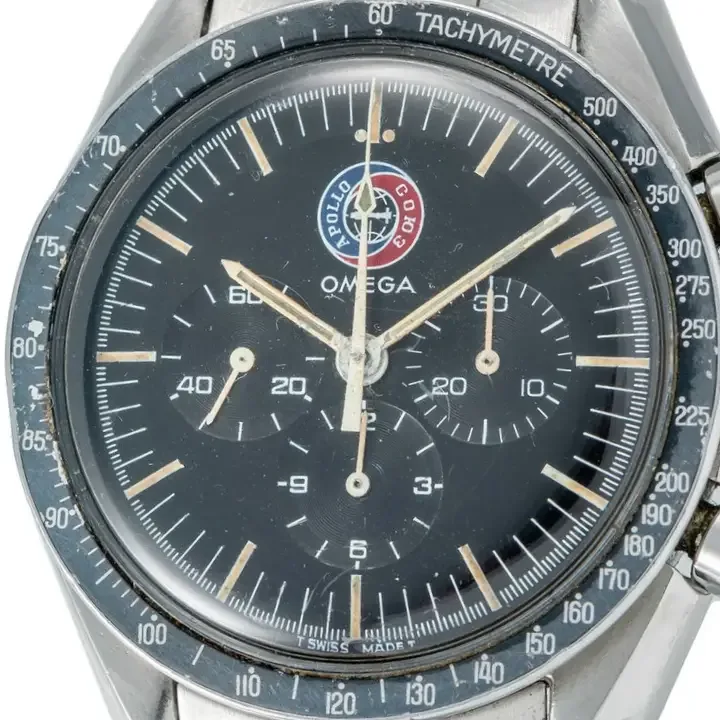
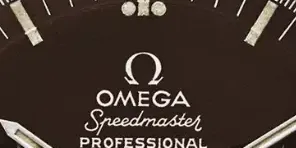
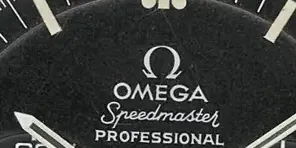
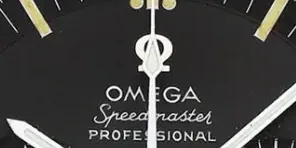
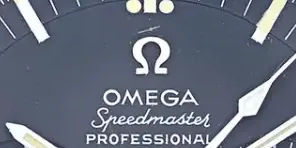
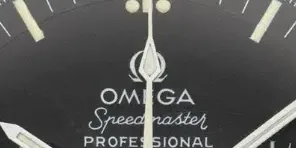
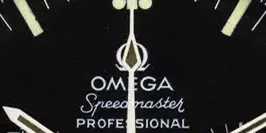
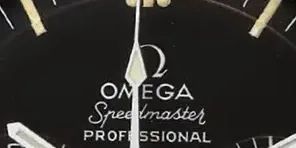
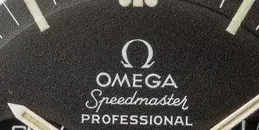
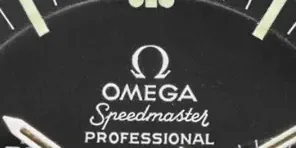
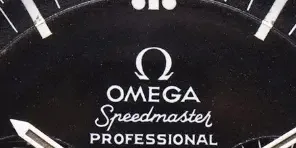
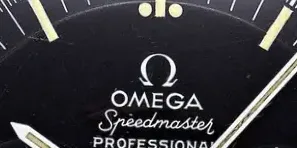
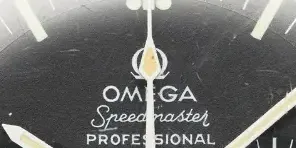
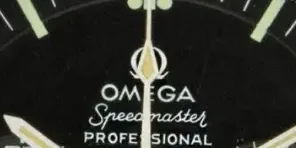
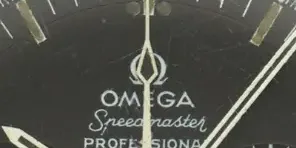
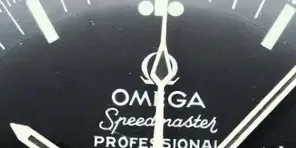
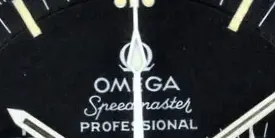
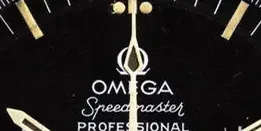
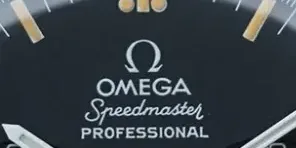
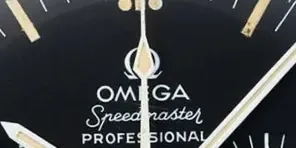
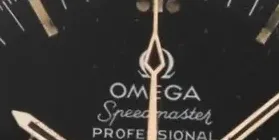
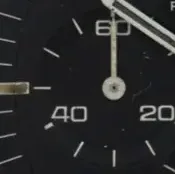
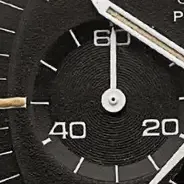
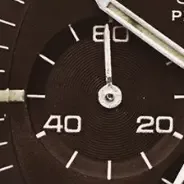
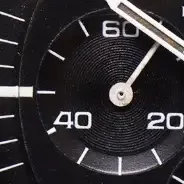
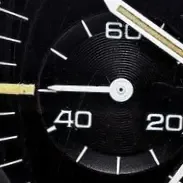
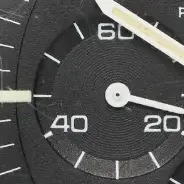
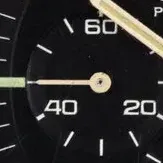
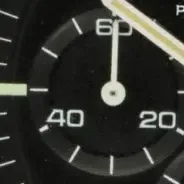
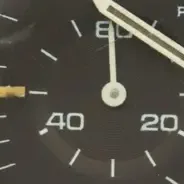
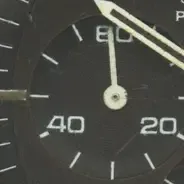
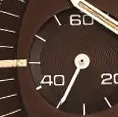
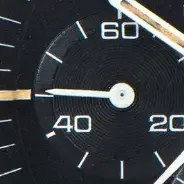
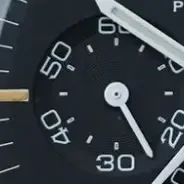
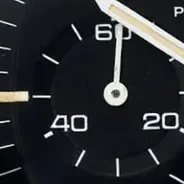
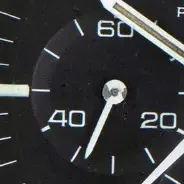
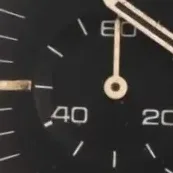
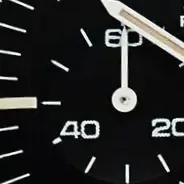
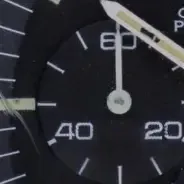
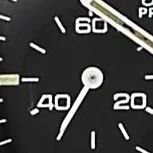
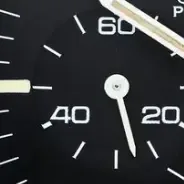
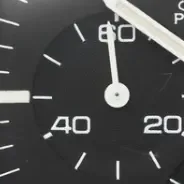
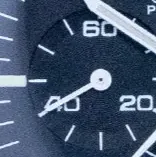
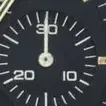
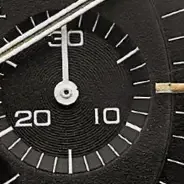
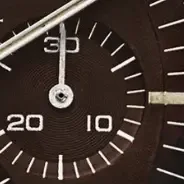
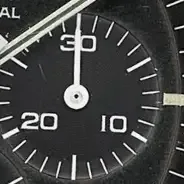
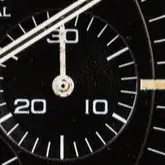
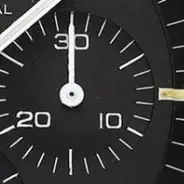
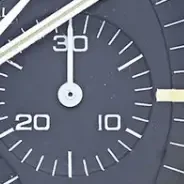
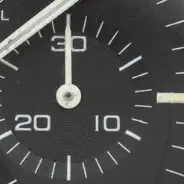
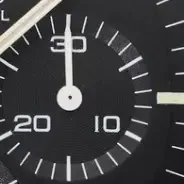
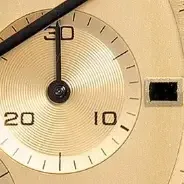
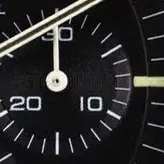
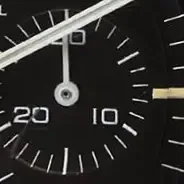
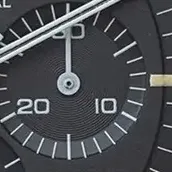
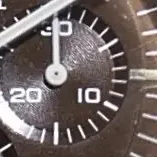
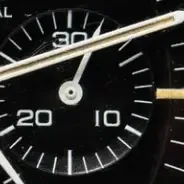
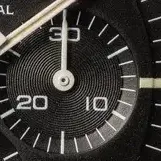
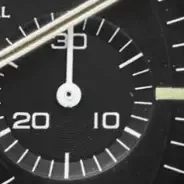
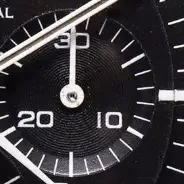
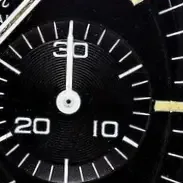
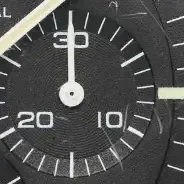
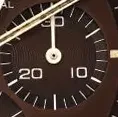
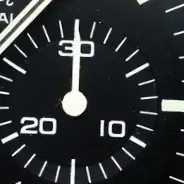
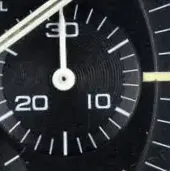
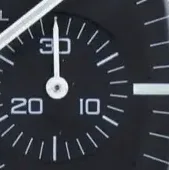
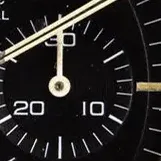
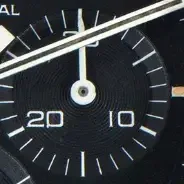
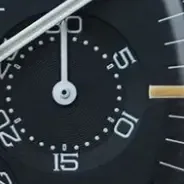
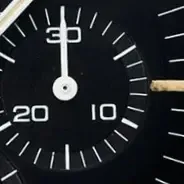
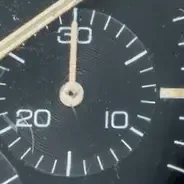
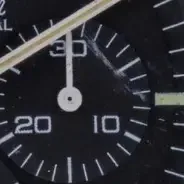
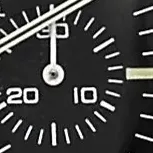
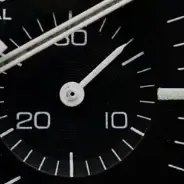
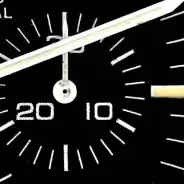
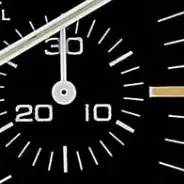
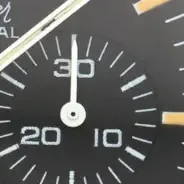
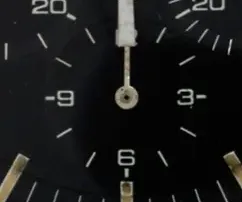
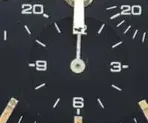
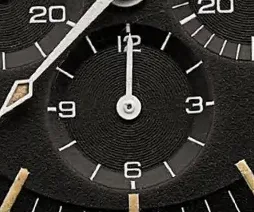
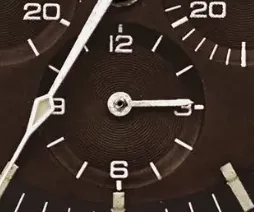
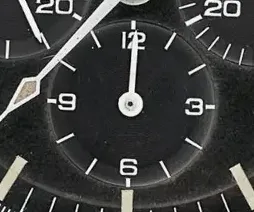
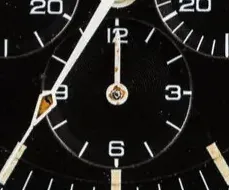
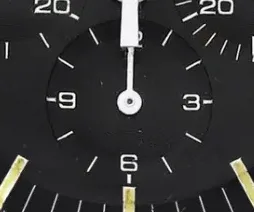
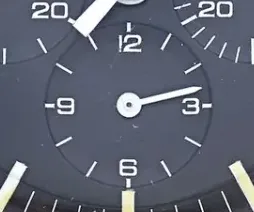
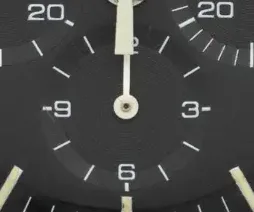
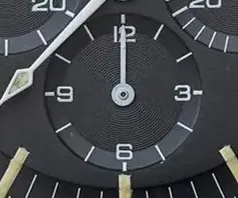
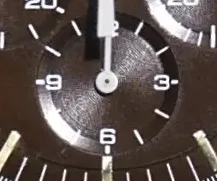
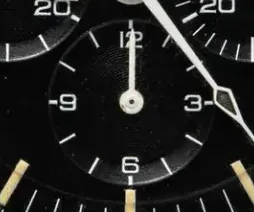
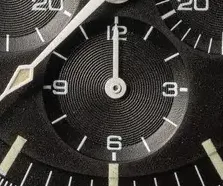
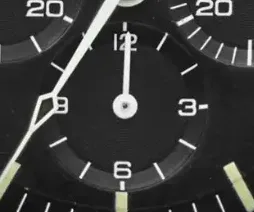
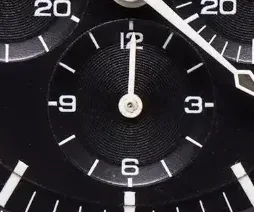
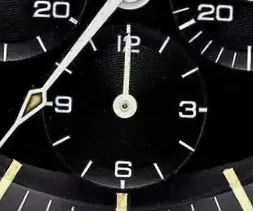
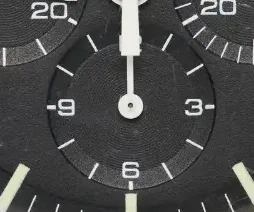
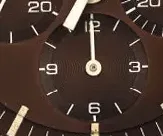
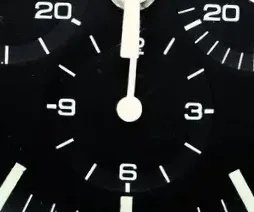
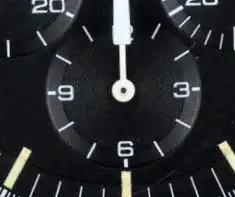
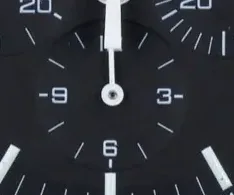
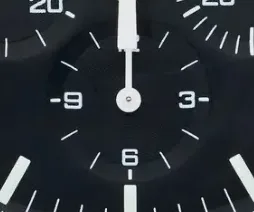
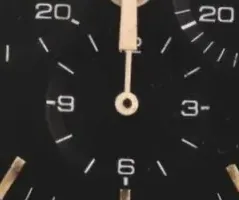
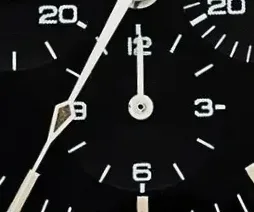
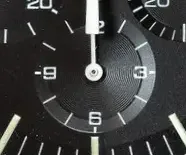
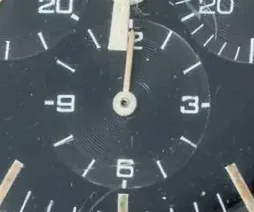
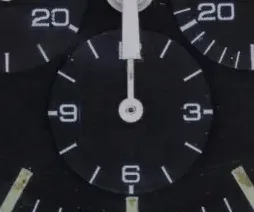
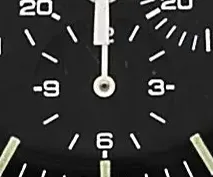
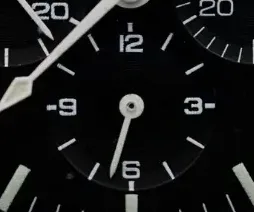
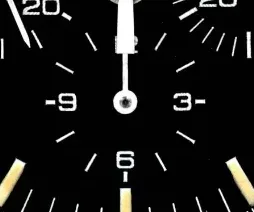
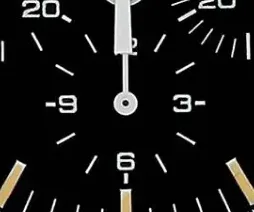
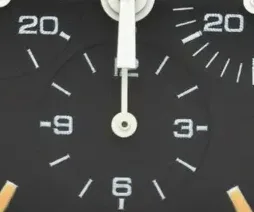
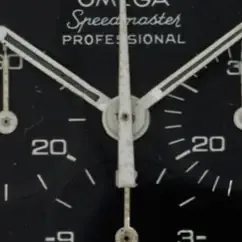
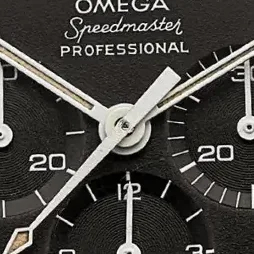
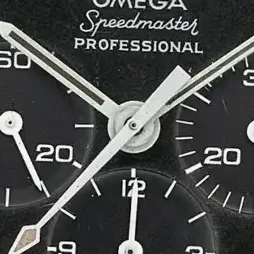
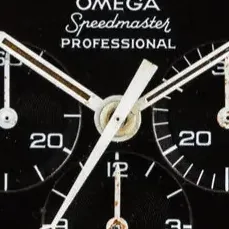
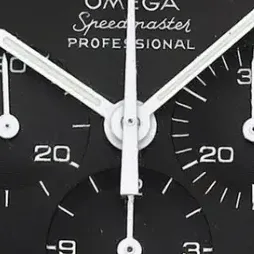
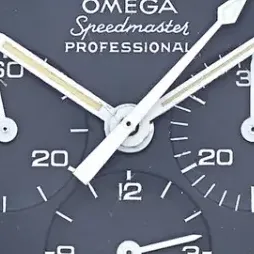
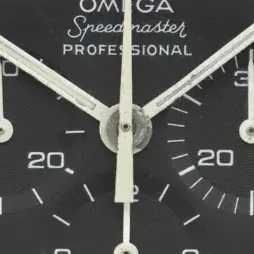
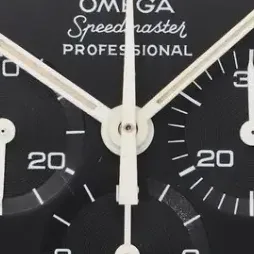
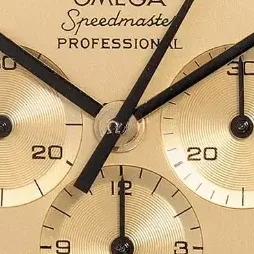
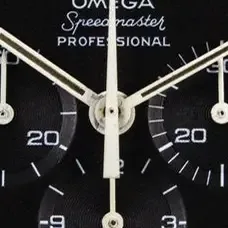
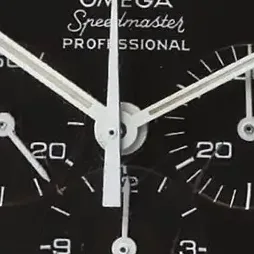
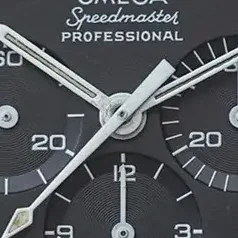
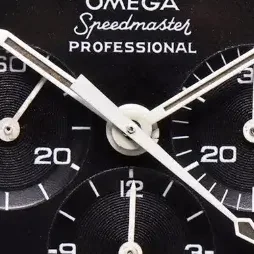
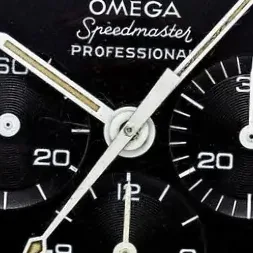
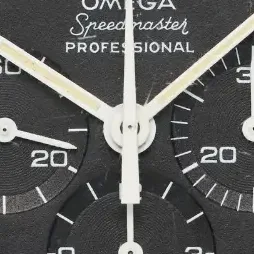
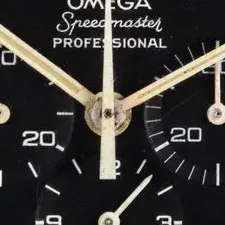
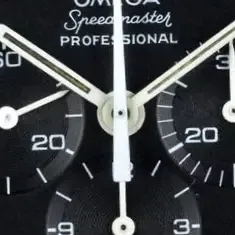
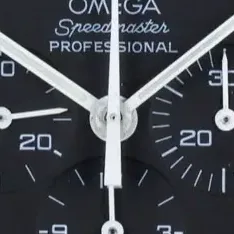
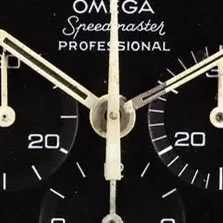
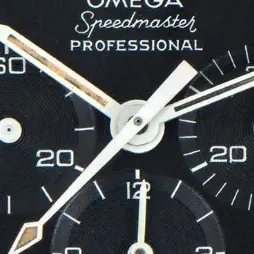
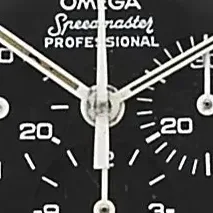
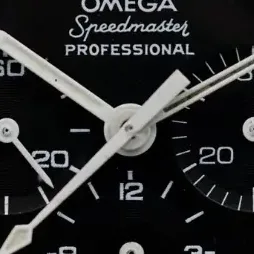
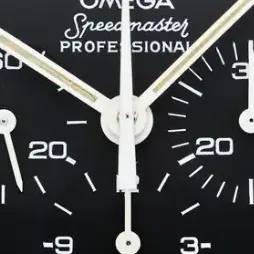
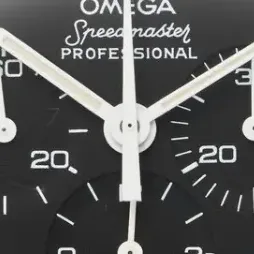
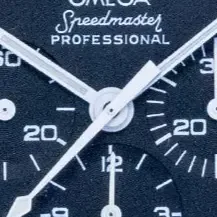
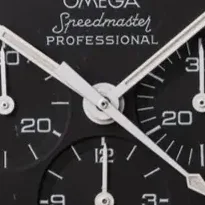
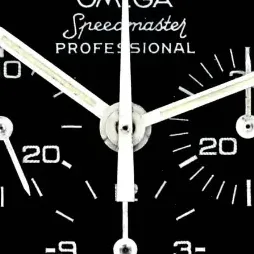
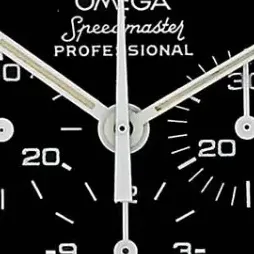
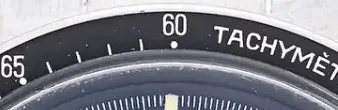
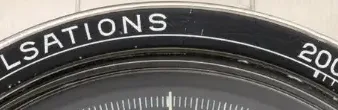
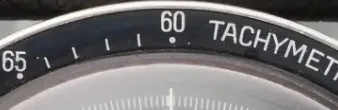
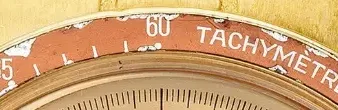
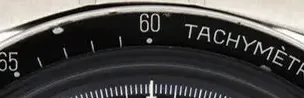
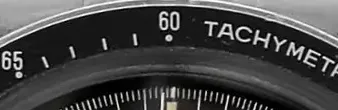
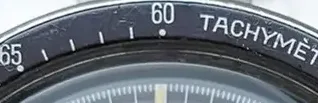
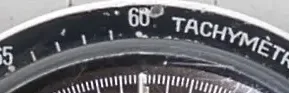
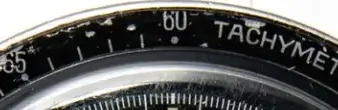
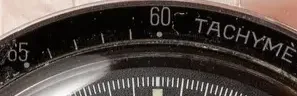
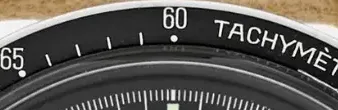
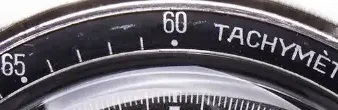
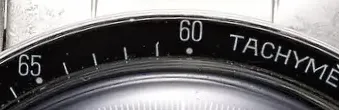
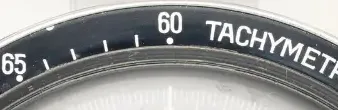
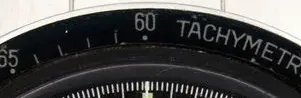
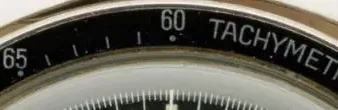
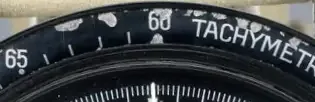
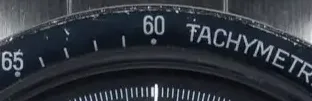
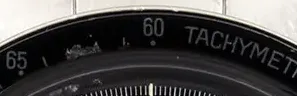
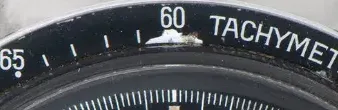
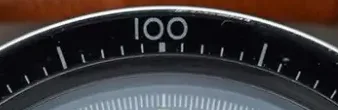
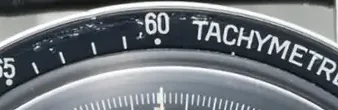
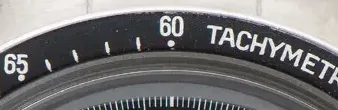
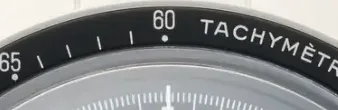
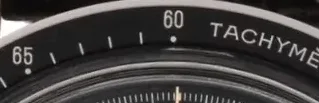
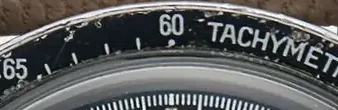
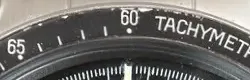
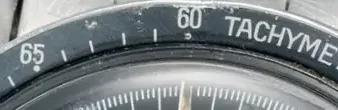
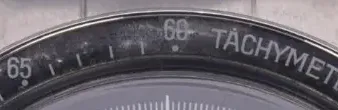
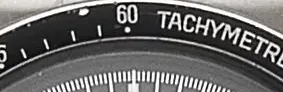
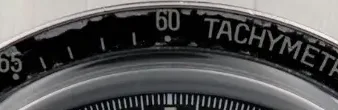
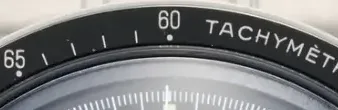
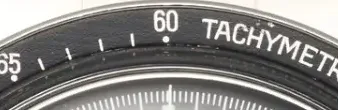
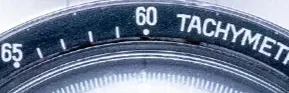
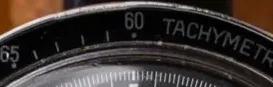
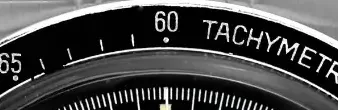
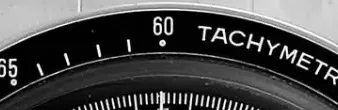
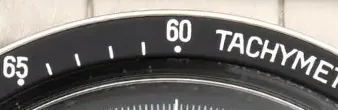
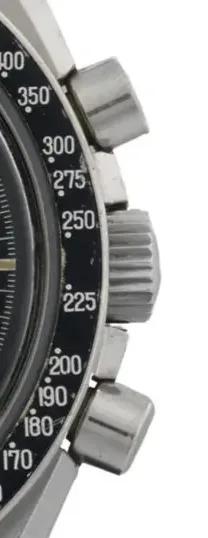
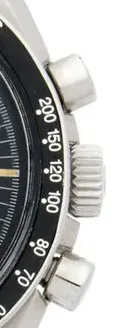
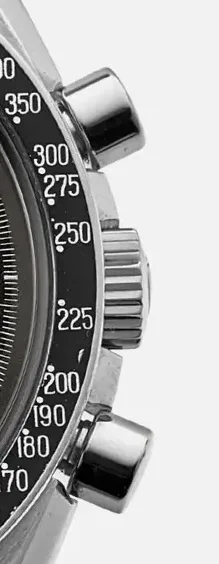
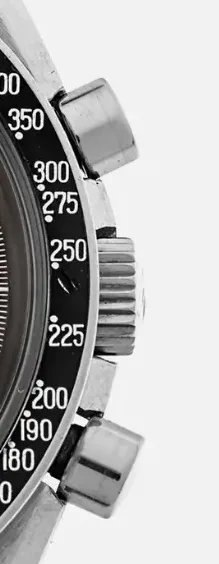
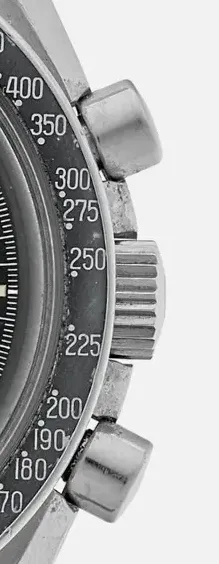
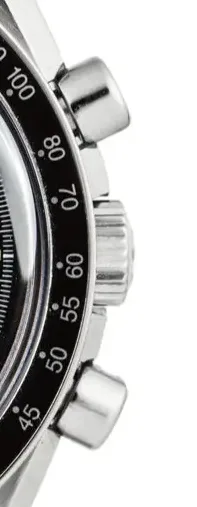
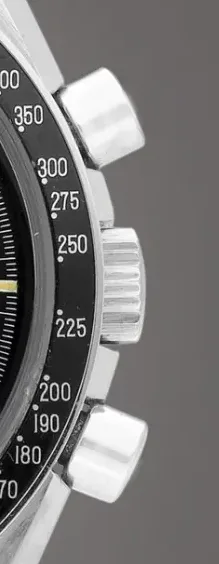
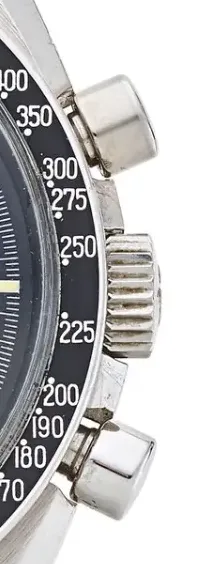
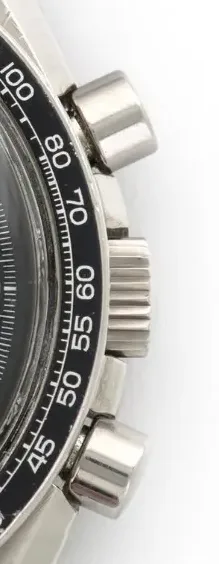
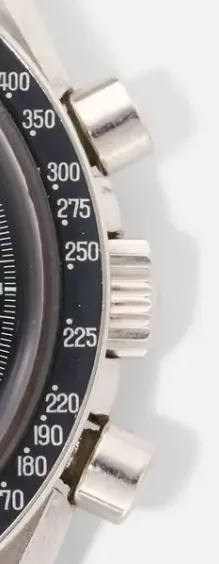
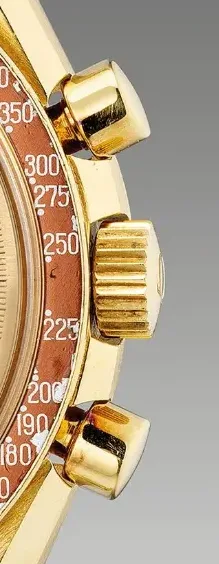
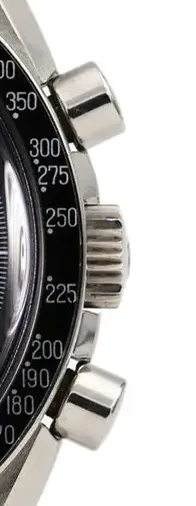
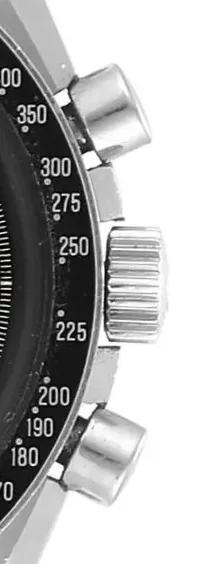
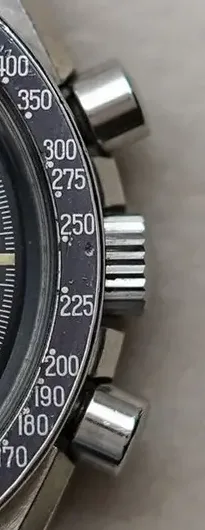
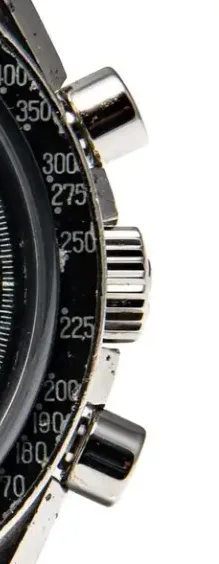
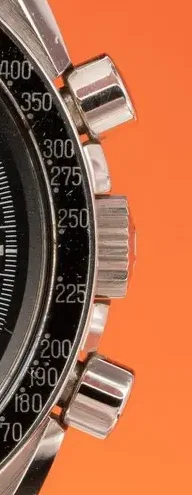
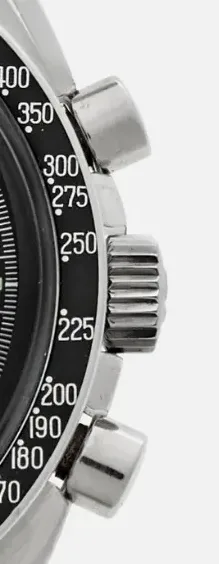
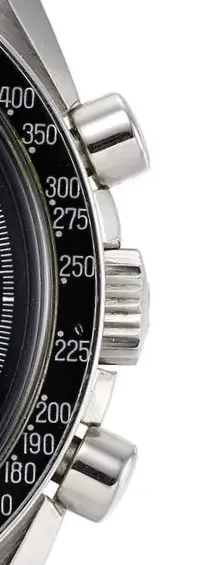
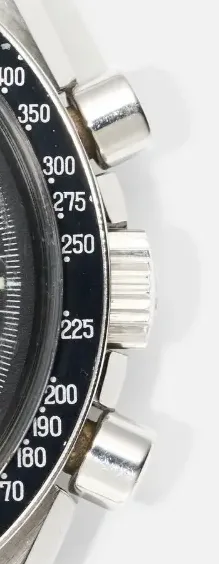
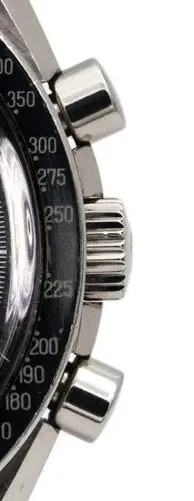
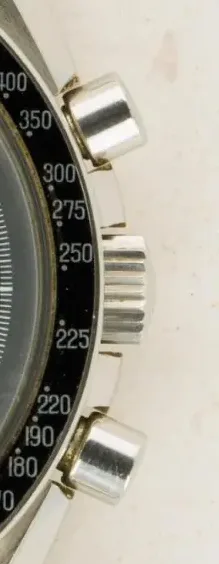
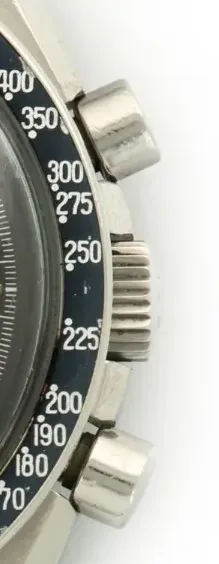
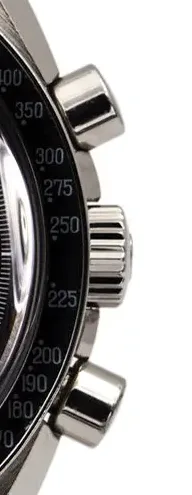
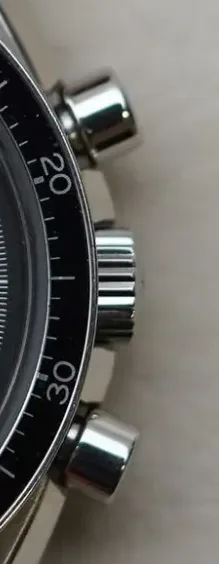
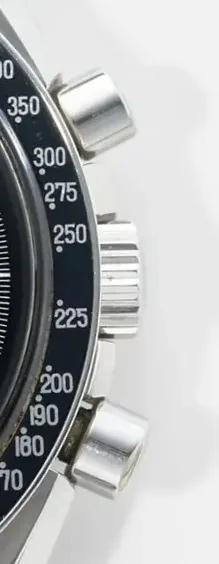
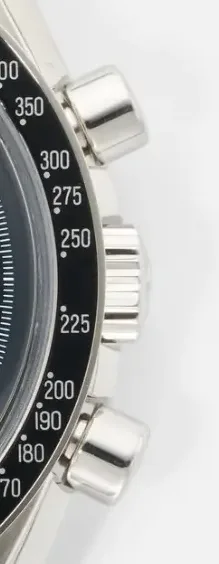
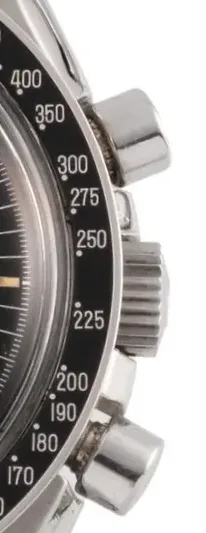
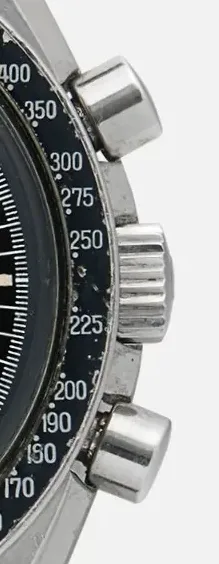
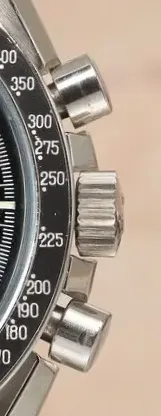
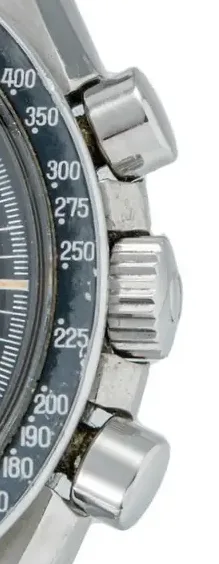
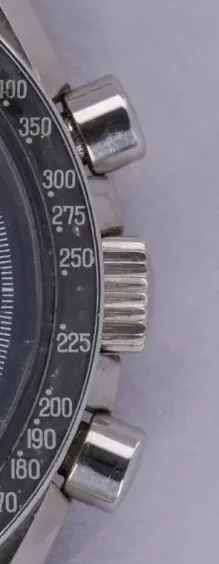
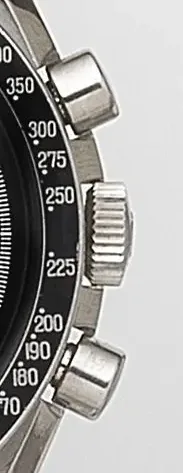
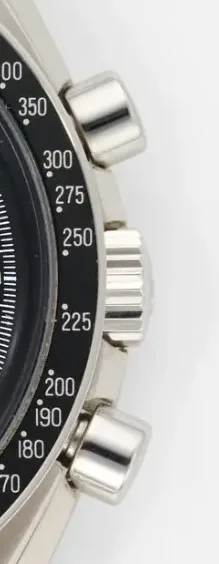
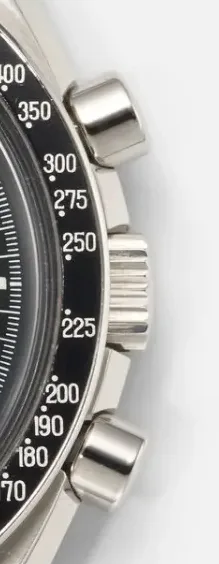
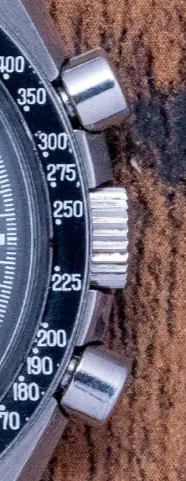
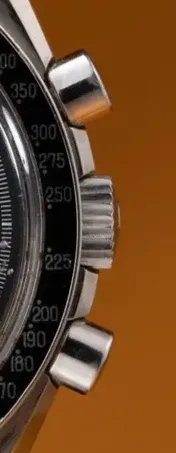
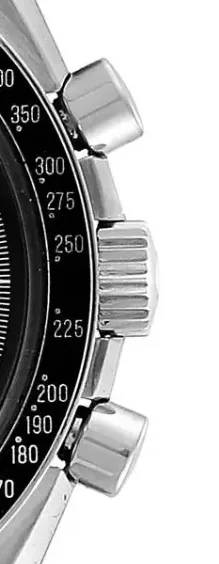
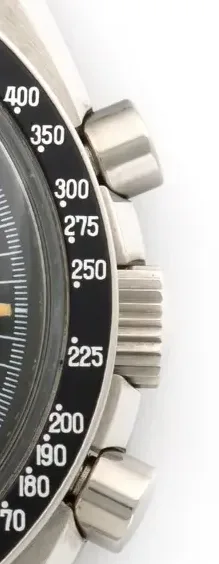
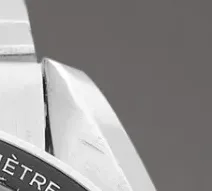
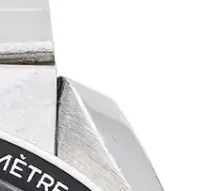
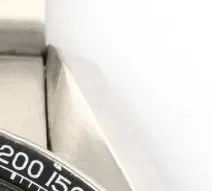
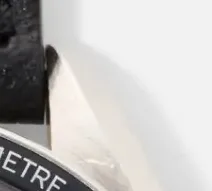
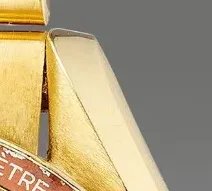
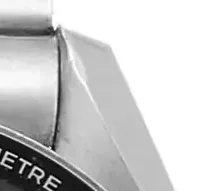
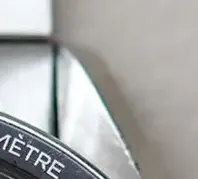
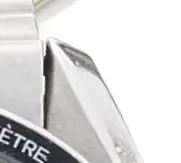
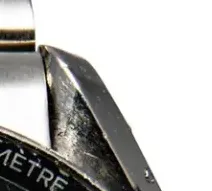
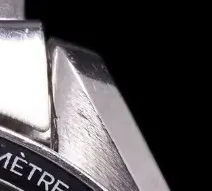
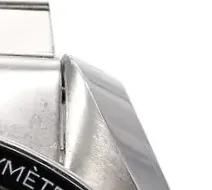
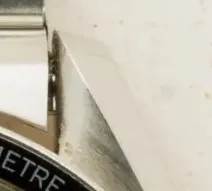
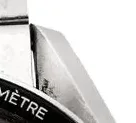
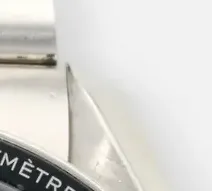
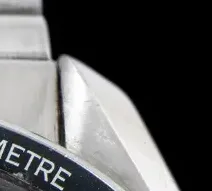
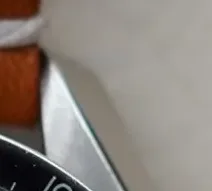
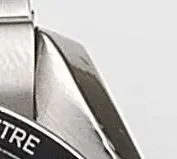
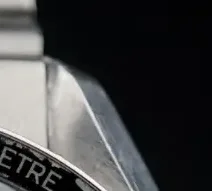
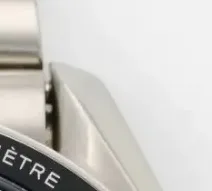
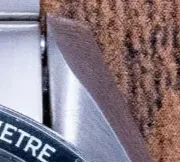
49 watches, oldest first, each straightened and cut the same way so that one row shows one component across them all. Chosen from 1,404 photographs on file for sharpness and for a face typical of the reference. A year marked c. is one its holder gives only roughly. Each picture is a detail cut from a listing photograph. Select the small mark in its corner for its year, its holder, a link to the listing it came from, and a way to report it.
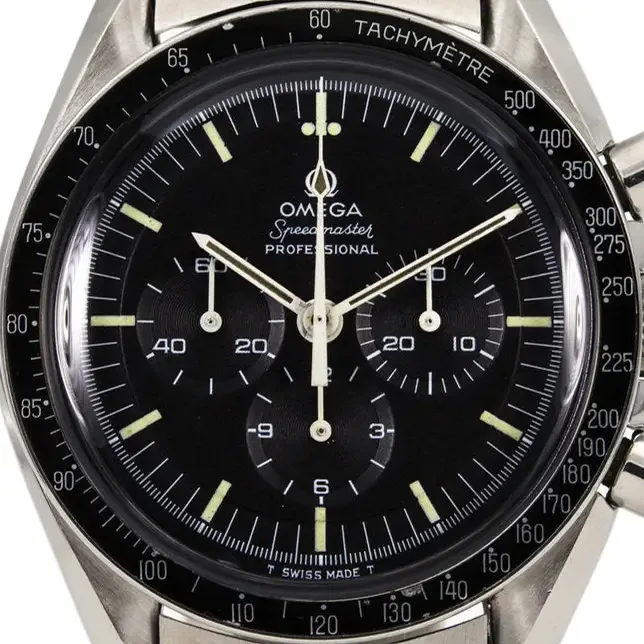
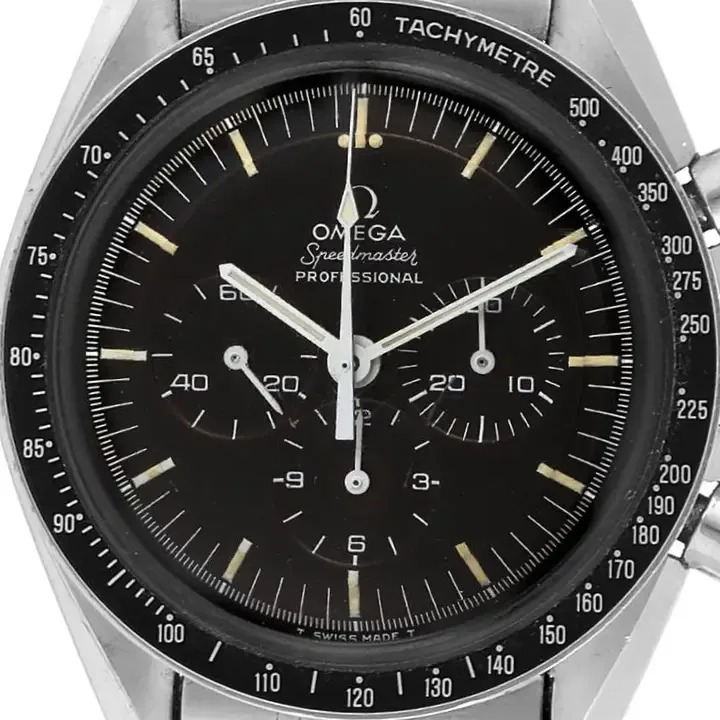
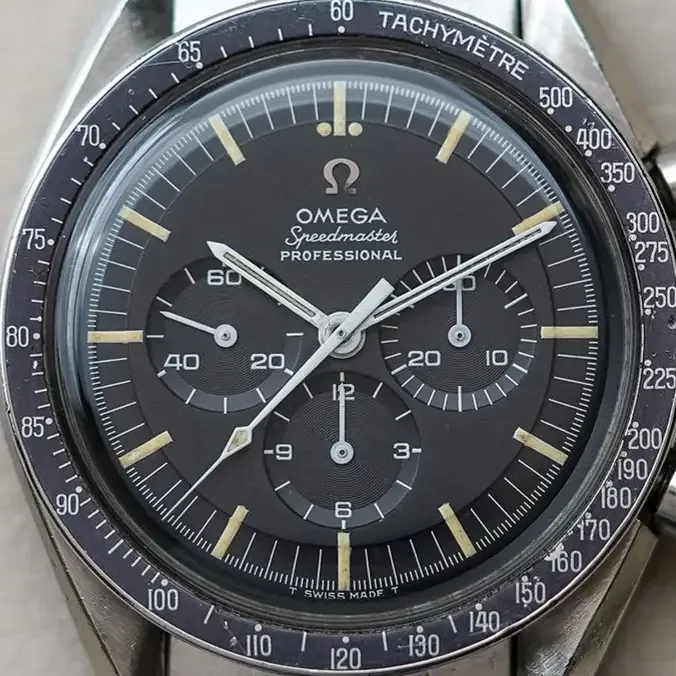
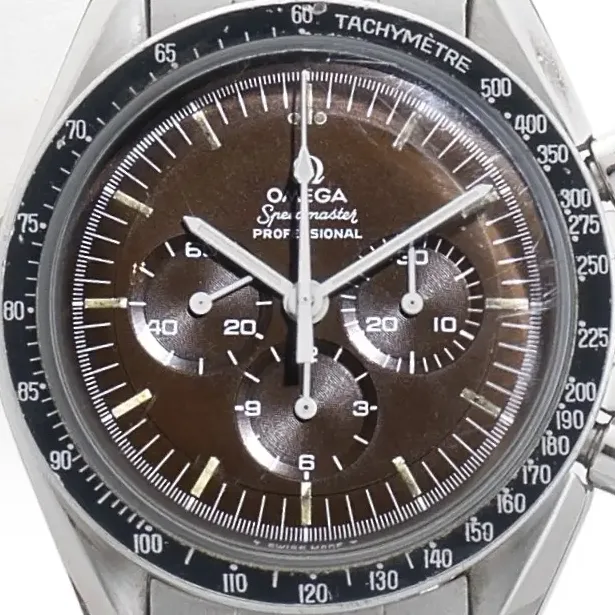
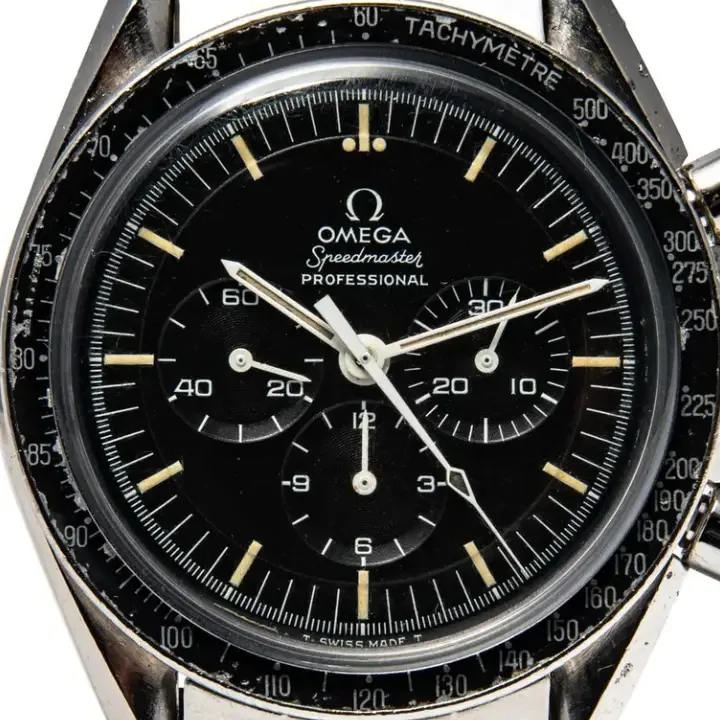
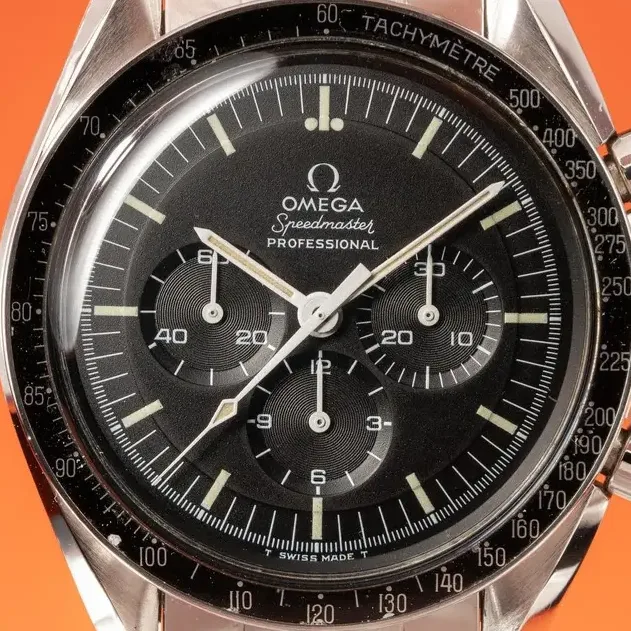
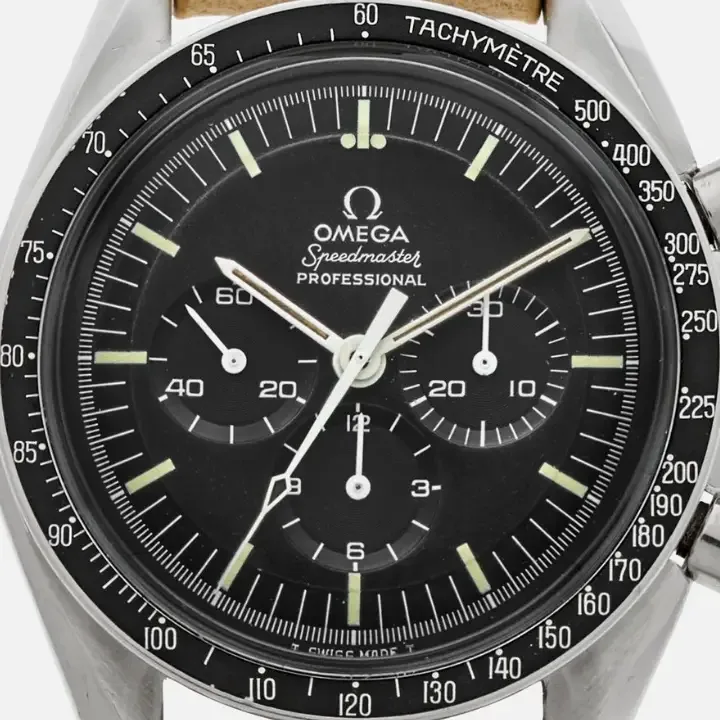
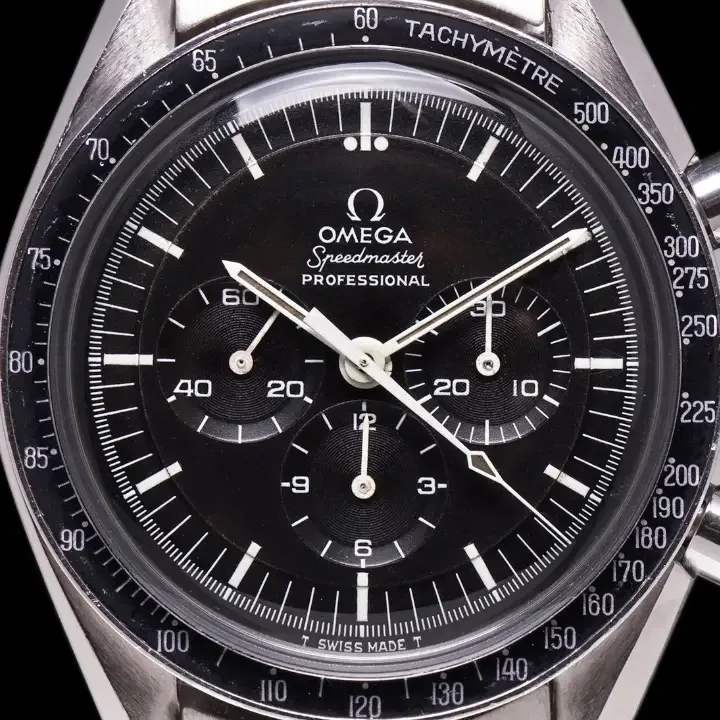
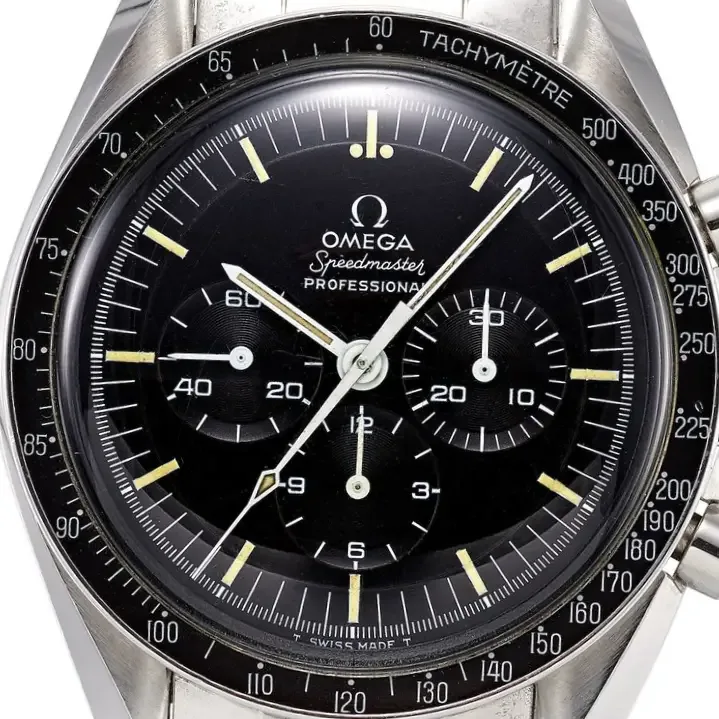
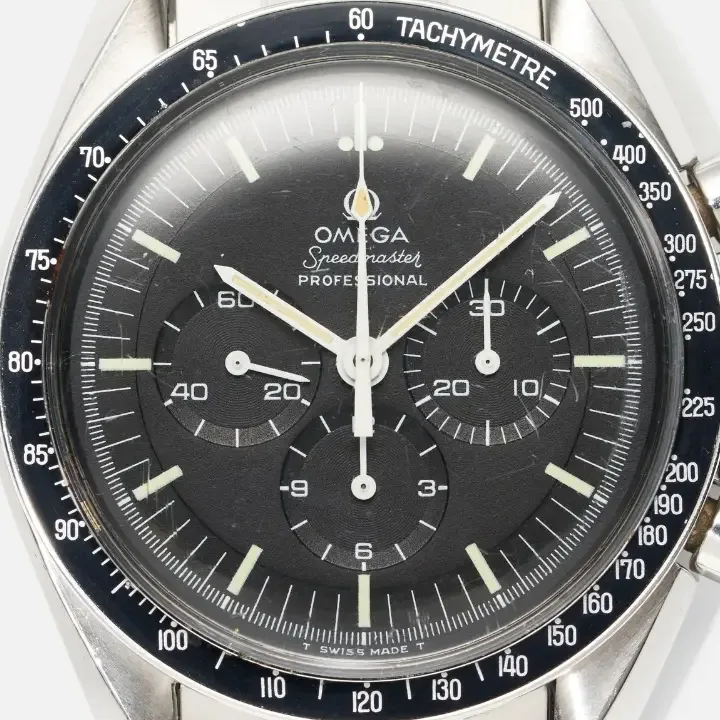
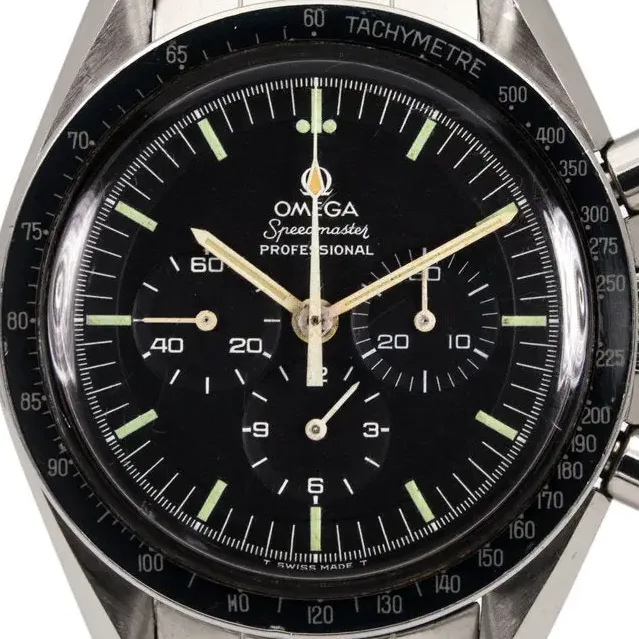
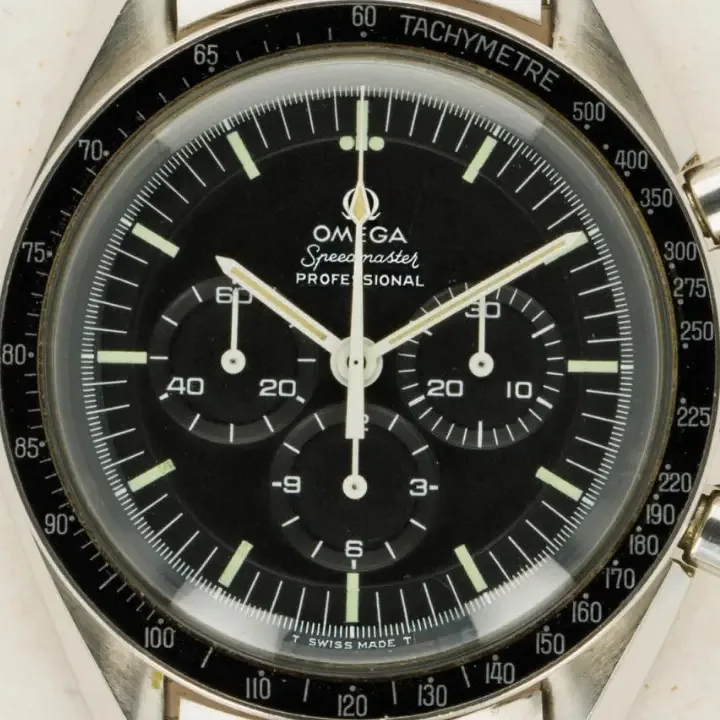
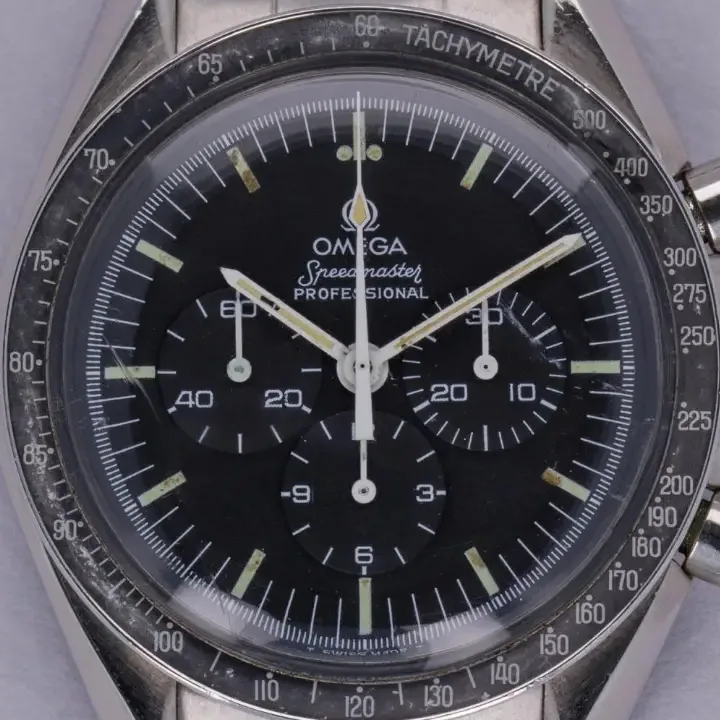
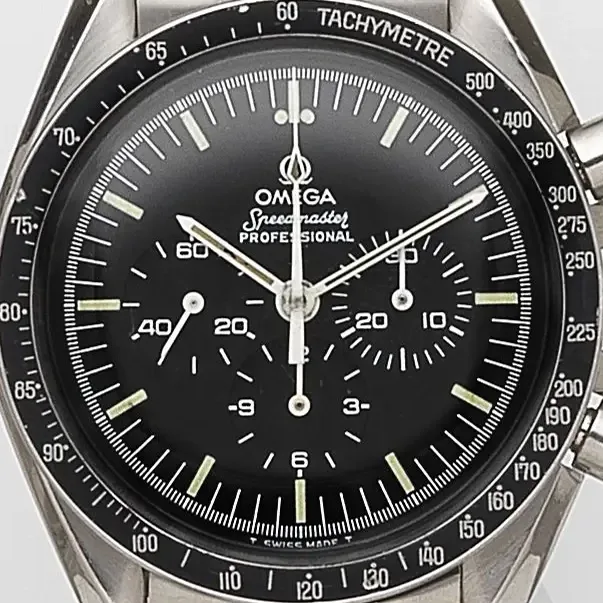

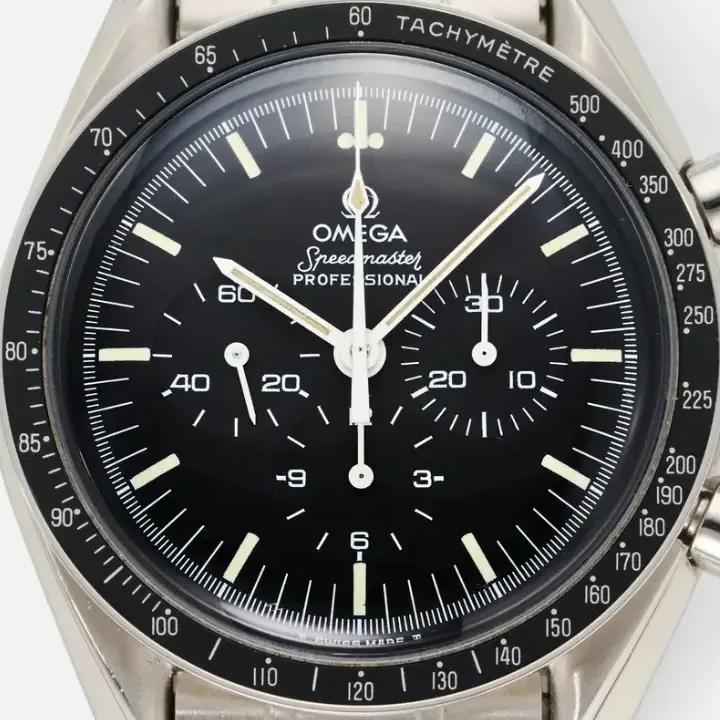
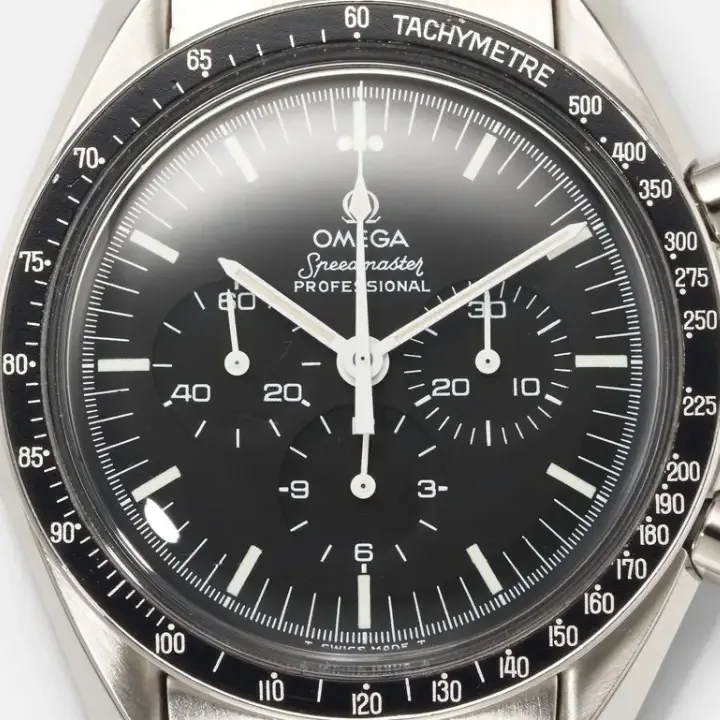
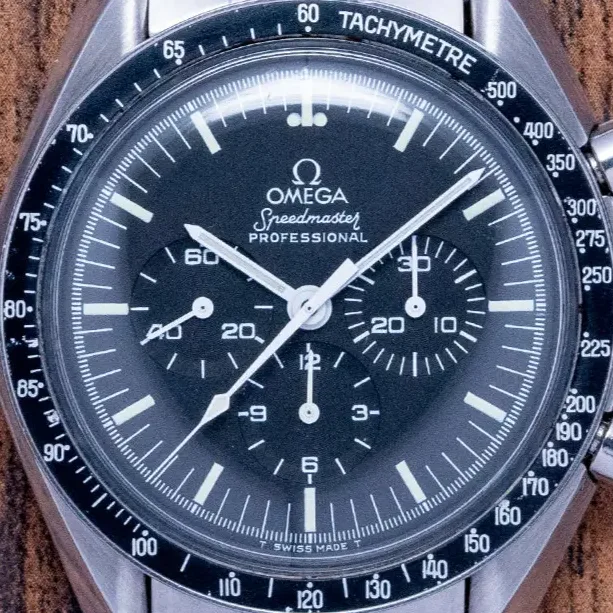
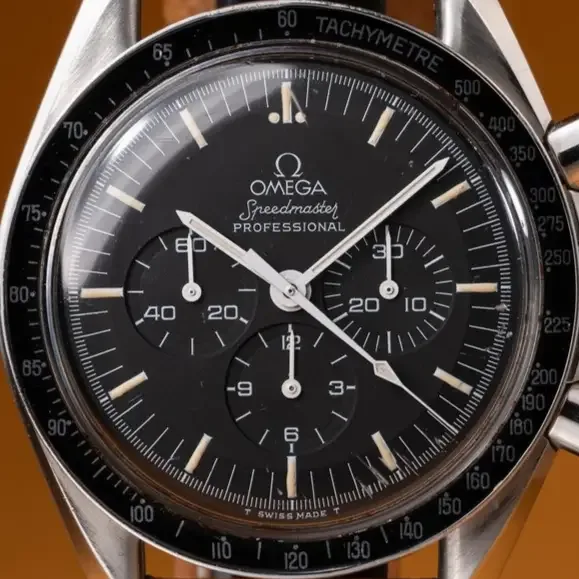
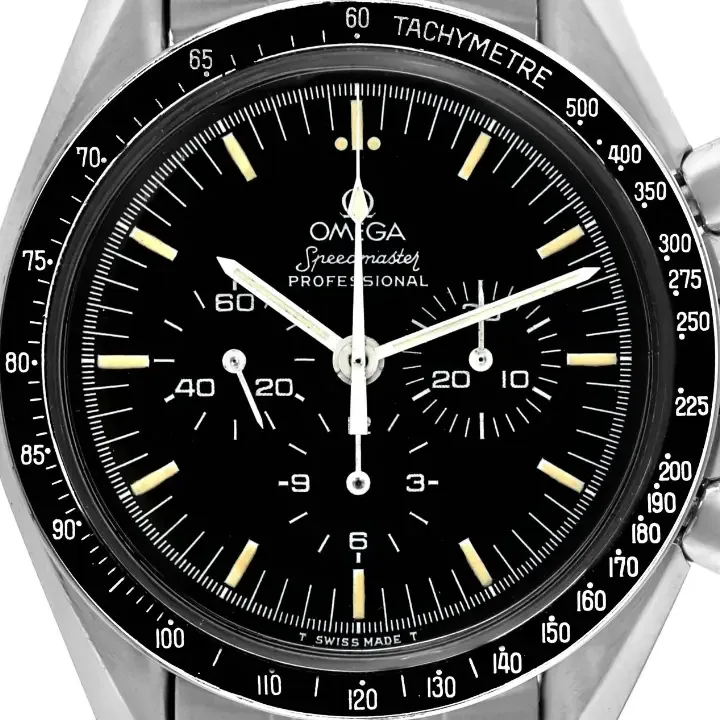
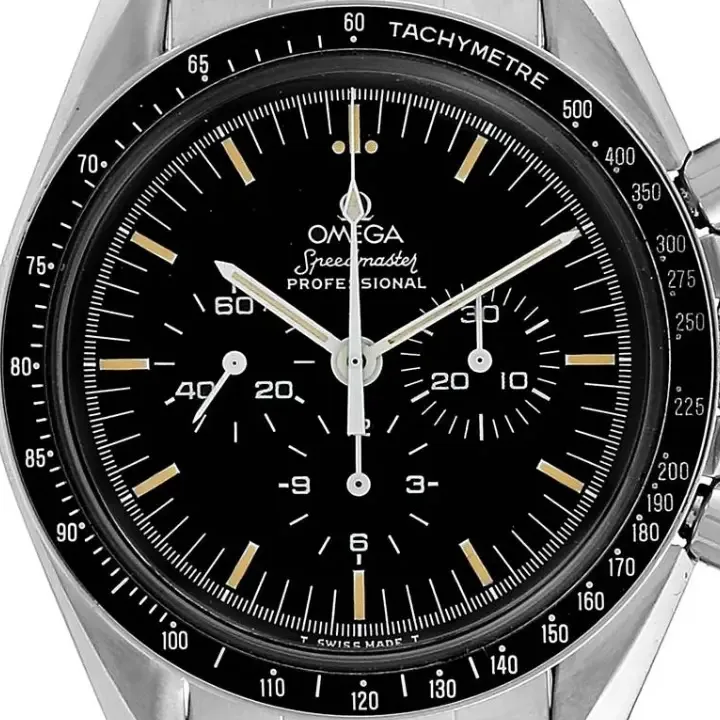
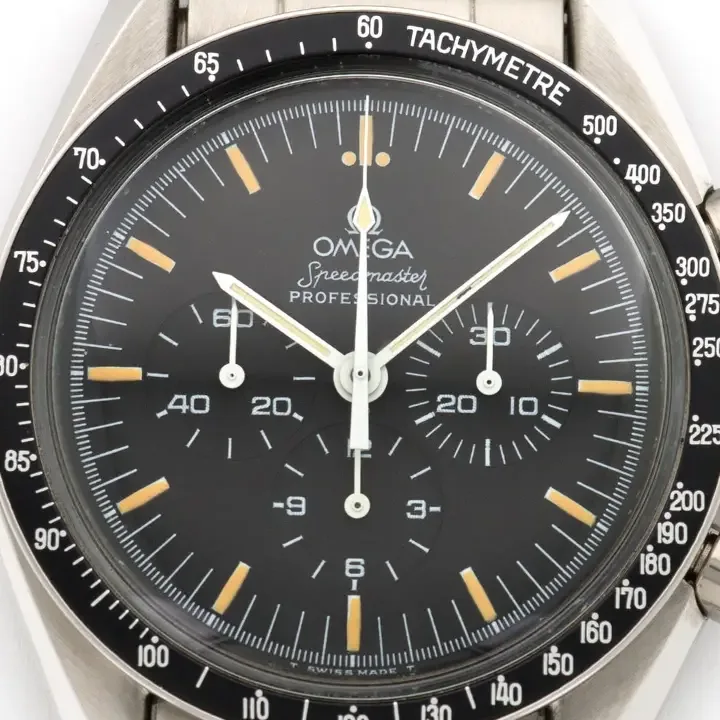
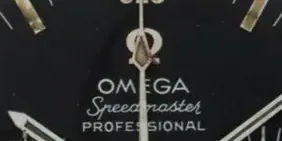
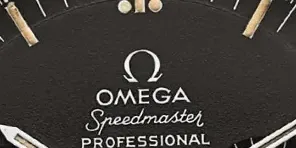















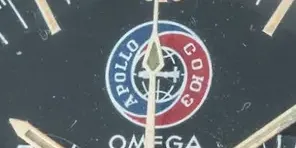
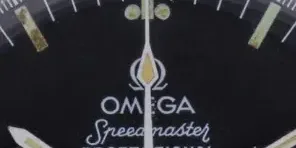




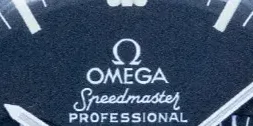



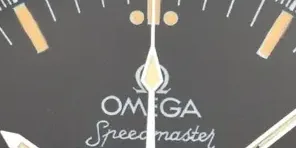
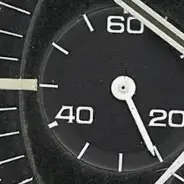
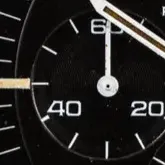
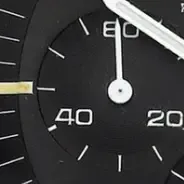
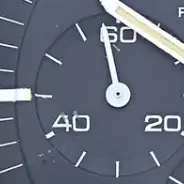
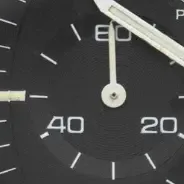

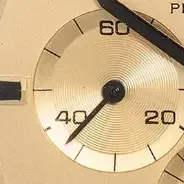
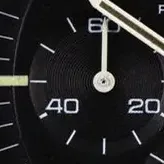
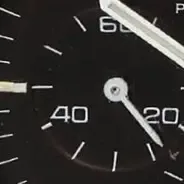
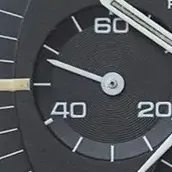
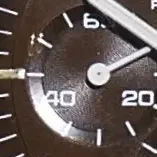
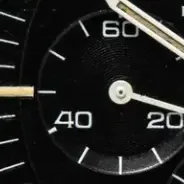
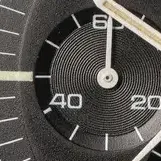

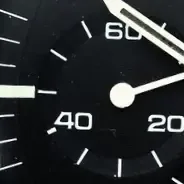
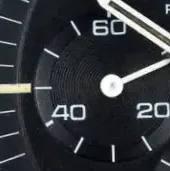
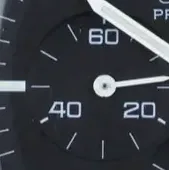
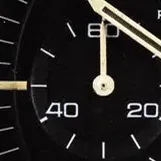



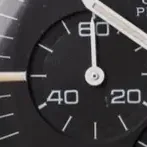
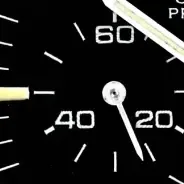
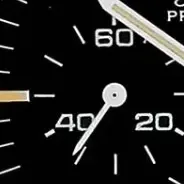

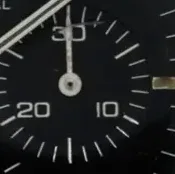
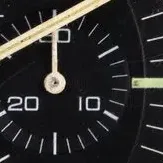
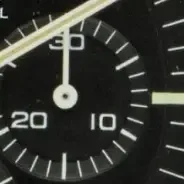
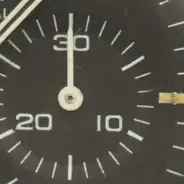
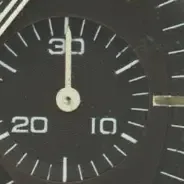
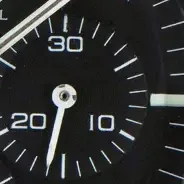
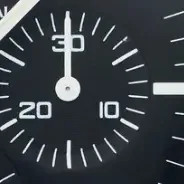
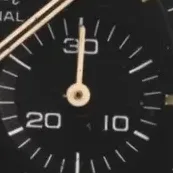
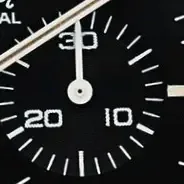

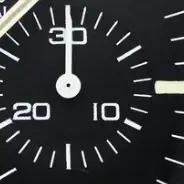
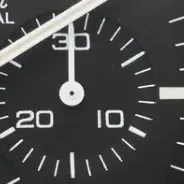
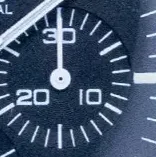
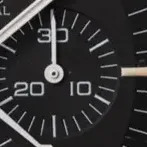
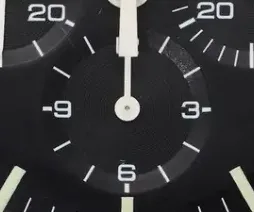
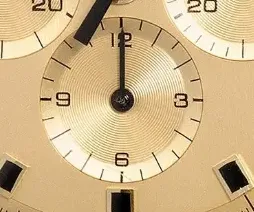
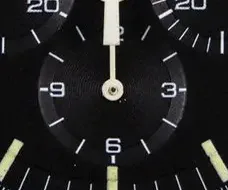
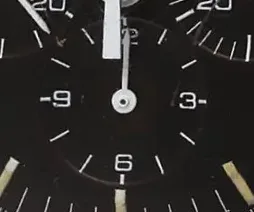
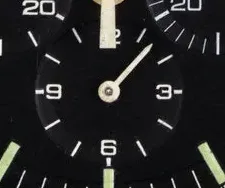
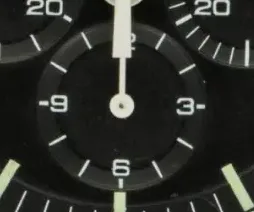
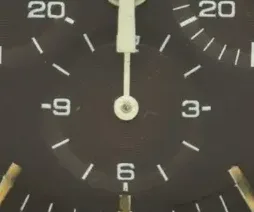
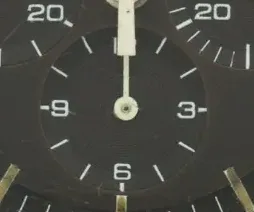
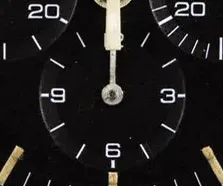
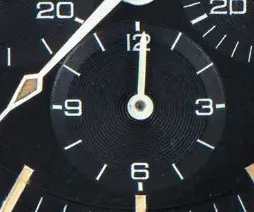

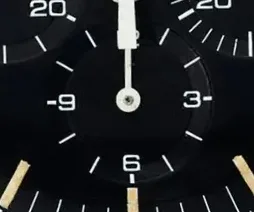
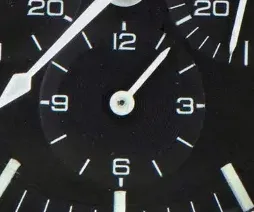
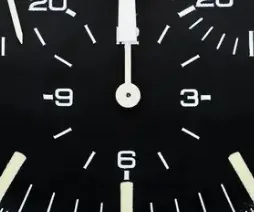
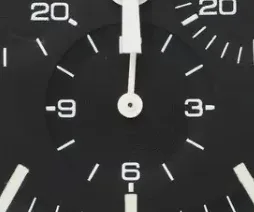
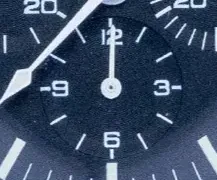
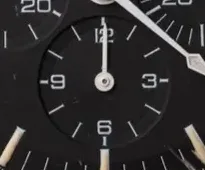

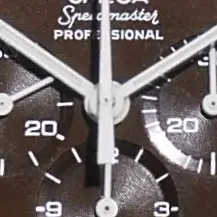
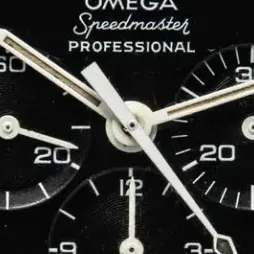
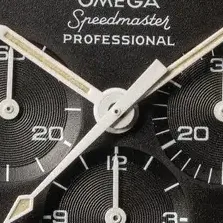
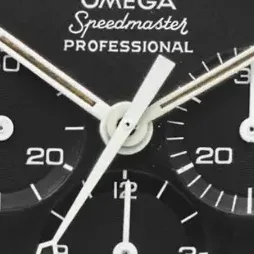
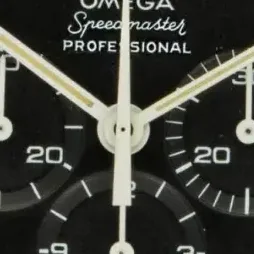
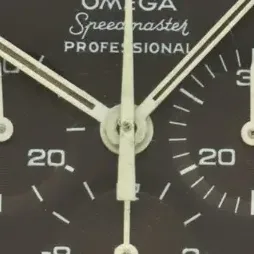
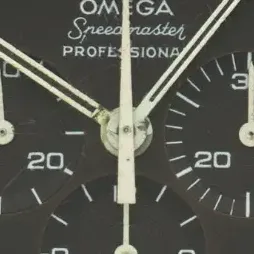

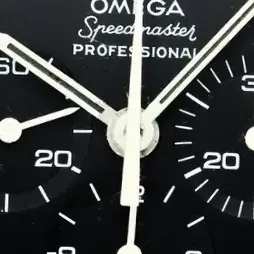

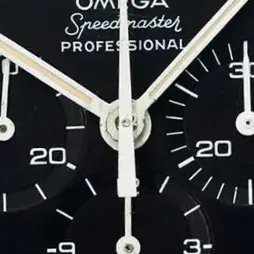
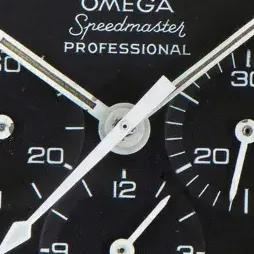
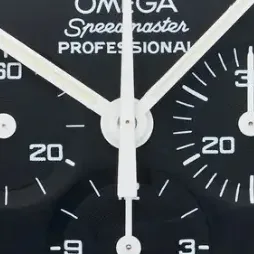
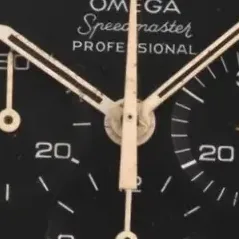
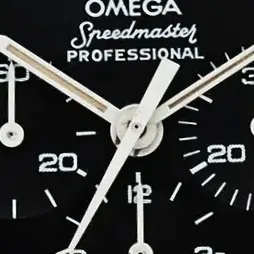
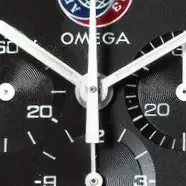
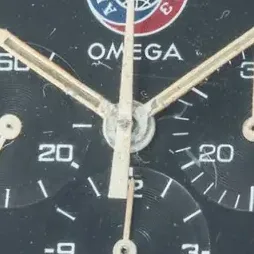
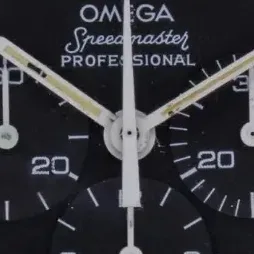
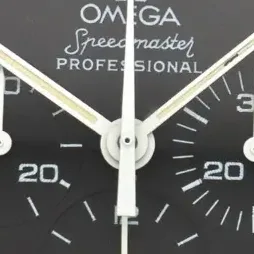
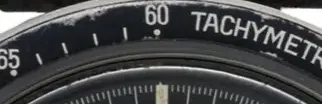
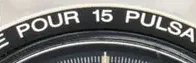
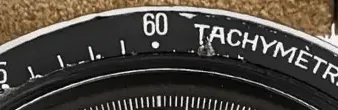
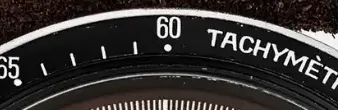
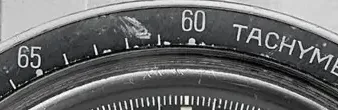
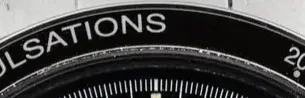
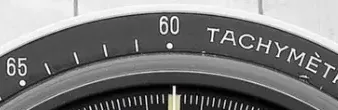
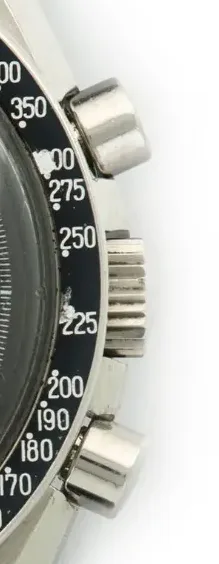
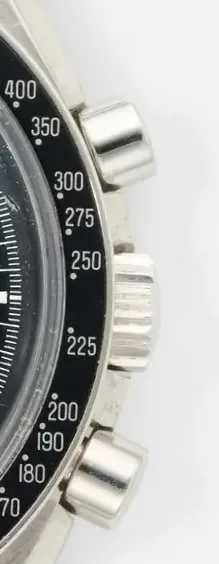
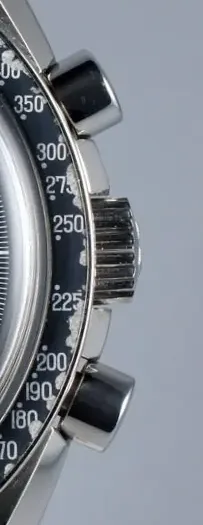
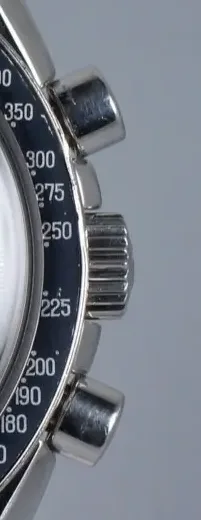
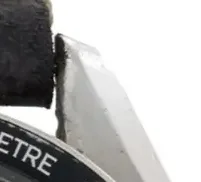

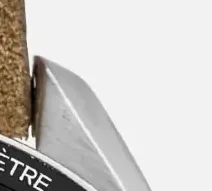
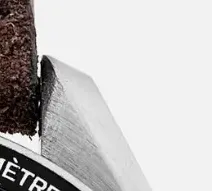
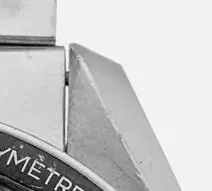






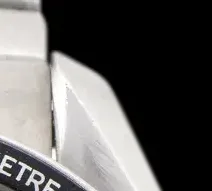


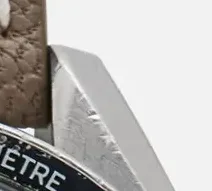
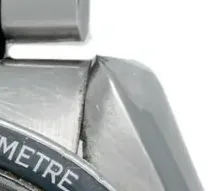




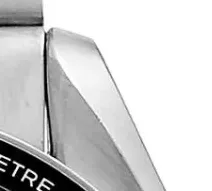
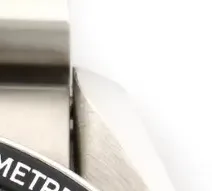


Chronology
The literature gives 1968 to 1988 for the steel watch, with the 145.0022 catalogue number from 1981; the year inside the case back marks the case back, not the watch, so movement numbers and an archive extract give the true year.
Every dated variant: what is written, and what the records show
For the reference the marks are every dated watch; for a variant, the watches a seller names as that variant, so a variant sellers do not name has none.
1 dated listing falls outside this scale and is not drawn.
Specification
| Case | 42 mm stainless steel, twisted lyre lugs; inside the case back stamped 145.022 with a two-digit year suffix (the -68 reads 145022-68ST) |
| Crystal | Hesalite, domed |
| Bezel | Fixed black aluminium insert with tachymeter scale |
| Dial | Black with three registers and tritium lume; applied logo on the -68, printed logo from 1969 |
| Movement | Calibre 861, manually wound, Lemania-based, cam-actuated chronograph, 21,600 vph |
| Bracelet | Reference 1039, 1116, 1175 or 1171 (also 1171/1) depending on year; leather strap also seen |
| Lume | Tritium |
Dial 6 described
The dials run from the transitional applied-logo dial of 1968, through the stepped printed-logo dials of 1969 to 1971, to flat dials from the -74. Small typographic details, such as the S and R of Speedmaster, separate original from replacement dials. Brown 'tropical' dials and a short run of coloured Racing dials are also recorded.
Transitional -68
The first 145.022 keeps the applied metal Omega logo and the look of the 145.012 while carrying calibre 861. It is counted as a pre-Moon Speedmaster. Lume plots that look strongly and evenly yellow, or that have spread onto the dial, call for a look under a loupe before they are taken as original.
- applied metal Omega logo
- stepped dial
- inside case back stamped 145022-68ST
Stepped dial, printed logo
The -69 and -71 have the logo painted on the surface and a step that lowers the minute track from the centre of the dial. The plots are shorter than on the -68. The step was dropped with the -74.
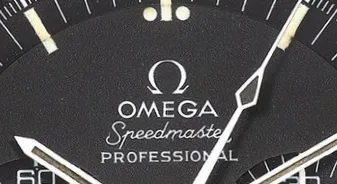

- minute track stepped down from the centre
- long stylised tail on the R of Speedmaster in original dials
118 listings on record under the name.
Flat dial
From the -74 the dial is flat with no step, and regular Speedmaster Professionals kept flat dials until the step dial came back on the models of 2021. The -76 appears in several variants, the later ones with a longer S in Speedmaster.
- no step to the minute track
- longer S in Speedmaster on later -76
Original and replacement lettering
On original stepped dials the R at the end of Speedmaster has a long stylised tail; later dials and service replacements have a short-tailed R. The S and r of the early dials are also described as old-fashioned in style.
- long-tailed R
- short-tailed R on service dials
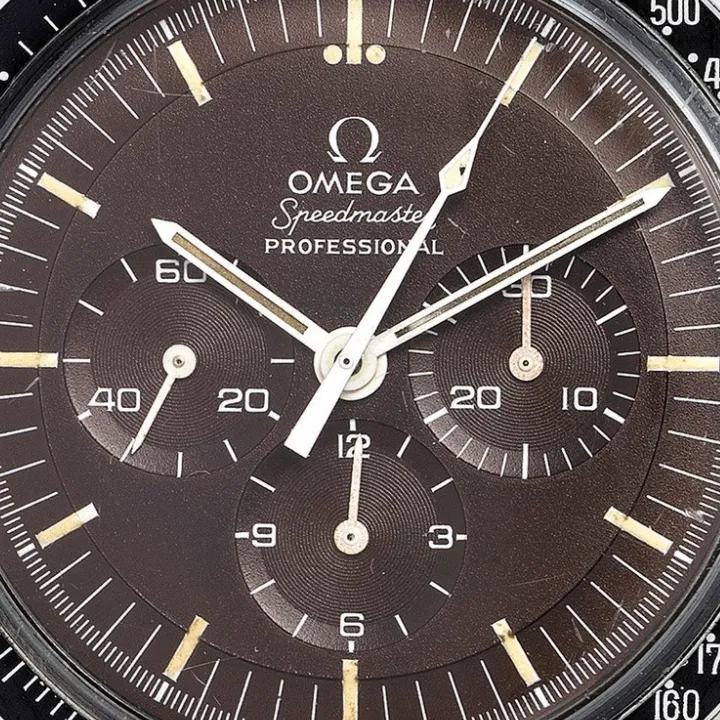
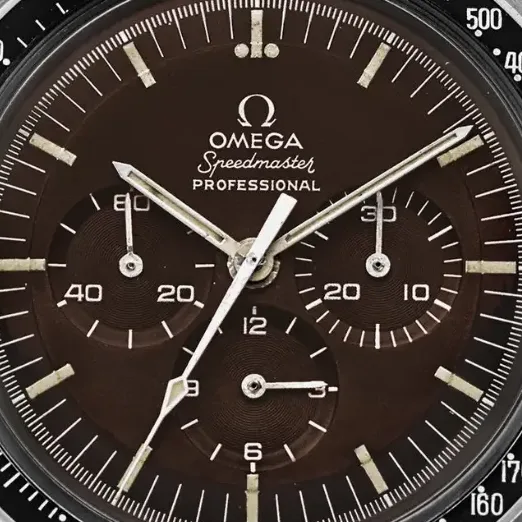
Tropical or brown dial
Dials that have faded from black to brown occur in all serials for the -69 and are said to be more common in some serial ranges. Sellers also describe dials that have gone blue or grey.


Racing dial
numbers around 26,609,xxx
A small Swiss-market batch of about 150 -69 watches has a grey dial with orange printed indices and logo, an orange chronograph hand and white hour and minute hands, delivered in May and June 1970. The orange parts react to UV light, unlike the earlier black Racing dial and the Ultraman. The earlier first-generation Racing dial was calibre 321 with red accents on the minute track.
- grey dial
- orange indices and Omega logo
- orange chronograph hand
Hands 1 described
The literature gives only a few notes on the hands.
Flat-end seconds hand
The -69 has a seconds hand with a flat, squarer end, where the -68 differs slightly. The transitional -68 already has the new-style hands.
- flat-ended chronograph hand
Bezel 3 described
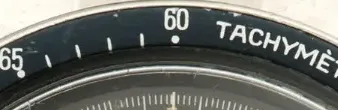
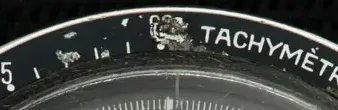
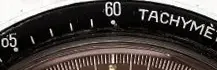
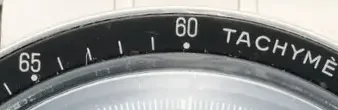
Bezel inserts changed in dot position, accent and print. The Dot Over Ninety insert is limited to the -68 and part of the -69; later inserts put the dot beside the 90.
Dot Over Ninety
The dot sits above the 90, another dot sits at the lower right of 70, and TACHYMÈTRE carries an accent. It is found on the -68 and on some -69 watches, but not every -69 had one.
- dot over 90
- dot at lower right of 70
- accent in TACHYMÈTRE
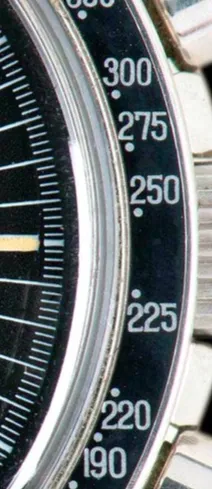
220 misprint
A bezel on which the 200 position of the tachymeter scale reads 220 in error, fitted to some -69 watches and dated to 1970 only. Later inserts read 225-200-190.

9 listings on record under the name.
Dot next to 90
Later inserts have the dot beside the 90 and the dot by the 70 moved to the middle of the figure, with no accent. All -71 watches and some -69 watches carry it.
- dot beside 90
- dot level with middle of 70
Case 5 described
The case is 42 mm steel with lyre lugs and stays the same; the changes are in the case back engraving and inside stamp. Four engravings are standard and a fifth is rare, and the periods overlap.
Seahorse and Speedmaster
A plain case back with the seahorse in the centre, SPEEDMASTER above and the Omega sign below. It is on the -68 and the first -69 watches, made before the Moon landing, and was used on the -69 until about 1971.
- seahorse with Speedmaster
- no NASA wording
Straight writing
Straight capital lettering reading The First Watch Worn On The Moon, with a circular Flight-Qualified inscription around it. It was used from the second half of 1969 to about the third quarter of 1971, with later use also stated to 1973.
- straight lettering
- round inscription
Straight writing with Apollo XI 1969
The straight-writing case back with Apollo XI 1969 engraved below, the same wording as the gold BA145.022. It is rare.
- Apollo XI 1969 below the straight writing
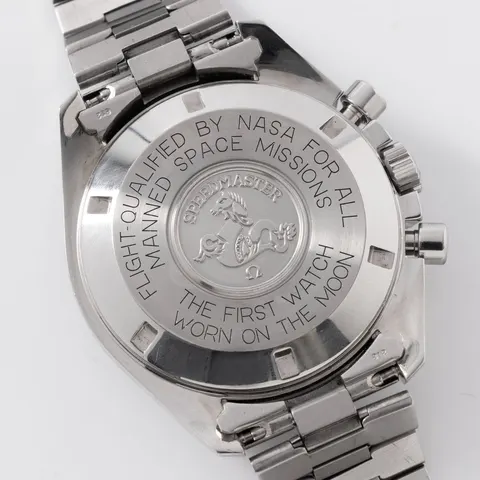
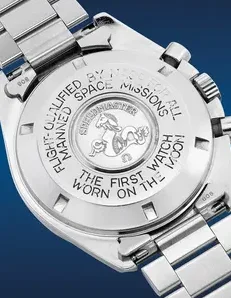
Medallion case back
An embossed medallion with the seahorse, surrounded by Flight-Qualified by NASA For All Manned Space Missions. It was introduced in spring 1971 with the -71 and is the form still used.
- embossed medallion with seahorse
No NASA
A -71 case back with no engraving at all. It is very rare.
- blank case back
Crystal 1 described
The crystal is Hesalite throughout.
Hesalite
A domed Hesalite crystal is fitted.
Movement 2 described
Calibre 861 replaced 321 in 1968 and was made in several versions.
Calibre 861 steel brake
A manually wound Lemania-based movement with a cam-actuated chronograph and 21,600 vph, cheaper to make than the column-wheel calibre 321. Omega introduced it in 1968; one archivist gave October 1968. It is the first Speedmaster to carry it.
- steel brake
Calibre 861 Delrin brake
From 1971 the 861 has a Delrin brake, a nylon part more resistant to wear.
- Delrin brake
Bracelet 5 described
Several bracelets were used and replacements are common.
1039
A bracelet with flexible links, used until about 1971.
- flexible links
1175 with 640 end links
A light bracelet with solid outer links and folded inner links, similar to the 1171.
- 640 end links
1171
The best-known bracelet for the reference, with screw-in links.
- screw-in links
1171/1 Holzer
Made in Mexico with a local supplier and used as standard in the 1980s and to replace the original 1171 at service. It uses pins, not screws.
- pins, not screws
1116
A bracelet very similar to the 1990s 1479.
Box and papers 2 described
Gold and special versions share the 145.022 number.
BA145.022 Apollo XI
A yellow gold 145.022 with burgundy bezel, gold bracelet narrow at the clasp, and a case back reading First Watch Worn on the Moon in horizontal writing with Apollo XI 1969 below. 1,014 were made; numbers 1 and 2 were offered to the President and Vice President, and 19 were given to astronauts at a Houston banquet on 25 November 1969. A later 345.0802 (1980, calibre 861L, sapphire back) is a separate reference.
- burgundy bezel
- Apollo XI 1969 engraving
Alaska III
A project watch made for NASA in the plain 145.022 reference, the third of the Alaska projects and so later than the second of 1972. Fifty-six were issued to astronauts and four spares were kept; one of the spares sold at auction in 2017.
- project watch
Originality
- Dot Over Ninety bezels were often replaced years ago and correct ones are now scarce; check the dot against the case back year.
- Bracelets are commonly replaced at service, often with the 1171/1 Holzer, which uses pins.
- Dials: on a stepped dial of the -69 or -71, a short-tailed R in Speedmaster suggests a later or service replacement; later flat dials have the short R as made.
- Lume plots on early dials can be cleaned off or redone, and a uniform yellow colour needs a loupe.
- Pushers and crown on old watches that look recent may indicate earlier work.
- The year inside the case back can differ from the watch's own year; use the movement number and an Extract of the Archives.
Names
- Transitional. The 1968 watch combines the 321-style look with the new calibre 861.
- Straight Writing. The case back lettering is set straight across, not in a medallion.
- DON. The bezel has a dot over the 90.
- Exotic Speedy. The Racing dial is grey with orange details.
- Alaska III. NASA used the code name Alaska for special projects.
Where accounts differ
Points on which the published literature and the library's own records do not agree, or on which the literature contradicts itself.
- Dot position by reference. One guide gives the 145.012 the dot over ninety and the 145.022 the dot next to ninety; another guide says the -68 and some -69 watches have the dot over ninety. The latter matches the dated lots and photographs in the literature.
- End of production. The literature ends production at 1988 under the 3590.50 code, while sellers in the library's records state years into the mid-1990s for watches labelled 145.022.
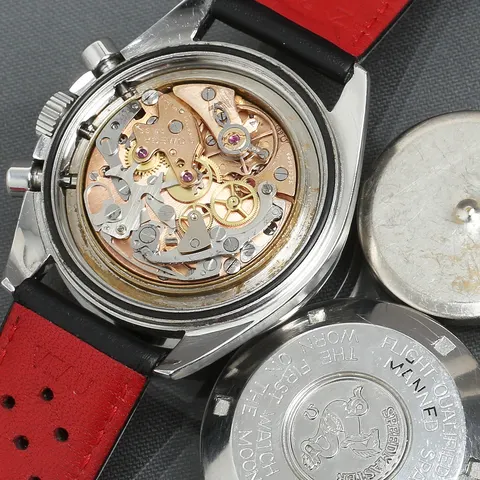
Back and movement
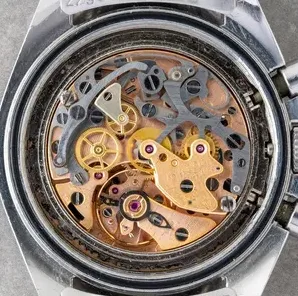
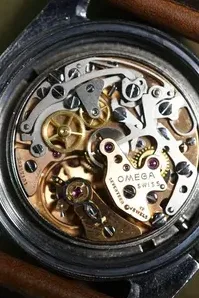
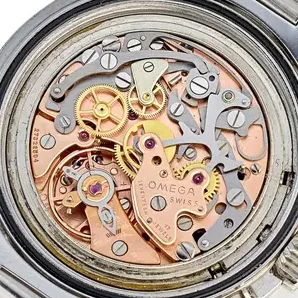
From listings of this reference, each confirmed by eye to show what it is filed under. A picture on which a person's name or a personal engraving can be read is not shown. From most holders a detail from the middle of the photograph is shown; the mark in its corner gives its holder and a link to the listing.
Caseback


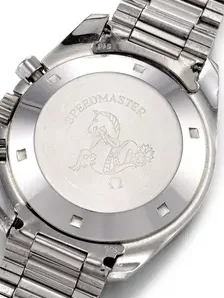

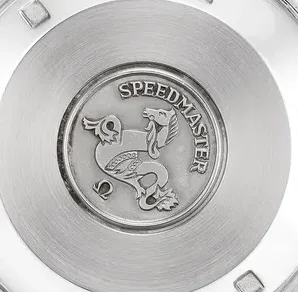

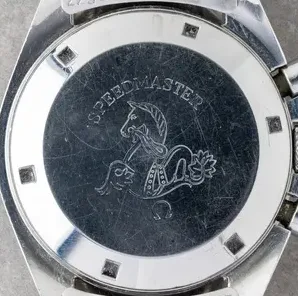

Inside the caseback
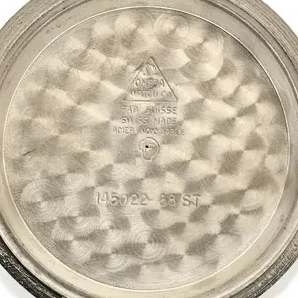

Movement




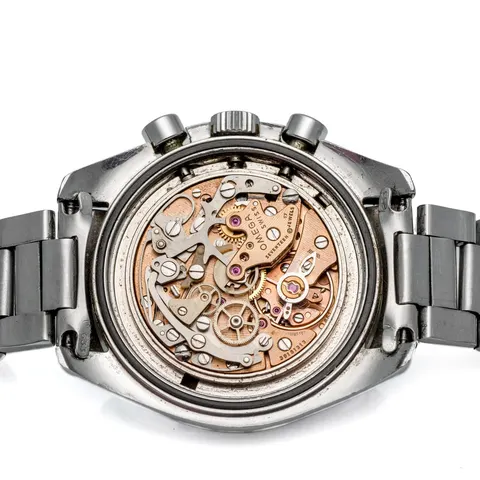

Catalogue versions 5 listed
The full numbers under which holders list this reference, with what their listings say of each. Each has a page of its own.
| Version | Metal | Dial | Years seen | Records |
|---|---|---|---|---|
| 145022-69ST | Steel | Black | 1969–1970 | 8 |
| 145022-68 | Steel | Black | 1968–1969 | 3 |
| 145022-71ST | Steel | Black | 1974 | 3 |
| 145022-74 | Steel | Black | 3 | |
| 145022-16 thin | Steel | 1971 | 1 |
In the records
Counted from 708 listings at 59 holders between 10 June 2009 and 14 November 2026. These are what sellers and auction houses state, not measurements.
Fainter bars are the 33 outside the main run of 1969–1991 (the middle nine-tenths): the earliest is 1968 and the latest 1995. They are early and late examples, and now and then a seller's slip. Not on the scale: 1997 (2). A year more than ten from all the rest is usually a model name or a founding date, not the year of the watch.
At the holders that record papers on every watch, 6% of their 50 listings of this reference come with papers; at those that record the box on every watch, 10% of 51 come with a box. "Papers" is whatever the holder counts as papers, and can include service papers.
4 listings dated long after the reference ended are set aside and not counted here: a year that late belongs to a later watch sold under the old number, or to a listing filed under the wrong one.
Case metal
| Steel | 226 | |
| Gold, any colour | 41 | |
| Yellow | 29 | |
| Colour not stated | 12 | |
| Other | 1 | |
| Steel and gold | 1 |
A listing that says "gold" or "18K gold" names no colour: it is counted under "colour not stated", not as yellow gold.
Dial colour
| Black | 104 | |
| Brown | 27 | |
| Gold | 7 | |
| Champagne | 7 | |
| White | 4 | |
| Yellow | 1 |
Case size
| 42 mm | 228 | |
| 40 mm | 48 | |
| 41 mm | 14 |
Calibre named
| 861 | 376 | |
| 321 | 14 | |
| 1861 | 3 |
Bracelet or strap
| Metal bracelet, kind not stated | 167 | |
| Leather strap | 24 | |
| Fabric strap | 7 | |
| Rubber strap | 2 |
Each table counts the listings that state the thing, in the seller's own terms. A size, metal, colour or calibre that cannot belong to this reference is a seller's slip or a listing filed under the wrong number.