Speedmaster Professional
The 105.012 was the first Speedmaster with the asymmetric 42 mm case, crown and pusher guards and twisted lyre lugs, and the first to carry the word Professional on the dial. It was made with calibre 321 from early 1964 to about 1968 and was followed by the 145.012. Its sub-references are -63, -64, -65 and -66, named by the year stamped in the case back, which runs about a year behind delivery. The dial print, the T markings around Swiss Made, the case maker (Huguenin Freres or Centrale Boites), the case back steps and the bezel are what collectors check first. Omega's museum records that this was the reference worn on the Moon in July 1969.
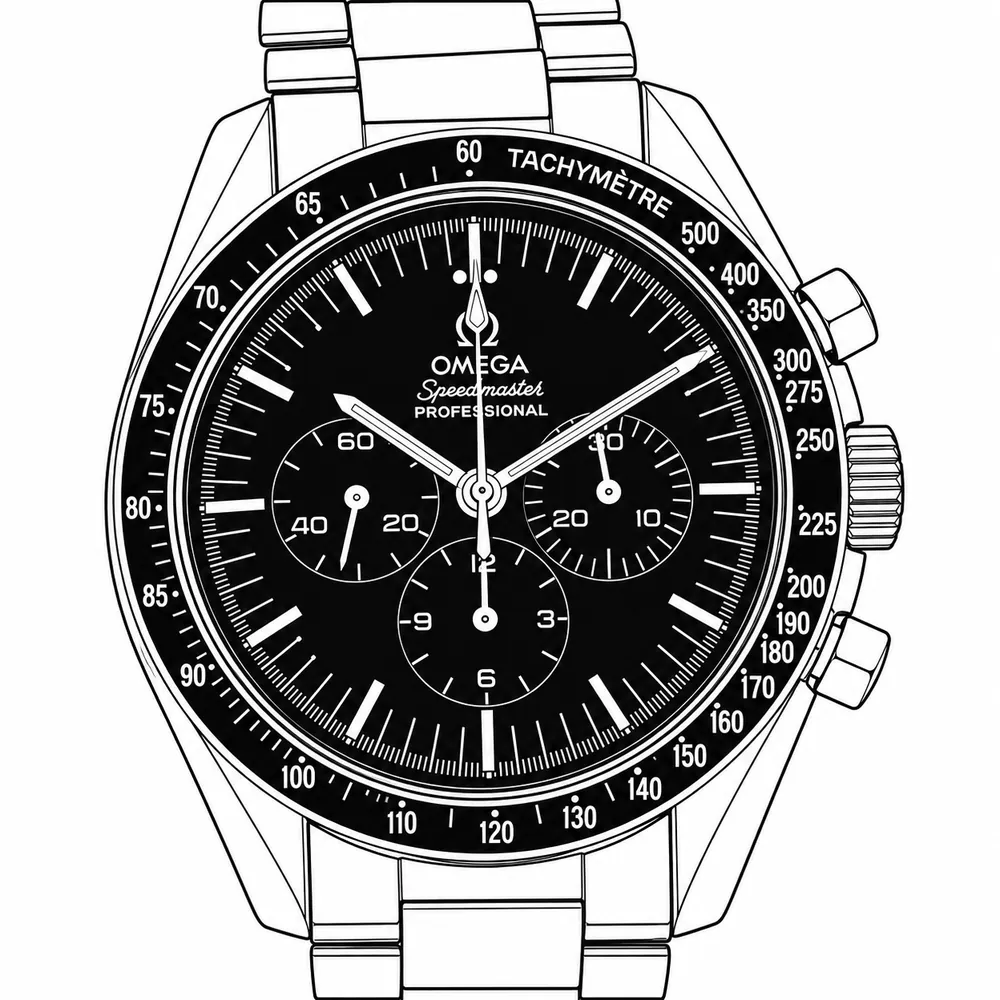
- Made
- 1964–1968dates approximate
- Seen in the library
- 1963–1968nine in ten in 1964–1967 · by years sellers state
- Case
- 42 mm · steelas sellers state
- Movement
- Calibre 321hand-wound
- On record
- 119 listings251 photographs · 33 holders
Components
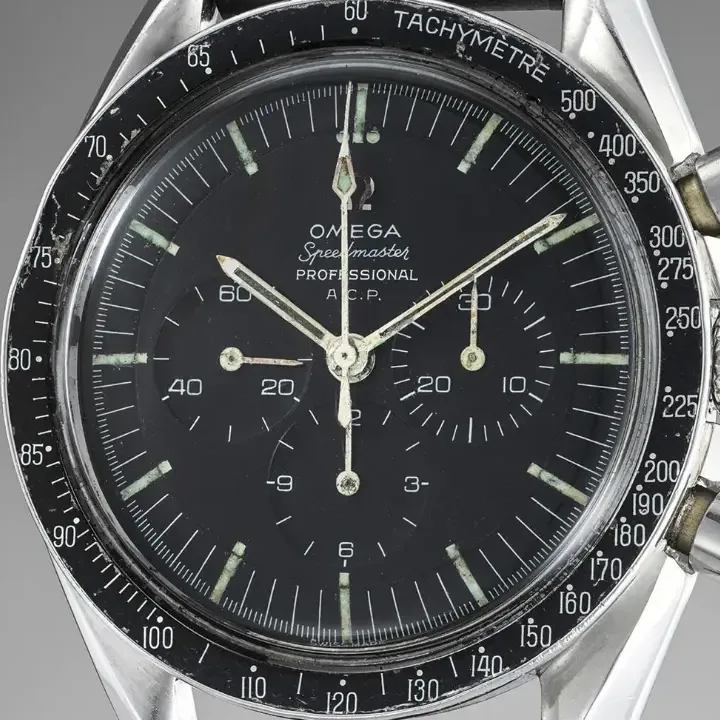
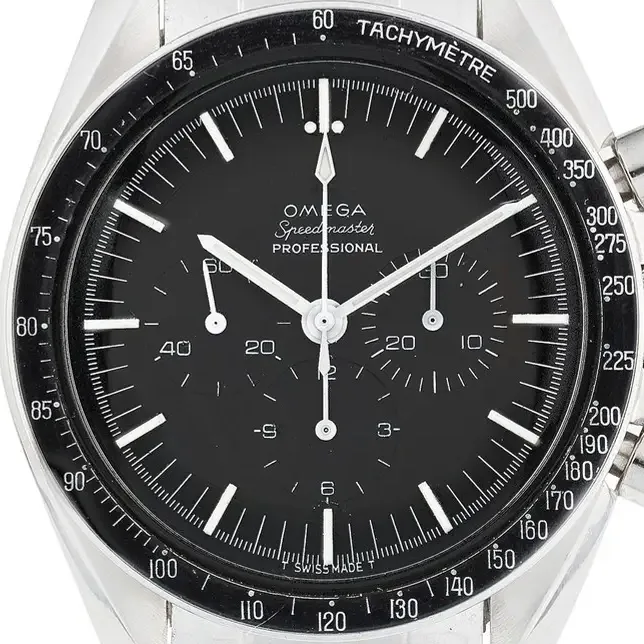
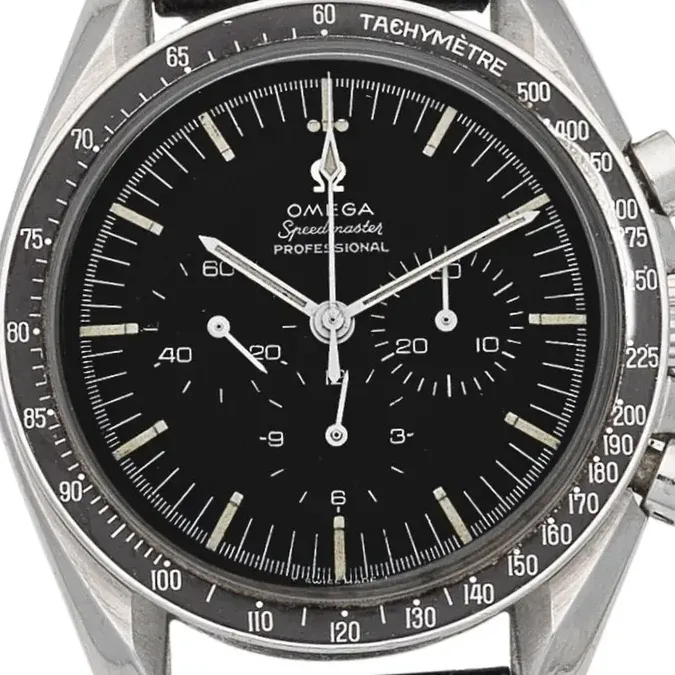
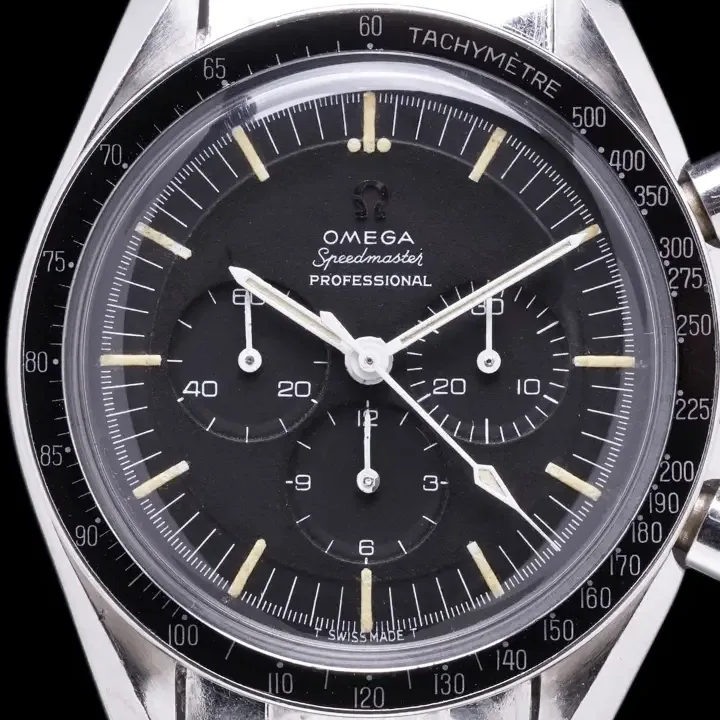
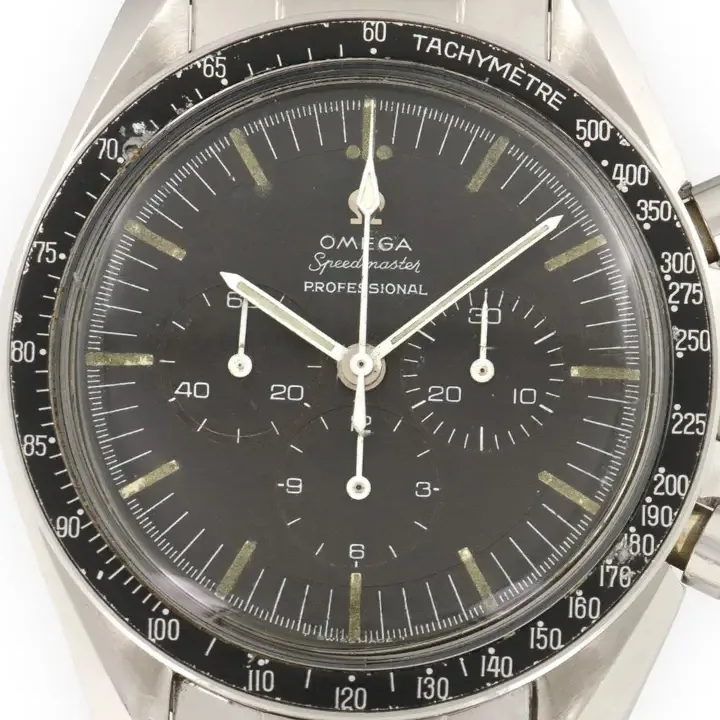
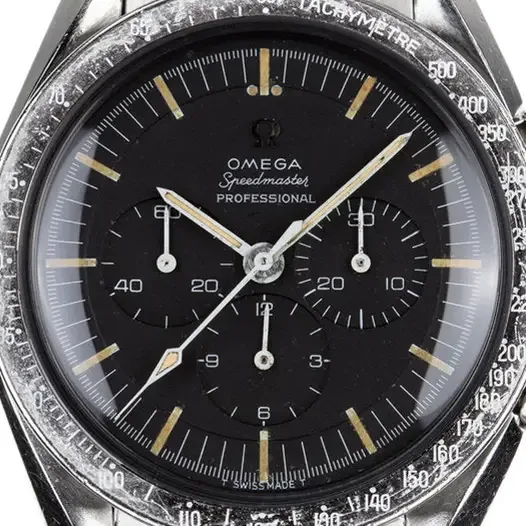
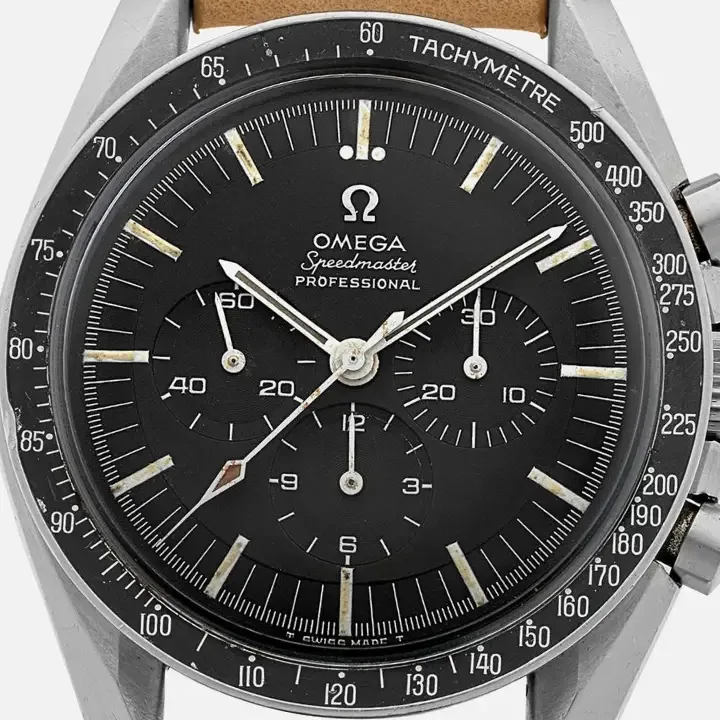
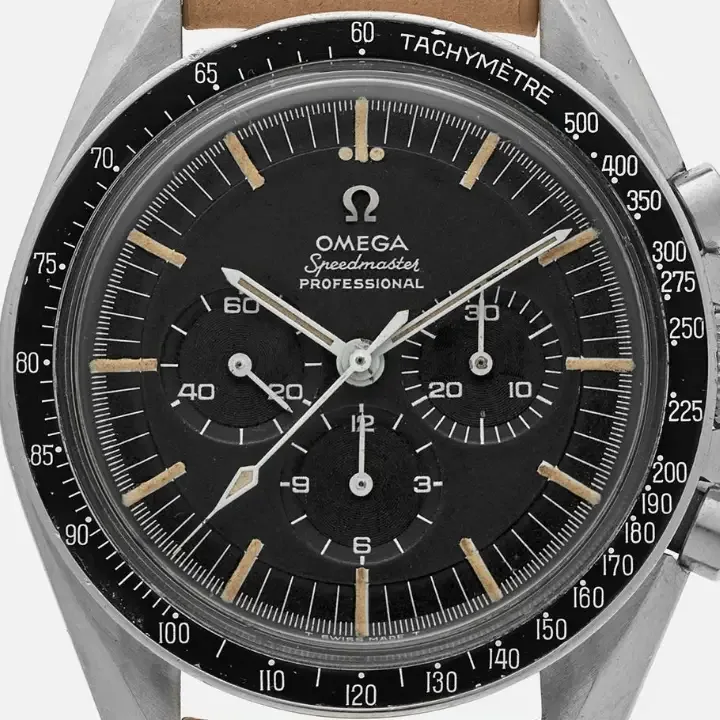
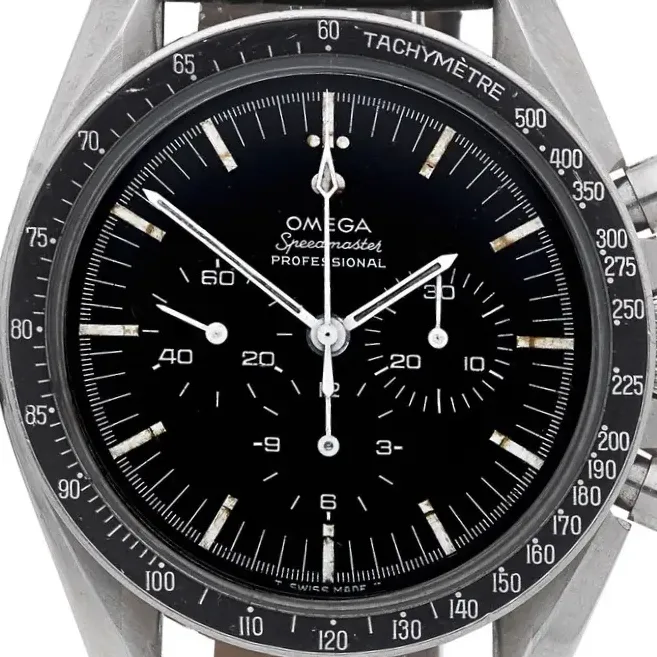
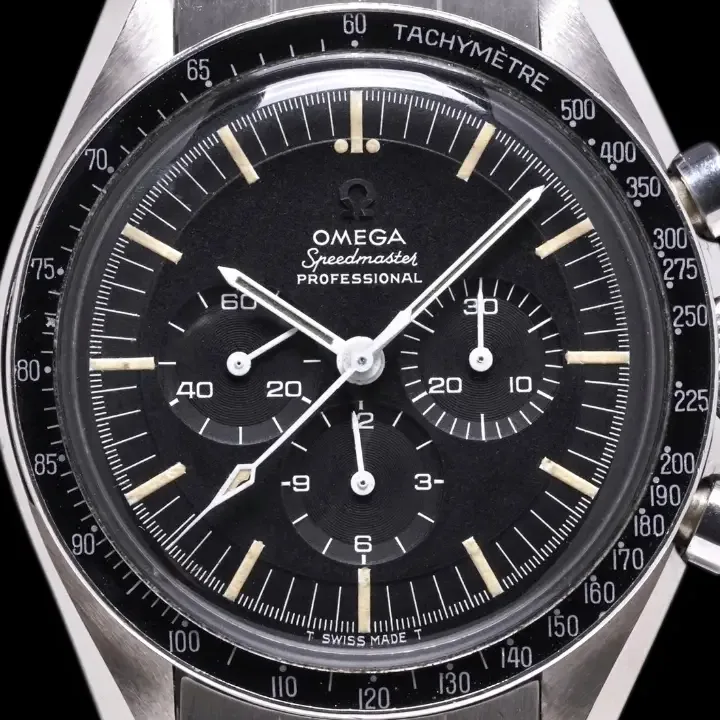
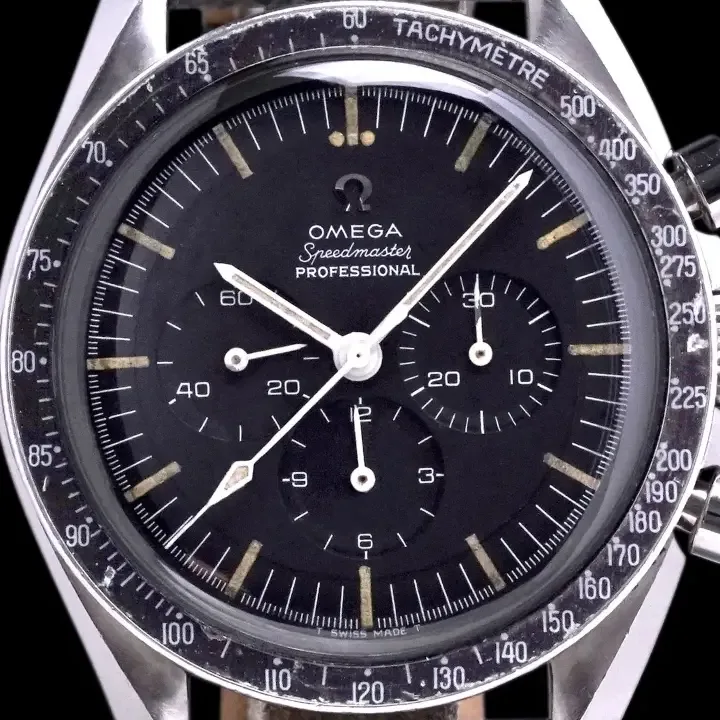
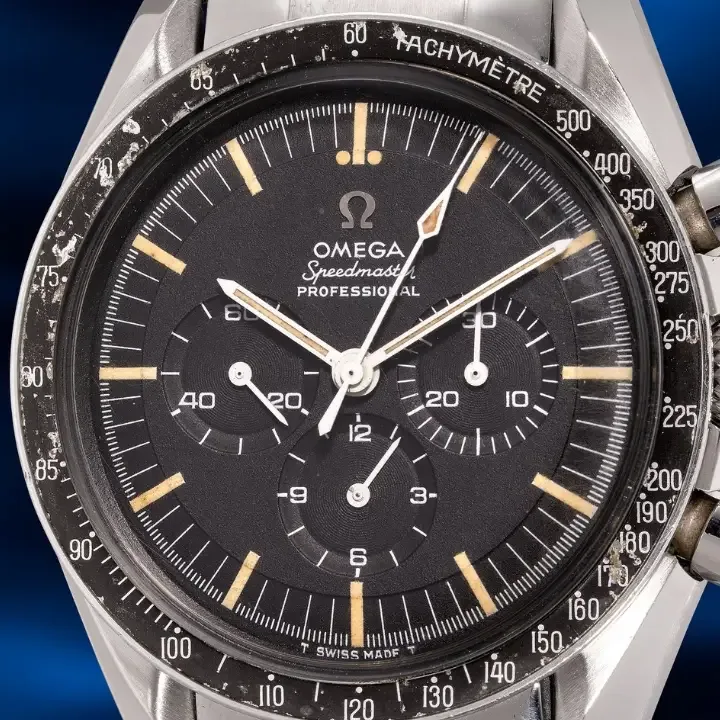
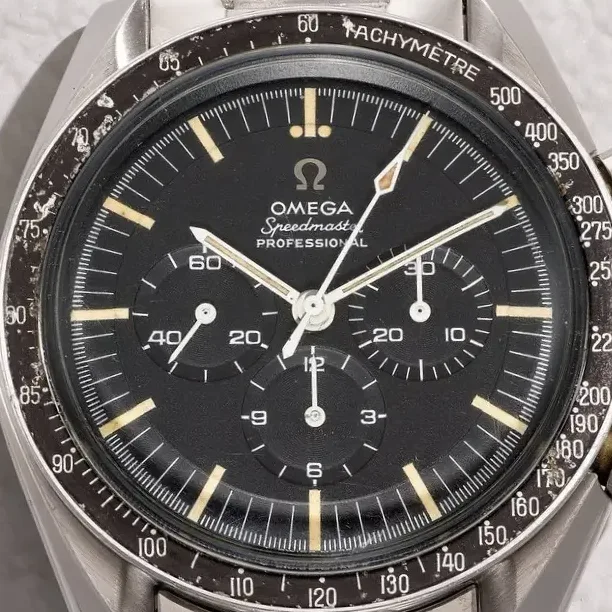
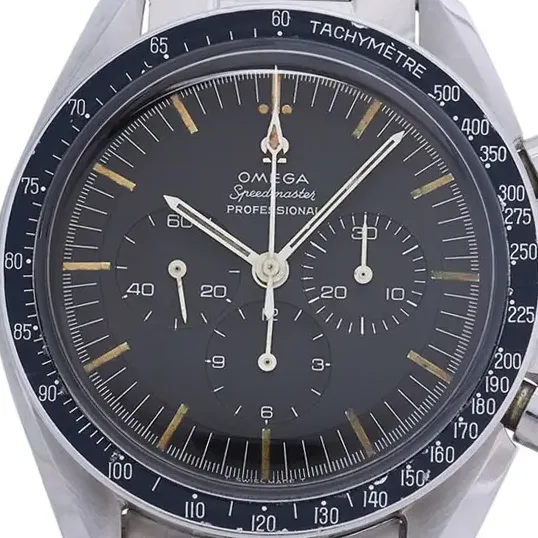
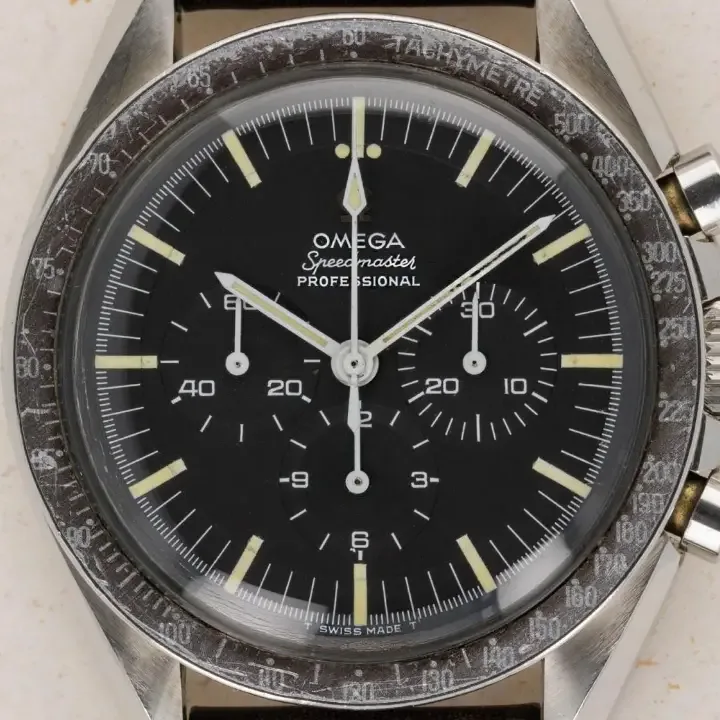
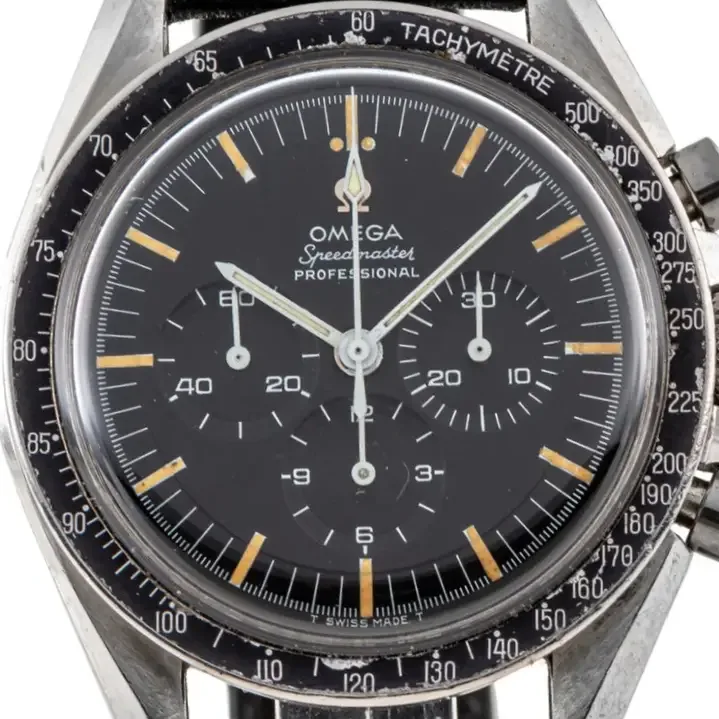
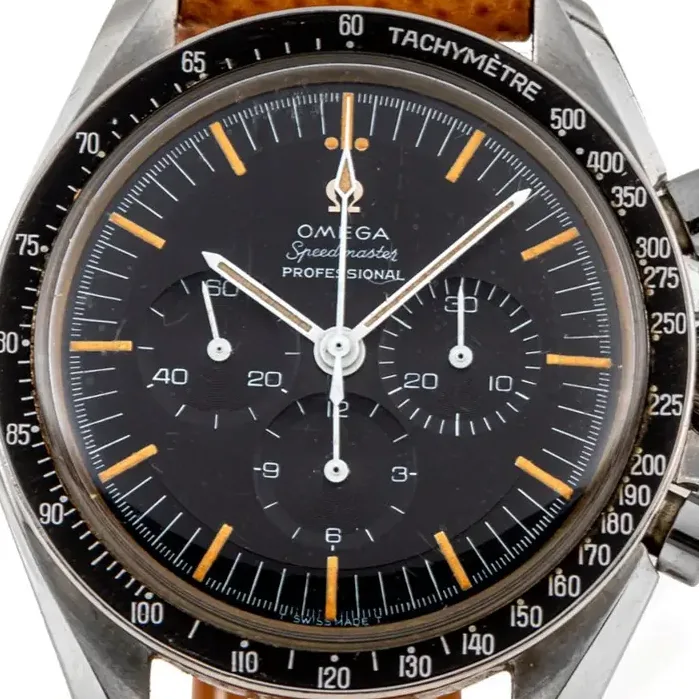
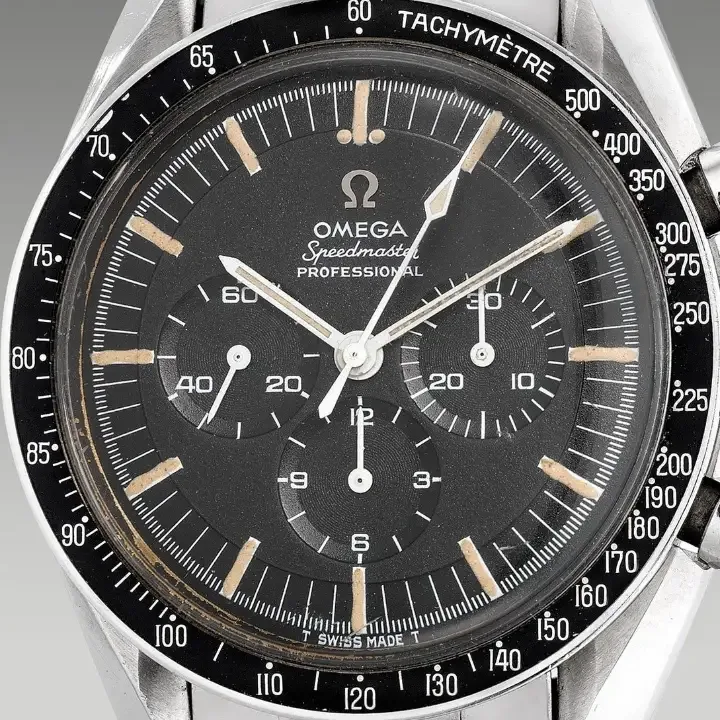
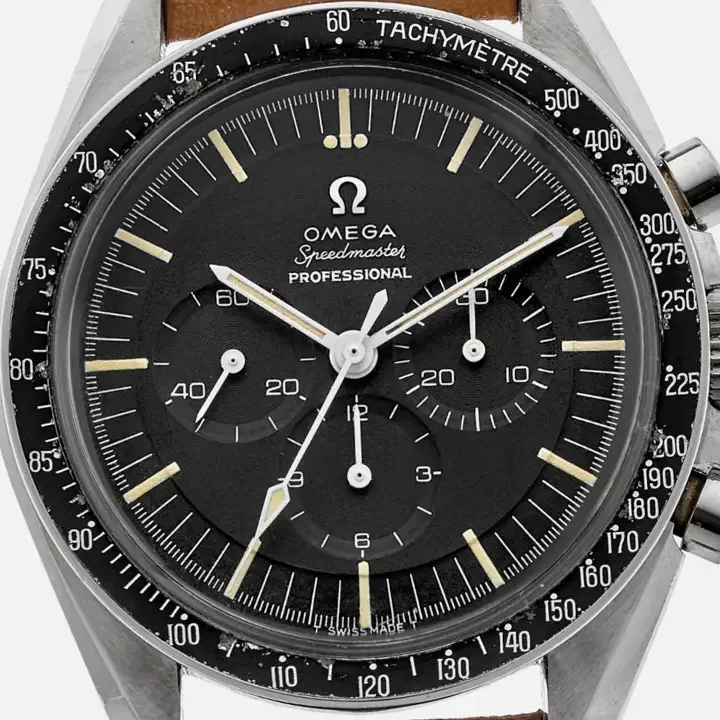
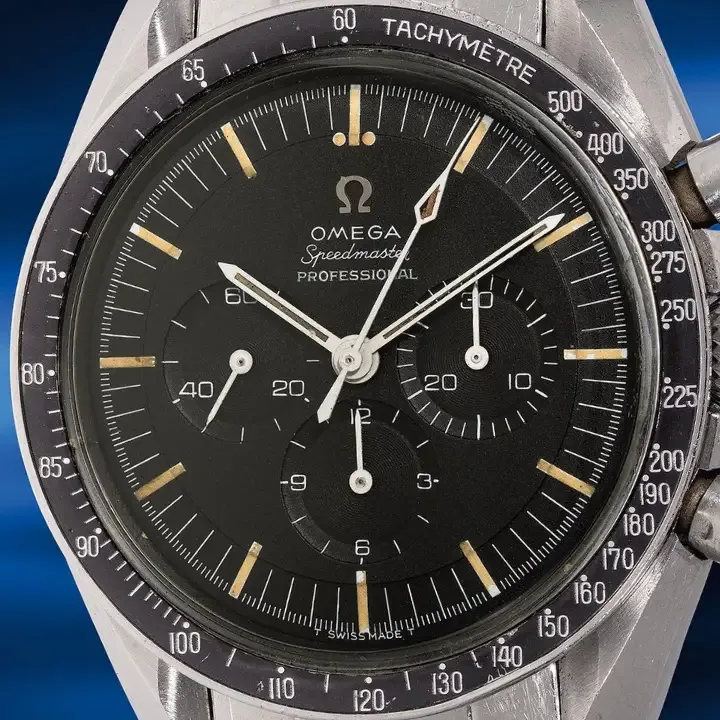
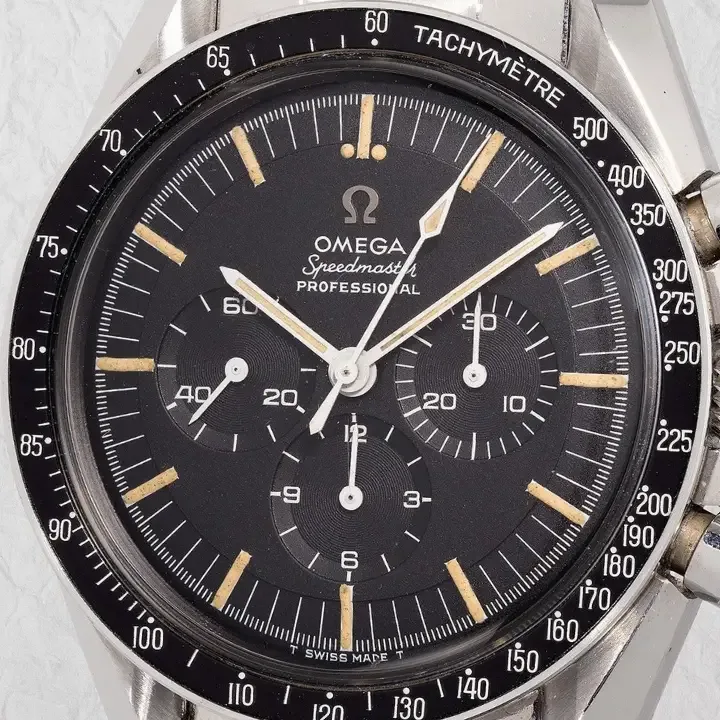
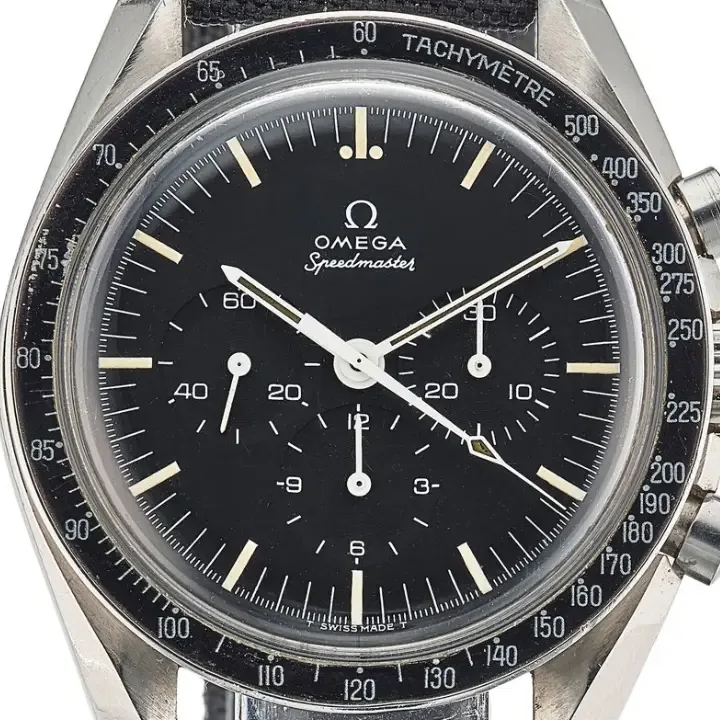
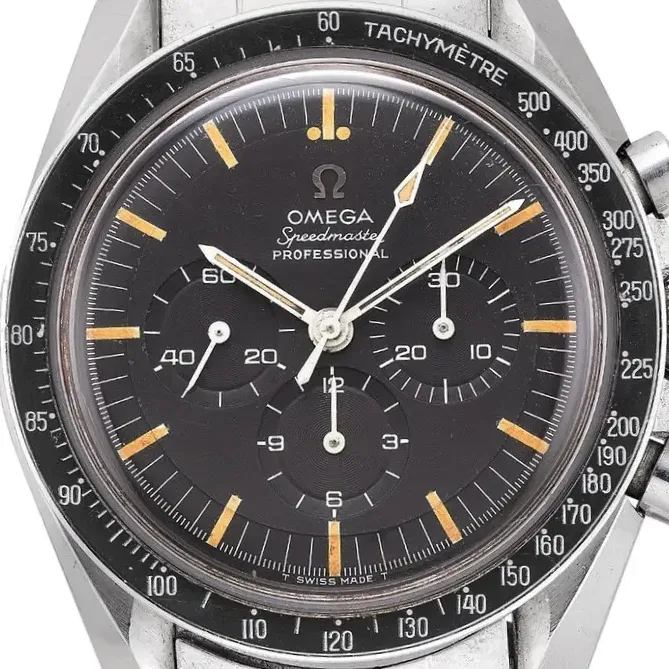
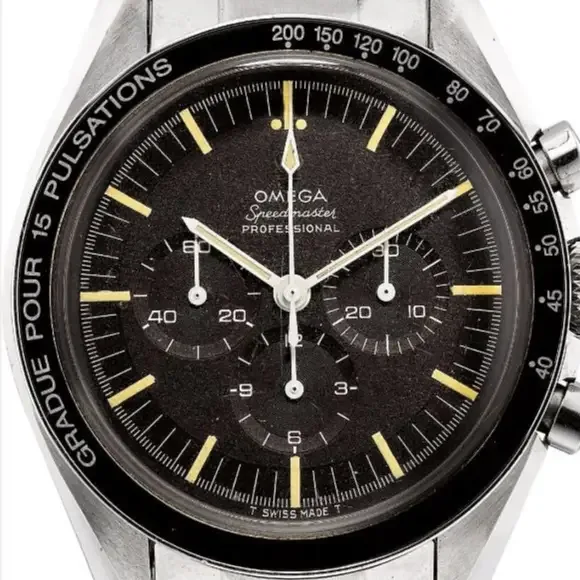
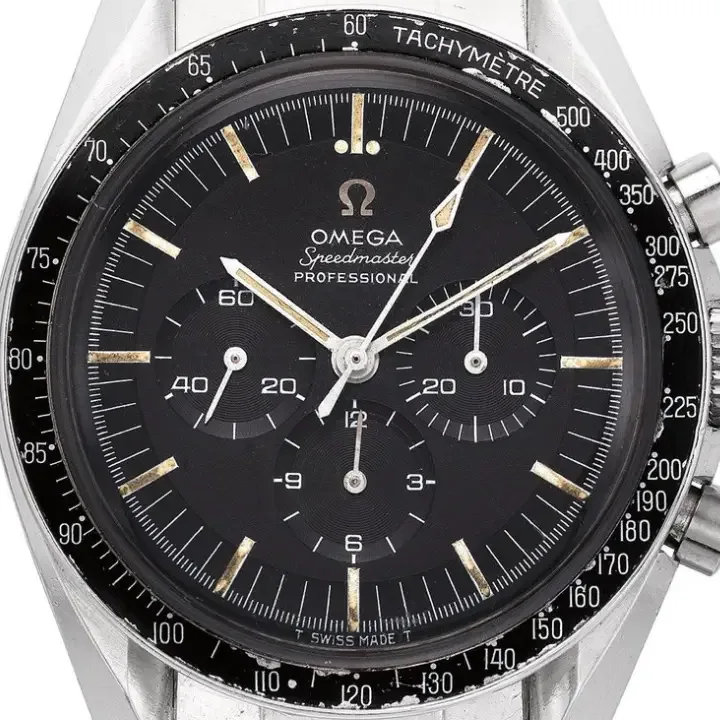
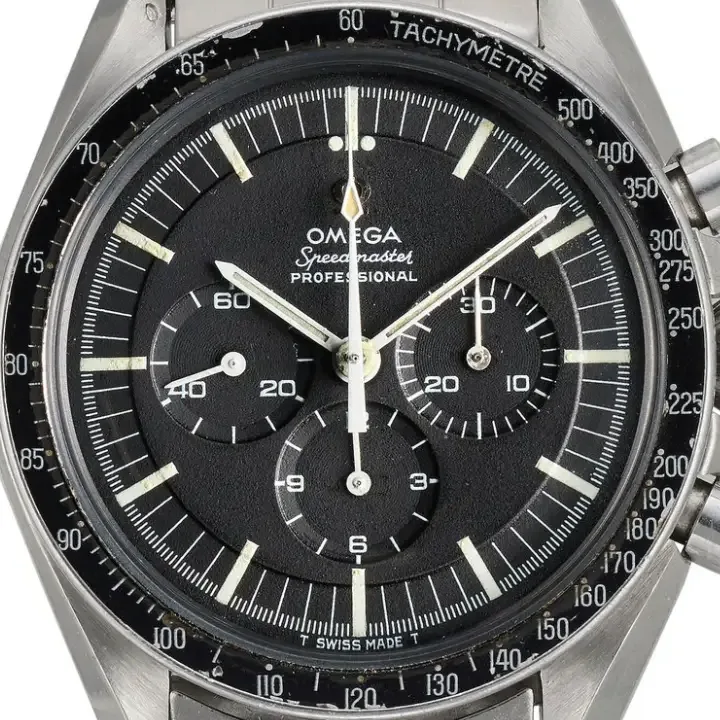
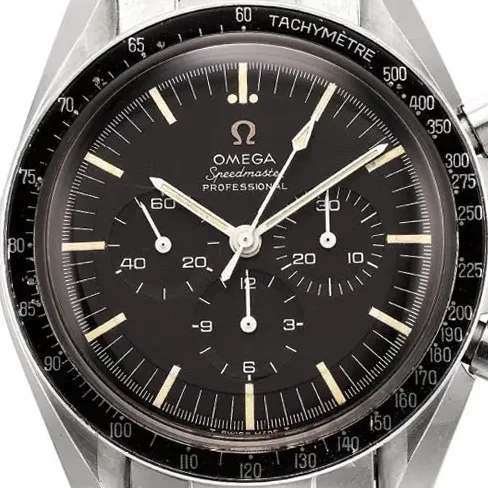
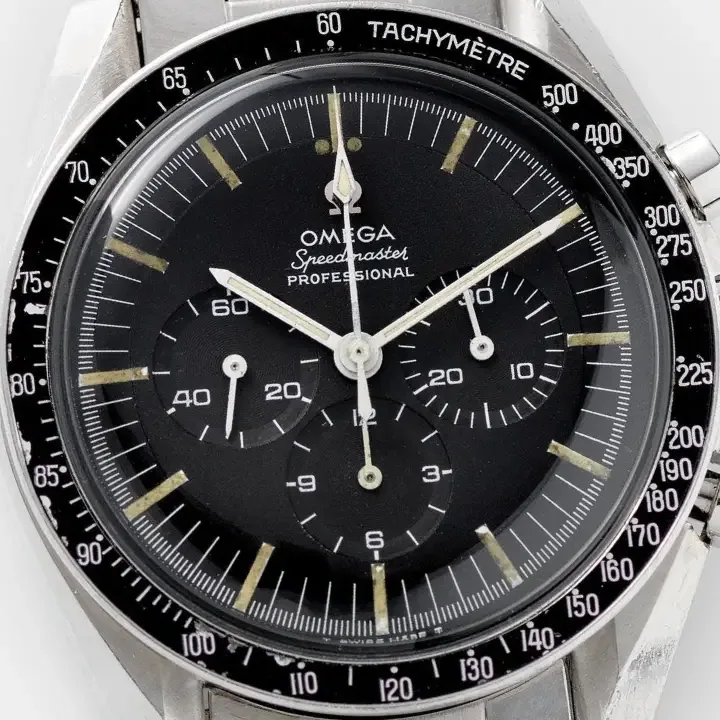
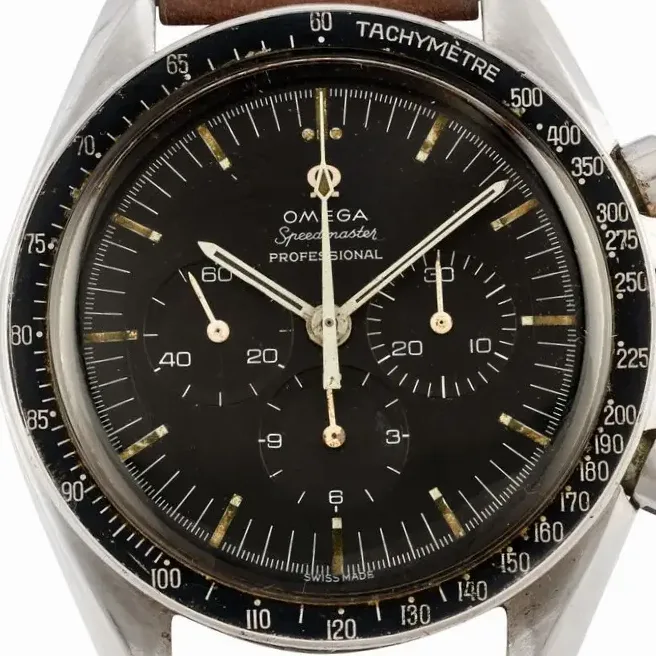
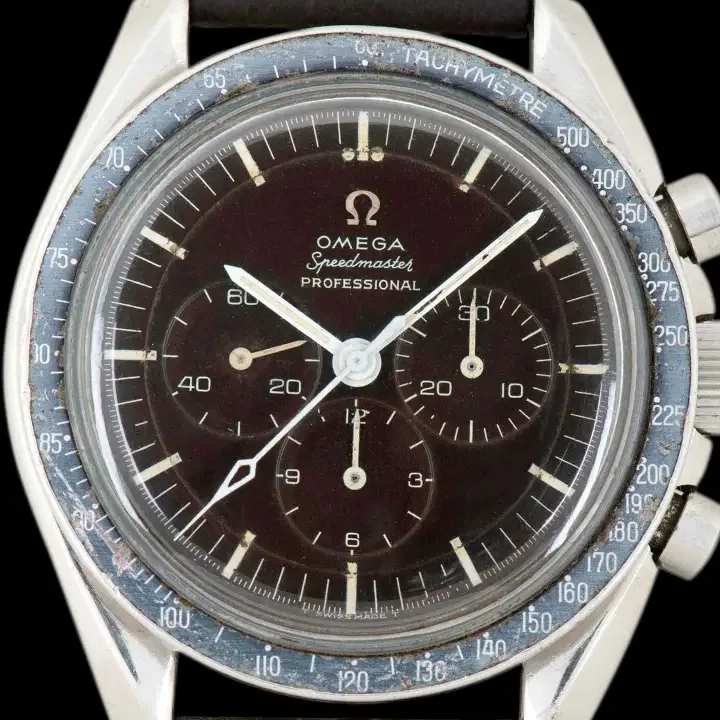
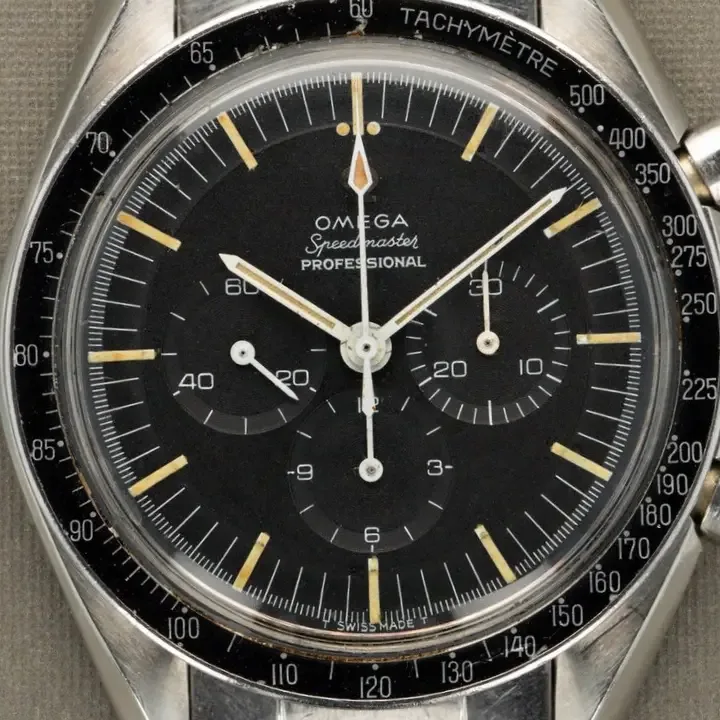
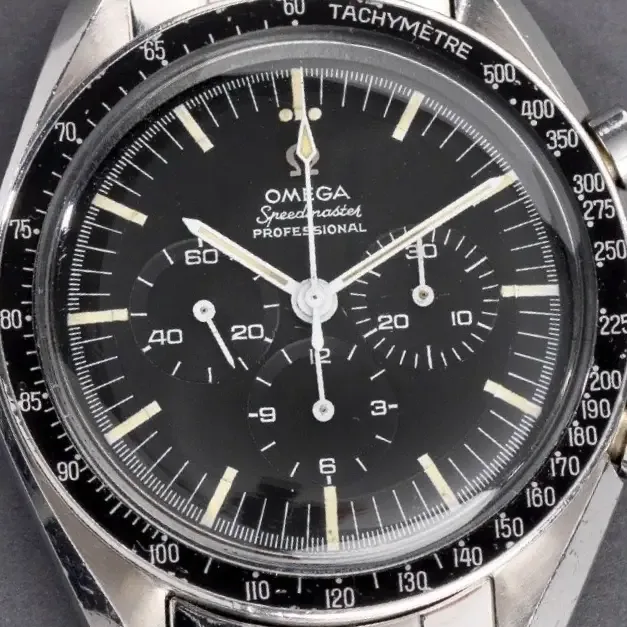
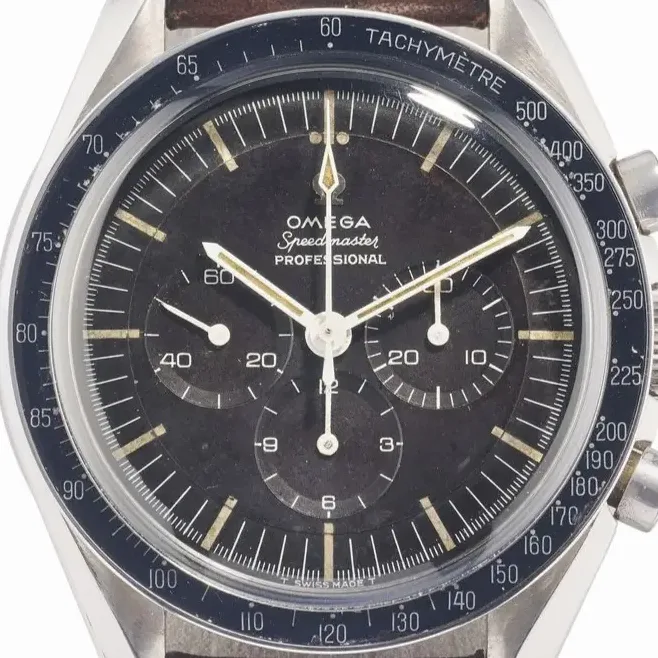
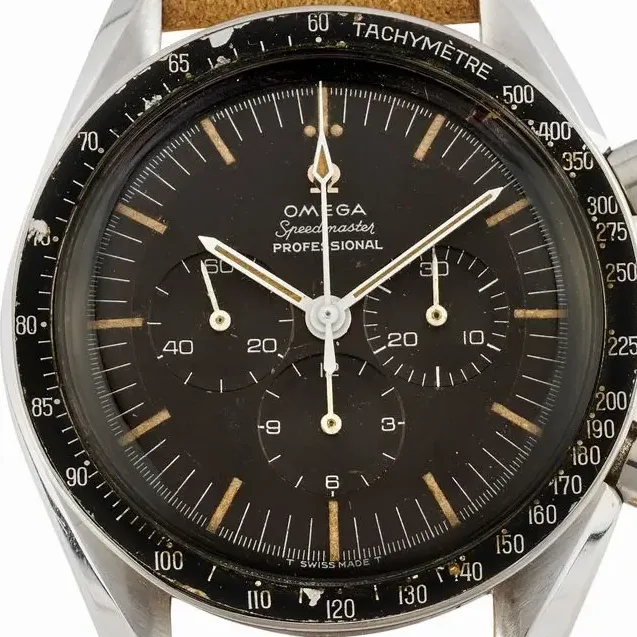
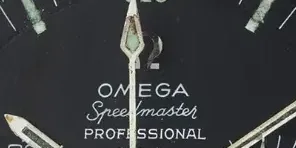
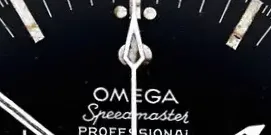
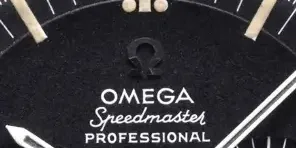
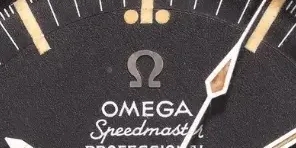
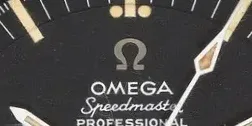
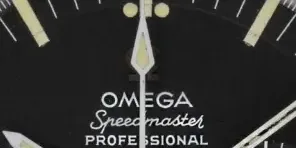
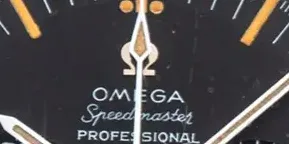
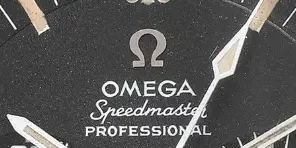
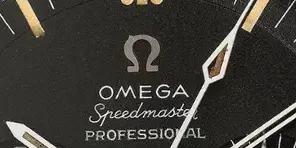
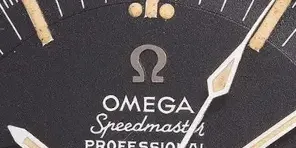
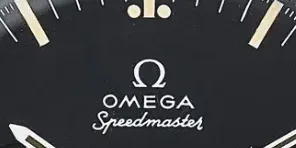
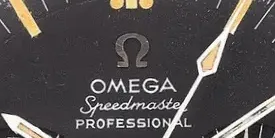
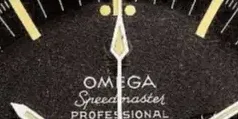
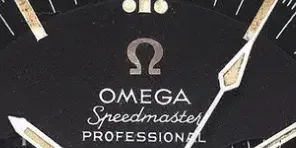
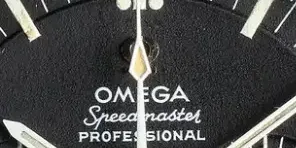
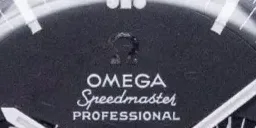
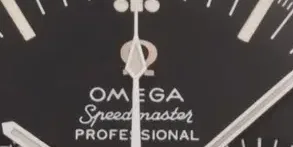
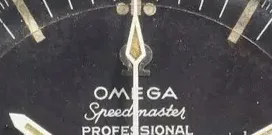
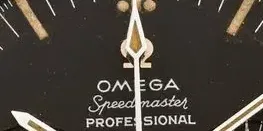
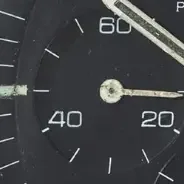
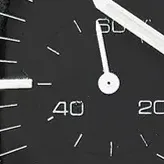
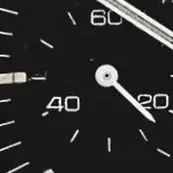
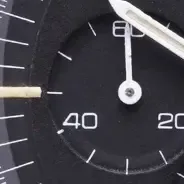
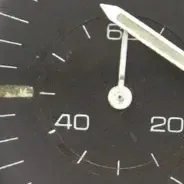
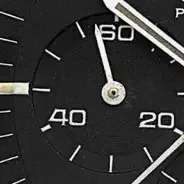
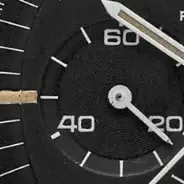
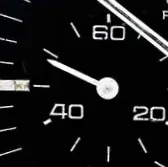
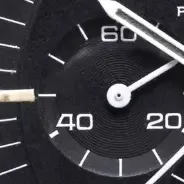
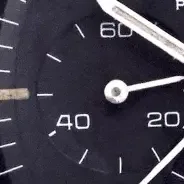
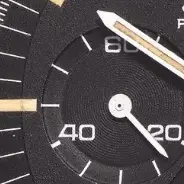
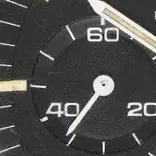
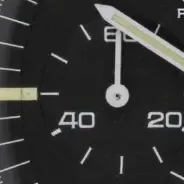
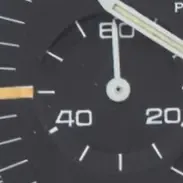
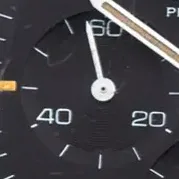
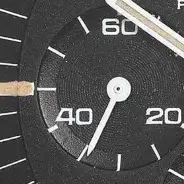
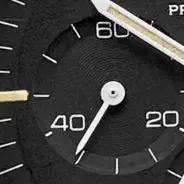
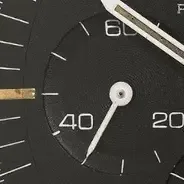
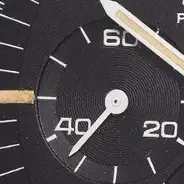
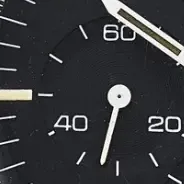
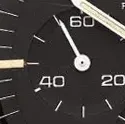
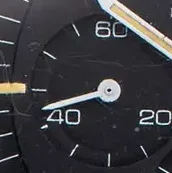
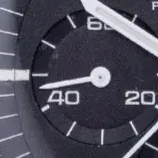
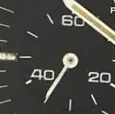
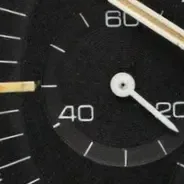
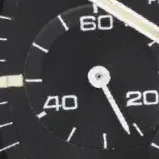
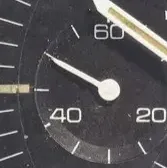
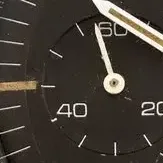
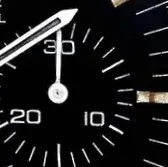
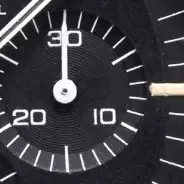
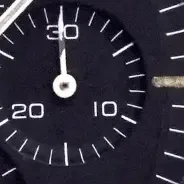
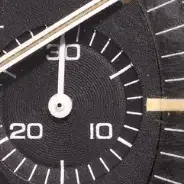
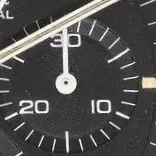
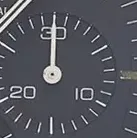
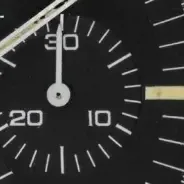
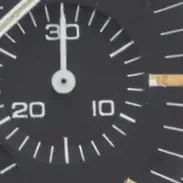
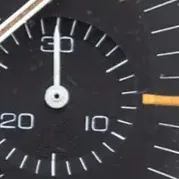
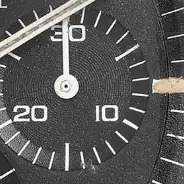
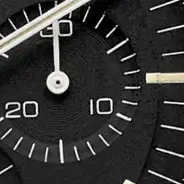
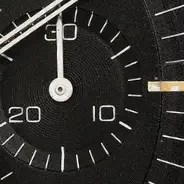
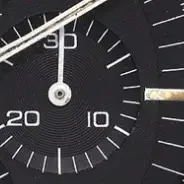
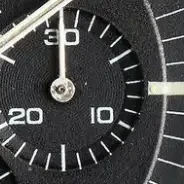
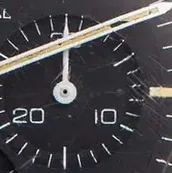
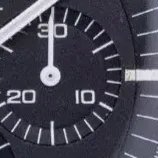
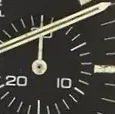
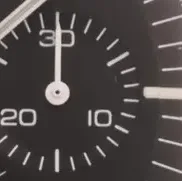
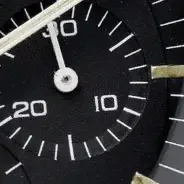
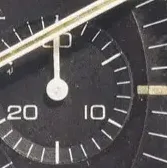
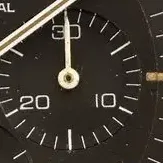
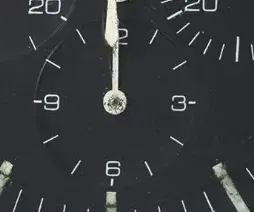
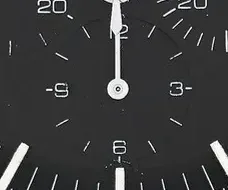
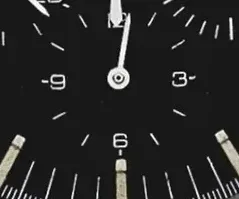
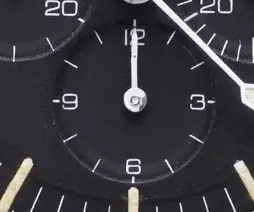
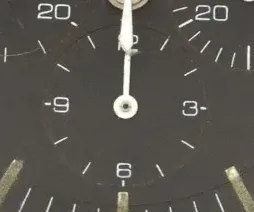
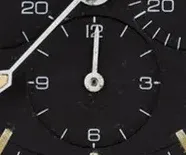
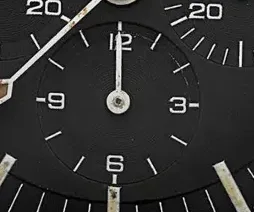
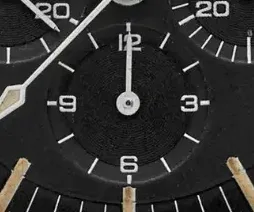
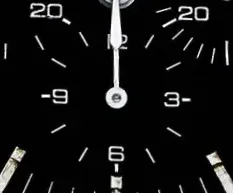
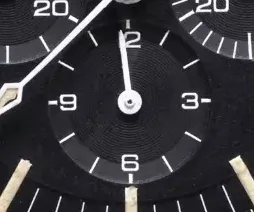
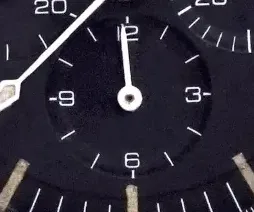
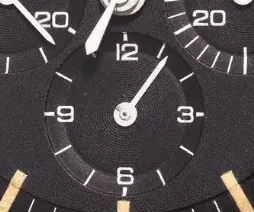
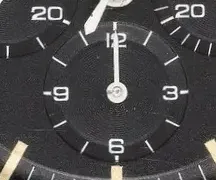
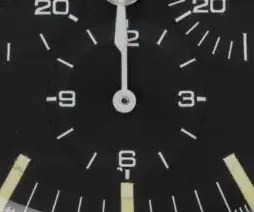
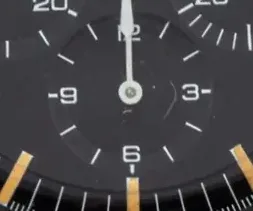
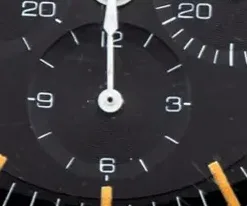
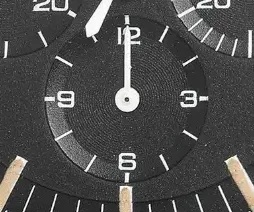
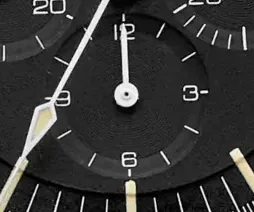
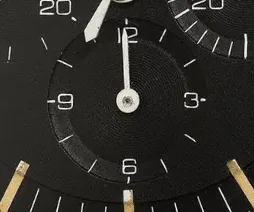
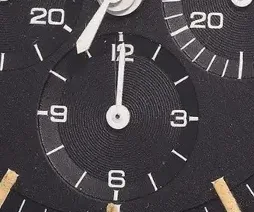
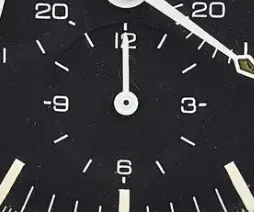
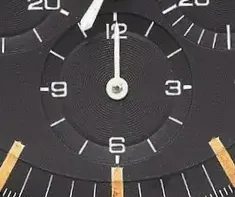
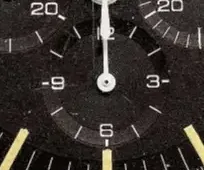
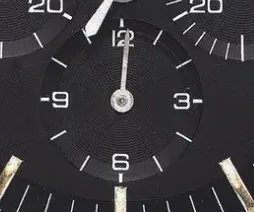
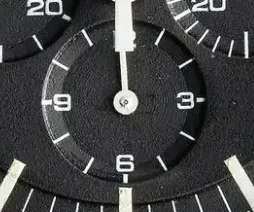
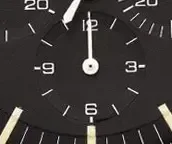
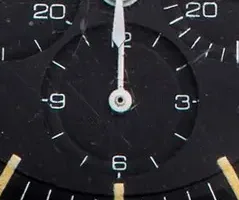
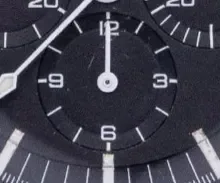
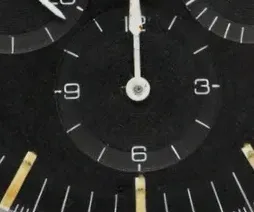
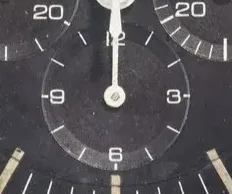
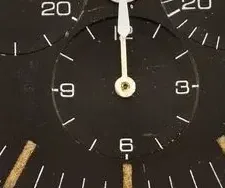
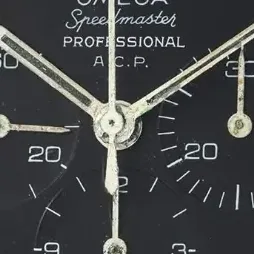
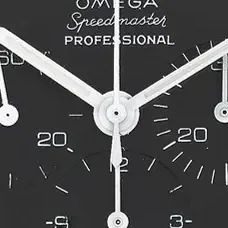
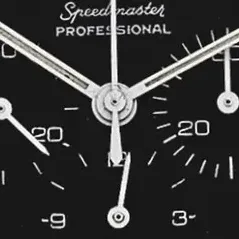
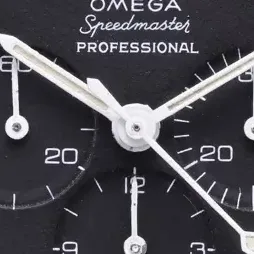
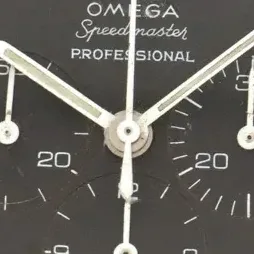
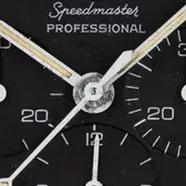
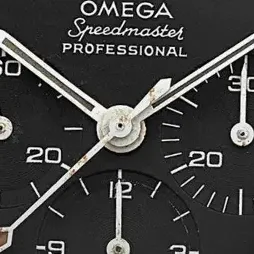
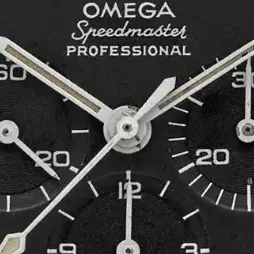
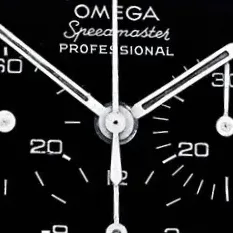
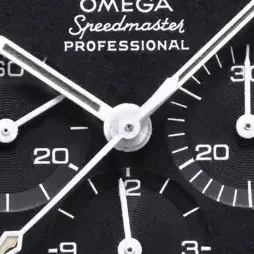
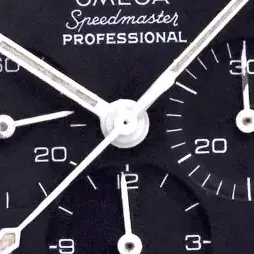
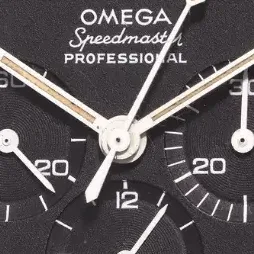
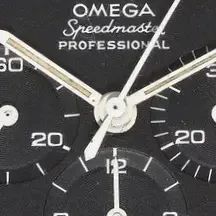
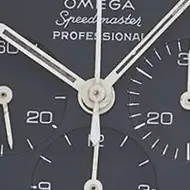
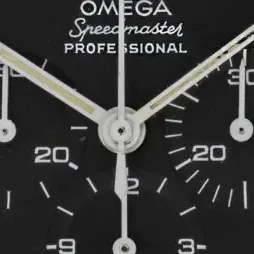
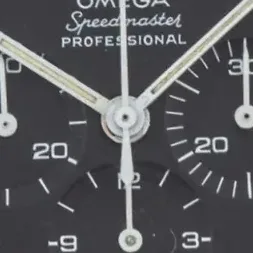
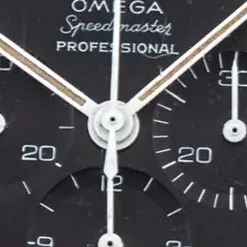
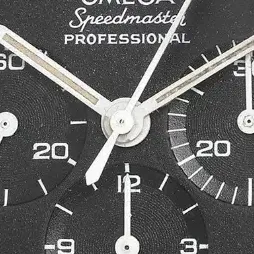
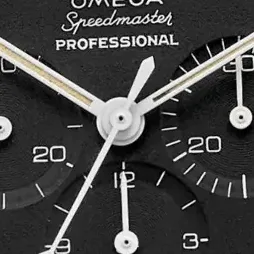
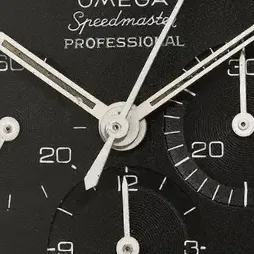
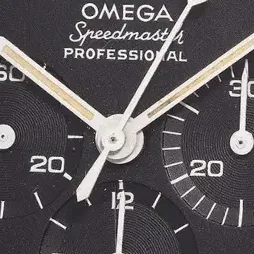
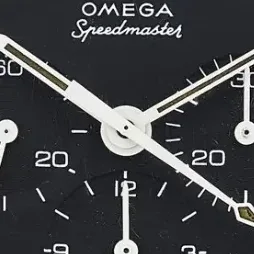
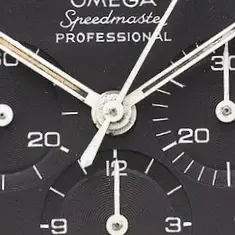
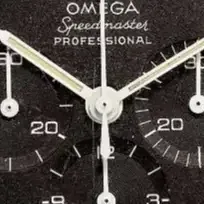
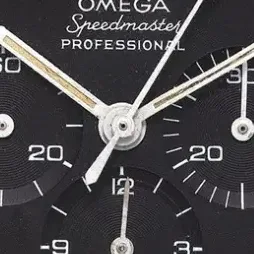
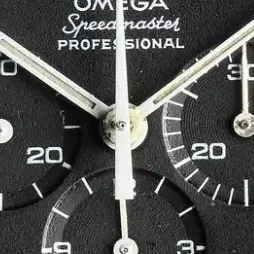
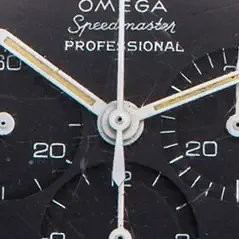
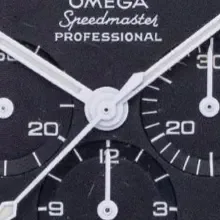
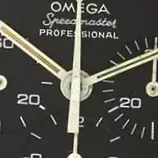
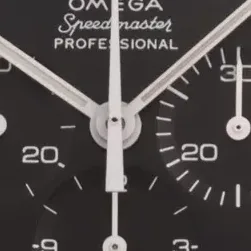
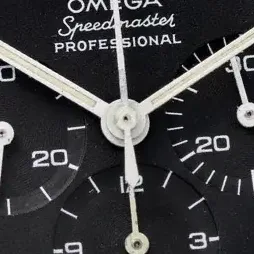
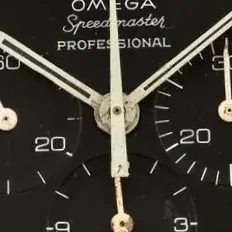
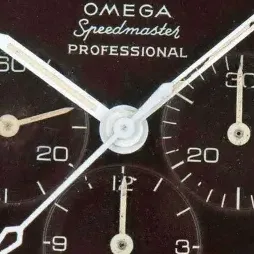
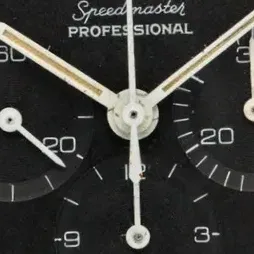
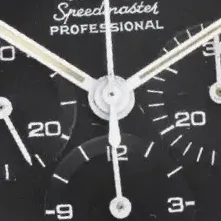
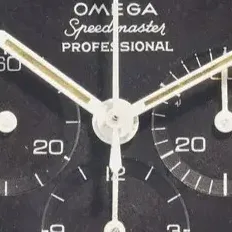
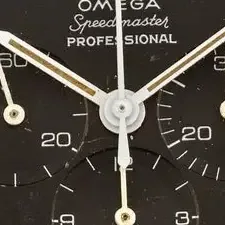
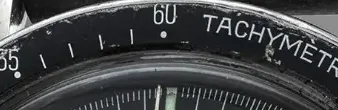
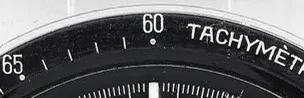
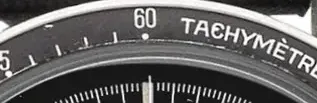
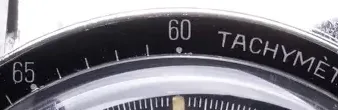
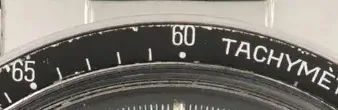
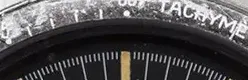
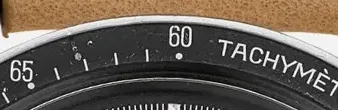
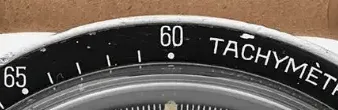
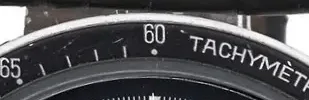
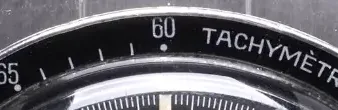
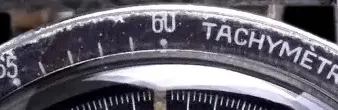
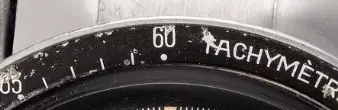
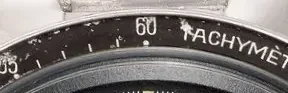
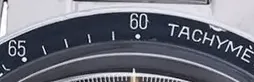
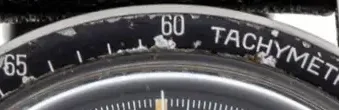
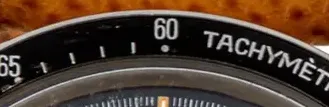
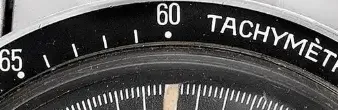
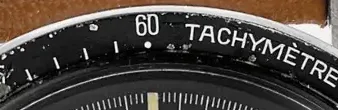
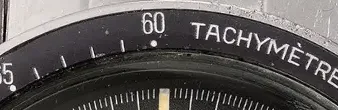
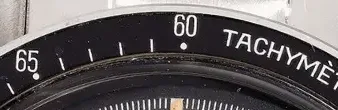
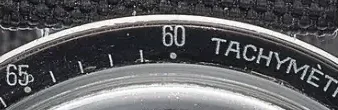
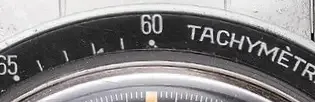
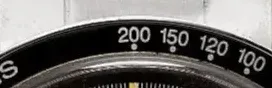
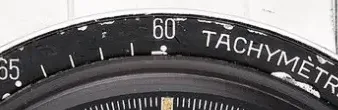
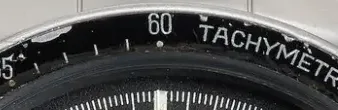
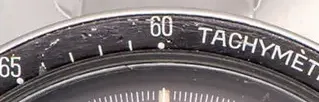
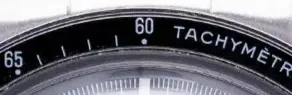
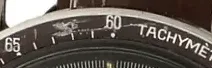
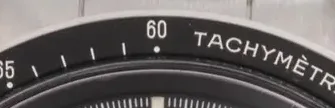
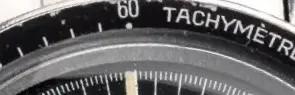
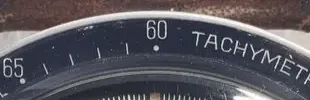
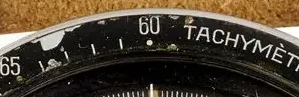
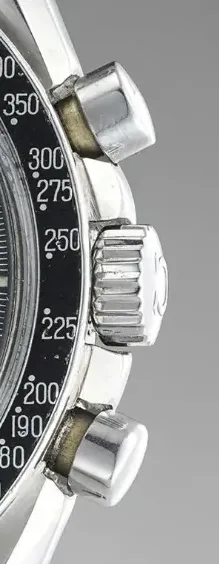
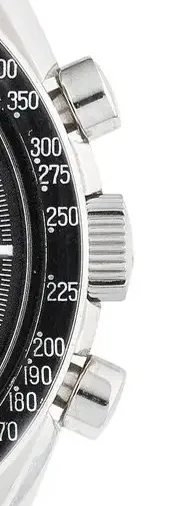
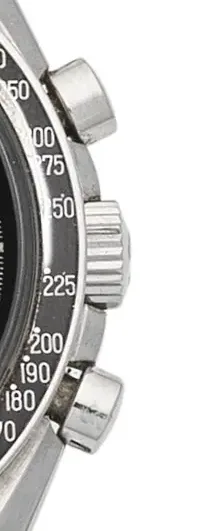
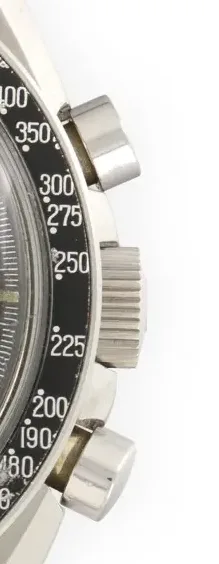
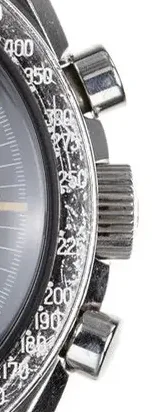
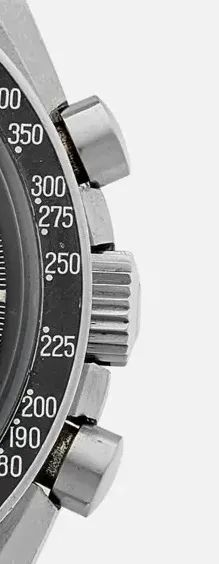
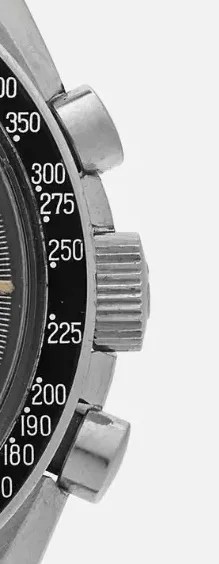
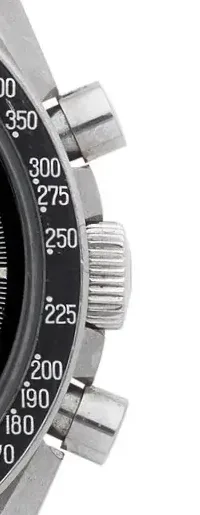
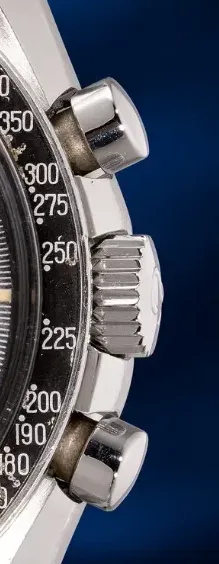
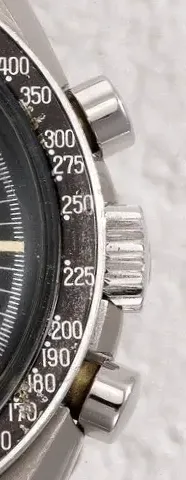
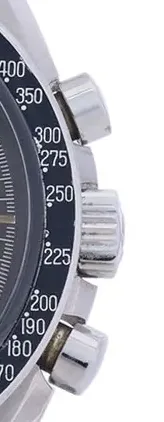
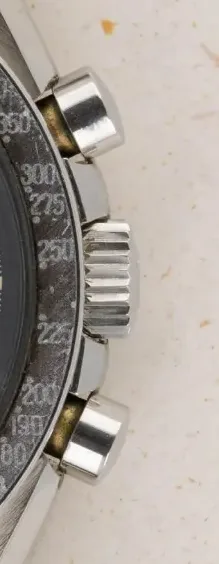
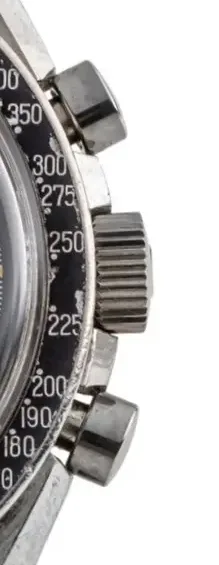
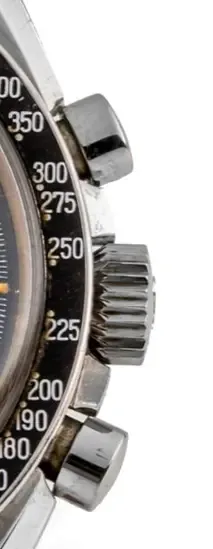
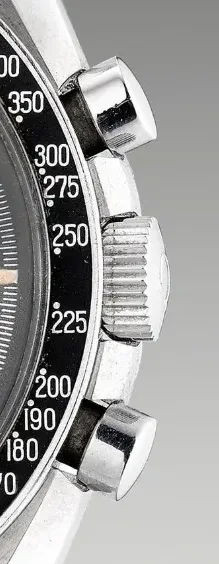
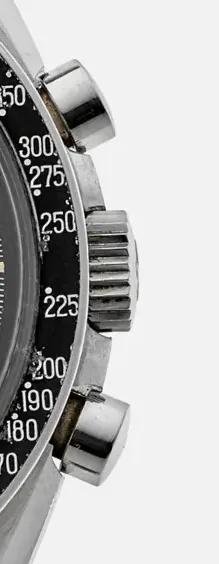
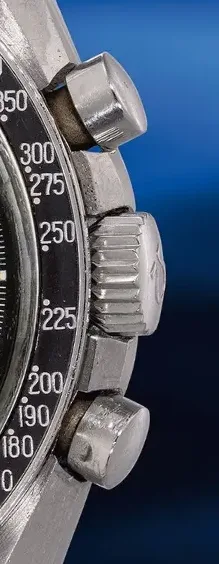
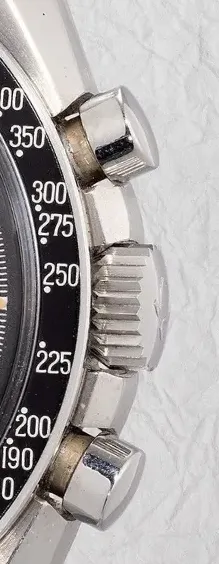
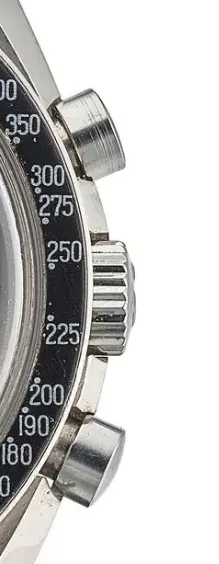
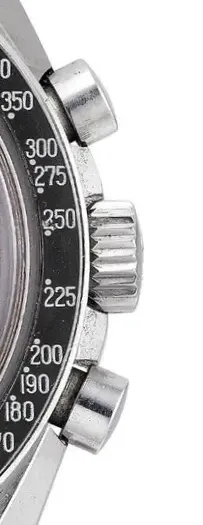
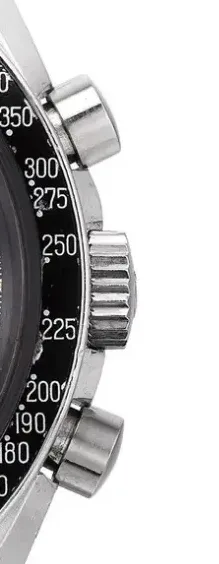
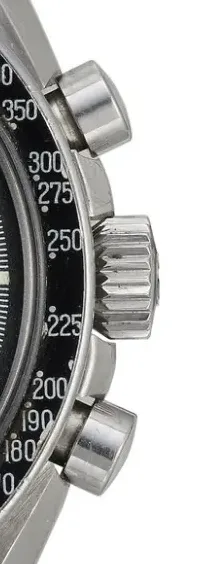
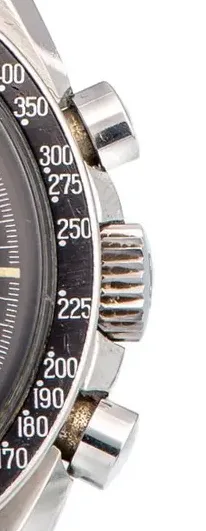
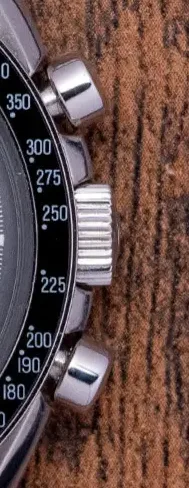
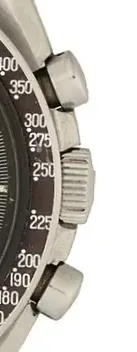
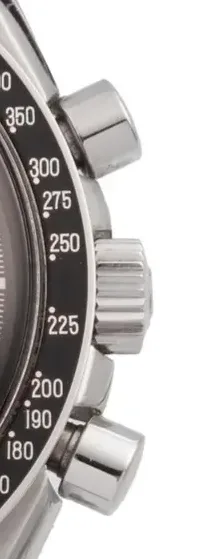
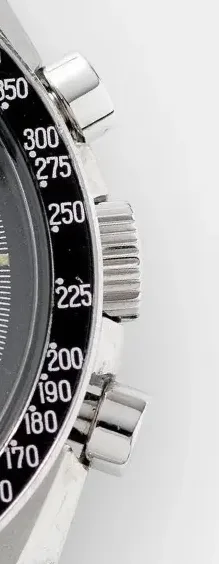
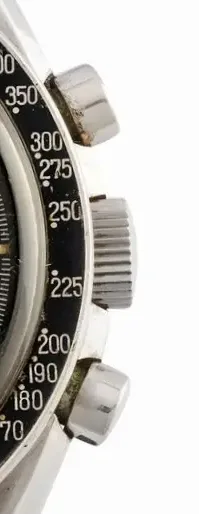
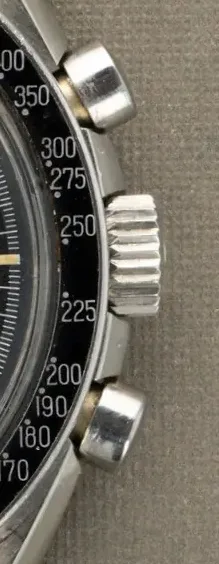
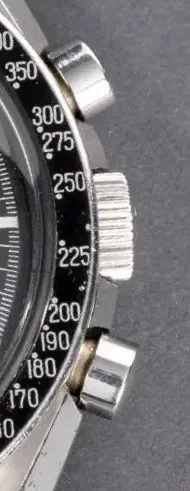
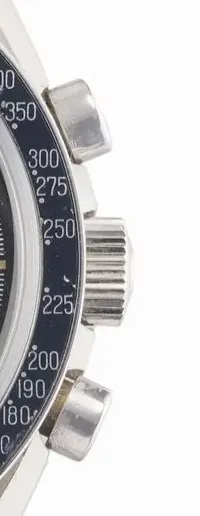
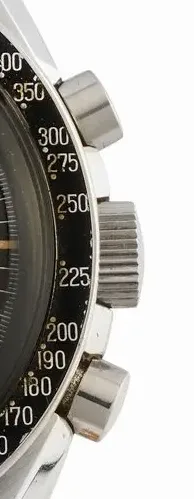
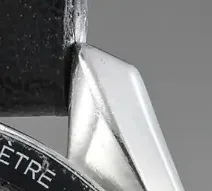
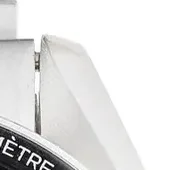
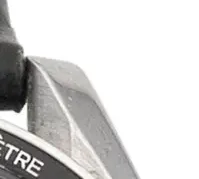
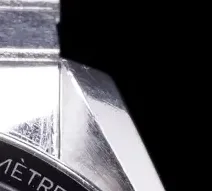
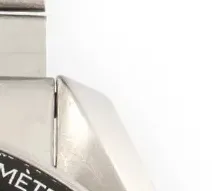
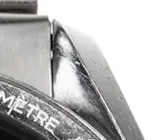
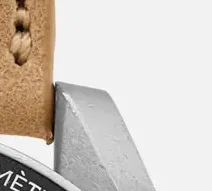
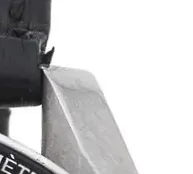
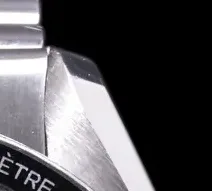
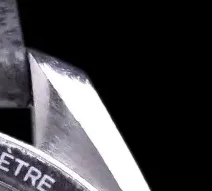
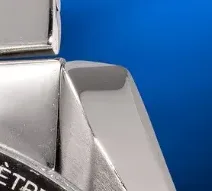
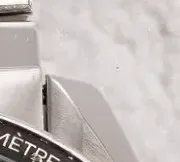
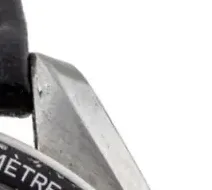
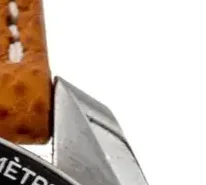
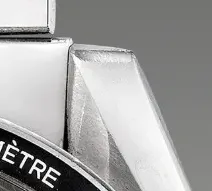
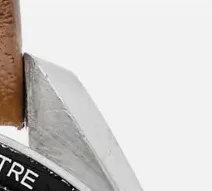
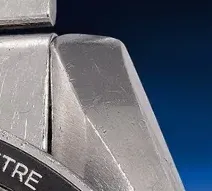
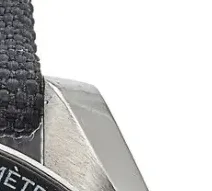
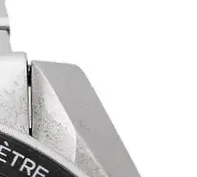
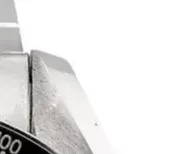
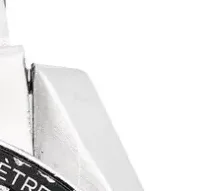
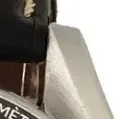
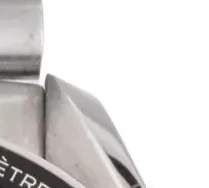
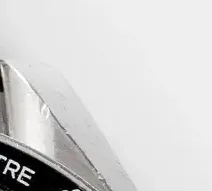
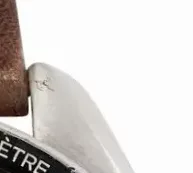
38 watches, oldest first, each straightened and cut the same way so that one row shows one component across them all. Chosen from 251 photographs on file for sharpness and for a face typical of the reference. A year marked c. is one its holder gives only roughly. Each picture is a detail cut from a listing photograph. Select the small mark in its corner for its year, its holder, a link to the listing it came from, and a way to report it.
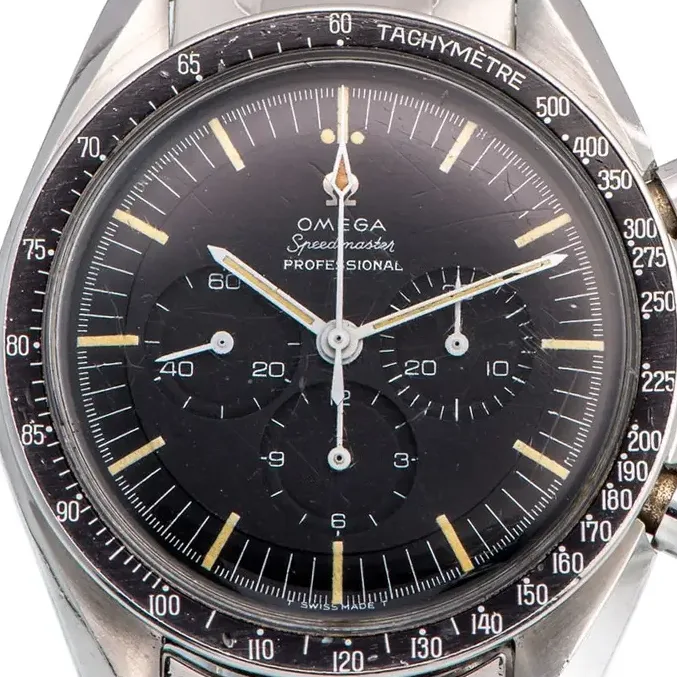
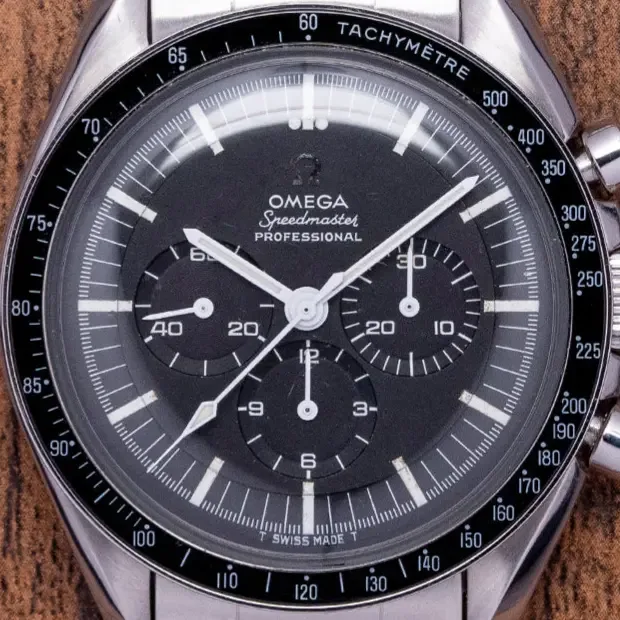
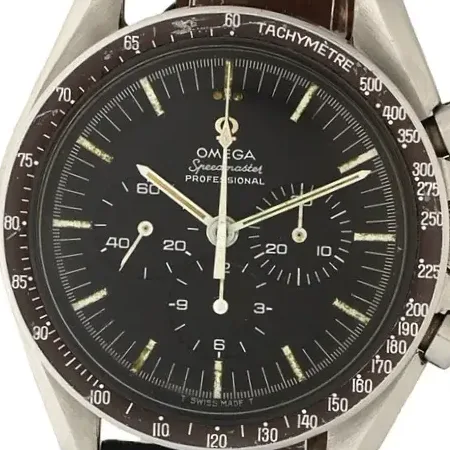
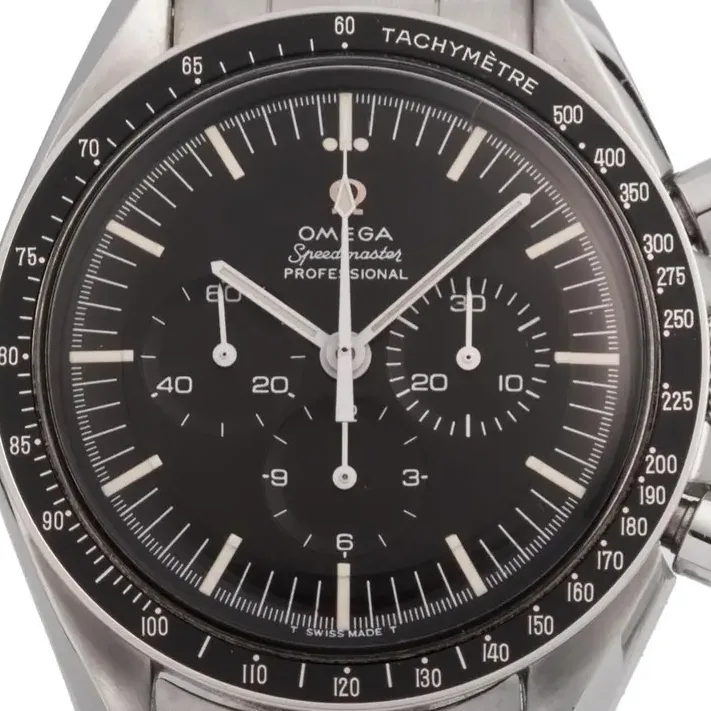

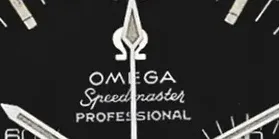
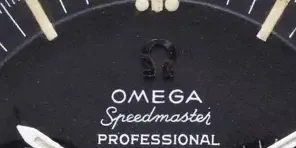


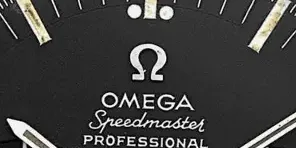
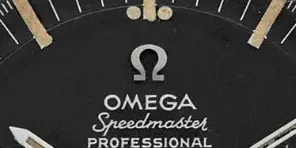







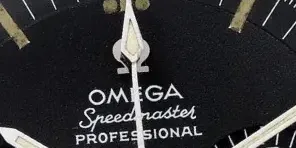
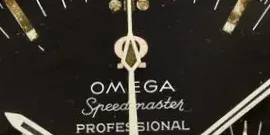
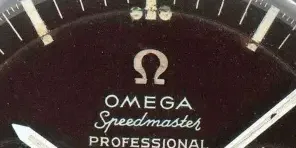
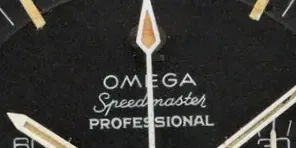

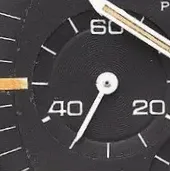
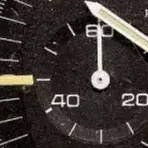
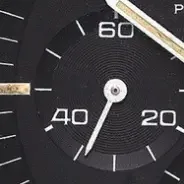
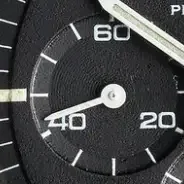
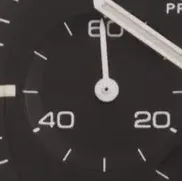
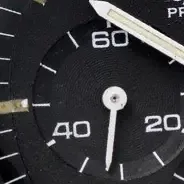
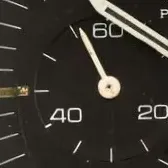
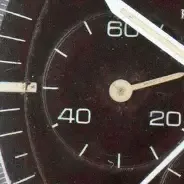
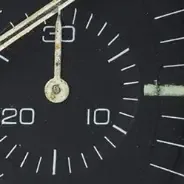
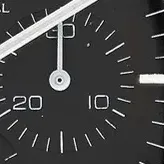
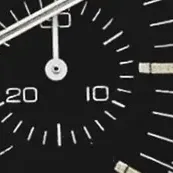
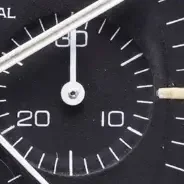
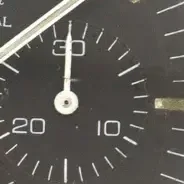
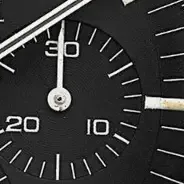
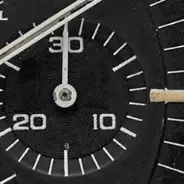
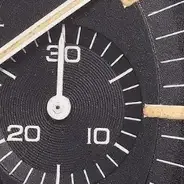
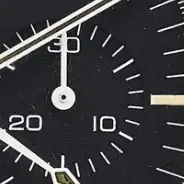
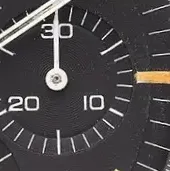
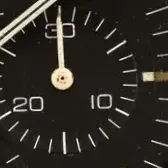
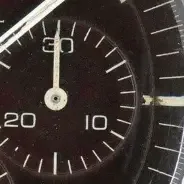
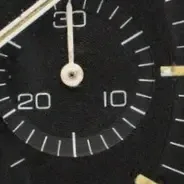
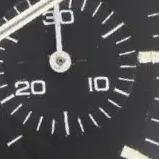
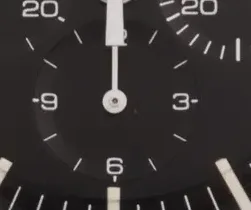
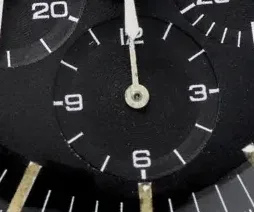
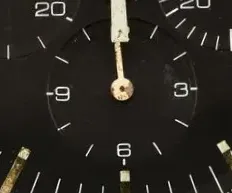
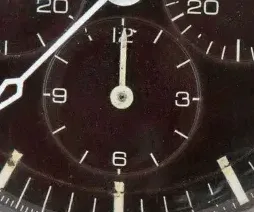











Chronology
Early 1964 is given for the start, though some texts say 1963; the case-back year is a sub-reference marker and runs about a year behind delivery, so the dates overlap.
Every dated variant: what is written, and what the records show
For the reference the marks are every dated watch; for a variant, the watches a seller names as that variant, so a variant sellers do not name has none.
Specification
| Case | 42 mm steel, asymmetric with crown and pusher guards, twisted lyre lugs, 20 mm between lugs, lug to lug 48 mm |
| Case makers | Huguenin Freres (HF) and La Centrale Boites (CB), marked inside the case back |
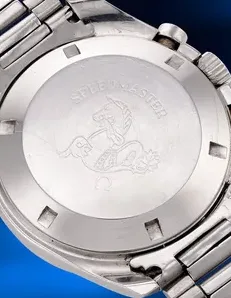
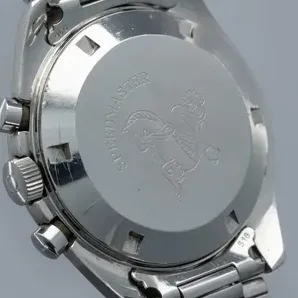
| Case back | Steel, seahorse and Speedmaster; double step on the -63 to -65, single step on the later -66 |
| Dial | Black stepped dial with tritium lume, applied Omega logo and Professional |
| Crystal | Hesalite |
| Bezel | Black anodised aluminium insert, Dot Over Ninety tachymeter |
| Movement | Calibre 321, Lemania 2310 based, manually wound, column wheel, lateral clutch, 17 jewels, anti-magnetic cover and shock protection |
| Bracelet | Reference 1039 with 516 end links; NASA also used JB Champion mesh |
Dial 5 described
All dials are stepped with an applied logo, tritium lume and Professional under Speedmaster. The main changes are in the T markings around Swiss Made. Tropical dials and a red Racing dial are recorded.
No-T dial
The first dials, on -63 watches, have no T markings around Swiss Made because tritium was not yet a requirement. The word Professional is already present, which shows it was not added after NASA certification.
- no T beside Swiss Made
- Professional
Close T dial
T Swiss Made T with the T close to the text, on -64 and early -65 watches. One example with a close T has a serial in the 205xxxxx range, that of an early -63.
- T close to Swiss Made
Spaced T dial
Later T Swiss Made T dials with the T set further from the text, called B3 spaced T. It is the dial correct for 1965 and later and is also found on the 145.012.
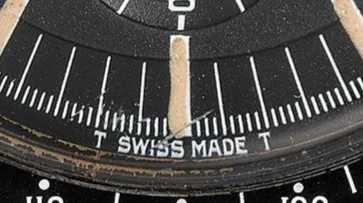

46 listings on record under the name.
Racing dial
A 105.012-66 whose archive extract gives a production date of 9 October 1967 and a Zurich distributor as its destination has red indices and red hour, minute and small seconds hands with a white drop-end chronograph hand, a white printed logo, T Swiss Made T and smaller registers than normal. Yellowish hour markers end at the step and turn red from there to the rehaut, with a racing-flag minute track. It is a second-generation form; the first generation has an applied logo and no Ts. Because the extract shows it was sent to a distributor in this form, it was not a prototype.
- red indices and red hands
- white printed logo
- smaller registers
- racing flag minute track
Tropical dial
Dials that have turned brown are seen, including a -63 with brown hour markers and chronograph hand lume gone dark, and a -64 with a blue bezel. Sellers also note warm tones at the edge of the dial.
- brown dial
- dark markers
Hands 1 described
Hour and minute hands are tritium batons. The chronograph hand is a diamond-tipped spear with a drop counterweight and was the form until about 1968.
Baton hands with drop-end chronograph hand
Hour and minute batons with tritium, a central chronograph hand with diamond-shaped lumed tip and a small drop at the short end. Flat baton hands found on some watches have been fitted later as replacements.
- drop at short end of chrono hand
Bezel 2 described
The Dot Over Ninety insert is correct throughout. Alternative scales were fitted to some pre-Moon Speedmasters.
Dot Over Ninety
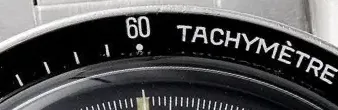
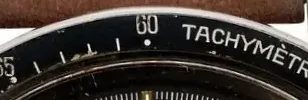
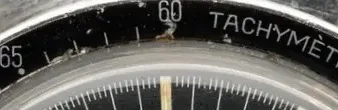
A dot over the 90, with dot diagonal to the 70, is the correct insert before 1970. Faded inserts called ghost DON, silver-grey with scale intact, are valued. A decimal bezel has been fitted to one -63 in place of the original.
- dot over 90
- dot diagonal to 70
Pulsometer, telemeter and decimal
Pre-Moon Speedmasters could be had with pulsometer, telemeter, telemile or decimal scales; the pulsometer is the easiest to find as a loose insert.
- pulsations scale
Case 5 described
The asymmetric case was new with this reference and was made by two firms; the case back and pushers differ from the 145.012.
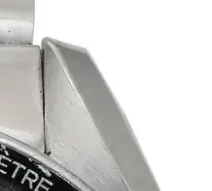
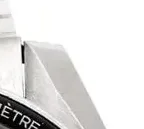
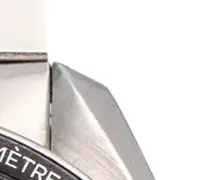
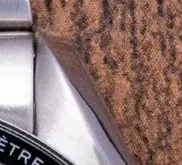
Asymmetric lyre-lug case
A 42 mm case with a raised right flank guarding crown and pushers, and twisted faceted lugs. Water resistance improved by a rubber membrane next to the pushers. Pushers are 5 x 3 mm, flat and stubby, smaller than the 145.012's.
- crown guard
- twisted lugs
Huguenin Freres case
Marked HF inside the case back; lug form is slightly softer. One third of the 1966 production.
- HF inside case back
Centrale Boites case
Marked CB inside; sharper lines and a flat top that runs into a step, often polished out. Two thirds of the 1966 production, usually the more favoured by collectors.
- CB inside case back
- flat top into step
Double-step case back
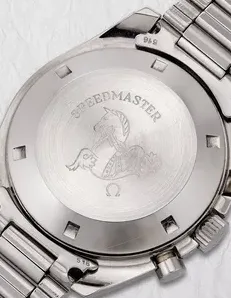
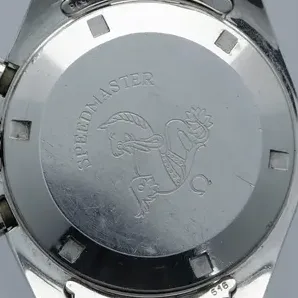
The -63 to -65 case backs have a double step, as on the 105.003, with the seahorse and Speedmaster engraving.
- two steps
Single-step case back
Later watches, including the -66, have a single-step case back like the 145.012.
- one step
Crown and pushers 1 described
Crowns are often replaced.
Original crown
An original crown is uncommon on a surviving watch because most were replaced at service.
Movement 1 described
The calibre 321 in its second version.
Calibre 321
numbers 20.5 to 24.9 million
A manual-wind Lemania 2310 based chronograph with column wheel and lateral clutch, 17 jewels, shock protection and an anti-magnetic cover. One account divides it into a first version in 1957 to 1963 and a second in 1964 to 1969. Serial numbers start around 20.5 million for the earliest -63, about 24.0 million for Armstrong's -65 and 24.9 million for a late -66.
- serials from about 20.5 to 24.9 million
Bracelet 2 described
Bracelet reference 1039 is correct; NASA fitted mesh.
1039 with 516 end links
The steel bracelet fitted by Omega. A complete set may include it.
- 516 end links
JB Champion mesh
NASA replaced the original bracelets with JB Champion steel mesh, which broke easily if snagged and needed no tools to adjust.
- steel mesh
Box and papers 2 described
Complete sets and special orders are recorded.
Complete set
A -66 set has a red inner box with a yellowish outer carton, papers, warranty booklet and instruction manual.
- red box
- yellowish carton
A.C.P. Peruvian Automobile Club
A 105.012-63 sold under the Automovil Club Peruano name, among special orders sent to specific markets.
Originality
- The year in the case-back reference usually runs about a year before the watch was delivered; an extract dates the watch itself.
- Crowns were mostly replaced at service, so an original is uncommon.
- Hands are often replaced; flat batons suggest replacement on some watches.
- Bezels fade and are replaced; check the dot over 90 and the scale.
- Case polish can remove the CB flat top and step.
- Racing and other special dials should come with an extract showing the watch left the factory with them; a tropical dial is a change with age, not a factory finish.
Names
- Moonwatch. The reference was worn on the Moon in July 1969.
- Alpha Omega. The reference was the first to bear Professional.
- Pre-Moon. It was made before the 1969 landing.
Where accounts differ
Points on which the published literature and the library's own records do not agree, or on which the literature contradicts itself.
- Start of production. Some accounts place this reference in 1963, as the case-back year -63 suggests; a dated example and other accounts put the first deliveries in the first quarter of 1964.
- End of production. Most accounts carry production into 1968, with the -66 delivered in 1967 and 1968; others give the reference as made from 1963 or 1964 to 1966.
- Order of the 105.012 and 105.003. One account says the 105.012 appeared in the first quarter of 1964, two to three months before the straight-lug 105.003. Other accounts present the 105.003 in 1963, or say it was mainly made from 1963 to 1965, while one gives its -63 and -64 as 1964 to 1966.
Back and movement
From listings of this reference, each confirmed by eye to show what it is filed under. A picture on which a person's name or a personal engraving can be read is not shown. From most holders a detail from the middle of the photograph is shown; the mark in its corner gives its holder and a link to the listing.
Caseback




Movement
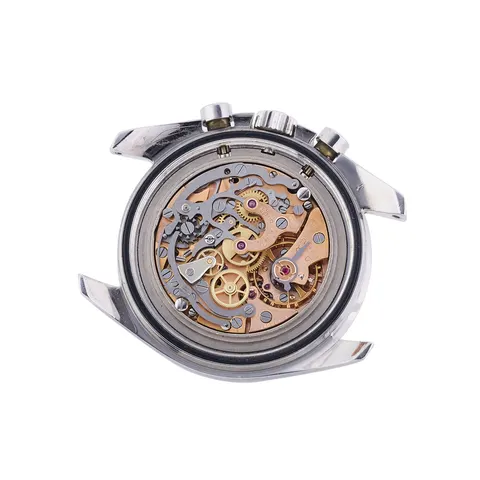

Catalogue versions 2 listed
The full numbers under which holders list this reference, with what their listings say of each. Each has a page of its own.
| Version | Metal | Dial | Years seen | Records |
|---|---|---|---|---|
| 105012-65 | Steel | Black | 1965 | 3 |
| 105012-66 thin | 1966 | 2 |
In the records
Counted from 119 listings at 33 holders between 31 May 2016 and 14 November 2026. These are what sellers and auction houses state, not measurements.
Fainter bars are the 4 outside the main run of 1964–1967 (the middle nine-tenths): the earliest is 1963 and the latest 1968. They are early and late examples, and now and then a seller's slip. Not on the scale: 1987 (1). A year more than ten from all the rest is usually a model name or a founding date, not the year of the watch.
Case metal
| Steel | 54 |
Dial colour
| Black | 19 | |
| Blue | 1 | |
| Brown | 1 |
Case size
| 42 mm | 45 | |
| 40 mm | 12 | |
| 41 mm | 3 |
Calibre named
| 321 | 66 |
Bracelet or strap
| Metal bracelet, kind not stated | 31 | |
| Leather strap | 7 | |
| Fabric strap | 3 |
Each table counts the listings that state the thing, in the seller's own terms. A size, metal, colour or calibre that cannot belong to this reference is a seller's slip or a listing filed under the wrong number.