Speedmaster (straight-lug, 'Ed White')
The Speedmaster 105.003 is the last straight-lug Speedmaster, made from 1963 as the successor to the 105.002 and the CK2998 and powered by the hand-wound calibre 321. It has a symmetrical steel case with no crown guards, 19 mm lugs, white baton hands and a black aluminium bezel, and its dial carries an applied logo on a stepped surface. It was sold alongside the larger twisted-lug 105.012, which added the word Professional to the dial, and deliveries ran on into 1969. The watch was worn by the astronaut Ed White on the first American spacewalk in June 1965, which gave it its nickname. Collectors look first at the dot-over-ninety bezel, the dial and hands, and whether case, crown and crystal are right for the sub-reference.
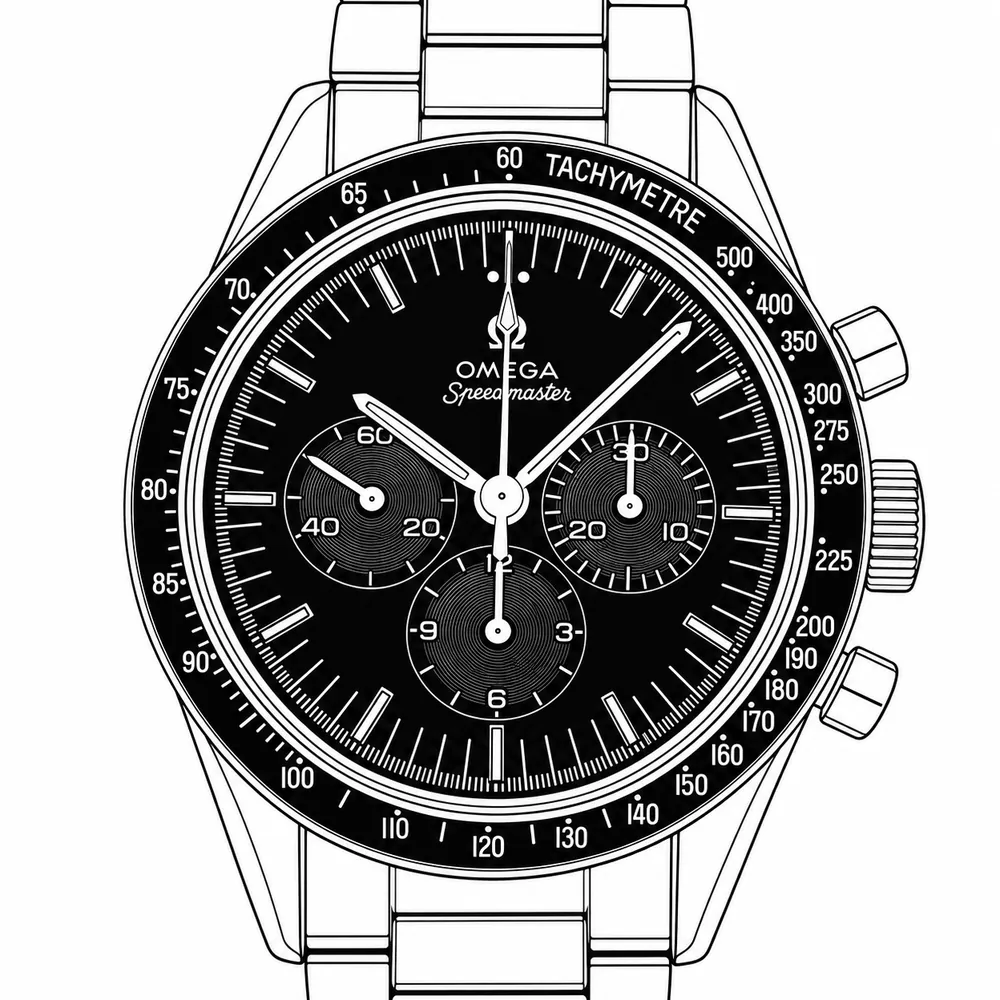
- Made
- 1963–1965dates approximate
- Seen in the library
- 1963–1968nine in ten in 1963–1967 · by years sellers state
- Case
- steelas sellers state
- Movement
- Calibre 321hand-wound
- On record
- 164 listings371 photographs · 39 holders
Components
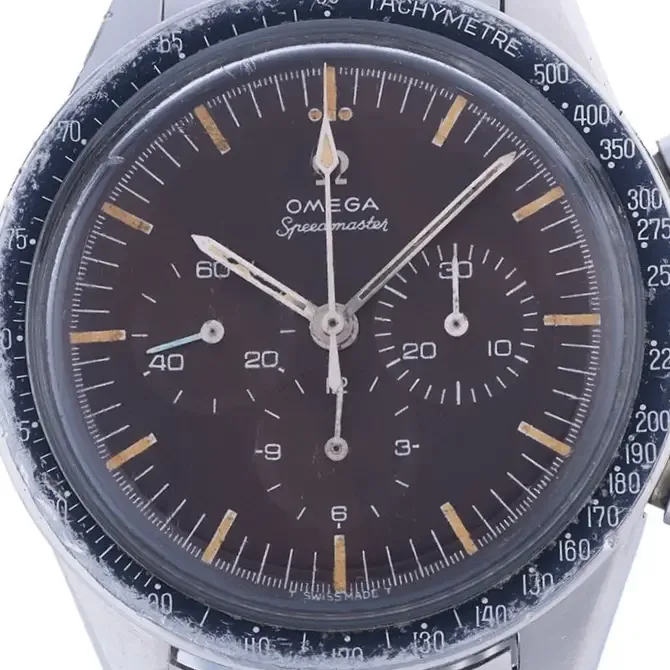
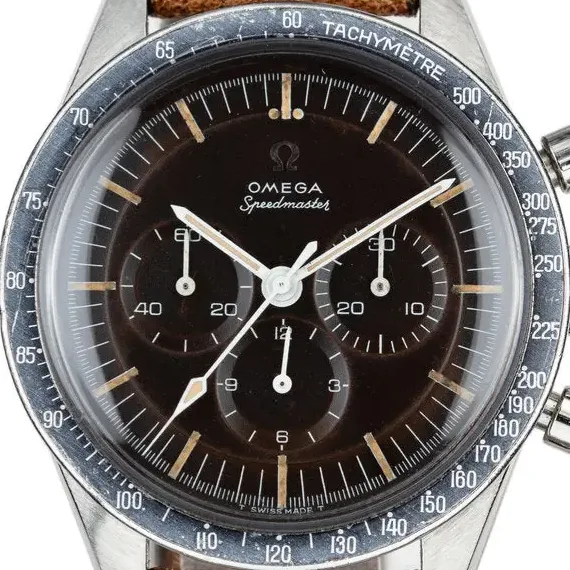
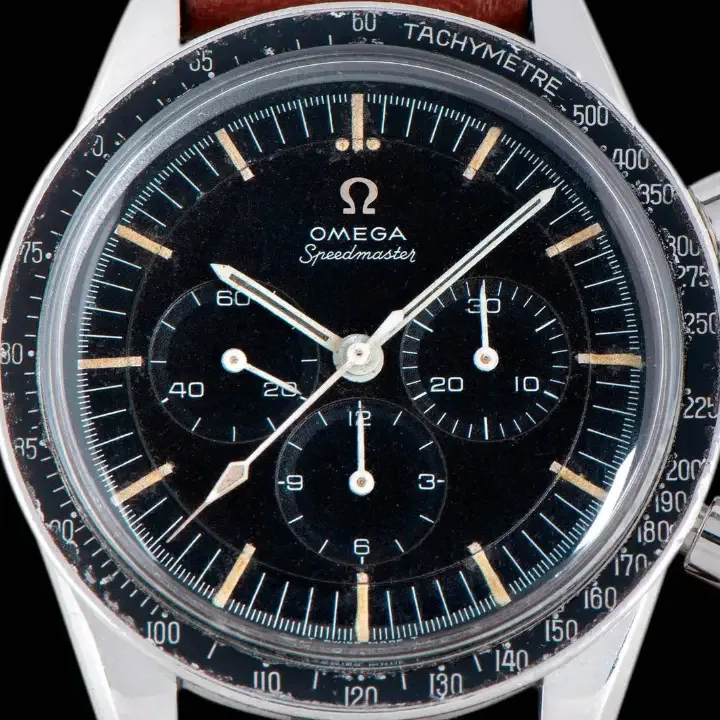
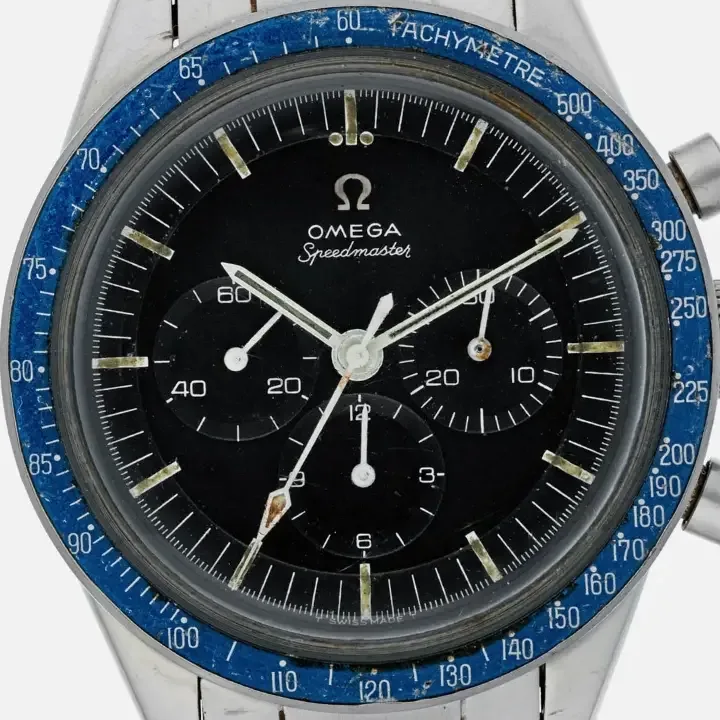
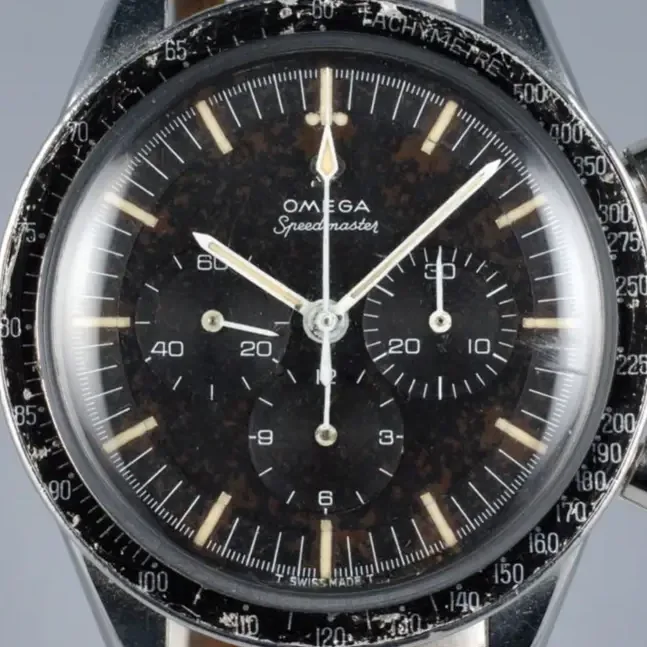
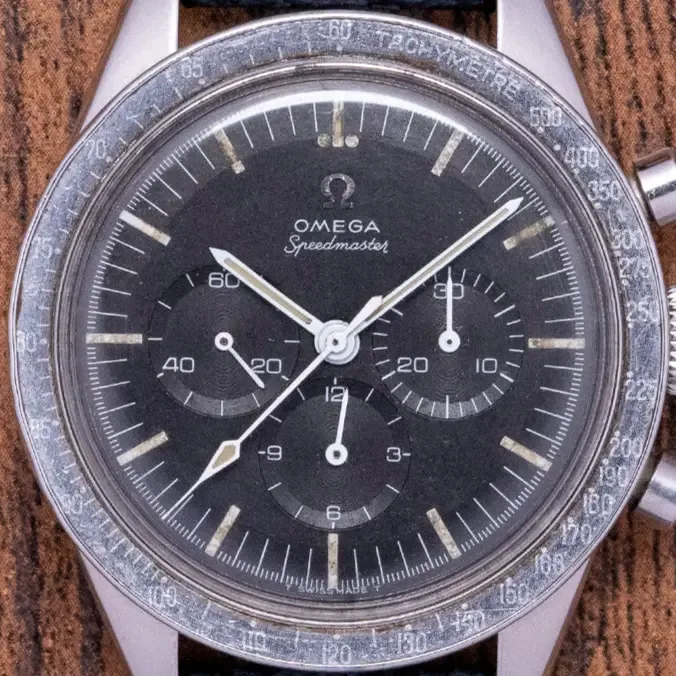
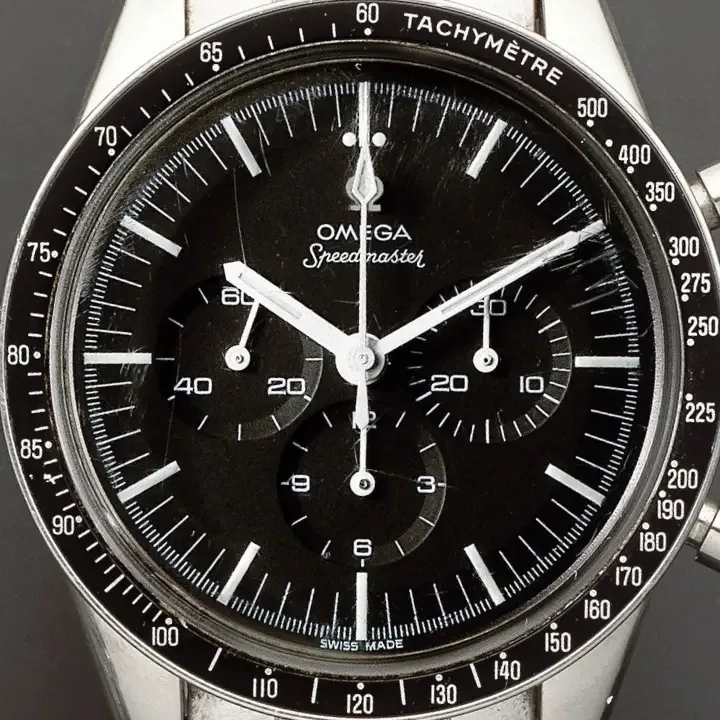
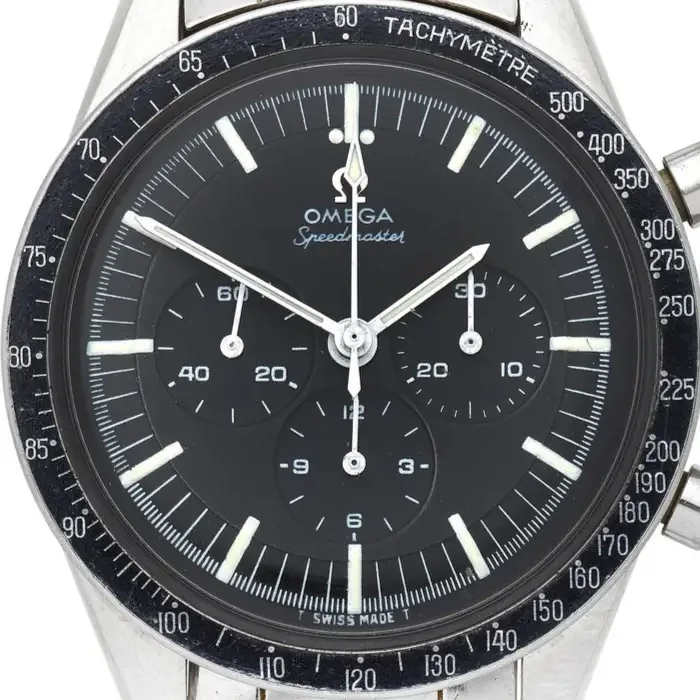
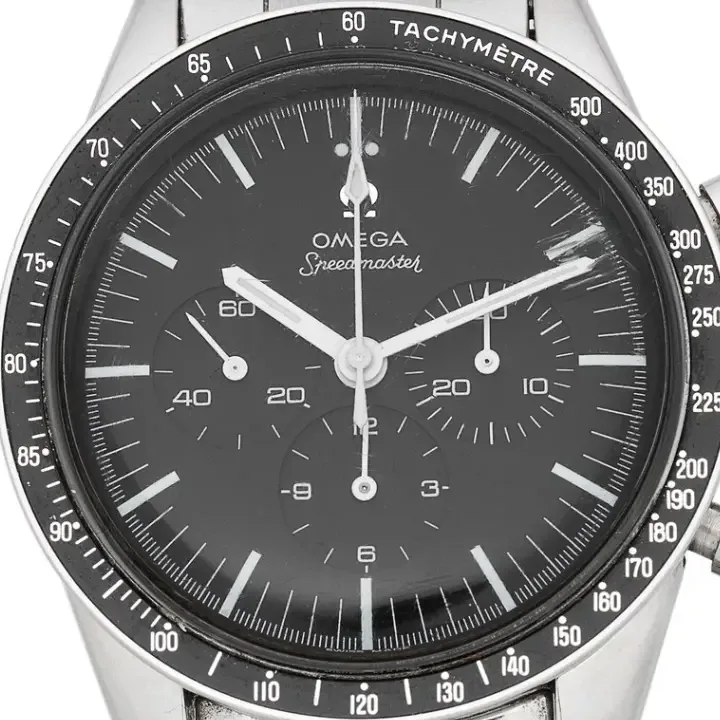
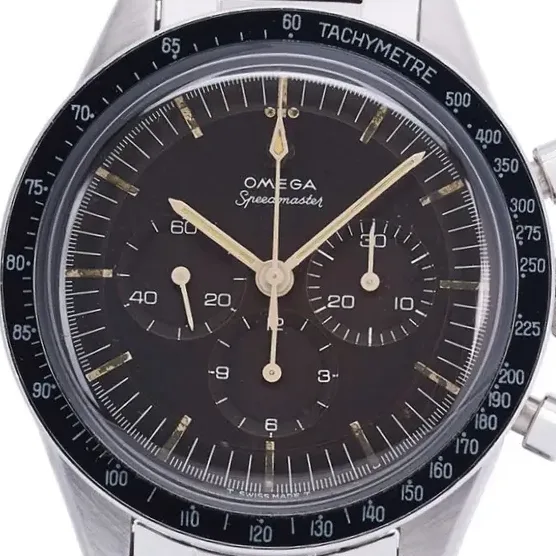
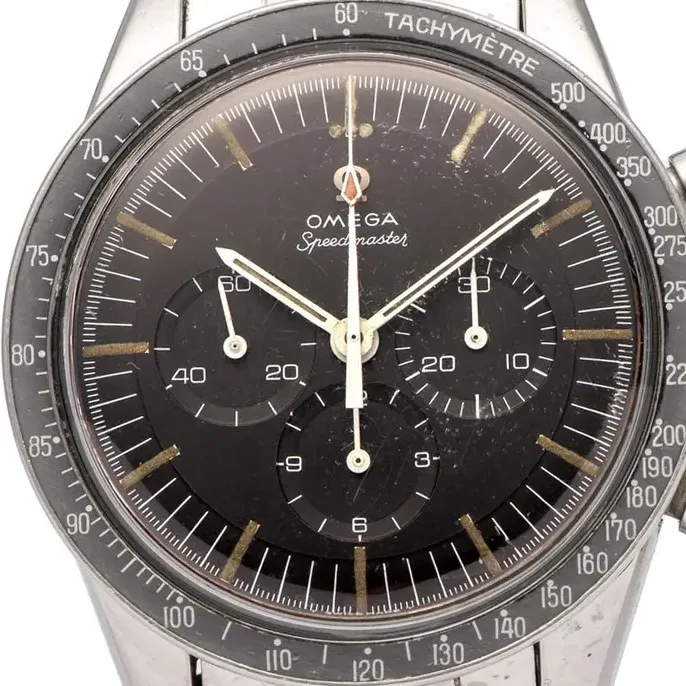
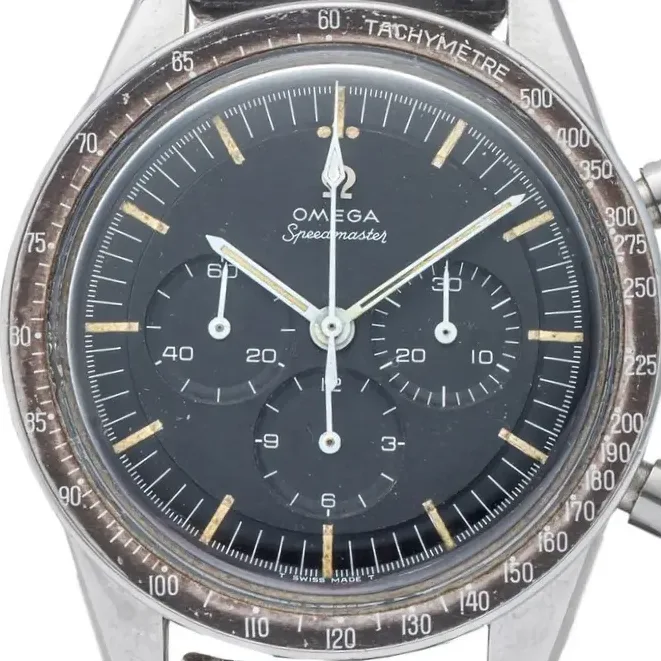
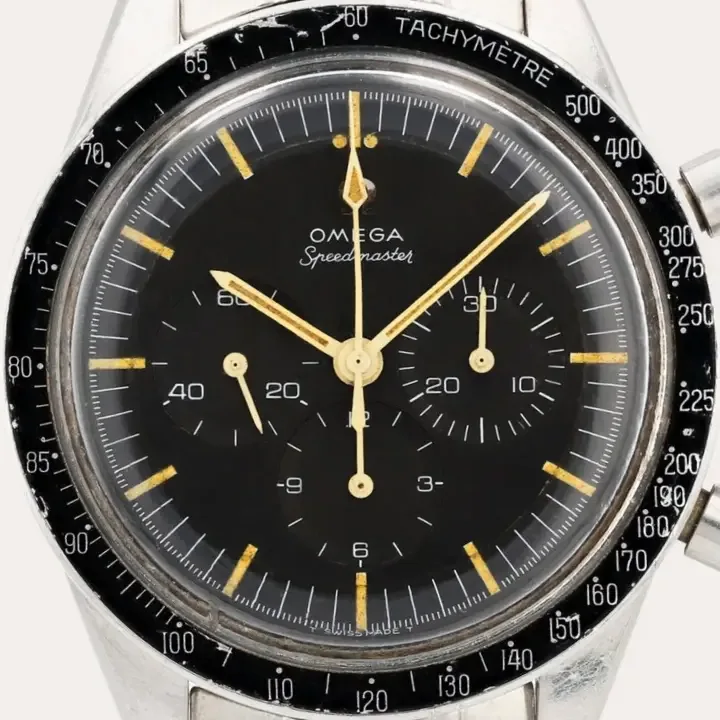
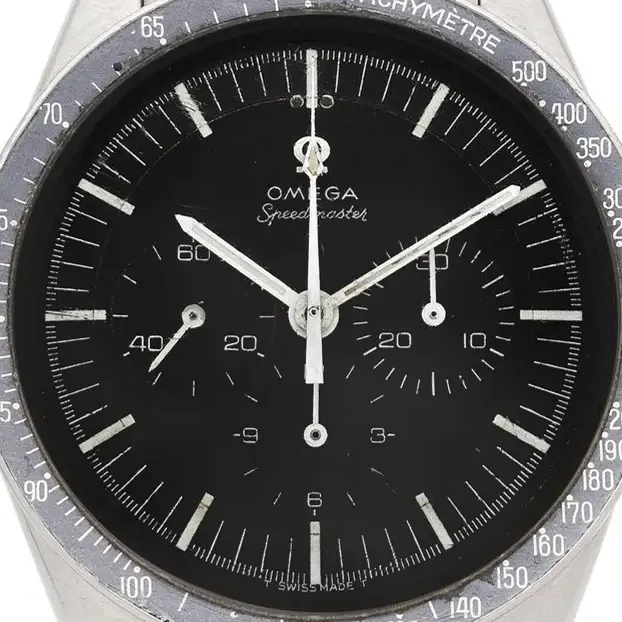
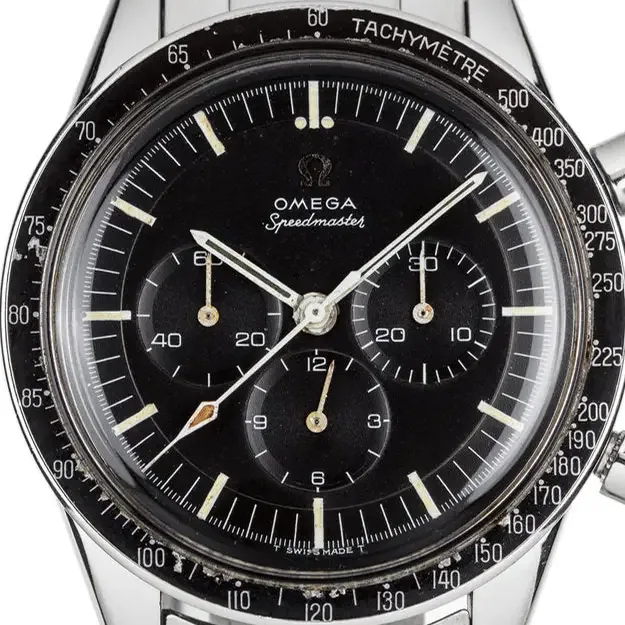
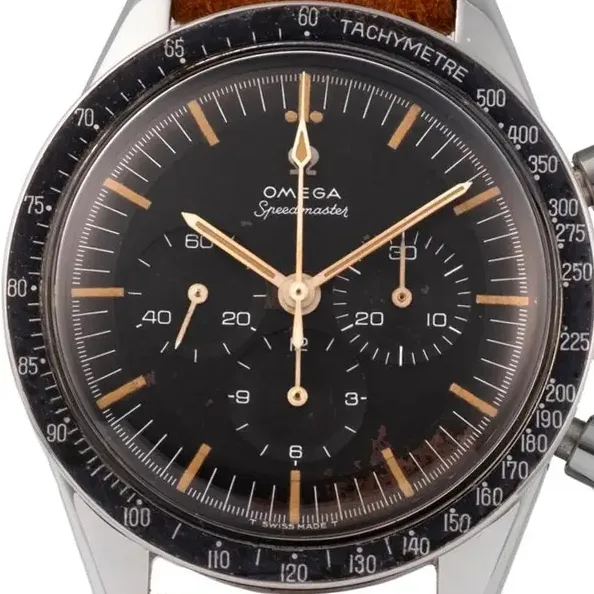
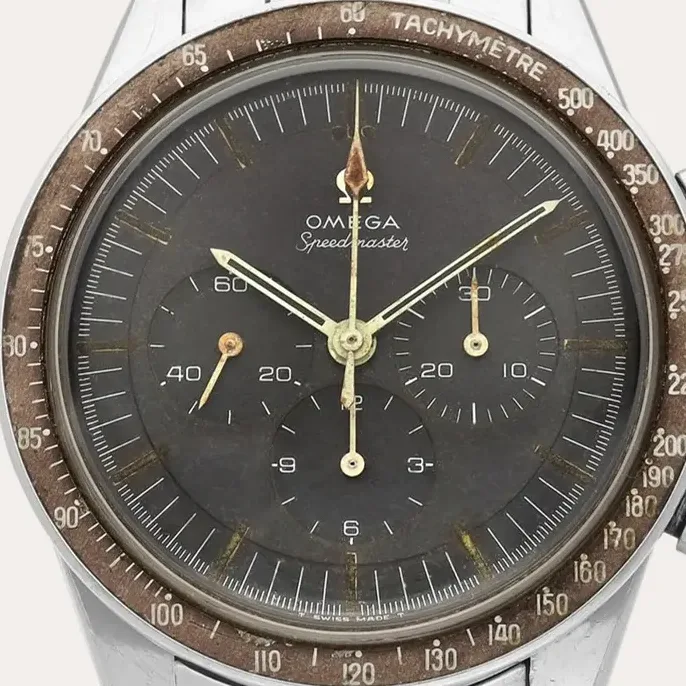
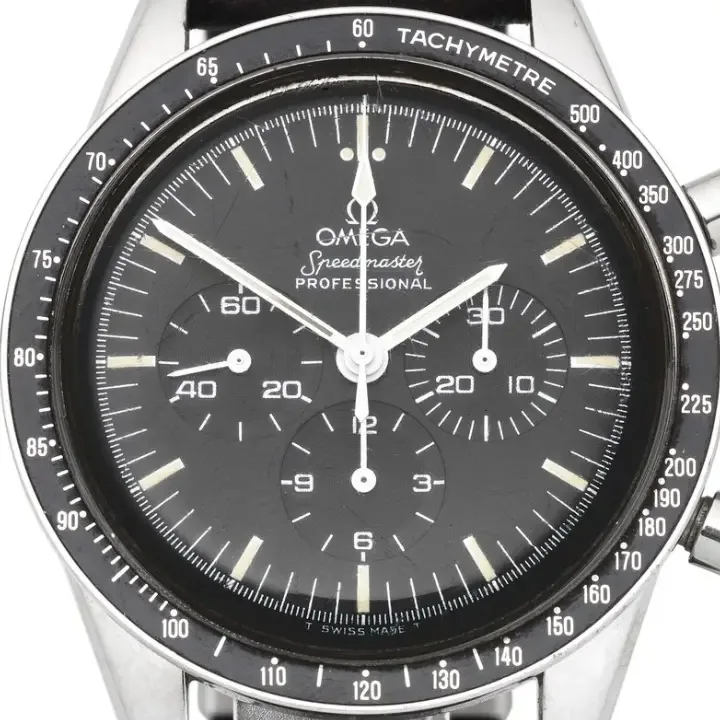
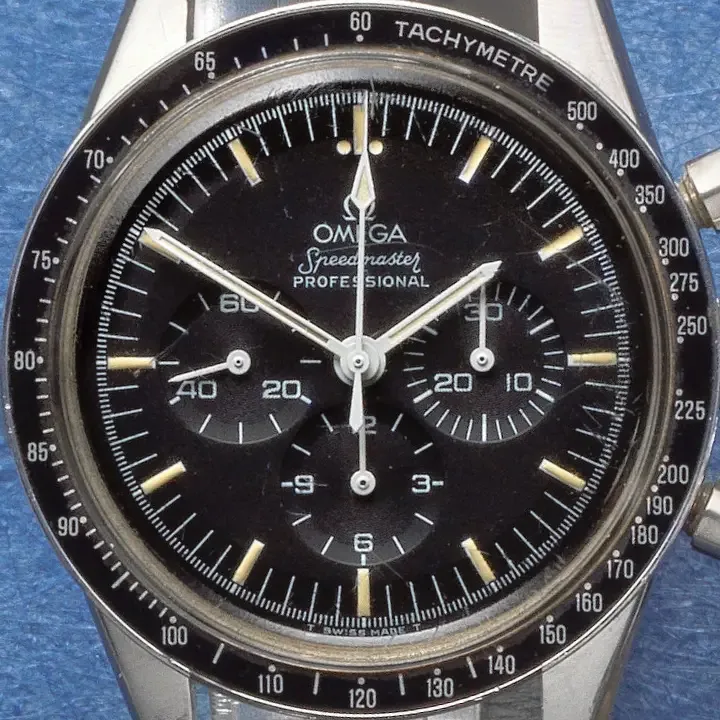
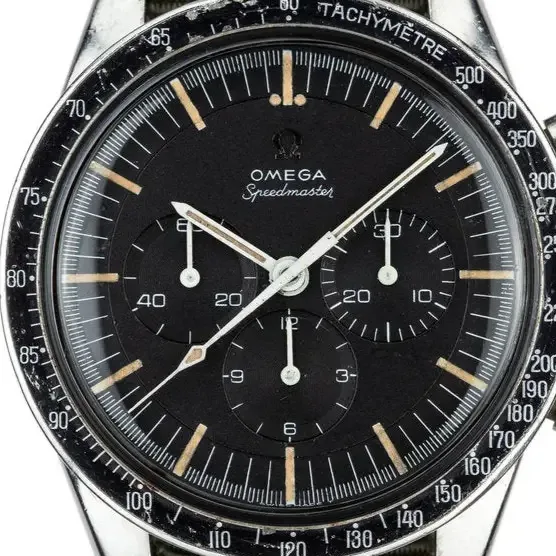
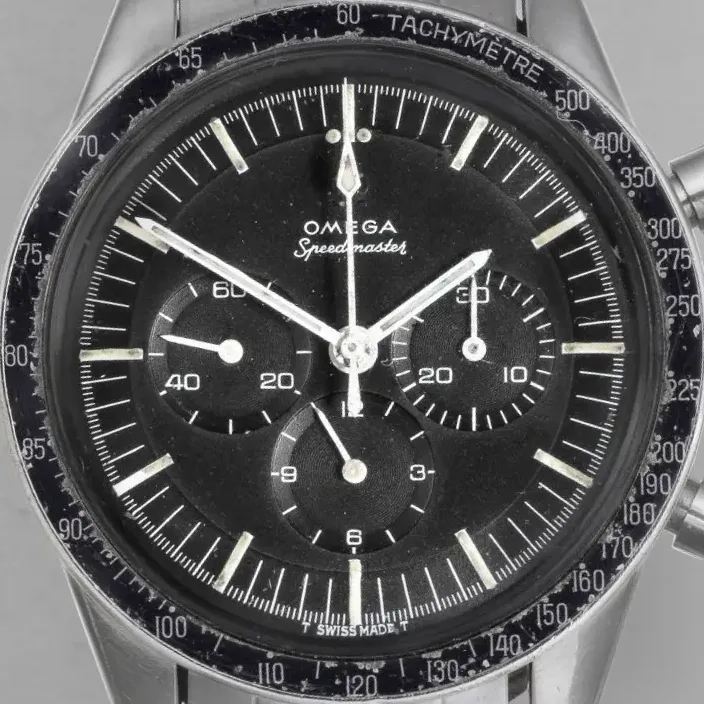
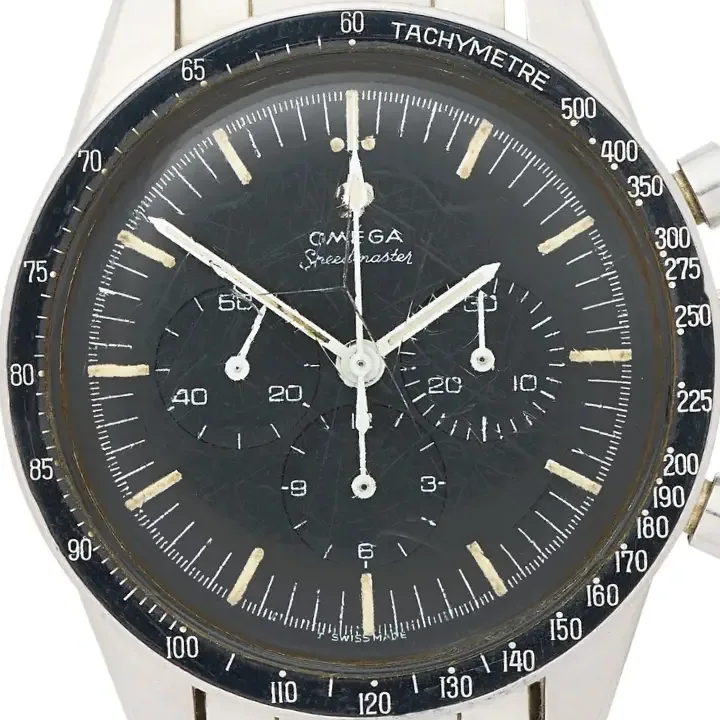
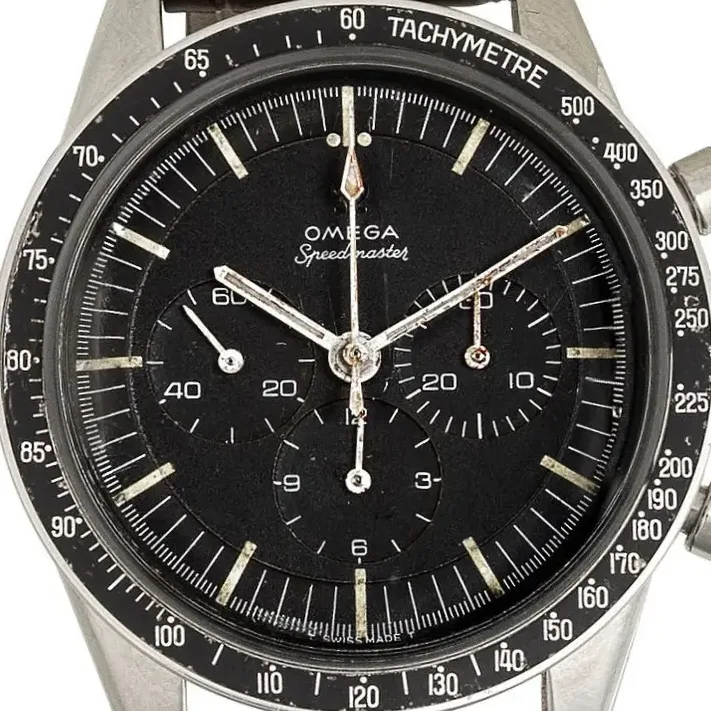
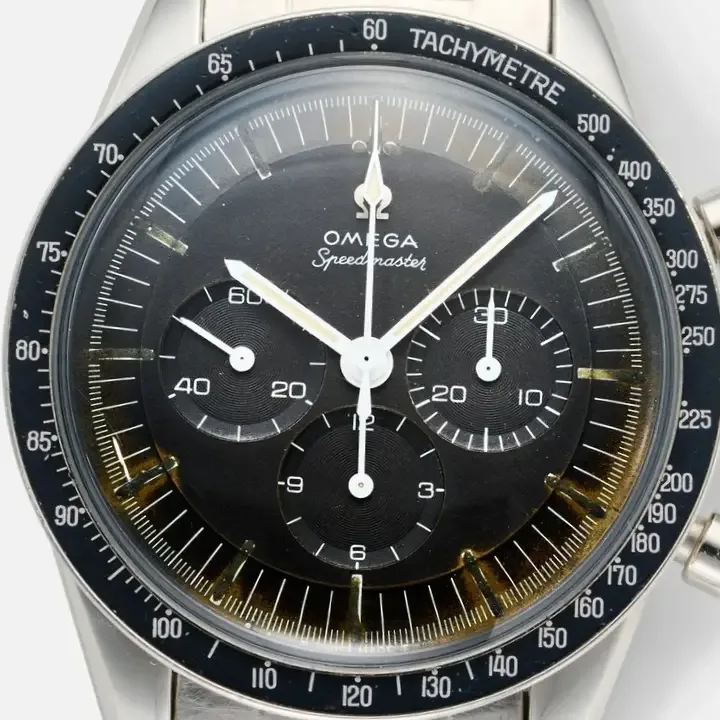
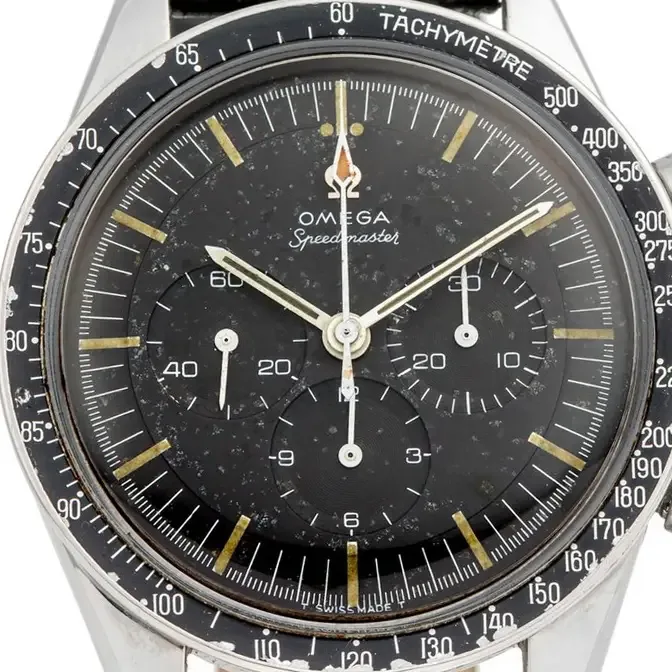
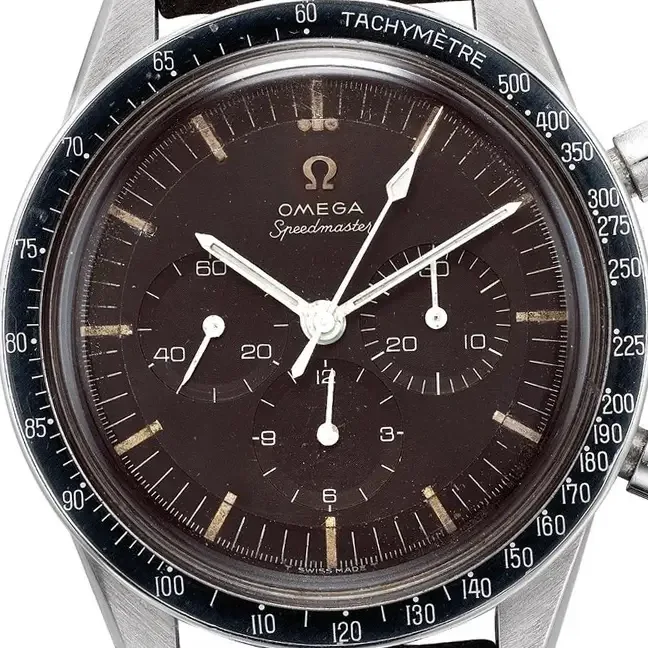
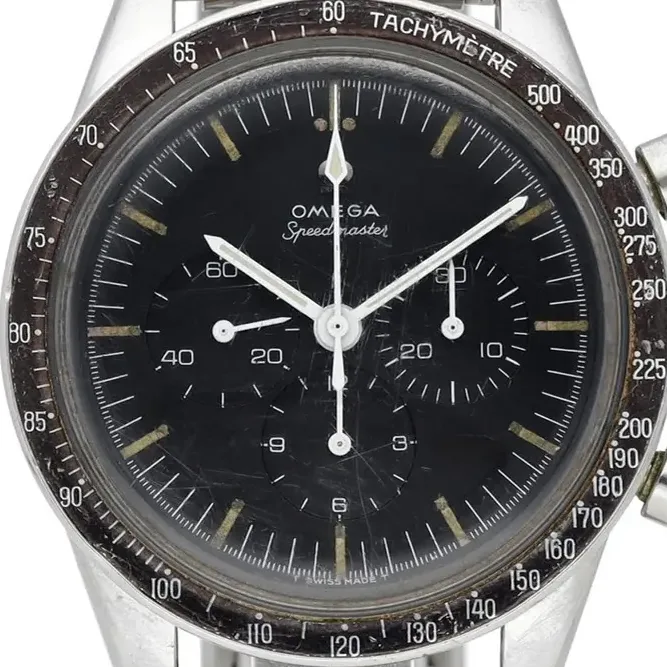
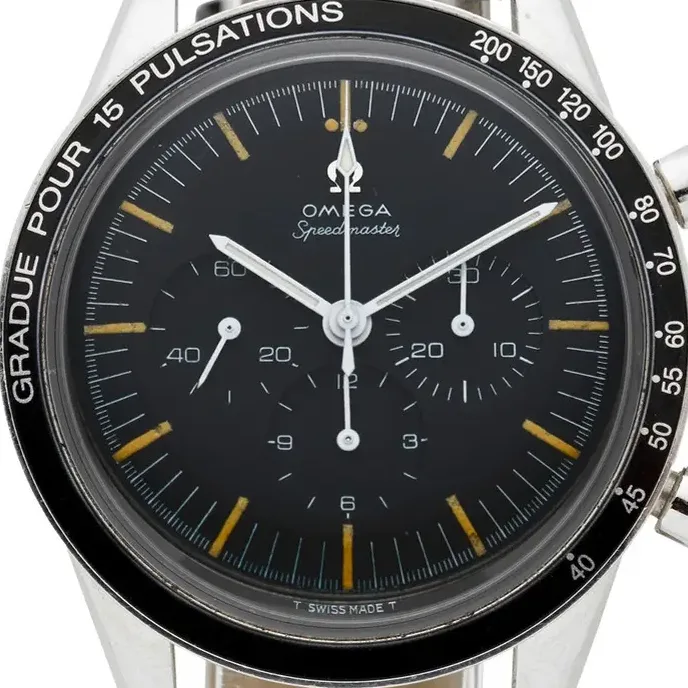
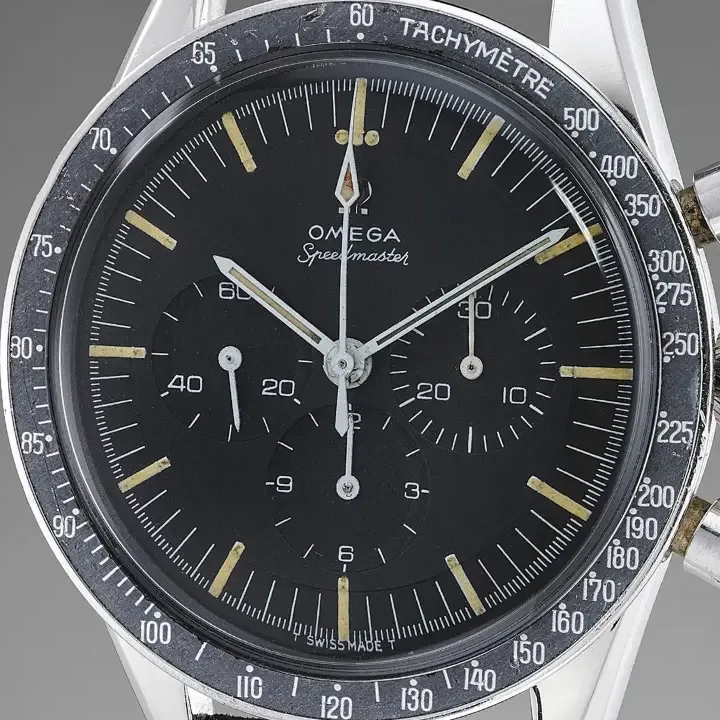
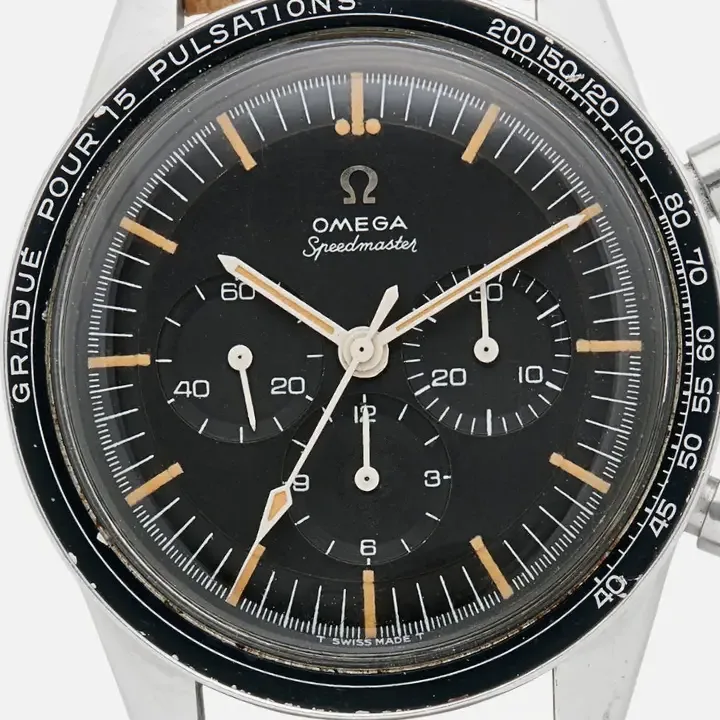
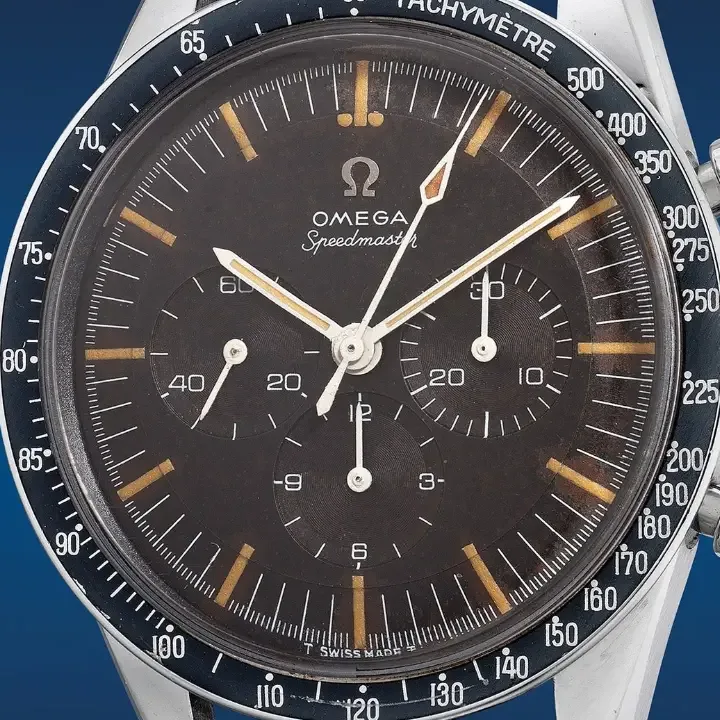
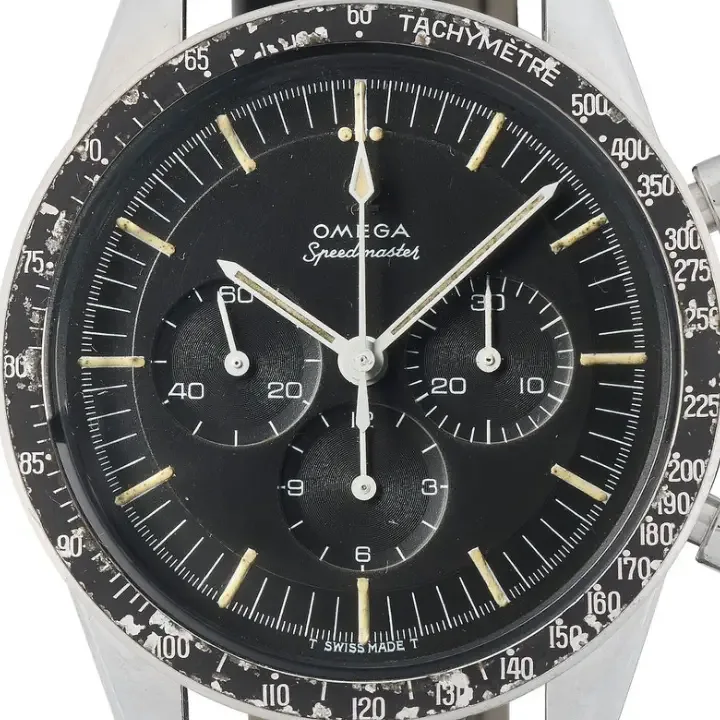
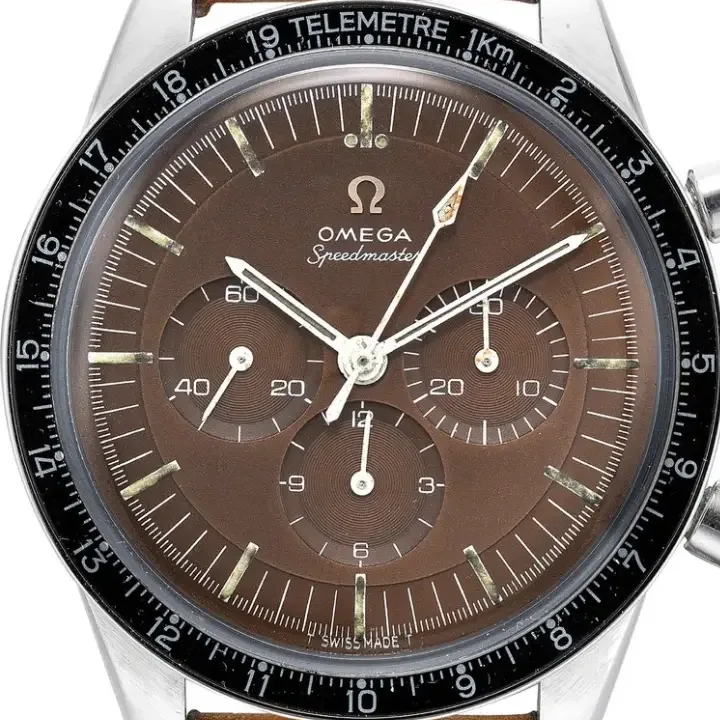
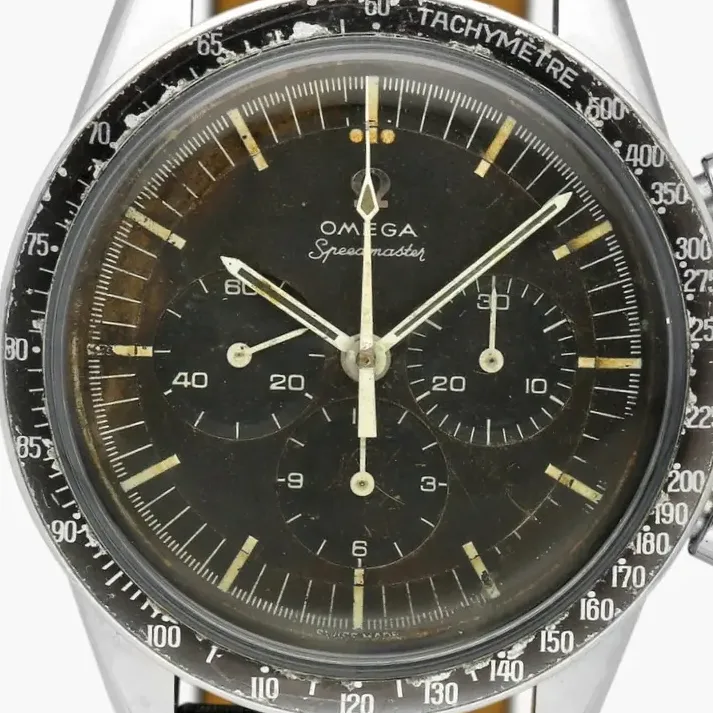
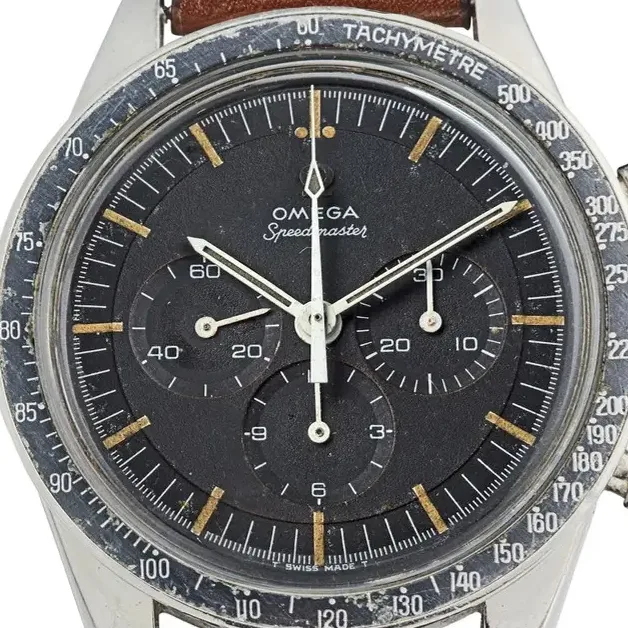
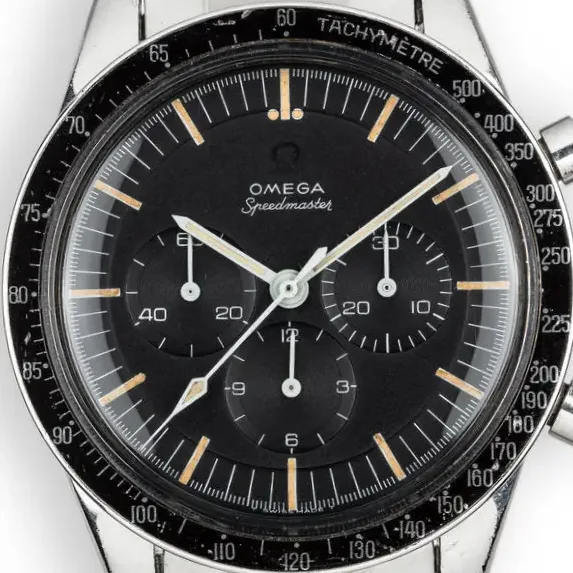
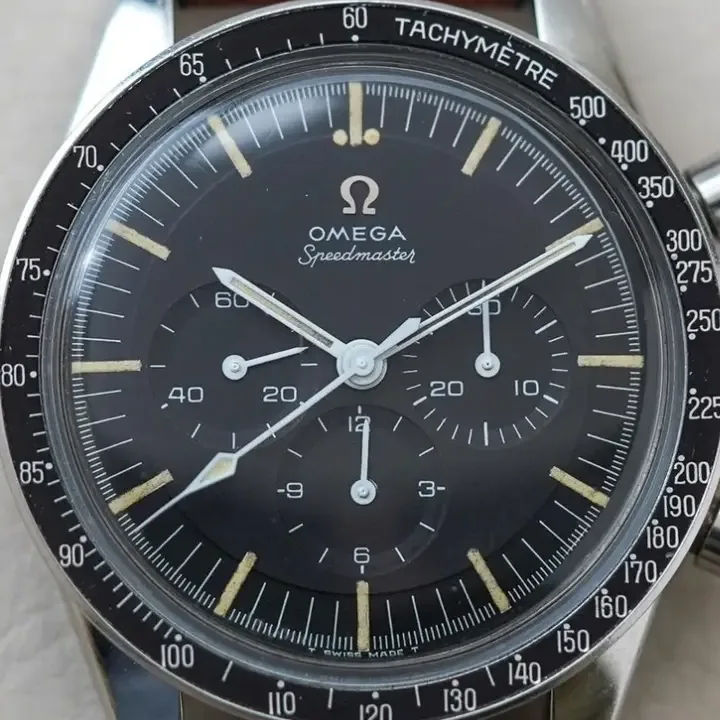
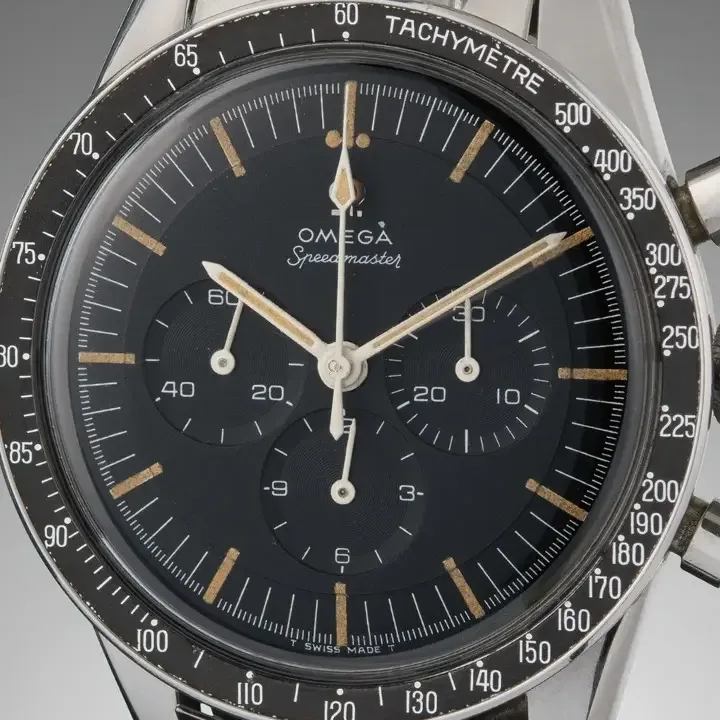
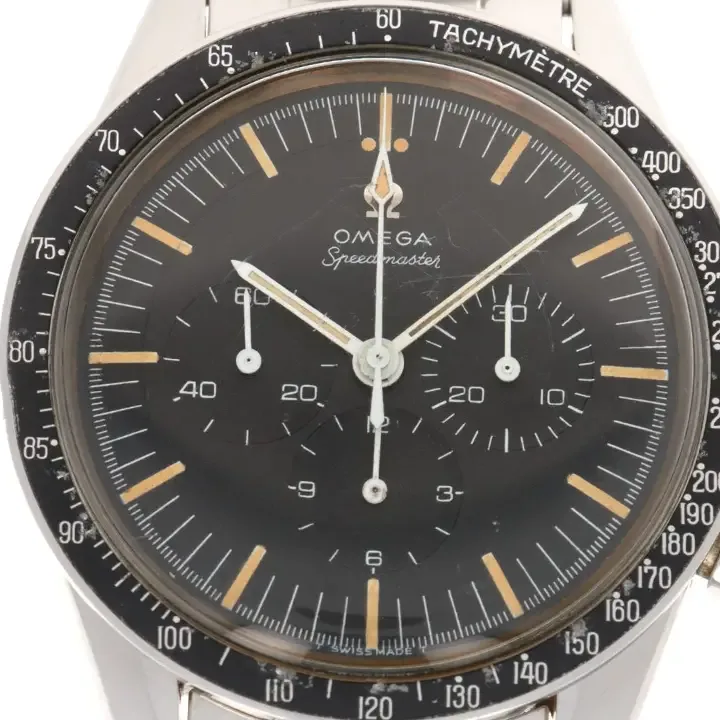
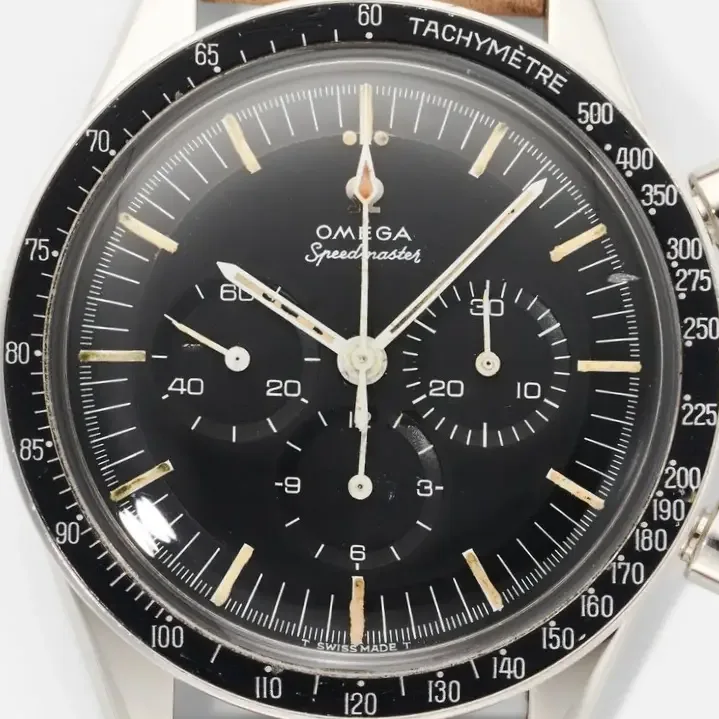
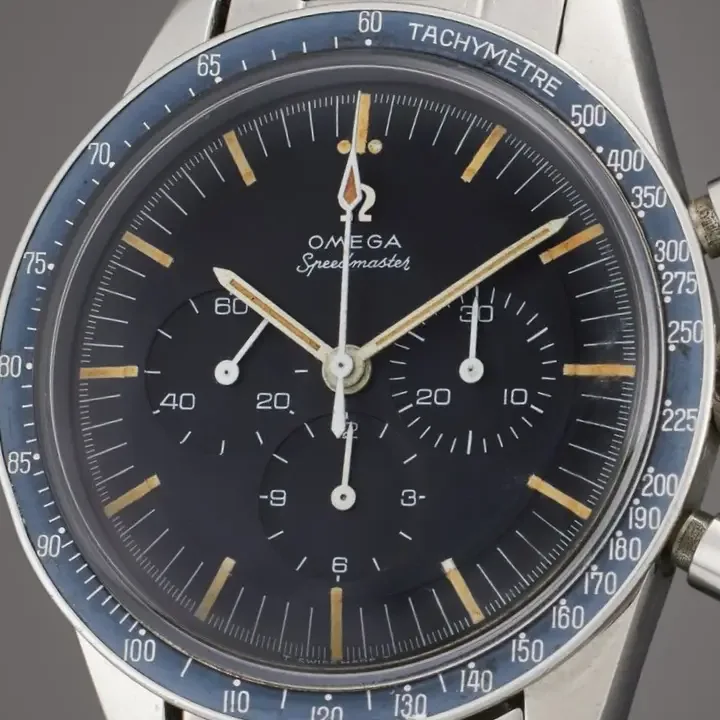
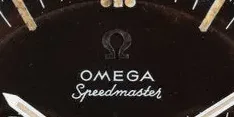
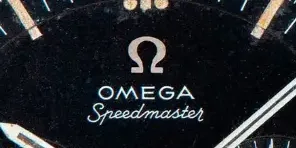
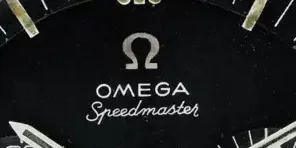
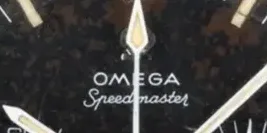
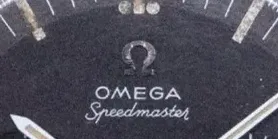
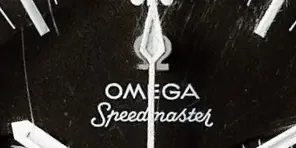
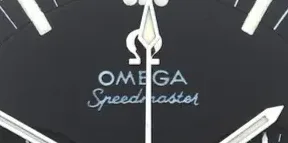
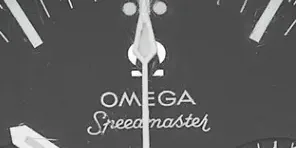
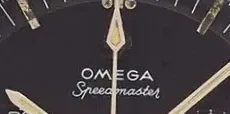
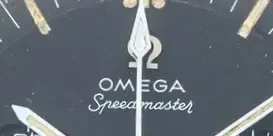
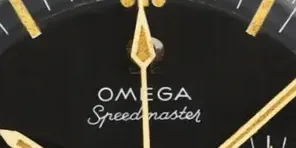
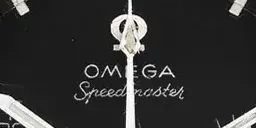
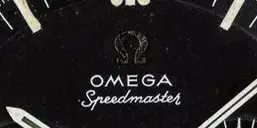
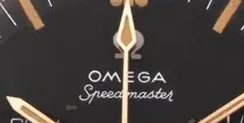
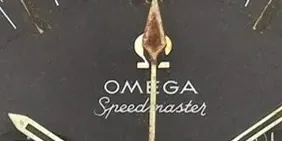
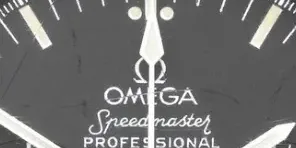
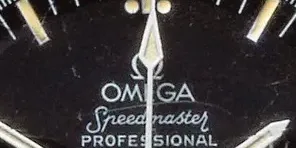
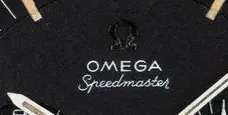
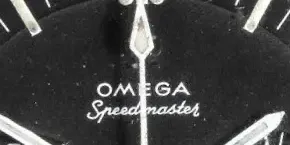
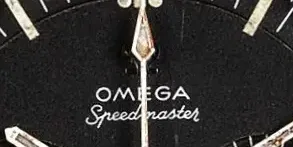
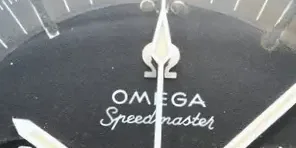
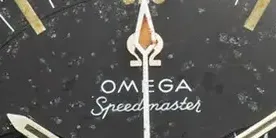
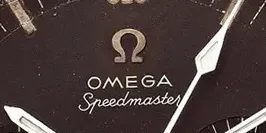
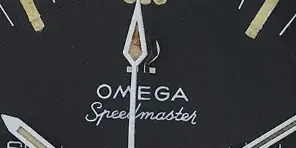
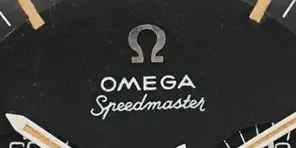
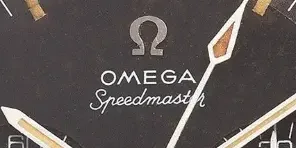
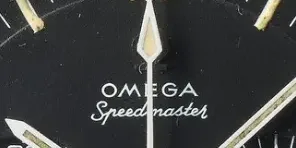
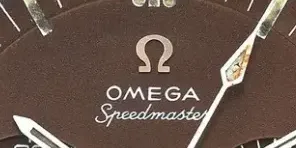
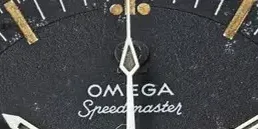
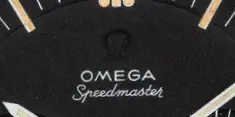
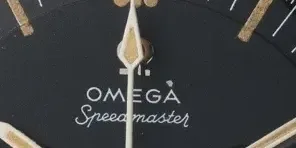
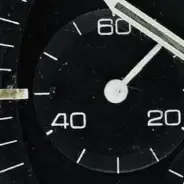
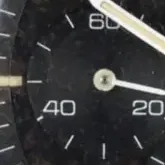
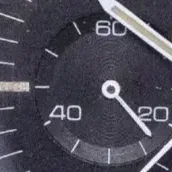
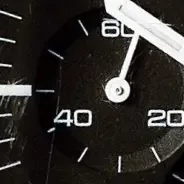
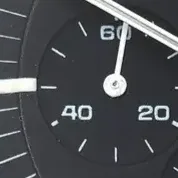
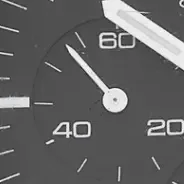
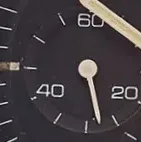
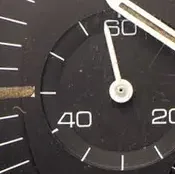
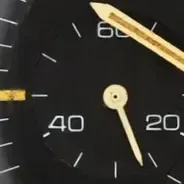
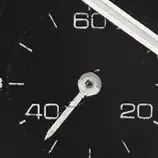
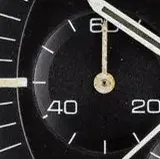
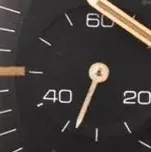
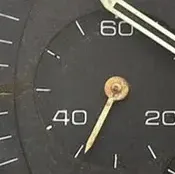
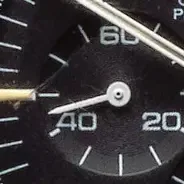
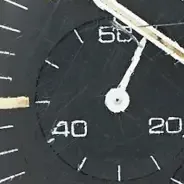
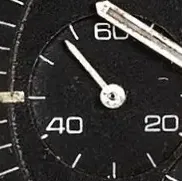
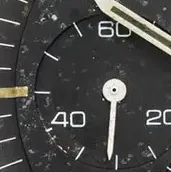
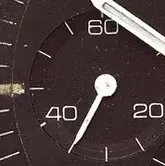
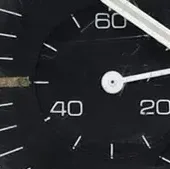
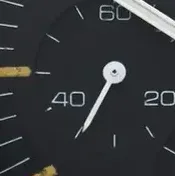
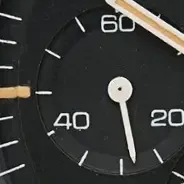
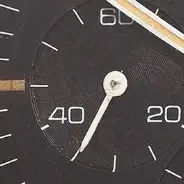
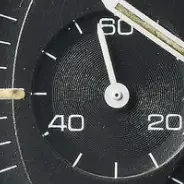
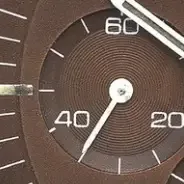
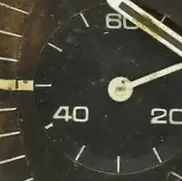
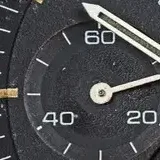
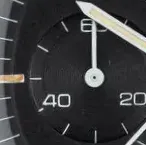
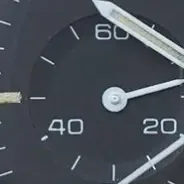
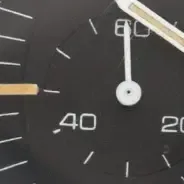
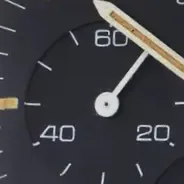
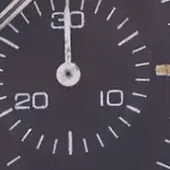
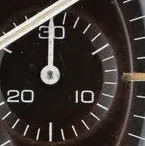
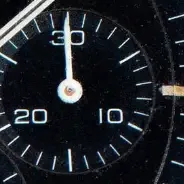
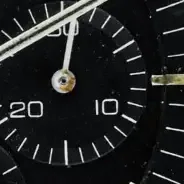
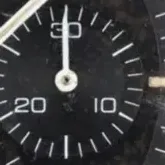
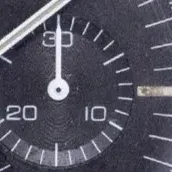
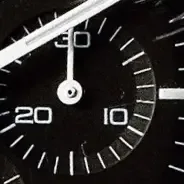
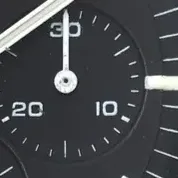
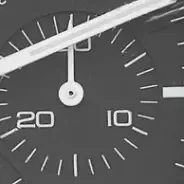
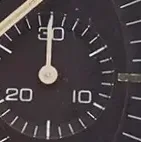
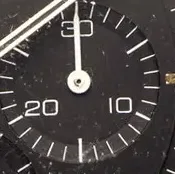
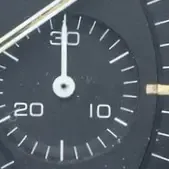
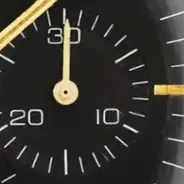
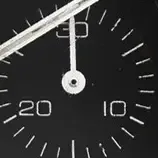
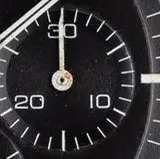
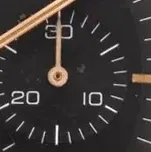
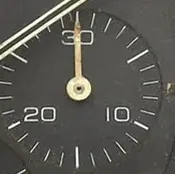
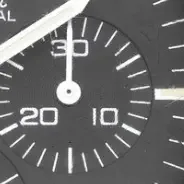
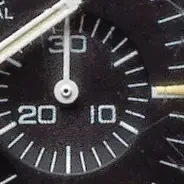
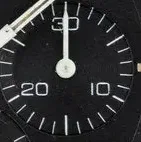
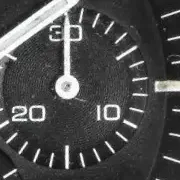
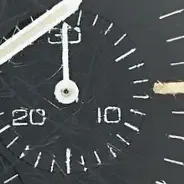
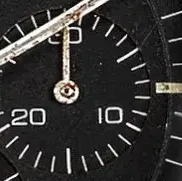
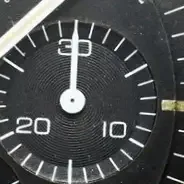
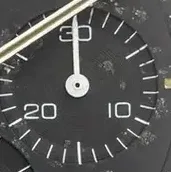
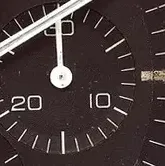
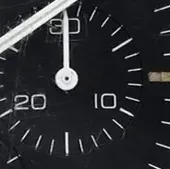
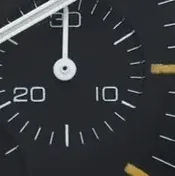
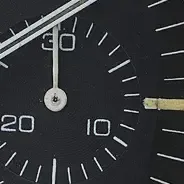
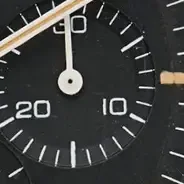
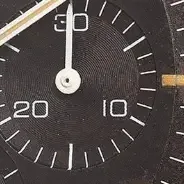
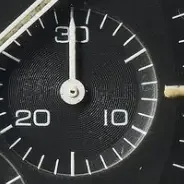
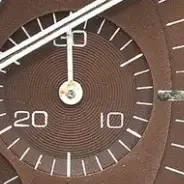
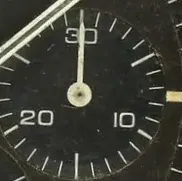
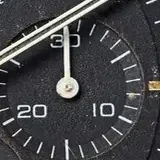
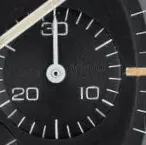
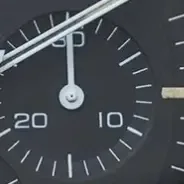
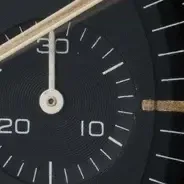
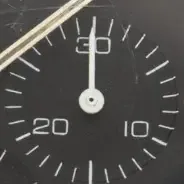
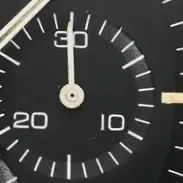
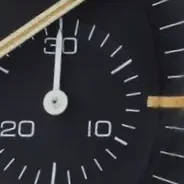
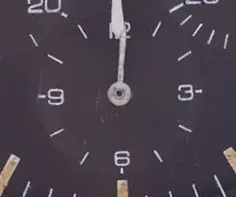
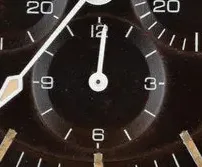
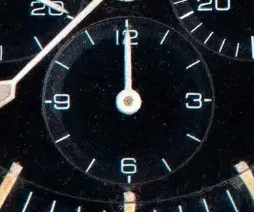
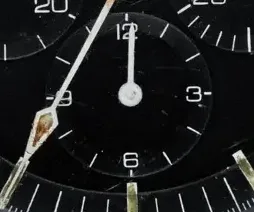
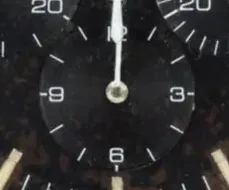
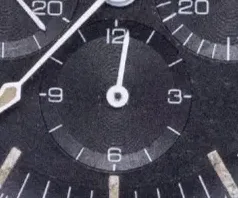
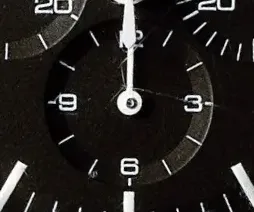
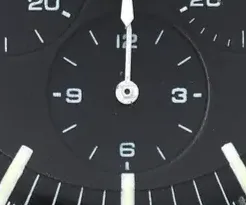
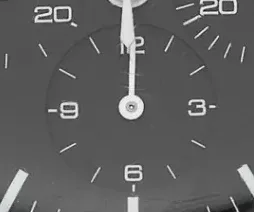
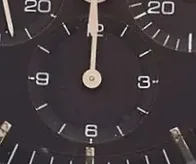
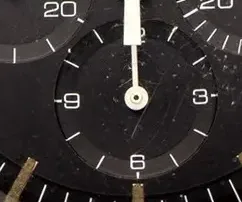
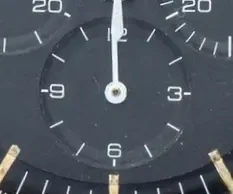
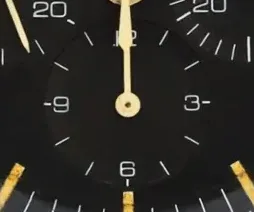
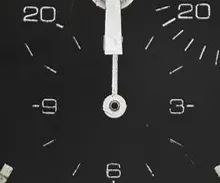
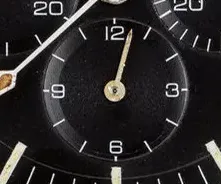
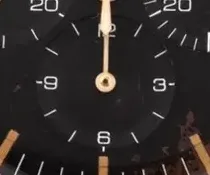
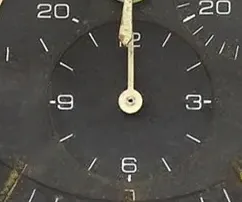
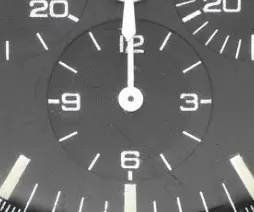
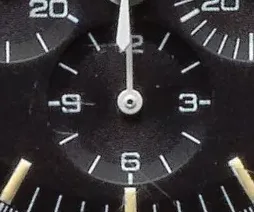
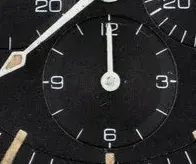
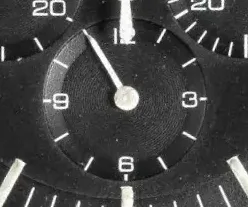
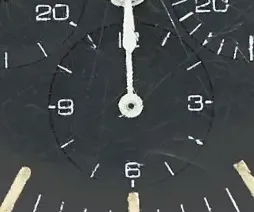
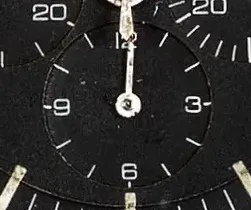
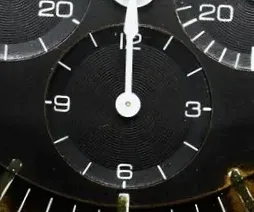
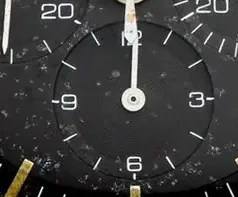
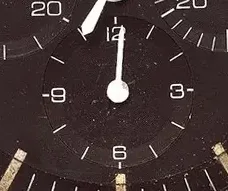
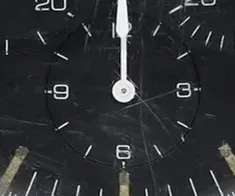
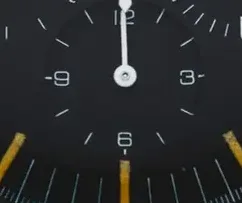
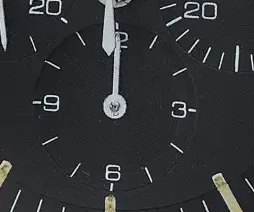
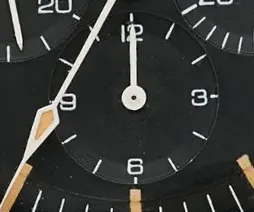
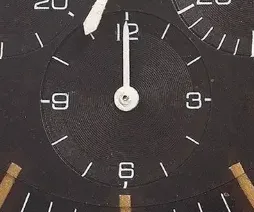
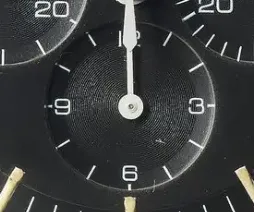
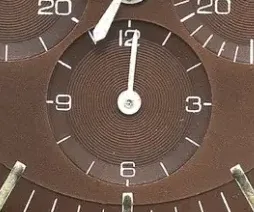
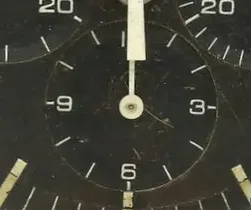
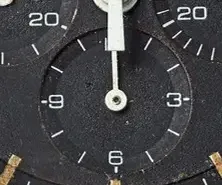
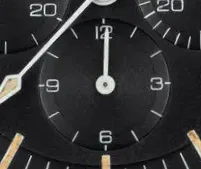
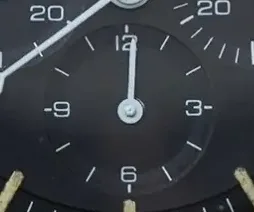
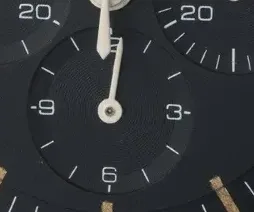
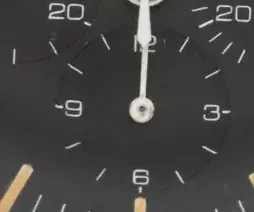
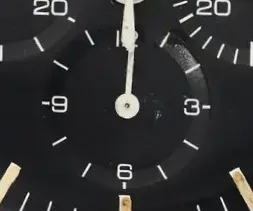
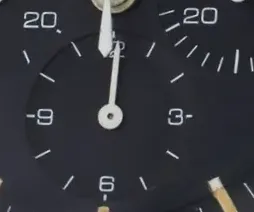
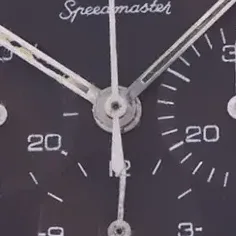
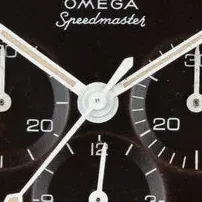
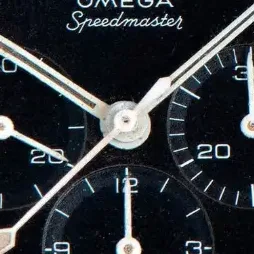
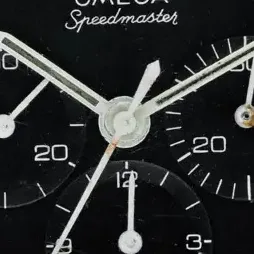
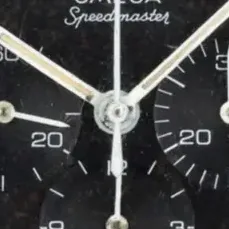
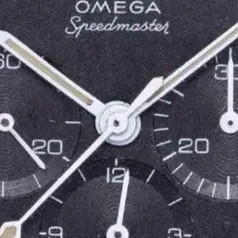
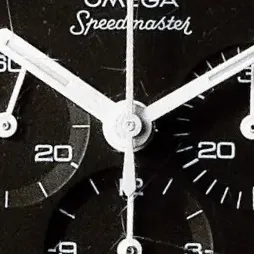
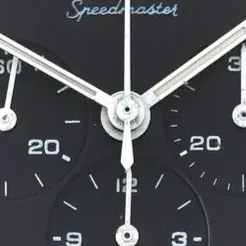
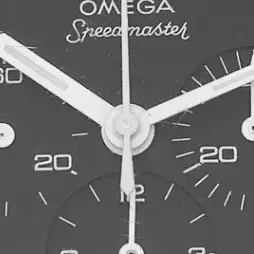
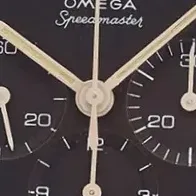
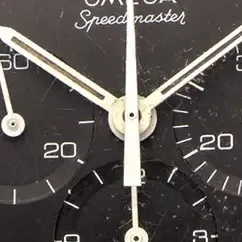
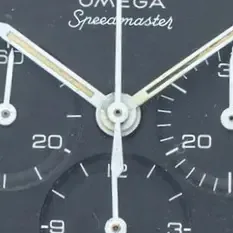
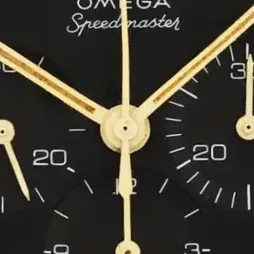
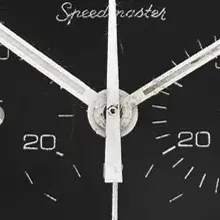
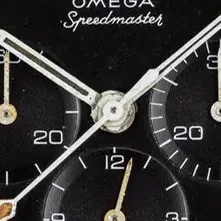
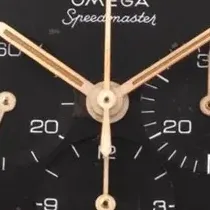
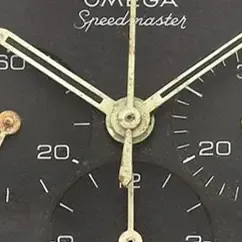
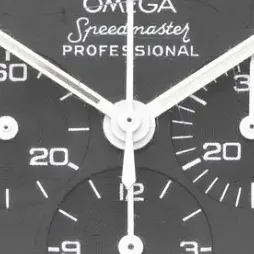
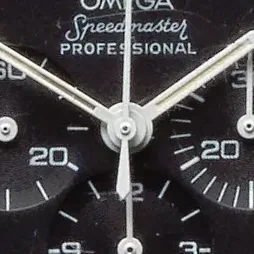
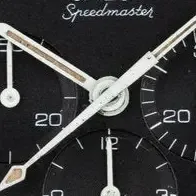
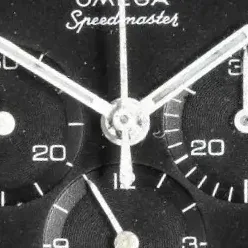
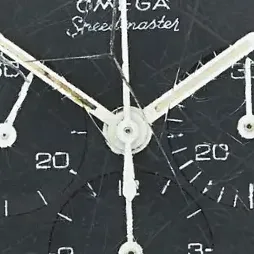
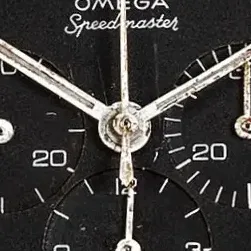
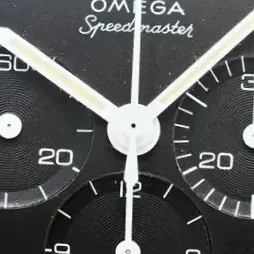
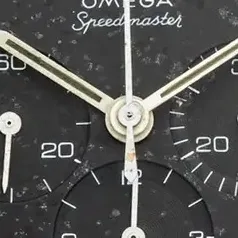
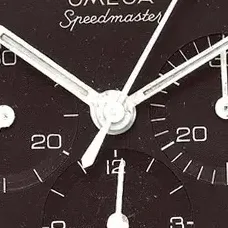
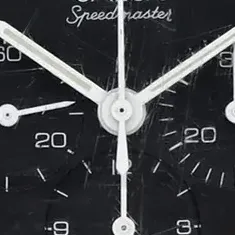
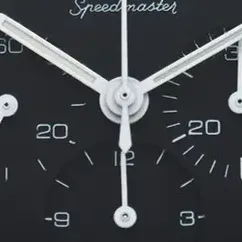
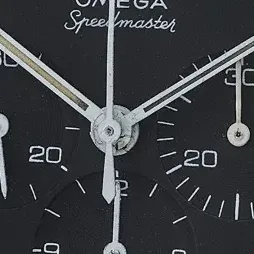
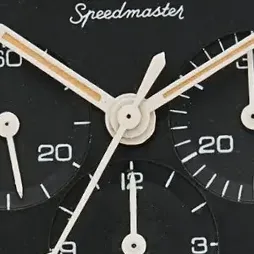
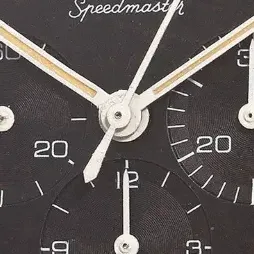
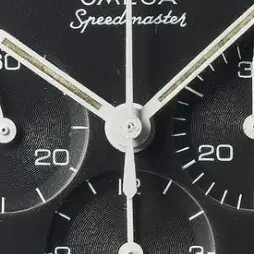
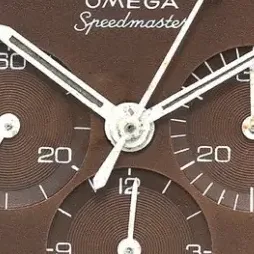
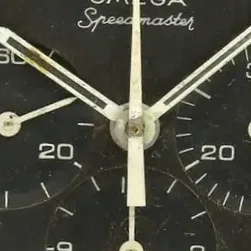
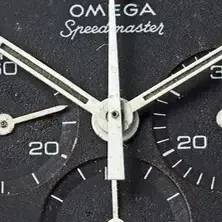
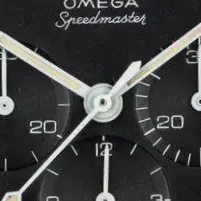
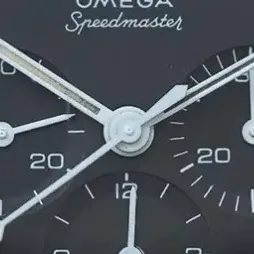
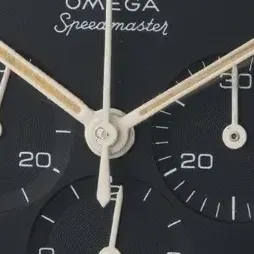
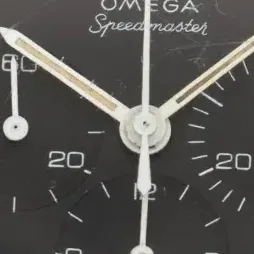
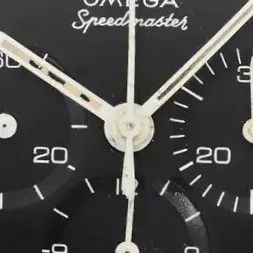
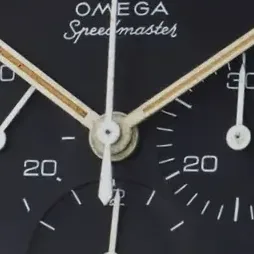
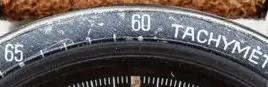
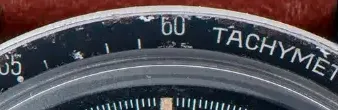
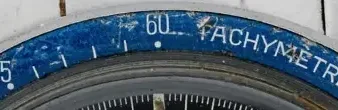
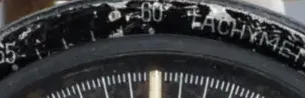
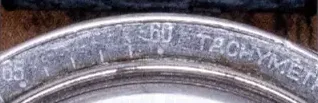
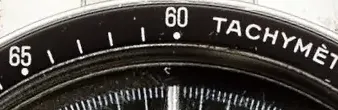
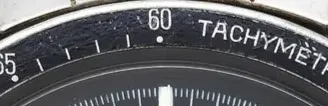
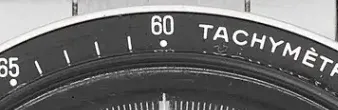
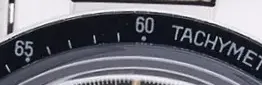
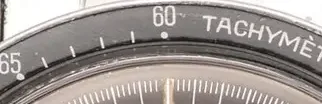
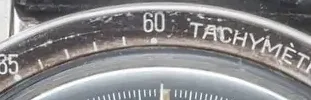
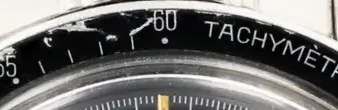
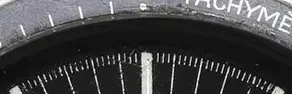
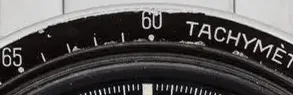
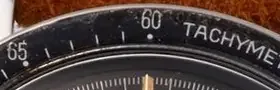
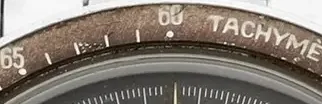
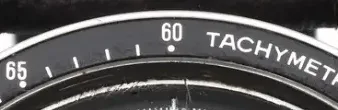
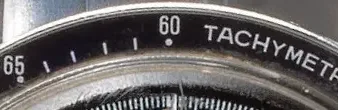
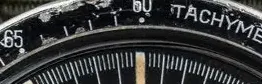
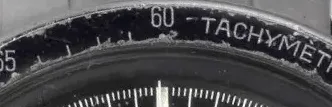
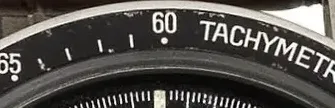
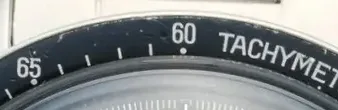
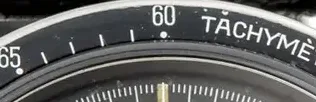
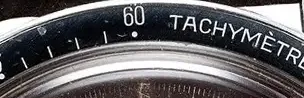
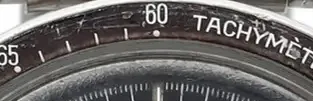
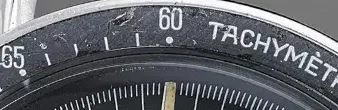
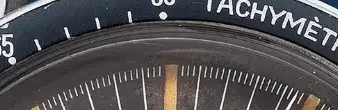
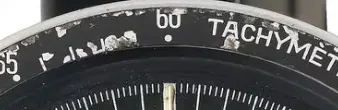
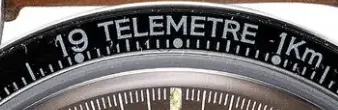
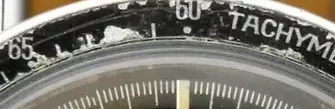
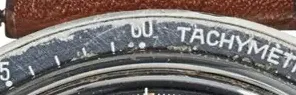
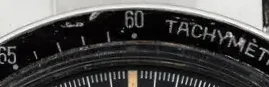
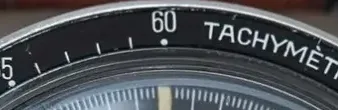
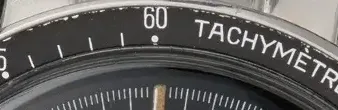
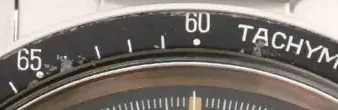
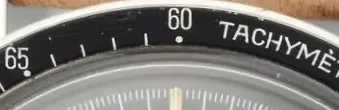
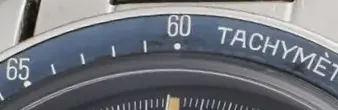
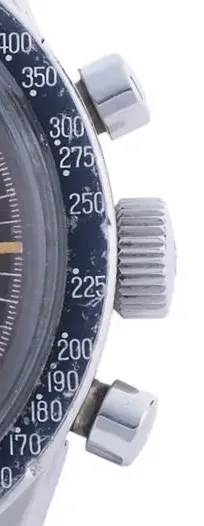
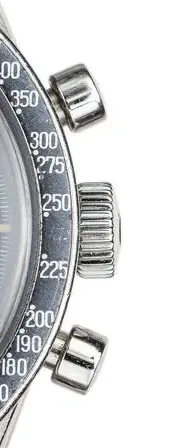
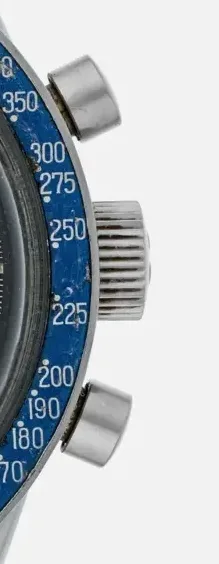
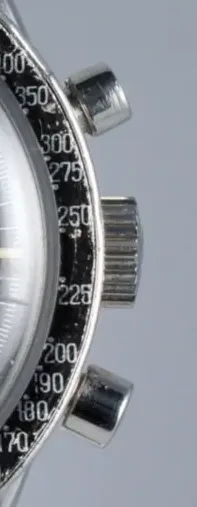
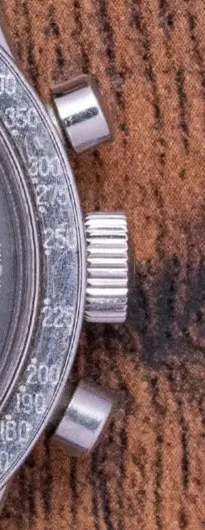
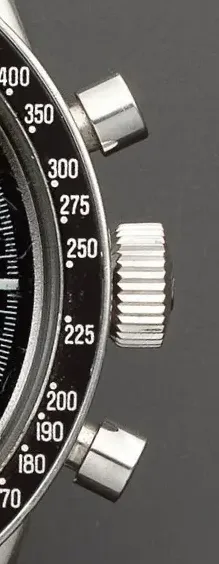
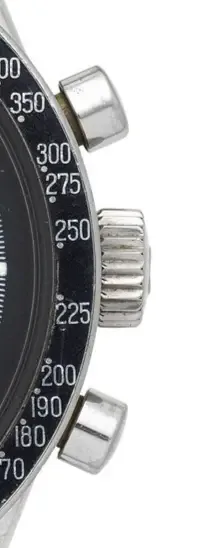
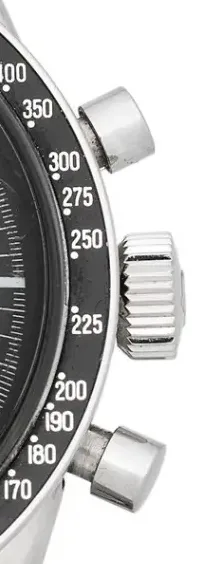
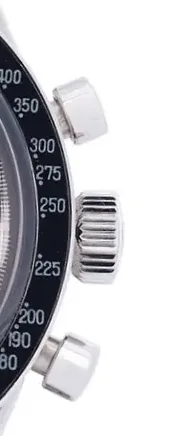
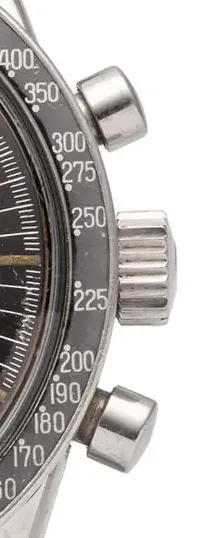
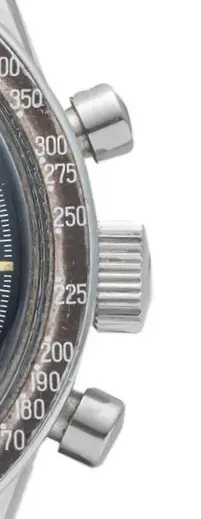
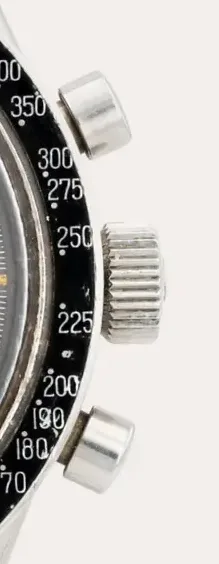
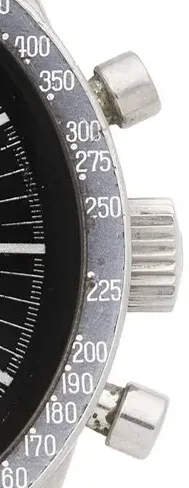
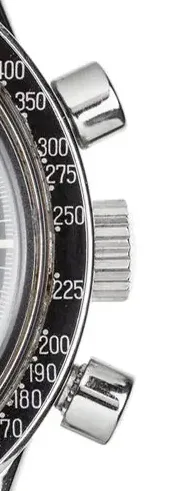
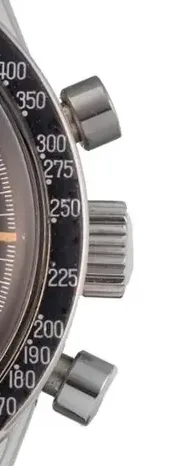
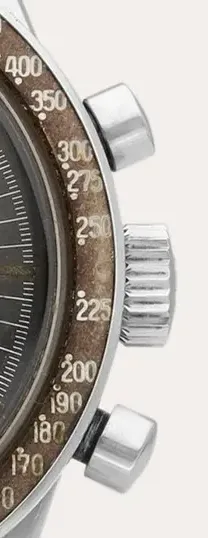
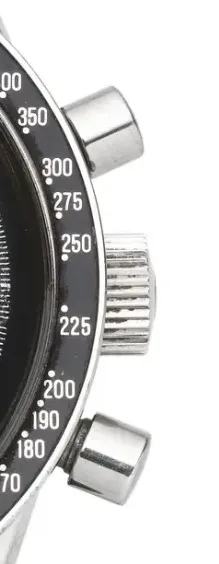
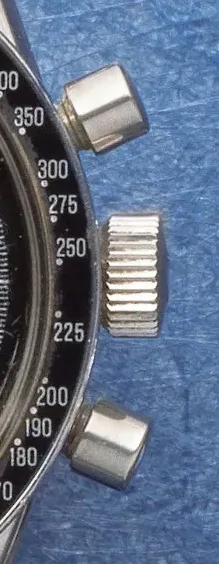
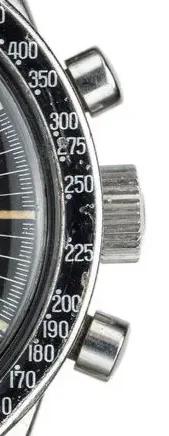
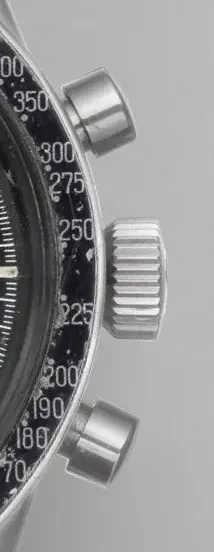
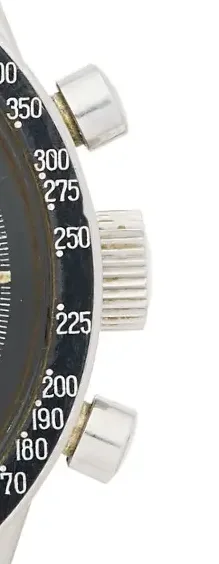
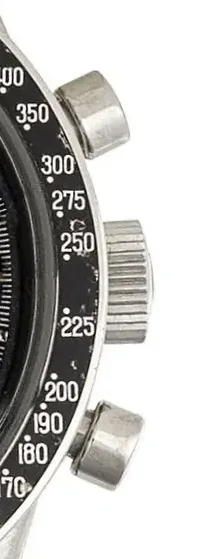
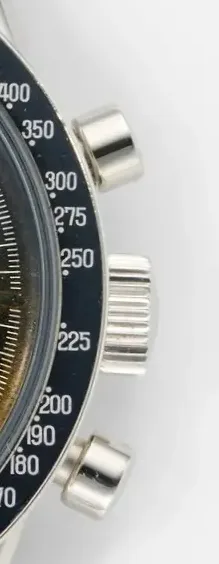
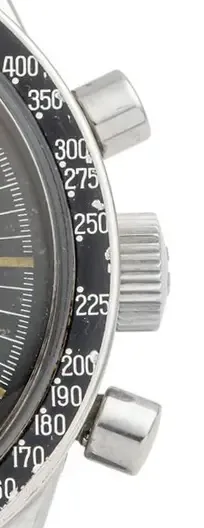
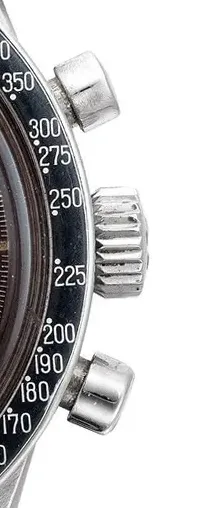
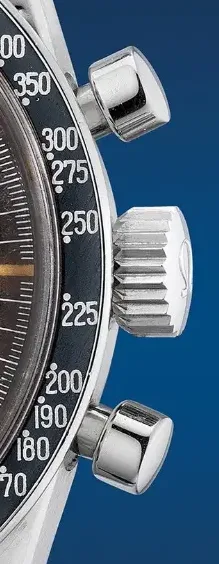
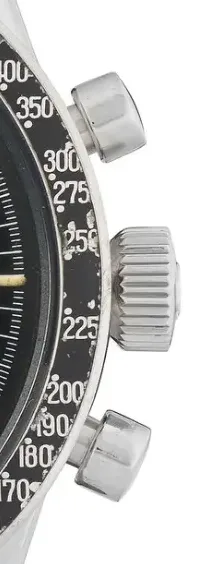
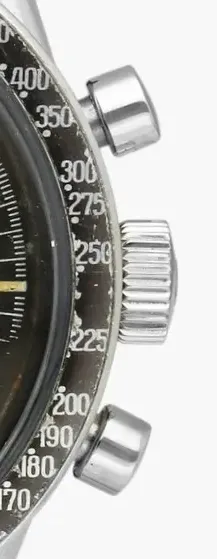
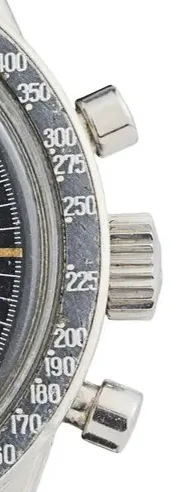
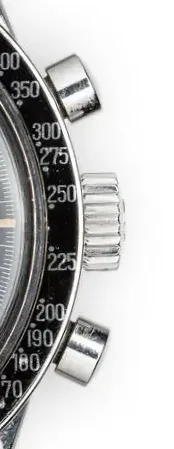
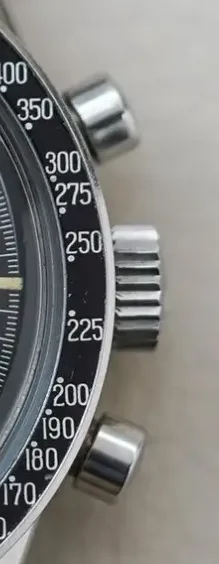
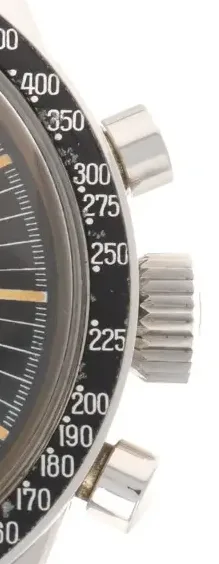
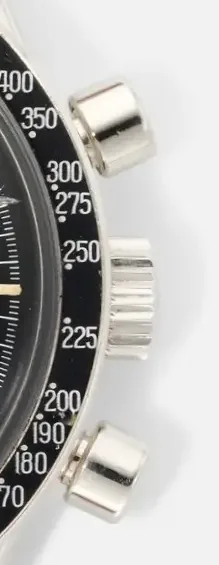
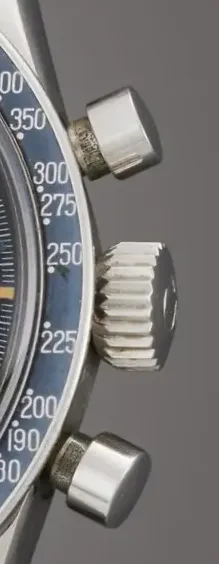
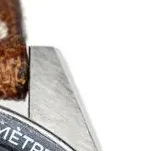
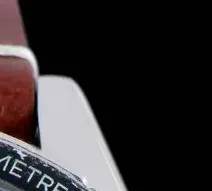
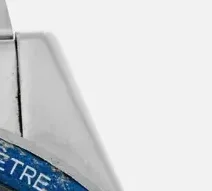
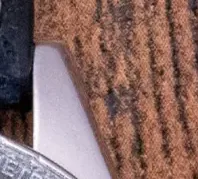
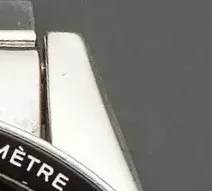
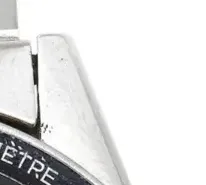
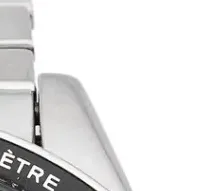
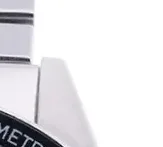
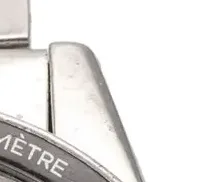
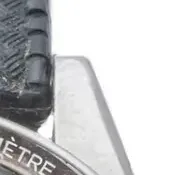
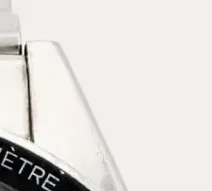
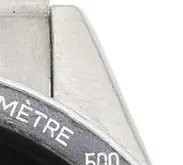
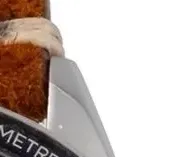
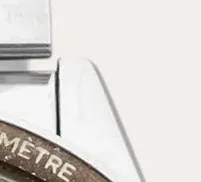
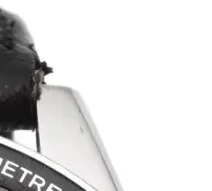
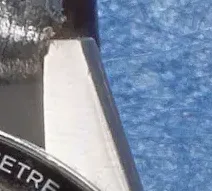
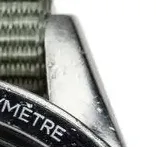
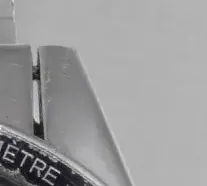
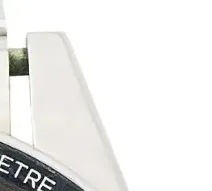
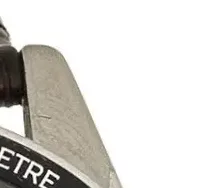
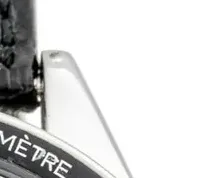
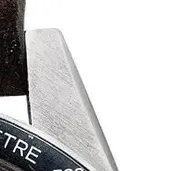
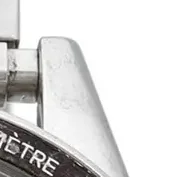
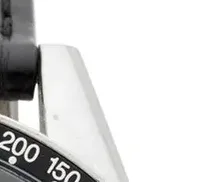
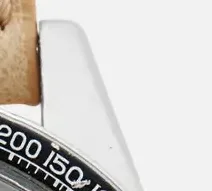
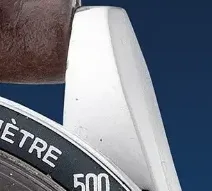
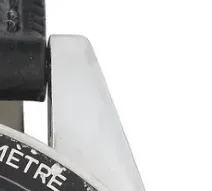
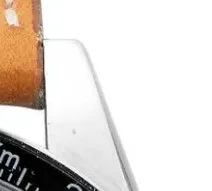
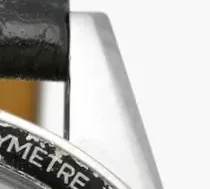
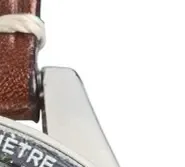
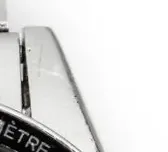
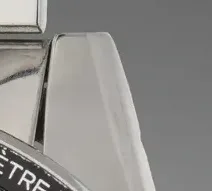
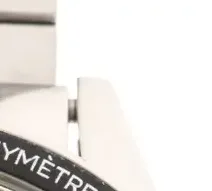
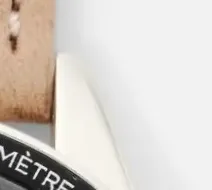
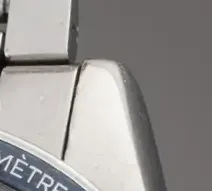
41 watches, oldest first, each straightened and cut the same way so that one row shows one component across them all. Chosen from 371 photographs on file for sharpness and for a face typical of the reference. A year marked c. is one its holder gives only roughly. Each picture is a detail cut from a listing photograph. Select the small mark in its corner for its year, its holder, a link to the listing it came from, and a way to report it.



















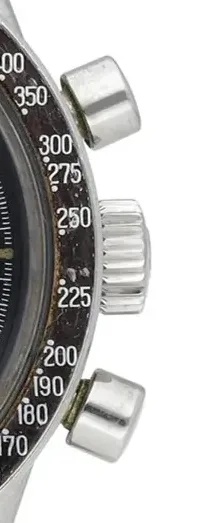
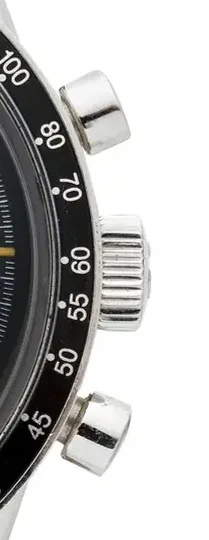
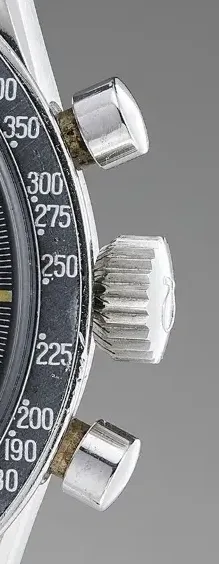
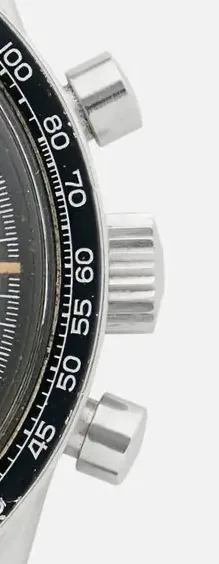




Chronology
Main production is put at 1963 to 1965, but watches were delivered new until 1969 and the records show stated years running to 1968.
Every dated variant: what is written, and what the records show
For the reference the marks are every dated watch; for a variant, the watches a seller names as that variant, so a variant sellers do not name has none.
Specification
| Case | Stainless steel, straight lugs, symmetrical, no crown or pusher guards; about 39.5 to 40 mm across and about 13 mm thick, 19 mm between the lugs |
| Caseback | Solid steel with the seahorse emblem, of the double-step form |
| Crystal | Acrylic with an Omega symbol engraved in the centre |
| Bezel | Black anodised aluminium insert, tachymeter scale 60 to 500, dot over ninety in the original form; pulsometer, telemeter, telemile and decimal inserts also existed |
| Dial | Black, stepped, with applied metal logo and three recessed subregisters with a fine concentric finish; some faded to brown |
| Hands | White luminous baton hour and minute hands, plain white baton subsidiary hands, central chronograph seconds hand with a luminous diamond-shaped tip |
| Movement | Calibre 321, hand-wound column-wheel chronograph, built on the Lemania 2310 base; second generation of the calibre, made 1964 to 1969 |
| Bracelet | Flat-link steel bracelet, 19 mm, of the 7912 type; the Champion-made bracelet and leather straps were also worn |
Reference 3 described
The reference is known by its year suffix: -63, -64 and -65. All Gemini-programme watches are confirmed by the maker as 105.003-63. The -65 is the commonest suffix in the records and ran latest in delivery. Mid-cases were not marked, so some mixing of parts between years is possible and suffix and parts do not always line up.
105.003-63
The earliest suffix, with a case profile that differs from the -65. The maker confirmed the watches of the Gemini programme as this reference.
- case profile different from the -65
105.003-64
The middle suffix. Its case is described as lacking bevels, which owners discuss, and the -65 case is not correct on it.
- case without bevels
105.003-65
numbers 22,827,xxx to 25,446,xxx
The latest and most often seen suffix. Its case has pronounced hand-cut bevels or chamfers that vary from case to case, so some bevel is not by itself a sign of over-polishing. Deliveries of -65 watches ran into 1969, and one delivered in October 1968 carries a serial number just beyond the published range, so the range is a guide and not a rule.
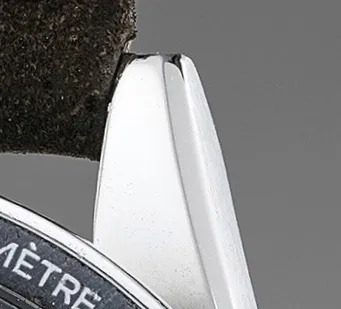
- serial in the 22.8 to 25.4 million band
54 listings on record under the name.
Dial 2 described
The dial is matt black with a fine grain, a stepped minute track sitting lower than the rest, recessed subregisters and an applied metal logo. The same dial with Omega and Speedmaster text and no word Professional ran throughout. The word Professional was added only on the later larger cases. Many have aged to brown or grey.
Step dial, applied logo
The dial has a lowered minute track, wide angled flange and recessed subregisters with a concentric finish. The Omega symbol is a raised metal applique with narrow flat feet, and the OMEGA and Speedmaster lettering are in the period typefaces. Hour markers are longer than on modern watches. A flat dial or one with a printed logo is a service replacement.
- stepped minute track
- applied logo with narrow flat feet
- no word Professional
- T marking beside Swiss Made on tritium dials
Tropical dial
A dial that has faded from black to brown, sometimes smoky or blue-brown, usually with the lume aged to a warm yellow. Sellers often name it in titles. It is an ageing effect and not a factory option.
- black faded to brown
- smoky patina
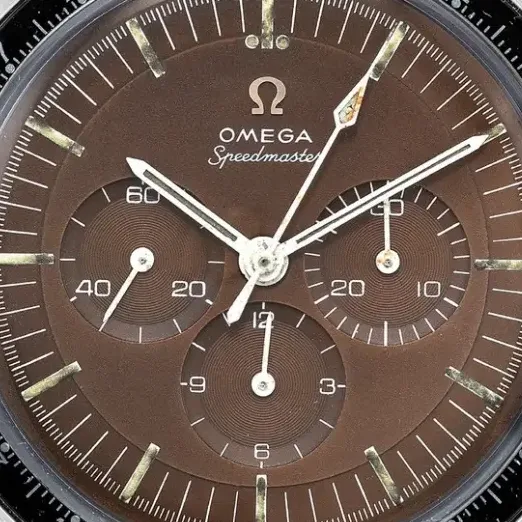
Luminous material 1 described
Tritium paint fills the hands and hour markers. It ages from cream to a soft yellow or sandy orange and a faded or missing fill is common.
Aged tritium
Original lume is a dark, sandy to yellow tone and may have flaked from the hands. Under UV light it can show whether hands were relumed. A bright modern fill on the hands or the original dial shows a later replacement.
- sandy yellow lume
- missing lume on hands
- no relume under UV
Hands 1 described
The 105.003 was the first Speedmaster made throughout with white luminous baton hands in place of the alpha hands of the CK2998, though some late 105.002 watches already have them, and these remained until the end of the reference. The chronograph seconds hand is a diamond shape. One account gives early watches alpha-type chronograph hands; the rest of the literature does not.
White baton hands
Straight white luminous hour and minute hands, with simple white baton hands on the subregisters. The central chronograph hand has a diamond-shaped luminous tip and, on vintage watches, a water-drop counterweight, where modern ones are straight. Super-LumiNova replacements are known but are treated as replacement parts.
- water-drop counterweight on the chronograph hand
- diamond tip on the seconds hand
- corrosion on the centre hand
Subregisters 1 described
The three subregisters are recessed and white-handed, with a circular concentric finish in the centre of each counter.
Recessed counters
The counters sit lower than on a later Professional dial and the angled flange around each is more pronounced and wider. The 12-hour counter on the 321 can creep slightly, which is common.
- deep recess
- wide angled flange
- fine concentric centre
Bezel 2 described
The bezel insert is black anodised aluminium. The correct early form has the dot over the ninety, and many have been replaced by later insert types. The insert fades to brown, grey or blue and dents on the rim are frequent.
Tachymeter, dot over ninety
The scale runs 60 to 500 with the dot placed over the 90. Later inserts place the dot beside the ninety, so a dot-over-ninety insert in good order is a mark of an original bezel.
- dot over the 90
- faded grey or brown insert
Pulsometer and other scales
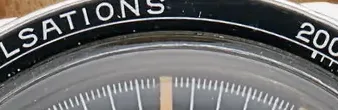
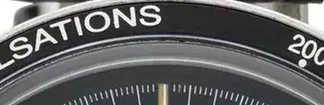
The insert was also printed with a pulsometer (heart rate) scale, a telemeter and telemile scale for distance, or a decimal scale for timing work. Collectors look for original pulsation bezels.
- pulsometer scale in place of tachymeter
Case 2 described
The case is straight-lugged, symmetrical and without crown or pusher guards. Its width is quoted from 39.5 to 40 mm with 19 mm between the lugs, and it is thinner than a Professional by about a millimetre. Mid-cases were not marked, so cases swapped between years.
Straight-lug case
A symmetrical case with straight lugs and light chamfering on the lugs. Quoted sizes are 39.5, 39.7 and 40 mm, and lug to lug about 48 mm. A polished upper lug or lost chamfers is a sign of earlier polishing.
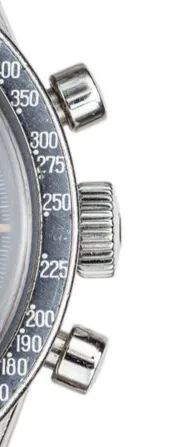
- 19 mm lugs
- light chamfers
3 listings on record under the name.
Double-step caseback
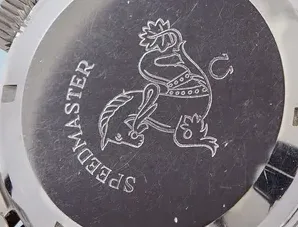
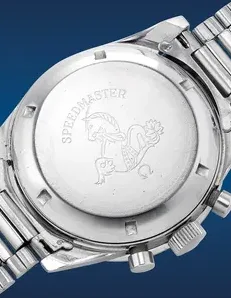
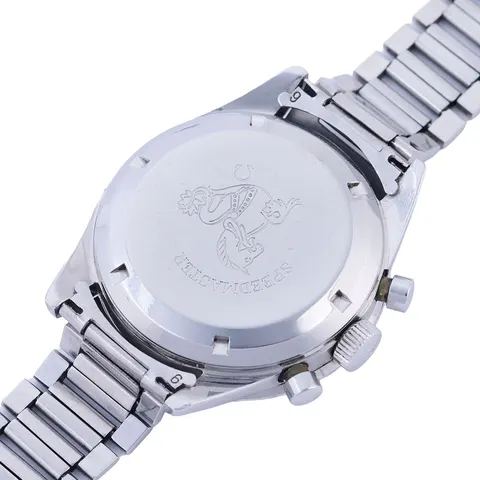
The solid steel back carries the seahorse and is of the double-step type, a form also found on 105.012 watches of 1965 before a single-step back replaced it.
- seahorse emblem
- two steps
Crown and pushers 1 described
Crowns and pushers are often replaced, and a crown from another brand or a later logo crown is found on some watches.
Unguarded crown and pushers
Crown and pushers stand free of the case with no shoulders. Modern OEM crowns and pushers are fitted to some watches and are counted as replacements.
- vintage crown, not a later logo Speedmaster crown
Crystal 1 described
The original crystal is acrylic with an engraved Omega symbol in the centre. Replacements are common.
Acrylic with Omega symbol
A domed acrylic crystal with the Omega symbol engraved in its centre. A non-factory crystal may show a silver inner ring where the original has a black one.
- engraved symbol
- black inner ring
Movement 2 described
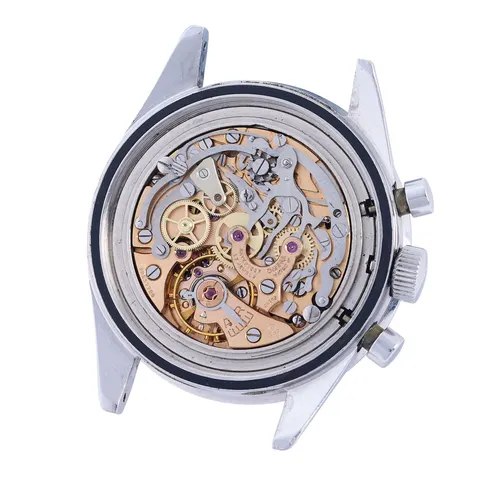
The watch uses the hand-wound calibre 321, based on the Lemania 2310, with column wheel and horizontal clutch. The 105.003 has the second generation, made 1964 to 1969. It needs regular service, and the hour counter may creep.
Calibre 321, second generation
numbers 22,827,xxx to 25,446,xxx (for the -65)
Plates and bridges were galvanically treated, and the clutch bridge was untreated German silver. The calibre was used in the 105.003, 105.012 and 145.012 before the cam-operated 861 arrived with the 145.022. Serial numbers of watches known to be original can fall outside the published range.
- galvanic finish on bridges
- German silver clutch bridge
New Original 321 (2019 reissue)
A 1-to-1 rebuild with 245 components, made from drawings and a scan of an astronaut's watch. Its plates and bridges are PVD-plated in a gold tone and the clutch bridge is German silver. It runs at 18,000 vibrations an hour with a 55-hour reserve.
- Sedna-gold toned plates
Bracelet 2 described
Flat-link steel bracelets were fitted, and replacement links, end links and clasps are common. A 1970s 1171 bracelet, normally found on a Professional of that time, is not correct for the 105.003. Leather and rally straps are widespread.
7912 and 1035 flat-link
The flat-link steel bracelet named for the 105.003 is the 7912, 19 mm between the lugs and made of folded links. The 1035 is another flat-link bracelet of the 1960s found on it, and sellers usually describe both with end links numbered 6. One watch delivered in 1968 has a 1035 clasp with a date code of 4 68, matching its head. The folded design is fragile, so few survive complete.
- folded flat links
- end links numbered 6
- date code on clasp
Champion bracelet
A bracelet believed to have been offered as an option at the time, of the kind many astronauts wore their Speedmasters on.
- Champion stamping
Box and papers 1 described
An archive extract from the maker confirms the delivery date and place of a watch. Box and papers add provenance.
Extract of archives
The maker's museum can confirm when a watch was made and delivered. Examples include one made on 4 July 1966 and delivered to the US Army's European Exchange System, and another delivered to Venezuela on 30 October 1968.
- delivery date and country on the extract
Originality
- Pushers are often modern replacements, and a later logo Speedmaster crown in place of a vintage one is not correct.
- Crystals are often replaced, and a silver inner ring where a black one belongs shows a non-factory crystal.
- Bezel inserts are often later types, so a dot-beside-ninety insert is a replacement and a dot-over-ninety insert is the original type.
- Hands are sometimes relumed or replaced with Super-LumiNova, and UV light shows relume.
- Dials may be replaced by flat or printed-logo service dials.
- Bracelets are often mixed from different periods, with end links, links and clasp from different references.
- Cases were polished and lost their chamfers over time, and the mid-case was not marked, so cases can be swapped between years.
Names
- Ed White. The astronaut Ed White wore a 105.003 on the first American spacewalk of Gemini IV in June 1965.
- Pre-moon. It belongs to the Speedmasters made before the Moon landing of 1969.
- Pre-Professional. Its dial lacks the word Professional, which was added on the larger cases.
- Straight lug. The case has straight lugs, as the last of that form.
Where accounts differ
Points on which the published literature and the library's own records do not agree, or on which the literature contradicts itself.
- End of production. Two accounts give 1963 to 1965 as the main production years, while a third says the watch was discontinued in 1966 and replaced by a 145.003. Sellers' stated years run on to 1968, a good share of them after 1965, and archive extracts show watches delivered as late as October 1968, with deliveries said to have ended in 1969.
- Hands on early watches. One guide says that watches up to about 1964 had alpha chronograph hands, while the other accounts give the 105.003 baton hands throughout.
Back and movement
From listings of this reference, each confirmed by eye to show what it is filed under. A picture on which a person's name or a personal engraving can be read is not shown. From most holders a detail from the middle of the photograph is shown; the mark in its corner gives its holder and a link to the listing.
Caseback
Movement
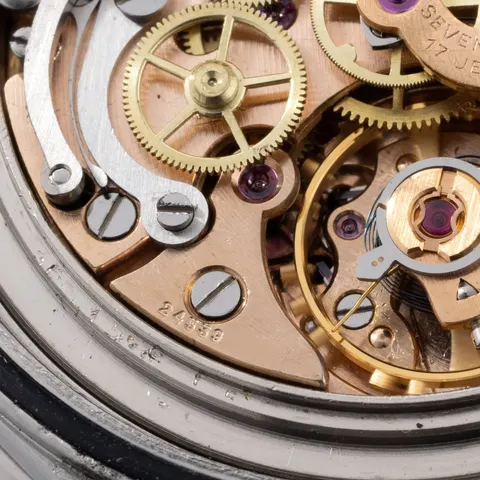
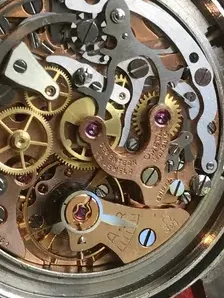
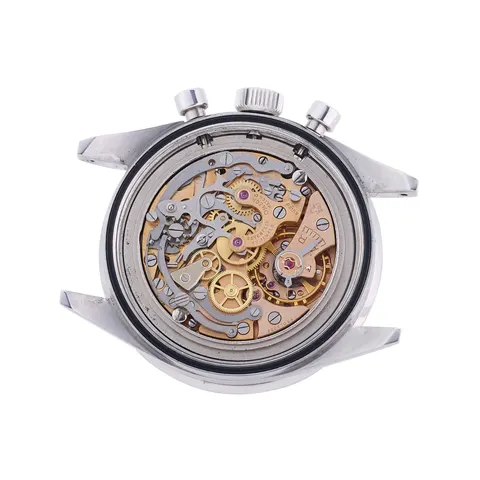
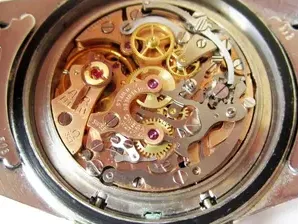


Catalogue versions 1 listed
The full numbers under which holders list this reference, with what their listings say of each. Each has a page of its own.
| Version | Metal | Dial | Years seen | Records |
|---|---|---|---|---|
| 105003-65 thin | 1965 | 2 |
In the records
Counted from 164 listings at 39 holders between 13 June 2012 and 14 November 2026. These are what sellers and auction houses state, not measurements.
Fainter bars are the 6 outside the main run of 1963–1967 (the middle nine-tenths): the earliest is 1957 and the latest 1968. They are early and late examples, and now and then a seller's slip. The head of the page gives 1963–1968: the years that listings from two holders bear out.
Case metal
| Steel | 88 |
Dial colour
| Black | 31 | |
| Brown | 24 | |
| Grey | 4 |
Case size
| 40 mm | 40 | |
| 39 mm | 29 | |
| 38 mm | 9 |
Calibre named
| 321 | 95 |
Bracelet or strap
| Metal bracelet, kind not stated | 36 | |
| Leather strap | 25 |
Each table counts the listings that state the thing, in the seller's own terms. A size, metal, colour or calibre that cannot belong to this reference is a seller's slip or a listing filed under the wrong number.