Speedmaster Professional
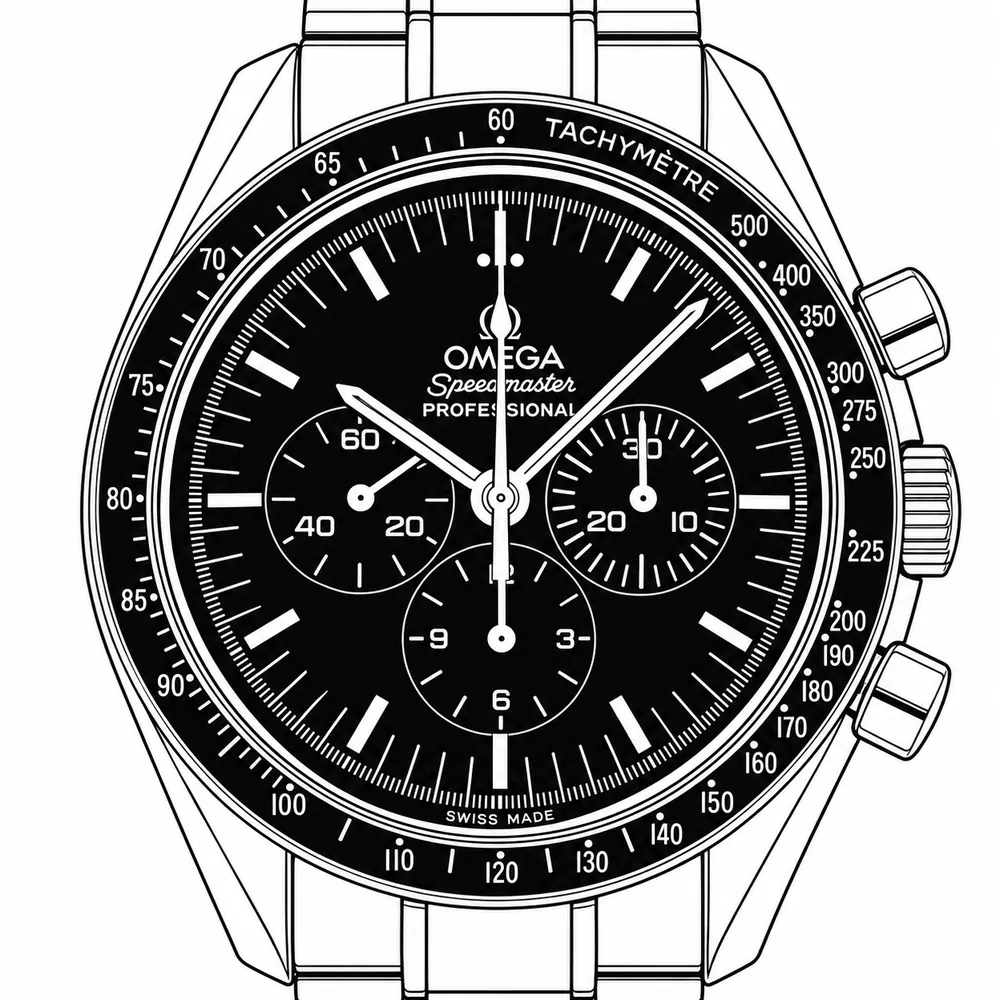
The 3570.50 is the hand-wound Speedmaster Professional 'Moonwatch' of the late 1990s to 2010s: a 42 mm steel asymmetrical case with lyre lugs, a Hesalite crystal, a black aluminium tachymeter bezel, a solid steel caseback and calibre 1861. It followed the 3590.50 and was made from 1996 or 1997 until 2014, when it was updated as the 311.30.42.30.01.005; it is sometimes carried to 2020. Collectors look first at the lume, since early examples are tritium, at whether the movement is the 861 or the 1861, at the bracelet and clasp age and at the complete set.
- Made
- 1996–2014dates approximate
- Seen in the library
- 1996–2017by years sellers state
- Case
- 42 mm · steelas sellers state
- Movement
- Calibre 1861, 861hand-wound
- On record
- 304 listings657 photographs · 34 holders
Components
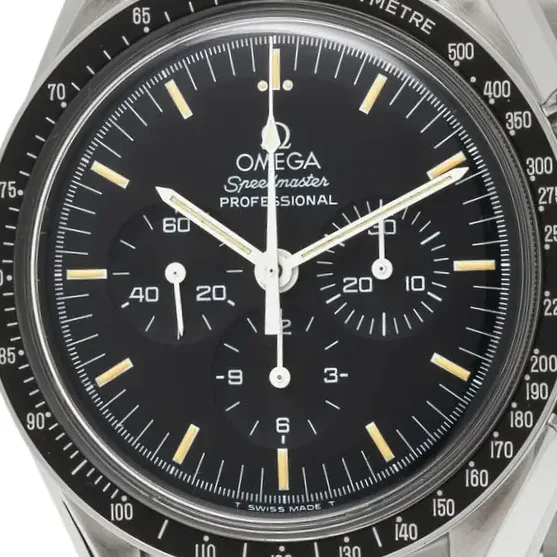
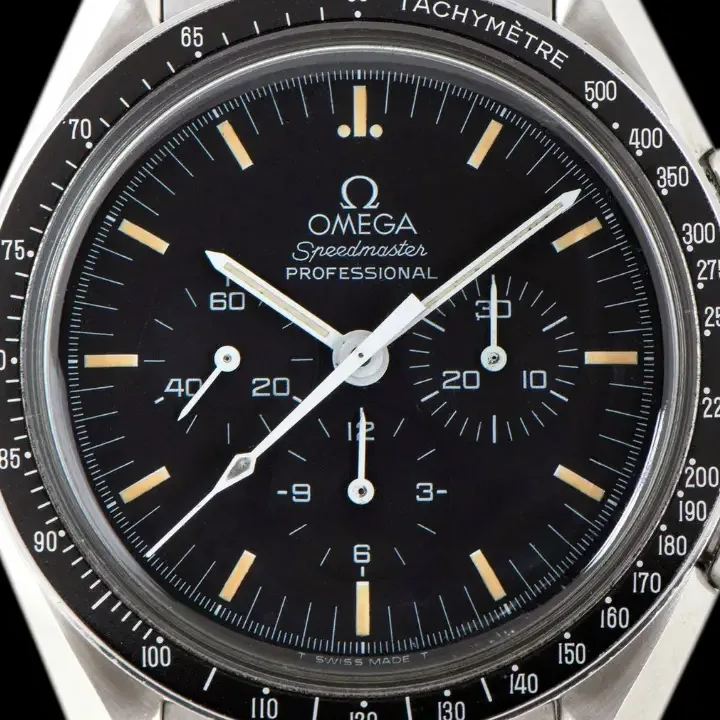
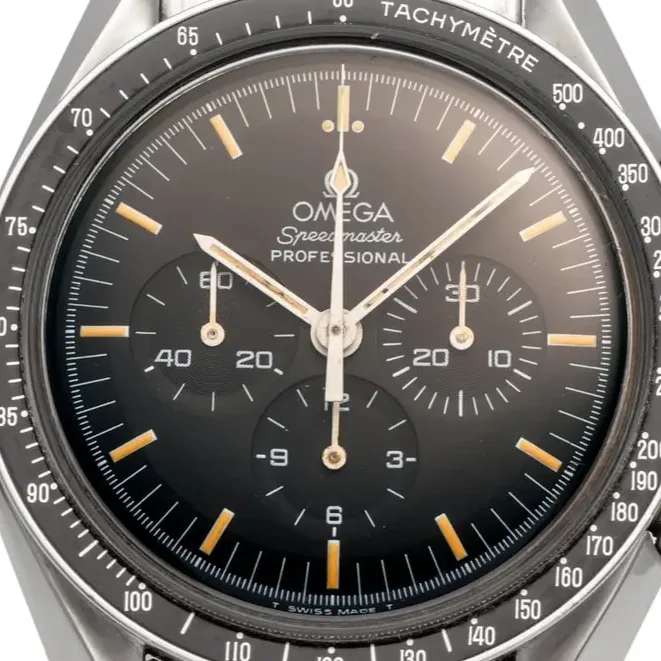
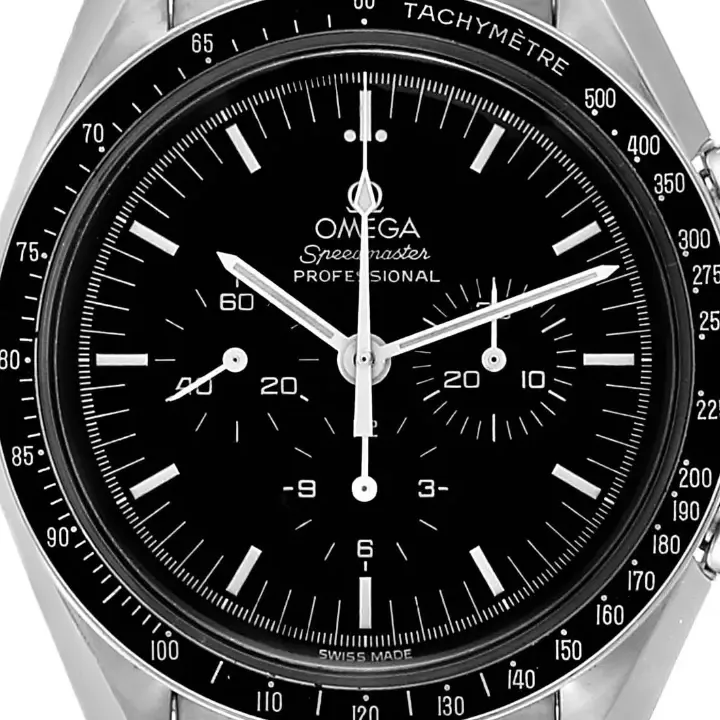
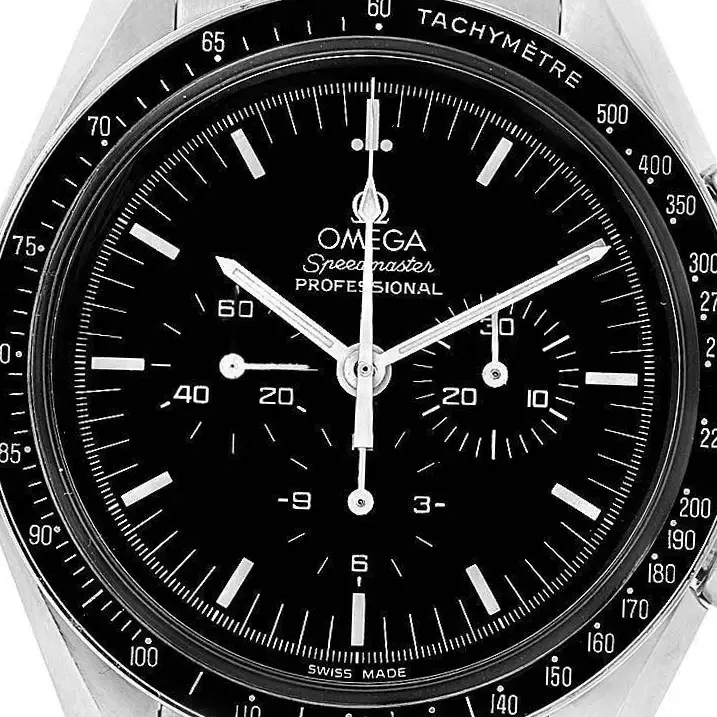
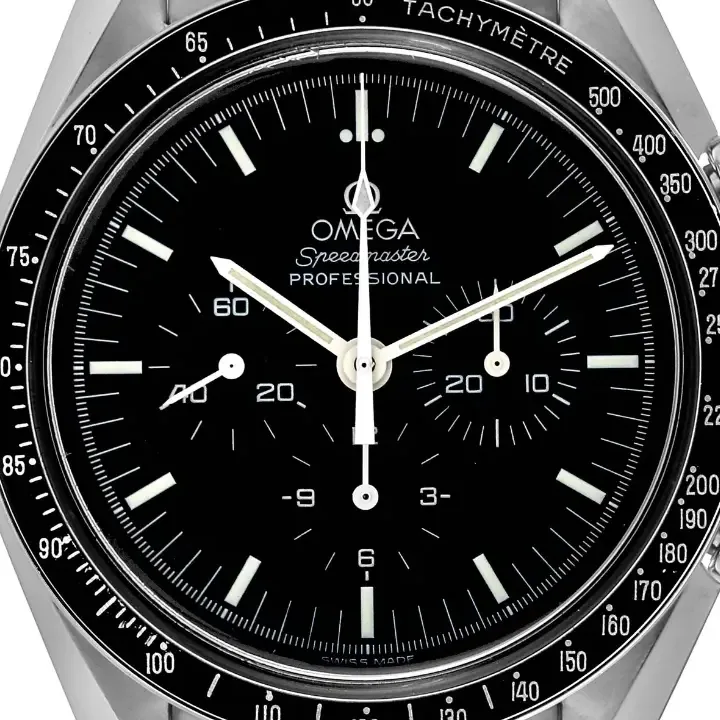
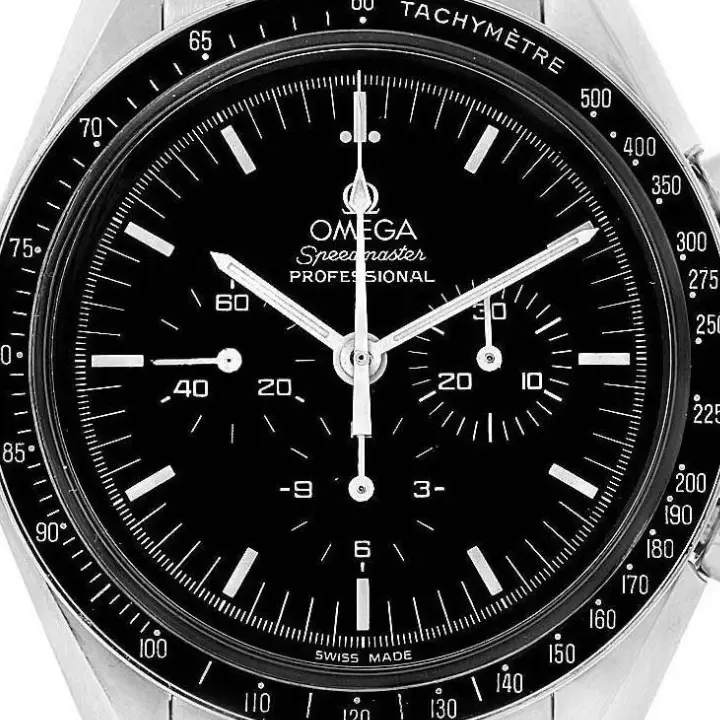
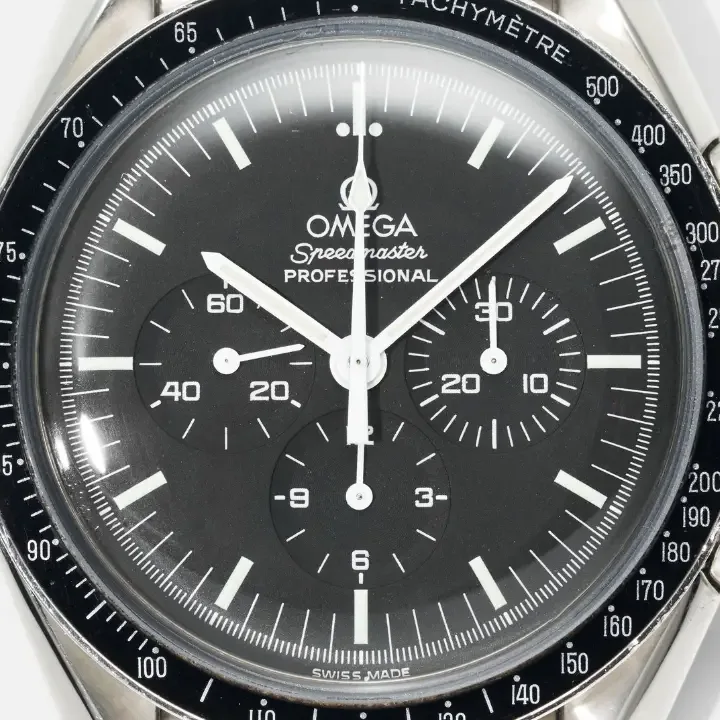
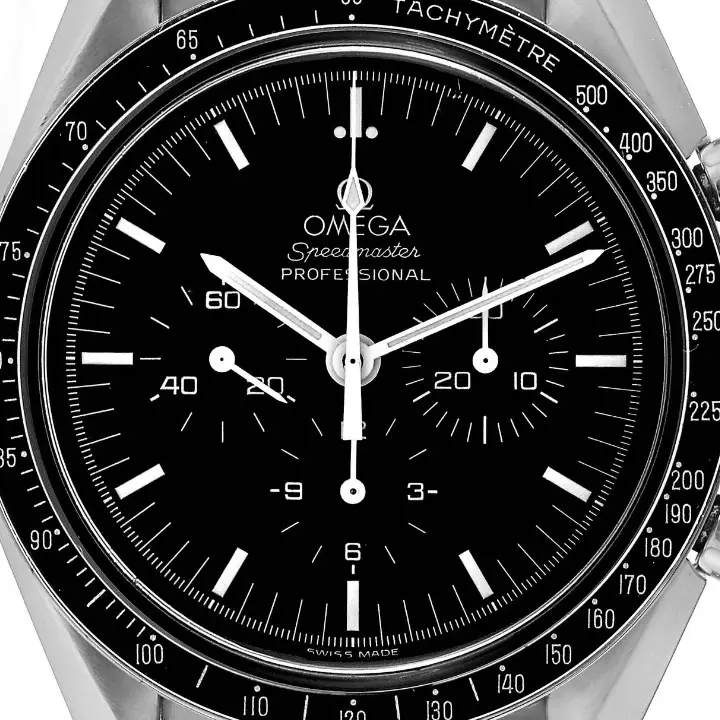
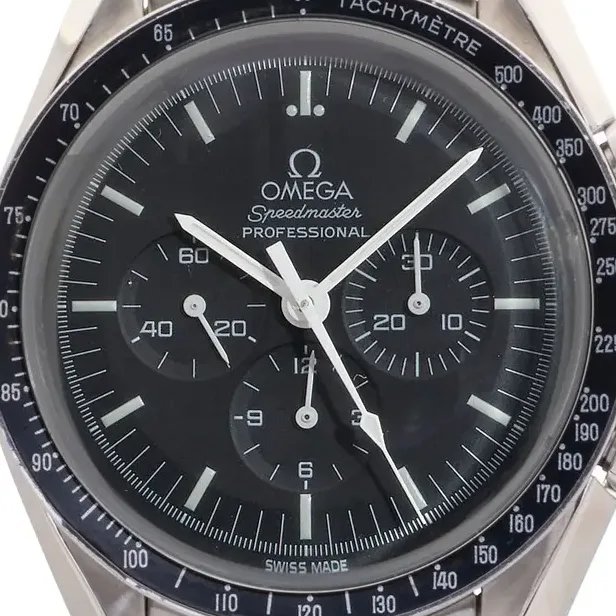
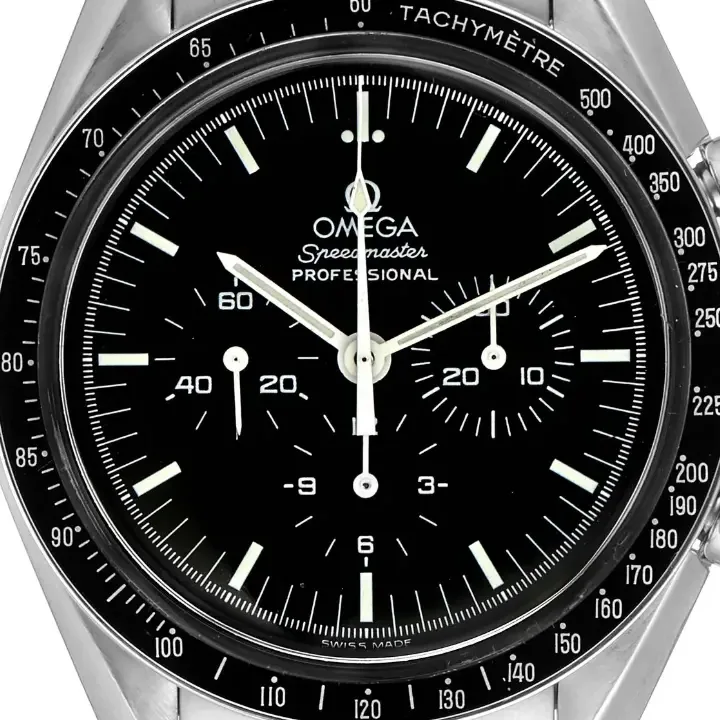
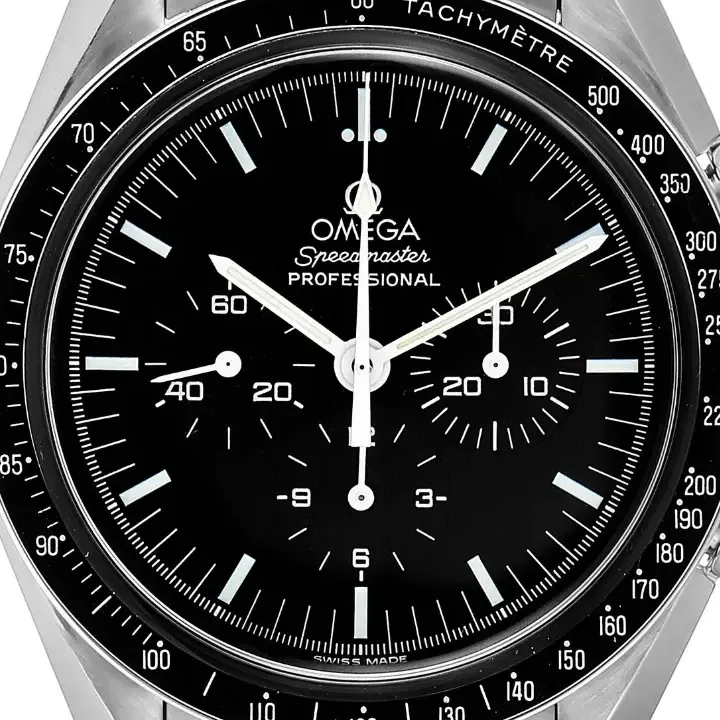
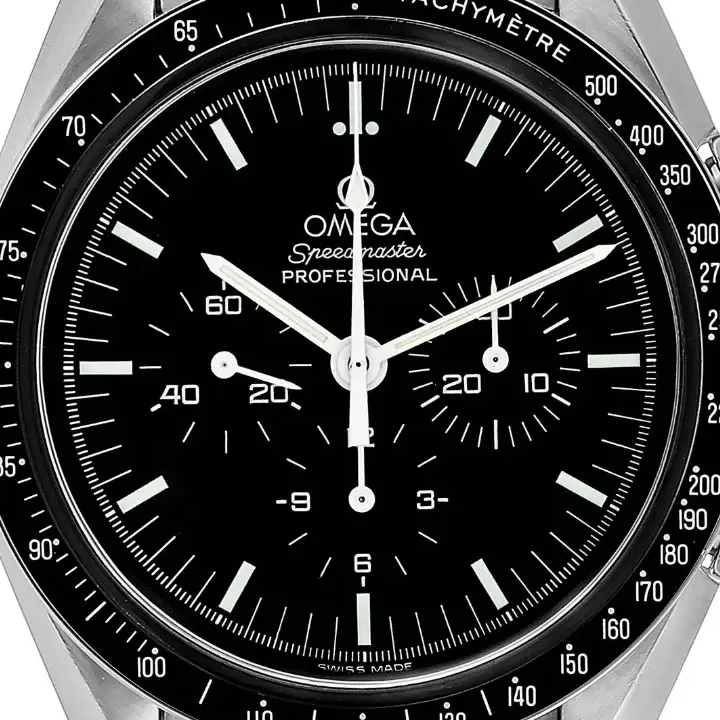
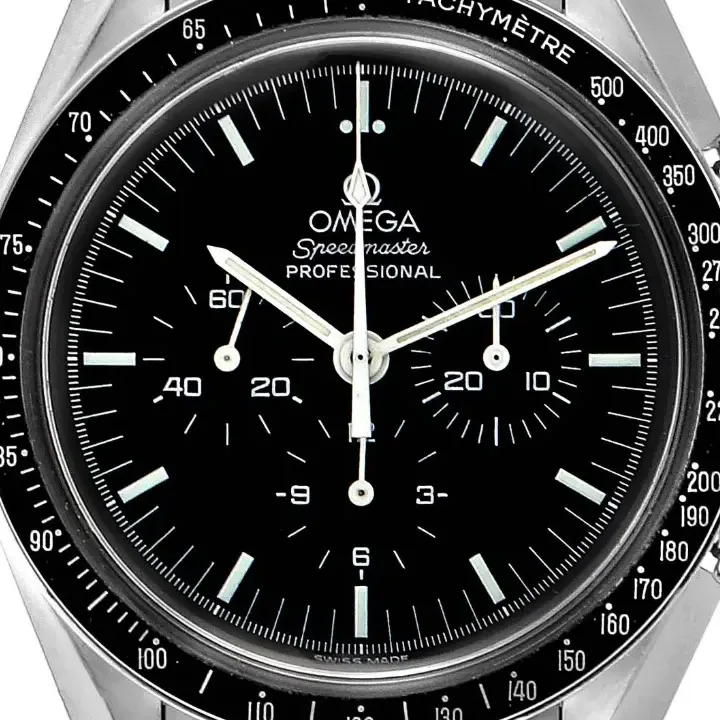
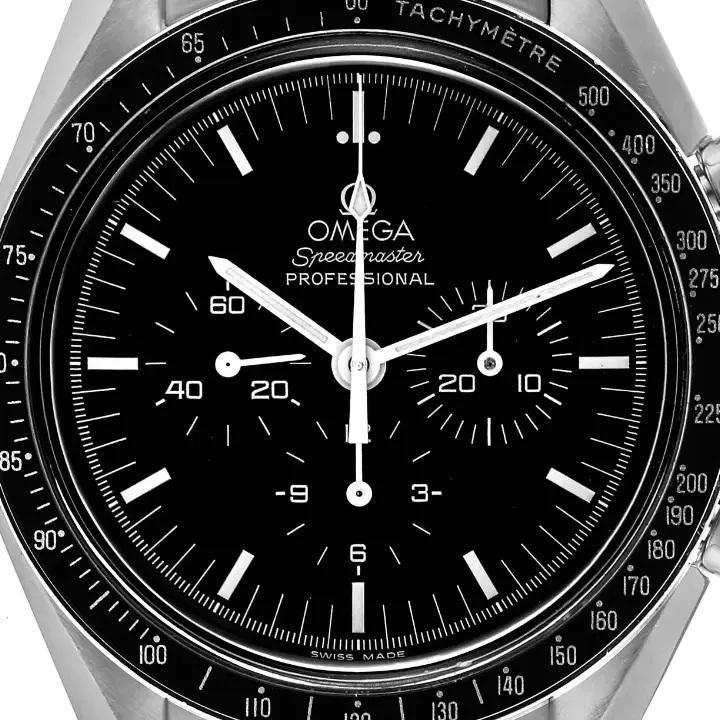
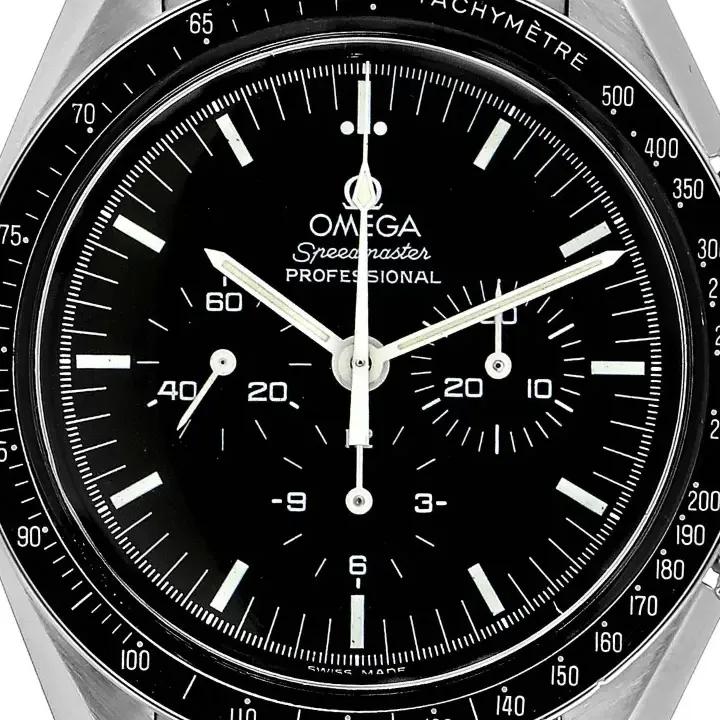
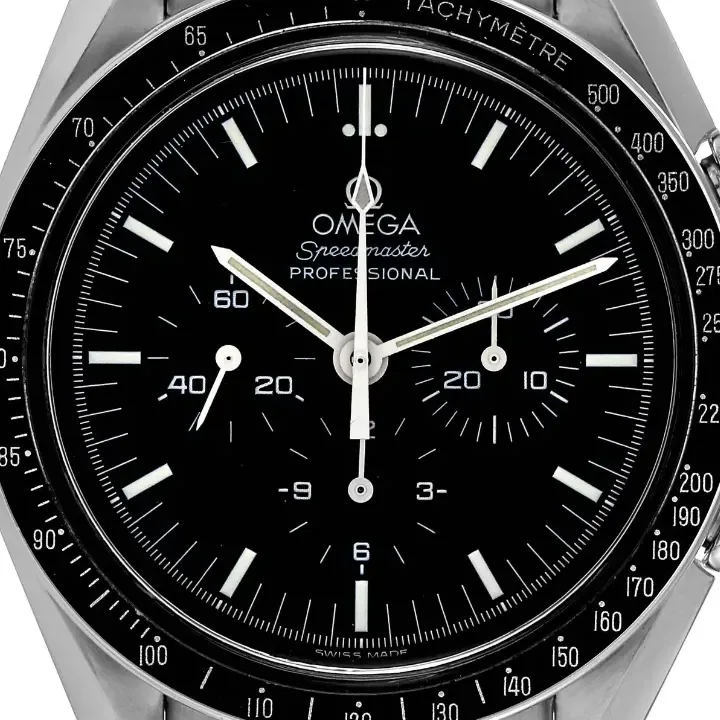
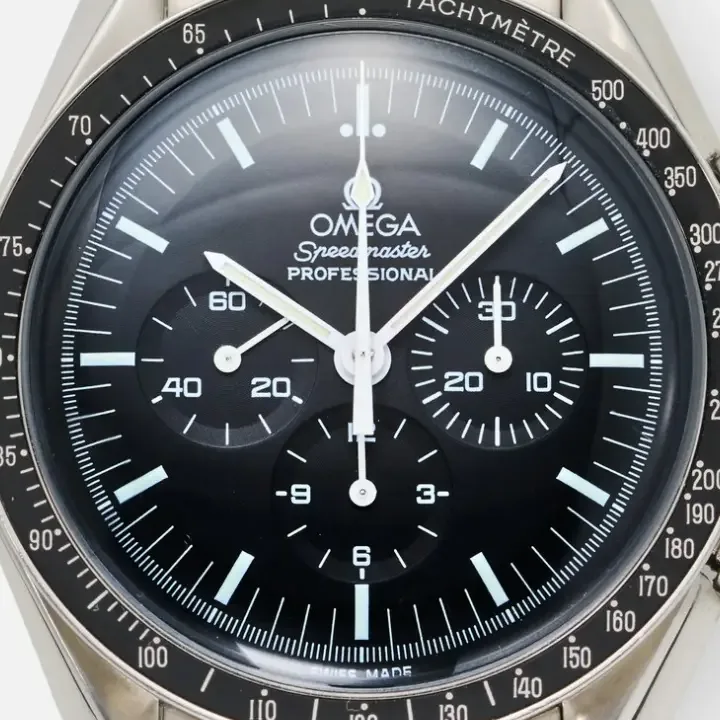
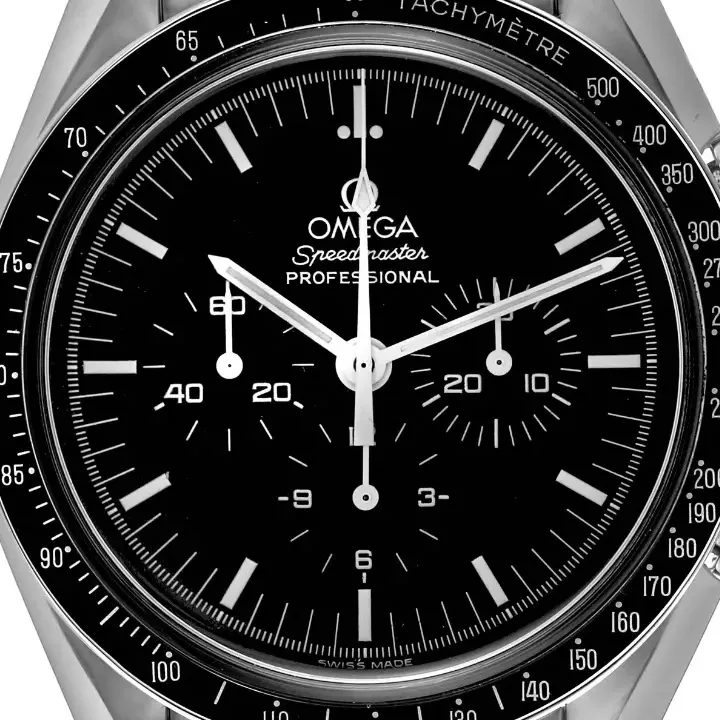
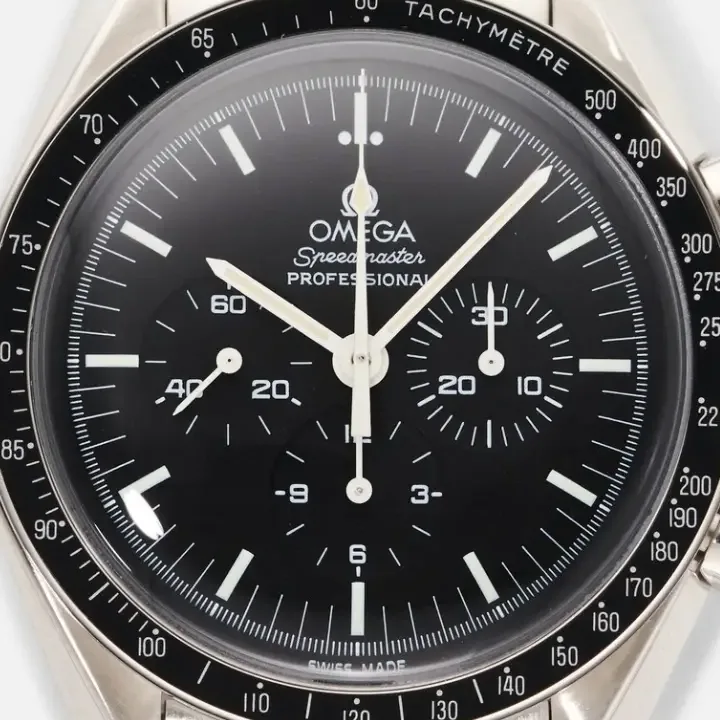
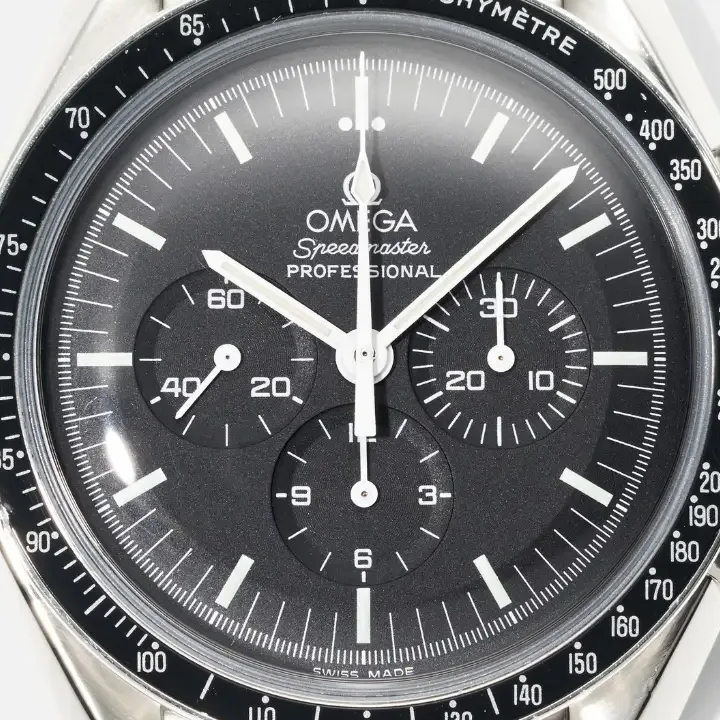
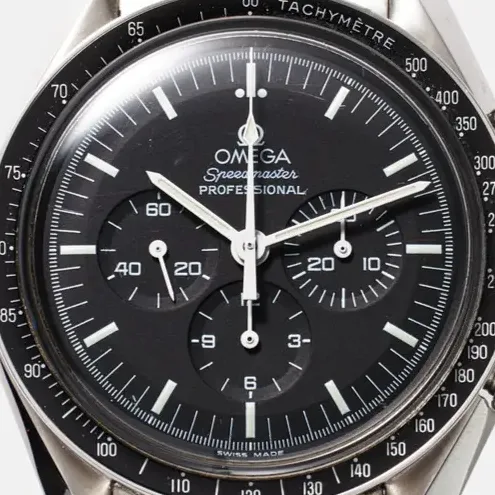
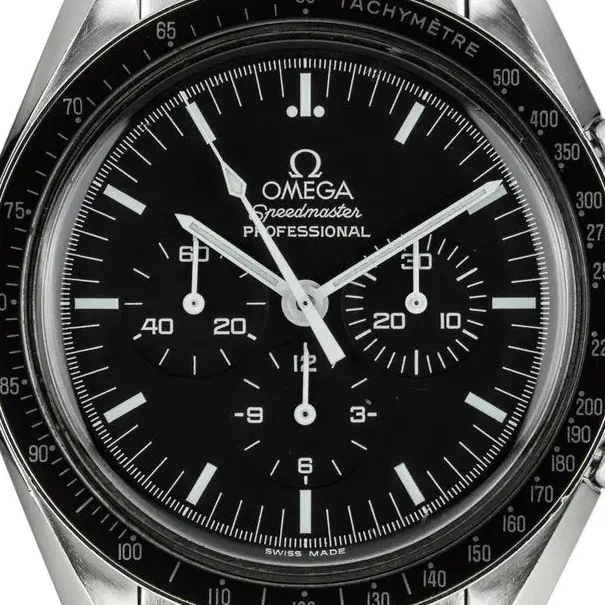
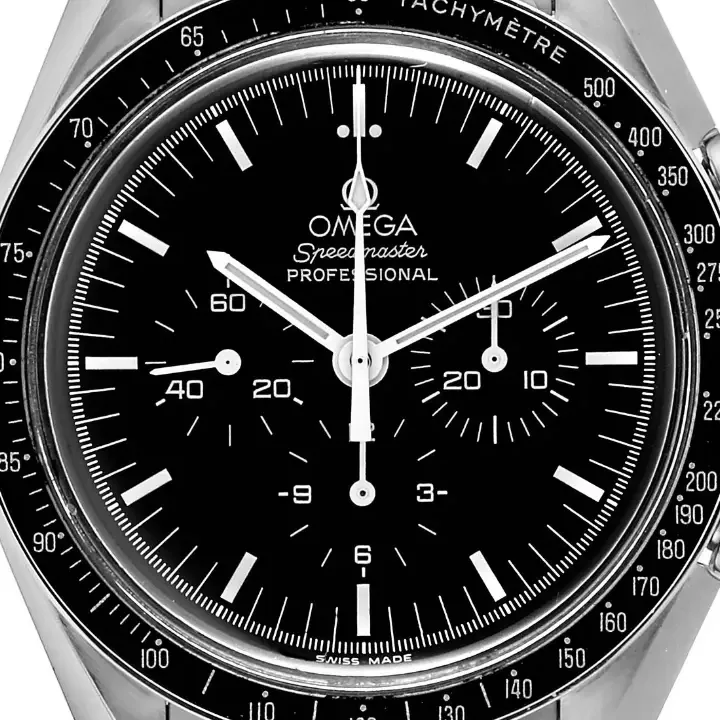
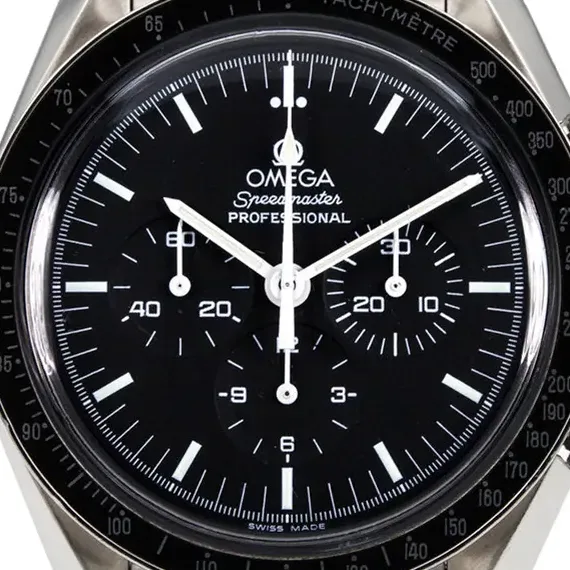
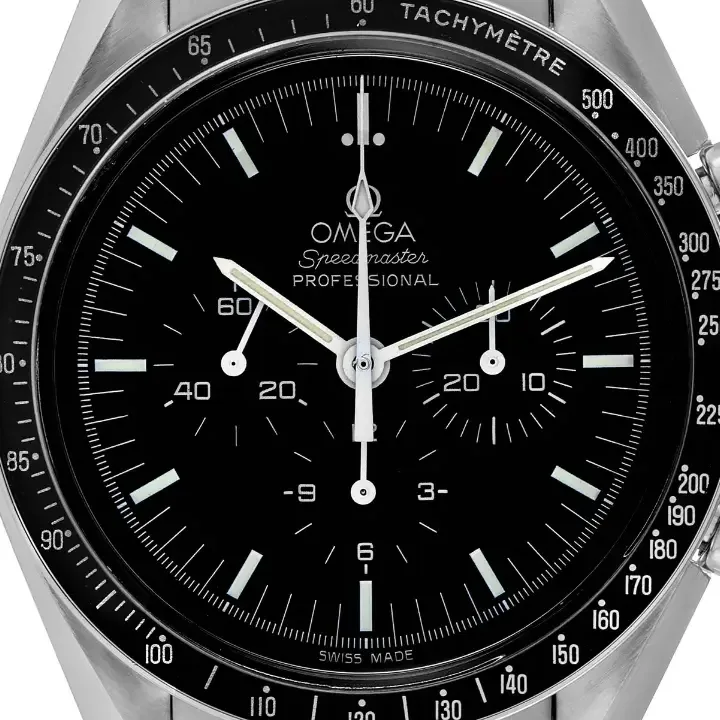
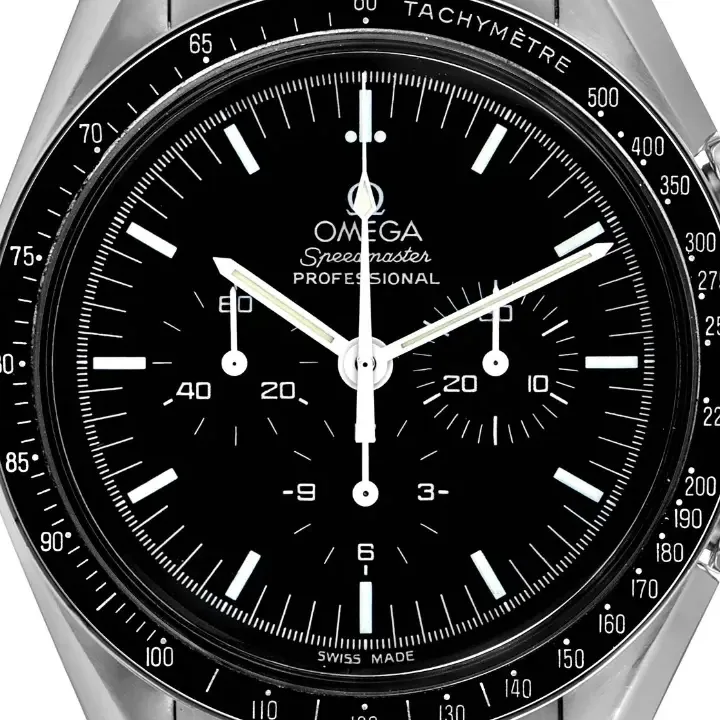
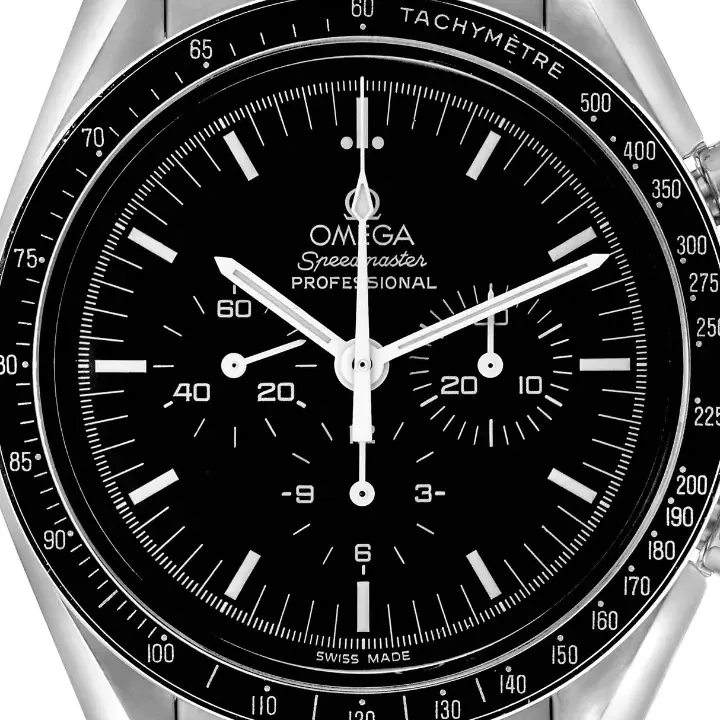
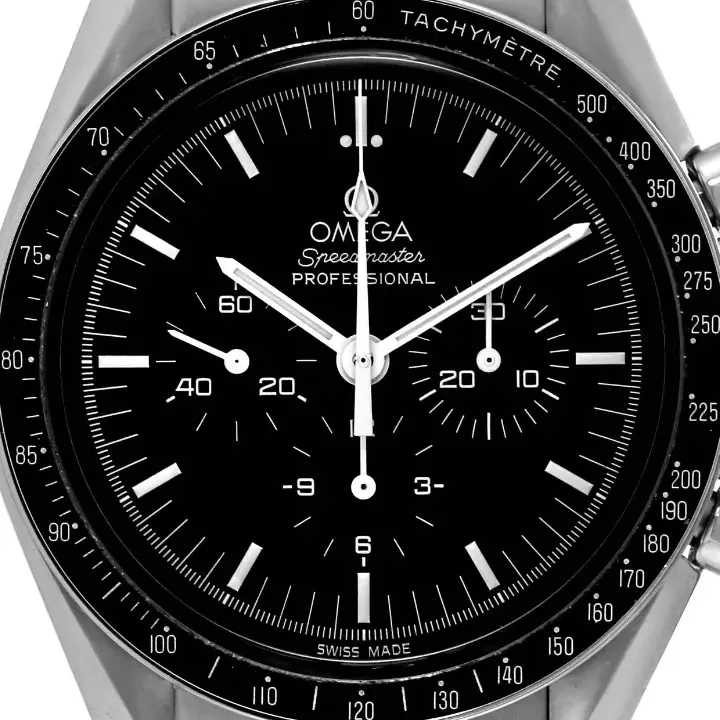
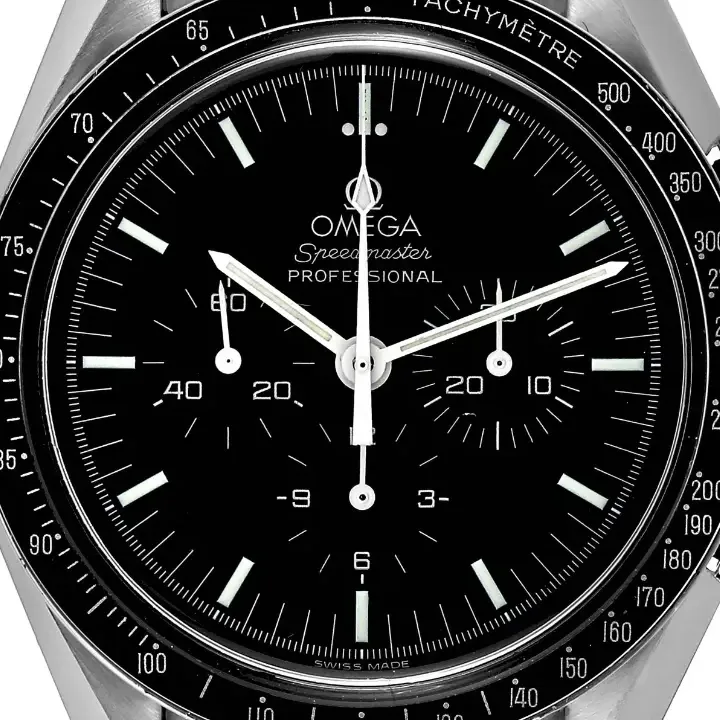
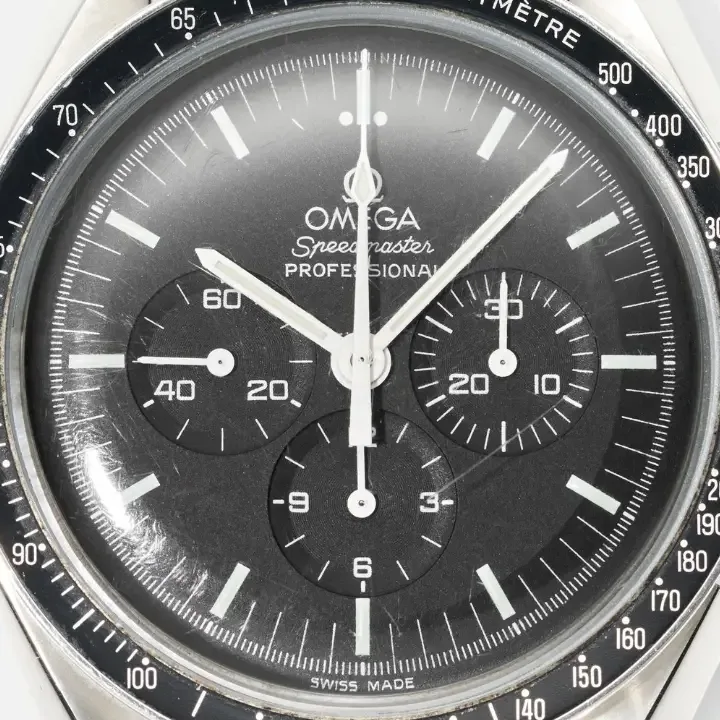
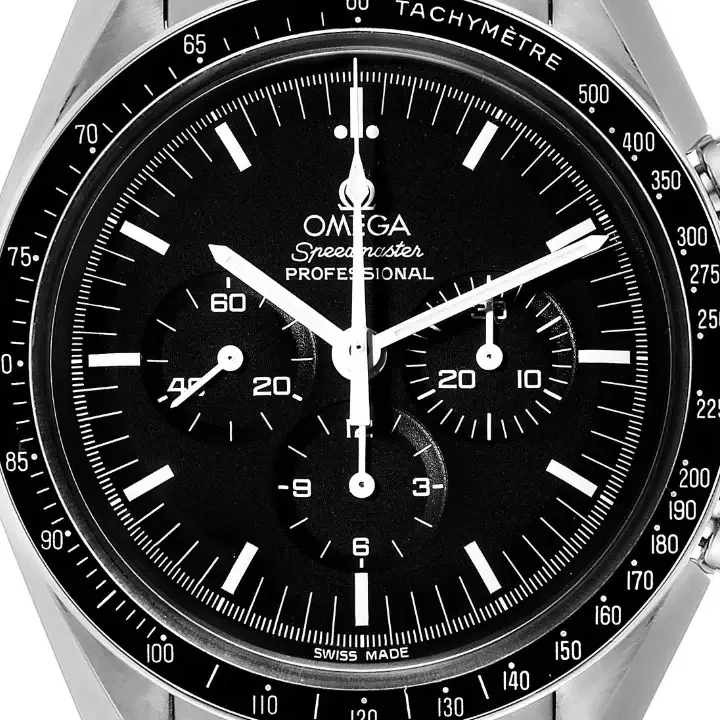
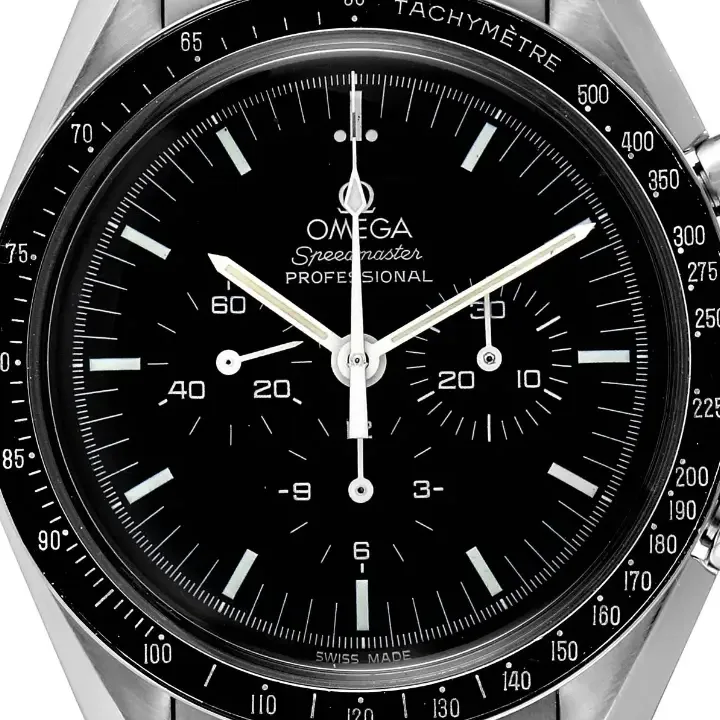
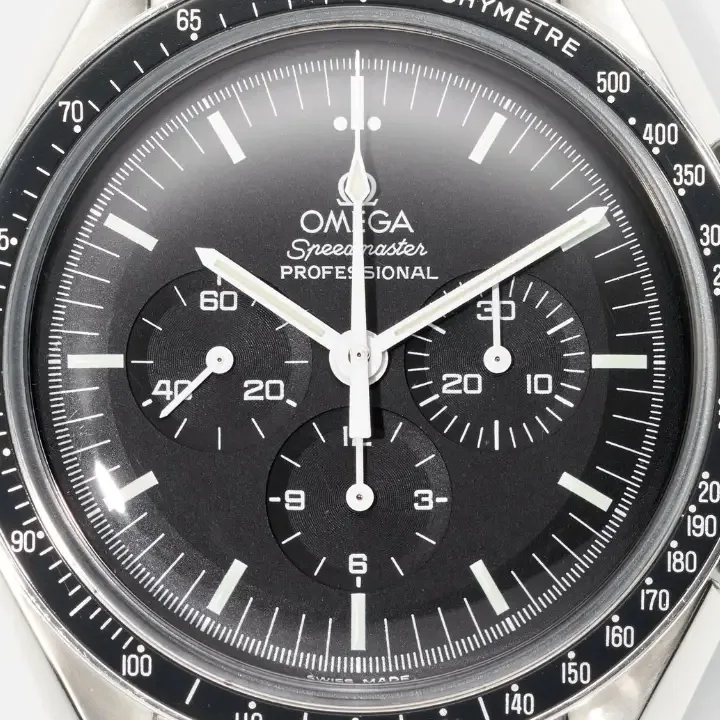
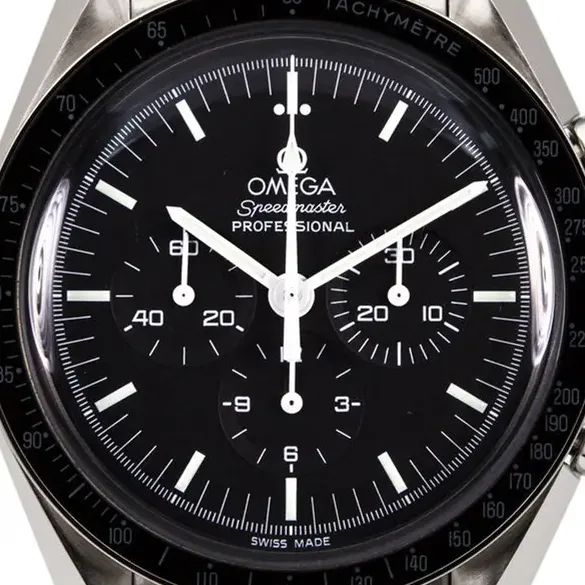
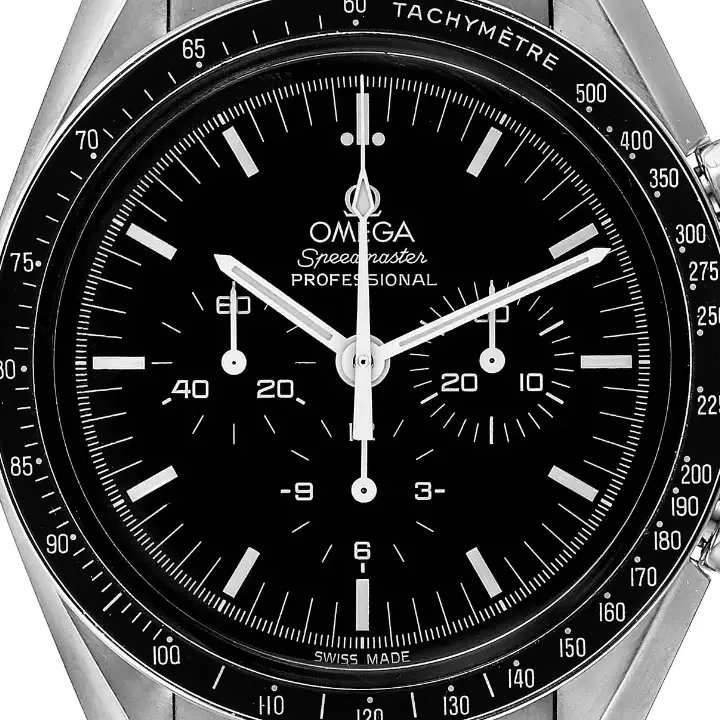
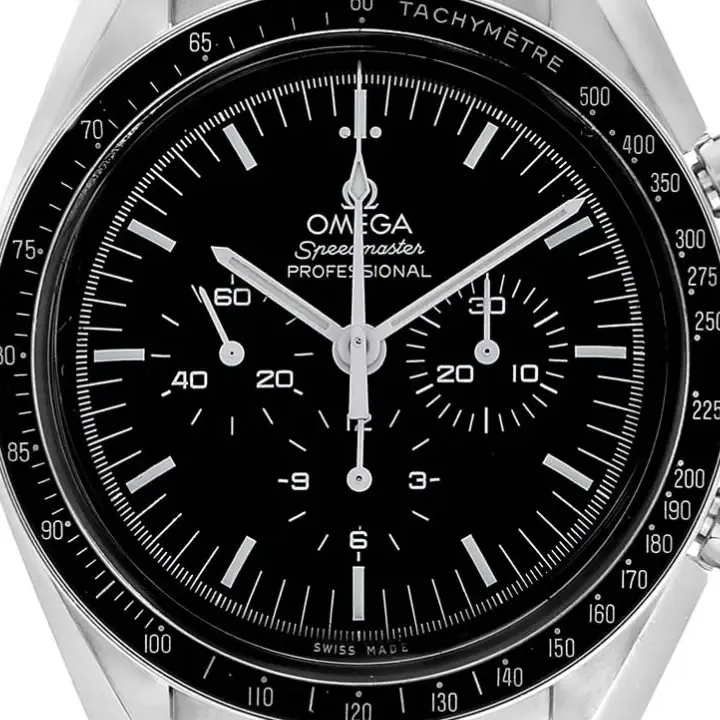
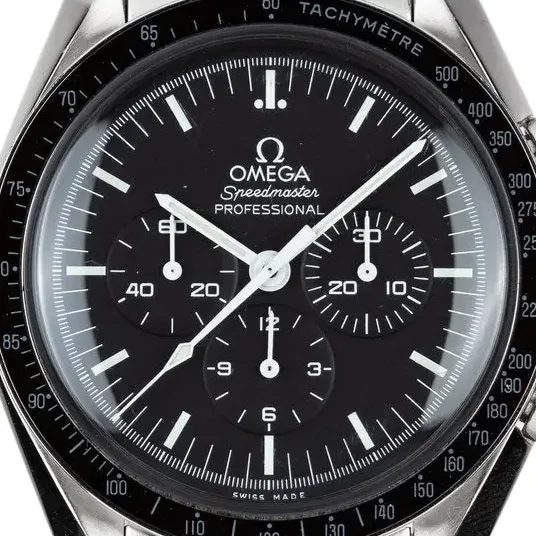
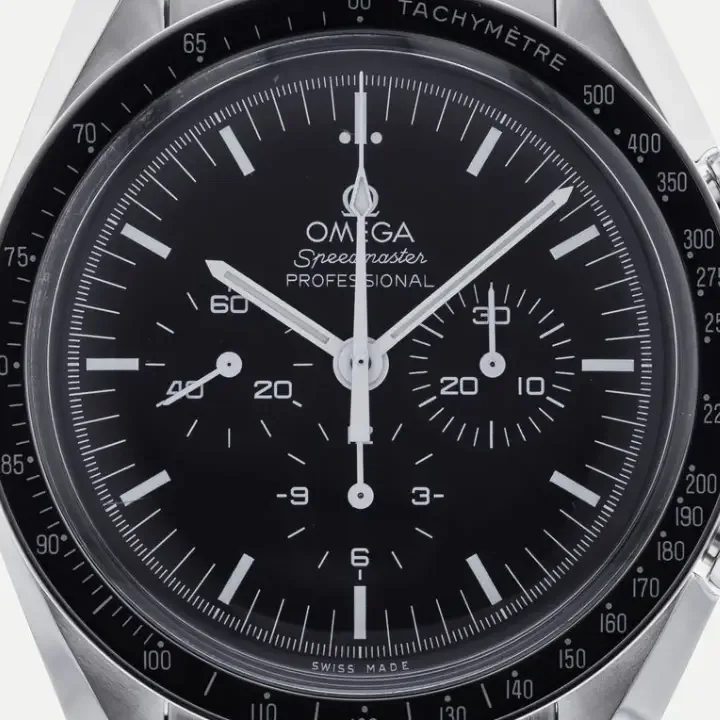
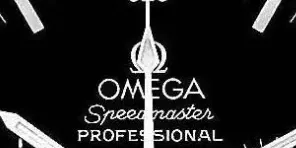
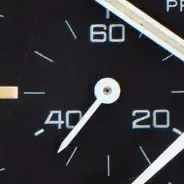
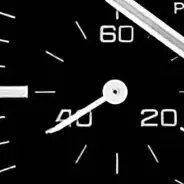
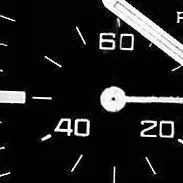
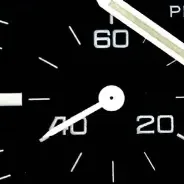
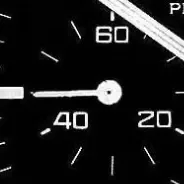
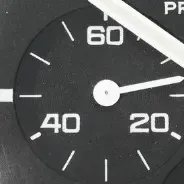
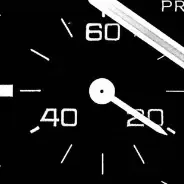
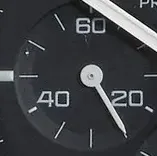
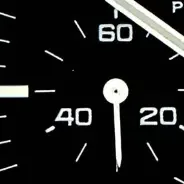
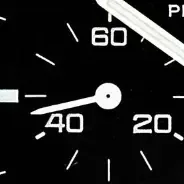
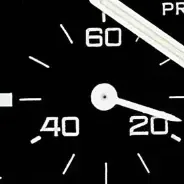
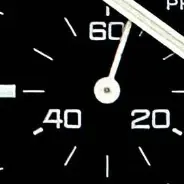
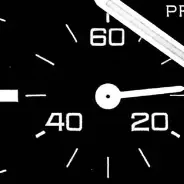
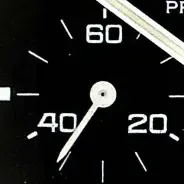
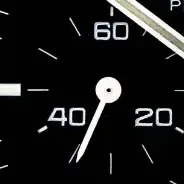
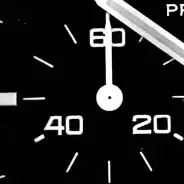
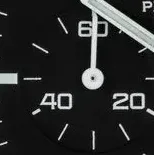
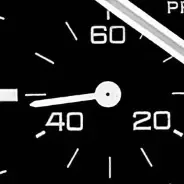
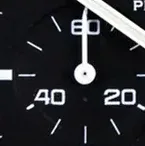
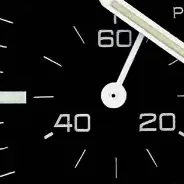
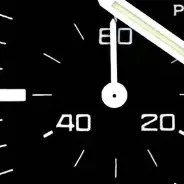
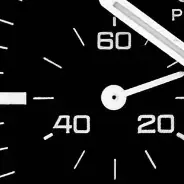
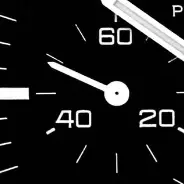
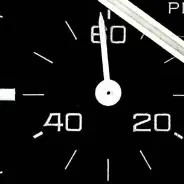
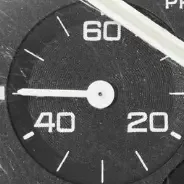
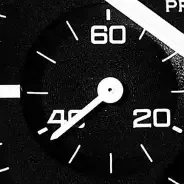
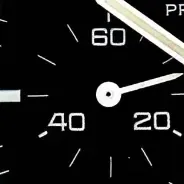
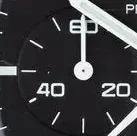
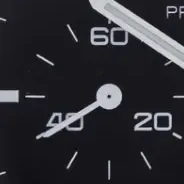
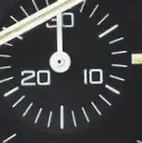
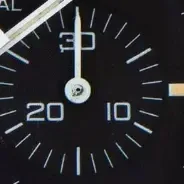
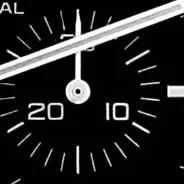
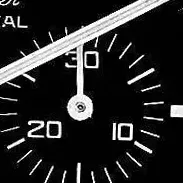
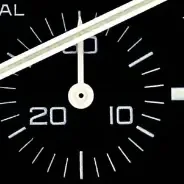
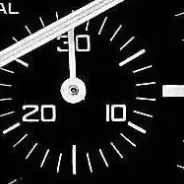
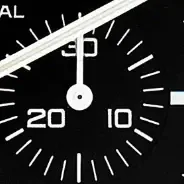
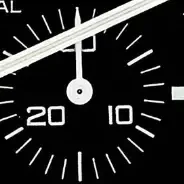
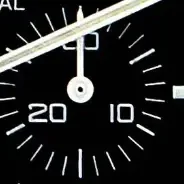
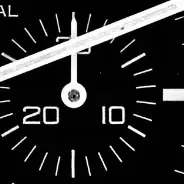
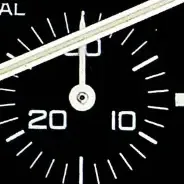
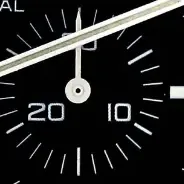
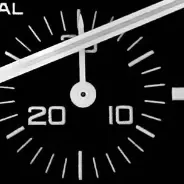
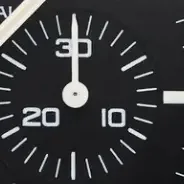
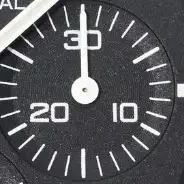
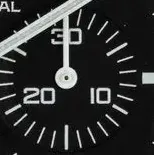
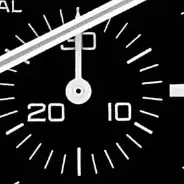
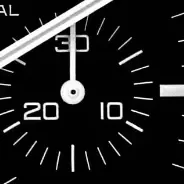
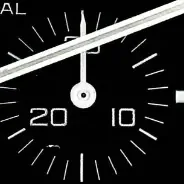
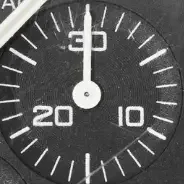
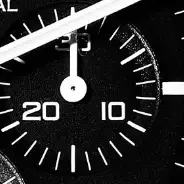
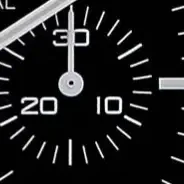
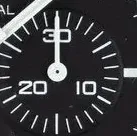
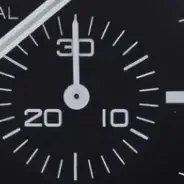
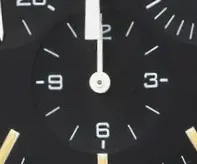
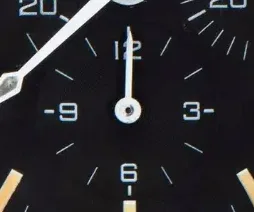
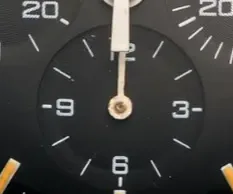
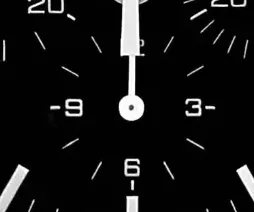
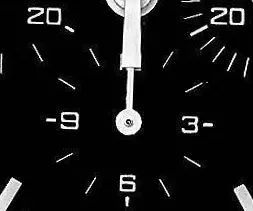
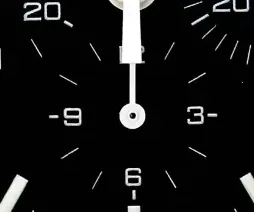
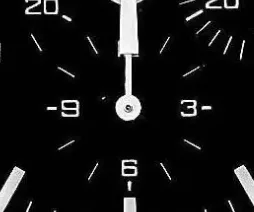
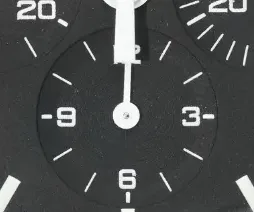
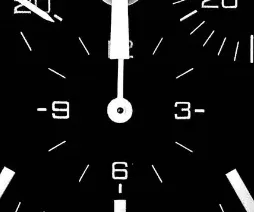
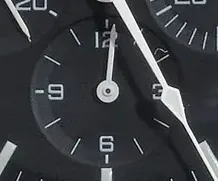
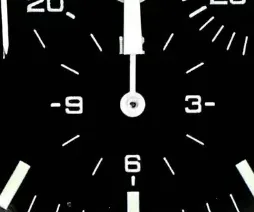
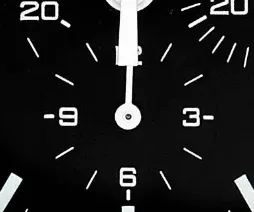
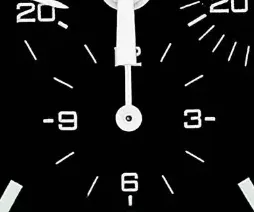
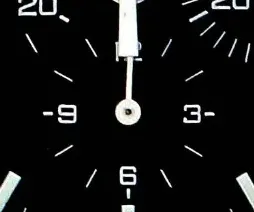
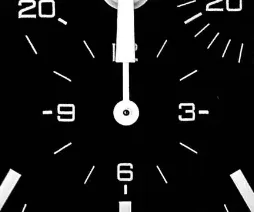
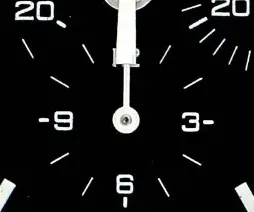
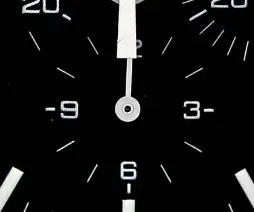
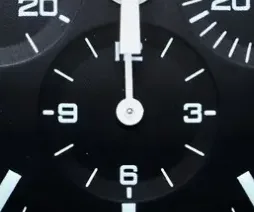
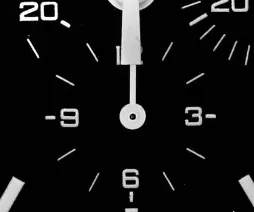
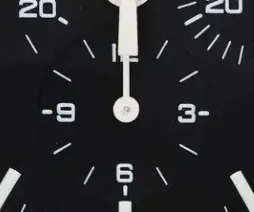
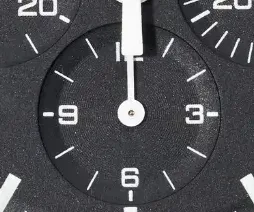
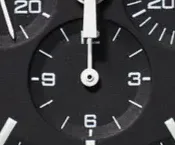
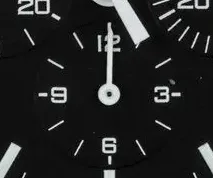
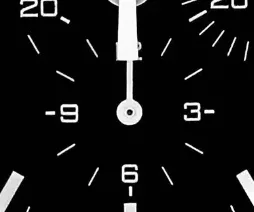
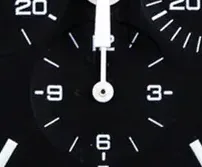
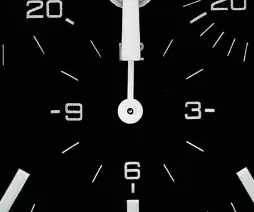
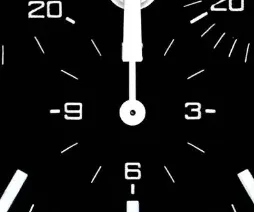
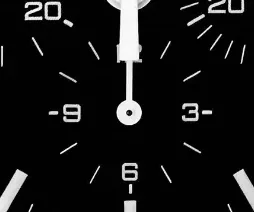
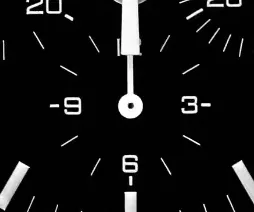
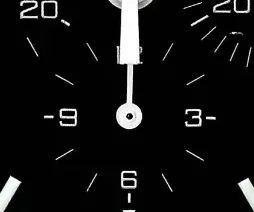
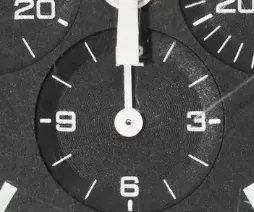
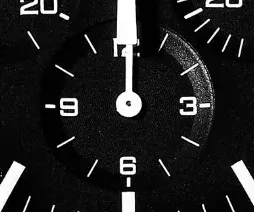
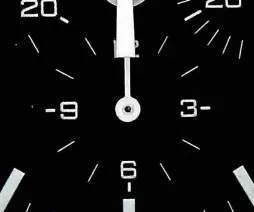
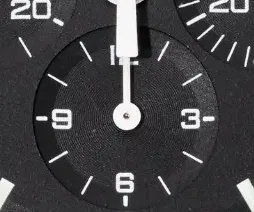
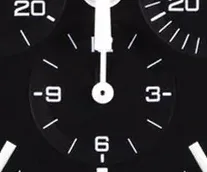
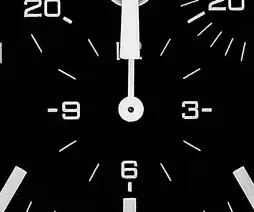
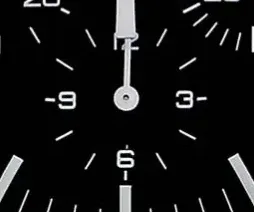
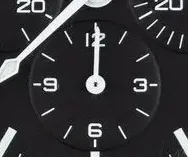
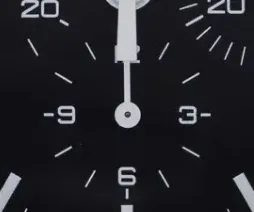
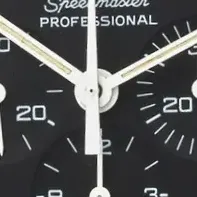
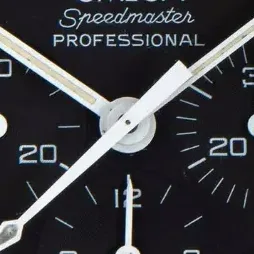
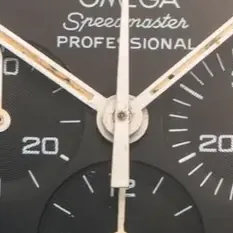
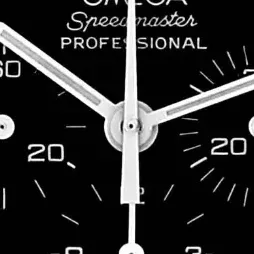
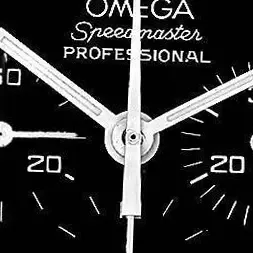
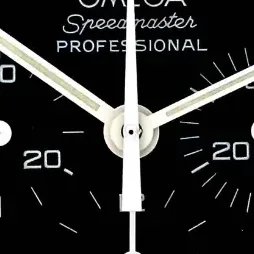
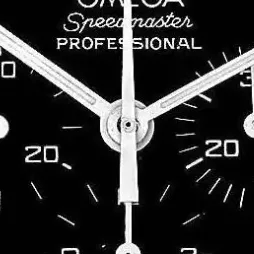
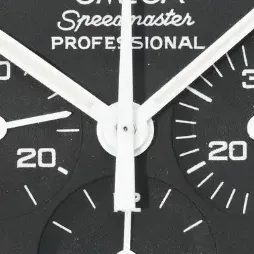
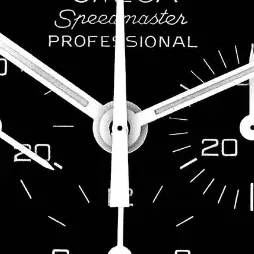
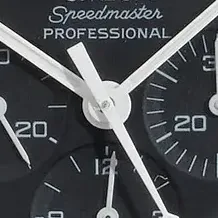
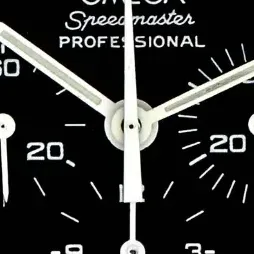
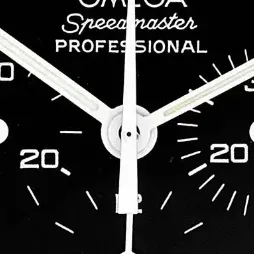
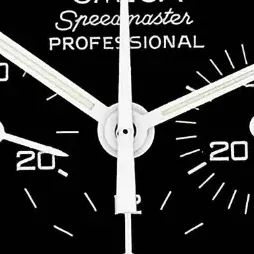
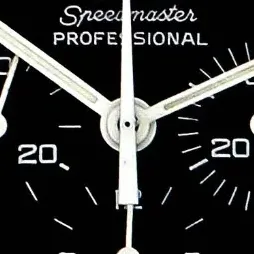
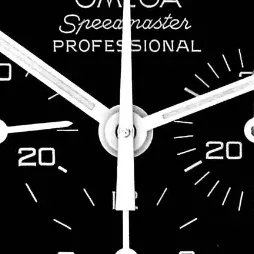
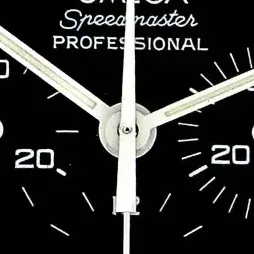
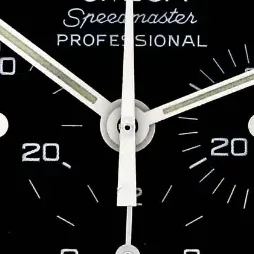
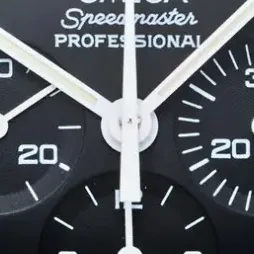
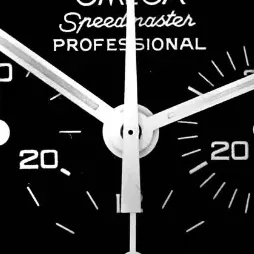
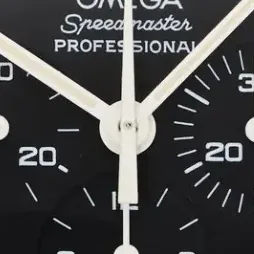
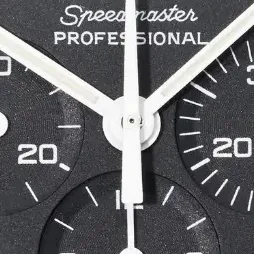
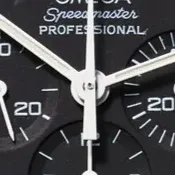
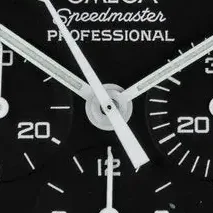
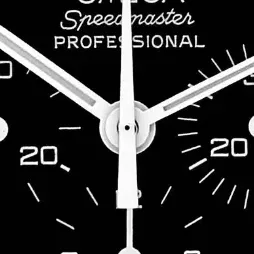
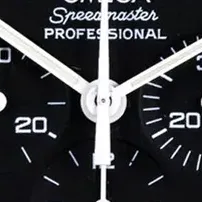
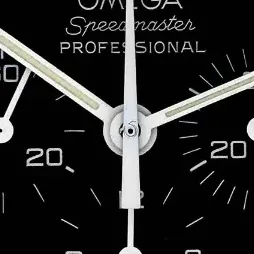
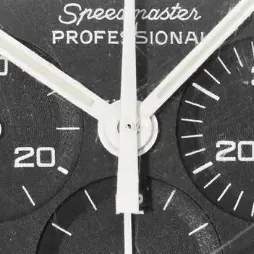
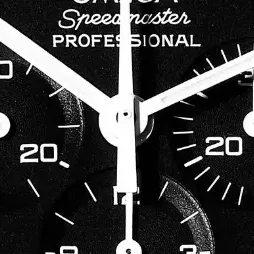
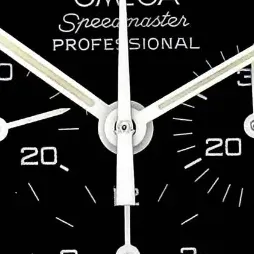
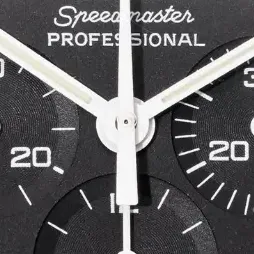
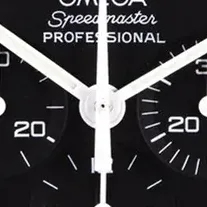
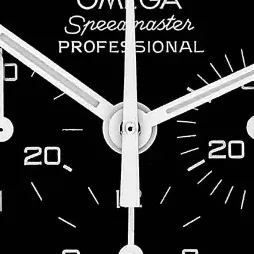
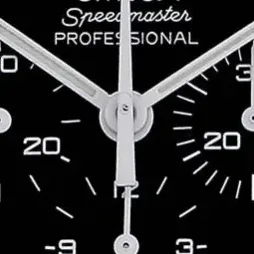
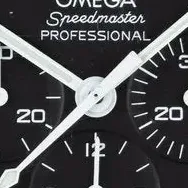
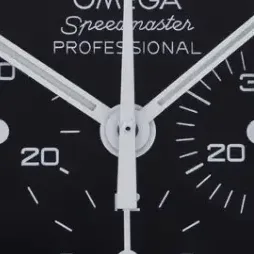
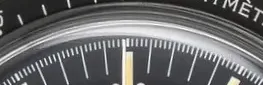
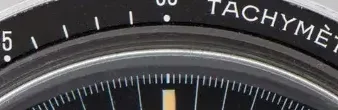
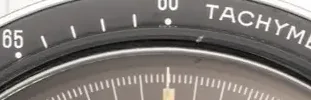
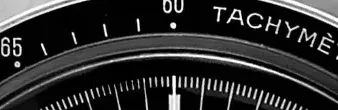
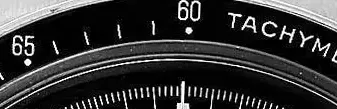
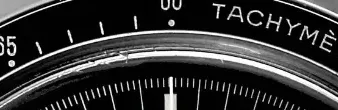
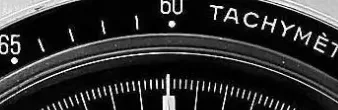
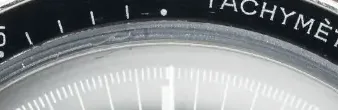
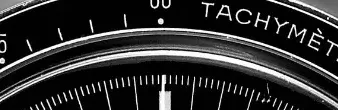
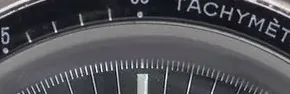
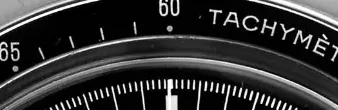
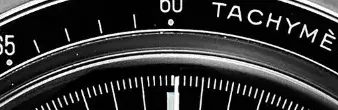
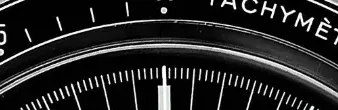
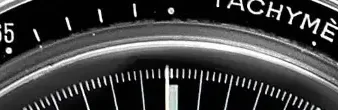
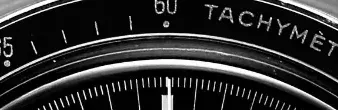
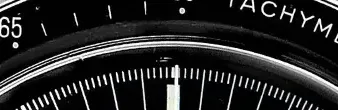
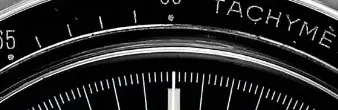
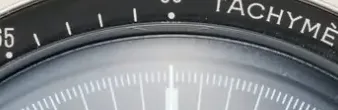
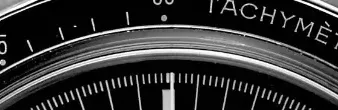
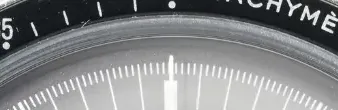
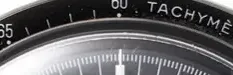
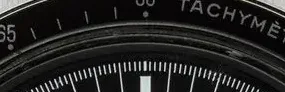
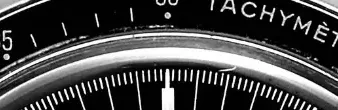
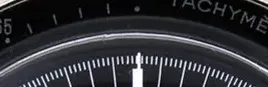
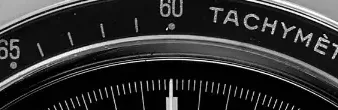
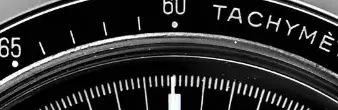
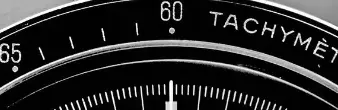
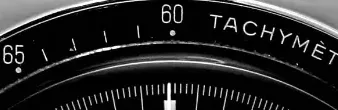
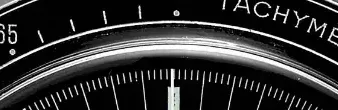
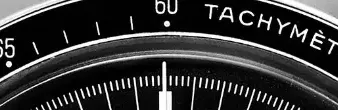
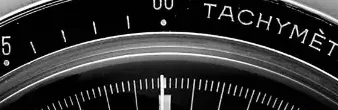
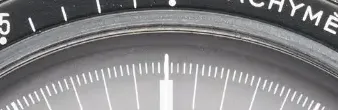
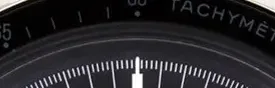
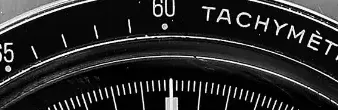
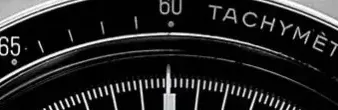
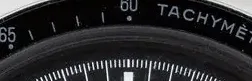
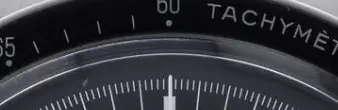
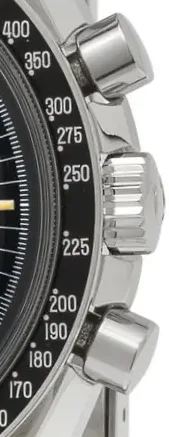
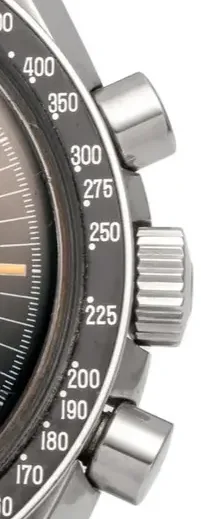
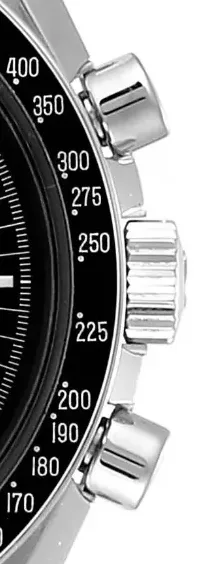
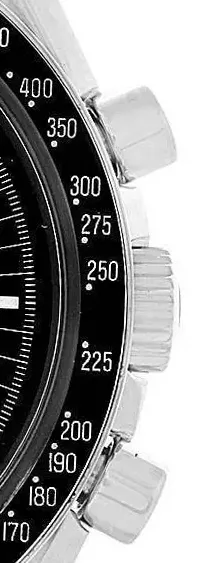
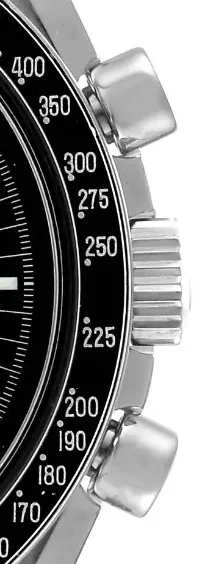
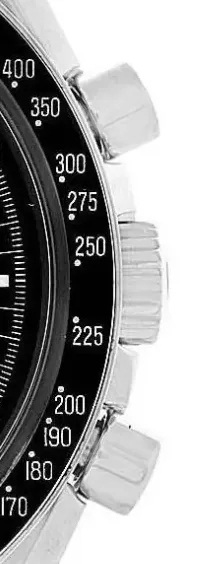
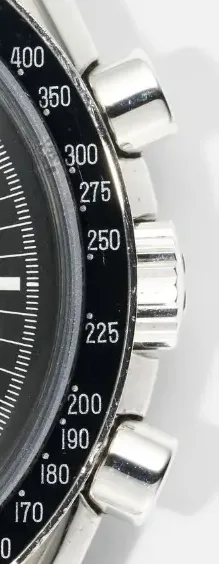
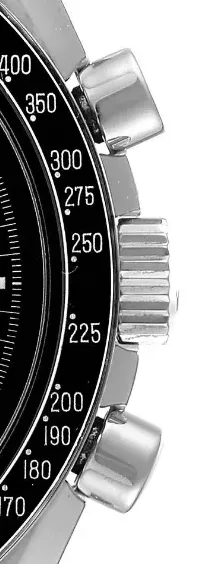
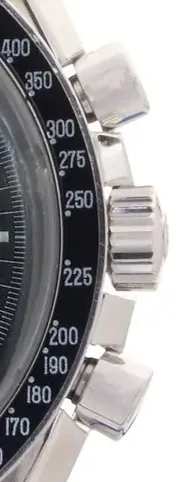
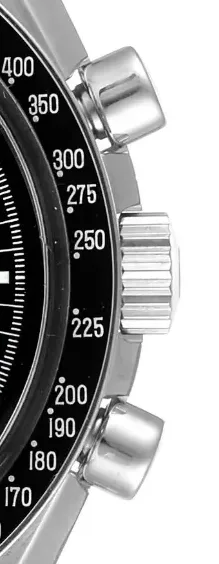
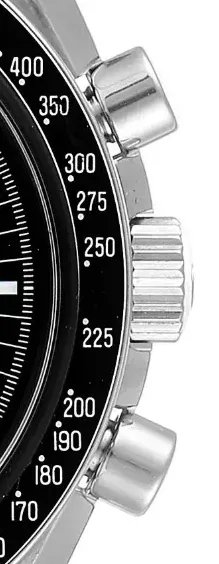
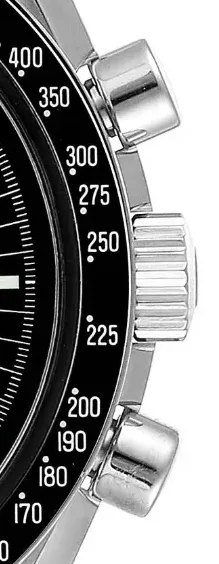
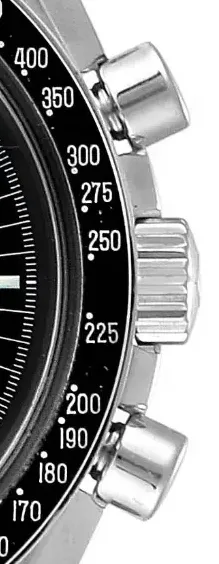
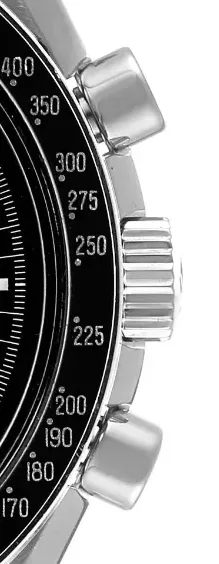
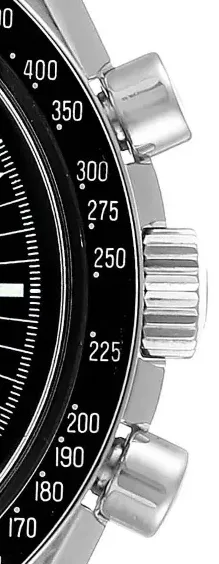
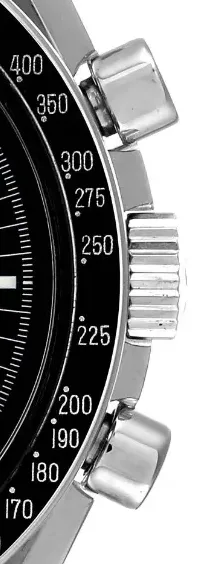
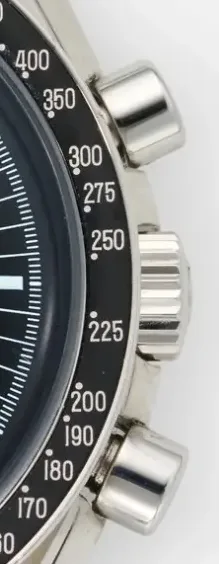
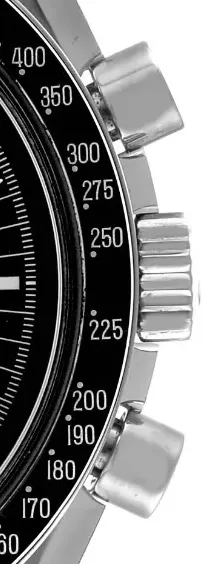
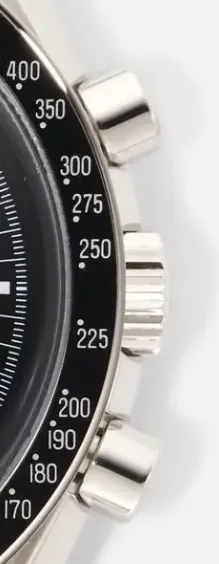
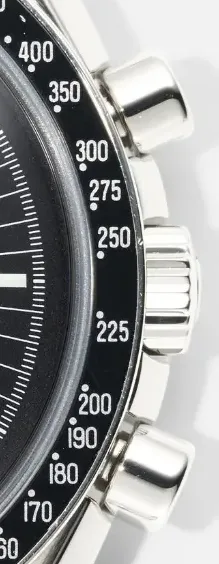
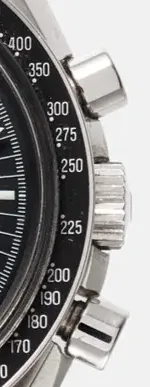
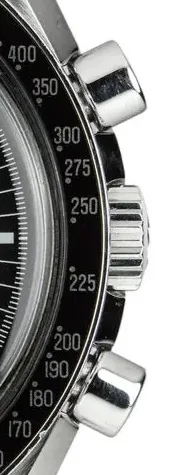
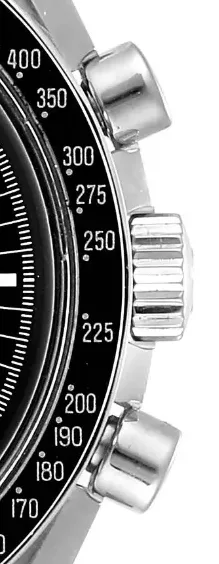
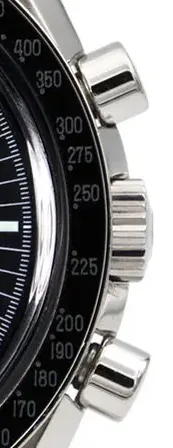
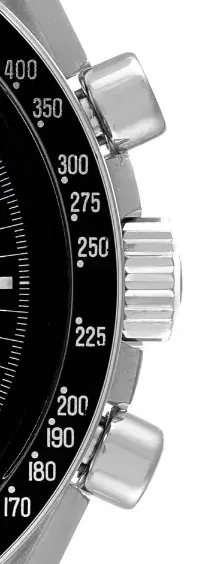
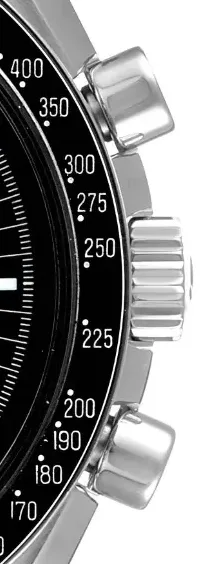
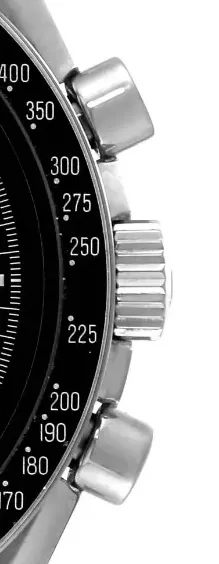
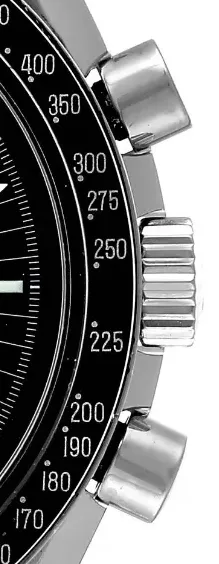
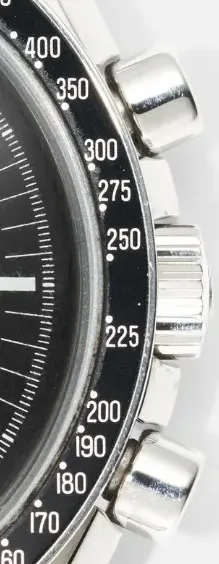
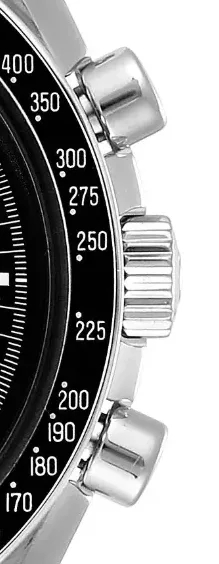
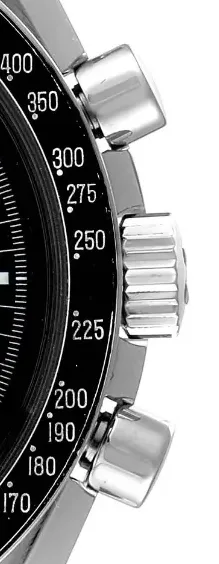
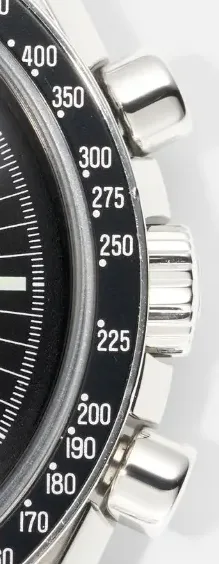
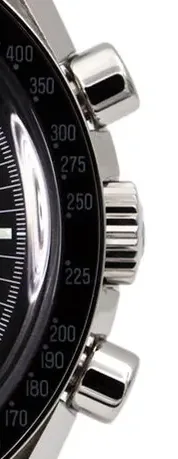
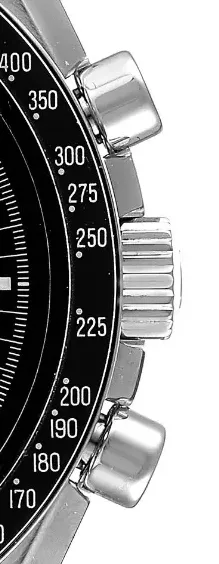
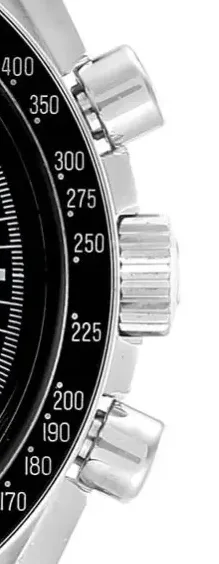
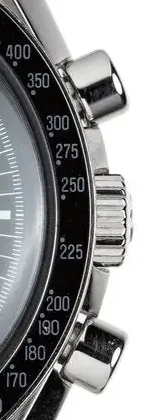
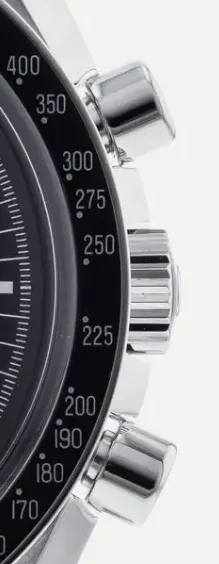
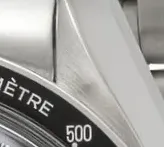
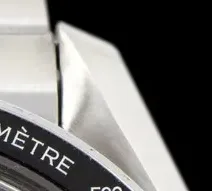
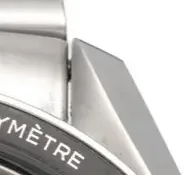
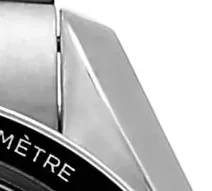
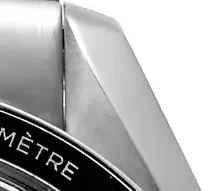
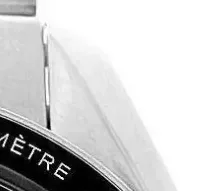
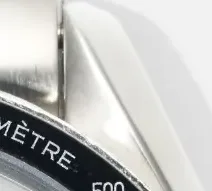
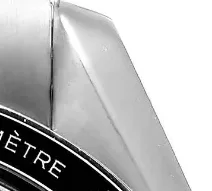
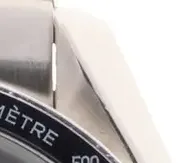
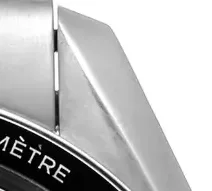
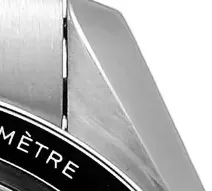
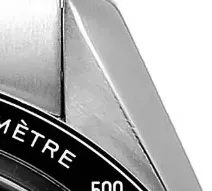
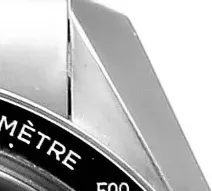
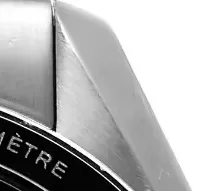
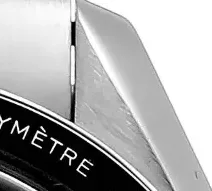
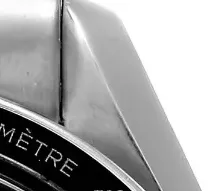
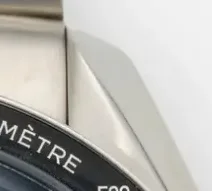
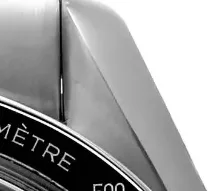
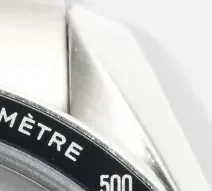
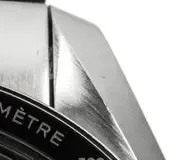
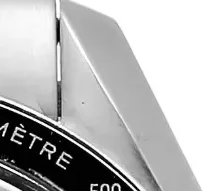
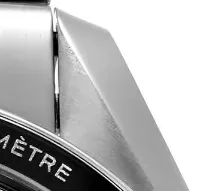
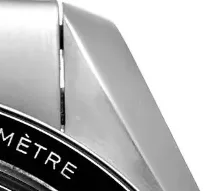
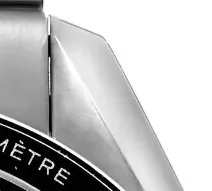
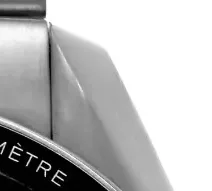
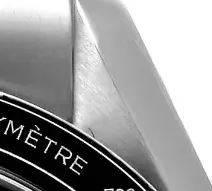
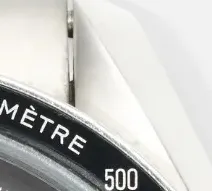
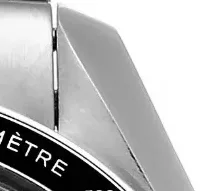
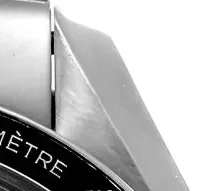
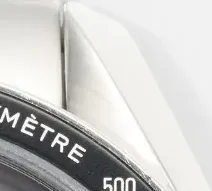
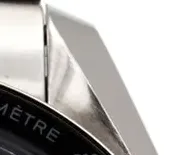
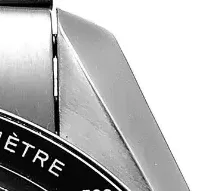
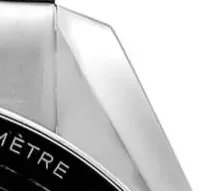
39 watches, oldest first, each straightened and cut the same way so that one row shows one component across them all. Chosen from 657 photographs on file for sharpness and for a face typical of the reference. A year marked c. is one its holder gives only roughly. Each picture is a detail cut from a listing photograph. Select the small mark in its corner for its year, its holder, a link to the listing it came from, and a way to report it.












































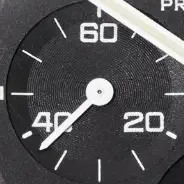
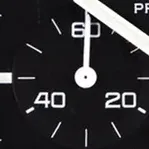
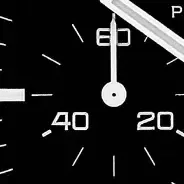
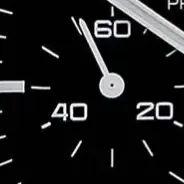

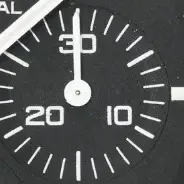
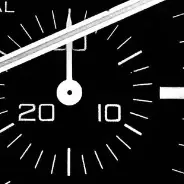
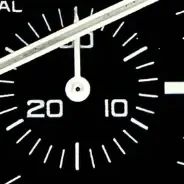

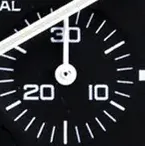
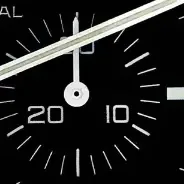
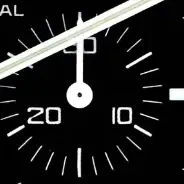
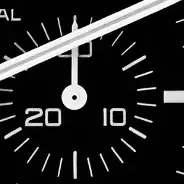
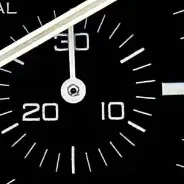
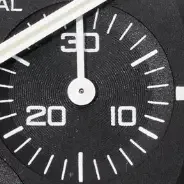
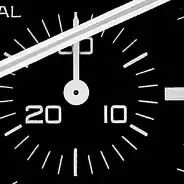
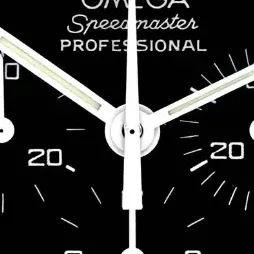
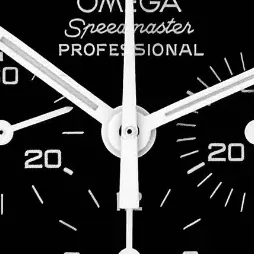
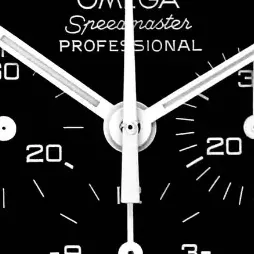
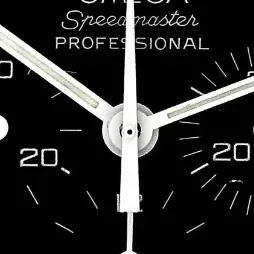





Chronology
Published accounts give the start as 1996 or 1997 and the end as 2014 (the update to 311.30.42.30.01.005), with one carrying it to 2020; the library has no case numbers for this reference, only years sellers state.
Every dated variant: what is written, and what the records show
For the reference the marks are every dated watch; for a variant, the watches a seller names as that variant, so a variant sellers do not name has none.
25 dated listings fall outside this scale and are not drawn.
Specification
| Case | 42 mm steel asymmetrical case with twisted lyre lugs and protected crown and pushers; a little over 14 mm thick including the crystal; 48.2 mm lug to lug |
| Crystal | Hesalite (acrylic); solid steel caseback |
| Bezel | Black aluminium insert, Tachymeter 500 scale, dot beside the 90 |
| Dial | Flat black dial with painted Omega logo, Speedmaster Professional signature and three registers |
| Hands | White baton hour and minute hands, white baton hands in the registers and a white diamond-shaped chronograph seconds hand |
| Movement | Hand-wound calibre 1861, Lemania-based, 18 jewels, 21,600 vibrations an hour, 48 hours of power reserve, rhodium-plated; the earlier 861 appears in some early watches |
| Bracelet | Five-row steel bracelet in several versions; the clasp gained a push-button release in 1999 |
| Set | Red leather box and papers |
Reference 5 described
The 3570.50 sits between the 3590.50 and its own update, the 311.30.42.30.01.005, and has two sapphire-back siblings. Its dates vary by a year at the start and, in one account, by several years at the end.
3590.50
The predecessor, which still used the 861 and a tritium dial. Early 3570.50 watches overlap with it in their details.
- calibre 861
- tritium dial
3570.50
The Hesalite-crystal Professional with calibre 1861. Seller listings write it as 3570.50.00.
- Hesalite crystal
- solid steel caseback
- 42 mm
3572.50
A sibling with a Hesalite front crystal and a sapphire caseback over the calibre 1863, which has finer decoration and a metal chronograph brake.
- display caseback
- calibre 1863
3573.50
The double-sapphire 'Sapphire Sandwich' with a sapphire front crystal and caseback and calibre 1863. Display-back Professionals date from 1996, but their front crystal changed to sapphire only around 2002 or 2003, so the true double-sapphire form is later than the first display-back watches. It received the same update as the 3570.50 in 2014, becoming the 311.30.42.30.01.006.
- sapphire front crystal
- display caseback
311.30.42.30.01.005
The updated version of the 3570.50. The bracelet links use screws instead of friction pins and the watch comes in a large box with a NATO strap, a Velcro strap, a tool for changing straps, a loupe and a commemorative coin. The watch is otherwise much the same and uses the same 1861.
- screwed bracelet links
- large box set
Dial 2 described
The dial is flat black with a painted Omega logo and the Speedmaster Professional signature, as on the 145.022 line. What differs between watches is the lume and the movement behind it.
Tritium transitional dial
Some early 3570.50s still have a tritium dial and tritium hands, and some have a calibre 861. These are called transitional and are valued for it.
- tritium dial and hands
- aged cream lume
Luminous-paint dial
The standard dial of the reference, flat black with white baton markers painted with modern luminous paint in place of tritium.
- flat black dial
- white baton markers
- painted logo
Luminous material 2 described
The lume changed from tritium to a non-radioactive paint at the start of the reference. Accounts differ on which paint it was.
Tritium
Found on early watches that overlap with the 3590.50. It ages to cream.
- cream lume
Luminous paint
Described as Luminova in one account and as Super-LumiNova in others, and called the first Speedmaster Professional reference to have Super-LumiNova on dial and hands.
Hands 1 described
The handset is the Professional's, white throughout.
White baton and diamond hands
White baton hour and minute hands, white baton hands in the registers and a white diamond-shaped chronograph seconds hand, hovering over the dial.
- baton hour and minute hands
- diamond-shaped seconds hand
Subregisters 1 described
There are three registers on the dial.
Three registers
Three subdials with white baton hands.
- three registers
Bezel 1 described
The bezel is the Professional's black aluminium insert.
Tachymeter 500 insert
Black aluminium with the Tachymeter 500 scale and the dot next to the 90, with a smaller type size, as on the 145.022 line.
- dot beside 90
- printed scale
Case 1 described
The case is the 42 mm asymmetrical Professional case with lyre lugs and protected crown and pushers, in steel with a solid caseback.
Asymmetrical lyre-lug case
A 42 mm case with twisted lyre lugs, wide, tall pushers and a protected crown, a little over 14 mm thick with the crystal and 48.2 mm lug to lug. Omega's factory number sits in one of the lugs on the caseback side and should match the guarantee card.
- lyre lugs
- serial in a lug
- steel caseback
Crystal 1 described
The crystal is Hesalite on this reference.
Hesalite
An acrylic front crystal, which sets this reference apart from the sapphire-front 3573.50.
- acrylic crystal
Movement 2 described
The reference spans the hand-over from the 861 to the 1861, and some watches carry the earlier one.
Calibre 861
The cam-operated movement of the 145.022 line, used until about 1996 in several versions. Its last version was already close to the 1861. It is found in some transitional 3570.50s.
- 17 jewels
Calibre 1861
The hand-wound movement of the reference, based on the Lémania 1873: 18 jewels, 21,600 vibrations an hour, 48-hour reserve, rhodium-plated, with 'fausses côtes' decoration. It is an evolution of the 861.
- rhodium-plated movement
- 18 jewels
Bracelet 3 described
The bracelet is a five-row steel bracelet that went through several versions over the run.
Five-row bracelet
All the versions look alike but differ in details such as the taper and the engravings. Speedmasters are sometimes sold on a band of the wrong age, an early-1990s watch on one made after 2000, or a later watch on a different reference's band such as the 1171; both are mismatches.
- five-row links
- taper and engravings that match the year
Push-button clasp
From 1999 the clasp has a push-button release.
- push-button clasp
Screwed links
On the 311.30.42.30.01.005 the links use screws in place of friction pins.
- screwed links
Box and papers 1 described
Sets are a point of value for the reference.
Red leather box
A red leather box was supplied with both the 3570.50 and the 3573.50; the leather often deteriorates, which is common. The larger box set belongs to the 2014 update.
- red leather box
- guarantee card
Originality
- Bracelets are often a different age from the watch; check that taper, engravings and clasp suit the year.
- Some watches are sold with a different reference's band, such as the 1171, or with an early band on a later watch.
- A watch made after 2000 should have its box and papers, as Omega gives no archive details for later watches.
- The factory number in the lug should match the guarantee card.
- A service by an Omega-certified or independent watchmaker counts only if there is paperwork or a warranty card to prove it.
- A tritium dial or an 861 in a 3570.50 should be checked, since these are the transitional combinations.
Names
- Moonwatch. The Speedmaster Professional is the model worn on the Moon, and this is its late Hesalite-crystal form.
- Sapphire Sandwich. The 3573.50, with sapphire at front and back, not the 3570.50.
- Transitional. Early 3570.50s that keep the tritium dial or the 861.
Where accounts differ
Points on which the published literature and the library's own records do not agree, or on which the literature contradicts itself.
- Production dates. The start is put at 1996 in some accounts and 1997 in others. The end is usually put at 2014, when the 311.30.42.30.01.005 replaced it, but one account carries it to 2020.
- Lume material. The lume is given as Luminova in one account; others call it Super-LumiNova.
Back and movement
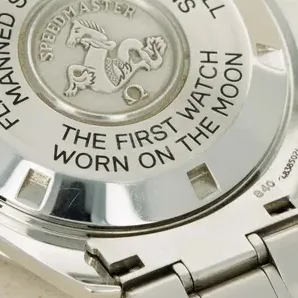
From listings of this reference, each confirmed by eye to show what it is filed under. A picture on which a person's name or a personal engraving can be read is not shown. From most holders a detail from the middle of the photograph is shown; the mark in its corner gives its holder and a link to the listing.
Caseback

In the records
Counted from 304 listings at 34 holders between 18 February 2014 and 14 November 2026. These are what sellers and auction houses state, not measurements.
Fainter bars are the 10 outside the main run of 1990–2013 (the middle nine-tenths): the earliest is 1985 and the latest 2017. They are early and late examples, and now and then a seller's slip. The head of the page gives 1996–2017: the years that listings from two holders bear out. Not on the scale: 1962 (4), 2023 (1). A year more than ten from all the rest is usually a model name or a founding date, not the year of the watch.
At the holders that record papers on every watch, 51% of their 104 listings of this reference come with papers; at those that record the box on every watch, 40% of 104 come with a box. "Papers" is whatever the holder counts as papers, and can include service papers.
Case metal
| Steel | 180 |
Dial colour
| Black | 175 |
Case size
| 42 mm | 191 | |
| 40 mm | 2 | |
| 41 mm | 1 |
Calibre named
| 1861 | 30 | |
| 861 | 18 |
Bracelet or strap
| Metal bracelet, kind not stated | 163 | |
| Leather strap | 5 | |
| Fabric strap | 2 | |
| Mesh bracelet | 1 |
Each table counts the listings that state the thing, in the seller's own terms. A size, metal, colour or calibre that cannot belong to this reference is a seller's slip or a listing filed under the wrong number.