GMT-Master (Bakelite bezel)
The 6542 is the first GMT-Master by all but one account, the Oyster Perpetual with a second time zone shown by a 24-hour hand and a rotating 24-hour bezel. Made from 1954 or 1955 to 1959, it has a 38 mm steel case with no crown guards, a glossy gilt dial, Mercedes hands and a red and blue Bakelite bezel insert, with a very small number in 18k yellow gold. It was built on the Turn-O-Graph case and the calibre 1030 family, and the 1675, with a 40 mm case and crown guards, replaced it in 1959. Collectors look first at the bezel insert, the dial print, the hands and the lume, since the insert and dial are often replacements.
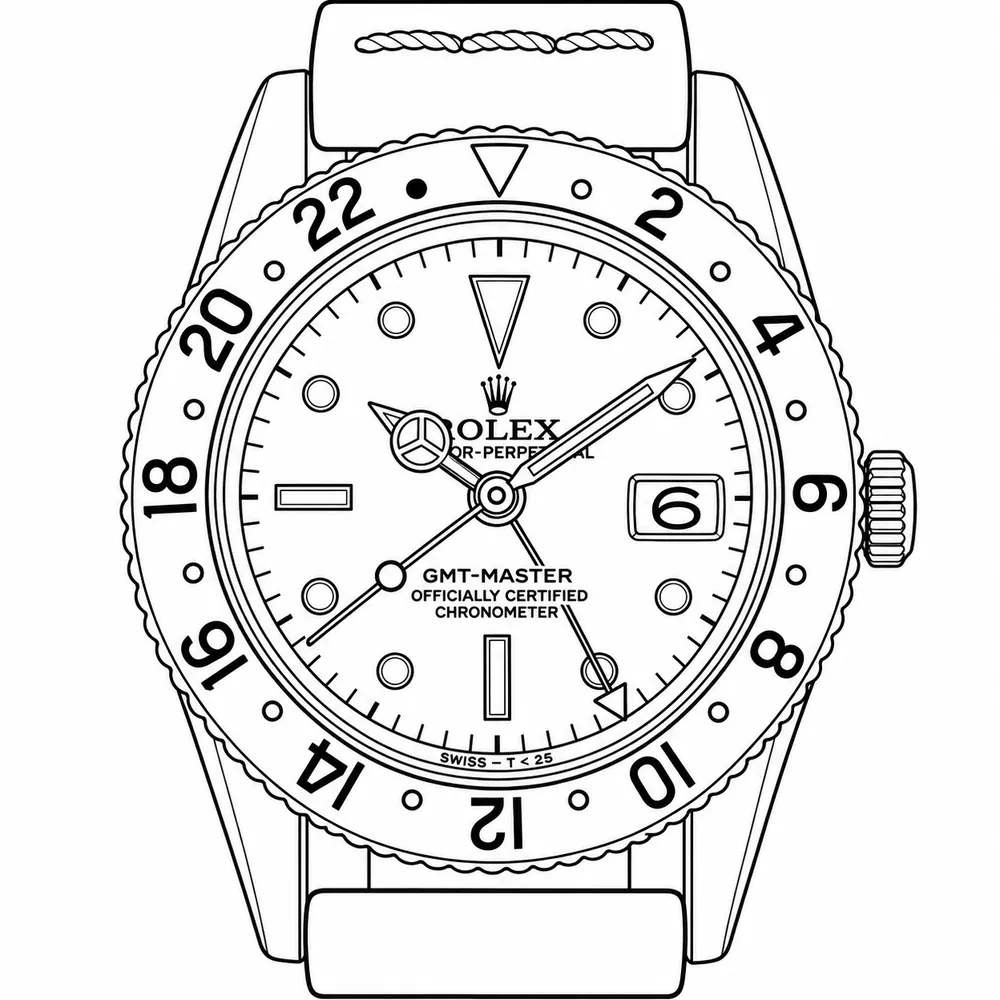
- Made
- 1955–1959dates approximate
- Seen in the library
- 1955–1960nine in ten in 1956–1959 · by case numbers
- Case
- 38 mm · steel (81%), gold (19%)as sellers state
- Movement
- Calibre 1065, 1066automatic
- On record
- 245 listings731 photographs · 36 holders
Components
41 watches, oldest first, each straightened and cut the same way so that one row shows one component across them all. Chosen from 731 photographs on file for sharpness and for a face typical of the reference. A year marked c. is one its holder gives only roughly. Each picture is a detail cut from a listing photograph. Select the small mark in its corner for its year, its holder, a link to the listing it came from, and a way to report it.
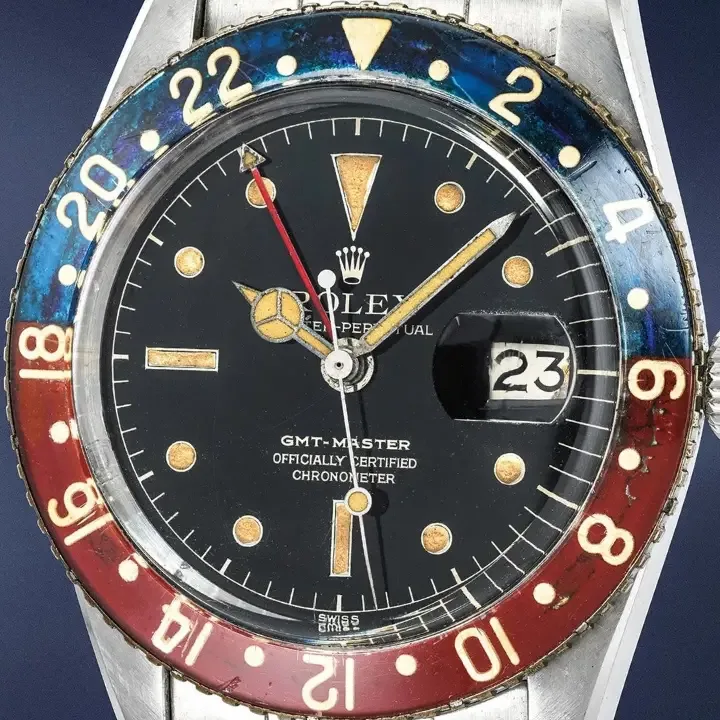
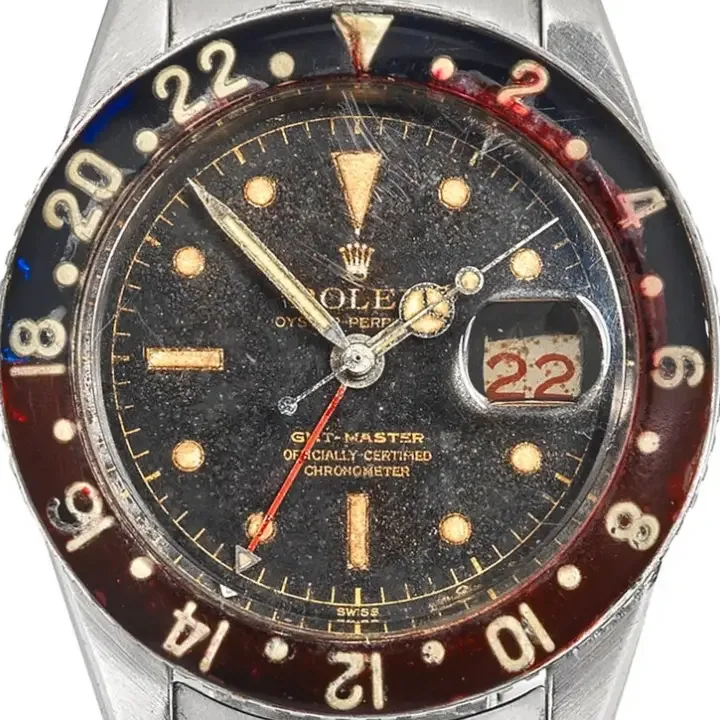
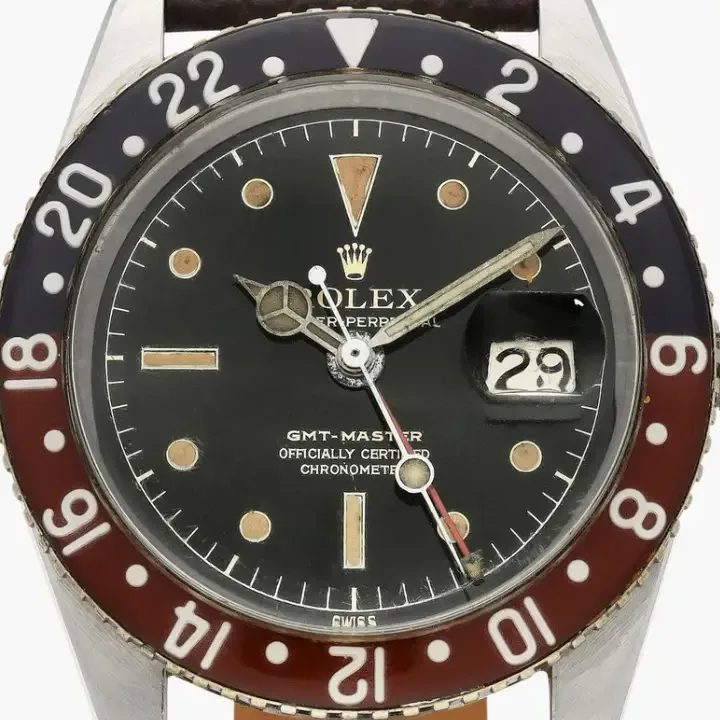
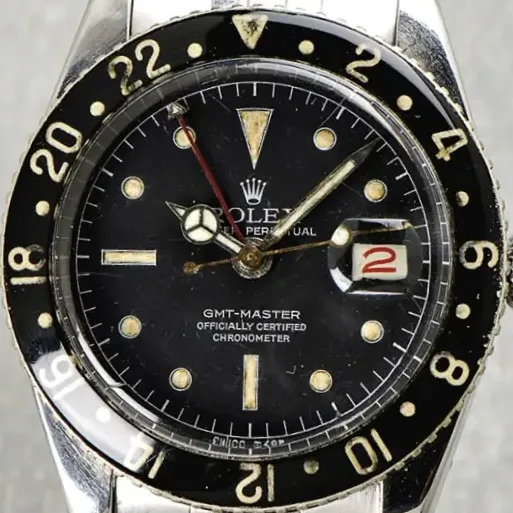
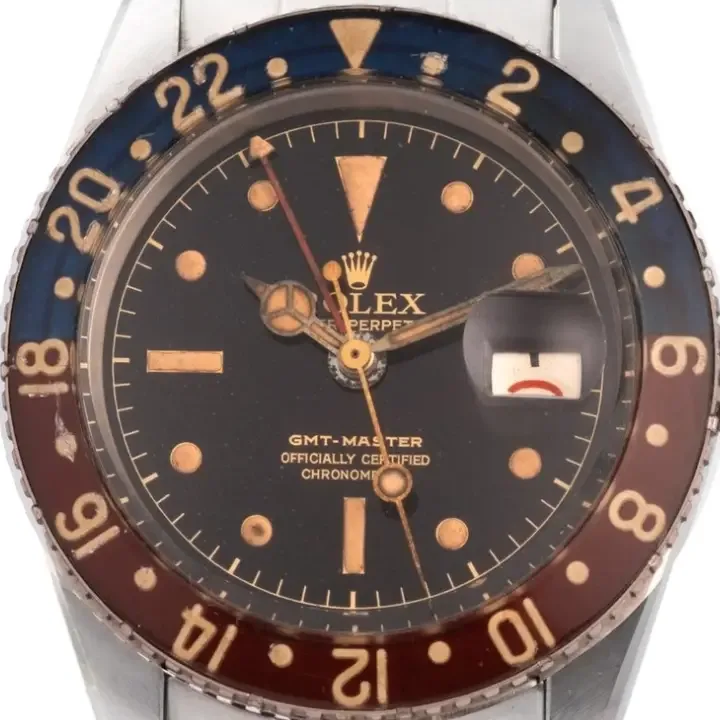
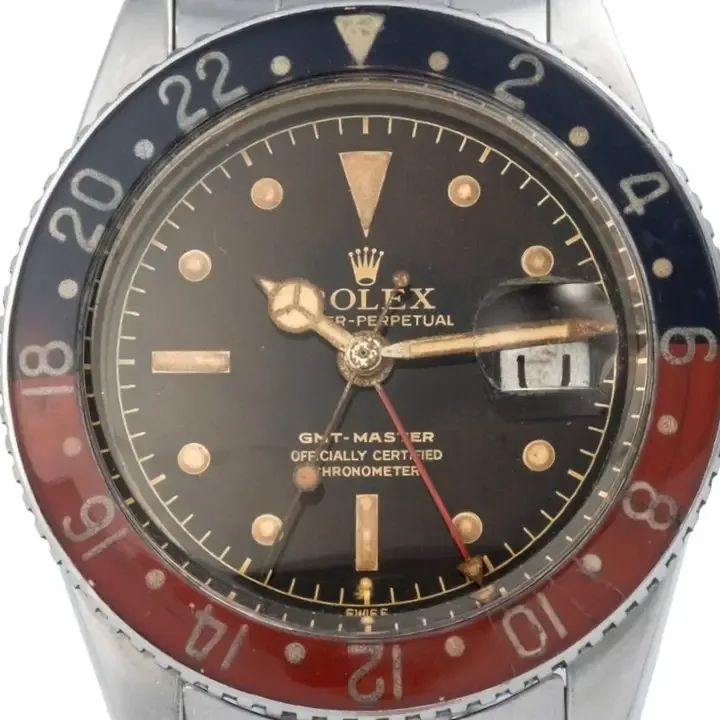
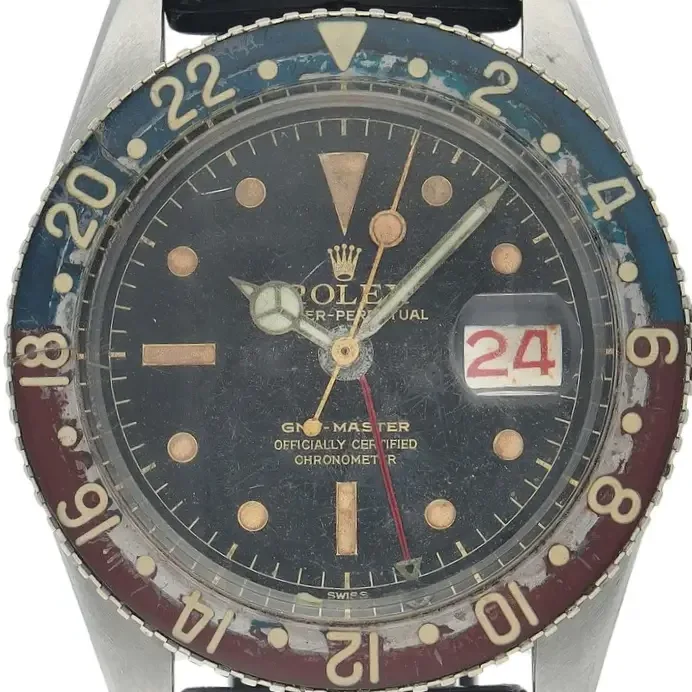
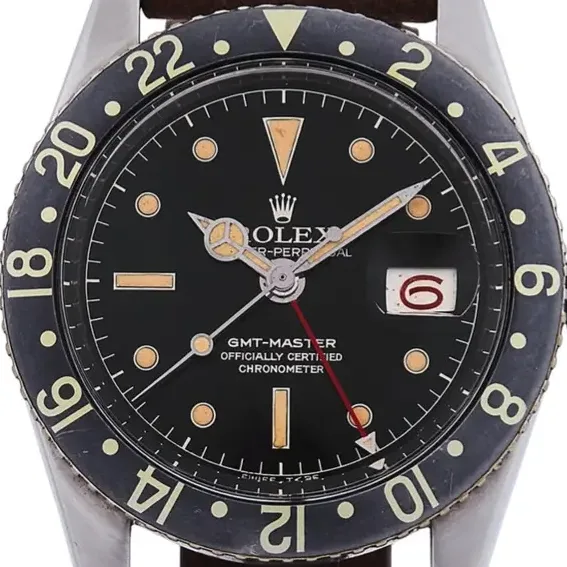
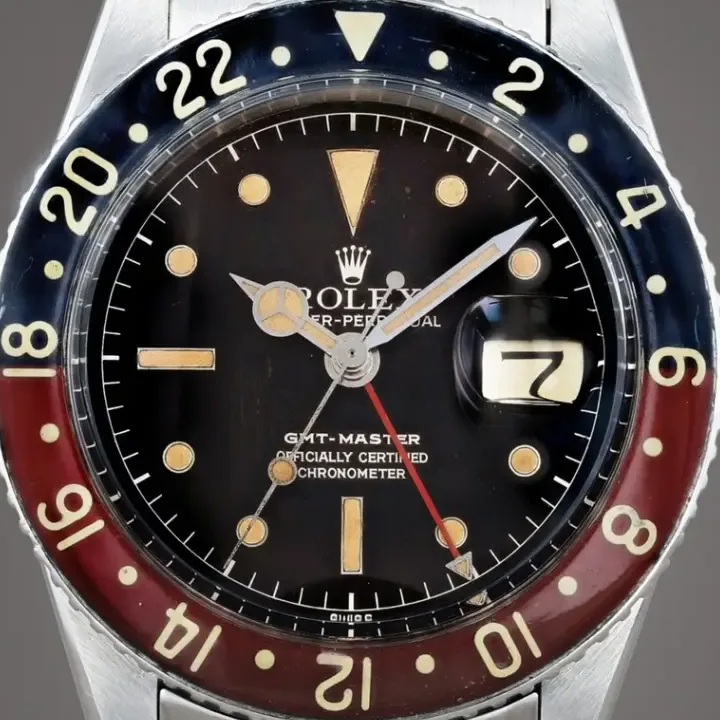
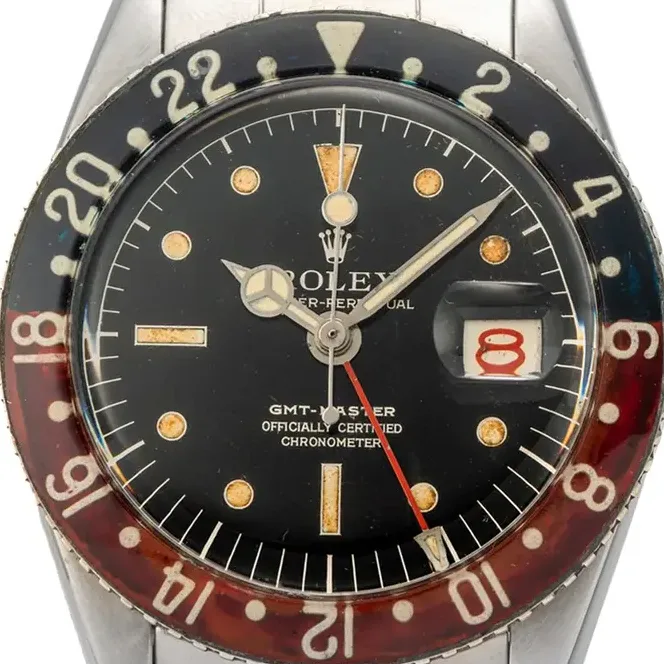
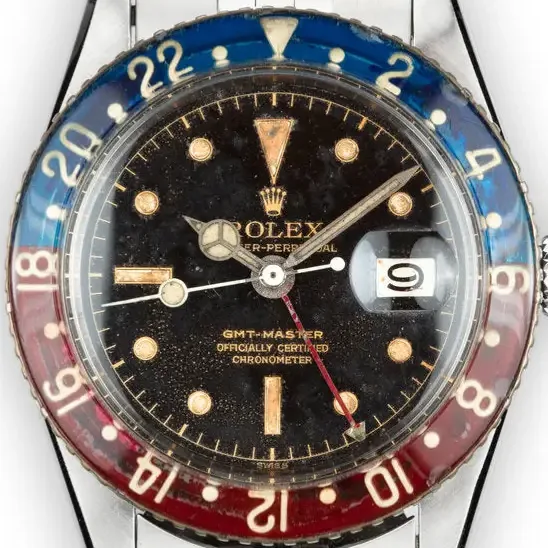
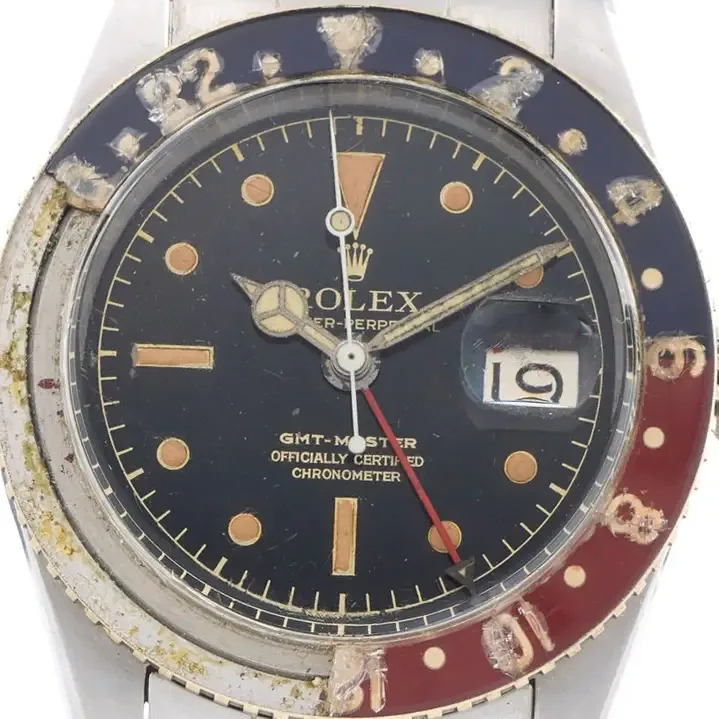
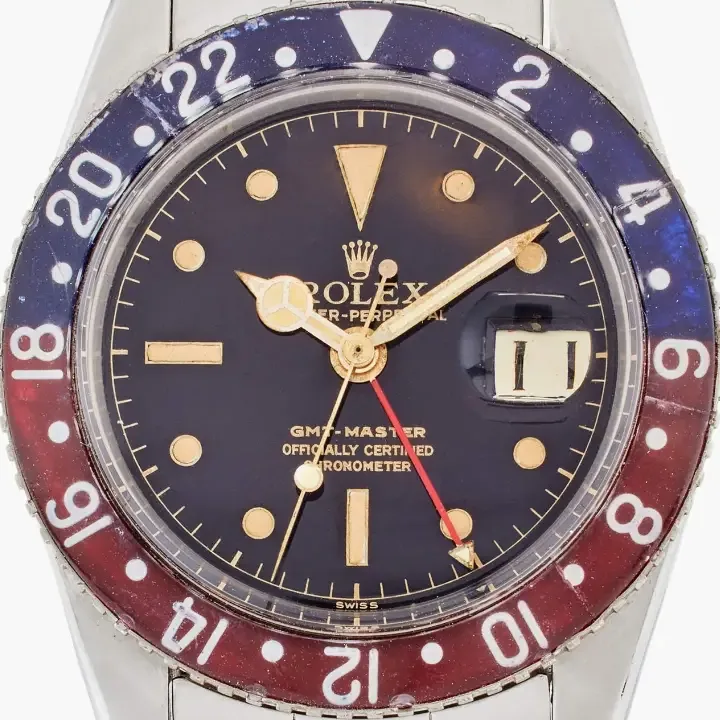
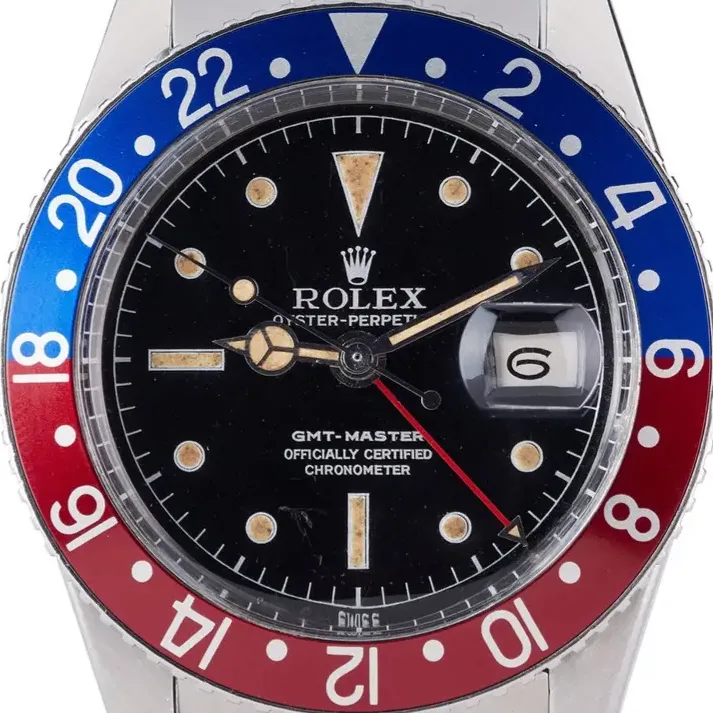
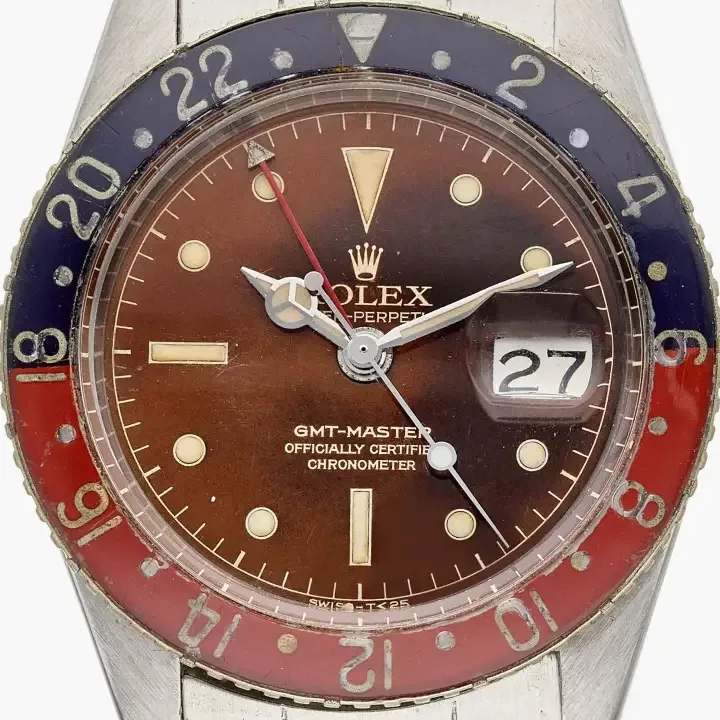
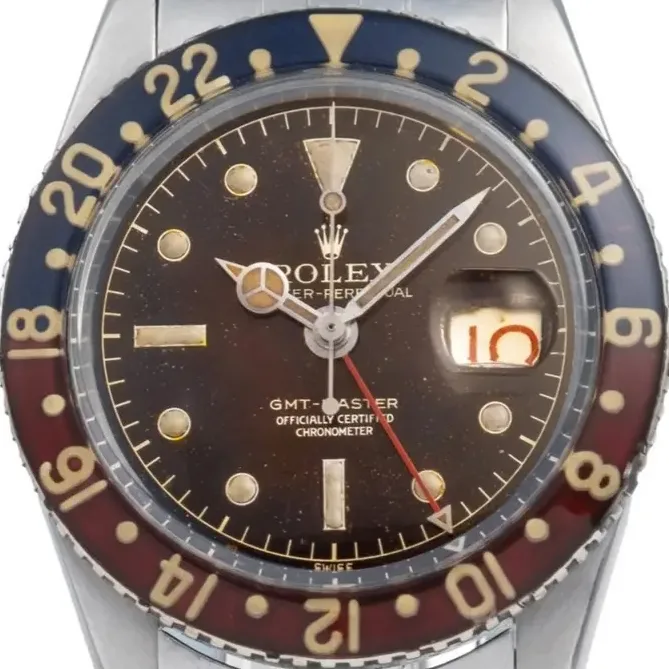
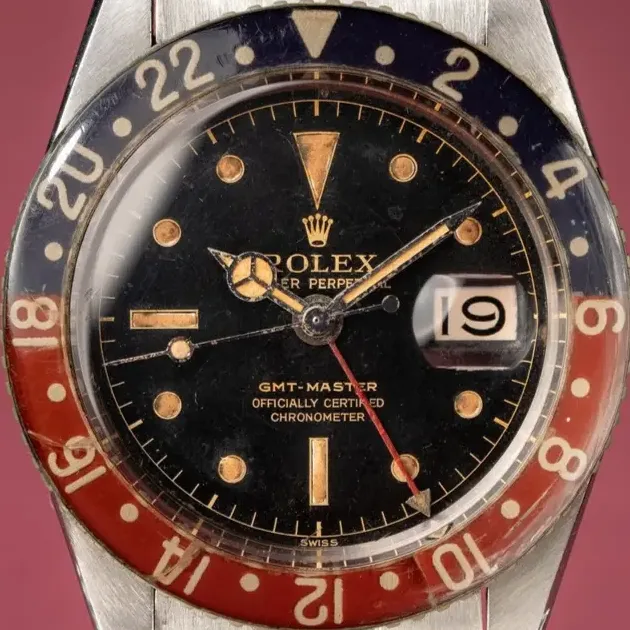
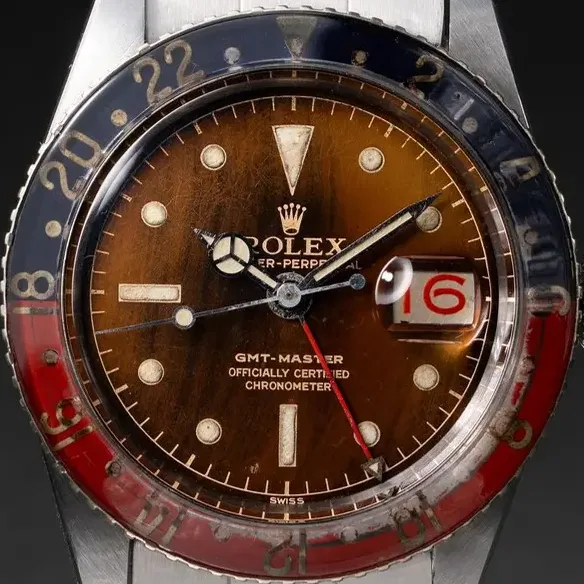
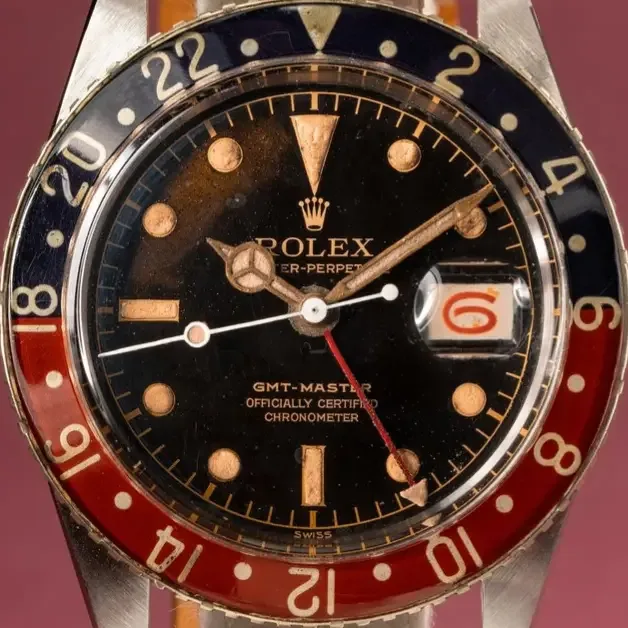
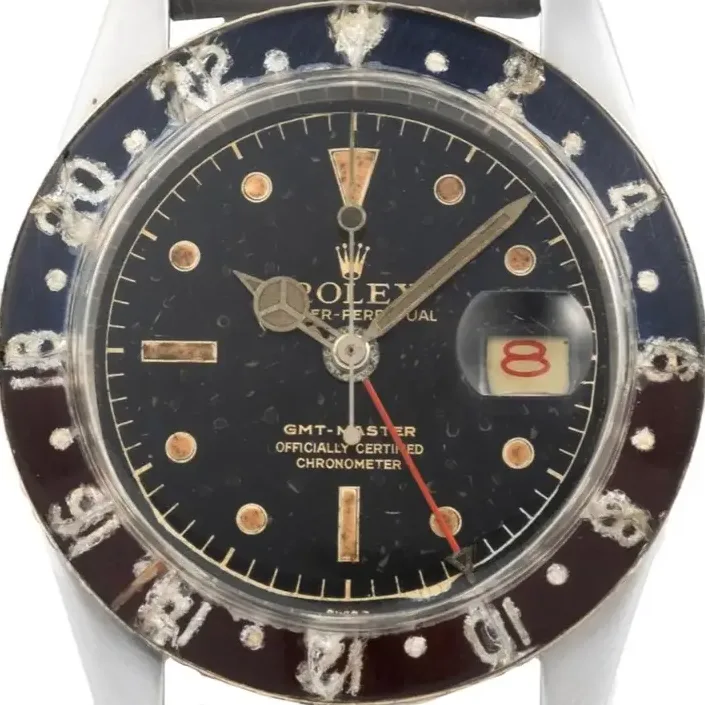
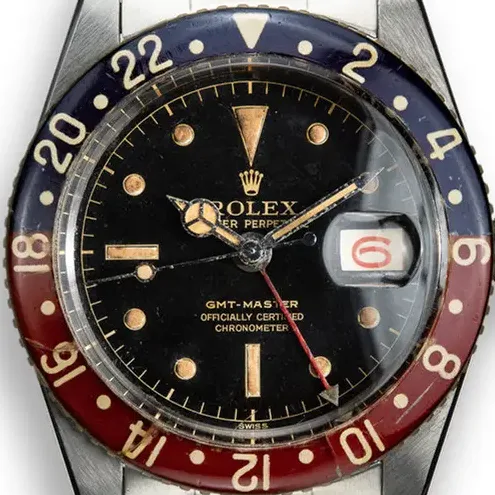
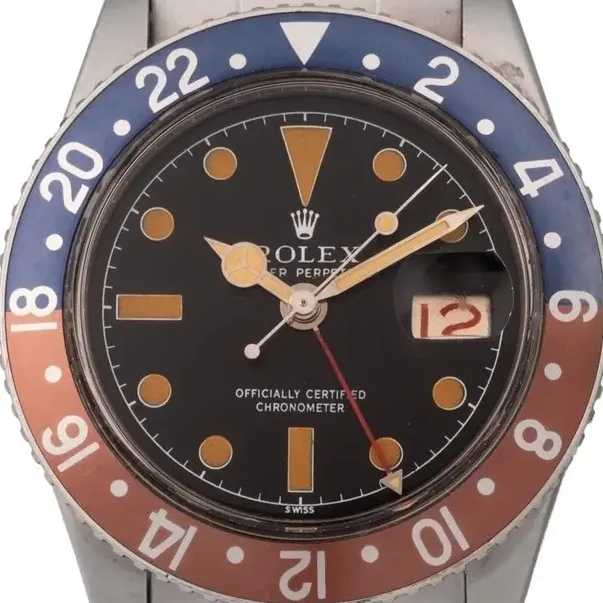
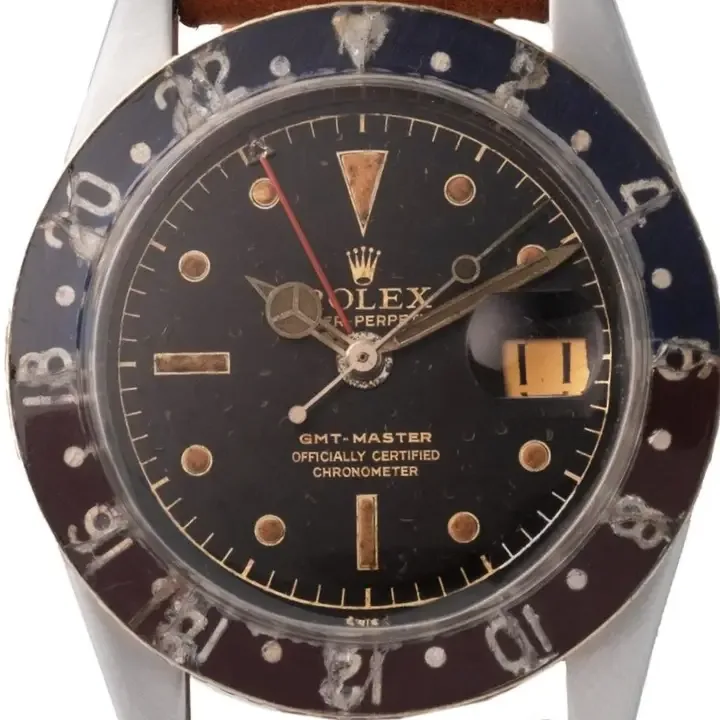
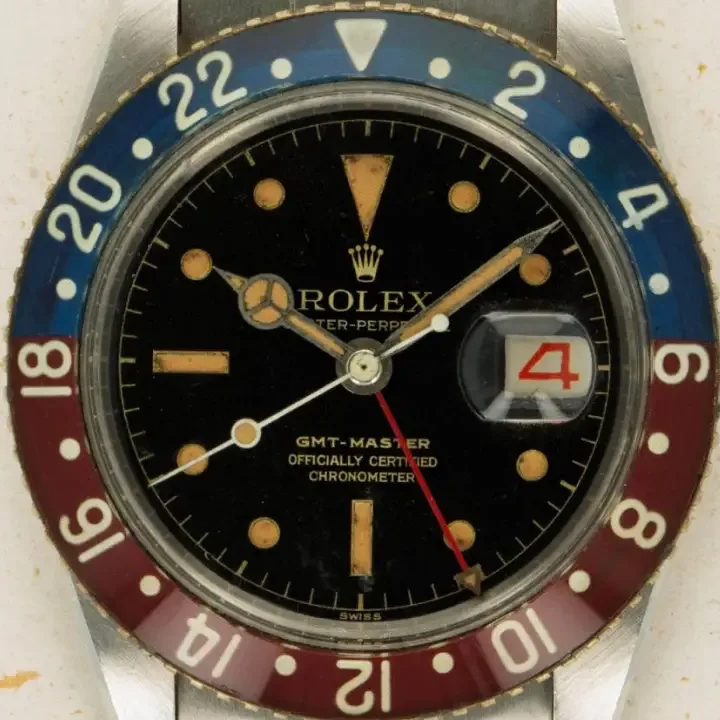
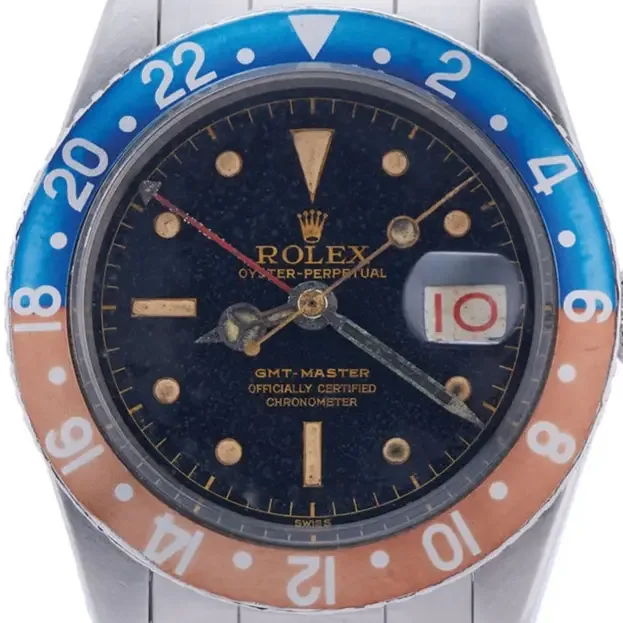
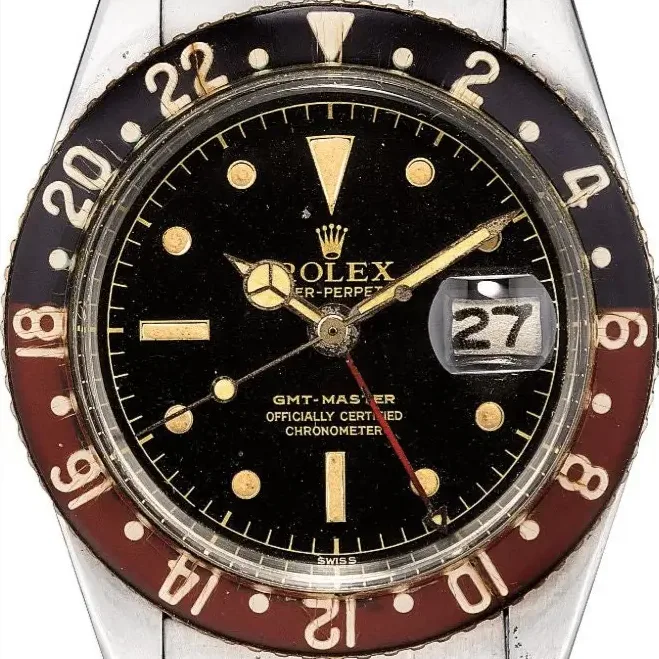
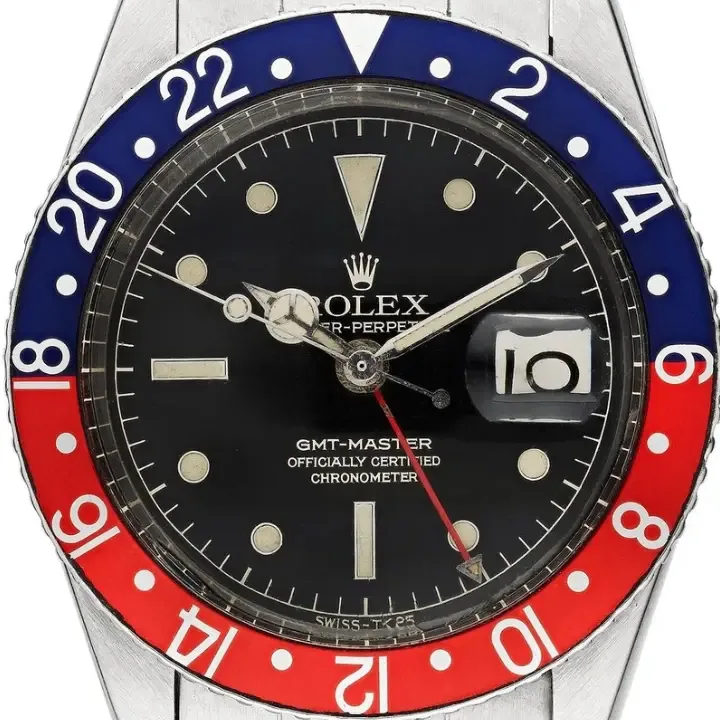
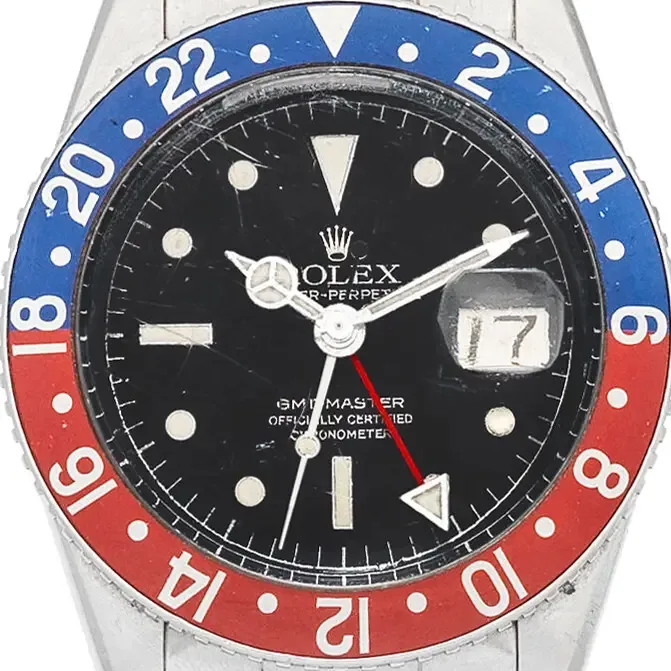
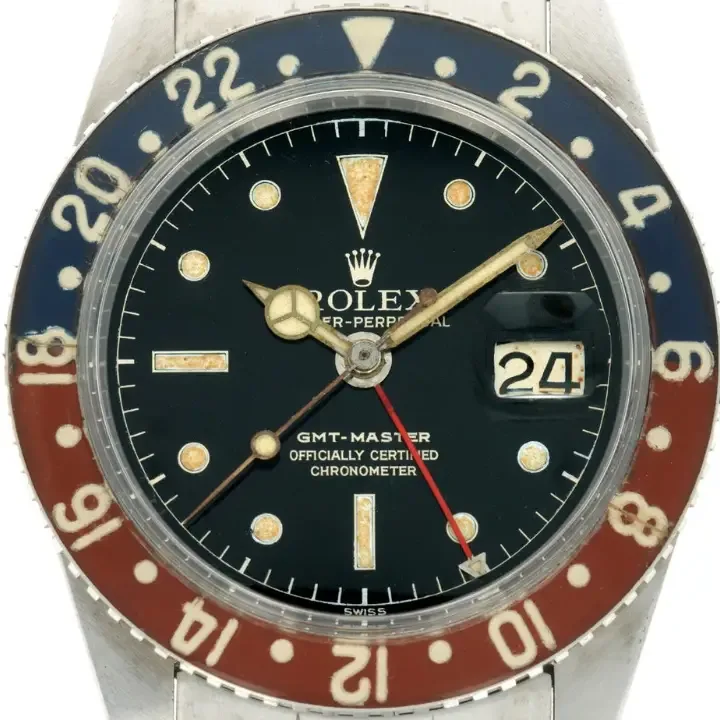
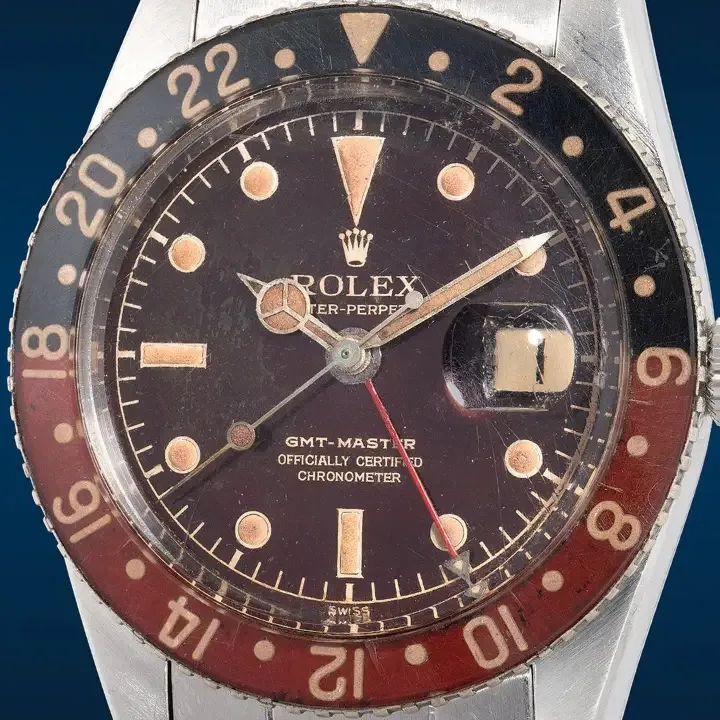
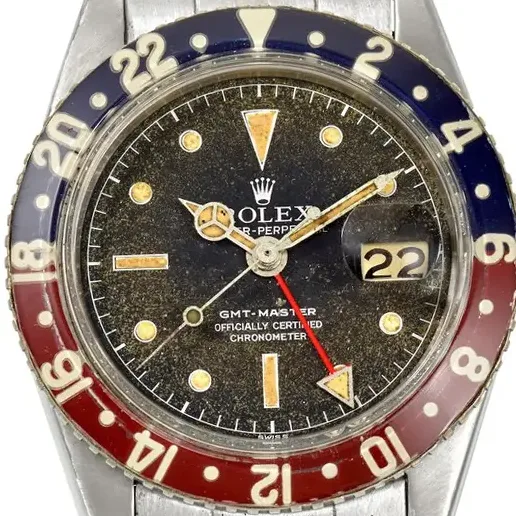
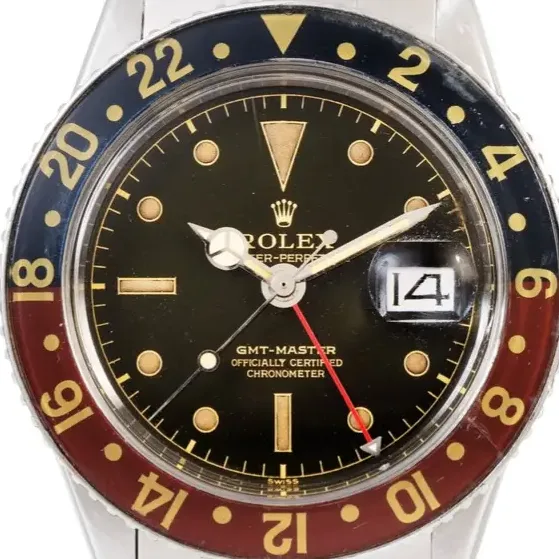
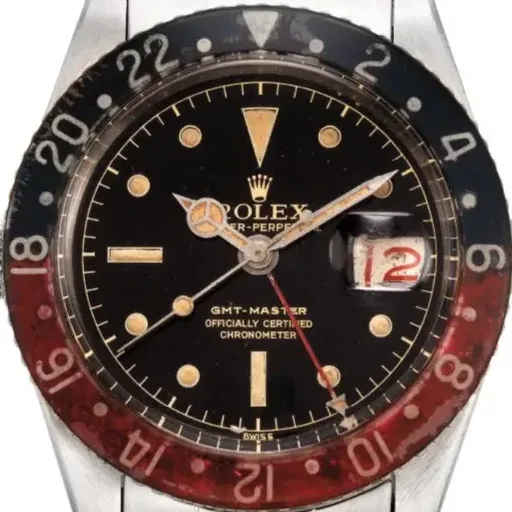
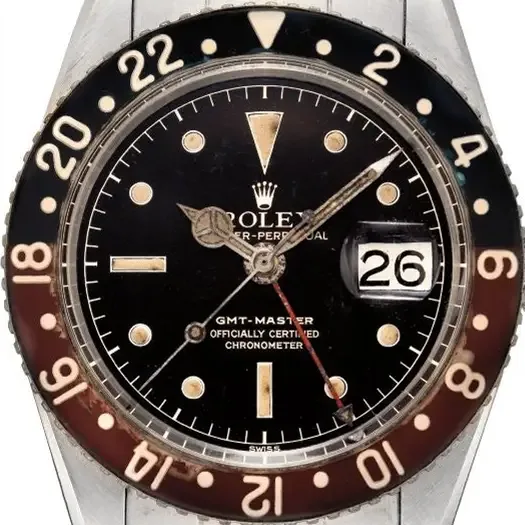
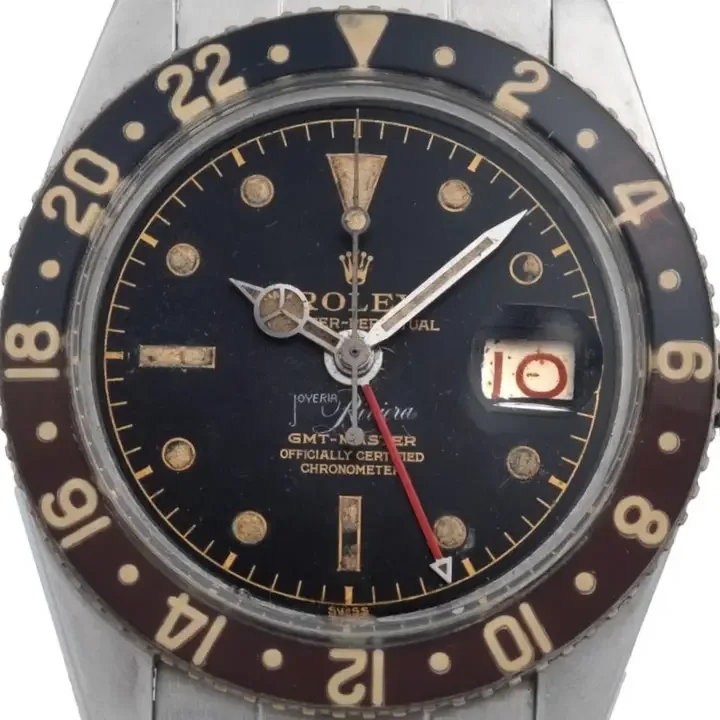
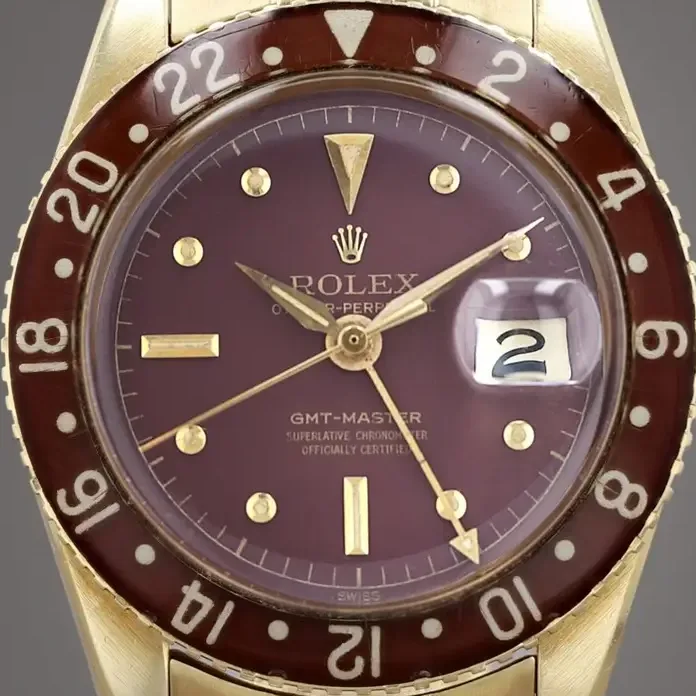
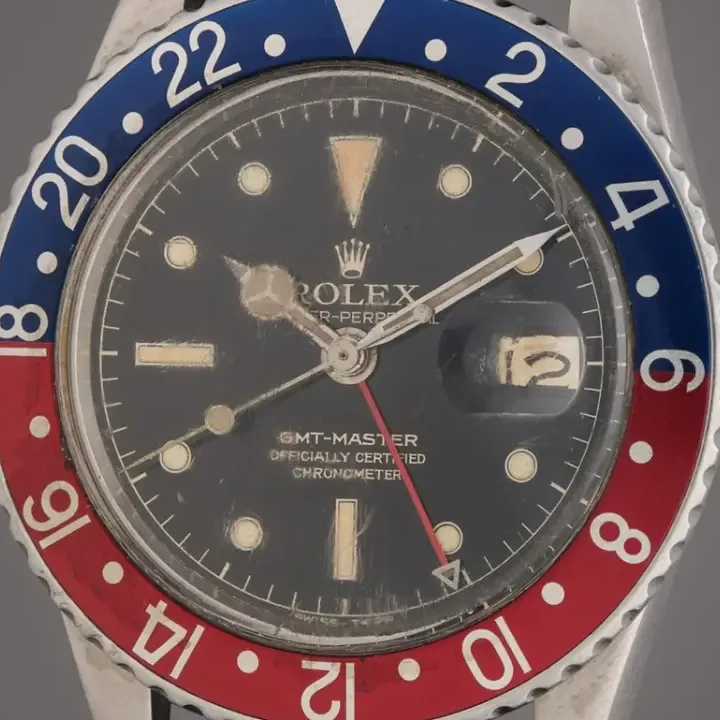
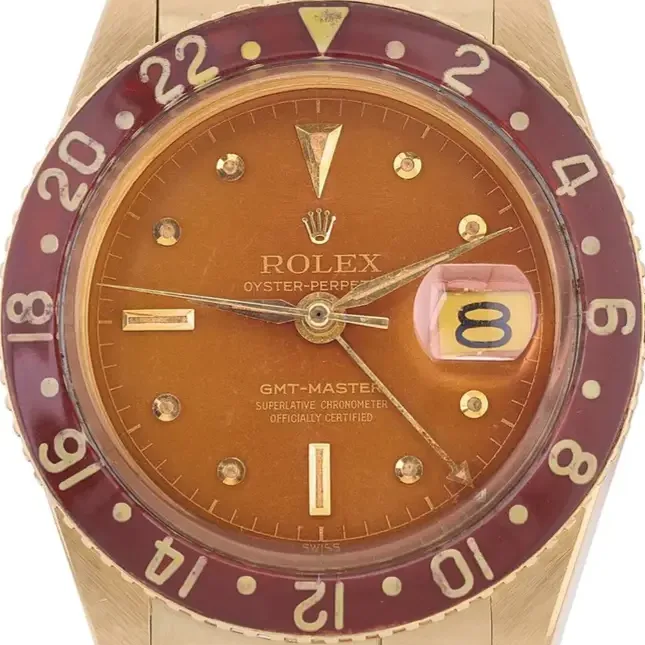
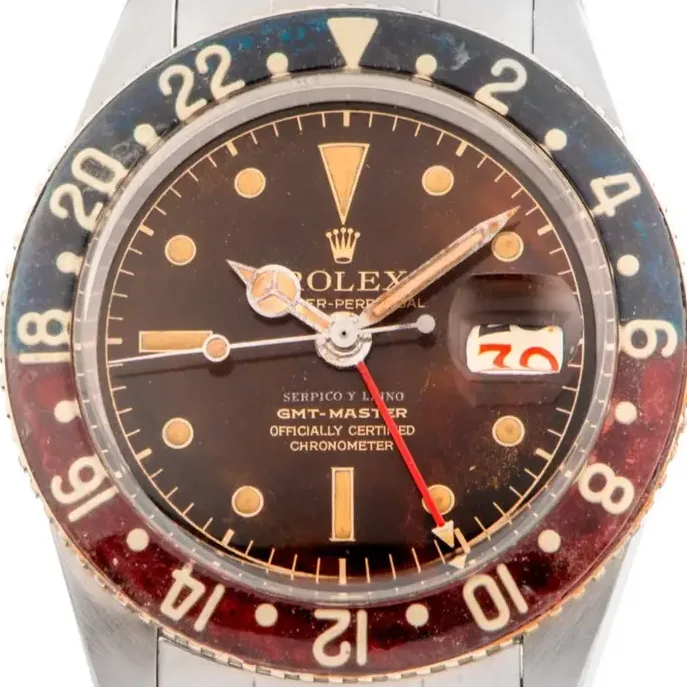
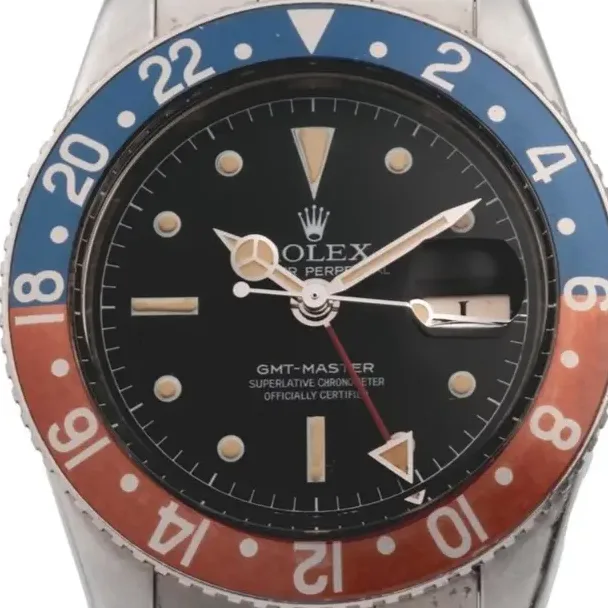
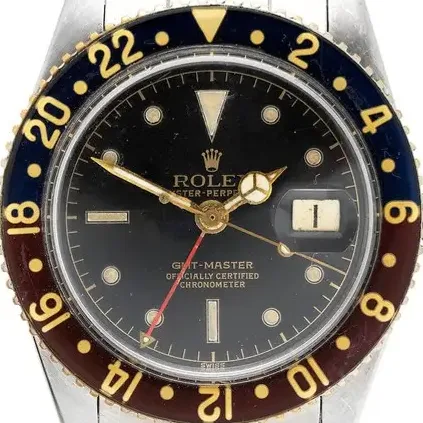
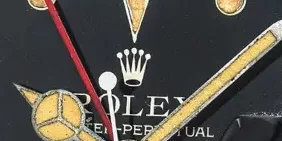
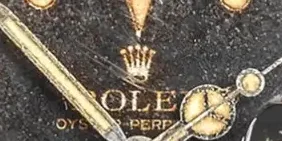

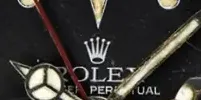












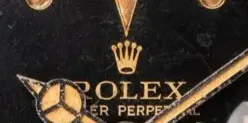



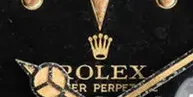








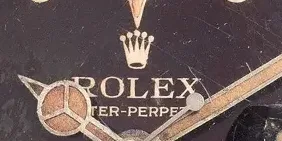










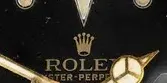
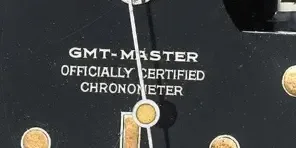
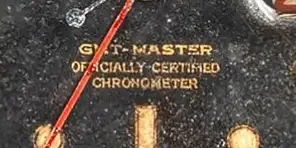
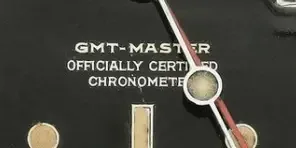



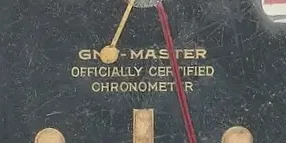

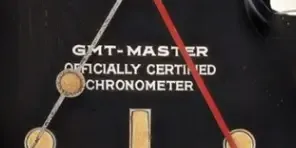

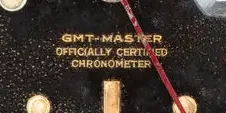
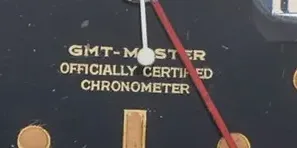
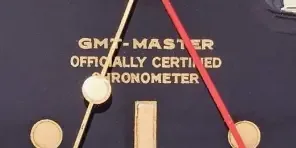



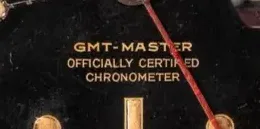


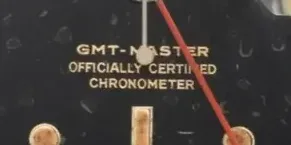
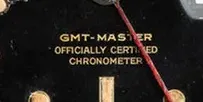


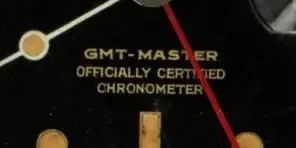




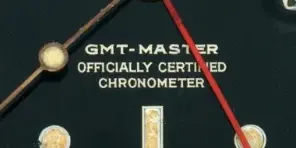
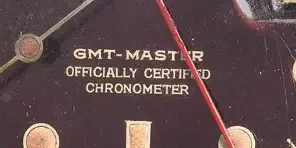

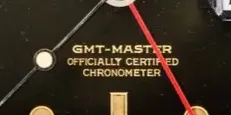







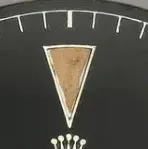
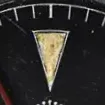

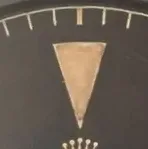
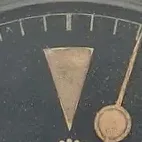
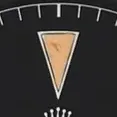
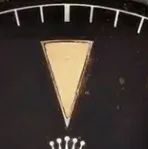
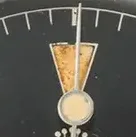
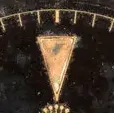
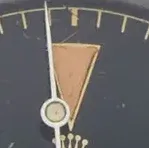
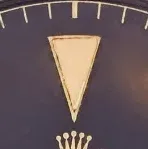
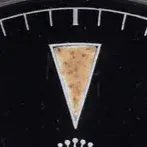

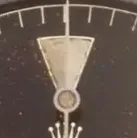
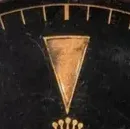

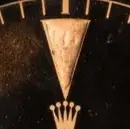

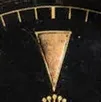
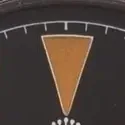


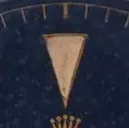
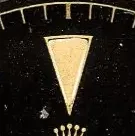
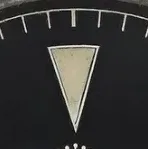
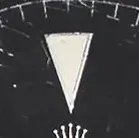
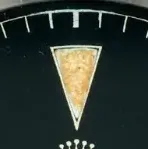
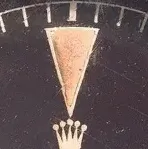
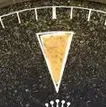
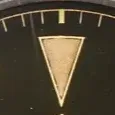
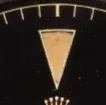
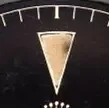
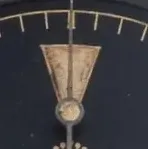
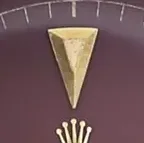



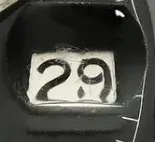



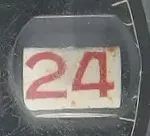
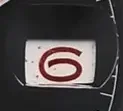

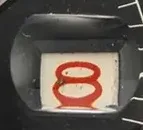

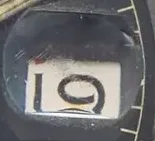
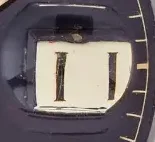
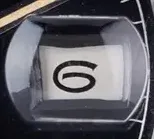
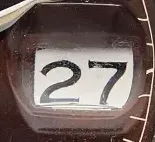

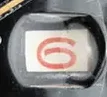
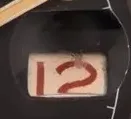

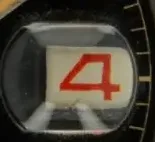
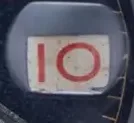
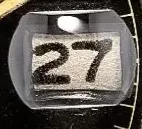
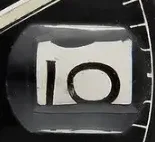
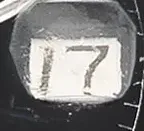
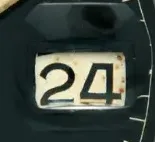

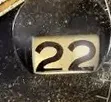
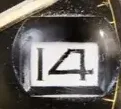
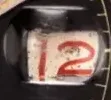
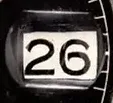

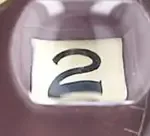

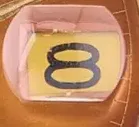



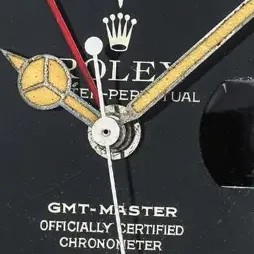
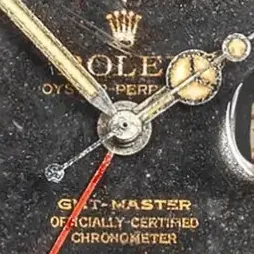
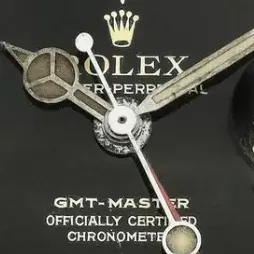
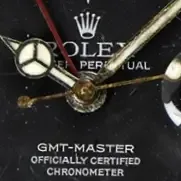
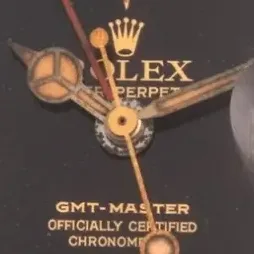
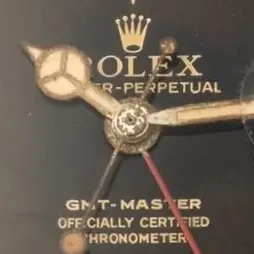
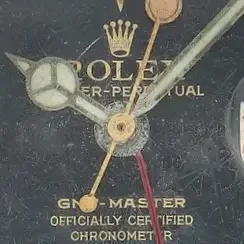
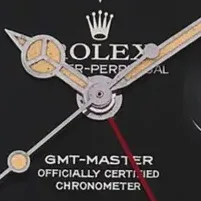
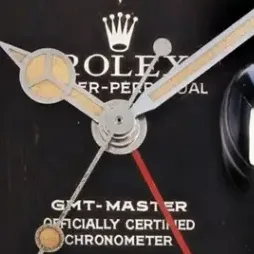
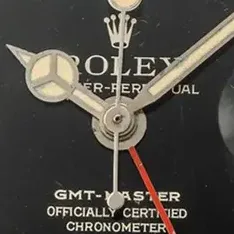

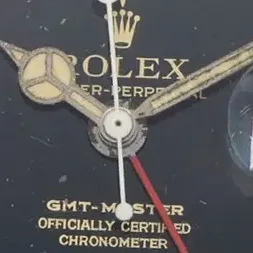
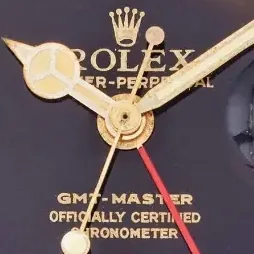

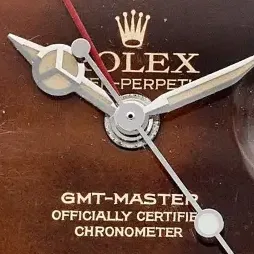
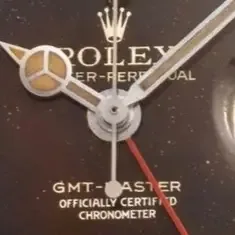
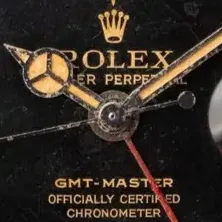
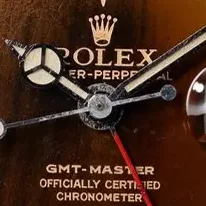

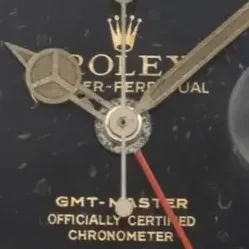
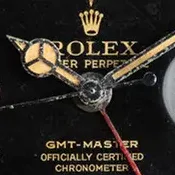

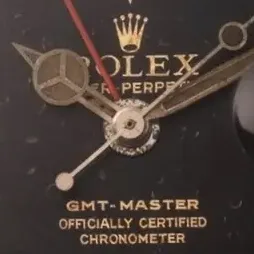
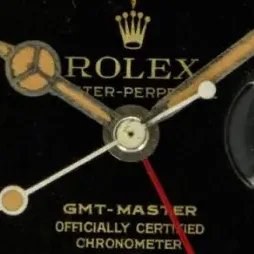
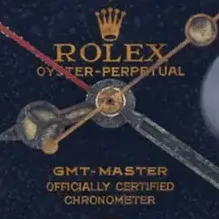

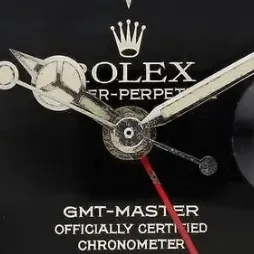
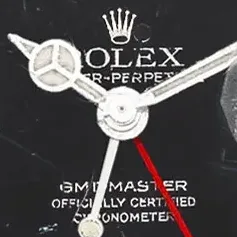
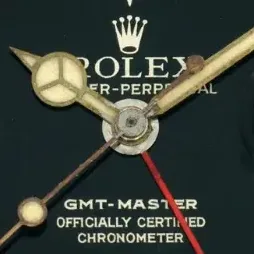
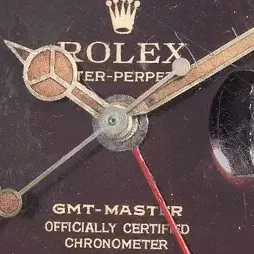
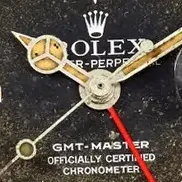
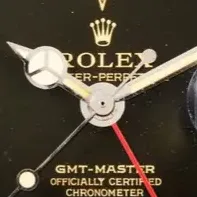

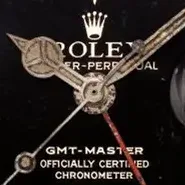
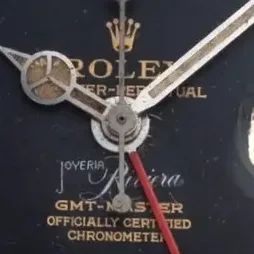


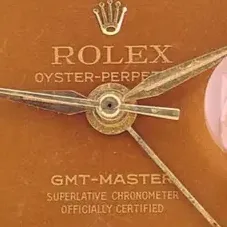


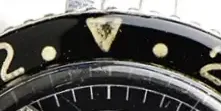



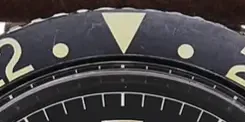
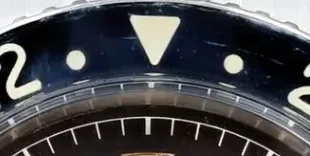



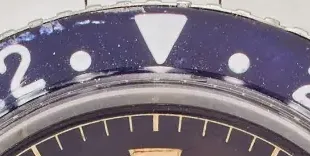



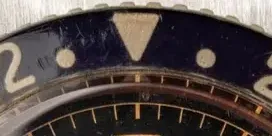

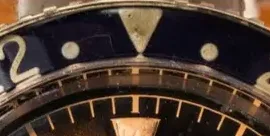

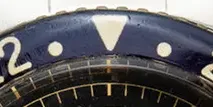




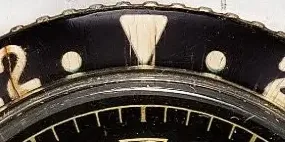



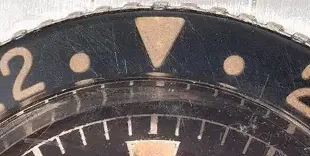
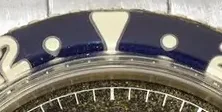
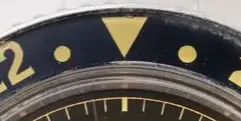
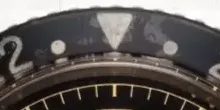
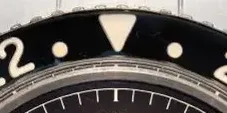

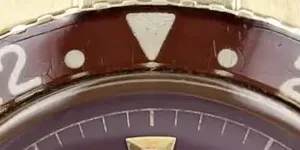


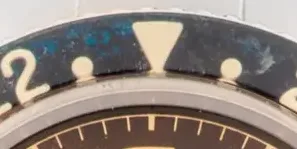


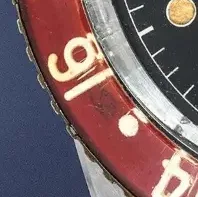
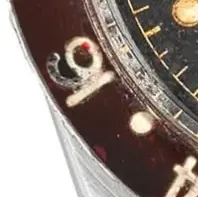
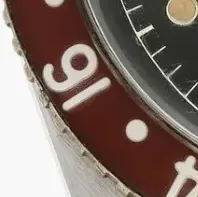
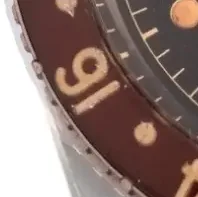
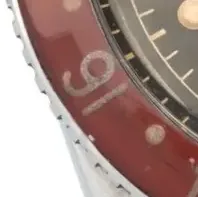
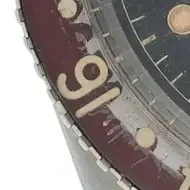
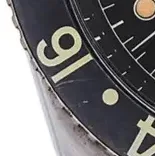
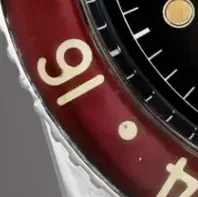
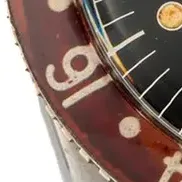
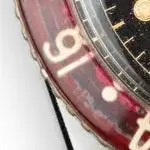

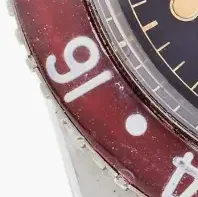
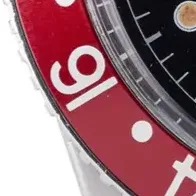
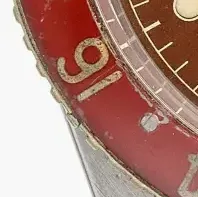
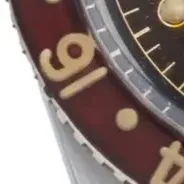
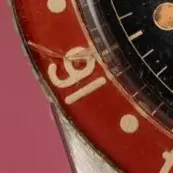
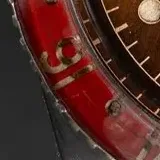
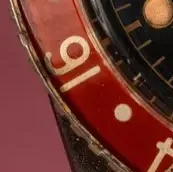
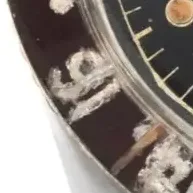
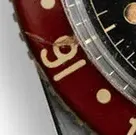
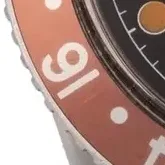
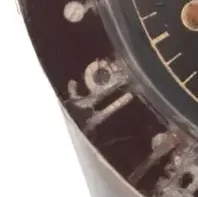
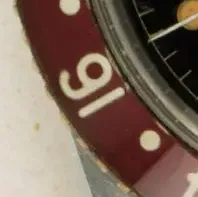
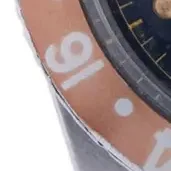
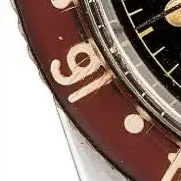
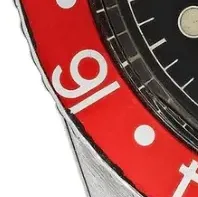
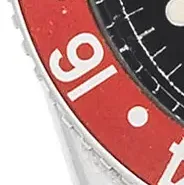
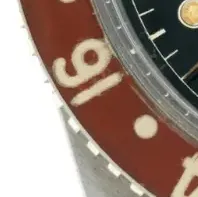
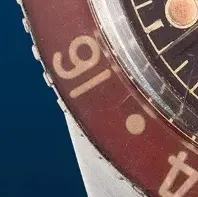
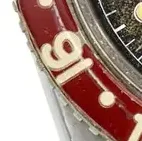
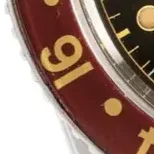
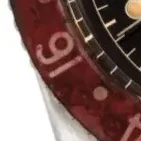
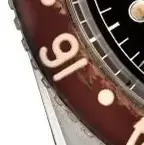

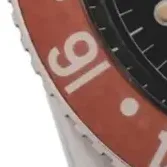
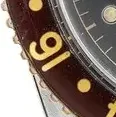
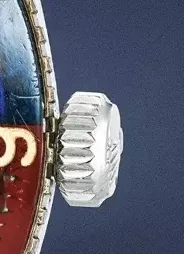
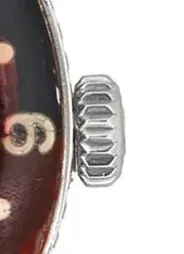
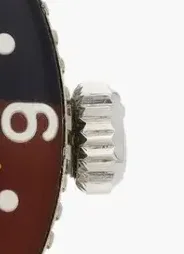
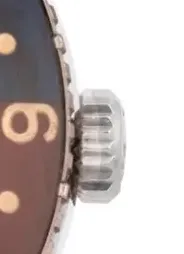
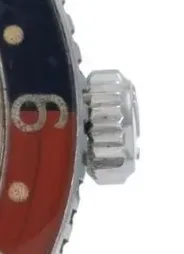
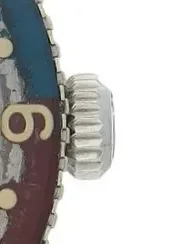
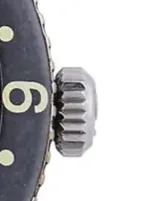
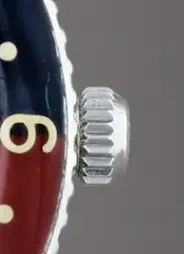
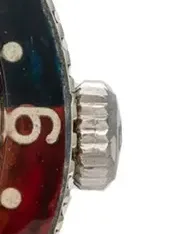
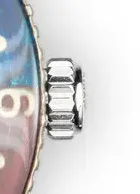

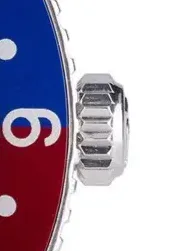
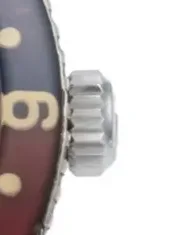
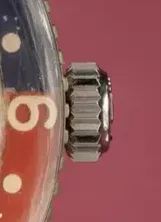
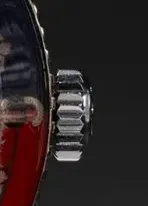
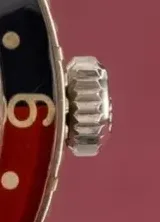

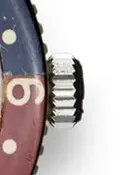
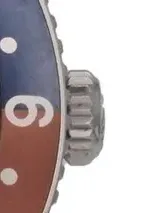
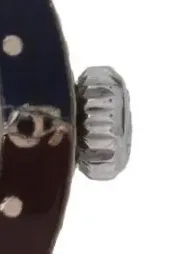
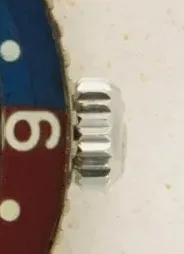

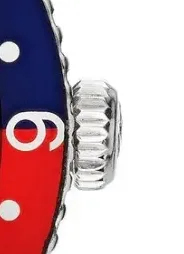
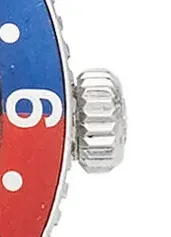
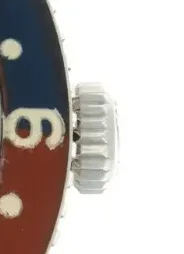
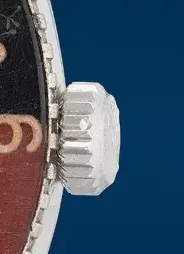
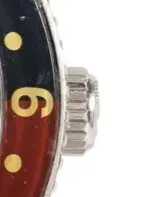
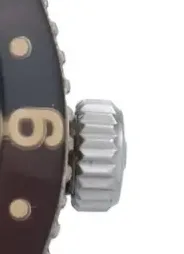
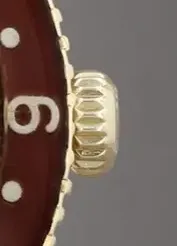

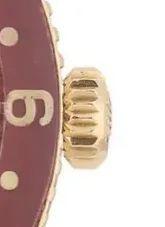
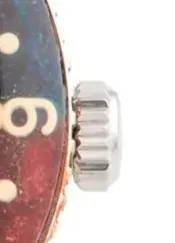
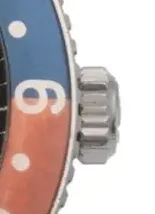
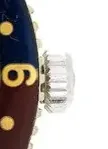

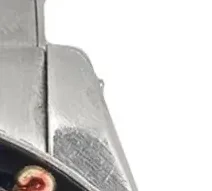
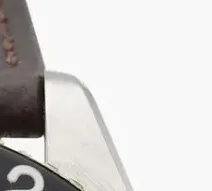











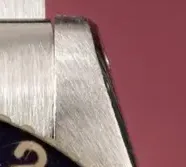
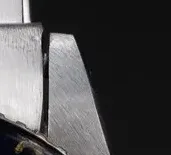
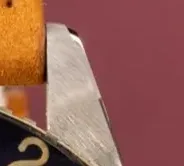

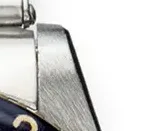




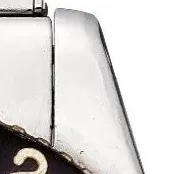
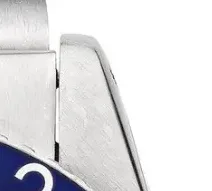
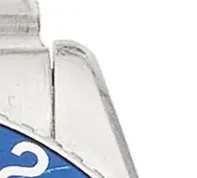


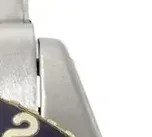











Illustrated history of the 6542: every change set out with close-up photographs of dated watches.
Chronology
Accounts begin the reference in 1954 or 1955 and all end it in 1959; case numbers in the records run from 1955 to 1960, with one watch in the last year.
Every dated variant: what is written, and what the records show
For the reference the marks are every dated watch; for a variant, the watches a seller names as that variant, so a variant sellers do not name has none.
The reference's own marks are dated by case number. A variant's marks use the year each seller states, so a variant can show watches in a year where the row for the reference shows fewer, or none. 3 dated listings fall outside this scale and are not drawn.
Specification
| Case | 38 mm Oyster tonneau case in steel (some in 18k yellow gold), about 48 mm lug to lug, three-piece, no crown guards; one account gives 40 mm |
| Crystal | Acrylic over a date aperture with a cyclops at 3 o'clock |
| Bezel | Rotating 24-hour bezel with a Bakelite insert, red for daytime hours and blue for night, with radium numerals; later a metal insert; brown on the gold watches |
| Dial | Glossy black gilt dial with a chapter ring, gold-coloured print and Mercedes hands; a short or long slim red GMT hand; on gold watches a brown or champagne nipple dial |
| Movement | Self-winding calibre 1036, then 1065 and 1066, from the 1030 family, with a butterfly rotor; the 24-hour hand is linked to the hour hand; 18,000 vibrations an hour; chronometer certified |
| Crown | Twinlock screw-down crown with the coronet |
| Bracelet | Riveted Oyster bracelet with hollow end links and a folding clasp; Jubilee also named by sellers |
| Water resistance | 50 m |
Dial 8 described
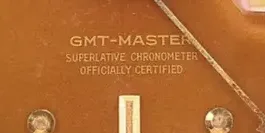
The steel 6542 left the factory with a glossy gilt dial, and every 6542 has a chapter ring; the gold watches have their own brown or champagne dials. The print passed through several phases in the first years and the dial text carries the chronometer wording. Replacement dials are common and rare dials are widely faked.
Red text
Prototype-style dials with red text. The rarest have both GMT Master and the depth rating in red, of which three are known.
- red GMT Master text
- red depth line
50m depth line
The very first dials printed a depth line reading 50m - 165ft above the GMT-Master wording; only a handful are known.
- 50m - 165ft above GMT-Master
Pink print
Early dials passed through phases: all gilt text, then GMT-Master in pink, then pink name with a red depth rating.
- pink GMT-Master
- red depth rating
Gilt gloss
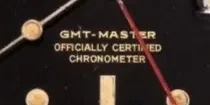
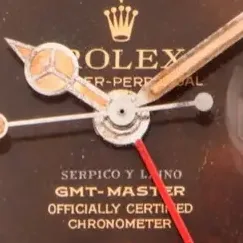
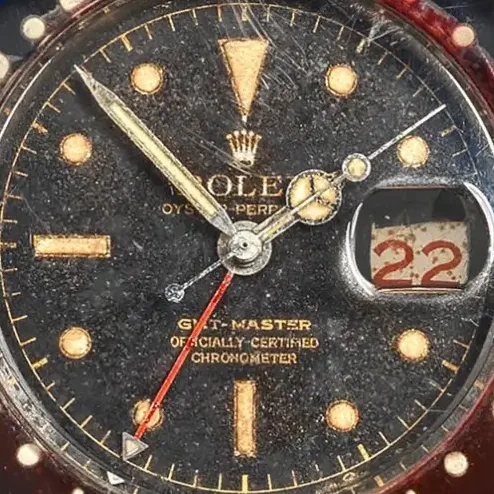
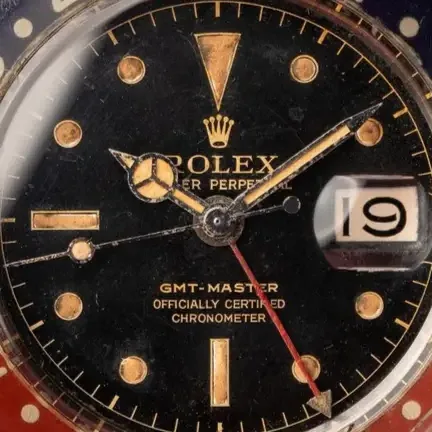
The standard dial: deep glossy black with gold-toned print and a gilt chapter ring, with OFFICIALLY CERTIFIED CHRONOMETER beneath GMT-MASTER. Most sellers who describe the print call it gilt. The dial can age to brown (tropical) or crack in fine lines (spider cracking).
- gold print
- chapter ring
- chronometer text under GMT-MASTER


Lume plots
Plots were small at first, briefly larger in 1958, then small again. Oversized plots are far scarcer than small ones. Radium ages to cream and pumpkin.
- small plots
- oversized plots on a few
Gold nipple dial
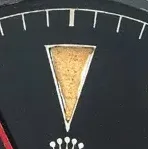
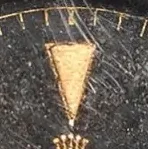
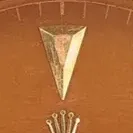
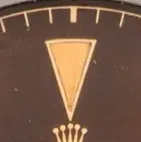
The gold watches have brown, burgundy or champagne dials with domed applied gold markers filled with lume, bars at 6 and 9 and a triangle at 12, and an applied gold logo. The 6542 in gold was the first Rolex with a nipple dial.
- domed gold markers
- bars at 6 and 9
- triangle at 12
Albino white dial
A white-dial version, the Albino, is tied to an account that the head of Pan Am ordered a few, or about 200, for executives, and some call it the Pan-Am dial. Some call it genuine, others dispute it, and fake dials are widespread among the rare types. Many auction descriptions of ordinary black and brown 6542s mention Pan Am in telling the model's history; that does not make a watch an Albino.
- white dial
Retailer signatures
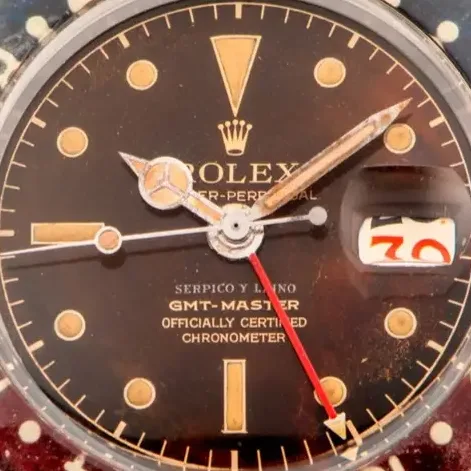
Sellers describe a few dials signed by the retailer Serpico y Laino.

Luminous material 3 described
Radium at first, with strontium-90 in some bezels; later tritium on service dials.
Radium
Plots and Mercedes hands were filled with radium, which ages to cream and pumpkin. Many sellers name radium.
- cream to pumpkin plots
Strontium-90 bezel
Luminous numerals in the bezel insert contained strontium-90, which led to a recall in December 1959. Owners were asked to return watches to Geneva so bezels could be changed.
Tritium (service)
Many dials were later replaced with tritium service dials, and sellers name tritium on a few watches.
Hands 5 described
Mercedes-style hour and minute hands on steel watches, with a long-neck hour hand on the earliest, alpha hands on gold. The red GMT hand is the identifying feature of the reference, and its length is described differently.
Long-neck hour hand
Elongated hour hands on the earliest steel watches, which gave way to Mercedes hands after 1957.
- elongated hour hand
Mercedes hands
The standard steel hands, as on the Submariner, and the style sellers name most often.
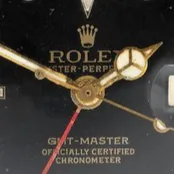
21 listings on record under the name.
GMT hand
A red GMT hand with a tiny luminous triangle, slim and unlike any later GMT hand. It is described as long and slim by some accounts and as short by one. Some sellers call it a small GMT arrow.
- slim red hand with a small lume triangle
Seconds hand
White on early watches, then gold, with a lume dot.
- lume dot on the seconds hand
Alpha hands
On gold watches: dagger or leaf-shaped hour and minute hands, and a straight seconds hand with no lume dot.
- dagger hands
- straight seconds hand
Bezel 3 described
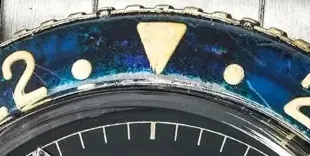
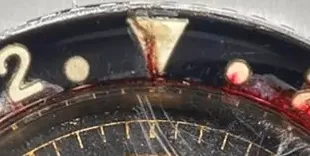
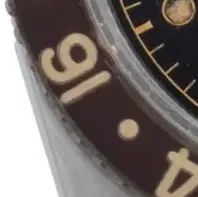
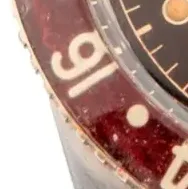
Red marks the daytime hours, 06 to 18, and blue the night, 19 to 05. The Bakelite insert is fragile, and many were replaced, by Rolex or later, so an insert on a surviving watch needs checking.
Bakelite Pepsi
Red and blue Bakelite with radium 24-hour numerals, on steel watches. Very fragile. Published accounts put its replacement by an aluminium insert in about 1956. Sellers still describe many watches of the later years as having a Bakelite insert, some of them calling it Pepsi. Non-original examples are later Rolex aluminium inserts or aftermarket Bakelite, told apart by the numeral graphics.
- red and blue Bakelite
- radium numerals
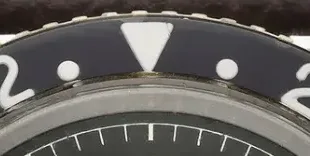
Aluminium insert
Rolex replaced Bakelite with an anodised or painted aluminium insert, first dated to 1956 or 1957 and said to follow cracking and radium concern; the insert was non-luminous. Replacements after the recall of December 1959 were red and blue aluminium.
- painted metal insert
Brown Bakelite
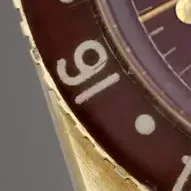
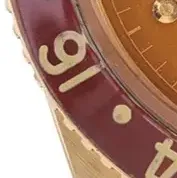
The gold watches have a single-colour brown or burgundy Bakelite insert with luminous numerals.
- brown or burgundy insert
Case 2 described
The tonneau Oyster case comes from the Turn-O-Graph 6202, a little smaller than later GMT cases, with no crown guards. The 1675 added them in 1959.
Steel case
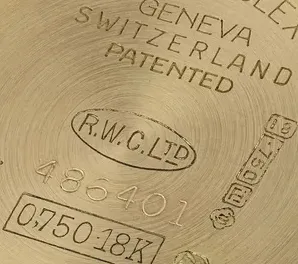
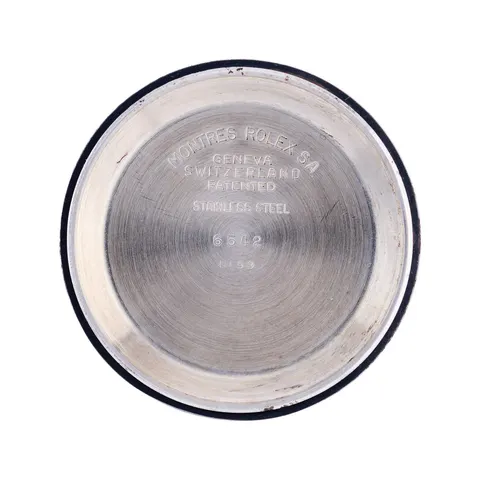
38 mm, three-piece. The caseback is of the bubbleback type also seen on early Submariners, with Montres Rolex S.A. arched on it and the quarter of production stamped below. One example is stamped 1 1958 with a case number in the 350,000s. Bevels vary between smaller and wider through the run. Unpolished cases keep crisp chamfers and thick symmetrical lugs.
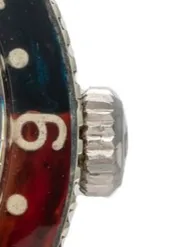

- arched Montres Rolex S.A. on the back
- quarter stamp
140 listings on record under the name.
18k yellow gold
A handful in 18k yellow gold with brown or burgundy bezel and dial and a matching gold riveted bracelet. Sellers describe a good number of watches as 18k yellow gold, which sits oddly with the rarity the literature gives.
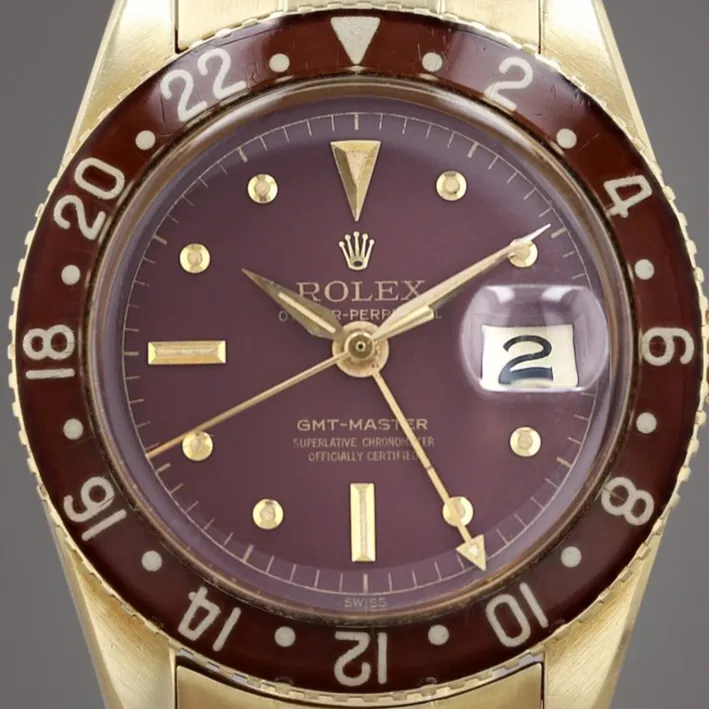
- brown bezel
33 listings on record under the name.
Crown 1 described
A Twinlock screw-down crown.
Twinlock with coronet
The crown carries the coronet, and early examples are said to show an underline detail.
- underline detail on the crown
Crystal 1 described
Acrylic.
Acrylic with cyclops
Acrylic over the date, with a cyclops at 3 o'clock; one account calls it plexiglass.
- cyclops
Date 1 described
A date at 3 o'clock under a cyclops.
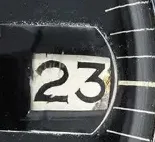
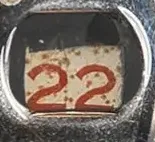
Roulette date wheel
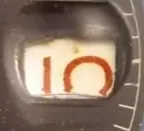
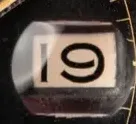
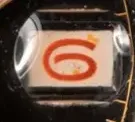
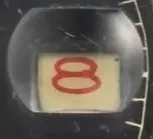
Numerals alternate between black and red; an all-black wheel probably replaced it late in the run. Many sellers name the red and black wheel. The wheel has open 6s and 9s, characteristic of the period, and can age yellow to match the plots.
- alternating red and black numerals
- open 6 and 9
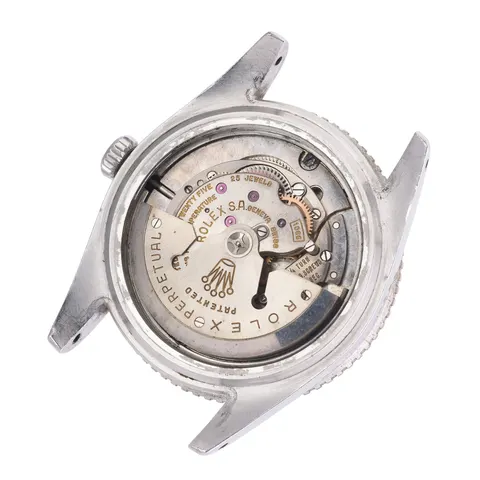
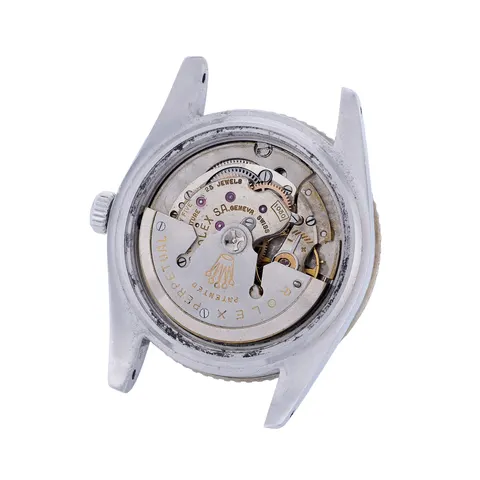
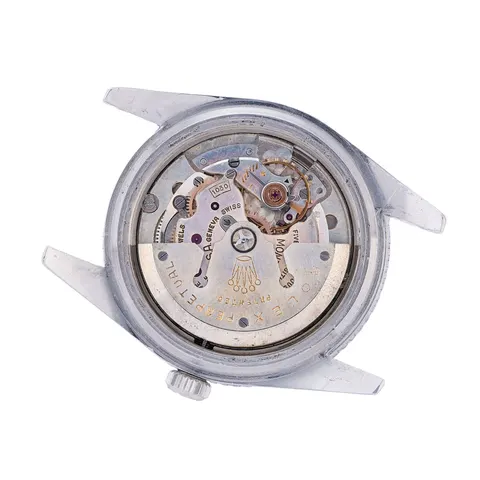
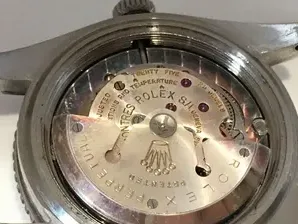
Movement 2 described
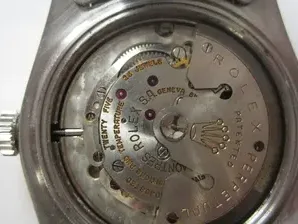
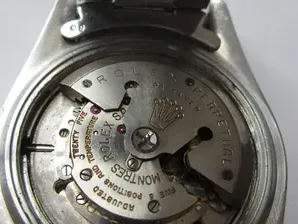
The calibre grows from the Turn-O-Graph 1030: 1036, then 1065 and 1066. All are self-winding with a butterfly rotor that winds both ways, and are chronometer certified.
Calibre 1036
The first GMT movement, the 1030 with a 24-hour function, 18,000 vibrations an hour and about 38 hours' reserve. An example is engraved 1035, a number sellers also give. The 24-hour hand is coupled to the hour hand and the rotor is decorated.
- engraved 1035 or 1036
- decorated butterfly rotor
Calibres 1065 and 1066
Minor upgrades from about 1957 to 1959, used interchangeably in the last two years; 25 jewels. Sellers name the 1066 more often than the 1065, mostly on watches of 1959.
Bracelet 2 described
The usual bracelet is the riveted Oyster with hollow end links, which stretch.
Oyster riveted
With a folding clasp and hollow end links. Sellers name the 7206 bracelet on a few watches, and end links 65 most often, then 58 and 80.
- rivets
- hollow end links
Jubilee
Named by sellers on a fair number of watches.
Box and papers 1 described
A few watches come with a chronometer certificate or service papers.
Chronometer certificate
Named by sellers on a few watches.
Originality
- Bezel inserts are often replaced: Bakelite cracks and was recalled in 1959, and replacements are Rolex aluminium inserts or aftermarket Bakelite, which differ in numeral graphics.
- Dials are often service replacements, with tritium; the rare dials, such as the white and red-text types, are widely faked.
- Hands relumed at service lose the radium look.
- Polished cases lose their bevels and thin the lugs.
- Hollow-end-link bracelets stretch and are often replaced.
Names
- Pussy Galore. A character in Goldfinger (1964) wore one, played by Honor Blackman.
- Pepsi. The red and blue bezel.
- Albino. A white-dial version.
- Nipple dial. Domed gold lume-filled markers on the gold watches.
Where accounts differ
Points on which the published literature and the library's own records do not agree, or on which the literature contradicts itself.
- Start of production. Accounts give 1954, 1955, or a soft launch in late 1956 and unveiling at Basel in 1957. The library's records date watches from 1955 by case number.
- Date of the aluminium insert. Most accounts put the swap from Bakelite to metal in 1956. One places the swap in the recall of December 1959. Sellers still describe Bakelite inserts on many watches of 1958 and 1959, and service replacements on only a few.
- Gold watches. One account calls the 18k gold 6542 very rare. In the library's records, gold is close to a fifth of the materials sellers state.
- Case size. One account gives 40 mm; the rest give 38 mm. Most sellers, about seven in ten, state 38 mm.
- GMT hand. One account calls the GMT hand short and others long and slim.
- Reference of the first GMT-Master. The accounts of the 6542 treat it as the first GMT-Master; one account gives the first-generation GMT-Master as reference 6452.
Back and movement
From listings of this reference, each confirmed by eye to show what it is filed under. A picture on which a person's name or a personal engraving can be read is not shown. From most holders a detail from the middle of the photograph is shown; the mark in its corner gives its holder and a link to the listing.
Caseback
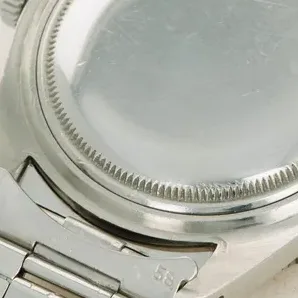



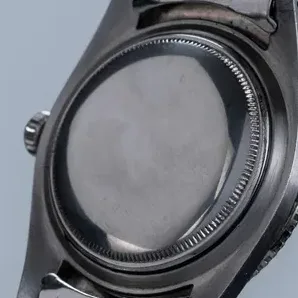

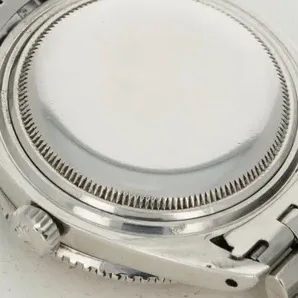

Inside the caseback


Movement






In the records
Counted from 245 listings at 36 holders between 10 June 2009 and 14 November 2026. These are what sellers and auction houses state, not measurements.
Fainter bars are the 6 outside the main run of 1956–1959 (the middle nine-tenths): the earliest is 1955 and the latest 1960. They are early and late examples, and now and then a number misread.
Case metal
| Steel | 150 | |
| Gold, any colour | 35 | |
| Yellow | 25 | |
| Colour not stated | 10 |
A listing that says "gold" or "18K gold" names no colour: it is counted under "colour not stated", not as yellow gold.
Dial colour
| Black | 37 | |
| Brown | 27 | |
| Red | 6 | |
| Champagne | 2 | |
| Orange | 1 | |
| White | 1 | |
| Silver | 1 |
Case size
| 38 mm | 93 | |
| 39 mm | 28 | |
| 40 mm | 9 |
Calibre named
| 1030 | 72 | |
| 1066 | 35 | |
| 1035 | 22 | |
| 1065 | 13 |
Bracelet or strap
| Oyster bracelet | 51 | |
| Metal bracelet, kind not stated | 38 | |
| Jubilee bracelet | 17 | |
| Leather strap | 10 | |
| Strap, kind not stated | 1 |
Each table counts the listings that state the thing, in the seller's own terms. A size, metal, colour or calibre that cannot belong to this reference is a seller's slip or a listing filed under the wrong number.