GMT-Master
The 1675 is the second GMT-Master, introduced about 1959 to replace the 6542 and made until about 1980, the longest run of any GMT-Master reference. It added crown guards, a larger case, a screen-printed aluminium bezel insert in place of the brittle Bakelite one, and the first Superlative Chronometer Officially Certified wording on a GMT dial. Most are steel, with some yellow gold (1675/8) and two-tone (1675/3) watches. Over twenty years it passed from gilt gloss dials to matte, calibre 1565 to 1575, pointed to rounded crown guards and rivet to folded and solid-link bracelets. The 16750 followed.
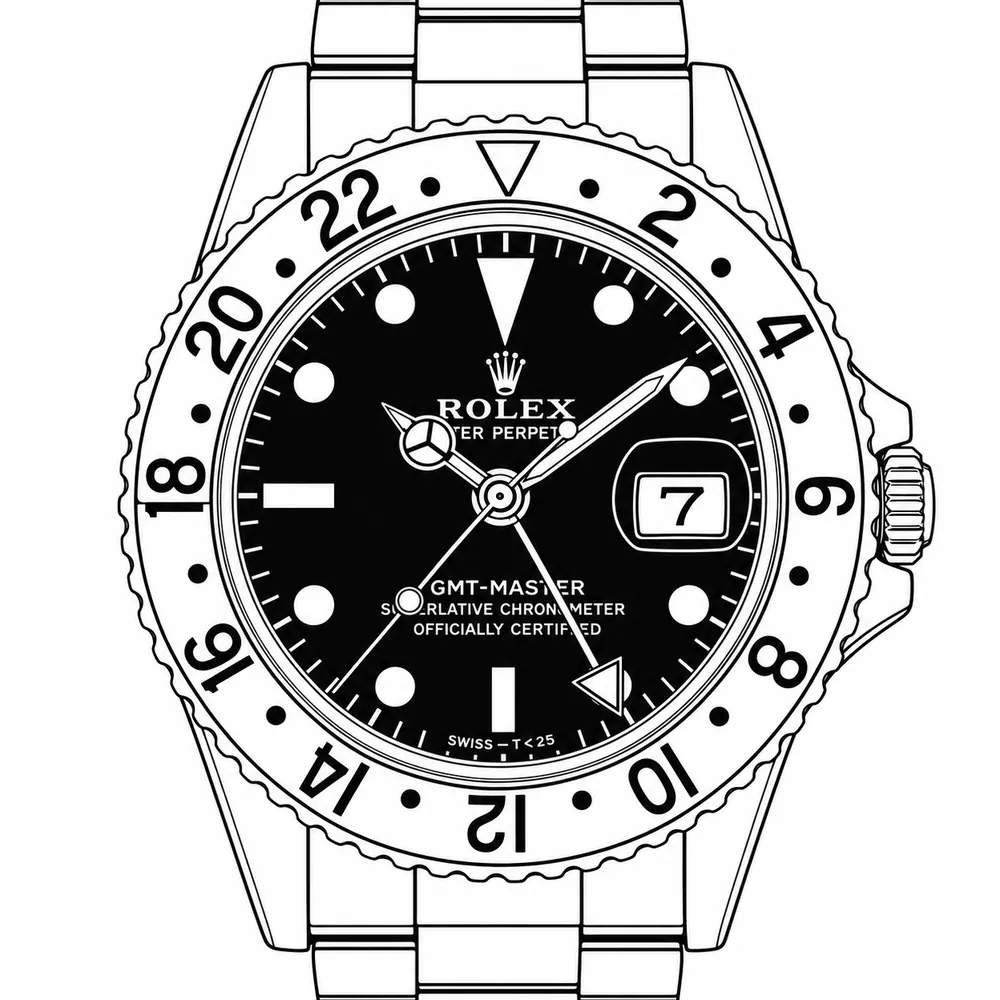
- Made
- 1959–1980dates approximate
- Seen in the library
- 1958–1982nine in ten in 1963–1979 · by case numbers
- Case
- 40 mm · steel (79%), gold (13%)as sellers state
- Movement
- Calibre 1565, 1575automatic
- On record
- 2,762 listings8,296 photographs · 69 holders
Components
51 watches, oldest first, each straightened and cut the same way so that one row shows one component across them all. Chosen from 8,296 photographs on file for sharpness and for a face typical of the reference. A year marked c. is one its holder gives only roughly. Each picture is a detail cut from a listing photograph. Select the small mark in its corner for its year, its holder, a link to the listing it came from, and a way to report it.
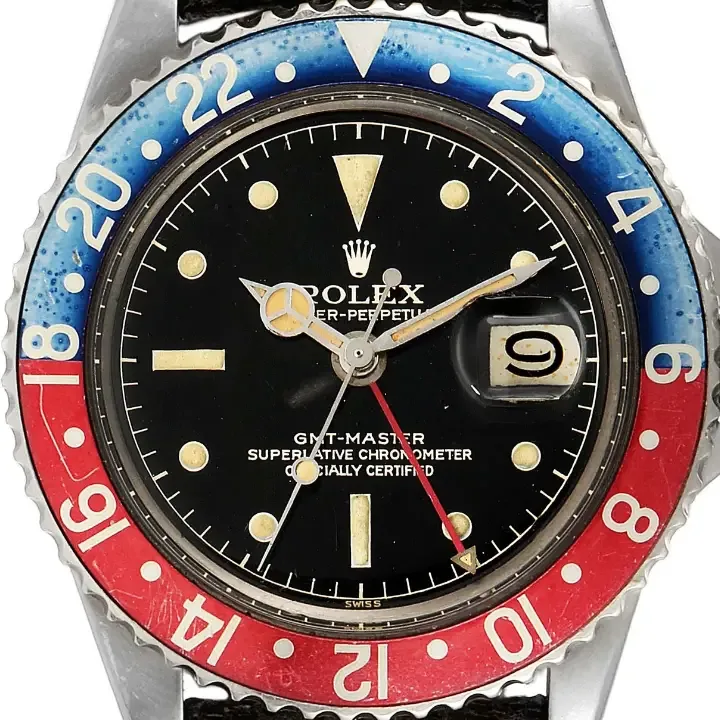
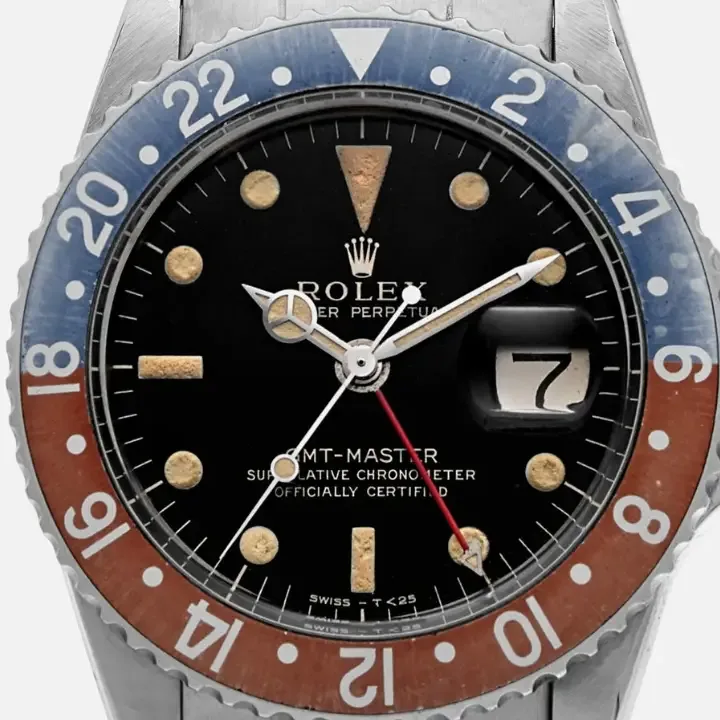
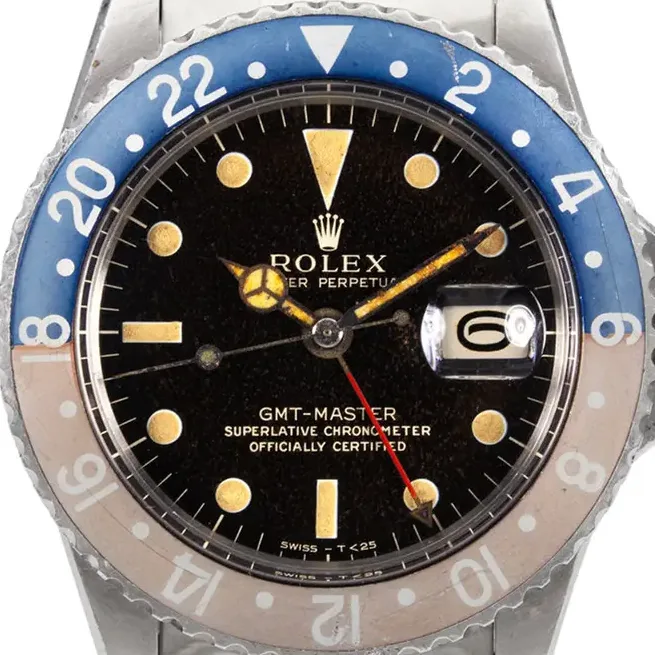
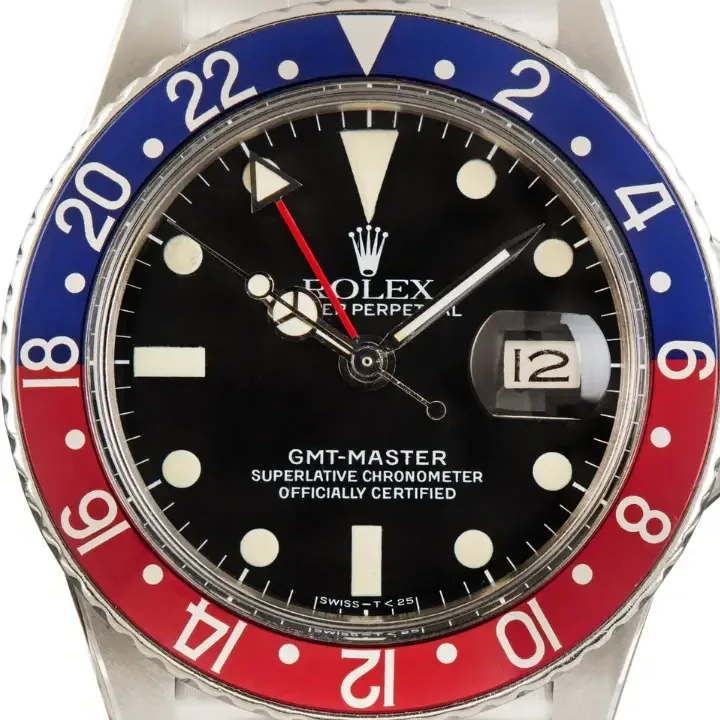
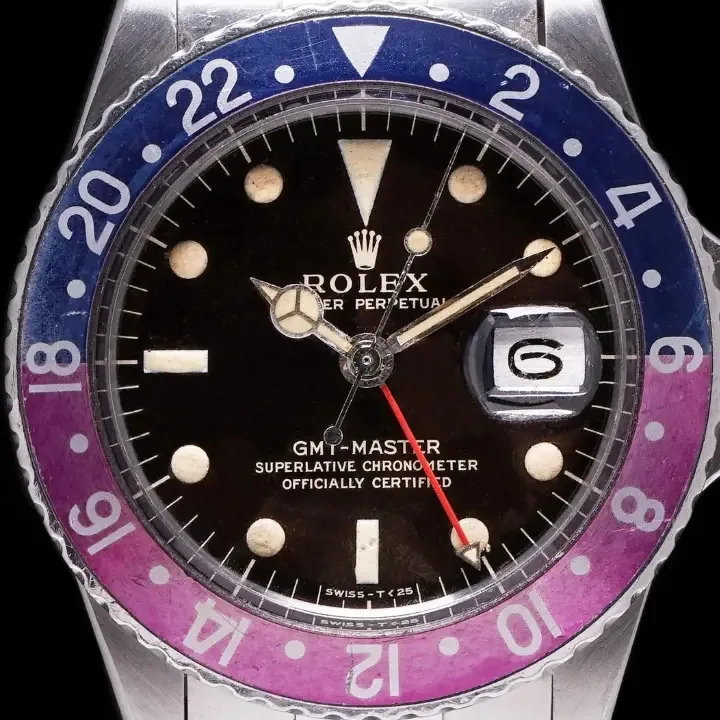
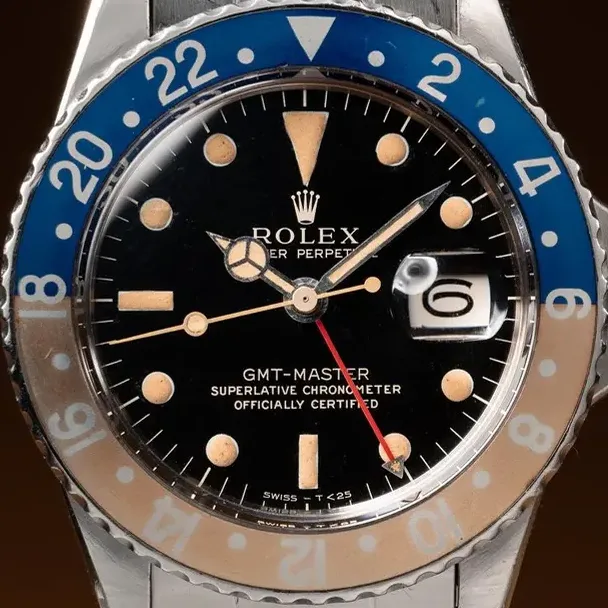
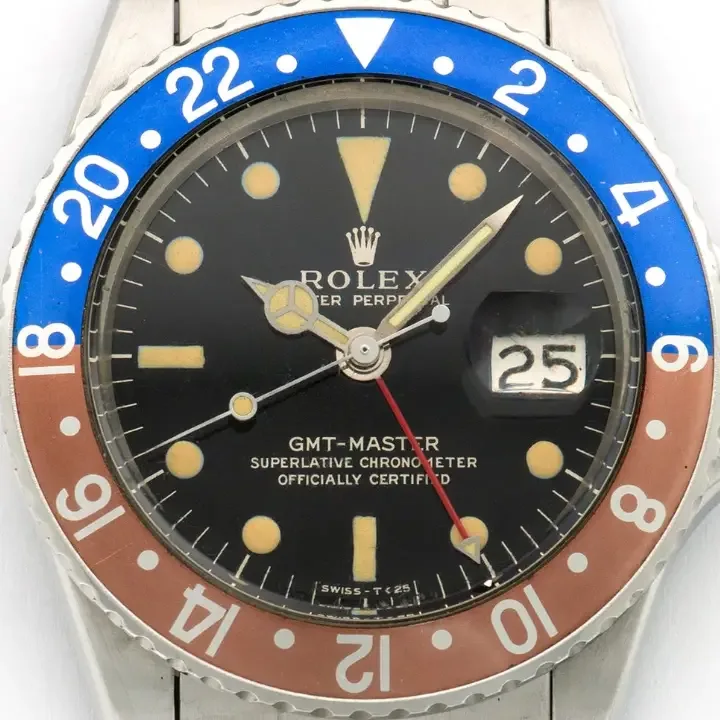
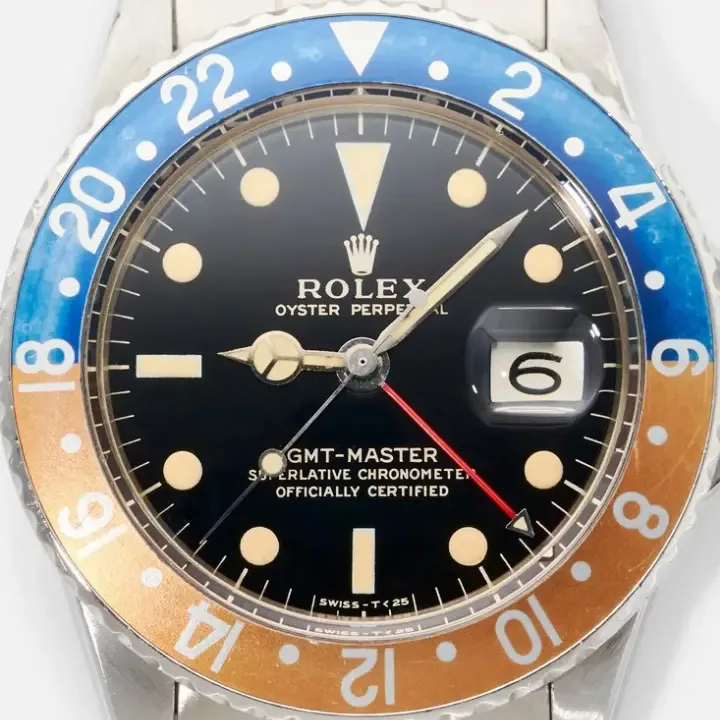
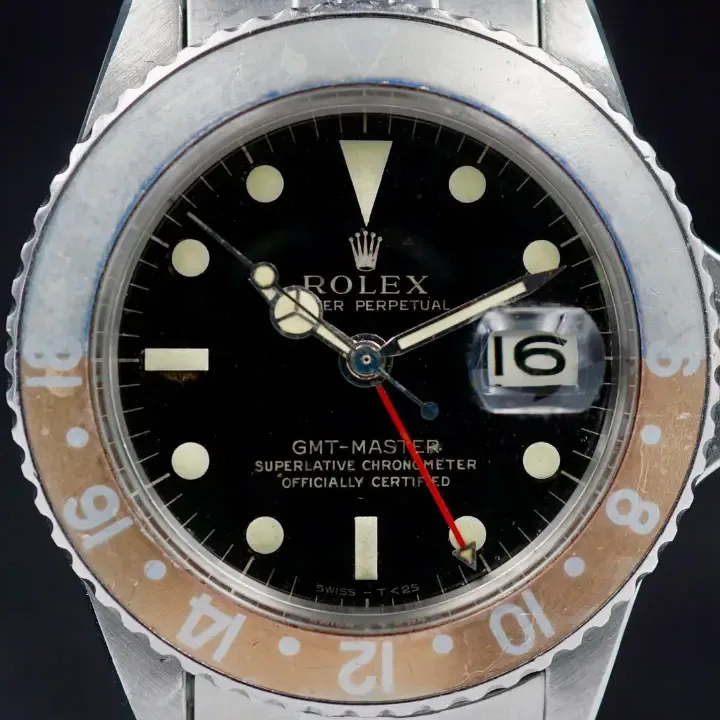
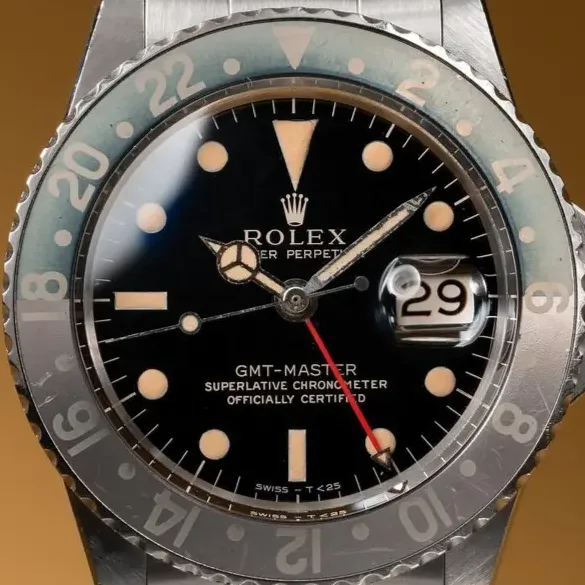
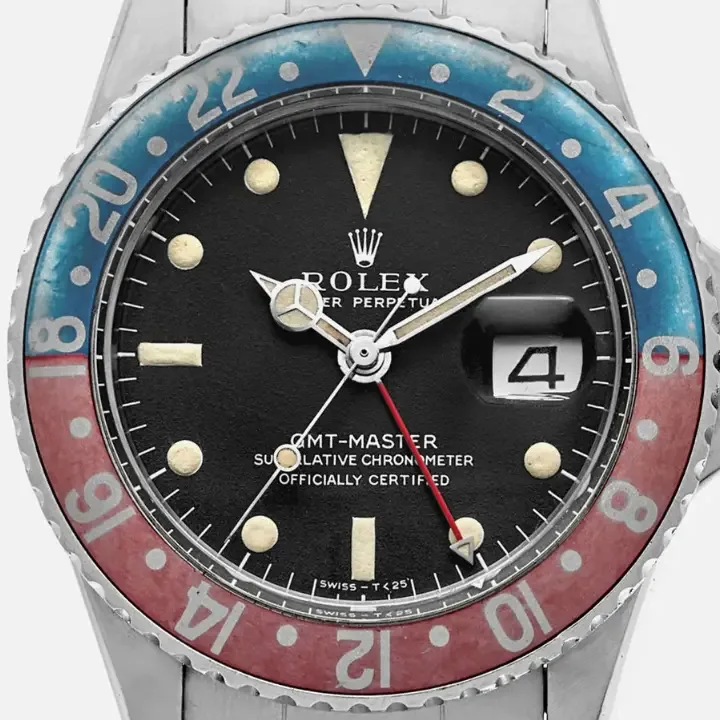
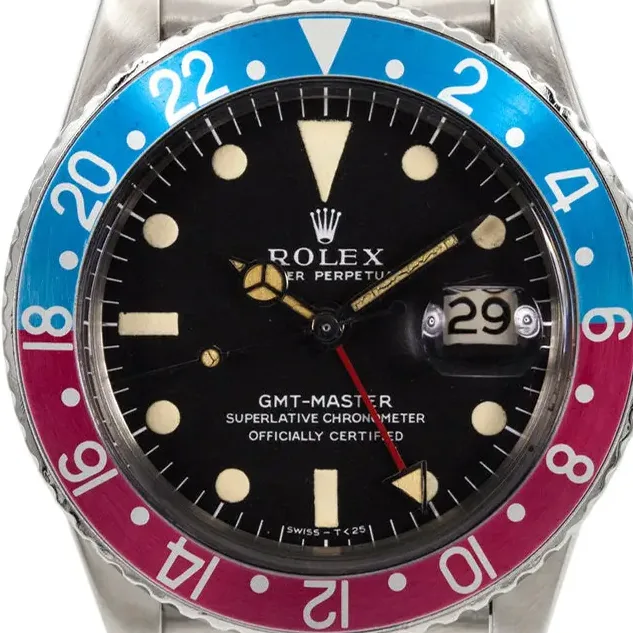
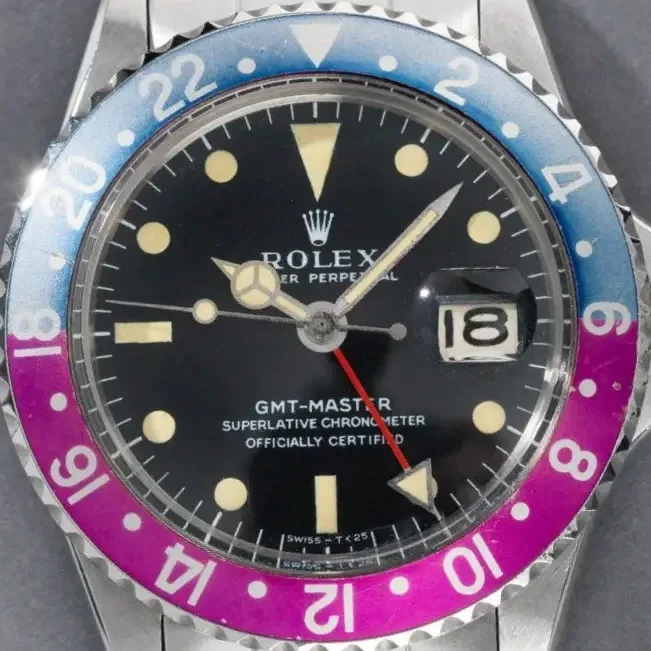
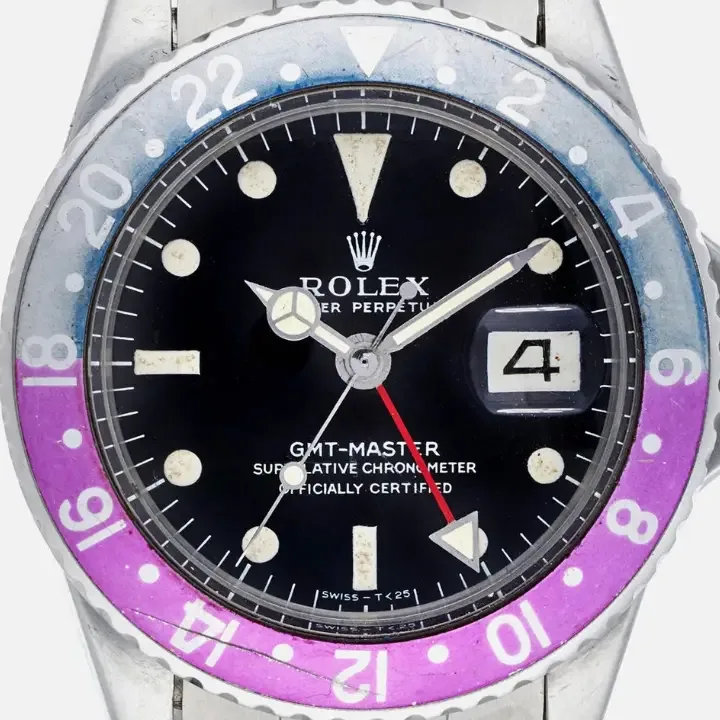
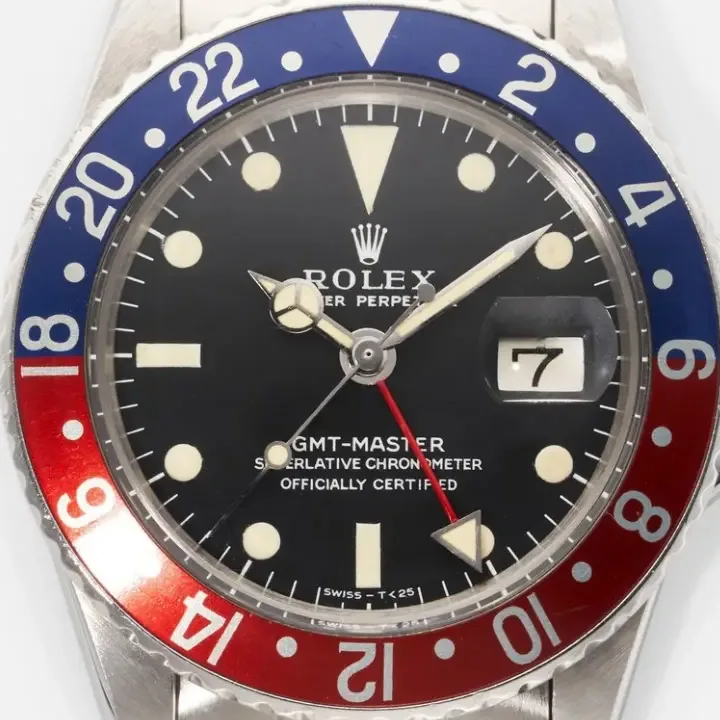
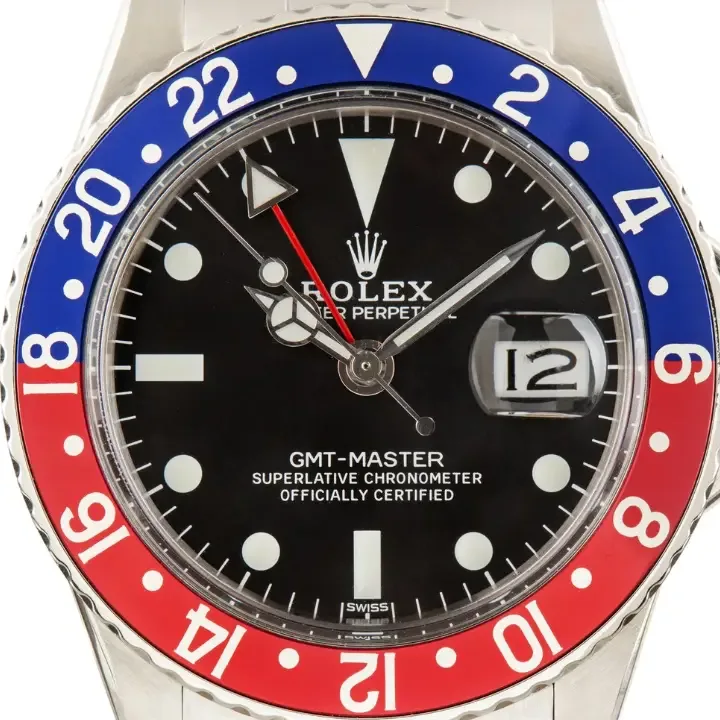
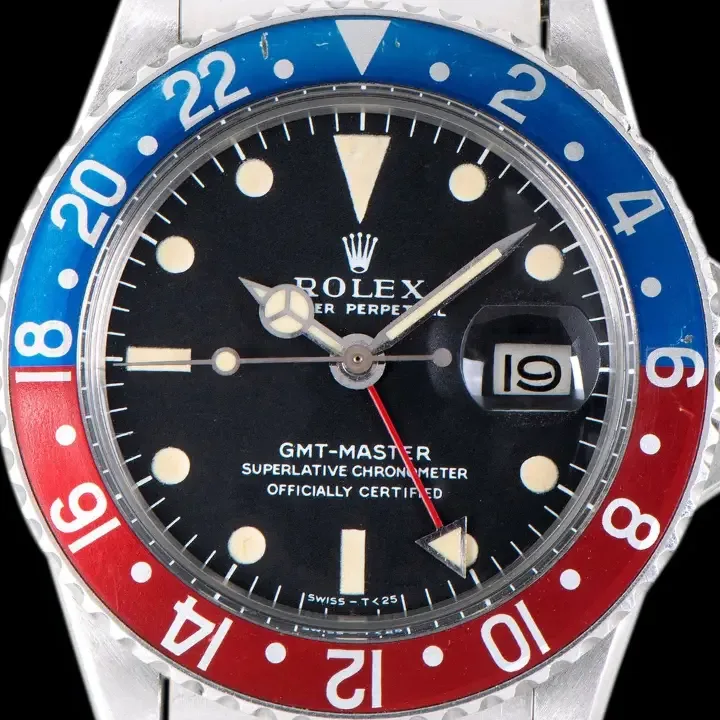
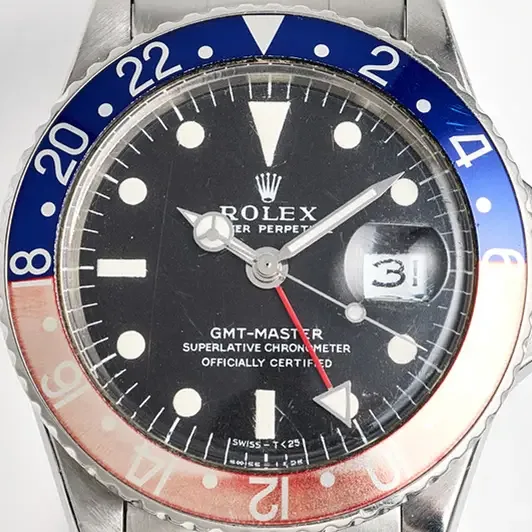
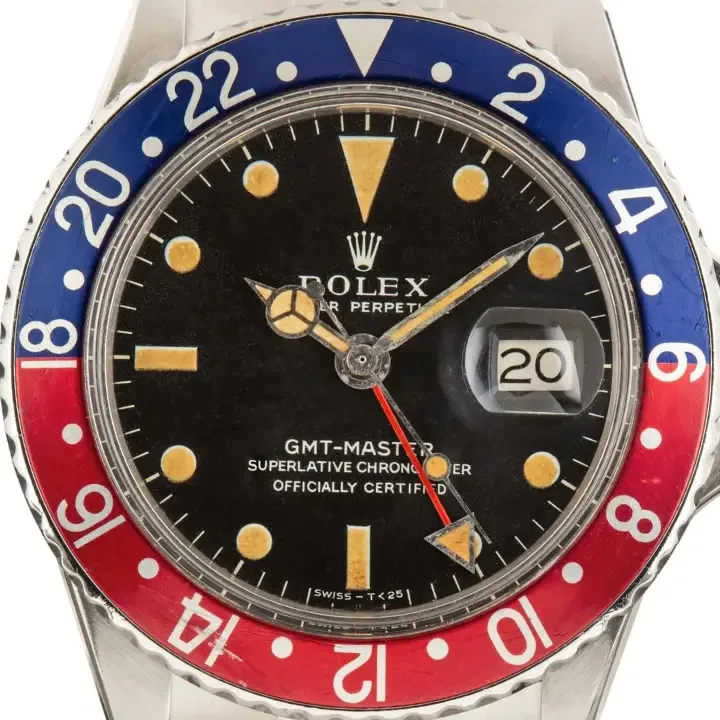
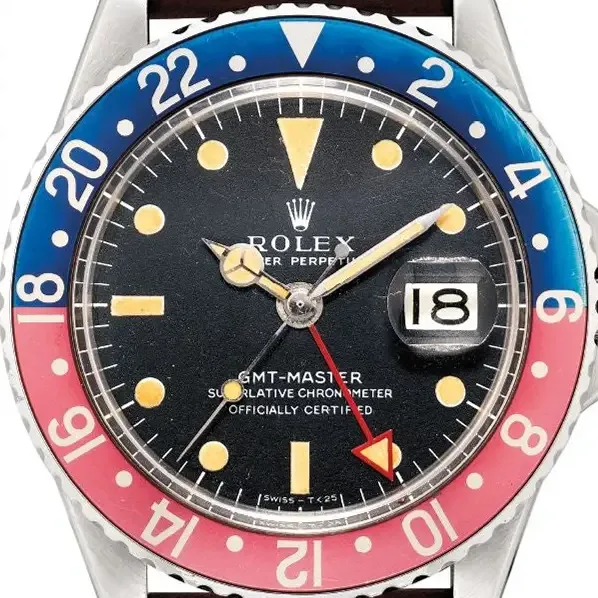
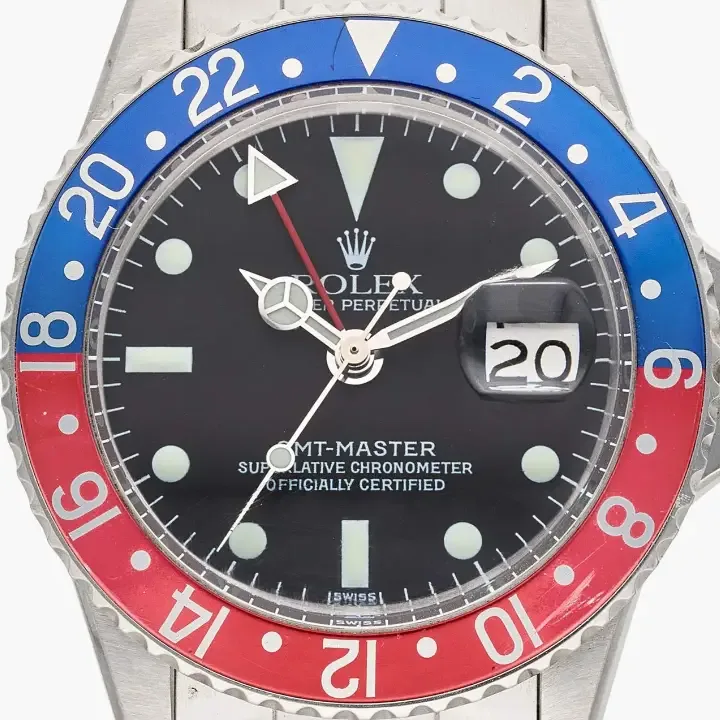
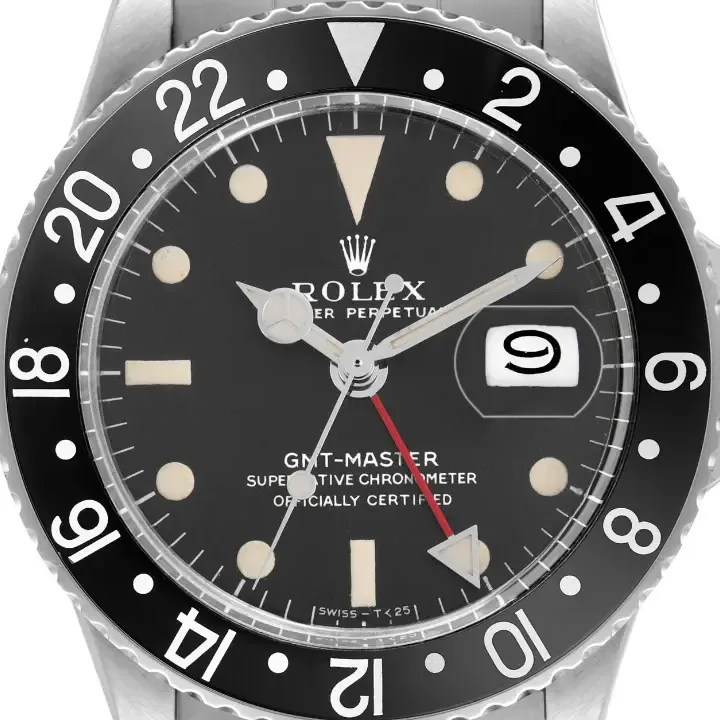
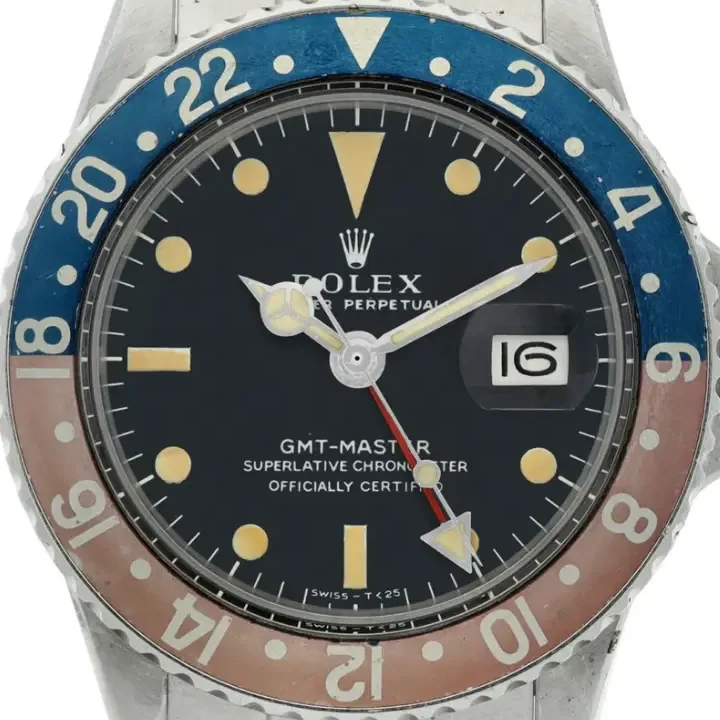
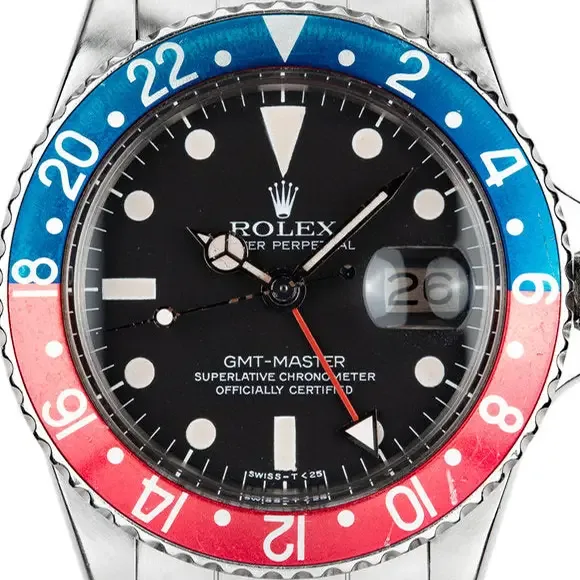
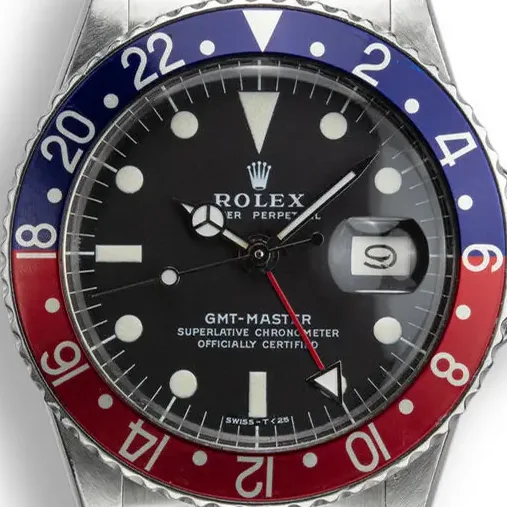
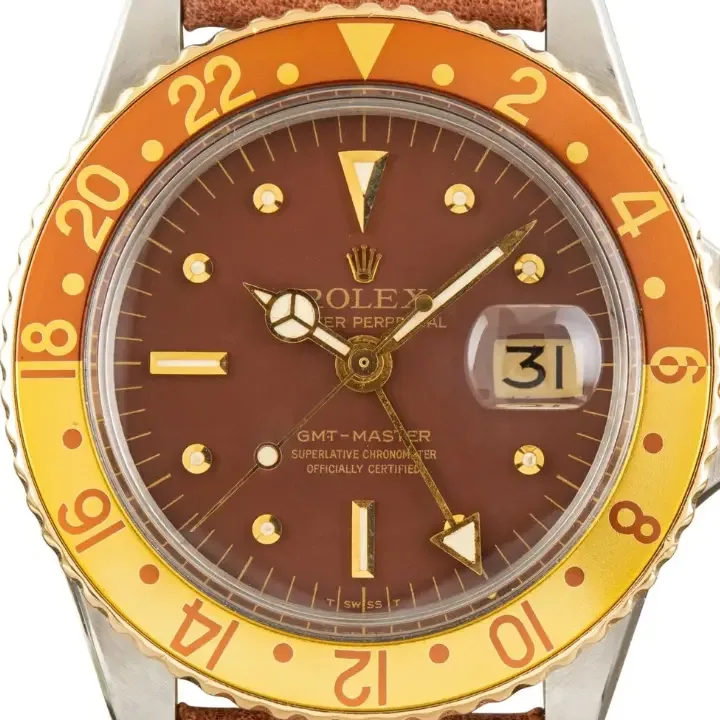
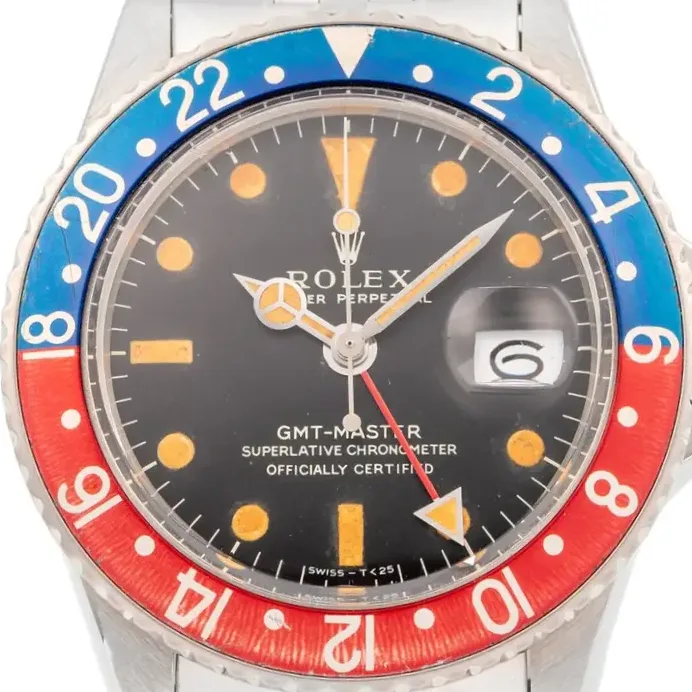
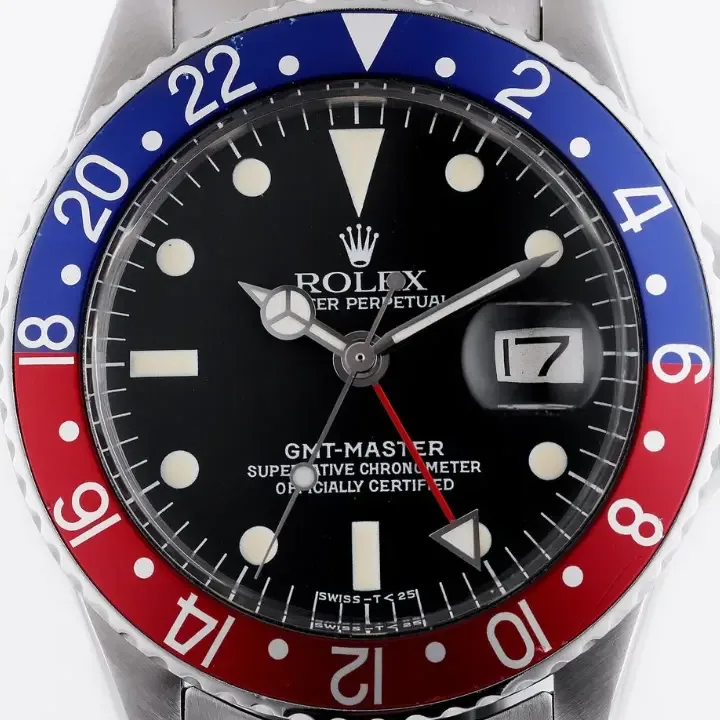
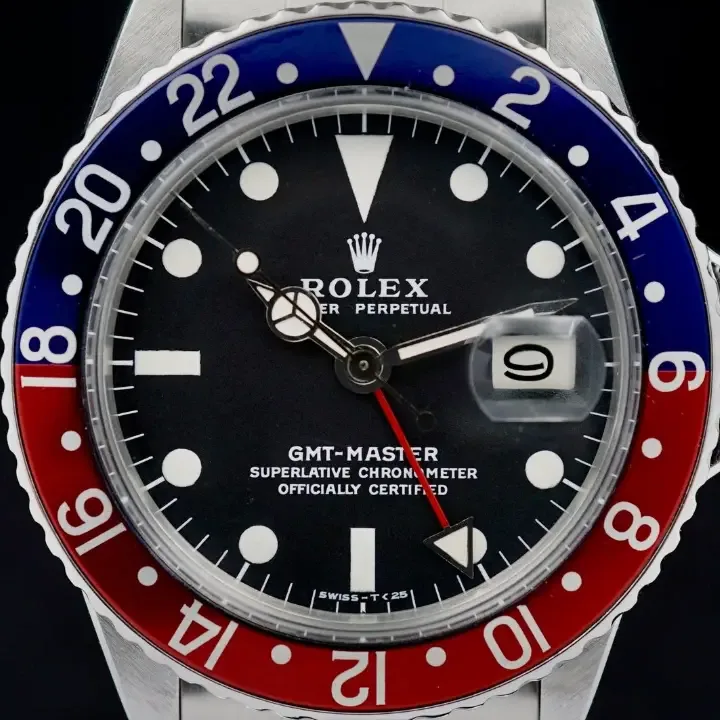
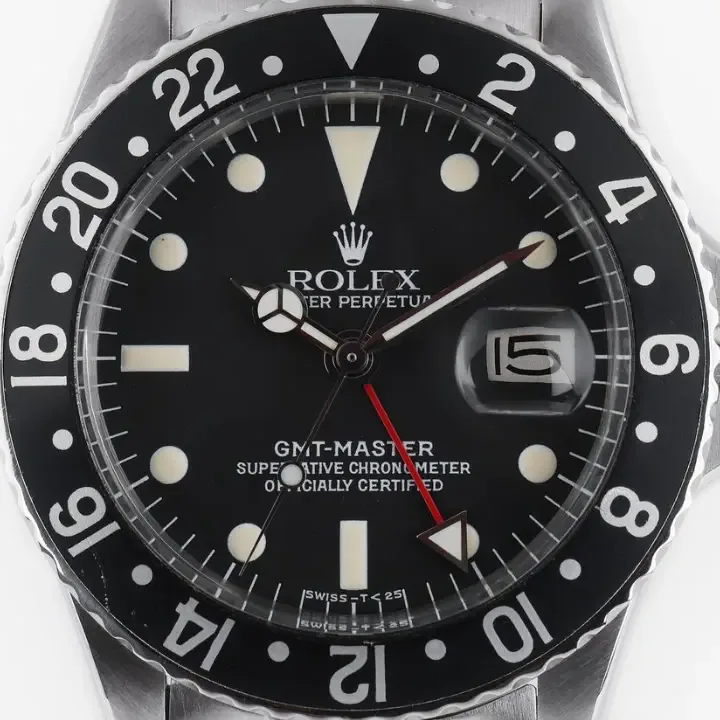
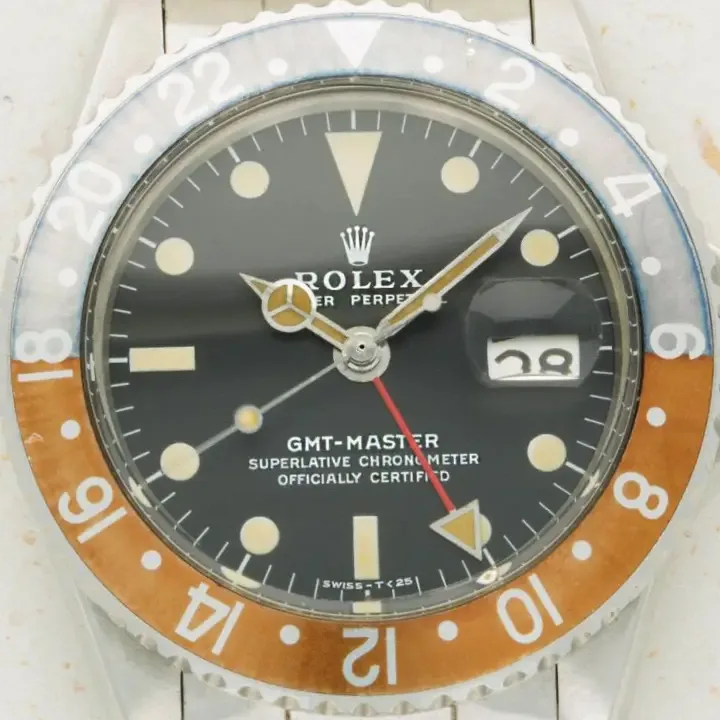
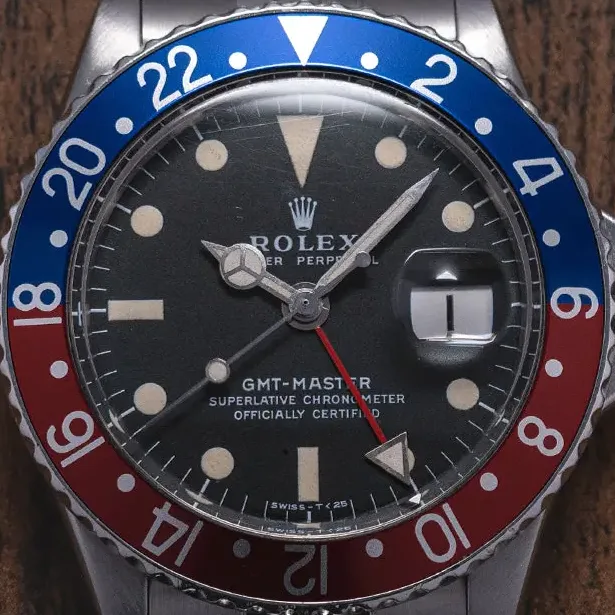
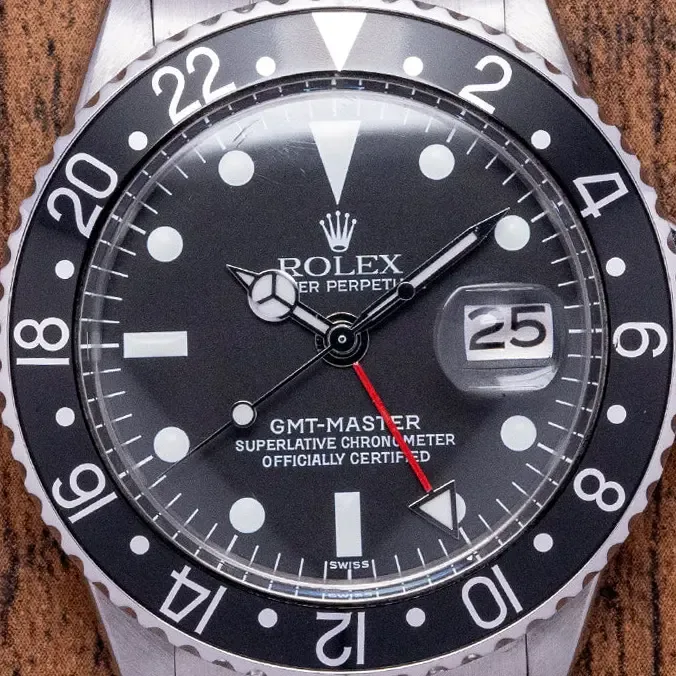
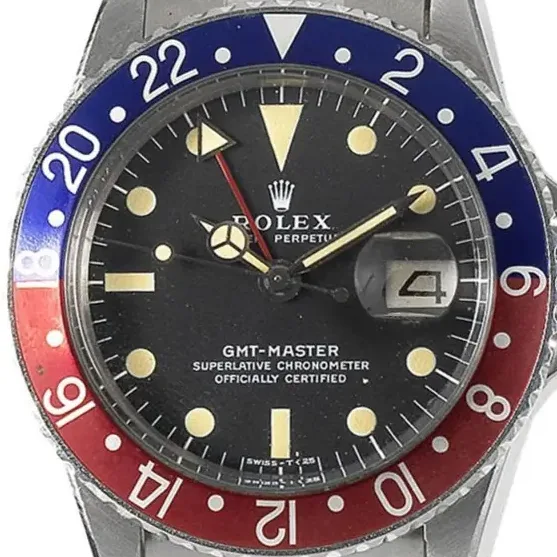
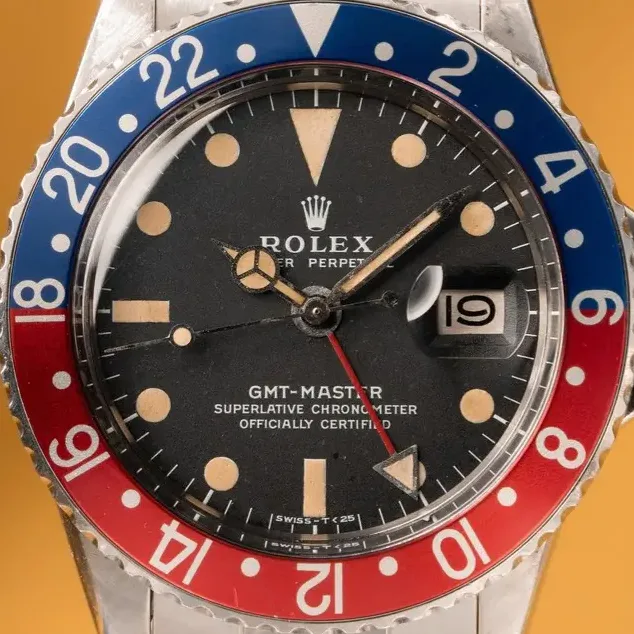
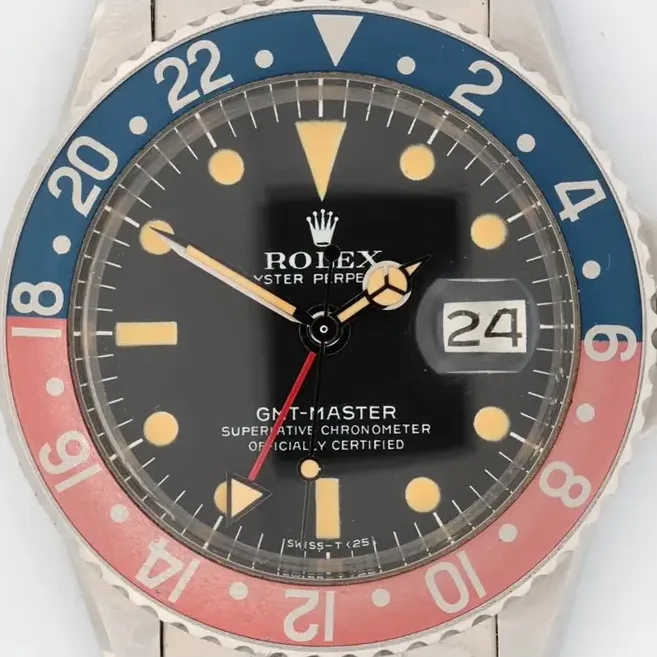
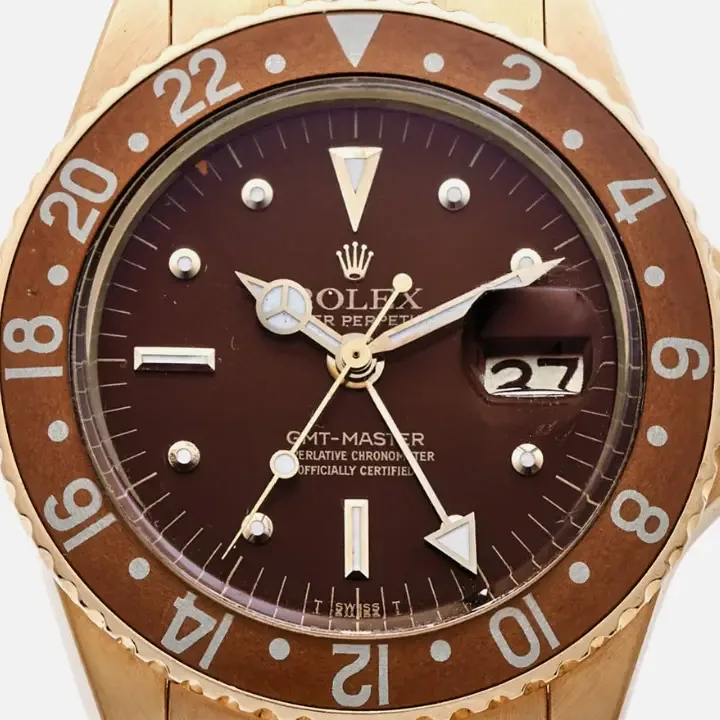
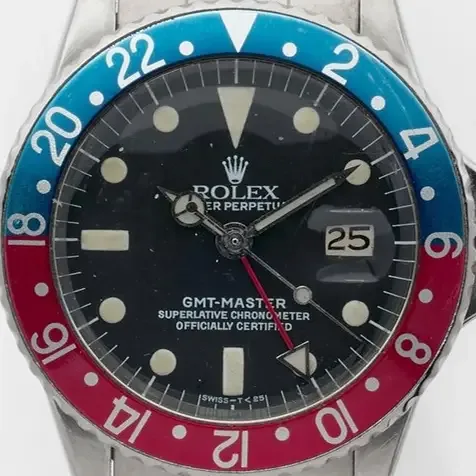
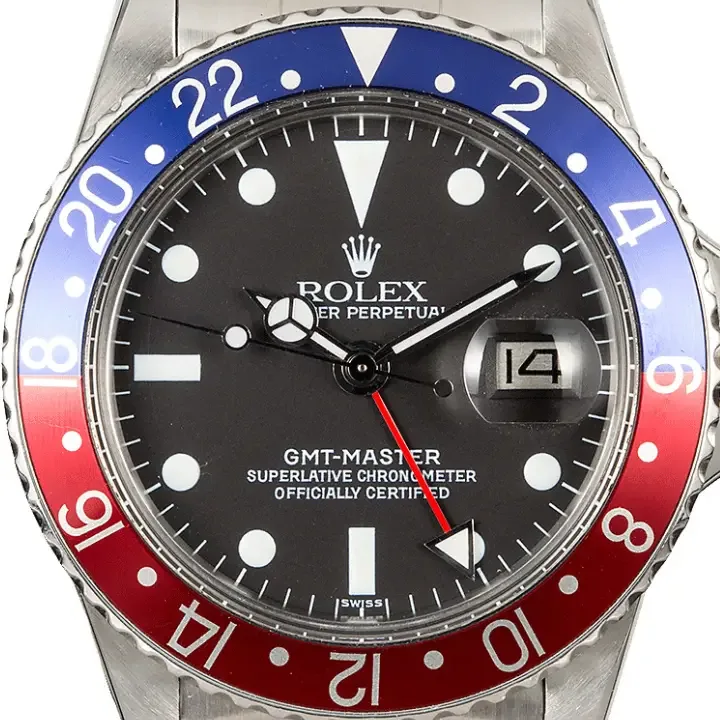
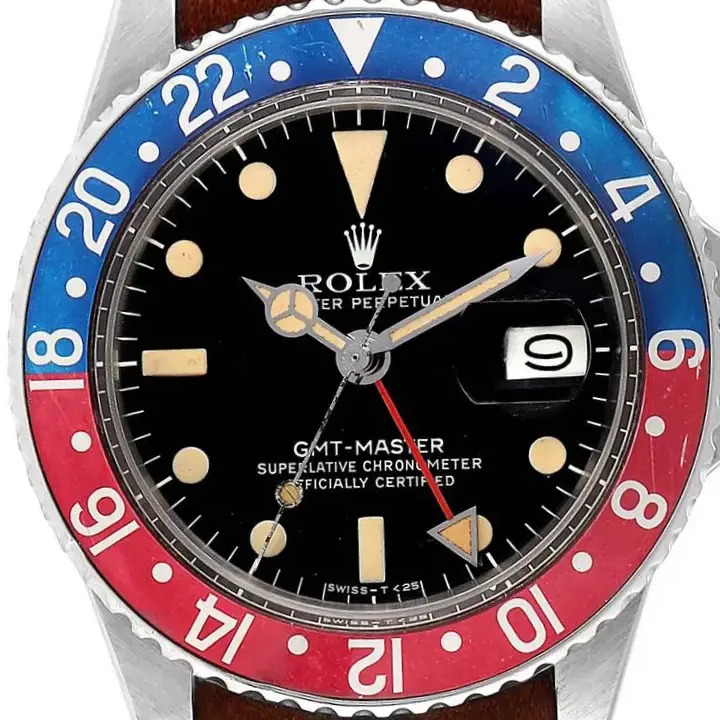
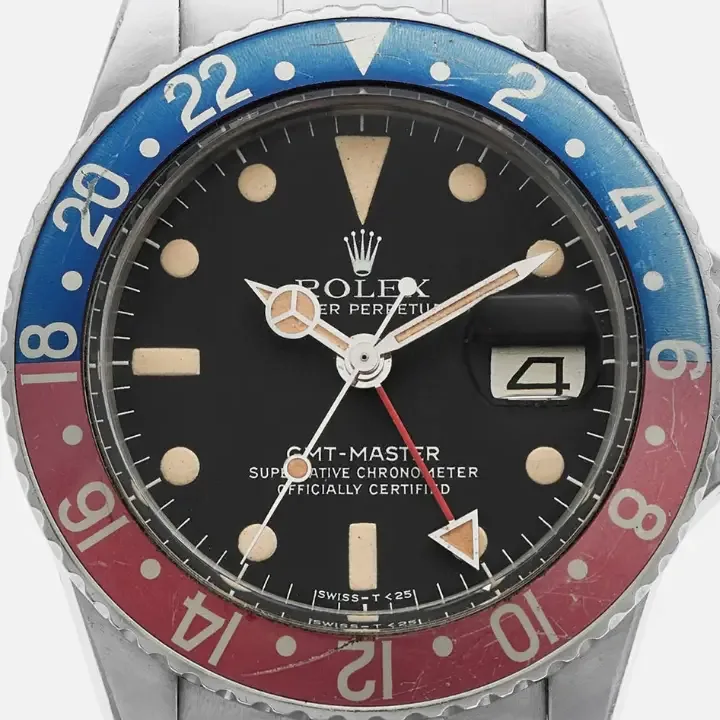
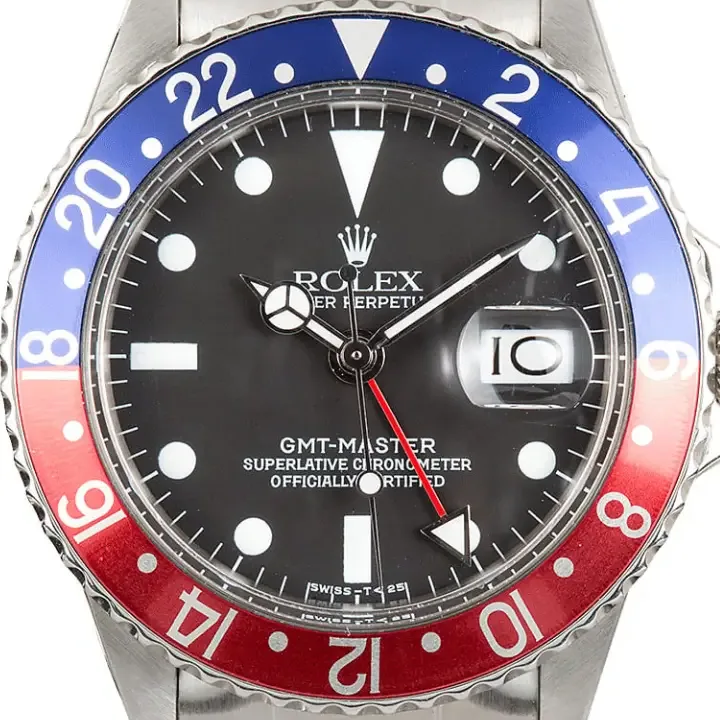
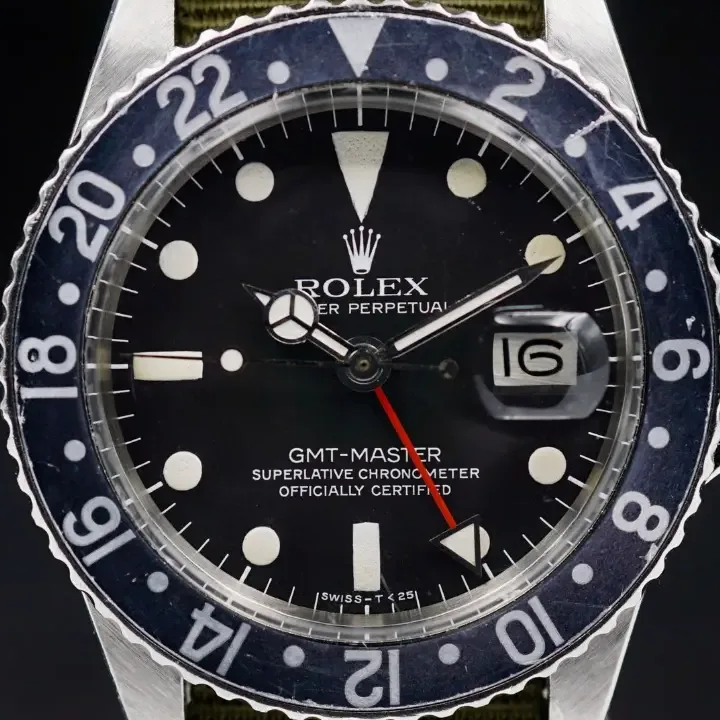
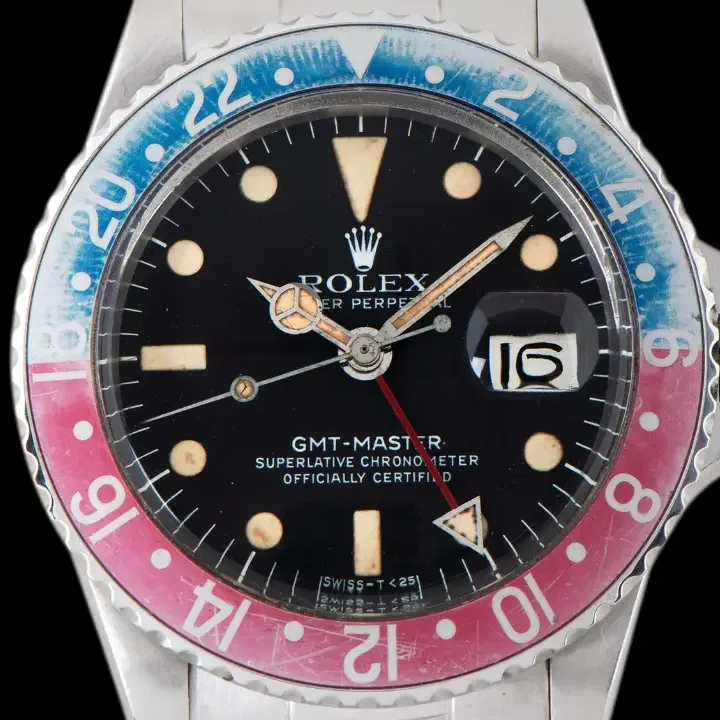
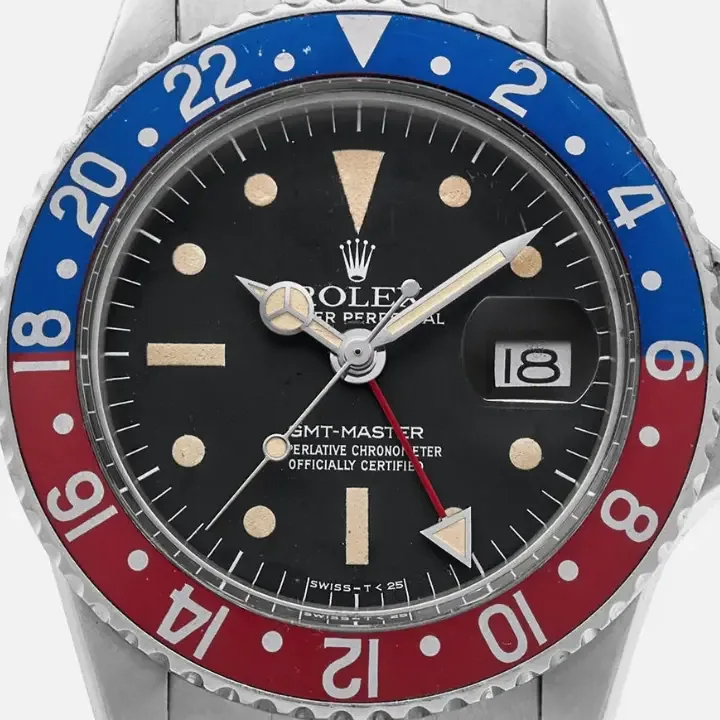
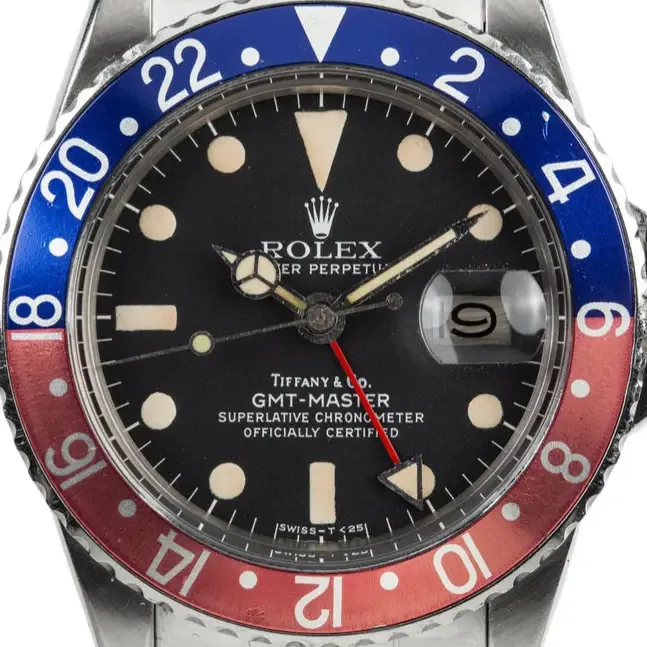
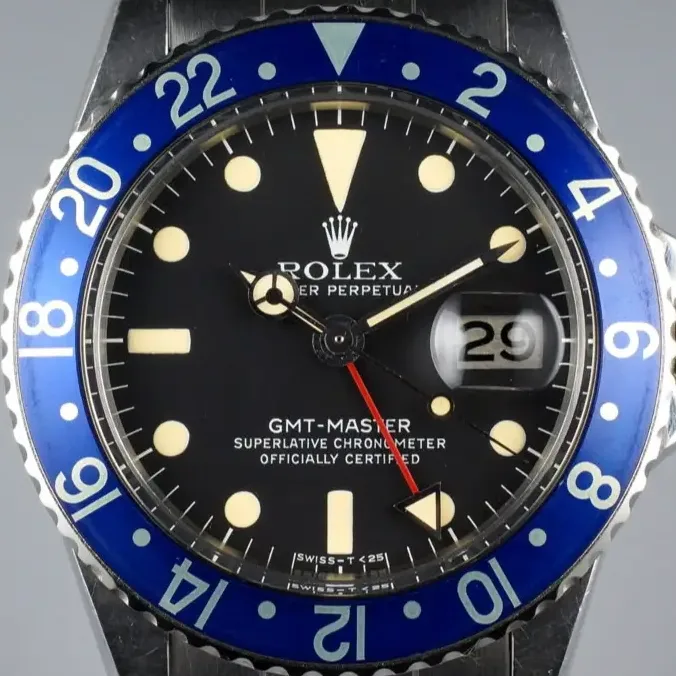
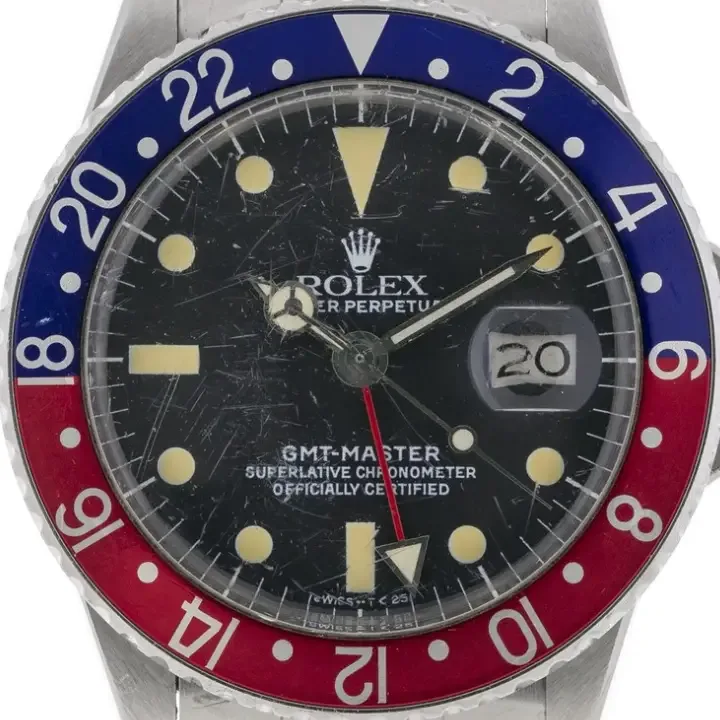
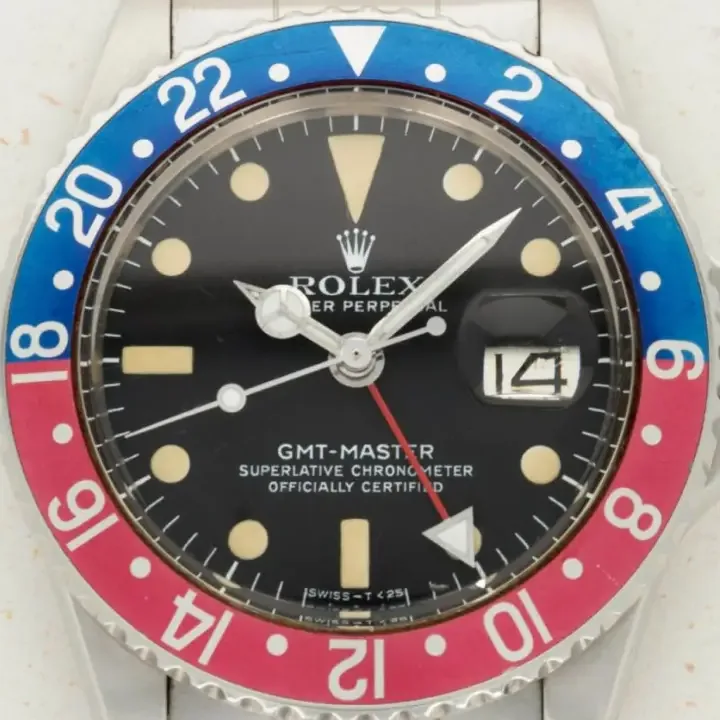
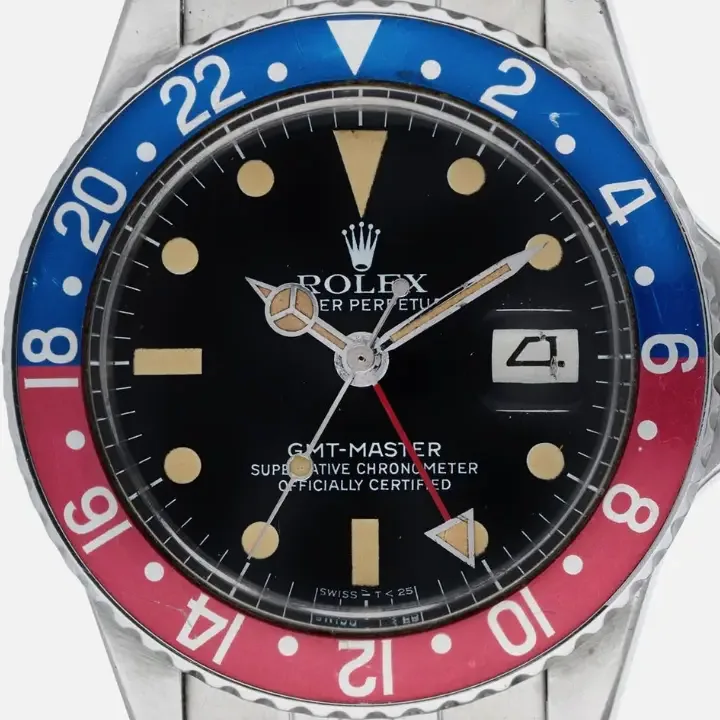




















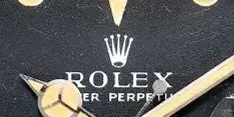





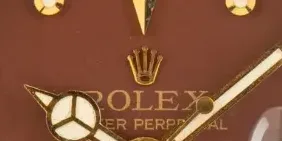





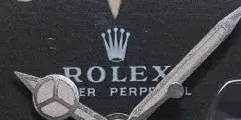
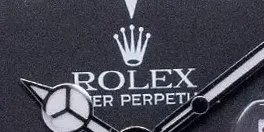
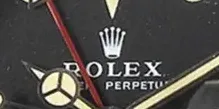
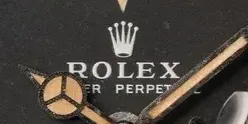










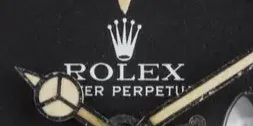

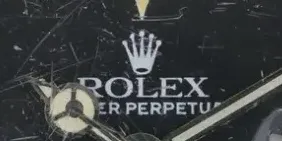





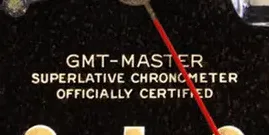

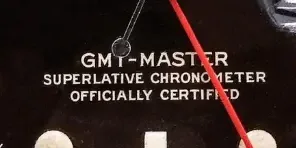
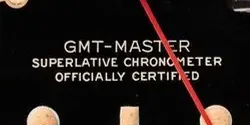
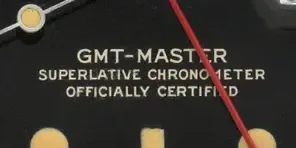



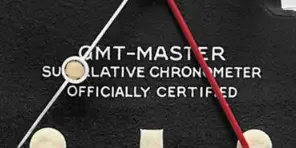
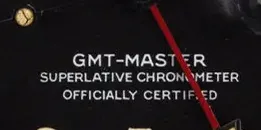


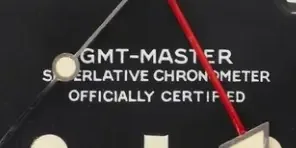

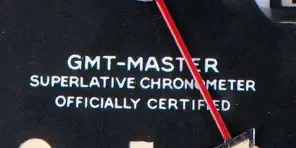
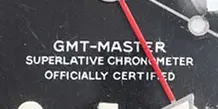

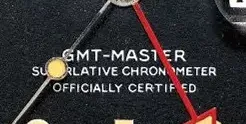

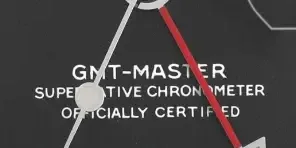

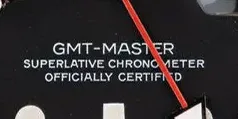

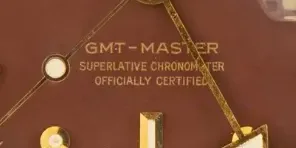



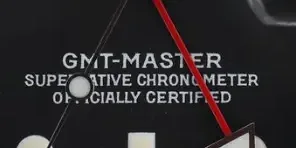

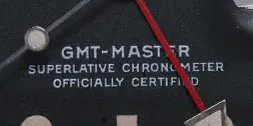
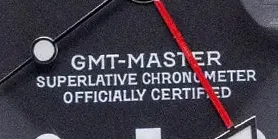
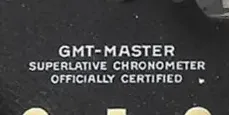


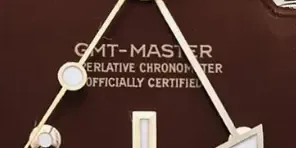

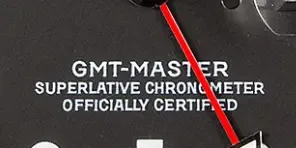


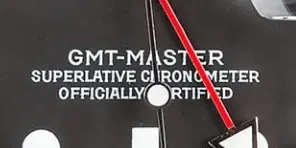
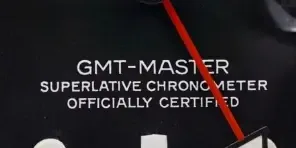


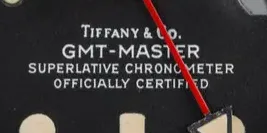
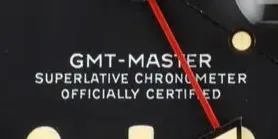
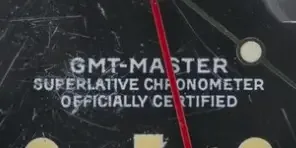

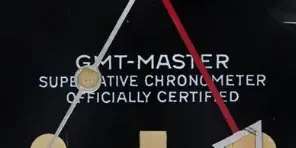

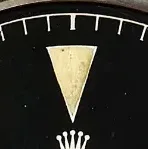
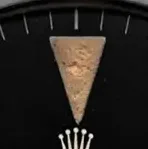
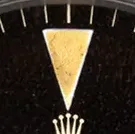
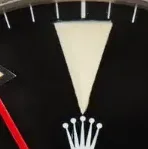
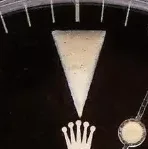
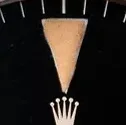
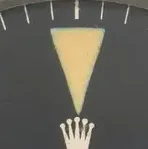


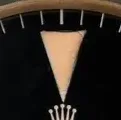
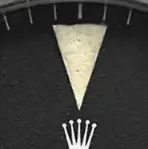
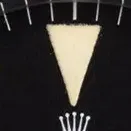
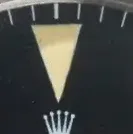
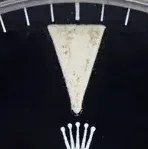
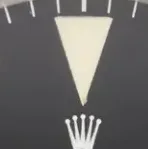
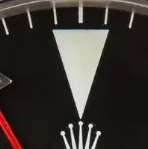
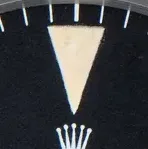
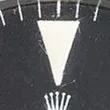
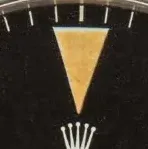
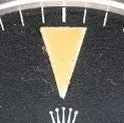
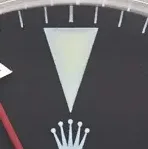
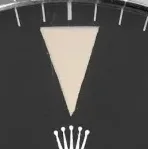
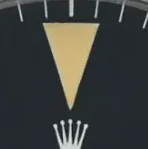
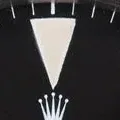
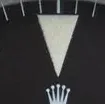
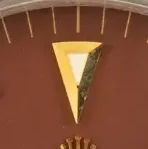
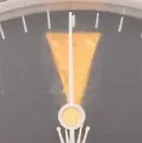
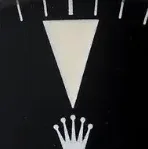
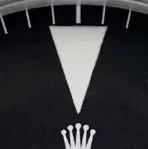
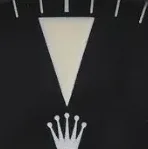
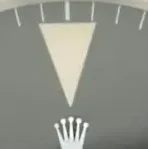
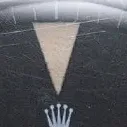
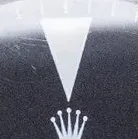
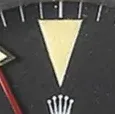
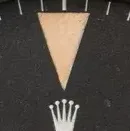

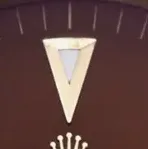

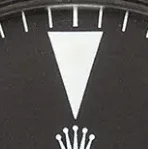
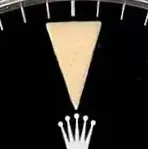
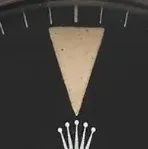
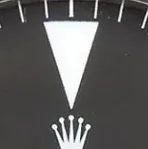
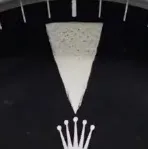
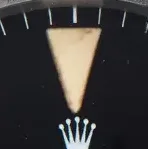
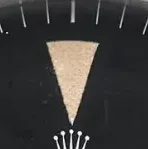
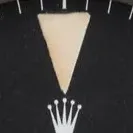
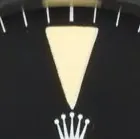
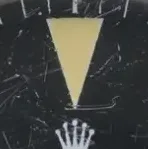
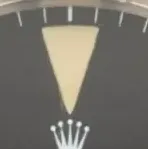
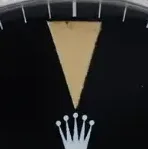

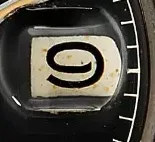
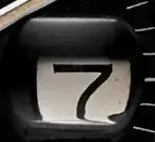
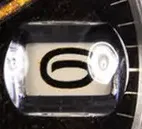
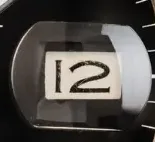
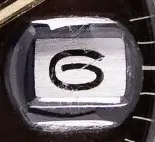
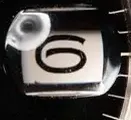
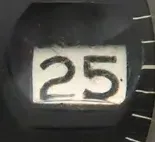
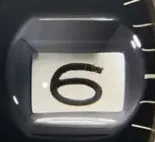
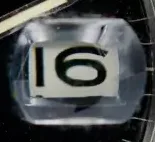
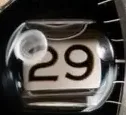
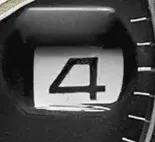
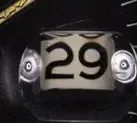
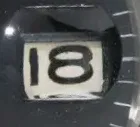
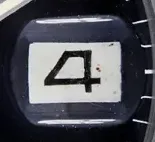
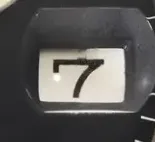
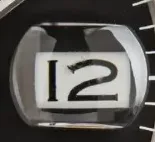
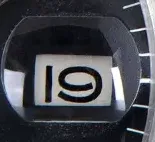
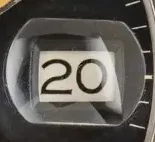
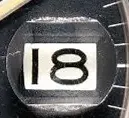
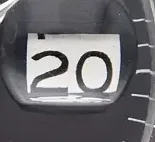
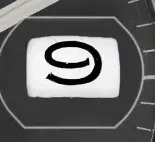

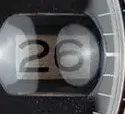
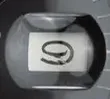
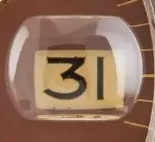
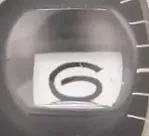
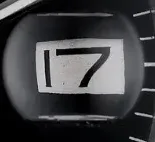
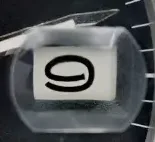
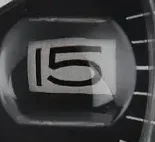
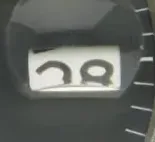

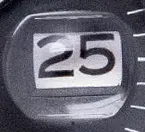
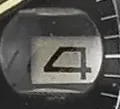
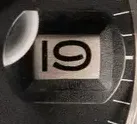
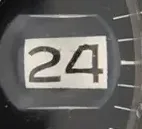
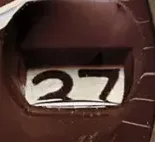
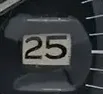
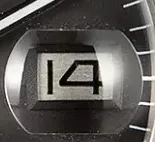
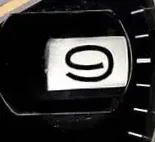
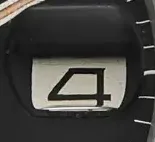
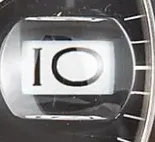
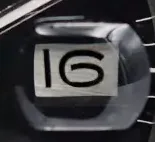
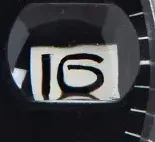
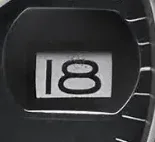
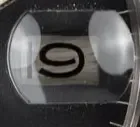
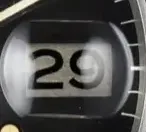
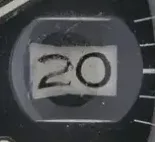
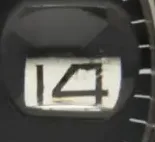
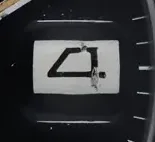

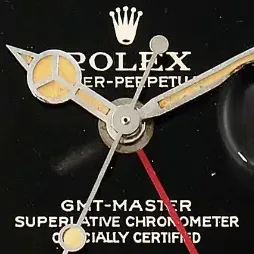
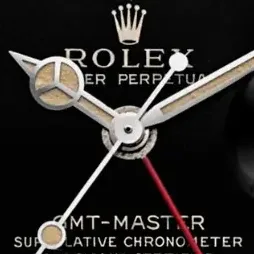
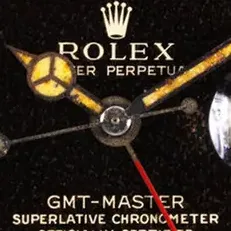
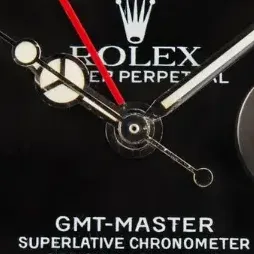
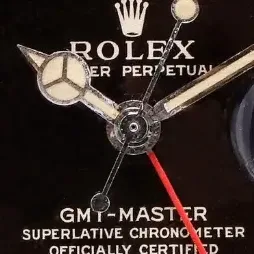
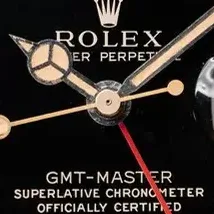
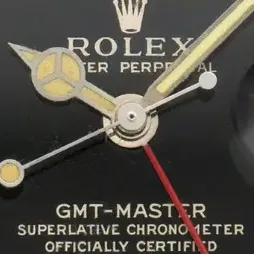



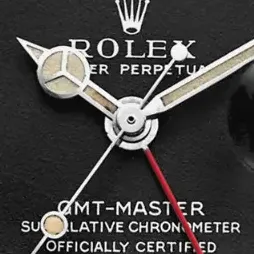
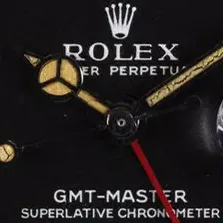
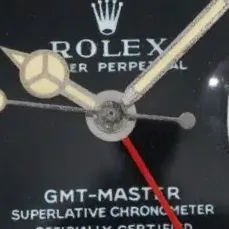
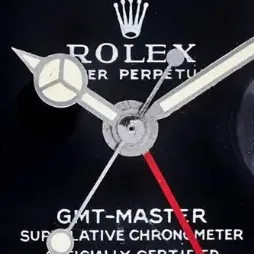

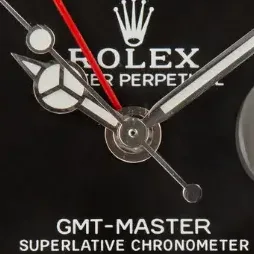
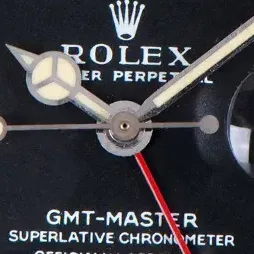
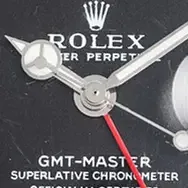

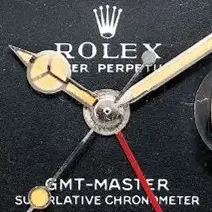
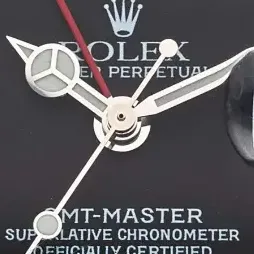
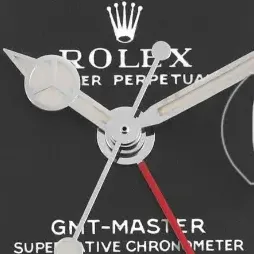

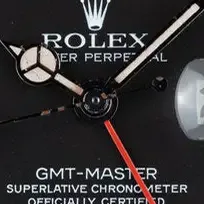
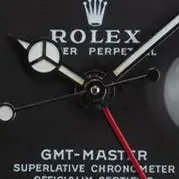
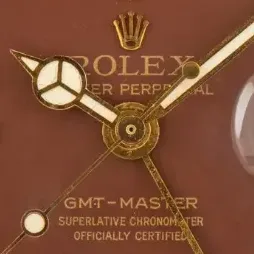
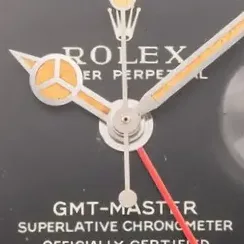
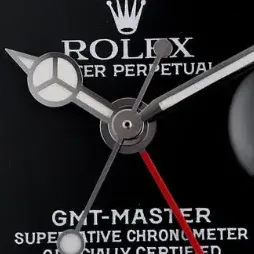
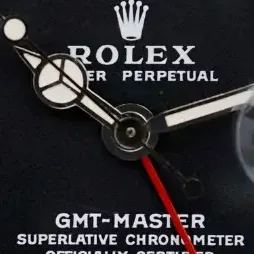

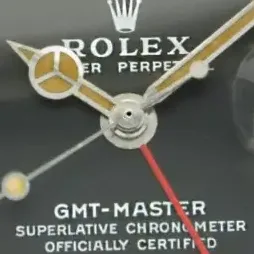
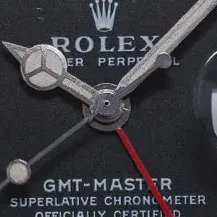
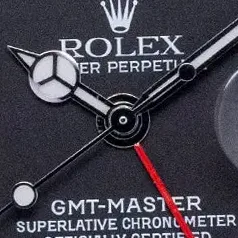
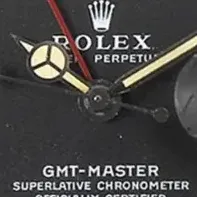
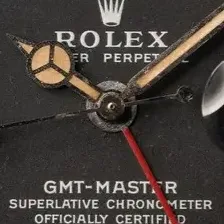
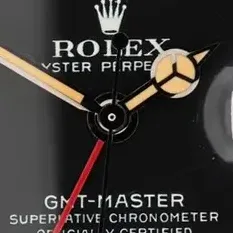

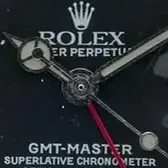
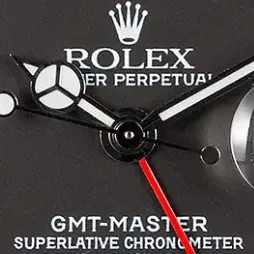

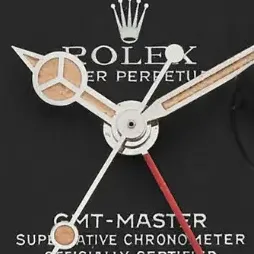
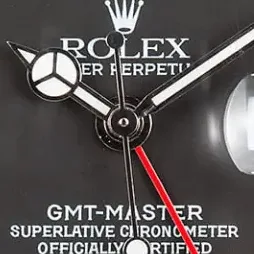
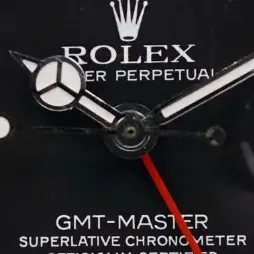
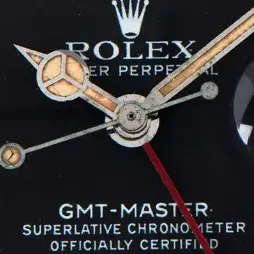
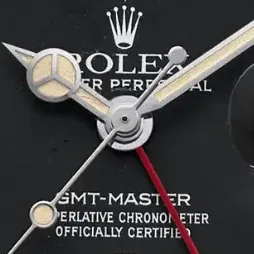
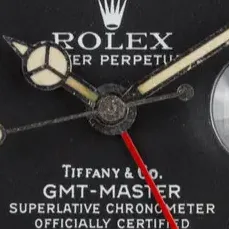
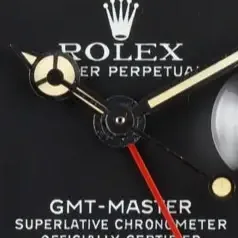
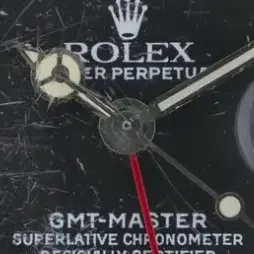
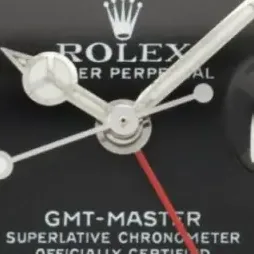
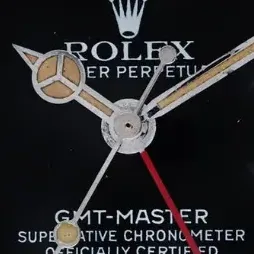

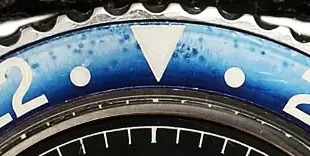
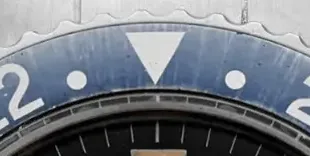

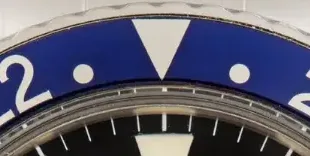


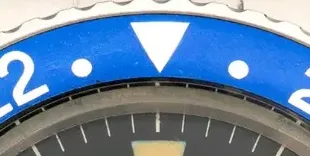





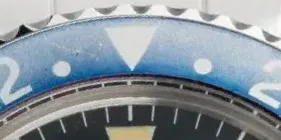
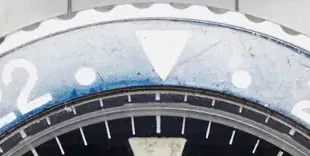


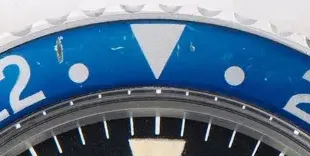
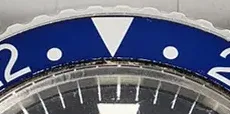
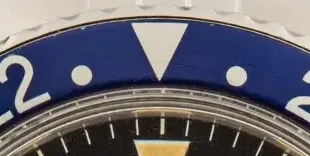
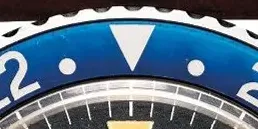
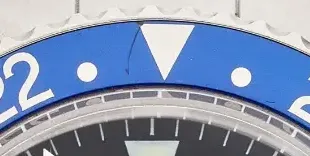
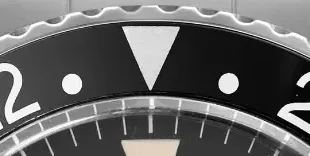
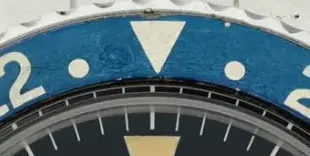
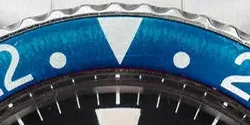


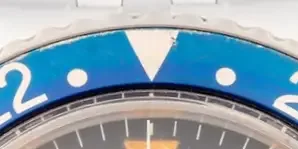


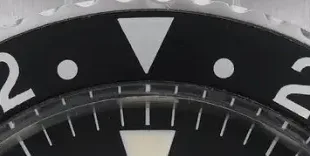


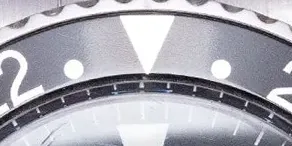
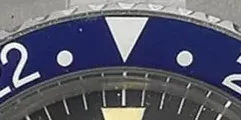
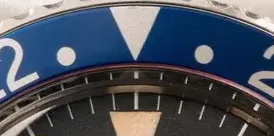
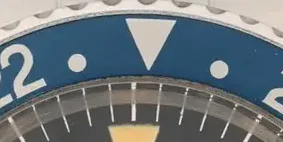
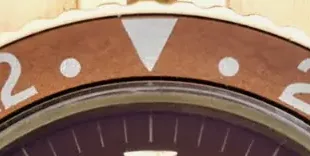

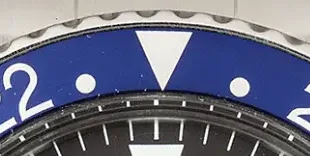
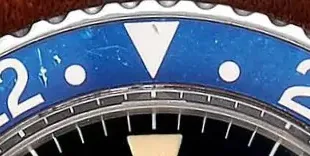

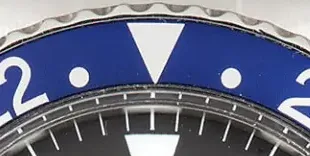
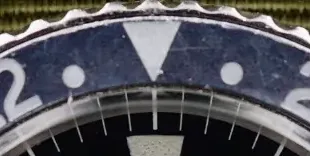
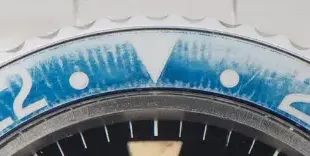

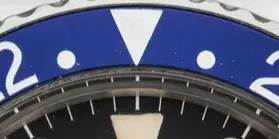
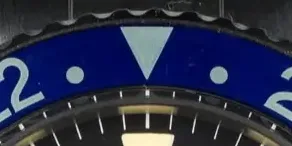
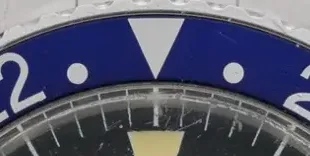

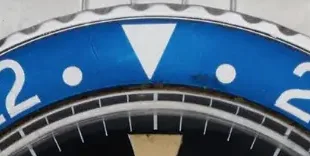

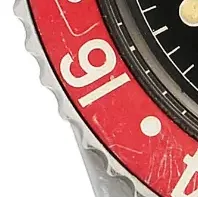
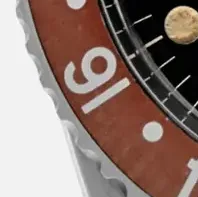
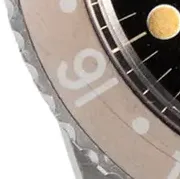
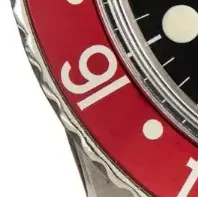
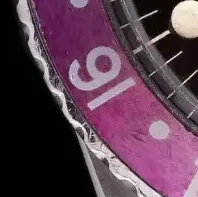

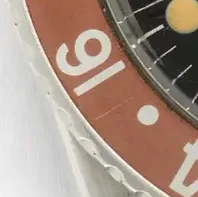
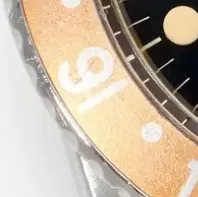
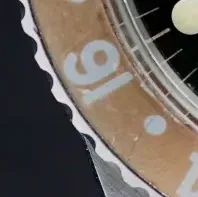

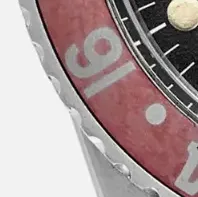
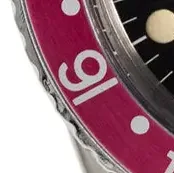
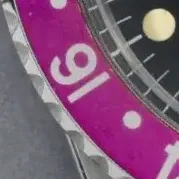
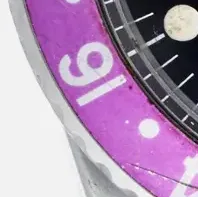
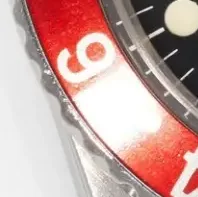
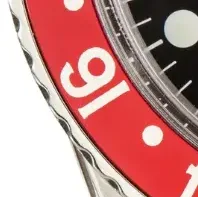
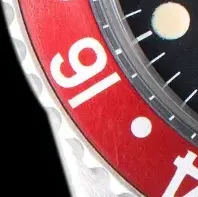
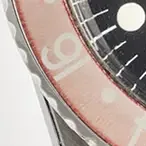
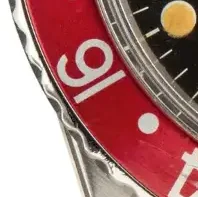
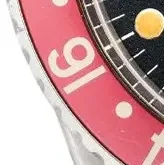
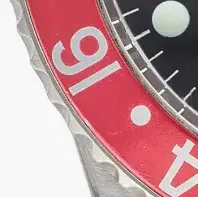
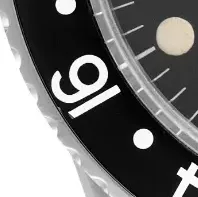
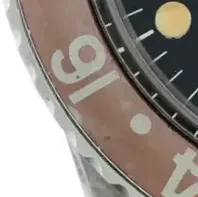
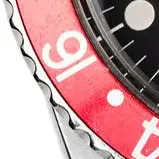
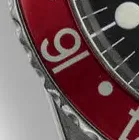
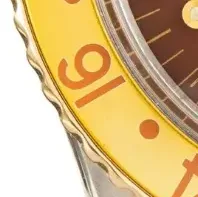
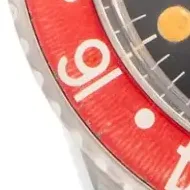
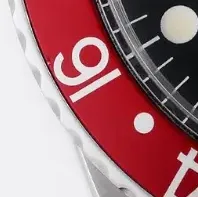
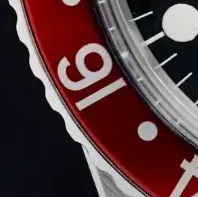
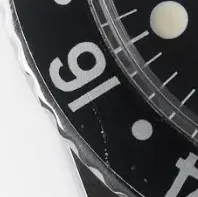
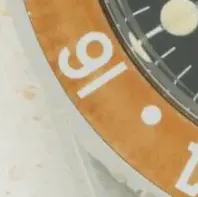
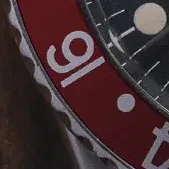
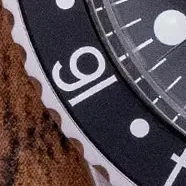
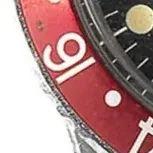
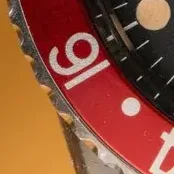
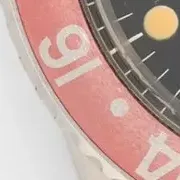
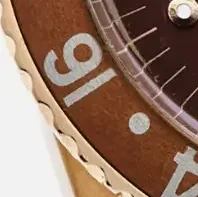
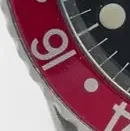
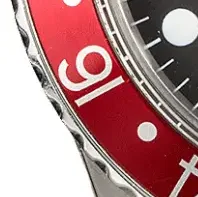
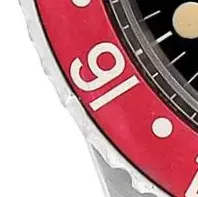
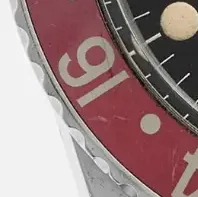
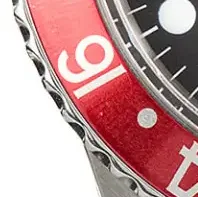
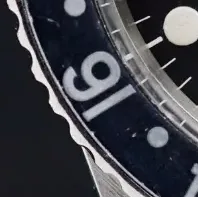
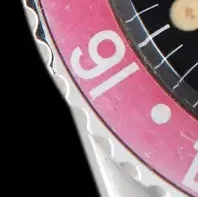
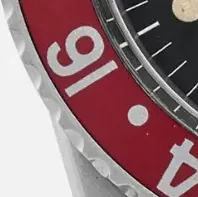
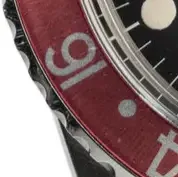
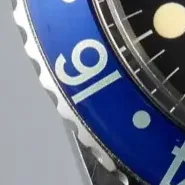
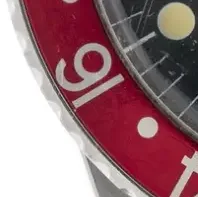
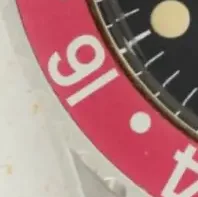
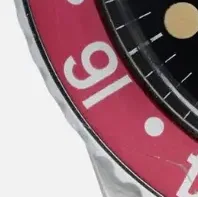

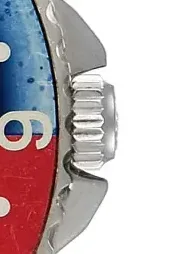
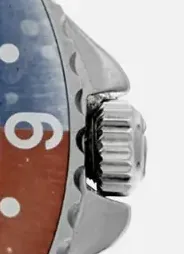



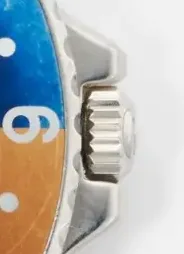

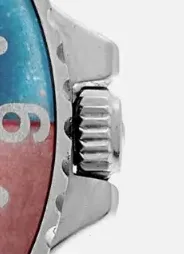
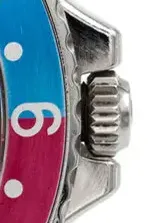
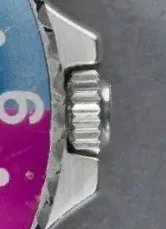
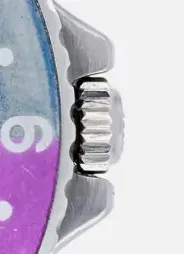
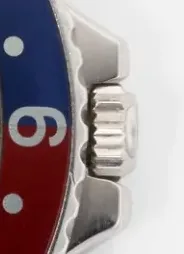
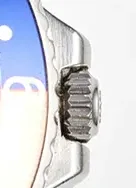
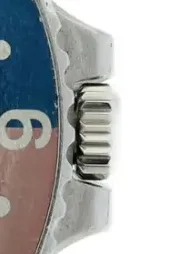
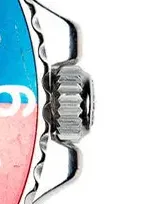
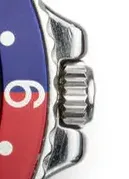
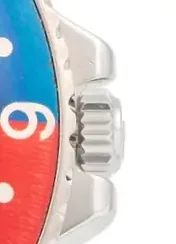
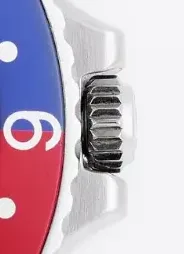
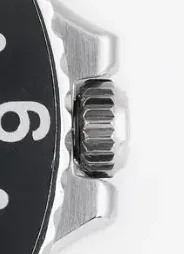

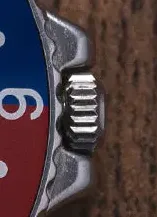
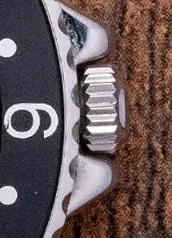
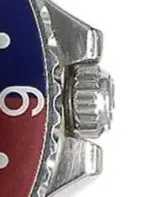
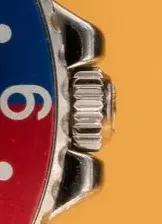

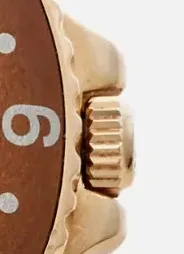
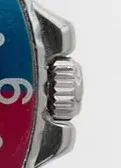
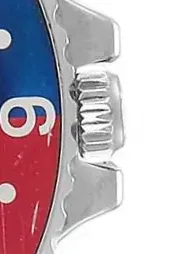
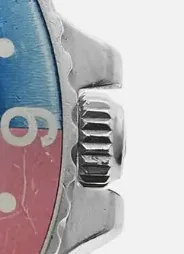
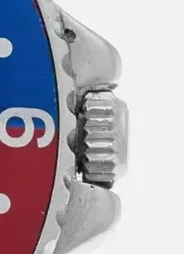
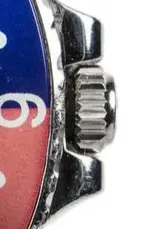
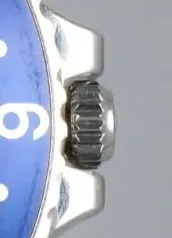
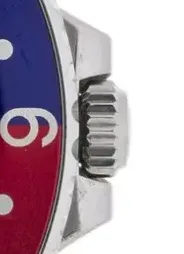
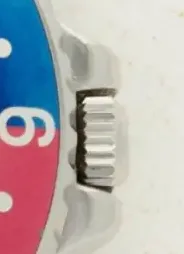
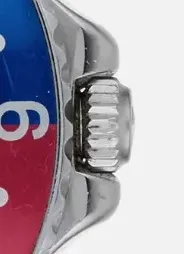

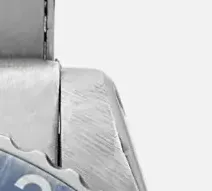










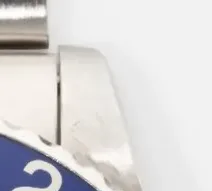
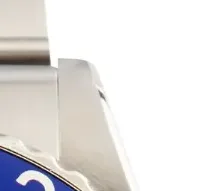

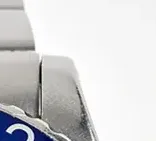


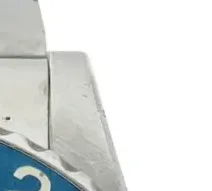
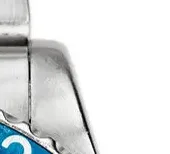
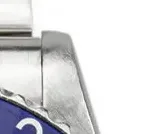






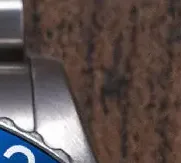
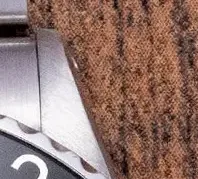
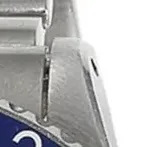




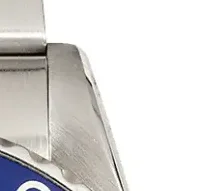
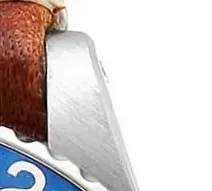

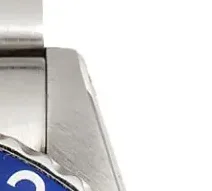
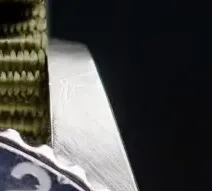


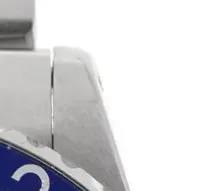




Illustrated history of the 1675: every change set out with close-up photographs of dated watches.
Chronology
Published accounts agree on 1959 to 1980; the library's case numbers run from 1959 to 1979, with a few stragglers either side.
Every dated variant: what is written, and what the records show
For the reference the marks are every dated watch; for a variant, the watches a seller names as that variant, so a variant sellers do not name has none.
The reference's own marks are dated by case number. A variant's marks use the year each seller states, so a variant can show watches in a year where the row for the reference shows fewer, or none. 6 dated listings fall outside this scale and are not drawn.
Specification
| Case | Steel Oyster case, about 38 mm without crown and guards and about 41 mm with them (39 or 40 mm is also given), 20 mm lugs, about 47 mm lug to lug; thickness measured at 12.7 mm up to 1967 and 13.0 mm after; also yellow gold and two-tone |
| Crystal | Acrylic with a cyclops lens; domed plexiglass was also fitted |
| Bezel | Aluminium insert, screen-printed: blue and red (Pepsi), black from the early 1970s, brown and gold in the gold versions |
| Dial | Gilt gloss dials, then matte black with white print; brown dials in gold watches |
| Hands | 24-hour hand beneath the hour hand; small then large arrow GMT hand |
| Crown | Twinlock, 5.3 mm |
| Movement | Calibre 1565 (18,000 vph) then 1575 (19,800 vph, hacking from about 1971); no quickset date |
| Bracelet | Oyster rivet, folded (7836) or solid (78360); Jubilee 6251 or 62510H |
| Water resistance | 50 m |
Dial 16 described
Dials start as glossy black with gilt print (a chapter ring on the first ones), then change to matte black with white print, sometimes put at 1964 and more usually at 1966 to 1967. The matte dials run Mark 0 to Mark 6, defined by coronet shape, lettering and spacing, followed by service dials. Brown dials appear on the gold 1675/8 and two-tone 1675/3. The wording Superlative Chronometer Officially Certified first appears with this reference.
Type 0 (OCC)
case numbers about 5032xx to 505xxx, one at 680xxx
The first dials keep the 6542-style Officially Certified Chronometer wording, because those watches had the older movements. Found on cases stamped II.59 or I.60, and said to hold the earlier calibre 1535 without microstella, though some have the 1565. Dials with underlines, such as one at 680xxx, are reported but need verifying.
- Officially Certified Chronometer text
- II.59 or I.60 caseback stamp
Type 1 (SCOC, gilt)
case numbers 503xxx to 696xxx
The first dial, reading Superlative Chronometer Officially Certified. The coronet has a small, skinny base and looks lopsided. The left side of the L in ROLEX is in line with the first P of PERPETUAL, and the serifs are finer than on later types. No underlined or exclamation-mark versions are known.
- small lopsided coronet
- small serifs on L and E
Type 2 (SCOC, gilt)
A larger, wider coronet, a flat wide top on the A of MASTER, a stretched S in Superlative and a narrower O in Officially. Type 3 has a wide, balanced coronet base.
- wide coronet
- flat top on A
- stretched S
Gilt gloss
Gilt gloss dials carry gold text and large tritium markers: rectangles at six and nine, round markers elsewhere and an inverted triangle at twelve. Gilt Type A and B dials without a chapter ring sit only on pointed-guard cases, as do early Type C dials until about 1.0M. Dials are smooth and reflective, the earliest looking lacquered. The marking at six runs from SWISS alone to the exclamation mark, placed around 1962 to 1963, and then the underline, around 1963 to 1964; SWISS T<25 belongs to the matte dials that follow, and sellers place it on watches of about 1966 to 1972. Dated watches that sellers describe this way fall mostly between 1960 and 1966; those are the years of the watches so described, which is not a stated span of production.
- gold text
- chapter ring on early dials
- underline or exclamation mark at 6
Mark 0 / 0.5 matte (transitional)
The first matte dials, with white text, on cases before about 1.4M usually carrying the 1565. The small GMT hand persists through these and to about 18xxxxx.
- transitional matte
- small GMT hand
Mark 1 (Long E)
Matte dial with the elongated E in ROLEX, following the transitional Mark 0 and 0.5 dials; the later matte types, ending in the radial-lume dials, come after it. Sellers name Long E on watches of roughly 1968 to 1970; those are the years of the watches so described, not a span of production.
- long E in ROLEX
- white printed text
Mark 2
Matte, with sellers placing it on watches of around 1972 to 1973; those are the years of the watches so described, not a span of production. Collectors also describe Mark 2 brown dials in gold watches, in three kinds: glossy, matte with serif lettering, and matte without serifs.
- matte dial
- serif lettering on early ones
Mark 3 Radial
case numbers about 4.1M to 5.4M
Smaller hour markers set closer to the centre, a different GMT-Master logo font and a narrower chronometer line; nicknamed mini dial. Mid-to-late 1970s, often replaced by service dials.
- small hour markers nearer centre
- narrow chronometer line
Mark 4
A matte dial of the 1970s; sellers state mostly 1973 to 1978. Dated watches that sellers describe this way fall mostly between 1973 and 1978; those are the years of the watches so described, which is not a stated span of production.
- matte dial
Mark 5
Identified in part by the right-hand stem of the M in MASTER sitting over the gap between the C and the H of CHRONOMETER. Made in the late 1970s; one late 1970s example carries an AB logo above the model name.
- M aligned over C and H gap
Mark 6
case numbers 55xxxxx to 59xxxxx
The tallest coronet of any matte 1675 dial, a smaller rounder base than Mark 5, smooth rounded L and E serifs and tight spacing. Mostly a service dial for watches serviced in the mid-to-late 1970s and early 1980s, but possibly also a late production dial.
- tallest coronet
- rounded L and E serifs
Brown Mark 1 (gold 1675/8)
case numbers about 88xxxx to 18xxxxx
Brown dial found only on the gold 1675/8. It carries a hyphen in OYSTER-PERPETUAL and a separately printed I in SWISS above and right of the minute index. Three kinds: no Ts beside SWISS (about 88xxxx to 99xxxx), low Ts (97xxxx to 16xxxxx) and a higher T SWISS T (160xxxx to 18xxxxx).
- hyphen in OYSTER-PERPETUAL
- T marks by SWISS
Brown Mark 2
case numbers 16xxxxx to 42xxxxx
No hyphen in OYSTER PERPETUAL, and the wide R in MASTER kept, unlike marks 3 to 5. Glossy (16xxxxx to 21xxxxx), matte serif (170xxxx to 358xxxx) or matte non-serif (212xxxx to 42xxxxx). The first dial fitted to the two-tone 1675/3. Concorde GMT is a collectors' name covering two dial types.
- no hyphen
- wide R in MASTER
Nipple dial
Gold-cased 1675/8 and two-tone 1675/3 watches have round faceted gold hour markers filled with lume, rectangles at three and nine and an inverted triangle at twelve, in gold throughout, with gold Mercedes hands. Sellers date them from 1971 on. That is when sellers describe them so, not a date of introduction.
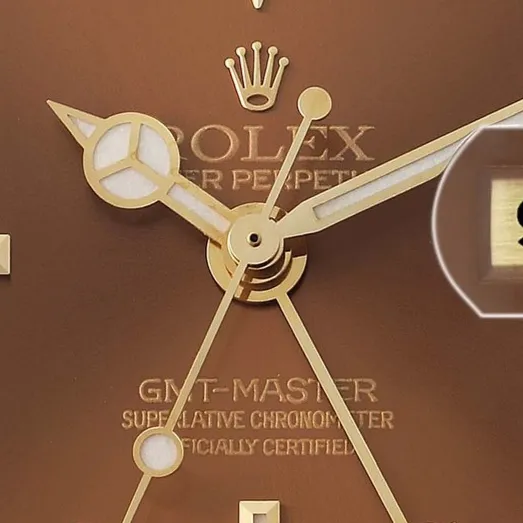
- round faceted gold markers
239 listings on record under the name.
Tropical
A black dial that has aged to brown, found especially in two stretches of case numbers.
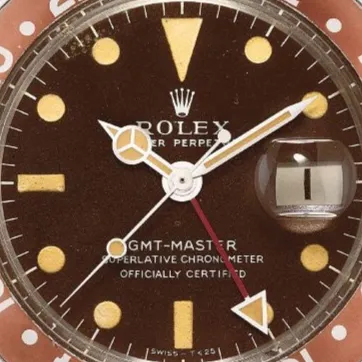

74 listings on record under the name.
Signed and co-branded dials
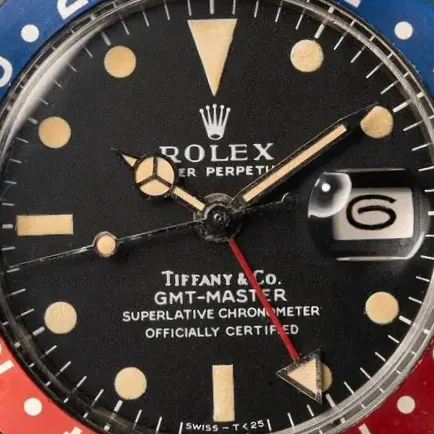
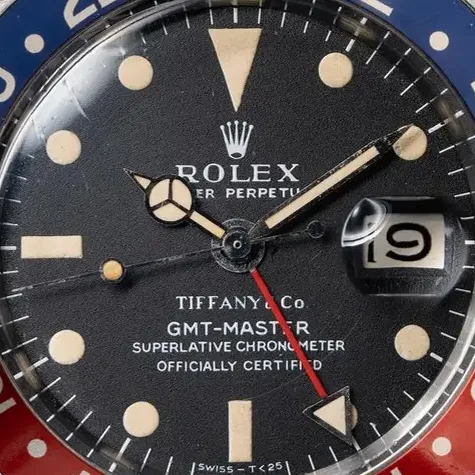
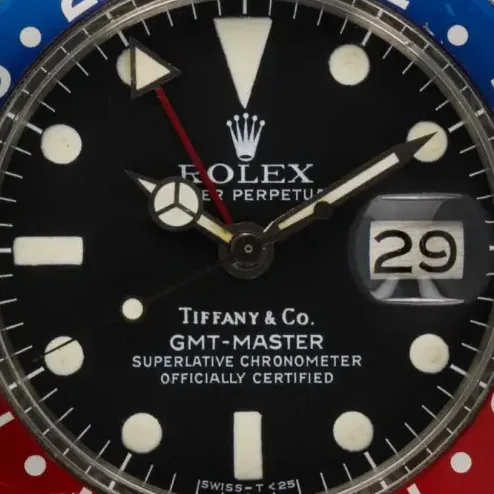
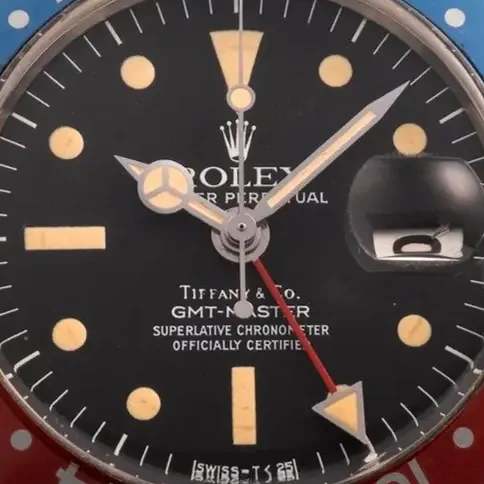
Tiffany & Co. double-signed dials, UAE and Oman insignia dials, and in one example a late 1970s Mark 5 with an AB logo are recorded. Sellers also describe Serpico y Laino and Khanjar-style dials.
- retailer or crest above the model name




Luminous material 2 described
Hand lume on early watches is radium and then tritium; tritium was standard until Luminova in the late 1990s.
Radium
On gilt-era hands until about 1962 to 1963.
- radium hands
Tritium
The standard lume after about 1963. Tritium that no longer glows is common, and relumed hands and plots are often stated.
- aged cream tritium
Hands 4 described
The 24-hour hand sits at the bottom of the stack, below hour, minute and seconds, and tied to the hour hand; the 16750 moved it above.
Small GMT hand
A small arrowhead that reaches the edge of the dial, with an evenly painted red tail and a flat join. In the gilt era the hour hands are flat and reach the 9 marker on chapter-ring dials, and the minute hands are pinched, broad or short. The small hand continues through the first matte dials, to about serial 18xxxxx.
- small arrowhead
- flat hour hand
Large GMT hand
A larger arrow from about 1968 to 1970, for legibility. Matte hour and minute hands start flat and become slightly convex around 18xxxxx. An all-red GMT hand is argued to be right for matte dials around 1968 to 1972, though some call it a service part.
- large arrowhead
Seconds hand
Gilt-era seconds hands reach the chapter ring or half-way into the minute indices; a white lollipop is on a few early OCC dials. Later watches have Mercedes hour hands and lollipop seconds.
- lollipop seconds on a few
Concorde and Alpha hands
On brown dial gold watches the hands run from Alpha with no guards, then Concorde from about 137xxxx, with Mercedes from about 180xxxx.
- Concorde hands
- Mercedes hands
Bezel 6 described
The 1675 replaced the 6542's Bakelite bezel with aluminium inserts, screen-printed and less brittle. Inserts fade individually; replacements at 1980s and 1990s services were normal, so sharp colour on an old watch suggests a replacement.
Pepsi (blue and red)
The launch insert in blue and red, in aluminium. Faded examples turn blue-grey or pink. A red half gone a strong pink-red is called fuchsia; most accounts place such inserts on watches of the later 1960s with Mark 1 dials, while others treat fuchsia as any red faded with age.
- blue and red insert
- pink-red fuchsia half on late-1960s watches
Fat font
Early inserts have thicker 24-hour numerals; later ones have a thinner font.
- thick numerals
Black
An all-black insert with white numerals, offered from the early 1970s (one account gives 1972). Ages to grey or navy.
- all black
Root Beer
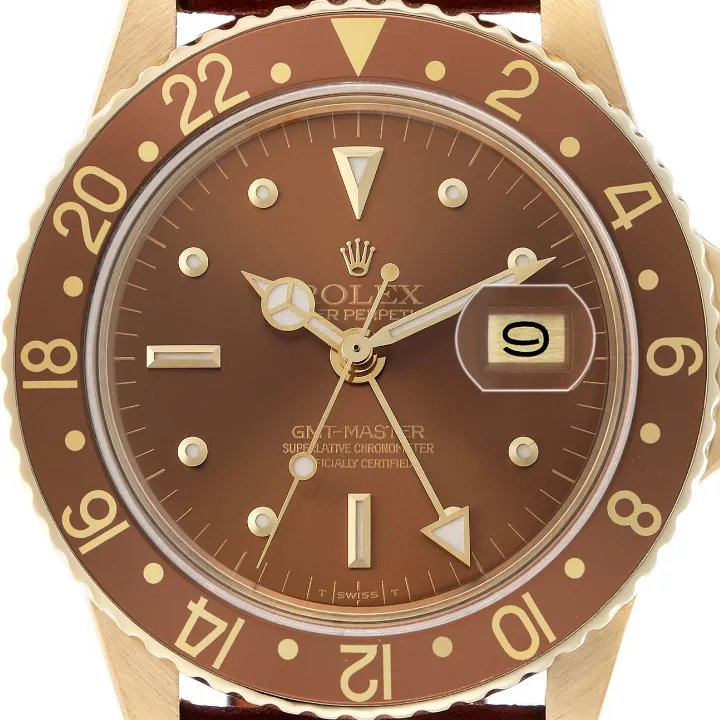
The brown and gold or brown and cream insert on gold 1675/8 and two-tone 1675/3 watches, from the early 1970s. A brown insert on a steel watch is a later swap.


67 listings on record under the name.
Blueberry
A very rare all-blue insert said to come from military supply or dealers; the history is unclear and fakes are made.
- all blue
Red-back
Some sellers describe red-backed inserts.
Case 9 described
The case grew from the 6542 and gained crown guards. Early cases are slightly thinner than later ones. Serial engraving between the lugs changes through the run, and the crown guard shape follows the serial number.
Thin case
12.7 mm thick, 1959 to 1967.
- slimmer case
Standard case
13.0 mm thick, 1967 to 1979.
- standard thickness
Pointed crown guards (El Cornino)
case numbers to about 1.0M and broad to about 1.14M
The earliest guards, with an extra facet that polishing readily removes, found from the first OCC dials until about serial 1.0M. Broad pointed guards lacking the facet run from about 874xxx to at least 114xxxx. Sellers state pointed guards for watches of about 1961 to 1963.
- pointed guards
- extra side facet
Square then rounded crown guards
case numbers from about 1.1M
Square guards are placed around 1965 to 1968. Rounded guards begin about 1.1M to 1.2M with a long flat top, the first side facet moving inward by the late 1970s.
- flat-topped rounded guards
1675/8 without crown guards
case numbers to about 1.47M
Early gold cases before about serial 1.36M had no guards, the guardless style ending around 147xxxx; guards without flat surfaces arrived from about 134xxxx.
- no guards
- looks like a 6542
Engraving between the lugs
Earliest cases show 1675 above REGISTERED DESIGN between the top lugs; from about 695,xxx to 2.8M REGISTERED DESIGN comes first, with STAINLESS STEEL or a blank line at the bottom; from 1971 STAINLESS STEEL is always present. Three typefaces (A, B and C) are right for a 1675; typeface D, from 1992, is not. Sellers add drilled lugs.
- 1675 over REGISTERED DESIGN on the earliest
- STAINLESS STEEL at bottom after 1971
Case-back stamps
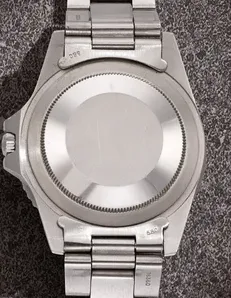
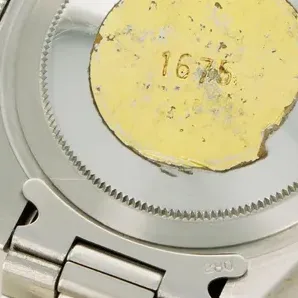
OCC dials are consistently on cases stamped II.59 or I.60, mostly I.60; a stamp of III 61 appears on a watch near serial 69x,xxx and II 65 near 1,30x,xxx.
- quarter and year stamp
Lugs
Early 1960s cases have bevels widening towards the lug tips; later matte-dial cases have an even chamfer. Lugs are often reshaped, so originals are hard to tell.
- bevel width
Gold and two-tone
1675/8 yellow gold and 1675/3 two-tone, steel and gold, versions; gold watches are about a fifth of those in the library's records.
296 listings on record under the name.
Crown 1 described
The crown is Twinlock.
Twinlock
5.3 mm, signed with a coronet and an underline, with two rubber gaskets. Sellers occasionally describe a Triplock.
- coronet with underline
Crystal 2 described
The crystal is acrylic.
Cyclops T116
A standard part with a 2x lens over the date; originals have a rounded top edge, service ones a large bevel, and aftermarket ones often fail to magnify.
- rounded edge on original
Domed T38
A domed plexiglass crystal, probably a service part fitted on request and valued by collectors as an option. One account says it has no cyclops, which contradicts the standard part.
- domed top, no cyclops
Date 2 described
The date has no quickset.
Open 6 and 9 date wheel
Date wheel with open sixes and nines, as against closed ones; the open form is the one collectors look for. Dated watches that sellers describe this way fall mostly between 1971 and 1978; those are the years of the watches so described, which is not a stated span of production.
- open 6 and 9
Roulette date wheel
Some early watches have a red and black wheel. Dated watches that sellers describe this way fall mostly between 1964 and 1968; those are the years of the watches so described, which is not a stated span of production.
- red and black numerals
Movement 2 described
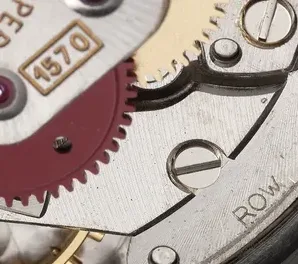
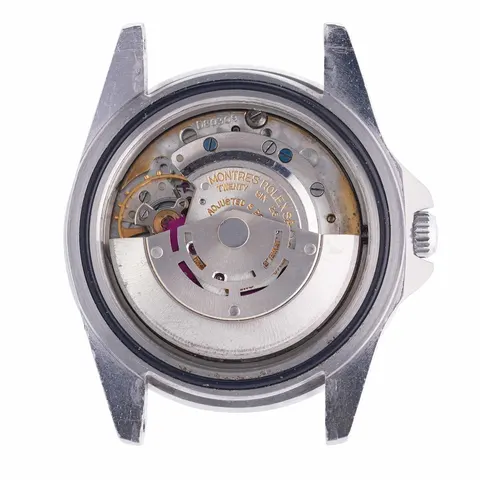
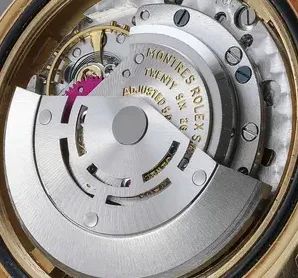
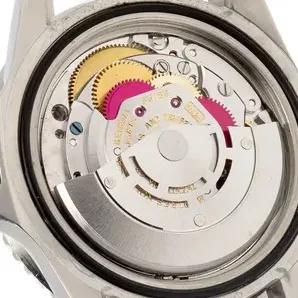
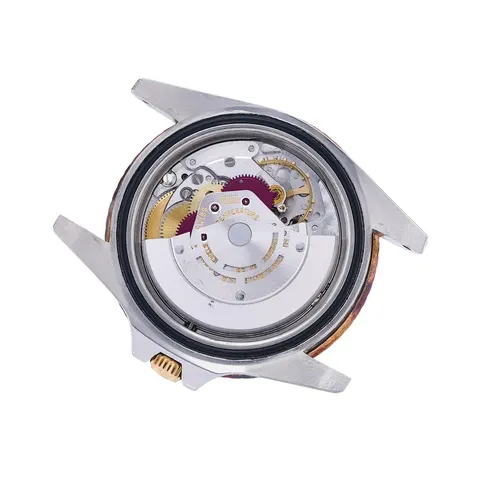
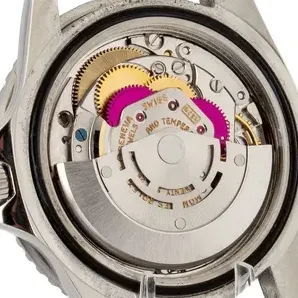
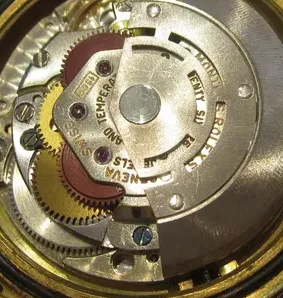
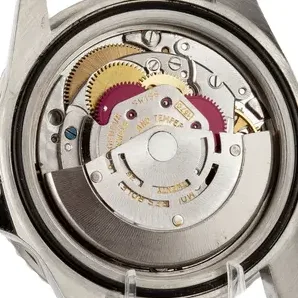
Two calibres in succession. The 1565 is engraved 1560 on the bridge; the 1575 is a 1570 with a date and is engraved 1570.
Calibre 1565 (1560)
case numbers to about 1.4M
SCOC-certified, microstella regulation, 18,000 vph, 25 jewels, about 42 to 44 hours of reserve, with a decorated rotor, found up to about 1.4M. Sellers name 1560 or 1565 on the earlier watches, half of them below 0.88M.
- engraved 1560
- decorated rotor
Calibre 1575 (1570)
case numbers from about 1.2M to 1.4M
From about 1965, 19,800 vph, 25 jewels and about 48 hours of reserve, with an undecorated rotor, chronometer certified, mostly above 1.4M. Hacking was added about 1971, so a seconds hand that does not stop dates a watch before 1971. Sellers name it almost entirely on watches above 1.38M, with the change near 1.2M.
- engraved 1570
- hacks after 1971
Bracelet 5 described
Oyster or Jubilee, with end links that vary; retailers often fitted others. The right end link is 58, later 280 and 580.
Riveted Oyster 7206, 6636
Riveted bracelets with 58 end links, reference stamped on a centre link from about 1963. A C&I rivet bracelet with holed rivets and unmarked flat end links was supplied for the United States, date-stamped to 1977.
- rivets
- 58 end links
7836 folded
Folded links with 280 end links, from the end of the 1960s and common from about 1970, overlapping with rivets.
- folded links
- 280 ends
78360 solid
Solid links with 580 end links, introduced in 1975 to 1976 and used to the end.
- solid links
- 580 ends
Jubilee 6251 and 62510H
Swiss 6251 with open-sided links and 50 end links, sometimes marked Hecho en Mexico; replaced by 62510H with solid sides and 550 end links. Sellers also name 62523.
- open sides then solid sides
President
Not in the catalogue, but a yellow gold President bracelet could be special ordered, carrying a code specific to the GMT; one is recorded on a watch marked 4-69.
- hidden clasp
Box and papers 1 described
Papers.
Papers
Sellers cite chronometer certificates for 1964 to 1968, punched guarantees for 1968 to 1972, and service papers. Those are the years of the watches so described, not a span of production.
- certificate
- punched guarantee
Originality
- Dials are often replaced at service: a Mark 6 dial is probably a service dial unless the case number is very late, and many Radial dials were replaced by service dials.
- Hands and plots are often relumed or replaced, and the all-red 24-hour hand is often faked.
- Sharp, unfaded bezel colour on an old watch suggests a service insert.
- Crown guards and lug bevels are removed by polishing; the extra facet on the El Cornino guards disappears.
- Movement and dial wording should suit the case number, with 1565 earlier than about 1.4M and 1575 after.
- Serial engraving typeface D from 1992 is wrong on a 1675.
Names
- Pepsi. The blue and red bezel.
- Root Beer. The brown and gold bezel of the gold-cased watches.
- El Cornino. The pointed crown guards.
- Fuchsia. A blue and red insert whose red has turned a strong pink; most accounts place it on watches of the later 1960s.
- Long E. The elongated E in ROLEX on the Mark 1 dial.
- Concorde. A gold watch with brown dial and bezel, named after an advertisement that claimed Concorde pilots wore it.
- Blueberry. The rare all-blue bezel.
- Bruce Wayne. A loosely applied name for a matte black dial with a dark bezel on an Oyster bracelet.
- Tropical. A black dial that has aged to brown.
Where accounts differ
Points on which the published literature and the library's own records do not agree, or on which the literature contradicts itself.
- Gilt to matte change. One account says matte dials were in use by 1964; two others put the change at about 1966 to 1967. By case number the library's records show matte dials in about a quarter of those read between 1.4M and 1.5M, and four in five between 1.6M and 1.7M.
- Case size and thickness. gmtmaster1675 gives 39 mm and 13 mm; one account gives 38 mm without guards, 41 mm with them and about 11 mm thick; another gives 40 mm and 12 mm; a third gives 40 mm. Sellers state 40 mm for about three watches in four and 39 mm for about a quarter.
- Cyclops. One account states that there is no cyclops lens; gmtmaster1675, another and timeandtidewatches describe a cyclops, as is standard.
- Pointed crown guards. One account ends pointed guards by about 1965; gmtmaster1675 follows them to about serial 1.14M, later in the 1960s.
- Fuchsia inserts. One account and bulangandsons treat fuchsia as red faded to pink with age; another, windvintage and strictlyvintagewatches tie fuchsia inserts to cases of about 1.8M to 1.9M, around 1967 to 1969, and gmtmaster1675 to a version seen around 1.6M to 1.7M with Mark 1 and 1.5 dials.
Back and movement
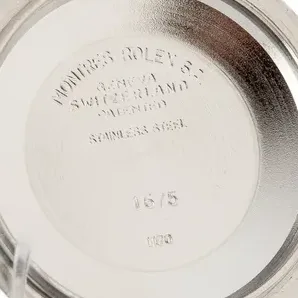
From listings of this reference, each confirmed by eye to show what it is filed under. A picture on which a person's name or a personal engraving can be read is not shown. From most holders a detail from the middle of the photograph is shown; the mark in its corner gives its holder and a link to the listing.
Caseback


Inside the caseback

Movement








Catalogue versions 3 listed
The full numbers under which holders list this reference, with what their listings say of each. Each has a page of its own.
| Version | Metal | Dial | Years seen | Records |
|---|---|---|---|---|
| 1675/3 | Steel or steel and gold | Brown | 1970–1982 | 29 |
| 1675/8 | Yellow gold | Brown | 1963–1979 | 28 |
| 1675/0 | Steel | Black | 1962–1977 | 7 |
In the records
Counted from 2,762 listings at 69 holders between 12 April 2006 and 14 November 2026. These are what sellers and auction houses state, not measurements.
Fainter bars are the 72 outside the main run of 1963–1979 (the middle nine-tenths): the earliest is 1956 and the latest 1982. They are early and late examples, and now and then a number misread. The head of the page gives 1958–1982: the years that listings from two holders bear out.
At the holders that record papers on every watch, 24% of their 108 listings of this reference come with papers; at those that record the box on every watch, 37% of 317 come with a box. "Papers" is whatever the holder counts as papers, and can include service papers.
5 listings dated long after the reference ended are set aside and not counted here: a year that late belongs to a later watch sold under the old number, or to a listing filed under the wrong one.
Case metal
| Steel | 995 | |
| Gold, any colour | 165 | |
| Yellow | 115 | |
| Pink | 1 | |
| Colour not stated | 49 | |
| Steel and gold | 97 |
A listing that says "gold" or "18K gold" names no colour: it is counted under "colour not stated", not as yellow gold.
Dial colour
| Black | 704 | |
| Brown | 191 | |
| Cream | 31 | |
| Red | 15 | |
| Blue | 3 | |
| Silver | 2 | |
| Grey | 1 | |
| Purple | 1 |
Case size
| 40 mm | 730 | |
| 39 mm | 255 | |
| 42 mm | 26 |
Calibre named
| 1570 | 597 | |
| 1560 | 139 | |
| 1575 | 61 | |
| 1565 | 41 |
Bracelet or strap
| Oyster bracelet | 581 | |
| Jubilee bracelet | 281 | |
| Metal bracelet, kind not stated | 224 | |
| Leather strap | 69 | |
| Strap, kind not stated | 17 |
Each table counts the listings that state the thing, in the seller's own terms. A size, metal, colour or calibre that cannot belong to this reference is a seller's slip or a listing filed under the wrong number.