GMT-Master
The 16700 is the last of the original GMT-Master line, a 40 mm steel dual-time watch with a coupled 24-hour hand, made from about 1988 to 1999. It replaced the 16750 and brought a sapphire crystal, white-gold-surround hour markers on a gloss black dial and the calibre 3175 with quickset date and hacking seconds. It was sold beside the GMT-Master II, whose hour hand sets independently, as the cheaper choice, and it was made only in steel. Collectors look first at the lume and dial text under six o'clock (tritium 'T<25' or Luminova 'SWISS'), the date wheel numerals, the bezel insert, and the bracelet and end links.
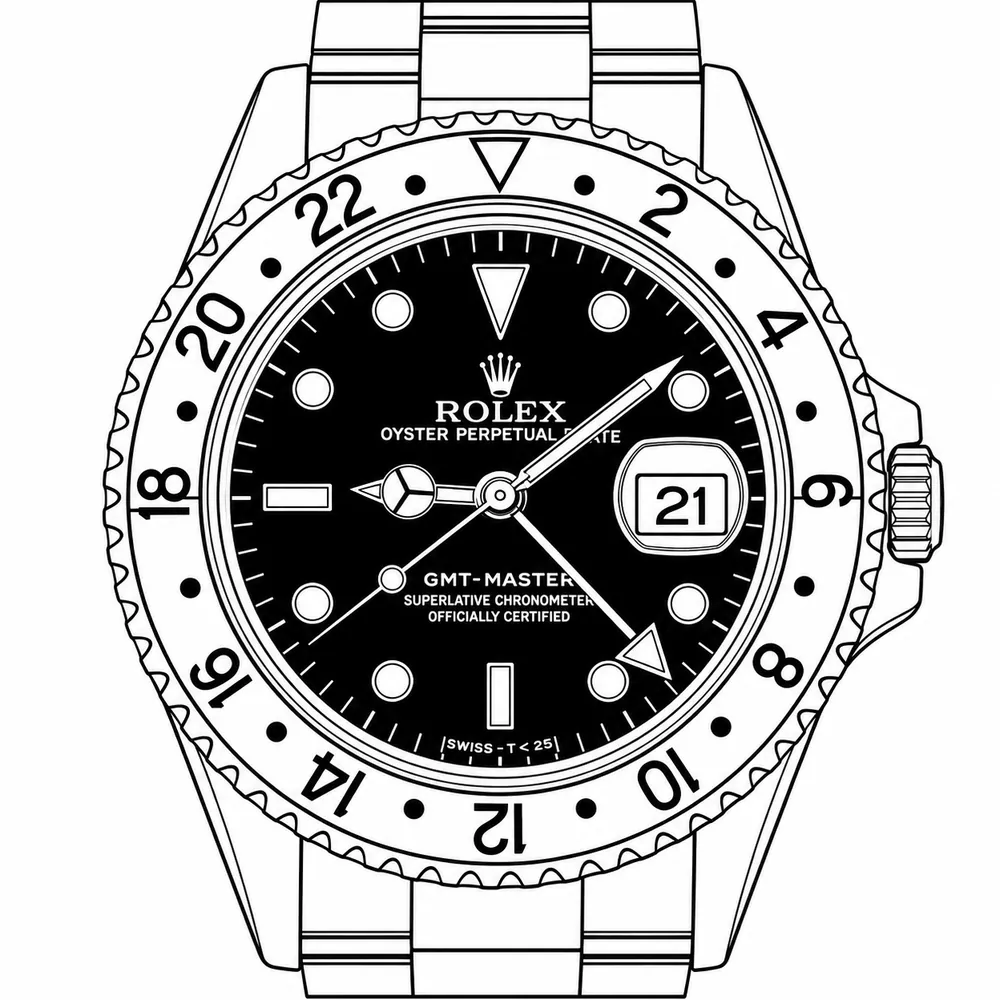
- Made
- 1988–1999
- Seen in the library
- 1987–2000nine in ten in 1989–1999 · by case numbers
- Case
- 40 mm · steelas sellers state
- Movement
- Calibre 3175automatic
- On record
- 948 listings3,151 photographs · 55 holders
Components
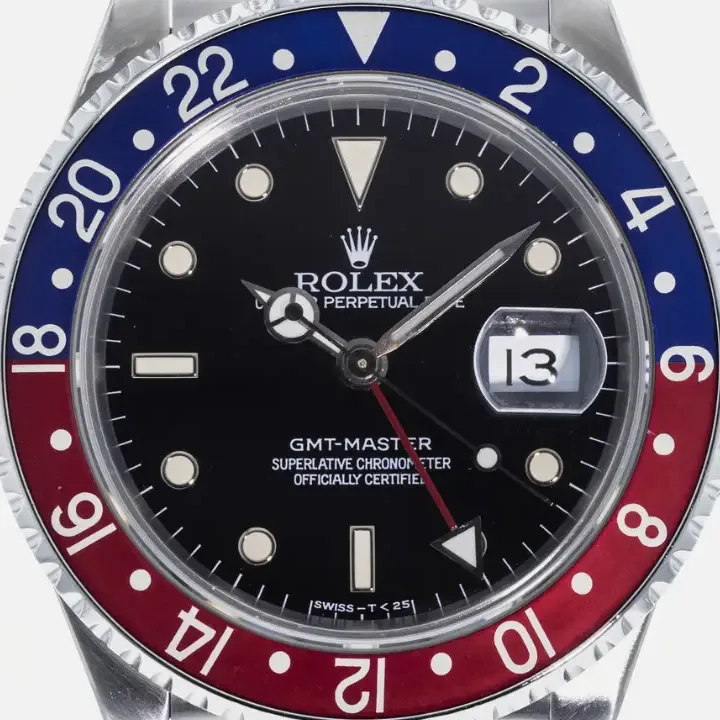
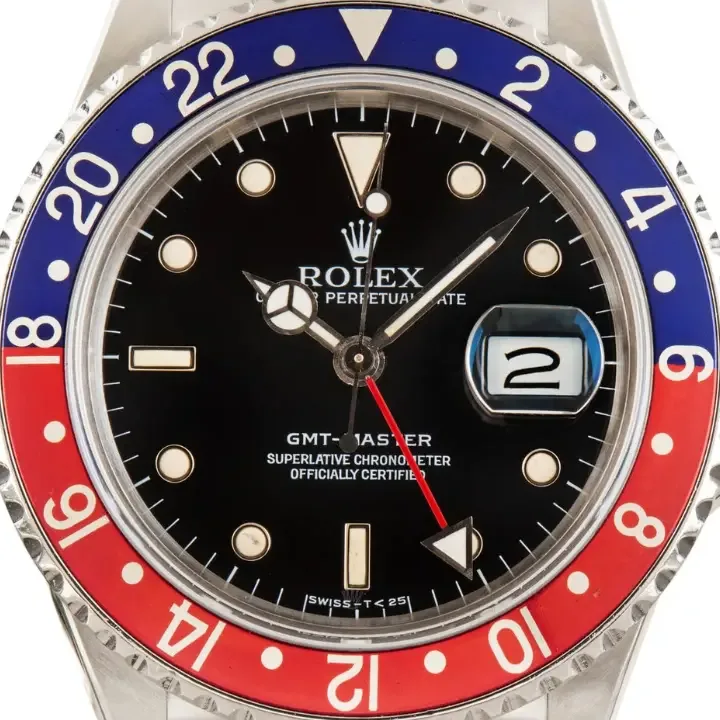
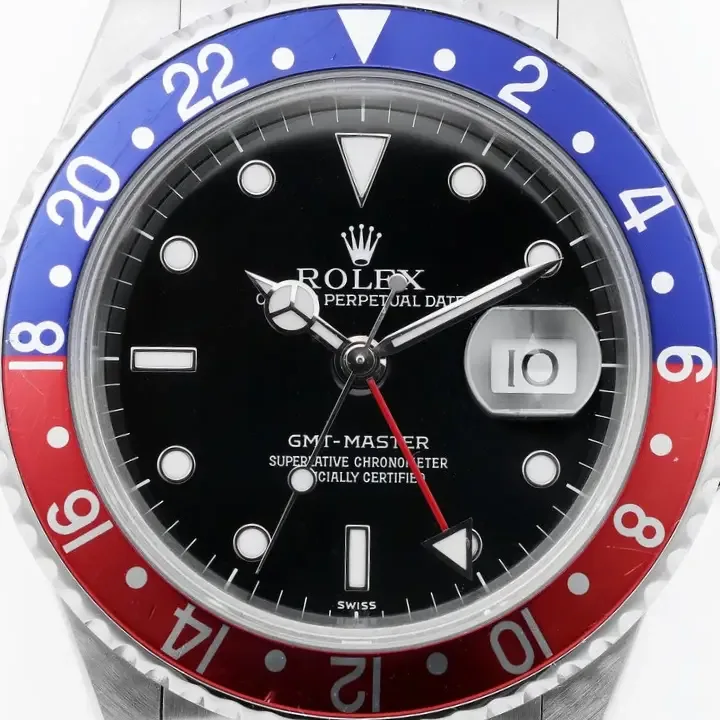
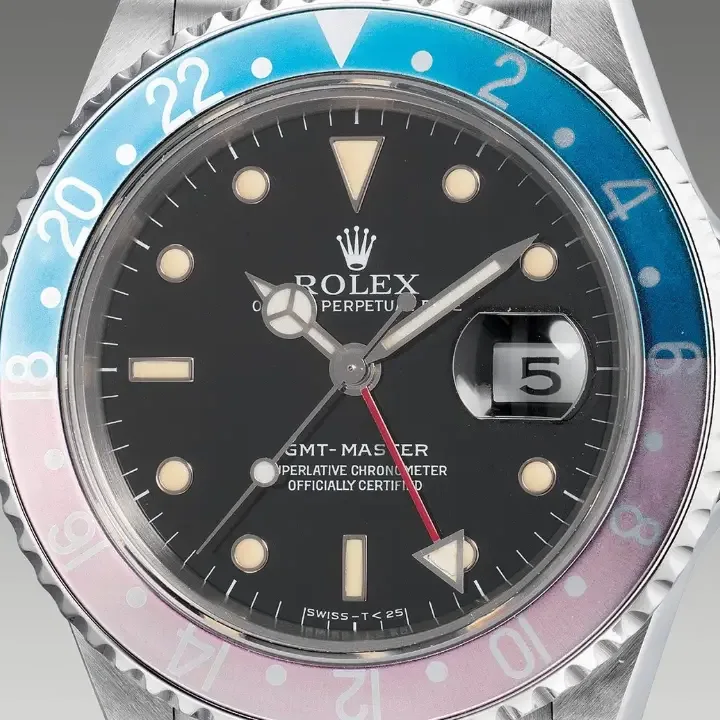
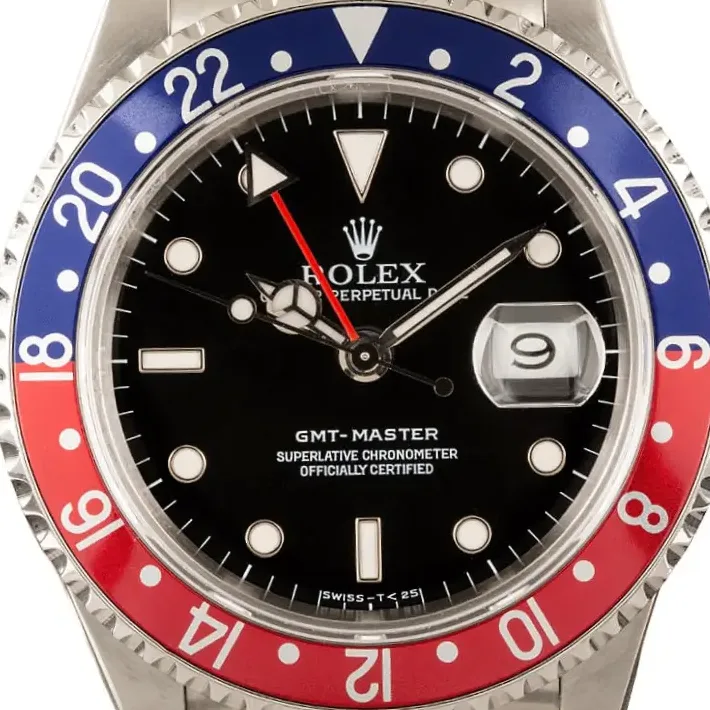
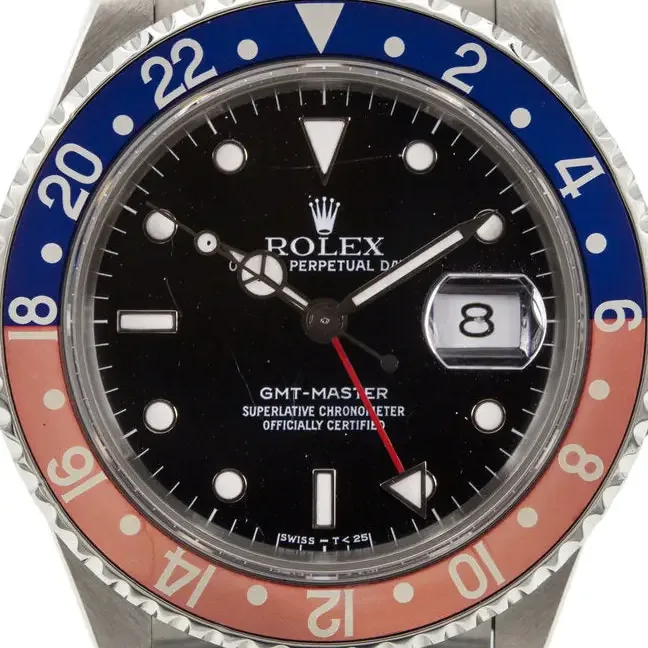
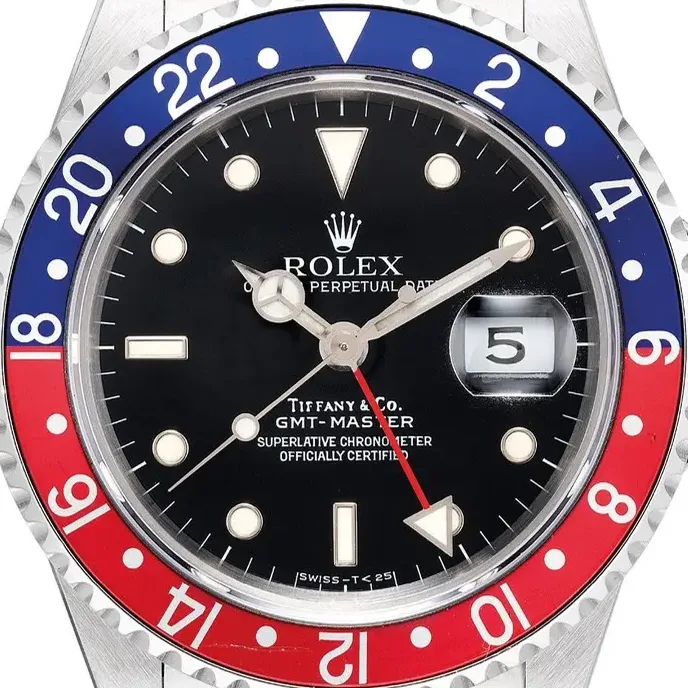
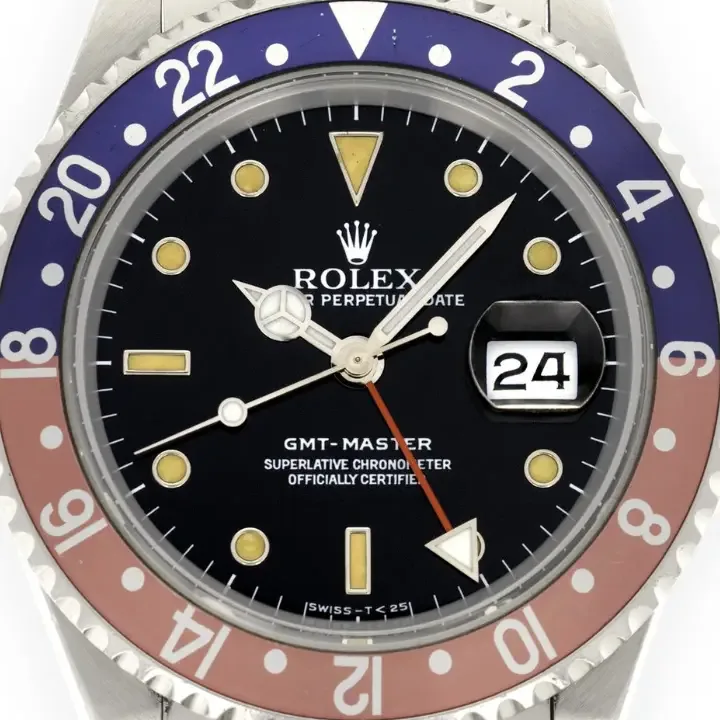
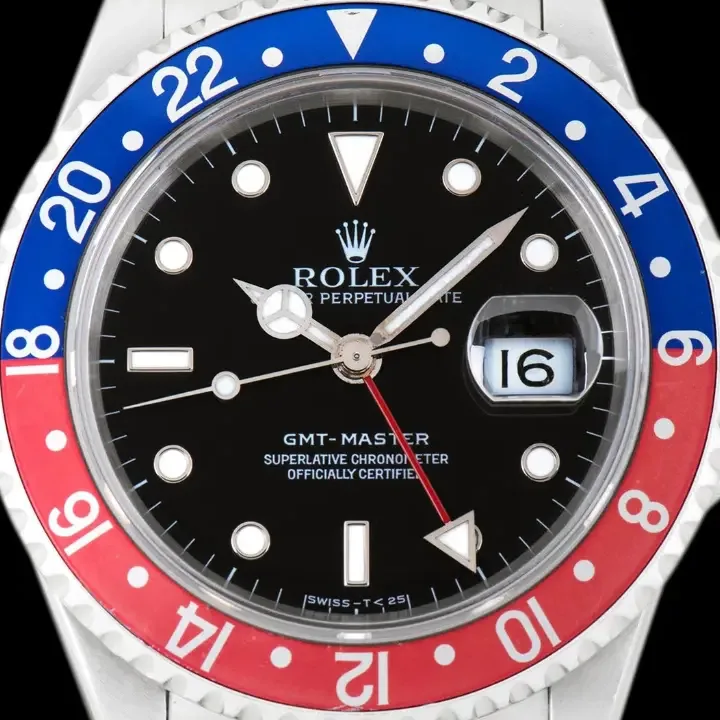
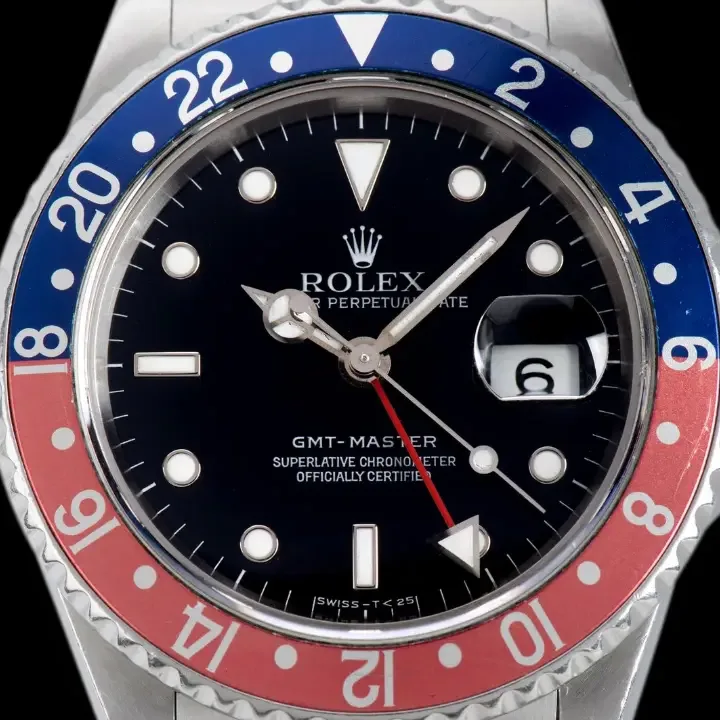
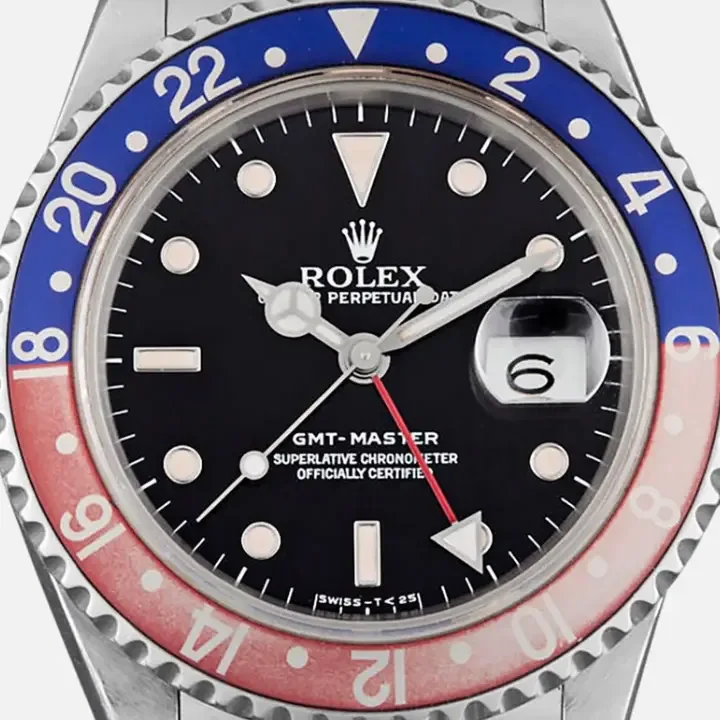
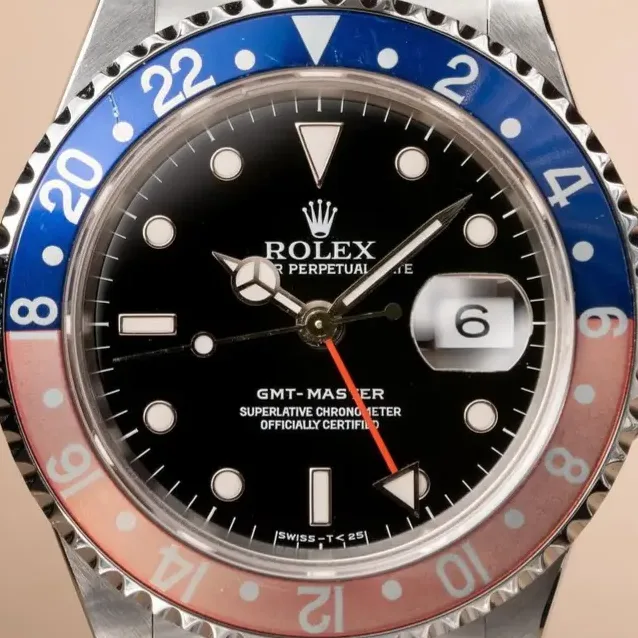
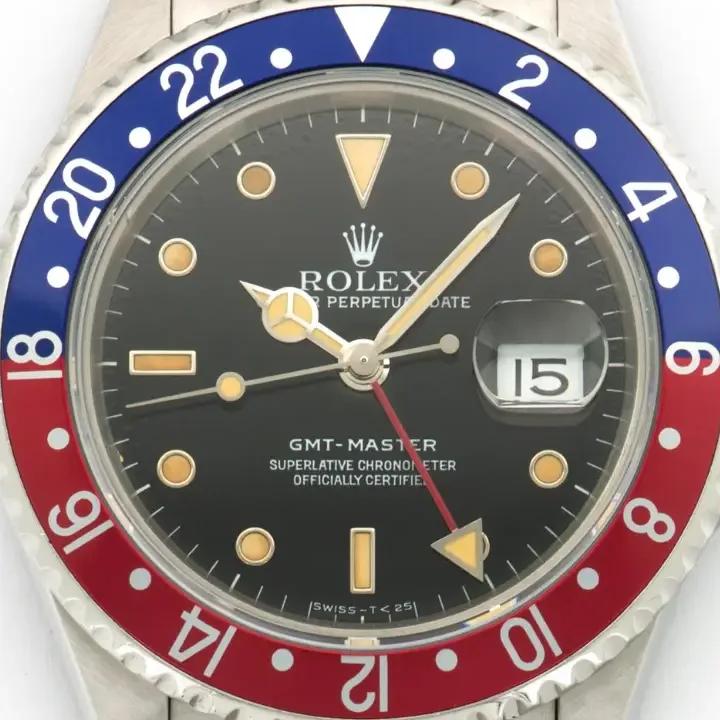
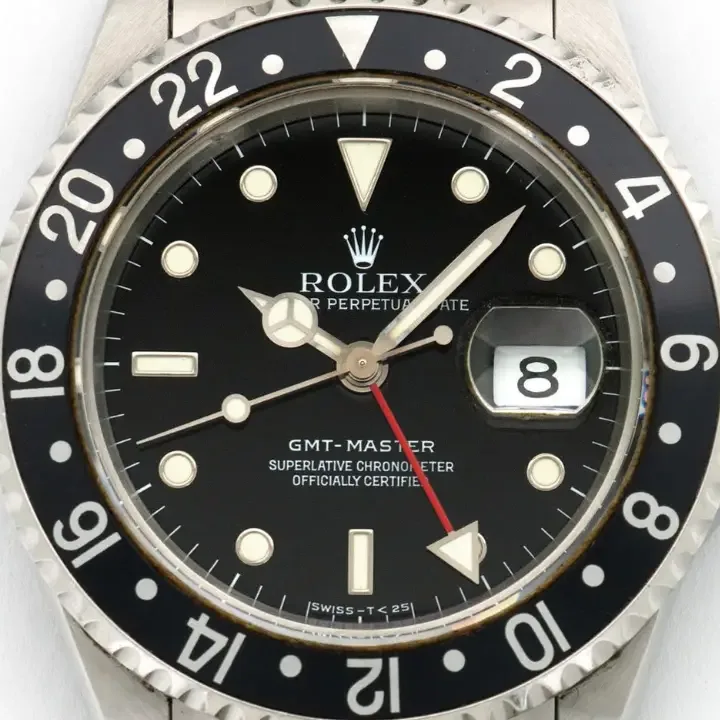
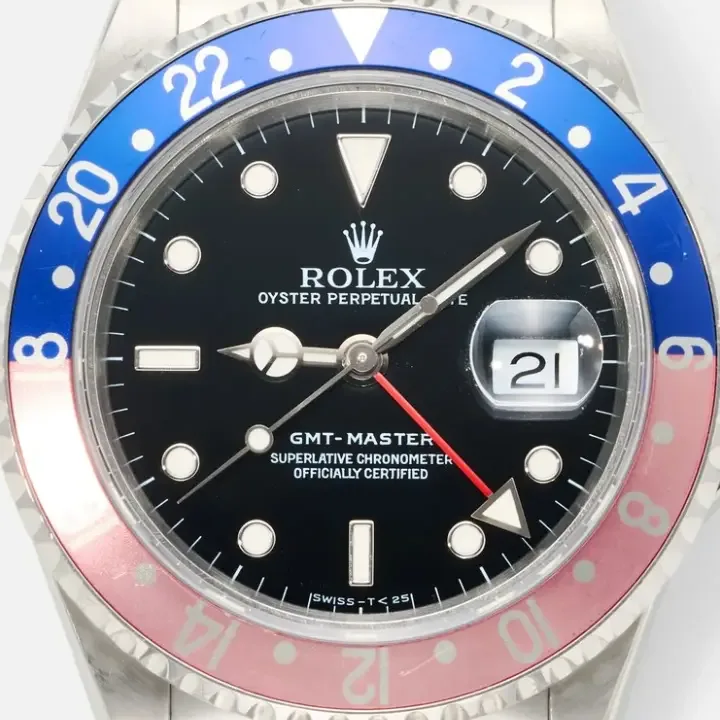
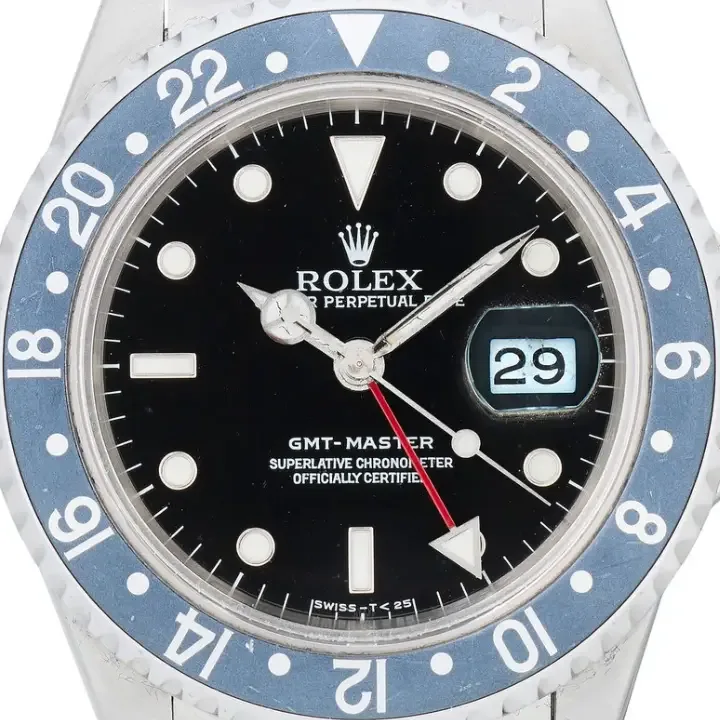
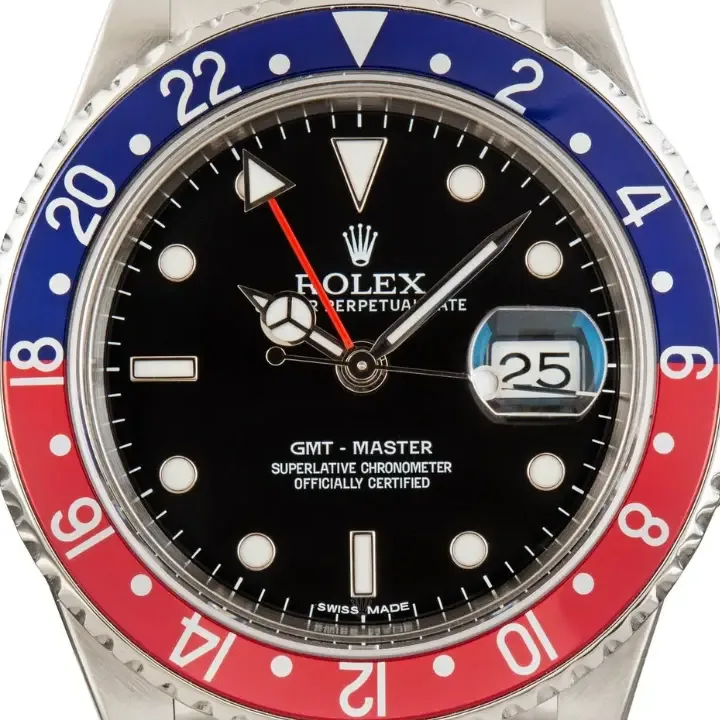
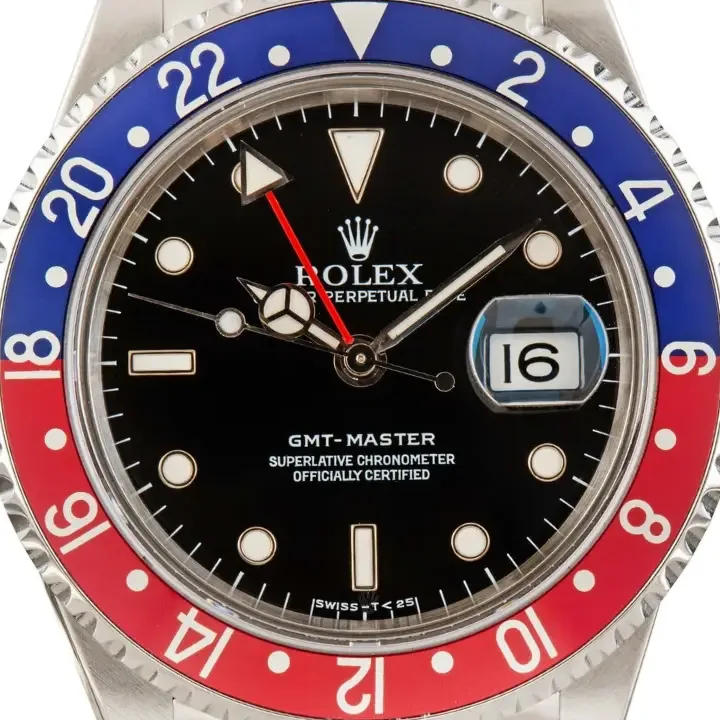
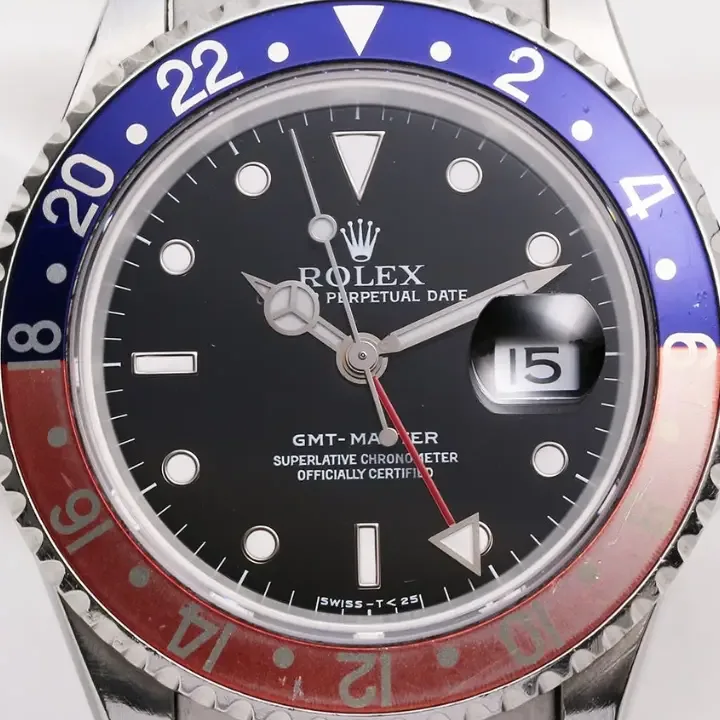
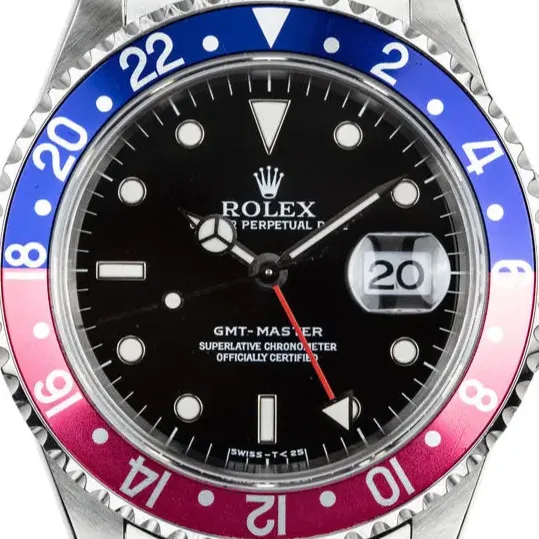
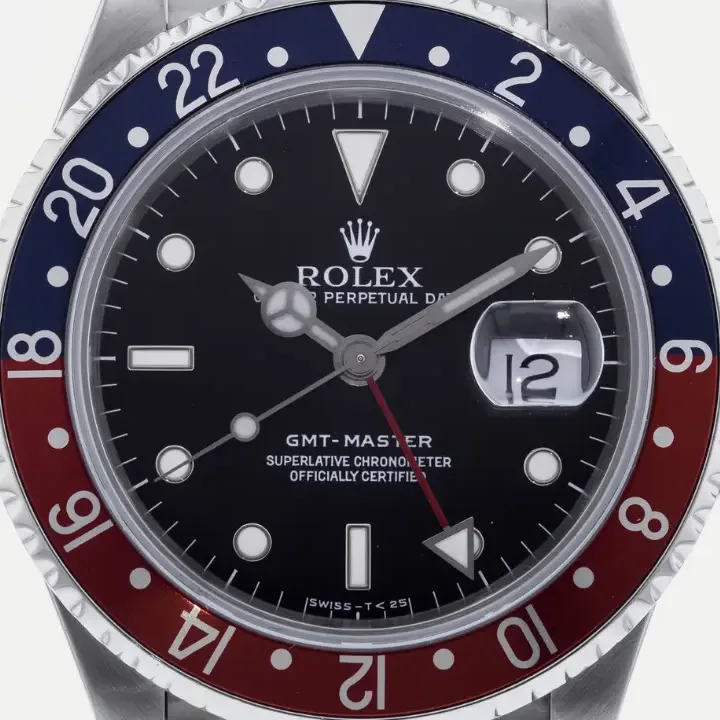
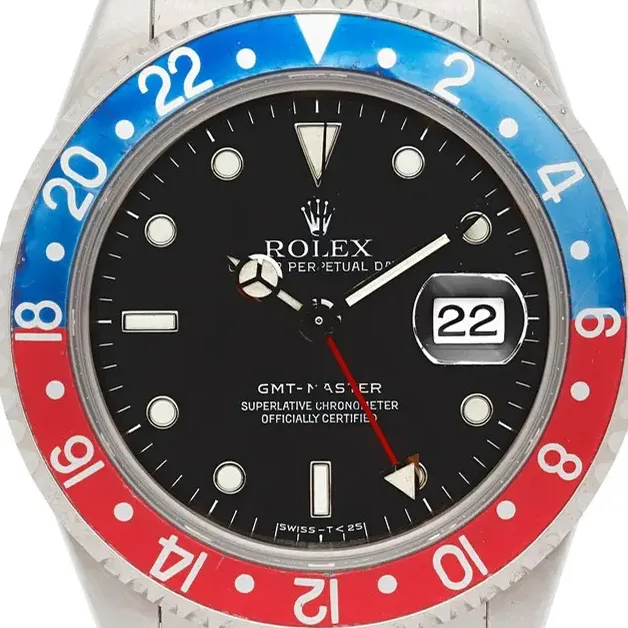
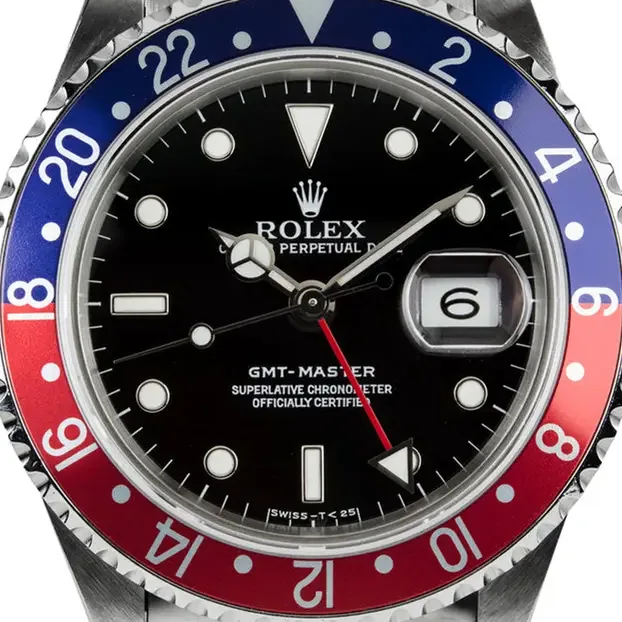
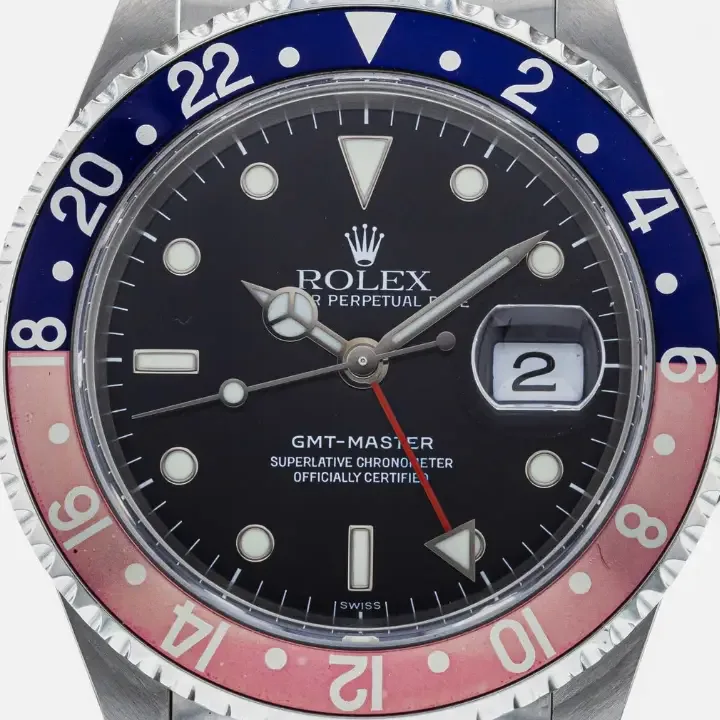
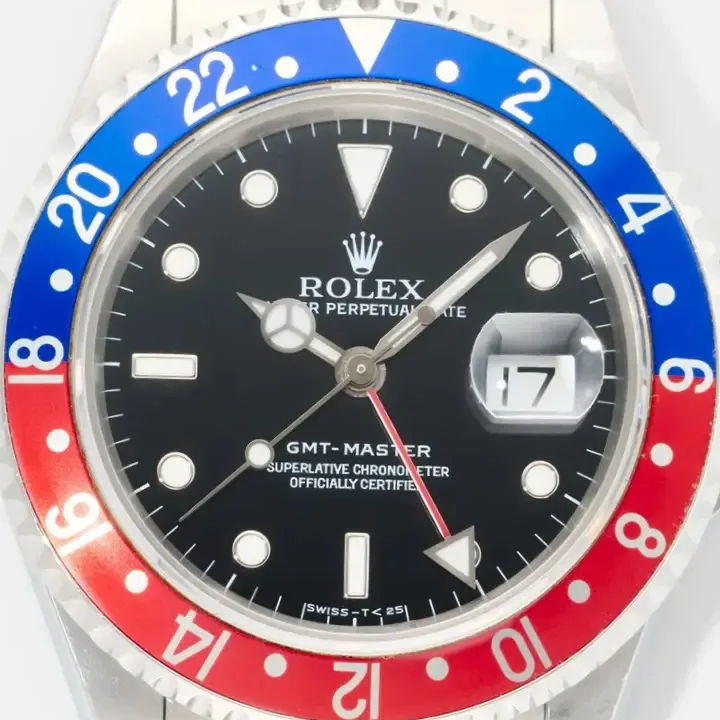
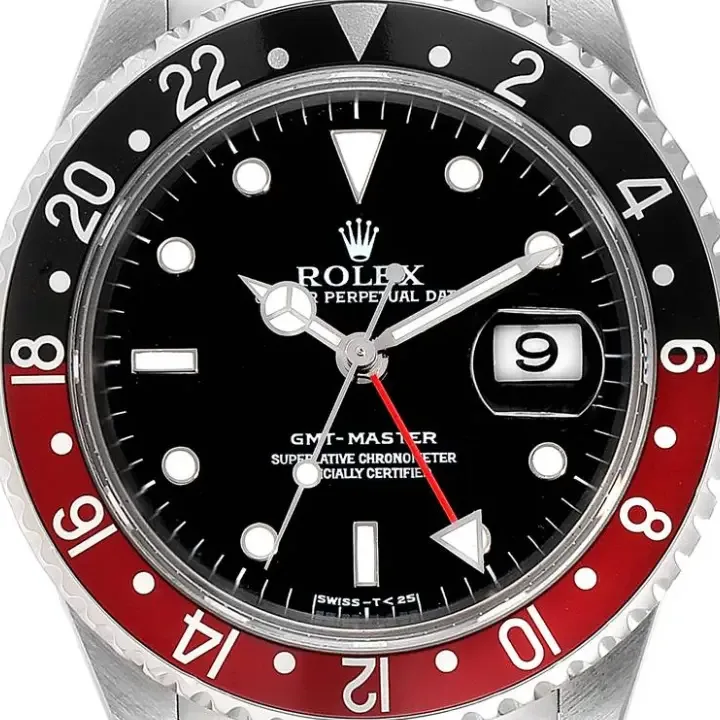
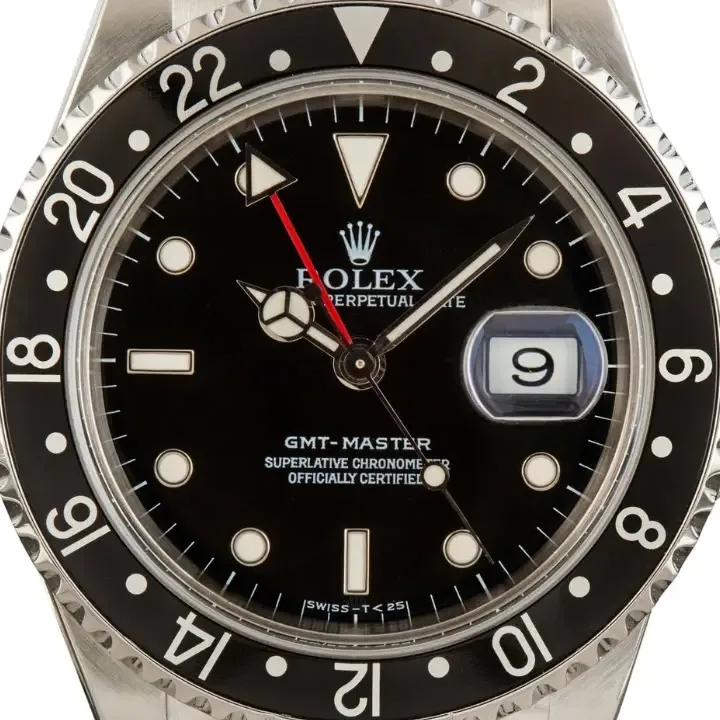
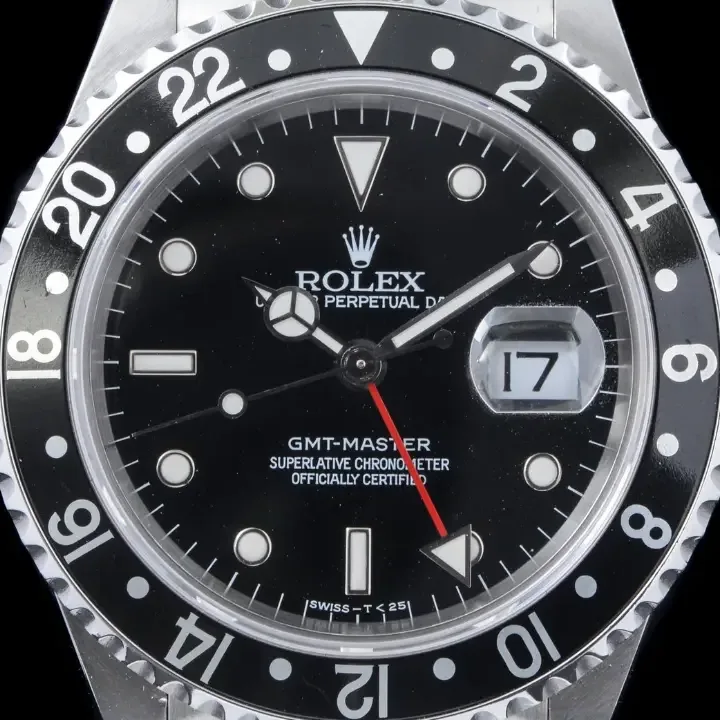
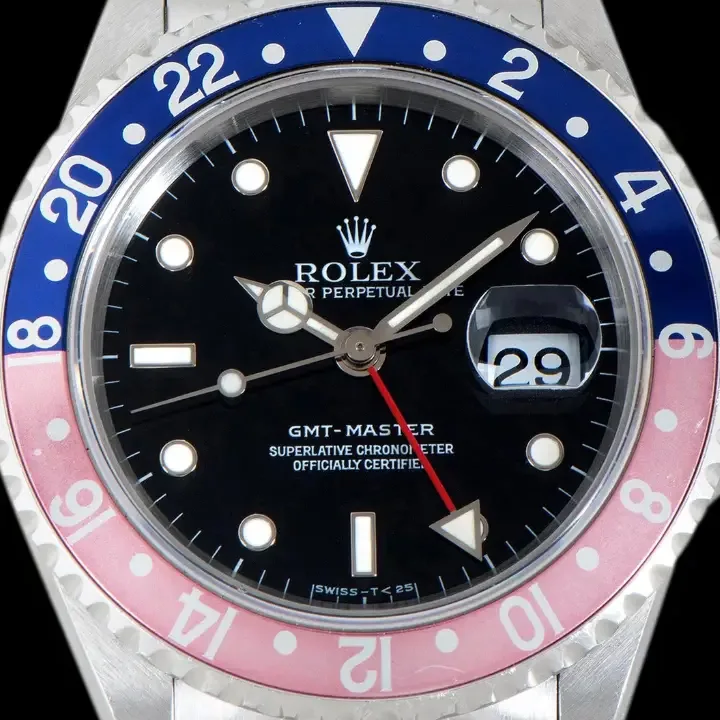
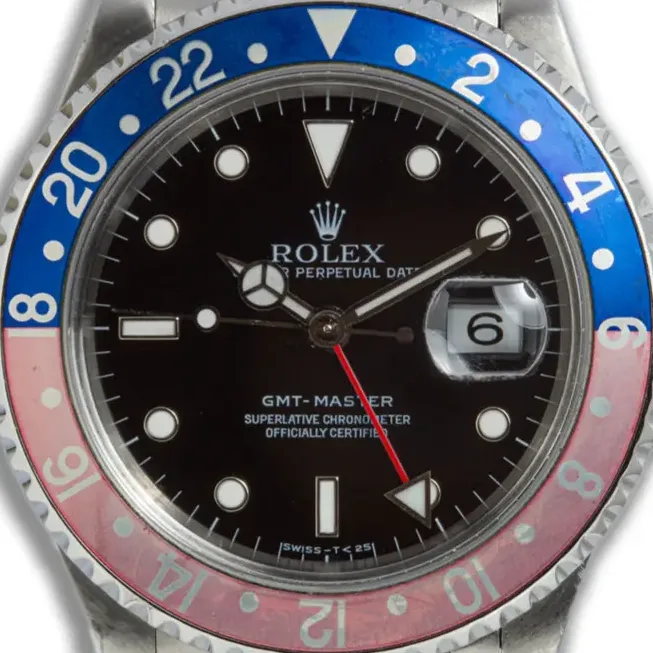
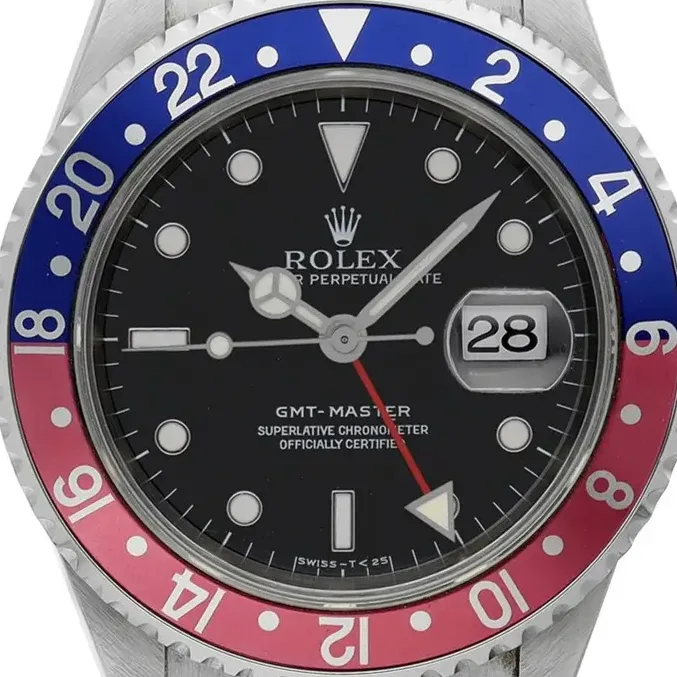
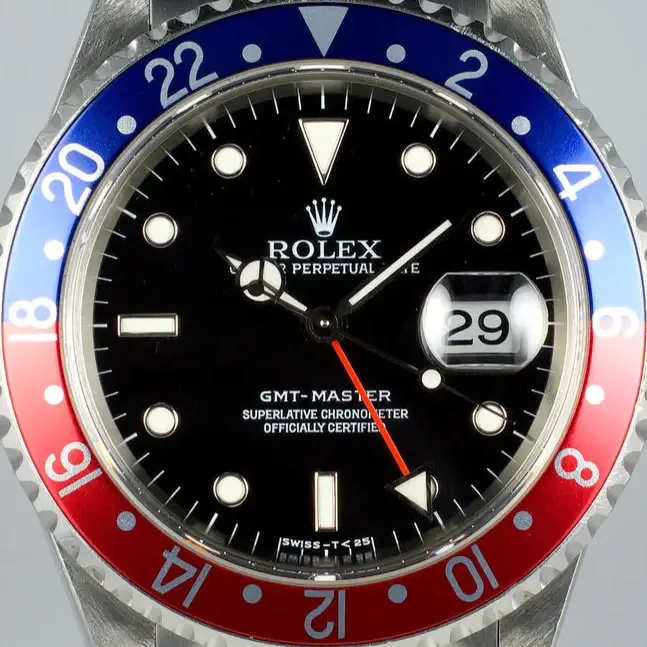
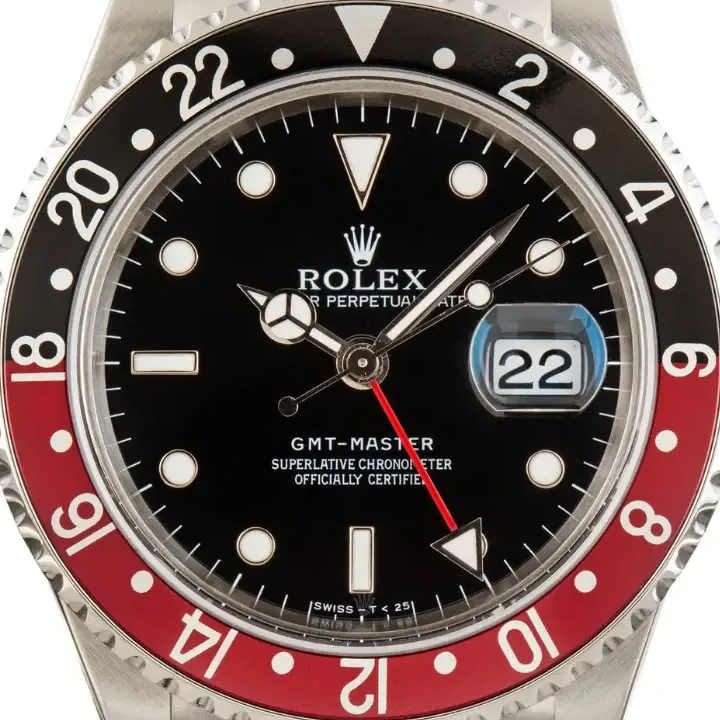
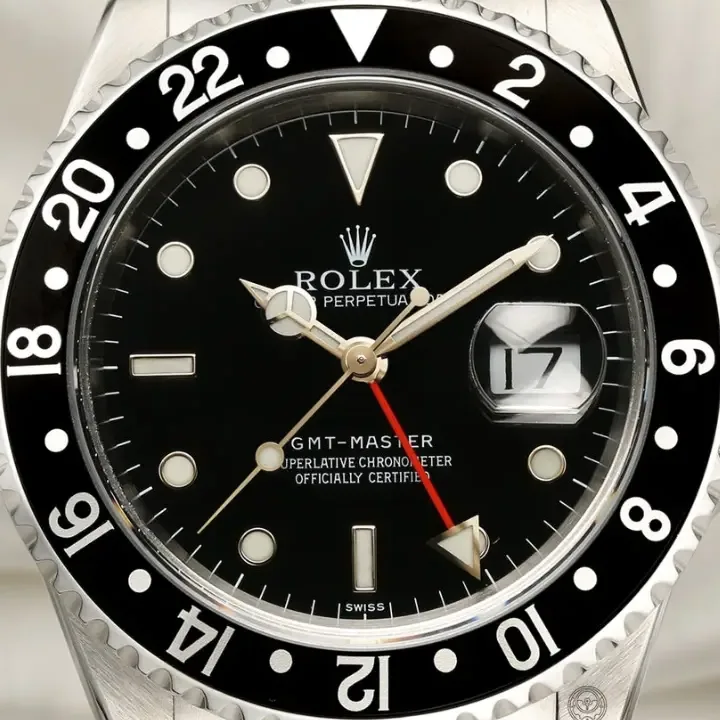
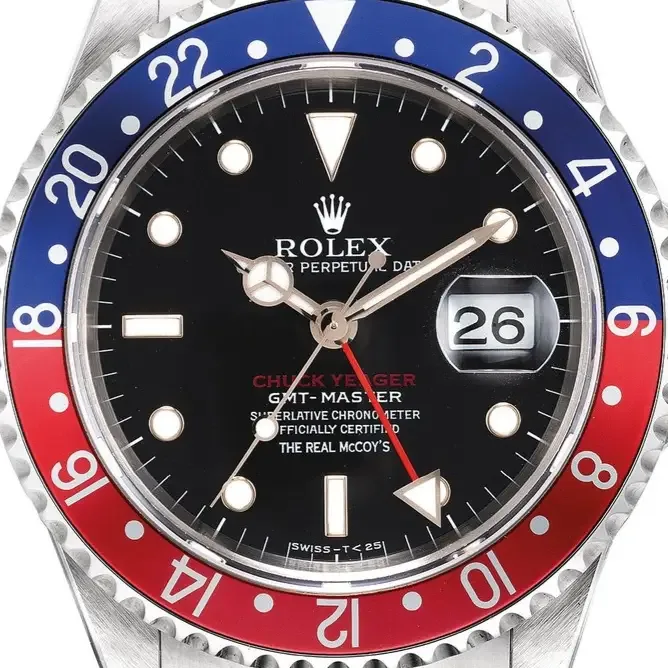
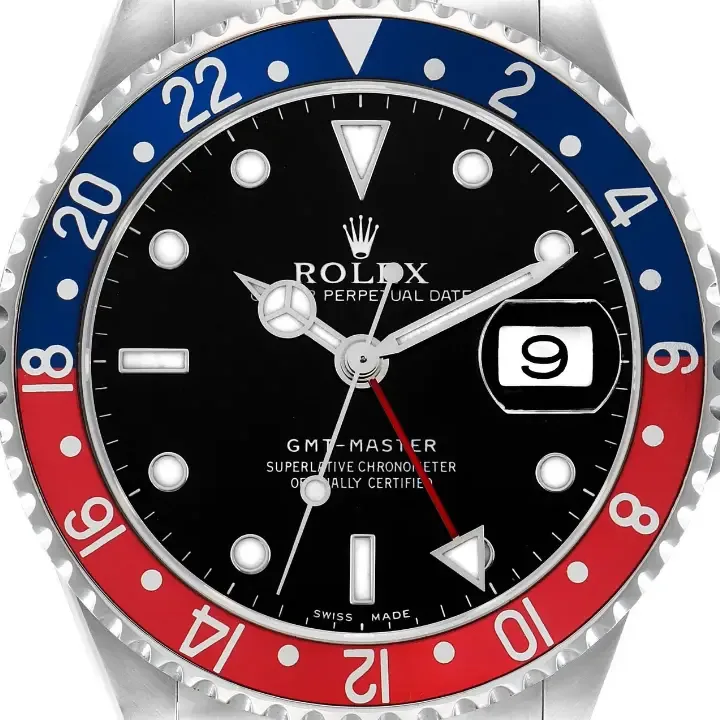
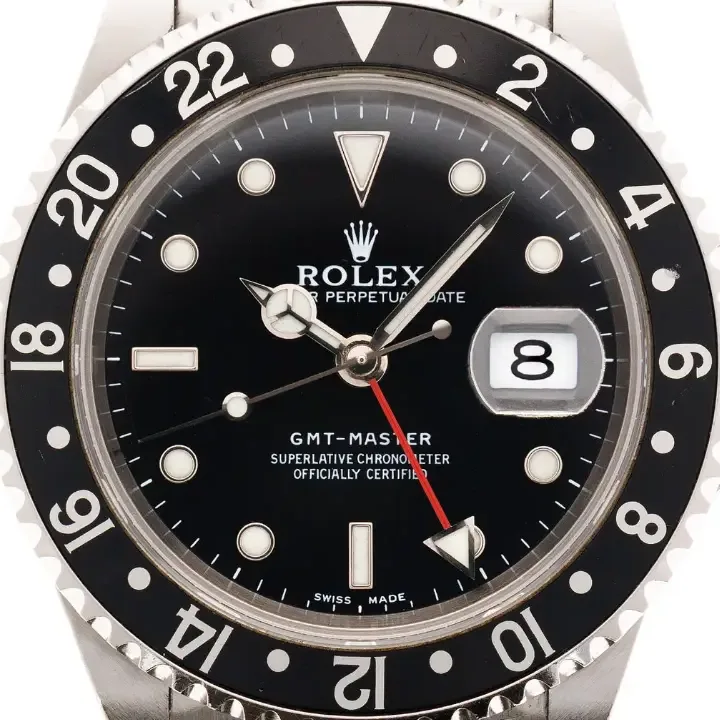
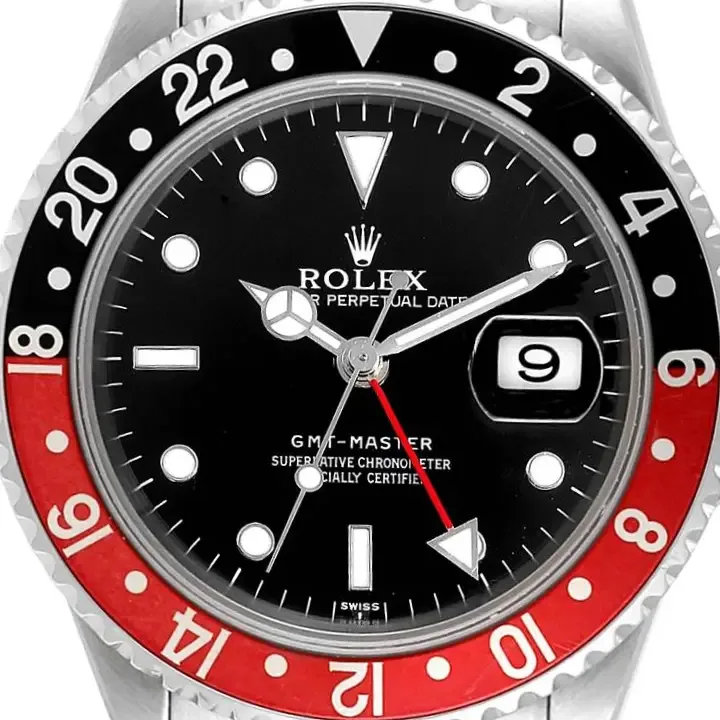
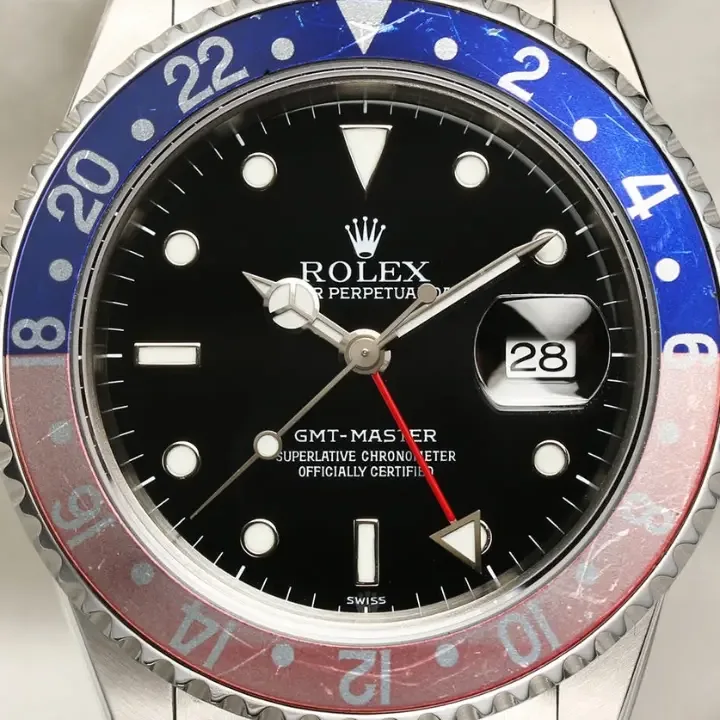
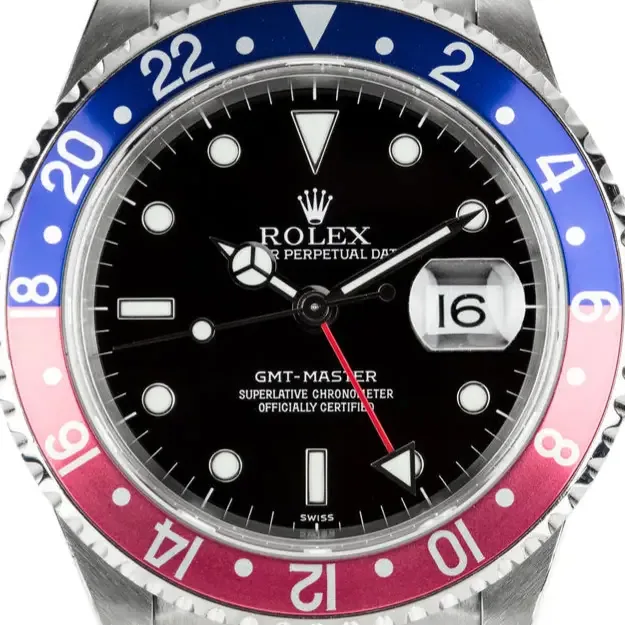
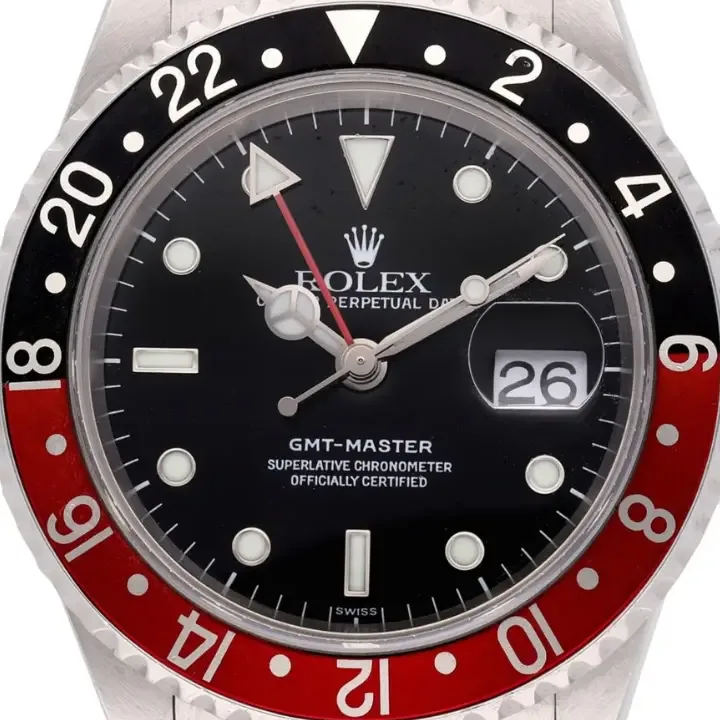
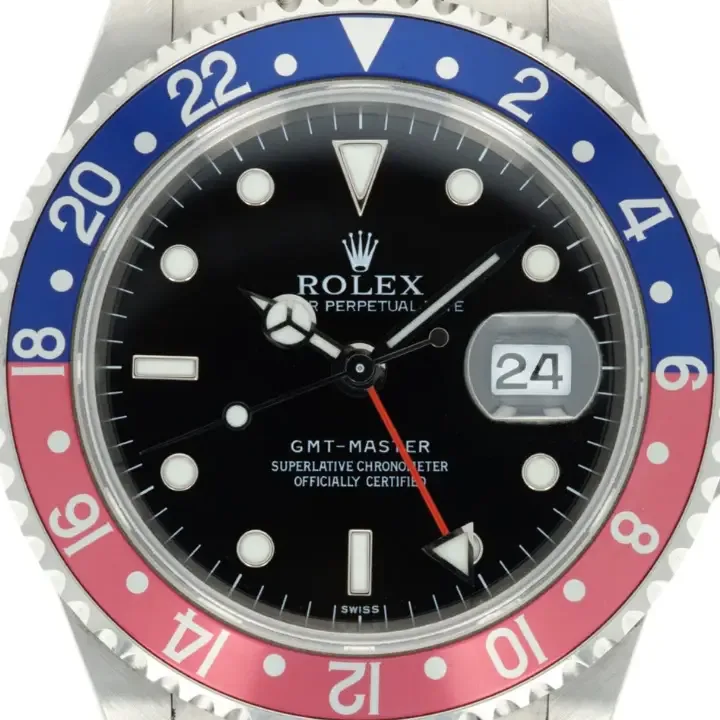
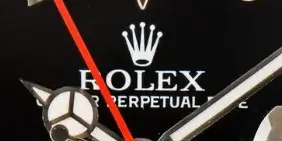
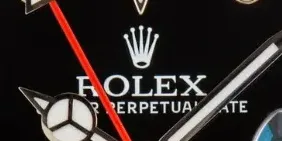
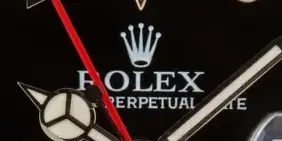
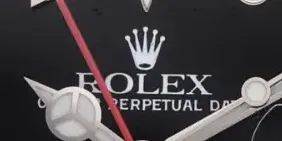
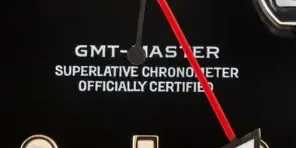
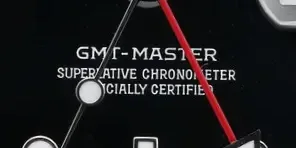
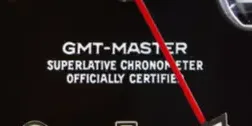
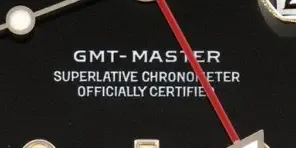
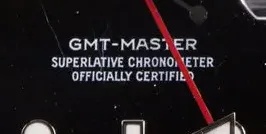
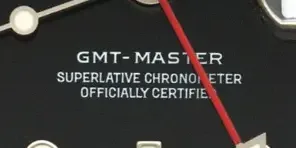
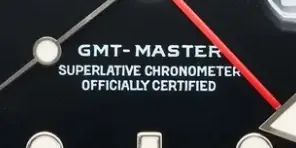
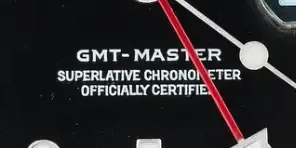
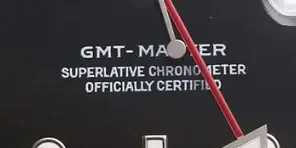
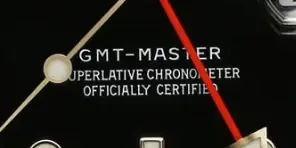
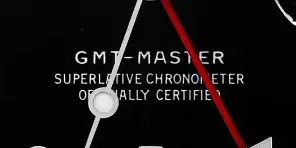
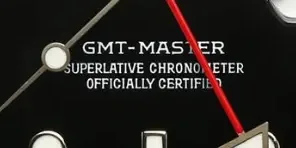
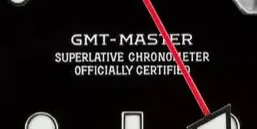
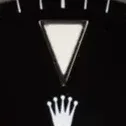
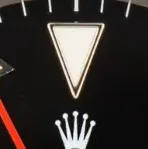
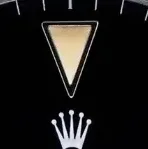
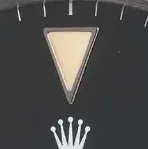
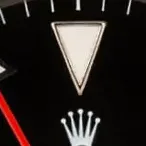
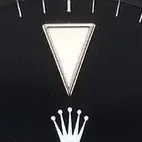
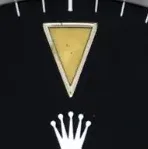
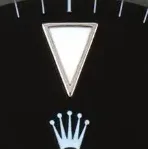
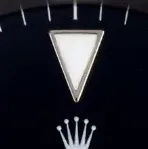
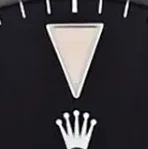
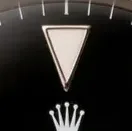
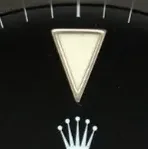
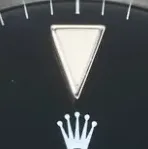
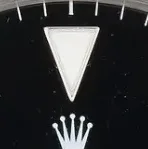
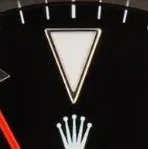
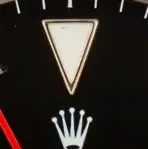
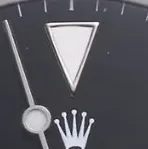
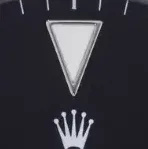
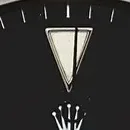
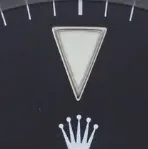
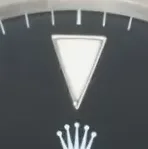
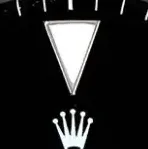
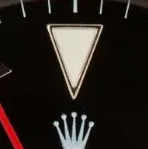
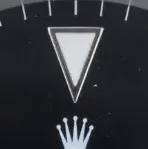
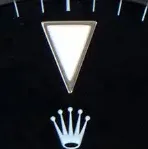
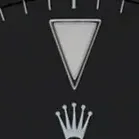
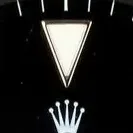
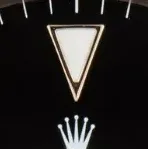
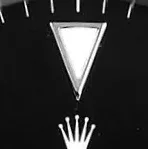
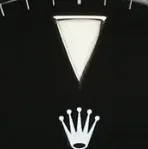
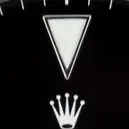
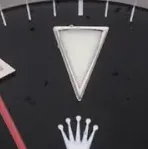
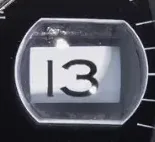
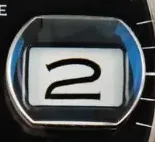
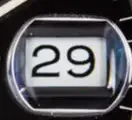
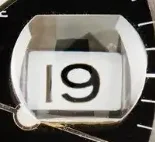
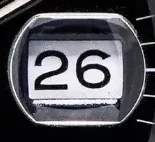
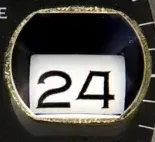
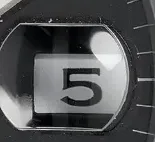
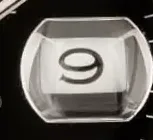
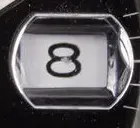
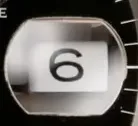
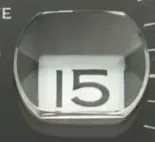
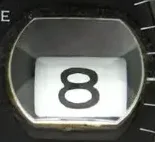
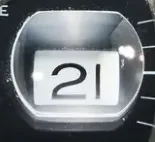
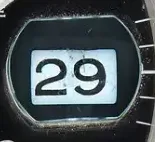
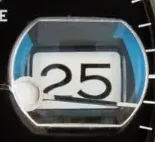
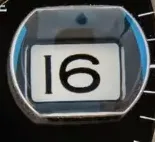
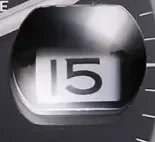
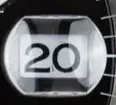
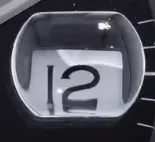
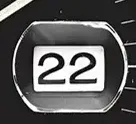
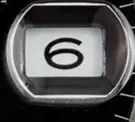
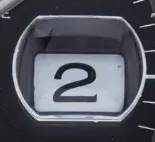
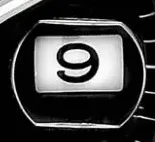
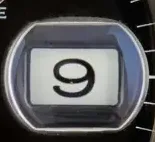
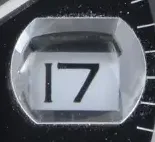
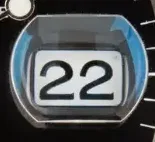
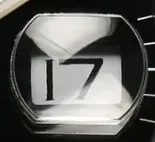
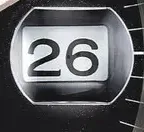
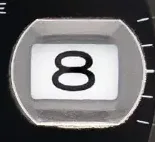
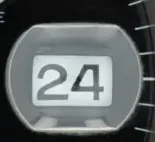
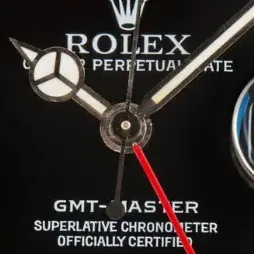
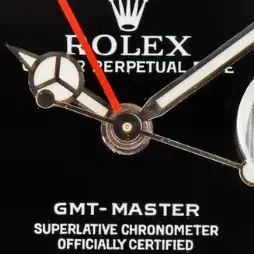
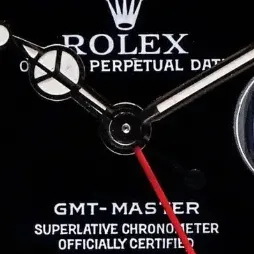
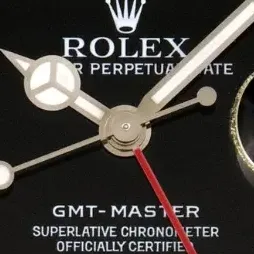
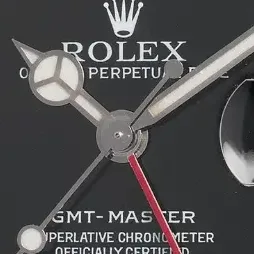
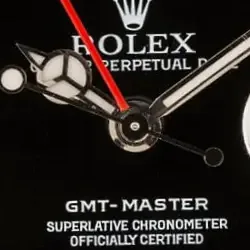
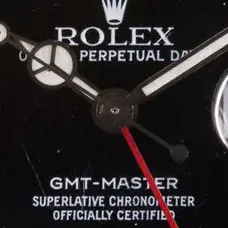
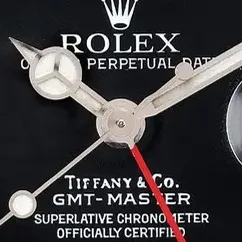
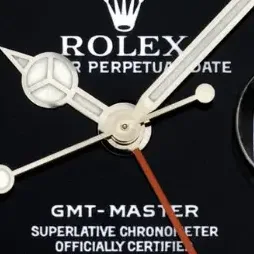
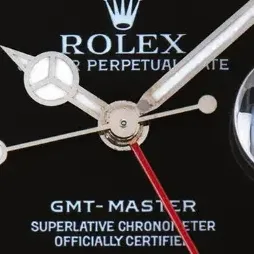
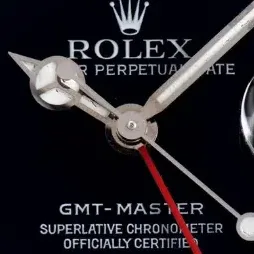
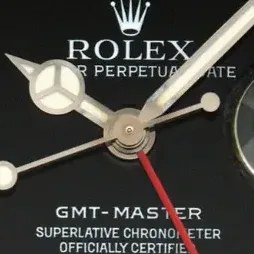
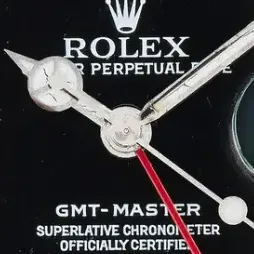
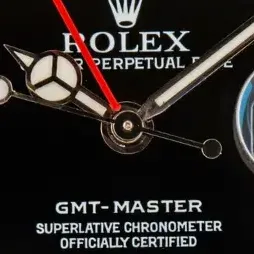
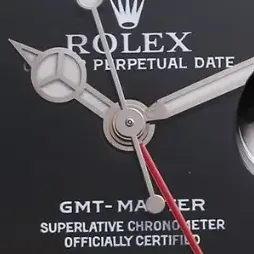
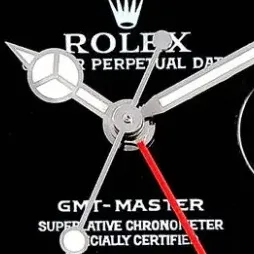
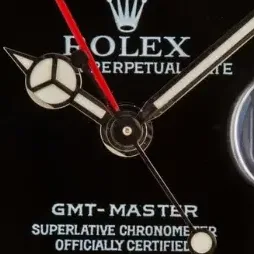
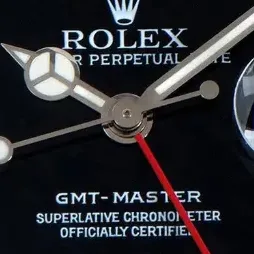
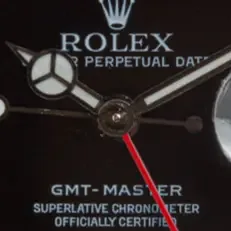
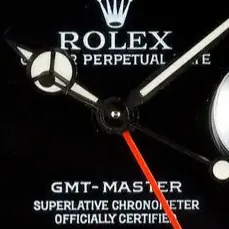
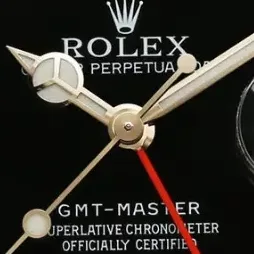
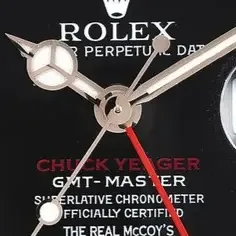
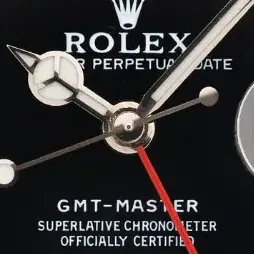
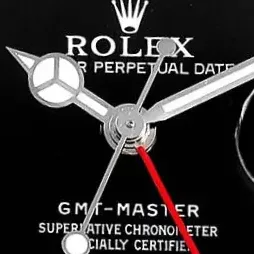
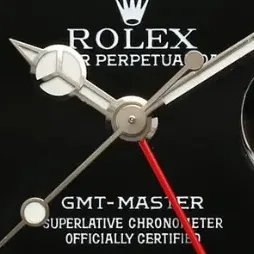
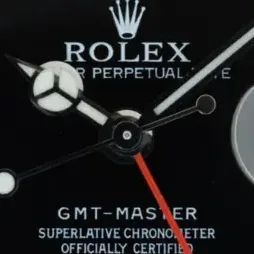
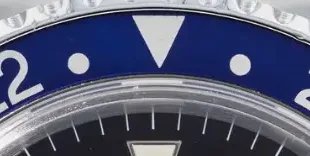
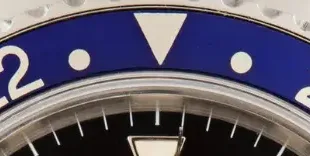
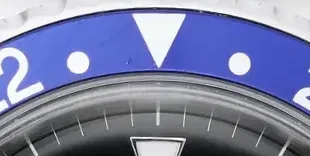
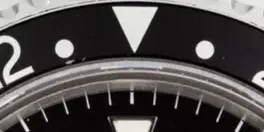
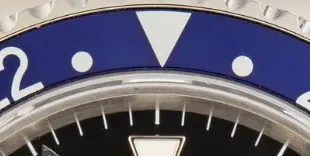
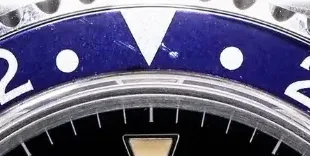
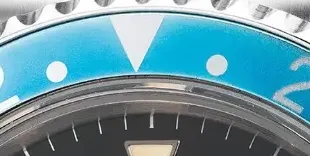
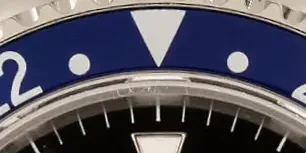
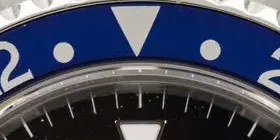
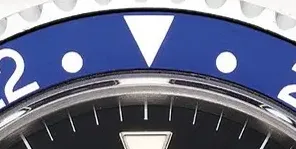
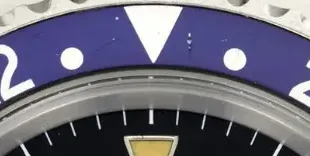
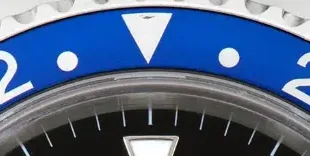
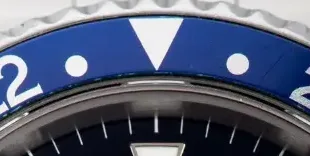
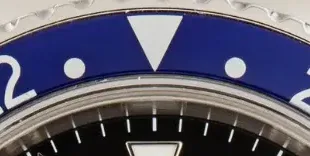
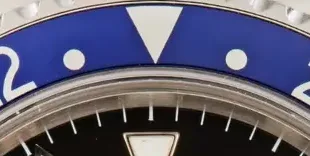
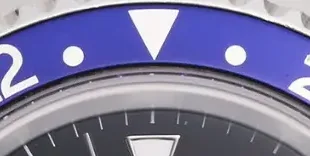
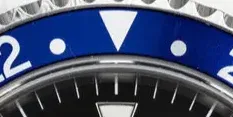
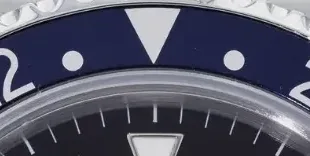
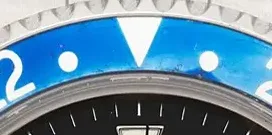
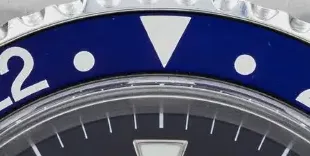
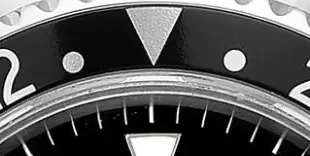
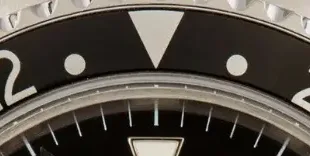
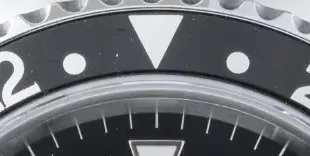
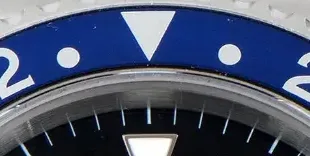
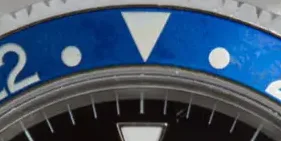
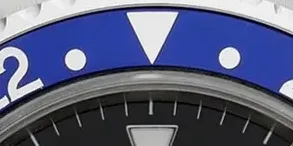
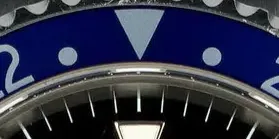
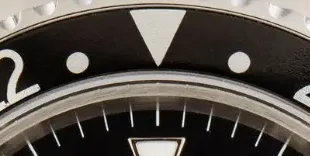
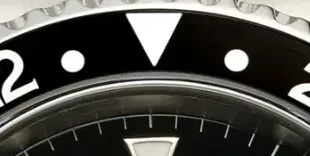
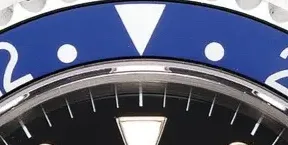
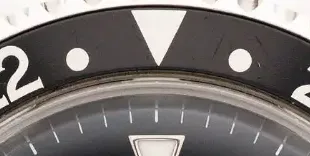
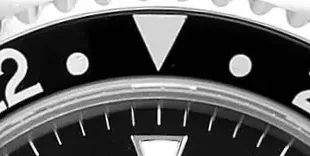
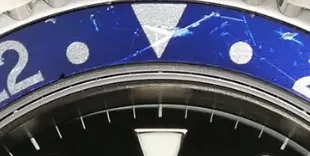
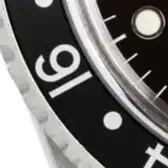
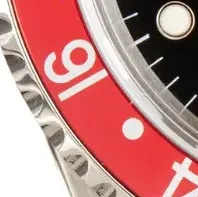
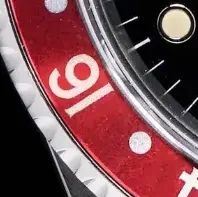
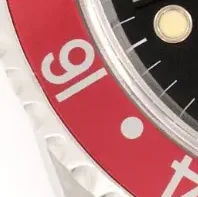
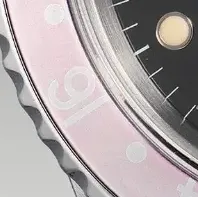
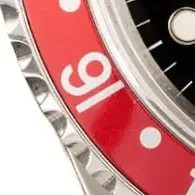
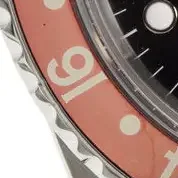
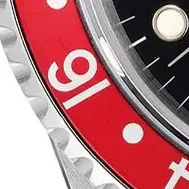
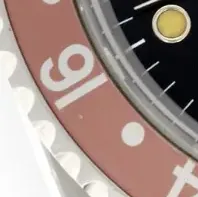
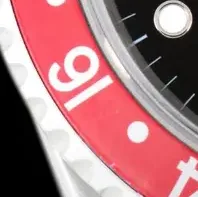
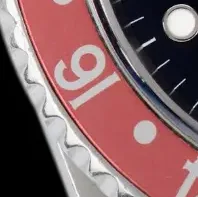
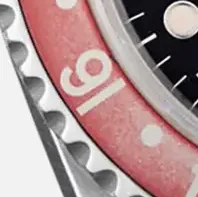
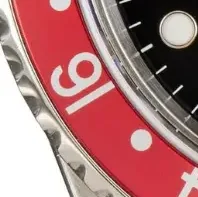
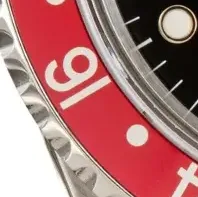
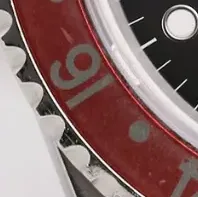
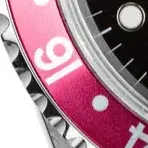
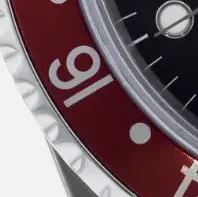
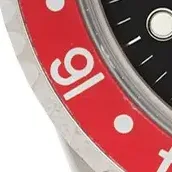
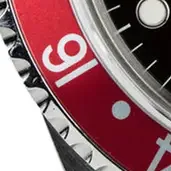
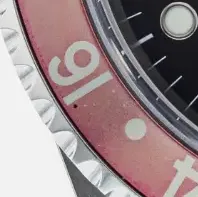
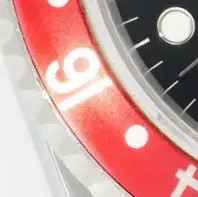
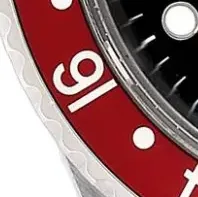
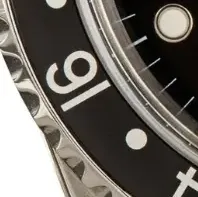
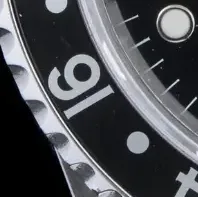
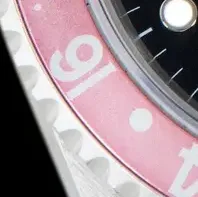
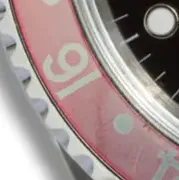
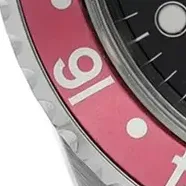
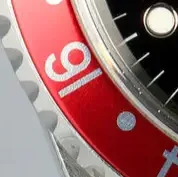
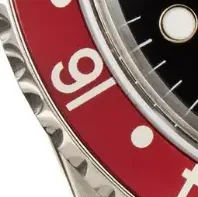
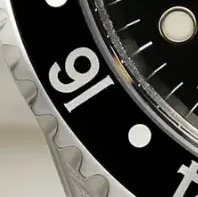
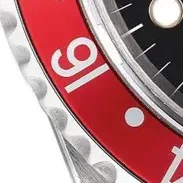
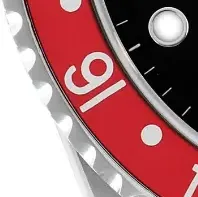
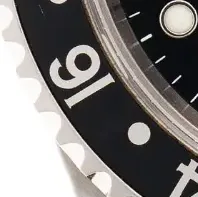
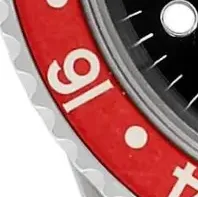
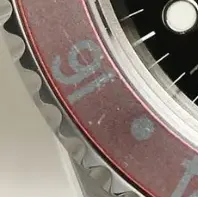
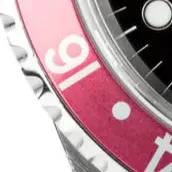
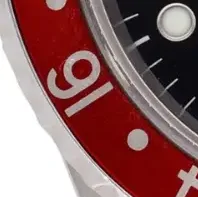
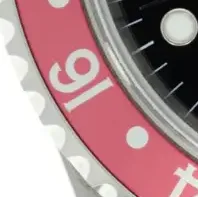
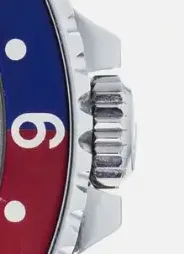
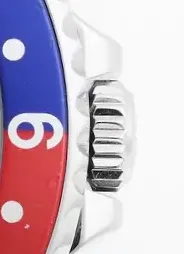
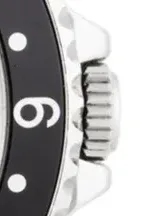
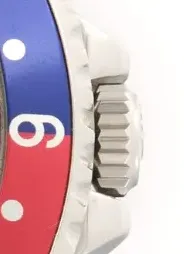
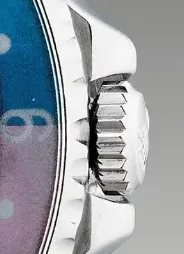
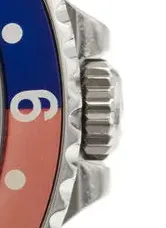
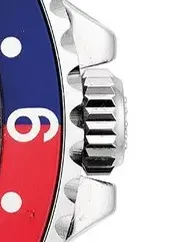
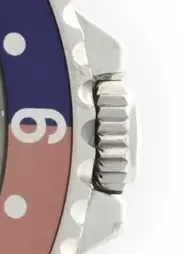
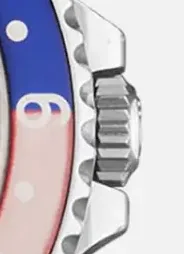
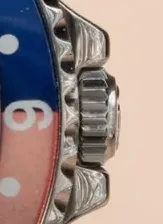
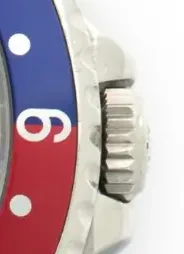
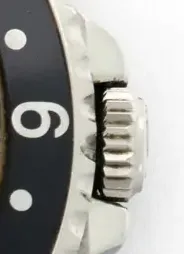
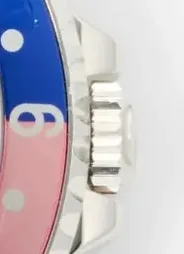
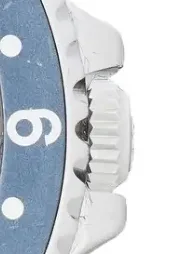
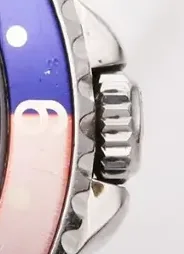
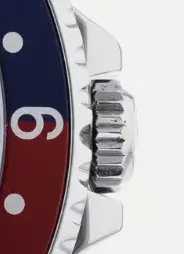
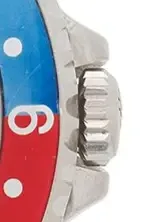
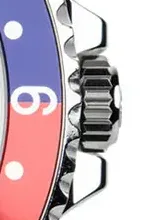
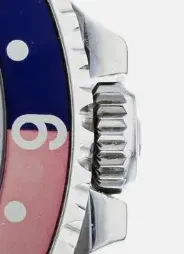
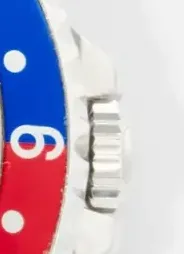
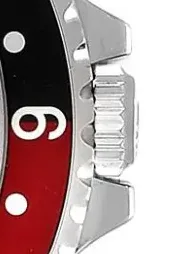
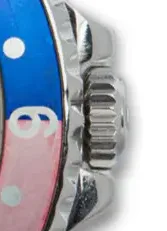
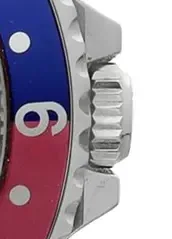
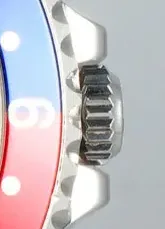
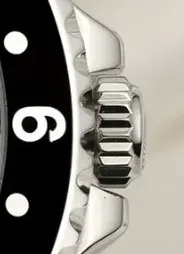
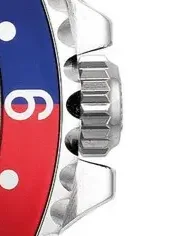
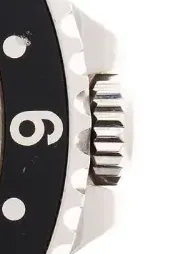
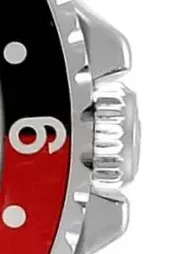
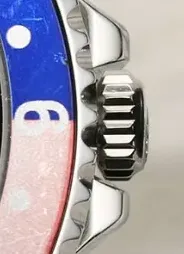
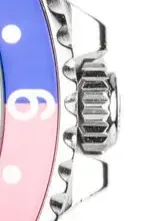
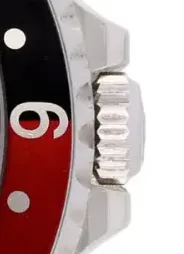
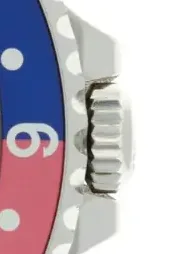
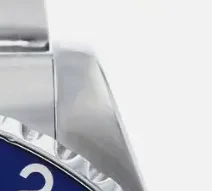
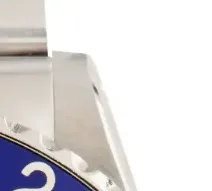
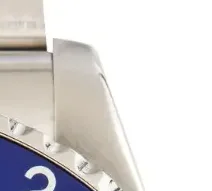
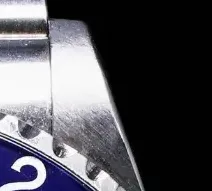
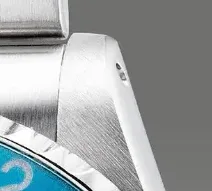
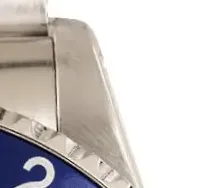
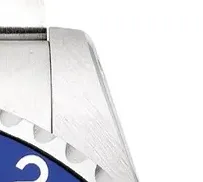
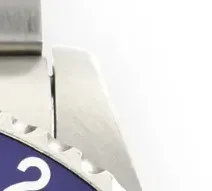
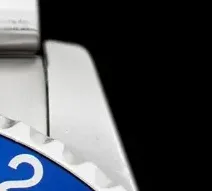
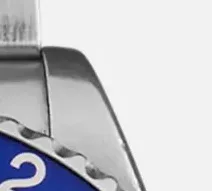
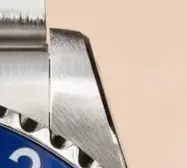
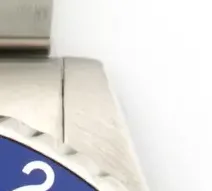
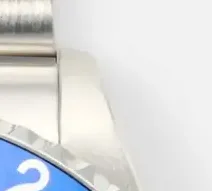
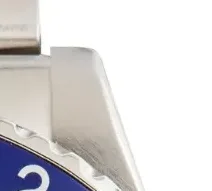
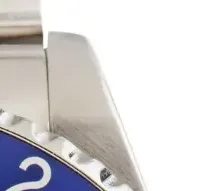
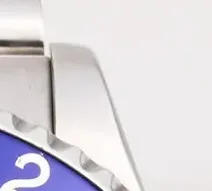
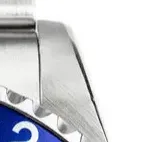
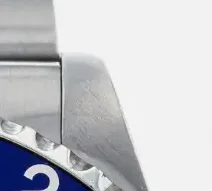
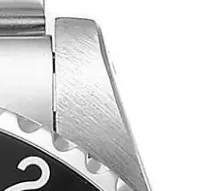
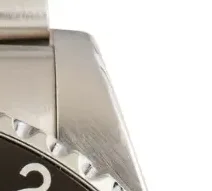
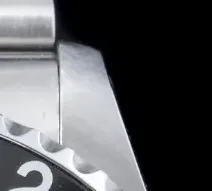
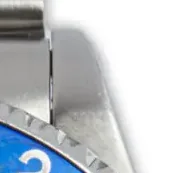
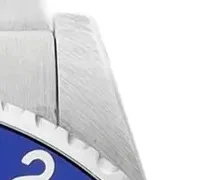
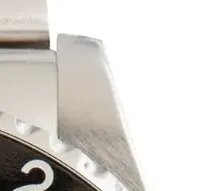
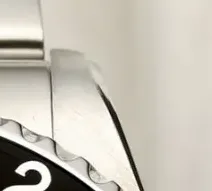
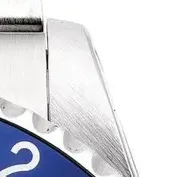
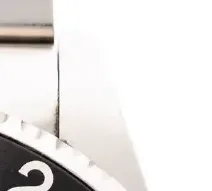
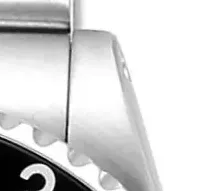
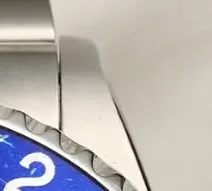
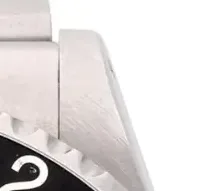
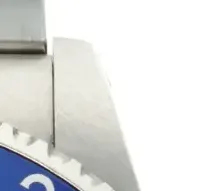
46 watches, oldest first, each straightened and cut the same way so that one row shows one component across them all. Chosen from 3,151 photographs on file for sharpness and for a face typical of the reference. A year marked c. is one its holder gives only roughly. Each picture is a detail cut from a listing photograph. Select the small mark in its corner for its year, its holder, a link to the listing it came from, and a way to report it.
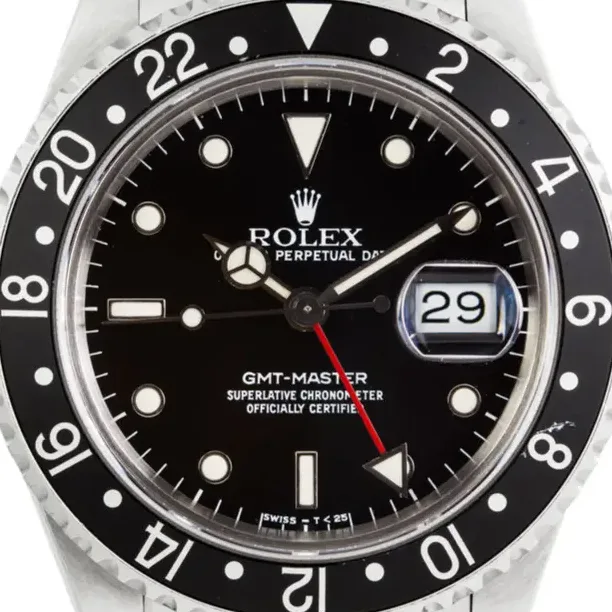
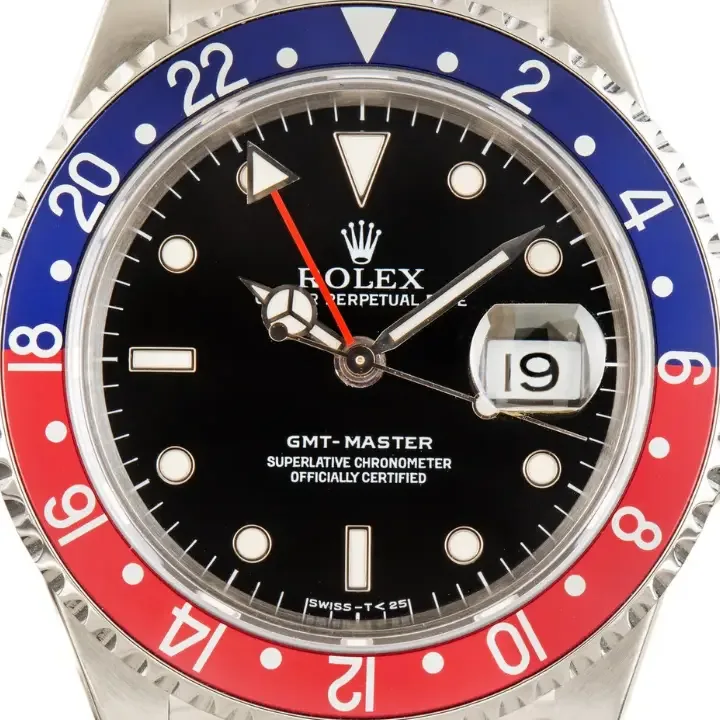
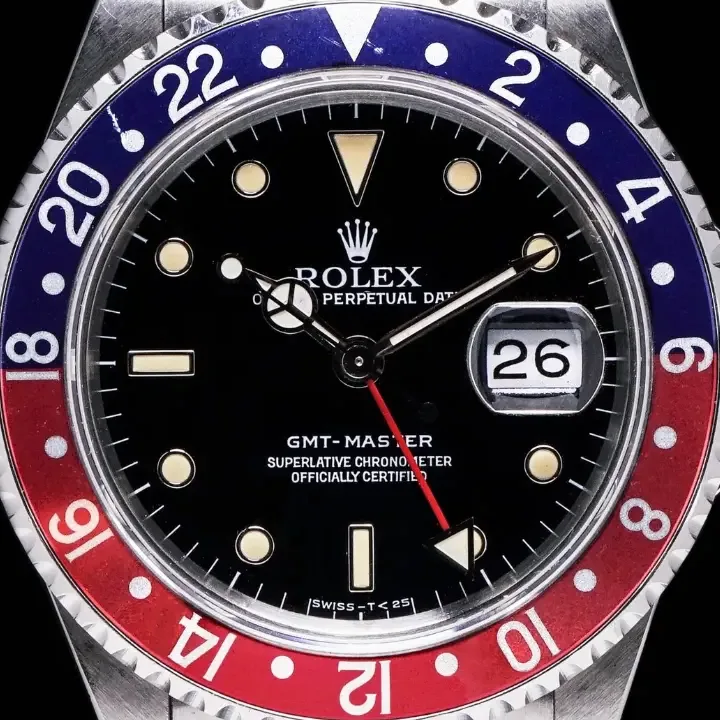
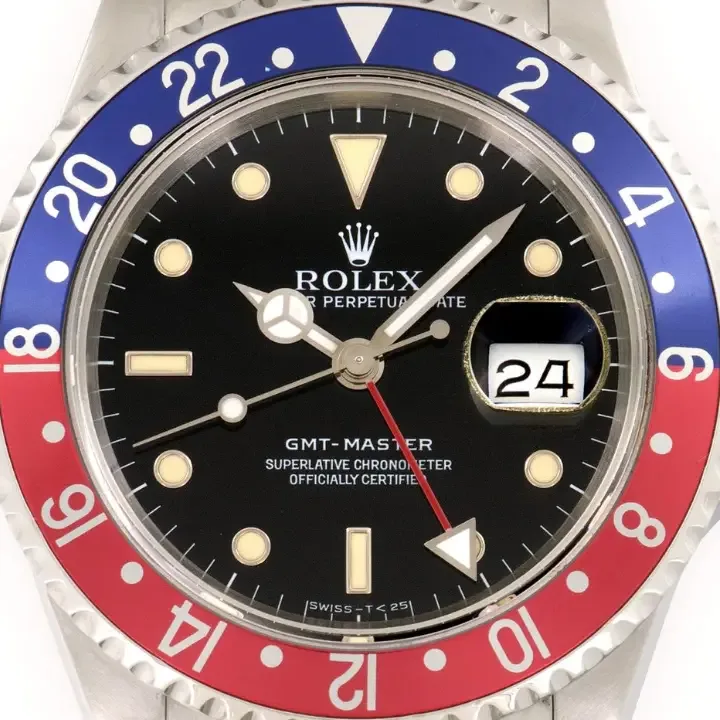




















































































































Chronology
Published accounts agree on 1988 to 1999.
Every dated variant: what is written, and what the records show
For the reference the marks are every dated watch; for a variant, the watches a seller names as that variant, so a variant sellers do not name has none.
The reference's own marks are dated by case number. A variant's marks use the year each seller states, so a variant can show watches in a year where the row for the reference shows fewer, or none. 4 dated listings fall outside this scale and are not drawn.
Specification
| Case | 40 mm stainless steel Oyster case with drilled lug holes and crown guards; steel only, no gold or two-tone version |
| Crystal | Sapphire with Cyclops lens over the date at 3 o'clock; the only steel GMT-Master with sapphire |
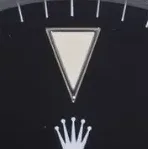
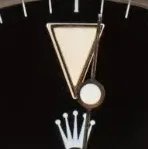
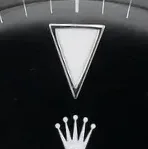
| Dial | Gloss black, hour markers with white gold surrounds; mixed round, baton and triangular markers |
| Bezel | Bidirectional 24-hour bezel with aluminium insert, blue and red (BLRO, 'Pepsi') or black (LN) |
| Hands | Mercedes-style hour hand, red arrow-tipped 24-hour hand coupled to the hour hand |
| Movement | Calibre 3175, automatic, 28,800 beats per hour, quickset date, hacking seconds, 48-hour reserve; hour and 24-hour hands are not independent |
| Bracelet | Oyster 78360 or Jubilee 62510 in steel; later Oyster 78790 with Oysterlock clasp; Oyster 93150 with diver's extension offered at extra cost |
| Water resistance | 100 metres |
Dial 3 described
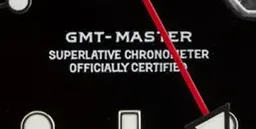
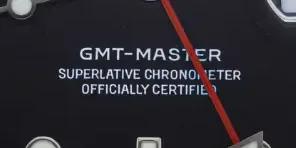
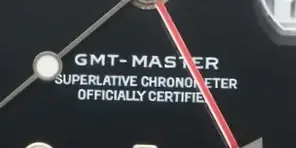
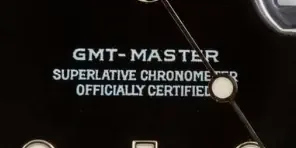
All 16700 dials are gloss black with applied hour markers set in white gold surrounds, a change that had begun late in the 16750 run and became standard here. The meaningful changes are in the text under six o'clock, which follows the lume. A claimed matte-dial 16700 is regarded as extremely rare at best and unlikely at worst.
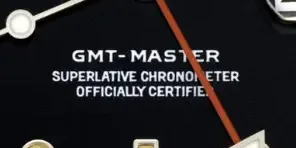
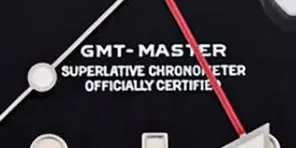
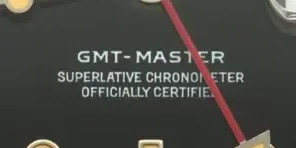
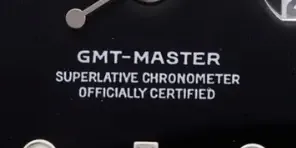
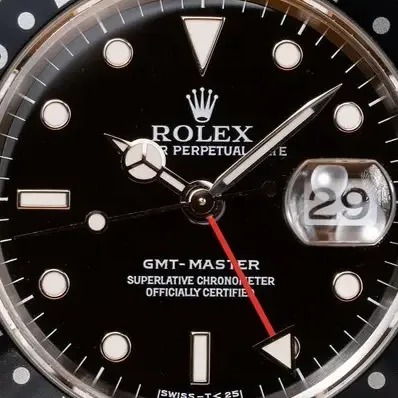
SWISS T<25 dial
The first dials carry 'SWISS T<25' under the 6 o'clock marker, marking tritium lume. This is the usual form for watches up to about 1997. A few Luminova-lumed watches also carry this text, thought to be use of leftover dials.
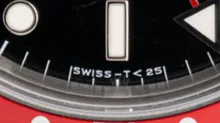
- aged cream lume on the markers
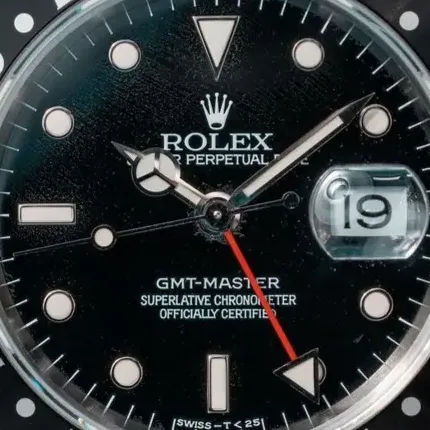
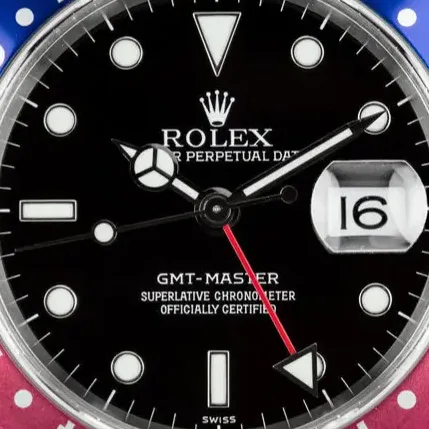
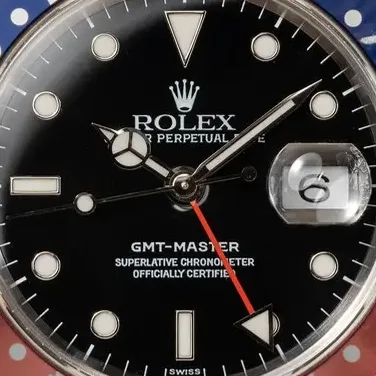
SWISS only dial
Luminova dials in the last years are printed with 'SWISS' alone, the so-called 'Swiss only' dials. Far more watches are described this way than as 'SWISS T<25' among those that state it.
- SWISS alone under the 6 marker
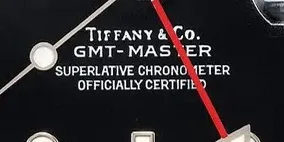
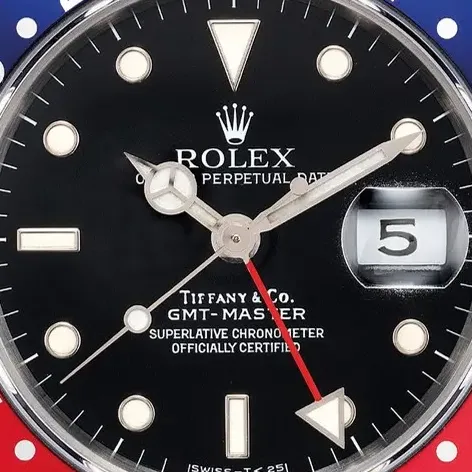
Tiffany & Co. dial
A small number of 16700 dials carry the Tiffany & Co. stamp on the lower half. One recorded example was bought from a Tiffany boutique in 1992. The co-branding ended in the early 1990s, and Tiffany dials are widely imitated.
- Tiffany & Co. printed on the lower dial
- original Tiffany paperwork
Luminous material 2 described
The reference ran on tritium, then Luminova. The changeover is put at 1997 by some and 1998 by others. Sellers also use the term Super-LumiNova for a few watches.
Tritium
Hands and markers were filled with tritium, paired with 'T<25' text. Over the years the lume ages to a cream or yellow.
- aged lume
52 listings on record under the name.
Luminova
From about 1997 or 1998, non-radioactive Luminova was used, normally with 'SWISS' alone. Some early Luminova dials still read 'T<25'.
- SWISS text
Hands 1 described
The hands are the luminous Mercedes-style set, with a red 24-hour hand ending in an arrow. Some sellers call the seconds hand lollipop-tipped, after its round luminous tip; the phrase describes the usual hand, not a separate version.
Mercedes hands with red arrow 24-hour hand
Mercedes-style hour and minute hands and a red arrow-tipped 24-hour hand. The 24-hour hand is coupled to the hour hand.
- red arrow-tipped GMT hand
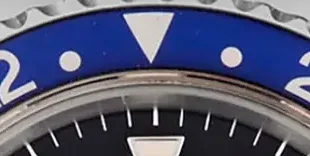
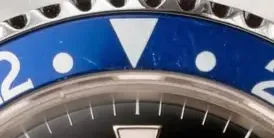
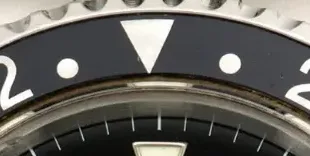
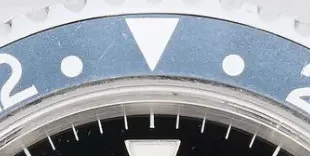
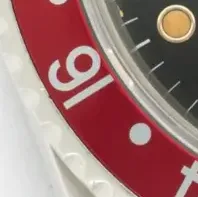
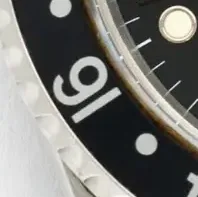
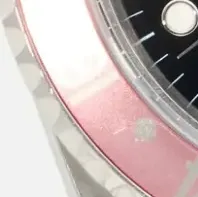
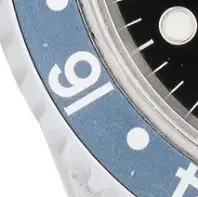
Bezel 3 described
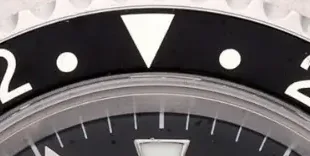
The bezel is a bidirectional 24-hour ring with an aluminium insert, with a ratcheting action. Two insert colours were offered; a black-and-red 'Coke' insert was not an option on the 16700.
Blue and red BLRO
Blue and red insert, the usual choice and the one sellers state most often. Red marks daytime hours and blue night hours.
- blue and red insert
- fading to lighter shades
Black LN
A plain black insert was offered as the other choice. How common it was is disputed: it is called rare by some and a standard option by others.
- all-black insert
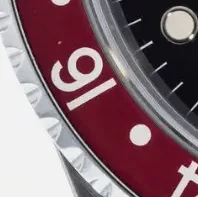
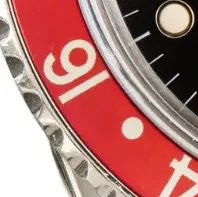
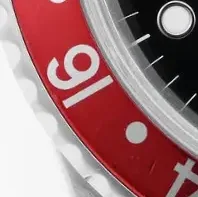
Black and red Coke insert
Watches seen with a red and black insert have had it fitted later; it was not offered for this reference. Sellers state it on a fair number of watches.
- red and black insert on a 16700
Case 1 described
The 40 mm steel Oyster case has drilled lug holes. The case is said to be slightly smaller than the 16710's, with no easy visible difference. Some sellers call the crown guards pointed, a term the literature keeps for early 1675s.
Drilled lug holes
Holes through the lugs let bracelets or straps be changed easily.
- holes through the lugs
Crystal 1 described
The 16700 was the first steel GMT-Master with a sapphire crystal, carrying a Cyclops lens over the date.
Sapphire with Cyclops
Scratch-resistant sapphire replaced the acrylic of the earlier references, with the usual magnifier over the date.
- sapphire crystal
- Cyclops lens at 3
Date 2 described
The date window sits at 3 o'clock, with the calibre's quickset function.
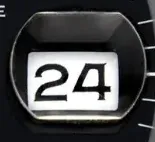
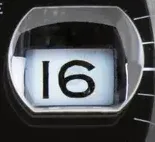
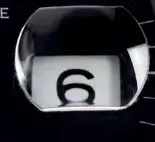
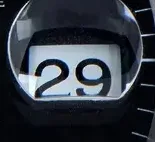
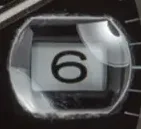
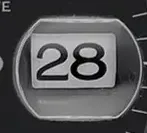
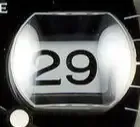
Open six date wheel
Early watches have a vintage-style date wheel with open sixes and nines. It was dropped around 1992 or 1993.
- open numerals
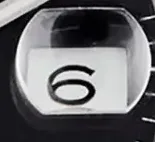
Closed six date wheel
From about 1992 or 1993 the wheel has closed numerals.
- closed 6 and 9
Movement 1 described
Calibre 3175 replaced calibre 3075 and works the same way.
Calibre 3175
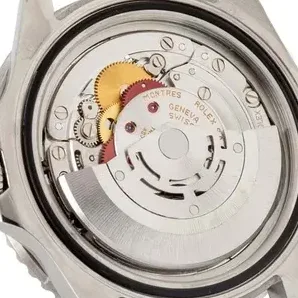
Automatic, 28,800 beats per hour, quickset date, hacking seconds, 48-hour reserve. The hour and 24-hour hands stay linked, unlike calibre 3185 in the GMT-Master II, so the bezel must be turned to show a second zone. The quickset sets the date; on the GMT-Master II the hour hand is quickset instead.
- 3175 on the movement
Bracelet 4 described
Oyster and Jubilee bracelets in steel were offered, with stamped end links.
Oyster 78360
Three-link steel Oyster bracelet, normally with 501B stamped end links.
- 78360
- 501B end links
Jubilee 62510
Five-link steel Jubilee bracelet, the dressier option.
- 62510
- five-link bracelet
Oyster 78790 with Oysterlock
Oyster bracelet with a clasp cover that stops accidental opening. The date is put at 1989 by some and in the final year by others.
- 78790
- Oysterlock clasp
Oyster 93150 with diver's extension
A Submariner-type extension clasp bracelet was available at extra cost.
- 93150
- extension clasp
Box and papers 1 described
A complete set included boxes, papers and labels.
Full set
Inner and outer boxes (numbers vary with the serial), certificate holder, certificate, translation booklet, calendar, red COSC tag, green price tag and Oyster and GMT-Master booklets.
- red COSC tag
- green price tag
Originality
- Dials are replaced at service; a replacement shows in text or lume that does not match the period.
- Hands are sometimes relumed or replaced at service; hands whose lume differs from the dial's in colour or type show it.
- The bezel insert is often changed: faded originals and Coke inserts on a 16700 are found.
- Bracelet and end links are often swapped; the date code on the clasp should fit the watch's year.
Names
- Pepsi. The blue and red insert.
- Coke. A black and red insert, not offered on this reference.
- Swiss only. The dial printed with 'SWISS' alone under six o'clock.
Where accounts differ
Points on which the published literature and the library's own records do not agree, or on which the literature contradicts itself.
- Oysterlock bracelet date. One guide dates the 78790 Oysterlock bracelet to 1989; a forum account places it only in the last year of production. The records do not settle it.
- Black bezel. One guide treats the black insert as rare and Pepsi as the main choice; others list both as standard. Sellers state the Pepsi insert far more often than the black.
- Sapphire crystal. One account calls the 16700 the first GMT-Master with sapphire and another the only one; a third gives the solid gold 16758 of the early 1980s a sapphire crystal, while the steel and two-tone 16750 kept acrylic.
Back and movement
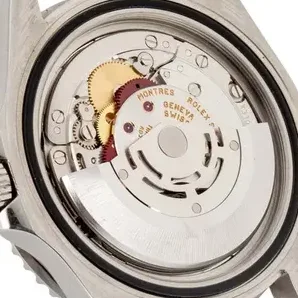
From listings of this reference, each confirmed by eye to show what it is filed under. A picture on which a person's name or a personal engraving can be read is not shown. From most holders a detail from the middle of the photograph is shown; the mark in its corner gives its holder and a link to the listing.
Caseback
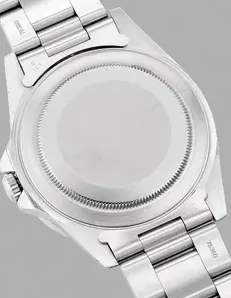
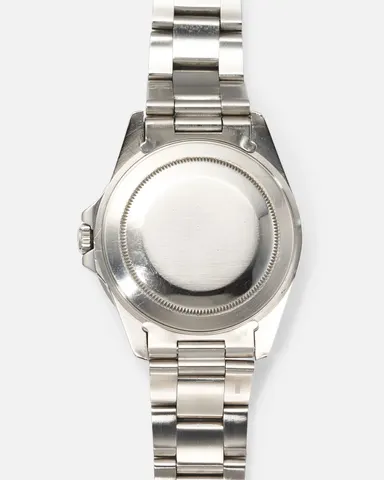
Movement
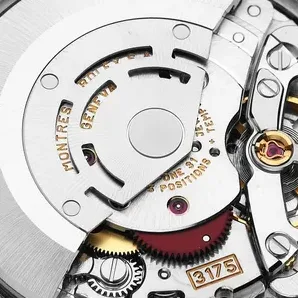
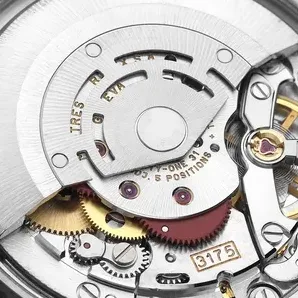


In the records
Counted from 948 listings at 55 holders between 22 May 2012 and 14 November 2026. These are what sellers and auction houses state, not measurements.
Fainter bars are the 19 outside the main run of 1989–1999 (the middle nine-tenths): the earliest is 1987 and the latest 2000. They are early and late examples, and now and then a number misread.
At the holders that record papers on every watch, 38% of their 128 listings of this reference come with papers; at those that record the box on every watch, 73% of 186 come with a box. "Papers" is whatever the holder counts as papers, and can include service papers.
1 listing dated long after the reference ended is set aside and not counted here: a year that late belongs to a later watch sold under the old number, or to a listing filed under the wrong one.
Case metal
| Steel | 325 | |
| White gold | 1 |
Dial colour
| Black | 482 | |
| Blue | 4 |
Case size
| 40 mm | 316 | |
| 39 mm | 15 | |
| 42 mm | 5 |
Calibre named
| 3175 | 162 |
Bracelet or strap
| Oyster bracelet | 431 | |
| Metal bracelet, kind not stated | 59 | |
| Jubilee bracelet | 17 | |
| Leather strap | 2 | |
| Rubber strap | 1 |
Reference suffix
| BLRO | 4 |
Each table counts the listings that state the thing, in the seller's own terms. A size, metal, colour or calibre that cannot belong to this reference is a seller's slip or a listing filed under the wrong number.