GMT-Master II (Fat Lady)
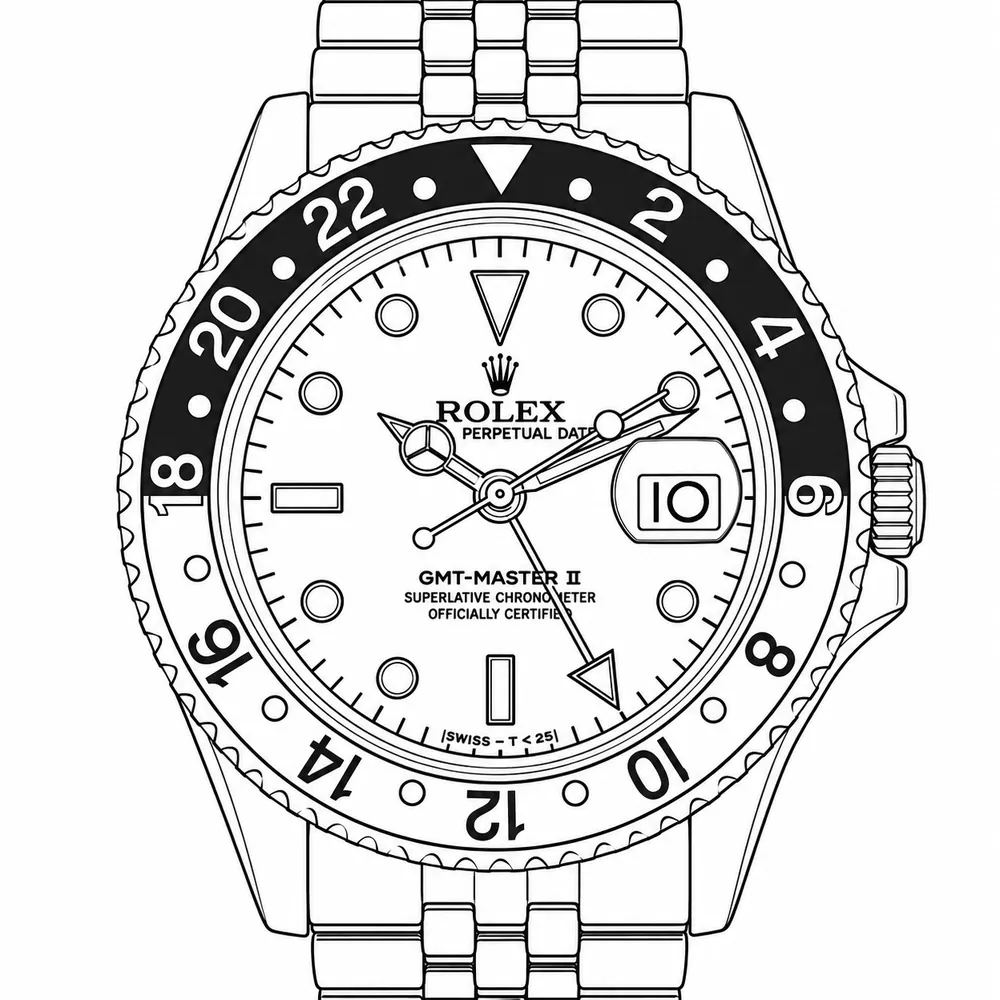
The 16760 is the first GMT-Master II, a steel dual-time watch made from about 1983 to 1988. Its new calibre 3085 lets the local hour hand be moved in one-hour steps without touching the GMT hand or stopping the seconds, so three time zones can be read with the bezel. The movement needed a thicker case, bigger crown guards and a broader bezel, which gave the watch its nickname Fat Lady. It also brought a sapphire crystal, white gold surrounds to the lume markers and the first red and black Coke insert, which was the only insert offered. It was replaced by the slimmer 16710. Collectors look at the dial text, the lugs and the insert first.
- Made
- 1983–1988dates approximate
- Seen in the library
- 1984–1988by case numbers
- Case
- 40 mm · steelas sellers state
- Movement
- Calibre 3085automatic
- On record
- 230 listings682 photographs · 34 holders
Components
39 watches, oldest first, each straightened and cut the same way so that one row shows one component across them all. Chosen from 682 photographs on file for sharpness and for a face typical of the reference. A year marked c. is one its holder gives only roughly. Each picture is a detail cut from a listing photograph. Select the small mark in its corner for its year, its holder, a link to the listing it came from, and a way to report it.
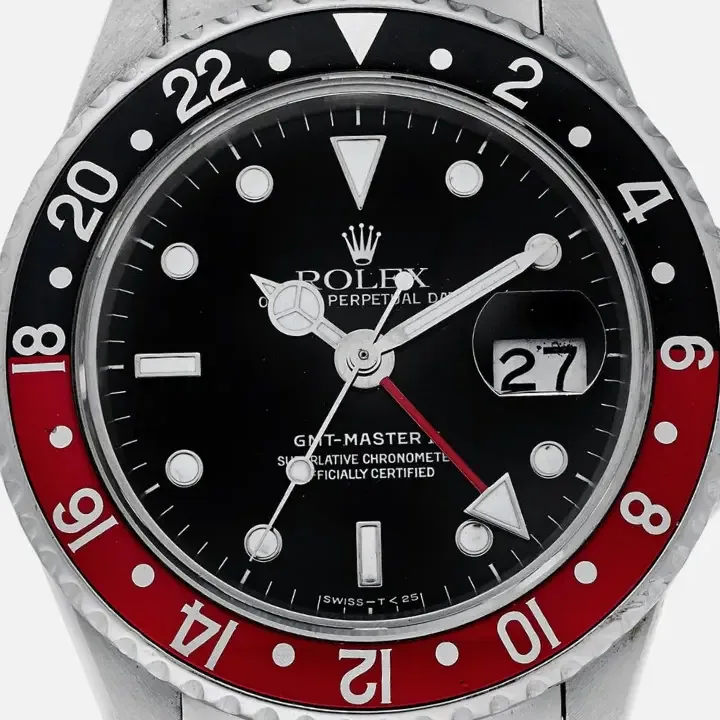
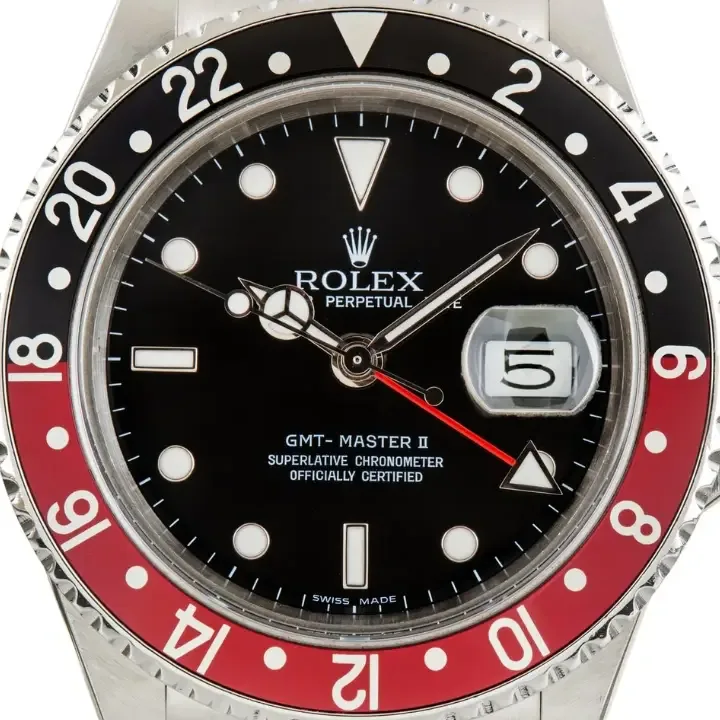
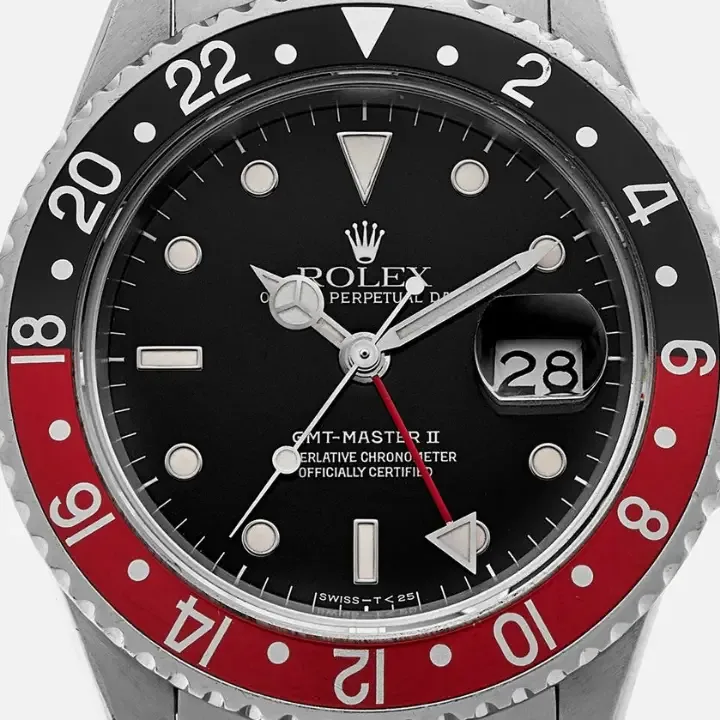
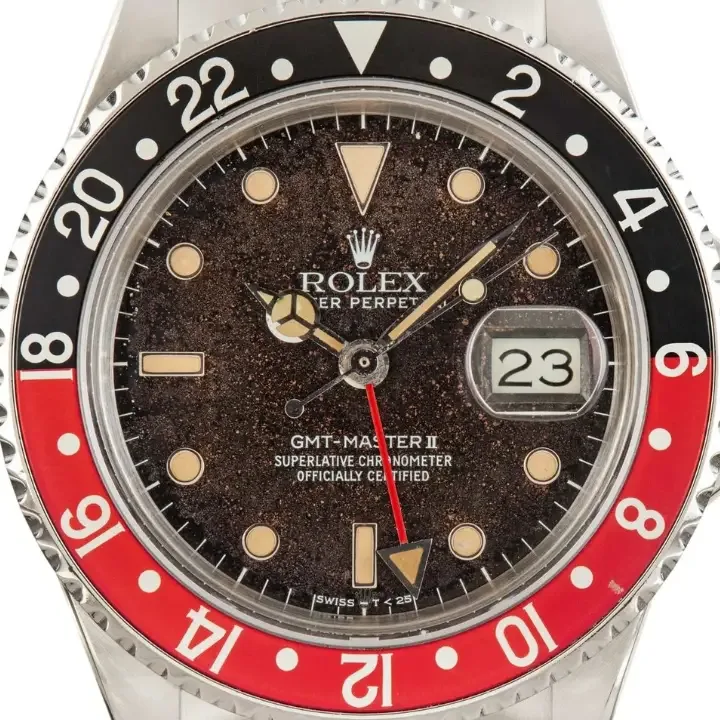
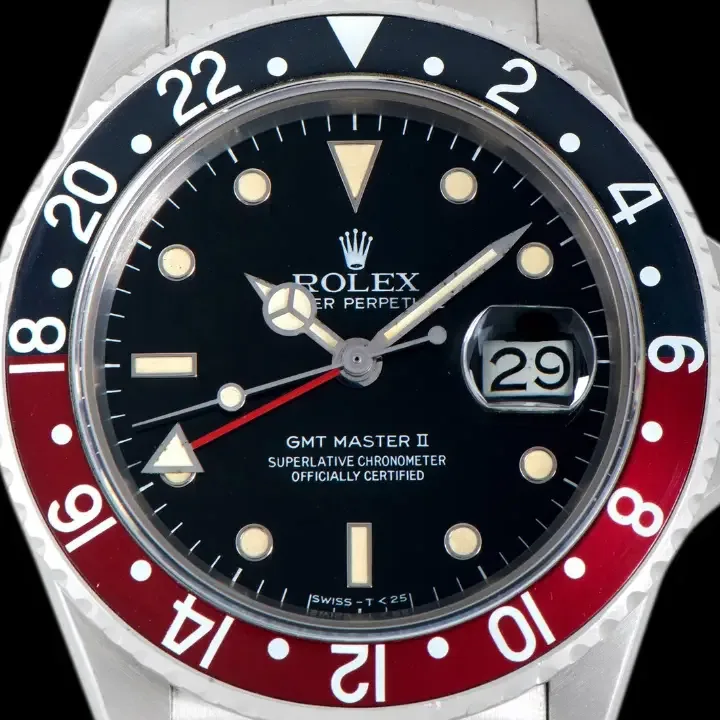
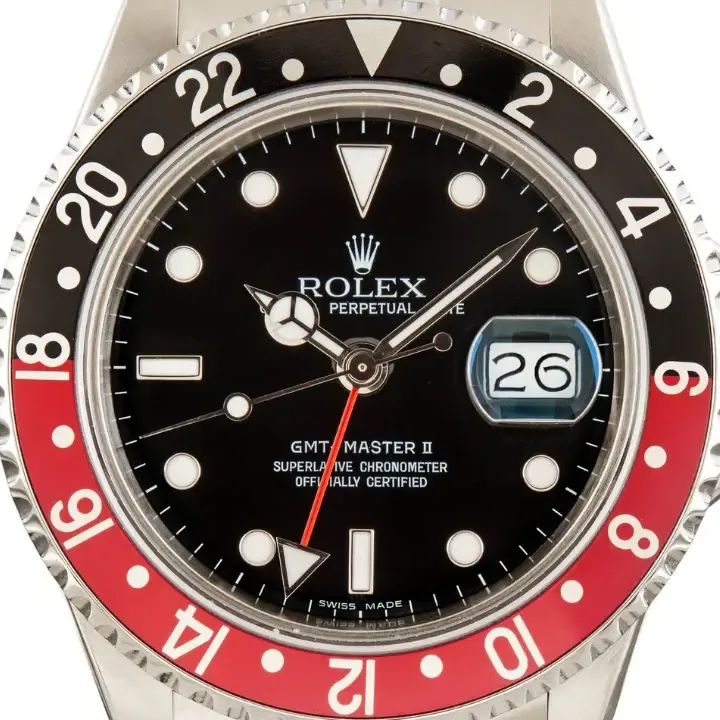
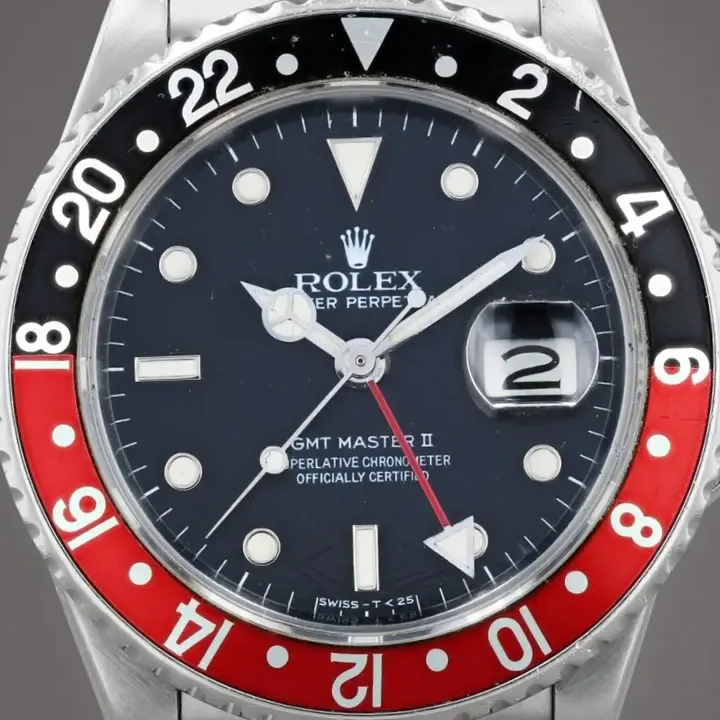
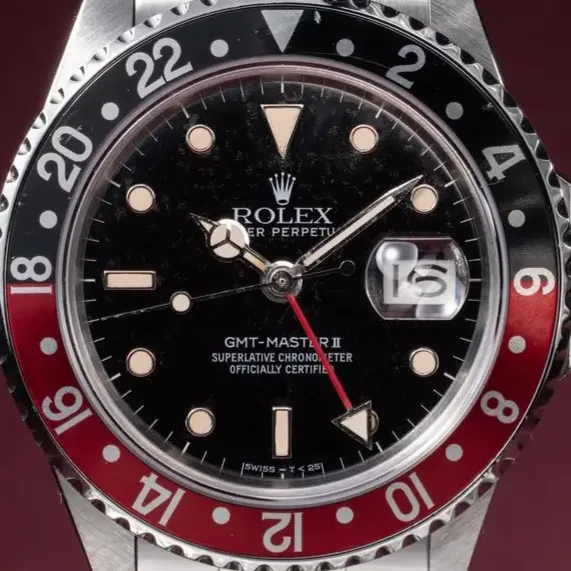
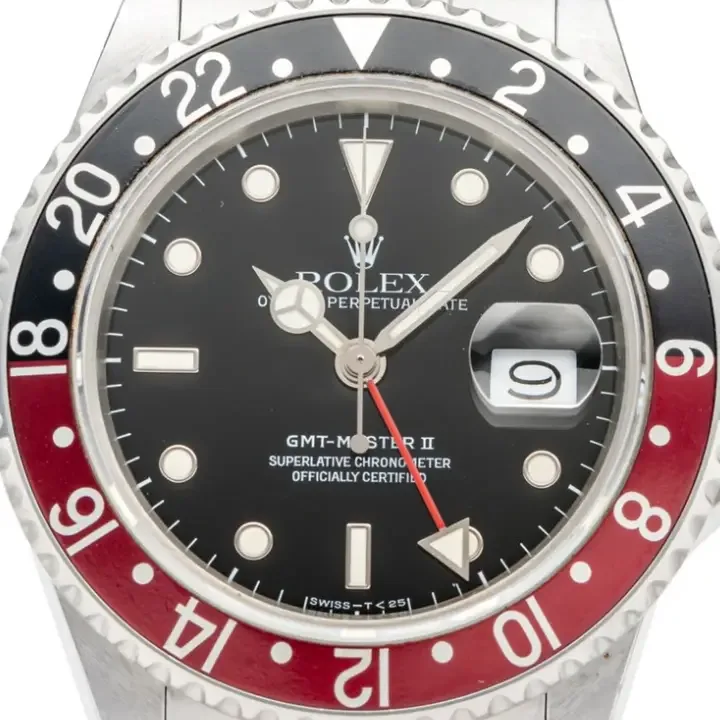
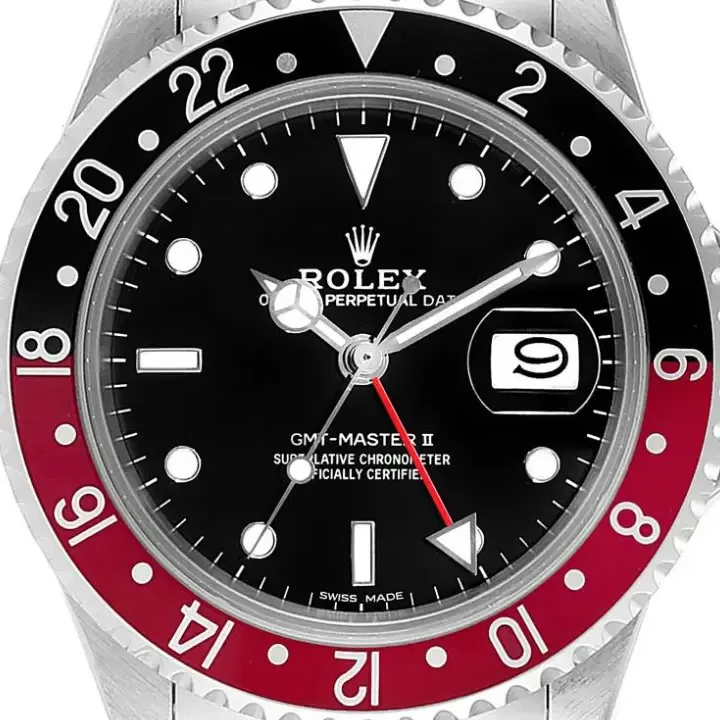
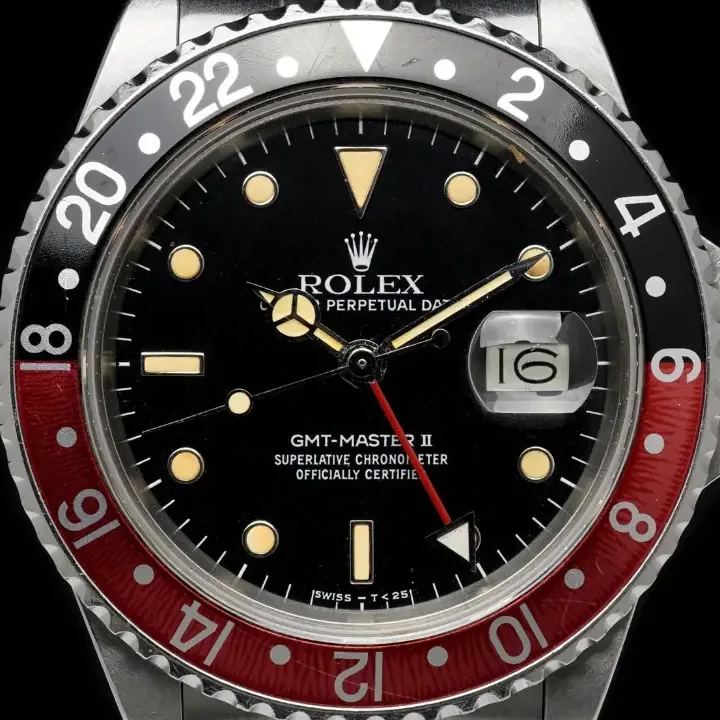
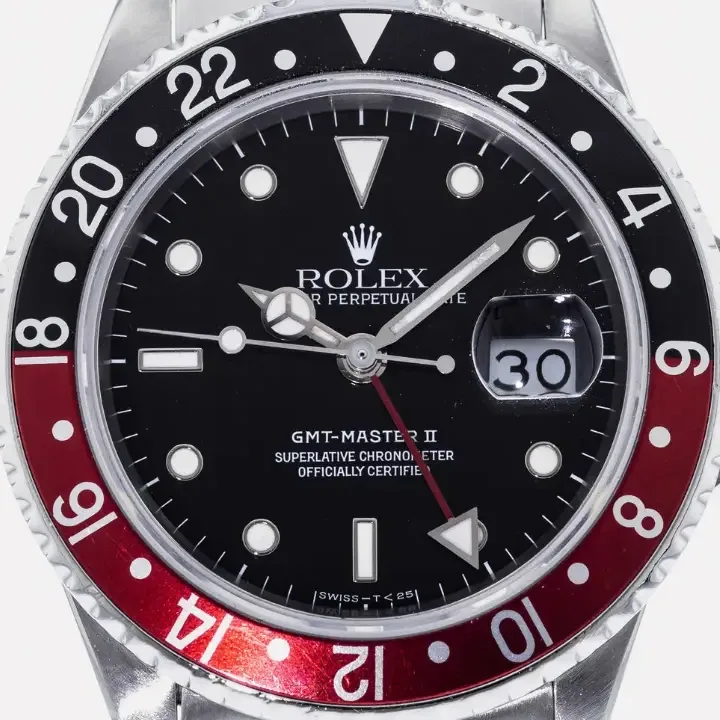
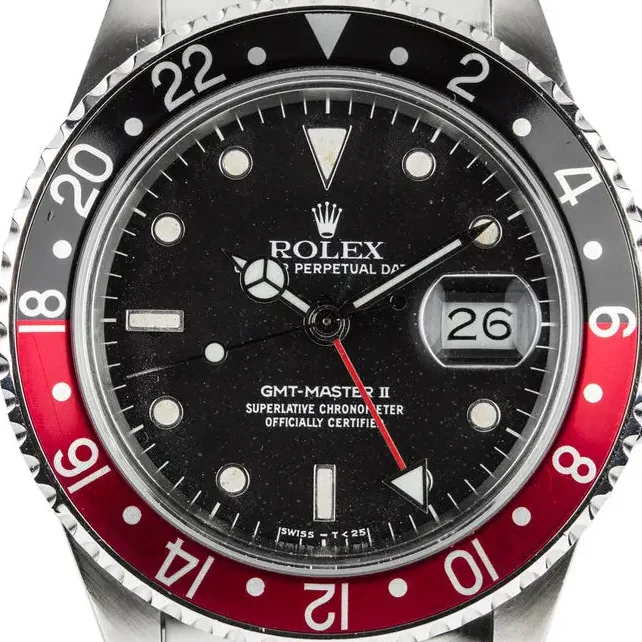
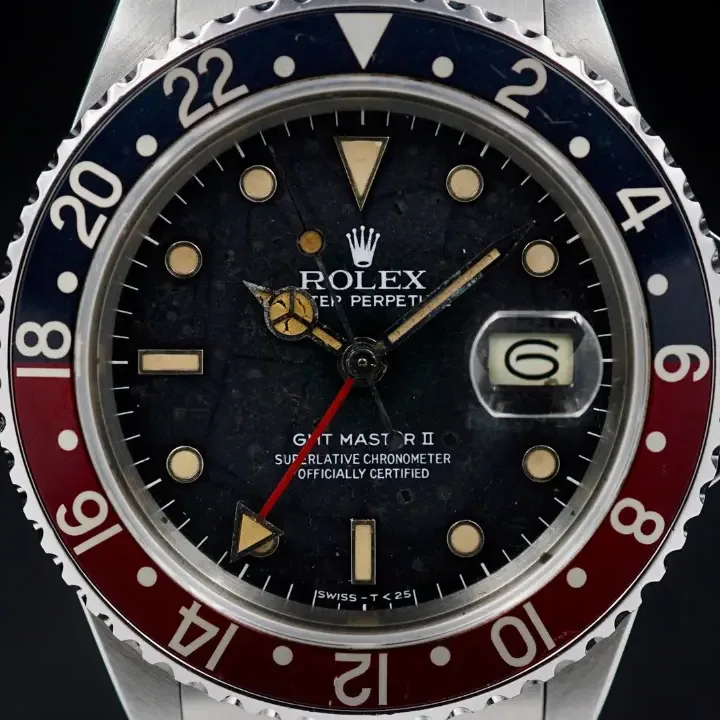
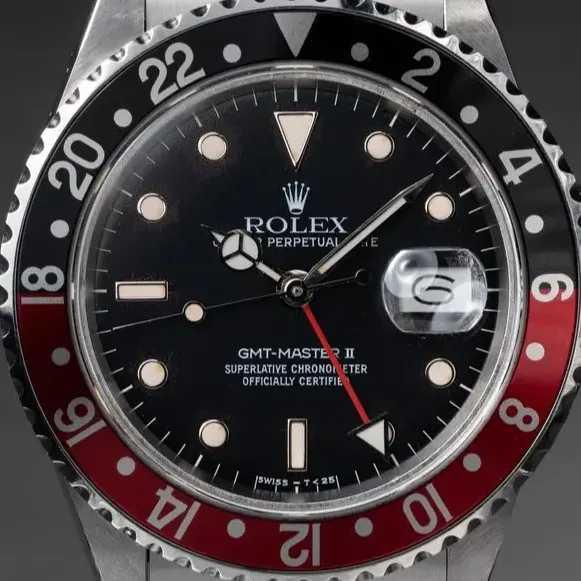
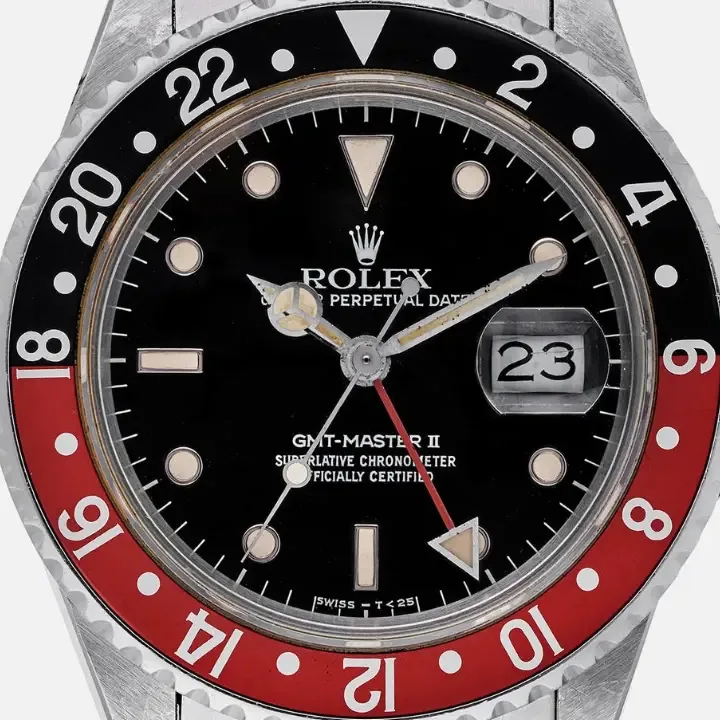
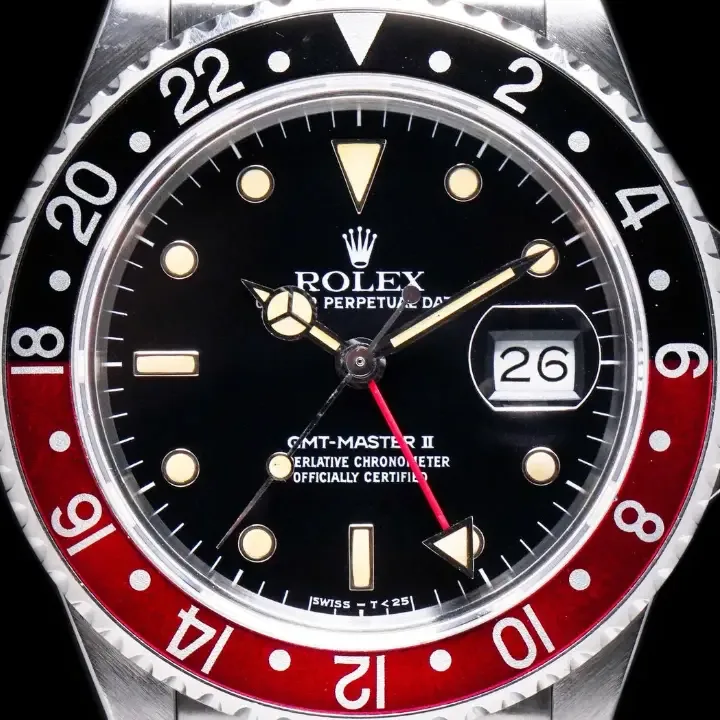
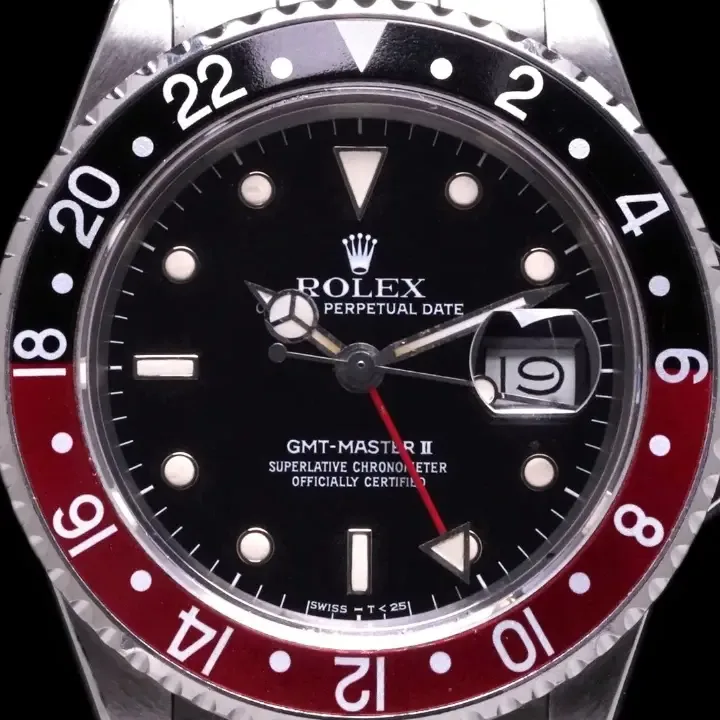
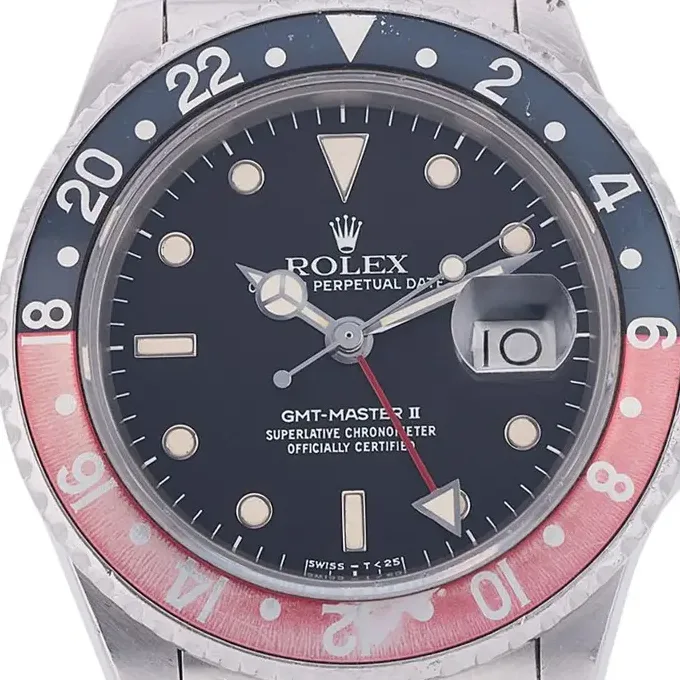
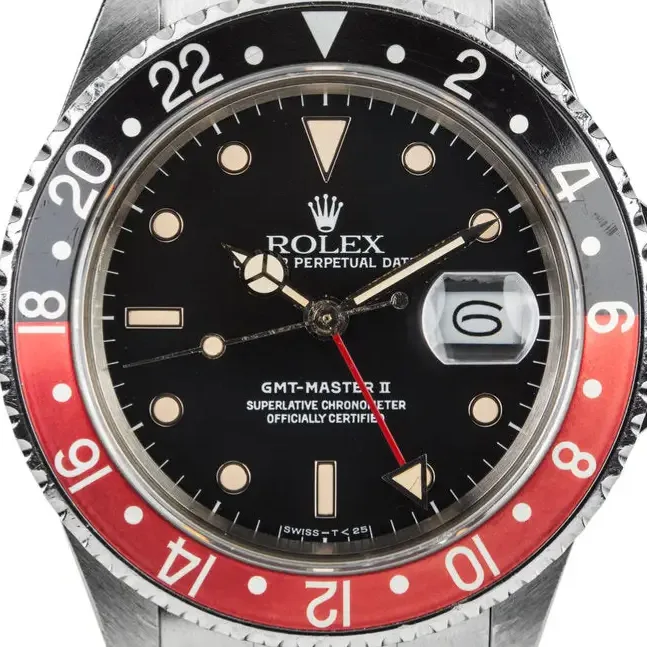
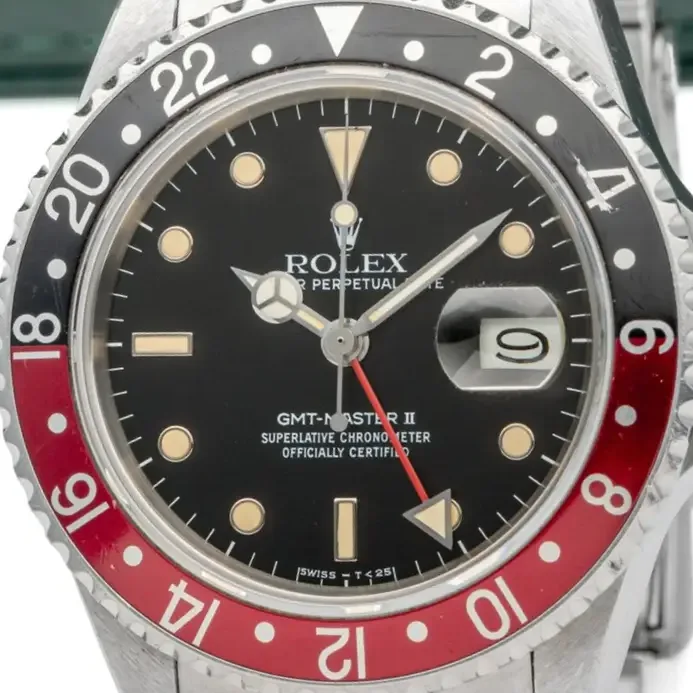
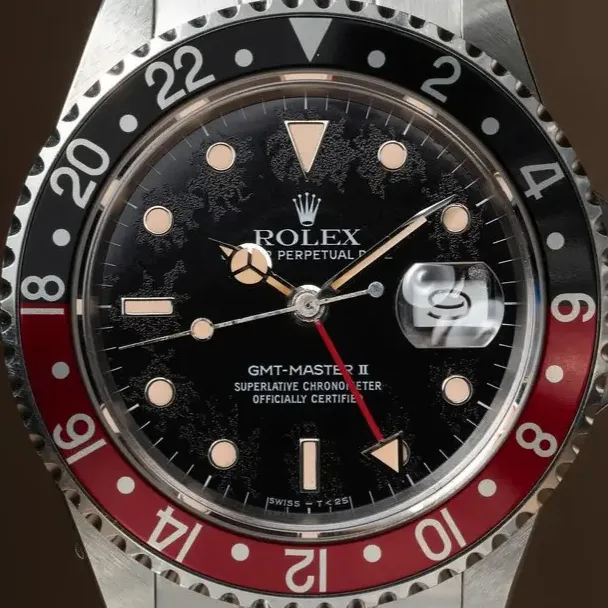
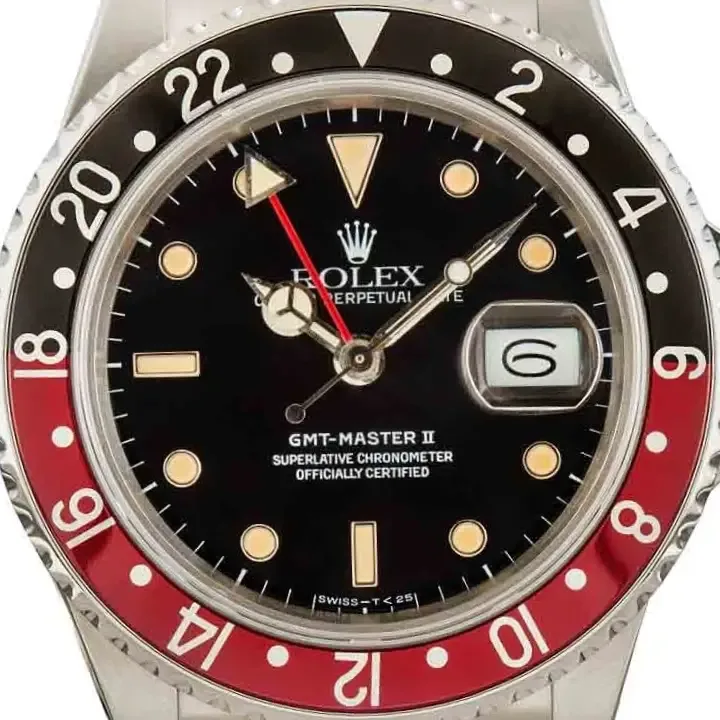
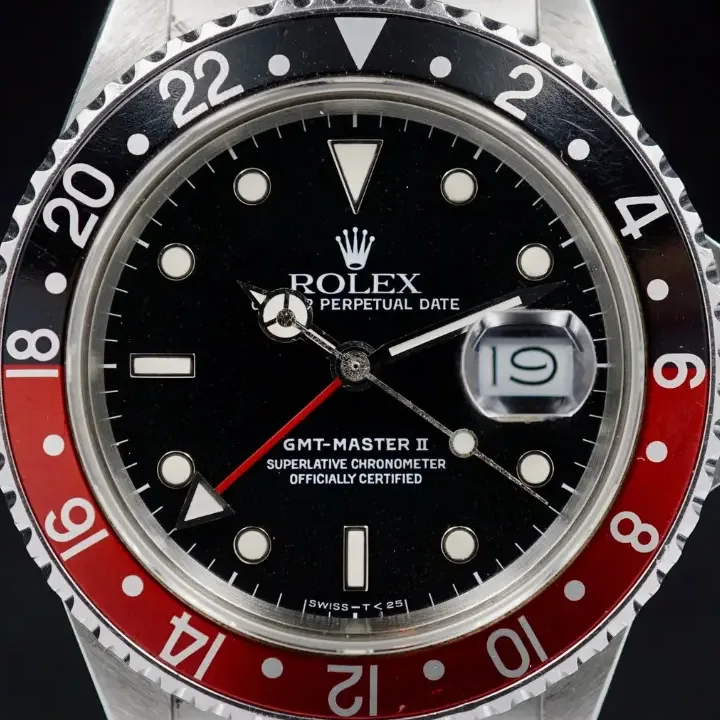
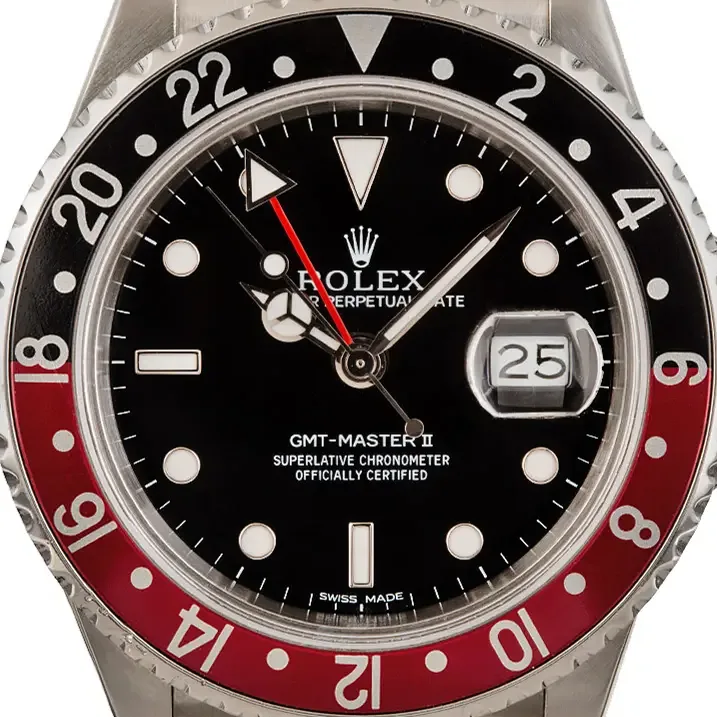
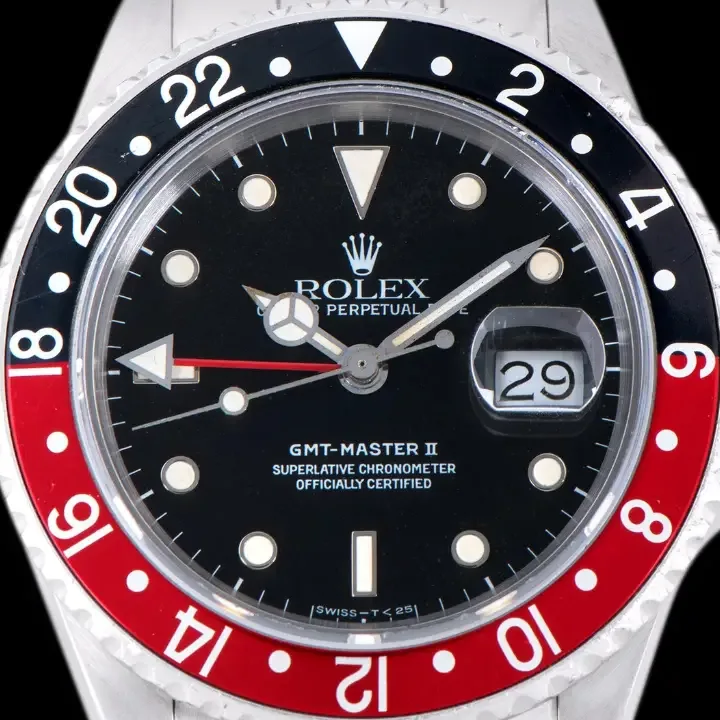
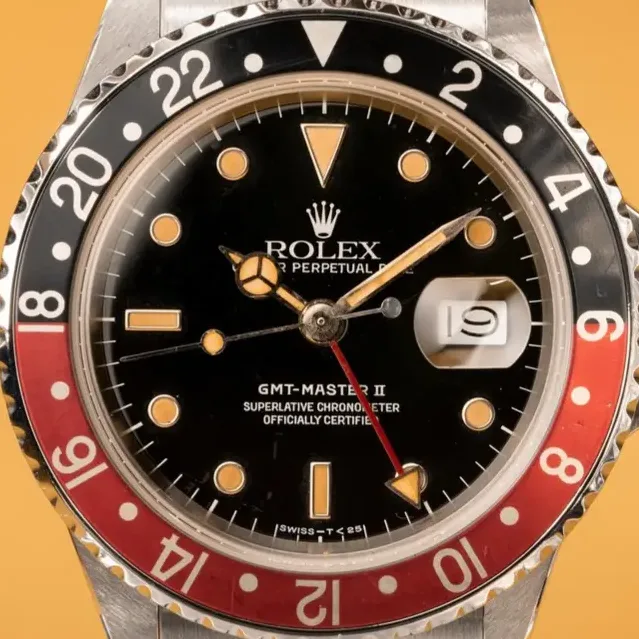
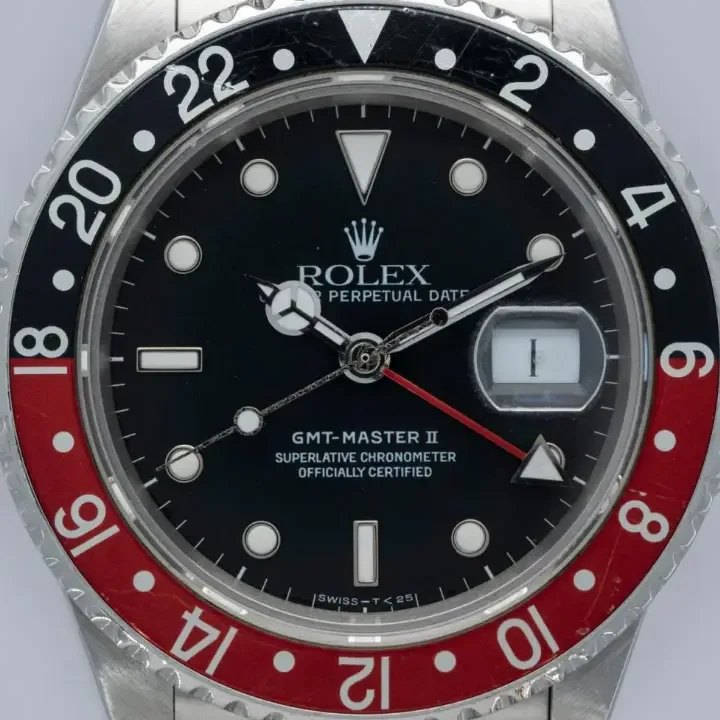
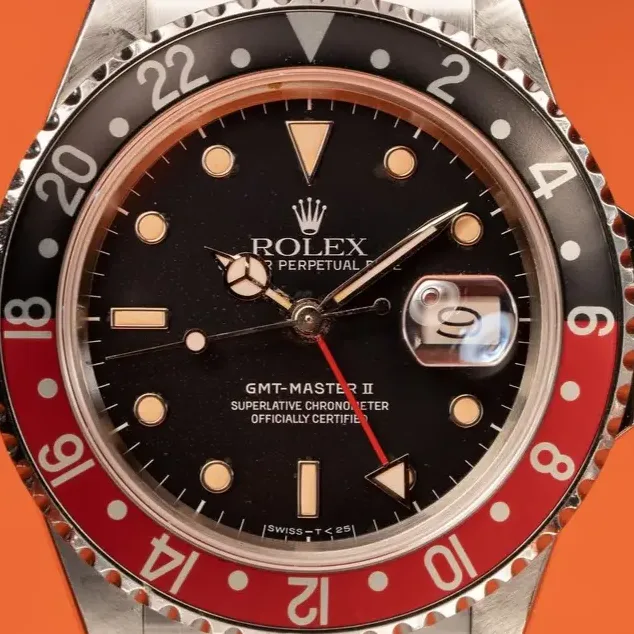
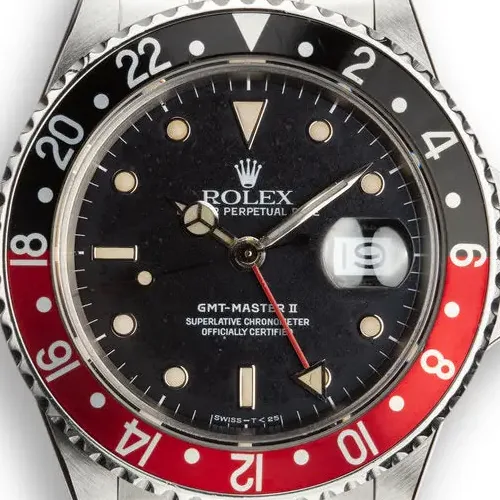
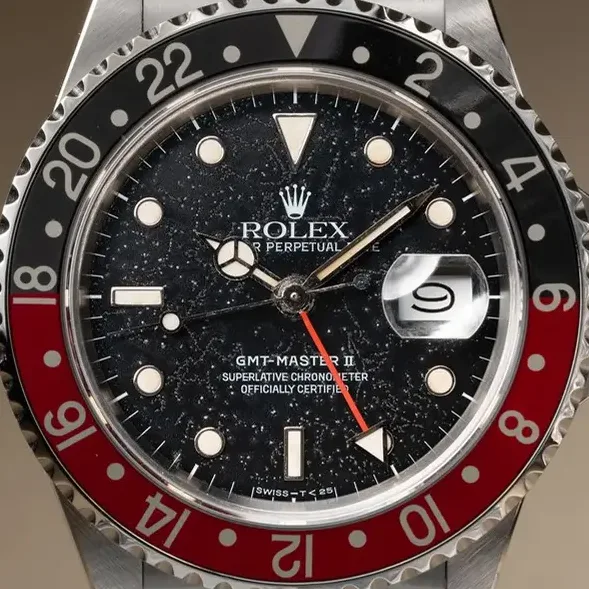
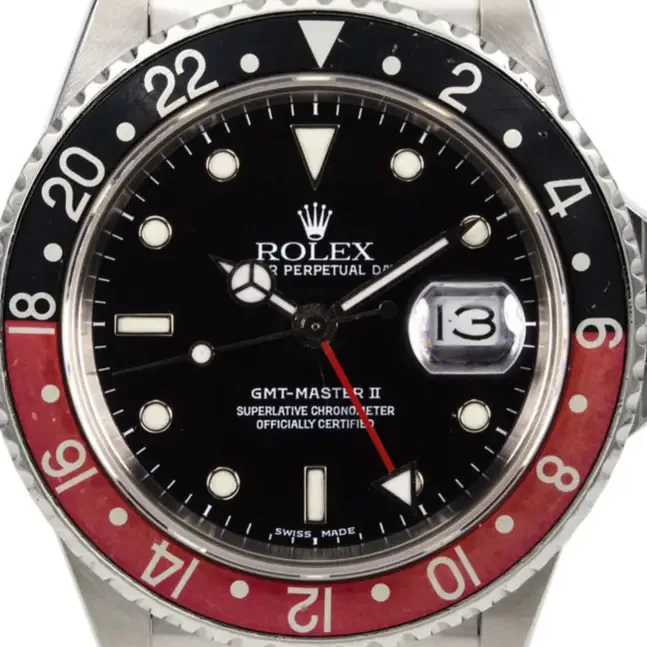
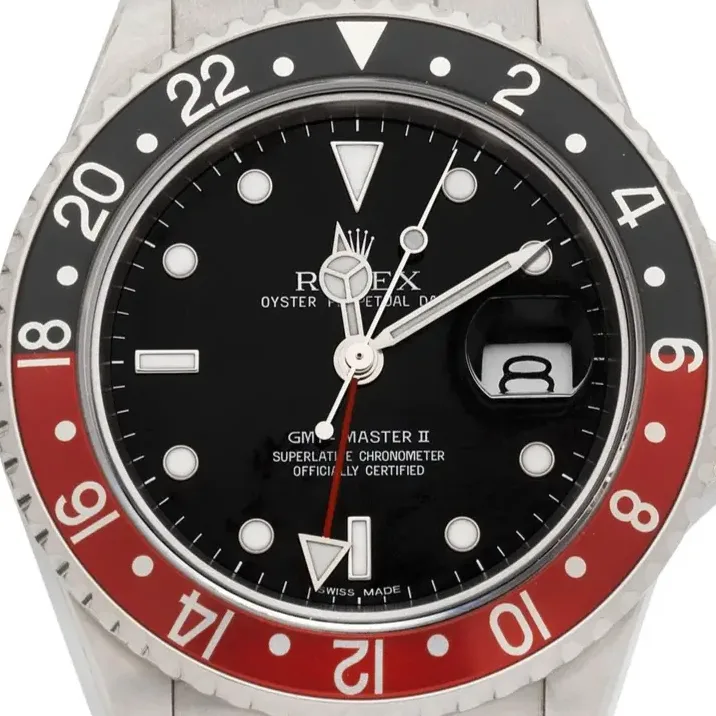
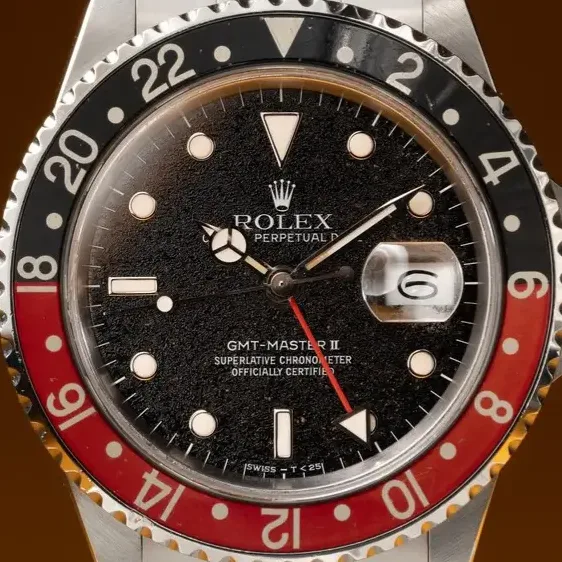
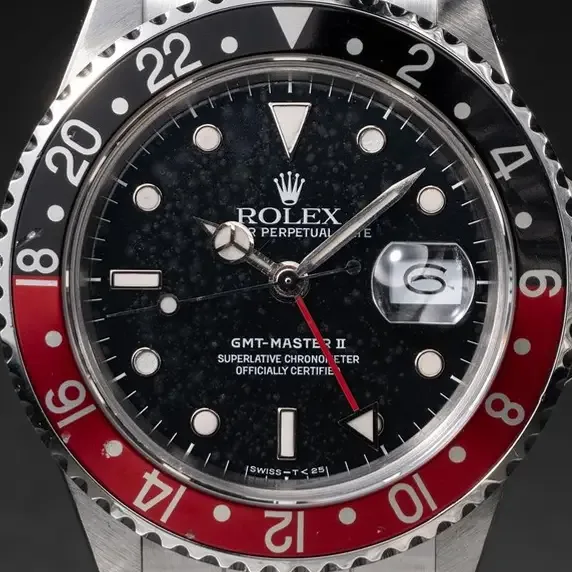
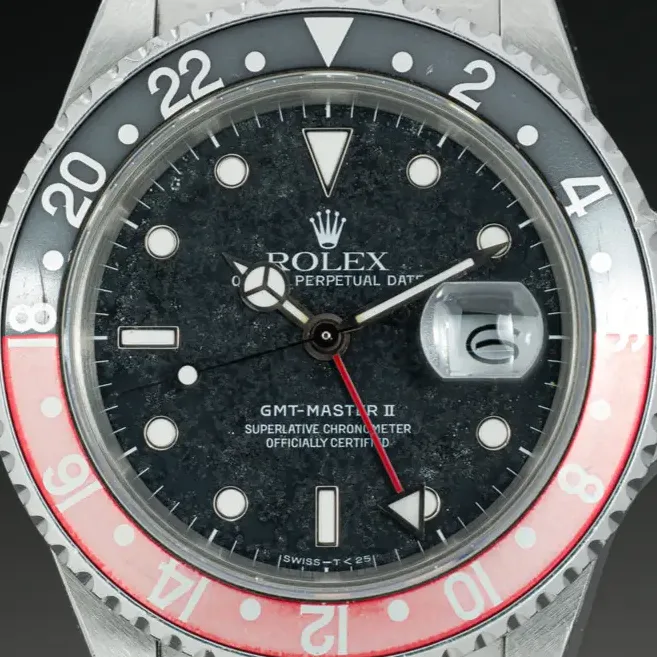
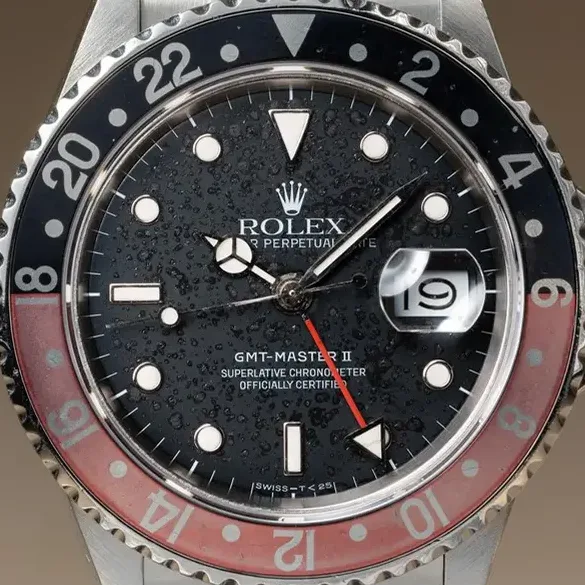
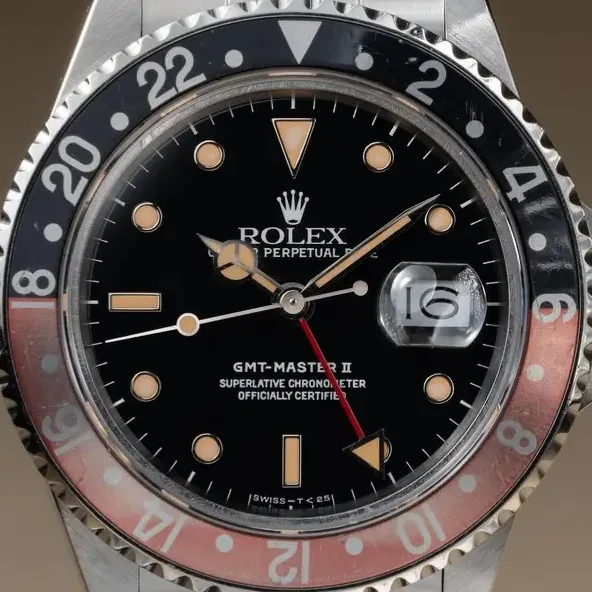
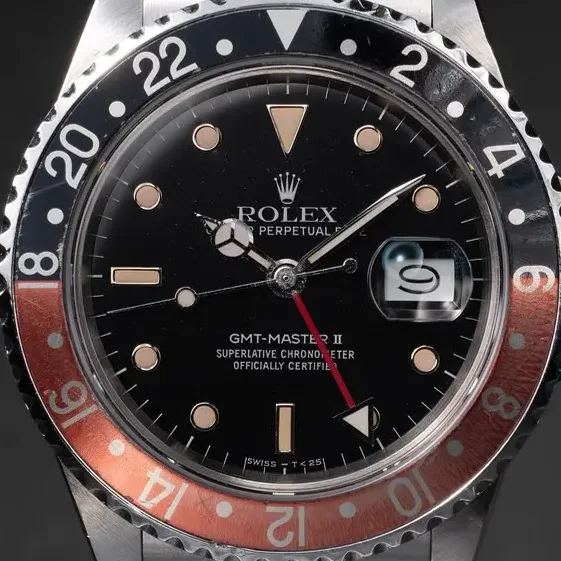



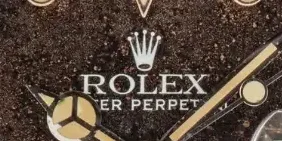






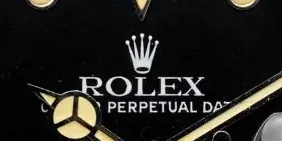











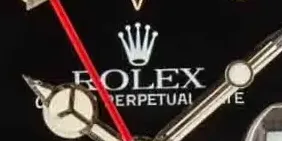





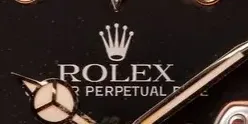
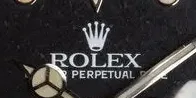


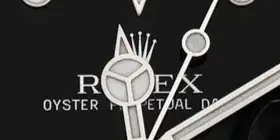
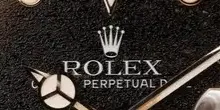

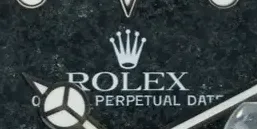





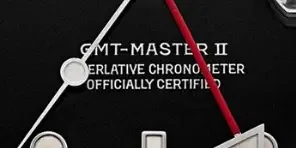



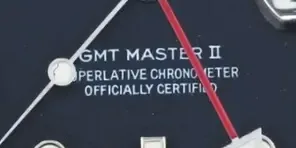
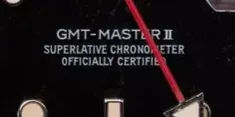




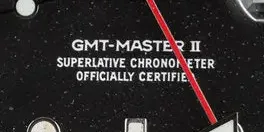











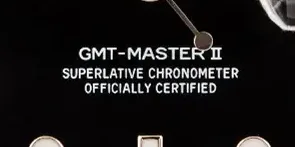




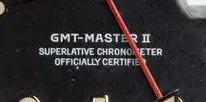



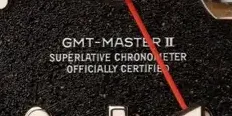

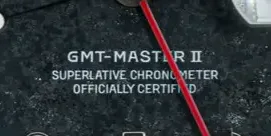


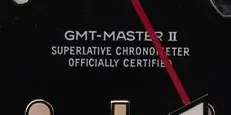
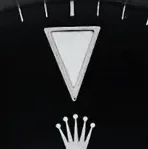

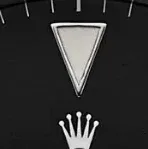
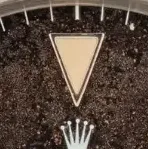





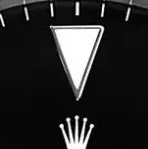
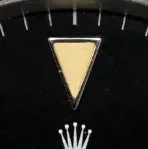
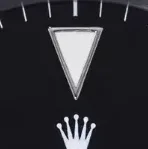
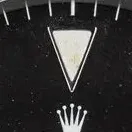
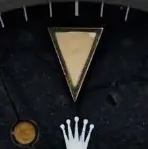


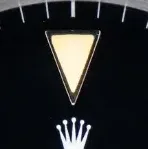


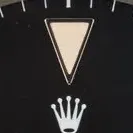
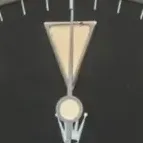
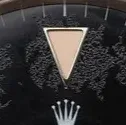
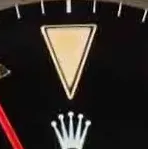


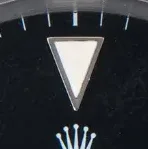
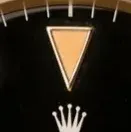

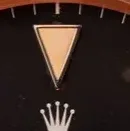
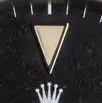
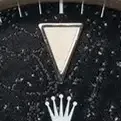
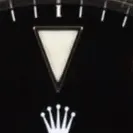
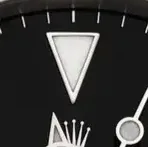
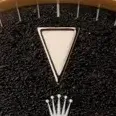



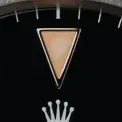
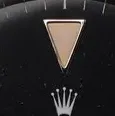

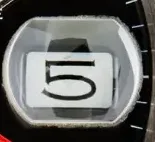
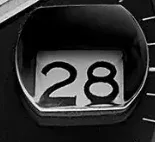
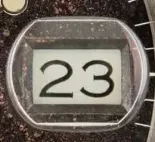
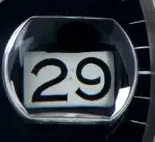



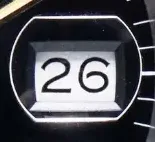
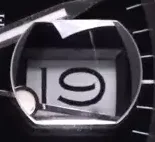

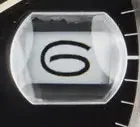
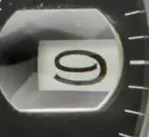

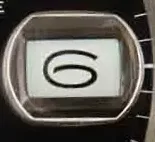
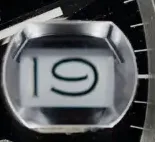
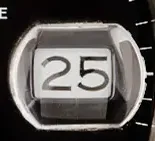
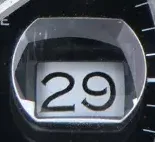



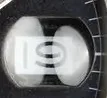

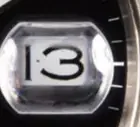
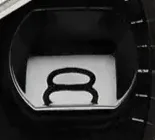
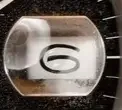



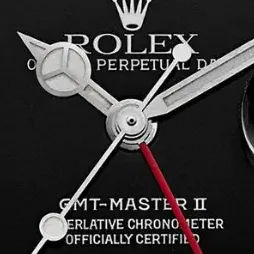


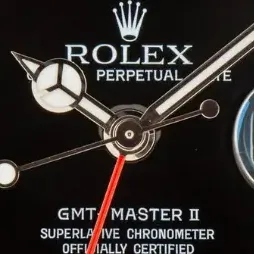





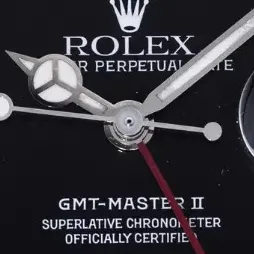


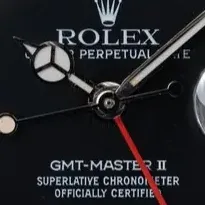
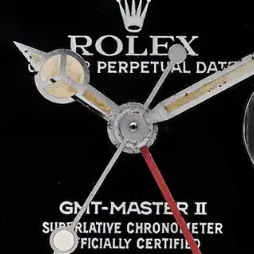



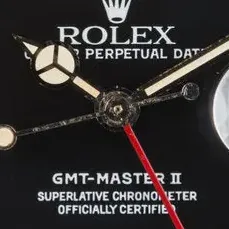
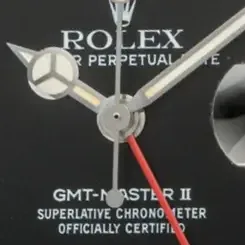

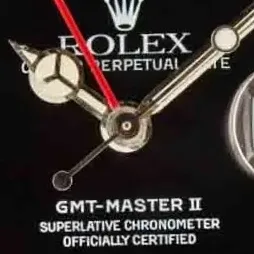
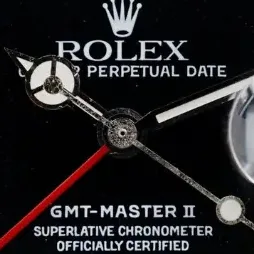
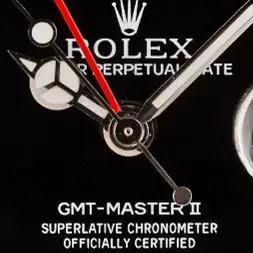


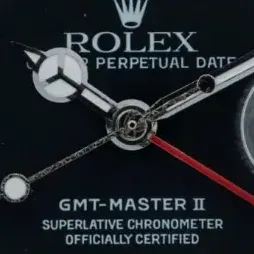

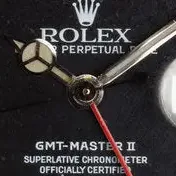
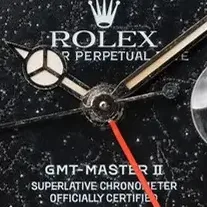


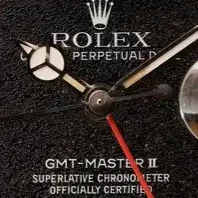

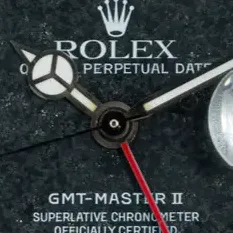


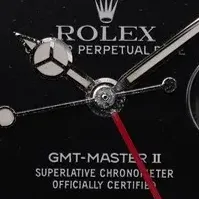
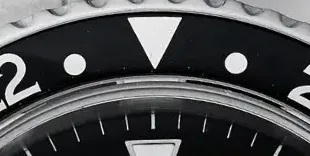
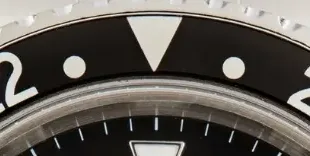
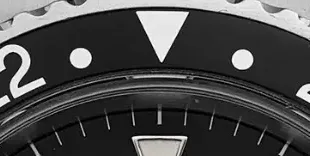
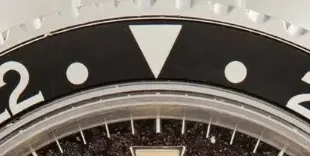
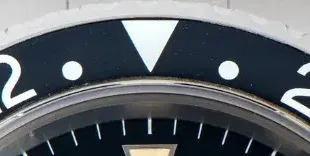
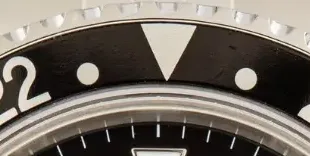
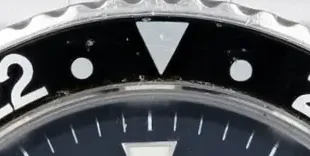
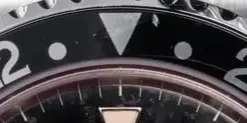

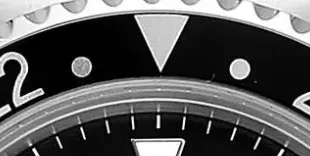

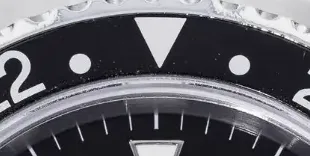
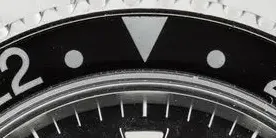
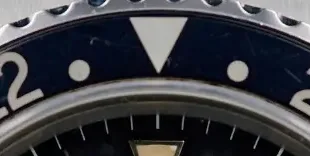
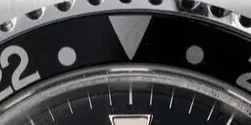
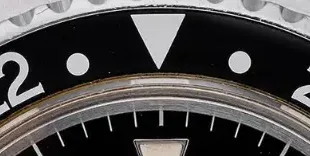
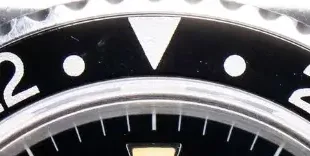

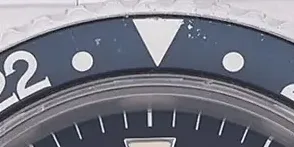
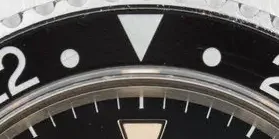

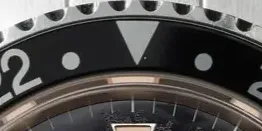
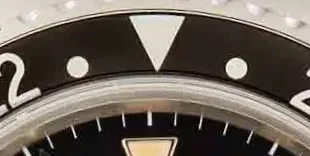
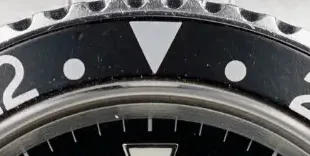
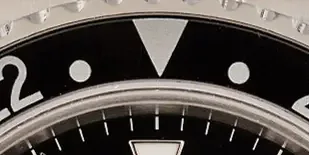
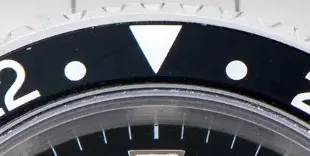
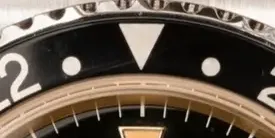
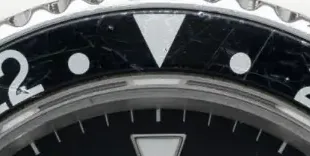
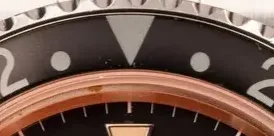
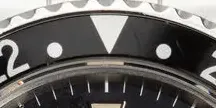
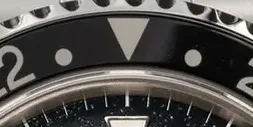
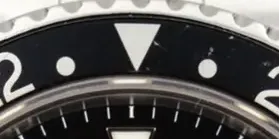

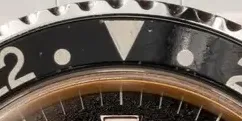
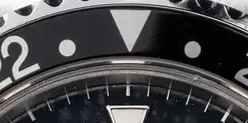
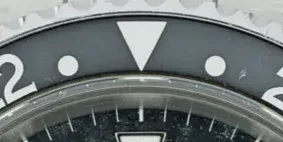
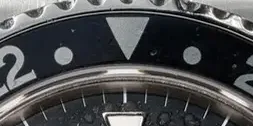


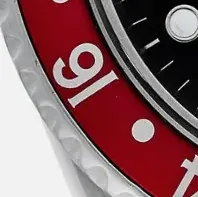
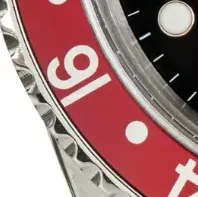
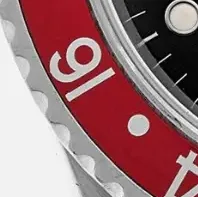
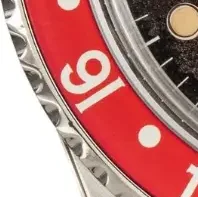
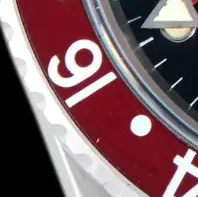
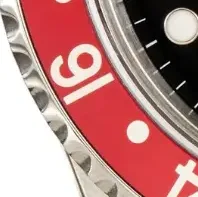
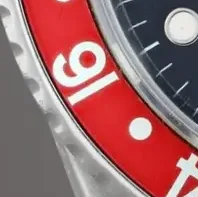
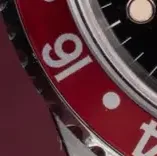
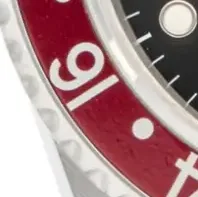
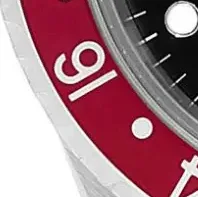
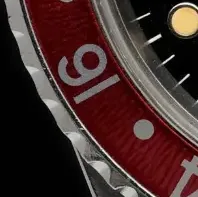
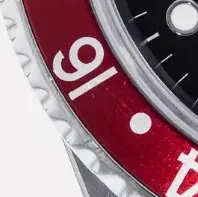
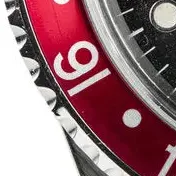
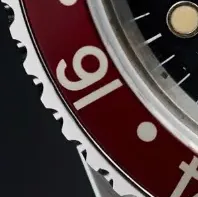
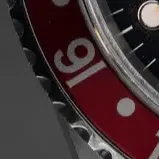
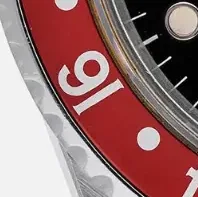
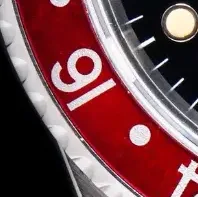
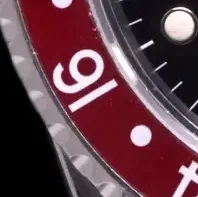
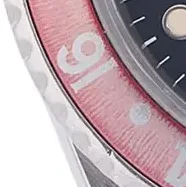
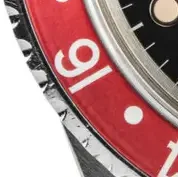
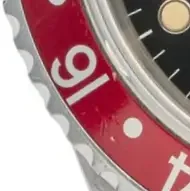
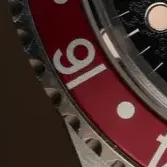
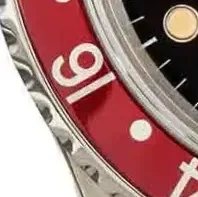
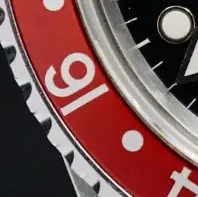
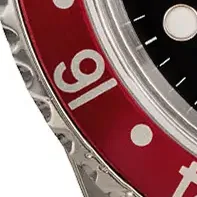
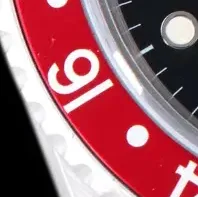

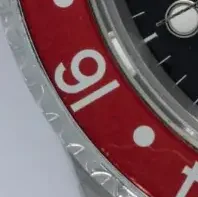

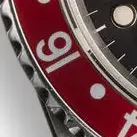
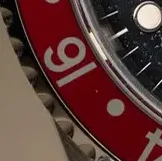
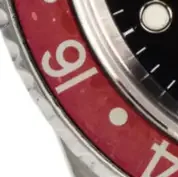
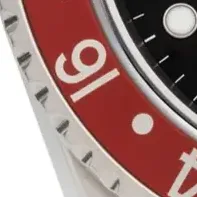
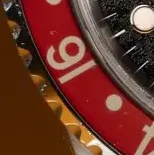
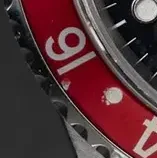

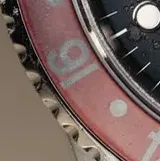

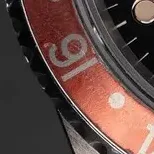
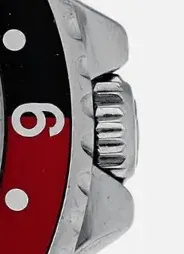
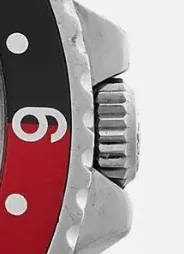

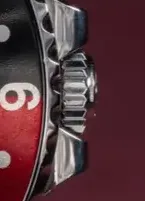
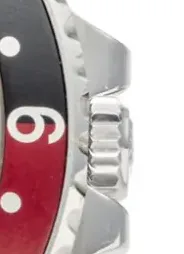
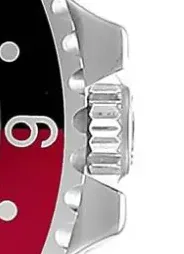

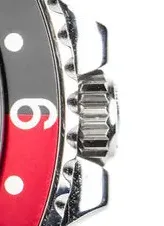
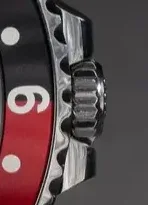
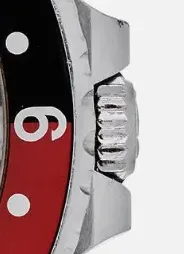
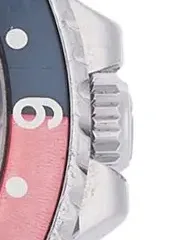
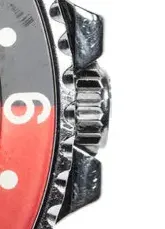
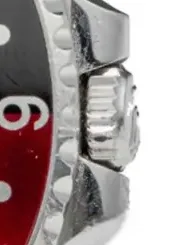
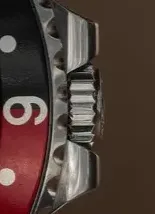
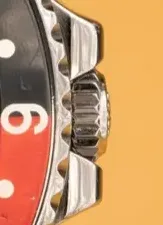
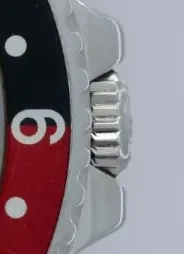
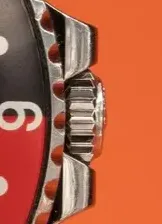
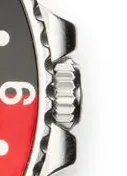
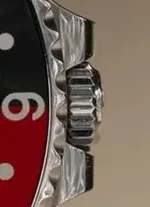
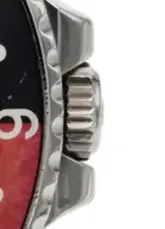
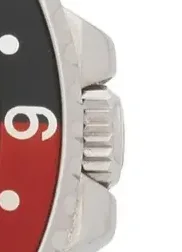
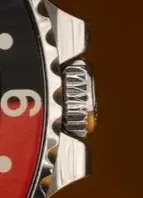
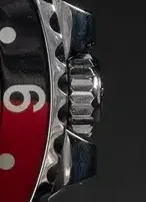
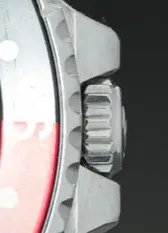
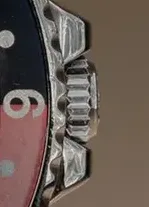
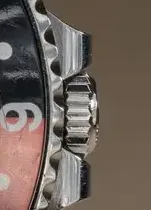
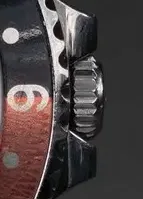
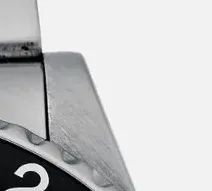

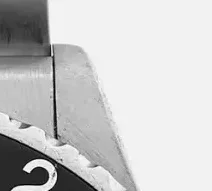
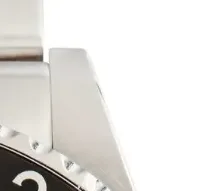
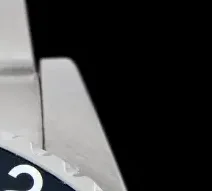

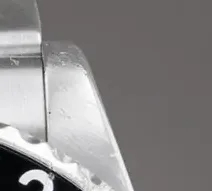

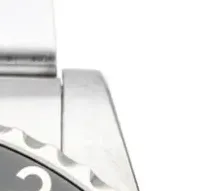
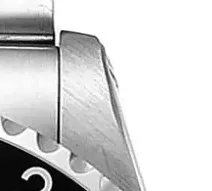
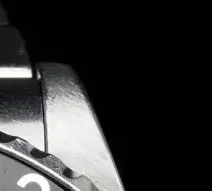
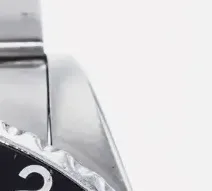
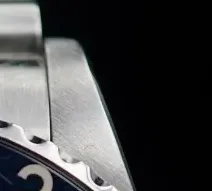
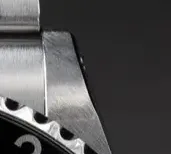
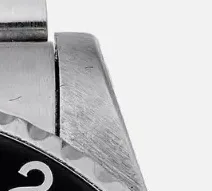
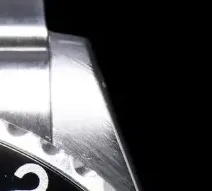
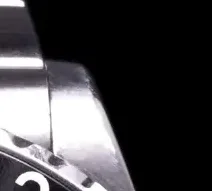
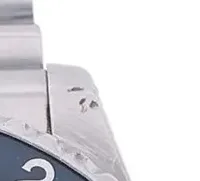
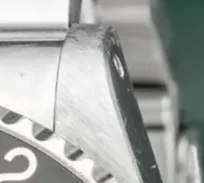



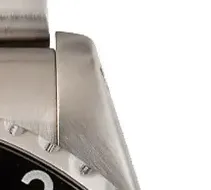
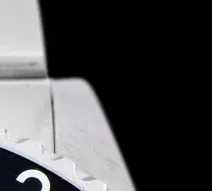
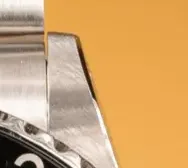
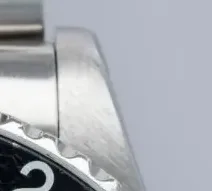

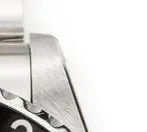
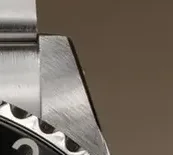
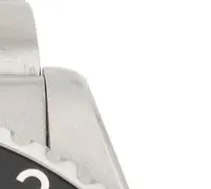
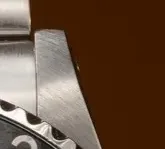
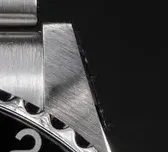
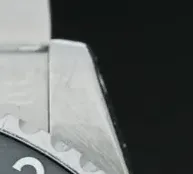
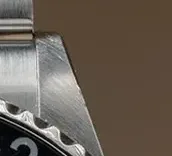
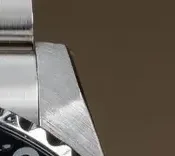
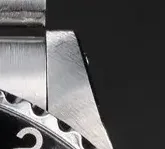


Illustrated history of the 16760: every change set out with close-up photographs of dated watches.
Chronology
Published launch dates run from 1982 to 1984, with 1983 the most usual and the figure used here; the library's case numbers begin in 1984 and end in 1988.
Every dated variant: what is written, and what the records show
For the reference the marks are every dated watch; for a variant, the watches a seller names as that variant, so a variant sellers do not name has none.
The reference's own marks are dated by case number. A variant's marks use the year each seller states, so a variant can show watches in a year where the row for the reference shows fewer, or none. 2 dated listings fall outside this scale and are not drawn.
Specification
| Case | 40 mm steel Oyster case, about 12 to 13 mm thick (12.6 mm and 47.6 mm lug to lug are quoted), thick lugs and large crown guards, screw-down back |
| Crystal | Sapphire with cyclops |
| Bezel | Bi-directional 24-hour bezel with ratcheting action; black and red (Coke) aluminium insert |
| Dial | Gloss black with white gold marker surrounds and tritium lume |
| Movement | Calibre 3085, automatic, 28,800 bph, 48-hour reserve, independent jumping hour hand, no quickset date |
| Bracelet | Oyster (three-link, folded or early solid links) with flat folding clasp; Jubilee also listed |
| Water resistance | 100 metres |
Dial 5 described
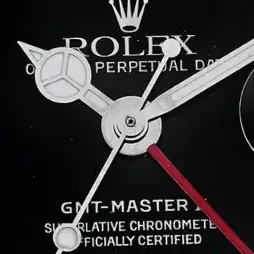
The 16760 always had a gloss black dial with white gold surrounds to the markers, over tritium that ages to cream or honey. The dial reads Oyster Perpetual with either no word 'date' (the first) or with it (the rest of production). Sellers describe matte, gloss, starburst, spider and tropical dials.
MK1 dial
The first dial lacks the word date after Oyster Perpetual. It is described as the rarer and more wanted of the two.
- no 'date' after Oyster Perpetual
MK2 dial
The word date is added after Oyster Perpetual and stays until the end of production, with slight differences in the printed graphics.
- 'date' printed after Oyster Perpetual
White gold surrounds
18k white gold rims on the luminous markers, a first for the GMT-Master, made to avoid tarnish. They sit round tritium that ages to cream or honey.
- white gold marker surrounds
- cream or honey tritium
Gloss dial
The dial is gloss in the published descriptions; sellers report far more gloss than matte watches, and a few aged dials are sold under names such as starburst or black granite. The first gloss dials of the mid-1980s were prone to fine cracks, called spider dials.
- glossy black
- fine cracks (spider)
Tropical and patina
Some dials age to brown or uneven tones; sellers call them tropical or patinated.
- brown ageing
Luminous material 1 described
Lume is tritium on markers and hands, surrounded by white gold.
Tritium
Aged to cream or honey; relumed examples are described by sellers on a few watches.
- cream or honey tone
Hands 1 described
Sellers report Mercedes-style hands and a few service replacements.
Mercedes hands
The Mercedes hour hand with a separate arrow GMT hand.
- Mercedes hour hand Confirmed by eye on a watch of 1986; the photograph is not shown here. See the listing at swisswatchexpo.com
Bezel 2 described
The bezel was widened and now ratchets. Only one insert was offered, black and red, and it is a first on a bi-directional bezel. Some listings call the insert blue and red; no published account gives the 16760 any other insert than the black and red one.
Coke insert
Aluminium insert, red for day and black for night, only offered colour on the 16760 and first on a GMT-Master. Faded originals turn pinkish-grey and are sought. It was never fitted to the plain GMT-Master.
- black and red aluminium insert
- faded pink or grey tone
Fat font insert
Sellers describe a fat-font numeral style on a few inserts.
- bold numerals
Case 1 described
The case is 40 mm across but about 0.5 mm thicker than the 16750, with thick bezel, lugs and crown guards, about 12 to 13 mm high.
Fat Lady case
Thick case holding the taller calibre, broader lugs and larger crown guards, giving Fat Lady and Sophia Loren. The 16710 later cuts about 0.6 mm in height and has slimmer guards. Steel only, never gold or two-tone.
- thick bevelled lugs
- large crown guards
Crown 1 described
The crown is screw-down, of the Twinlock kind; the Triplock crown came only with the generation after the 16710.
Screw-down crown
Screw-down crown and caseback give 100 metres; the guards are fatter than on the 16710.
- thick crown guards
Crystal 1 described
The first GMT-Master made only with sapphire.
Sapphire with cyclops
Scratch-resistant sapphire replaces the acrylic of earlier GMT-Masters, cyclops kept.
- sapphire
- cyclops
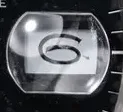
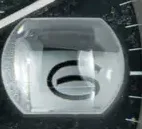
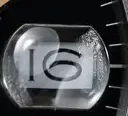
Date 1 described
The date wheel is open-6 type.
Open 6 date wheel
Open 6; sellers also describe an open 6 and 9 wheel on a few watches. No quickset date because the calibre sets the hour hand instead.
- open 6 numeral
Movement 1 described
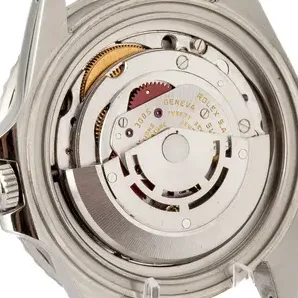
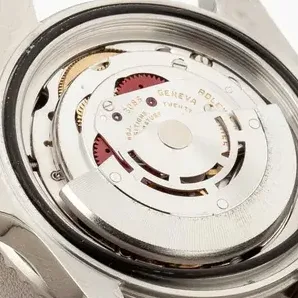
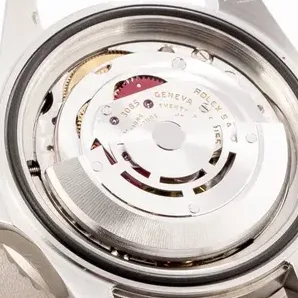
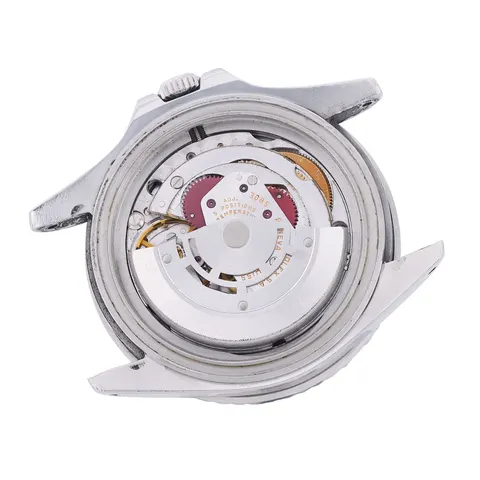
The 3085 is the first Rolex movement to decouple the local hour hand from the 24-hour hand.
Calibre 3085
Local hour hand jumps in hour steps without stopping seconds; the seconds stop only with the crown fully out. Quickset date is lost. The hairspring is held to the regulator stud with industrial adhesive, which the 3185 avoids. Beat is 28,800 and reserve about 48 hours.
- 28,800 bph
- jumping hour hand
Bracelet 2 described
Usually fitted with an Oyster bracelet of the period, in folded or early solid links, closed by a flat folding clasp carrying a stamped date code.
Oyster bracelet
Three-link Oyster, clasp stamped with a date code; sellers cite 78360 and 93150 bracelets and 501, 501b and 580 end links.
- date code on clasp
Jubilee bracelet
Five-link Jubilee also listed; sellers report a modest number of Jubilee examples.
Originality
- Dials and hands are commonly replaced at service; sellers describe a few service dials and service hands.
- Heavy polishing is common and thins the lugs, so crisp lugs and a full case are the points to check.
- Faded original Coke inserts, gone pinkish-grey, are valued.
- Relumed hands and markers appear on some watches.
Names
- Fat Lady. The case is thicker than that of earlier GMT-Masters to hold calibre 3085.
- Sophia Loren. The curved, full case and crown guards.
- Coke. The red and black bezel insert.
Where accounts differ
Points on which the published literature and the library's own records do not agree, or on which the literature contradicts itself.
- Start of production. Published accounts date the launch to 1982, 1983 or 1984. The library's case numbers begin in 1984.
- End of production. One account dates the run to 1989; most end it in 1988. The library's case numbers end in 1988.
- Case size. One account describes a 39 mm case; sellers state 40 mm on nearly all the watches and 39 mm on very few.
Back, movement and papers
From listings of this reference, each confirmed by eye to show what it is filed under. A picture on which a person's name or a personal engraving can be read is not shown. From most holders a detail from the middle of the photograph is shown; the mark in its corner gives its holder and a link to the listing.
Caseback
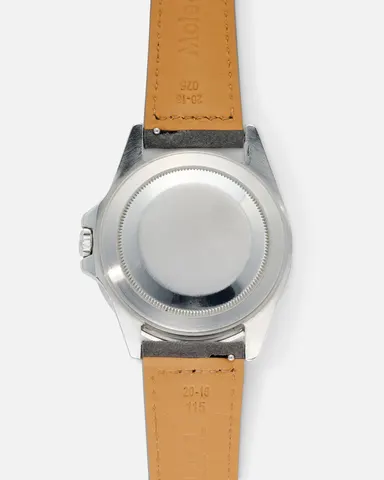

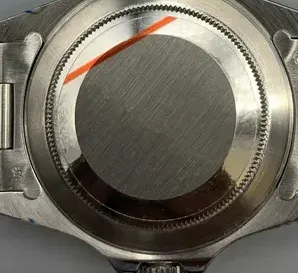

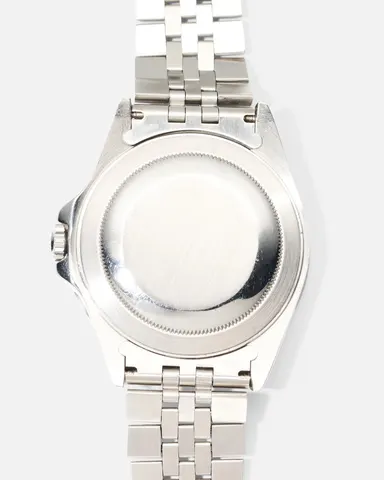

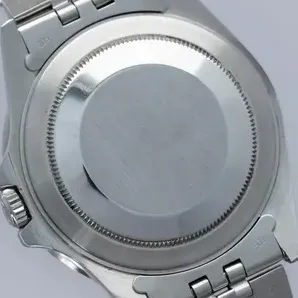

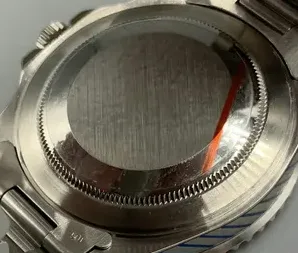

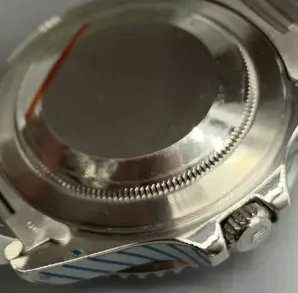

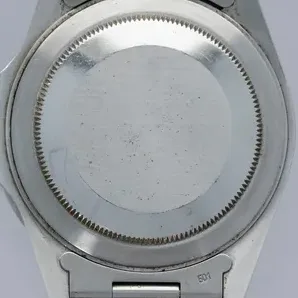

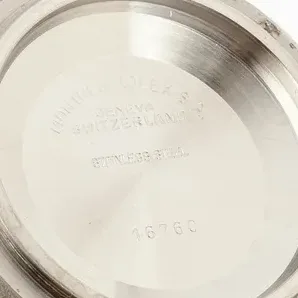
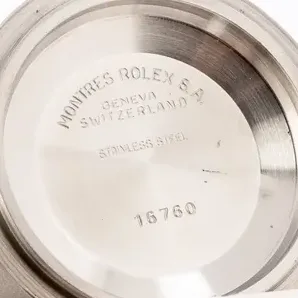
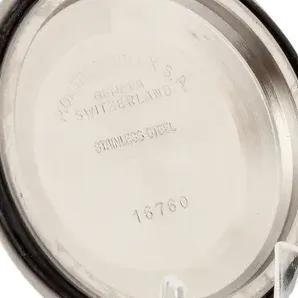
Inside the caseback



Movement




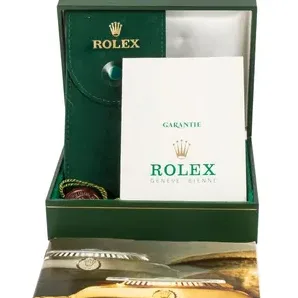
Papers

In the records
Counted from 230 listings at 34 holders between 15 December 2009 and 14 November 2026. These are what sellers and auction houses state, not measurements.
At the holders that record papers on every watch, 36% of their 25 listings of this reference come with papers; at those that record the box on every watch, 56% of 55 come with a box. "Papers" is whatever the holder counts as papers, and can include service papers.
1 listing dated long after the reference ended is set aside and not counted here: a year that late belongs to a later watch sold under the old number, or to a listing filed under the wrong one.
Case metal
| Steel | 115 |
Dial colour
| Black | 91 | |
| Red | 6 | |
| Brown | 4 | |
| Blue | 2 | |
| White | 1 | |
| Cream | 1 |
Case size
| 40 mm | 90 | |
| 42 mm | 5 | |
| 39 mm | 3 |
Calibre named
| 3085 | 55 | |
| 3075 | 3 |
Bracelet or strap
| Oyster bracelet | 89 | |
| Metal bracelet, kind not stated | 20 | |
| Jubilee bracelet | 11 |
Each table counts the listings that state the thing, in the seller's own terms. A size, metal, colour or calibre that cannot belong to this reference is a seller's slip or a listing filed under the wrong number.