Perpetual Calendar (Padellone)
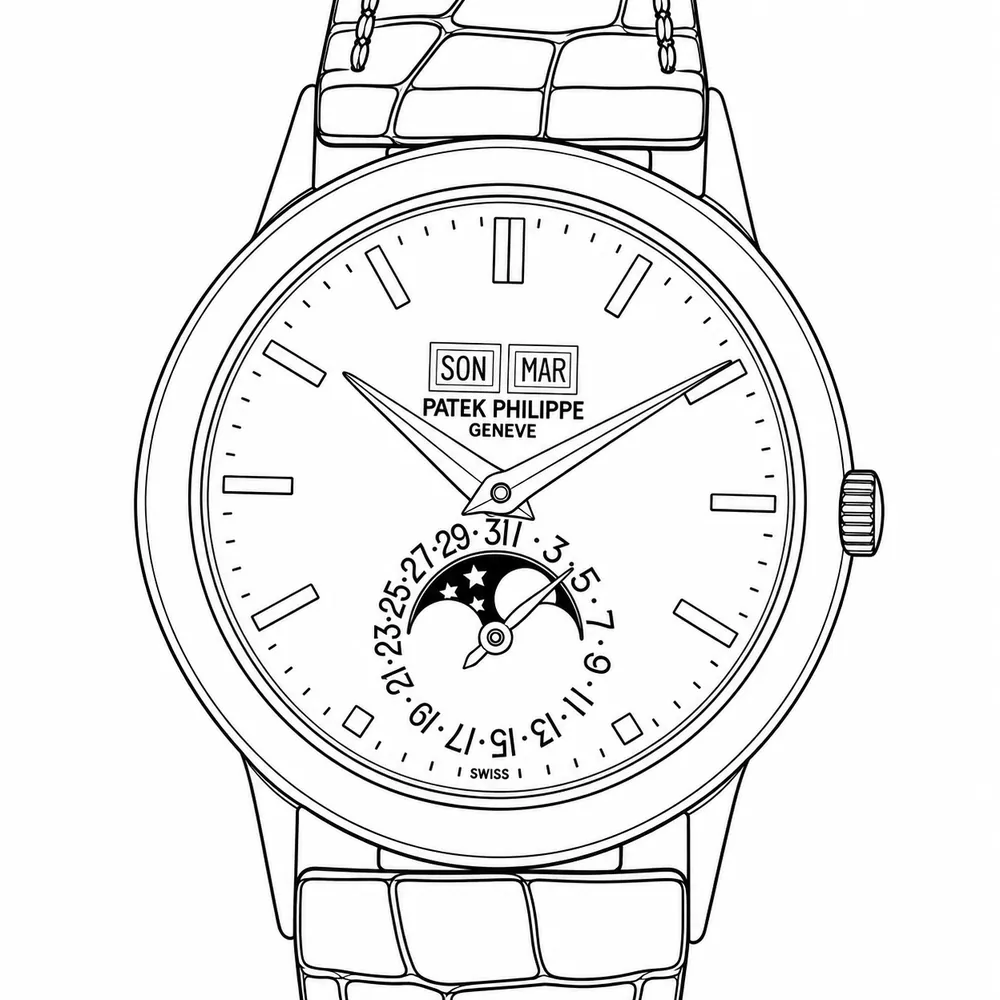
The 3448 is Patek Philippe's first self-winding perpetual calendar wristwatch made in series. It was introduced in 1962 and made until about 1981, in roughly 500 to 586 examples, most of them in yellow gold. A thin round 37 to 37.5 mm case with sharp angular lugs holds calibre 27-460 Q. The dial has day and month in two windows under 12 and a date and moon-phase subdial at 6, with no seconds hand. It was followed by the 3450 and 3563, which added a leap-year indication. Collectors look first at the dial series, the metal, the date ring and the unpolished state of the lugs.
- Made
- 1962–1981dates approximate
- Seen in the library
- 1965–1981by years sellers state
- Case
- 38 mm · gold (97%)as sellers state
- Movement
- Calibre 27-460, 27-460Qautomatic
- On record
- 114 listings303 photographs · 8 holders
Components
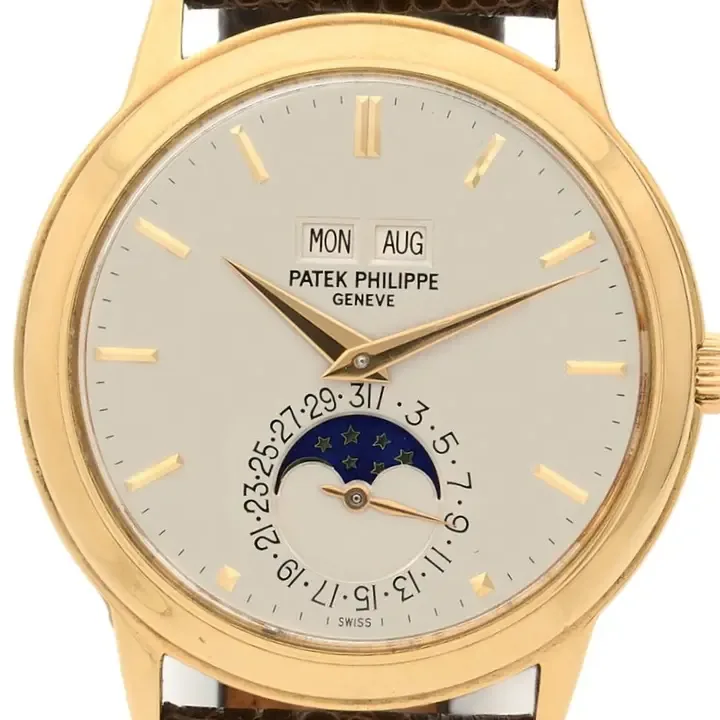
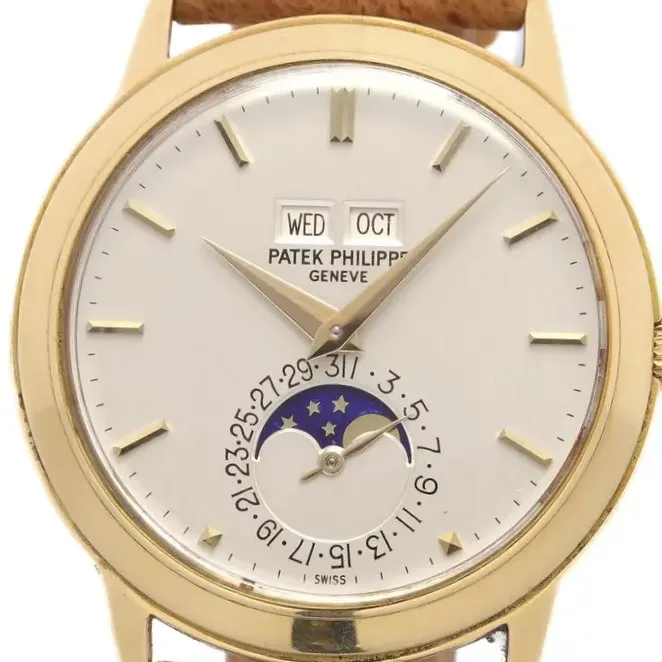
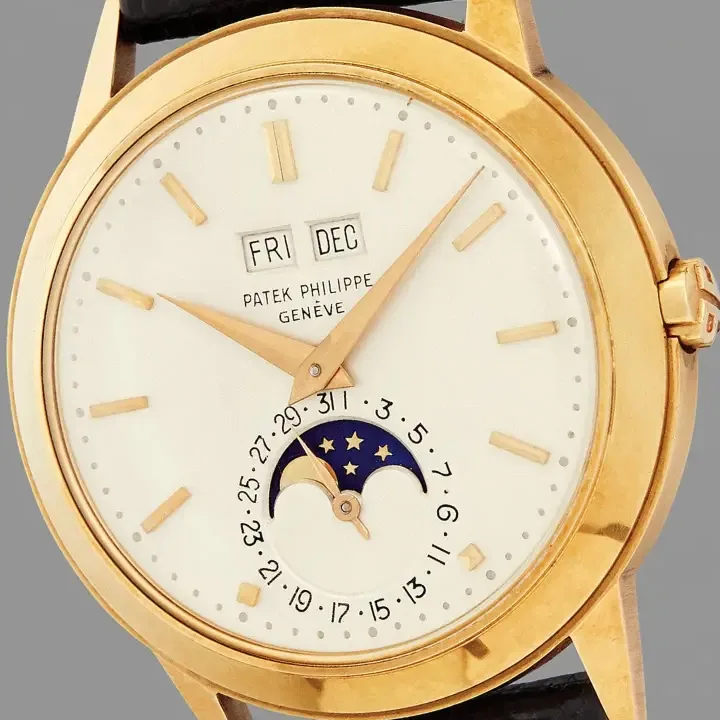
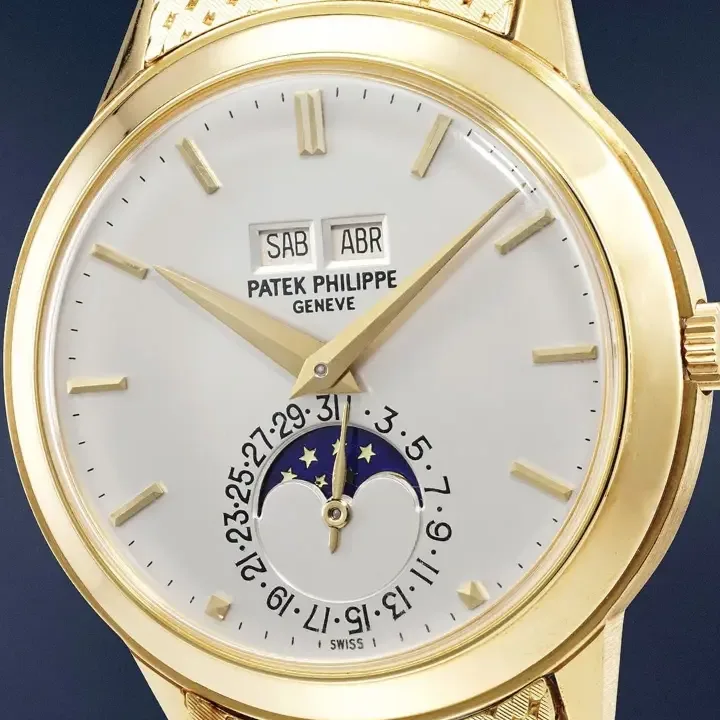
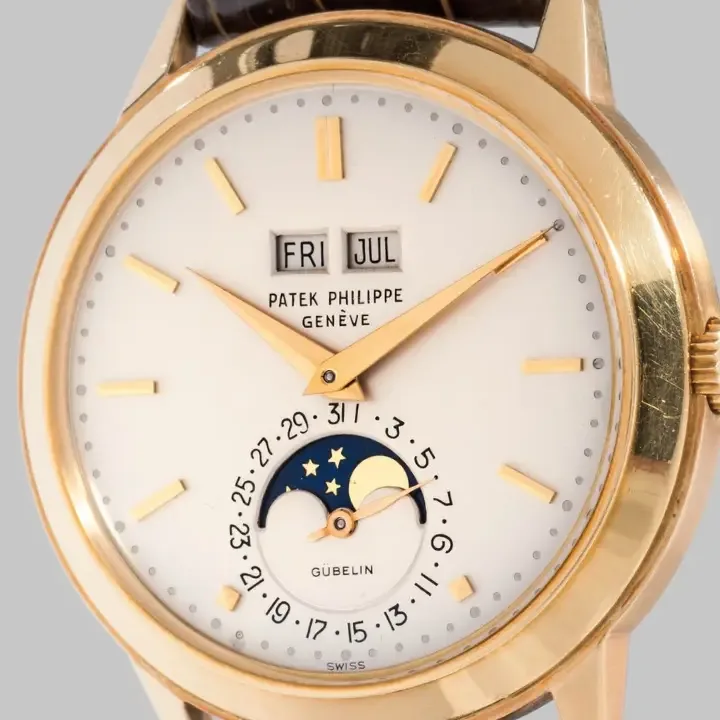
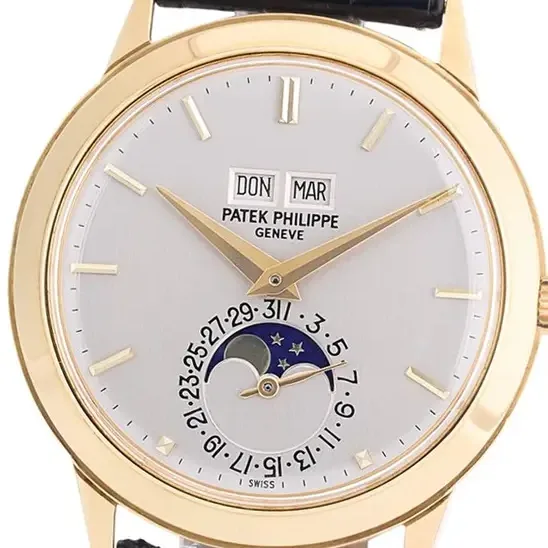
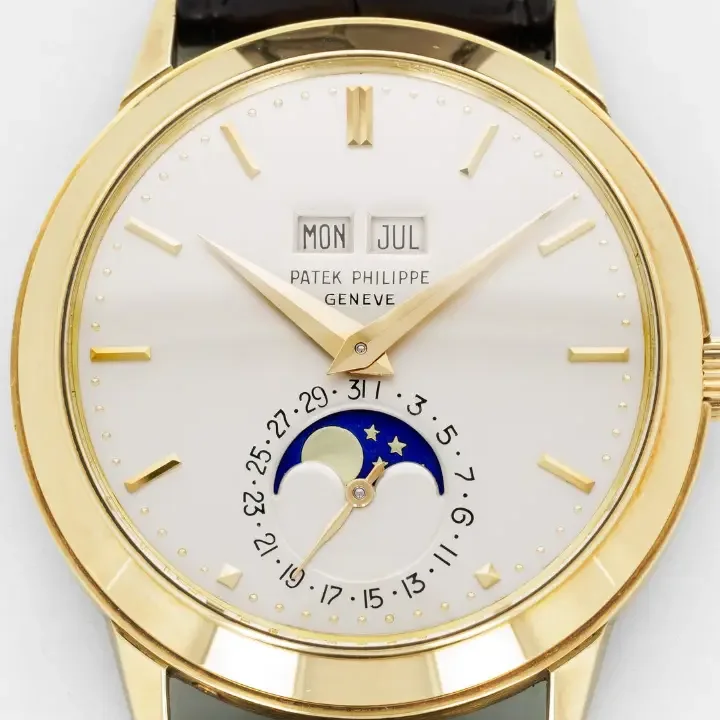
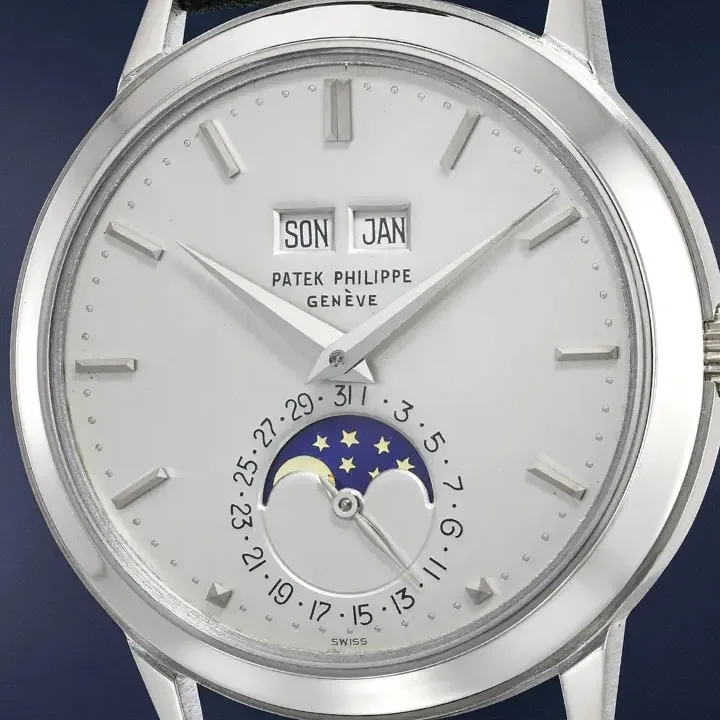
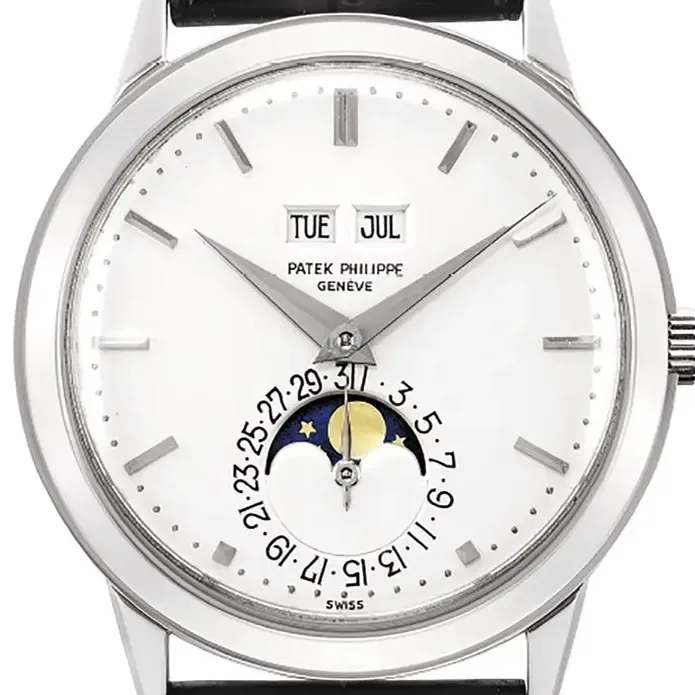
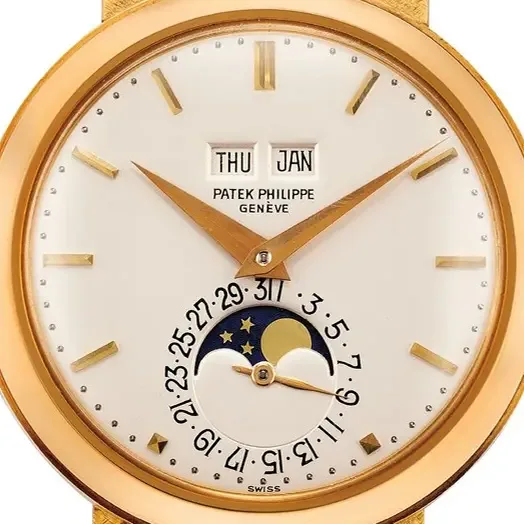
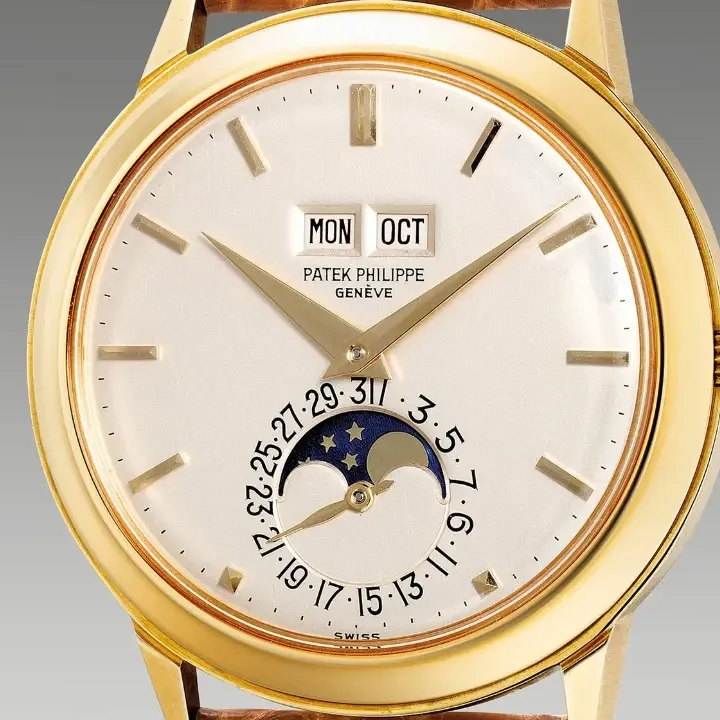
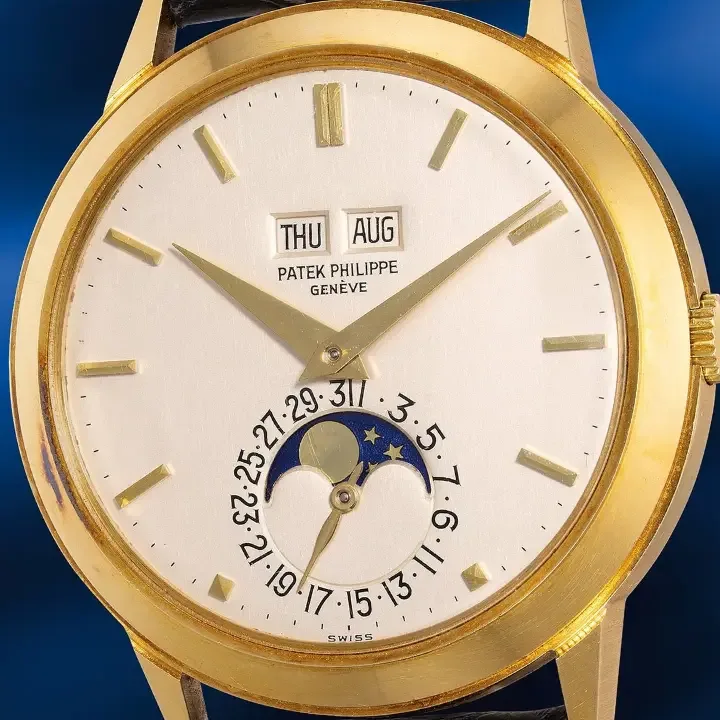
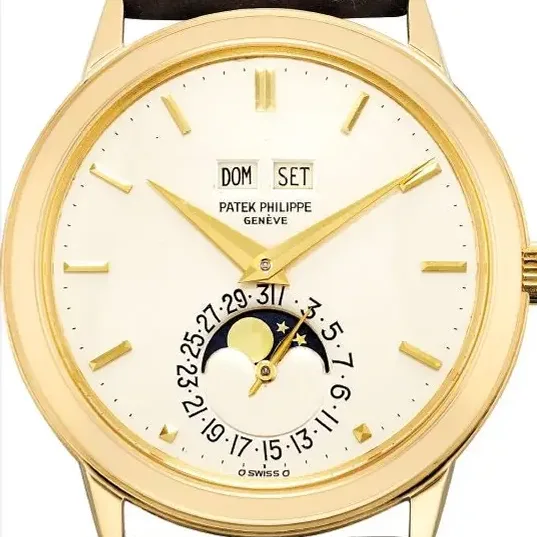
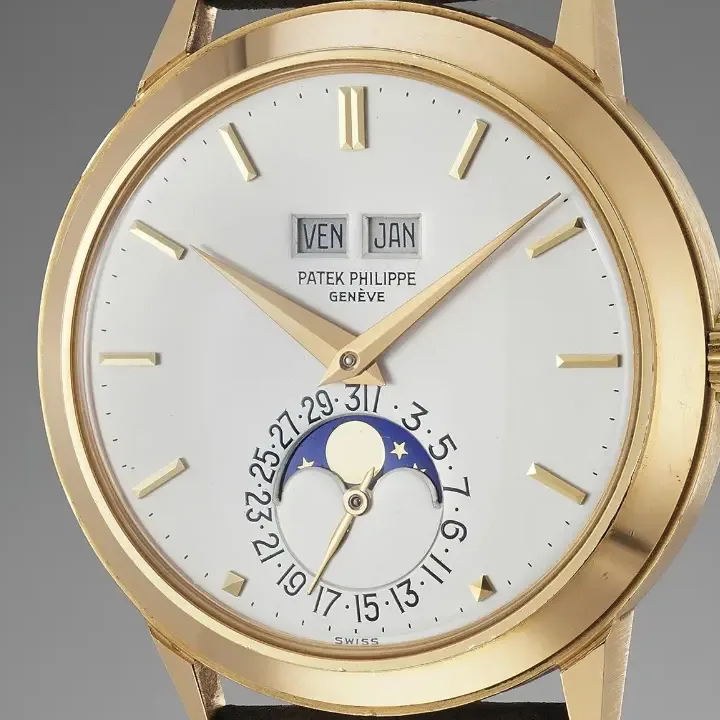
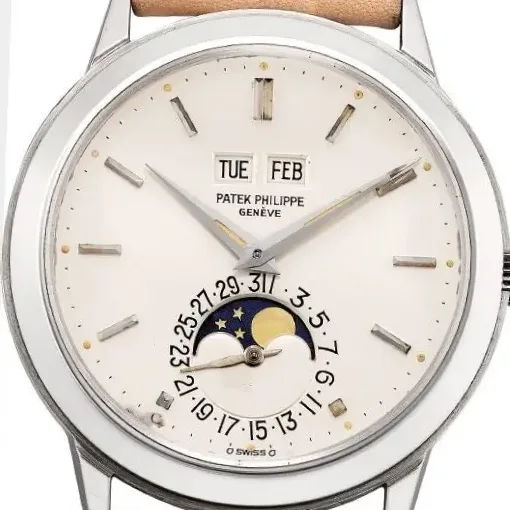
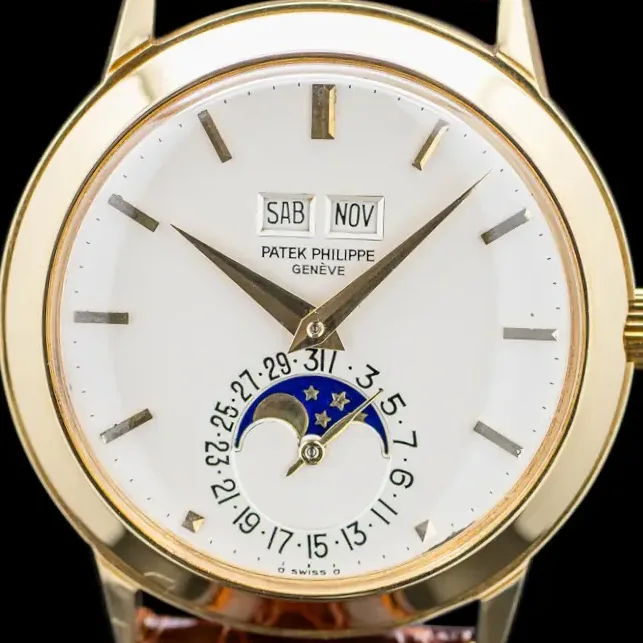
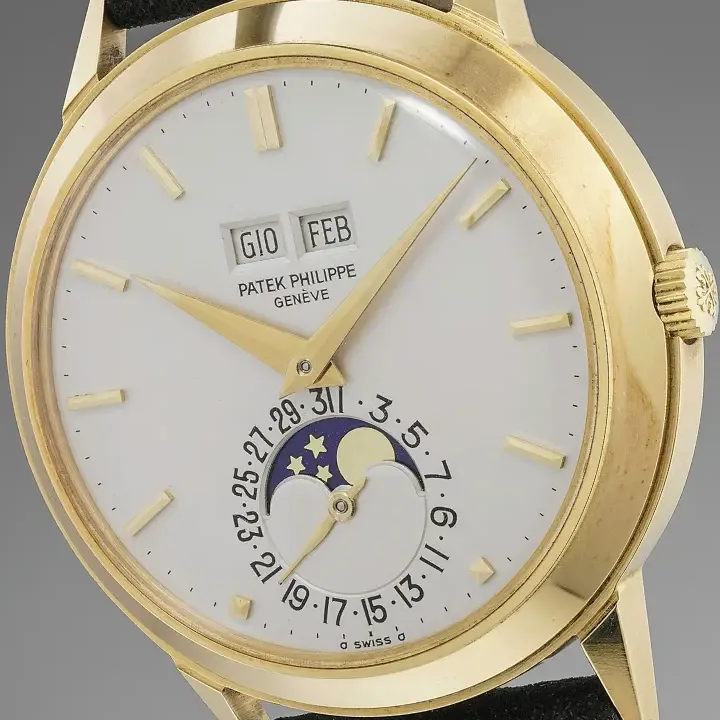
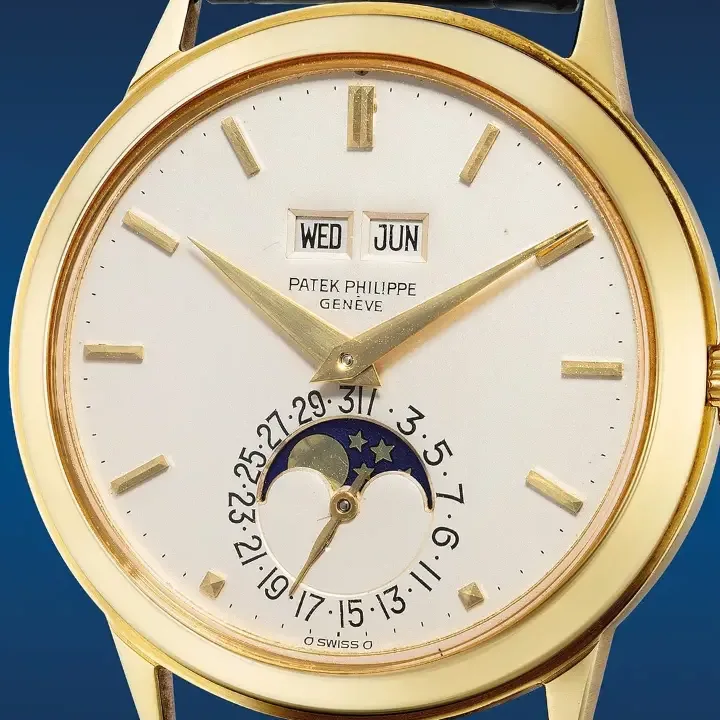
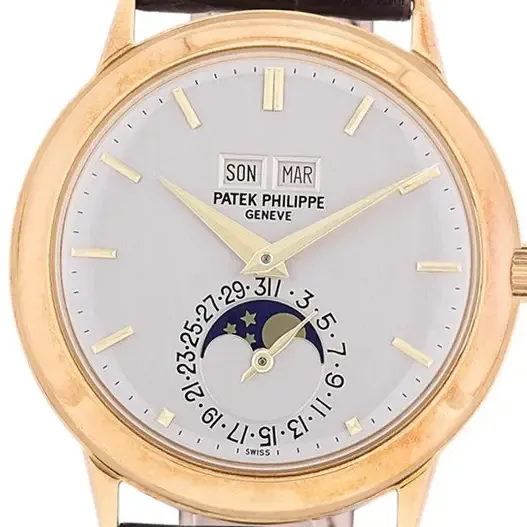
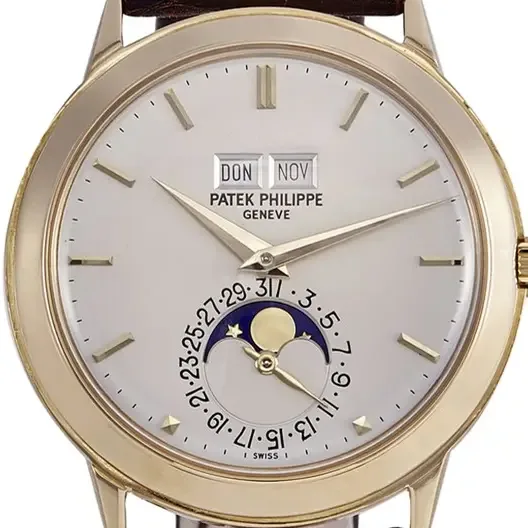
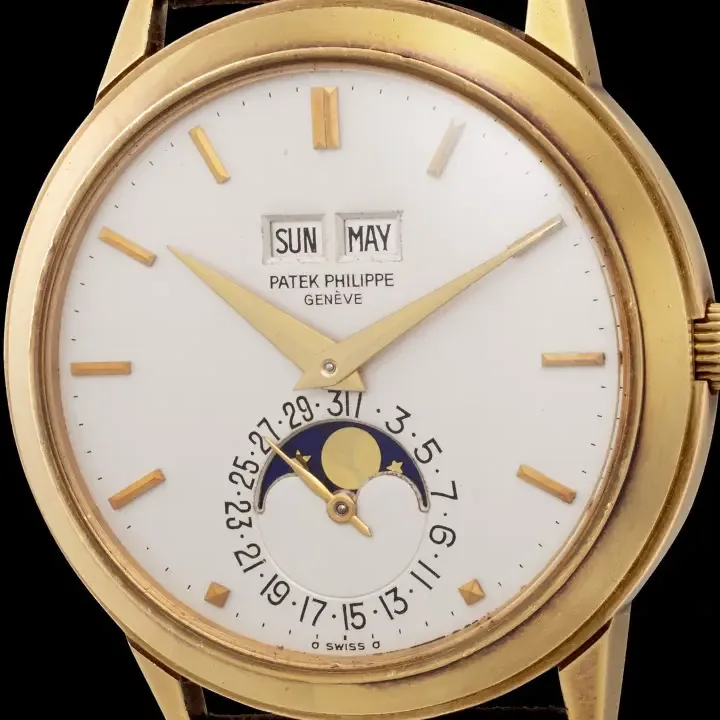
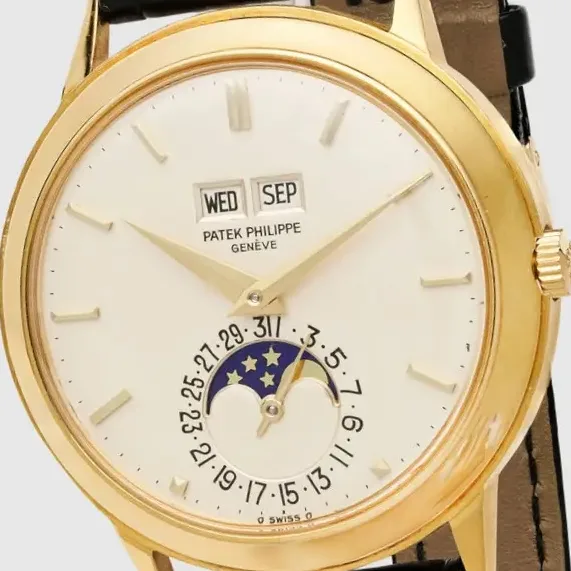
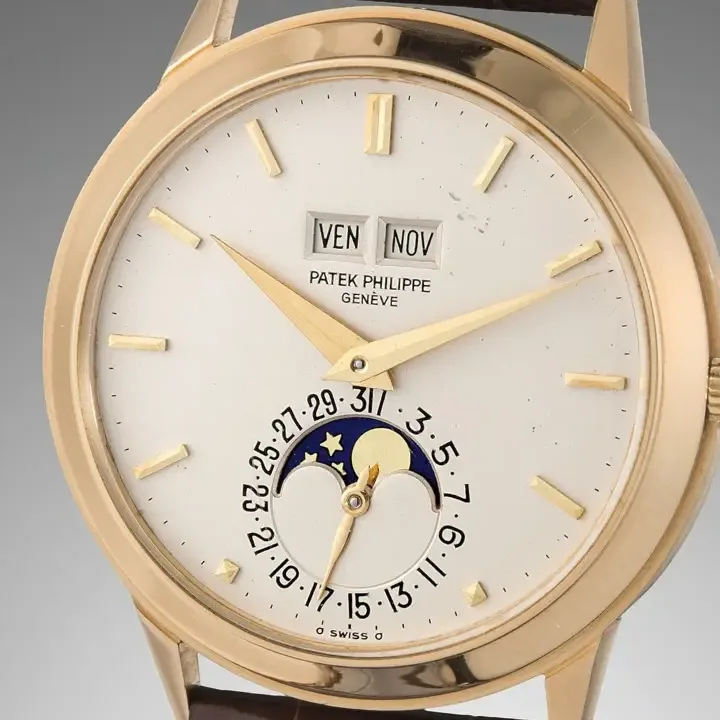
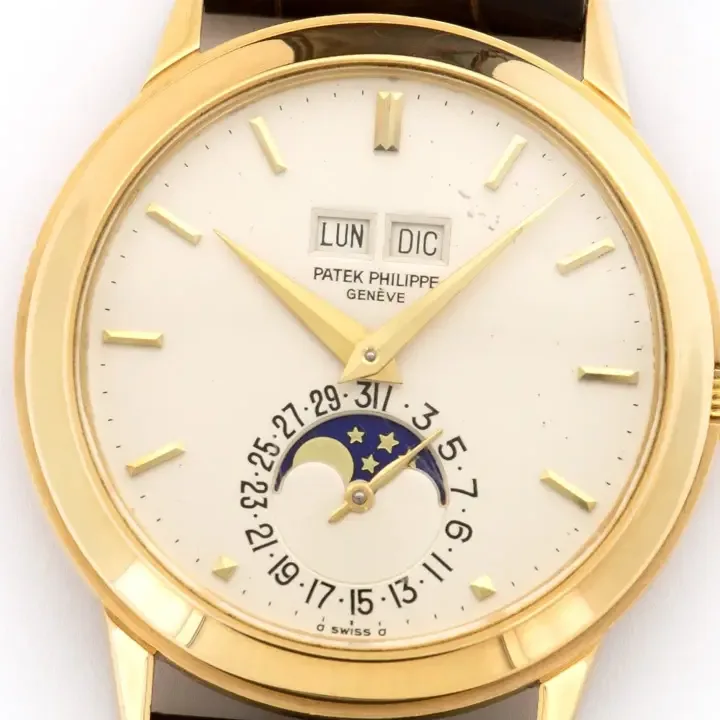
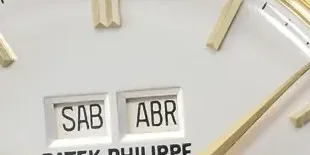
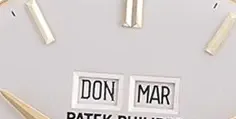
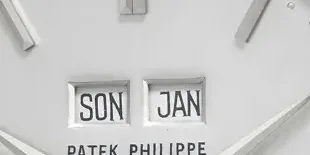
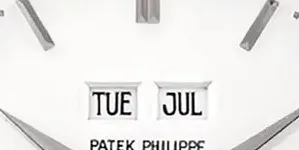
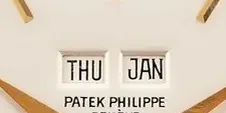
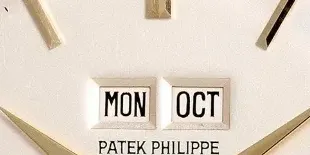
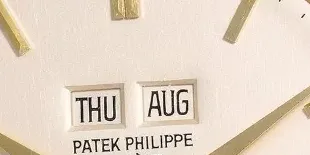
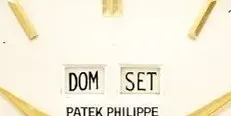
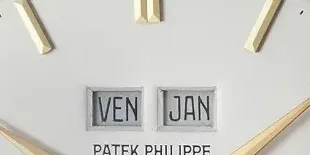
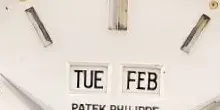
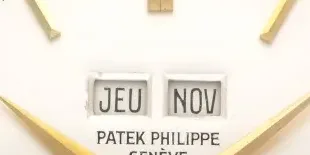
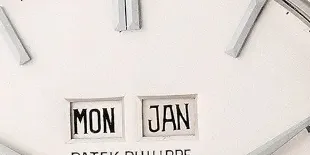
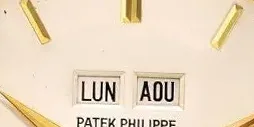
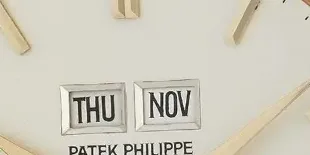
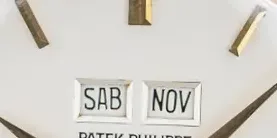
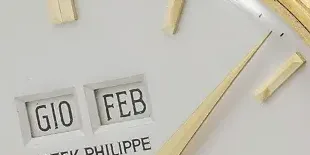
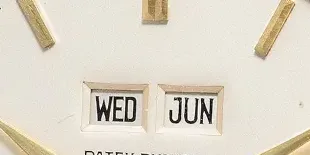
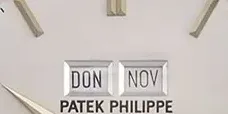
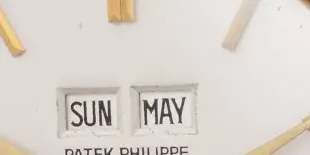
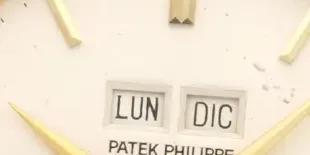
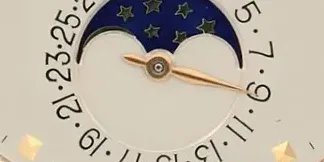
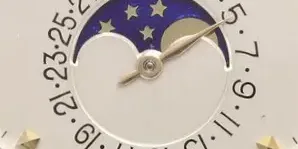
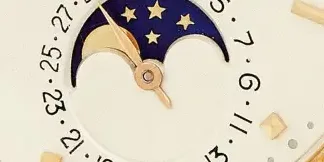
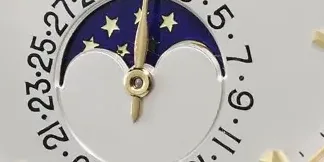
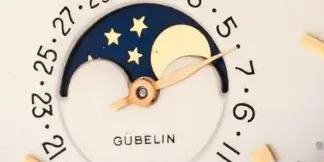
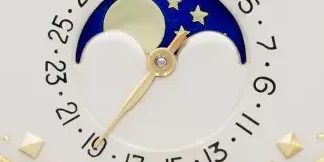
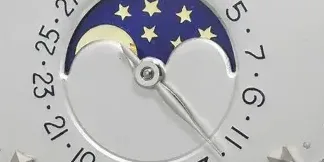
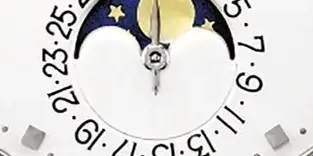
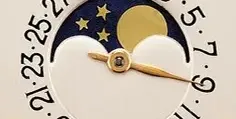
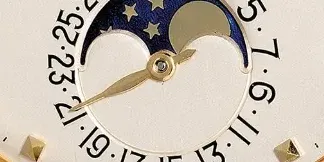
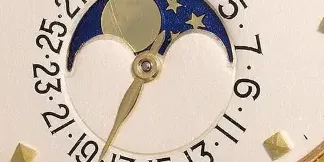
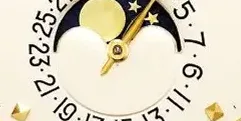
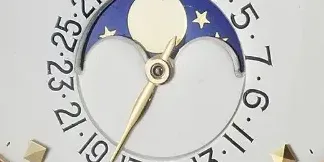
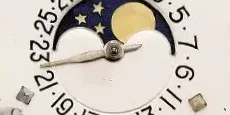
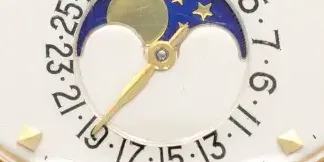
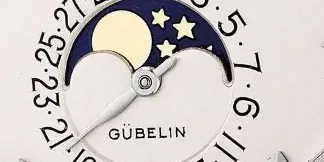
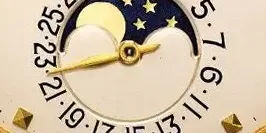
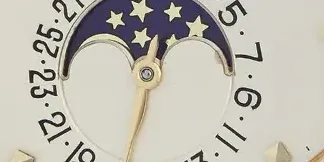
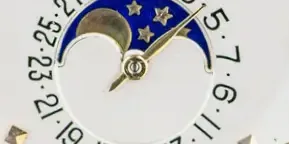
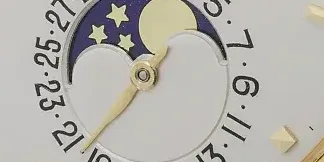
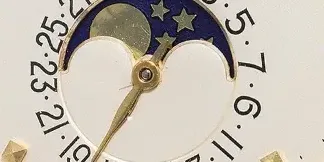
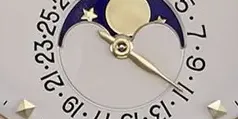
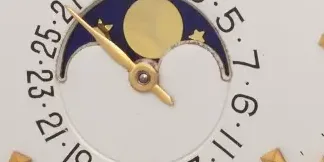
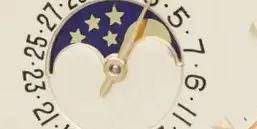
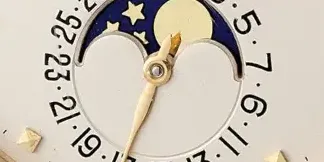
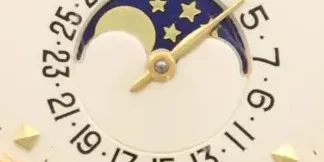
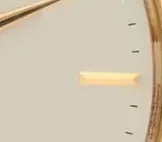
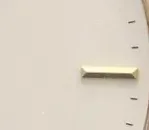
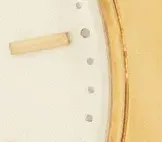
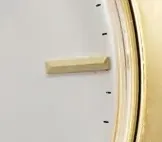
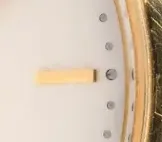
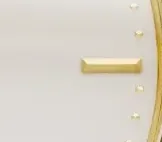
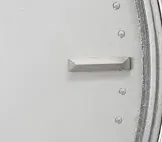
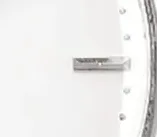
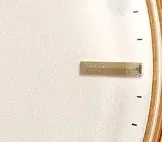
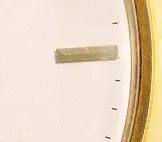
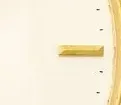
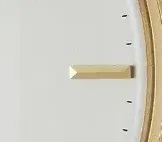
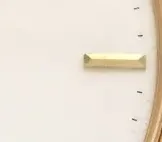
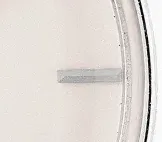
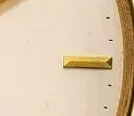
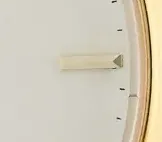
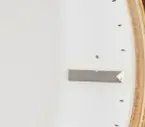
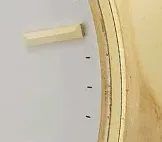
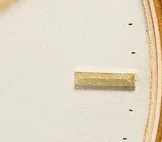
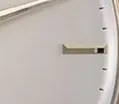
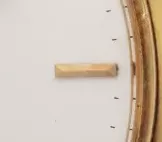
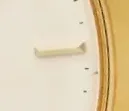
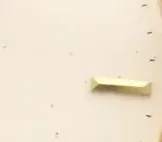
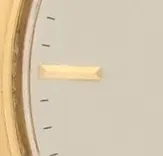
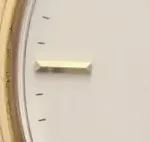
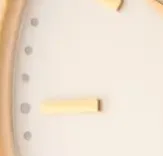
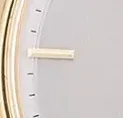
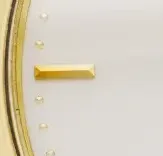
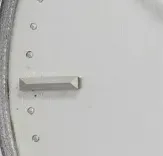
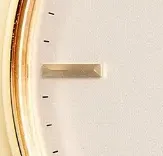
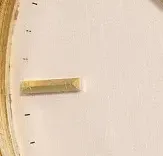
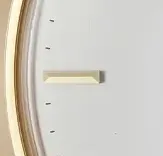
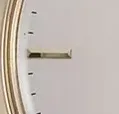
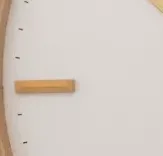
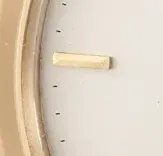
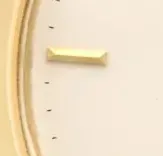
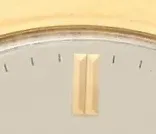
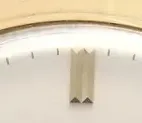
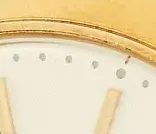
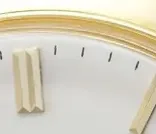
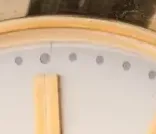
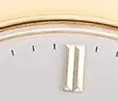
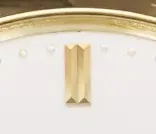
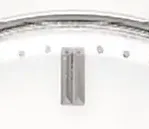
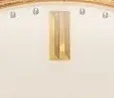
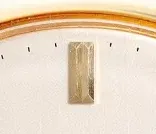
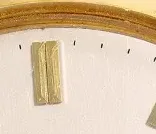
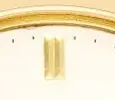
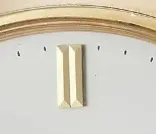
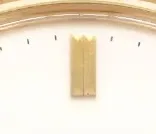
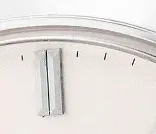
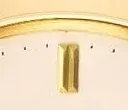
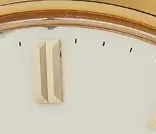
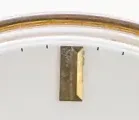
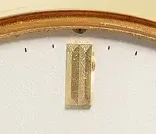
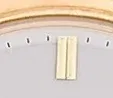
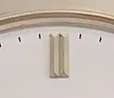
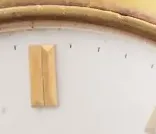
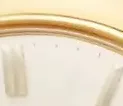
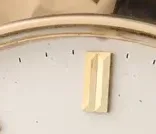
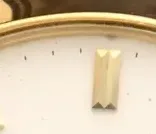
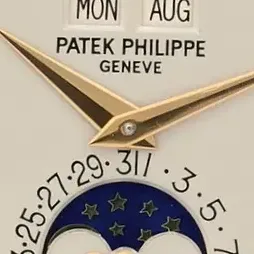
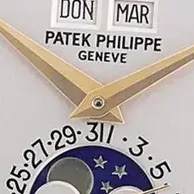
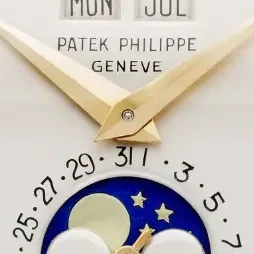
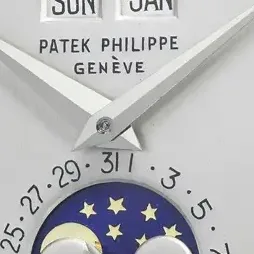
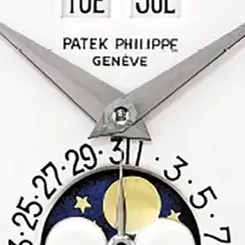
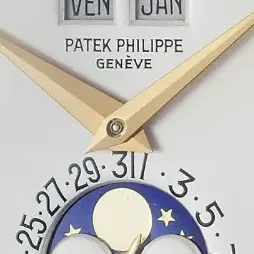
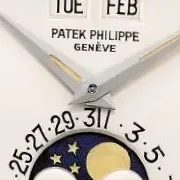
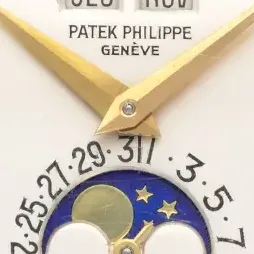
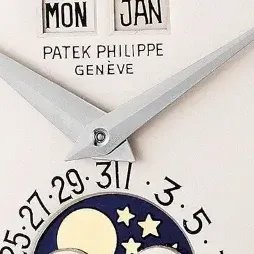
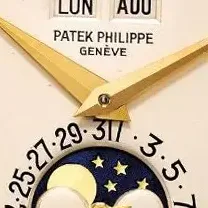
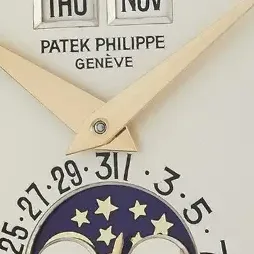
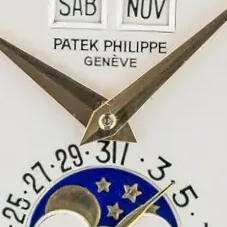
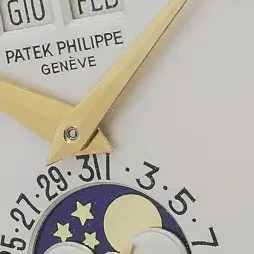
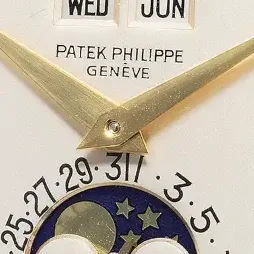
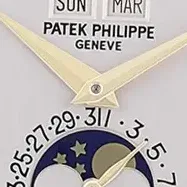
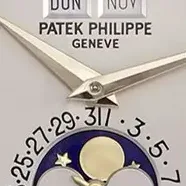
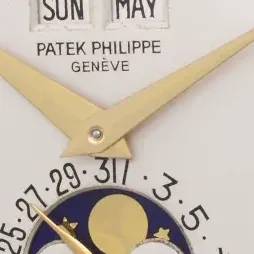
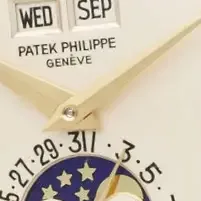
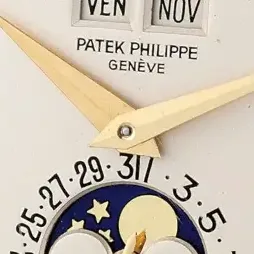
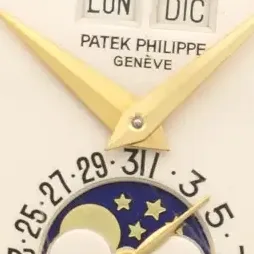
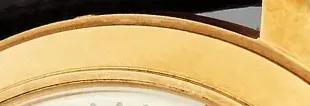
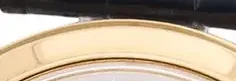
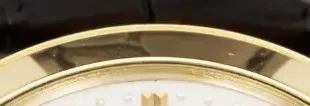
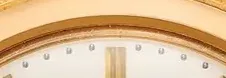
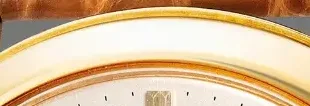
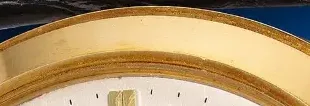
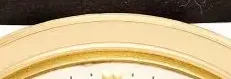
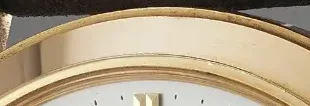
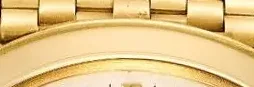
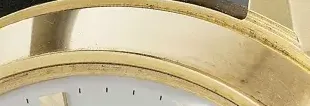
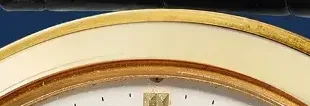
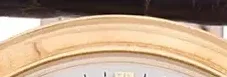
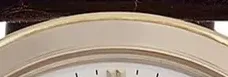
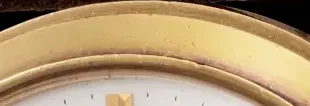
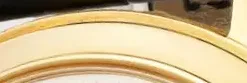
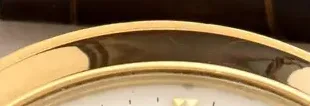
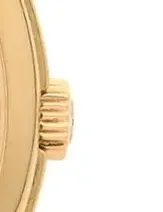
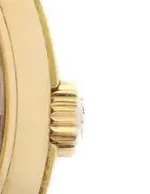
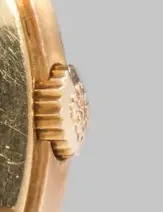
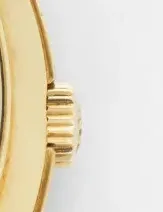
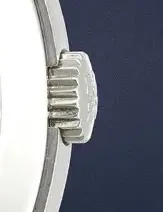
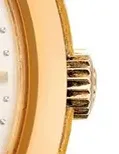
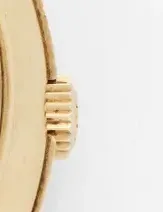
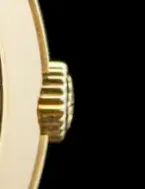
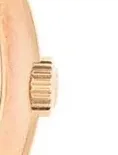
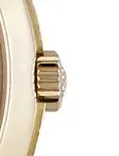
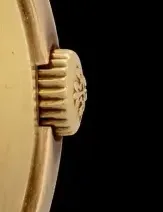
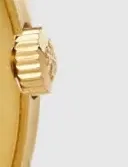
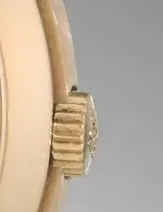
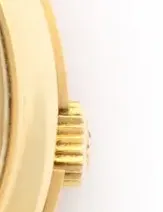
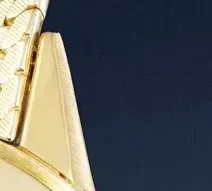
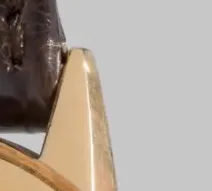
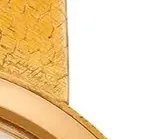
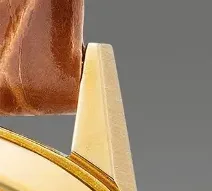
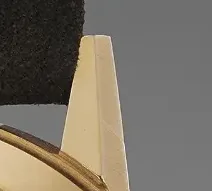
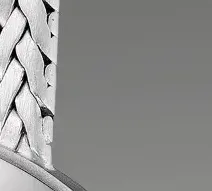
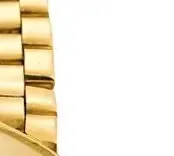
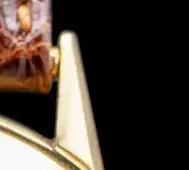
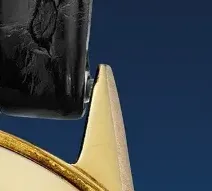
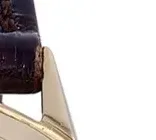
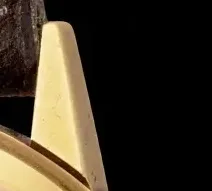
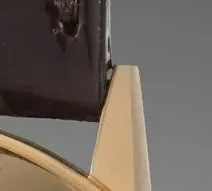
28 watches, oldest first, each straightened and cut the same way so that one row shows one component across them all. Chosen from 303 photographs on file for sharpness and for a face typical of the reference. A year marked c. is one its holder gives only roughly. Each picture is a detail cut from a listing photograph. Select the small mark in its corner for its year, its holder, a link to the listing it came from, and a way to report it.
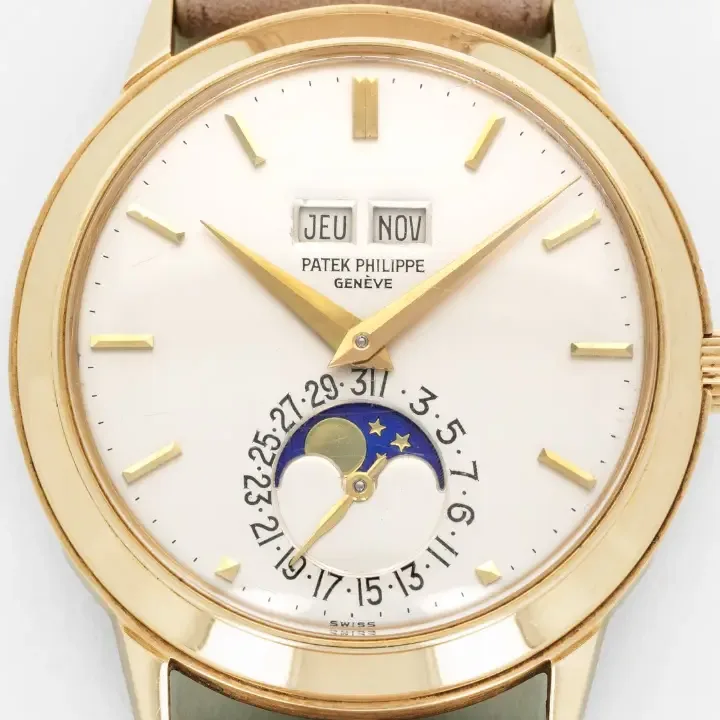
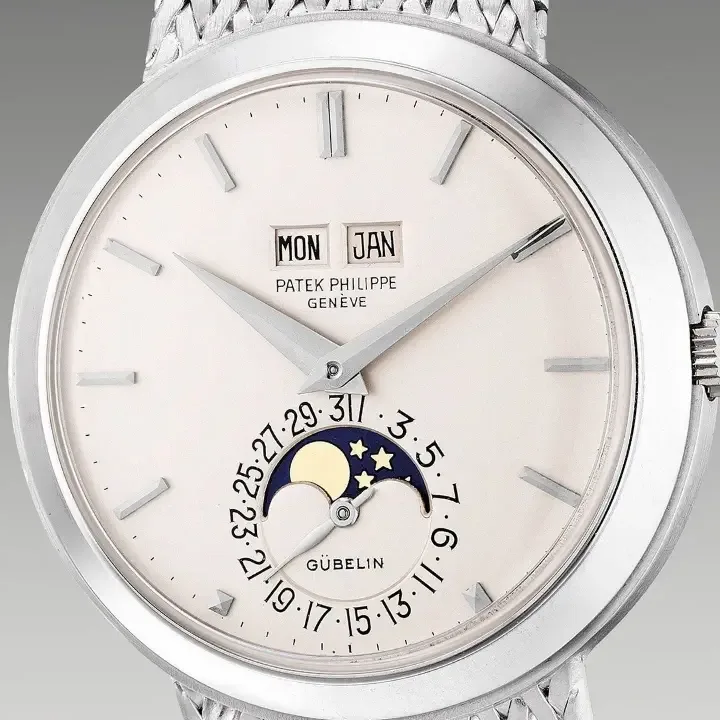
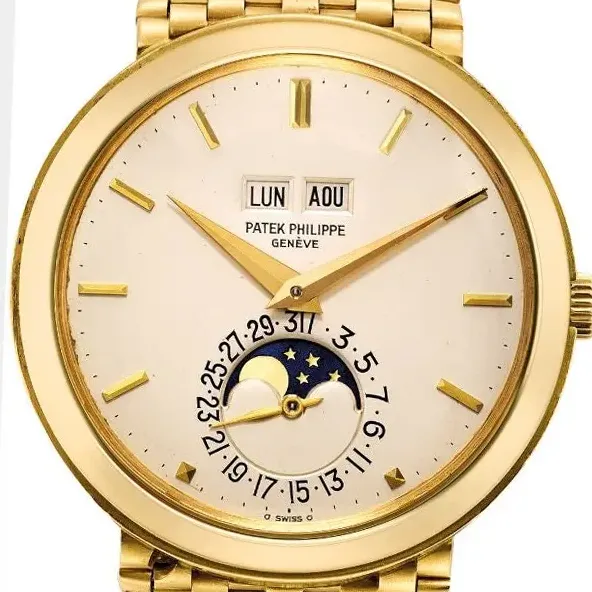
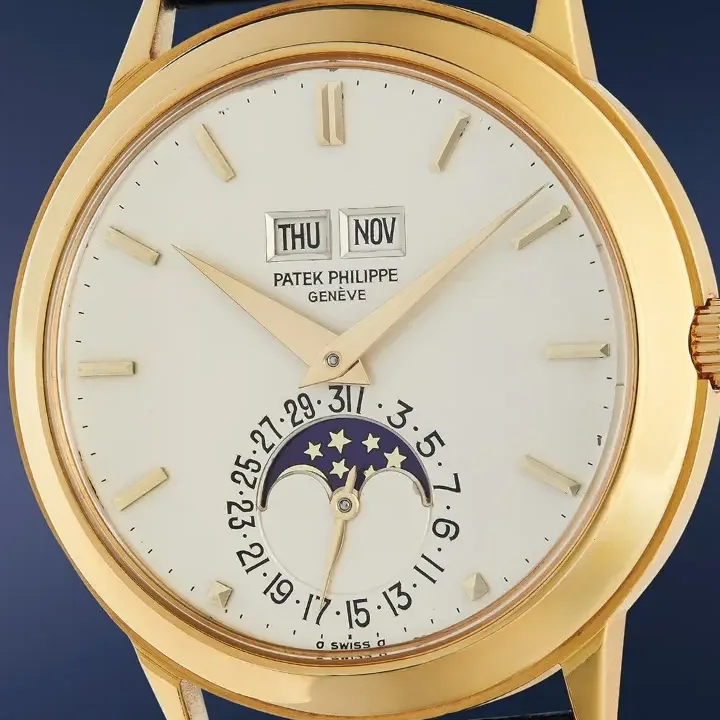











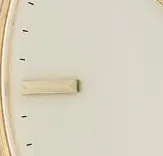
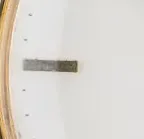

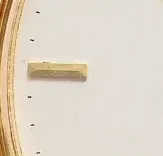
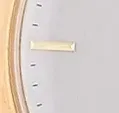


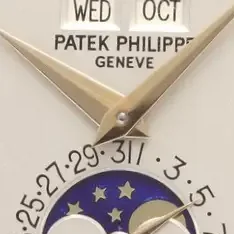
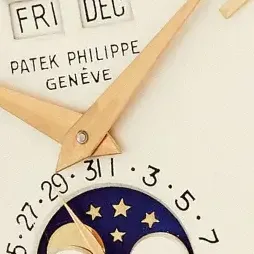
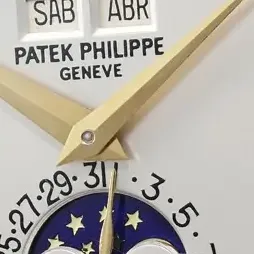
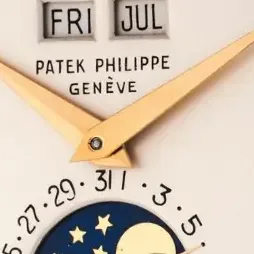
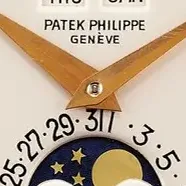
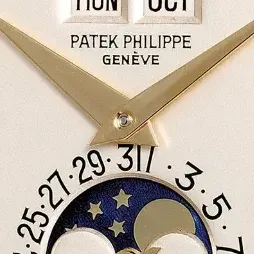
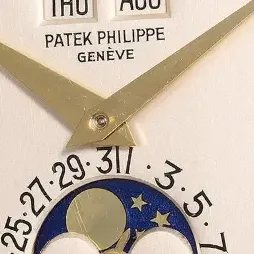
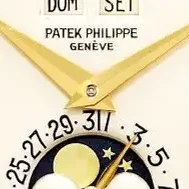

























Chronology
The start in 1962 is stated throughout; the end is given as 1980 in one account and 1981 in others, and the records' dated watches run to 1981.
Every dated variant: what is written, and what the records show
For the reference the marks are every dated watch; for a variant, the watches a seller names as that variant, so a variant sellers do not name has none.
Specification
| Case | 37 to 37.5 mm round, thin 'disco volante' case by Antoine Gerlach, solid snap-on back; yellow gold in the great majority, white gold in the next largest group, two rose gold, two platinum re-cased in the 1990s |
| Crystal | Not described in the literature; one late-series watch is listed with a sapphire crystal |
| Bezel | Thin, sharply raked bezel |
| Dial | Silvered or white (enamel in the early series, printed later); day and month apertures under 12, date and moon phase subdial at 6; no seconds hand |
| Hands | Sword-shaped hands |
| Crown | Small, partly recessed crown |
| Movement | Calibre 27-460 Q, automatic perpetual calendar derived from the 27-460; yellow gold rotor, Gyromax balance, about 38 hours of power reserve |
| Bracelet | Usually fitted to a leather strap; a gold bracelet and an integrated bracelet were made for it |
| Numbers | Case numbers in the literature and the library's records mostly run from about 317,000 to 332,900, with movement numbers from about 1,119,000 to 1,119,600 |
Reference 6 described
The standard 3448 has a moon-phase subdial, but the literature records several unusual versions and a set of sub-reference numbers seen in sellers' titles. Some are fully documented; one group is doubtful.
Standard 3448 with moon phase
The ordinary watch: twin calendar windows at 12 and a date and moon-phase subdial at 6. It is the first self-winding perpetual calendar made in series and it stayed the only one of its kind in the maker's range until the 3450 and 3563.
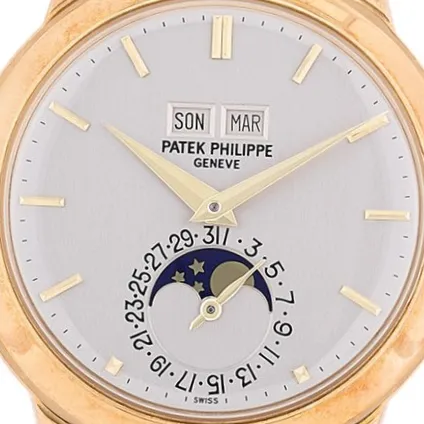

- moon phase at 6
109 listings on record under the name.
Sub-references 3448/4, /5, /14, /17
Sellers' titles carry suffixes such as 3448/4, 3448/5, 3448/14 and 3448/17, and the /5 and /17 watches are shown in the literature with a certificate for their bracelet. The literature does not explain the numbers, so it is not stated here what they stand for; in the library's records nearly every watch listed with a suffix is also described with a bracelet. One /4 title mentions an upside-down calendar ring, and the /14 watch carries a retailer signature and an integrated bracelet.
- suffix after 3448 in the reference
- bracelet fitted
- certificate for the bracelet
Leap-year 3448 (unique)
Made for a long-serving member of the company's sales staff. It began as a standard yellow-gold 3448 of 1970 and was altered in 1975: a company watchmaker removed the moon-phase disc and fitted a small secondary hand to show the leap year, and the dial maker supplied a new dial with a red-printed subsidiary dial for the four-year cycle. Its minute indexes sit on the inside of the pearl track, and the case back is engraved with initials. The company's archive extracts and the standard reference book confirm it, and one account says it was a gift while another says it was bought.
- red-printed leap-year subdial
- initials engraved on the back
- minute indexes inside the track
Transitional 'red dot' leap-year watches
Two watches are known with a red dot for the leap year, and are described as transitional between the 3448 and the later 3450. One of them, in white gold, has case number 332,621 and movement number 1,119,581; sellers quote its archive extract as giving manufacture in 1981, and list it with a moon phase as well, an integrated bracelet and a second mid-case with lugs.
- red dot on the subdial
Senza Luna (moonless)
Six watches are known without a moon-phase aperture, the subdial showing the date alone. All have pearl minute markers without sigma marks, but the date graphics and subdial sizes differ from watch to watch, so they are unlikely to come from one batch. The first two sold had no archive extract, and the extracts later published record a moon phase and give no dial type. Some auction catalogues called them special orders and others a small batch with prototype dials. One account says the dials were found in a drawer in the 1990s and fitted to existing watches; the maker has not documented them. Their cases are said still to have the moon corrector between the lugs.
- date-only subdial
- no moon aperture
Convertible two-case set
A white-gold 3448 made in 1966 and sold in 1967 was supplied in 1986, at the owner's request, with a yellow-gold 3450 case, a dial with yellow-gold indexes, matching hands and a crown, so the movement could be changed between cases. The original certificate and the archive extract document both cases.
- yellow-gold second case marked 3450
- dial with yellow-gold indexes
Dial 10 described
Dials are grouped into four series, though the dates and the details that separate them are not agreed. The early dials are hard enamel and the later ones printed. Signature position, calendar language, date ring, retailer names and a few special dials give further variants.
First series
Enamel dial with applied gold baton hour markers and a minute track made of tiny applied pearls or dots. The date ring has medium-sized numerals, with the numbers from 11 to 23 printed inverted so they read correctly from the centre. The word Swiss carries no sigma mark. Usually dated 1962 to 1966, and described in one account as having small enamelled baton minute markers instead of pearls.
- enamel dial
- medium-sized date numerals
- no sigmas
Second series
Enamel dial with pearl minute markers and a small date ring, usually dated from 1965 to 1973. The enamel is pierced for each applied marker and pearl. Series one to three are told apart chiefly by the size of the date numerals.
- pearl minute markers
- small date ring
Third series
Pearl minute markers or line minute divisions with a large date ring, usually dated from 1971 to 1978. Watches of 1971 and 1972 are recorded with hard enamel dials and large inverted date numerals around the moon.
- large date ring
- line minute divisions
Fourth series
Printed rather than enamel dial with small baton minute divisions, dated after 1978. The end date of the series is loose and follows the end of production.
- printed minute baton divisions
Sigma marks beside Swiss
From about 1970 to 1971 a Swiss gold-industry body asked members to print a sigma on each side of the word Swiss on dials made of gold or with gold indexes. First-series dials do not have them. It is used to argue that the Senza Luna dials date from before 1971.
- sigma on each side of Swiss
Signature below the windows (normal)
On the normal dial the Patek Philippe signature is printed in the space just below the day and month windows.
- signature under the apertures
Topsider
The rarer arrangement with the Patek Philippe signature placed above the calendar windows. One Beyer-signed example of this kind was sold with its original box and papers.
- signature above the windows
English, Italian and German calendar
Day and month are found in English, Italian and German. One Italian-calendar watch has ball-shaped indexes.
- language of the day and month
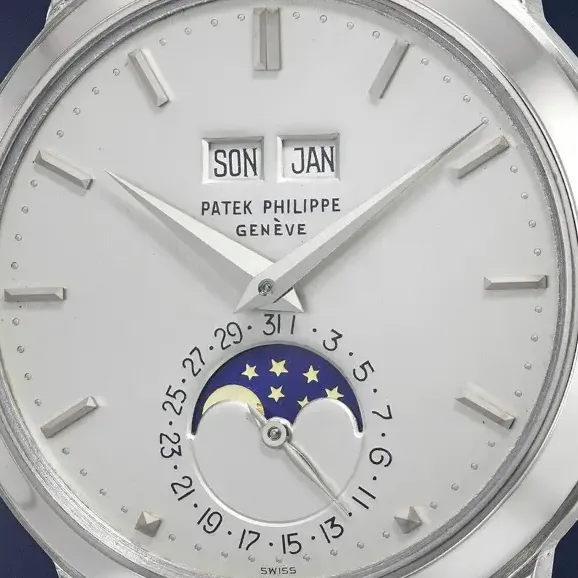

Retailer signatures
Secondary signatures include Beyer, Gübelin and Tiffany & Co. A Beyer dial can carry either the normal or the Topsider signature layout.
- retailer name on the dial
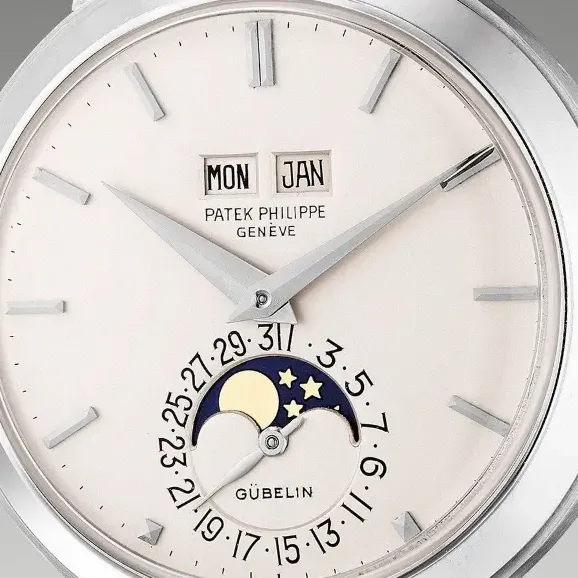

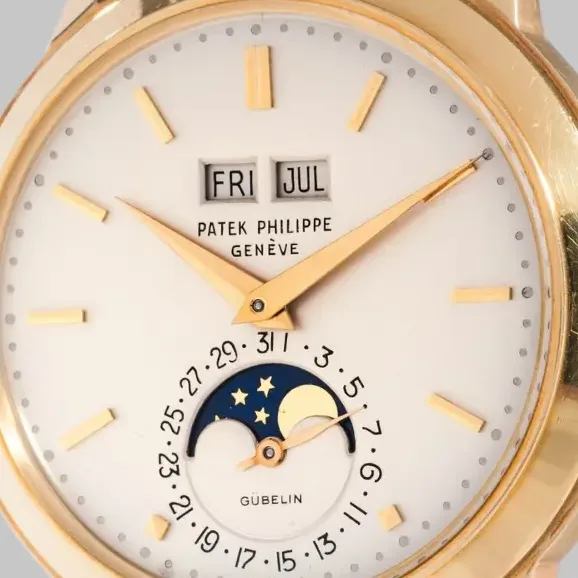

Silver dial (usual) and the other colours
Silver or white is the normal colour. A yellow-gold watch with a blue dial and a dial with ruby-set numerals are each described as possibly unique, and a white-gold watch with a grey dial as extremely rare; a one-off red-print subdial and the Senza Luna dials are noted above.
- blue dial
- ruby-set numerals
Luminous material 1 described
Luminous material is unusual on this reference and appears only on some examples.
Luminous indexes and hands
A few watches, in white and yellow gold, are listed with luminous indexes and hands. They look different from the normal gold baton markers and sword hands.
- luminous paint on indexes and hands
Hands 1 described
The hands are bold and plain, and there is no seconds hand at all.
Sword hands
Clean sword-shaped hands, with no seconds hand, in the pursuit of a minimal dial. The 1986 yellow-gold set carried matching hands.
- sword-shaped hands
- no seconds hand
Subregisters 2 described
The 6 o'clock subdial is the date and moon phase, and it serves no seconds function.
Date and moon-phase subdial
Date numerals ring a moon-phase aperture at 6 o'clock, with the numbers 11 to 23 inverted on early rings. This layout was set by earlier perpetual calendar references.
- moon at 6
- inverted date numerals
Date-only and leap-year subdials
The Senza Luna watches show only the date; the one-off leap-year watch shows the leap year by a small hand in a red-printed subdial; the later 3450 shows it as a dot.
- no moon aperture
Case 6 described
The case is the reference's best-known feature: thin, round and wide, with sharp lugs. Most are yellow gold; other metals are far fewer, and a few watches were given later cases in 1986 and 1997.
Disco volante case
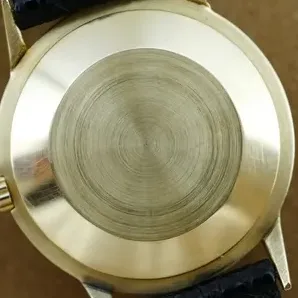
A round, thin case with a thin sharply raked bezel, short sharp angular lugs, a partly recessed crown and a solid snap-on back. It is said to have won the nickname Padellone, 'big frying pan', in Italy. The lugs are the main thing judged on a given watch, because polishing rounds them.
- sharp lugs
- thin raked bezel
- snap-on back
Yellow gold
By far the commonest metal, put at about 450 to 500 watches.
White gold
The next most numerous; counts vary from about 25 to about 100.
Rose gold
Two are known in public.
Platinum, re-cased
Two platinum 3448s began as white-gold watches. After a special order of 1996 they were re-cased in platinum, cases made in 1997 by Jean-Pierre Hagmann.
- platinum case on a white-gold watch
Experiments before the series
Three hand-wound 3449 watches of 1961 have different lugs and bezels, and are thought to be design trials for the 3448: one with triple-stepped bezel and angular lugs, one with a double-stepped bezel and angular lugs, one with a triple-stepped bezel and straight lugs a millimetre longer.
- stepped bezel
- straight lugs
Crystal 1 described
The literature says almost nothing about the crystal.
Sapphire crystal on a late watch
One late-series watch is listed with a sapphire crystal.
Date 3 described
The date ring changed in size between series and the numerals are partly inverted.
Small date ring
The second series has a small date ring. Two otherwise similar English-calendar watches sold in 2023 and 2024 differ most visibly in the size of the ring.
- small date ring
Large date ring
The third series has the larger ring.
- large date ring
Inverted numerals 11 to 23
The numbers 11 to 23 are printed upside down to read from the centre; seen on early and on large-ring dials.
- upside-down numerals
Movement 2 described
One calibre family runs through the reference.
Calibre 27-460 Q
The first automatic perpetual calendar calibre made by the firm, adapted from the 27-460 that has no calendar. It has a yellow-gold rotor, a Gyromax balance and a power reserve of about 38 hours. Sellers write it as 27-460 or 27-460Q.
- yellow gold rotor
Altered movement of the one-off
The leap-year watch had its moon-phase disc removed and its plate adjusted in 1975 to carry a small secondary hand.
Bracelet 2 described
Most watches are sold on leather straps, with a metal bracelet found on a minority.
Gold bracelet
A white-gold bracelet made for the 3448 is recorded, and a lot of four steel and gold spare links made for the Nautilus came with one. A later bracelet may be added to a watch.
Integrated bracelet
Watches listed as 3448/4, 3448/14 and 3448/17, and one of the red-dot watches, are described with an integrated bracelet; the /14 is catalogued without the usual pointed lugs.
- integrated bracelet
Box and papers 1 described
Papers are widely noted.
Archive extract and certificate
Extracts from the archives confirm dates of manufacture and sale and are cited for several examples; a certificate and box sometimes accompany a watch.
Originality
- The sharp case is easily softened by polishing, so an unpolished case that keeps its crisp angular lugs is what collectors look for first.
- A dial can be fitted to an existing watch: the leap-year watch received a new dial from the factory, and one account holds that the Senza Luna dials were put on existing watches in the 1990s, which the maker has not documented.
- A strap or bracelet may be later than the watch; one Topsider is noted with a bracelet added after sale.
- A platinum case is not original to the watch: both platinum 3448s began in white gold.
Names
- Padellone. Italian for large frying pan, for the wide, thin case with thin raked bezel.
- Disco Volante. Italian for flying saucer, for the round case shape.
- Senza Luna. Italian for without moon, for the moonless dials.
- Topsider. The Patek Philippe signature sits above the calendar windows.
Where accounts differ
Points on which the published literature and the library's own records do not agree, or on which the literature contradicts itself.
- Number made and white-gold count. One account gives 586 made and elsewhere about 500, with about 100 in white gold; another puts white gold at 25 at most, and a further account at 130. The library's records hold more white-gold listings than 25, though listings are not a count of watches.
- Dial series details. One account gives the first series small enamelled baton minute markers; another gives all of the first three series applied pearl minute tracks. One account gives the first series medium-sized date numerals, while sale catalogues in the library's records give it a small date ring. A further account says the dates and distinguishing details of the series are not agreed.
- Leap-year watch: gift or purchase. One account says the one-off was a gift from Henri Stern, then the company's president, and another reports a rumour that it was a gift from the Stern family. A third says it was bought on 22 September 1970 and was not a gift.
- End of production. One account ends production in 1980; the others give 1981. The library's records hold dated watches up to 1981.
Back and movement
From listings of this reference, each confirmed by eye to show what it is filed under. A picture on which a person's name or a personal engraving can be read is not shown. From most holders a detail from the middle of the photograph is shown; the mark in its corner gives its holder and a link to the listing.
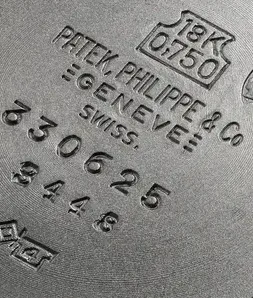
Caseback

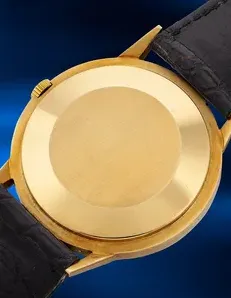

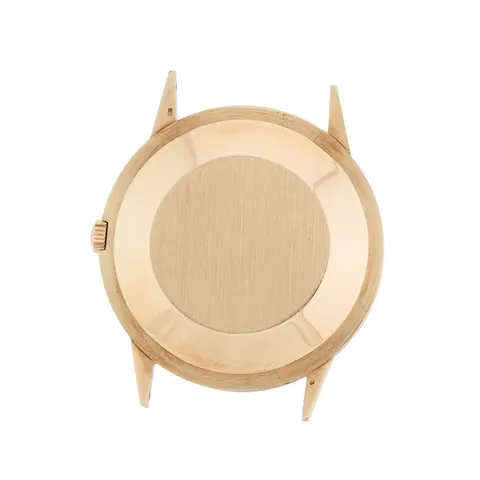

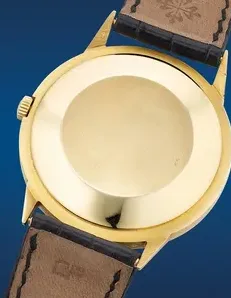

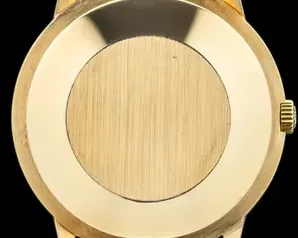

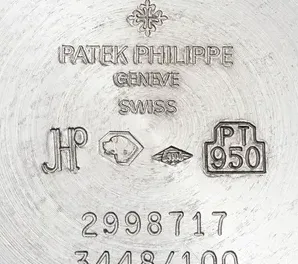
Inside the caseback


Catalogue versions 9 listed
The full numbers under which holders list this reference, with what their listings say of each. Each has a page of its own.
| Version | Metal | Dial | Years seen | Records |
|---|---|---|---|---|
| 3448G thin | White gold | Silver | 1970–1981 | 3 |
| 3448/4 thin | Gold or yellow gold | 1972 | 2 | |
| 3448J thin | Gold | Silver | 1972 | 2 |
| 3448/14 thin | White gold | 1975 | 1 | |
| 3448/15 thin | Gold | 1977 | 1 | |
| 3448/17 thin | White gold | Grey | 1977 | 1 |
| 3448/3 thin | White gold | 1973 | 1 | |
| 3448/6 thin | White gold | 1972 | 1 | |
| 3448/8 thin | Gold | Silver | 1965 | 1 |
In the records
Counted from 114 listings at 8 holders between 12 October 2006 and 13 November 2026. These are what sellers and auction houses state, not measurements.
The fainter bar is the one listing outside the main run of 1965–1981 (the middle nine-tenths): the earliest is 1960. It is an early or late example, or a seller's slip. The head of the page gives 1965–1981: the years that listings from two holders bear out.
Case metal
| Gold, any colour | 110 | |
| Yellow | 42 | |
| White | 35 | |
| Pink | 1 | |
| Colour not stated | 32 | |
| Platinum | 2 | |
| Other | 1 |
A listing that says "gold" or "18K gold" names no colour: it is counted under "colour not stated", not as yellow gold.
Dial colour
| Silver | 30 | |
| Gold | 2 | |
| Blue | 1 | |
| White | 1 | |
| Grey | 1 |
Case size
| 38 mm | 45 | |
| 37 mm | 32 |
Calibre named
| 27-460 | 55 | |
| 27-460Q | 16 |
Bracelet or strap
| Leather strap | 43 | |
| Metal bracelet, kind not stated | 17 | |
| Strap, kind not stated | 3 |
Each table counts the listings that state the thing, in the seller's own terms. A size, metal, colour or calibre that cannot belong to this reference is a seller's slip or a listing filed under the wrong number.