Perpetual Calendar Split-Seconds Chronograph
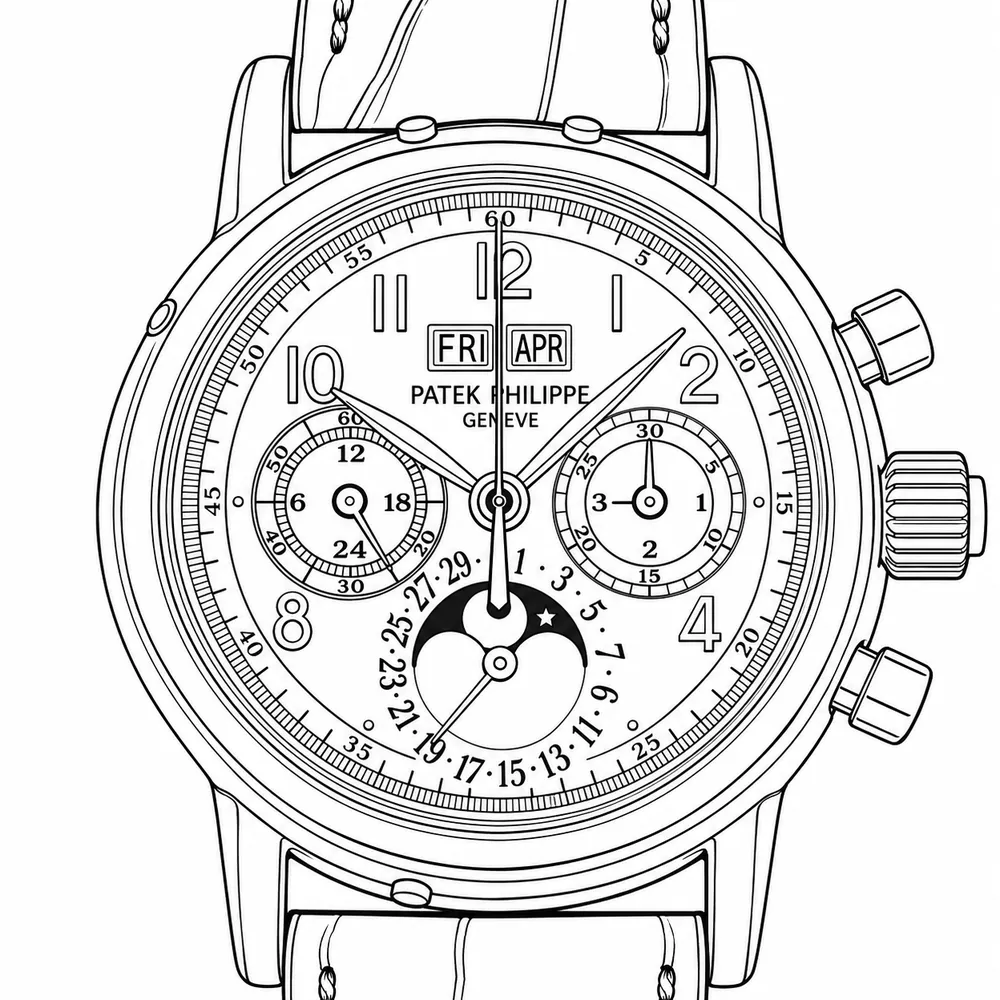
The 5004 is a hand-wound perpetual calendar chronograph with a split-seconds (rattrapante) hand, shown at Baselworld in 1994 and delivered from 1995. It is the 3970's calendar chronograph with the extra mechanism added, in a 36.7 mm case with a large crown that also holds the split-seconds pusher. It uses the Lemania-based CHR 27-70 Q, was made in platinum and in yellow, rose and white gold, and ended with a short steel series in 2012 and a single titanium watch in 2013. Collectors sort it by generation (crown, chronograph hands and bridge shape), by dial type, and by the many special-order dials.
- Made
- 1995–2012dates approximate
- Seen in the library
- 1995–2015nine in ten in 1996–2012 · by years sellers state
- Case
- 36 mm · platinum (49%), gold (46%)as sellers state
- Movement
- Calibre CHR27-70, CHR27-70Qhand-wound
- On record
- 153 listings327 photographs · 14 holders
Components
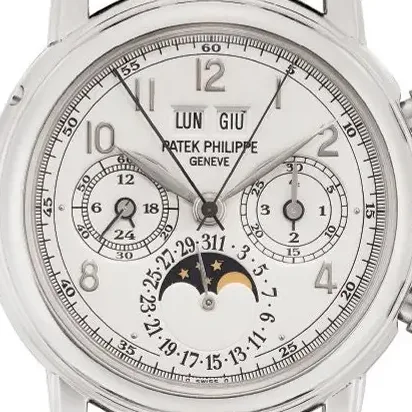
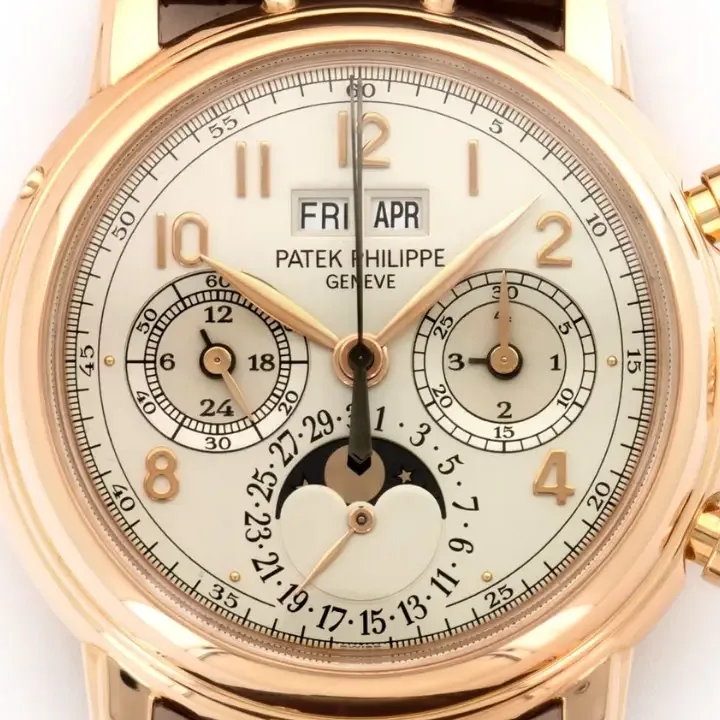
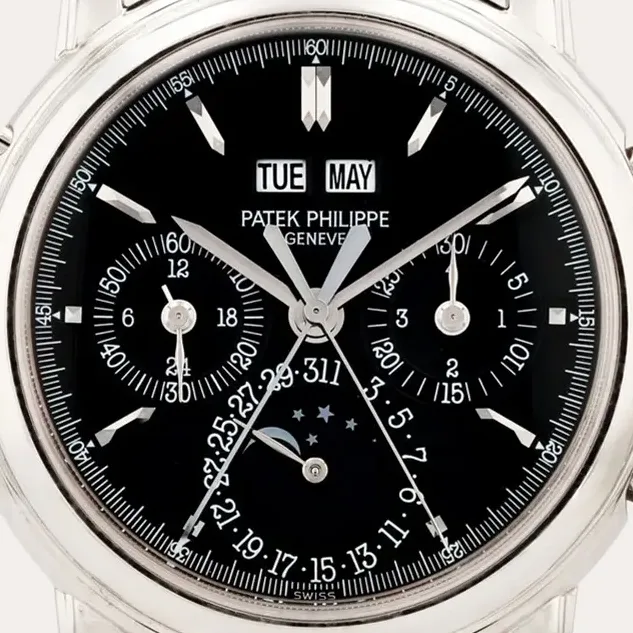
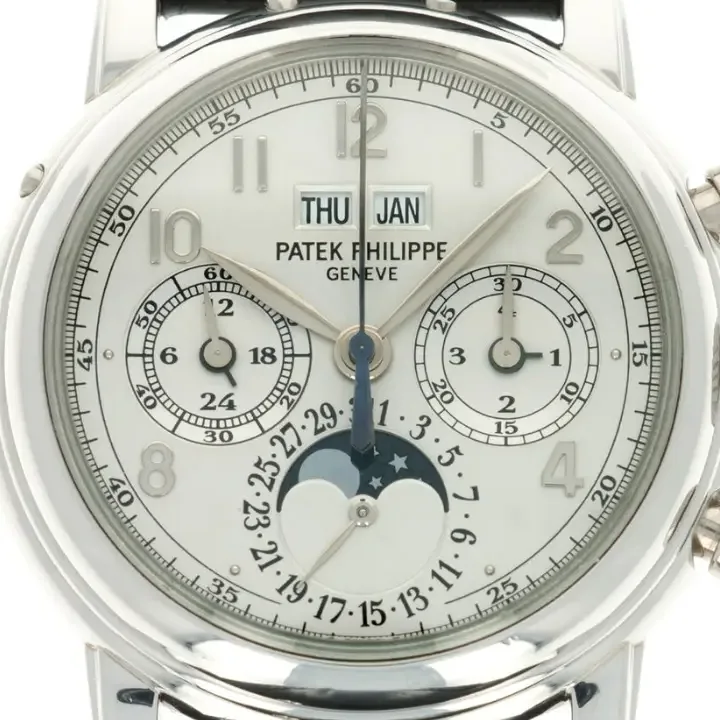
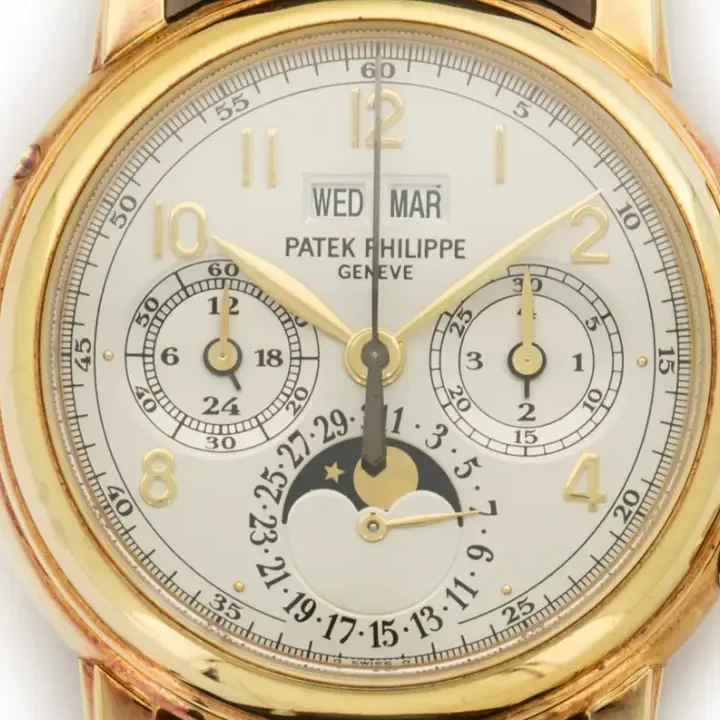
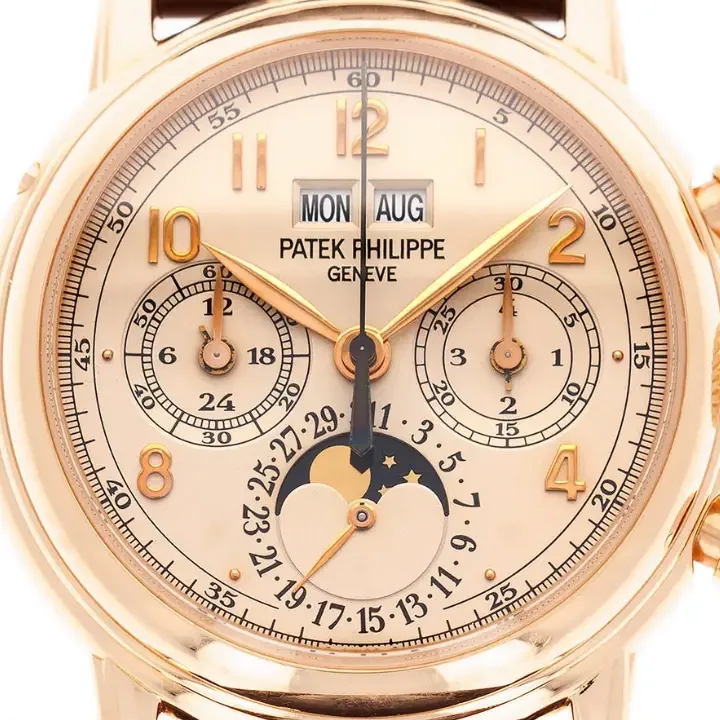
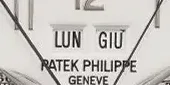
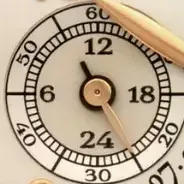
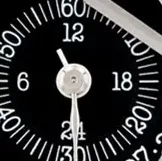
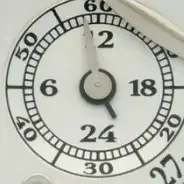
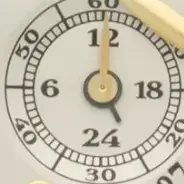
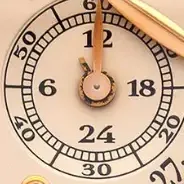
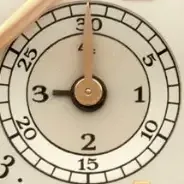
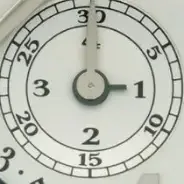
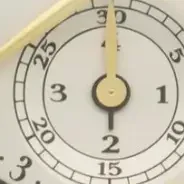
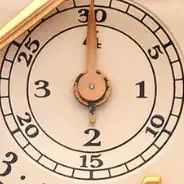
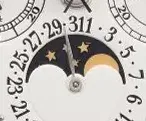
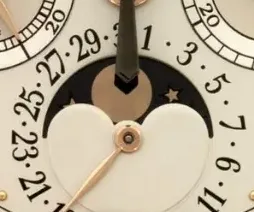
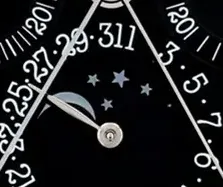
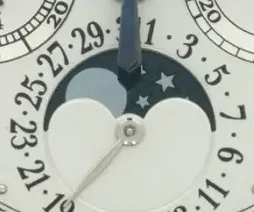
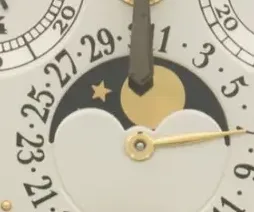
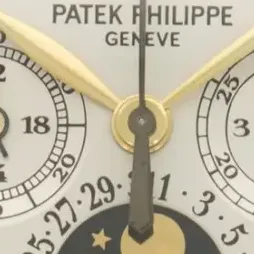
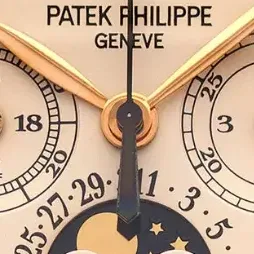
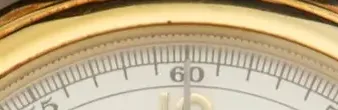
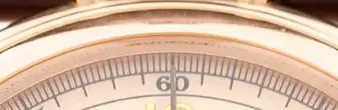
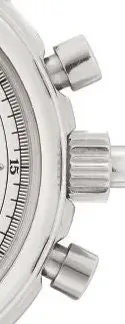
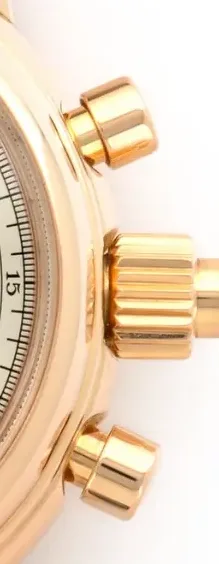
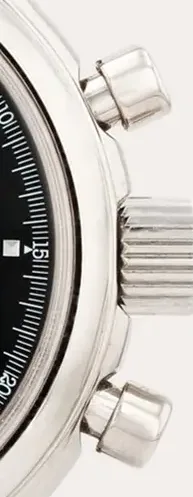
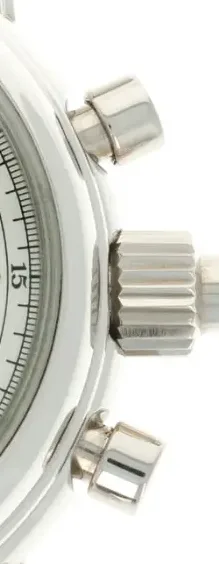
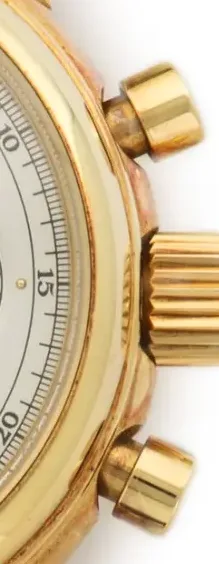
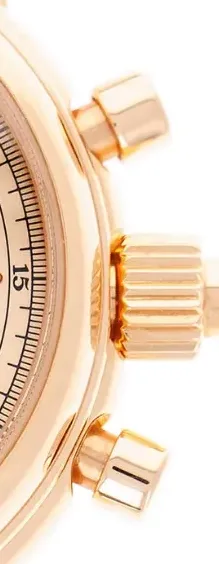
6 watches, oldest first, each straightened and cut the same way so that one row shows one component across them all. Chosen from 327 photographs on file for sharpness and for a face typical of the reference. A year marked c. is one its holder gives only roughly. Each picture is a detail cut from a listing photograph. Select the small mark in its corner for its year, its holder, a link to the listing it came from, and a way to report it.
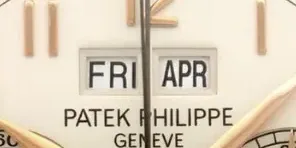

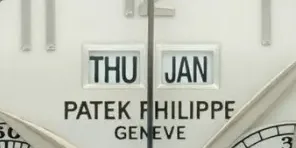

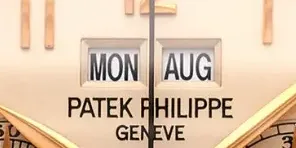
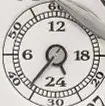

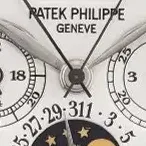
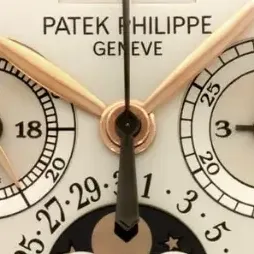
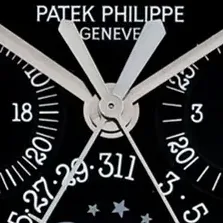
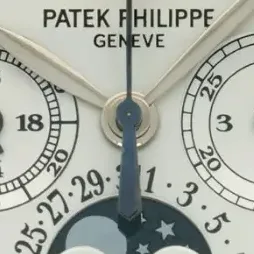










Chronology
Launched in 1994 and delivered from 1995; the regular series is put at 2011 by one account and 2012 by another, with the steel end-of-series watches probably running to 2014 and a unique titanium piece in 2013.
Every dated variant: what is written, and what the records show
For the reference the marks are every dated watch; for a variant, the watches a seller names as that variant, so a variant sellers do not name has none.
Specification
| Case | 36.7 mm (often rounded to 37 mm), about 15 mm thick, multi-stepped case with convex bezel and slim downturned bevelled lugs; platinum, or 18 ct yellow, rose or white gold; steel in an end-of-series run and one titanium piece |
| Back | Sapphire display back fitted as standard, with a second solid back supplied |
| Pushers and crown | Round start-stop and reset pushers; split-seconds pusher set into the crown; large crown |
| Water resistance | 30 m (stated for the titanium piece) |
| Movement | CHR 27-70 Q, hand-wound, based on the Nouvelle Lemania 2310 with a Patek perpetual calendar module and split-seconds mechanism; 18,000 vph; 407 parts; about 60 hours' reserve |
| Functions | Hours, minutes, small seconds with day-night indicator; split-seconds chronograph with 30-minute counter; perpetual calendar with day and month in windows, date, moon phase and leap year |
| Dial | Silver with large applied Arabic numerals and small cabochon hour markers as the regular dial; black dials and many special orders |
| Strap | Leather strap with a folding buckle in the case metal |
Reference 4 described
The literature uses two kinds of suffix: the regular catalogue numbers (for example 5004P-033 for the platinum diamond dial), and a long run of special-order numbers. Collectors also speak of two generations, divided at about 1998, with mixed-generation watches known from servicing or factory assembly.
First generation
The first watches, delivered from 1995 to about 1998, have the small crown, short chronograph hands and the wide block rattrapante bridge. Some white gold and platinum examples of this period have a yellow moon. The literature estimates 80 to 120 were made.
- small crown
- short chronograph hands
- wide block bridge
Second generation
From about 1998 to 2012 the crown is larger, the chronograph hands are long and counterbalanced, and the movement bridge changes shape (V-shaped, later elongated). Transitional pieces with large crowns and short hands exist, either from the factory or from servicing.
- large crown
- long chronograph hands
5004A-001
The steel end-of-series edition, sold through the Geneva Salon to the manufacture's main clients, often with the owner's name engraved on the sapphire back. The literature puts it at fifty to eighty watches, running from 2012 to about 2014.
- steel case
- blackened baton markers and hands
5004T-001
A unique titanium watch for the 2013 Only Watch auction, with a carbon-pattern dial and a red split-seconds hand; it is the only 5004 in titanium.
- titanium case
- red split-seconds hand
Dial 12 described
The regular dial is silver with large applied Arabic numerals taken from the 1518 and small cabochons between them. The only black dial in the regular catalogue was the platinum diamond dial; black dials with the Arabic numerals (from about 1997), with batons or with baguettes were made in short series, and many special orders followed. Dial exchanges for clients were common, often done by retailers and not always recorded, so a dial that does not match the Extract from the Archives deserves a question.
Silver, large Arabic numerals and cabochons
The regular dial in all four metals: applied numerals modelled on those of the 1518 but larger and in a modern sans-serif form, with small cabochons at the other hours. There is no tachymeter scale. Of the watches in the four metals tallied from auction results, about three in five have this silver dial.
- large applied Arabic numerals
- cabochons between the numerals
- no tachymeter
Black, Arabic numerals
Same numerals and cabochons on a black dial, described on the certificate as 'noir – heures arabes'. Seen most often in platinum (5004P-022) and rose gold (5004R-018), available from about 1997. One yellow gold example is known and no white gold.
- black dial with applied Arabic numerals
Black, applied baton indices
A black dial with elongated applied indices like those of the 3970, in place of the numerals and cabochons; the certificate reads 'noir – heures relief or'. Made in white gold (5004G-015, twelve known) and platinum (5004P-039, three known).
- baton indices on black dial
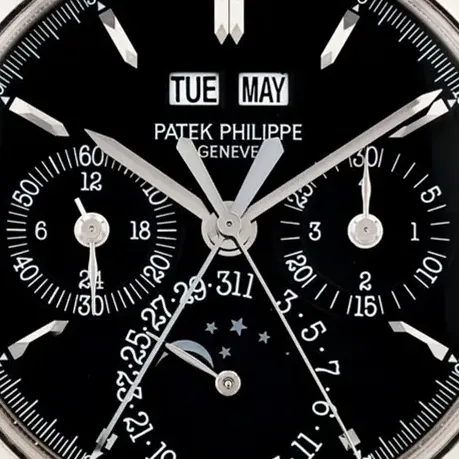

Black, diamond indices
The one black dial in the regular catalogue: ten round diamonds and a baguette at 12, in platinum only, as 5004P-033, with baton hour and minute hands. Fifteen are known from auctions.
- round diamond hour markers with a baguette at 12
Black, seven baguettes
A limited black dial in platinum with seven baguette diamonds in place of the numerals and nothing at the cabochon positions (5004P-032). Three have appeared, in both first- and second-generation watches.
- seven baguette diamonds
Steel series silver dial
The steel 5004A-001 has a silver dial with blackened applied baton markers and blackened hands.
- silver dial with blackened baton markers
Titanium carbon-pattern dial
The 5004T-001 dial is solid gold, black, hand-guilloché in a carbon-fibre style, with applied white gold Arabic numerals, a white seconds hand and a red split-seconds hand.
- checkerboard carbon-pattern guilloché
- red hand
Special order: Breguet or Roman 12 with tachymeter
A group of special-order dials with a Breguet numeral or a Roman numeral at 12, cabochon hours and a large tachymeter scale, the one feature the regular 5004 never had. A set of four was made in 2009 (yellow gold doré, rose gold black, white gold salmon, platinum blue), two more were delivered in 2011 (rose gold black, platinum blue), and five dated 15 April 2011 carry a monogram at 6, extra luminous dots and luminous hands. On the unique dials the tachymeter track is shortened so that it vanishes into the date ring, leaving markers at 130 and 110, which lets the seconds track sit outside it.
- tachymeter scale
- Breguet or Roman numeral at 12
- monogram at 6 on some
Special order: gem-set silver dials
Early special orders on the pattern of the diamond dial: a platinum silver dial with diamonds (about 1998) and a rose gold silver dial with rubies (about 2001). A set of four was commissioned about 2007 in yellow gold with yellow sapphires (5004J-015), rose gold with rubies (5004R-022), white gold with blue sapphires (5004G-017) and platinum with black diamonds (5004P-038).
- gem hour markers on silver dial
Special order: full Breguet numerals
Two platinum watches with black dials and full Breguet numerals have been commissioned, one with all printing and the hands in red.
- Breguet numerals at every hour
- red printing on one
Special order: pulsation scale
Two rose gold watches replace the outer scale and main numerals with a large pulsation scale: a silver dial with Arabic 12, luminous hands and Italian calendar, and a black dial with Breguet 12 (5004R-028).
- large pulsation scale
Special order: Arabic numeral variations
Smaller departures from the standard dial: a white gold salmon dial with Italian calendar made in 1996, one with black numerals, one with luminous hands, a platinum brown dial (5004P-061), and platinum black dials with one numeral printed in red (5004P-044, -045, -046), two inscribed 'A mon fils'.
- salmon or brown dial
- one red numeral
Luminous material 1 described
The regular 5004 has no luminous material in the literature; lume appears only on some special orders.
Luminous dots and hands on special orders
Some special orders have luminous hands, among them a pulsation-scale dial and a white gold salmon dial; the five watches dated 15 April 2011 also add luminous dots to the cabochon hours.
- luminous dots on cabochons
- luminous hands
Hands 4 described
The 5004 has nine hands, of two kinds: leaf hands inspired by the 1518 and 2499 and baton hands in a more modern style. The chronograph hands were improved around 1998.
Leaf and baton combination
Hours, minutes, small seconds, chronograph minutes and date are leaf hands; chronograph seconds, rattrapante, day-night and leap-year are batons. On gold watches the leaf hands match the case, on silver dials the batons are blued or blackened, on black dials they are white, and on the steel watches all are blackened.
- leaf hour and minute hands
- baton chronograph hands
Baton hour and minute hands on black dials
Black dials with baton indices or diamond indices (5004G-015, 5004P-039, 5004P-033, 5004P-032) were generally delivered with baton hour and minute hands. A few have been seen with leaf hands, which may be original or a result of servicing.
- baton hour and minute hands on black dial
Short chronograph hands
First-generation chronograph hands end just past the pivot with no counterweight.
- no tail on chronograph hands
Long chronograph hands
From about 1998 the chronograph hands have a long counterweight beyond the pivot, which balances them, reduces wear and stops the hand drooping after reset. Short hands are sometimes replaced by long ones at service.
- long counterweight tail
Subregisters 1 described
The layout is that of Patek's calendar chronographs: chronograph minutes with the leap-year indication at 3, small seconds with the day-night indicator at 9, and the date with the moon phase at 6.
Standard layout
Twin day and month windows sit at 12. The 3 o'clock register combines the 30-minute counter with a leap-year hand; the 9 o'clock register combines small seconds with a day-night hand; the 6 o'clock register shows date and moon.
- leap year hand within chronograph minutes
- day-night hand within small seconds
Case 3 described
The case has the profile of the 3970 with a convex bezel instead of a concave one, to gain height for the extra mechanism. It is about 2.2 mm taller than the 3970 and looks larger than its 36.7 mm because of the crown.
Guillod-Gunther case
Cases were made by an outside maker (hammer number 121) until the manufacture took case-making in-house around 2009. They are multi-stepped, with round pushers like those of the 3970 and slim, downturned, bevelled lugs.
- stepped case
- convex bezel
In-house case
From about 2009 the case was made by the manufacture.
Two backs
Each watch was supplied with a sapphire back mounted as standard and a second solid back.
- sapphire back
- spare solid back
Crown and pushers 2 described
The crown carries the split-seconds pusher and was enlarged around 1998.
Small crown
On first-generation watches the crown reaches about the level of the pushers.
- crown level with pushers
Large crown
The later crown projects well beyond the pushers and gives the watch its bold look; the split-seconds pusher is set into it.
- large crown projecting past pushers
Date 4 described
The calendar shows day and month in windows, date and leap year by hand and the moon phase; the moon disc changed in colour and finish.
Calendar language
Day and month wheels exist in English, Italian, French and German. English is by far the commonest, followed by Italian; French and German are particularly rare.
- day and month names in the window
Moon colour by metal
The moon is yellow on yellow and rose gold watches and silver on white gold, platinum and steel, but some white gold and platinum watches made until about 1998 have a yellow moon.
- yellow or silver moon
Black-contour moon
Early moon discs have a black contour around the moon and stars.
- black outline on moon and stars
Frosted moon
From about 2008 the black contour gives way to a frosted finish.
- frosted moon and stars
Movement 3 described
The CHR 27-70 Q is the Lemania 2310-based CH 27-70 Q with a split-seconds mechanism added; the R stands for rattrapante. Early movements were less reliable than expected and were refined, and the three generations are told apart by the rattrapante bridge. Patek normally upgrades the mechanism at service unless the owner asks otherwise.
Wide block bridge
The first-generation movement has a wide block-shaped rattrapante bridge.
- wide block bridge
V-shaped bridge
The second movement has a V-shaped bridge.
- V-shaped bridge
Elongated bridge
The third movement has an elongated bridge, also connected to the 'octopus' part. All movements are finished to Geneva Seal standard, including those made after the Patek Seal was introduced in 2009.
- elongated bridge
Bracelet 2 described
The 5004 was delivered on a leather strap with a folding buckle in the case metal.
Leather strap
Leather strap and folding buckle matching the case metal. The titanium piece has a calf strap embossed with a carbon pattern, red stitching and a titanium prong buckle.
- leather strap with matching folding buckle
Flush metal bracelet
A few platinum, yellow gold and white gold bracelets were made to order, fitting flush to the case with recesses so the calendar pushers could still be used. A handful were produced; the numbers 5004/1J-001 and 5004/1G-001 appear for watches on bracelets.
- bracelet sitting flush to case
Box and papers 1 described
A complete set is part of what collectors check.
Full set
Certificate of Origin, wooden box, literature in a leather folder, the second caseback and a pushpiece for setting the calendar. Where the certificate is missing, an Extract from the Archives is advised.
- calendar setting pushpiece
- spare solid back
- certificate
Originality
- Short chronograph hands on early watches are sometimes replaced by long ones at service, and a large crown with short hands marks a mixed-generation watch, from the factory or from servicing.
- The movement is usually upgraded to a later bridge generation at service, unless the owner asks for the original to be kept.
- Dials were exchanged at a client's request, often by retailers and unrecorded, so only the Extract from the Archives settles the original dial.
- Black dials with baton or diamond indices that show leaf hands may have had their hands replaced at service.
Where accounts differ
Points on which the published literature and the library's own records do not agree, or on which the literature contradicts itself.
- Number made. Two guides give a total of fewer than 250 watches (about 200 plus fifty in steel), working from twelve a year. Another estimates 800 to 1,000 from auction appearances and calls the twelve-a-year figure inaccurate. The library's records cannot settle the total.
- End of the regular series. One source gives the regular series as 1995 to 2011 and another as 1995 to 2012.
Catalogue versions 5 listed
The full numbers under which holders list this reference, with what their listings say of each. Each has a page of its own.
| Version | Metal | Dial | Years seen | Records |
|---|---|---|---|---|
| 5004P | Platinum | Silver or black | 1995–2010 | 51 |
| 5004R | Pink gold | Black | 1996–2015 | 17 |
| 5004J | Gold or yellow gold | Silver | 1998–2011 | 14 |
| 5004A | Steel | Silver | 2012–2014 | 7 |
| 5004/1G thin | White gold | 2008 | 1 |
In the records
Counted from 153 listings at 14 holders between 12 December 2008 and 14 November 2026. These are what sellers and auction houses state, not measurements.
Fainter bars are the 9 outside the main run of 1996–2012 (the middle nine-tenths): the earliest is 1995 and the latest 2015. They are early and late examples, and now and then a seller's slip.
Case metal
| Platinum | 71 | |
| Gold, any colour | 67 | |
| Pink | 24 | |
| White | 19 | |
| Yellow | 12 | |
| Colour not stated | 12 | |
| Steel | 8 |
A listing that says "gold" or "18K gold" names no colour: it is counted under "colour not stated", not as yellow gold.
Dial colour
| Silver | 39 | |
| Black | 32 | |
| White | 2 | |
| Champagne | 1 | |
| Salmon | 1 |
Case size
| 36 mm | 58 | |
| 37 mm | 49 |
Calibre named
| CHR27-70 | 42 | |
| 27-70 | 29 | |
| CH27-70 | 8 | |
| CHR27-70Q | 7 |
Bracelet or strap
| Leather strap | 64 | |
| Strap, kind not stated | 10 | |
| Metal bracelet, kind not stated | 4 |
Each table counts the listings that state the thing, in the seller's own terms. A size, metal, colour or calibre that cannot belong to this reference is a seller's slip or a listing filed under the wrong number.