Perpetual Calendar Chronograph
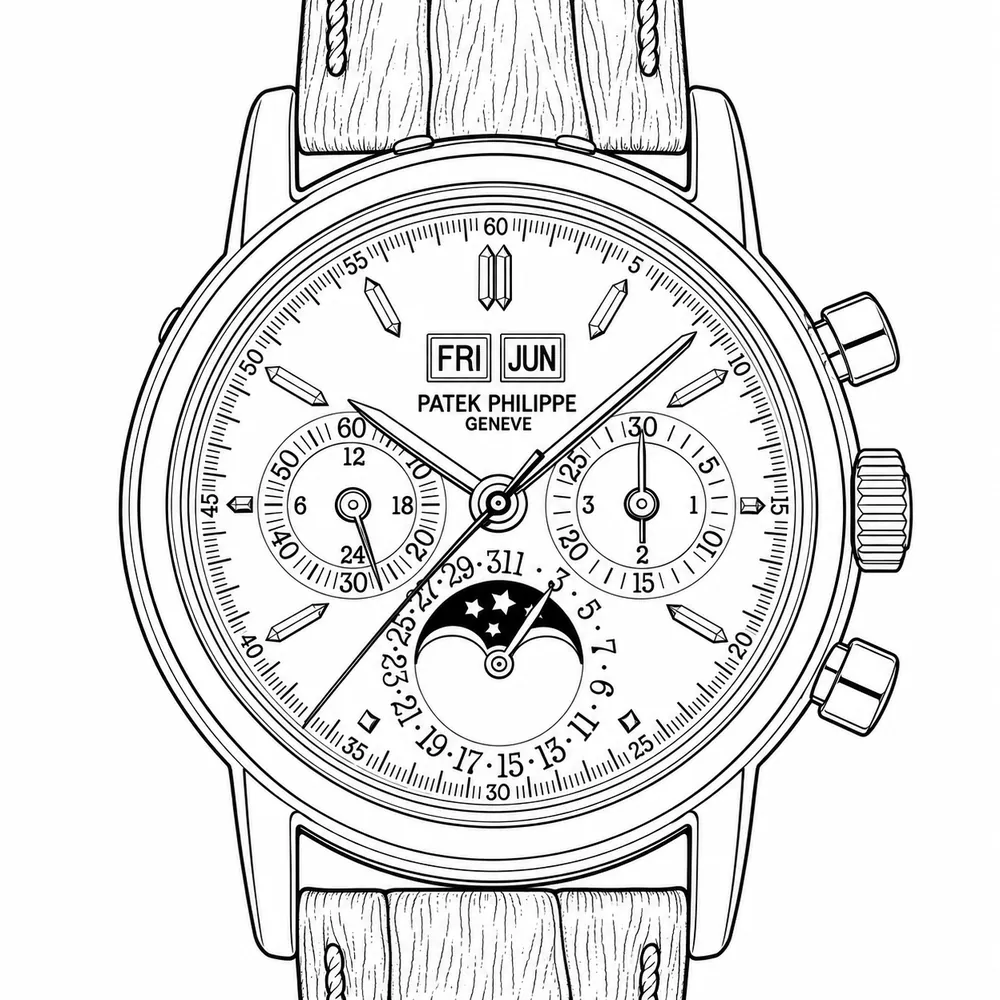
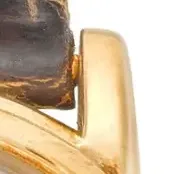
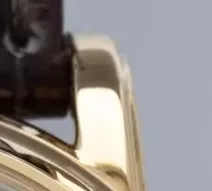
The 3970 is Patek Philippe's perpetual calendar chronograph of 1986 to 2004, the successor to the 2499. It is a 36 mm manually wound watch in yellow, rose or white gold or platinum, with day and month windows, a leap year indicator, 24-hour display, moon phase and date, driven by the Lemania-based calibre CH 27-70 Q. Collectors divide the run into four series by case back, hands, hour markers, calendar-disc typeface and strap fitting, though the changes ran into one another. It was followed by the larger 5970. Buyers look first at the series, the calendar-disc language and font, and how far the stepped lugs have been polished.
- Made
- 1986–2004dates approximate
- Seen in the library
- 1986–2006nine in ten in 1988–2005 · by years sellers state
- Case
- 36 mm · gold (67%), platinum (31%)as sellers state
- Movement
- Calibre CH27-70, CH27-70Qhand-wound
- On record
- 342 listings748 photographs · 30 holders
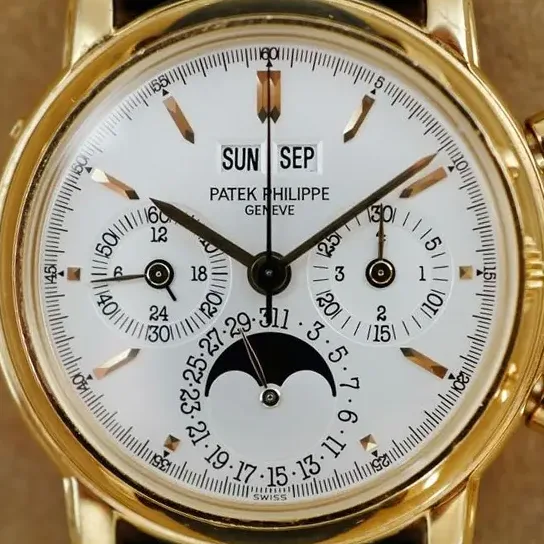
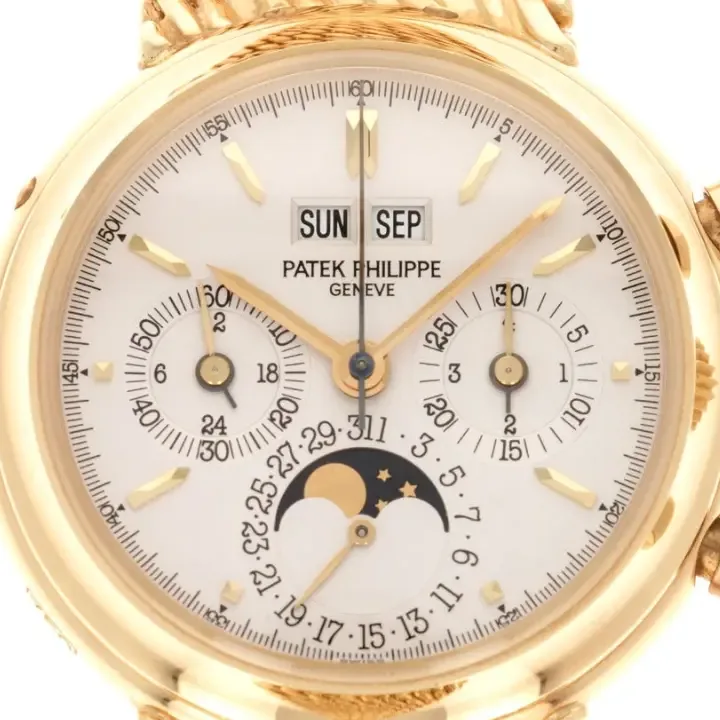
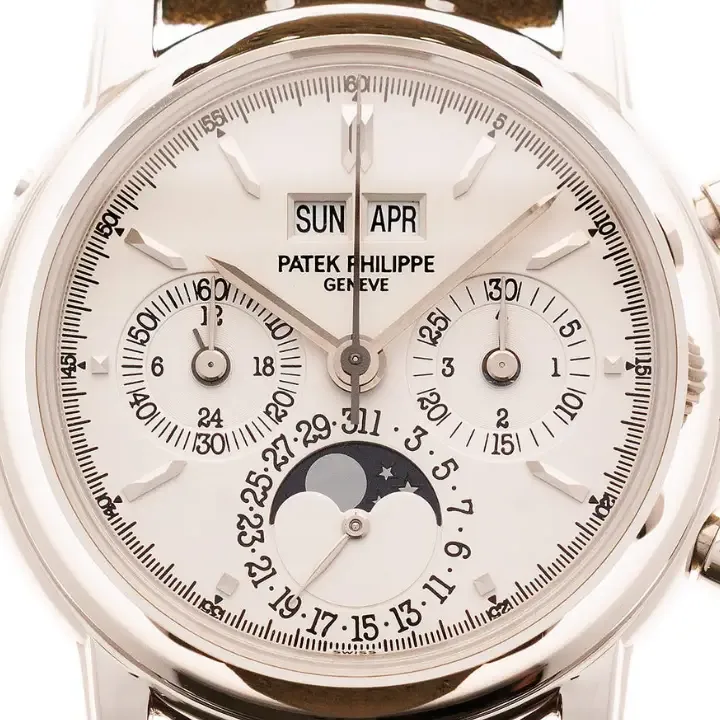
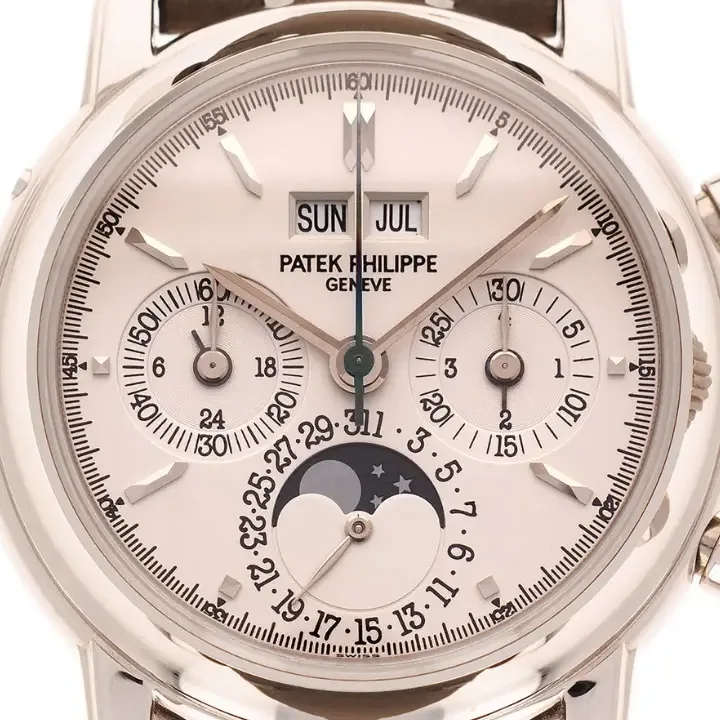
Components
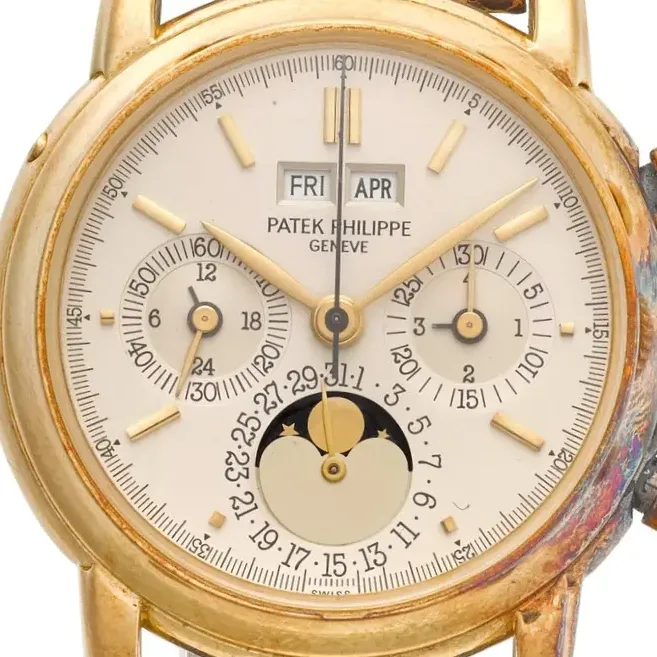
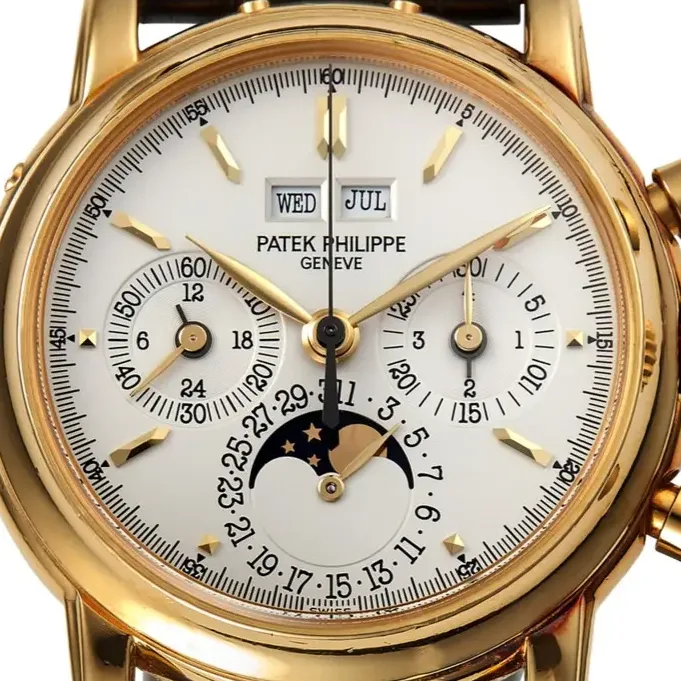
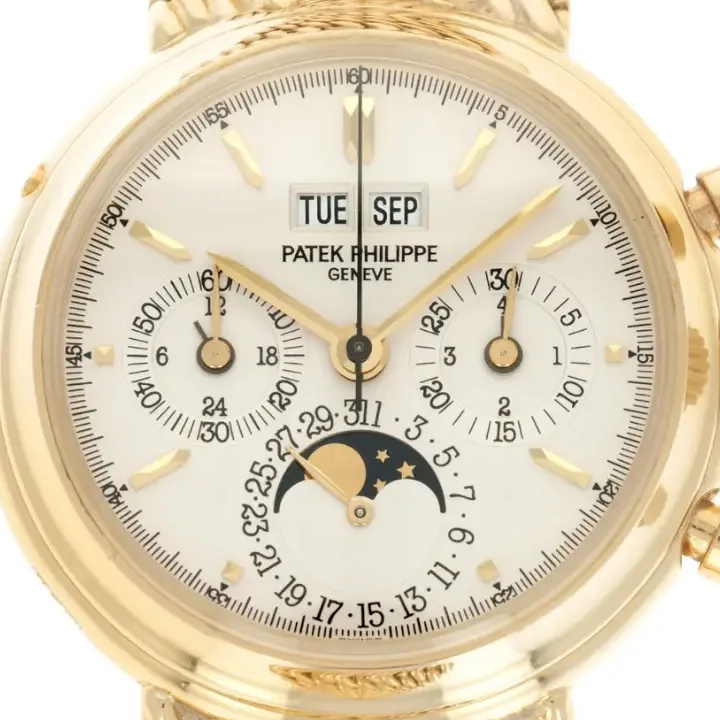
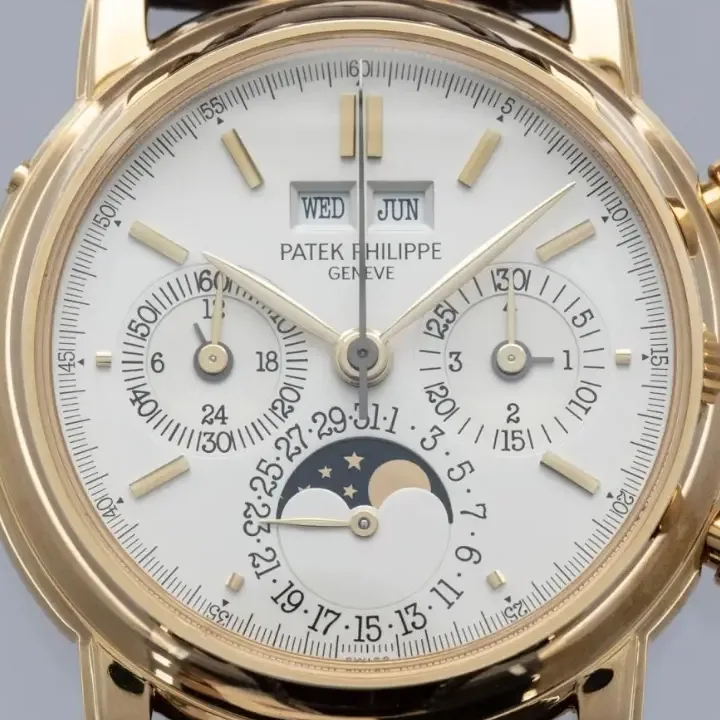
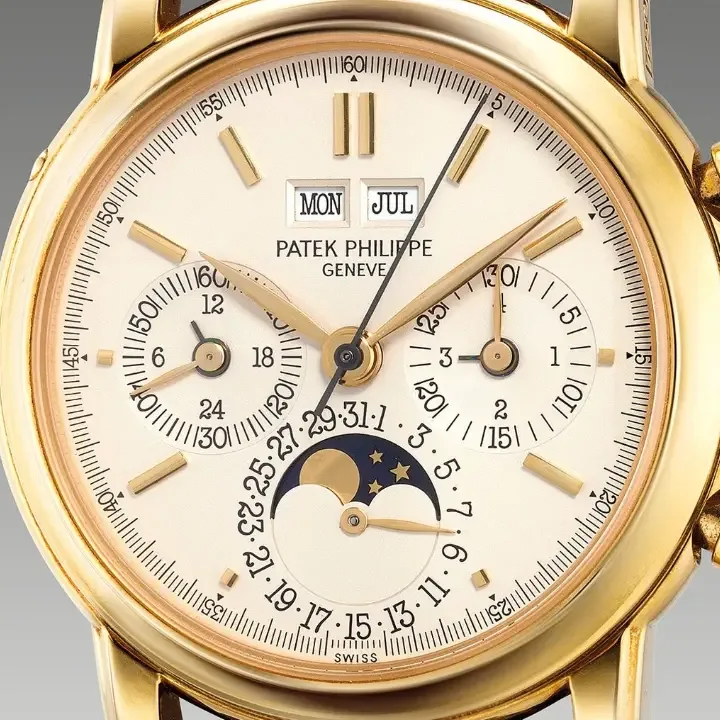
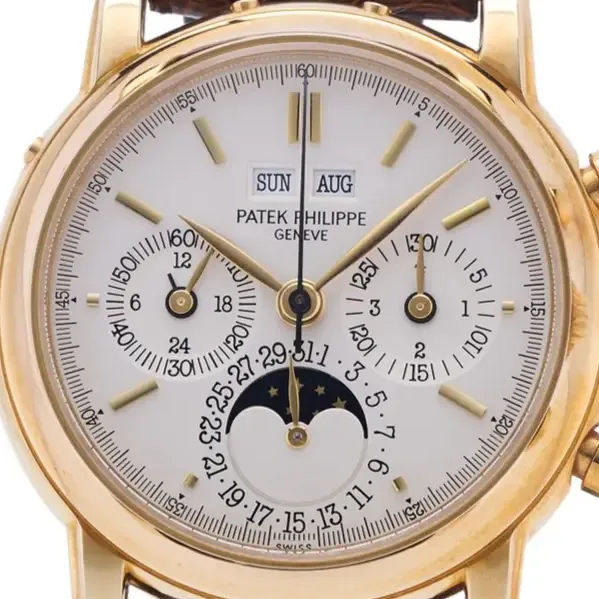
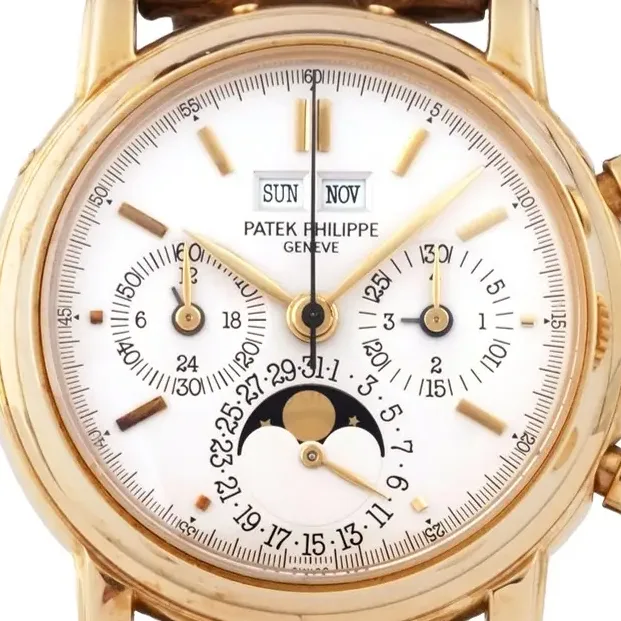
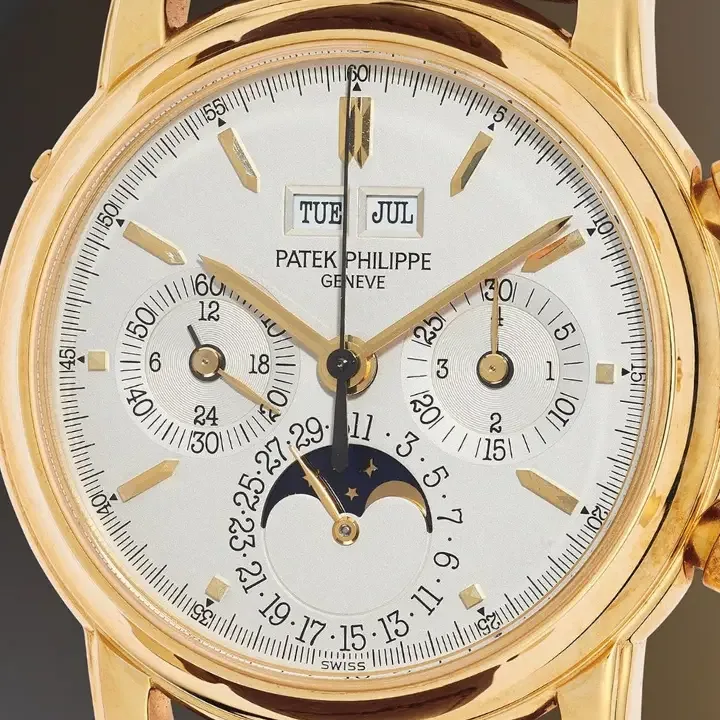
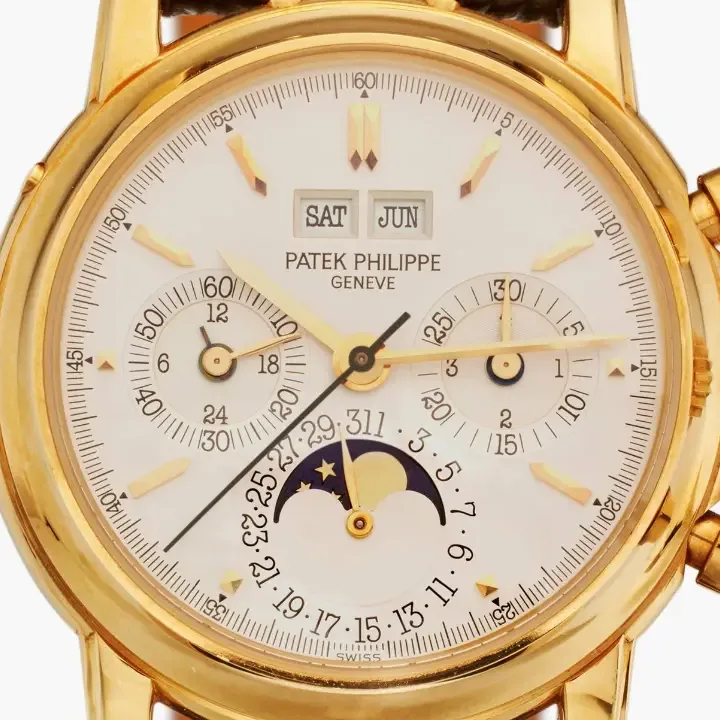
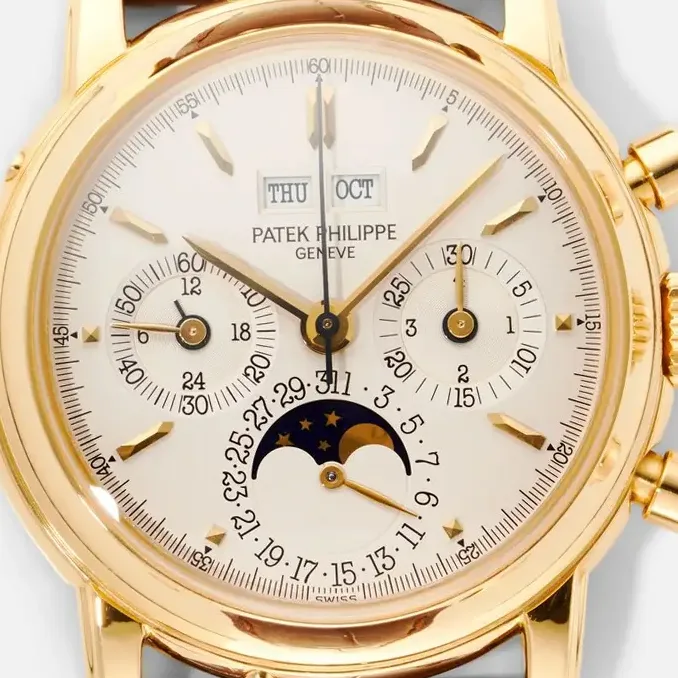
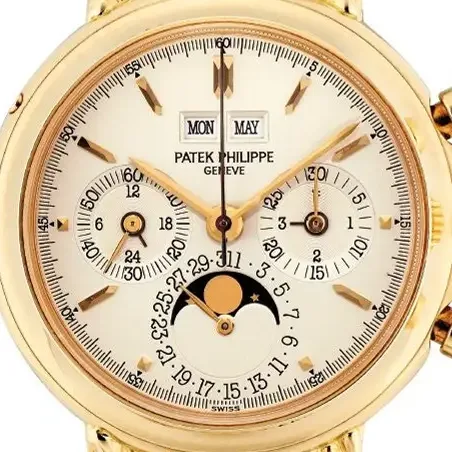
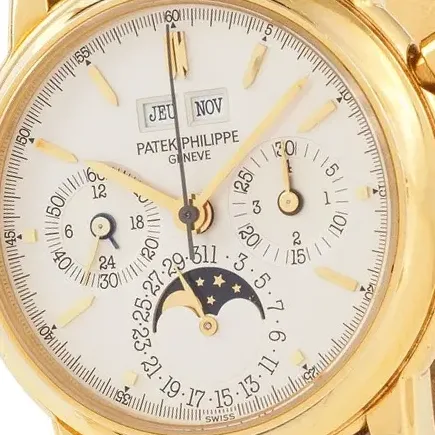
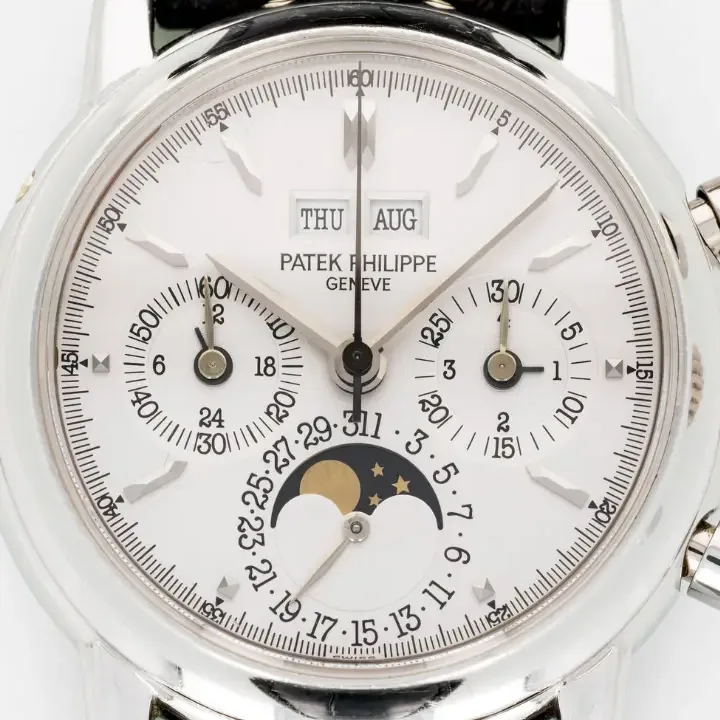
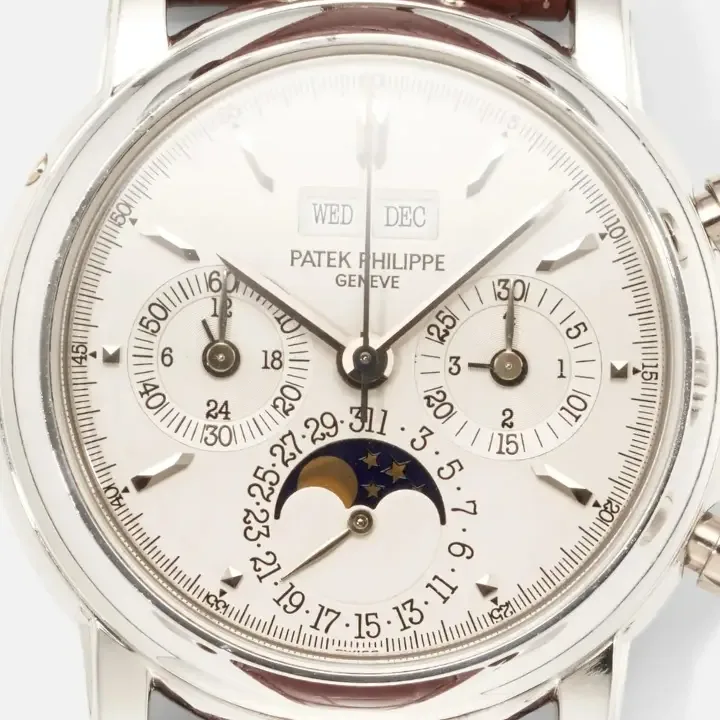
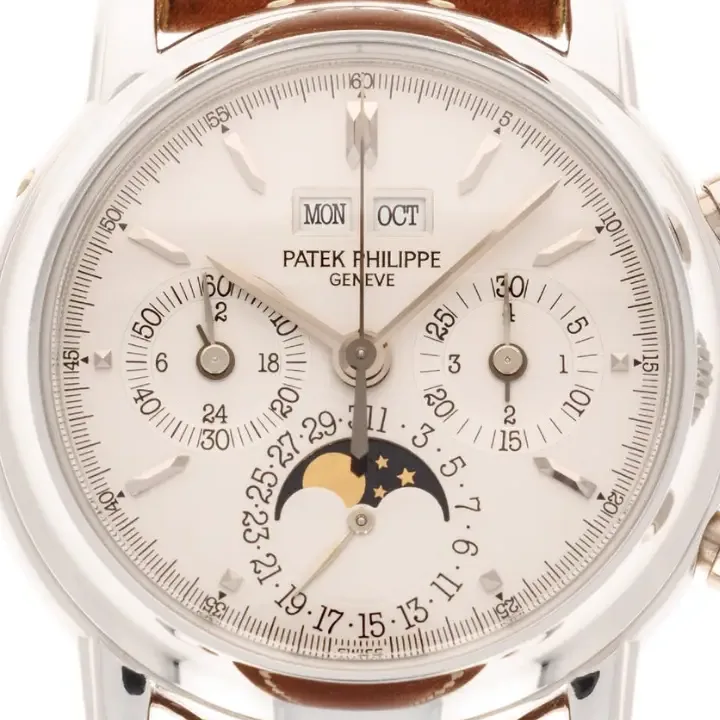
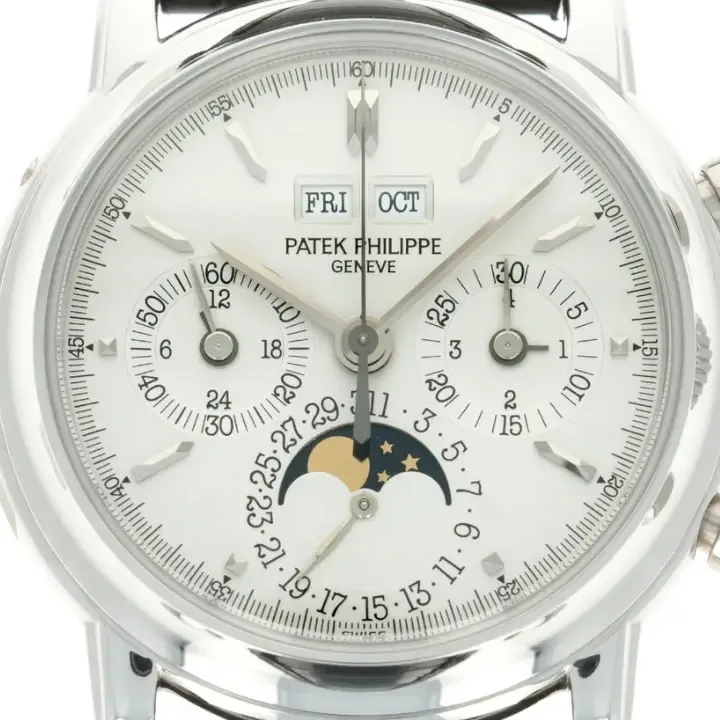
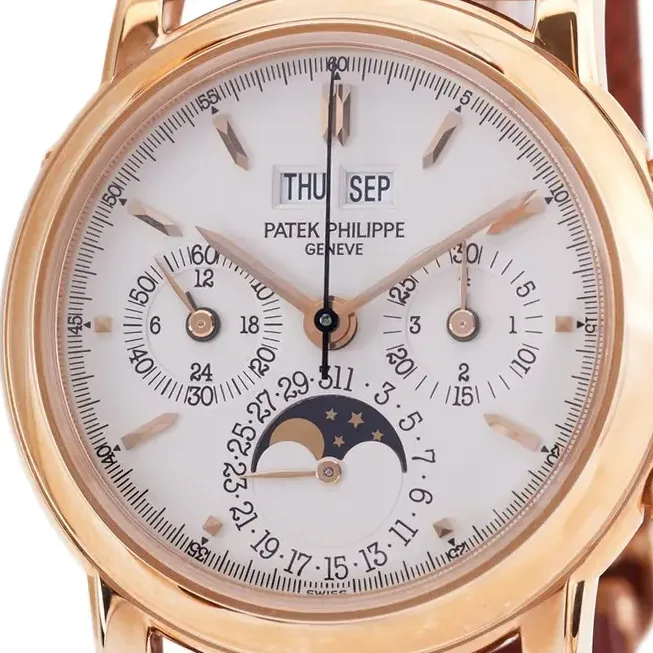
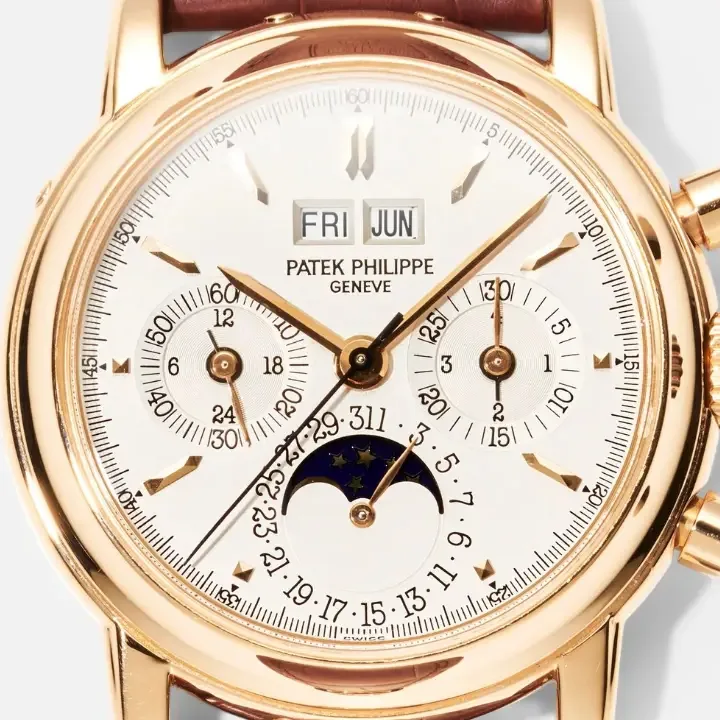
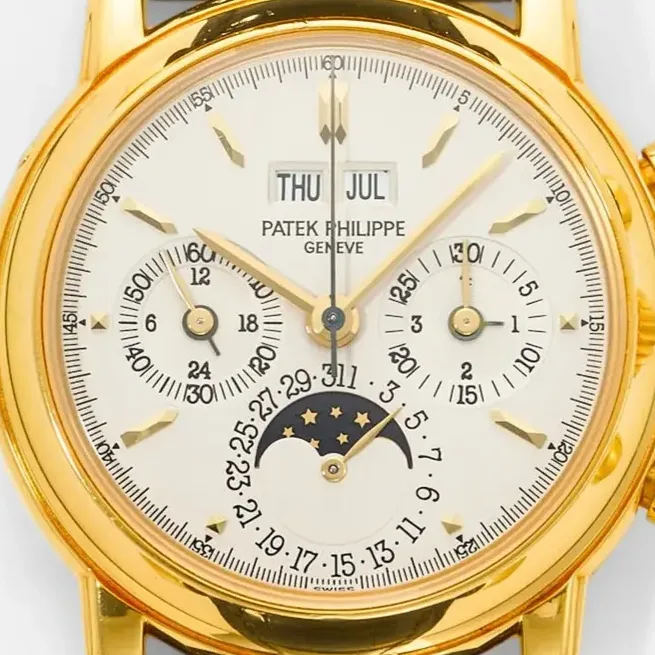
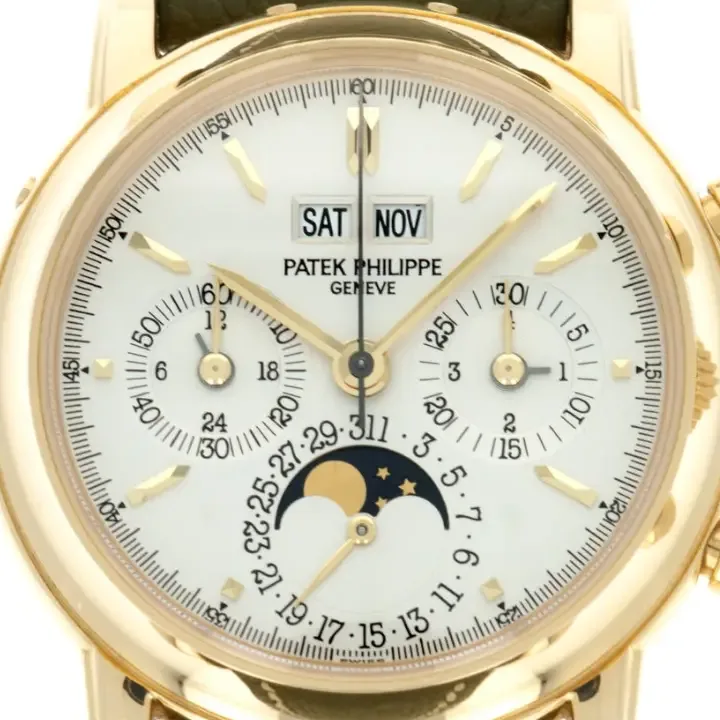
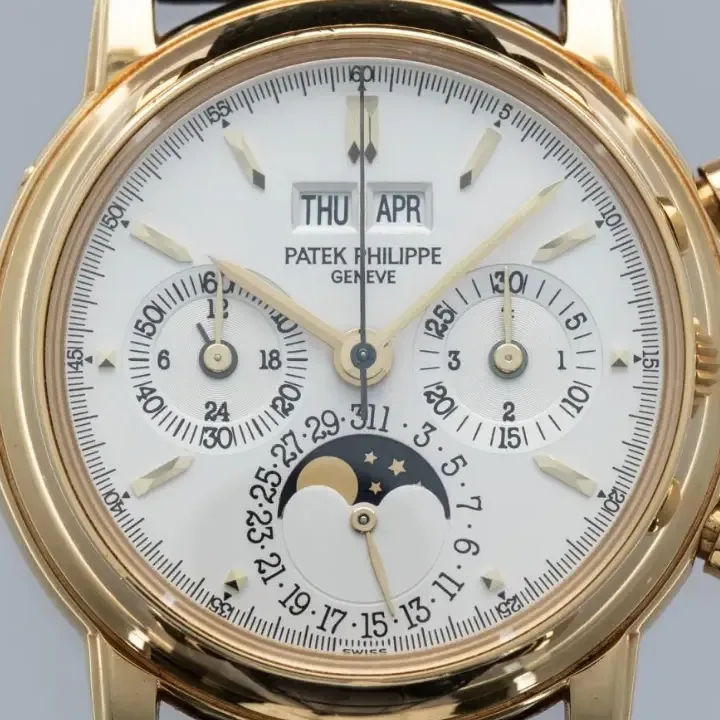
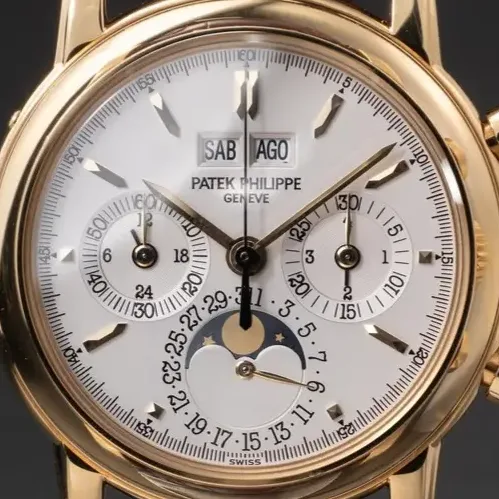
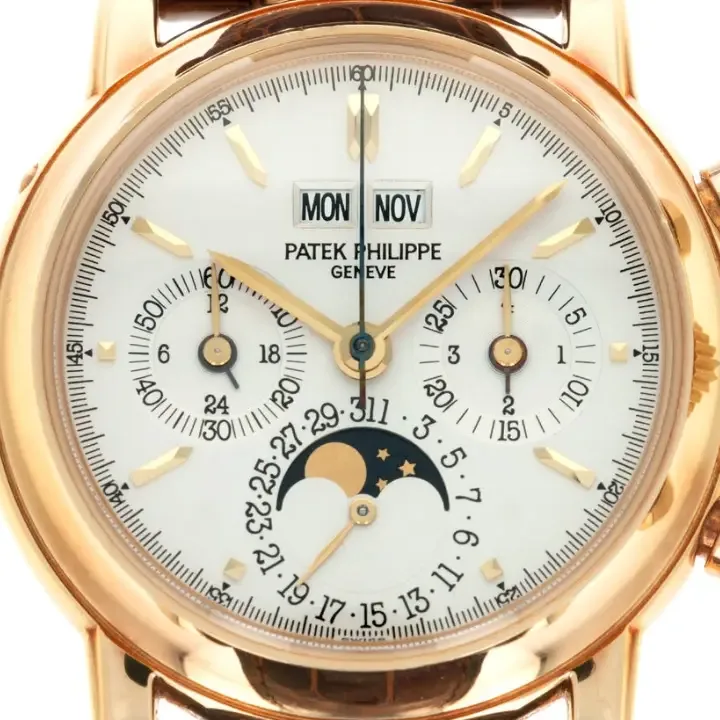
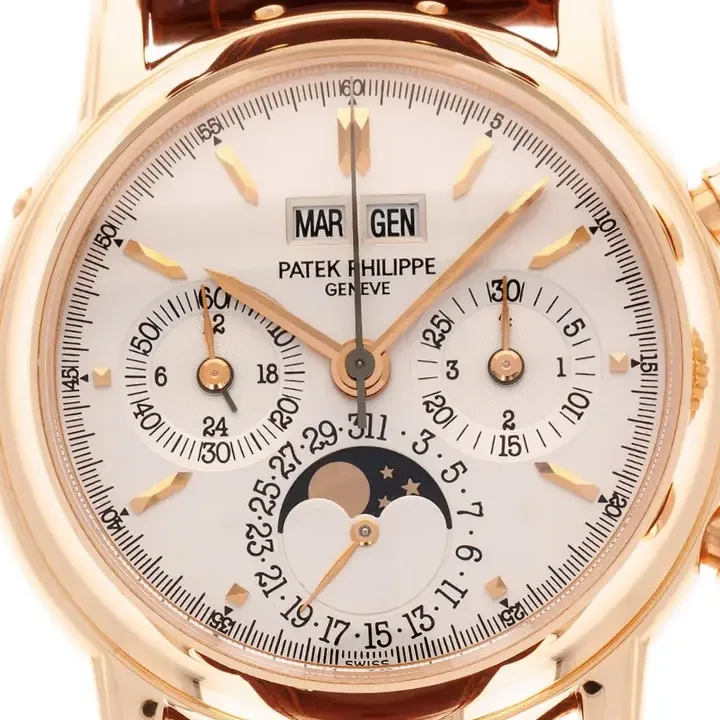
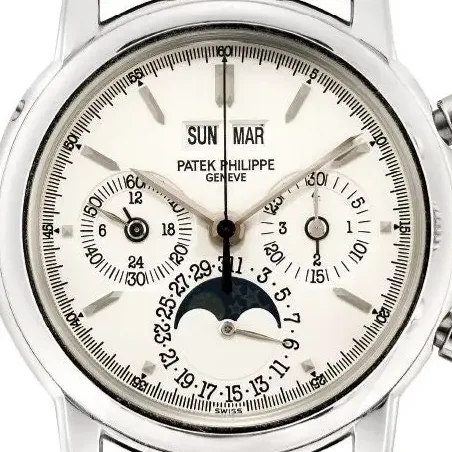
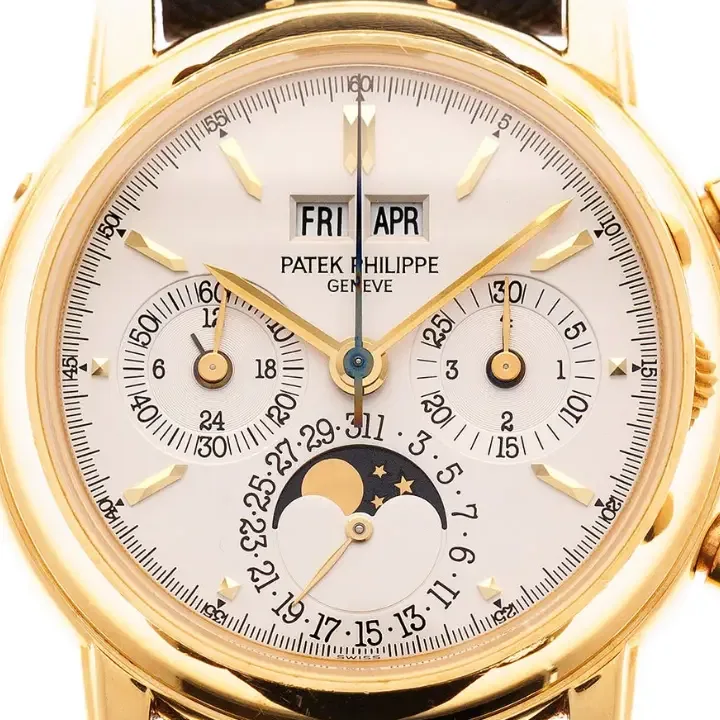
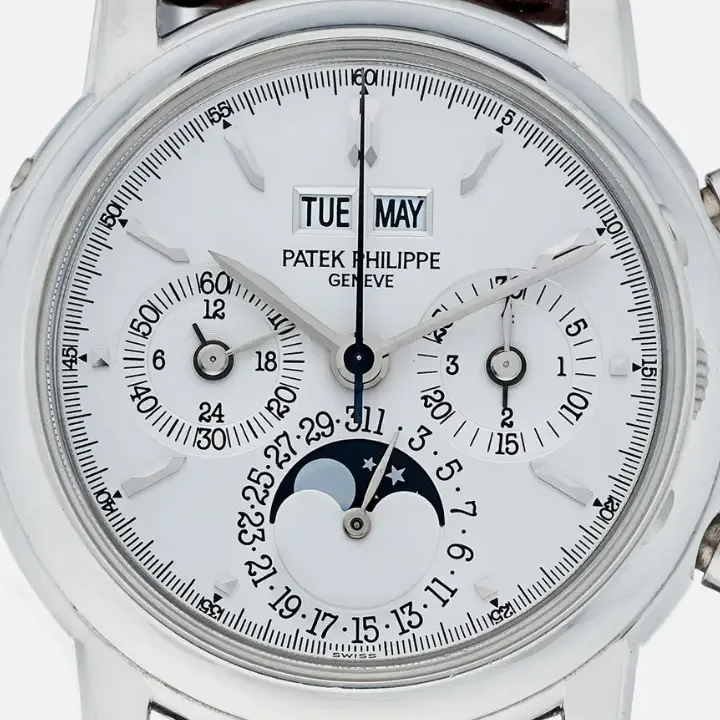
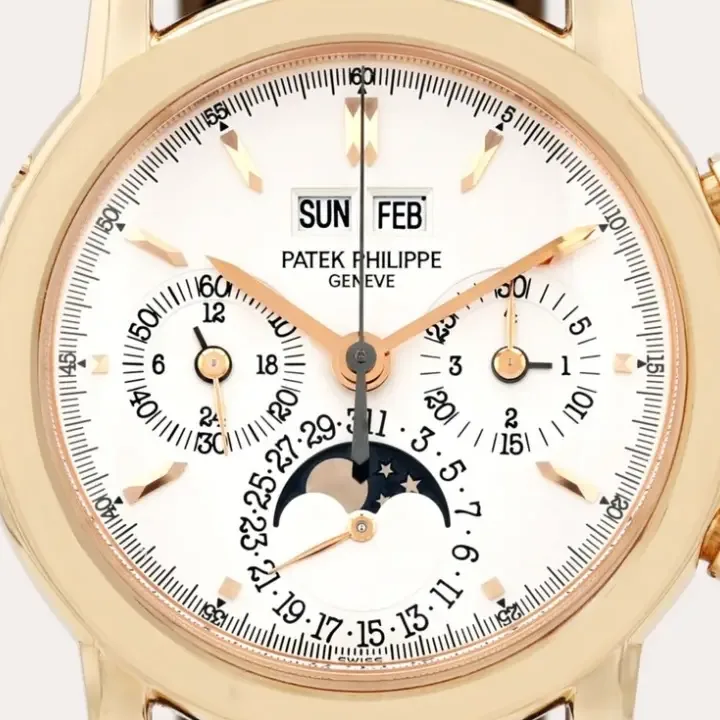
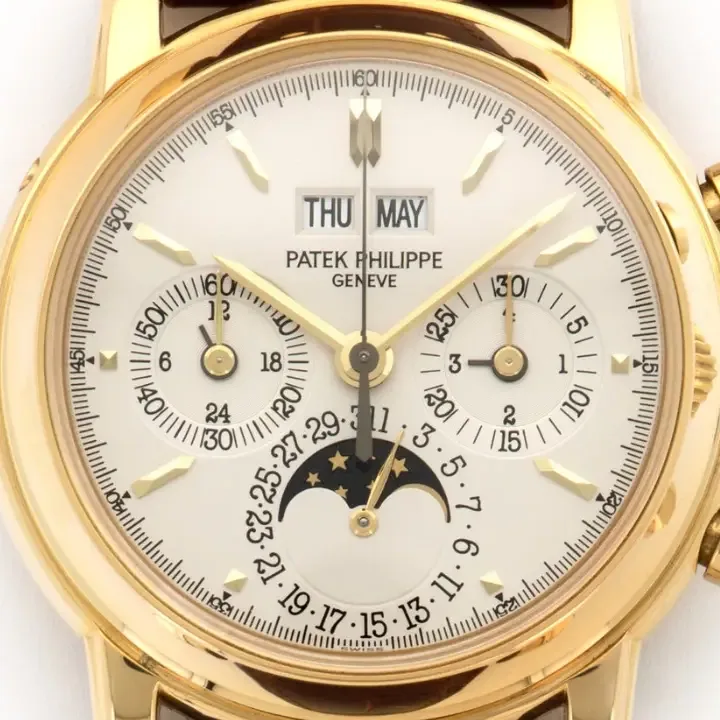
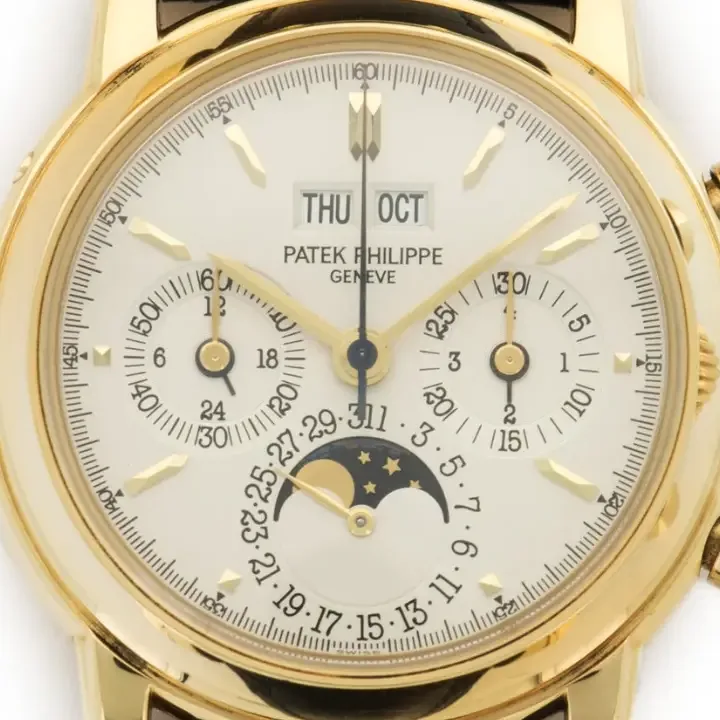
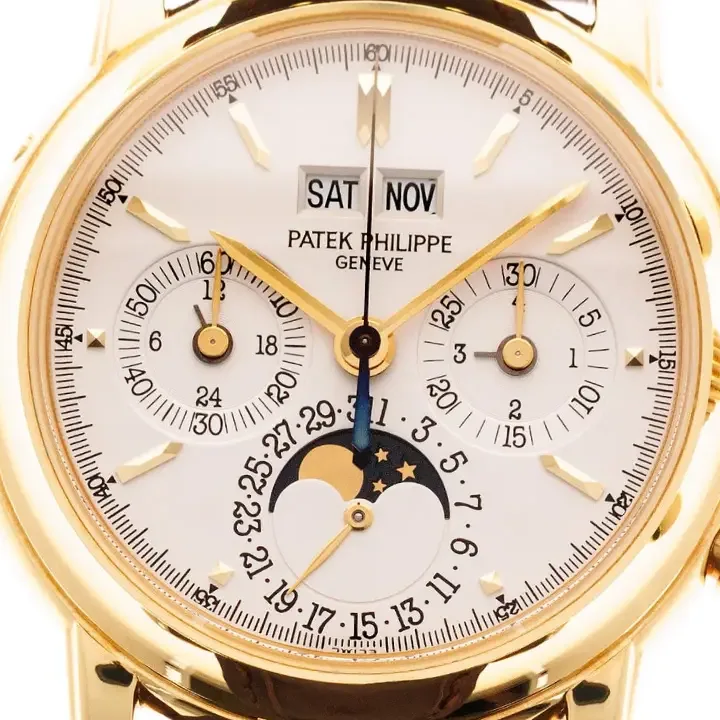
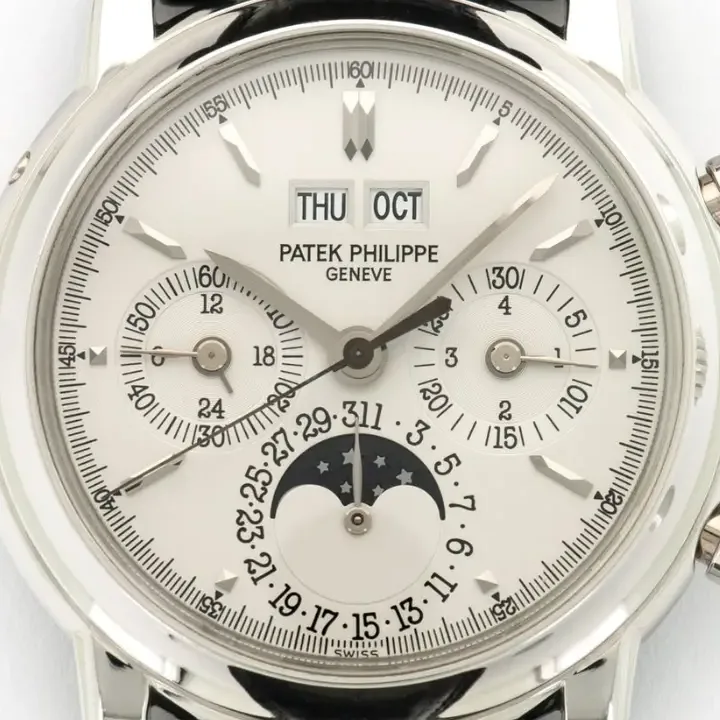
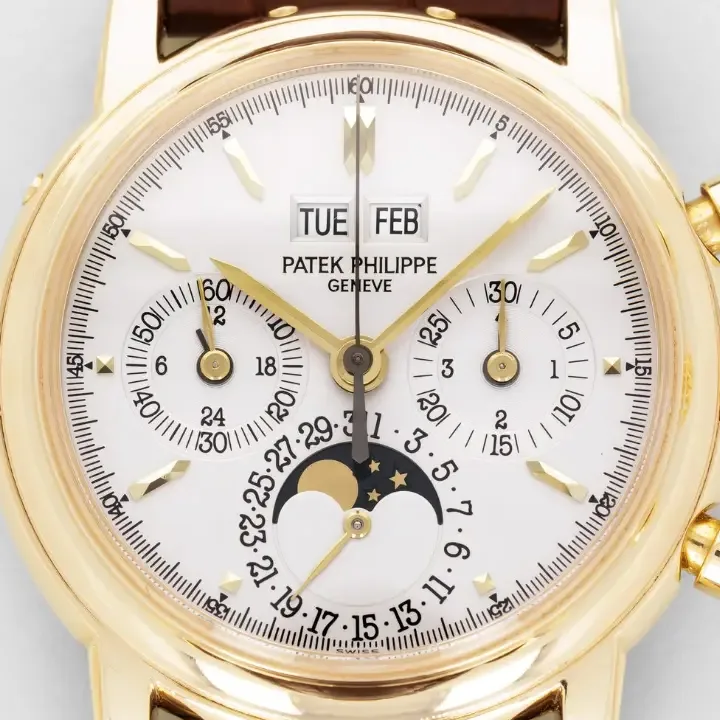
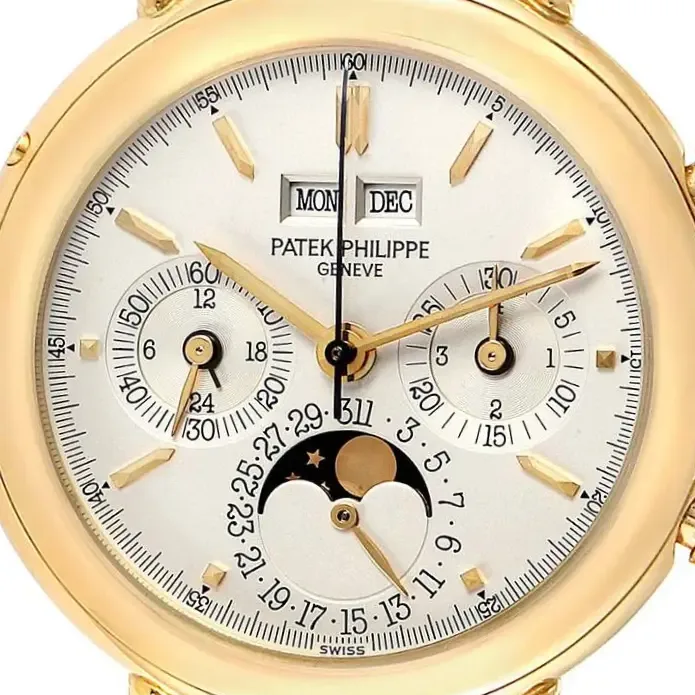
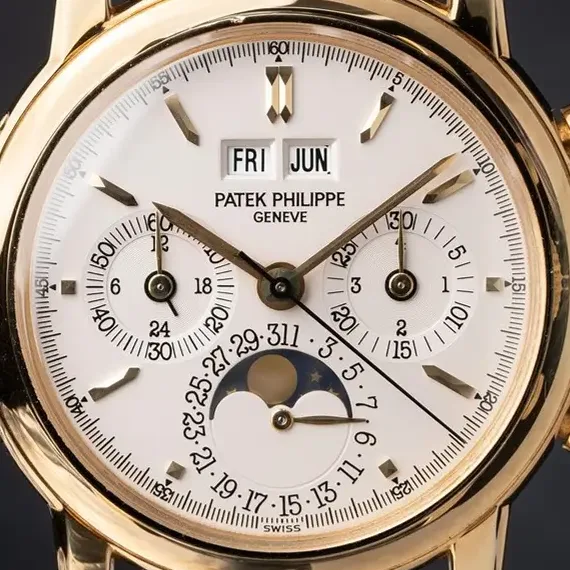
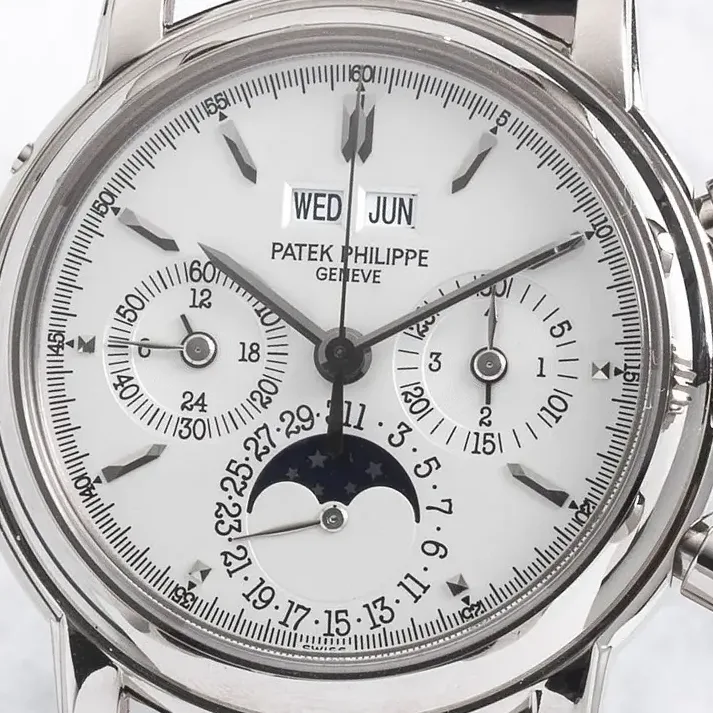
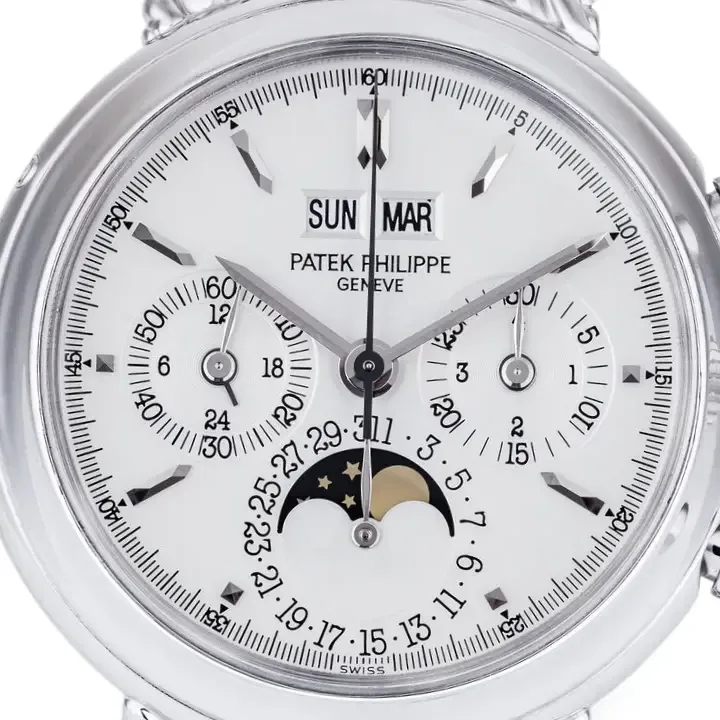
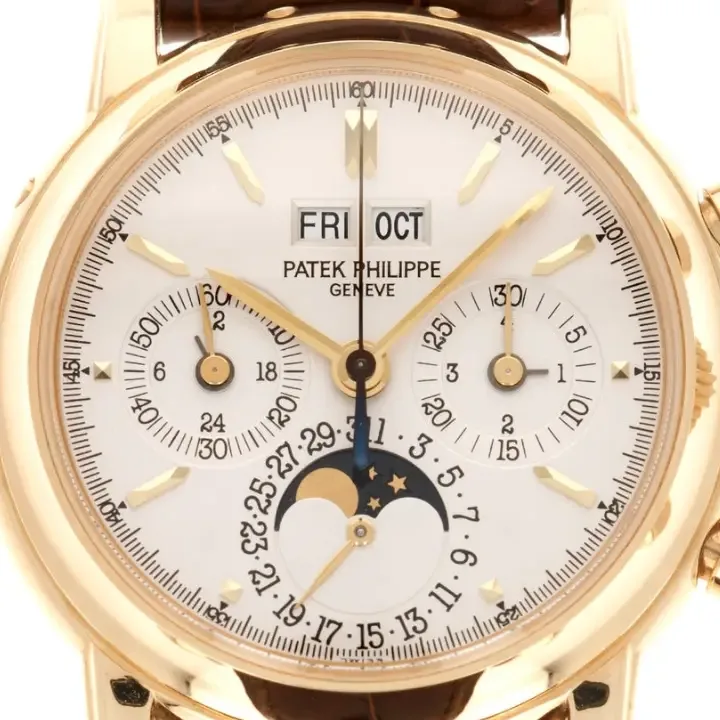
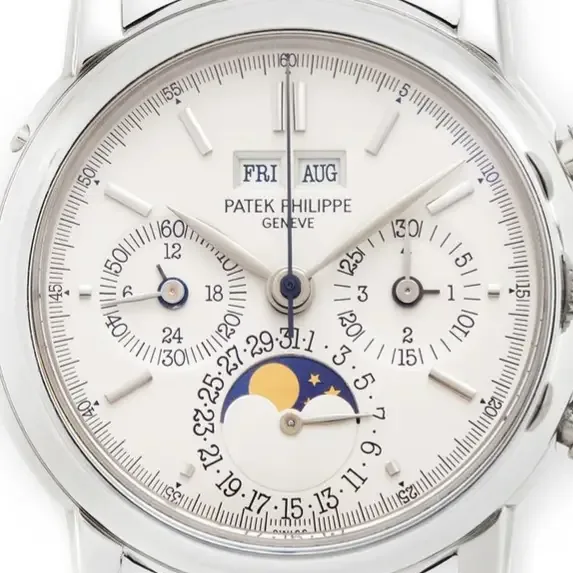
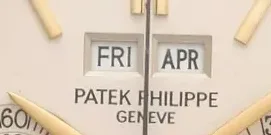
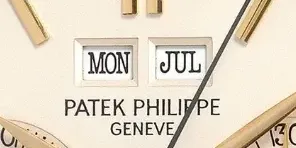
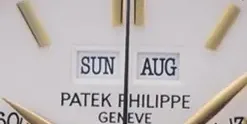
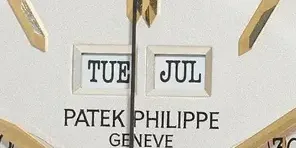
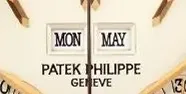
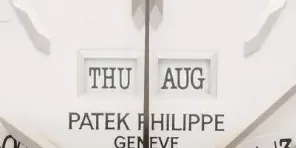
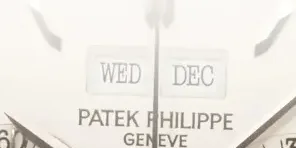
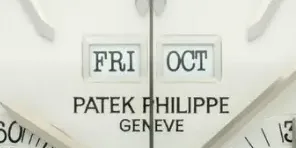
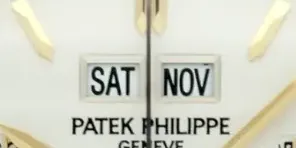
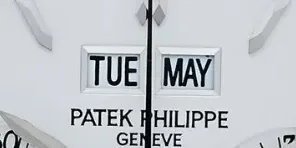
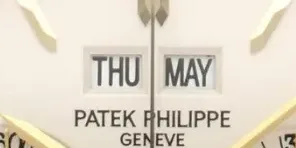
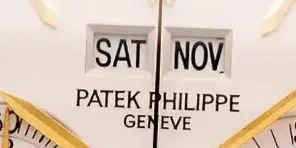
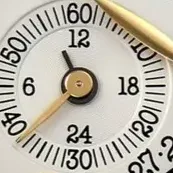
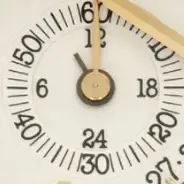
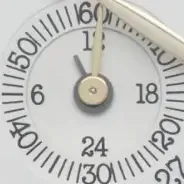
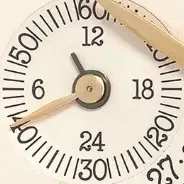
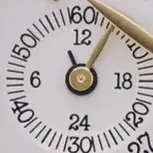
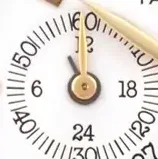
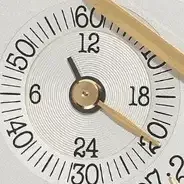
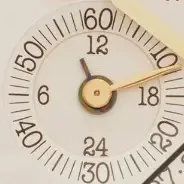
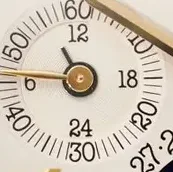
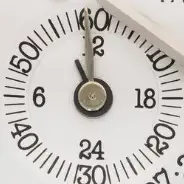
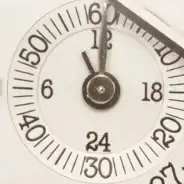
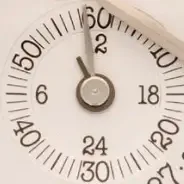
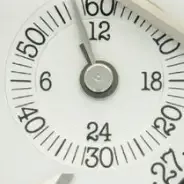
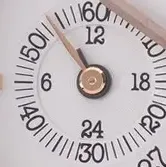
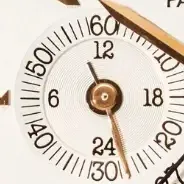
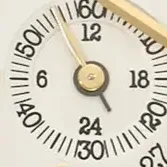
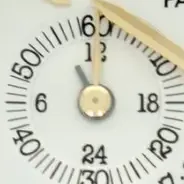
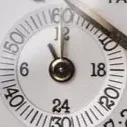
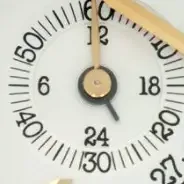
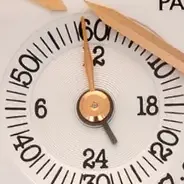
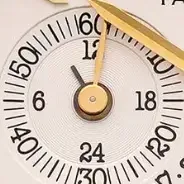
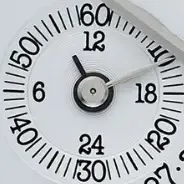
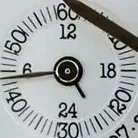
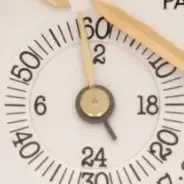
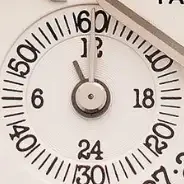
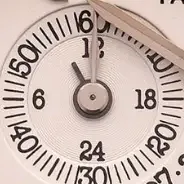
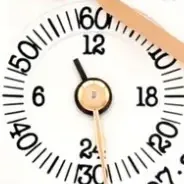
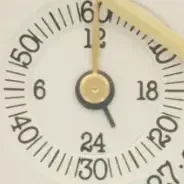
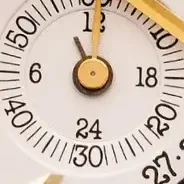
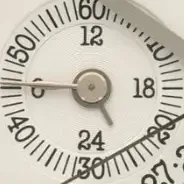
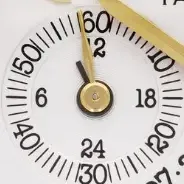
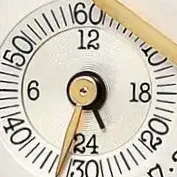
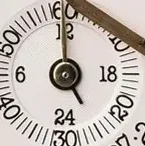
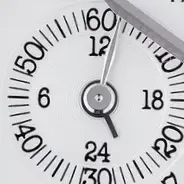
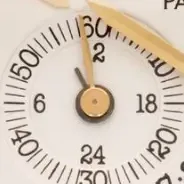
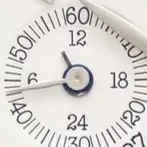
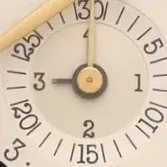
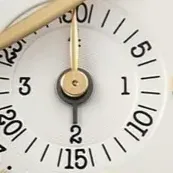
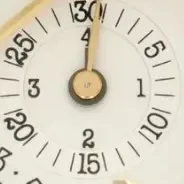
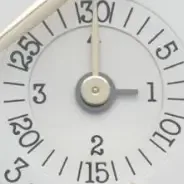
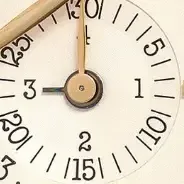
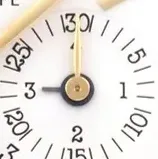
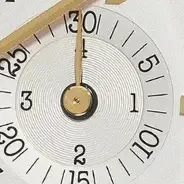
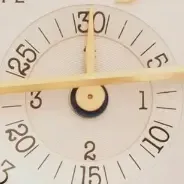
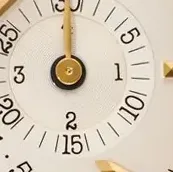
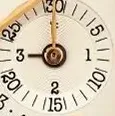
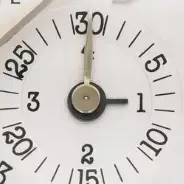
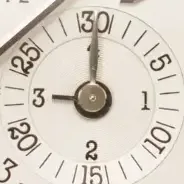
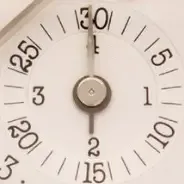
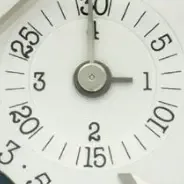
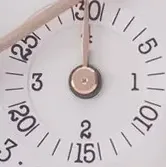
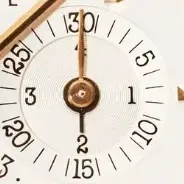
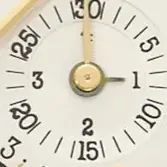
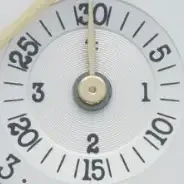
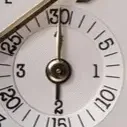
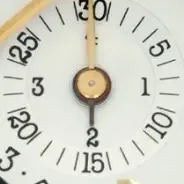
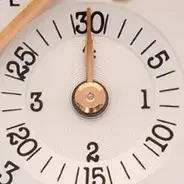
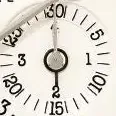
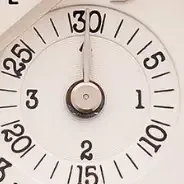
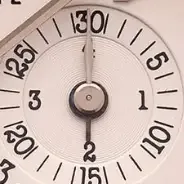
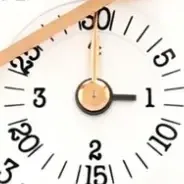
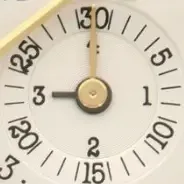
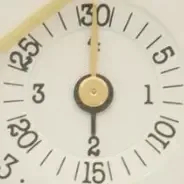
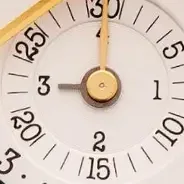
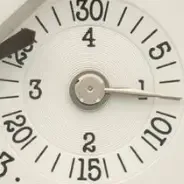
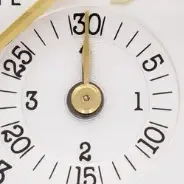
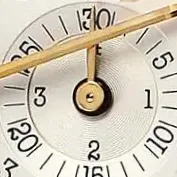
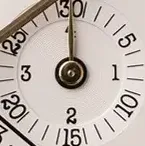
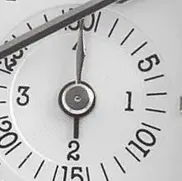
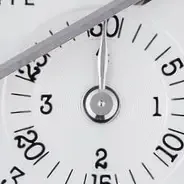
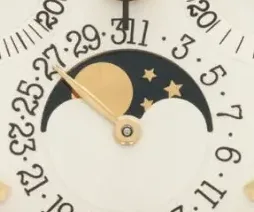
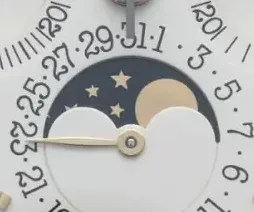
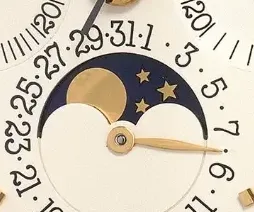
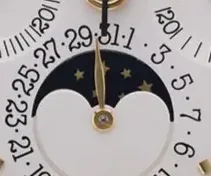
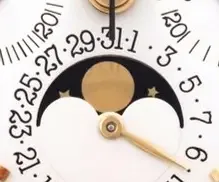
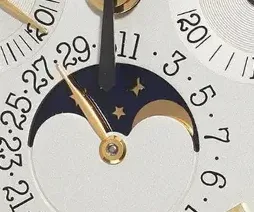
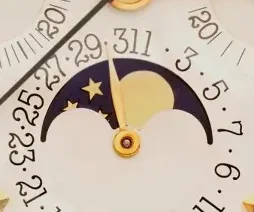
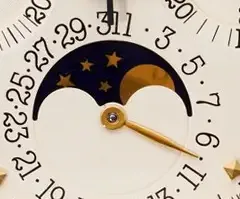
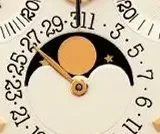
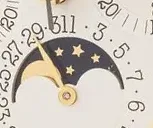
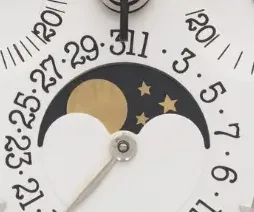
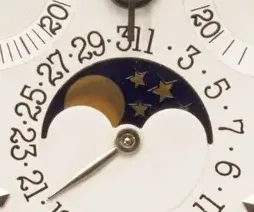
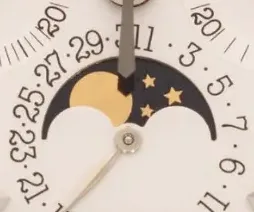
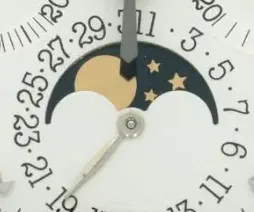
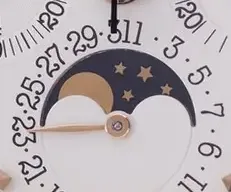
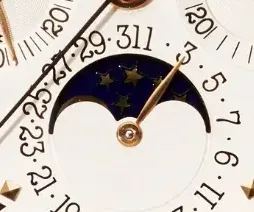
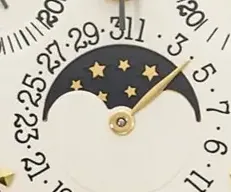
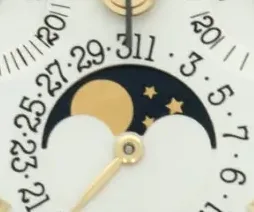
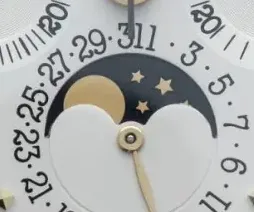
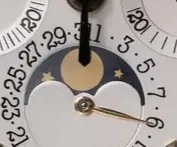
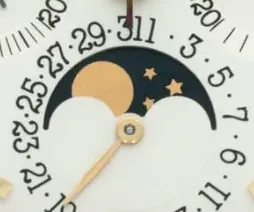
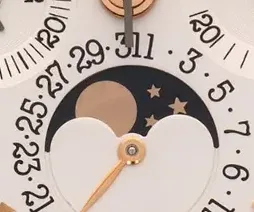
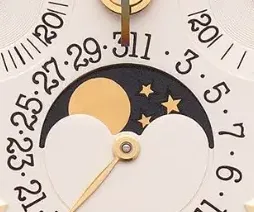
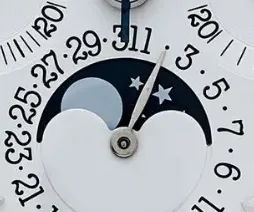
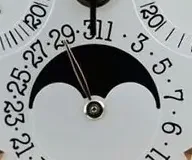
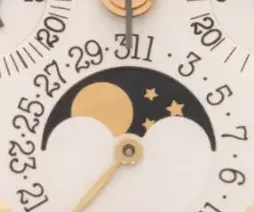
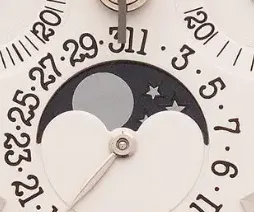
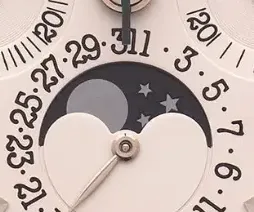
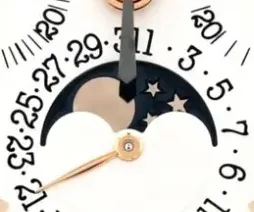
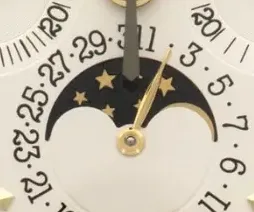
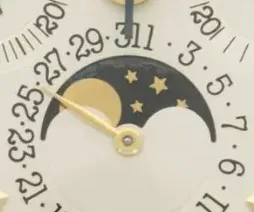
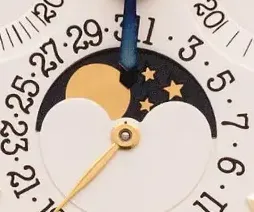
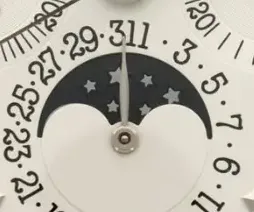
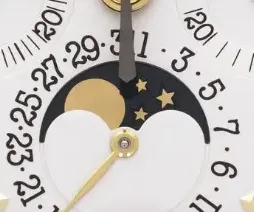
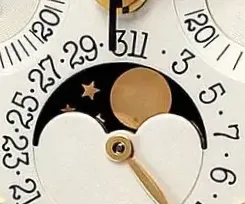
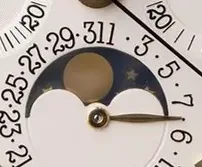
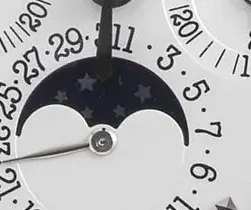
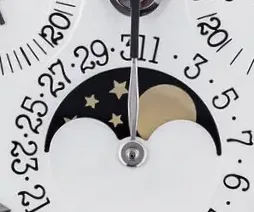
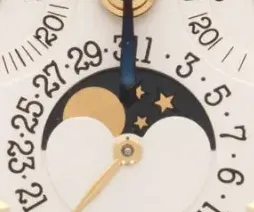
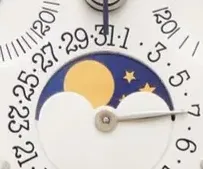
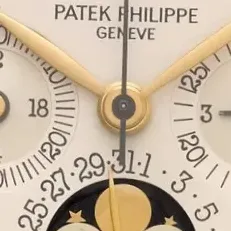
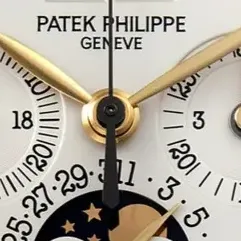
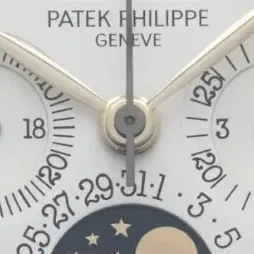
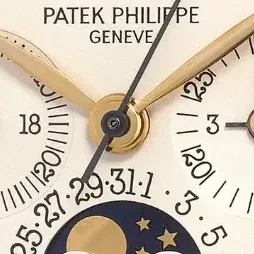
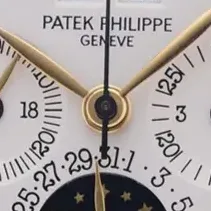
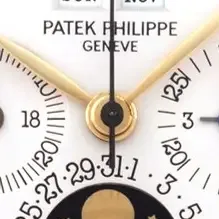
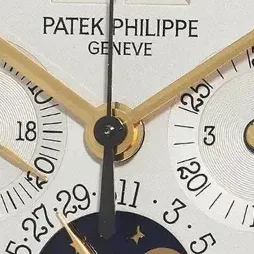
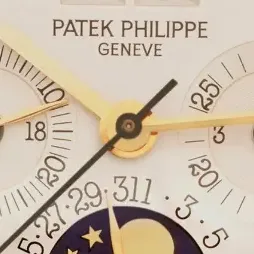
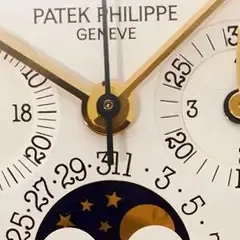
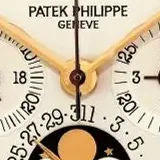
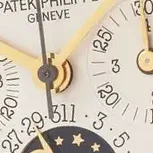
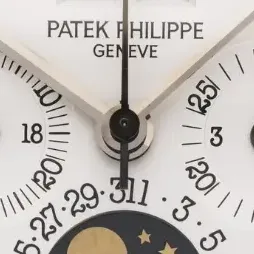
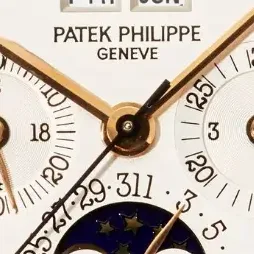
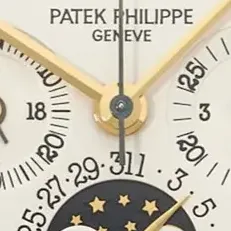
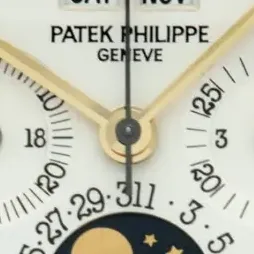
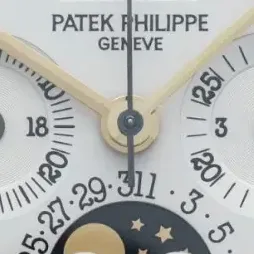
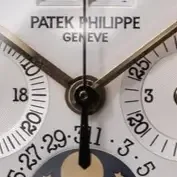
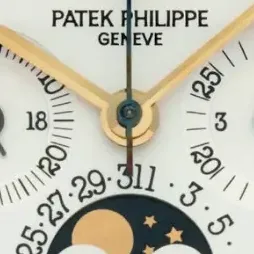
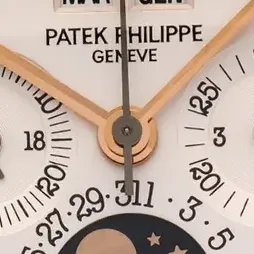
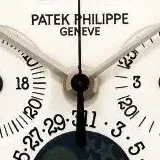
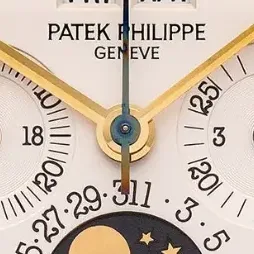
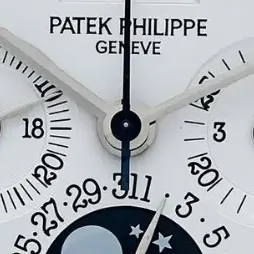
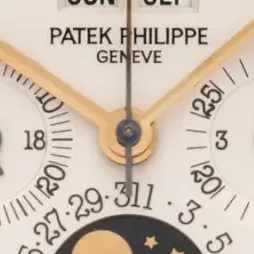
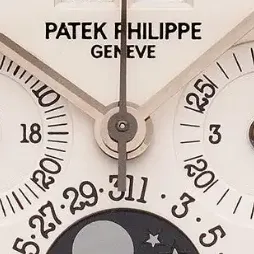
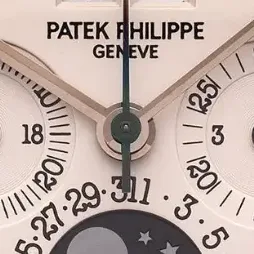
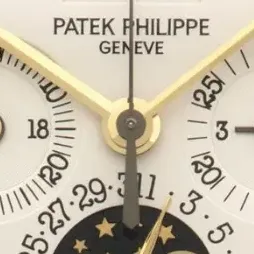
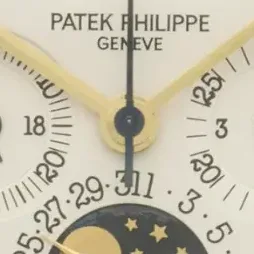
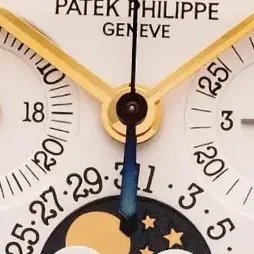
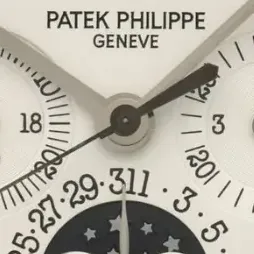
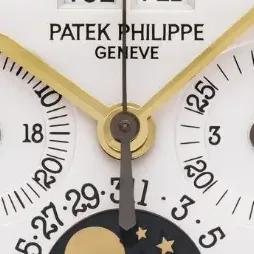
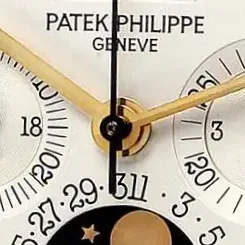
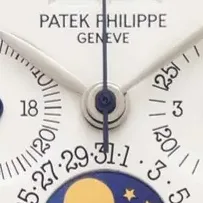
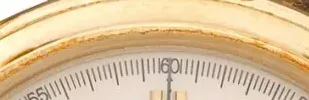
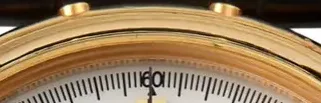
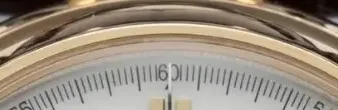
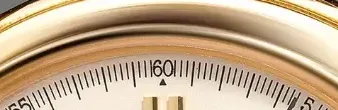
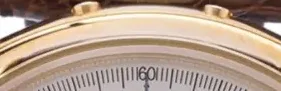
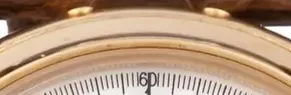
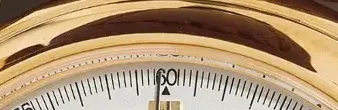
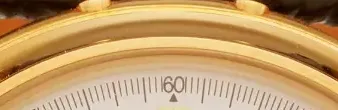
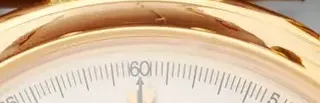
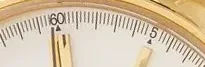
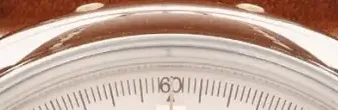
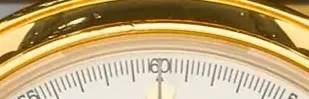
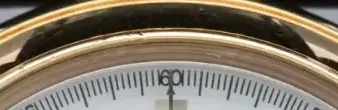
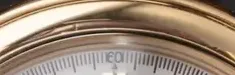
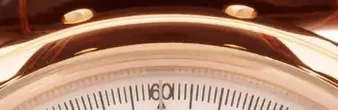
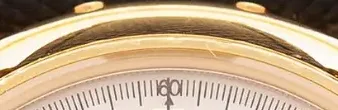
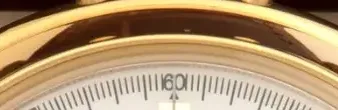
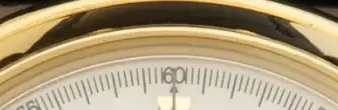
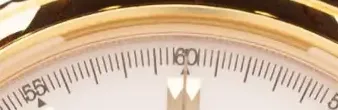
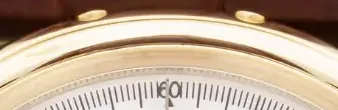
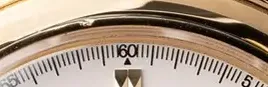
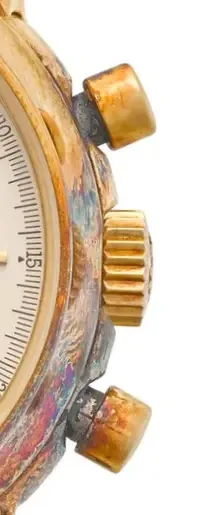
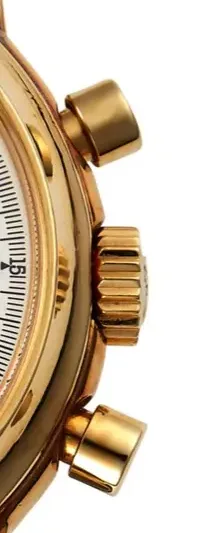
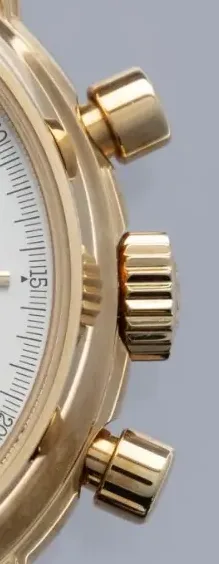
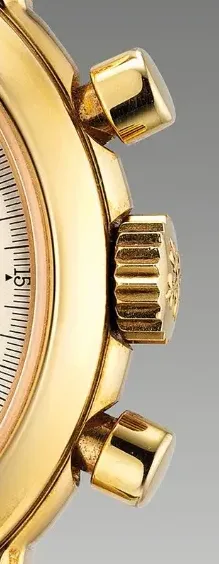
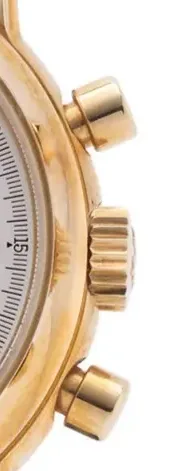
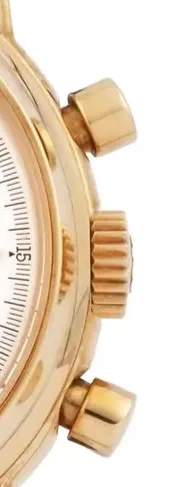
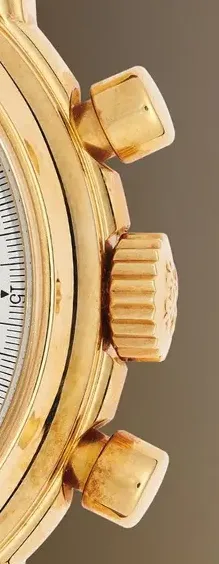
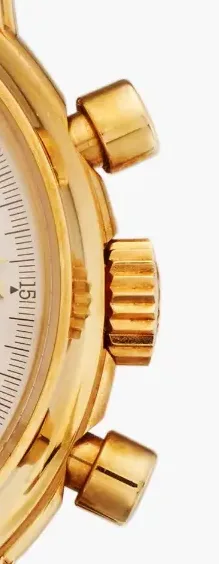
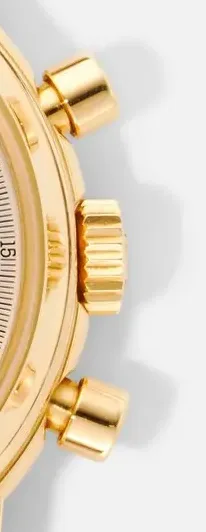
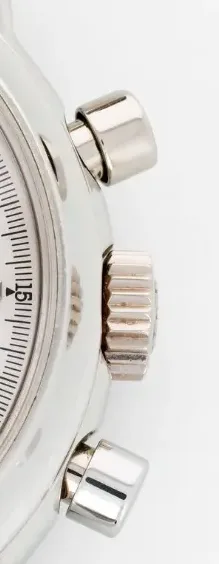
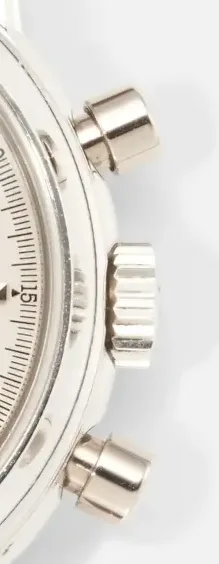
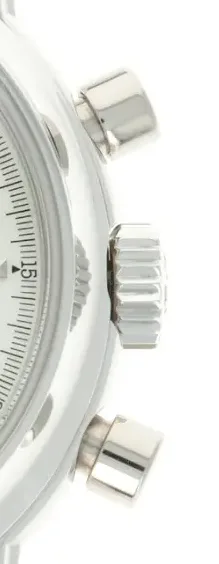
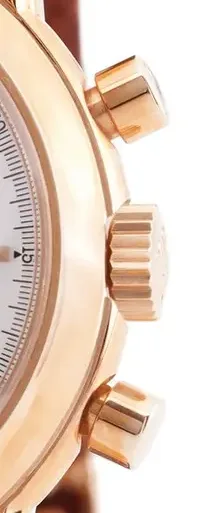
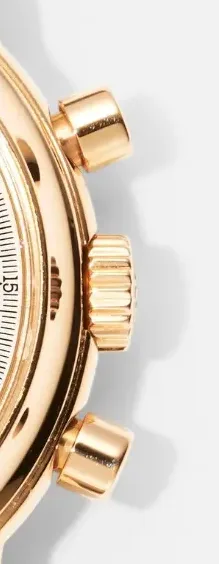
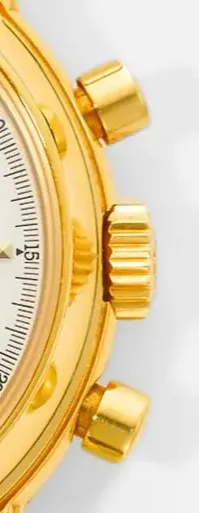
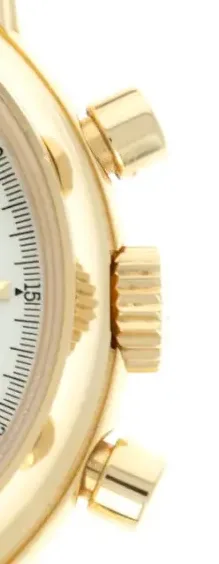
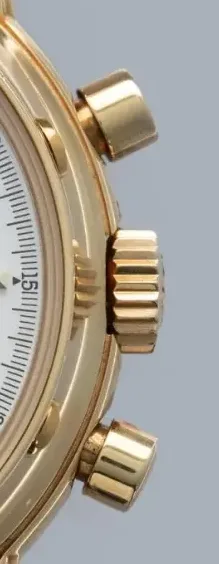
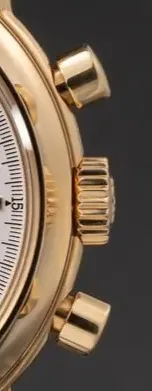
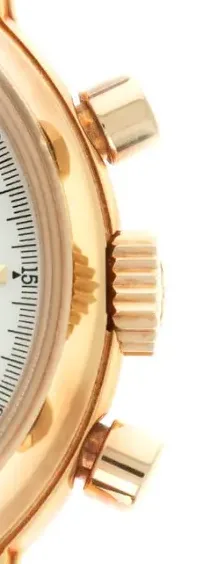
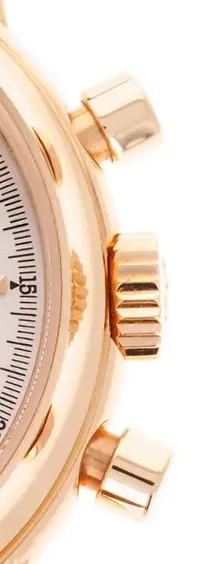
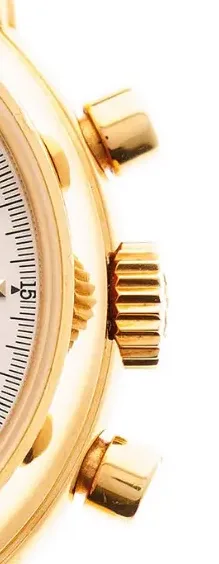
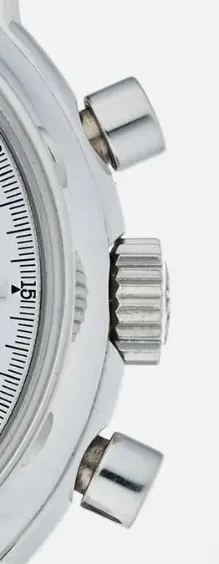
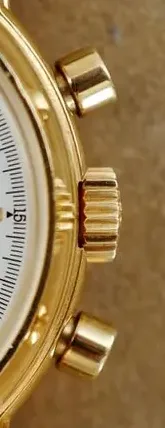
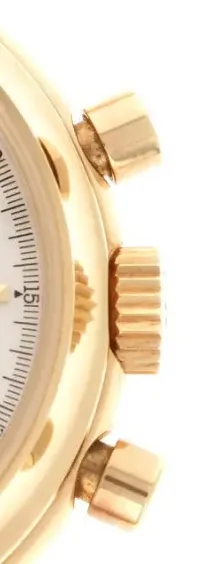
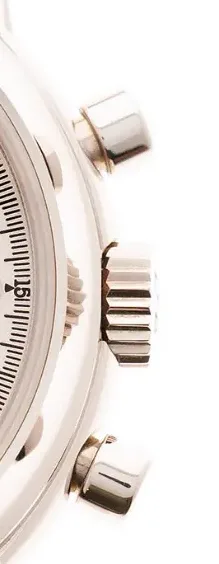
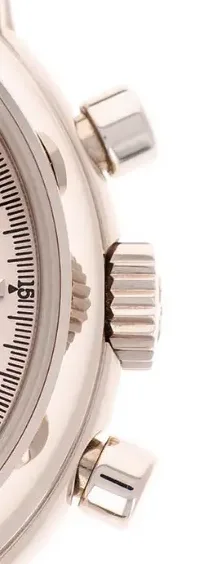
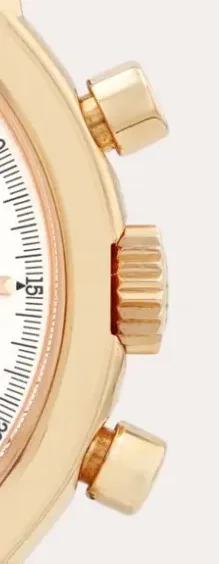
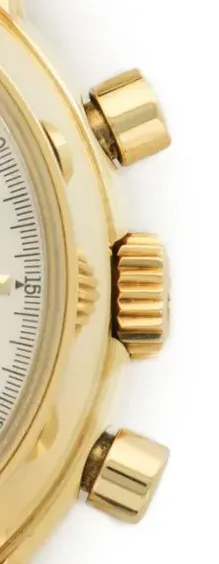
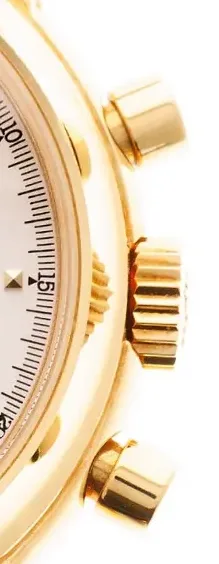
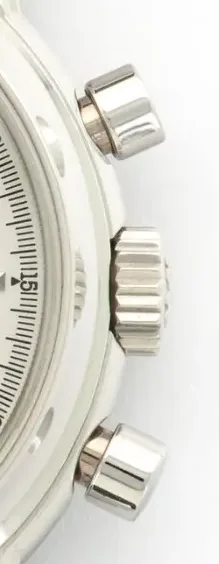
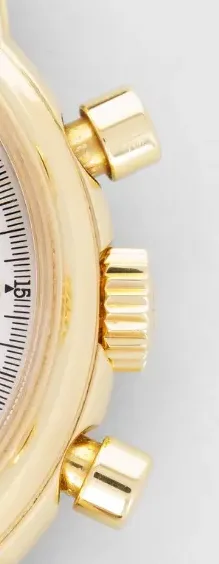
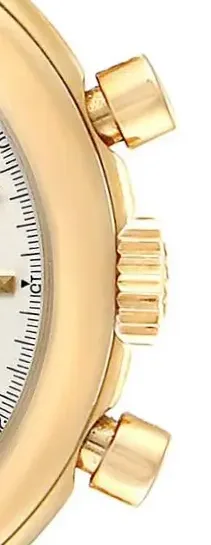
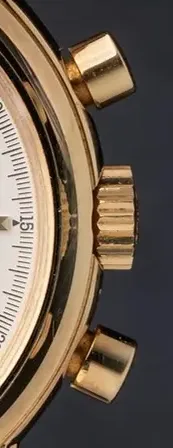
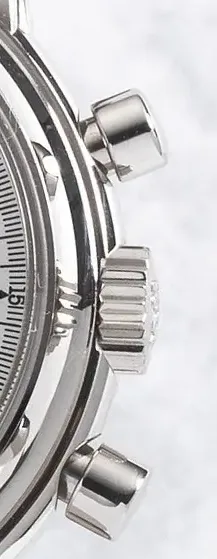
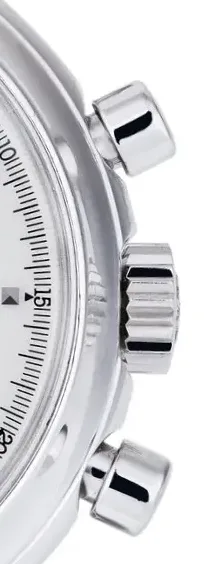
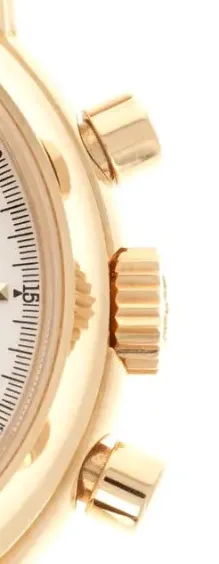
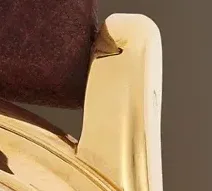
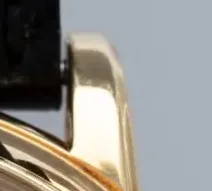
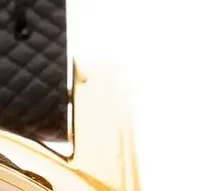
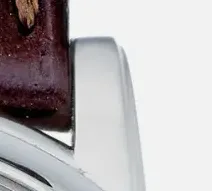
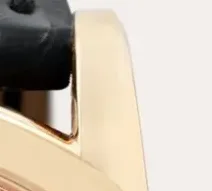
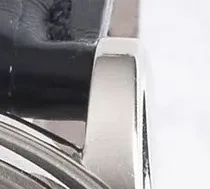
43 watches, oldest first, each straightened and cut the same way so that one row shows one component across them all. Chosen from 748 photographs on file for sharpness and for a face typical of the reference. A year marked c. is one its holder gives only roughly. Each picture is a detail cut from a listing photograph. Select the small mark in its corner for its year, its holder, a link to the listing it came from, and a way to report it.





































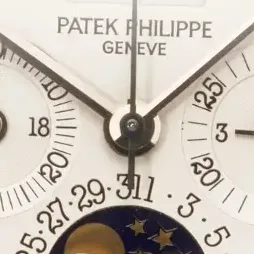
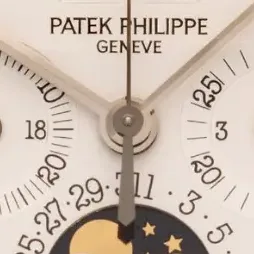
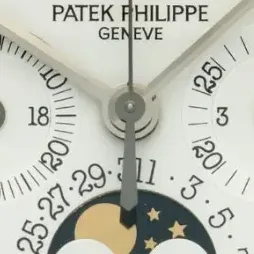
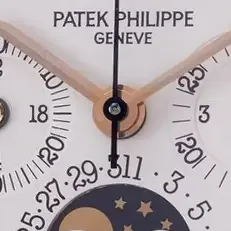

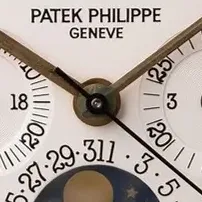
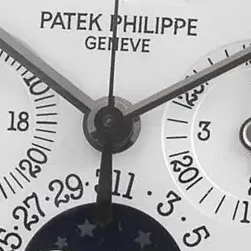
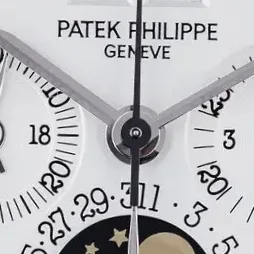
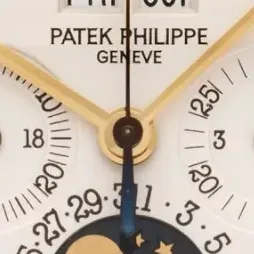
























































Chronology
Production is put at 1986 to 2004; some sellers state later years, which may be sale or delivery dates, and the series dates differ by a year or so between published accounts.
Every dated variant: what is written, and what the records show
For the reference the marks are every dated watch; for a variant, the watches a seller names as that variant, so a variant sellers do not name has none.
Specification
| Case | 36 mm in yellow, rose or white gold or platinum; about 13 to 13.5 mm thick; stepped, elongated lugs; concave bezel; round chronograph pushers beside the crown; made by Atelier Reunis (key number 28) |
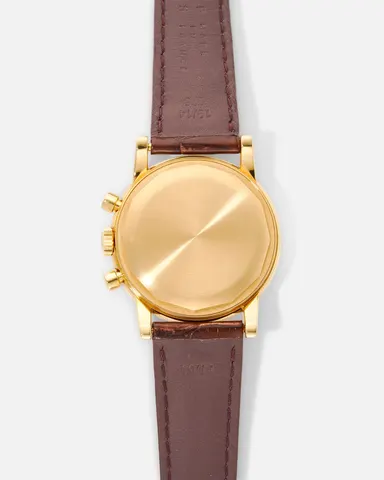
| Case back | First series: solid snap-on. From the second series: solid screw-down (the E in 3970E, for etanche), with an optional sapphire screw-down back; from the third series a sapphire back was supplied with every watch |
| Dial | Silver opaline as standard; three recessed sub-dials; day and month apertures under 12; hour markers faceted baton |
| Display | 3 o'clock: 30-minute chronograph counter with leap year indicator; 6 o'clock: date with moon phase; 9 o'clock: running seconds with 24-hour indication; centre: hours, minutes and chronograph seconds |
| Movement | Calibre CH 27-70 Q: manually wound, column-wheel chronograph with perpetual calendar, 24 jewels, 18,000 vibrations per hour, 60-hour reserve; based on the Lemania 2310 (some name the 2320), about 27 mm across |
| Strap | 19 mm strap on a pin buckle in the early series; deployant clasp in the case metal in the fourth series |
| Water resistance | None on the snap-on first series; the screw-back E watches were water-resistant when new, though not to be relied on now |
Dial 9 described
Standard dials are silver opaline with applied batons and three recessed sub-dials. The first series is recognised by its two-tone effect; the second series evens it out; the third series has pointed faceted markers and a brighter surface. Special black, salmon and champagne dials exist and are treated separately.
First series two-tone dial
The sub-dials are noticeably darker than the main dial and sunken, finished vertically satin-brushed with sand-blasted counters. These dials carry a different internal dial code from later ones. Transitional second-series watches were also made with this dial.
- dark sub-dials against a lighter dial
- sand-blasted counters
- square baton markers
Second series silver opaline dial
Most second-series dials are described on the papers as opaline silver, with sub-dials in the colour of the dial and squared baton hour markers. Typewriter-style lettering matches the calendar discs and grows bolder as the series goes on.
- sub-dials same colour as dial
- typewriter-style lettering
- squared baton markers
Third and fourth series dial
Hour markers are pencil-shaped, pointed and faceted to match the baton hands, on a brighter dial with heavier printing. Early third-series examples may keep the thinner lettering of the second series. The fourth series looks the same as the third.
- pointed faceted baton markers
- baton hands
- bolder printed text
Marker layout
Most watches have six applied faceted baton markers, with small square markers at 3, 5, 7 and 9 and a double index at 12.
- double index at 12
- small square markers at 3, 5, 7, 9
Black dial with diamond indices
Platinum watches are sometimes found with a black dial, often fitted with diamond indices. A black dial without diamond indices is rarer. In the fourth series a black dial is the rarest of the regular dials, and white gold the rarest case metal; a white gold watch of 2004 with its factory black dial is recorded.
- black dial
- diamond baton markers
Doré (champagne) dial
Very few yellow gold watches have a champagne dial. A handful are original and are described on the papers as opaline doré; others are later extra dials ordered by clients, and are regarded as less significant.
- champagne or doré dial on yellow gold
Tiffany & Co. signature
A few watches carry a retailer's name on the dial, most often Tiffany & Co. Known examples include a 3971 made in 1989 and an early second-series watch on an integrated bracelet.
- Tiffany & Co. signature on the dial
Breguet numerals and special orders
Some watches were made or ordered with Breguet numerals: a platinum watch with a black dial, and a white gold watch with a salmon dial, Breguet numerals and a tachymeter scale. Retailers could also be given a dial from the 5004, with Arabic numerals, on a 3970. Published reference lists add Breguet-numeral watches in all four metals, a white gold watch with Arabic numerals and a yellow gold watch listed as luminous.
- Breguet numerals
- tachymeter scale
- salmon dial
London and Saatchi editions
Made for the 175th anniversary: a rose gold 3970ER-028 and a platinum 3970EP-046, both black-dialled; they show a tachymeter scale, one Breguet 12, and dots for the other markers.
- single Breguet 12
- dot markers
- tachymeter scale
- black dial
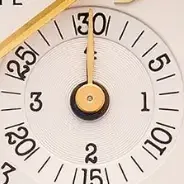
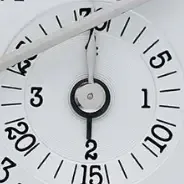
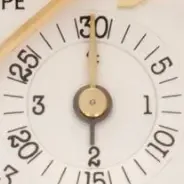
Hands 2 described
The hands move from leaf-shaped to baton during the run.
Feuille hands
Leaf-shaped hands are fitted to the first and second series.
- leaf-shaped hour and minute hands
Baton hands
Slim baton hands, matching the pointed markers, arrive with the third series and continue to the end. Hands are often replaced or marked at service.
- slim baton hands
Subregisters 2 described
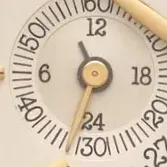
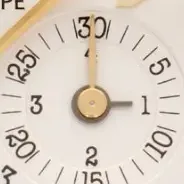
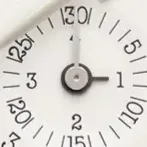
Three recessed sub-dials keep the layout of the 2499 and add two indications new to the model: a leap year indicator within the 30-minute counter at 3 and a 24-hour indication within the seconds at 9.
Darker sunken sub-dials
First-series sub-dials are darker than the dial, producing a near two-tone look. They disappear in the second series, though a few early second-series watches have them.
- sub-dials darker than dial
Sub-dials in dial colour
From the second series the sub-dials match the dial colour.
- even dial surface
Case 7 described
The case is 36 mm, 1.5 mm smaller than the 2499, with stepped lugs that lose their edges when polished. The back changes from snap-on to screw-down, and the hallmark style shifts during the second series.
Snap-on solid back
The first series has a solid snap-on back in yellow gold, with no water resistance, so dials are more often damaged and replaced. The look is slightly slimmer than later watches.
- snap-on back
3971 sapphire snap-on back
The 3971 is the 3970 with a sapphire snap-on back; it was introduced with the first series and continued into the second. About 150 to 200 of the roughly 650 second-series watches were 3971s. A 3971EJ of 1989, with a sapphire back and a solid screw back, is also recorded. It was dropped once every 3970 shipped with a sapphire back.
- sapphire snap-on back
Screw-down back, E suffix
A solid screw-down back, with an optional sapphire screw-down back, gives the reference its E. Check that the back threads properly; a stripped or cross-threaded one is costly to repair.
- E in reference
- screw-down back
Extra sapphire back as standard
From the third series every watch came with a solid back and an additional sapphire back; backs are often lost from sets or no longer match.
- second case back in set
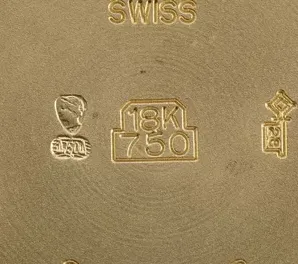
Small hallmarks on back
Early in the second series the small hallmarks are stamped on the case back and inside it.
- hallmarks on back only
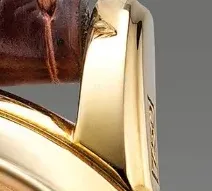
Big hallmarks on lugs
For about two years in the middle of the second series, the 750 and casemaker number are stamped large on the outside of the lugs, though not on every watch. Some collectors pay more for them.
- large 750 and maker mark on lugs
Small hallmarks on lugs
Towards the end of the second series the lug hallmarks become smaller, and this style carries into the third series.
- small hallmarks on lug
Crown and pushers
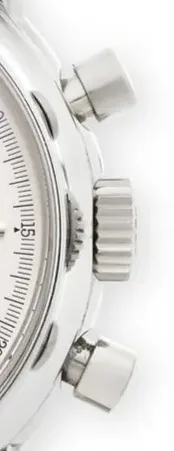
The crown sits at 3 with a round chronograph pusher on either side; further small pushers in the case sides set the calendar and moon phase. Replacement of pushers or crown is rare.
Date 3 described
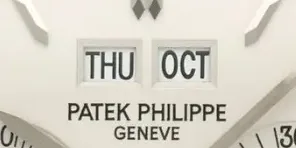
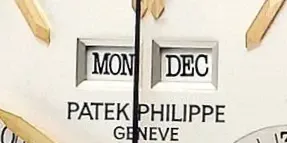
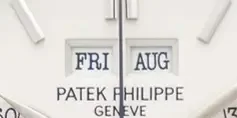
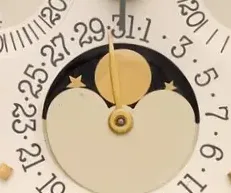
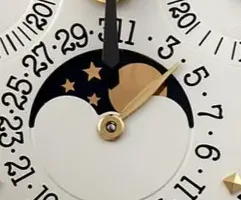
Calendar discs change typeface across the series, which helps dating. Disc languages are Italian, English, German and French; English is most wanted and French hardest to find.
Small-serif discs
First-series day and month discs have a slight serif; some early second-series watches keep them.
- slight serif on discs
Typewriter-font discs
Most second-series discs use a typewriter-style face matching the dial, getting bolder later in the series.
- typewriter lettering
Sans-serif discs
Third-series discs use a modern sans-serif face, slightly larger in later series; early third-series watches may still show the typewriter face. The small dot separating the 31st and 1st on the date track was removed in this series.
- sans-serif discs
- no dot between 31 and 1
Movement 1 described
The calibre CH 27-70 Q is a Lemania blank modified by Patek Philippe, with all adjustment, assembly and finishing done in-house.
CH 27-70 Q
Based on the Lemania 2310 (some say the 2320), supplied by Nouvelle Lemania as plates and basic components. Patek altered nearly all parts: capped, polished column wheel, new wheel-tooth geometry and transmission ratio, 60-hour reserve, Gyromax balance with free-sprung Breguet hairspring at 18,000 vph and fifths of a second. The swan-neck regulator was removed and the calendar module raised the jewels to 24. It was the first chronograph to carry the Geneva Seal.
- polished cap on column wheel
- Geneva Seal
Bracelet 3 described
Most watches were delivered on a strap, with a pin buckle and later a folding clasp; a version with an integrated bracelet had its own reference, 3970/2.
Pin buckle
First to third series use a conventional pin buckle.
- pin buckle
Deployant clasp in case metal
The fourth series is distinguished by a folding clasp in the case metal.
- folding clasp matching case
Integrated bracelet, 3970/2
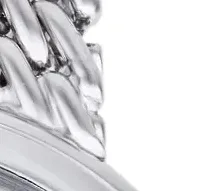
Some watches were made with a precious-metal bracelet fixed straight to the case, with no lugs, under a reference of their own, 3970/2 (also written 3970/002). Published accounts find them in every metal and from the early second series onwards; a woven bead pattern is the usual bracelet. Other watches were supplied with a removable bracelet.
- bracelet joined directly to the case with no lugs
Box and papers 1 described
Complete sets matter for condition.
Full set
A set may include box, papers, buckle, the spare sapphire back and the Extract from the Archives. Brochures were issued during sales in the 1980s and 1990s.
- box
- certificate
- extra case back
Originality
- Dials were sometimes swapped at the factory for the latest design when watches had sat unsold, so a later dial is not always a service replacement.
- Calendar discs may be reset to read as English when they are Italian, for example MAR for marzo.
- Hands are often replaced or marked by service.
- Lugs are easily over-polished; the stepped edges soften after a few polishes and hallmarks fade.
- Aperture cuts that are smoothed rather than sharp suggest cleaning or sanding, and moved markers suggest a refinished dial.
- Additional sapphire backs are often missing or mismatched.
- Replaced pushers or crowns are rare.
Where accounts differ
Points on which the published literature and the library's own records do not agree, or on which the literature contradicts itself.
- Series dates. The guides do not agree on series boundaries. One gives first 1986 to 1988, second 1987 to 1990, third 1989 to 1995, fourth 1994 to 2004; another places the second at 1986 to 1991, the third at 1990 to 1995 and the fourth at 1995 to 2004. Another has the first series as 1986 only. All stress the series overlapped and were set by collectors.
- Numbers made. Totals are put at about 4,000 and at over 3,000. The first series is put at 100 watches; the same account elsewhere speaks of 200 first-series watches, and in another place takes the 100 to cover the 3970 and 3971 together.
- Movement diameter and case thickness. A reference listing gives the calibre as 30 mm across, while other accounts give 27 mm for the Lemania base. Case thickness is given as 13 mm in one account and 13.5 mm in another.
Back and movement
From listings of this reference, each confirmed by eye to show what it is filed under. A picture on which a person's name or a personal engraving can be read is not shown. From most holders a detail from the middle of the photograph is shown; the mark in its corner gives its holder and a link to the listing.
Caseback
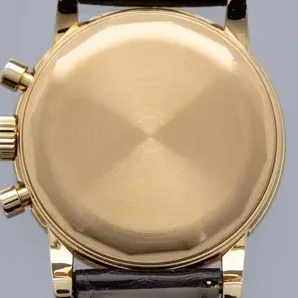

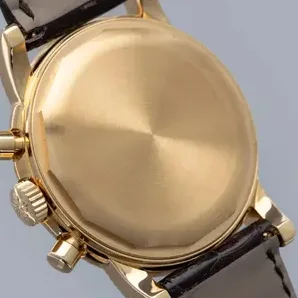

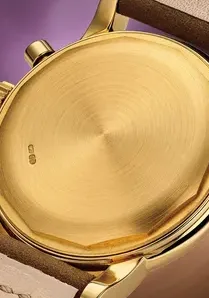


Inside the caseback

Catalogue versions 8 listed
The full numbers under which holders list this reference, with what their listings say of each. Each has a page of its own.
| Version | Metal | Dial | Years seen | Records |
|---|---|---|---|---|
| 3970EP | Platinum | Black | 1992–2007 | 53 |
| 3970EJ | Gold | Silver | 1988–2007 | 27 |
| 3970EG | White gold | Black | 1989–2007 | 20 |
| 3970ER | Pink gold | Silver | 1992–2007 | 15 |
| 3970/2 | Platinum or pink gold | Salmon or silver | 1992–1994 | 8 |
| 3970G | White gold | Silver | 1988–2001 | 5 |
| 3970/002J thin | Gold | Silver | 1995 | 2 |
| 3970P thin | Platinum | 1990–2002 | 2 |
In the records
Counted from 342 listings at 30 holders between 12 April 2006 and 14 November 2026. These are what sellers and auction houses state, not measurements.
Fainter bars are the 23 outside the main run of 1988–2005 (the middle nine-tenths): the earliest is 1986 and the latest 2011. They are early and late examples, and now and then a seller's slip. The head of the page gives 1986–2006: the years that listings from two holders bear out. Not on the scale: 2016 (1). A year more than ten from all the rest is usually a model name or a founding date, not the year of the watch.
At the holders that record papers on every watch, 81% of their 16 listings of this reference come with papers; at those that record the box on every watch, 67% of 15 come with a box. "Papers" is whatever the holder counts as papers, and can include service papers.
Case metal
| Gold, any colour | 197 | |
| Yellow | 56 | |
| Pink | 37 | |
| White | 37 | |
| Colour not stated | 67 | |
| Platinum | 91 | |
| Silver | 7 |
A listing that says "gold" or "18K gold" names no colour: it is counted under "colour not stated", not as yellow gold.
Dial colour
| Silver | 87 | |
| Black | 42 | |
| White | 7 | |
| Gold | 4 | |
| Champagne | 3 | |
| Salmon | 2 | |
| Brown | 1 |
Case size
| 36 mm | 183 | |
| 37 mm | 16 |
Calibre named
| CH27-70 | 81 | |
| 27-70 | 33 | |
| CH27-70Q | 26 | |
| 27-70Q | 17 |
Bracelet or strap
| Leather strap | 102 | |
| Metal bracelet, kind not stated | 19 | |
| Strap, kind not stated | 12 |
Each table counts the listings that state the thing, in the seller's own terms. A size, metal, colour or calibre that cannot belong to this reference is a seller's slip or a listing filed under the wrong number.