Oyster Prince Submariner 'Big Crown'
The Oyster Prince Submariner 7924 is the first commercially available Tudor diver with the 8 mm screw-down crown, which gives it the collectors' name 'Big Crown'. It followed the small-crown 7922 and 7923 in 1958 and was rated to 200 metres where they were rated to 100. The case is straight-sided with no crown guards, closed with a thick domed Tropic-type crystal, and holds the self-winding calibre 390. It was used by the French Navy and was made until 1959, when it was followed by the 7928, the first Tudor Submariner with crown guards. Collectors look first at the dial, the crown, the case back and the bezel.
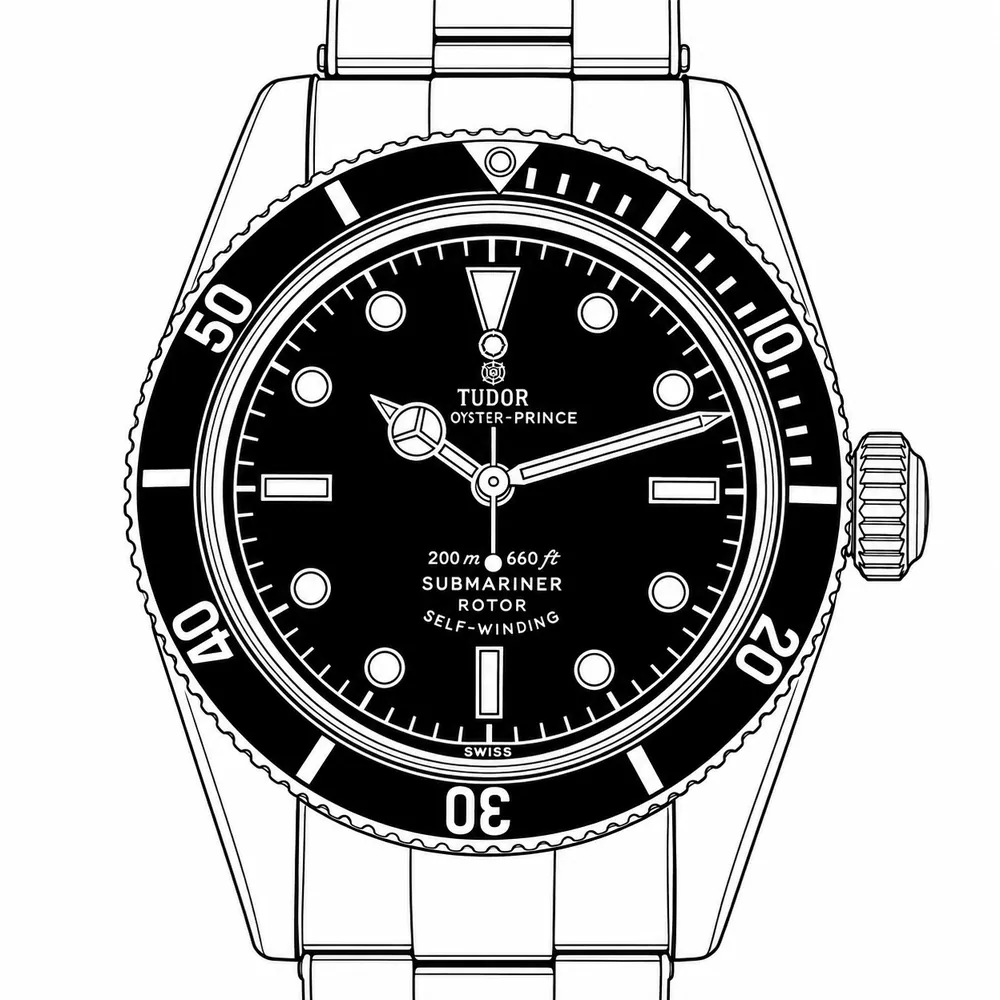
- Made
- 1958–1959dates approximate
- Seen in the library
- 1958–1959by years sellers state
- Case
- 38 mm · steelas sellers state
- Movement
- Calibre 390automatic
- On record
- 36 listings29 photographs · 7 holders
Components
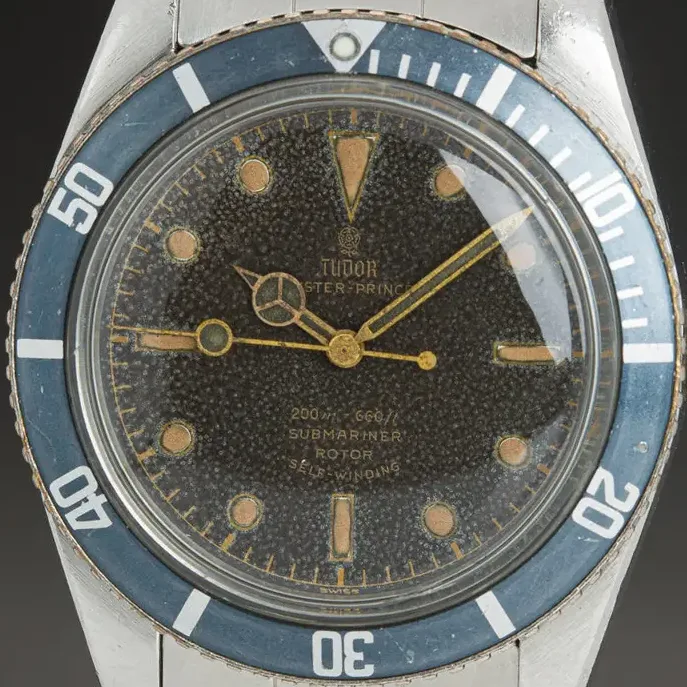
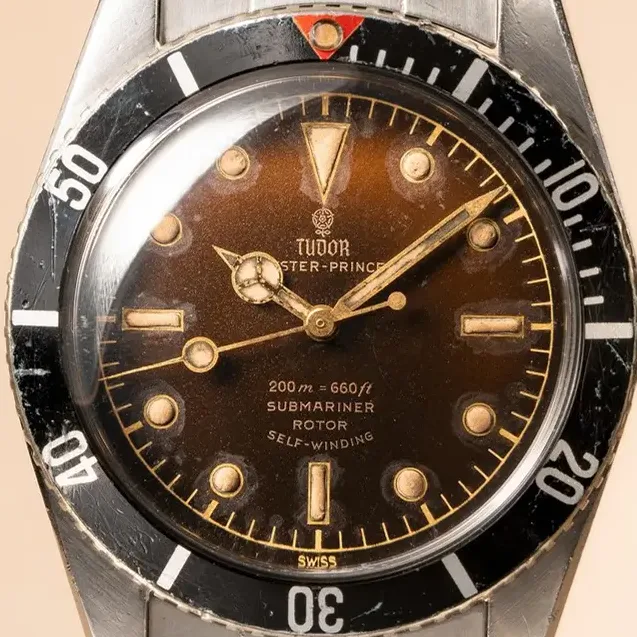
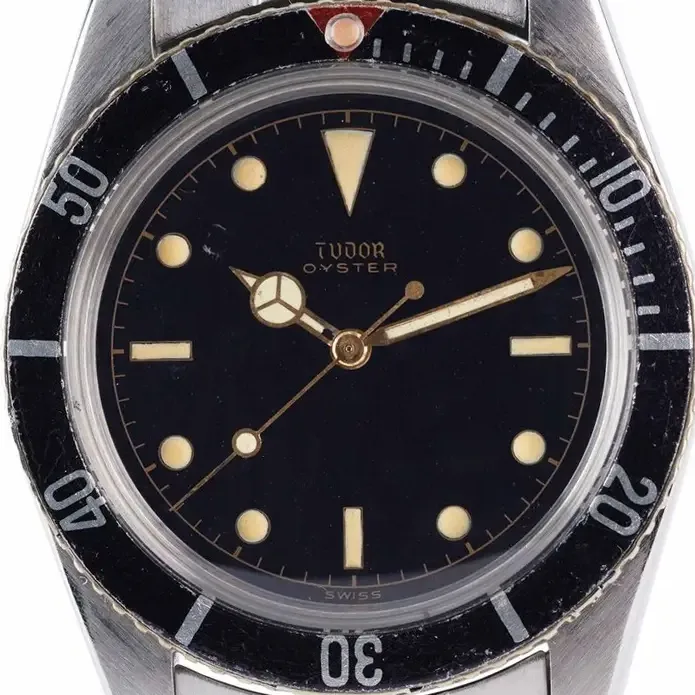
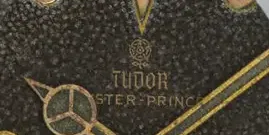
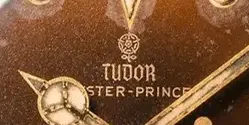
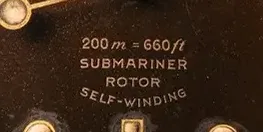
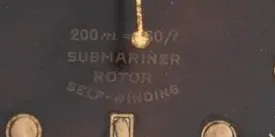
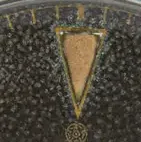
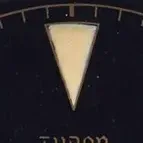
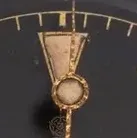
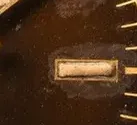
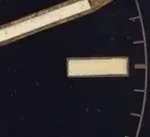
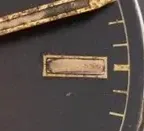
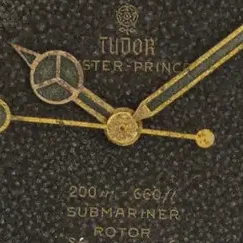
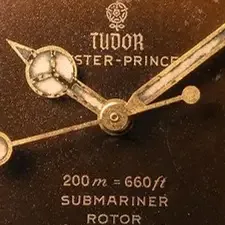
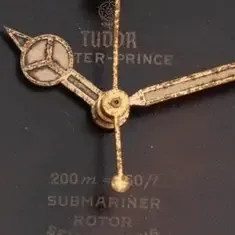
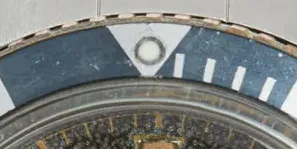
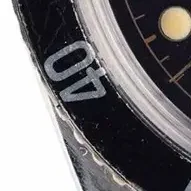
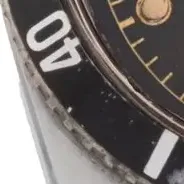
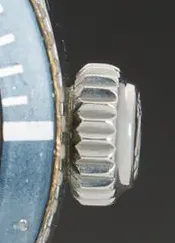
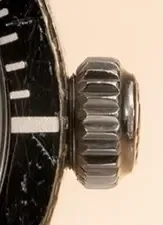
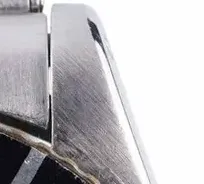
4 watches, oldest first, each straightened and cut the same way so that one row shows one component across them all. Chosen from 29 photographs on file for sharpness and for a face typical of the reference. A year marked c. is one its holder gives only roughly. Each picture is a detail cut from a listing photograph. Select the small mark in its corner for its year, its holder, a link to the listing it came from, and a way to report it.










Chronology
The literature gives 1958 as the year of introduction and has the 7924 made until the 7928 took over in 1959; one account puts the 7928 a year later, so the end is approximate. The cases are said to carry 1958 case backs, and the production run was short.
Specification
| Case | 37 mm steel Oyster case, straight sides without crown guards, thicker than the 7922; 20 mm between the lugs; screw-down back opened with the standard Rolex 29.5 mm tool |
| Crystal | Thick domed Plexiglas of the Tropic 17 type |
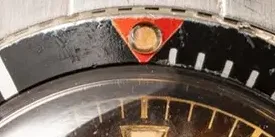
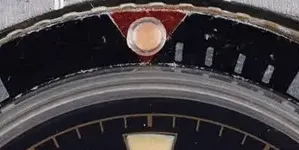
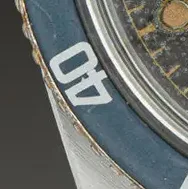
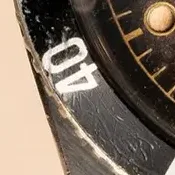
| Bezel | Rotating 60-unit diving bezel with a minute scale from 0 to 15 and markers every five minutes after that; some examples have a red triangle at 12 with a luminous dot |
| Crown | 8 mm screw-down crown marked Brevet, with the Rolex logo |
| Movement | Calibre 390, automatic, 17 jewels, 18,000 beats per hour, built on a Fleurier base and signed Tudor Auto-Prince |
| Bracelet | Rolex steel Oyster bracelet ref. 7206 with riveted links; the stretch ref. 6636 is named as an option |
| Water resistance | 200 metres (about 660 feet) |
Dial 1 described
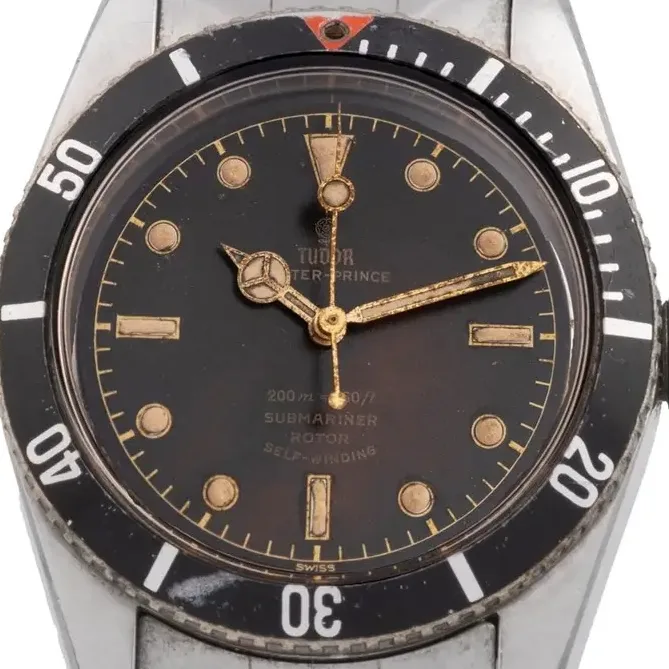
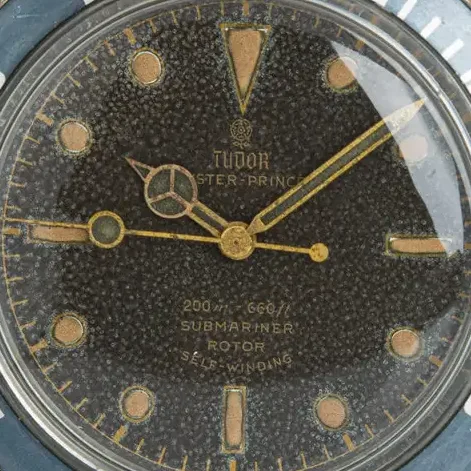
The 7924 dial is black with large luminous hour markers and the Tudor name with the rose. It brought back the PRINCE, ROTOR and SELF-WINDING lines that the manual-wound 7923 had dropped. The depth rating is printed on the dial. Dials that have discoloured to brown with age are the 'tropical' watches that sellers describe. One sale catalogue describes a watch with a moisture indicator; the literature does not mention one.
Gilt dial
Like the 7922, the 7924 has gilt print, indexes and hands on a black dial, and sellers often describe the dial as gilt. Several describe it as tropical: a dial that has turned brown with age, which is a matter of condition rather than a separate production type.

Luminous material 1 described
The literature speaks only of luminous hour markers and hands, and a luminous dot in the bezel triangle.
Large luminous hour markers
The black dial carries large luminous hour markers, which the literature ties to legibility under water.
- large luminous markers
Hands 1 described
The hands are of the Mercedes type, as on the Rolex Submariner, and the seconds hand was changed for this reference.
Mercedes hands with large lollipop seconds
The 7924 uses luminous Mercedes hour and minute hands. It introduced the large lollipop seconds hand, which was kept throughout production. The 7923 had pencil hands and a small lollipop seconds hand.
- Mercedes hour hand
- large lollipop on the seconds hand
Bezel 1 described
The bezel is a rotating 60-unit insert and its scale gave the later heritage models their pattern. Whether a red triangle is present varies between examples.
Bezel with red triangle
Some examples have a red triangle at 12 with a luminous dot at its centre. The bezel has a minute scale from 0 to 15 and markers every five minutes beyond. The 7925, a similar Big Crown watch rated to 100 metres, is also said to have a red triangle at zero.
- red triangle at 12
- luminous dot in the triangle
- minute marks from 0 to 15
Case 2 described
The case is the 37 mm straight-sided Oyster case, thicker than that of the 7922 to reach 200 metres. The 7924 case backs seen appear to carry a 1958 date.
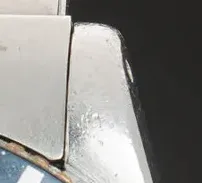
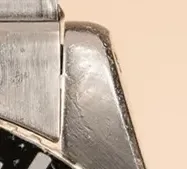
Thick case, big crown
The standard 7924 has the thicker case with the 8 mm crown. It has no crown guards, and was the last of the straight Submariners before the 7928. Military and civilian watches are both known.
- 8 mm crown
- thicker case than the 7922
Thin case, 6 mm crown
Some 7924 watches are said to come in a thin case with a 6 mm crown, as some 7922 watches do. Other accounts describe the 7924 only with the thicker case and the 8 mm crown.
- 6 mm crown on a 7924
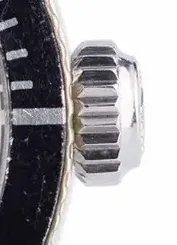
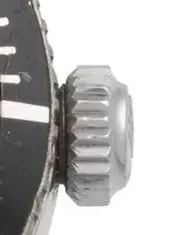
Crown 1 described
The crown is the point of the reference.
8 mm Brevet crown
The crown is 8 mm across, stamped Brevet, and carries the Rolex logo. It is the same crown as on the Rolex 6200 and 6538. It is unguarded, because the case sides are straight. The 7928 later added crown guards after French Navy divers complained that the large crown broke off and the watches flooded.
- Brevet on the crown
- Rolex logo on the crown
Crystal 1 described
The crystal is a Plexiglas dome of the Tropic 17 type.
Tropic 17 domed crystal
The crystal is thicker and more domed than that of the 7922 and 7923 to withstand pressure. It is the same crystal as on the Rolex 5510, 6200 and 6538, though the case backs are not shared with the 6538.
- thick domed acrylic
Movement 1 described
The movement is calibre 390, shared with the 7922.
Calibre 390
A 17-jewel automatic at 18,000 beats per hour, based on a Fleurier ébauche. Movements exist in raw brass and in rhodium-type plating, and almost every combination has been seen on the different references, so the plating alone does not date a watch.
- raw brass or plated finish
Bracelet 1 described
The bracelet is a Rolex part, with Rolex markings on the bracelet and clasp.
Oyster 7206 riveted
The Oyster bracelet is flat, three-piece, with riveted links, reference 7206, and carries the Rolex signature. The 6636 stretch bracelet is named as an optional alternative.
- riveted links
- Rolex signature on clasp
Originality
- The crown is a Rolex part marked Brevet; a replacement with the wrong marking or size is a point to check.
- Movement plating varies between watches in the same reference, so it is not a reliable test.
Names
- Big Crown. The 8 mm crown is much larger than the 6 mm crown of the 7922 and 7923.
- Tropical. Gilt dials that have turned brown are described as tropical.
Where accounts differ
Points on which the published literature and the library's own records do not agree, or on which the literature contradicts itself.
- End of production. Most accounts have the 7924 made until the 7928 was introduced in 1959; one gives the launch of the 7928 as 1960, which would carry the 7924 a year longer.
- Bezel rotation. One account describes the 7924 bezel as unidirectional; others say the bezels of the first Tudor Submariners turned both ways and that unidirectional bezels came later.
- First 8 mm crown. Some accounts call the 7924 the first Tudor Submariner with the 8 mm crown; one documents earlier 7922 watches with the same 8 mm Brevet crown and a thicker case, and another calls the 7924 the first commercially available Big Crown.
- Case form. One account says 7924 watches exist both with the thick case and 8 mm crown and with a thin case and 6 mm crown; others describe only the thick case with the 8 mm crown.
- Case diameter. Most accounts give 37 mm; one gives 38 mm, and sellers in the library's records mostly state 38 mm.
- Small crown size. The crown of the 7922 and 7923 is usually given as 6 mm; one account gives 5 mm.
In the records
Counted from 36 listings at 7 holders between 12 May 2014 and 14 November 2026. These are what sellers and auction houses state, not measurements.
1 listing dated long after the reference ended is set aside and not counted here: a year that late belongs to a later watch sold under the old number, or to a listing filed under the wrong one.
Case metal
| Steel | 11 |
Case size
| 38 mm | 3 | |
| 37 mm | 1 |
Calibre named
| 390 | 4 |
Bracelet or strap
| Metal bracelet, kind not stated | 5 | |
| Leather strap | 1 |
Each table counts the listings that state the thing, in the seller's own terms. A size, metal, colour or calibre that cannot belong to this reference is a seller's slip or a listing filed under the wrong number.