Submariner (9401/0, Snowflake, no date)
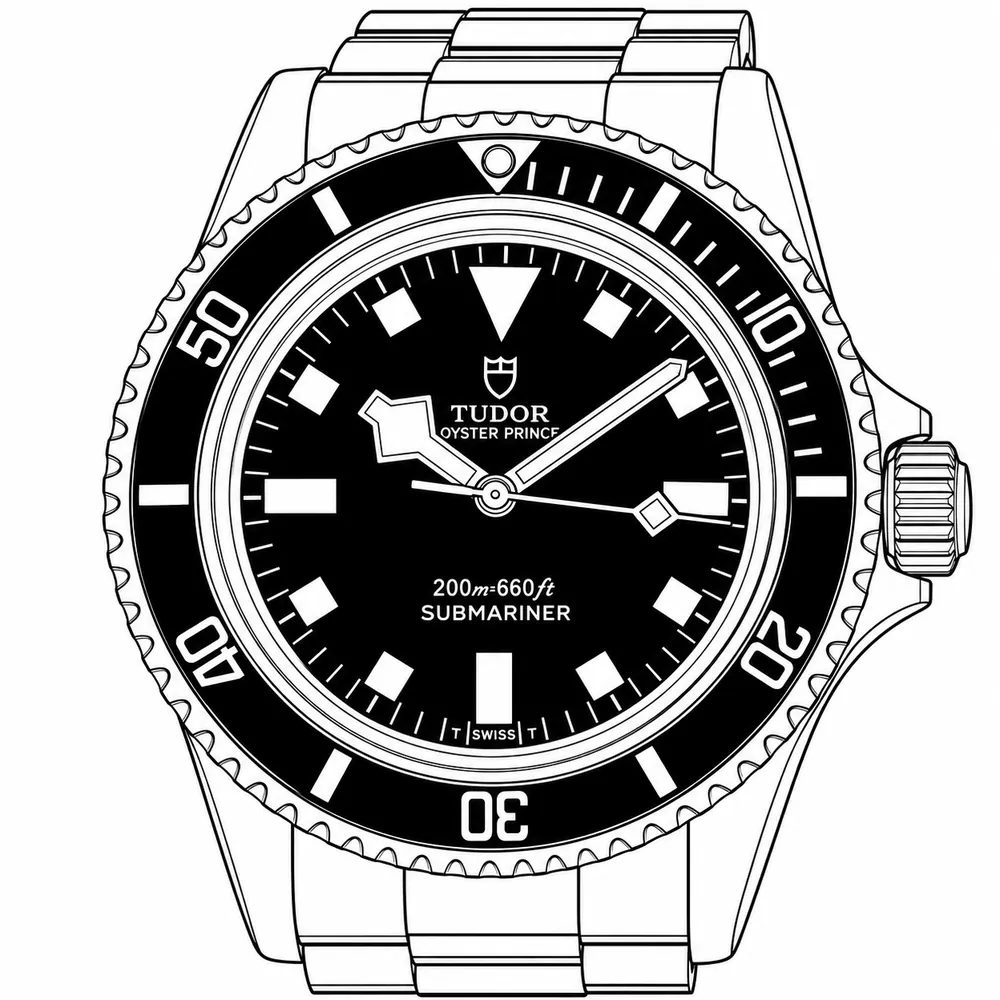
The no-date Tudor Submariner introduced in 1975 or 1976 as successor to the 7016, with a steel Oyster case of 39 to 40 mm, a blue or black matte dial and aluminium bezel insert, and an ETA 2776 automatic movement with stop-seconds. Most carry the square-marker dial with snowflake hands, though the reference was also made with round markers and traditional hands. It stayed in production until about 1983 or 1984, and the same watch is also written 94010. It is the Tudor Submariner most associated with French Navy (Marine Nationale) issue, whose watches carry MN and a year engraved on the back, and a Canadian Navy variant with a different marker layout is also described. Its date-showing counterpart is the 9411.
- Made
- 1976–1984dates approximate
- Seen in the library
- 1975–1980nine in ten in 1976–1980 · by years sellers state
- Case
- 40 mm · steelas sellers state
- Movement
- Calibre 2776automatic
- On record
- 52 listings91 photographs · 21 holders
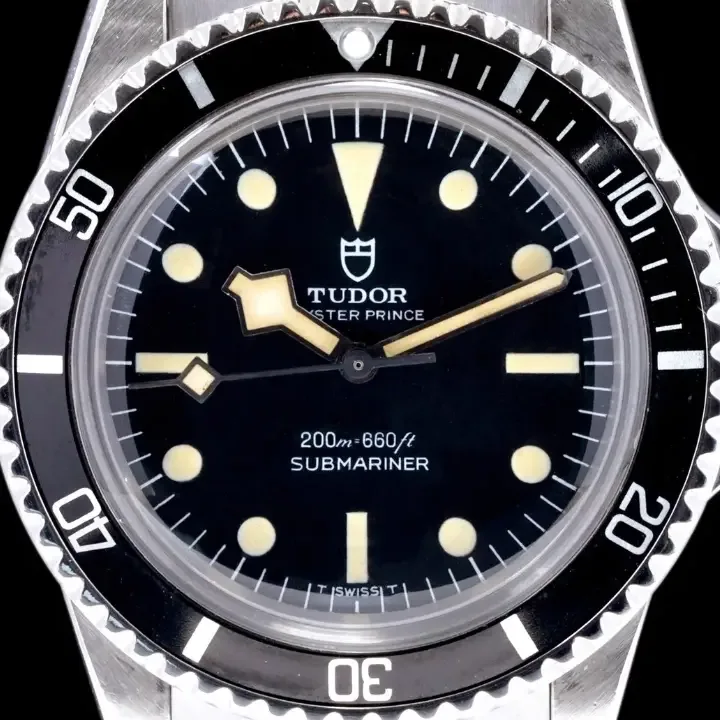
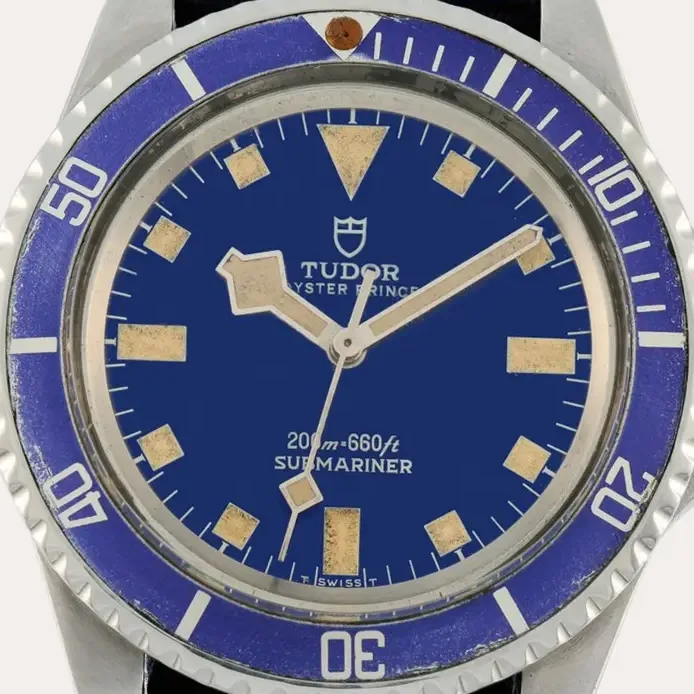
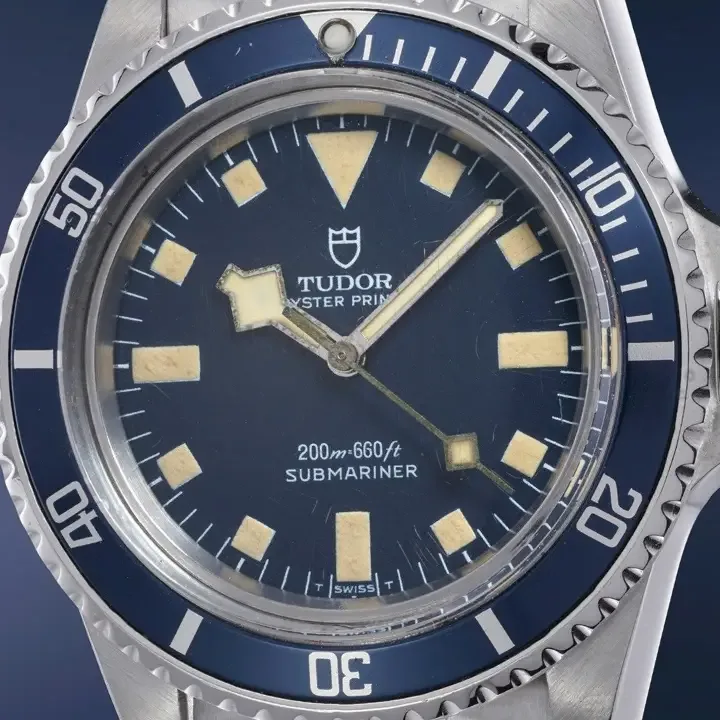
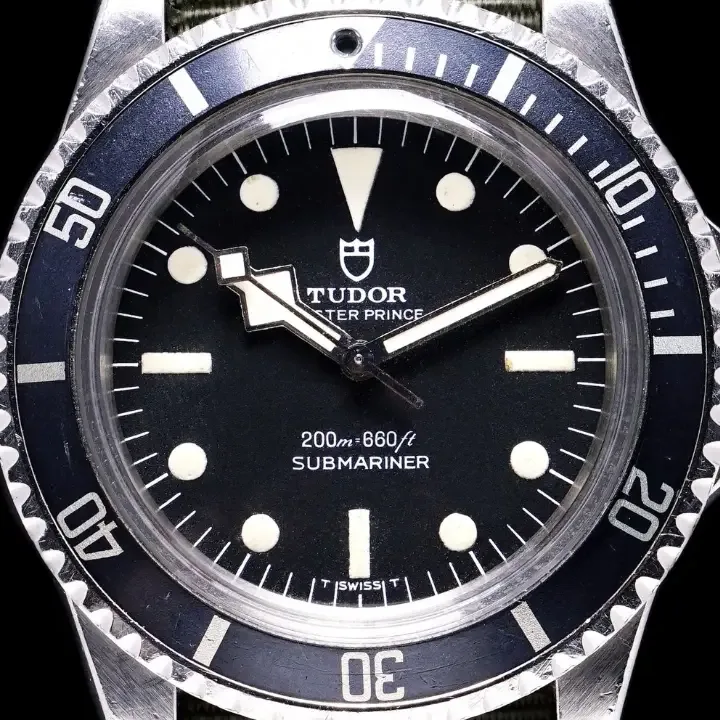
Components
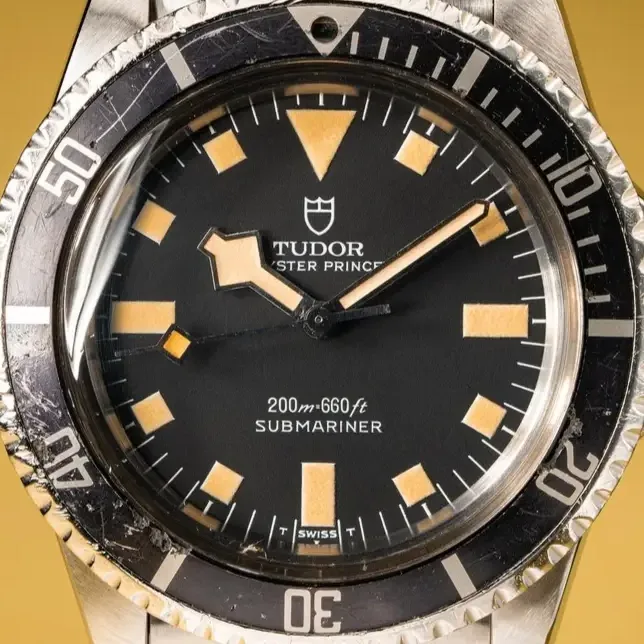
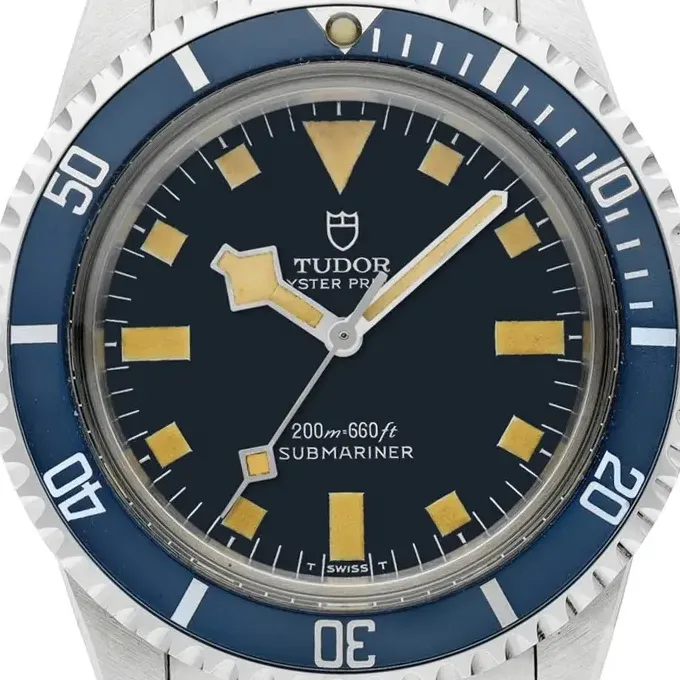
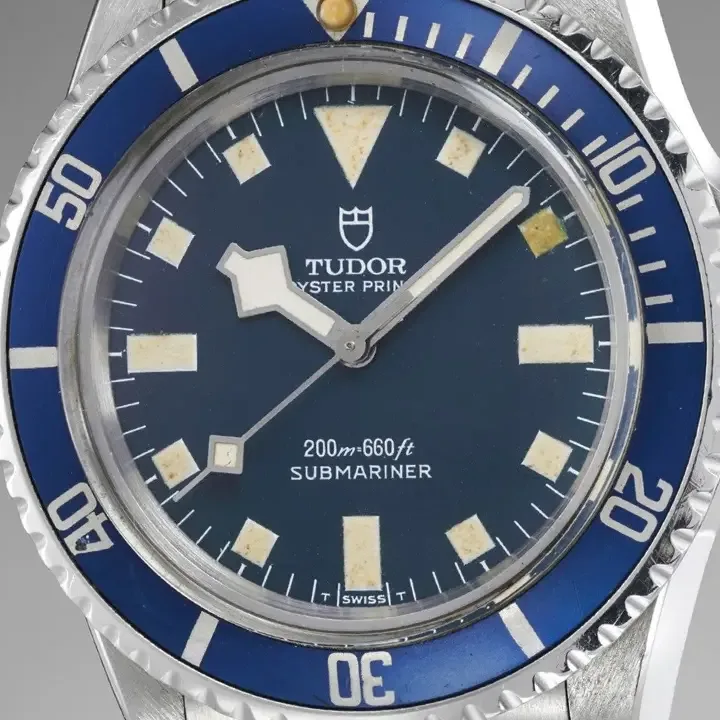
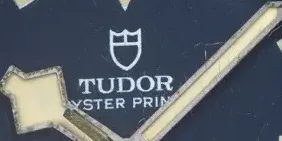
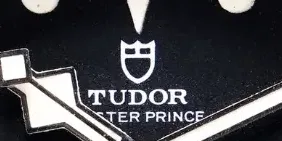
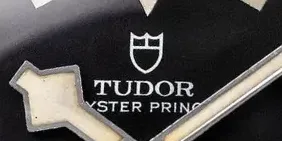
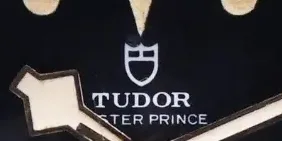
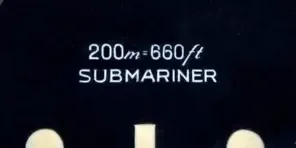
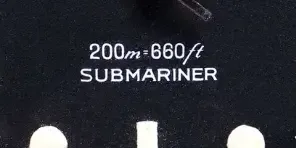
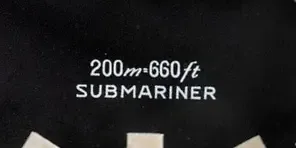
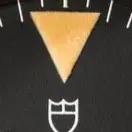
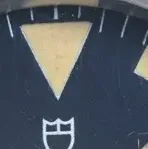
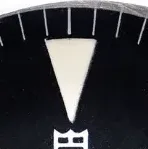
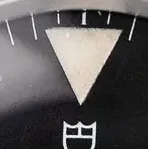
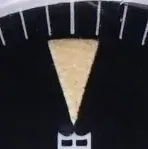
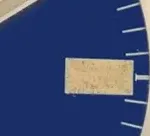
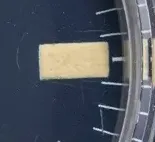
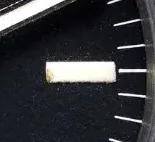
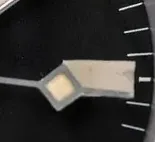
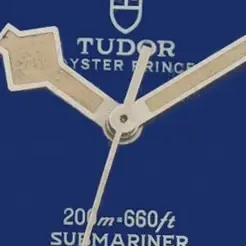
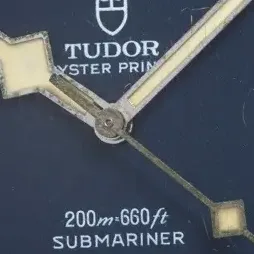
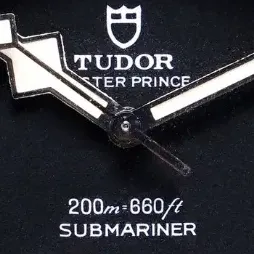
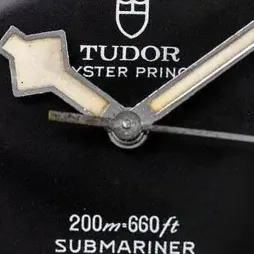
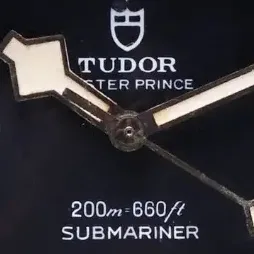
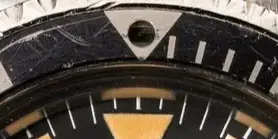
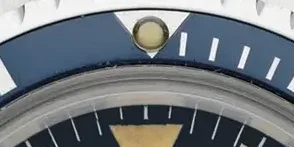
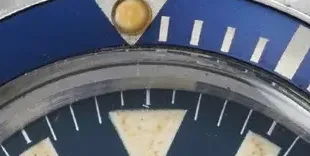
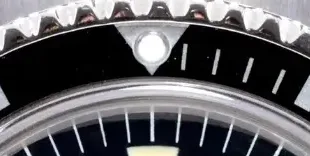
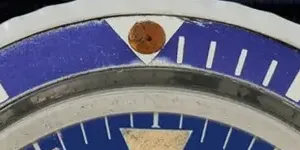
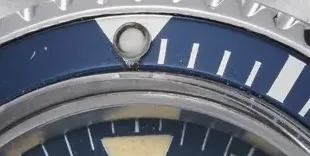
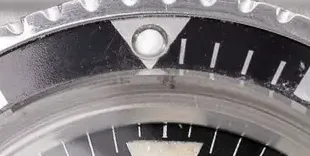
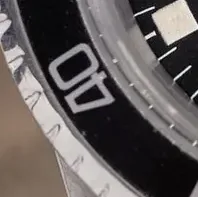
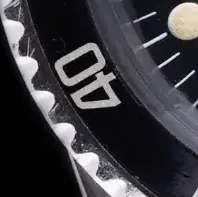
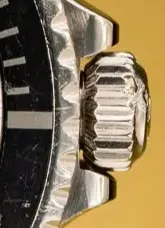
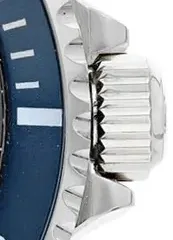
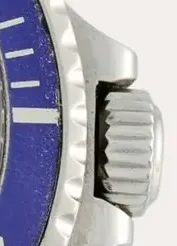
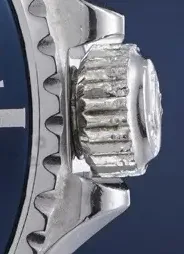
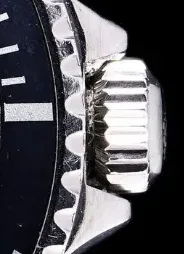
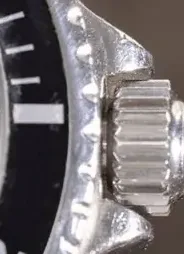
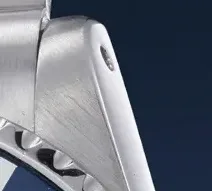
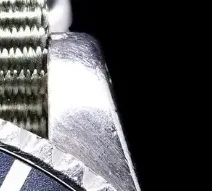
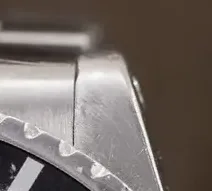
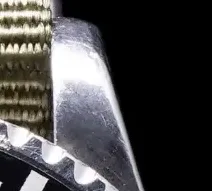
9 watches, oldest first, each straightened and cut the same way so that one row shows one component across them all. Chosen from 91 photographs on file for sharpness and for a face typical of the reference. A year marked c. is one its holder gives only roughly. Each picture is a detail cut from a listing photograph. Select the small mark in its corner for its year, its holder, a link to the listing it came from, and a way to report it.
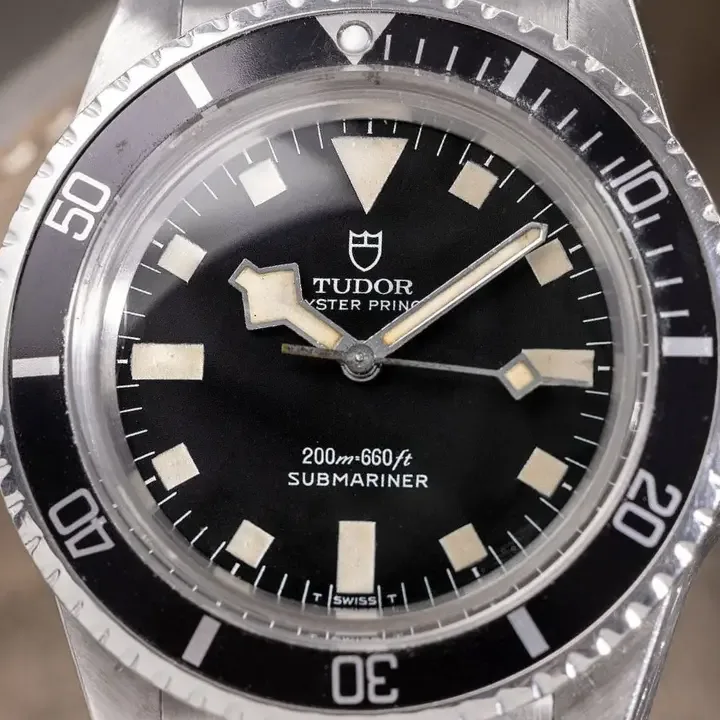
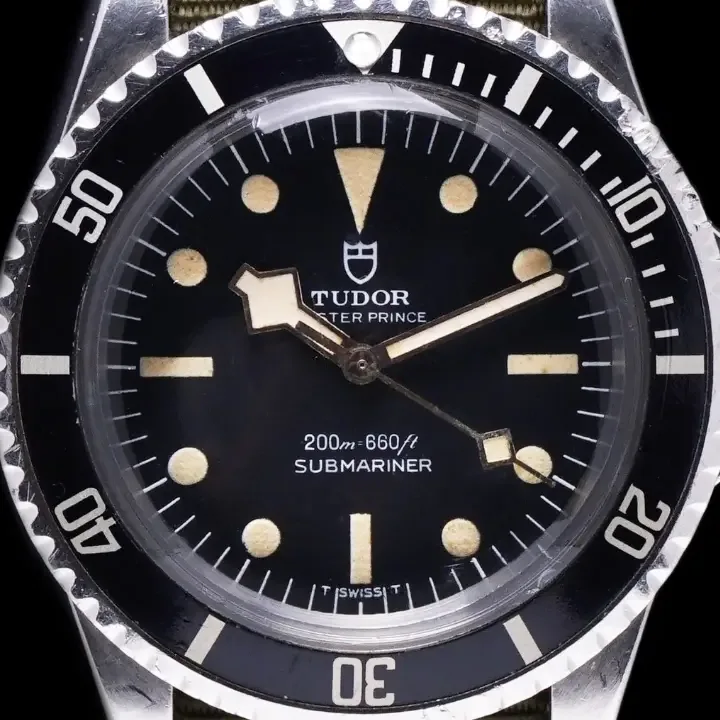
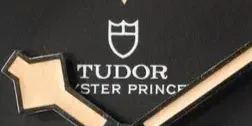

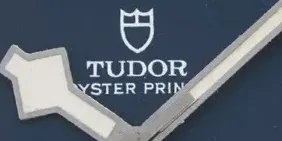








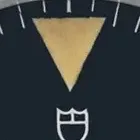
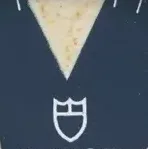
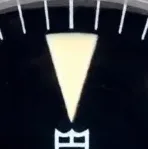
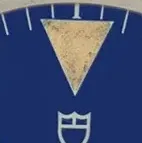
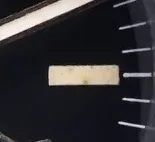
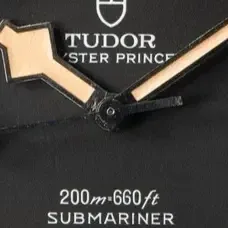
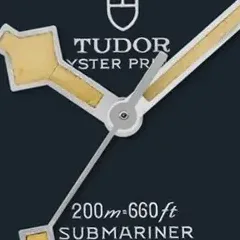
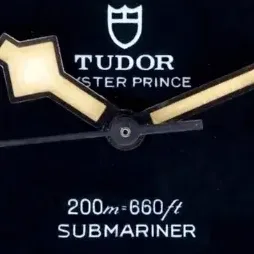

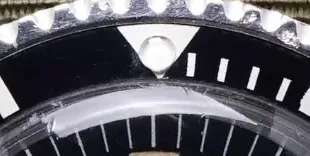
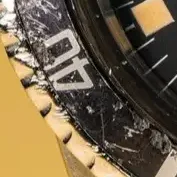
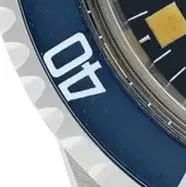
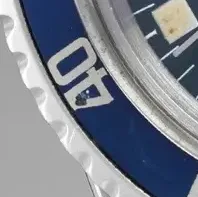
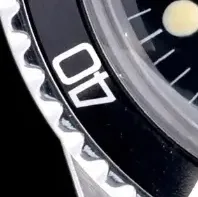
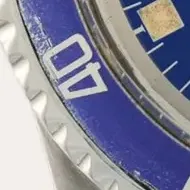
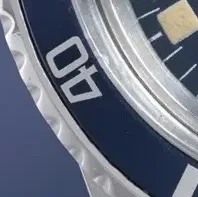
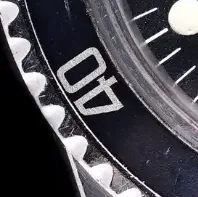

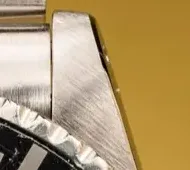
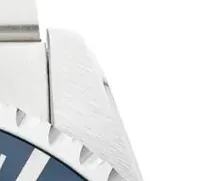
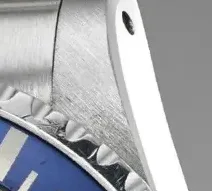
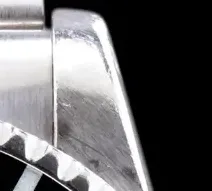

Chronology
The literature puts introduction at 1976, or at 1975 in accounts of the 7016 it replaced. It has the snowflake dial in use to about 1980 to 1983, with Mercedes hands and triangle markers on the last watches, and the 76100 following in 1984, so production is put at about 1984. The years sellers state for watches listed under this form of the number fall in the late 1970s; later watches are recorded under 94010, which is the same watch.
Every dated variant: what is written, and what the records show
For the reference the marks are every dated watch; for a variant, the watches a seller names as that variant, so a variant sellers do not name has none.
Specification
| Case | Steel Oyster case, 39 to 40 mm, with crown guards and a screw-down back; sellers mostly give 40 mm |
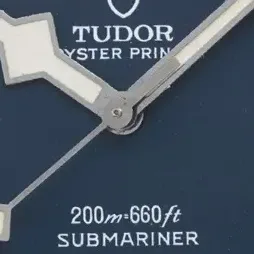
| Dial | Matte black or blue with tritium square markers and snowflake hands; shield logo, Tudor Oyster Prince, Submariner 200m=660ft |
| Bezel | Bidirectional steel bezel with a blue or black aluminium insert graduated in minutes, triangle at 12 |
| Movement | ETA 2776 automatic with stop-seconds, signed Tudor; no date |
| Bracelet | Rolex-made folded-link Oyster bracelet, 9315 or 7836, on civilian watches; French Navy watches issued on fabric straps |
| Water resistance | 200 m (660 ft) |
Reference 3 described
The 9401/0 is the no-date member of the second Snowflake generation and the model most often met in French Navy and Canadian Navy issue. The 9411 is its date counterpart.
9401/0
The no-date Submariner introduced in 1975 or 1976, replacing the 7016 and keeping the 7016's case, square-marker dial and snowflake hands while moving to the ETA 2776 with stop-seconds. It was made until about 1983 or 1984, and is also written 94010. It was made in four variations of colour, marker shape and hands.
- no date window
- ETA 2776
French Navy (Marine Nationale) issue
French Navy watches are standard catalogue watches with no special dial or hands; only the case back and a fully matted case mark them out. Blue snowflake watches are the best known, and a ledger kept by the Toulon service watchmaker records which unit a watch went to. Authentication rests on engraving, serial batch, ledger or decommission papers, and on no bracelet marks between the lugs.
- MN and year engraved on the back
- matted case with brushed sides
- no bracelet wear between lugs
Royal Canadian Navy issue
Canadian Navy watches also show no special dial, hands or bezel. Some are engraved with an owner's name and rank, a serial number or a stores number; not all are marked. A group with a distinctive marker layout (the hybrid dial) is described under dial.
- rough field engraving on the back
Dial 4 described
Dials are matte throughout, in blue or black, with a shield logo. The usual layout is square markers with snowflake hands; other marker and hand combinations were also offered and some are debated.
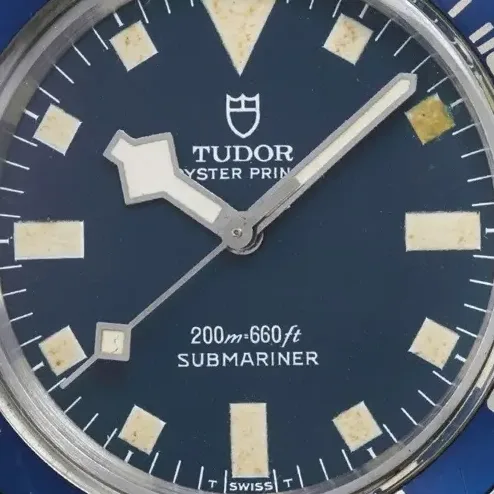
Blue matte snowflake
Matte blue dial with thick square tritium markers, matched by a blue bezel insert. The dial type from this generation is described as not prone to the discoloration of the earlier black dials. Blue dials may lighten with age to a bluish tropical look and the bezel insert may fade to a ghost shade. Dial text reads Tudor Oyster Prince, Submariner and 200m=660ft with the shield logo in white. On French Navy watches blue snowflake dials are described for about 1976 to 1979; the snowflake layout as a whole is given as ending about 1981, or on other accounts about 1983.
- thick square markers
- blue dial and bezel
- custard or yellow tritium
- faded blue bezel
Black matte snowflake
The black counterpart with square markers and a black insert. It is the same dial pattern as the blue; collectors distinguish the two colours.
- black matte dial
- square tritium markers
Hybrid dial, rectangular 3-6-9
A dial similar to a matte Rolex 5513, with rectangular plots at 3, 6 and 9, a triangle at 12 and circular plots elsewhere, fitted with snowflake hands. It has been seen many times, nearly always with Canadian Navy history, within a small serial batch, and Tudor is shown issuing the combination in an advertisement. Whether the Navy fitted the hands or they were delivered so is debated.
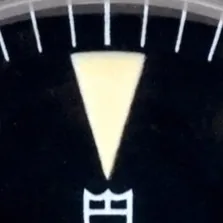
- rectangular plots at 3, 6 and 9
- snowflake hands on a plot dial
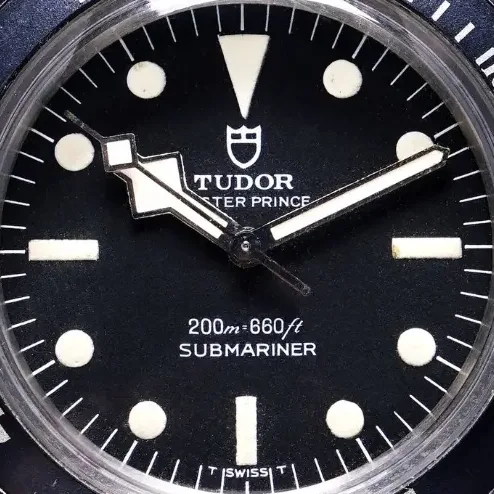
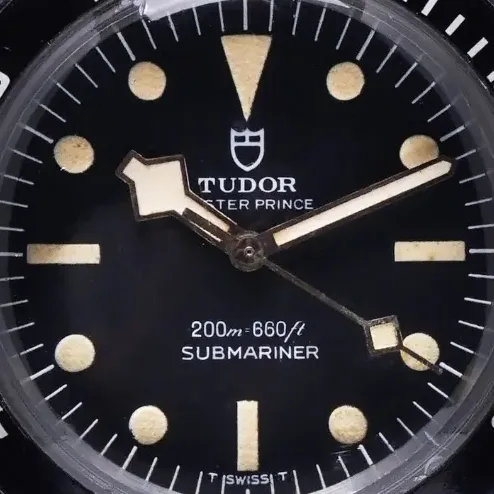
Round markers with traditional hands
Among the four variations were dials with round markers and the traditional Submariner hands of the 7900 series. The same pairing of dot and triangle markers with Mercedes hands is also described for French Navy watches of about 1980 to 1983.
- circular or triangle markers
- Mercedes hands
Luminous material 1 described
The markers and hands carry tritium. Aged tritium appears cream or custard, and relumed dials and hands are the commonest condition issue.
Tritium
Original lume ages to a creamy yellow. Dials in which the lume has been redone, or where hand lume looks overgrown, are noted as altered.
- custard yellow tritium
- original lume on dial and hands
Hands 2 described
Snowflake hands take their name from the large square lume block on the hour hand, repeated on the seconds hand; they came in with the 7016, in 1968 or 1969.
Snowflake hands
The hands that give the model its nickname, enlarged for lume area so hour and minute hands can be told apart under water. The French divers are credited with the request.
- square-ended snowflake hands
Mercedes hands
Traditional Submariner hands used on the variation with round or triangle markers, as on the 7900 series.
Bezel 1 described
A bidirectional steel bezel with a 60-minute aluminium insert whose colour matches the dial.
Aluminium insert, blue or black
Insert graduated in minutes with a triangle and lume pearl at 12. Blue inserts fade with age to a lighter, ghost-like shade.
- triangle with lume pearl at 12
- faded blue insert
Case 4 described
The case is the Oyster pattern seen on the Rolex Submariner of the time, with crown guards. French Navy watches are distinguished from civilian ones by finish and by what is engraved on the back.
Civilian case
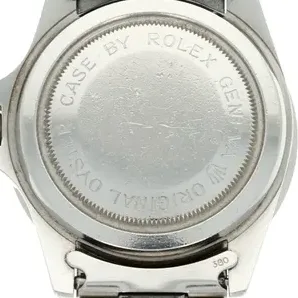
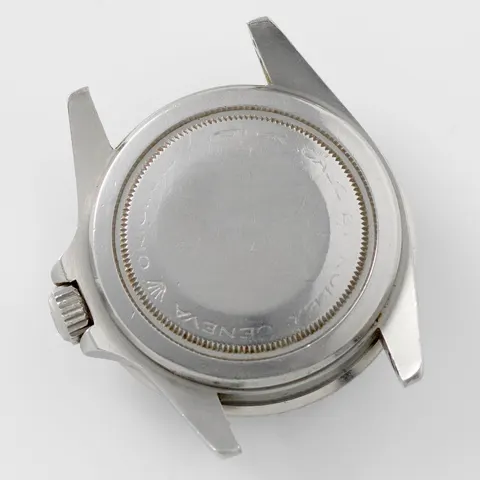
Steel Oyster case with crown guards, 39 to 40 mm, made by the Rolex factory; the sides are polished and the tops of the lugs brushed. The outside of the back is plain and polished, and the inside is marked Montres Tudor SA.
- polished sides, brushed lug tops
- Montres Tudor SA inside
Fully matted French Navy case
Watches issued to the French Navy are often found with a fully matted case of brushed sides, a finish also seen on Rolex military watches. The reason given is reduced glare. Examples have no bracelet marks behind the lugs because they were worn on a fabric strap.
- entirely matted case
- clean lug backs
MN engraving by year
The French Navy engraved the back with MN and the last two digits of the year, begun in 1974; 1975 uses the full year. Watches of 1978 carry MN without full stops and set toward the outer edge of the back, whereas M.N. with stops is also reported on other years. A 1975 case with a deep mark from forced opening is recorded. Engravings of years 1974 to 1982 exist. The engraving is easy to fake.
- MN with the year digits
- MN78 without dots
- engraving near the edge on 1978 watches
CEL stores engraving
A group of snowflake-handset watches with the hybrid dial carry crudely hand-scribed CEL and a four-digit number, several times re-engraved with older numbers struck out. Two watches 3 numbers apart were found. The letters have been linked to the US Naval Civil Engineering Laboratory but the link is unproven, and the Canadian or American issue is unresolved.
- scribed CEL 21xx
- scored-out earlier numbers
Crown 1 described
The crown is a Rolex-signed screw-down crown.
Screw-down crown
Rolex-signed with crown guards. Without a date, the intermediate position serves only to stop the seconds.
- Rolex crown logo
Movement 1 described
The movement is the ETA 2776, an automatic with stop-seconds, signed Tudor.
ETA 2776
Automatic, said to be 25 jewels at 21,600 beats per hour in one account, with stop-seconds. Many military watches had movements replaced or serviced by the forces, and a civilian watch should hold its numbered original. Canadian-issued watches are described as 17-jewel instead of the civilian 21 jewels, thought to be a duty-avoidance measure.
- 17 or 21 jewel markings
Bracelet 2 described
Civilian watches were supplied on Rolex Oyster bracelets while French Navy ones were issued on fabric straps.
Oyster 9315
Folded links with a Rolex-signed clasp, visually close to a Rolex 5513 or 5514 of the period. Accounts of the reference list two bracelets: the 7836/0 with a plain folding clasp, and the 9315/0, the same bracelet with a Fliplock extension for wearing over a diving suit.
- folded links
- Rolex-signed clasp
Fabric strap, French Navy
Marine Nationale watches were delivered on grey single-pass style fabric straps, which is why unrestored examples show no bracelet marks. Bracelets were sometimes fitted after leaving service.
- grey single-pass strap
- no bracelet wear
Box and papers 1 described
For military watches the supporting paper is a large part of authentication.
Ledgers and decommission papers
French Navy watches may come with copies of the Toulon service watchmaker's ledger, which names the make, model and serial number of each watch serviced and can show which unit it belonged to, or with decommission papers. Not all French bases issued such papers and blank forms circulated, so papers alone are not trusted.
- ledger copy
- decommission papers
Originality
- MN case-back engravings are easily faked, so serial range, paper trail and service ledger matter more than the engraving.
- A military case back may have been polished to remove the engraving; the serial number can still place the watch in a delivery batch.
- French Navy watches are often found with a fully matted case rather than the civilian polished sides and brushed lug tops, so the case finish is worth checking.
- Dials and hands may have been relumed; a French Navy watch with redone dial lume has been recorded.
- Navy watchmakers sometimes fitted whatever parts were to hand, so odd combinations are not all factory.
- A watch with Mercedes hands and triangle markers is described as correct on French Navy watches of the early 1980s but is sometimes called not a true snowflake.
Names
- Snowflake. The square-ended hands and thick square markers resemble a snowflake.
- MilSub. Short for military-issued Submariner.
- Hybrid. A dial with rectangular 3-6-9 markers combined with snowflake hands.
Where accounts differ
Points on which the published literature and the library's own records do not agree, or on which the literature contradicts itself.
- Hybrid dial origin. One guide takes a published Tudor advertisement as proof that Tudor produced the rectangular 3-6-9 dial with snowflake hands; another suspects delivery in that form but allows that the Canadian Navy may have added the hands at divers' request.
- Jewel count. One guide gives the 2776 as 25 jewels, while another says Canadian-issued watches had 17 jewels against 21 in civilian watches; the guides do not agree on the figure.
- End of production. The snowflake design is given as in use to about 1980 to 1983, after which the last watches have Mercedes hands and triangle markers; other accounts end the snowflake in 1981, or in 1983. The 76100 is said to follow in 1984, and French Navy orders are said to run to the early or mid 1980s. The end of the reference is therefore put at about 1984, with 1983 also given.
- First snowflake hands. Most accounts date the first snowflake hands and dial, on the 7016, to 1969. Guides to the 7016 record blue snowflake dials from 1968 and 7021s of mid 1968 with snowflake dials, after a brief first run of 7016s with the older rose dial. One account calls the blue of the 9401/0 an all-new colour, though blue dials are recorded on the 7016 and 7021.
- Bezel direction. One account describes the bezel as unidirectional. Histories of the Tudor Submariner give the 7016 a bidirectional bezel and date the first unidirectional bezel to the 79190 of 1995, and auction descriptions of the 9401/0 call the bezel bidirectional.
- Bracelet links. One account describes the 9315 bracelet as having riveted, then folded, links. Bracelet guides give the 9315 as a folded-link bracelet, and histories of the reference list the folded-link 7836/0 and the 9315/0 with a Fliplock clasp.
- Which hand is the snowflake. One account calls the minute hand the snowflake; guides to the snowflake Submariners give the distinctive square lume shape to the hour hand, with the same square on the seconds hand.
- Introduction. Accounts of the 9401/0 put its introduction at 1976. Accounts of the 7016 have the 9401 replace it in 1975, and a French Navy 9401/0 is described with an engraving for 1975.
Back and movement
From listings of this reference, each confirmed by eye to show what it is filed under. A picture on which a person's name or a personal engraving can be read is not shown. From most holders a detail from the middle of the photograph is shown; the mark in its corner gives its holder and a link to the listing.
Caseback


Catalogue versions 1 listed
The full numbers under which holders list this reference, with what their listings say of each. Each has a page of its own.
| Version | Metal | Dial | Years seen | Records |
|---|---|---|---|---|
| 9401/0 | Steel | Black | 1975–1980 | 23 |
In the records
Counted from 52 listings at 21 holders between 11 May 2015 and 14 November 2026. These are what sellers and auction houses state, not measurements.
The fainter bar is the one listing outside the main run of 1976–1980 (the middle nine-tenths): the earliest is 1975. It is an early or late example, or a seller's slip.
Case metal
| Steel | 12 |
Dial colour
| Black | 6 | |
| Blue | 5 |
Case size
| 40 mm | 9 | |
| 39 mm | 4 | |
| 37 mm | 1 |
Calibre named
| 2776 | 12 | |
| 2483 | 2 |
Bracelet or strap
| Metal bracelet, kind not stated | 4 | |
| Fabric strap | 3 | |
| Oyster bracelet | 1 |
Each table counts the listings that state the thing, in the seller's own terms. A size, metal, colour or calibre that cannot belong to this reference is a seller's slip or a listing filed under the wrong number.