Prince Oysterdate Submariner
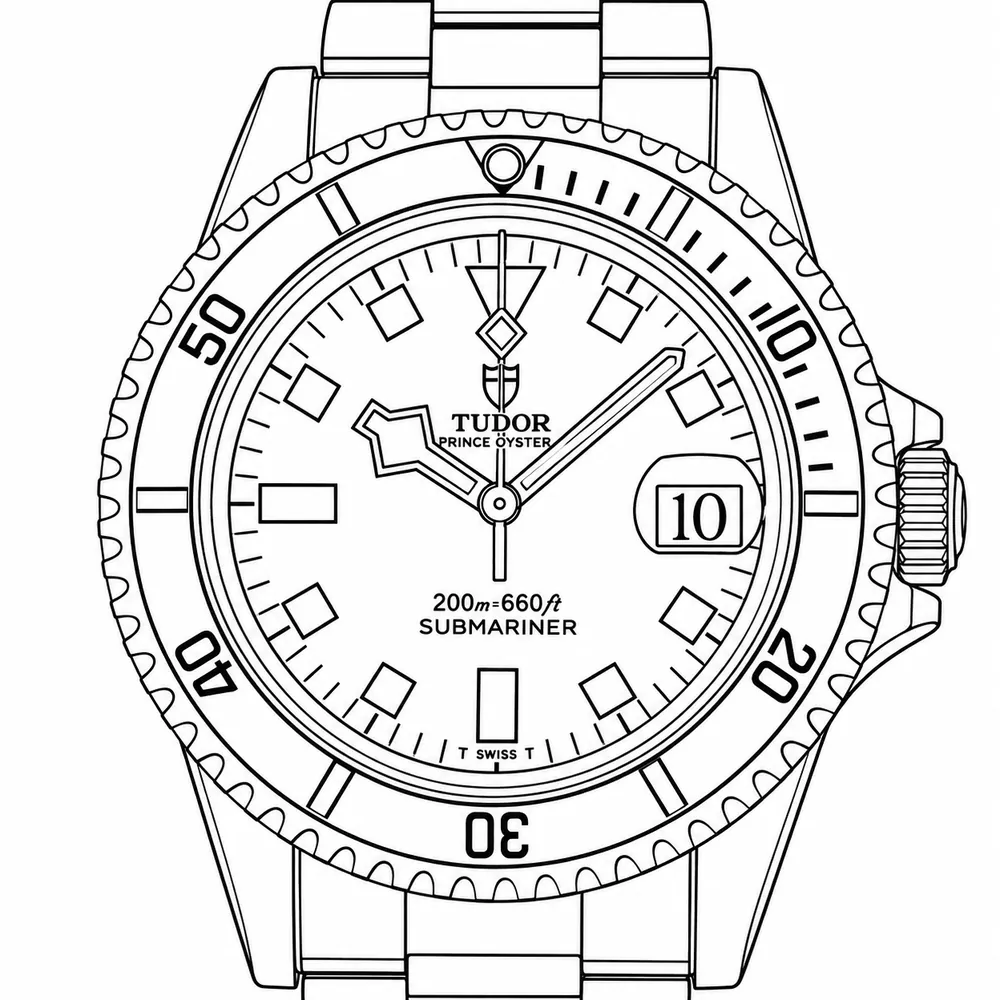
The 94110 is the date-display steel Tudor Submariner of the 1970s and early 1980s, the same reference as the 9411/0 written without the stroke, made in blue and black and best known by the name Snowflake for its square-ended hour markers and angular hands. It carries the shield logo rather than Rolex's crown and runs on a modified ETA automatic movement. It followed the earlier Snowflake-handed Submariners of the 7016 and 7021 and sits beside the no-date 94010. It is common rather than rare, and collectors look first at the dial print and its patina, the bezel insert, the hands and whether the case is unpolished.
- Made
- to 1982dates approximate
- Seen in the library
- 1973–1982nine in ten in 1976–1982 · by years sellers state
- Case
- 40 mm · steelas sellers state
- Movement
- Calibre 2784automatic
- On record
- 133 listings308 photographs · 24 holders
Components
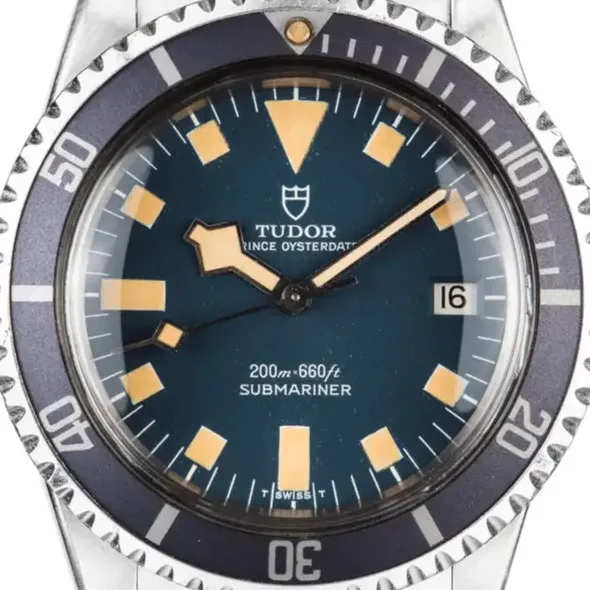
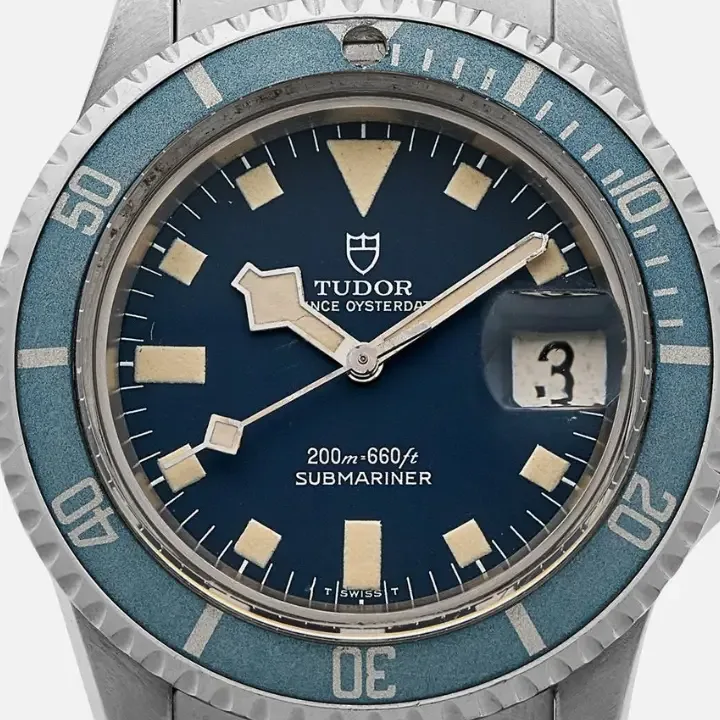
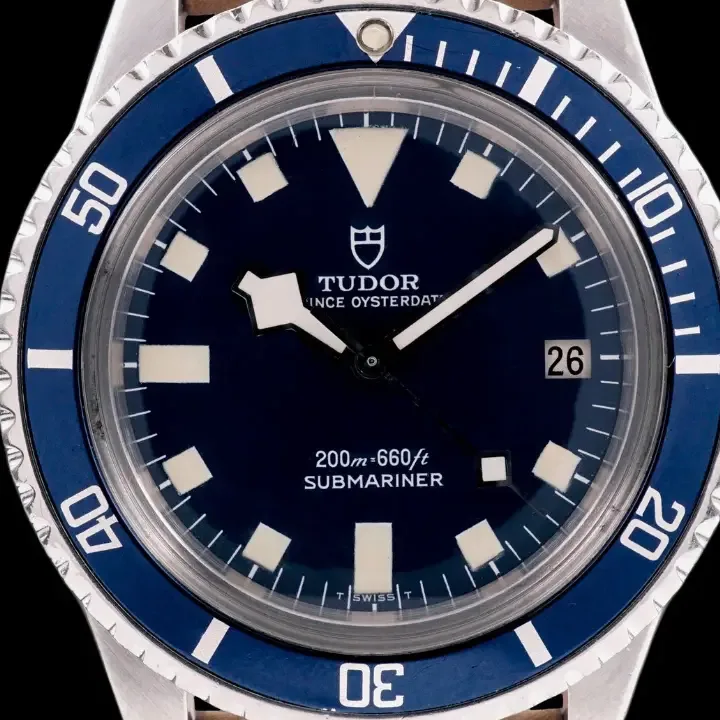
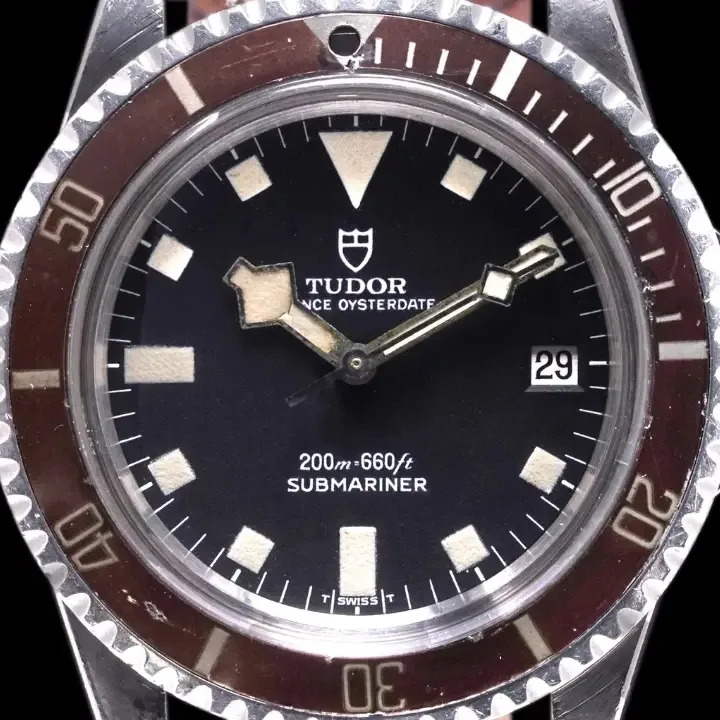
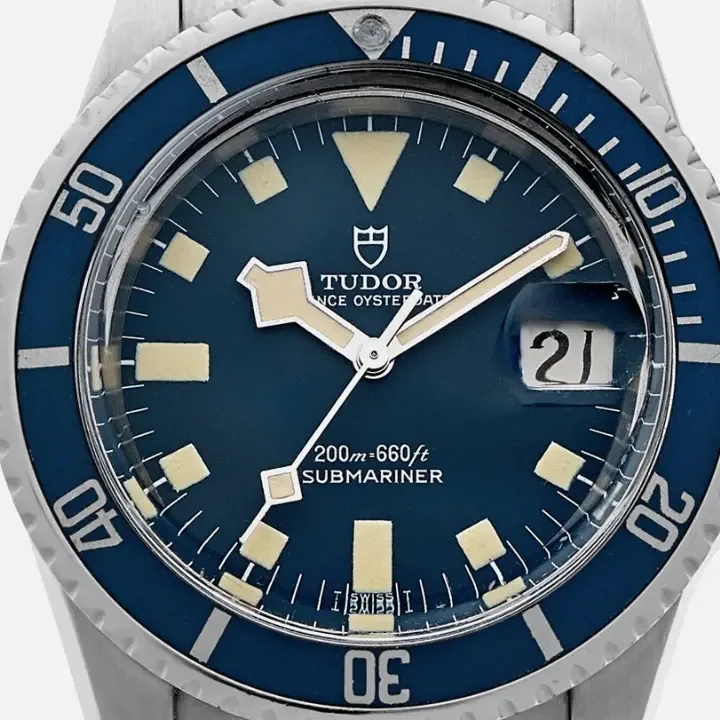
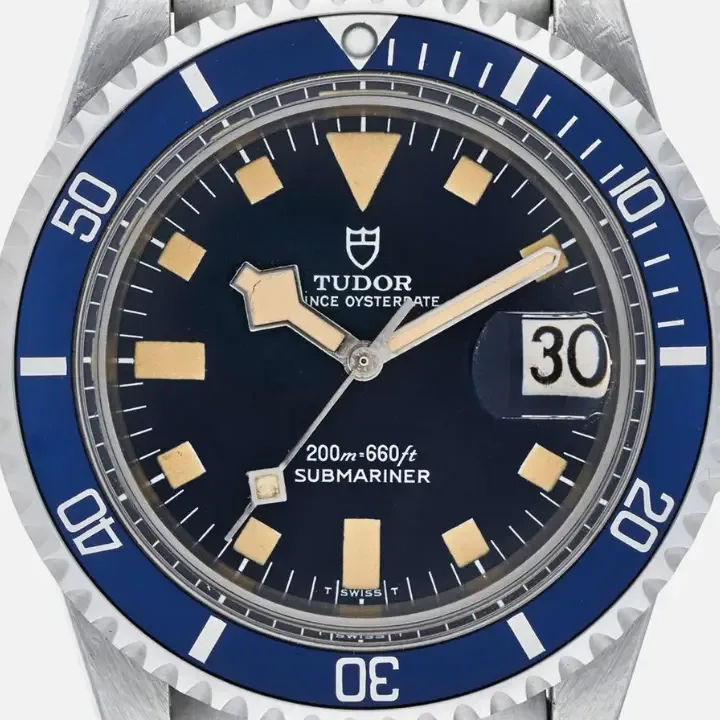
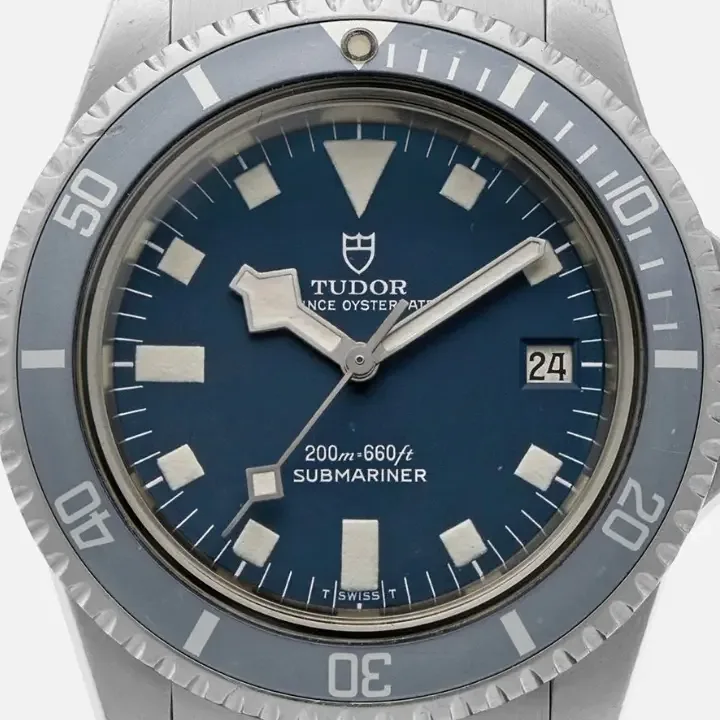
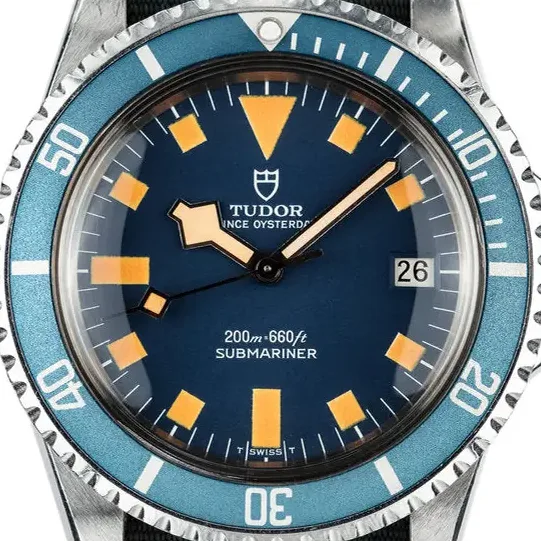
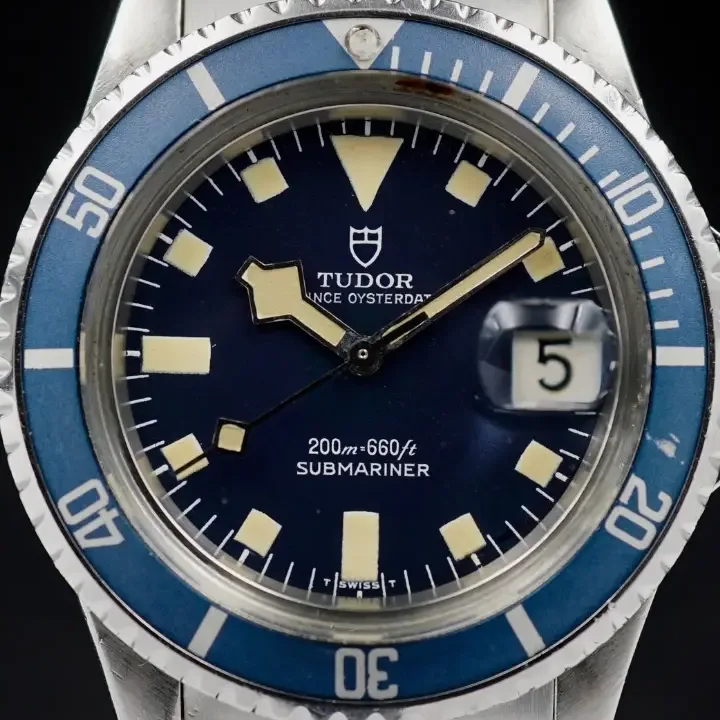
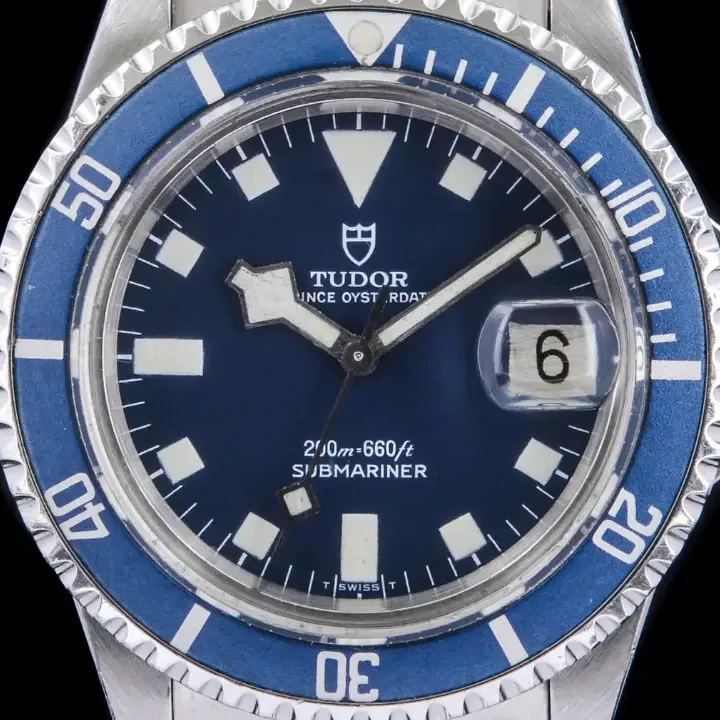
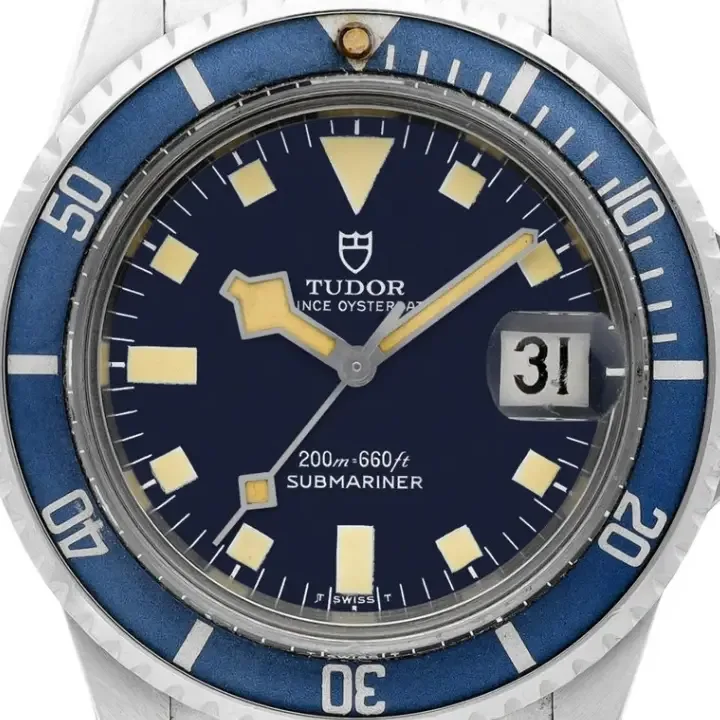
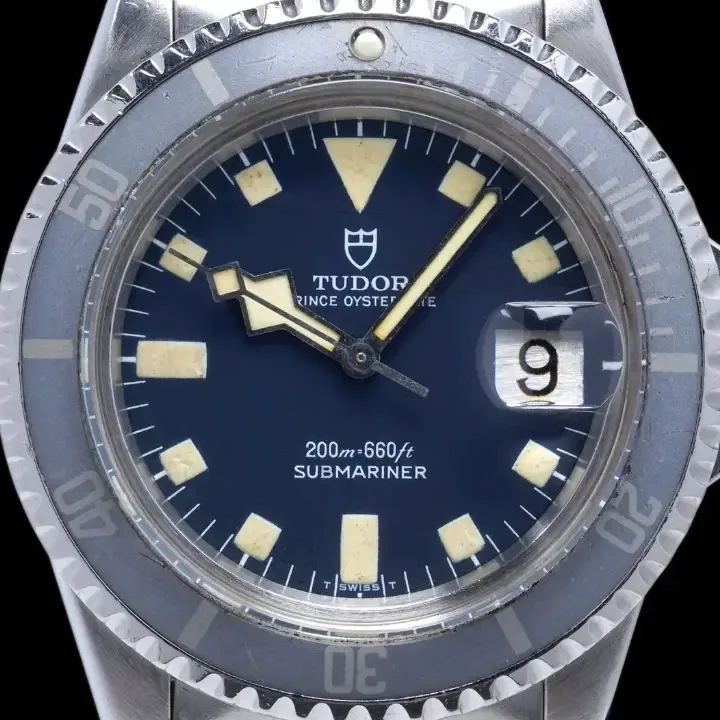
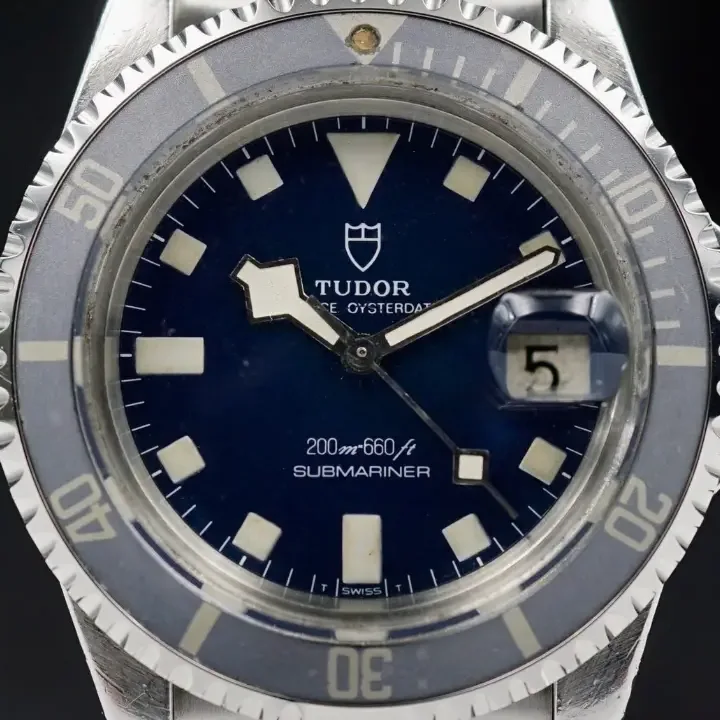
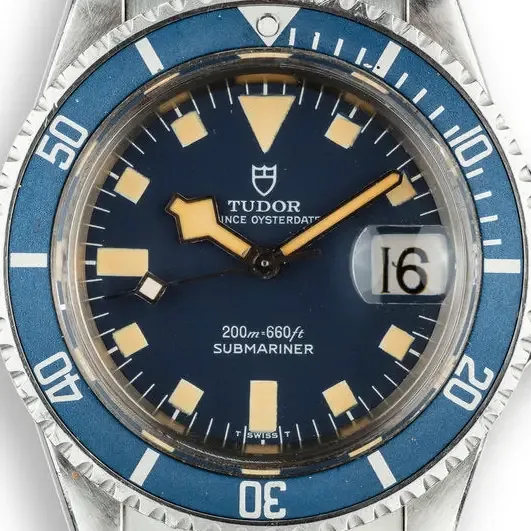
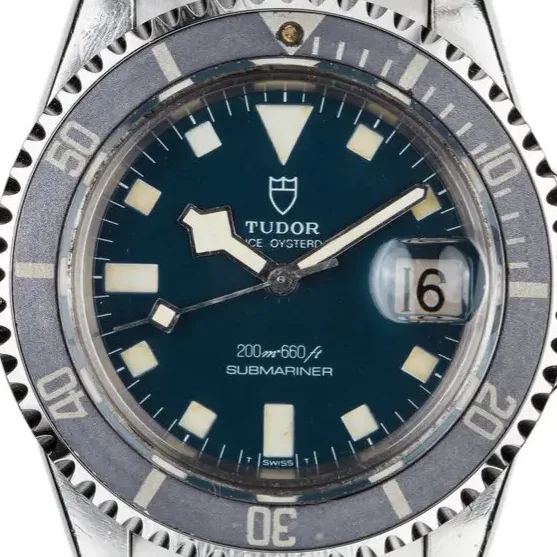
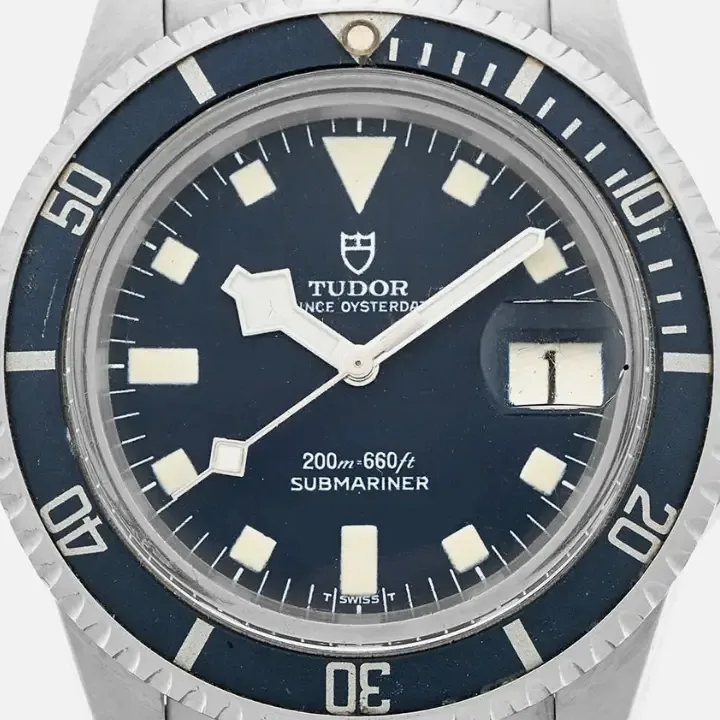
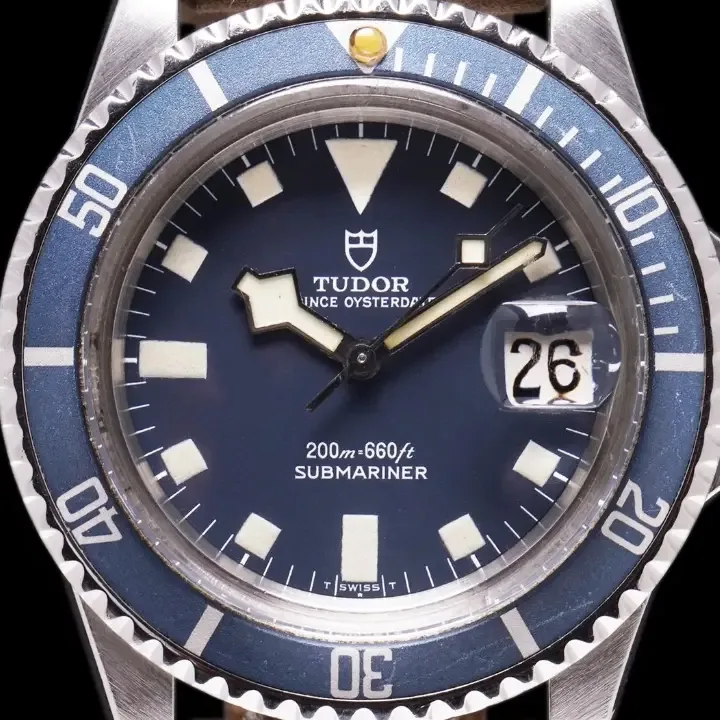
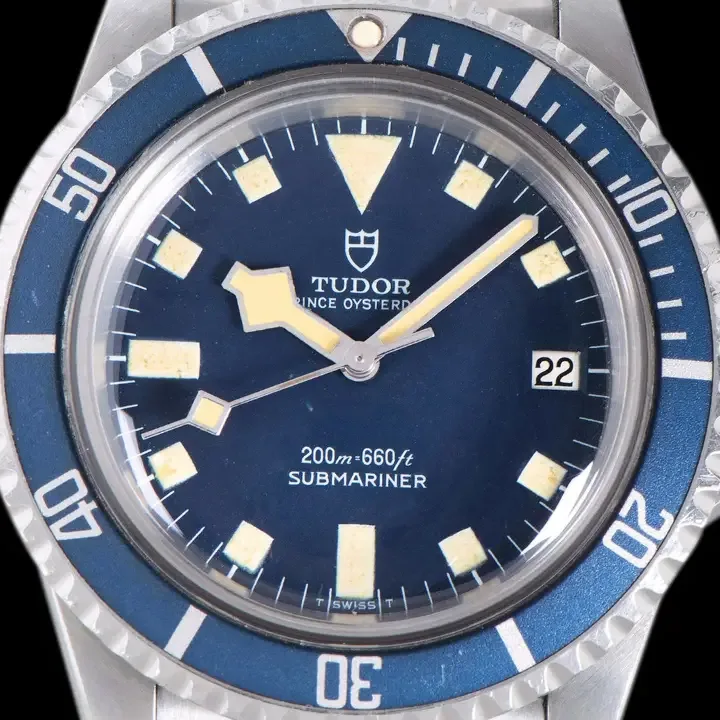
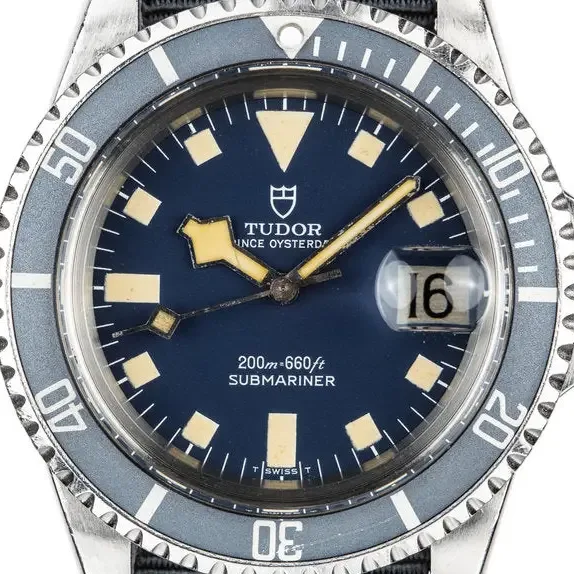
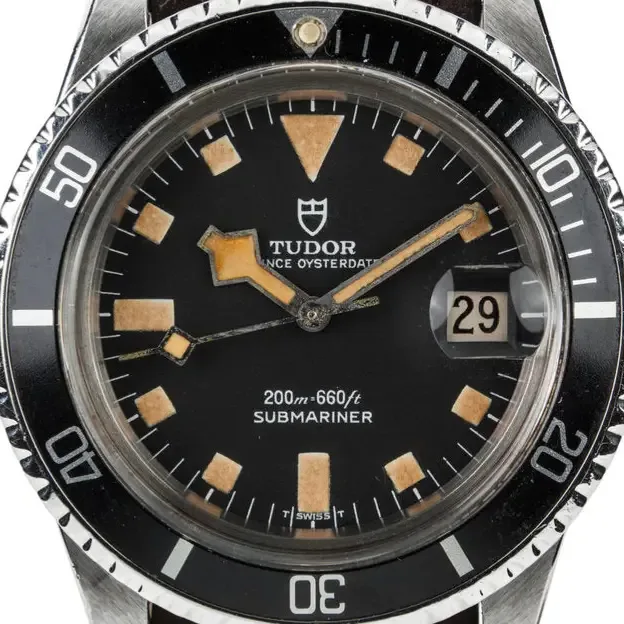
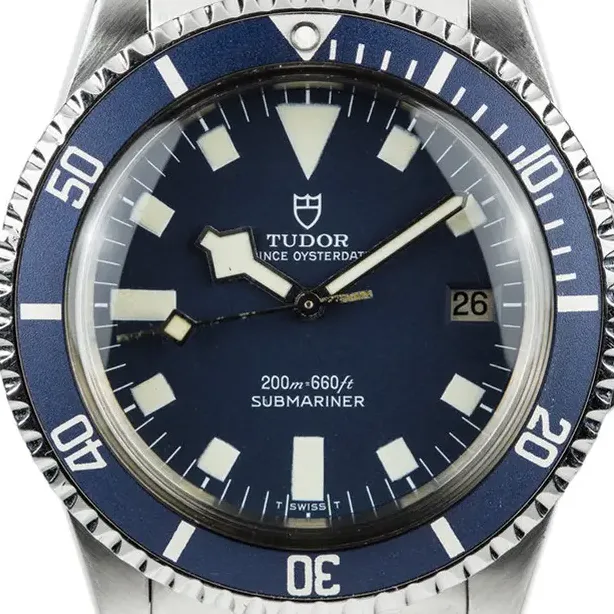
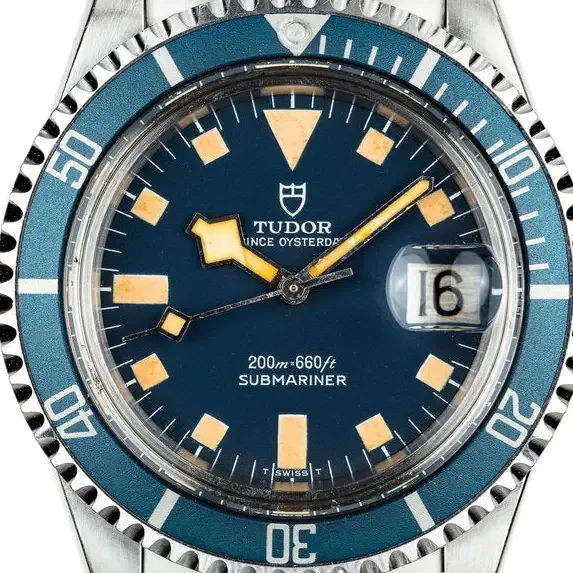
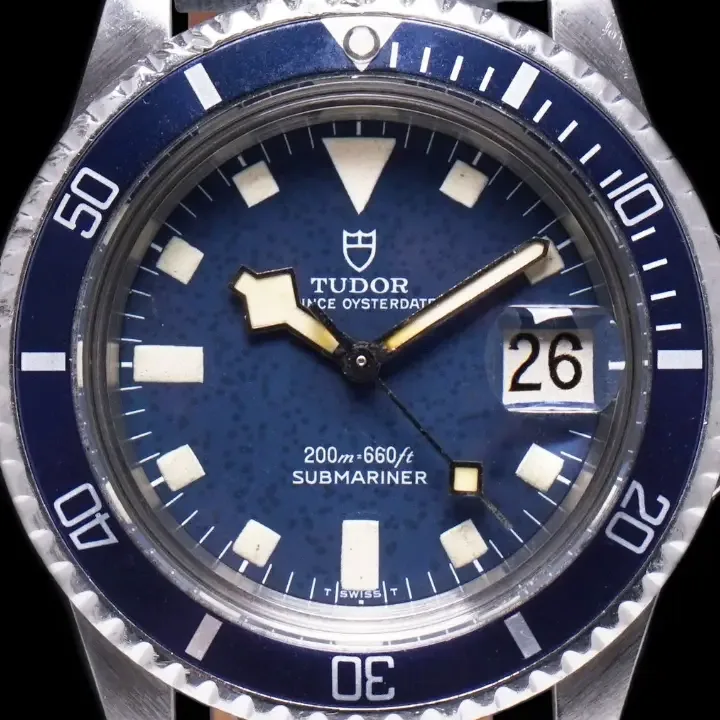
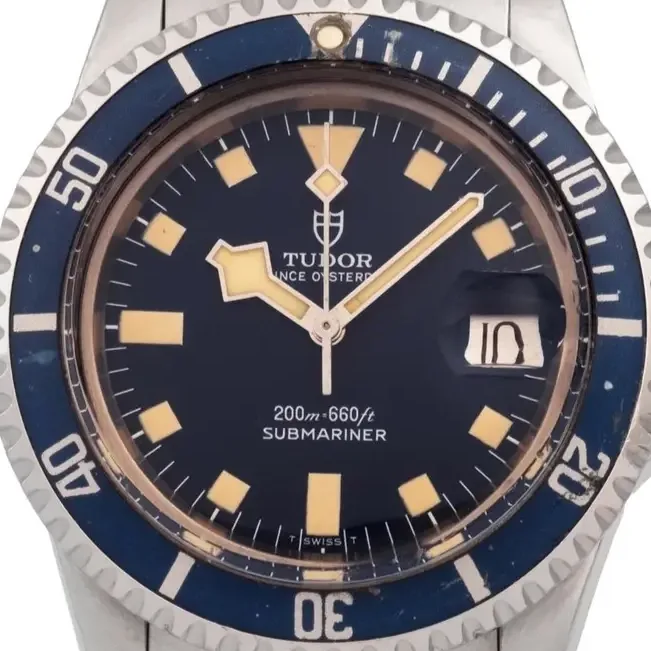
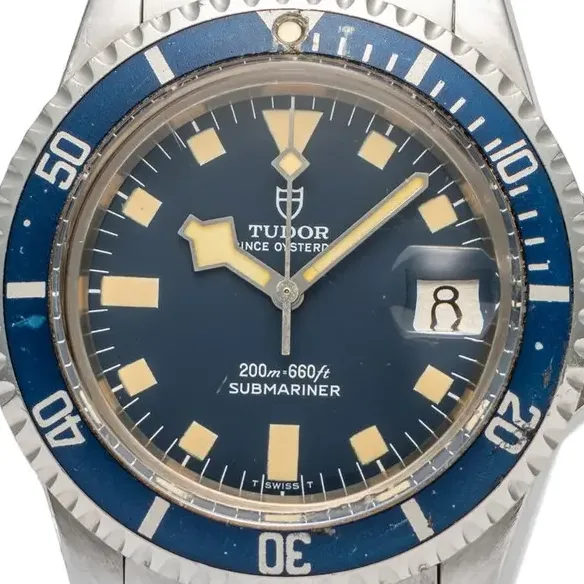
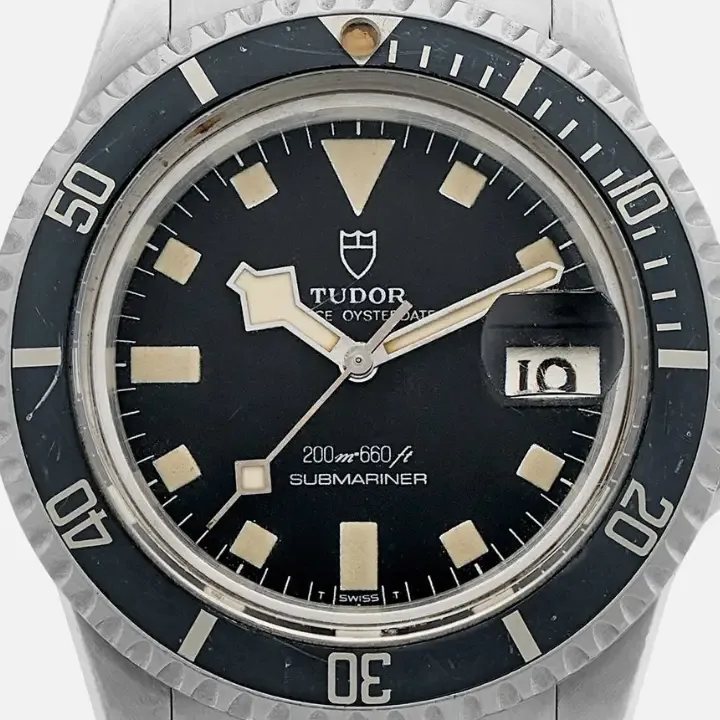
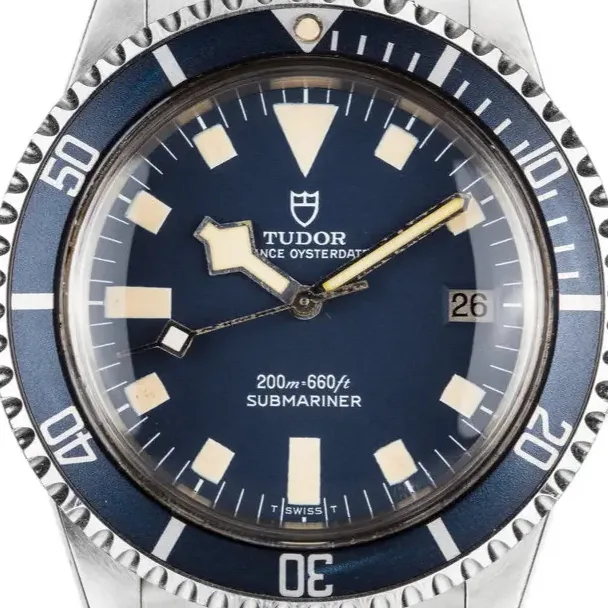
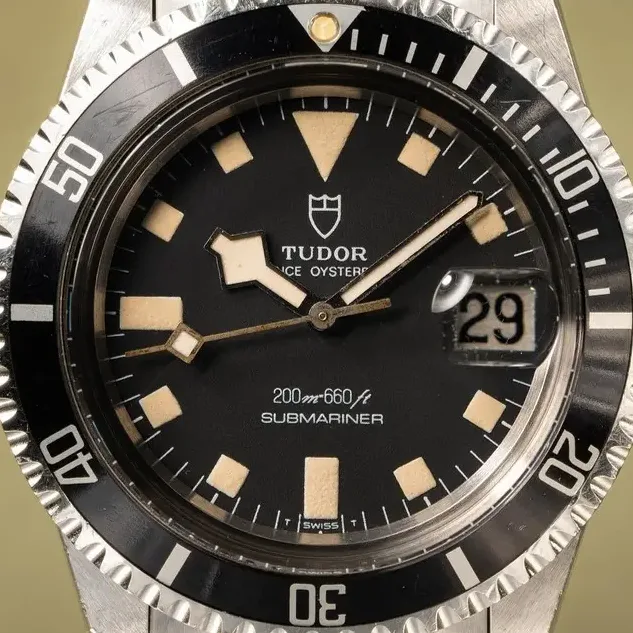
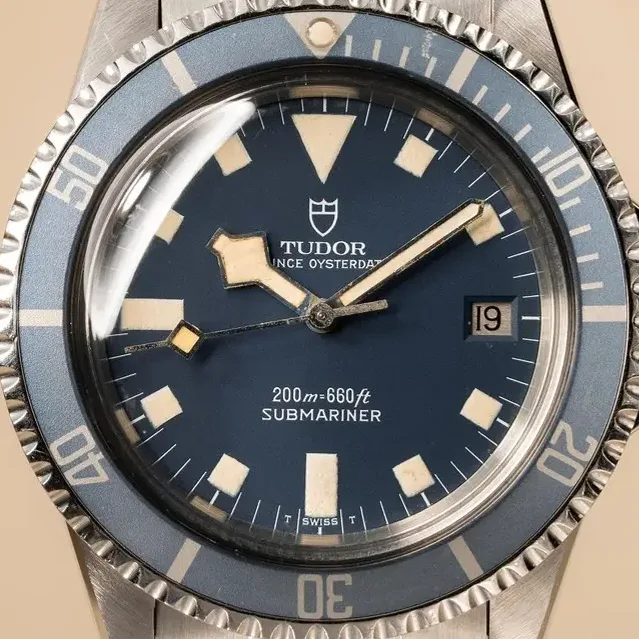
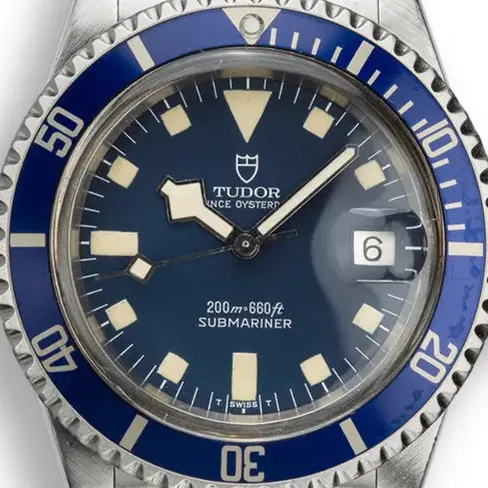
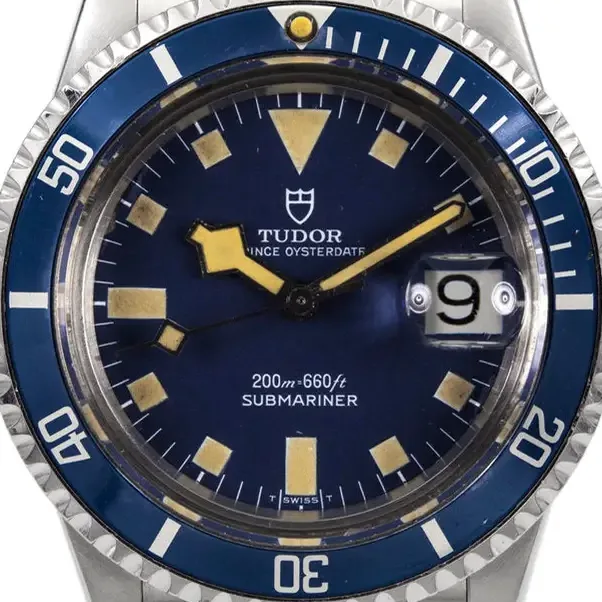
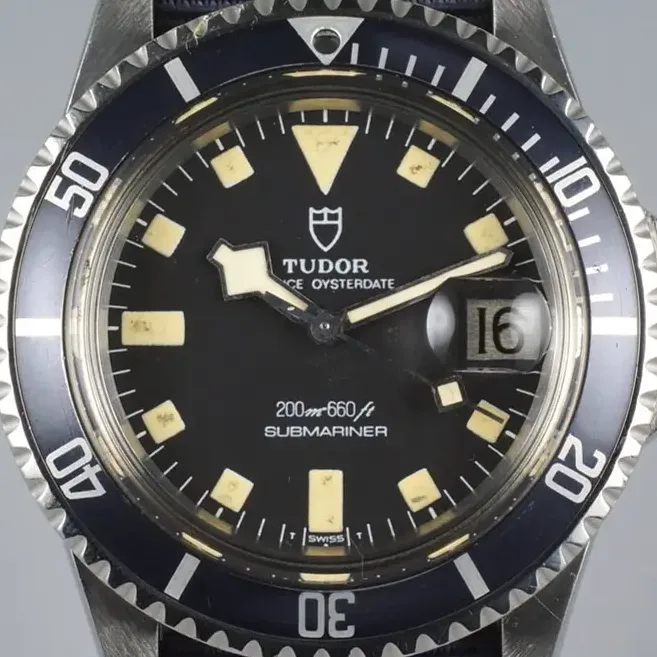
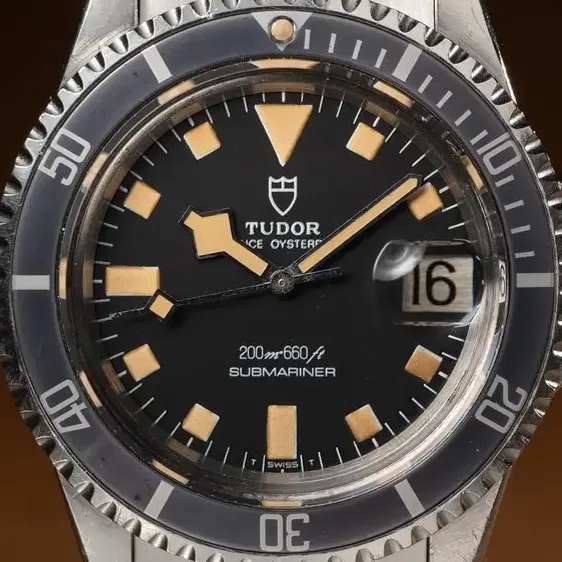
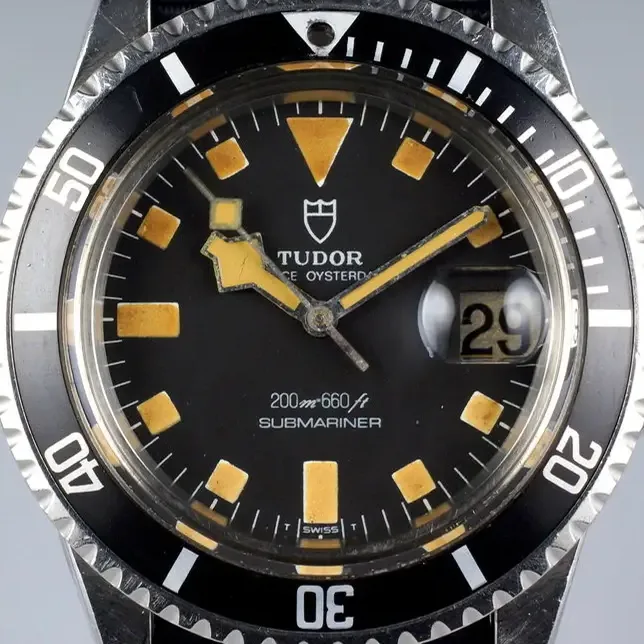
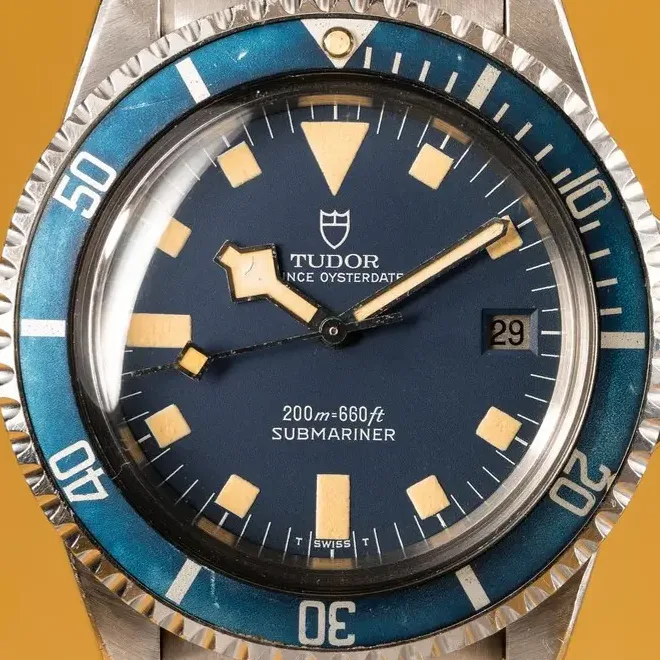
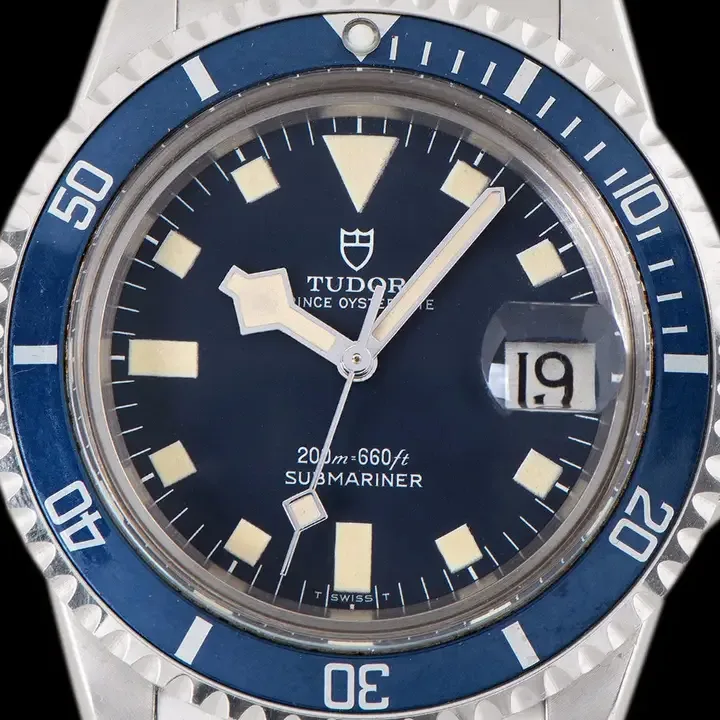
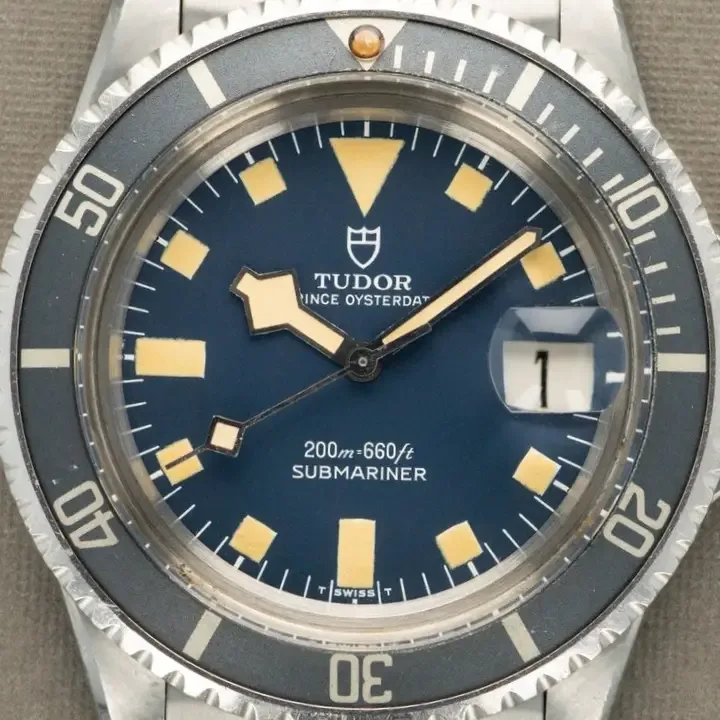
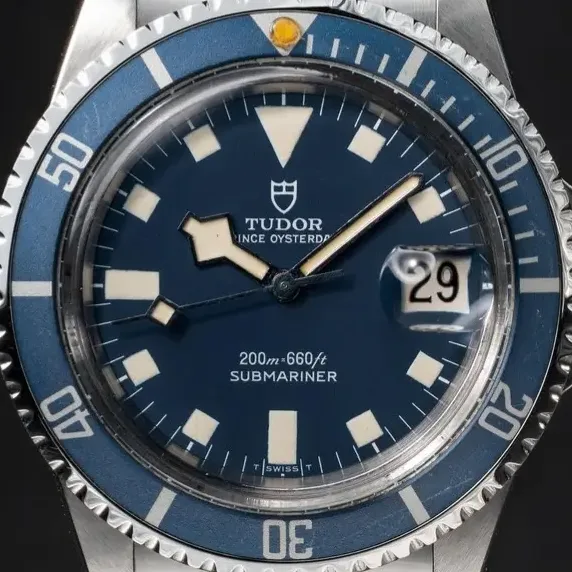
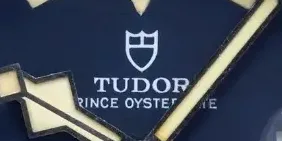
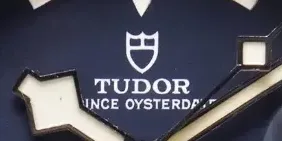
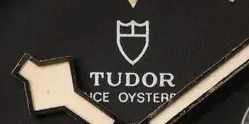
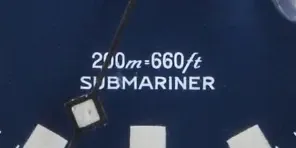
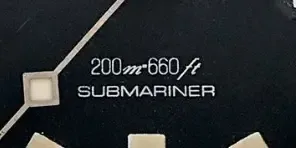
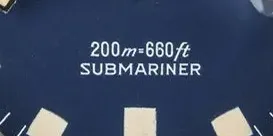
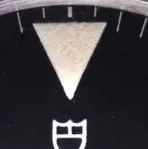
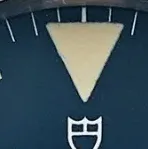
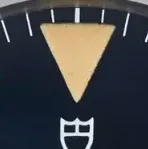
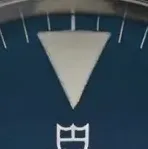
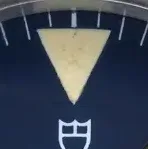
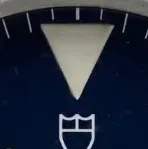
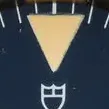
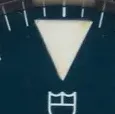
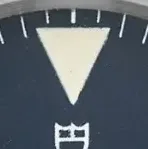
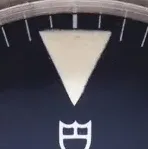
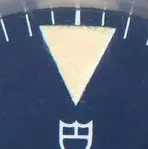
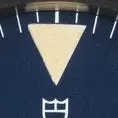
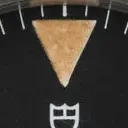
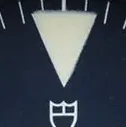
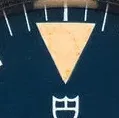
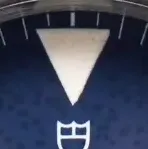
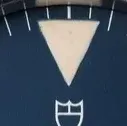
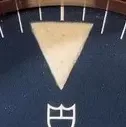
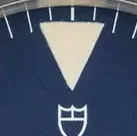
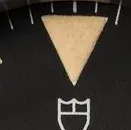
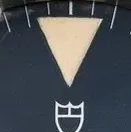
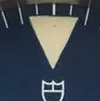
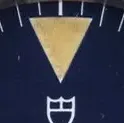
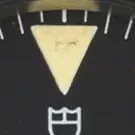
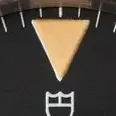
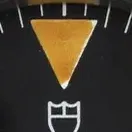
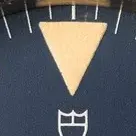
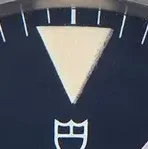
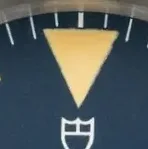
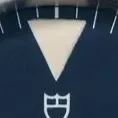
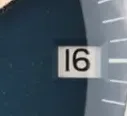
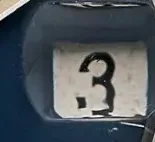
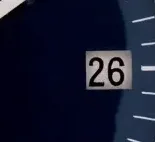
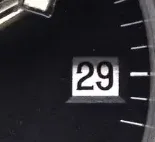
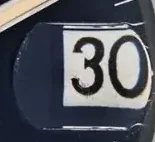
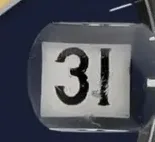
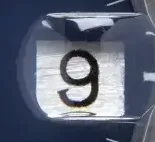
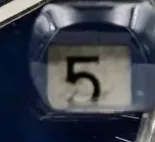
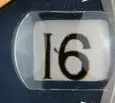
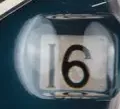
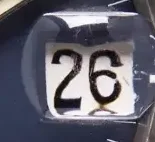
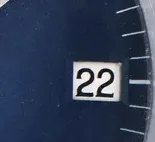
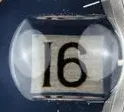
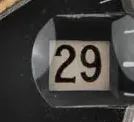
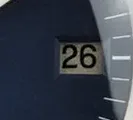
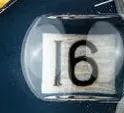
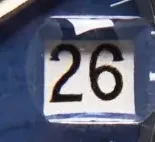
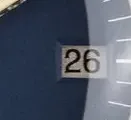
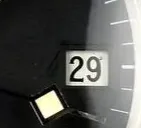
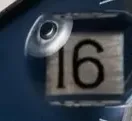
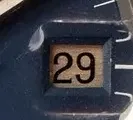
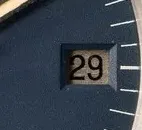
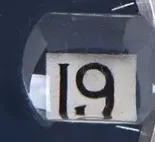
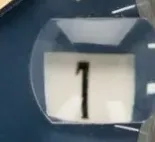
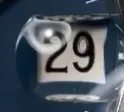
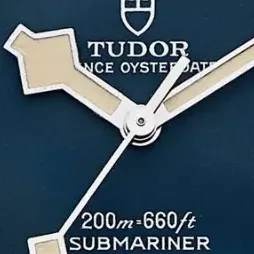
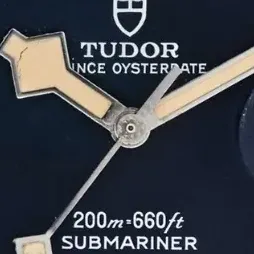
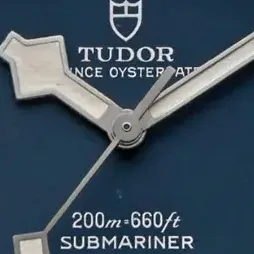
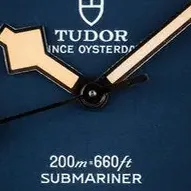
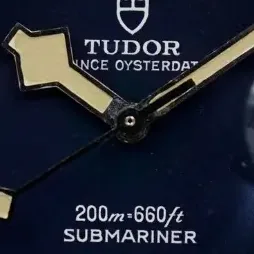
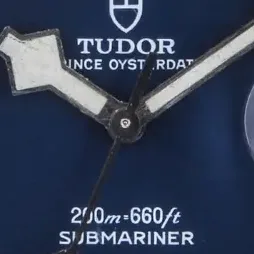
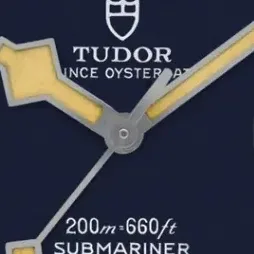
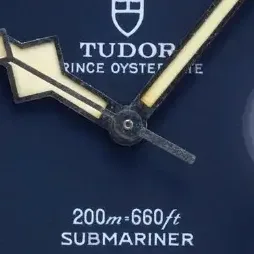
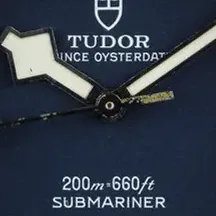
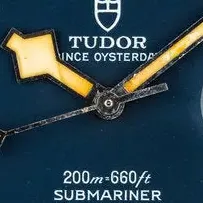
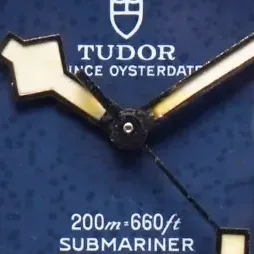
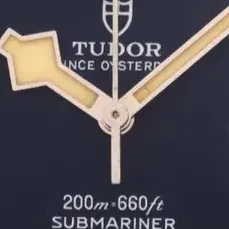
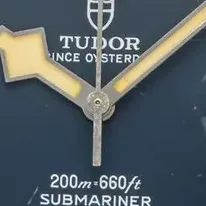
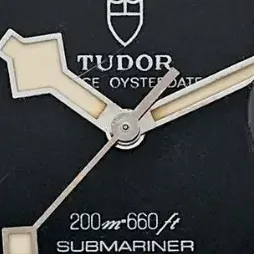
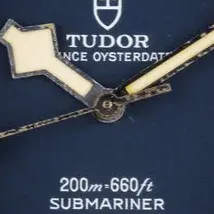
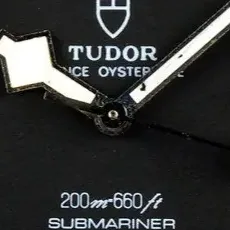
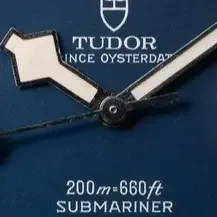
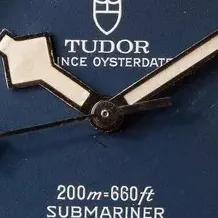
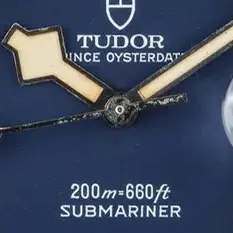
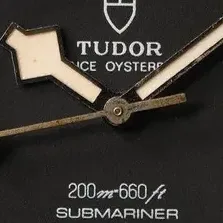
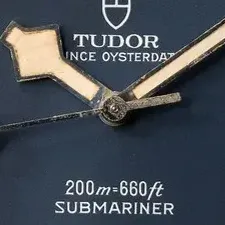
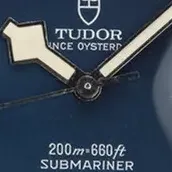
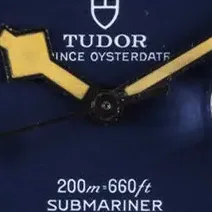
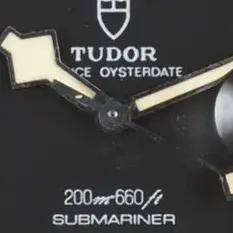
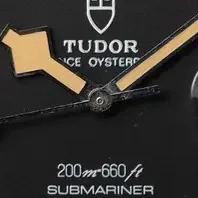
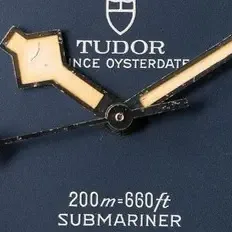
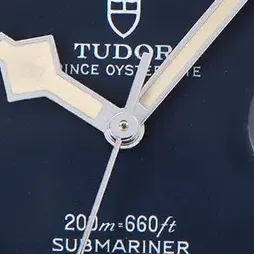
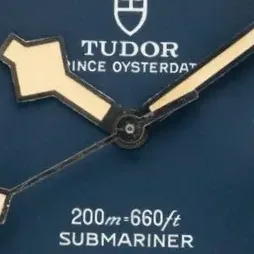
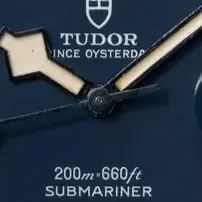
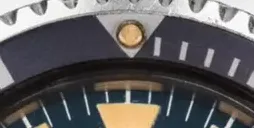
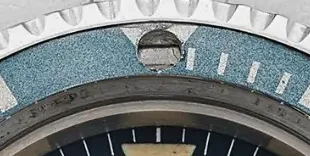
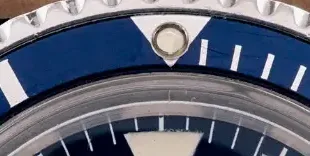
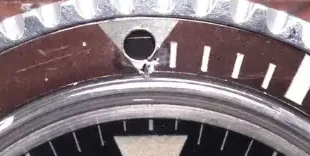
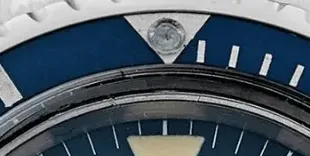
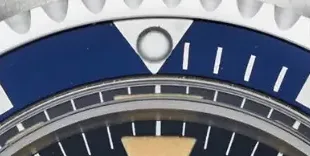
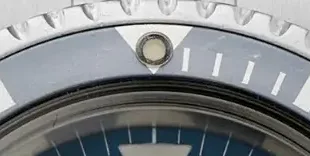
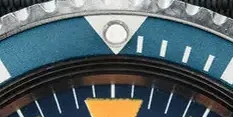
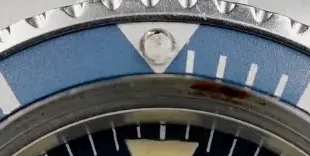
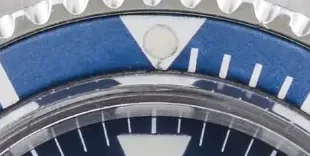
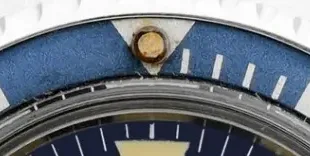
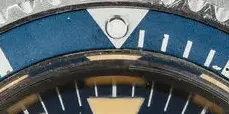
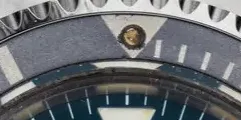
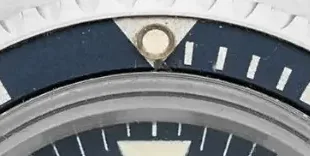
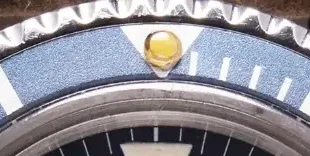
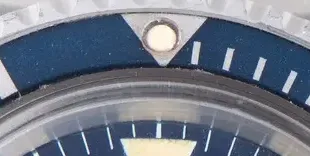
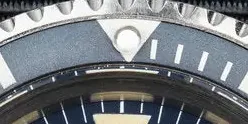
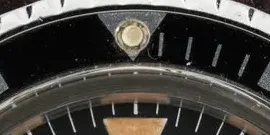
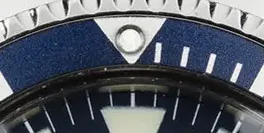
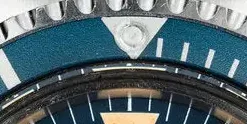
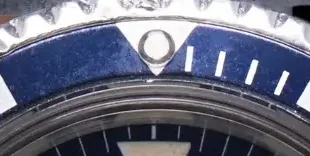
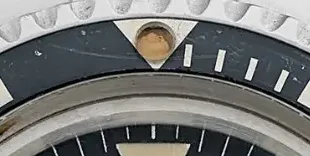
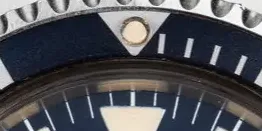
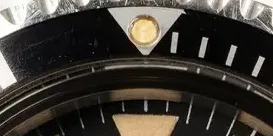
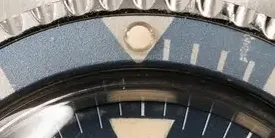
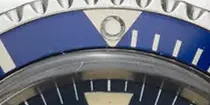
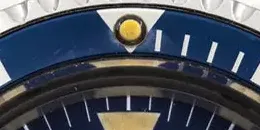
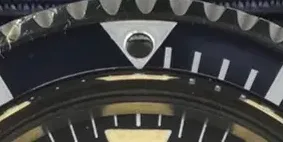
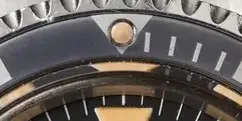
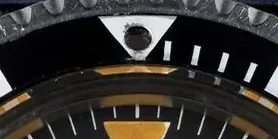
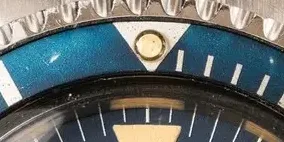
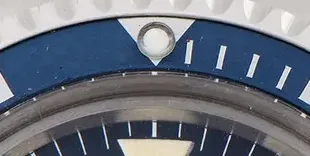
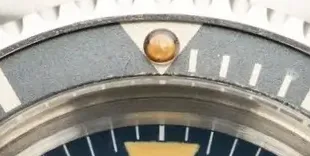
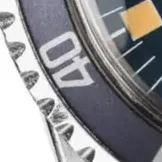
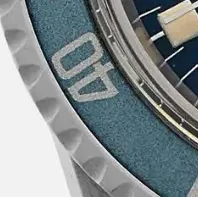
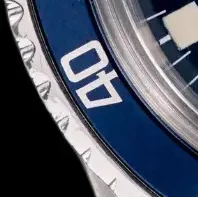
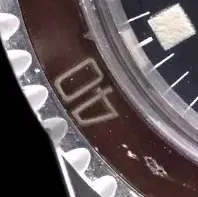
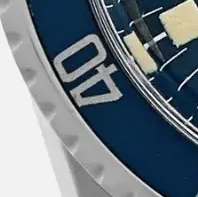
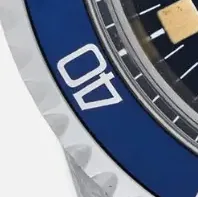
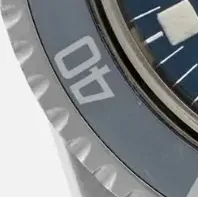
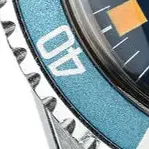
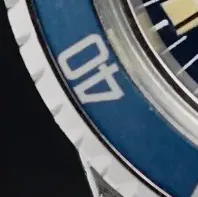
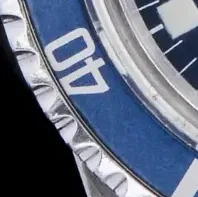
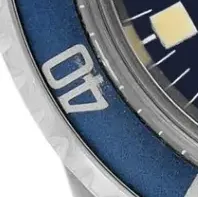
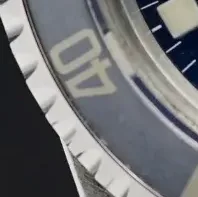
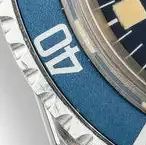
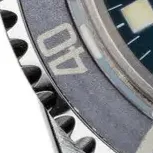
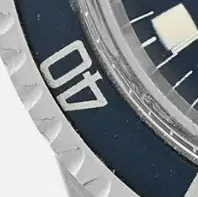
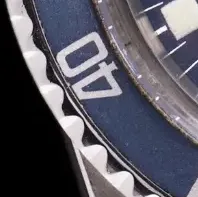
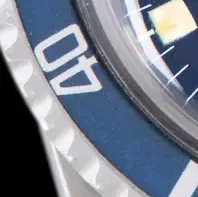
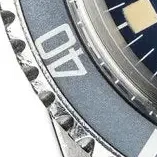
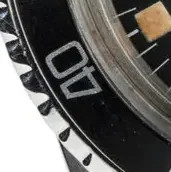
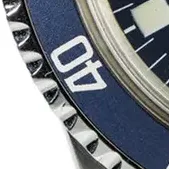
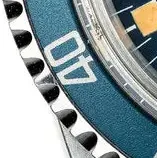
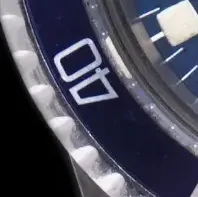
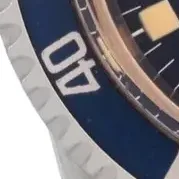
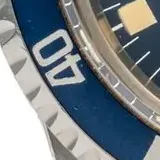
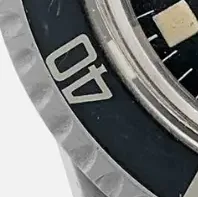
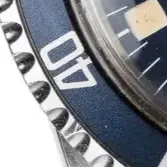
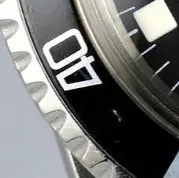
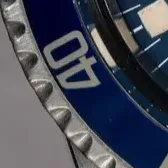
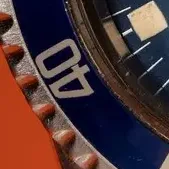
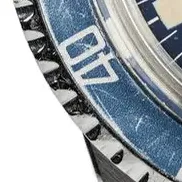
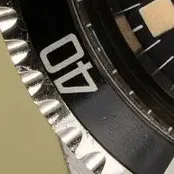
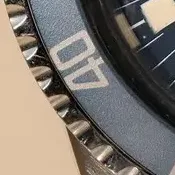
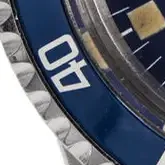
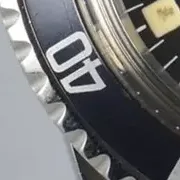
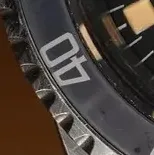
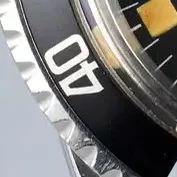
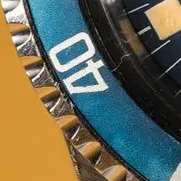
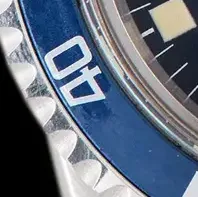
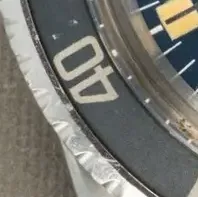
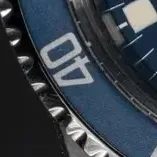
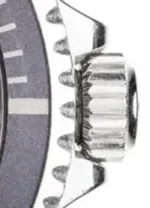
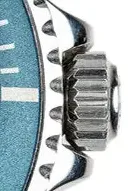
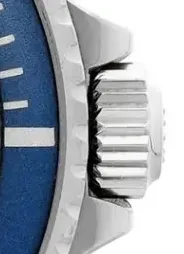
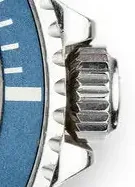
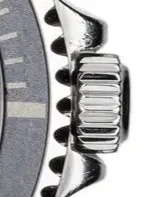
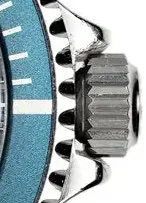
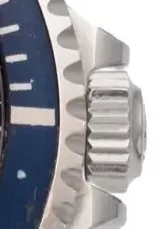
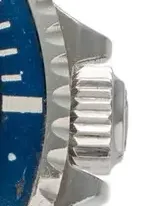
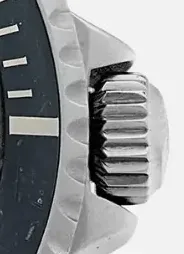
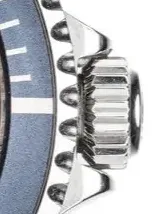
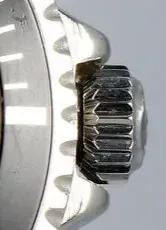
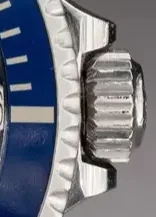
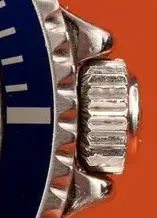
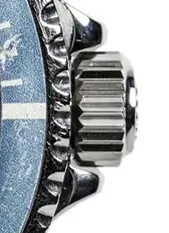
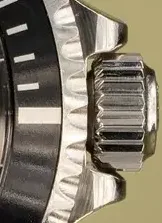
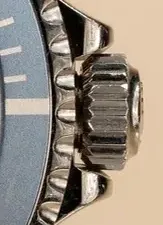
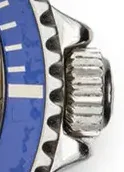
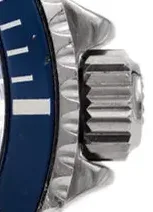
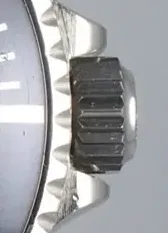
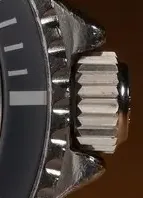
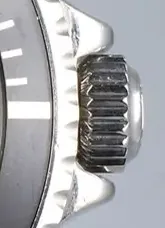
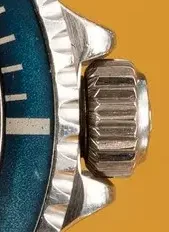
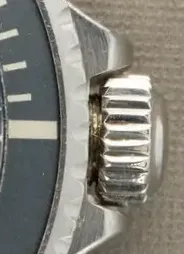
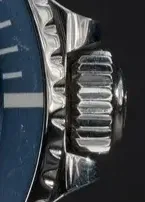
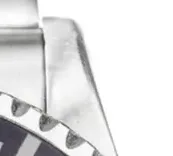
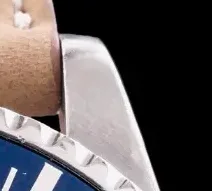
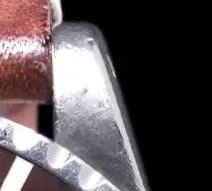
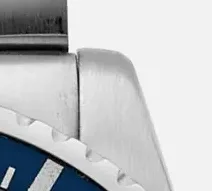
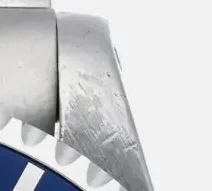
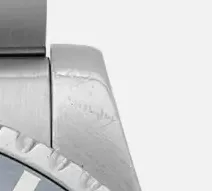
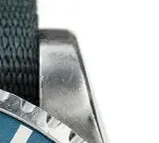
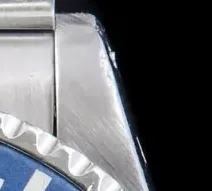
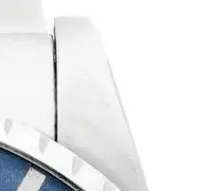
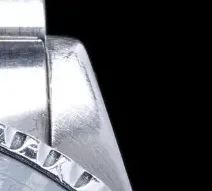
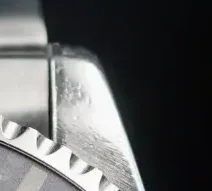
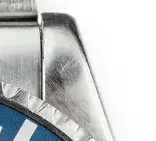
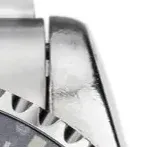
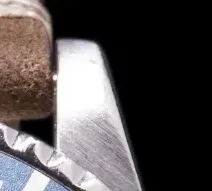
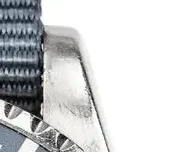
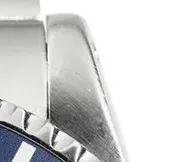
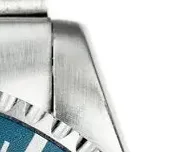
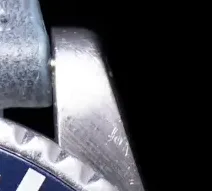
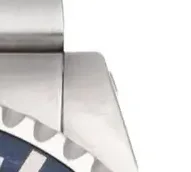
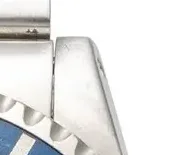
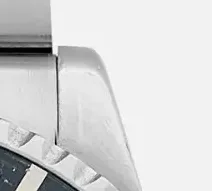
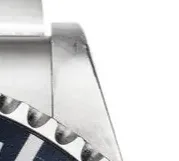
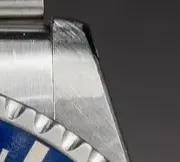
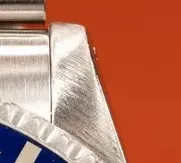
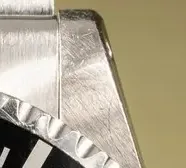
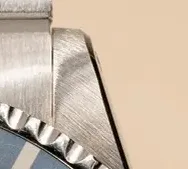
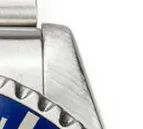
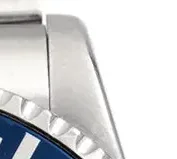
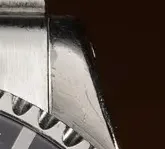
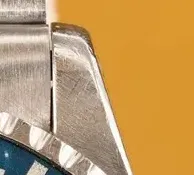
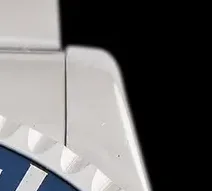
42 watches, oldest first, each straightened and cut the same way so that one row shows one component across them all. Chosen from 308 photographs on file for sharpness and for a face typical of the reference. A year marked c. is one its holder gives only roughly. Each picture is a detail cut from a listing photograph. Select the small mark in its corner for its year, its holder, a link to the listing it came from, and a way to report it.
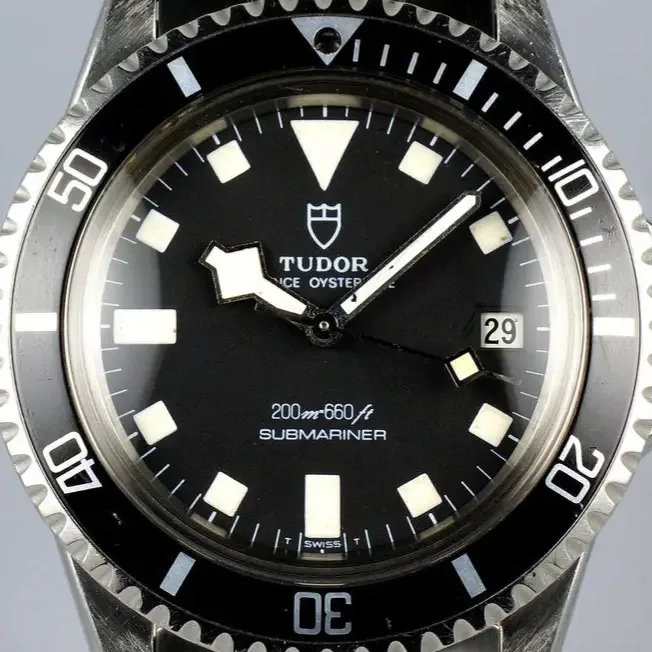
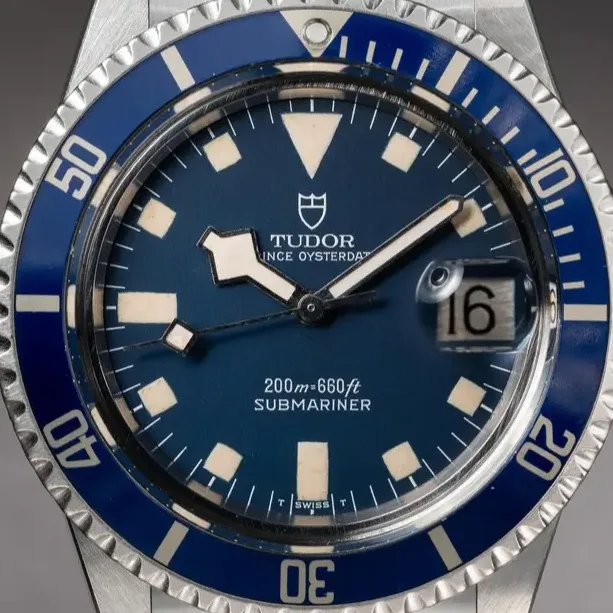
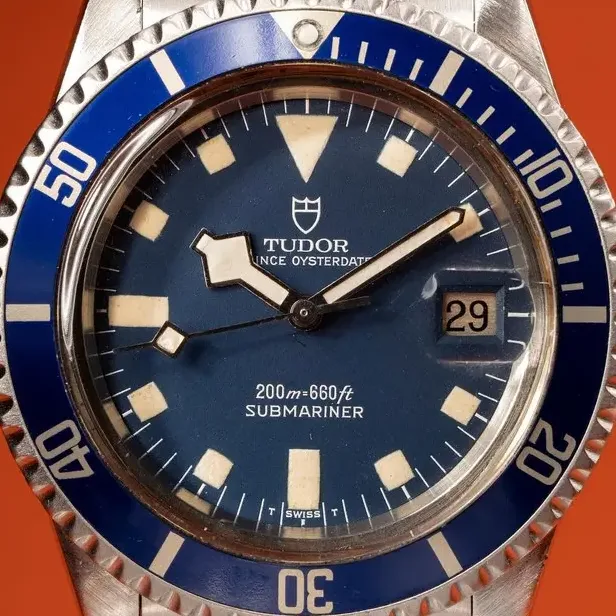
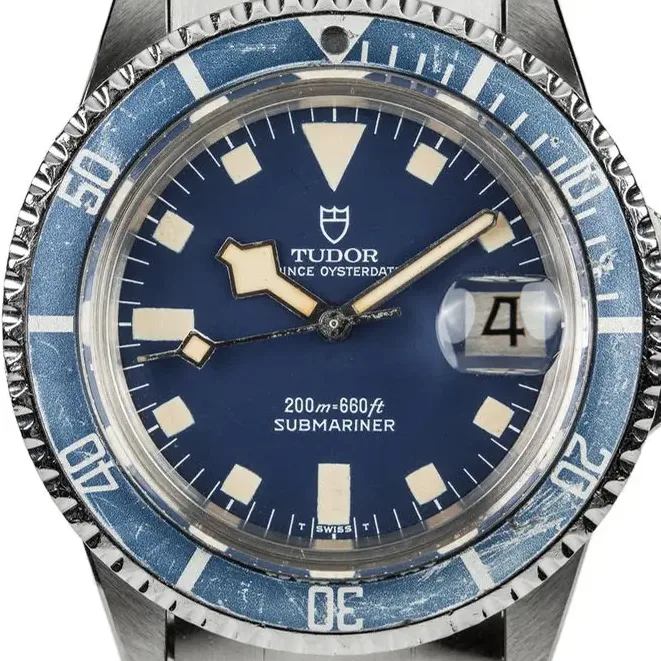










































































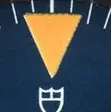
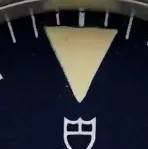
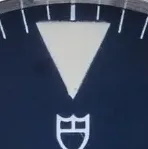
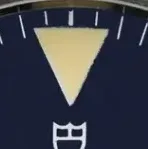
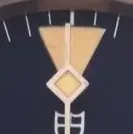

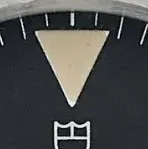
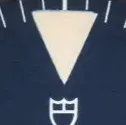
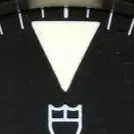
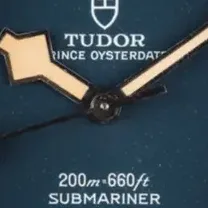
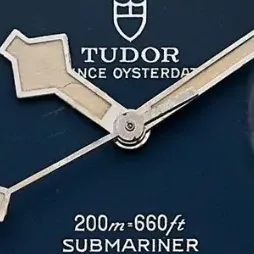
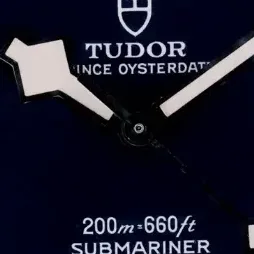
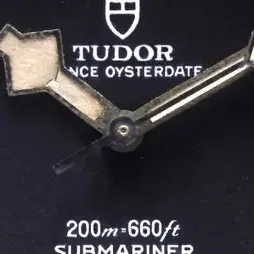
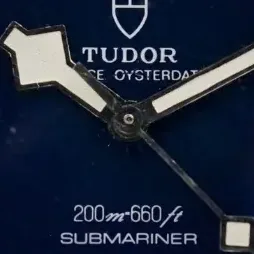
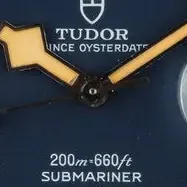
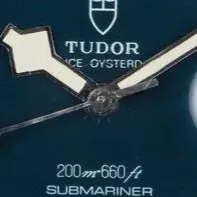
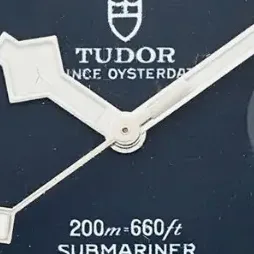
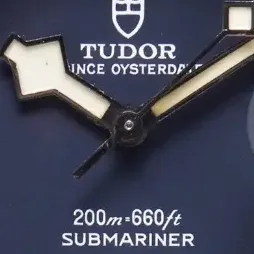
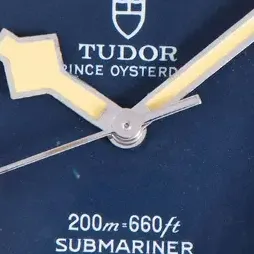
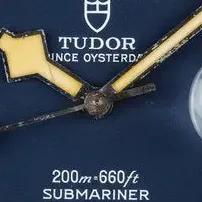
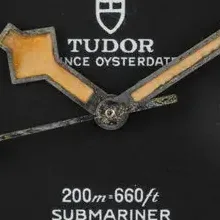





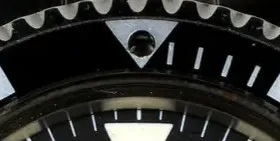
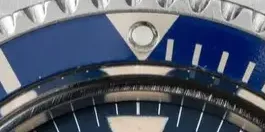
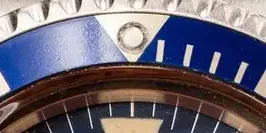
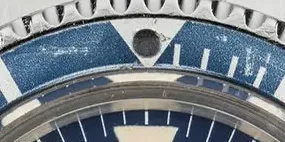


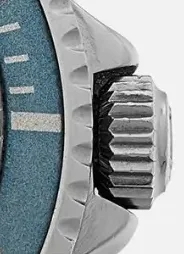
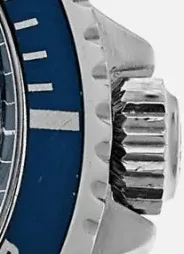
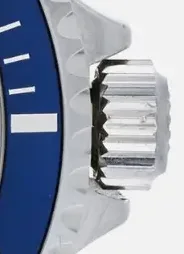
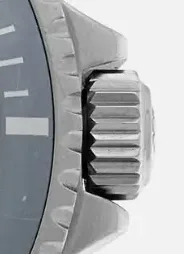
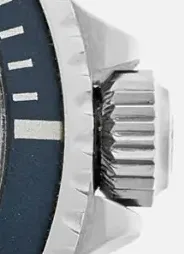
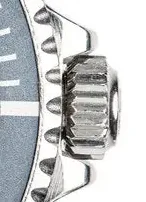
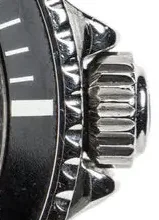
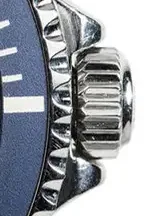






Chronology
The reference was introduced as 9411/0, put in the early to mid 1970s, and the stroke was dropped from the number around 1976. A Type B watch and one with case number about 971,000 are dated 1982. In the library's records, watches sold as 94110 carry case numbers from about 886,000 (dated about 1978) to about 971,000 (1982), with watches sold as 9411/0 in the same span.
Every dated variant: what is written, and what the records show
For the reference the marks are every dated watch; for a variant, the watches a seller names as that variant, so a variant sellers do not name has none.
Specification
| Case | Steel Oyster case of about 40 mm, given as 39 mm in some accounts, with screw-down crown and the shield logo on the dial; sellers record one 39 mm case among the sized listings |
| Dial | Blue or black with square hour markers and larger markers at the cardinal points, filled with tritium |
| Hands | Snowflake hands with a square-ended hour hand; some watches are described with a snowcone hand shape instead, at various dates |
| Bezel | Rotating dive bezel with an insert in blue or black to match the dial; blue inserts fade with age |
| Movement | Automatic, a modified ETA on the 2784 base with hacking seconds; sellers name calibre 2784 |
| Date | Date shown on the dial |
| Bracelet | Oyster-style steel bracelet in most listings, with a Tudor-signed bracelet reference 9315 noted on one watch; another account calls the 9315 on an earlier watch a Rolex bracelet |
Dial 6 described
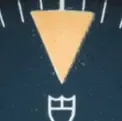
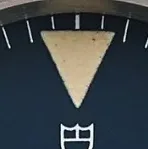
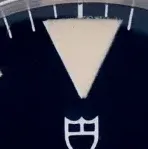
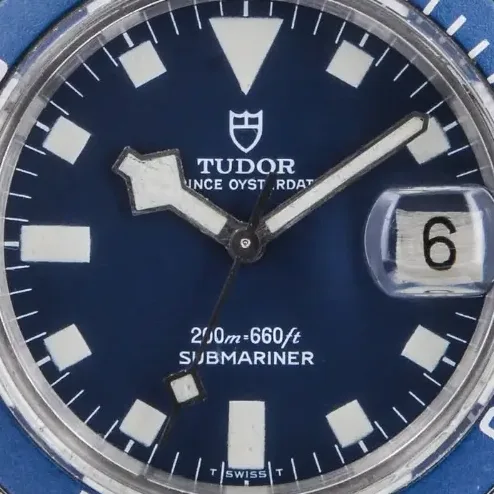
The 94110 was made with blue and black dials, the blue being by far the more common in the records. The shield logo stands where Rolex uses a crown. The markers are square, with bolder rectangular markers and an inverted triangle at twelve. Changes between dials are slight and mostly a matter of lettering.
Early dial with paint fault
Early dials of the reference suffered a paint defect that caused the surface to bubble as it aged. Tudor is believed to have put this right in the middle of the 1970s, so a dial with no bubbling is not unusual on later watches while bubbling points to the early production. The literature gives no firm date.
- bubbled or blistered dial surface
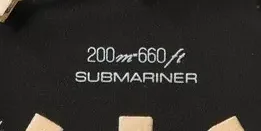
Bold m and ft
On some dials the abbreviations for metres and feet in the depth text were printed in bolder letters. The literature calls the differences slight and says all the dials look much alike at a glance. It gives no dates for this change.
- heavier m and ft in the depth line
Type A
The earlier of two dial types distinguished by small changes of typeface around 1981. The literature adds that a Type A dial found on a watch dated after 1980 is probably a service replacement.
- earlier lettering style
- Type A dial on a watch from after 1980 suggests replacement
Type B
The later typeface, found on a watch dated 1982. That watch's dial has aged to a colour the literature calls pumpkin, a word it says is often misapplied; the colour is the patina of one dial, not a mark of the type.
- later typeface
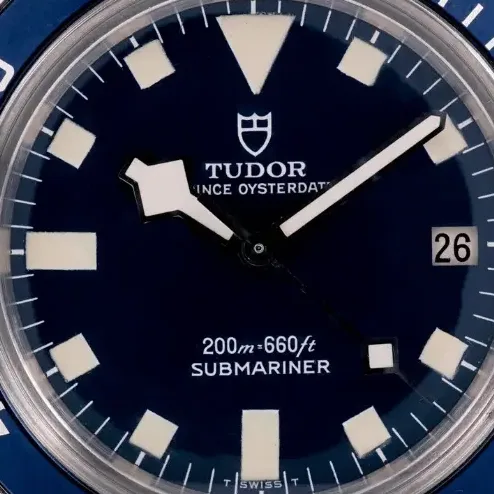
Blue Snowflake dial
The blue dial is the form most associated with the reference and matches a blue bezel insert. Sellers state it on four listings in five where a dial colour is given. One seller uses the word leopard for a blue dial with a spotted patina.
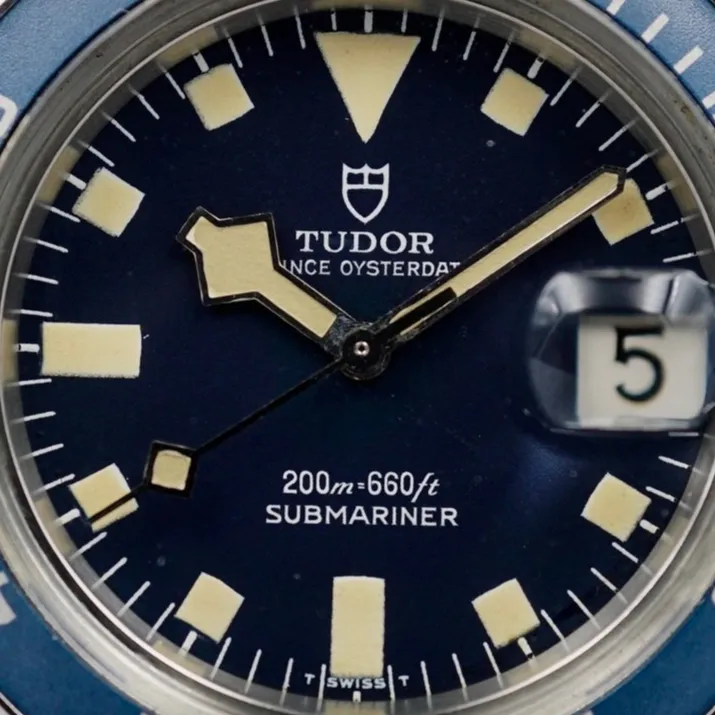
- patina spotting on the dial
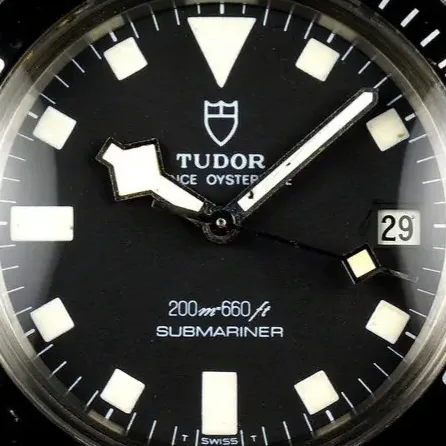
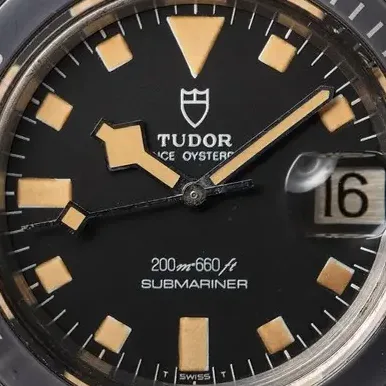
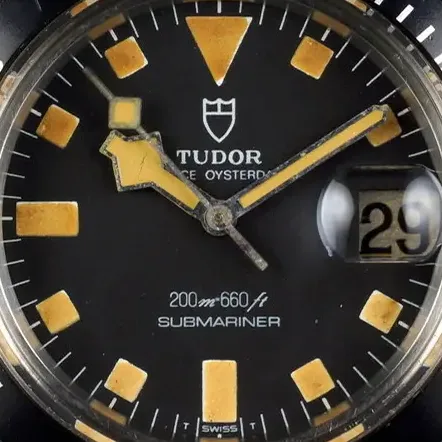
Black dial
The black dial is the less common choice, one listing in five where a colour is stated. It was made over the same years as the blue.
- black dial with black bezel
Luminous material 1 described
The square hour markers and the chunky hands were made larger to carry more tritium.
Tritium plots
The larger, angular tritium plots on markers and hands were intended to be easy to read at a glance. Aged tritium is described as cream, and a lume pip that matches the hands is looked for on a fine example.
- cream tritium
- pip matching the hand lume
Hands 2 described
The Snowflake hands began on the 7016 and 7021, and the 94110 is part of the longest run of watches with them.
Snowflake hands
A blocky hour hand with a square end replaces the Mercedes hour hand and the lollipop seconds hand of the Rolex Submariner. They are the best-known feature of the reference.
- square-ended hour hand
Snowcone hands
The reference is said to have been available with a snowcone handset as well as the snowflake, at various dates and in either dial colour. The literature gives no dates for the change.
- snowcone-shaped hour hand
Bezel 1 described
The bezel insert follows the dial colour and is prone to fade.
Blue and black inserts
Blue and black inserts were fitted to match the dial. A blue insert that has faded in sun and sea water is described as a desirable sign of use, as on the Jamaican Defence Force example.
- faded blue insert
Case 1 described
The case is the steel Oyster case. Collectors prefer one that has not been repolished.
Unpolished case
A full case with the original profile and bevels that have not been recut is valued, and one watch is described as retaining its original case profile after heavy use. Where a case has been polished the bevels soften.
- sharp bevels
- unpolished
Movement 1 described
The reference brought modified ETA movements to the Tudor Submariner while it was still numbered 9411/0, together with the no-date 9401/0, later 94010. Some listings give calibre 390 in error, picked up from a seller's text about earlier movements.
Modified ETA 2784
A modified ETA automatic on the 2784 base, which brought hacking seconds to the Tudor Submariner. Sellers name 2784 in most descriptions that give a calibre, and a few give 2783.
- hacking seconds
Bracelet 1 described
Most watches in the records are on a steel Oyster-style bracelet.
Signed Tudor bracelet
One watch, of 1982, is described on a Tudor-signed bracelet reference 9315; the 9315 on a watch of about 1975 is described elsewhere as a Rolex bracelet with 380 end links. Full links count in a watch's favour, since complete bracelets are not common now.
- Tudor-signed clasp
- full set of links
Box and papers 1 described
Boxes and papers are present on some watches, and a military issue has been recorded.
Jamaican Defence Force issue
A blue 94110 issued to the Jamaican Defence Force coast guard dive department, apparently ordered through United States Navy stores. It has an outline-style engraving on the caseback like that on some US Navy issue Tudors. It is described as the only known example.
- outline-font engraving on caseback
Originality
- A Type A dial on a watch dated after 1980 is probably a service replacement.
- A full unpolished case with bevels that have not been recut and a matching tritium pip on dial and hands are signs of an untouched watch.
- The literature says the reference is not rare, but many have been altered over time, so untouched examples are the scarcer ones.
Names
- Snowflake. After the angular square-ended hands and square markers, shaped to carry more luminous material.
- Pumpkin. Used for a dial whose patina has aged to an orange tone, as on one 1982 Type B watch; the literature calls the word commonly misapplied.
- Leopard. A seller's word for a blue dial with a spotted patina.
Where accounts differ
Points on which the published literature and the library's own records do not agree, or on which the literature contradicts itself.
- Change of reference number. Published accounts say the stroke was dropped from the number around 1976. In the library's records, watches sold as 9411/0 or 9411 carry case numbers up to about 880,000 (about 1978) and a few around 936,000 to 940,000 (about 1980 to 1981), while those sold as 94110 begin at about 886,000 (about 1978), so the two forms appear side by side.
- The 9315 bracelet. One account describes the 9315 on a 9411/0 of about 1975 as a Rolex bracelet with 380 end links; another describes the 9315 on a watch of 1982 as Tudor-signed. Neither says when or whether the signature changed.
- Case diameter. Some accounts give the case as 39 mm and others as 40 mm. Sellers in the library's records most often give 40 mm.
Back and movement
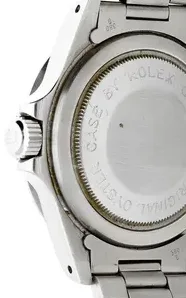
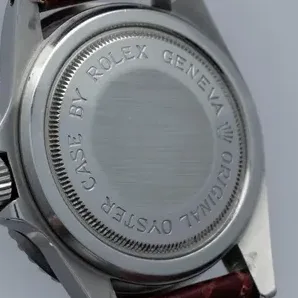
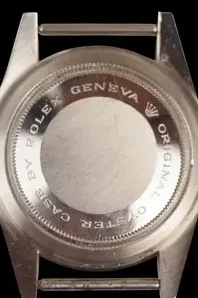
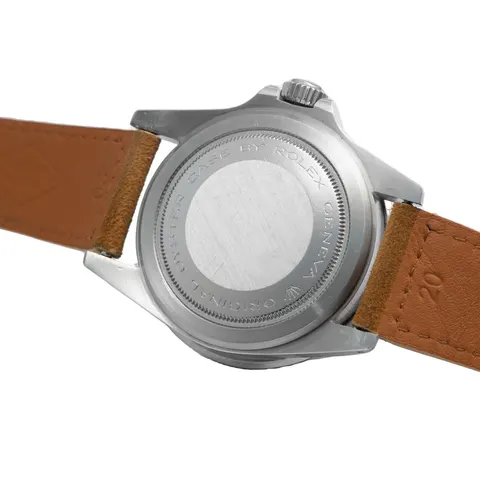
From listings of this reference, each confirmed by eye to show what it is filed under. A picture on which a person's name or a personal engraving can be read is not shown. From most holders a detail from the middle of the photograph is shown; the mark in its corner gives its holder and a link to the listing.
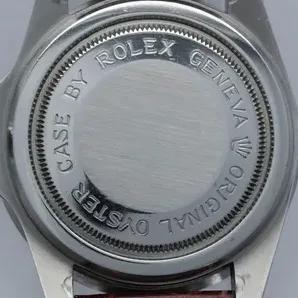
Caseback


In the records
Counted from 133 listings at 24 holders between 14 September 2010 and 14 November 2026. These are what sellers and auction houses state, not measurements.
Fainter bars are the 4 outside the main run of 1976–1982 (the middle nine-tenths): the earliest is 1970. They are early and late examples, and now and then a seller's slip. The head of the page gives 1973–1982: the years that listings from two holders bear out.
Case metal
| Steel | 33 |
Dial colour
| Blue | 24 | |
| Black | 5 |
Case size
| 40 mm | 21 | |
| 39 mm | 1 |
Calibre named
| 2784 | 17 | |
| 390 | 11 | |
| 2783 | 2 |
Bracelet or strap
| Oyster bracelet | 16 | |
| Metal bracelet, kind not stated | 7 | |
| Leather strap | 2 | |
| Fabric strap | 1 |
Each table counts the listings that state the thing, in the seller's own terms. A size, metal, colour or calibre that cannot belong to this reference is a seller's slip or a listing filed under the wrong number.