Oyster Prince Submariner
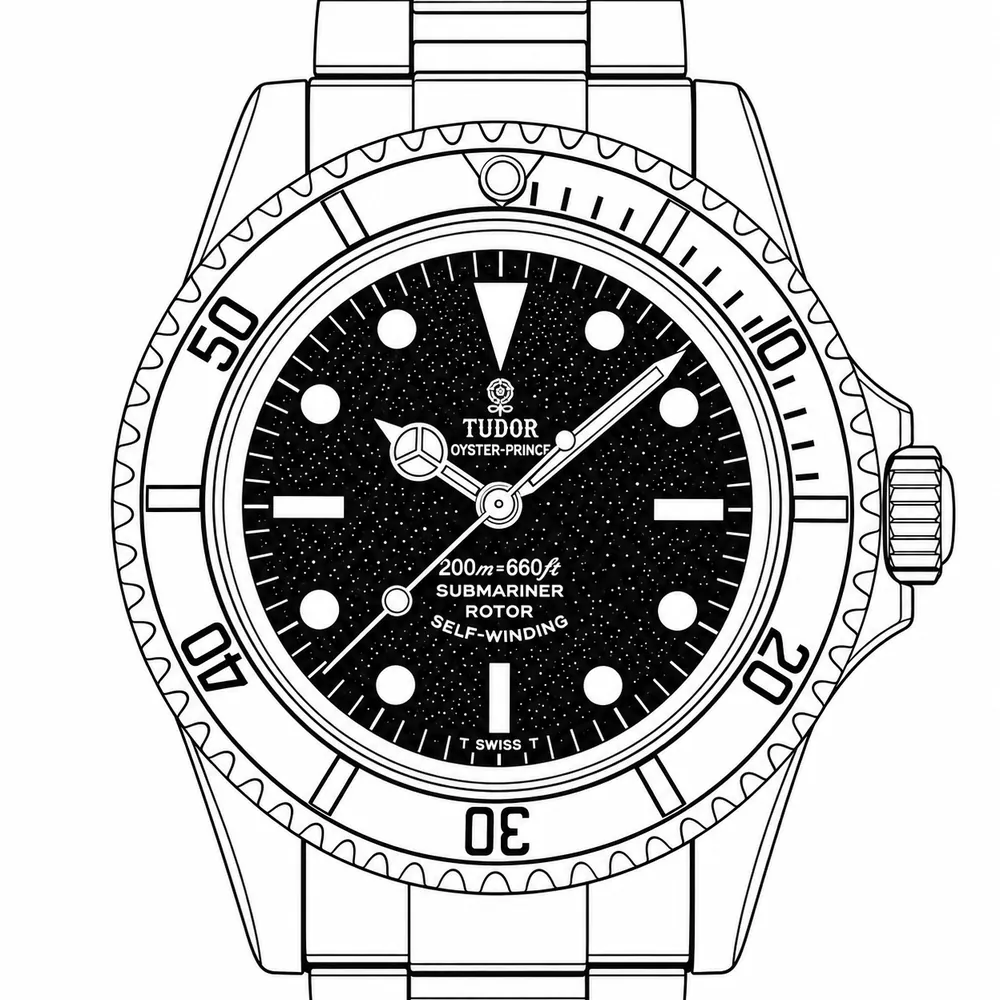
The last reference of Tudor's 7900 series and the first Tudor Submariner to carry crown guards. It is a 39 mm steel Oyster-style case, signed Rolex on case and crown, with a domed acrylic crystal, a bidirectional bezel and the automatic calibre 390, rated to 200 metres. It followed the unguarded 7924 'Big Crown' and was replaced about 1968 or 1969 by the 7016 and 7021 with square-index 'snowflake' dials and ETA movements. Over about nine years it passed through square, pointed and then rounded crown guards and from gilt to silver to white dial print, which makes it the most varied of the early Tudor Submariners. Collectors look first at the crown guards, the dial print and minute track, and the caseback stamp and any engraving.
- Made
- 1959–1968dates approximate
- Seen in the library
- 1959–1970nine in ten in 1960–1967 · by years sellers state
- Case
- 40 mm · steel (98%)as sellers state
- Movement
- Calibre 390automatic
- On record
- 226 listings445 photographs · 41 holders
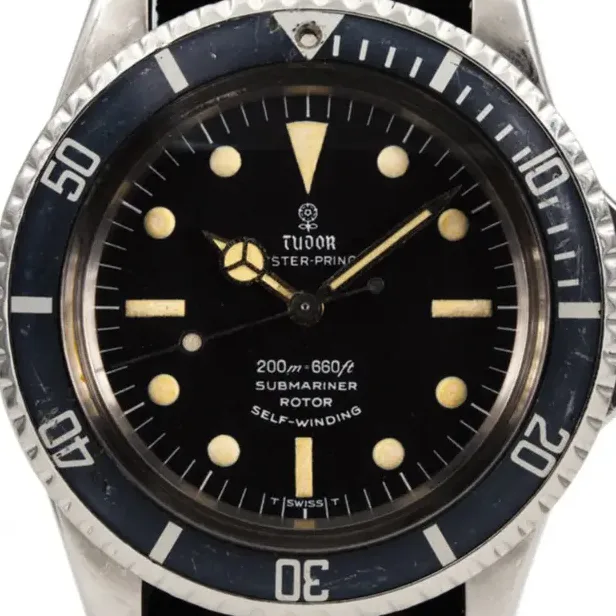
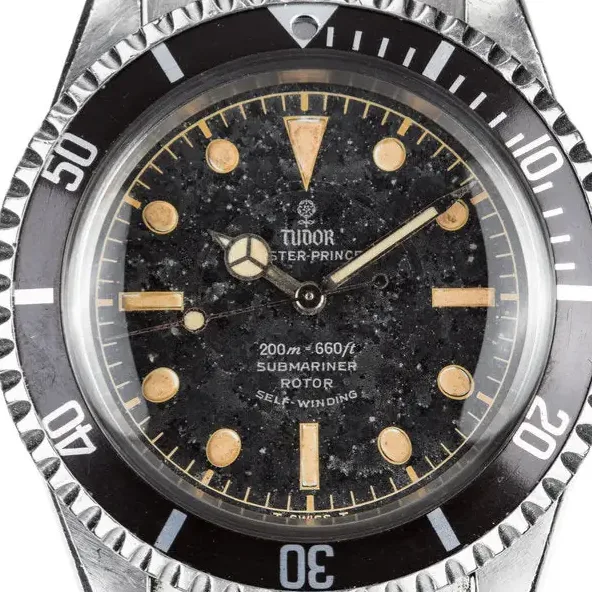
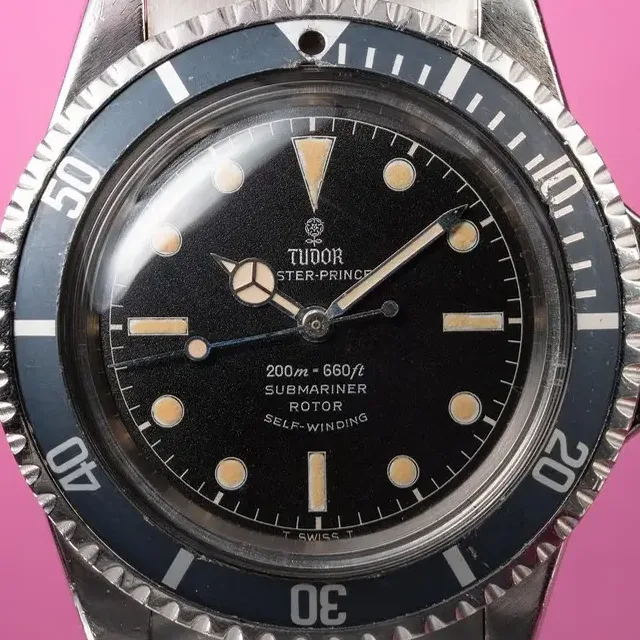
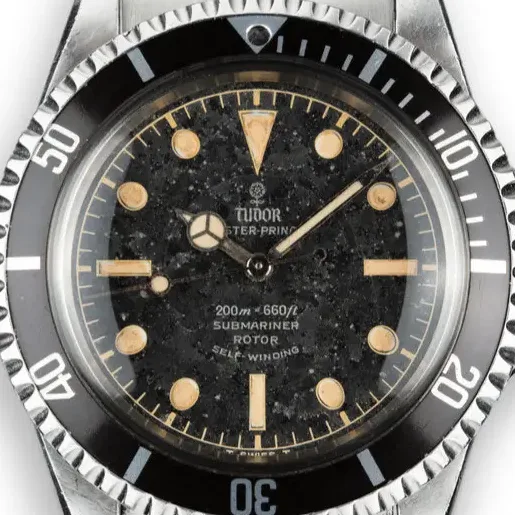
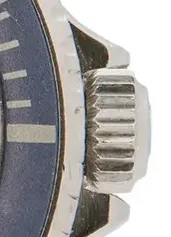
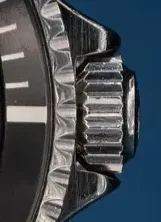
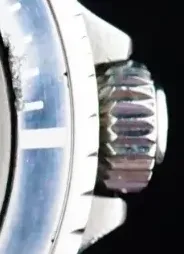
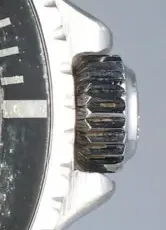
Components
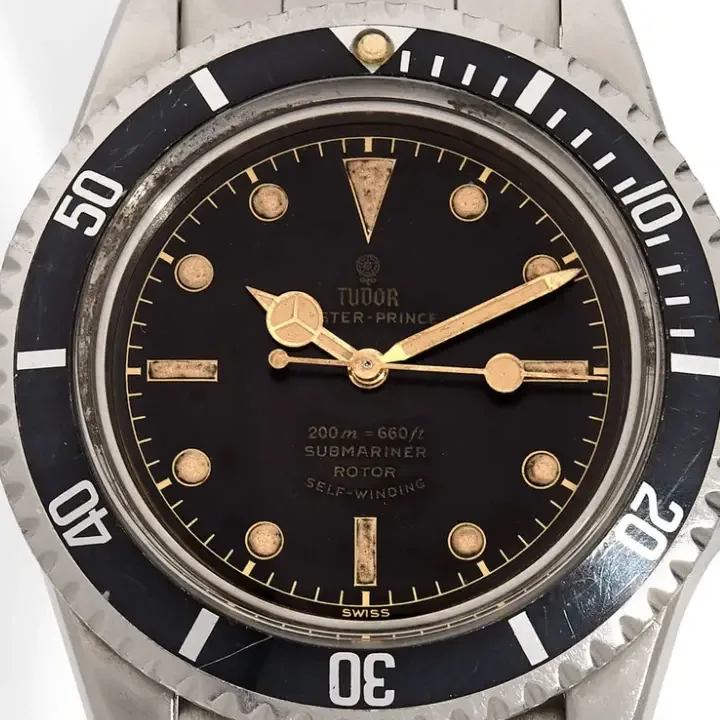
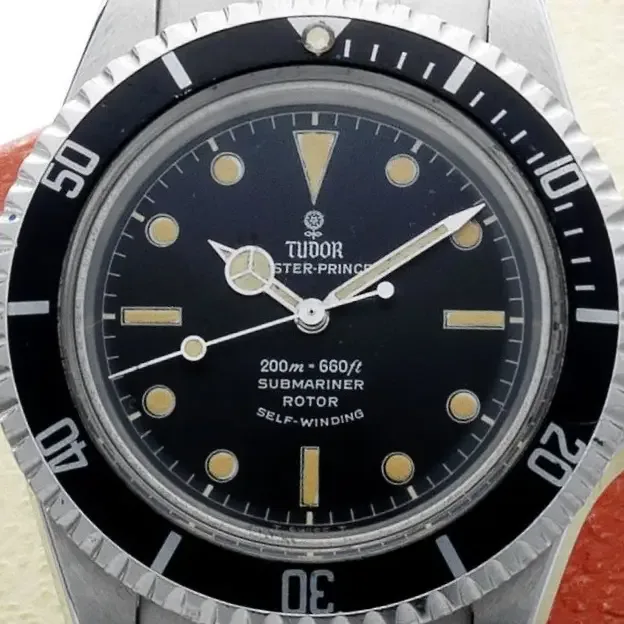
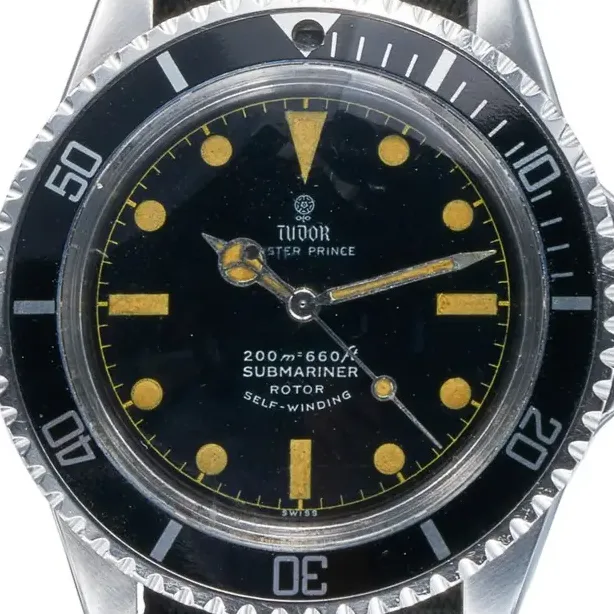
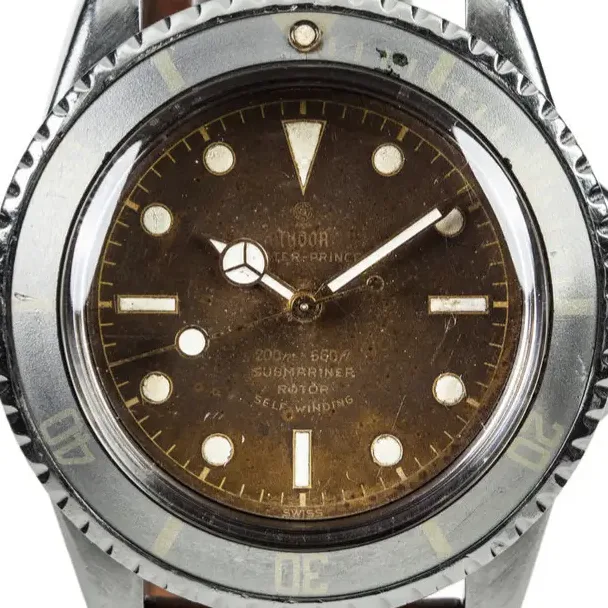
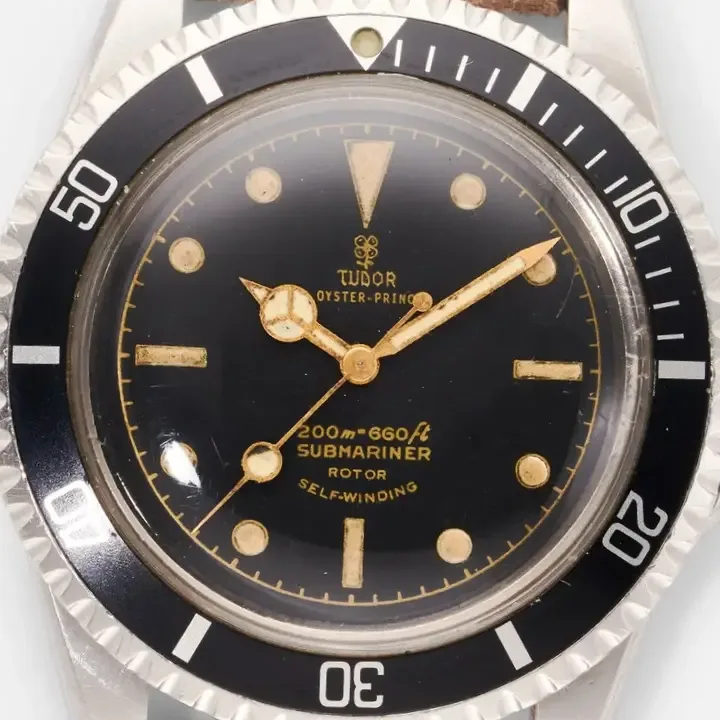
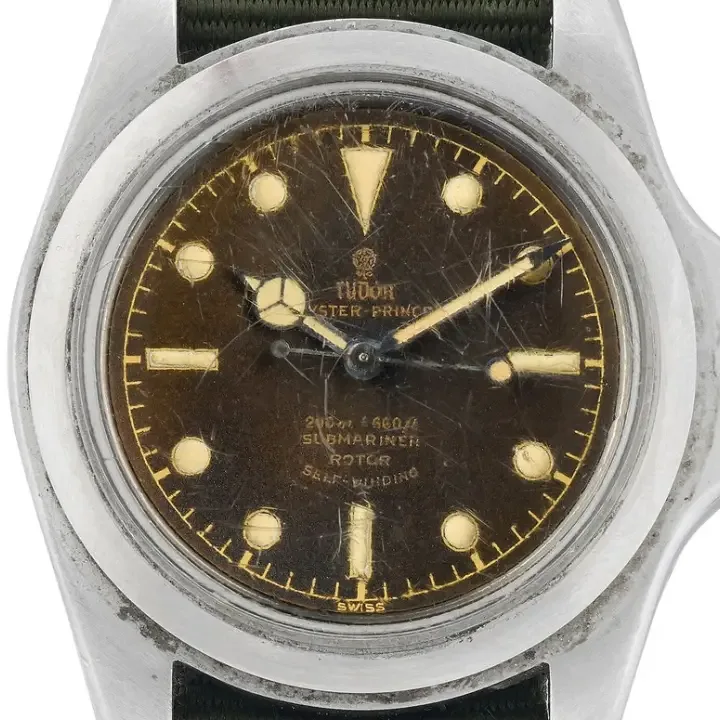
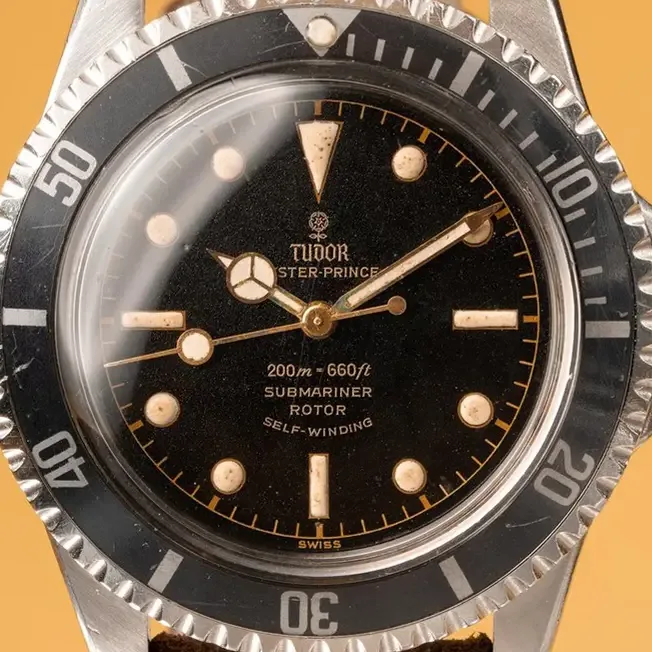
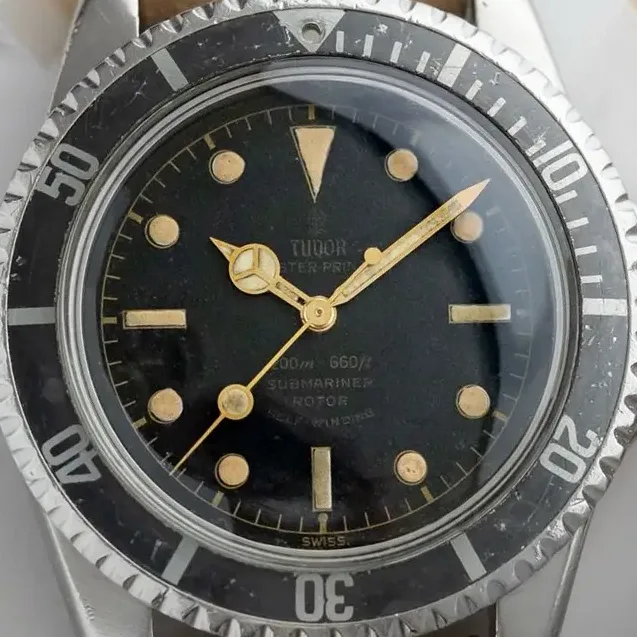
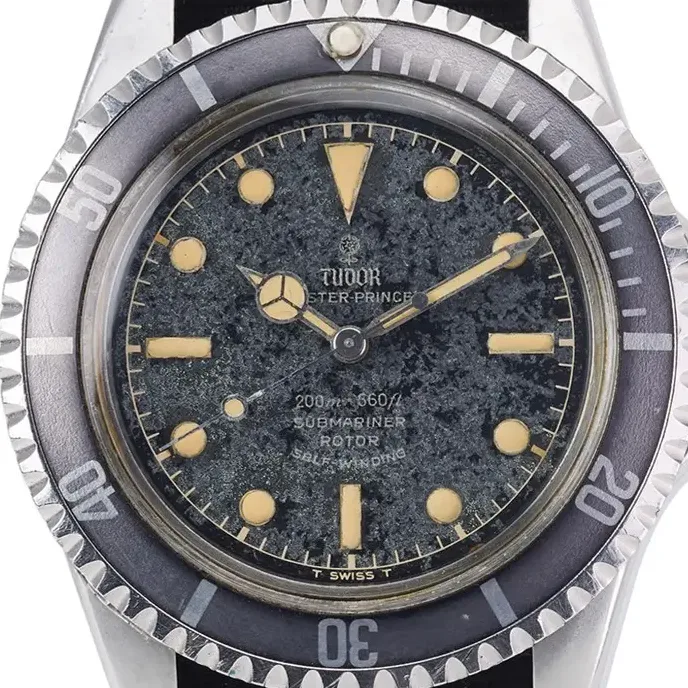
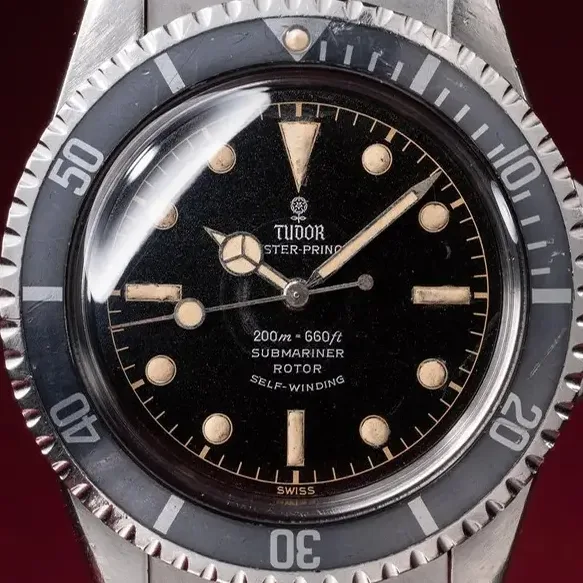
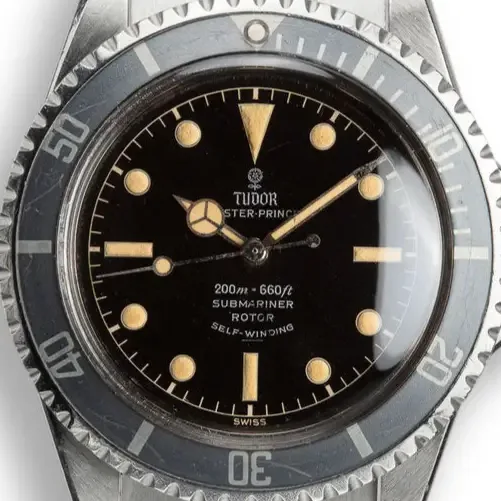
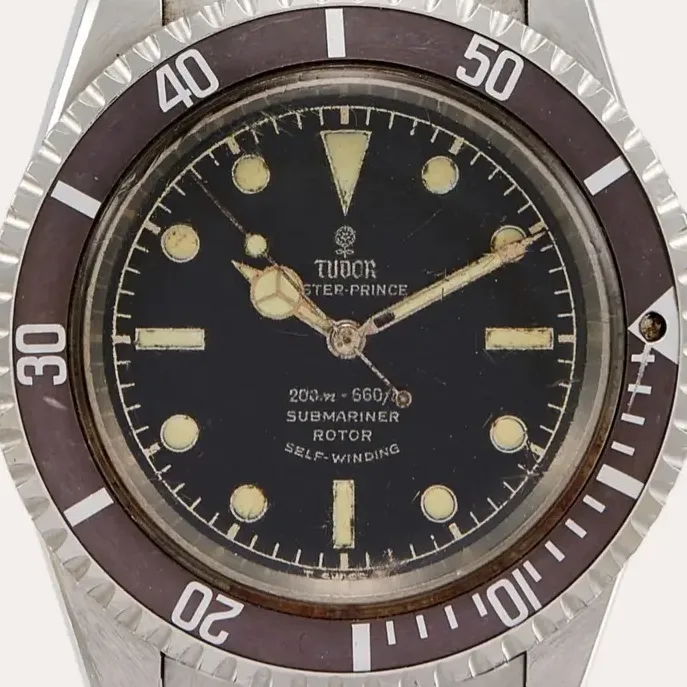
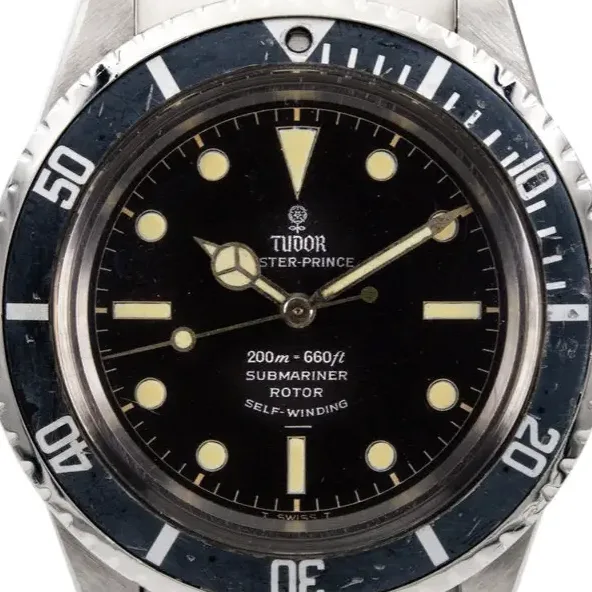
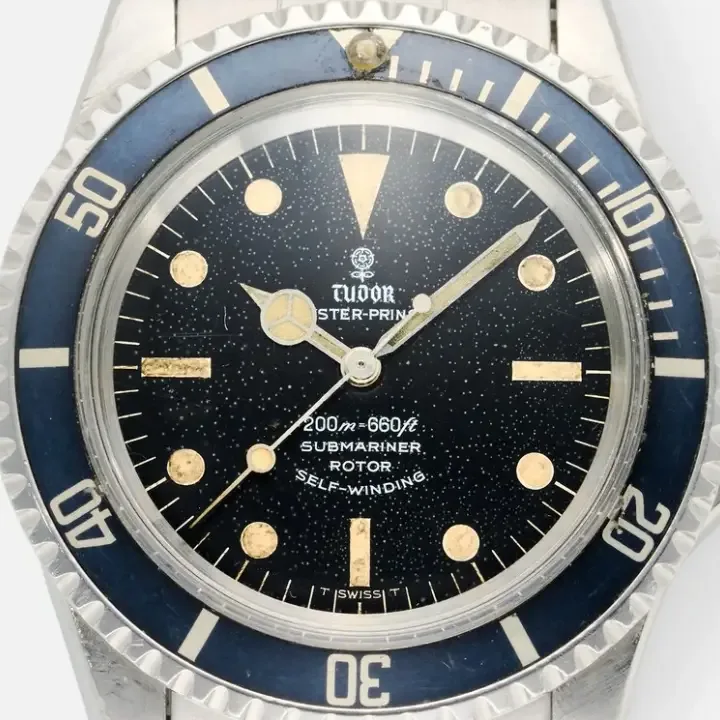
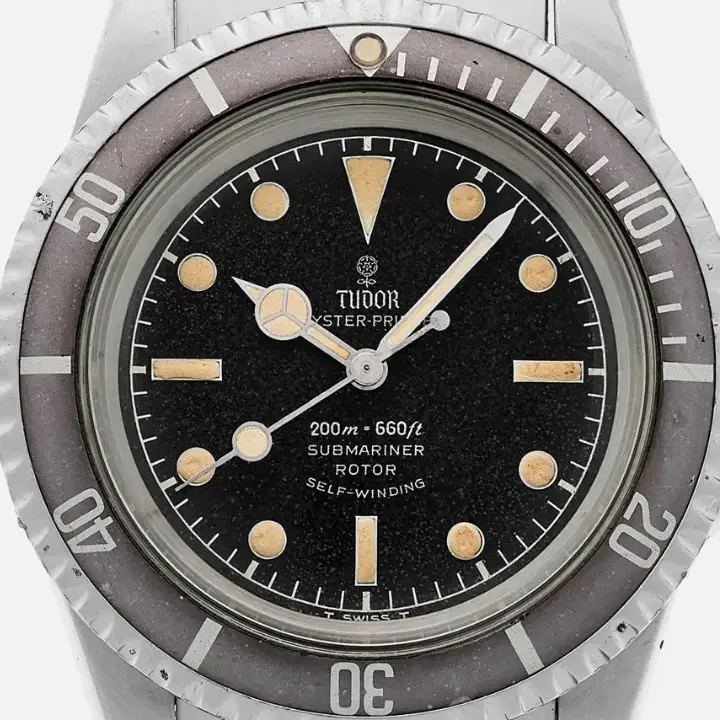
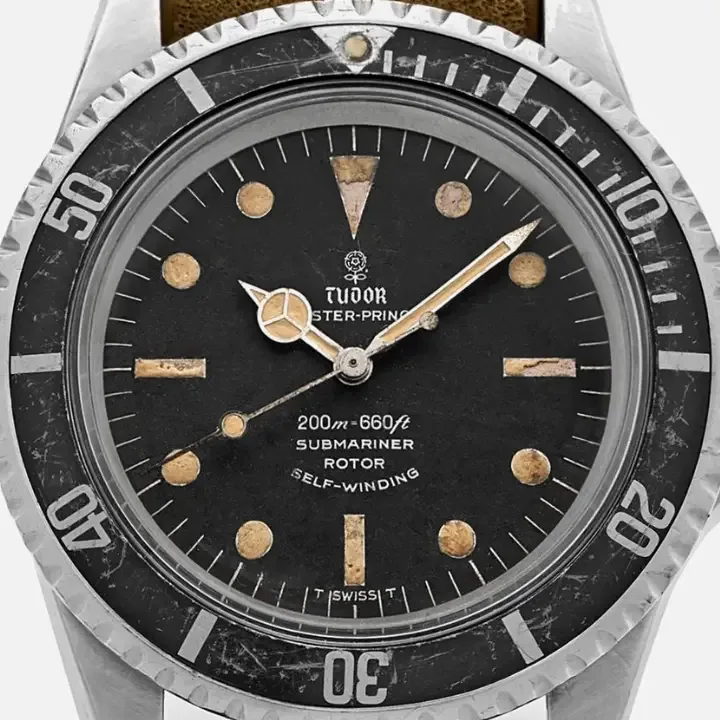
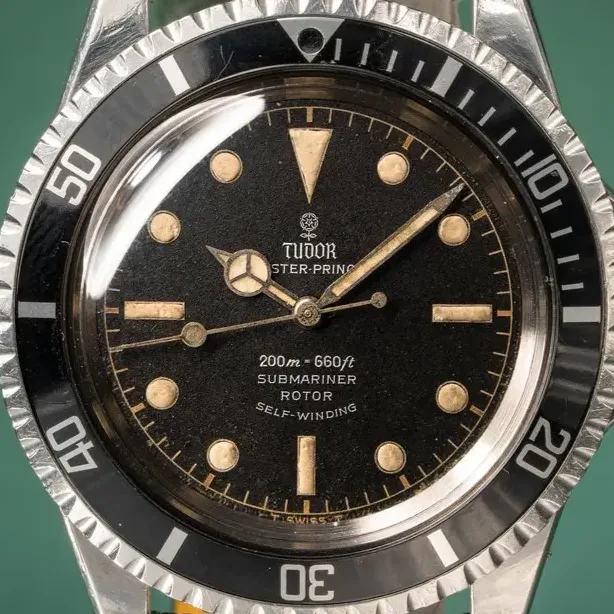
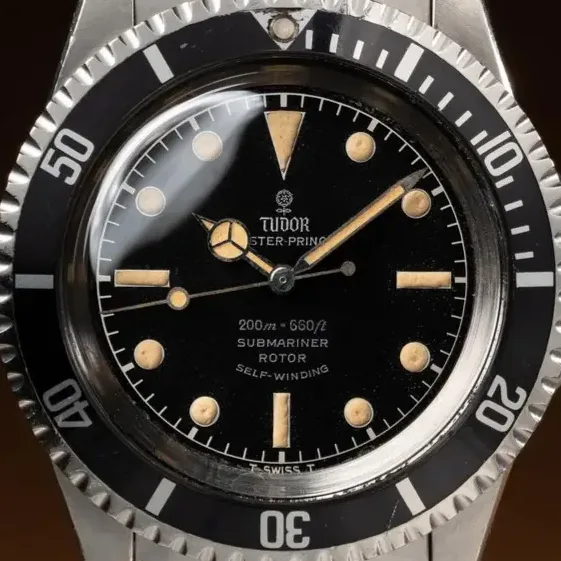
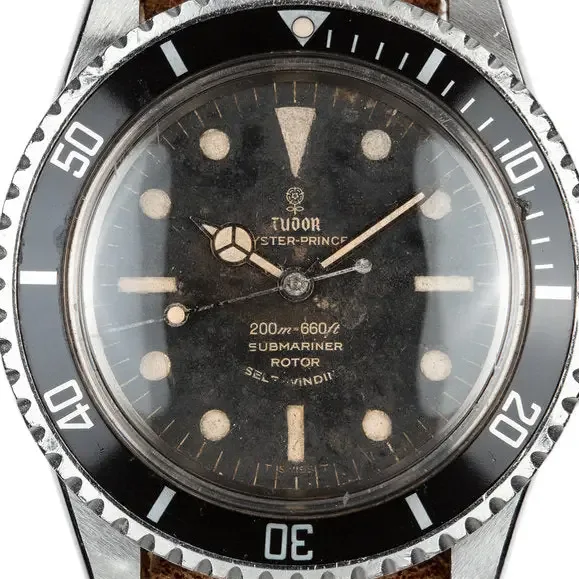
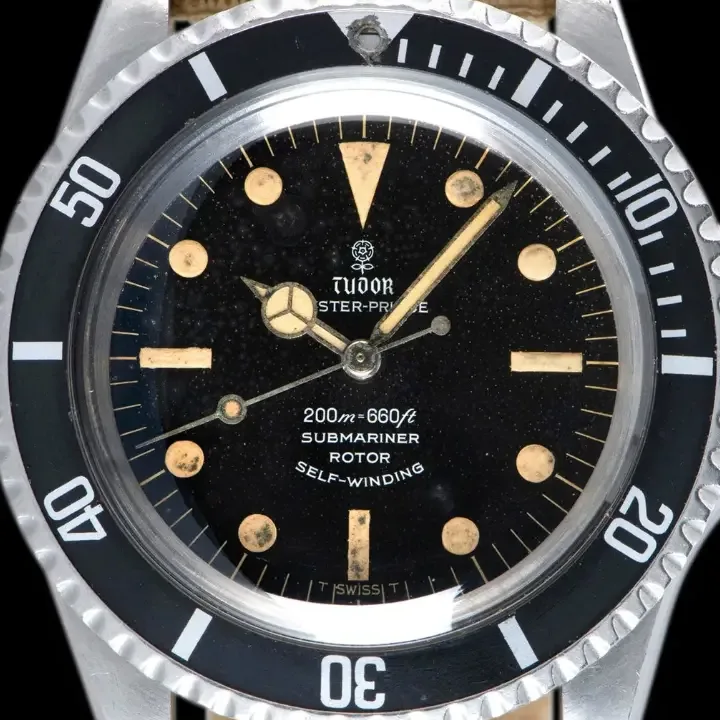
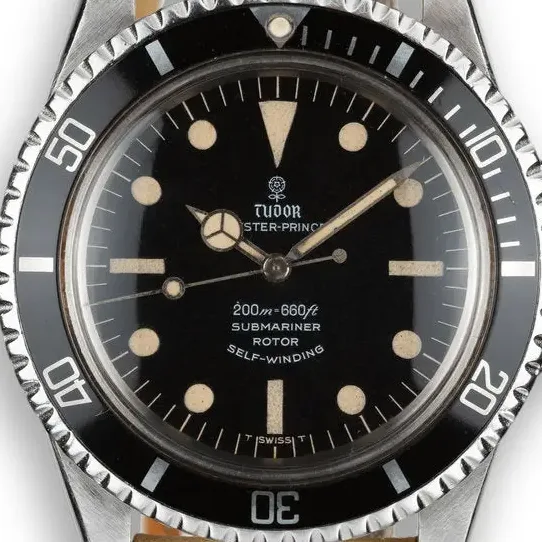
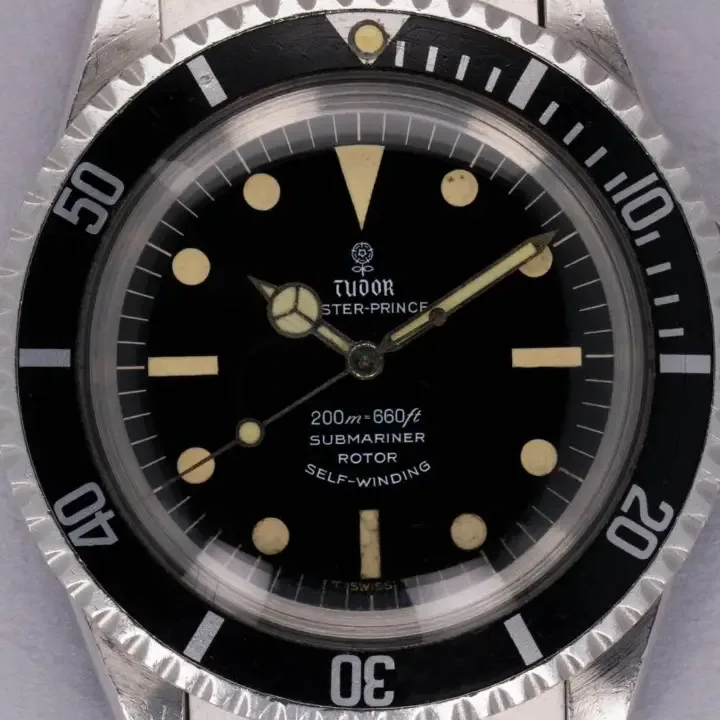
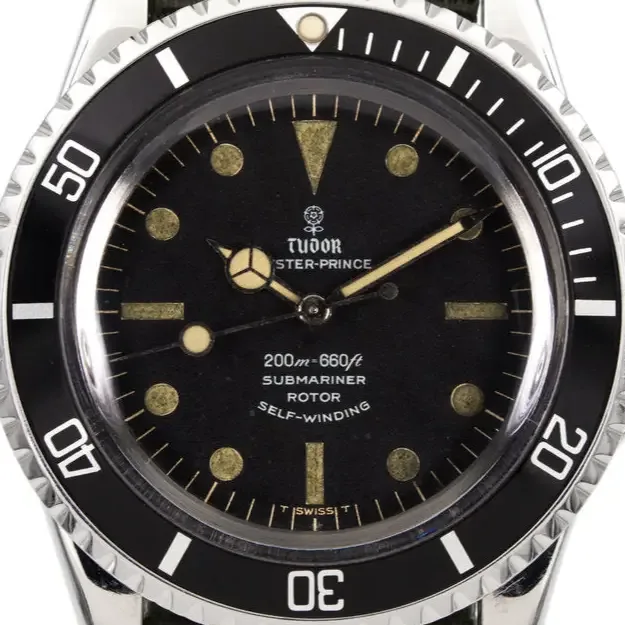
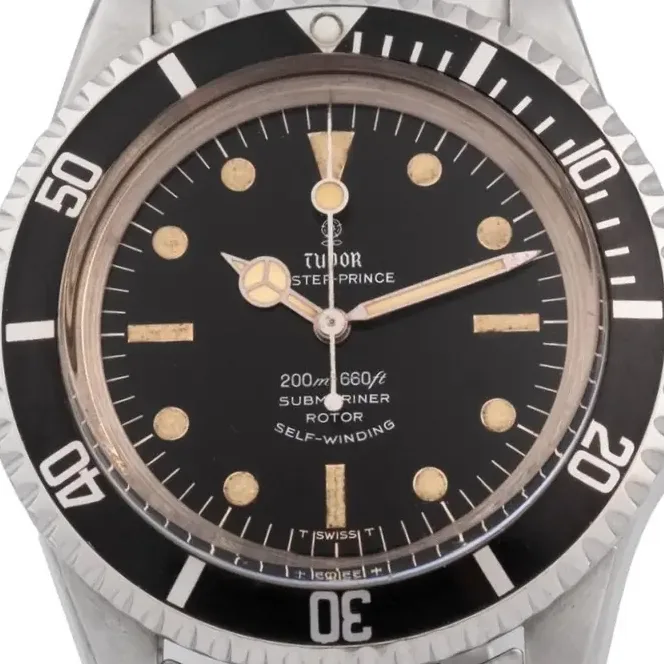
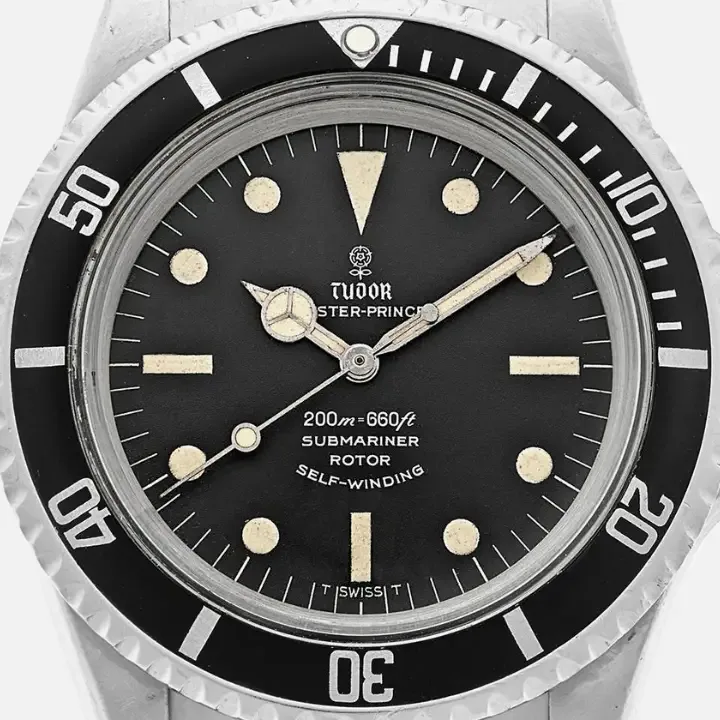
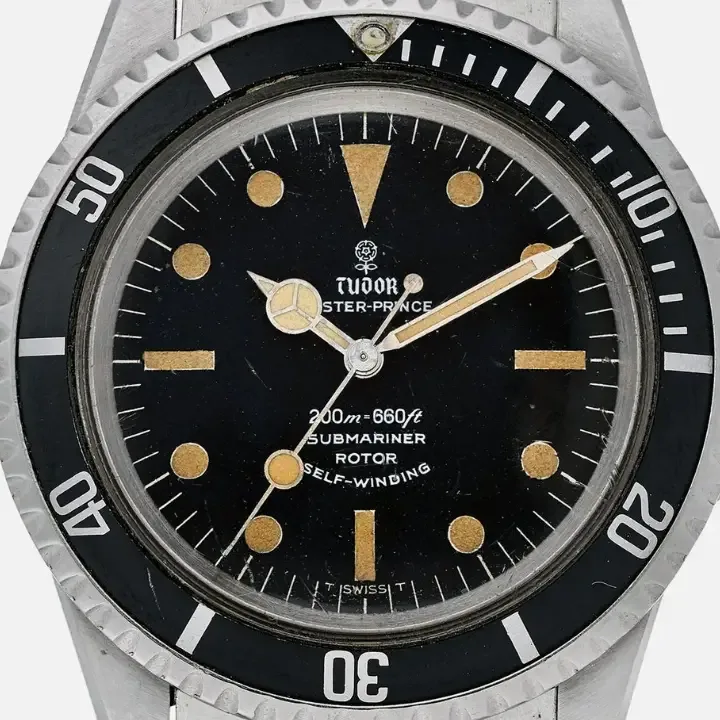
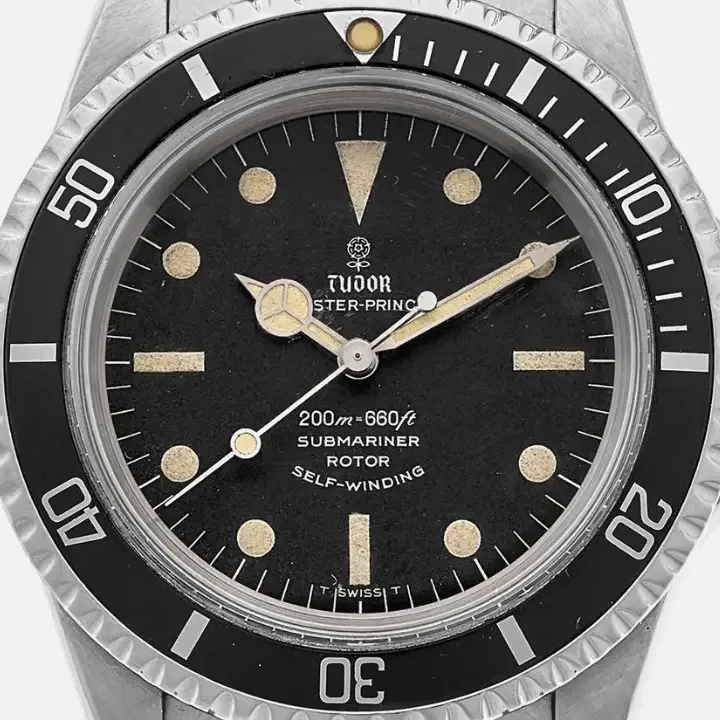
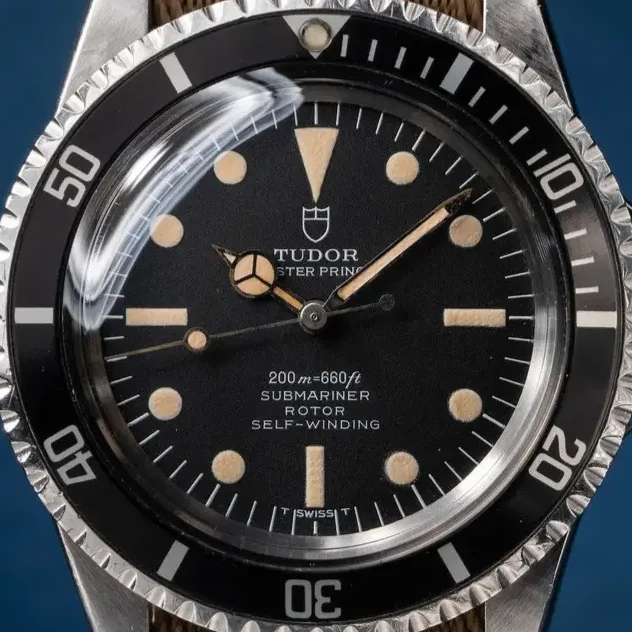
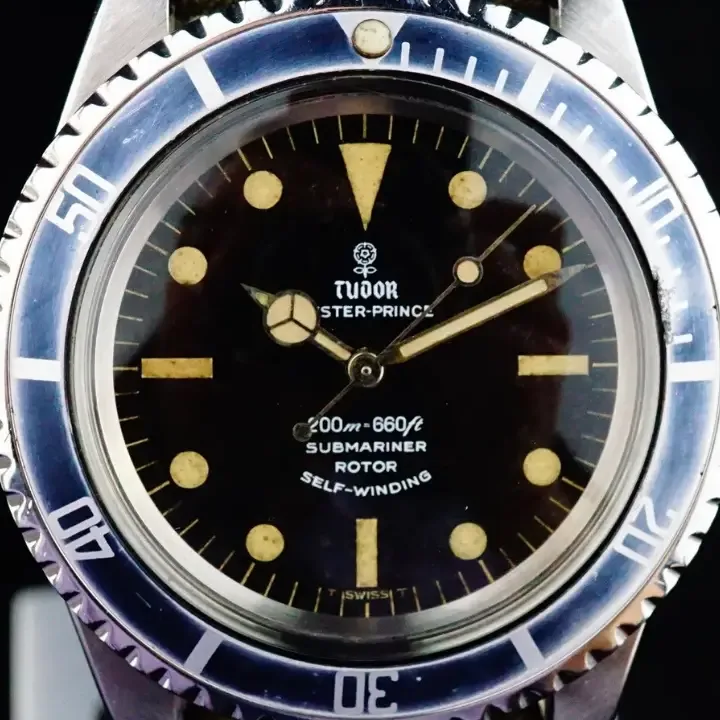
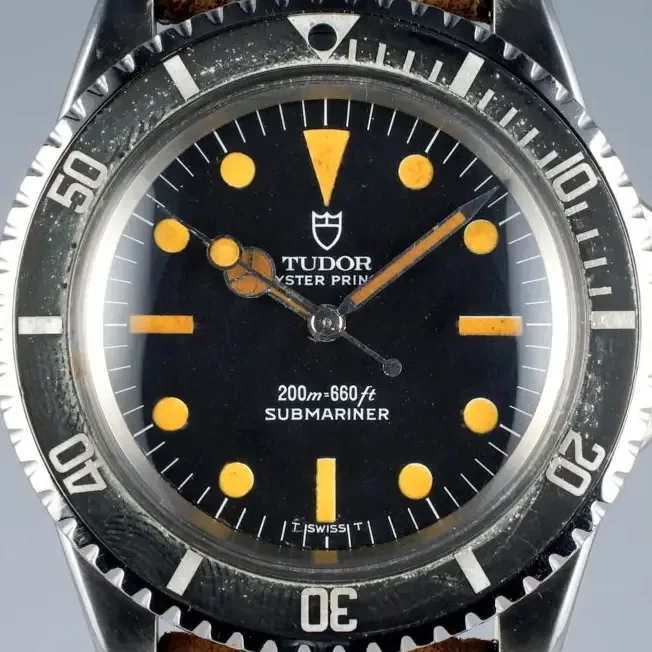
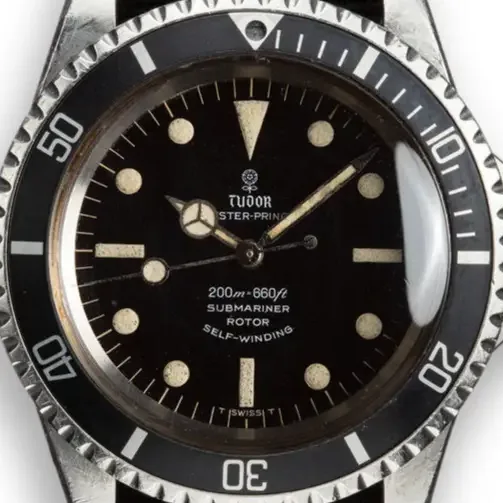
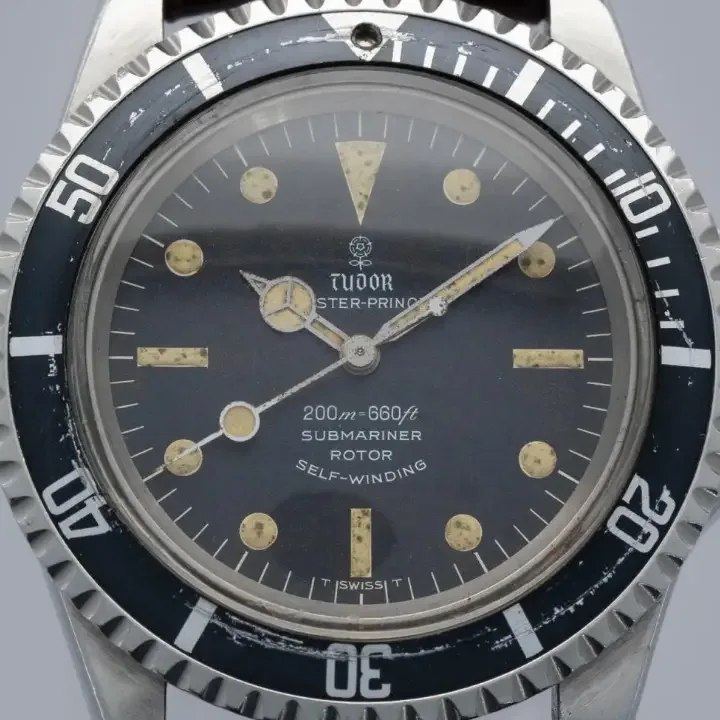
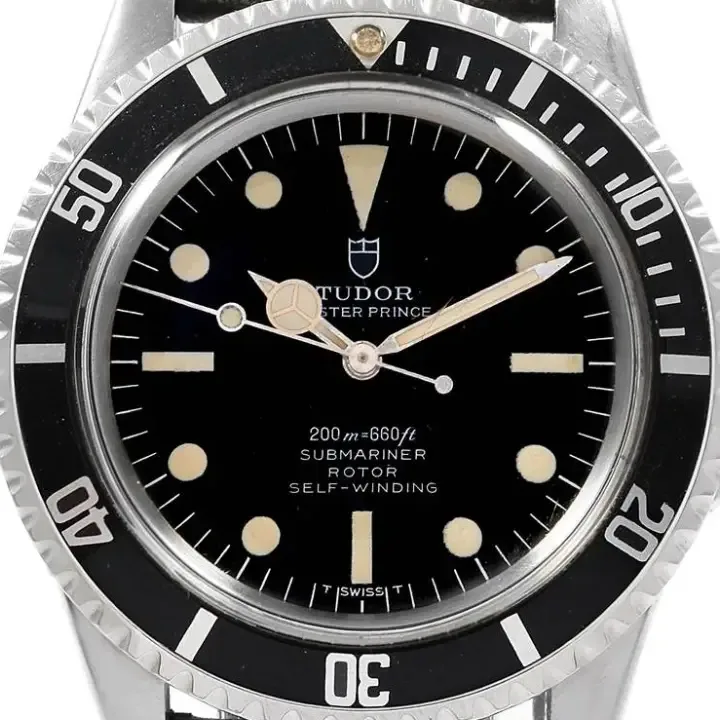
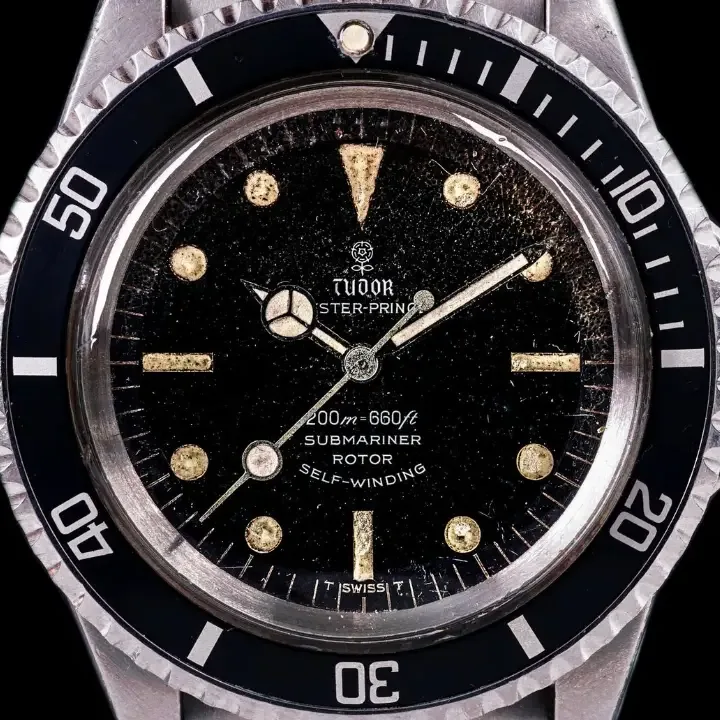
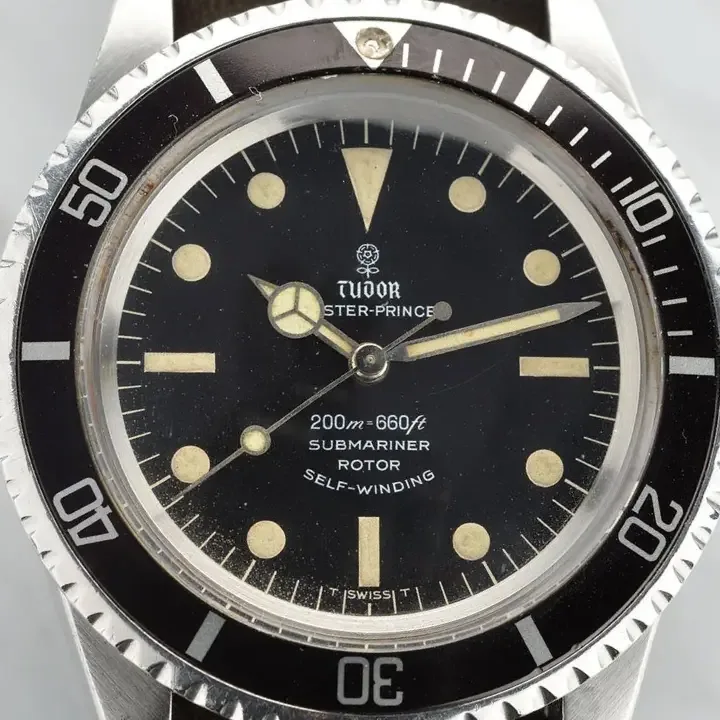
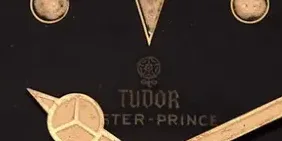
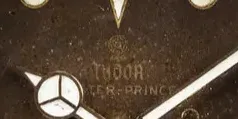
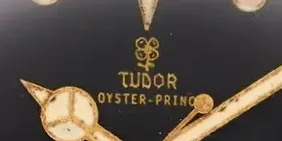
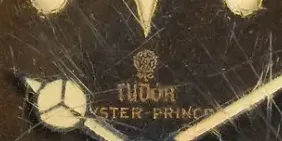
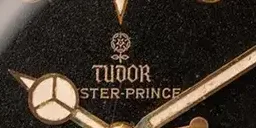
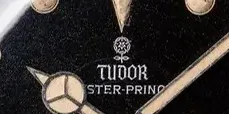
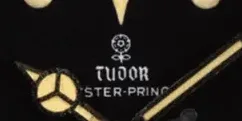
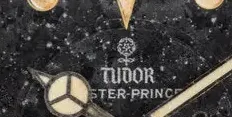
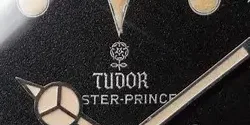
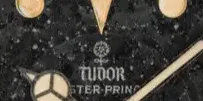
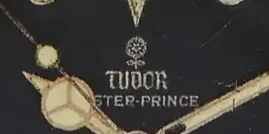
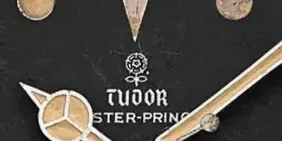
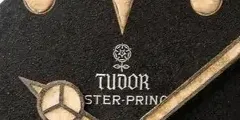
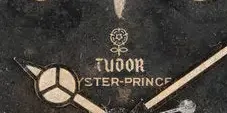
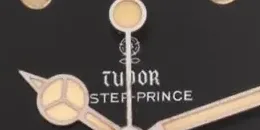
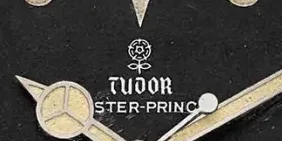
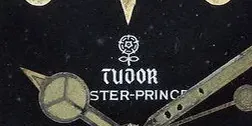
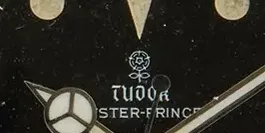
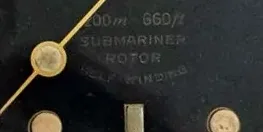
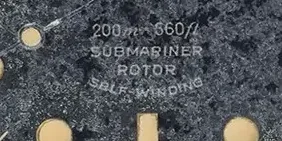
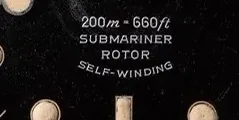
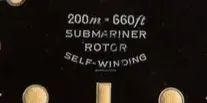
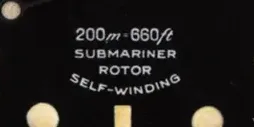
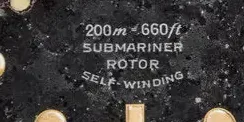
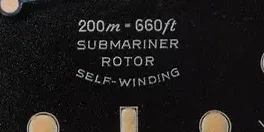
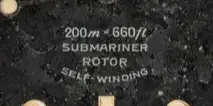
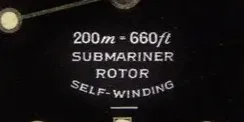
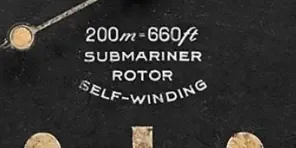
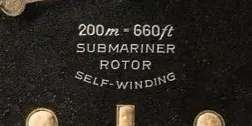
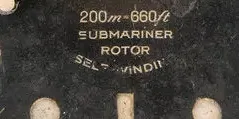
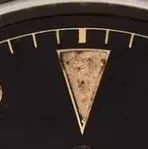
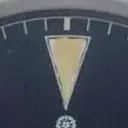
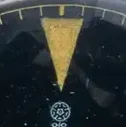
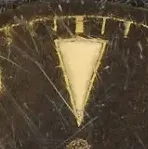
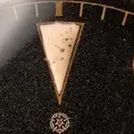
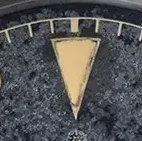
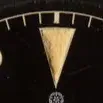
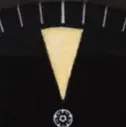
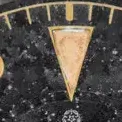
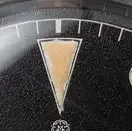
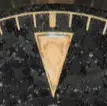
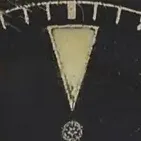
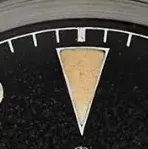
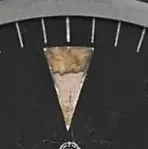
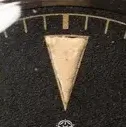
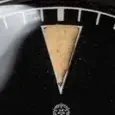
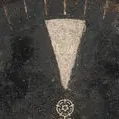
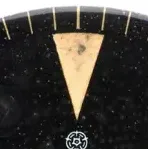
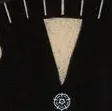
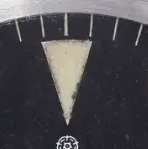
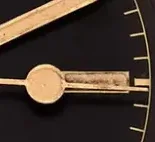
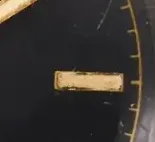
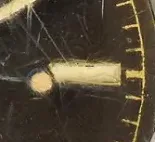
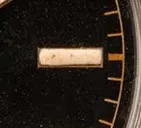
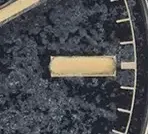
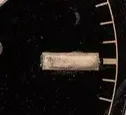
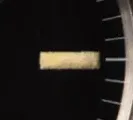
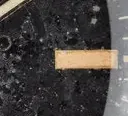
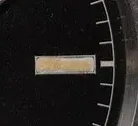
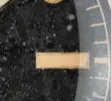
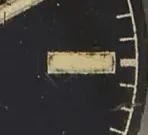
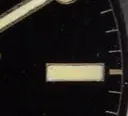
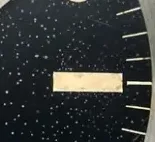
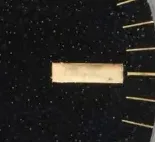
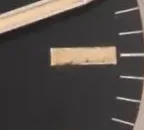
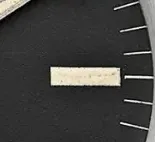
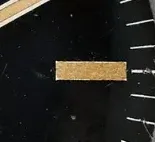
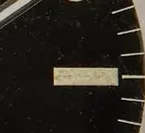
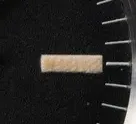
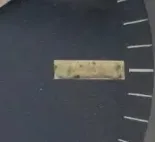
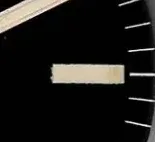
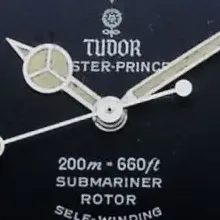
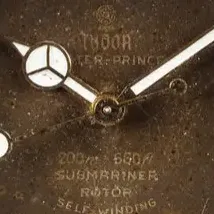
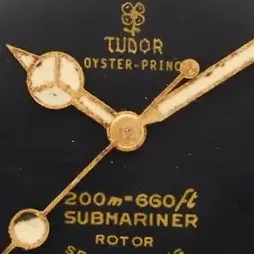
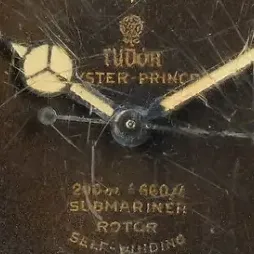
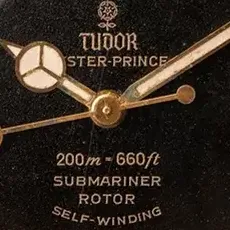
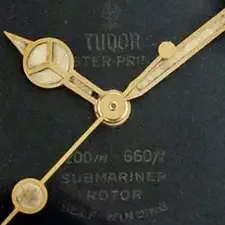
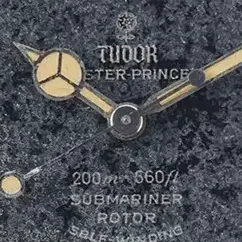
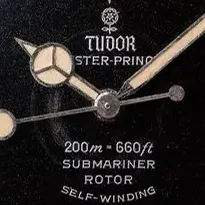
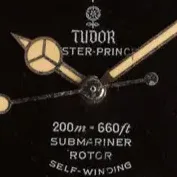
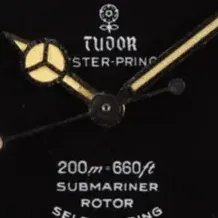
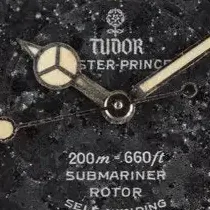
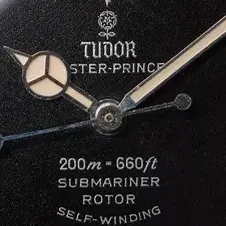
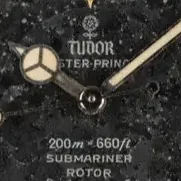
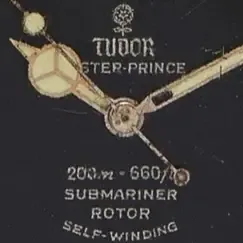
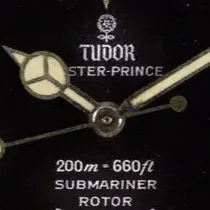
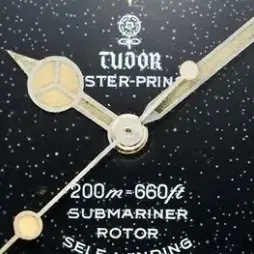
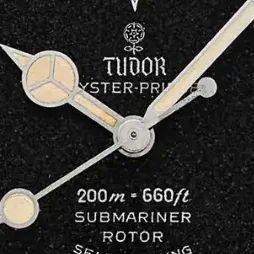
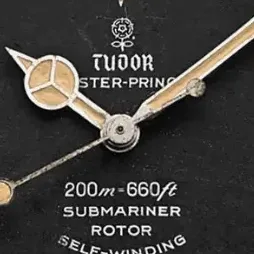
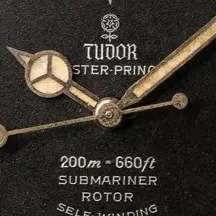
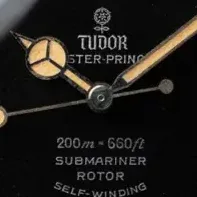
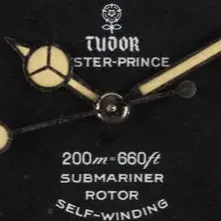
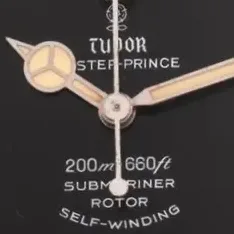
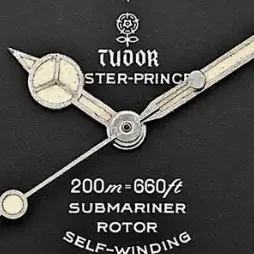
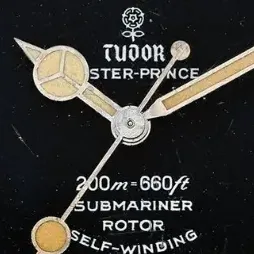
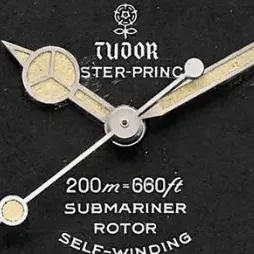
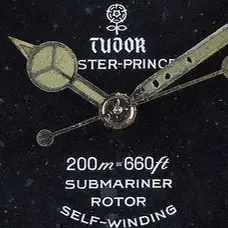
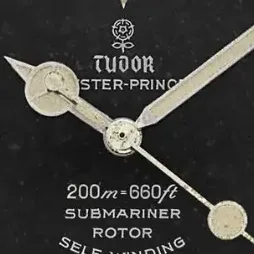
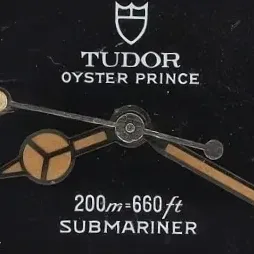
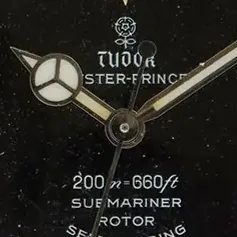
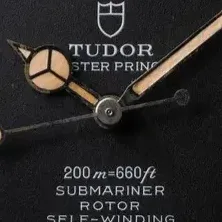
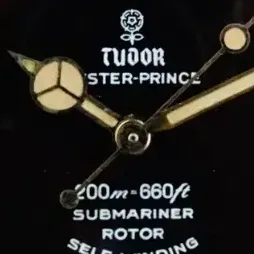
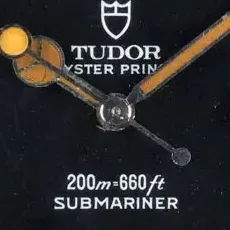
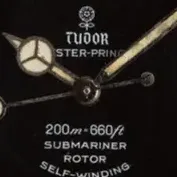
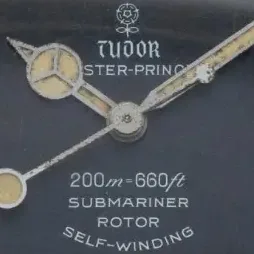
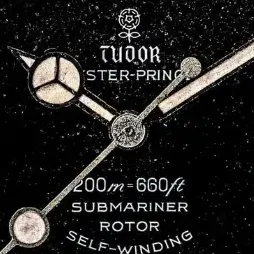
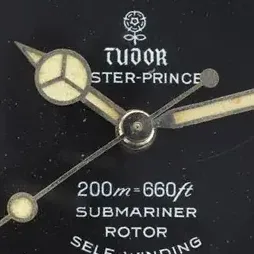
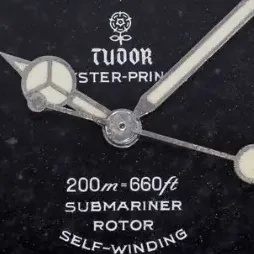
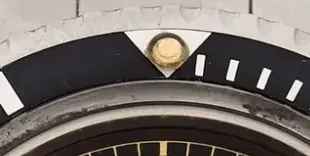
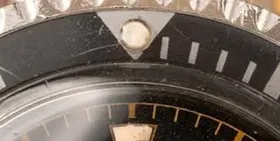
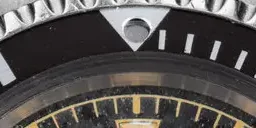
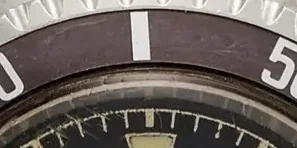
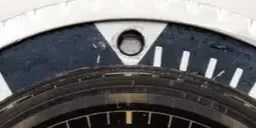
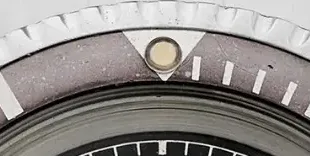
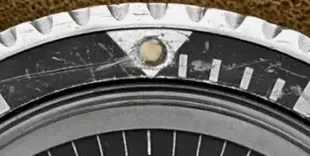
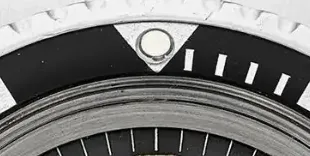
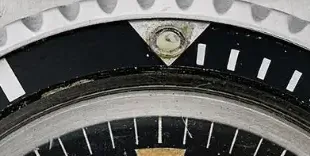
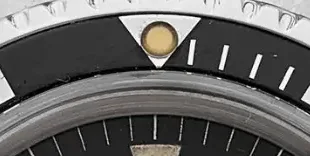
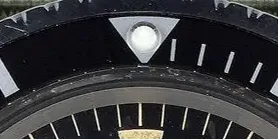
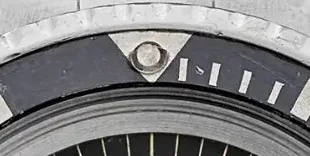
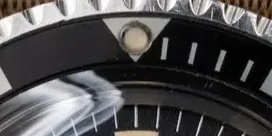
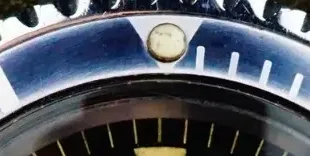
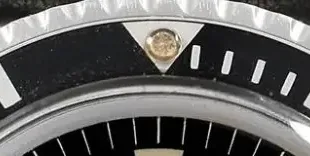
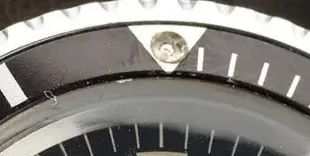
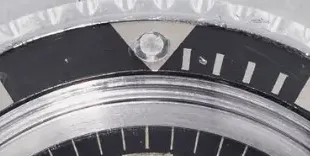
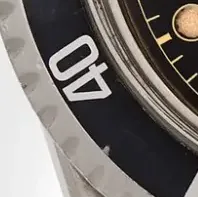
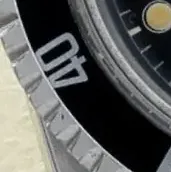
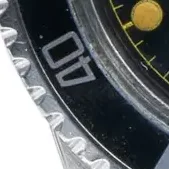
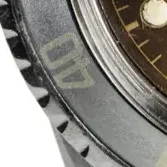
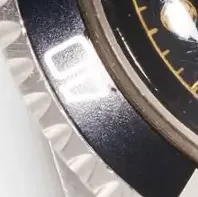
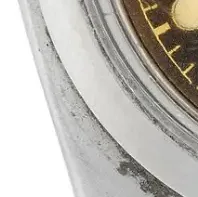
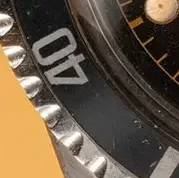
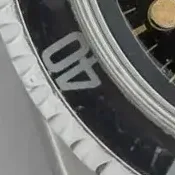
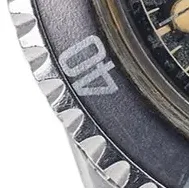
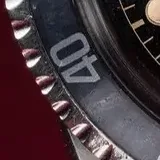
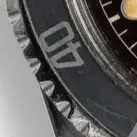
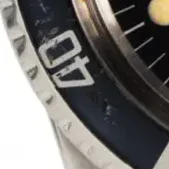
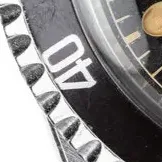
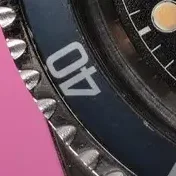
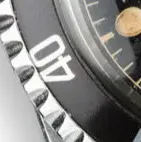
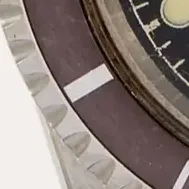
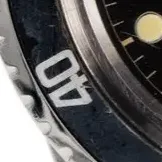
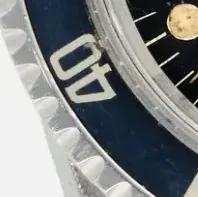
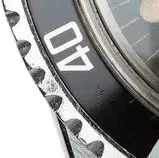
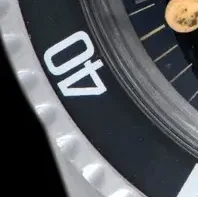
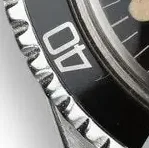
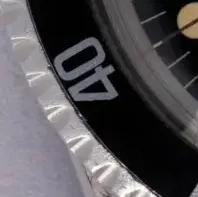
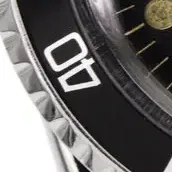
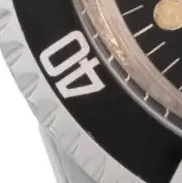
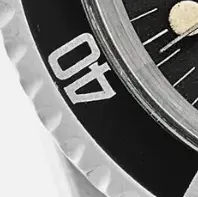
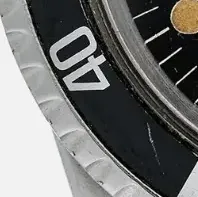
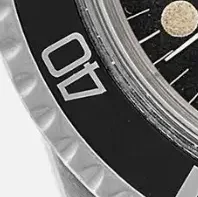
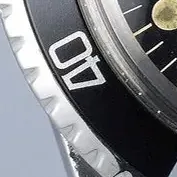
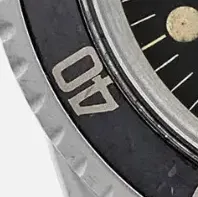
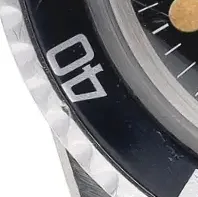
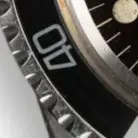
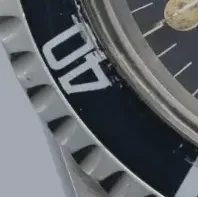
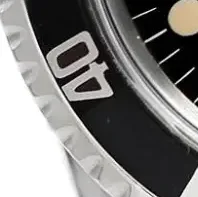
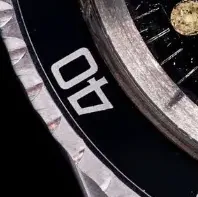
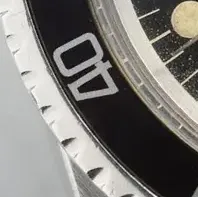
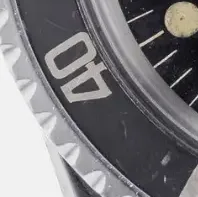
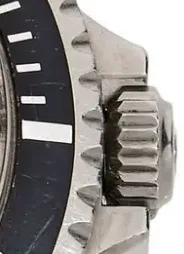
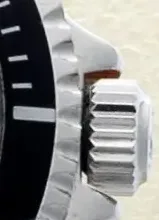
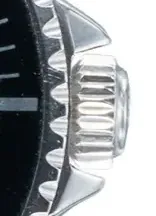
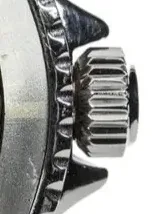
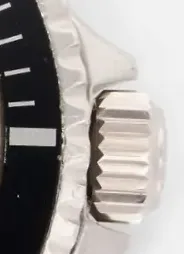
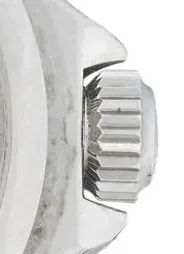
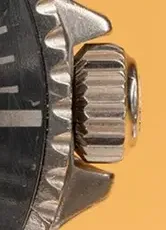
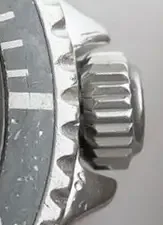
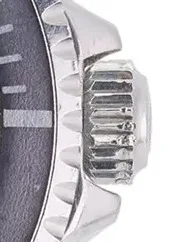
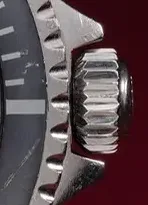
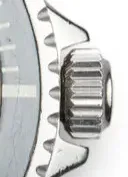
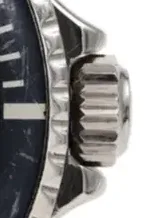
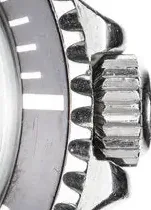
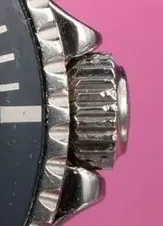
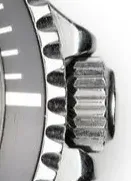
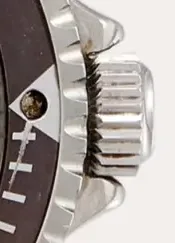
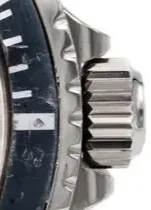
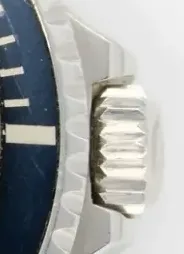
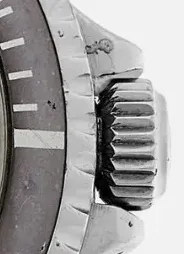
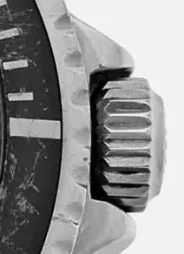
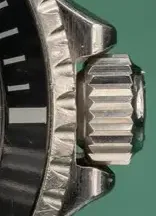
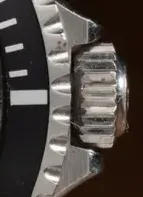
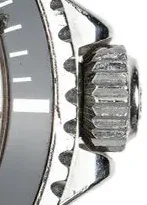
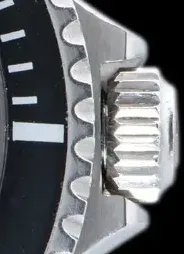
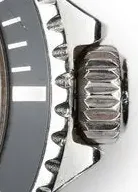
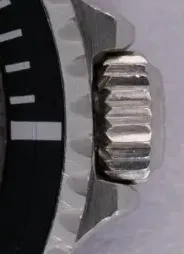
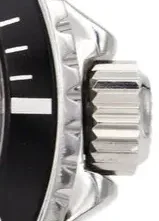
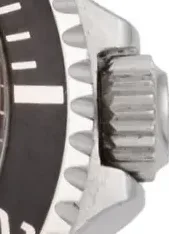
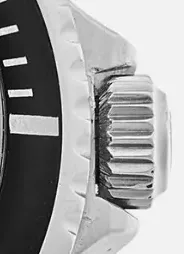
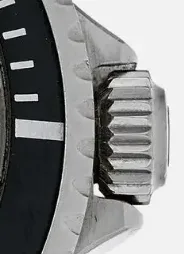
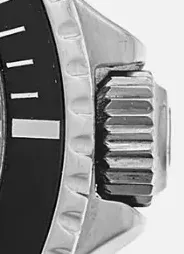
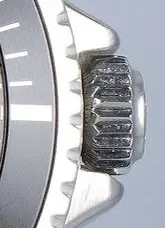
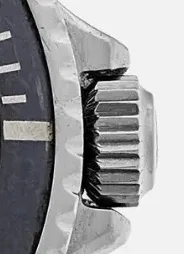
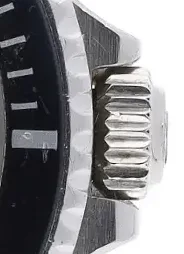
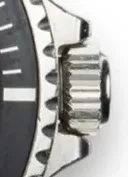
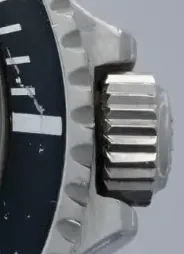
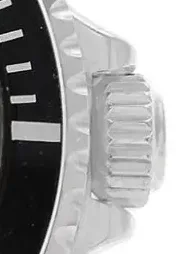
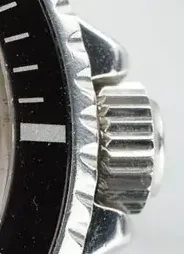
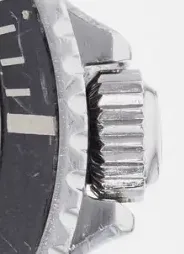
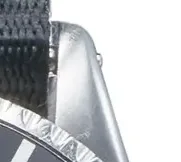
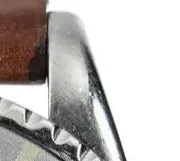
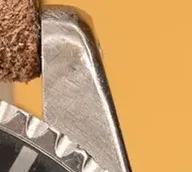
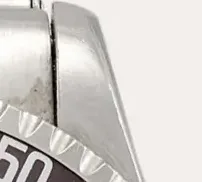
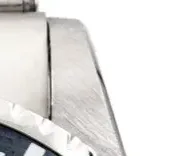
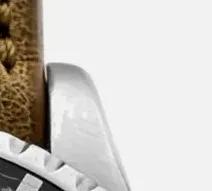
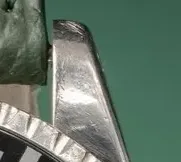
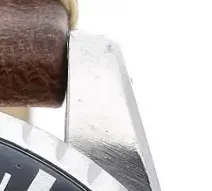
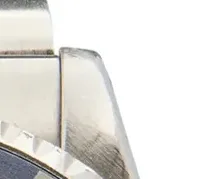
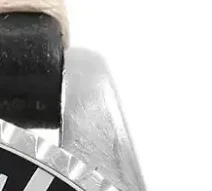
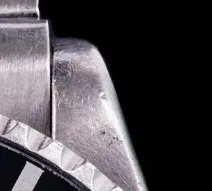
44 watches, oldest first, each straightened and cut the same way so that one row shows one component across them all. Chosen from 445 photographs on file for sharpness and for a face typical of the reference. A year marked c. is one its holder gives only roughly. Each picture is a detail cut from a listing photograph. Select the small mark in its corner for its year, its holder, a link to the listing it came from, and a way to report it.
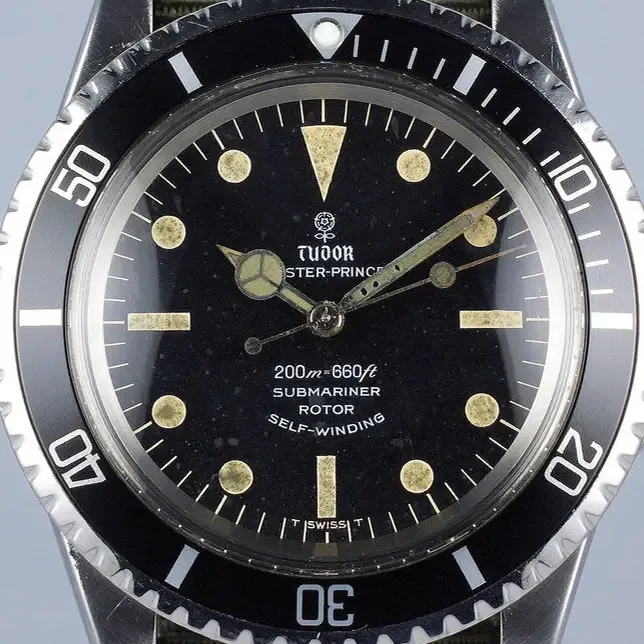
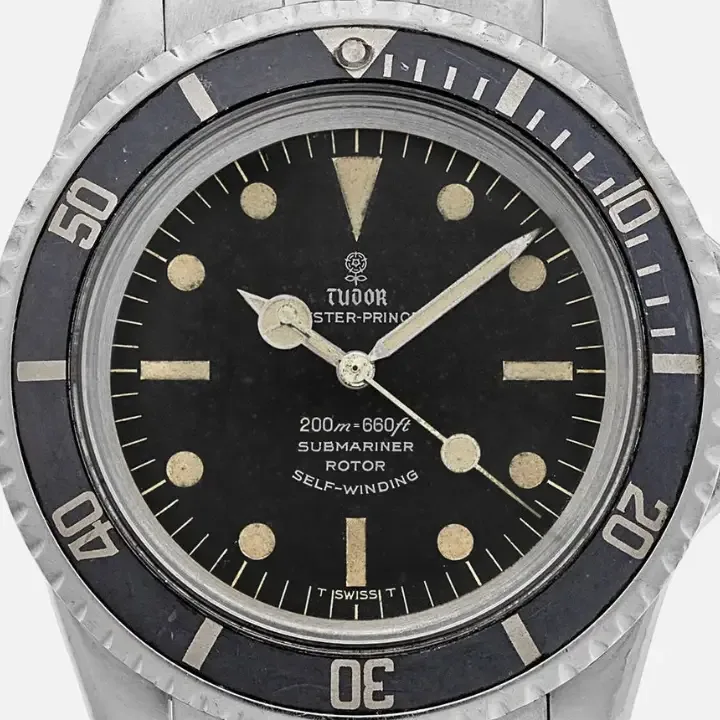
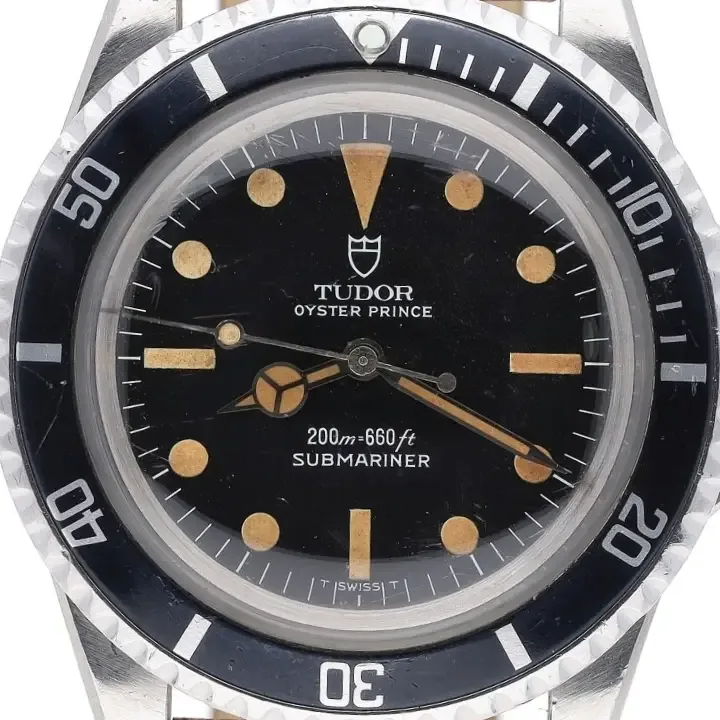
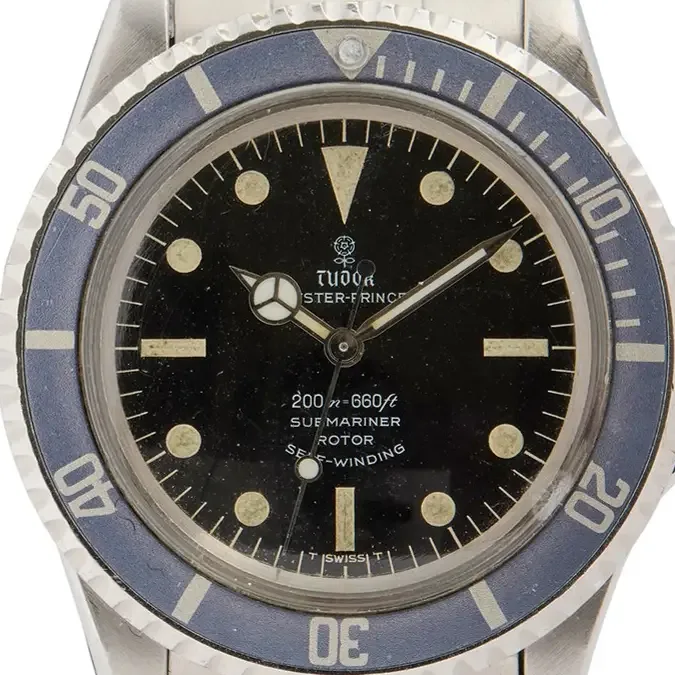











































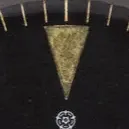
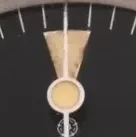
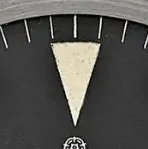
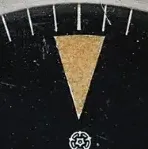
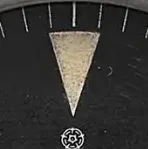
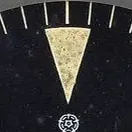
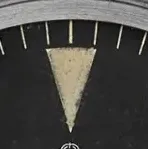
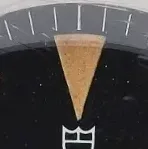
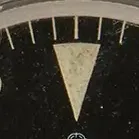
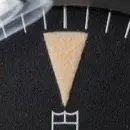
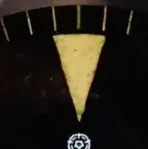
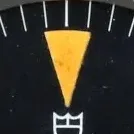
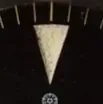

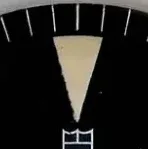
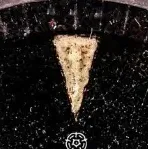
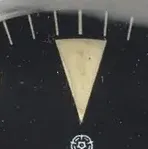



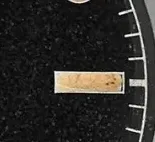
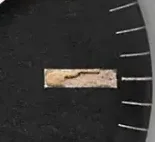
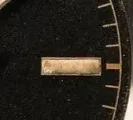
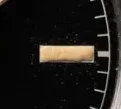




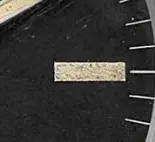
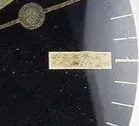
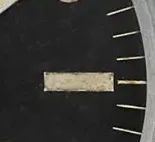
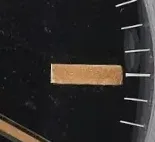



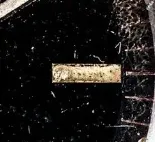
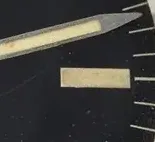
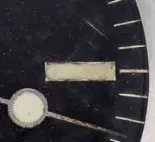
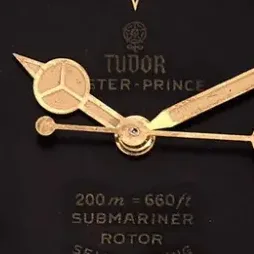

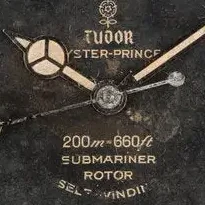
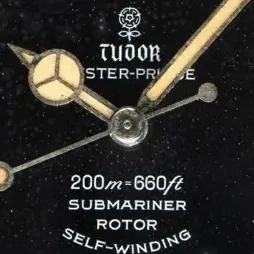
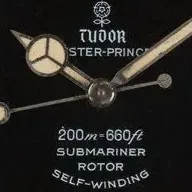
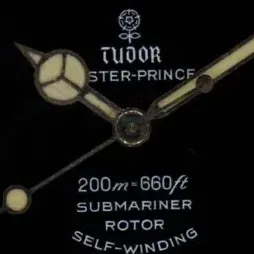
























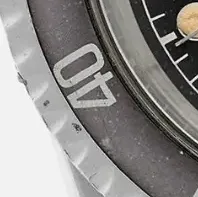
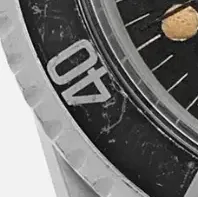
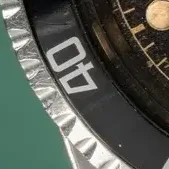
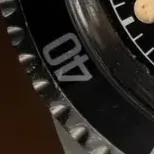

























Chronology
Start is given as 1959 or 1960 and end as 1967 or 1968; the years sellers state for the watches fall almost all between 1959 and 1967, and no case-number dating is available in the records.
Every dated variant: what is written, and what the records show
For the reference the marks are every dated watch; for a variant, the watches a seller names as that variant, so a variant sellers do not name has none.
Specification
| Case | 39 mm steel case with crown guards; case signed 'Original Oyster Case by Rolex Geneva', screw-down back |
| Crown | Screw-down, 6 mm, signed Rolex |
| Crystal | Domed acrylic (Tropic type) |
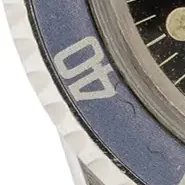
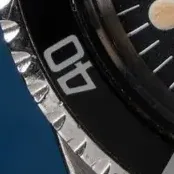
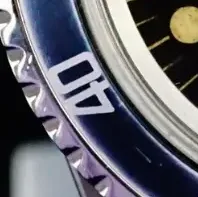
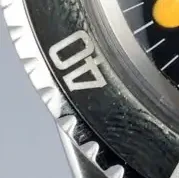
| Bezel | Bidirectional, black aluminium insert, 60-minute scale with a luminous marker at zero; deeper teeth on the edge than earlier references |
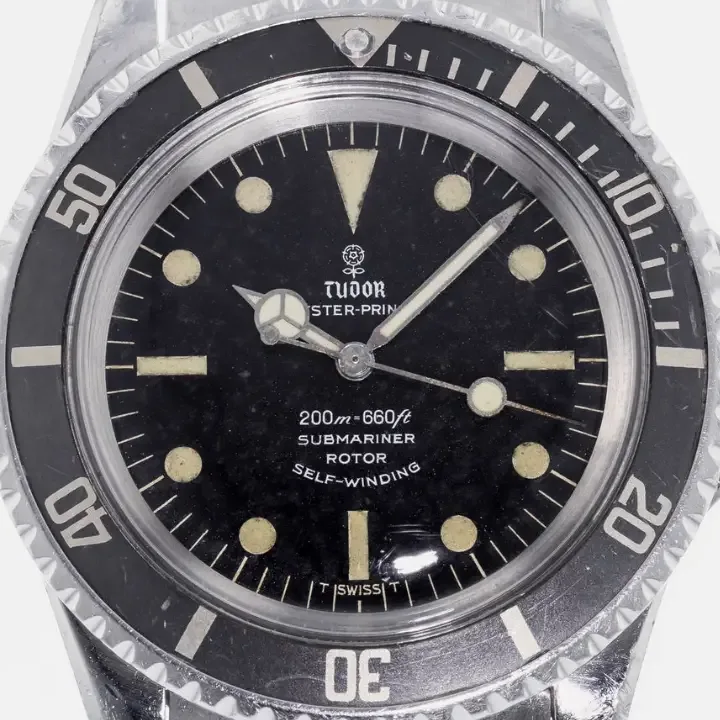
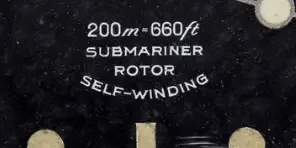
| Dial | Black, domed, with luminous dots and bars; 'Oyster Prince' under the logo at 12; depth rating, model name, Rotor and Self-winding stacked at 6 |
| Hands | Mercedes-style hour hand with sword minute hand; lollipop seconds hand on early examples |
| Movement | Calibre 390, automatic, built on a Fleurier blank, 18,000 vibrations per hour |
| Bracelet | Rolex-signed Oyster bracelet; riveted types early in the decade |
| Water resistance | 200 metres / 660 feet |
Dial 8 described
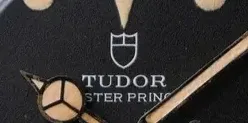
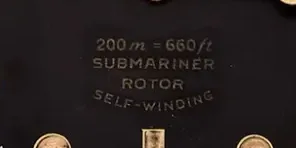
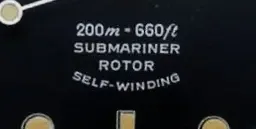
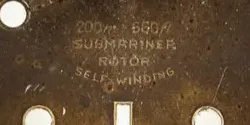
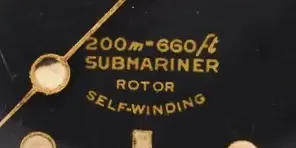
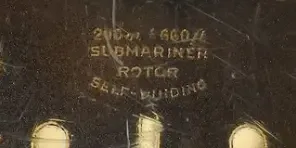
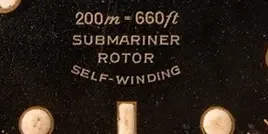
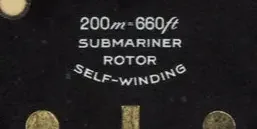
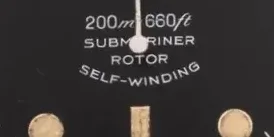
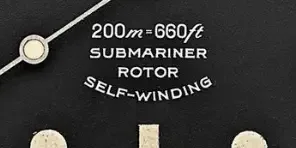
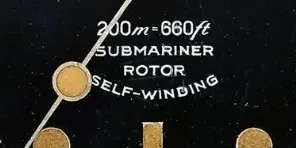
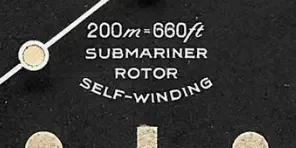
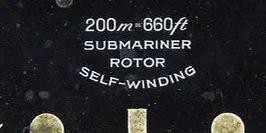
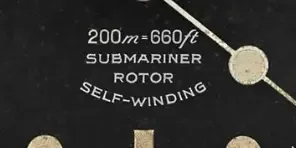
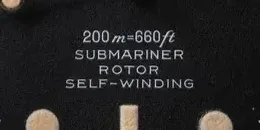
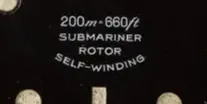
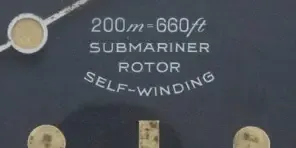
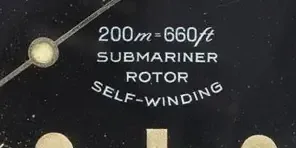
The dials moved from gilt print with a closed minute track, through silver print, to white print with an open minute track. Five main types are usually listed, leaving aside underline and transitional dials, and opinion differs on where the lines fall. The curved last line of text, the 'smiley', is found on Tudor and not on Rolex dials of the period.
Gilt writing, gilt closed minute track
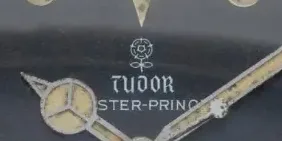
The earliest type: gold print for all text and a gilt minute track in a closed ring around the dial. Early examples have the logo as a rose. Gilt dials from the 363xxx batch carry an exclamation dot at 6, lollipop seconds hands and almost translucent lume.
- gilt text at 12 and 6
- closed minute track
- exclamation dot at 6
Silver writing, gilt closed minute track
case numbers 433xxx (example from 1964)
Silver print on the four lower lines and the upper text with the gilt ring retained. A 1964 example has four lines of silver text on a gilt chapter ring with the T SWISS T marking at the base. A further 1966 example has the same combination.
- silver text
- gilt chapter ring
- T SWISS T
Silver writing, gilt open minute track
Silver print with a gilt minute track that no longer closes in a ring. The literature names this type in the sequence but dates it only loosely, between the closed-track and white-print types.
- open gilt minute track
- silver print
White writing, gilt open minute track
White print replaces silver while the minute track is still gilt and open. Dated only by its place in the sequence.
- white print
- gilt open minute track
White writing, open white minute track
The final type: everything printed in white, and the minute track runs out to the case instead of being circled. One account of the dial types puts the shield in place of the rose on the last examples, but a shield dial is also a common service replacement on this reference, so a shield alone does not show a late factory dial. A 1967 white-print example with rounded guards is the end of the first Submariner generation.
- white print
- minute track reaching the edge
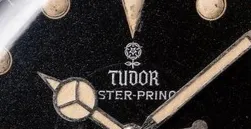
Rose logo
The gilt Tudor rose sits at 12 on the early dials. The shield replaced it on the 7016, from about 1968 or 1969; one listing of the dial types puts a shield on the last white-print type, though shield dials were also fitted at service.
Smiley text
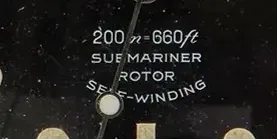
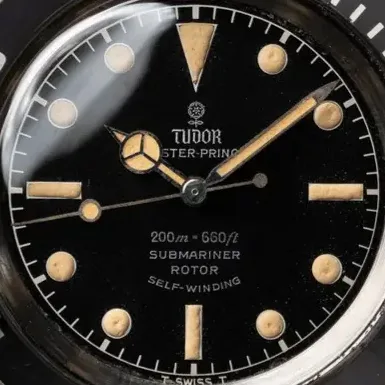
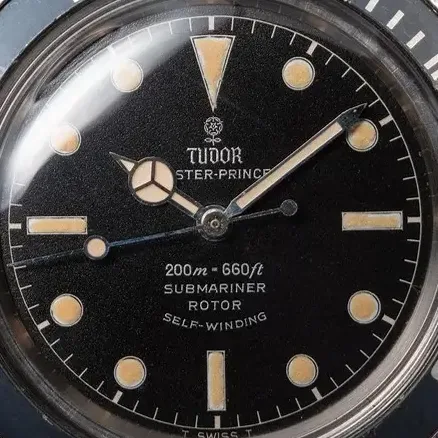
The last of the four lines at 6, 'Self-winding', is printed on an upward curve, hence 'smiley dial'. The lines read 200 m = 660 ft, Submariner, Rotor, Self-winding. It is peculiar to Tudor.
- curved last line at 6
- Rotor above Self-winding
Tropical dial
Not a factory type: long exposure to light turns gilt or black dials toward brown and bezels toward blue or grey. Faded 1960s examples are described with this word.
- brown or cream dial
- faded blue bezel
Luminous material 1 described
The literature says little about lume on this reference beyond radium or tritium in the dots and hands and a lume pip in the bezel at zero.
Radium or tritium plots
The dial and hands carry luminous material, radium or tritium depending on year. On untouched gilt examples the aged lume is almost translucent.
- translucent lume on a gilt dial
Hands 1 described
The hands follow the Rolex Submariner pattern of the day, not the later Tudor snowflake shape.
Mercedes hour hand with lollipop seconds
A Mercedes-style hour hand and a sword minute hand. Early gilt watches have a seconds hand with a round lume disc, the lollipop. The hands match the hour dots in colour on correct examples.
- Mercedes hour hand
- lollipop seconds
Bezel 2 described
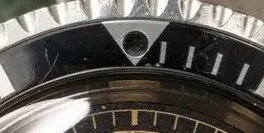
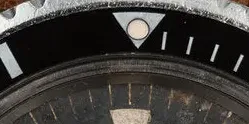
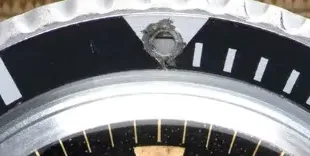
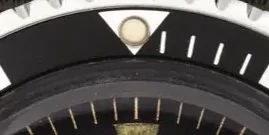
The bezel is a bidirectional 60-minute type with a luminous marker at zero.
Standard insert with lume pip
A black aluminium insert, graduated in the 60-minute scale, with a luminous marker at zero. The bezel has deeper teeth at the edge than earlier Tudor references and is described as riveted, as on the Rolex 5513. A bezel pip is sometimes replaced at service.
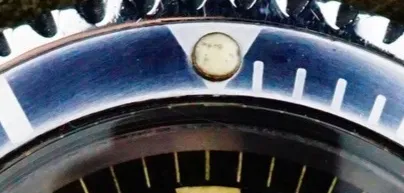
- deep teeth
16 listings on record under the name.
Faded insert
Inserts that have faded to blue or grey with sun exposure, found alongside tropical dials.
6 listings on record under the name.
Case 5 described
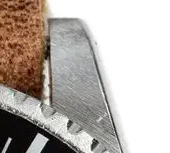
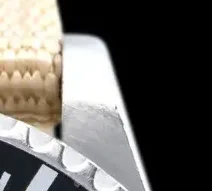
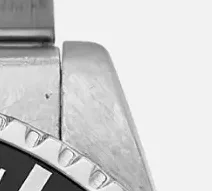
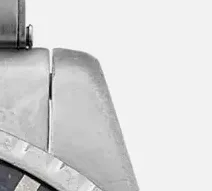
The case is the main way to date a 7928: crown guards began square, became pointed, then rounded. It is a 39 mm case, larger than the 37 mm of the earlier 7922 and 7924, and is signed Original Oyster Case by Rolex Geneva.
Square crown guards
The first guarded Tudor Submariner. The squared guards made the crown hard to unscrew, which led to the change. The square type is very rare, and appeared on some early Rolex 5512s as well.
- squared guard shoulders
Pointed crown guards
case numbers 363xxx (example); about 325xxx to 409xxx in one published estimate
Pointed guards, first made by grinding down square guards on existing stock and then cut as a new style. Dates in the literature run from 1960 or 1961. Examples with fat lugs, sharp bevels and well-kept teeth on the caseback are noted on untouched watches.
- sharply pointed guards
- crisp bevels
Rounded crown guards
Rounded guards appear from 1964 and continue on every later Tudor Submariner into the 1990s. Some pointed-guard watches are still dated to 1964 by their caseback stamps, so the two overlap.
- rounded guards
Caseback stamps: quarter and year
The inside of the back carries the reference and a quarter and year stamp in Roman numerals, such as III 64 or II 67. Some 1966 backs read VI 66 in place of IV 66, a mistake whose cause is unknown.
- Roman quarter, year
- VI 66
Military engravings
Military 7928s are catalogue watches distinguished only by engraving on the caseback. US Navy examples read U.S.N. with an inventory number and date, and some read MDL-48 or SUBASE 3. Canadian and Israeli issue are also reported. A small series carries a number ending -Ci in a tight 612xx range, identified as Argentine infantry issue though the history is uncertain.
- U.S.N. engraving
- MDL-48
- 612xx-Ci
Crown 1 described
A 6 mm screw-down crown, signed Rolex, smaller than the 8 mm crown of the 7924 because the guards limit its size.
6 mm Rolex-signed crown
Signed with the Rolex crown, as are the case and bracelet; replacement crowns are common.
- Rolex-signed crown
Crystal 1 described
A domed acrylic crystal throughout.
Domed Tropic acrylic
A domed Tropic-type acrylic crystal. Scuffed originals are usually replaced at service, with a Tropic 19 replacement used on one untouched watch.
- domed acrylic
Movement 1 described
One movement for the whole reference.
Calibre 390
A self-winding movement built on a Fleurier blank, at 18,000 vibrations per hour, signed Tudor. It changed little until the ETA calibres of the 7016 and 7021, about 1968 or 1969. The only recorded weakness is trouble with the rotor assembly.
- Tudor-signed movement
Bracelet 1 described
The bracelet was Rolex-signed Oyster type, riveted early on.
Oyster bracelet, riveted
A Rolex-signed Oyster bracelet with riveted links. Original bracelets often went missing; replacements of other types are common.
- Rolex-signed clasp
Originality
- Crowns and crystals are routinely replaced at service, and a replacement crown shows as a different signature or fit.
- Bezel inserts and lume pips are replaced or restored, so the lume pip may be newer than the watch.
- Bracelets often went missing or were swapped for straps, so a watch on its original bracelet is uncommon.
- Polishing softens the pointed guards and removes the factory lines on the lugs; sharp bevels point to an unpolished case.
- On untouched examples described in the literature, the lume on the hands matches the hour plots in colour.
Names
- Square Crown Guards. The first 7928 cases have square crown guards.
- Pointed Crown Guards. The second case type has pointed guards.
- Smiley dial. The last text line at 6 curves upward.
- Tropical. The dial or bezel has faded to brown, blue or grey.
- Eagle beak. Collectors' term for the sharply tapered guards of the earliest pointed cases, thought to be cut down from square guards.
Where accounts differ
Points on which the published literature and the library's own records do not agree, or on which the literature contradicts itself.
- Start of production. Most published accounts give 1959 for the launch, with square crown guards; one gives the run as 1960 to 1968.
- Replacement by the 7016. Most published accounts date the arrival of the 7016 and 7021, and of the first snowflake hands, to 1969; one puts the move to ETA movements and the 7016 at about 1968. Guides to the 7016 record its first watches in the first quarter of 1968, with backs stamped I 68, and blue snowflake dials from 1968.
- Shield logo on the last dials. One account of the dial types lists a shield logo on the last white-print 7928 dials, and another says the very last 7928s introduced the shield; a guide to the reference says the shield dial was a common service replacement on the 7928.
Back and movement
From listings of this reference, each confirmed by eye to show what it is filed under. A picture on which a person's name or a personal engraving can be read is not shown. From most holders a detail from the middle of the photograph is shown; the mark in its corner gives its holder and a link to the listing.
Caseback
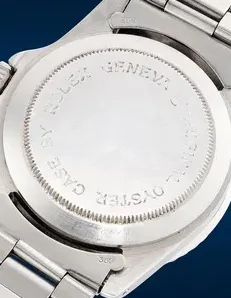
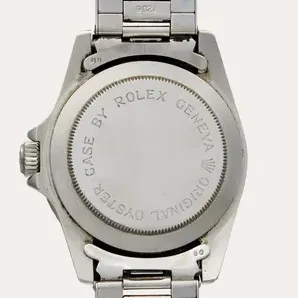
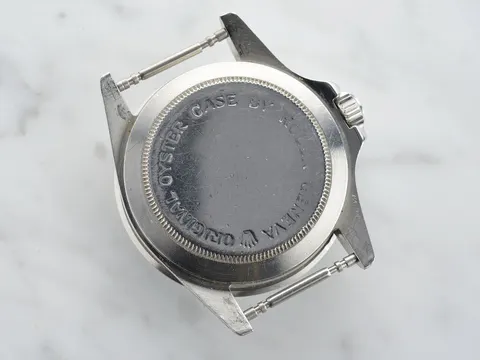
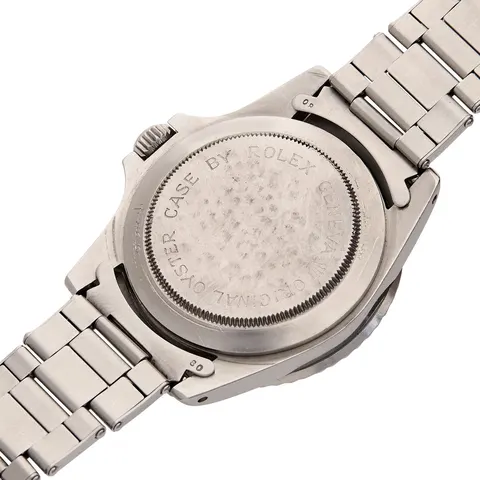
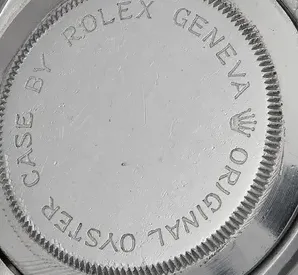


Catalogue versions 1 listed
The full numbers under which holders list this reference, with what their listings say of each. Each has a page of its own.
| Version | Metal | Dial | Years seen | Records |
|---|---|---|---|---|
| 7928/0 | Steel | Black | 1967 | 10 |
In the records
Counted from 226 listings at 41 holders between 14 December 2010 and 14 November 2026. These are what sellers and auction houses state, not measurements.
Fainter bars are the 6 outside the main run of 1960–1967 (the middle nine-tenths): the earliest is 1957 and the latest 1970. They are early and late examples, and now and then a seller's slip. The head of the page gives 1959–1970: the years that listings from two holders bear out.
At the holders that record papers on every watch, 0% of their 11 listings of this reference come with papers; at those that record the box on every watch, 9% of 11 come with a box. "Papers" is whatever the holder counts as papers, and can include service papers.
Case metal
| Steel | 66 | |
| Silver | 1 |
Dial colour
| Black | 32 | |
| Brown | 7 | |
| Cream | 2 |
Case size
| 40 mm | 67 | |
| 39 mm | 21 | |
| 42 mm | 7 |
Calibre named
| 390 | 71 |
Bracelet or strap
| Leather strap | 13 | |
| Oyster bracelet | 12 | |
| Fabric strap | 9 | |
| Metal bracelet, kind not stated | 6 | |
| Strap, kind not stated | 1 |
Each table counts the listings that state the thing, in the seller's own terms. A size, metal, colour or calibre that cannot belong to this reference is a seller's slip or a listing filed under the wrong number.