Oyster Prince Submariner 'Snowflake'
The no-date Tudor Submariner that followed the 7928, made from 1968 and replaced in the mid 1970s, in 1975 or 1976, by the 9401. It keeps the 39 mm Rolex-signed case, rated to 200 metres, but changes nearly everything else: a flat, thick acrylic crystal, the ETA calibre 2483 in place of the Fleurier-based 390, and a new dial. The earliest watches repeat the 7928 dial with the rose and four lines of text; the common type has large square hour markers, square-ended 'snowflake' hands and the shield logo. Collectors look first at the dial type, the crown-guard shape, the condition of the lacquer and any military caseback engraving. A date version, the 7021, ran alongside it.
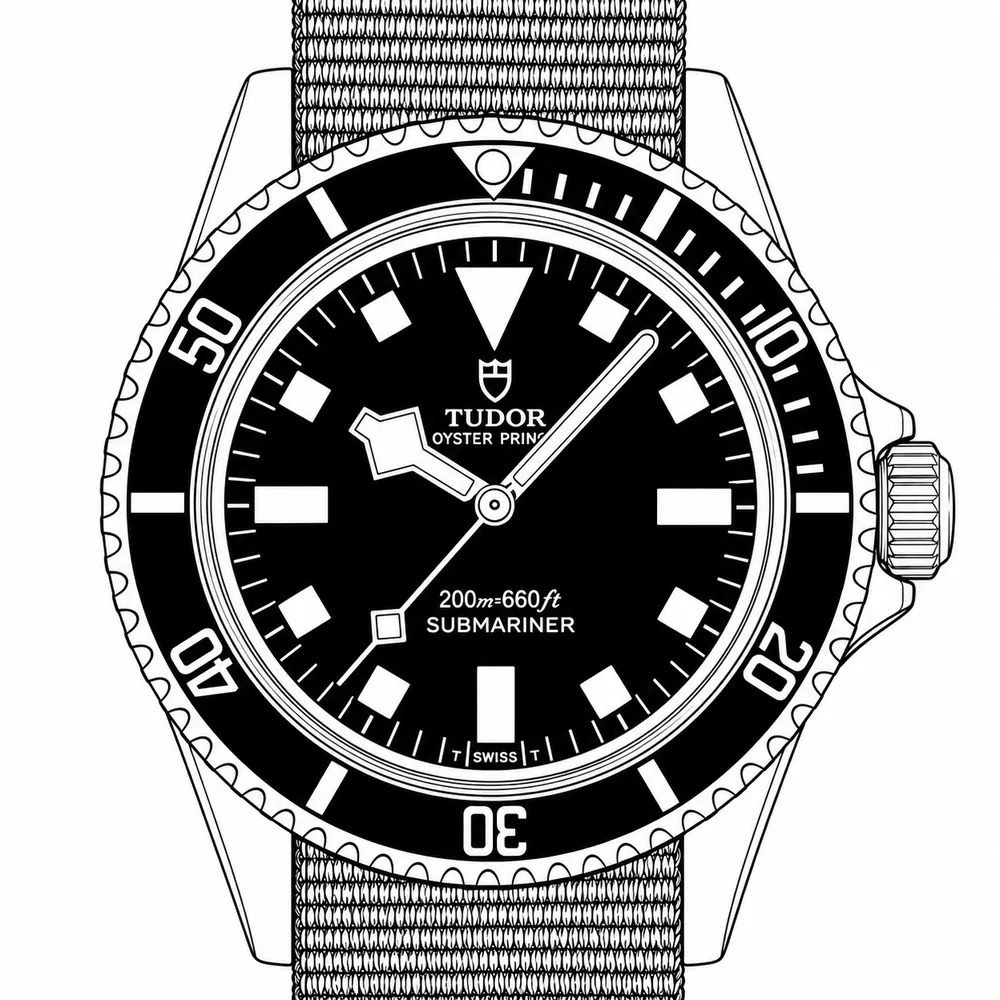
- Made
- 1968–1975dates approximate
- Seen in the library
- 1968–1976nine in ten in 1968–1974 · by years sellers state
- Case
- 40 mm · steelas sellers state
- Movement
- Calibre 2483automatic
- On record
- 274 listings180 photographs · 27 holders
Components
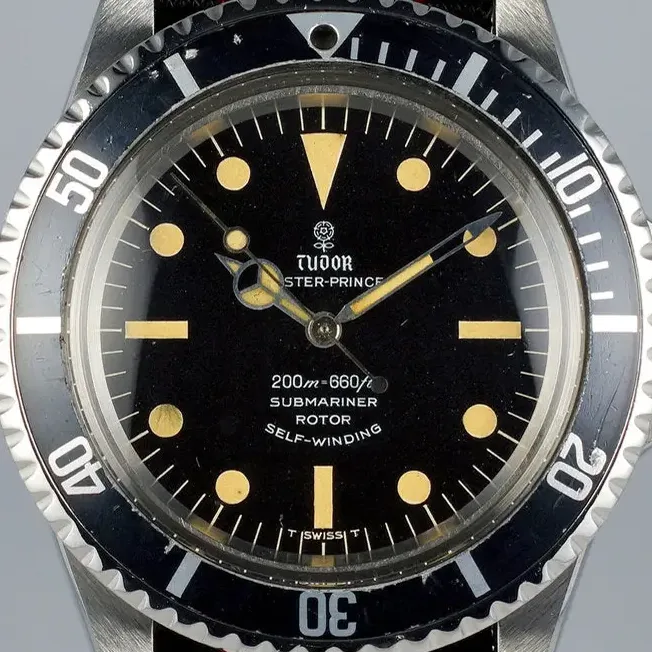
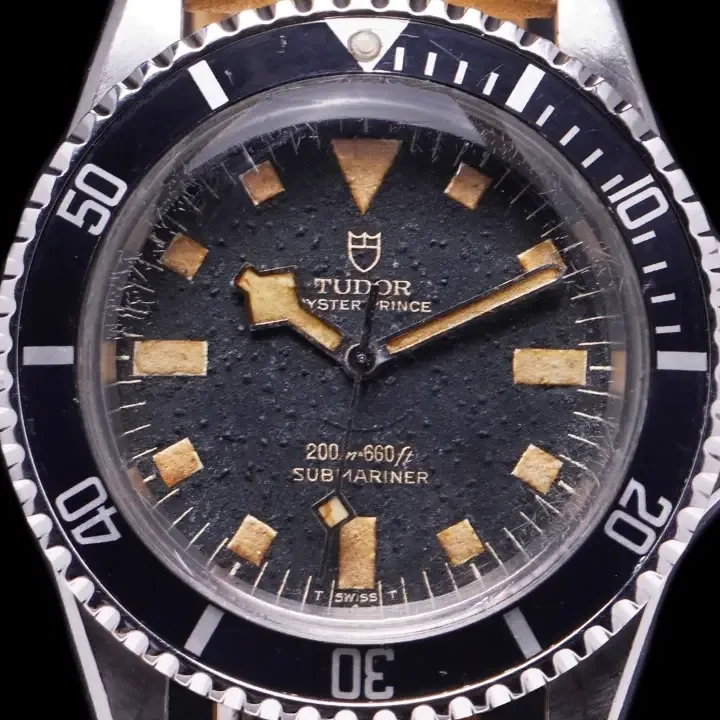
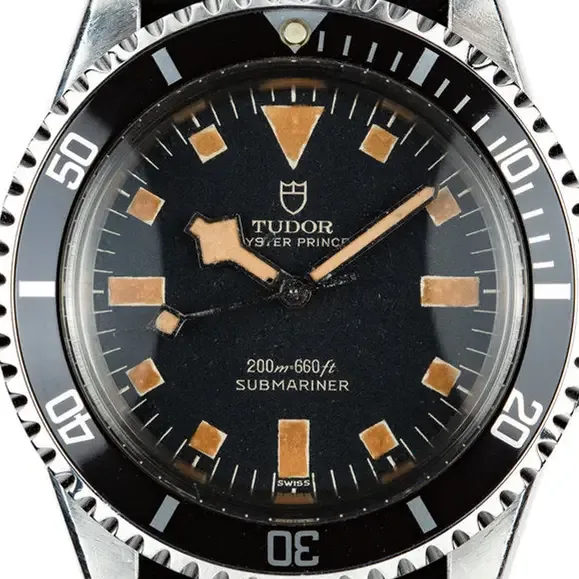
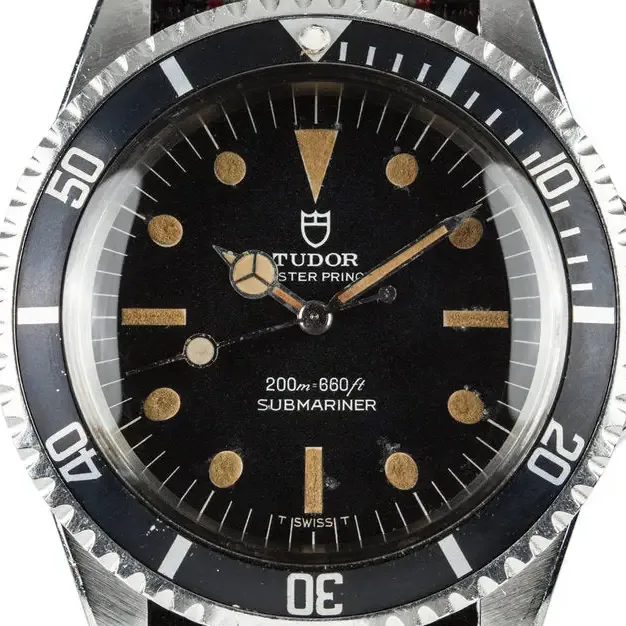
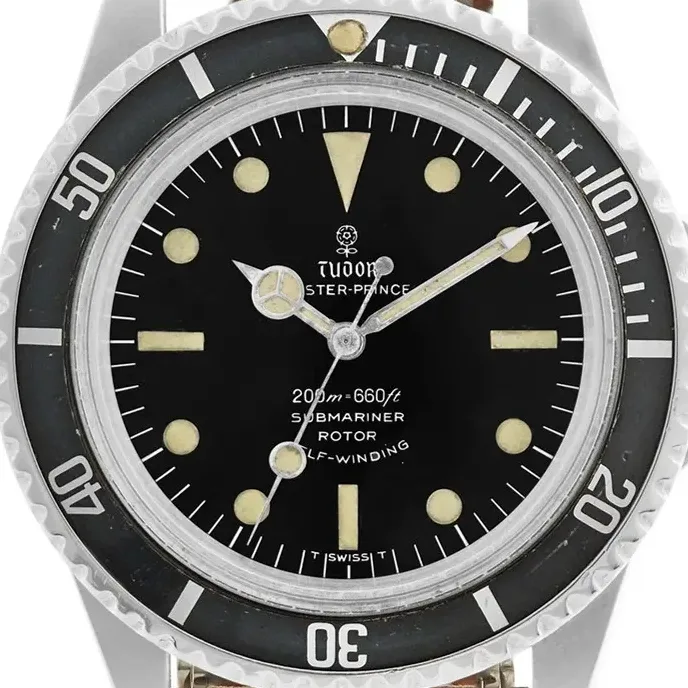
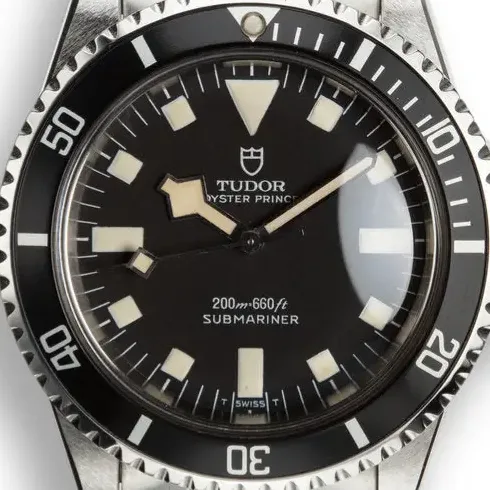
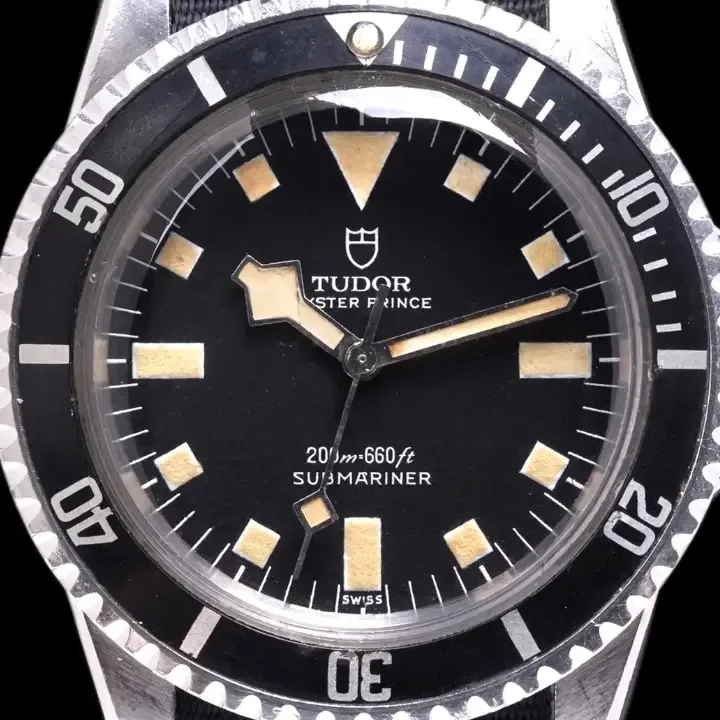
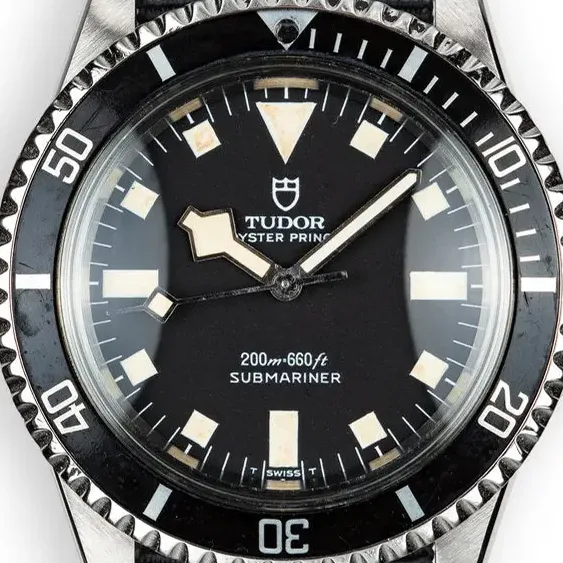
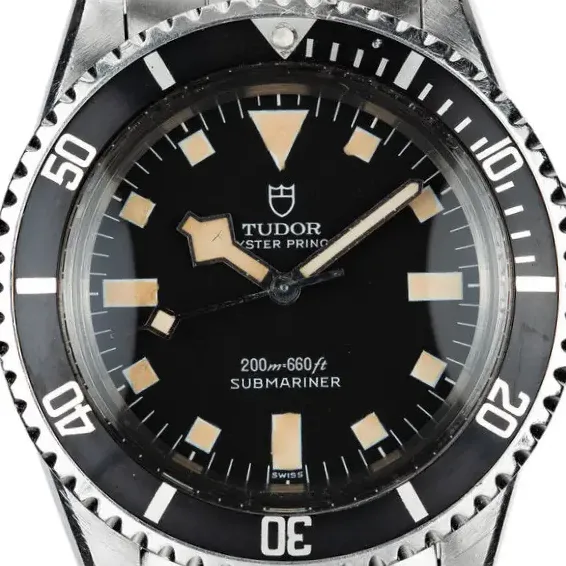
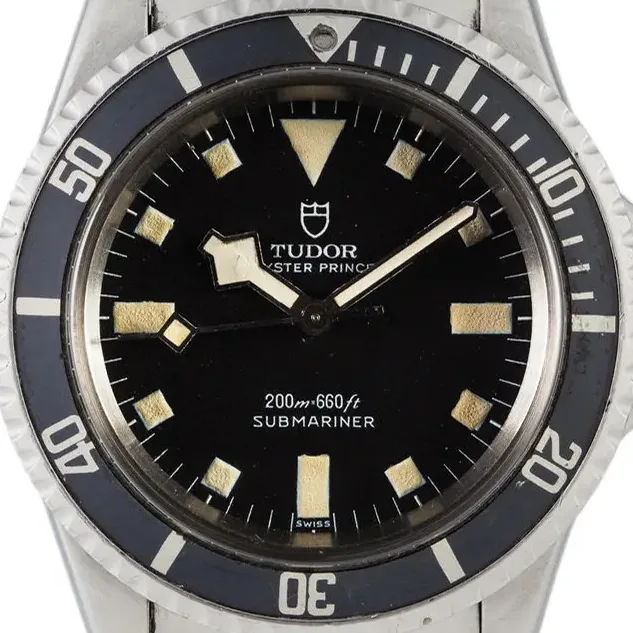
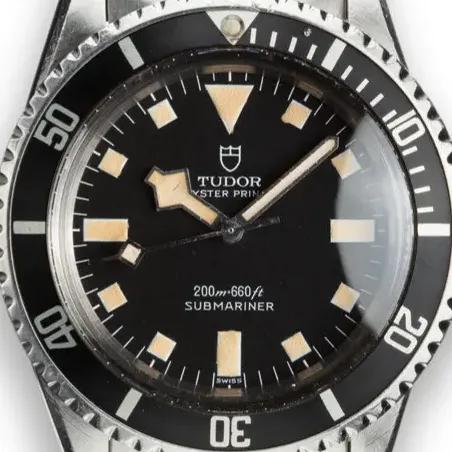
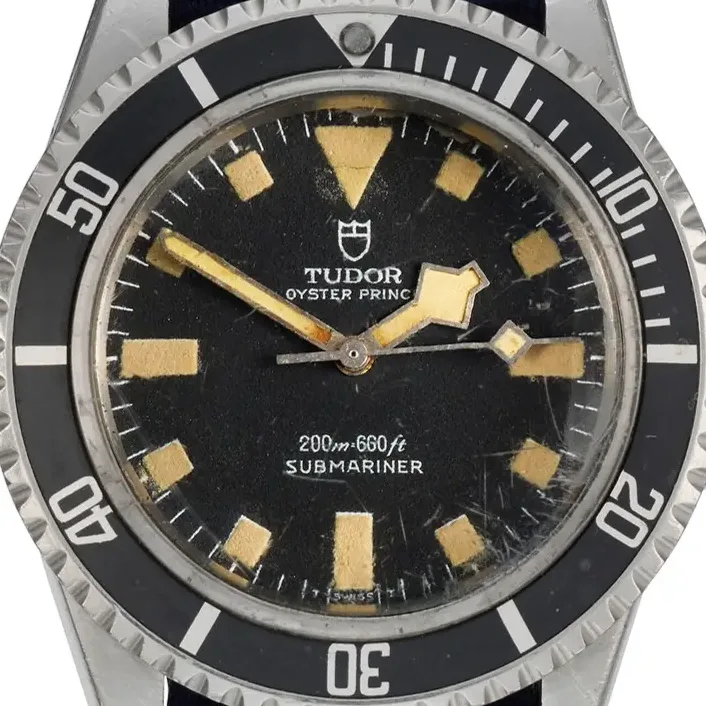
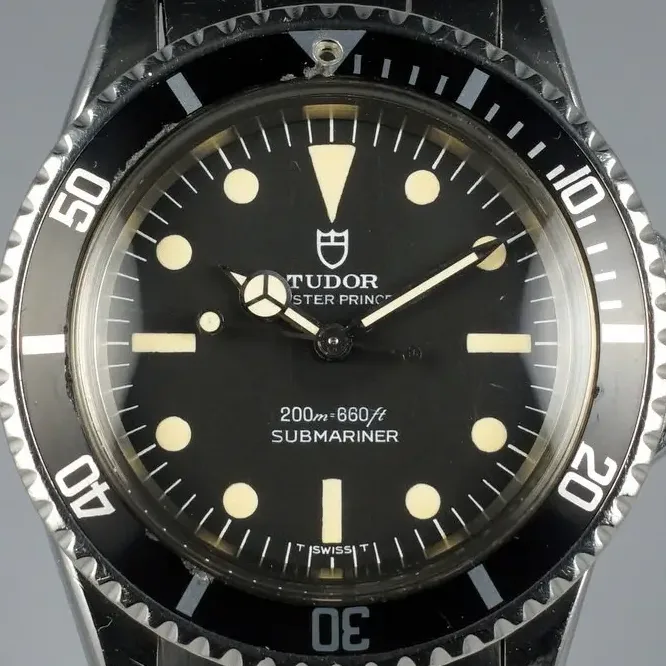
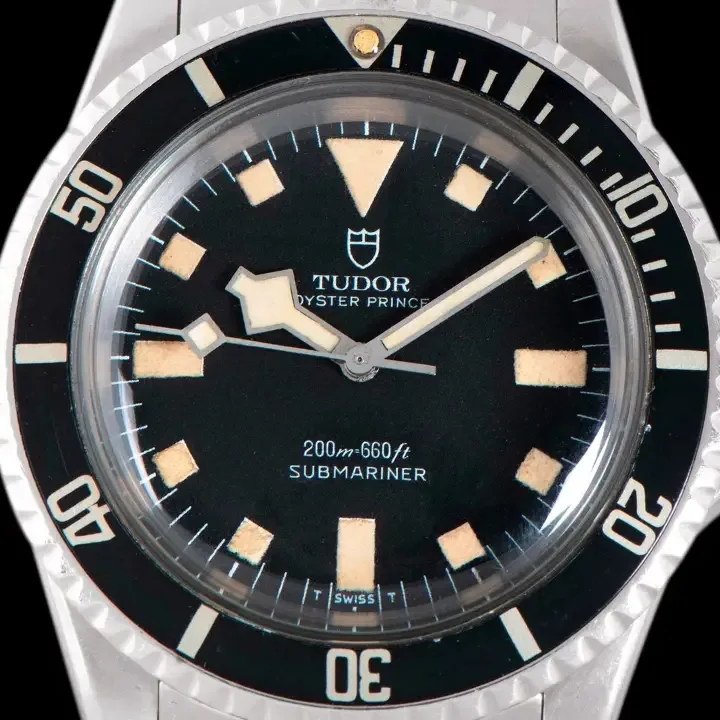
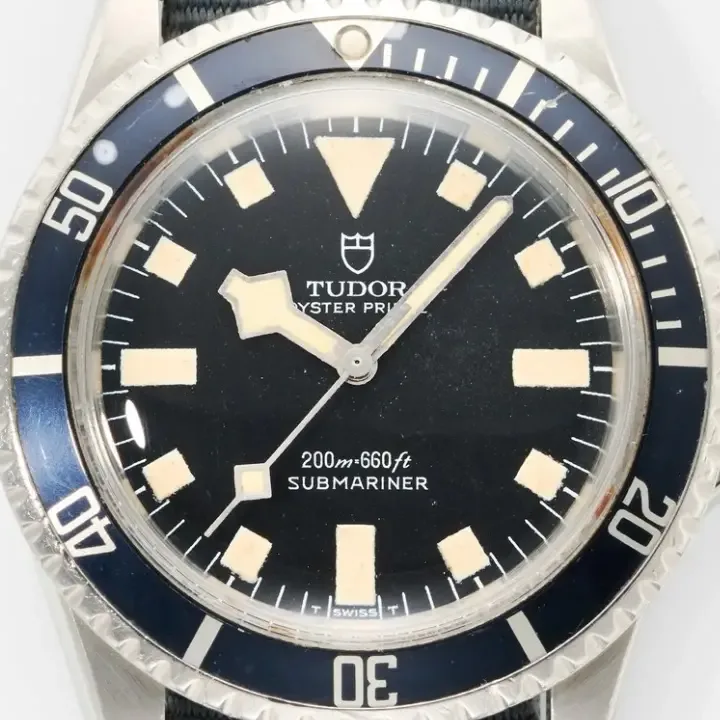
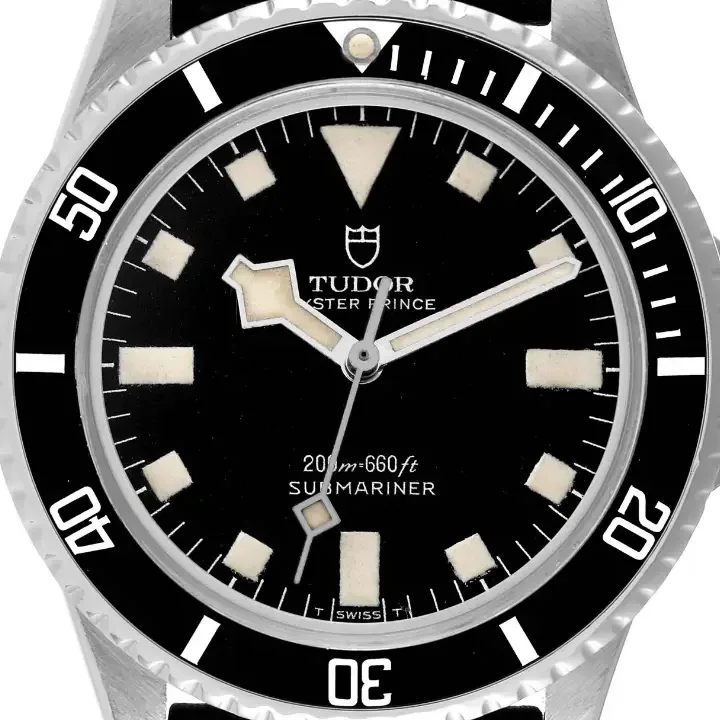
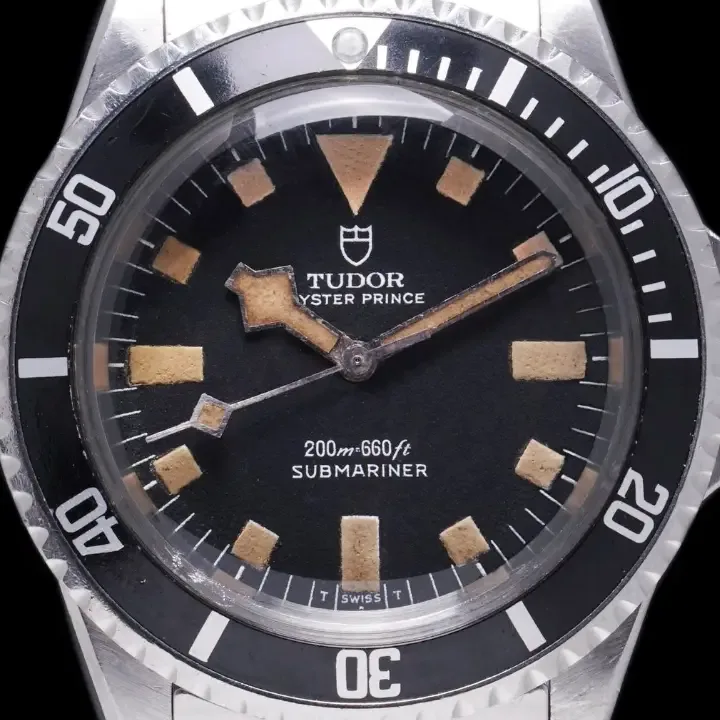
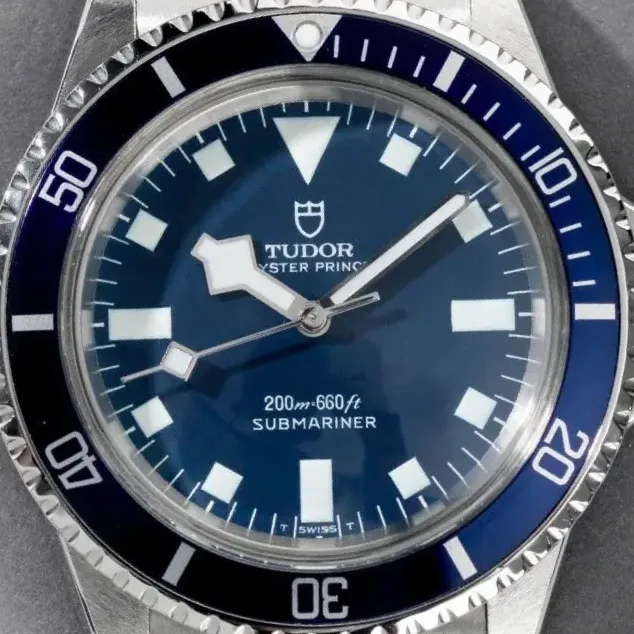
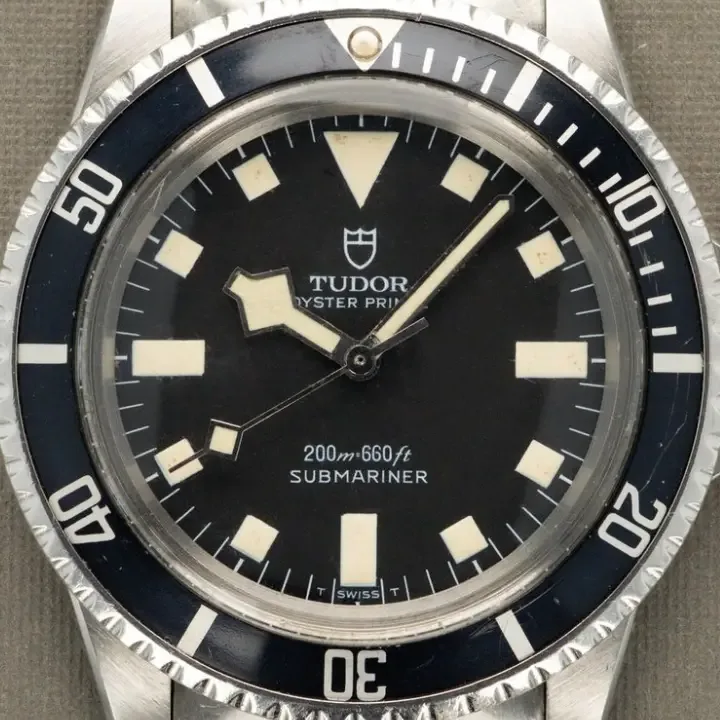
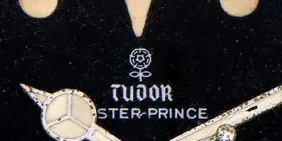
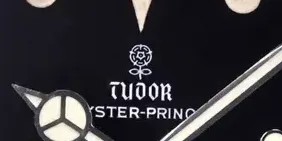
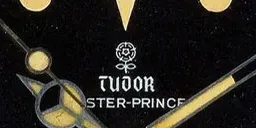
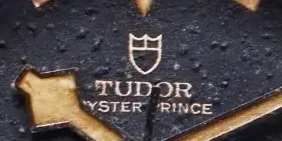
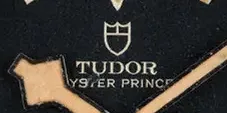
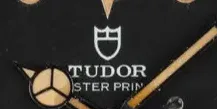
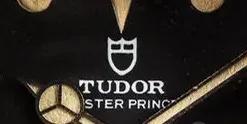
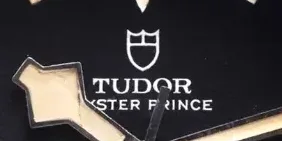
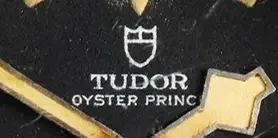
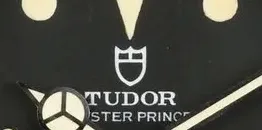
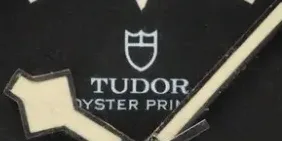
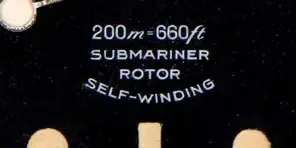
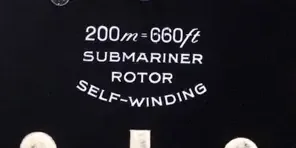
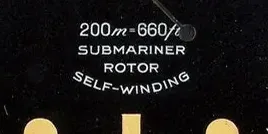
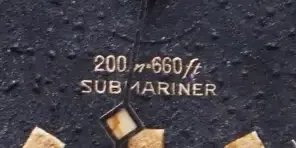
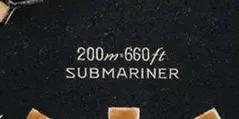
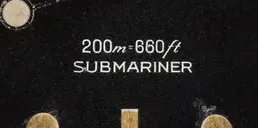
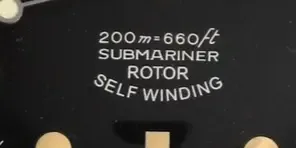
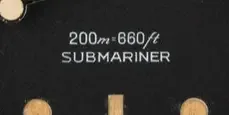
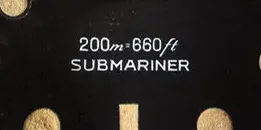
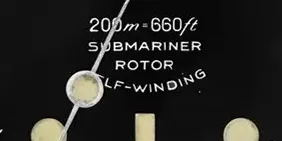
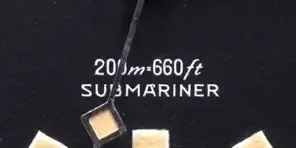
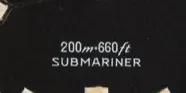
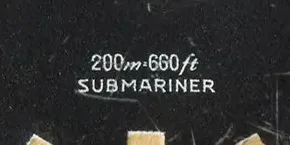
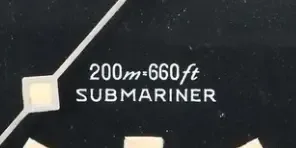
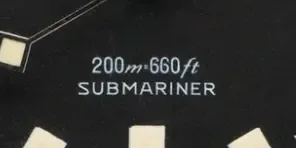
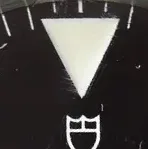
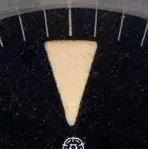
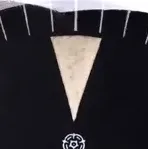
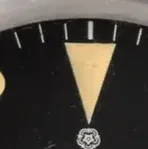
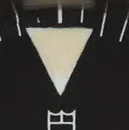
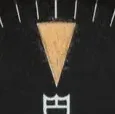
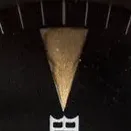
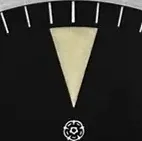
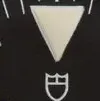
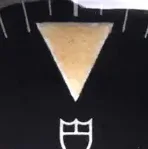
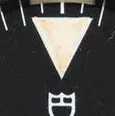
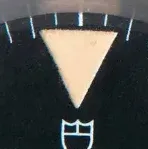
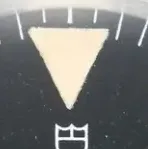
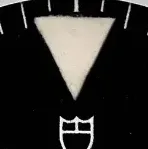
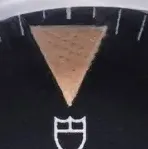
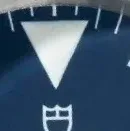
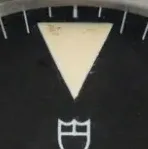
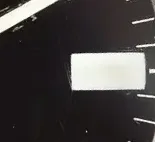
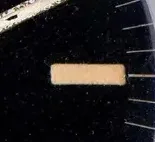
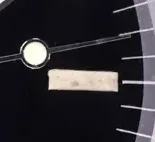
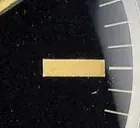
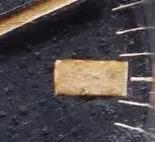
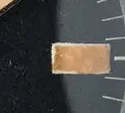
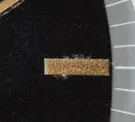
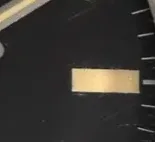
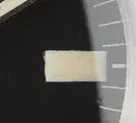
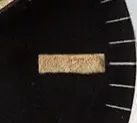
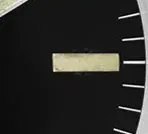
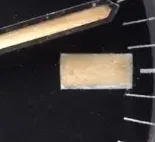
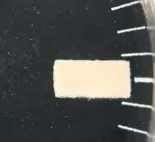
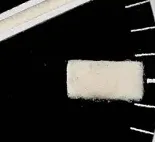
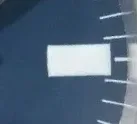
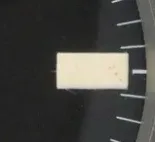
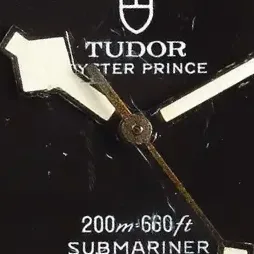
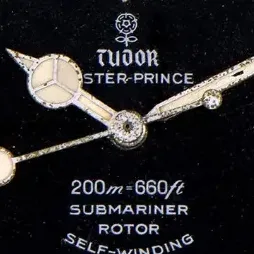
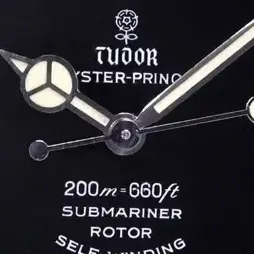
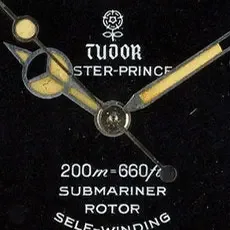
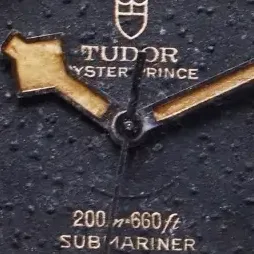
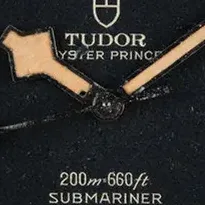
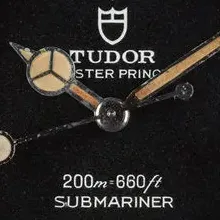
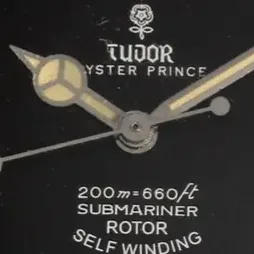
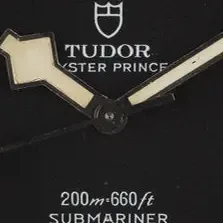
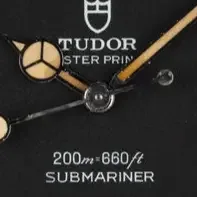
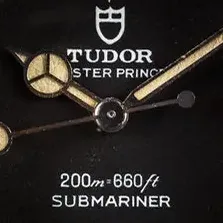
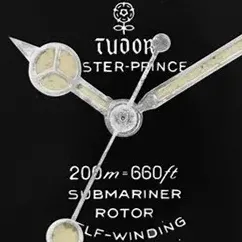
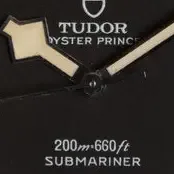
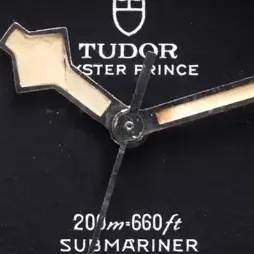
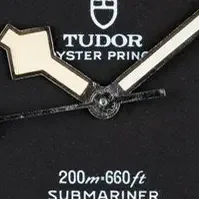
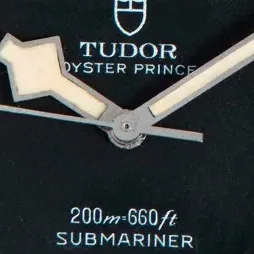
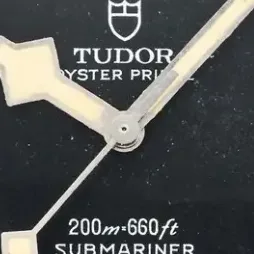
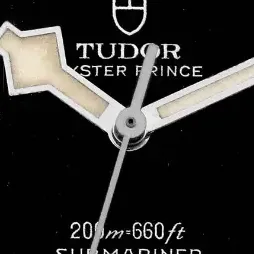
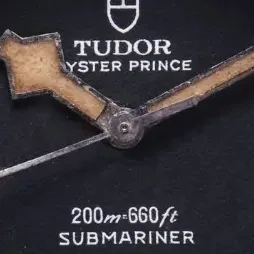
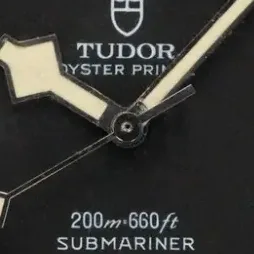
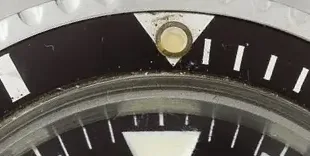
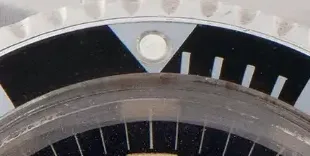
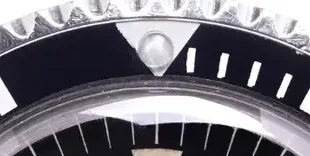
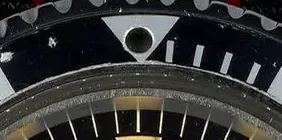
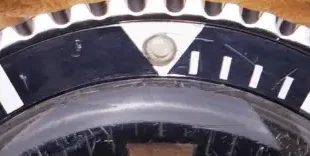
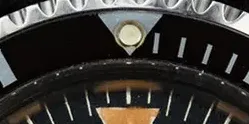
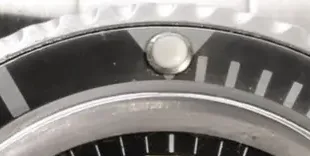
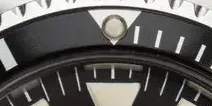
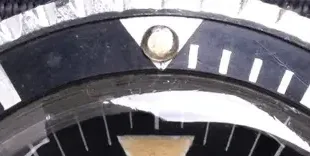
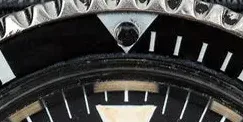
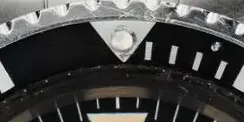
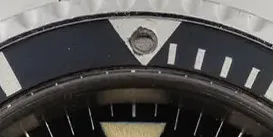
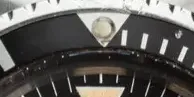
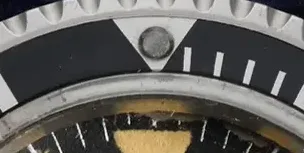
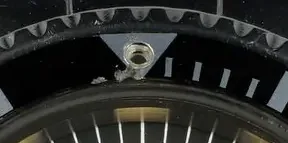
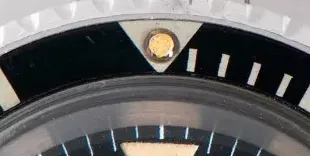
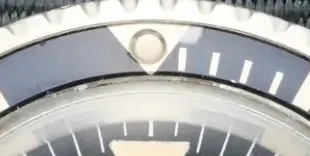
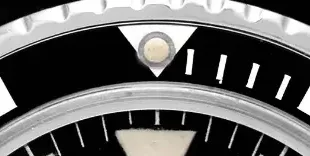
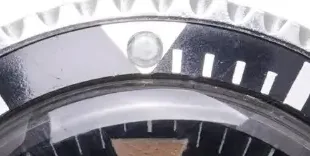
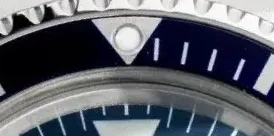
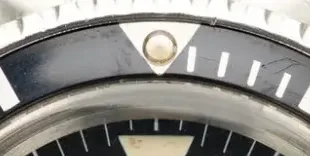
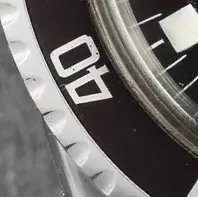
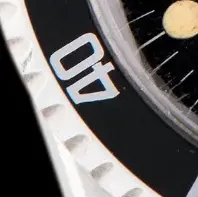
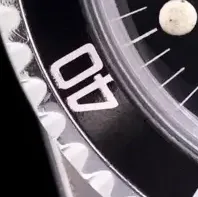
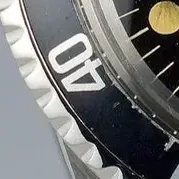
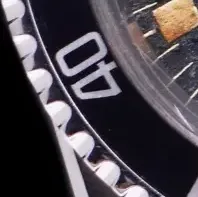
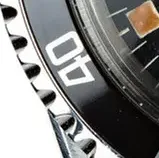
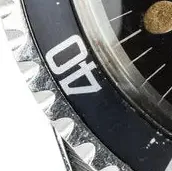
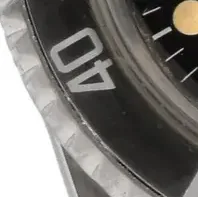
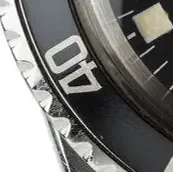
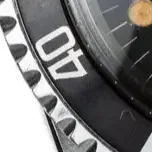
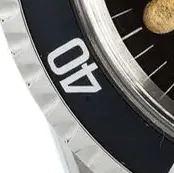
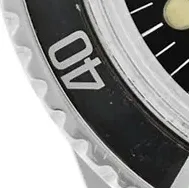
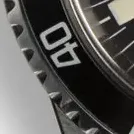
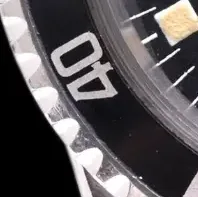
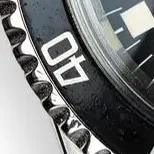
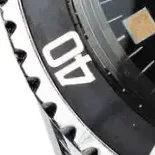
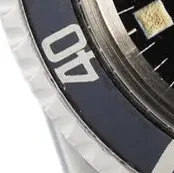
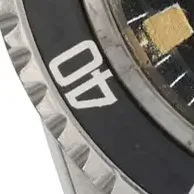
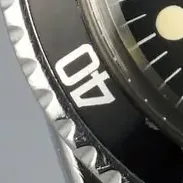
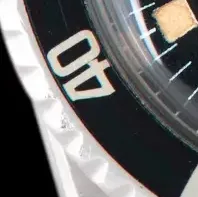
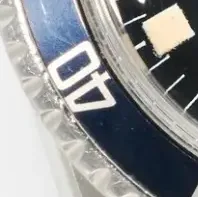
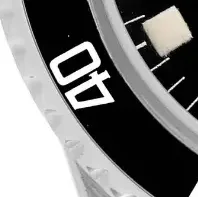
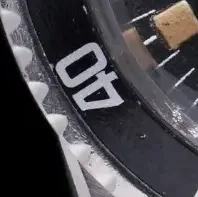
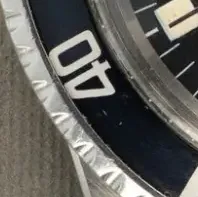
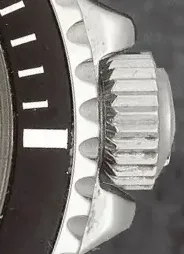
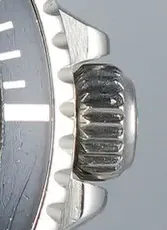
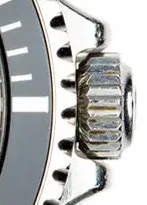
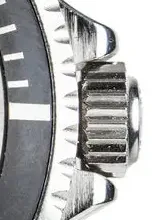
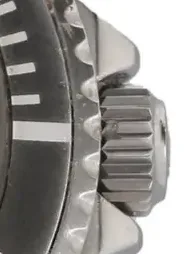
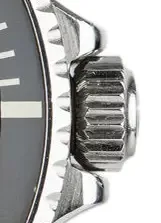
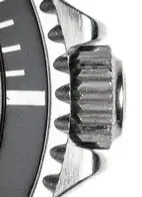
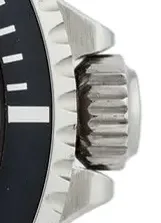
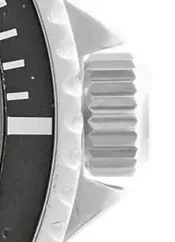
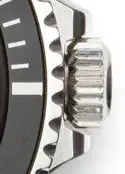
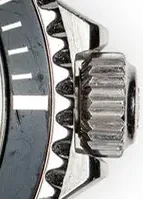
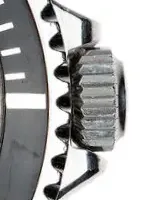
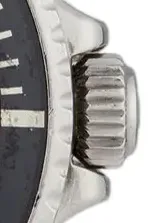
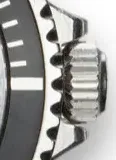
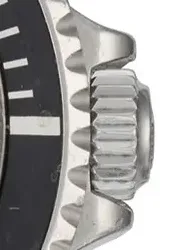
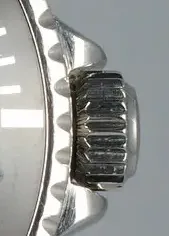
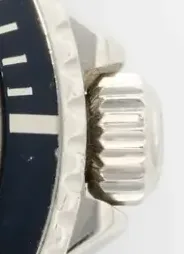
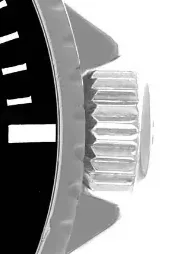
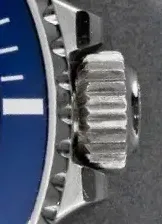
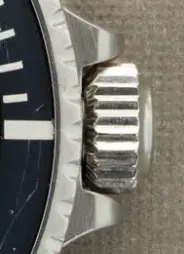
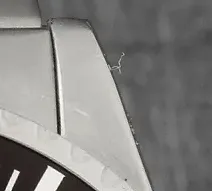
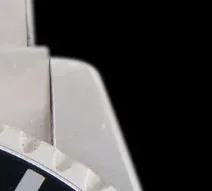
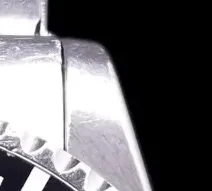
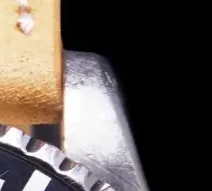
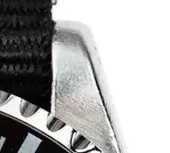
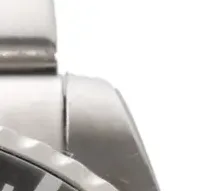
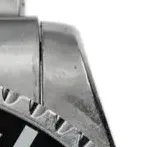
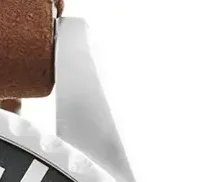
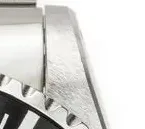
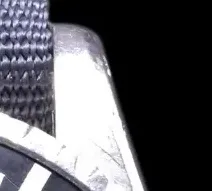
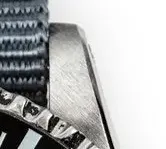
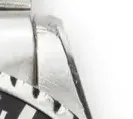
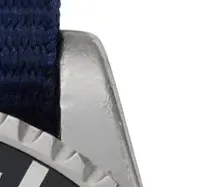
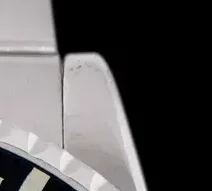
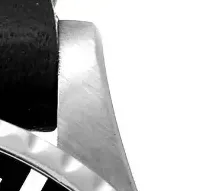
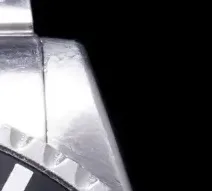
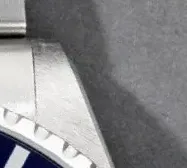
26 watches, oldest first, each straightened and cut the same way so that one row shows one component across them all. Chosen from 180 photographs on file for sharpness and for a face typical of the reference. A year marked c. is one its holder gives only roughly. Each picture is a detail cut from a listing photograph. Select the small mark in its corner for its year, its holder, a link to the listing it came from, and a way to report it.
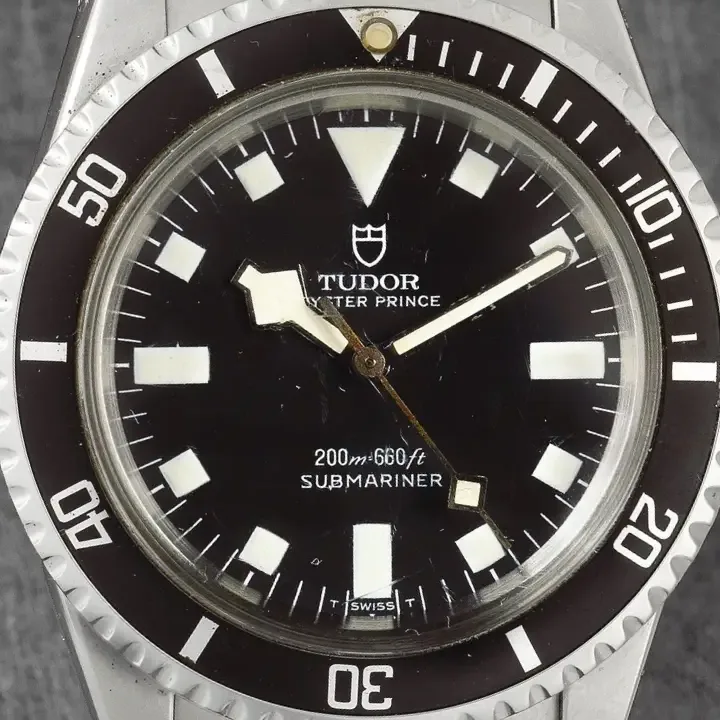
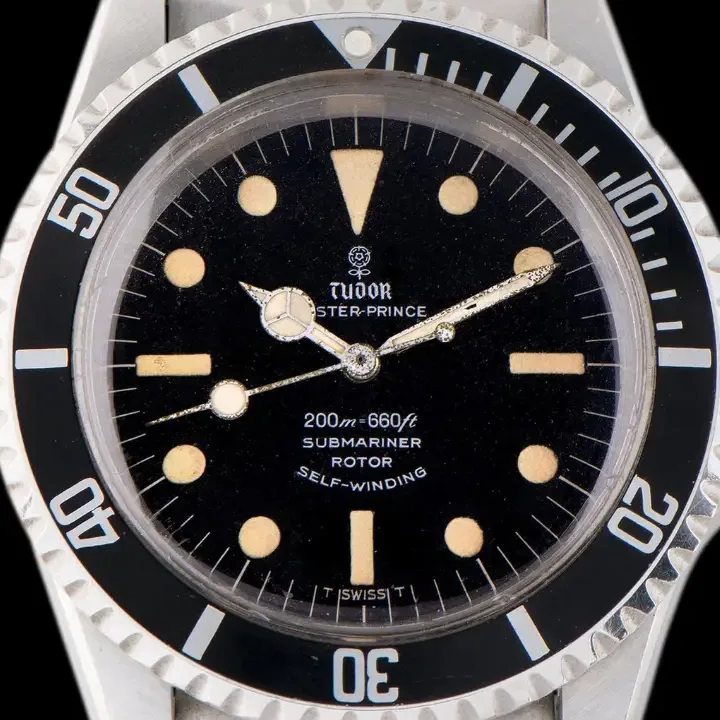
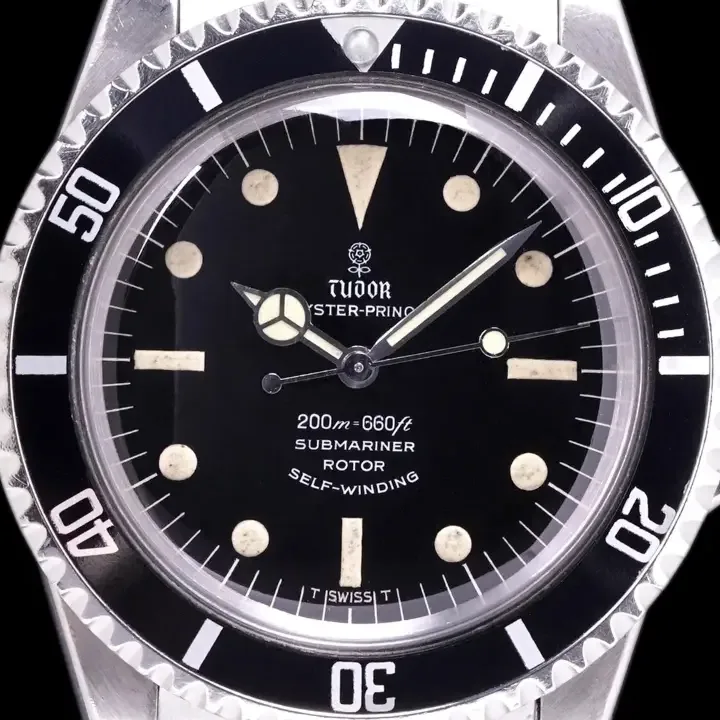
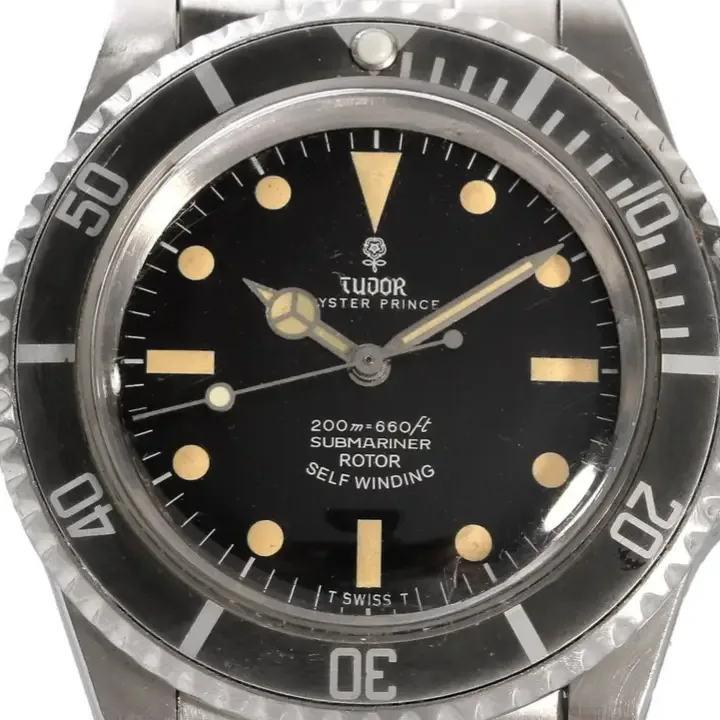
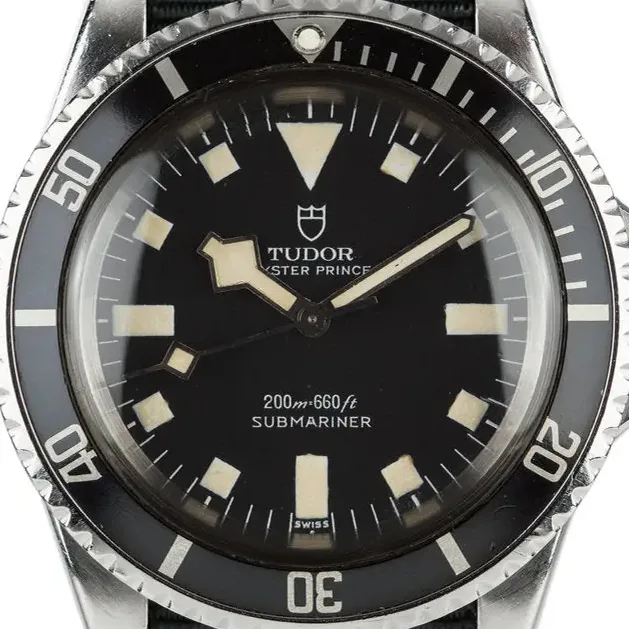
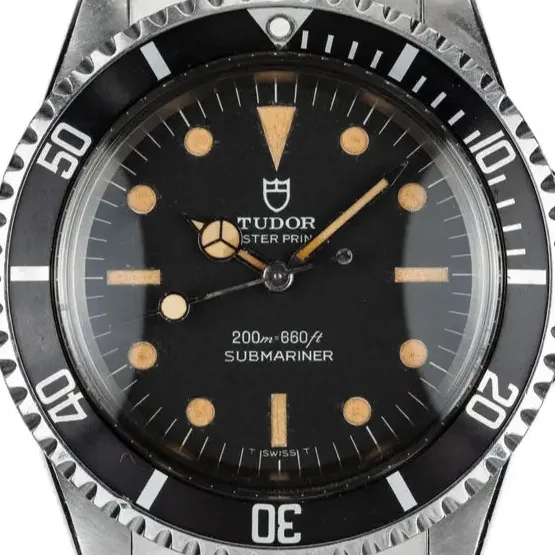
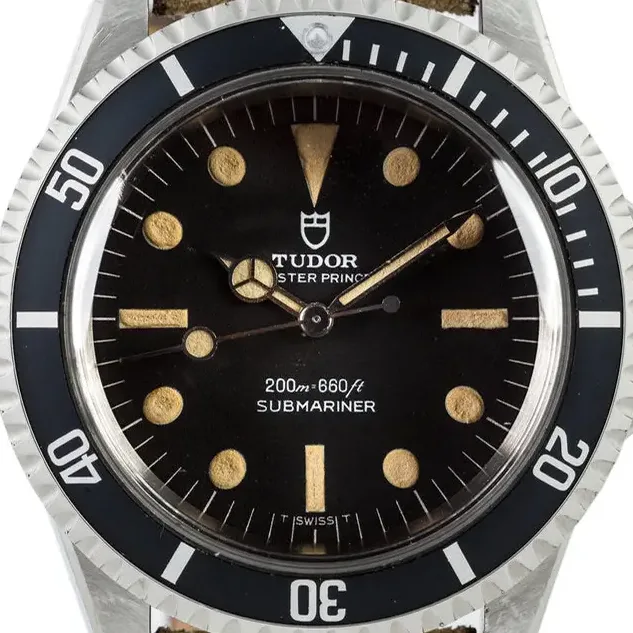


























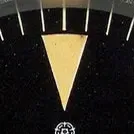
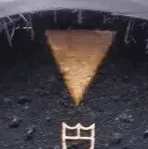
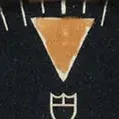
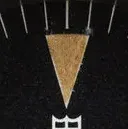
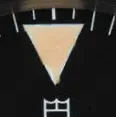
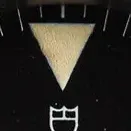

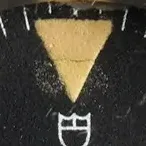
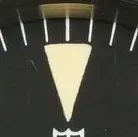

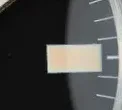
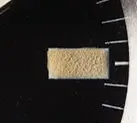

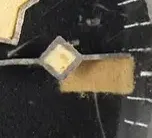

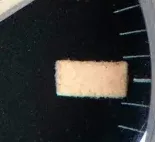

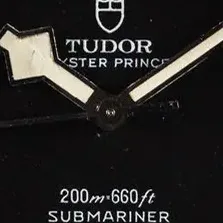
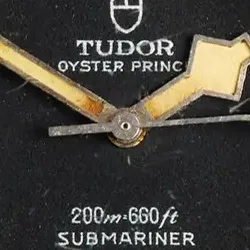
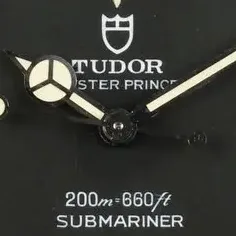


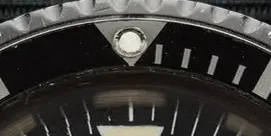
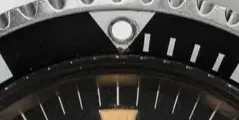
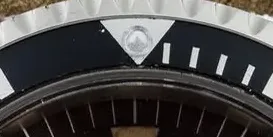
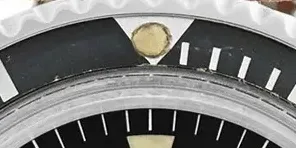


Chronology
Start is given as 1968 or 1969 and end as about 1975; military watches with later case numbers are reported.
Every dated variant: what is written, and what the records show
For the reference the marks are every dated watch; for a variant, the watches a seller names as that variant, so a variant sellers do not name has none.
Specification
| Case | 39 mm steel case, signed Rolex, round-edged crown guards (semi-pointed on the first watches), screw-down back; drilled lugs |
| Crystal | Flat, thick acrylic, prominent over the case |
| Bezel | Bidirectional, black or blue aluminium insert, 60-minute scale with five-minute steps and minute marks between 0 and 15 |
| Dial | Black or blue; large square hour markers with luminous fill; shield logo at 12 on most |
| Hands | Square-ended snowflake hour and seconds hands on most; Mercedes hands on the rose and shield dials |
| Movement | ETA calibre 2483 (Tudor designation 2461-2483), 25 jewels, automatic, 18,000 vibrations per hour, about 42 hours' reserve |
| Crown | Screw-down, signed Rolex |
| Bracelet | Rolex-signed folded-link Oyster bracelet, reference 7836 |
| Water resistance | 200 metres / 660 feet |
Dial 7 described
The reference runs through five dial types in under eight years: rose, maxi rose, shield, and snowflake in a 'SWISS only' and a 'T SWISS T' form, with blue and black available from the start. The earliest dials repeat the 7928 layout; the shield replaced the rose and the line of text dropped from four to two on most. Early lacquer is prone to blistering.
Rose dial (Mk1)
case numbers 621xxx to 623xxx
The first dials copy the 7928 type: rose logo, four lines of text at 6 and Mercedes-style hands. They sit in a semi-pointed crown-guard case, are stamped I 68 and 7528 inside the back, and are thought to have been made only briefly. The earliest case number found is 621xxx.
- rose logo
- four lines at 6
- semi-pointed guards
- 7528 stamp
Maxi rose
case numbers mostly 623xxx to 625xxx, some to 737xxx
Rose dial with larger hour plots and shorter hour and seconds hands that stop at the hash marks, where on the normal rose they reach past them. Lollipop seconds hands are common. It is the last use of the rose until modern watches.
- larger hour plots
- short hands
- lollipop seconds
Snowflake 'SWISS only'
case numbers blue about 62xxxx; black 74xxxx to 815xxx
The first square-marker dials, with SWISS alone printed between the hash marks at 6. Found in black and, less often, blue; the blue ones are the earlier, around 62xxxx, the black ones from 74xxxx to 815xxx.
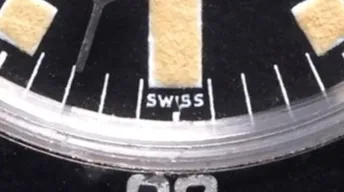
- square hour markers
46 listings on record under the name.
Shield dial and maxi shield
case numbers 740xxx
A shield logo with round plots, made only for about a year near 1970, serial about 740xxx. A maxi version has larger plots and shorter hands that barely reach the minute markers. It is scarce by volume and is not a snowflake dial.
- shield logo
- round plots
- Mercedes hands
Snowflake 'T SWISS T'
case numbers 760xxx to 827xxx
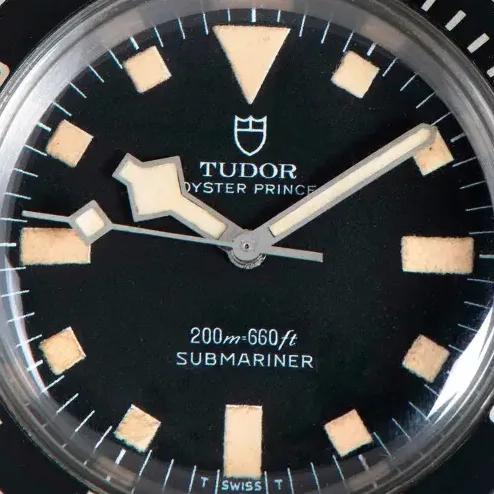
Square hour markers, snowflake hands and T SWISS T at the foot of the dial. Black or blue, made from the 760xxx range to the end of the reference at about 827xxx. The luminous fill ages to cream or darker.
- T SWISS T
- shield at 12
- two lines of text
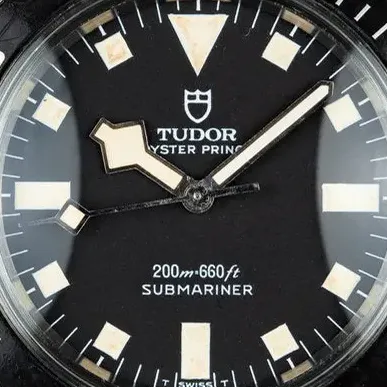


Blue dial
Blue dials come with a blue bezel insert and are the scarcest snowflake type; they were released in 1968 and are rarely found in good condition because the early lacquer blistered.
- blue dial and bezel
Dial rot and bubble dials
The early lacquer, on both black and blue dials, blistered from the centre outward even without water entering; the luminous plots are often still good. It can be told from water damage by the raised, orange-peel texture. Dial rot is recorded up to 1975, and a good dial may be a replacement.
- bubbles under the paint
- raised texture near centre
Hands 3 described
Mercedes hands on the rose and shield dials, snowflake hands on the rest, with a lollipop seconds hand on the earliest watches.
Mercedes hands
Used on the rose and shield dials. On the maxi types the minute and seconds hands are shorter and barely reach the minute track.
- Mercedes hour hand
Lollipop seconds hand
A seconds hand with a round lume tip, found mainly on very early watches; the smaller seconds hand is used from then on. A lollipop is also reported on a US Navy swim-school watch.
- round lume tip on seconds
Snowflake hands
Square luminous blocks on the hour and seconds hands and a plain baton minute hand, used with the square-marker dial. They are not found on the first rose dials in most accounts, though one account says they appear there.
- square hour hand
- square seconds tip
Bezel 2 described
A 60-minute bidirectional bezel with five-minute steps and single-minute marks between 0 and 15, in black or blue.
Black or blue insert
Black with black dials and blue with blue ones. The bezel edge has thick notches that match the square markers. A bezel with a 'long 5' numeral in a bold typeface is recorded on an early watch.
- thick edge notches
- insert colour matches dial
Faded or ghost insert
Inserts fade evenly to a pale grey or gunmetal blue with age. The effect is prized by some collectors and appears on both black and blue originals.
- even pale fade
Case 4 described
The 39 mm case is signed Rolex. The first watches have semi-pointed crown guards and the rest rounded ones. The stamp inside the back changed in about 1973.
Semi-pointed crown guards (SPCG)
case numbers 621xxx to 623xxx
Left over from the last 7928 cases: the underside of the guard slopes upward. Found on the first-quarter 1968 watches with the rose dial, and only briefly. The /0 suffix on the reference begins in this period.
- sloped underside to guards
Rounded crown guards (Mk2)
The case used from the first snowflake dials to the end of the reference and all later Submariners. Reported as full, proud bevels on unpolished cases.
- rounded guards
Caseback stamps
case numbers 814xxx for the change
Early watches carry a quarter and year stamp inside the back, such as I 68, and rose-dial watches also have 7528. From about 1973, around serial 814xxx, the date is removed and the back reads Montres Tudor S.A. Geneva Switzerland Patented Stainless Steel.
- I 68 and 7528
- no date after 1973
Military engravings
case numbers up to 820xxx for MN
Catalogue watches with engraving on the outside of the back. Marine Nationale watches read M.N. and the last two digits of the year, such as M.N.71 and M.N.74; one account dates the first such engraving on the 7016 to 1974, though M.N.71 examples are described, and another says the French navy took the reference from 1968. South African navy watches, mostly black and from about 1974 to 1980, carry only a number. US Navy swim-school watches read UWS. MN watches are recorded with case numbers in the 820,000 range.
- M.N. and year
- UWS
- plain number
Crystal 1 described
The domed acrylic of the 7928 gives way to a flat one.
Flat thick acrylic
A thick flat acrylic crystal, standing proud of the case.
- flat crystal
Movement 1 described
The first Tudor Submariner with an ETA movement, replacing the calibre 390.
ETA 2483
25-jewel automatic, 18,000 vibrations per hour and about 42 hours of reserve, called 2461-2483 in the service manuals: the first number is the base calibre and the second Tudor's own. It has no stop-seconds. The reason for the change is thought to be service convenience and a common base for date and no-date watches.
- ETA base movement
Bracelet 1 described
Rolex-signed Oyster bracelet.
Oyster 7836
A Rolex-signed Oyster bracelet with folded links, reference 7836, the same family as on the 7021.
- folded links, Rolex signature
Originality
- Dials that blistered were often replaced, so a flawless dial may be a service dial; replacements of the wrong type are noted with Mercedes-style service dials.
- The bezel insert should match the dial, black with black and blue with blue; inserts fade with age, evenly on many originals.
- Military engravings have been faked, so M.N. markings need checking against the rest of the watch.
- Hard-worn military watches often had service parts fitted.
- Case polishing blurs the bevels; sharp bevels point to an unpolished case.
Names
- Snowflake. The square-ended hour hand and square markers look like a snowflake.
- SPCG. The first cases have semi-pointed crown guards.
- Bubble dial. Lacquer blisters under the surface.
- Ghost bezel. The insert has faded evenly pale.
Where accounts differ
Points on which the published literature and the library's own records do not agree, or on which the literature contradicts itself.
- Start of production. One collector site puts the first watches, with rose dials, in the first quarter of 1968, and another has seen early casebacks dated 1968 and 1969; several guides give 1969 as the introduction.
- Which dial came first. One guide says the first 7016s had the rose logo and Mercedes-style hands with the snowflake dial coming later; another says the first examples already had snowflake hands with the rose and four lines. A third account lists the rose dial as the first type and the snowflake as a later one.
- Crown-guard shape of the Mk1. One guide calls the Mk1 guards pointed, while others describe them as semi-pointed.
- Movement in the records. Every guide gives the ETA 2483 for this reference and says it replaced the calibre 390. Some listings in the library's records name the 2824-2, and a few the 390 or 2452. The 2824-2 belongs to a later reference and the 390 to an earlier one, so those listings are probably mislabelled.
- Earliest date. Guides begin the reference in 1968 or 1969. One auction listing in the library's records describes a 7016/0 as circa 1962, six years before any guide's start; this is most likely a loose estimate by the seller.
- Year the 9401 replaced it. Accounts of the 7016 have the 9401 replace it in 1975, or about then. Accounts of the 9401/0 date that reference's introduction to 1976.
Back and movement
From listings of this reference, each confirmed by eye to show what it is filed under. A picture on which a person's name or a personal engraving can be read is not shown. From most holders a detail from the middle of the photograph is shown; the mark in its corner gives its holder and a link to the listing.
Caseback
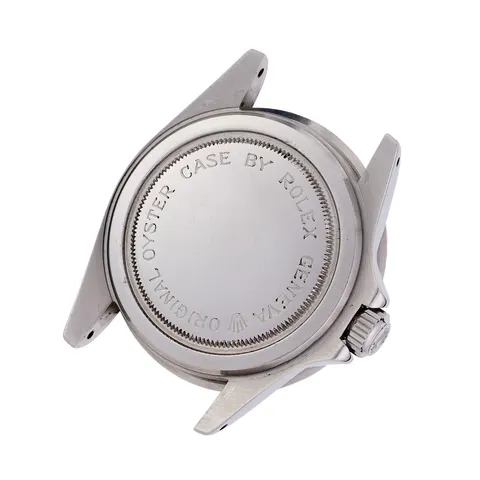

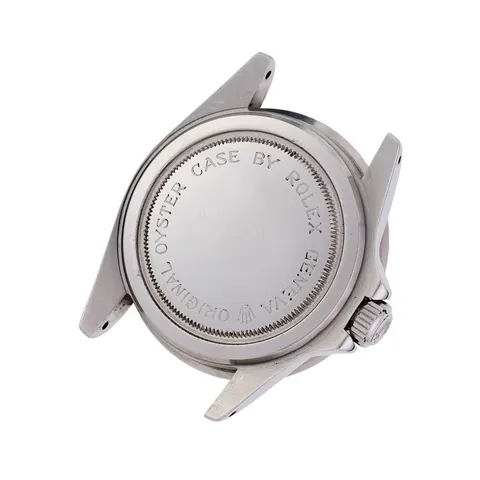


Catalogue versions 1 listed
The full numbers under which holders list this reference, with what their listings say of each. Each has a page of its own.
| Version | Metal | Dial | Years seen | Records |
|---|---|---|---|---|
| 7016/0 | Steel | Black | 1968–1974 | 56 |
In the records
Counted from 274 listings at 27 holders between 13 May 2017 and 14 November 2026. These are what sellers and auction houses state, not measurements.
Fainter bars are the 3 outside the main run of 1968–1974 (the middle nine-tenths): the earliest is 1962 and the latest 1976. They are early and late examples, and now and then a seller's slip. The head of the page gives 1968–1976: the years that listings from two holders bear out.
Case metal
| Steel | 33 |
Dial colour
| Black | 15 | |
| Blue | 2 |
Case size
| 40 mm | 22 | |
| 39 mm | 11 | |
| 41 mm | 2 |
Calibre named
| 2483 | 23 | |
| 390 | 2 |
Bracelet or strap
| Oyster bracelet | 4 | |
| Metal bracelet, kind not stated | 4 | |
| Fabric strap | 3 | |
| Leather strap | 2 | |
| Strap, kind not stated | 1 |
Each table counts the listings that state the thing, in the seller's own terms. A size, metal, colour or calibre that cannot belong to this reference is a seller's slip or a listing filed under the wrong number.