Oyster Prince Submariner
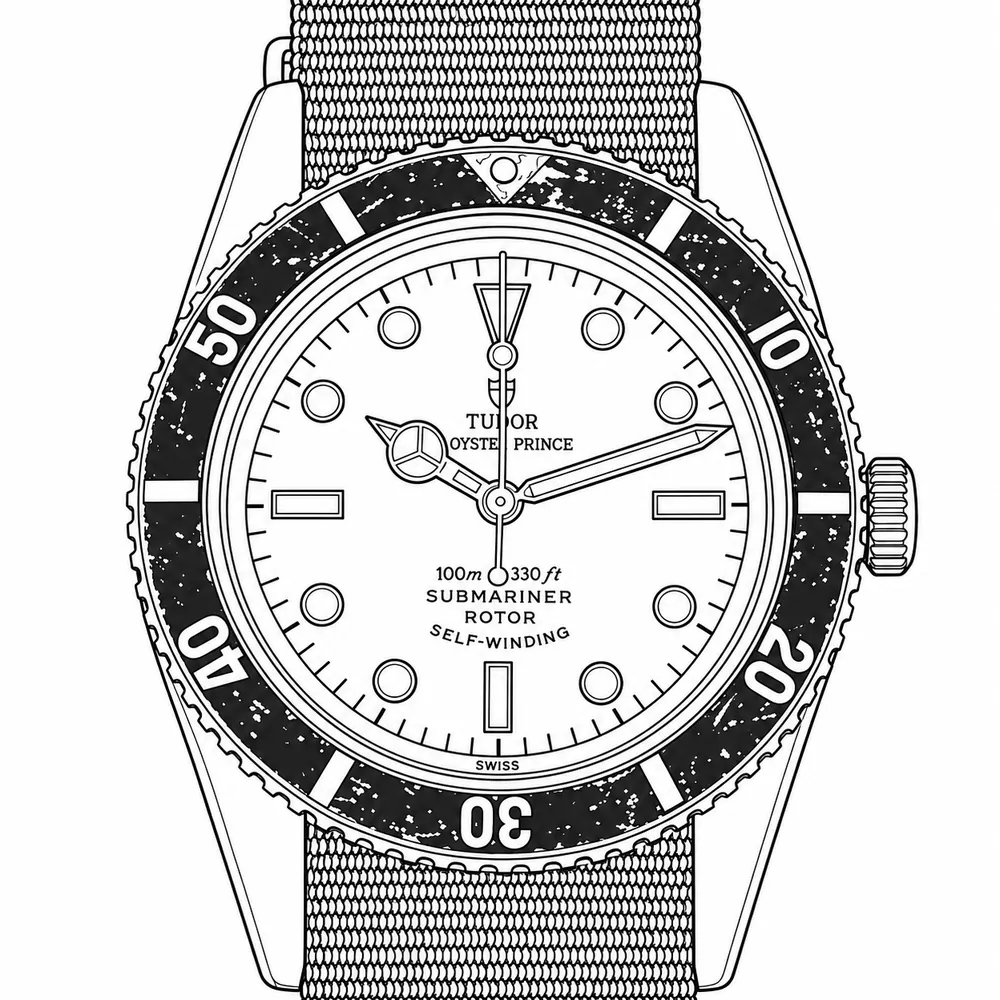
The 7922 is the first Tudor Submariner, a 37 mm steel automatic dive watch introduced in 1954 and rated to 100 metres. It is built on a Rolex case, crown and bracelet and runs on the Fleurier-based calibre 390. It was made without crown guards, in a small-crown form with a 6 mm crown and in a big-crown form with an 8 mm crown, and early examples were tested by the French Navy. It was followed by the manual-wound 7923 and the 200 metre 7924. The order of the first Tudor Submariners is not settled, so collectors look first at the crown, caseback stamp, serial number and whether the dial and bezel are original.
- Made
- from 1954dates disputed
- Seen in the library
- 1957–1958by years sellers state
- Case
- steelas sellers state
- Movement
- Automatic
- On record
- 9 listings16 photographs · 7 holders
Components
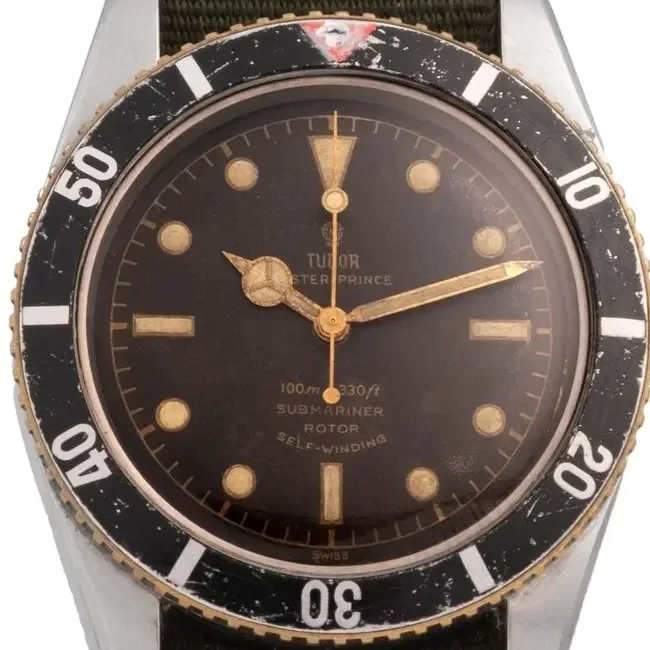
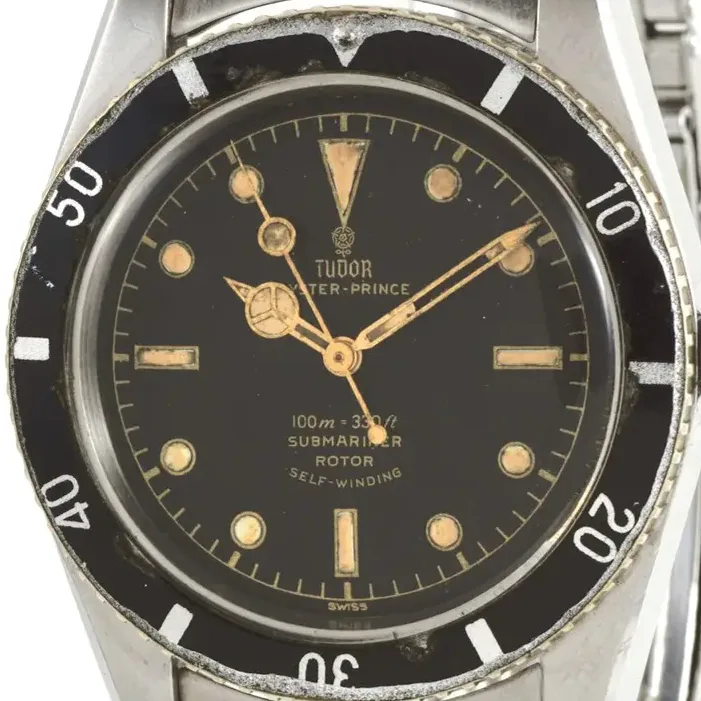
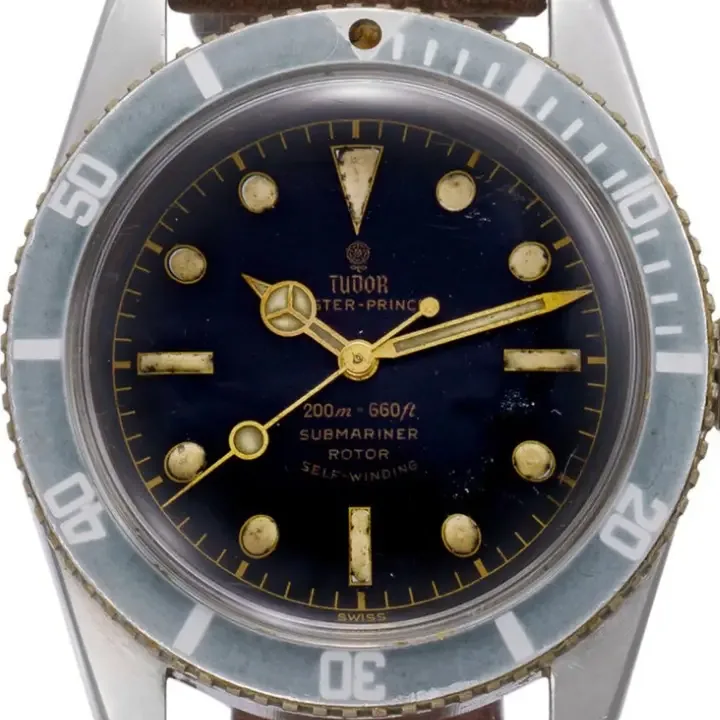
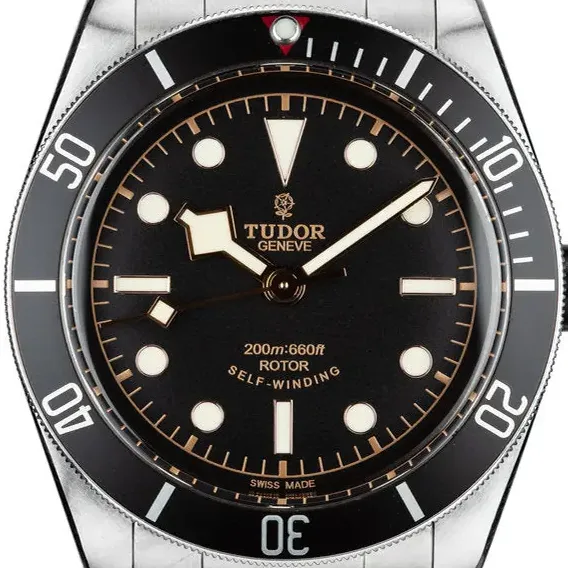
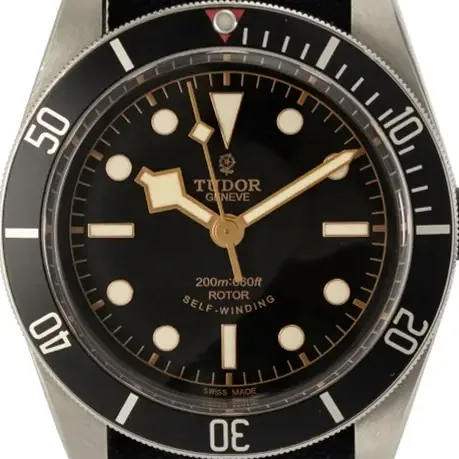
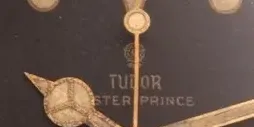
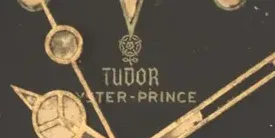
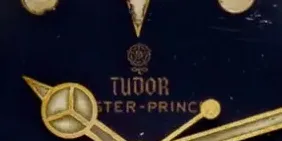
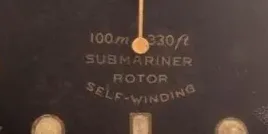
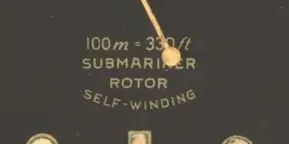
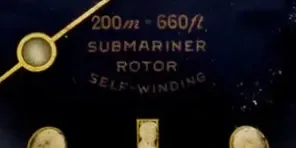
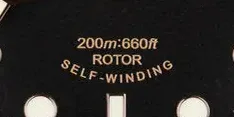
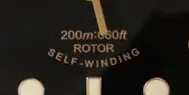
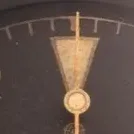
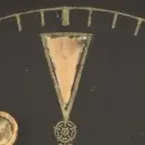
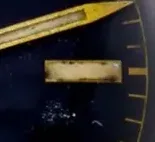
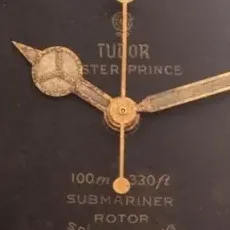
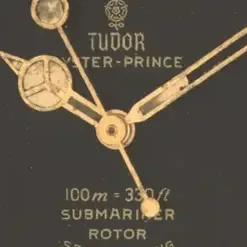
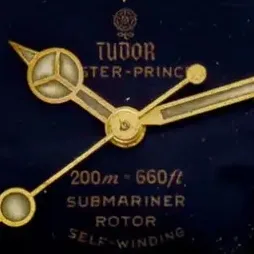
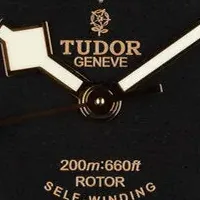
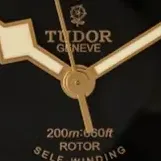
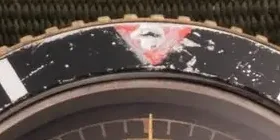
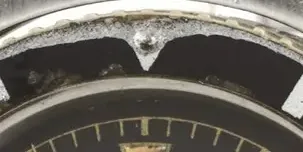
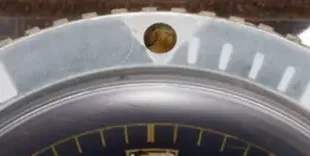
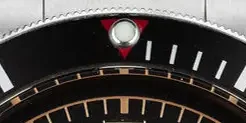
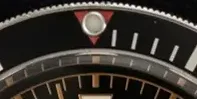
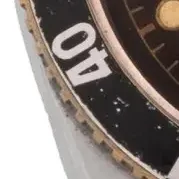
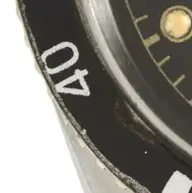
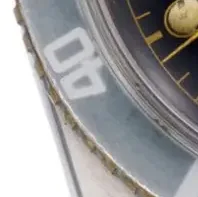
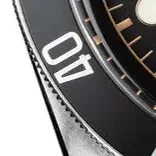
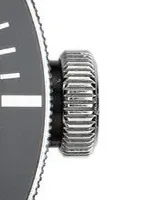
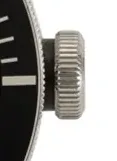
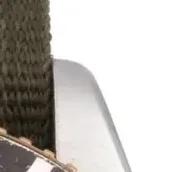
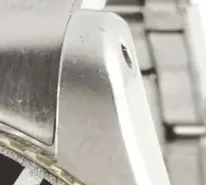
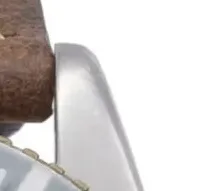
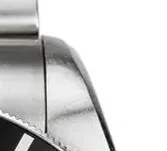
5 watches, oldest first, each straightened and cut the same way so that one row shows one component across them all. Chosen from 16 photographs on file for sharpness and for a face typical of the reference. A year marked c. is one its holder gives only roughly. Each picture is a detail cut from a listing photograph. Select the small mark in its corner for its year, its holder, a link to the listing it came from, and a way to report it.


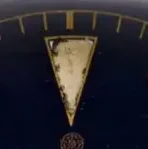
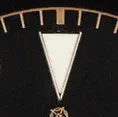


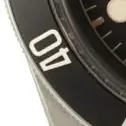
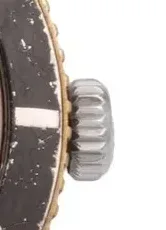
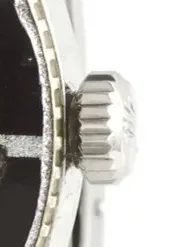
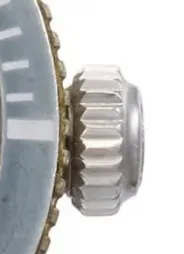



Chronology
The start is usually given as 1954, though one account puts it in 1956. The few vintage watches in the library's records with a stated year fall between 1954 and 1958, which fits the usual date. No end year is given, and the 7924 appeared in 1958.
Every dated variant: what is written, and what the records show
For the reference the marks are every dated watch; for a variant, the watches a seller names as that variant, so a variant sellers do not name has none.
Specification
| Case | 37 mm steel Oyster case made by Rolex, with no crown guards; the small-crown version is the thinner of the two |
| Lug width | 20 mm |
| Crown | Small-crown version with a 6 mm twin-lock crown; big-crown version with an 8 mm Brevet '+' crown |
| Dial | Domed black lacquered dial with gilt print and radium markers |
| Bezel | Bidirectional rotating bezel, graduated in 5-minute intervals, with a red triangle at 12 |
| Movement | Tudor calibre 390, automatic with a rotor, based on a Fleurier calibre, 18,000 beats an hour |
| Caseback | Screw-down caseback opened with the standard 29.5 mm Rolex opener |
| Bracelet | Rolex steel riveted bracelet 7206 or the stretch bracelet 6636 |
| Water resistance | 100 m, stated on the dial |
Dial 3 described
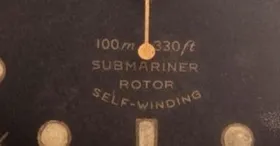
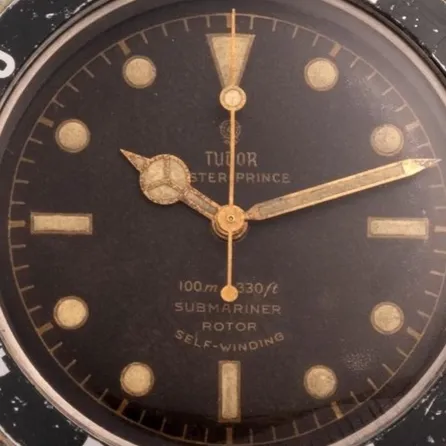
The dial is a domed black lacquer with gilt print, rated 100 metres on the dial. The dial layout is close to that of the Rolex 6538. Whether 200 metre dials were also used on the 7922 is disputed.
Gilt 100 m dial
The usual dial is black and domed with gilt text and painted dots at the hours. Bars mark 3, 6 and 9 and a long triangle marks 12. A curved 'SELF-WINDING' sits at six with the word 'ROTOR', a layout called the smiling inscription. The lume is radium. Aged dials develop a tropical brown colour.


- dots with bars at 3, 6, 9 and triangle at 12
- domed dial
2 listings on record under the name.
Underline dial
An underlined text line is seen on a big-crown prototype built in a Rolex 6538 case, where it is taken to be a later fit; that watch is thought to have left with a 100 metre 7922 dial. Another account pictures a mid-1950s 7922 with the underline without calling the dial a replacement, so whether it is ever original to the reference is not settled.
- underlined text on dial
200 m dial question
Whether 7922 watches were sold with 200 metre dials is argued. The more cautious view is that the dials began at 100 metres and that 200 metre dials arrived in the late 1950s, the confusion coming from swapped casebacks and dials replaced at service. One account gives the 200 metre dial to the 7924 alone, while another records small-crown 7922s of the later 1950s with both 100 and 200 metre dials and cannot say which came first. A further account says watches rated to 200 metres went to the French Navy from 1956.
- depth rating wording on dial
Luminous material 1 described
The first Tudor Submariners used radium for the markers and hands.
Radium markers and hands
The markers and hands are filled with radium. Aged radium takes on a cream or brown colour.
- aged radium
Hands 3 described
Hands changed early in the life of the reference, though the literature is not agreed on how.
Pencil hands
Two accounts say the first watches had pencil hands for about a year or two before Mercedes hands took over, one adding that Mercedes hands then lasted to the middle or late 1960s. Another account holds that pencil hands appeared only on the 7923, so pencil hands on a 7922 are disputed.
- pencil hour and minute hands
Mercedes hands
A Mercedes hour hand follows the pattern of the Rolex Submariner of the time. Snowflake hands came much later, with the 7016 and 7021 of the late 1960s.
- Mercedes hour hand
Gilt hands with big lollipop seconds
A small-crown watch with the correct serial is shown with gilt hands and a large lollipop seconds hand. Another account says the large lollipop seconds hand was introduced with the 7924, so on a 7922 it may be a later hand.
- large lollipop seconds
Bezel 1 described
The bezel turned in both directions on the first Tudor Submariners, as on the Rolex of the time.
Bidirectional bezel with red triangle
The bezel is bidirectional and graduated in 5-minute steps, with a red triangle at 12. The insert is described as aluminium with a clean 60-minute scale. Later replacement inserts are common; one has single minute marks for the first quarter hour, which the literature takes to be a later insert, and a later insert is seen on another example.
- red triangle at 12
- 5-minute graduations
Case 4 described
The case is a Rolex Oyster case without crown guards. It was made thin with a small crown and thick with a big crown, and the stamps inside and on the caseback separate the early watches.
Small-crown thin case
case numbers 244xxx to 288xxx
The 6 mm crown goes with a thin straight case with tapered lugs and bevels. The reference and serial are stamped on the outside of the caseback and the watch has no crown guards. One account has seen no small-crown watch with a serial below 240,000.
- thin case
- no crown guards
- reference and serial on caseback
- 6 mm crown
Big-crown thick case
A thicker case carries the 8 mm crown. One account says that on these watches the reference and serial are engraved between the lugs, unlike the small-crown version, which has them on the caseback. The French Navy's divers found the small crown hard to unscrew with gloves, which is given as the reason for the change.
- thicker case
- 8 mm Brevet crown
Struck-through 6538 caseback
Some big-crown 7922 prototypes for the French Navy used Rolex 6538 casebacks. The 6538 stamp inside is crossed out and 7922 stamped below it in a larger, thinner font. Their serials lie close to Rolex's own and out of step with Tudor's.
- 6538 struck through with 7922 below
Dated caseback stamps
Casebacks carry a quarter-and-year stamp. A caseback stamped I.56 is the earliest recorded in one database, and a 7922 with IV.1958 inside the caseback is recorded.
- roman quarter and year stamp inside caseback
Crown 2 described
The crown size is the main way to tell the two forms of the 7922 apart.
6 mm twin-lock crown
The first crown is a 6 mm twin-lock, last used on the 7922 and 7923. Some accounts give its diameter as 5 mm.
- small crown with no guards
8 mm Brevet crown
An 8 mm crown marked with a Brevet '+' is the same crown used on the Rolex 6200 and 6538. One account holds that the big-crown watches came first; others place them after the small-crown watches, as a second batch made once the French Navy had tried the first.
- 8 mm crown
- Brevet + marking
Movement 1 described
The movement is Tudor's calibre 390, a purchased and modified Fleurier calibre.
Calibre 390
An automatic with a rotor, built on the Fleurier hand-wound FEF 350, running at 18,000 beats an hour. The early movements were brass-plated. It is a bought-in movement rather than a Rolex calibre.
- brass-plated plates
- rotor
Bracelet 1 described
The reference was most likely supplied on Rolex bracelets.
Rolex 7206 riveted and 6636 stretch bracelets
The bracelet was most likely the riveted 7206, with the stretch type 6636 as an option. The lug width is 20 mm.
- riveted bracelet
Box and papers 1 described
Early watches are linked with French naval evaluation and with diving history.
French Navy evaluation
Watches of the 7922 and 7923 references went to the Toulon diving research group in 1956 and were reported as correct in use. This began Tudor's long link with the French Navy. Navy issue watches of later references are marked TUDOR M.N.; the literature gives no such marking for the 7922.
- Navy-tested early watches
Originality
- Bezel inserts and hands are often later: one example has a replacement insert and hands but its original dial.
- Casebacks were swapped between 7922 and Rolex 6538 watches, so a caseback alone does not date the watch.
- Dials are said to have been replaced at service, which makes the depth rating on a dial an unreliable guide to the original watch.
- An underlined dial seen in a 6538-cased prototype is judged a later fit, though another account shows the underline on a mid-1950s 7922 without comment.
Names
- Small Crown. The 7922 form with the 6 mm crown.
- Big Crown. The form with an 8 mm crown; the name is more usually attached to the 7924.
Where accounts differ
Points on which the published literature and the library's own records do not agree, or on which the literature contradicts itself.
- Year of introduction. Most guides give 1954 for the first Submariner. One lists the reference among the models first issued in 1956 and another cites a caseback stamped I.56 as the earliest.
- Order of the first Submariners. Tudor gives the 7922 as first, but the serials of the 7923 (217xxx to 218xxx) are lower than those given for the 7922 (244xxx to 288xxx), and some collectors place the 7923 first.
- Which crown came first. One guide treats the 6 mm crown as the original and the 8 mm crown as a later development for the French Navy. Another has found no small-crown watch with a serial below 240,000 and concludes the big crown came first.
- First hands. Two accounts say the earliest 7922s had pencil hands before Mercedes hands. Another describes the first watches with Mercedes hands only, and a third says pencil hands were used only on the 7923.
Catalogue versions 1 listed
The full numbers under which holders list this reference, with what their listings say of each. Each has a page of its own.
| Version | Metal | Dial | Years seen | Records |
|---|---|---|---|---|
| 7922N thin | 2015 | 1 |
In the records
Counted from 9 listings at 7 holders between 15 May 2016 and 14 November 2026. These are what sellers and auction houses state, not measurements.
The head of the page gives 1957–1958: the years that listings from two holders bear out. Not on the scale: 2015 (1), 2016 (1). A year more than ten from all the rest is usually a model name or a founding date, not the year of the watch.
Case metal
| Steel | 5 |
Case size
| 37 mm | 1 | |
| 38 mm | 1 | |
| 41 mm | 1 |
Each table counts the listings that state the thing, in the seller's own terms. A size, metal, colour or calibre that cannot belong to this reference is a seller's slip or a listing filed under the wrong number.