Datejust
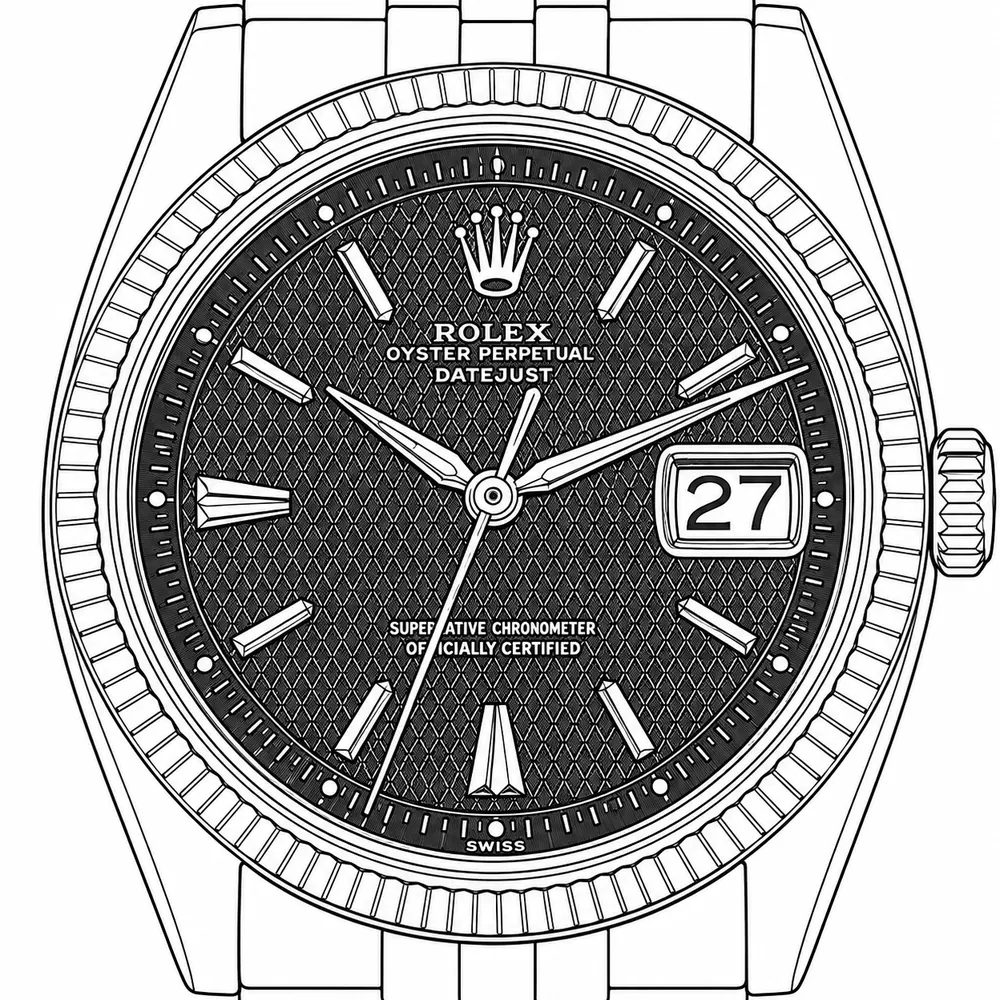
The 6605 is a 36 mm automatic Datejust with a fluted bezel, Cyclops lens over the date and the Calibre 1065 movement. It was made in the second half of the 1950s, in steel, steel and gold, and solid yellow, pink and white gold. It followed the bubble-back 6305, whose rotor movement had given that watch a rounded caseback; the newer movement allowed a flat one. The 6605 was succeeded by the 1601. Early examples have a roulette date wheel with alternating red and black numerals. Collectors look first at the hands, the bezel, the crystal and the date wheel, which are among the parts most often replaced, and judge the dial as a whole.
- Made
- 1956–1959dates approximate
- Seen in the library
- 1955–1961nine in ten in 1956–1959 · by case numbers
- Case
- 36 mm · gold (58%), steel (37%)as sellers state
- Movement
- Calibre 1065, 1066automatic
- On record
- 199 listings594 photographs · 41 holders
Components
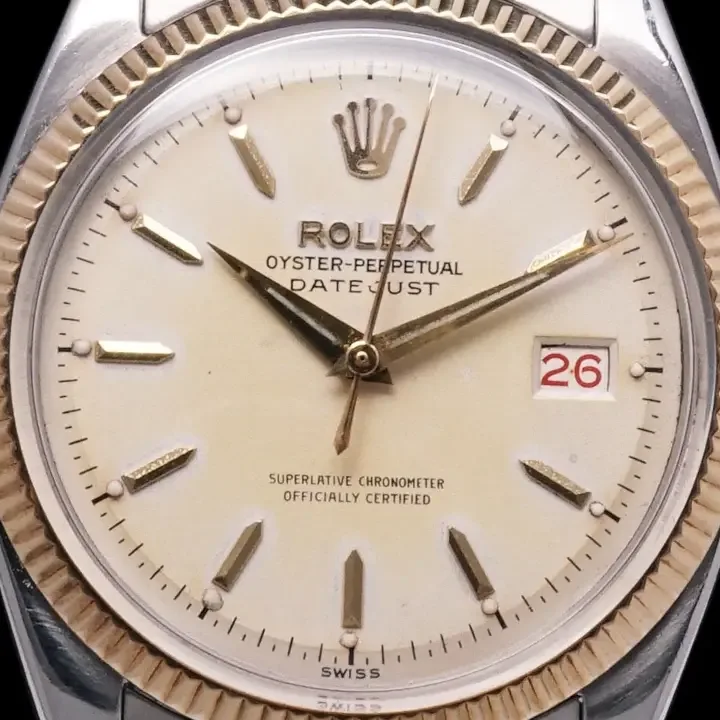
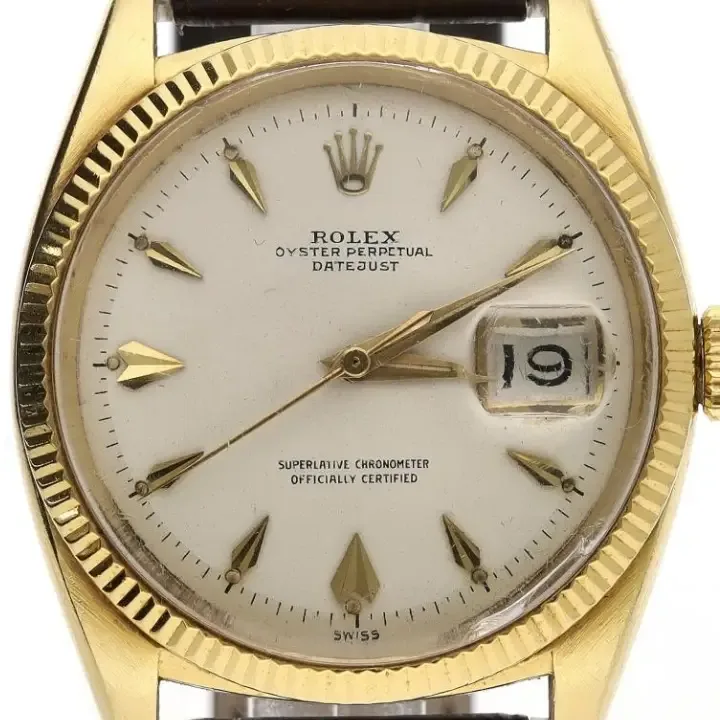
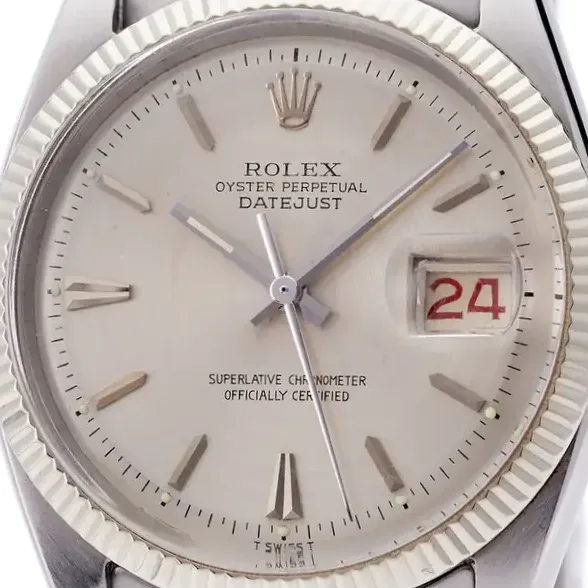
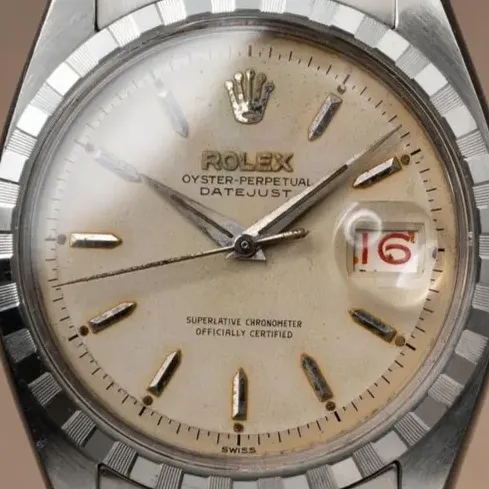
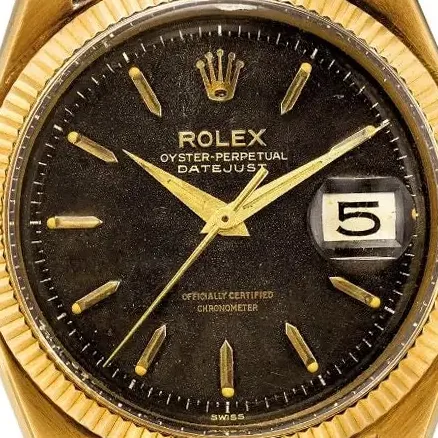
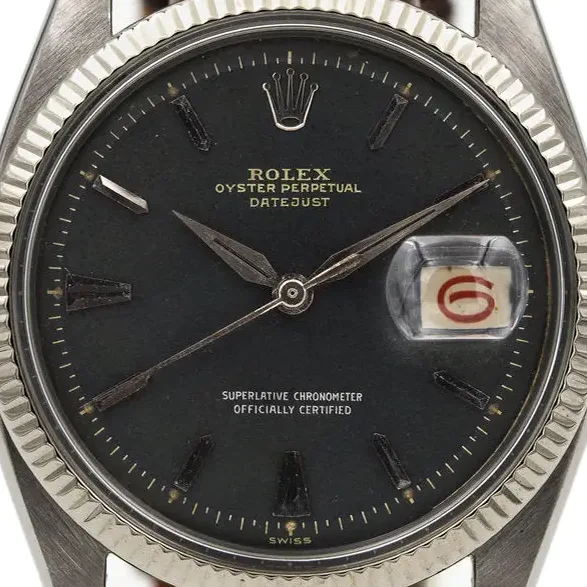
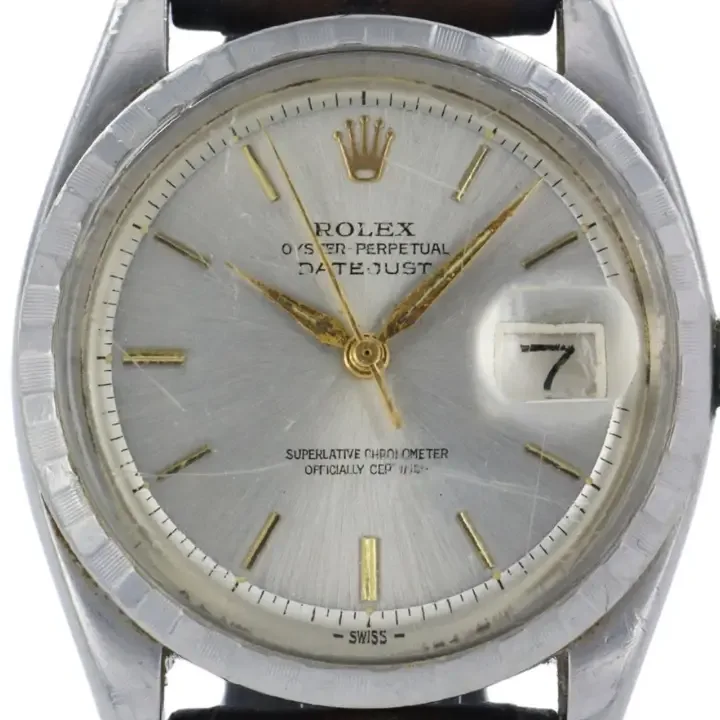
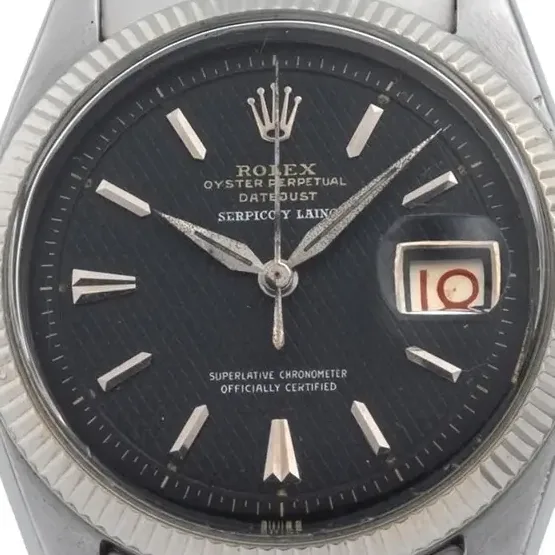
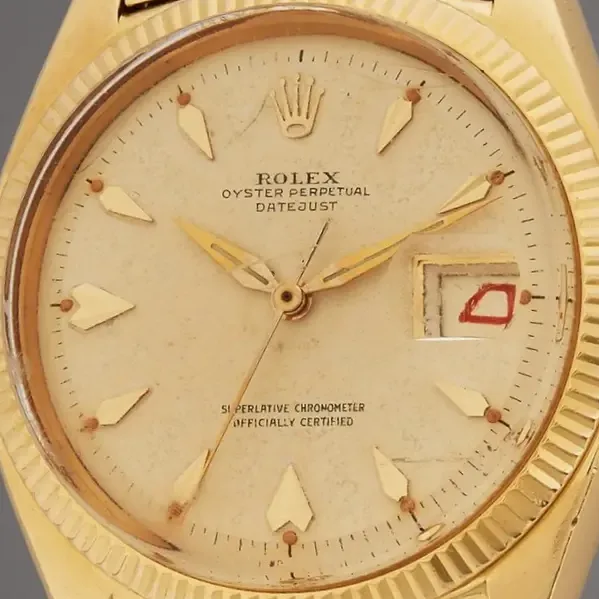
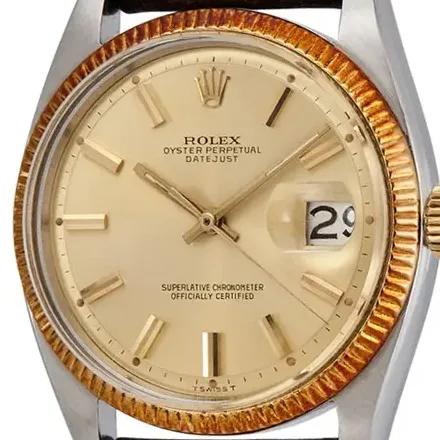
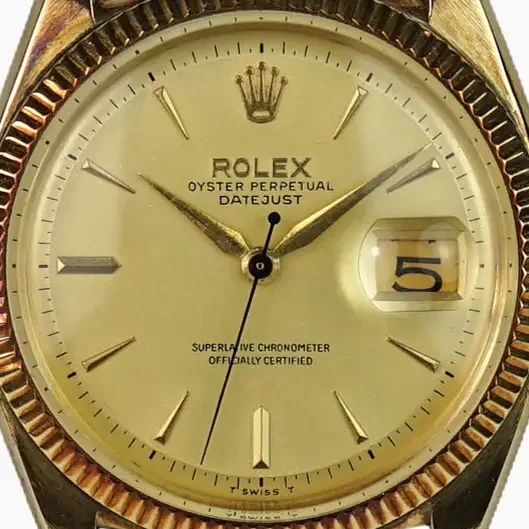
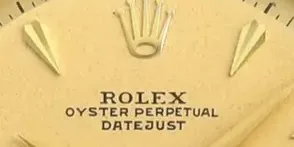
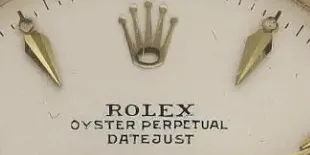
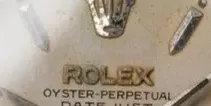
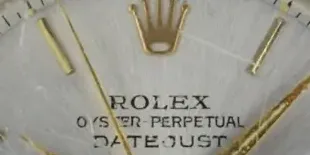
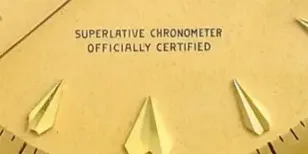
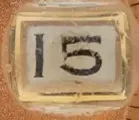
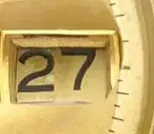
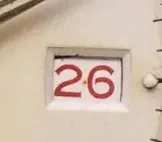
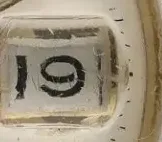
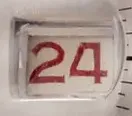
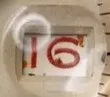
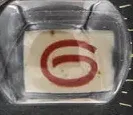
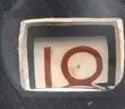
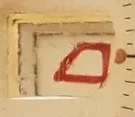
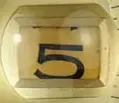
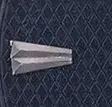
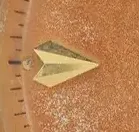
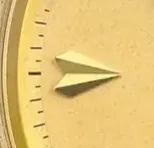
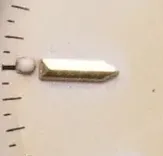
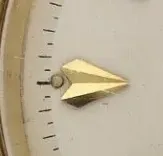
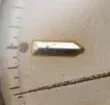
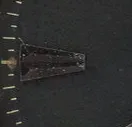
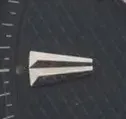
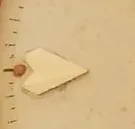
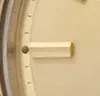
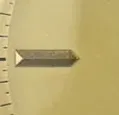
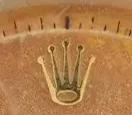
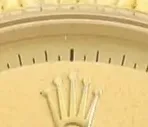
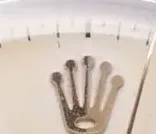
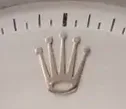
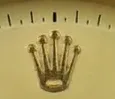
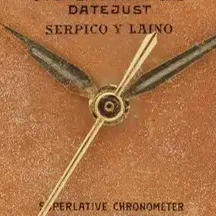
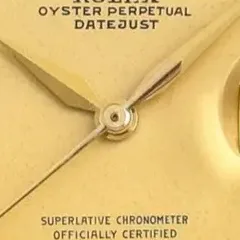
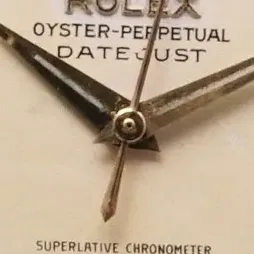
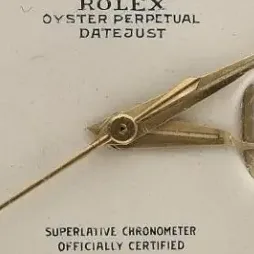
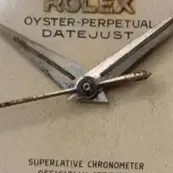
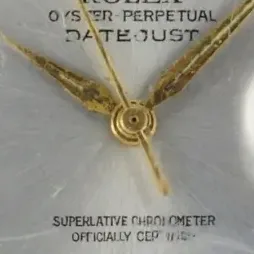
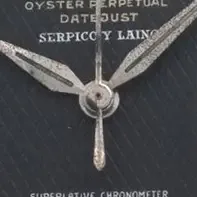
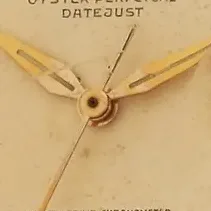
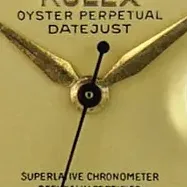
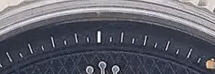
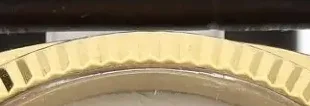
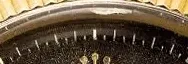
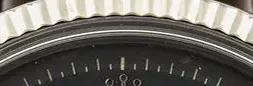
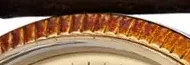
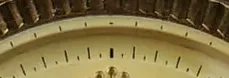
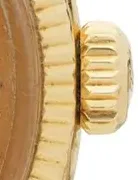
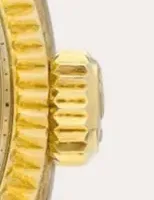
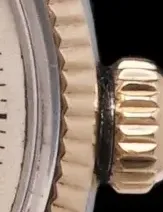
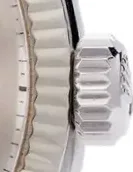
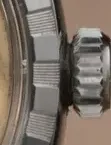
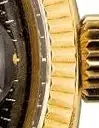
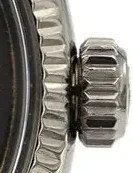
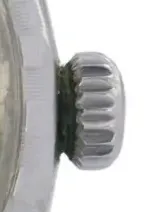
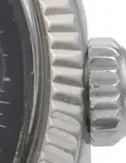
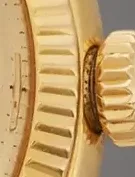
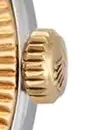
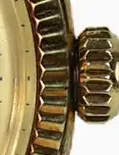
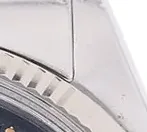
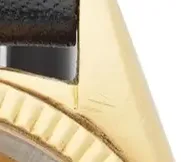
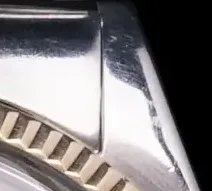
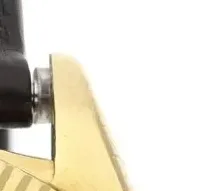
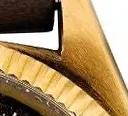
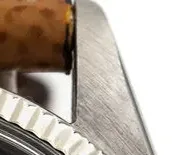
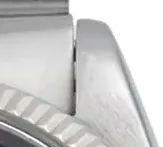
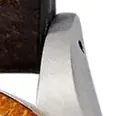
14 watches, oldest first, each straightened and cut the same way so that one row shows one component across them all. Chosen from 594 photographs on file for sharpness and for a face typical of the reference. A year marked c. is one its holder gives only roughly. Each picture is a detail cut from a listing photograph. Select the small mark in its corner for its year, its holder, a link to the listing it came from, and a way to report it.



























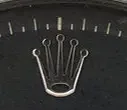
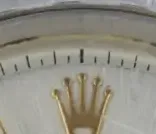
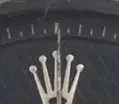
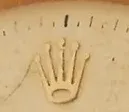






















Chronology
Published accounts give 1956 to 1959, one adds that it ran into the very early 1960s; the library's case numbers, dated by serial charts, begin in 1955 and run a little past 1959.
Every dated variant: what is written, and what the records show
For the reference the marks are every dated watch; for a variant, the watches a seller names as that variant, so a variant sellers do not name has none.
The reference's own marks are dated by case number. A variant's marks use the year each seller states, so a variant can show watches in a year where the row for the reference shows fewer, or none.
Specification
| Case | 36 mm Oyster case in steel, steel and gold, or solid 18k yellow, pink or white gold; flat caseback |
| Crystal | Acrylic, with a Cyclops lens over the date |
| Bezel | Fluted as standard; a checkerboard engine-turned pattern is also recorded |
| Dial | Date at three o'clock; roulette date wheel on early examples; pie-pan and other finishes |
| Movement | Rolex automatic Calibre 1065, 25 jewels, chronometer certified; 1066 also recorded |
| Bracelet | Jubilee, or President in gold |
| Water resistance | Oyster case with screw-down crown |
Reference 1 described
The 6605 replaced the 6305 and was made alongside the 6604, which had a smooth bezel. The two overlapped for a time. The main change from the 6305 was the new movement and the flat caseback that went with it.
Steel, two-tone and solid gold versions
The literature records the reference in steel, in steel and gold, and in solid gold. The library's records are split among all of them, with steel the largest group.
- case metal and hallmarks
- bezel metal
Dial 8 described
The dials vary more than any other part. Several finishes, colours and printed texts are recorded, and the literature does not set dates for them, so the dial is judged as a whole for originality. Many dials have aged to an even brown, which sellers call tropical or caramel; that is ageing, not a factory variant.
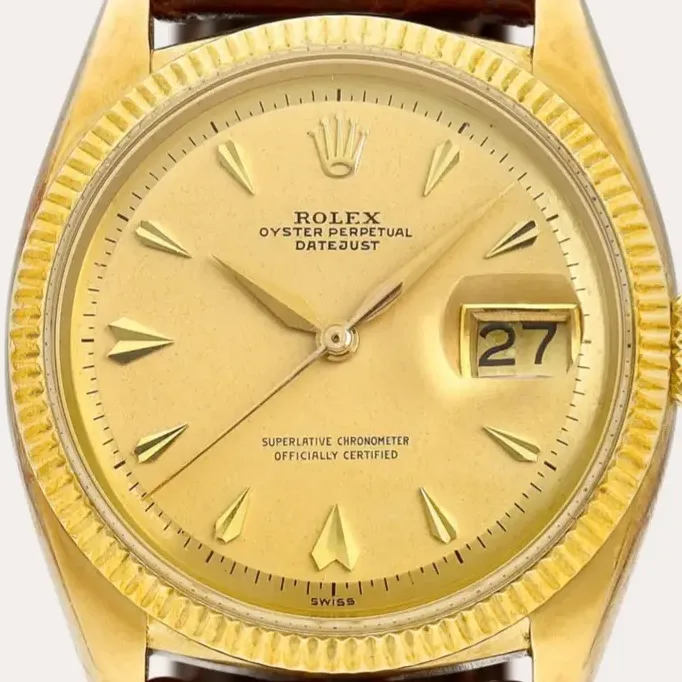
Pie-pan dial
A dial whose outer part slopes down towards the edge. A champagne pie-pan dial with faceted dagger hour markers is recorded on a gold watch, and one with dauphine hands on a steel watch with a white gold bezel. Dated watches so described fall mostly between 1957 and 1959.
- sloping outer edge
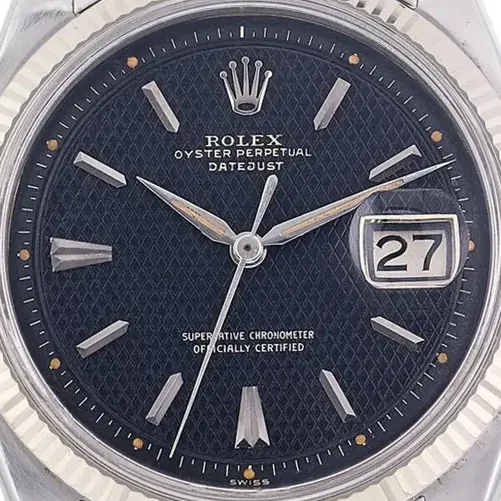
Black galvanic lacquer dial
A black lacquered dial with the Swiss marking and spade-shaped gold hour markers is recorded on a pink gold watch. Sellers use the labels gilt, honeycomb and tropical for black and dark dials; dated watches described as tropical fall mostly between 1957 and 1958.
- black lacquer
- spade-shaped gold markers
Cream and champagne dials
Cream and champagne are among the commonest colours in the library's records. A seller describes arrowhead markers on one cream dial.
- cream or champagne surface
SWISS only
Dials with the single word Swiss at the foot, without Made. Dated watches so described fall mostly between 1957 and 1959.
- SWISS alone at six o'clock
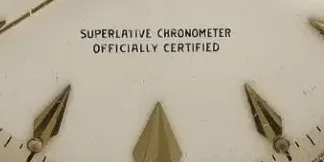
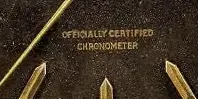
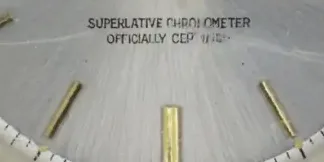
English chronometer text
The usual wording is Superlative Chronometer Officially Certified.
- Superlative Chronometer Officially Certified
German chronometer text
A rare dial printed in German, reading Superlativer Chronometer nach amtlicher Pruefung, in place of the English wording. Only four watches were known to one dealer, in 18k gold or steel and gold, and the reason for the wording is not known.
- German text where English is usual
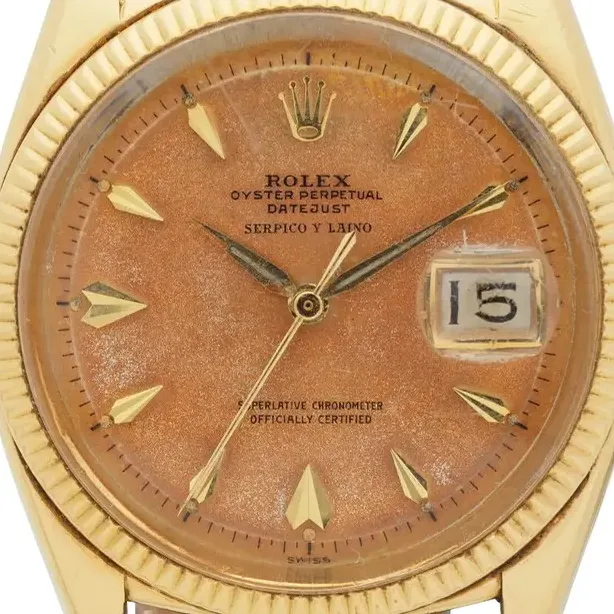
Retailer signature
Sellers describe dials signed by a retailer, Serpico y Laino, on gold watches and on at least one steel watch. Dated watches so described fall mostly between 1956 and 1957.
- retailer name on the dial
Red depth rating
Sellers record a few gold watches with a red depth rating on the dial, as a variant.
- red depth text
Luminous material 2 described
Sellers name radium on most of the watches whose lume they describe and tritium on a few; the tritium dials are signed T Swiss T, and some of them are described as restored. Hands and dial markers should age alike, and relumed hands are noted in the records.
Radium
Most sellers who name the lume say radium.
- matching patina
Tritium
A few sellers describe the lume as tritium, on dials signed T Swiss T; some of these dials are described as restored.
- matching patina
Hands 3 described
The original hands are recorded as Alpha, dauphine or sword hands, and they are among the most commonly replaced parts.
Alpha hands
Alpha centre hands are recorded with a champagne pie-pan dial and faceted dagger markers, and one account says the Datejust of this period used Alpha hands.
- tapered, faceted hour and minute hands
Dauphine hands
Dauphine hands are recorded with pie-pan dials, and they are the hands sellers name most often.
- dauphine-shaped hands
Sword hands
Sword hands are recorded on a yellow gold watch with a caramel dial.
- sword-shaped hands
Bezel 3 described
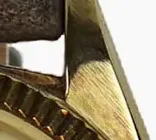
A fluted bezel is the norm. The grooves on a white gold bezel are finer than on the later 1601.
Fluted bezel
The standard bezel on the 6605, in steel or gold.
- regular grooves
Checkerboard engine-turned bezel
A steel engine-turned bezel with a checkerboard pattern is recorded on the 6305 and 6605 from about 1953 to 1959. Sellers also describe some engine-turned bezels on the 6605.
- checkerboard pattern
Smooth domed bezel
Recorded in a few sellers' descriptions; the smooth-bezel version of this model was the 6604.
- smooth domed bezel
Case 2 described
The case is a 36 mm Oyster. The literature notes that the shape of the case differs between the two-tone and the solid gold versions, and that the lugs resemble those of the 4467. Because of the new movement the caseback is flat.
Flat caseback
The back is flat, unlike the rounded back of the bubble-backs before it.
- flat back, not domed
Pink gold case
Pink gold is said to be introduced in 1957. It looks slightly darker than yellow gold.
- slightly deep gold colour
Crown 1 described
The Oyster crown is screw-down. Sellers describe a Brevet crown on some early watches.
Brevet crown
Dated watches so described fall mostly between 1956 and 1957.
- Brevet on the crown
Crystal
The crystal is acrylic, and replacement is common.
Date 2 described
The date is at three o'clock under a Cyclops lens. The lens had come in a little earlier and is on nearly all 6605s.
Cyclops lens
The lens magnifies the date by two and a half times. Accounts place its introduction at 1954 or 1955.
- lens on the crystal over the date
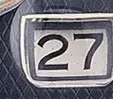
Roulette date wheel
Even numbers in red and odd in black; it is common on the early watches and was later replaced by black numerals only. Replacement of the date disc is common.
- red and black numerals
Movement 2 described
The Calibre 1065 is an automatic movement with 25 jewels. It is slimmer than the movement of the 6305, given as Calibre 745 in one account and A296 in another, which let the caseback become flatter and lighter. A few listings name calibre A.295, close to the number given for the 6305's movement, probably in error.
Calibre 1065
Named in about three quarters of the library's movement records.
Calibre 1066
Named in a few records.
Bracelet 2 described
The Jubilee is the usual bracelet, but a President bracelet is recorded on gold watches.
Jubilee bracelet
The usual bracelet. A period Rolex USA bracelet is recorded on one steel watch. Dated watches so described fall mostly between 1957 and 1959.
- five-piece links
President bracelet
Recorded on gold watches. Dated watches so described fall mostly between 1957 and 1958.
- semicircular links
Originality
- The hands are among the most commonly replaced parts, and a replacement shows as hands of a different style or lume that has aged differently from the dial.
- The bezel is often replaced, and a later fluted bezel can differ in the width of its grooves.
- The crystal is often replaced.
- The roulette date disc is often replaced by a later black-numeral one.
- Some dial lume has been renewed, and the library's records mention relumed examples.
Names
- Roulette. The date wheel alternates red and black numerals.
- Ovettone. The nickname is for the bubble-back 6305; sellers apply it to the 6605 too, though its back is flat.
Where accounts differ
Points on which the published literature and the library's own records do not agree, or on which the literature contradicts itself.
- Years of production. One account says the reference was made only from 1956 to 1959; another has it reaching the very early 1960s; a third puts its start in 1956 with the 6604. The library's case numbers begin in 1955 and run into the early 1960s.
- Date of the Cyclops lens. The lens is dated to 1954 in some accounts and to 1955 in another. Others date it to 1953, one of them with a patent filed in 1952.
- Calibre of the 6305. One account calls the movement of the 6305 calibre 745; another gives the 6305 calibre A296.
In the records
Counted from 199 listings at 41 holders between 15 December 2009 and 14 November 2026. These are what sellers and auction houses state, not measurements.
Fainter bars are the 5 outside the main run of 1956–1959 (the middle nine-tenths): the earliest is 1955 and the latest 1961. They are early and late examples, and now and then a number misread.
Case metal
| Gold, any colour | 59 | |
| Yellow | 19 | |
| Pink | 13 | |
| White | 4 | |
| Colour not stated | 23 | |
| Steel | 38 | |
| Steel and gold | 4 | |
| Silver | 1 |
A listing that says "gold" or "18K gold" names no colour: it is counted under "colour not stated", not as yellow gold.
Dial colour
| Silver | 14 | |
| Champagne | 13 | |
| Black | 10 | |
| Cream | 6 | |
| Brown | 6 | |
| White | 5 | |
| Pink | 1 | |
| Blue | 1 |
Case size
| 36 mm | 87 | |
| 35 mm | 11 | |
| 34 mm | 2 |
Calibre named
| 1065 | 65 | |
| 1066 | 17 | |
| A295 | 3 | |
| 1030 | 2 |
Bracelet or strap
| Jubilee bracelet | 30 | |
| Leather strap | 13 | |
| Metal bracelet, kind not stated | 8 | |
| Oyster bracelet | 5 | |
| President bracelet | 3 |
Each table counts the listings that state the thing, in the seller's own terms. A size, metal, colour or calibre that cannot belong to this reference is a seller's slip or a listing filed under the wrong number.