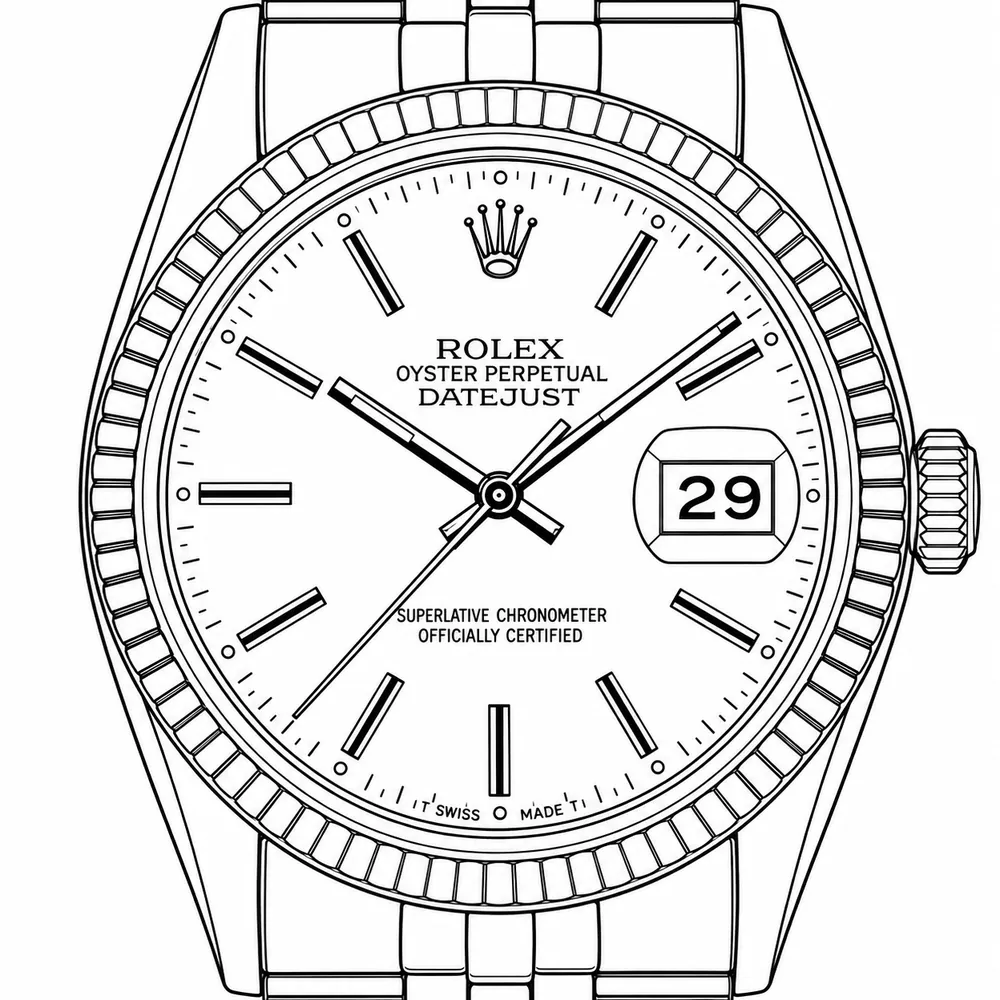
Datejust 36, steel and yellow gold
The two-tone Datejust in a 36 mm Oyster case with a fluted yellow gold bezel and gold centre links on the bracelet. It was introduced in the late 1970s as the five-digit successor to the 1601 and was the first of its family to carry the calibre 3035 with quickset date. Its dials are generally flat, without the sunken edge of the earlier pie-pan type, though sellers describe some earlier watches as pie-pan; it keeps a domed acrylic crystal, tritium lume and drilled lug holes. In 1988 the 3035 gave way to the 3135, which belongs to the successor 16233 generation, the first with sapphire. Collectors look first at the dial (champagne above all, with linen and tapestry textures), the stretch of the Jubilee bracelet and the condition of the gold.
- Made
- 1977–1988dates approximate
- Seen in the library
- 1976–1988nine in ten in 1978–1987 · by case numbers
- Case
- 36 mm · steel and gold (68%), steel (27%)as sellers state
- Movement
- Calibre 3035automatic
- On record
- 1,632 listings3,802 photographs · 65 holders
Components
40 watches, oldest first, each straightened and cut the same way so that one row shows one component across them all. Chosen from 3,802 photographs on file for sharpness and for a face typical of the reference. A year marked c. is one its holder gives only roughly. Each picture is a detail cut from a listing photograph. Select the small mark in its corner for its year, its holder, a link to the listing it came from, and a way to report it.
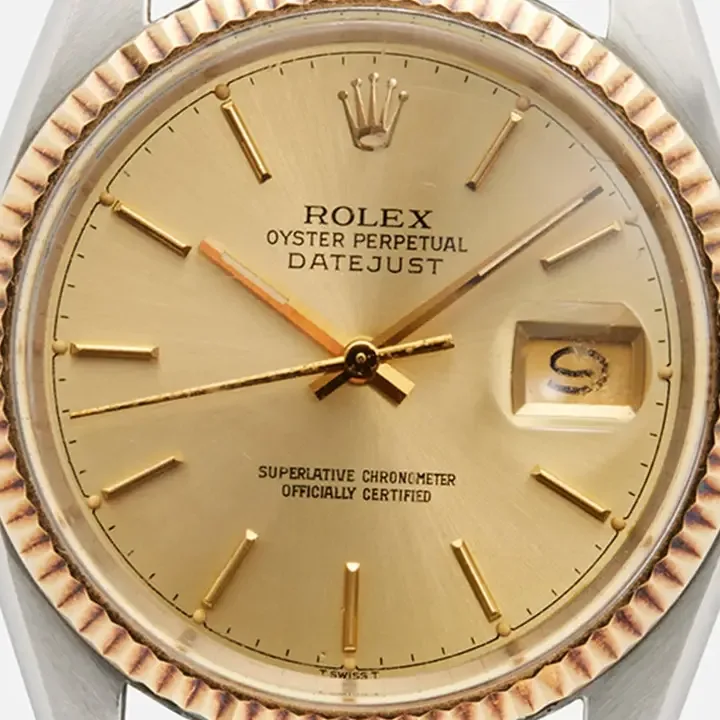
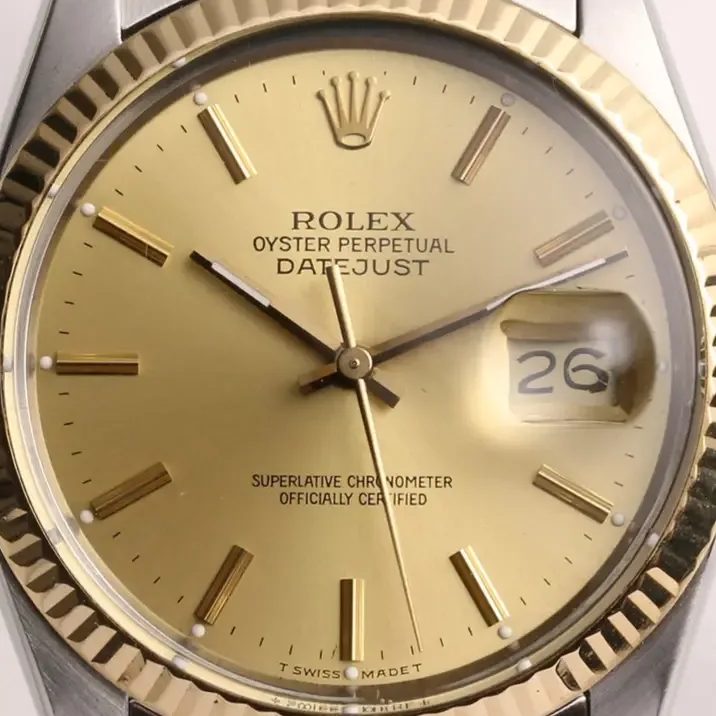
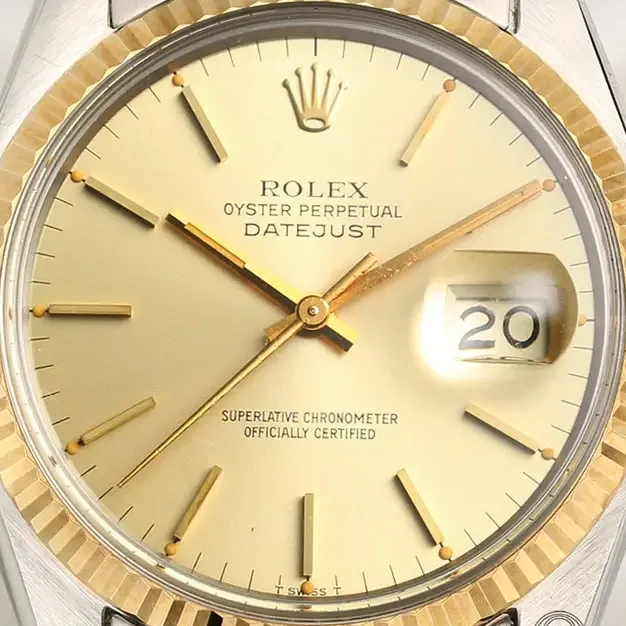
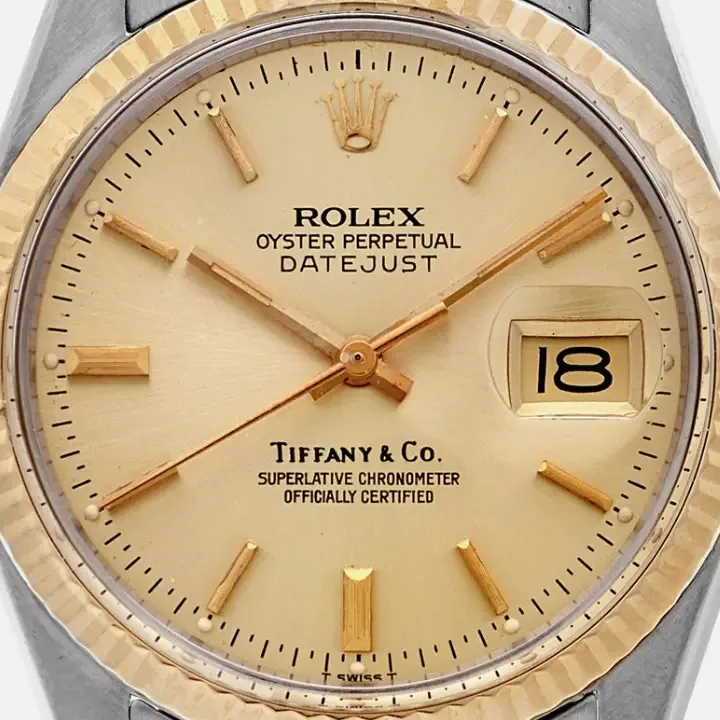
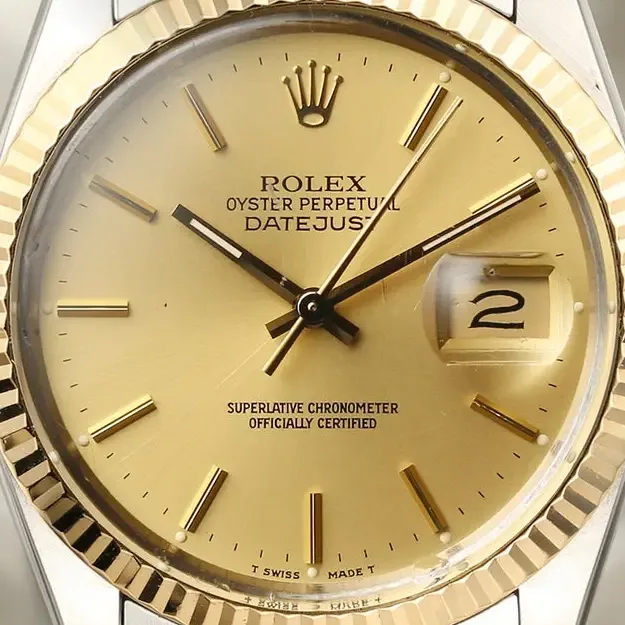
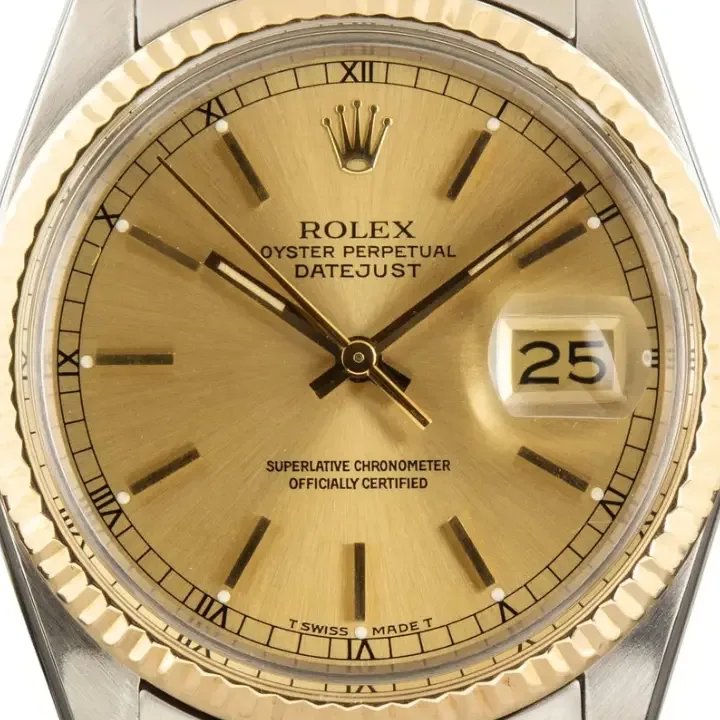
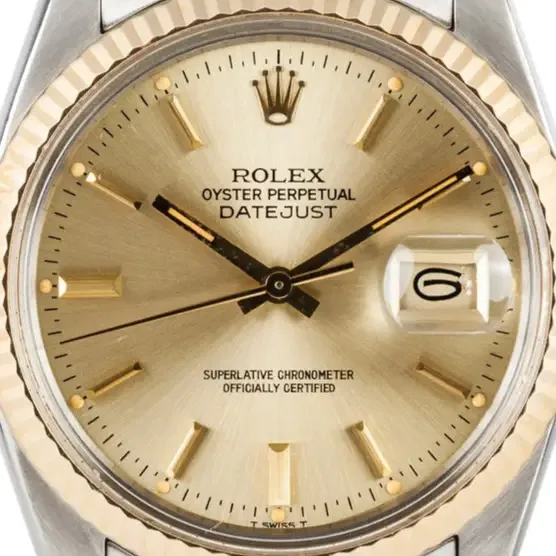
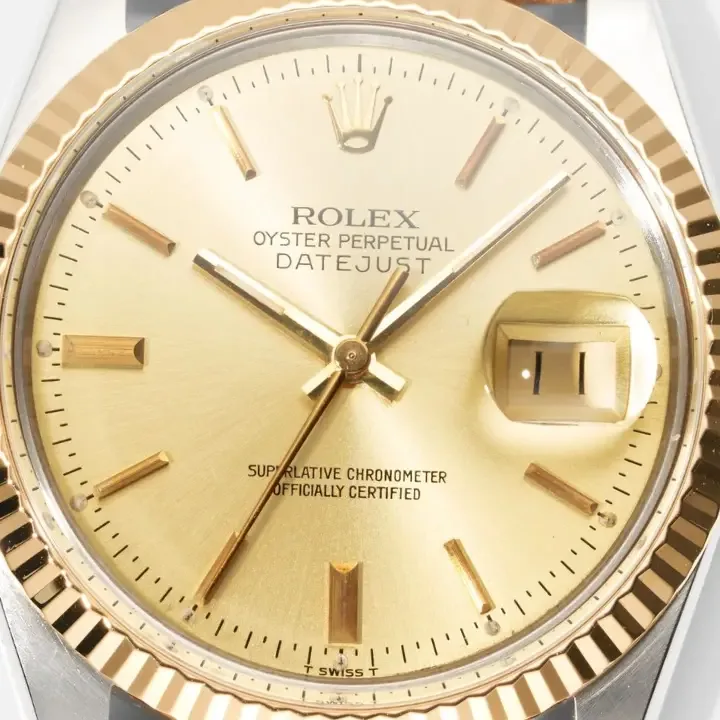
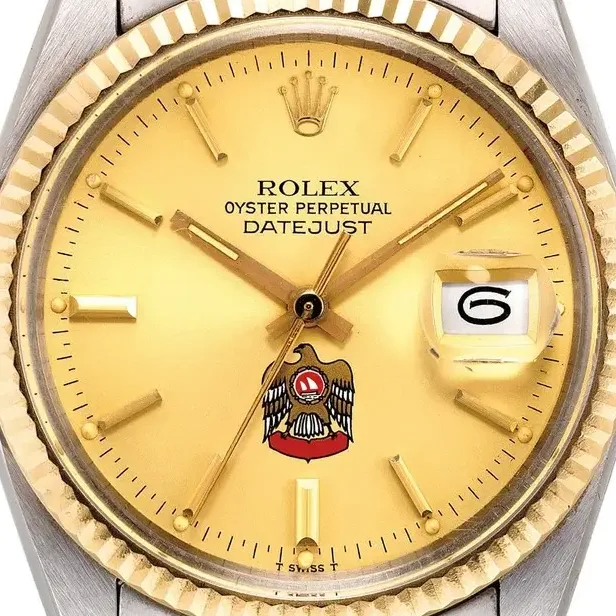
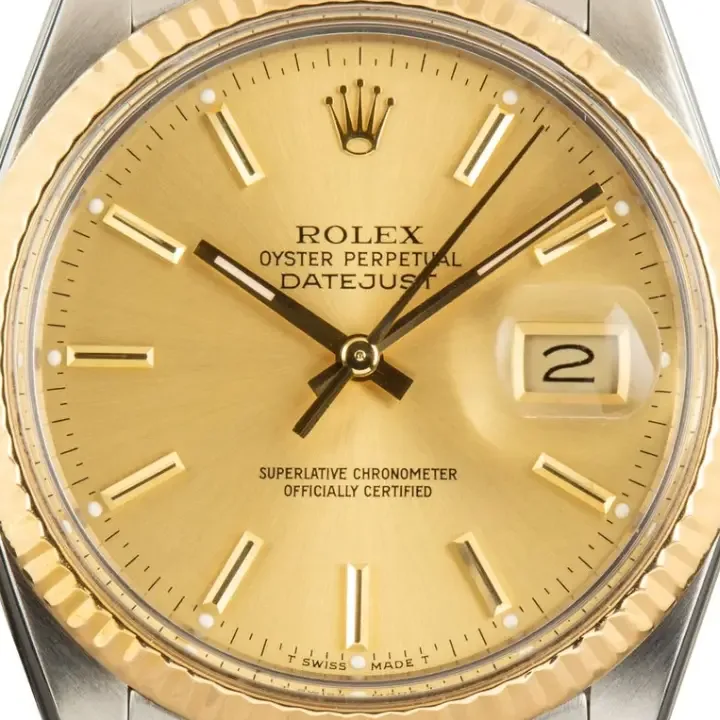
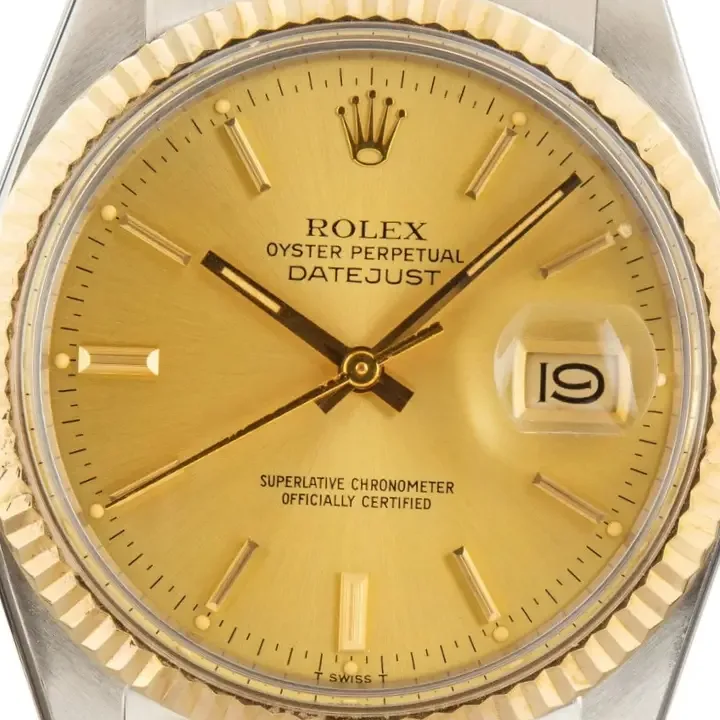
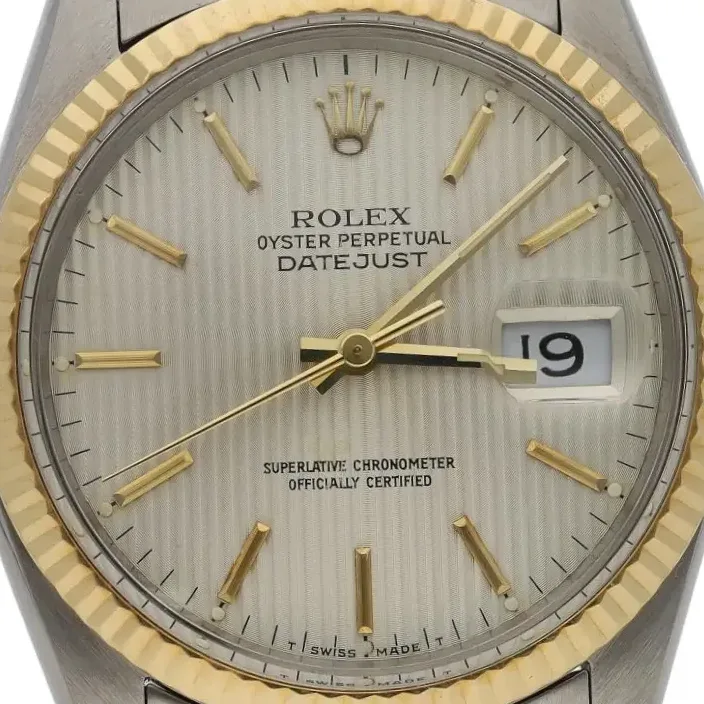
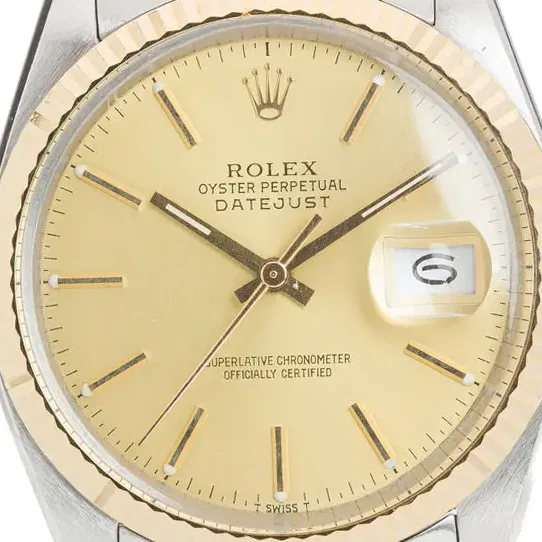
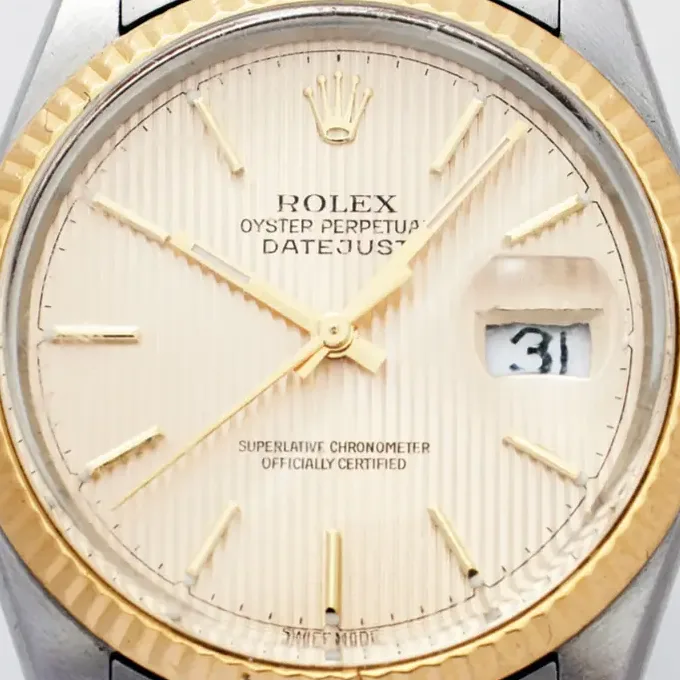
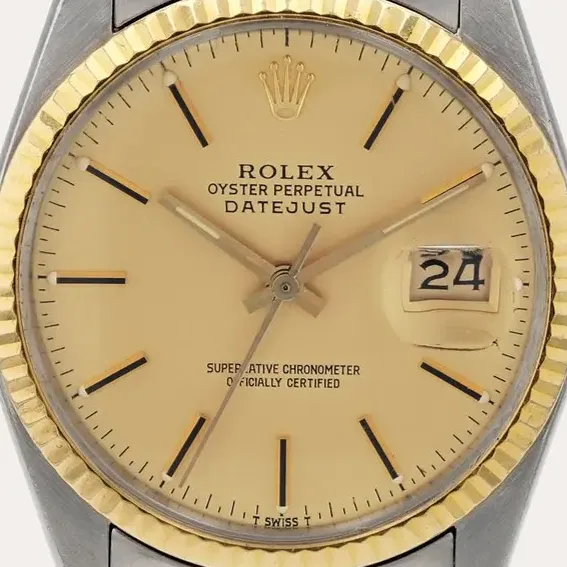
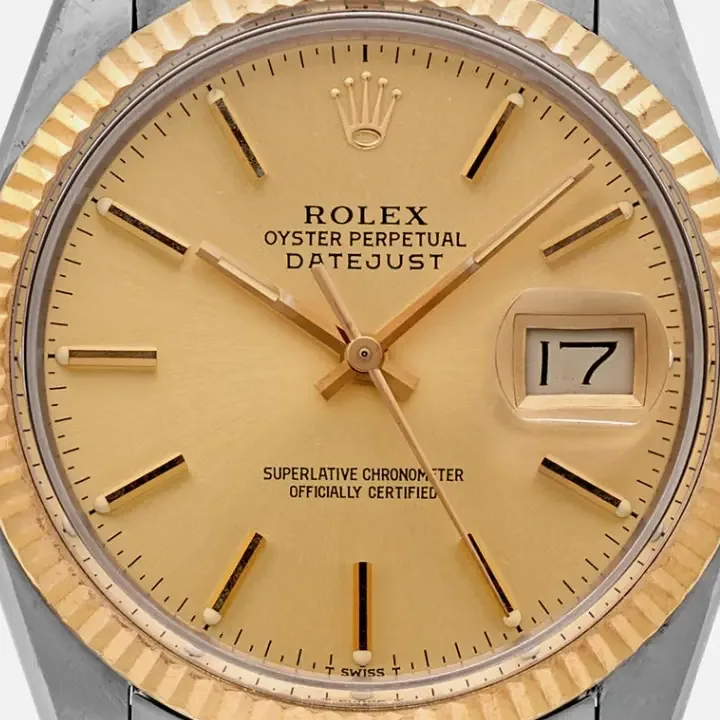
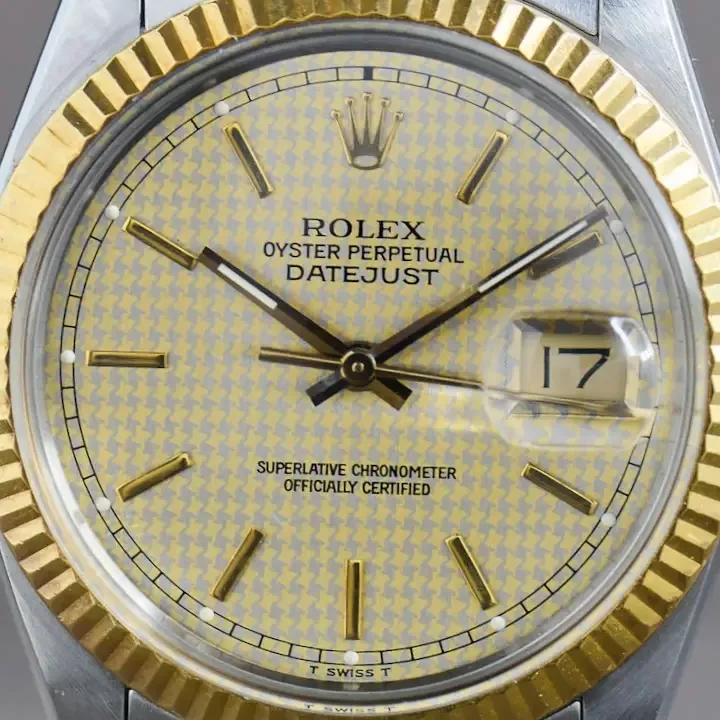
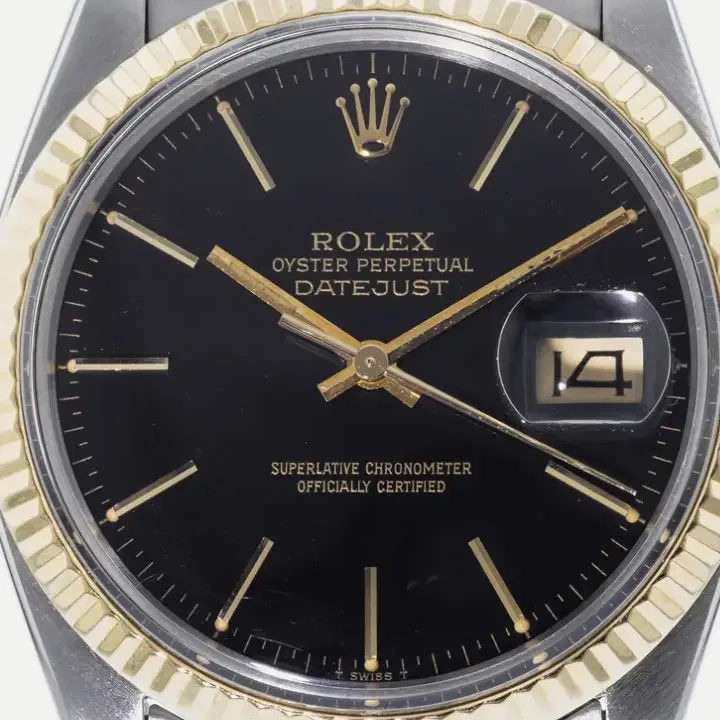
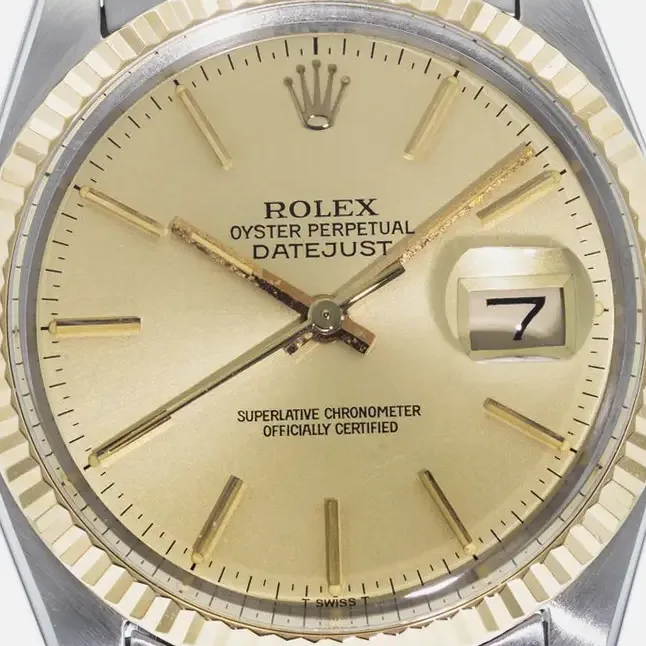
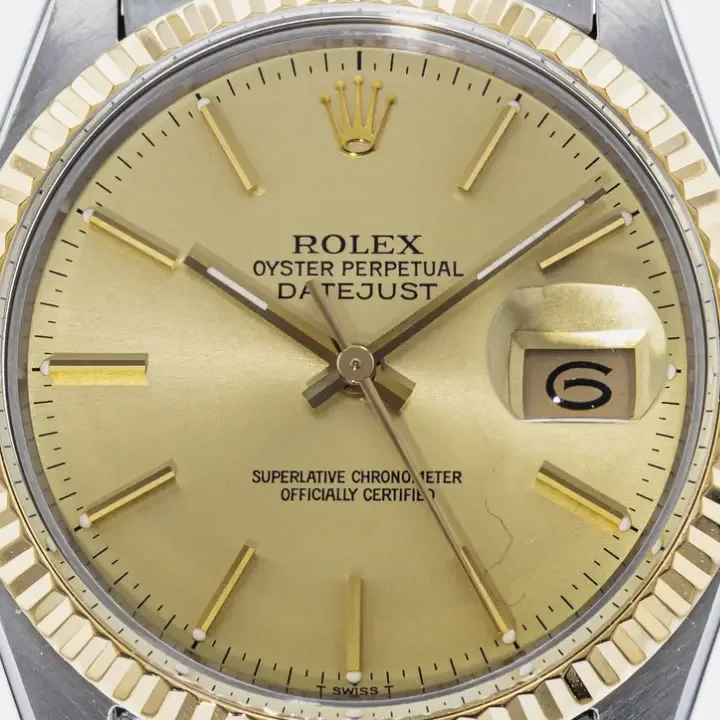
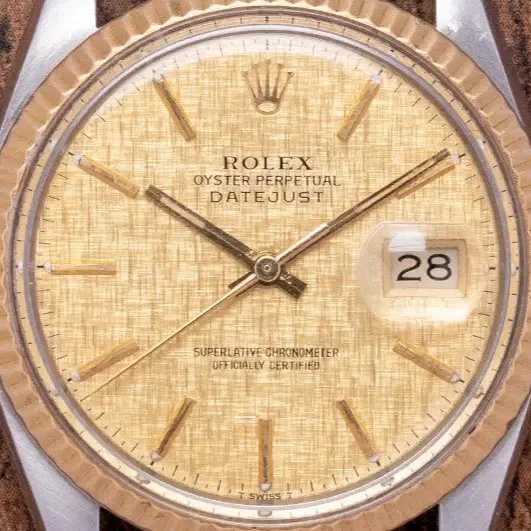
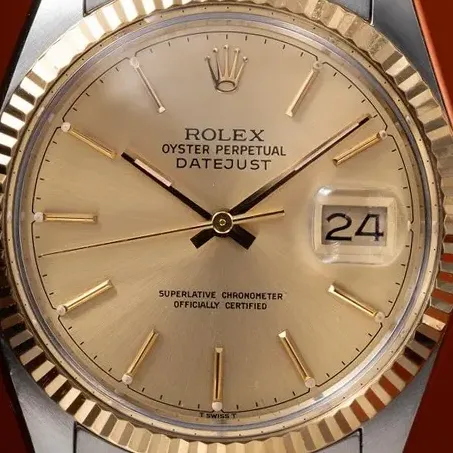
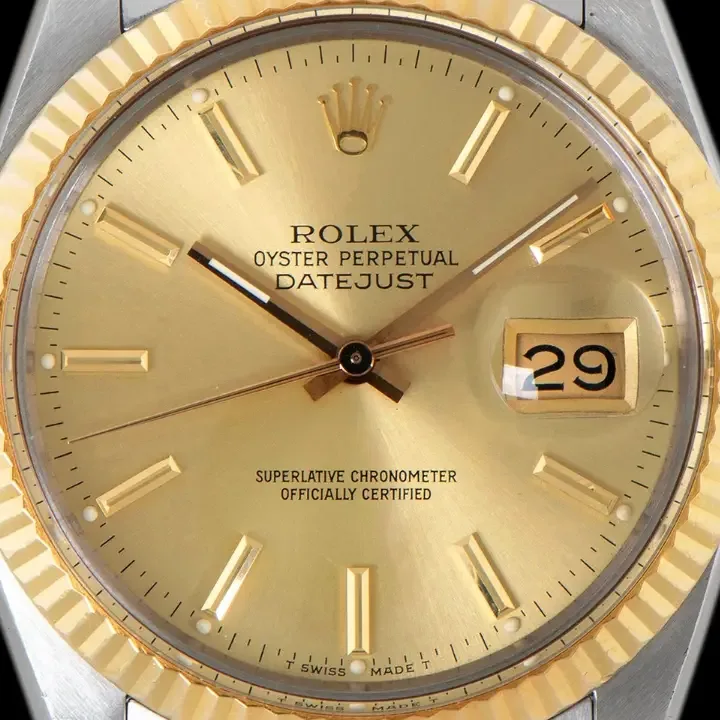
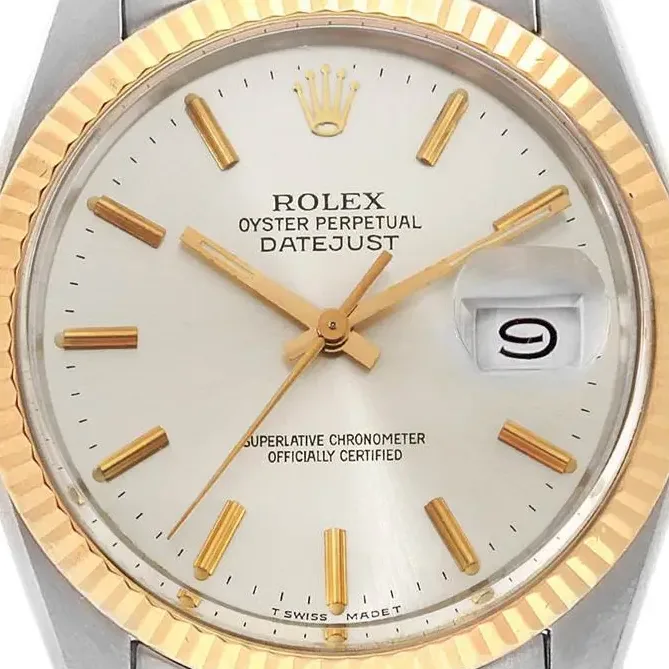
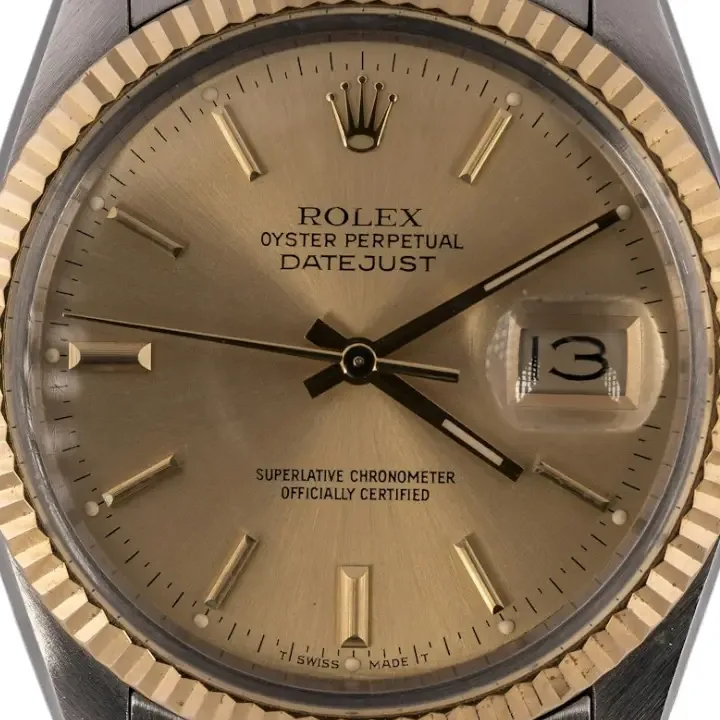
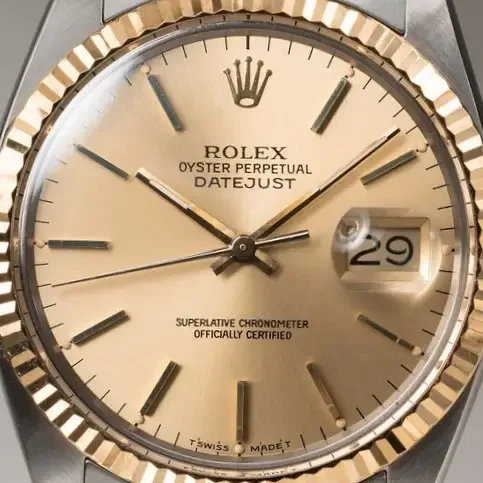
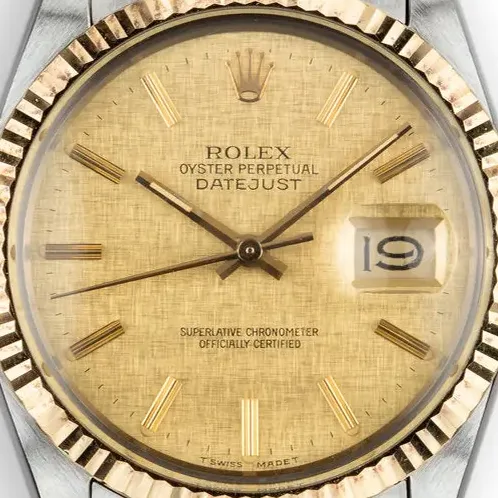
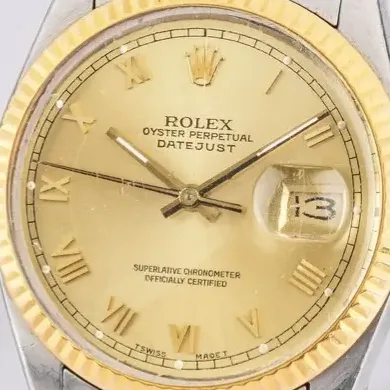
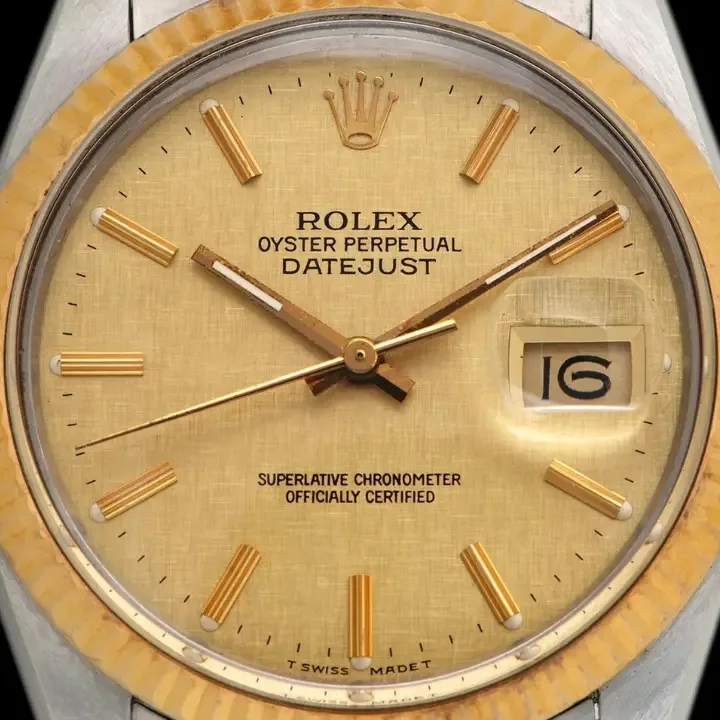
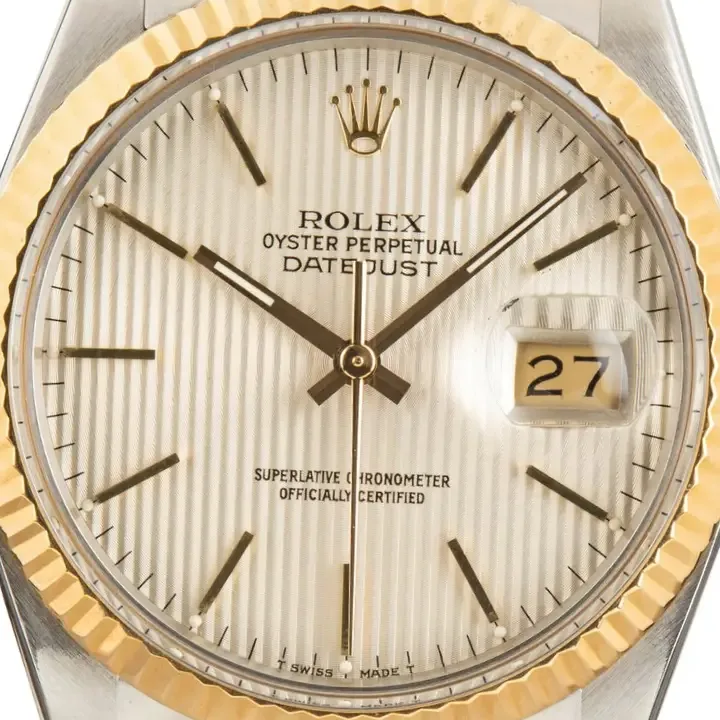
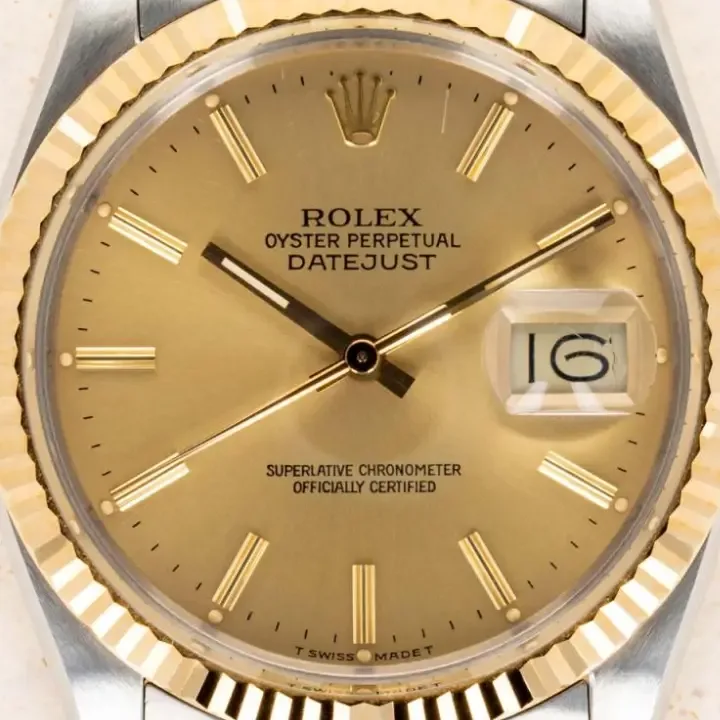
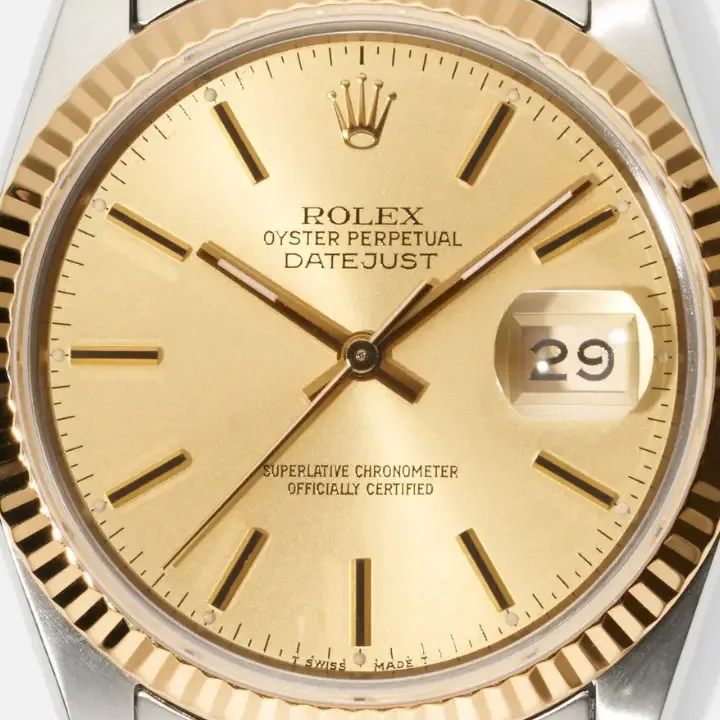
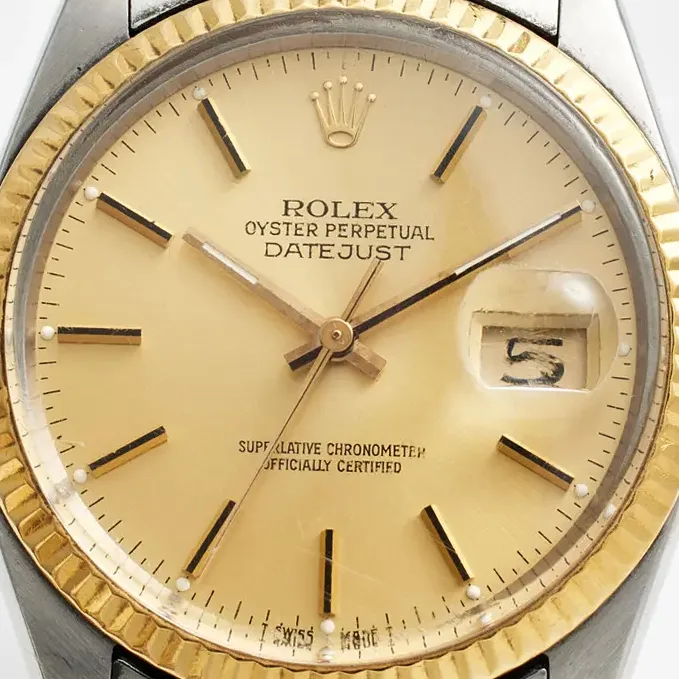
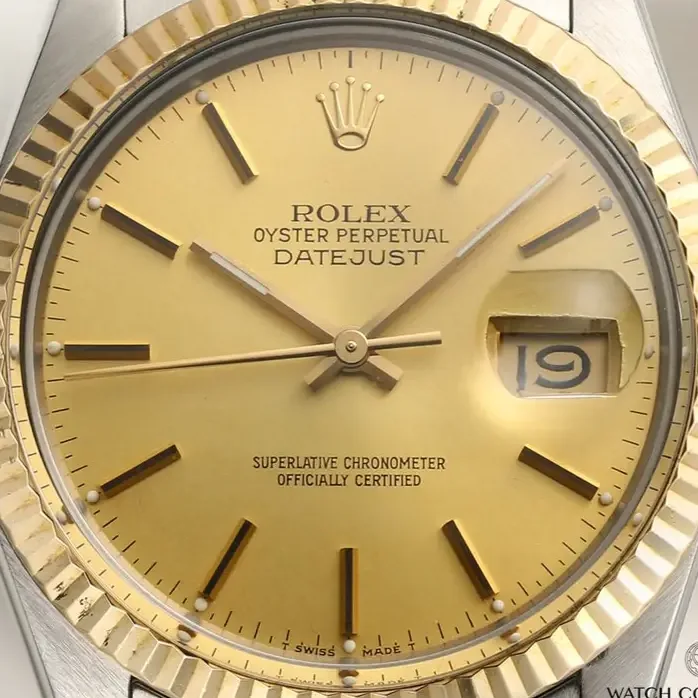
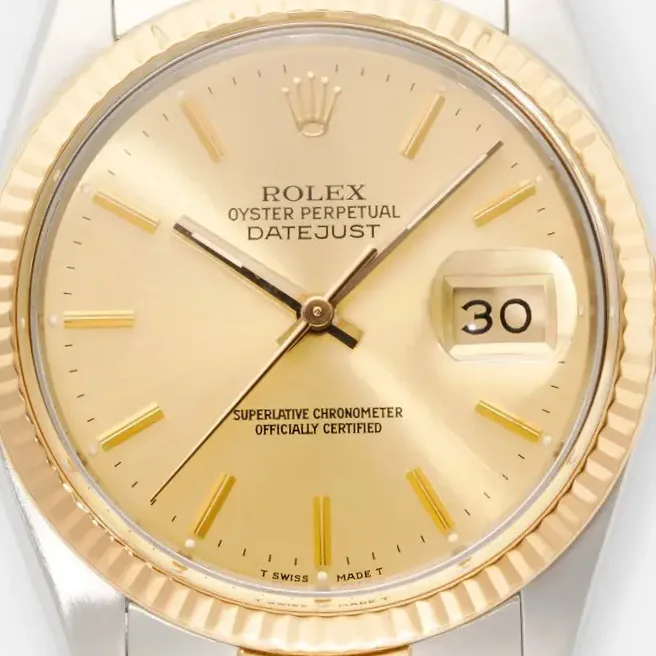
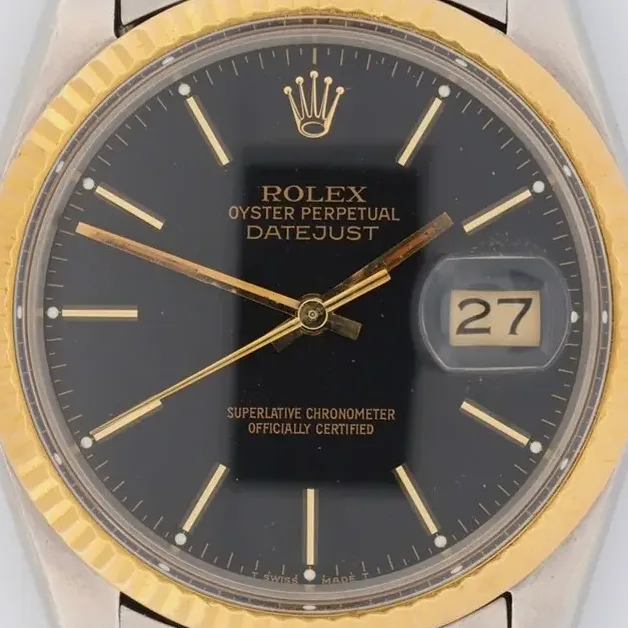
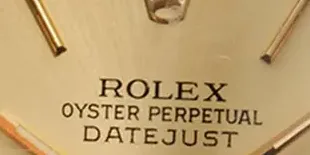




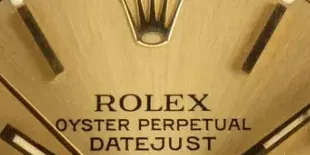







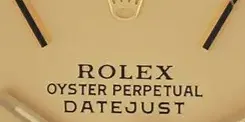
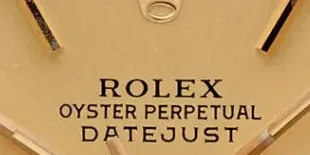






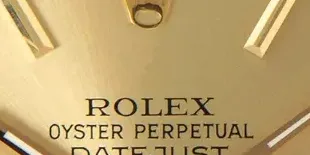








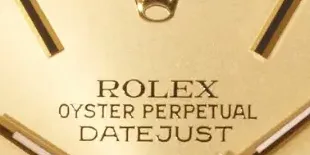
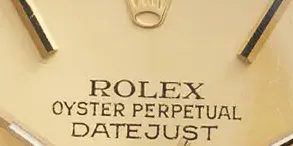


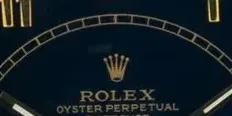
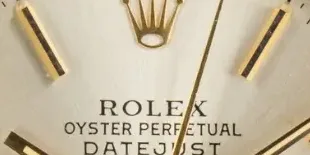
















































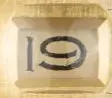

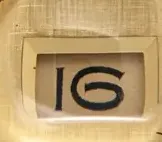
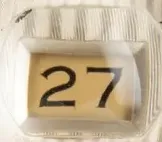
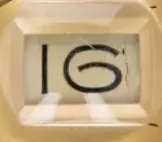

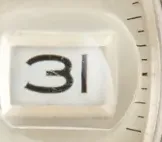

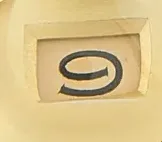
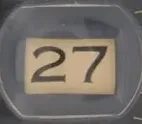
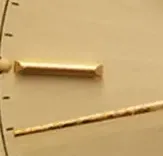

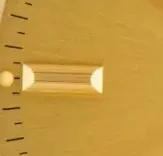
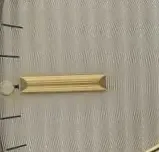
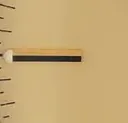
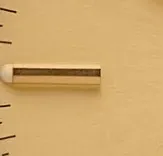

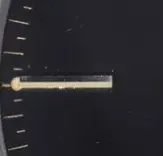
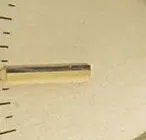

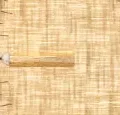
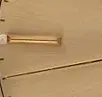
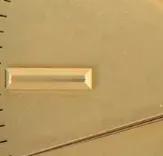
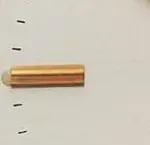



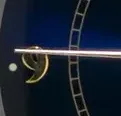
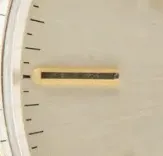
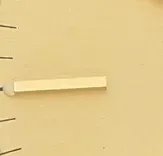
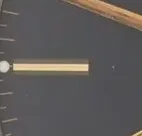
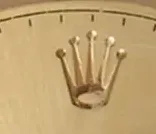
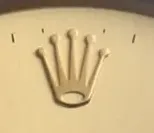
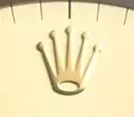
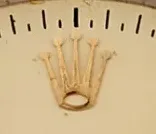
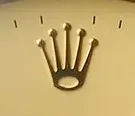
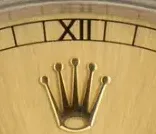
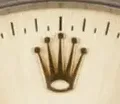

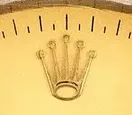
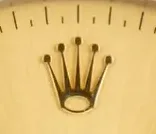
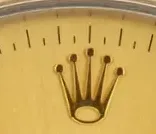
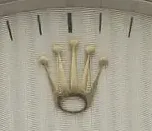
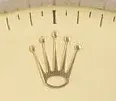

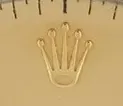
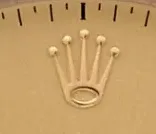
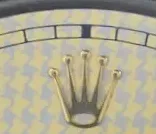
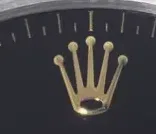

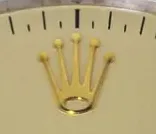
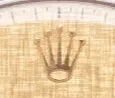

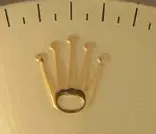

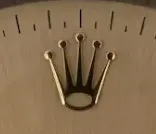
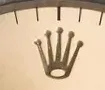

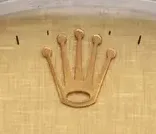
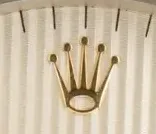
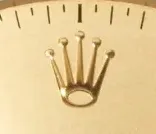
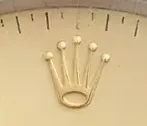
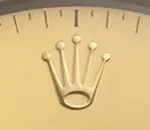
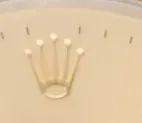
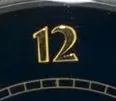
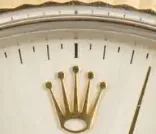

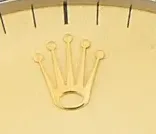
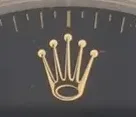
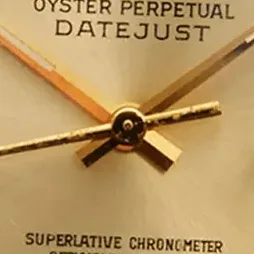




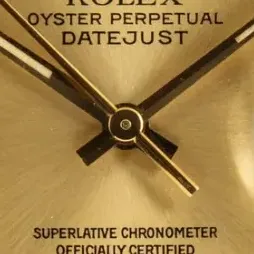

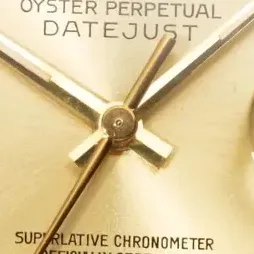




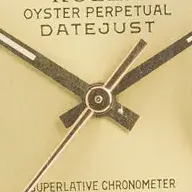





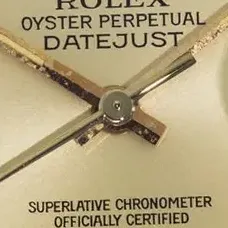

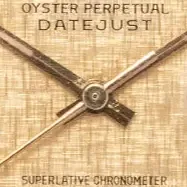





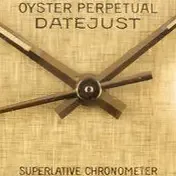
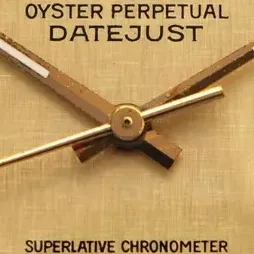



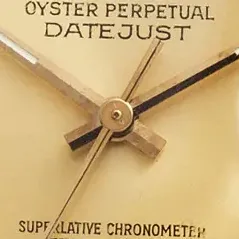










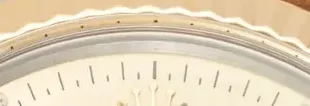
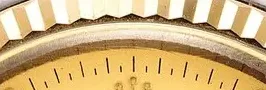
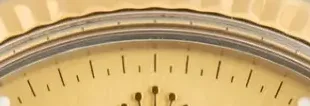


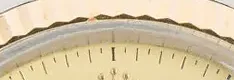

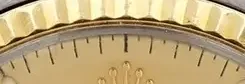





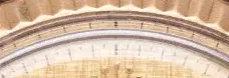
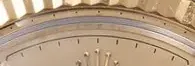

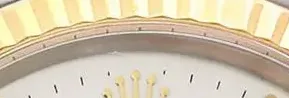

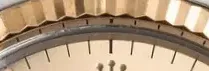

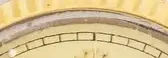




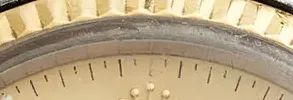



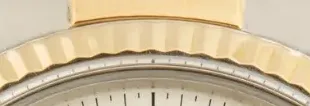


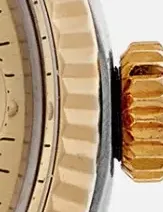
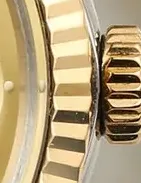
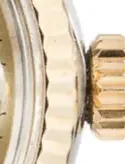
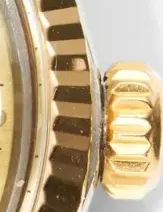
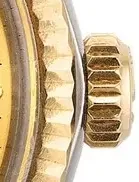
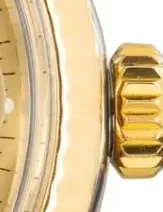
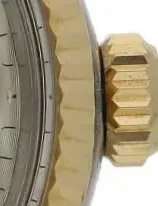
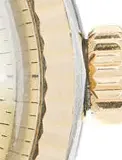
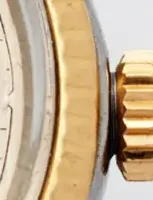
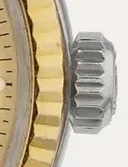
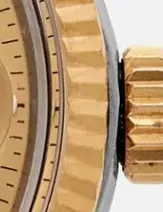
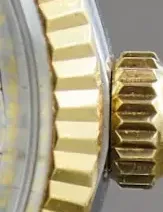
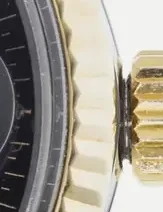
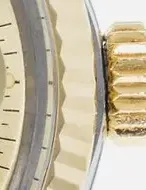
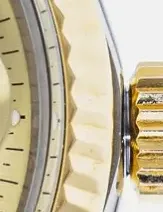
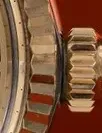
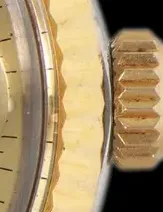
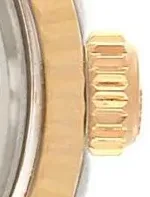

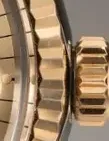
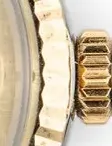
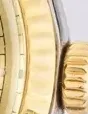
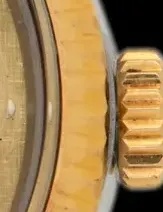
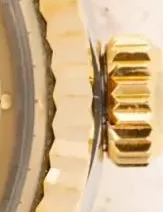
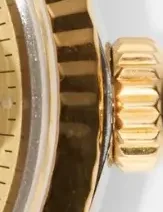
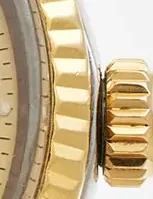
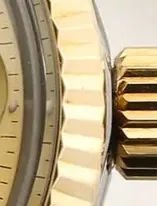
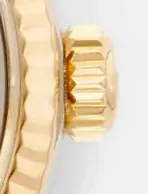
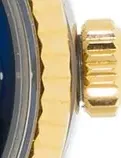
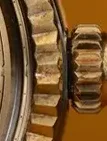
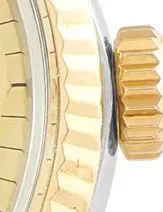

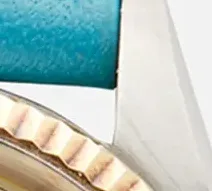





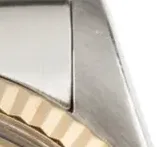

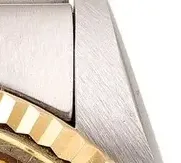
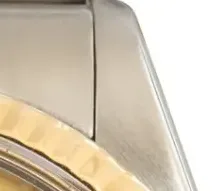
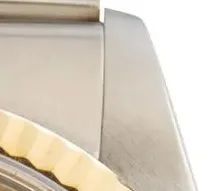

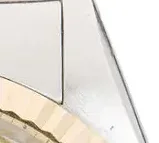

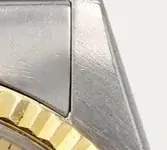
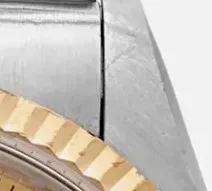
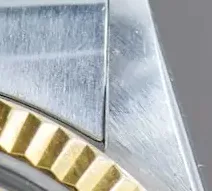
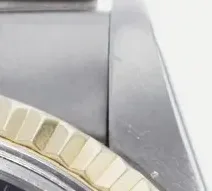

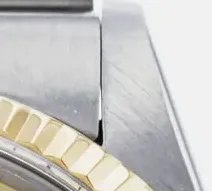
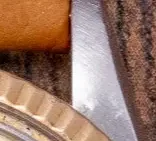

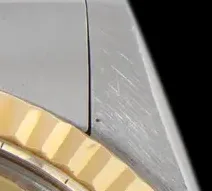
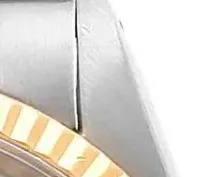

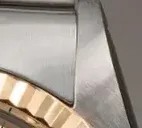






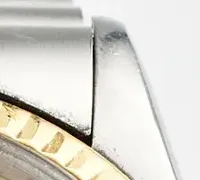
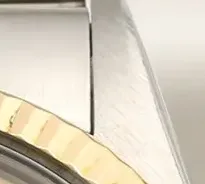





Illustrated history of the 16013: every change set out with close-up photographs of dated watches.
Chronology
Guides give 1977 or 1978 as the start and 1988 as the end; case numbers in the records run from 1977 to 1988, with a small earlier group read as 1976.
Every dated variant: what is written, and what the records show
For the reference the marks are every dated watch; for a variant, the watches a seller names as that variant, so a variant sellers do not name has none.
The reference's own marks are dated by case number. A variant's marks use the year each seller states, so a variant can show watches in a year where the row for the reference shows fewer, or none.
Specification
| Case | 36 mm Oyster case in steel with an 18k yellow gold fluted bezel (Yellow Rolesor); drilled lug holes |
| Crystal | Domed acrylic; sapphire came with the successor 16233 generation |
| Bezel | Fluted, yellow gold; the flutes are deeper than on later models |
| Crown | Twinlock screw-down crown |
| Movement | Calibre 3035 automatic, 28,800 vph, quickset date, Breguet overcoil hairspring, Microstella balance; power reserve given as 42 hours in most accounts, 48 or 50 in others |
| Dial | Flat on most (no pie-pan edge), though sellers describe a few as pie-pan; many colours, textures and marker styles |
| Lume | Tritium, used sparingly |
| Bracelet | Jubilee (five-piece link) or Oyster (three-piece), two-tone with gold centre links; hollow links, folding Oysterclasp |
| Water resistance | Given as 100 metres by one account and about 50 metres by another |
Dial 8 described
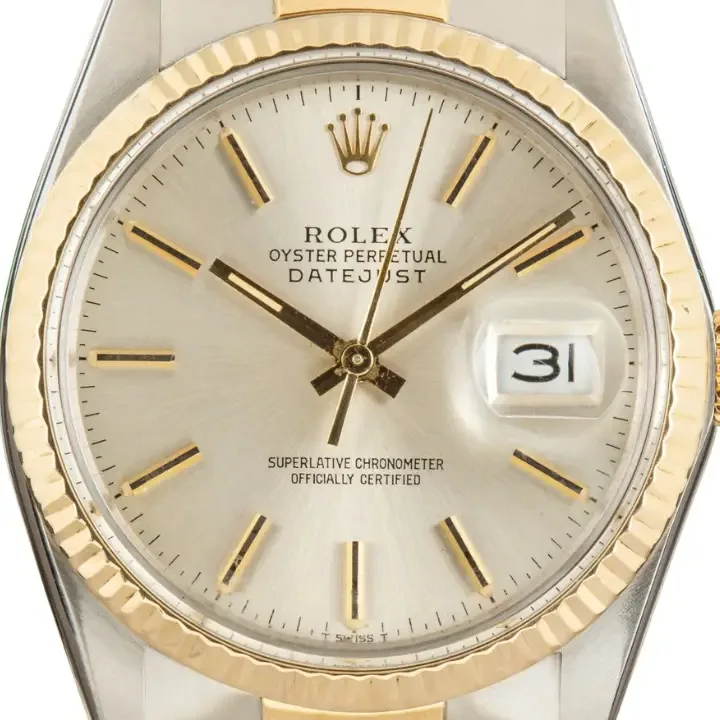
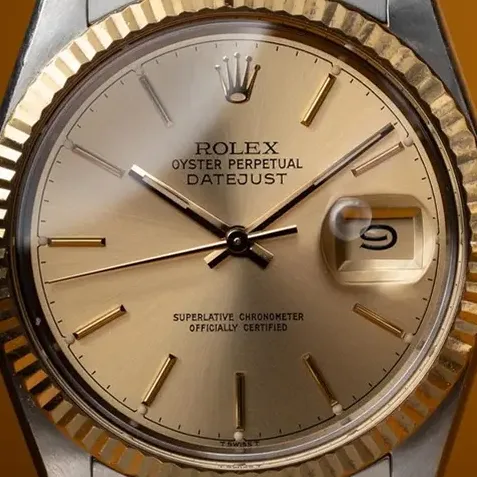
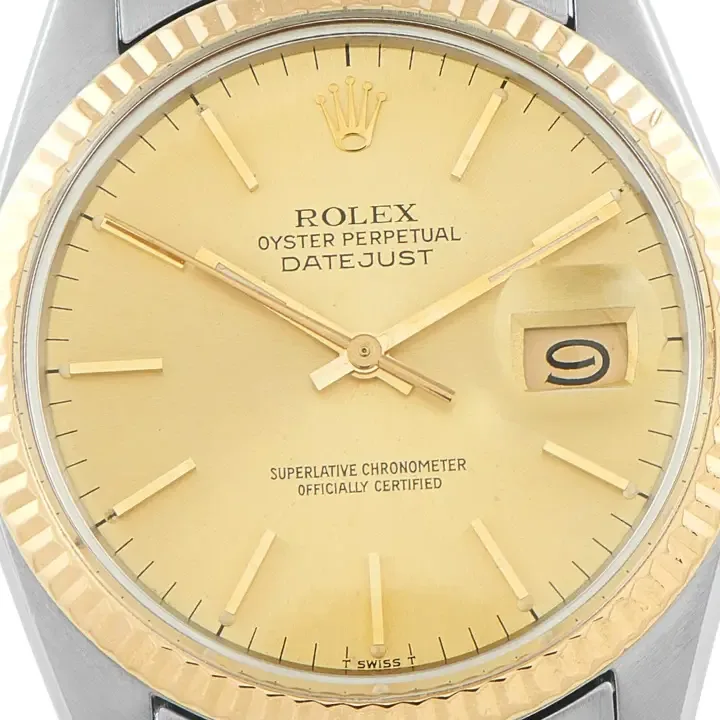
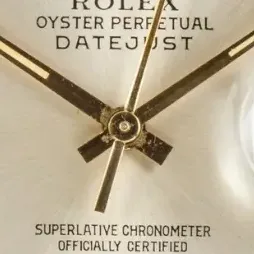
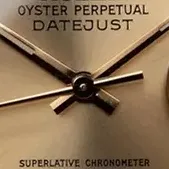
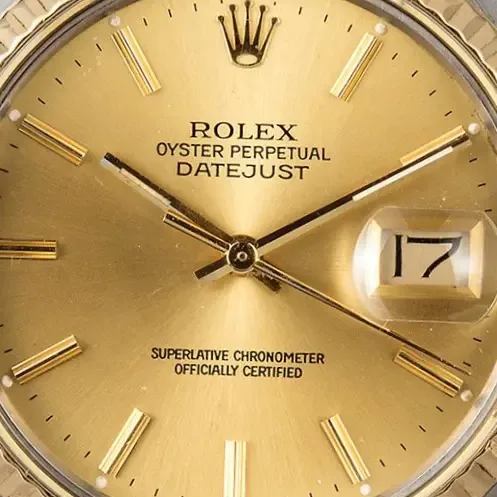
The five-digit Datejusts are said to have dropped the earlier pie-pan dial for a flat one with no sunken outer edge, though sellers describe some 16013s, mostly earlier ones, as pie-pan. The 16013 was made with a very wide range of colours, textures and marker styles; champagne is the dial most associated with it. Towards the end of the run softer shades were added.
Champagne
The colour best suited to the two-tone case and the one most often found on the reference. Many combinations of marker, minute track, bezel and bracelet exist.
- champagne dial with gold hands and markers
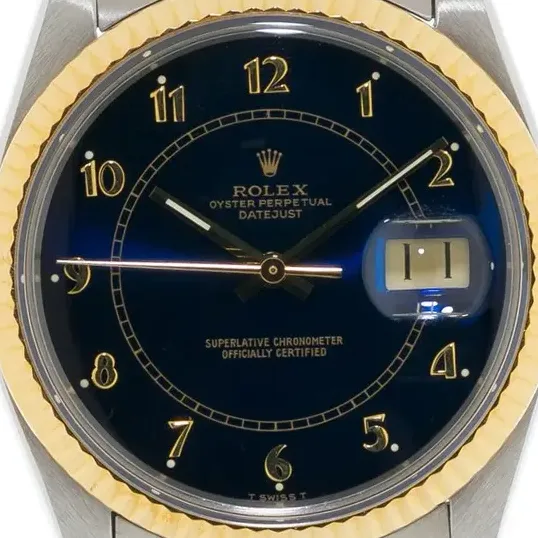
Silver, white, black and blue
The quieter options. White dials are often found with applied gold Roman numerals, and one such watch is dated about 1987.
- white dial with applied gold Roman numerals
Linen
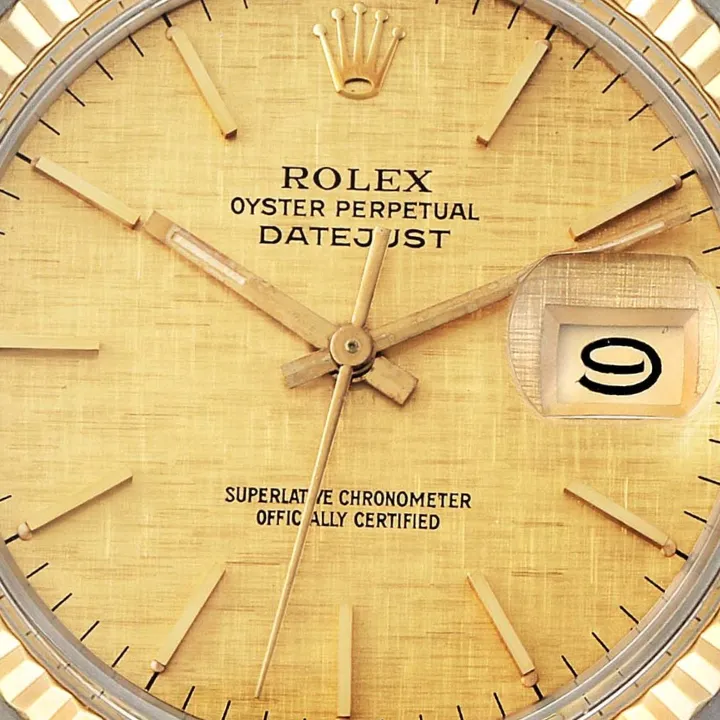
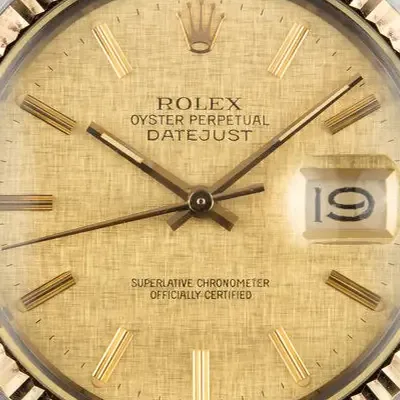
A dial with a woven, engine-turned look. It is named among the variants collectors favour.
Tapestry
A textured dial named as another favoured configuration, found in silver and champagne.
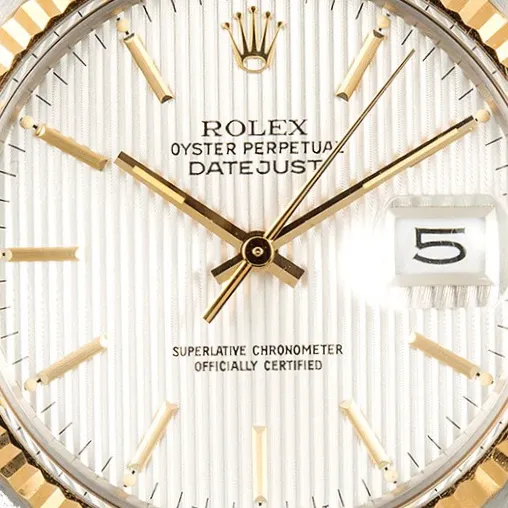
62 listings on record under the name.
Buckley
A two-tone 16013 on an Oyster bracelet is described in one account as carrying a Buckley dial.
Exotic materials
Dials of mother of pearl, malachite, lapis lazuli, wood and meteorite were also used.
- stone or mother-of-pearl dial
Pink, lilac and floral
Feminine shades such as pinks and lilacs, some with floral patterns, were added in the later part of the run.
- pink or lilac dial
- floral pattern
Marker styles
Hour markers run from sticks and batons to Roman or Arabic numerals and diamonds. A diamond-set marker version exists.
- baton, Roman, Arabic or diamond markers
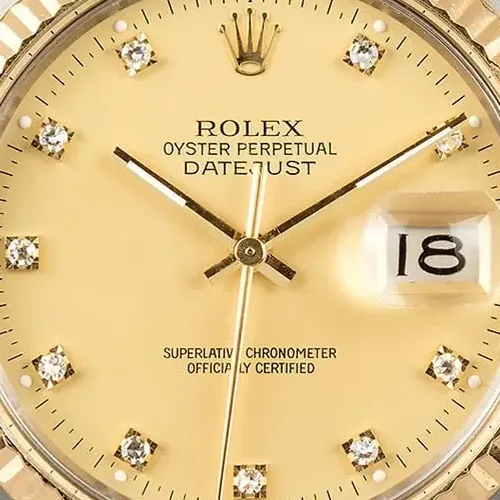
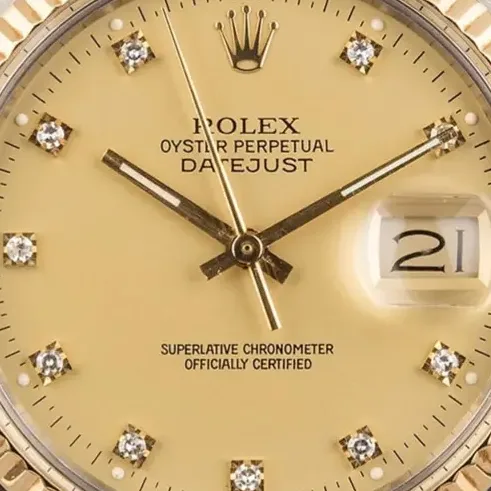
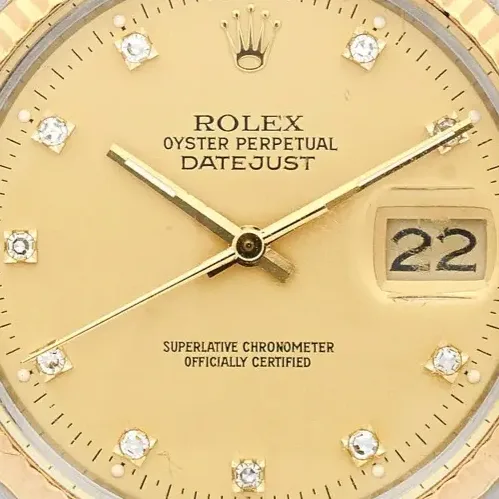
Also sold under this name and confirmed by eye, the photograph not shown here: 1988 · the listing at swisswatchexpo.com.
Luminous material 1 described
Lume is tritium, applied sparingly.
Tritium
Tritium is the lume of the generation.
- tritium plots on the dial
Hands 1 described
The hands are normally yellow gold, to match the case and bezel.
Yellow gold hands
Gold-coloured hands matched to the bezel and bracelet centre links.
- gold hands
Bezel 2 described
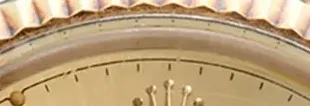
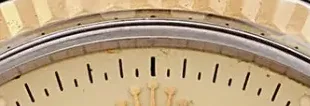
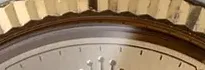
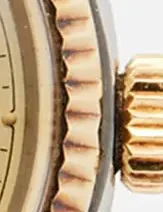
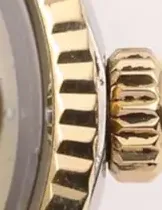
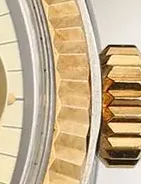
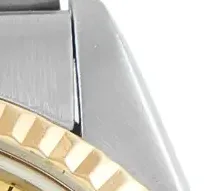
The bezel is fluted and made of 18k yellow gold. The last two digits of the reference give the bezel: the 16003 is the same watch with a smooth bezel, the 16014 has a fluted white gold bezel on steel, the 16030 an engine-turned bezel, and the 16253 an engine-turned yellow gold one.
Fluted yellow gold
The flutes are deeper than on later models. The bezel corresponds to that of the four-digit 1601.
- deep flutes
Diamond-set bezel (aftermarket)
A few listings describe a diamond-set bezel on a 16013, and at least one calls it aftermarket. The literature gives the reference only the fluted gold bezel.
- diamond-set bezel
Case 2 described
A 36 mm Oyster case in steel, combined with yellow gold in the bezel and bracelet. The bezel is given as 18k; one account allows 14k or 18k for the gold and one listing describes a 14k example, but sellers nearly always state 18k.
Yellow Rolesor
Steel case with gold bezel and gold bracelet centre links. The case is a little thicker than that of the later 16233.
- slightly thick case
Drilled lug holes
Lug holes are still present, one of the few cues marking the watch as vintage.
- holes through the lugs
Crown 1 described
A Twinlock crown, described as giving double waterproofness.
Twinlock
On the 3035 the time is set by turning the crown counterclockwise; on the 3135 it is clockwise, which tells the two apart without opening the case.
- Twinlock crown
Crystal 1 described
The crystal is domed acrylic, as on the rest of the generation; sapphire came with the successor 16233. One account has sapphire taking over gradually by 1988 and another lists sapphire, but the other accounts and nearly all sellers give acrylic.
Domed acrylic
The crystal of the reference; a watch of 1978 has it, and nearly all sellers describe it.
- domed plastic crystal
Date 1 described
A Cyclops lens over the date, with a quickset function.
Quickset date
The crown turned about one and a half times advances the date by one digit. The 1601 with its 1560 or 1570 had no quickset and needed the hands taken past midnight.
- Cyclops lens
Movement 1 described
The calibre 3035 was the first Rolex men's movement beating at 28,800 vph and the first with quickset date. It replaced the 1575's 19,800 vph. The 3135 that took over in 1988 belongs to the successor 16233 generation.
Calibre 3035
Automatic, with Microstella balance and Breguet overcoil kept from the 1575, plus a fast-rotating barrel. Power reserve is given as 42 hours in most accounts, 48 or 50 in others.
- 28,800 vph
- crown sets time counterclockwise
Bracelet 3 described
Either Oyster (three-piece) or Jubilee (five-piece) bracelets, both two-tone with gold centre links. The links are hollow, with solid outer links, and stretch was a common complaint.
Jubilee, two-tone
Gold centre links with steel outers; the Jubilee is by far the commoner in the records. Check for excess stretch.

- stretch
76 listings on record under the name.
Oyster, two-tone
Three-piece links with gold centre section.
Clasp
A folding Oysterclasp; some have the Oysterlock safety clasp. Sellers record bracelet references 62523 and 62523H and end links 455 and 455B.
- 62523H
- 455
Originality
- Hollow-link bracelets of the generation stretch with wear, so stretch is a point to check.
- Gold parts and dials may develop a warm patina with age, and sellers describe patina on many dials.
Names
- American Psycho Rolex. A push to name the reference after a film character; it is not established.
Where accounts differ
Points on which the published literature and the library's own records do not agree, or on which the literature contradicts itself.
- End of production. One shop guide says the 16013 was made in the 1980s and 1990s. Case numbers in the records end in 1988, which matches the 3135 changeover date given by other guides.
- Calibre. One guide states the 16013 has a calibre 3055 with a balance cock. Every other guide, and nearly all sellers in the records, give the 3035.
- Water resistance. One guide gives about 50 metres for the 16013; another puts all two-tone Datejusts of the generation at 100 metres.
- Crystal. One guide says sapphire had gradually replaced acrylic by 1988, and another gives the watch a sapphire crystal; other accounts of the first guide give acrylic for the whole generation, and nearly all sellers in the library's records describe acrylic.
- Dial. Two guides say the five-digit generation dropped the pie-pan dial for a flat one; some sellers in the library's records describe 16013s, mostly earlier ones, as having pie-pan dials.
- Gold. One guide says the gold could be 14k or 18k, and one dealer describes a 14k example; another guide gives the bezel as 18k, and nearly all sellers in the library's records state 18k.
- Start of production. Guides give 1977, 1978 or the late 1970s. In the library's records a small group of case numbers reads as 1976, and sellers date those watches to 1976 too.
- Power reserve of the 3035. Accounts of this reference give the calibre 3035 a reserve of about 42 hours, of roughly 48 hours, and of 50 hours, the last in an account that gives 42 elsewhere. Across the references that carry the movement, 42 is the usual figure.
Back and movement
From listings of this reference, each confirmed by eye to show what it is filed under. A picture on which a person's name or a personal engraving can be read is not shown. From most holders a detail from the middle of the photograph is shown; the mark in its corner gives its holder and a link to the listing.
Caseback
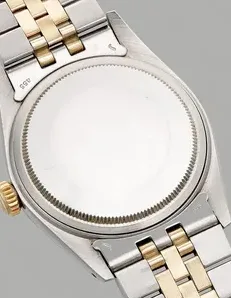
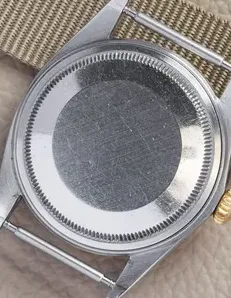
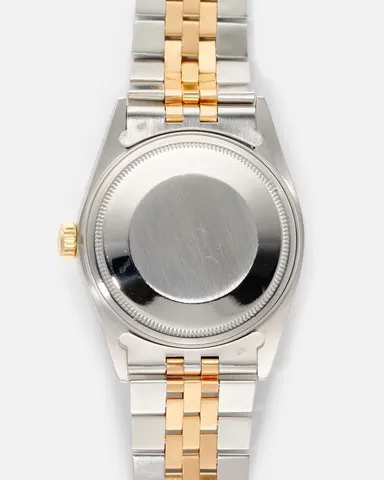
Movement
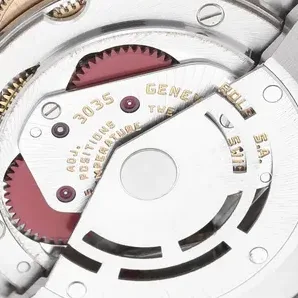
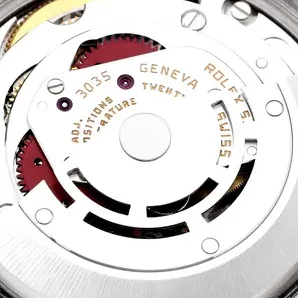
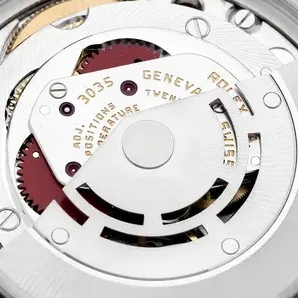


In the records
Counted from 1,632 listings at 65 holders between 18 May 2010 and 14 November 2026. These are what sellers and auction houses state, not measurements.
Fainter bars are the 39 outside the main run of 1978–1987 (the middle nine-tenths): the earliest is 1976 and the latest 1988. They are early and late examples, and now and then a number misread.
At the holders that record papers on every watch, 16% of their 411 listings of this reference come with papers; at those that record the box on every watch, 63% of 666 come with a box. "Papers" is whatever the holder counts as papers, and can include service papers.
2 listings dated long after the reference ended are set aside and not counted here: a year that late belongs to a later watch sold under the old number, or to a listing filed under the wrong one.
Case metal
| Steel and gold | 658 | |
| Steel | 257 | |
| Gold, any colour | 46 | |
| Yellow | 6 | |
| More than one colour | 1 | |
| Colour not stated | 39 | |
| Silver | 2 |
A listing that says "gold" or "18K gold" names no colour: it is counted under "colour not stated", not as yellow gold.
Dial colour
| Champagne | 551 | |
| Silver | 101 | |
| White | 83 | |
| Black | 83 | |
| Blue | 49 | |
| Gold | 4 | |
| Cream | 4 | |
| Red | 4 |
Case size
| 36 mm | 1,030 | |
| 35 mm | 30 | |
| 34 mm | 10 |
Calibre named
| 3035 | 452 | |
| 1570 | 6 | |
| 3135 | 5 |
Bracelet or strap
| Jubilee bracelet | 670 | |
| Leather strap | 95 | |
| Metal bracelet, kind not stated | 26 | |
| Oyster bracelet | 7 |
Reference suffix
| G | 5 | |
| F | 3 |
Each table counts the listings that state the thing, in the seller's own terms. A size, metal, colour or calibre that cannot belong to this reference is a seller's slip or a listing filed under the wrong number.