Datejust 36, steel with engine-turned bezel
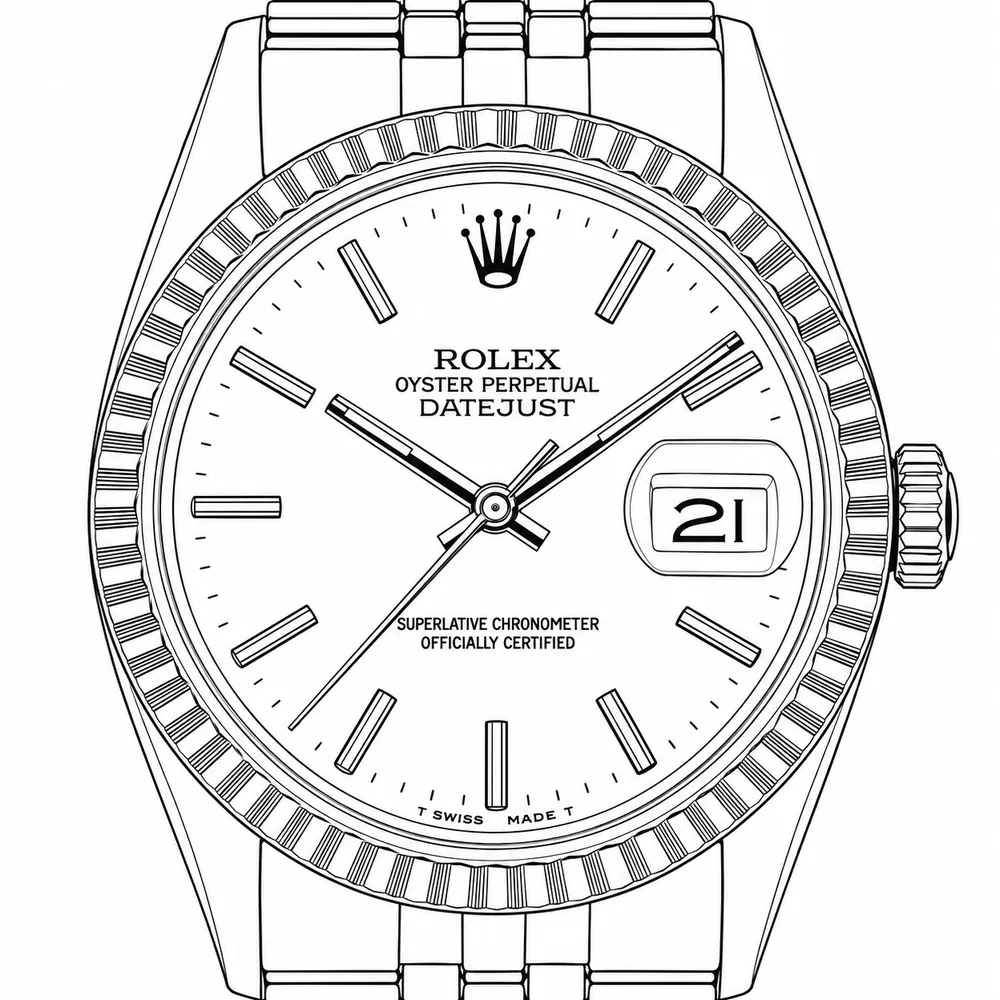
The steel Datejust with an engine-turned steel bezel, made from about 1977 to 1988 as the five-digit successor to the 1603. It is the 36 mm Oyster case with drilled lugs and an acrylic crystal, now with the calibre 3035 and quickset date. Fewer were made than with smooth or fluted bezels because the engine-turned bezel sold less well. Silver is the usual dial, with Buckley, tapestry, linen and a number of company, club and Middle Eastern signed dials recorded. Collectors check dial originality, the lume plots, the bracelet and clasp, and the polish of the case.
- Made
- 1977–1988dates approximate
- Seen in the library
- 1976–1988nine in ten in 1978–1987 · by case numbers
- Case
- 36 mm · steel (99%)as sellers state
- Movement
- Calibre 3035automatic
- On record
- 787 listings1,749 photographs · 57 holders
Components
49 watches, oldest first, each straightened and cut the same way so that one row shows one component across them all. Chosen from 1,749 photographs on file for sharpness and for a face typical of the reference. A year marked c. is one its holder gives only roughly. Each picture is a detail cut from a listing photograph. Select the small mark in its corner for its year, its holder, a link to the listing it came from, and a way to report it.
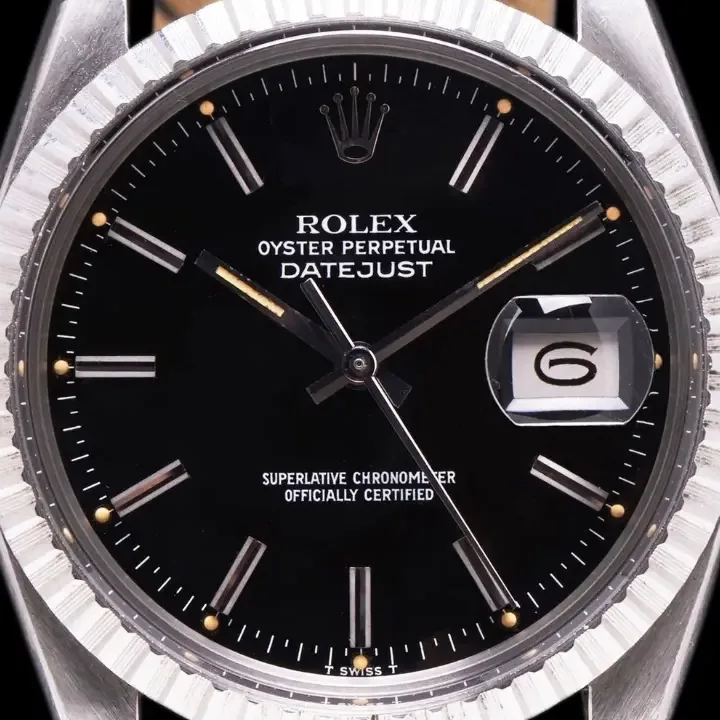
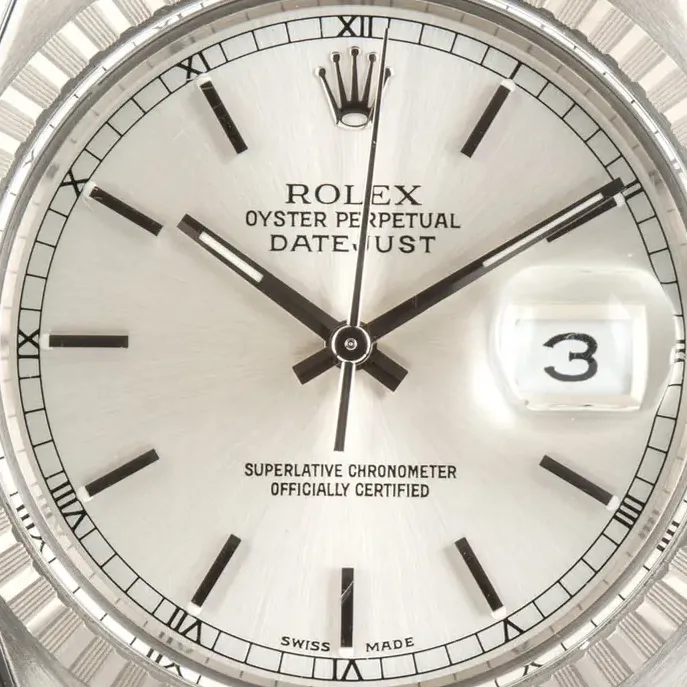
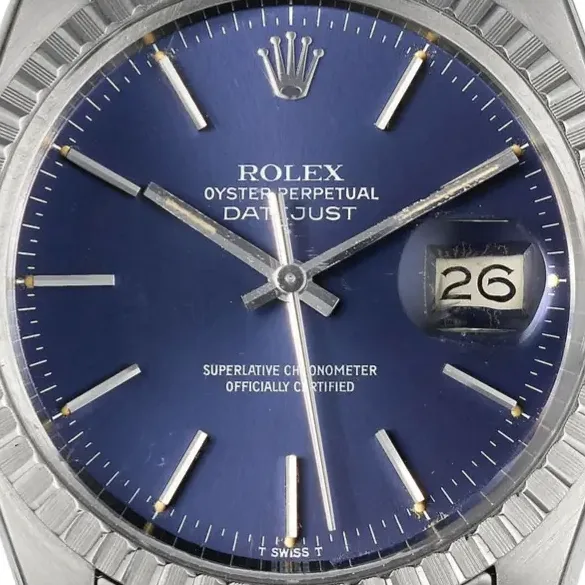
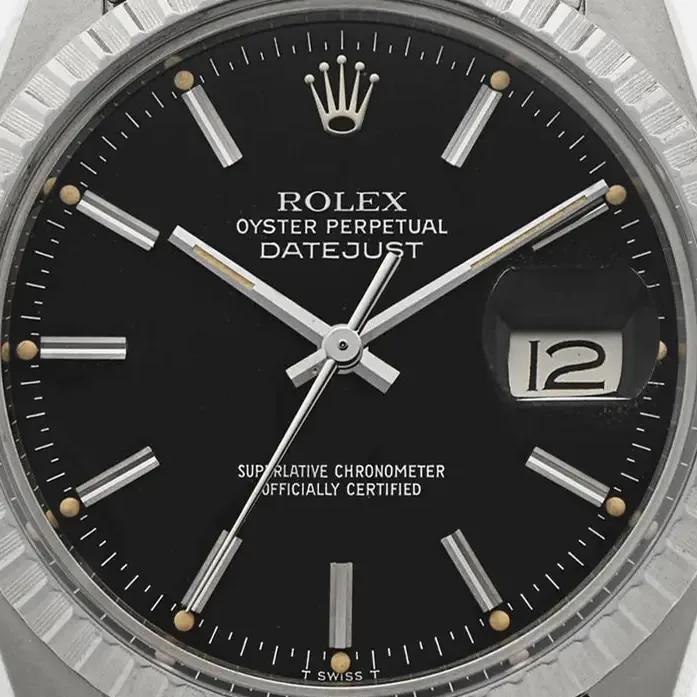
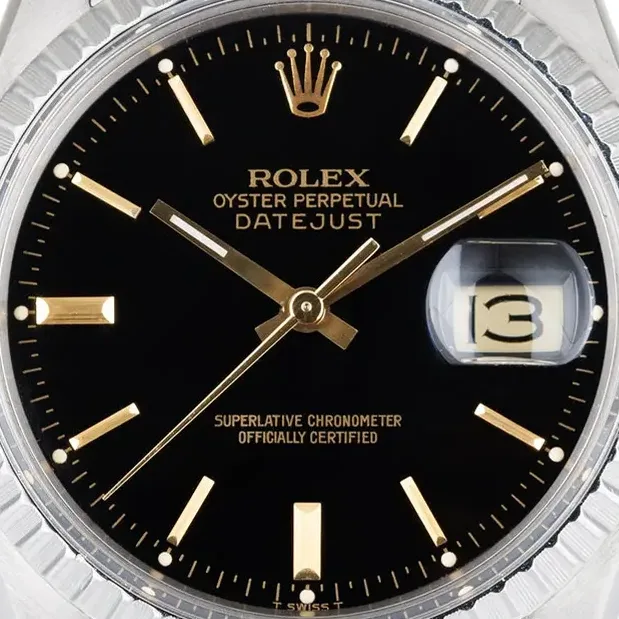
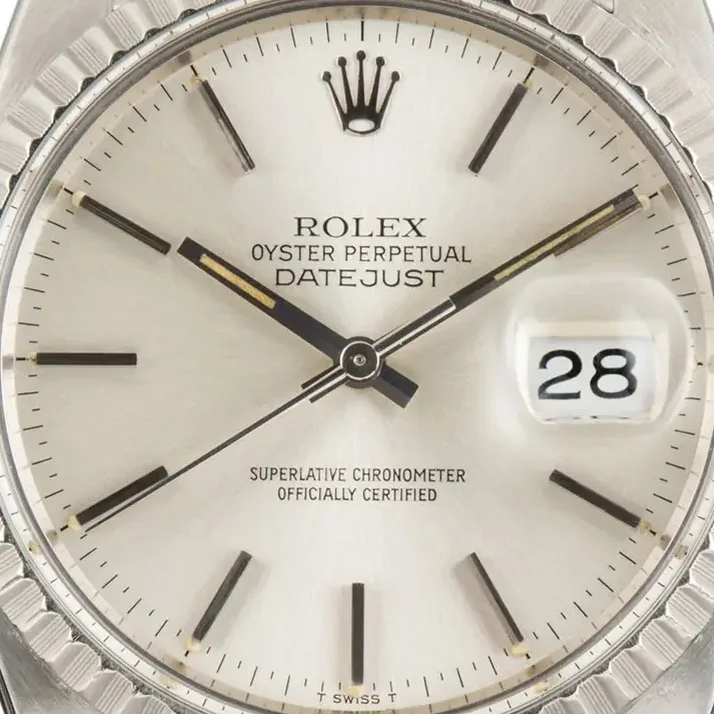
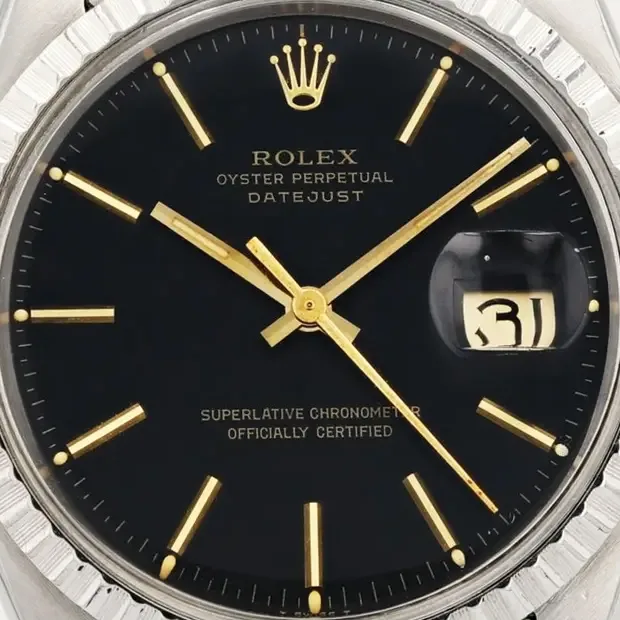
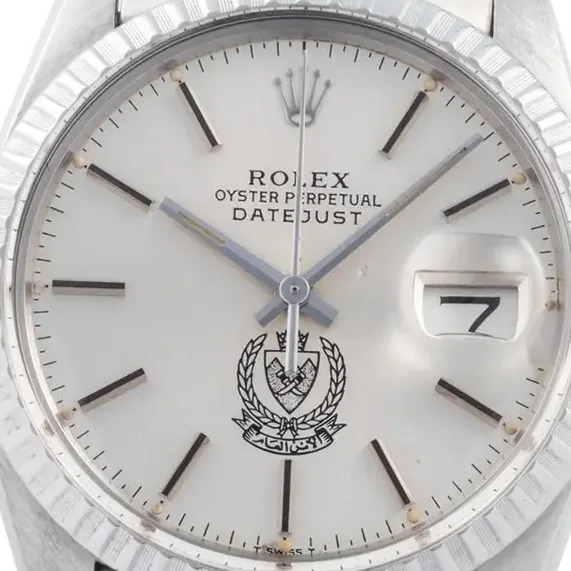
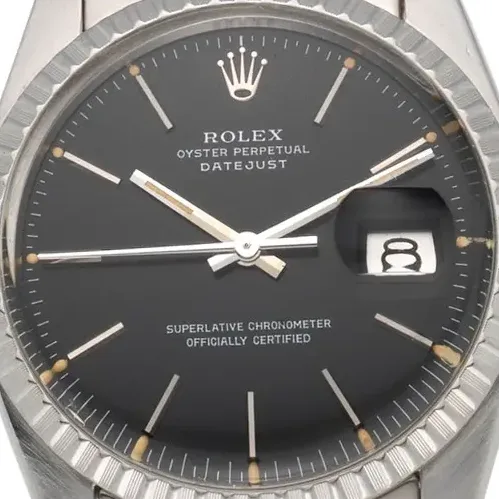
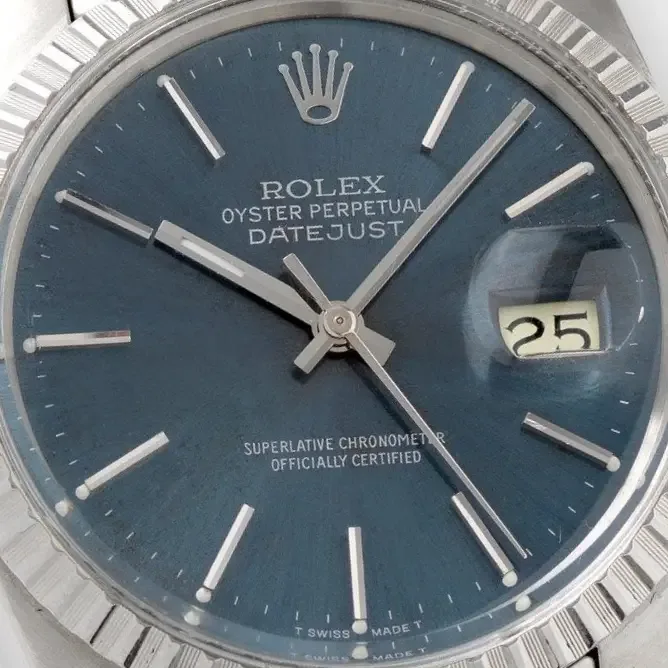
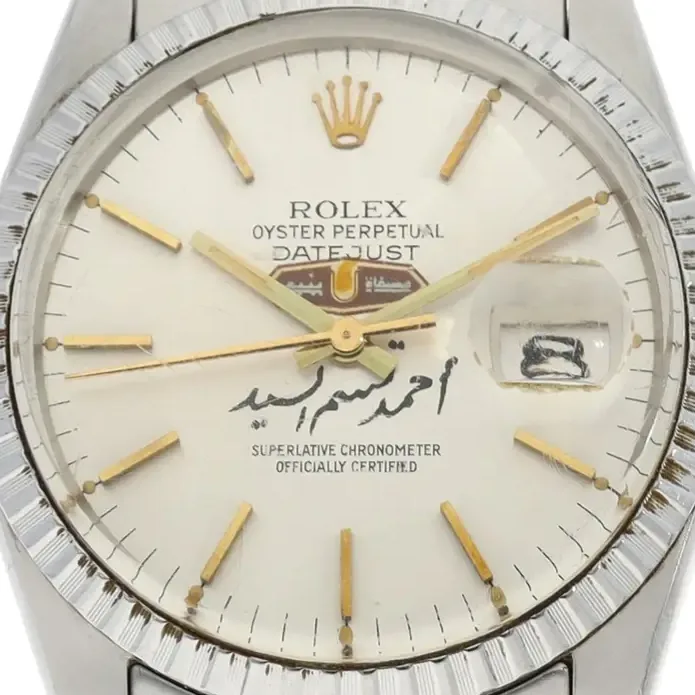
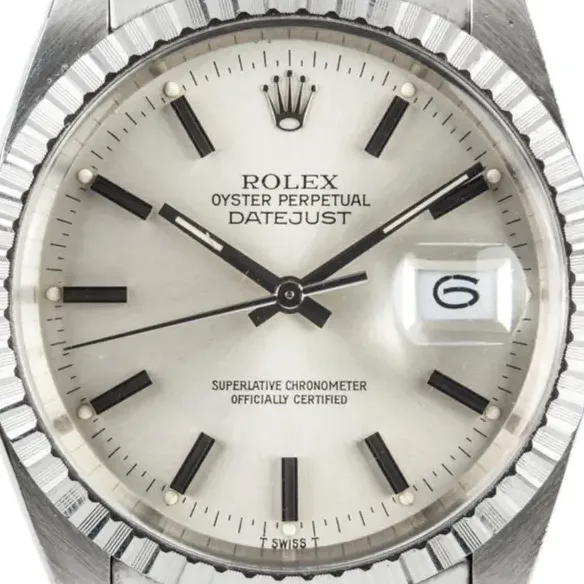
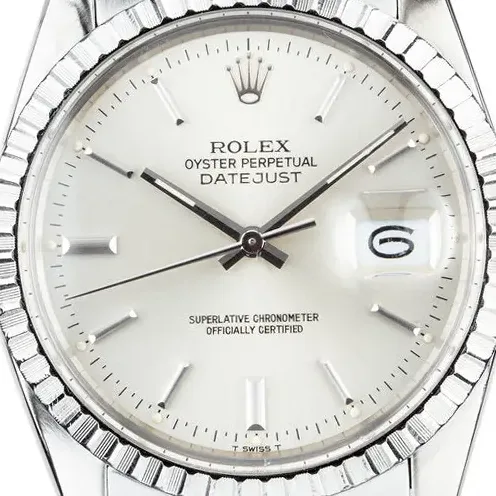
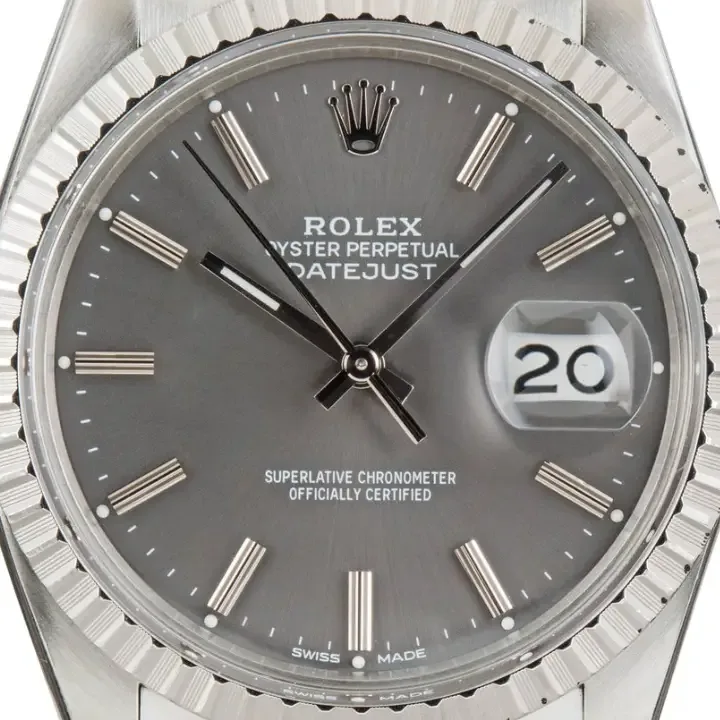
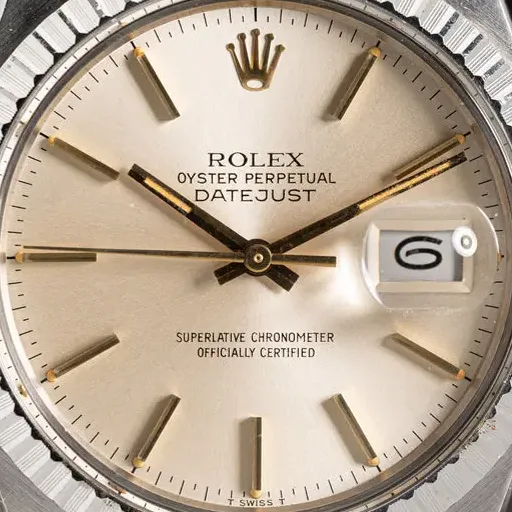
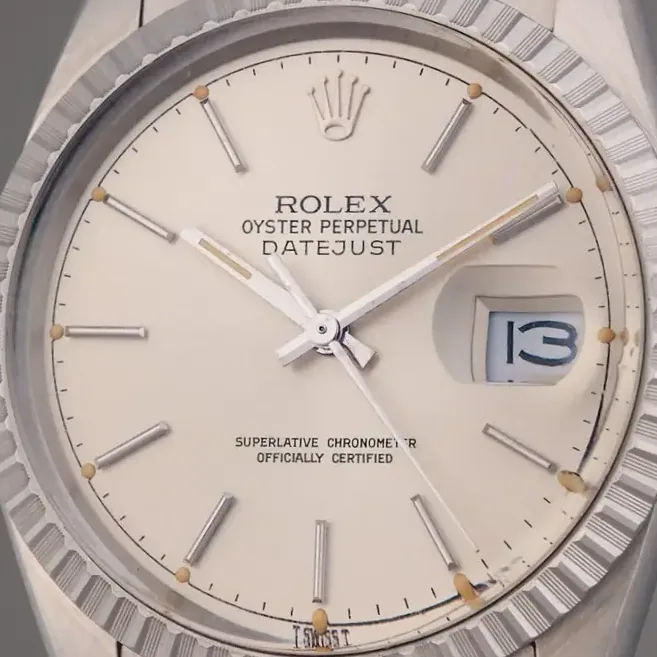
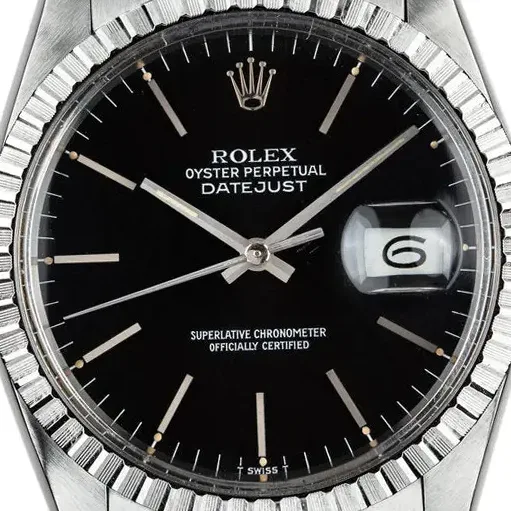
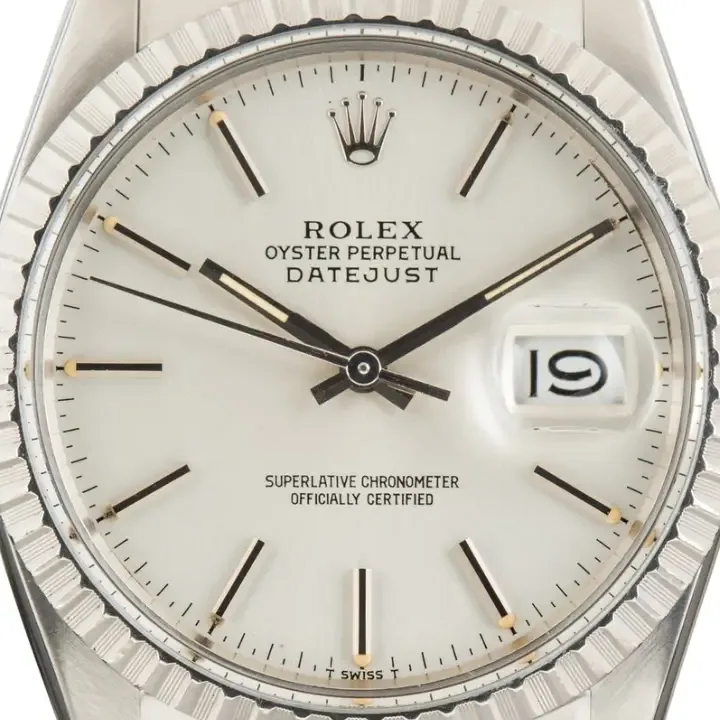
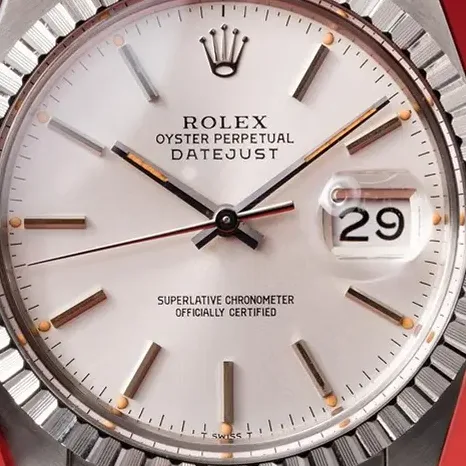
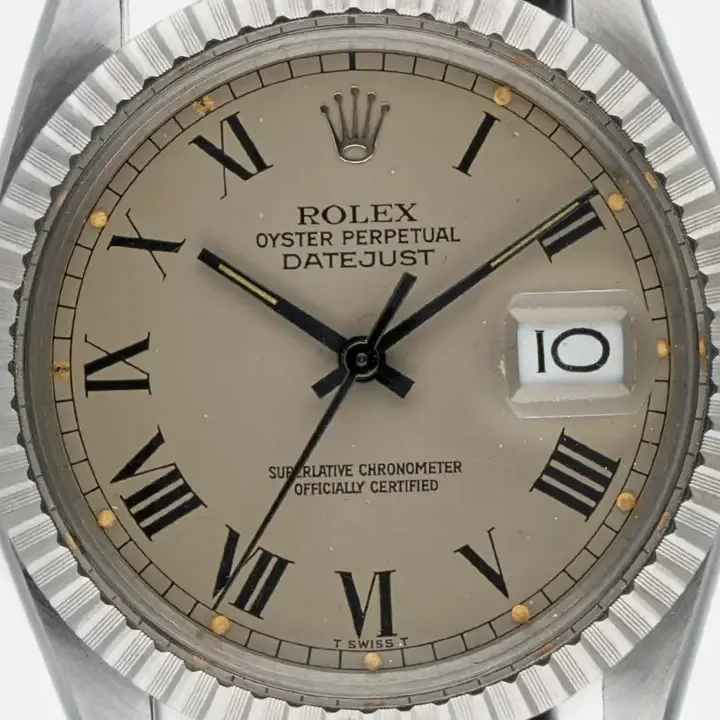
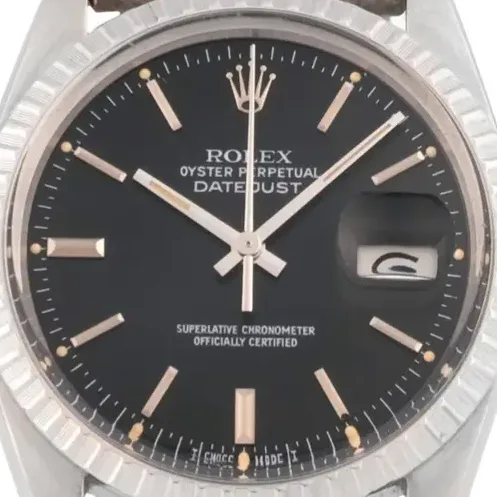
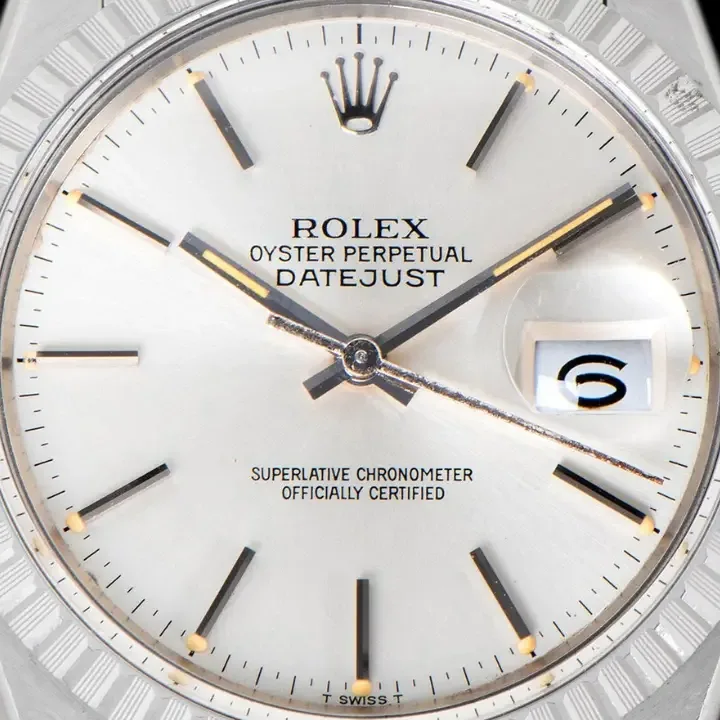
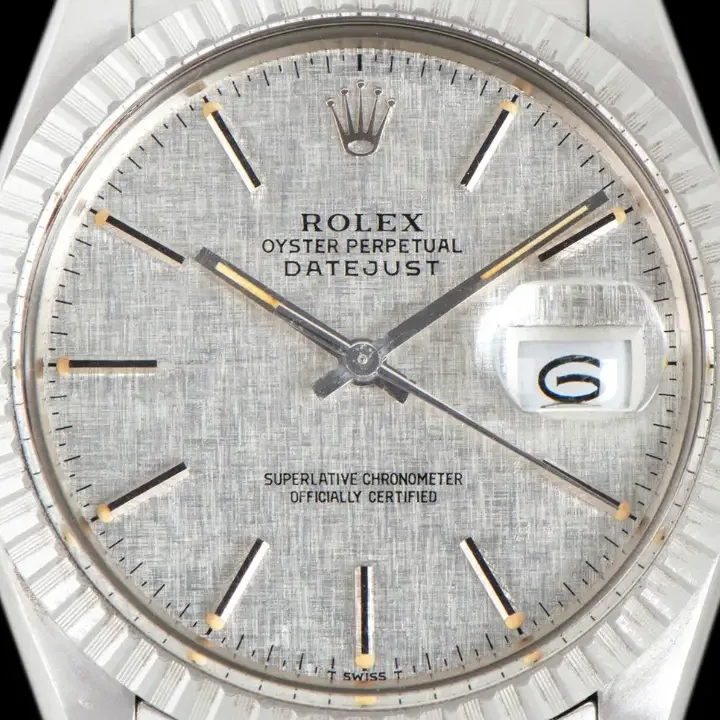
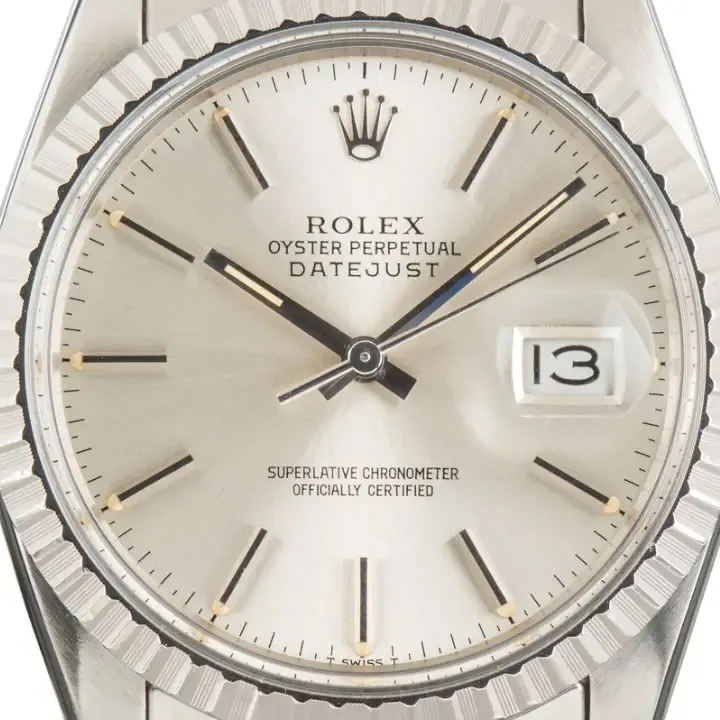
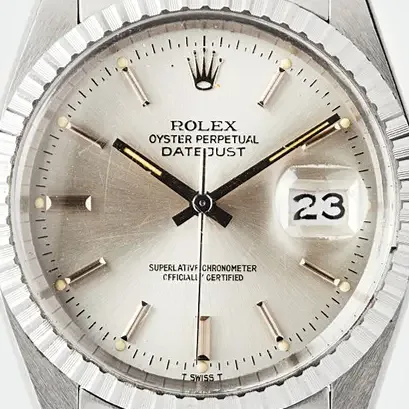
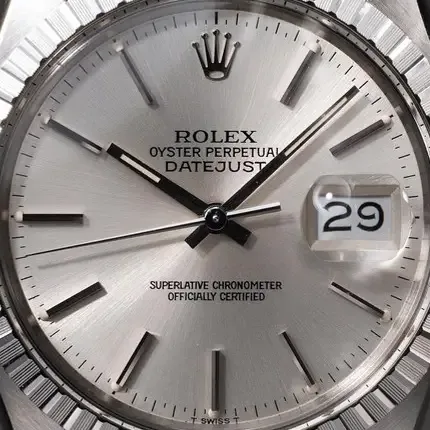
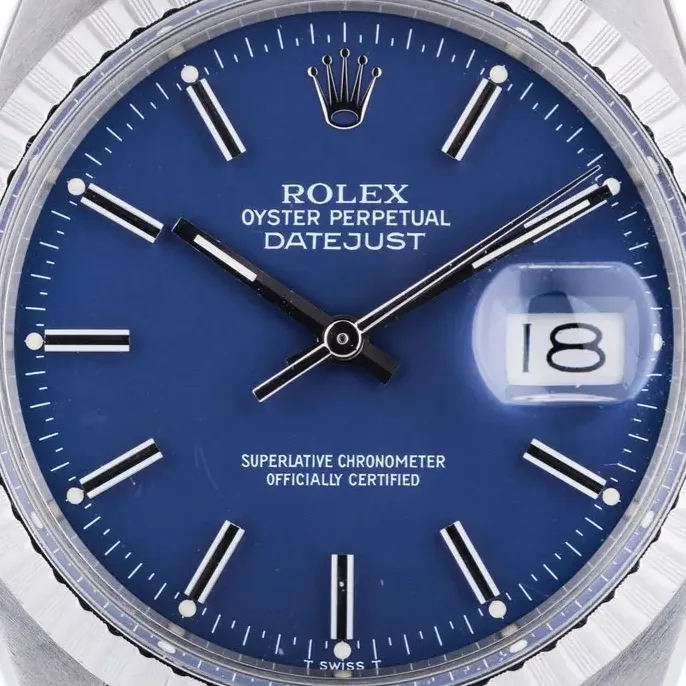
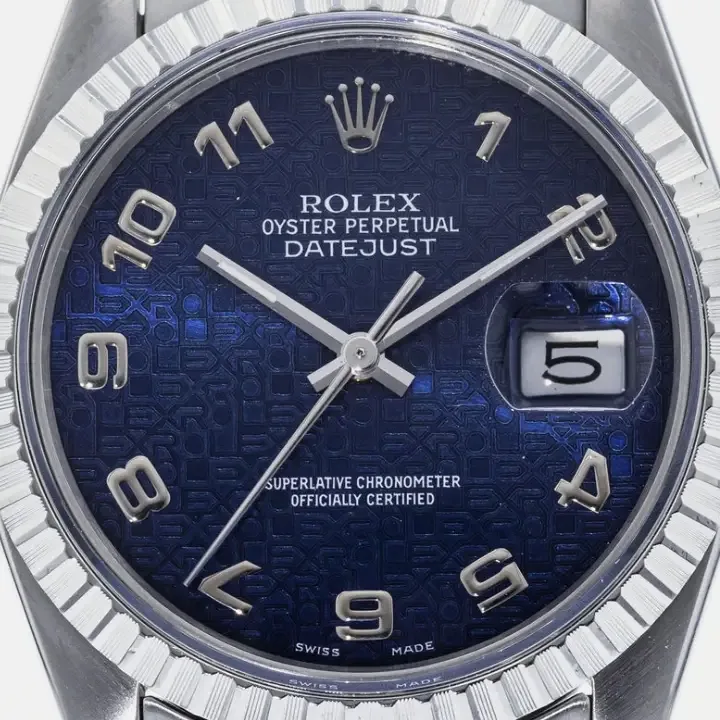
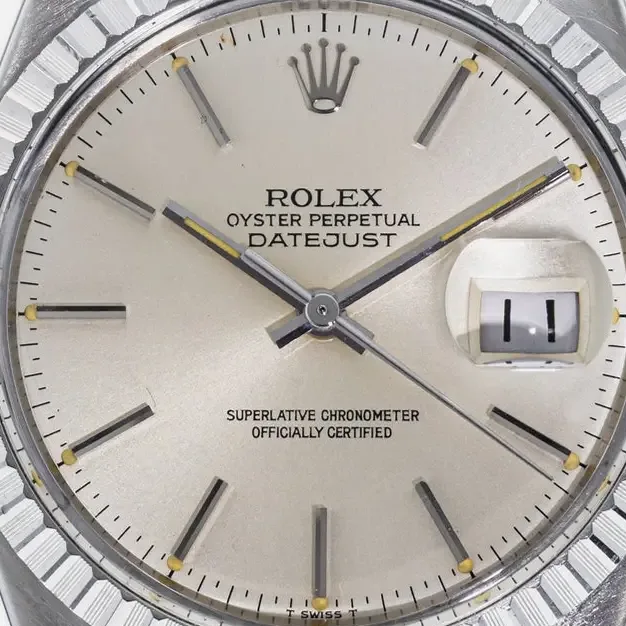
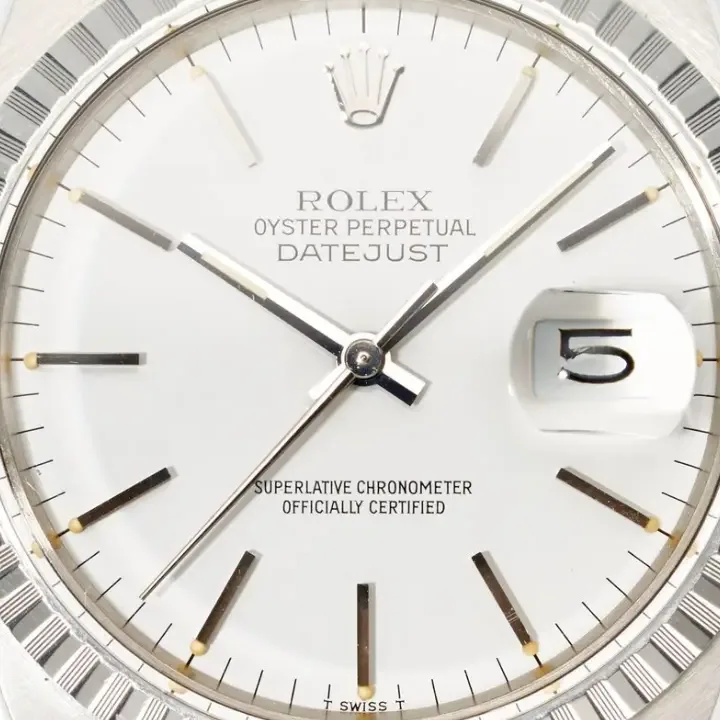
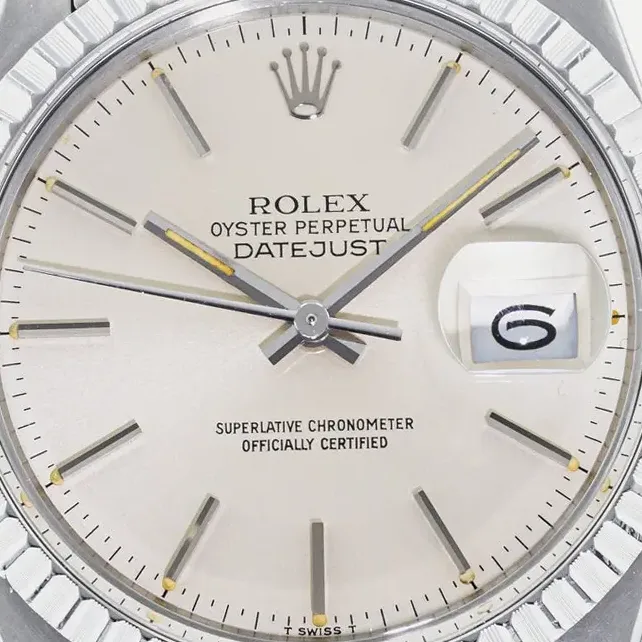
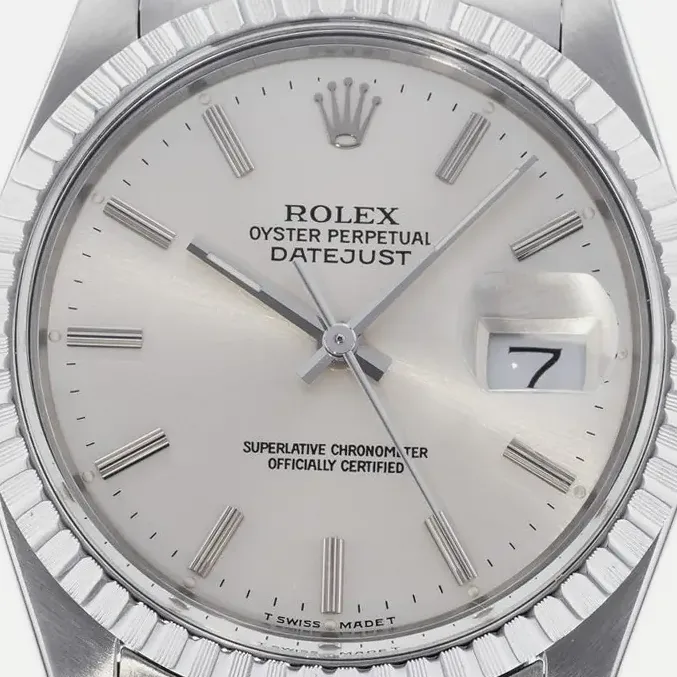
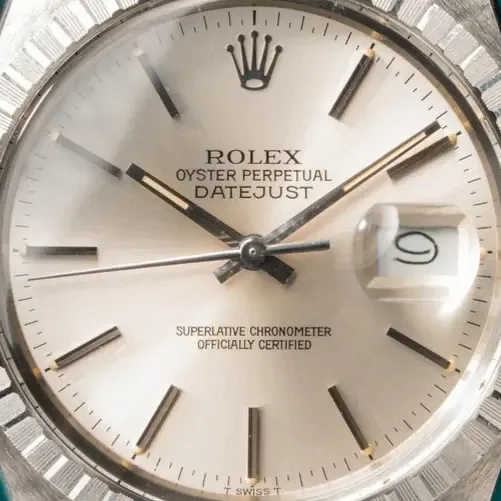
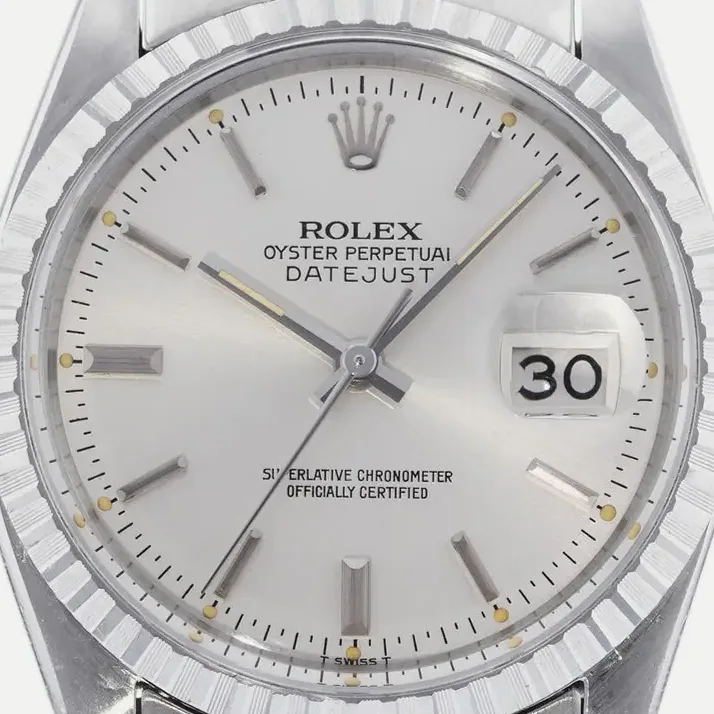
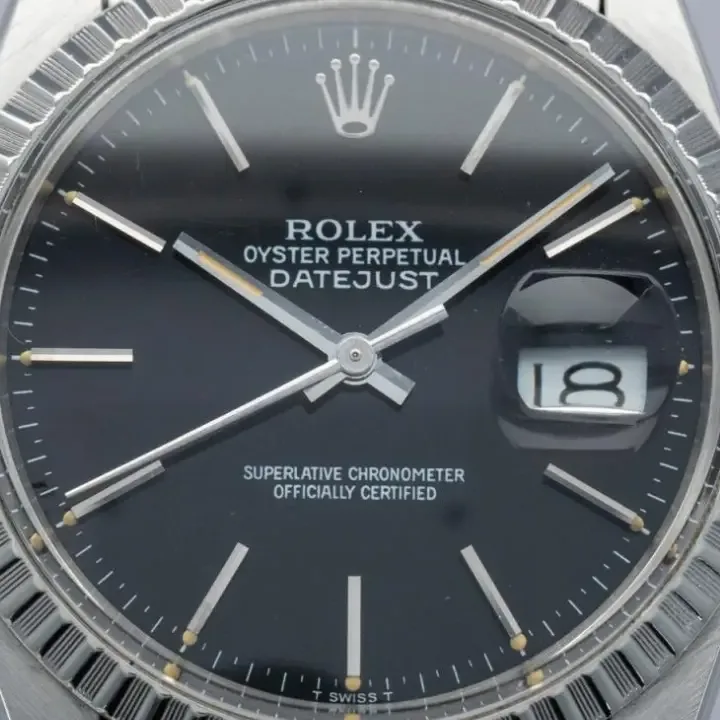
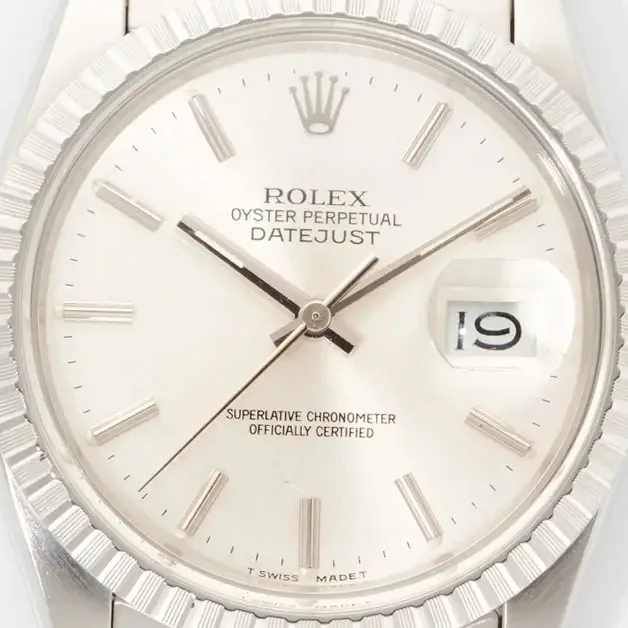
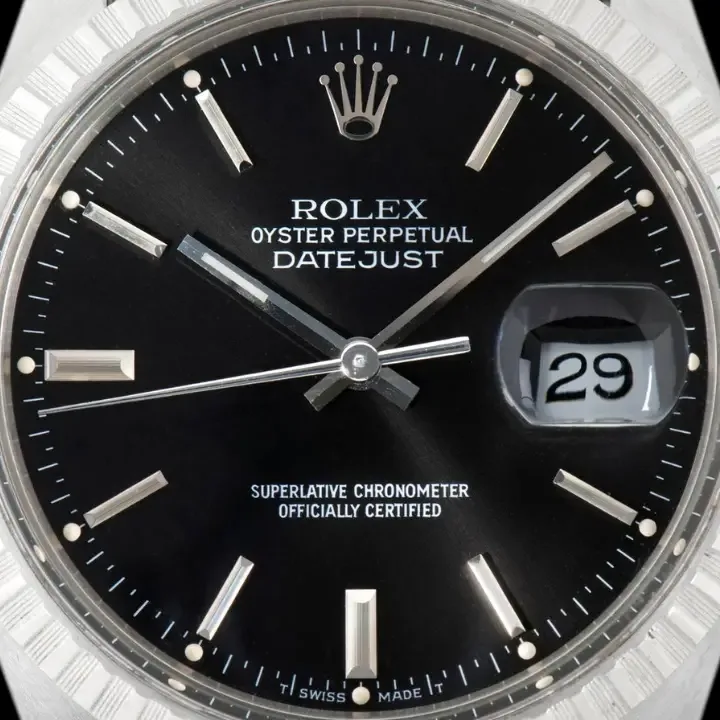
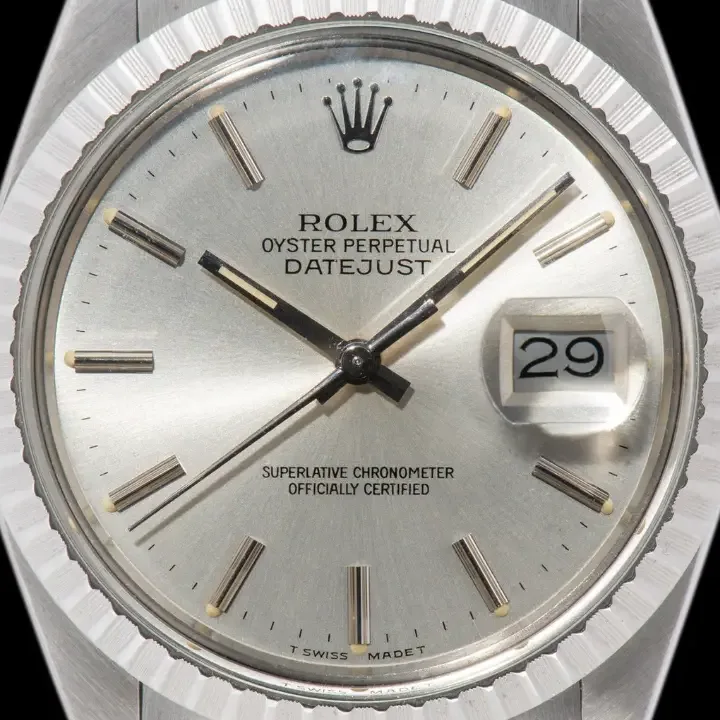
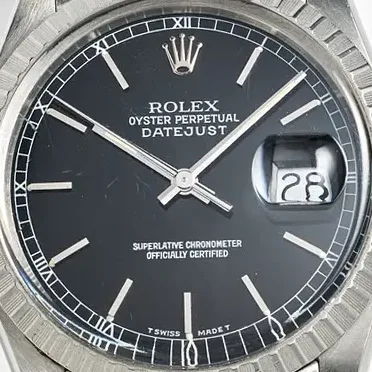
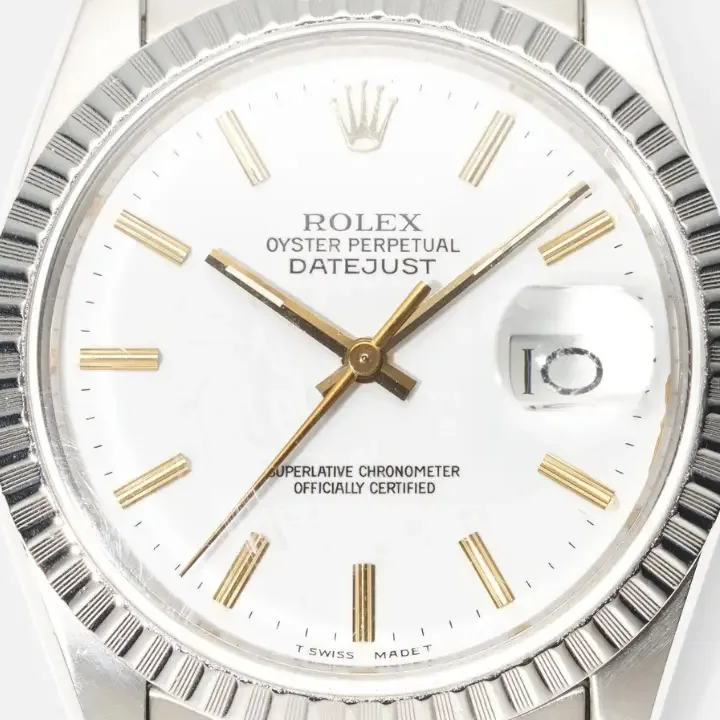
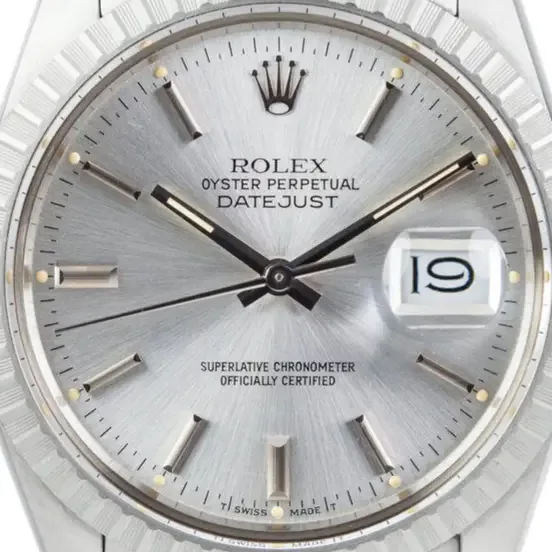
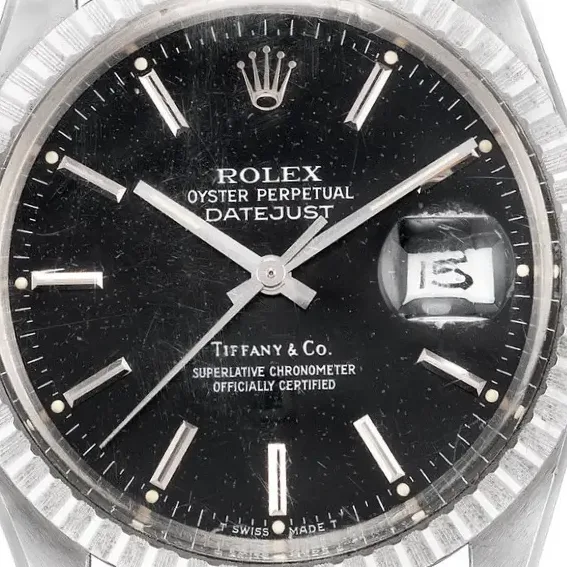
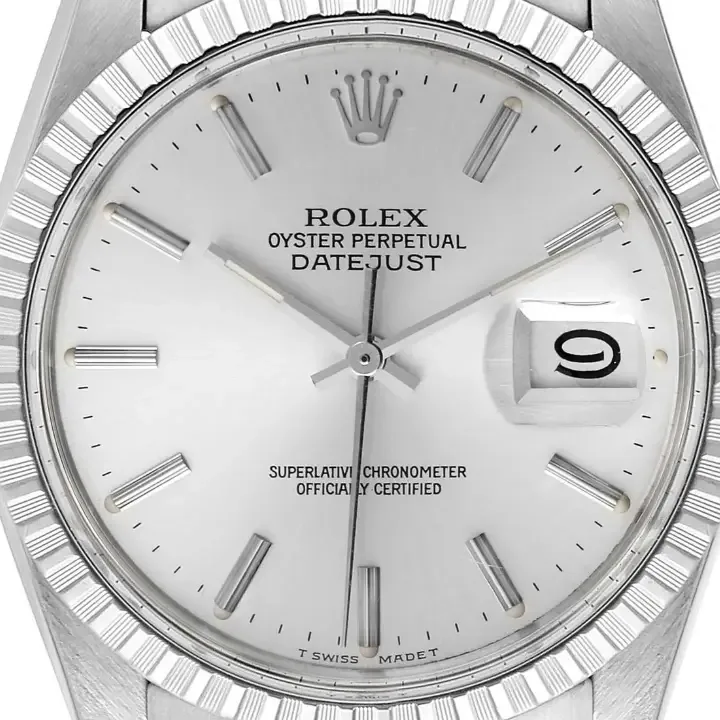
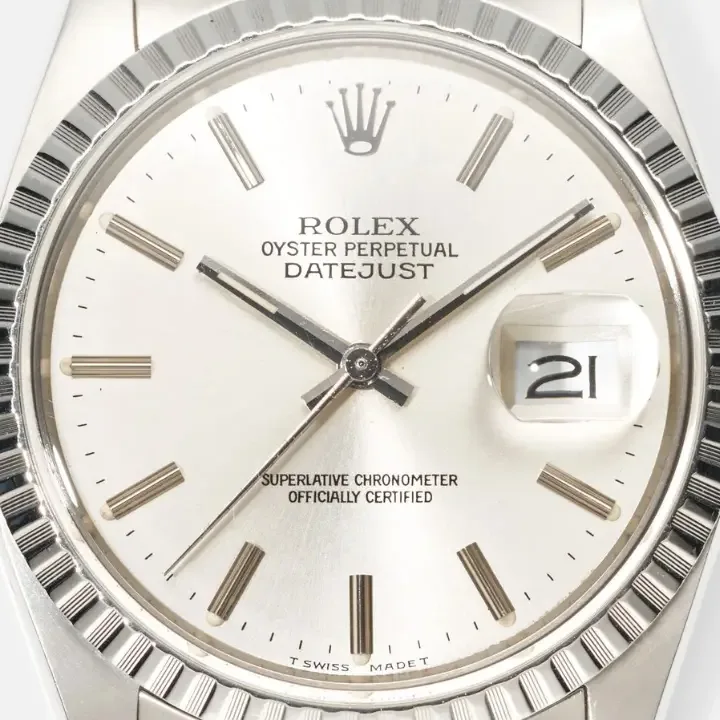
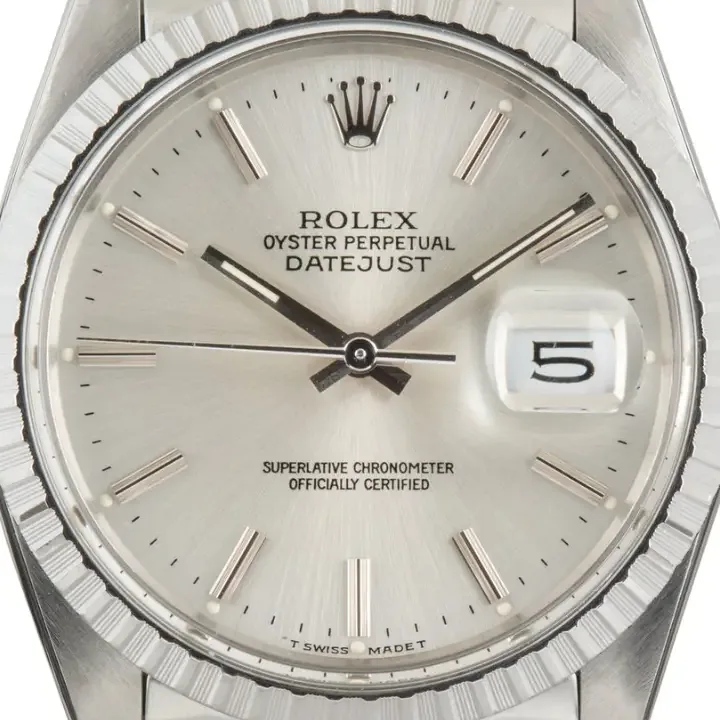
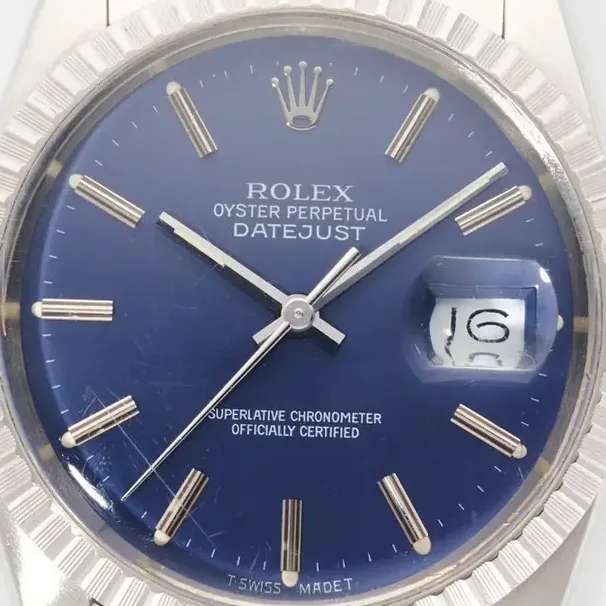
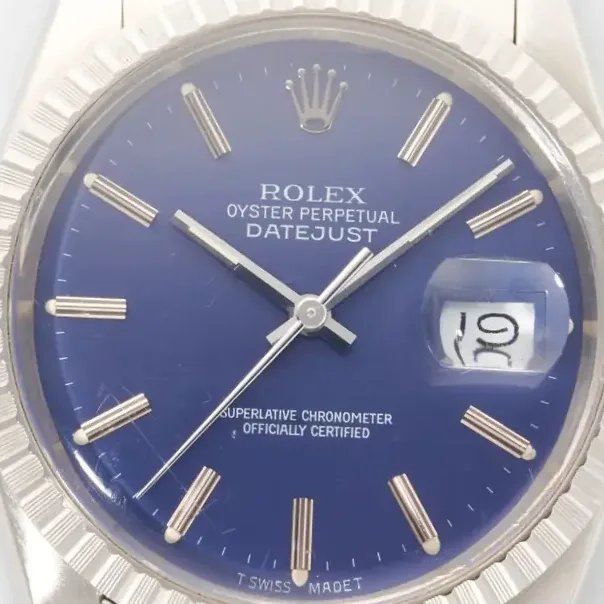
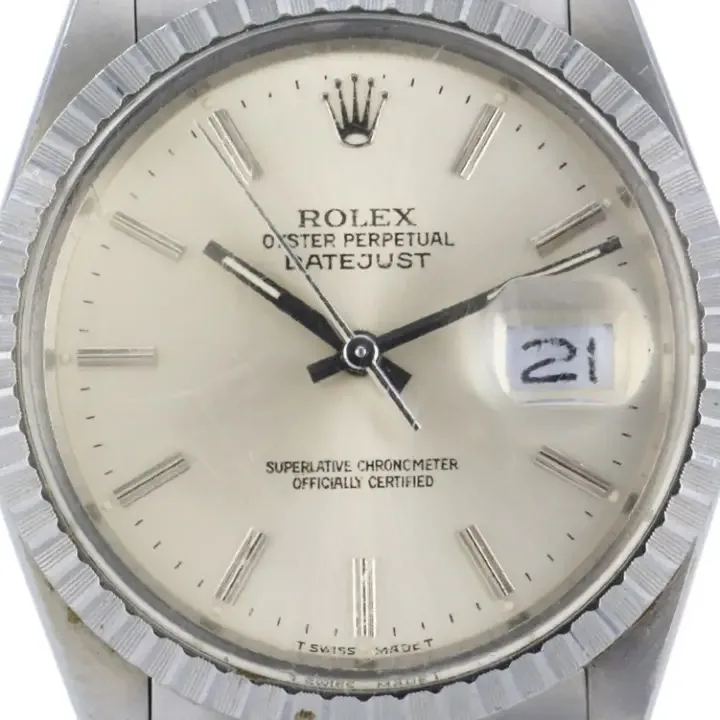
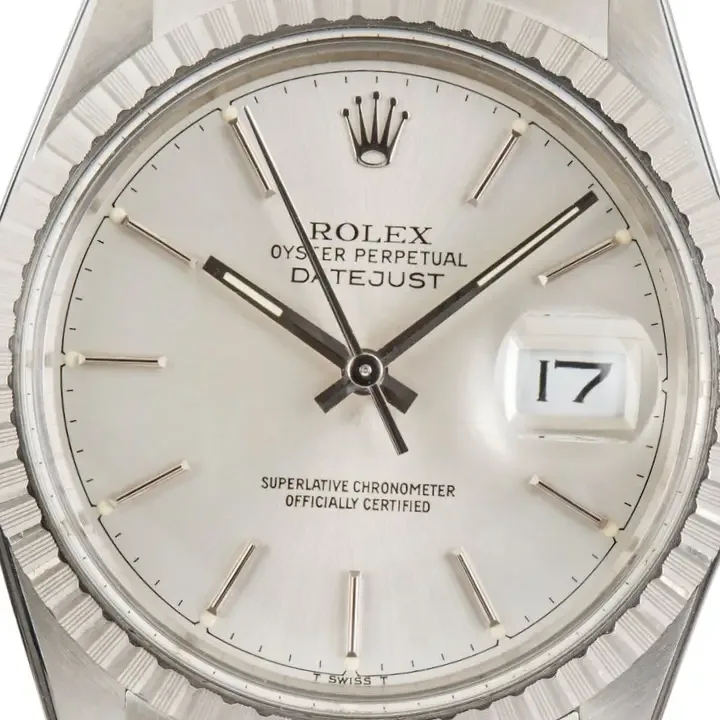













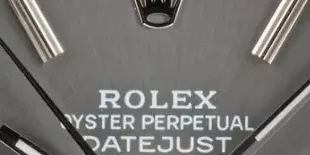























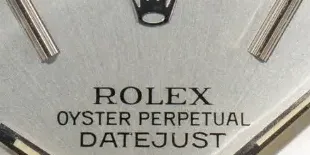










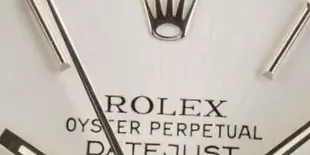

















































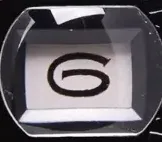
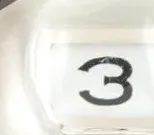
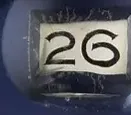
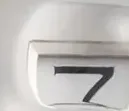

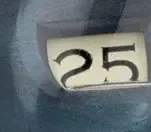
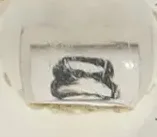
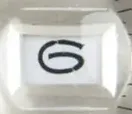


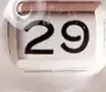
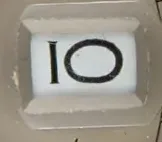

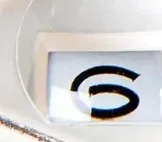
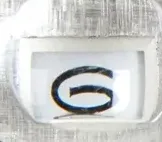
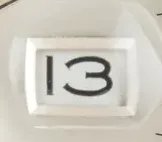




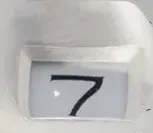

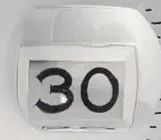
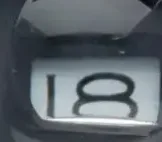
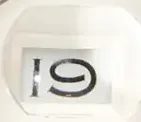
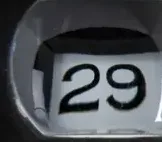
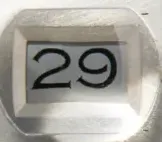


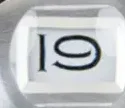

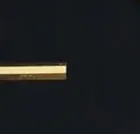

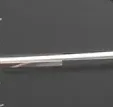




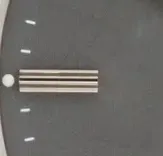
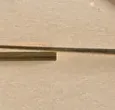
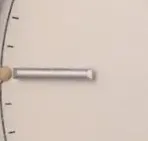
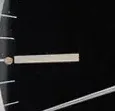


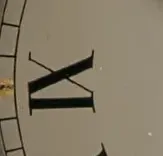

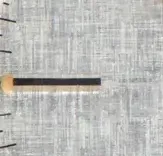
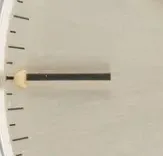







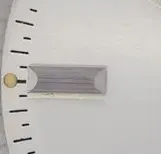



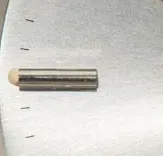

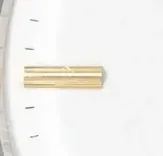












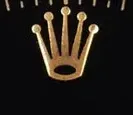







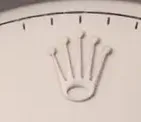
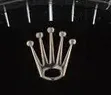


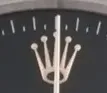

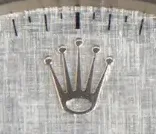
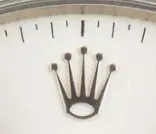







































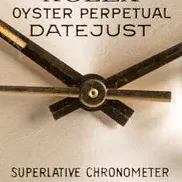







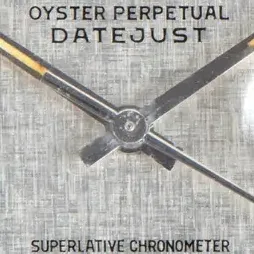







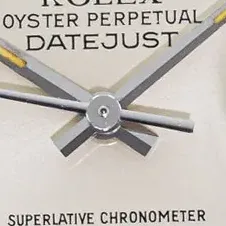




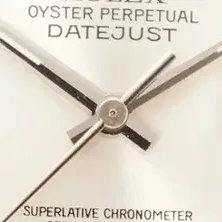

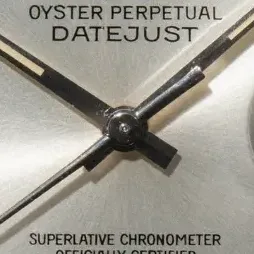























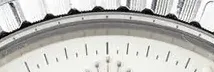

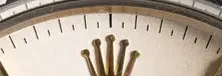









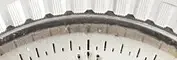

































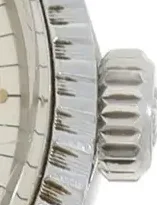
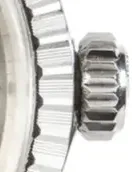
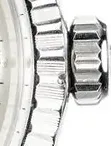


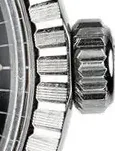

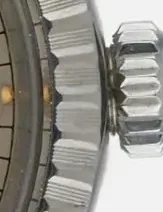
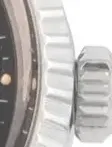


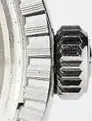


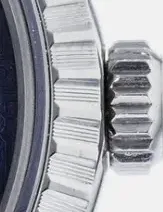
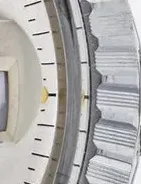
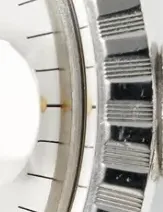

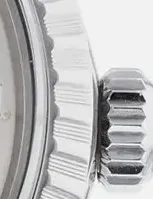

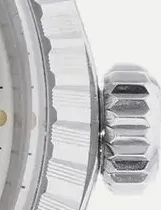

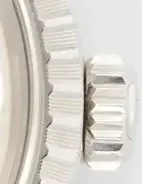


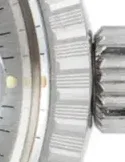
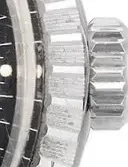
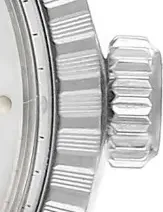
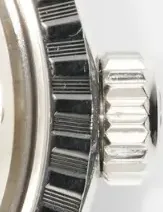


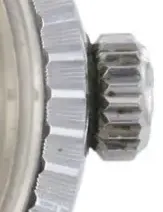





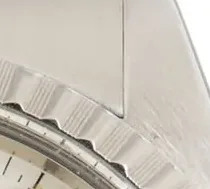

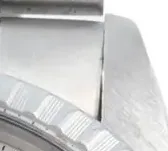



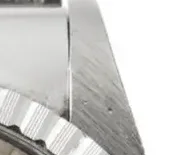
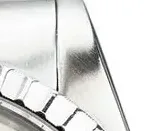
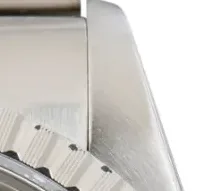


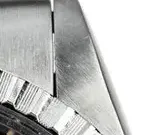






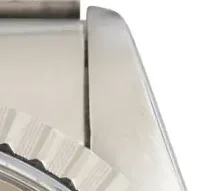



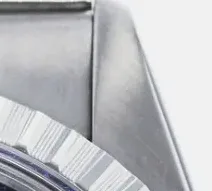
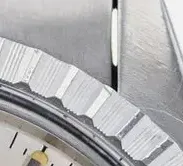


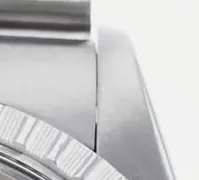






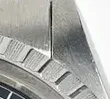



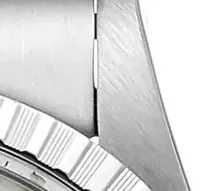

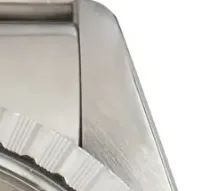




Illustrated history of the 16030: every change set out with close-up photographs of dated watches.
Chronology
Accounts give about 1977 to 1988; case numbers in the records fall almost all between 1978 and 1988, with a few stray numbers outside.
Every dated variant: what is written, and what the records show
For the reference the marks are every dated watch; for a variant, the watches a seller names as that variant, so a variant sellers do not name has none.
The reference's own marks are dated by case number. A variant's marks use the year each seller states, so a variant can show watches in a year where the row for the reference shows fewer, or none. 1 dated listing falls outside this scale and is not drawn.
Specification
| Case | 36 mm steel Oyster case, 20 mm lug width, drilled lug holes |
| Bezel | Engine-turned (guilloche) steel, finer grooves than a fluted precious-metal bezel |
| Crystal | Tall acrylic (Plexiglass), the last Datejust generation to have one |
| Crown | 6 mm steel Twinlock crown, with a bar beneath the coronet |
| Movement | Calibre 3035 automatic, 28,800 vph, 27 jewels, quickset date; power reserve given as 42 hours in most accounts, 48 or 50 in others |
| Dial | Applied indexes; tritium plots set outside the markers |
| Bracelet | Oyster 78360 (end links 558/558B) or Jubilee 6251H or 62510H (end links 555/555B); hollow centre links on the Jubilee and hollow end pieces on both, flip clasp |
| Water resistance | 36 mm steel Datejusts of this generation are rated to 100 metres |
Dial 10 described
Silver is the usual colour. Glossy, matte, metallic, sunburst, tapestry, linen, Buckley and boiler gauge dials all occur on the 16030, together with many signed dials. Lume plots of tritium sit outside the applied indexes and age to a warm tone. Sellers describe some dials as tropical, browned with age.
Silver and neutral colours
Silver is well over half of the dials stated by colour; grey, black, white, blue and slate follow.
- applied baton indexes Confirmed by eye on a watch of 1981; the photograph is not shown here. See the listing at swisswatchexpo.com
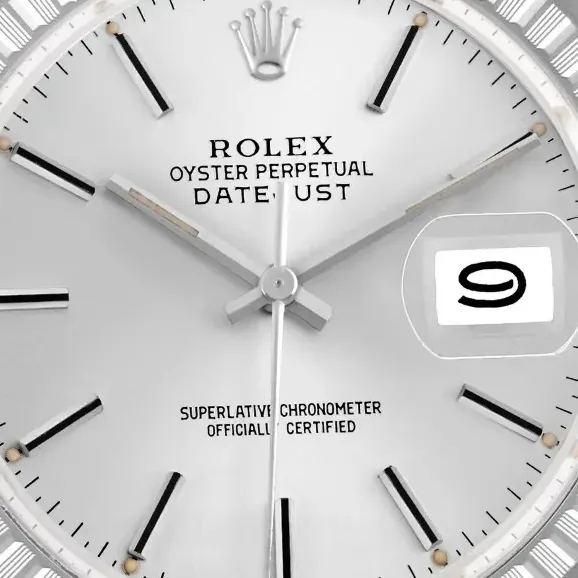
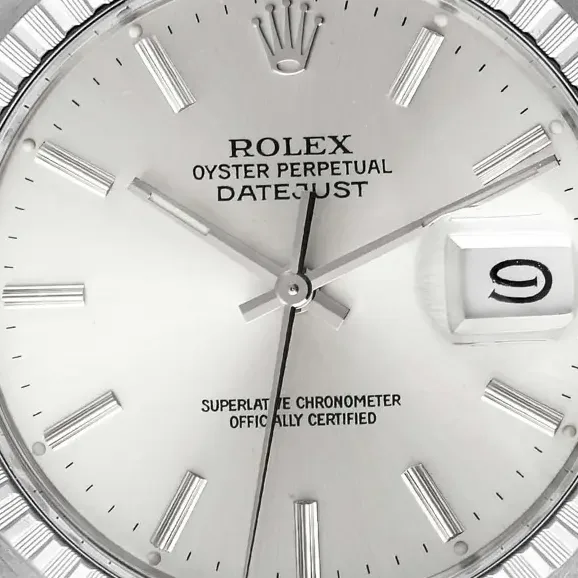
Matte white
A late-1970s watch has a milk-white matte dial with creamy lume plots.
- matte white, cream plots
Metallic black
A black dial with a metallic look and depth, visible in sun or at an angle, said to be hard to find; set against glossy, matte and confetti types.
- metallic black surface
Tapestry
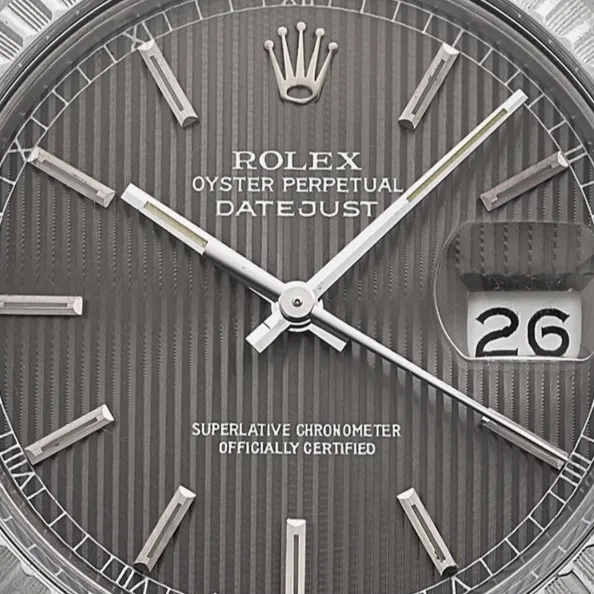
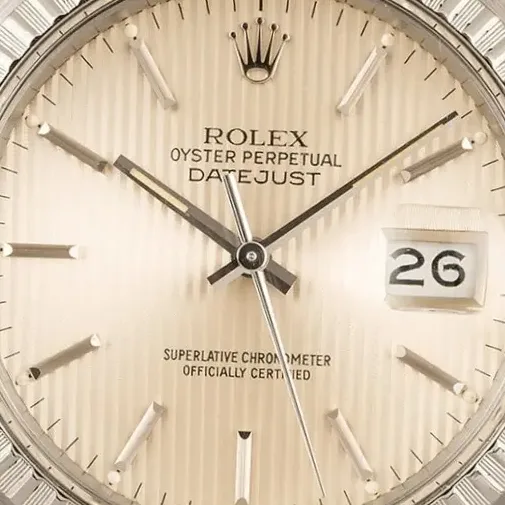
Vertical ridged lines, like a ridged crisp; offered from the late 1970s to about 2000; silver and champagne are common and slate and black less so.
Linen
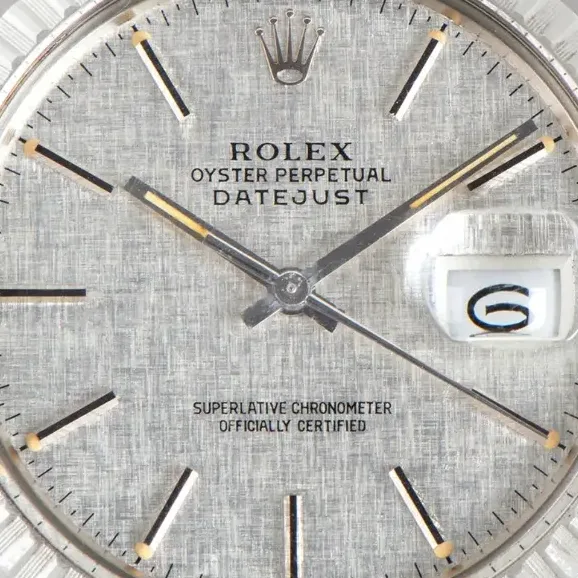
Threads running both ways; offered on Datejust and Day-Date from about 1962 to 1992. A 1981 16030 has a grey flecked linen dial.
- crosshatch weave
Buckley
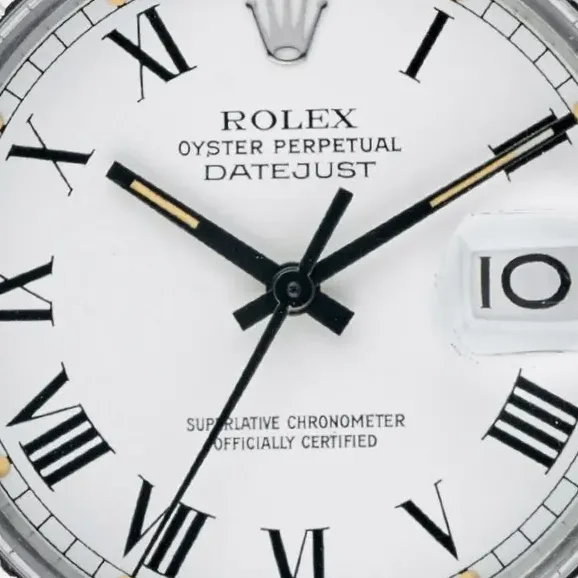
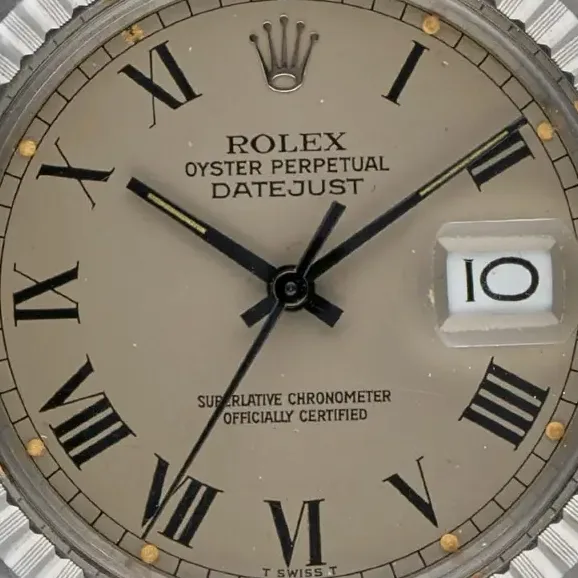
Large painted Roman numerals with upright 4 to 8 numerals, offered on Datejust and Day-Date about 1970 to 1990; five-digit Buckleys are placed in the early 1980s. Colours: white, blue, grey and champagne, blue extremely rare and apt to shift to a marbled look. A genuine one has a copper or steel base, often stamped Singer, and hands painted to match the numerals; mismatched hands mean replacement.
- large painted Roman numerals
- hands matching numerals
- Singer stamp on reverse
Boiler gauge
Applied gold numerals in an unusual typeface; the white and black dials are lacquered and the champagne is not. Dated to the 1980s.
- applied gold numerals in unusual font
IBM Quarter Century Club
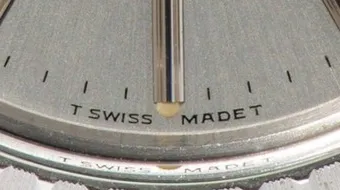
Typically silver with a radial brush finish and baton markers, a T (for tritium) at six o'clock, white gold hands carrying a tritium stripe, and a Quarter Century Club caseback engraving. Some have a pseudo chapter ring or staggered minute track marked T Swiss T; others are stamped T Swiss Made T. IBM papers often carry a serial that does not match the case.
- Quarter Century Club caseback
5 listings on record under the name.
Company and Middle Eastern signed dials
Signed examples include 100 Club of Houston (back engraved with an Officer of the Year), Dallah Avco, Ducks Unlimited, United Guaranty, Samarec (enamel, name in English or Arabic), a UAE eagle and Khanjar of Oman; some were special-ordered with crests for Middle East military bodies.
- company logo or crest on dial
Roman numerals
Seen on sellers' titles beside Buckley.
Luminous material 1 described
Tritium plots set outside the applied indexes, ageing to a warm tone.
Tritium plots
Sellers state tritium on most watches whose lume they describe; a few are described as Luminova.
Hands 1 described
On Buckley dials the hands should match the numeral colour, as black hands with black numerals; IBM watches have white gold hands with a tritium stripe.
Matching hands
Hands the colour of the numerals.
- hands same colour as numerals
Bezel 1 described
Steel with a machine-etched pattern giving a crenelated look like a fluted bezel at first glance; the 16014 has a white gold fluted bezel by contrast. Fewer were made because it sold less well than fluted or smooth, so it is relatively scarce second-hand. The 16030 pairs with the 16220 as the engine-turned model, compared with the 16000 smooth and 16014 white gold fluted.
Engine-turned steel
The steel engine-turned bezel throughout. Sellers quite often call it fluted, loosely.
- fine guilloche grooves in steel
Case 1 described
A 36 mm case with 20 mm lugs and drilled lug holes, retained at least to 1984.
Drilled lugs
Holes still present on Datejusts of 1984.
- holes through lugs
Crown 1 described
A 6 mm steel Twinlock crown with a bar beneath the coronet.
Twinlock 6 mm
Time is set counterclockwise on the 3035.
- bar below coronet
Crystal 1 described
The last Datejust generation with an acrylic crystal. Around 1988 to 1989 Rolex moved to sapphire, the 16030 to 16220 changeover.
Tall acrylic
Standard; a few listings state sapphire.
Date 2 described
Quickset date: the crown is drawn to its second position and turned counterclockwise, roughly 1.5 turns for each day.
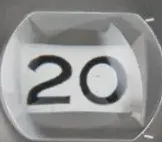
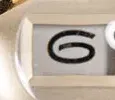
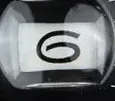
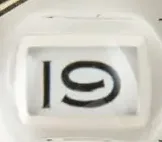
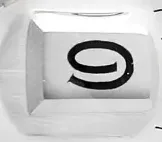
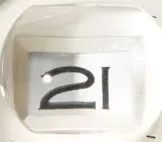
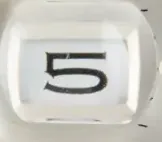
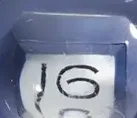
Closed 6 and 9 date wheel
This family is where Rolex dropped the open 6 and 9 numerals, though sellers describe a number of 16030s, of dates across the run, with original date wheels that have them.
- closed 6 and 9 on date disc
Quickset
Introduced with the 3035.
Movement 1 described
Calibre 3035, the first high-beat men's Datejust movement, with quickset. Against the 1575 it gained a fast-rotating barrel, a longer reserve and one more jewel (27). The 1603 before it ran the 1565 and then the 1575, without quickset; their bridges are often engraved 1560 or 1570, the numbers of the no-date versions. The 3135 followed in the 162xx series.
Calibre 3035
28,800 vph, 27 jewels. Power reserve is 42 hours in most accounts, 48 or 50 in others; the 3035 is still serviced by Rolex.
- 28,800 vph
- counterclockwise time setting
Bracelet 2 described
Oyster (three-link) or Jubilee (five-link), hollow in the centre links and end pieces alike, closed by flip clasps; the Jubilee is the D-link type.
Jubilee
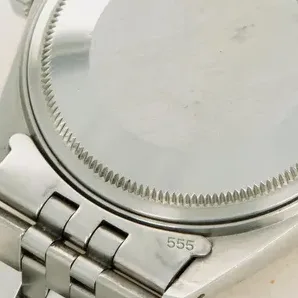
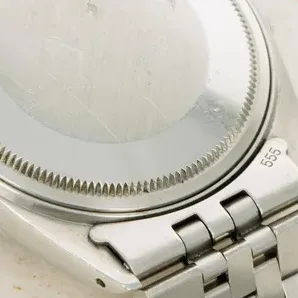
Bracelet 6251H or 62510H, end links 555; the B version (555B) has cutouts for cases without holes. Sellers also record 62510. The Jubilee is the usual bracelet.
- 62510H
- 555
Oyster
Bracelet 78360 with end links 558 or 558B.
- 78360
- 558
Originality
- Fallen lume plots, a dial from the wrong era, stretched bracelets, incorrect clasps and over-polishing are all found; there is no way to prove a Datejust dial is original to its watch.
- On a Buckley, hands that do not match the numeral colour mark a replacement.
- IBM watch papers often carry a serial that does not match the case.
- Correct end links are 558 for the Oyster and 555 for the Jubilee.
Names
- Purple Rain. Sellers apply the name to a 16030 with a purple-toned dial.
- IBM. Watches given for IBM Quarter Century Club service.
Where accounts differ
Points on which the published literature and the library's own records do not agree, or on which the literature contradicts itself.
- Power reserve. One account says the 3035 gained a 50-hour reserve, up from 42 on the 1575, but elsewhere gives 42 hours for the 3035 against 48 for the 3135; another gives 42 for the 3035 against 50 for the 3135. Accounts of other references with the movement also give about 48 hours for the 3035.
- Date wheel. One account says Rolex gave up the open 6 and 9 date wheel with the 16XXX family. Sellers in the library's records describe a number of 16030s dated from 1978 to 1988 with original wheels showing open 6 and 9.
Back and movement
From listings of this reference, each confirmed by eye to show what it is filed under. A picture on which a person's name or a personal engraving can be read is not shown. From most holders a detail from the middle of the photograph is shown; the mark in its corner gives its holder and a link to the listing.
Caseback
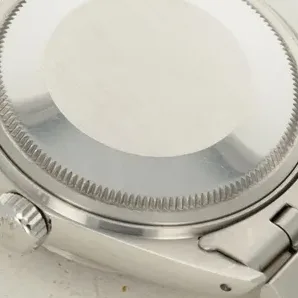
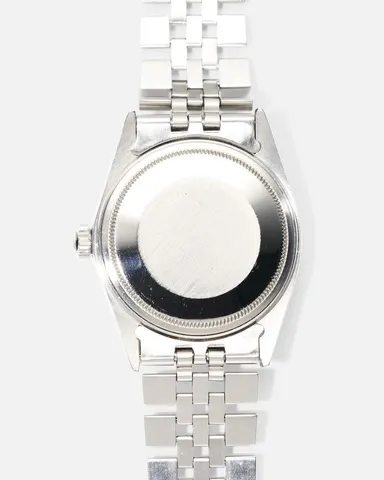
Movement
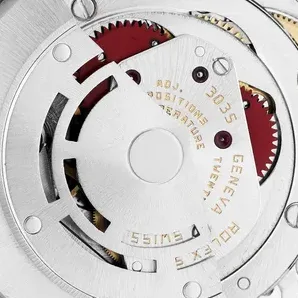


In the records
Counted from 787 listings at 57 holders between 14 September 2010 and 14 November 2026. These are what sellers and auction houses state, not measurements.
Fainter bars are the 19 outside the main run of 1978–1987 (the middle nine-tenths): the earliest is 1975 and the latest 1991. They are early and late examples, and now and then a number misread. The head of the page gives 1976–1988: the years that listings from two holders bear out.
At the holders that record papers on every watch, 19% of their 116 listings of this reference come with papers; at those that record the box on every watch, 56% of 180 come with a box. "Papers" is whatever the holder counts as papers, and can include service papers.
2 listings dated long after the reference ended are set aside and not counted here: a year that late belongs to a later watch sold under the old number, or to a listing filed under the wrong one.
Case metal
| Steel | 388 | |
| Steel and gold | 3 | |
| Gold, colour not stated | 1 |
A listing that says "gold" or "18K gold" names no colour: it is counted under "colour not stated", not as yellow gold.
Dial colour
| Silver | 206 | |
| Grey | 41 | |
| Black | 35 | |
| White | 31 | |
| Blue | 27 | |
| Cream | 8 | |
| Champagne | 7 | |
| Brown | 2 |
Case size
| 36 mm | 356 | |
| 35 mm | 30 | |
| 34 mm | 1 |
Calibre named
| 3035 | 199 | |
| 1570 | 3 |
Bracelet or strap
| Jubilee bracelet | 205 | |
| Oyster bracelet | 34 | |
| Metal bracelet, kind not stated | 19 | |
| Leather strap | 6 |
Each table counts the listings that state the thing, in the seller's own terms. A size, metal, colour or calibre that cannot belong to this reference is a seller's slip or a listing filed under the wrong number.