Datejust 36, steel with engine-turned bezel
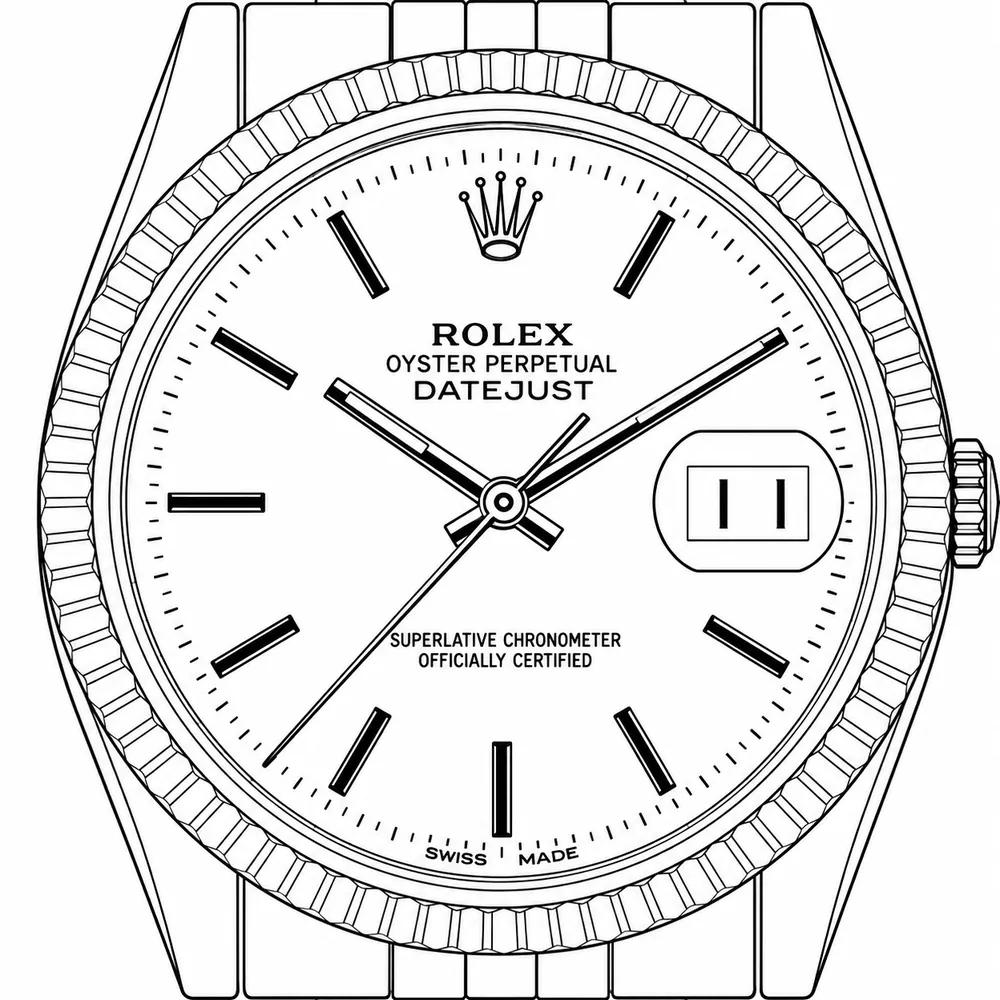
The steel Datejust of the four-digit generation, in a 36 mm Oyster case with an engine-turned steel bezel in place of the gold fluted bezel of the 1601. It was made from 1959 to the late 1970s, mostly between the mid-1960s and 1978, and was followed by the 16030. Its movement passed from the 1565 to the 1575, neither with quickset date. Dials run from pie-pan silver to sigma-marked and textured types, and collectors look first at the dial family, the sigma marks, the bracelet and how far the case has been polished.
- Made
- 1959–1978dates approximate
- Seen in the library
- 1960–1978nine in ten in 1964–1977 · by case numbers
- Case
- 36 mm · steel (98%)as sellers state
- Movement
- Calibre 1575automatic
- On record
- 974 listings2,400 photographs · 59 holders
Components
45 watches, oldest first, each straightened and cut the same way so that one row shows one component across them all. Chosen from 2,400 photographs on file for sharpness and for a face typical of the reference. A year marked c. is one its holder gives only roughly. Each picture is a detail cut from a listing photograph. Select the small mark in its corner for its year, its holder, a link to the listing it came from, and a way to report it.
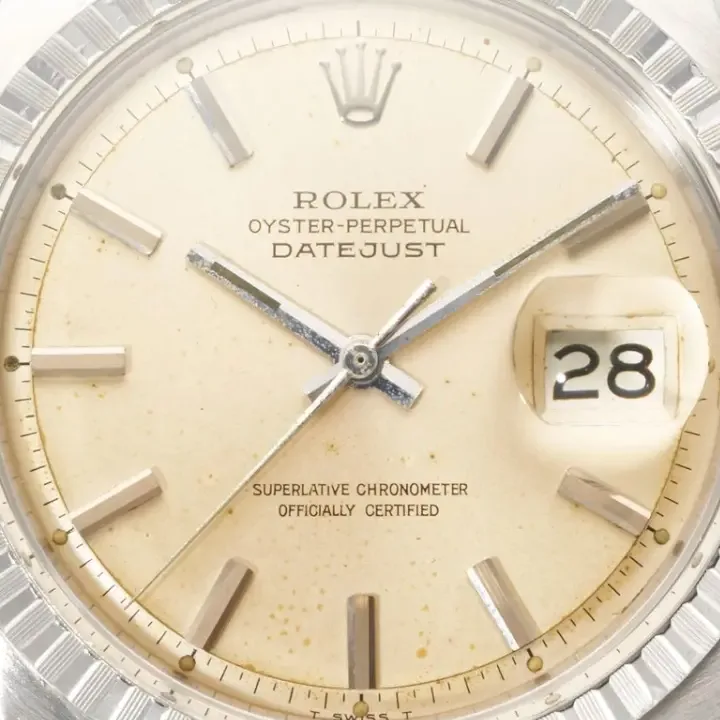
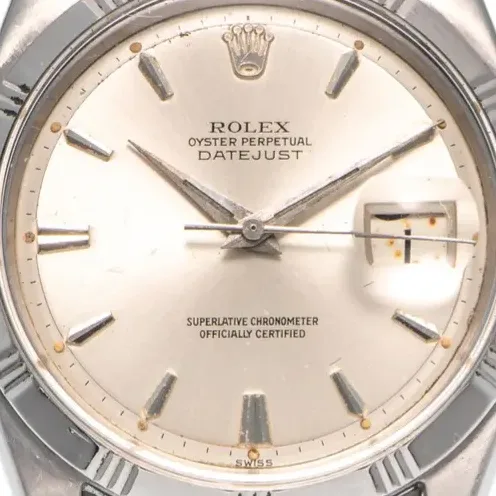
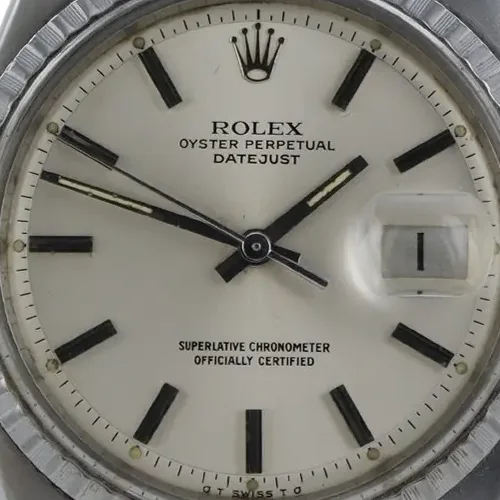
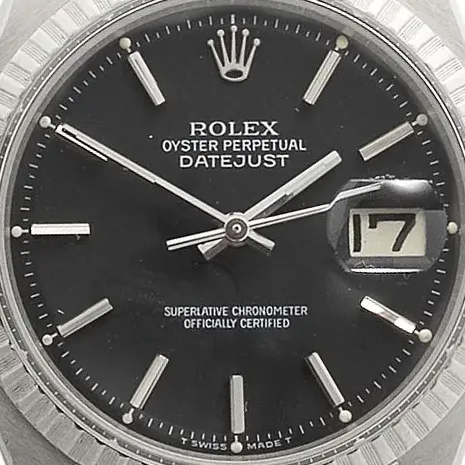
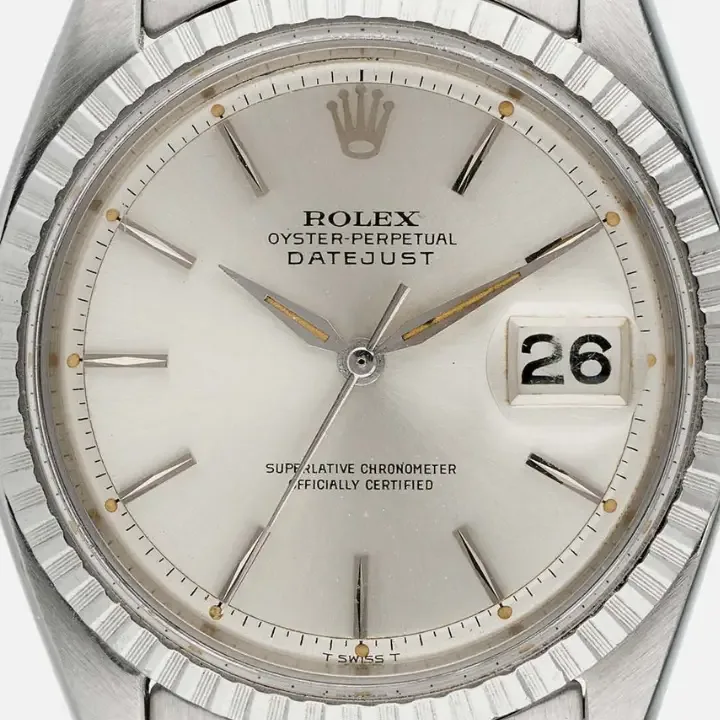
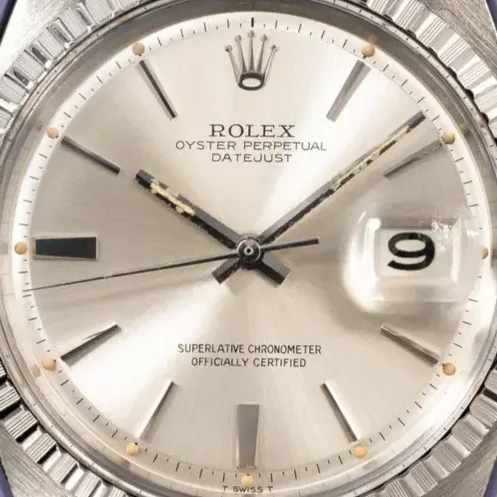
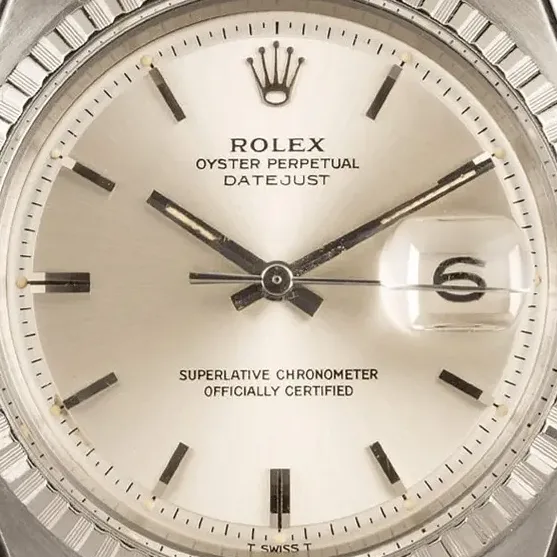
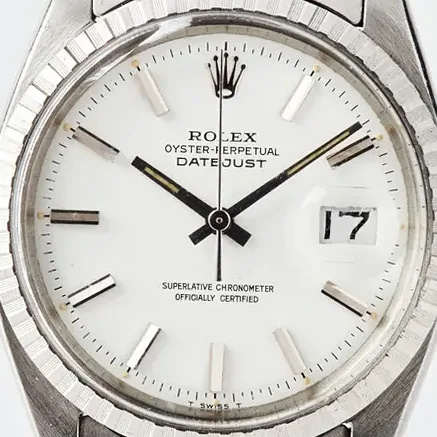
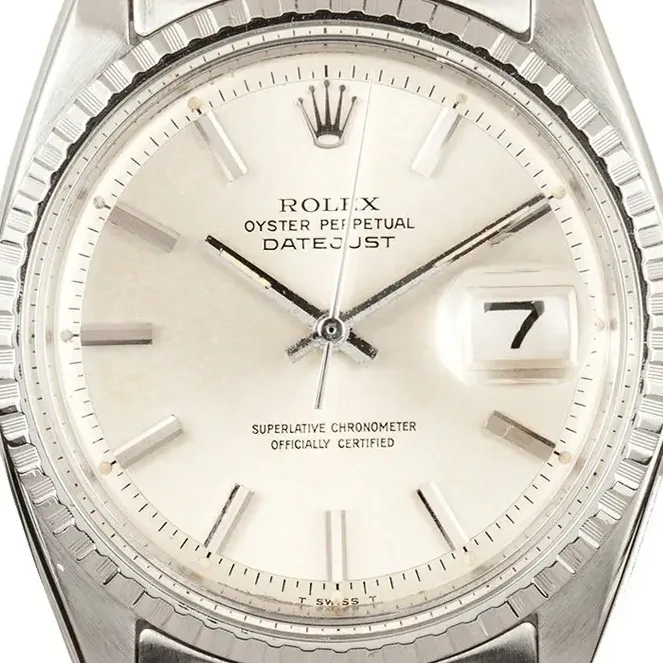
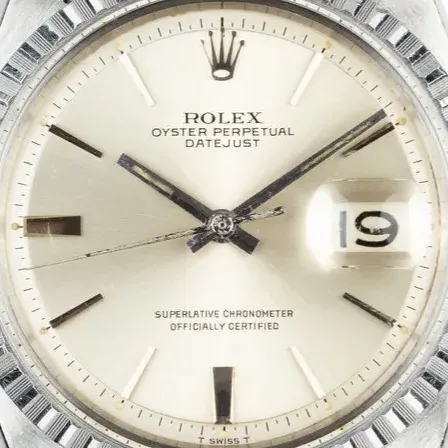
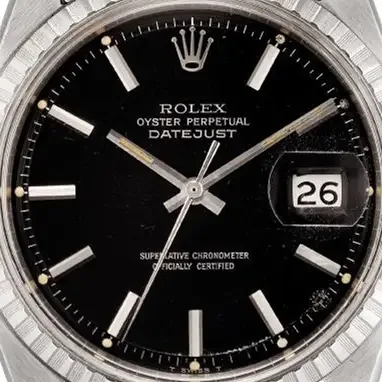
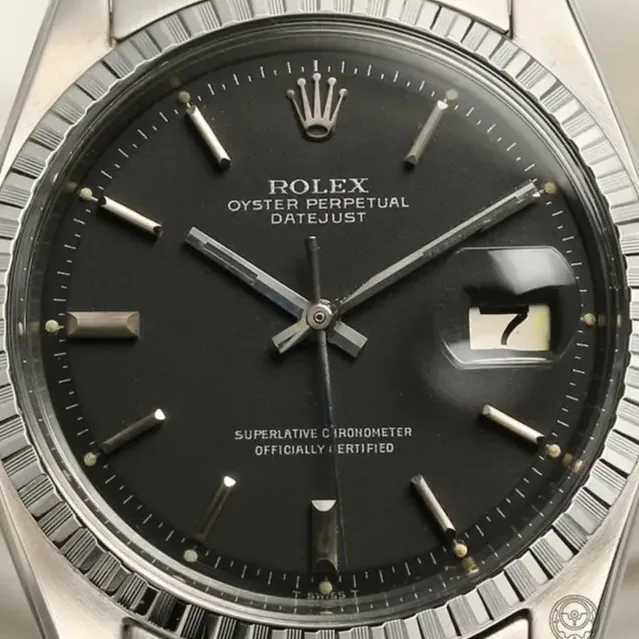
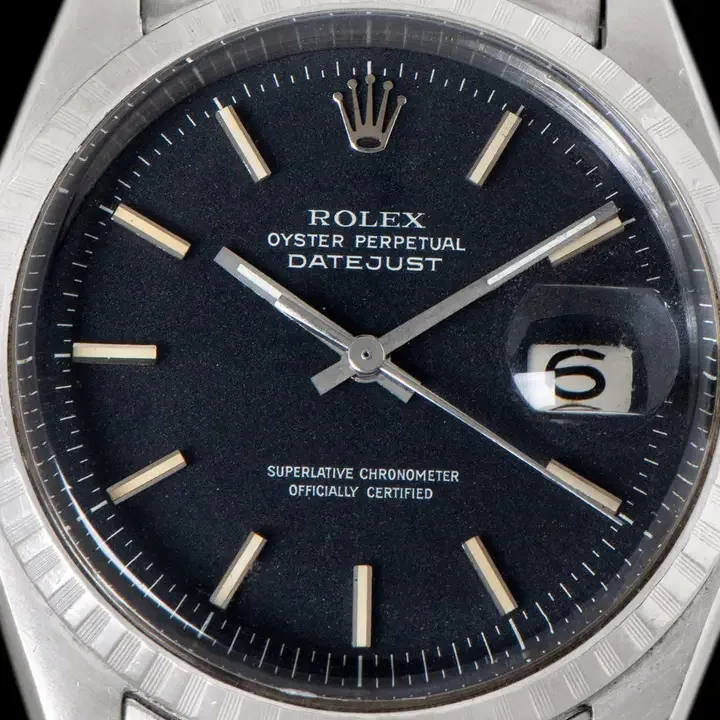
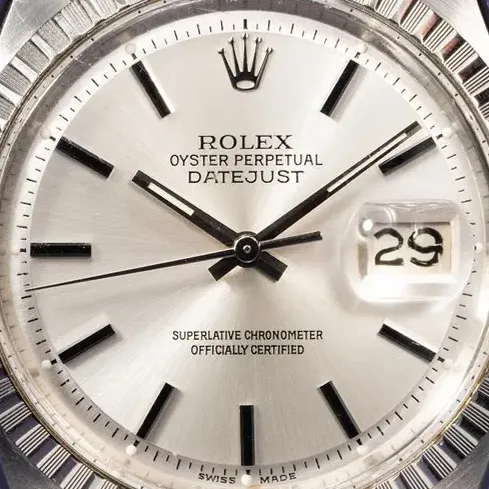
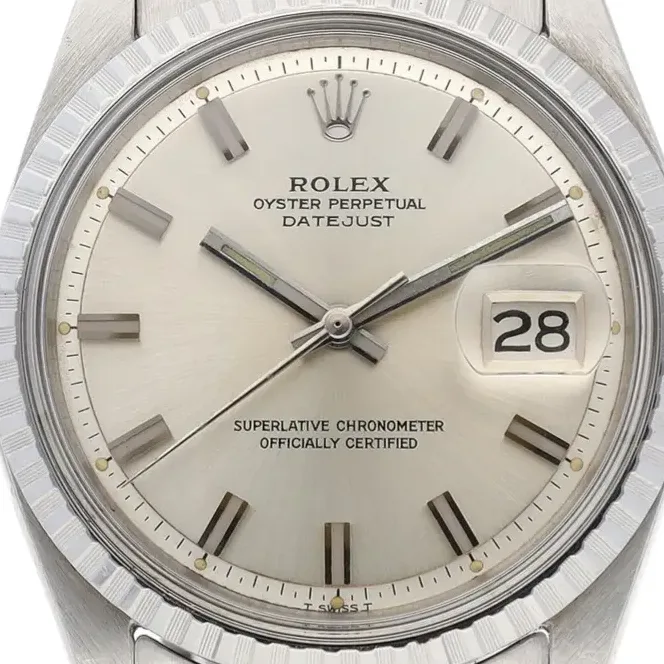
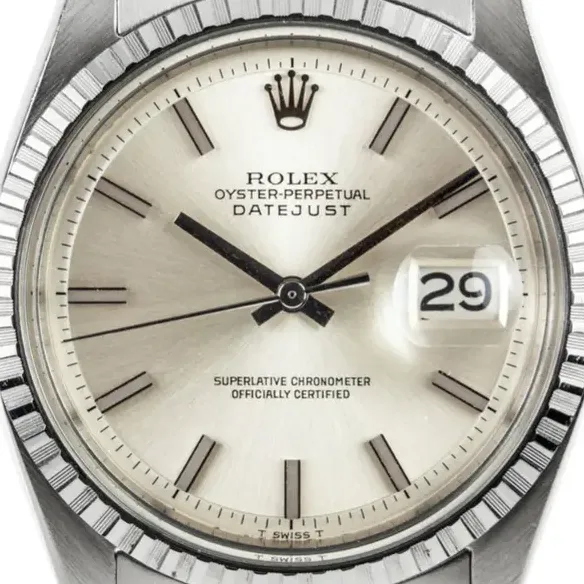
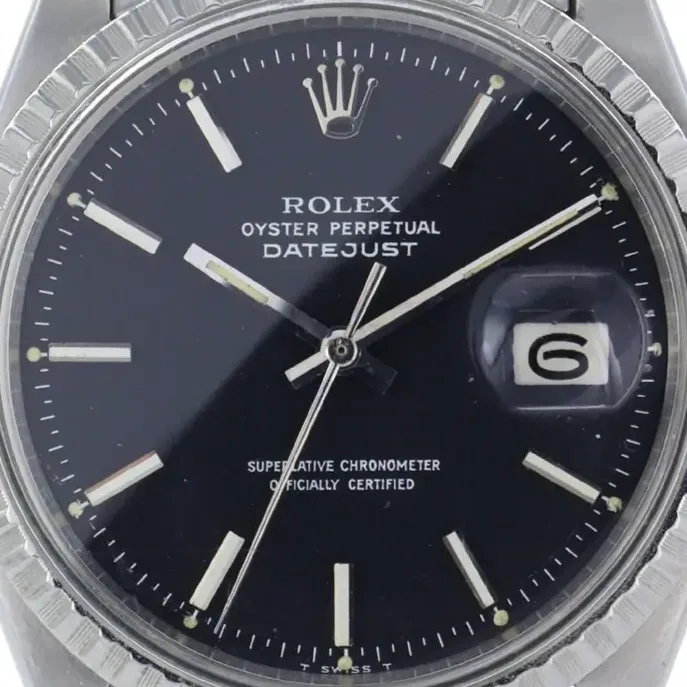
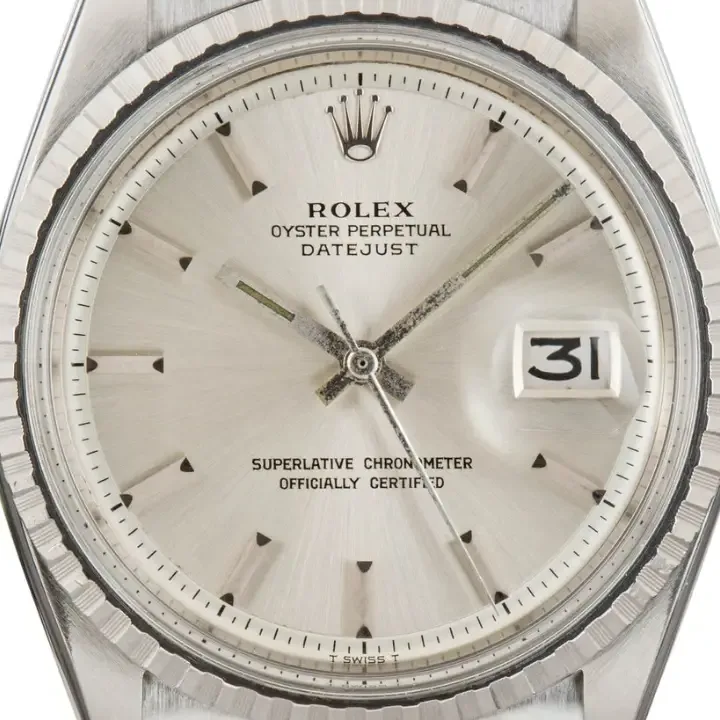
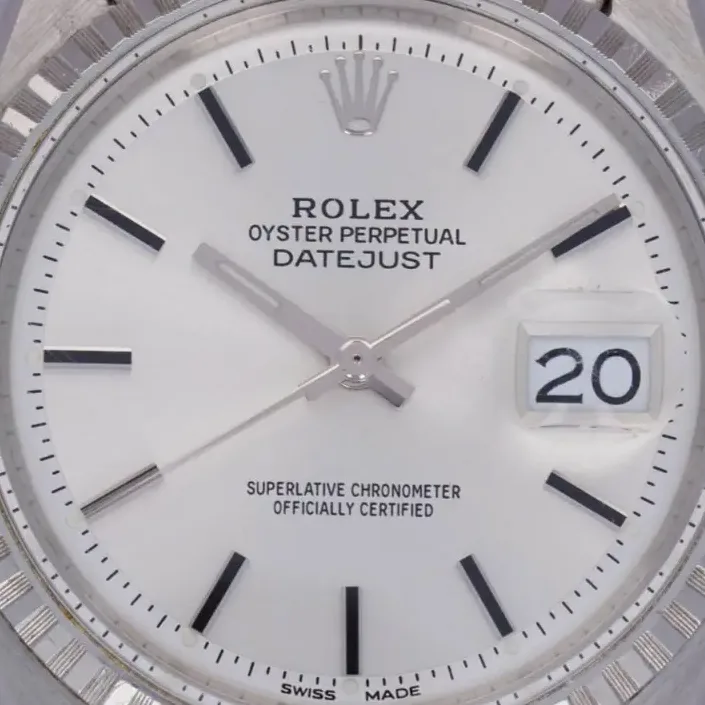
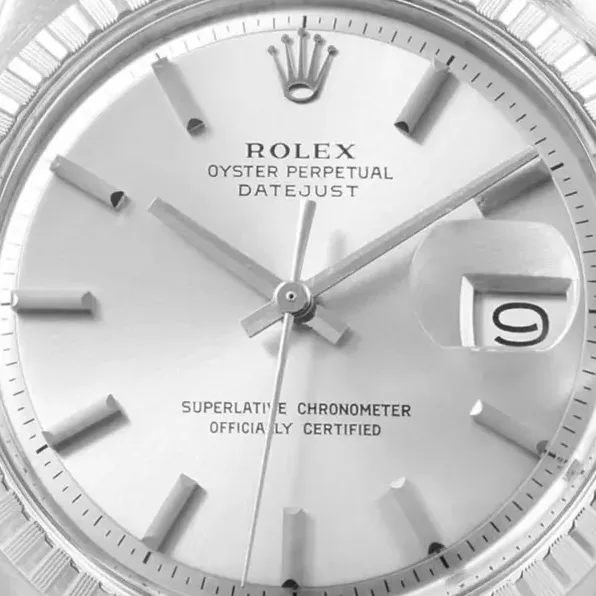
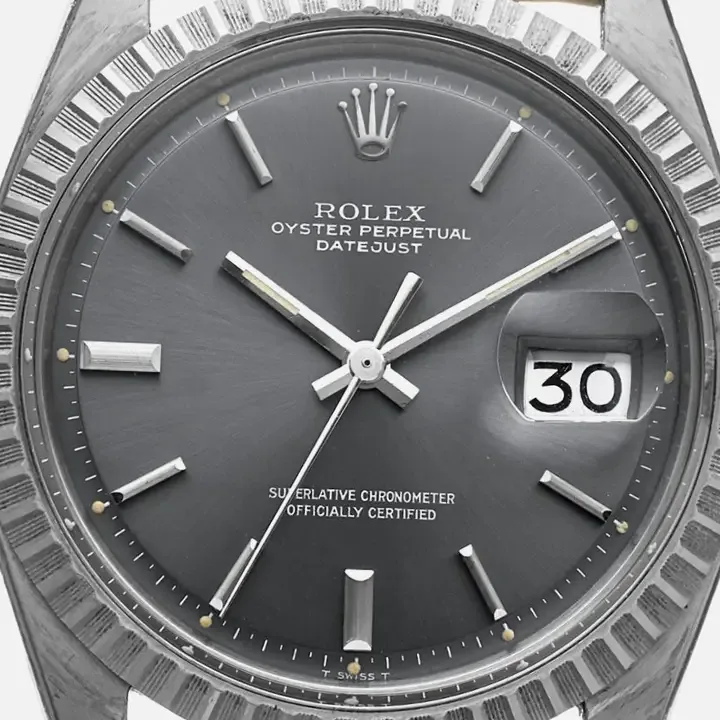
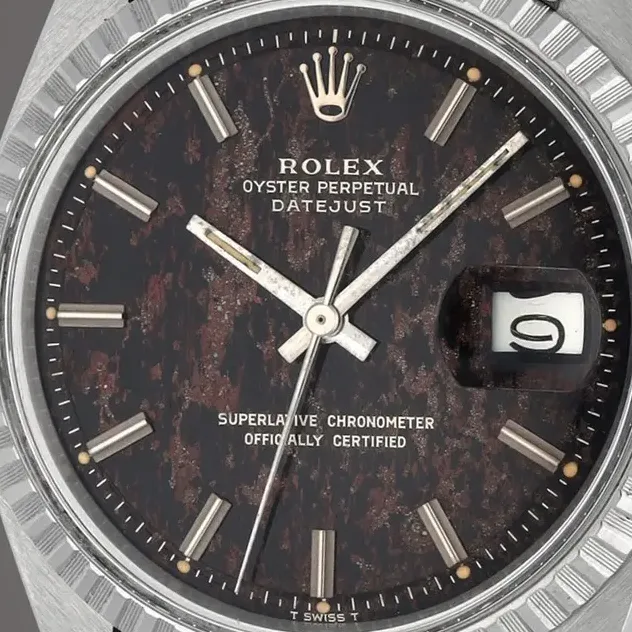
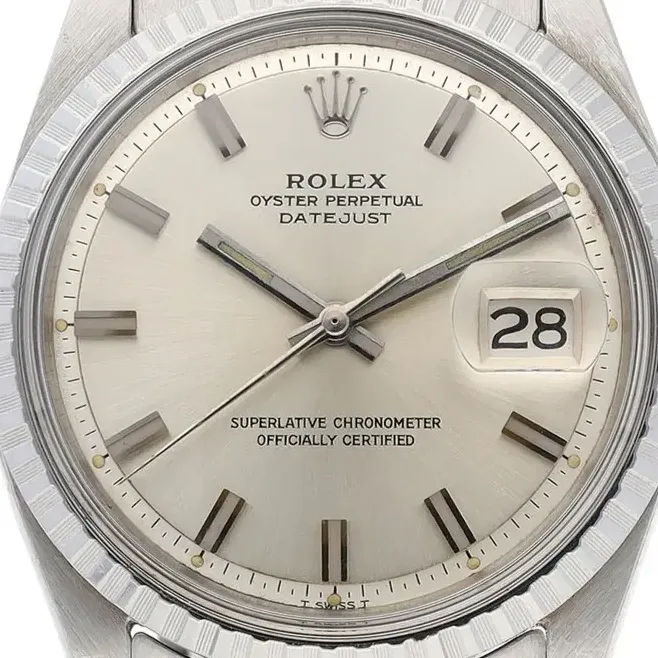
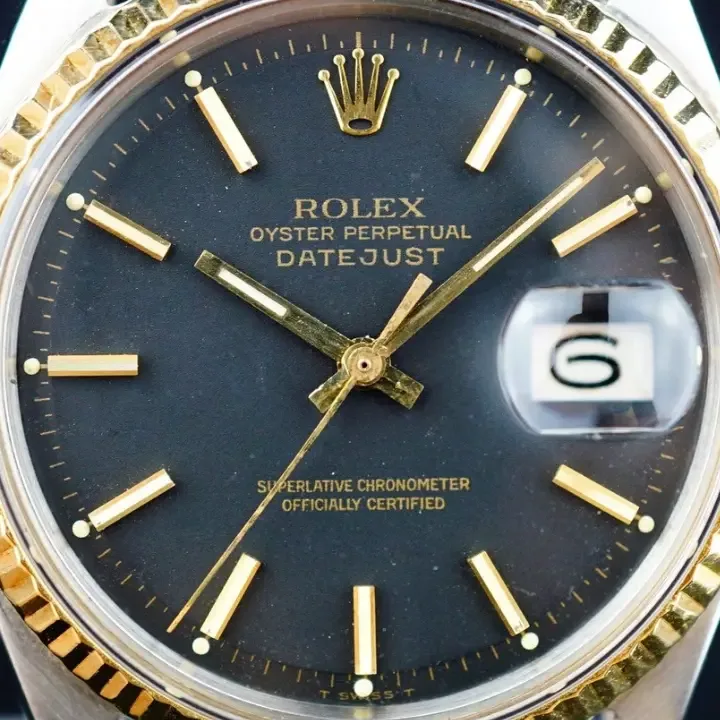
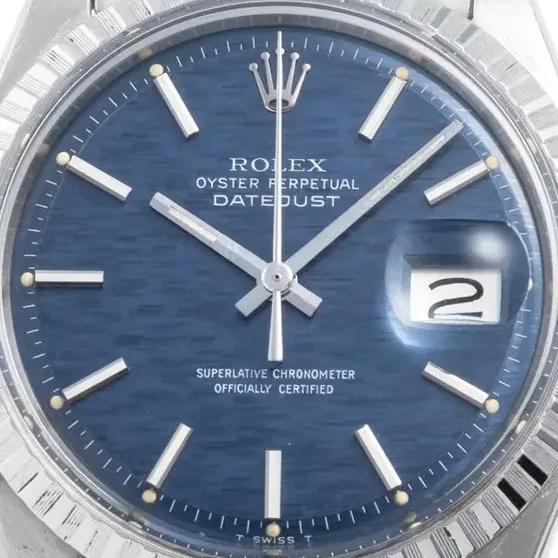
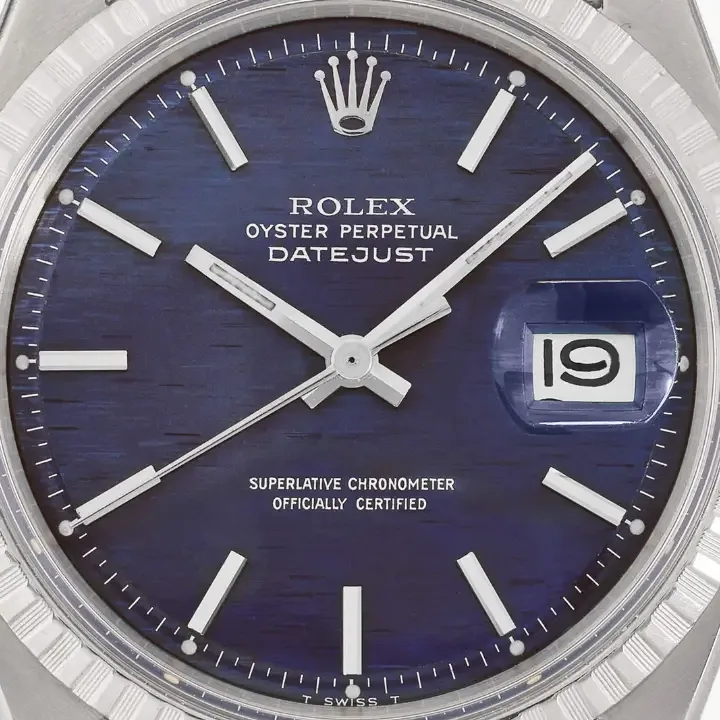
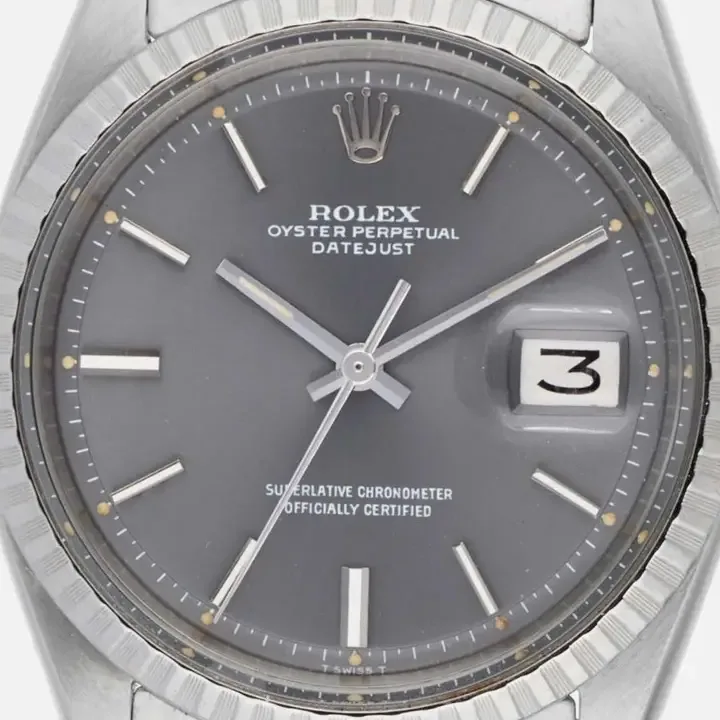
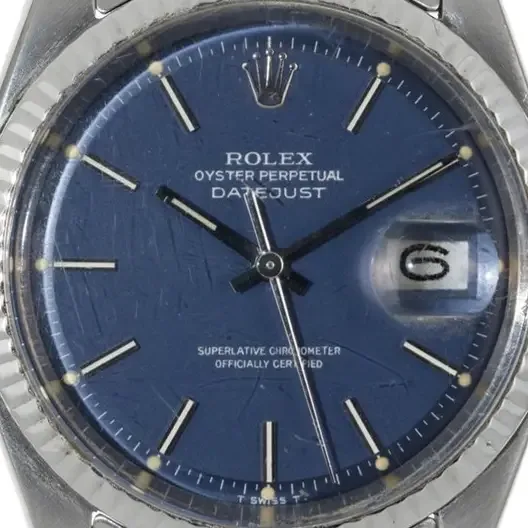
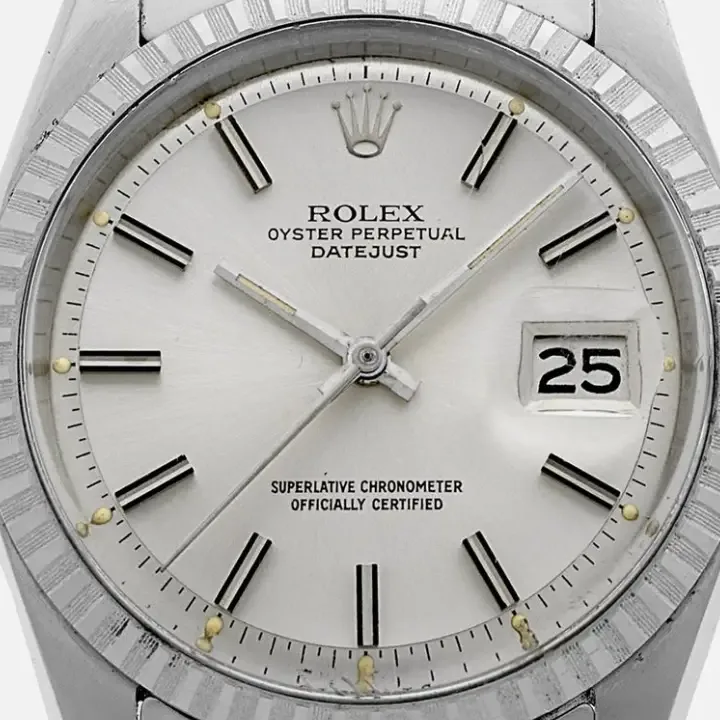
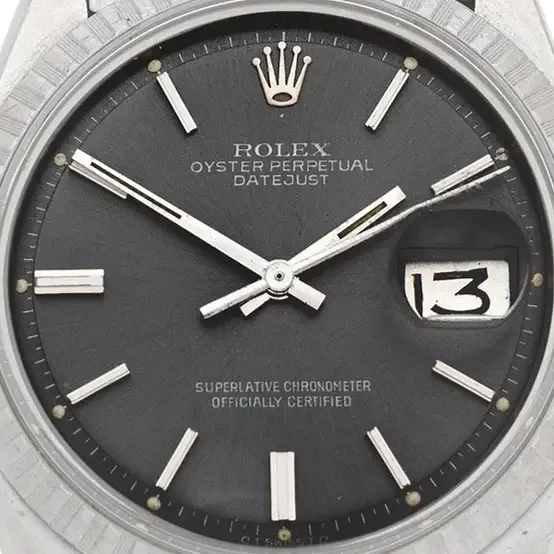
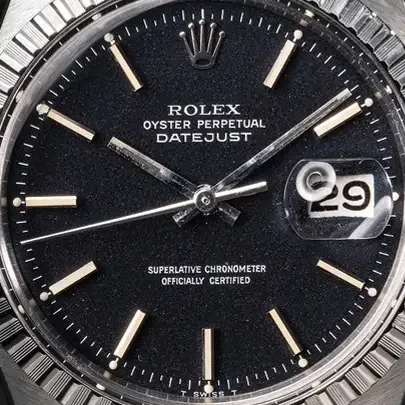
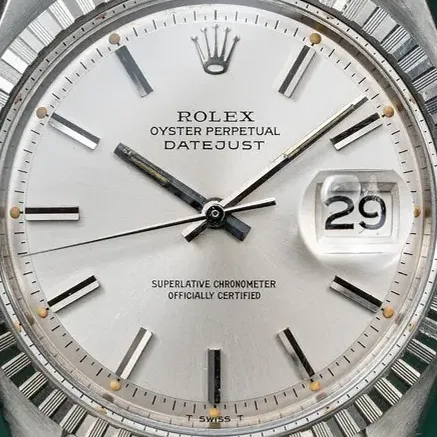
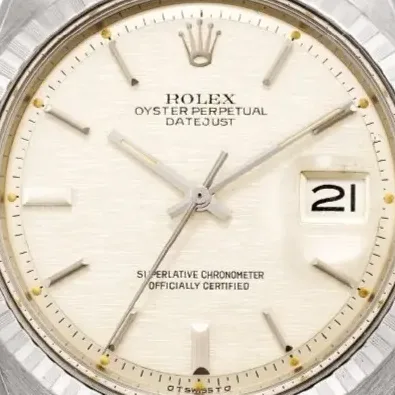
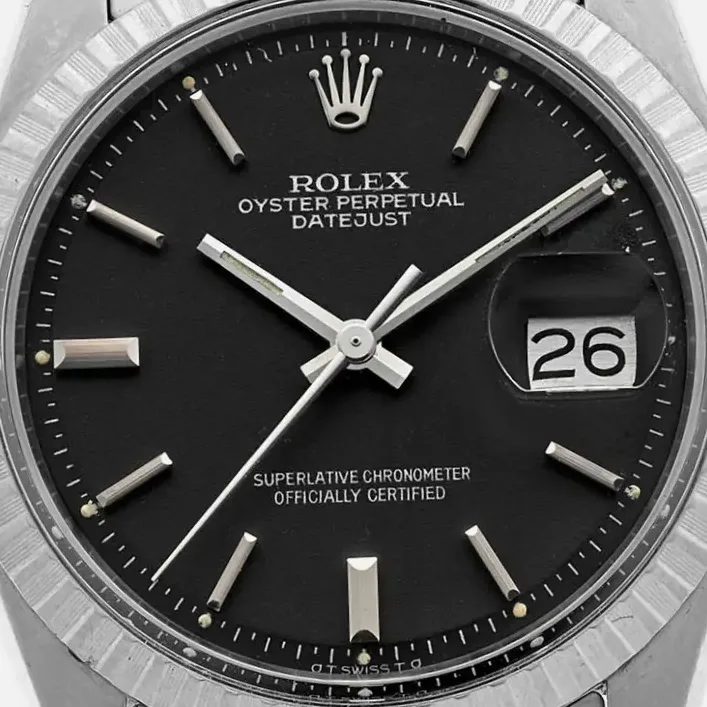
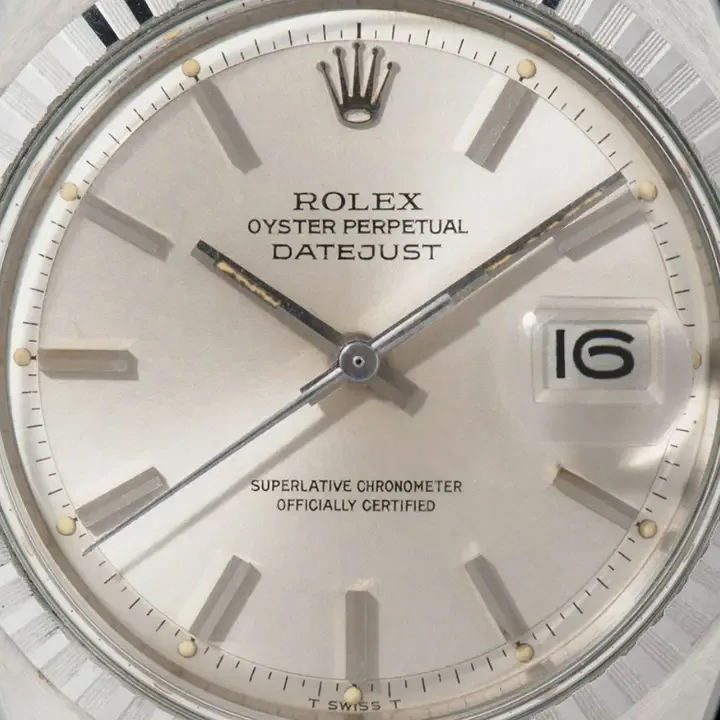
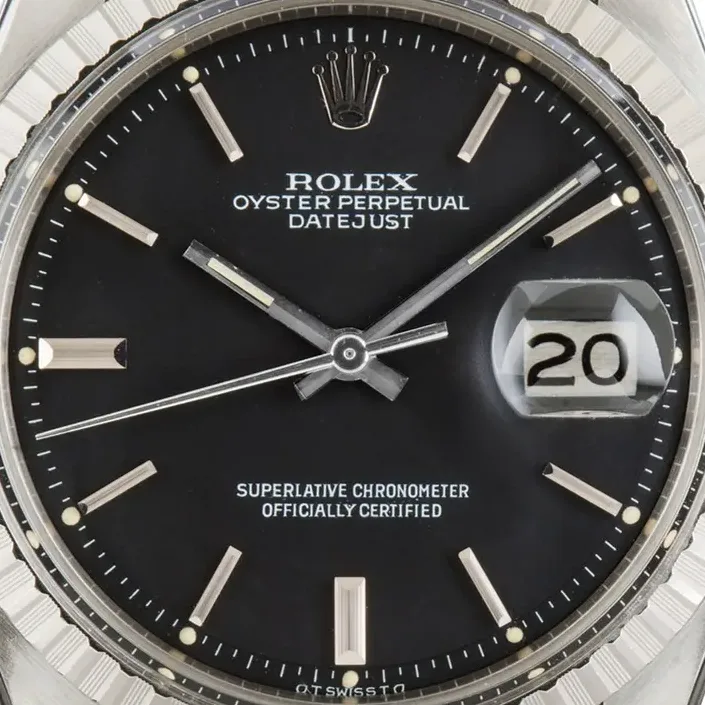
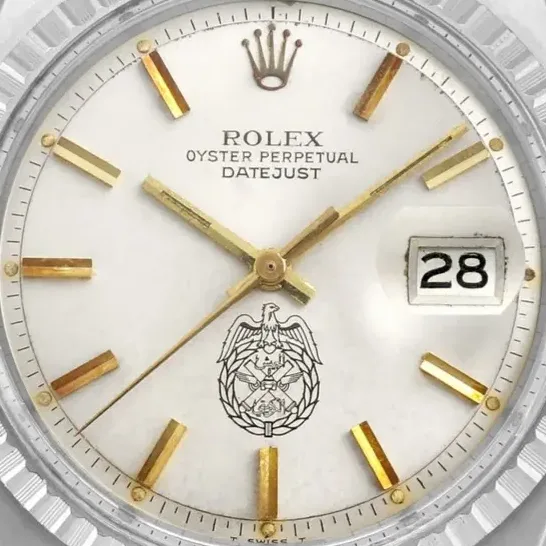
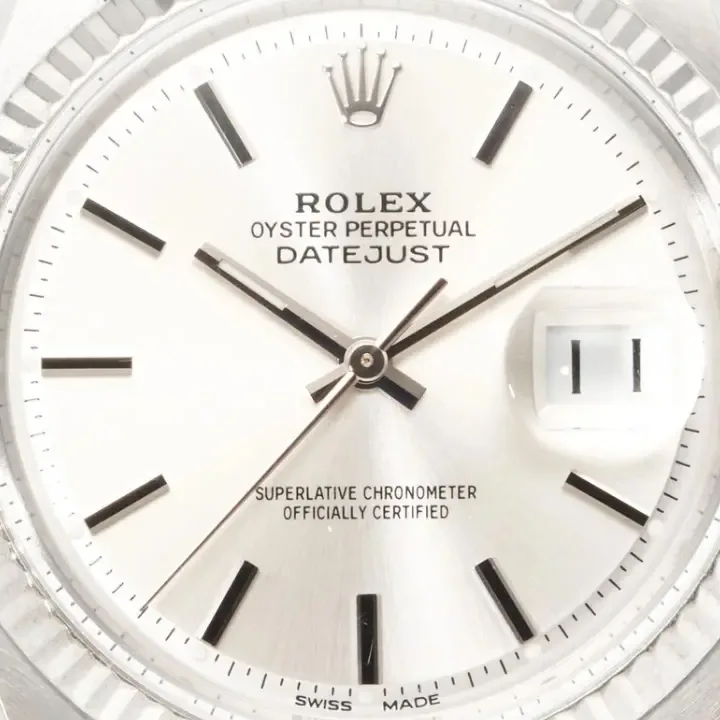
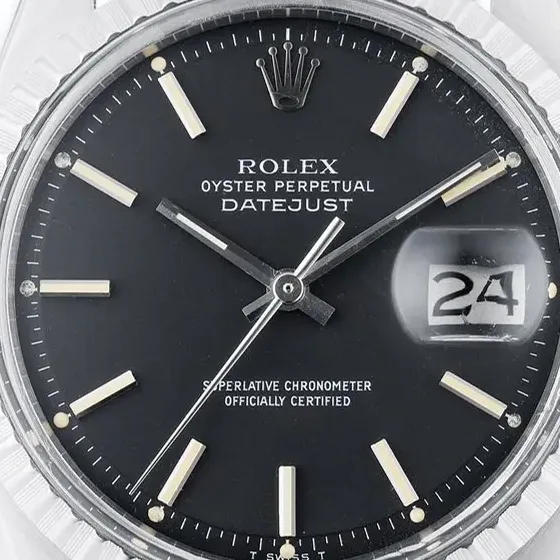
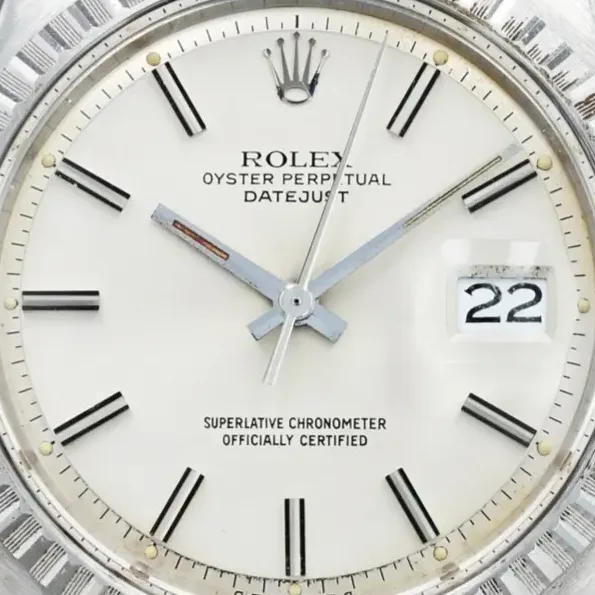
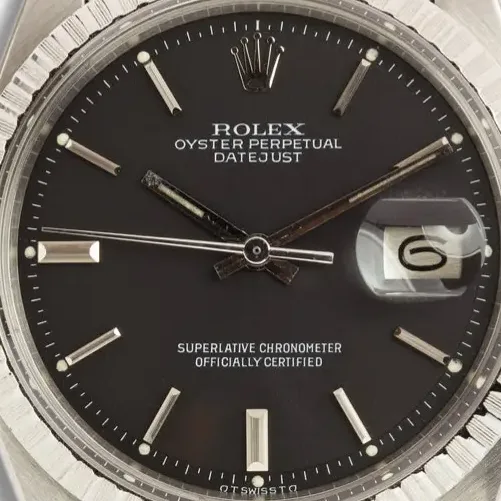
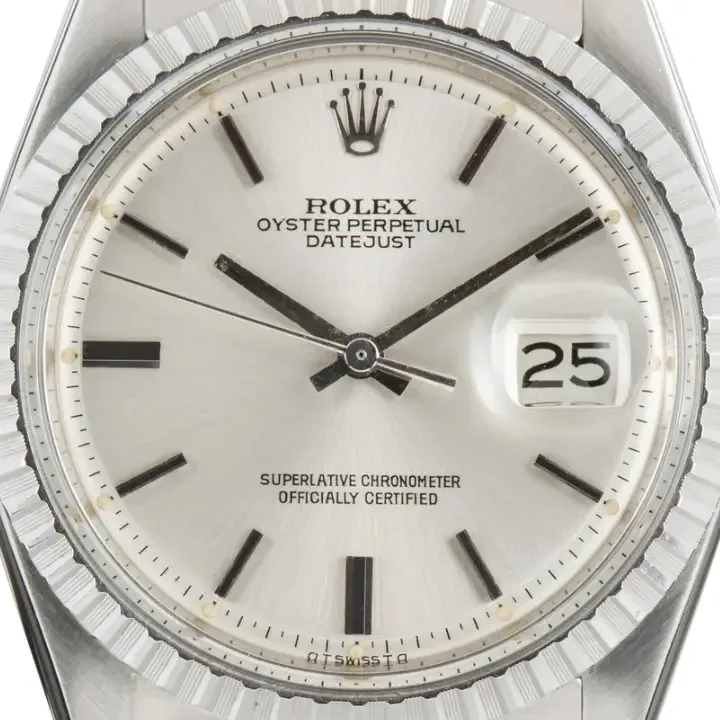
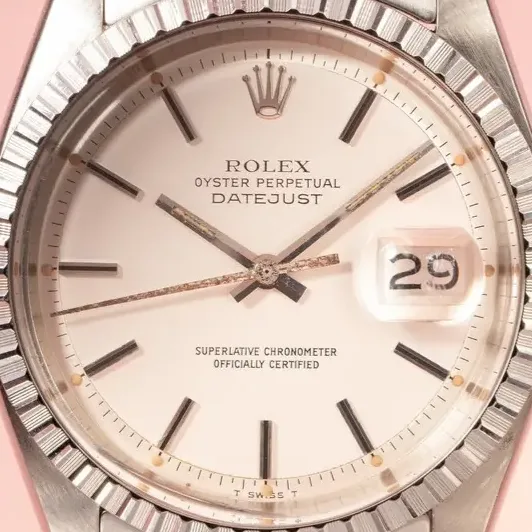
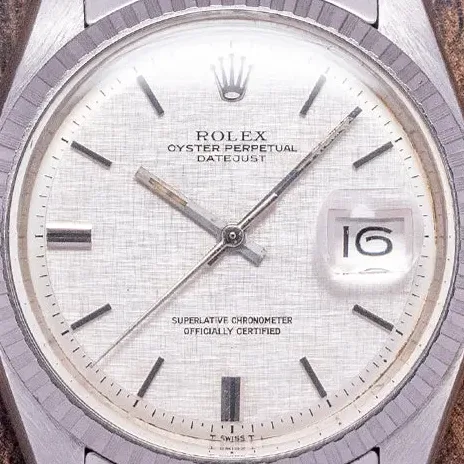
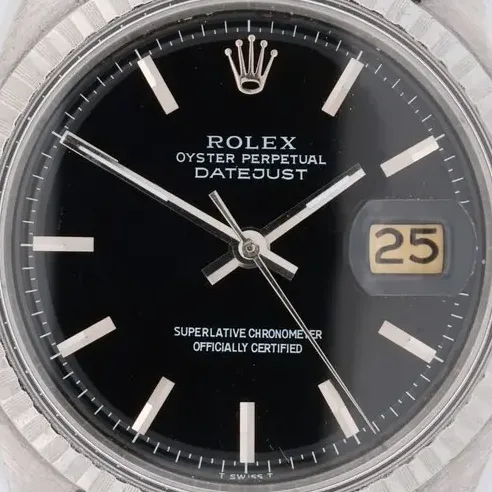











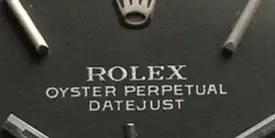
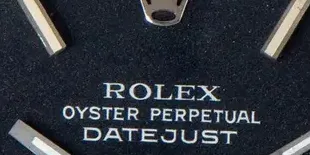
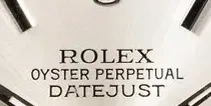






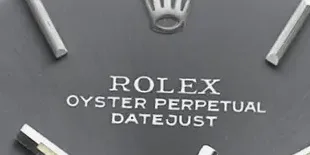


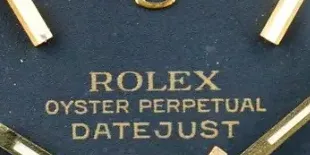


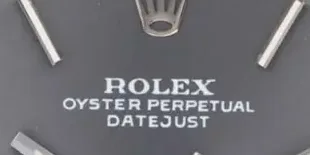
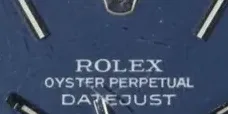

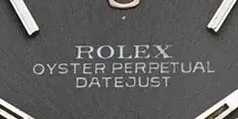







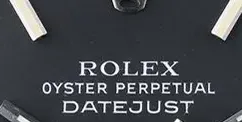


















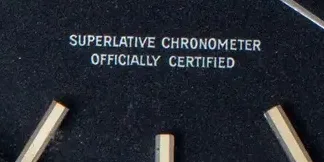










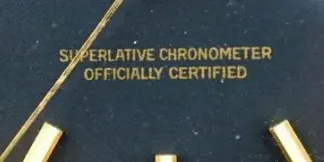




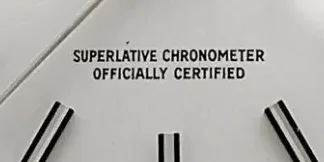


















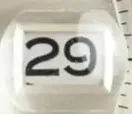
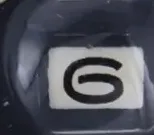
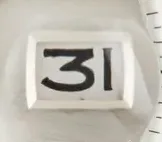
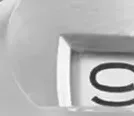
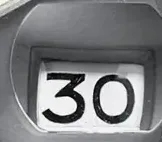
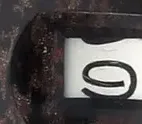
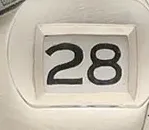



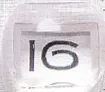
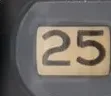
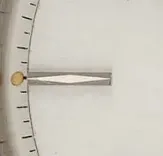


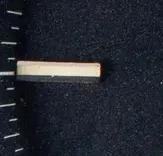
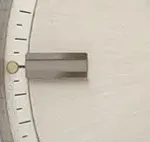
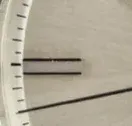
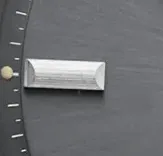
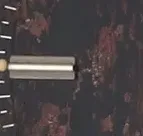
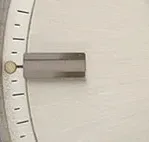
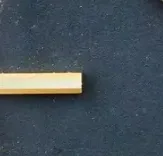


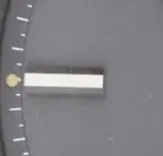

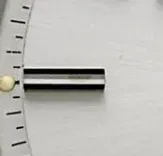
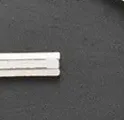


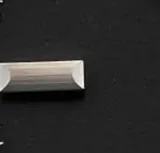
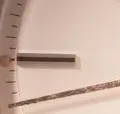
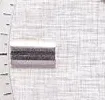

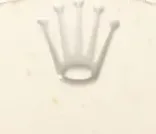

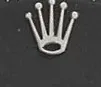
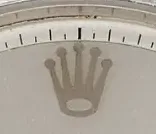
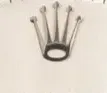
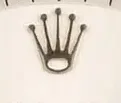

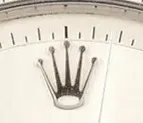


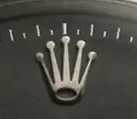
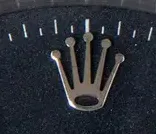
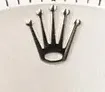
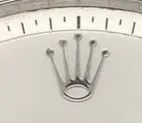
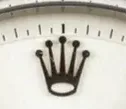

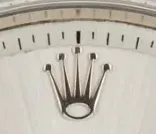

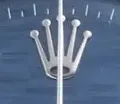





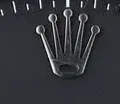

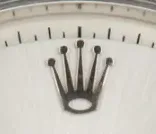
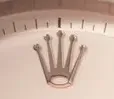
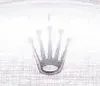
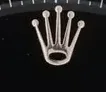
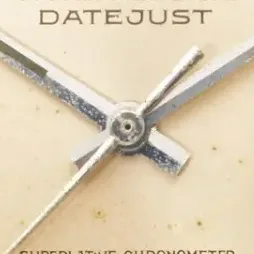


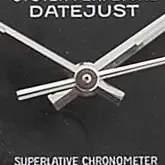


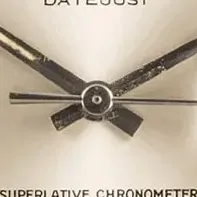
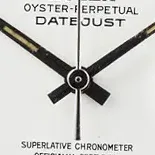



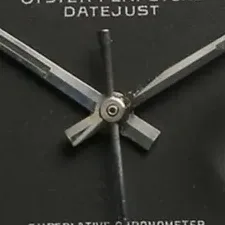
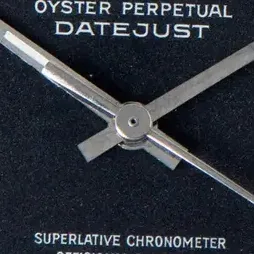

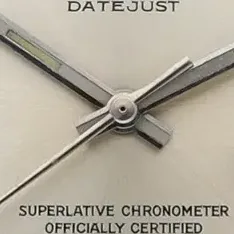


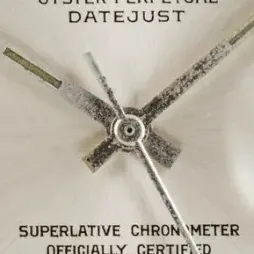

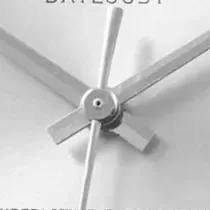
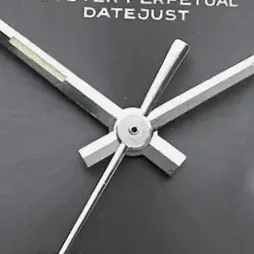

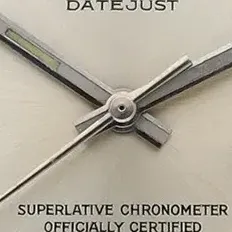
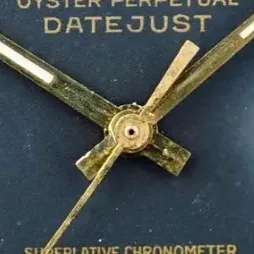





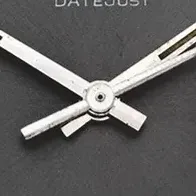

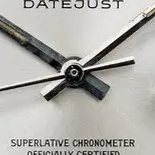



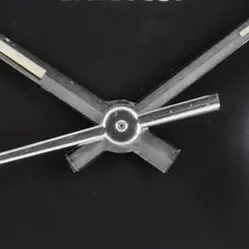
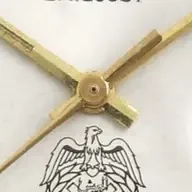

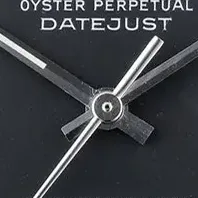

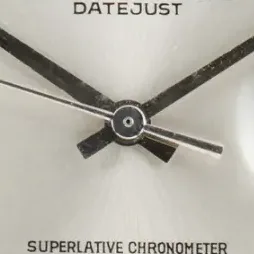

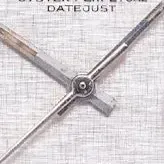




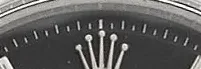



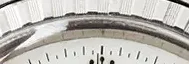

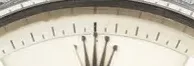
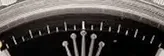



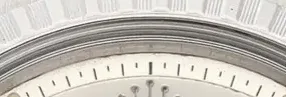
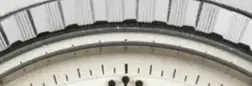



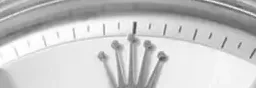


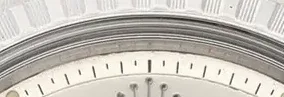
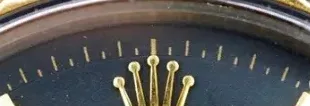




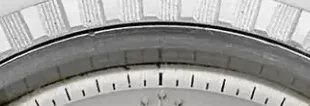

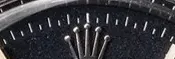
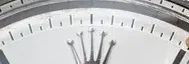
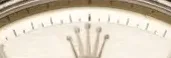
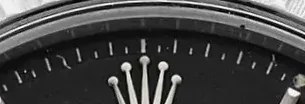


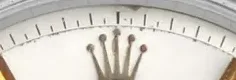

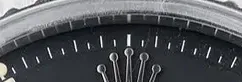




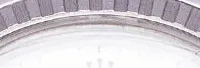




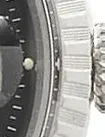
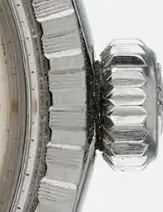


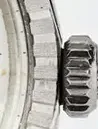
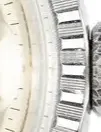
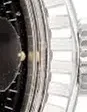
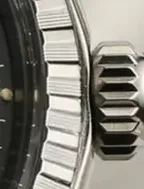


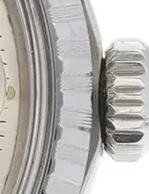
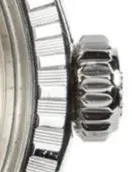


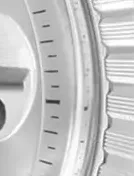
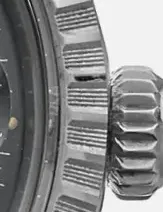
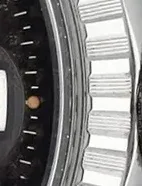
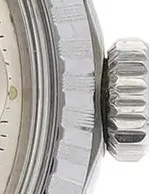
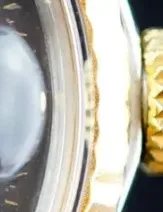
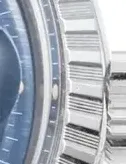
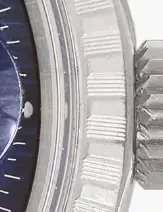
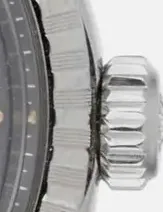
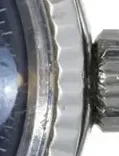
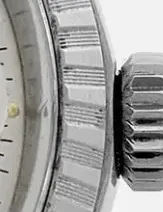
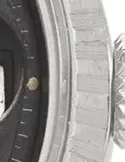
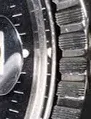
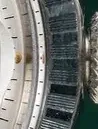
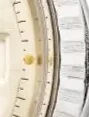
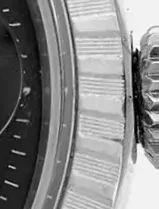

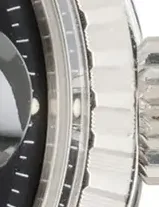
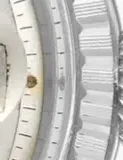

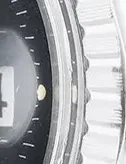

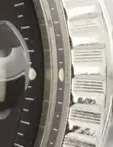
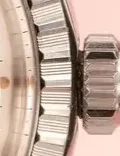
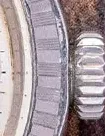



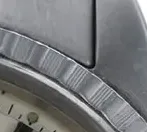
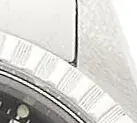
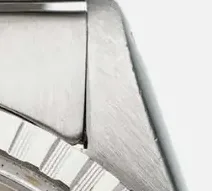

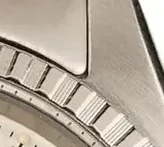
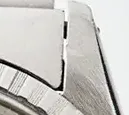
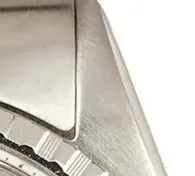
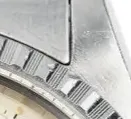
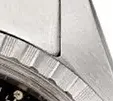
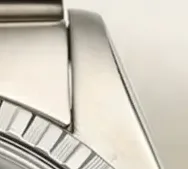
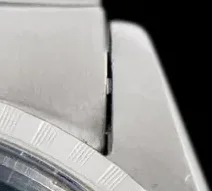
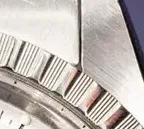
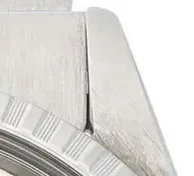
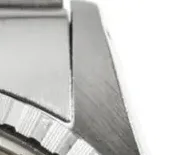
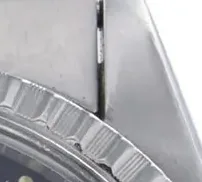
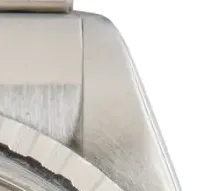

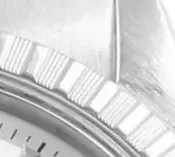
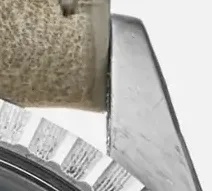
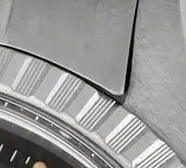
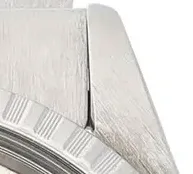
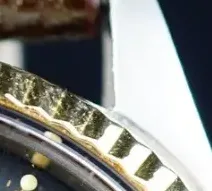

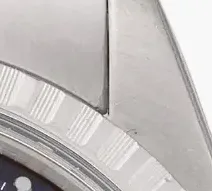
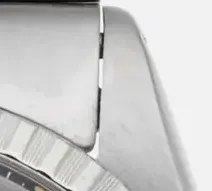

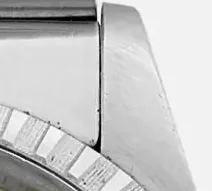

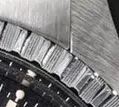
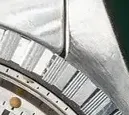

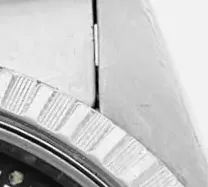
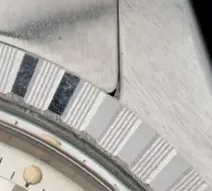



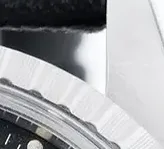
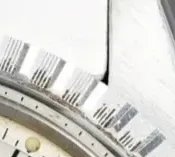

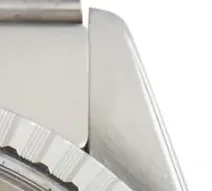
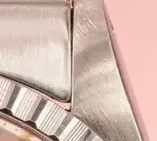

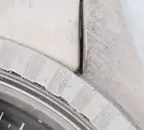


Illustrated history of the 1603: every change set out with close-up photographs of dated watches.
Chronology
Case numbers give one watch in 1958, a main run from 1965 to 1978 and a single watch in 1980; published accounts give the 1960s to the late 1970s, or to about 1981 for the whole 16xx family.
Every dated variant: what is written, and what the records show
For the reference the marks are every dated watch; for a variant, the watches a seller names as that variant, so a variant sellers do not name has none.
The reference's own marks are dated by case number. A variant's marks use the year each seller states, so a variant can show watches in a year where the row for the reference shows fewer, or none.
Specification
| Case | 36 mm Oyster case in 316L steel, about 12 mm thick; screw-down back, brushed lug tops with polished flanks, drilled lug holes |
| Bezel | Engine-turned steel, with fine vertical grooves |
| Crystal | Domed acrylic with Cyclops lens |
| Crown | Screw-down Twinlock-type crown |
| Movement | Calibre 1565 (18,000 vph) early, then 1575 (19,800 vph), bridges often engraved 1560 or 1570; Breguet overcoil, Microstella regulation; no quickset date |
| Dial | Pie-pan on many; applied baton or Roman markers; tritium lume where present |
| Bracelet | Mostly five-link Jubilee; Oyster in folded or riveted form |
| Water resistance | Not stated in the literature |
Dial 12 described
Dials are mostly silver, grey, white and black, with blue scarcer, plus a few rare colours. The records show pie-pan dials on many watches, sunburst and matte finishes, and several named types. Printing and lume details separate the types.
Pie-pan
The dial with a sunken outer edge, retained on the four-digit watches and stated on many listings.
- sunken outer edge
Gilt
A gold-printed dial, mostly black; the literature gives it no dates.
- gold print on black
Wide Boy
Hands and applied markers thicker than standard.
- thick hands and markers
Buckley
Large painted Roman numerals, named after a dealer and collector.
- large painted Roman numerals
Linen
A crosshatch texture; one with case number 3.66M is dated 1974.
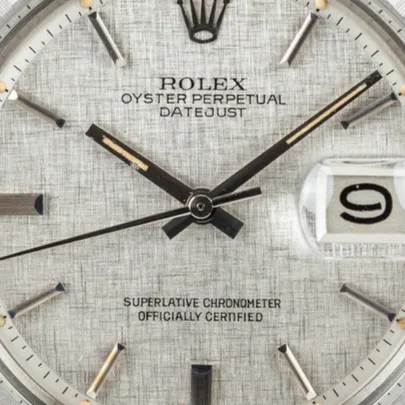

34 listings on record under the name.
Sigma
From the 1970s Rolex added two small Greek sigmas either side of T SWISS T when markers and hands were 18k gold. They are scarce and found more often on steel watches like the 1603.
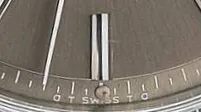

121 listings on record under the name.
Mosaic or Shantung
A blue dial with a denim-like gloss texture; Mosaic and Confetti dials were made by Beyeler, shown by the case-back signature.
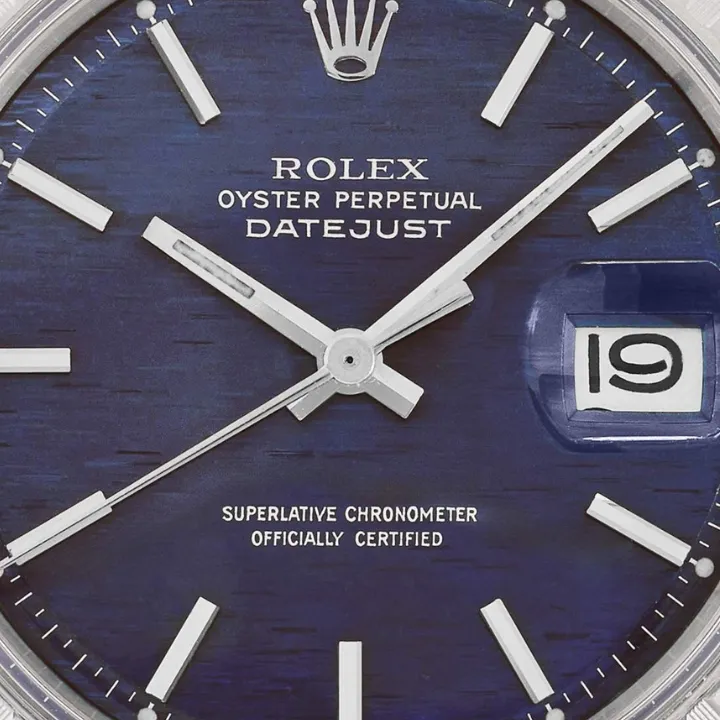

20 listings on record under the name.
Tiffany & Co.
Signed dials exist and are hard to find.
- Tiffany name on dial
Mardi Gras
A dark blue dial that has turned orange and purple in a starburst pattern through heat and humidity.
- faded blue dial
T SWISS T and SWISS
Early watches have SWISS only; T SWISS T follows later. The literature gives no years for either.
- Swiss marking at the foot
Marker styles
Applied baton indexes with matching baton hands, or Roman numerals; diamond-set markers are rare.
Other seller names
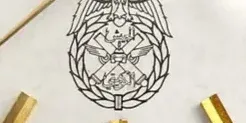
Sellers also name Ghost, No-Lume, Swirling Leaf and Bahrain-emblem dials, and burgundy is mentioned as a rare colour.
Luminous material 2 described
Where present, lume is tritium: a dot over each index and a stripe in the hands, ageing to cream or tan. Some dials carry none.
Tritium
Used sparingly. Sellers describe a few watches of the early 1960s as radium-lumed and a few as Luminova.
No lume
Sellers sell silver dials with no lume plots.
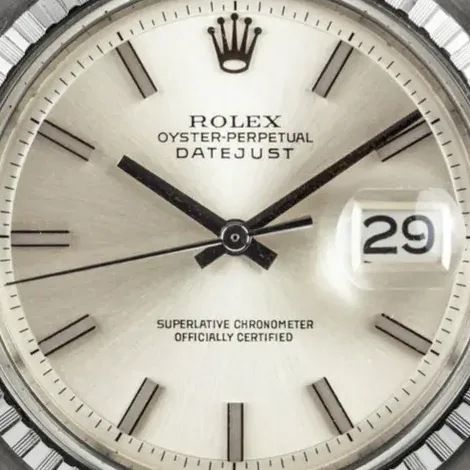

Hands 2 described
Baton hands matching the markers; dauphine hands appear on a few early watches and alpha hands on others.
Dauphine
Seen on a few watches of the early 1960s; those are the years of the watches so described, not a span of production.
- tapering dauphine hands
Alpha
Sellers describe a few watches, dated across the run, as having alpha hands; their years are those of the watches so described, not a span of production.
- alpha hands
Bezel 1 described
The bezel is engine-turned steel, cut with fine vertical grooves. Fewer engine-turned bezels were made than smooth or fluted ones. Rolex dropped the engine-turned look in the mid-2000s when the 16220 ended.
Engine-turned steel
Replaces the 1601's gold fluted bezel. Sellers quite often call this steel bezel fluted or reeded, loosely.
- fine vertical grooves Confirmed by eye on a watch of 1965; the photograph is not shown here. See the listing at swisswatchexpo.com
Case 1 described
A 36 mm case in 316L steel with brushed lug tops and polished flanks. An over-polished case loses the crisp bevels and has rounded lugs.
Drilled lugs
Lug holes are present.
- holes through lugs
Crystal 1 described
Domed acrylic with Cyclops.
Acrylic
Standard; a few listings state sapphire, probably replacements.
Date 1 described
No quickset on this reference. The date is moved by turning the hour hand past midnight, and the quickset came with the five-digit calibre 3035 in the late 1970s.
Date wheel open 6 and 9
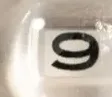
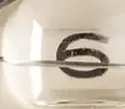
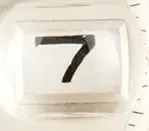
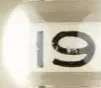
Sellers describe the date wheel of a number of watches as having an open 6 and 9.
- open 6 and 9 on the date wheel
Movement 2 described
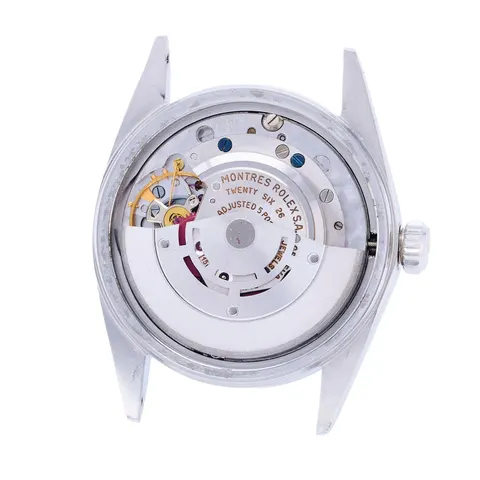
Calibre 1565 (18,000 vph, Breguet overcoil, instant date change) from 1959 until the mid-1960s, then the 1575 at 19,800 vph. The bridges of both are often engraved 1560 or 1570, the numbers of the no-date versions, because the plate was shared across the family; one account and many sellers therefore give the 1603's movement as a 1560 or 1570.
Calibre 1565
Replaced the 1065; used until the mid-1960s.
Calibre 1575
Arrived in 1965 in one account, and gained hacking seconds in 1972.
Bracelet 4 described
Mostly five-link Jubilee, sometimes Oyster; the link style changed over the run (riveted, folded, oval, D-link) but centre links were always hollow. Period end-link codes and a matching clasp date code show a bracelet belongs.
Jubilee
Sellers name the bracelet references 6251H, most often, then 62510H, 6251 and 62510, with end links such as 555, 55, 22 and 558.
- 6251H
- 555
Oyster
Folded or riveted, a few examples; sellers name the references 7836 and 78360.
Joske's Mexican Jubilee
Signed Joske's Hecho en Mexico, made in Mexico from the late 1960s to the 1980s; oval outer links, with the clasp crown logo in the upper third, not at the top as on a Swiss 6251H.
- Joske clasp signature
- logo in upper third
Other non-Swiss clasps
Genuine Rolex clasps made outside Switzerland are marked C&I and JB Champion (USA), WAB (UK), D'A (Venezuela) and Made in Japan.
- foreign clasp stamping
Originality
- Dials are repainted: uneven print or too-perfect lume plots seen at an angle point to refinishing.
- Over-polishing rounds the lugs and removes the bevels between brushed and polished surfaces.
- A bracelet belongs when its end-link codes and clasp date code fit the watch's period.
- Service replacements: the records note some dials and hands described as replacements.
Names
- Wide Boy. Hands and markers are thicker than normal.
- Mardi Gras Datejust. A blue dial faded to orange and purple.
Where accounts differ
Points on which the published literature and the library's own records do not agree, or on which the literature contradicts itself.
- Movement. One guide says the 1565 gave way to the 1575 in 1965; another says the 1570 replaced the 1560 that year, naming the no-date calibres whose numbers are engraved on the bridges. Sellers in the library's records name the 1570 most often, then the 1560, and the 1575 least.
- Production span. One account gives the 1960s to the 1970s and another an end in the late 1970s; a third gives 1959 to about 1981 for the whole 16xx family, and another the 1960s to the 1980s for the 1601 and 1603. Case numbers in the library's records begin with a single watch in 1958 and end in 1978, with a single watch in 1980.
Back and movement
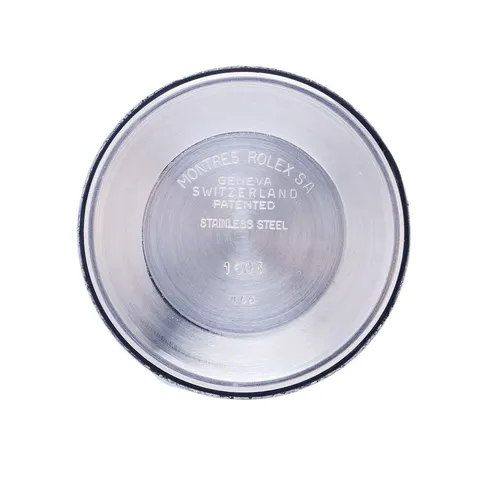
From listings of this reference, each confirmed by eye to show what it is filed under. A picture on which a person's name or a personal engraving can be read is not shown. From most holders a detail from the middle of the photograph is shown; the mark in its corner gives its holder and a link to the listing.
Caseback
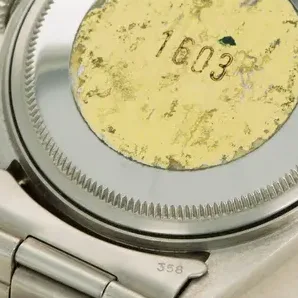

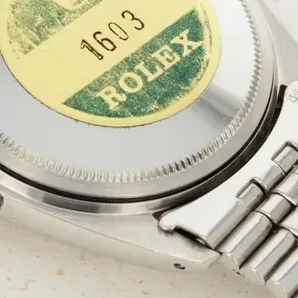

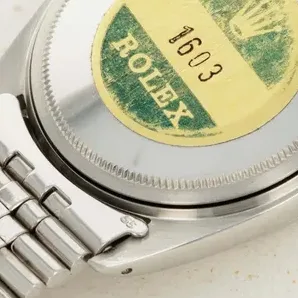

Inside the caseback

Movement

Catalogue versions 1 listed
The full numbers under which holders list this reference, with what their listings say of each. Each has a page of its own.
| Version | Metal | Dial | Years seen | Records |
|---|---|---|---|---|
| 1603/0 | Steel | Silver or blue | 1972–1978 | 8 |
In the records
Counted from 974 listings at 59 holders between 23 November 2010 and 14 November 2026. These are what sellers and auction houses state, not measurements.
Fainter bars are the 31 outside the main run of 1964–1977 (the middle nine-tenths): the earliest is 1958 and the latest 1980. They are early and late examples, and now and then a number misread. The head of the page gives 1960–1978: the years that listings from two holders bear out.
At the holders that record papers on every watch, 6% of their 121 listings of this reference come with papers; at those that record the box on every watch, 40% of 170 come with a box. "Papers" is whatever the holder counts as papers, and can include service papers.
Case metal
| Steel | 369 | |
| Gold, any colour | 4 | |
| Yellow | 1 | |
| Colour not stated | 3 | |
| Steel and gold | 3 |
A listing that says "gold" or "18K gold" names no colour: it is counted under "colour not stated", not as yellow gold.
Dial colour
| Silver | 213 | |
| Grey | 58 | |
| Black | 50 | |
| Blue | 30 | |
| White | 9 | |
| Champagne | 9 | |
| Brown | 7 | |
| Red | 3 |
Case size
| 36 mm | 355 | |
| 35 mm | 31 | |
| 34 mm | 5 |
Calibre named
| 1570 | 210 | |
| 1560 | 36 | |
| 1575 | 7 |
Bracelet or strap
| Jubilee bracelet | 195 | |
| Oyster bracelet | 24 | |
| Leather strap | 15 | |
| Metal bracelet, kind not stated | 13 | |
| Strap, kind not stated | 4 |
Each table counts the listings that state the thing, in the seller's own terms. A size, metal, colour or calibre that cannot belong to this reference is a seller's slip or a listing filed under the wrong number.